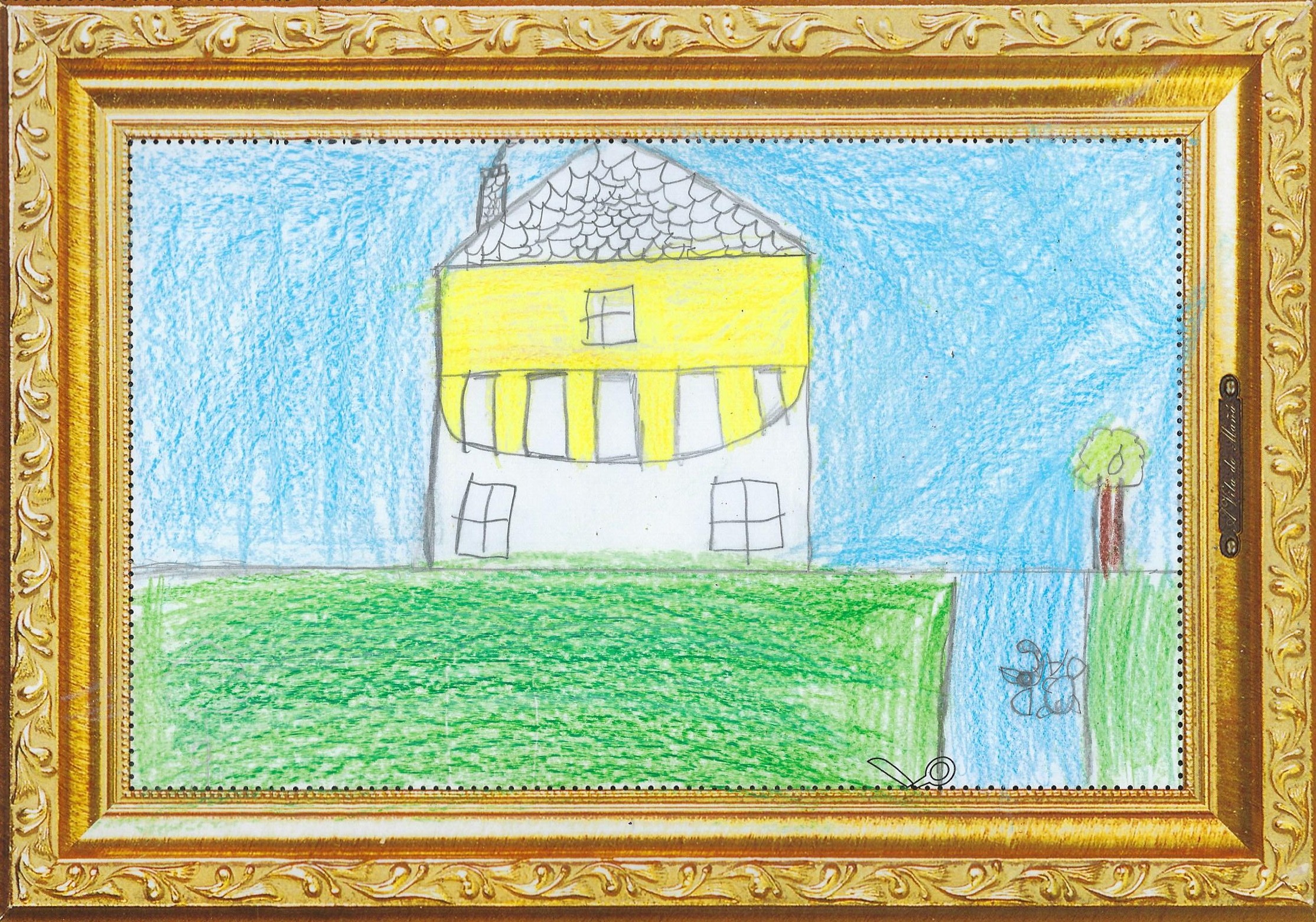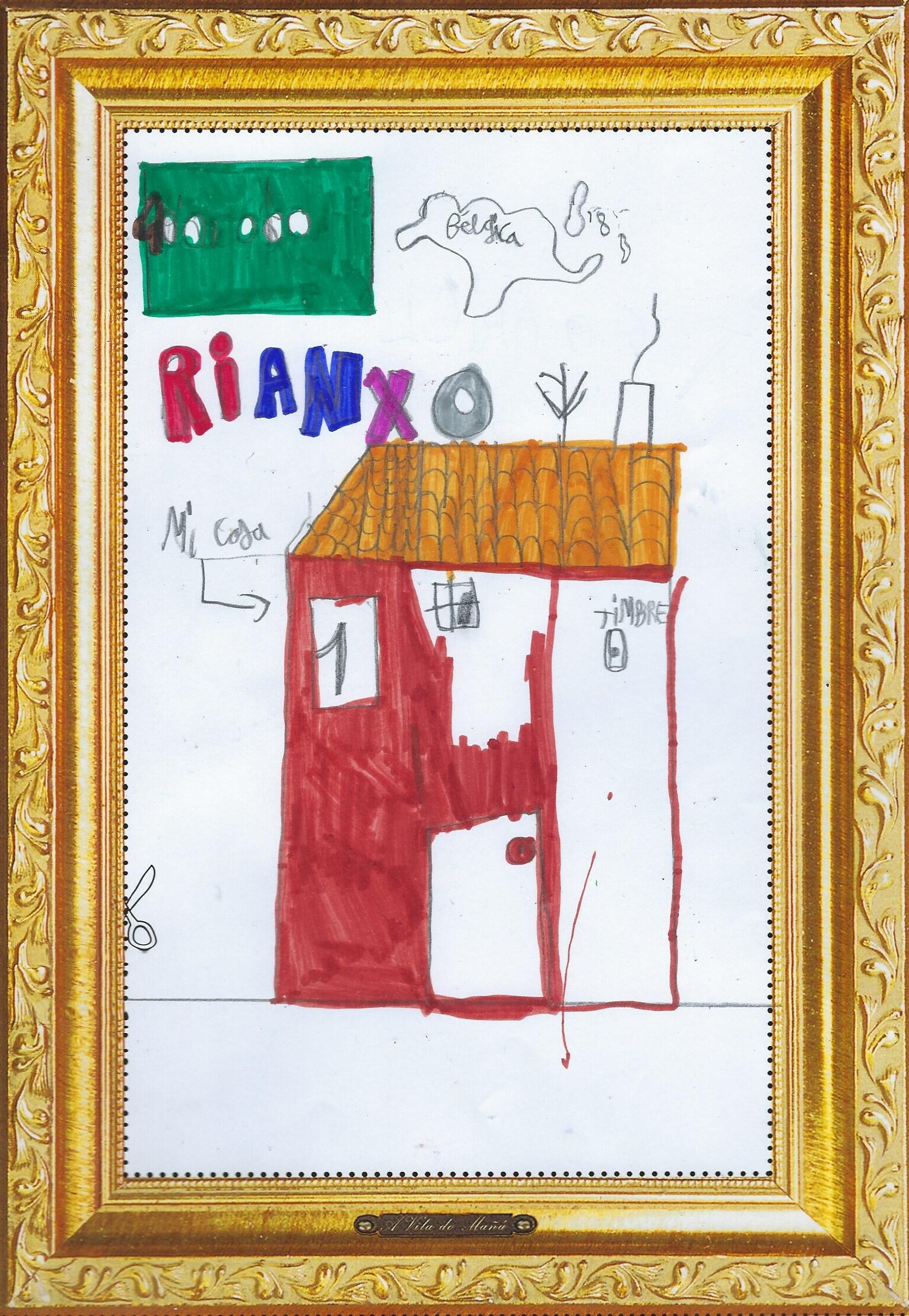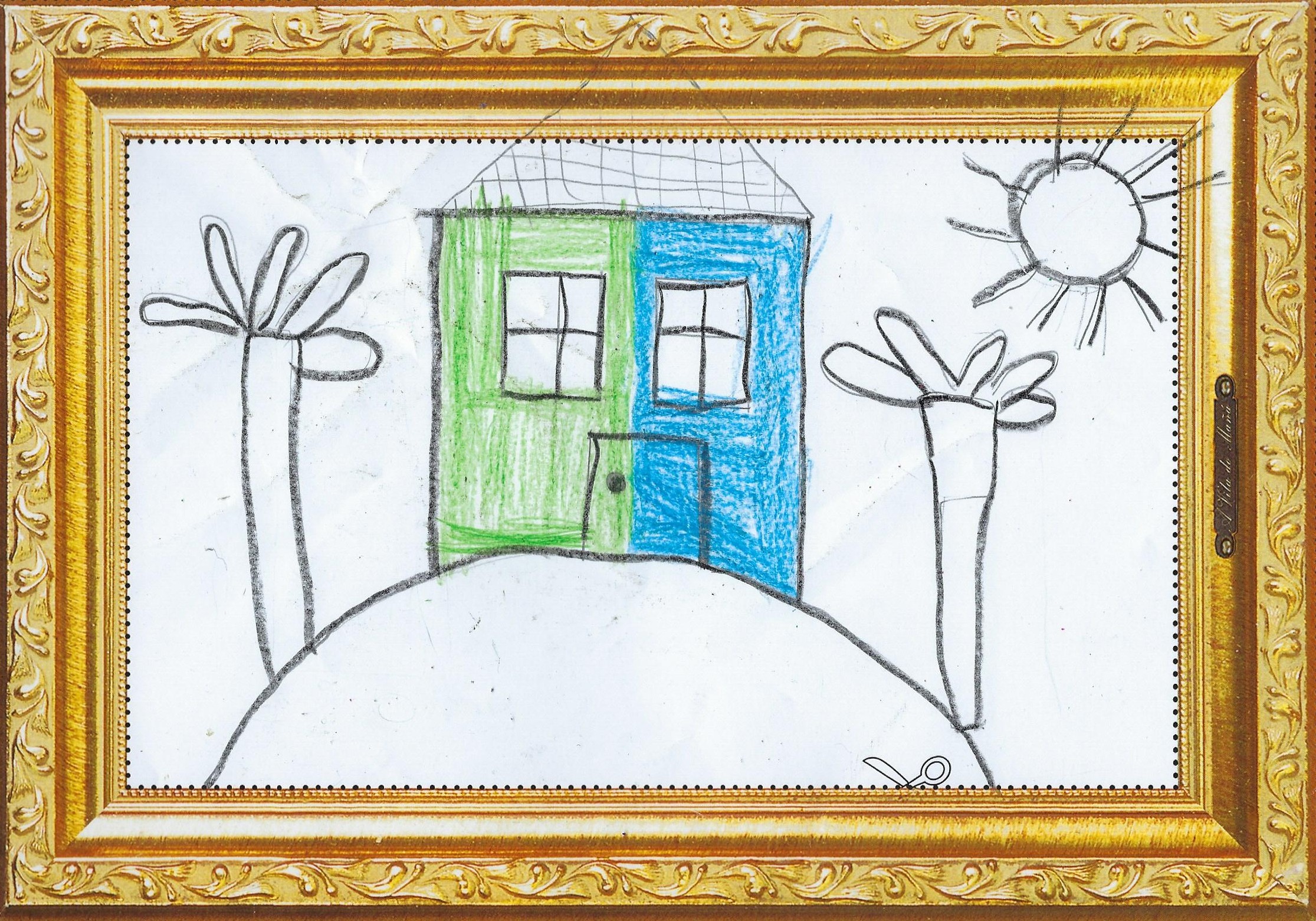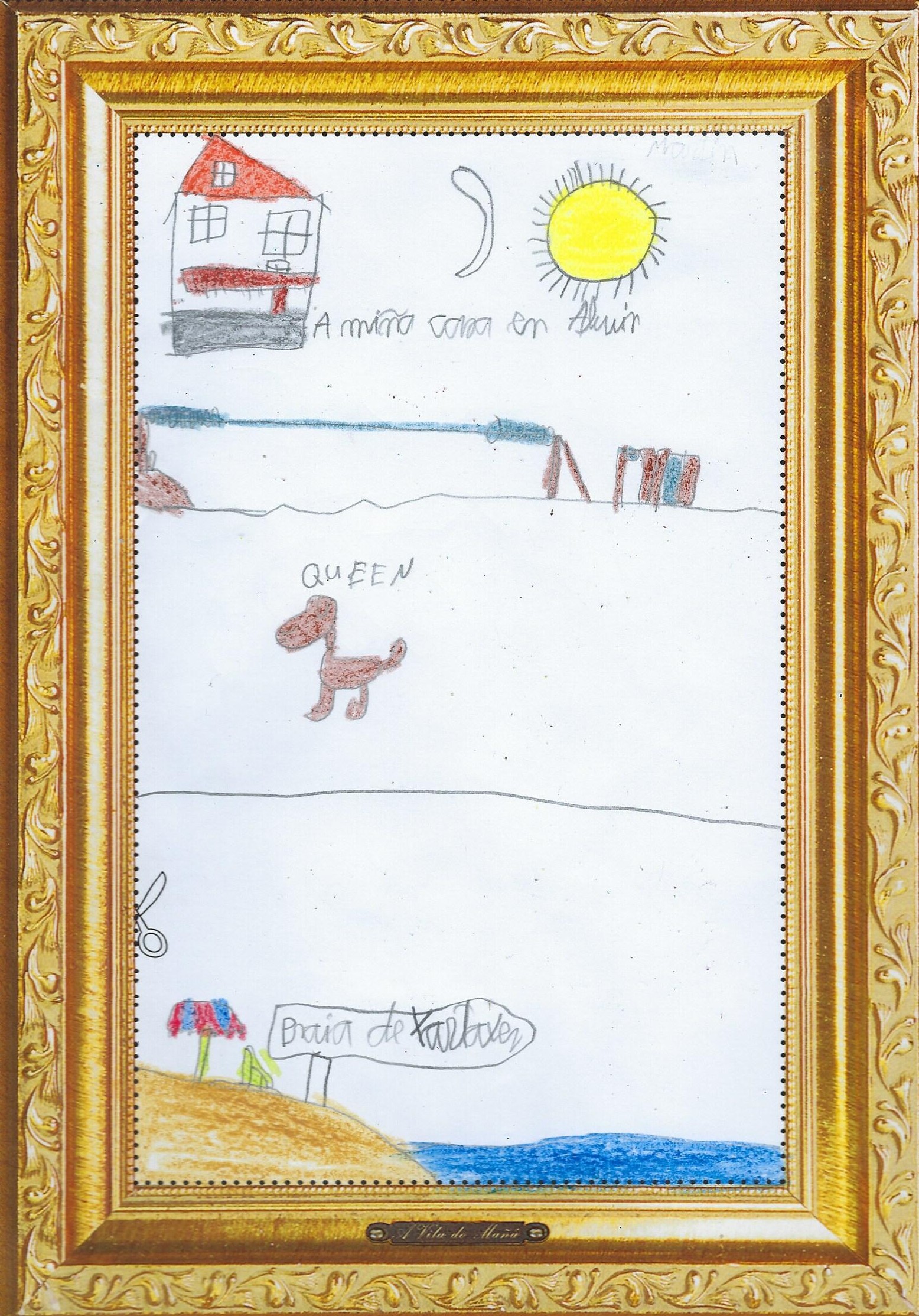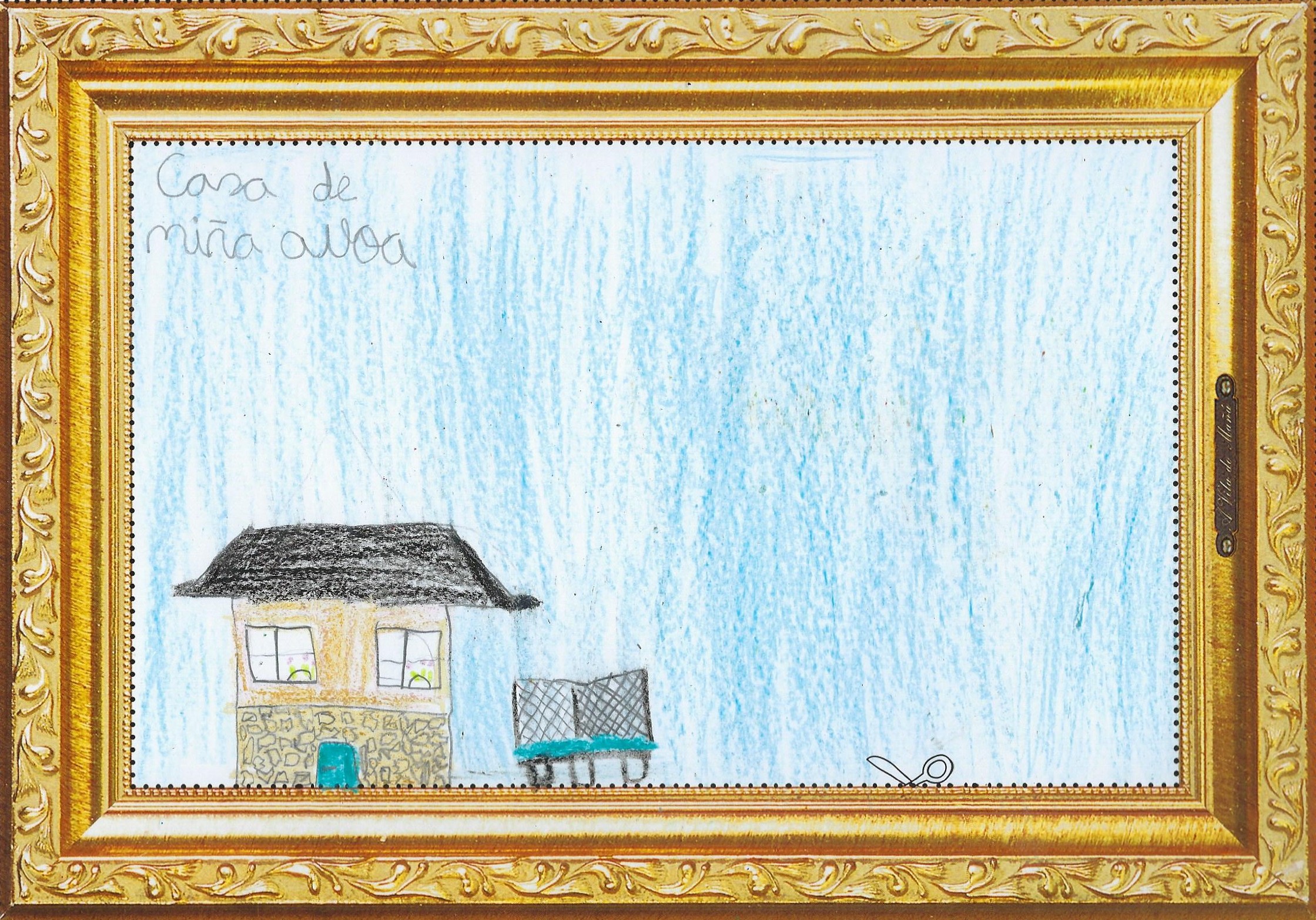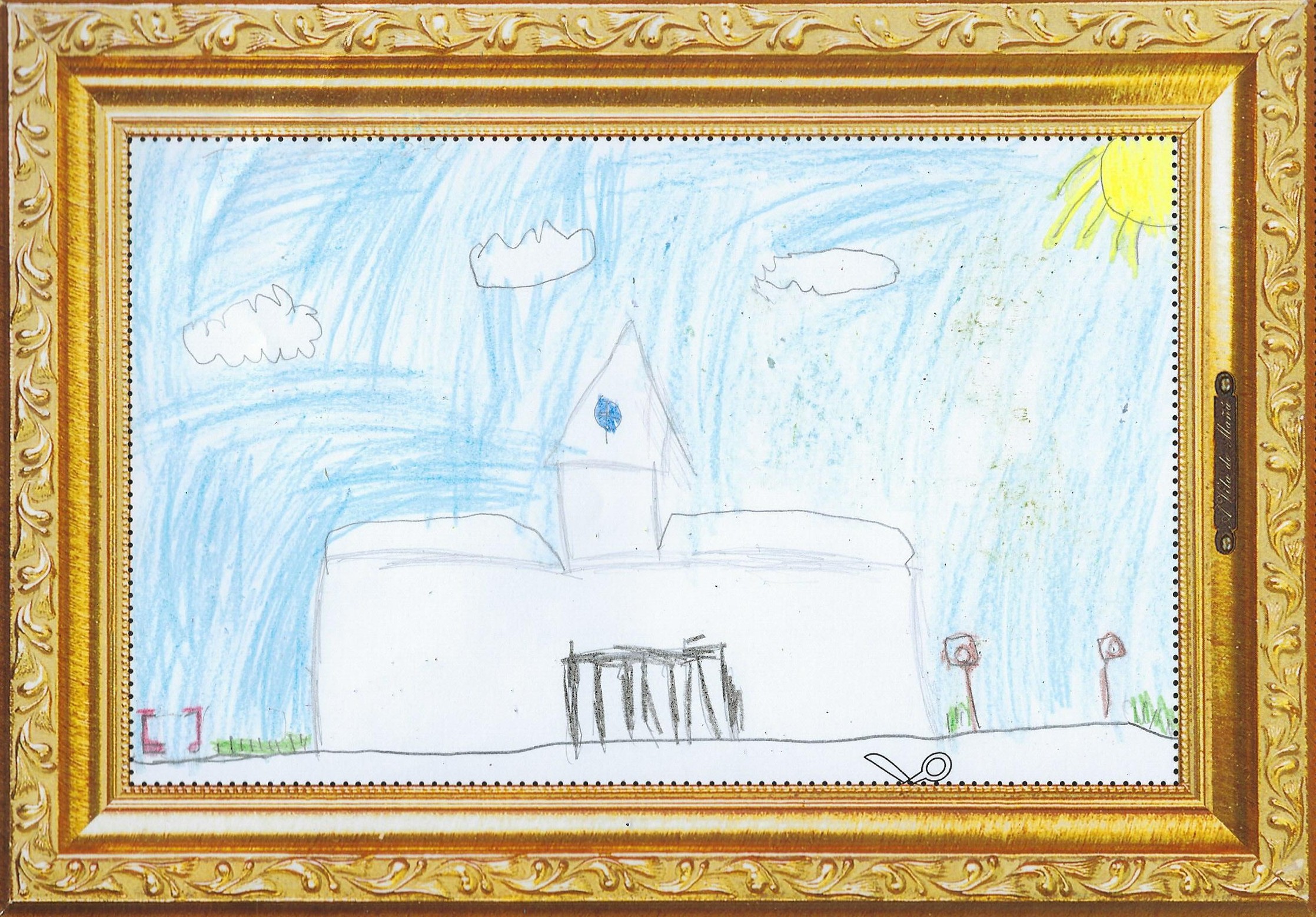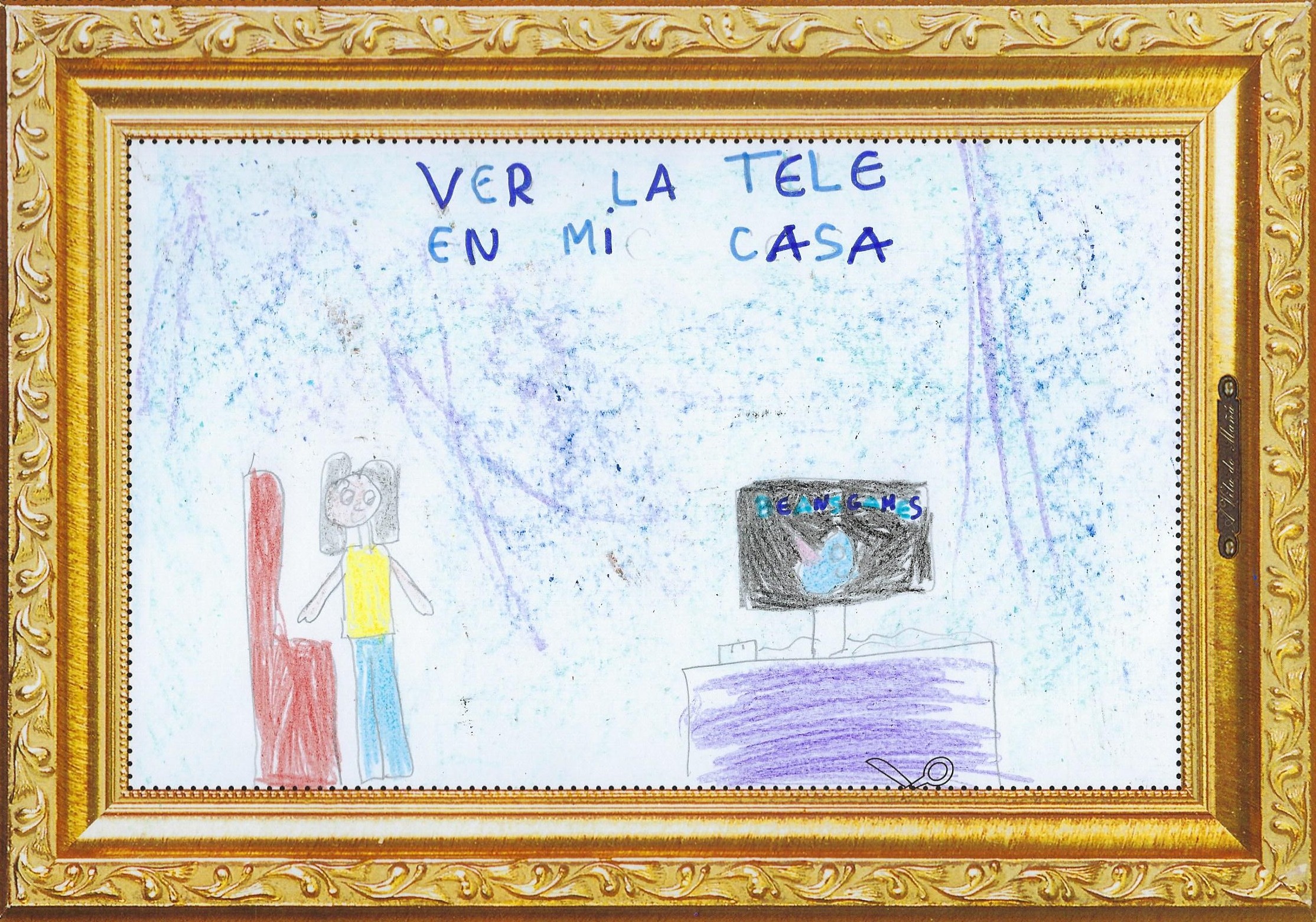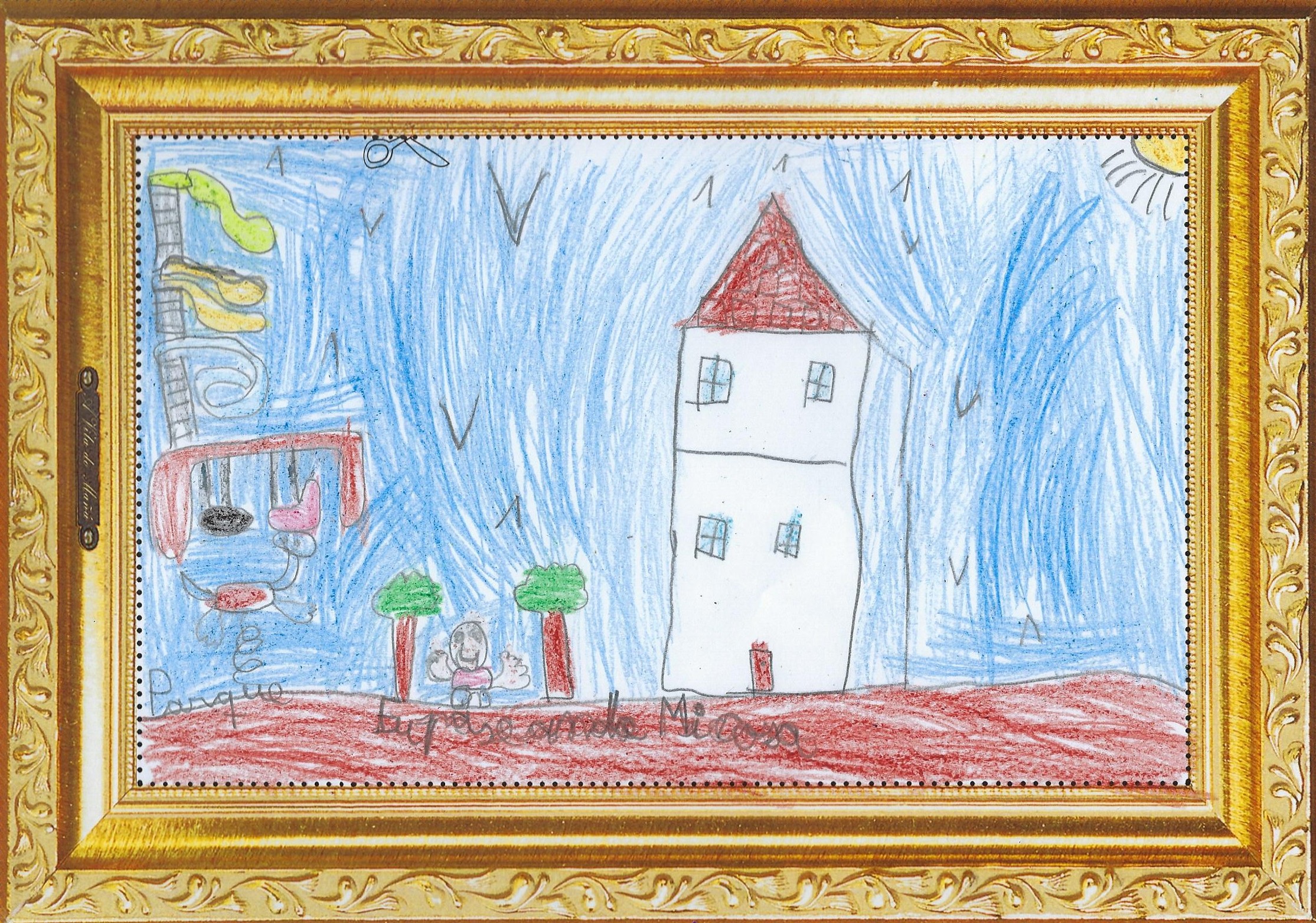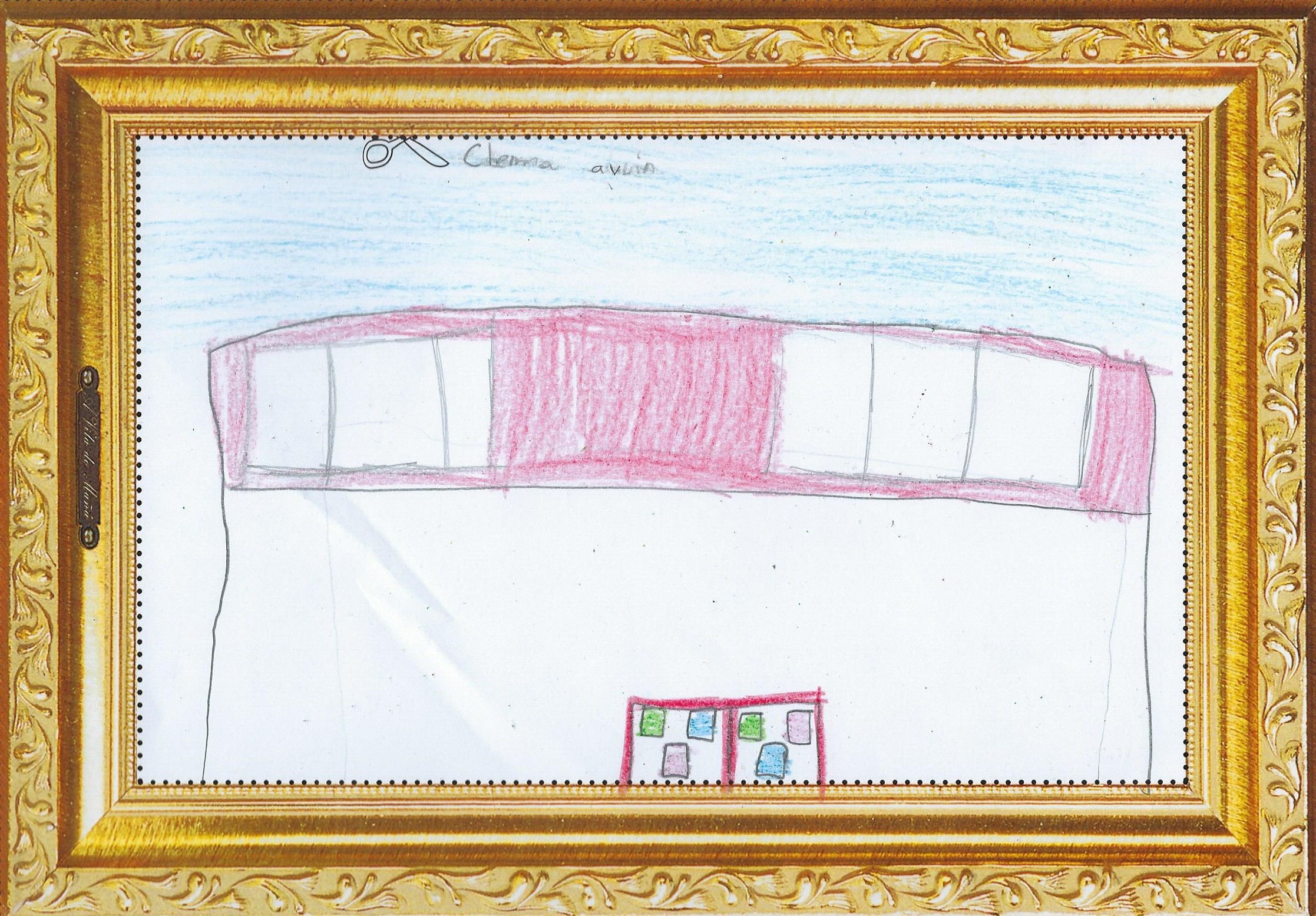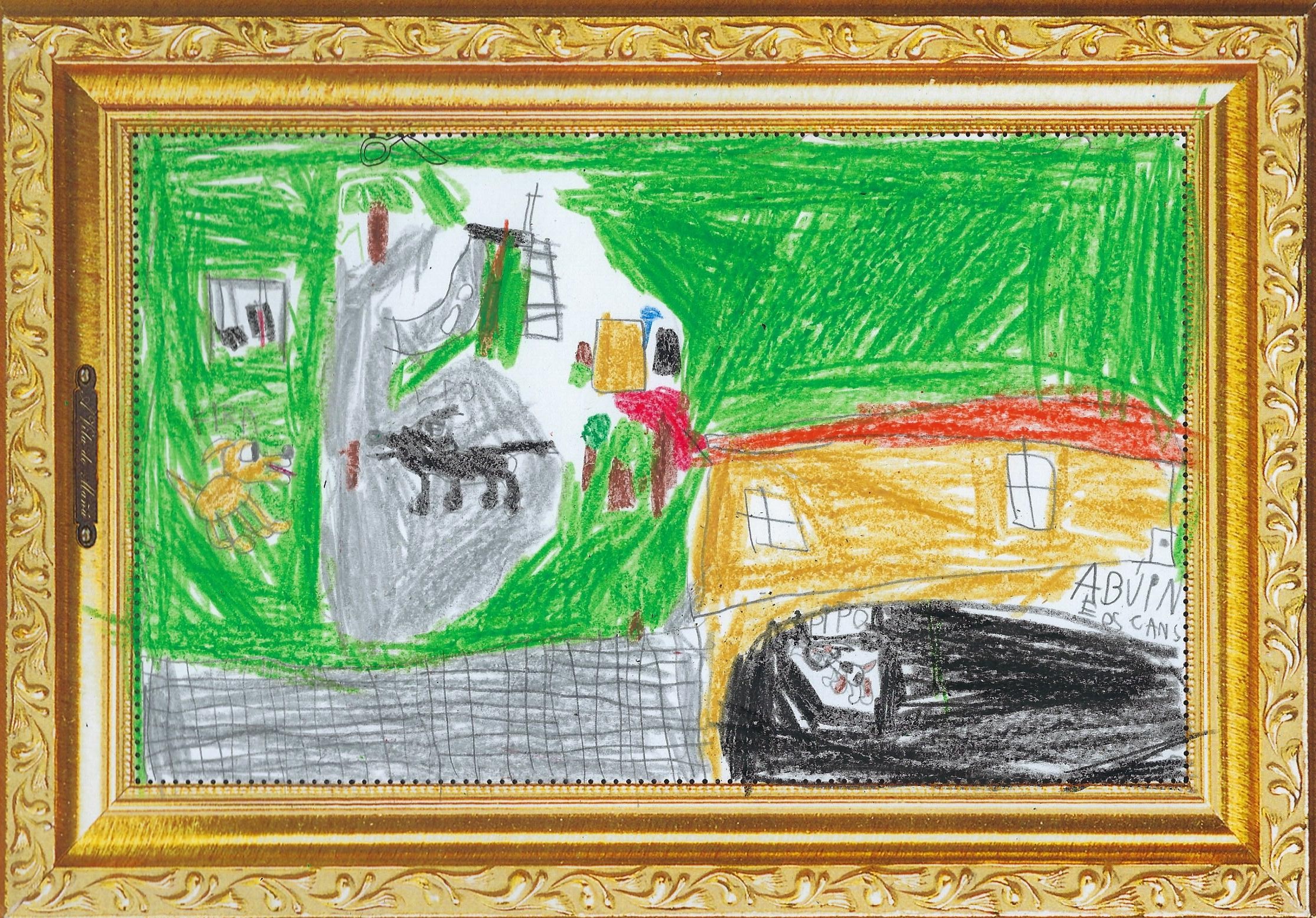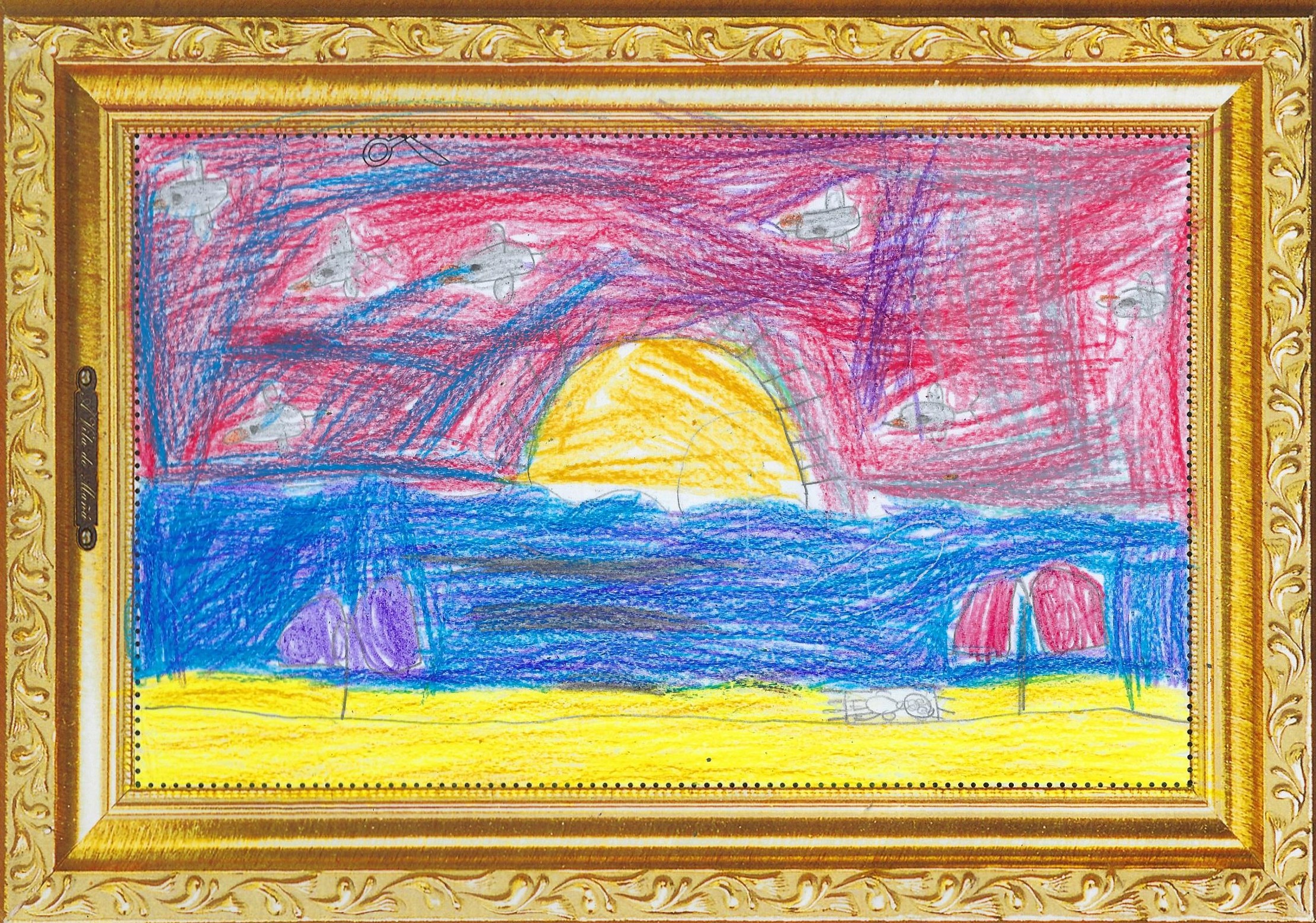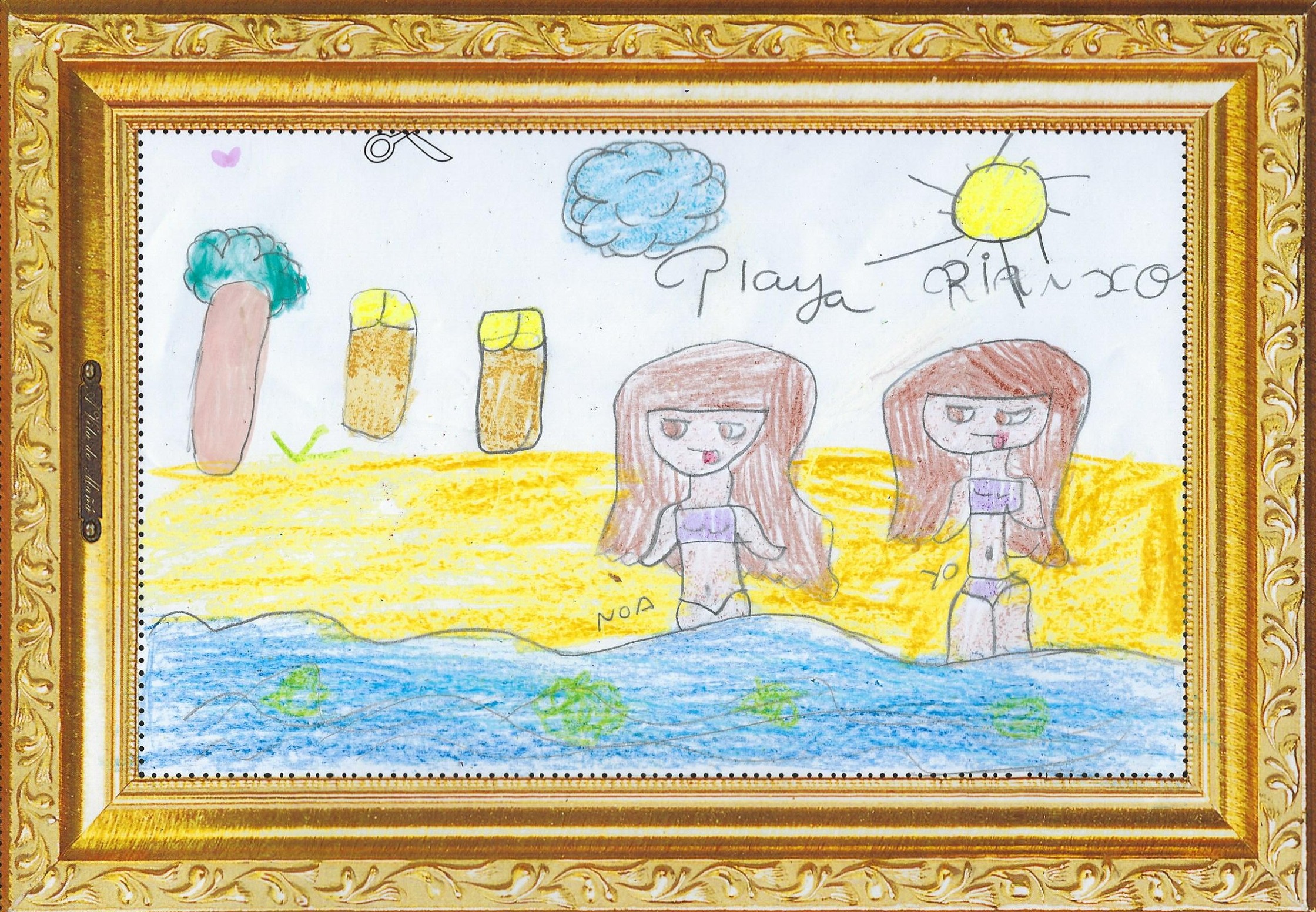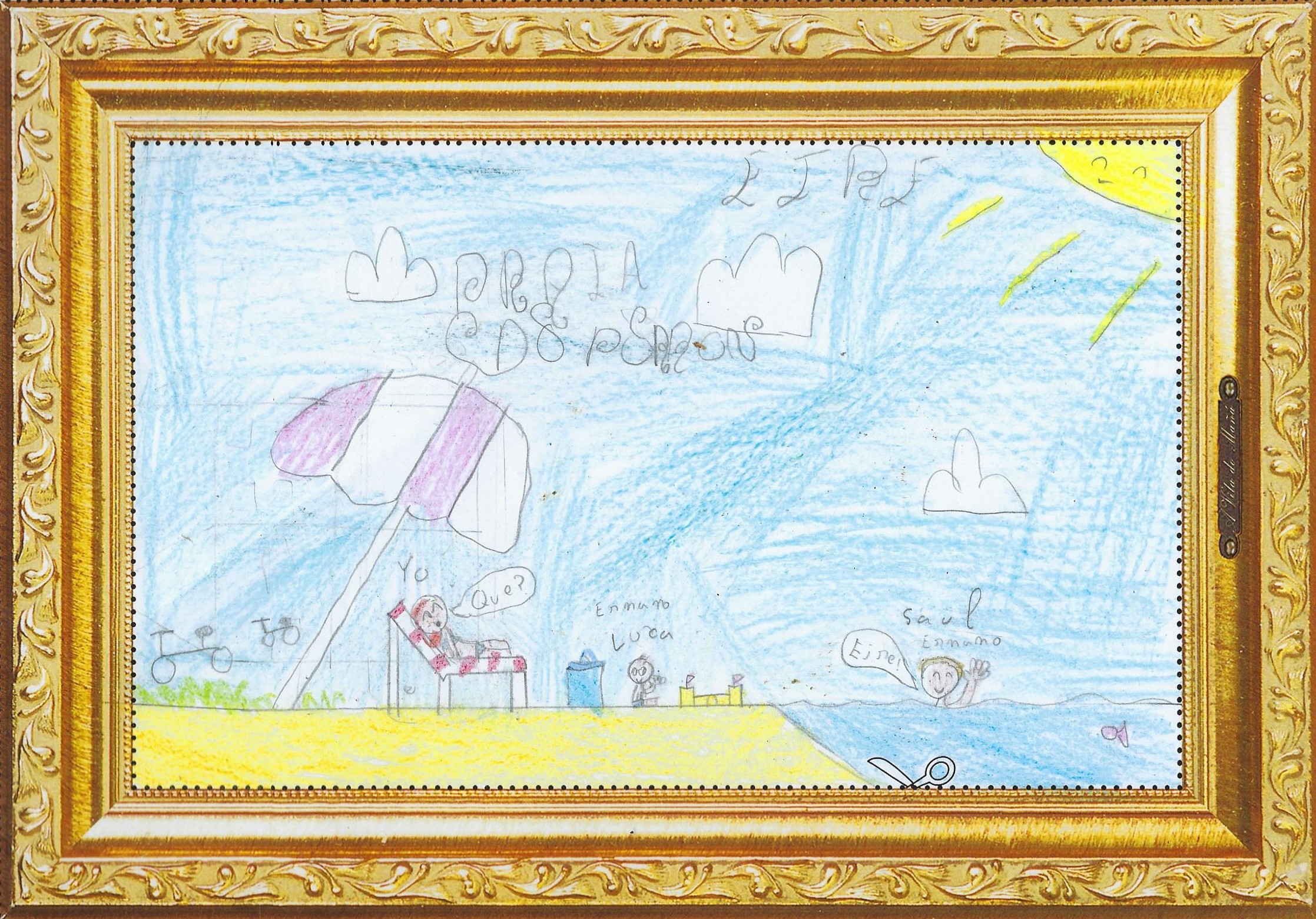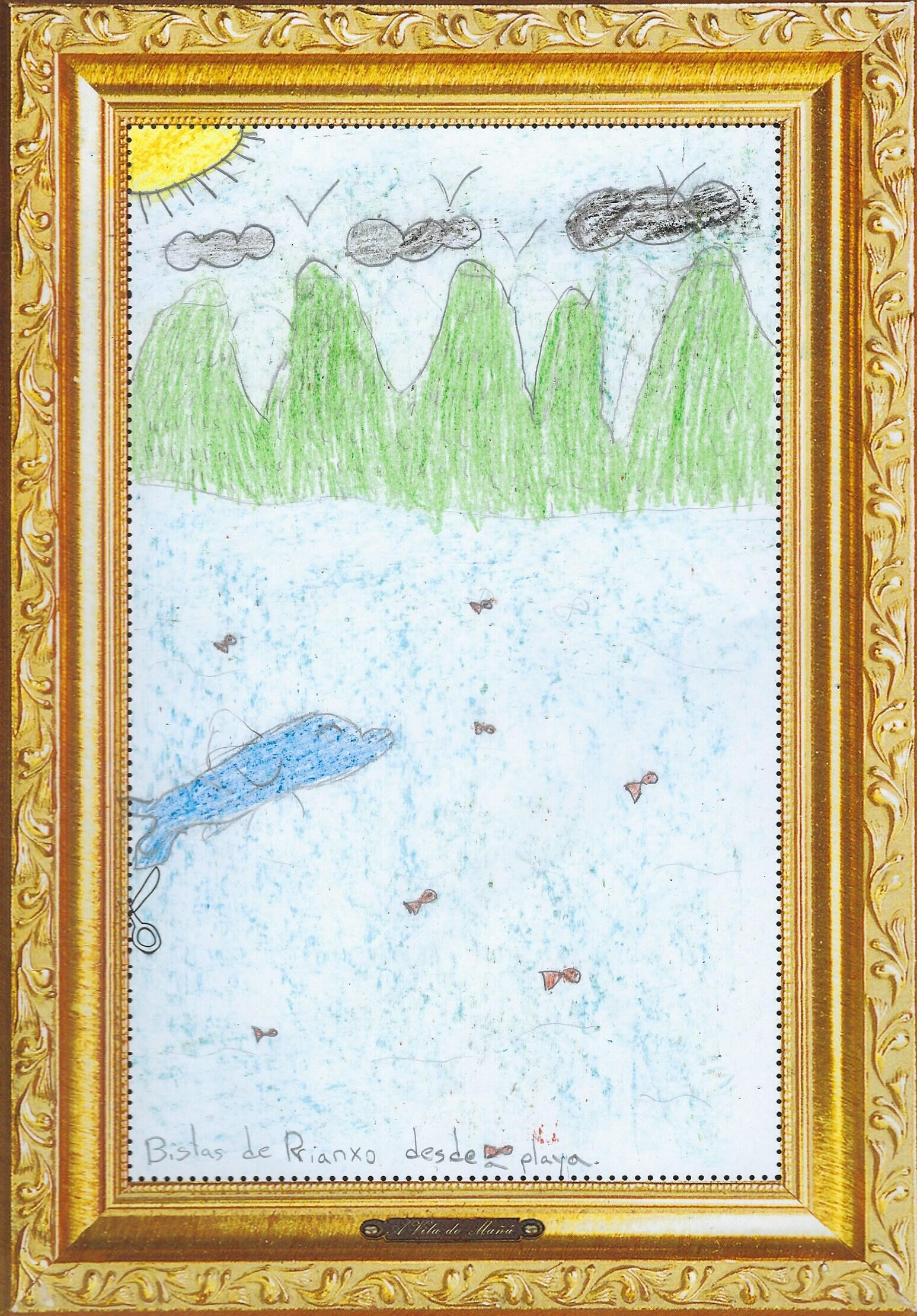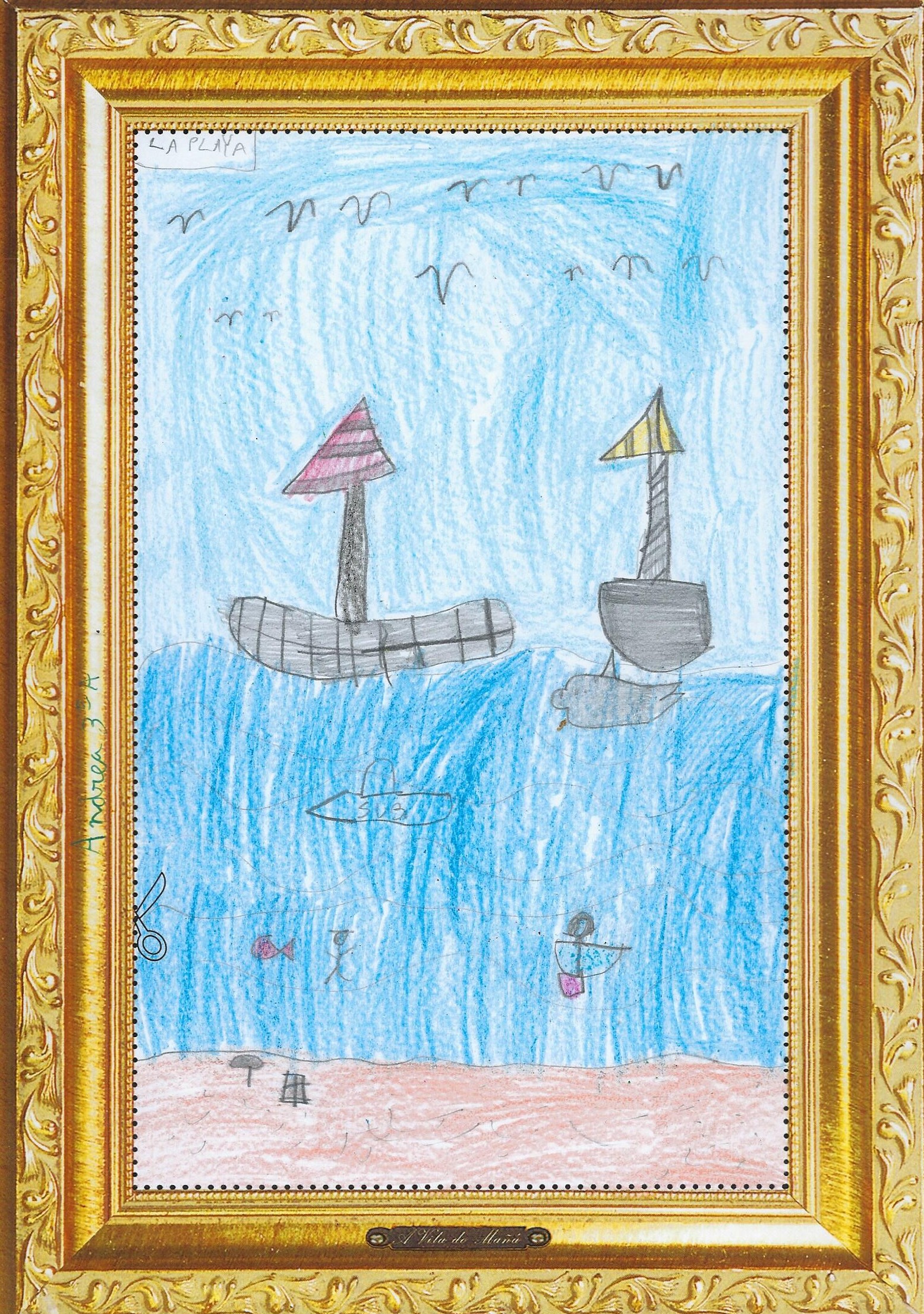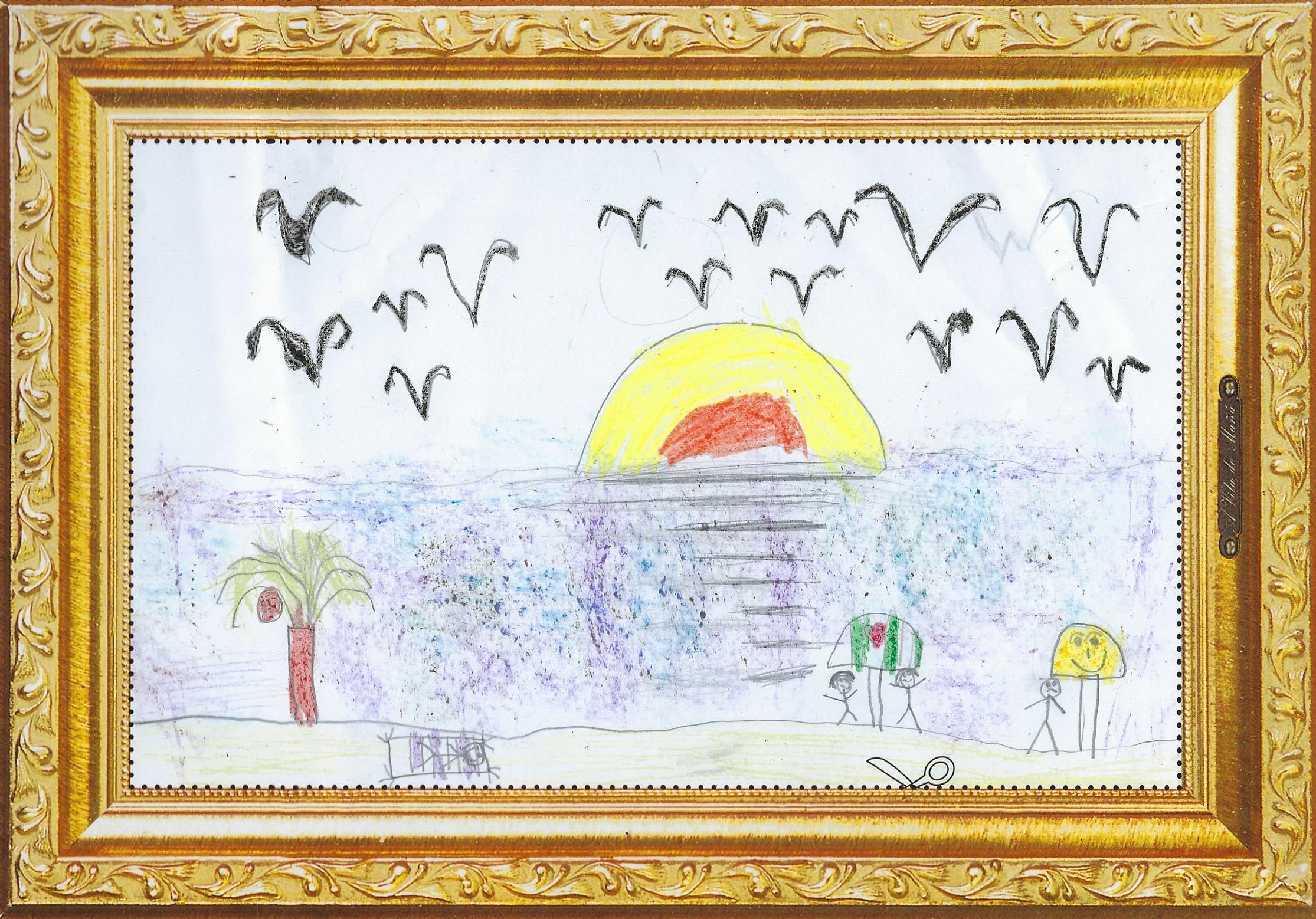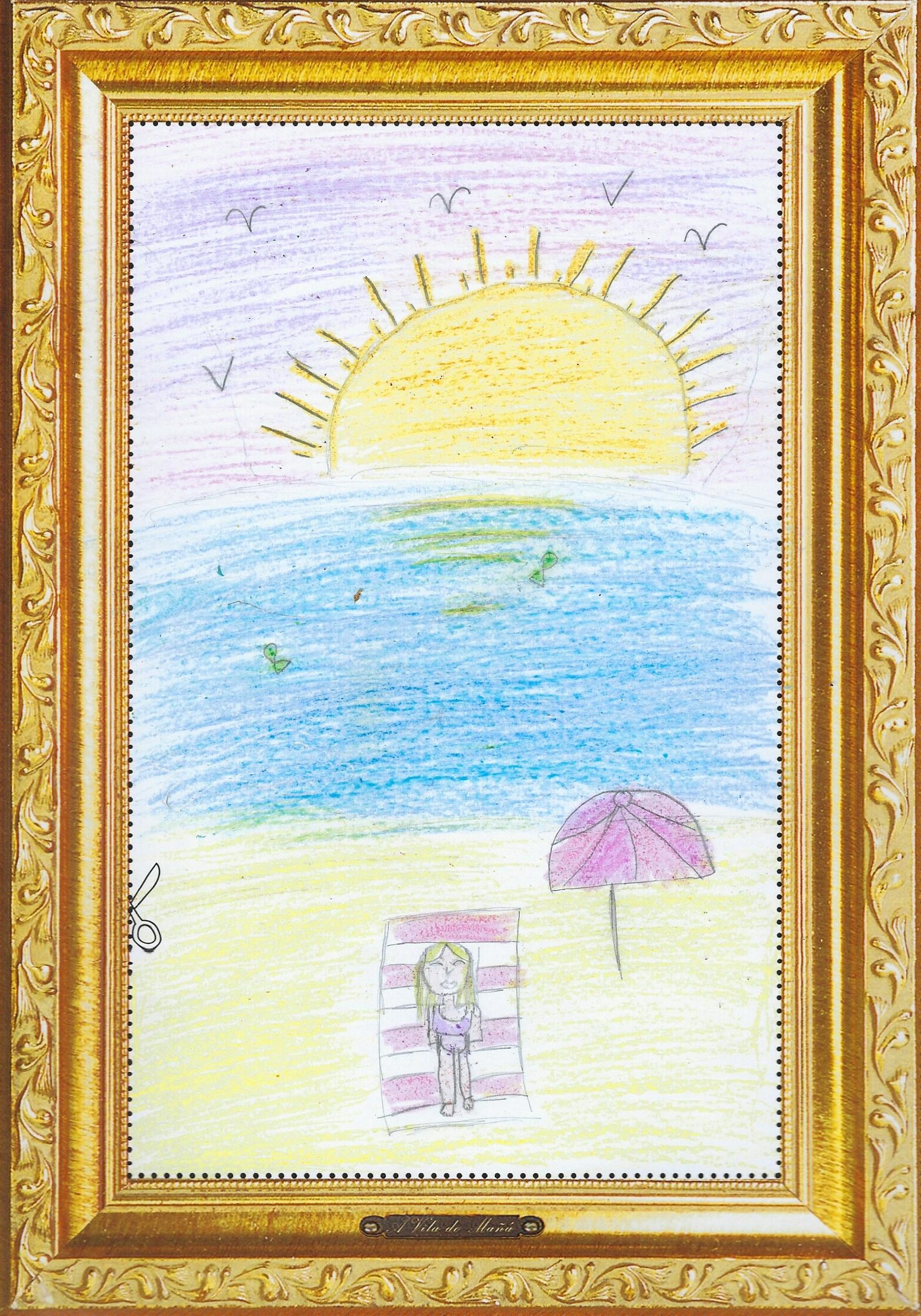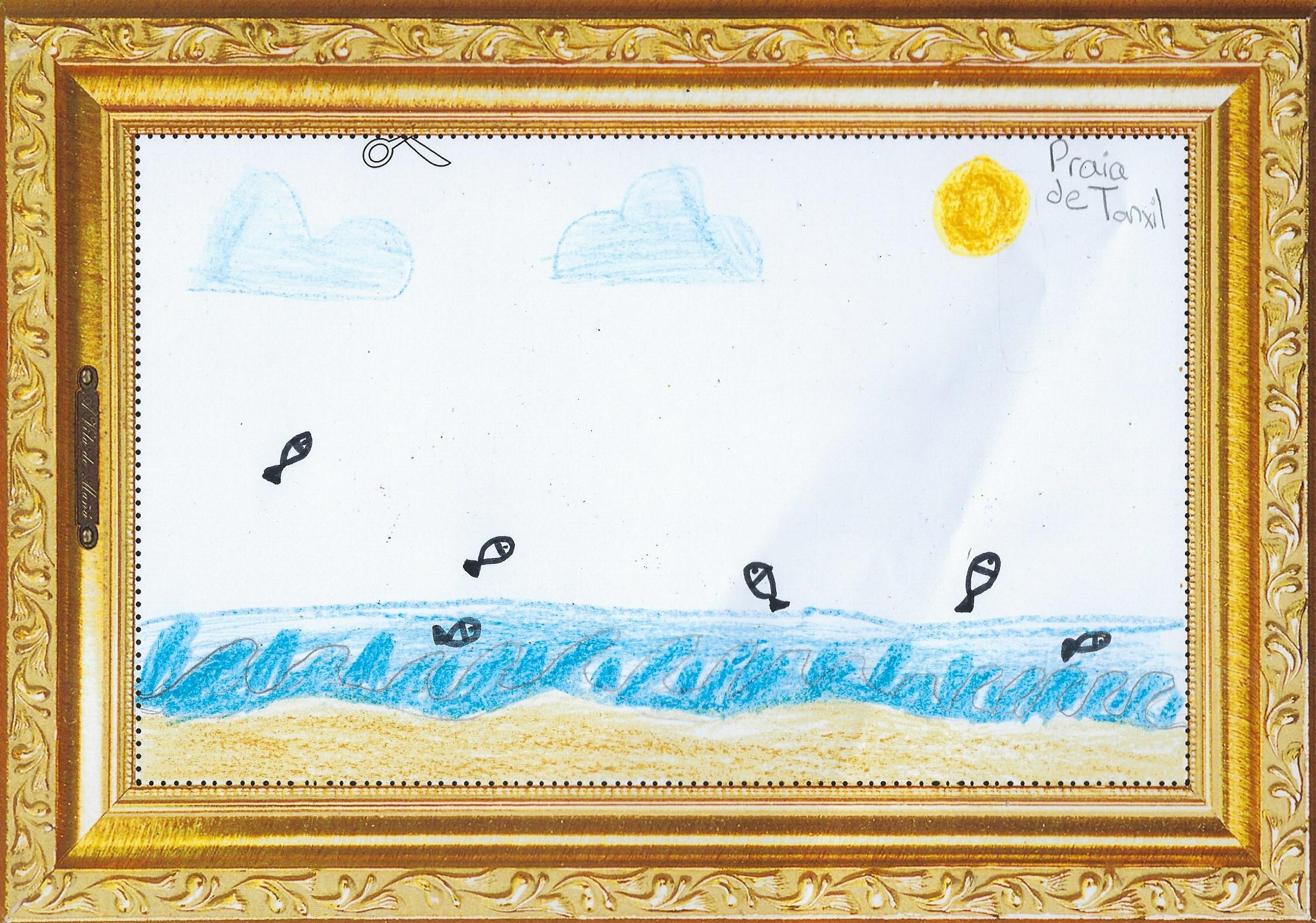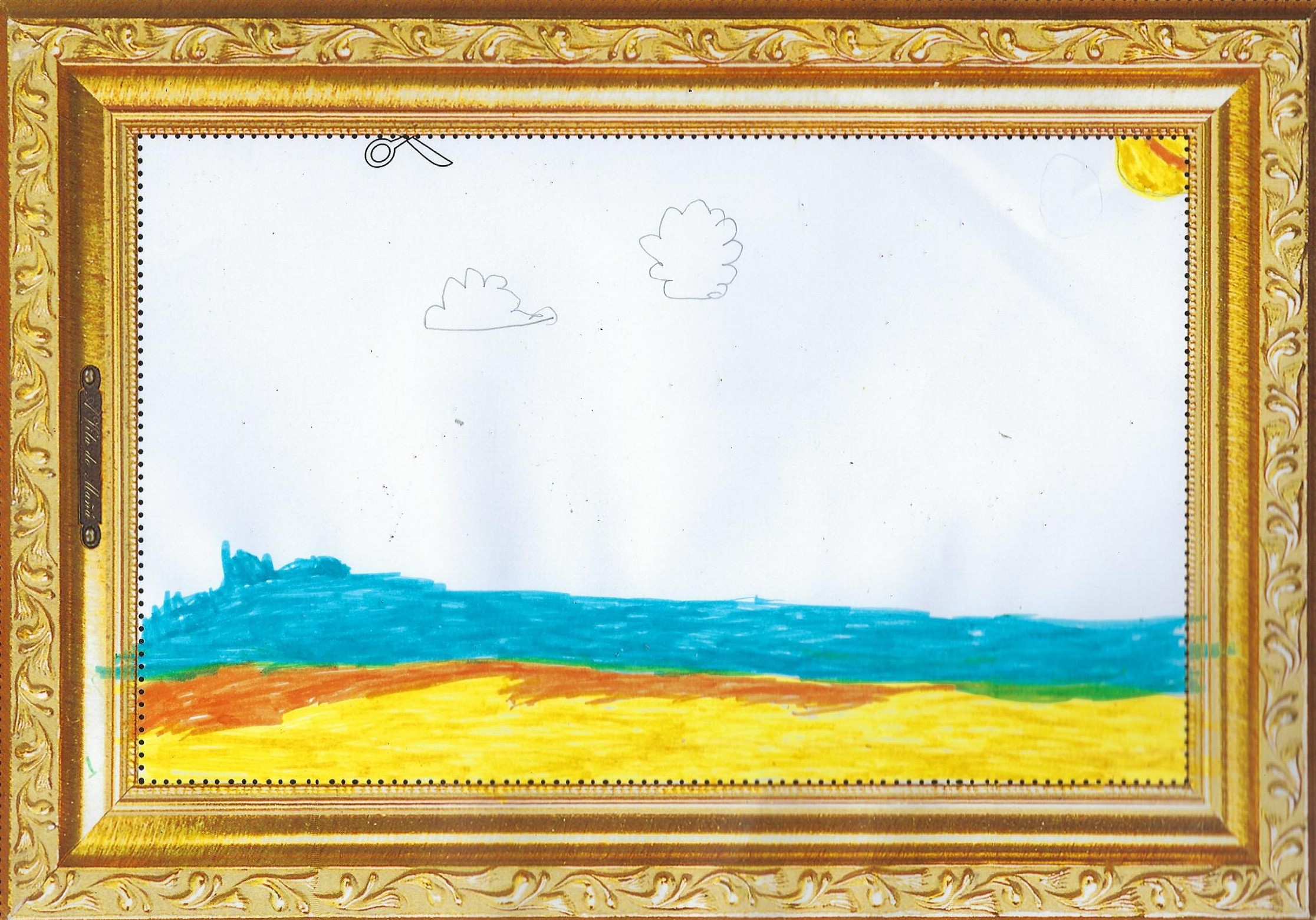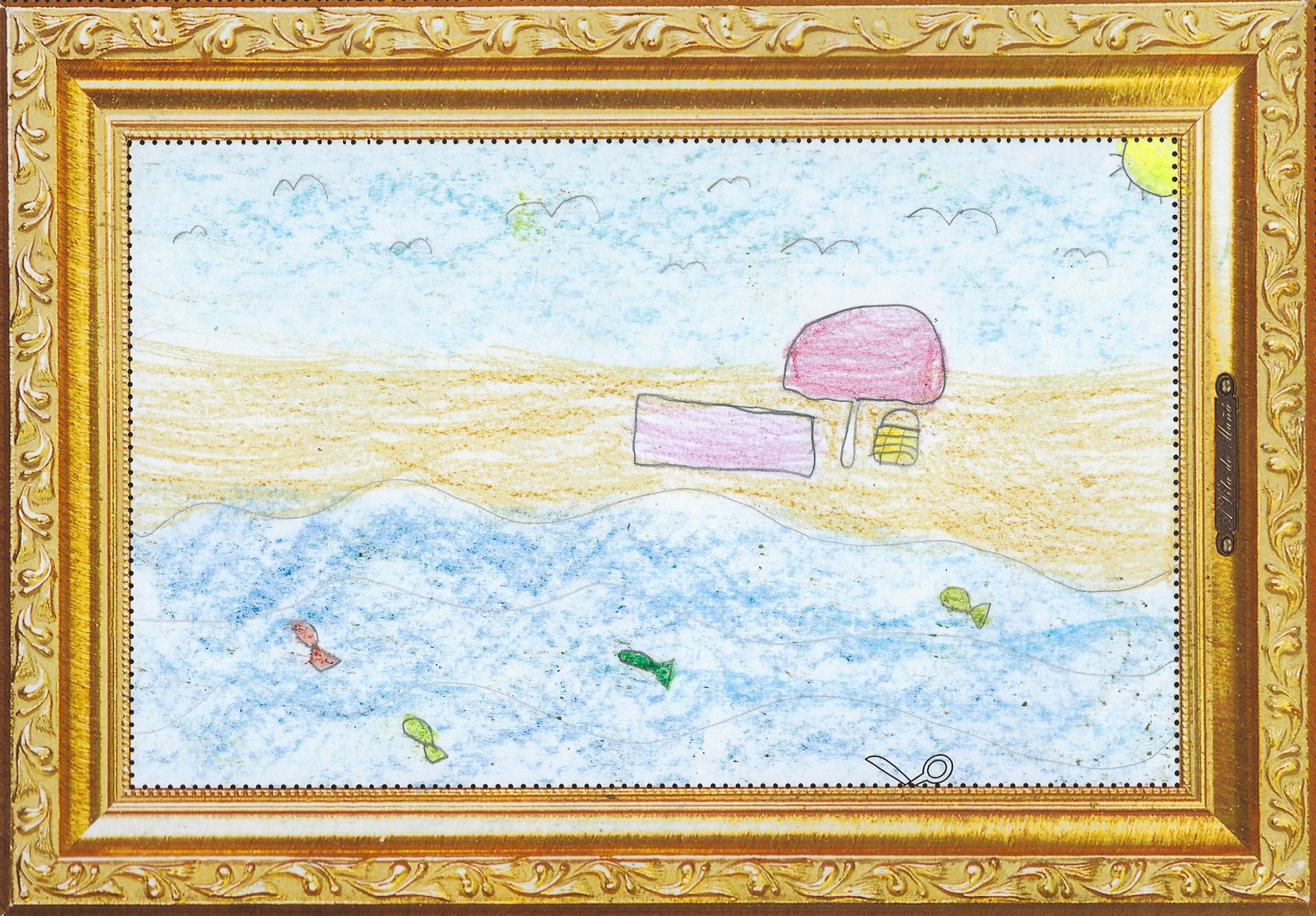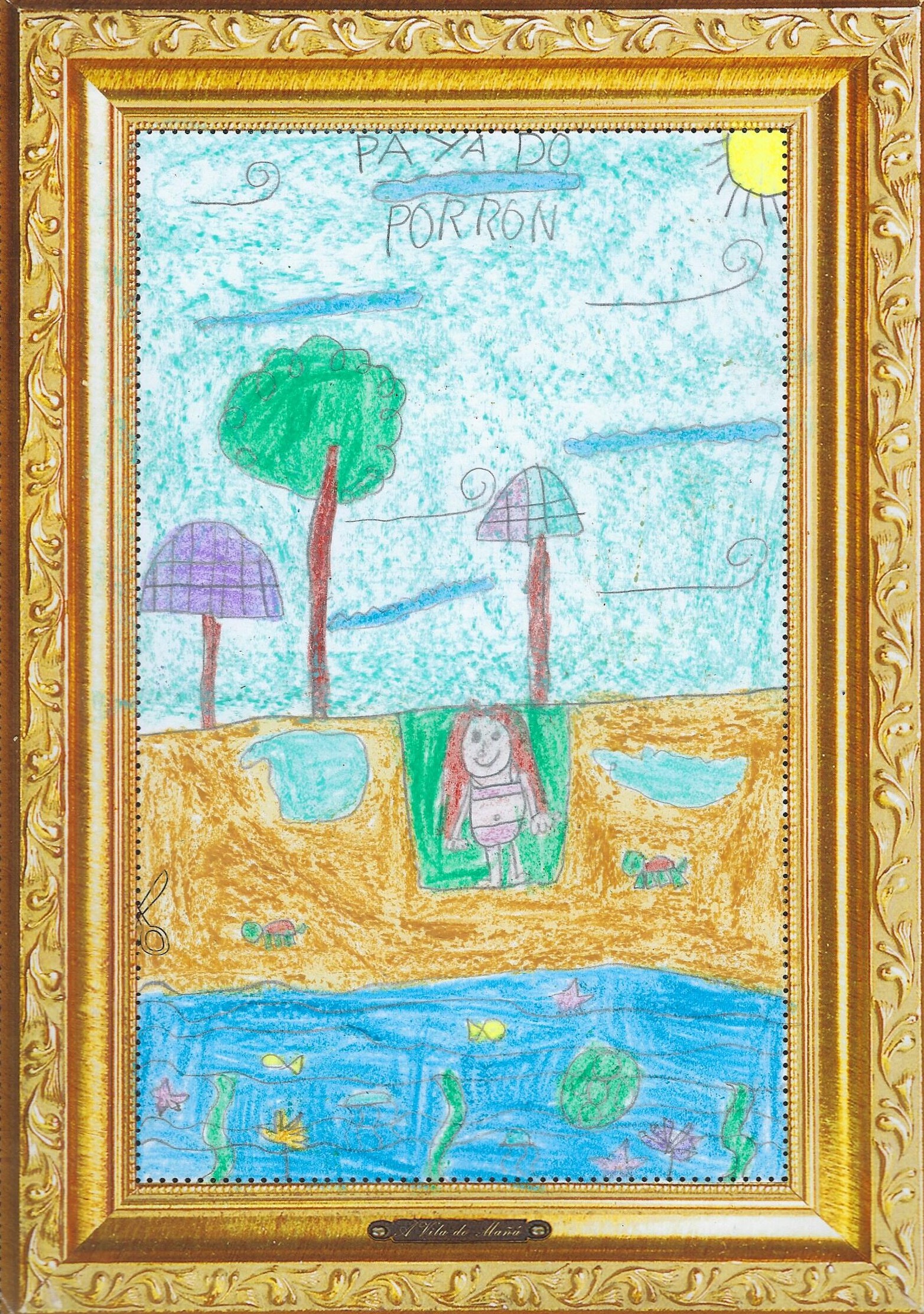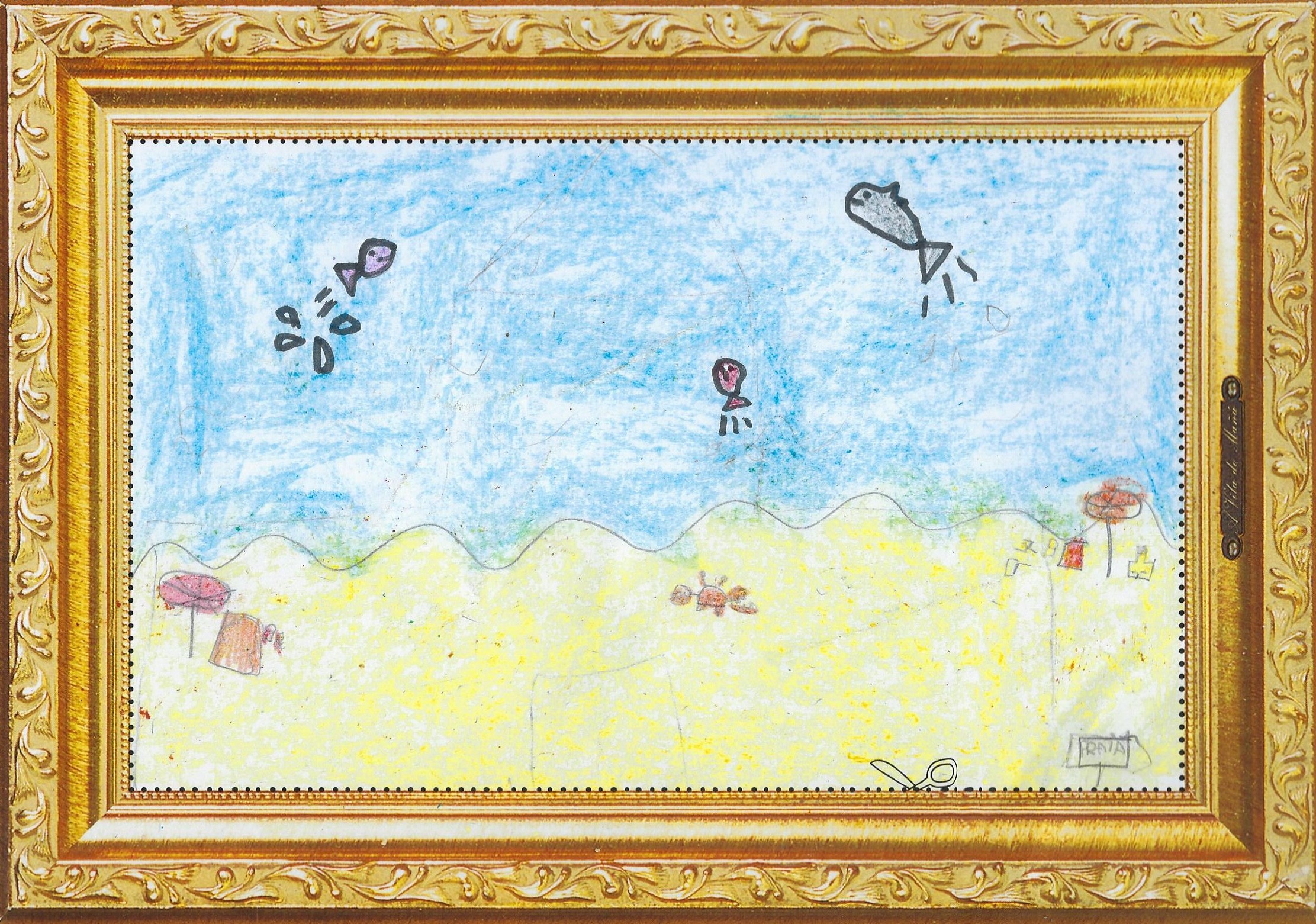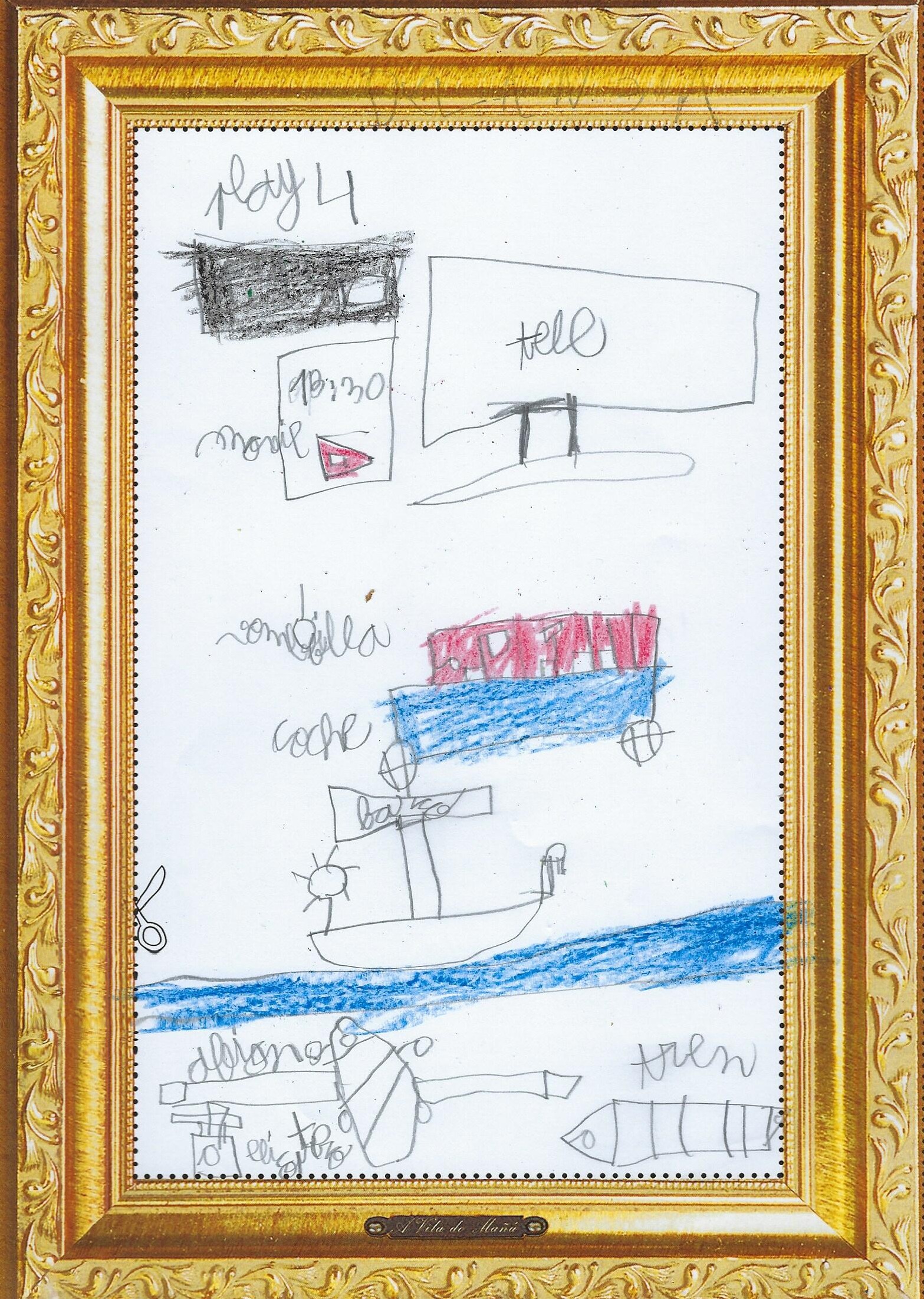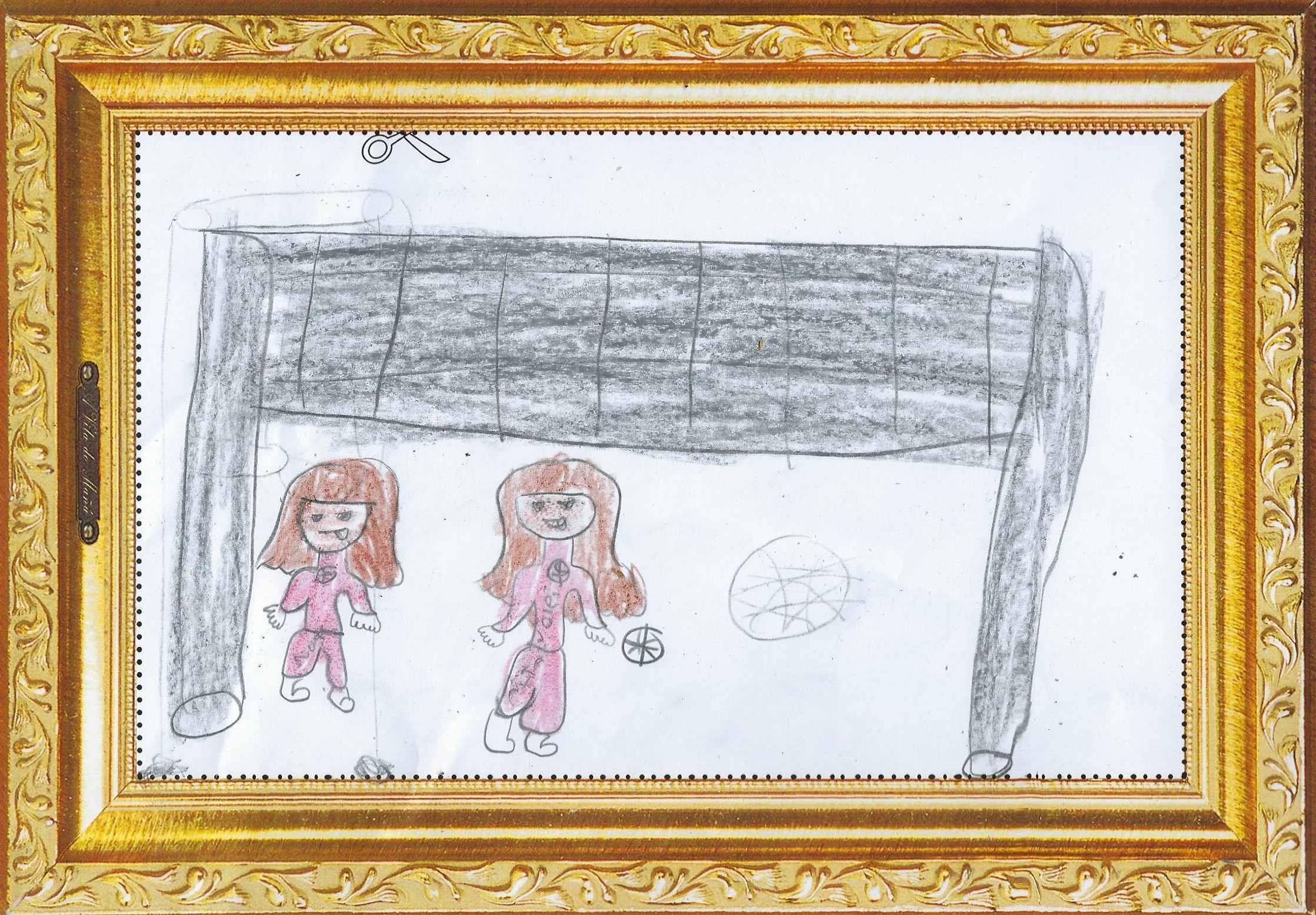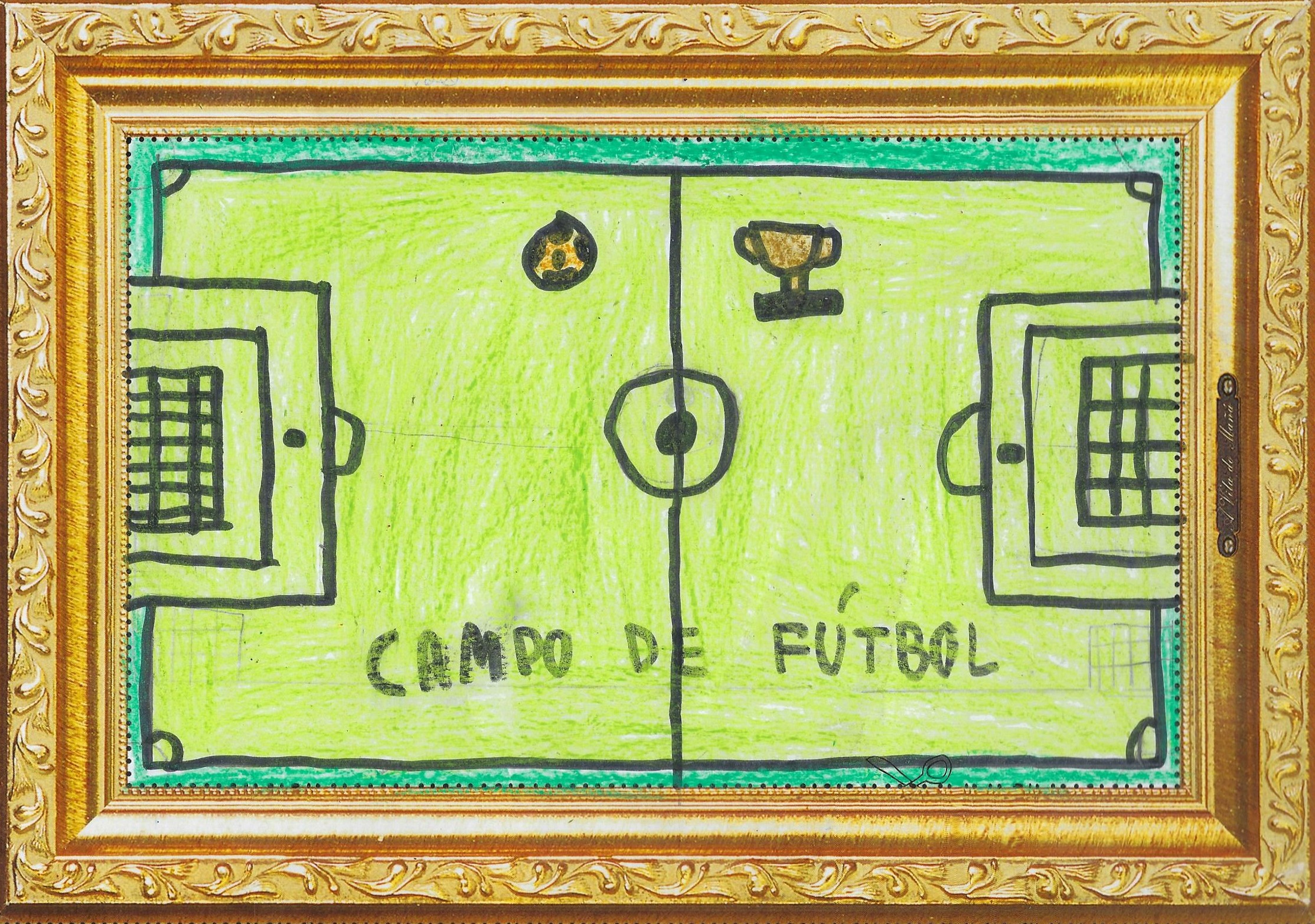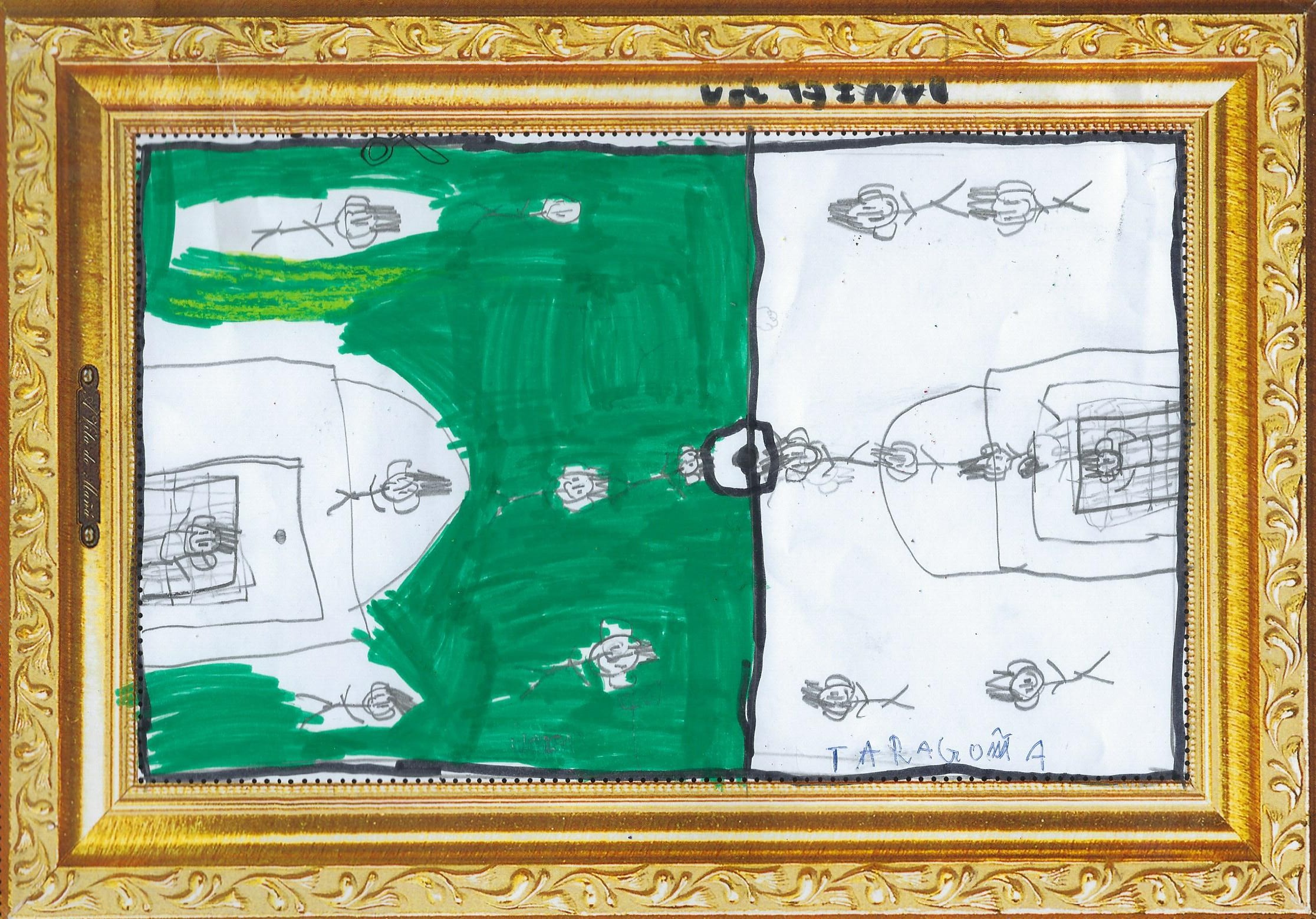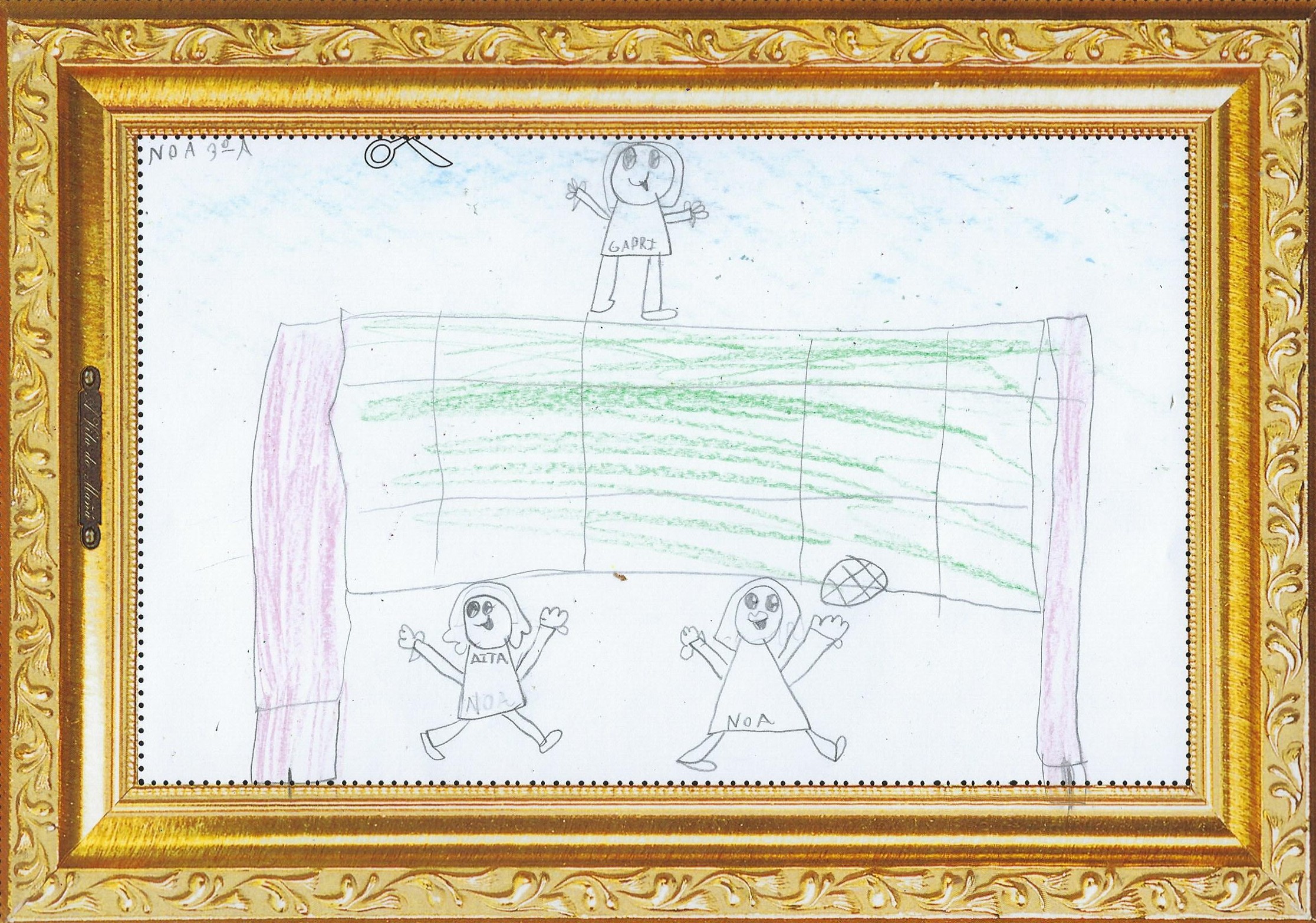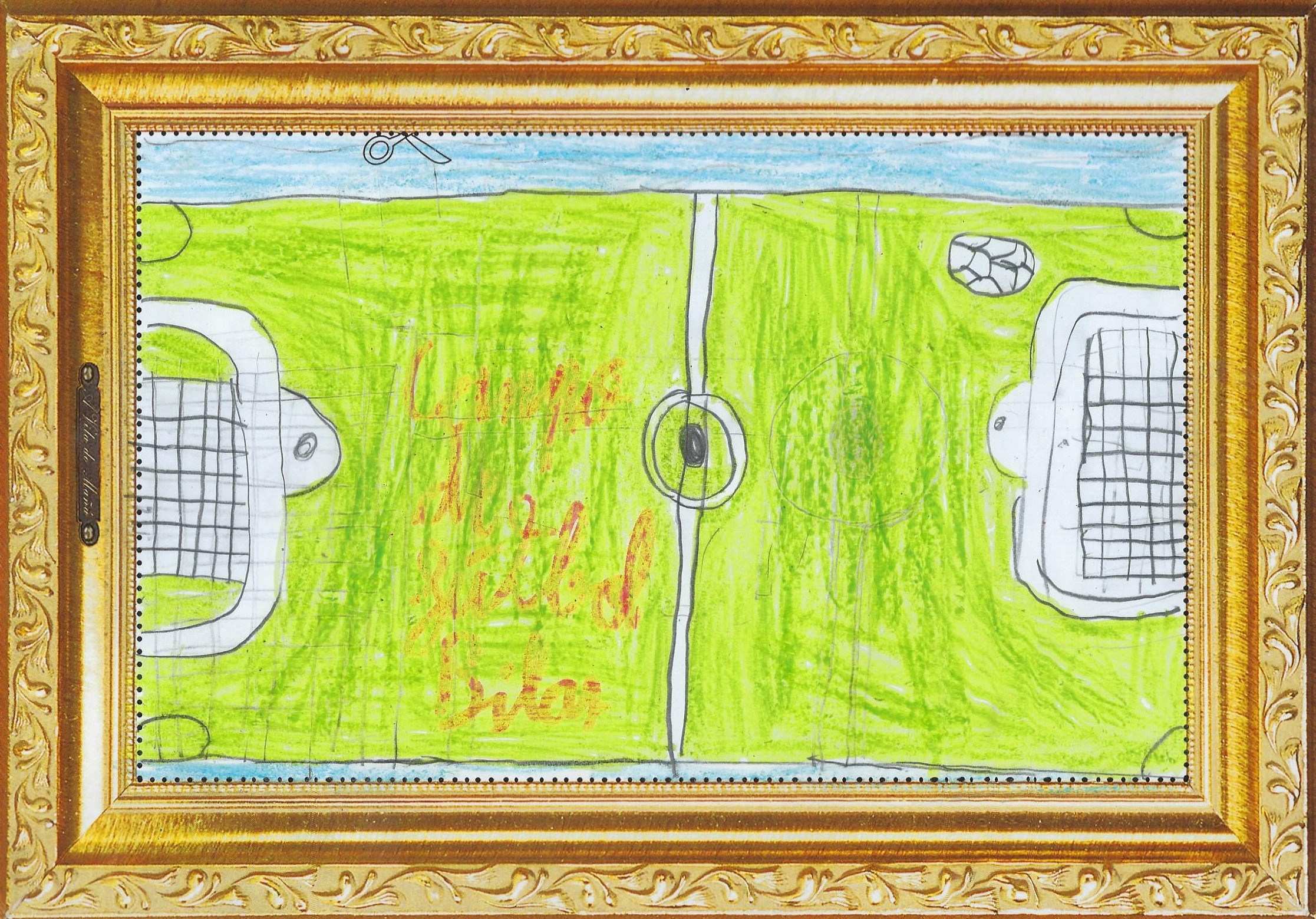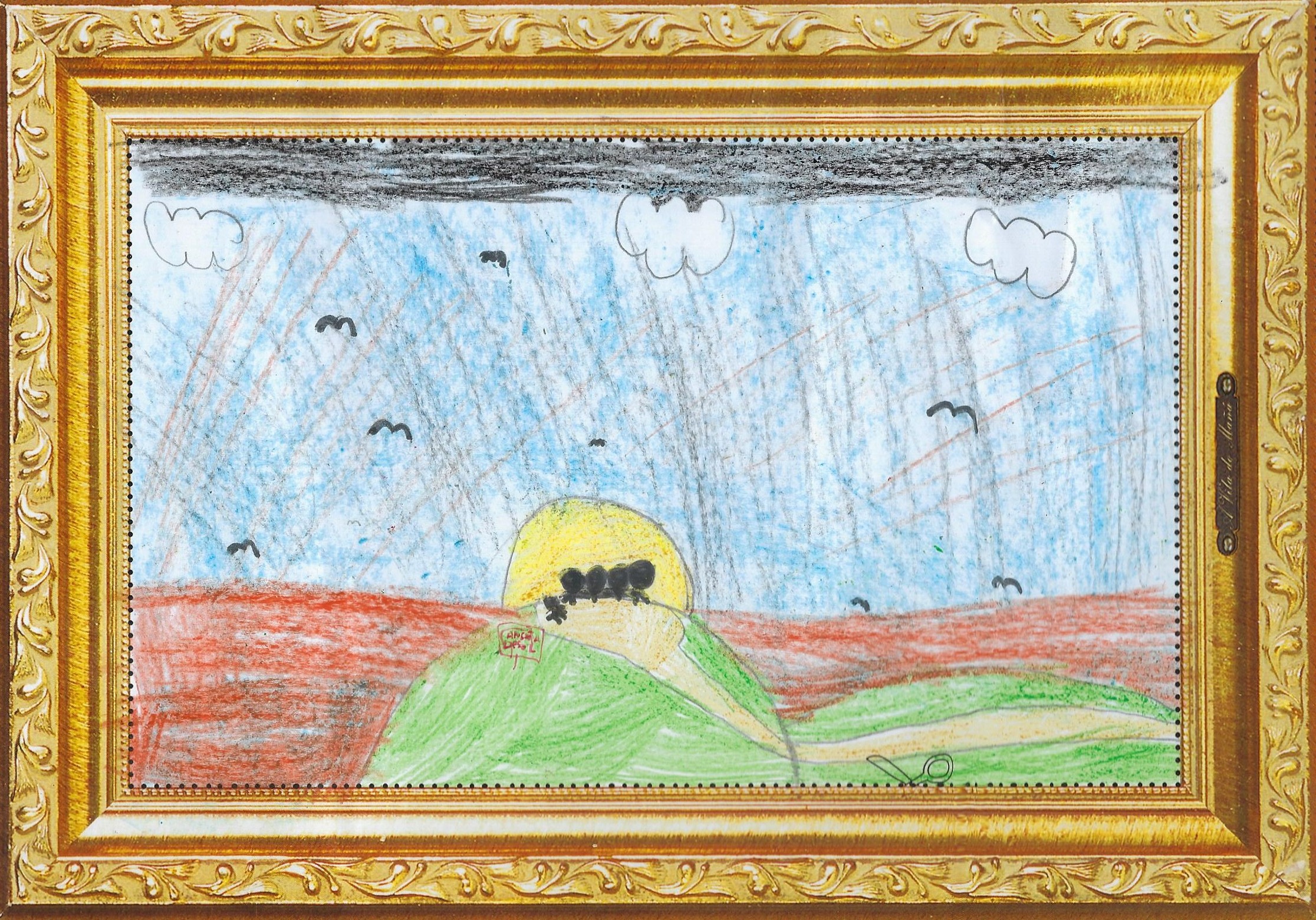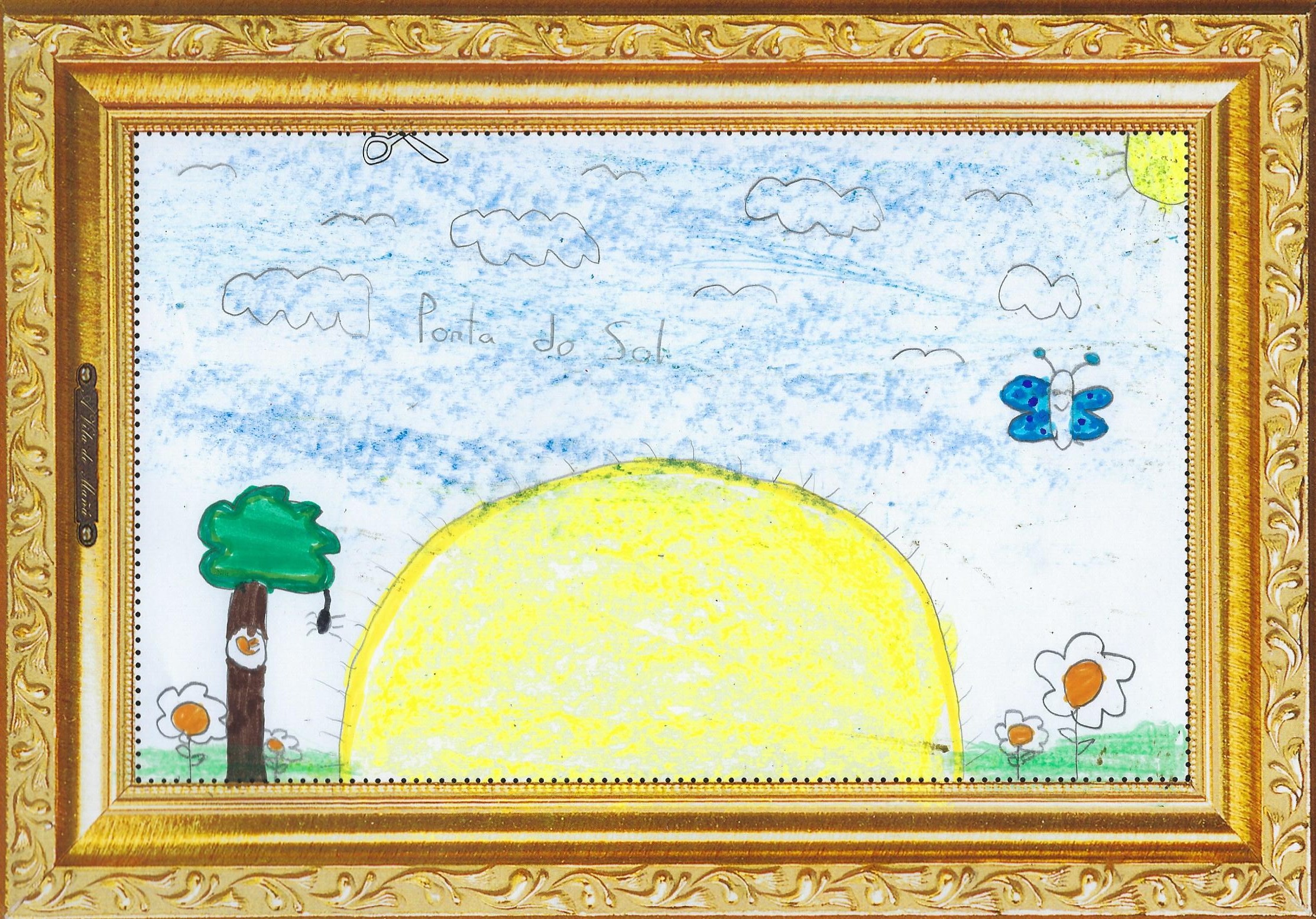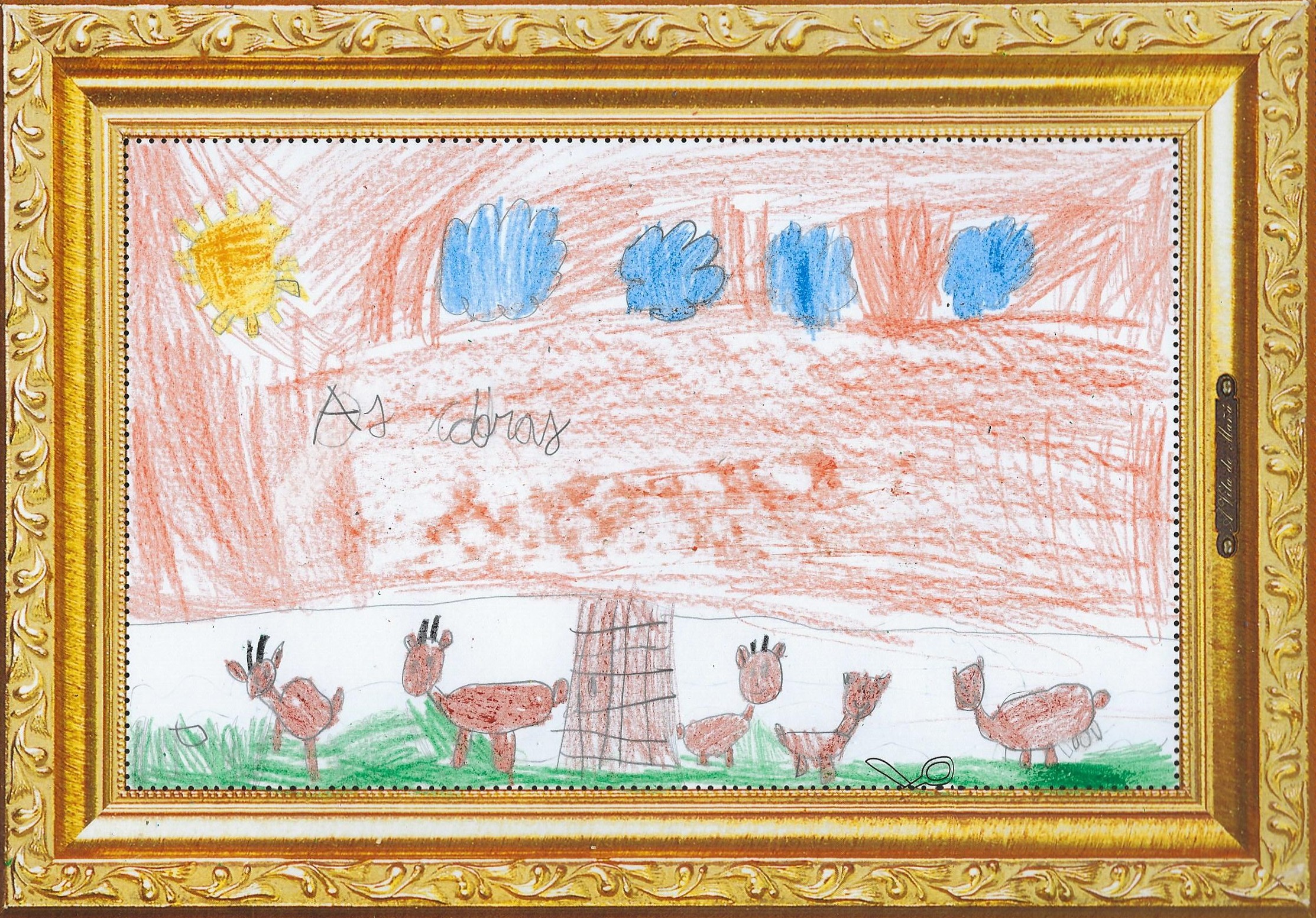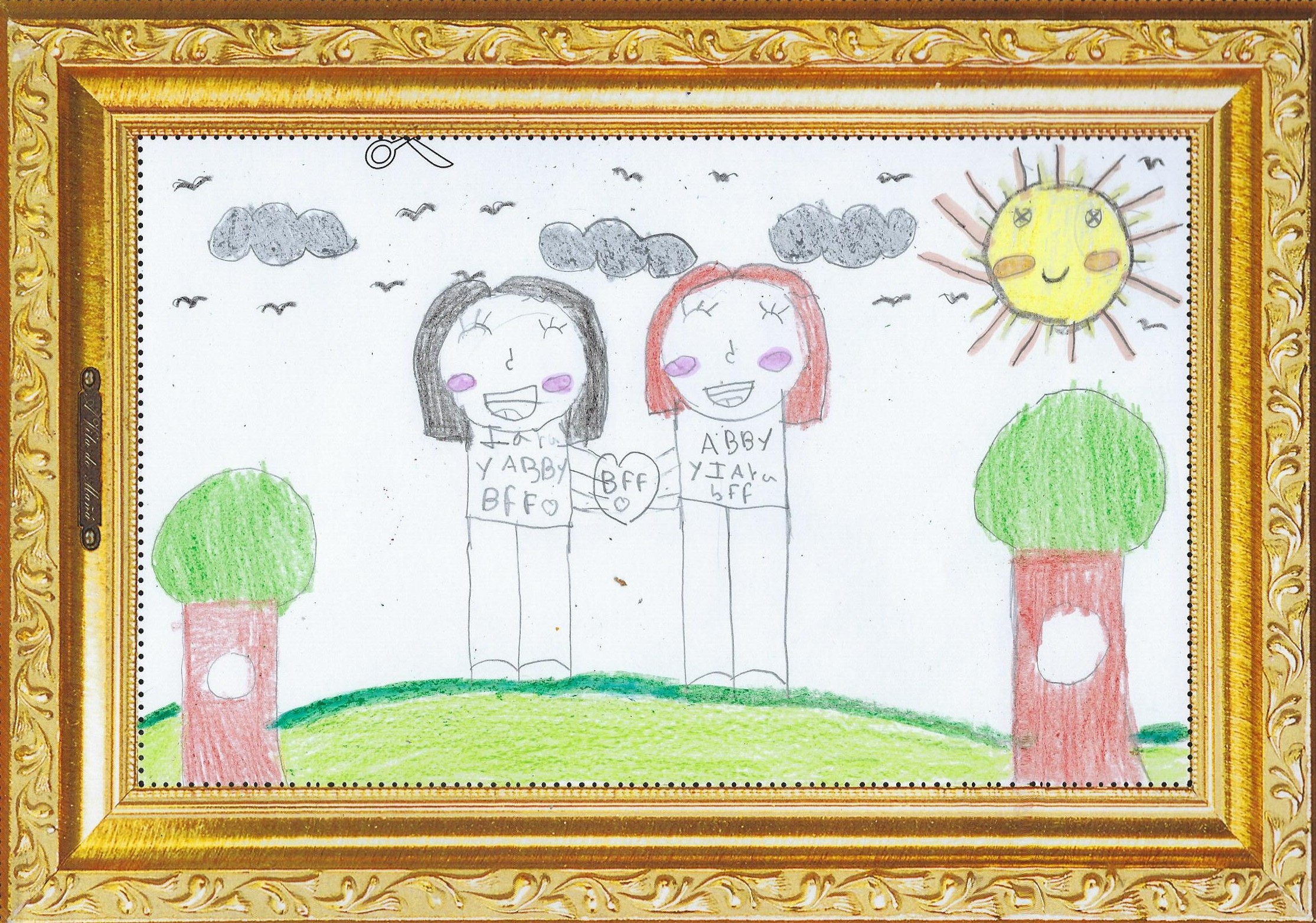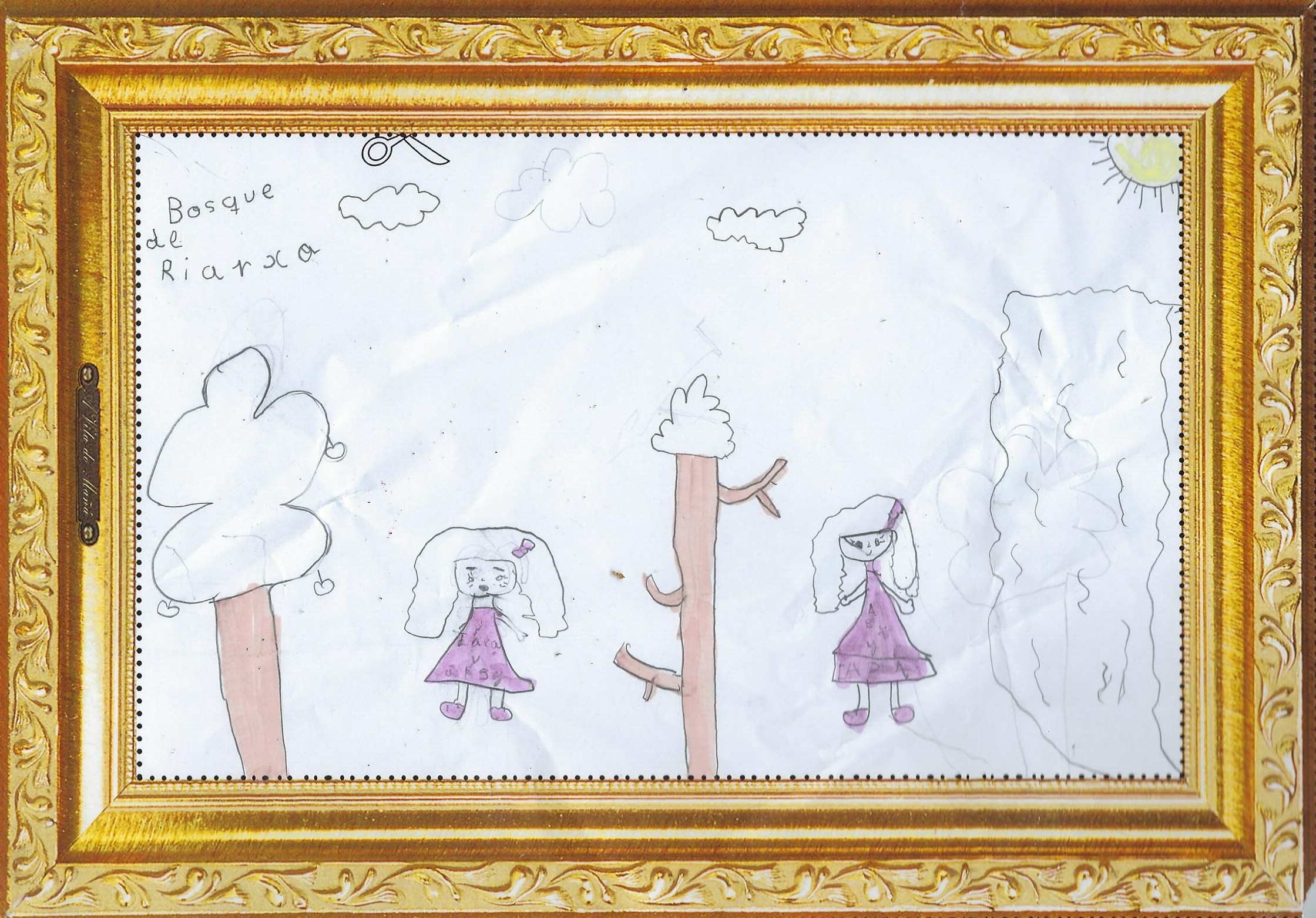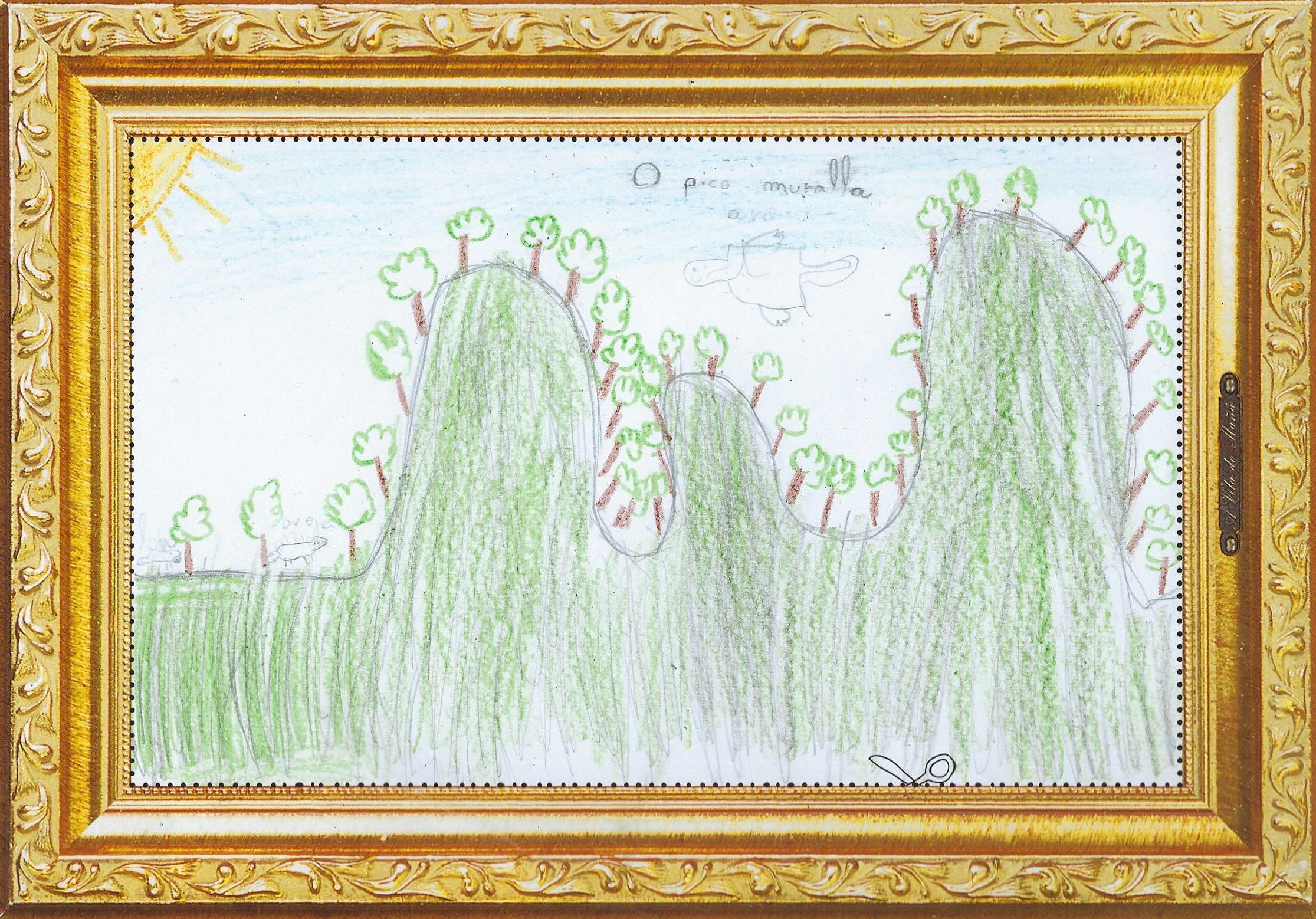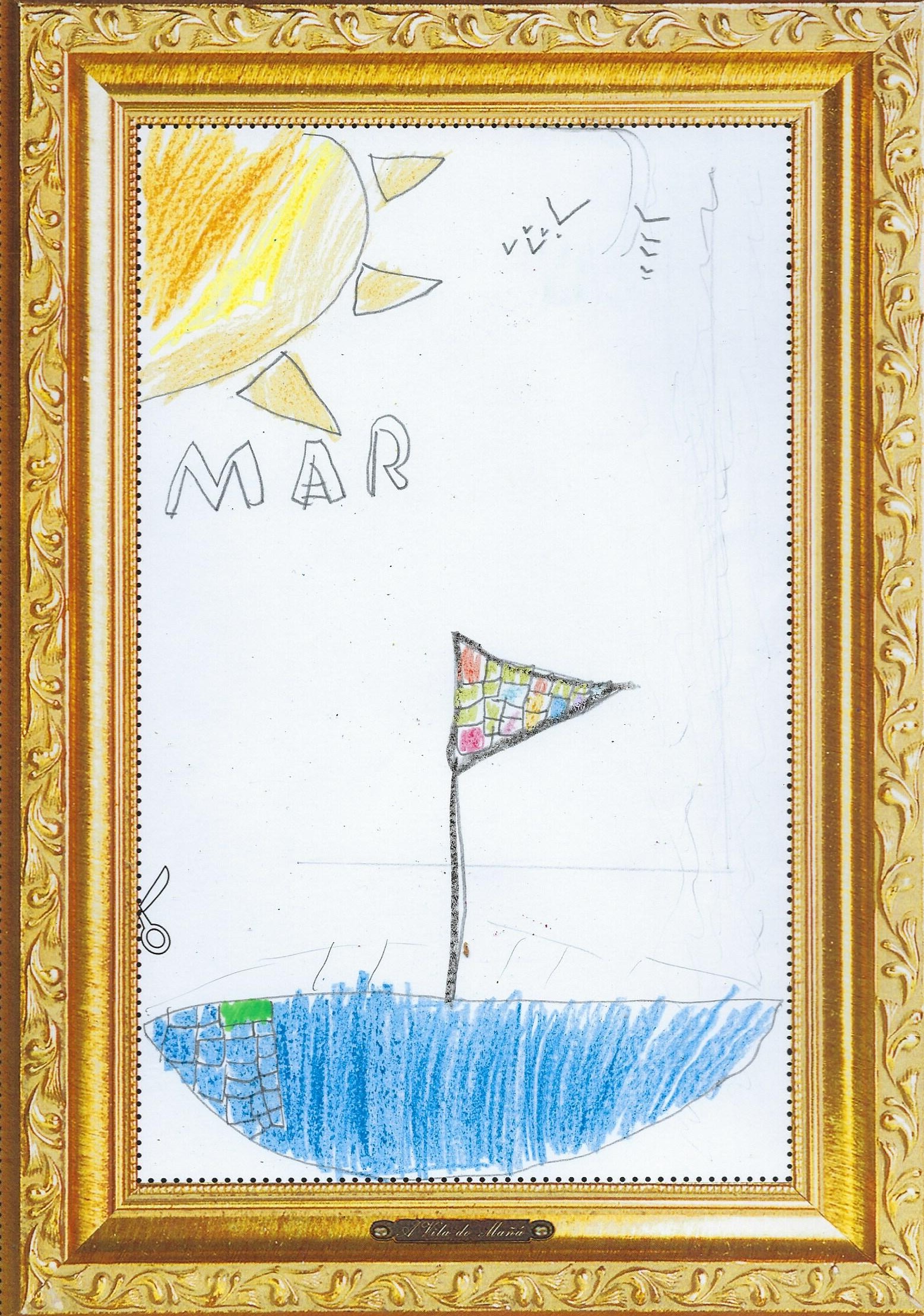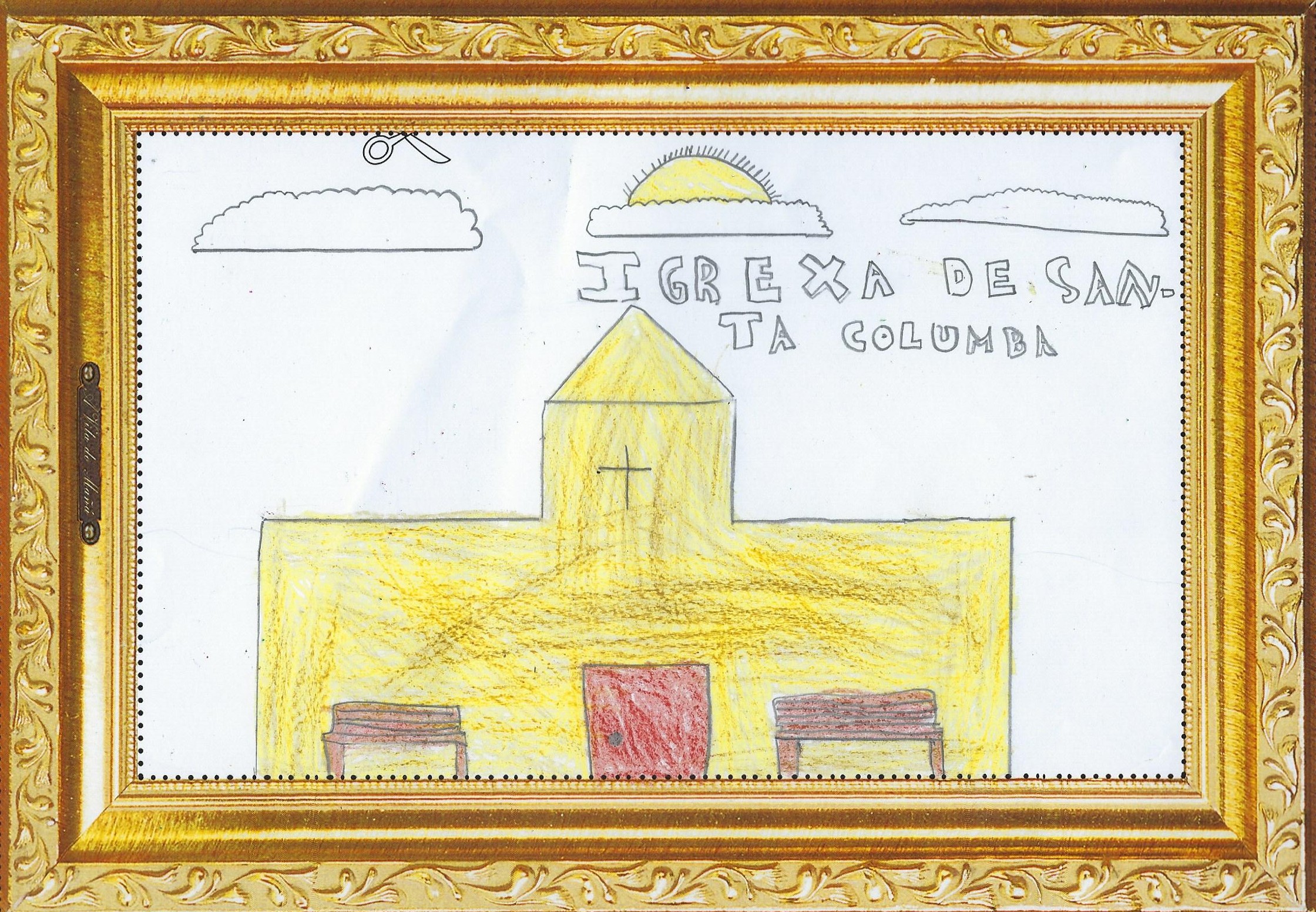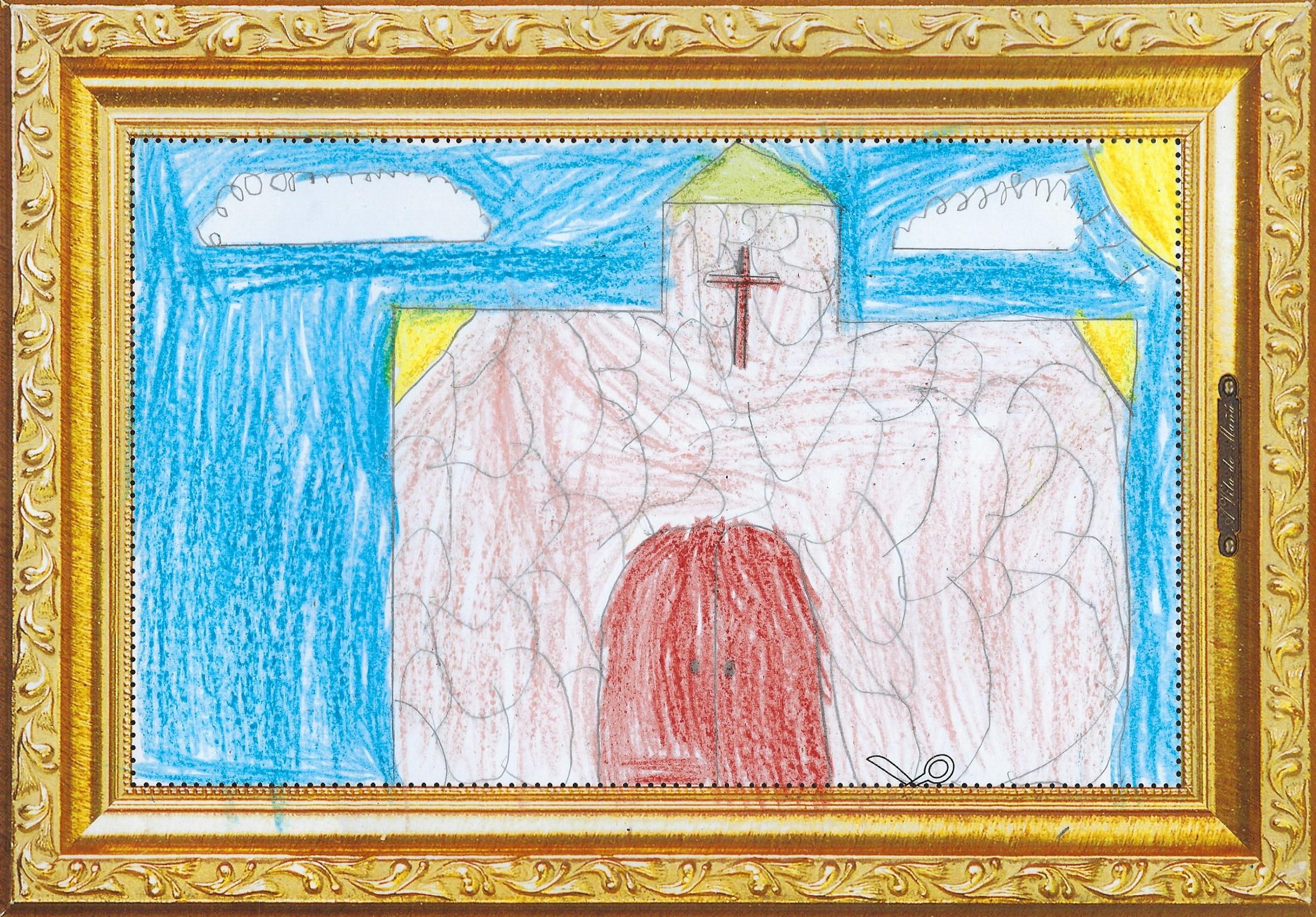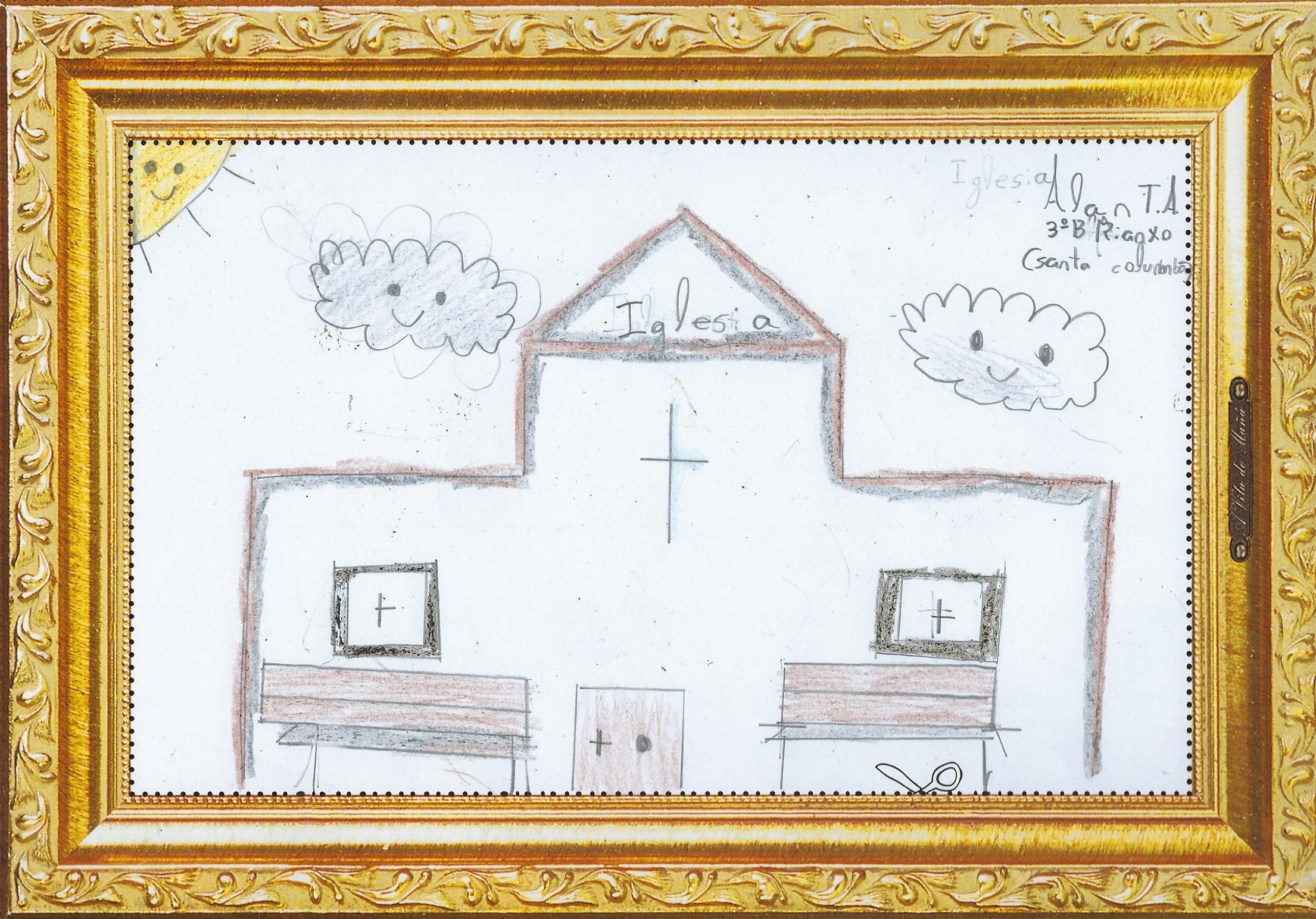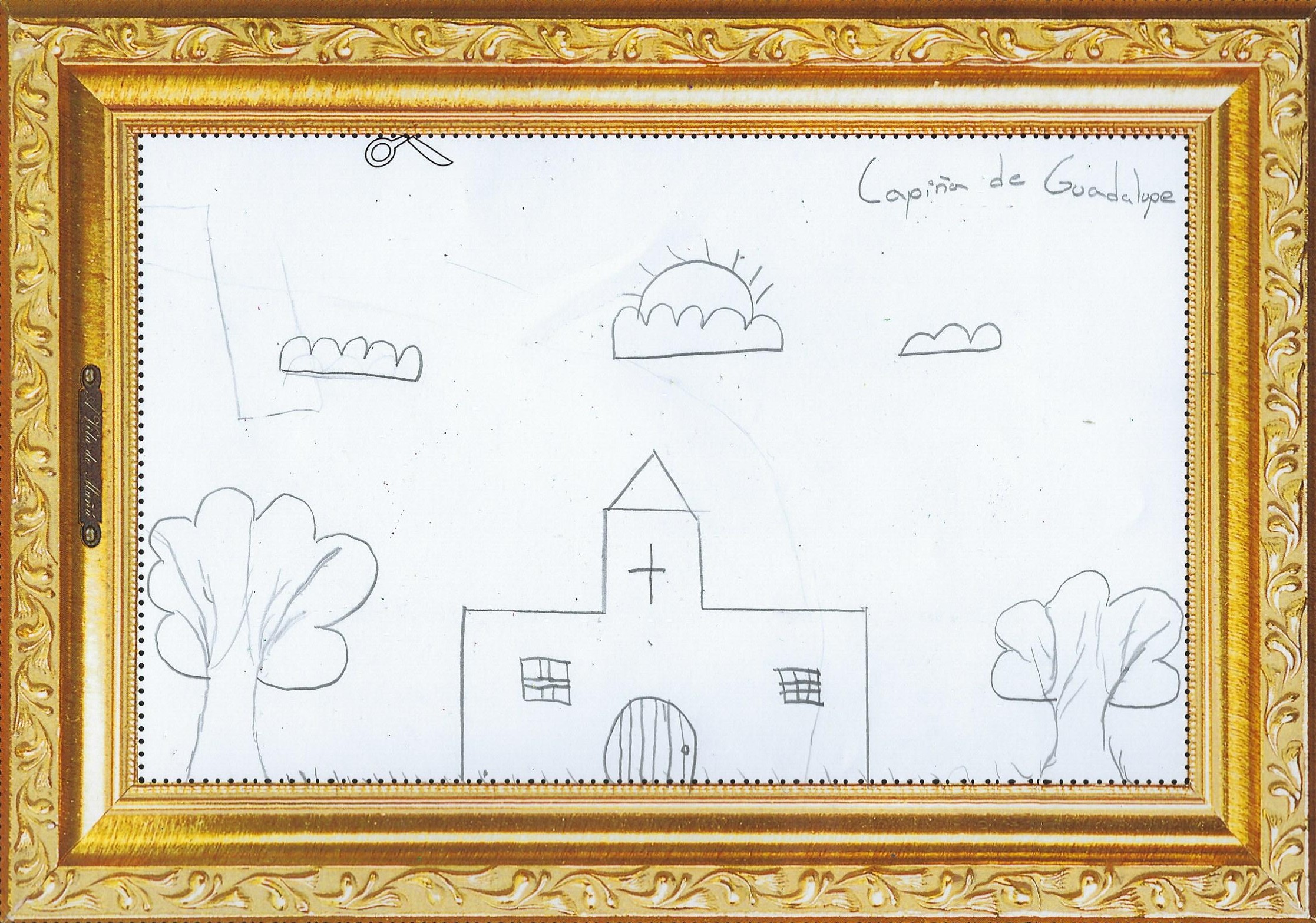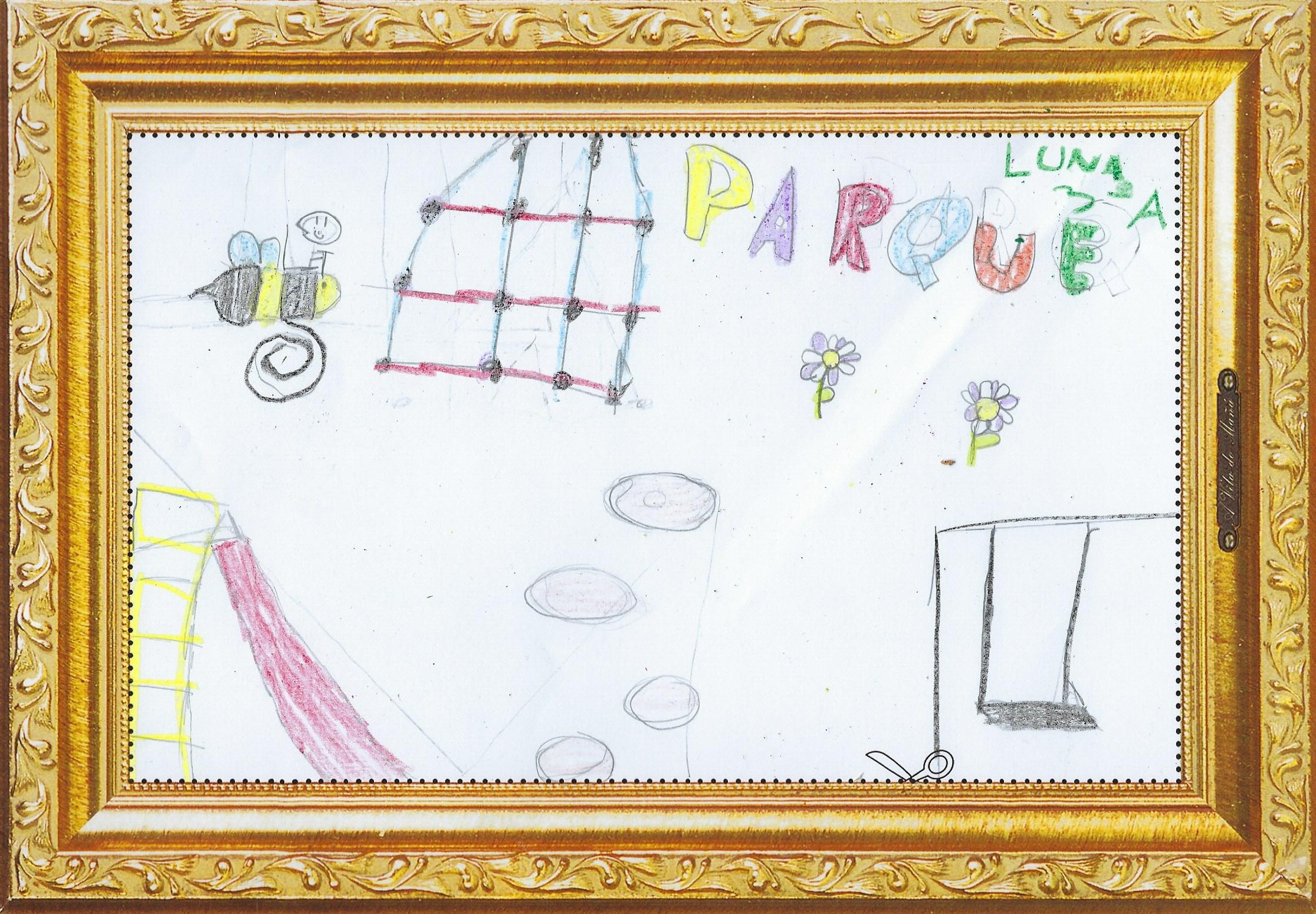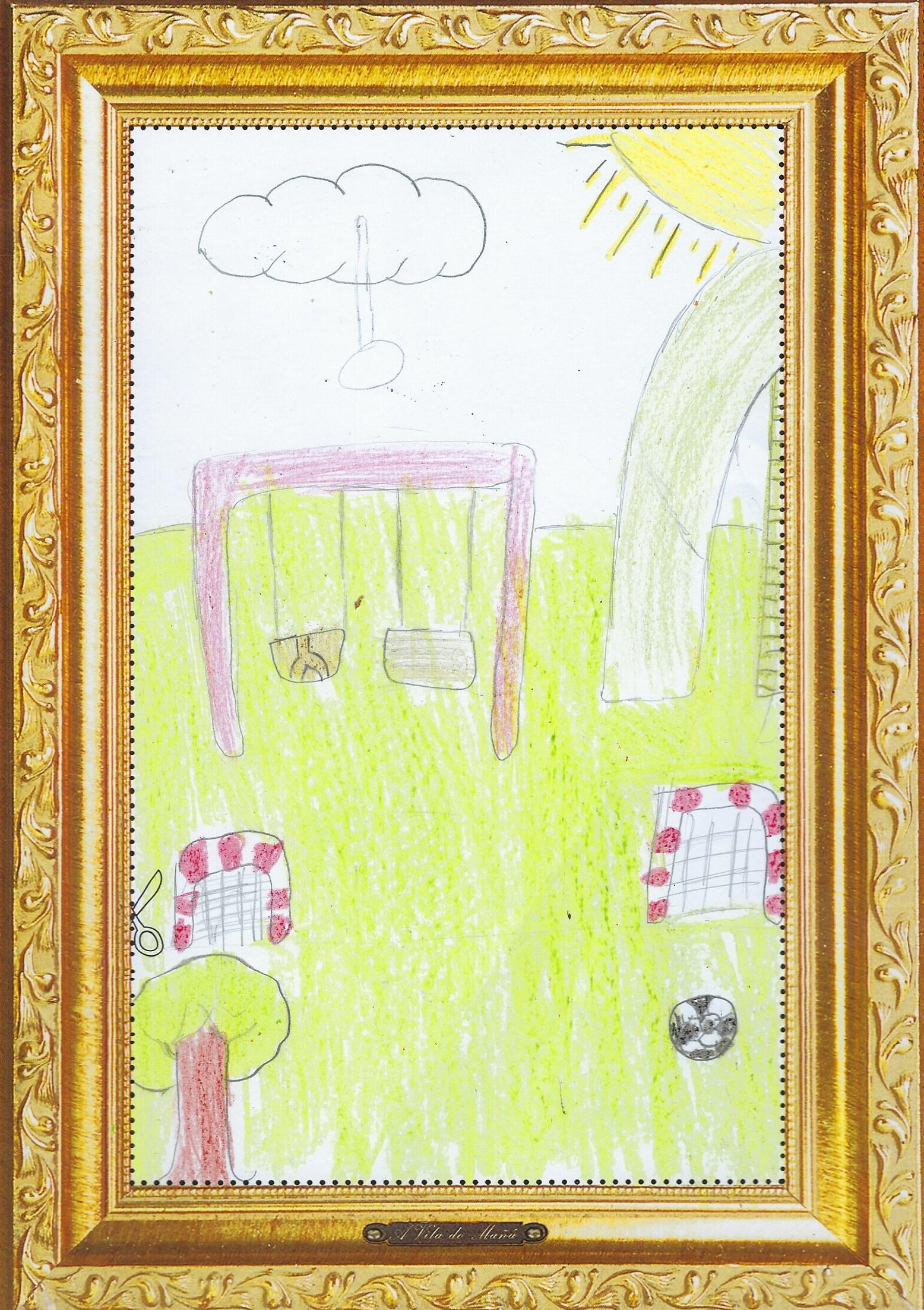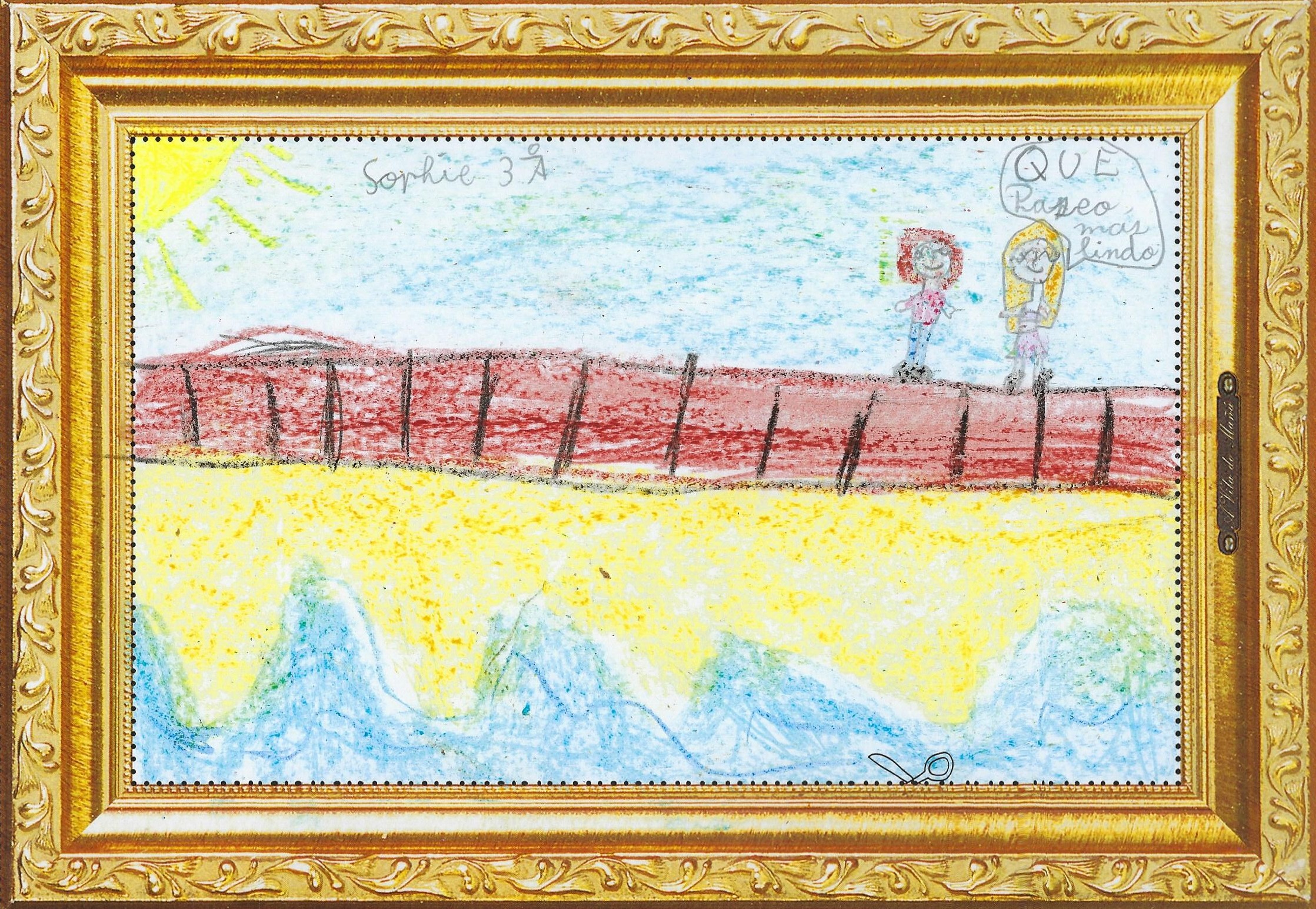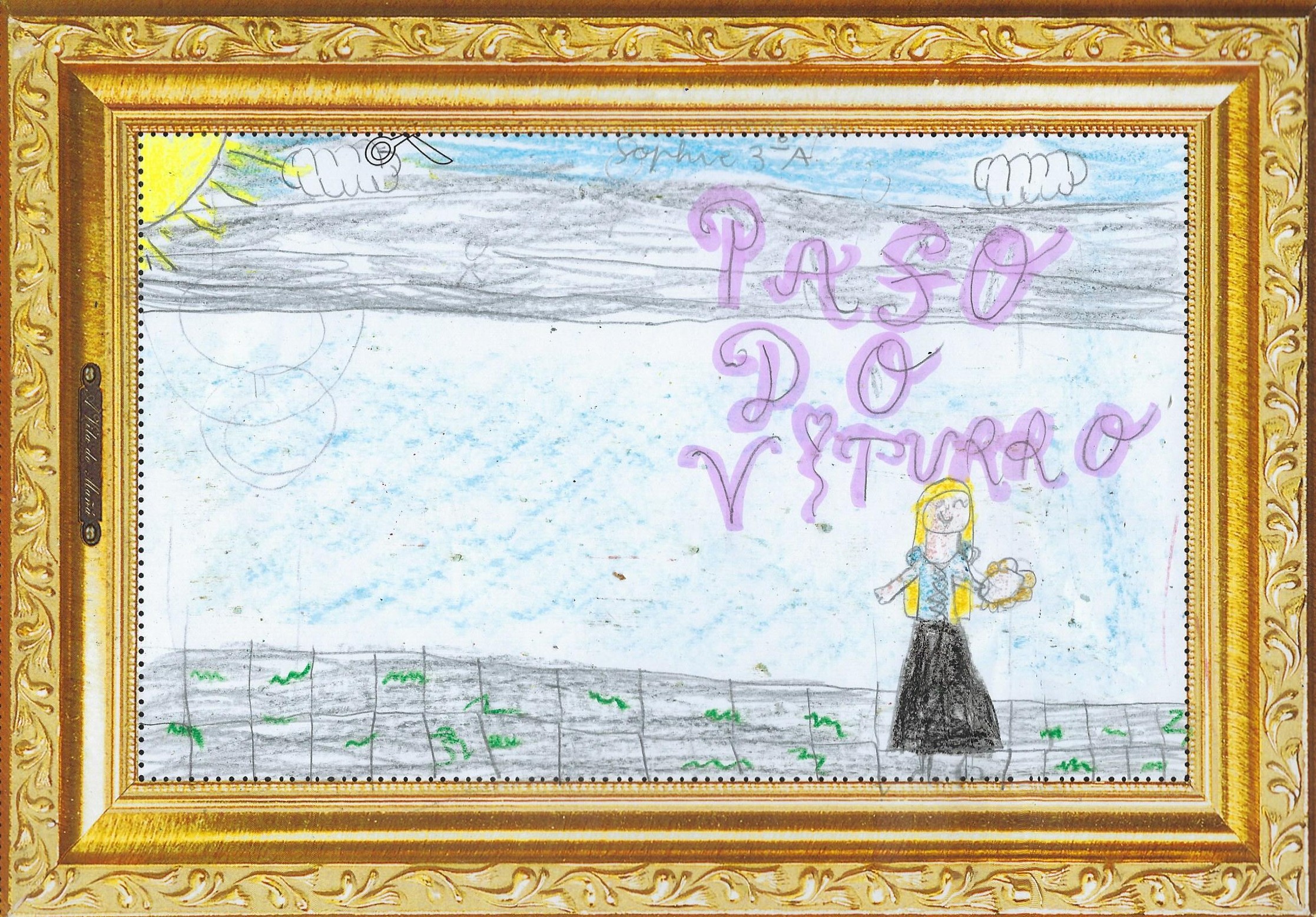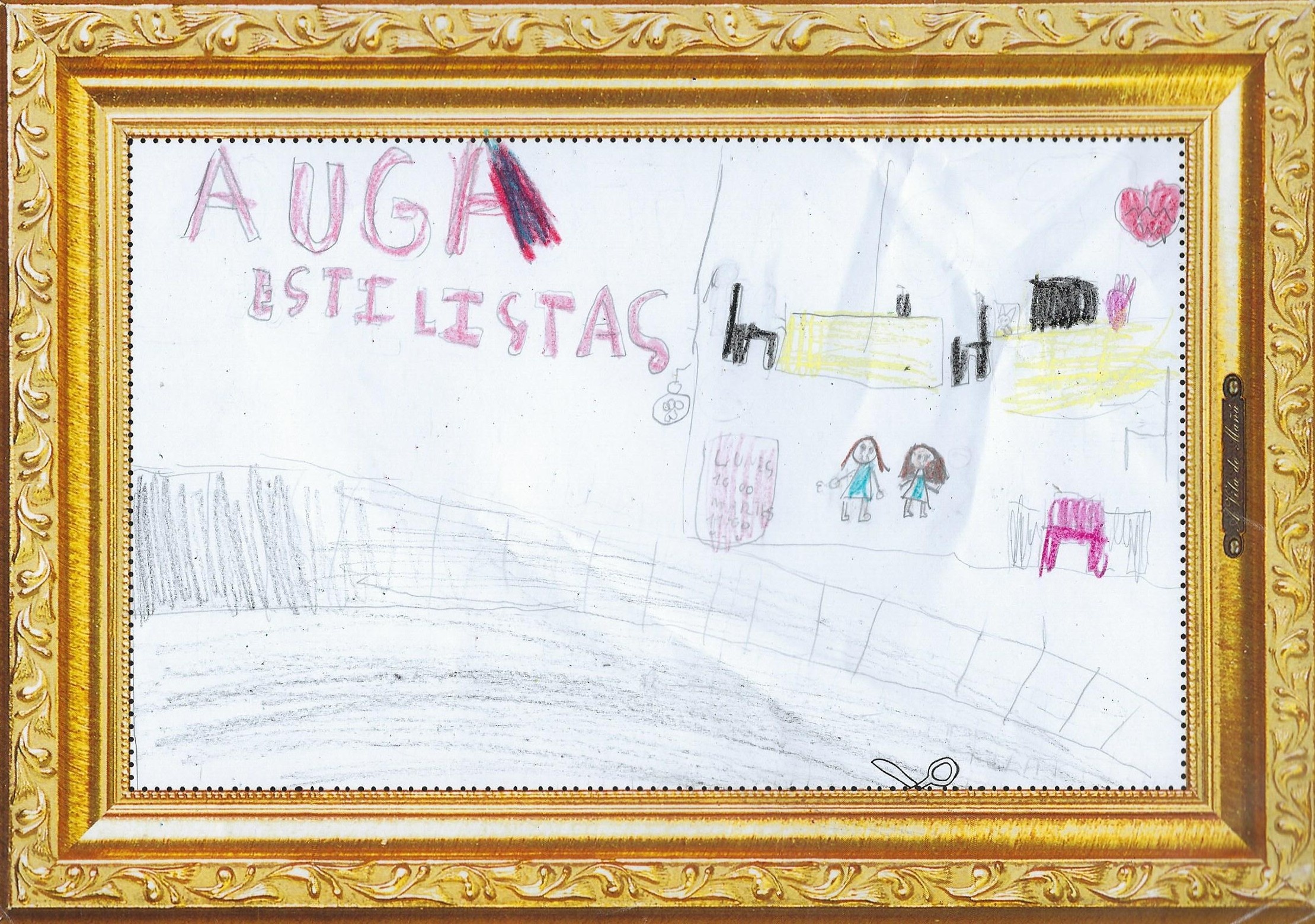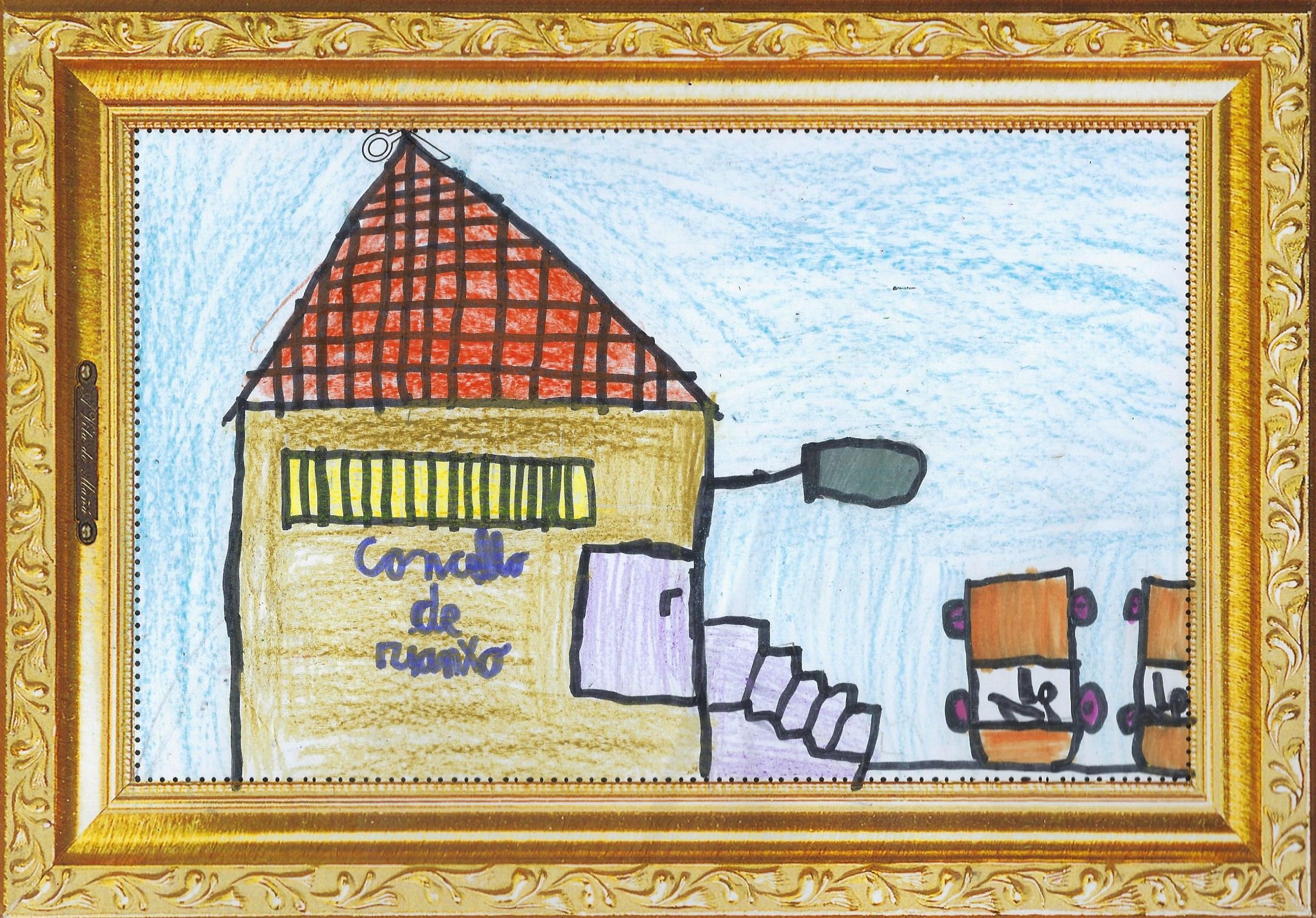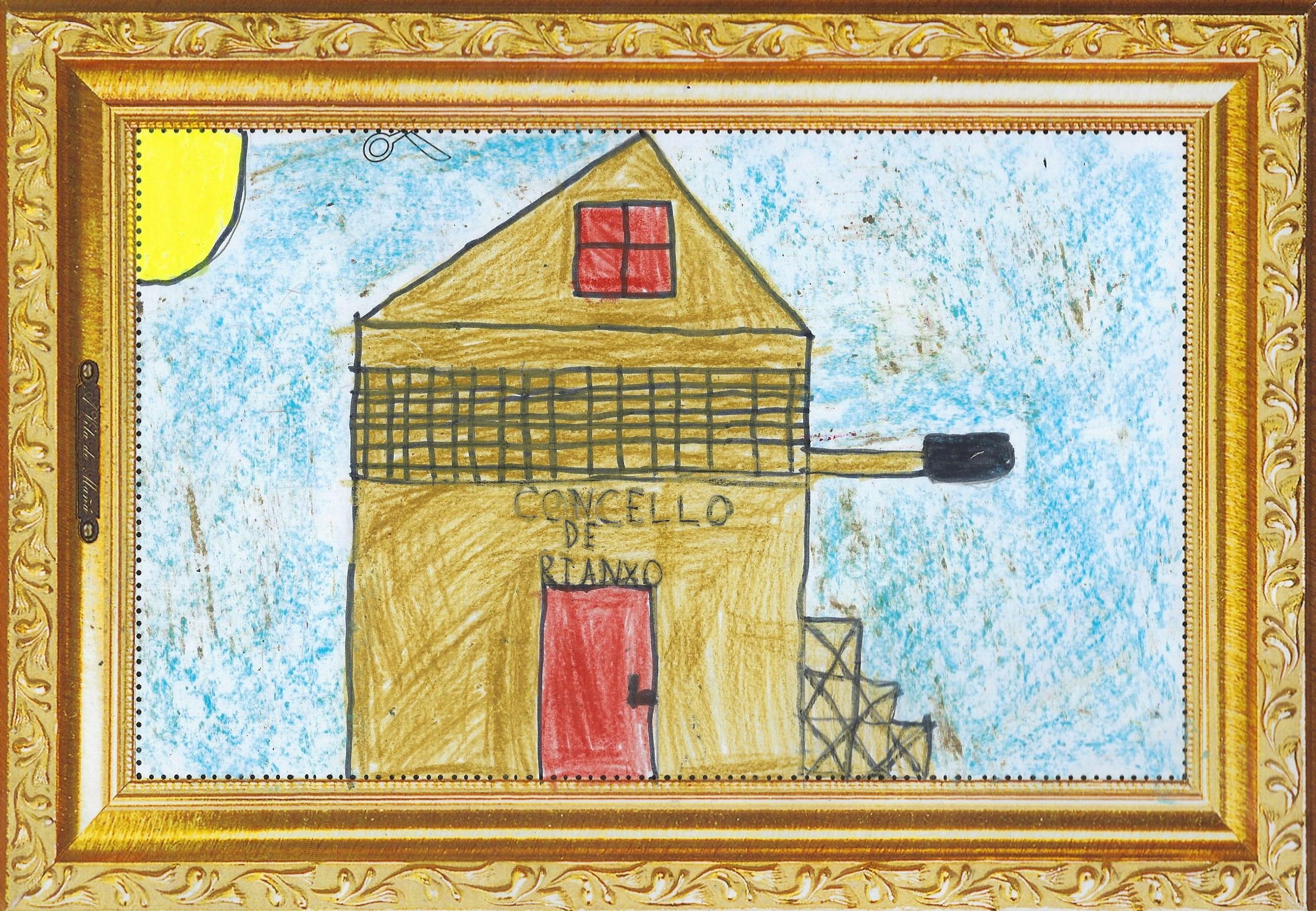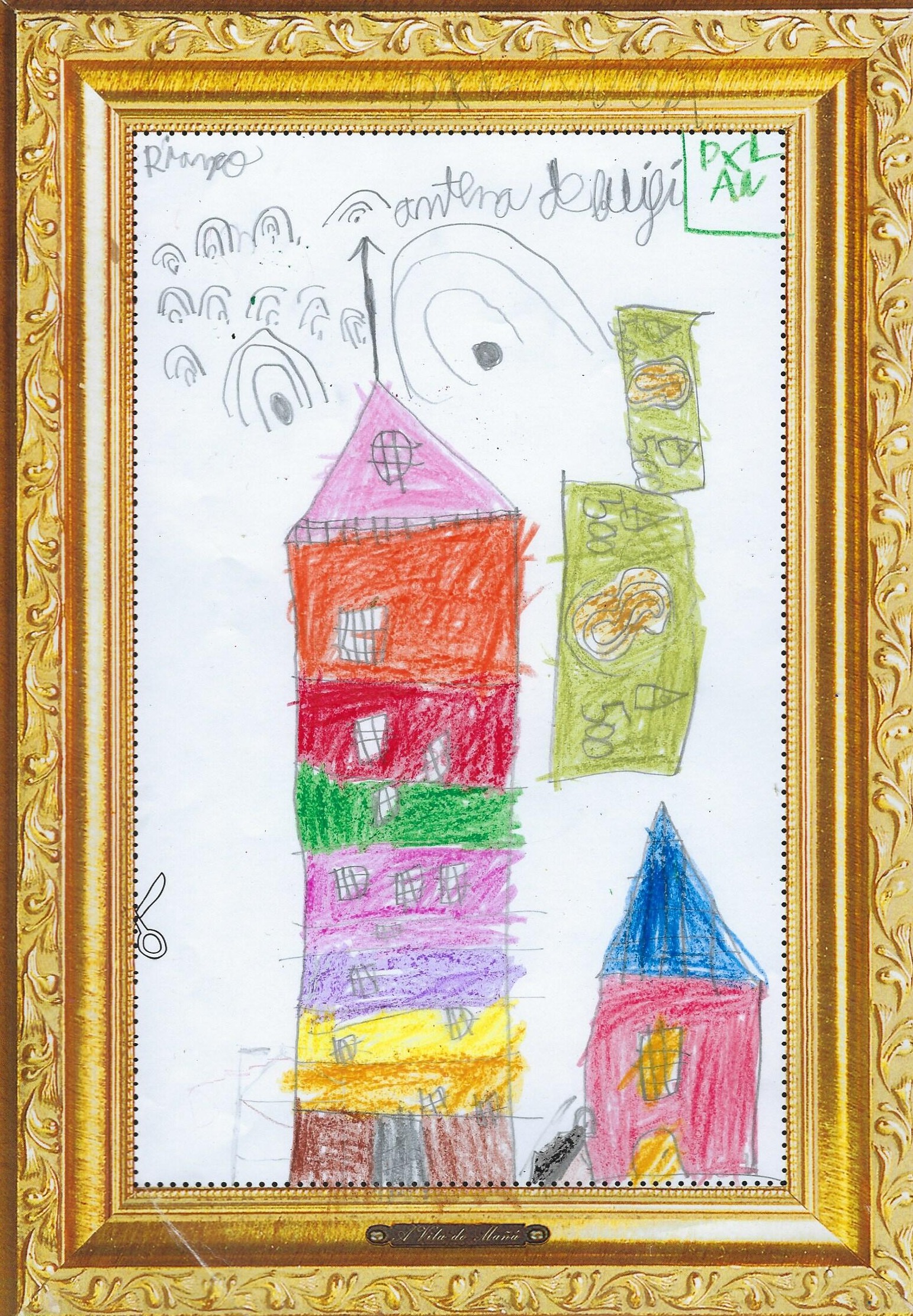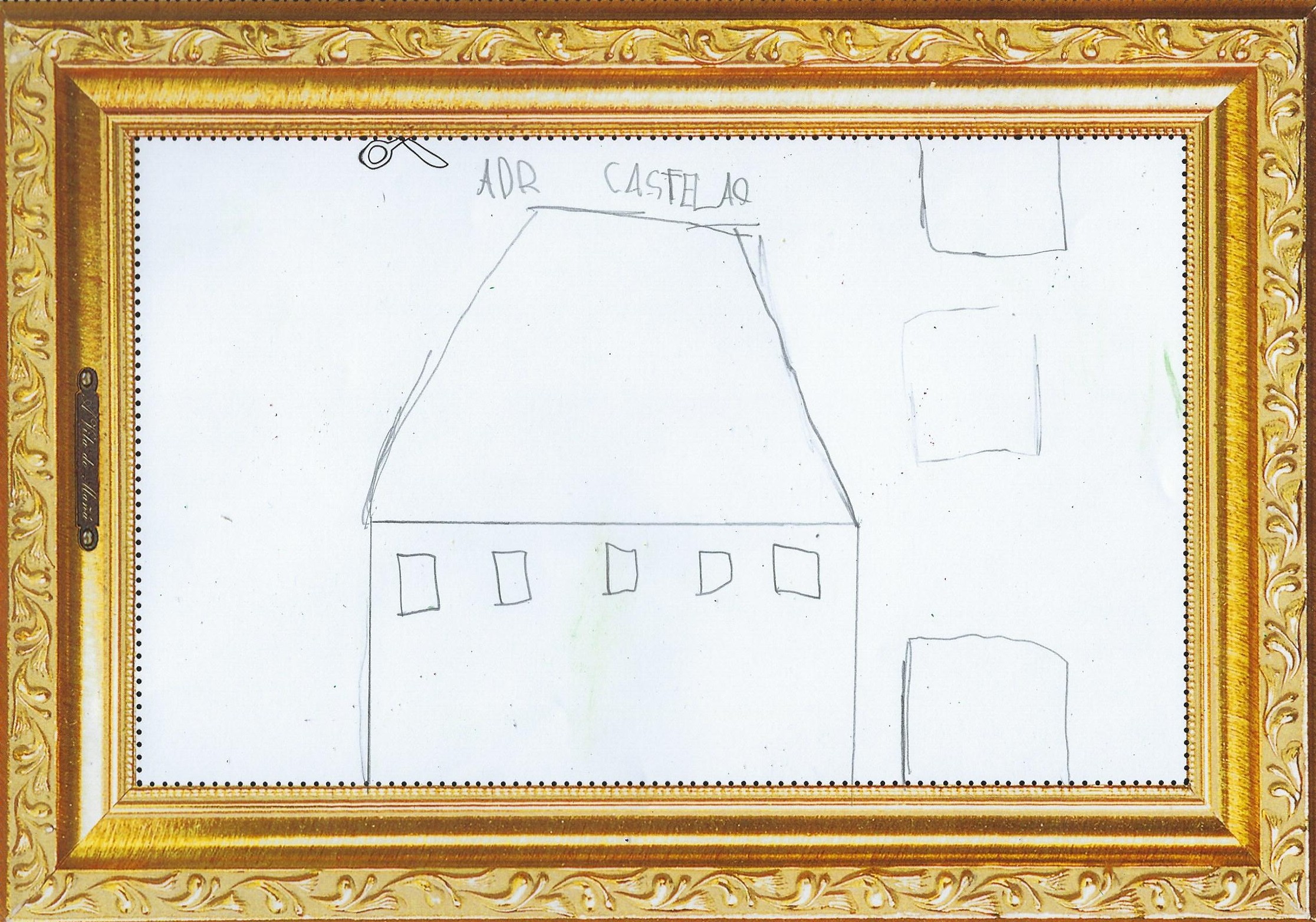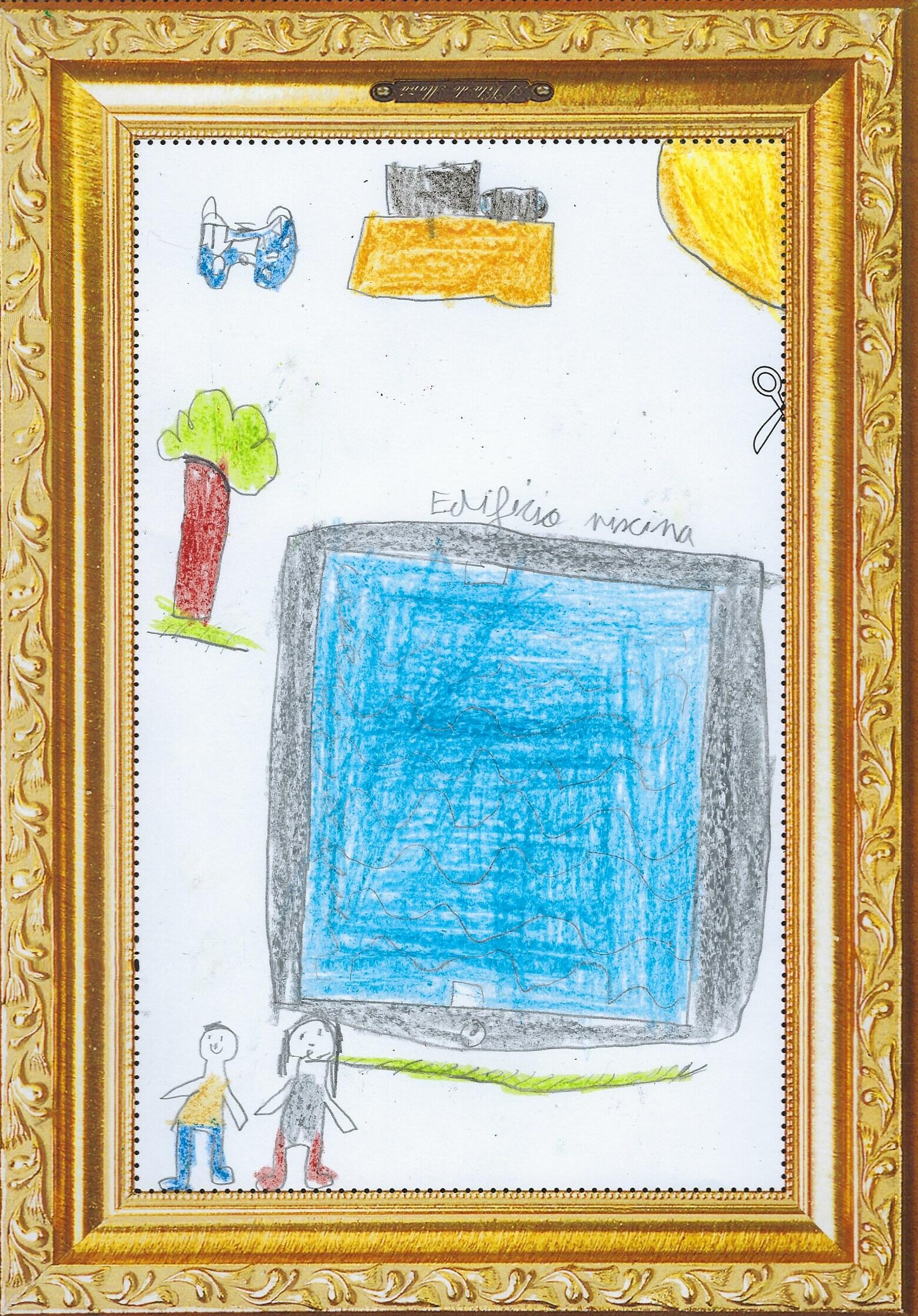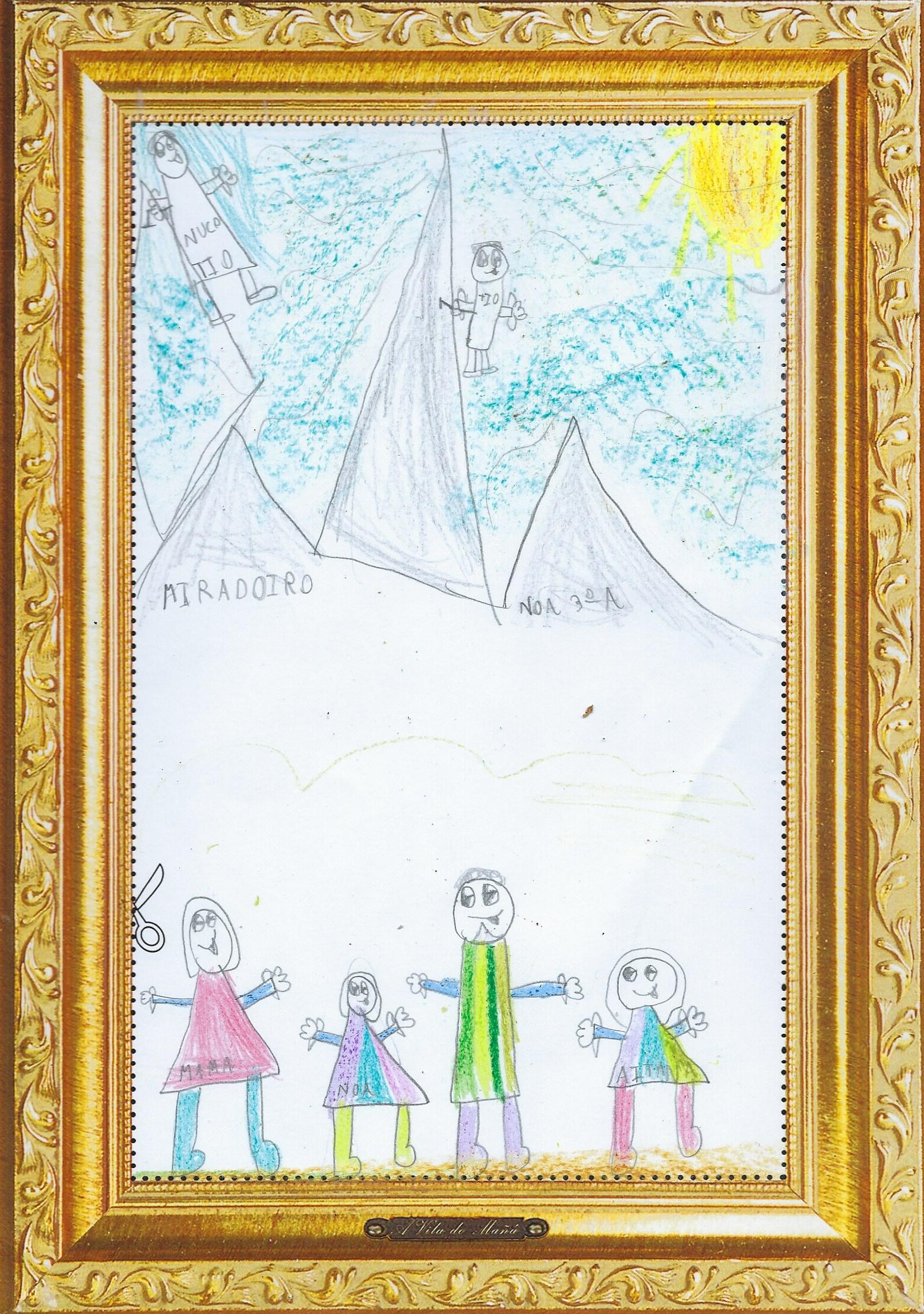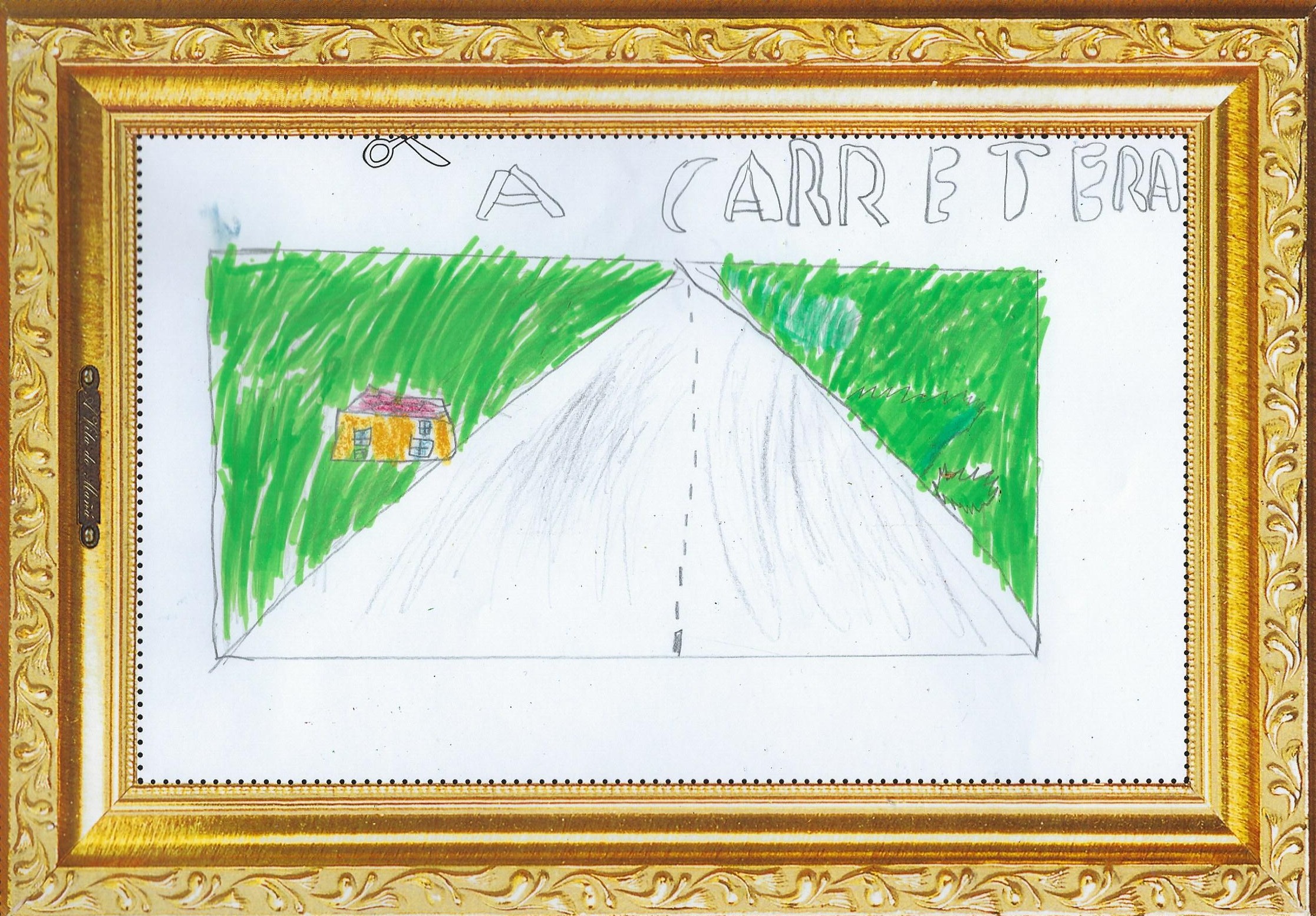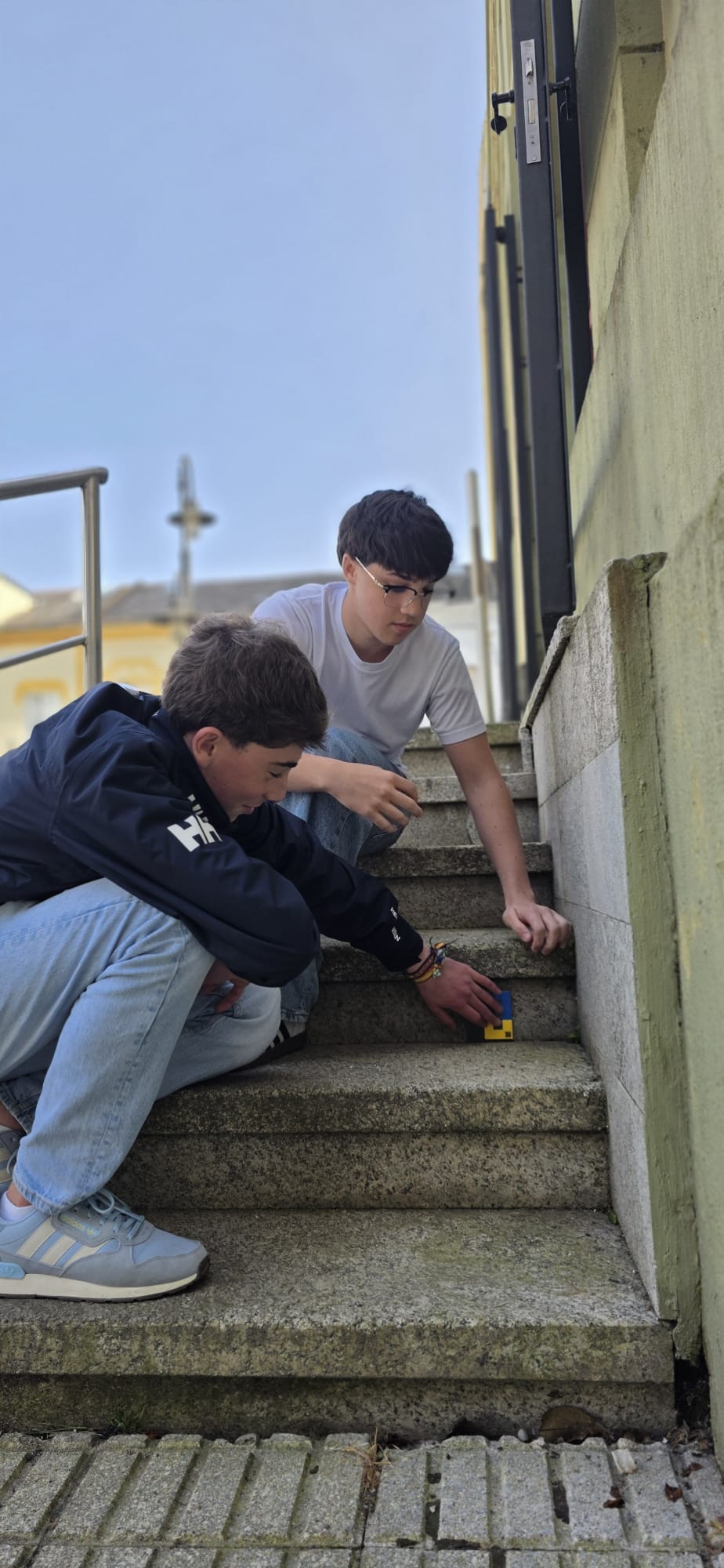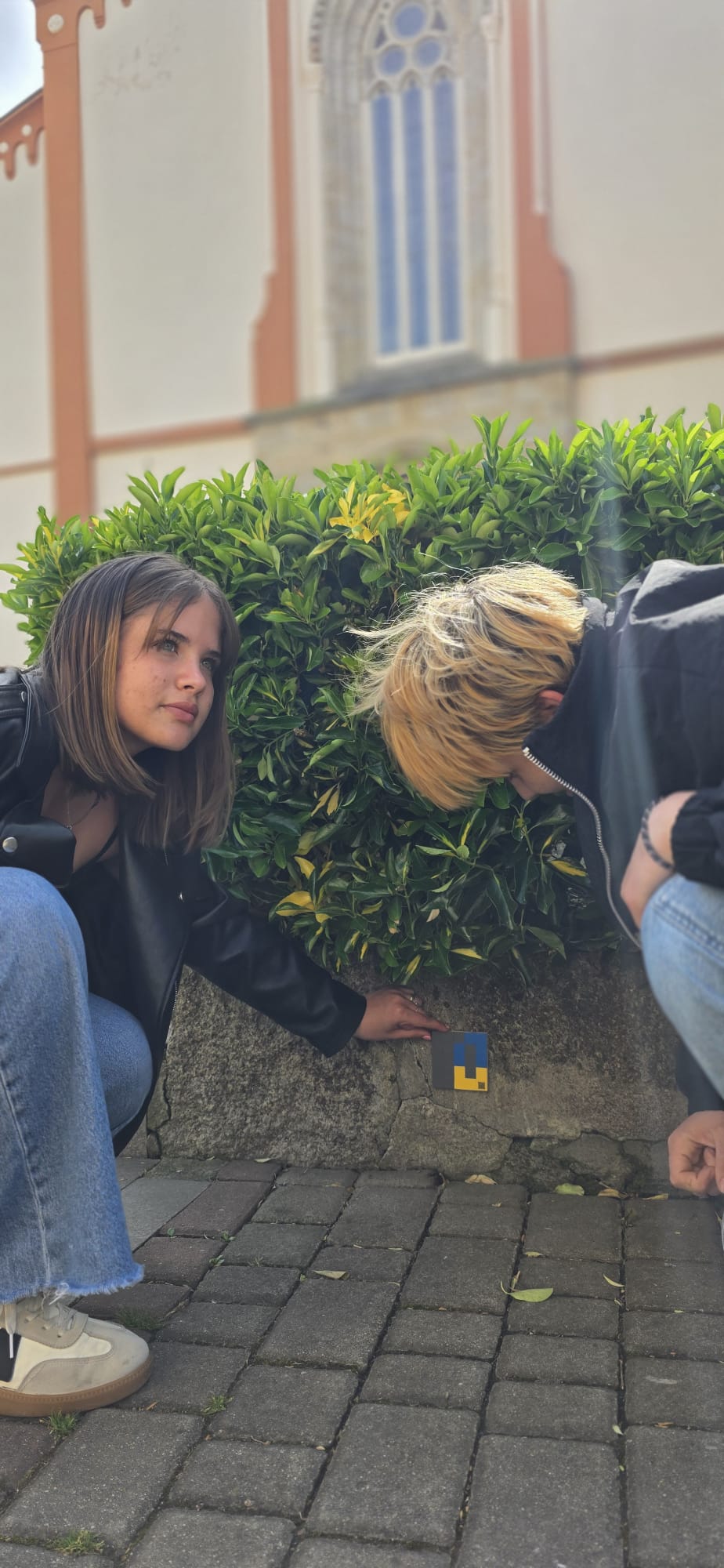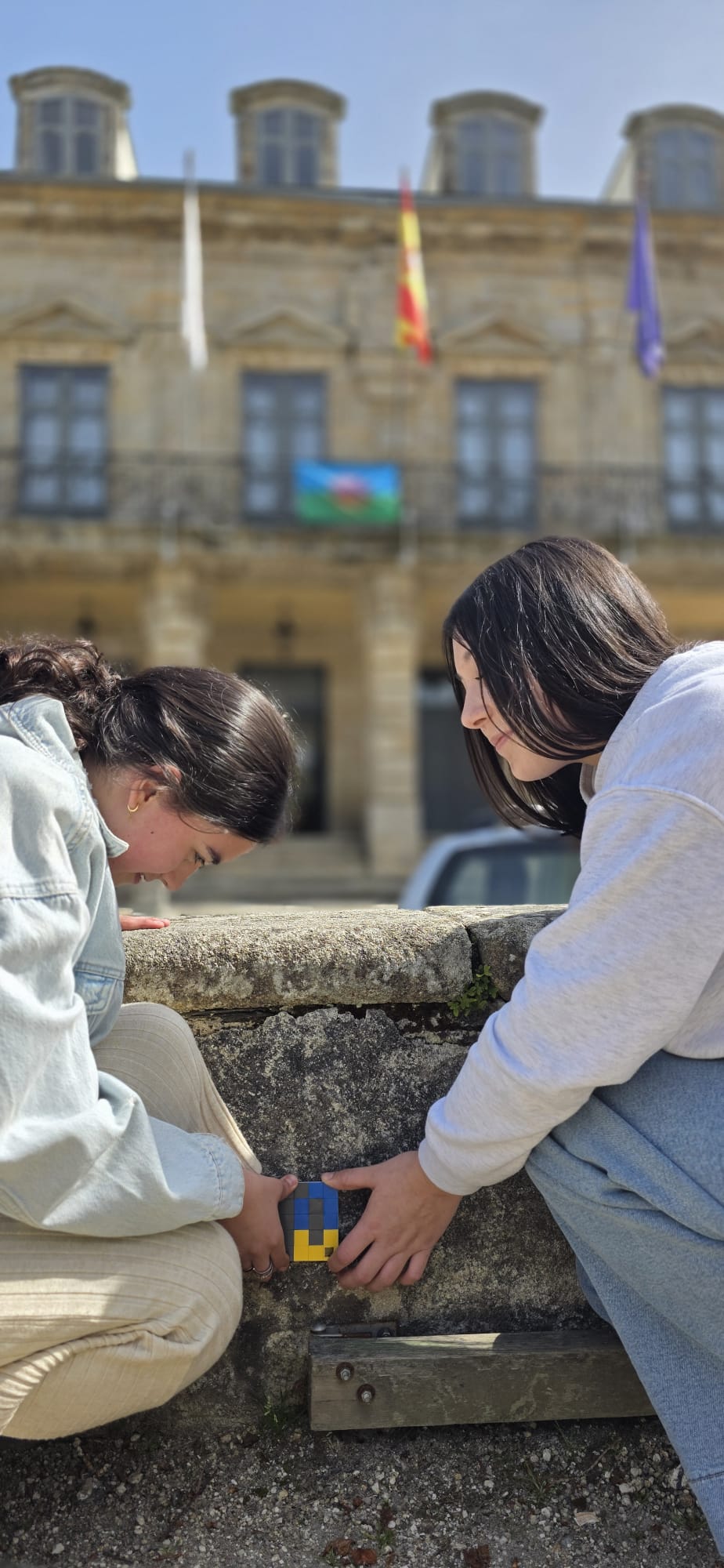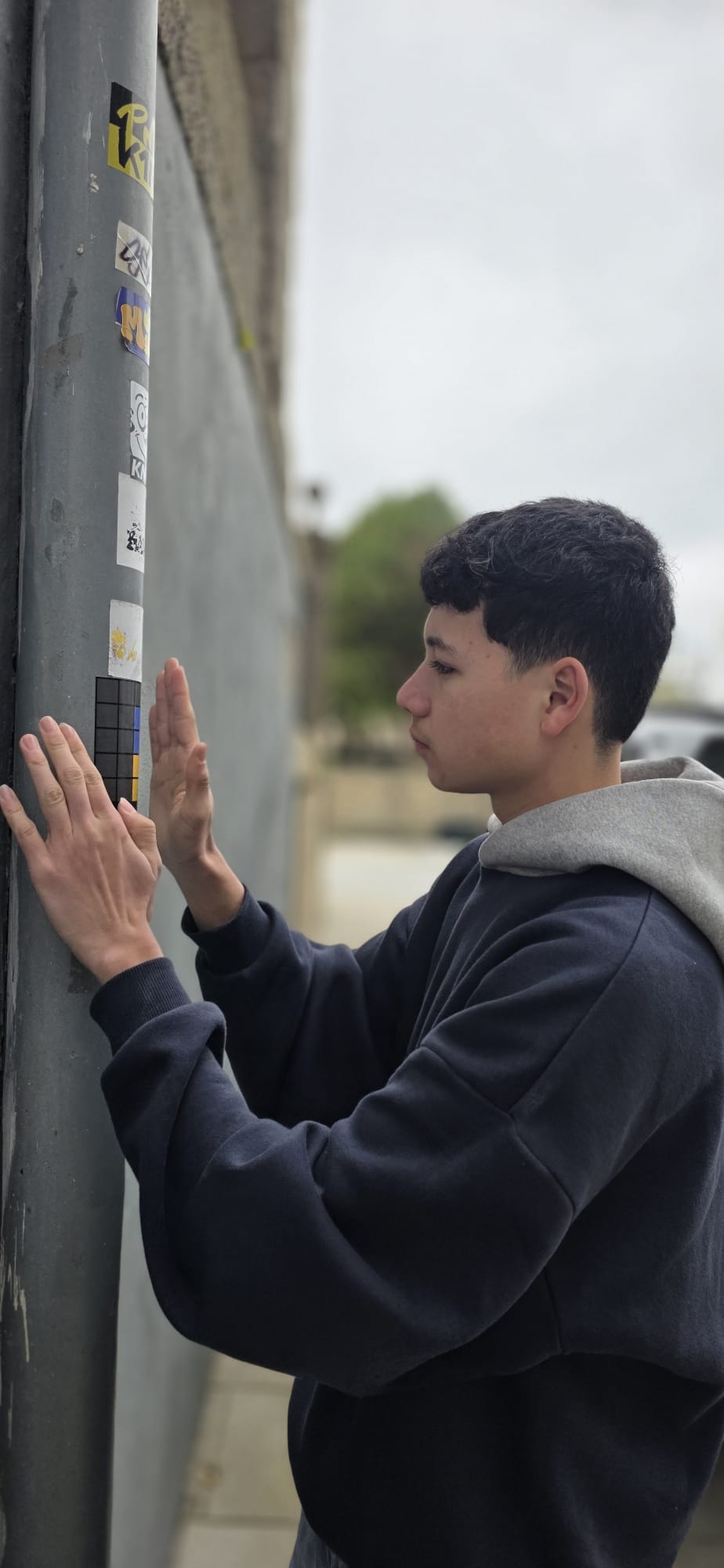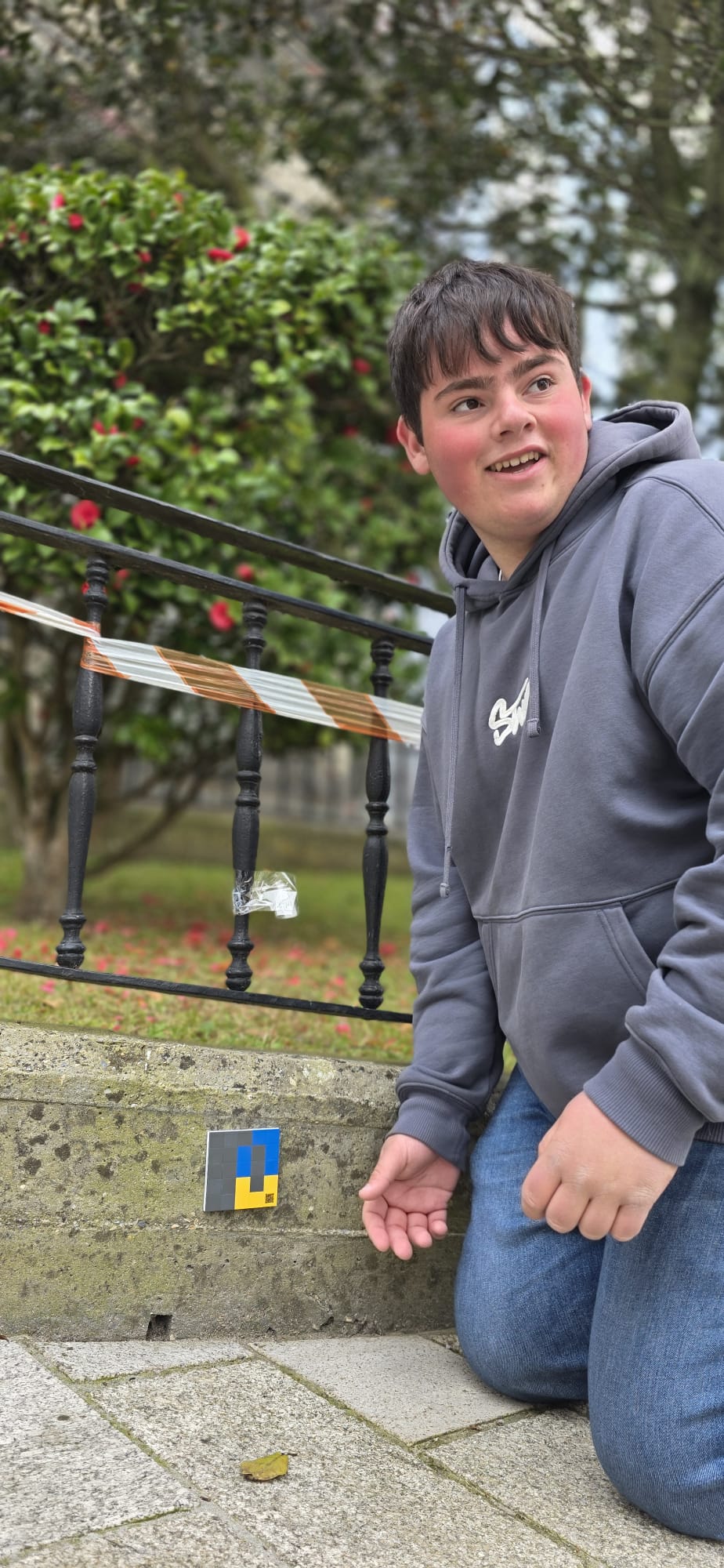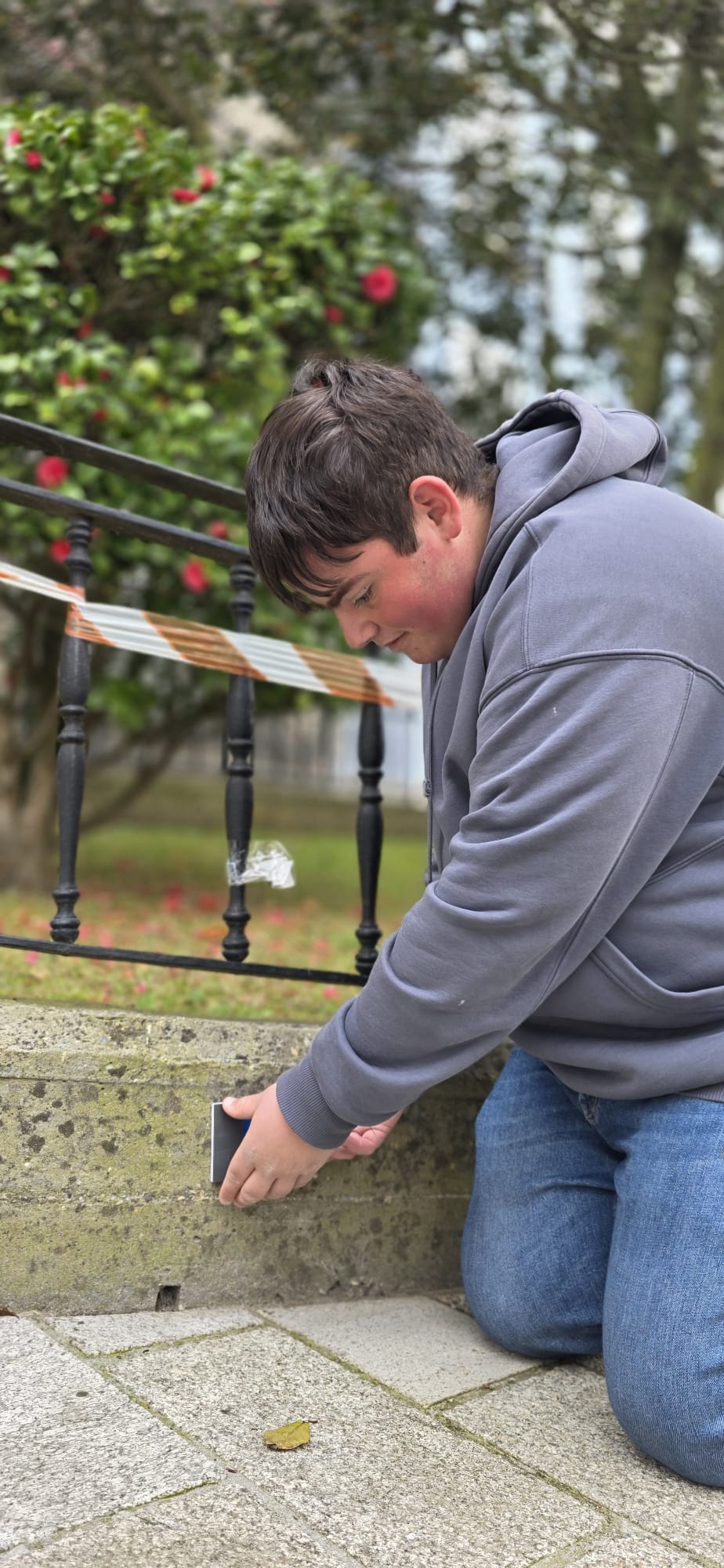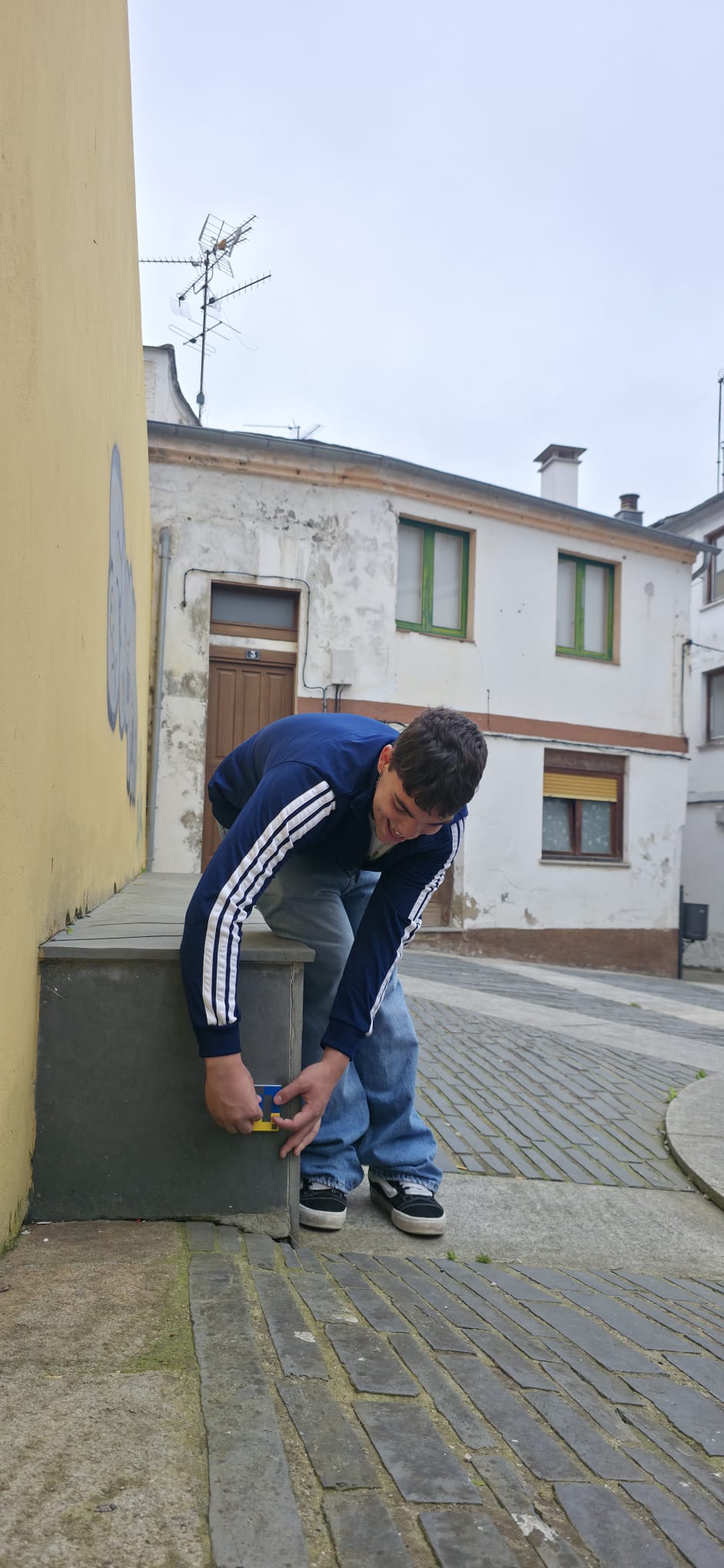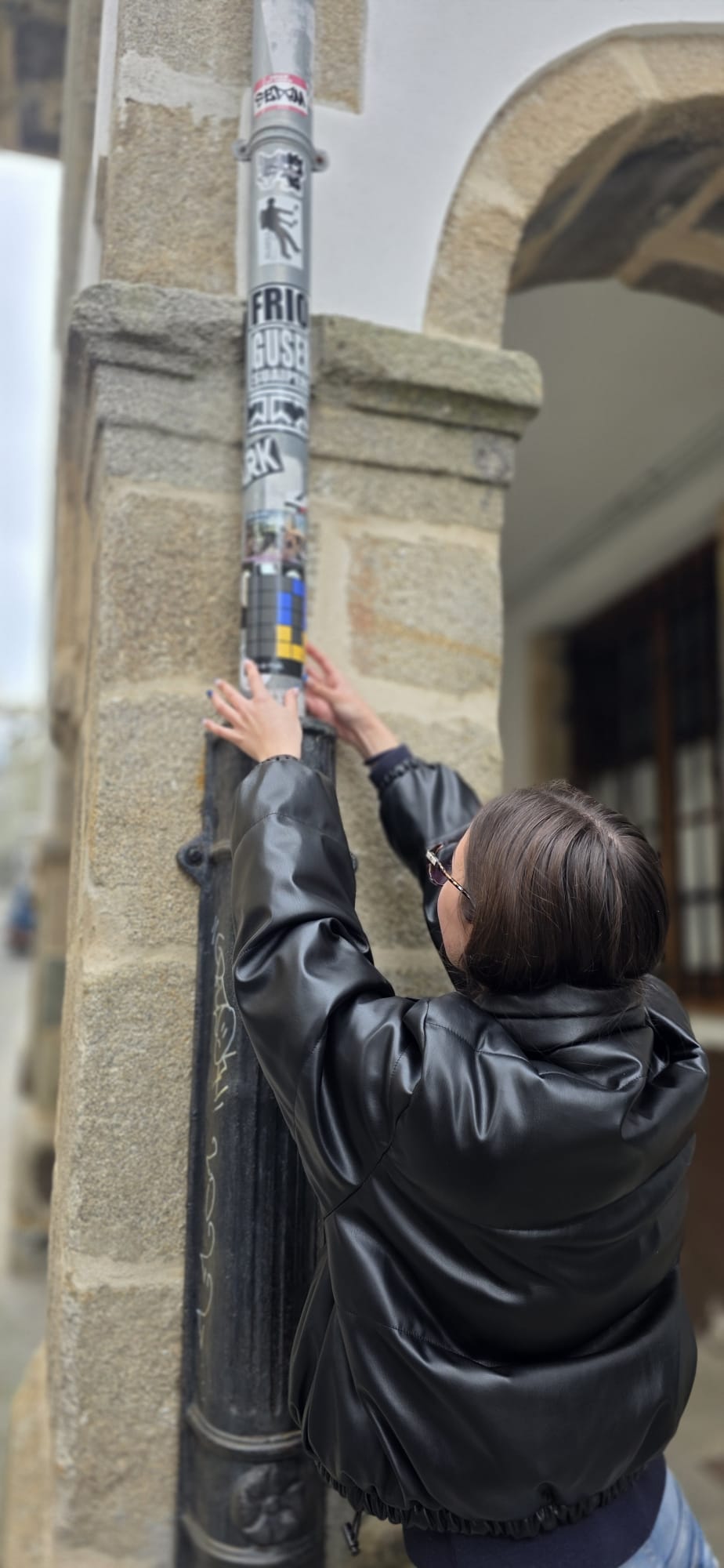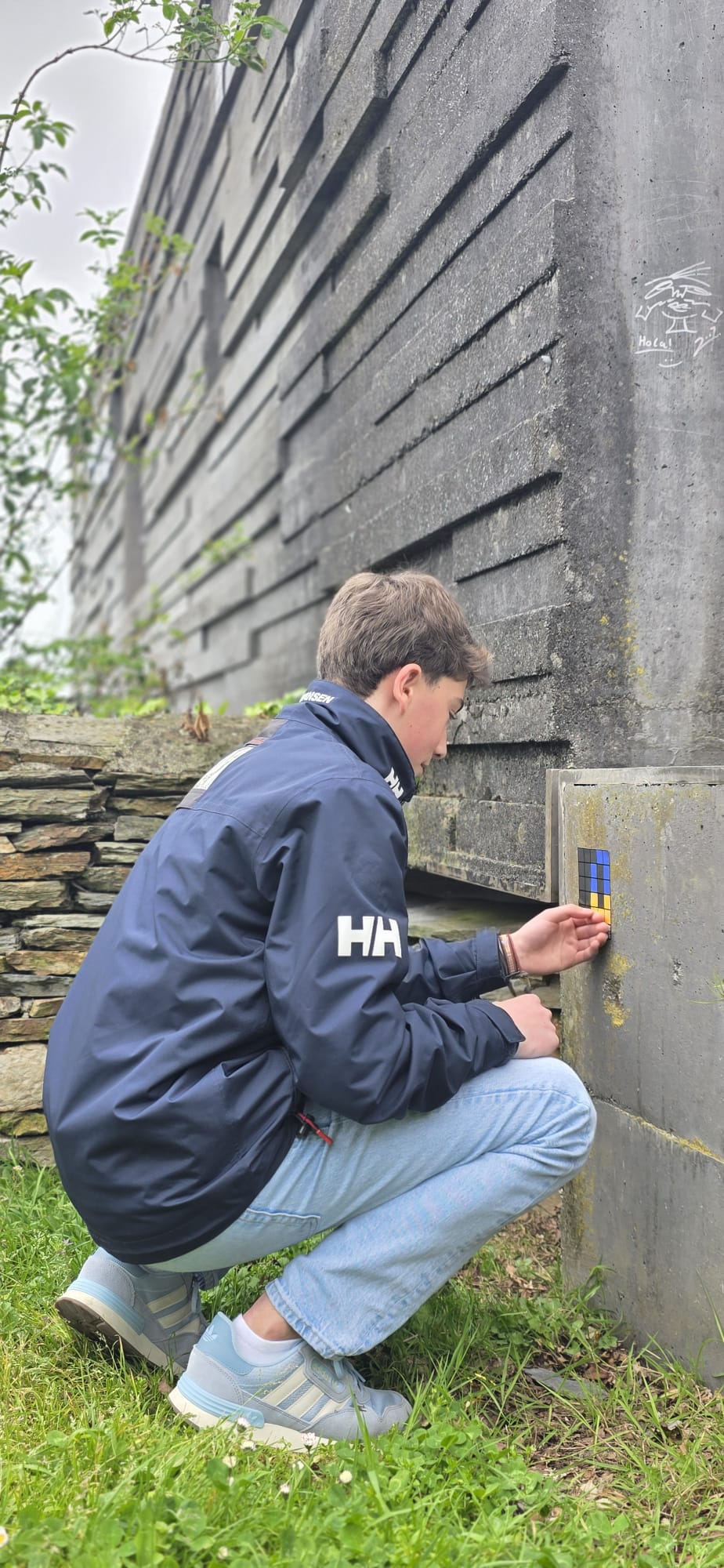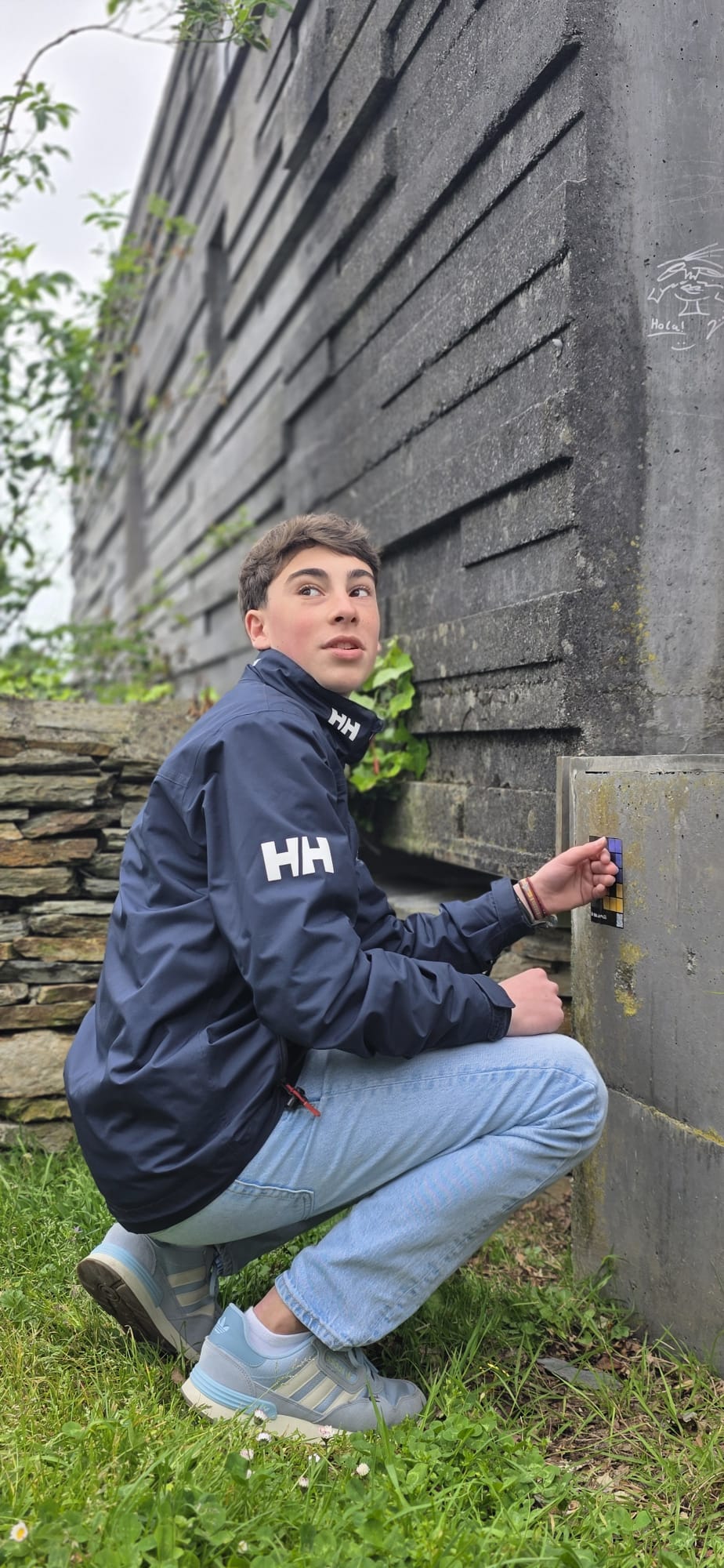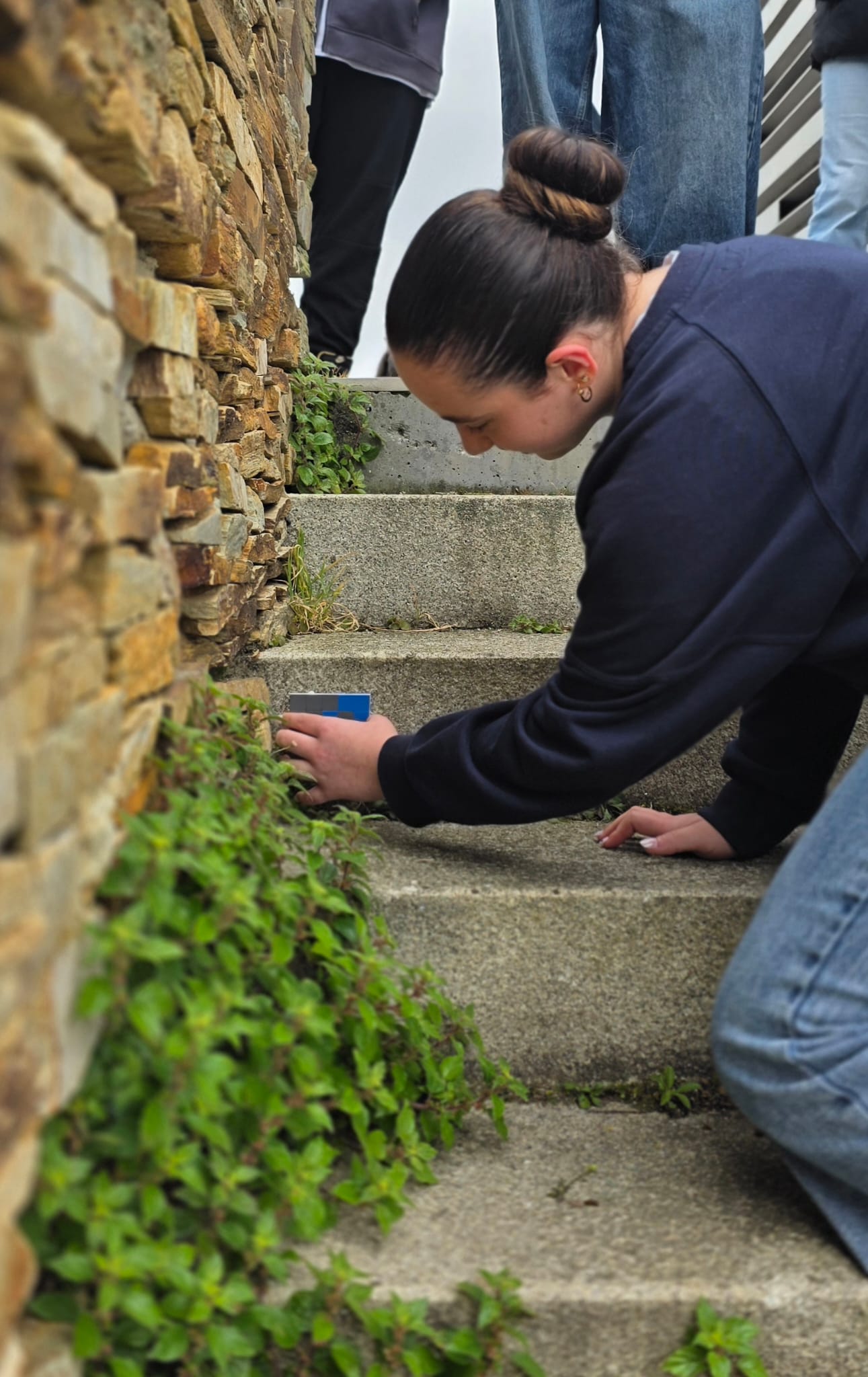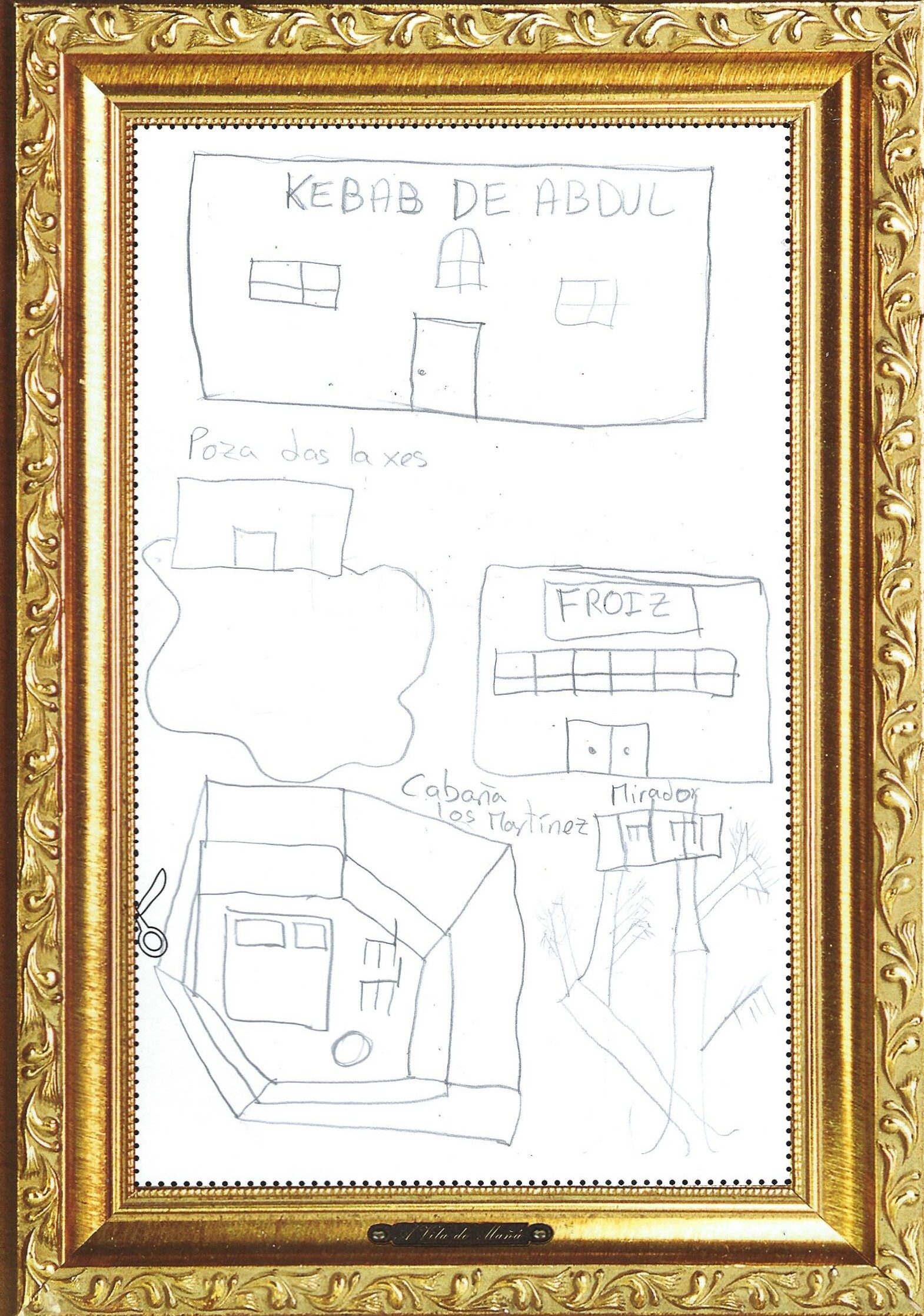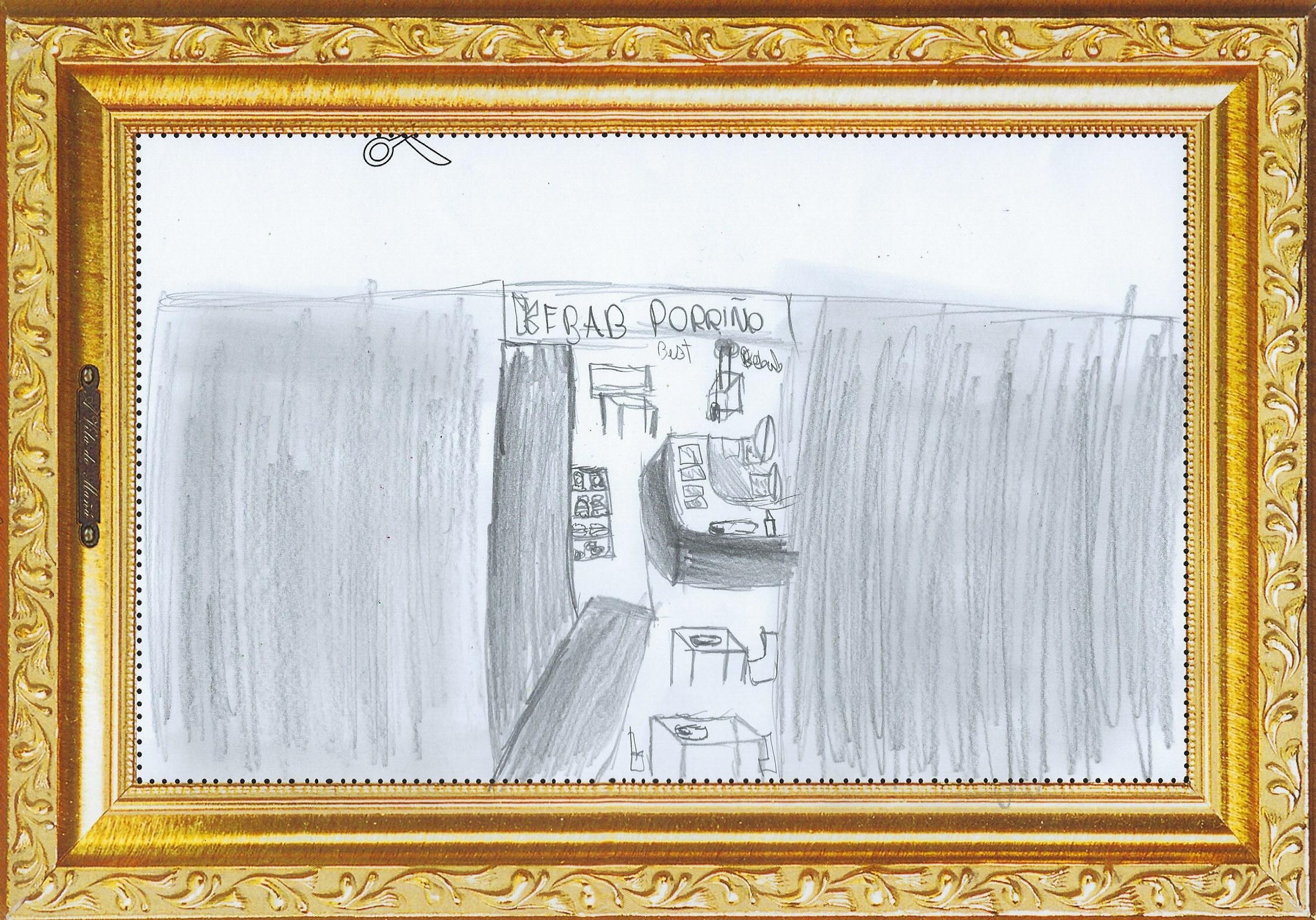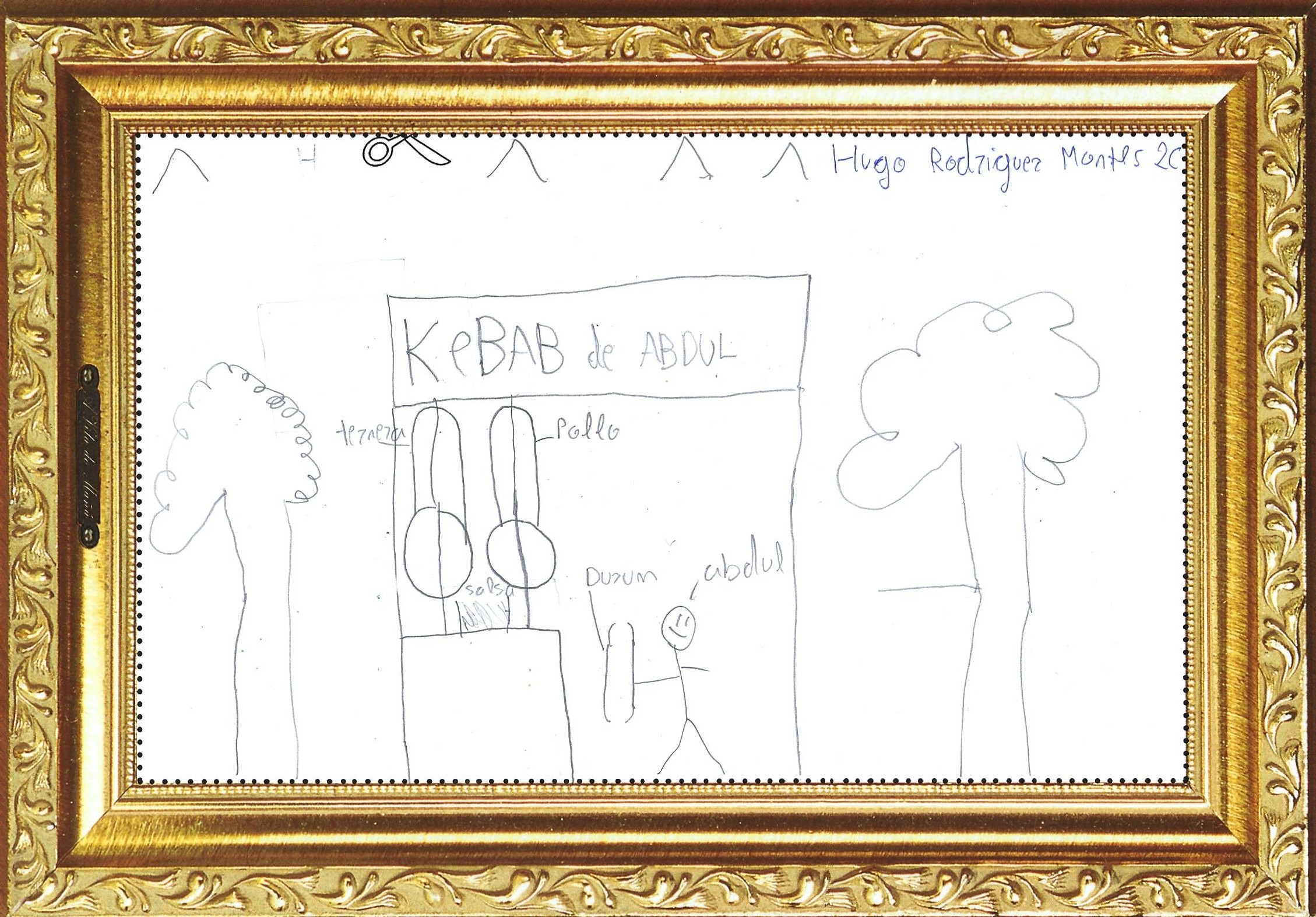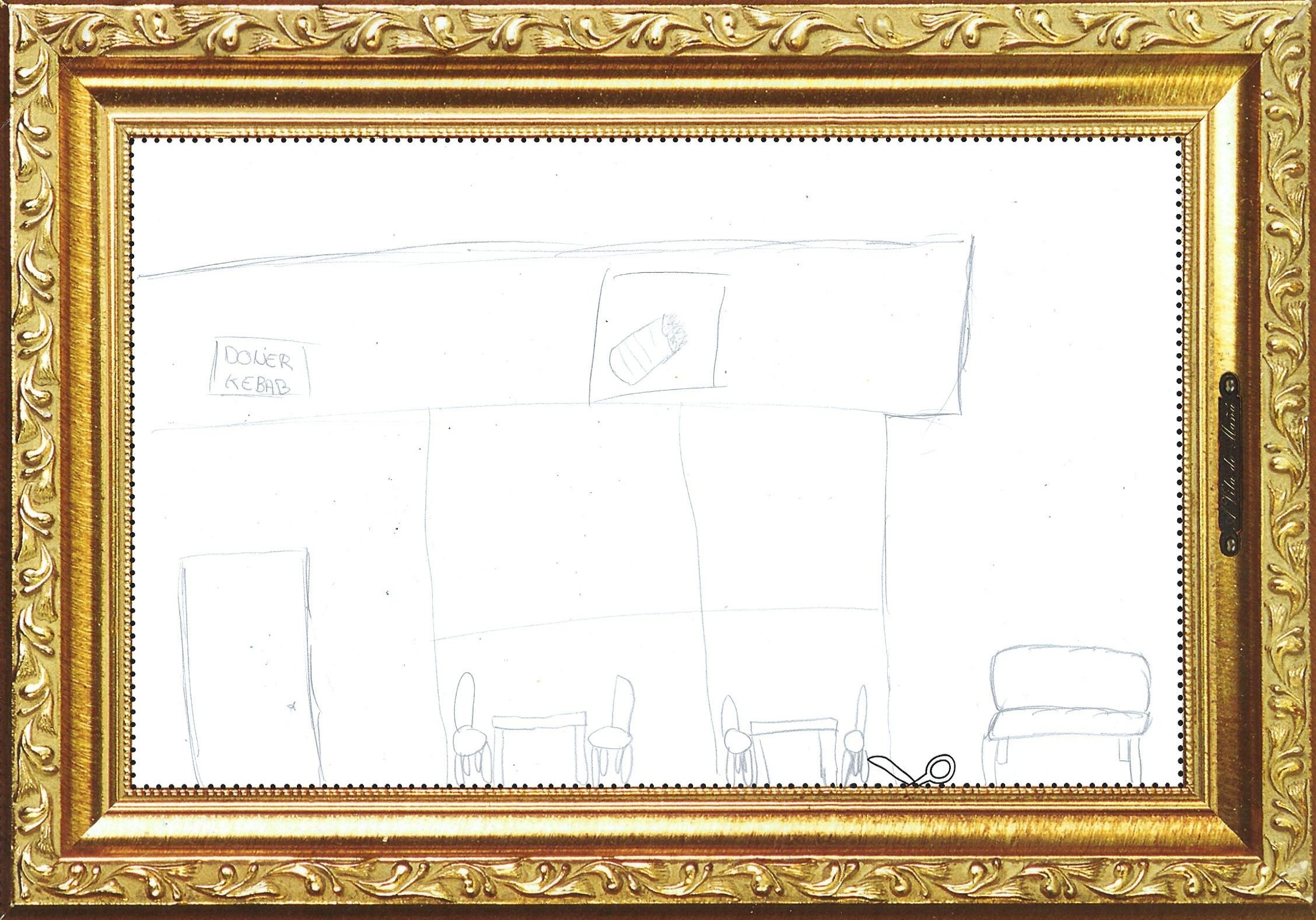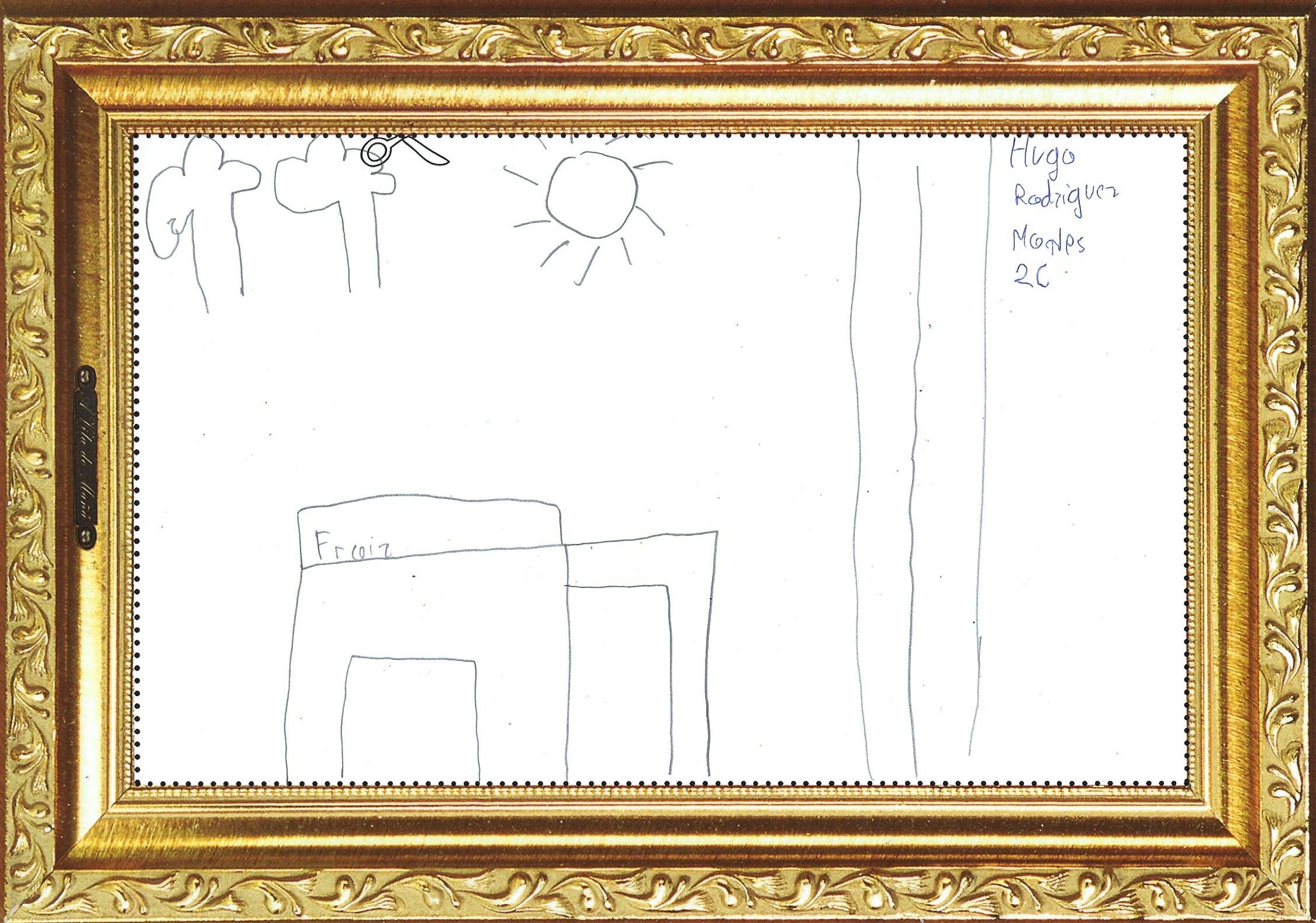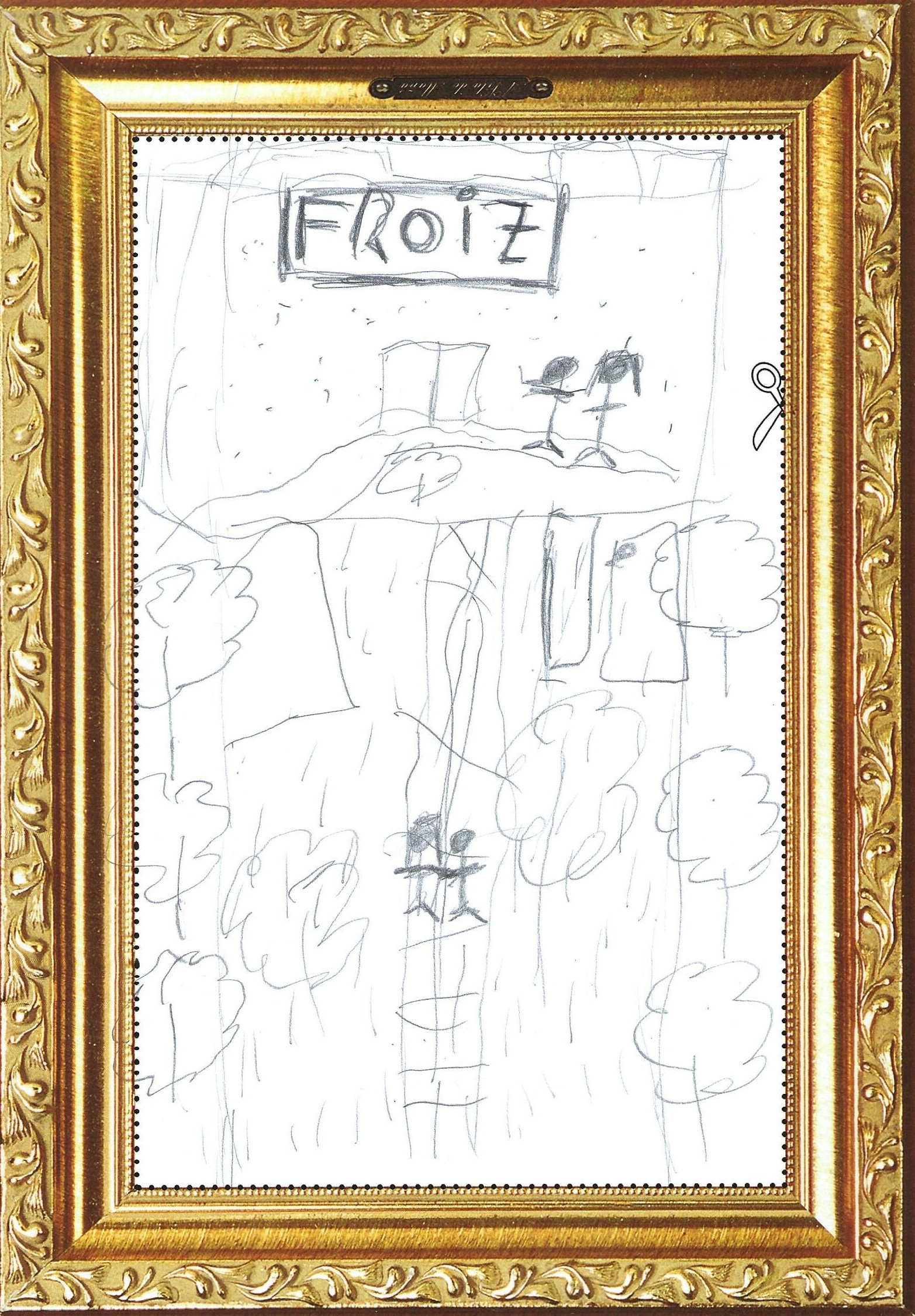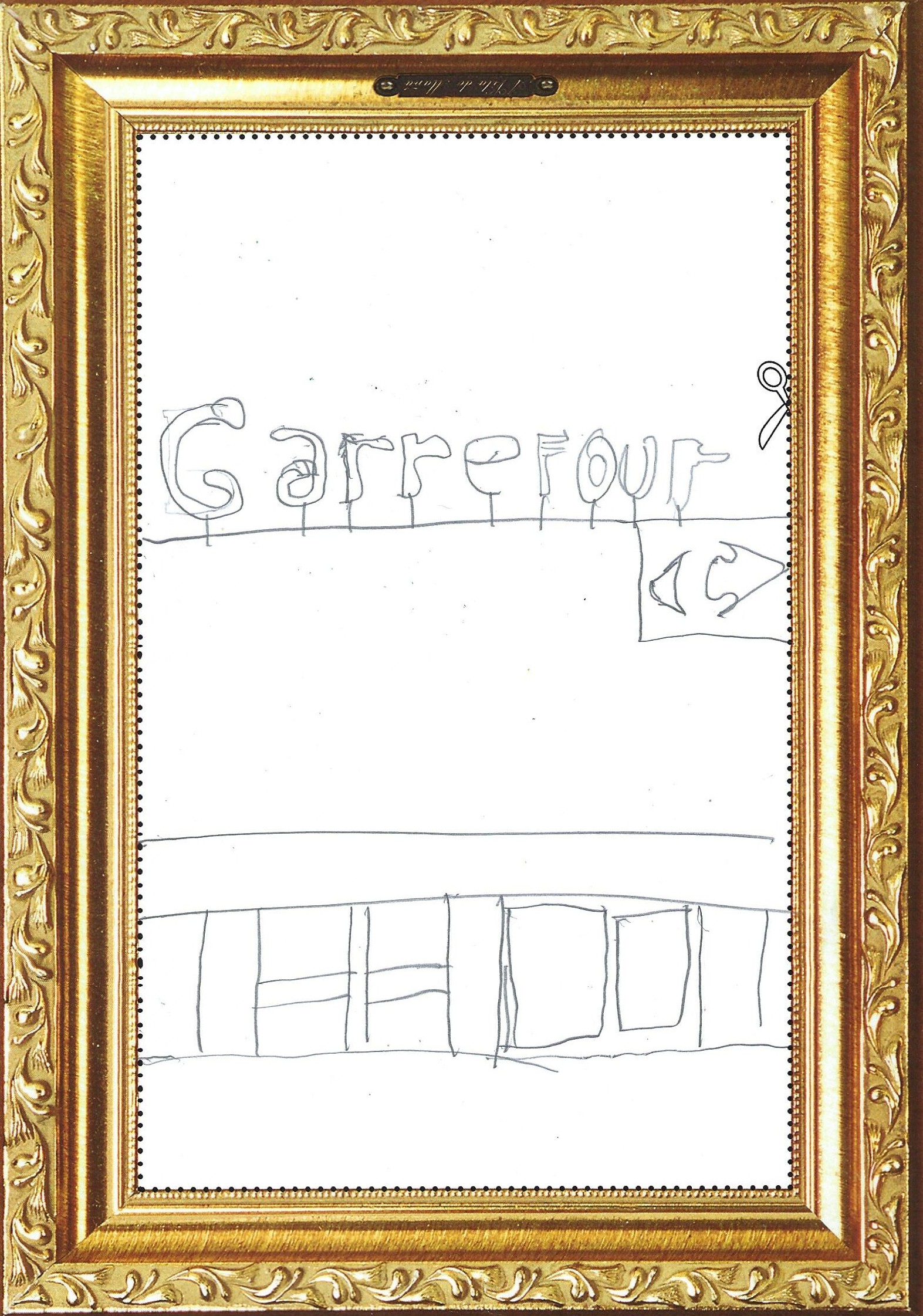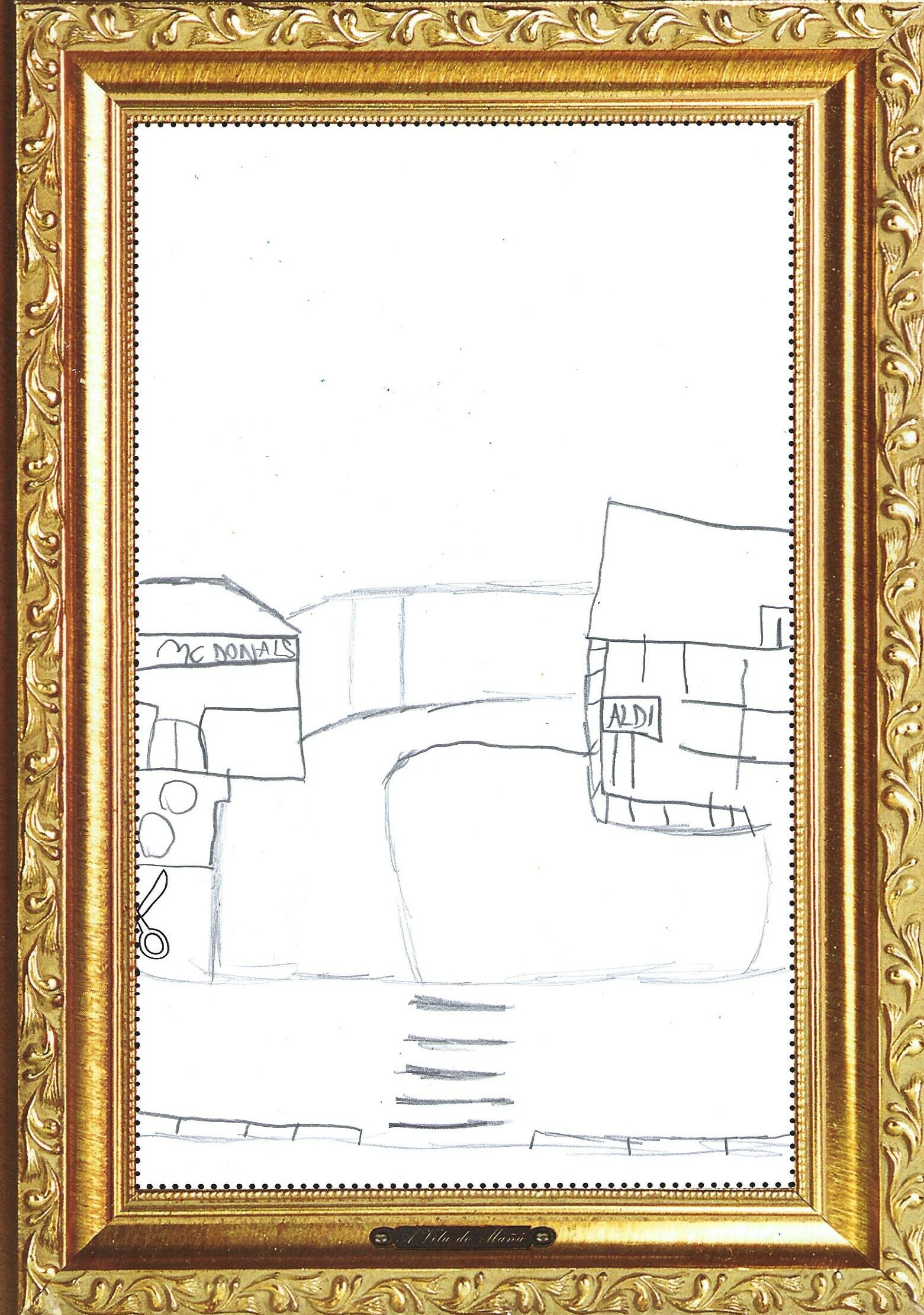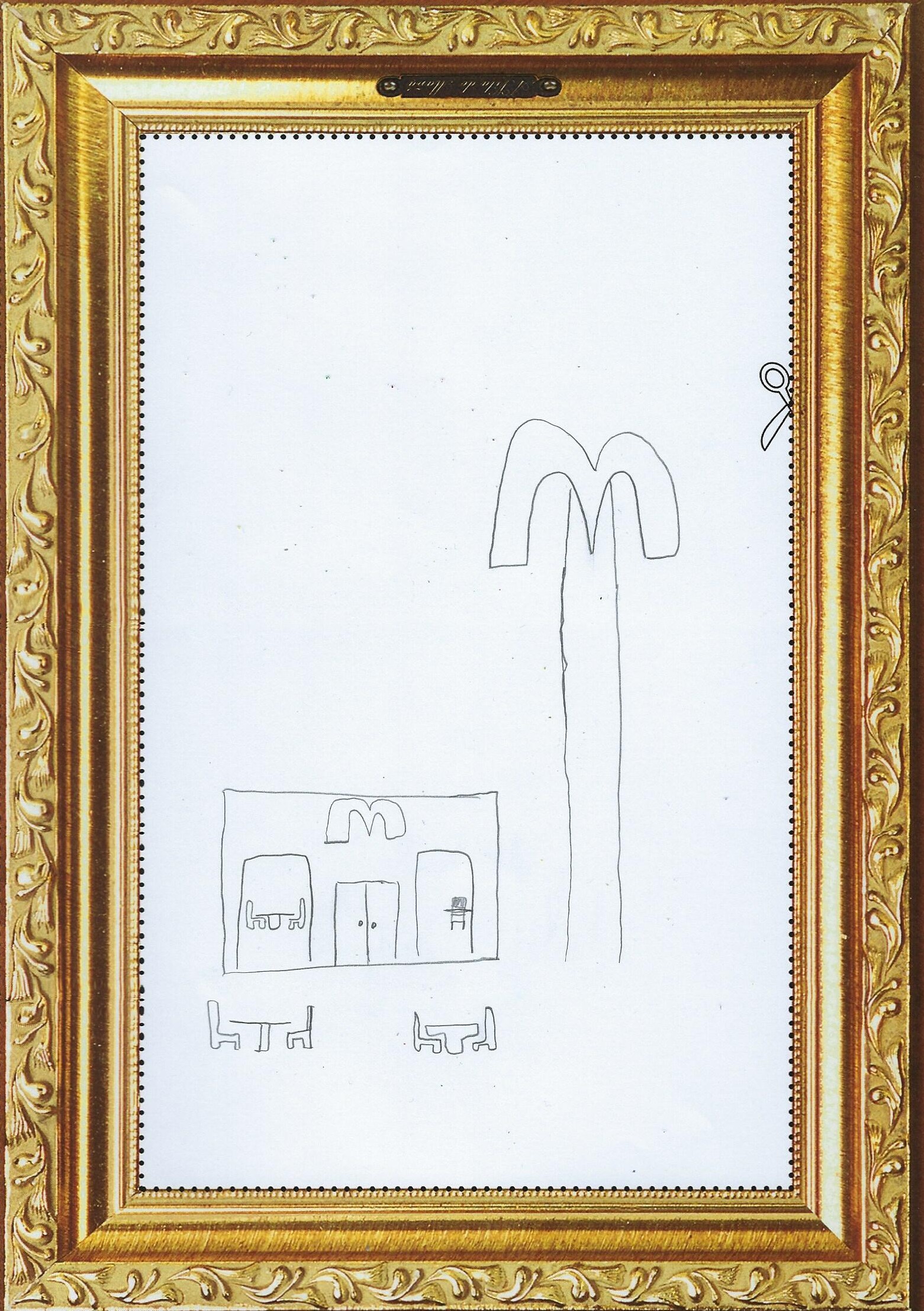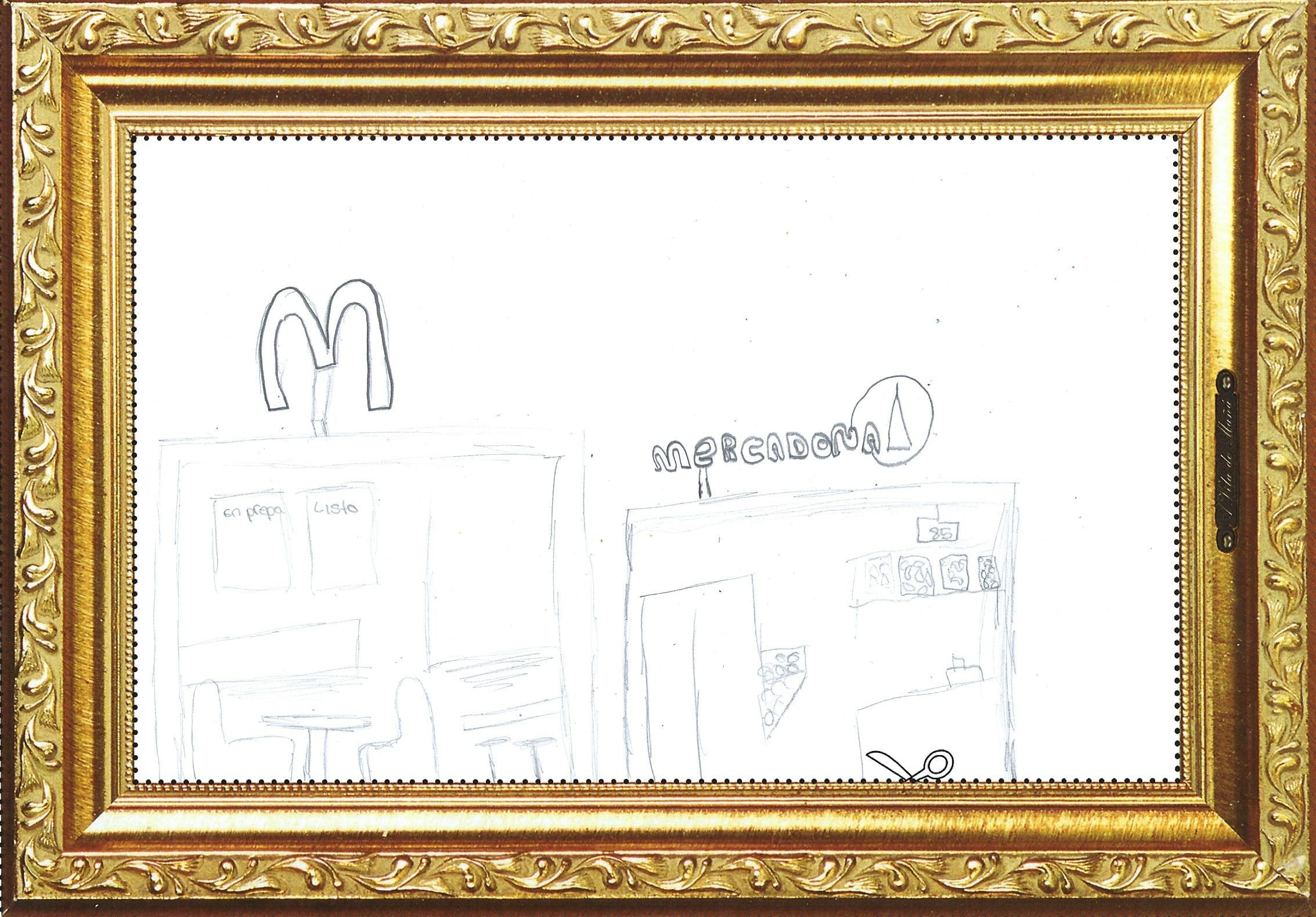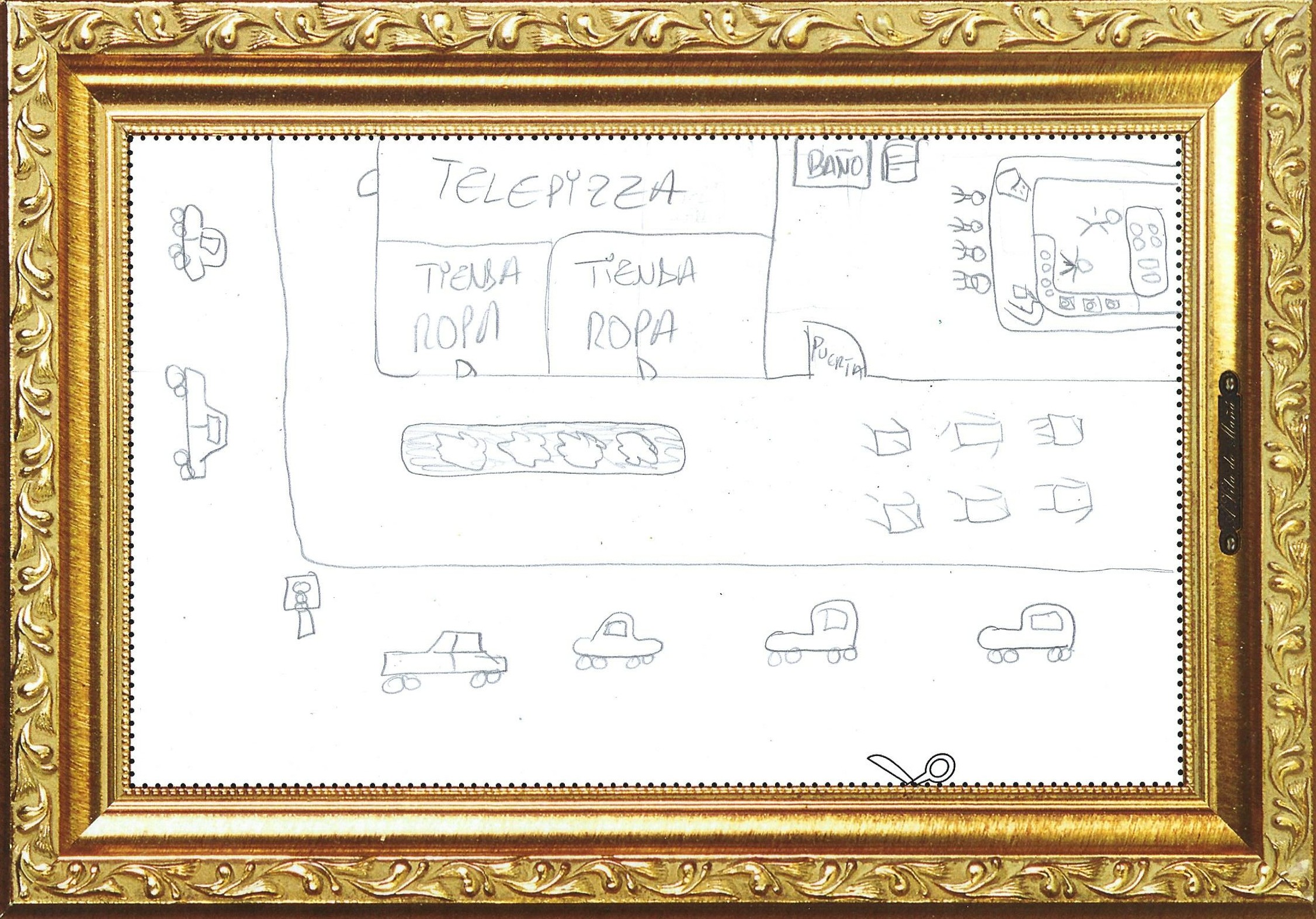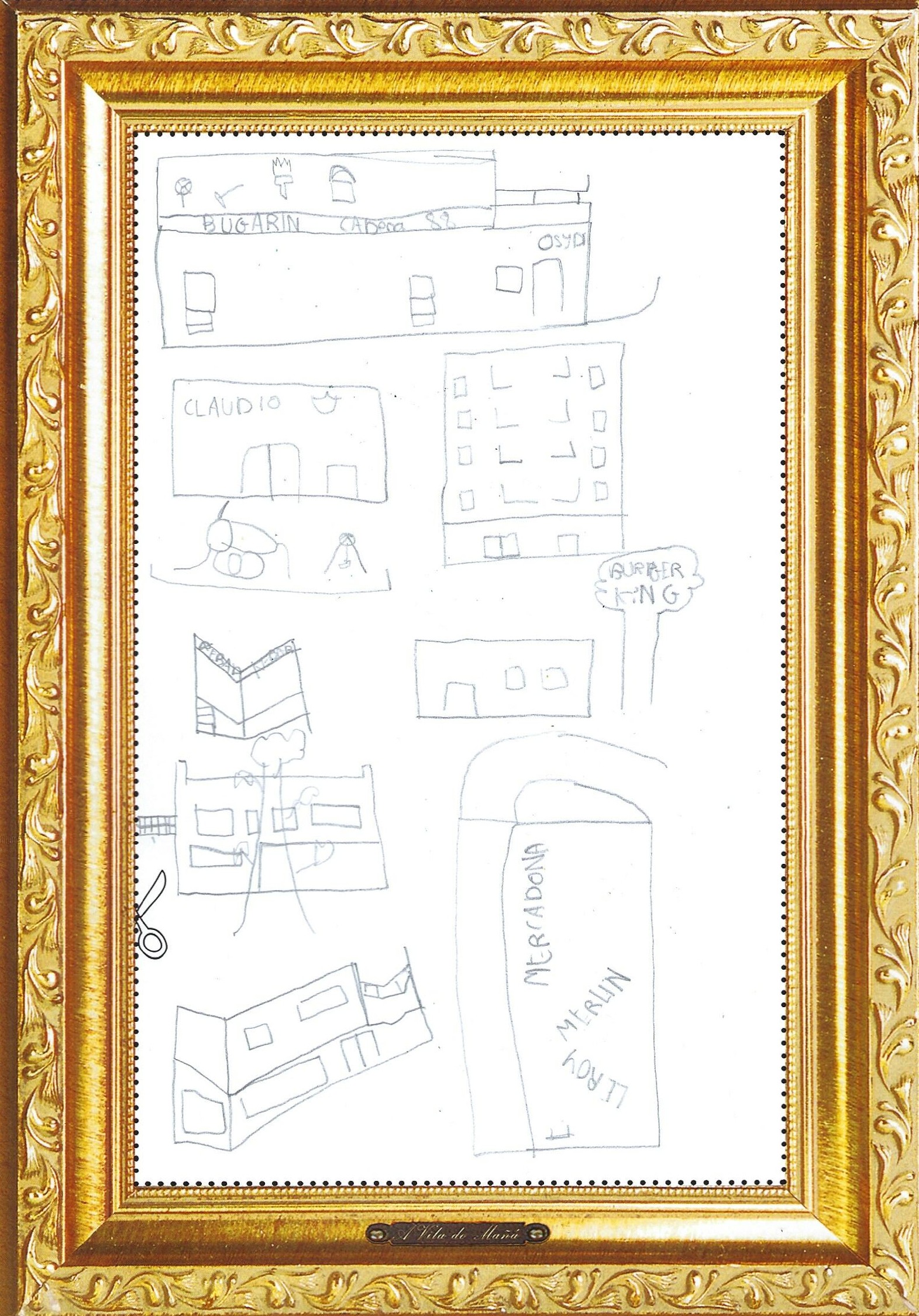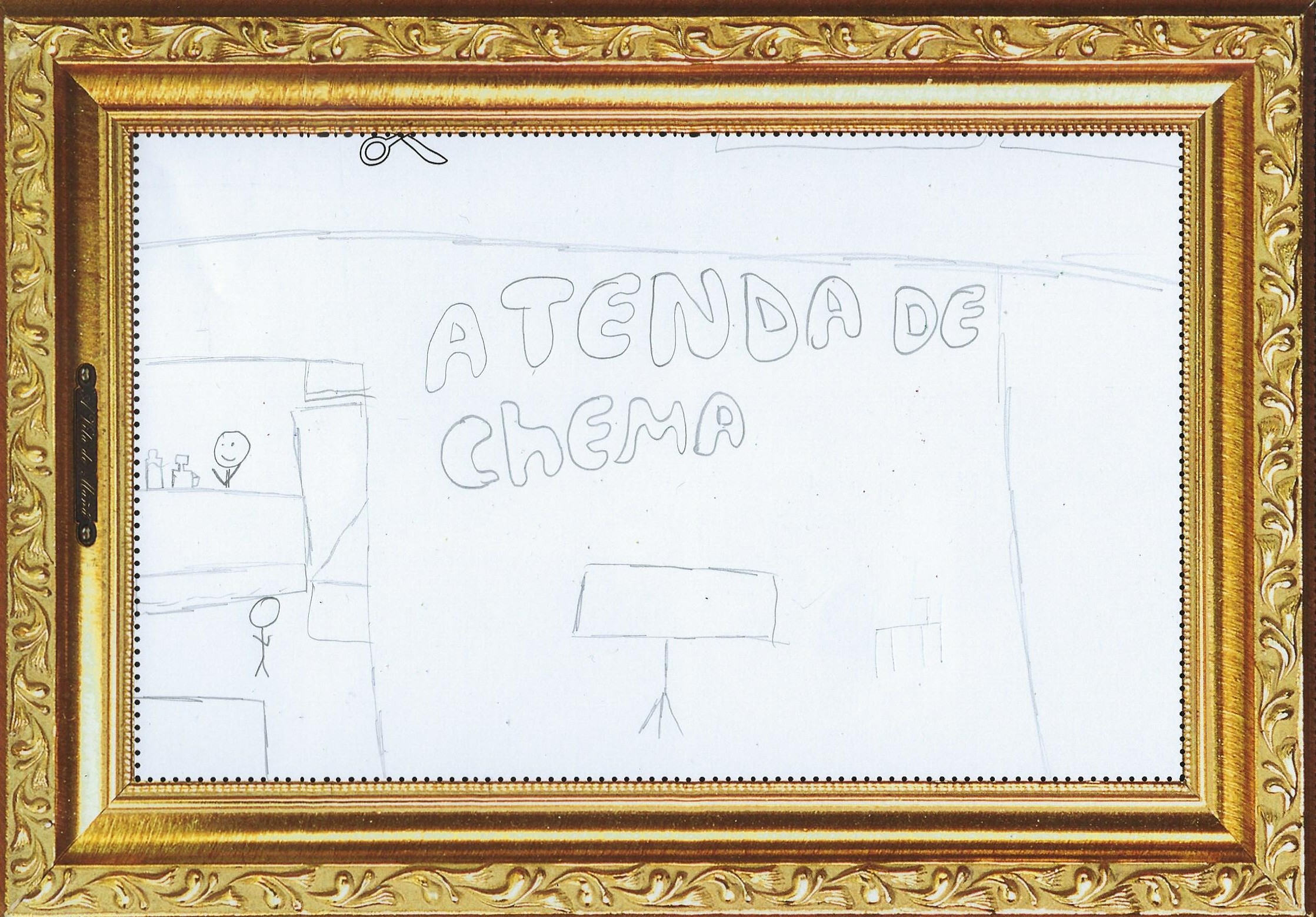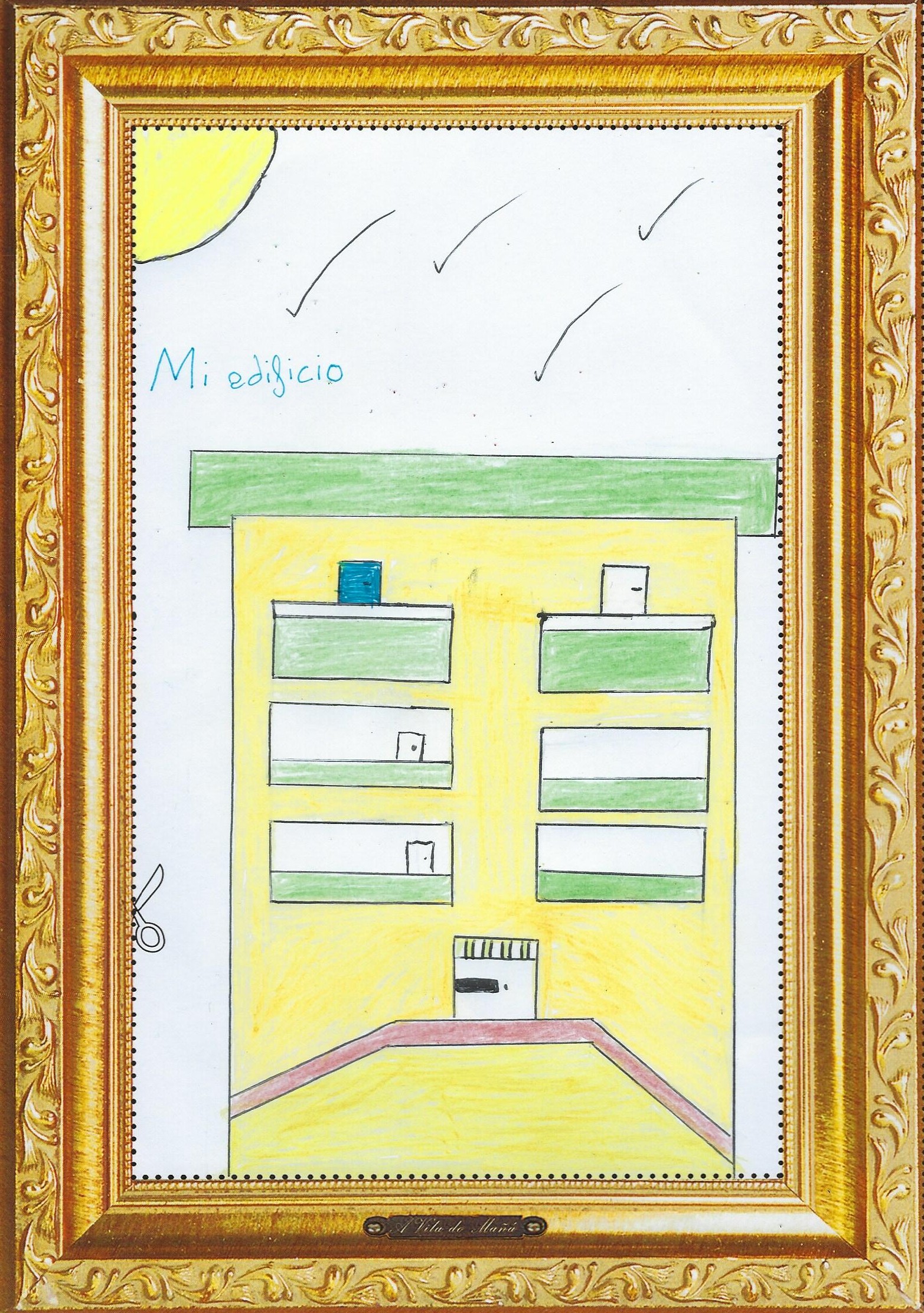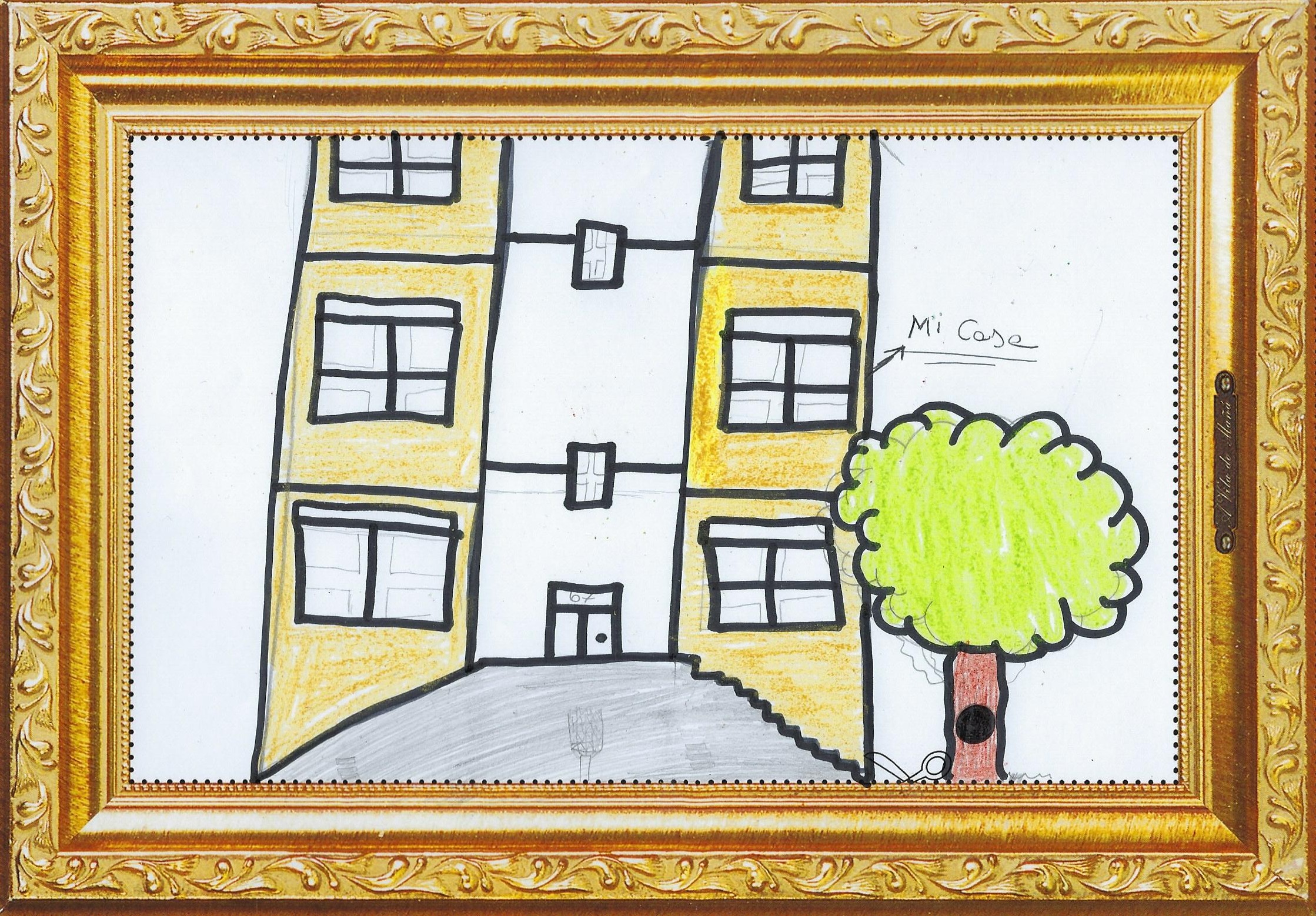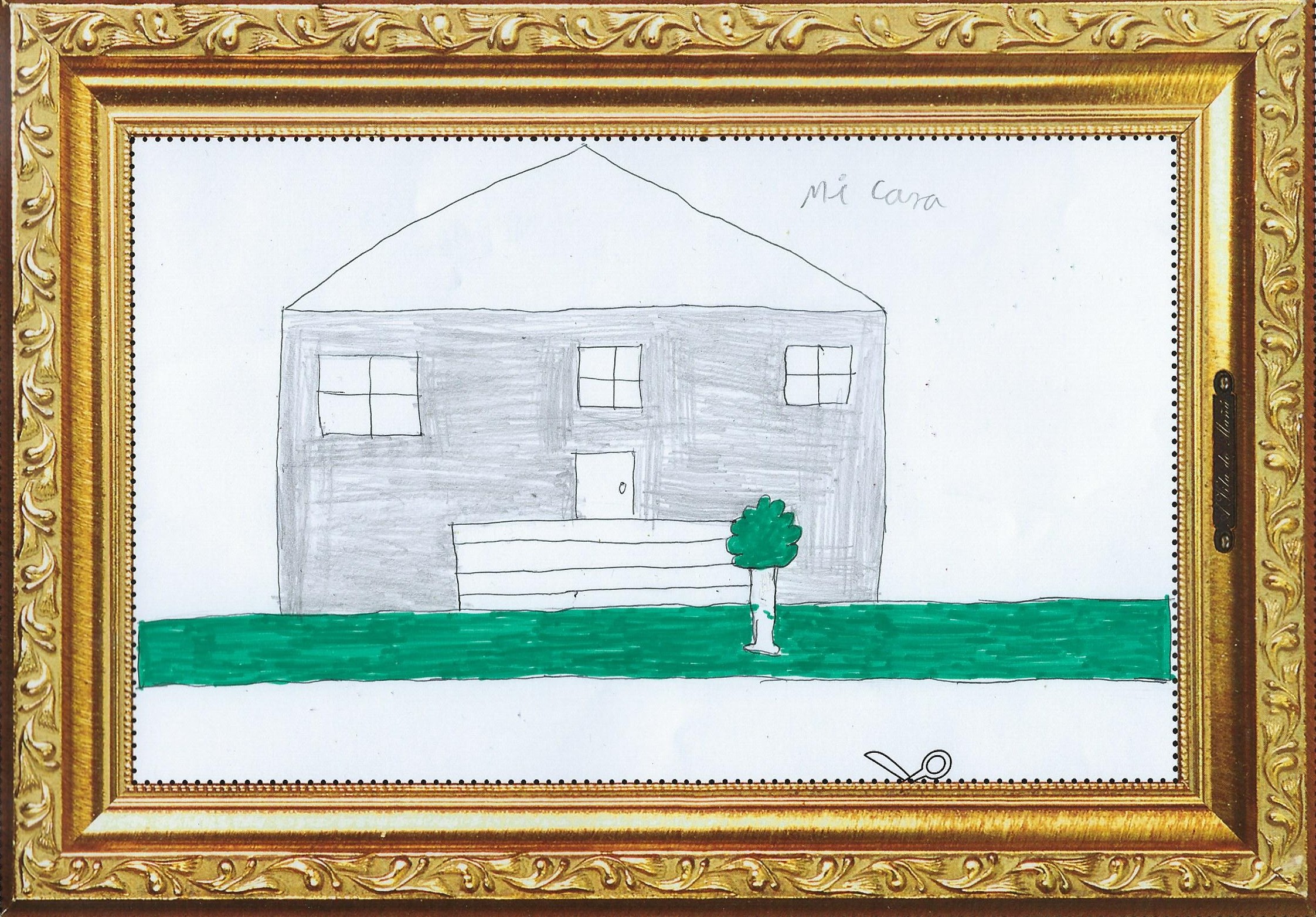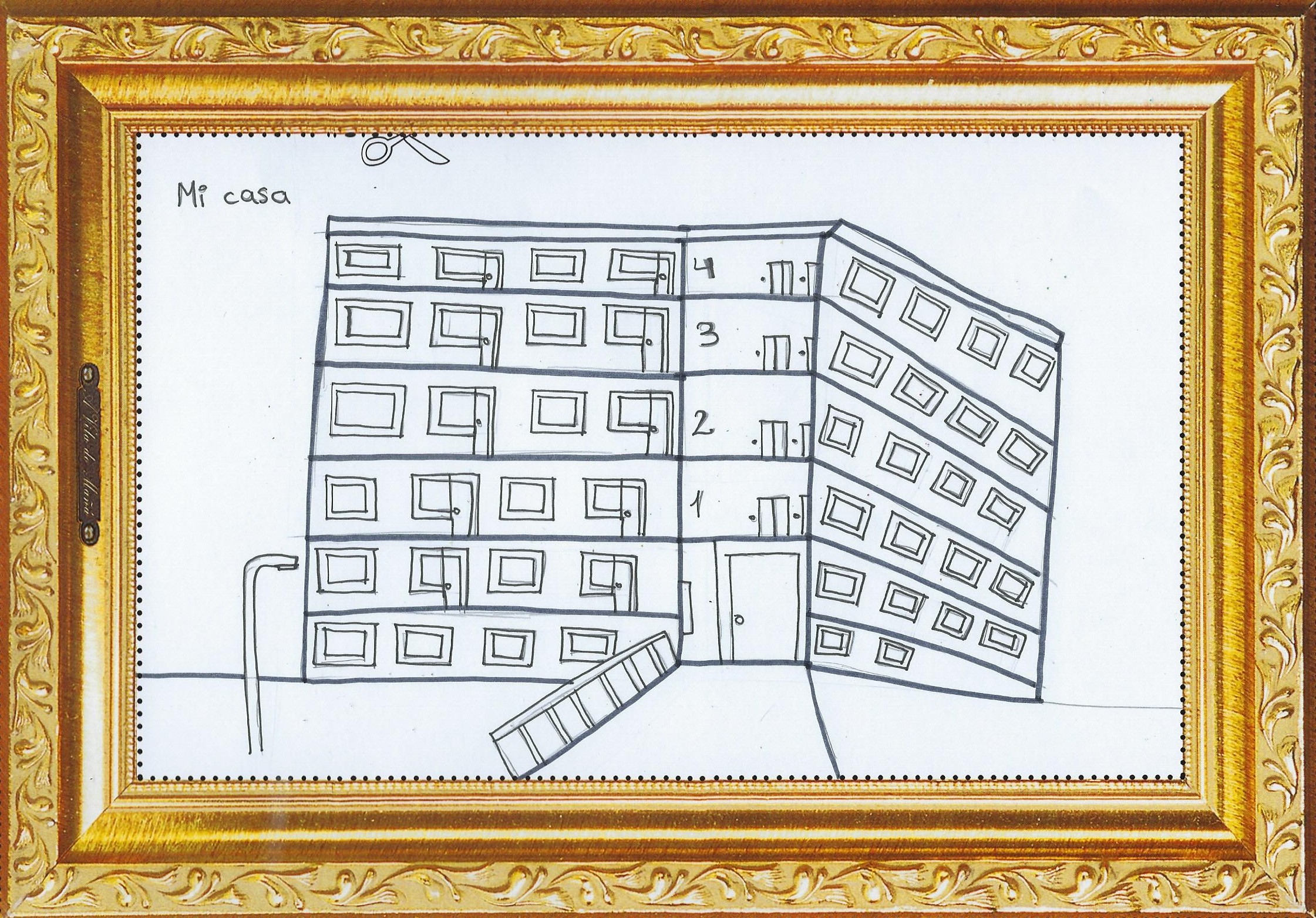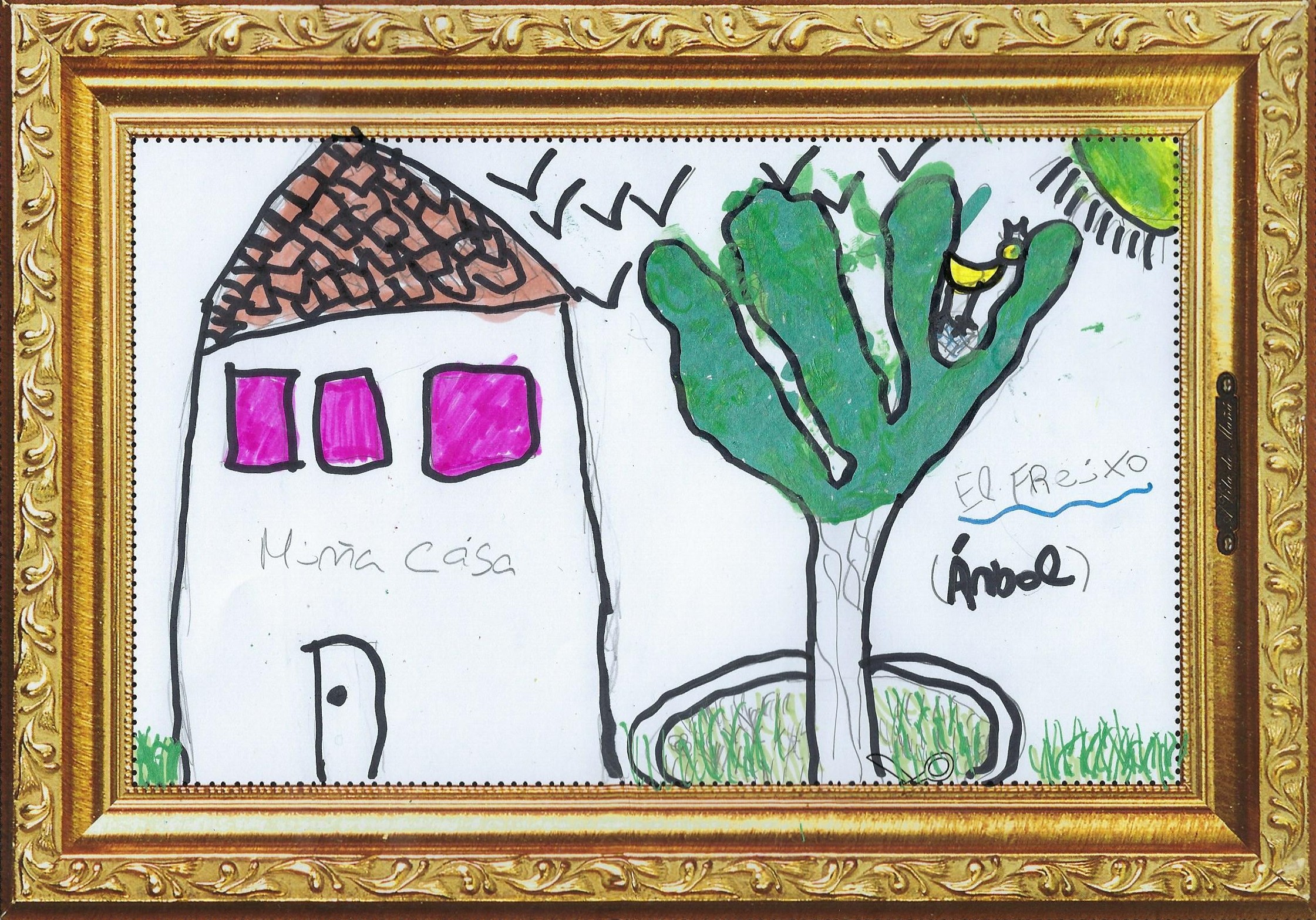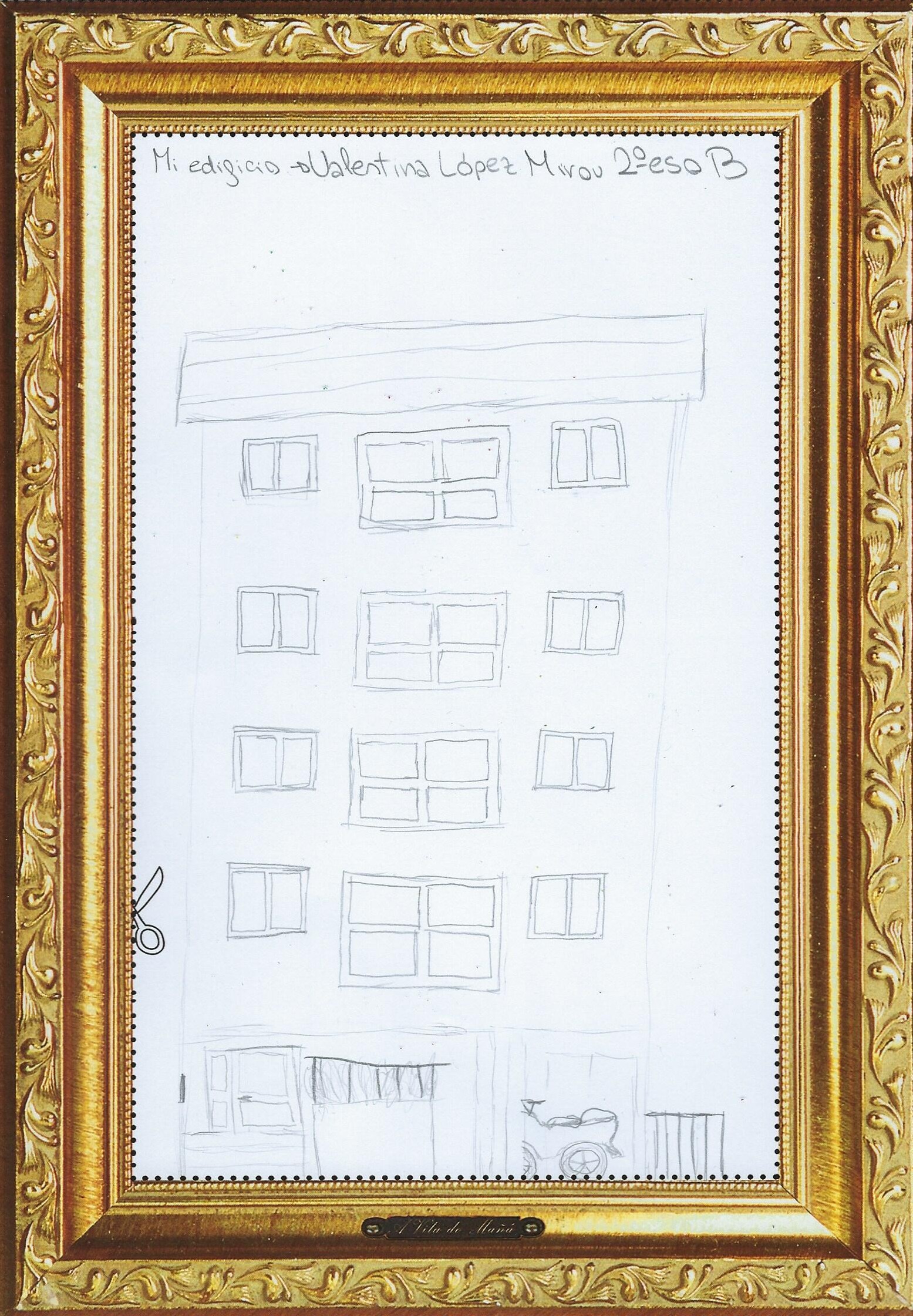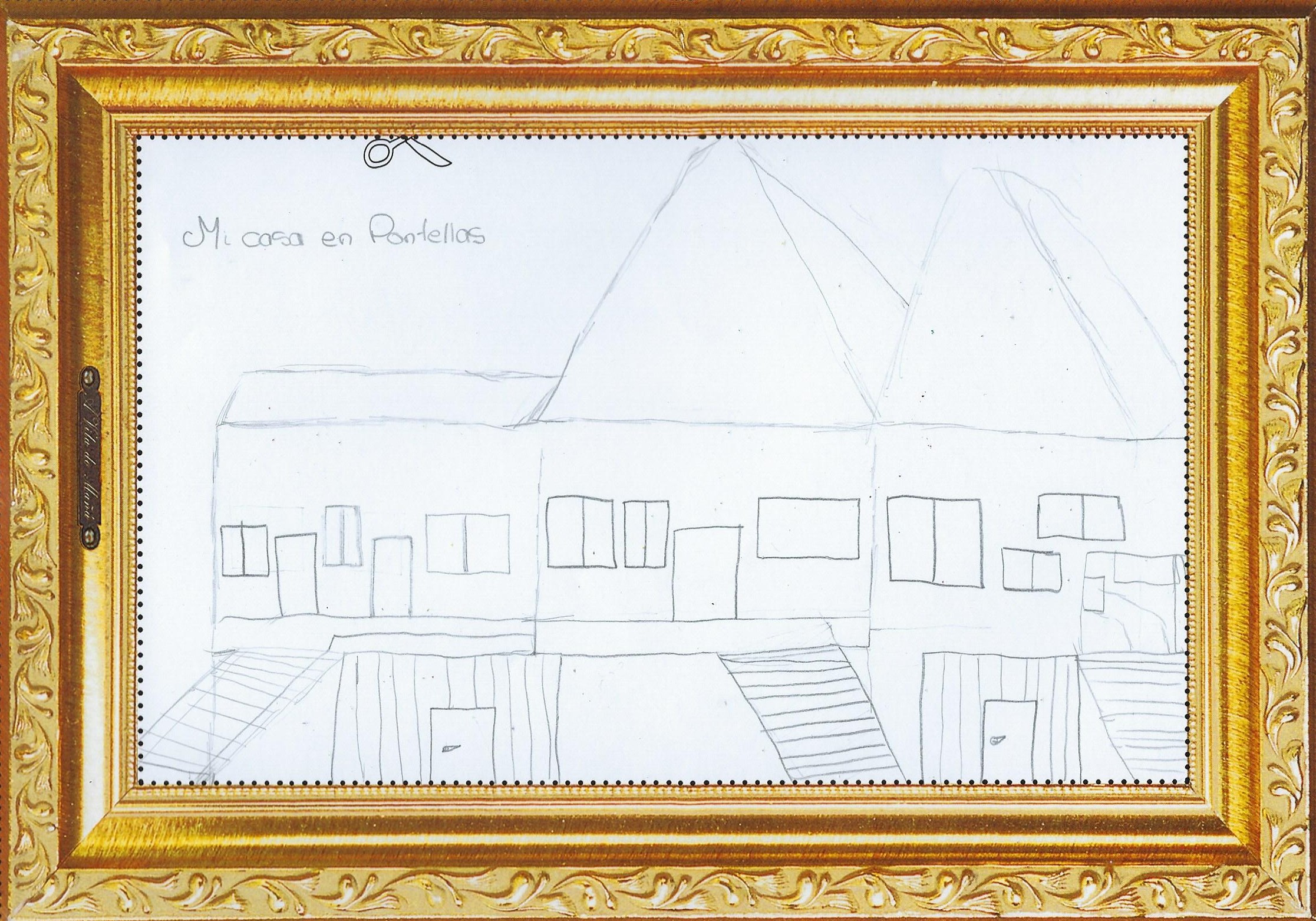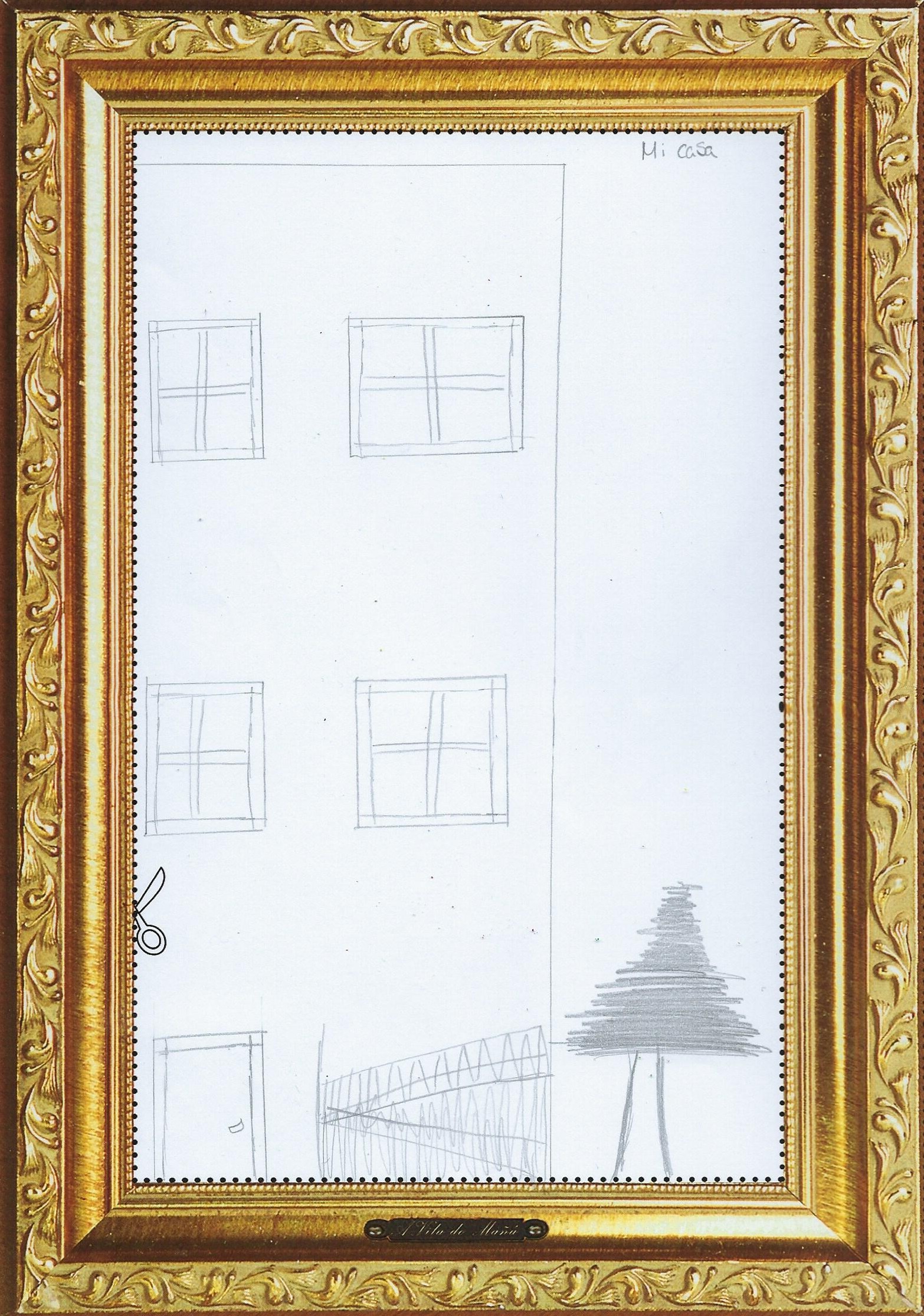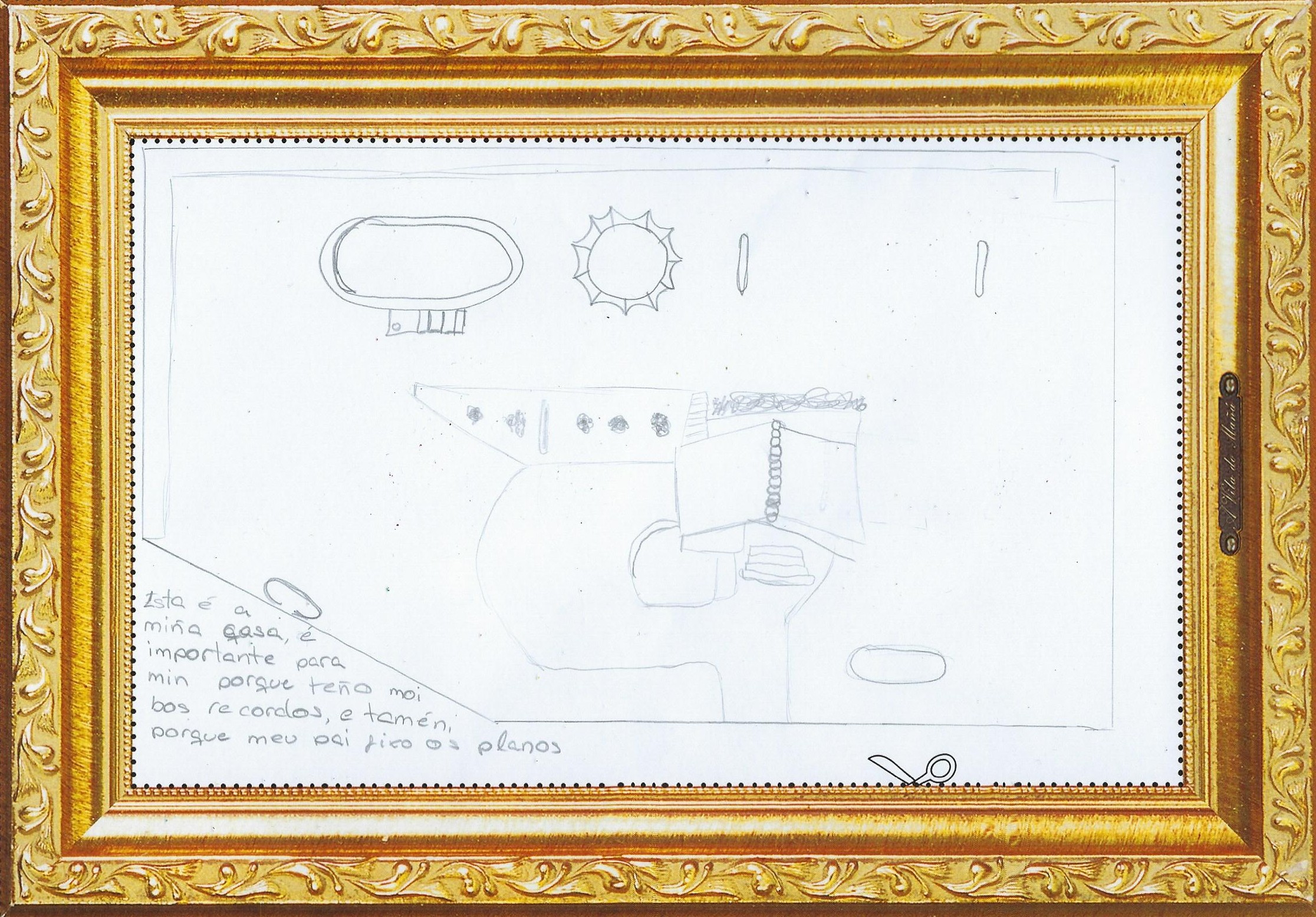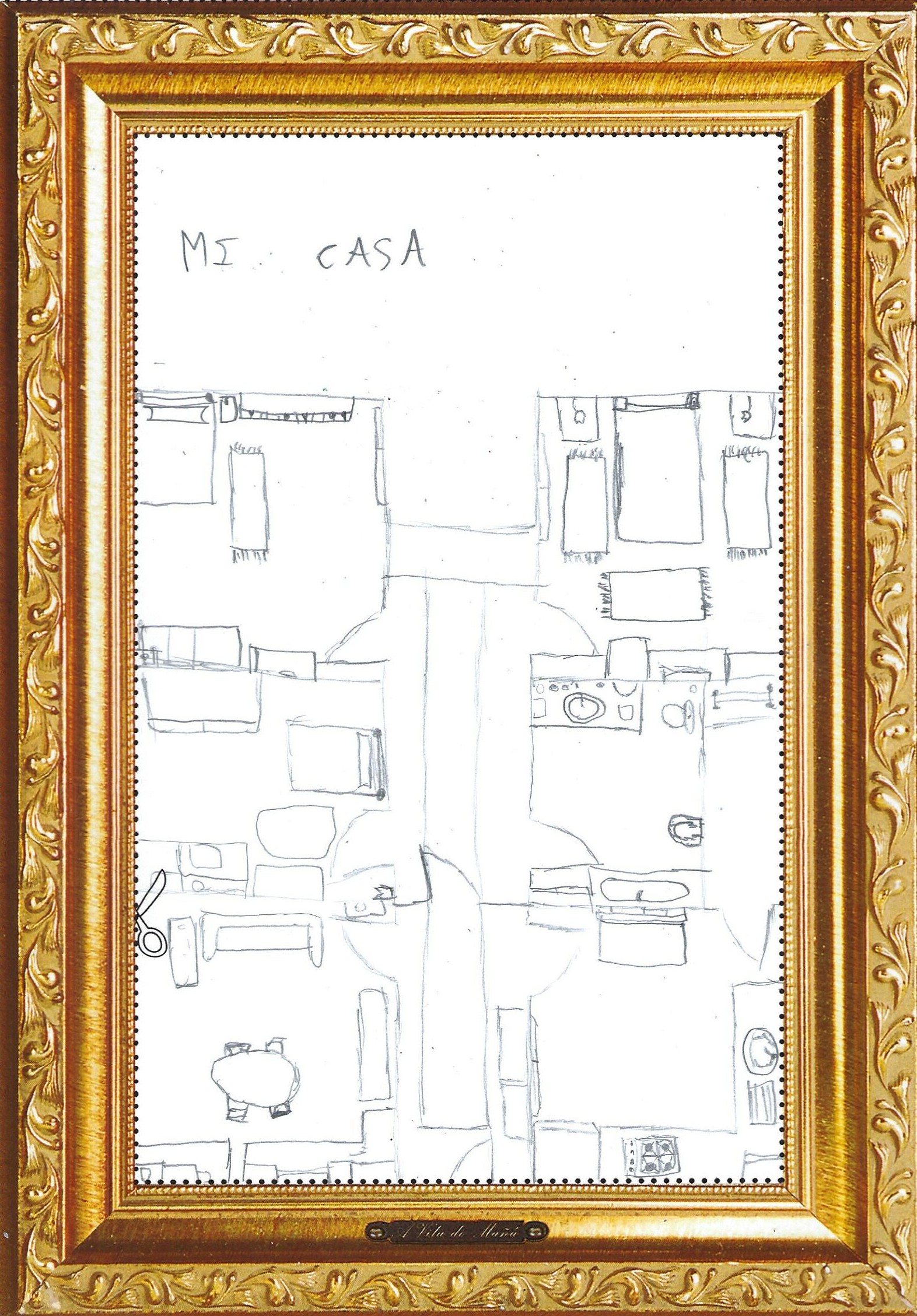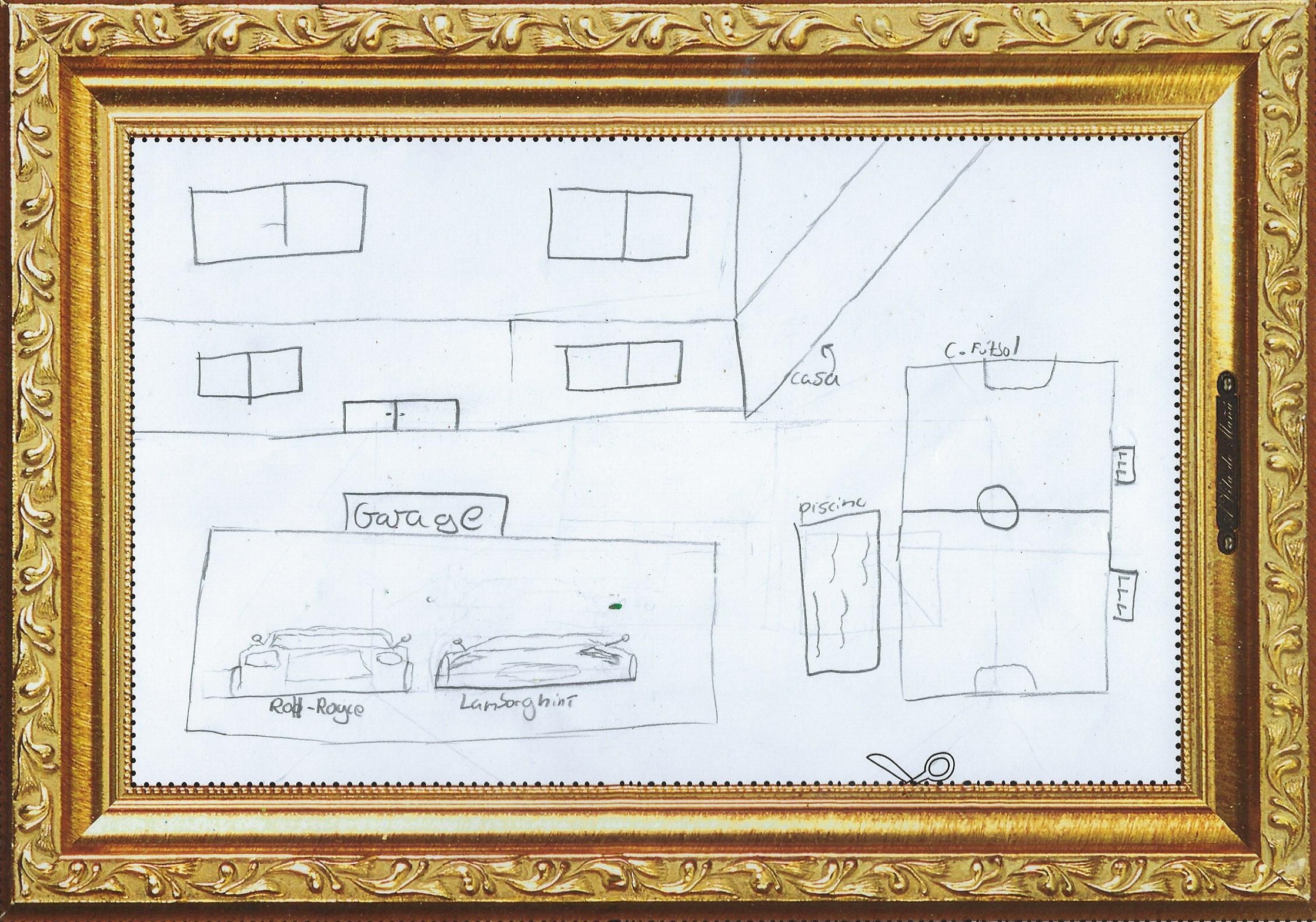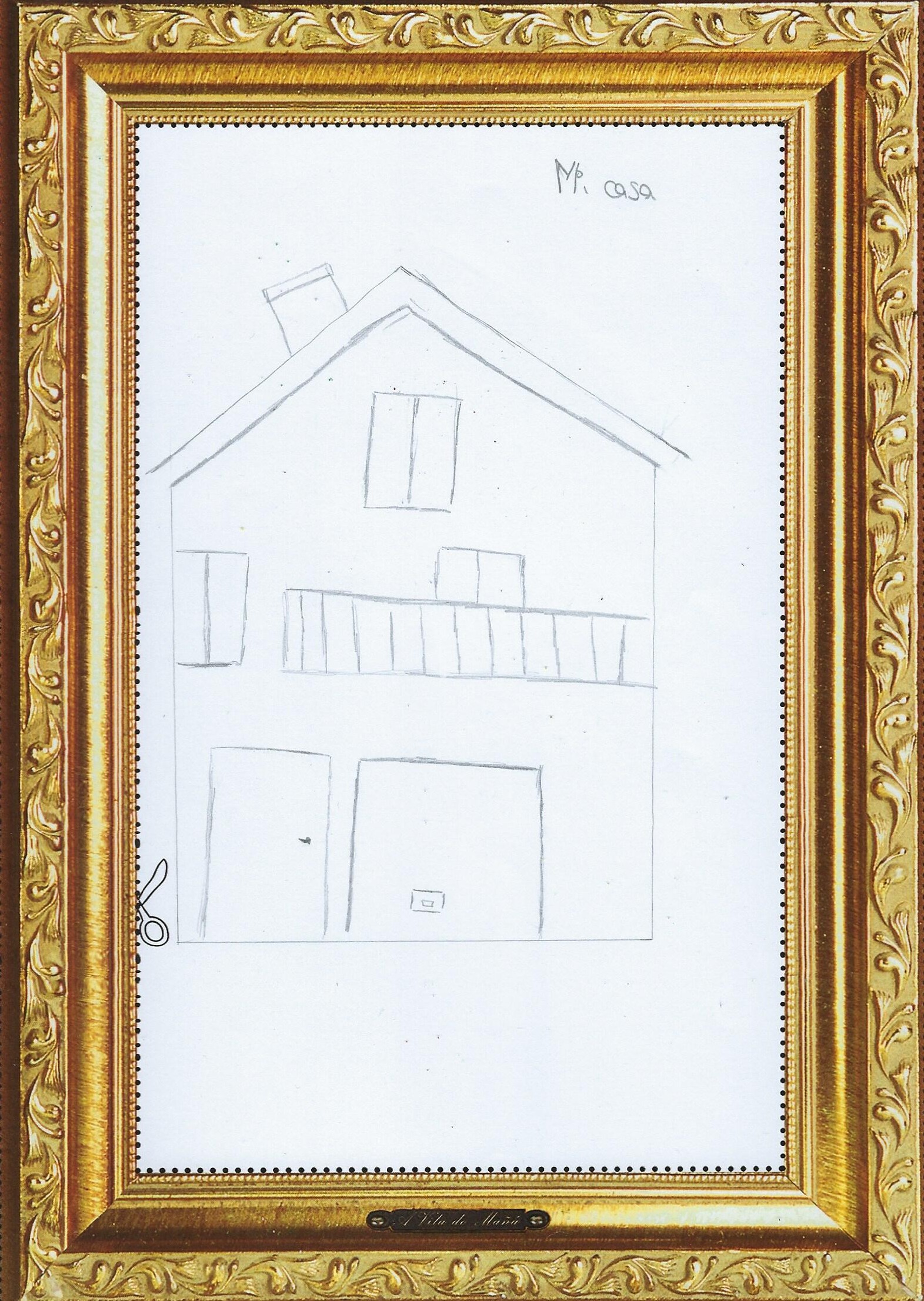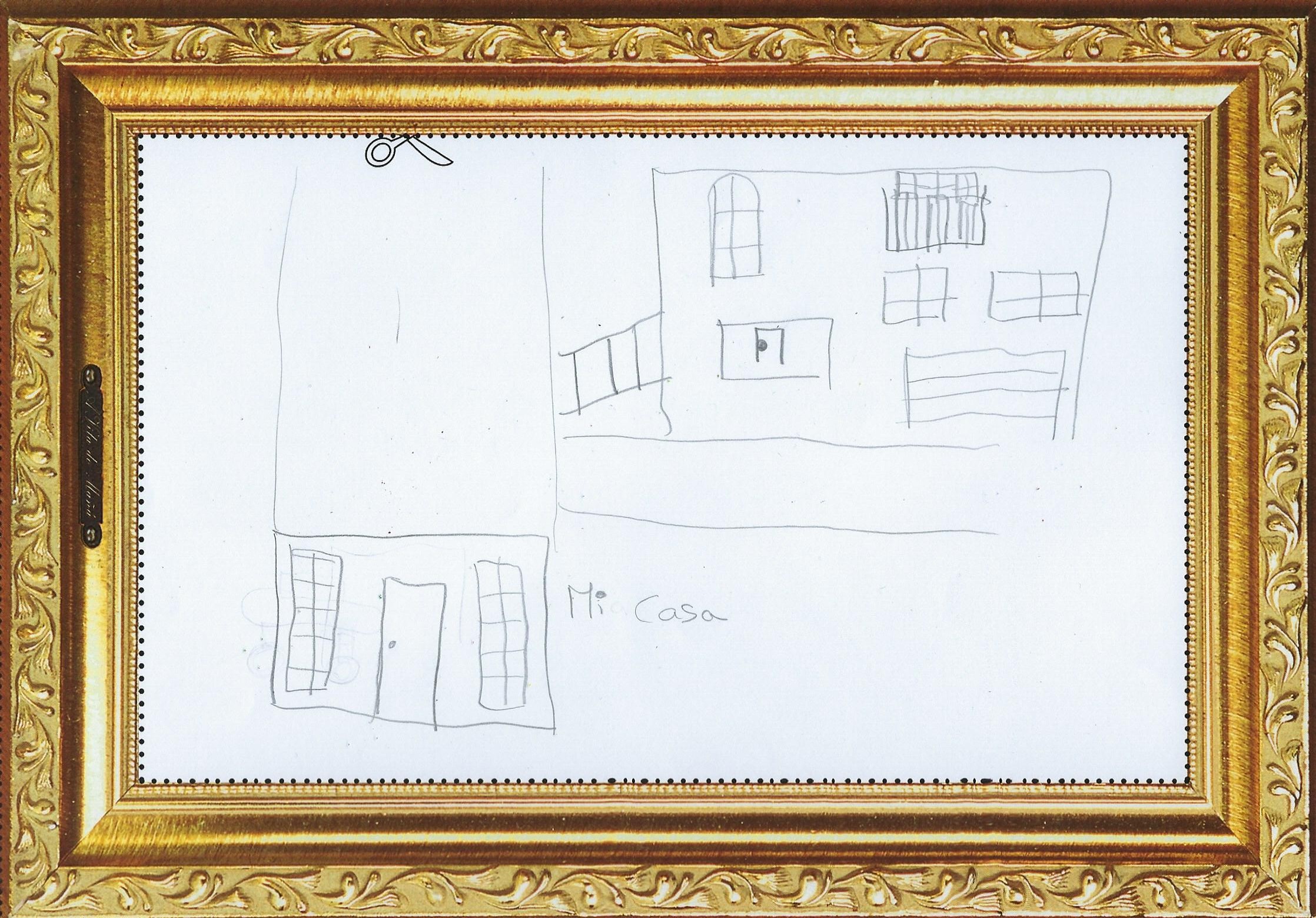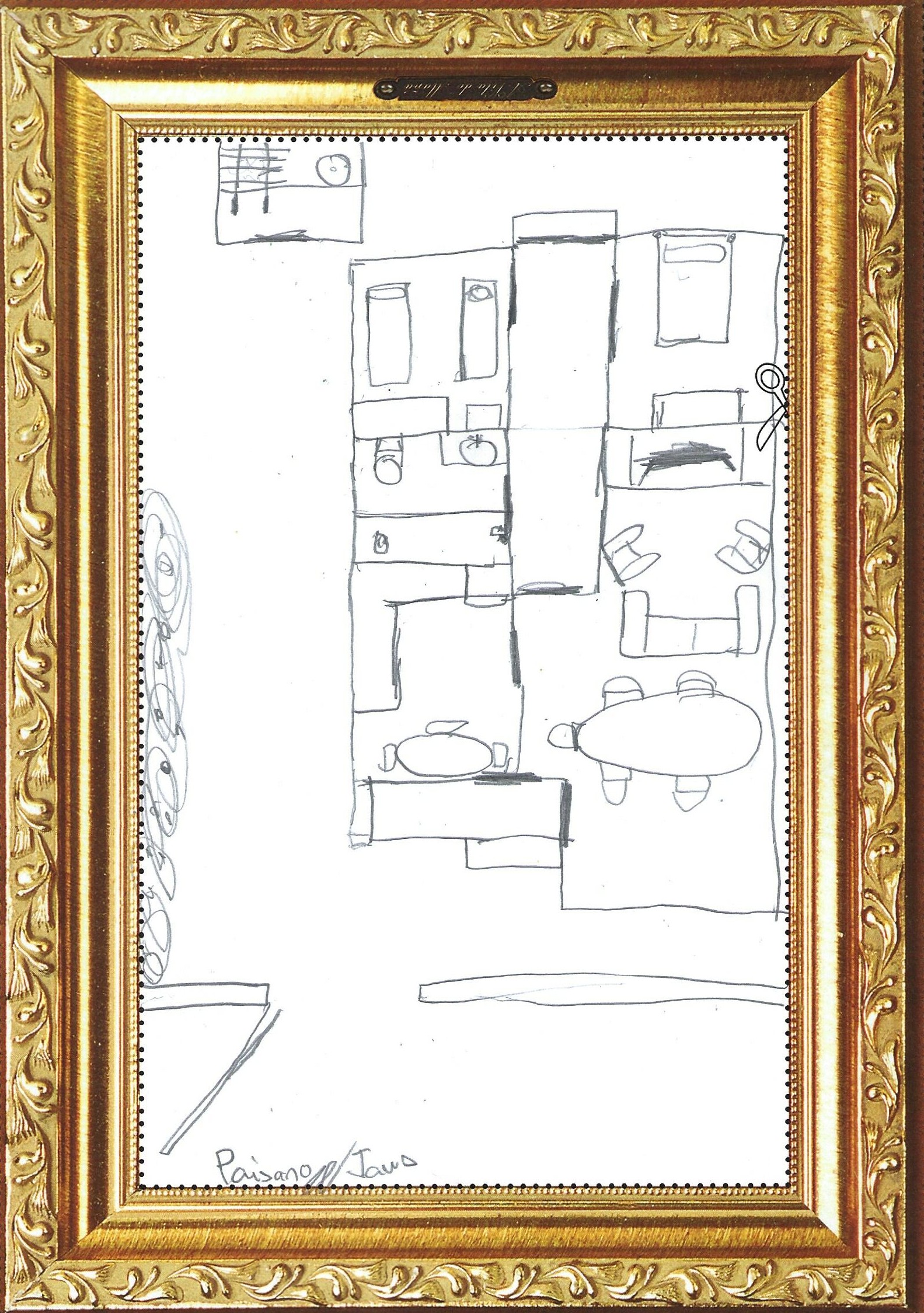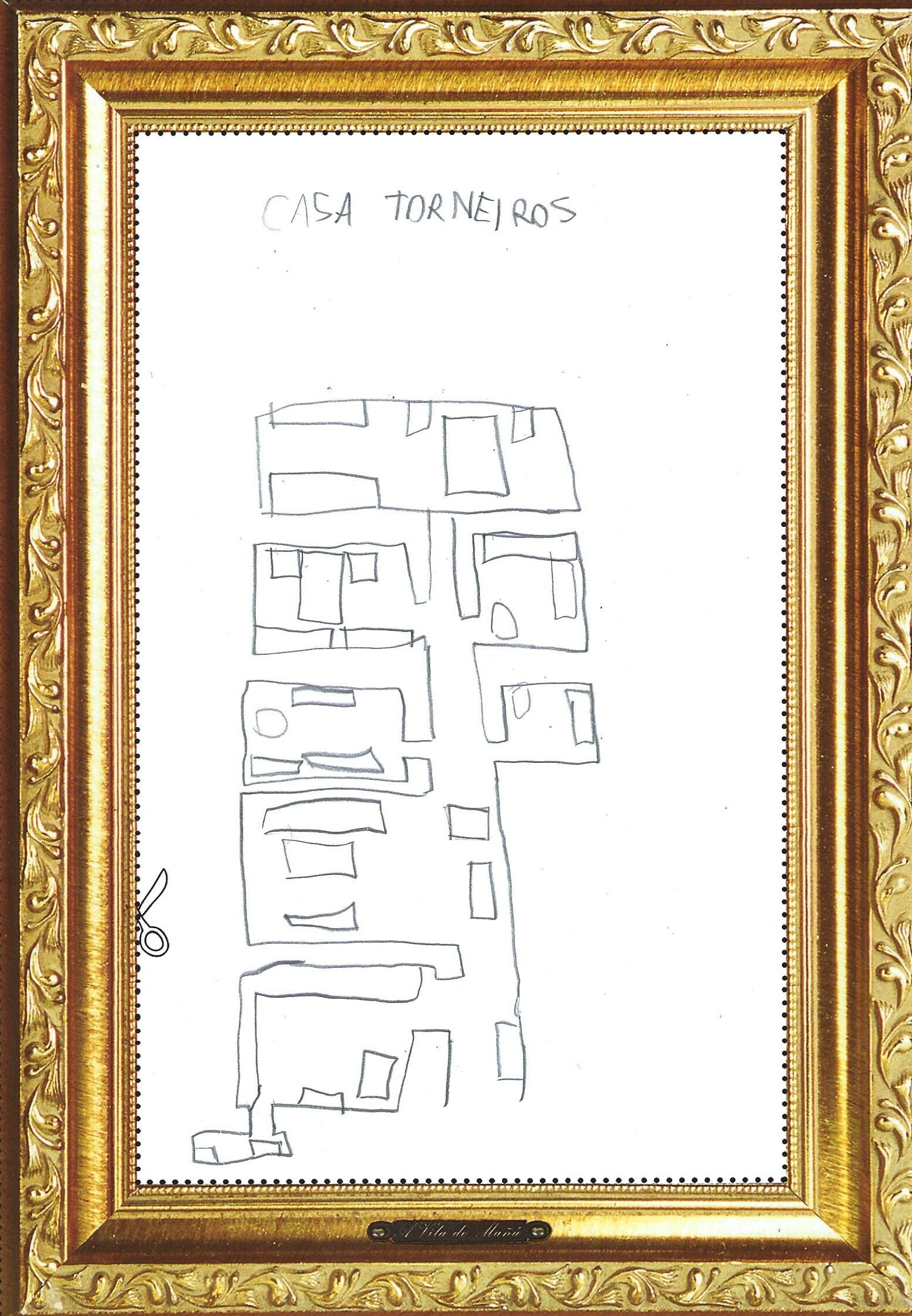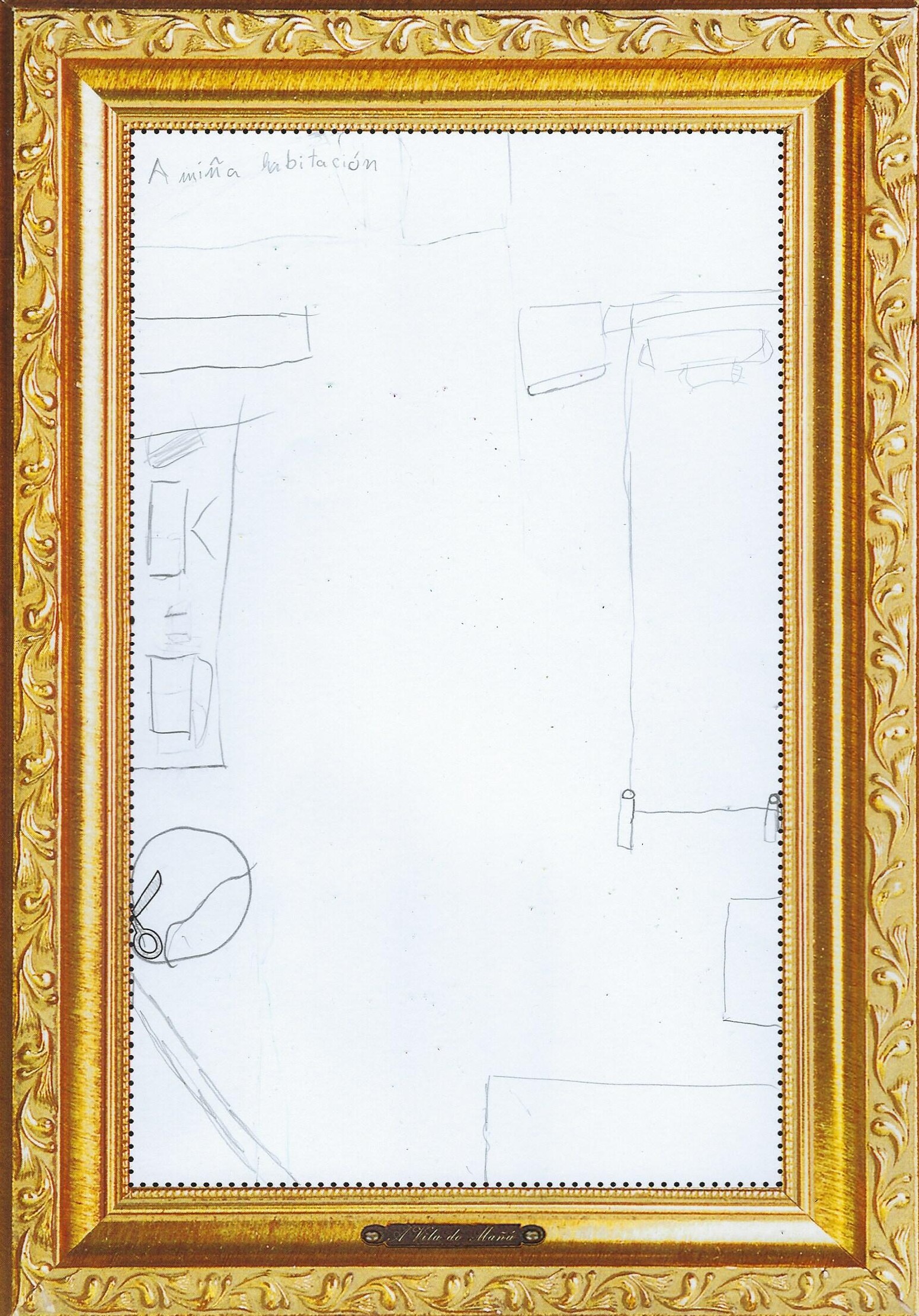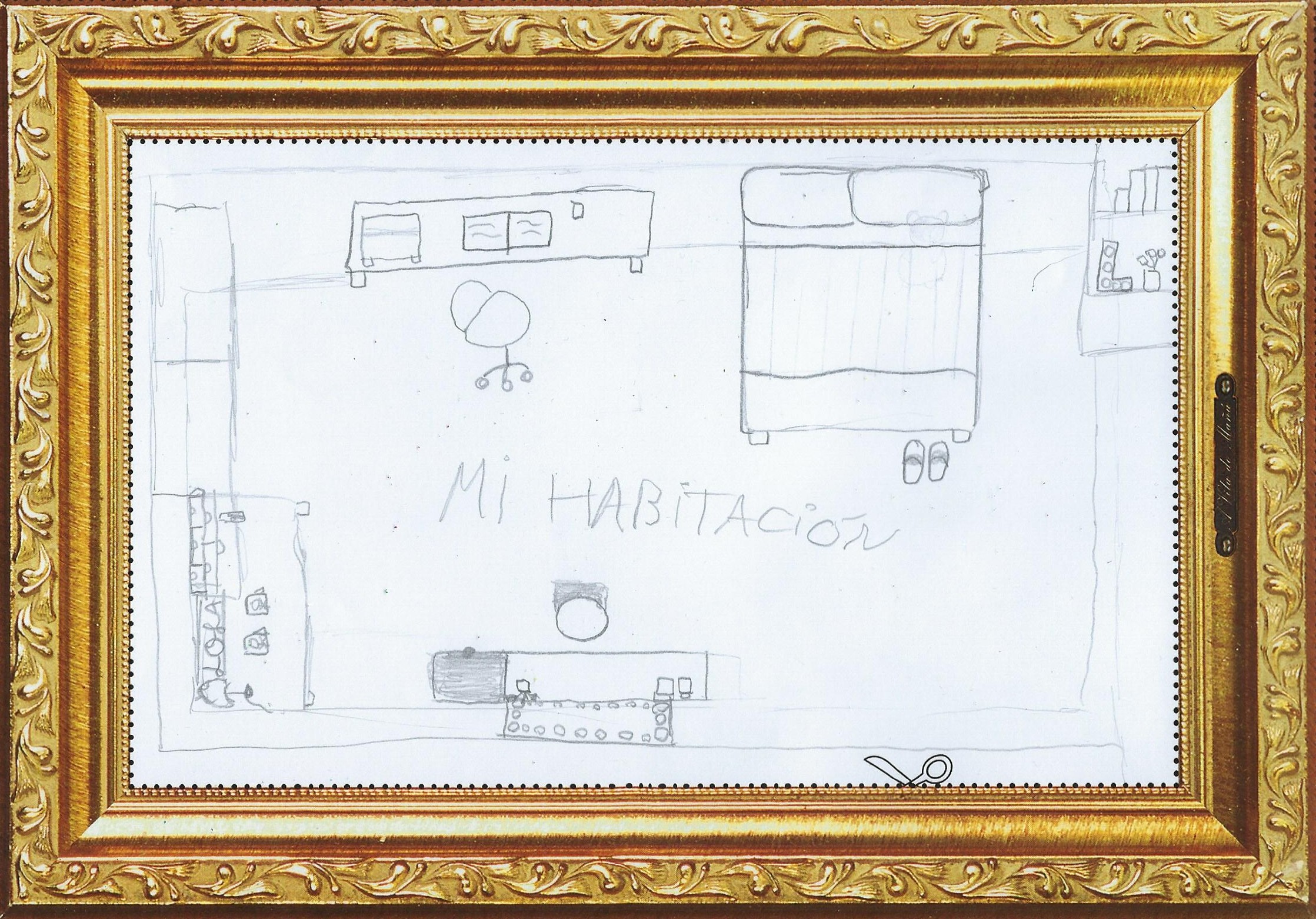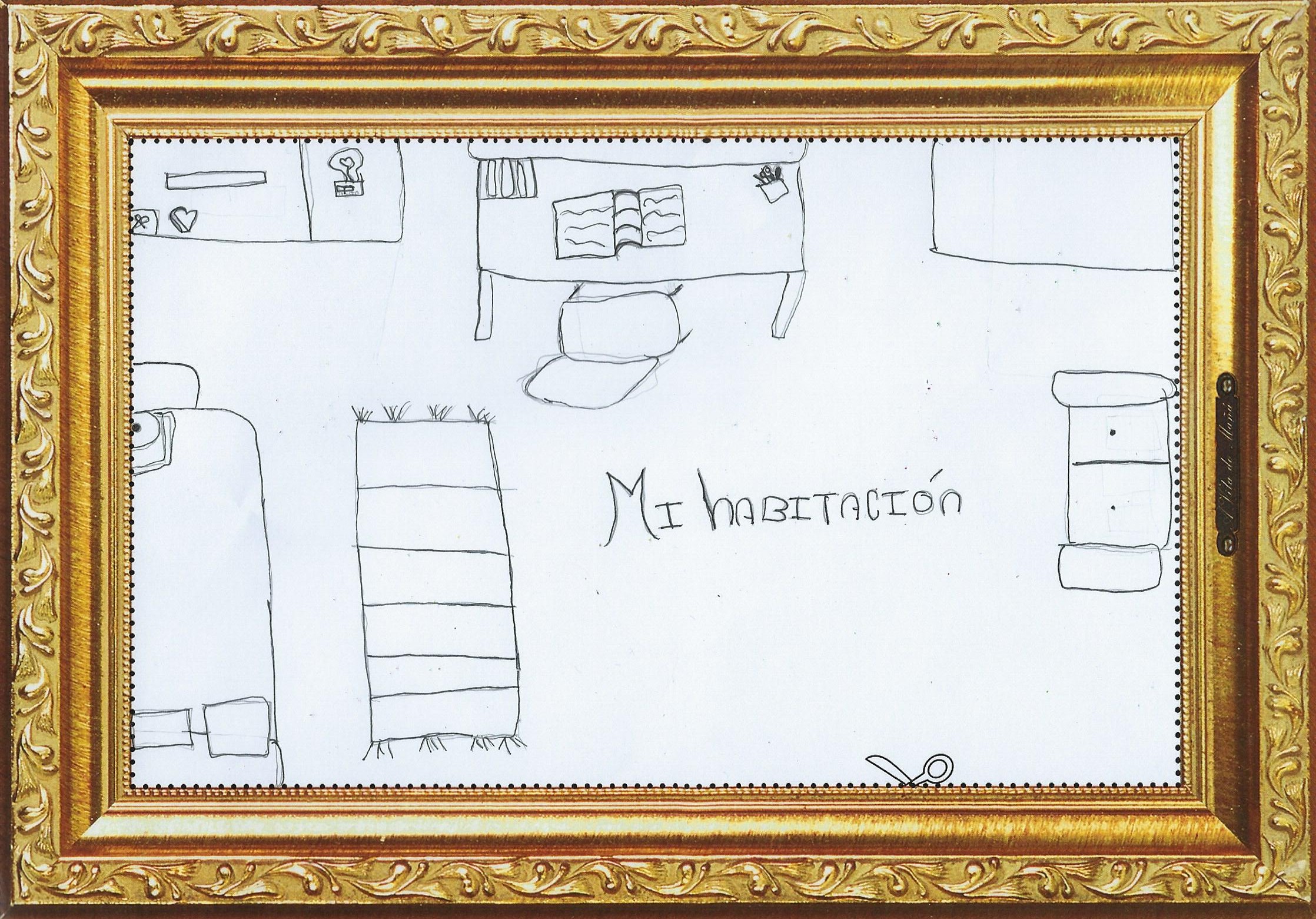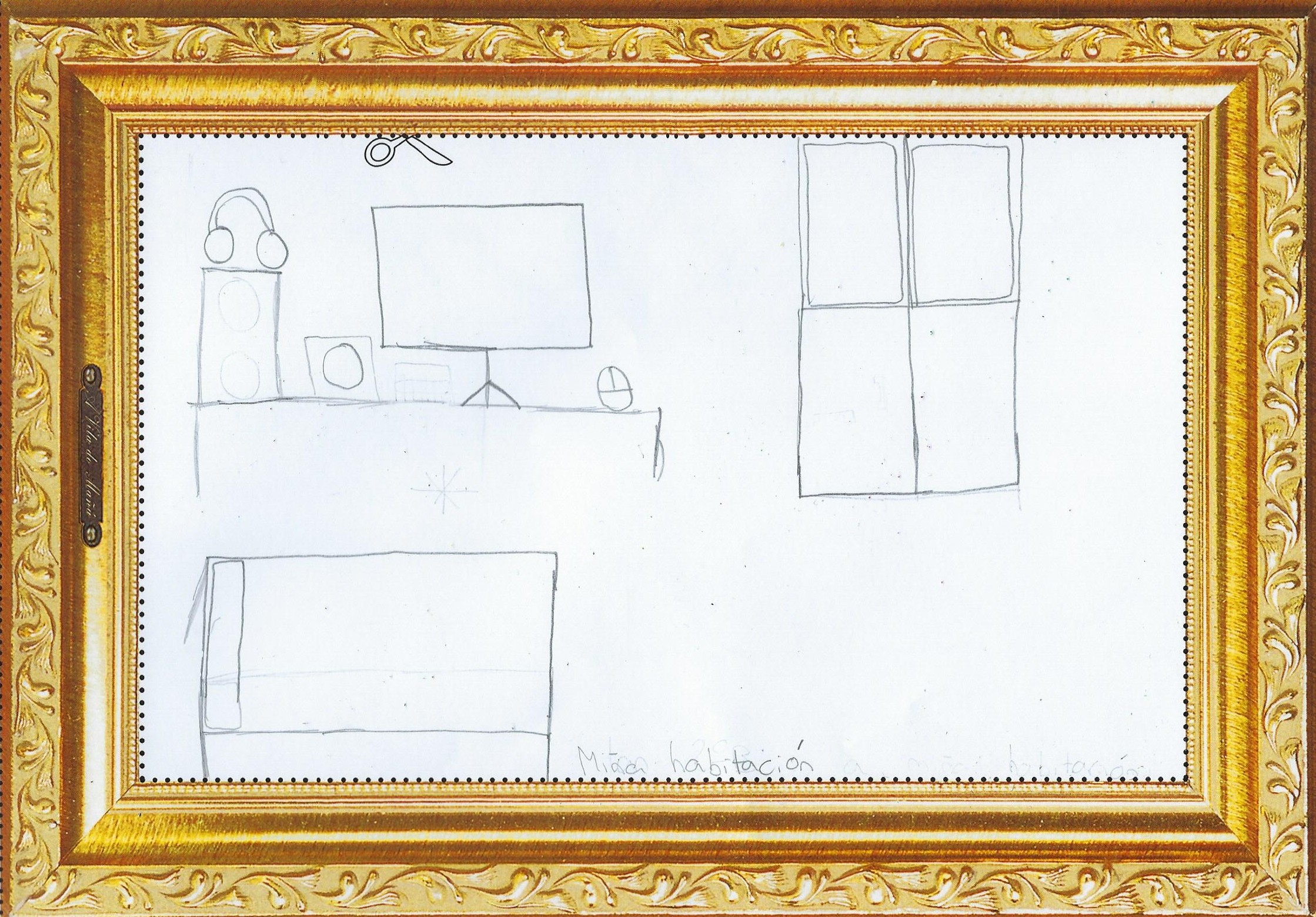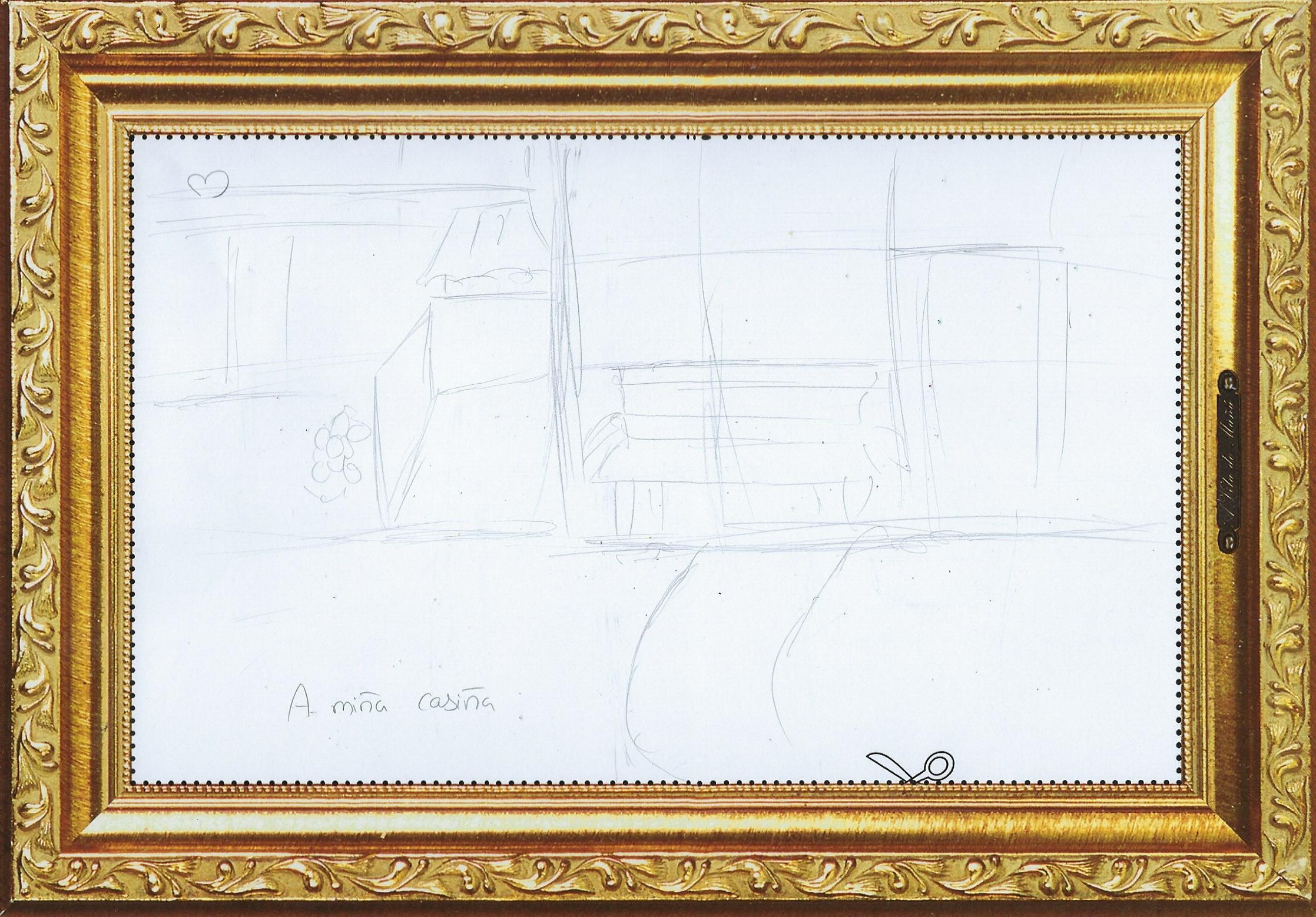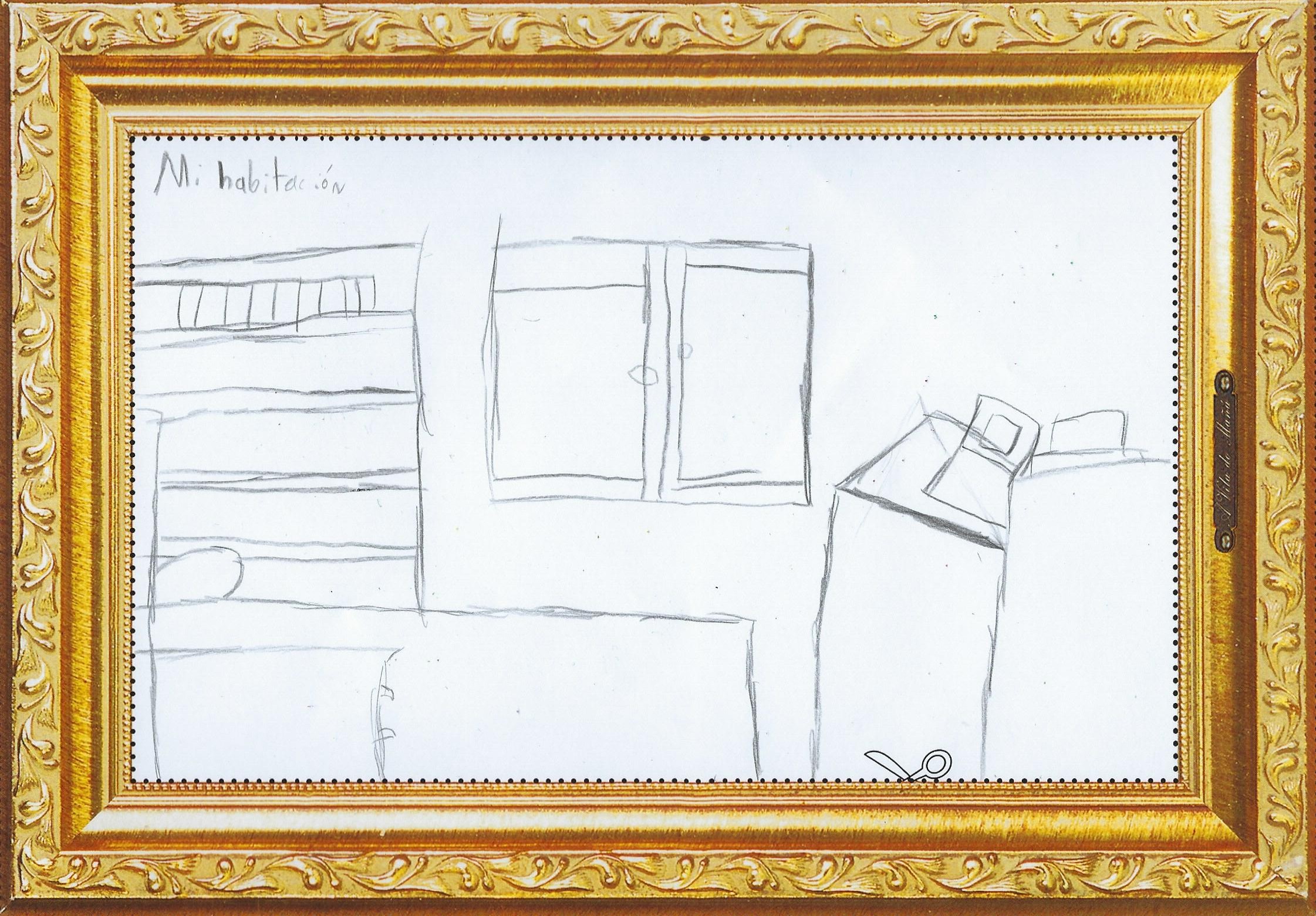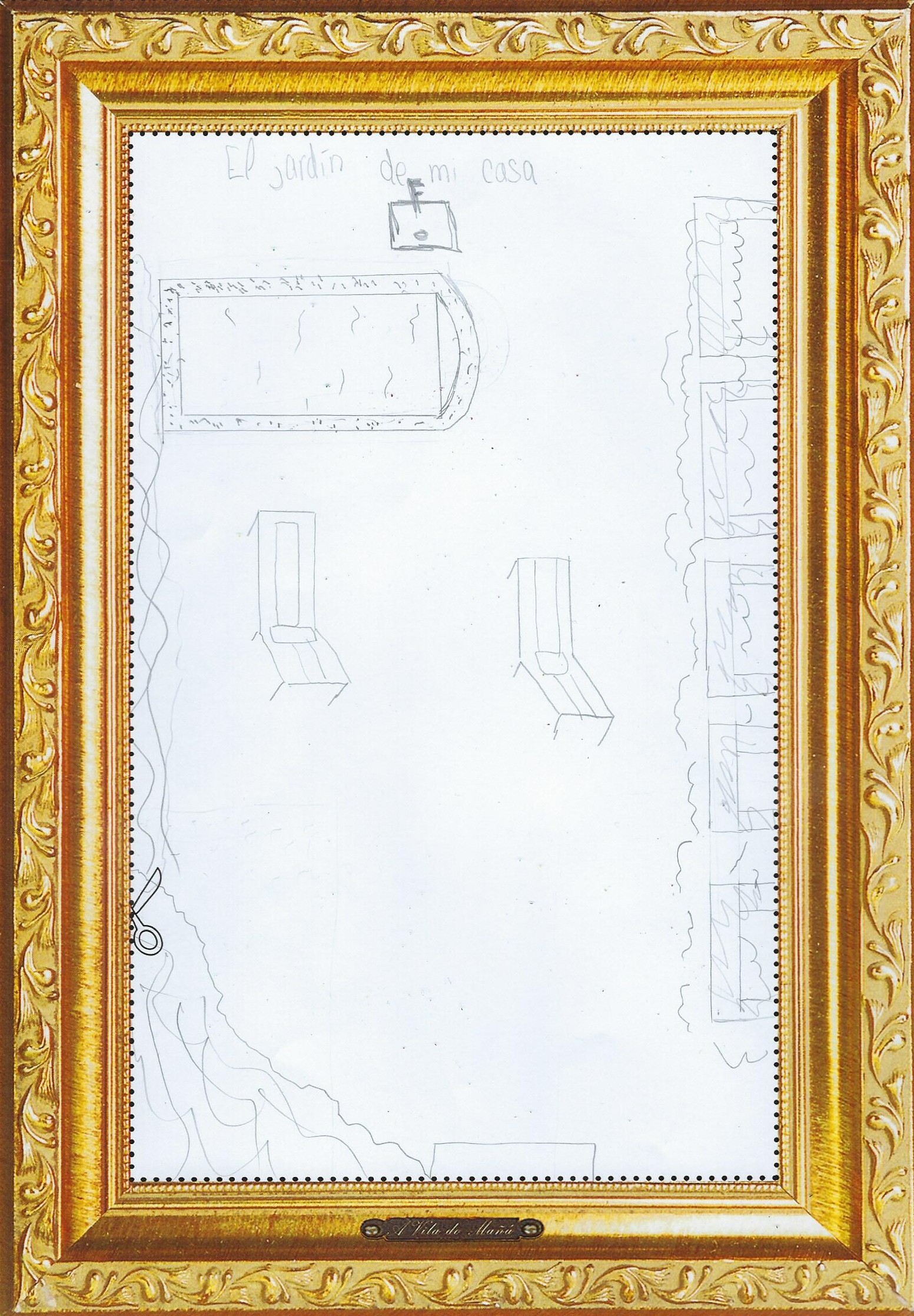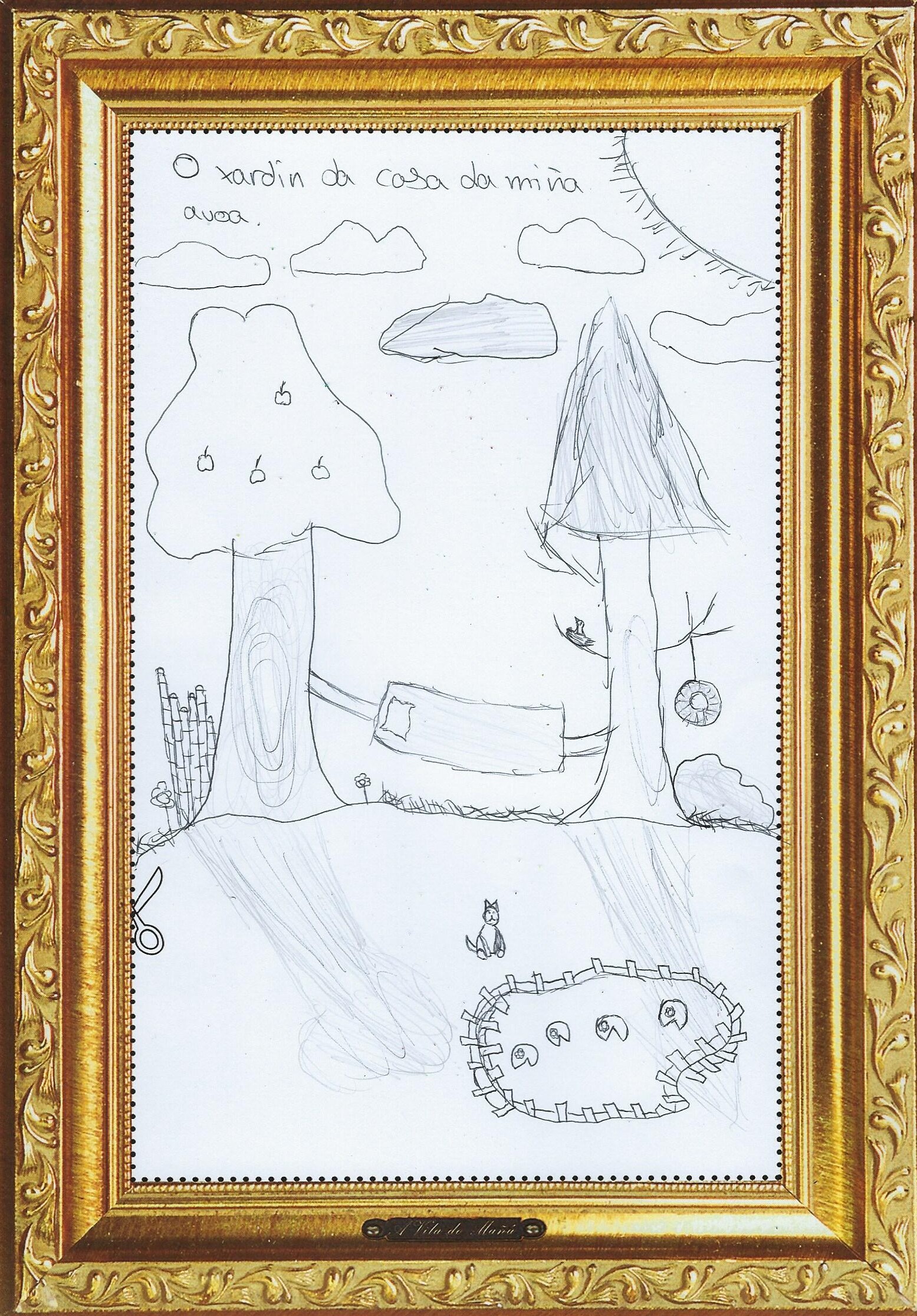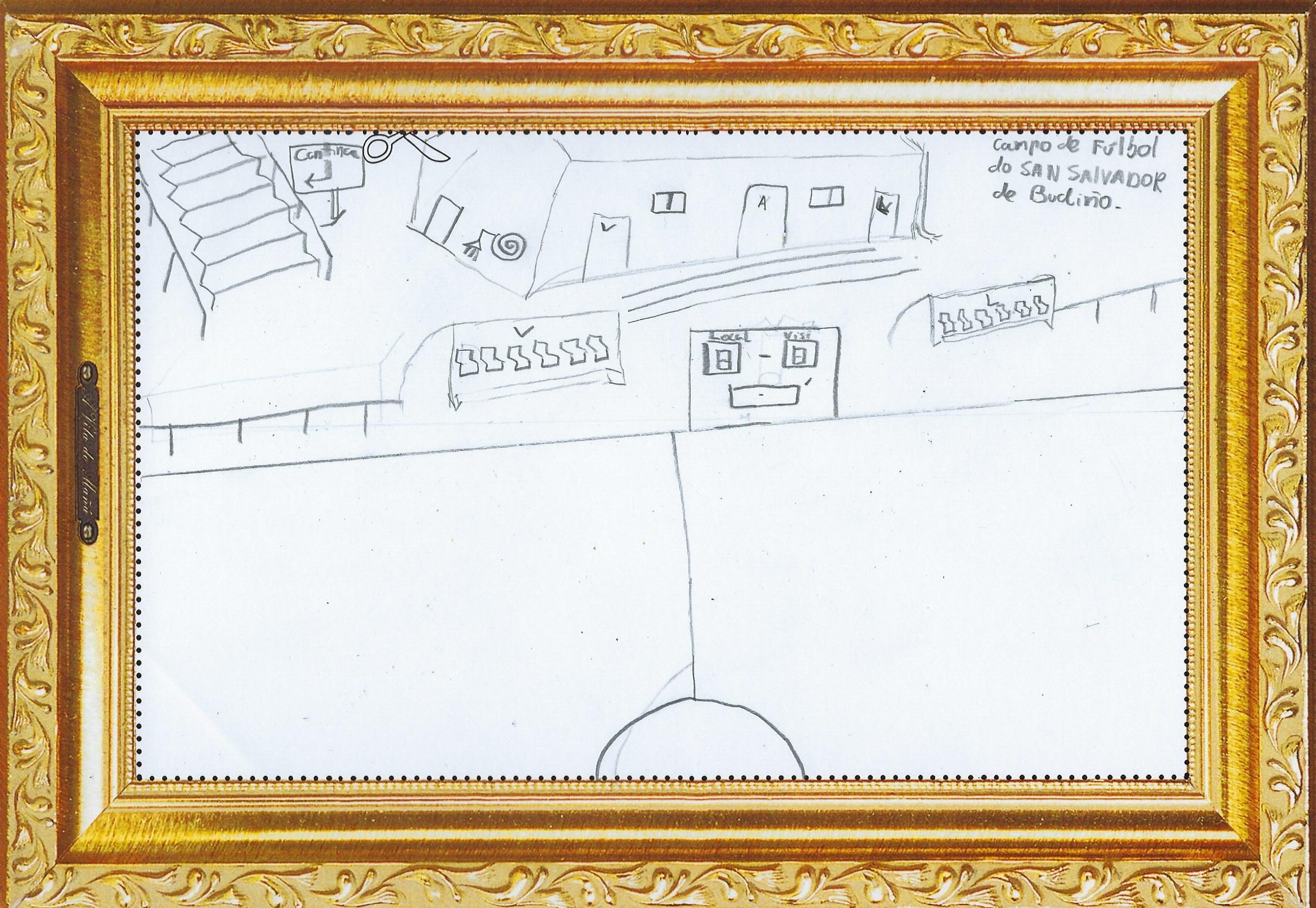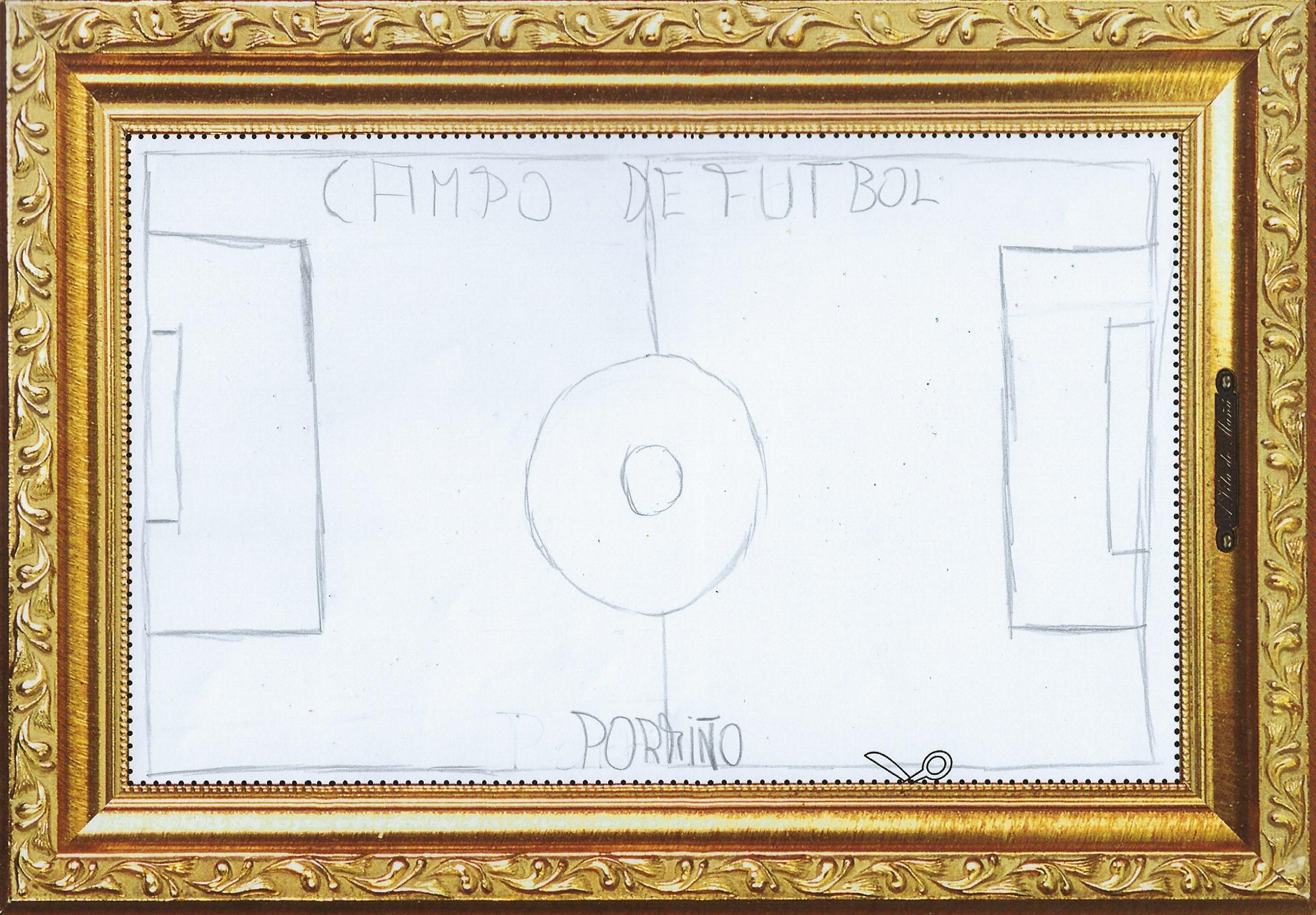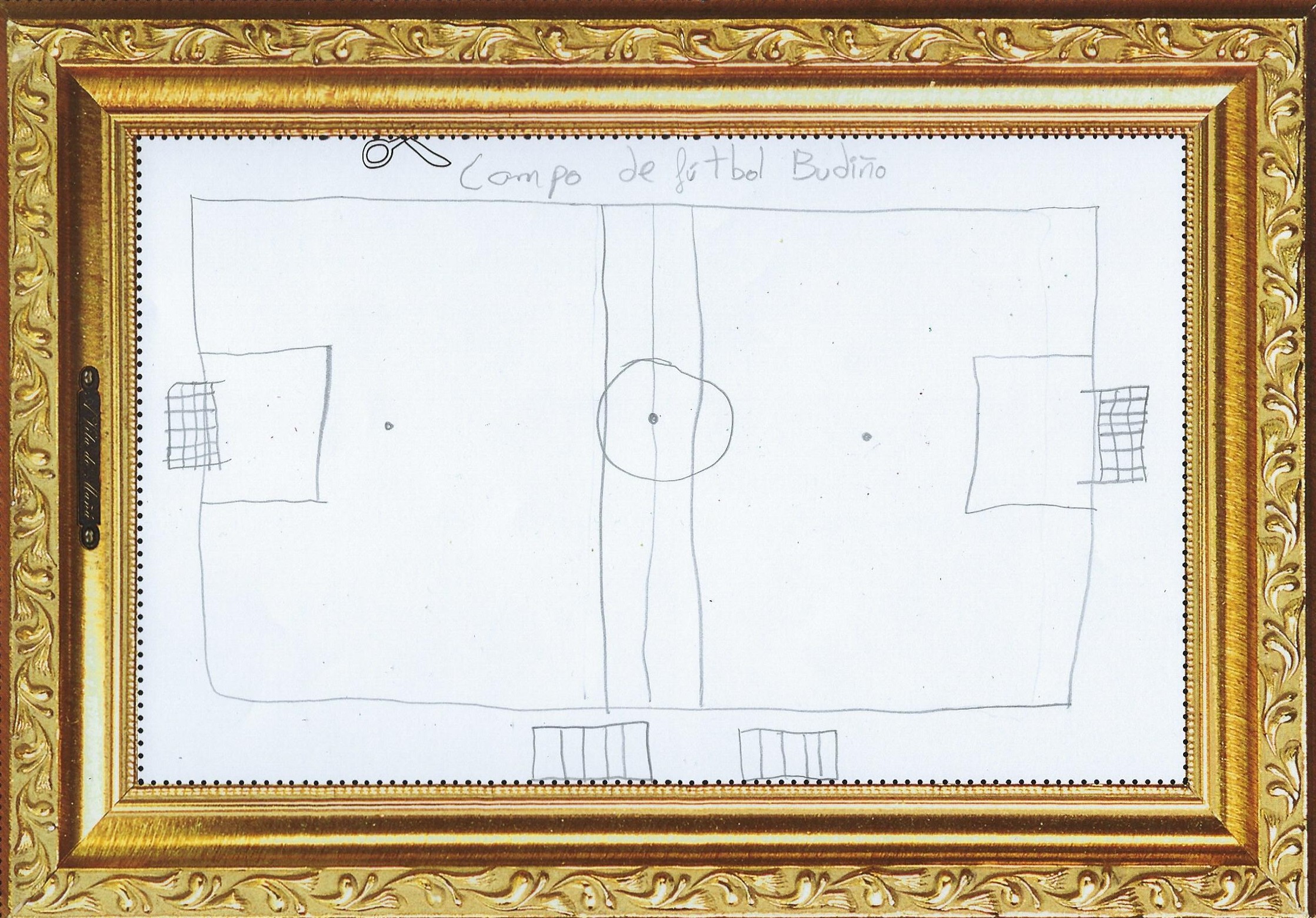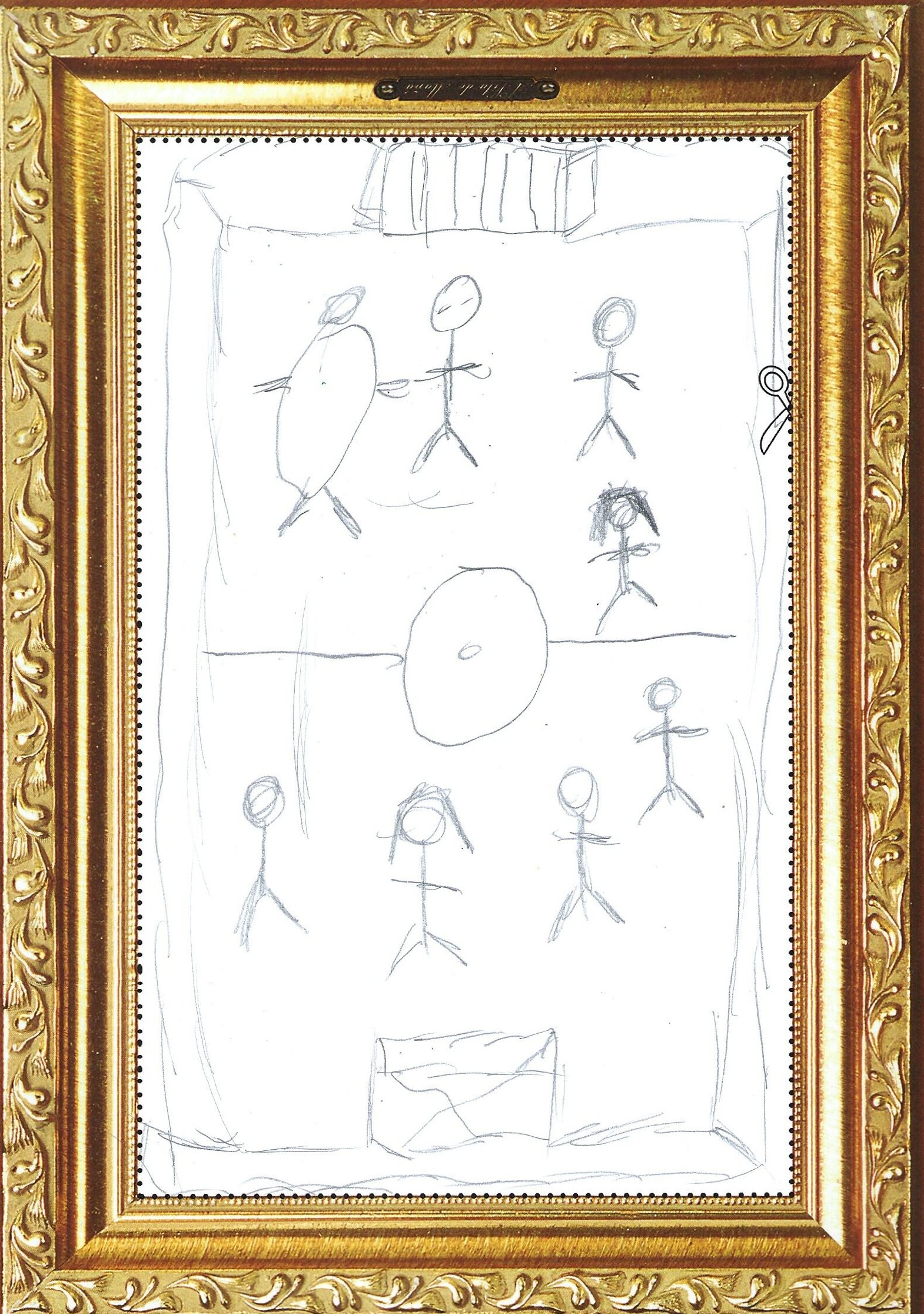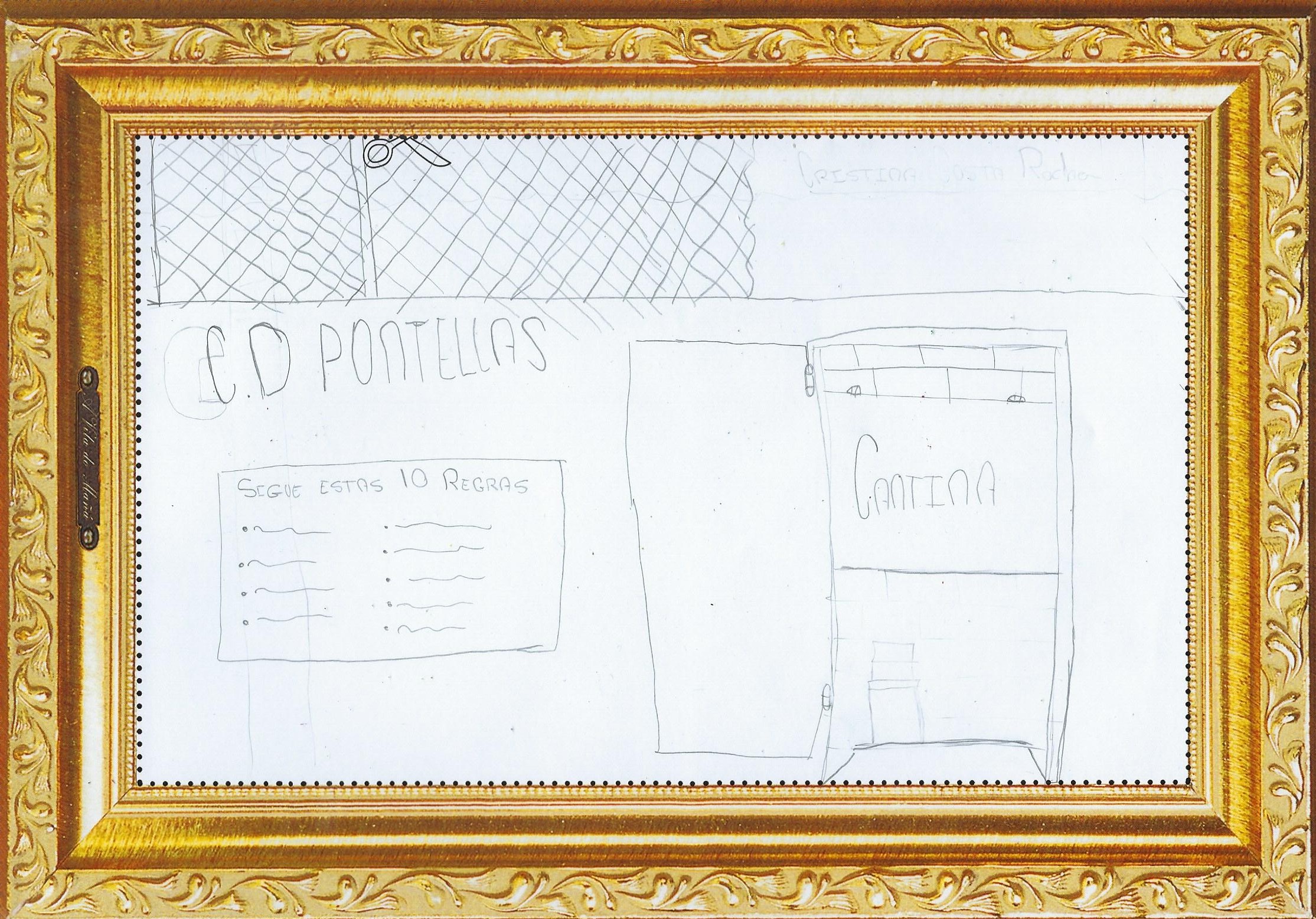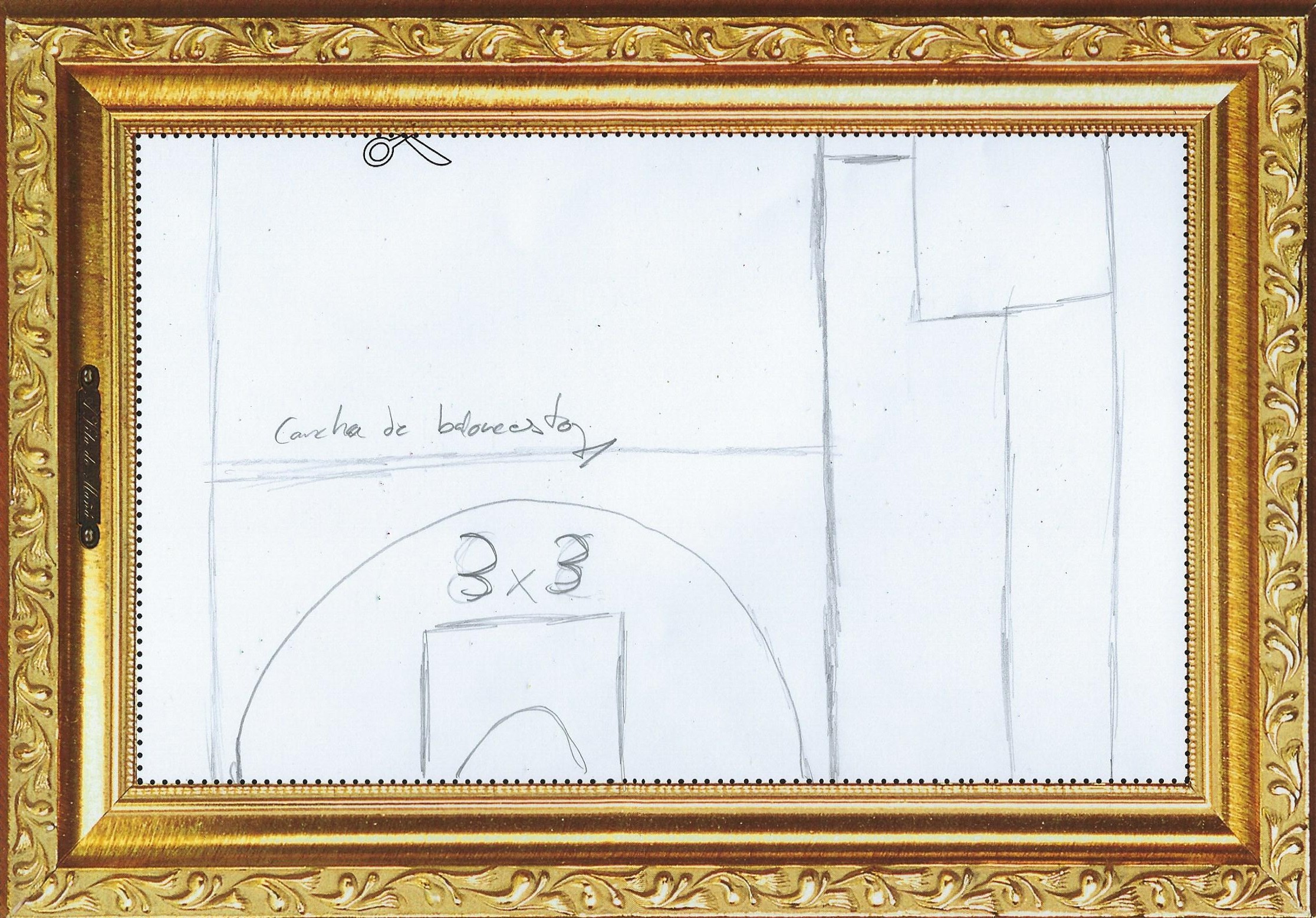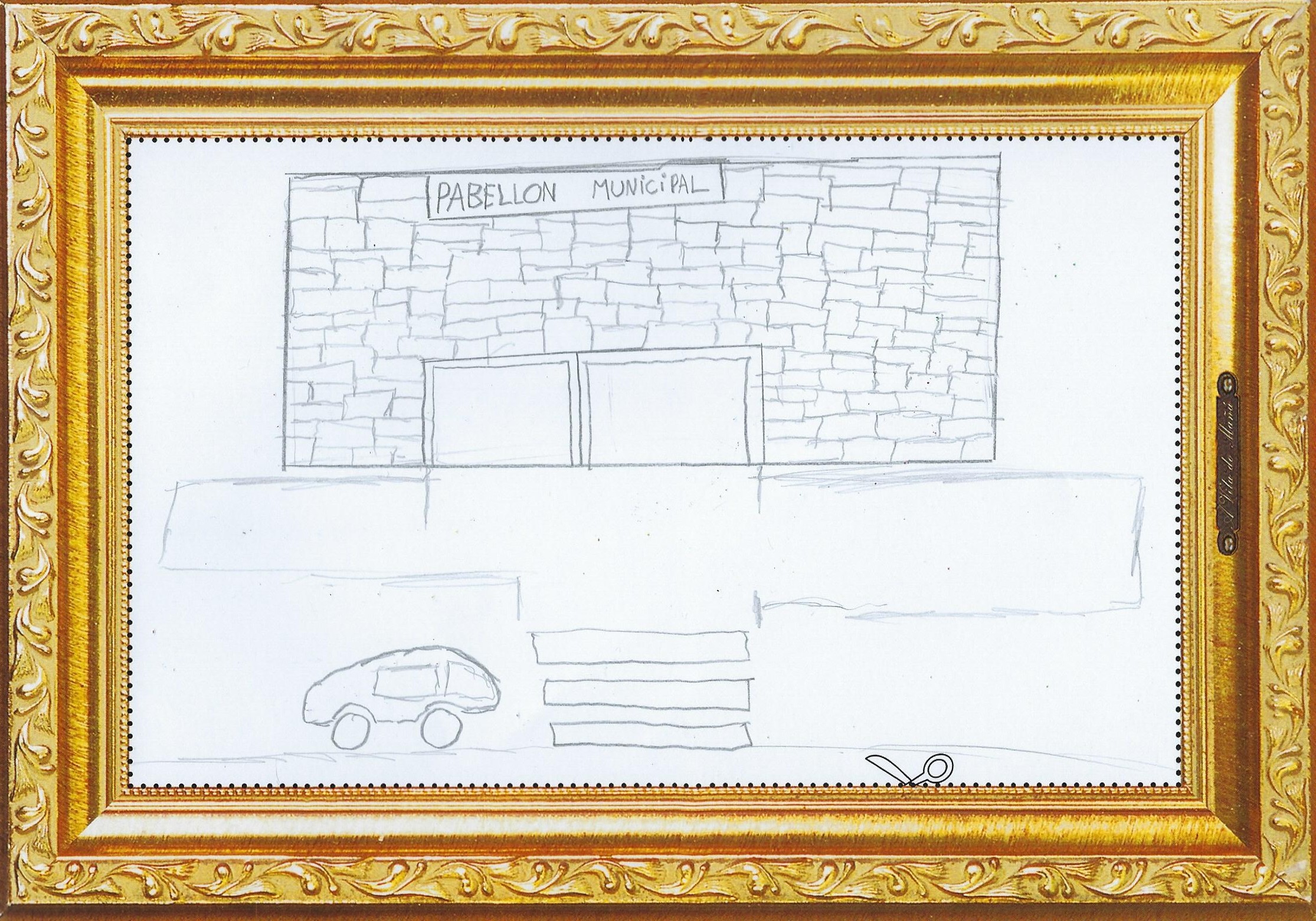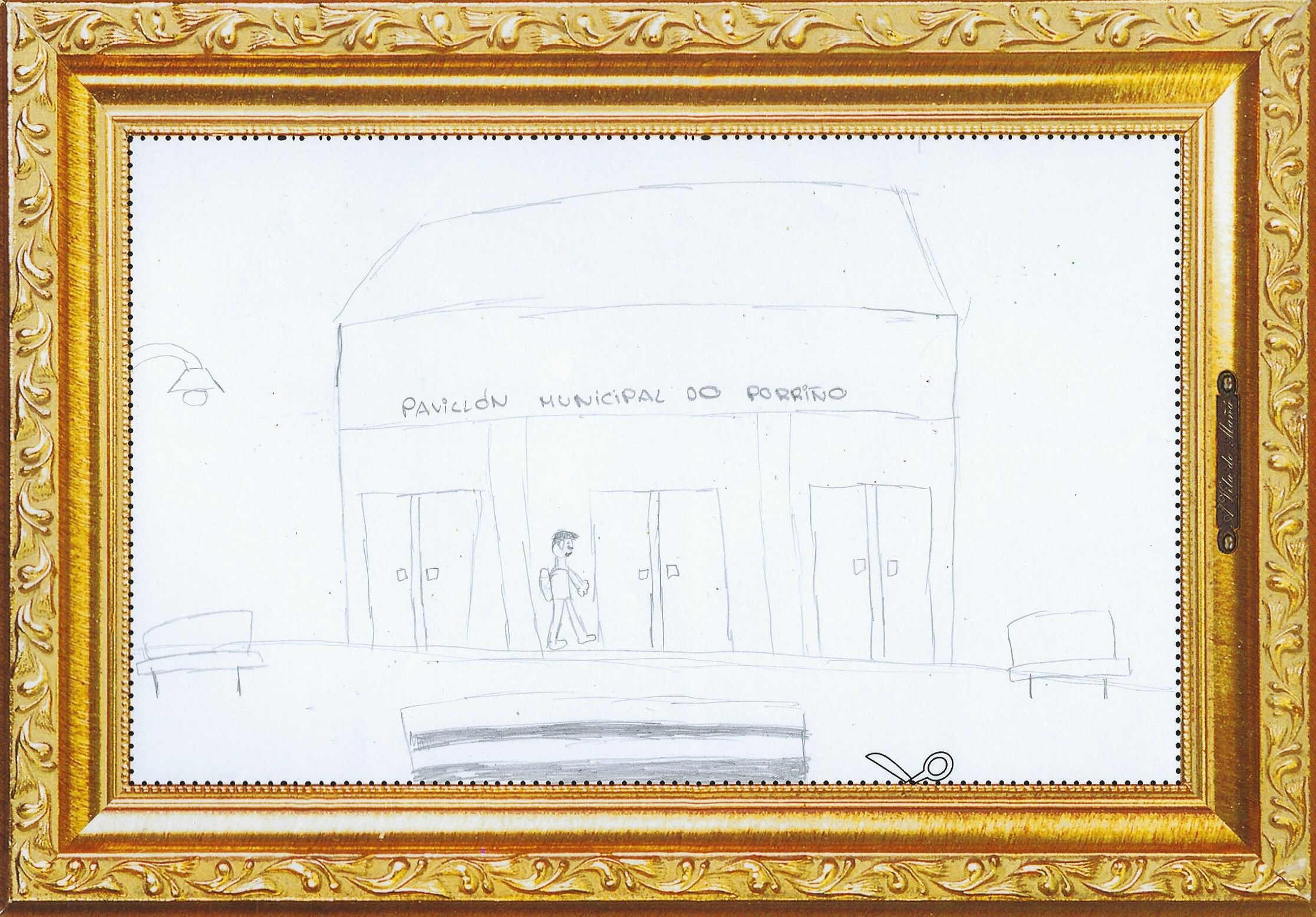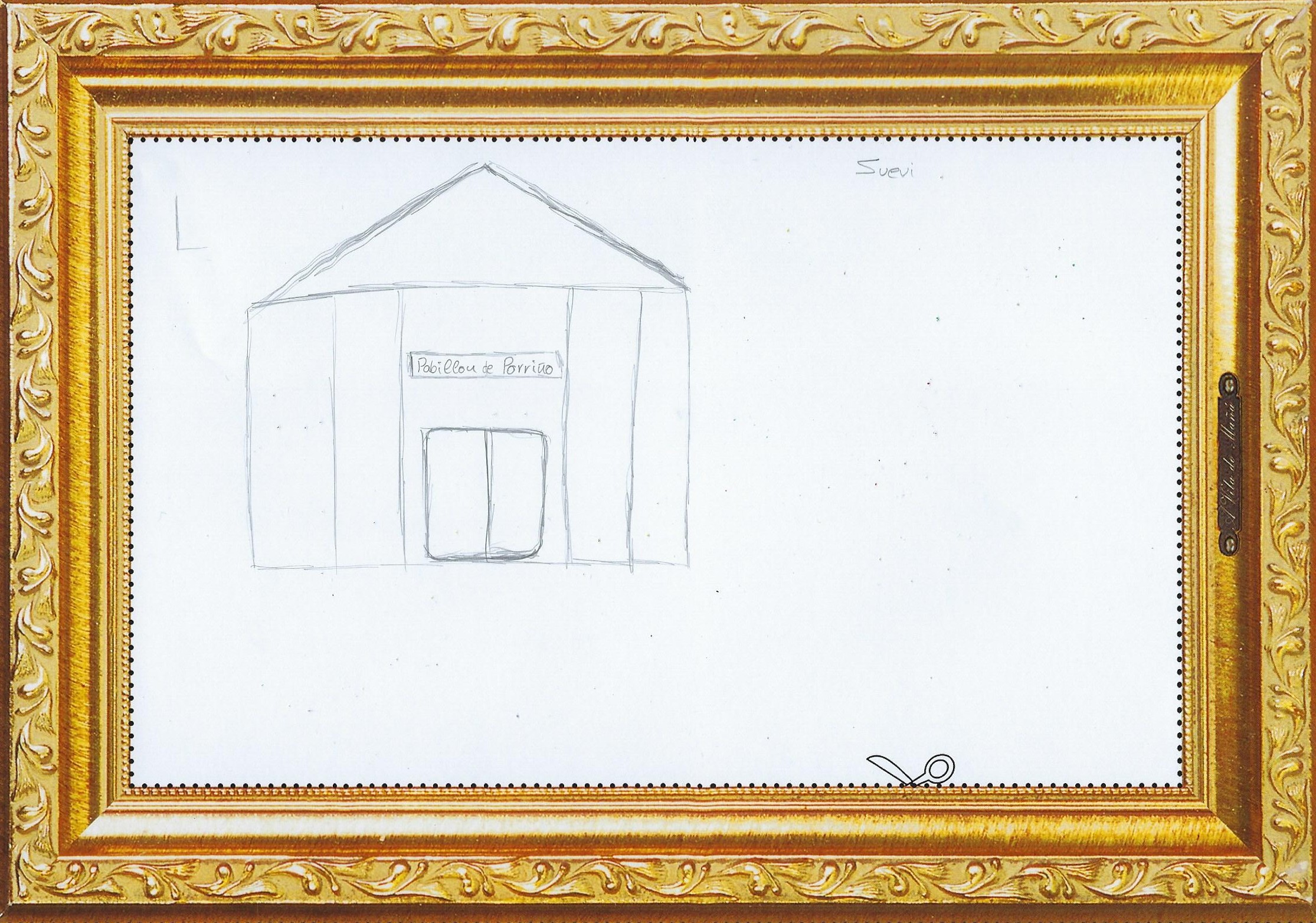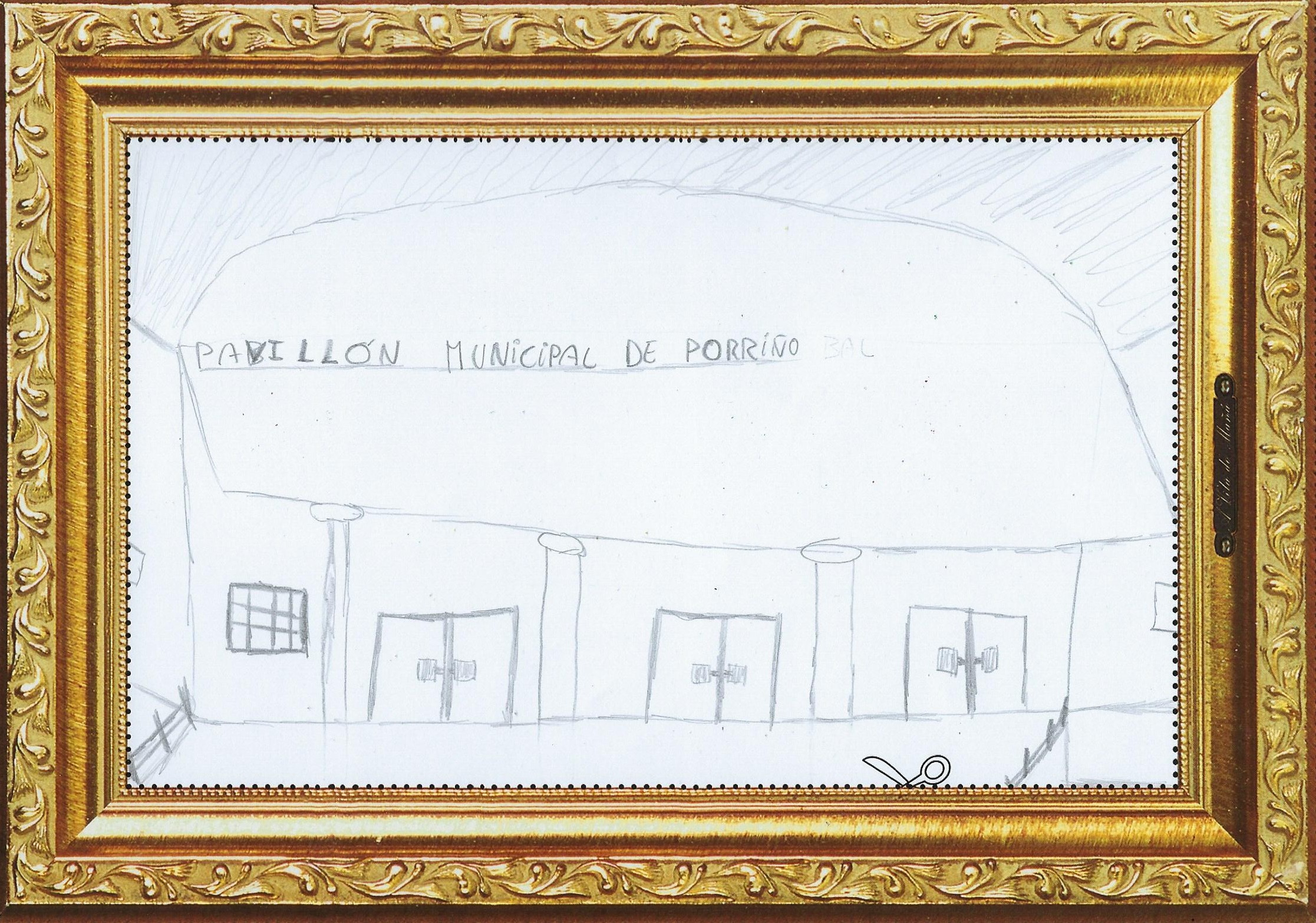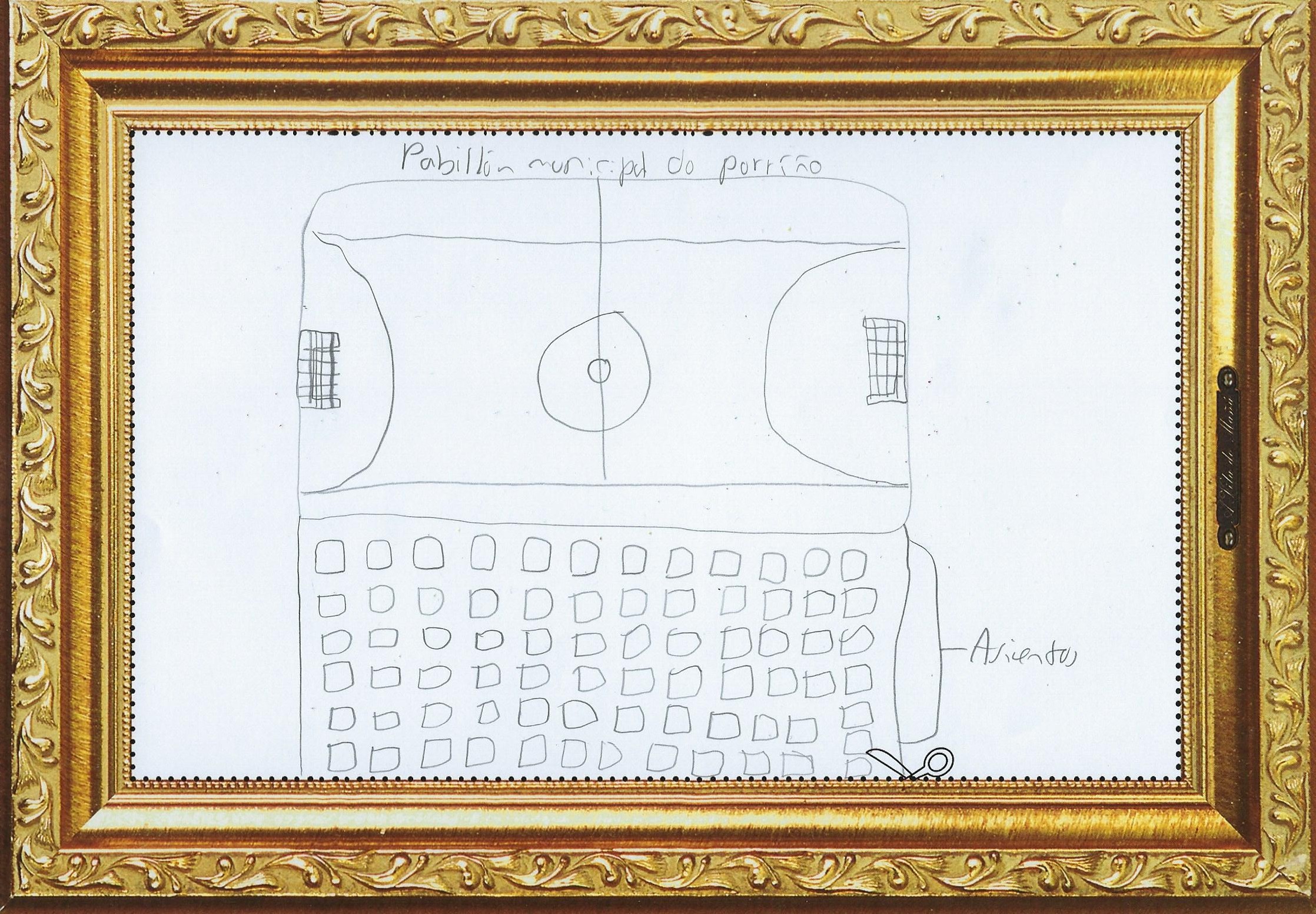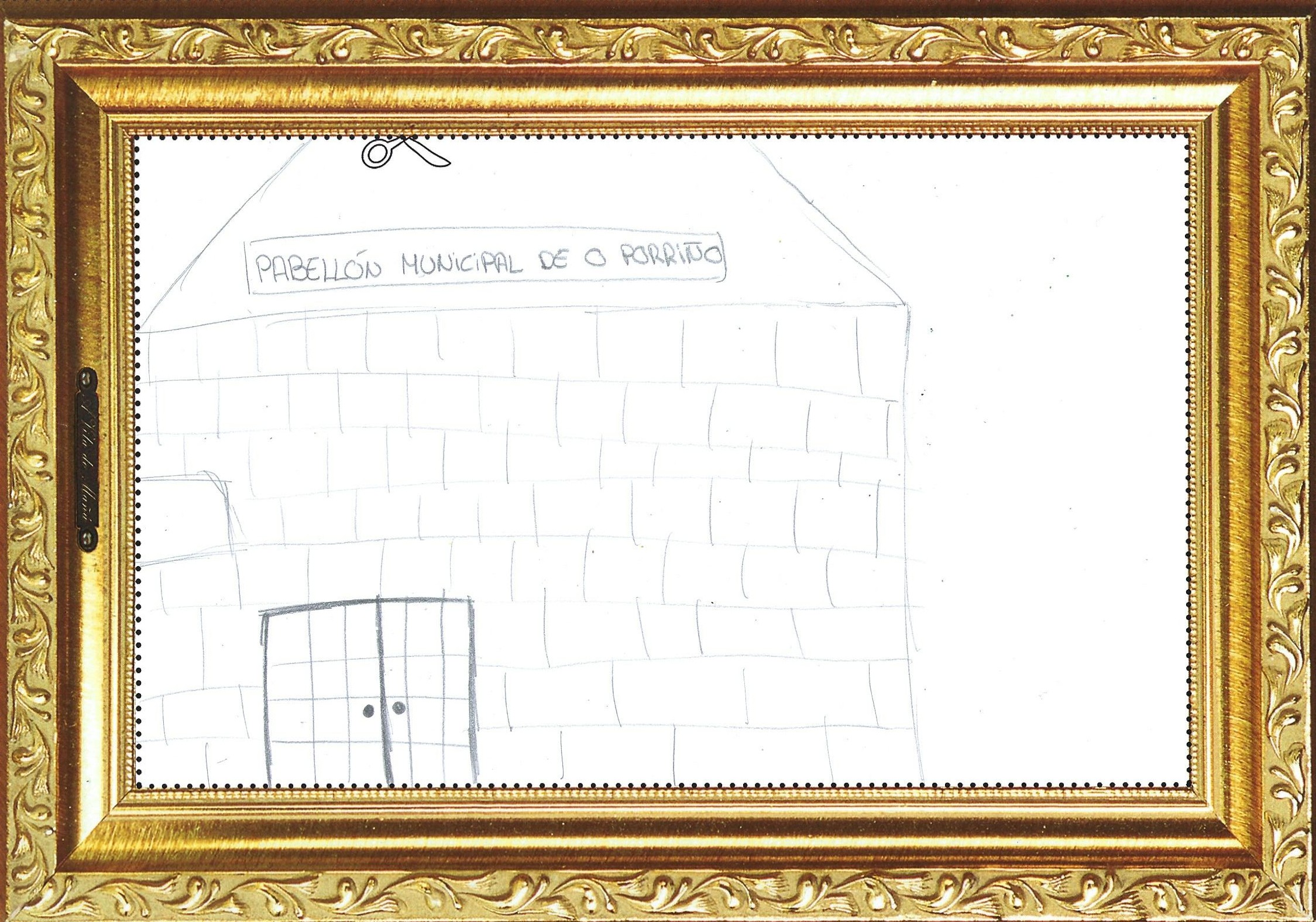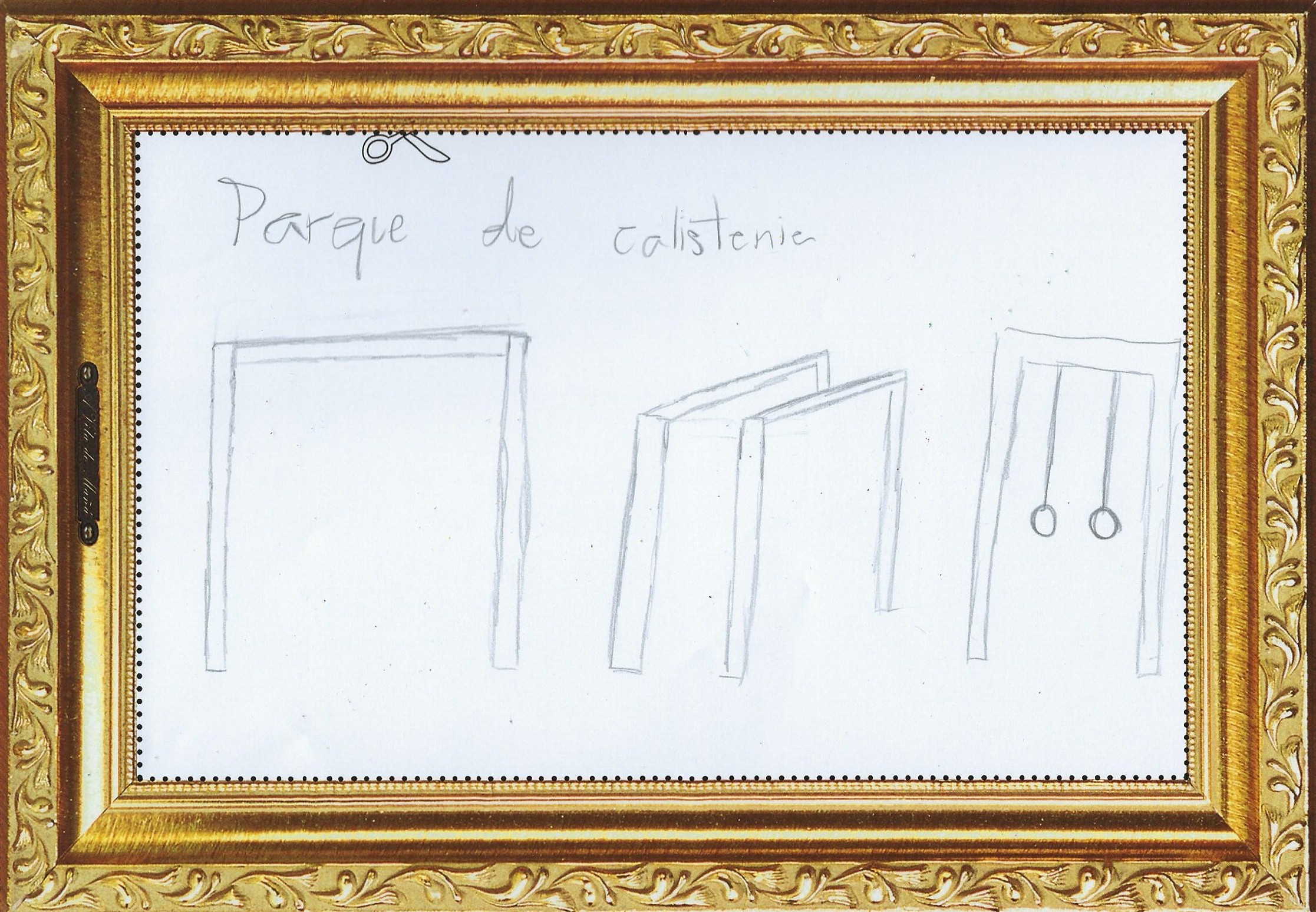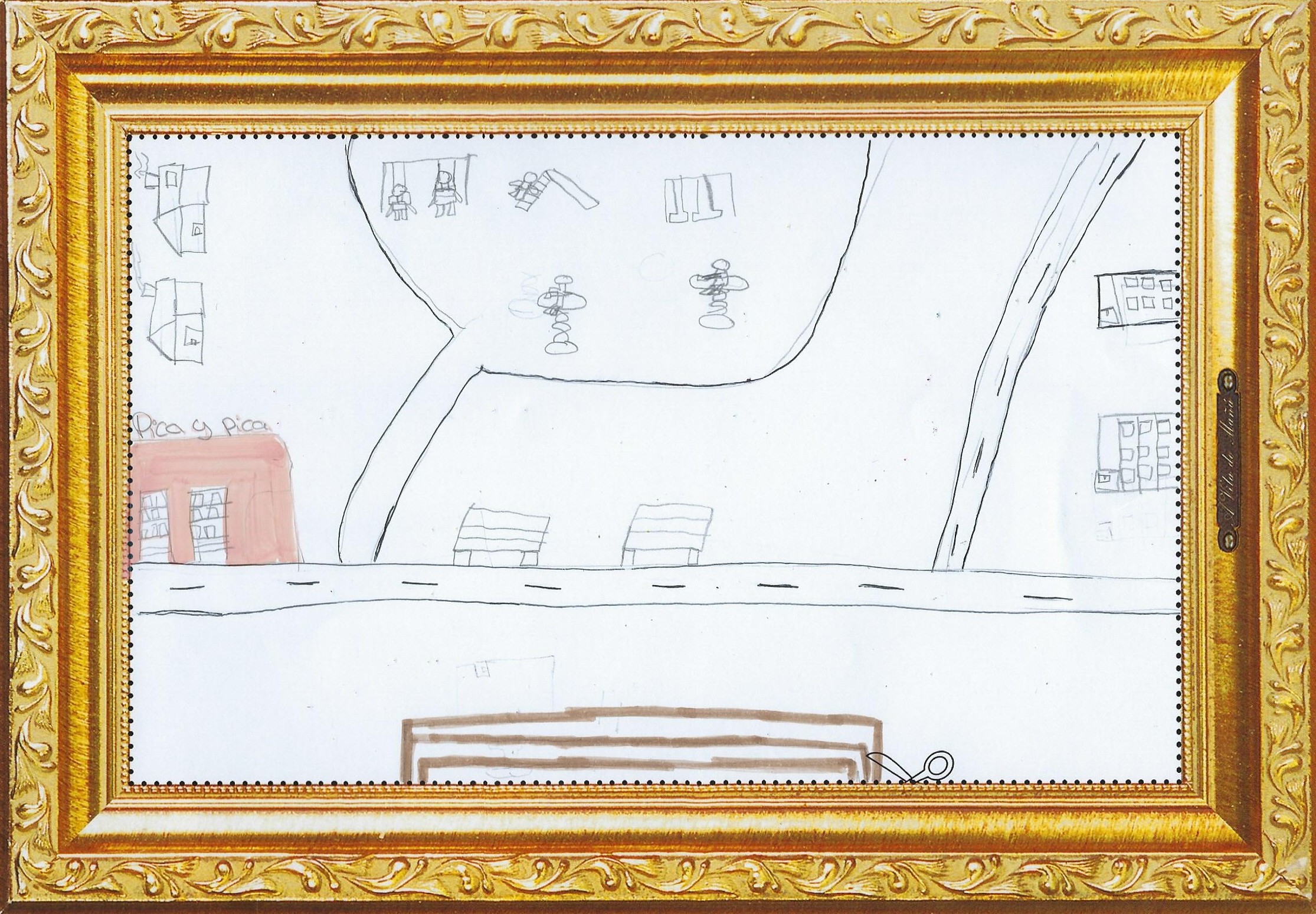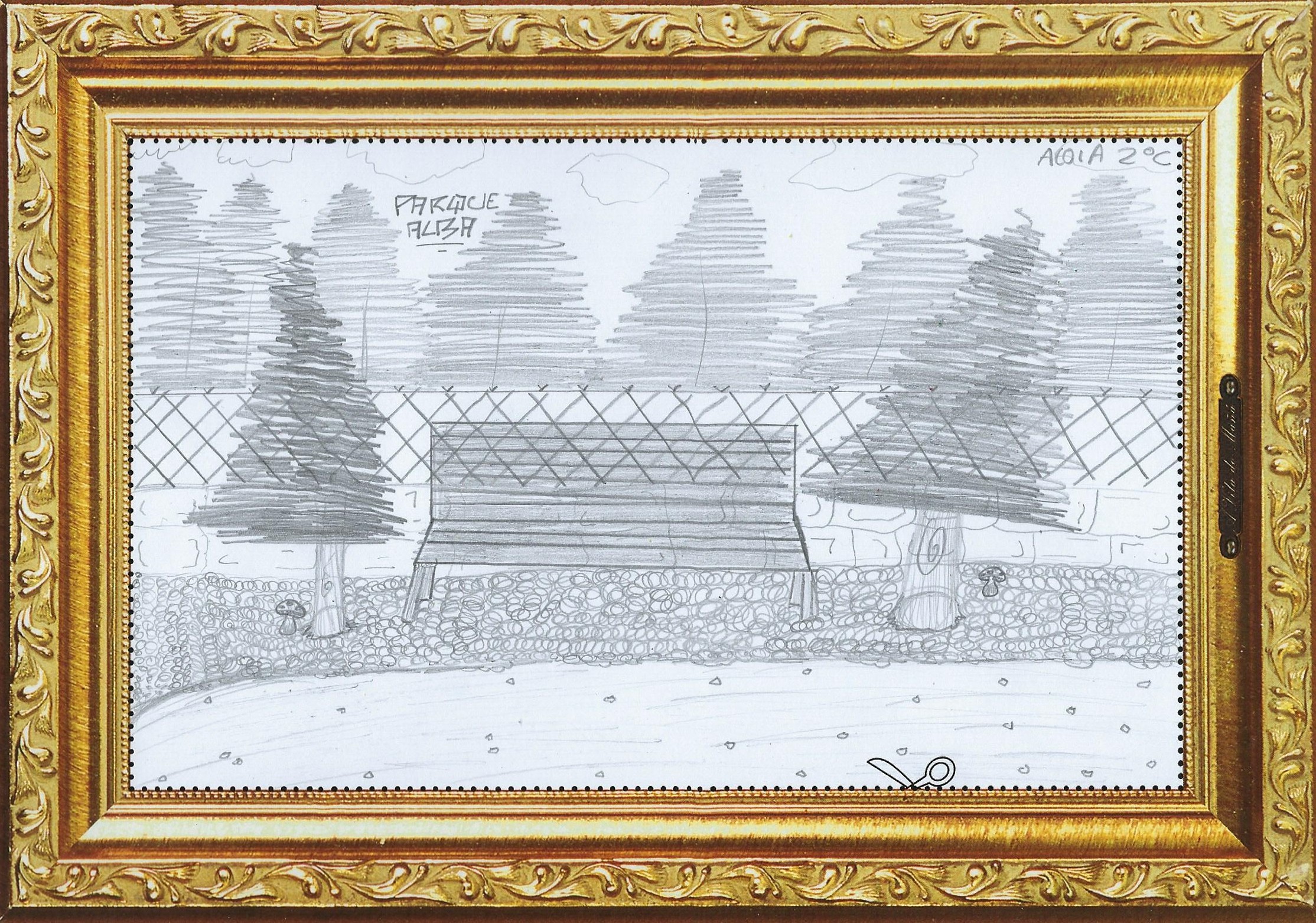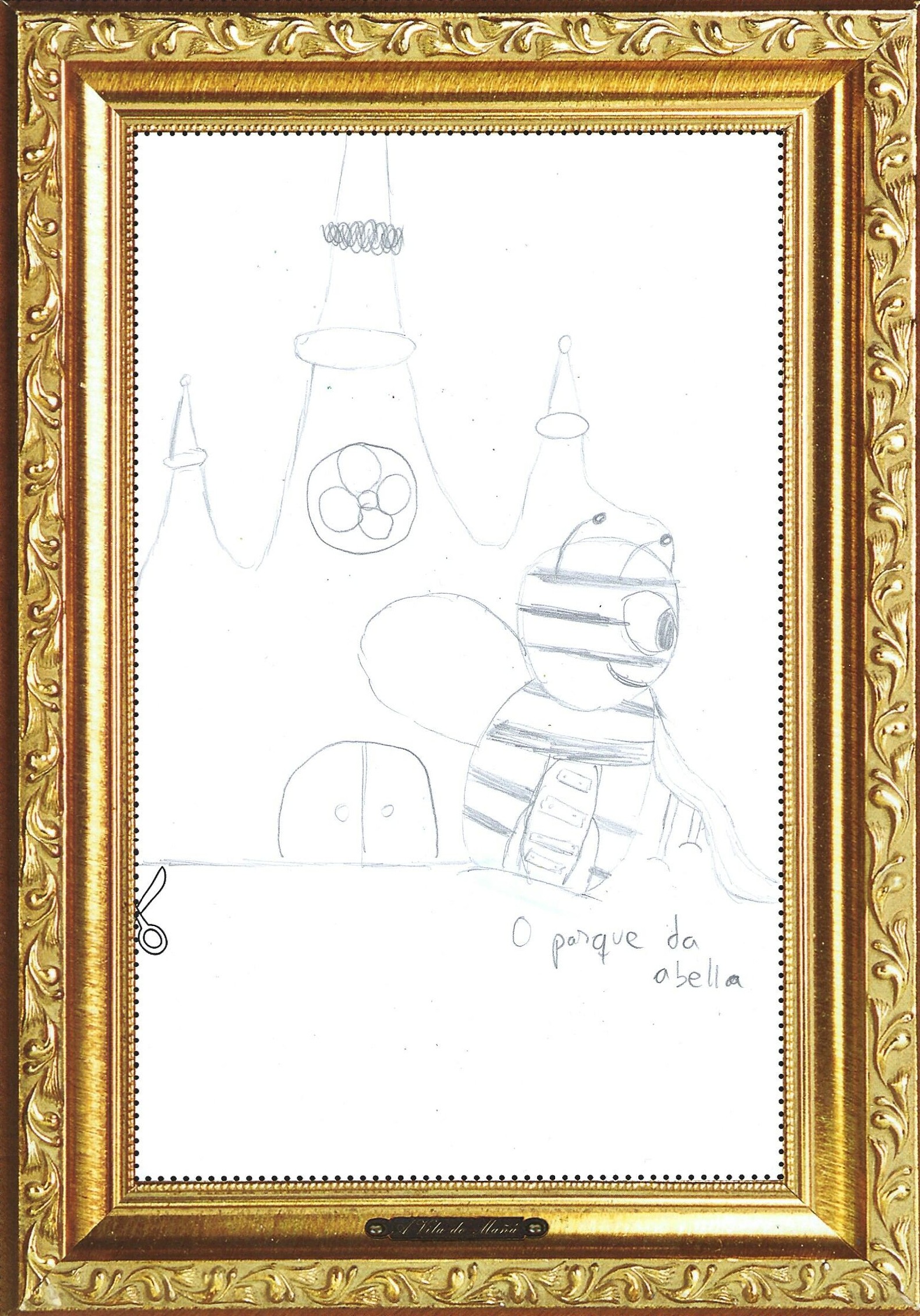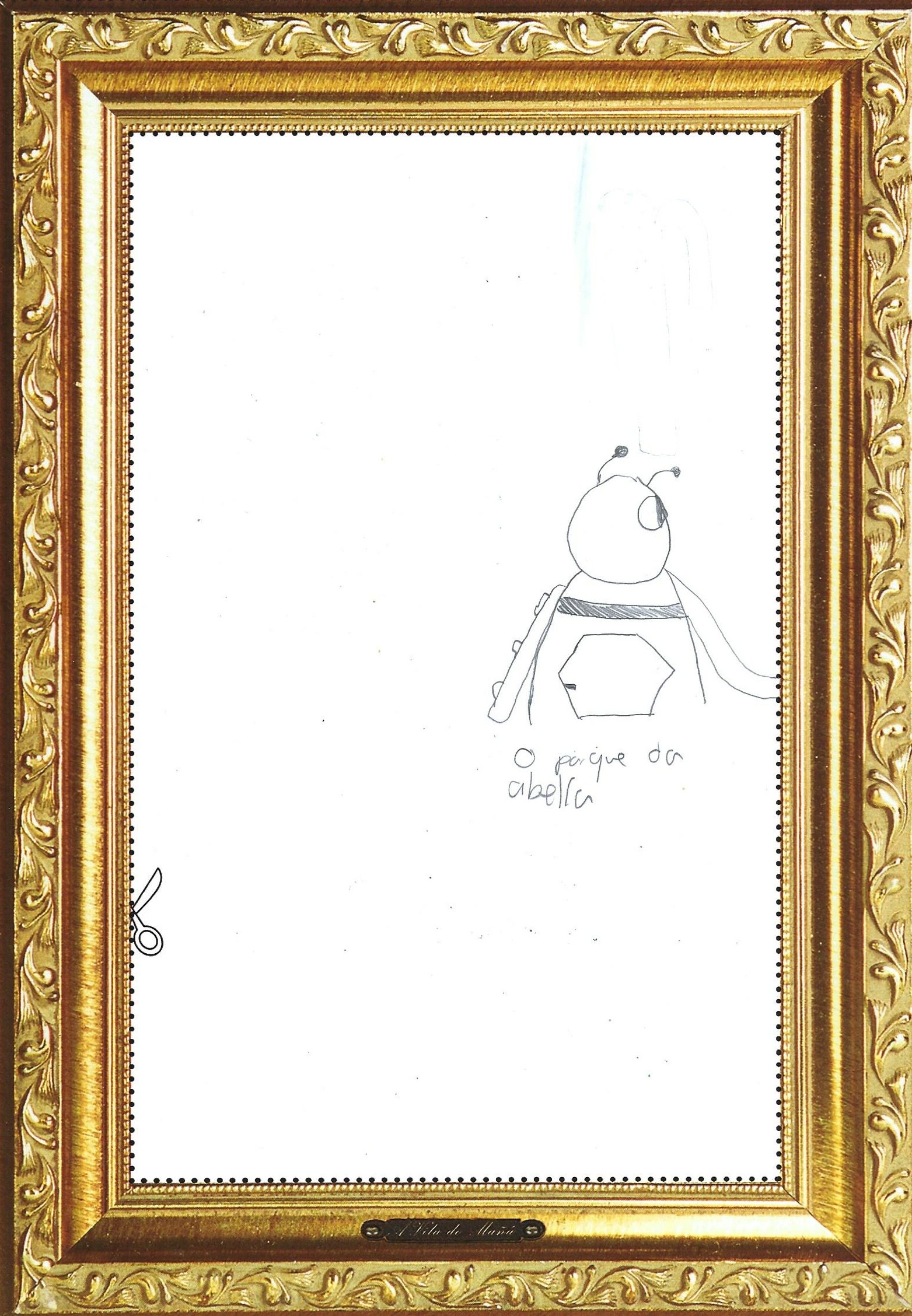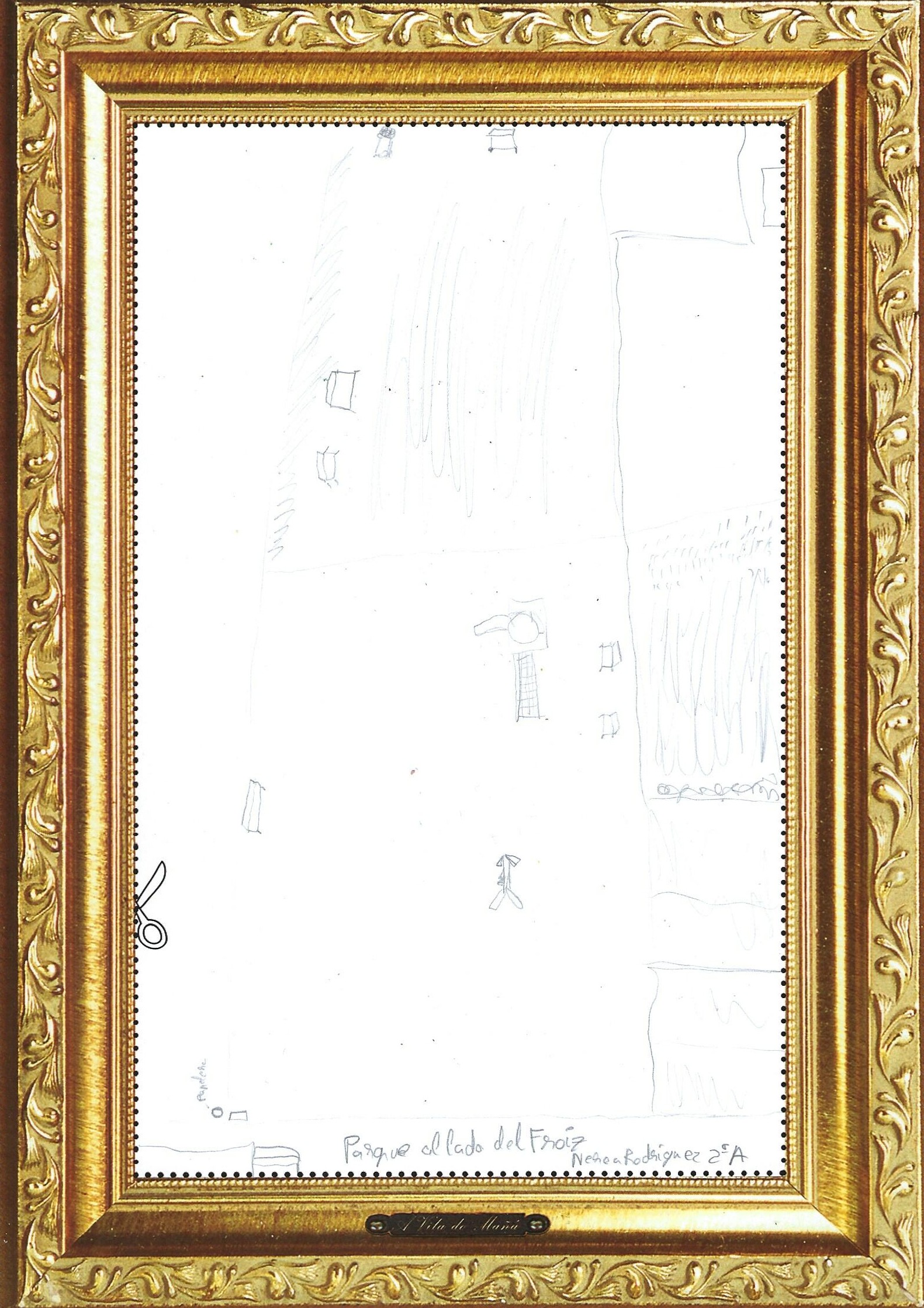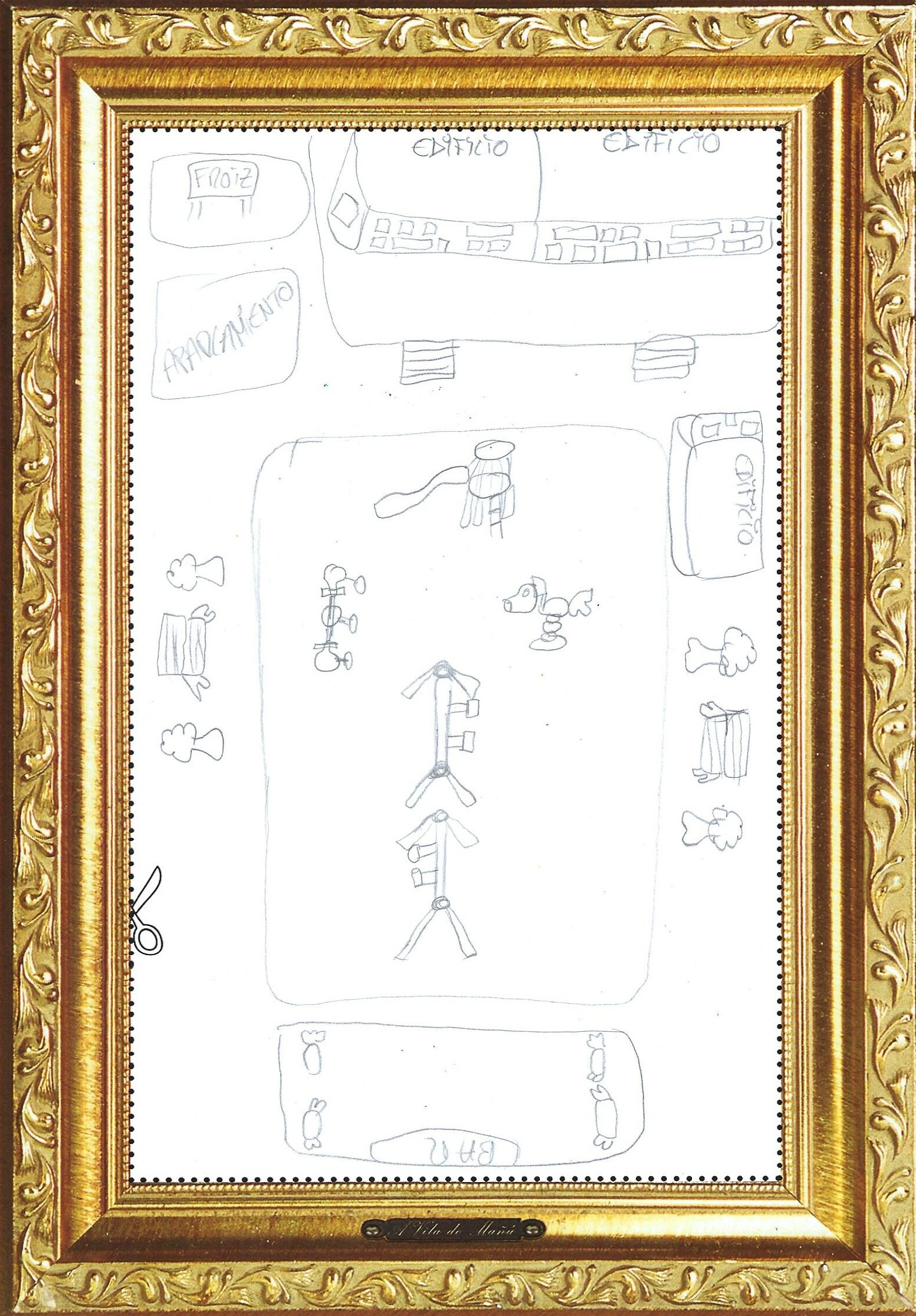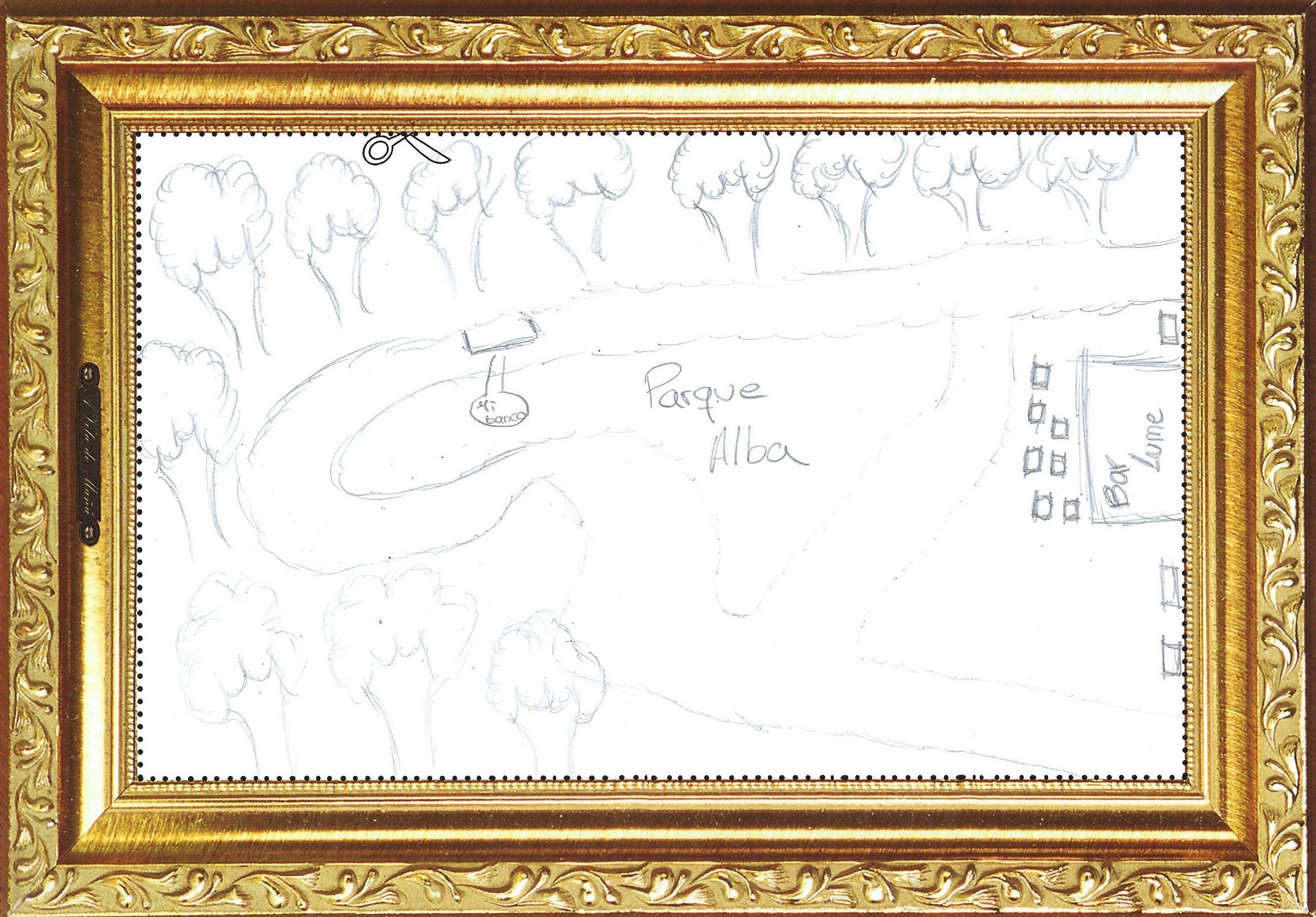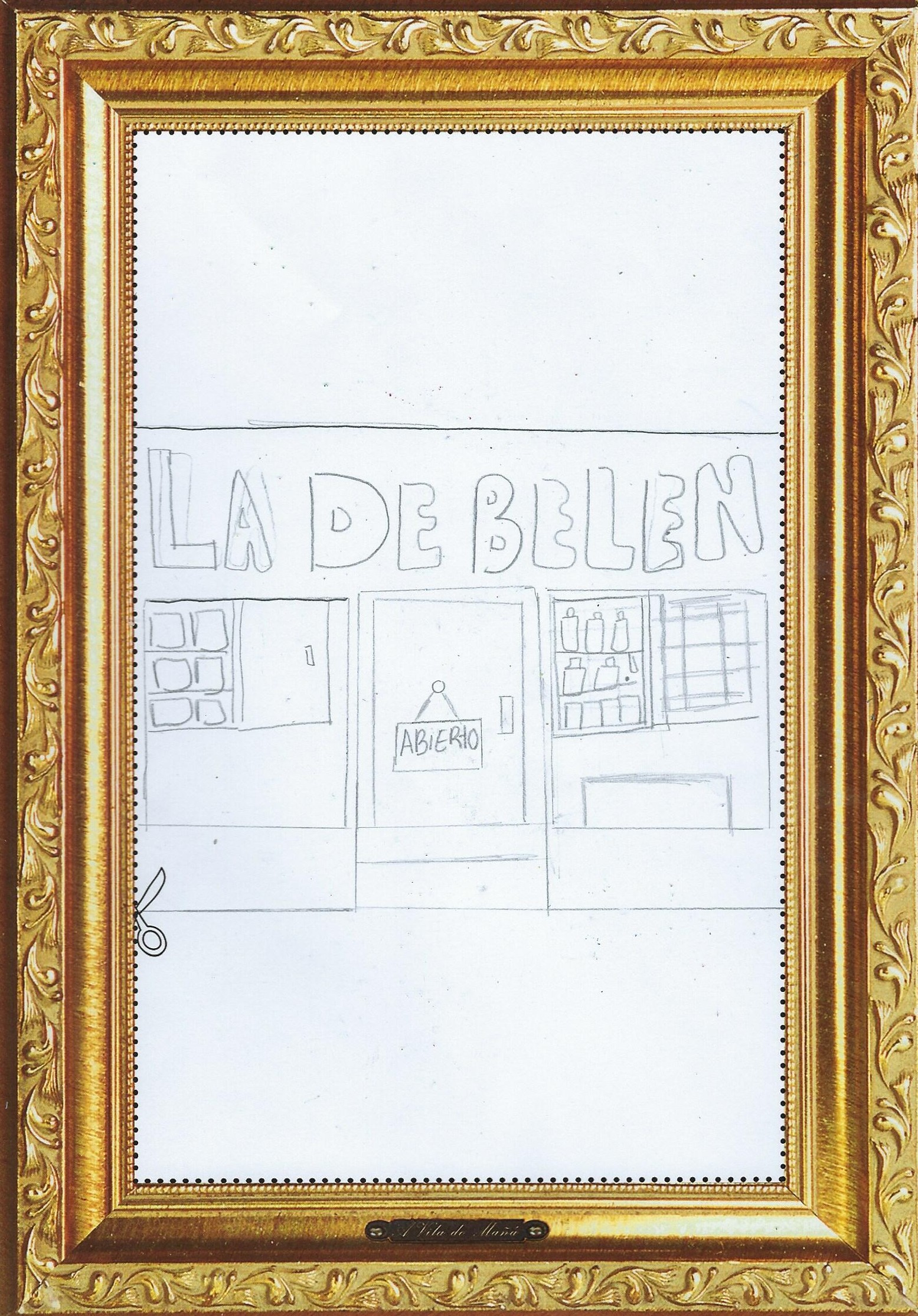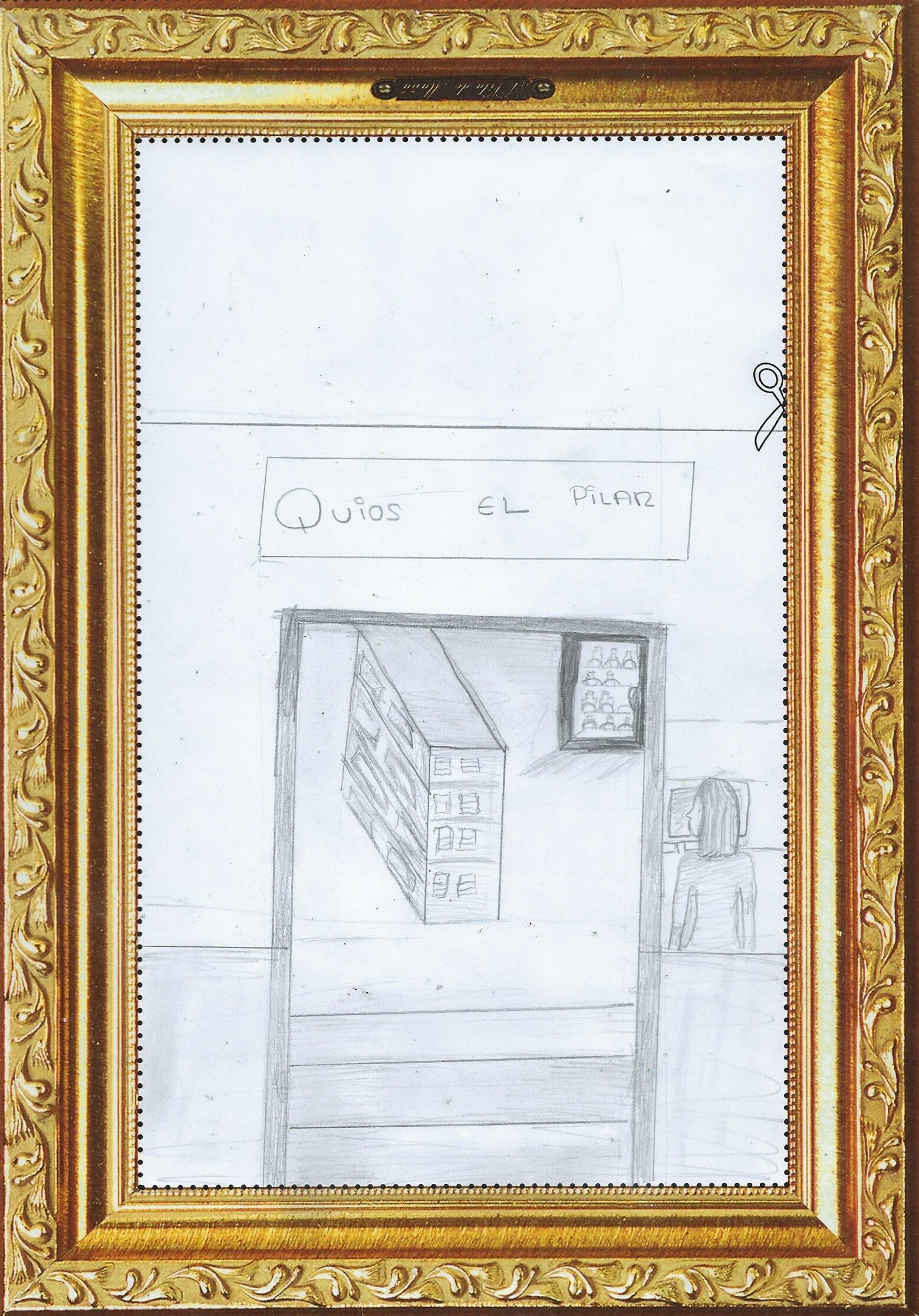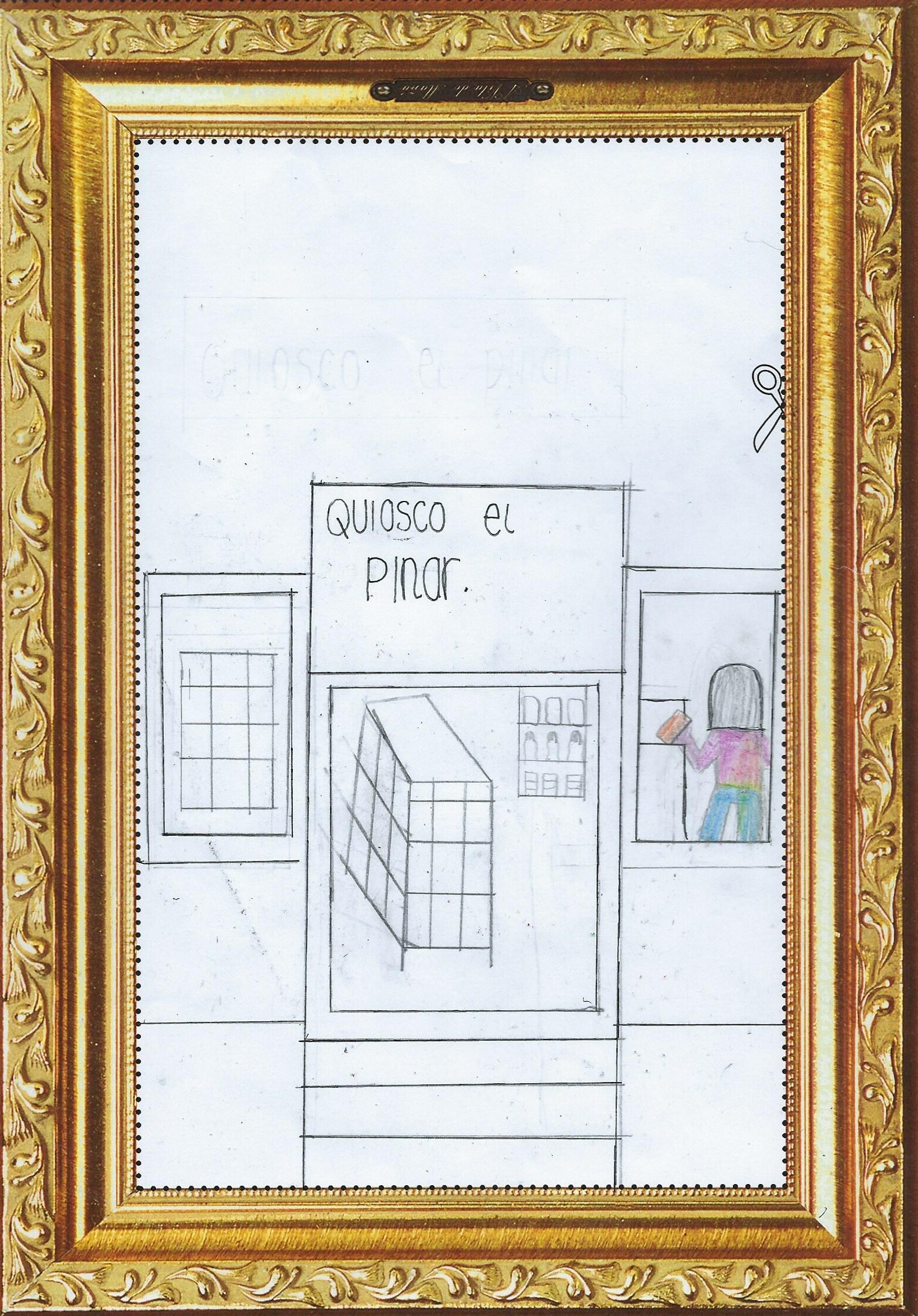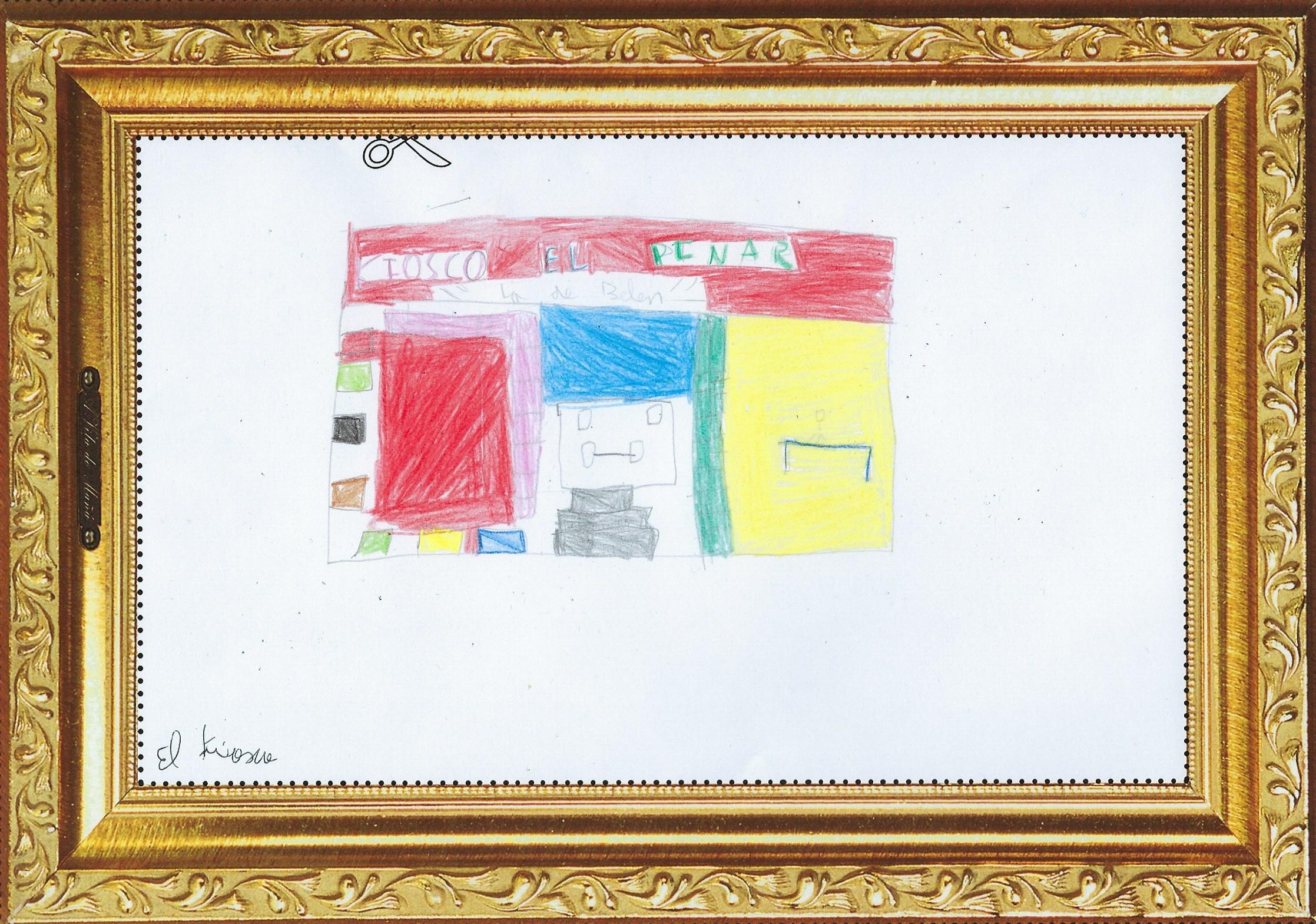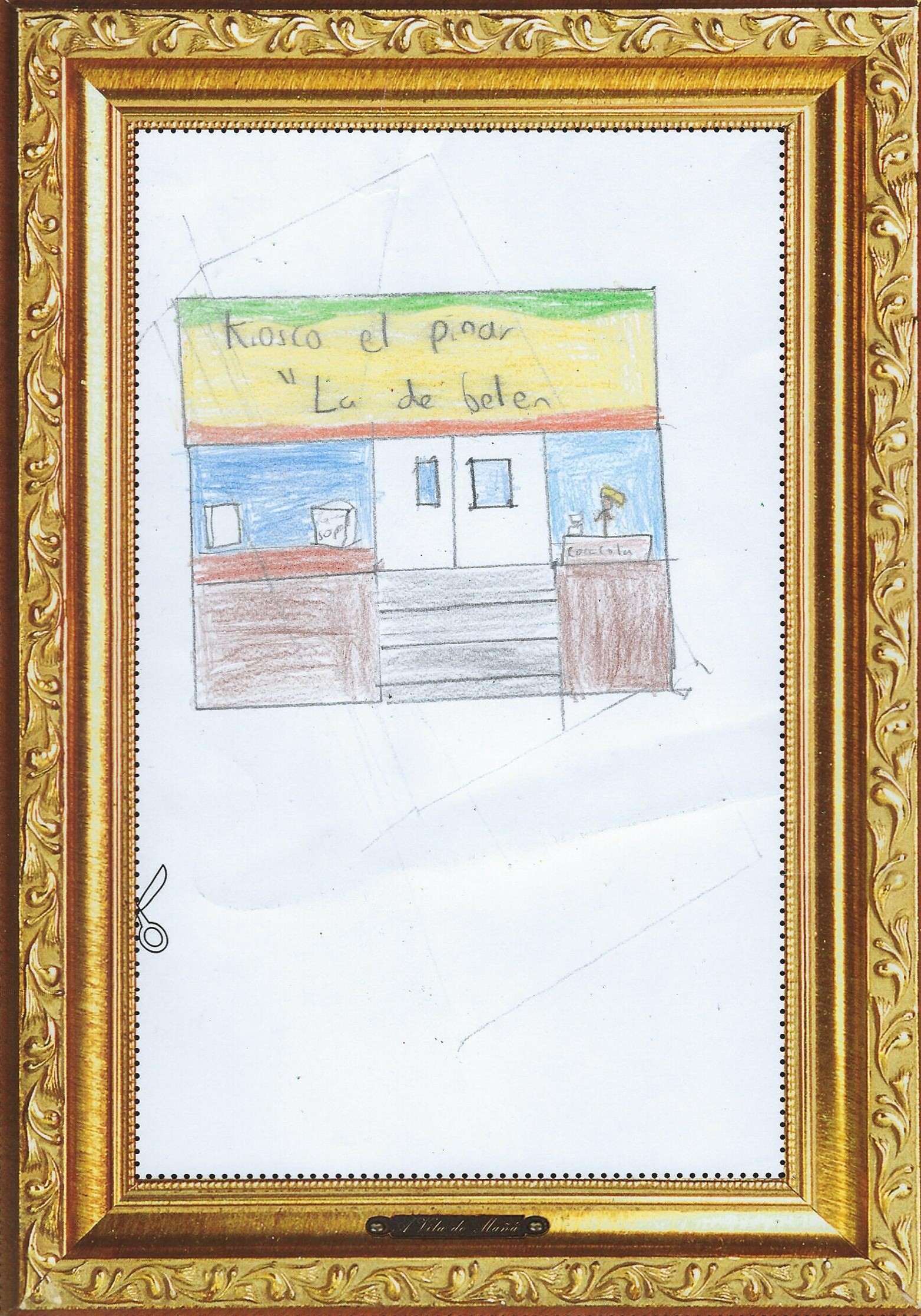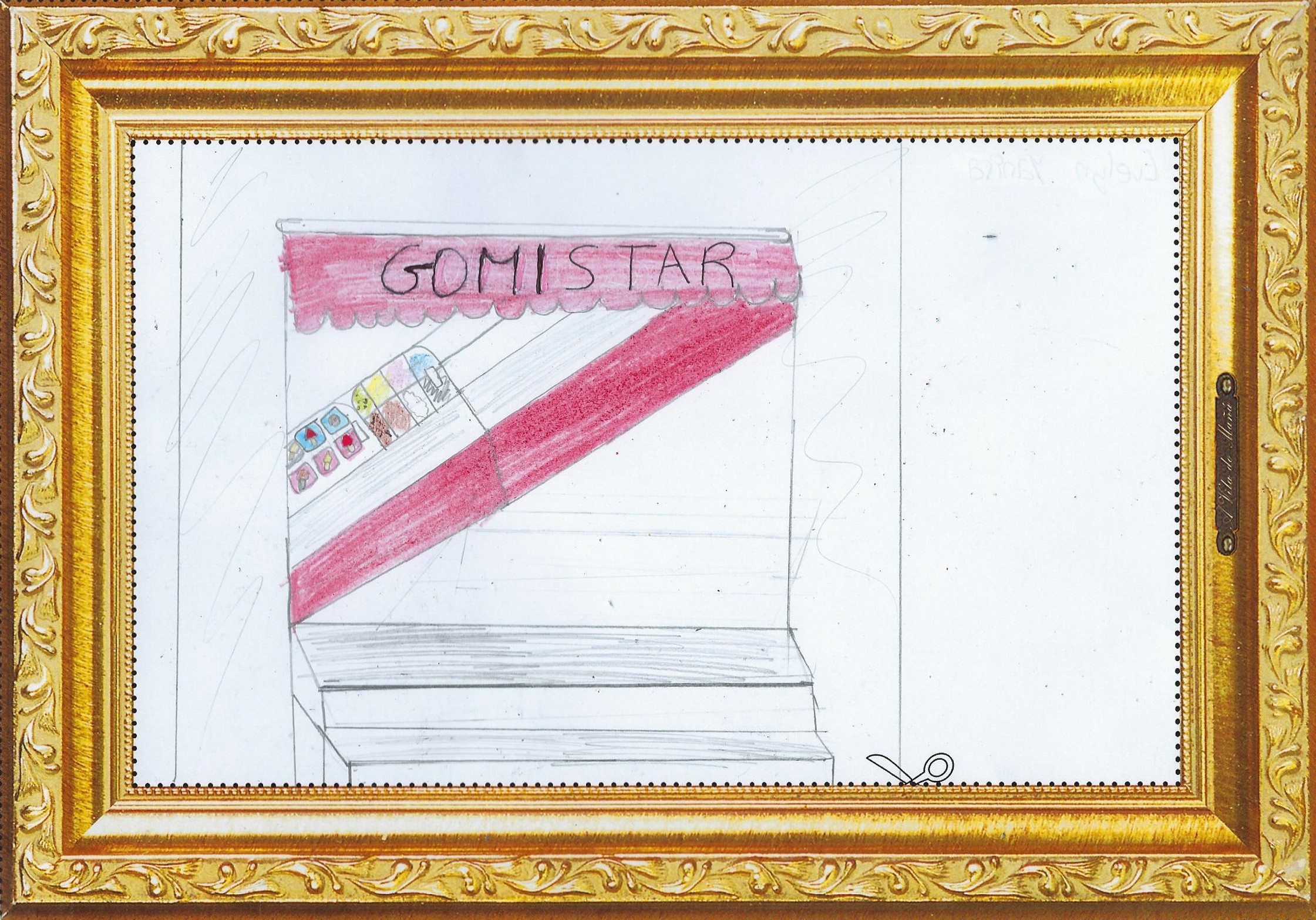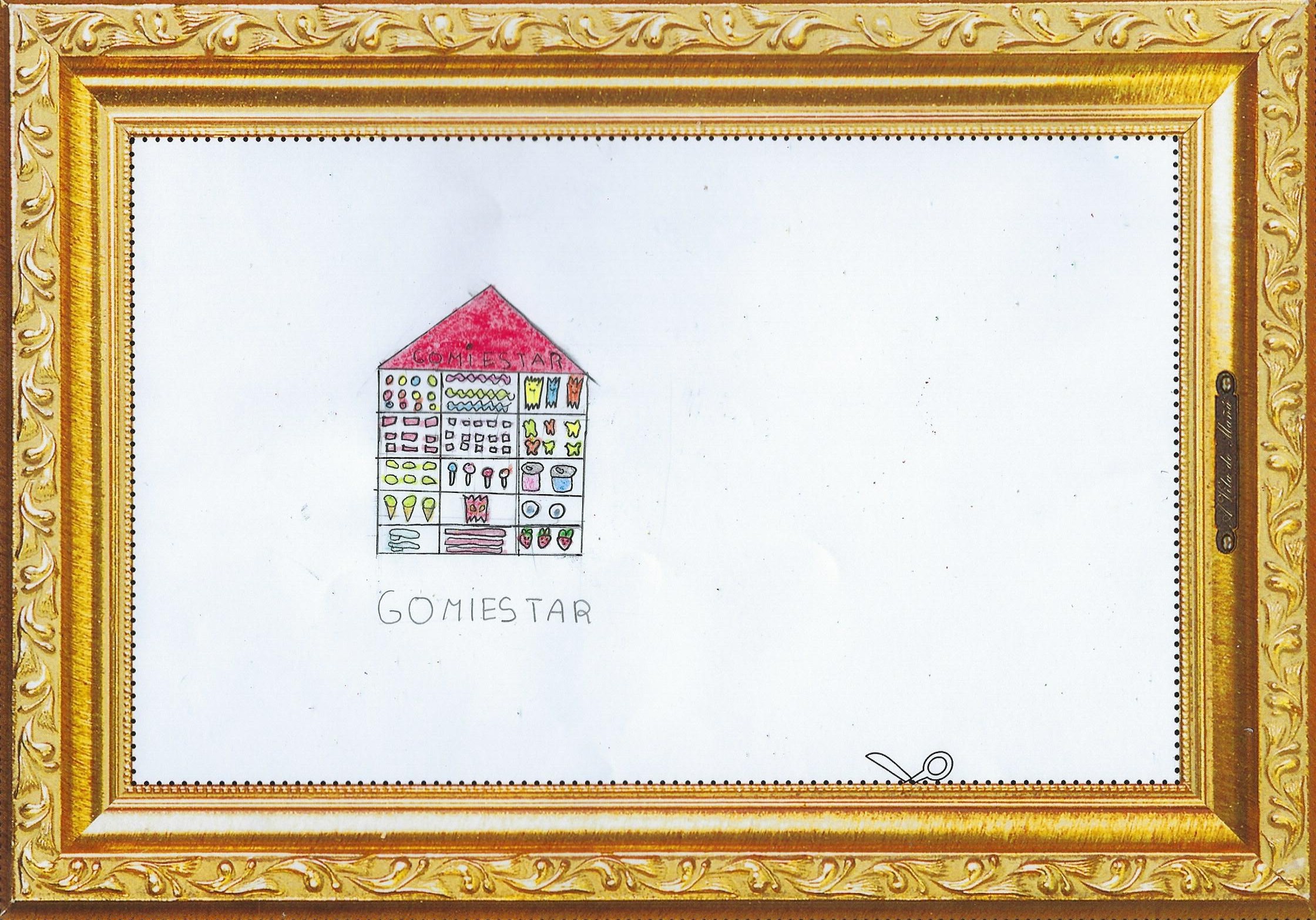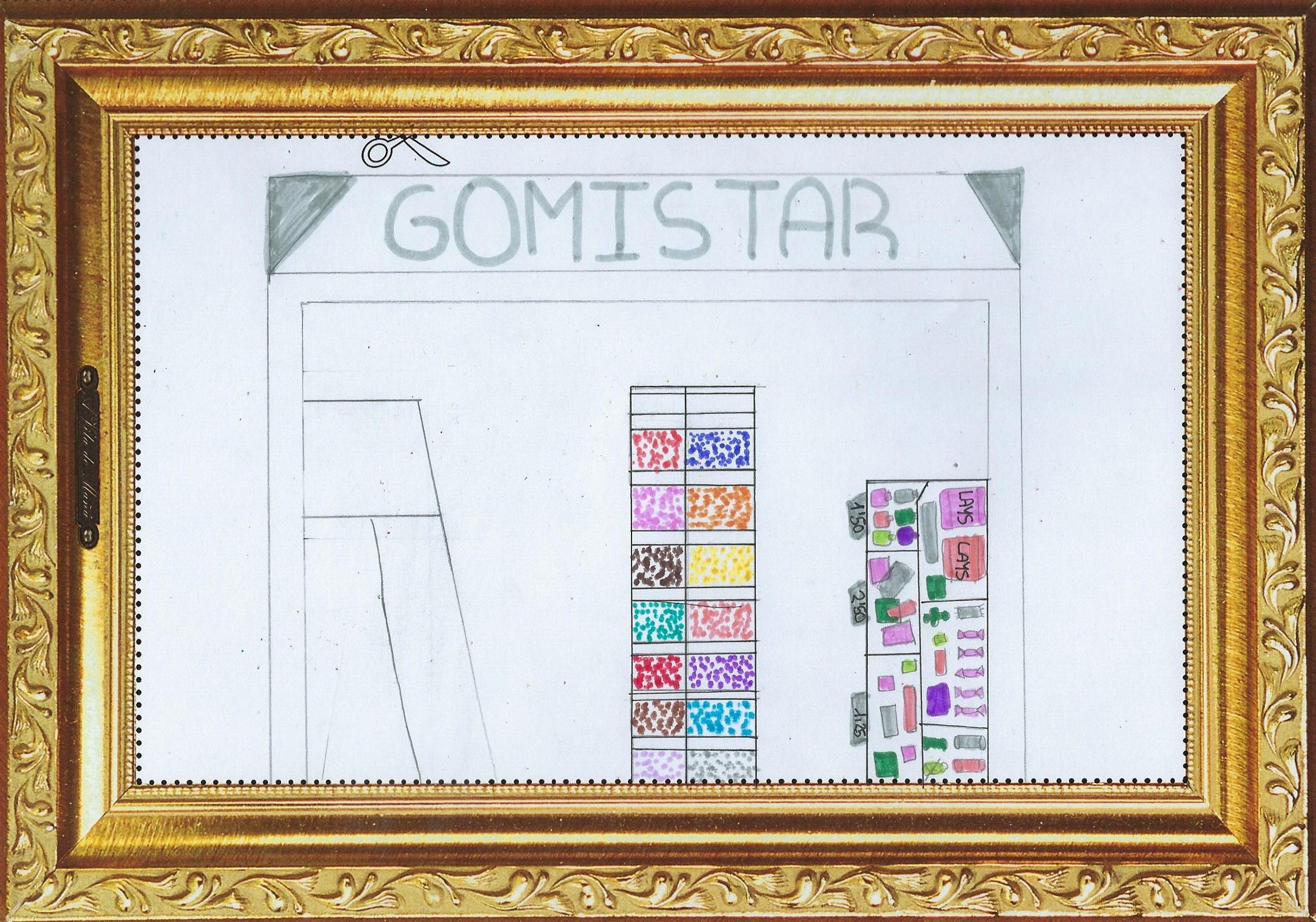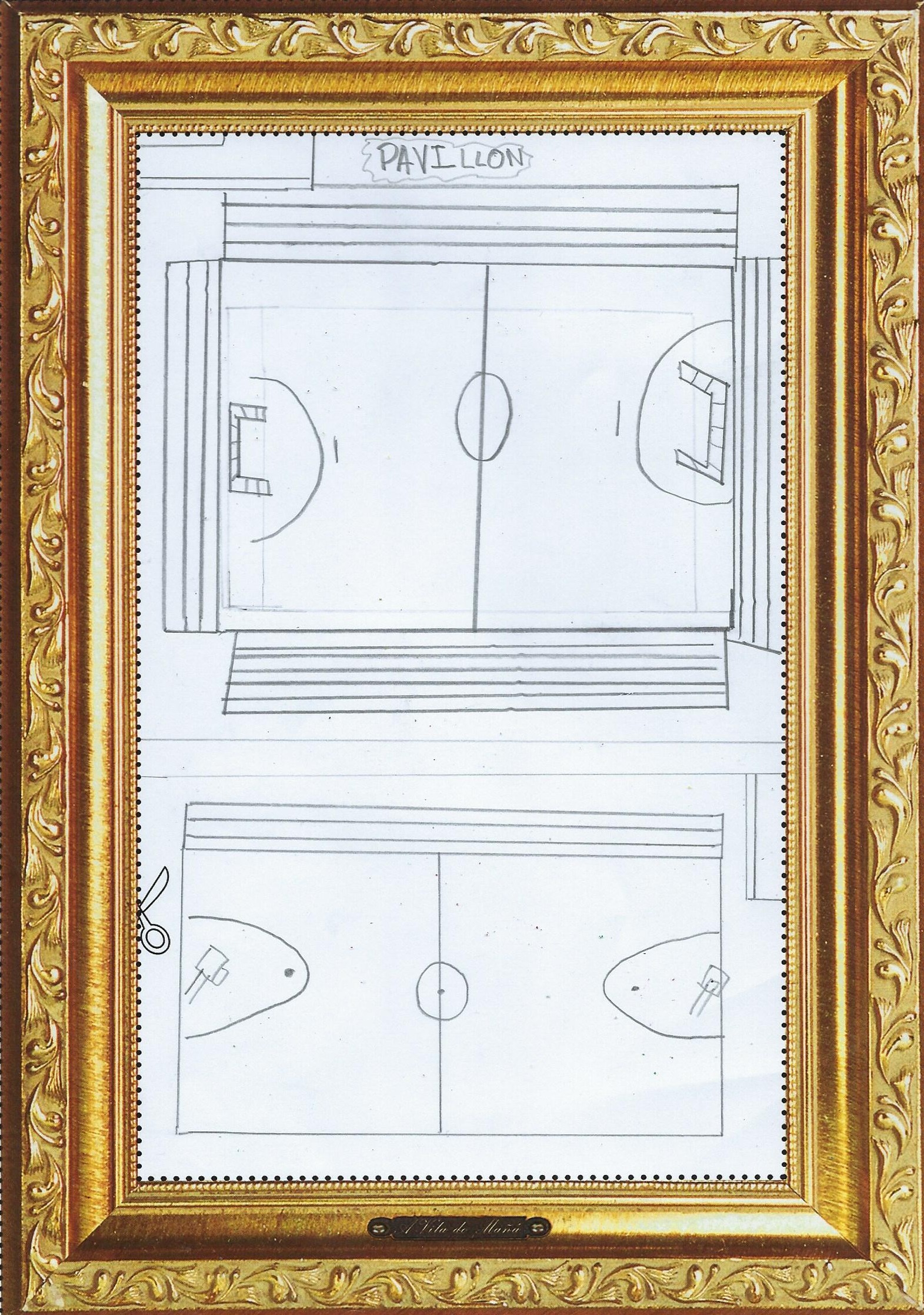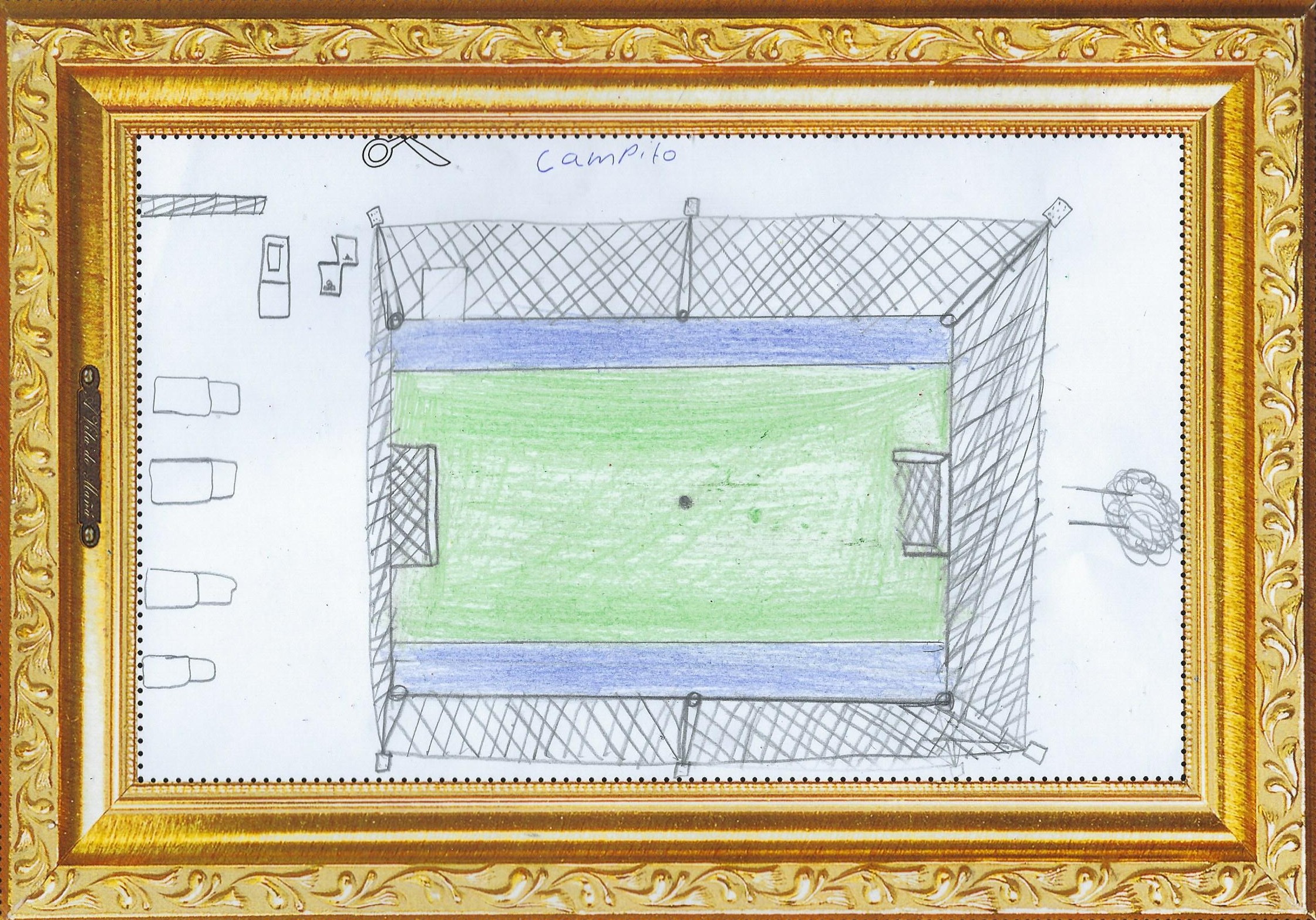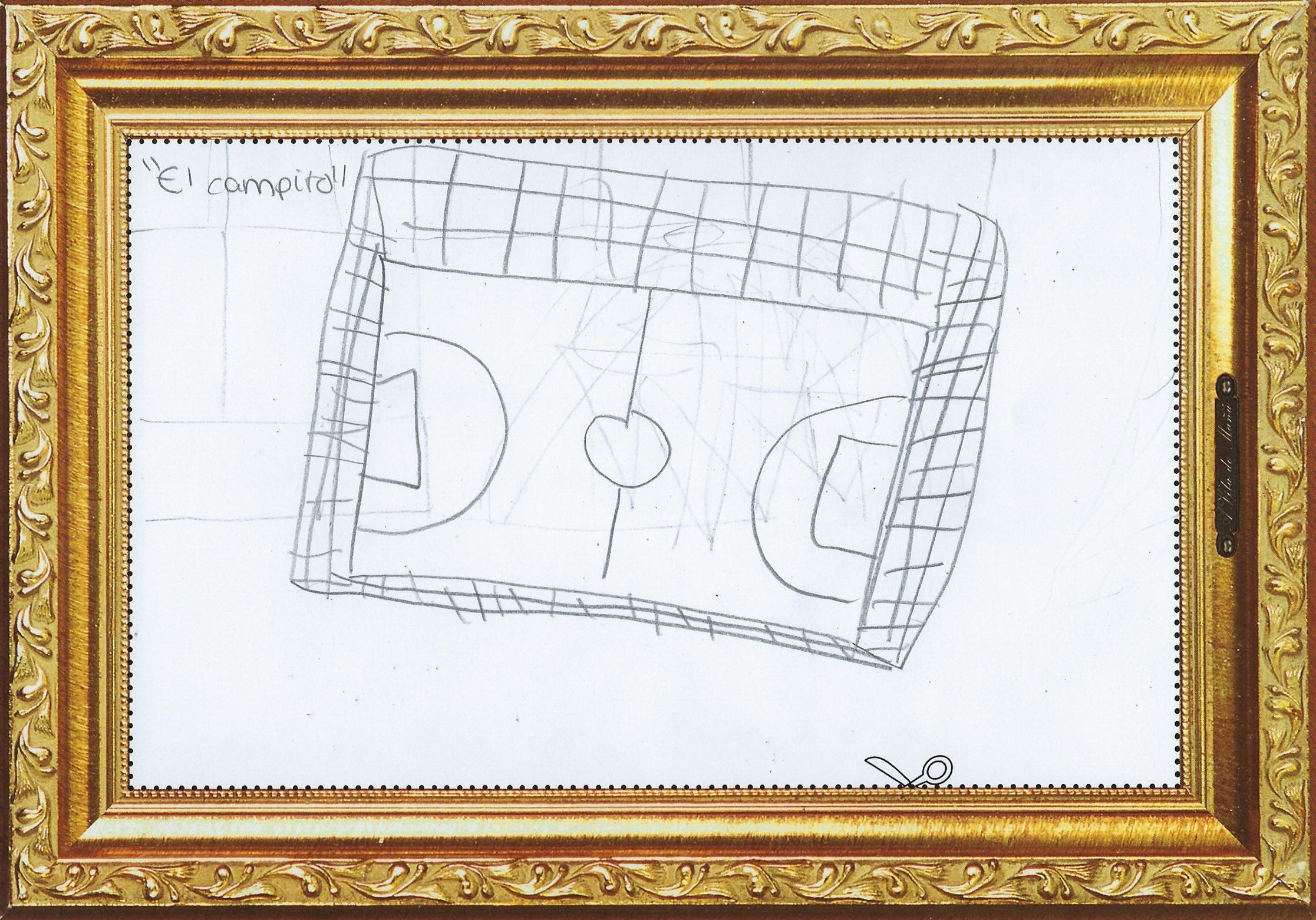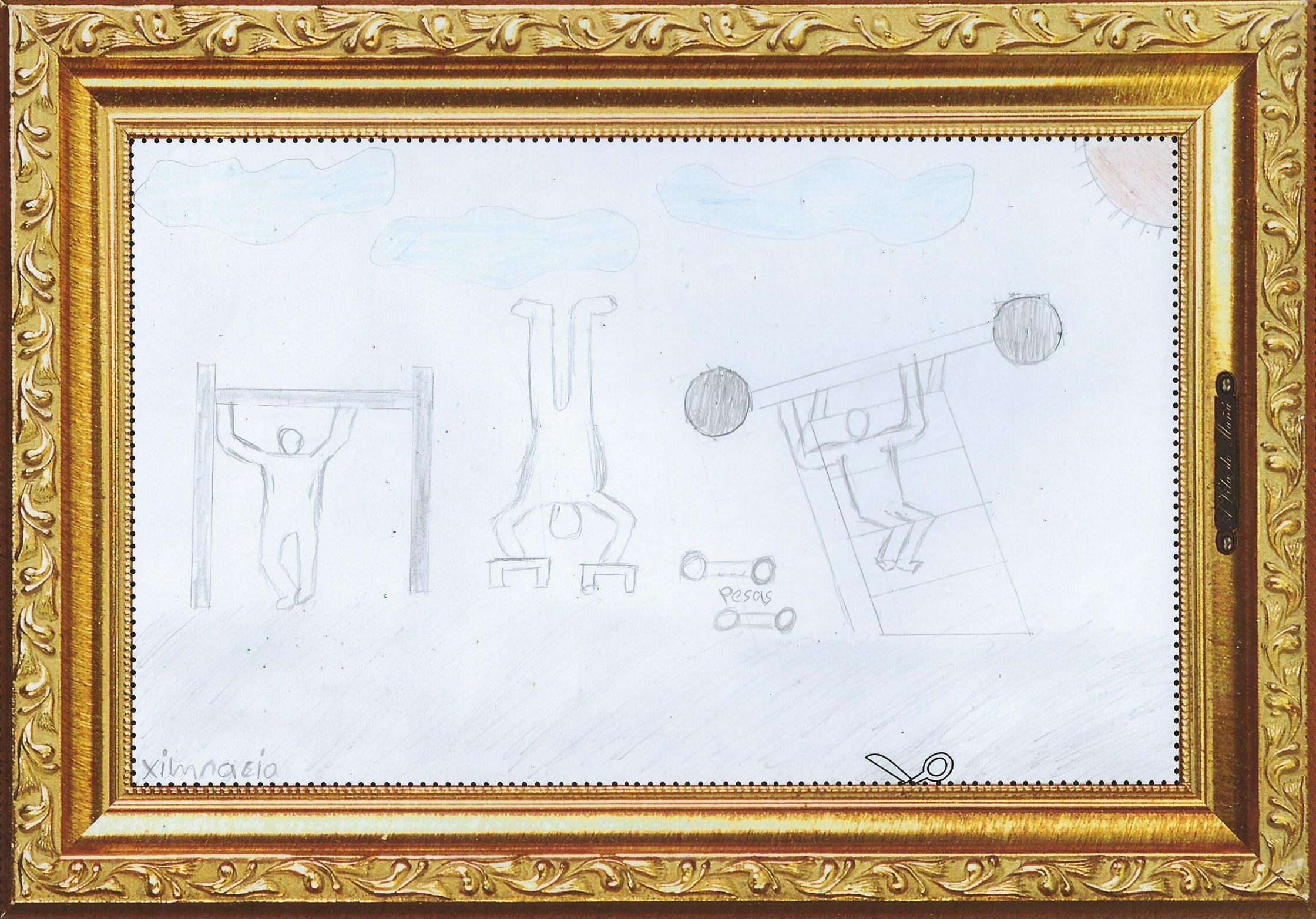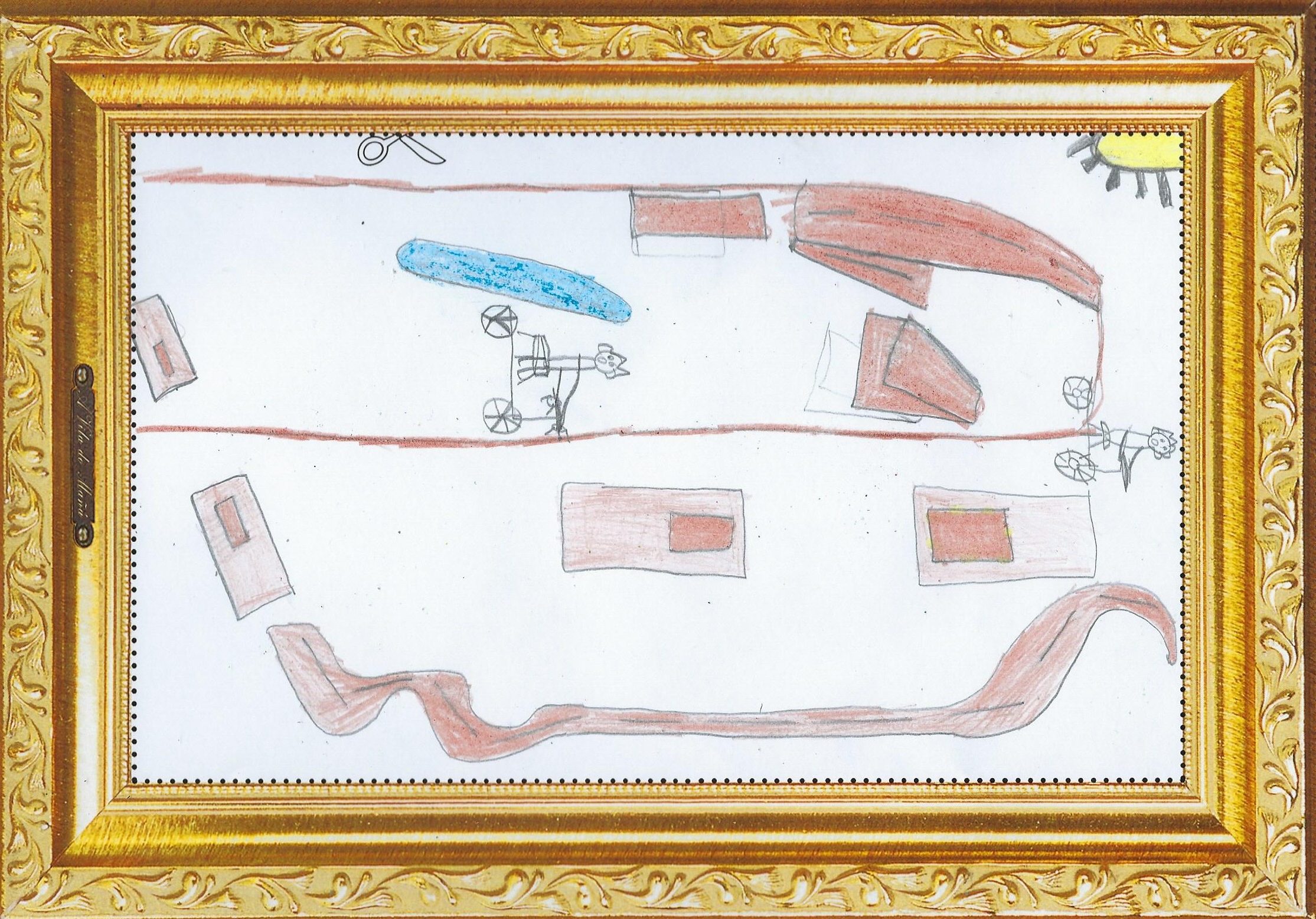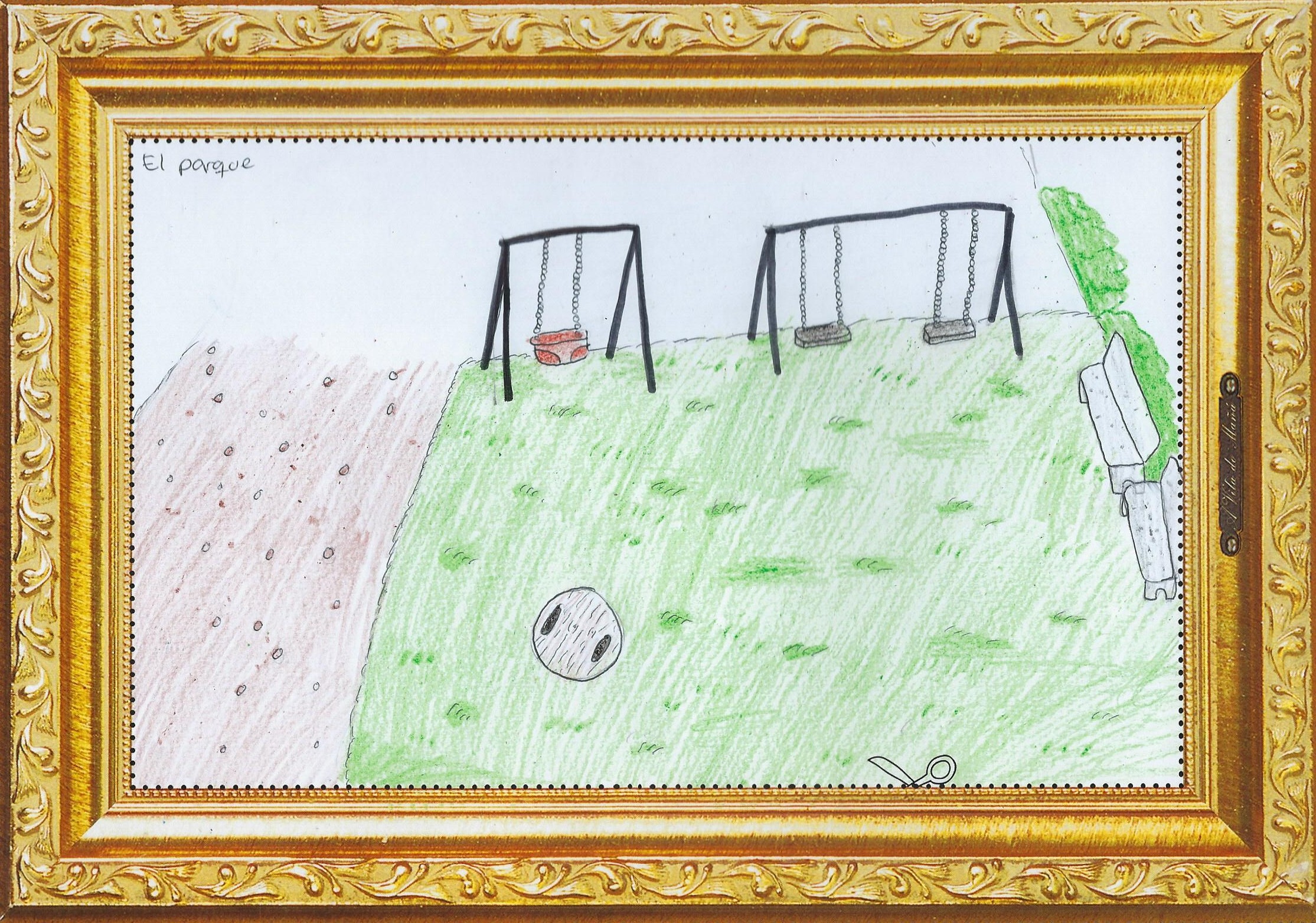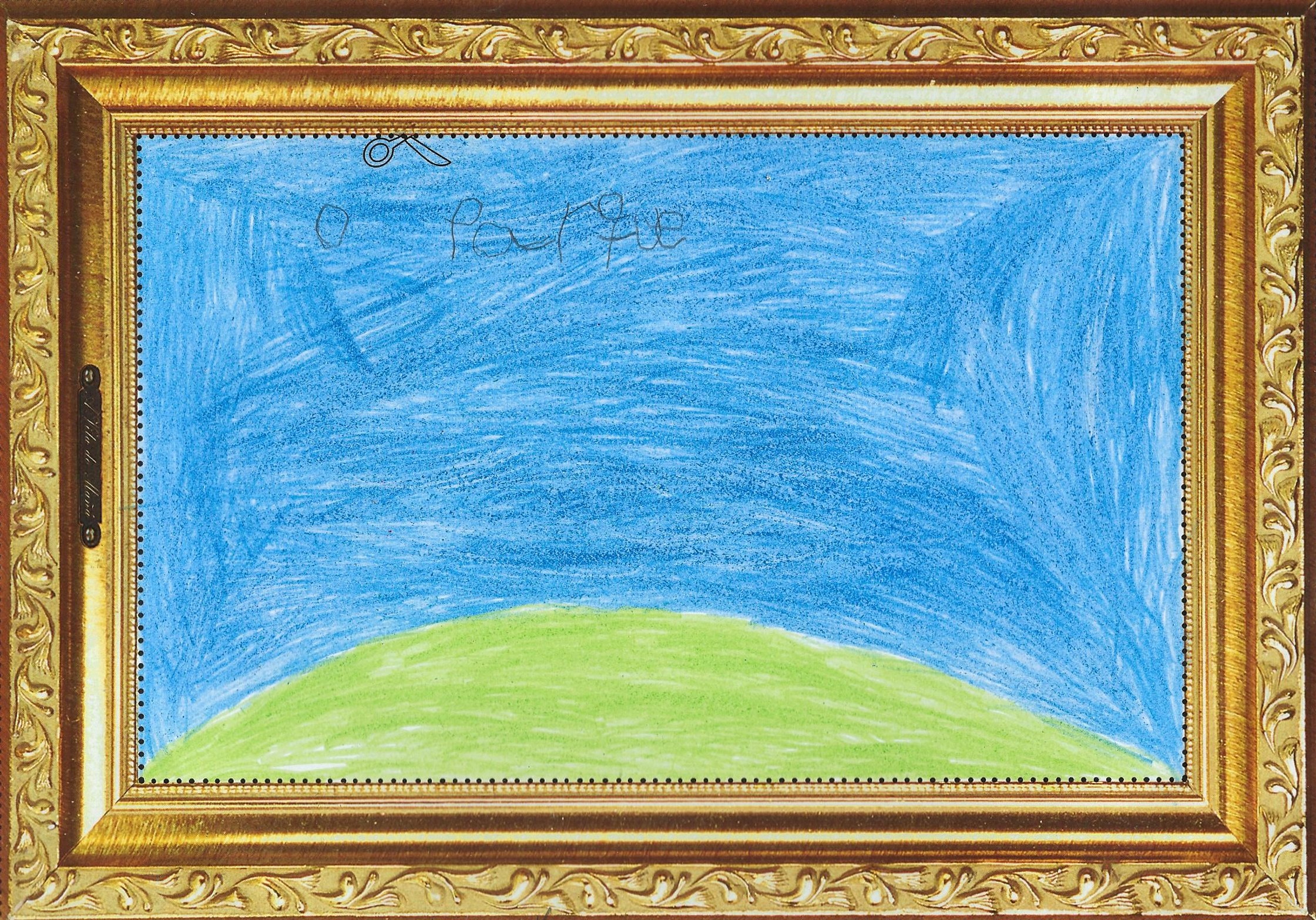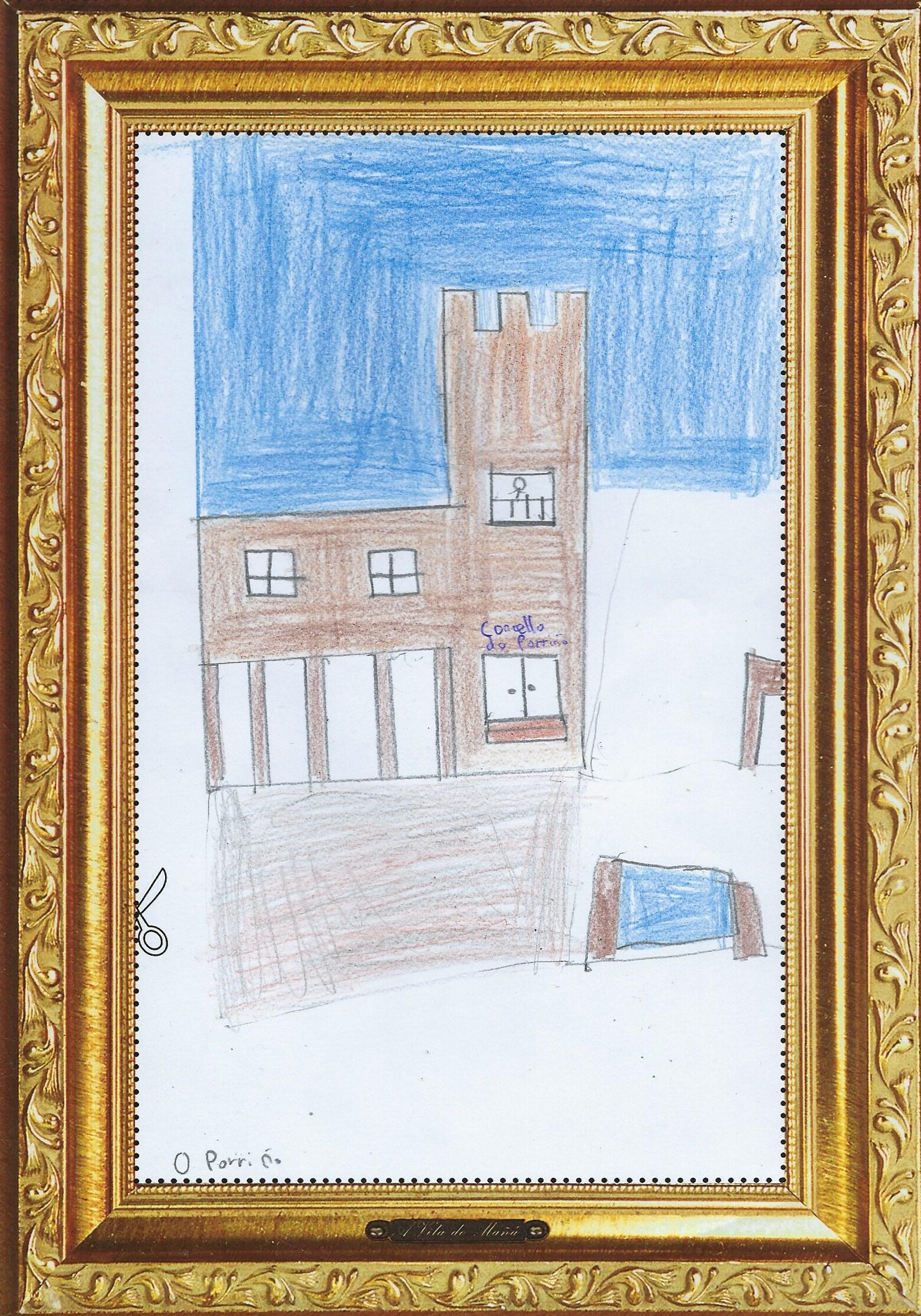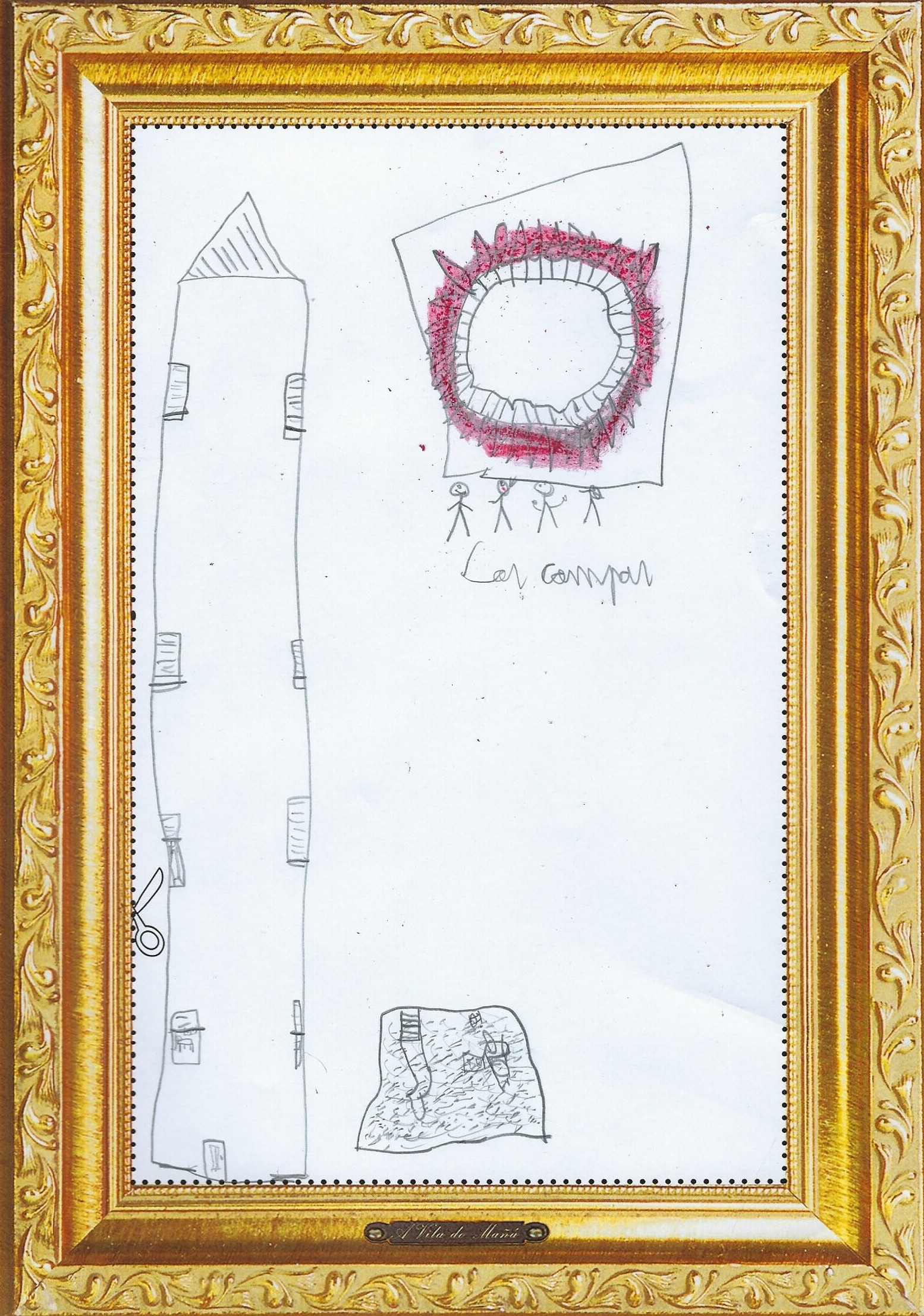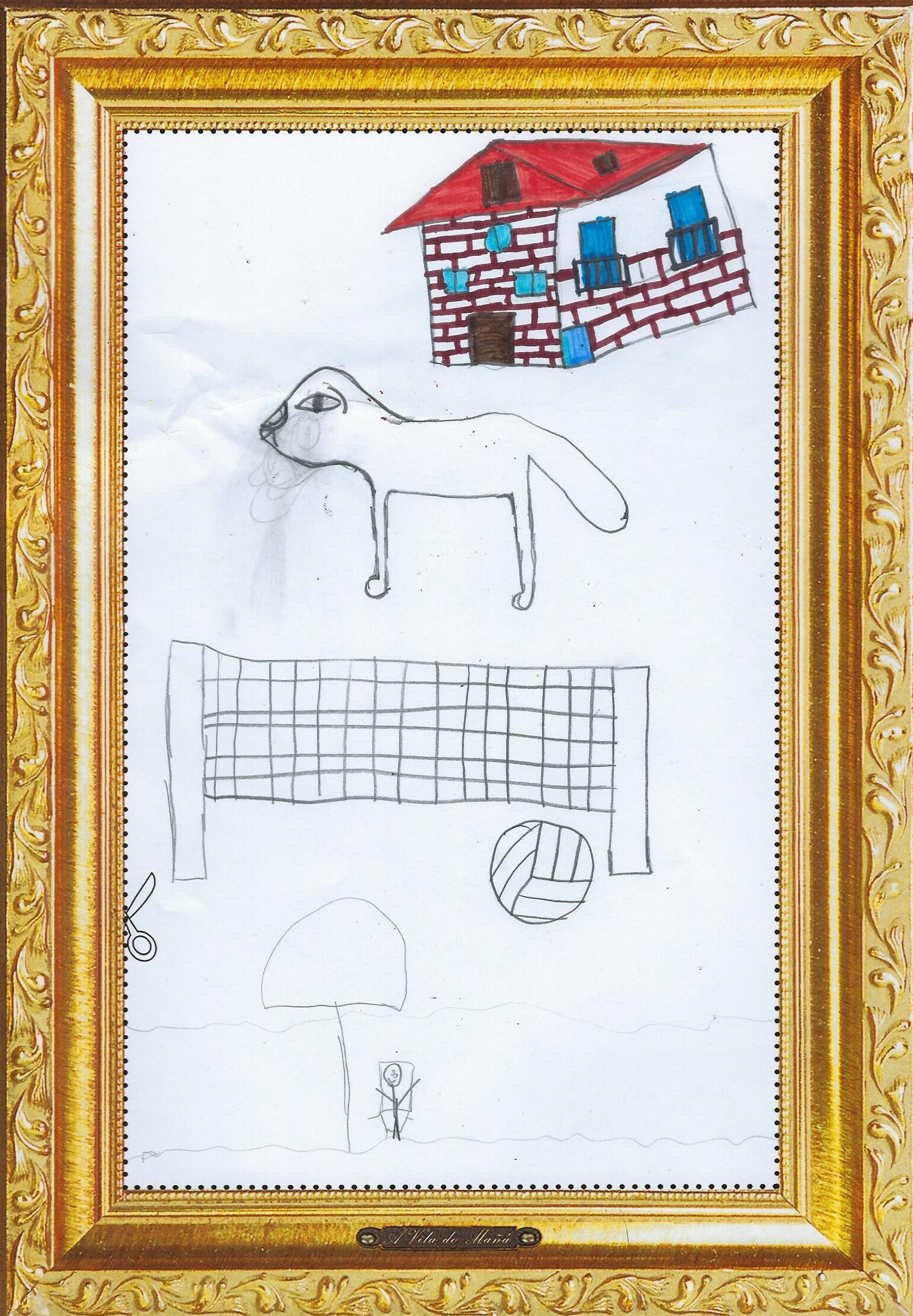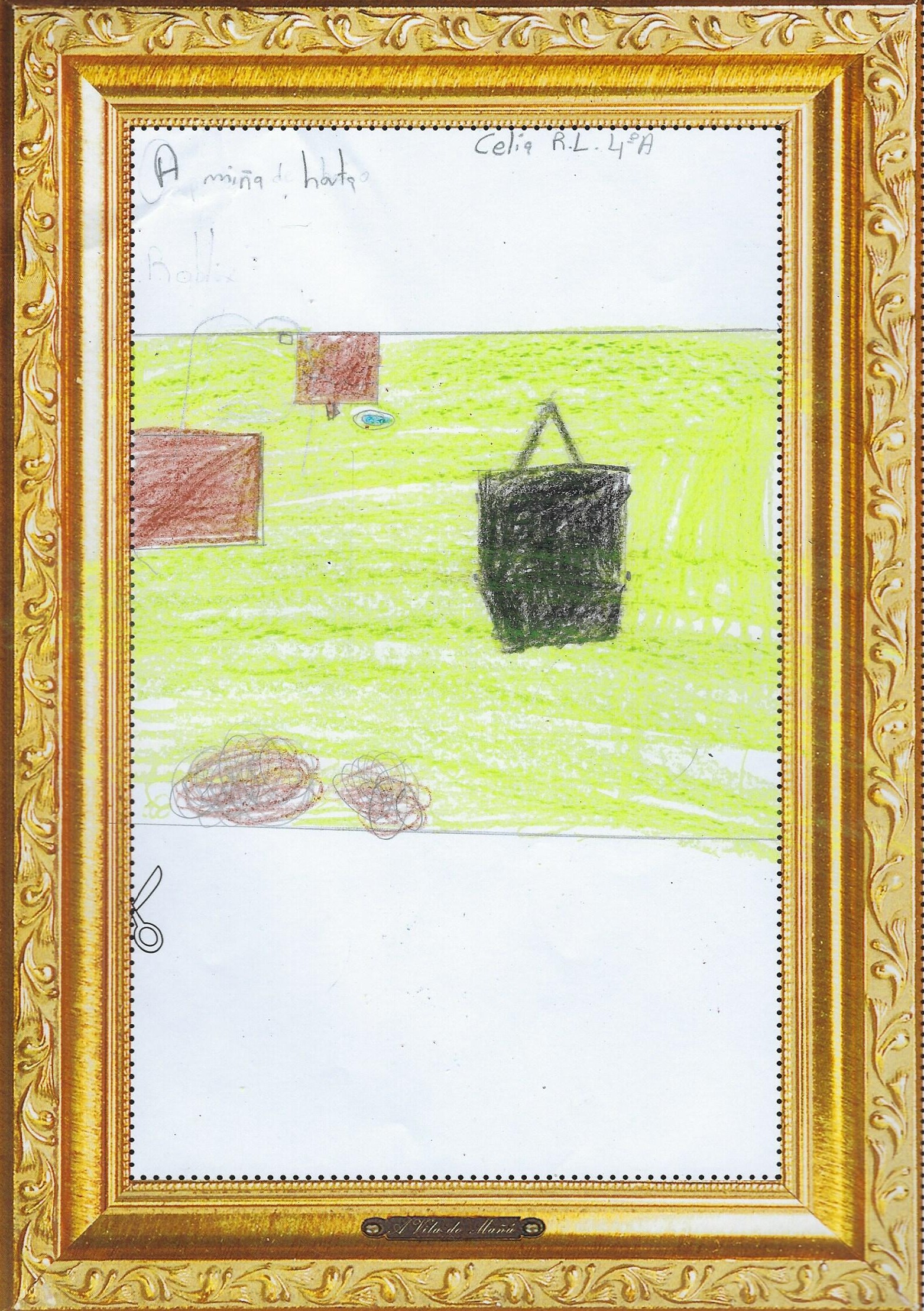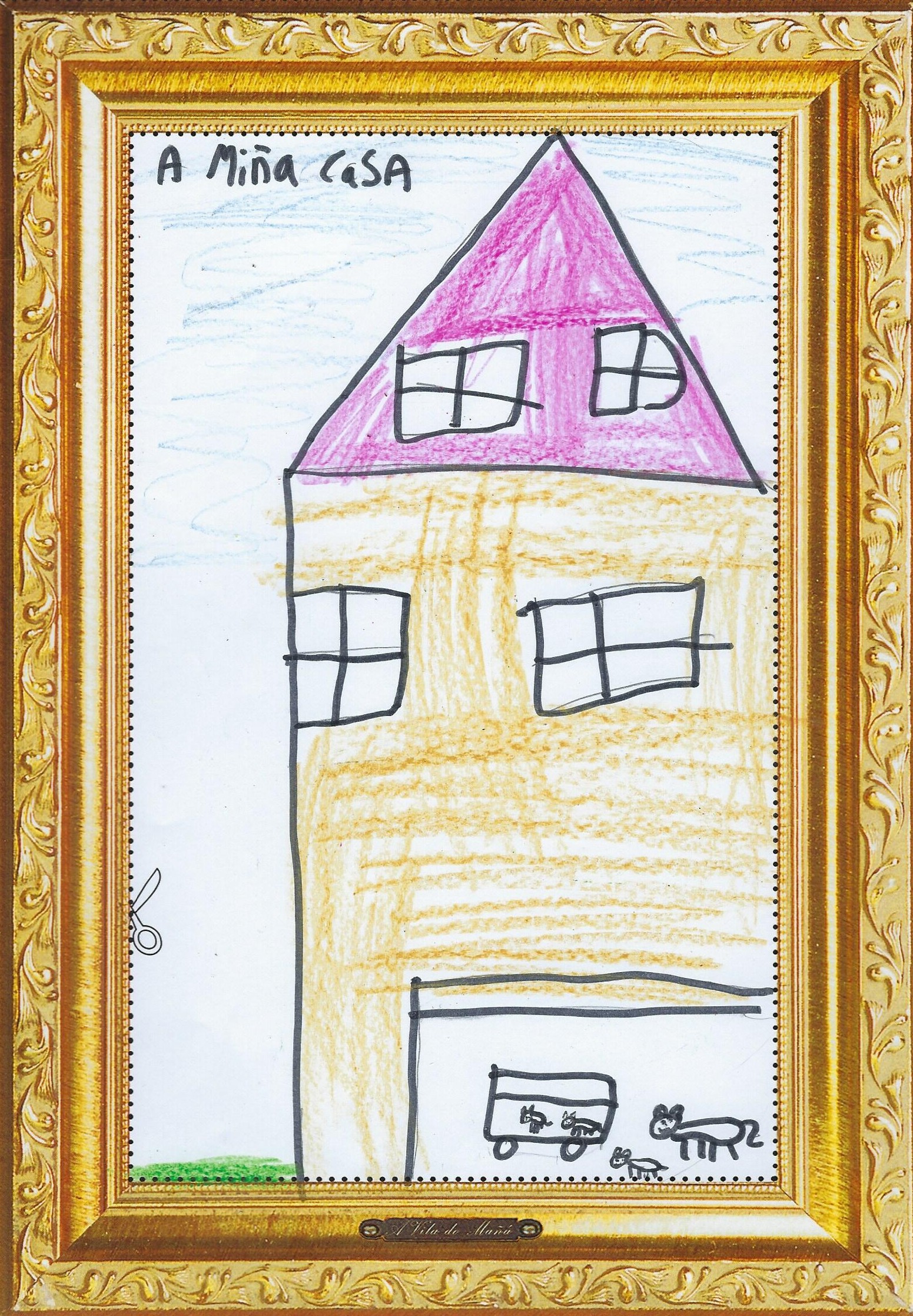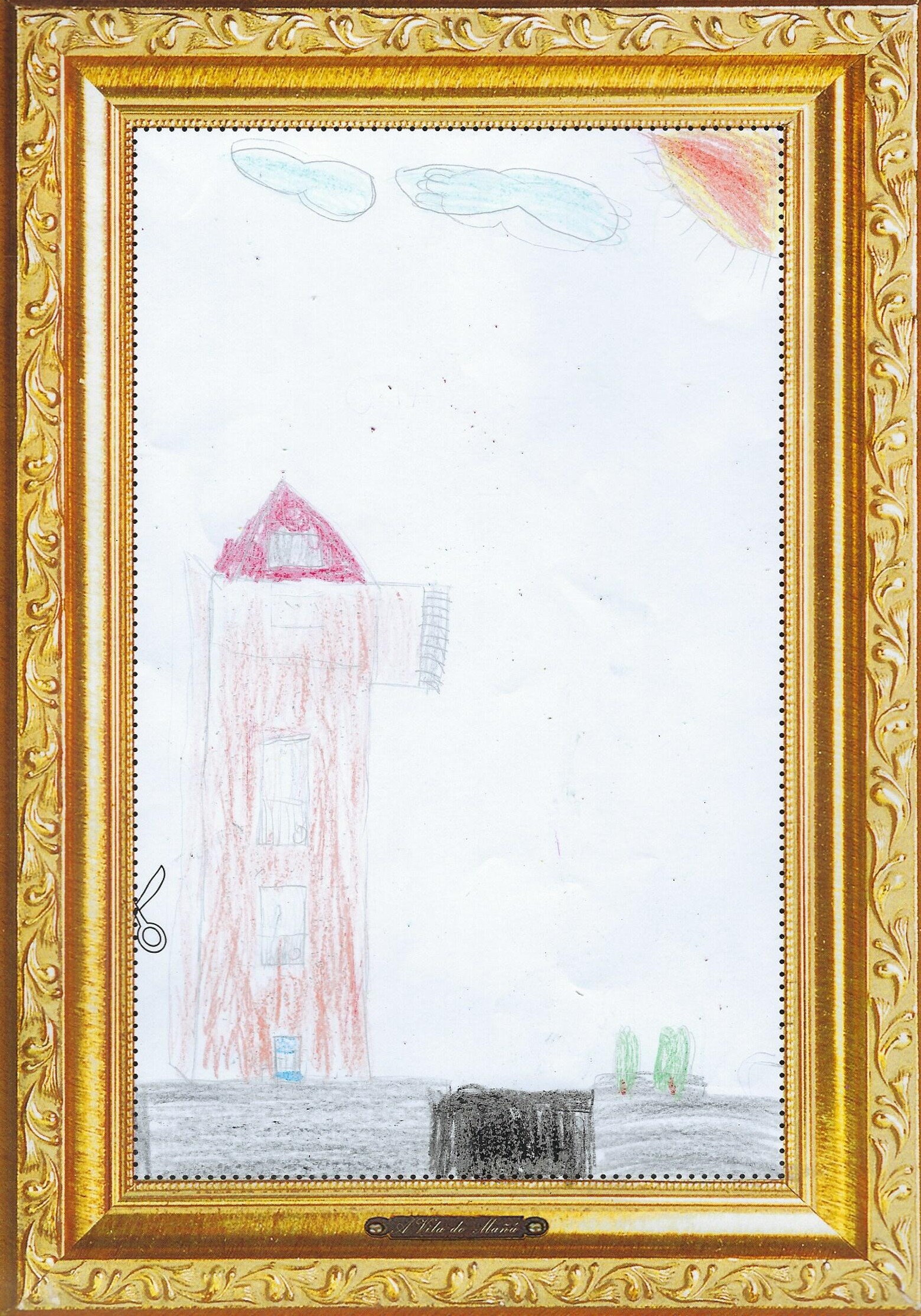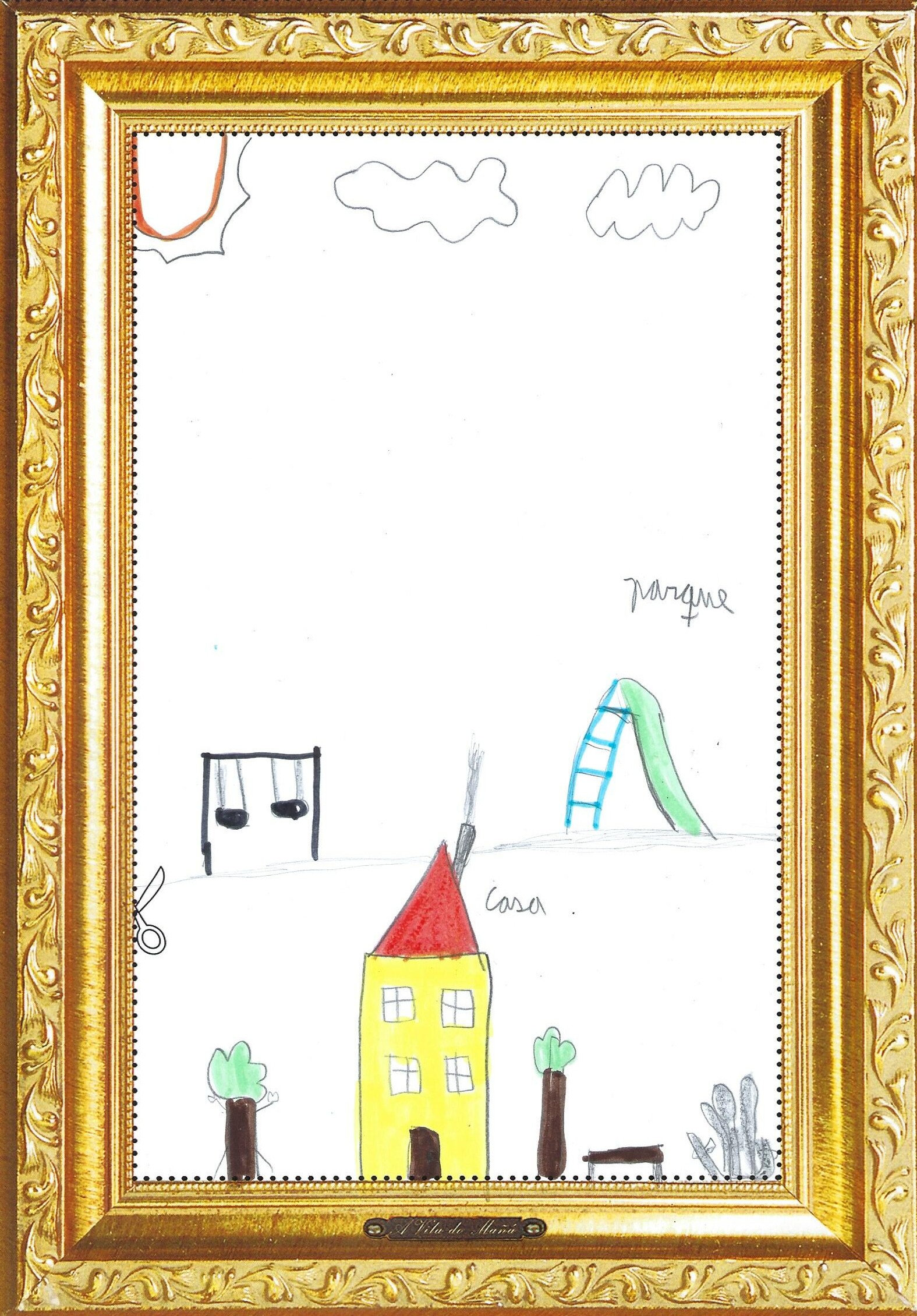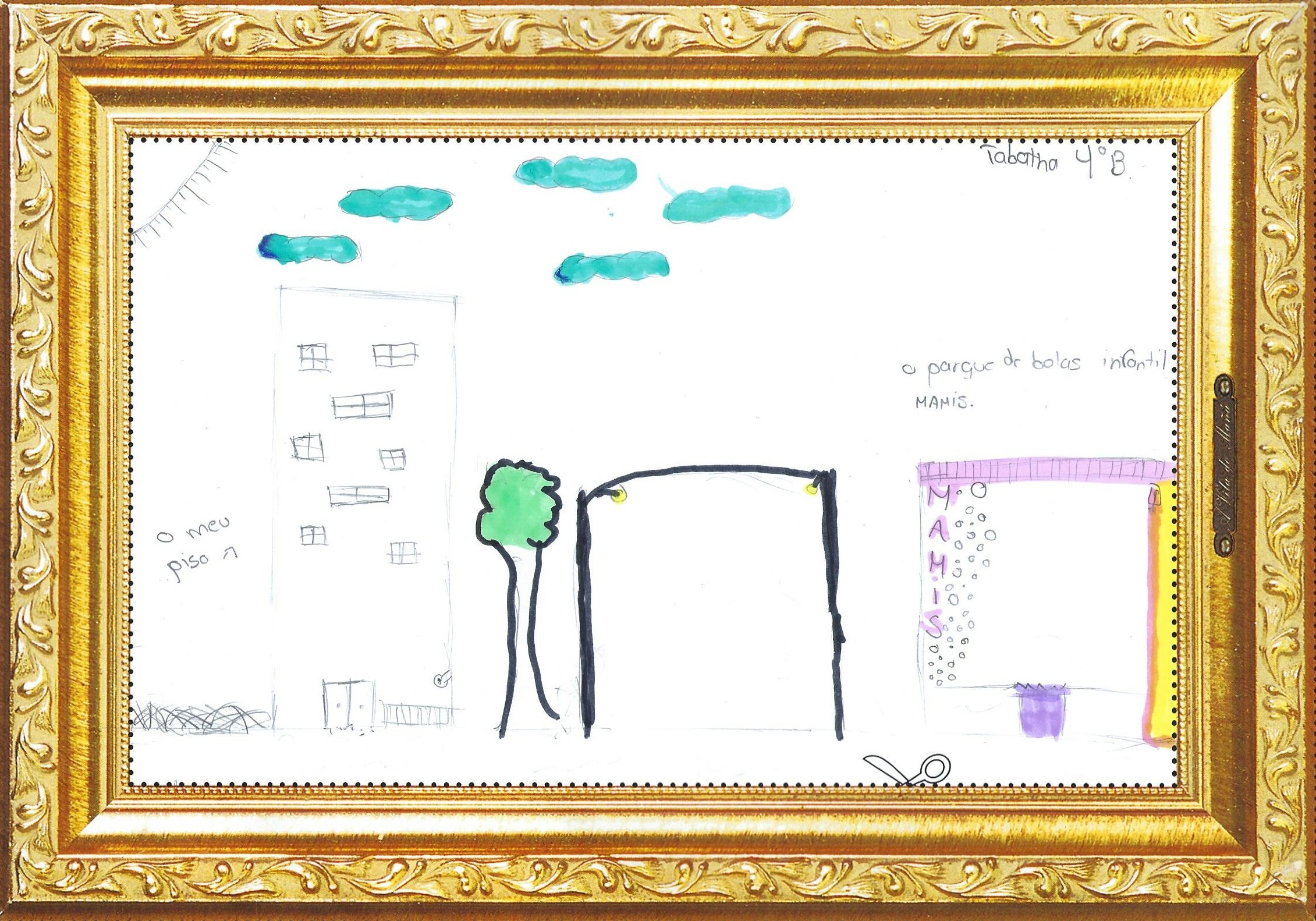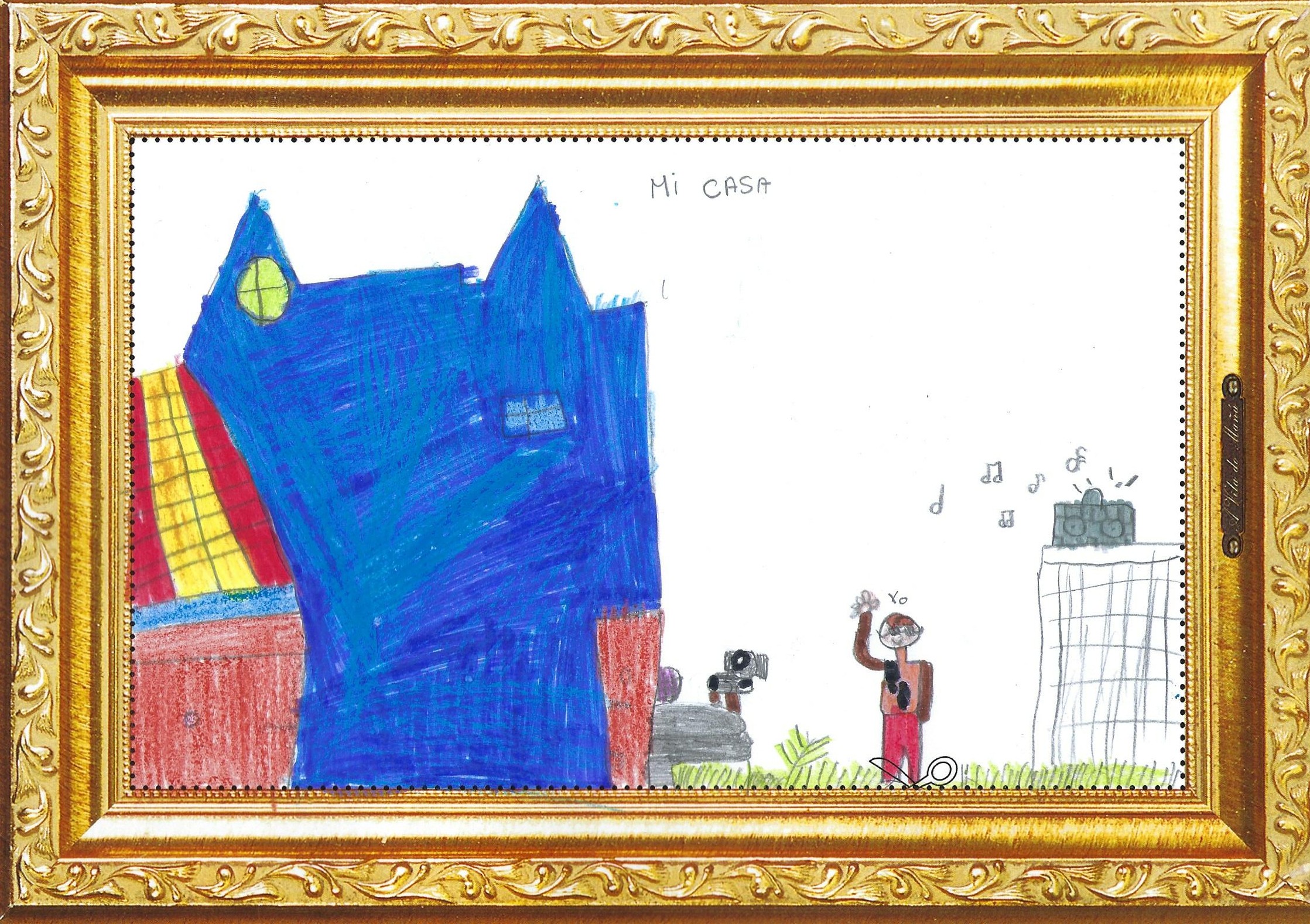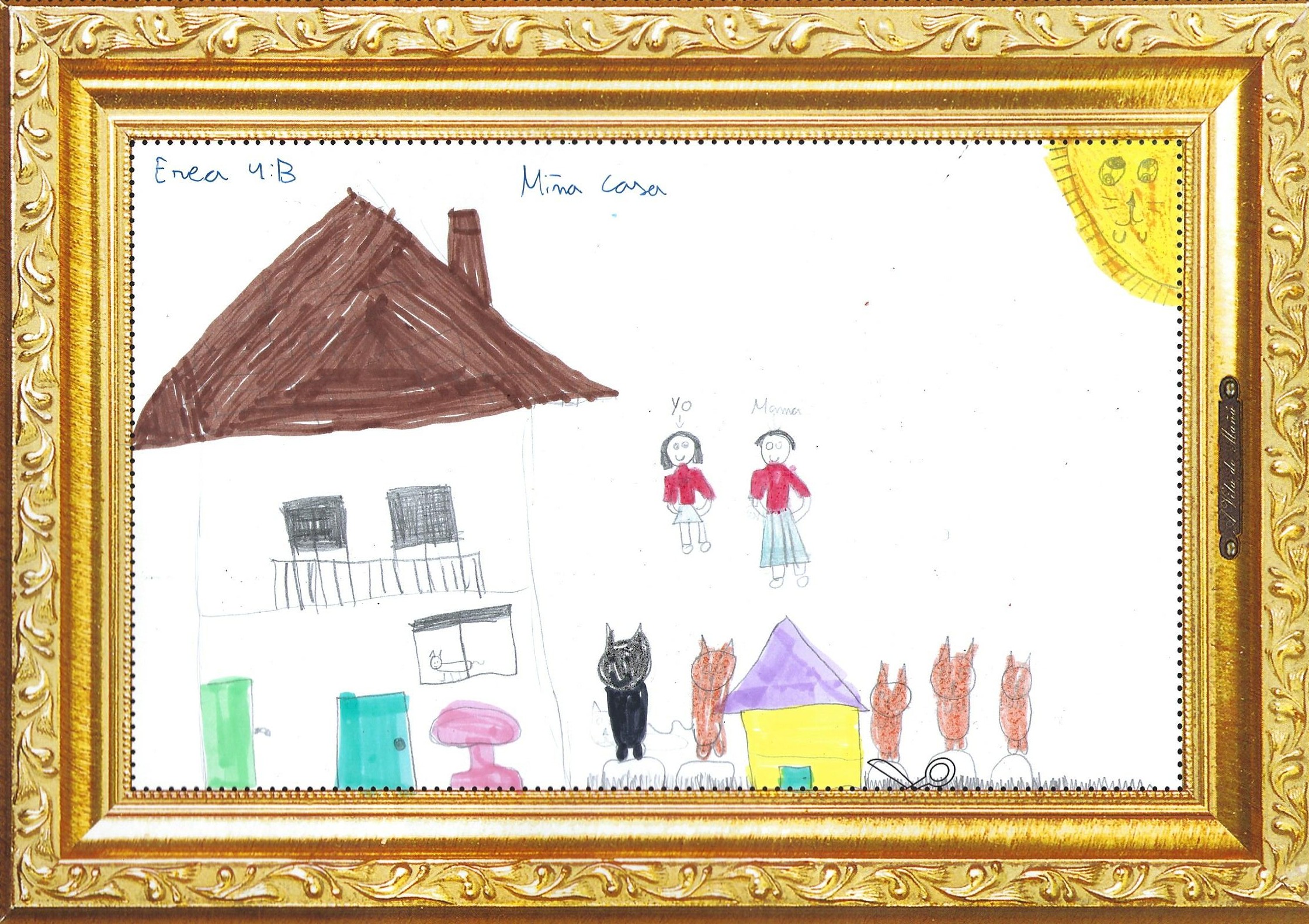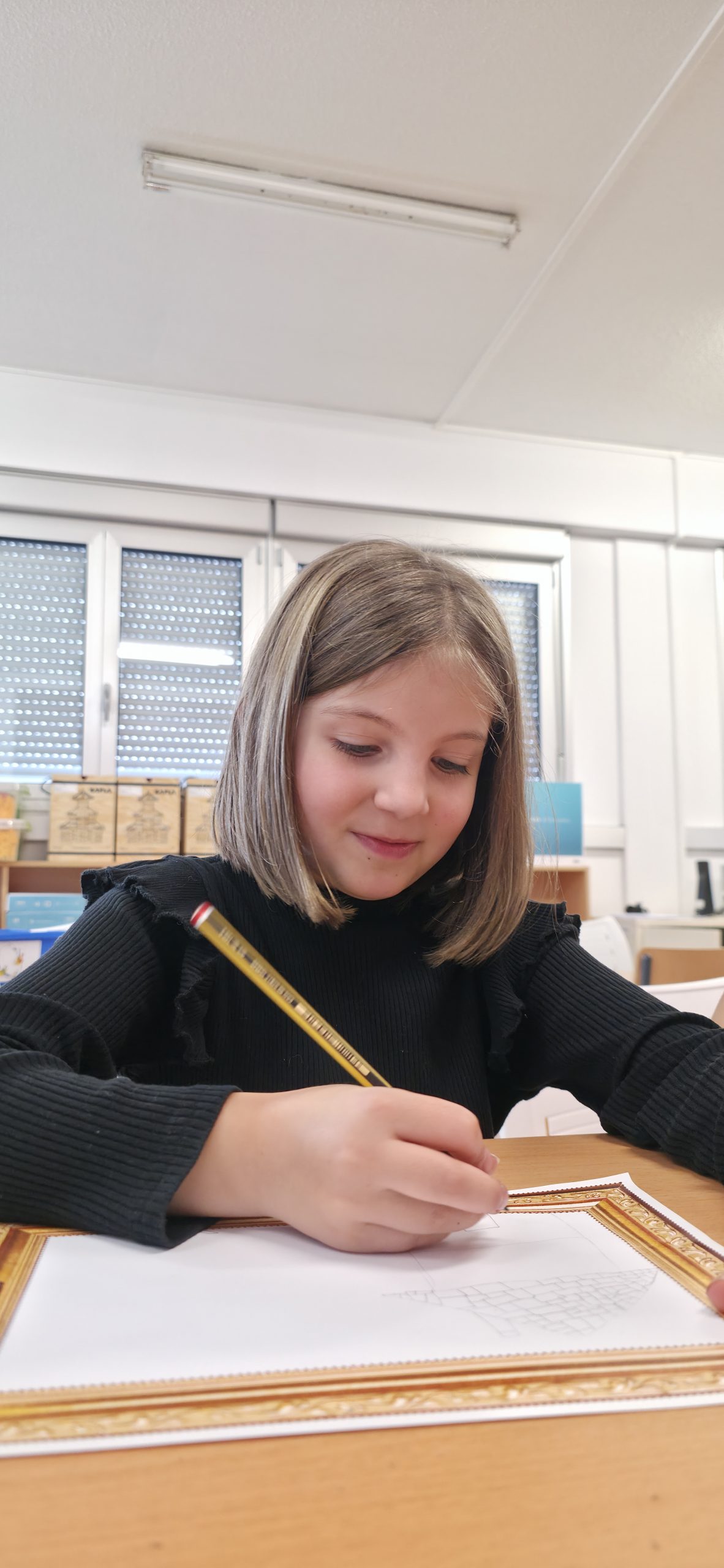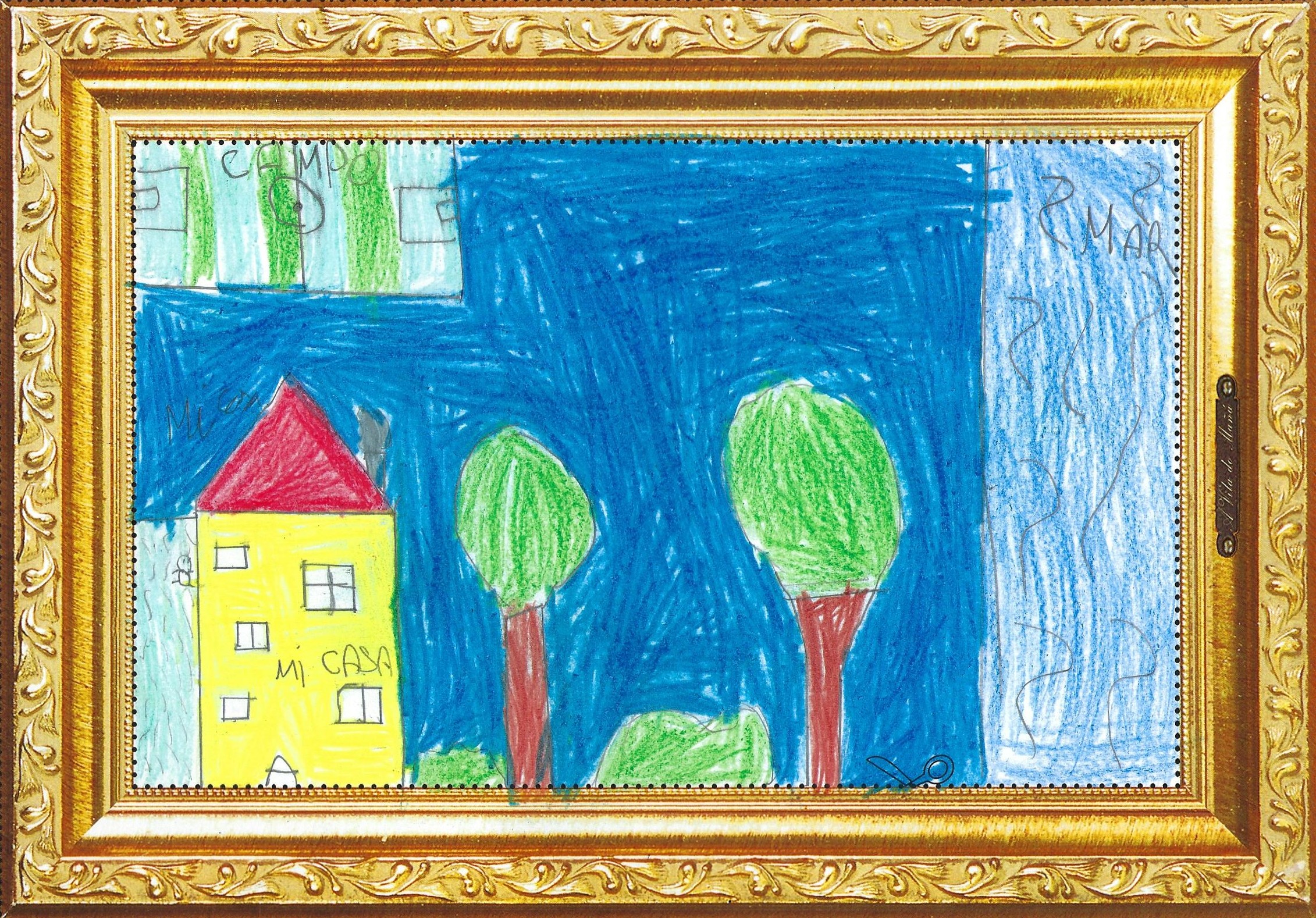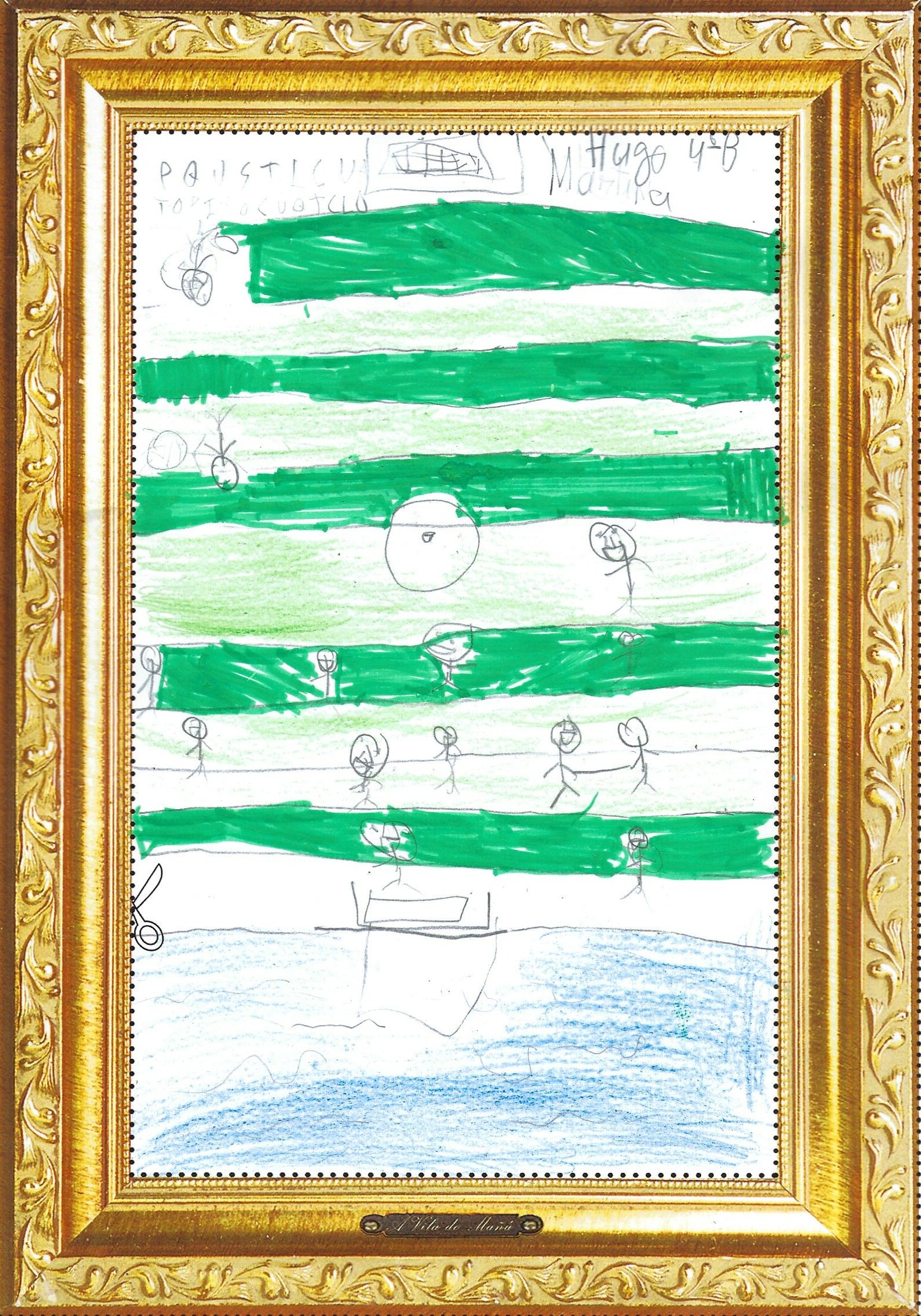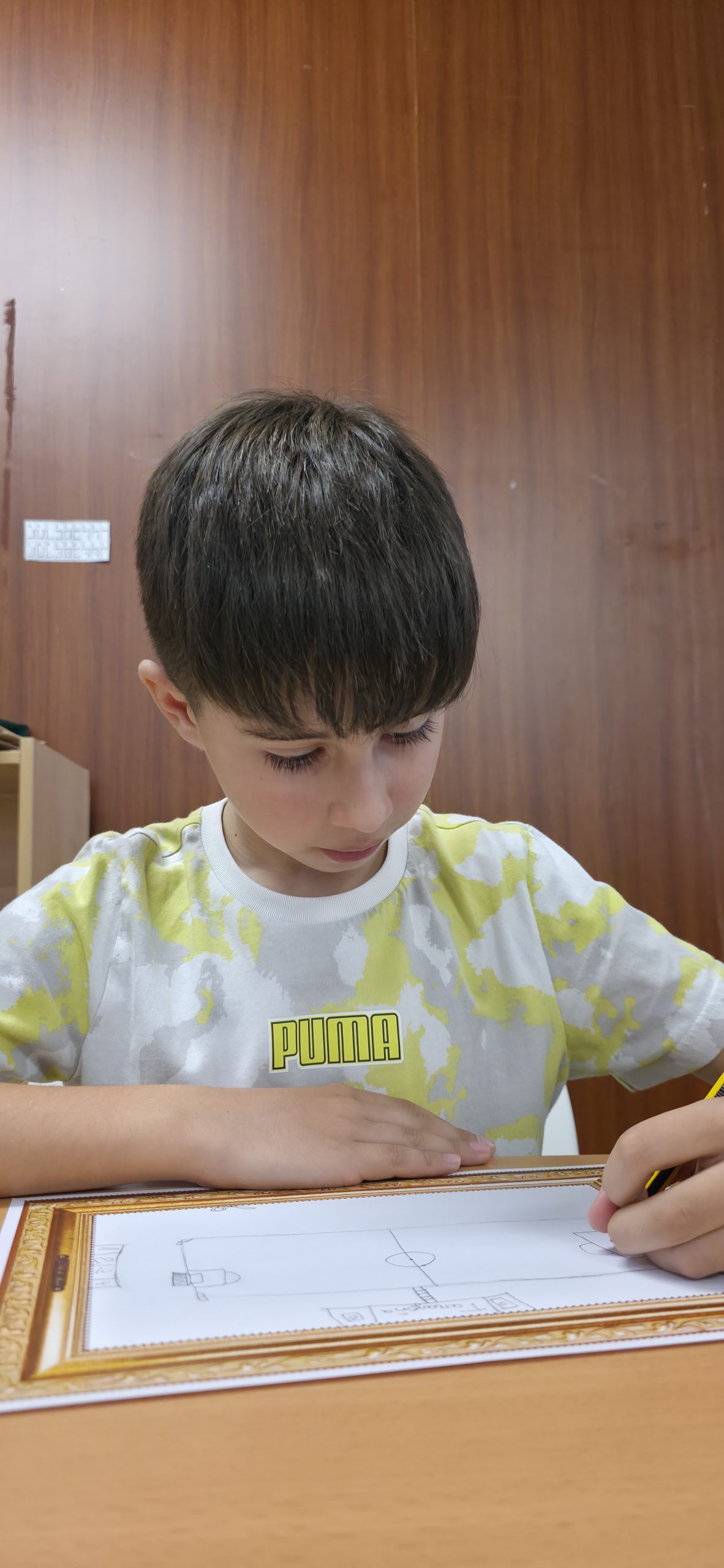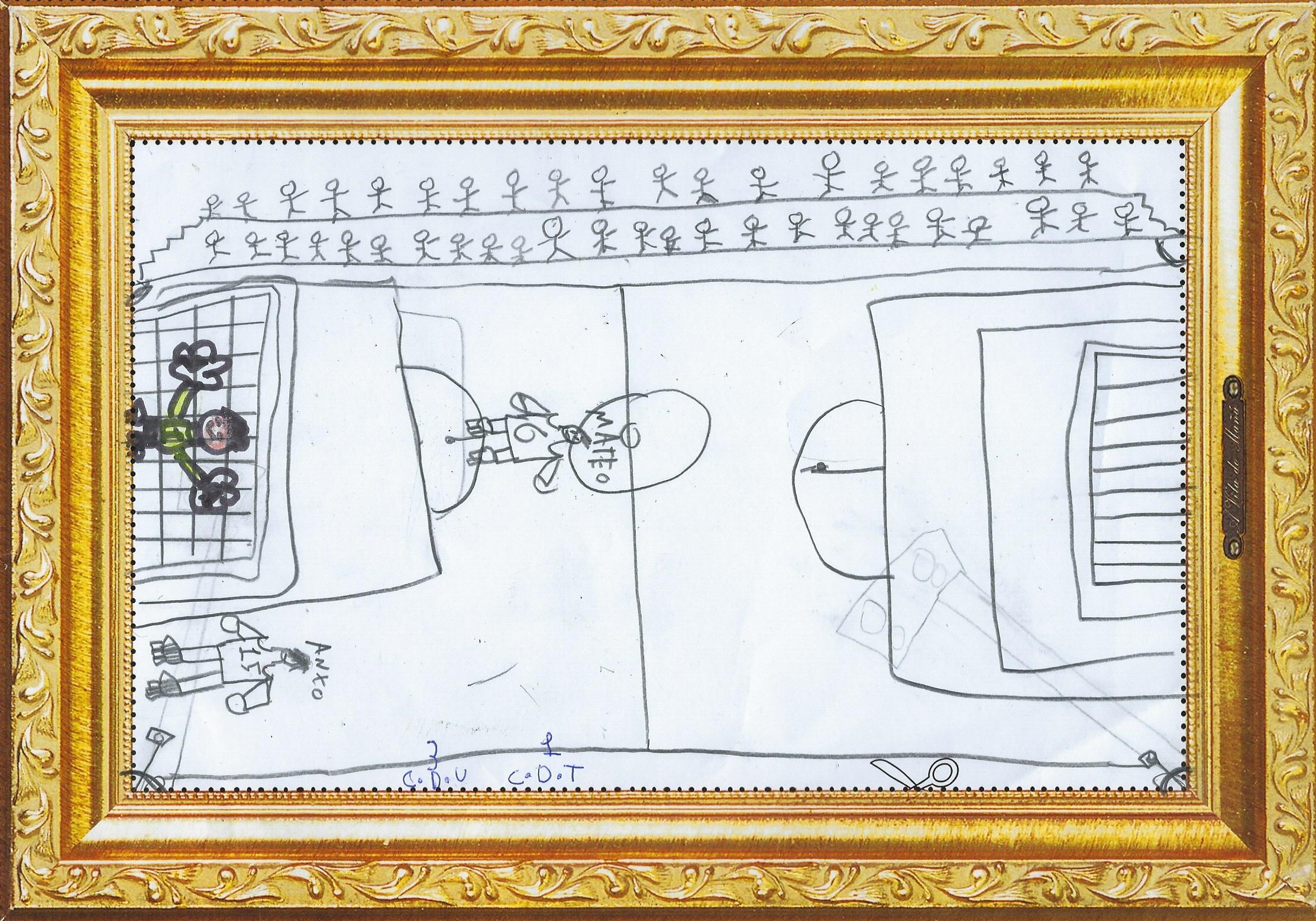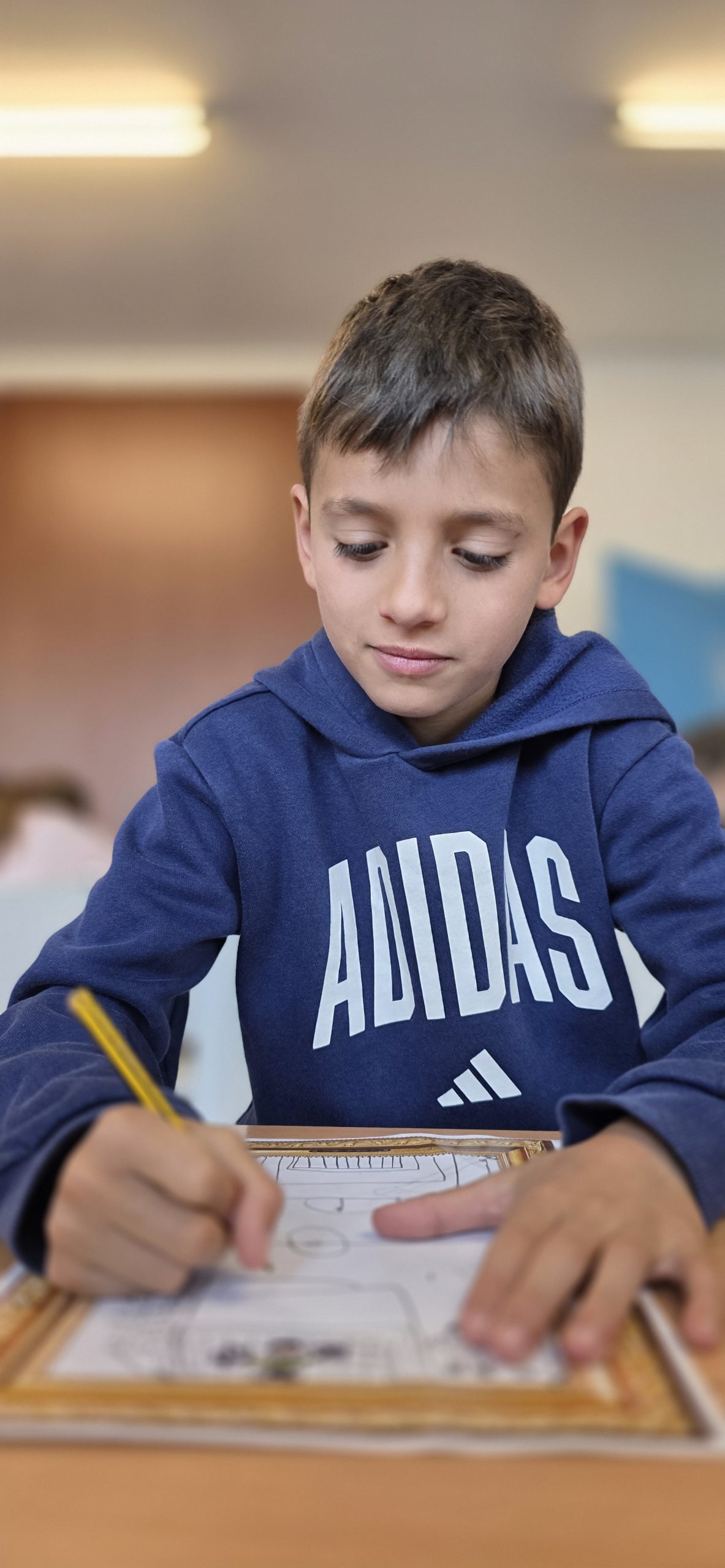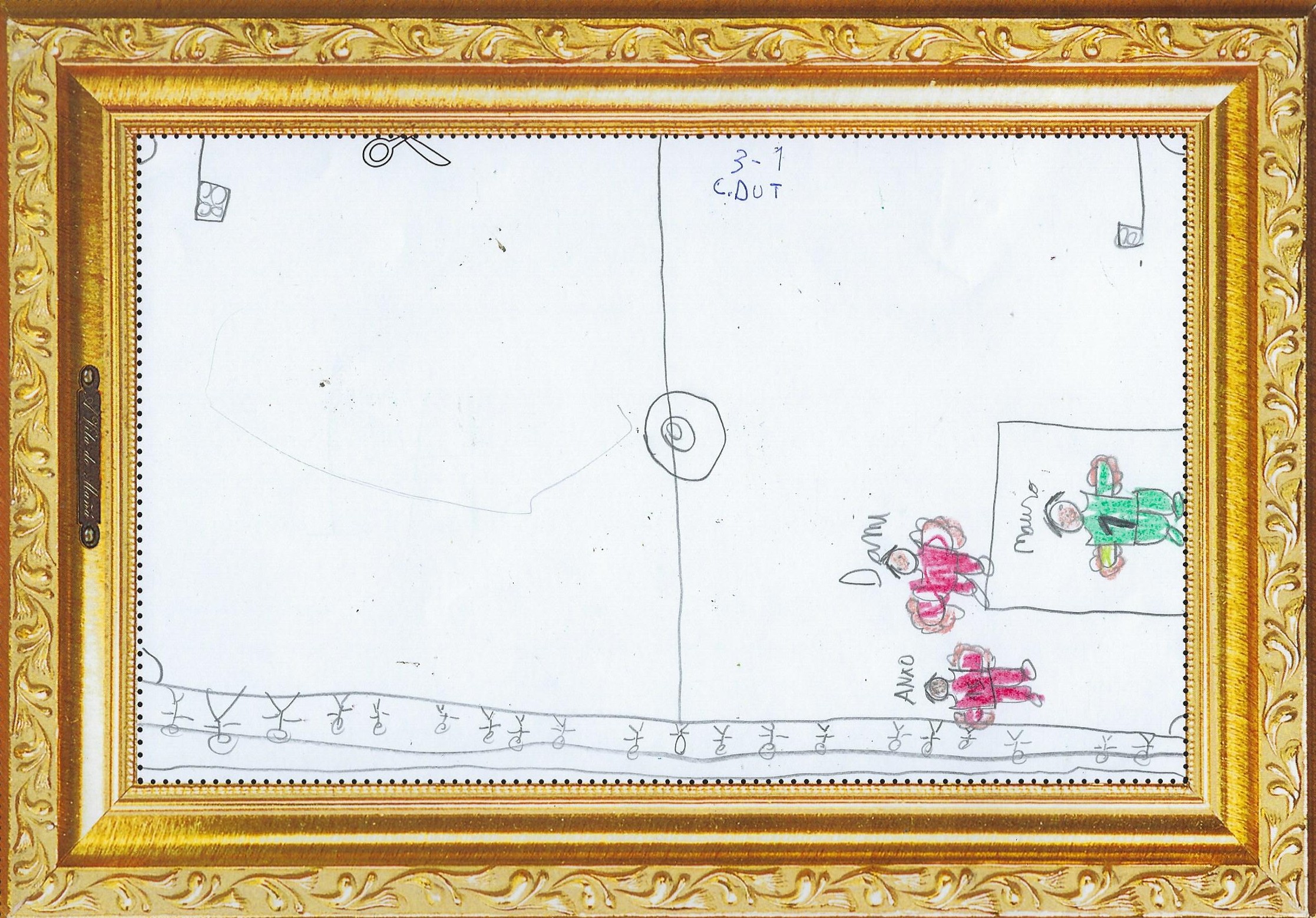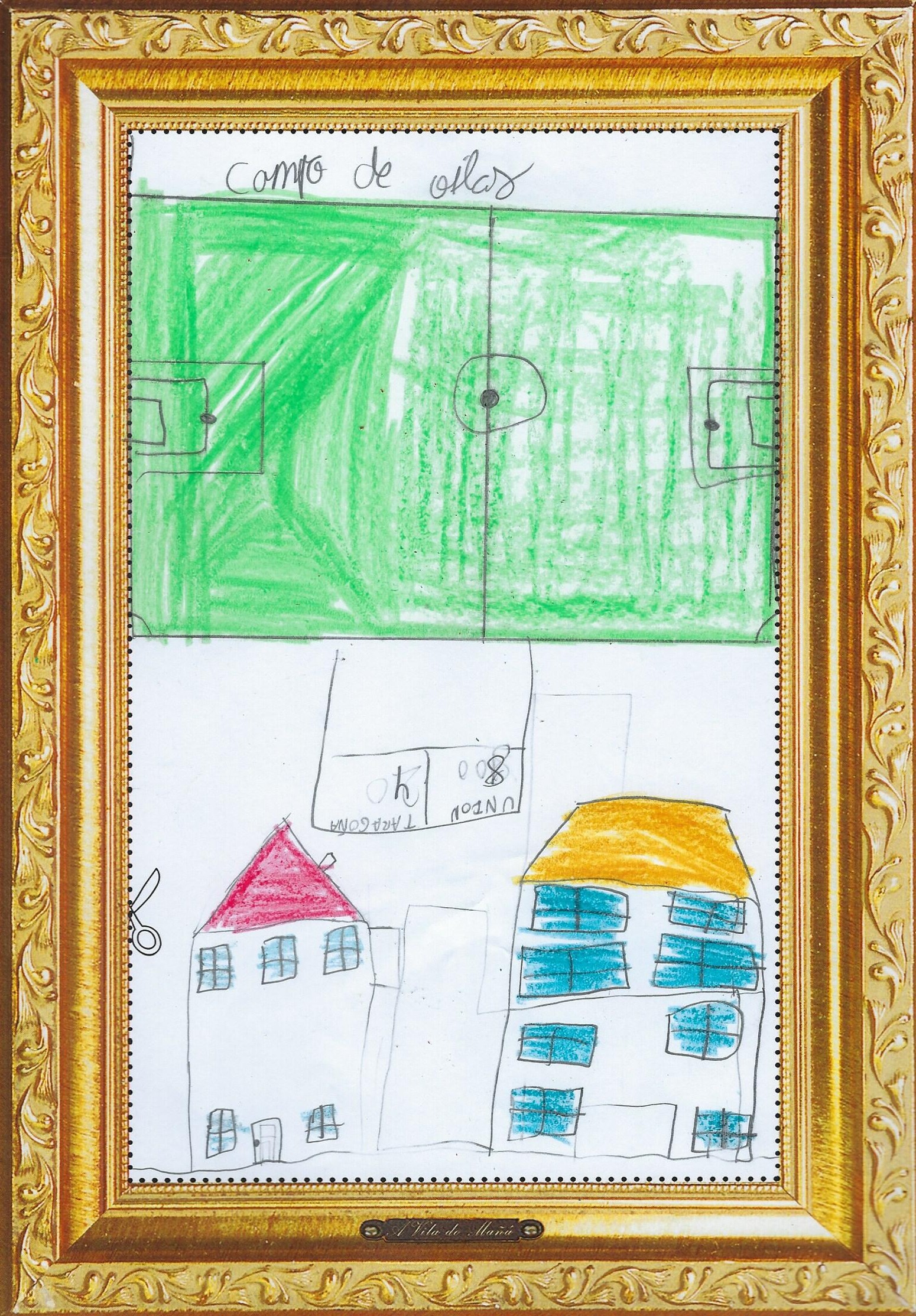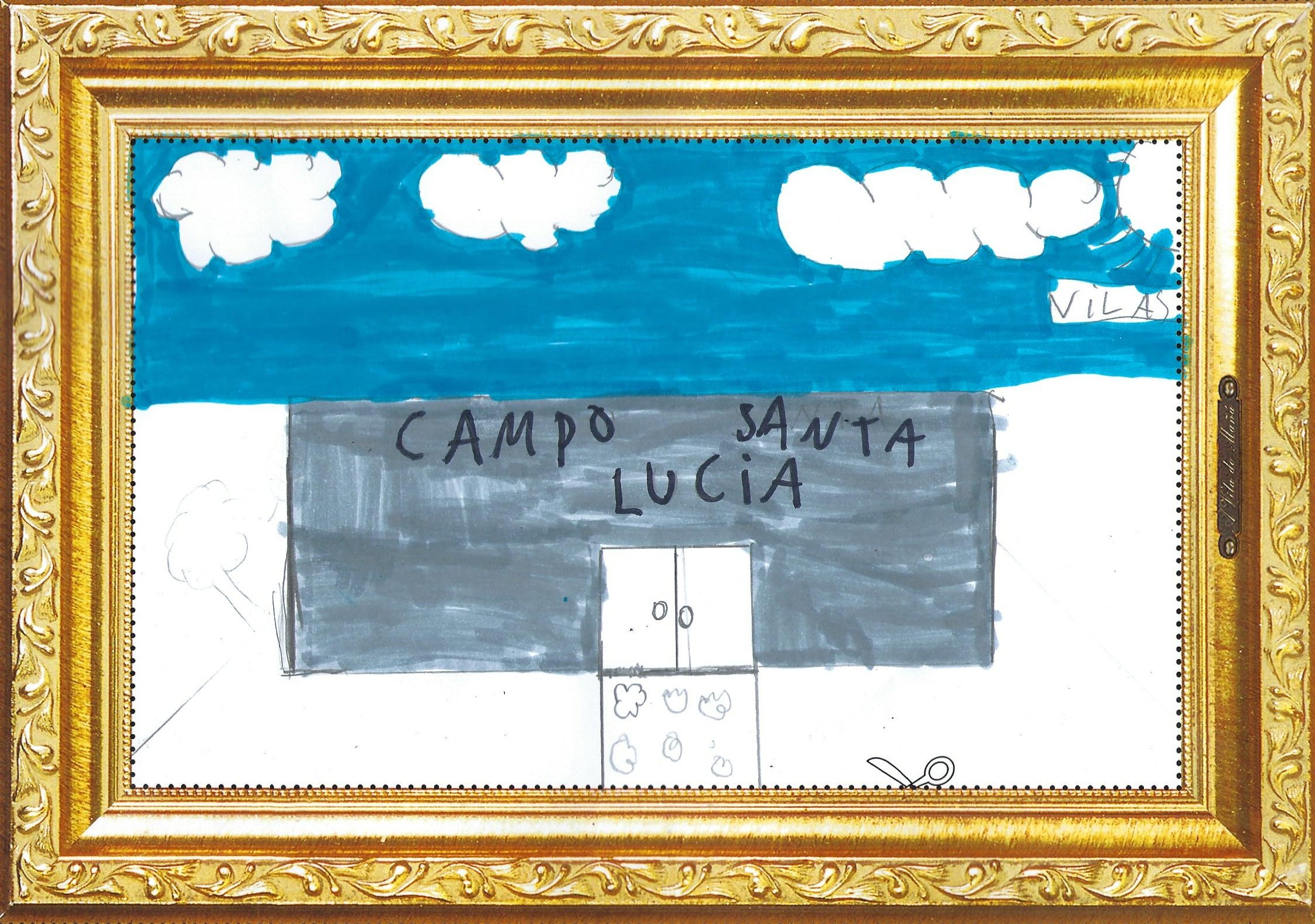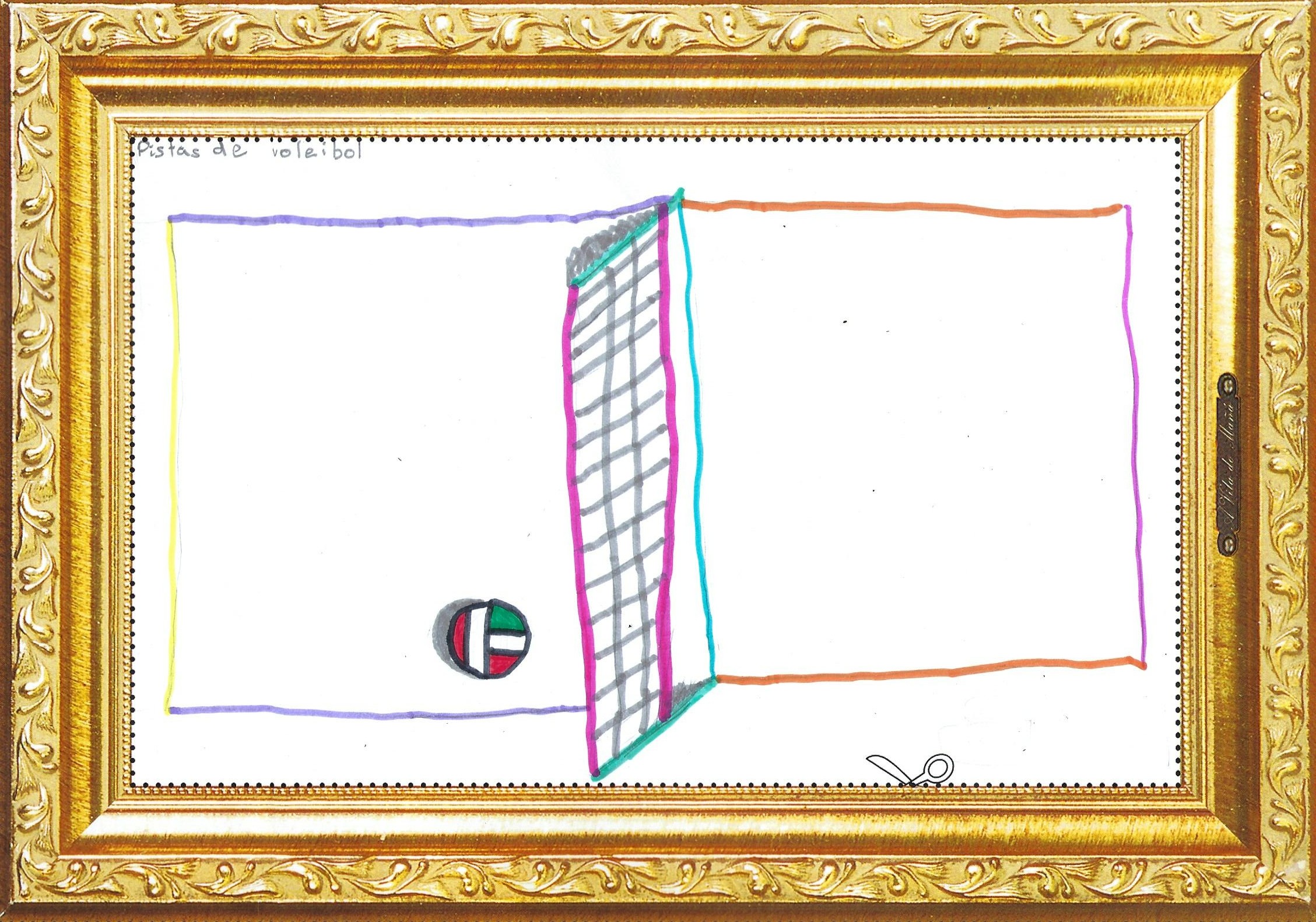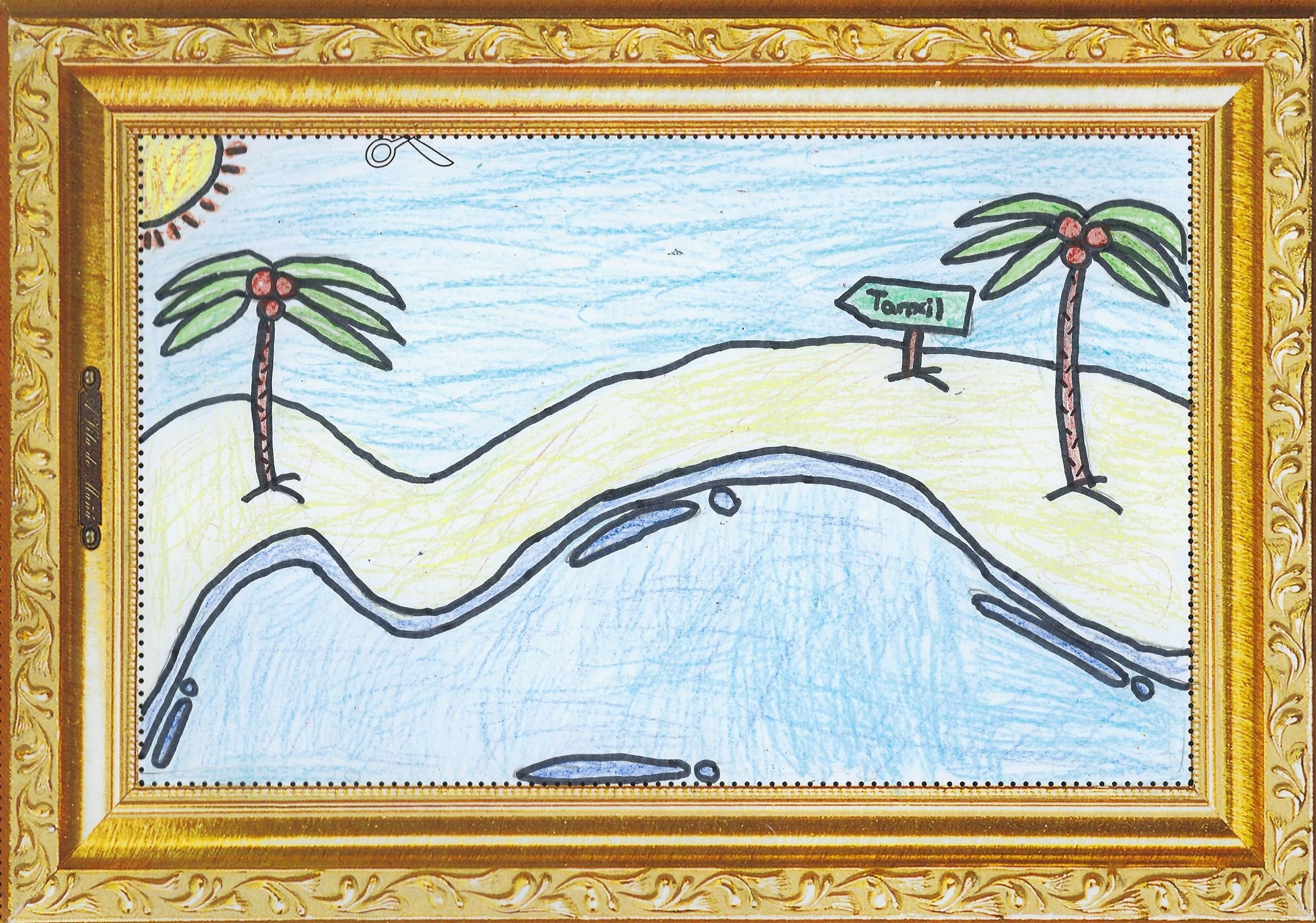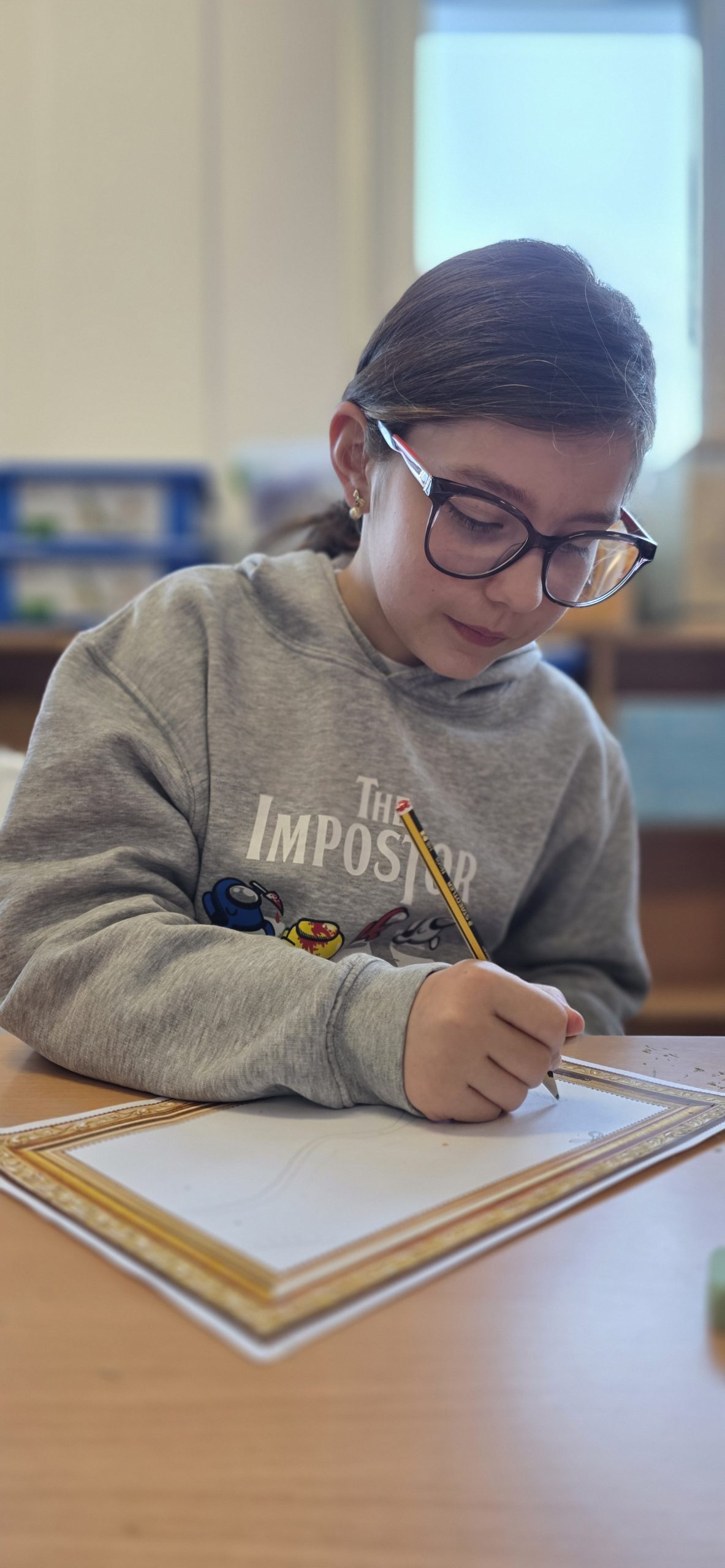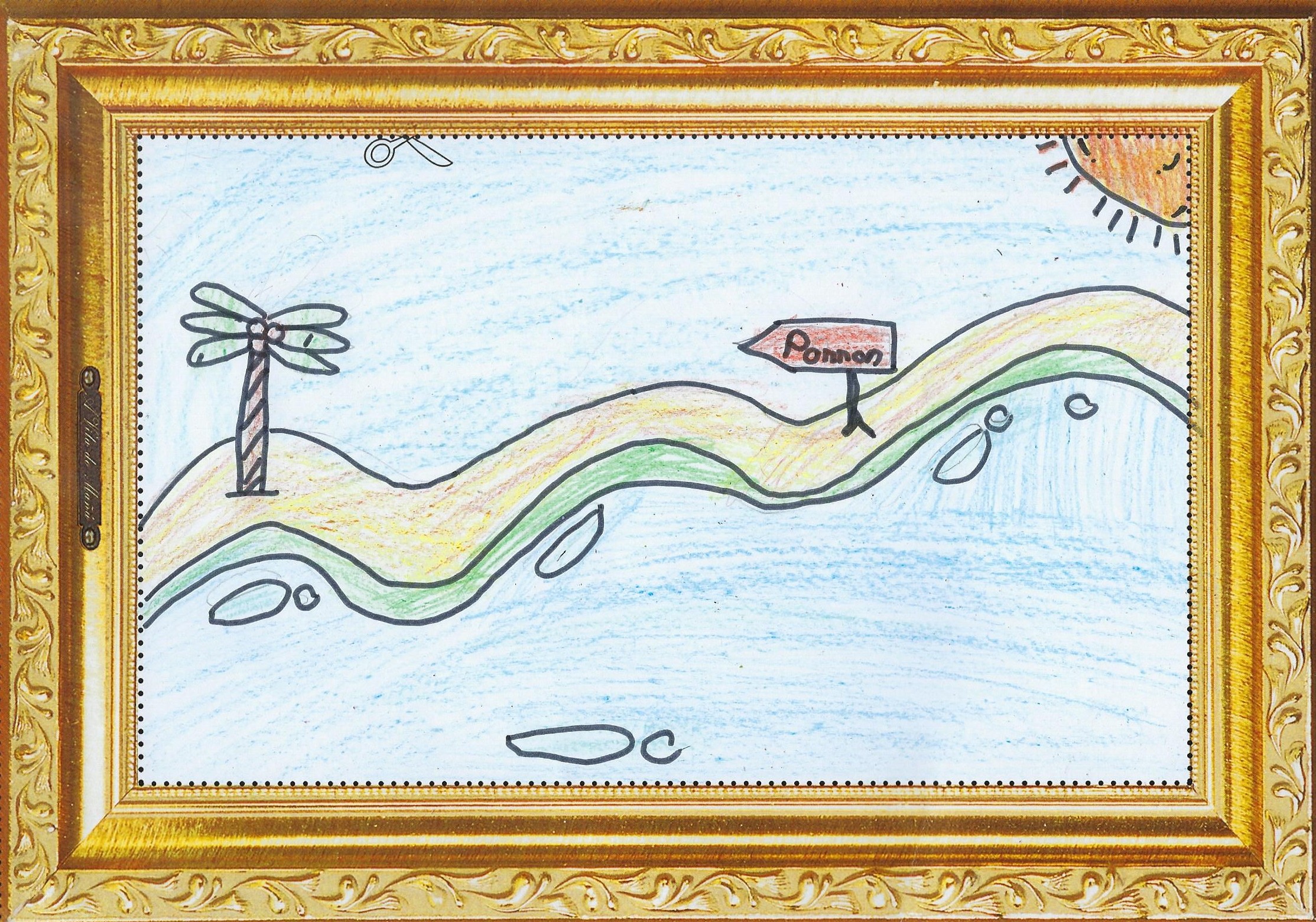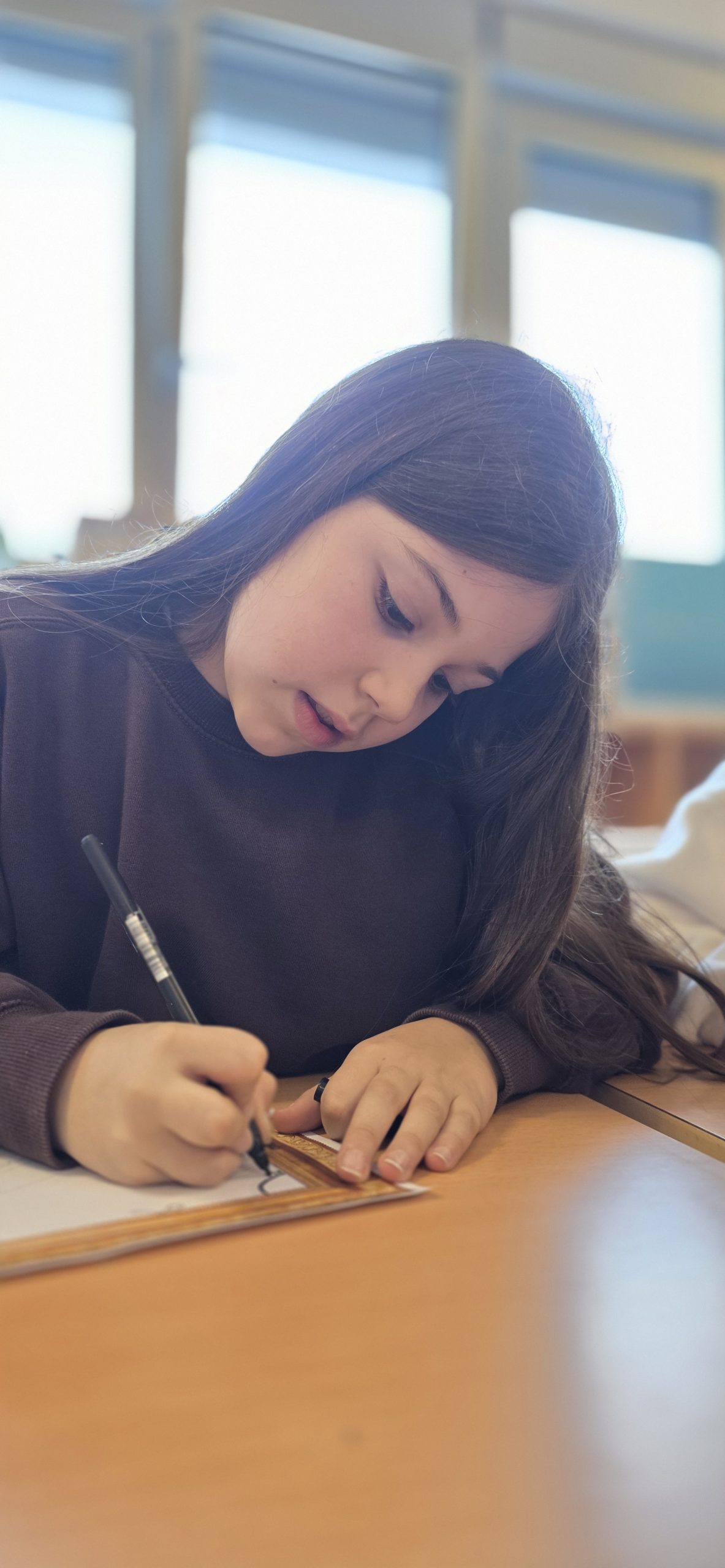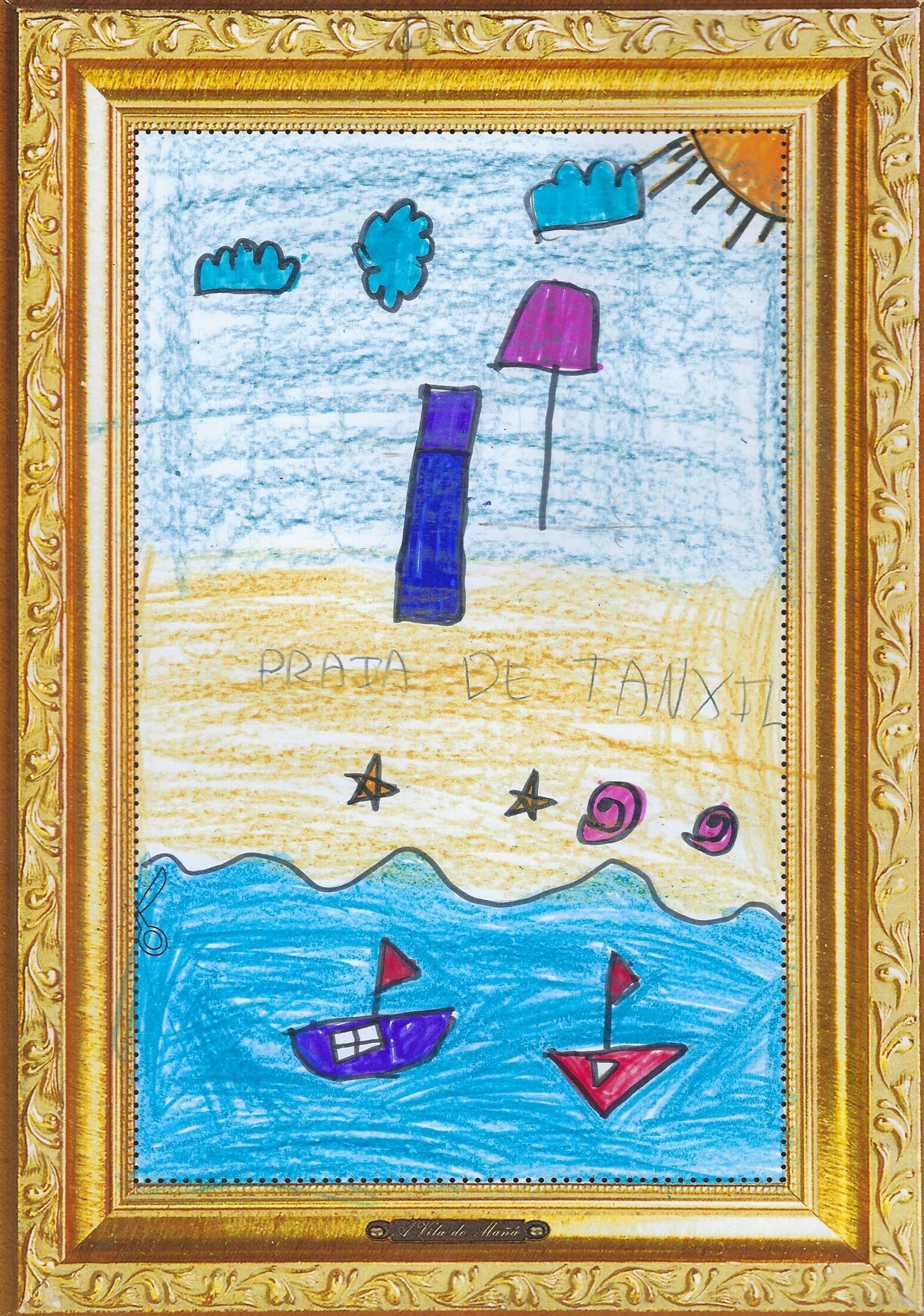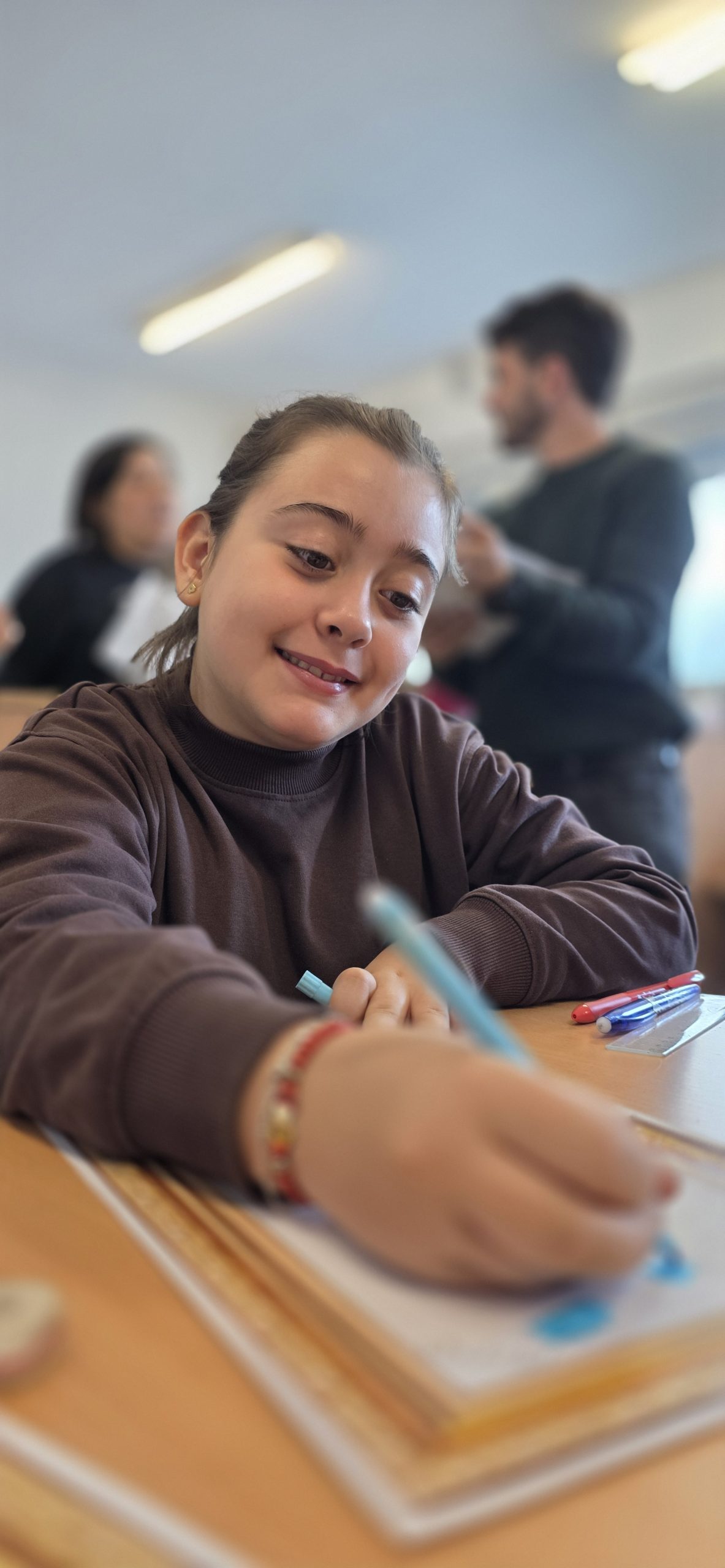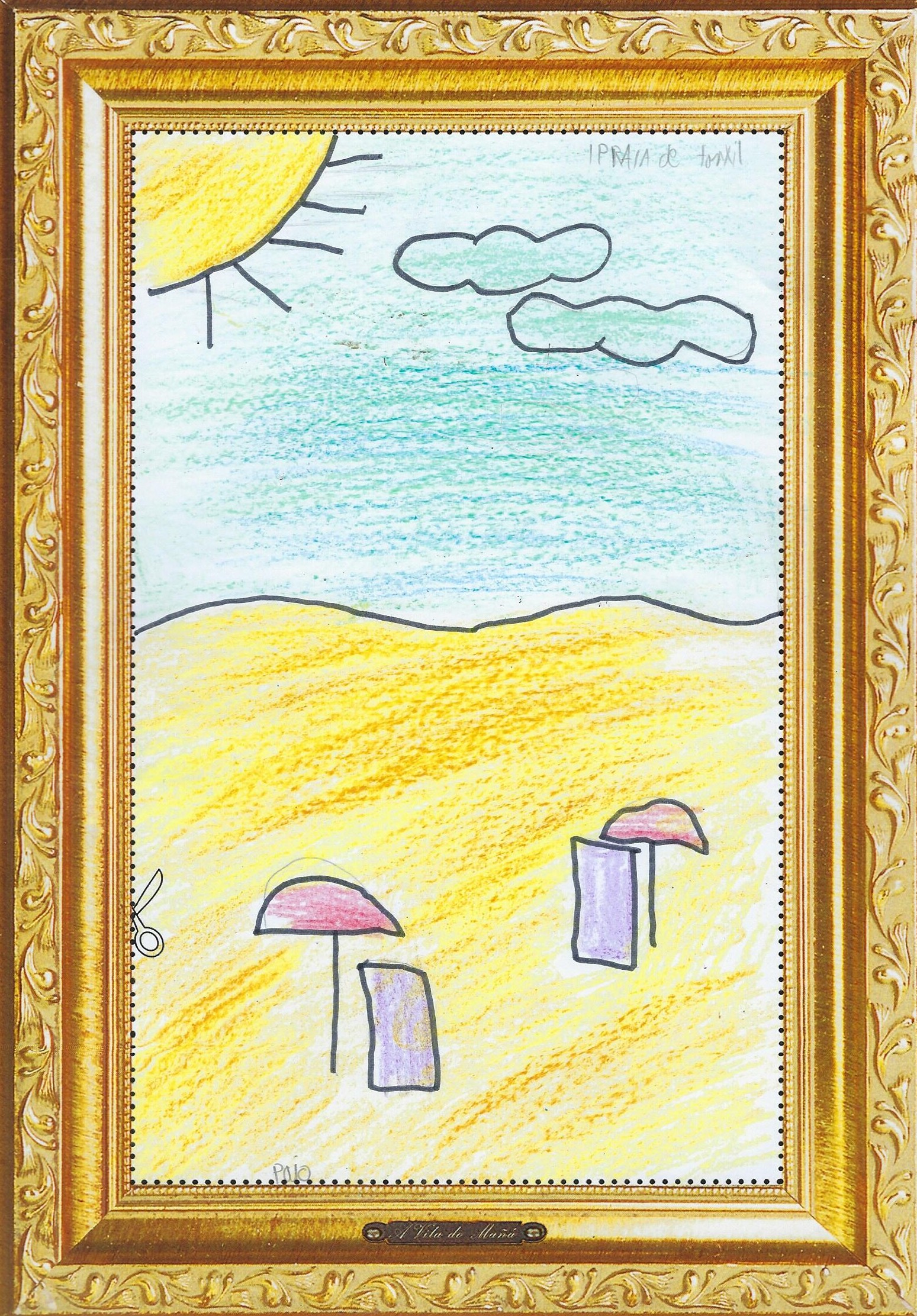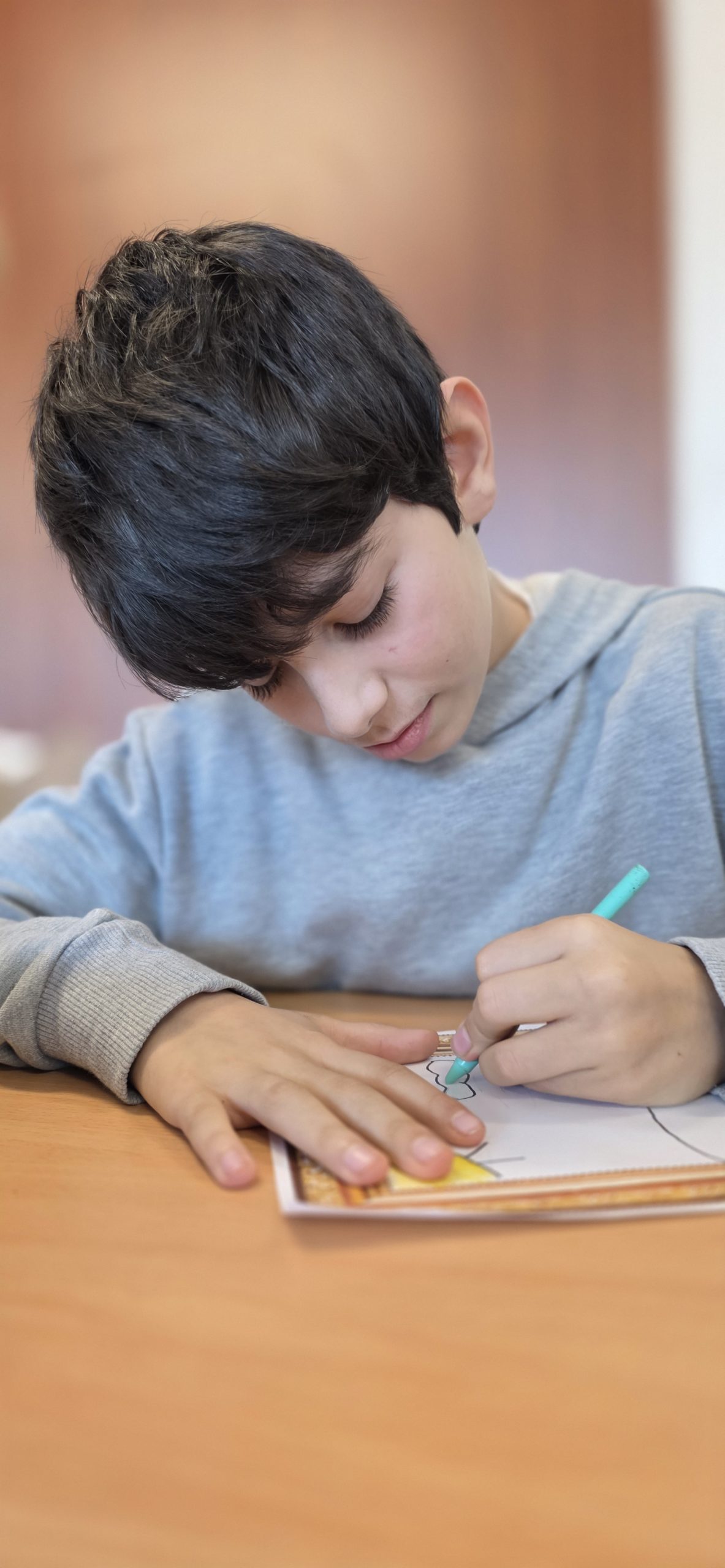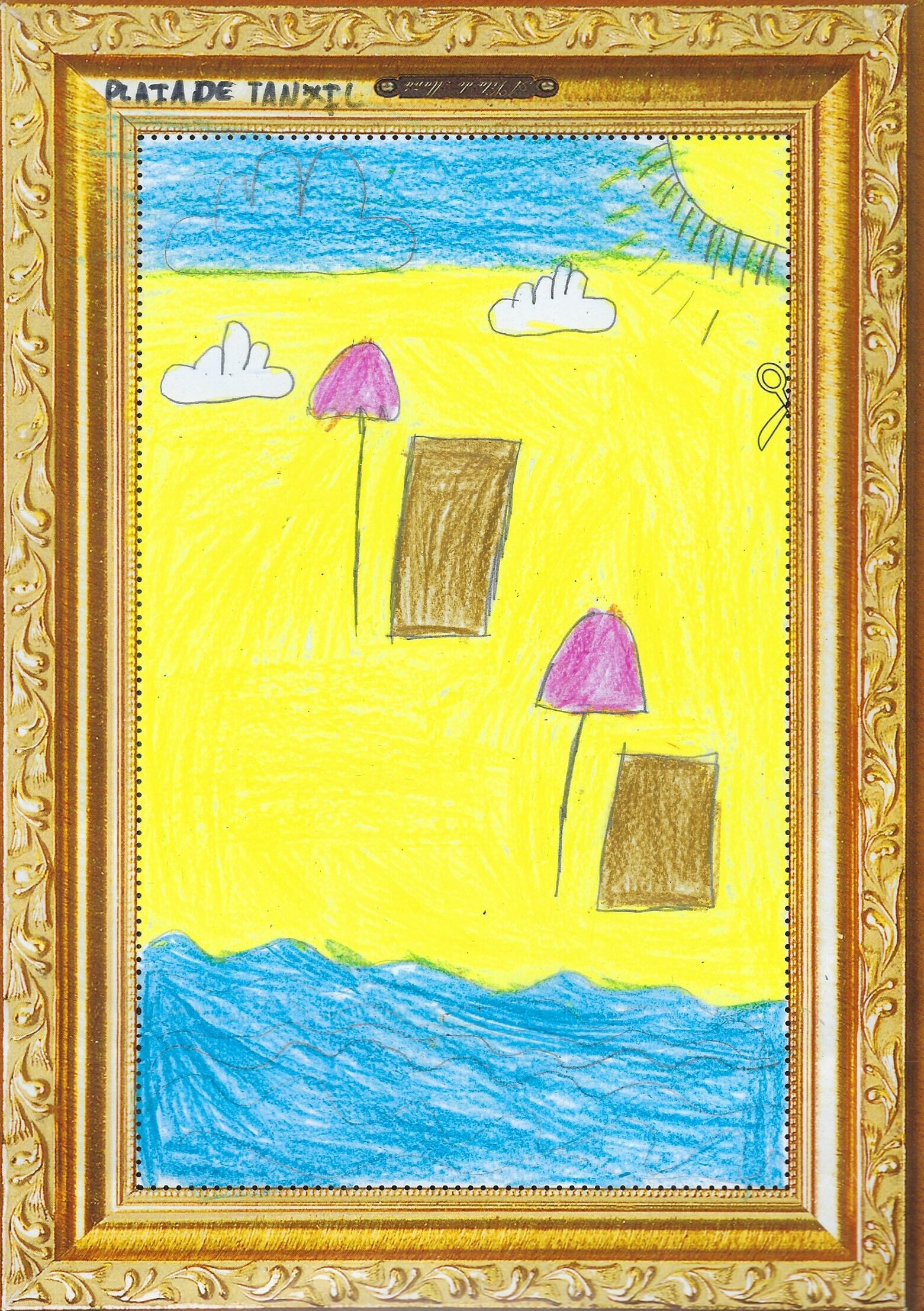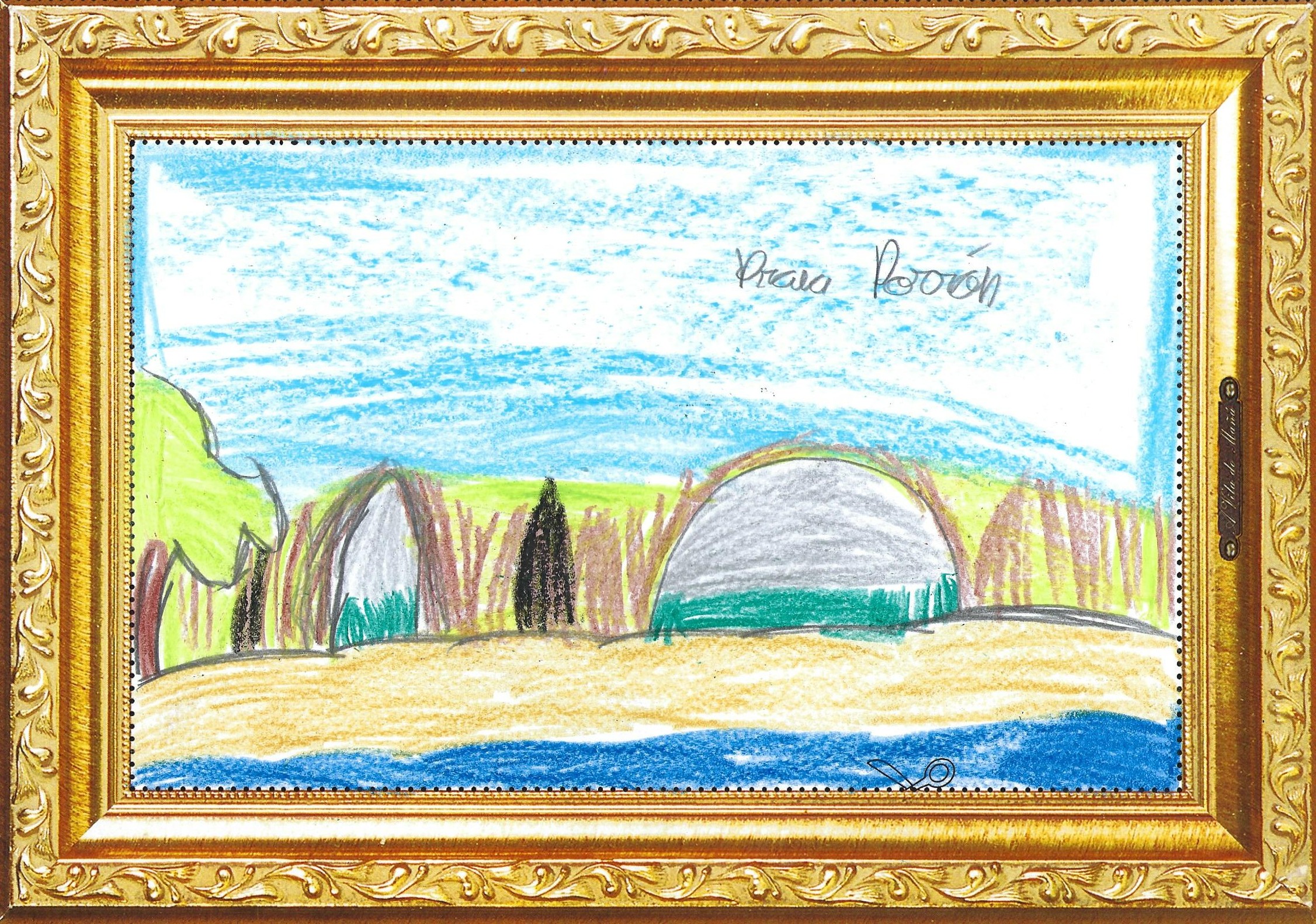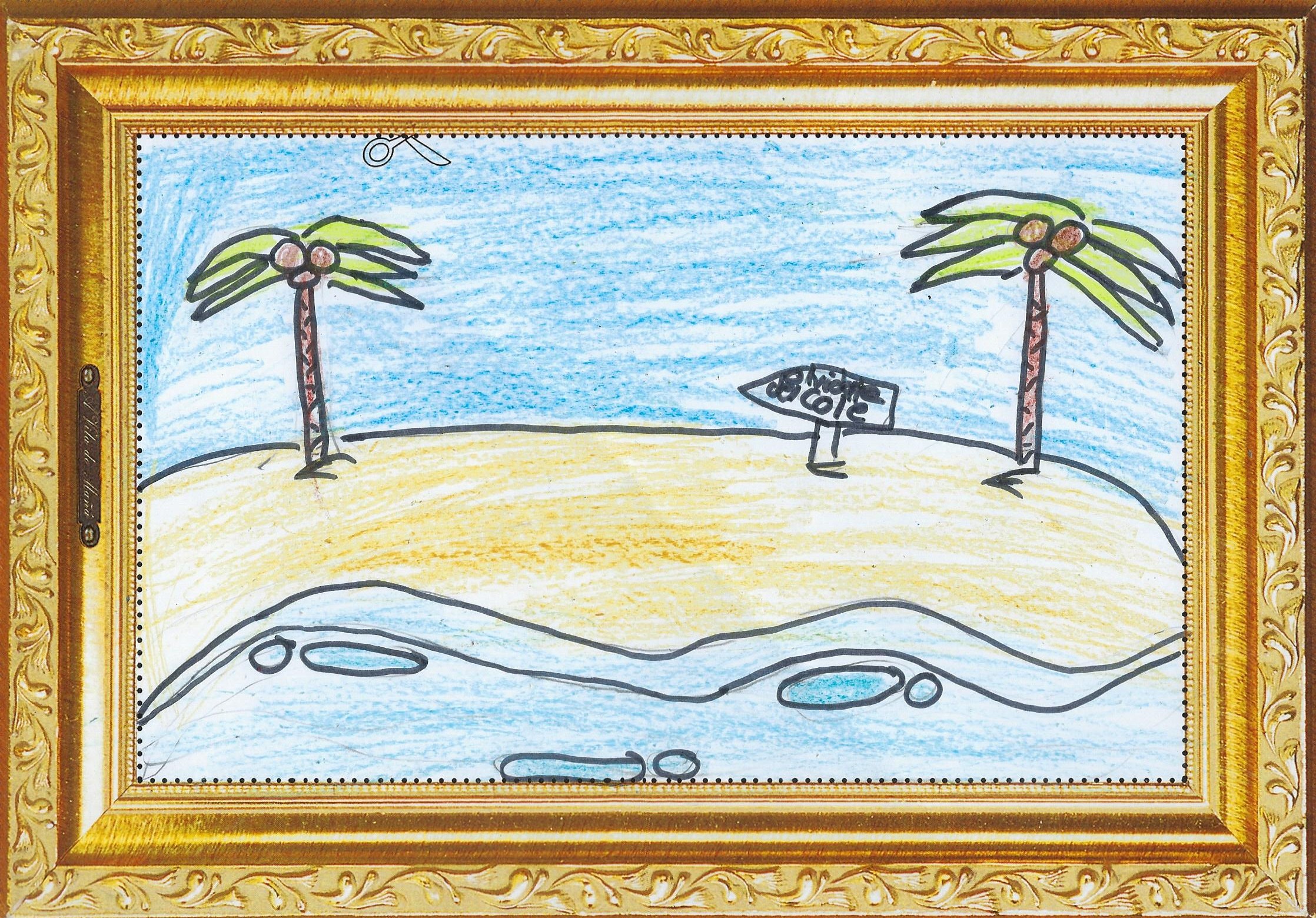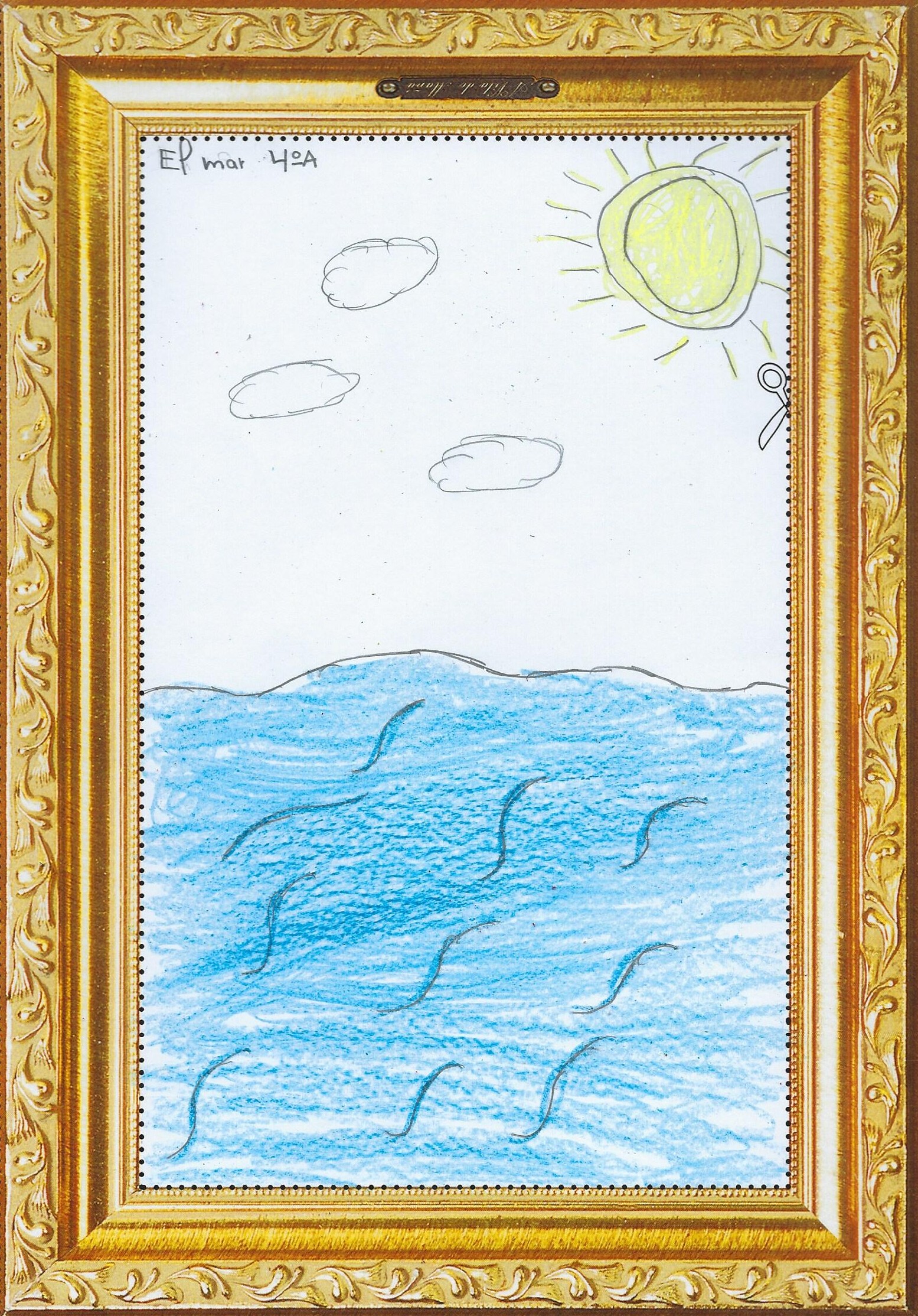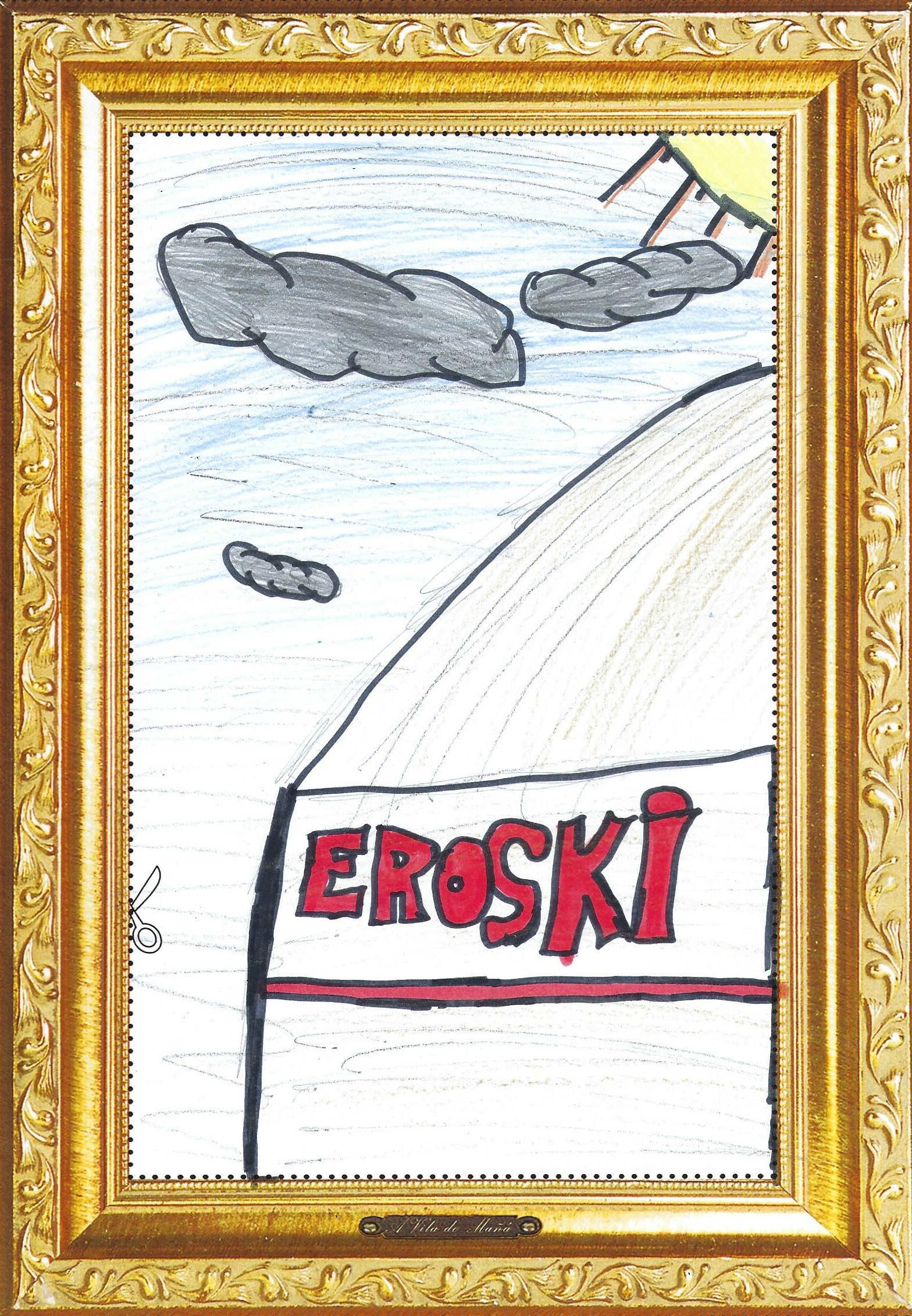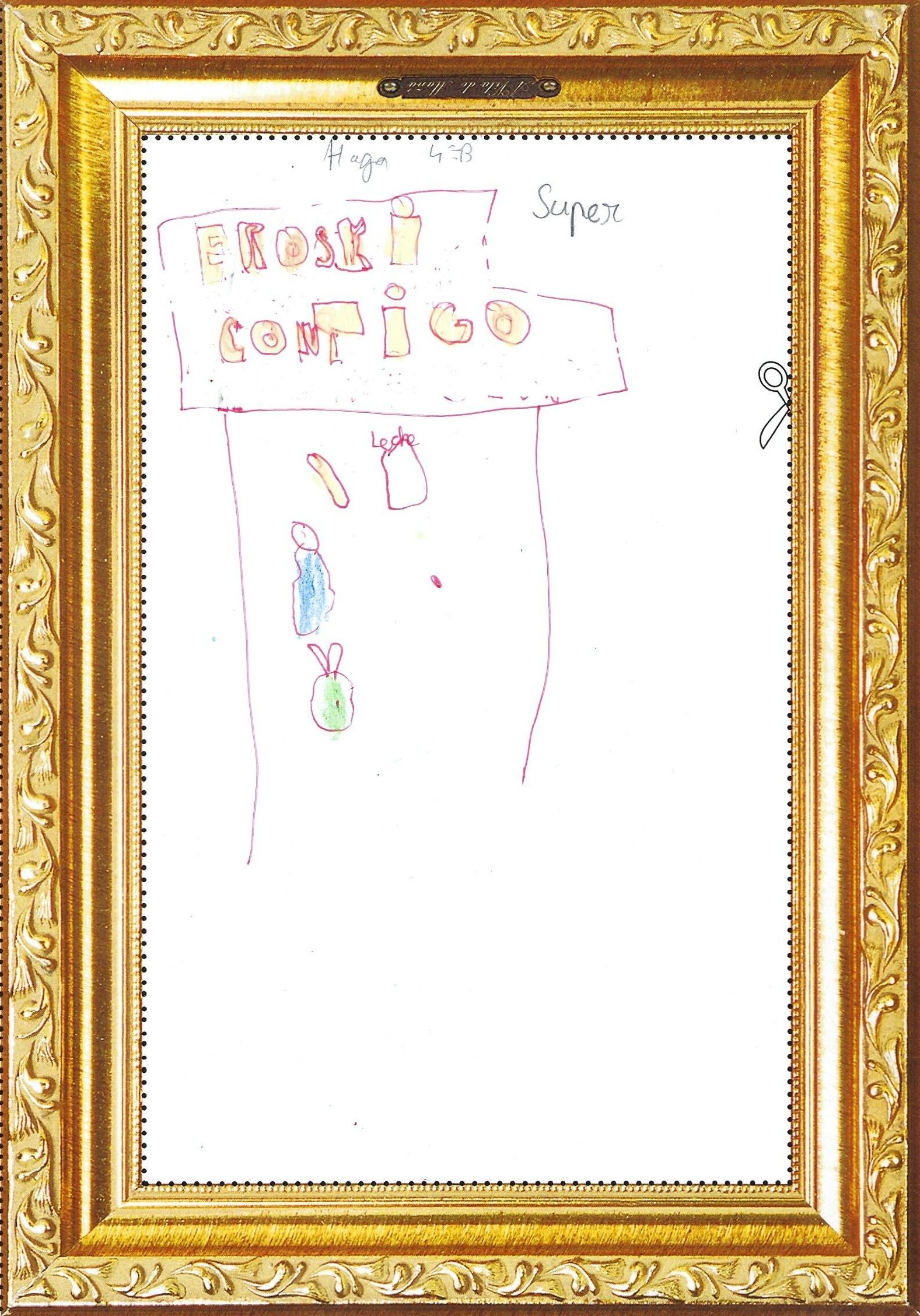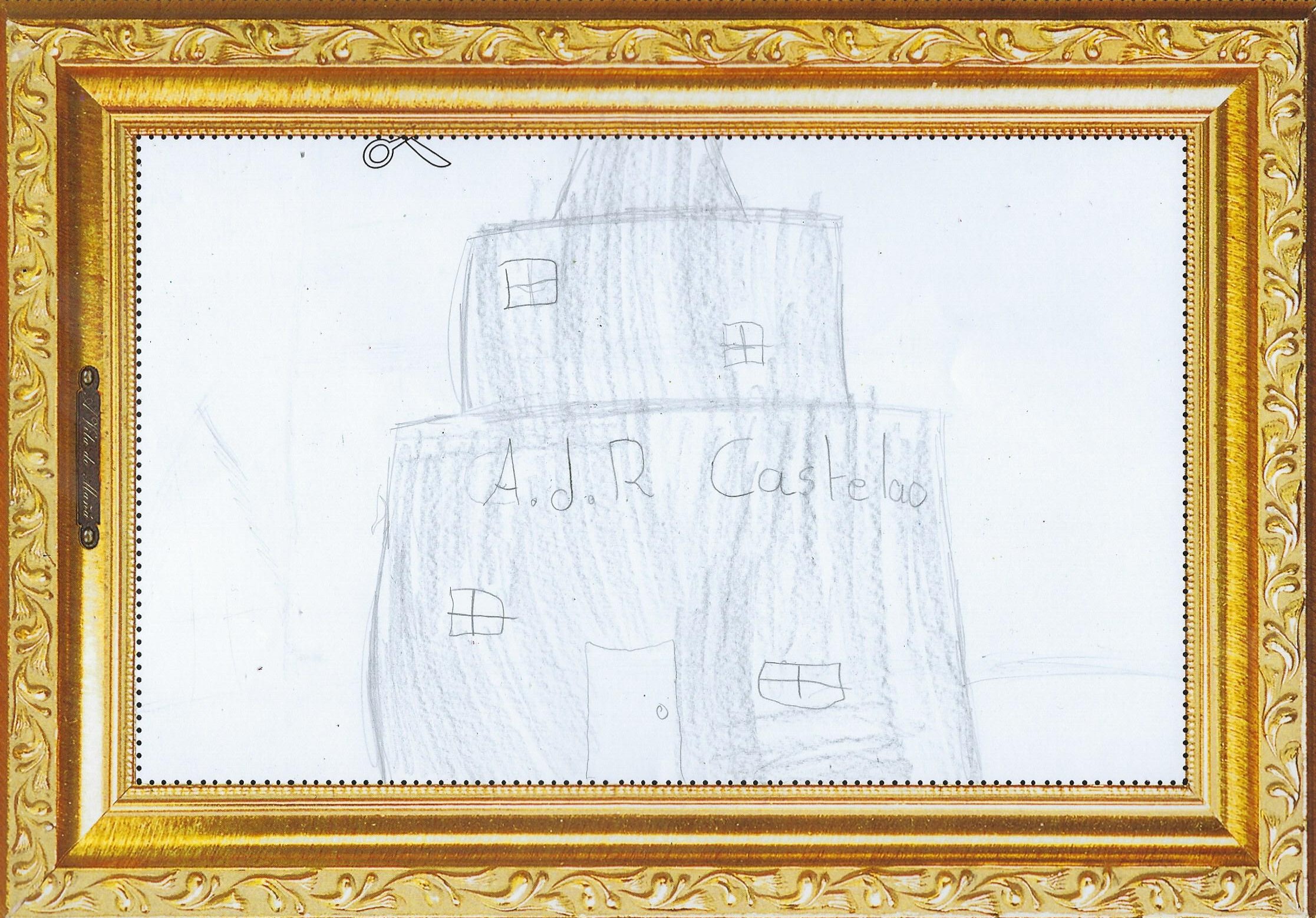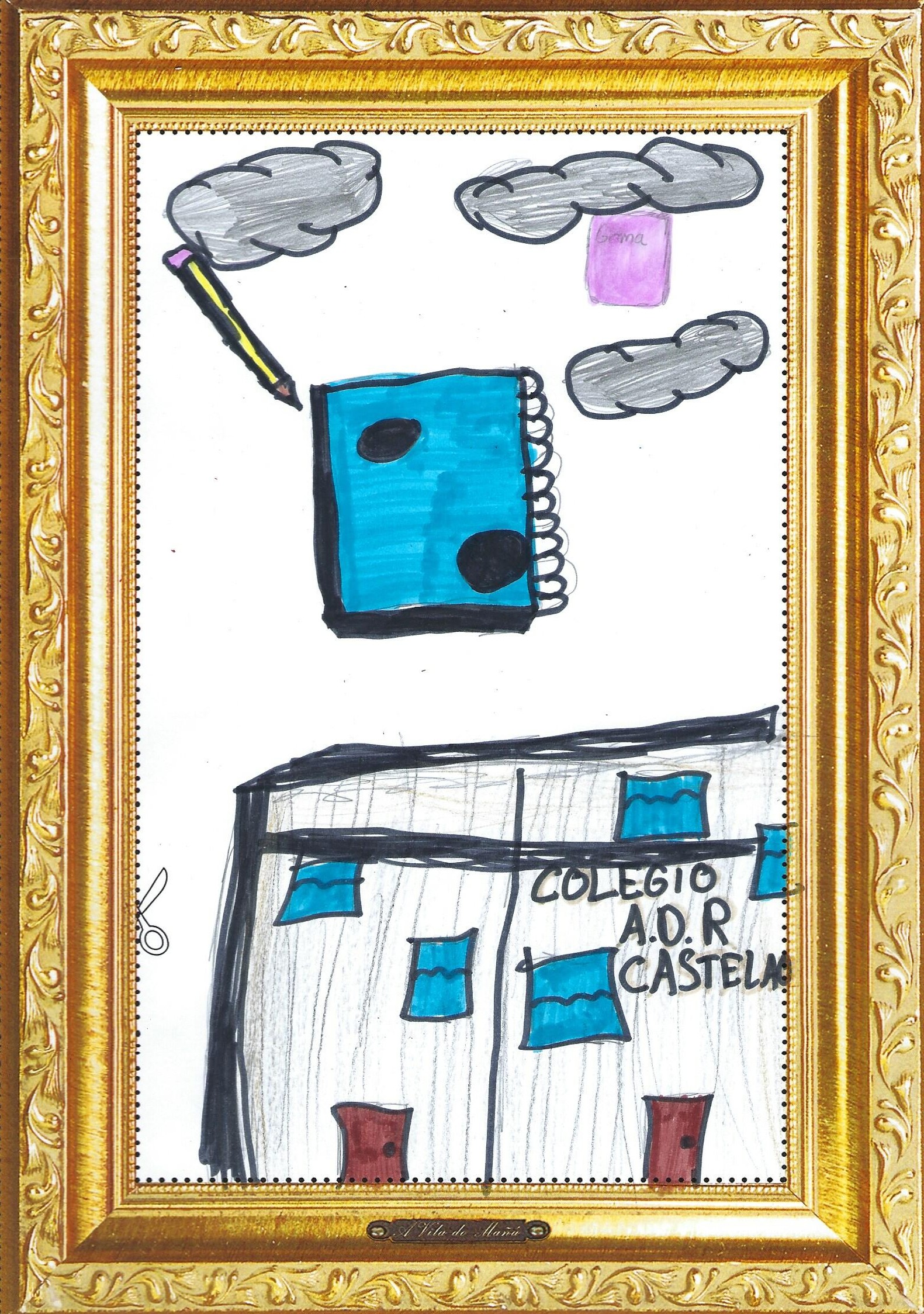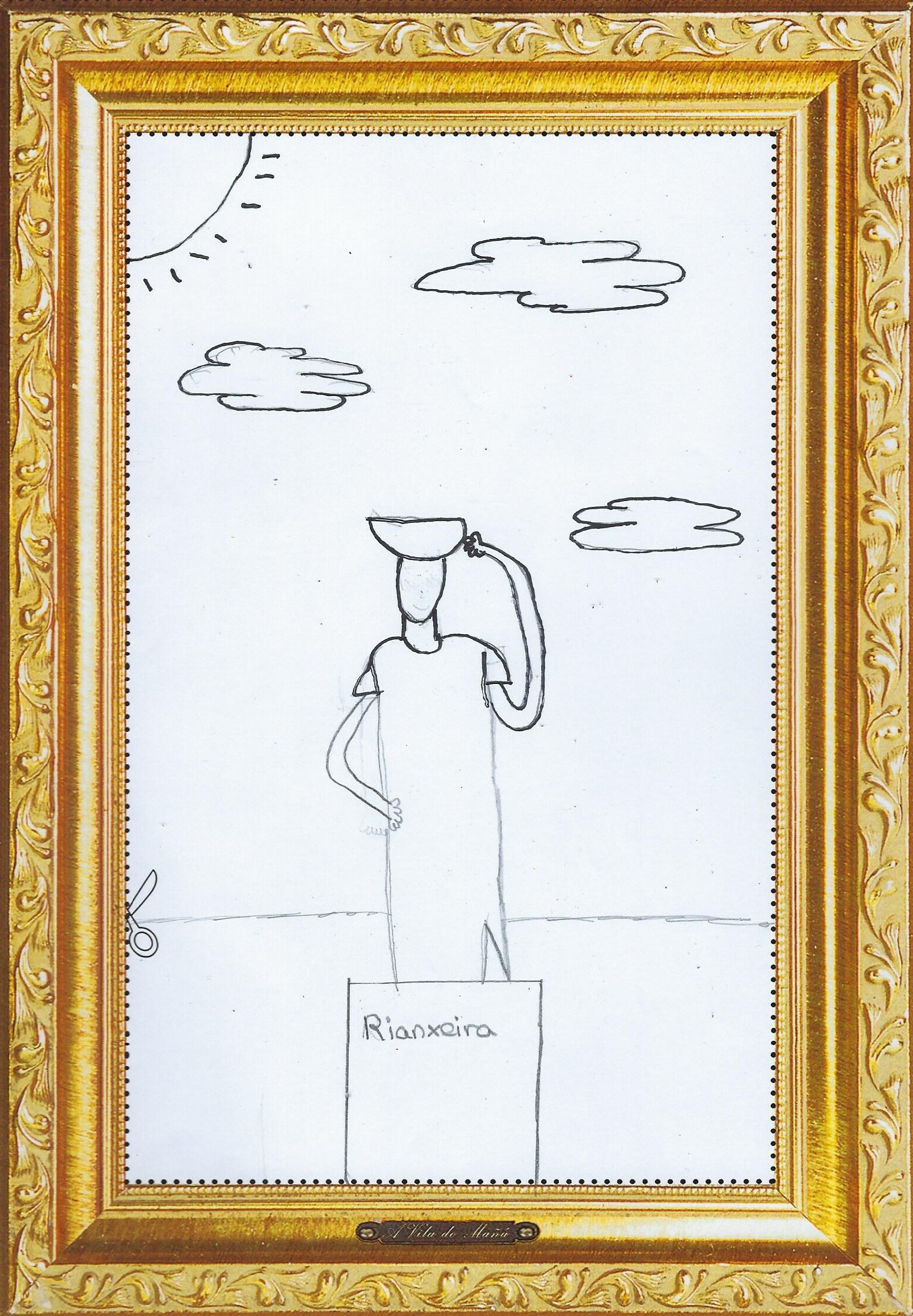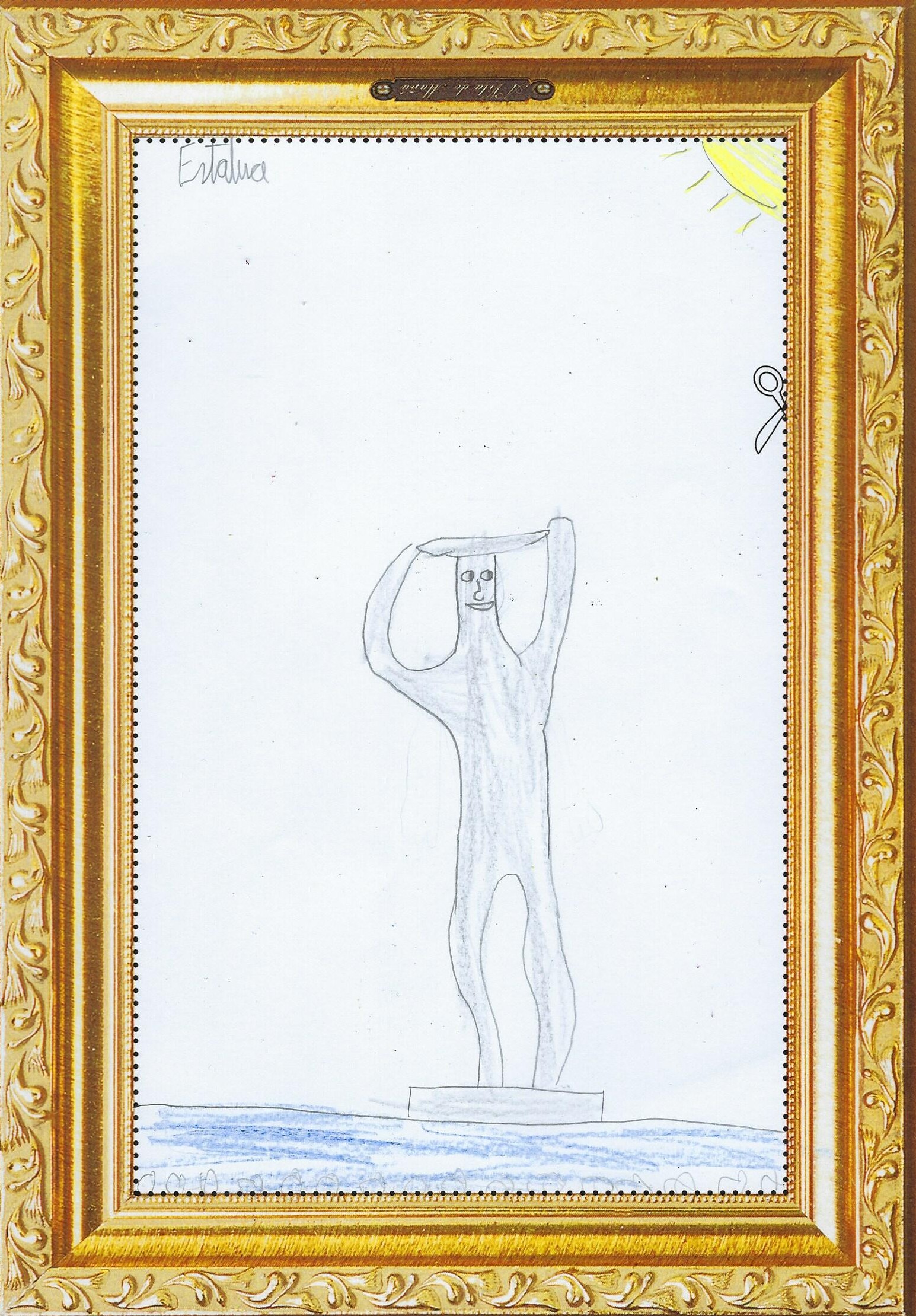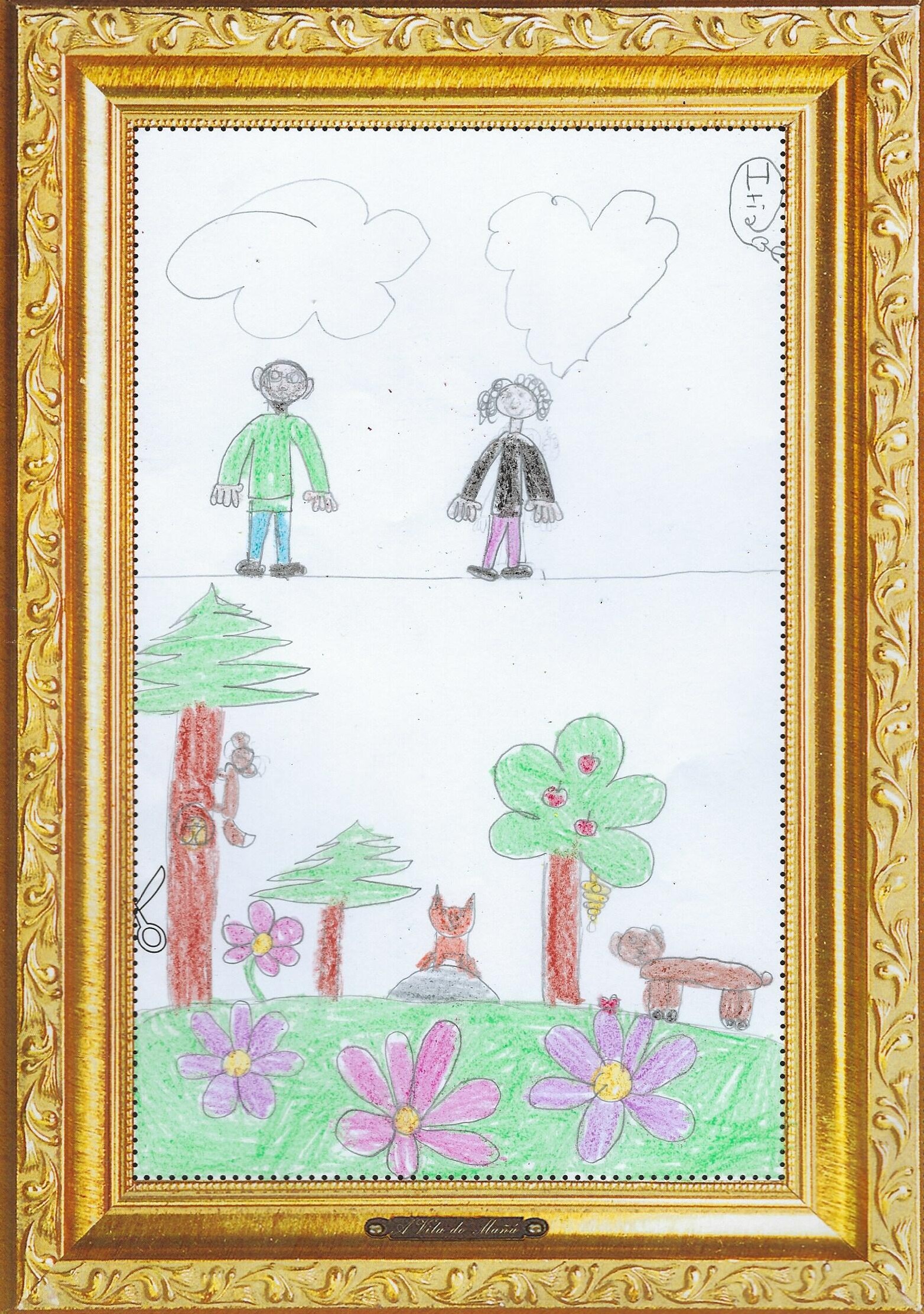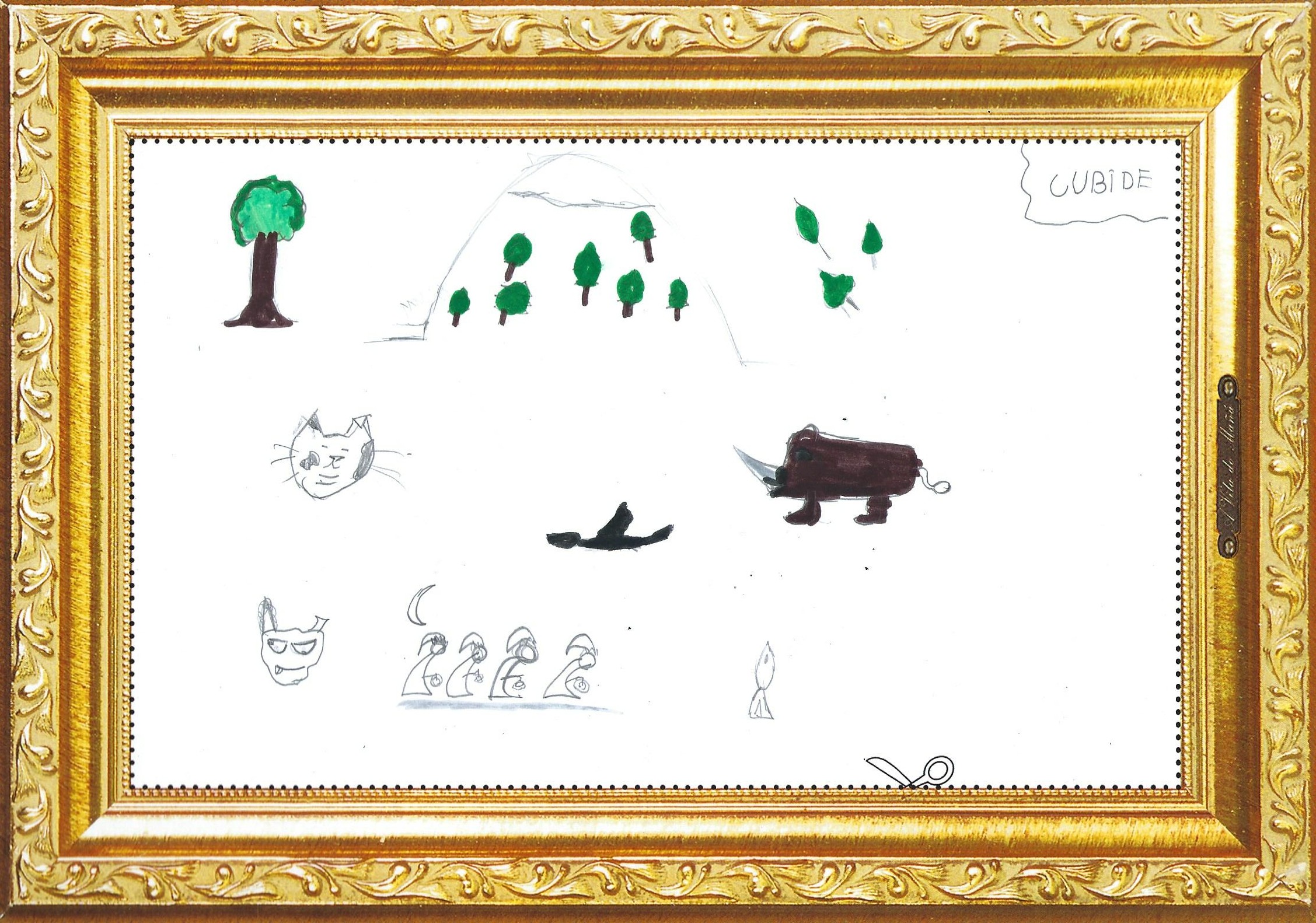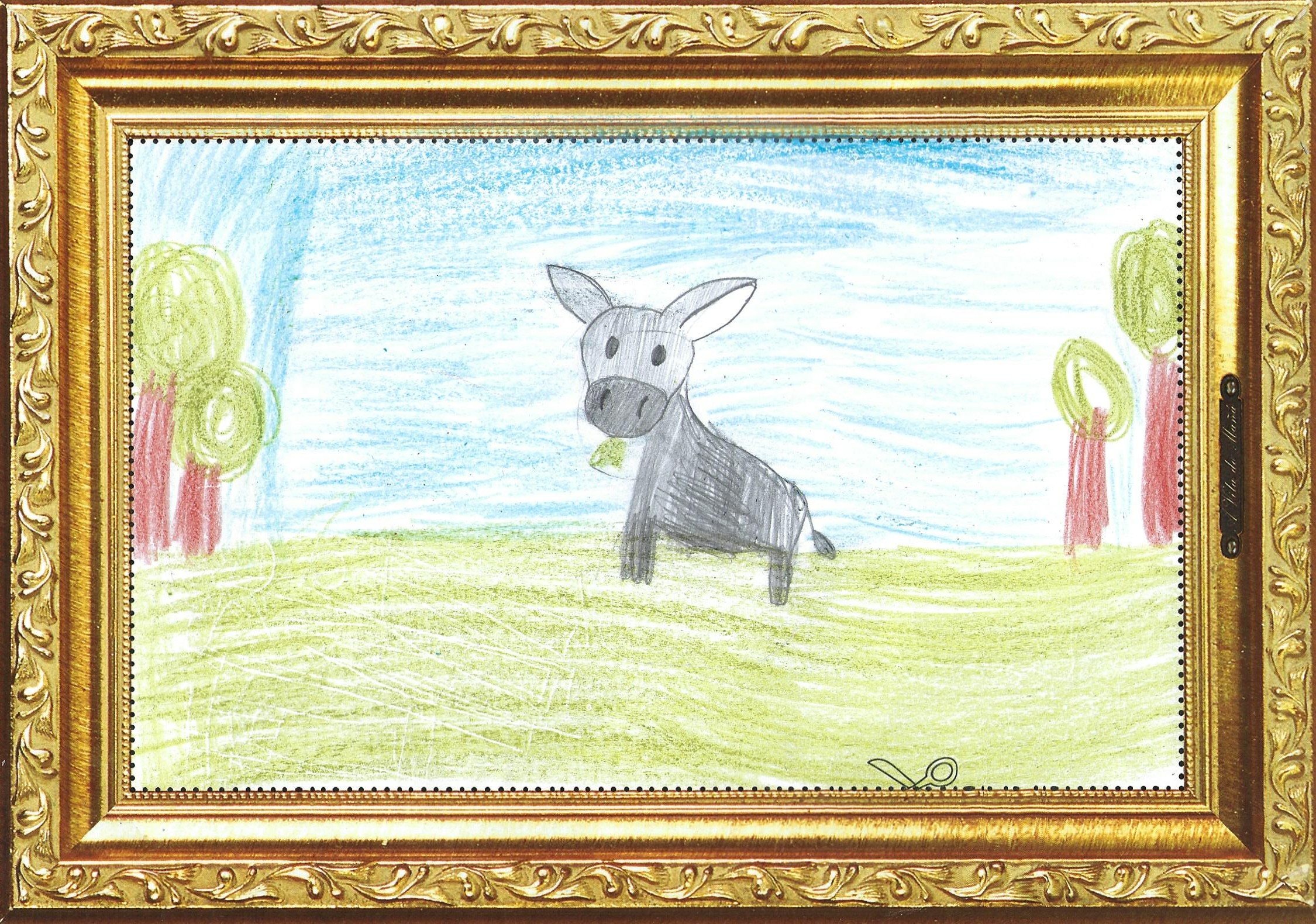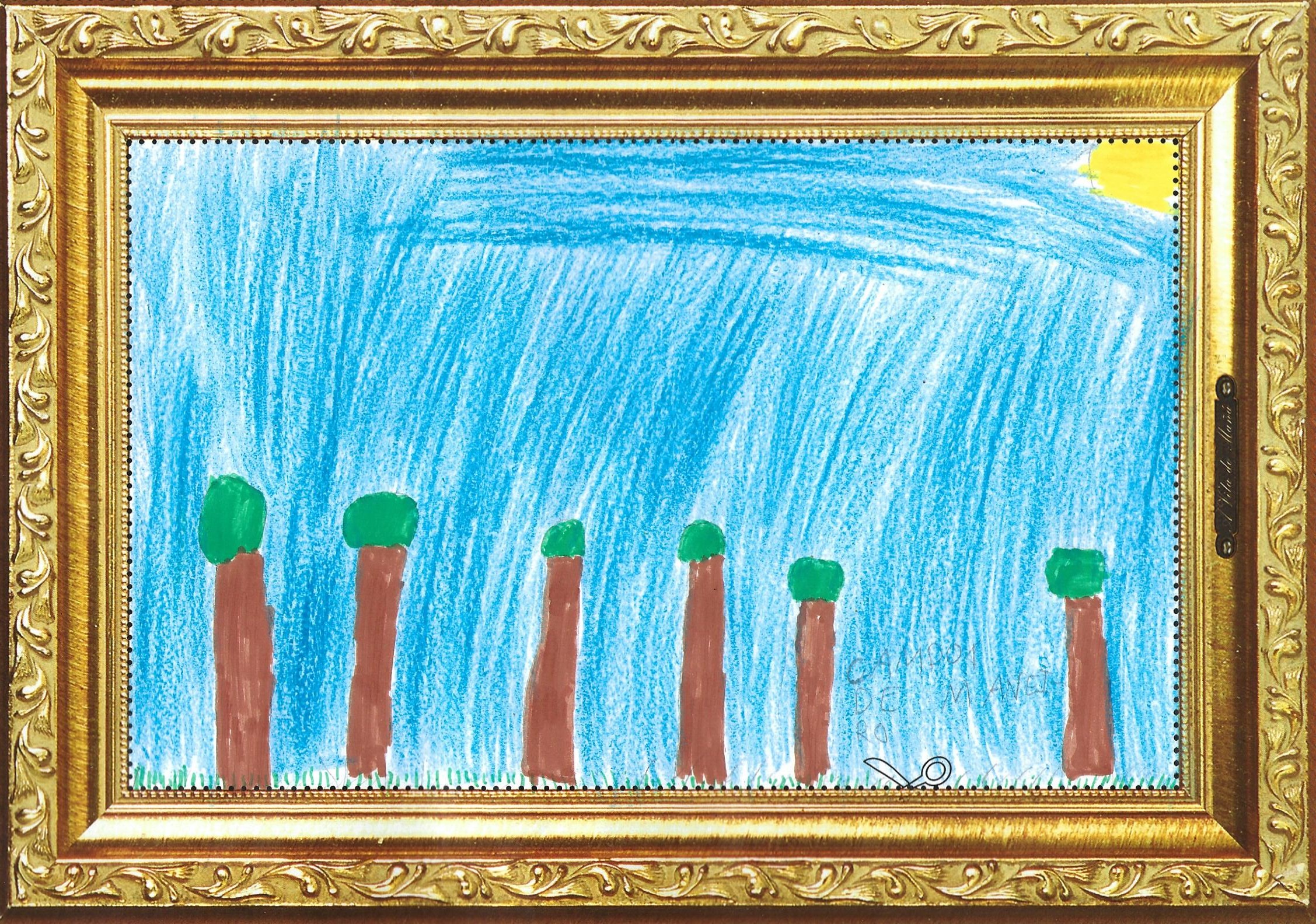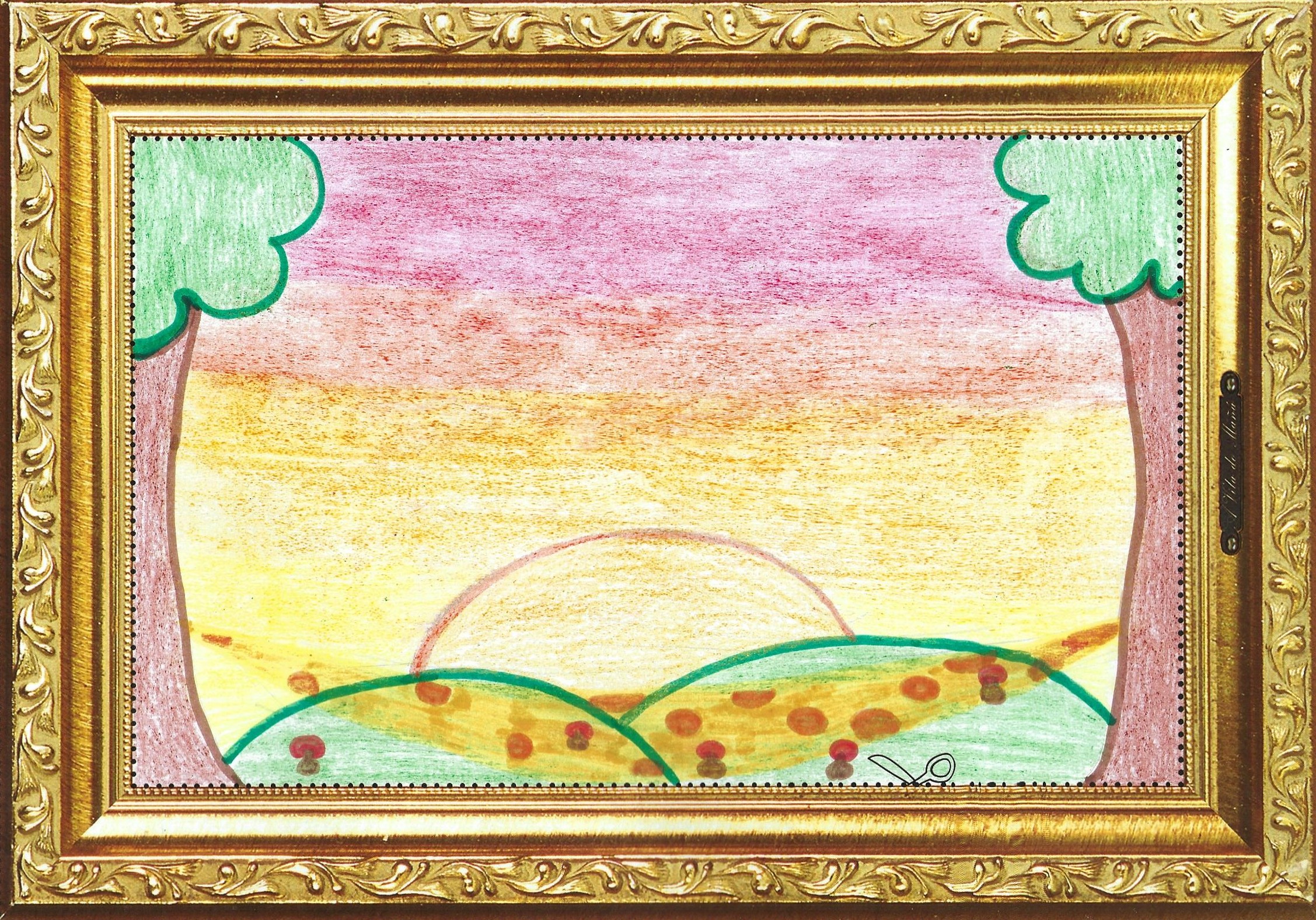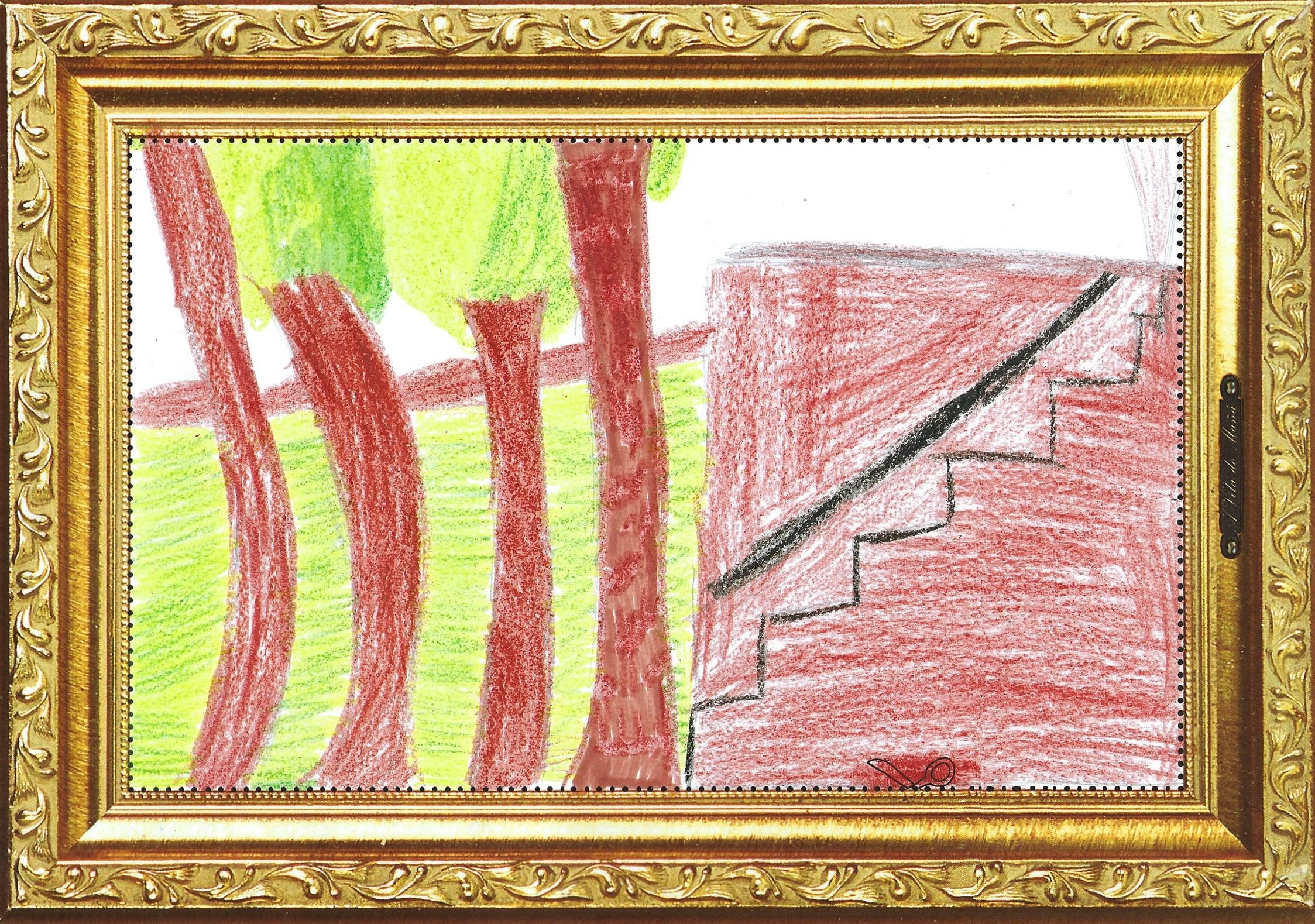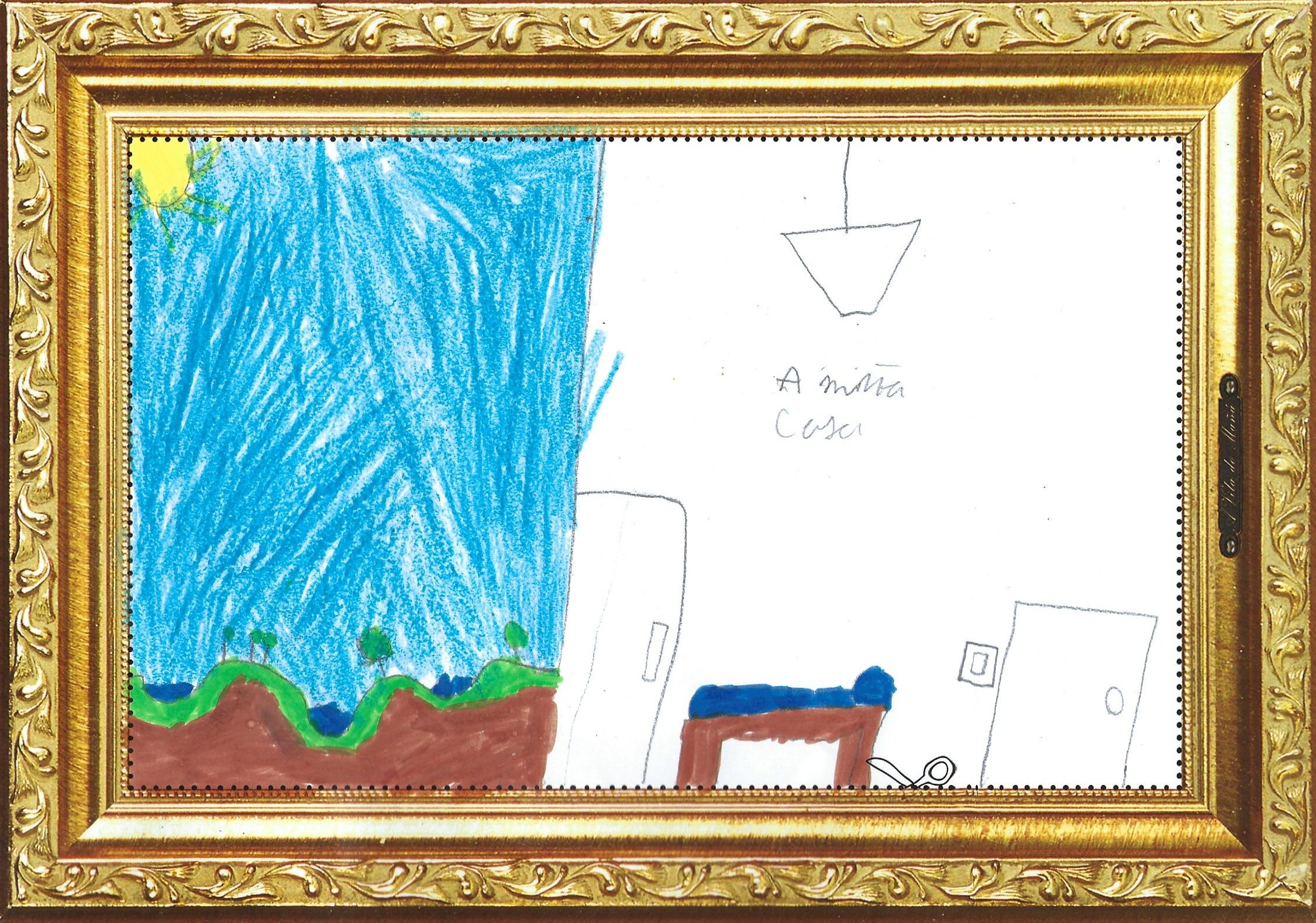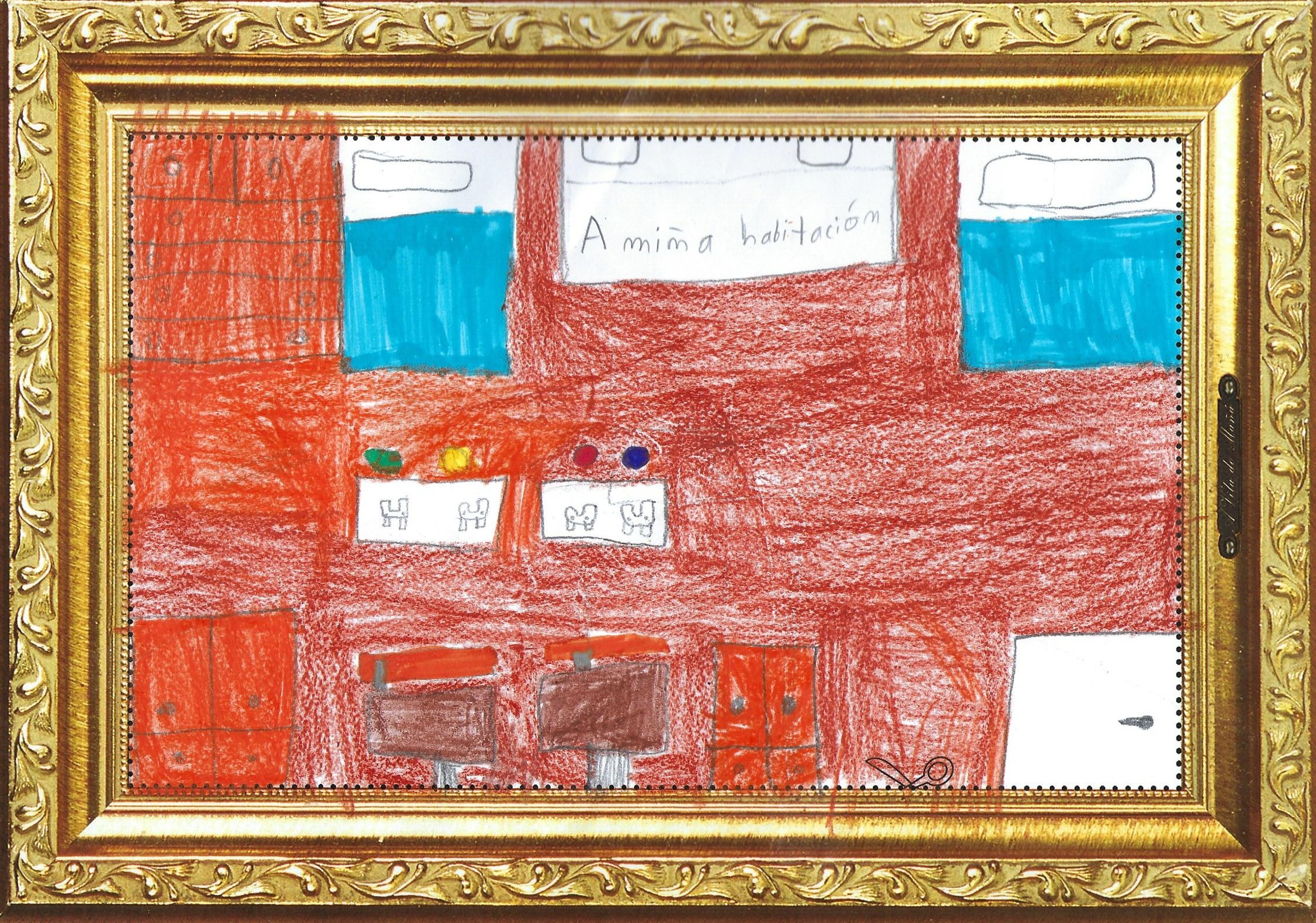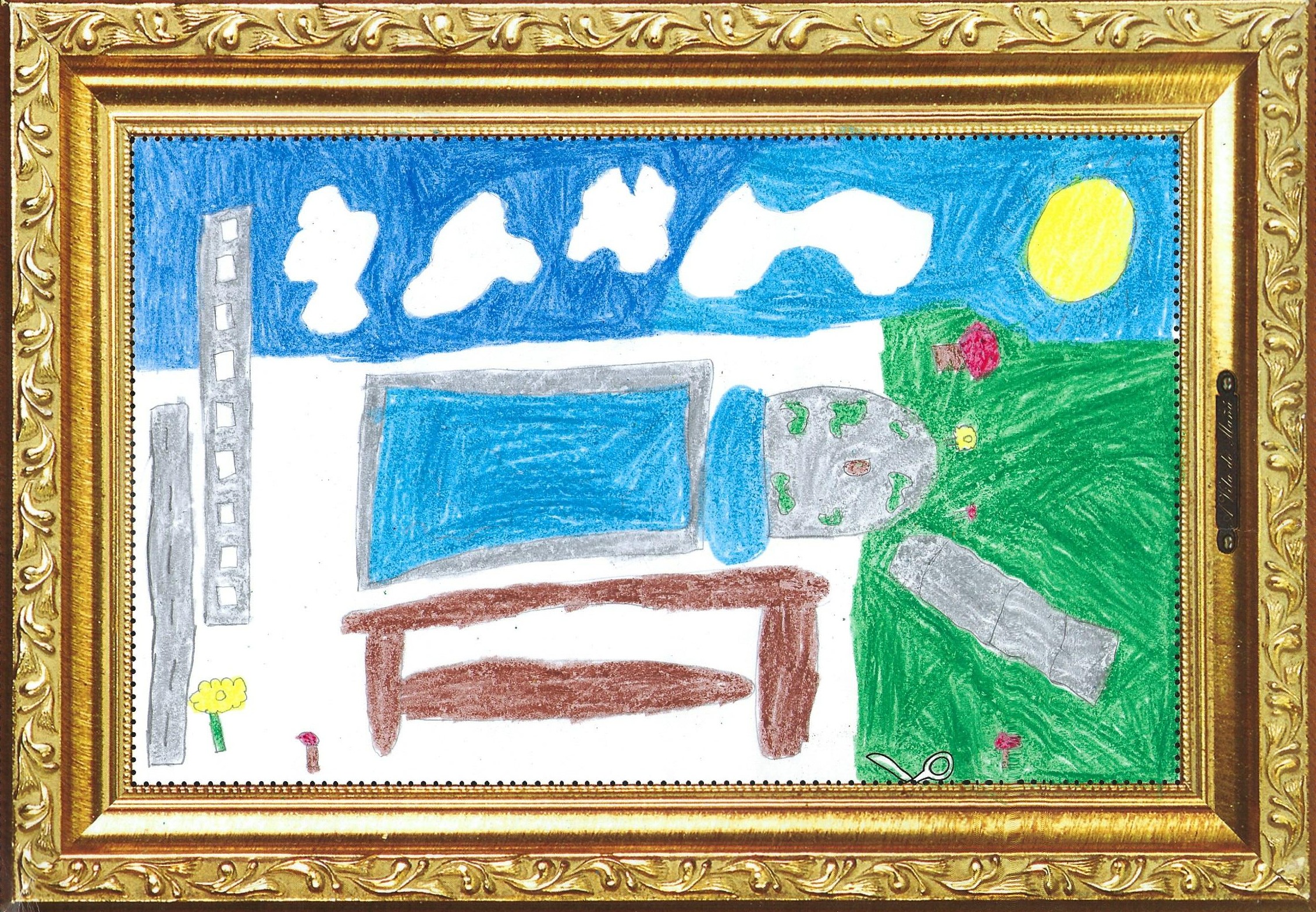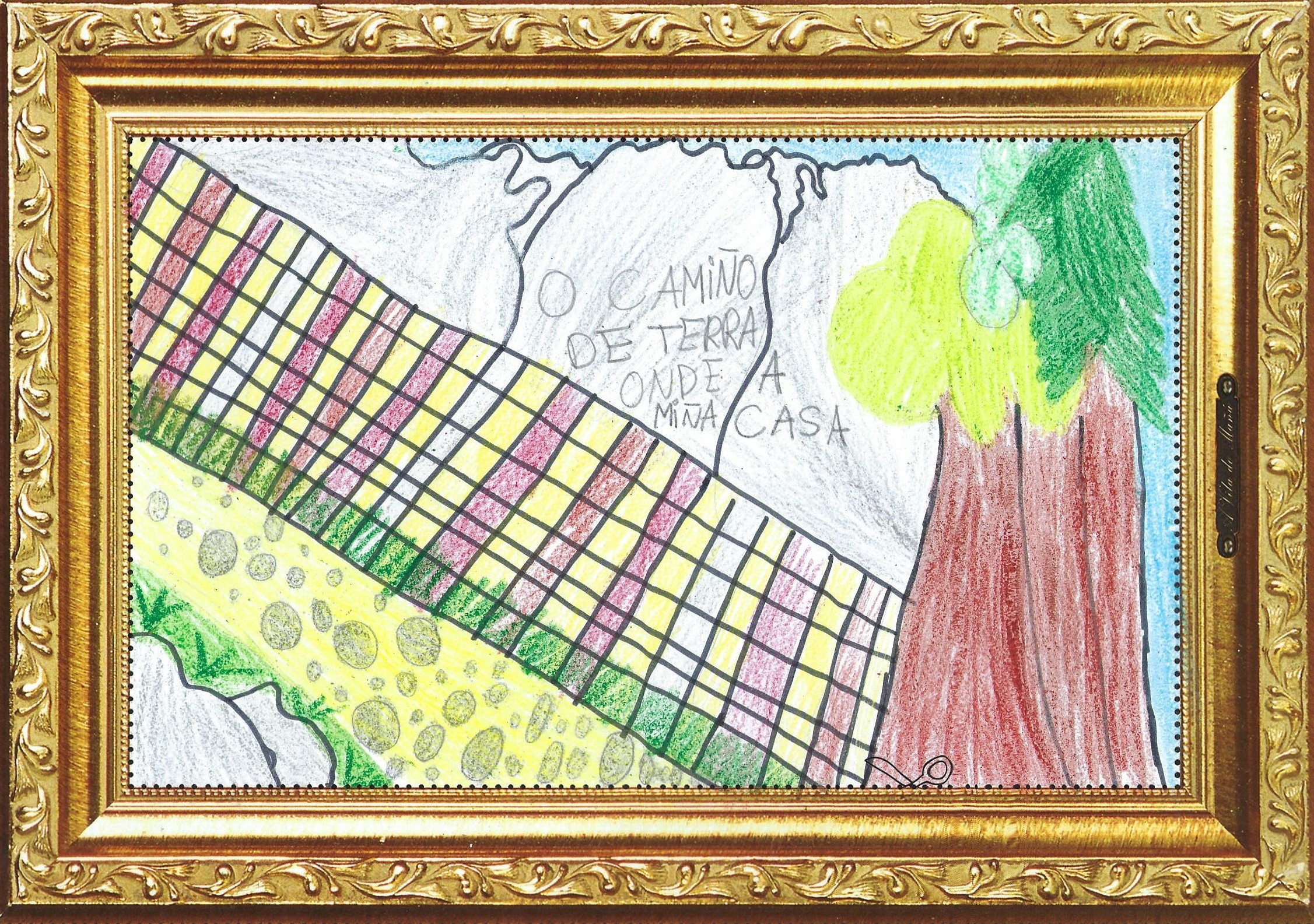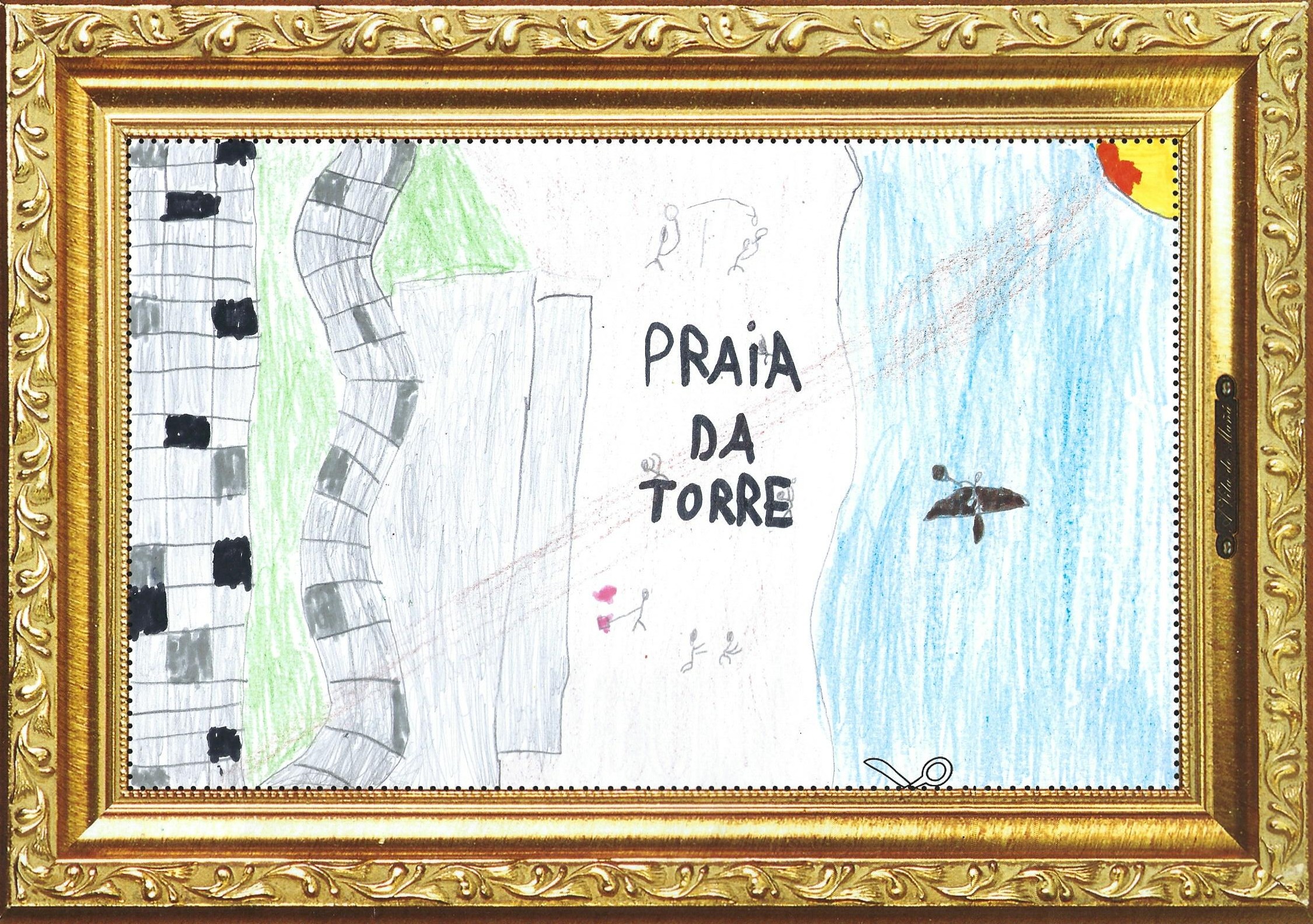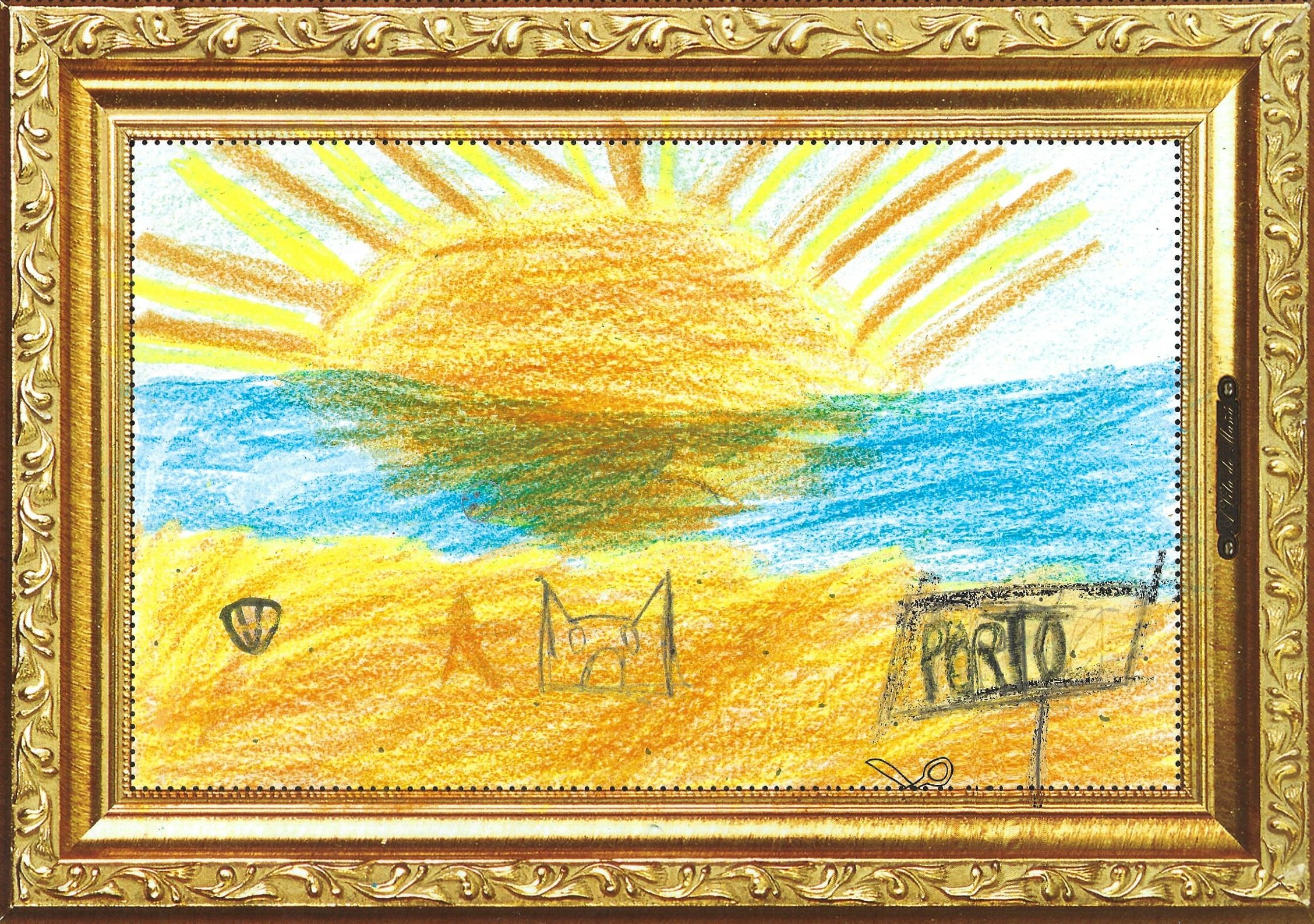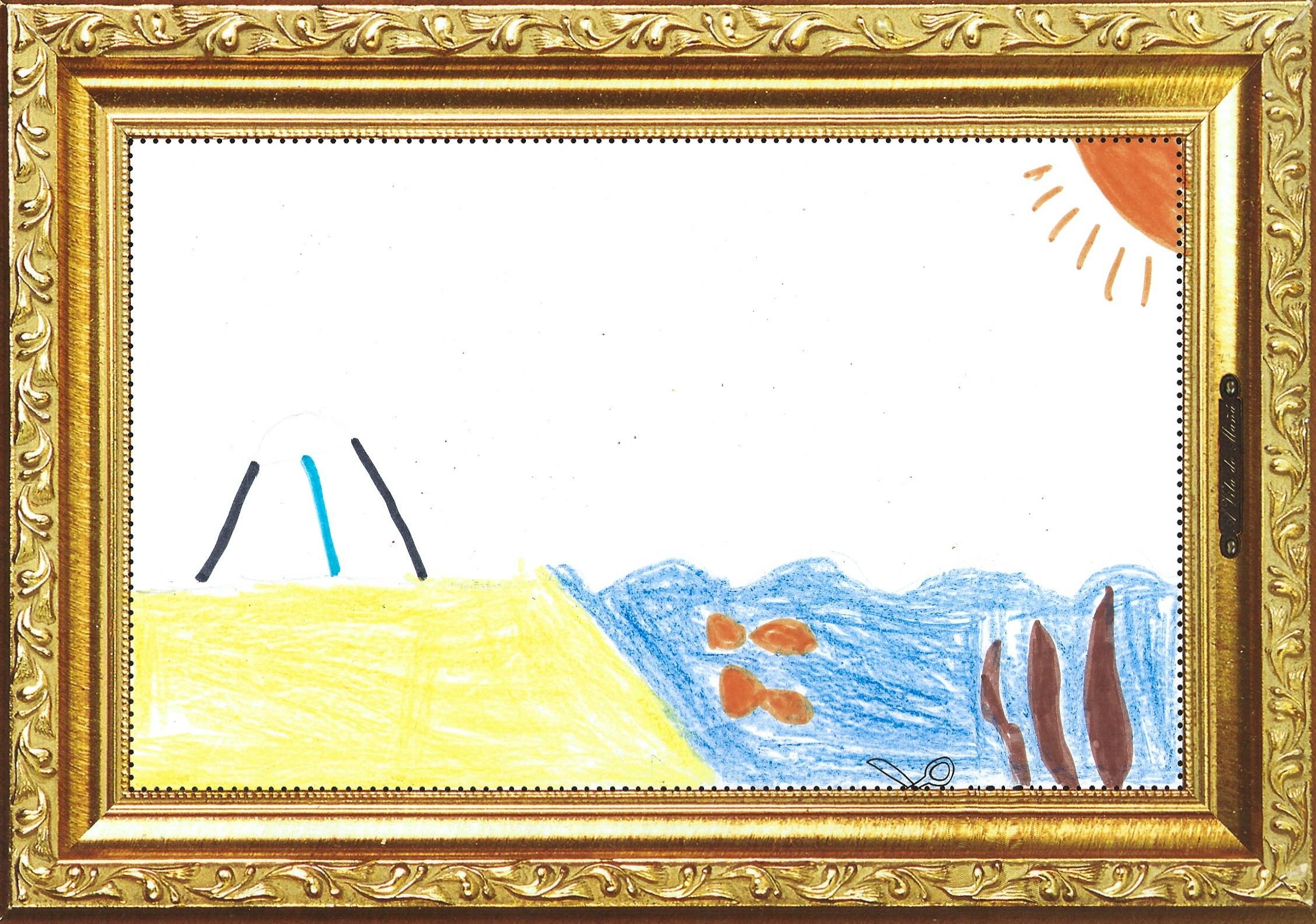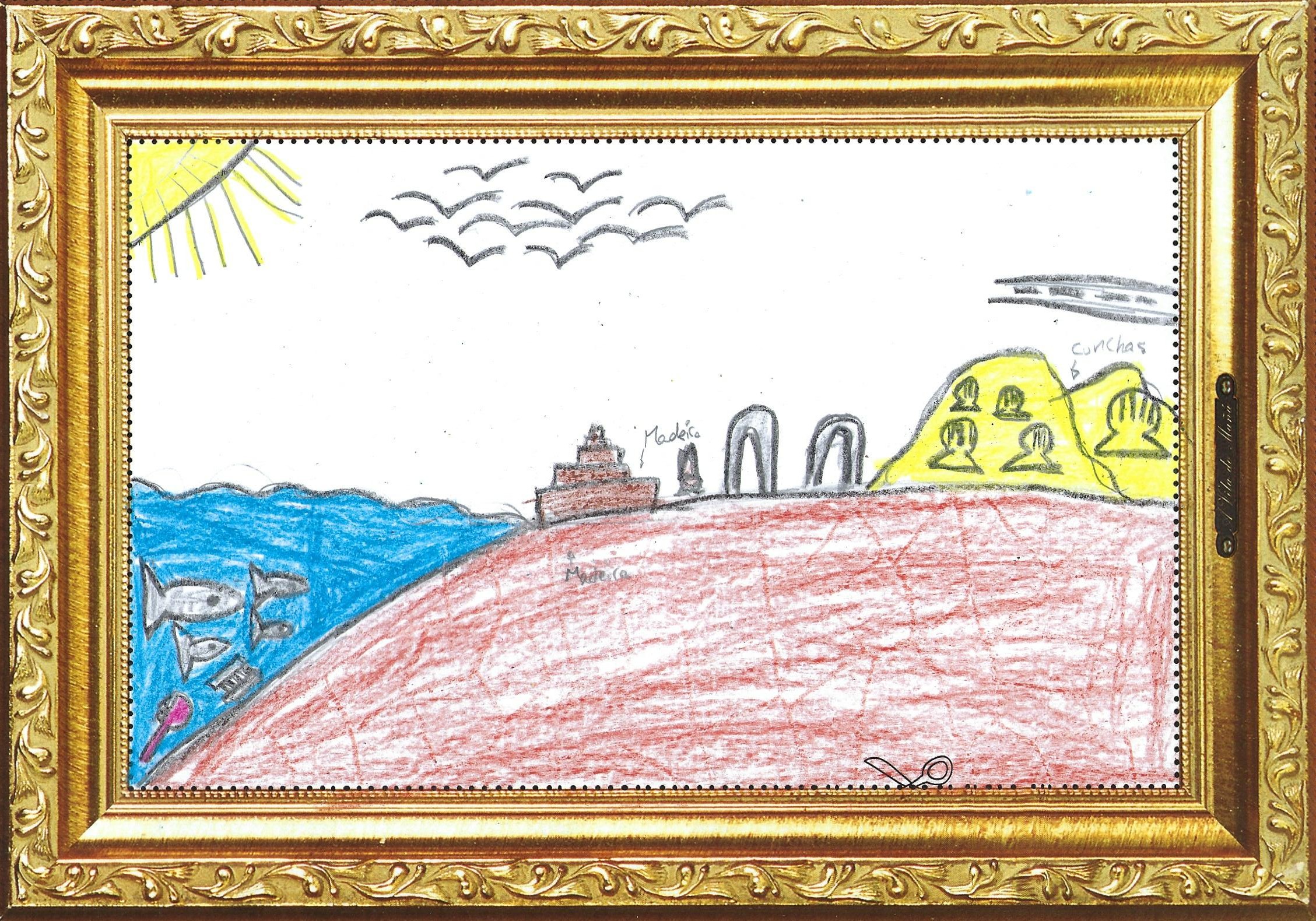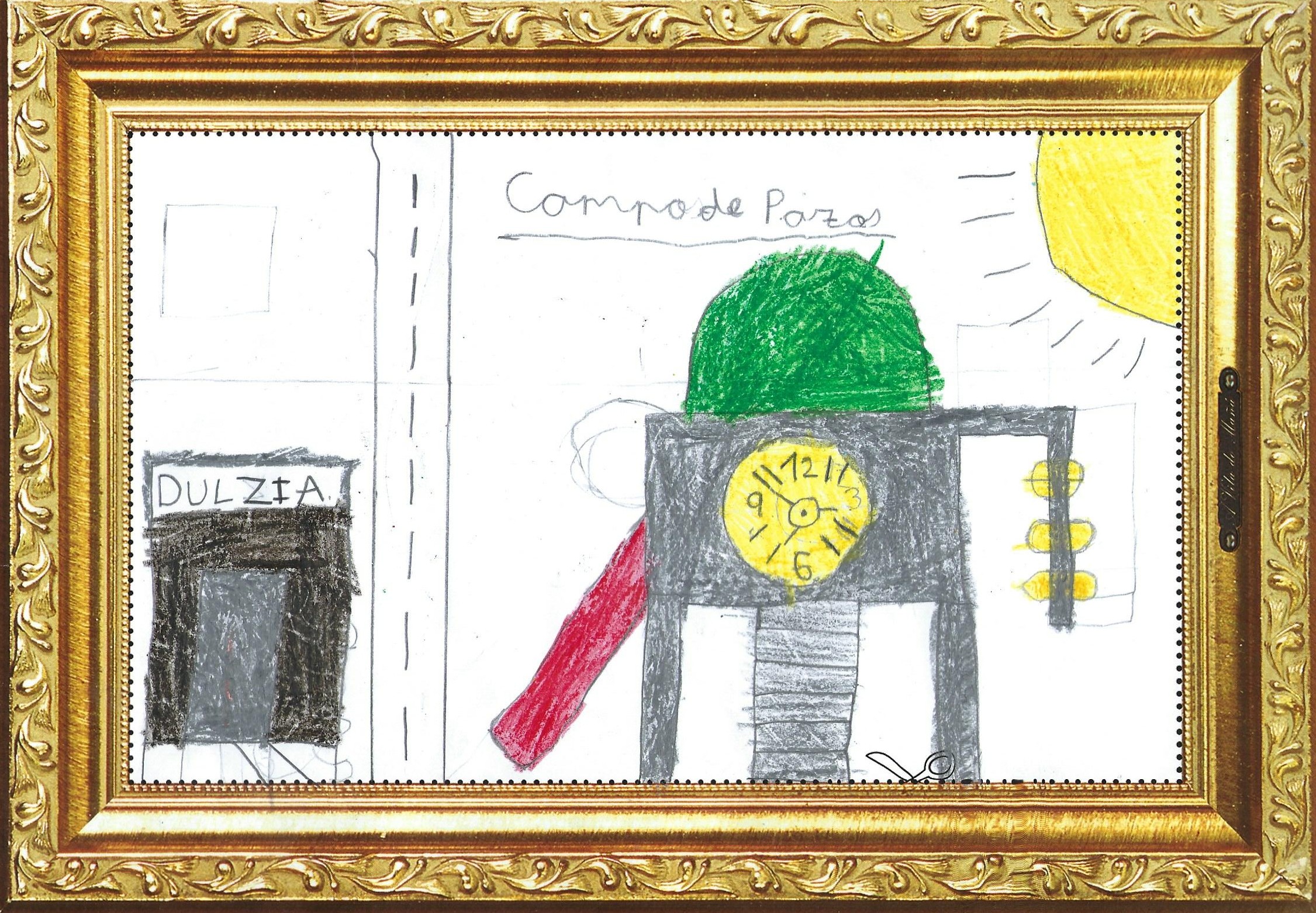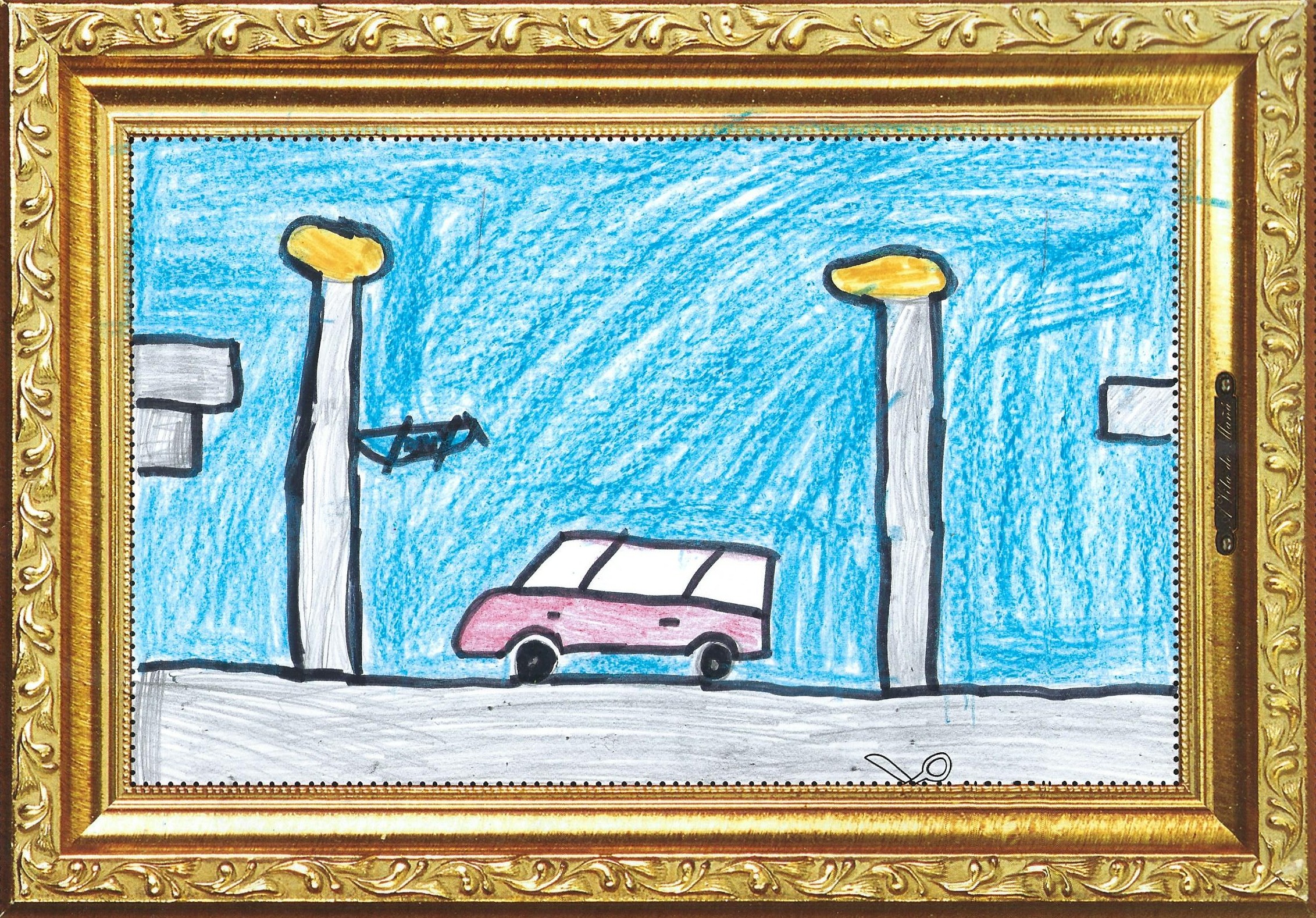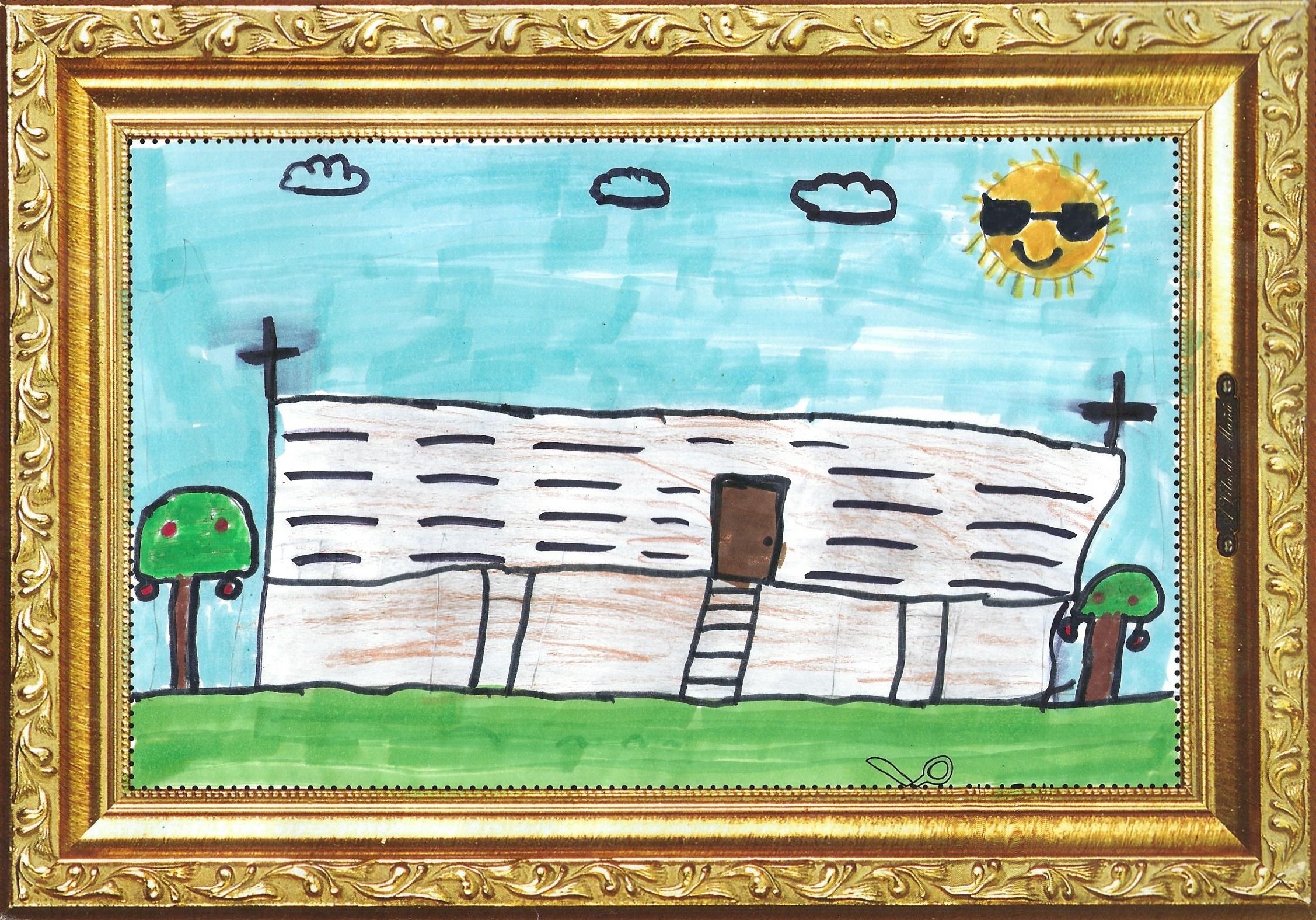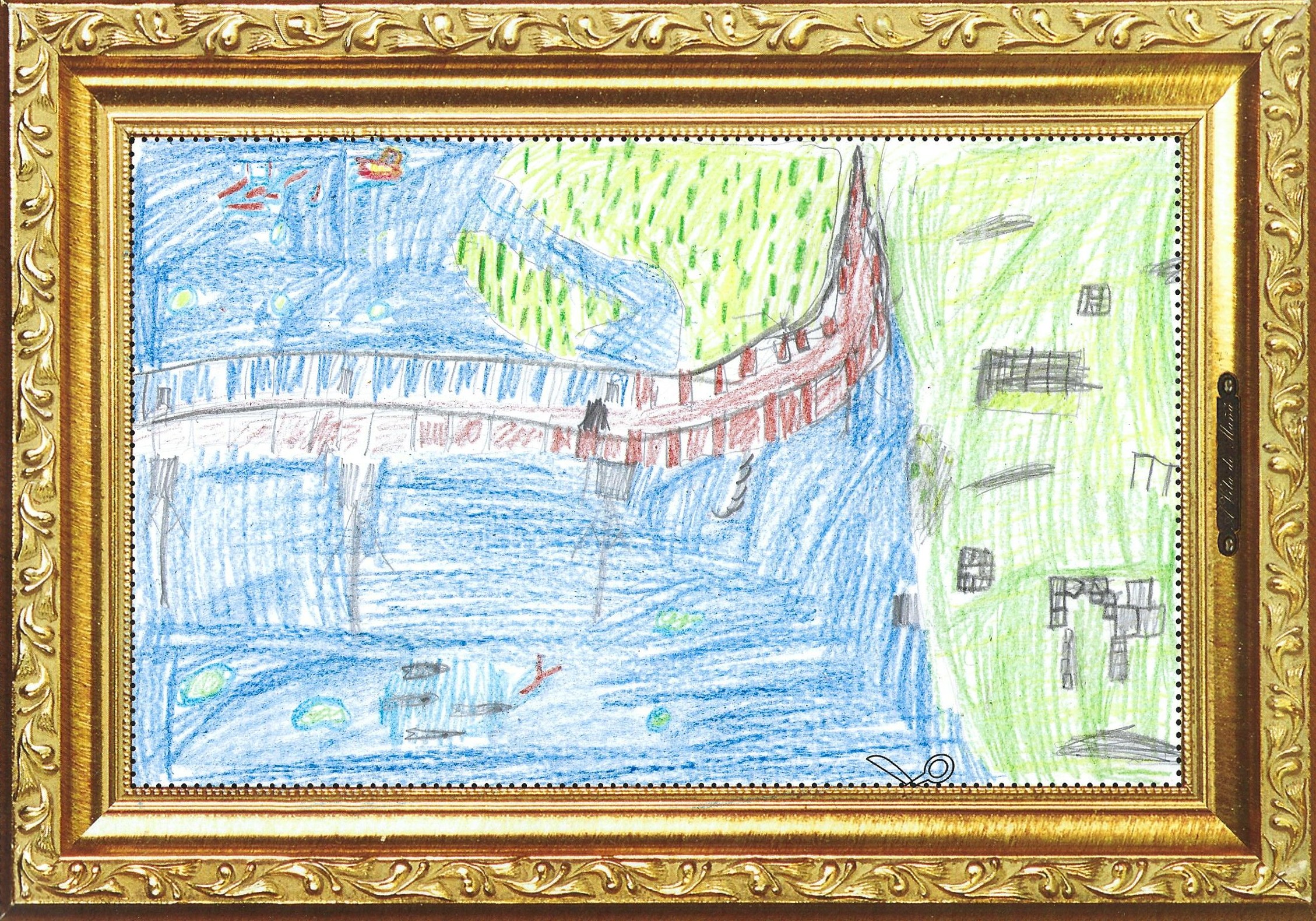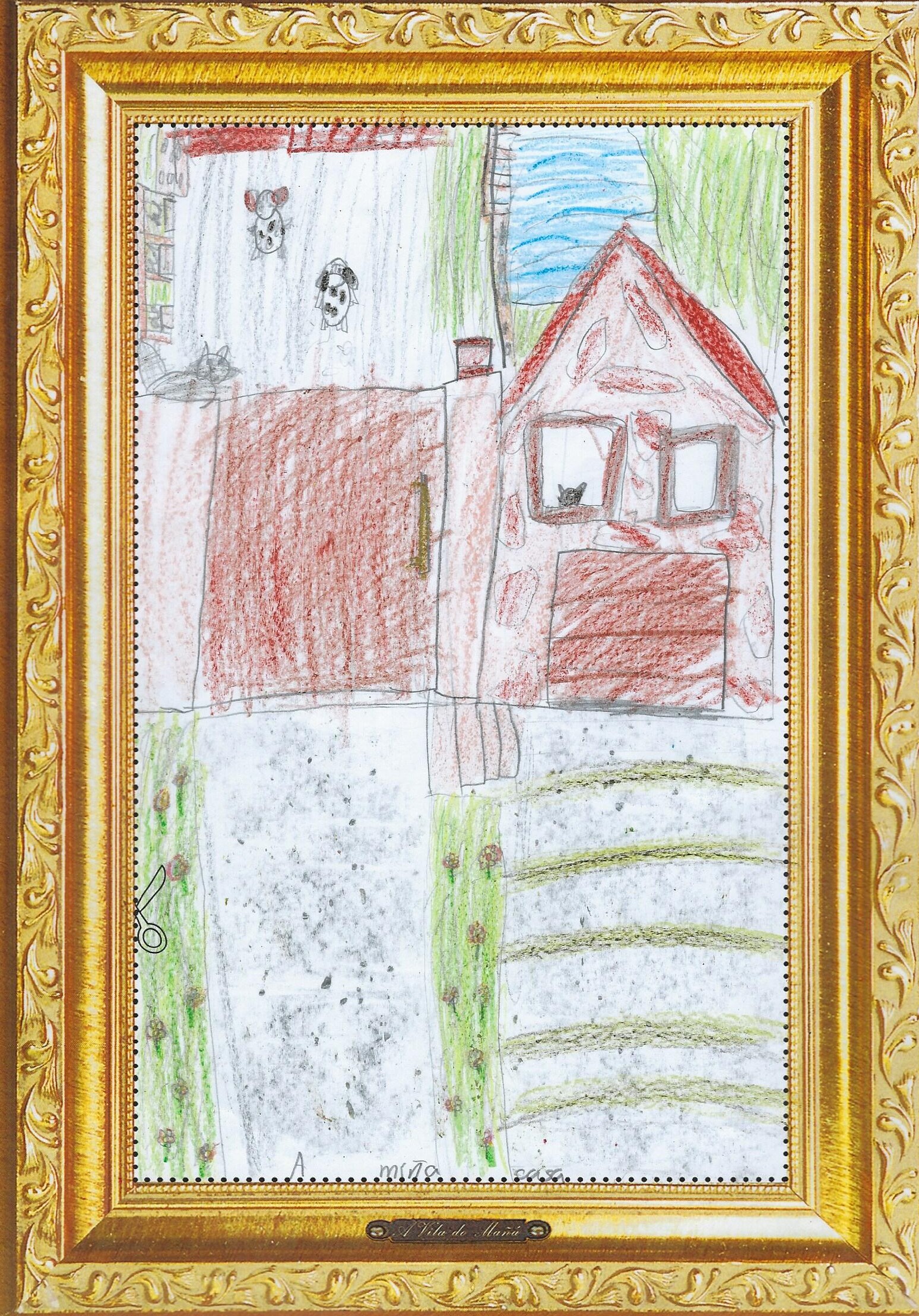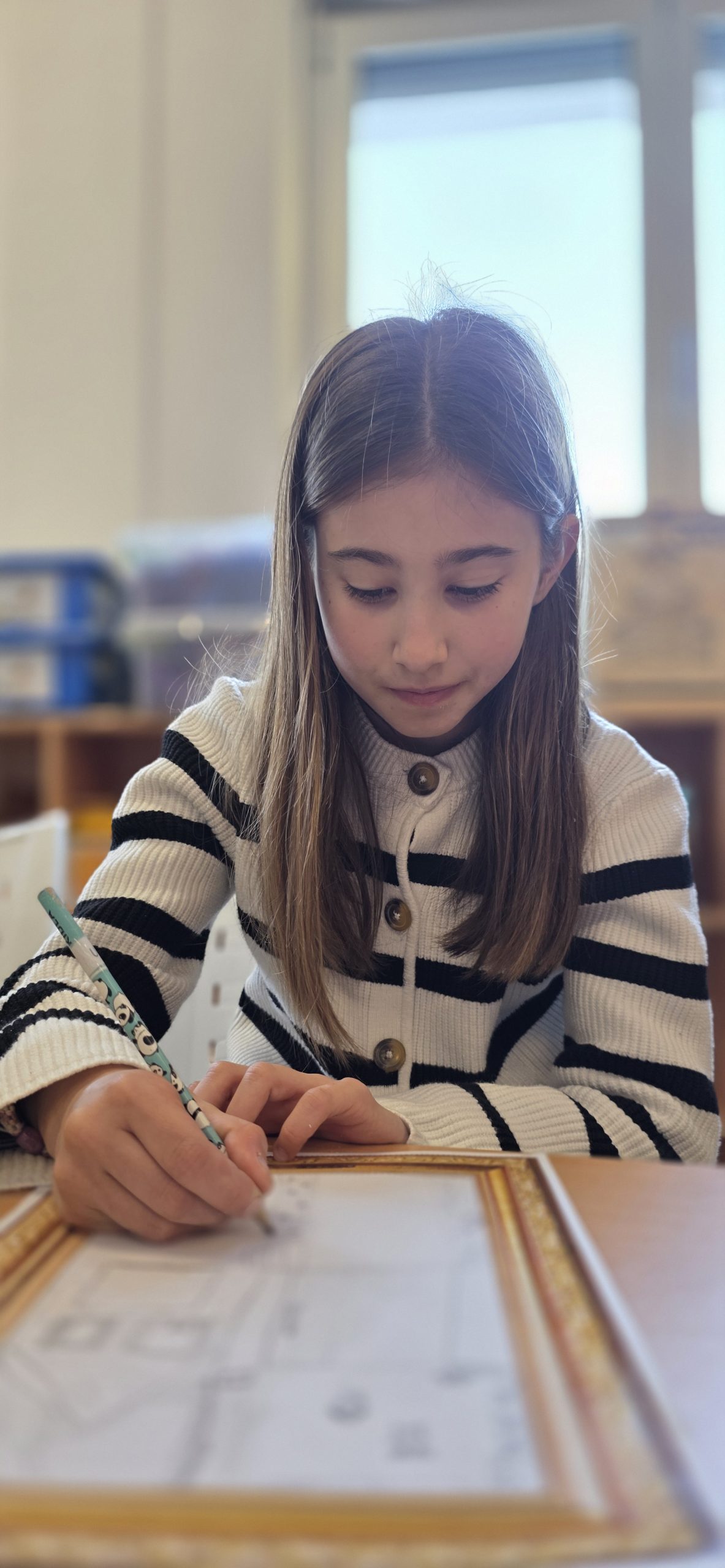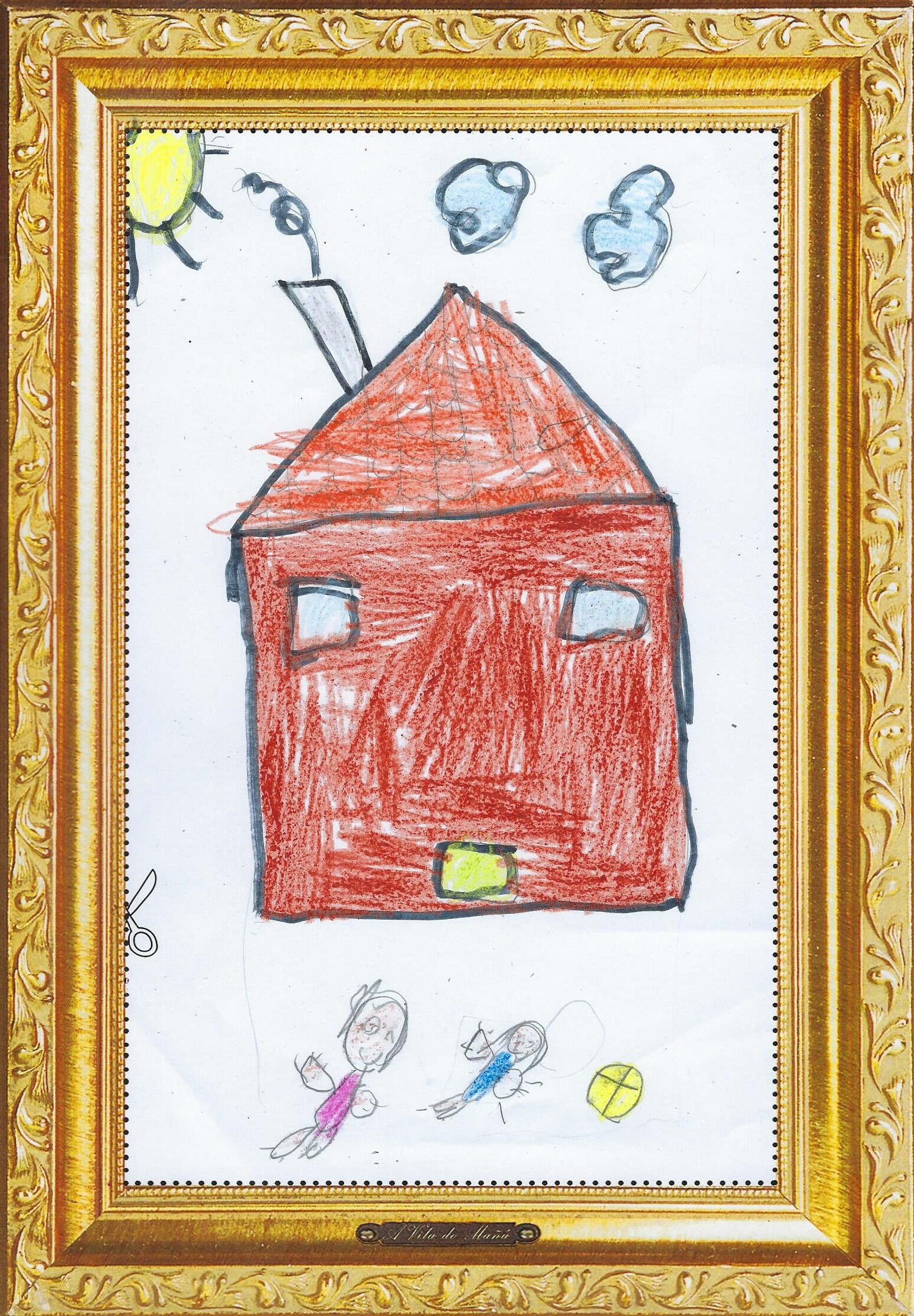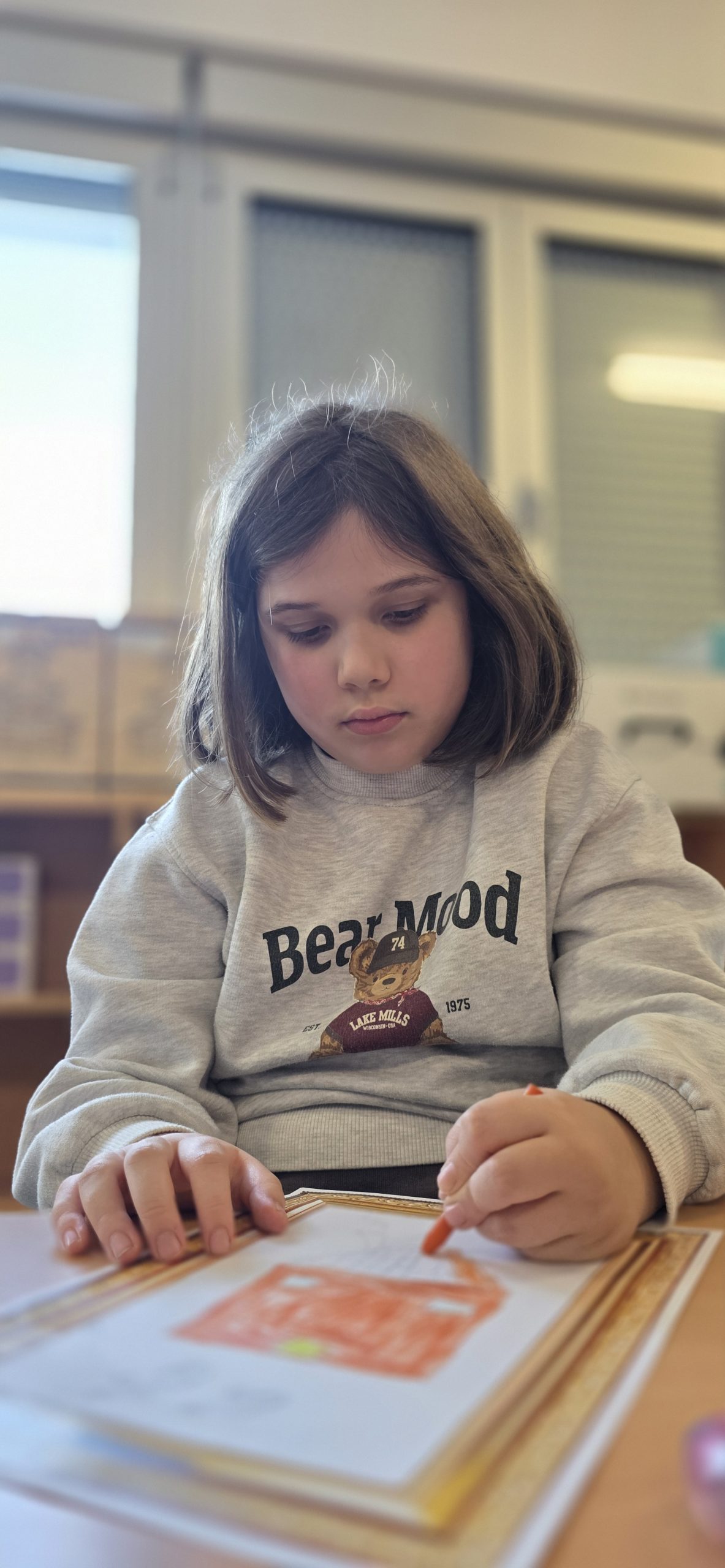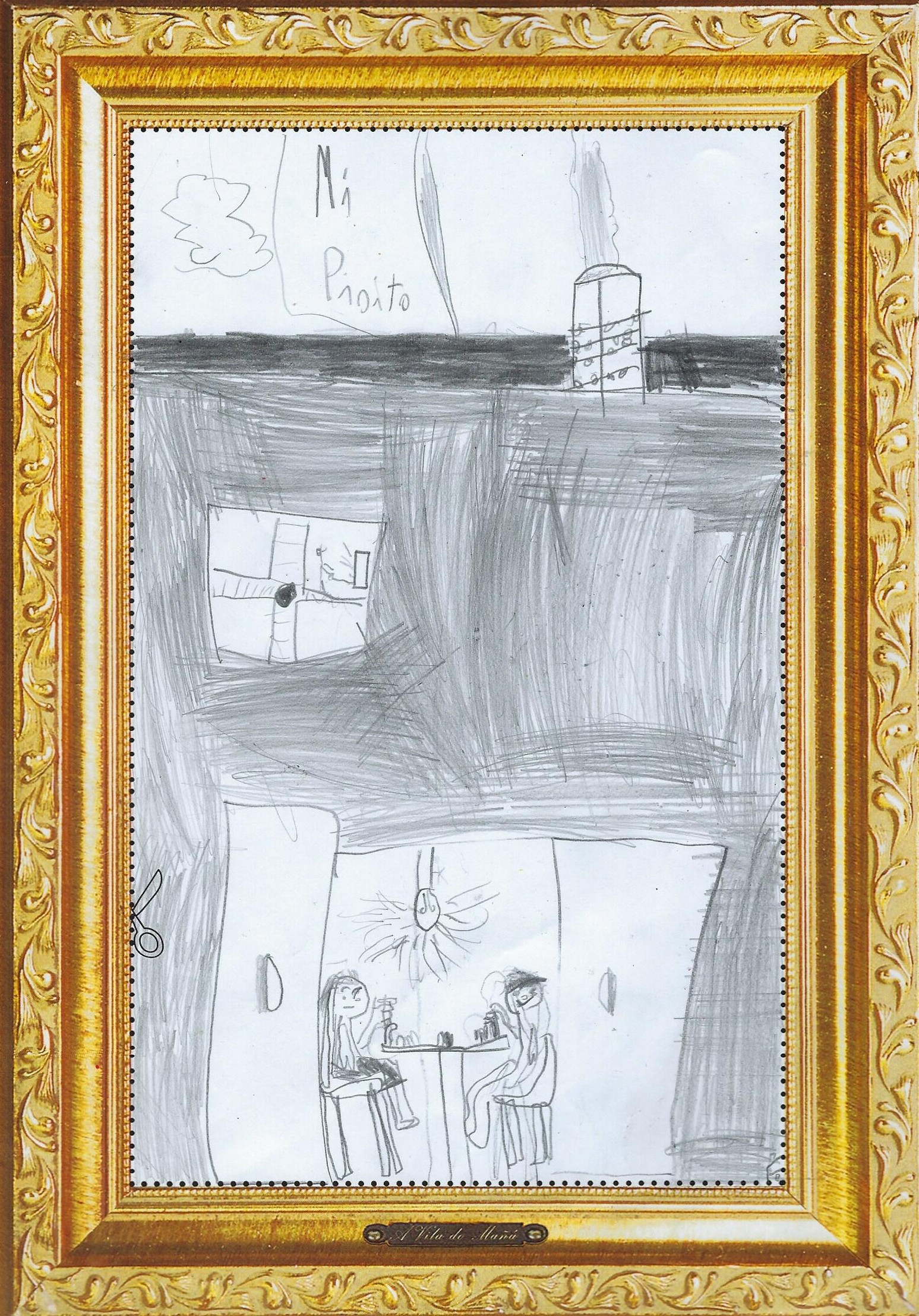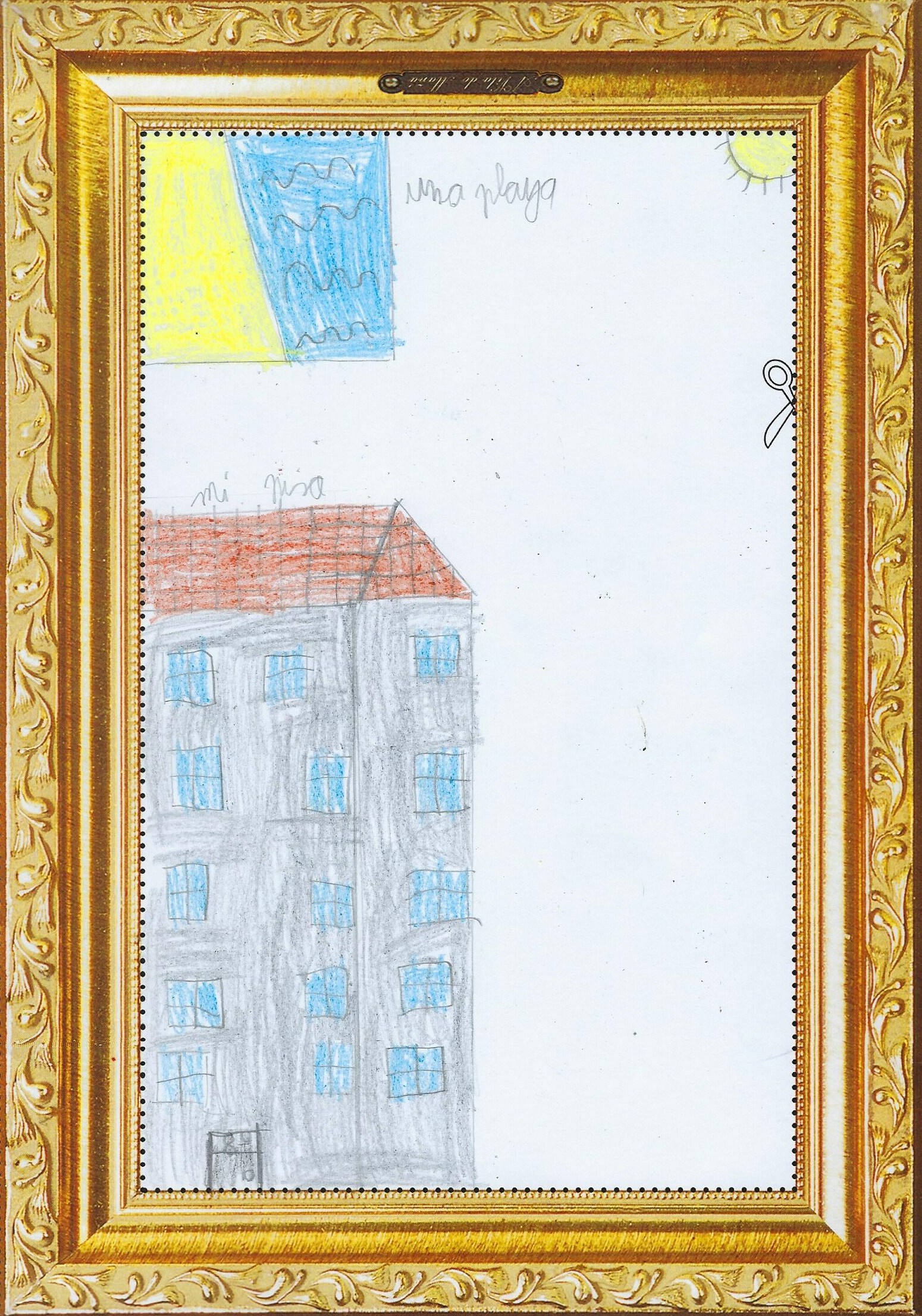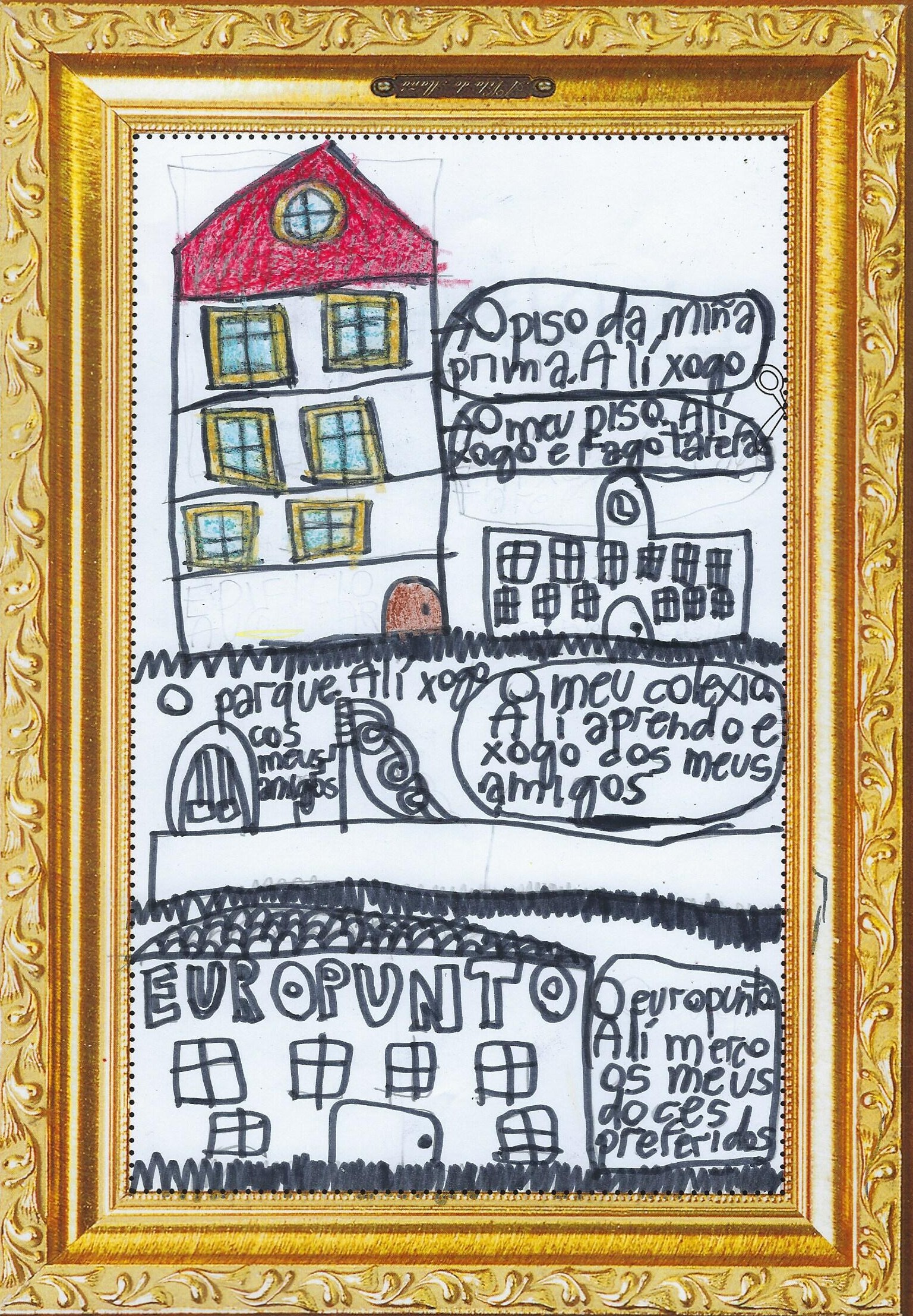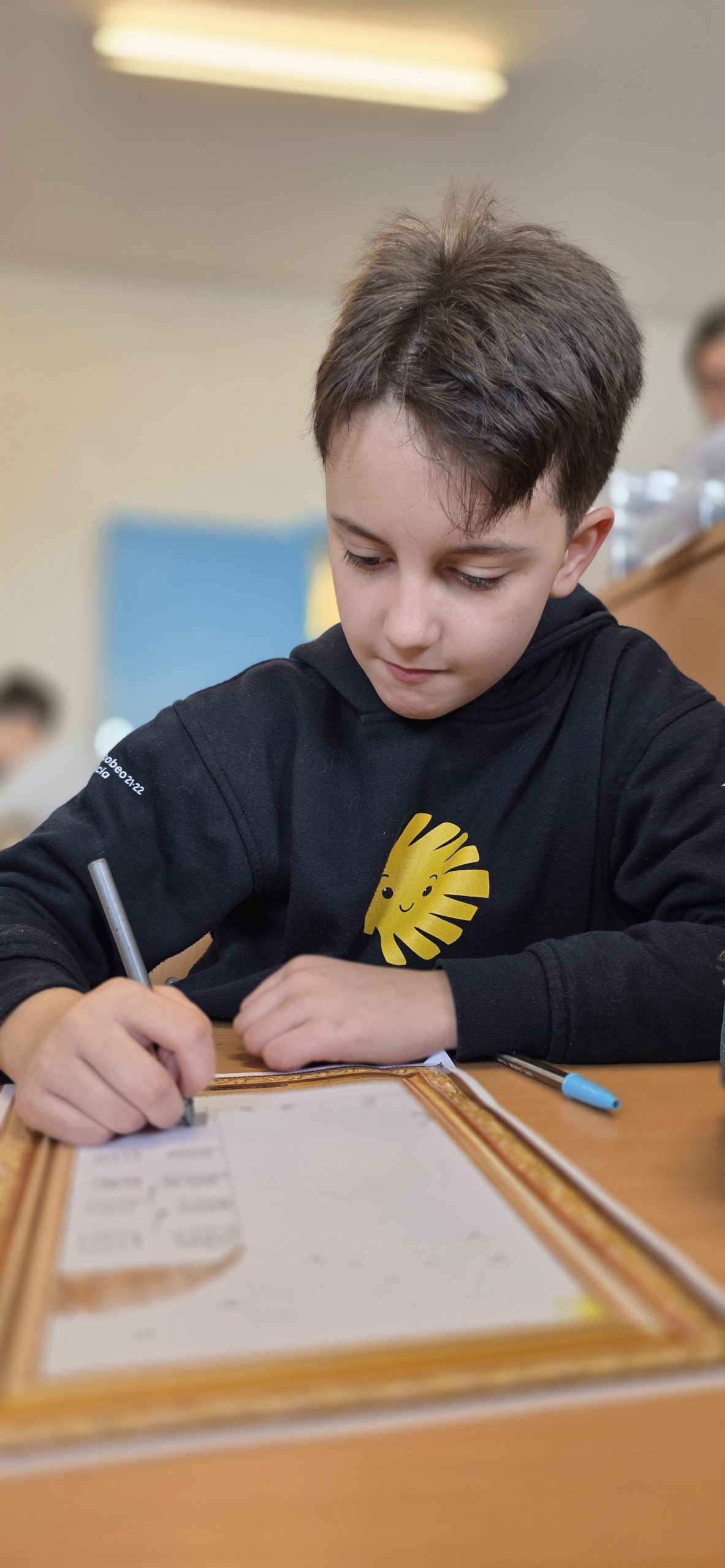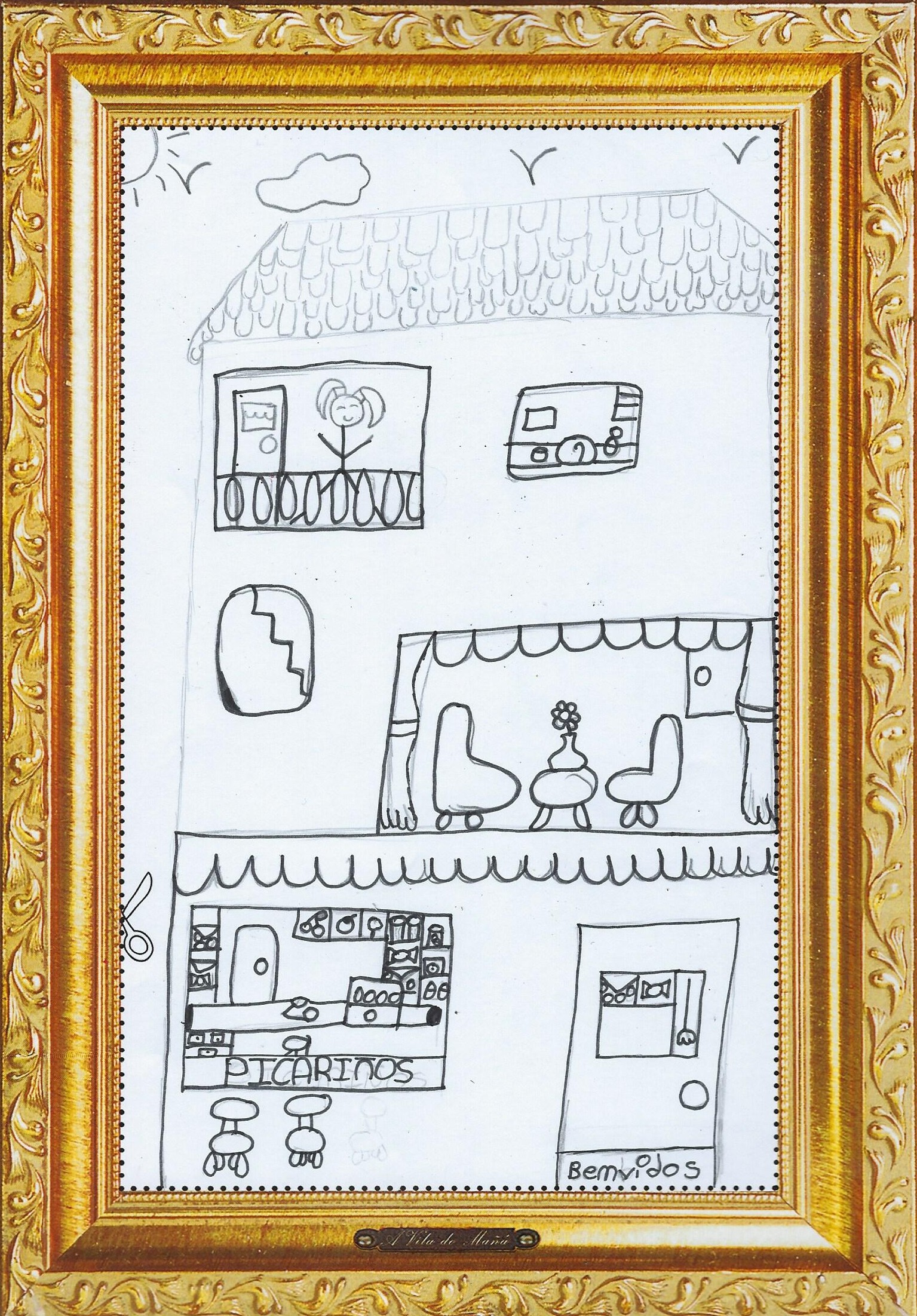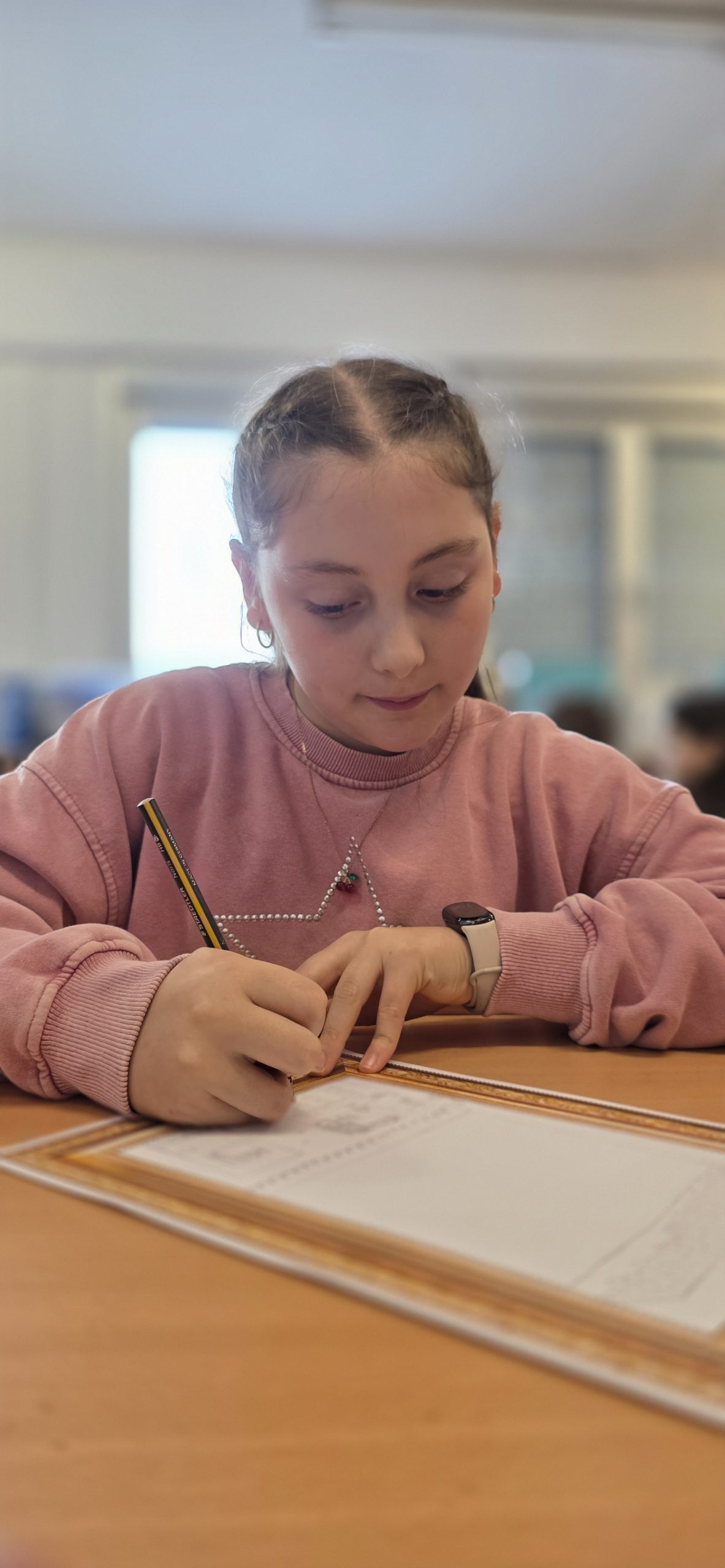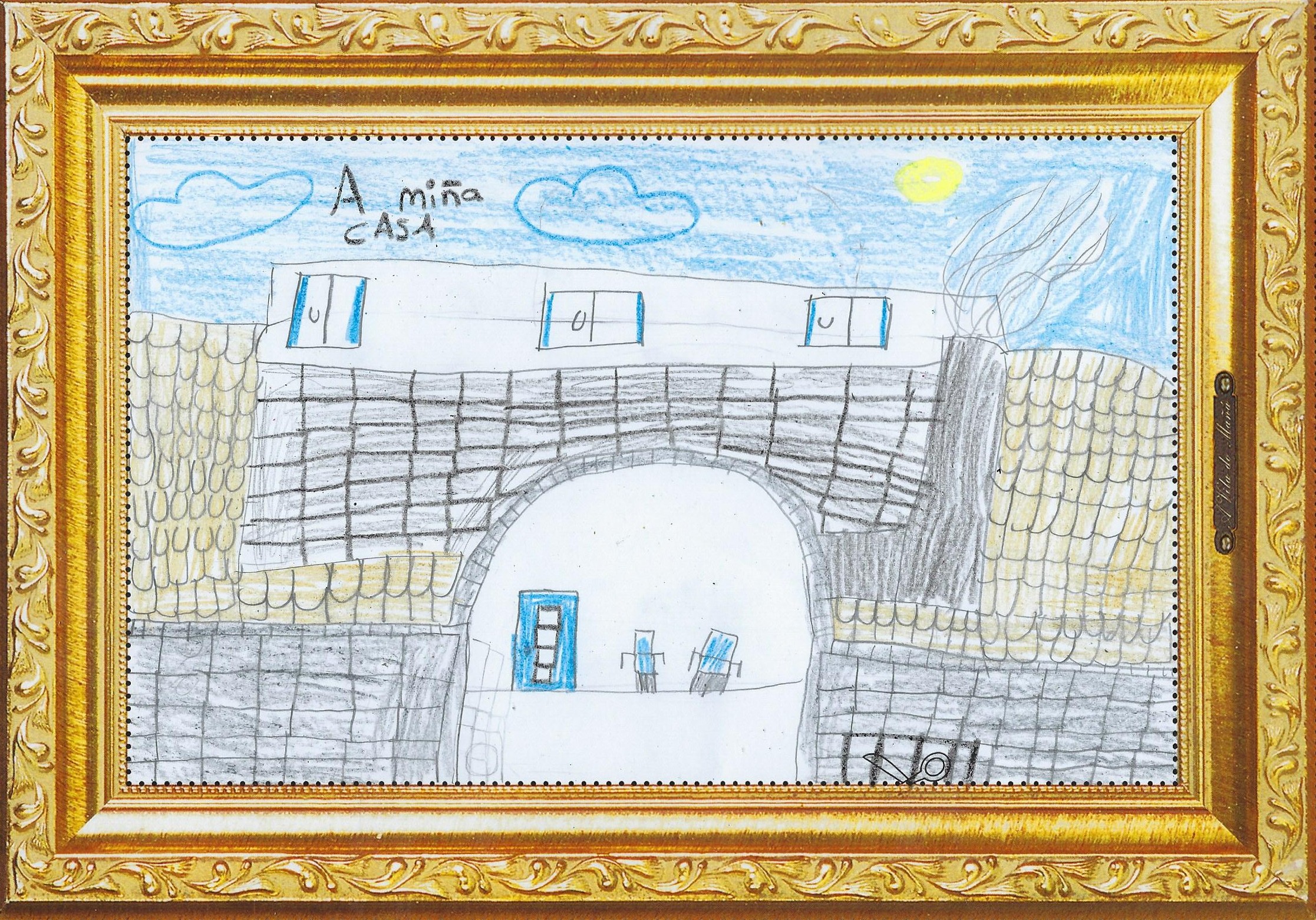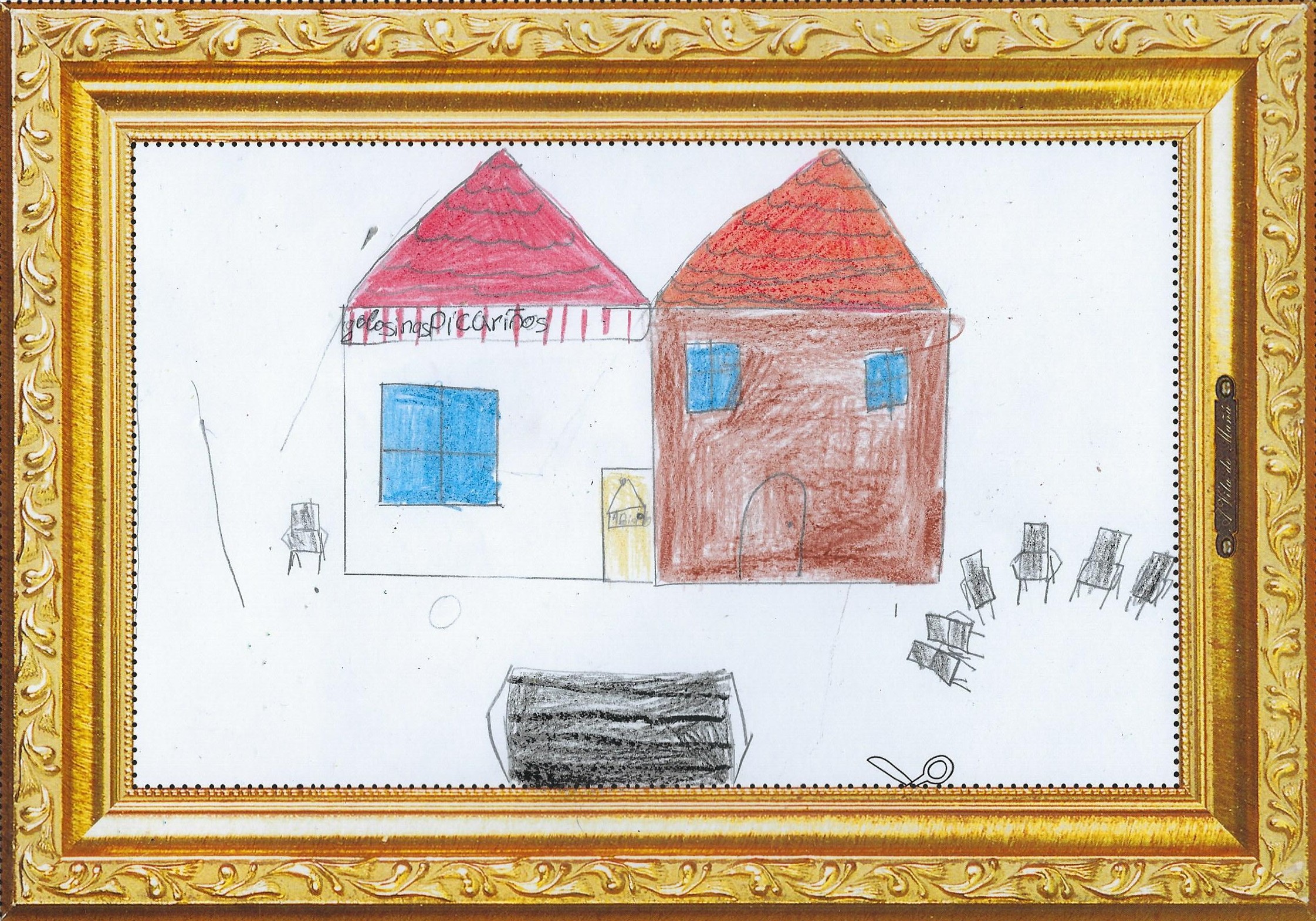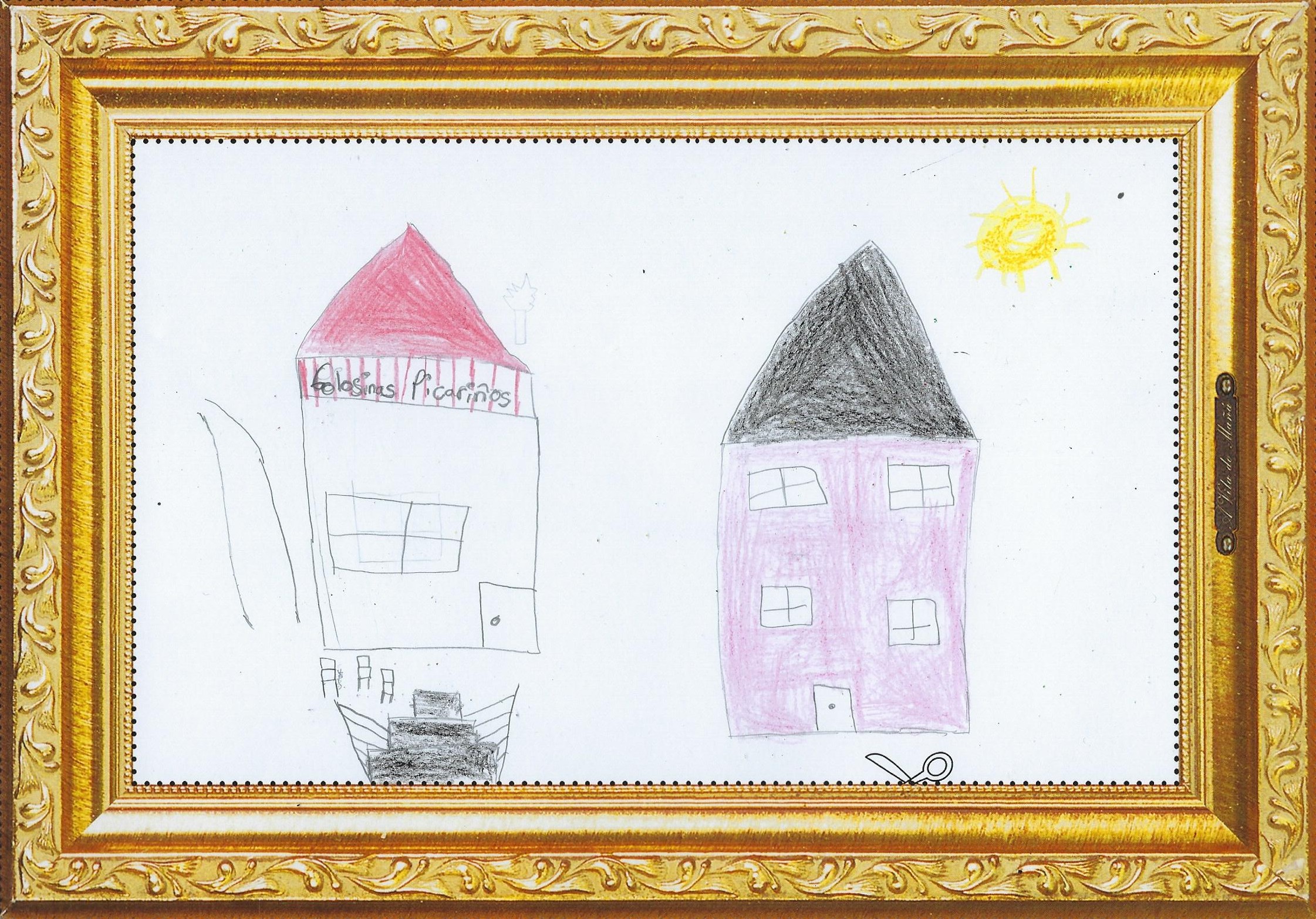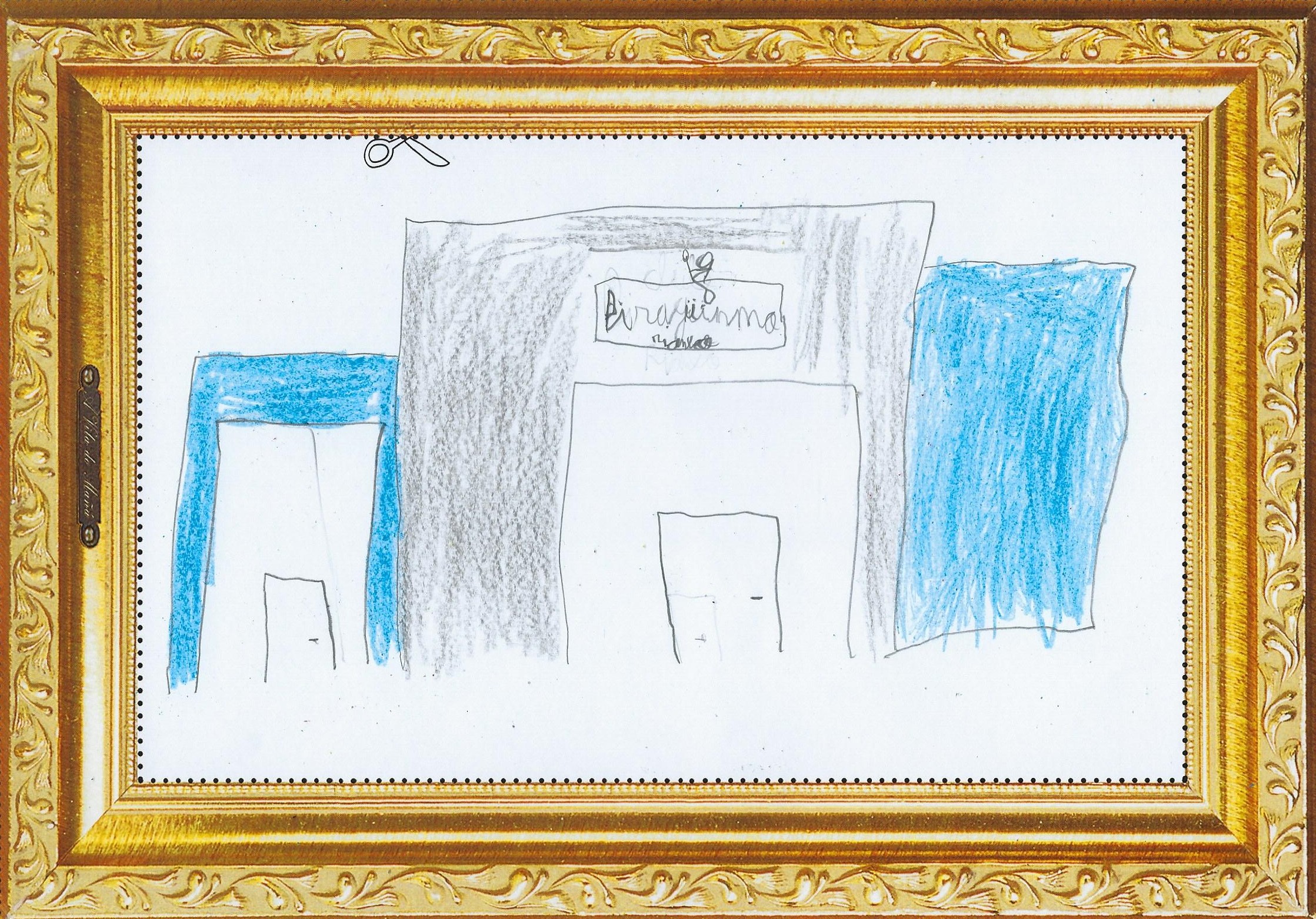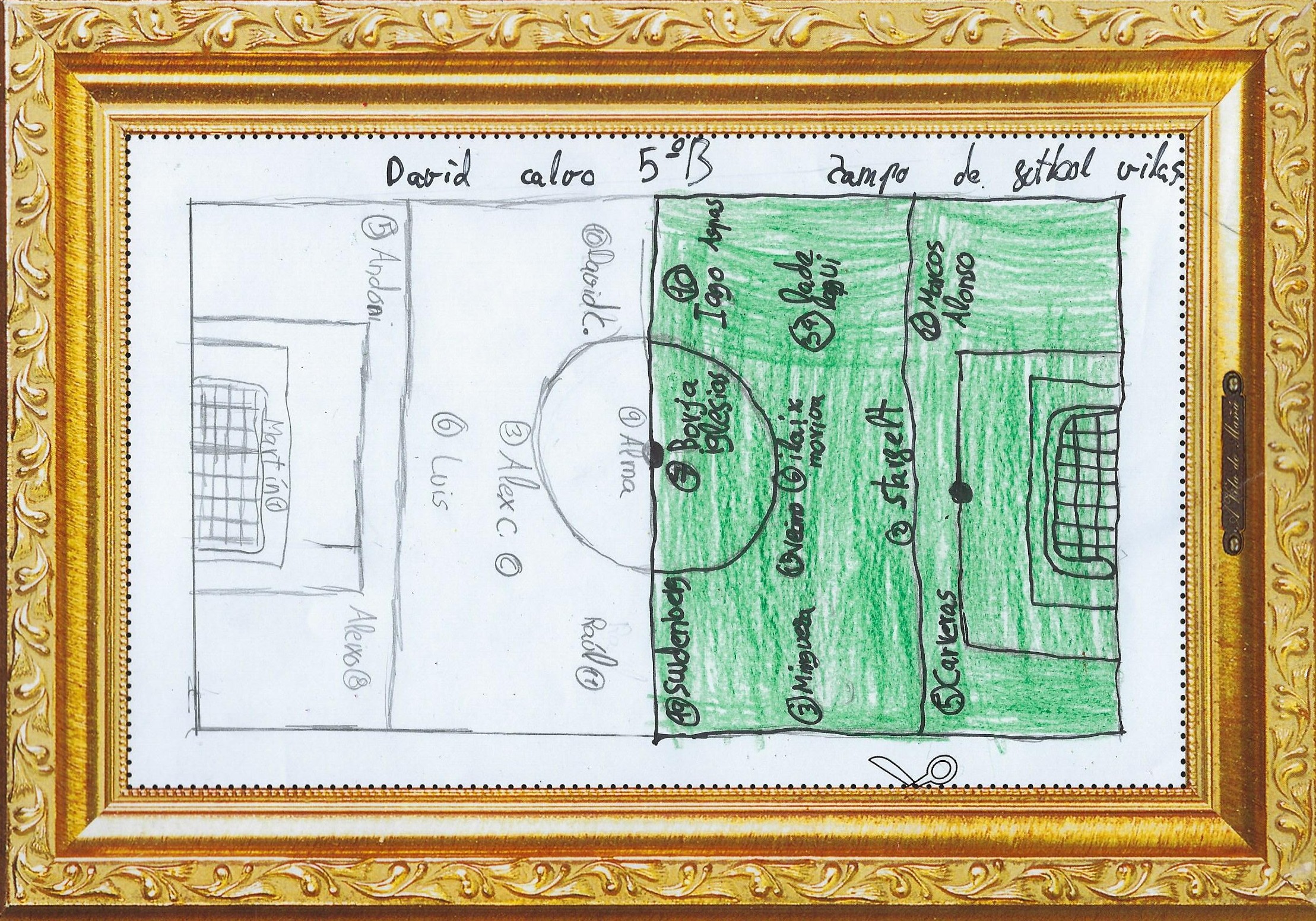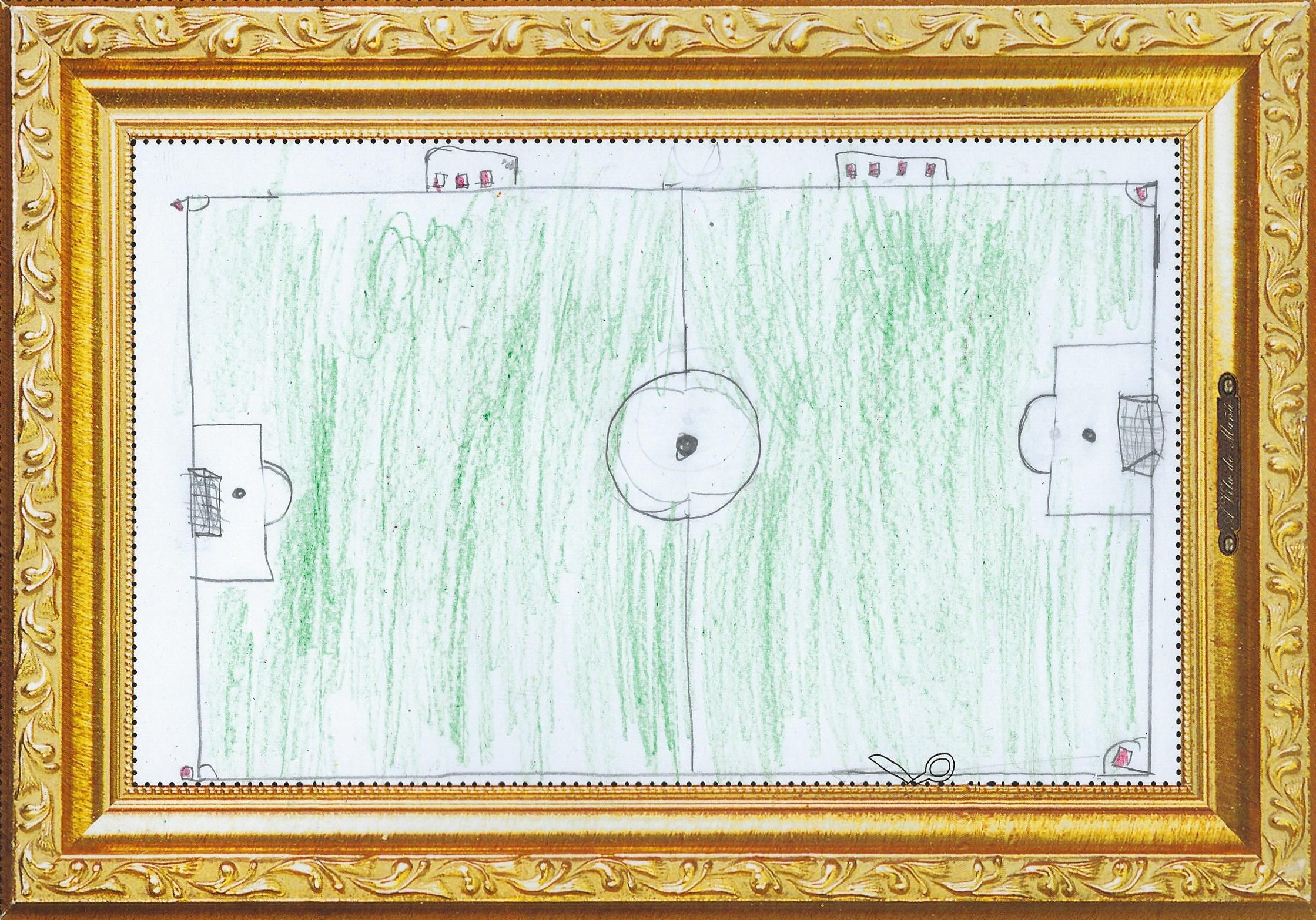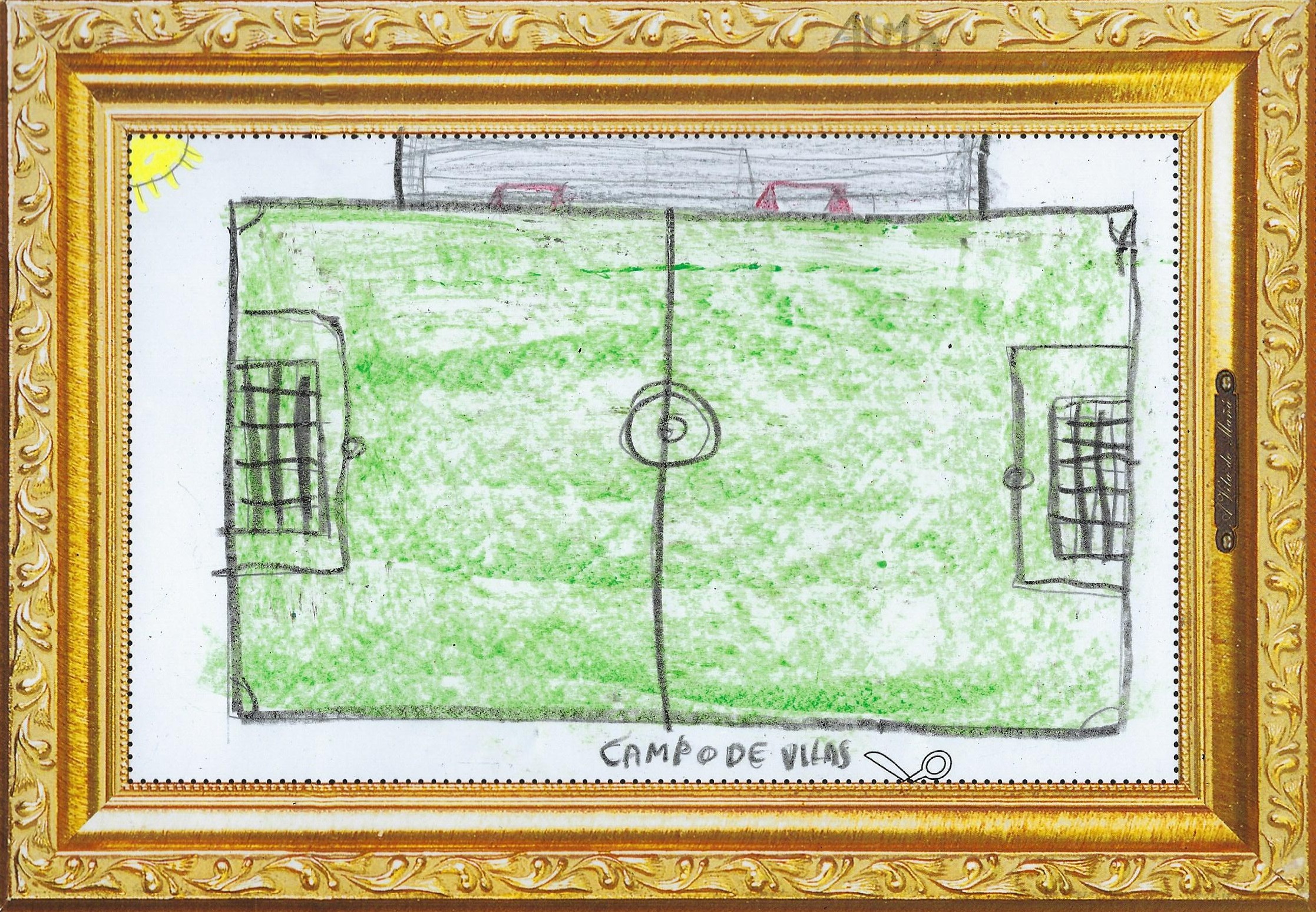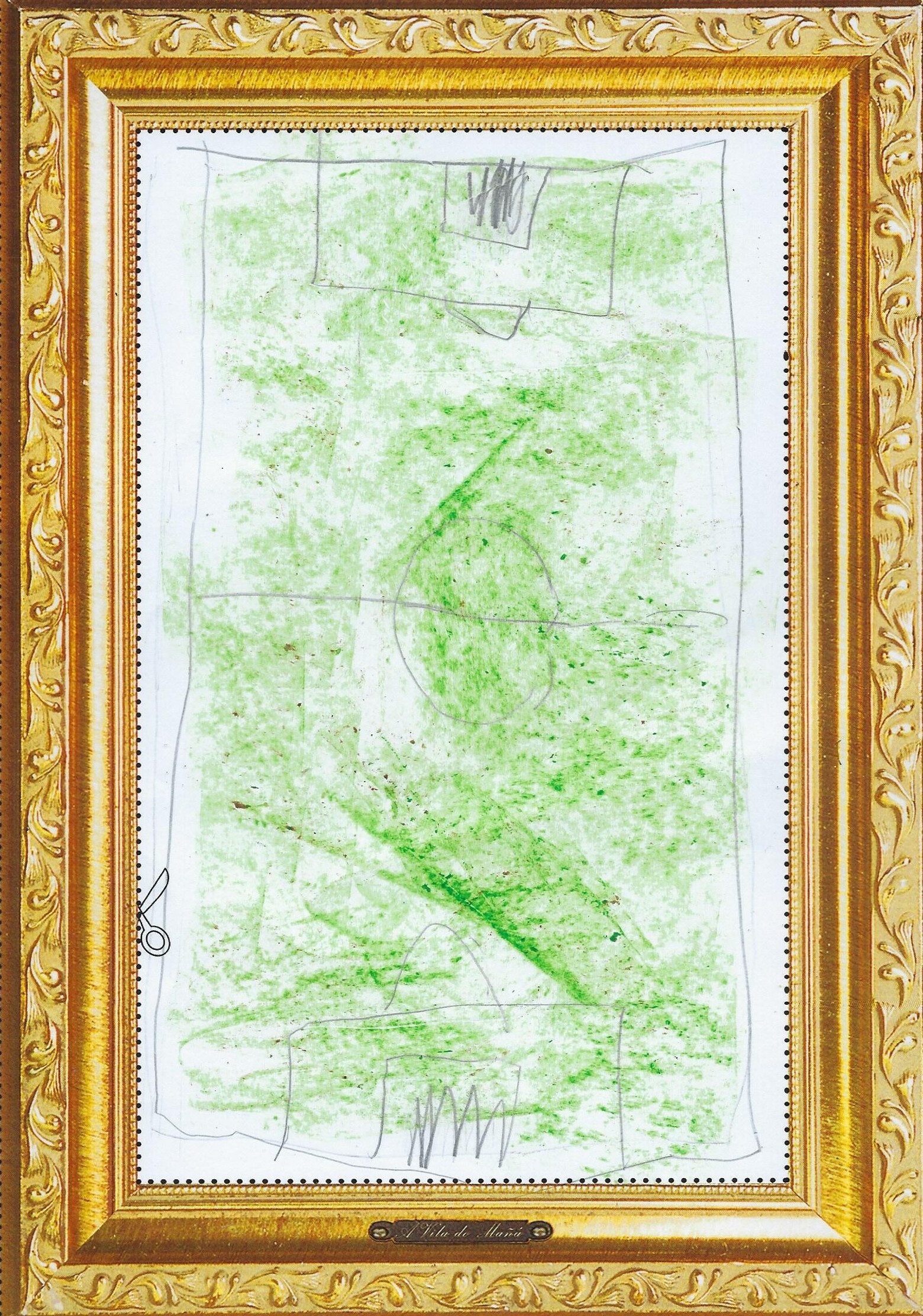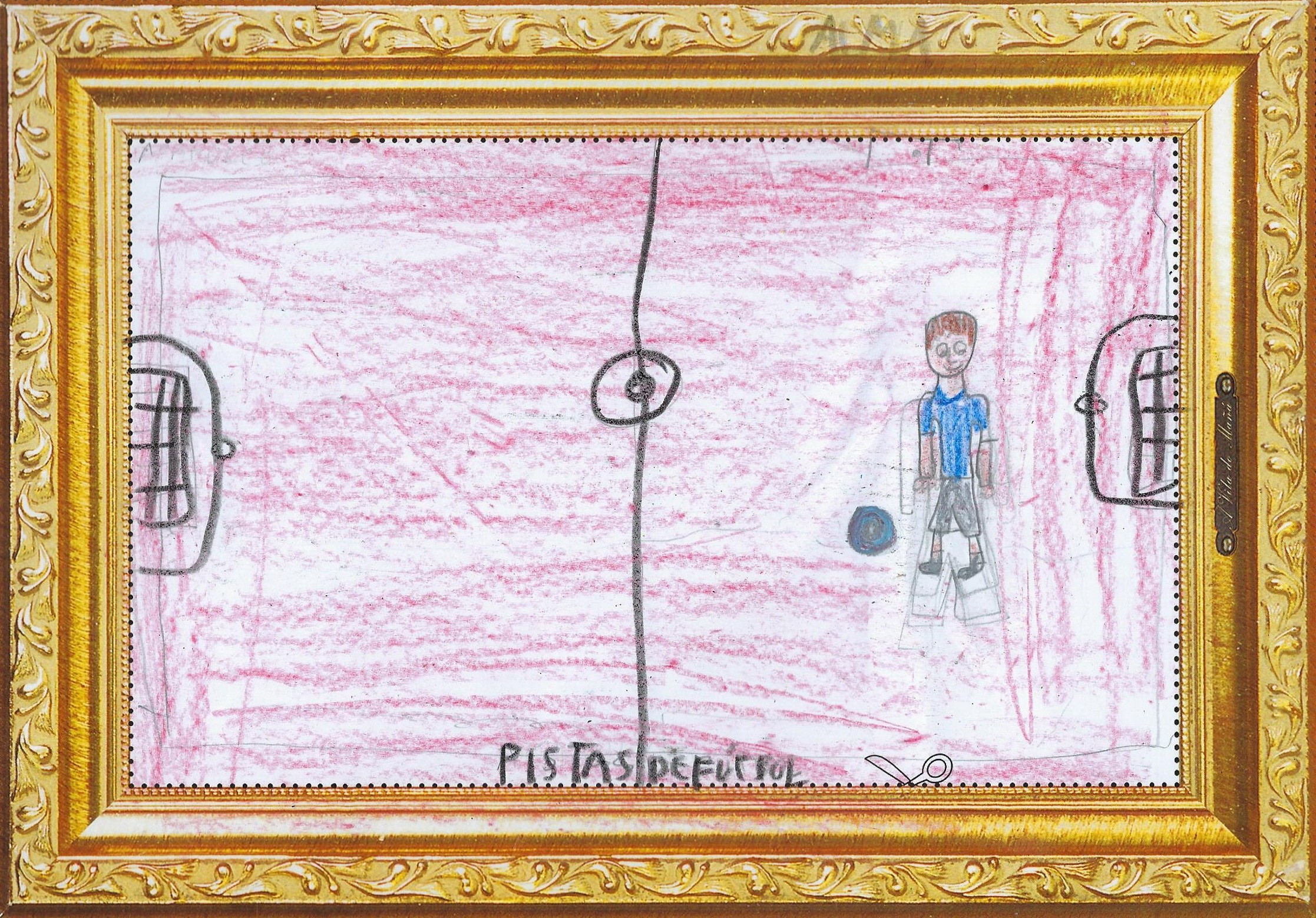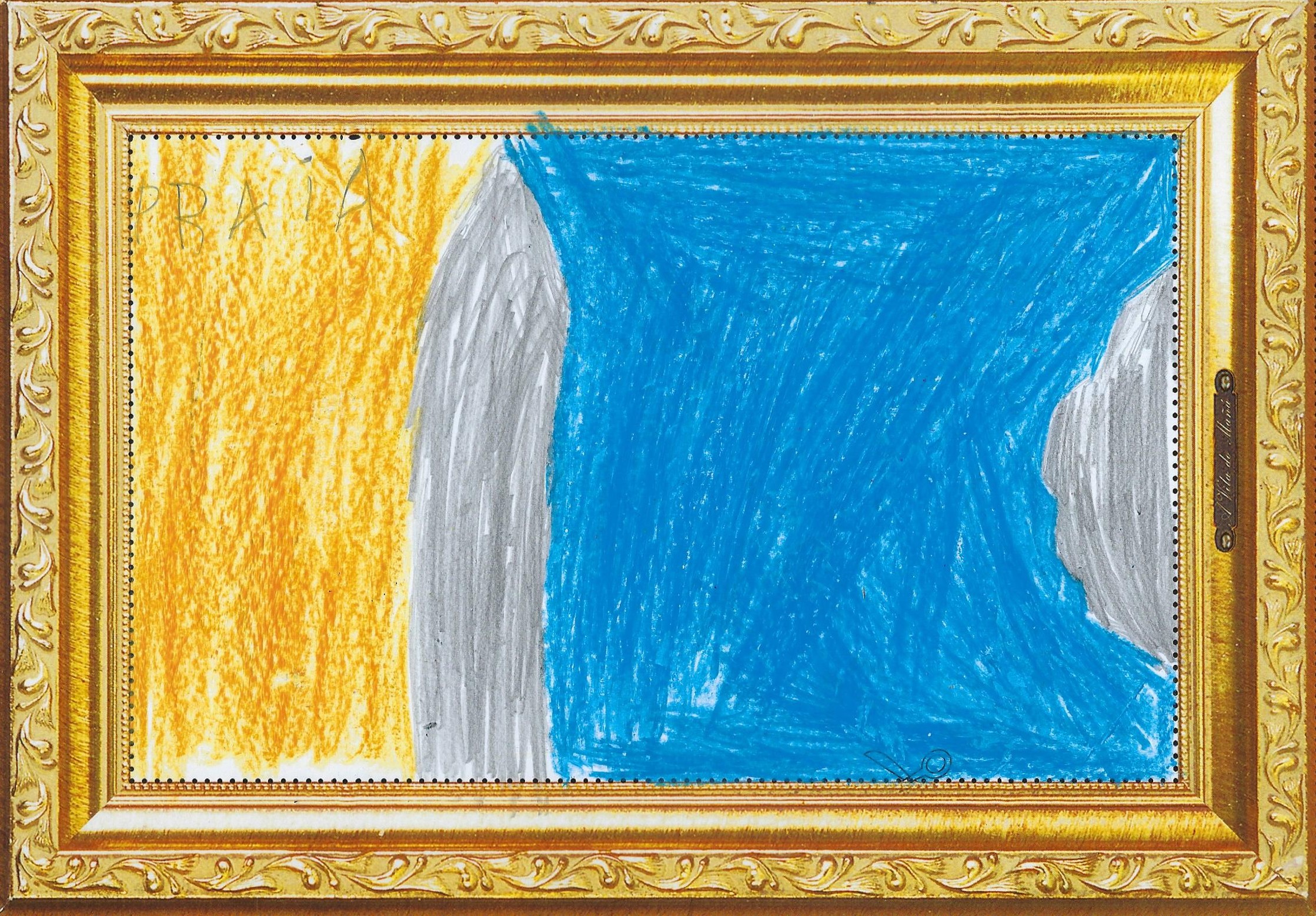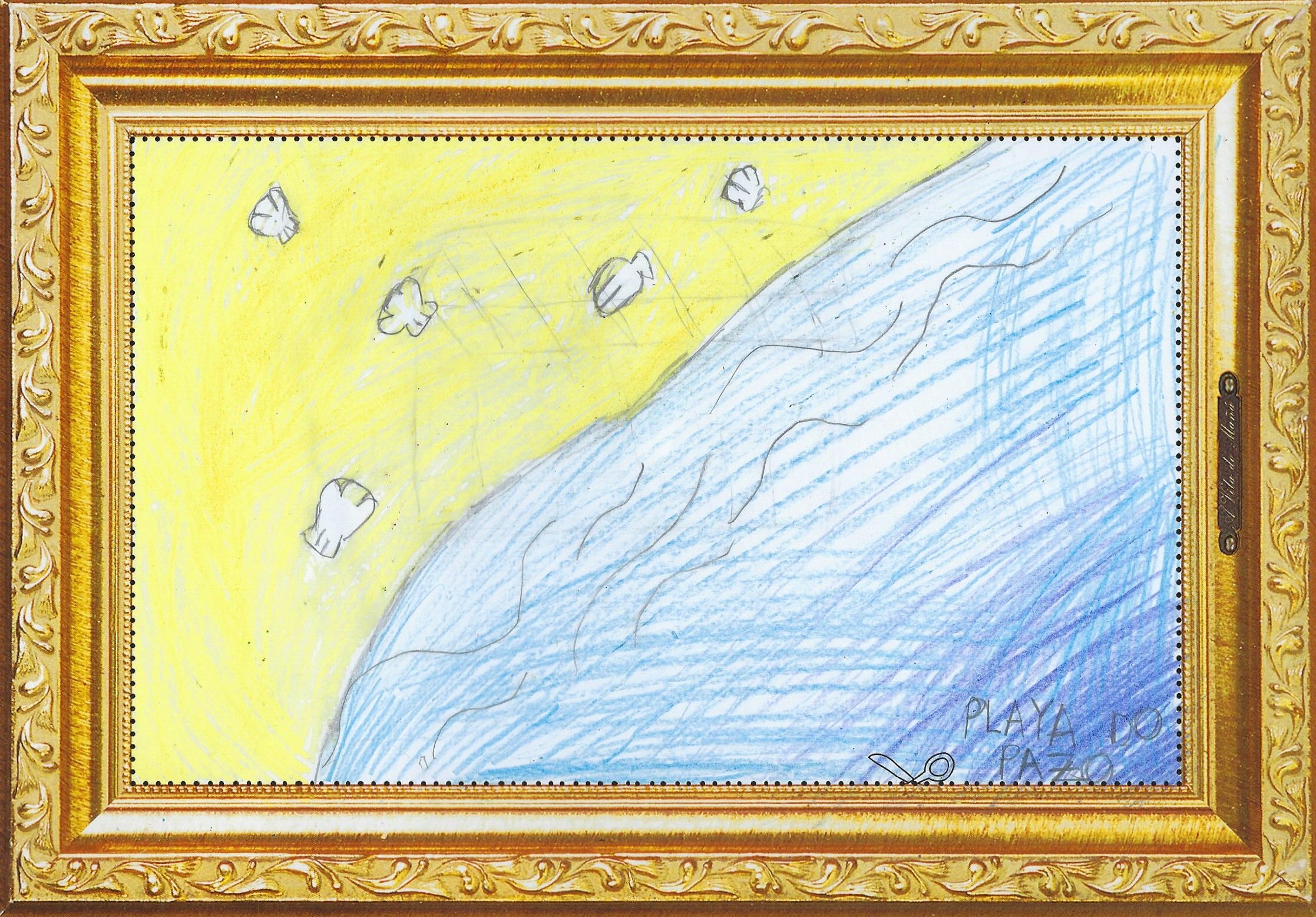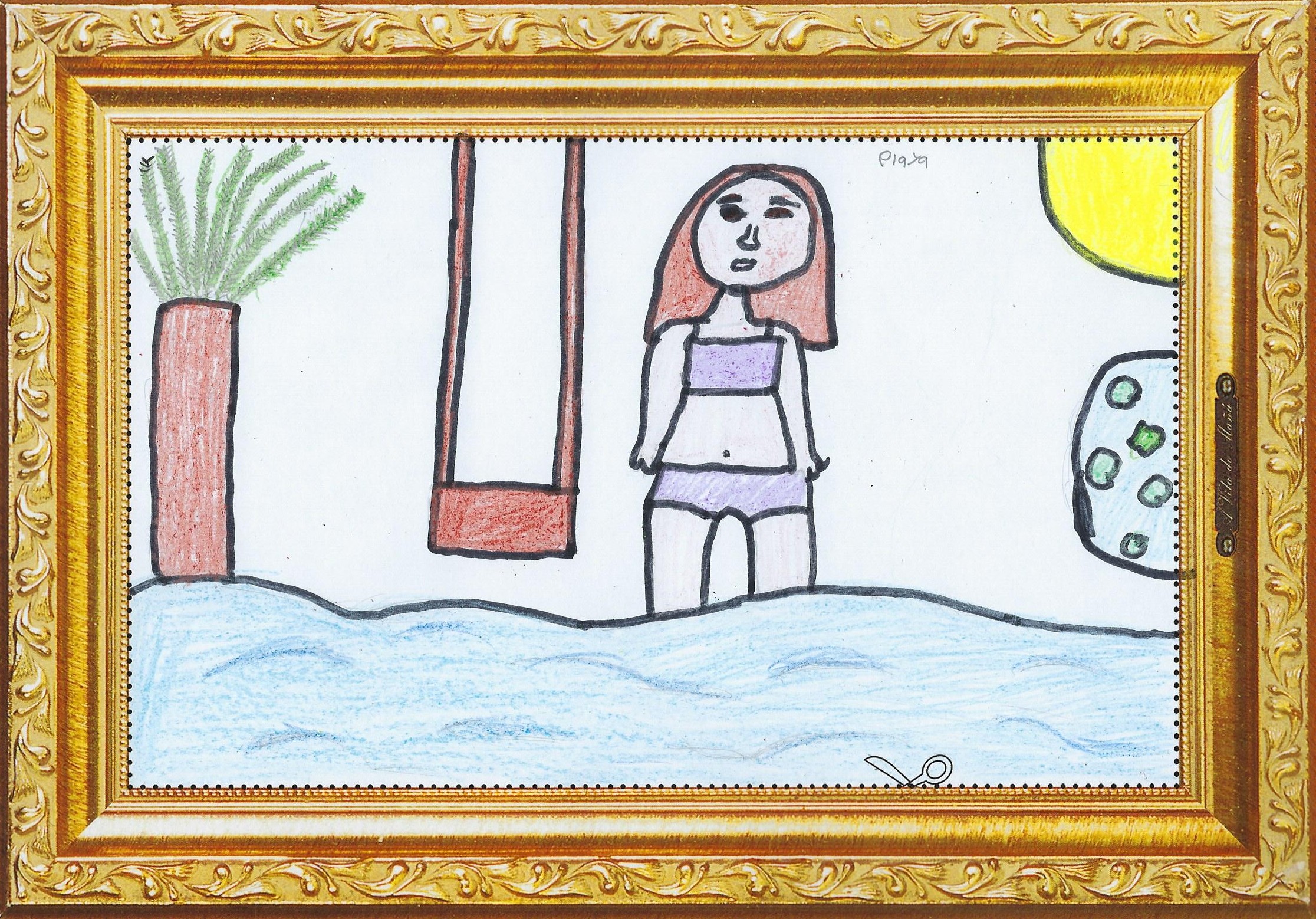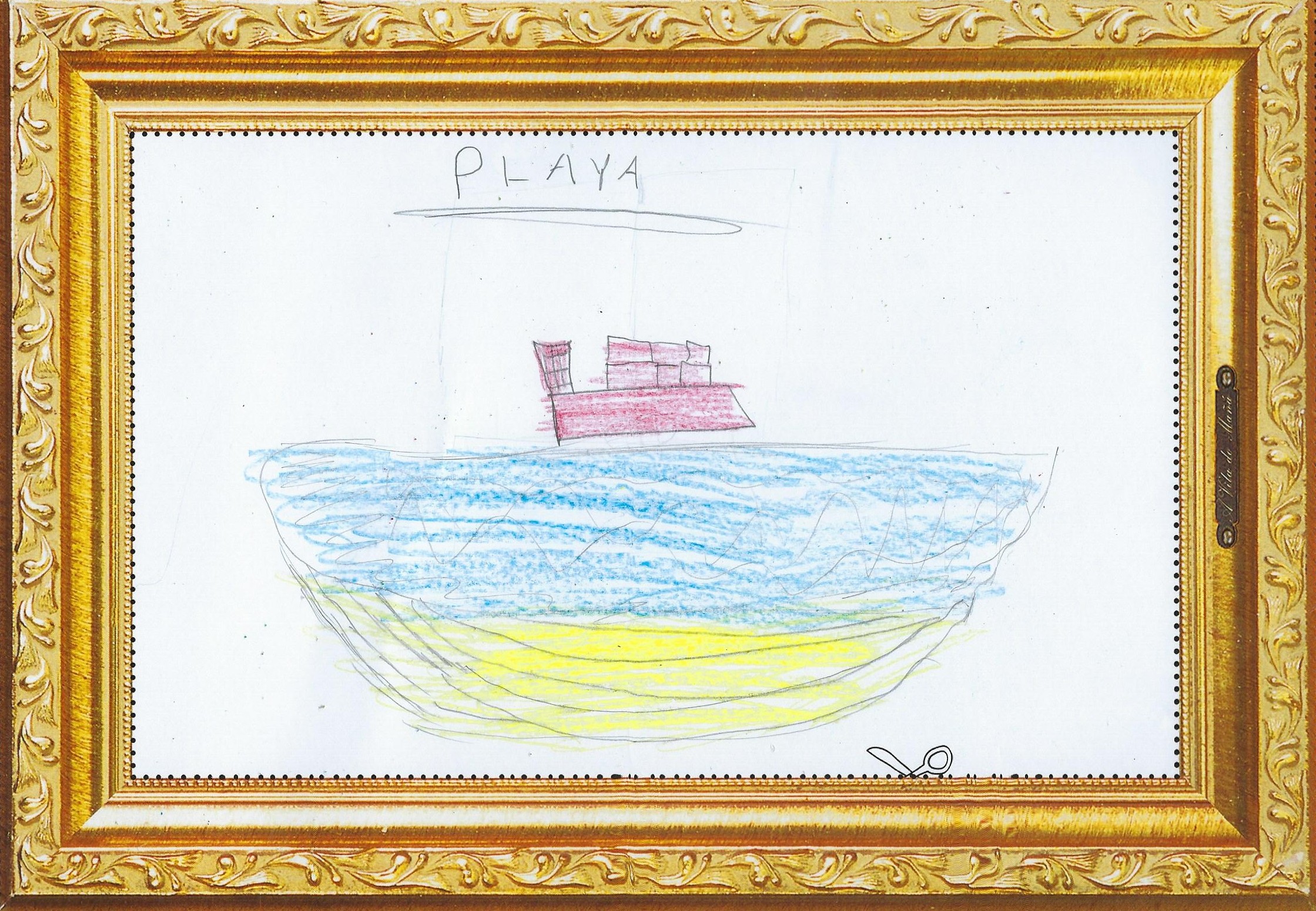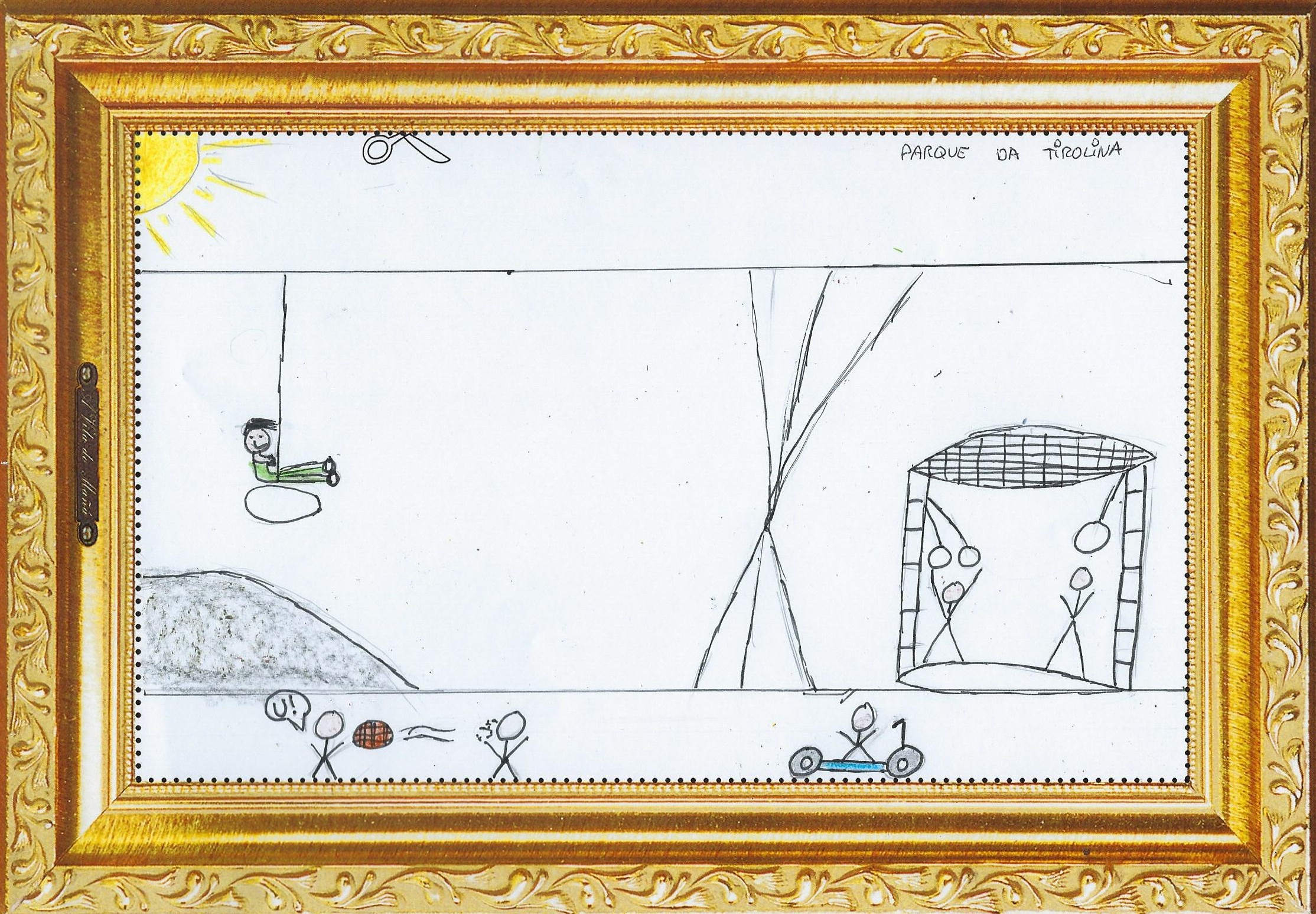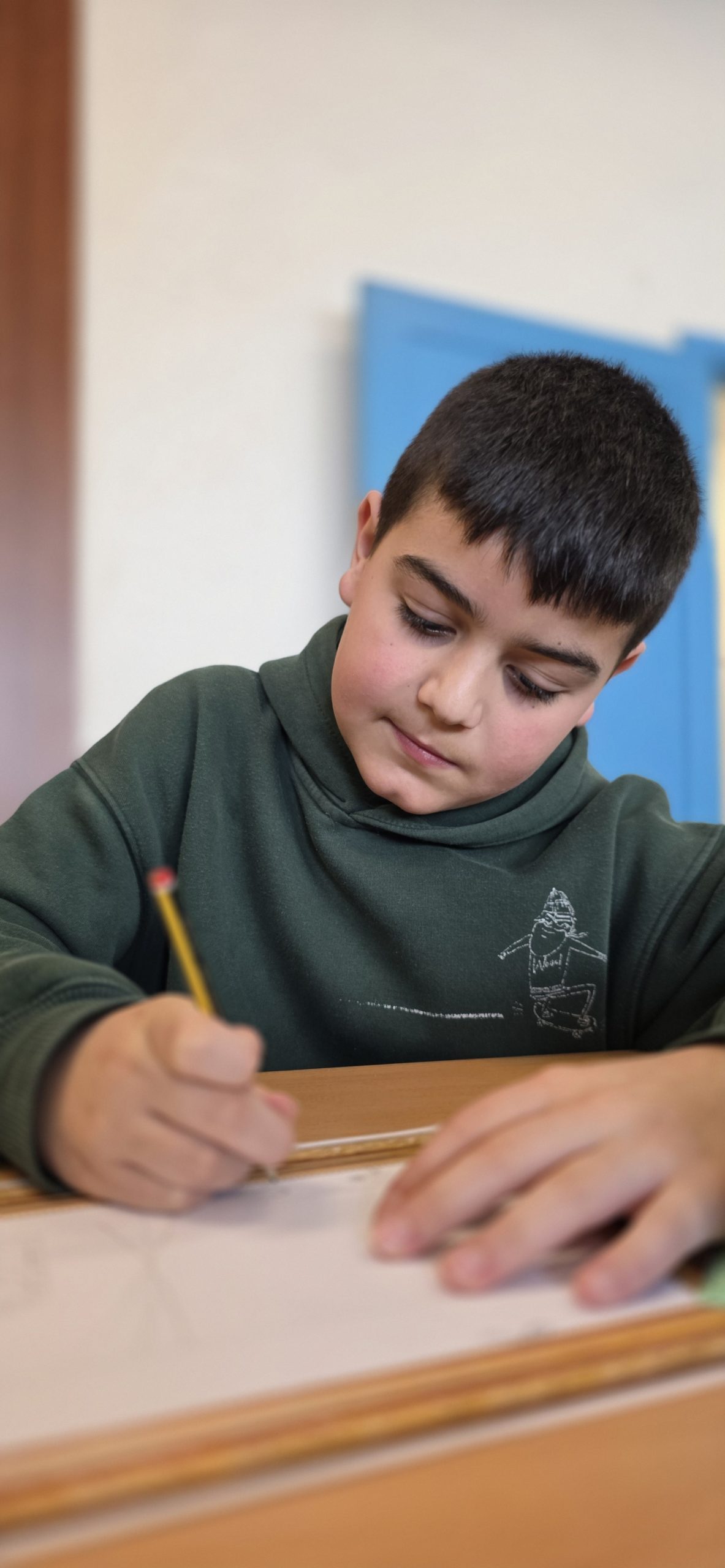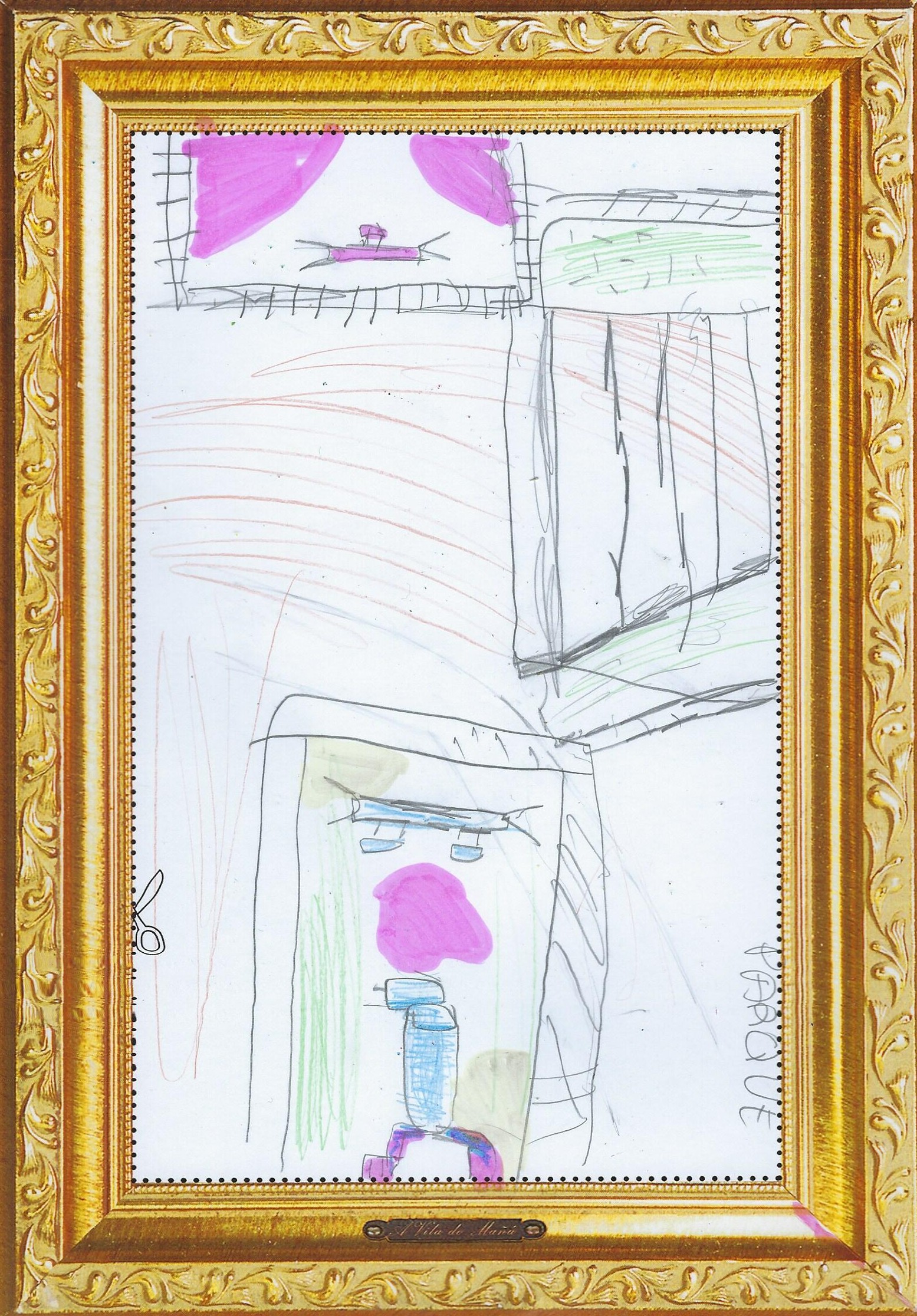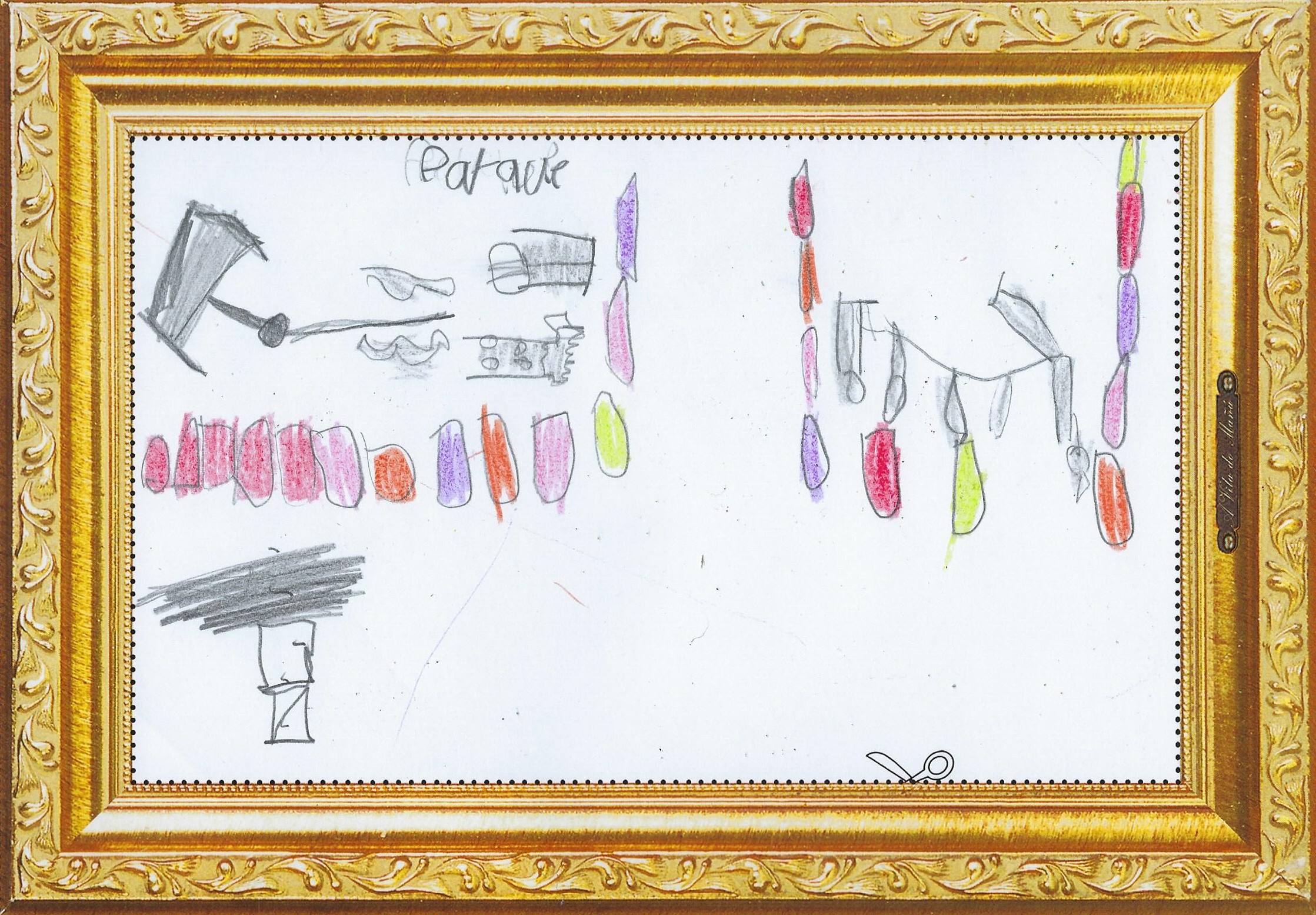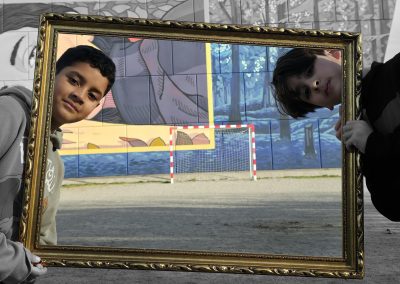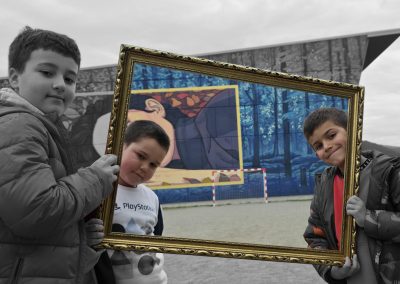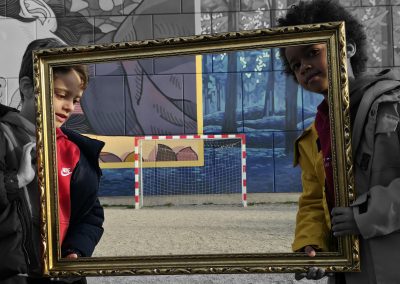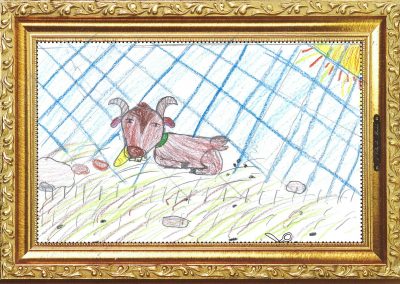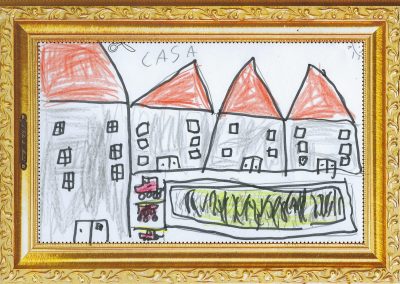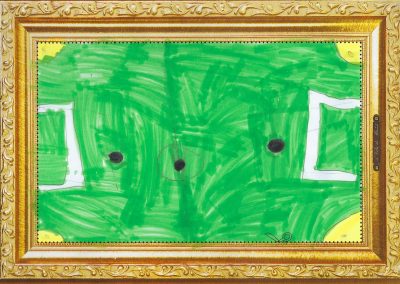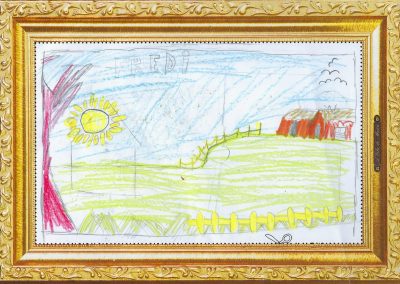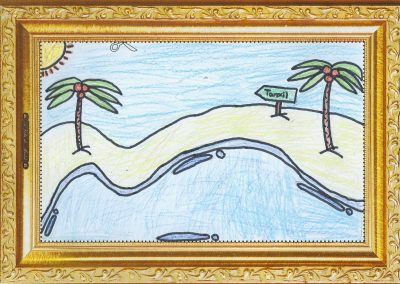
3º PRIMARIA

3º PRIMARIA

Rianxo

changing the village through protagonist participation


reCONIZING Rianxo

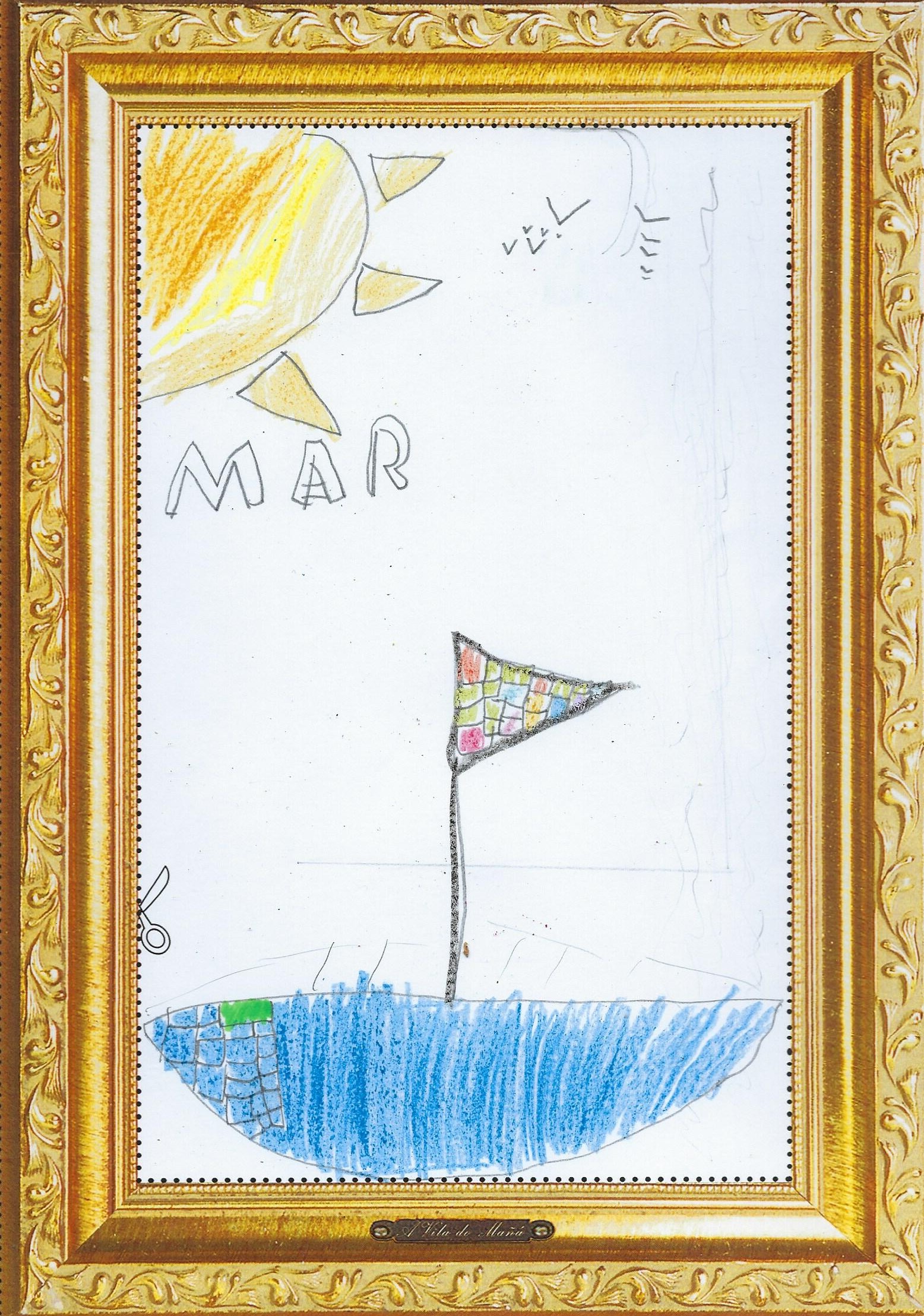
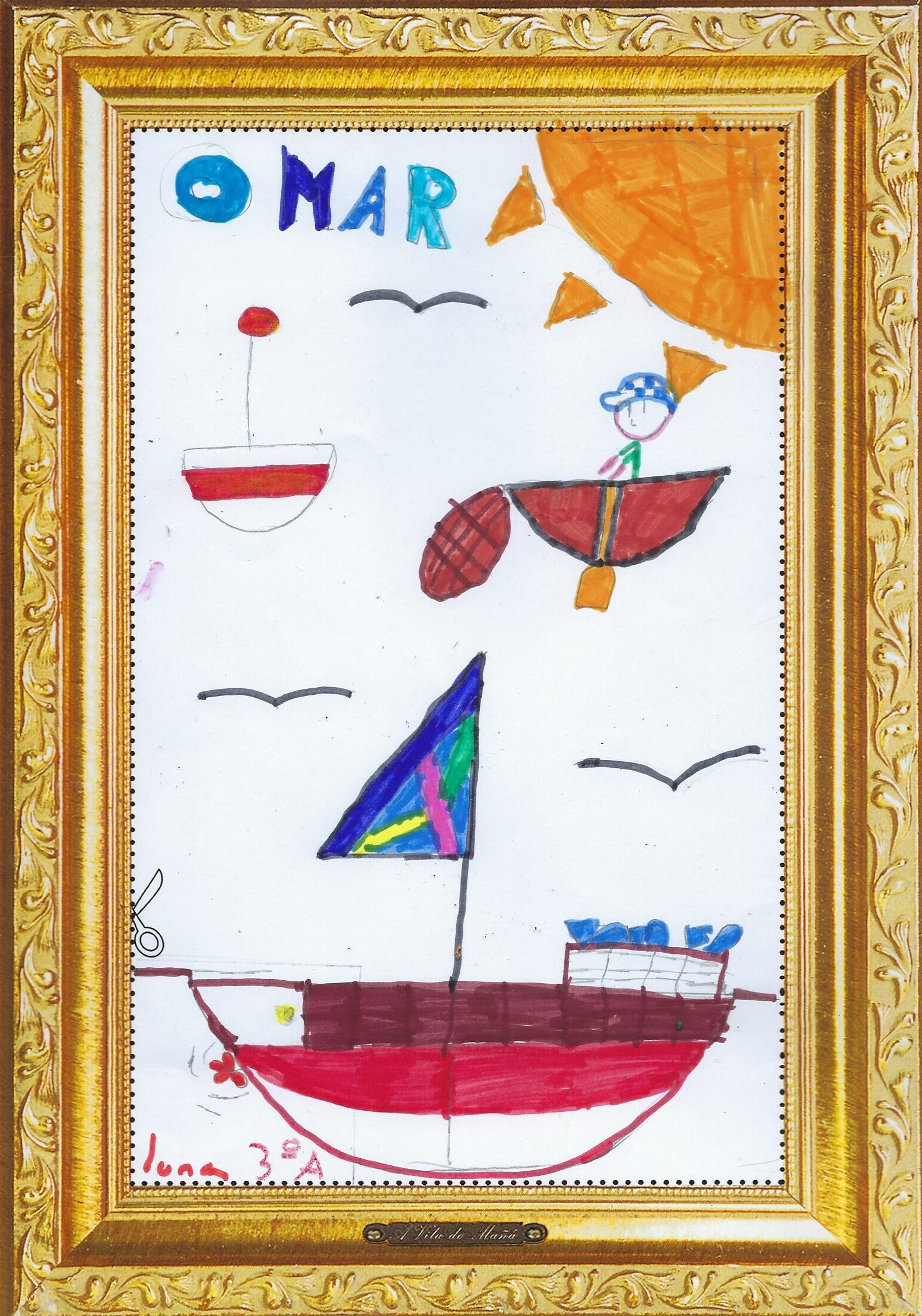
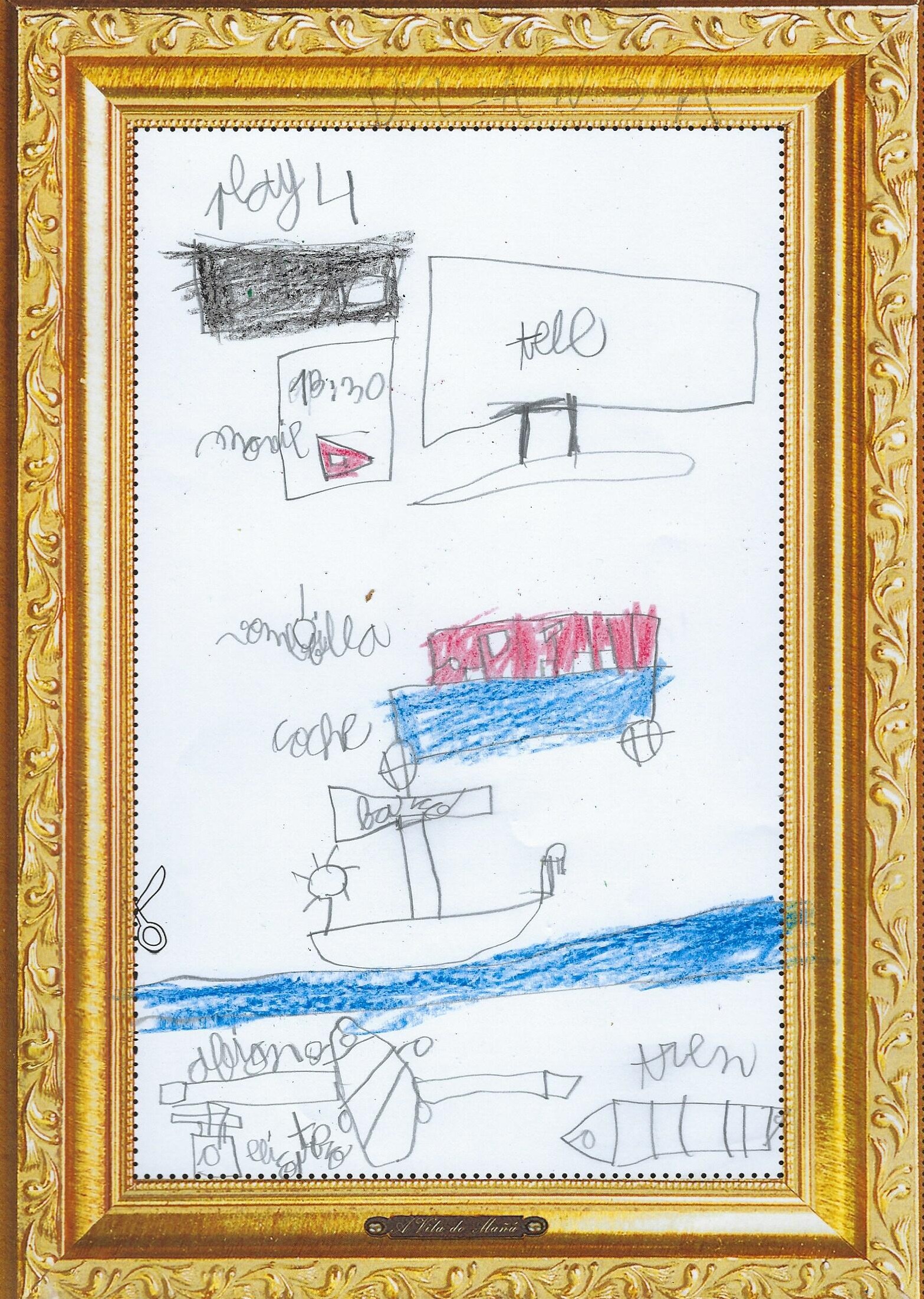
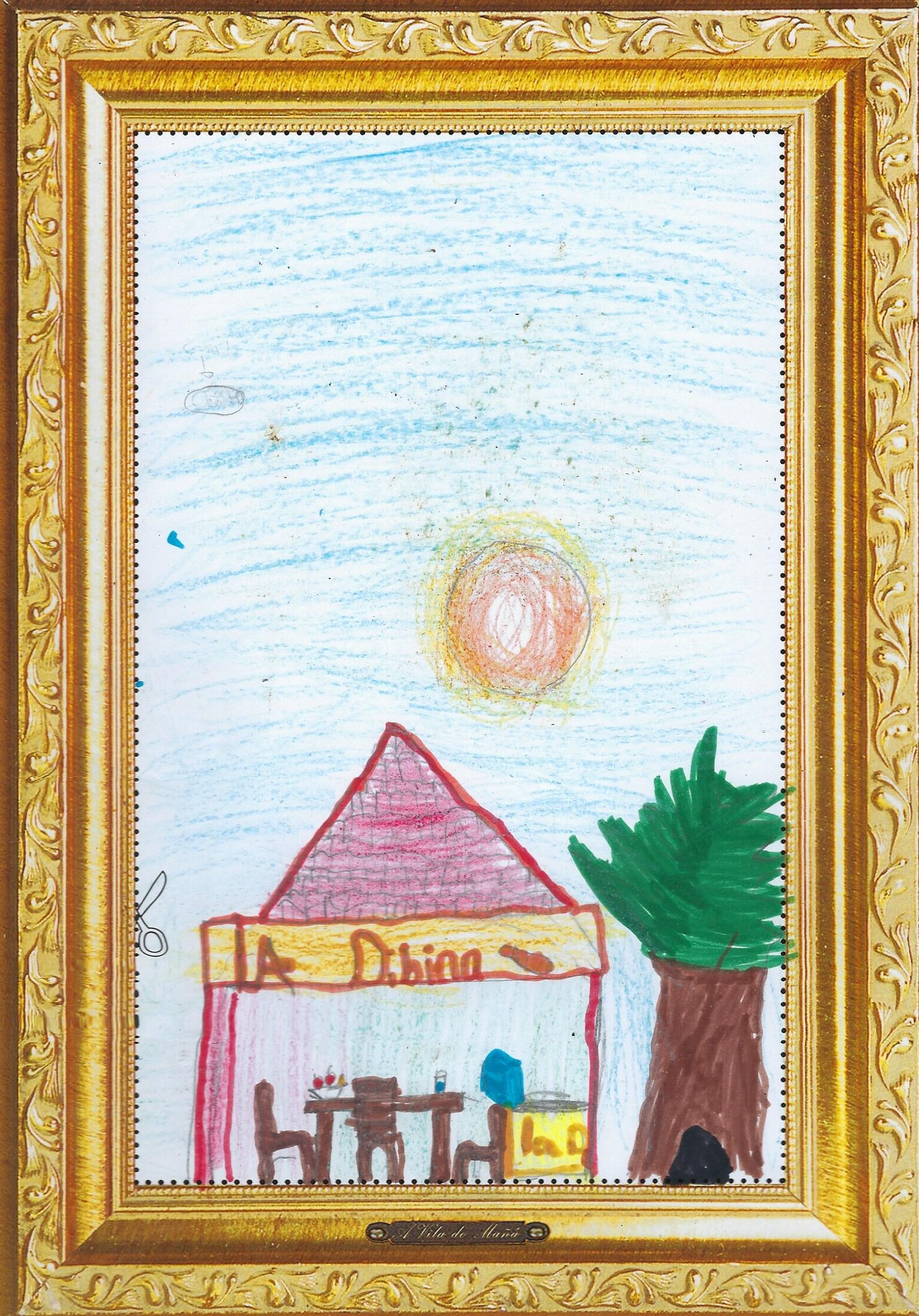
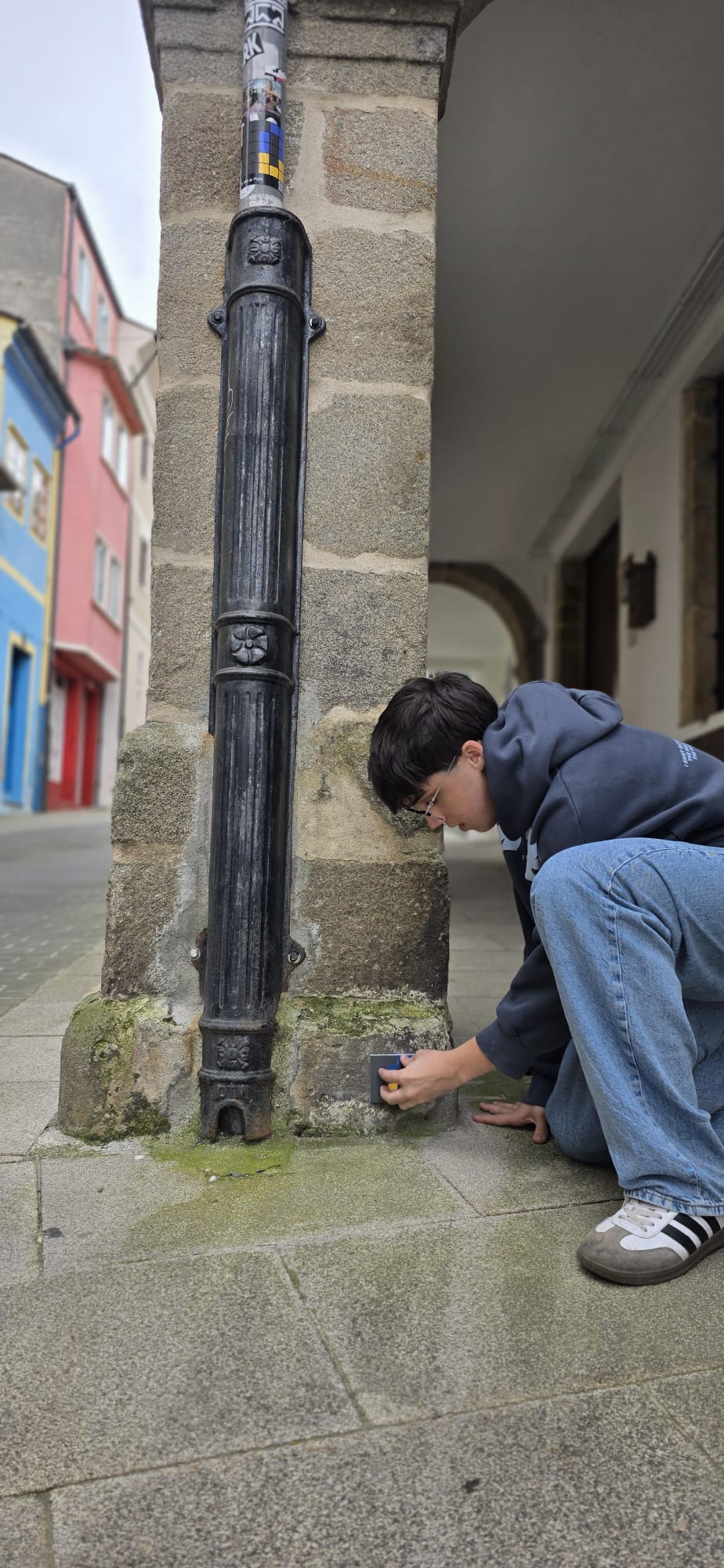
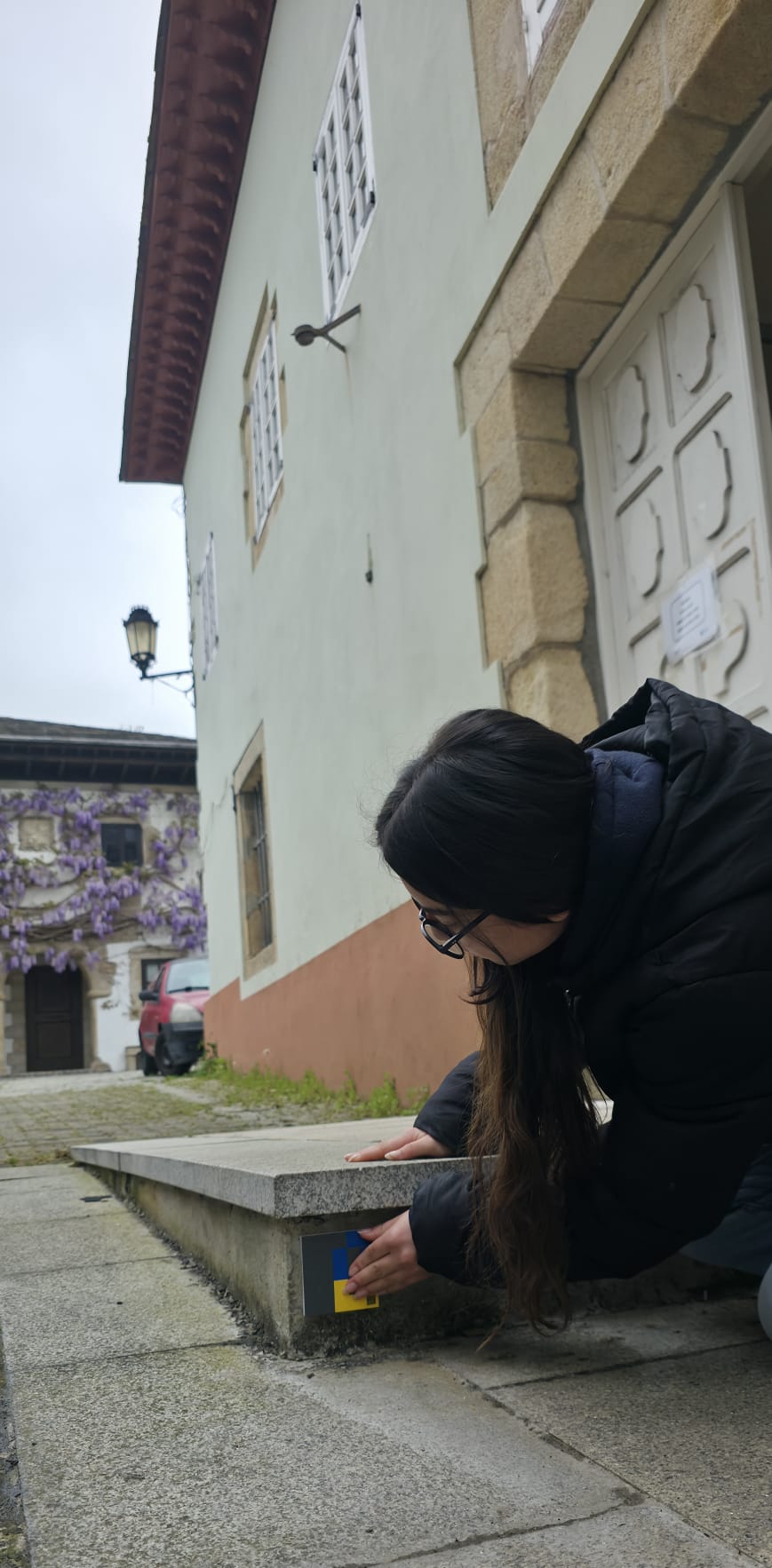
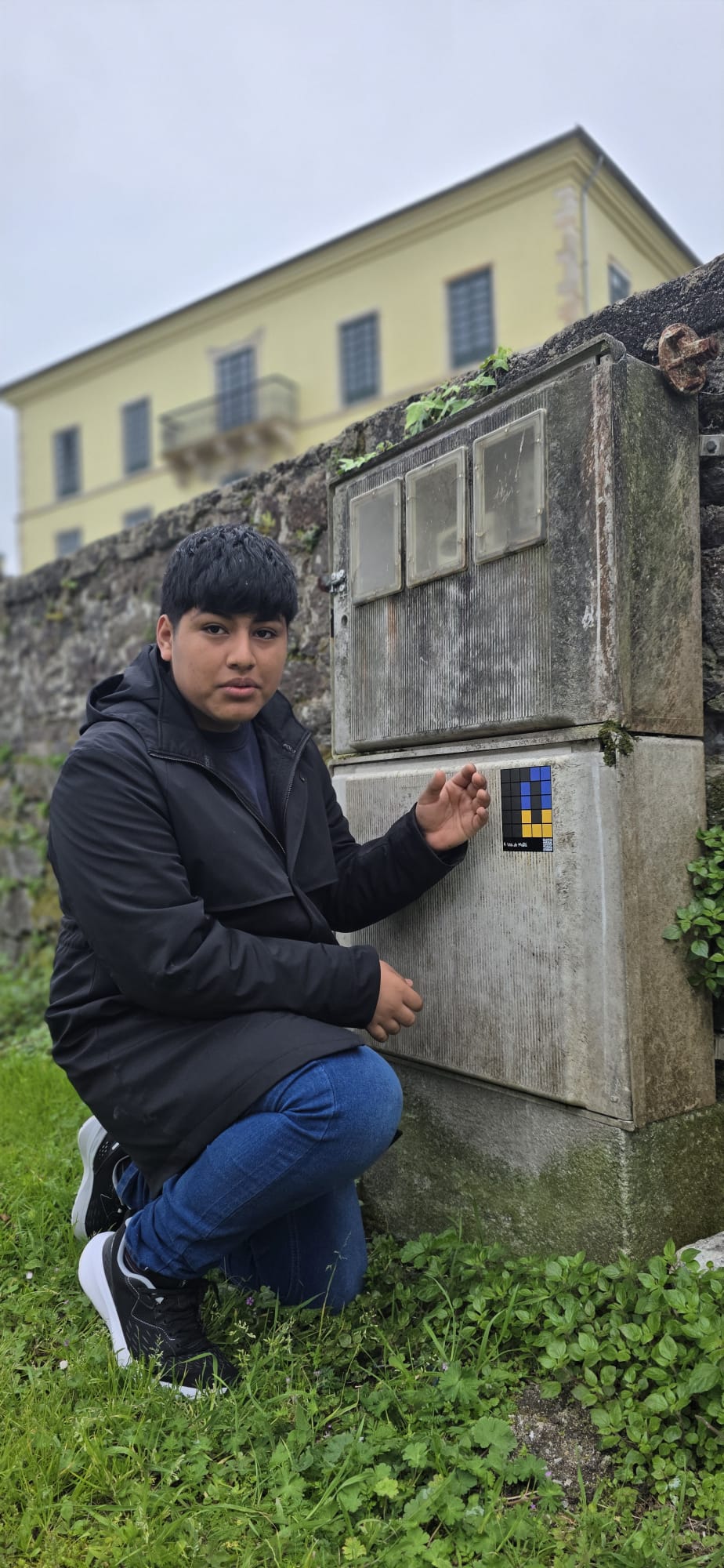
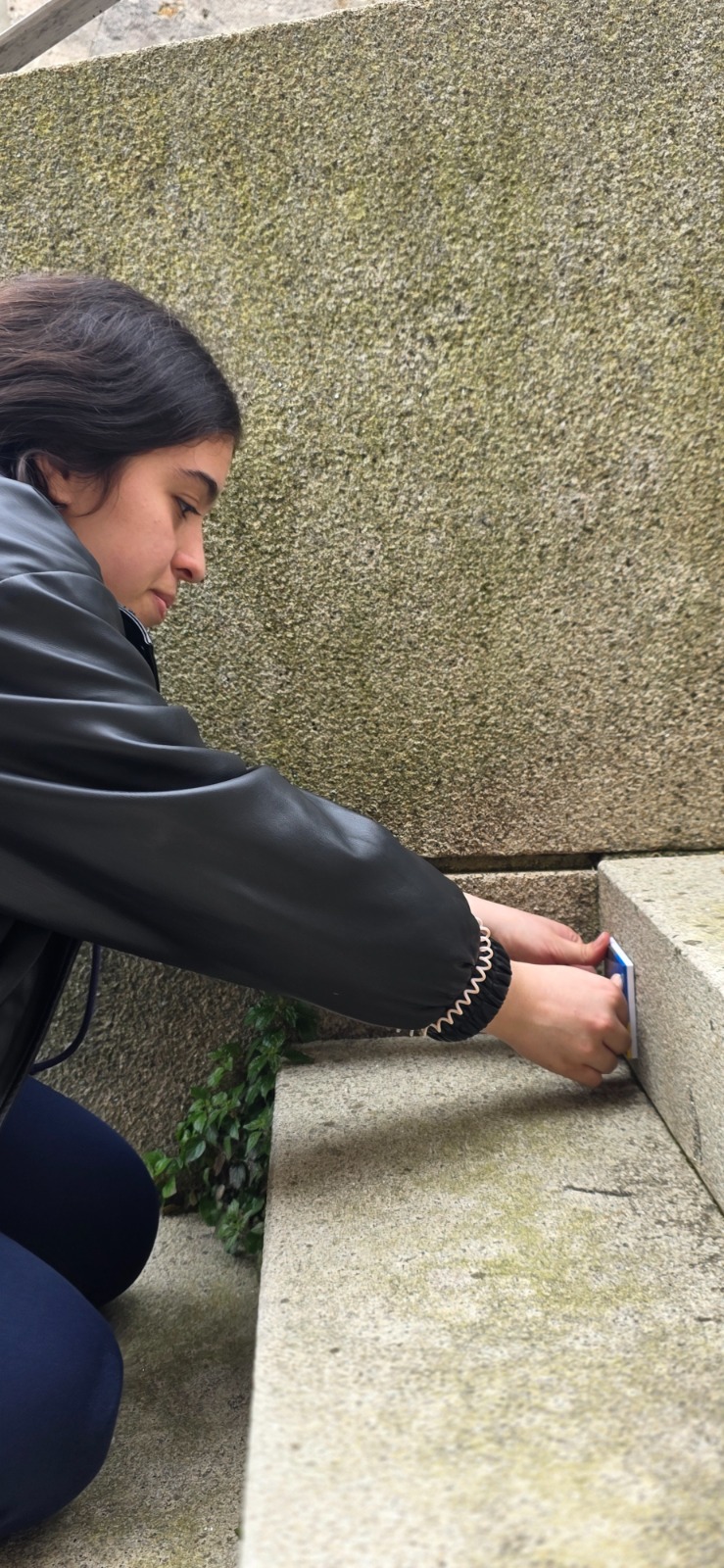
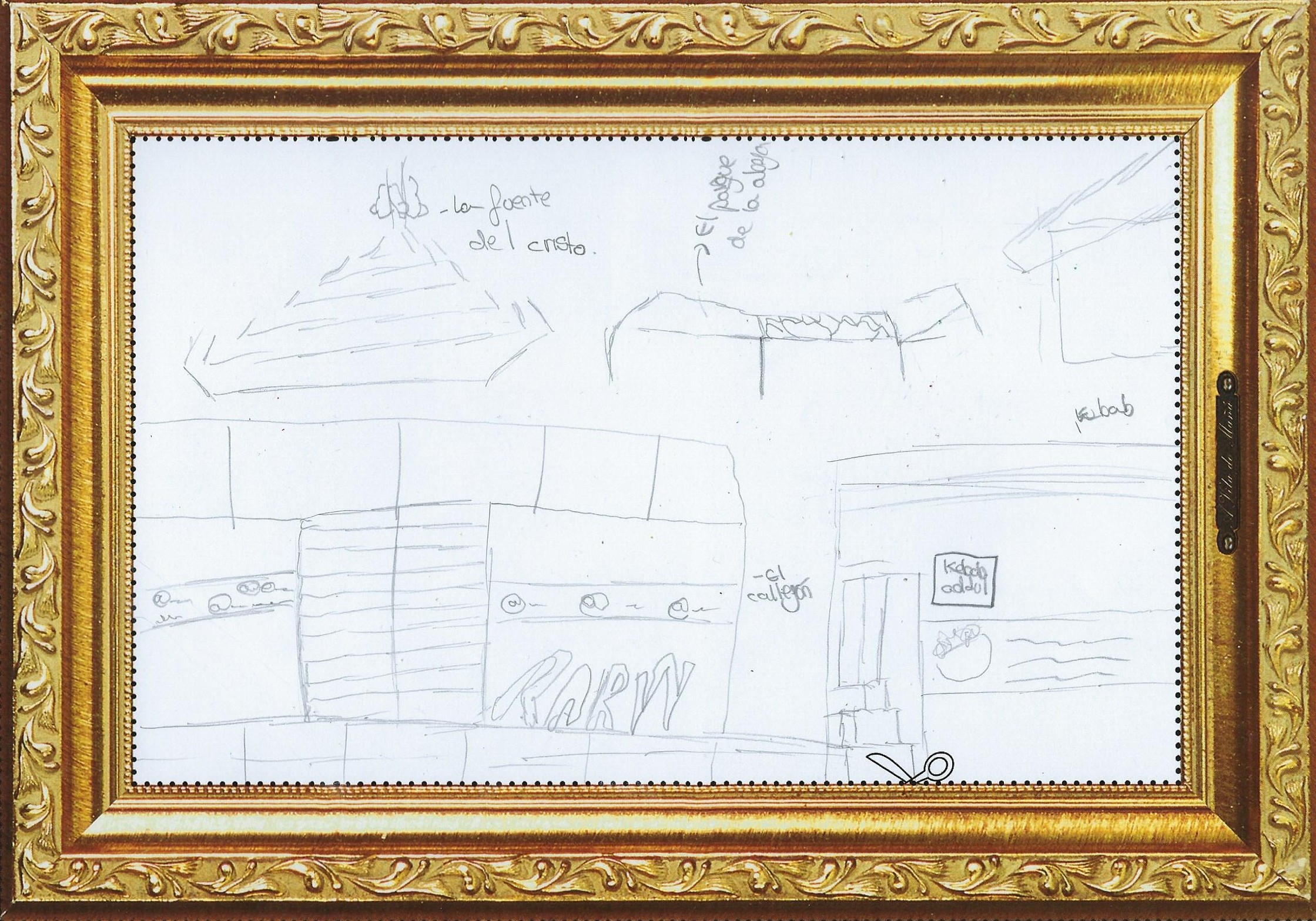
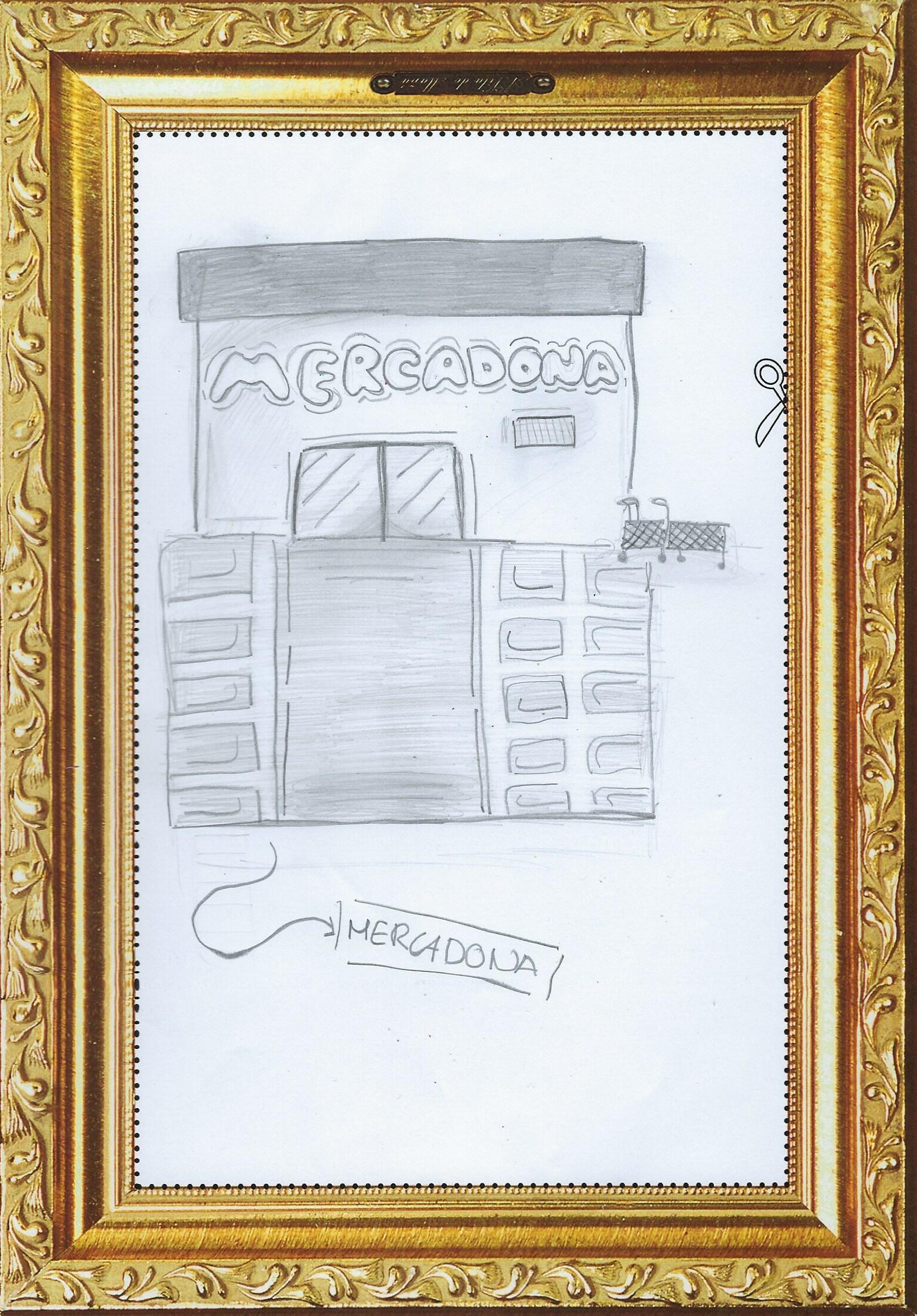
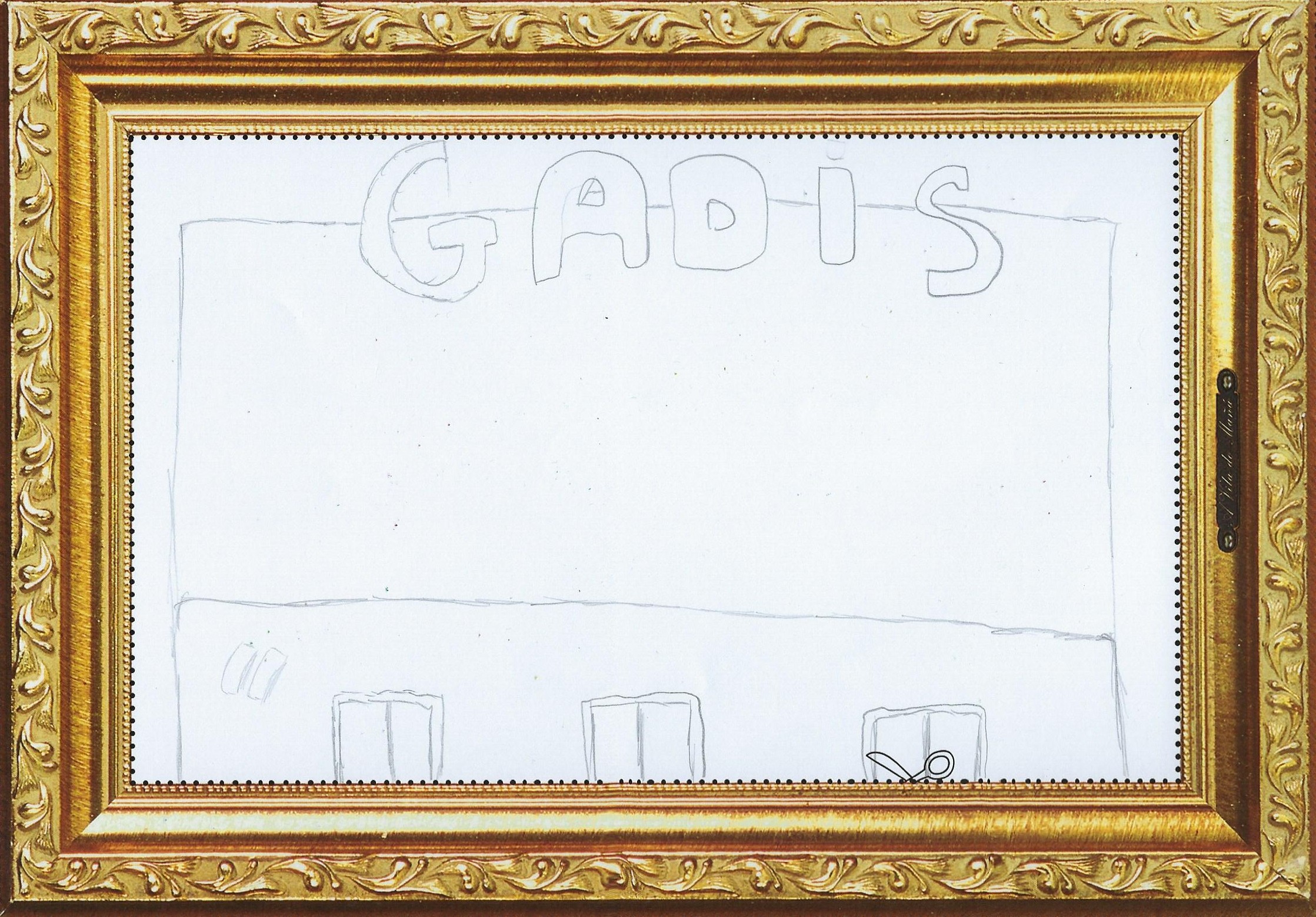
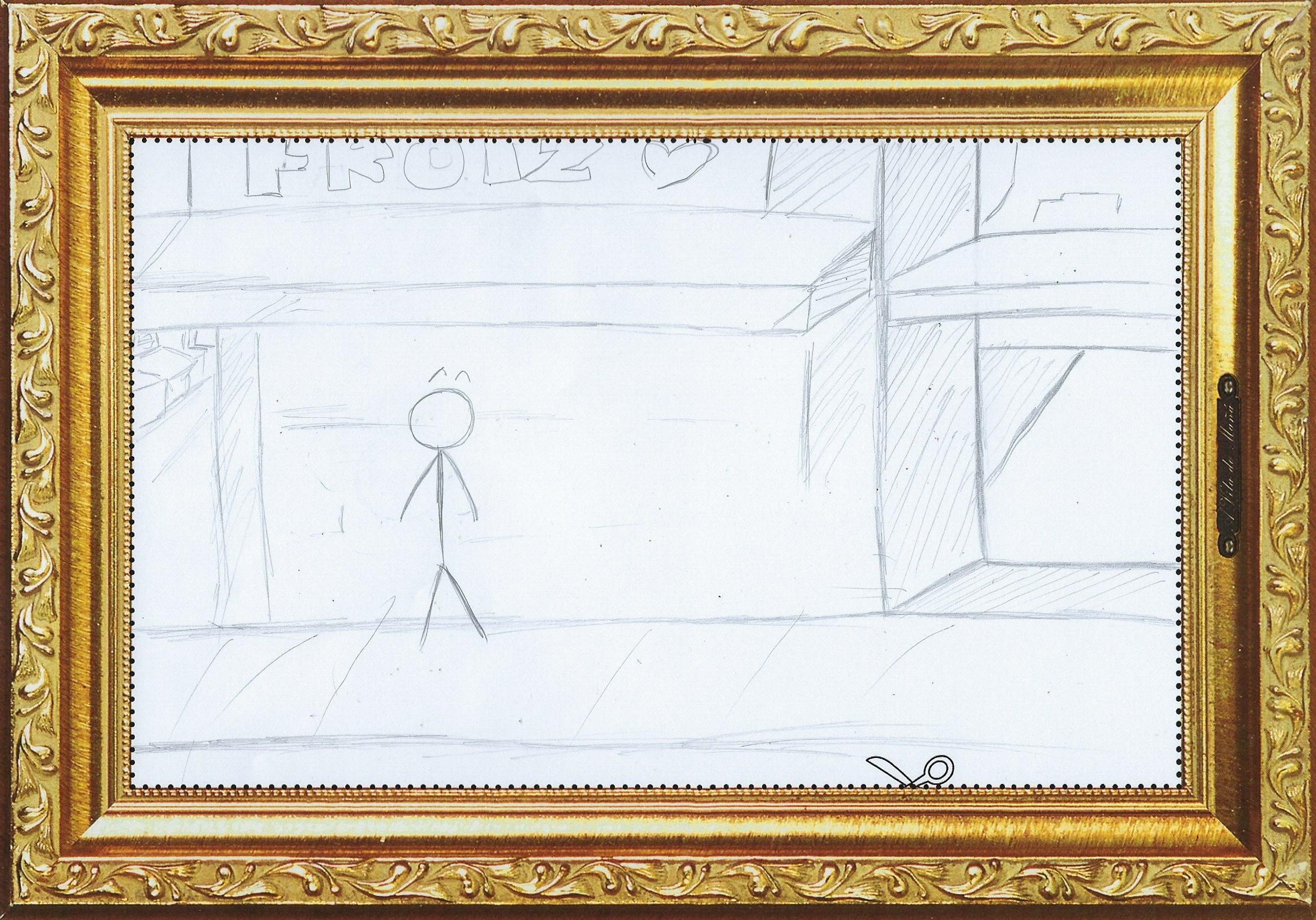
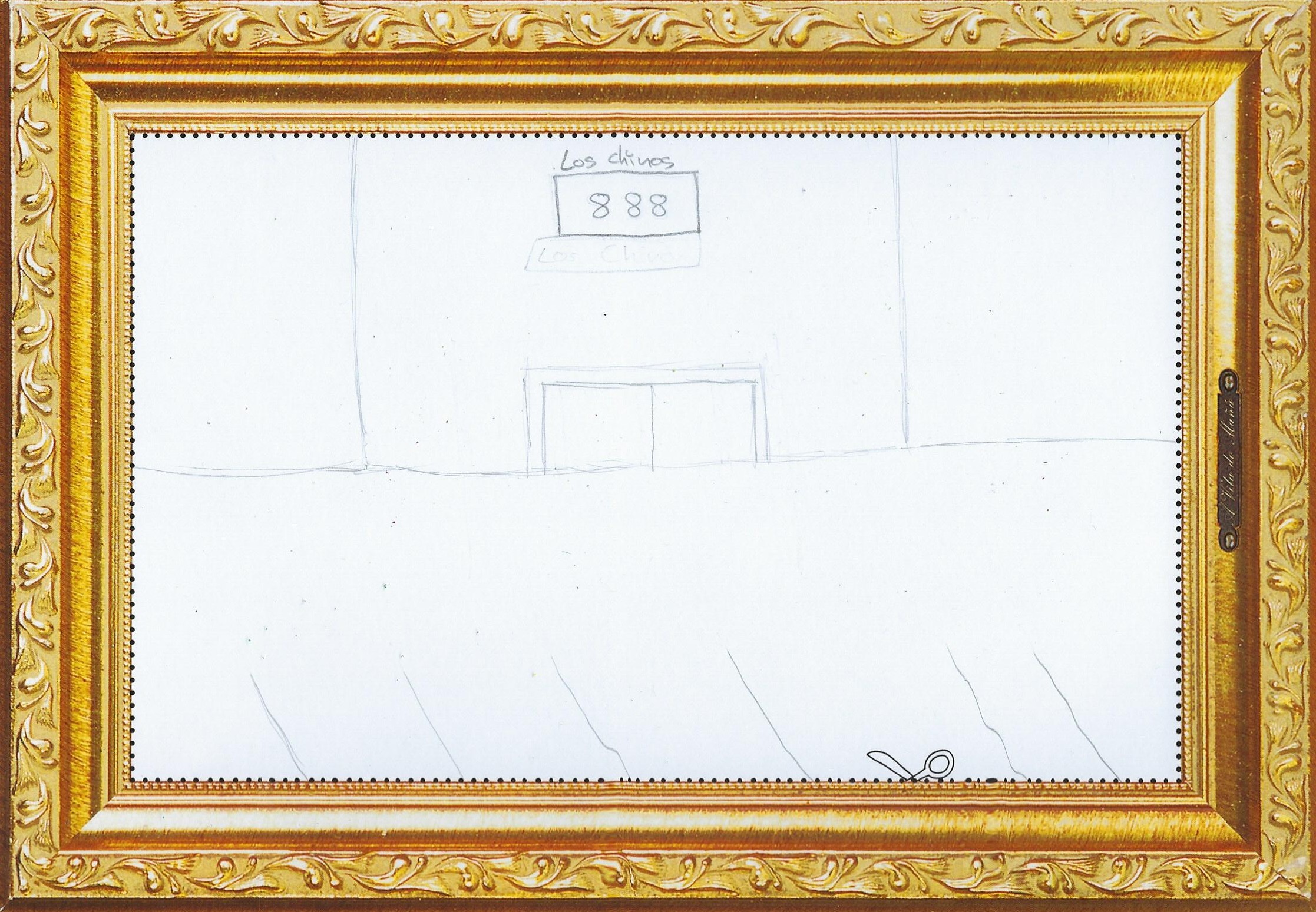
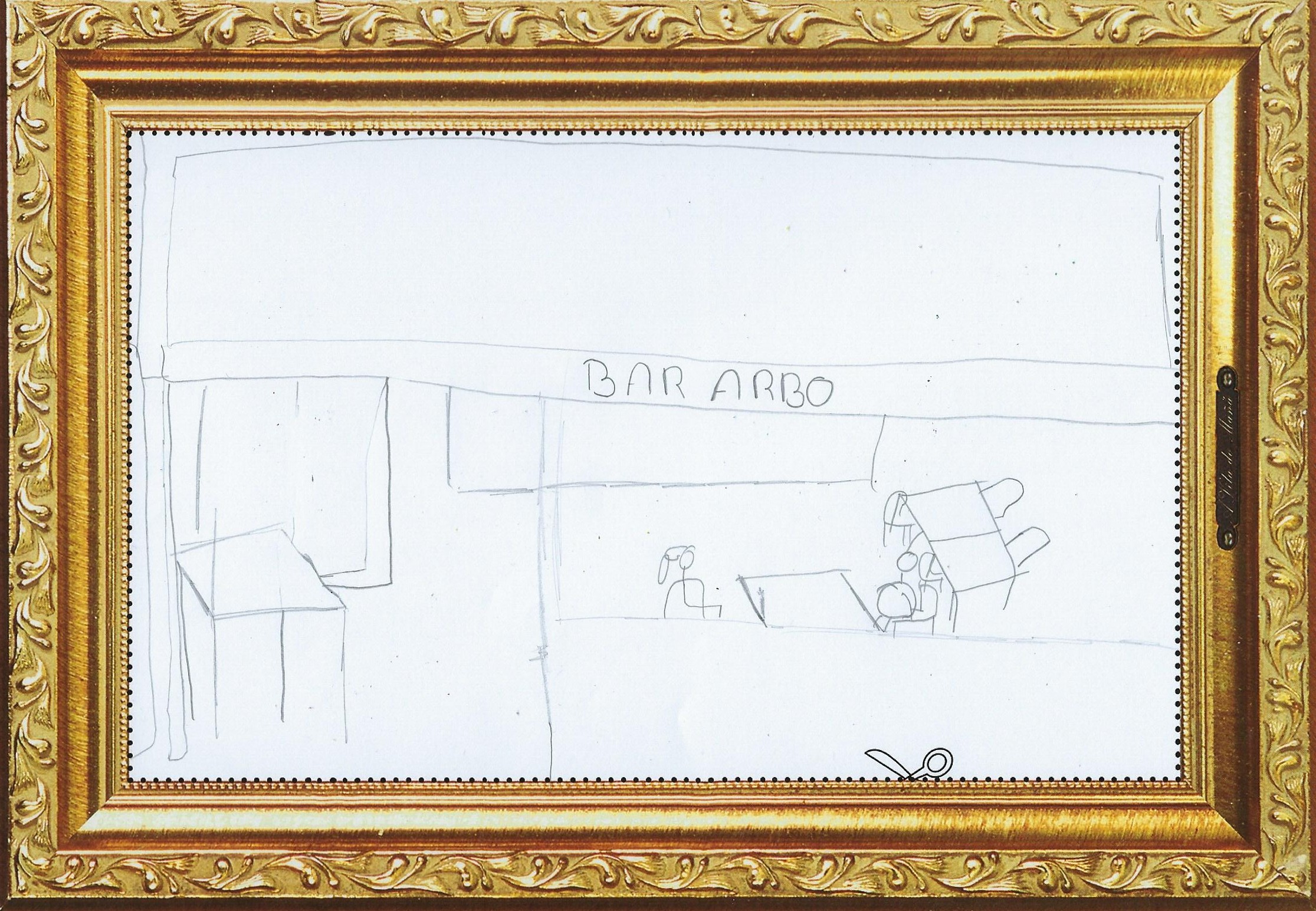
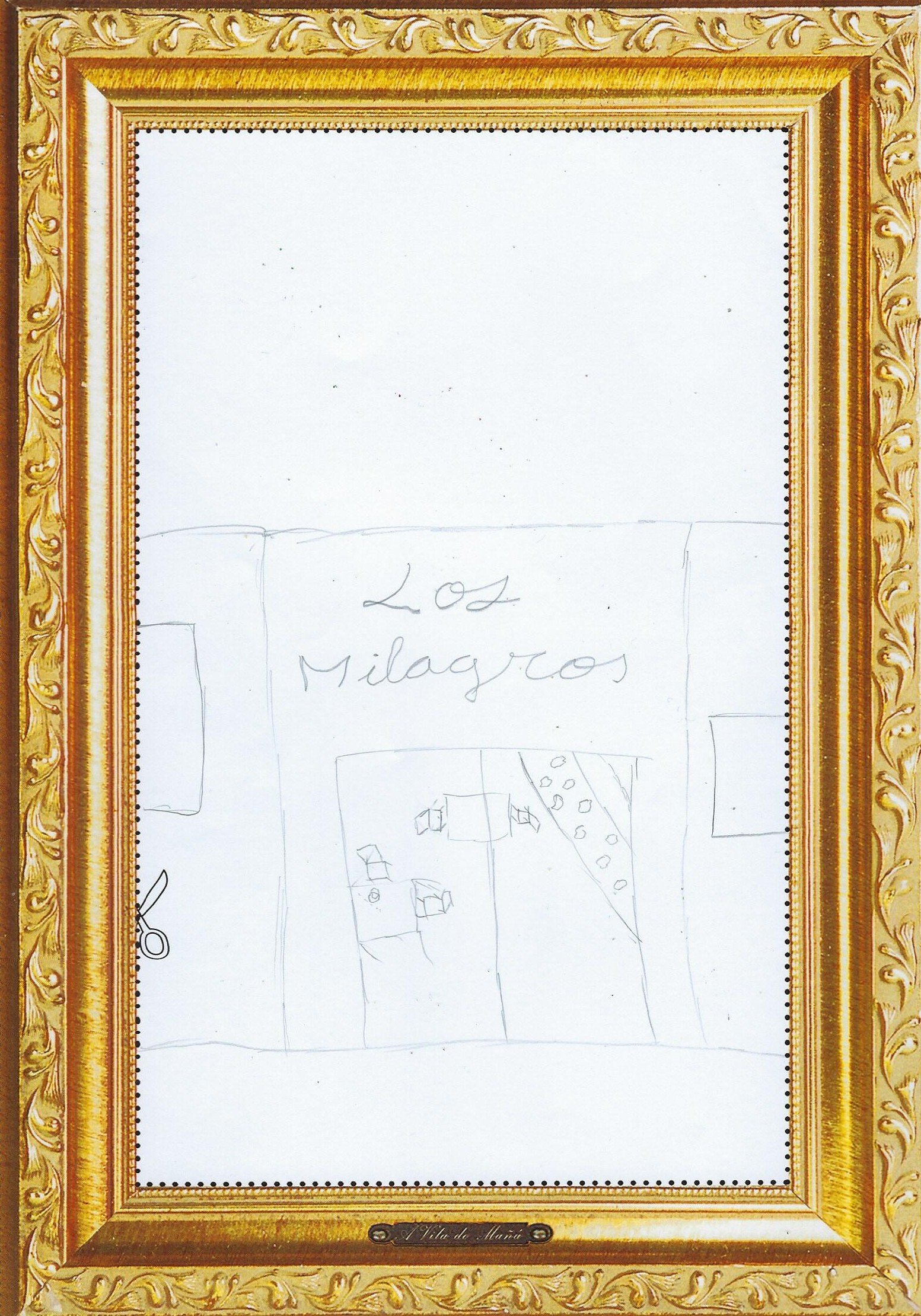
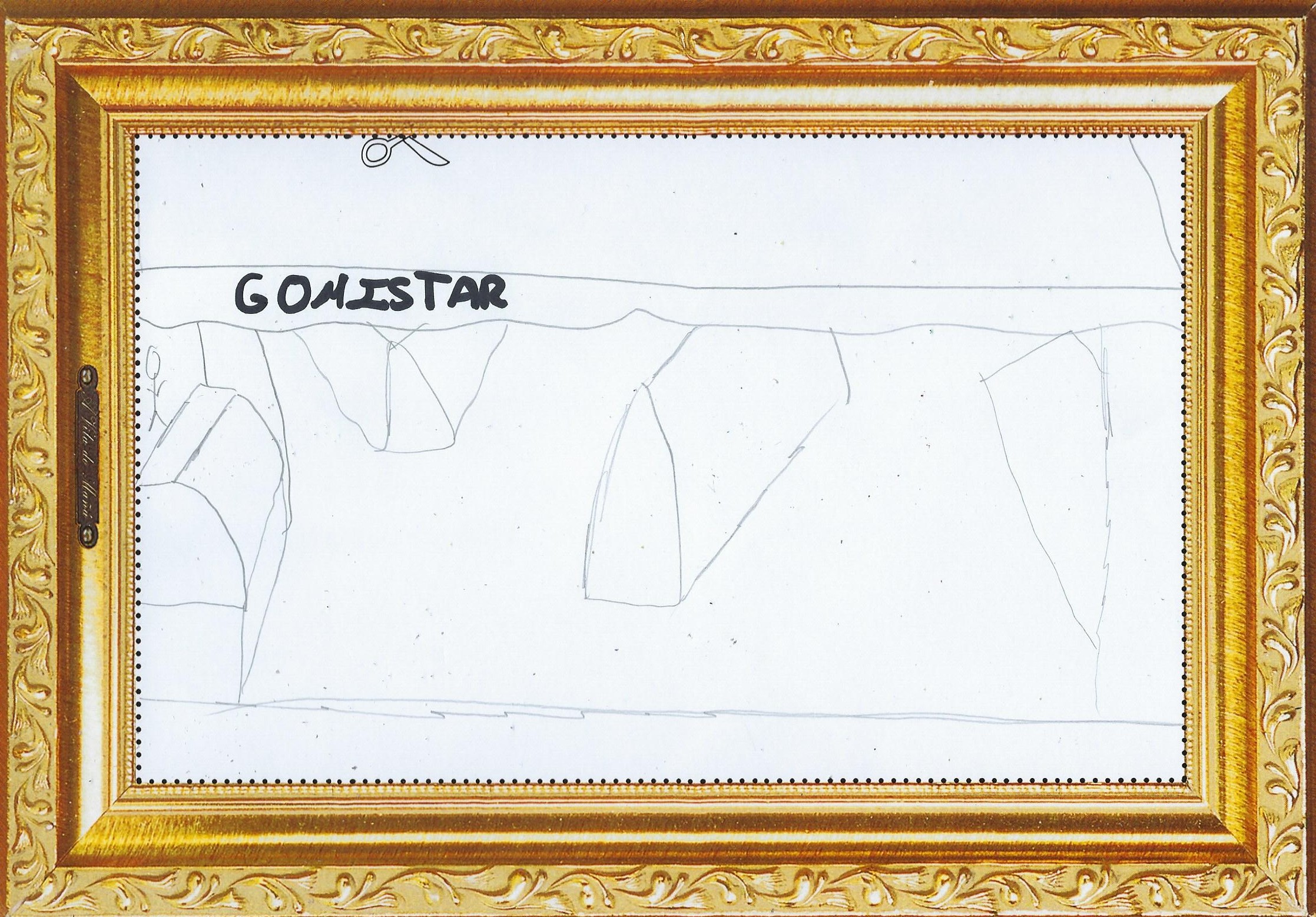
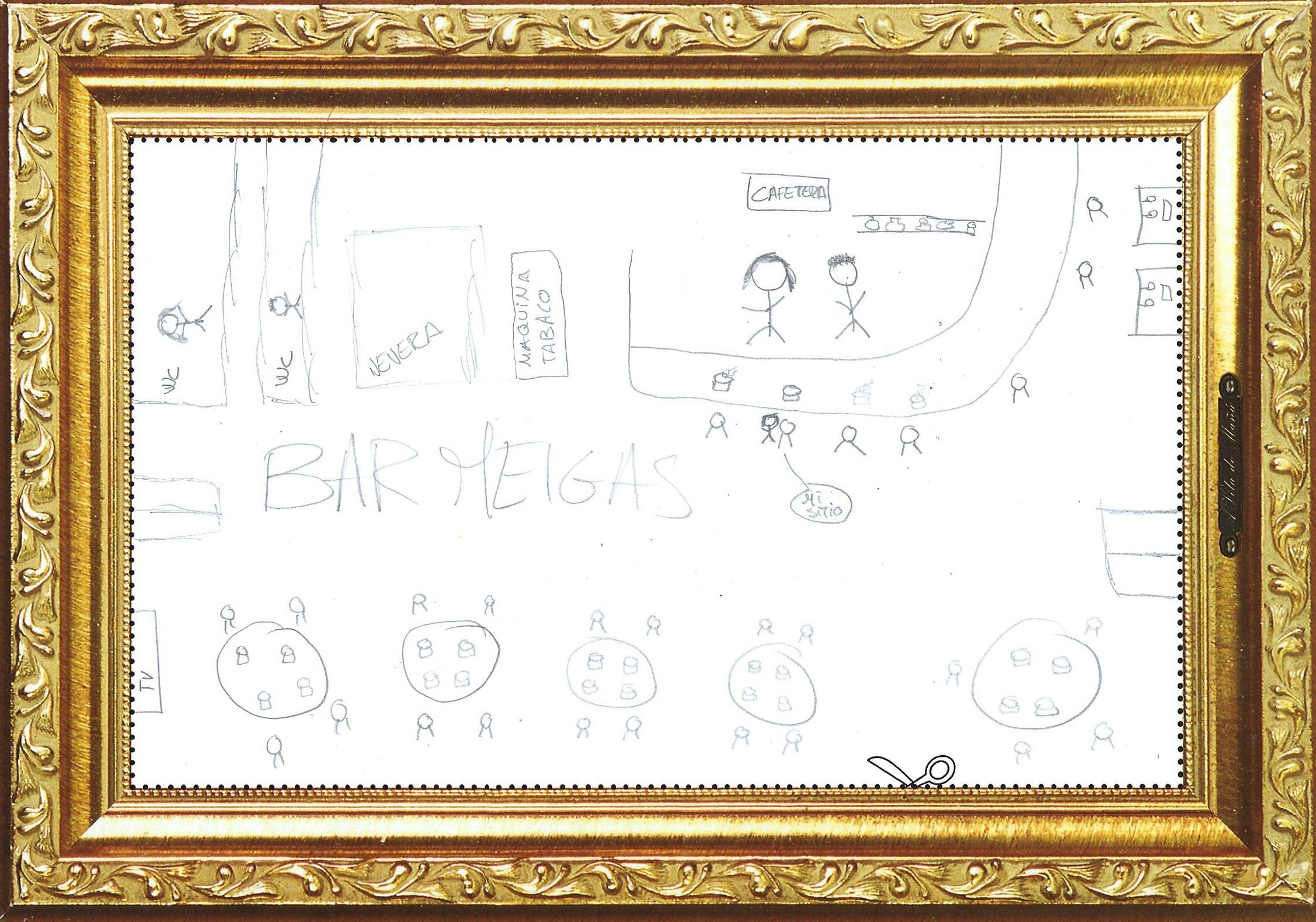
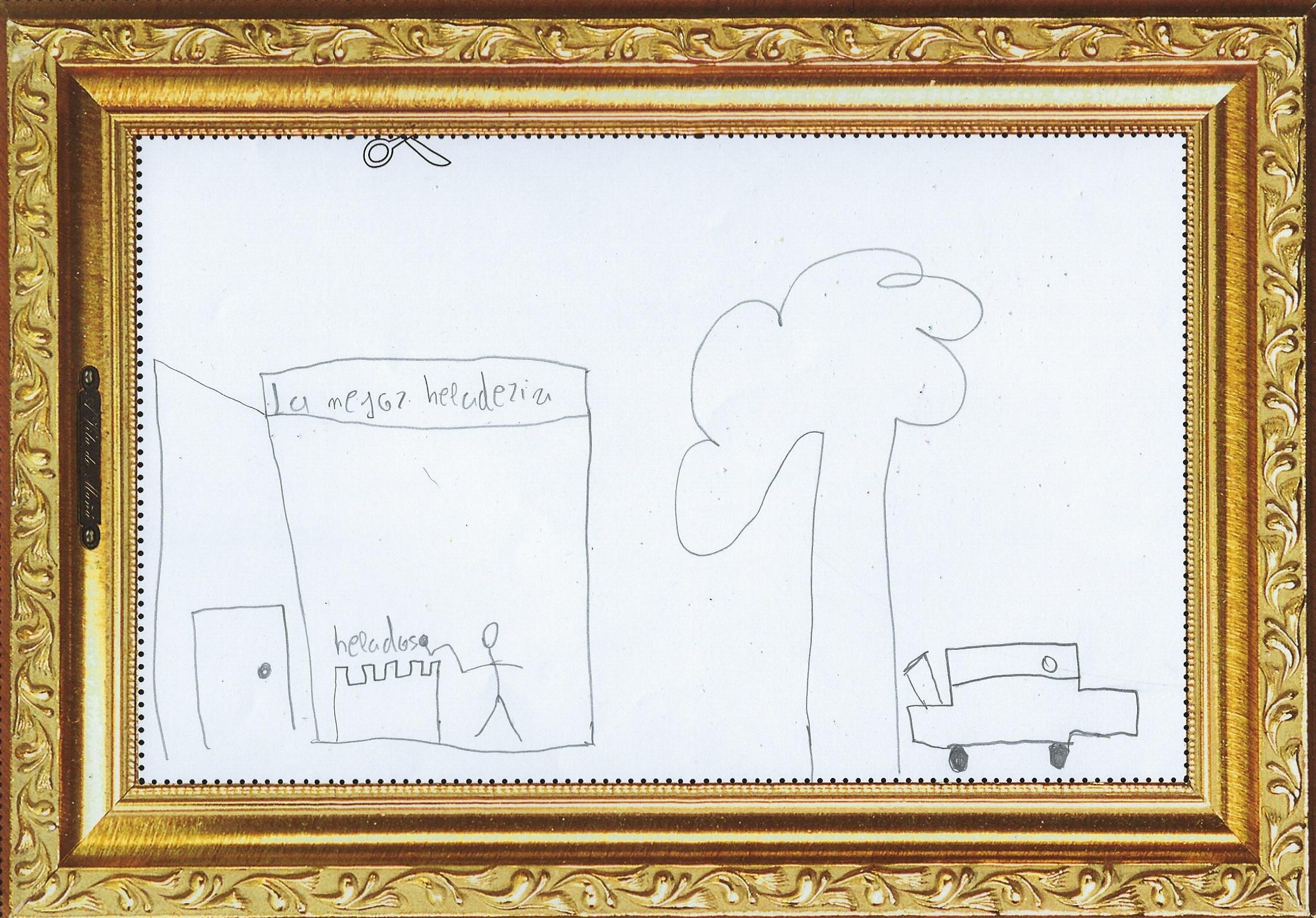
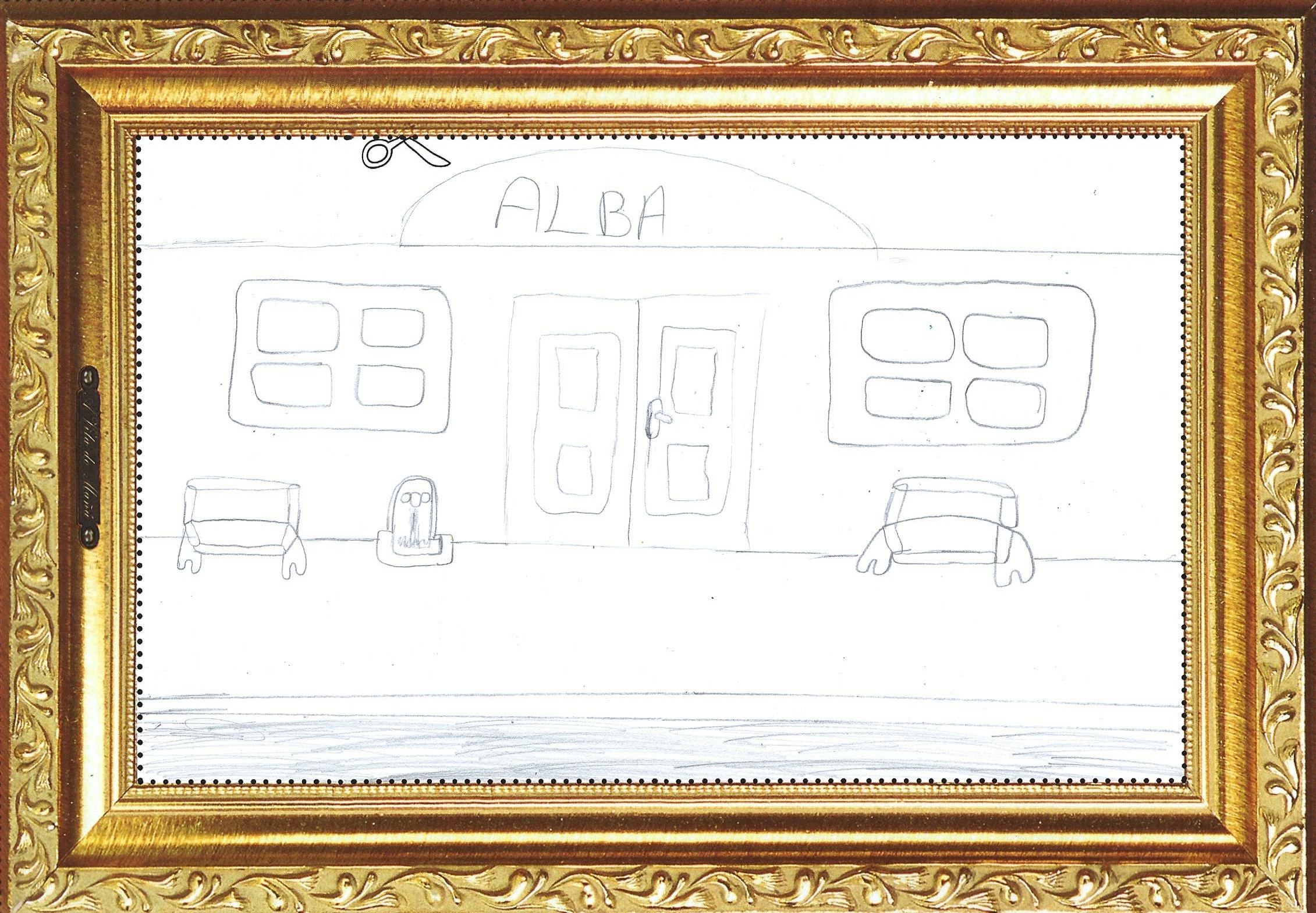
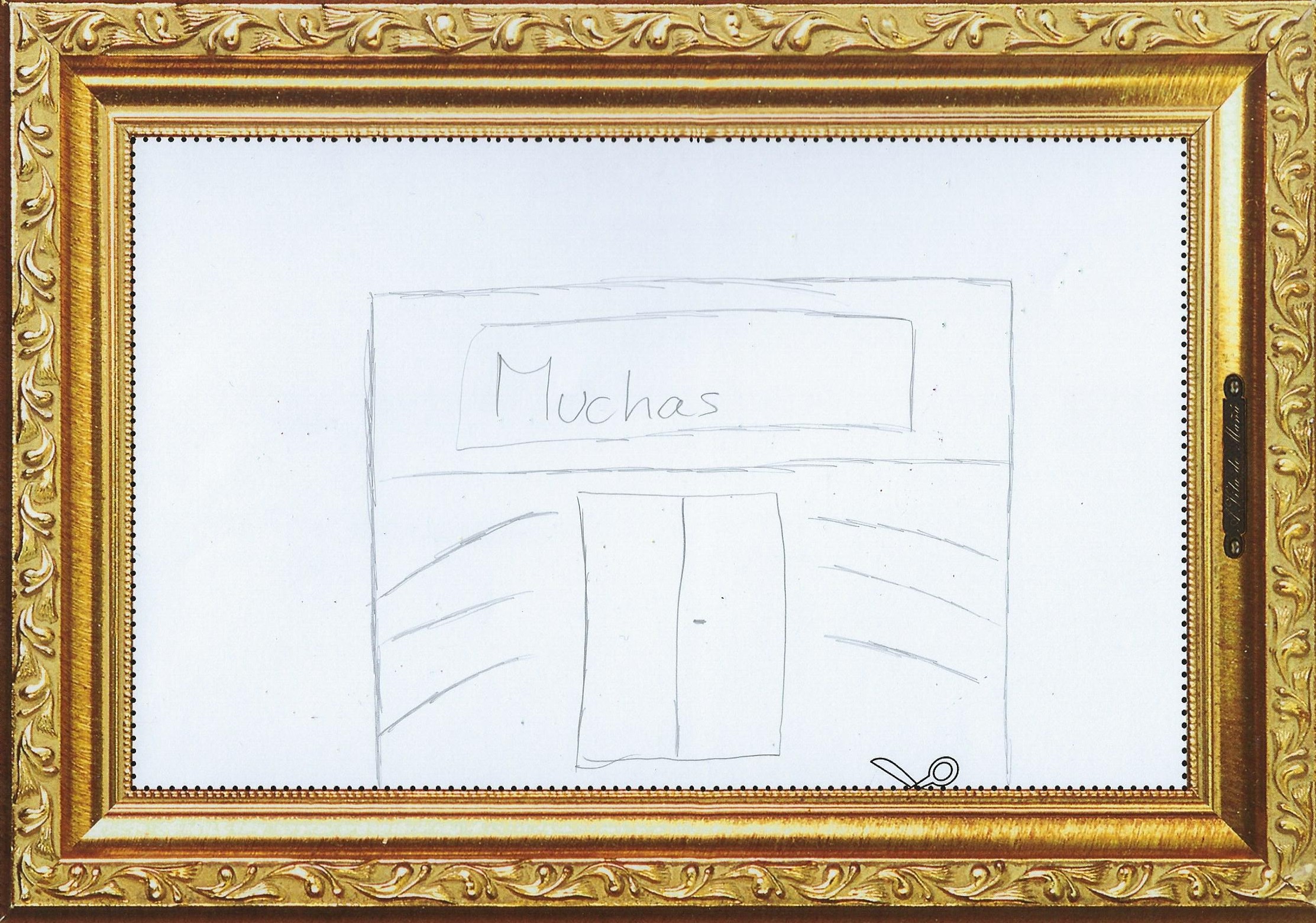
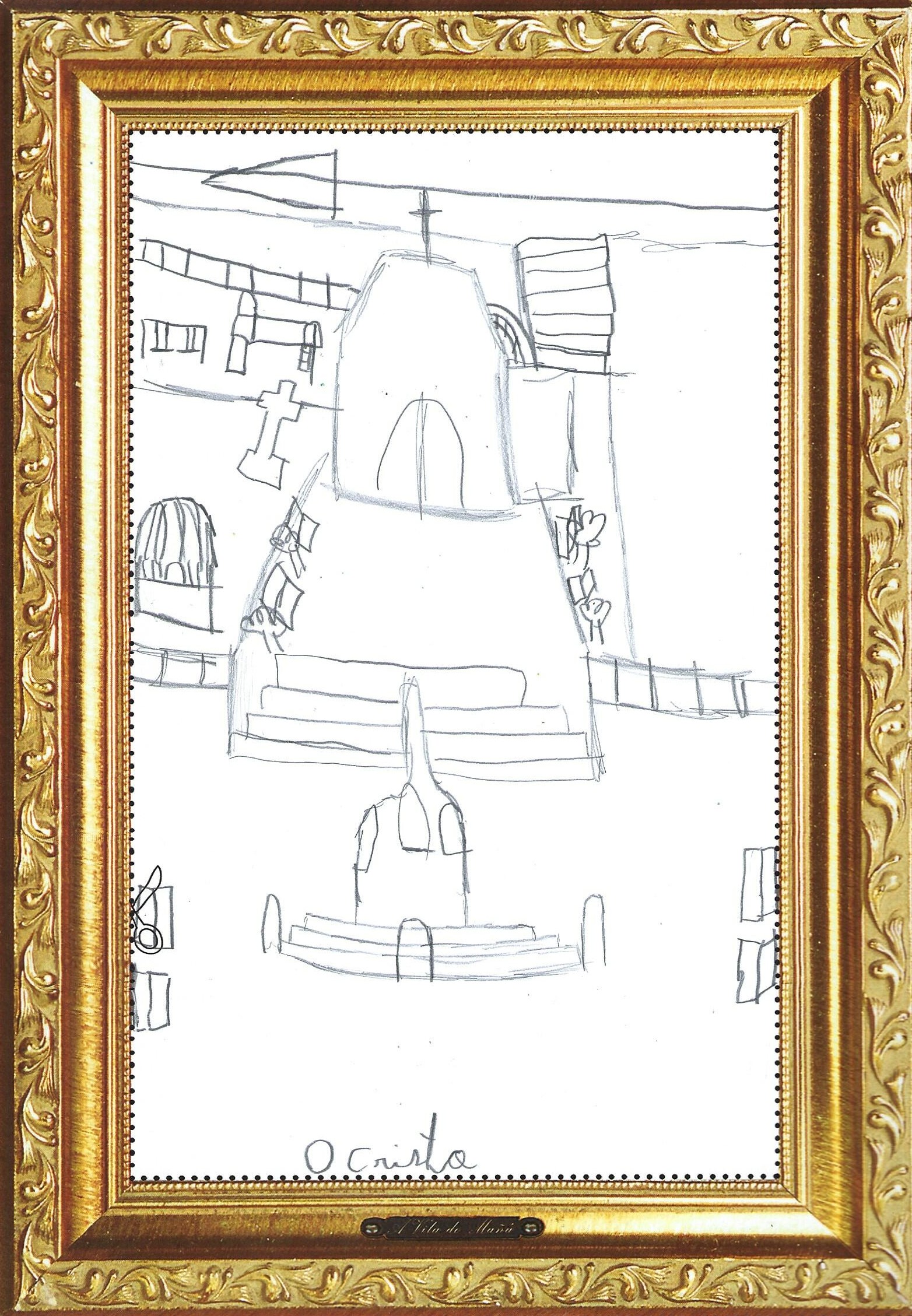
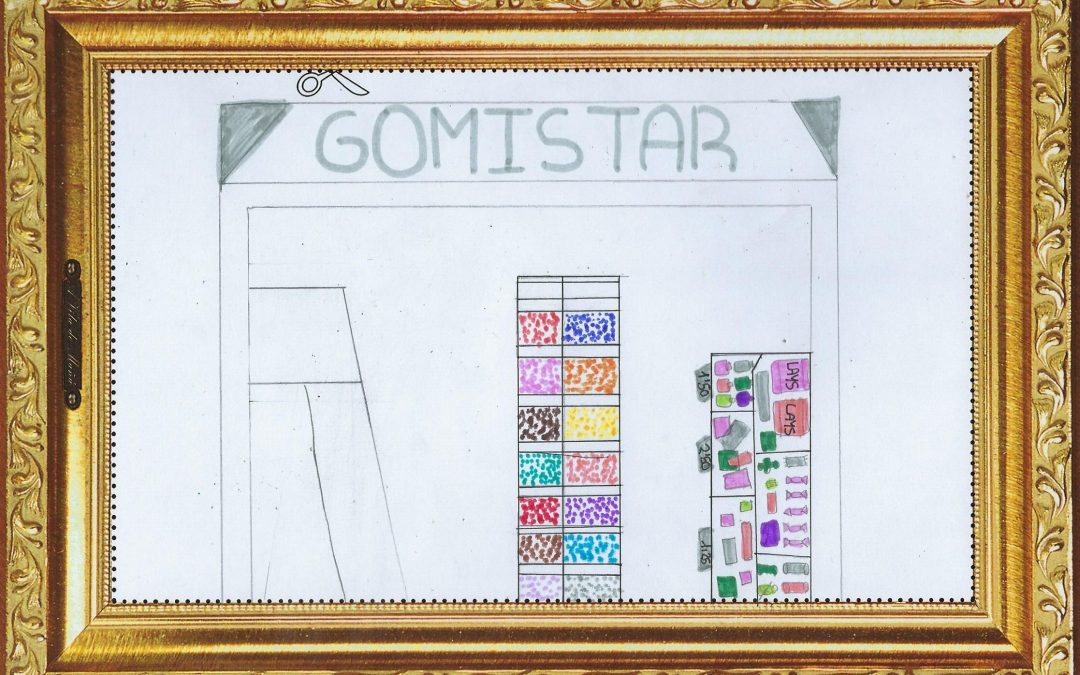
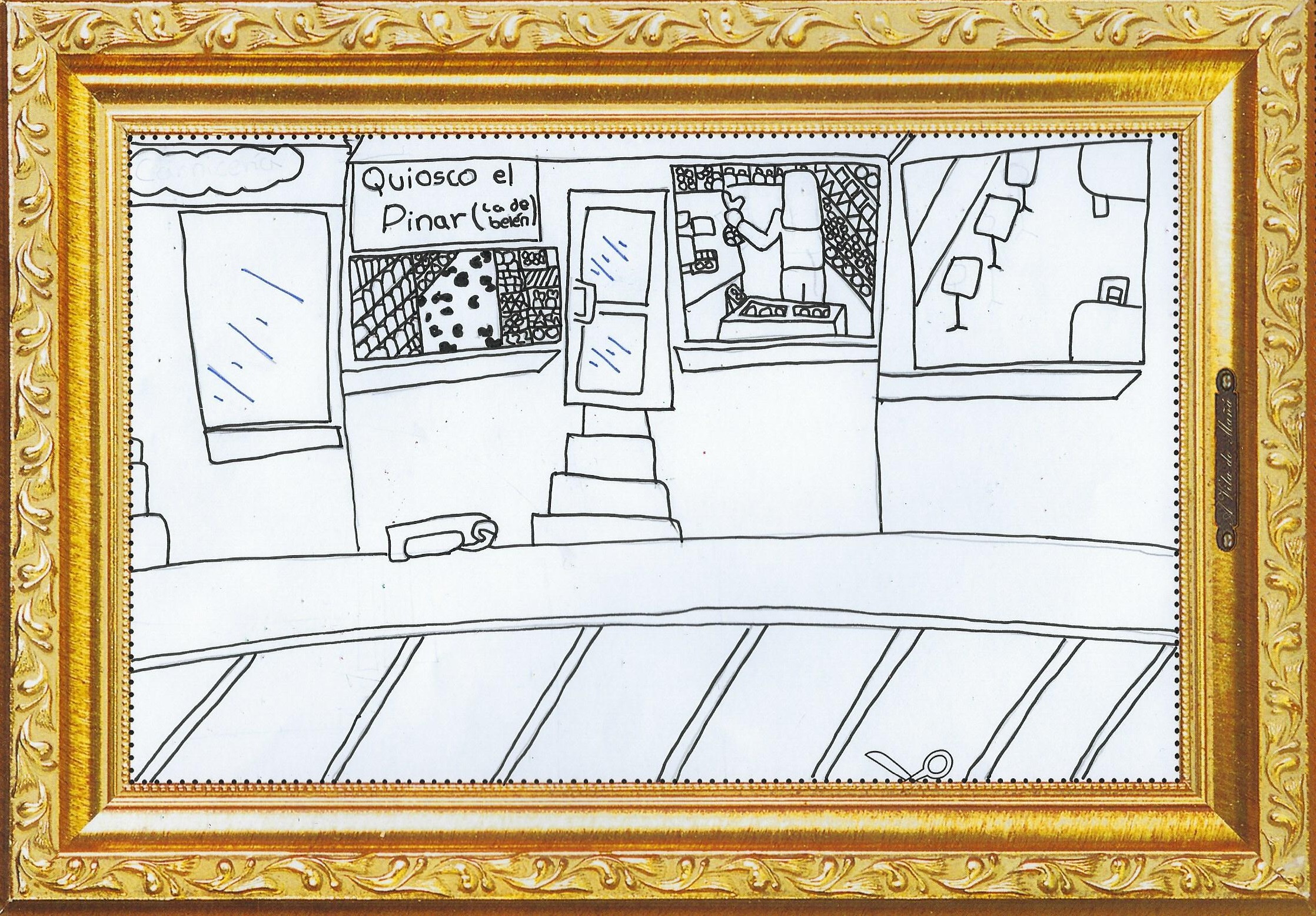
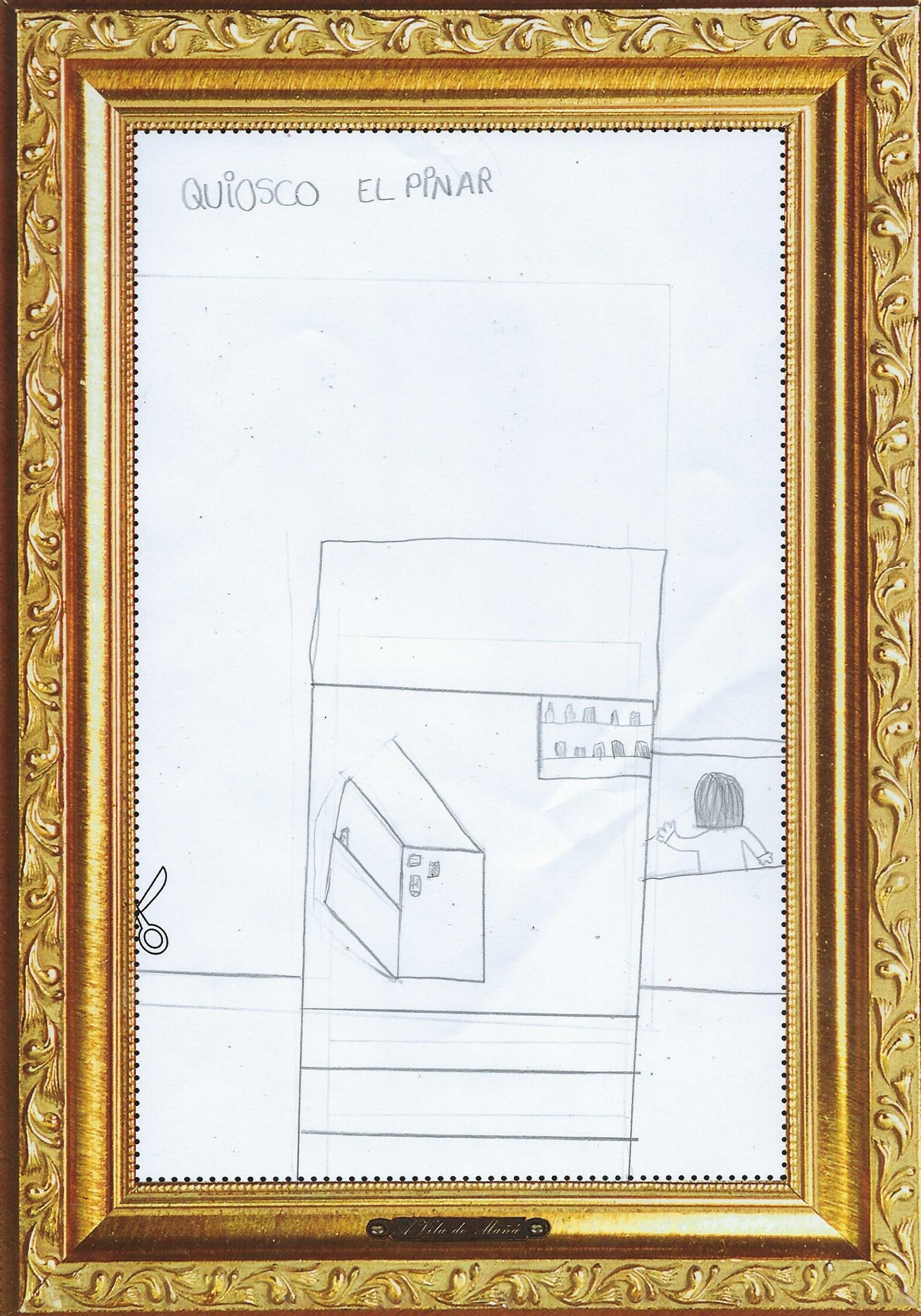
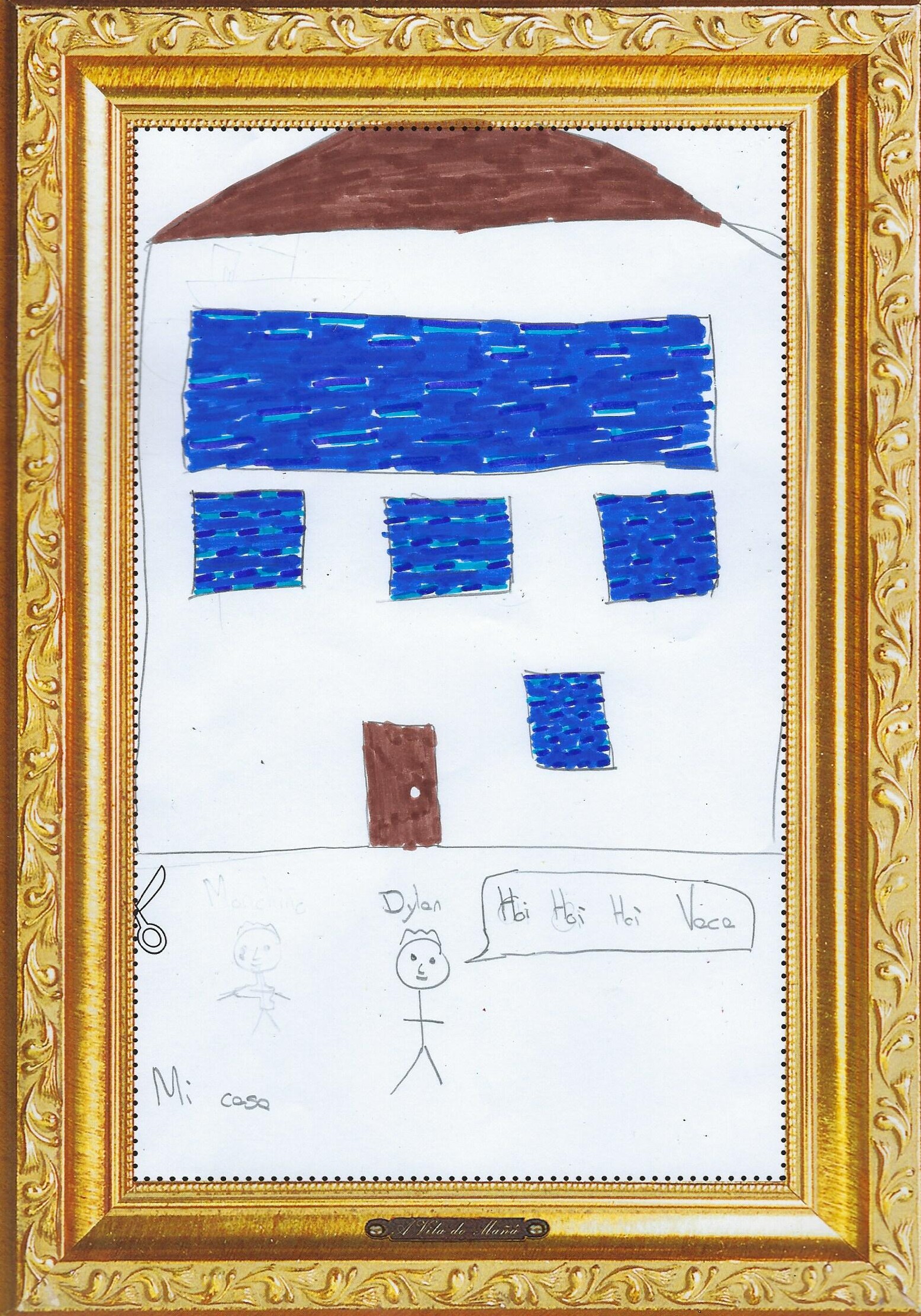
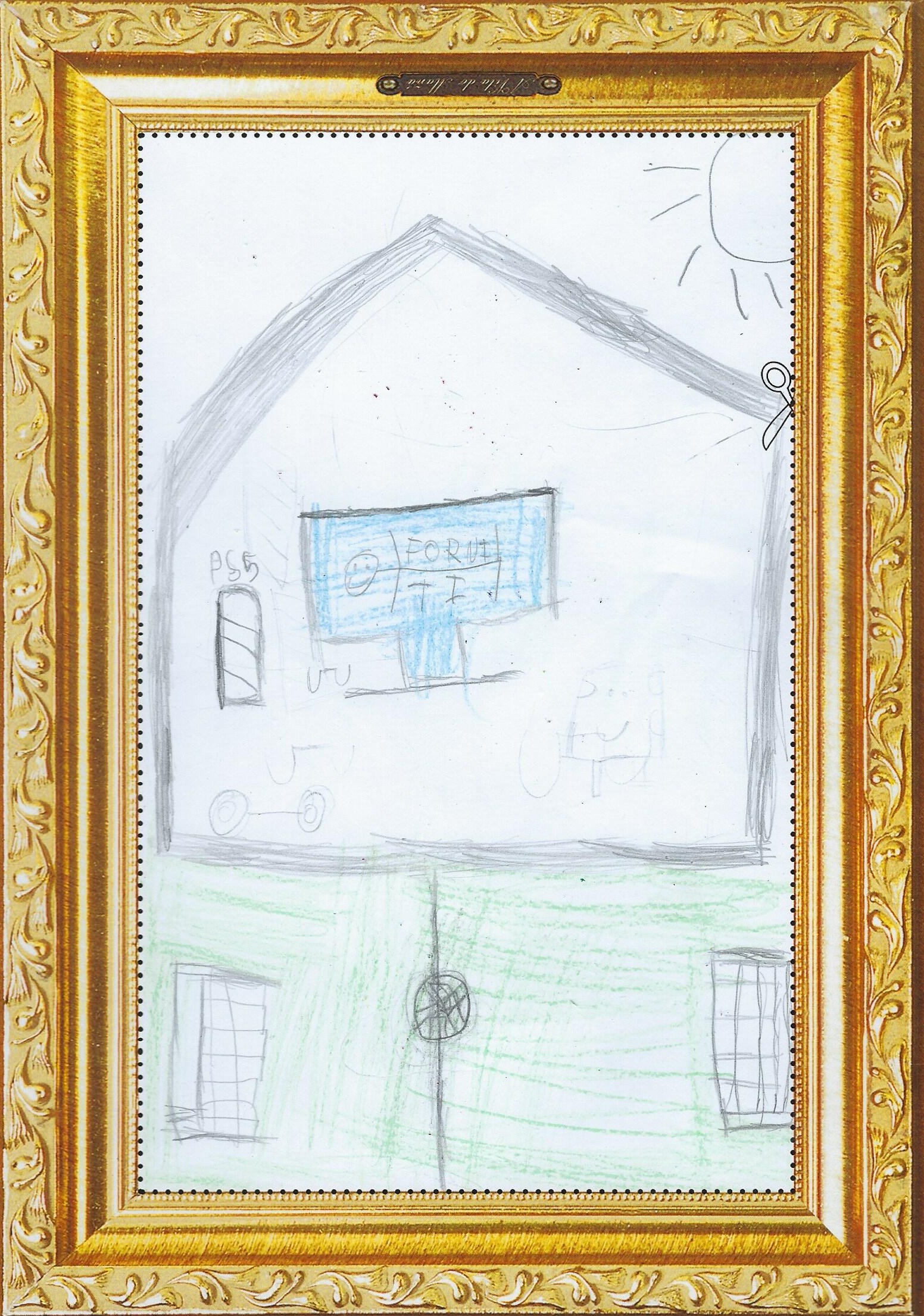
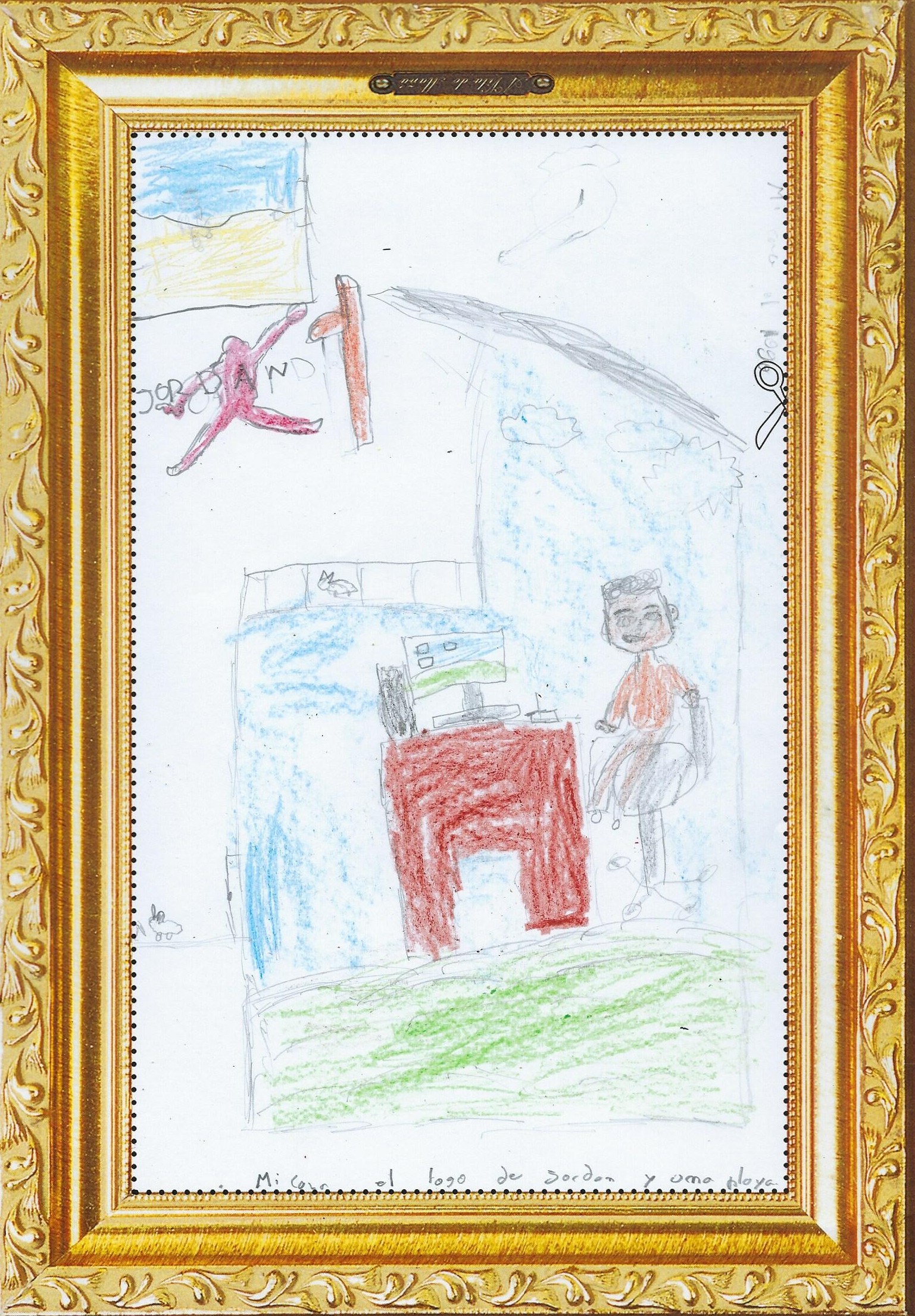
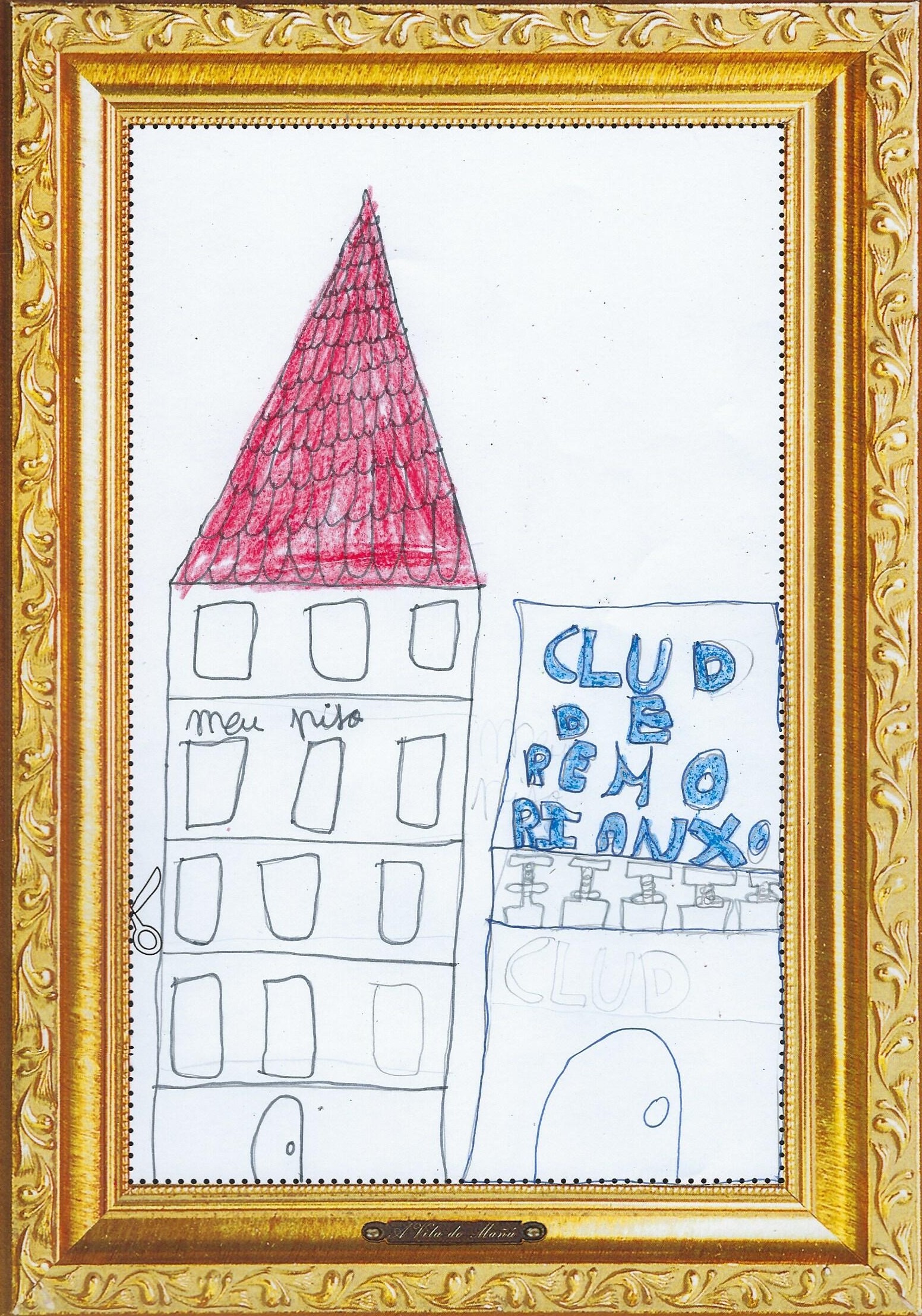
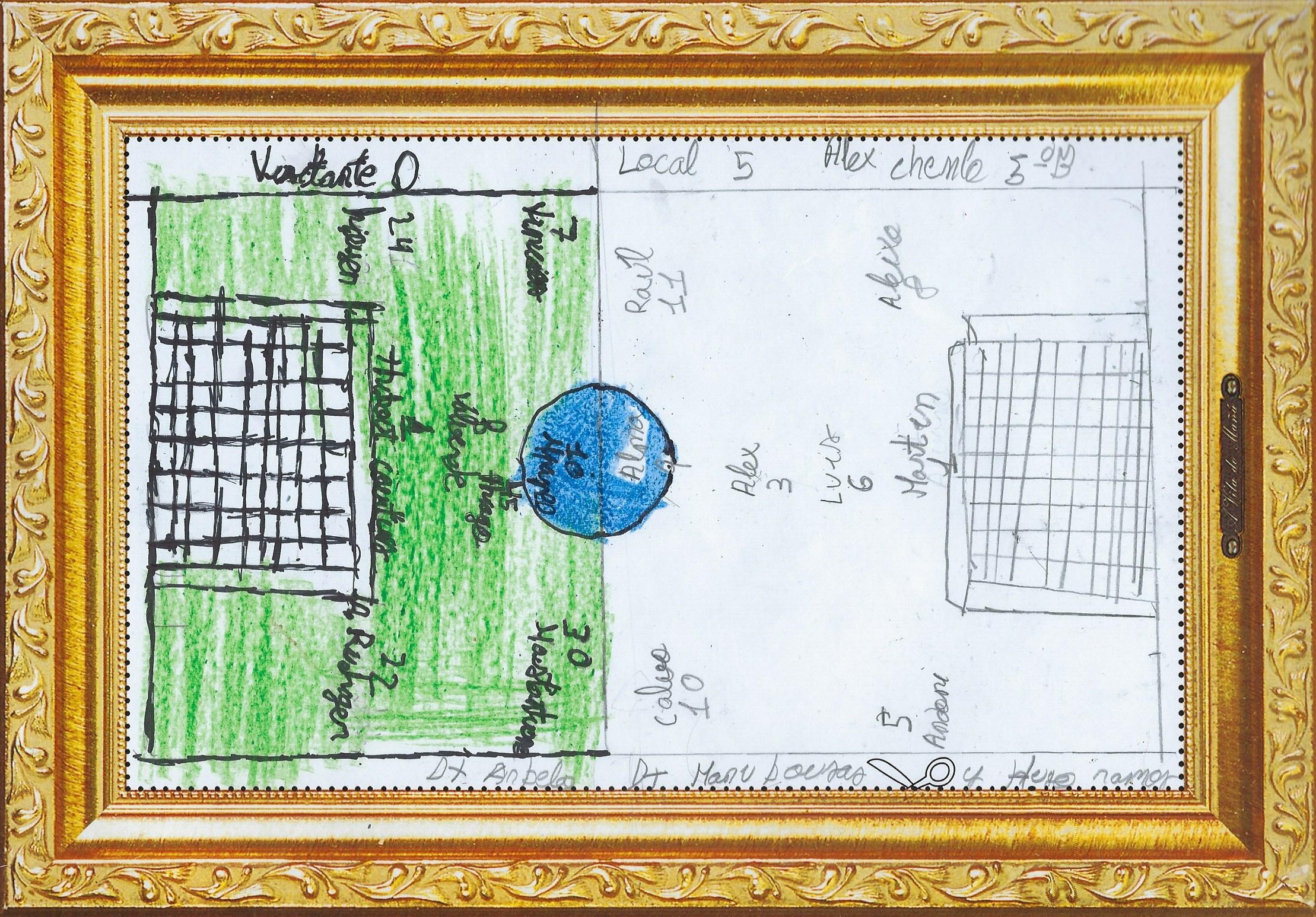
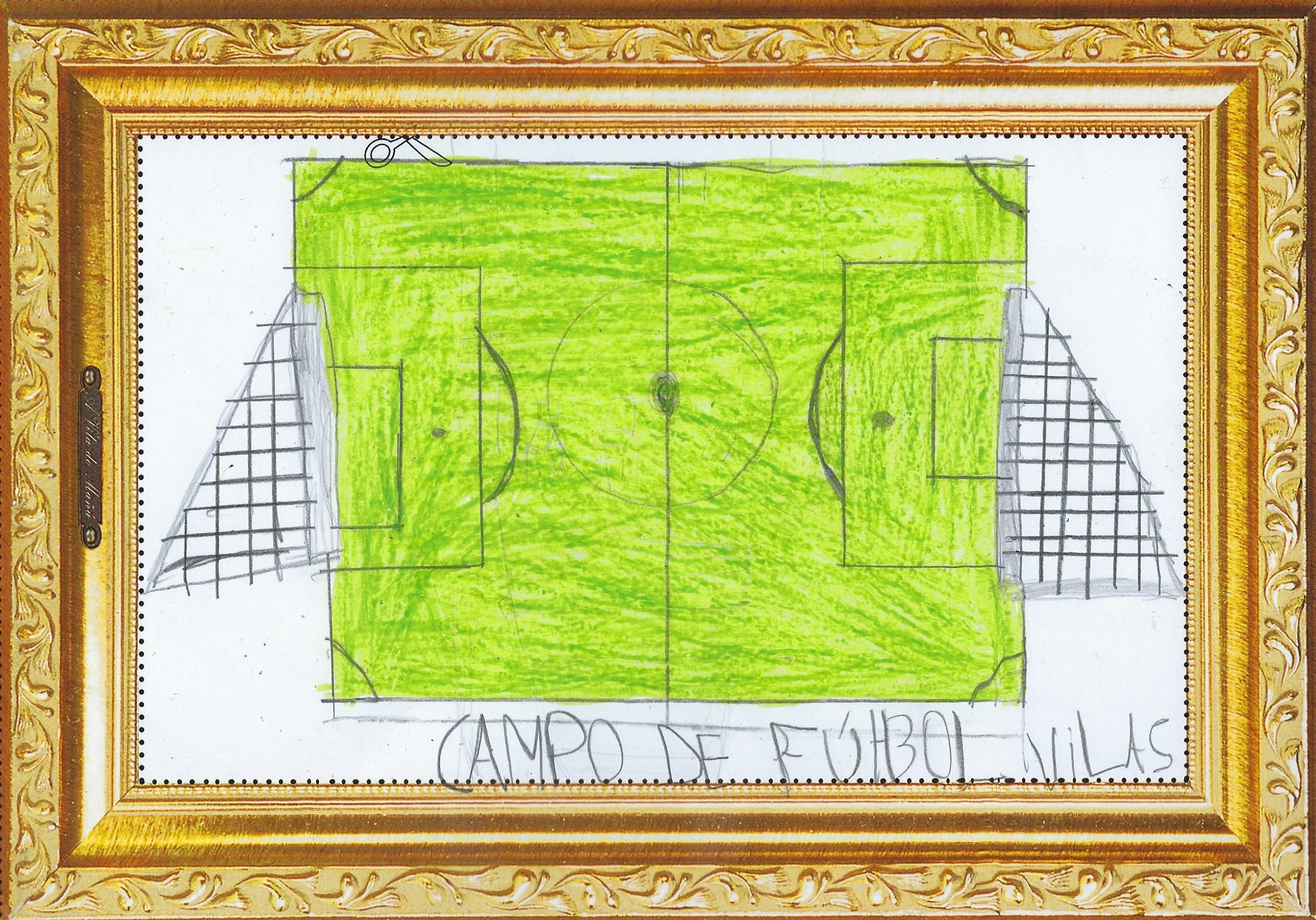
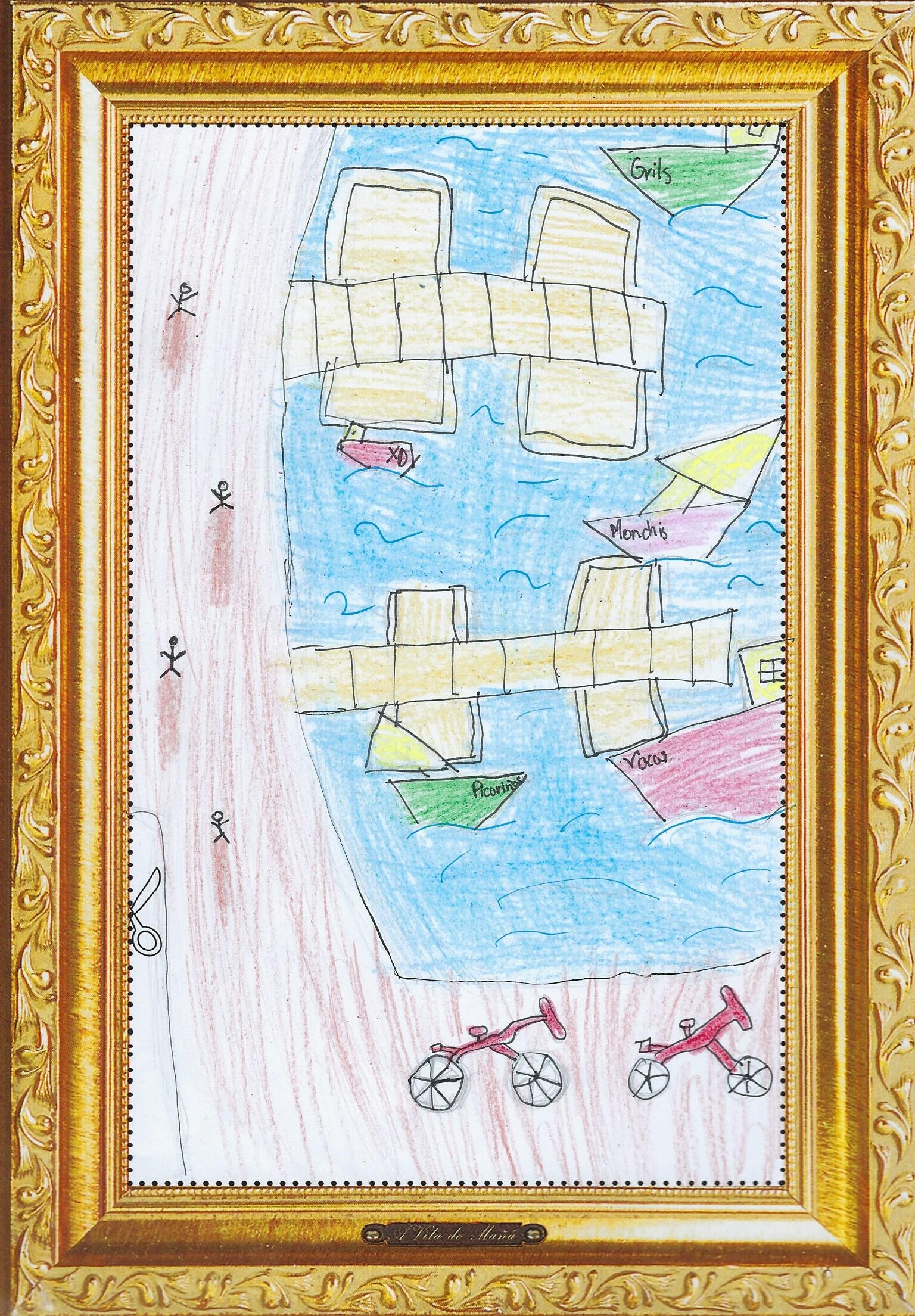
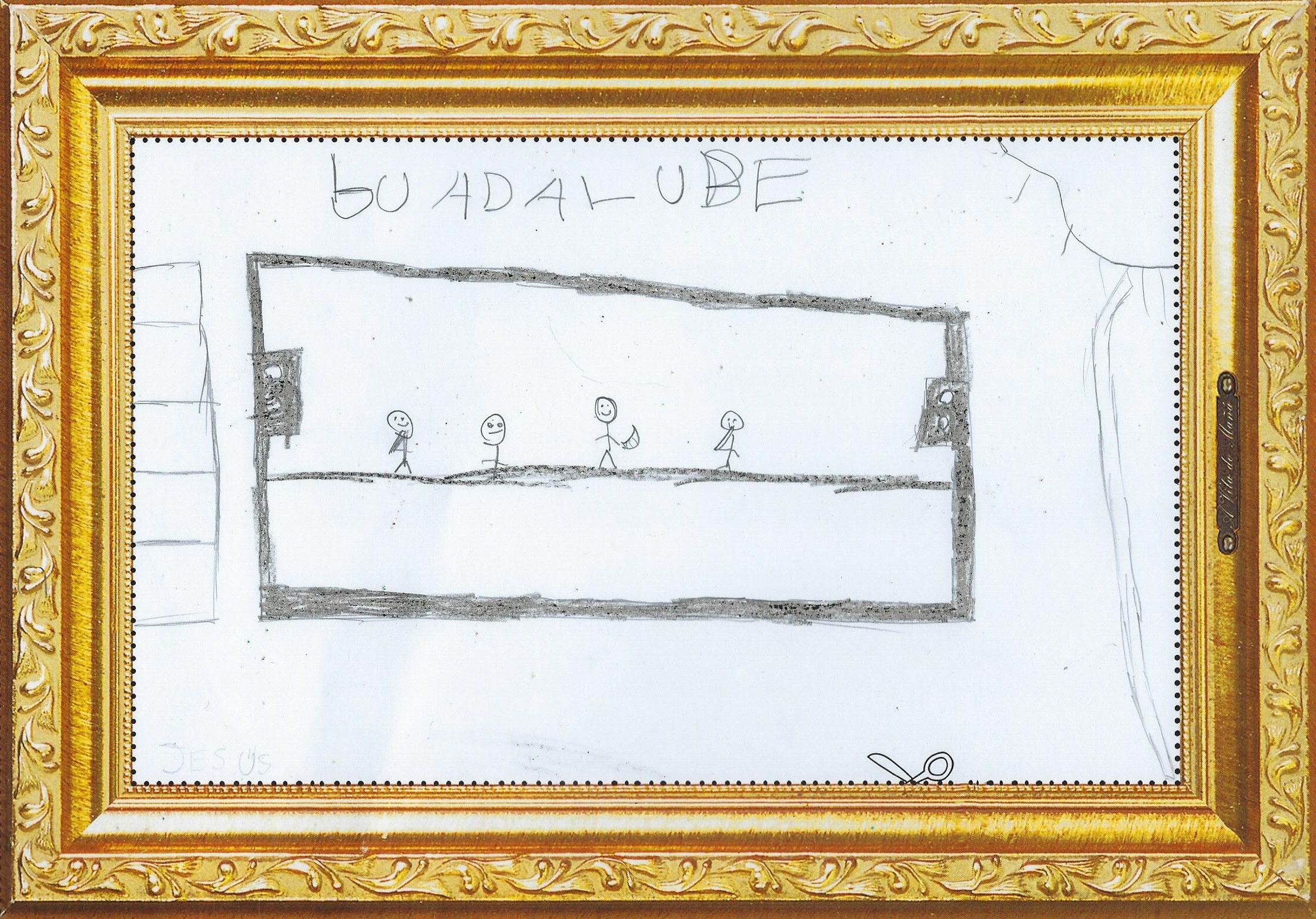
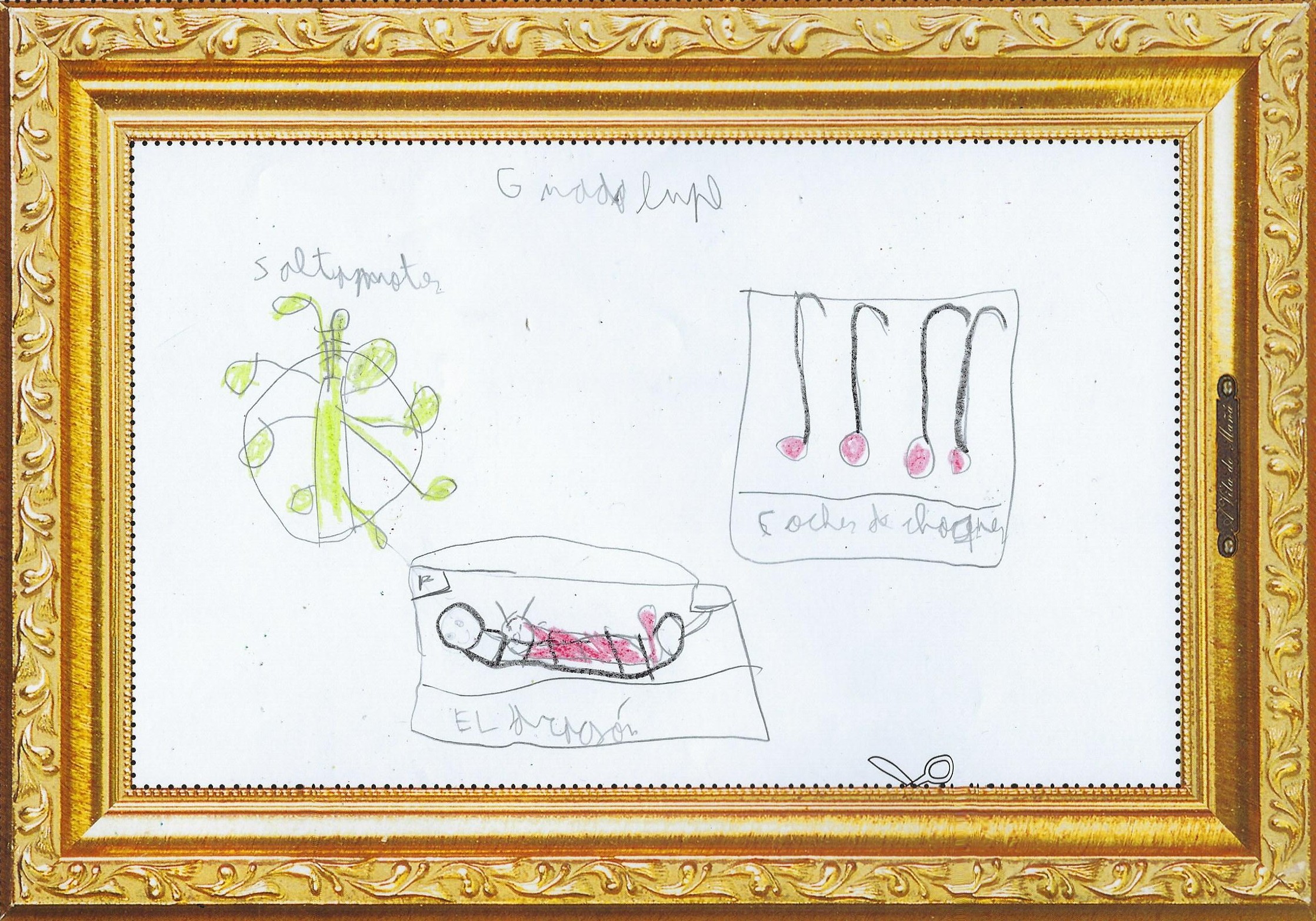
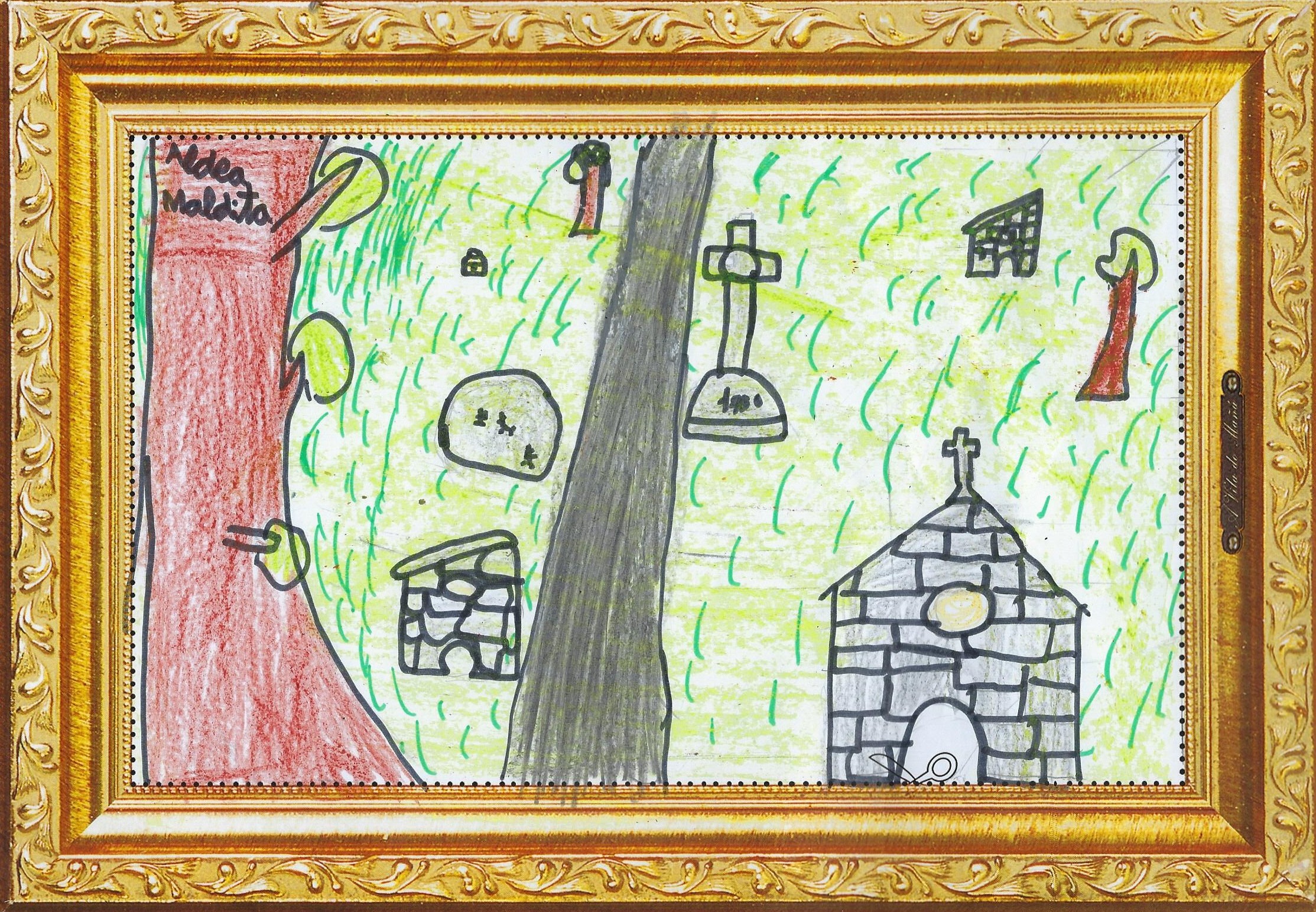
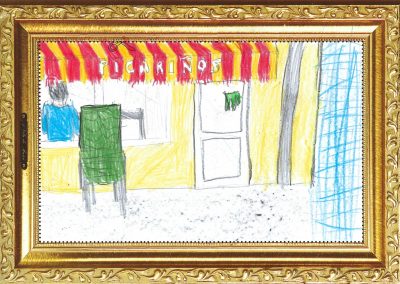
The new generations, the inhabitants of tomorrow, are completely unfamiliar with their town or city. They live in a “little box,” move around in another smaller “little box,” and arrive at a bigger “box” (whether it is called a school, shopping center, sports facility, … or playground). This is their relationship with their surroundings.

— Sandra González Álvarez
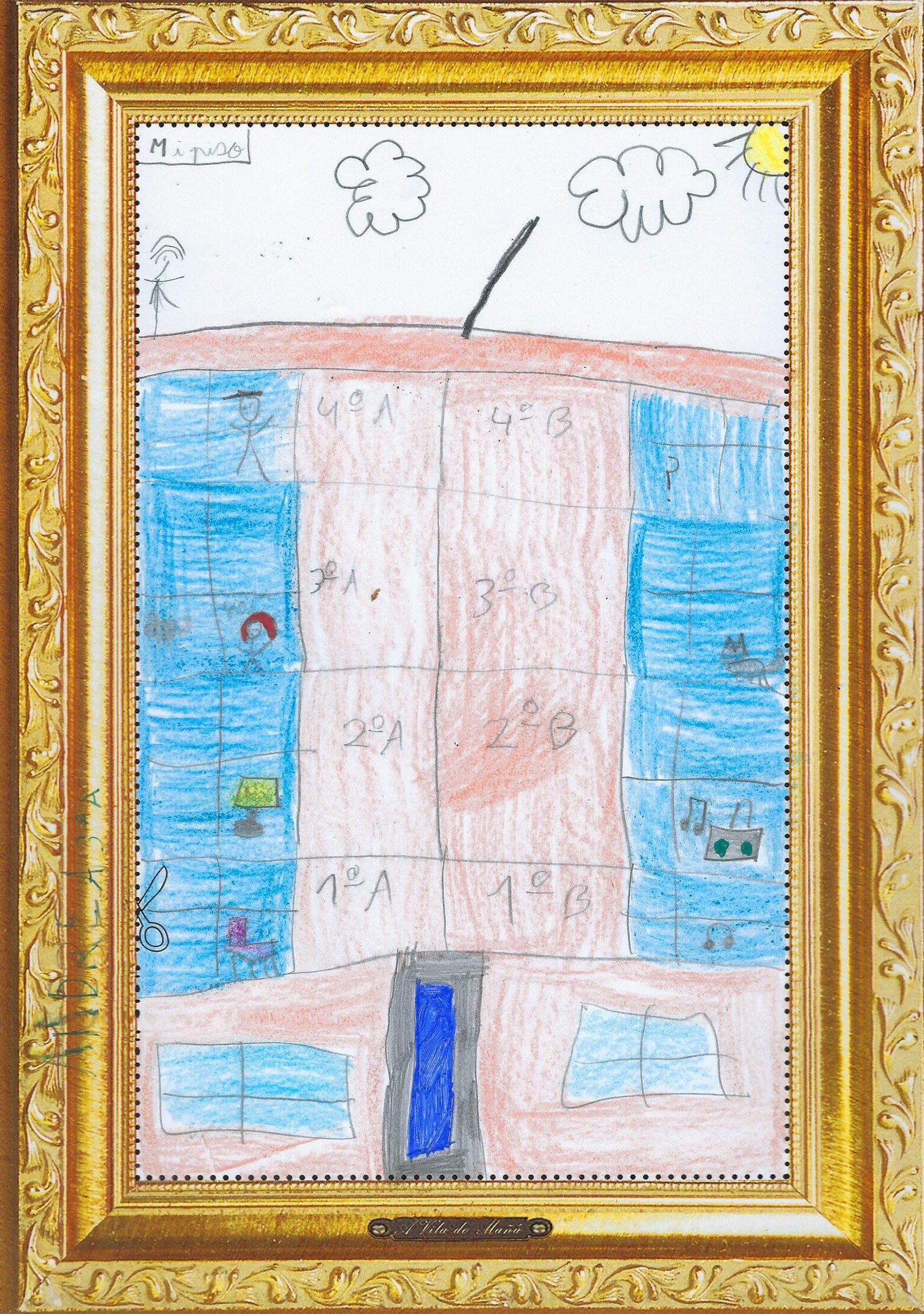
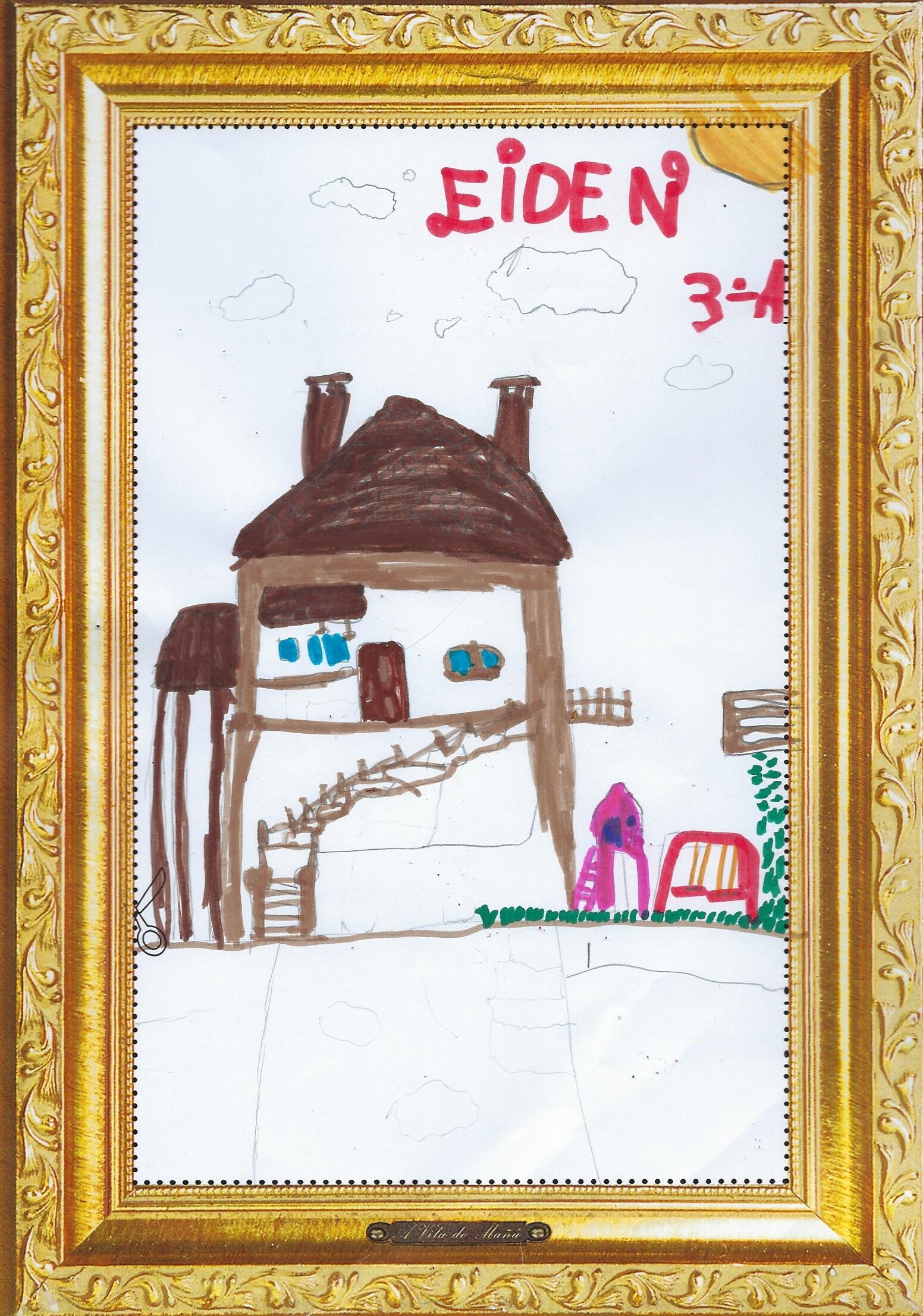
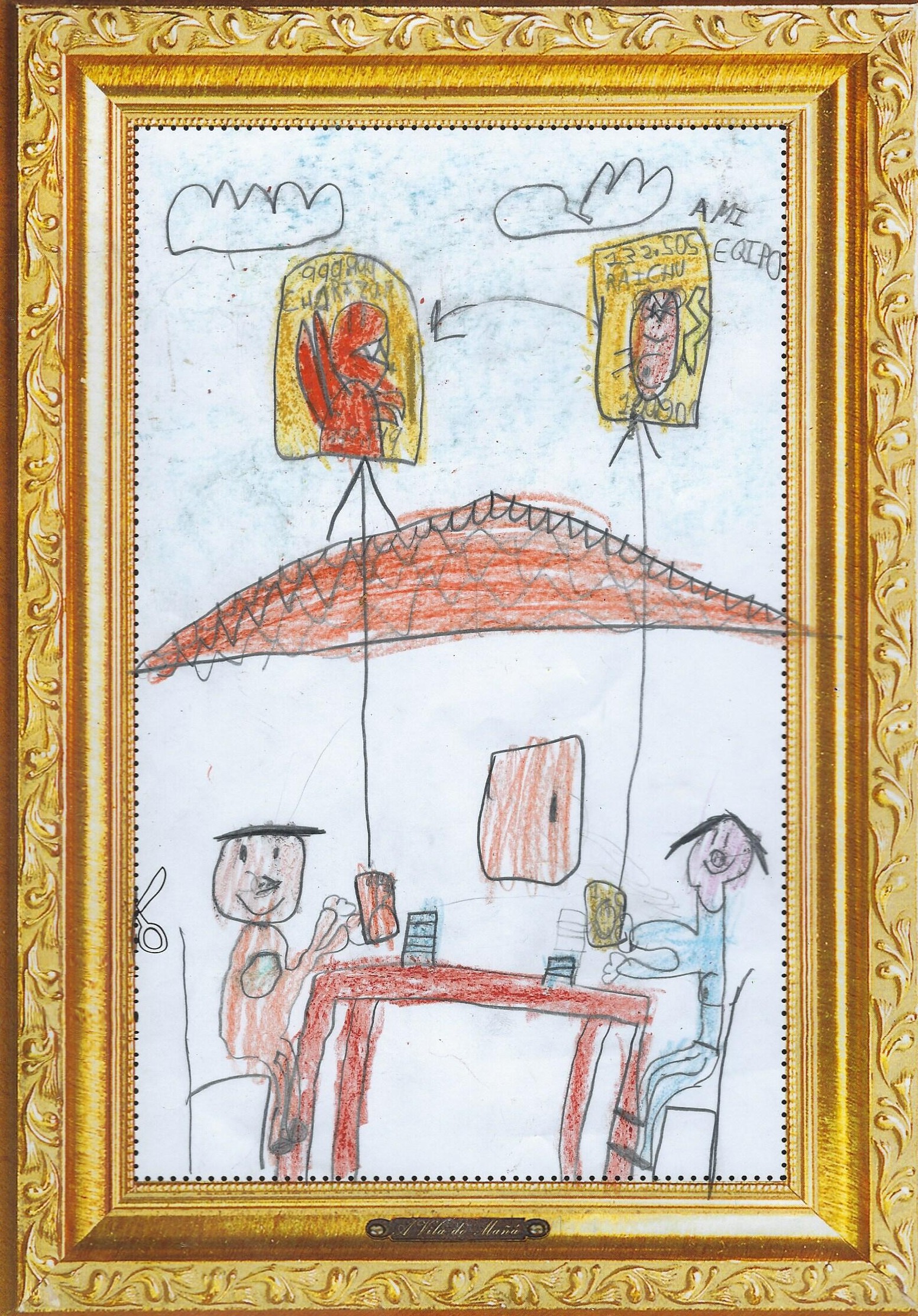
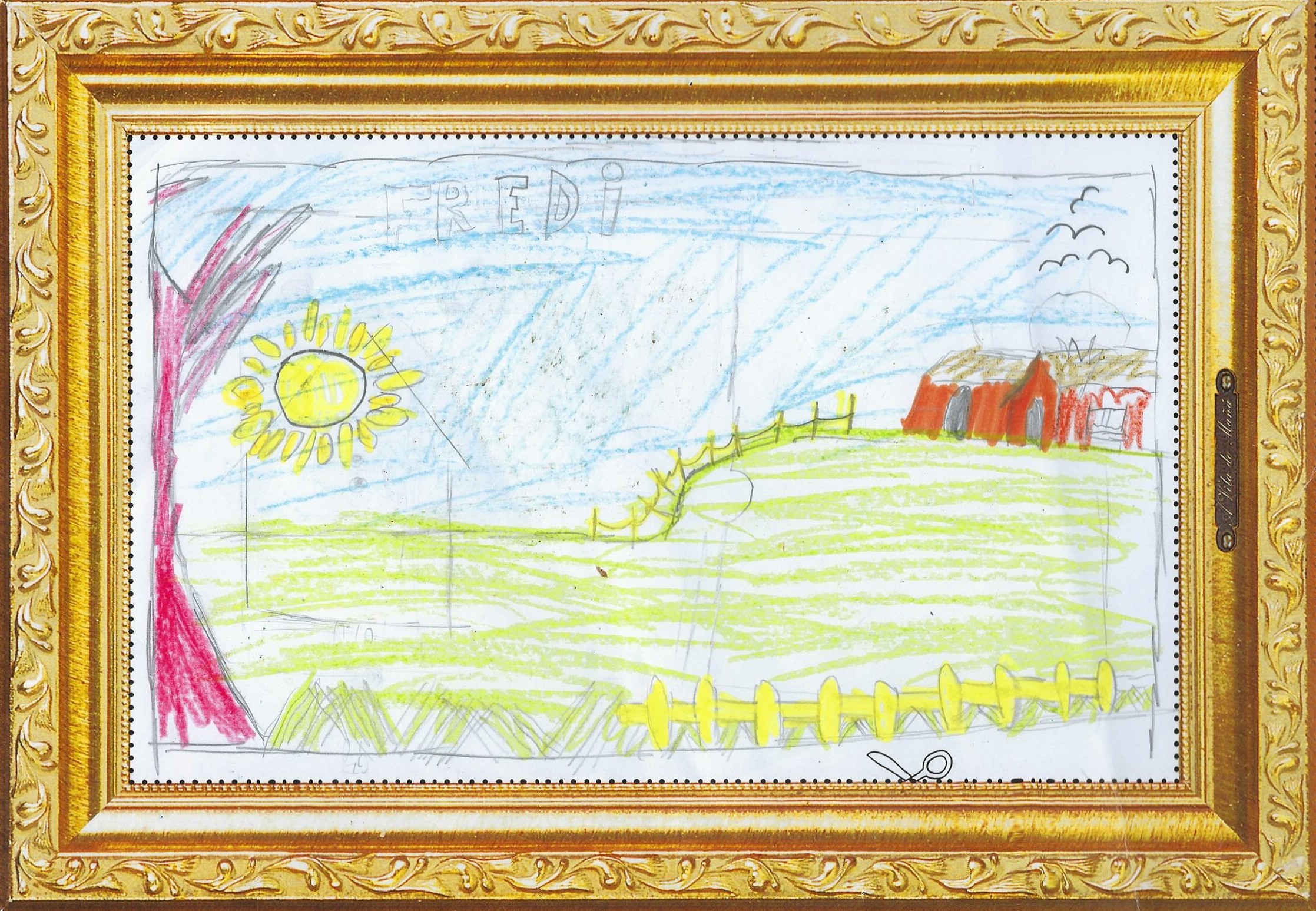
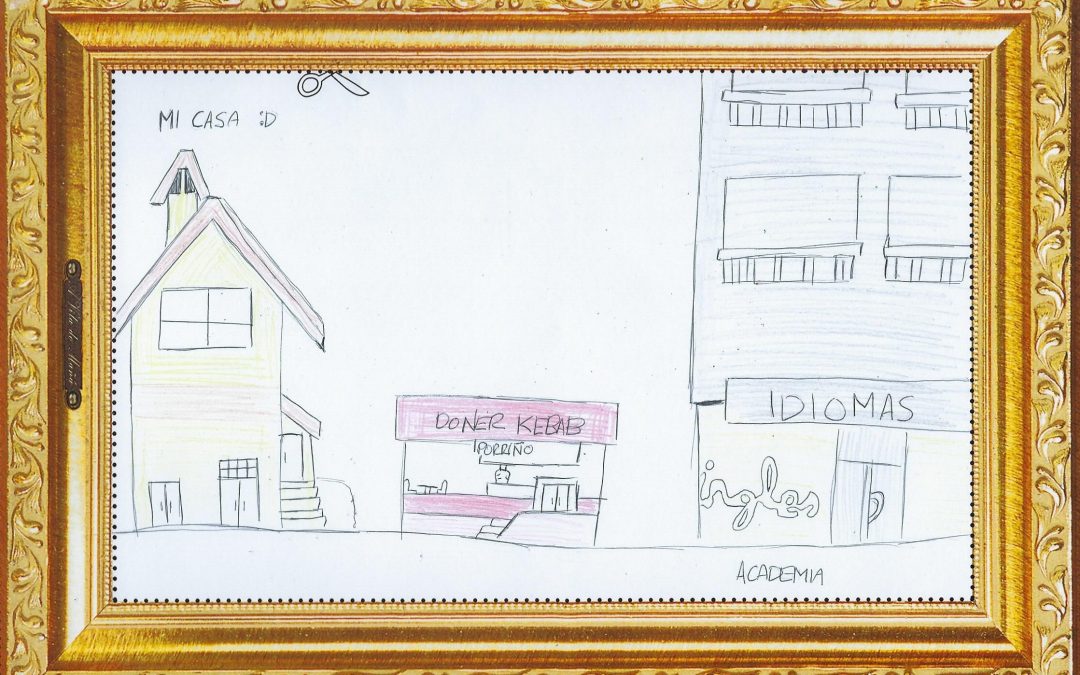
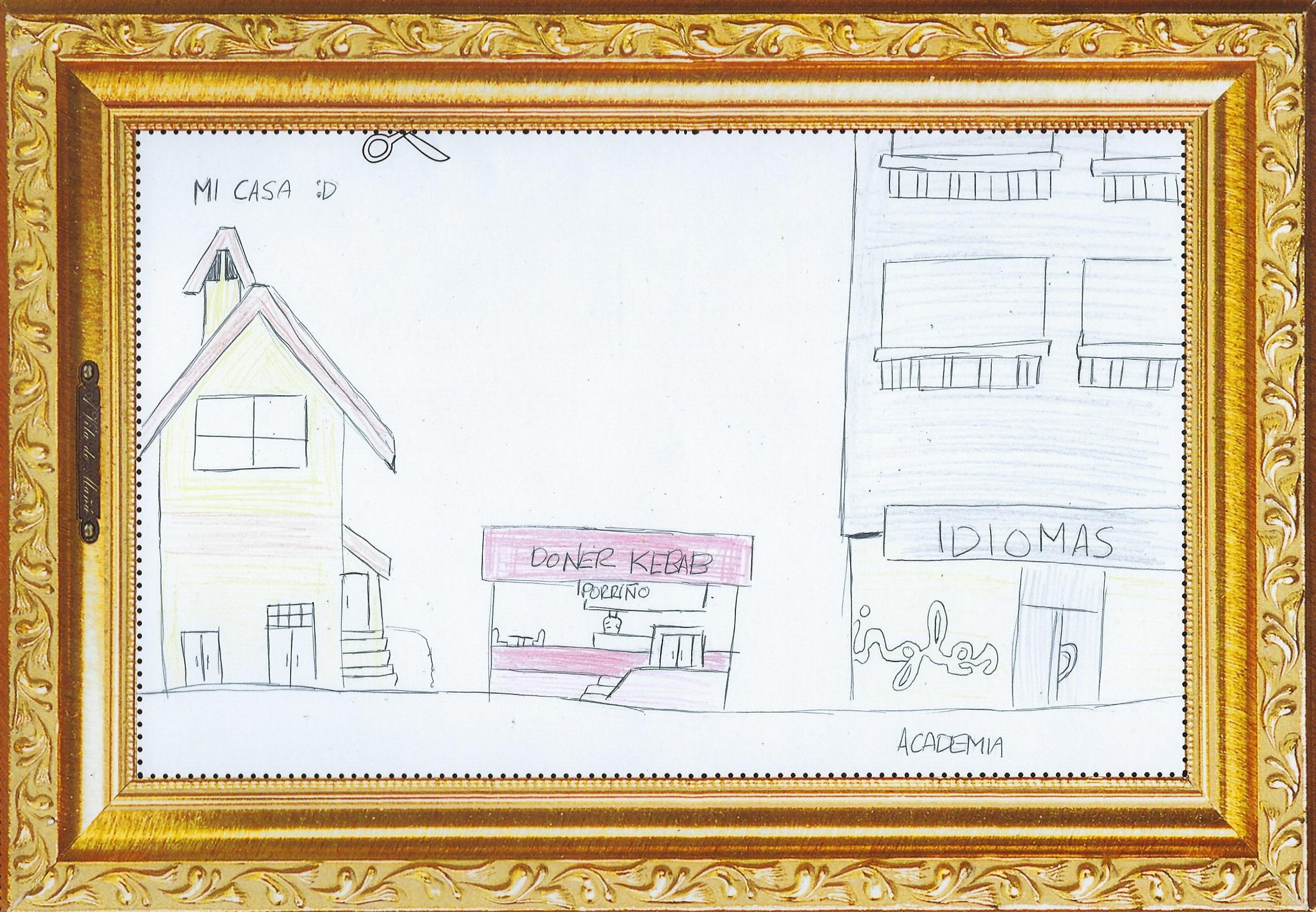
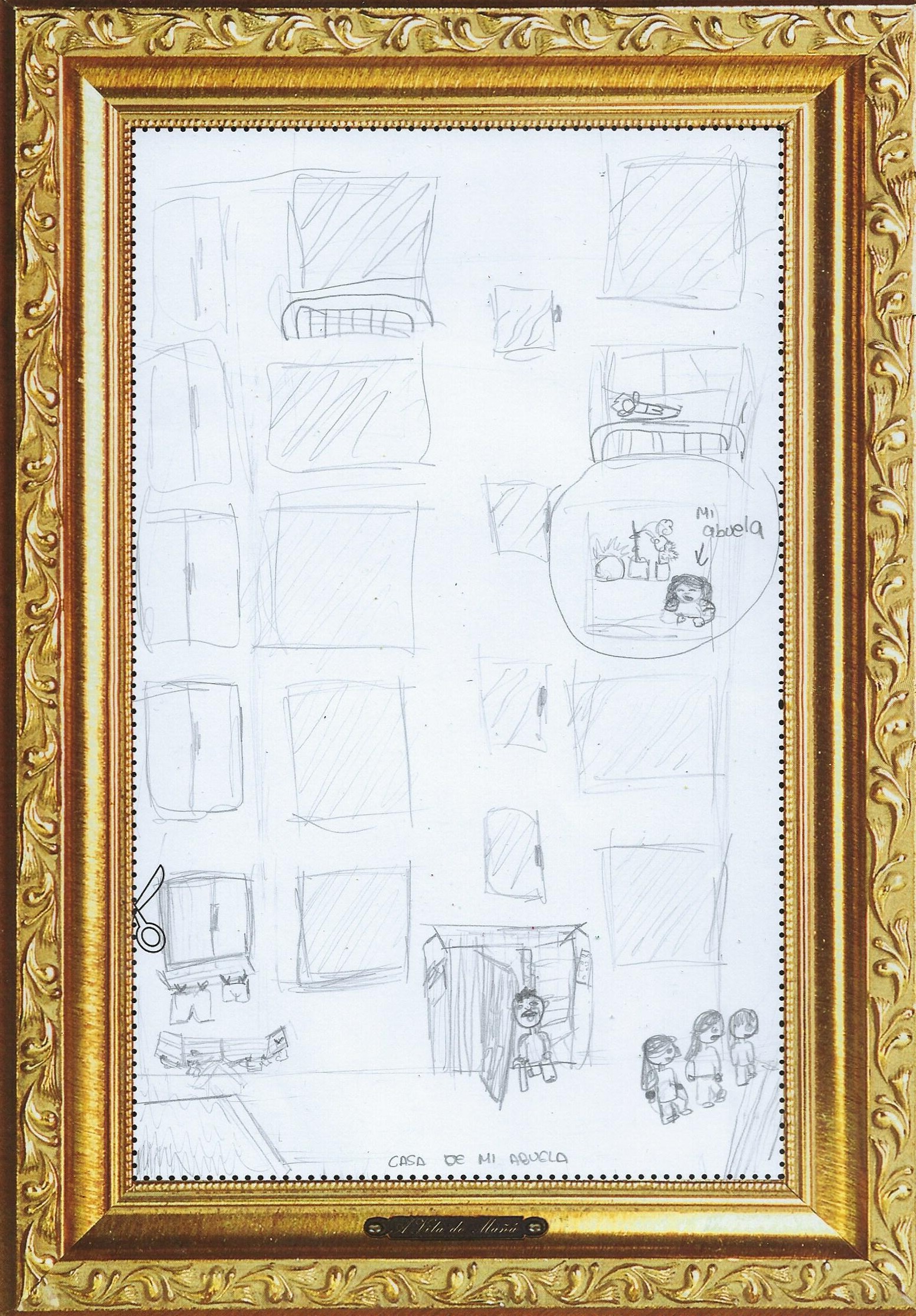
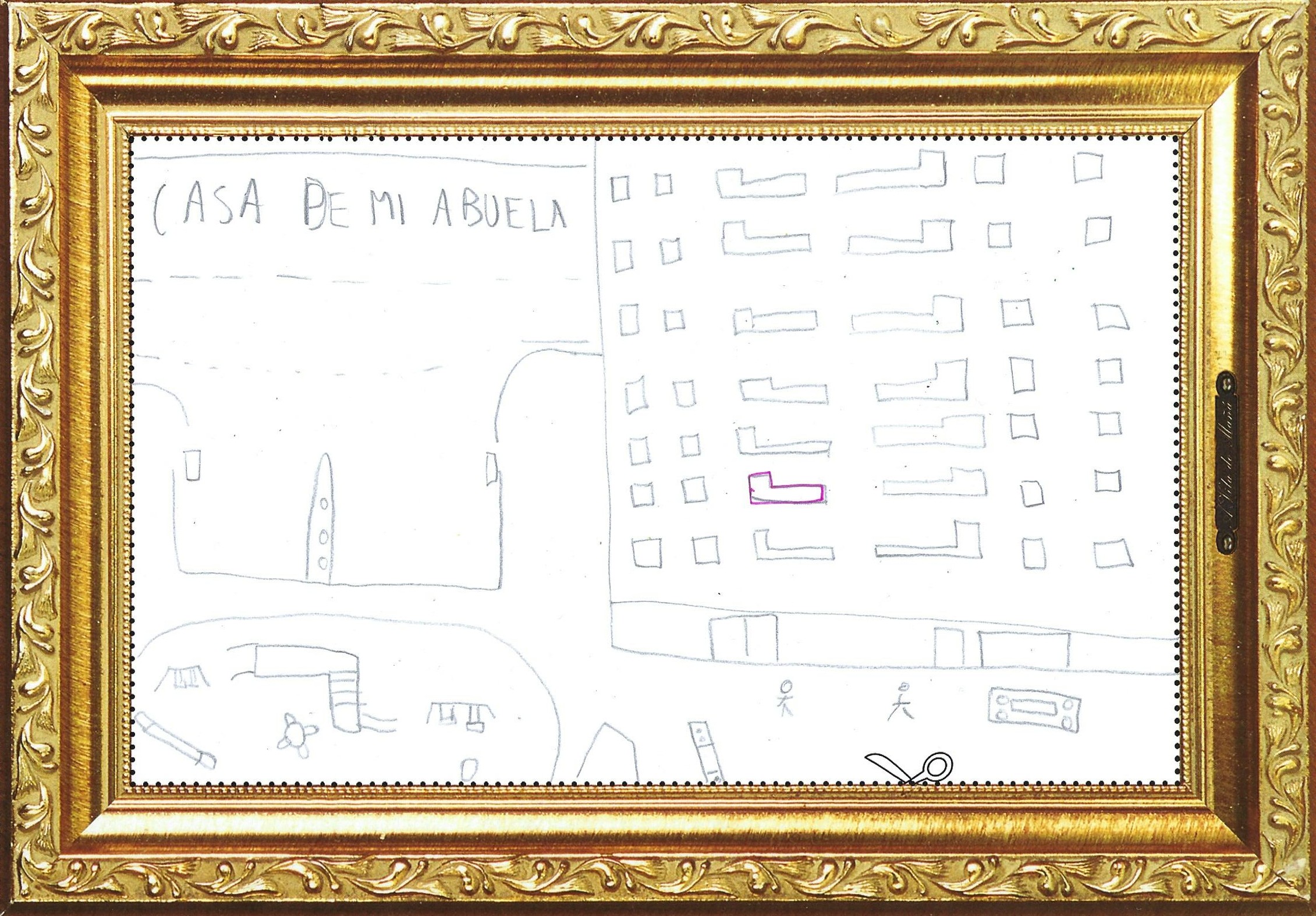
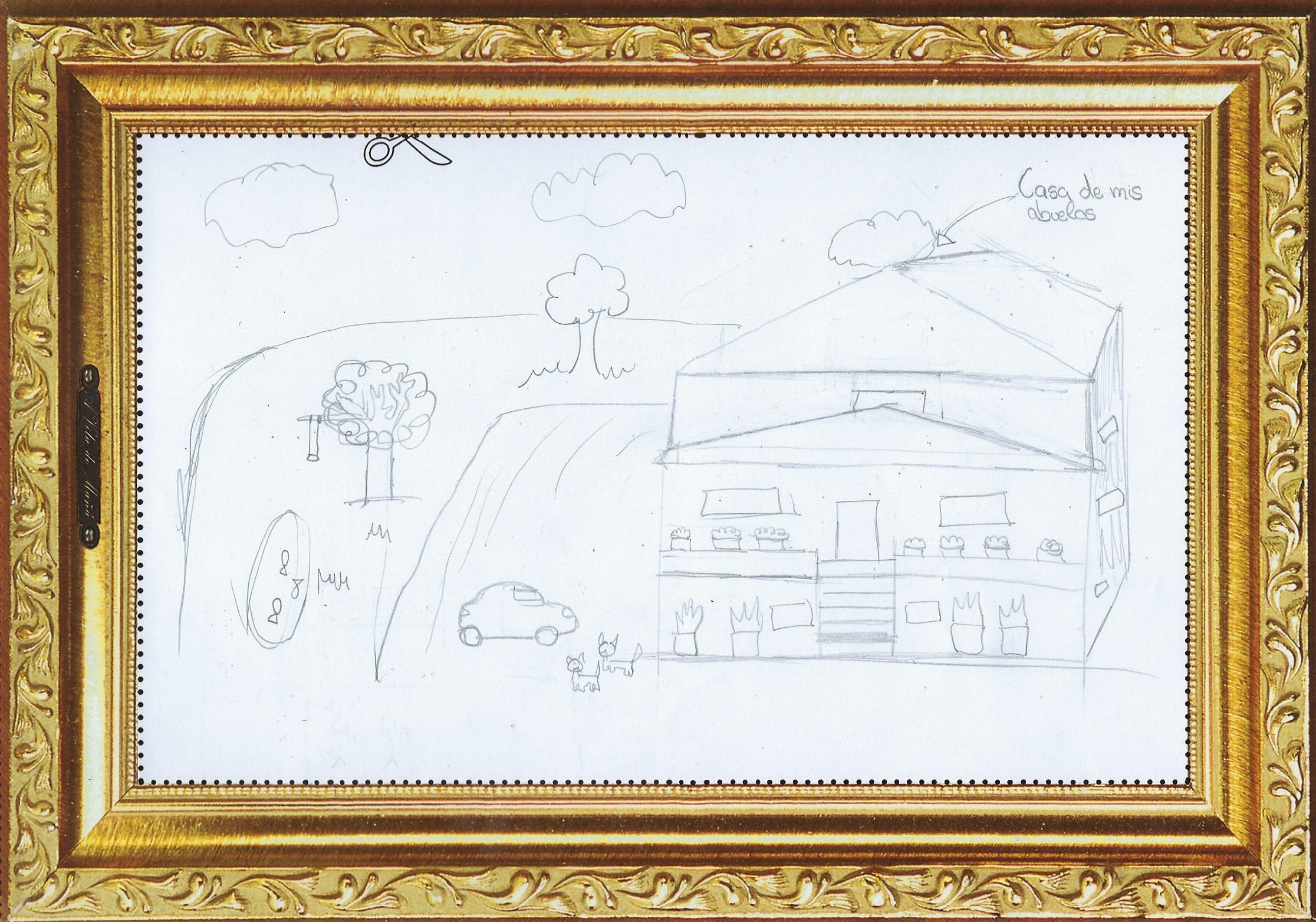
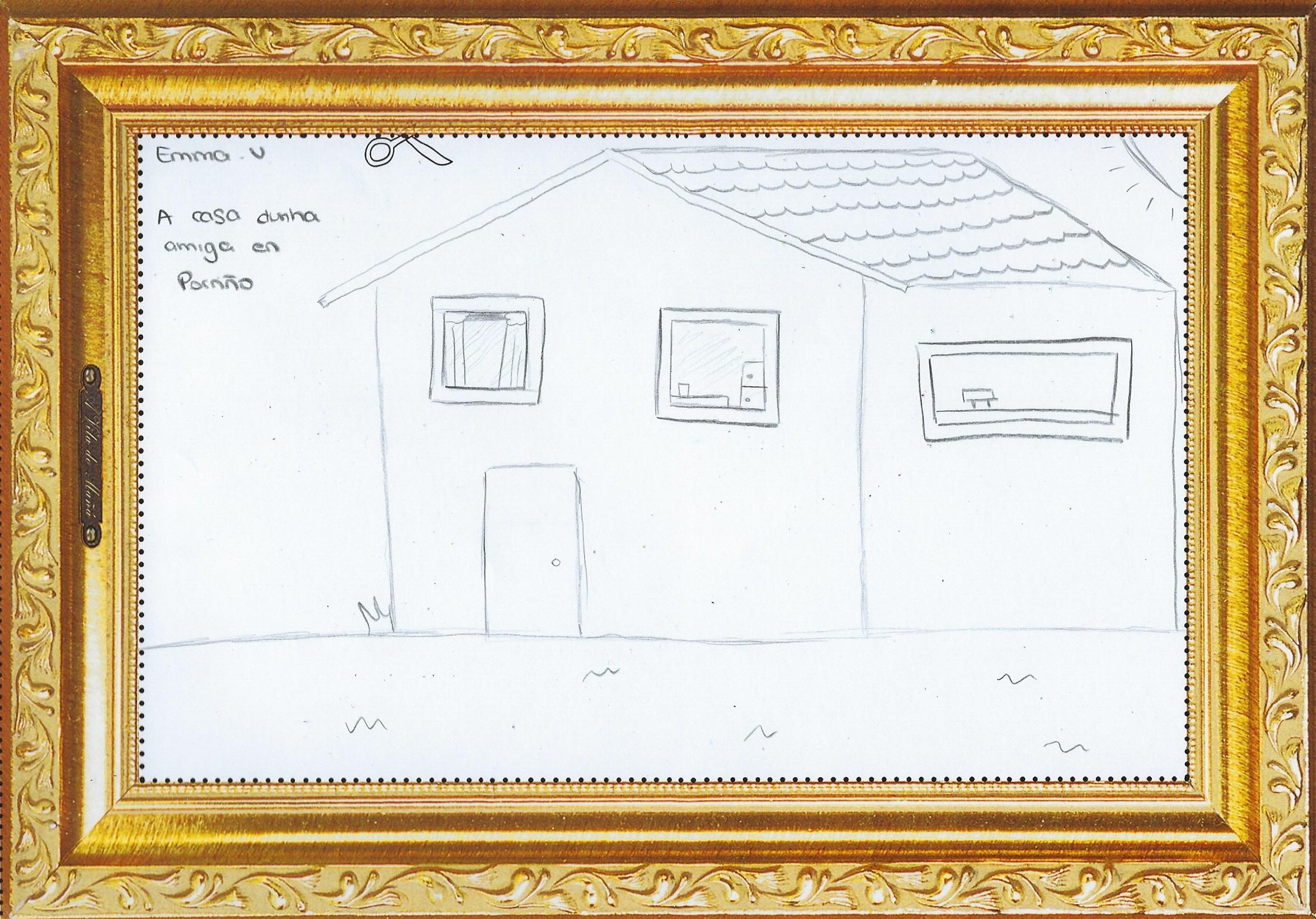
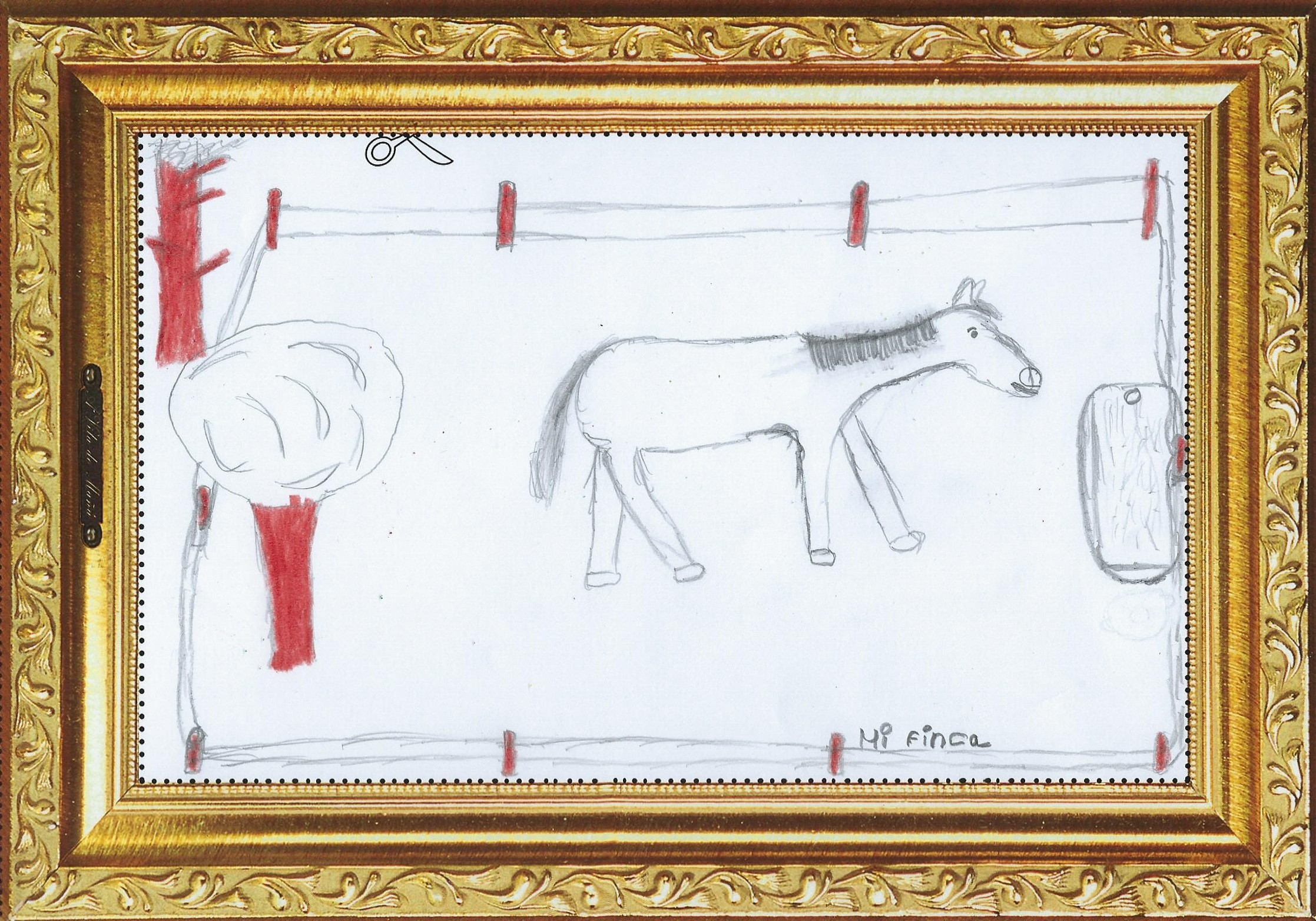
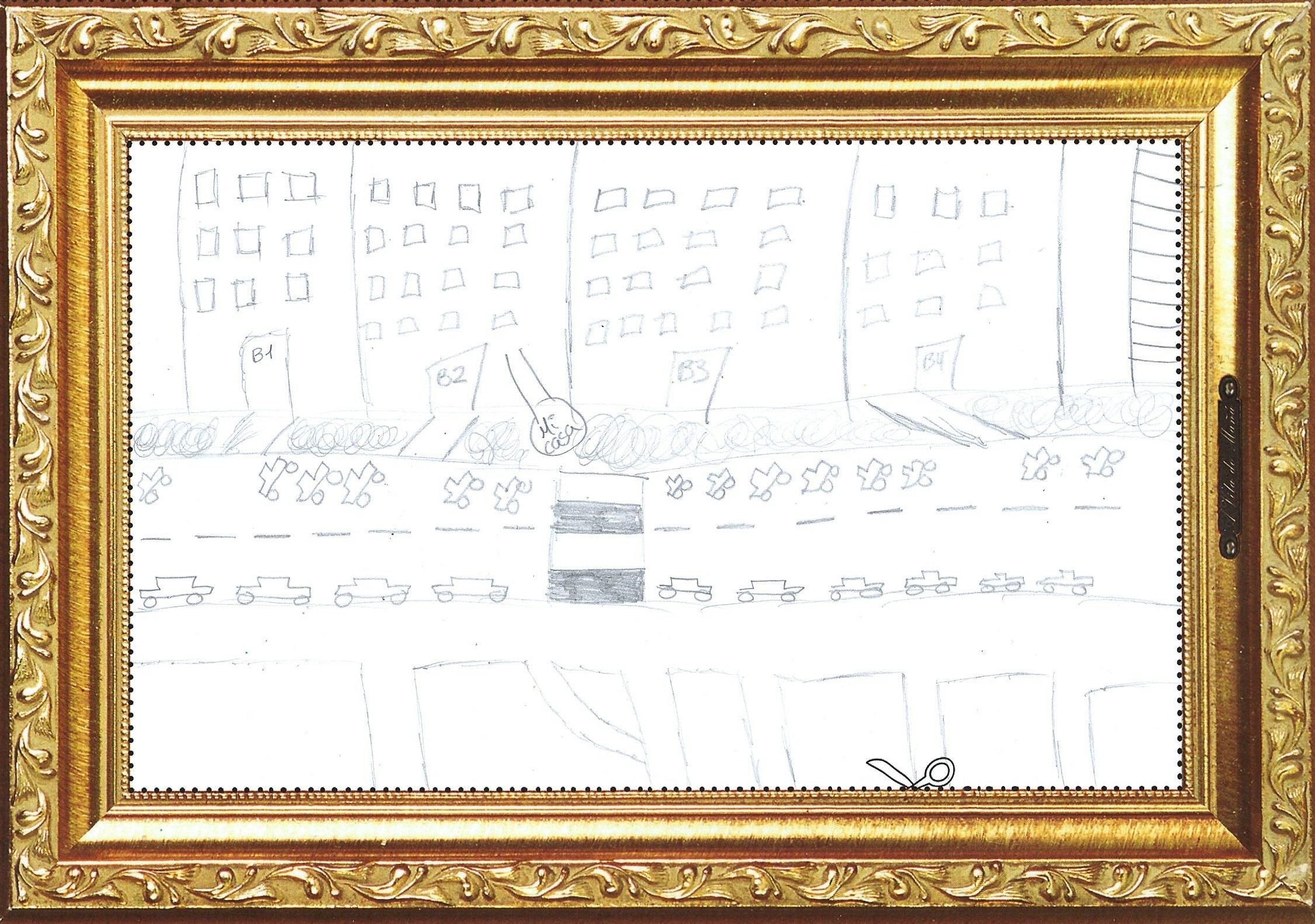
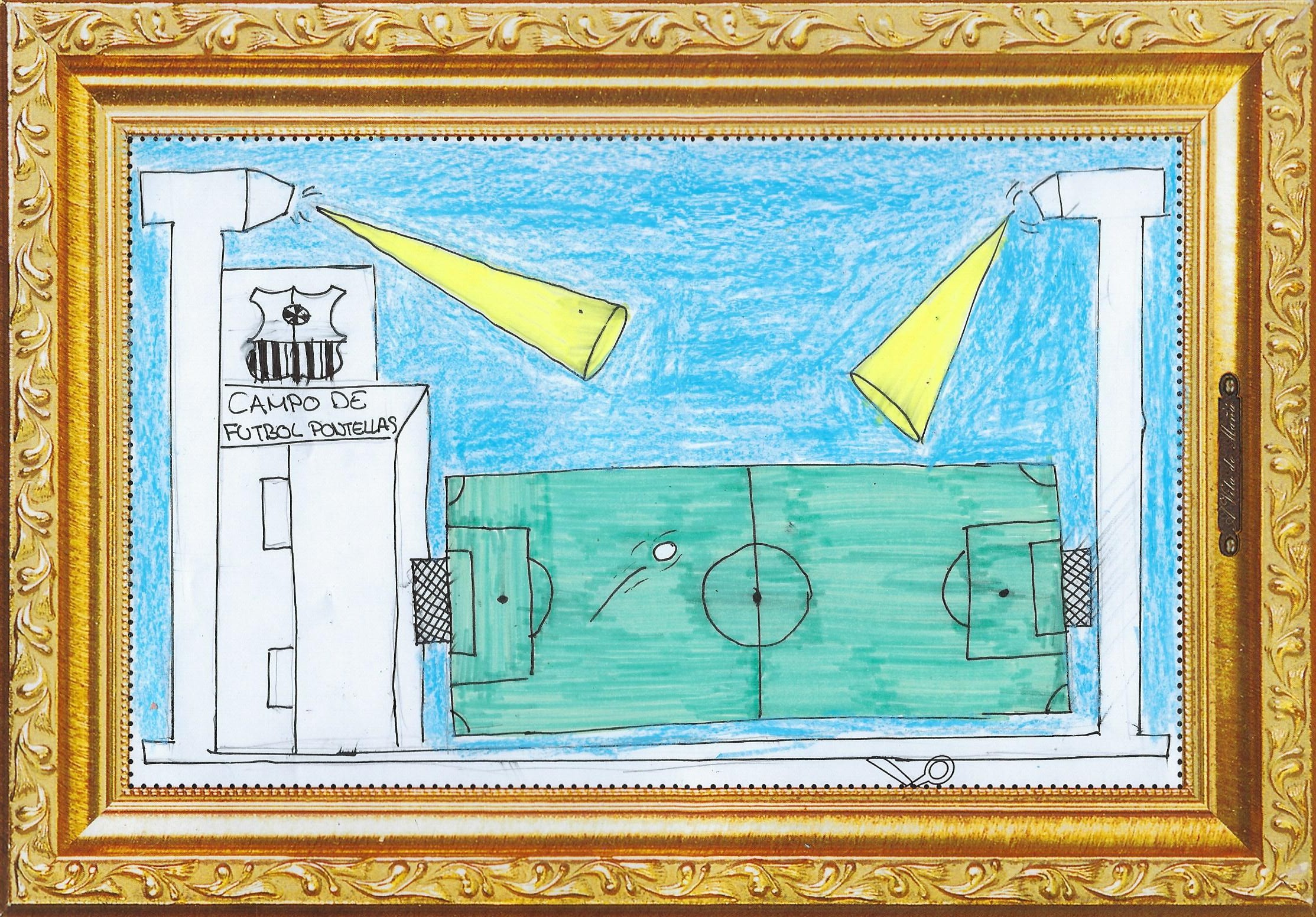
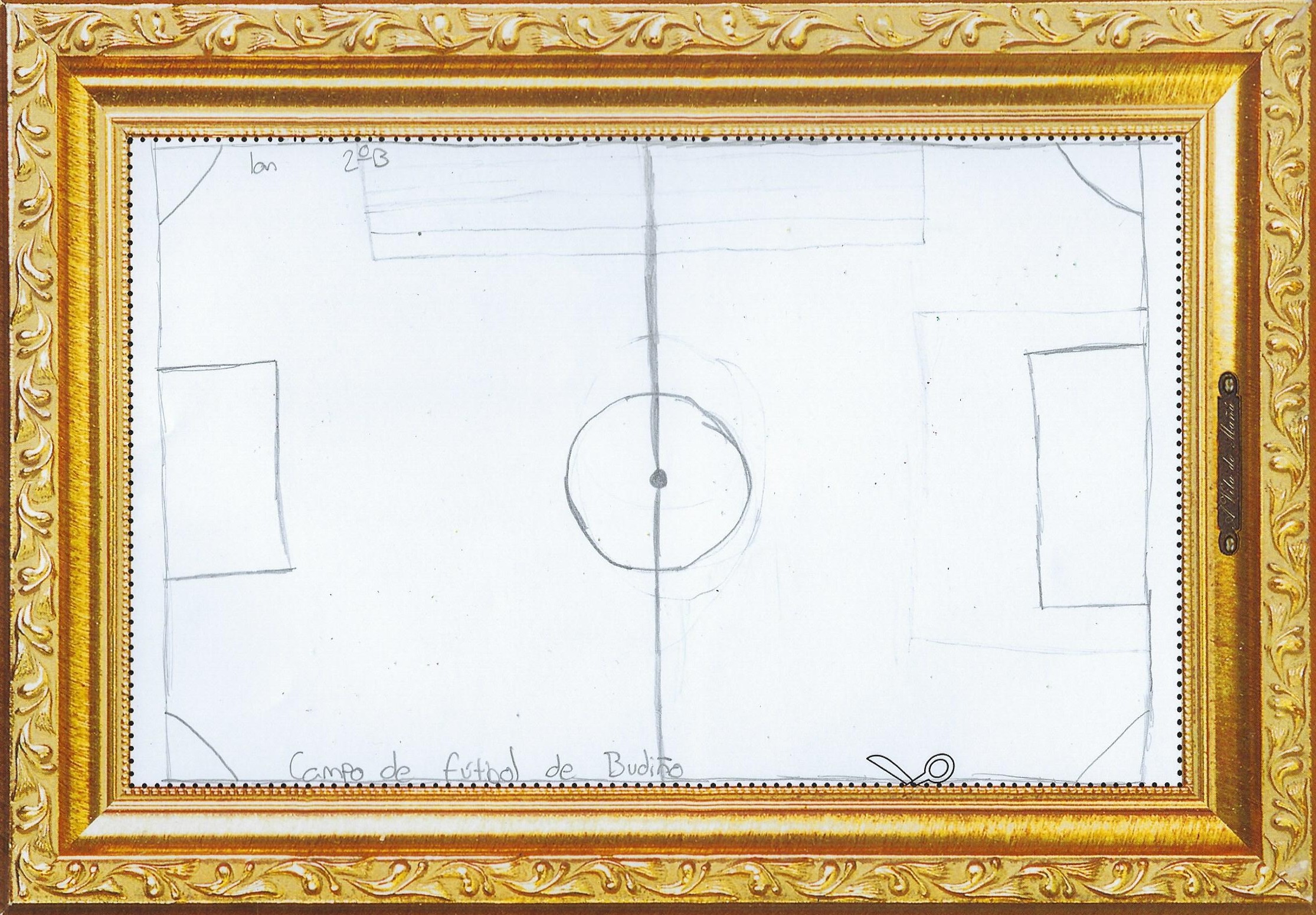
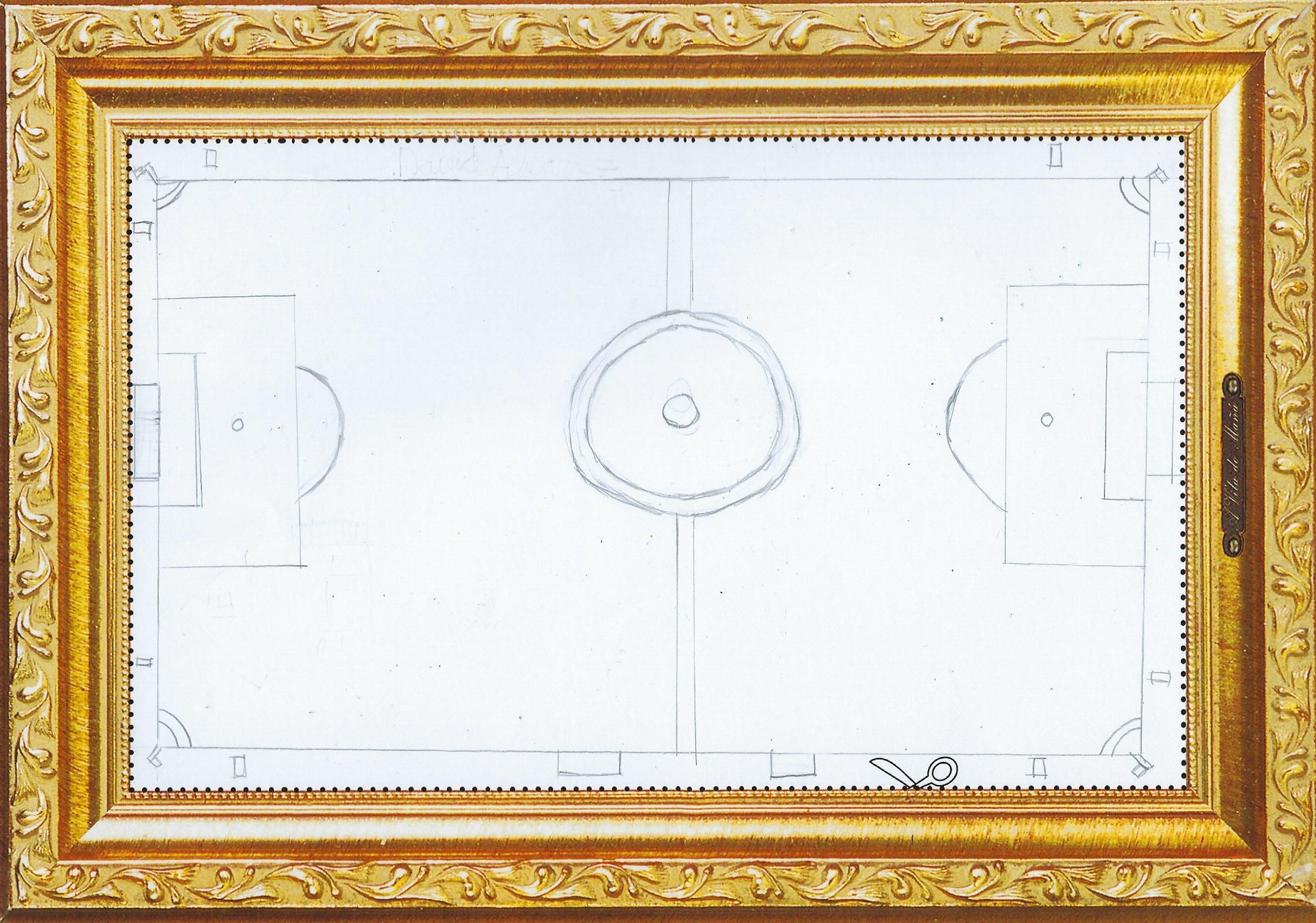
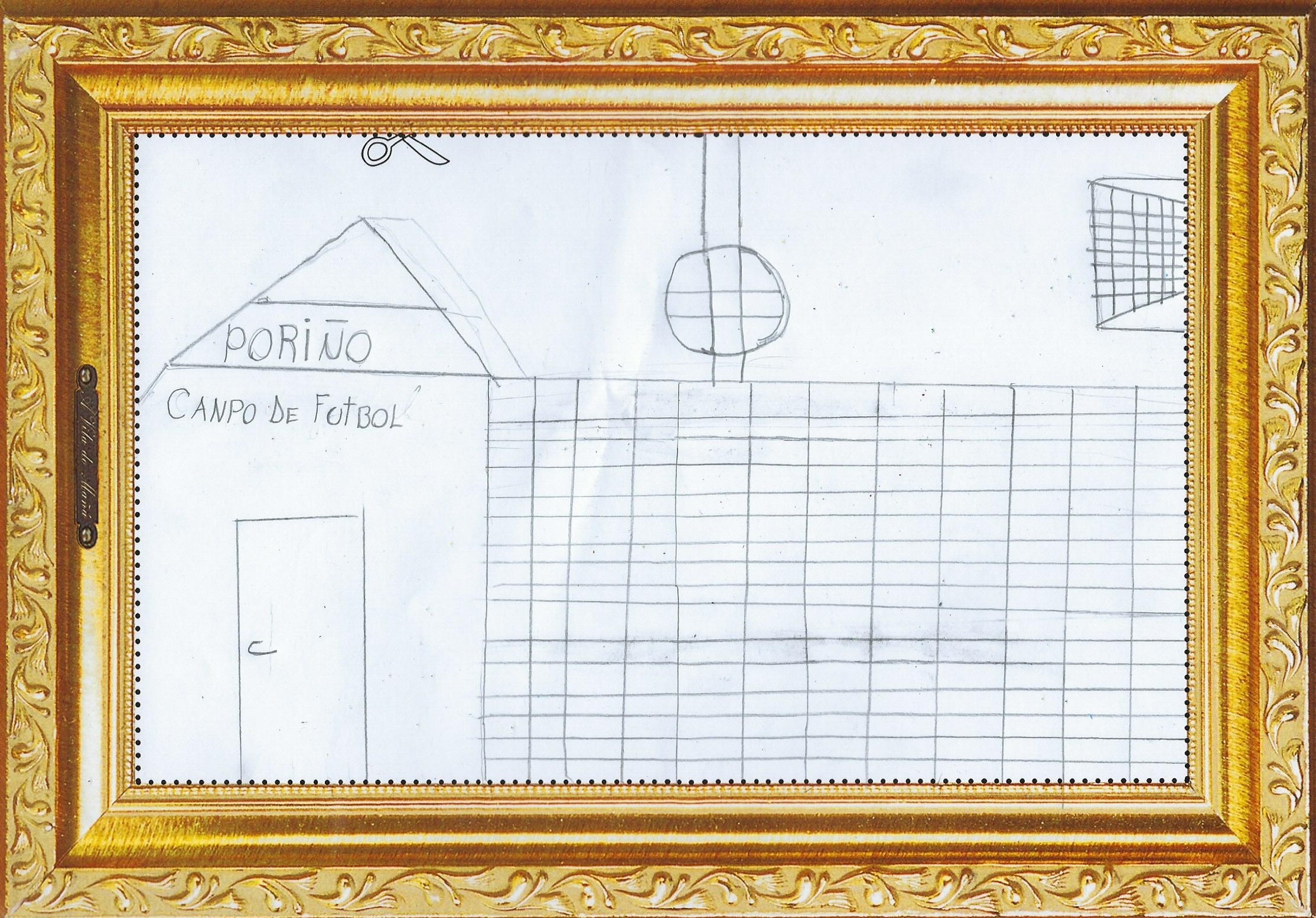
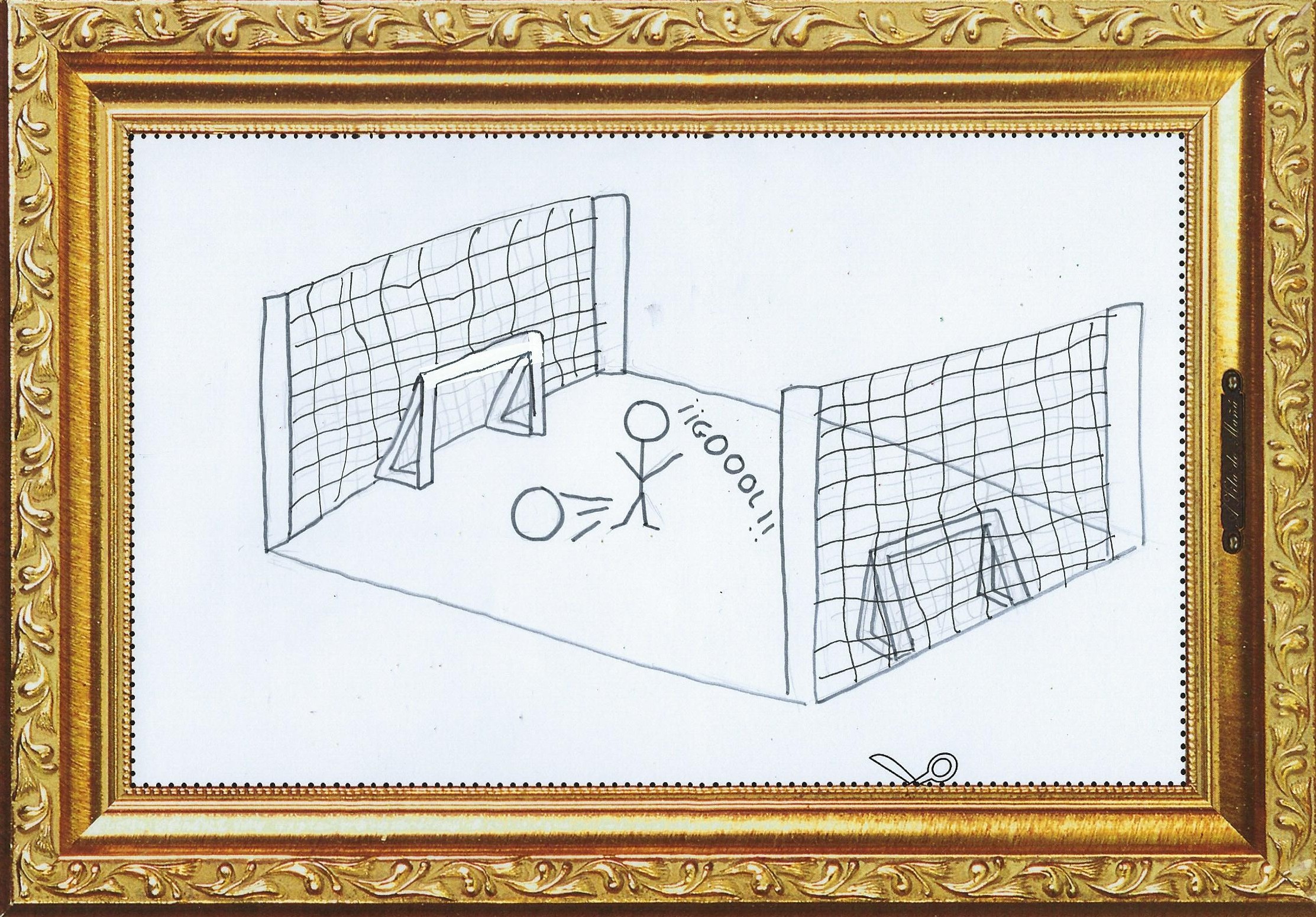
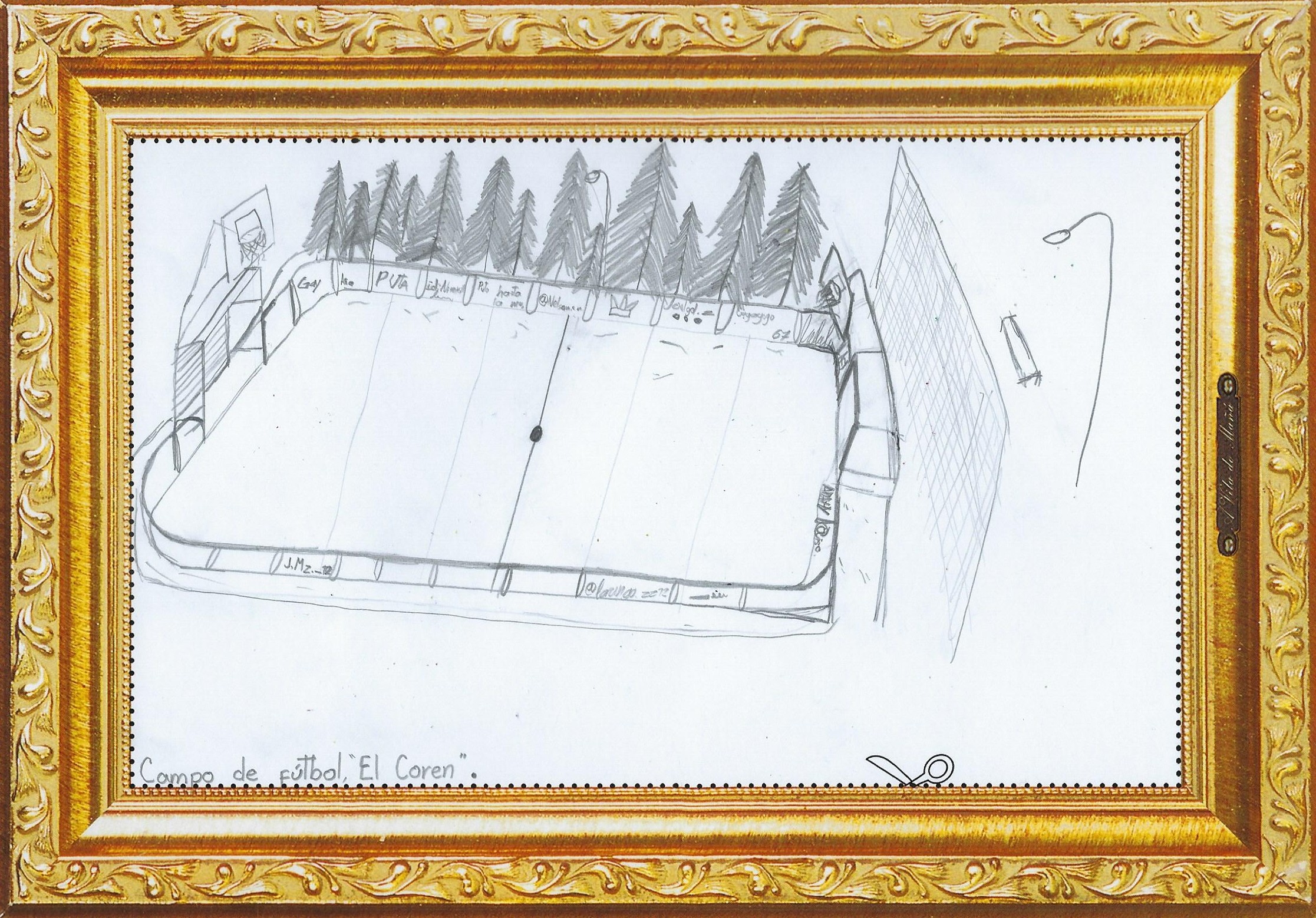
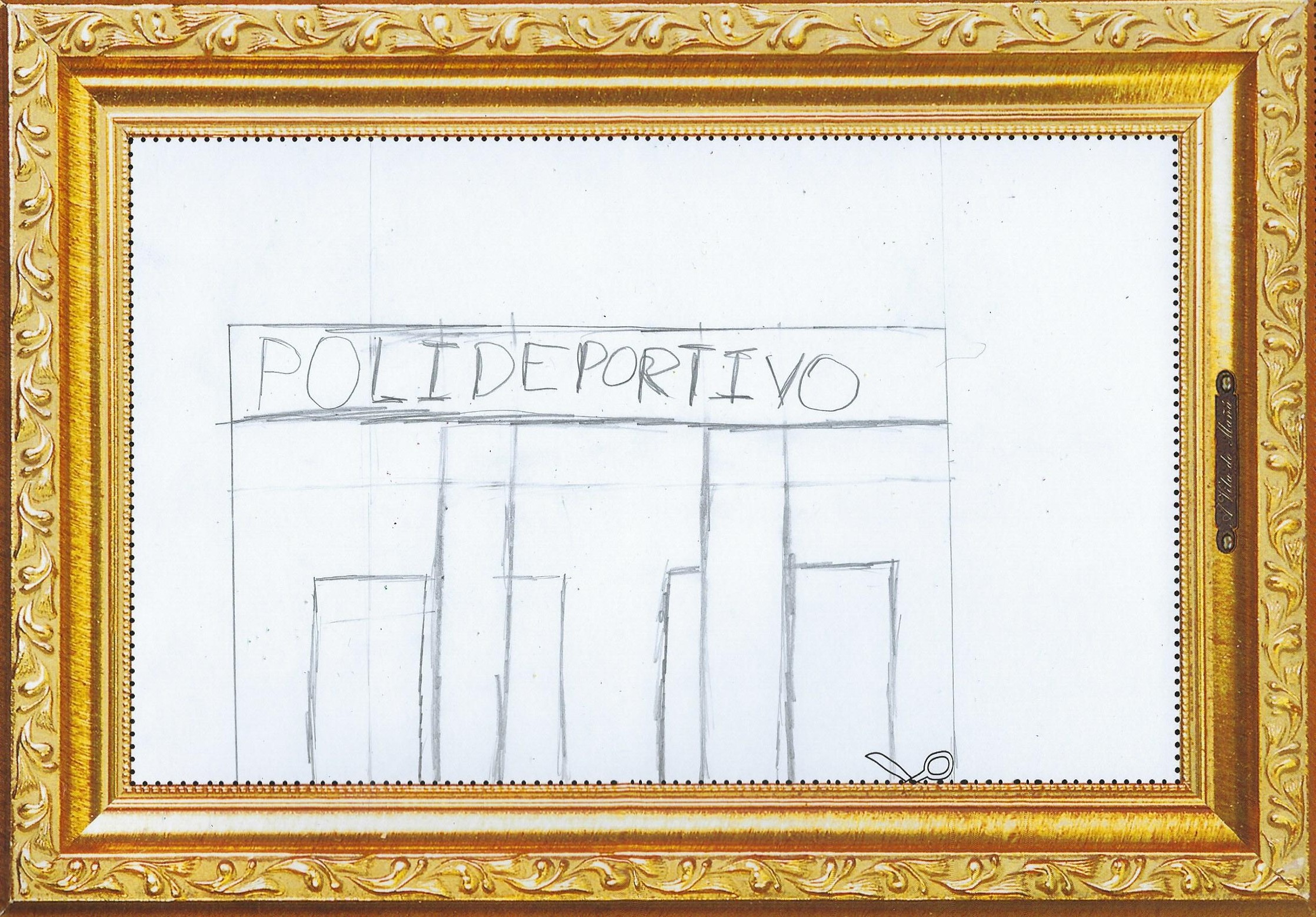
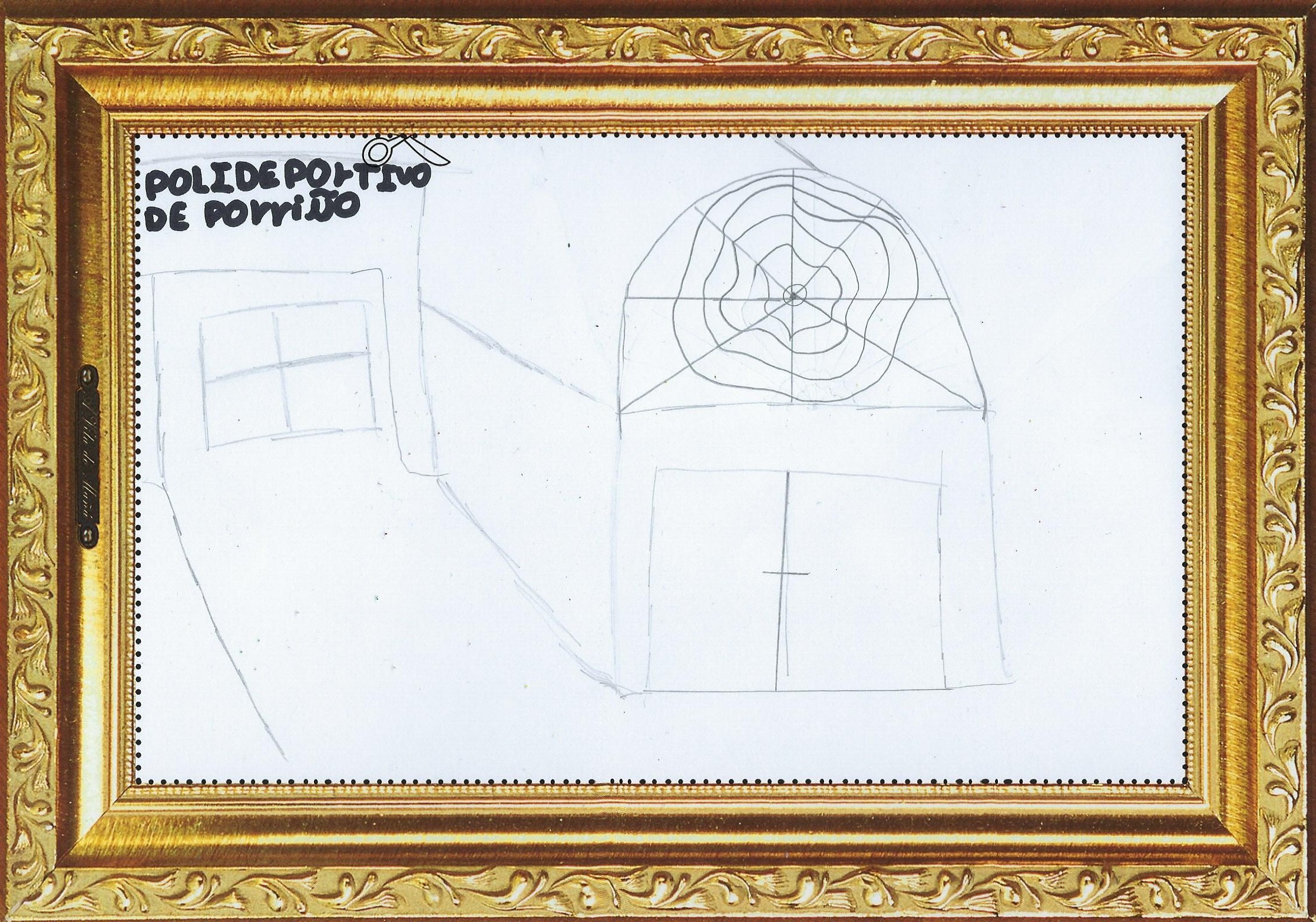
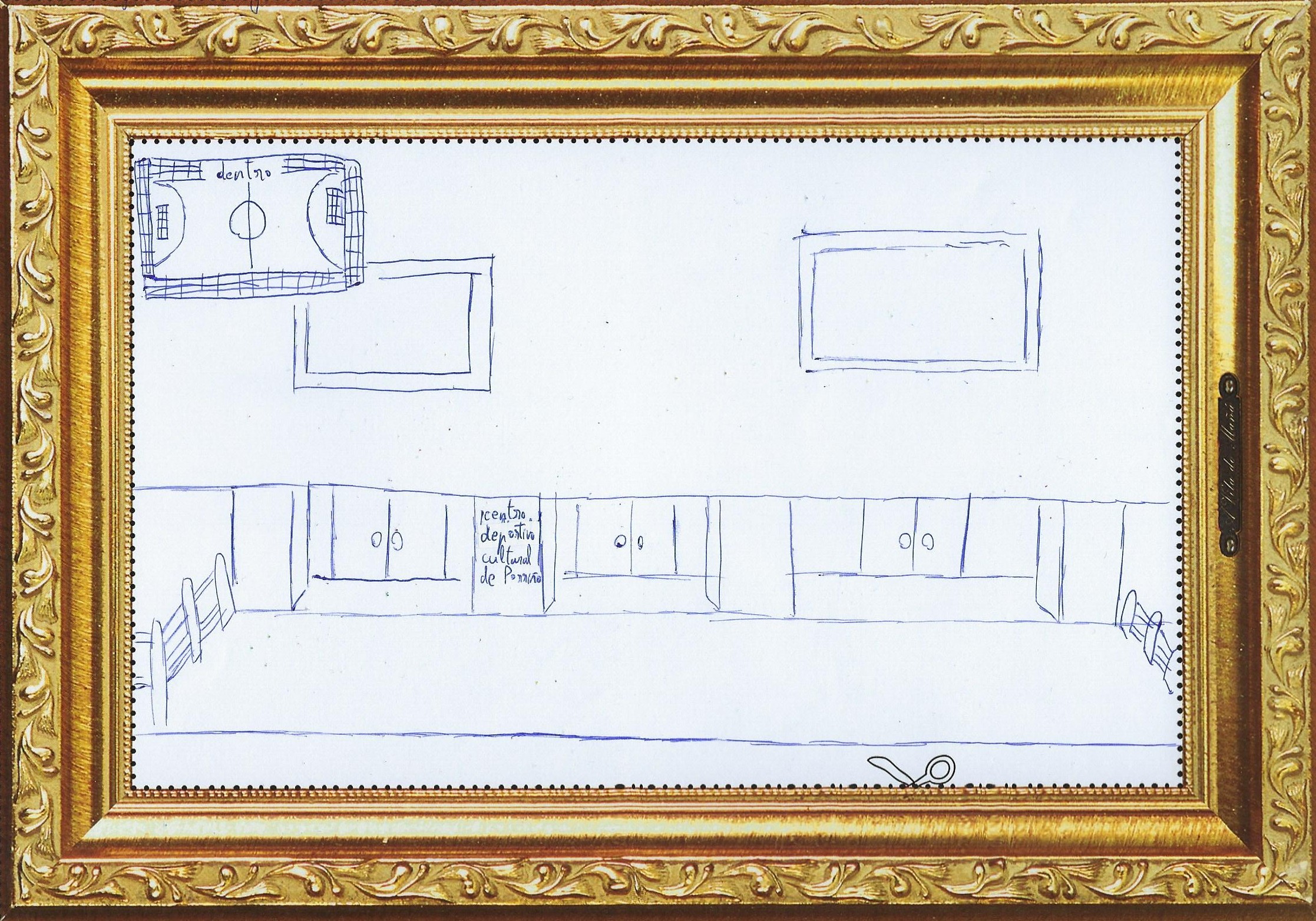
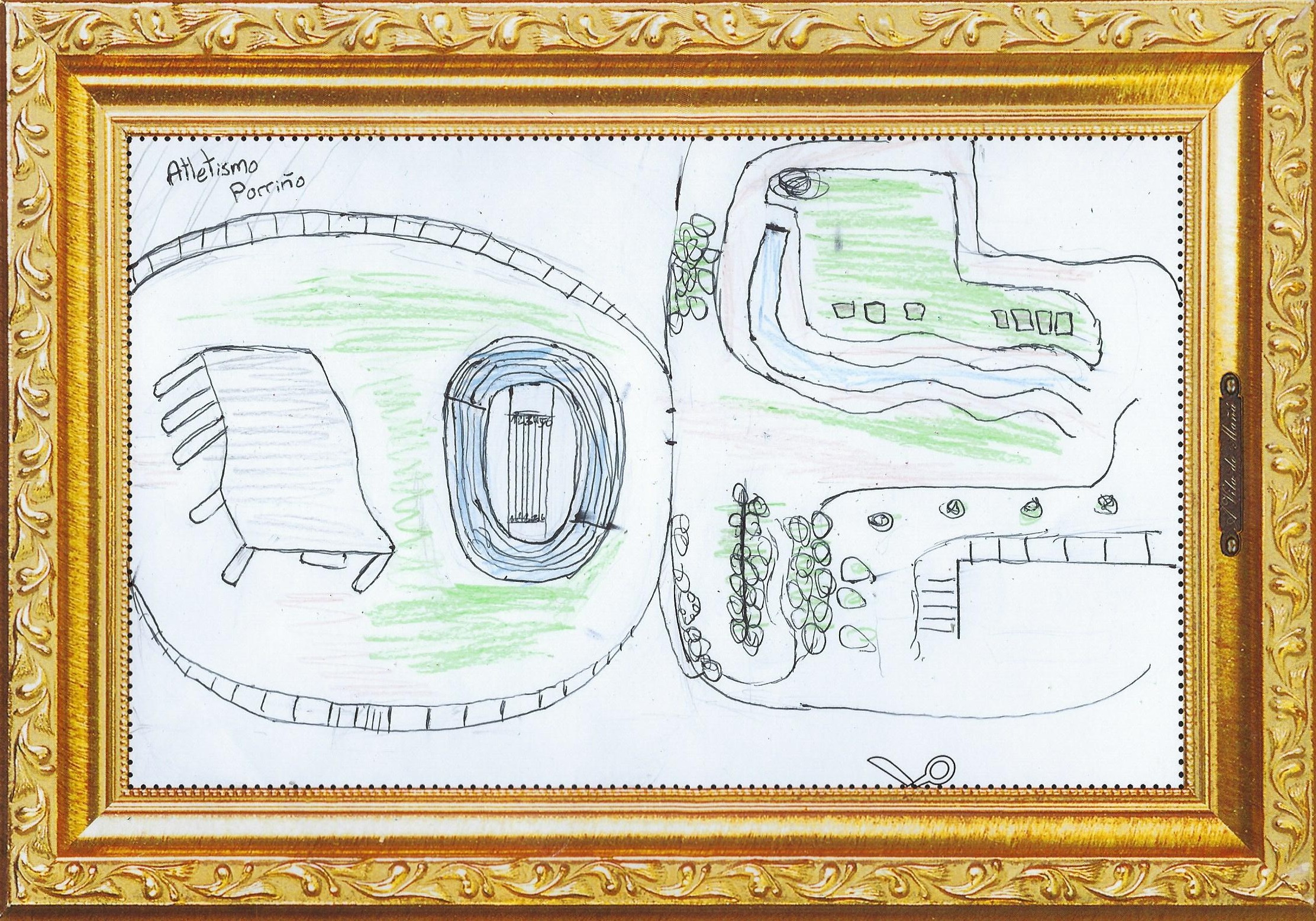
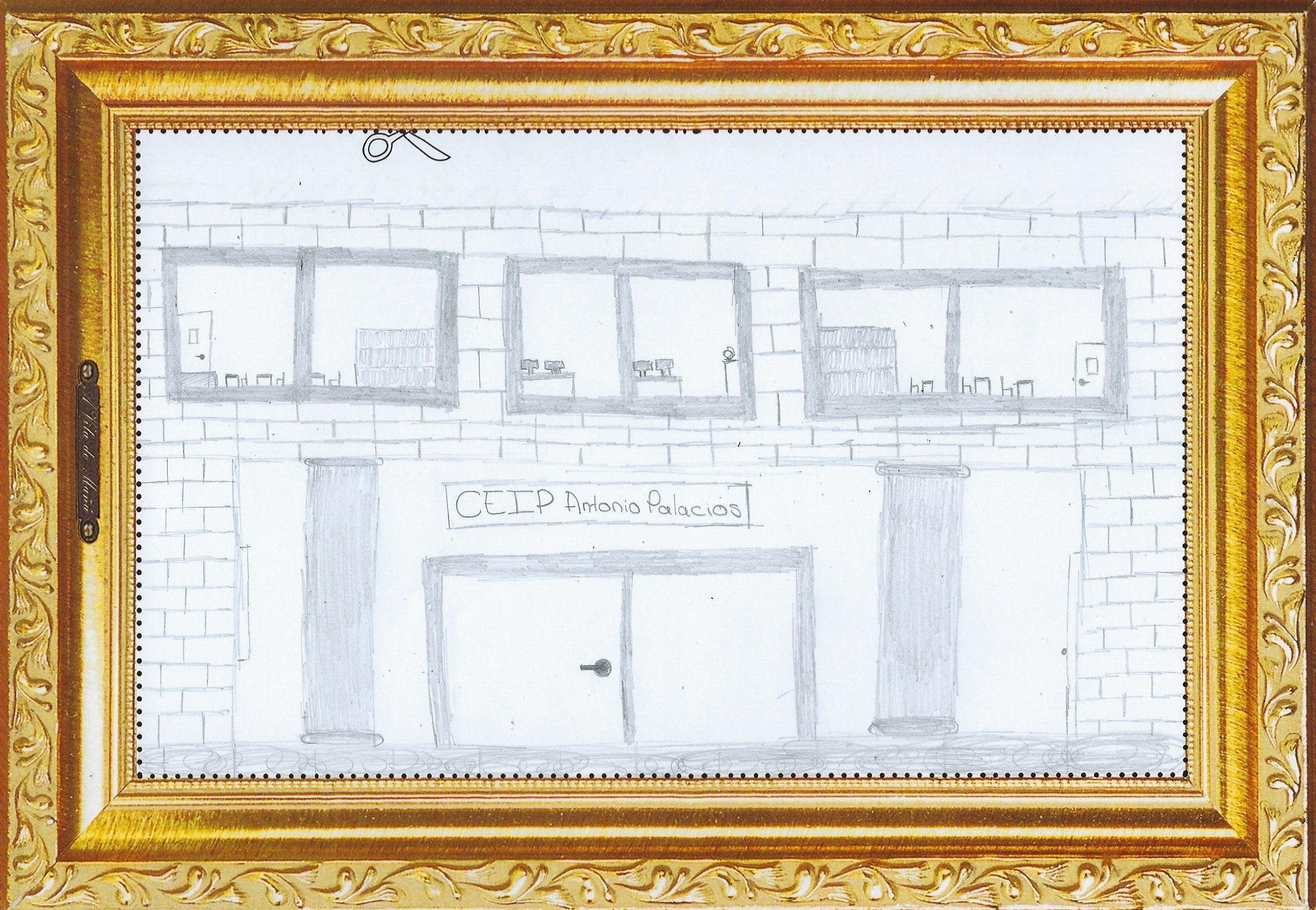
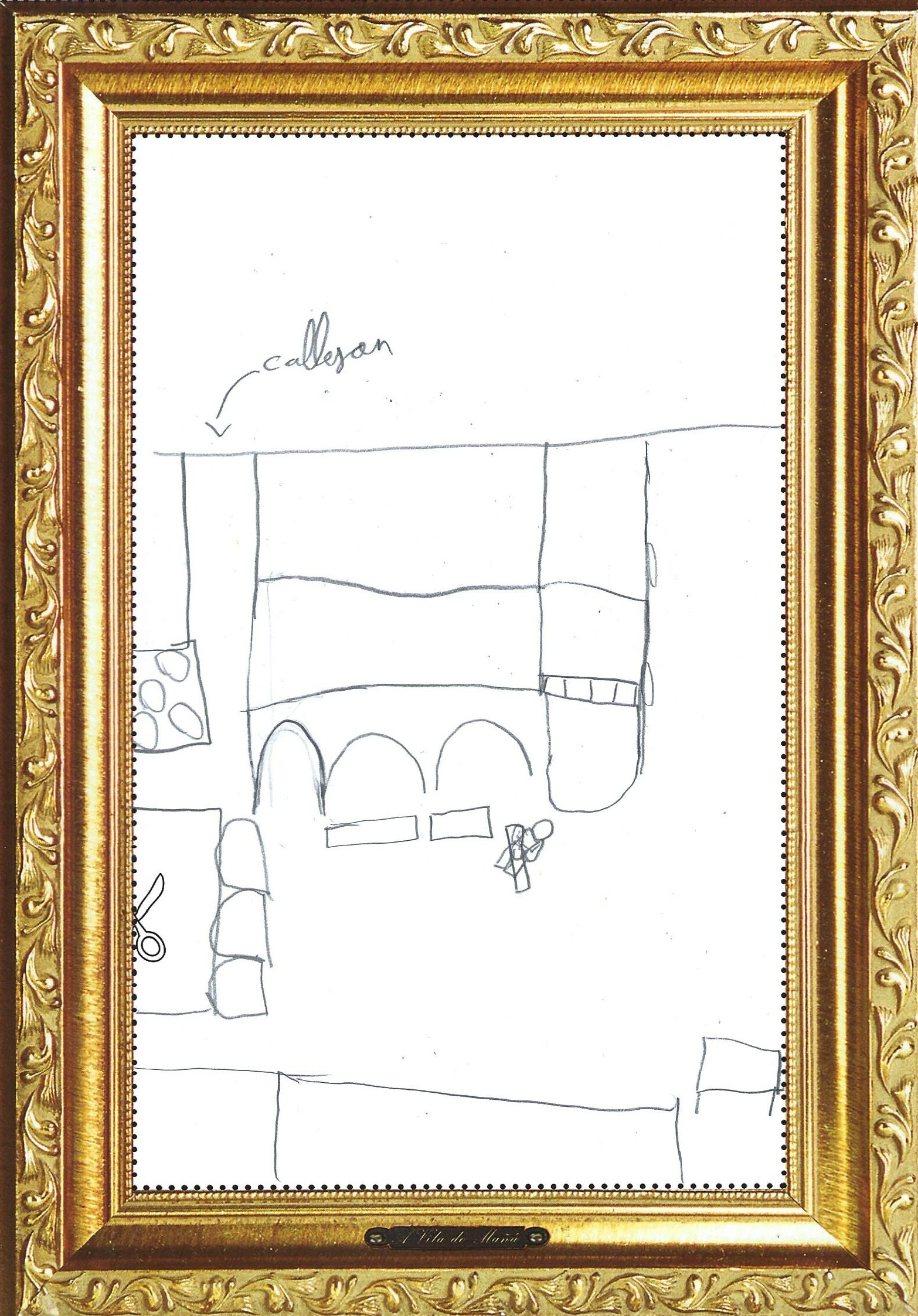
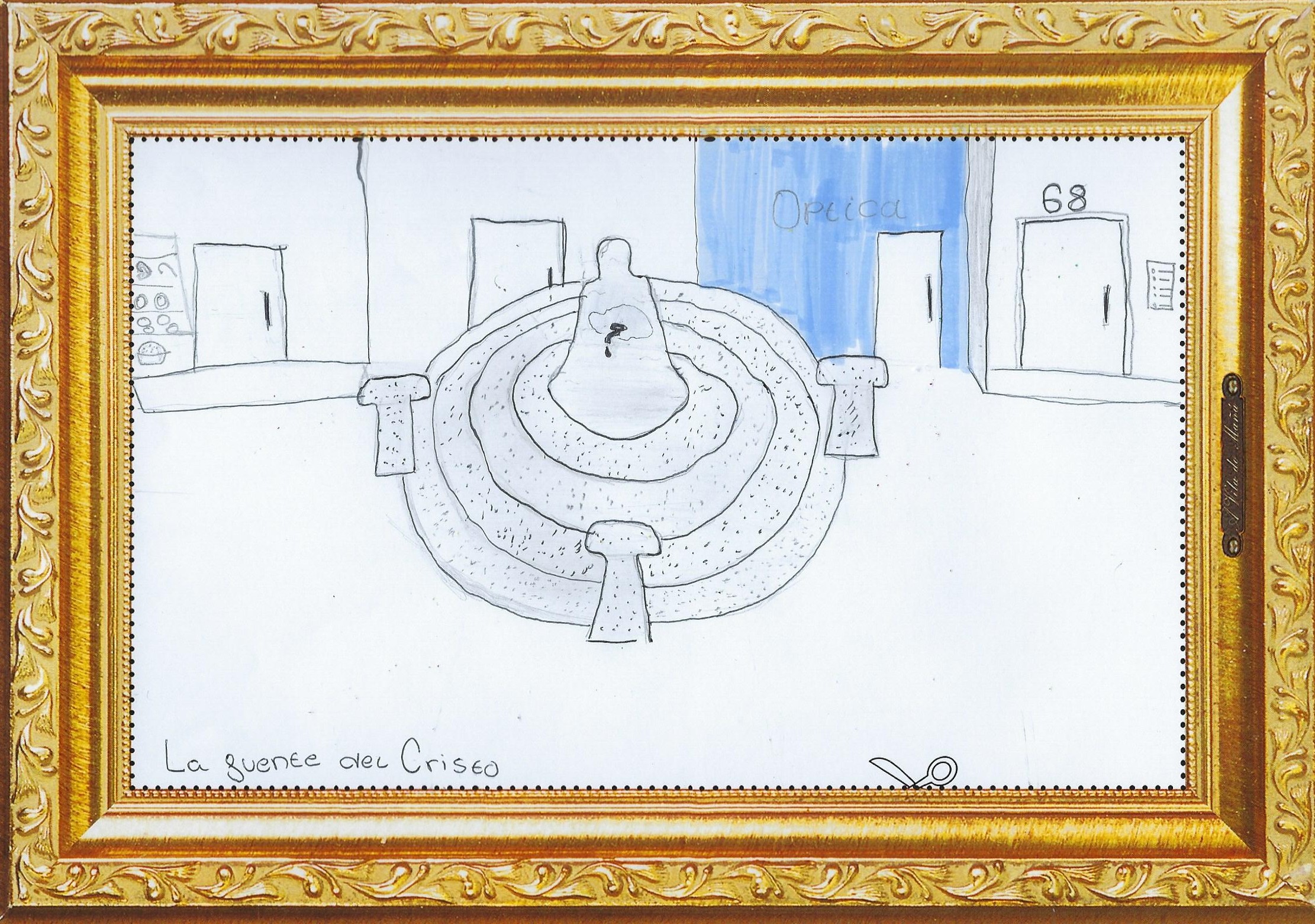
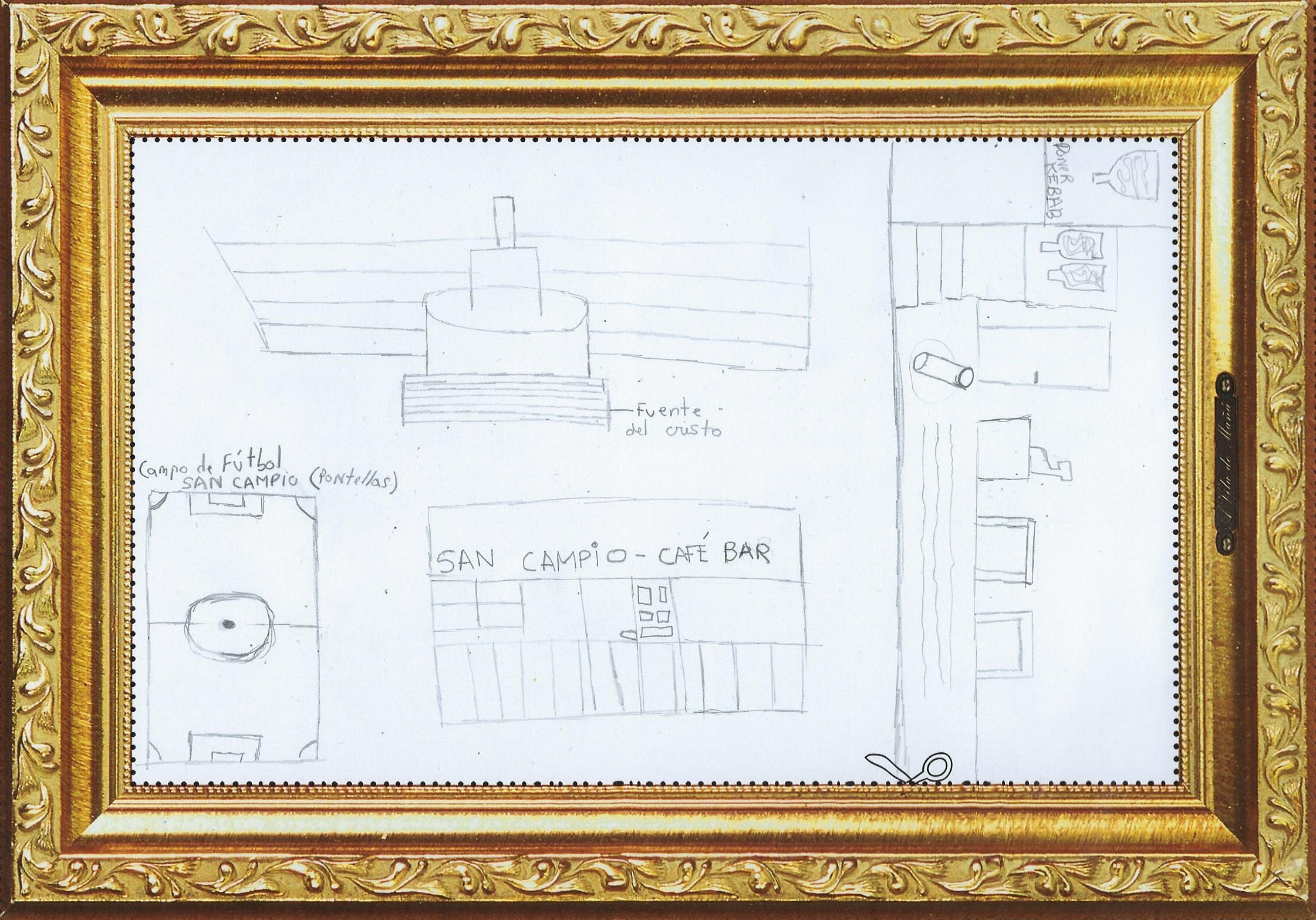
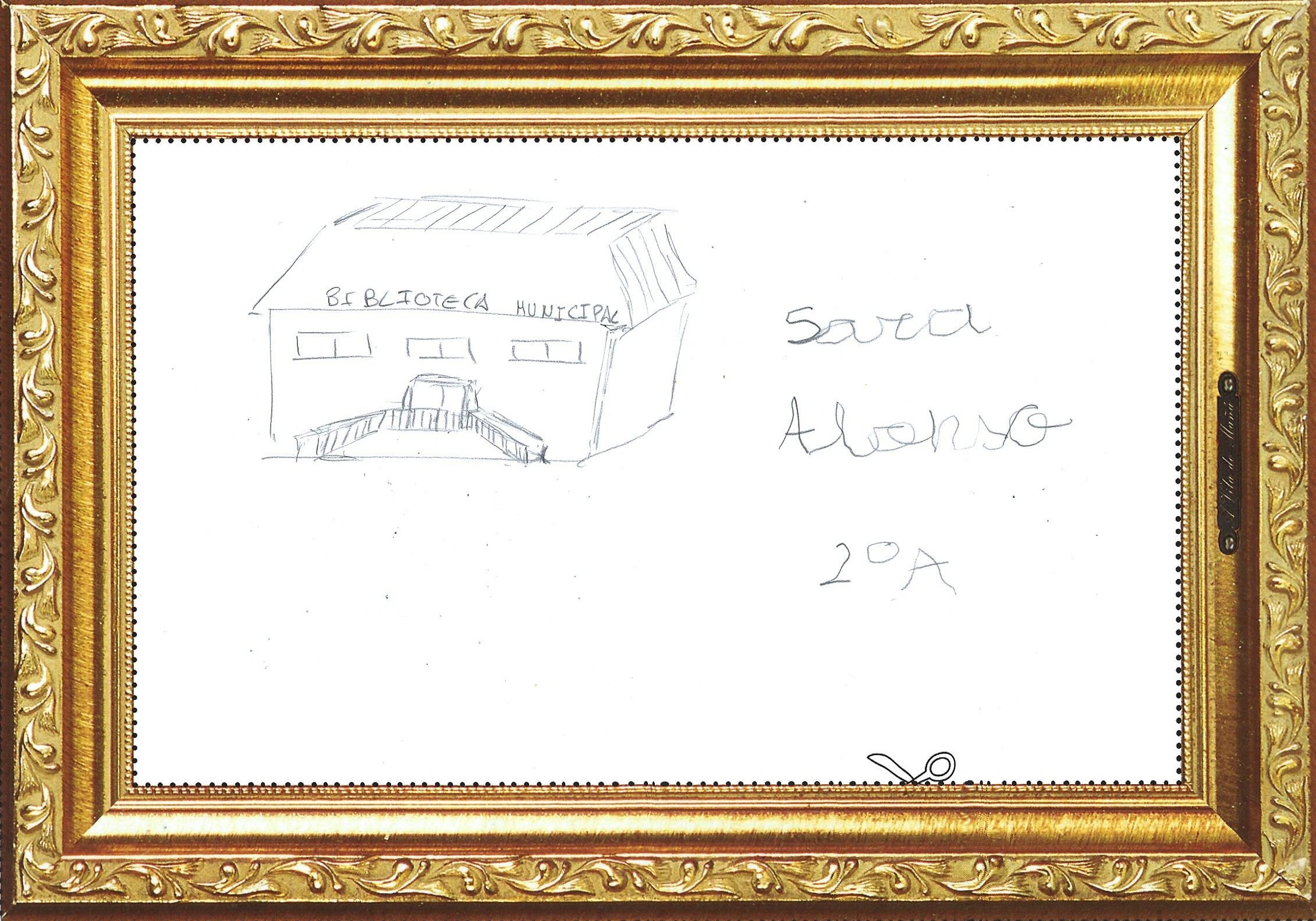
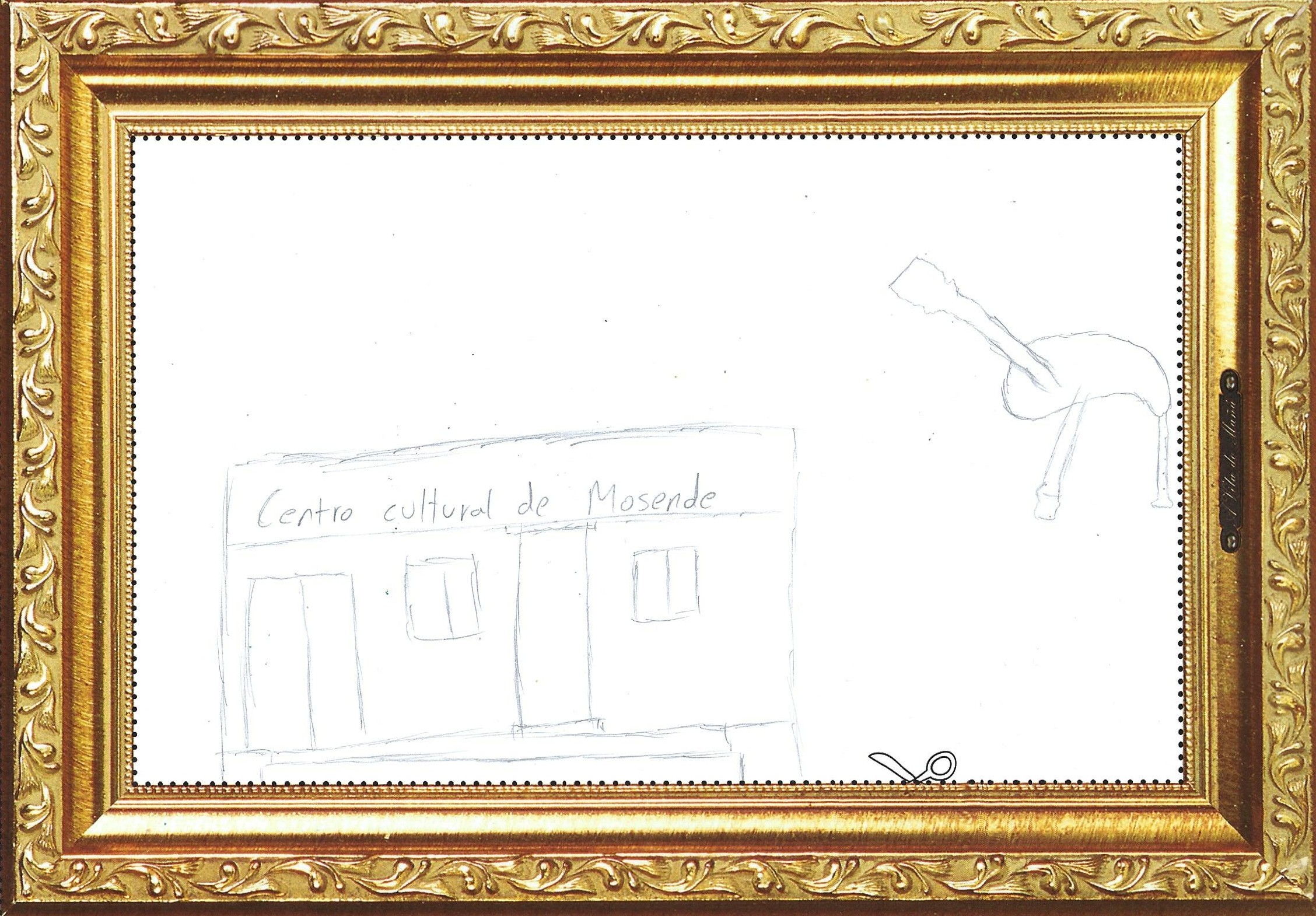
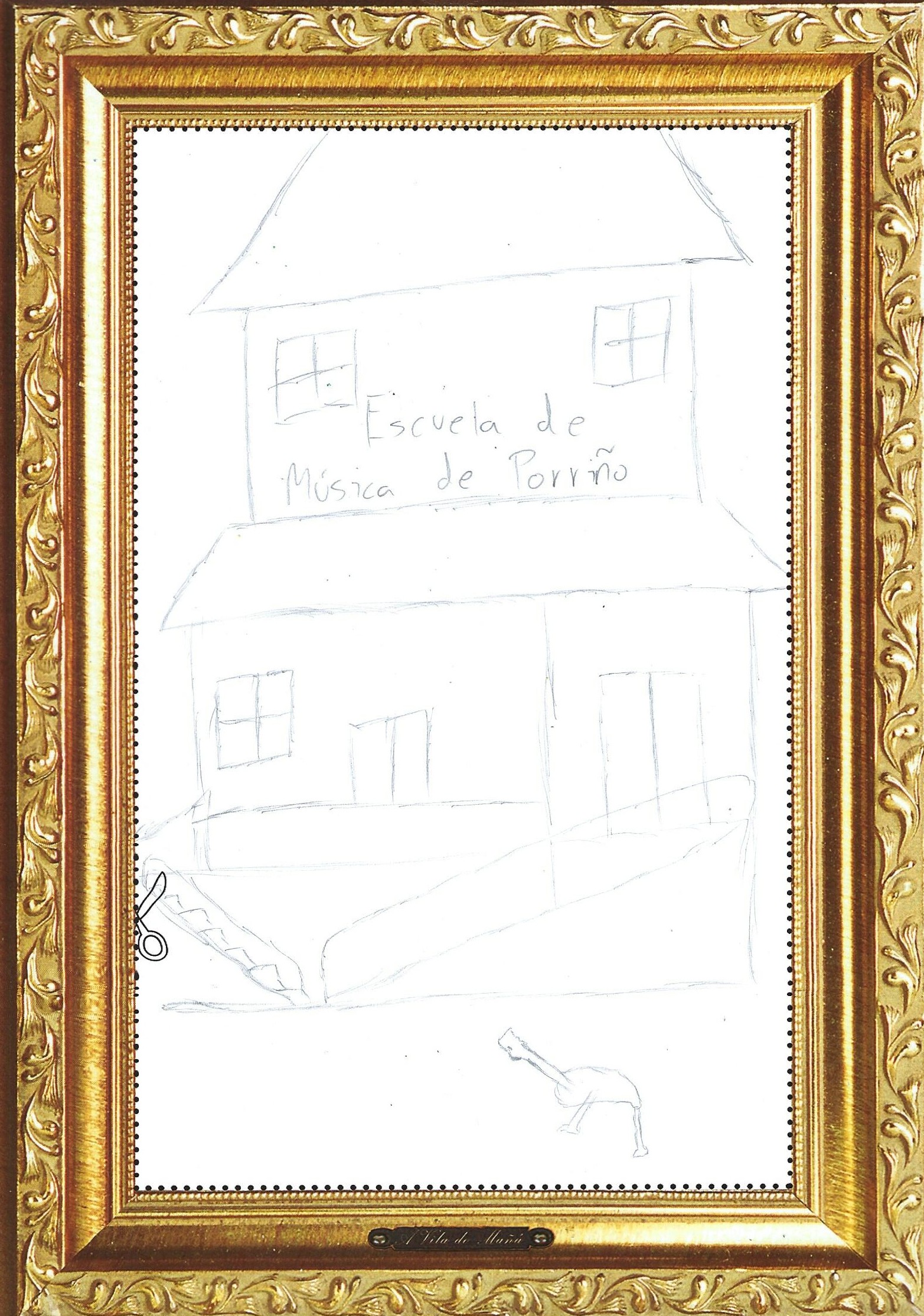
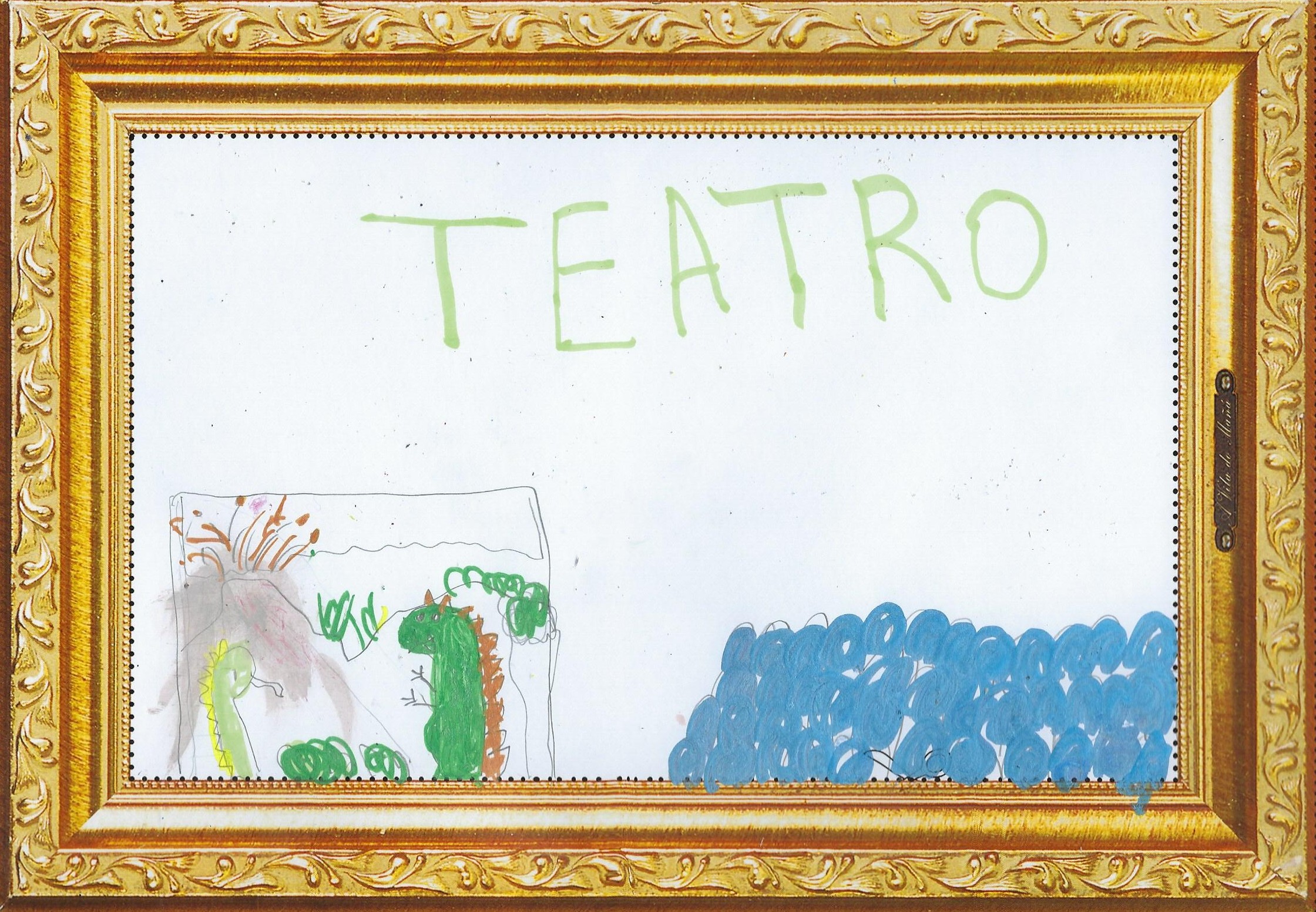
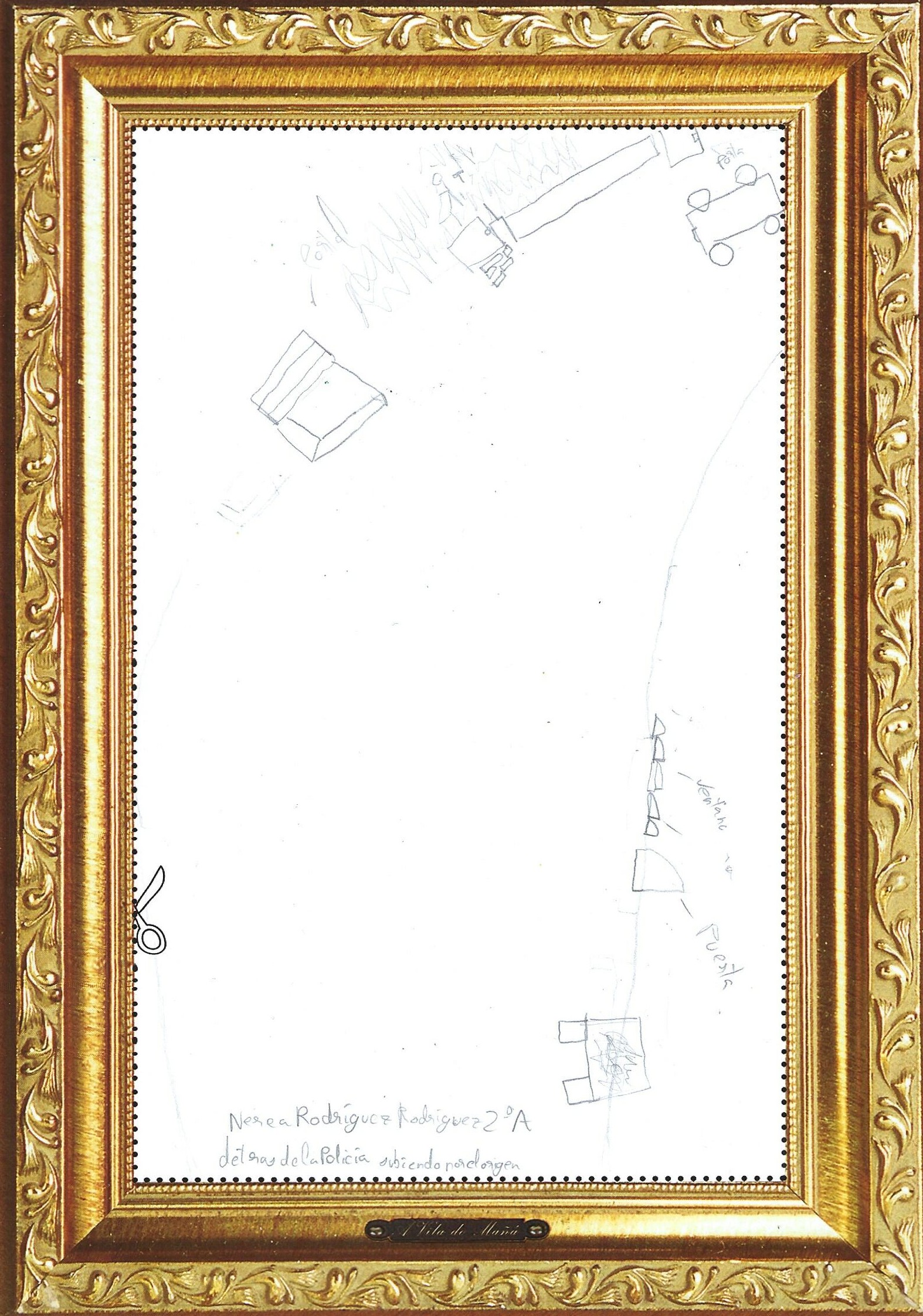
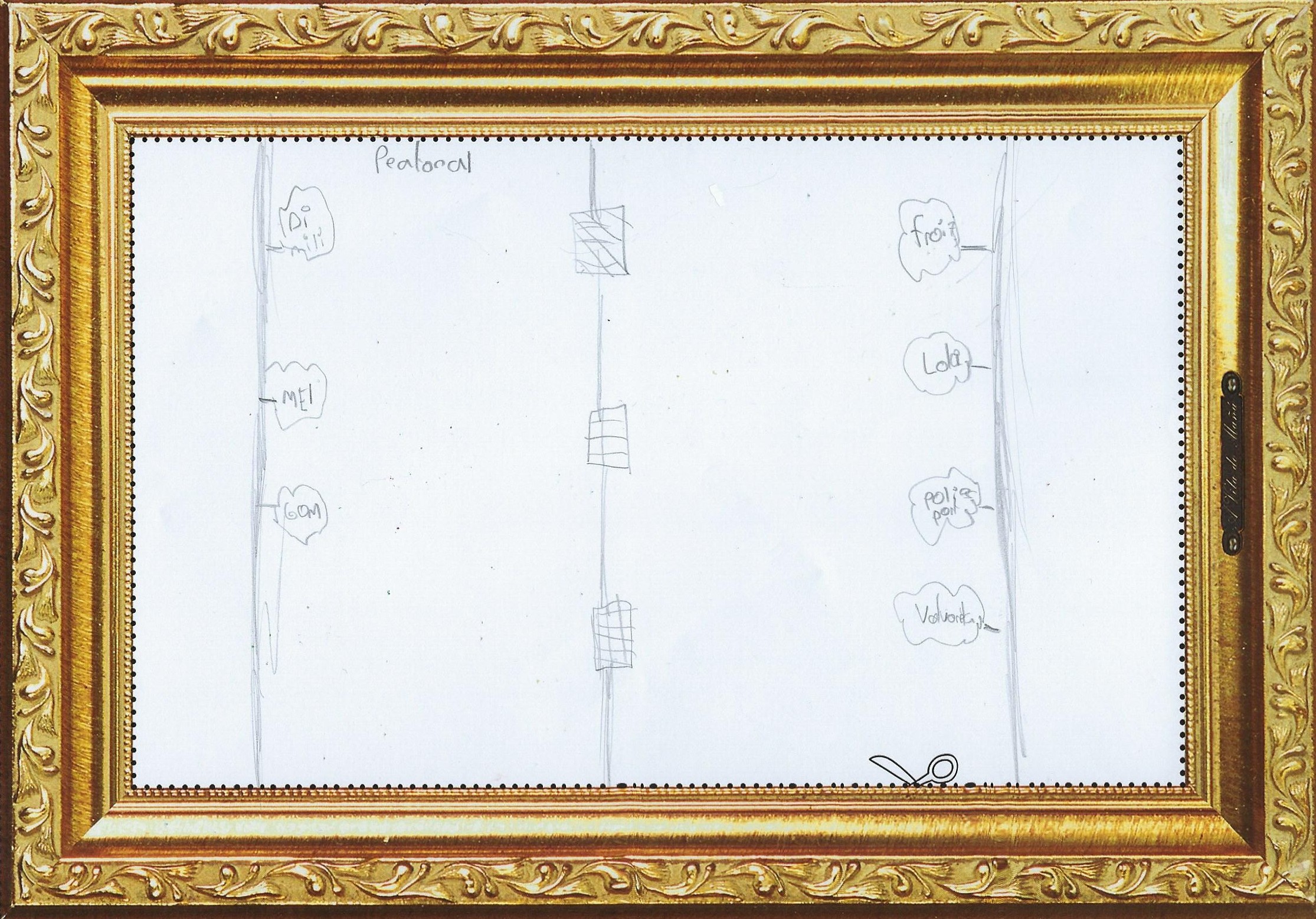
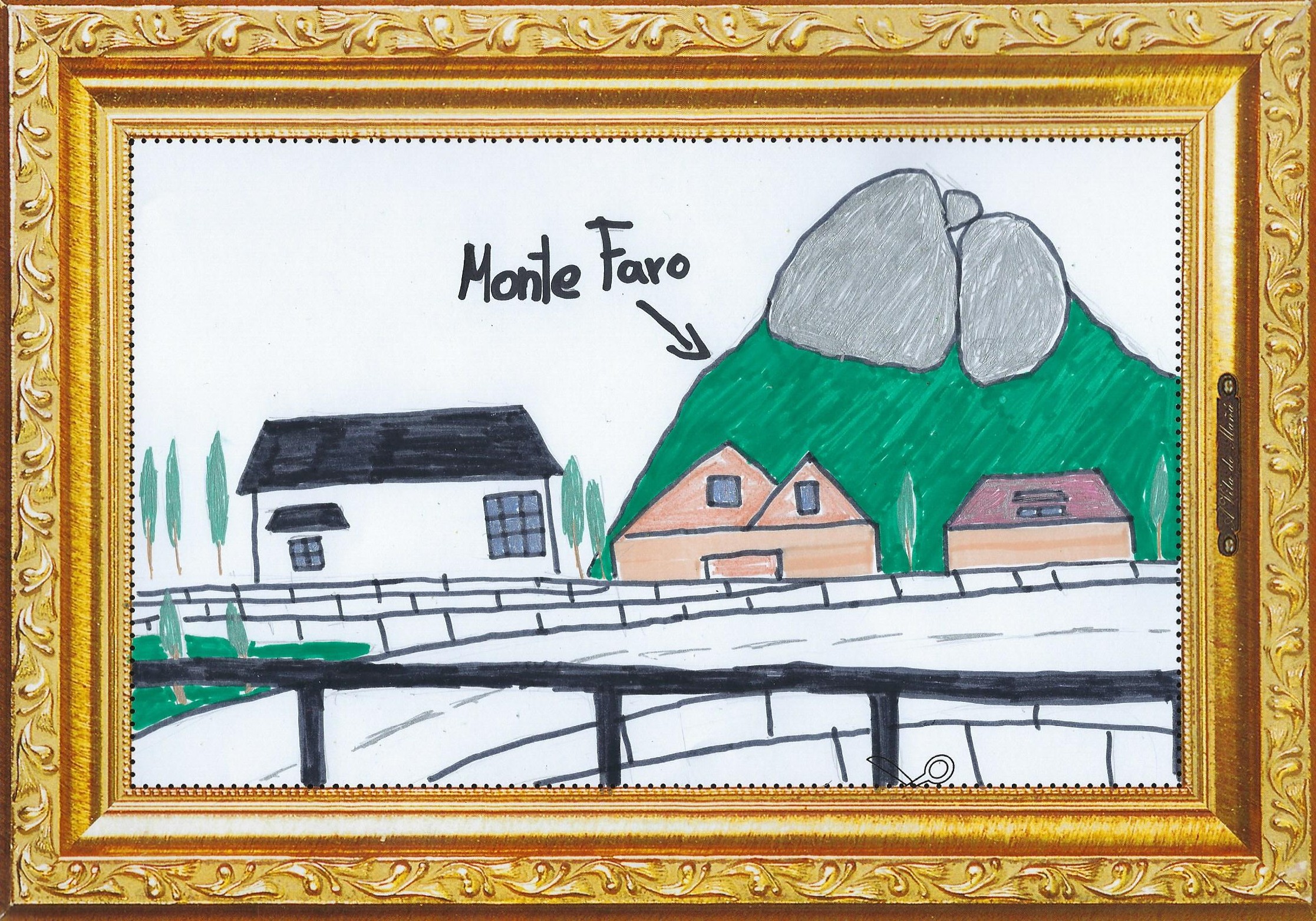
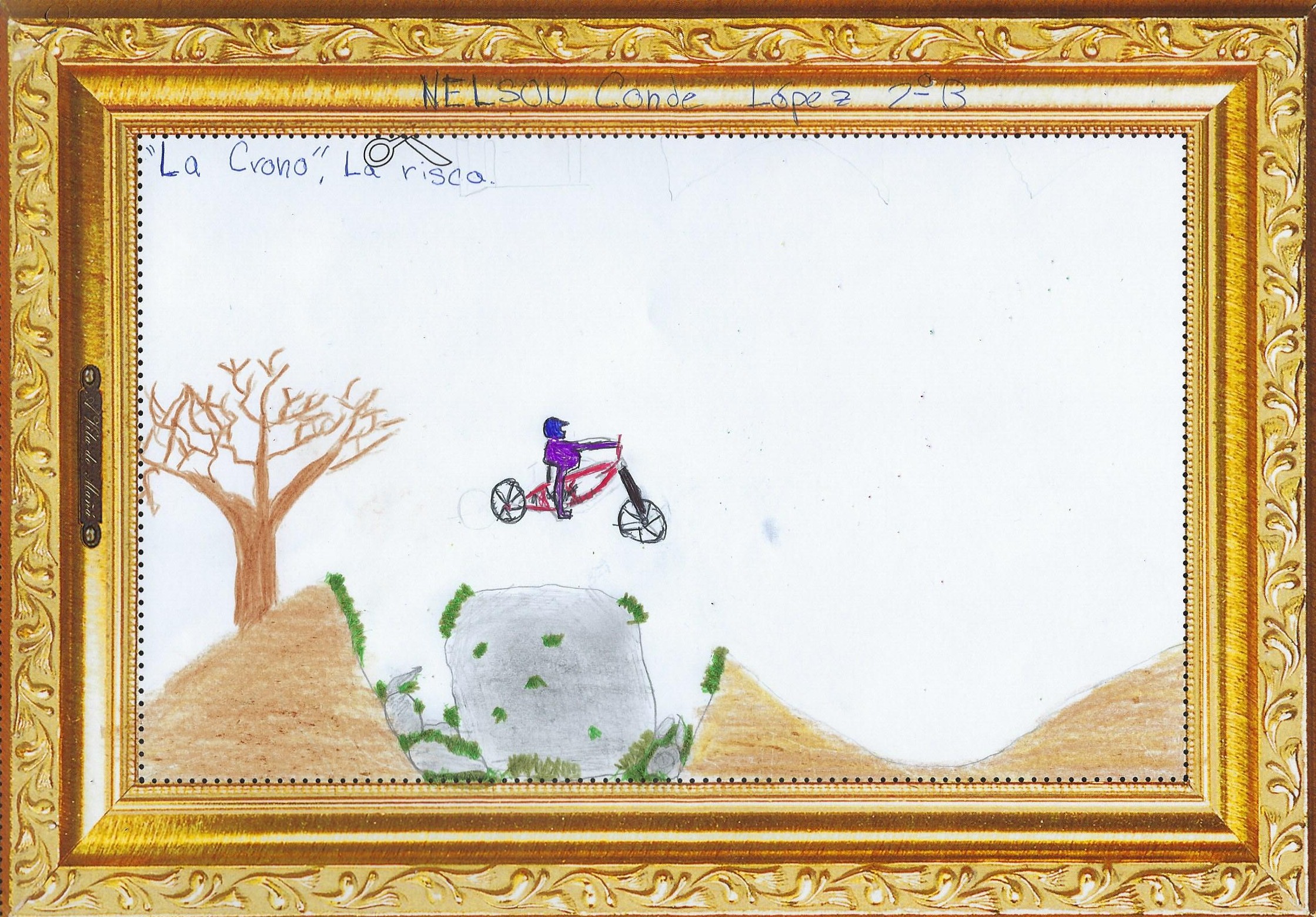
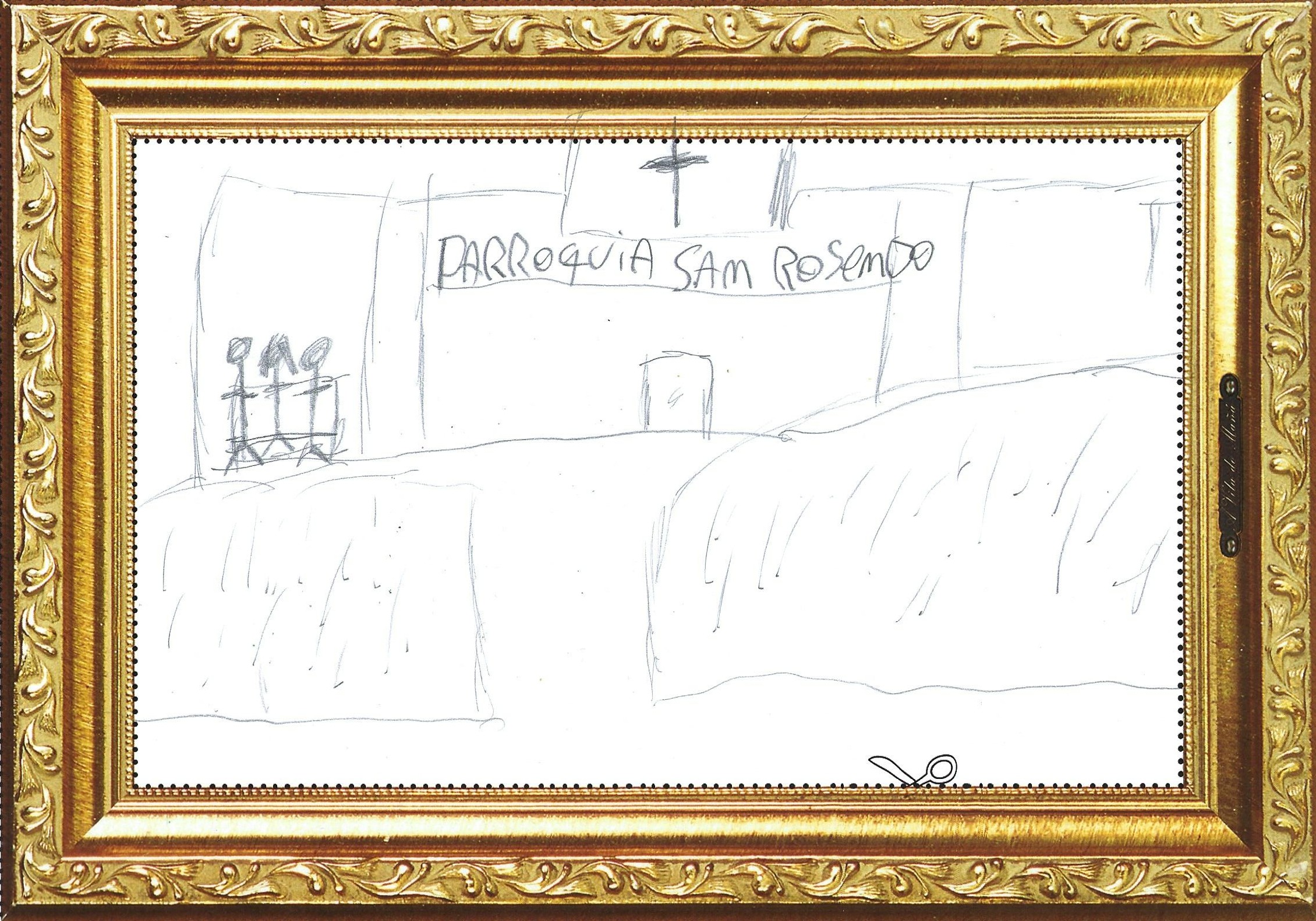
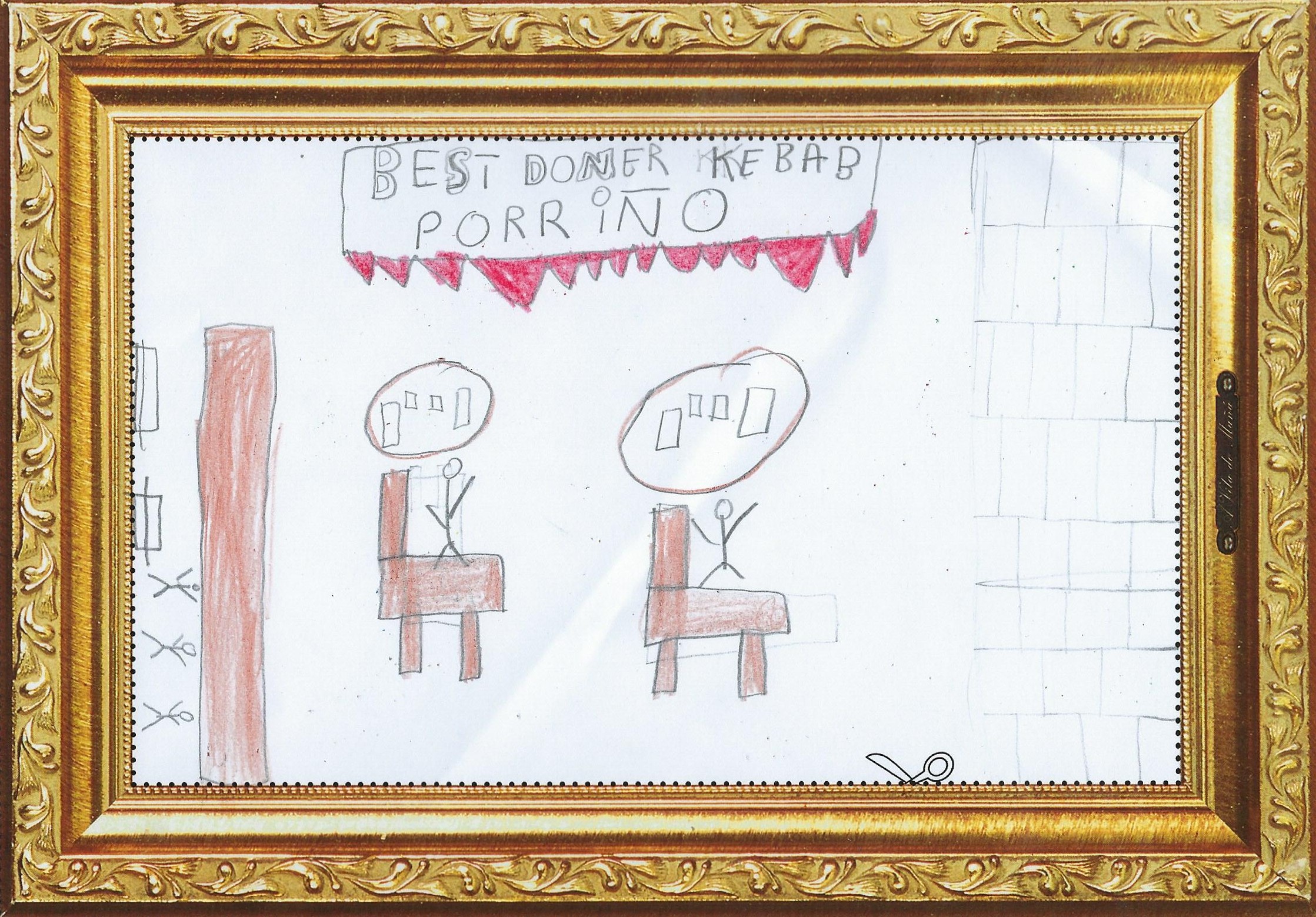
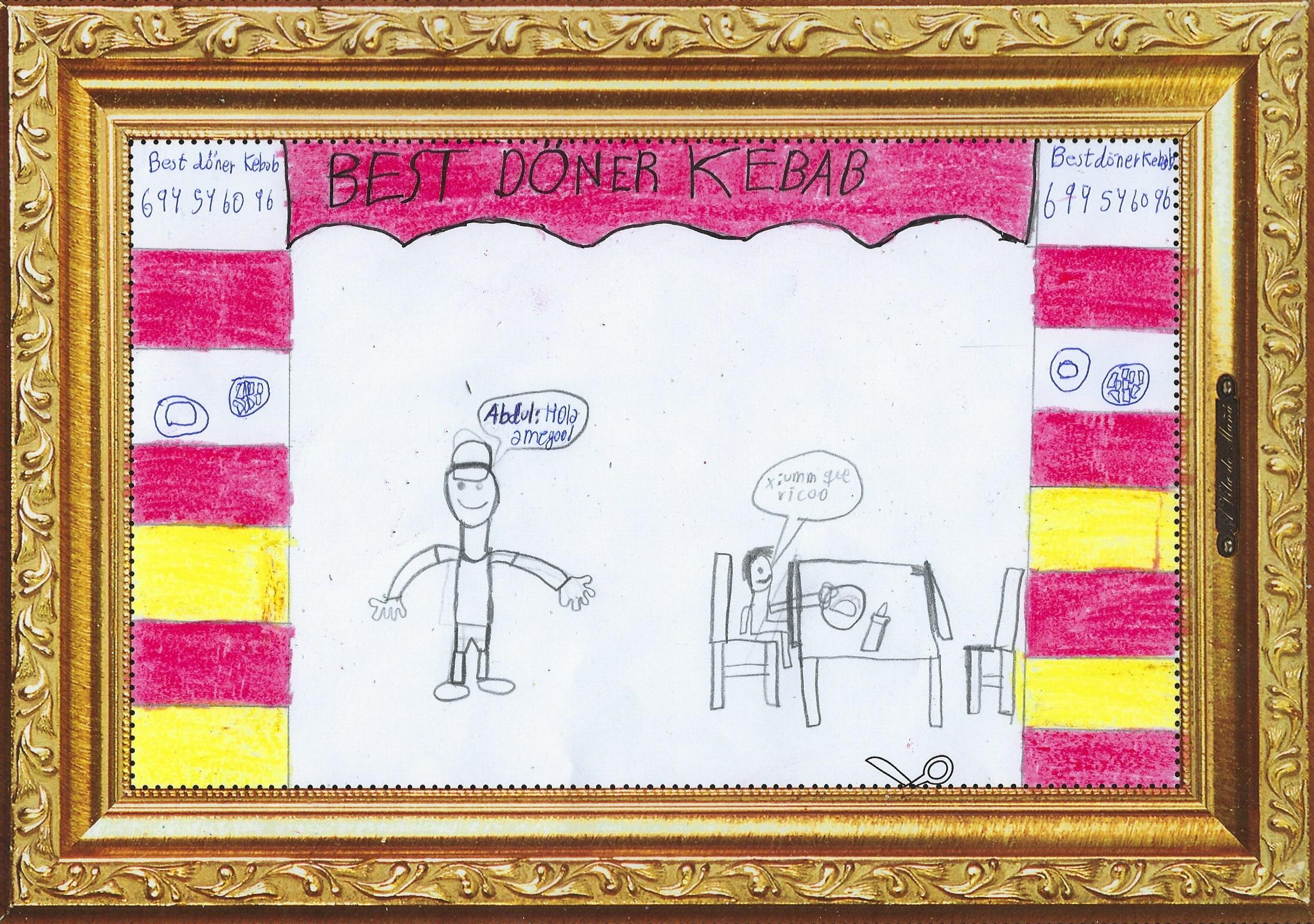
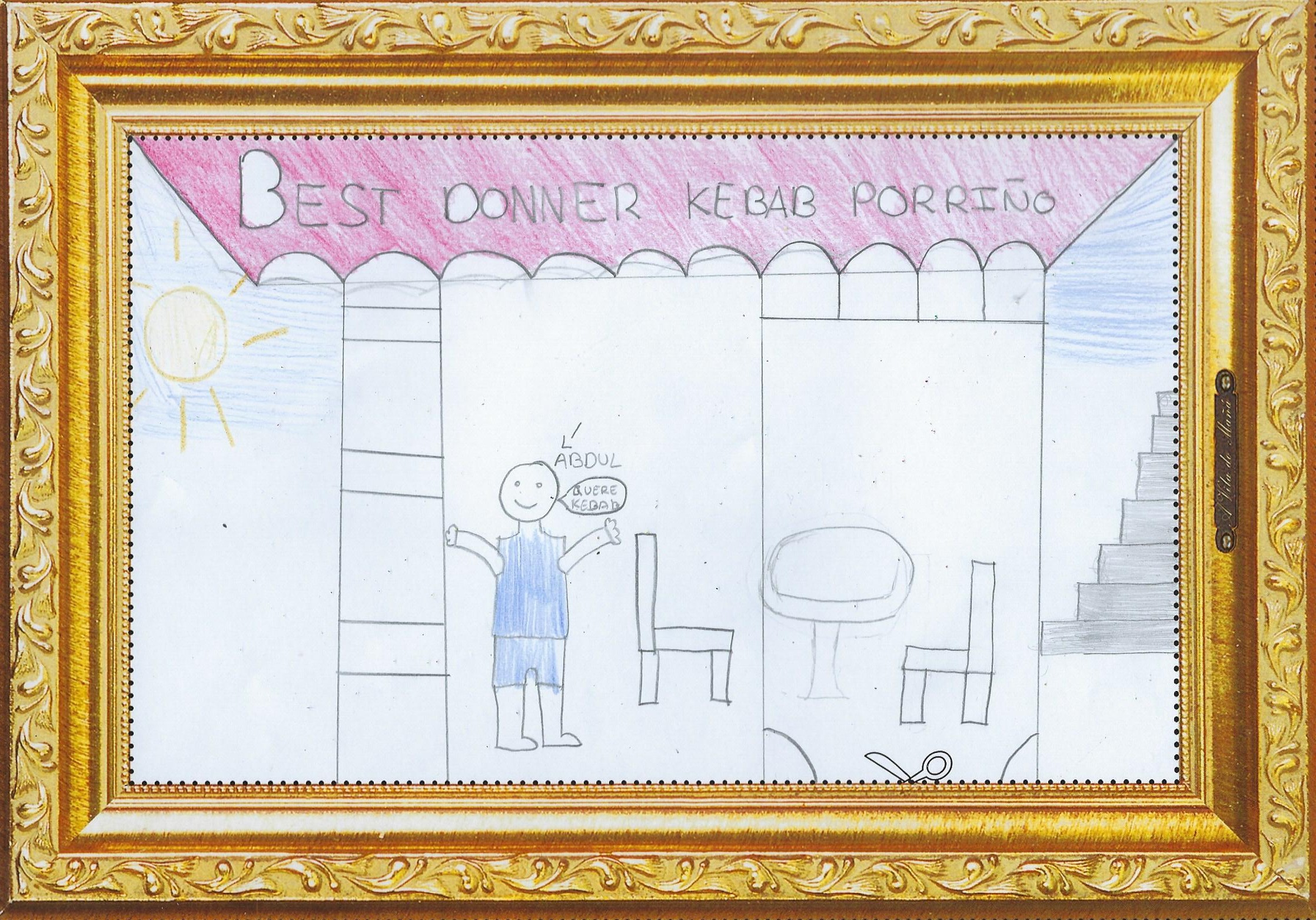
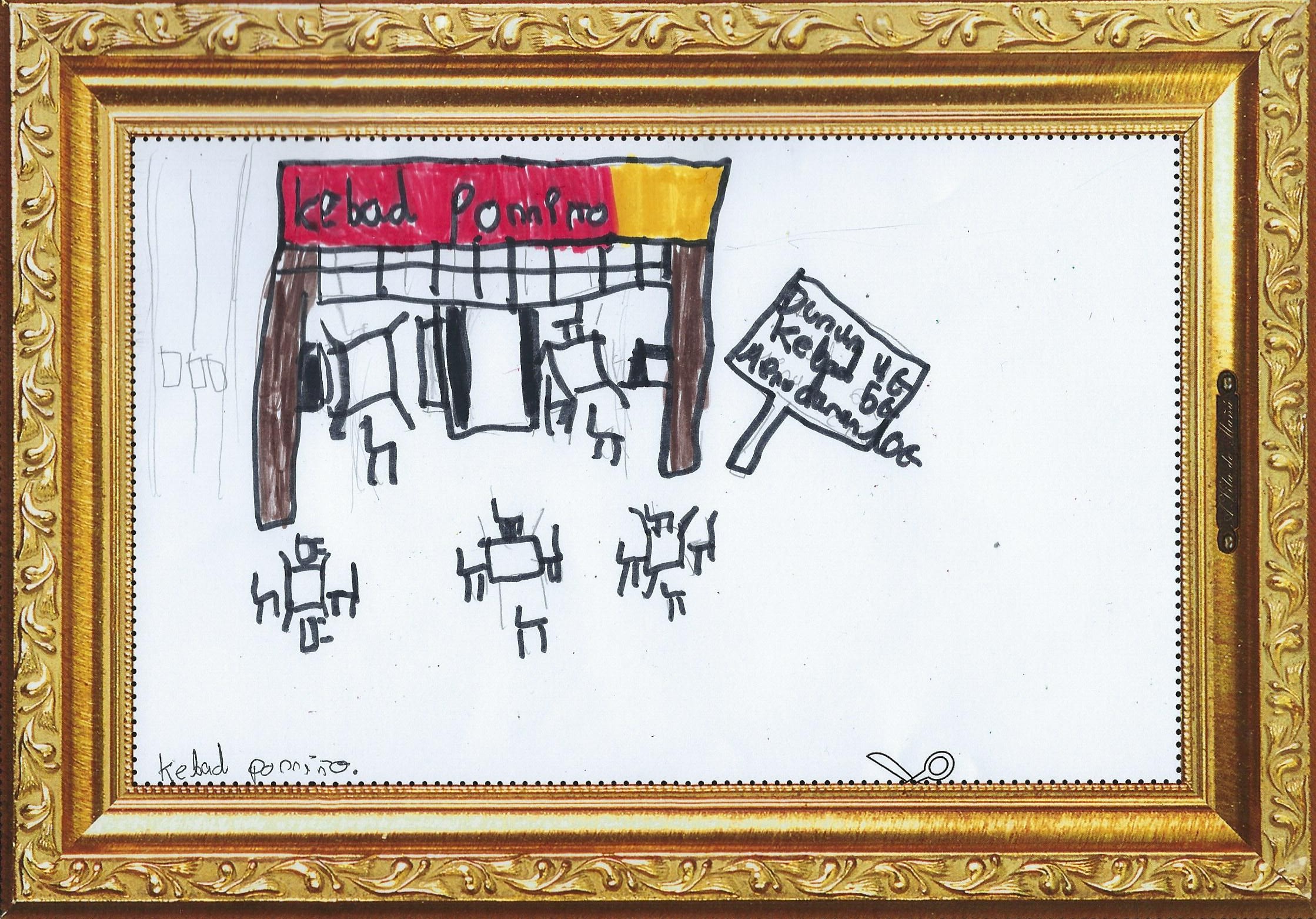
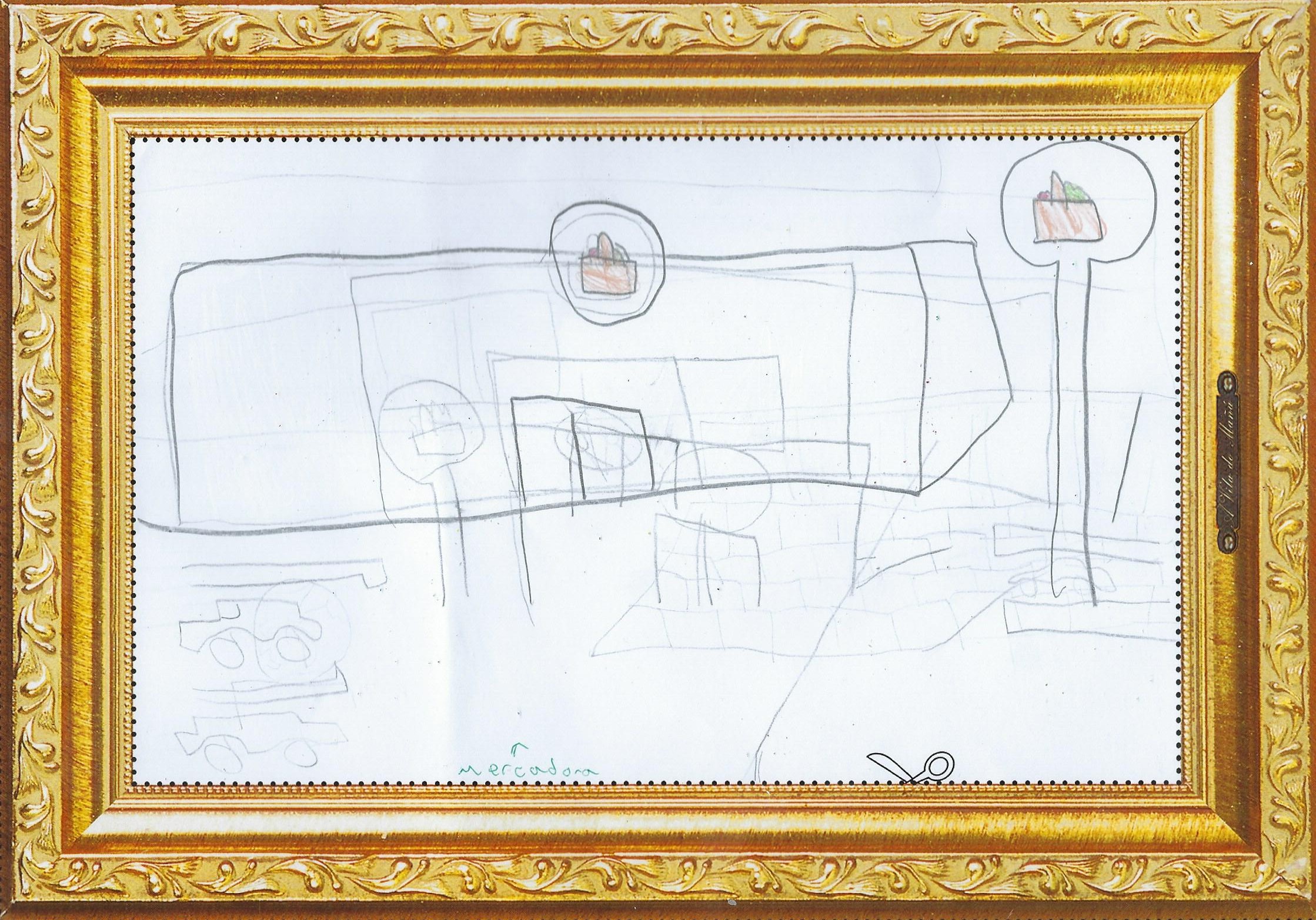
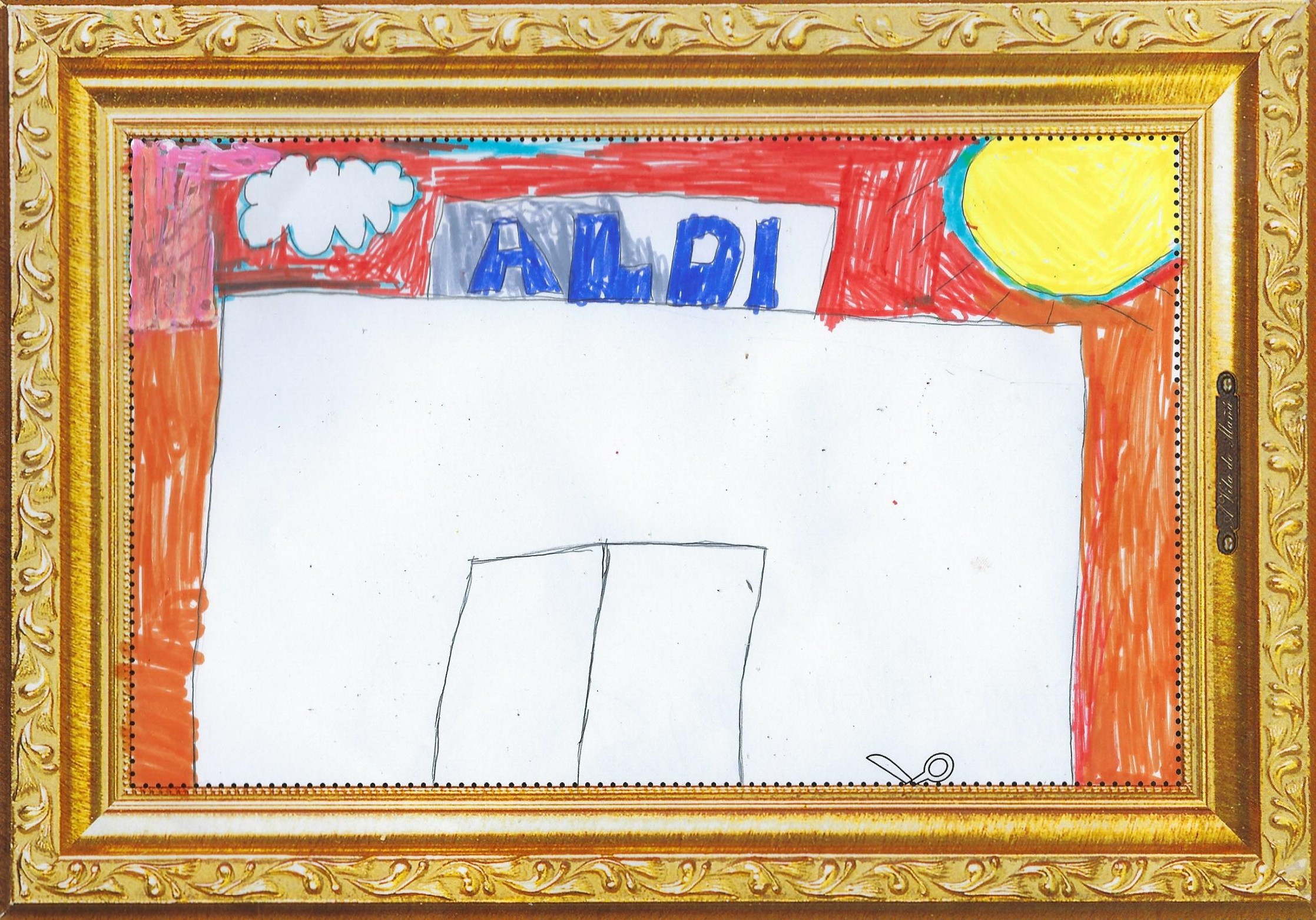
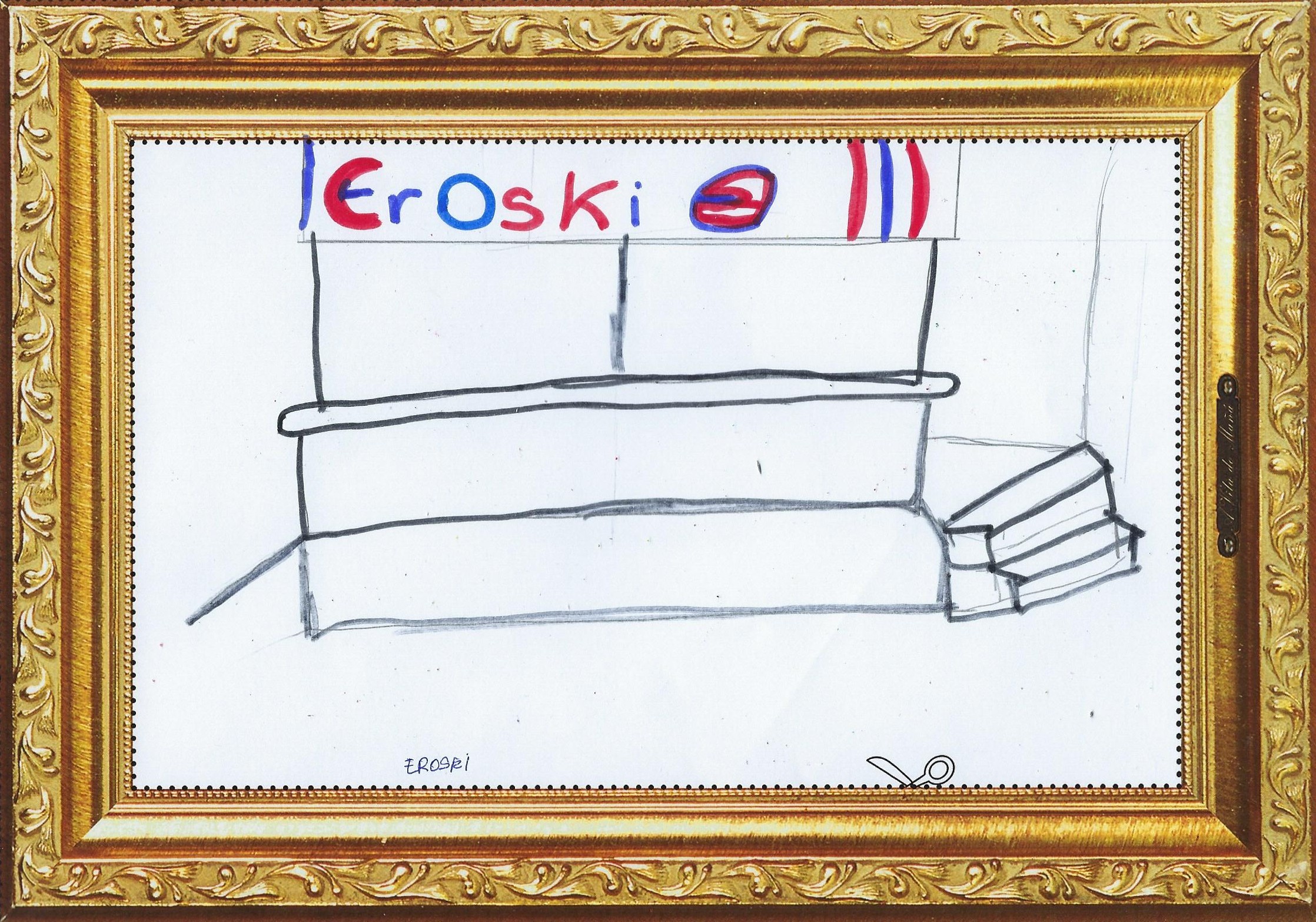
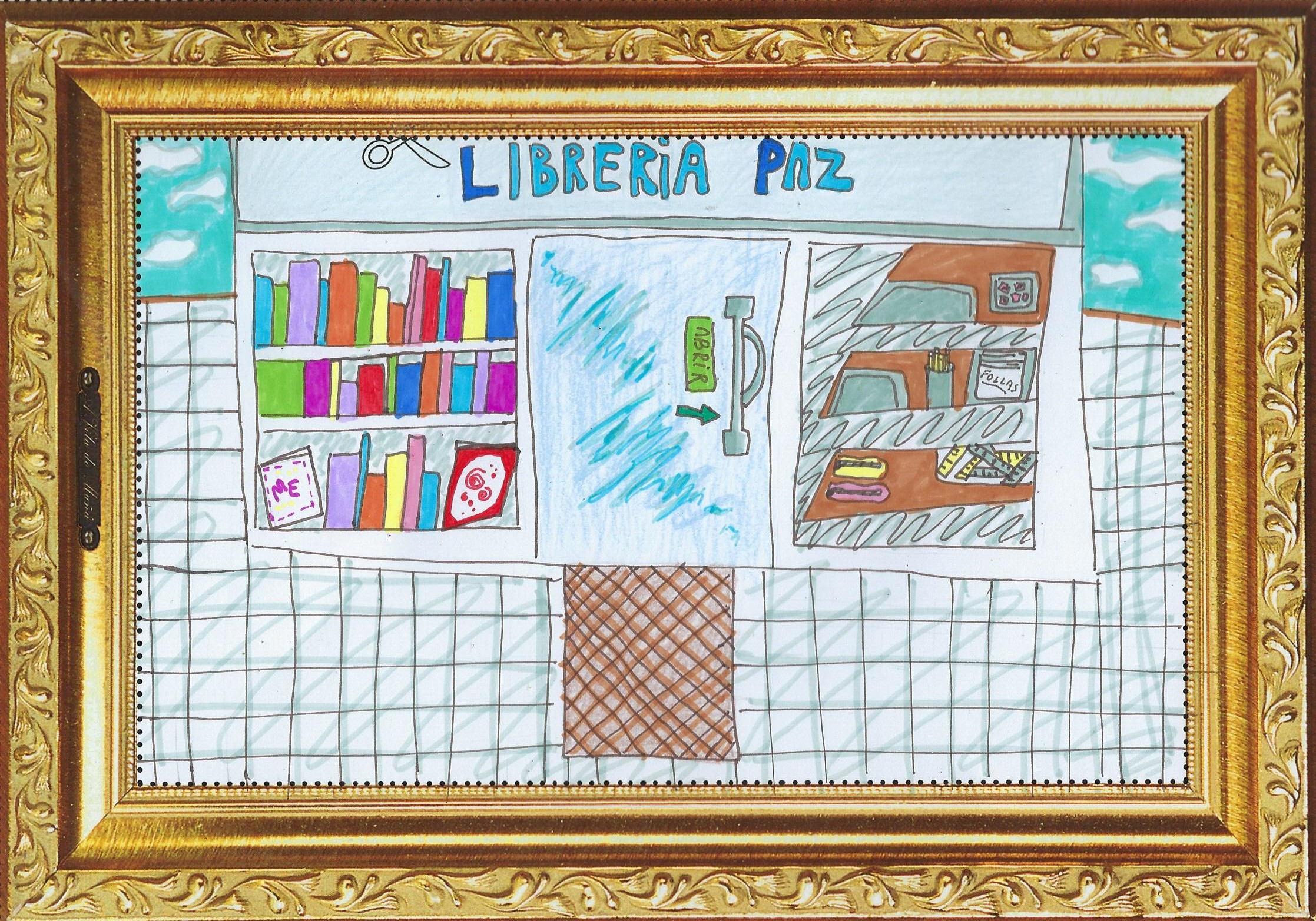
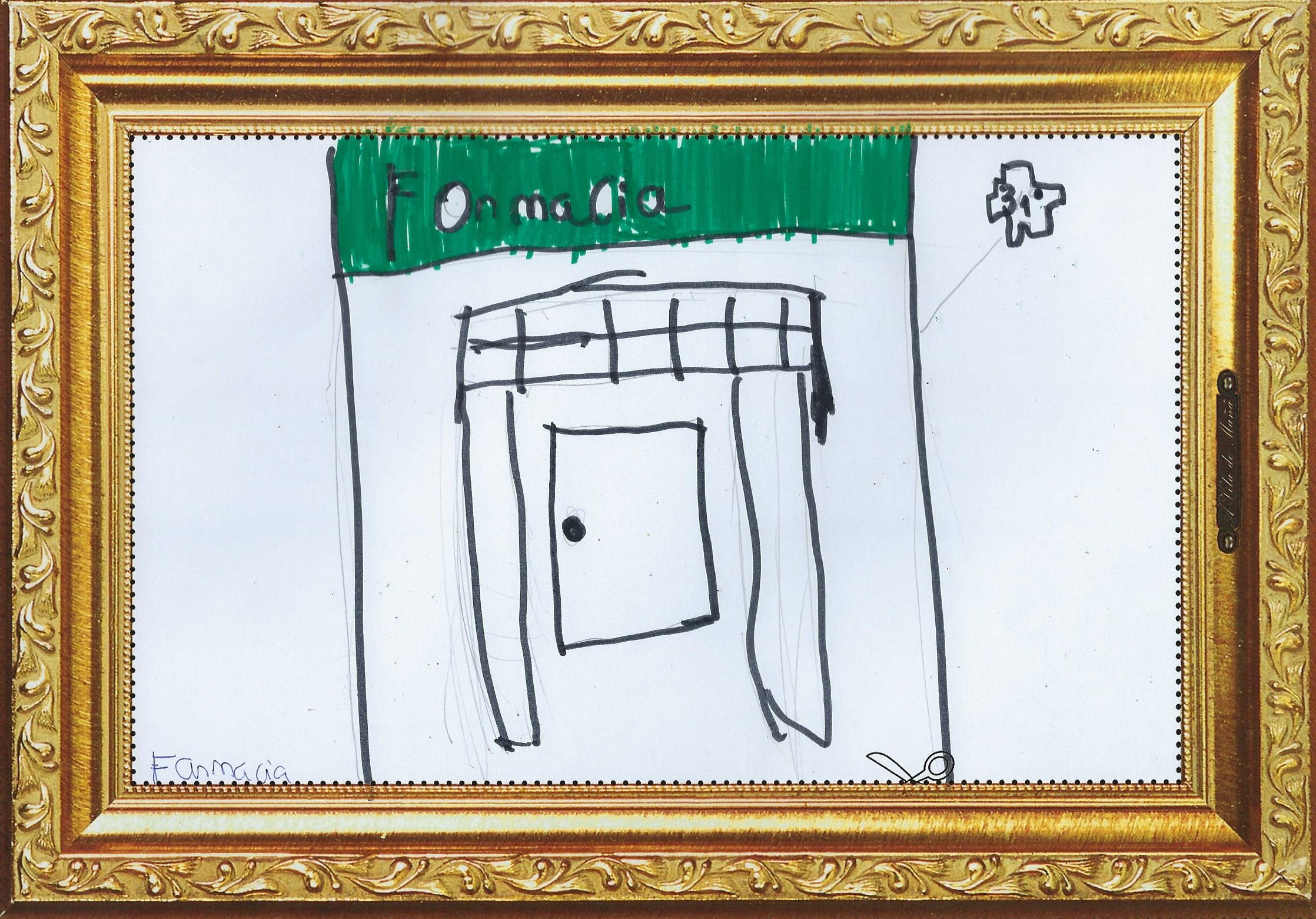
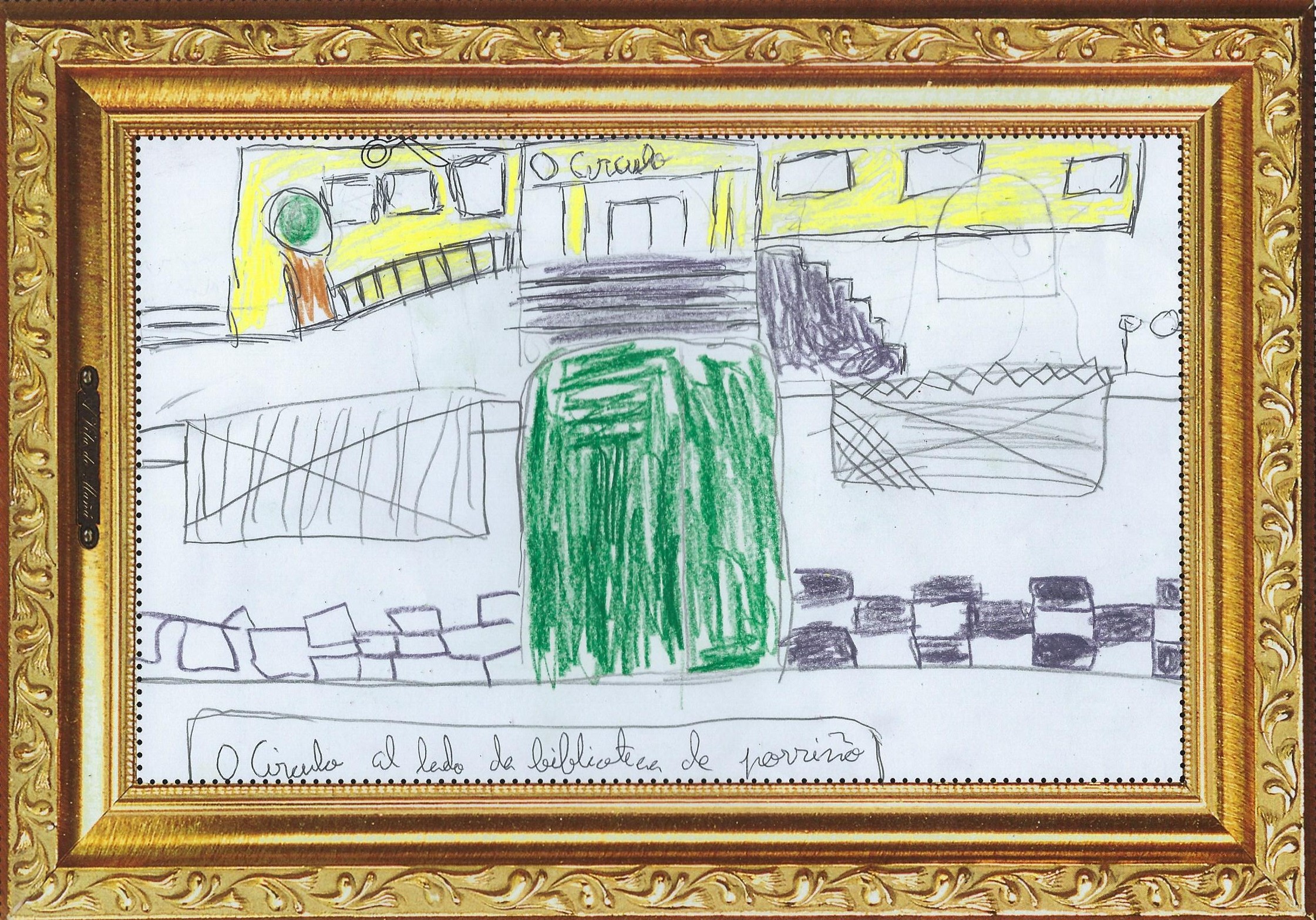
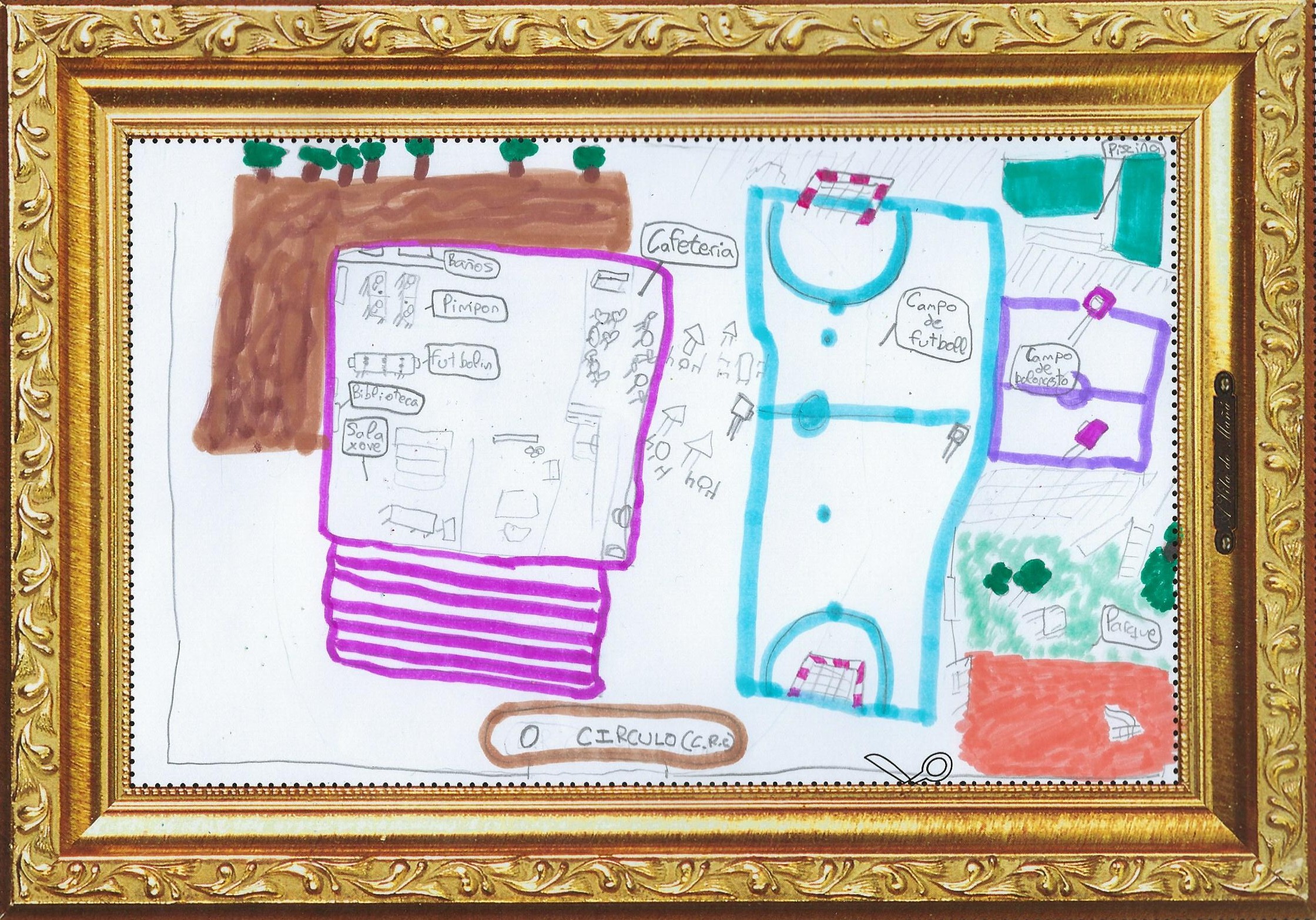
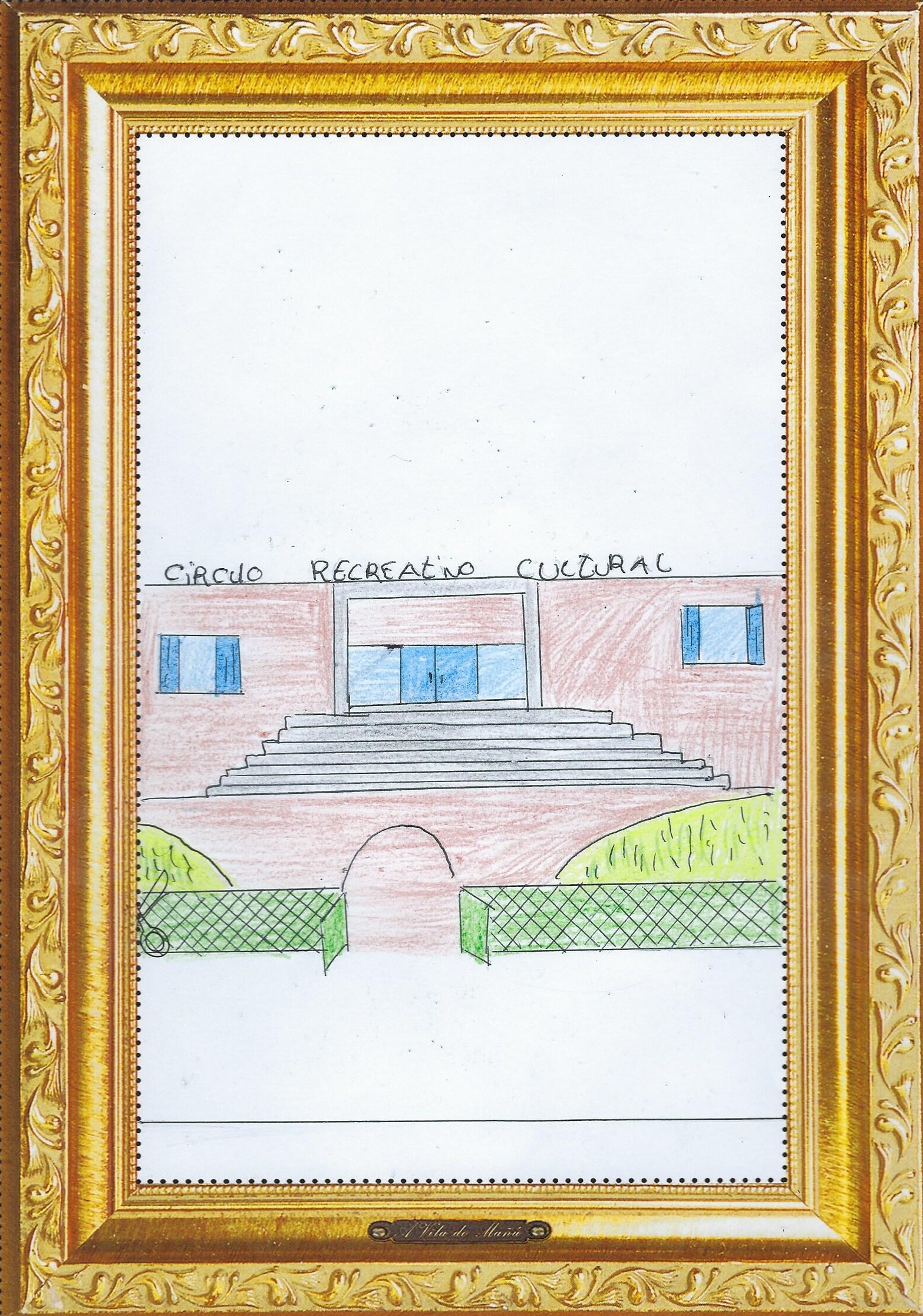
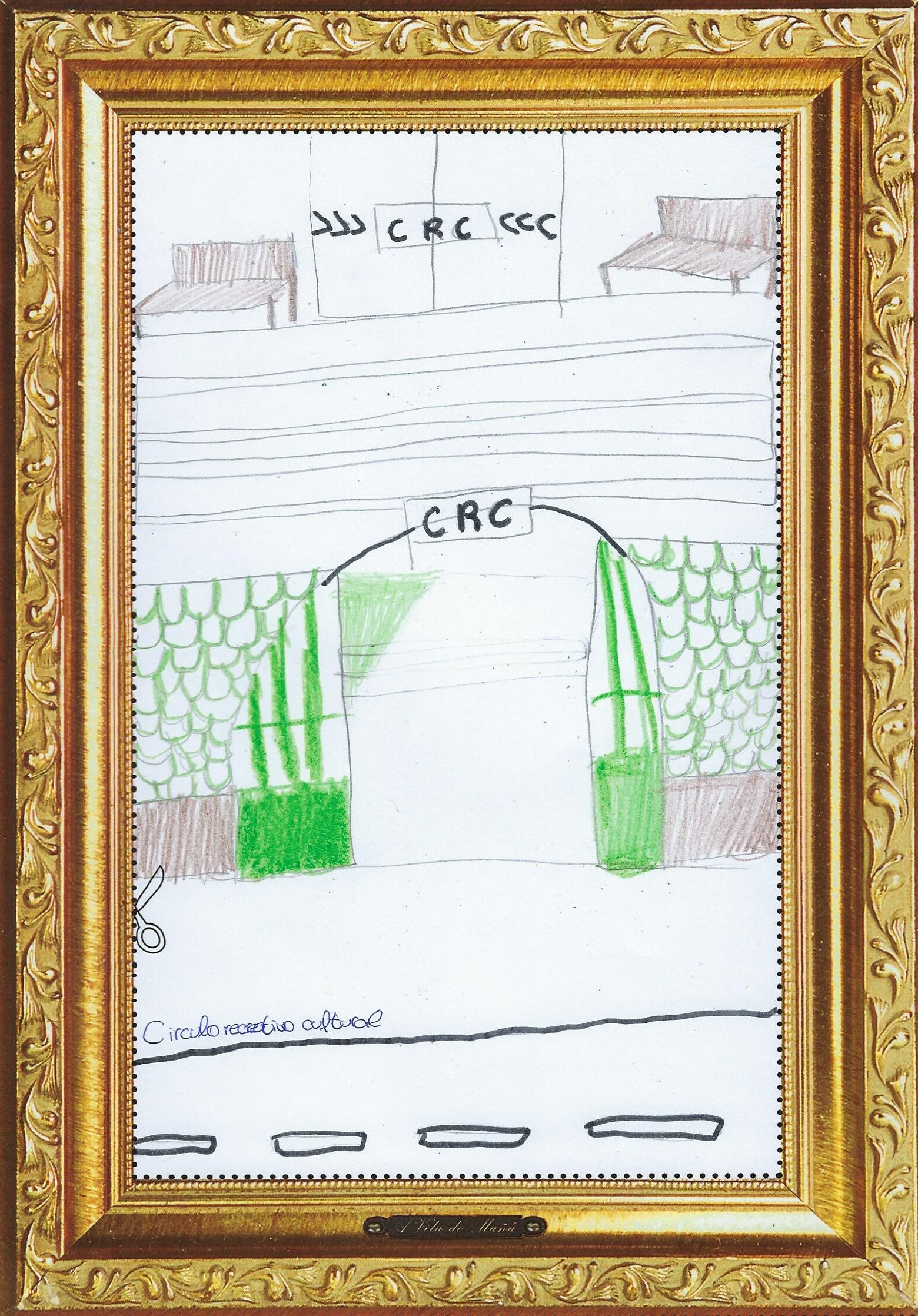
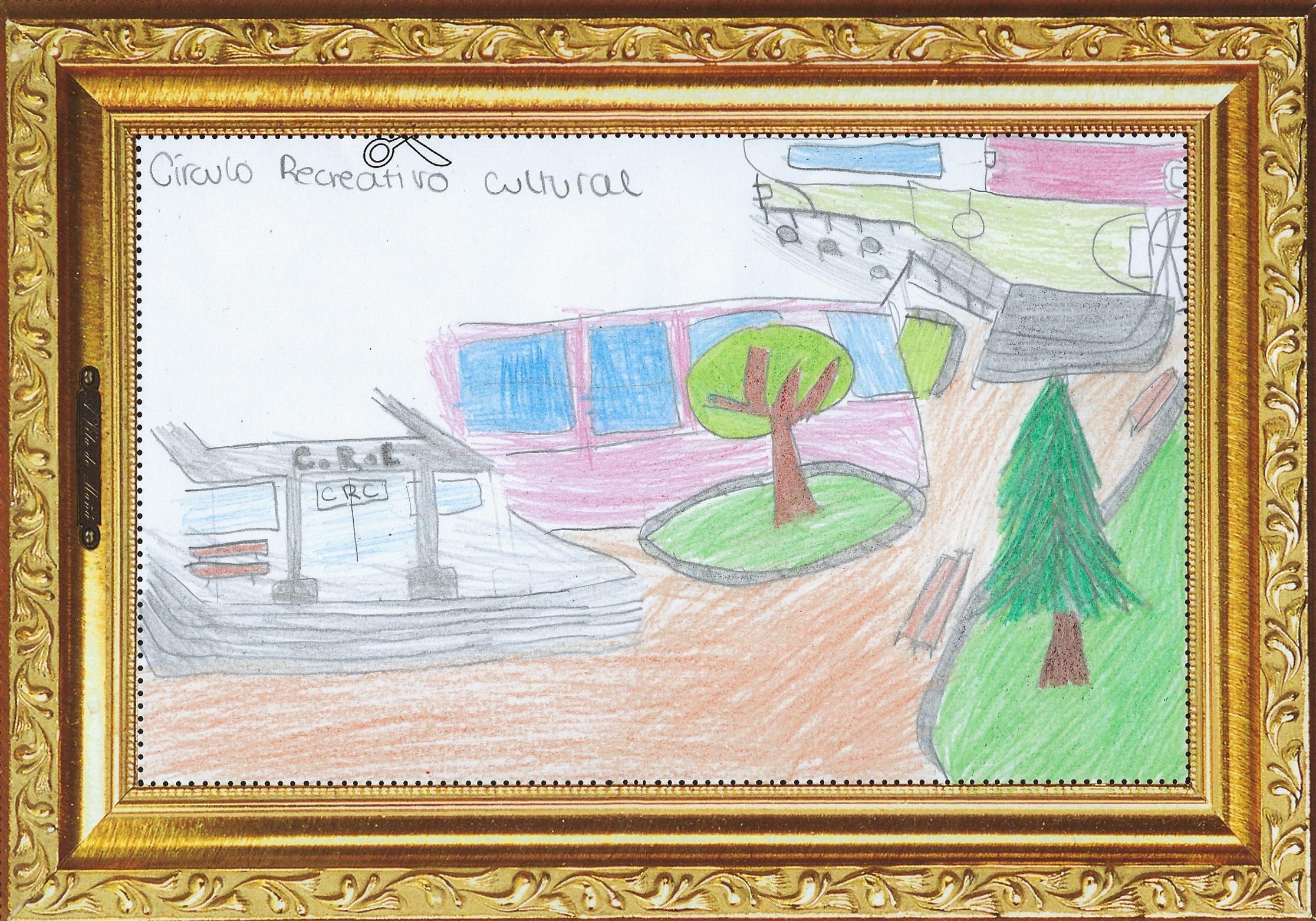
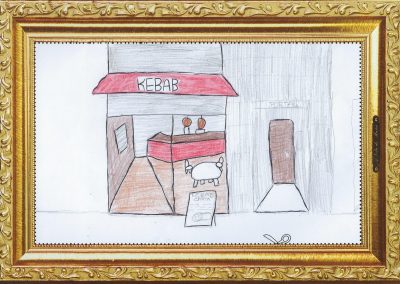
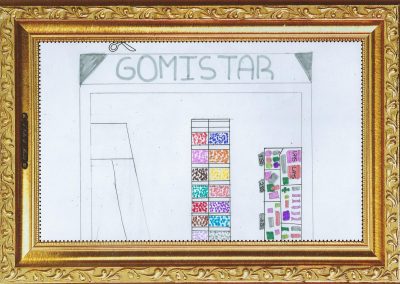
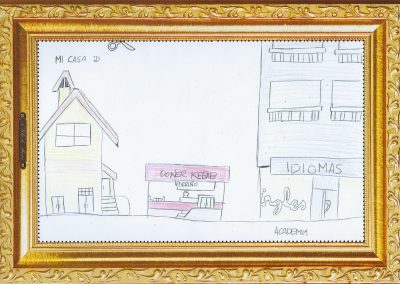
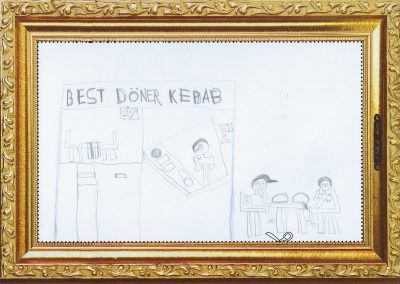
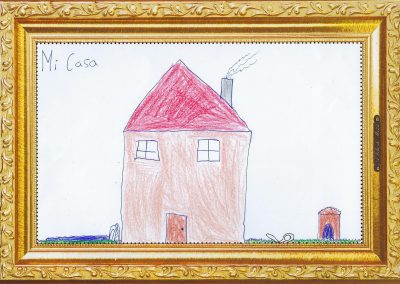
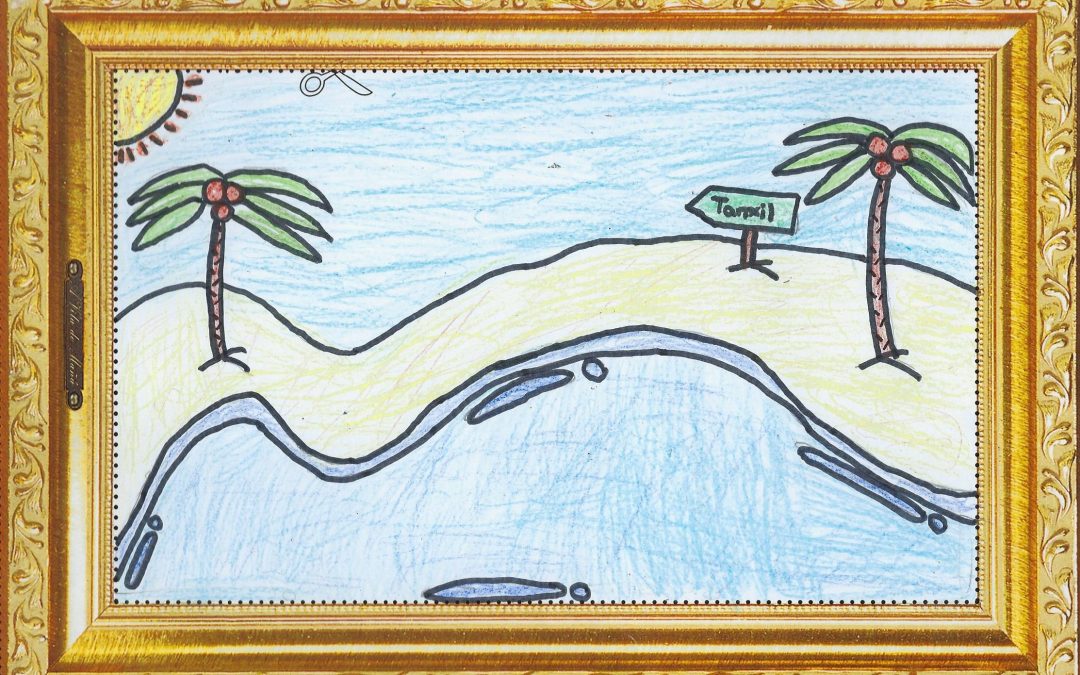
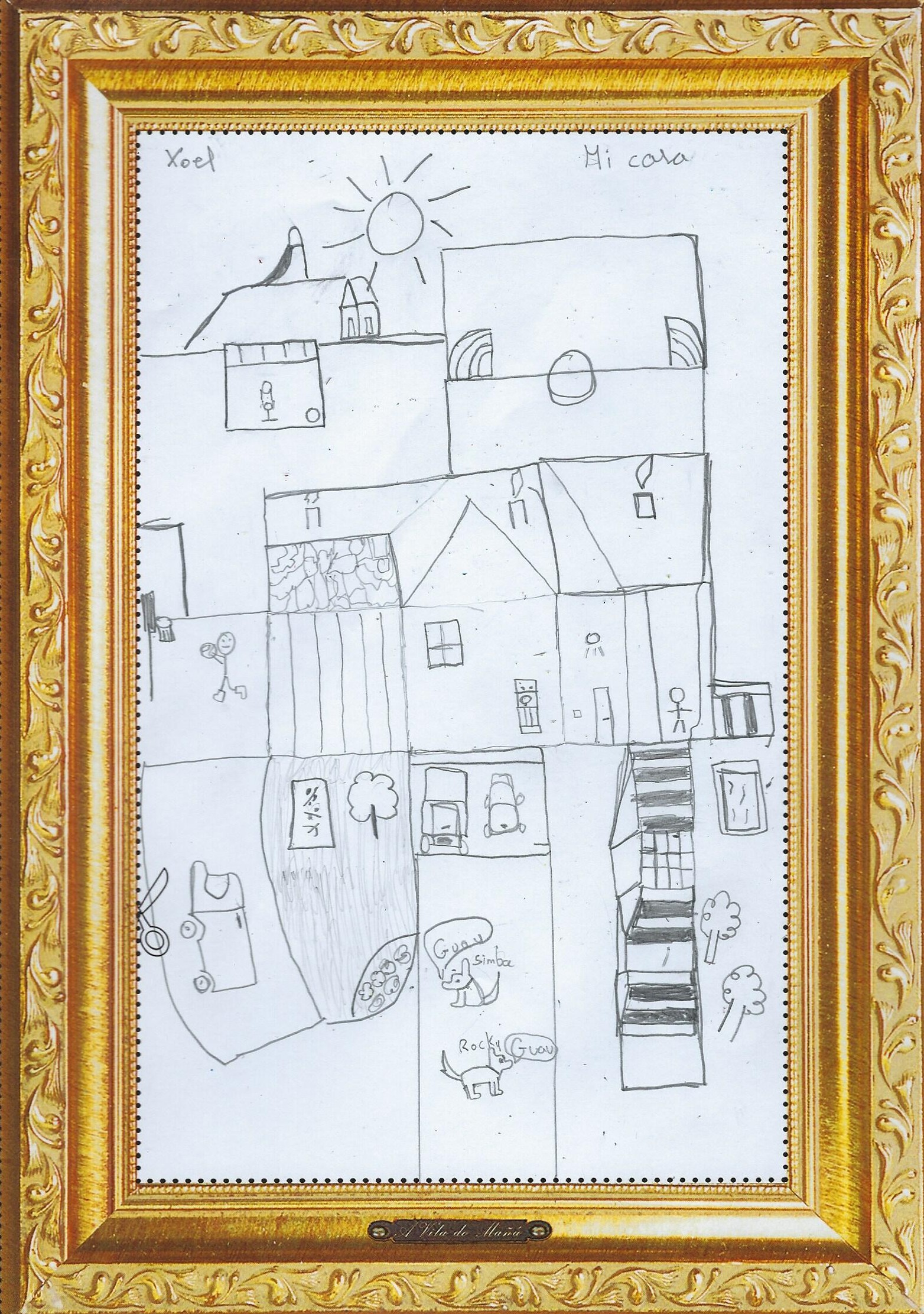
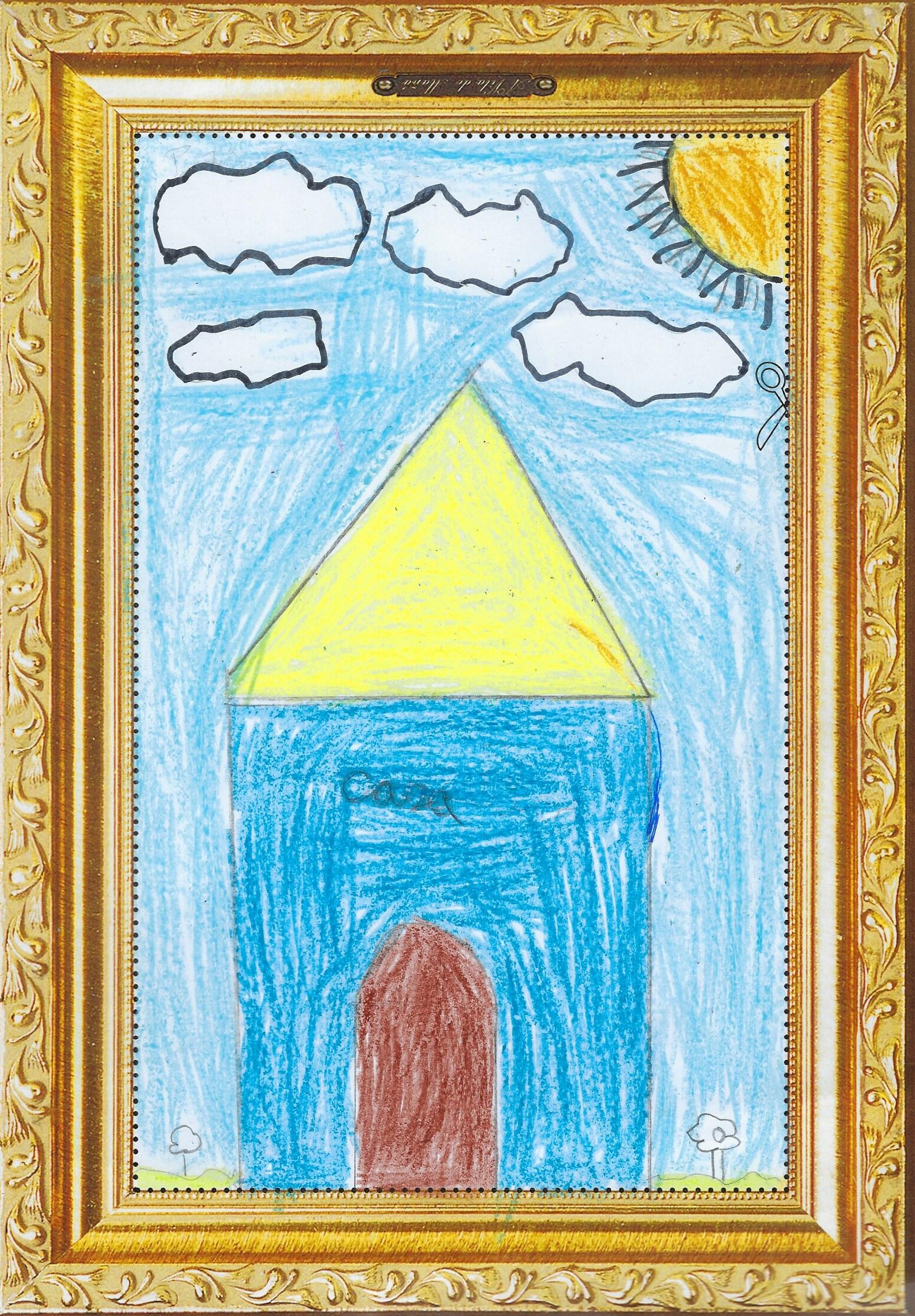
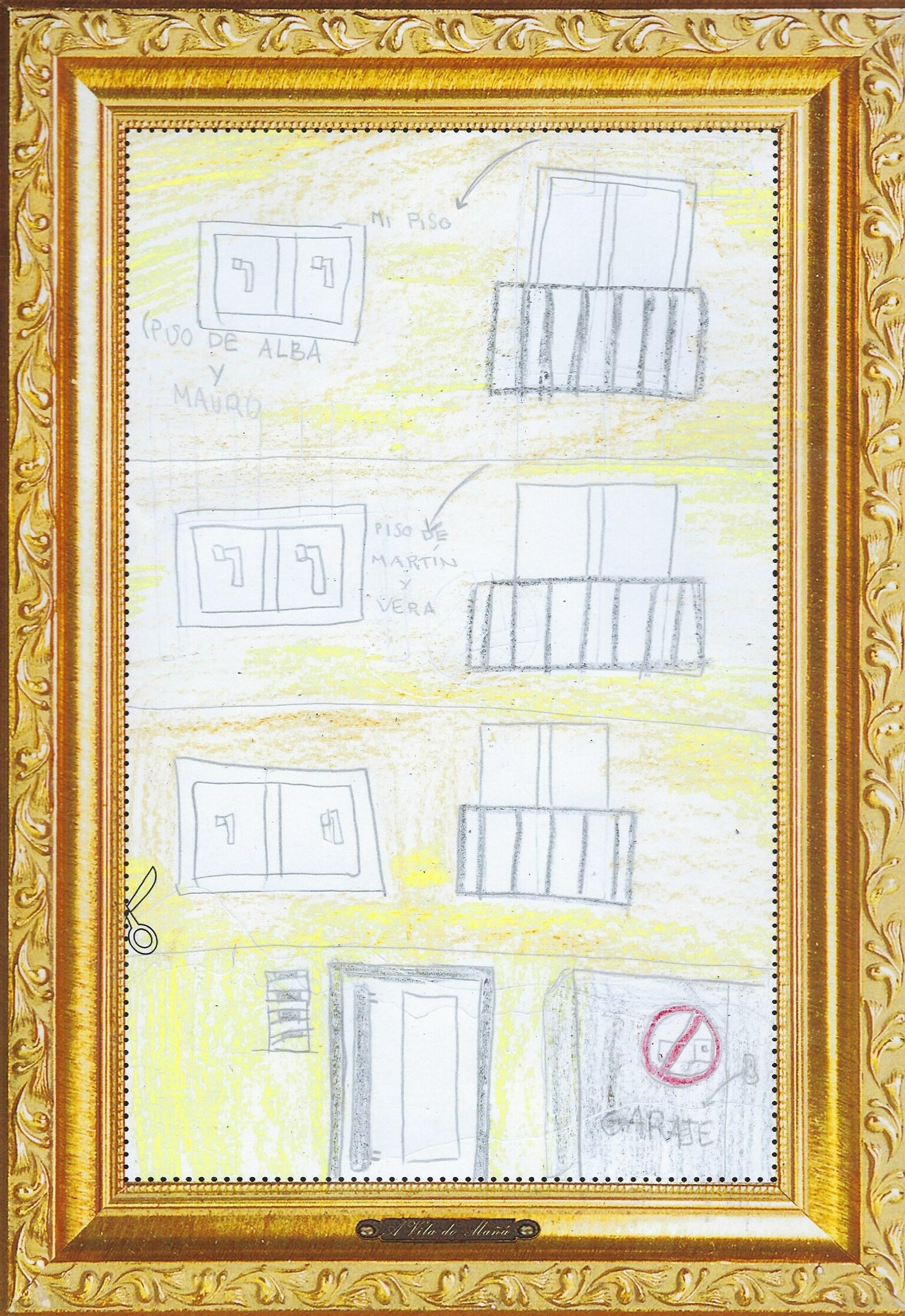
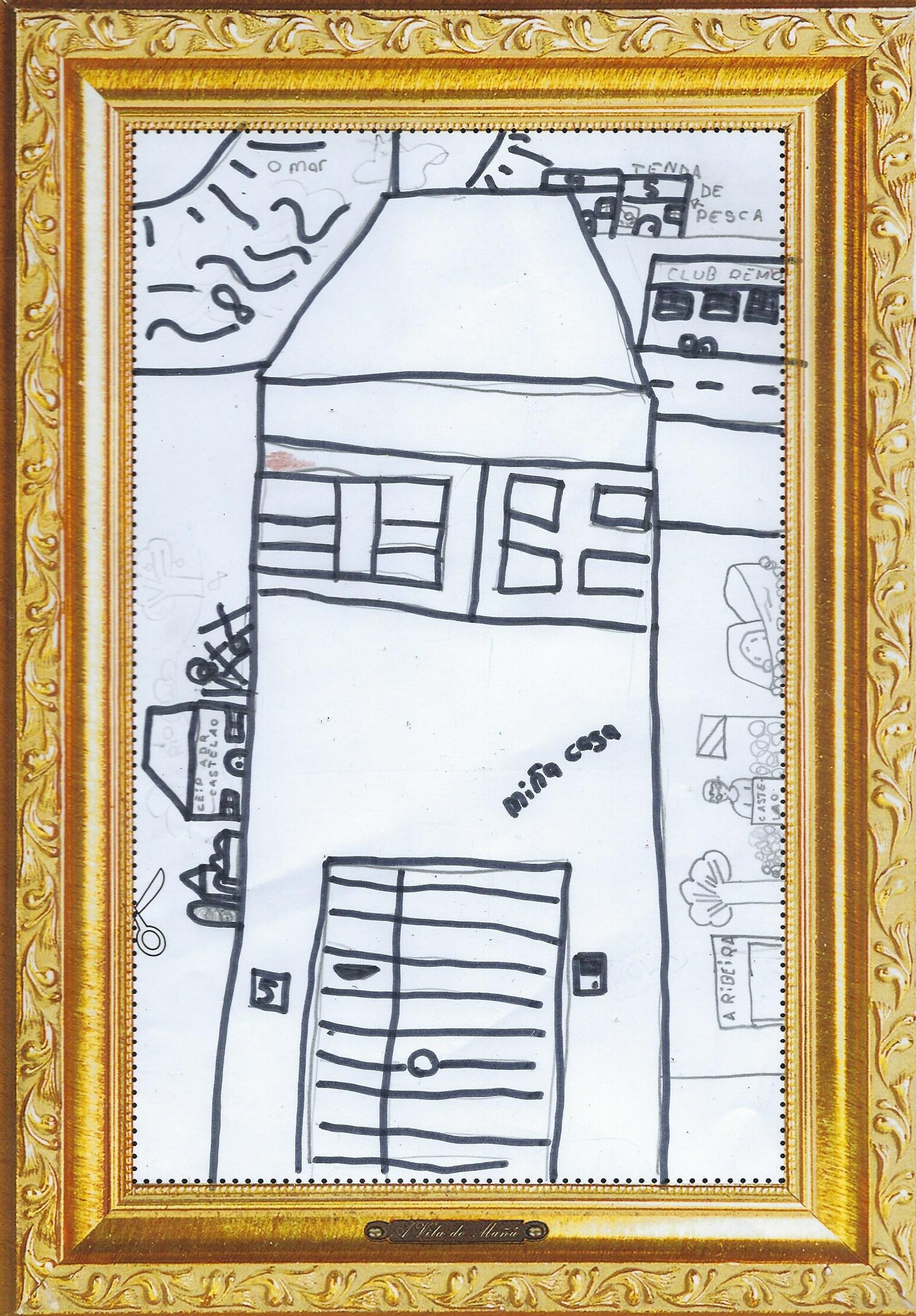
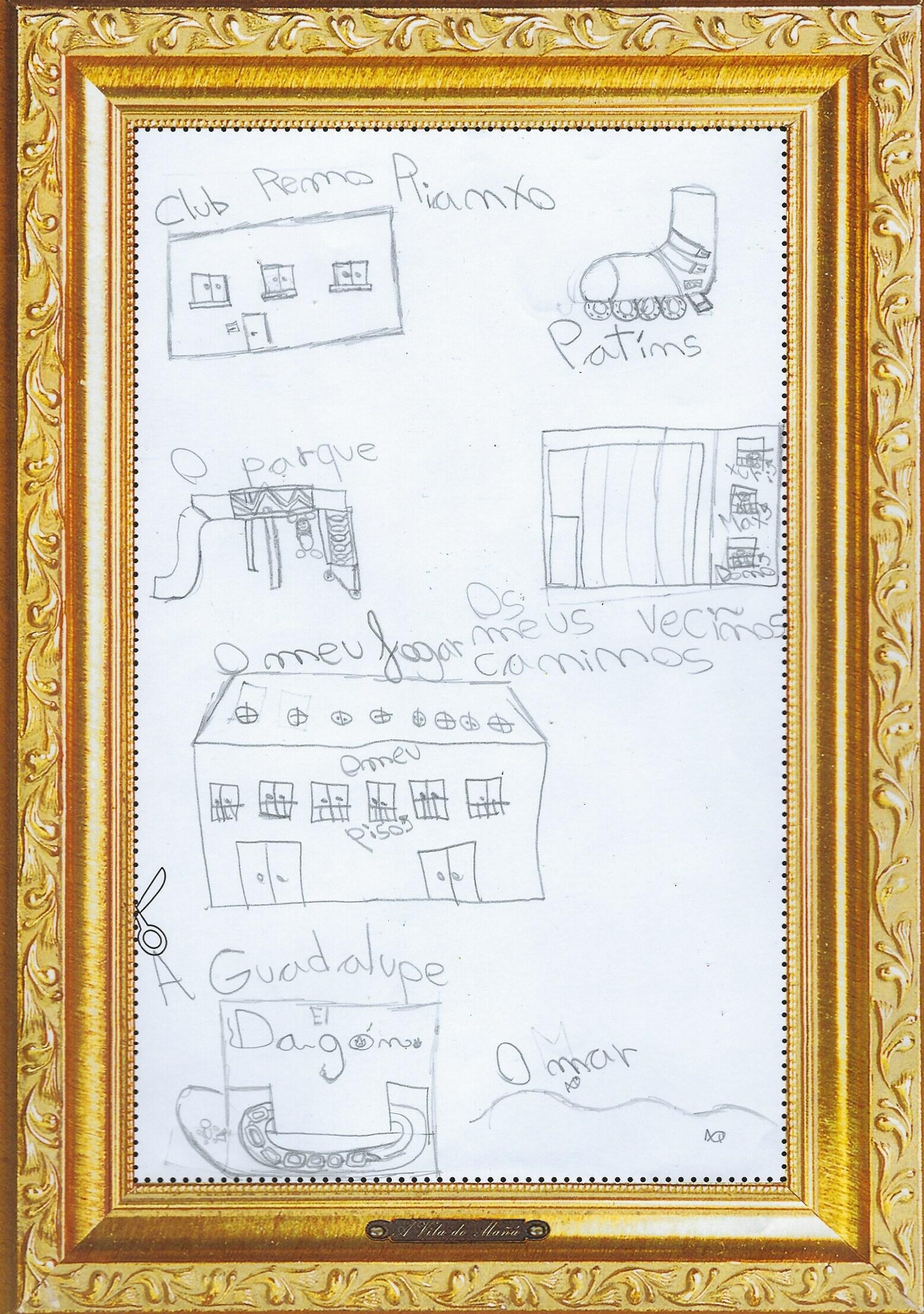
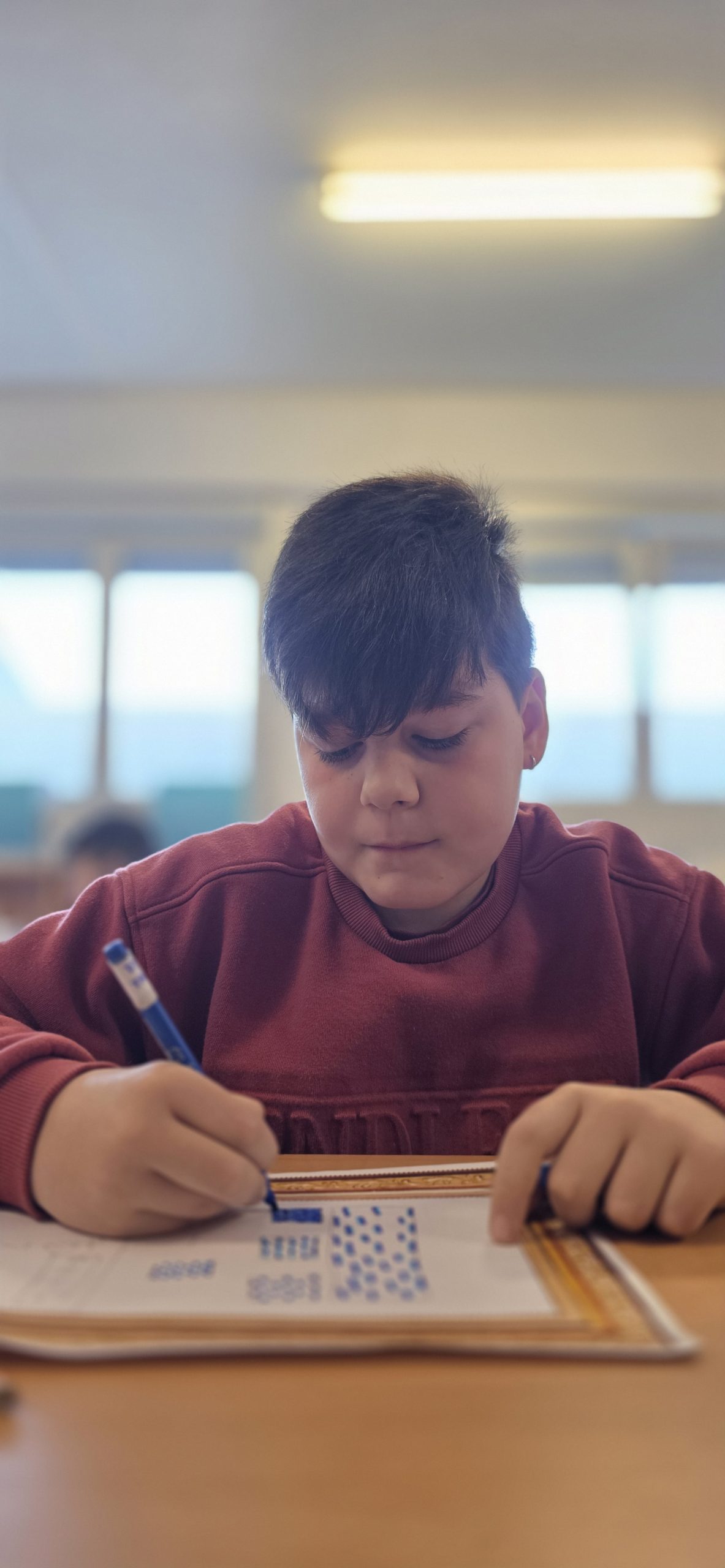
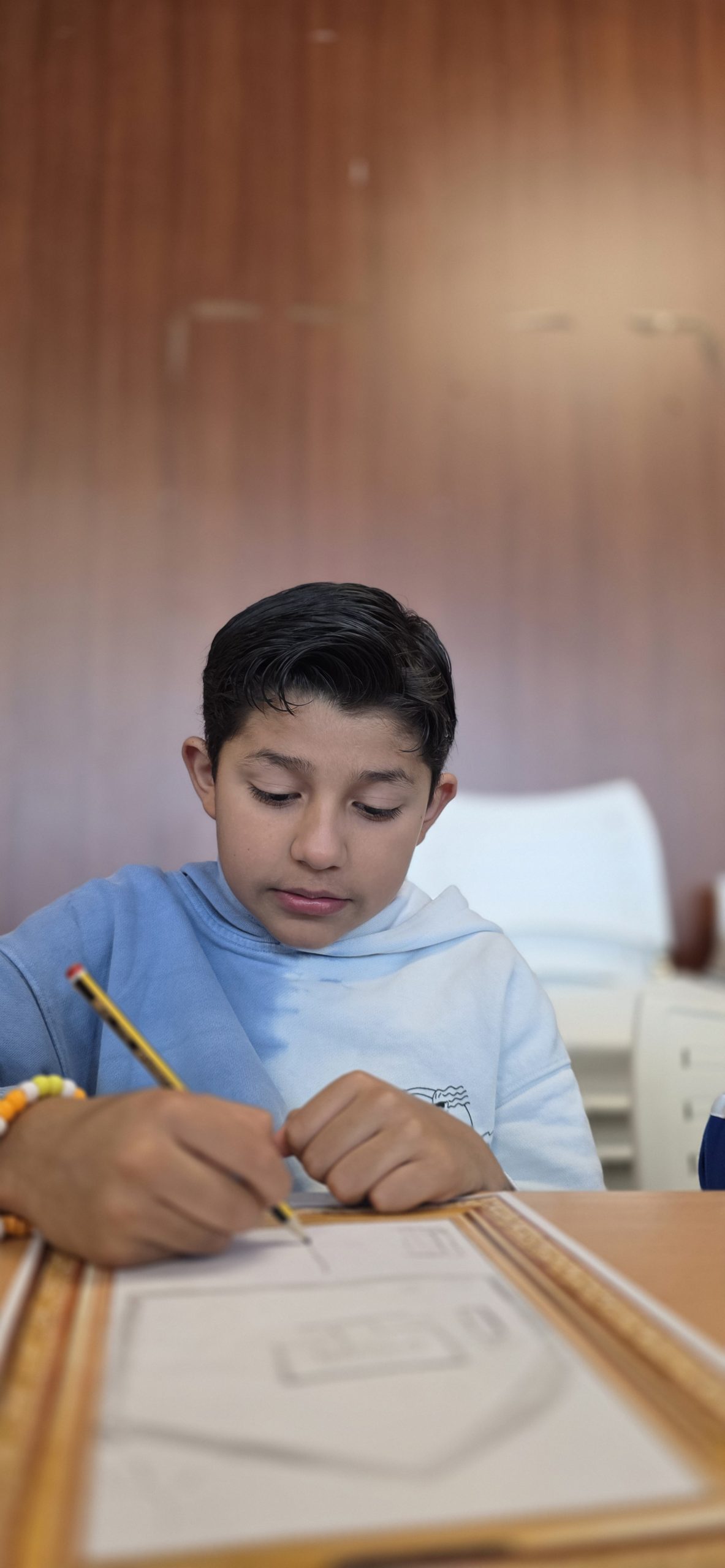
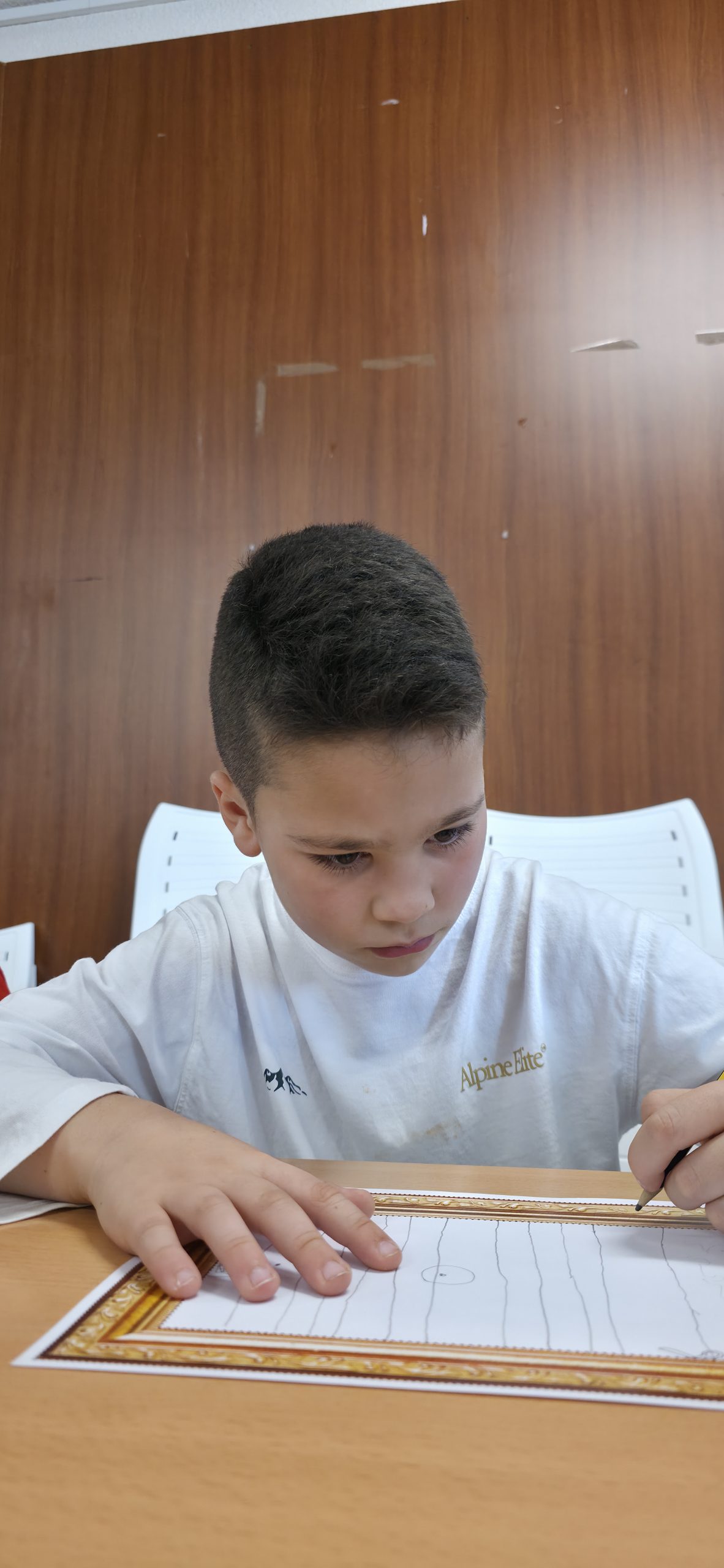
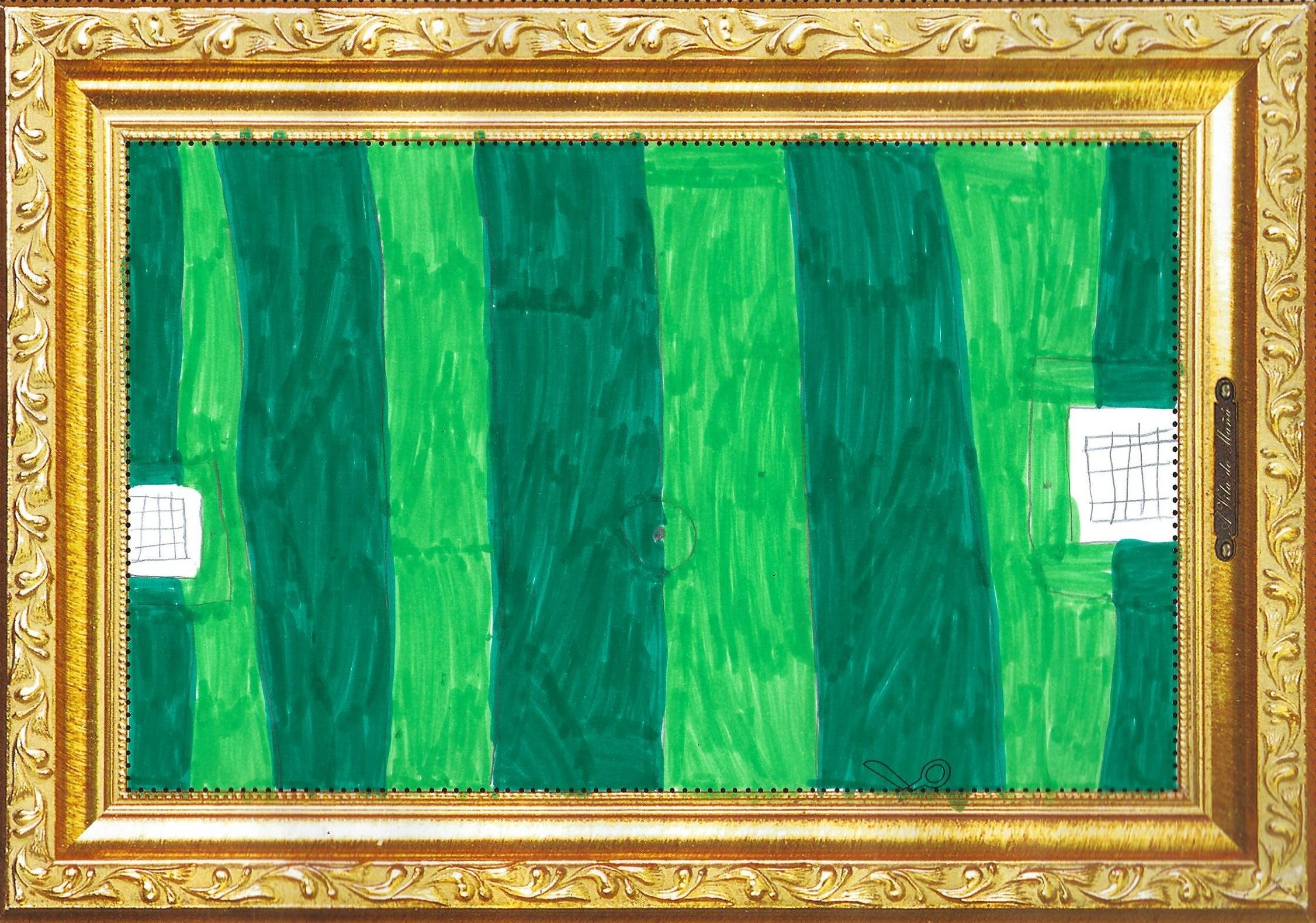
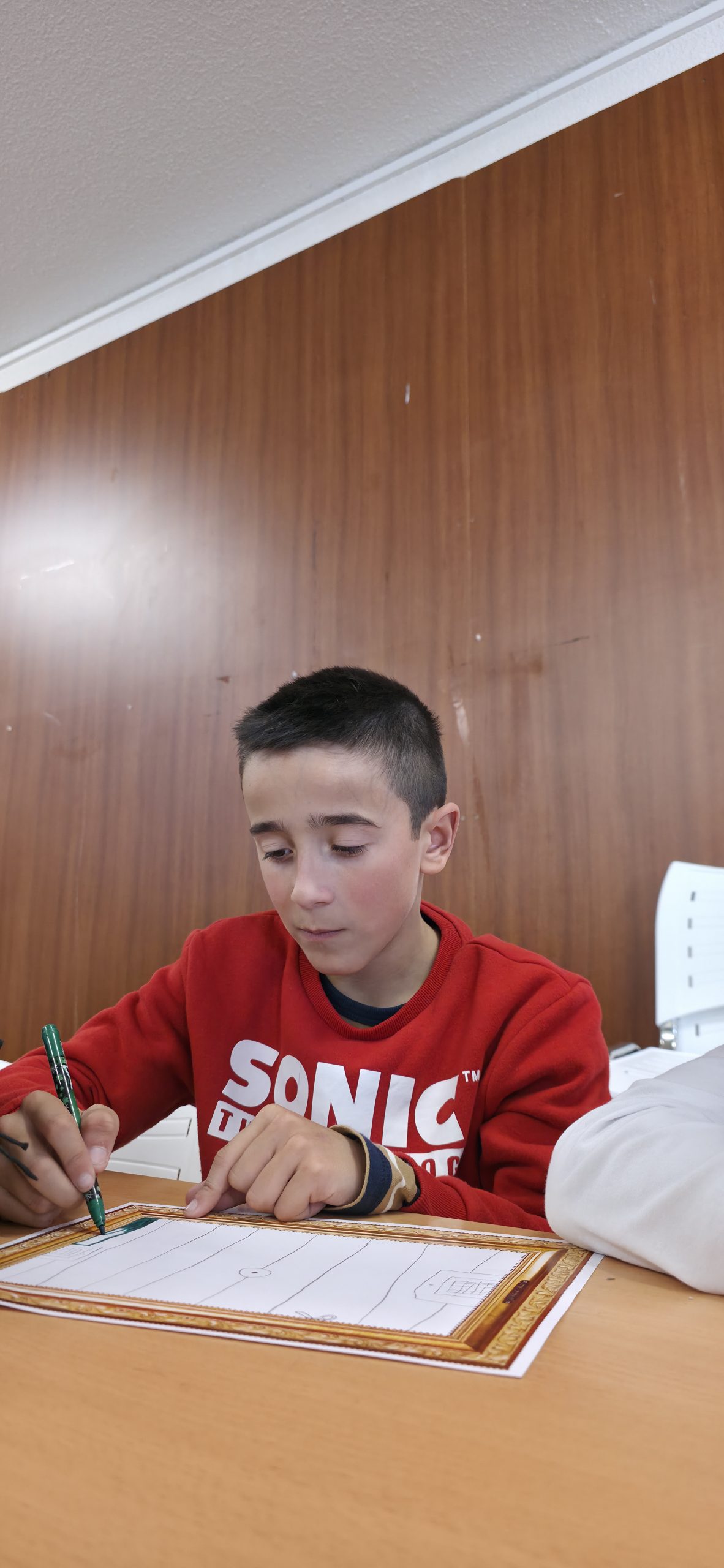
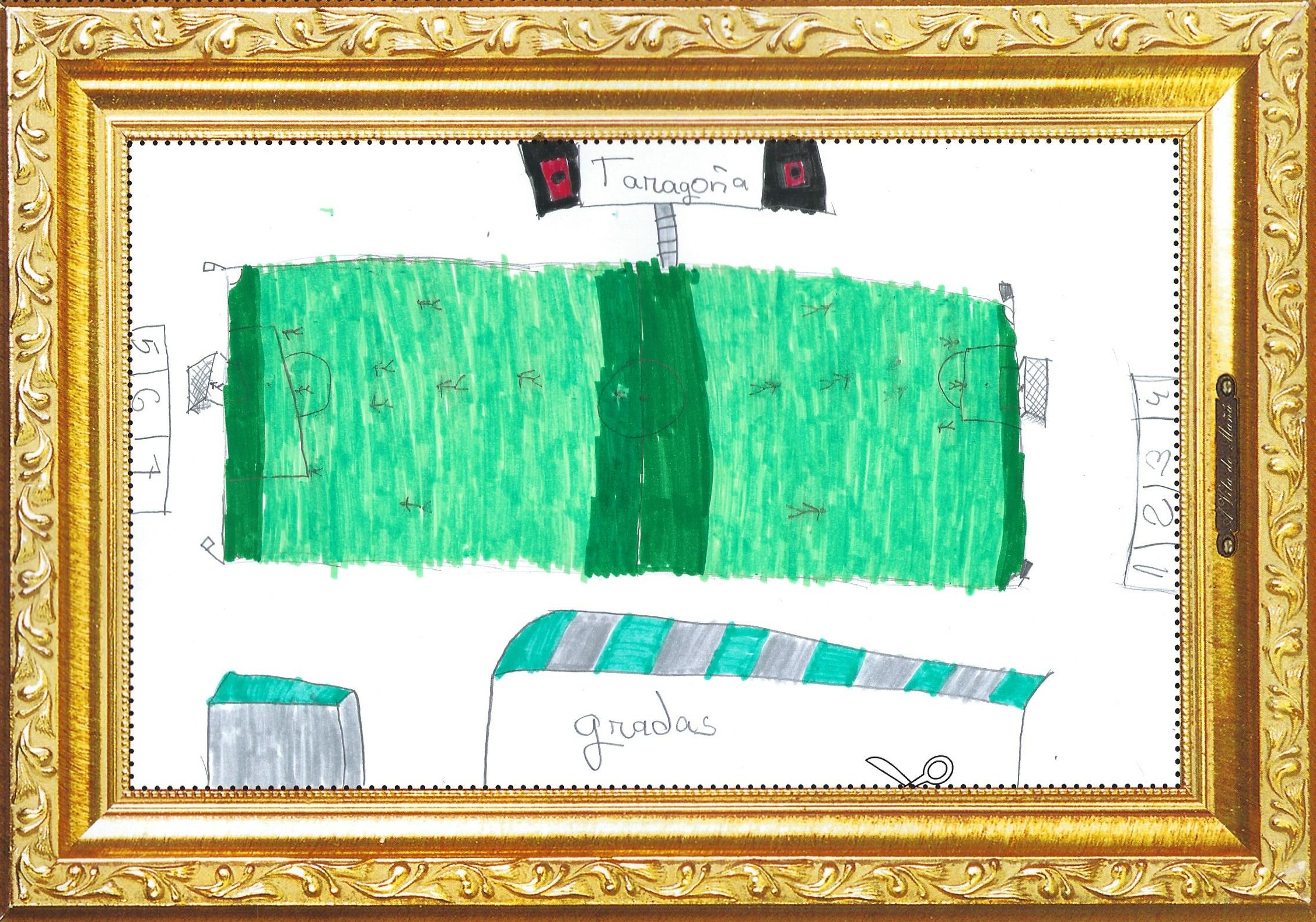
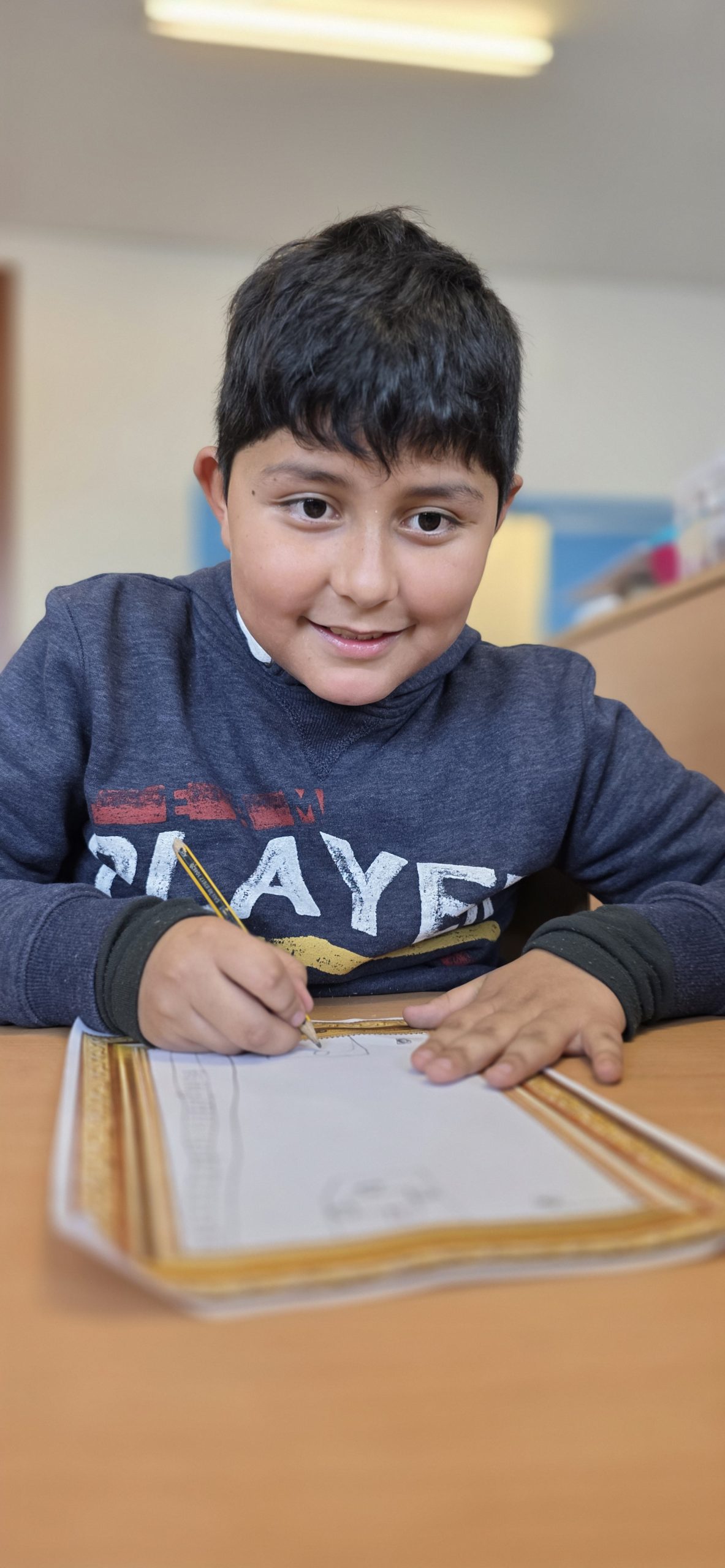
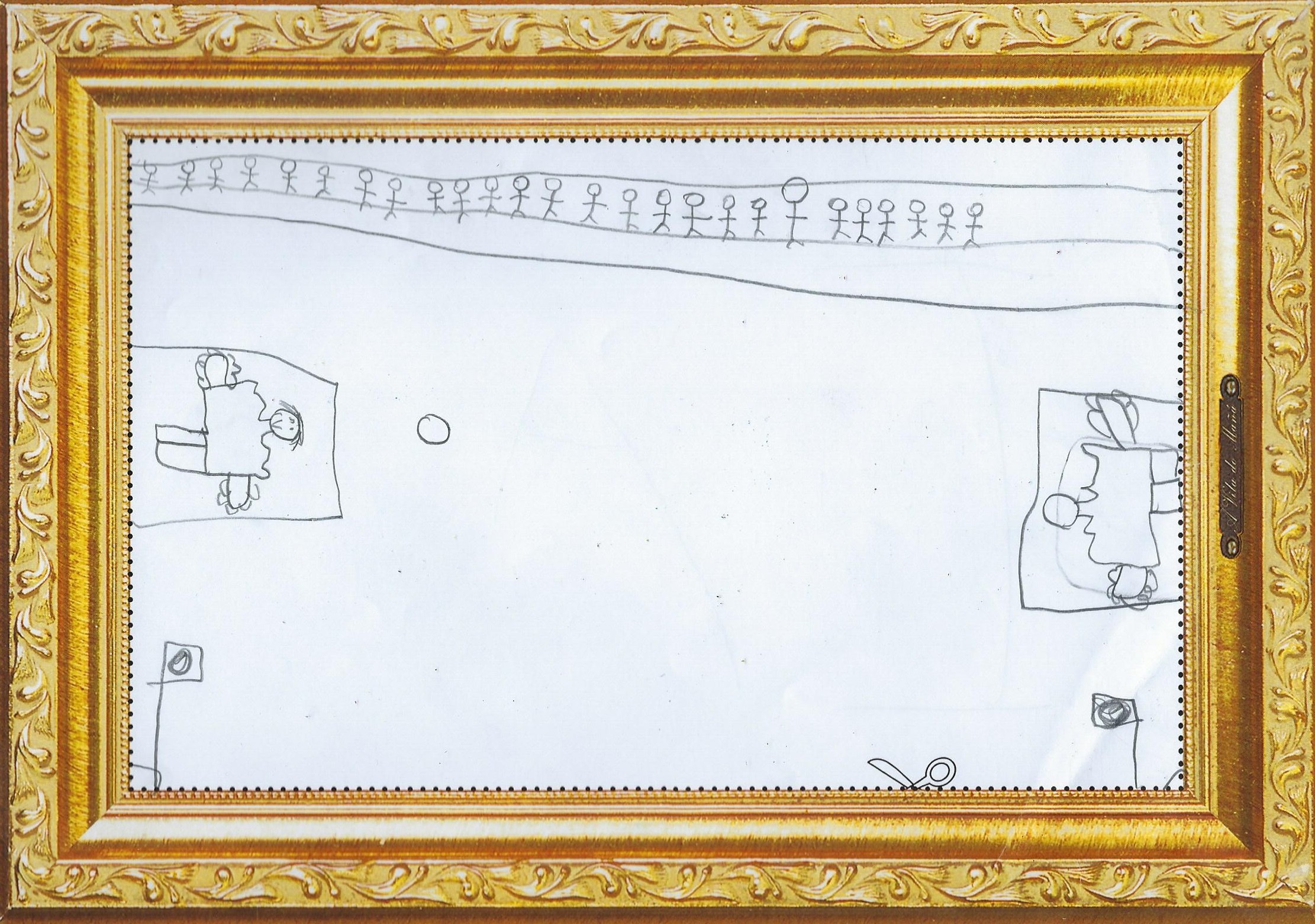
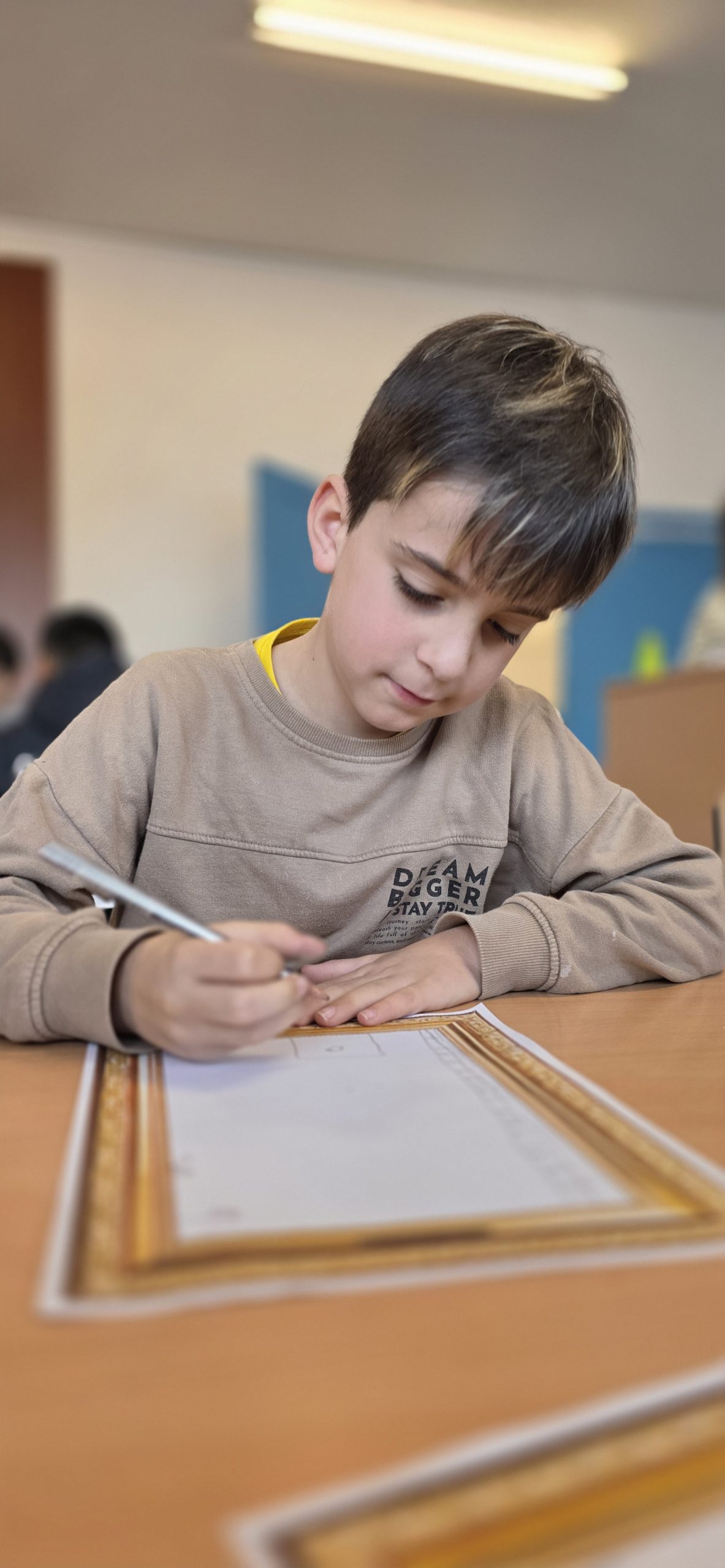
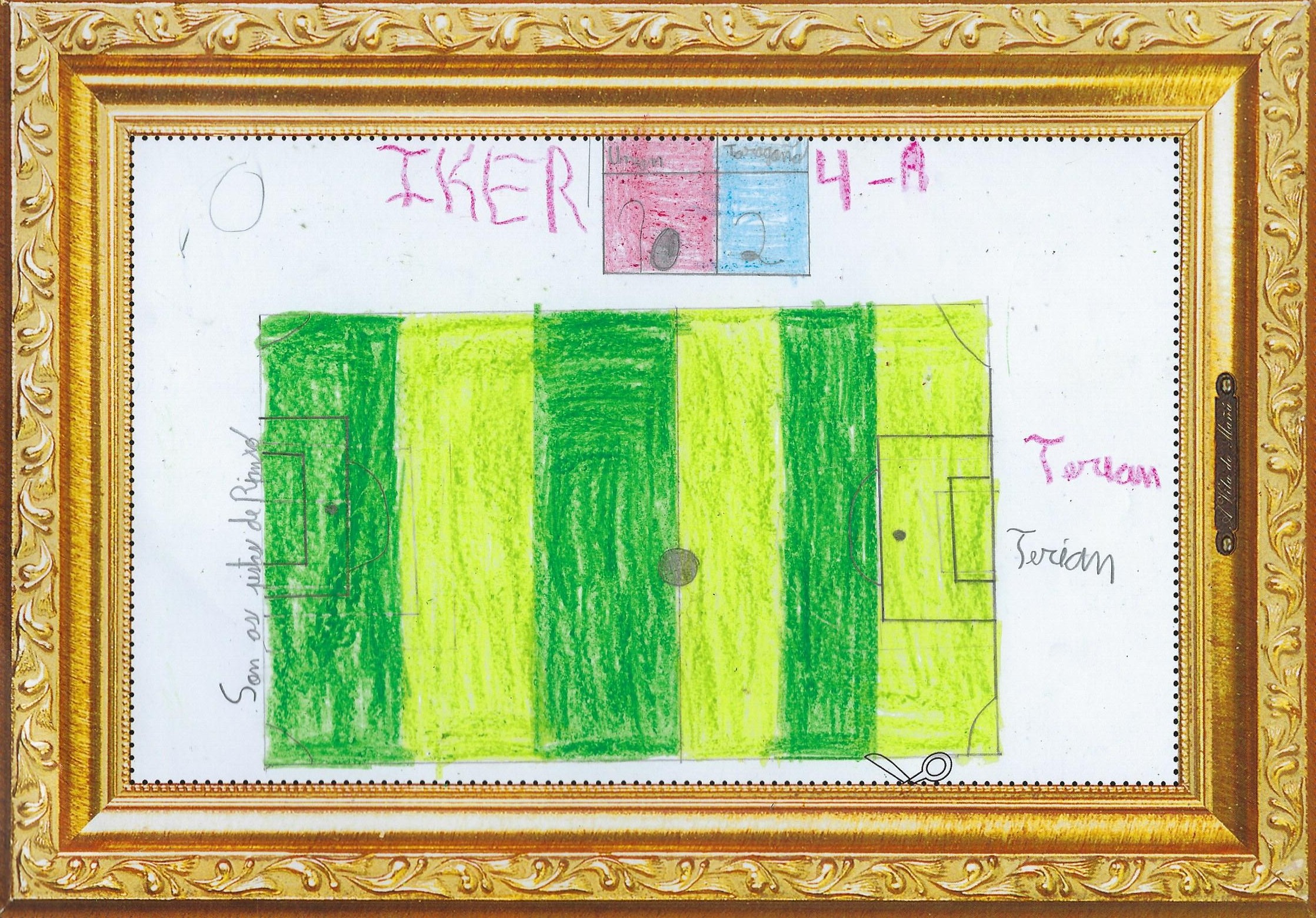
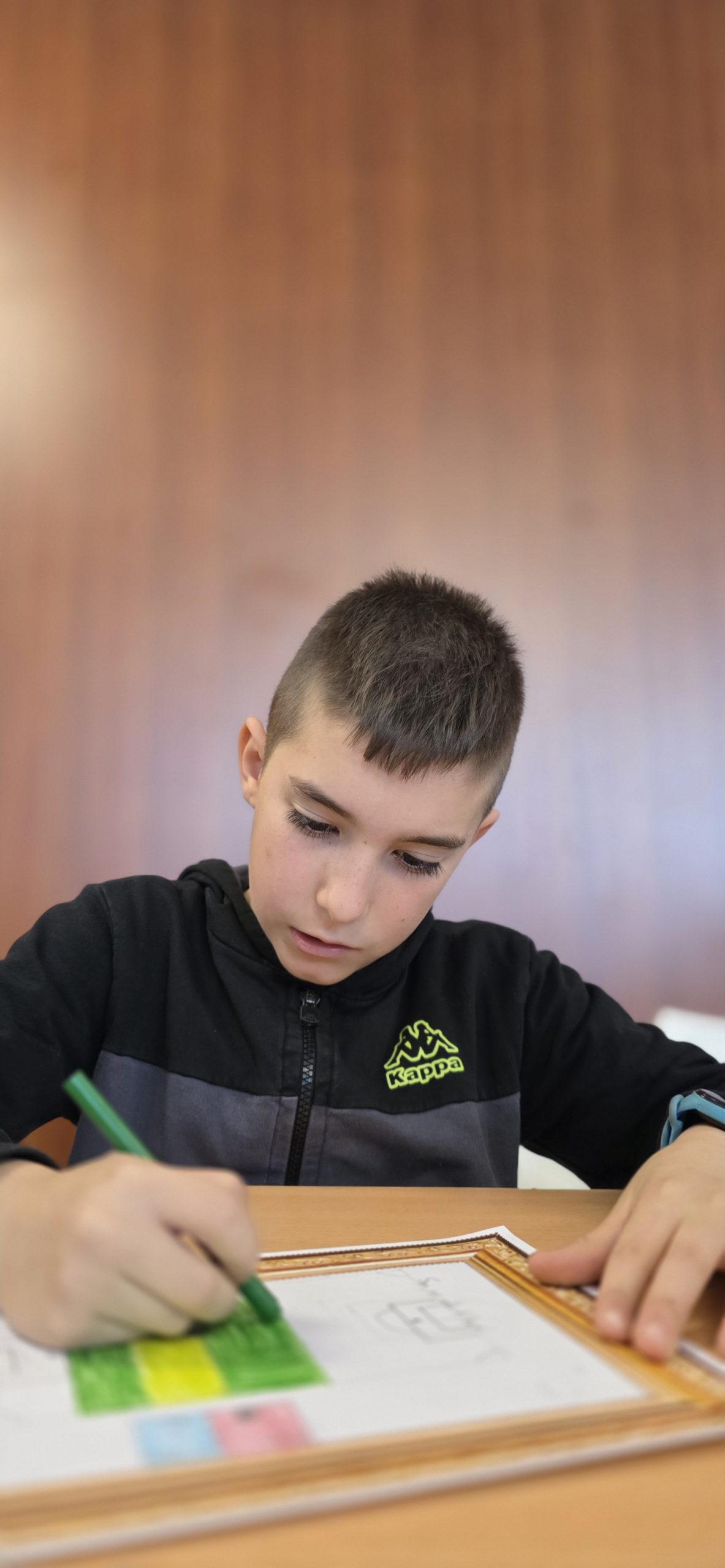
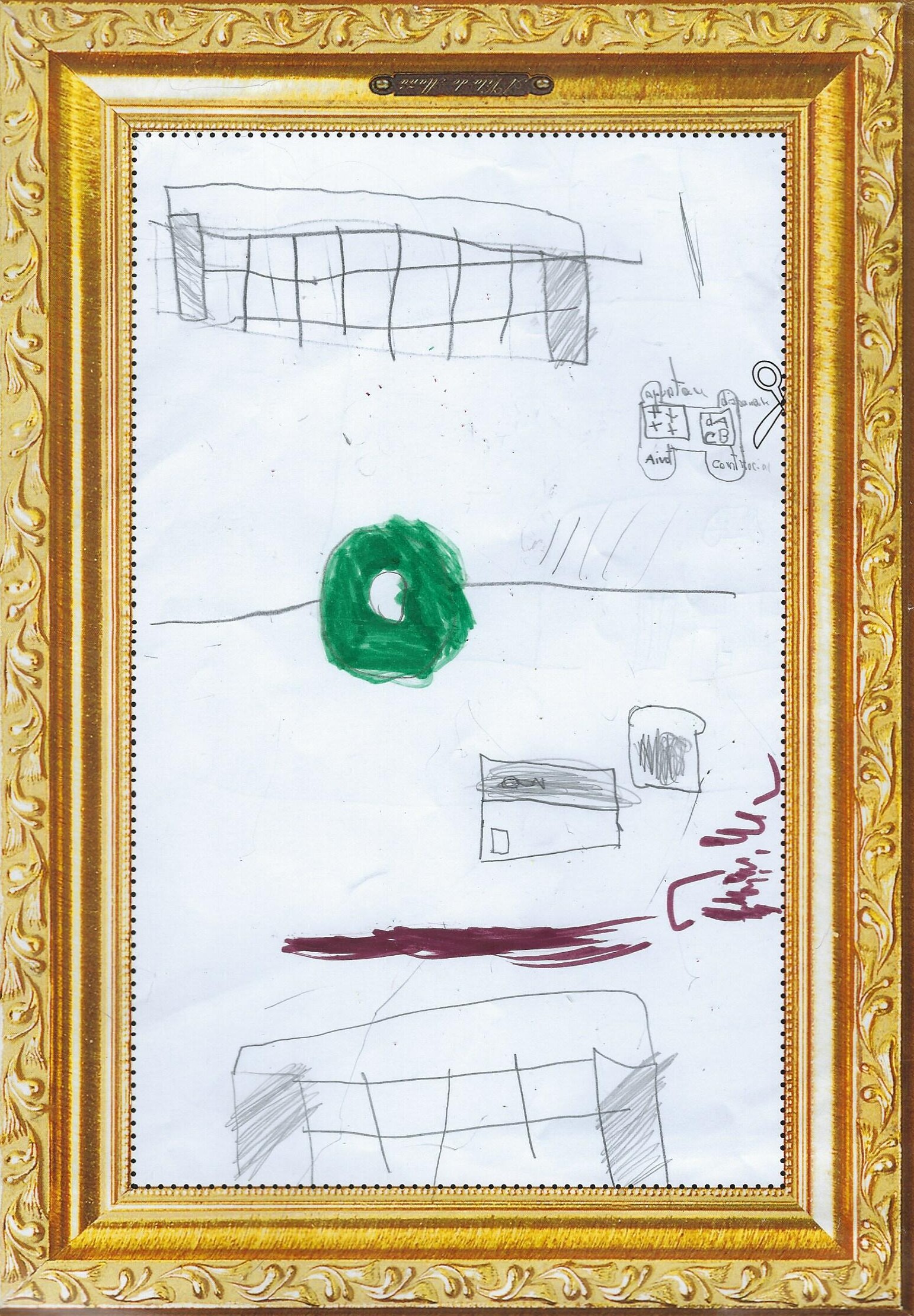
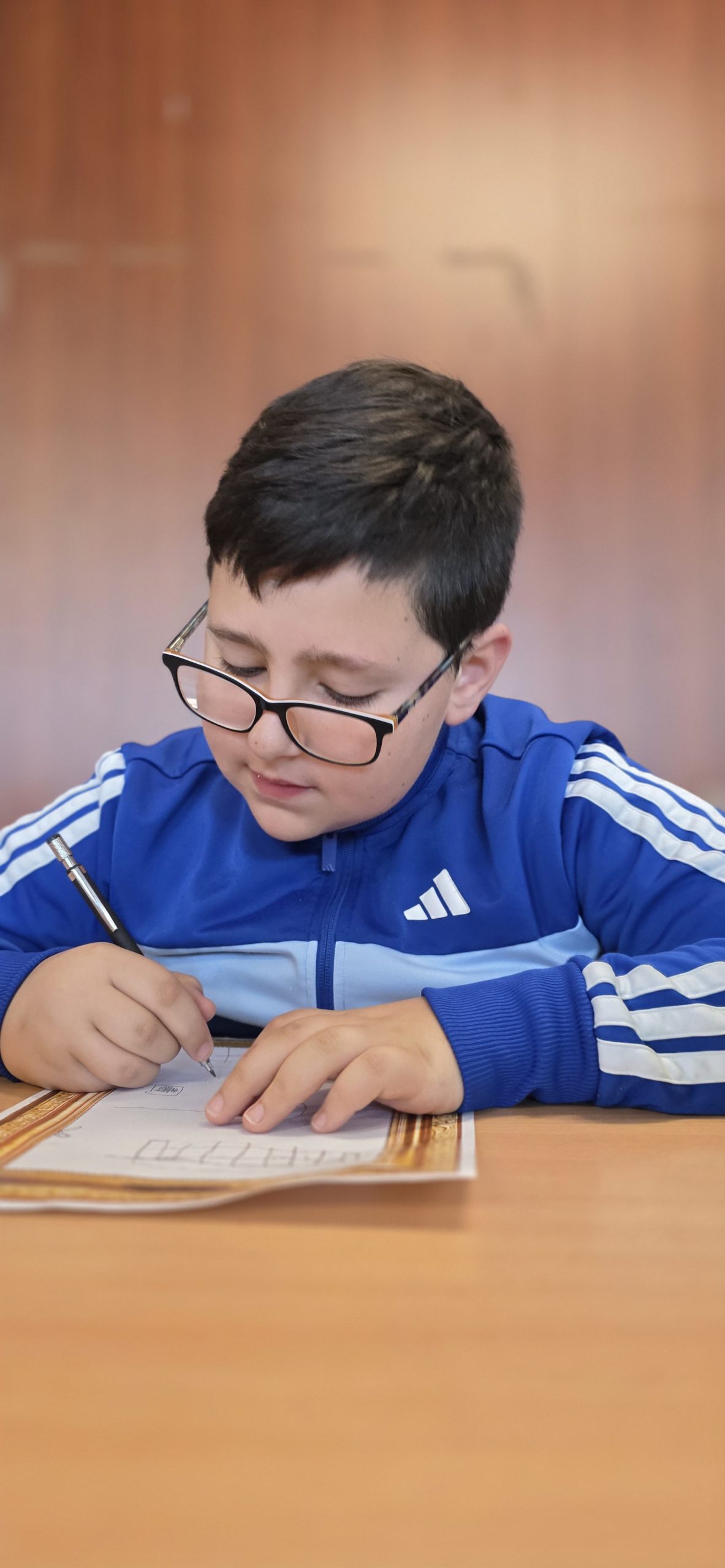
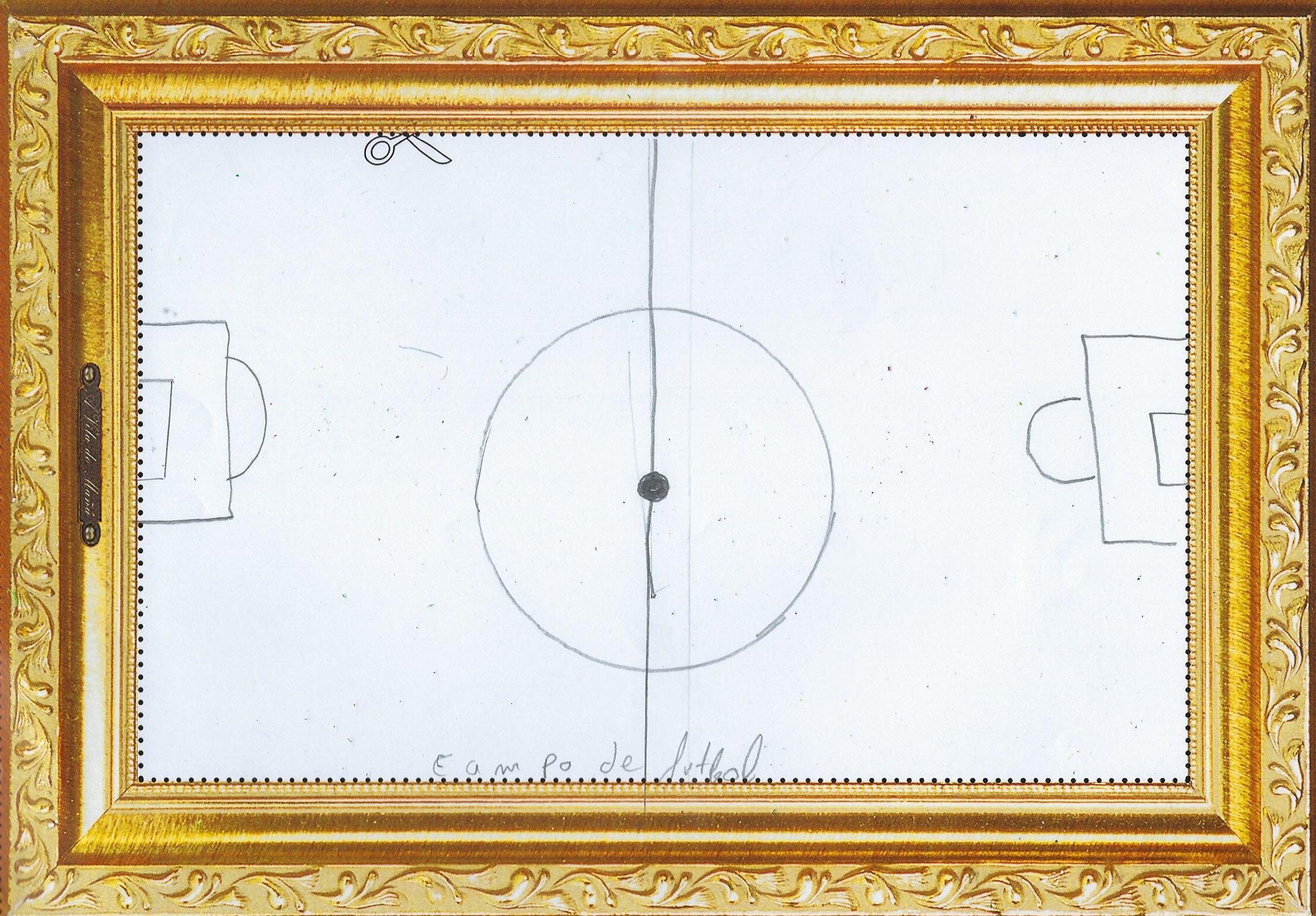
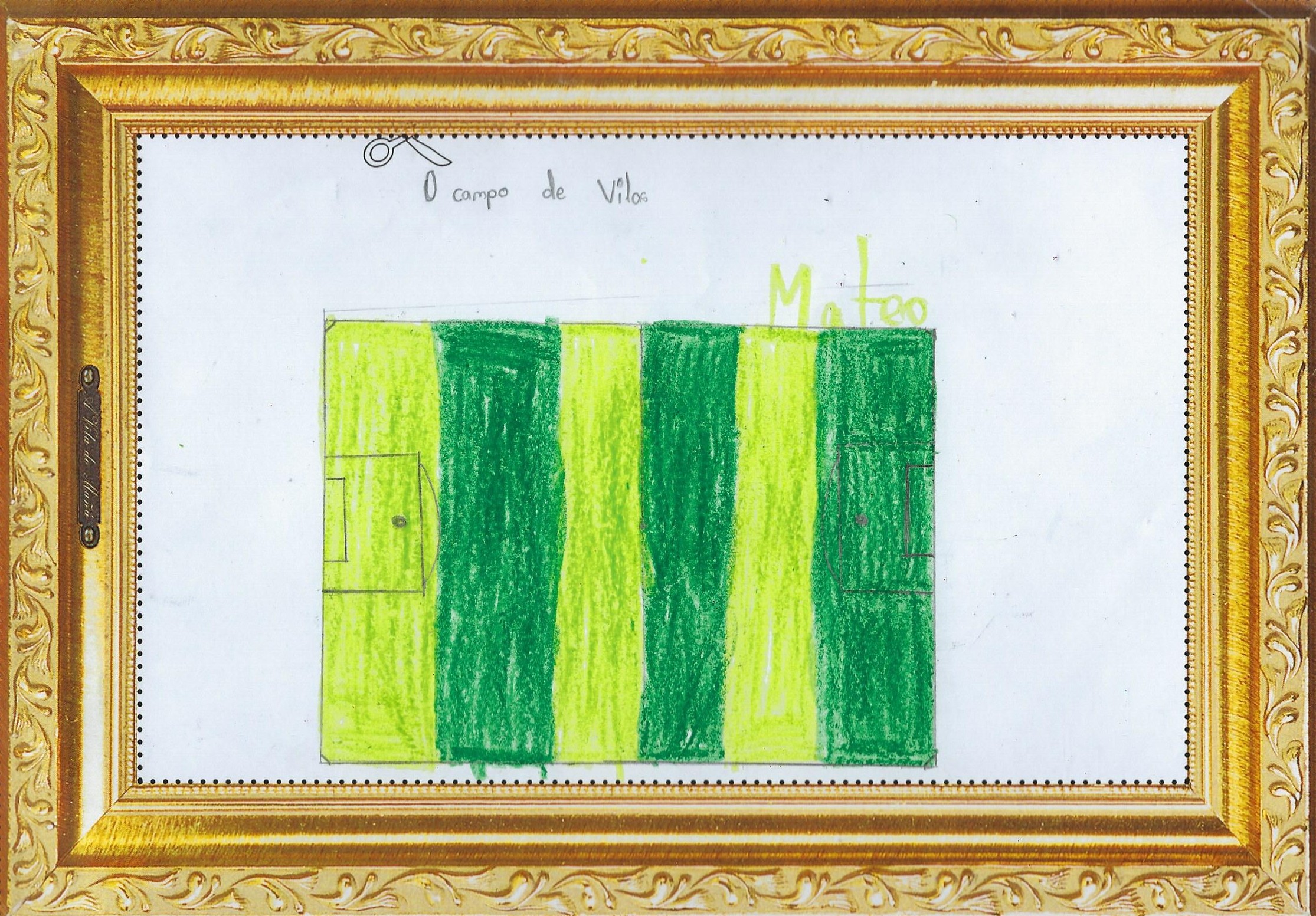
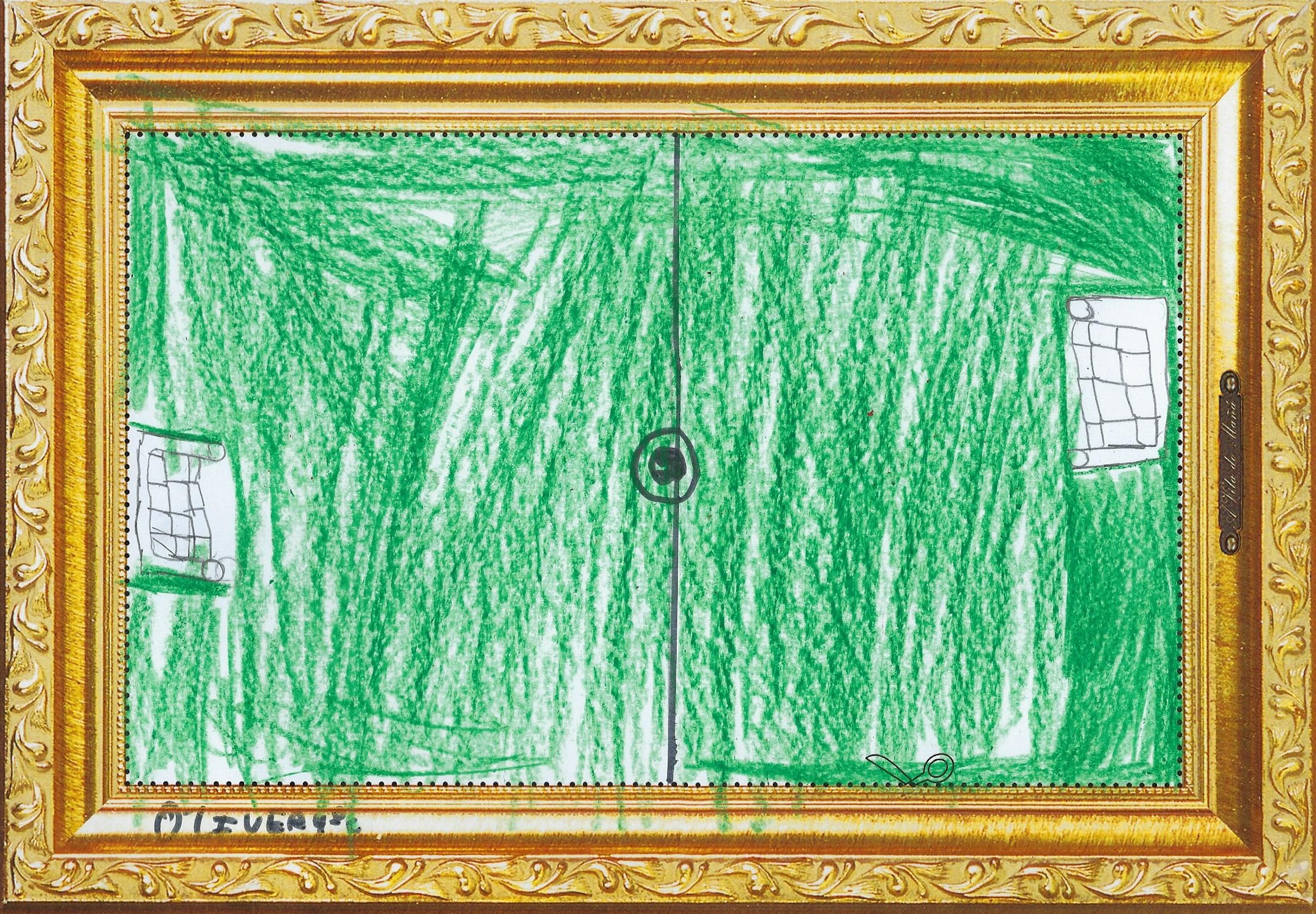
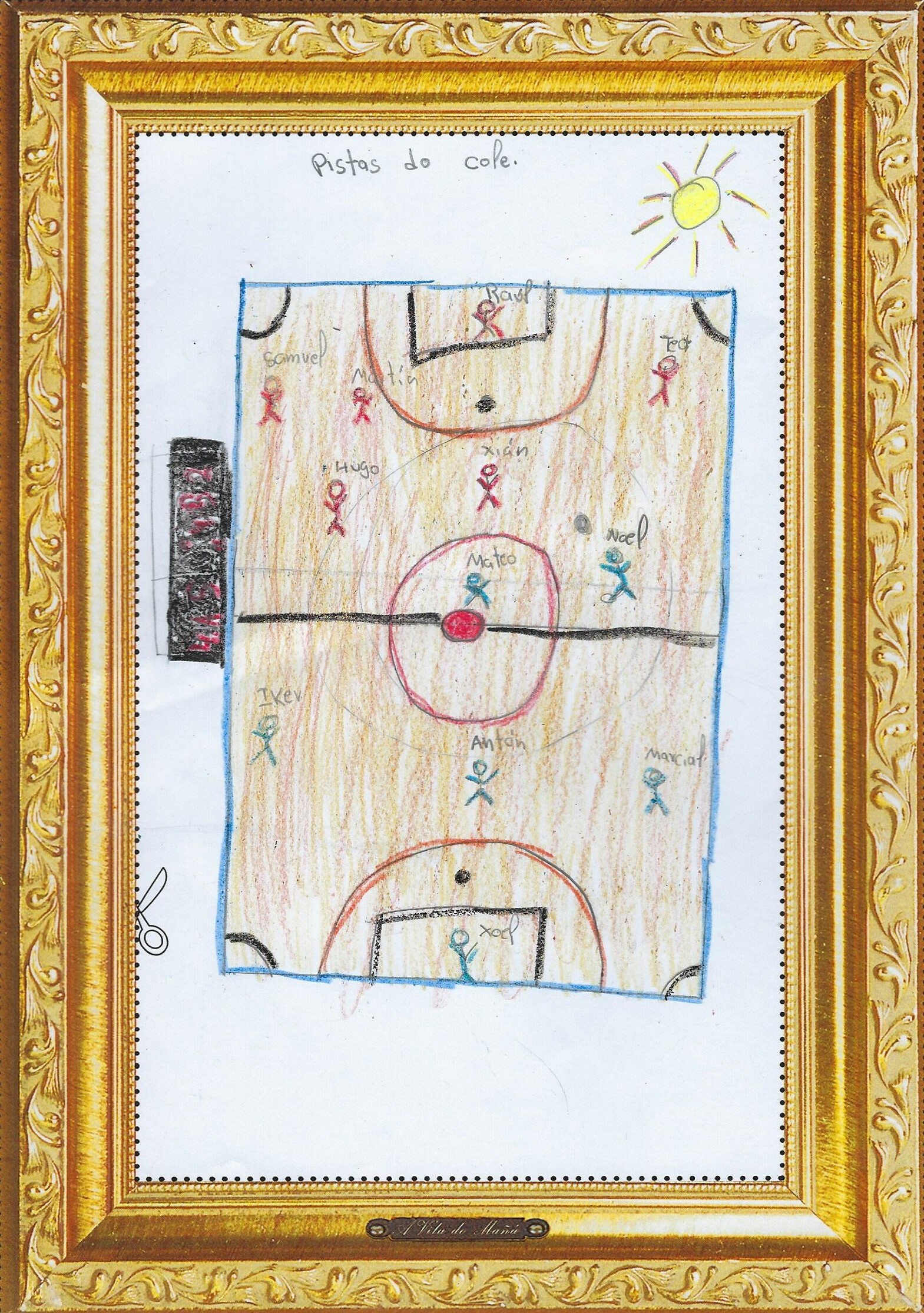
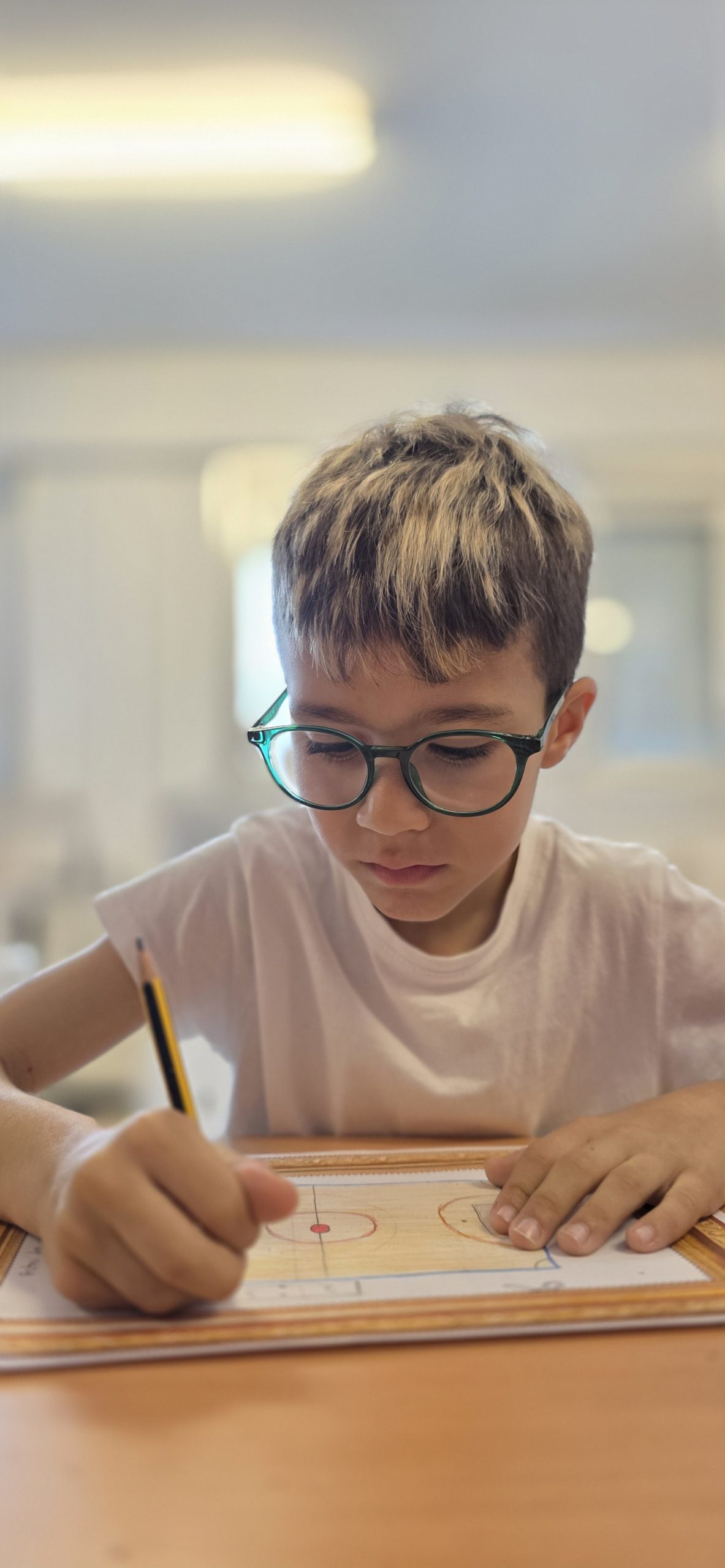
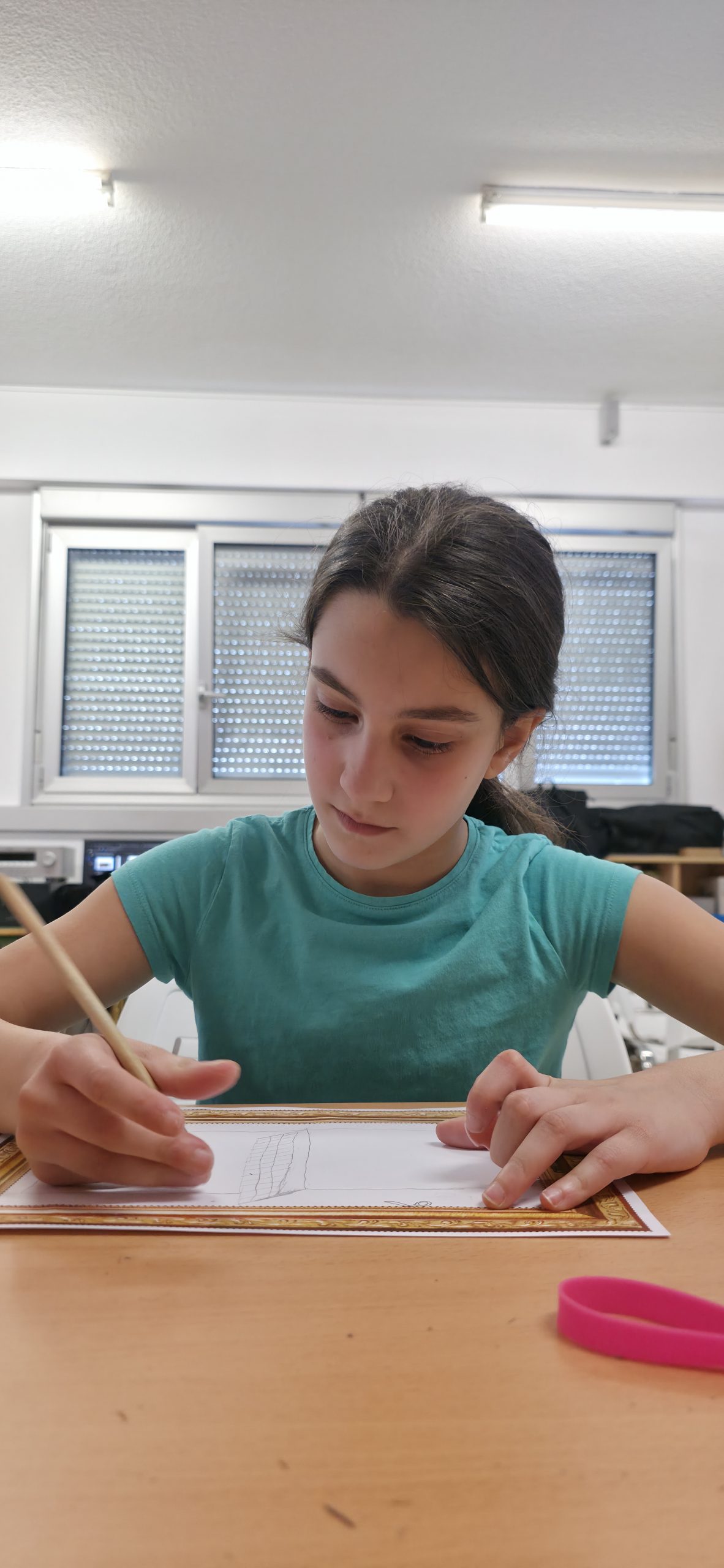
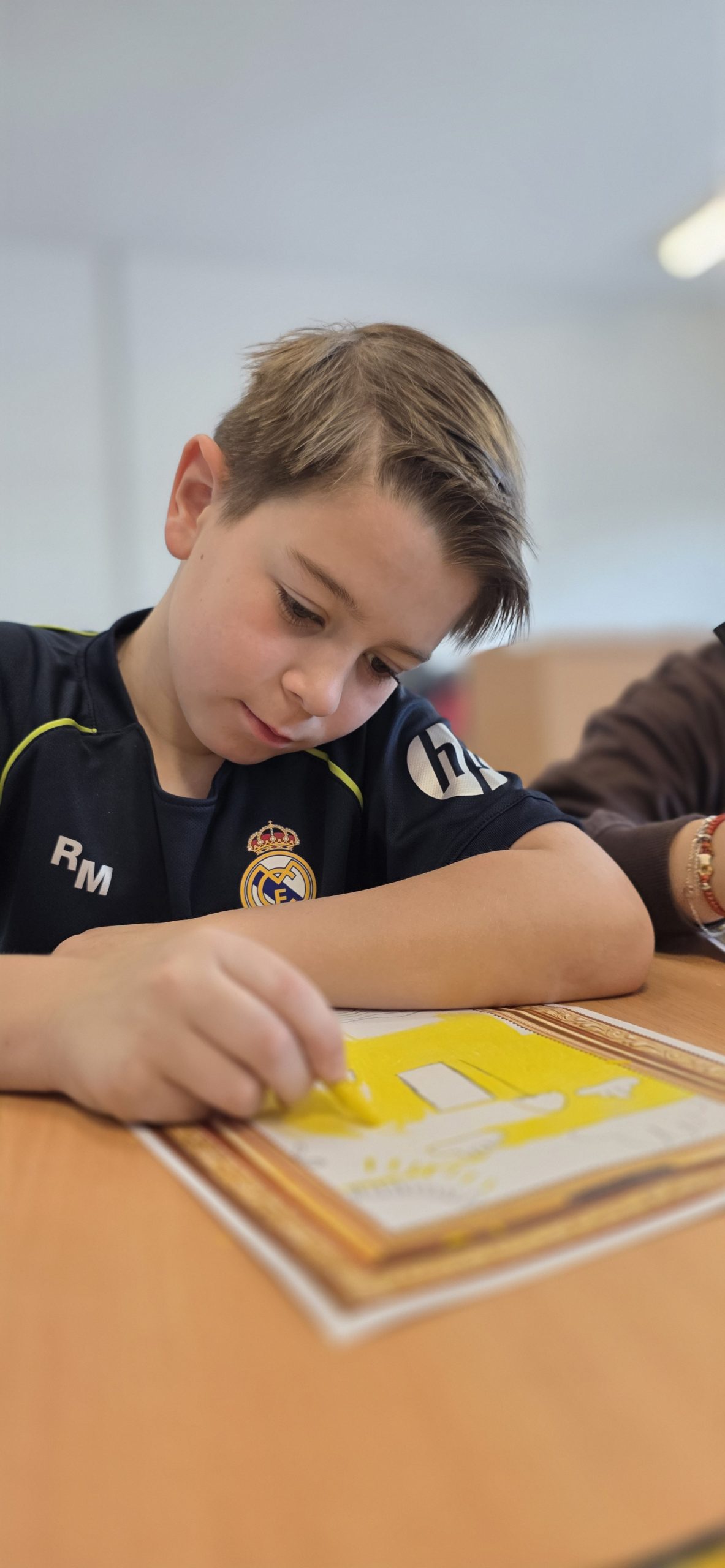
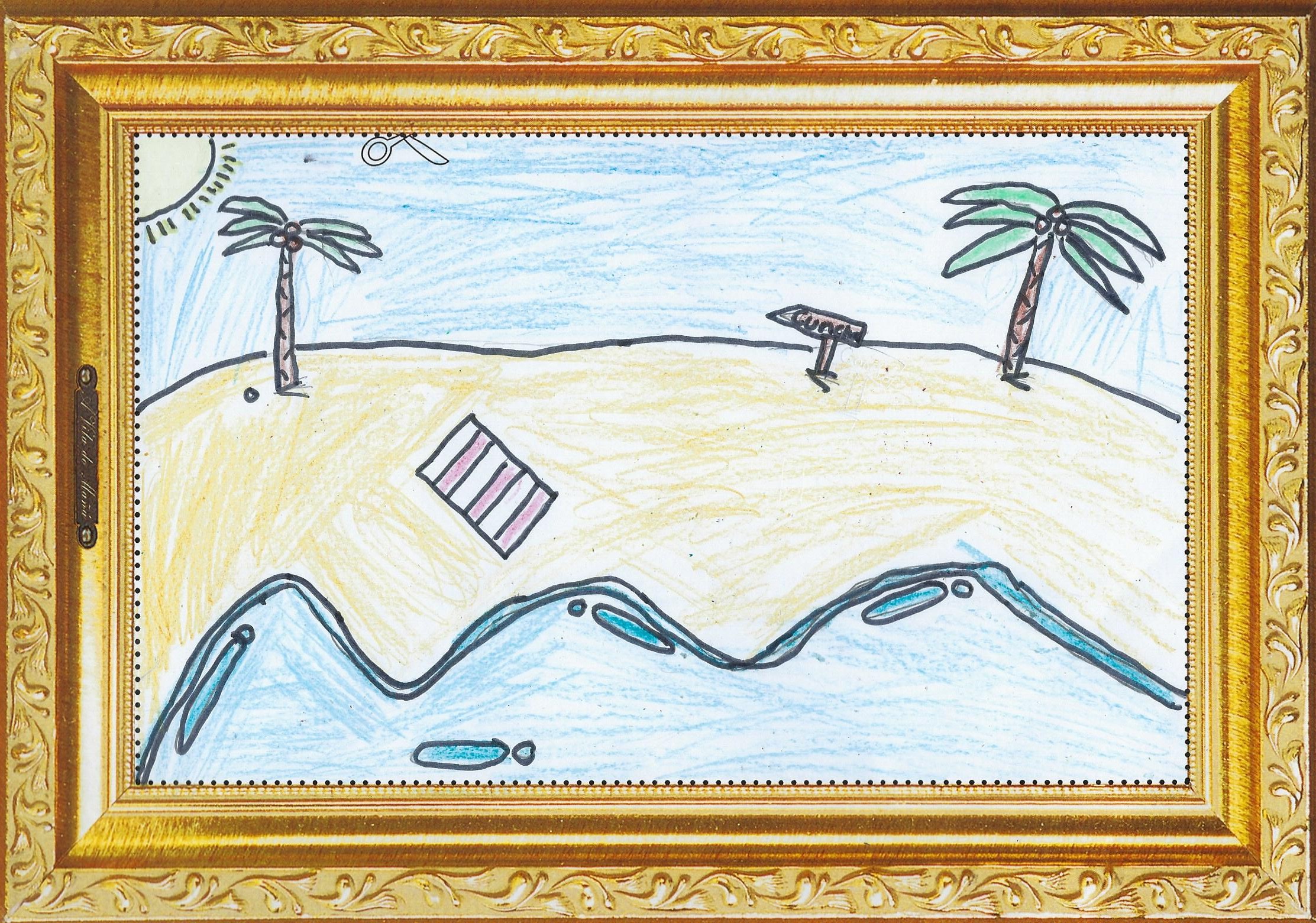
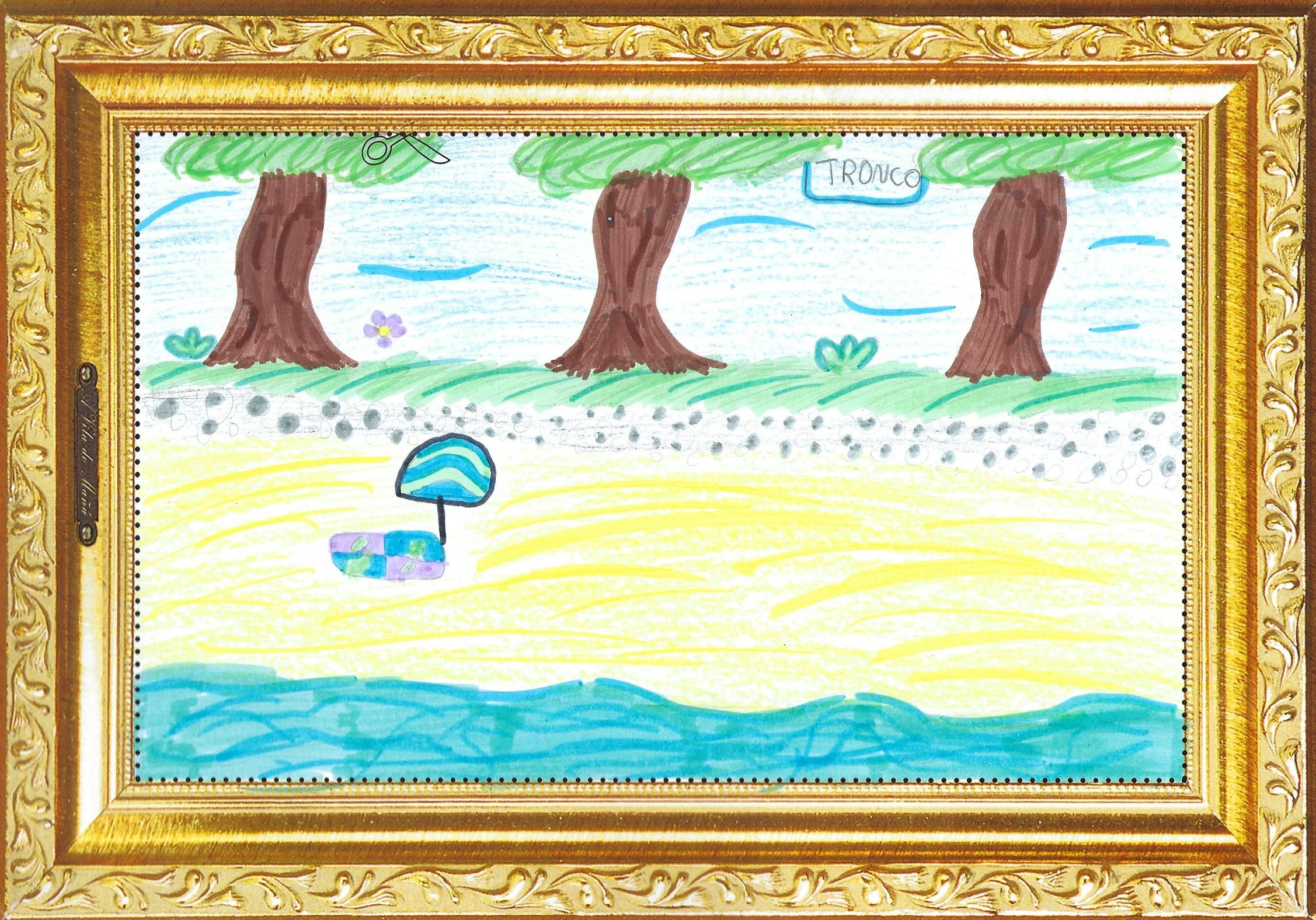
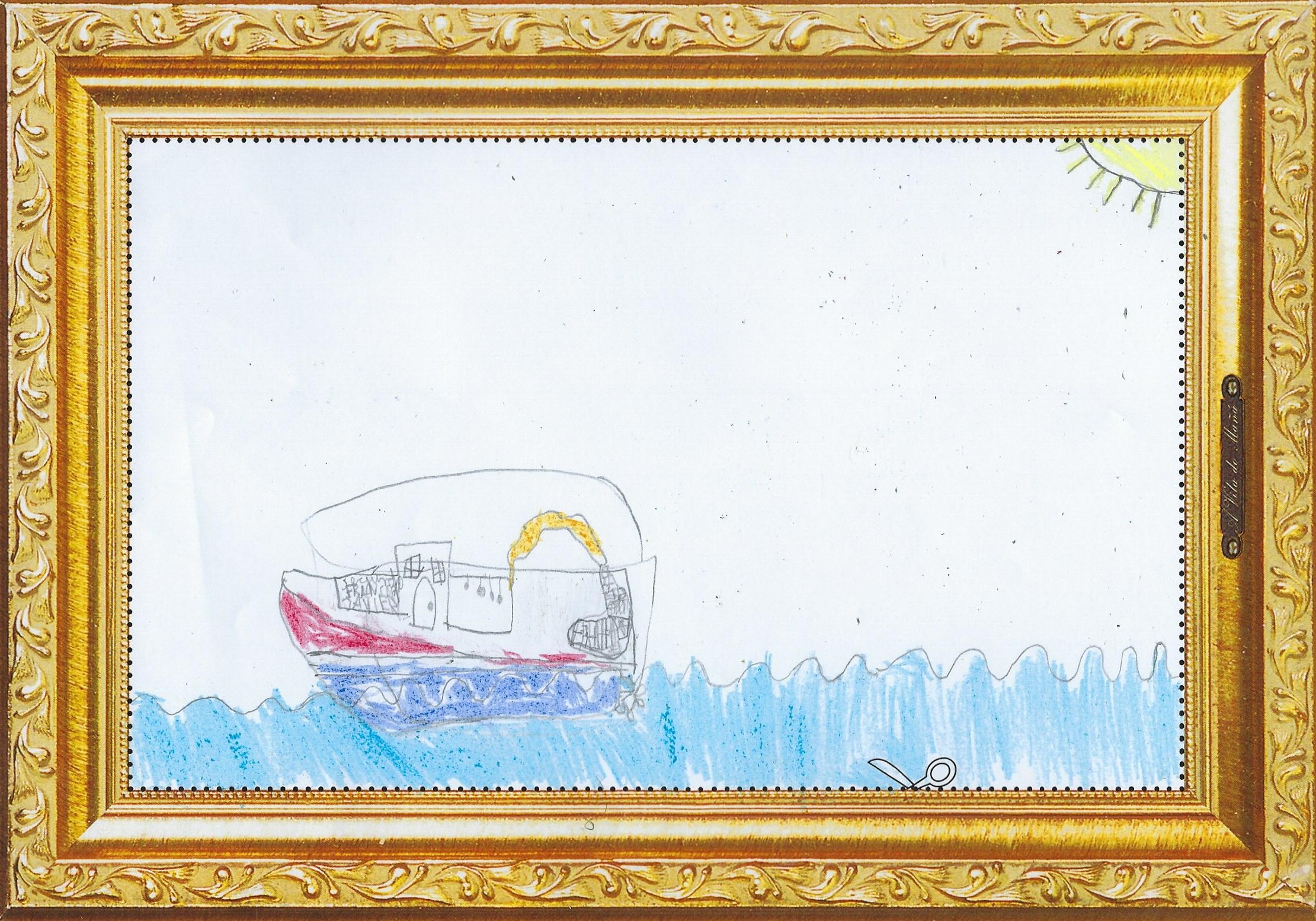
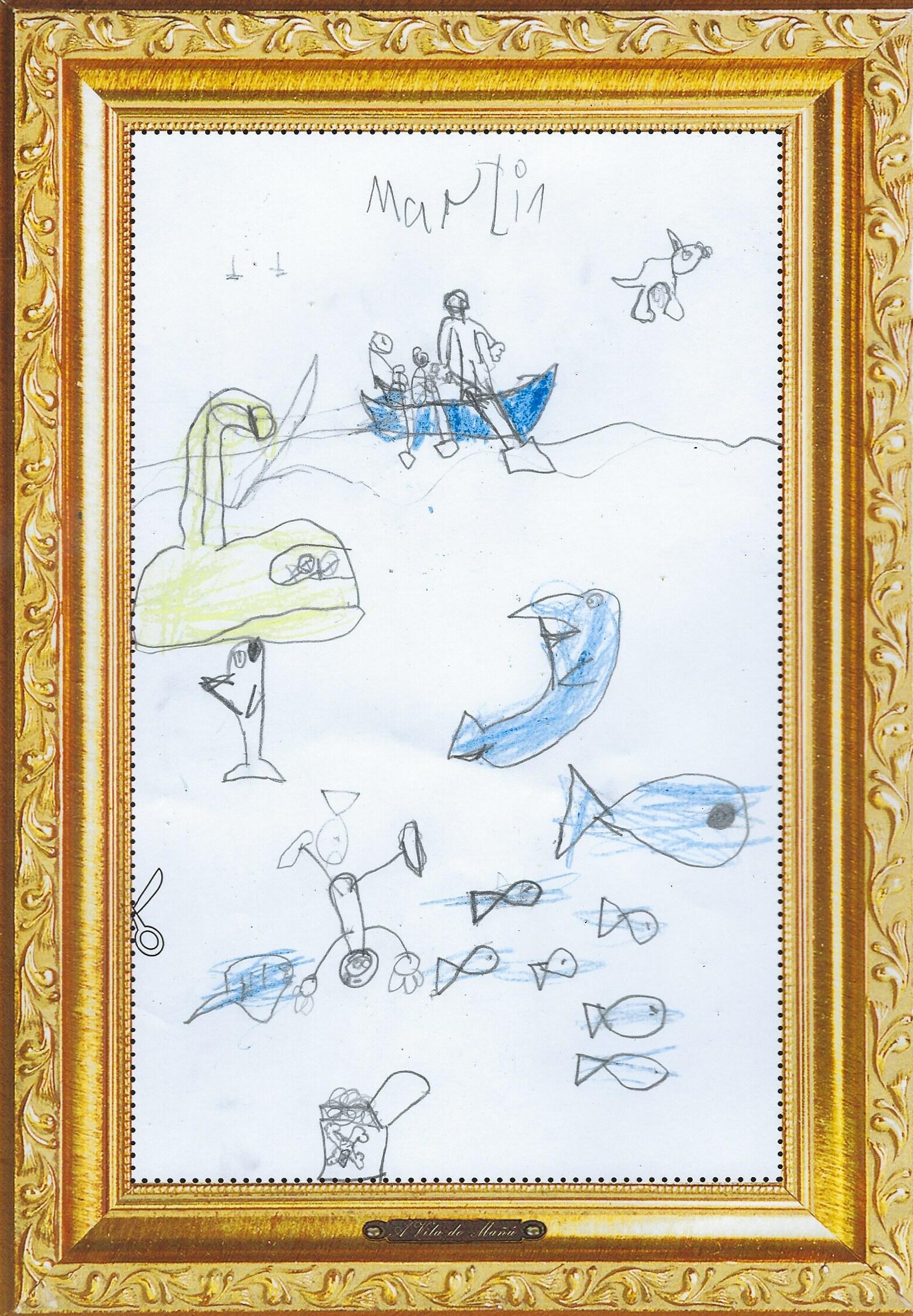
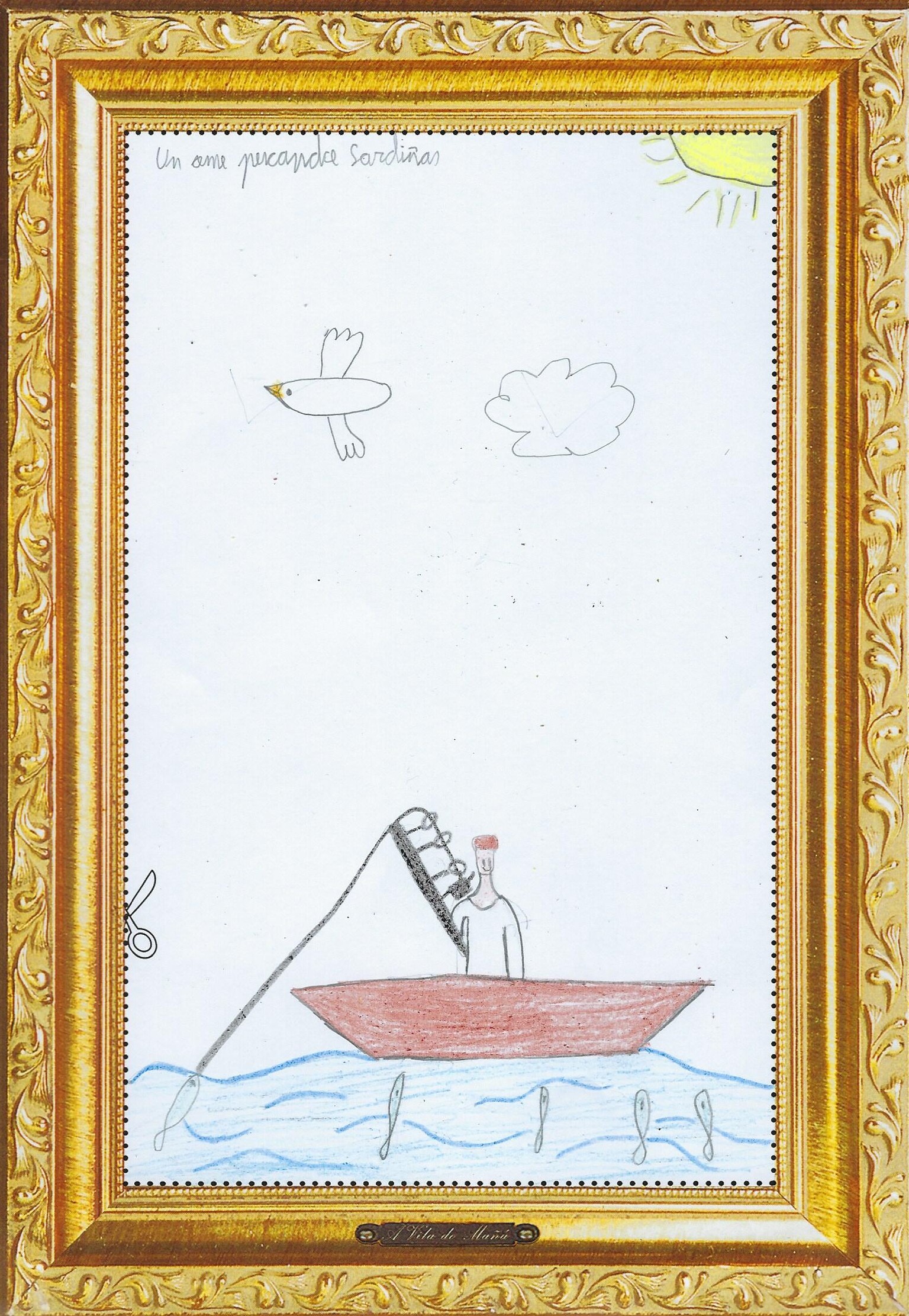
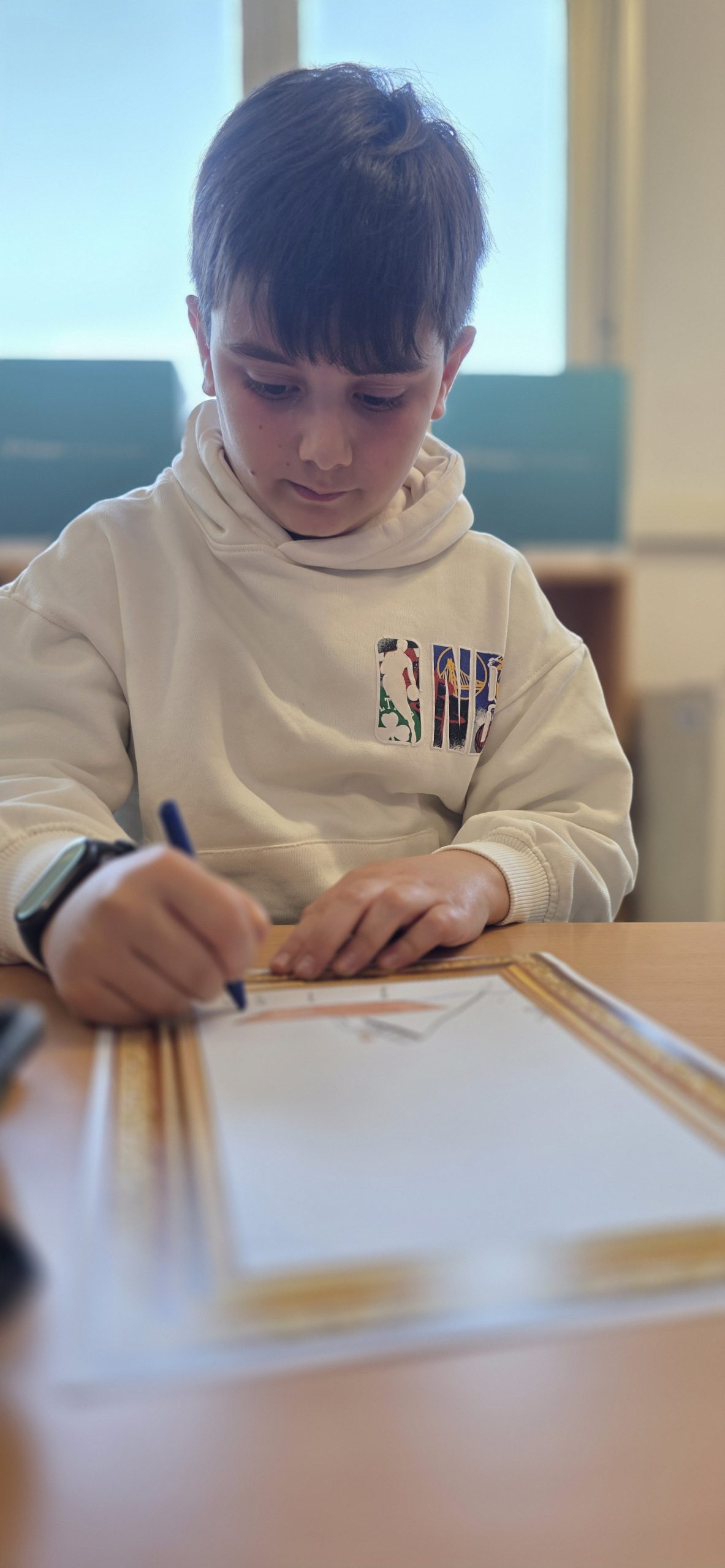
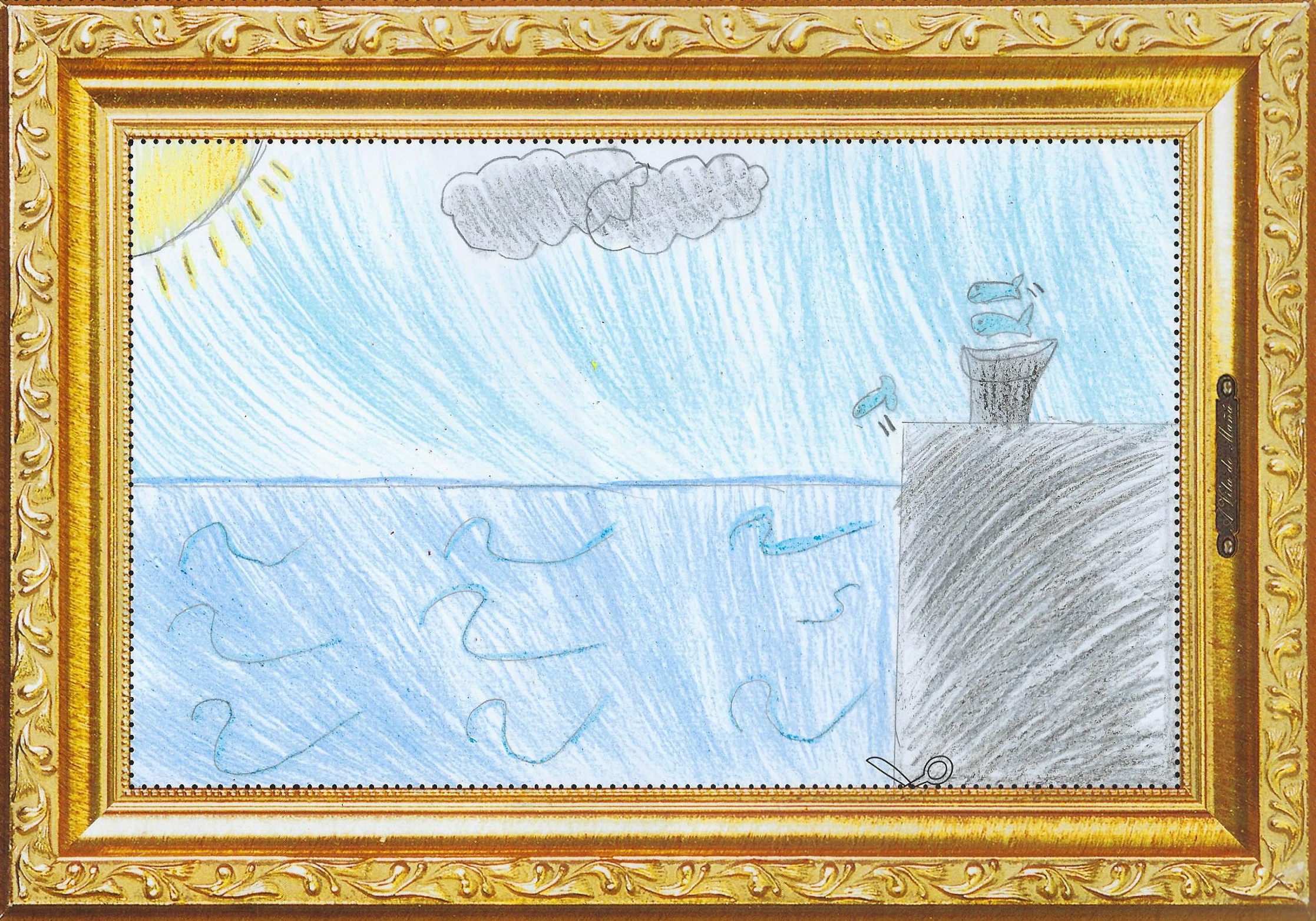
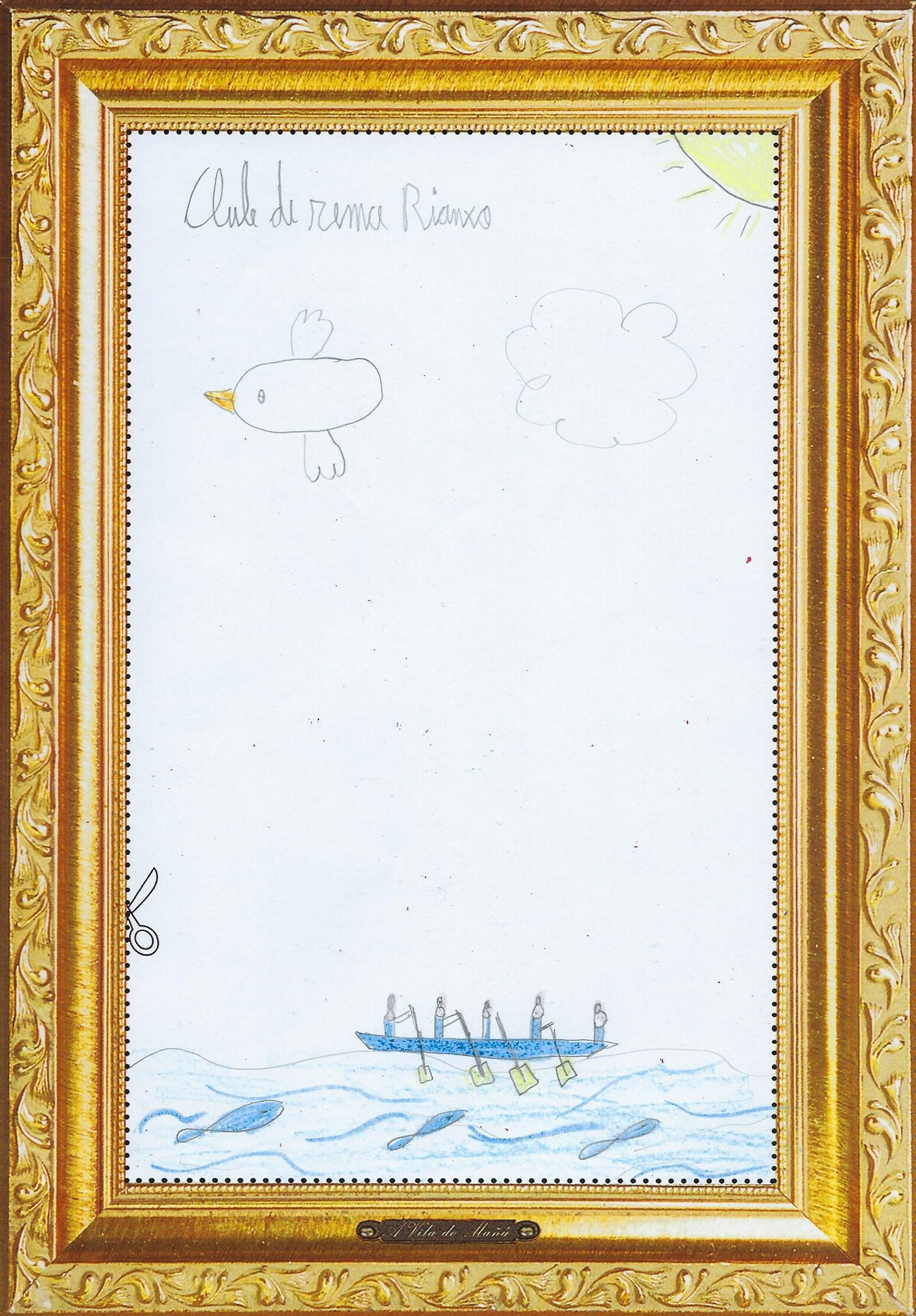
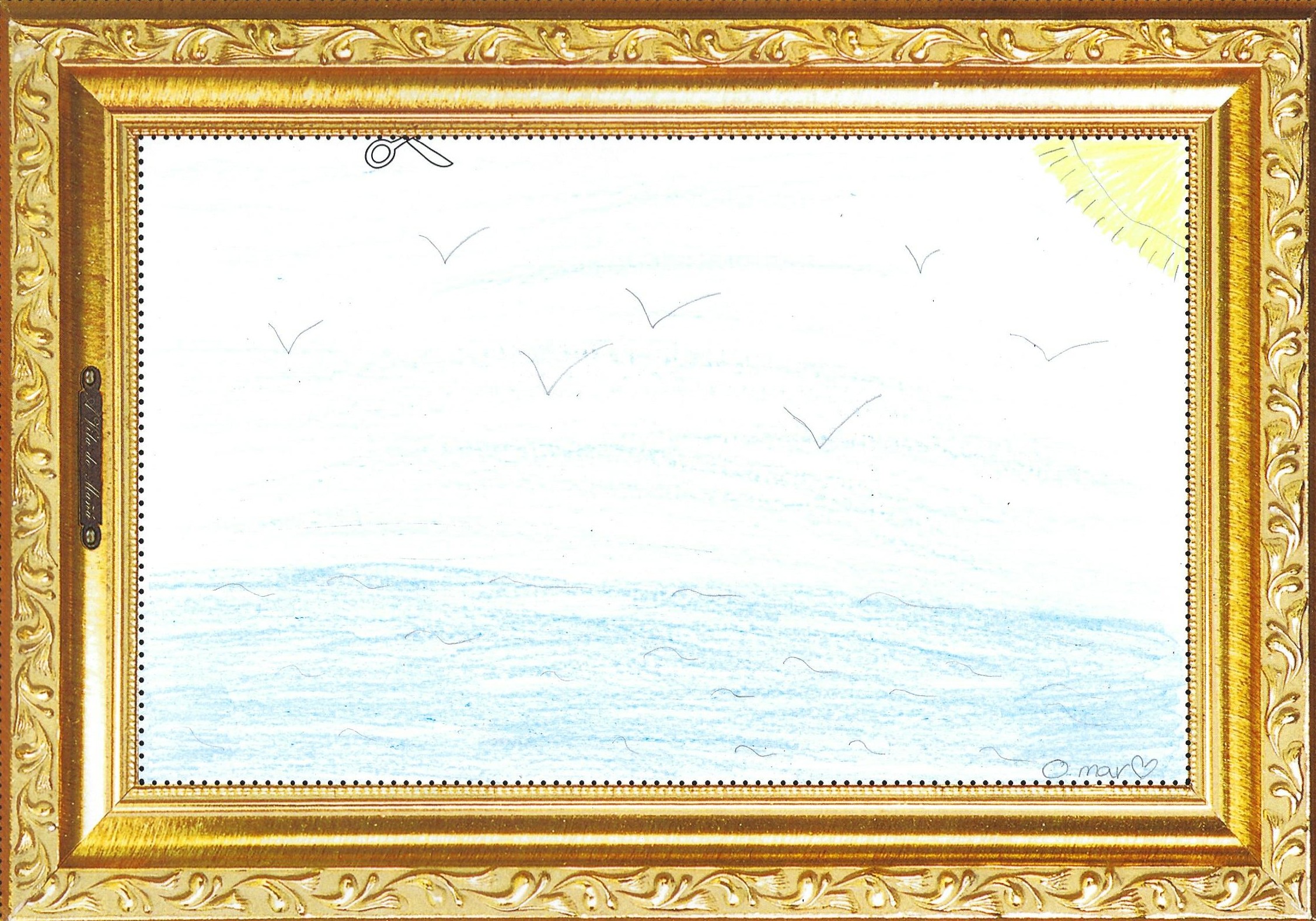
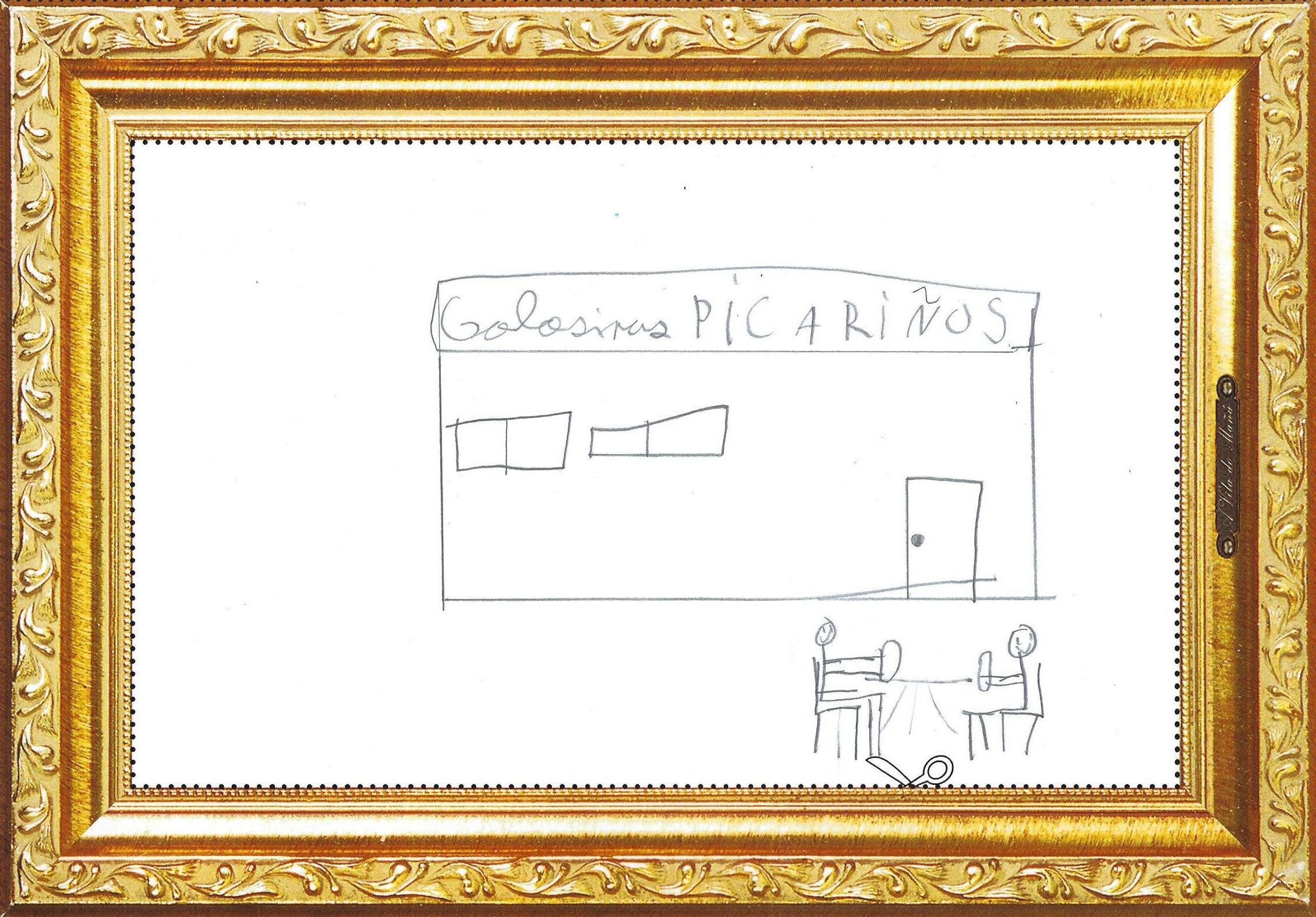
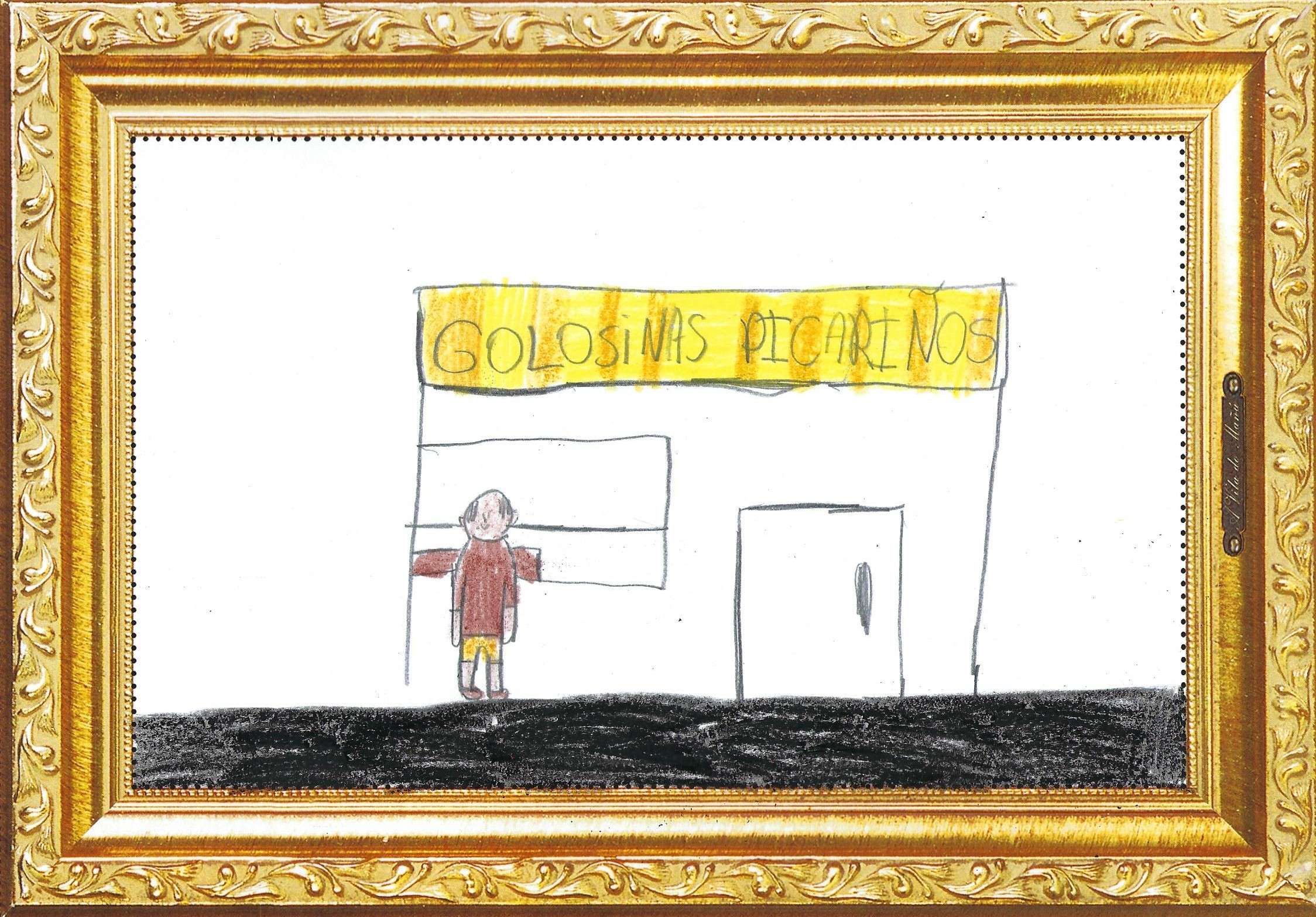
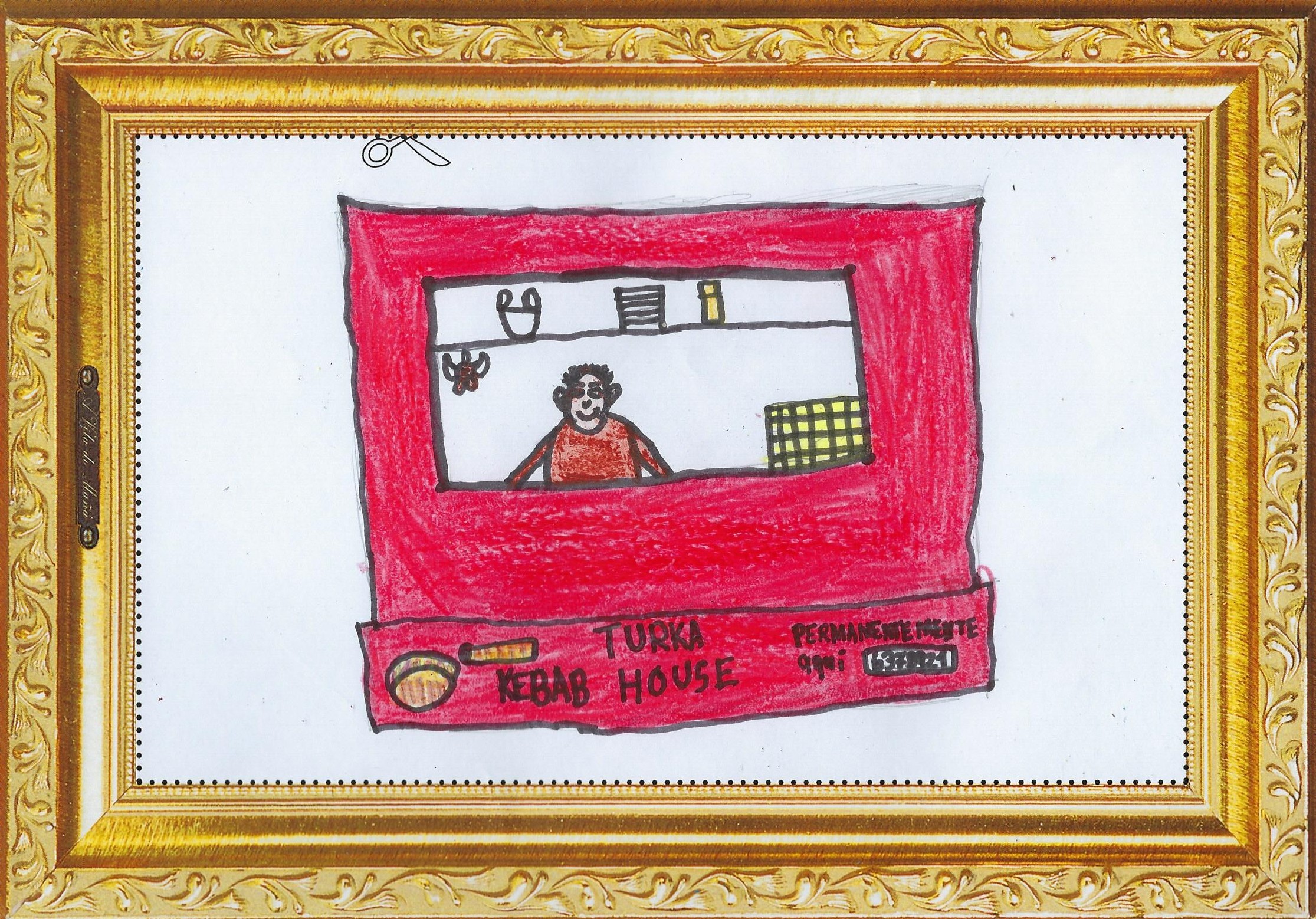
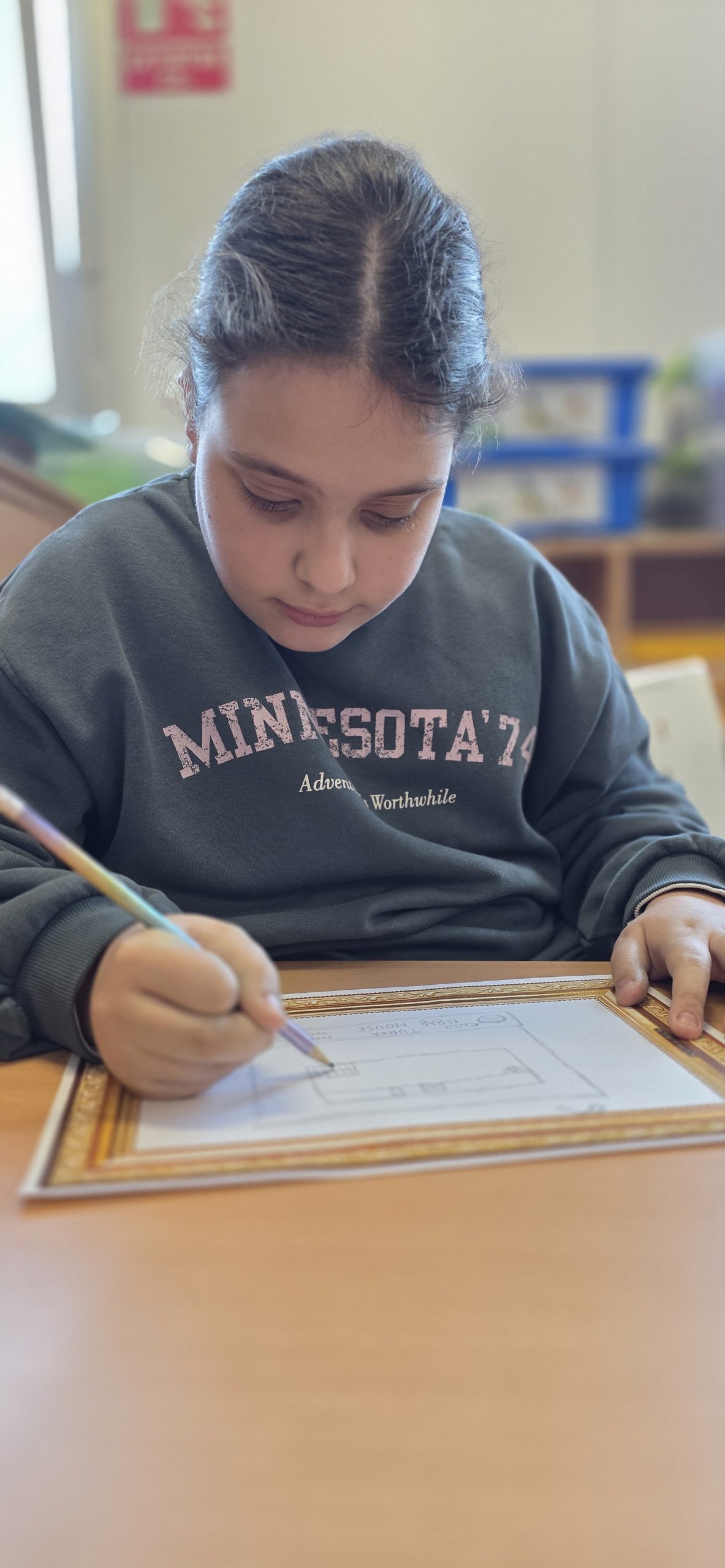
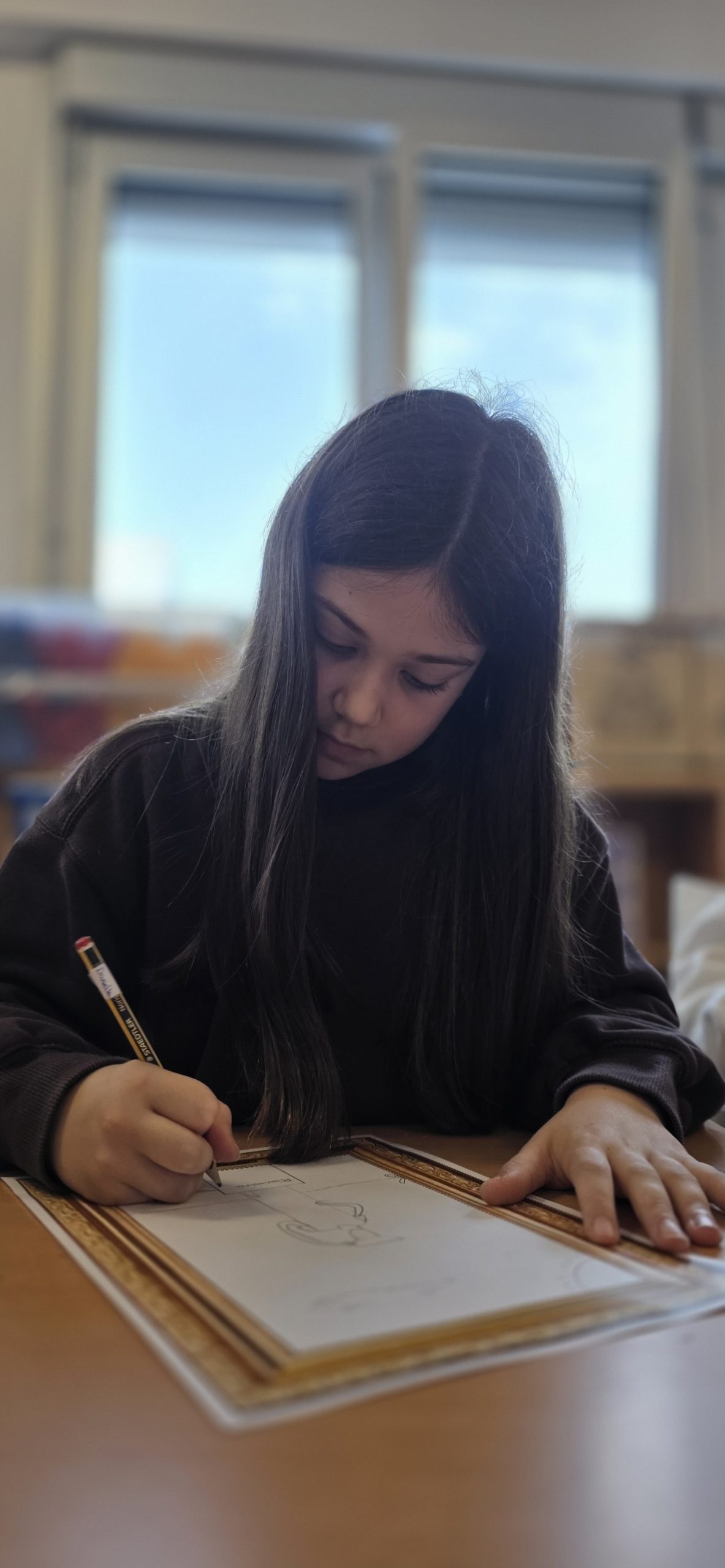
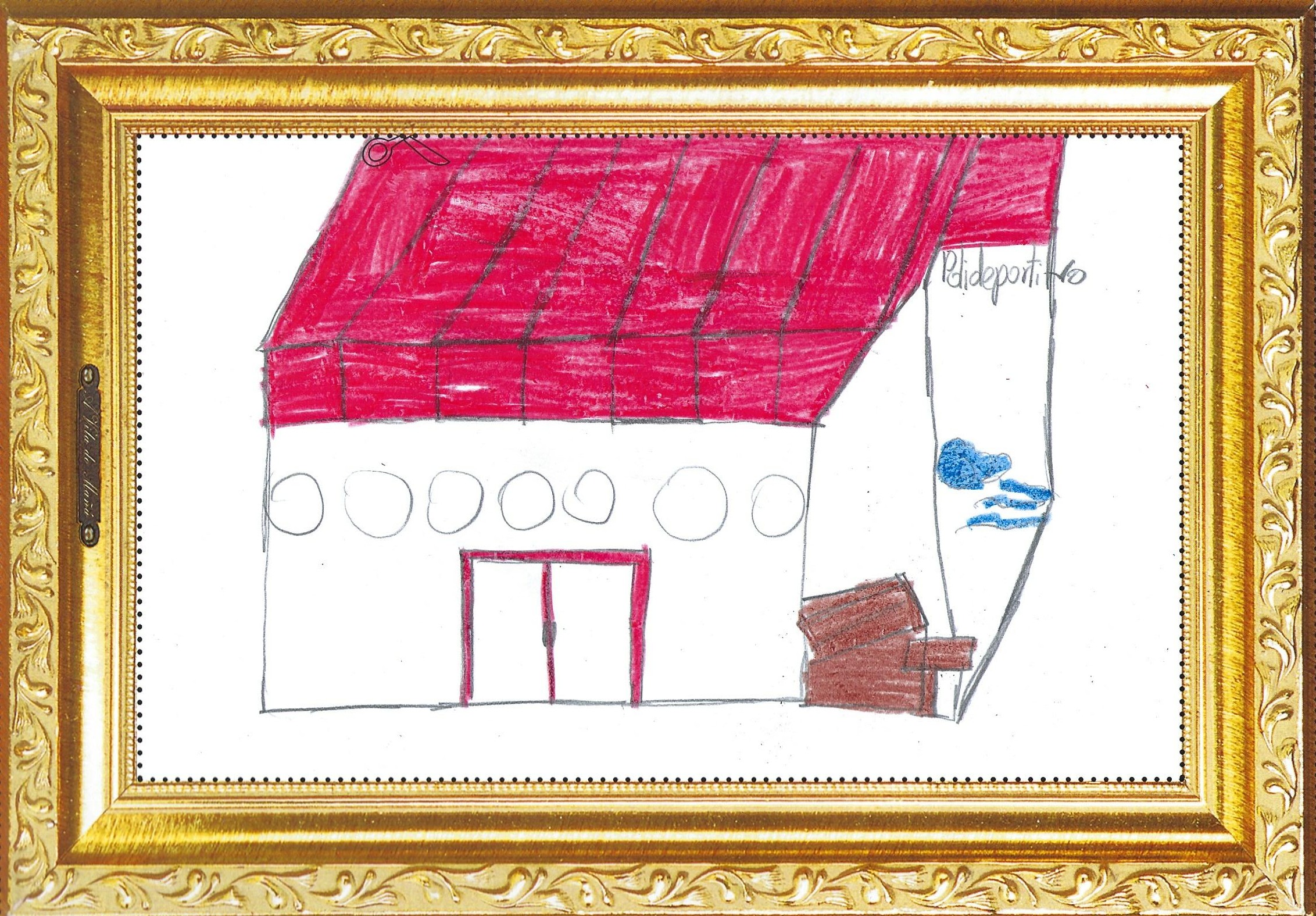
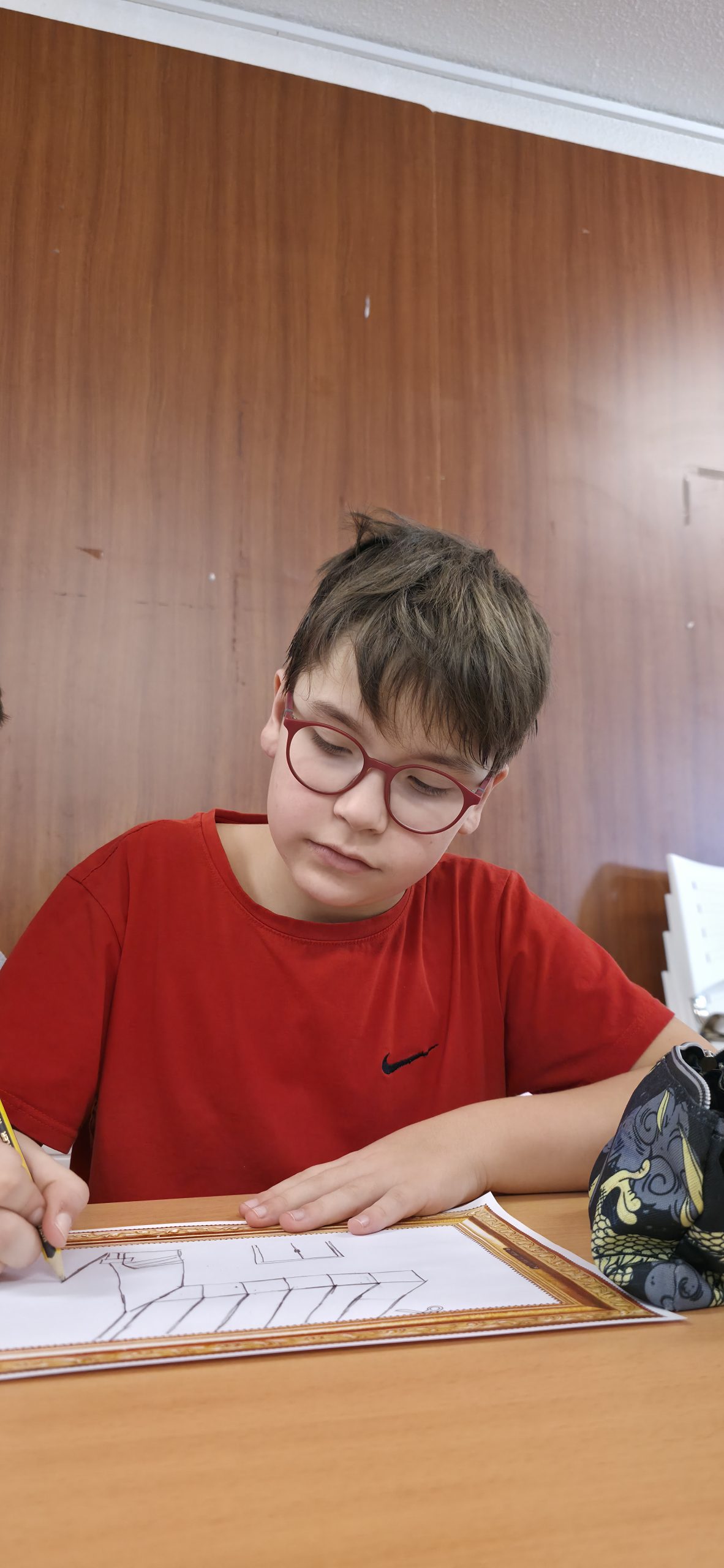
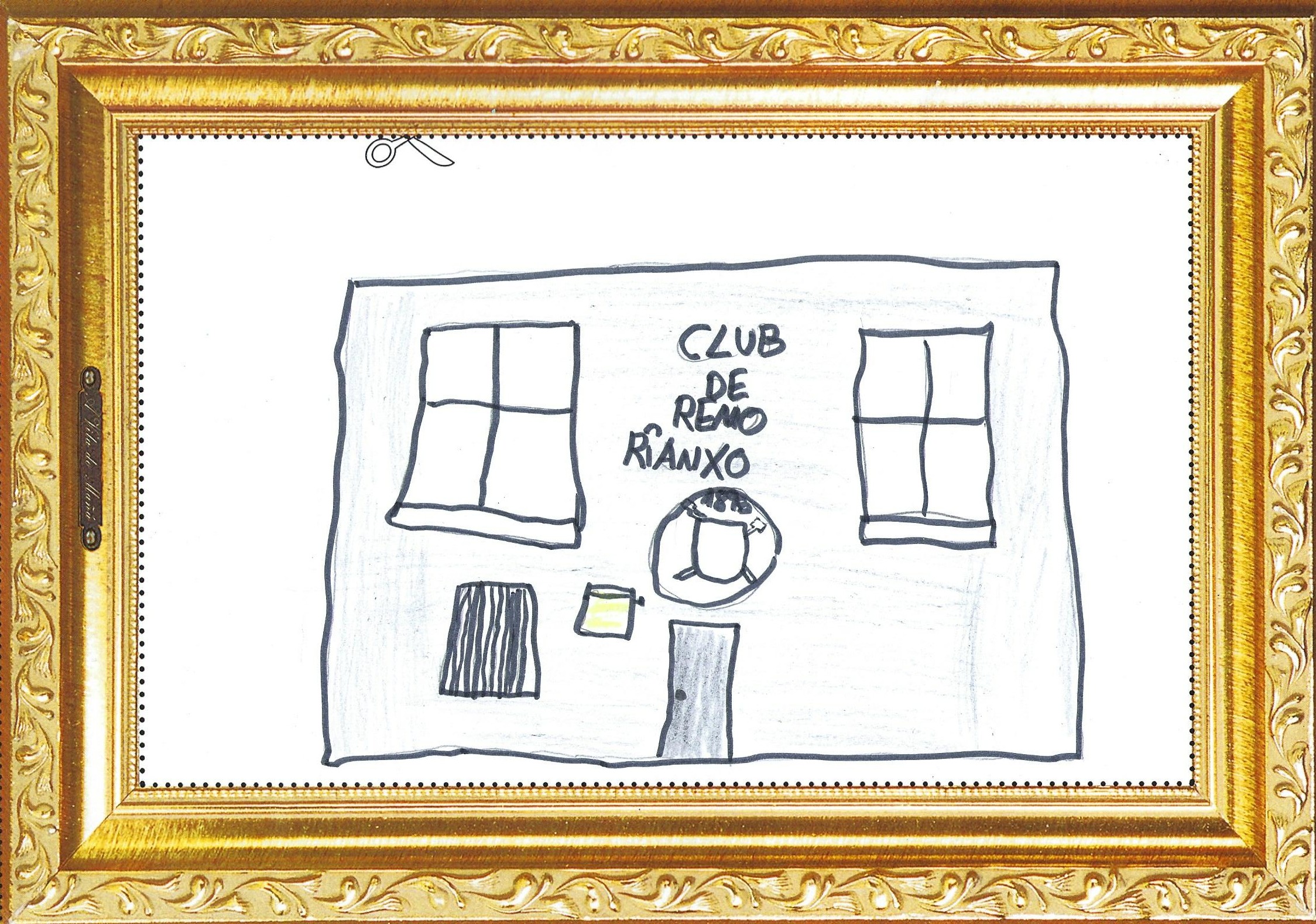
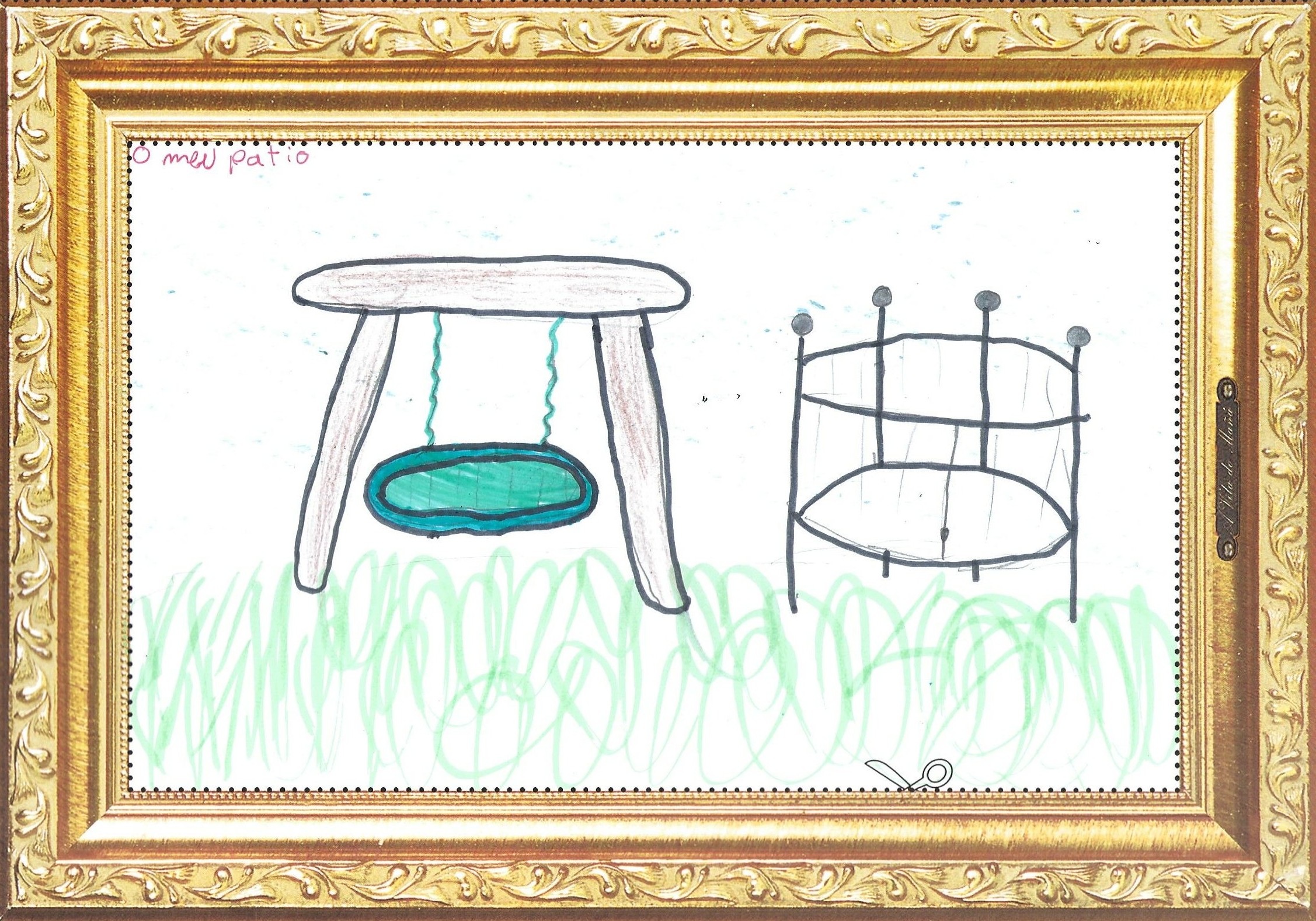
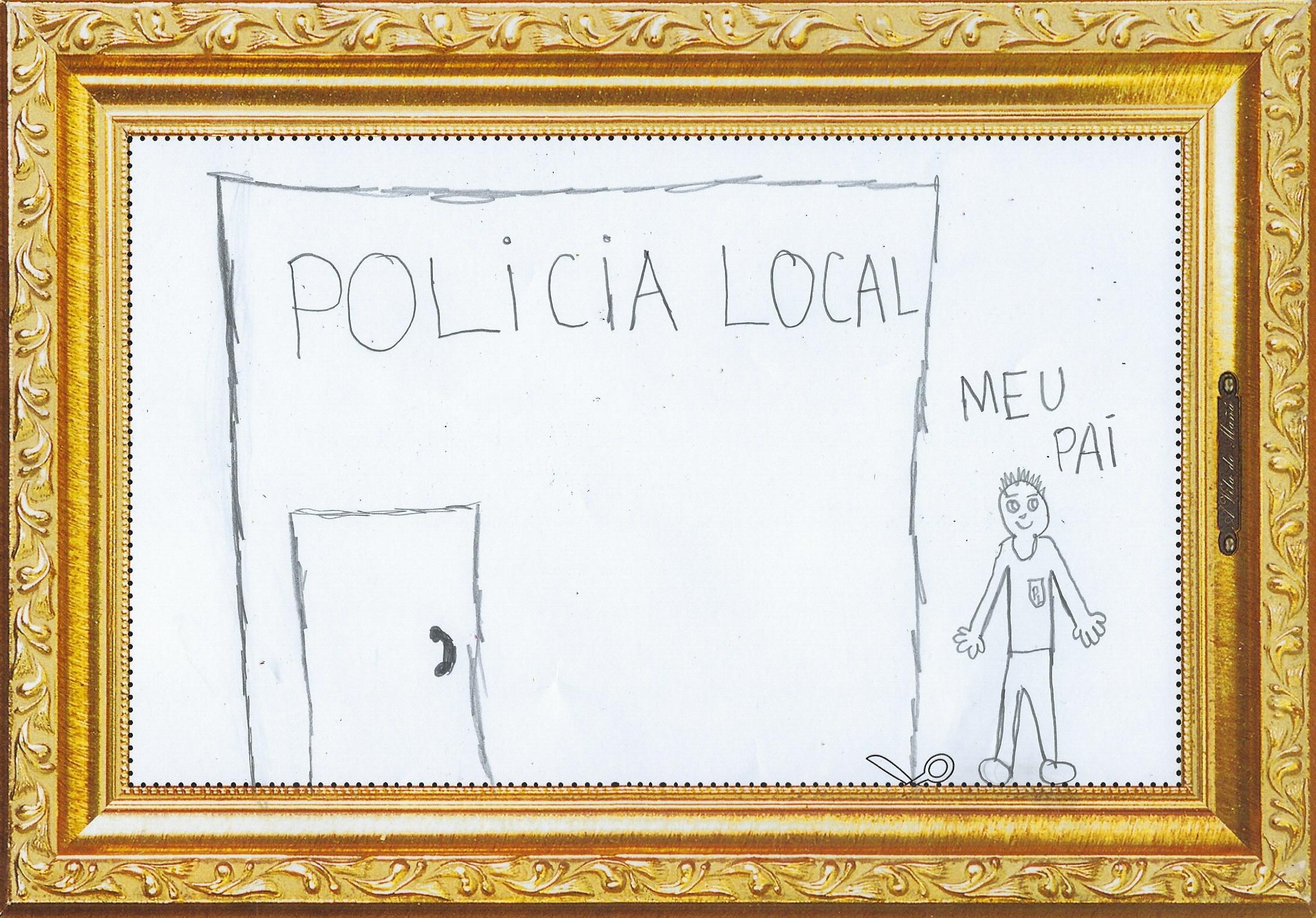
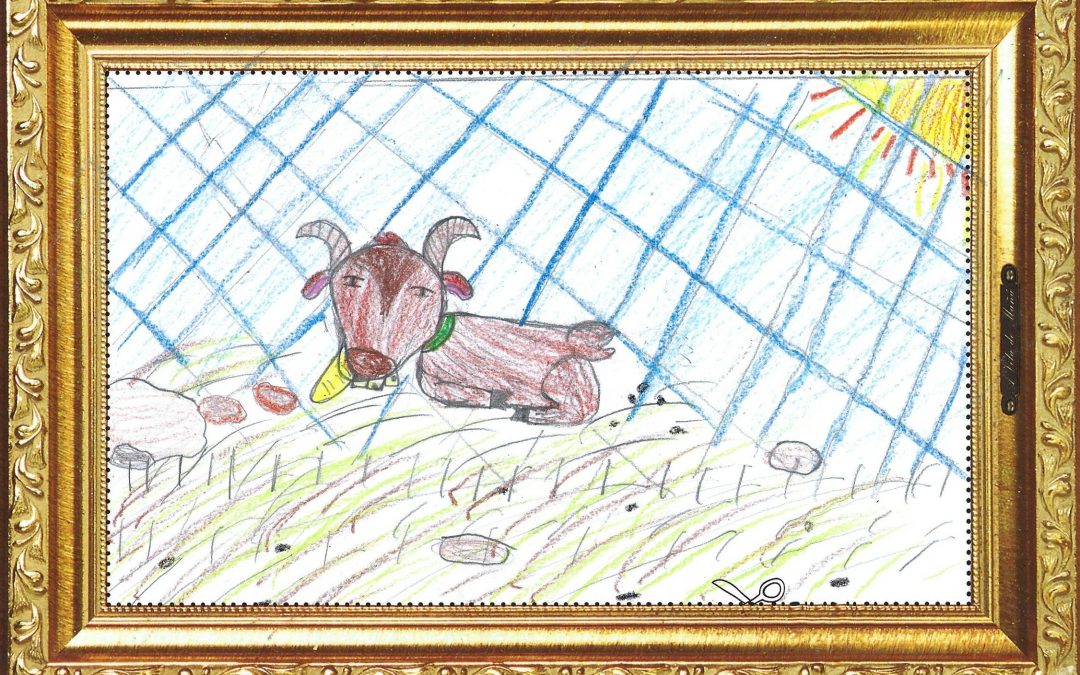
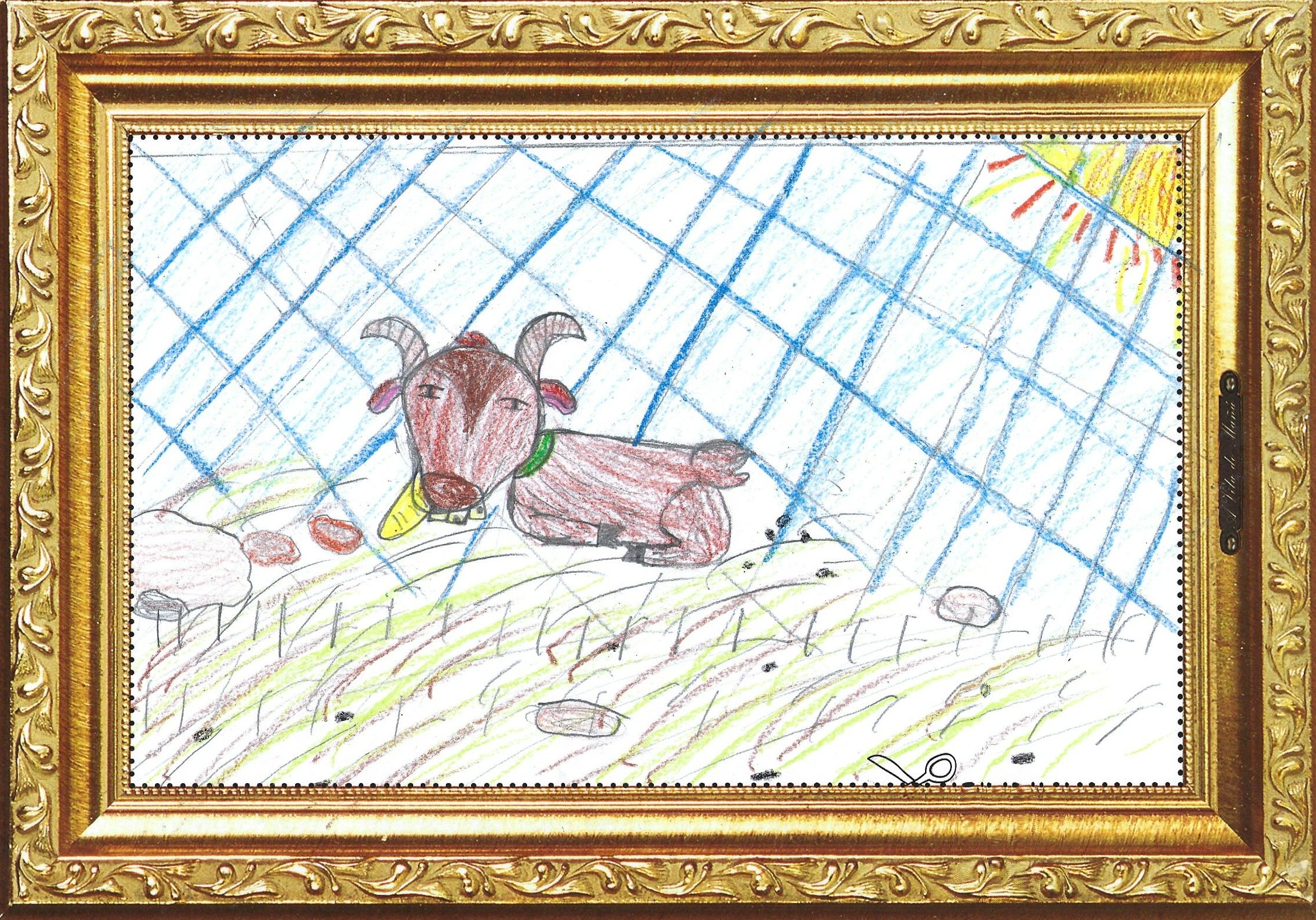
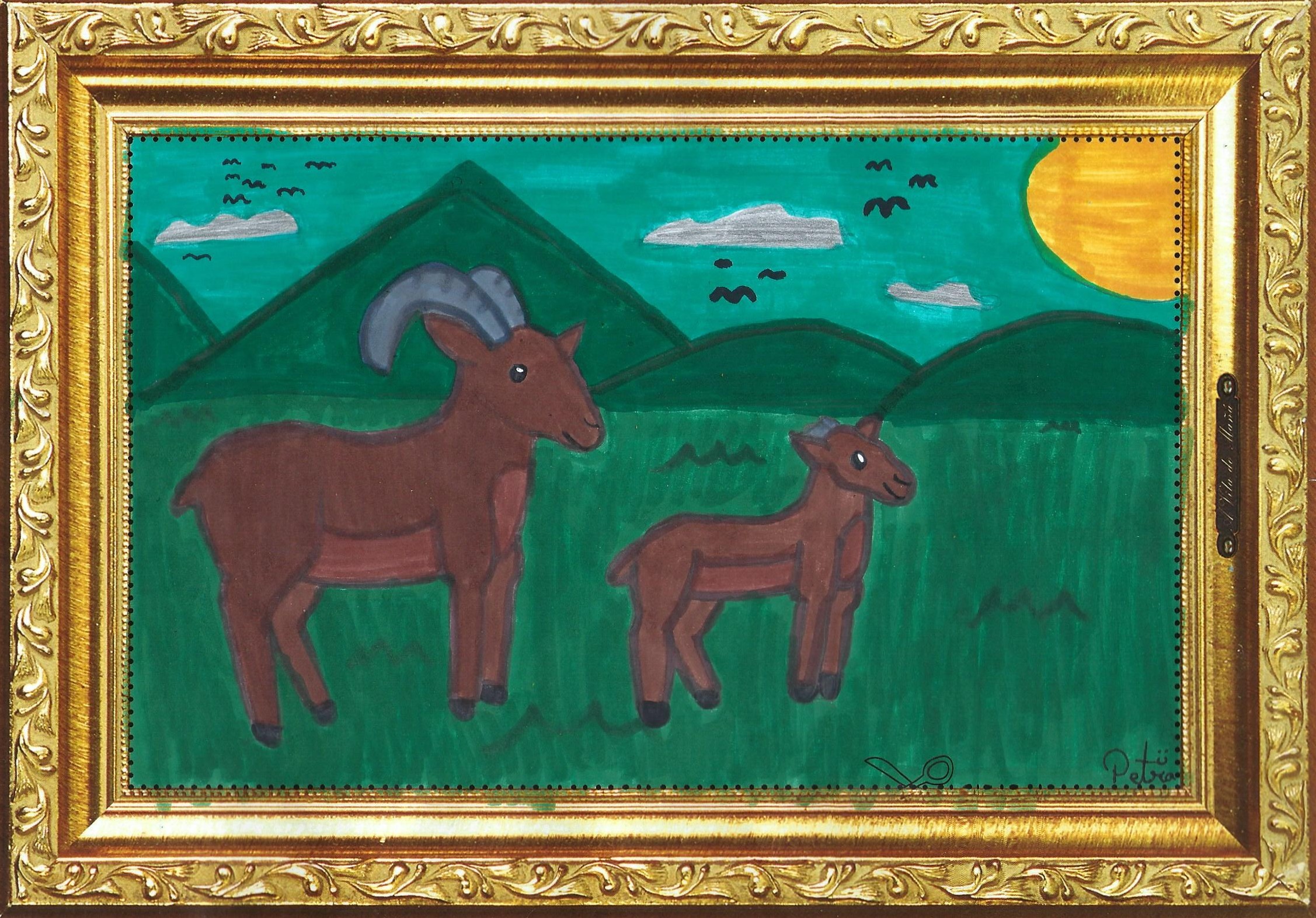
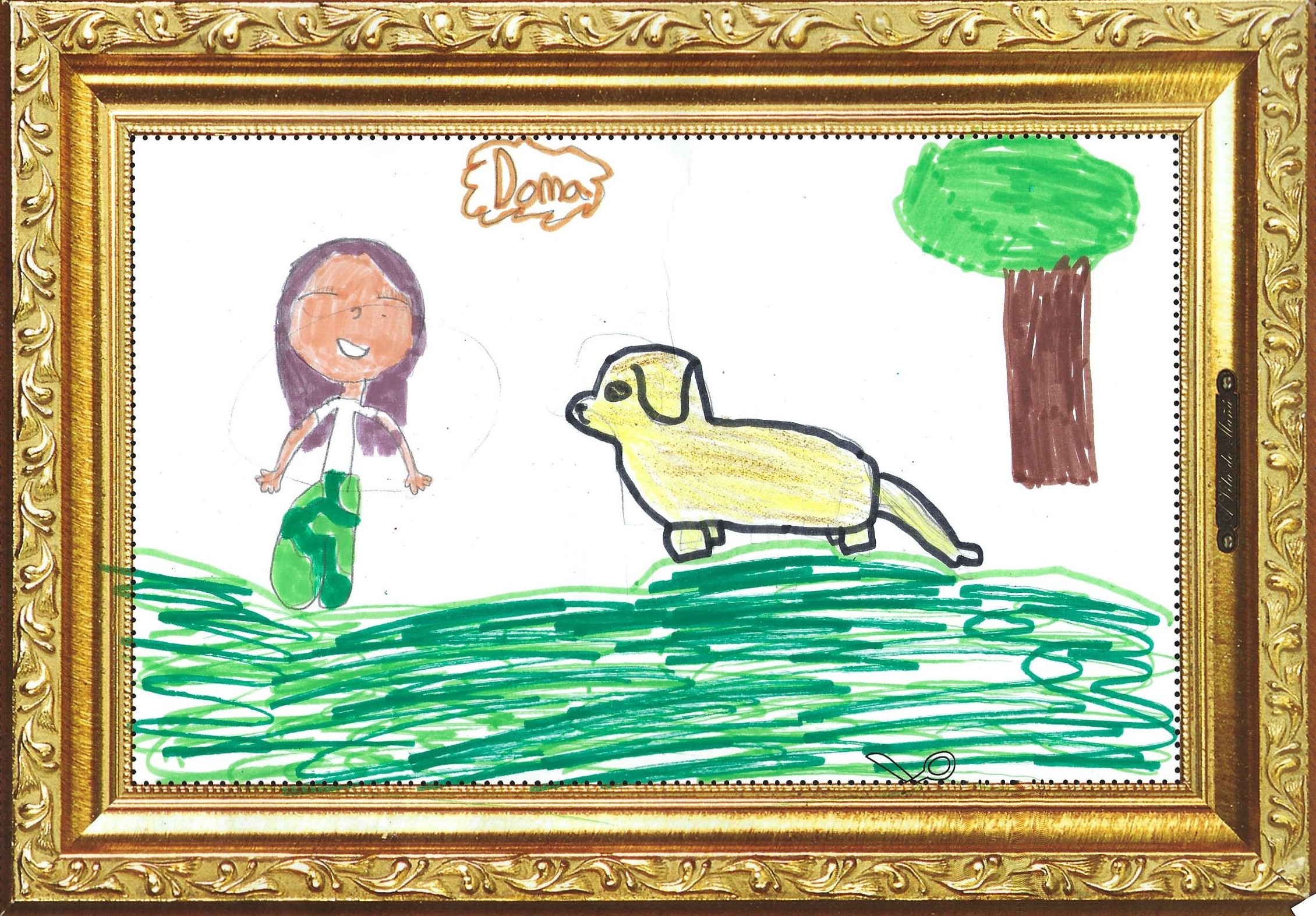
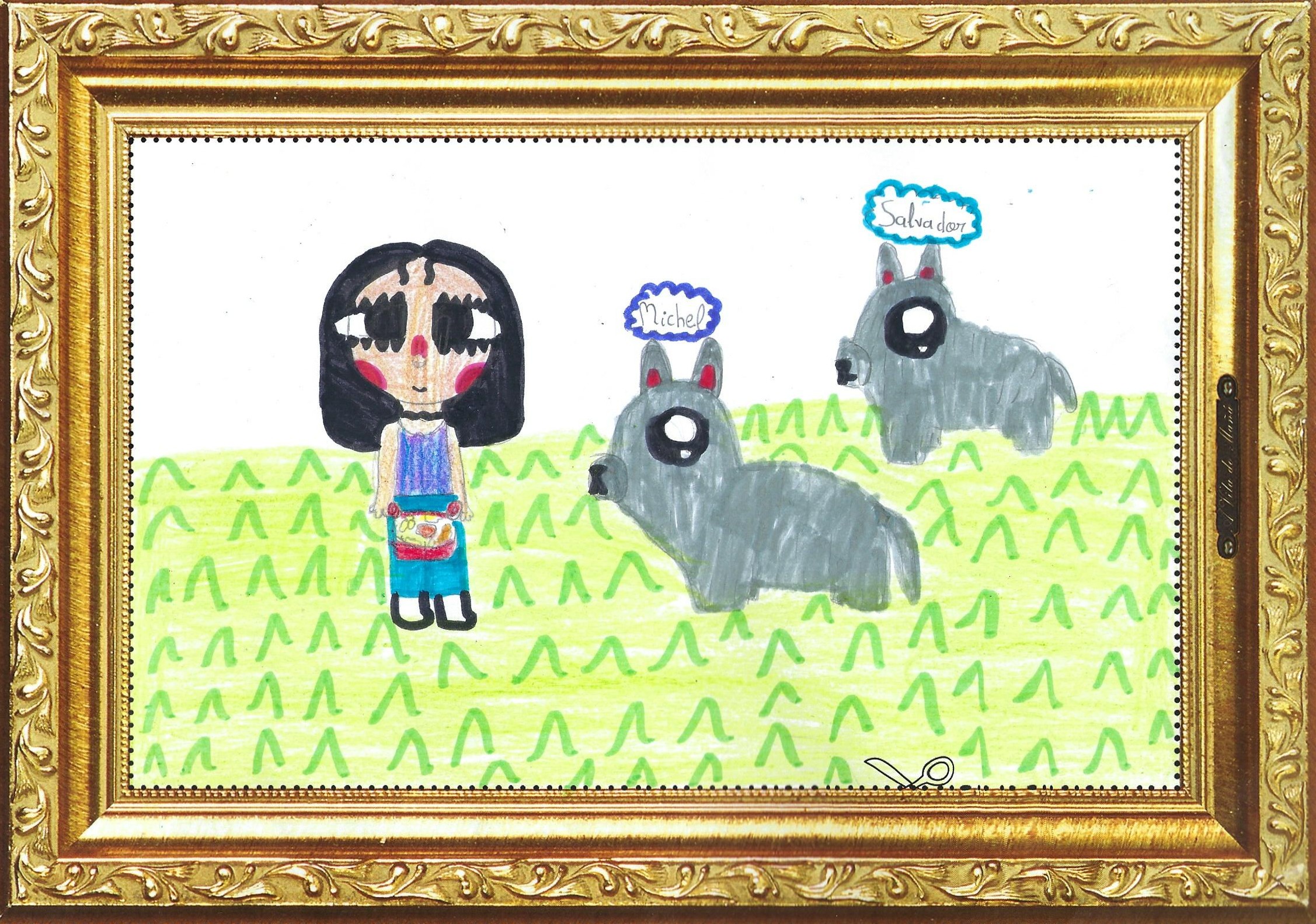
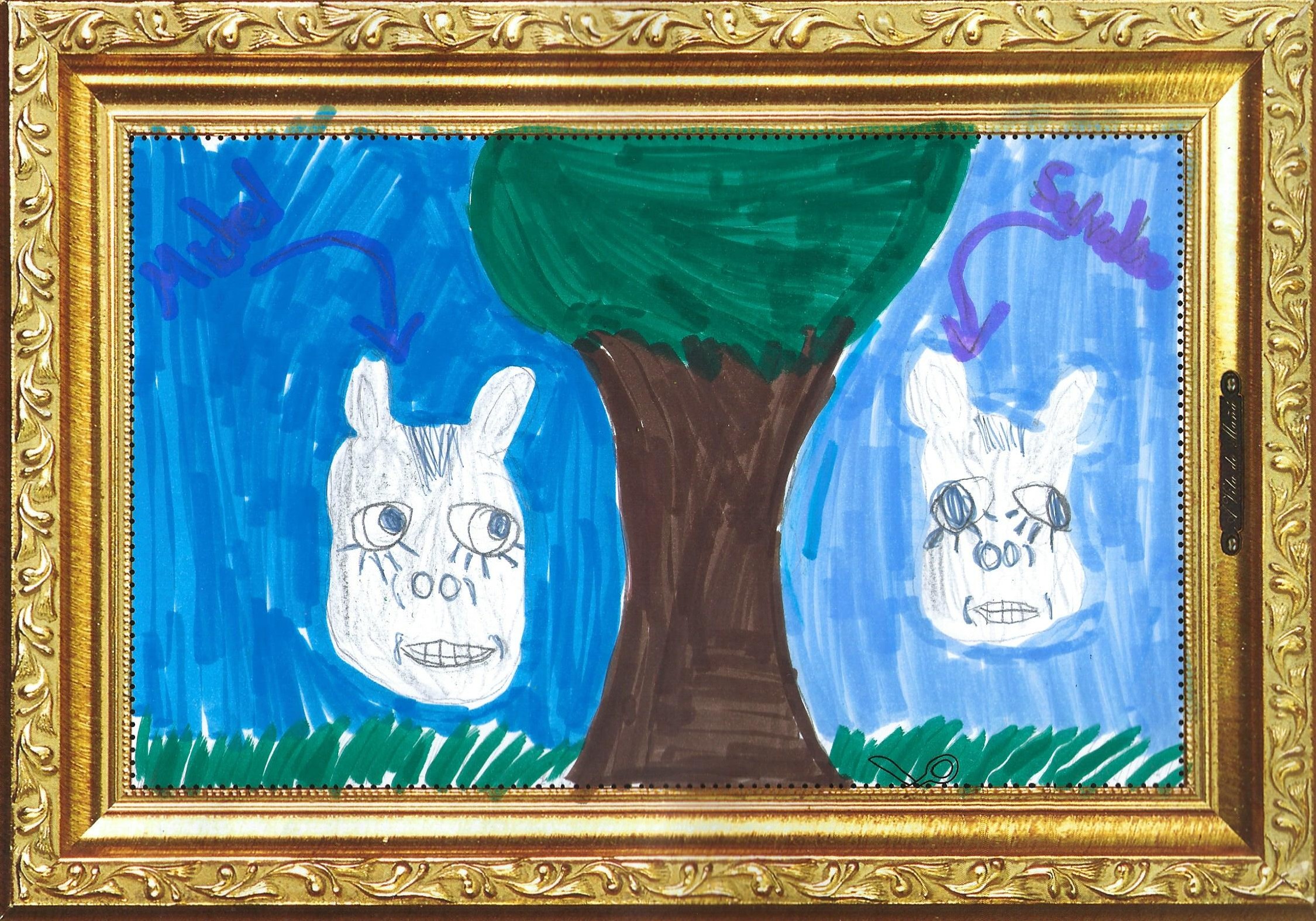
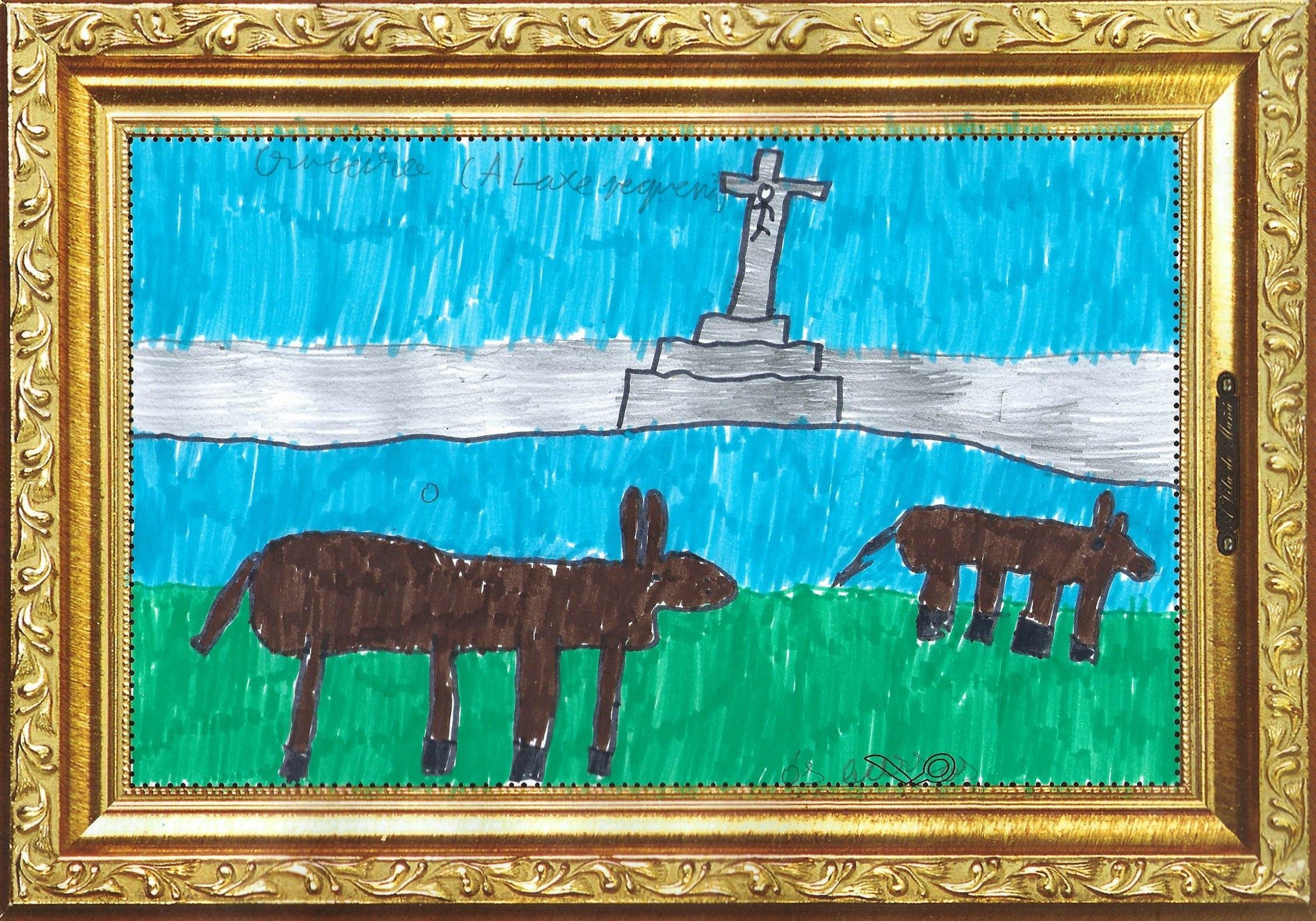
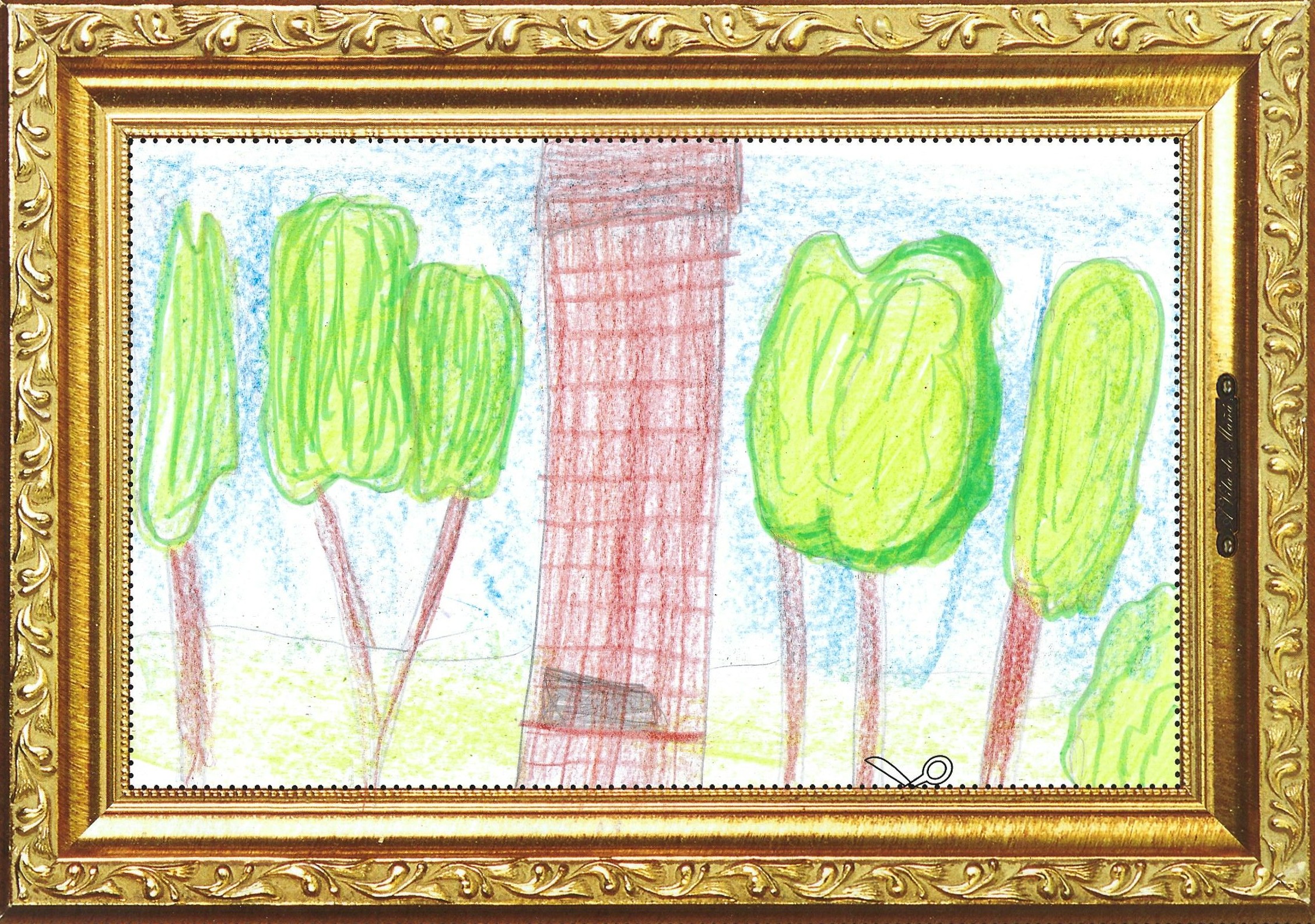
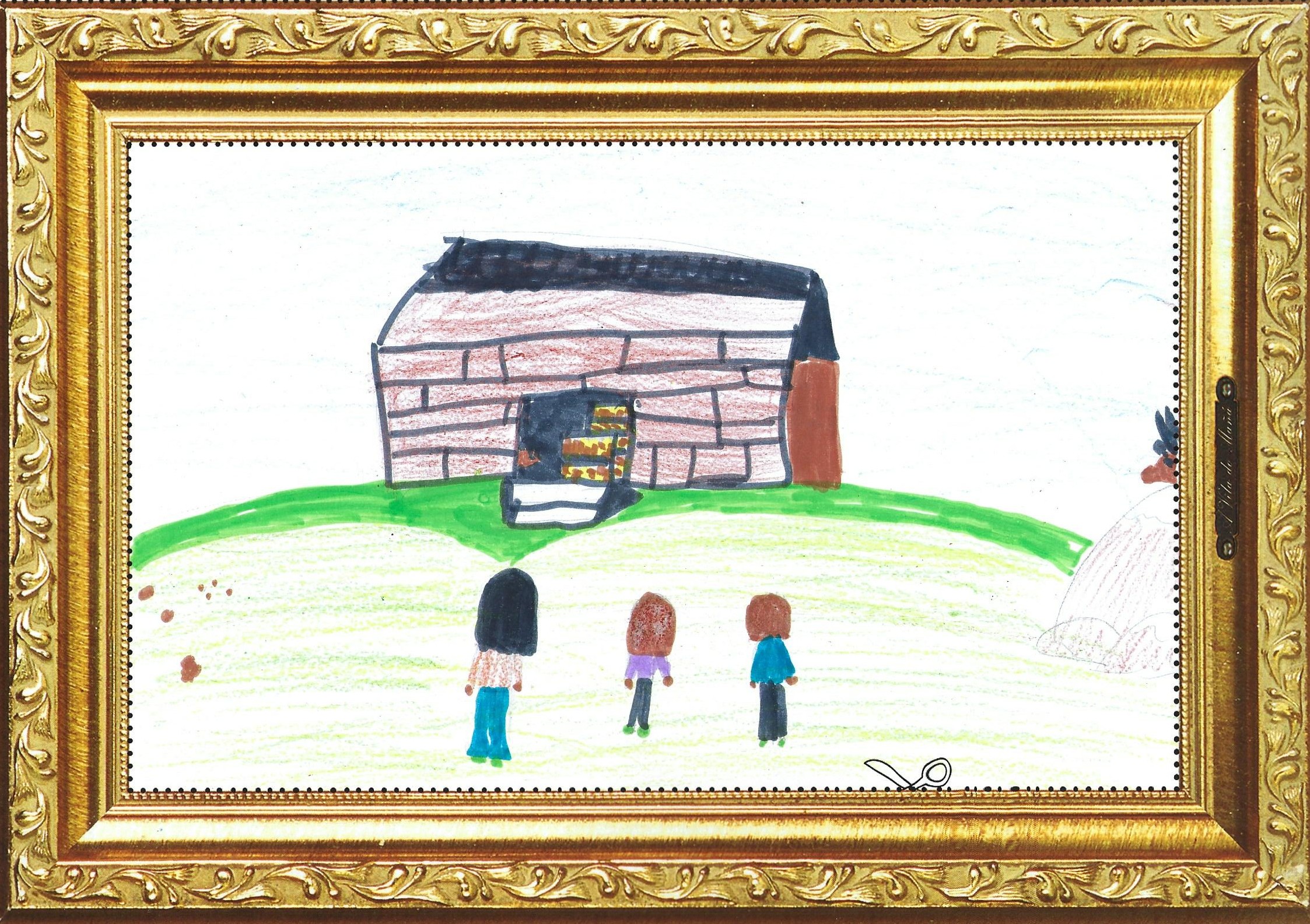
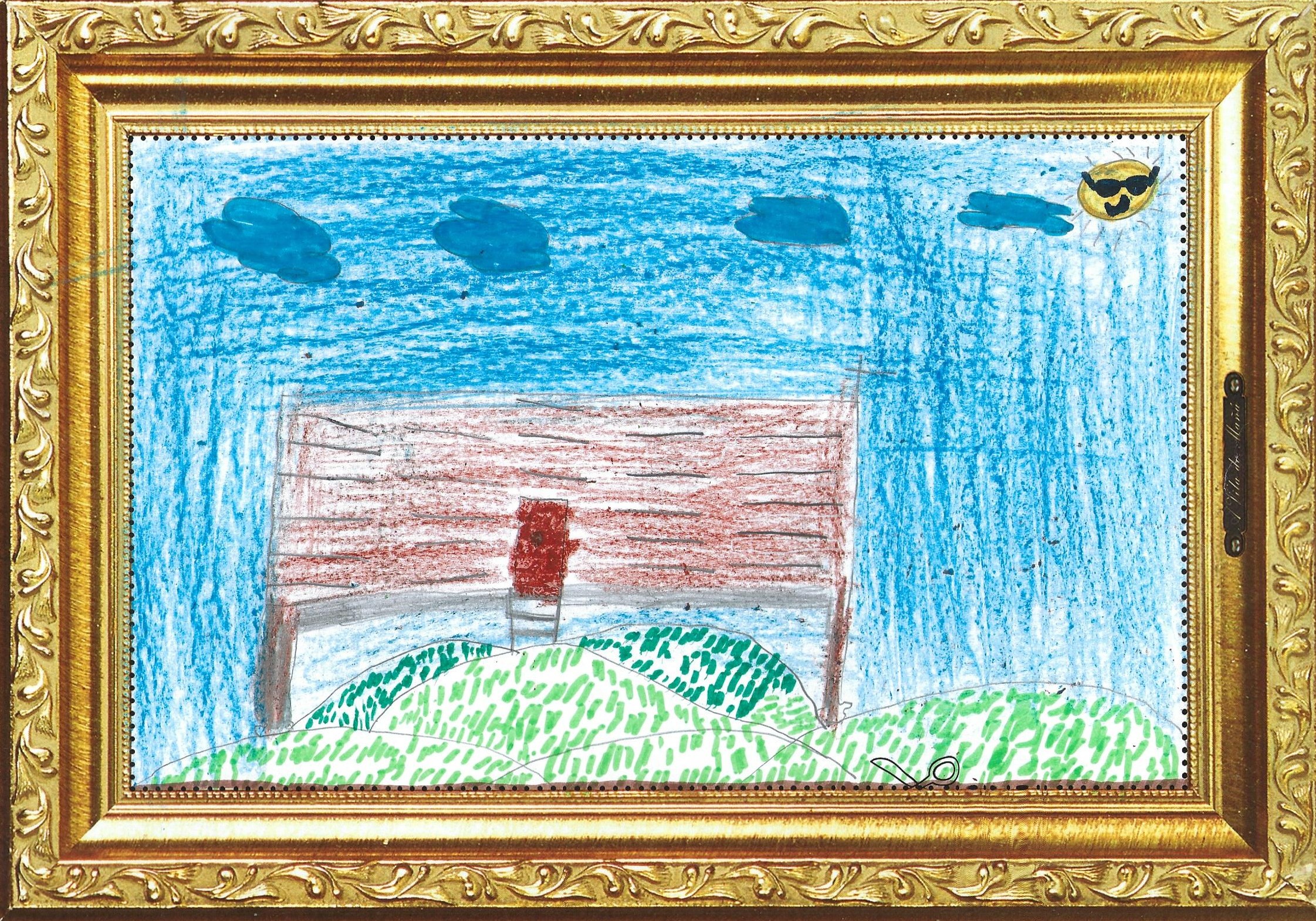
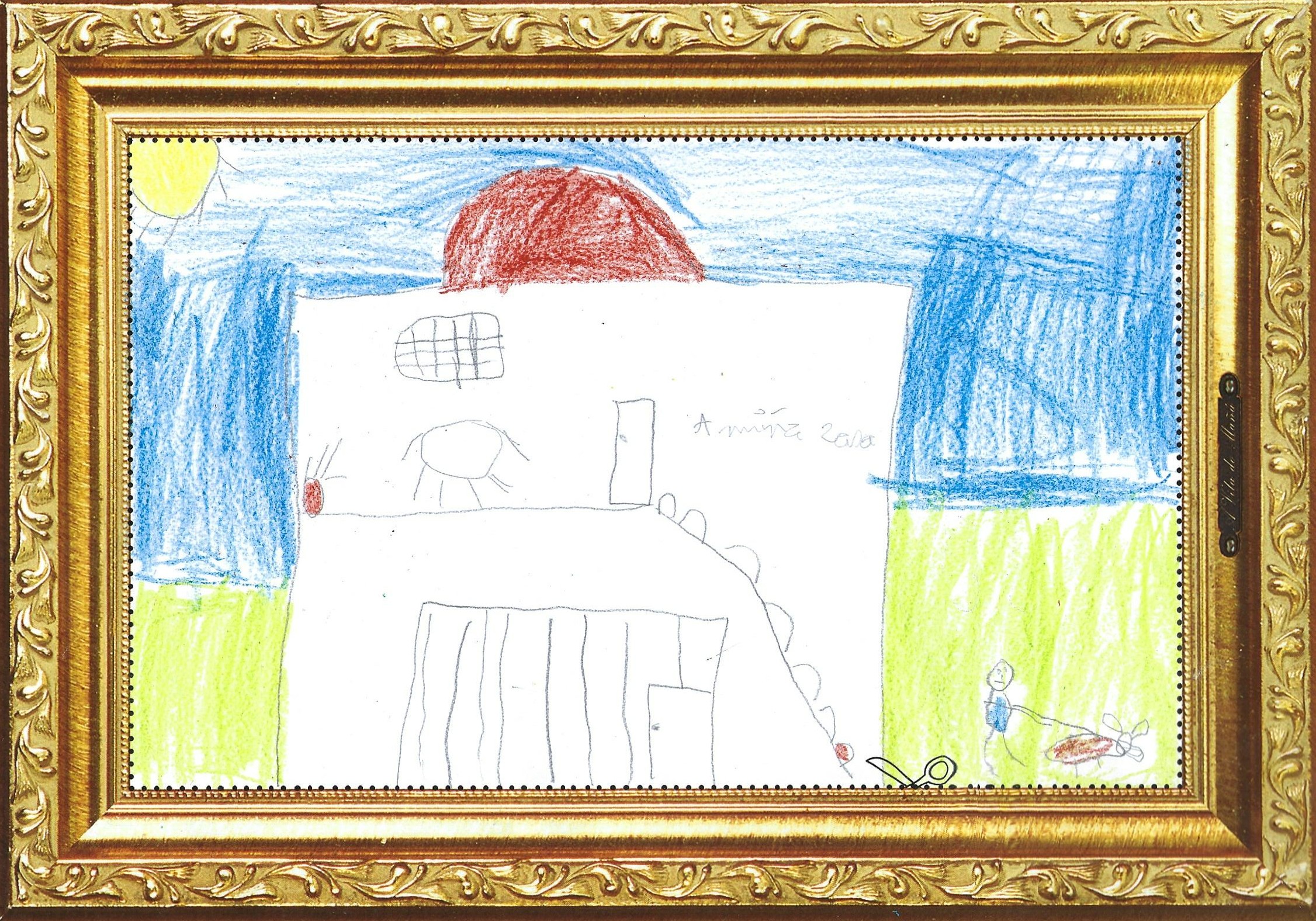
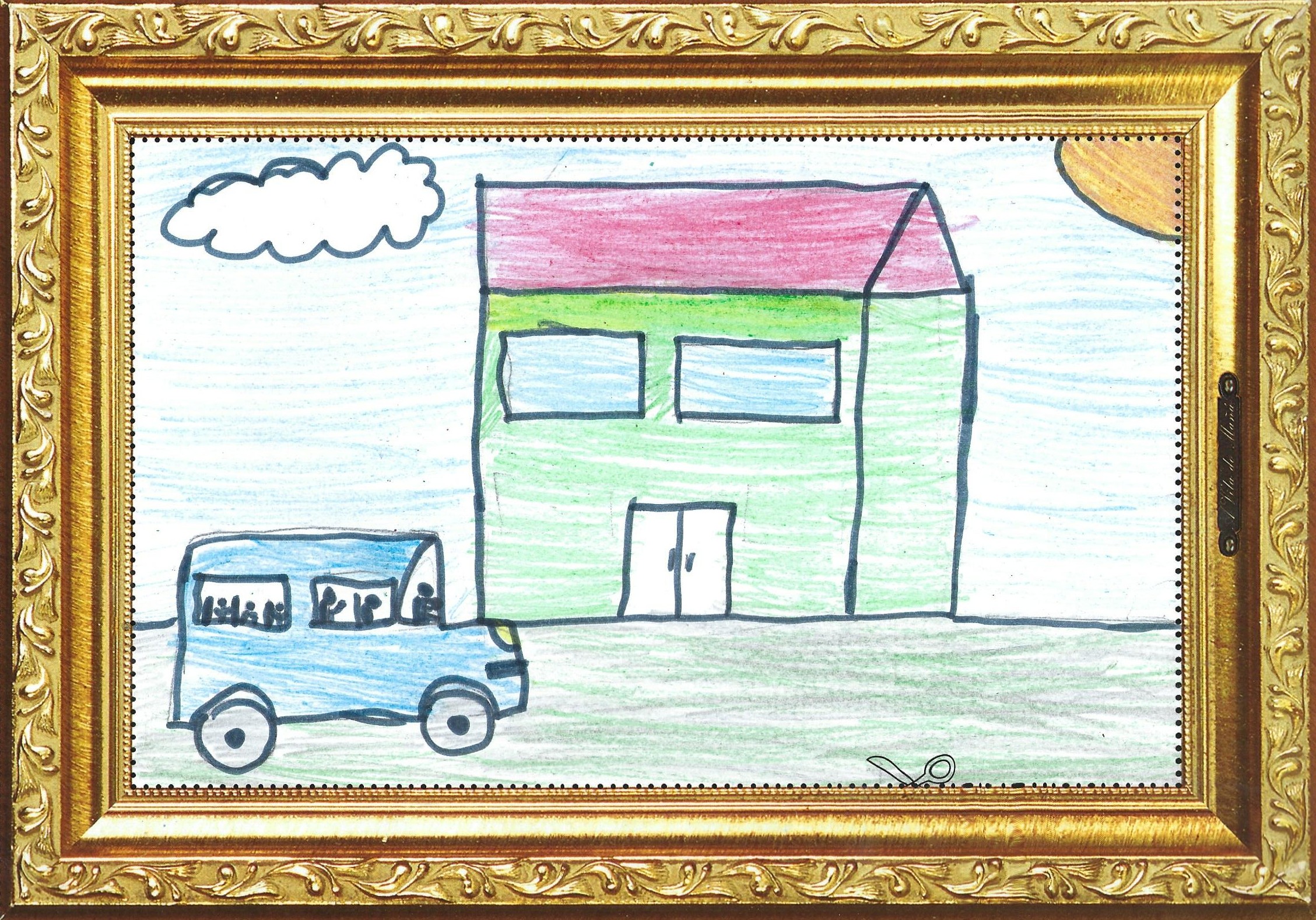
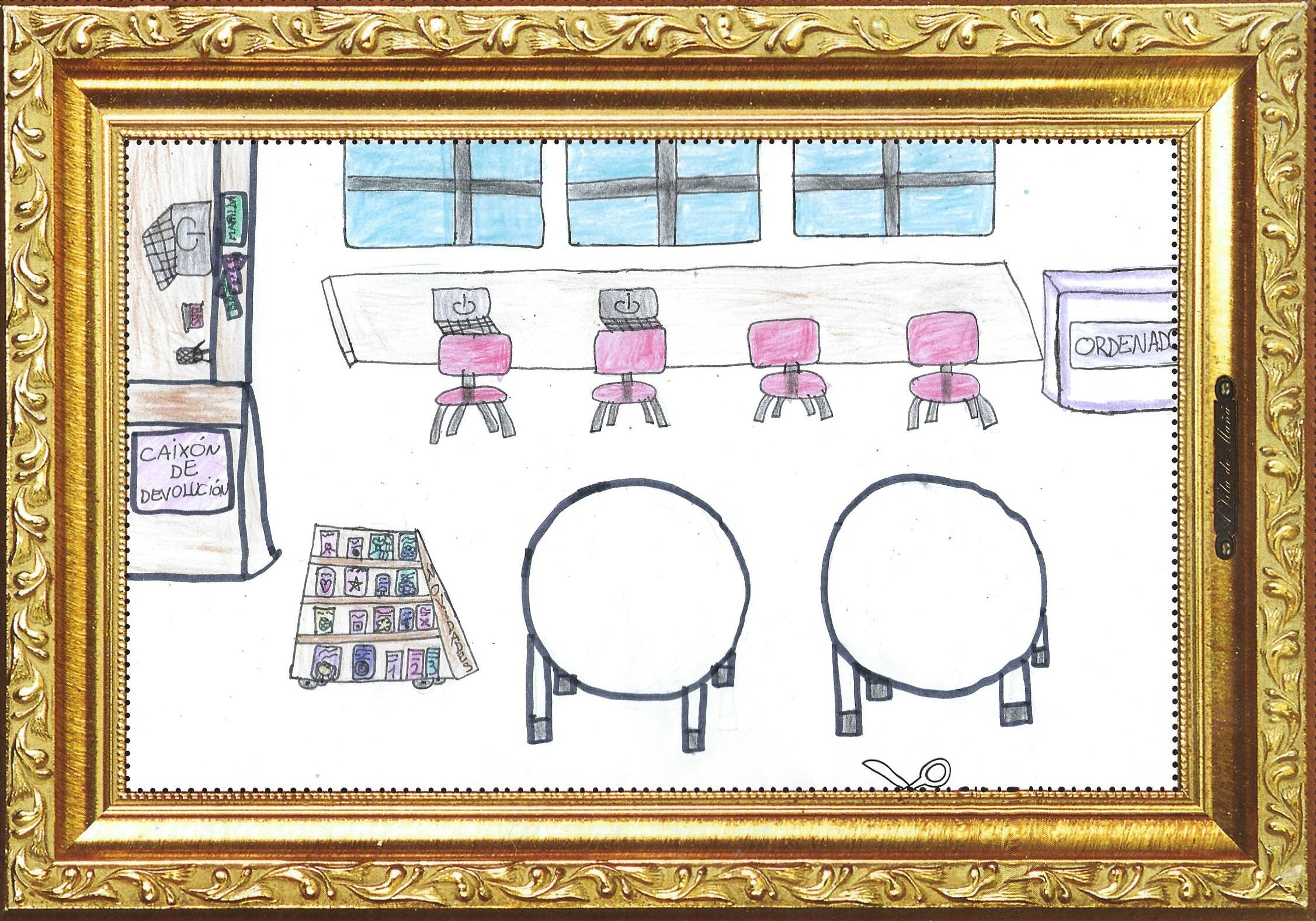
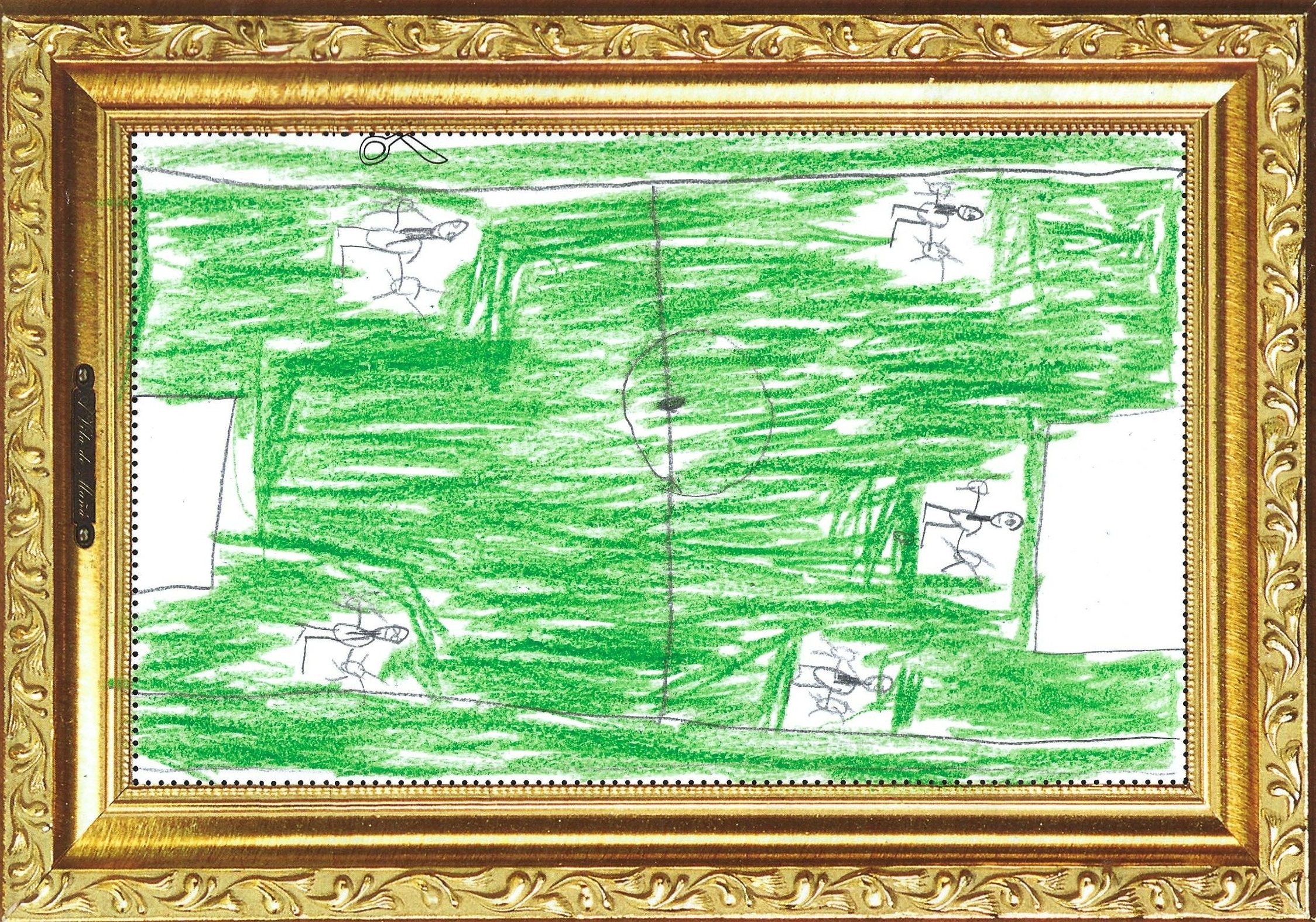
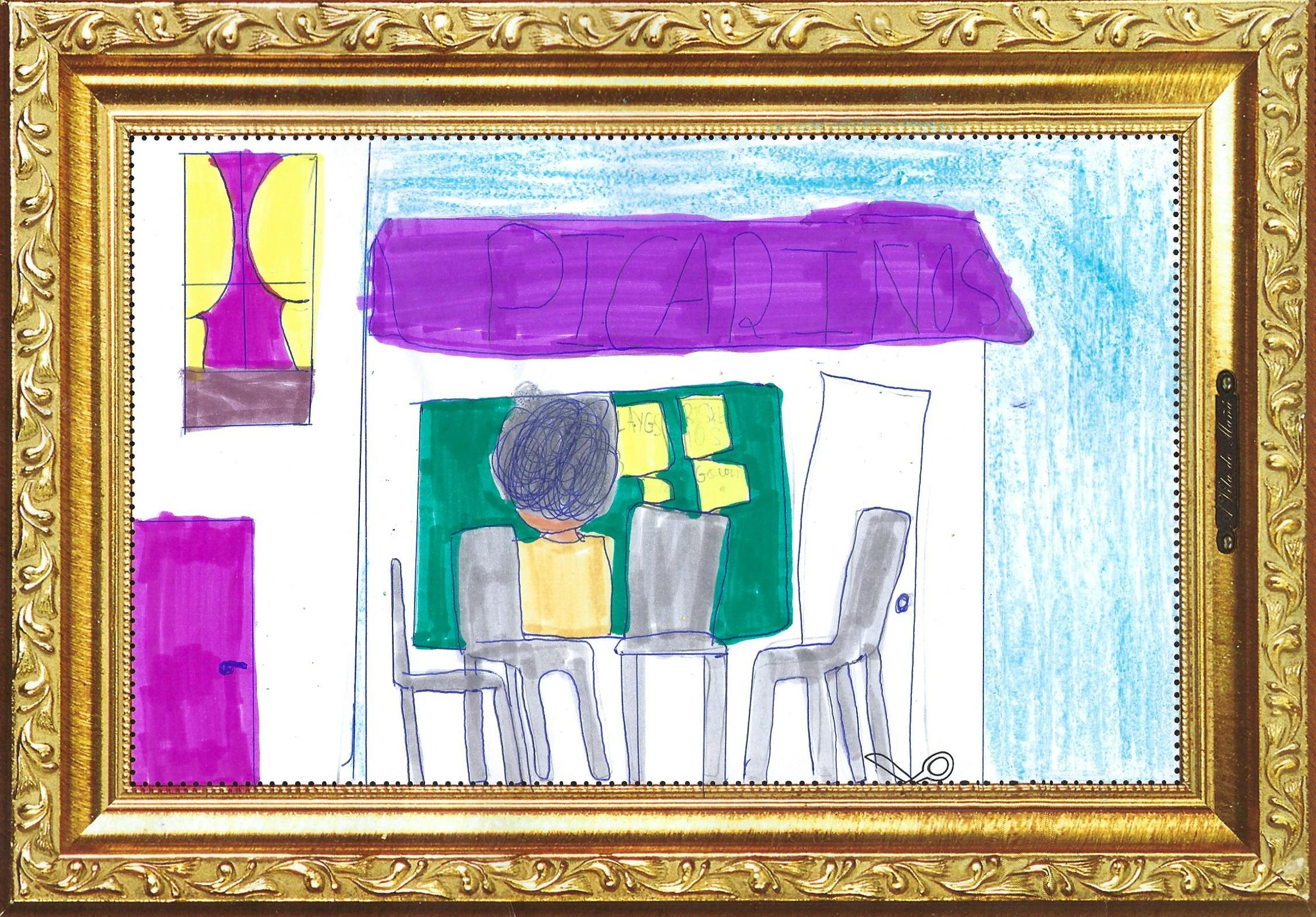
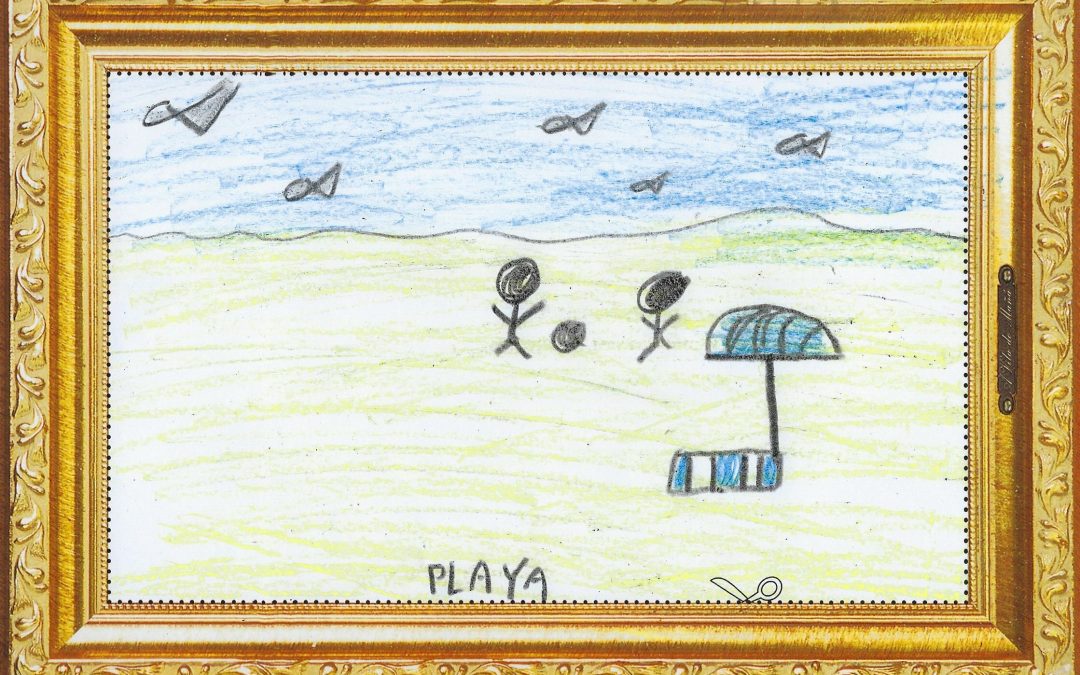
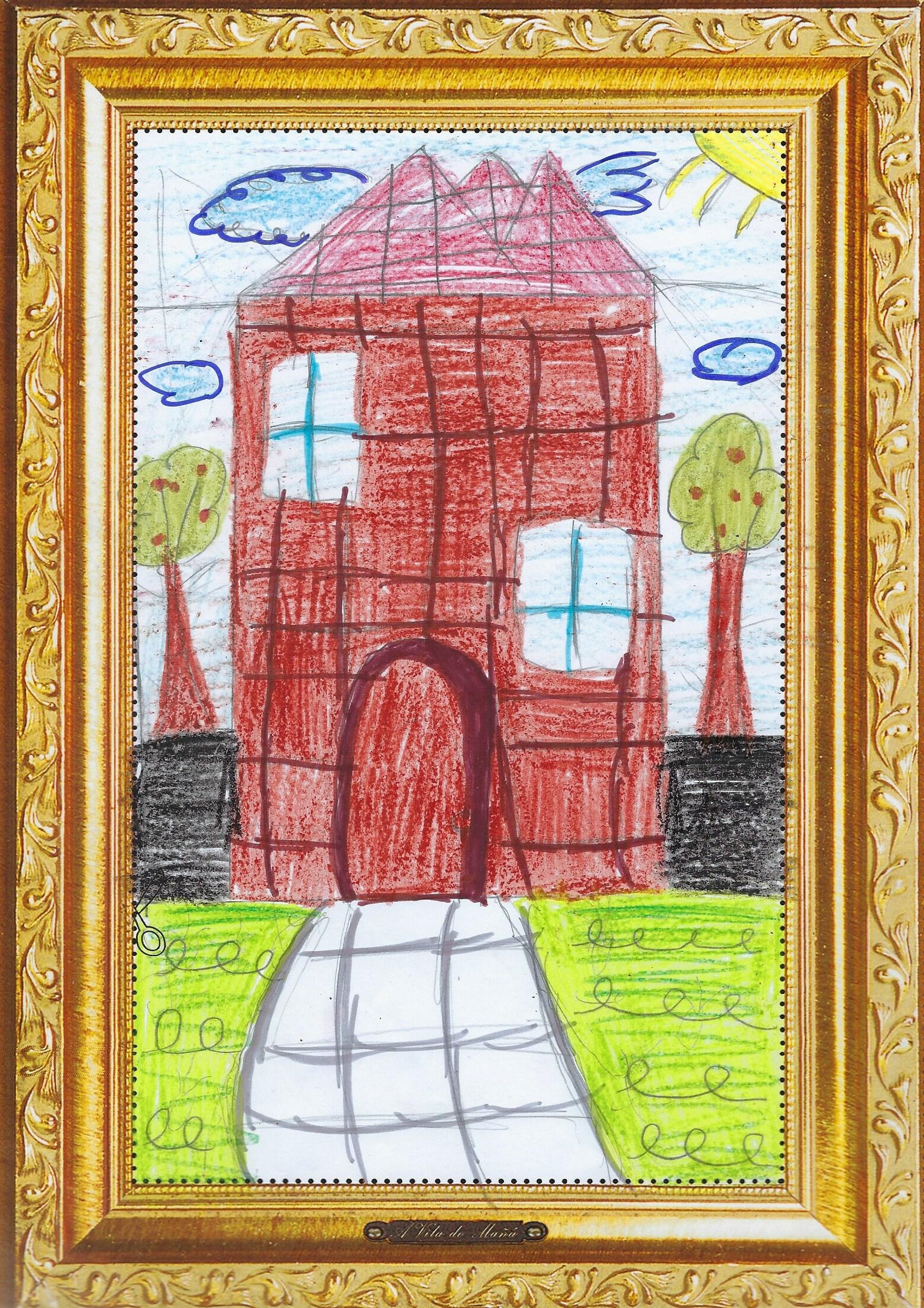
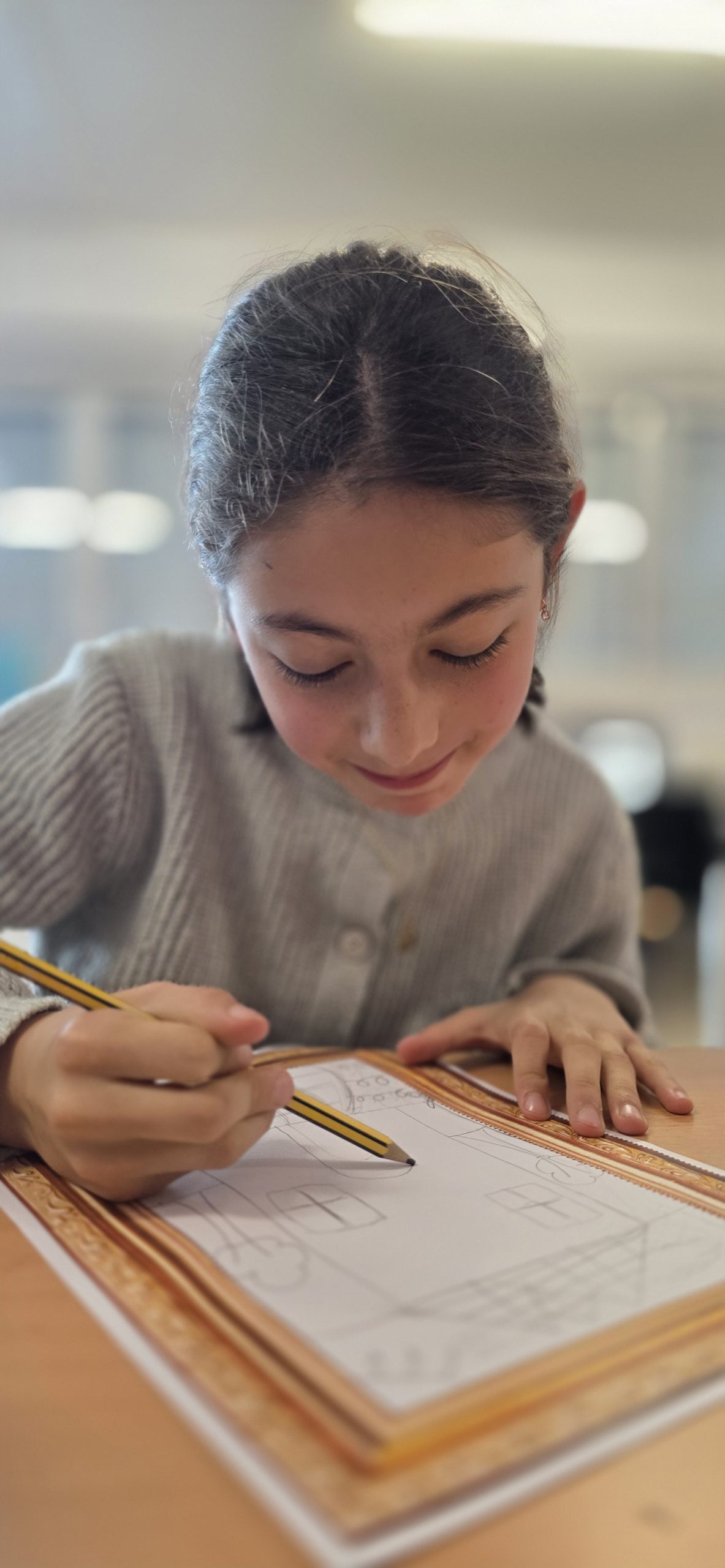
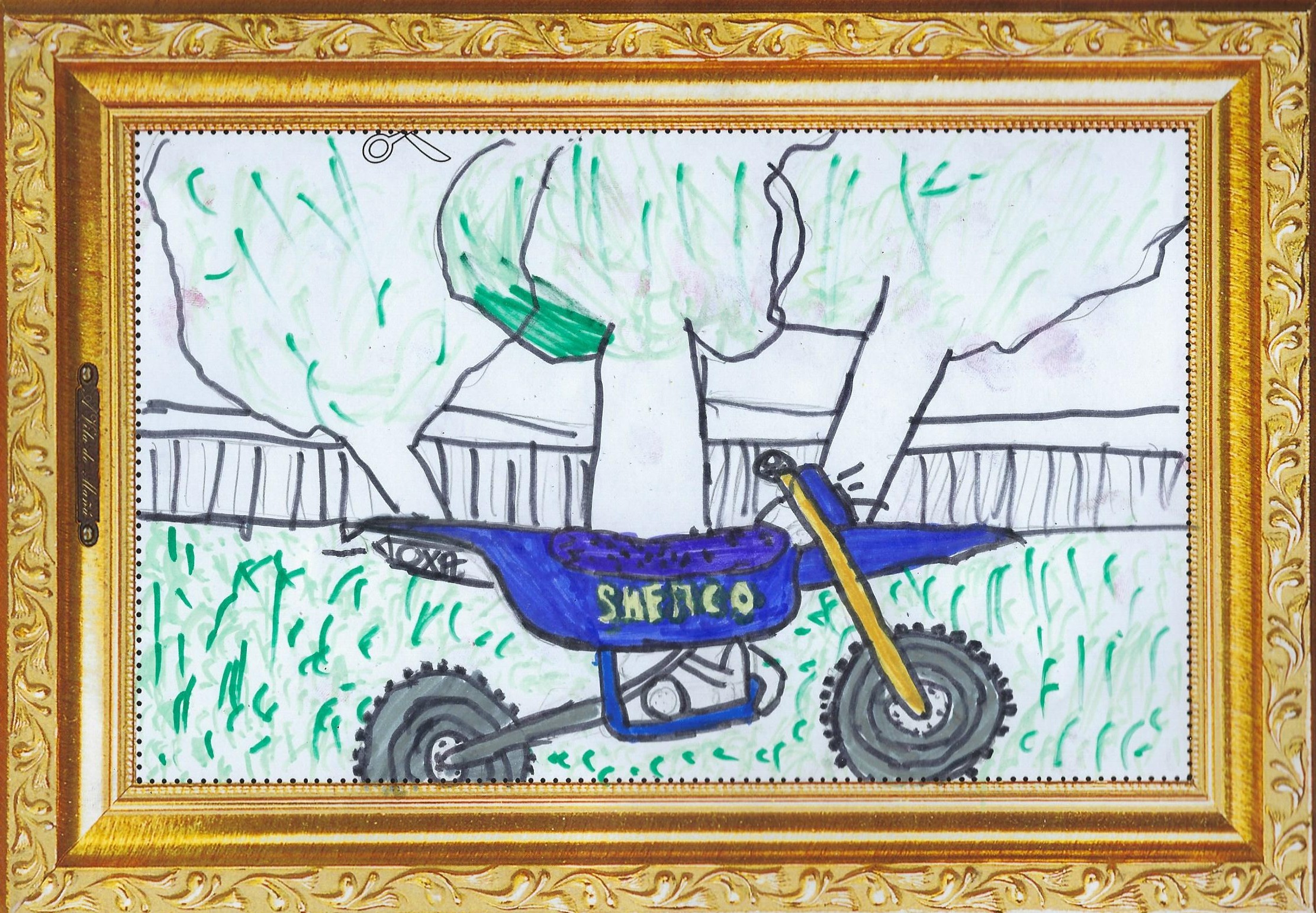
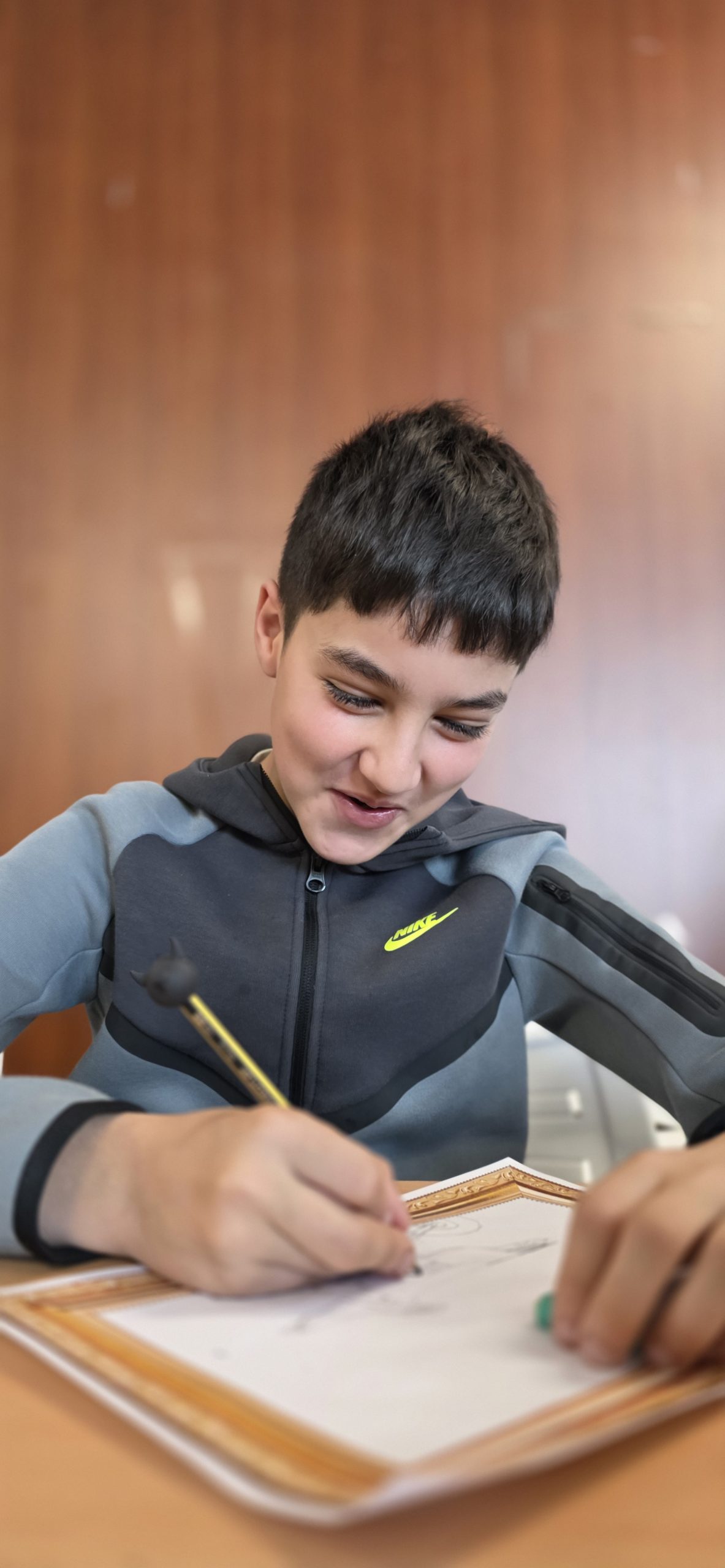
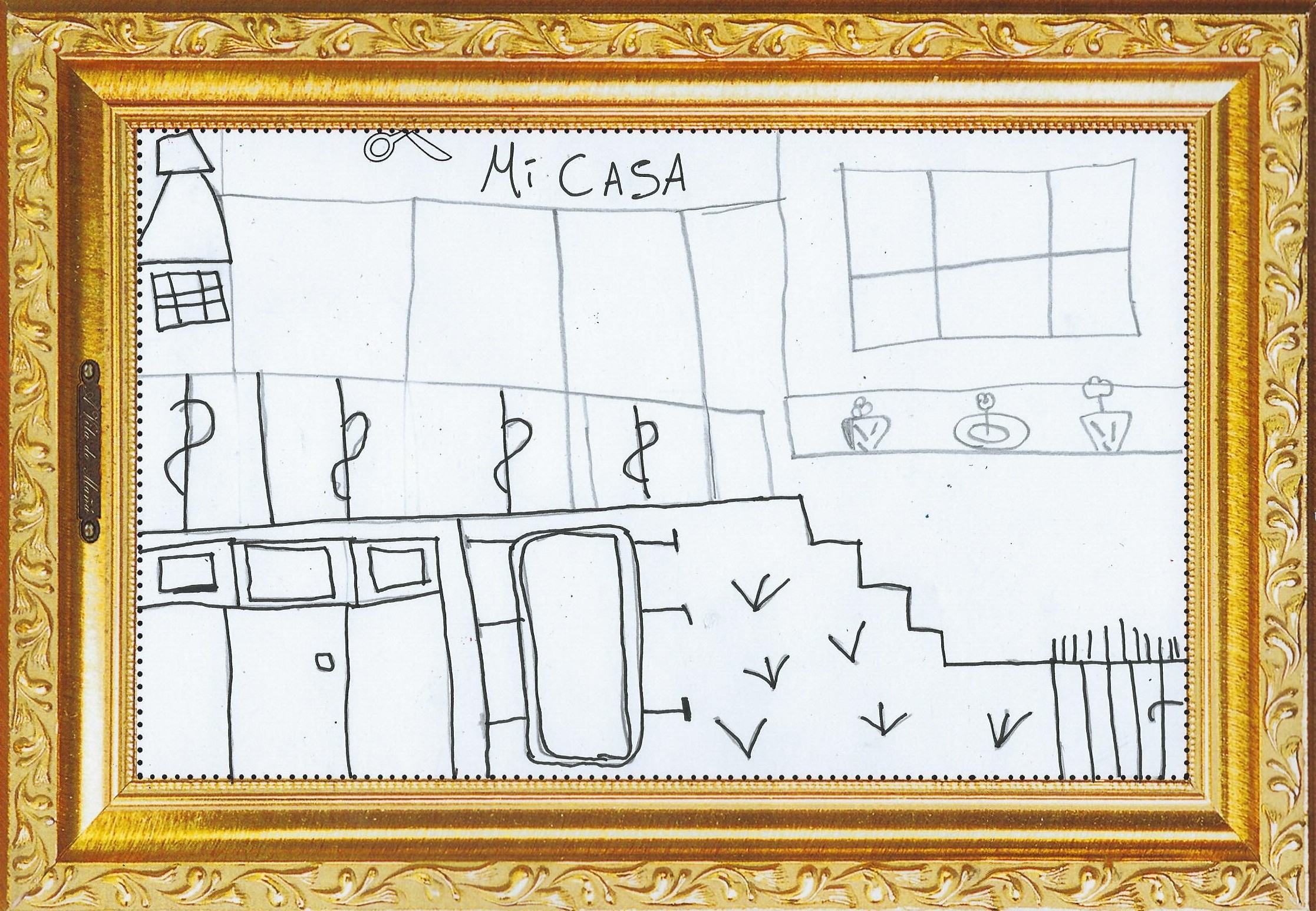
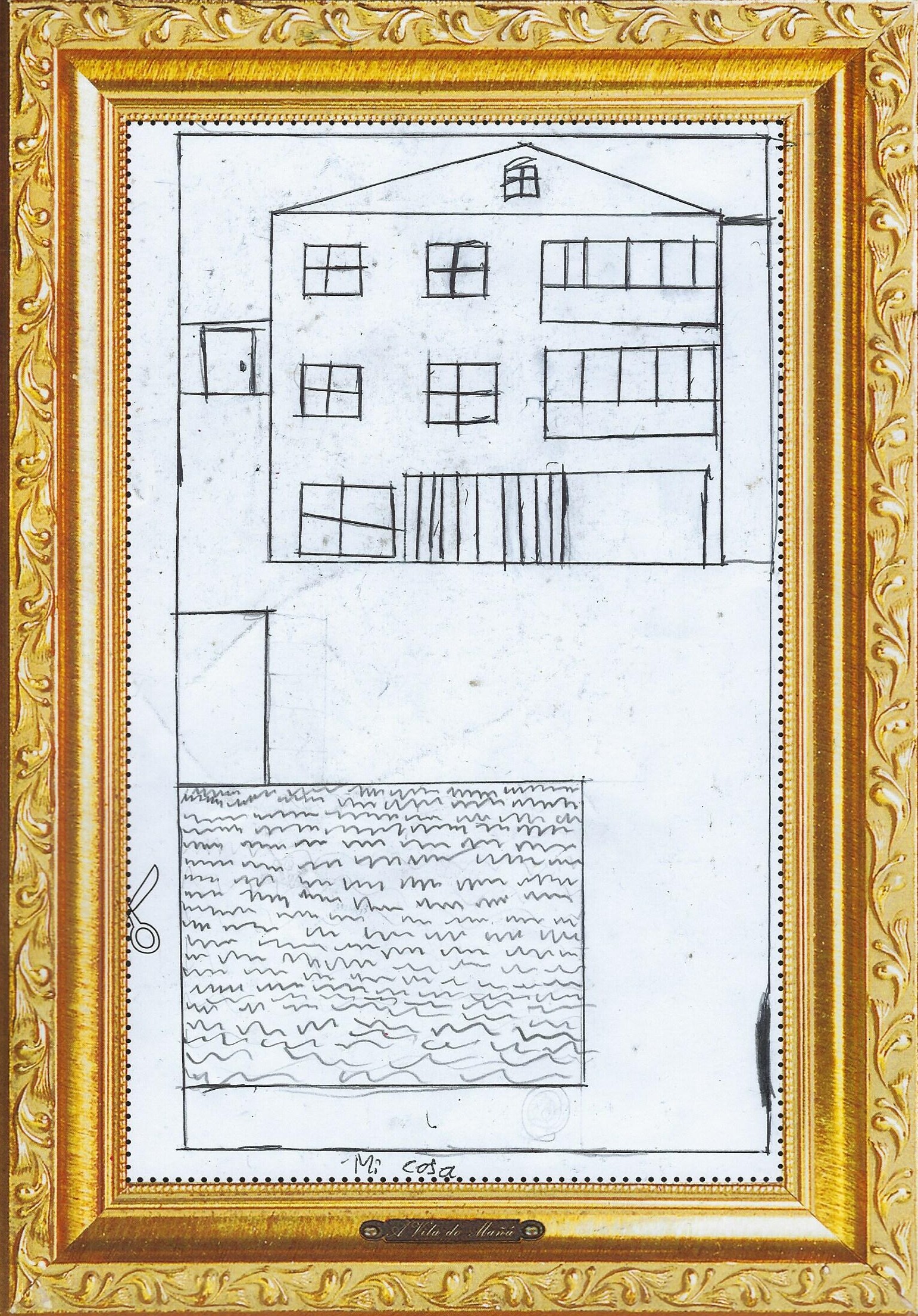
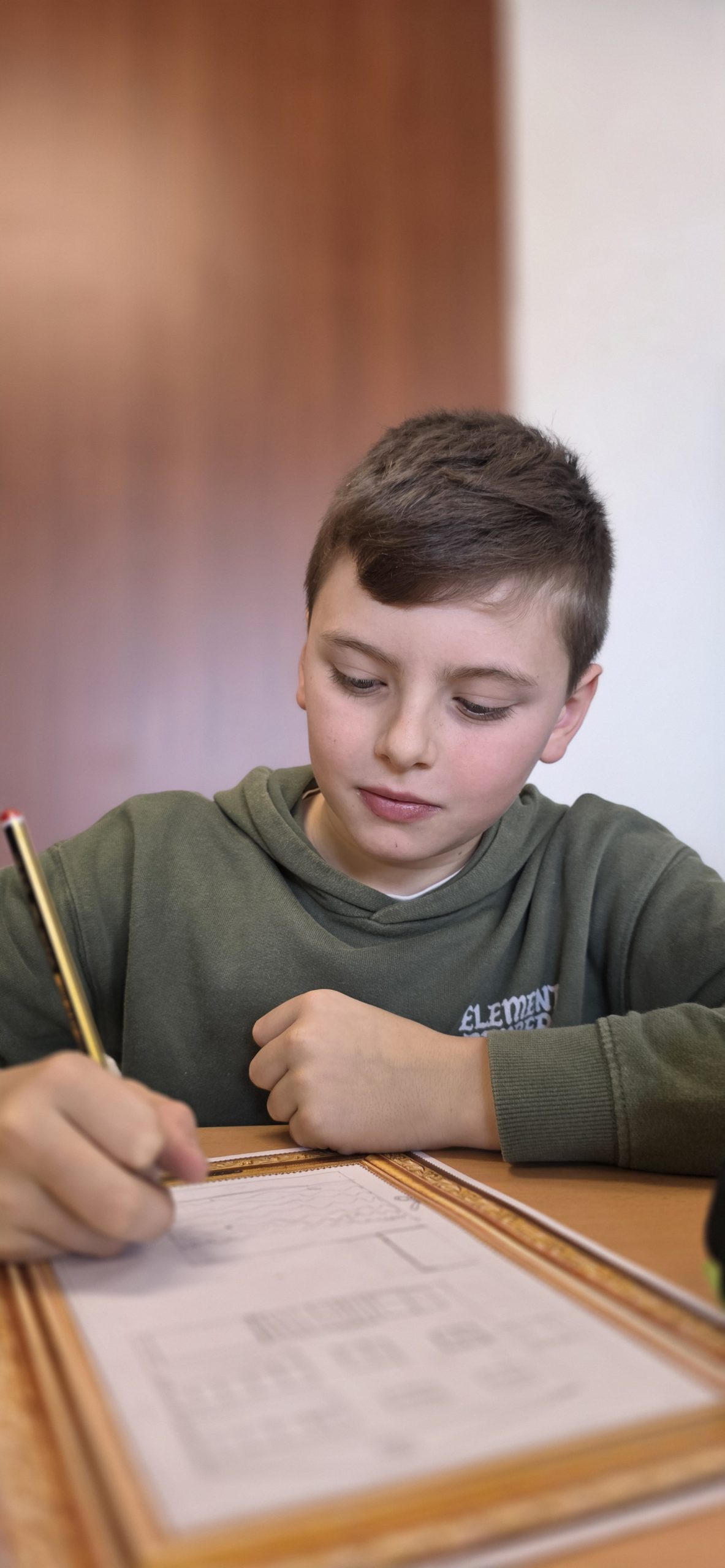
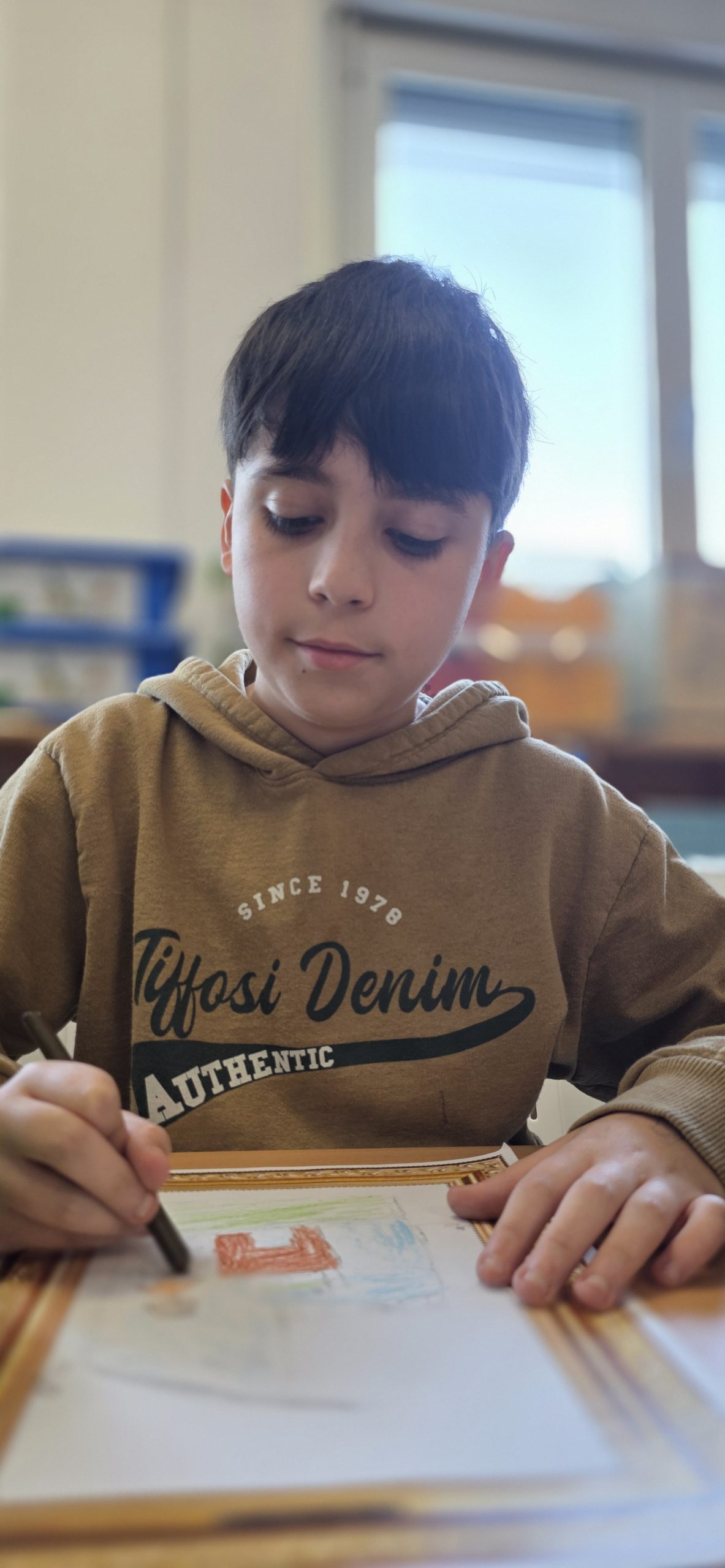
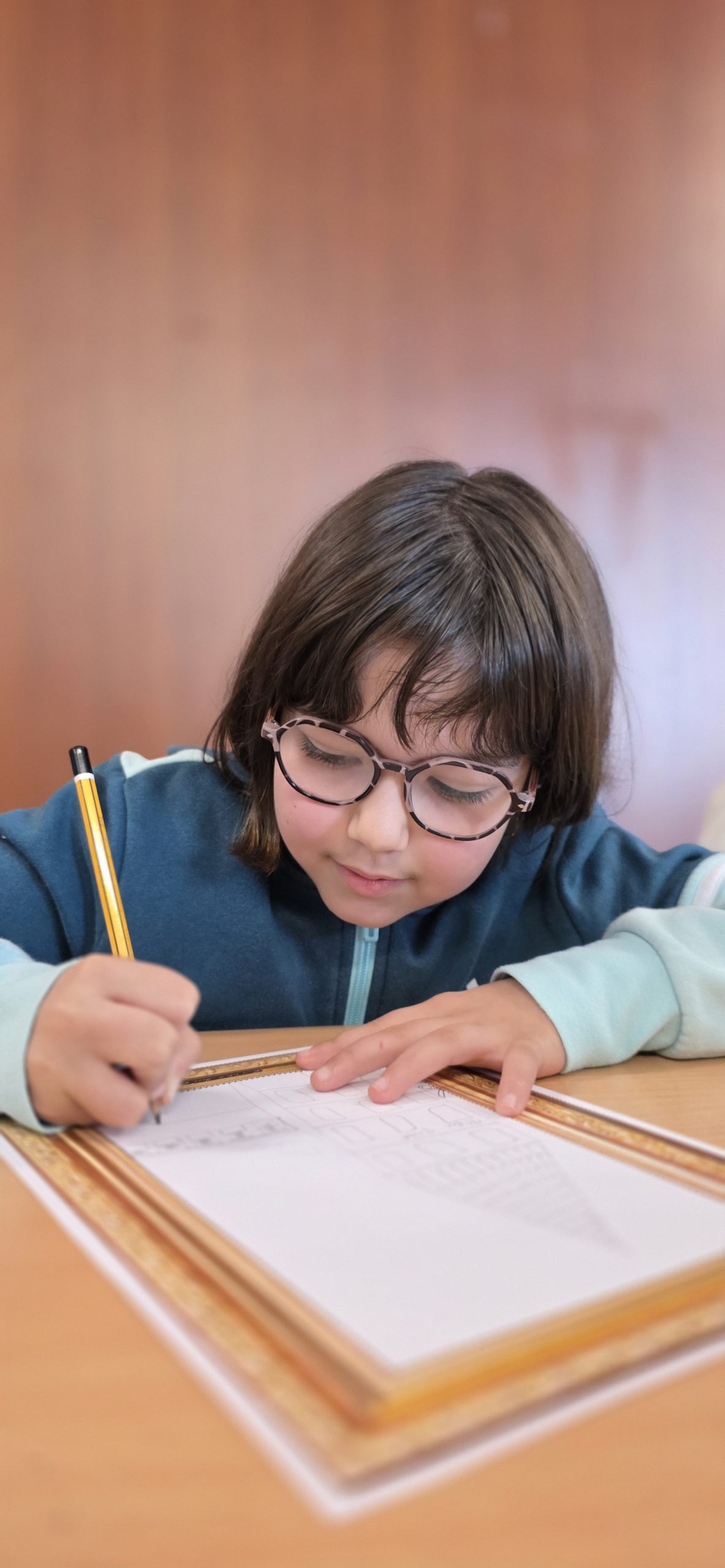
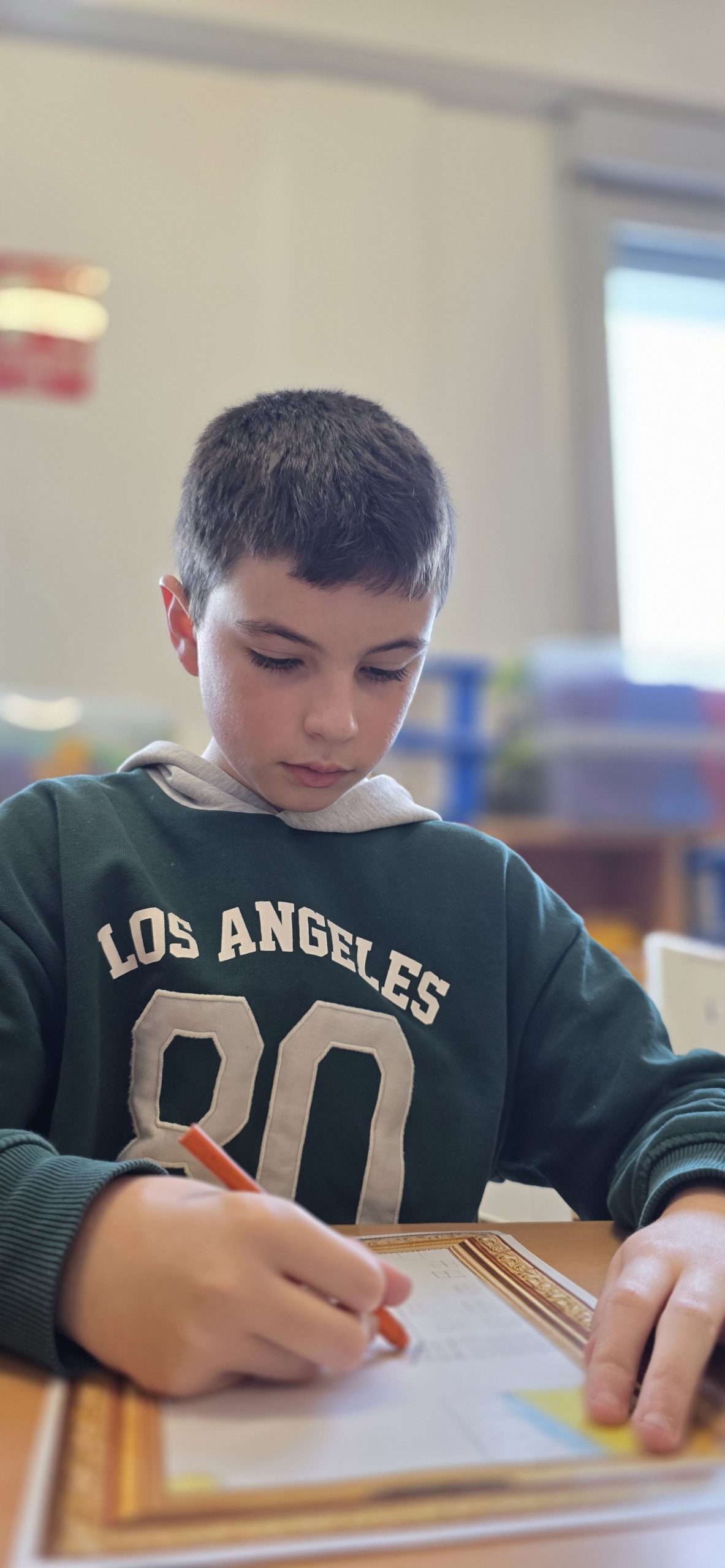
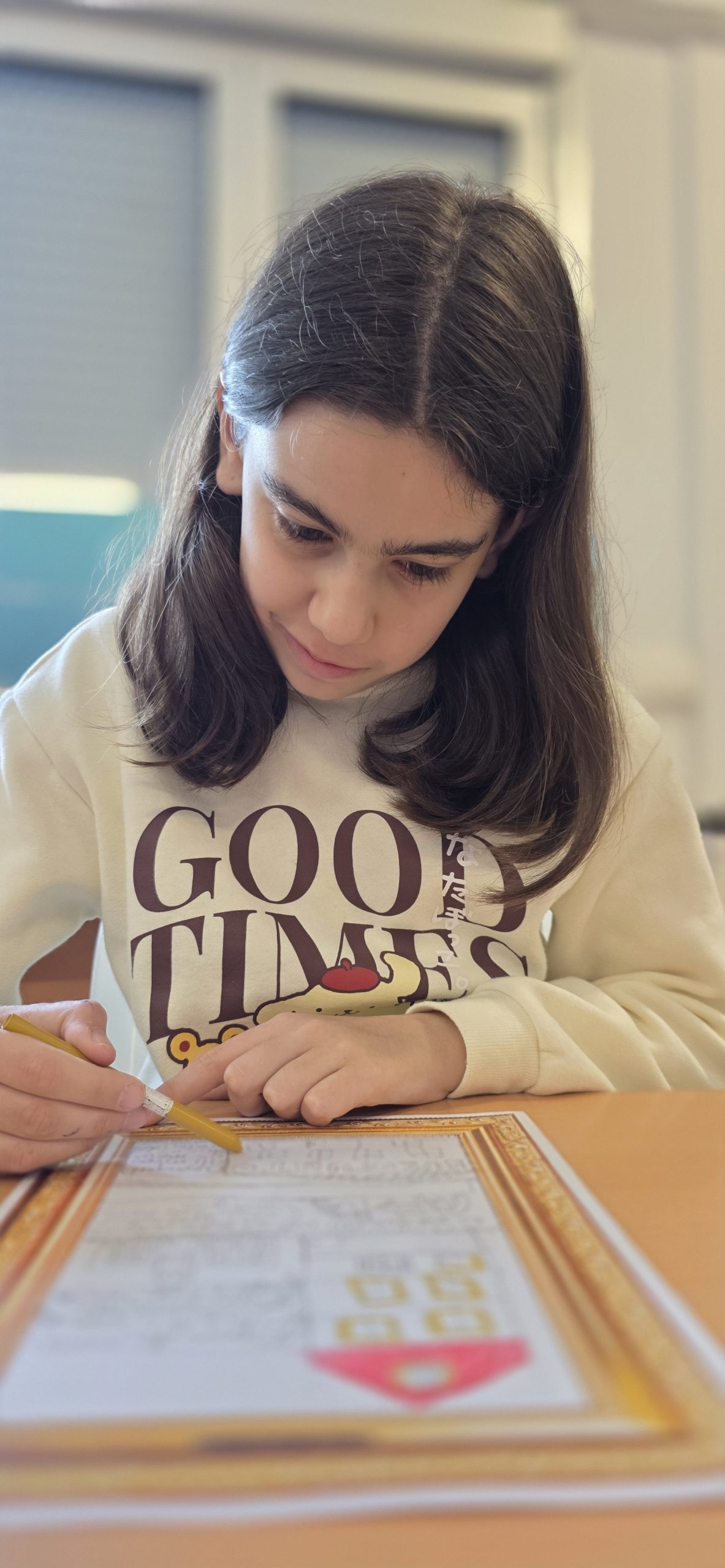
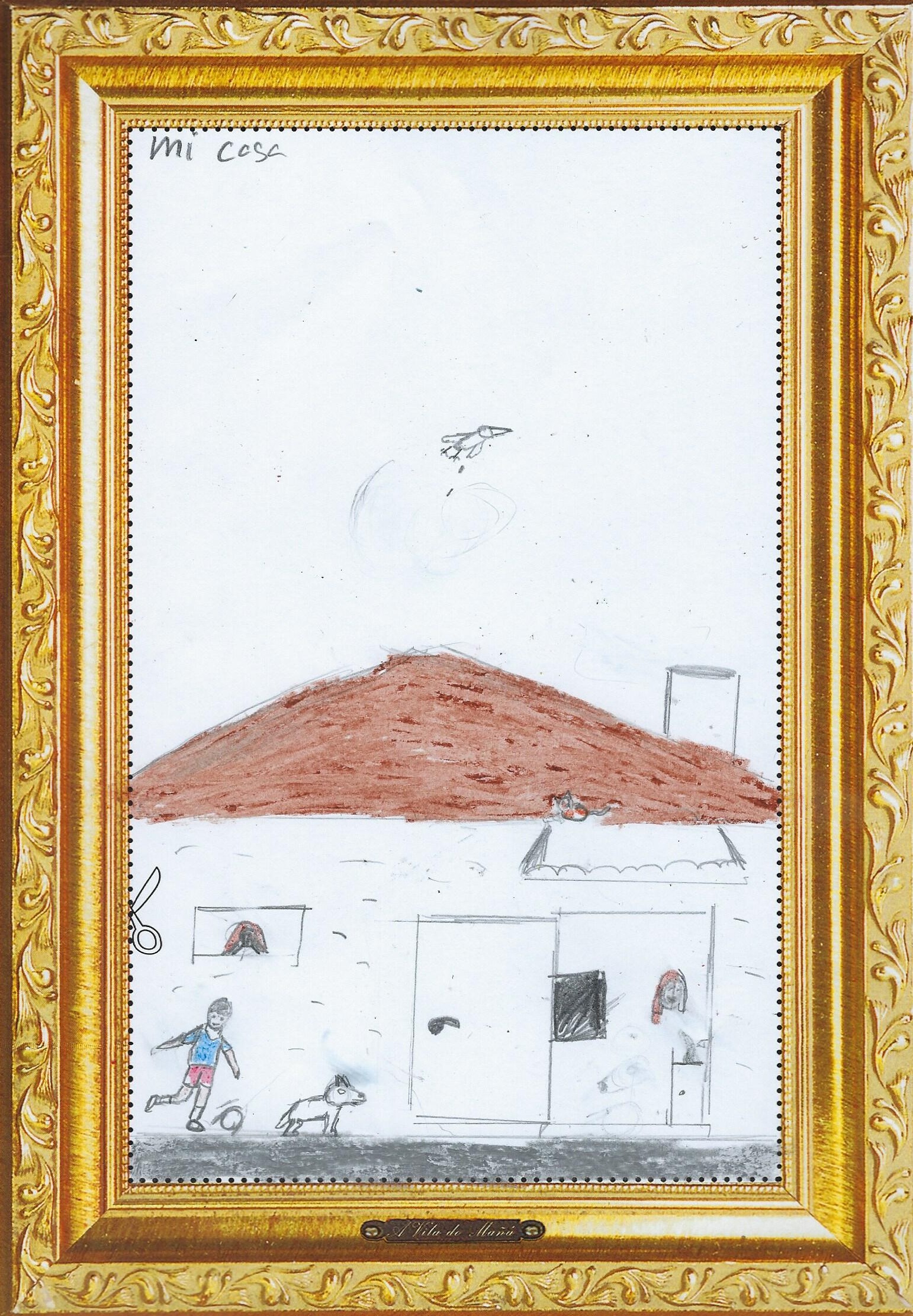
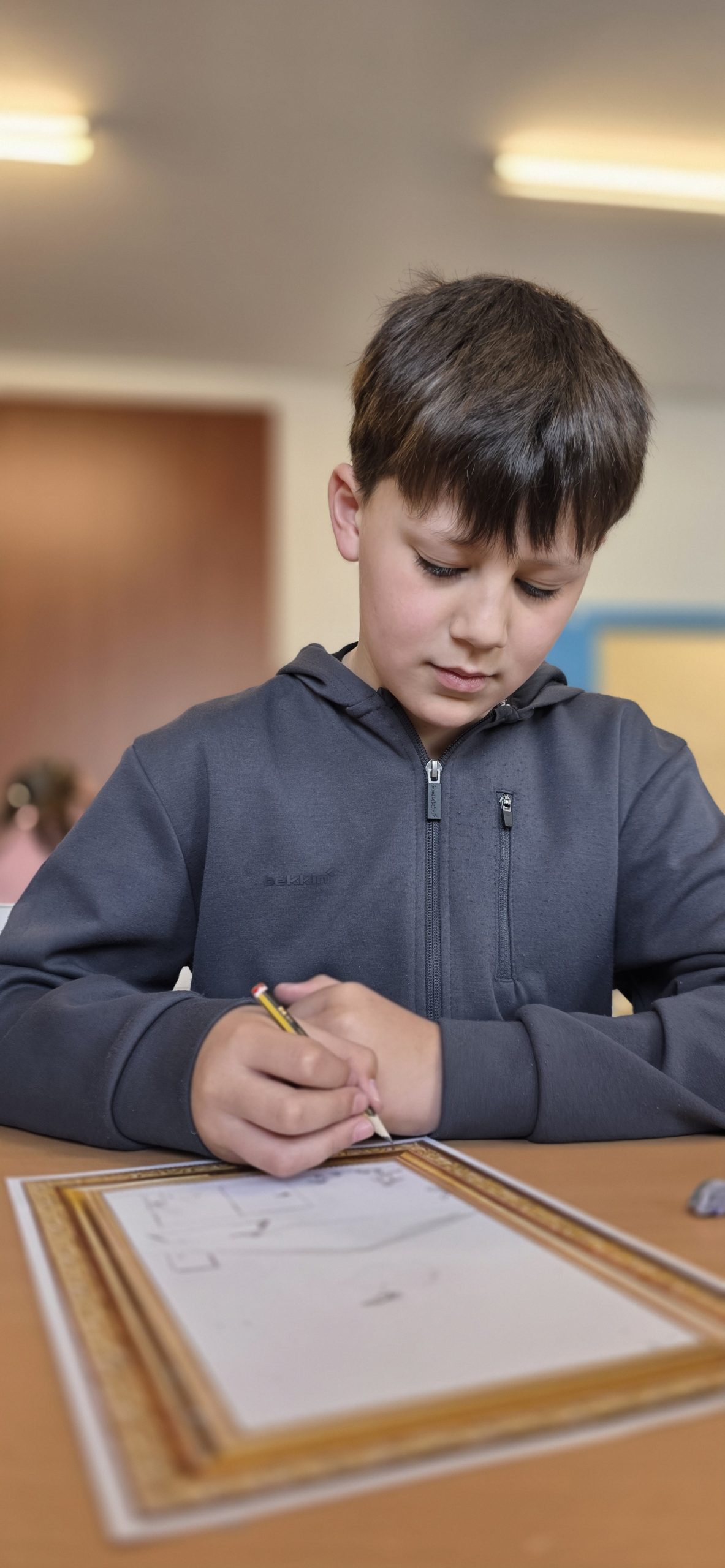
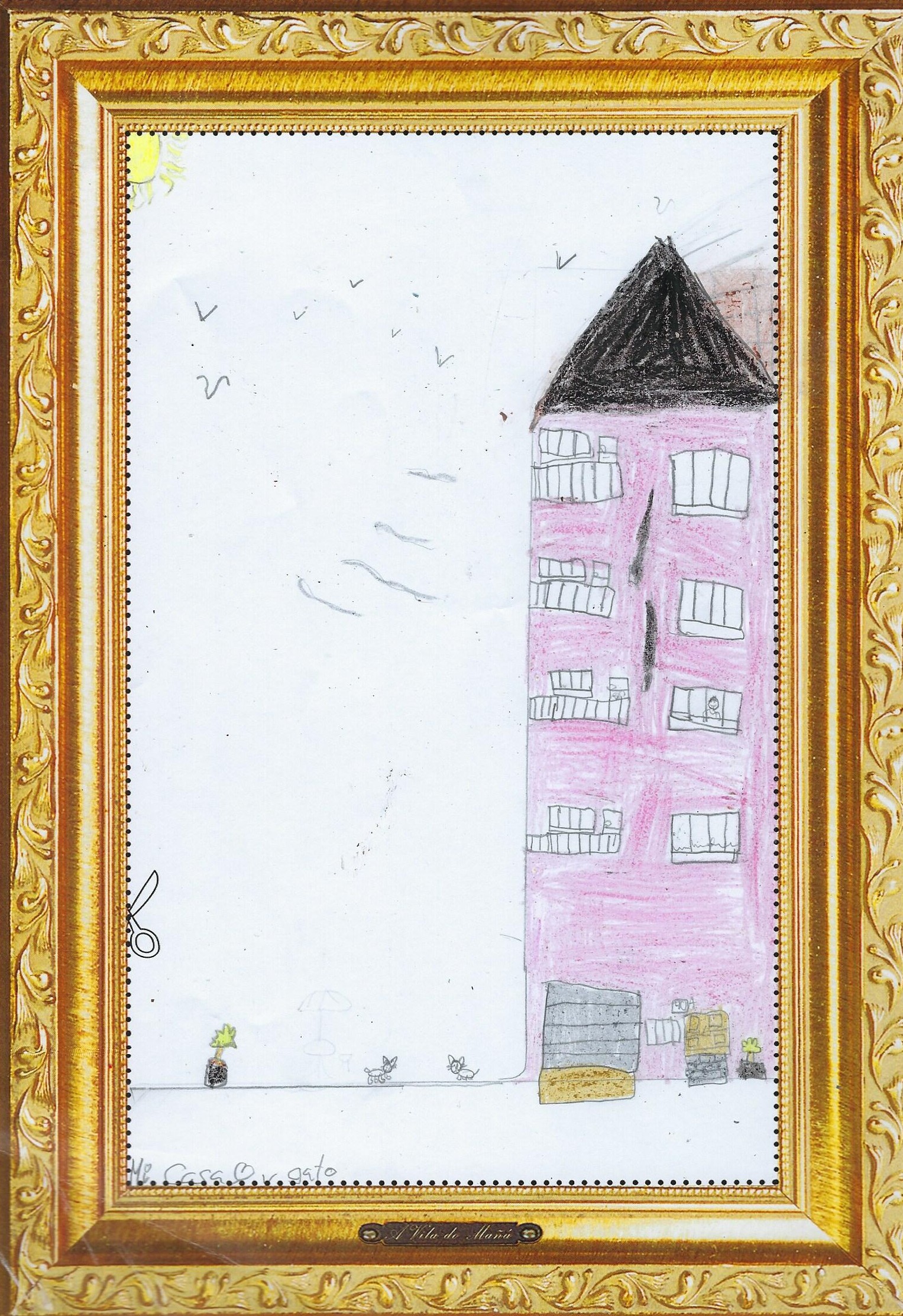
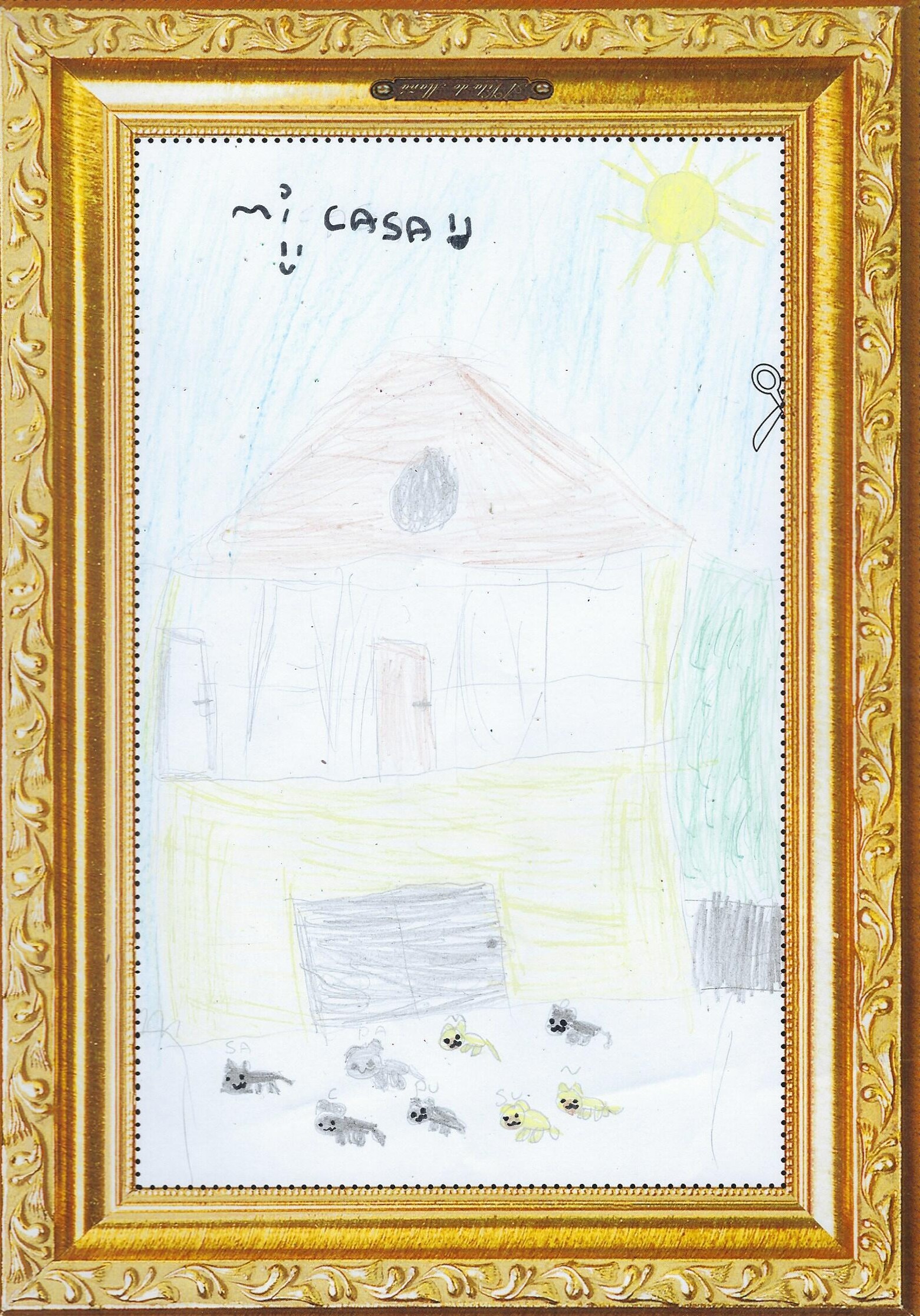
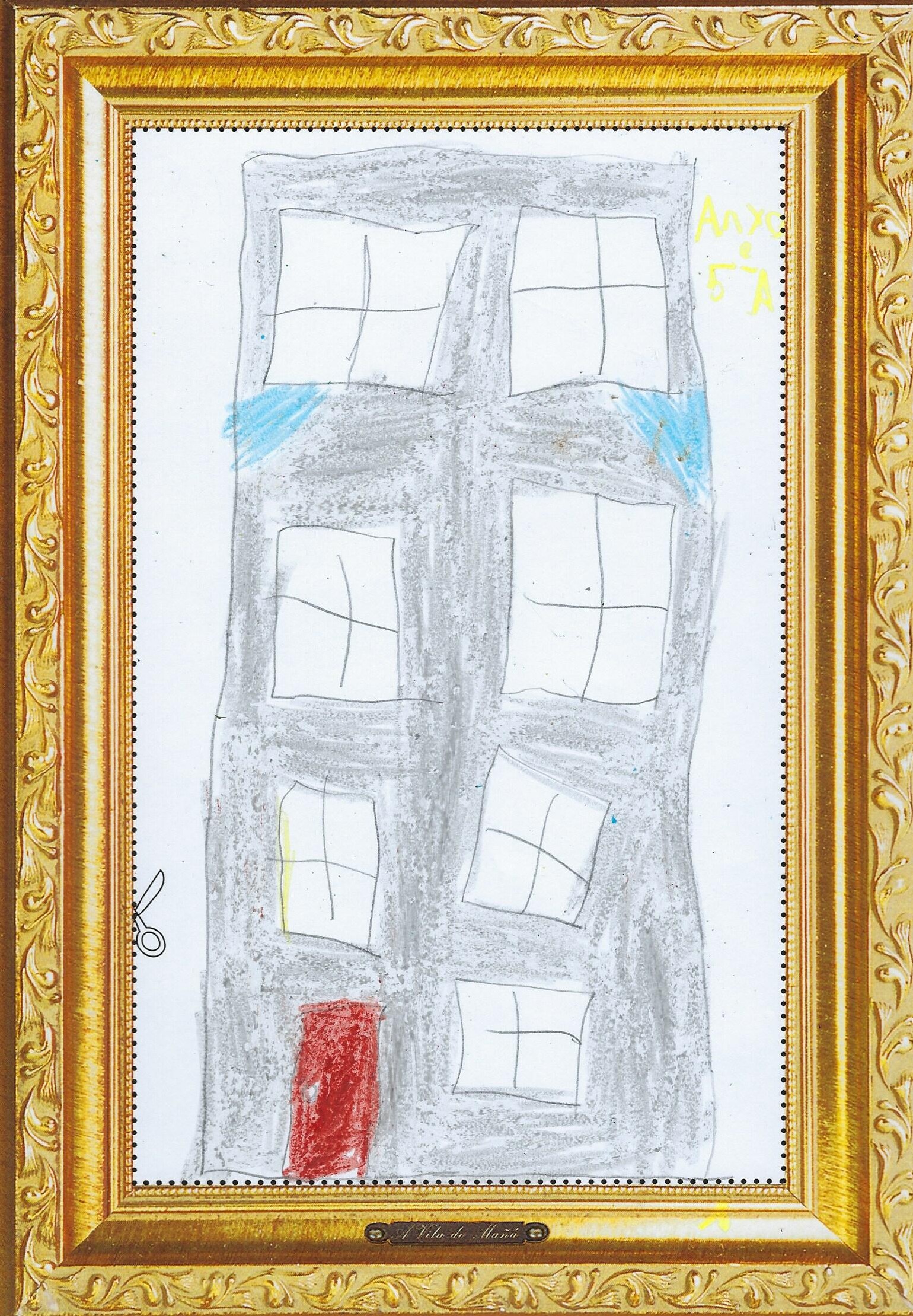
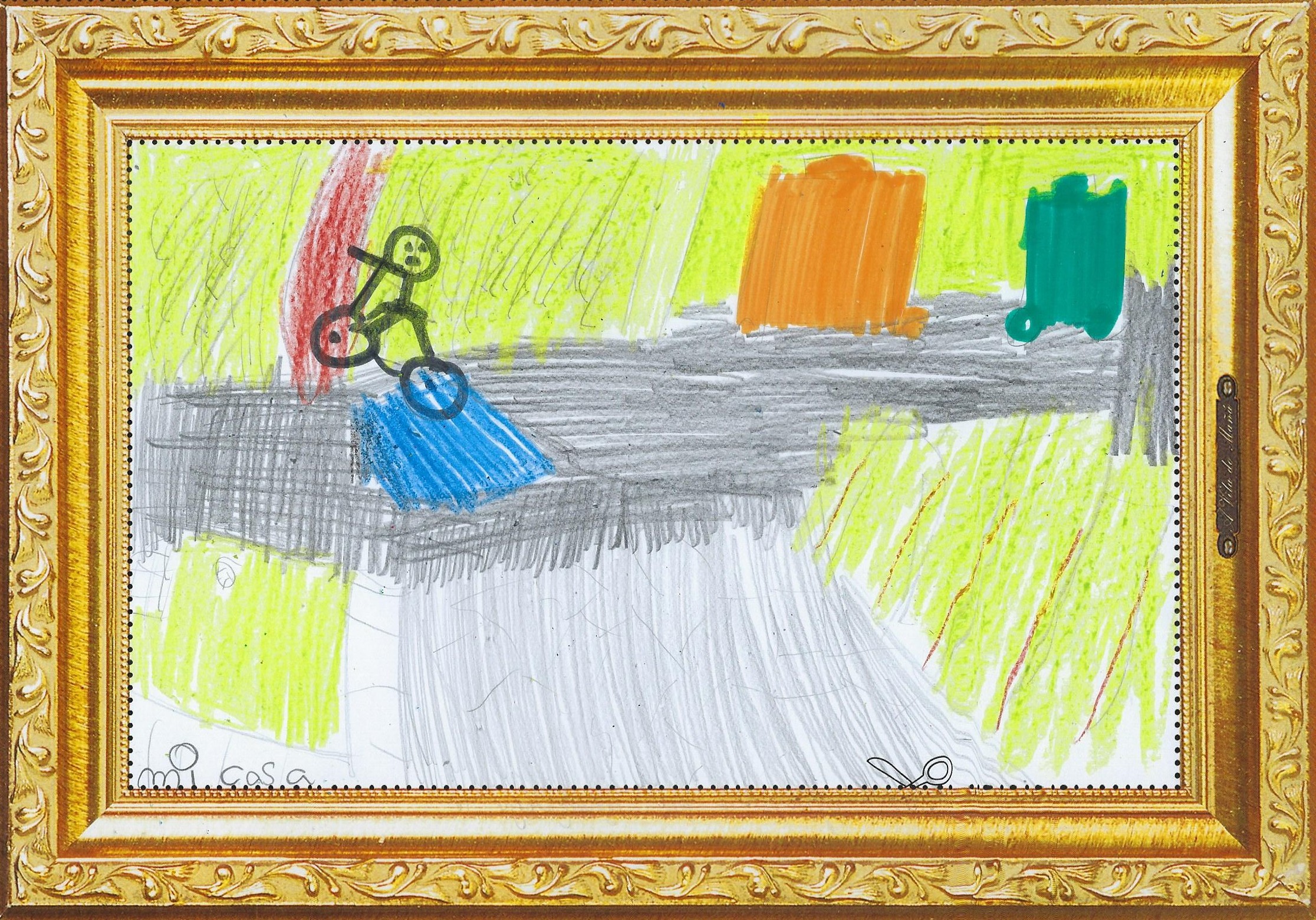
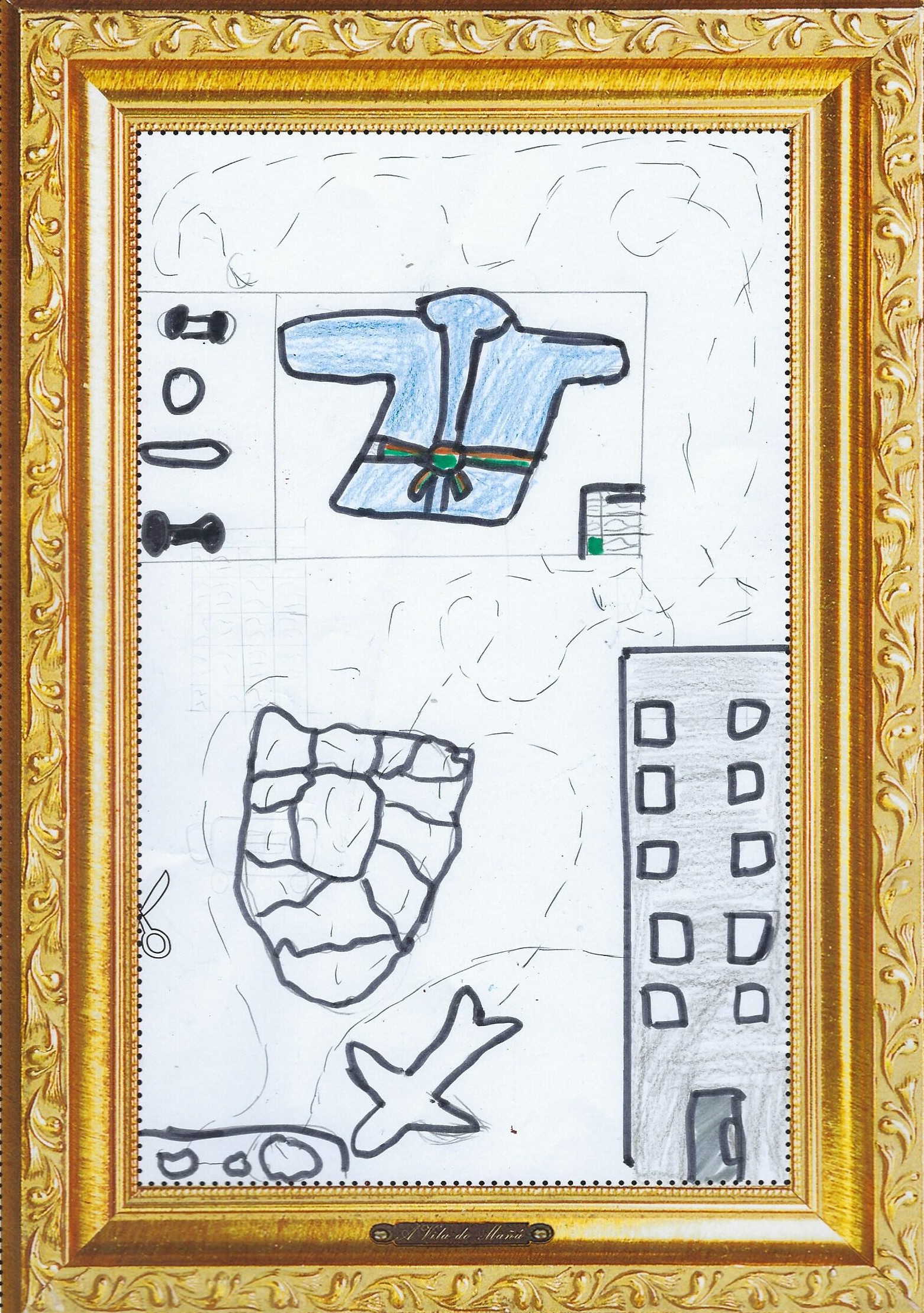
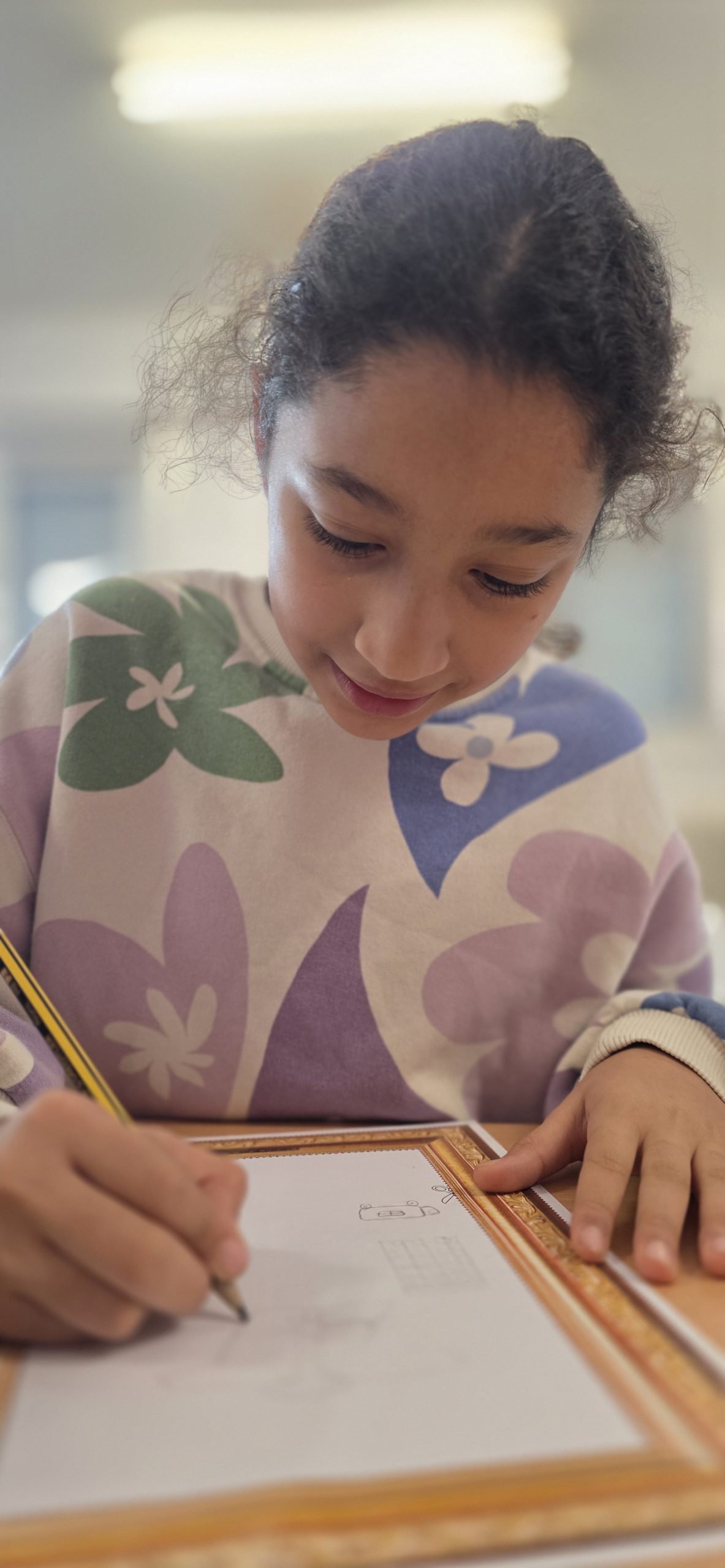
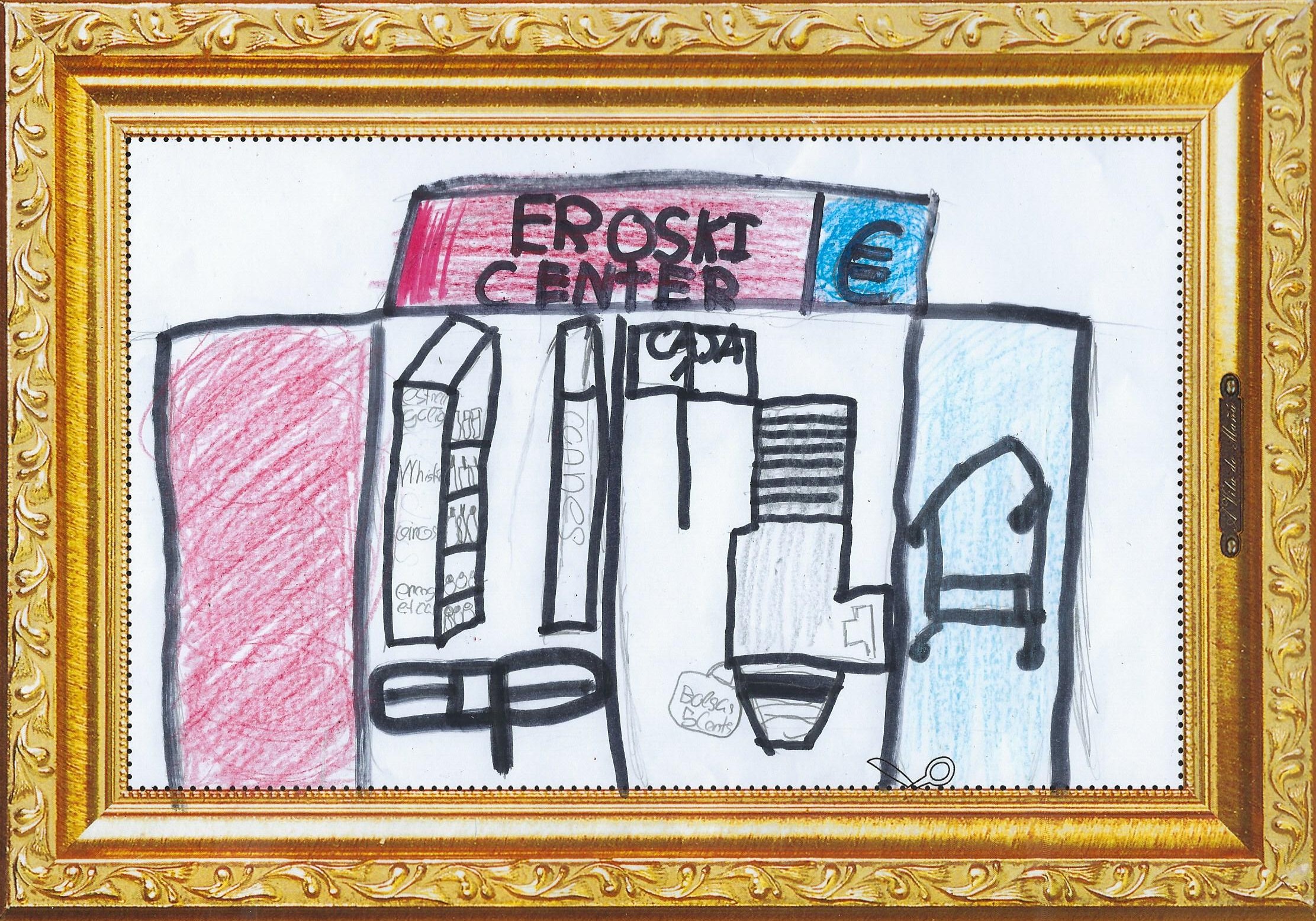
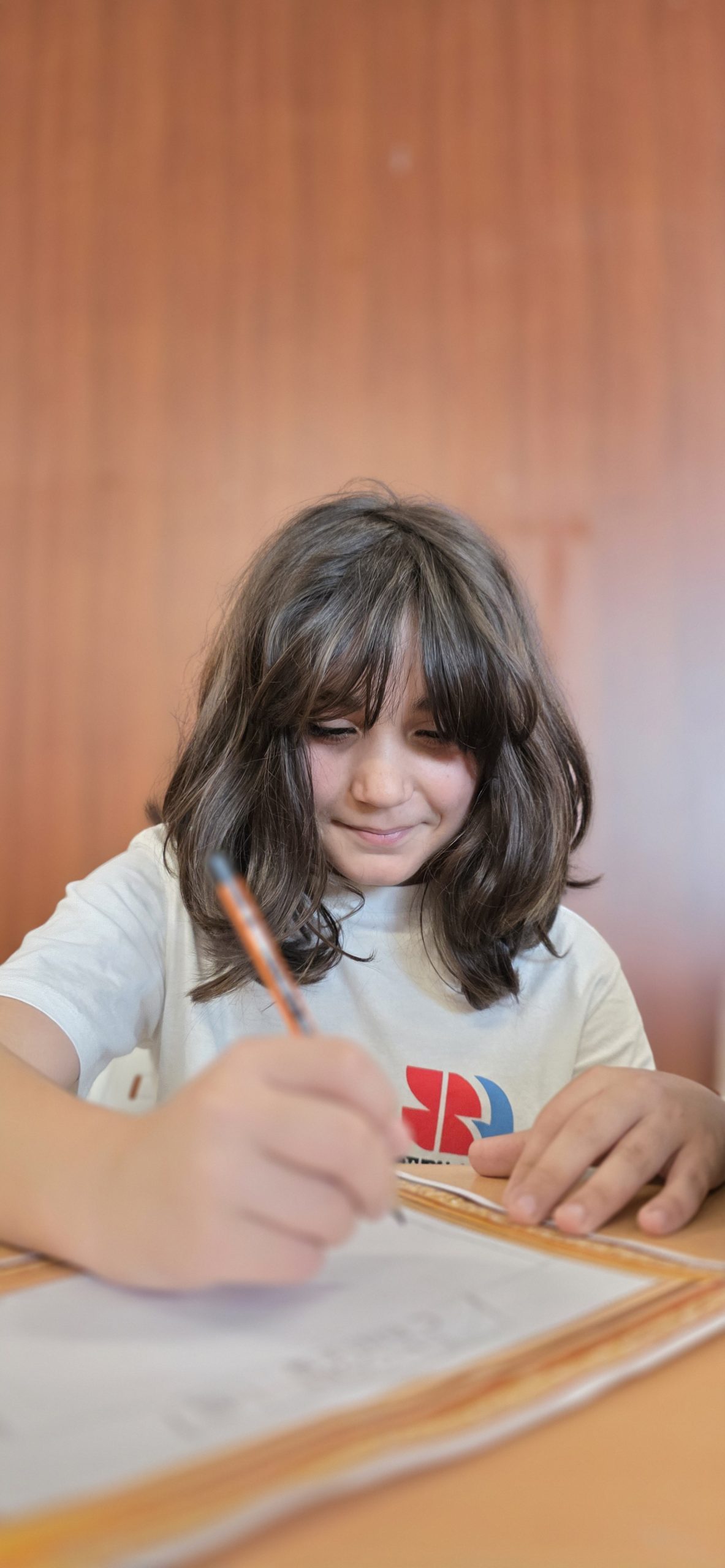
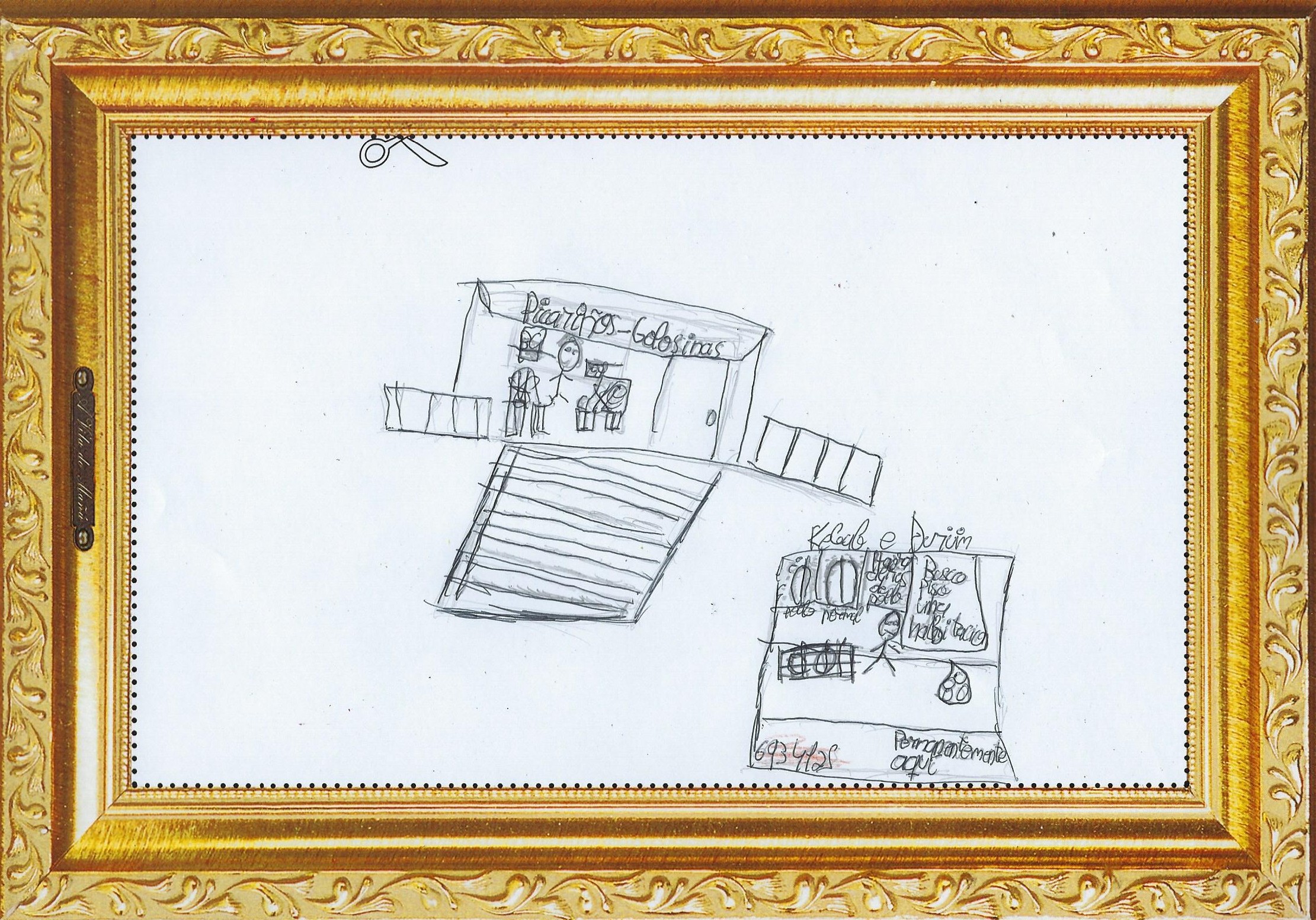
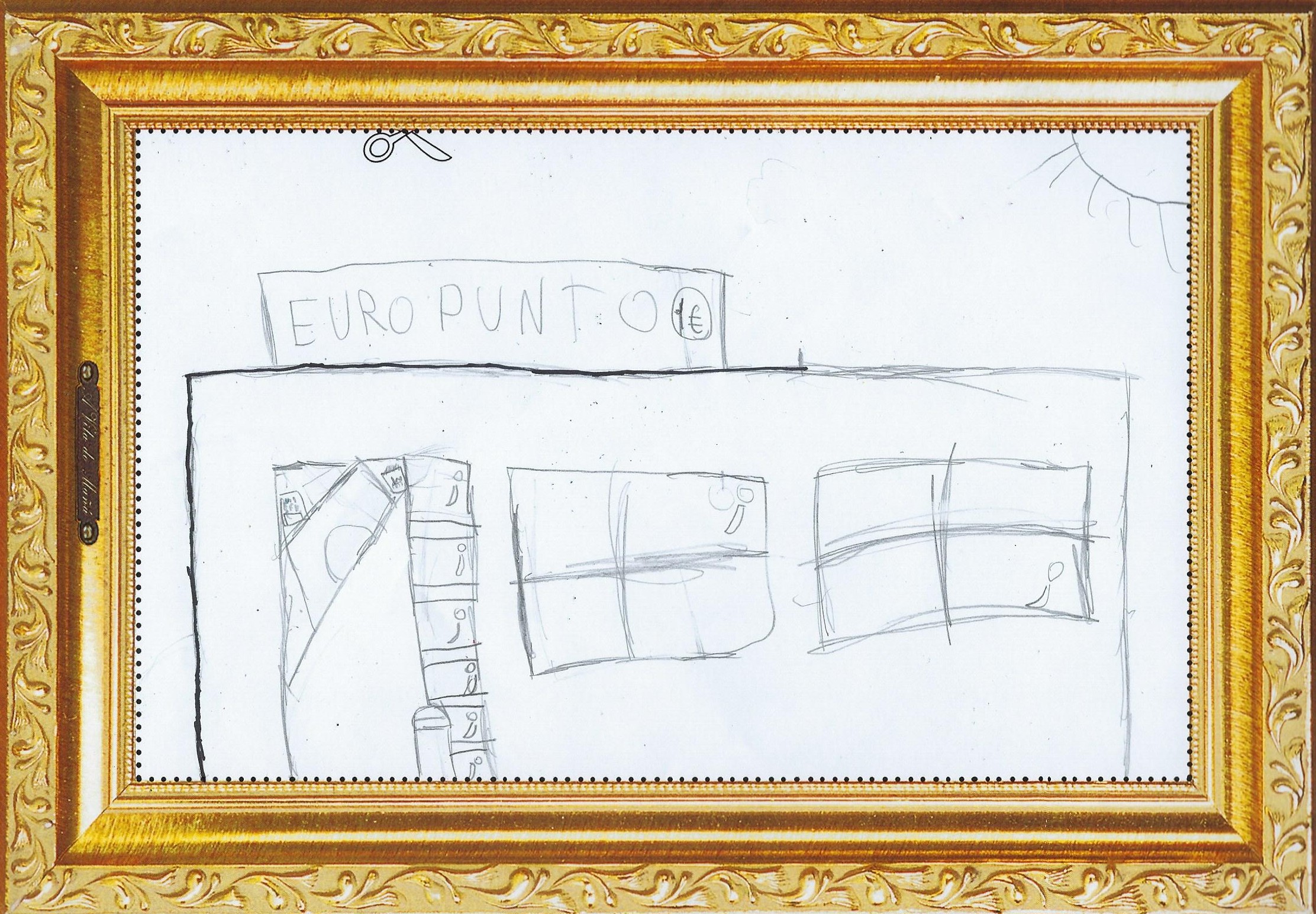
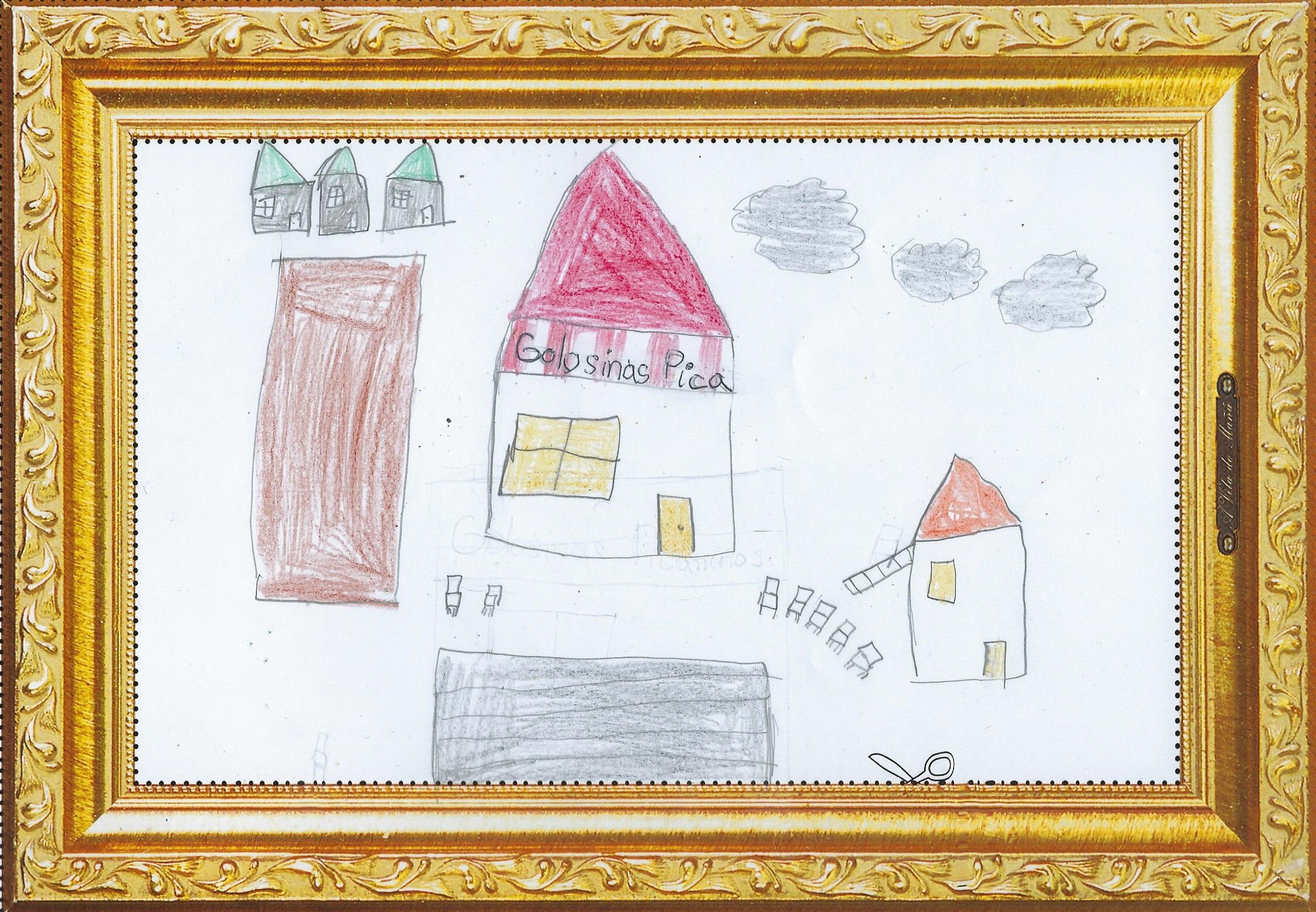
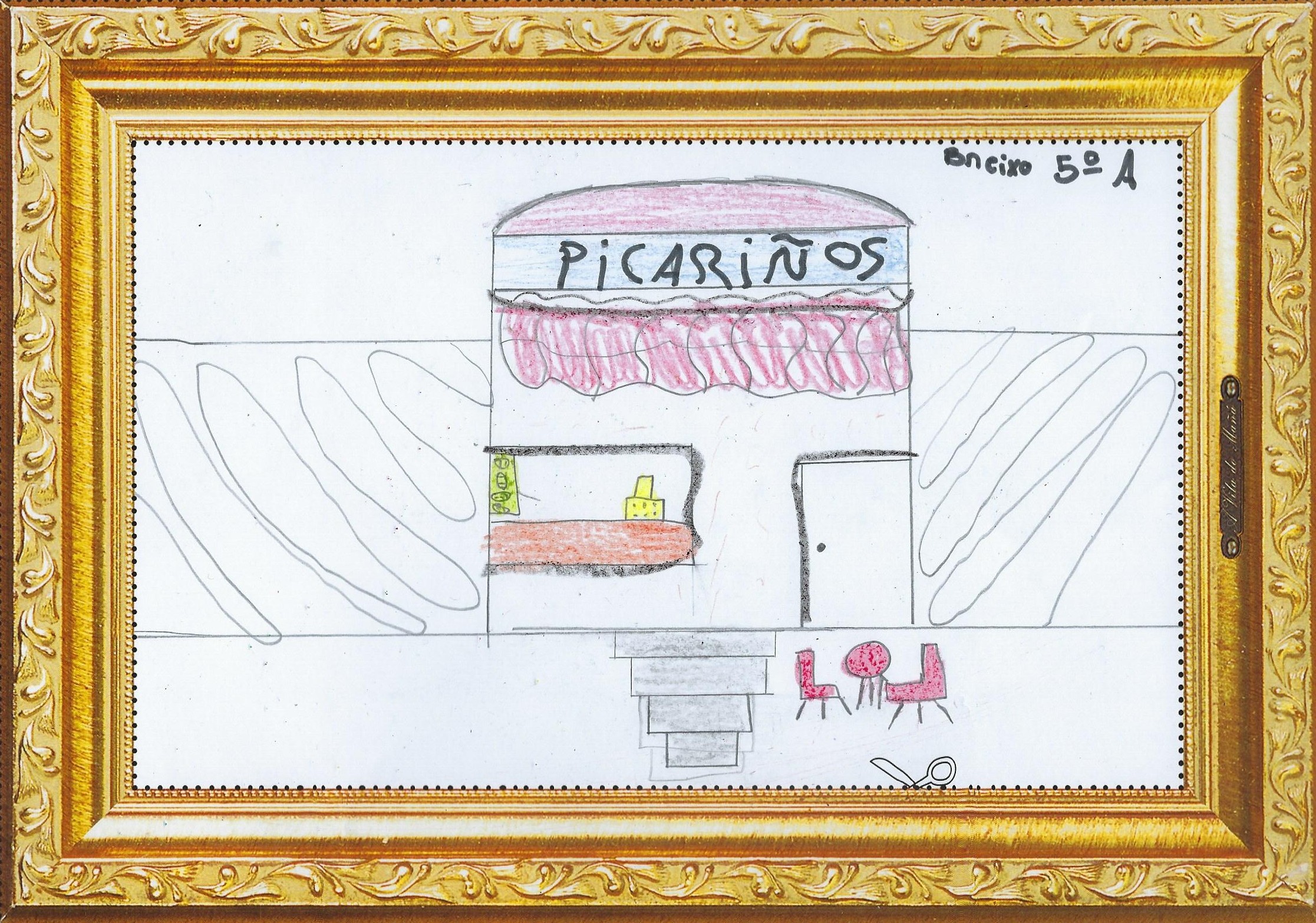
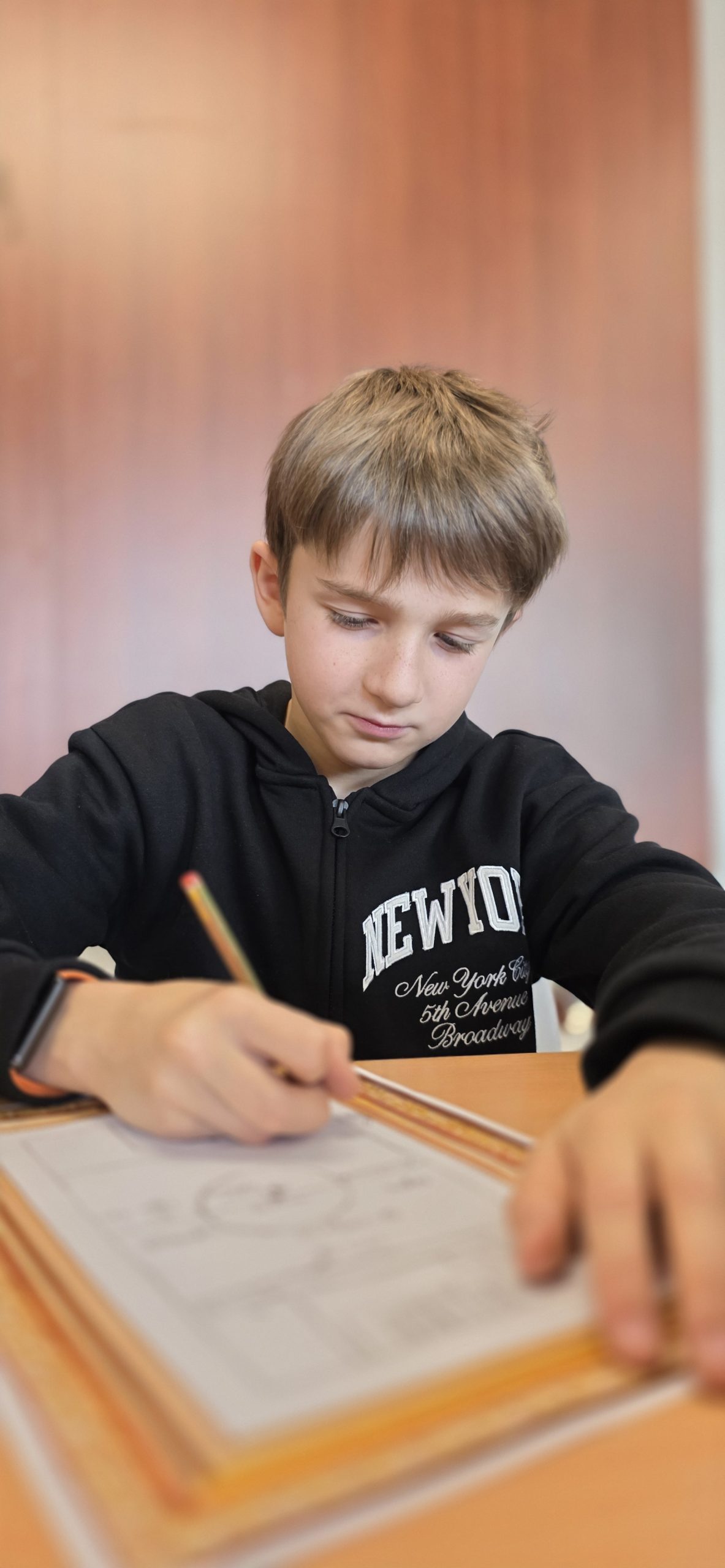
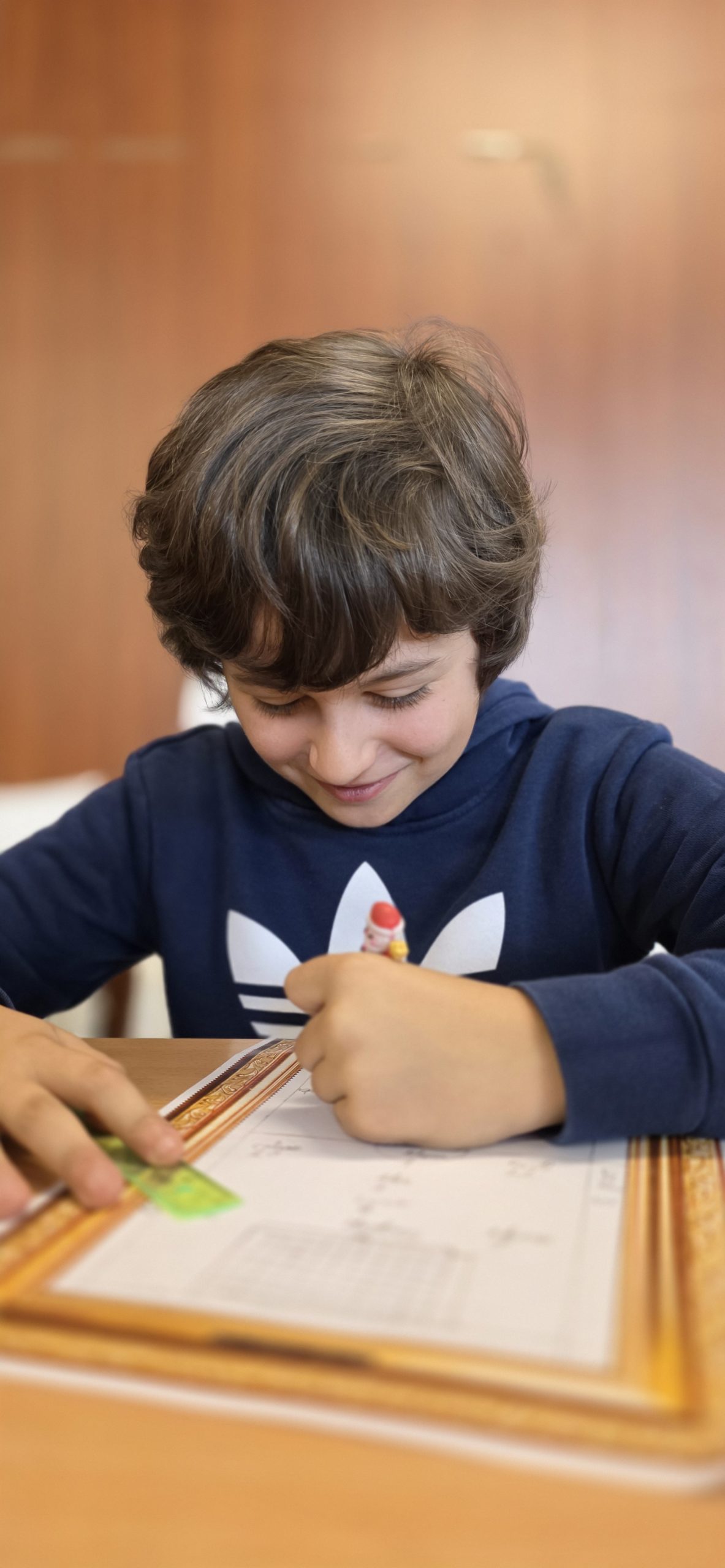
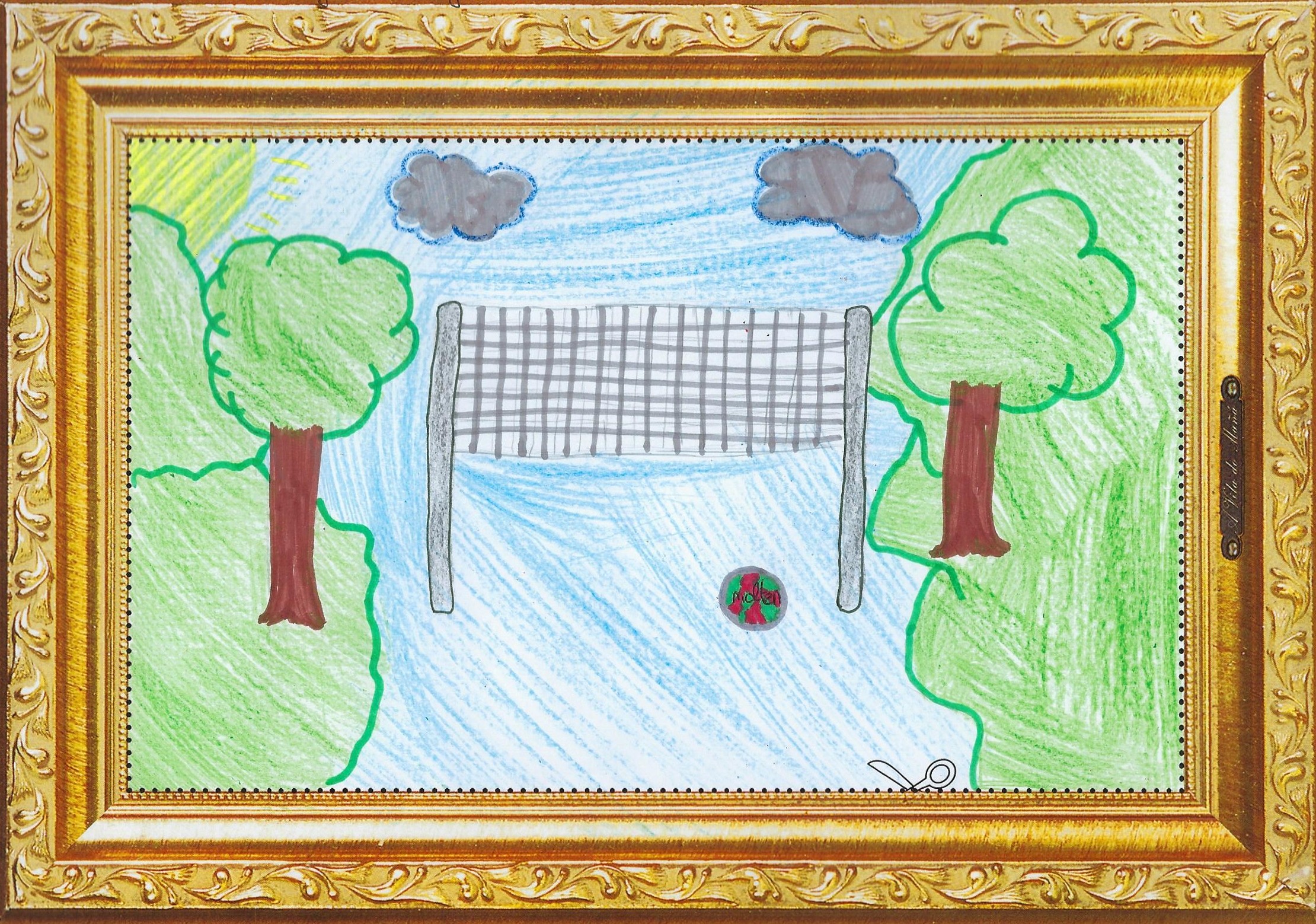
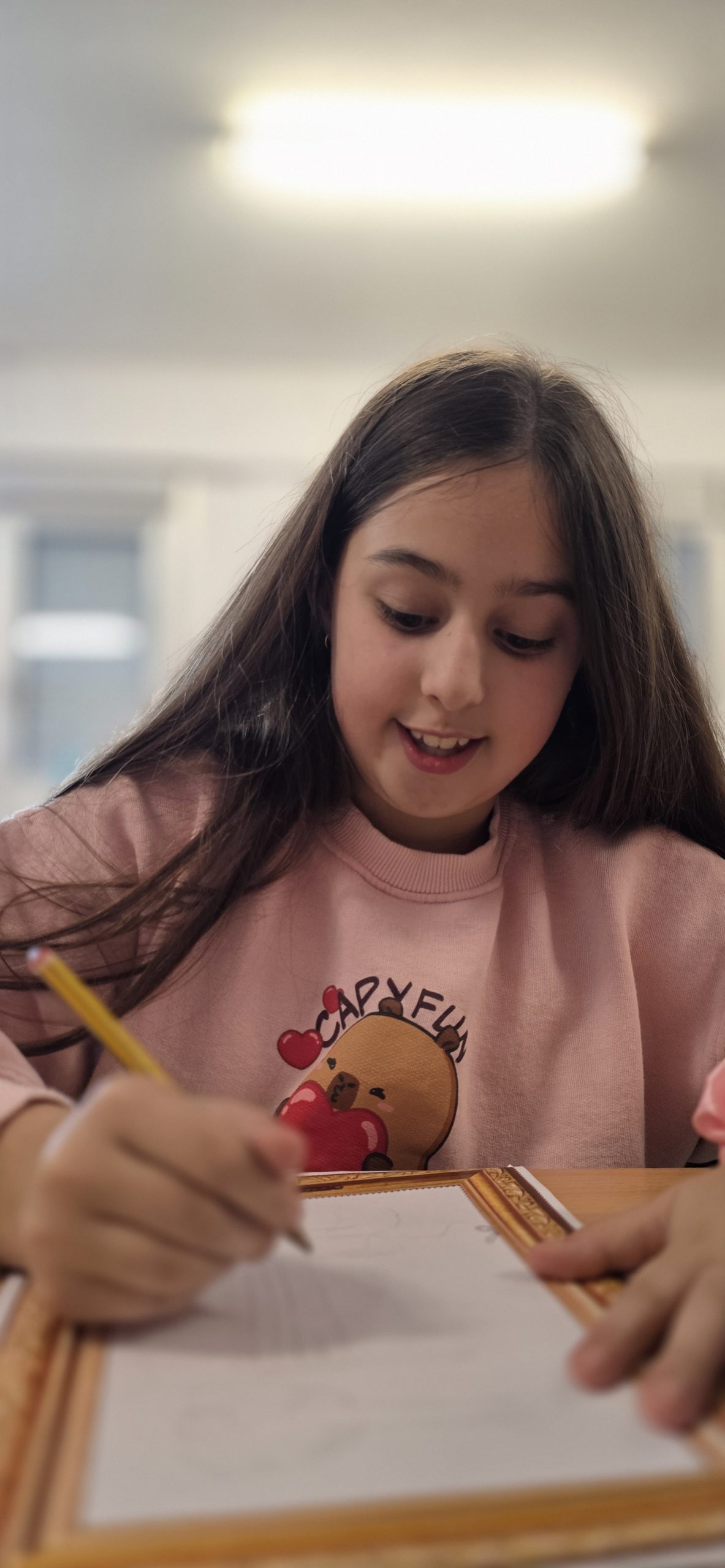
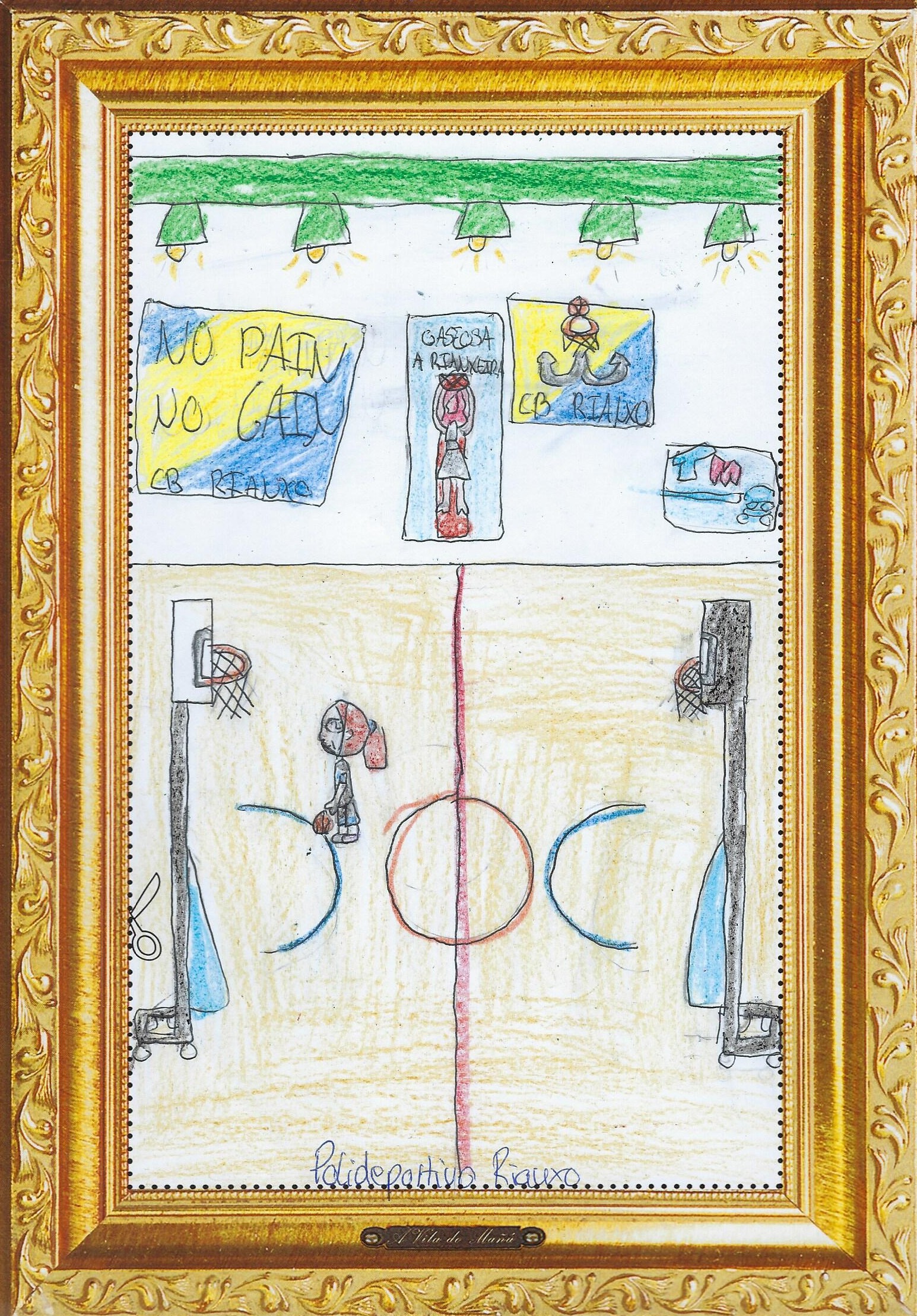
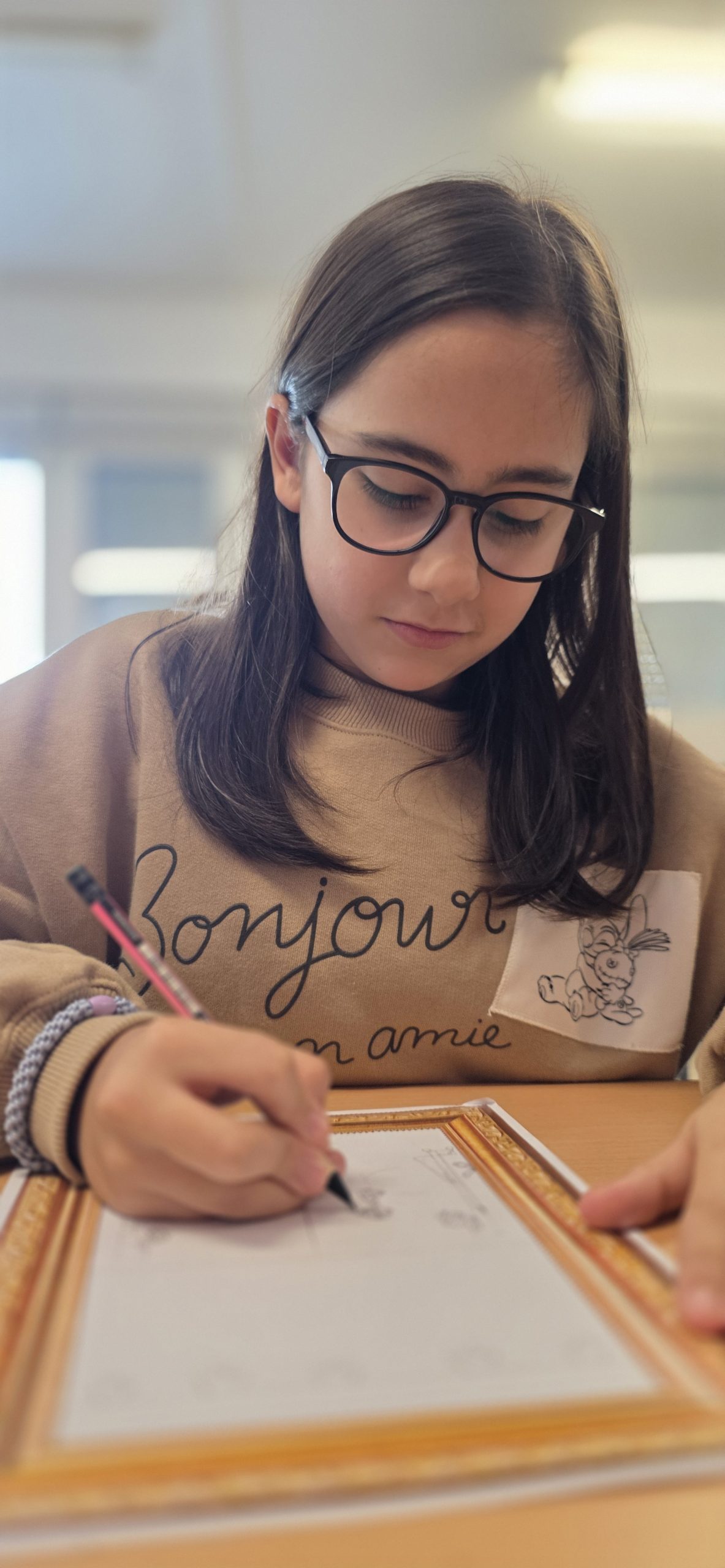
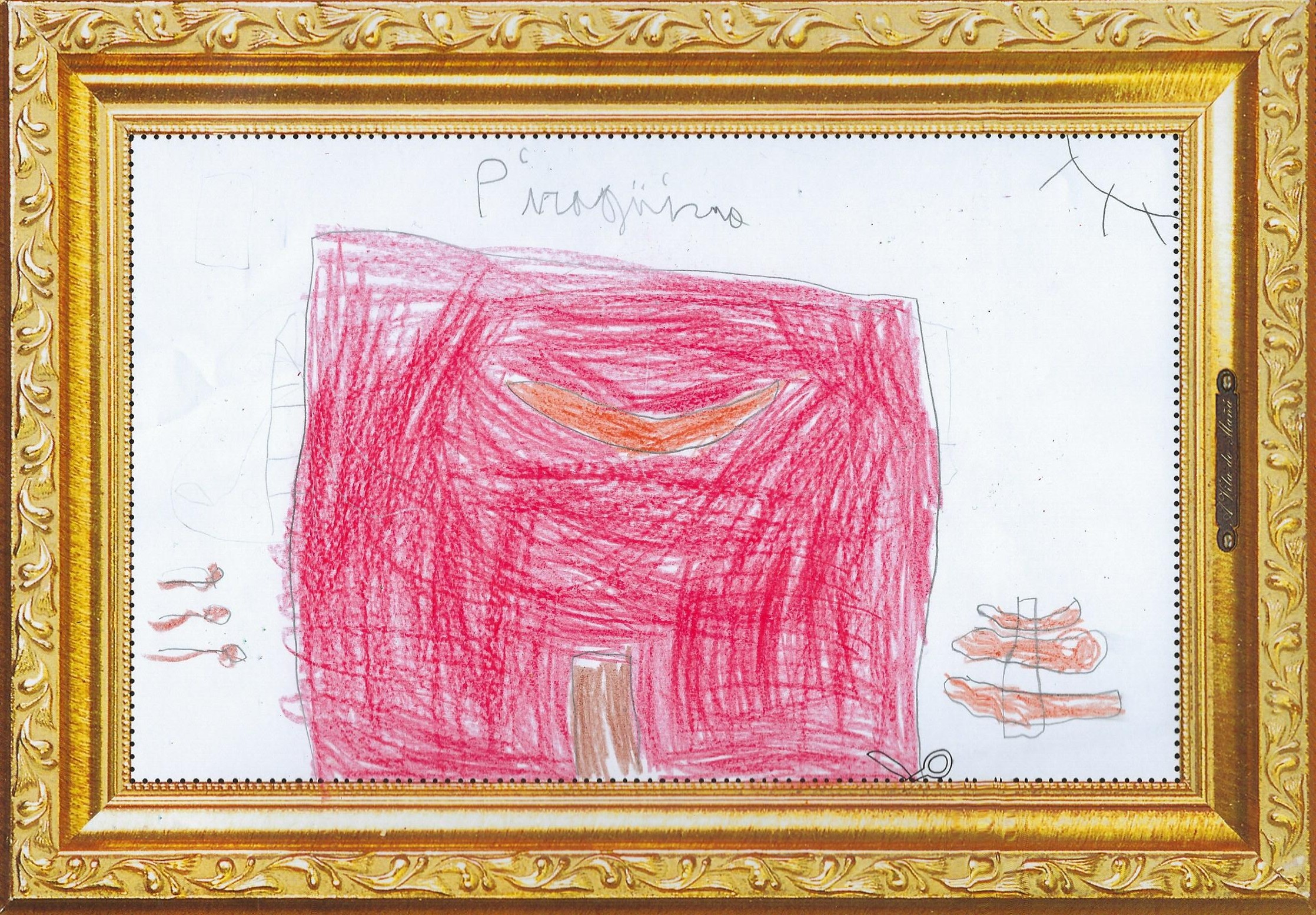
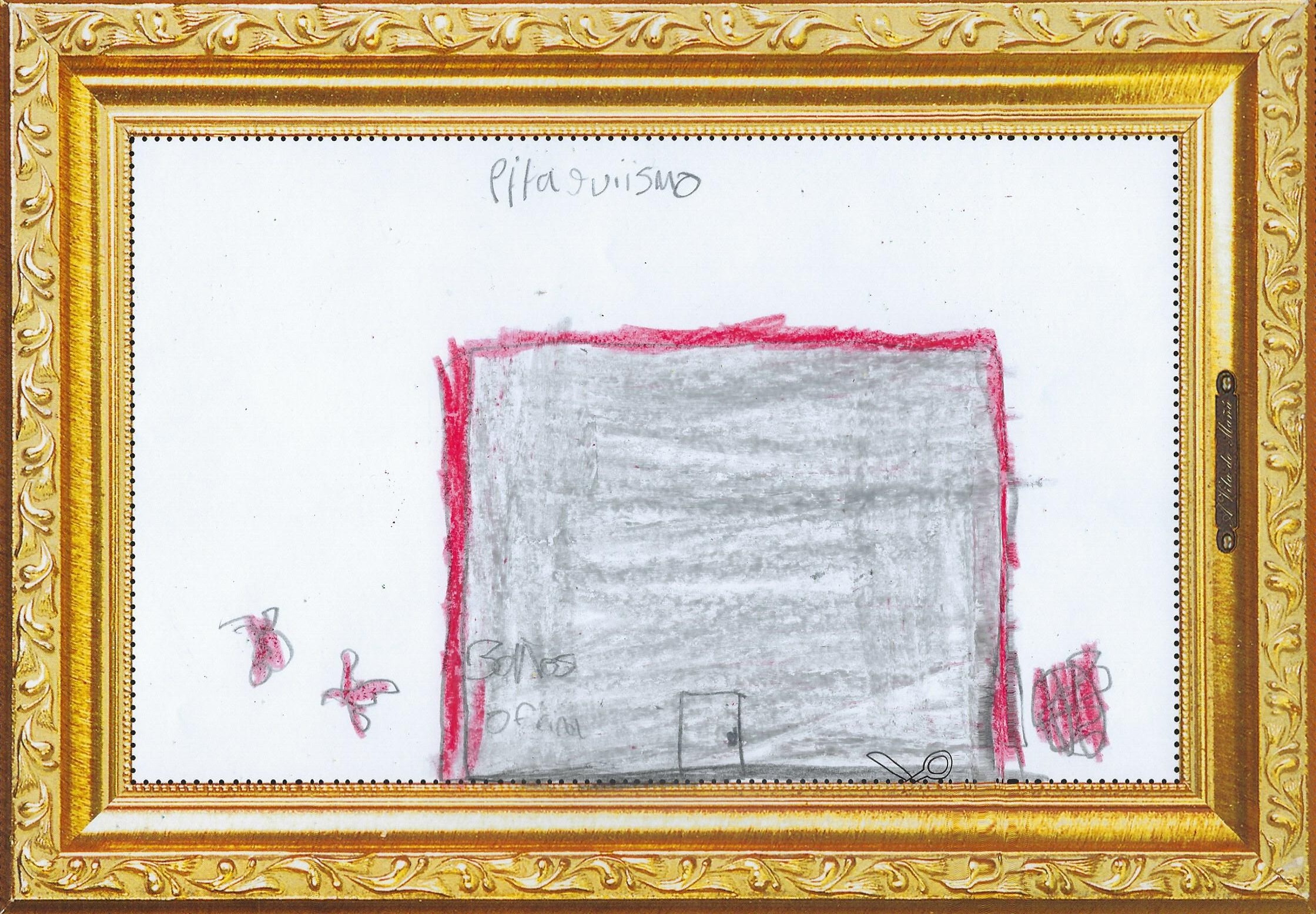
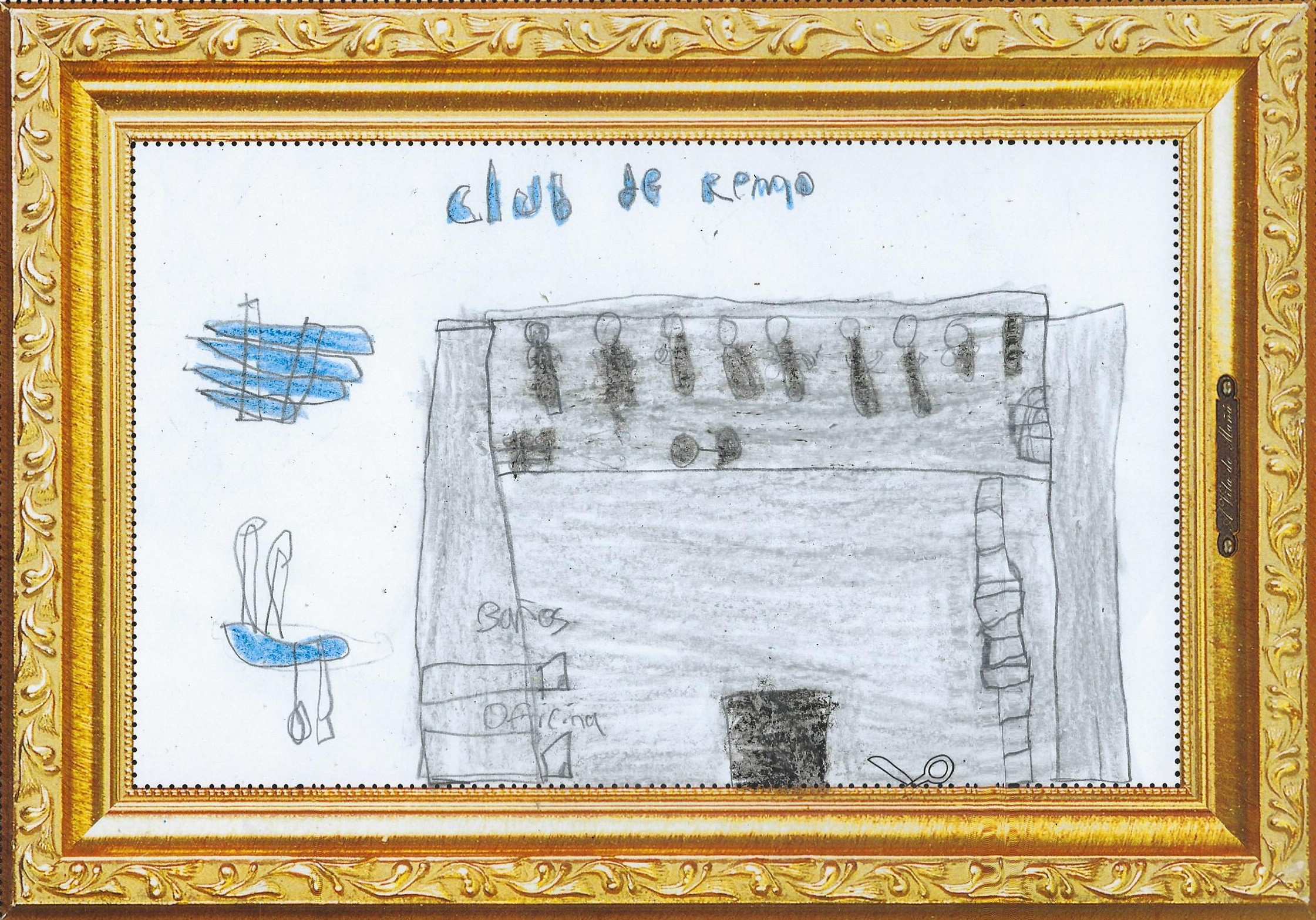
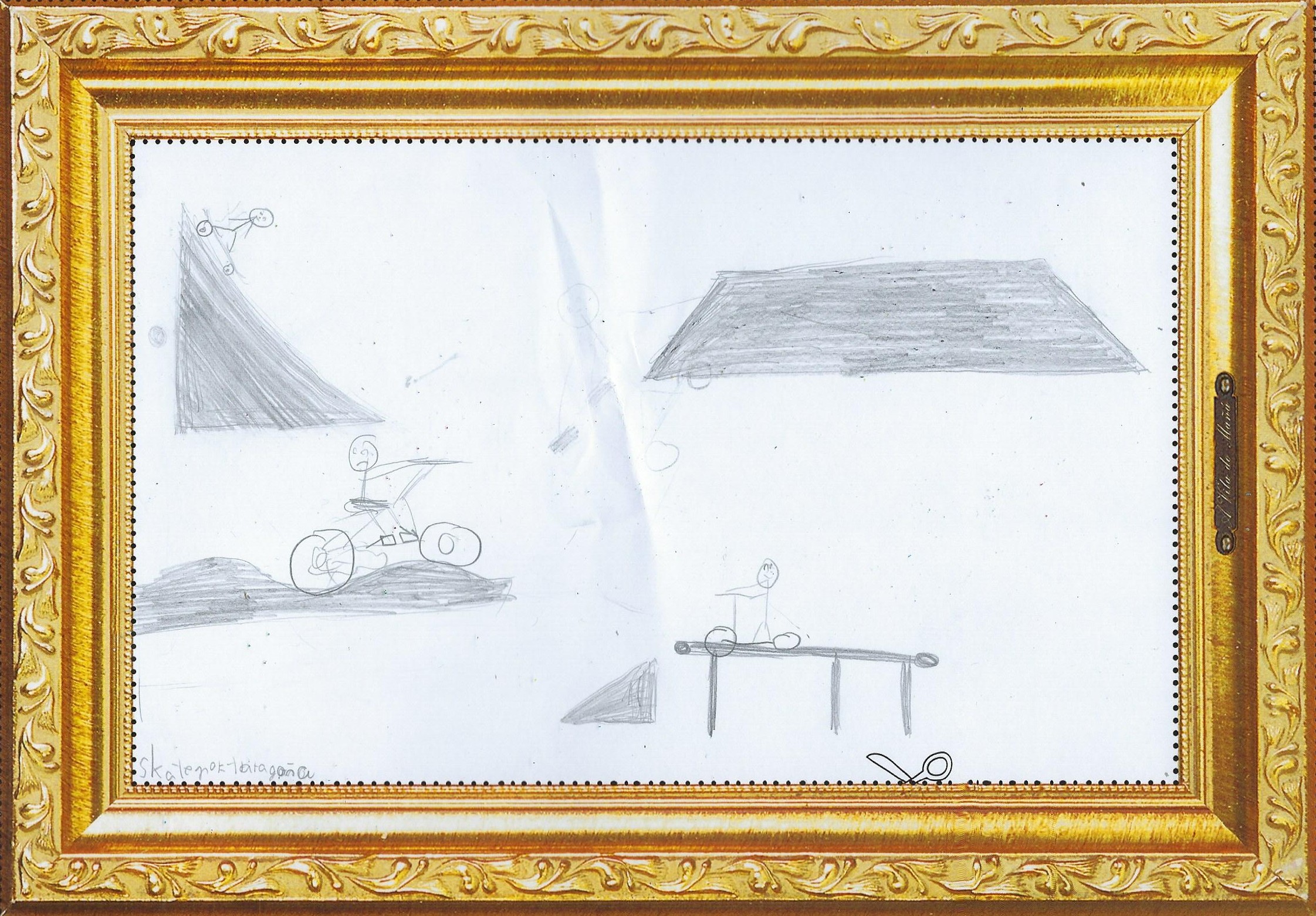
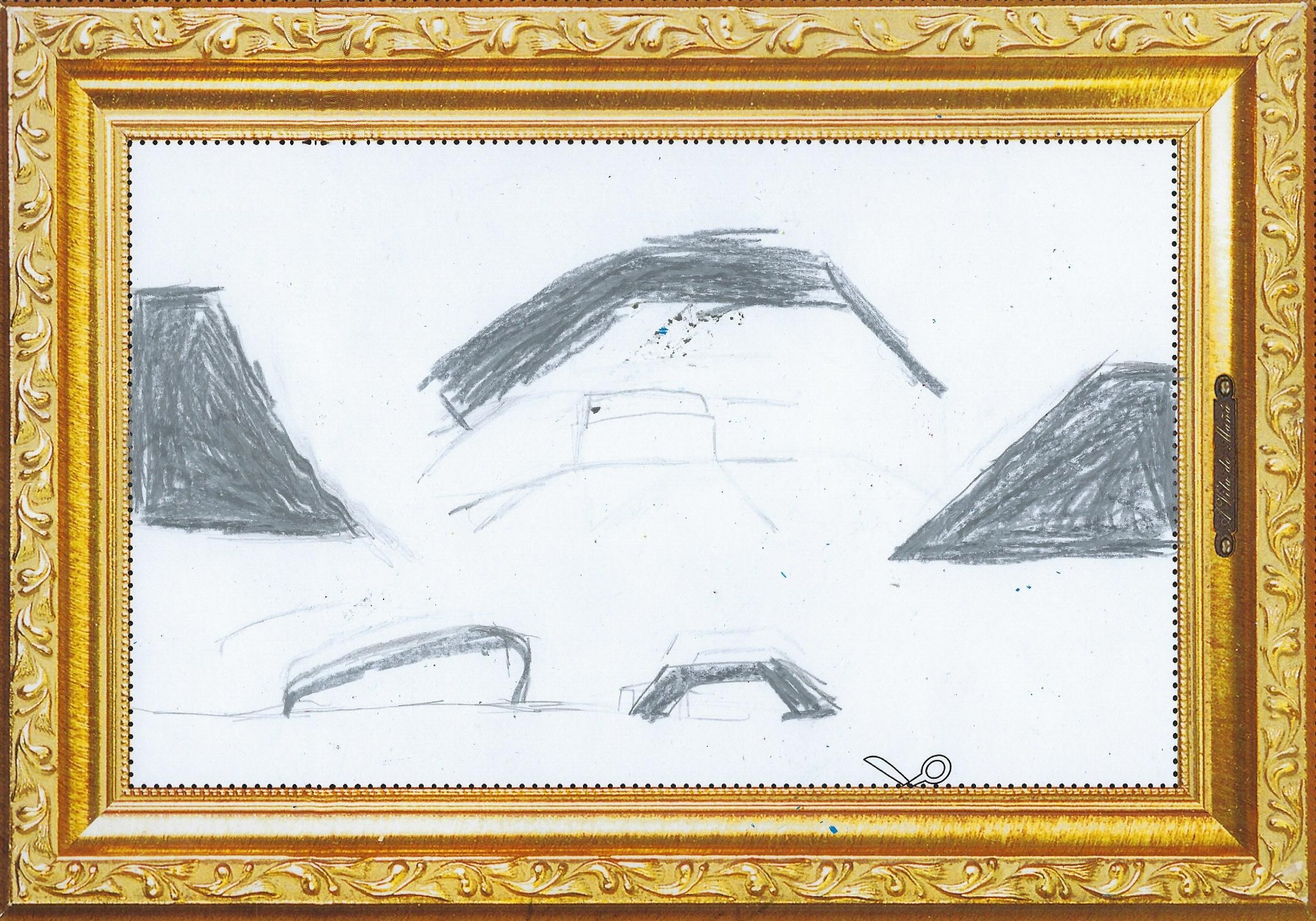
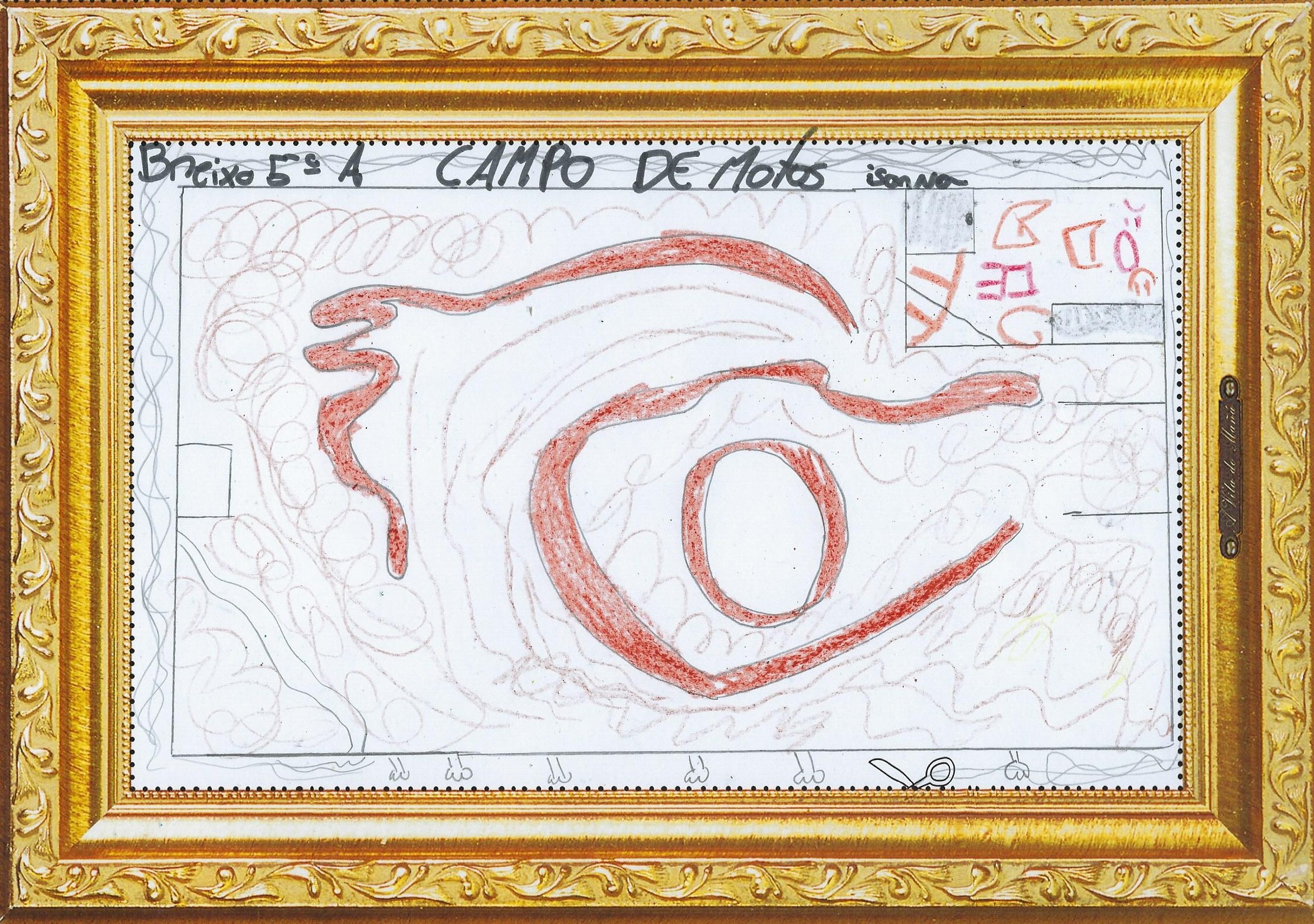
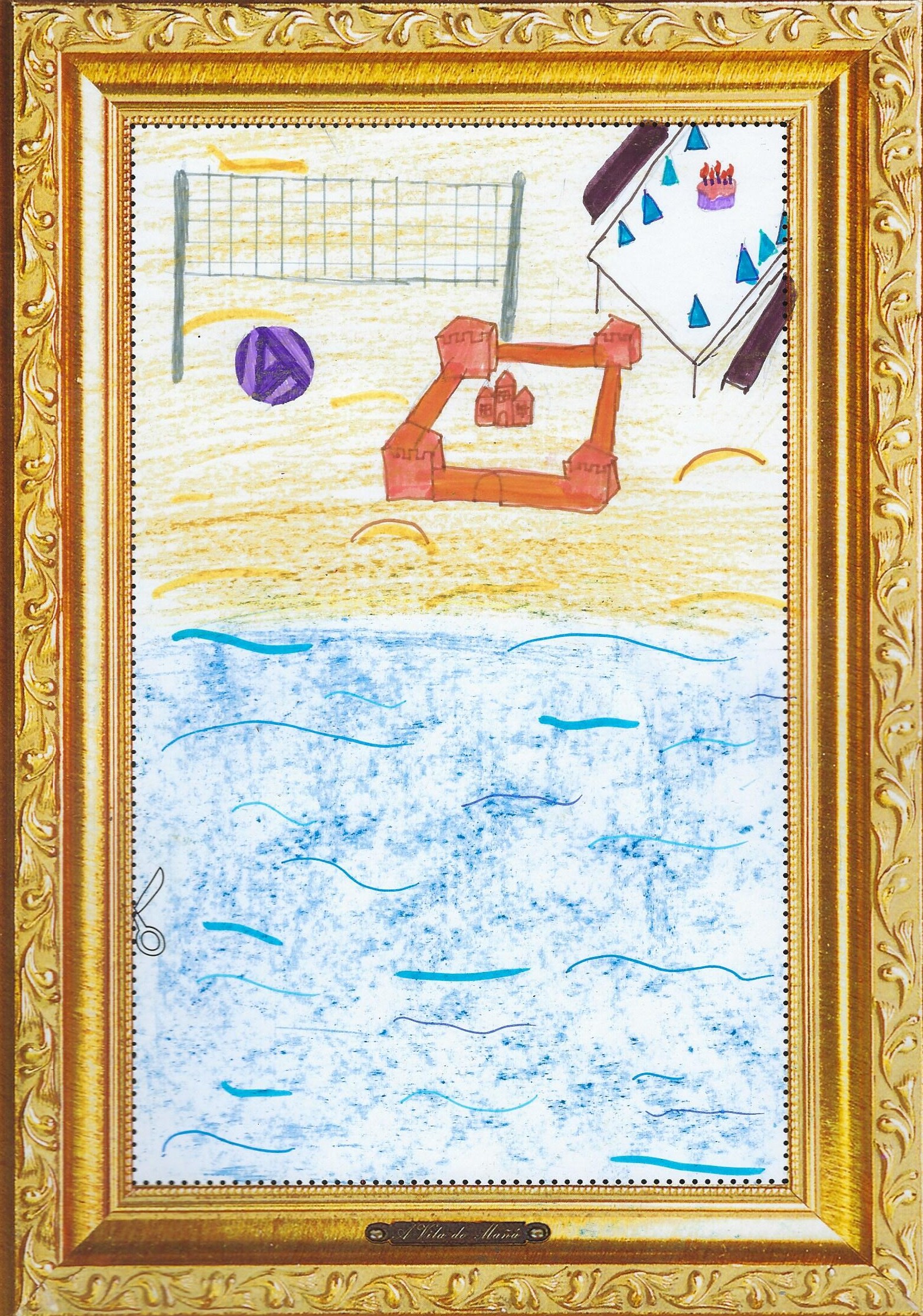
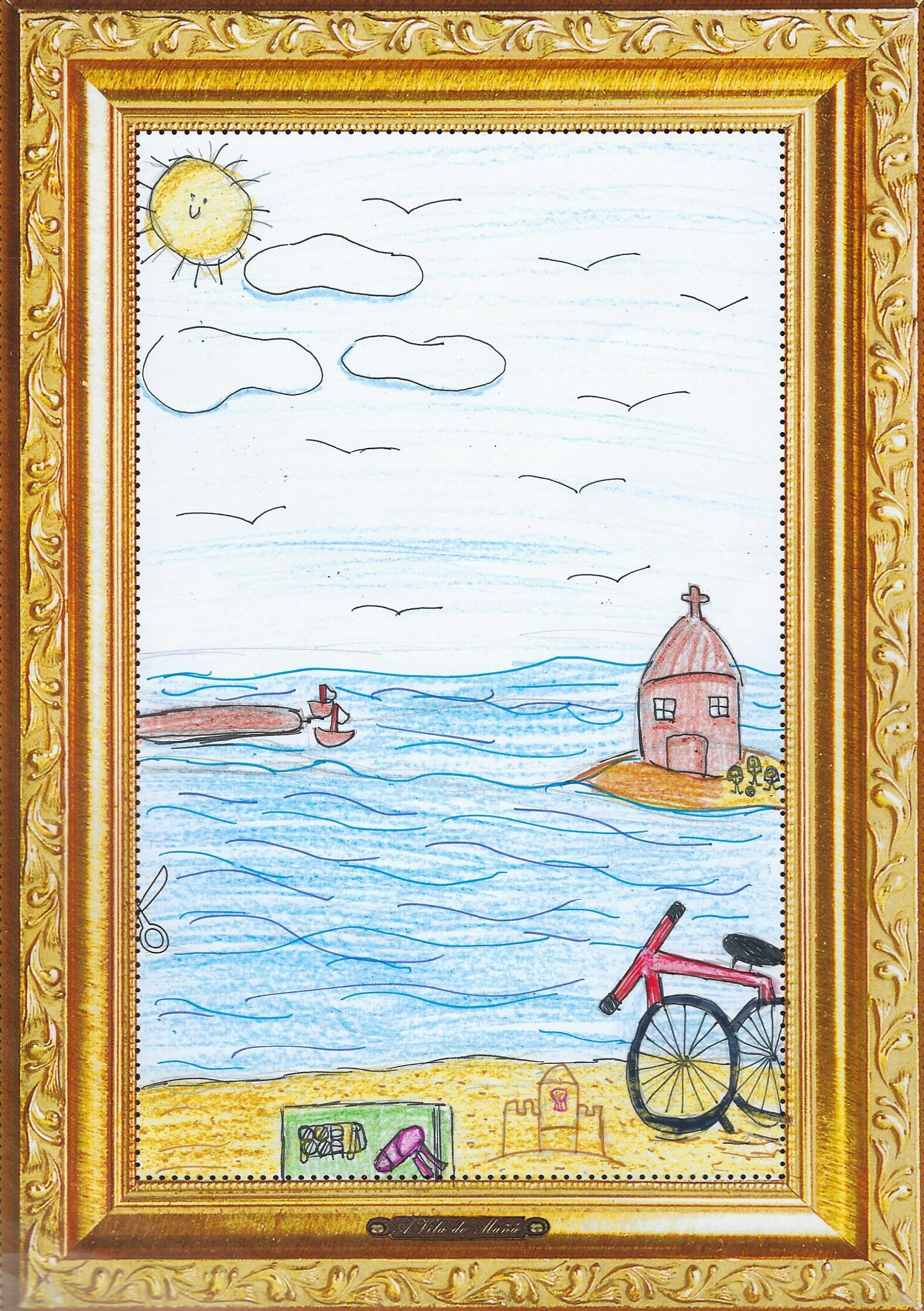
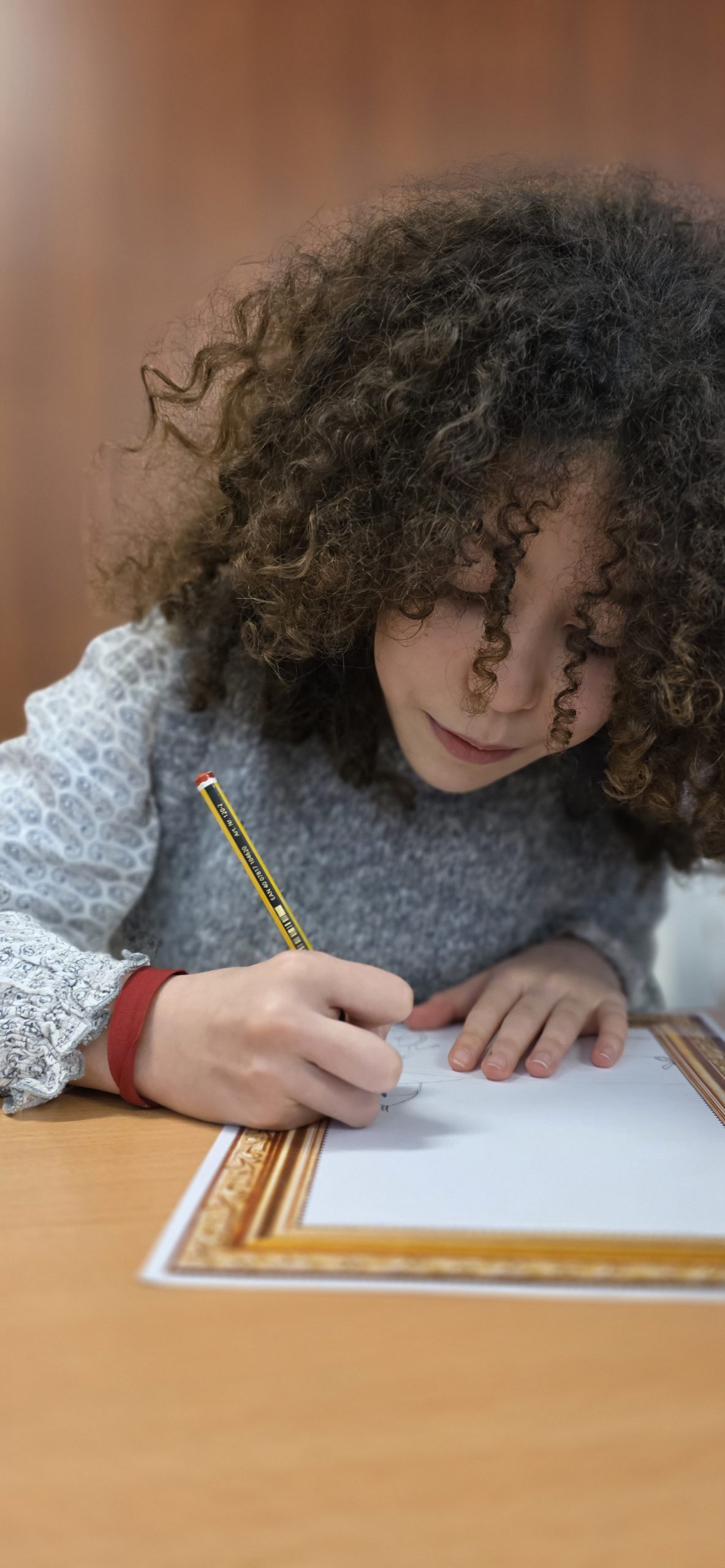
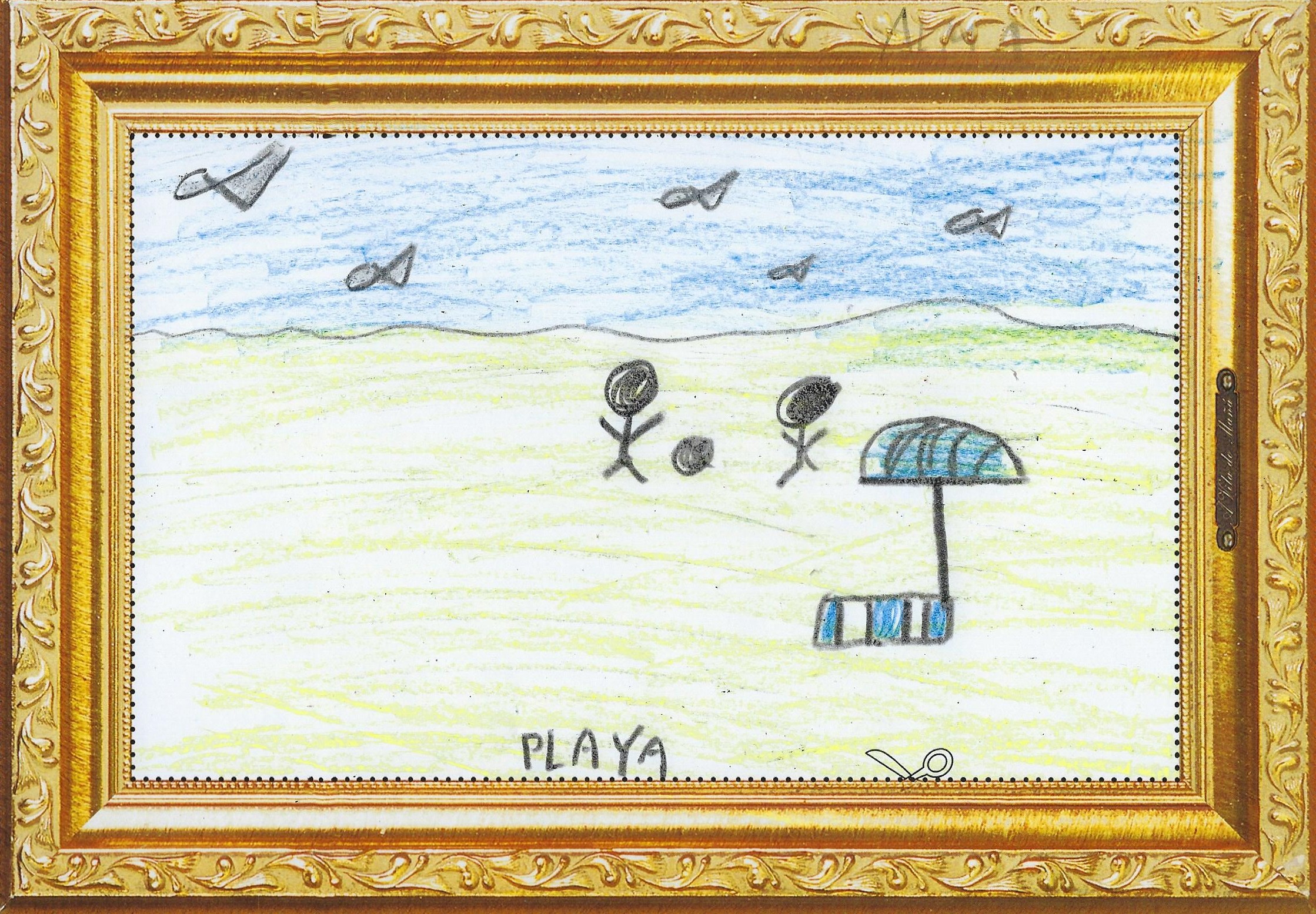
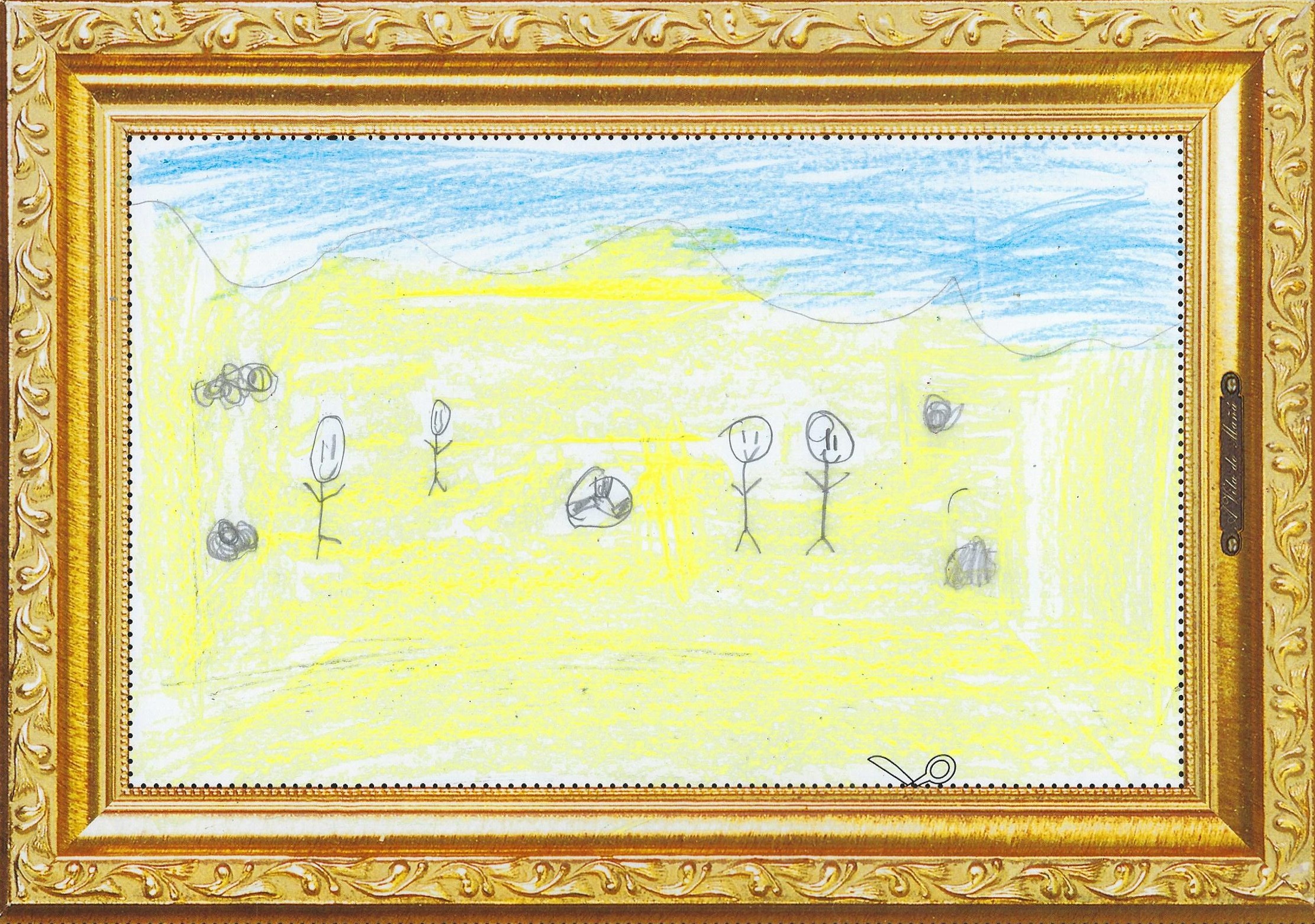
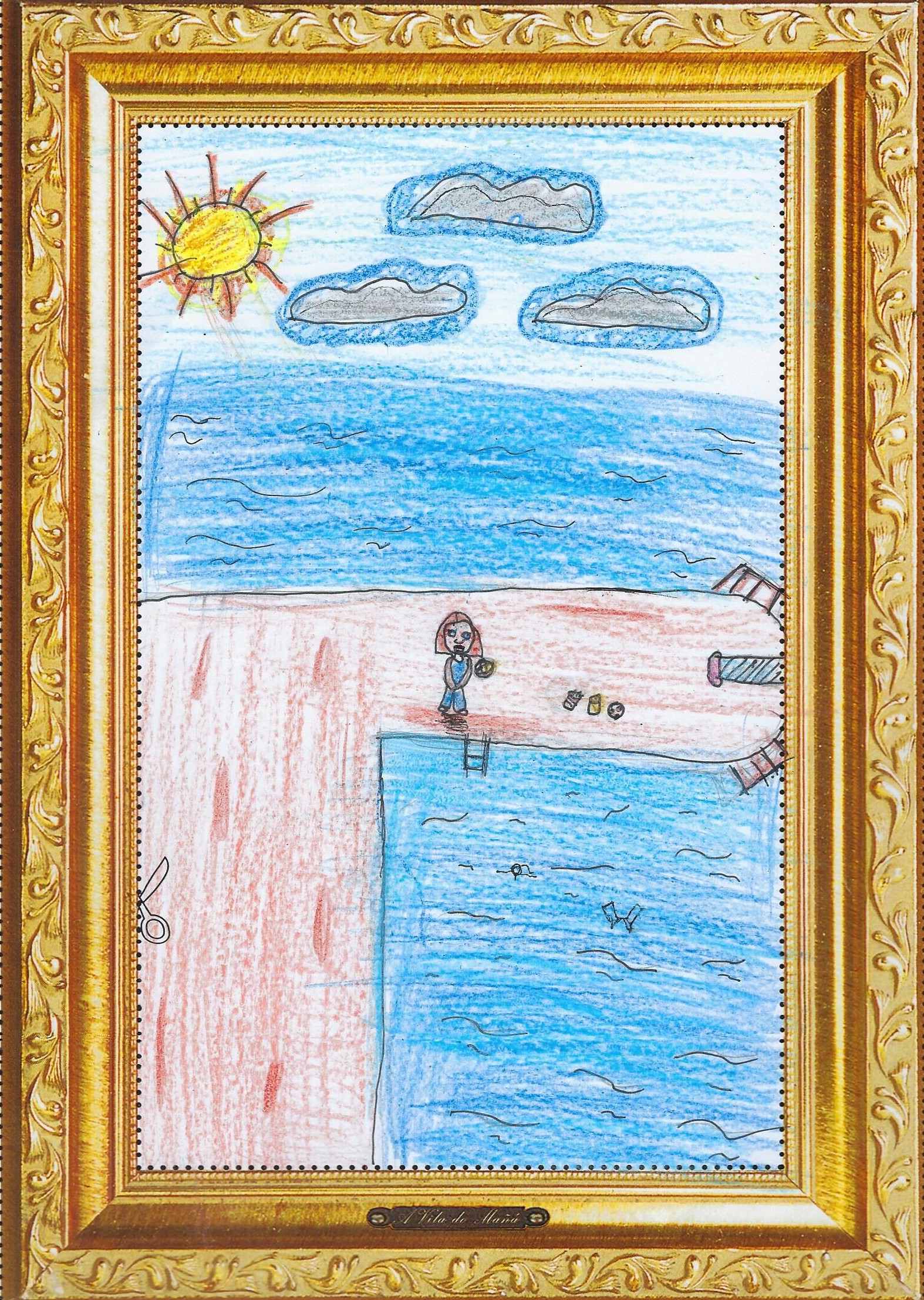
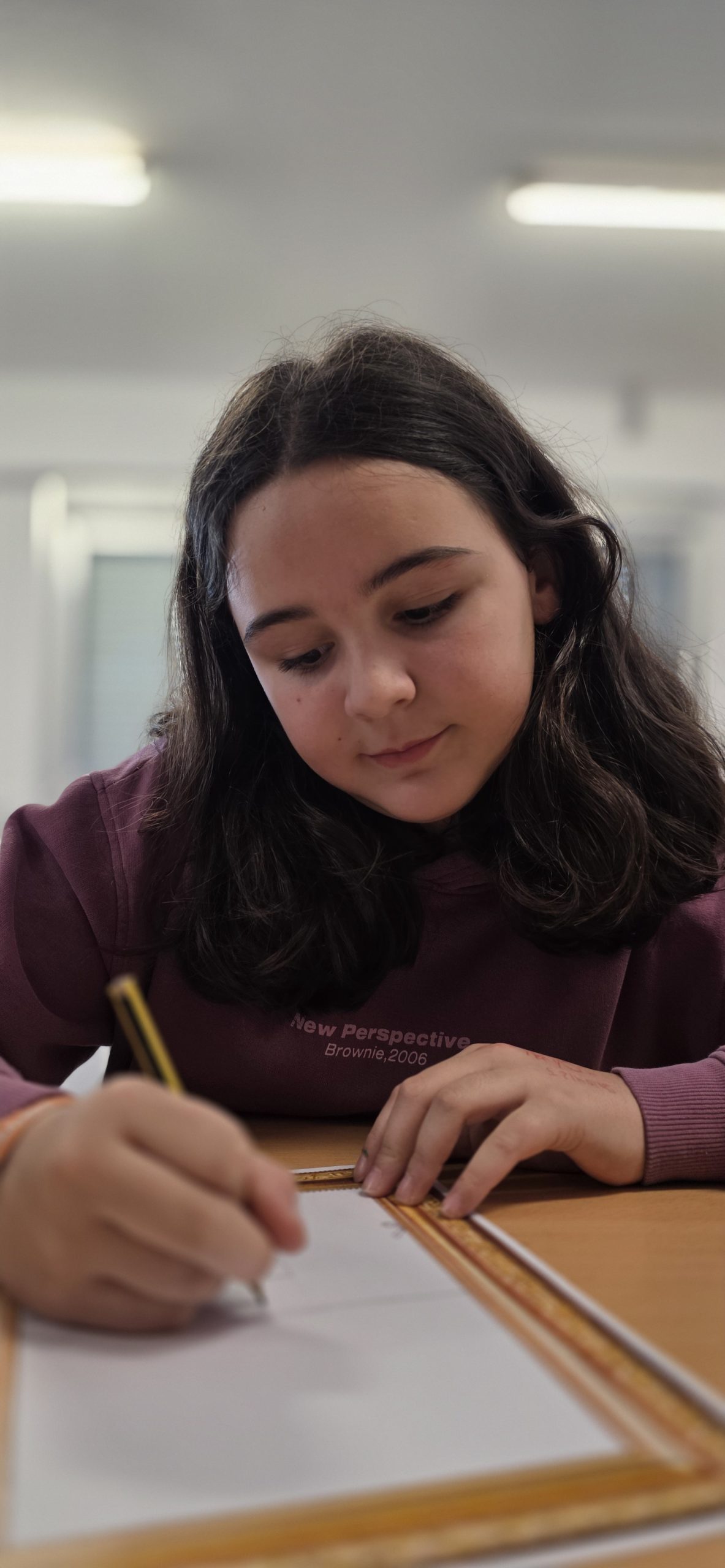
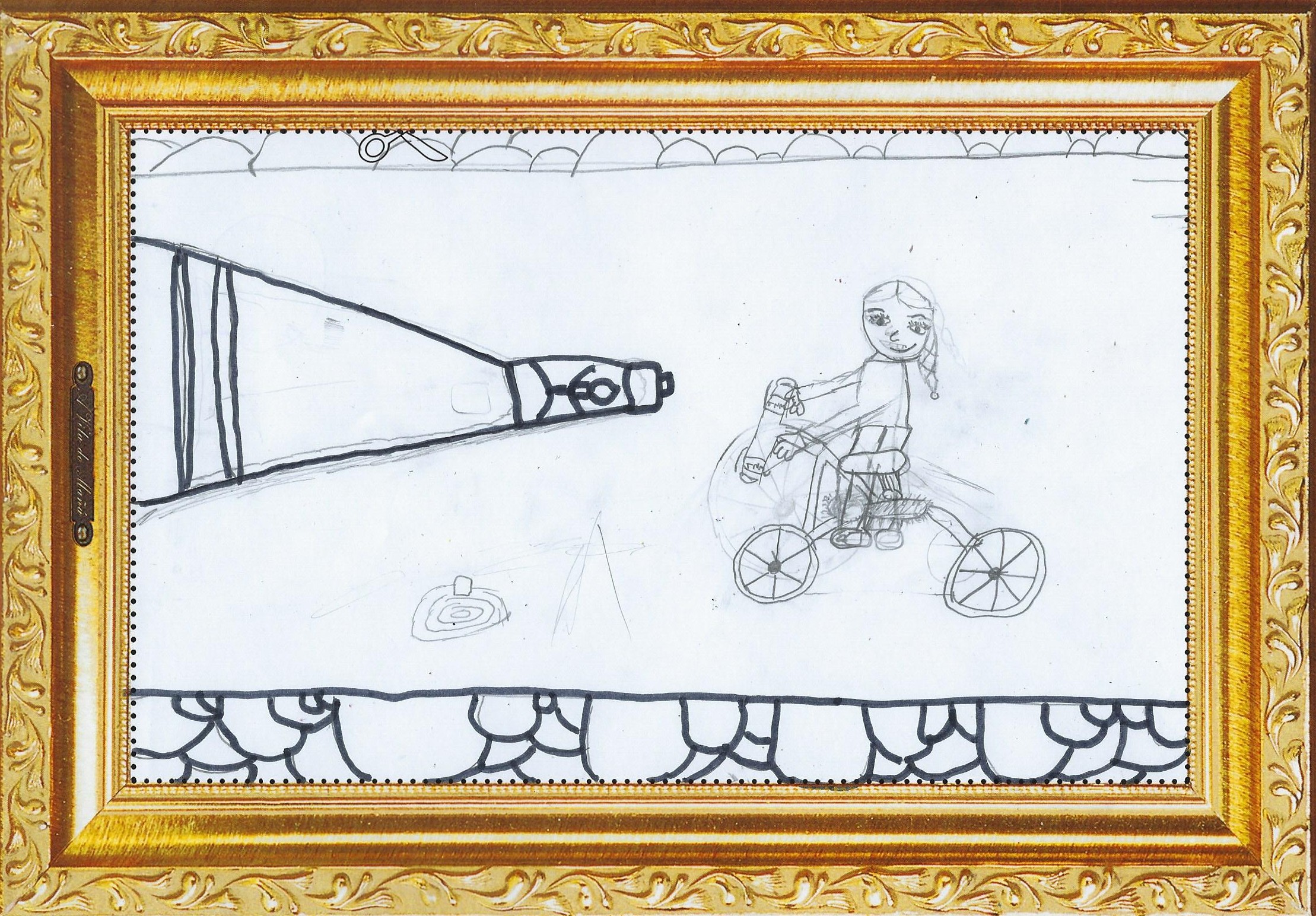
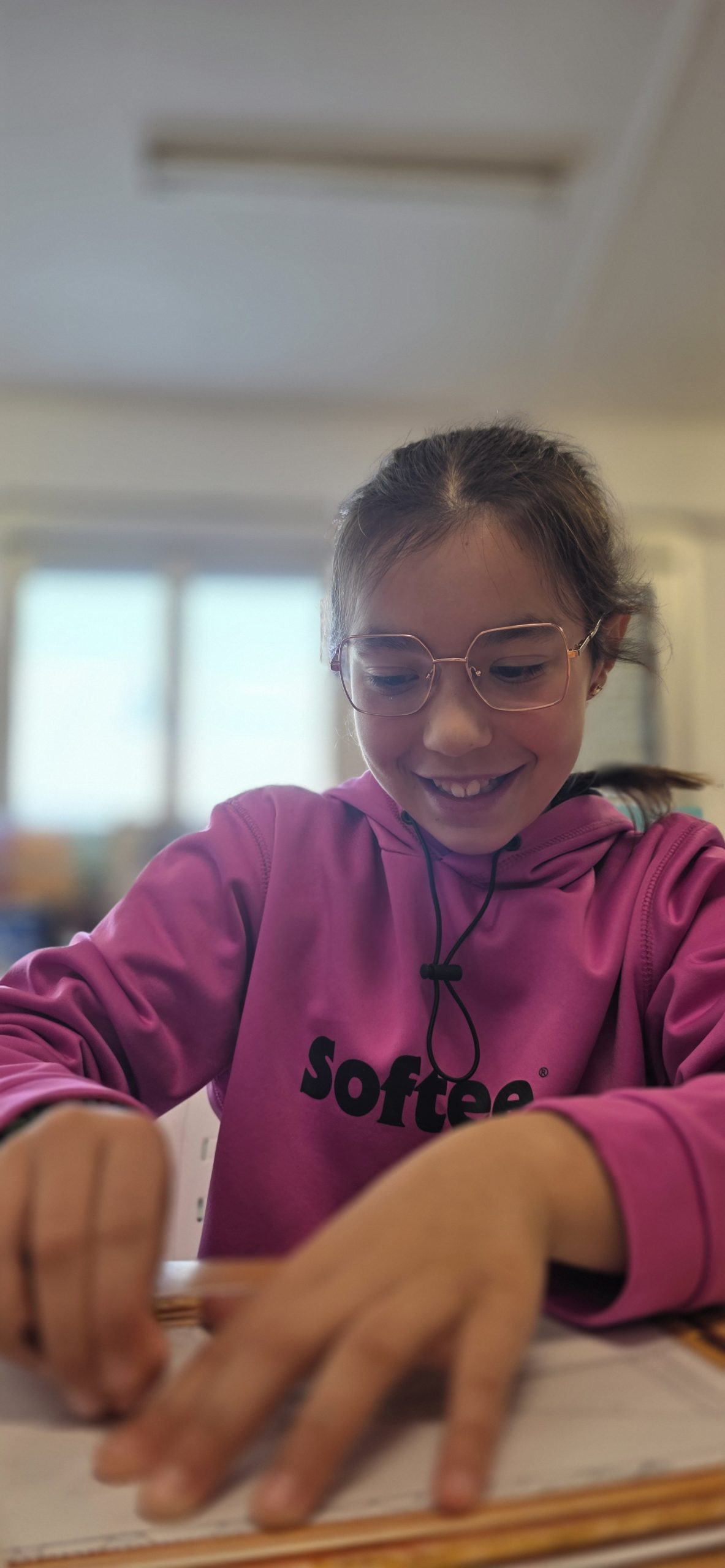
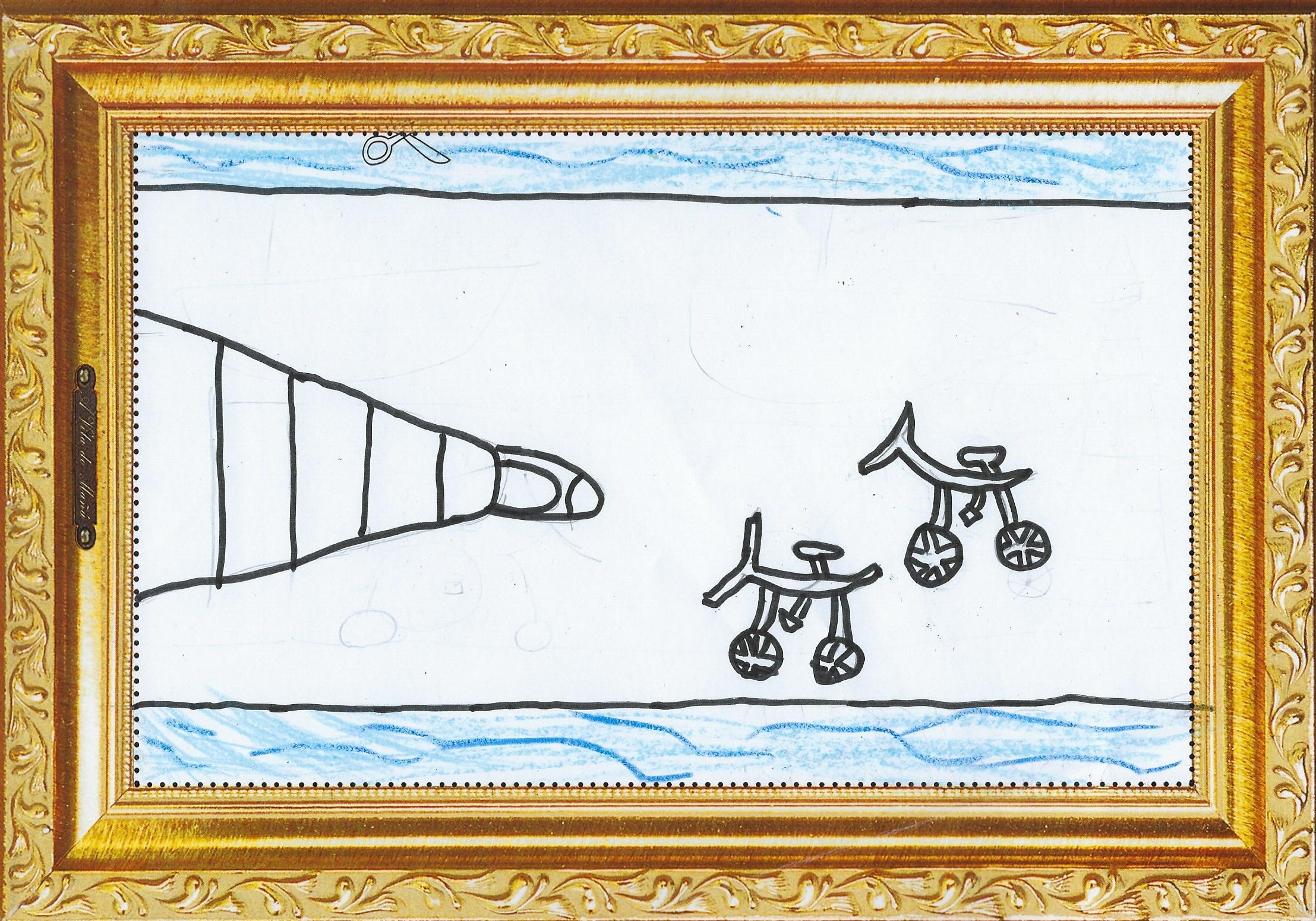
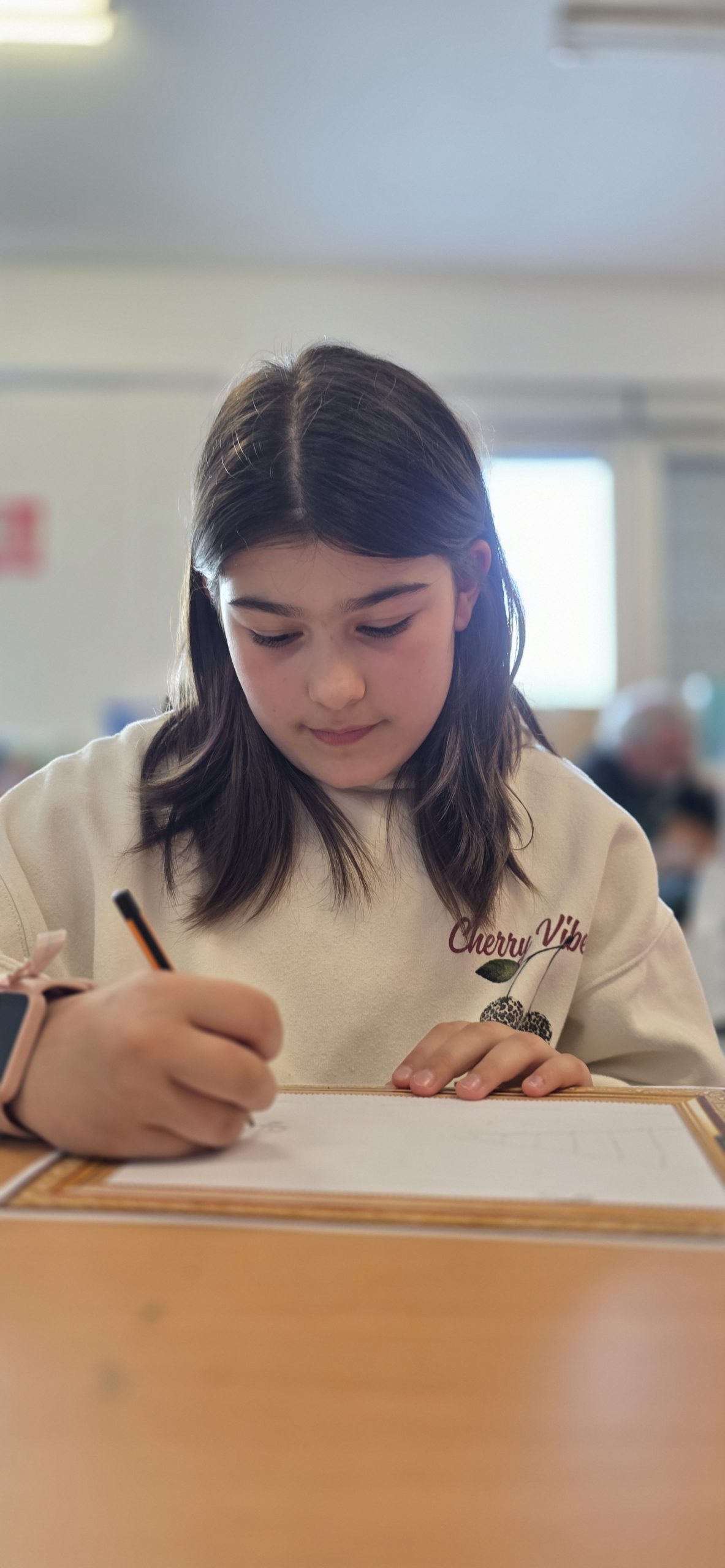
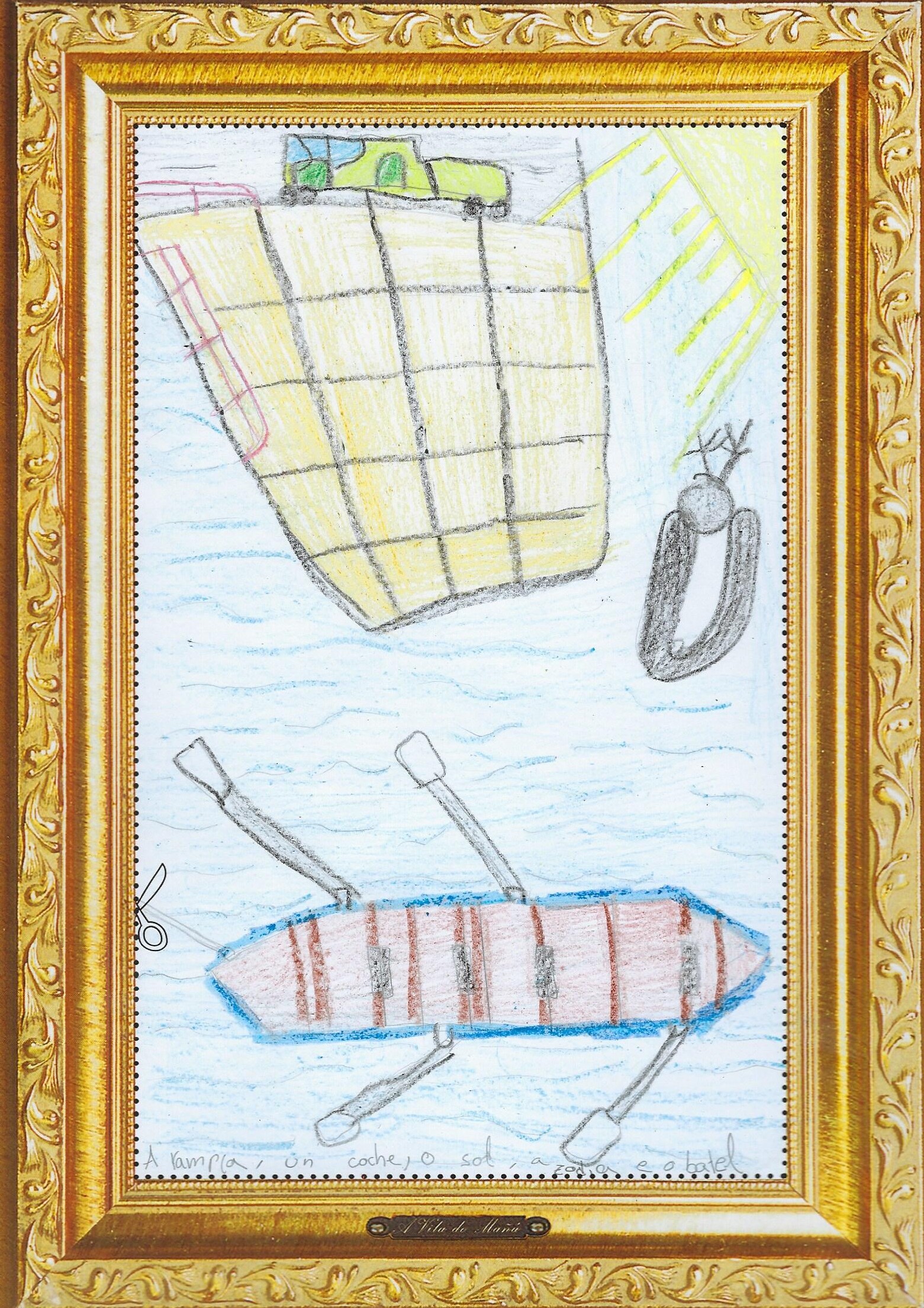
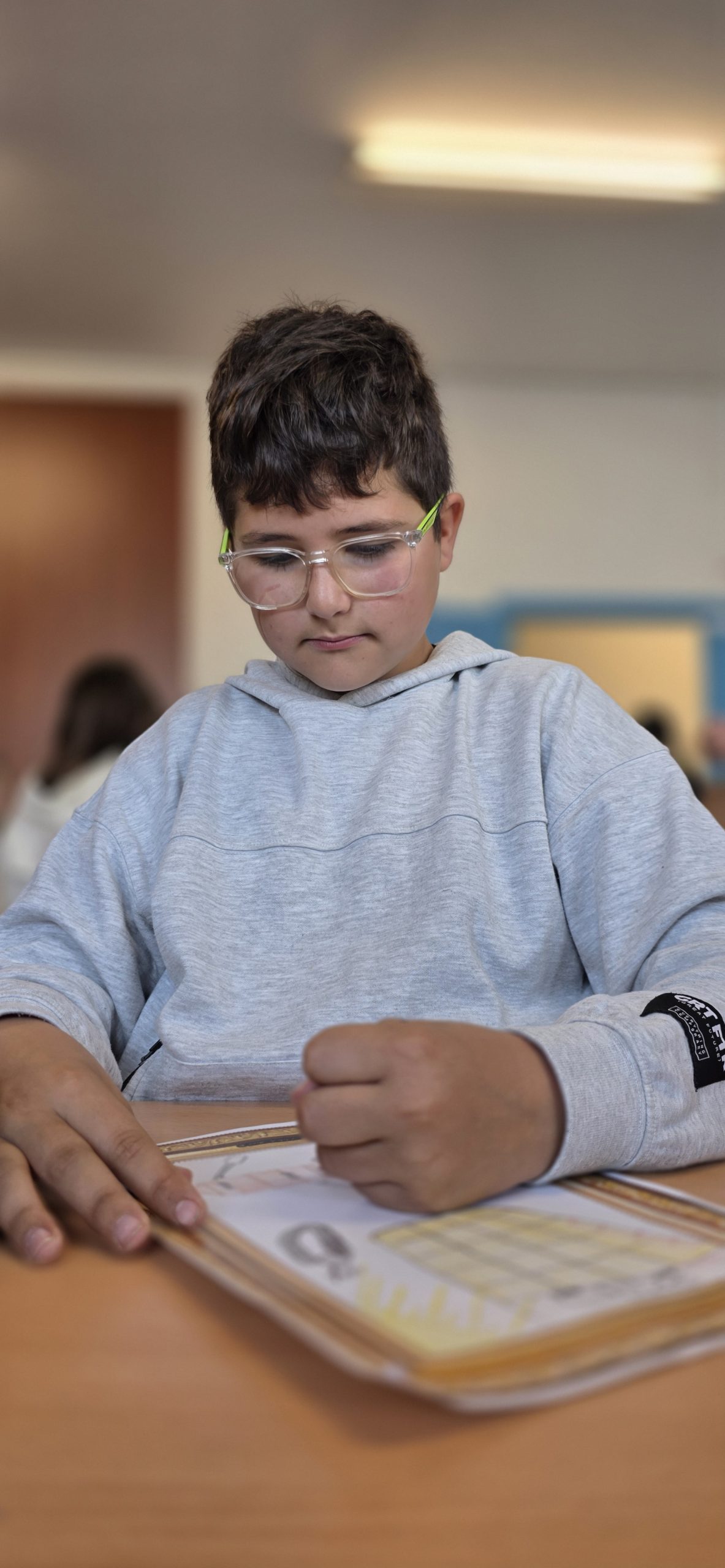
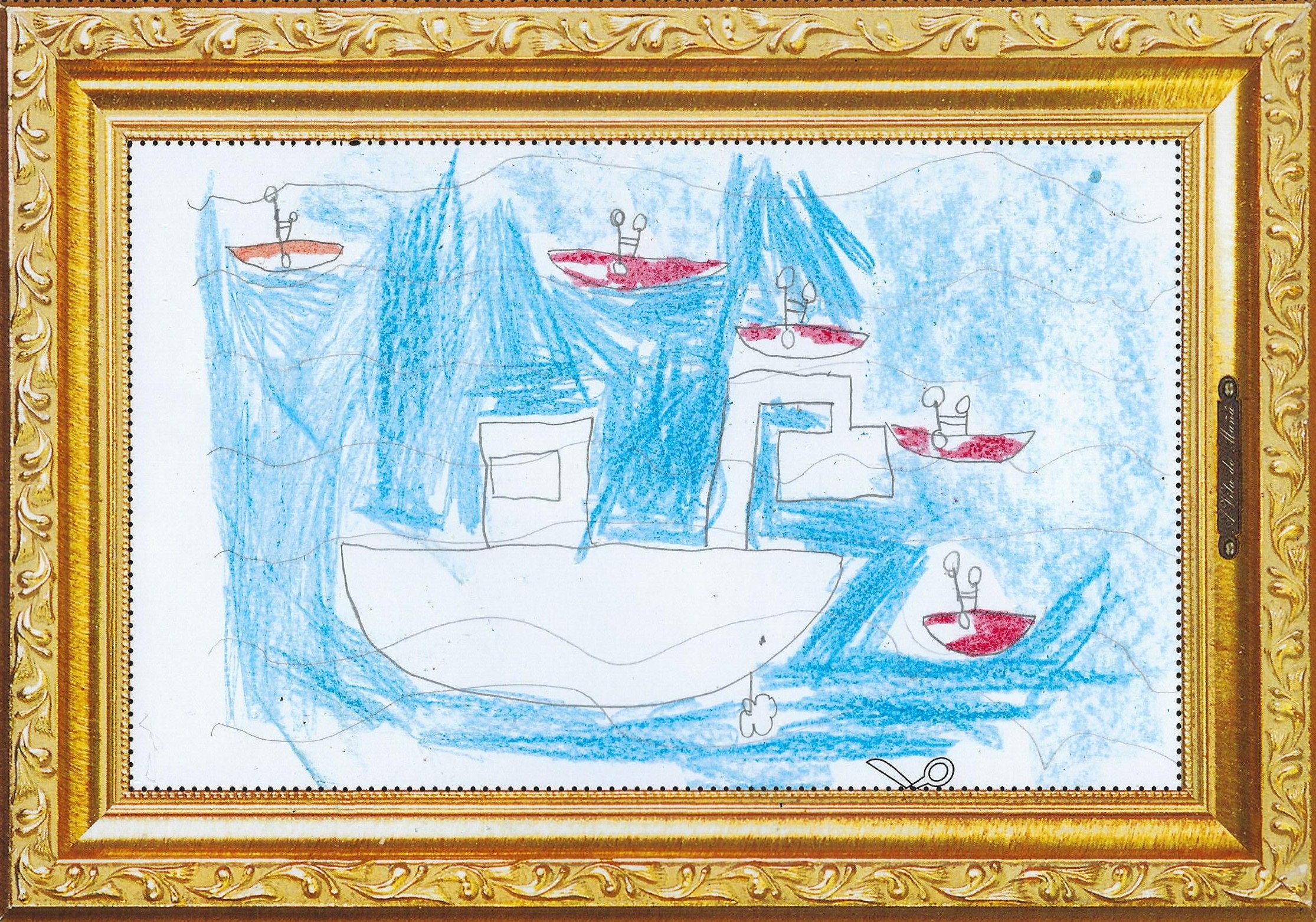
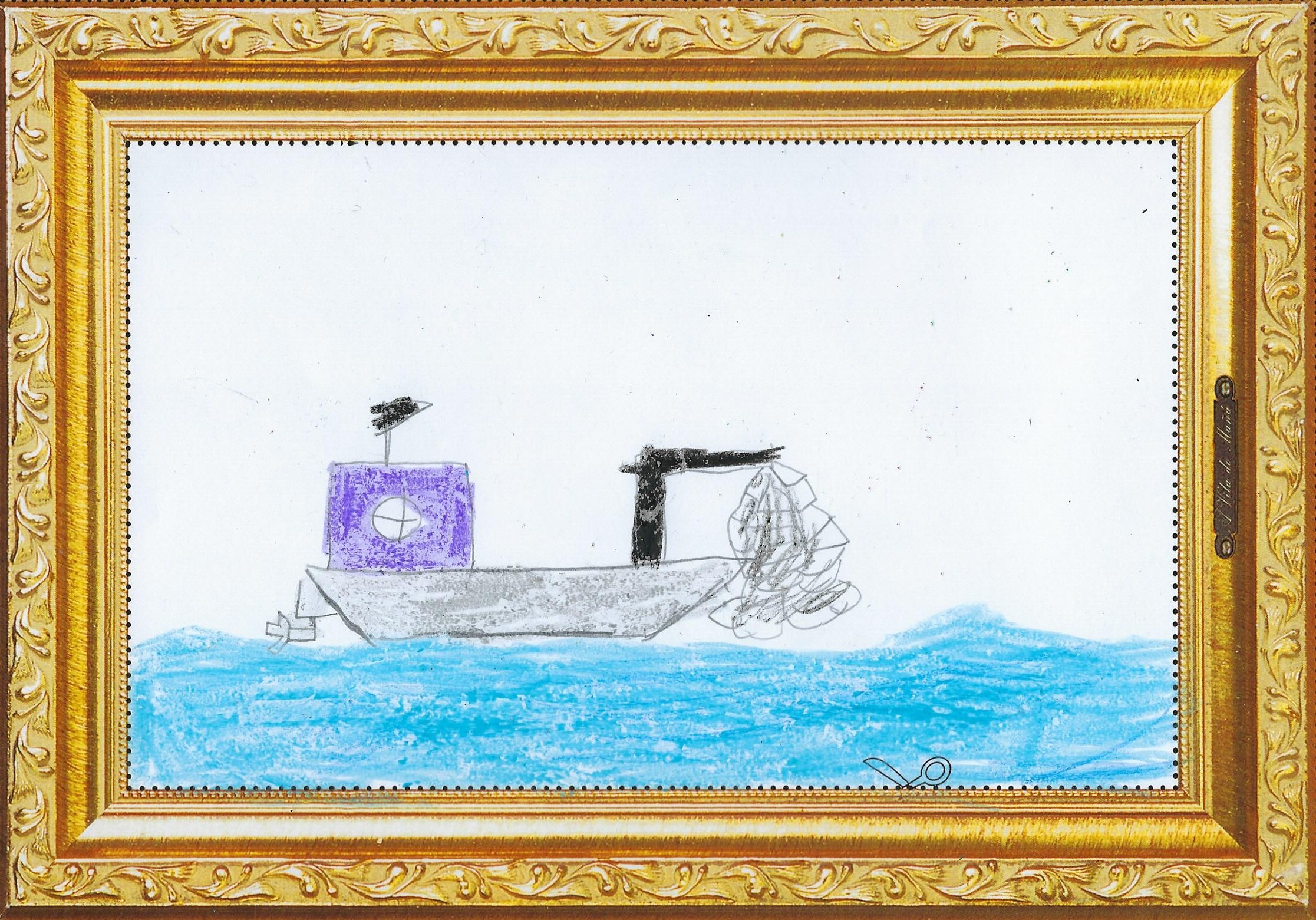
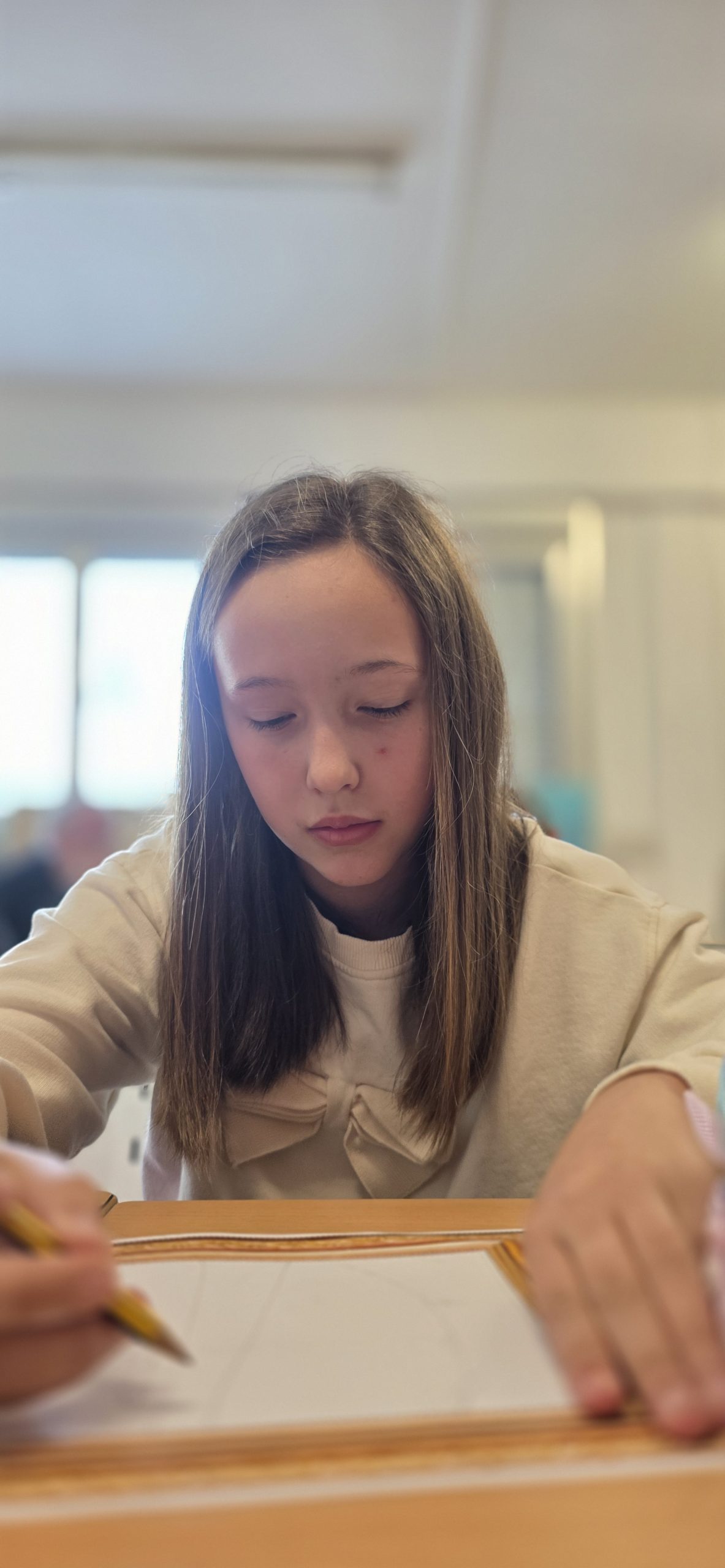
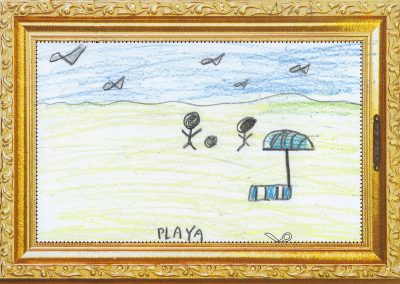
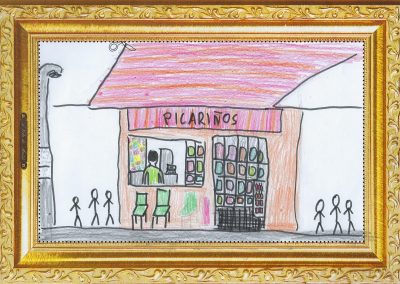
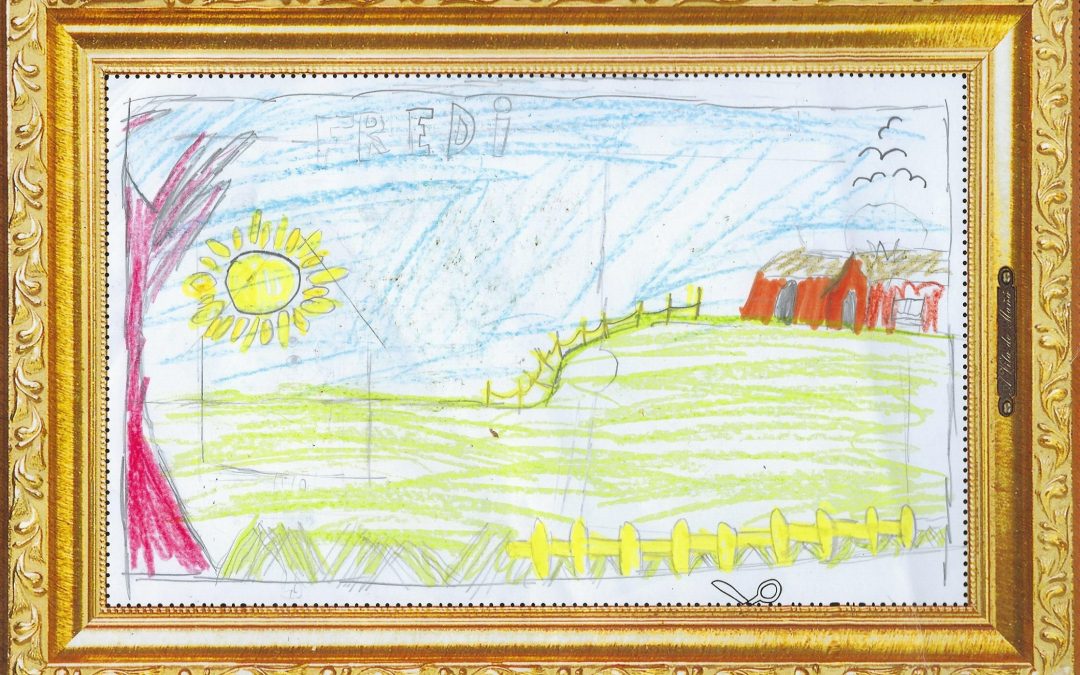
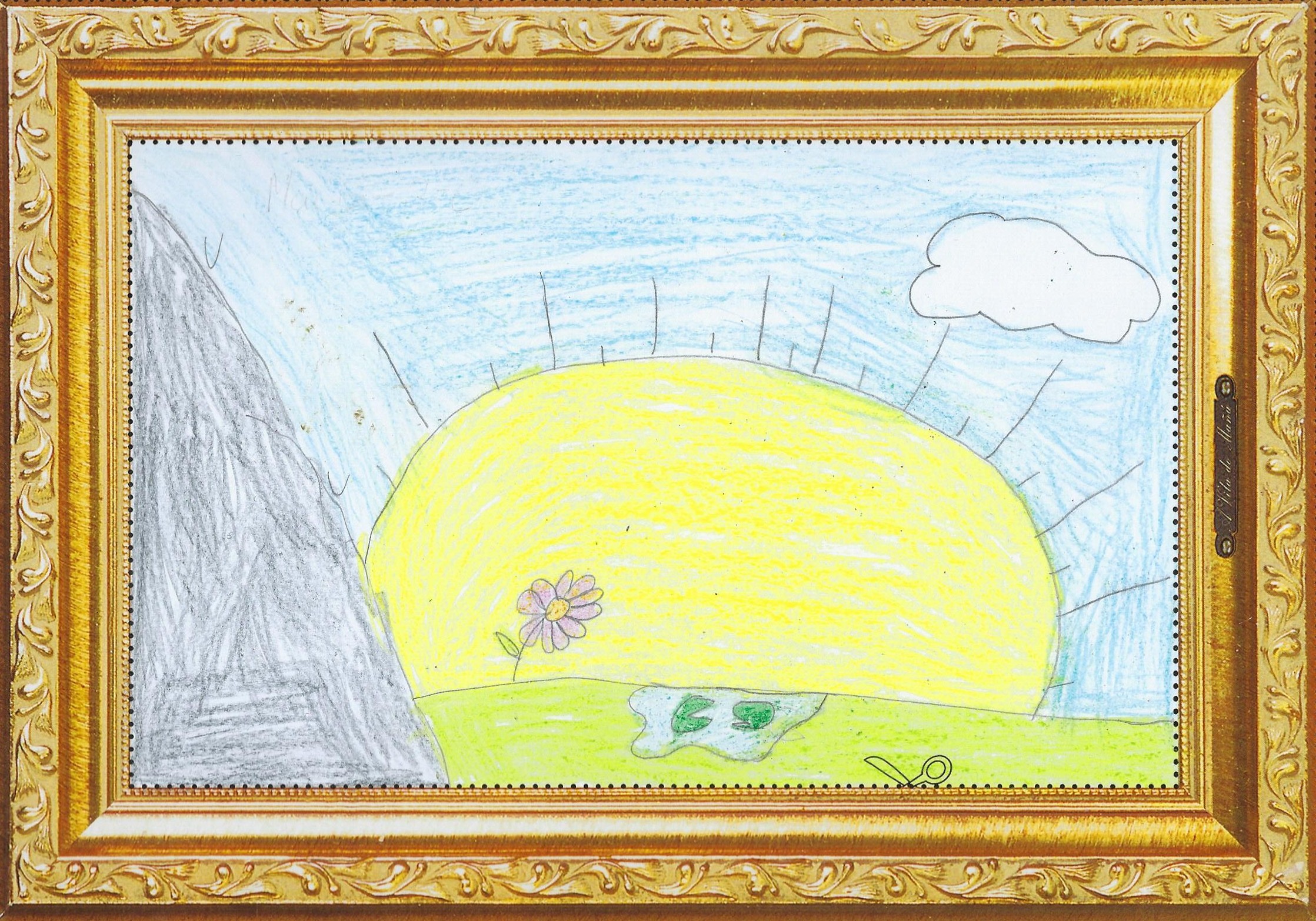
Work began with PERCEPTION—how future inhabitants perceive their town or city. To explore this, the children participating in the project were asked to use simple drawings to show which elements are fundamental or of special interest to them. In this way, we can understand their view of their town or city and work toward a collective vision shared by all participants.

Good urban acupuncture would be that which ensures that everyone knows their city. How many people, in reality, truly know their own city? It is difficult for anyone to respect what they do not know. But how can you respect your city if you do not understand it? Draw your city. […] But how can you improve your city if you do not even know it well? What do you do for it if you are not even capable of drawing it? That is the crux of the matter.

— Jaime Lerner

GeoRIBADEO

GeoRIBADEO

Ribadeo


changing the village through protagonist participation

1. The Optician’s House :

The Casa do Óptico is an indiano house from the first decade of the 20th century. Its creator was an optician by profession. It has been a building dedicated to education since its creation and, at present, it is the headquarters of the Official School of Languages (EOI) of Ribadeo.

Students of 3rd PDC of IES Ribadeo Dionisio Gamallo

2. Sela’s house

The Casa da Sela is an indiano house built in 1869. It follows an eclectic style. This house stands out for its grandeur, the sobriety of its decoration, and the simplicity of its lines.

Students of 3rd PDC of IES Ribadeo Dionisio Gamallo

3. Virxe do Camiño Chapel:

This chapel is located on San Roque Street in Ribadeo. A curious fact about this building is that it is not known when it was built or by whom. Its name is related to its location, since, in the past, the chapel was located beside the road that led to Viveiro. From this building, we can highlight its nave covered with a vault, the triumphal arch, and the dome.

Students of 3rd PDC of IES Ribadeo Dionisio Gamallo

4. Calzada House :

The Casa da Calzada is an indiano house with modernist touches built in 1910 by the Lanza family. The house’s tower is intended to display the family’s social status, and its façade and garden have a very typical French influence of the time, both in Europe and in America.

Students of 3rd PDC of IES Ribadeo Dionisio Gamallo

5. Red House :

Also known as the Casa Rosa, this building has often been mistakenly considered an indiano house. In reality, it is a modernist construction with highly elaborate vegetal decorations. It has an elegant dome, and the shape of its balconies is rounded.

Students of 3rd PDC of IES Ribadeo Dionisio Gamallo

6. The Cocos :

The Cocos are two giant puppets that are over 150 years old. Their most distinctive feature is their large size: they measure around 3.50 metres. They are the most representative pair of the San Roque festivities in Ribadeo, which are celebrated at the beginning of September.

Students of 3rd PDC of IES Ribadeo Dionisio Gamallo

7. Market Square :

The Praza de Abastos is a building constructed in 1935 that follows an Art Deco style. In this building, it is worth highlighting its exterior, where we find geometric decoration, and its interior, which is very spacious and organized in crossed aisles. Today, it is the main reference point for fresh produce trade in Ribadeo.

Students of 3rd PDC of IES Ribadeo Dionisio Gamallo

8. Santa María do campo church :

This church was part of a Franciscan convent and was originally a medieval temple. Following the disentailment (desamortización), the church was abandoned until the early 20th century, when it was renovated and expanded. Currently, we can still find parts of the old convent, such as the general layout of the floor plan and the stone slabs of the floor.

Students of 3rd PDC of IES Ribadeo Dionisio Gamallo

9. Town hall :

This building was the former palace of the Marquis of Sargadelos, a very prominent figure in Ribadeo for being the founder of the Sargadelos factory and for playing a very important role during the Enlightenment. This palace became the Town Hall after the Civil War. Nowadays, the figure of the Marquis of Sargadelos warmly welcomes us every time we visit the town hall.

Students of 3rd PDC of IES Ribadeo Dionisio Gamallo

10. Moreno tower :

This building was constructed between 1914 and 1915 at the request of the Moreno Ulloa brothers. Once completed, the work aroused admiration for its innovative character, as uncommon materials for the time were used. Its ornamentation is also noteworthy, as it follows a modernist style. Its iconic dome can be seen from different parts of Ribadeo, since the building is located on the highest plot in the town.

Students of 3rd PDC of IES Ribadeo Dionisio Gamallo

11. The Four-Spout Fountain :

This fountain was built in 1849 in granite masonry. It consists of a circular basin except for one third, where we find a metal-grated drinking trough.

In the centre, there is a square column with mouldings and four water spouts.

Students of 3rd PDC of IES Ribadeo Dionisio Gamallo

12. Antonio Otero street :

This street is one of the most important and emblematic in Ribadeo, as it runs down from the town centre to the port. It is a street that, in addition to its views, reflects the different historical stages of Ribadeo. In the 19th century, the nautical house was located on this street, and today we can visit the municipal public library, the Casa Bengoechea, and the Casa del Patín, the oldest civil building in Ribadeo.

Students of 3rd PDC of IES Ribadeo Dionisio Gamallo

13. Patín house :

The Casa del Patín is the oldest building in Ribadeo, although from the medieval period it only preserves the façade (renovated in the 20th century). Its coat of arms represents the lineage of the Méndez Navia family, a family of Ribadeo origin that became wealthy through the timber trade for shipbuilding in the 18th century. Today, it shares a courtyard with the Municipal Library.

Students of 3rd PDC of IES Ribadeo Dionisio Gamallo

14.  Old customs :

This building was originally constructed as a manor house (pazo). It has a Bourbon-style design, with a tower at the back. It is a three-storey building facing north, and its main façade is made up of three large semicircular arches and openings. The building has had different uses, being briefly rented as a customs house during a very short period in the 19th century. It has had many functions, among which stands out its use as a school for boys and girls during the 1920s and 1930s, up until the beginning of the Civil War.

Students of 3rd PDC of IES Ribadeo Dionisio Gamallo

15. Chapel of the Holy Trinity :

This chapel was built in the 12th century by order of Ferdinand II and is one of the oldest temples in Ribadeo. It is located at a viewpoint overlooking the estuary and the port, which is why this church has a second name: La Atalaya, a name that refers to the place where navigators were formerly guided with torches.

In addition to being a church, it also served as a venue for guild meetings and open councils. Next to the church, we can see two cannons that demonstrate the defensive role of this place.

Students of 3rd PDC of IES Ribadeo Dionisio Gamallo

16. Panoramic elevator :

This lift descends from La Atalaya or the Church of the Holy Trinity to the port, in a 35-metre drop that connects the historic centre with the harbour area and its seafront promenade.

This project was carried out in 2005 and, in addition to being very useful for going down or up the 35-metre difference in height, inside it we can enjoy wonderful views of the River Eo and the surroundings of Ribadeo.

Students of 3rd PDC of IES Ribadeo Dionisio Gamallo

Colour your village

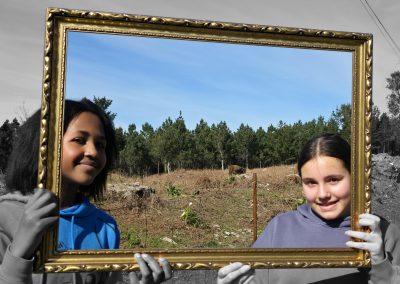
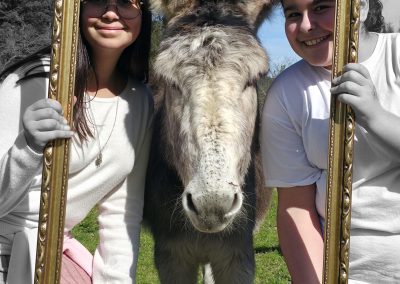
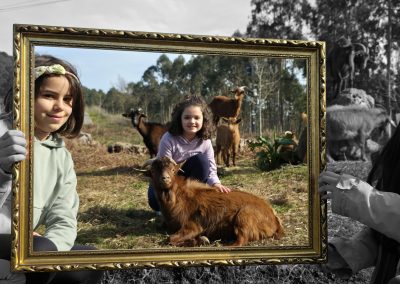
The village or city in which we are working, transformed into a game board, a laboratory of experimentation where children and teenagers can act from a new point of view.

2º ESO

2º ESO

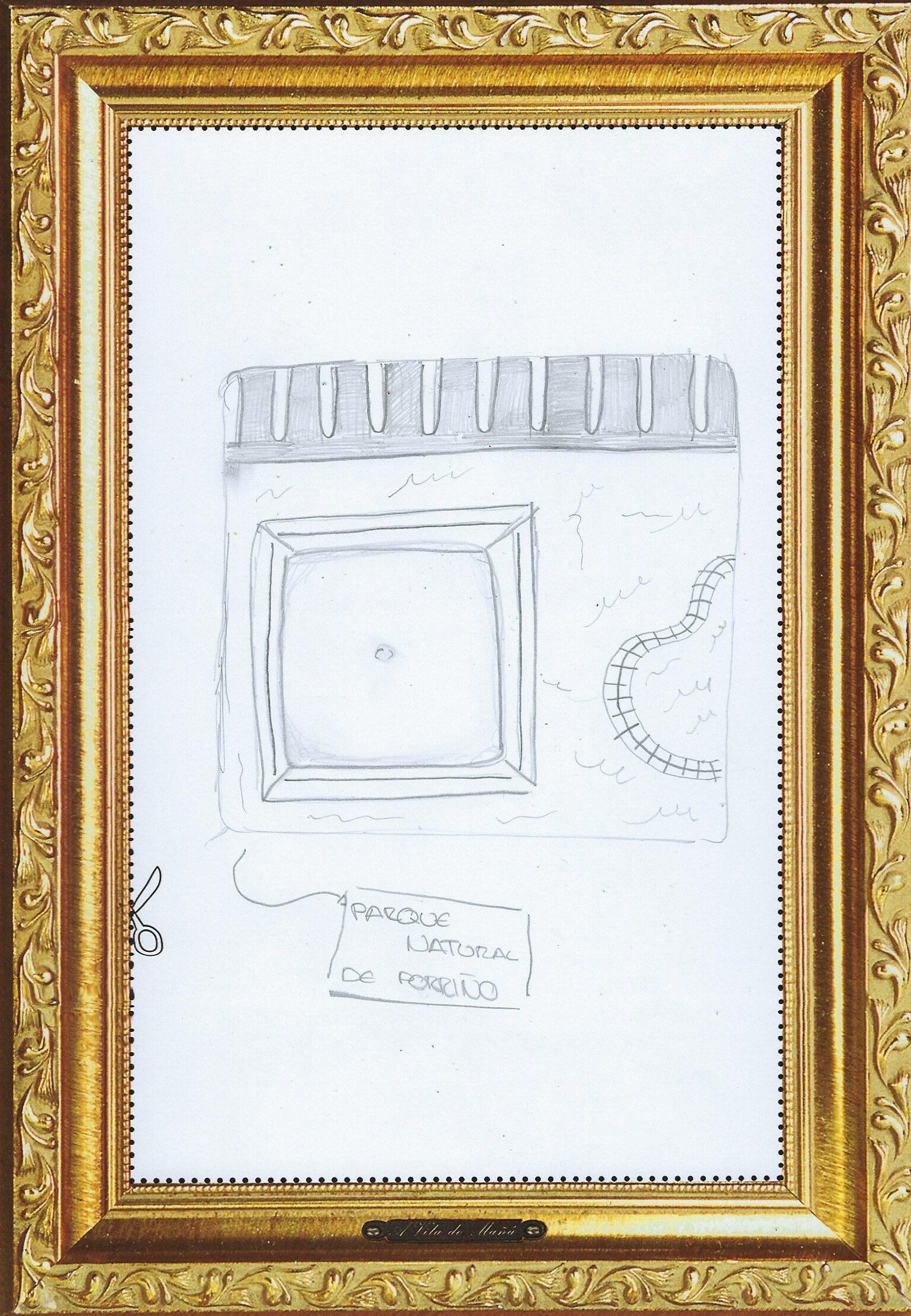
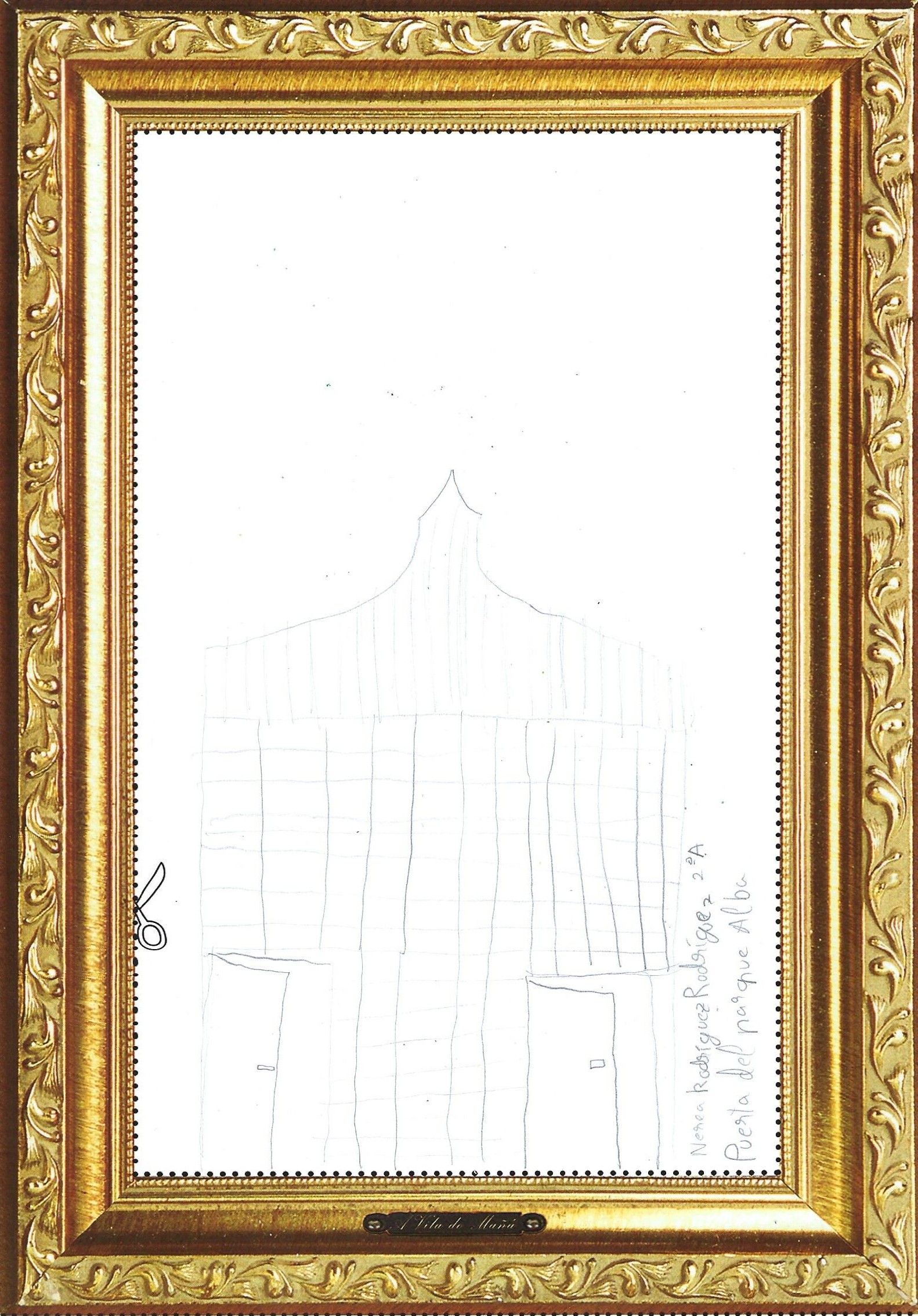
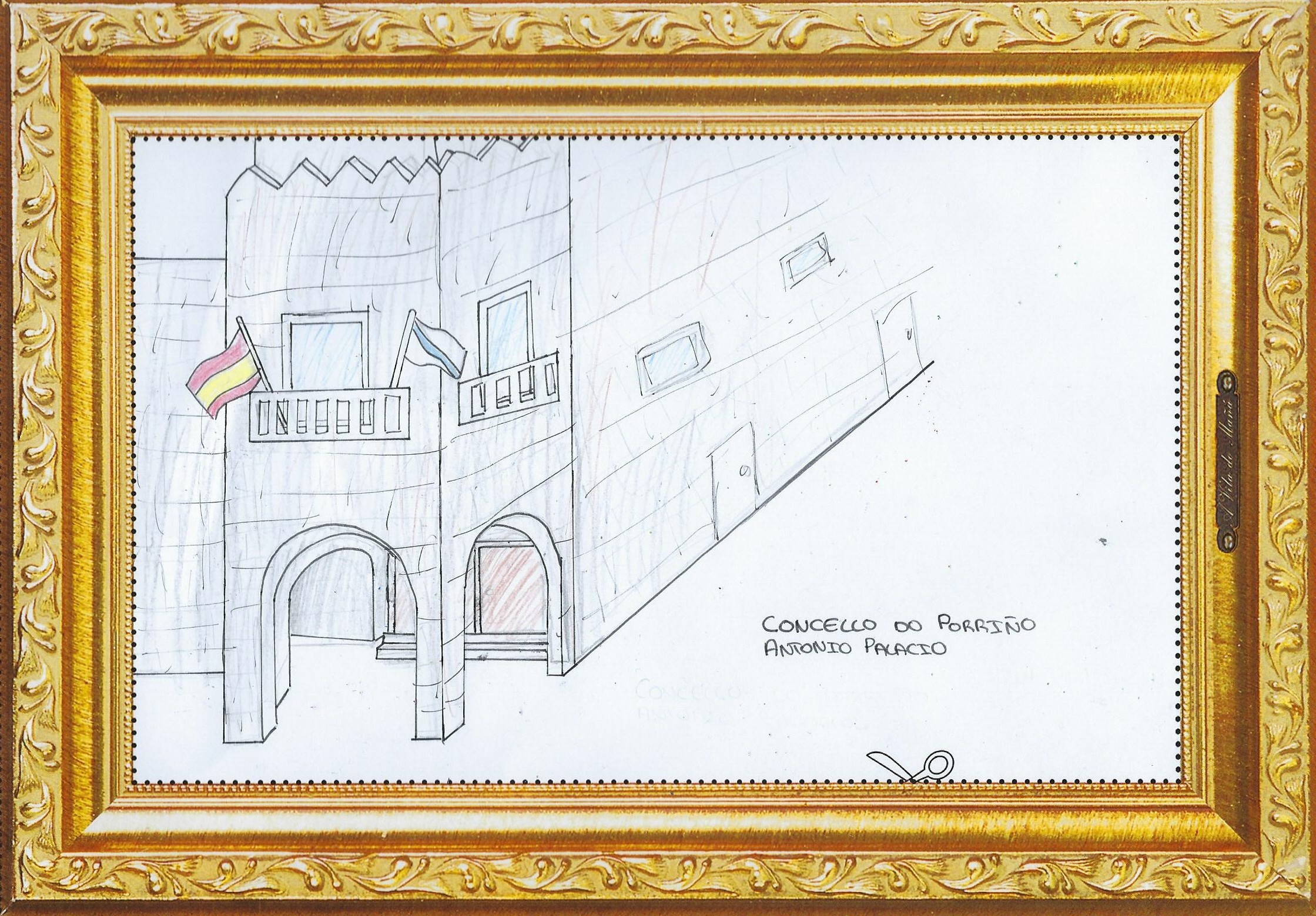
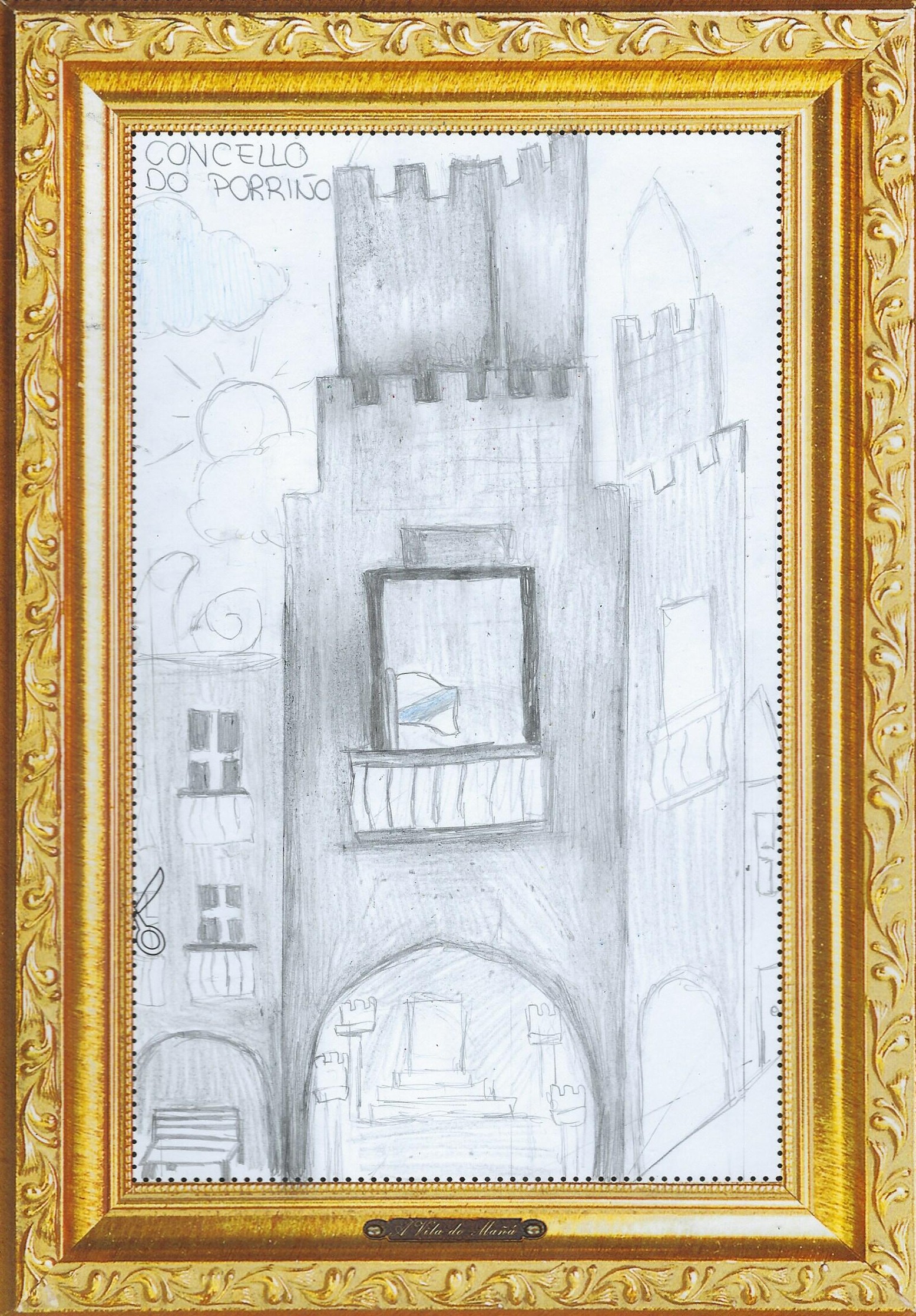
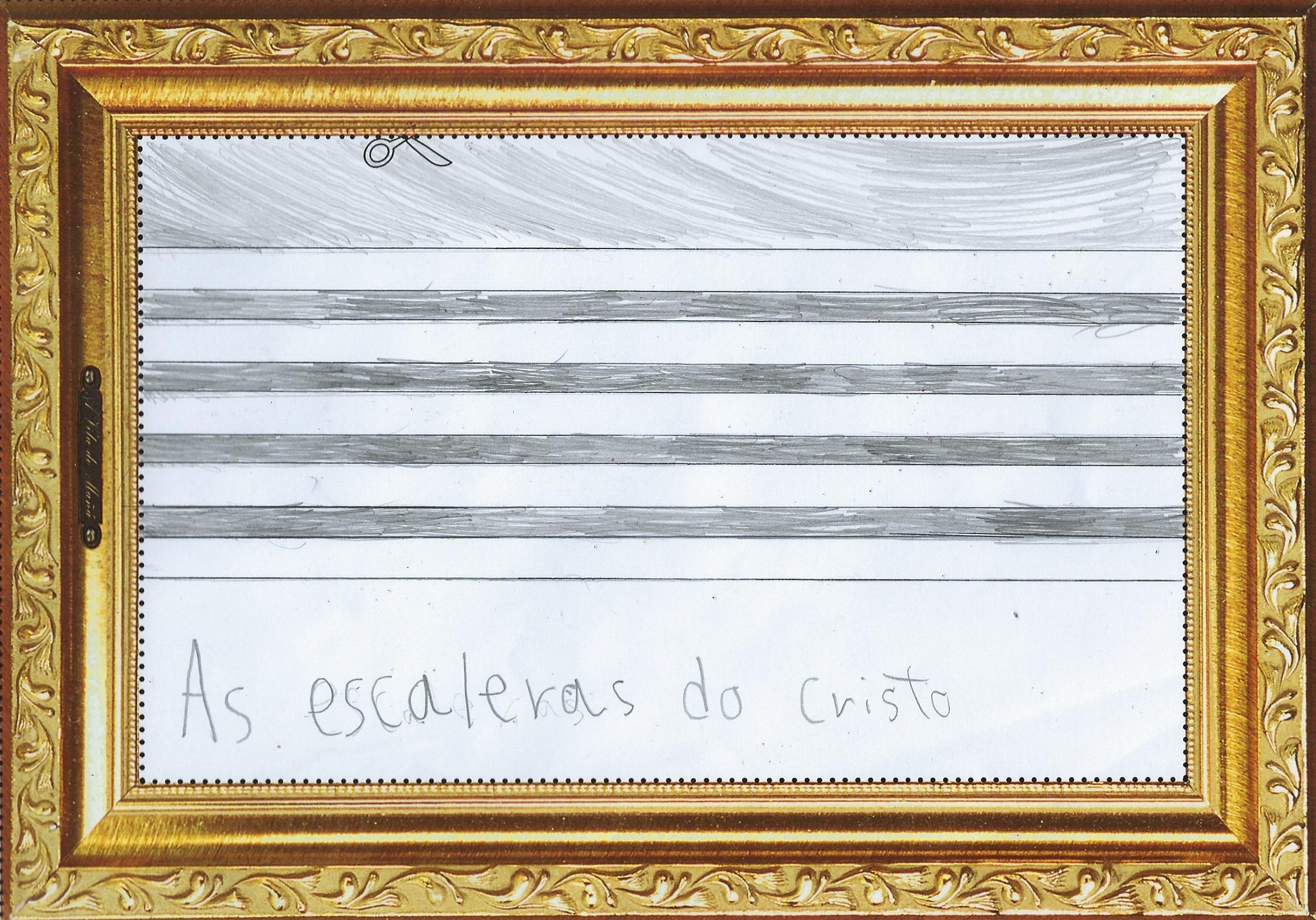
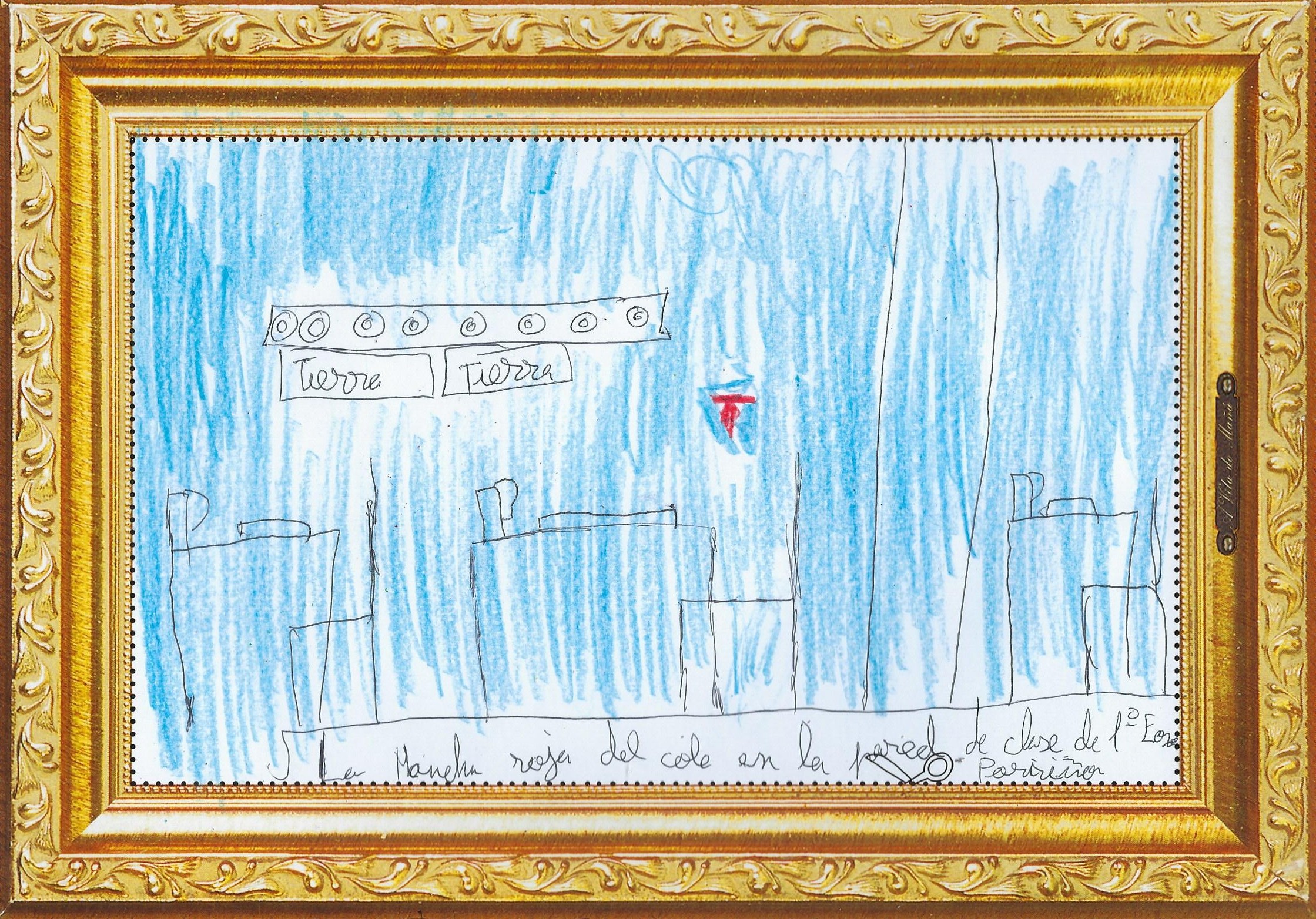
O Porriño

changing the village through protagonist participation


reCOGNIZING O Porriño


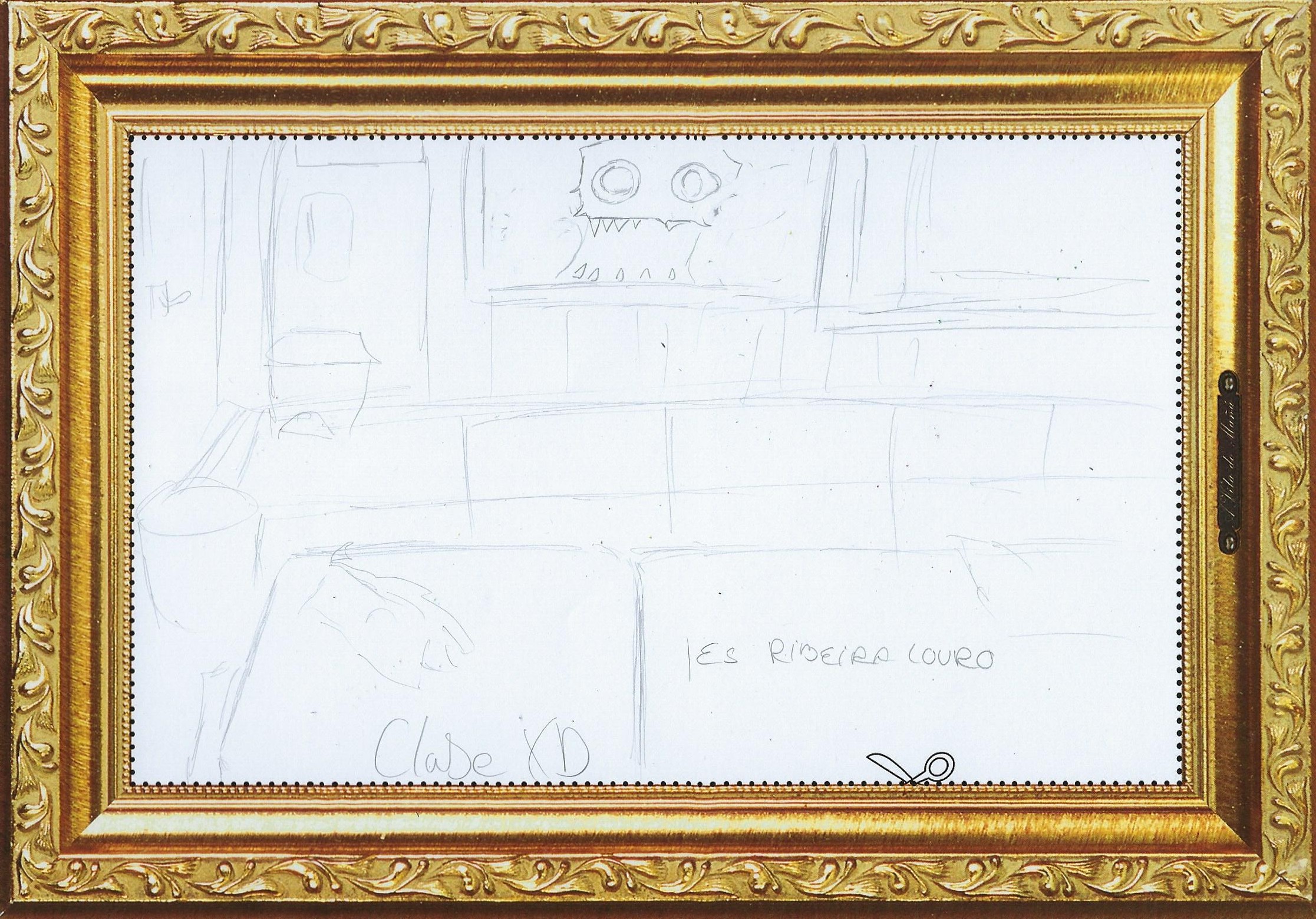
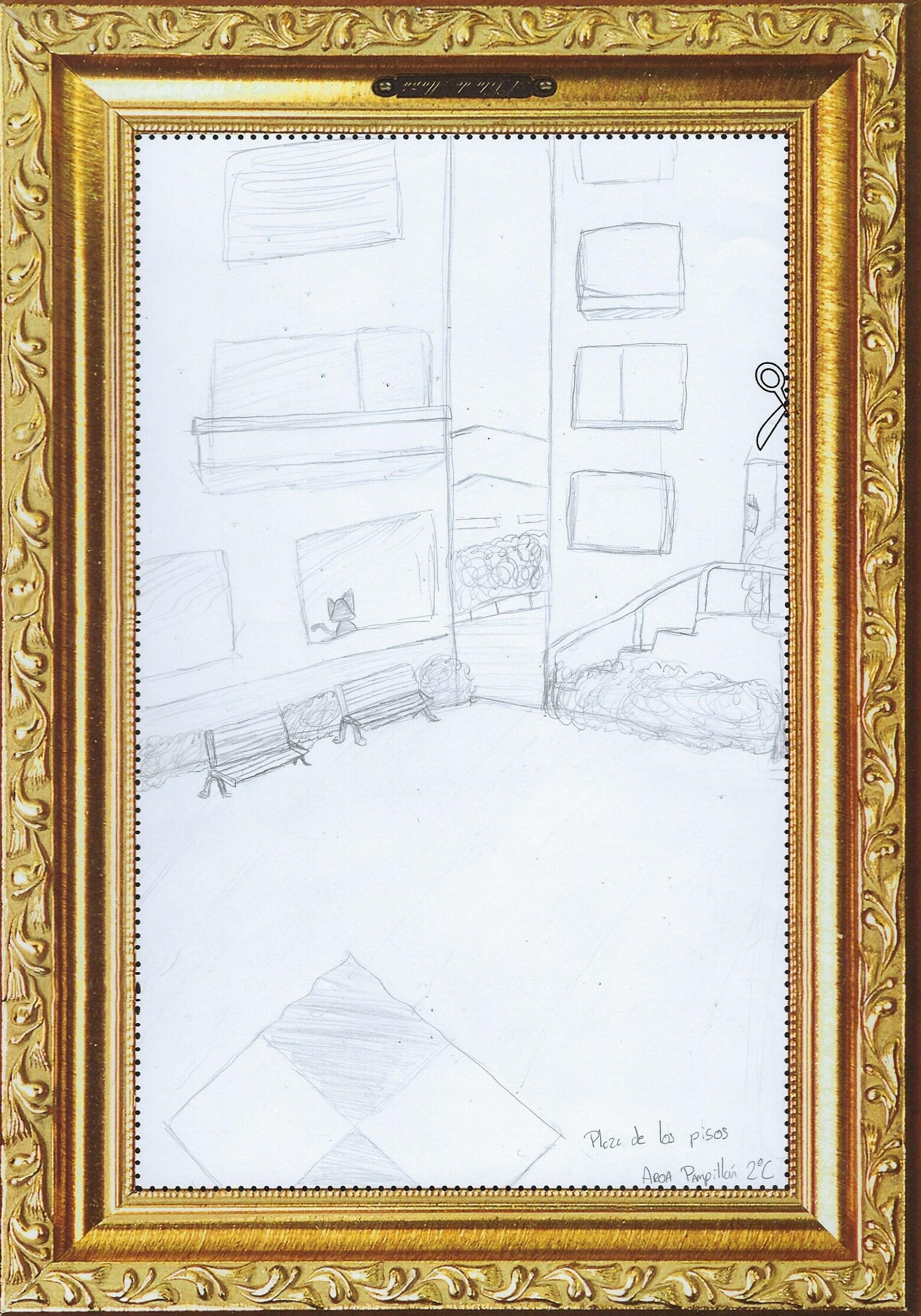
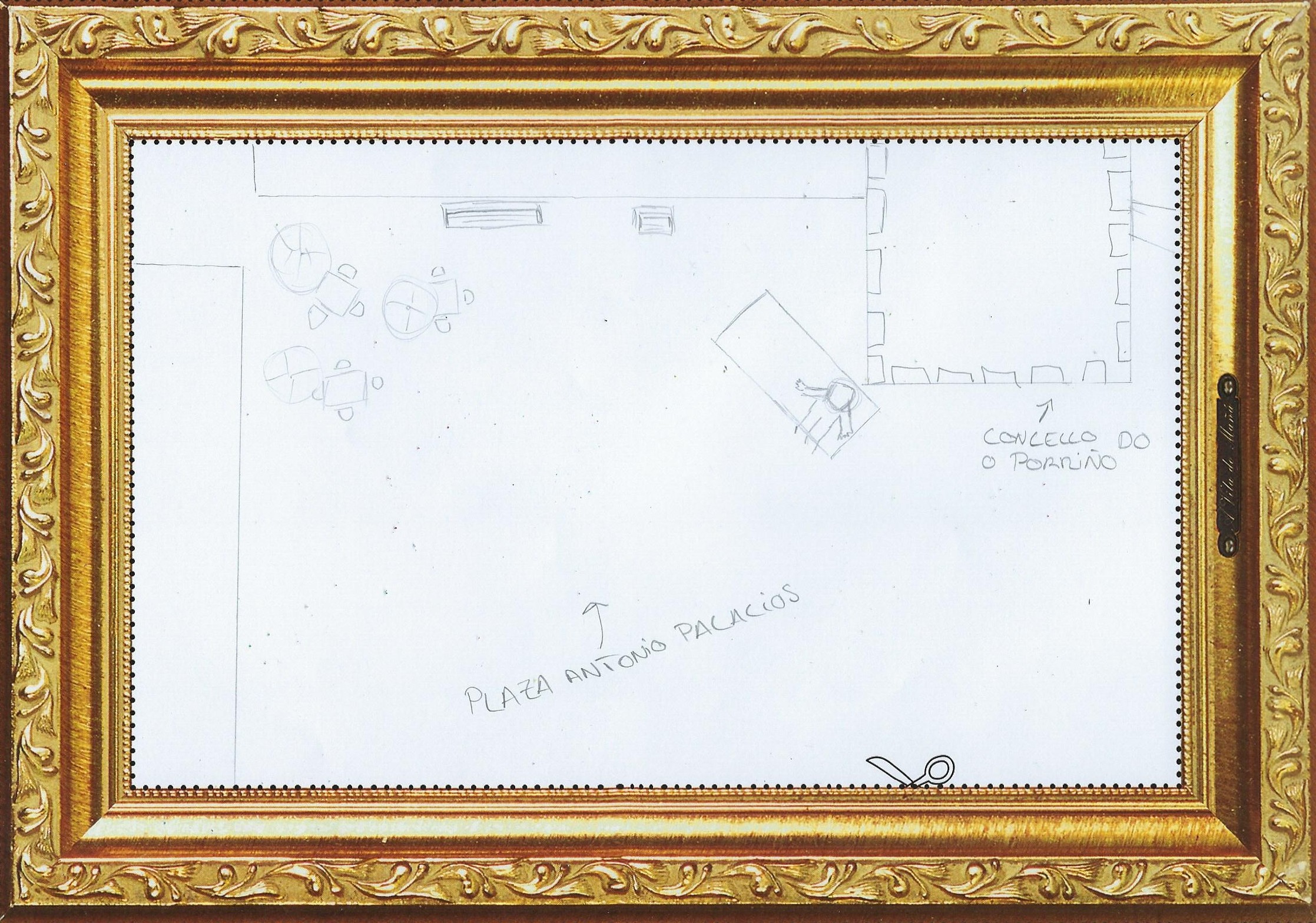
The new generations, the inhabitants of tomorrow, are almost completely unfamiliar with their town or city. They live in a “little box,” move around in another, smaller “box,” and arrive at a larger “box” (whether it is called a school, shopping mall, sports center, … or playground). This is their relationship with their surroundings.

Sandra González Álvarez


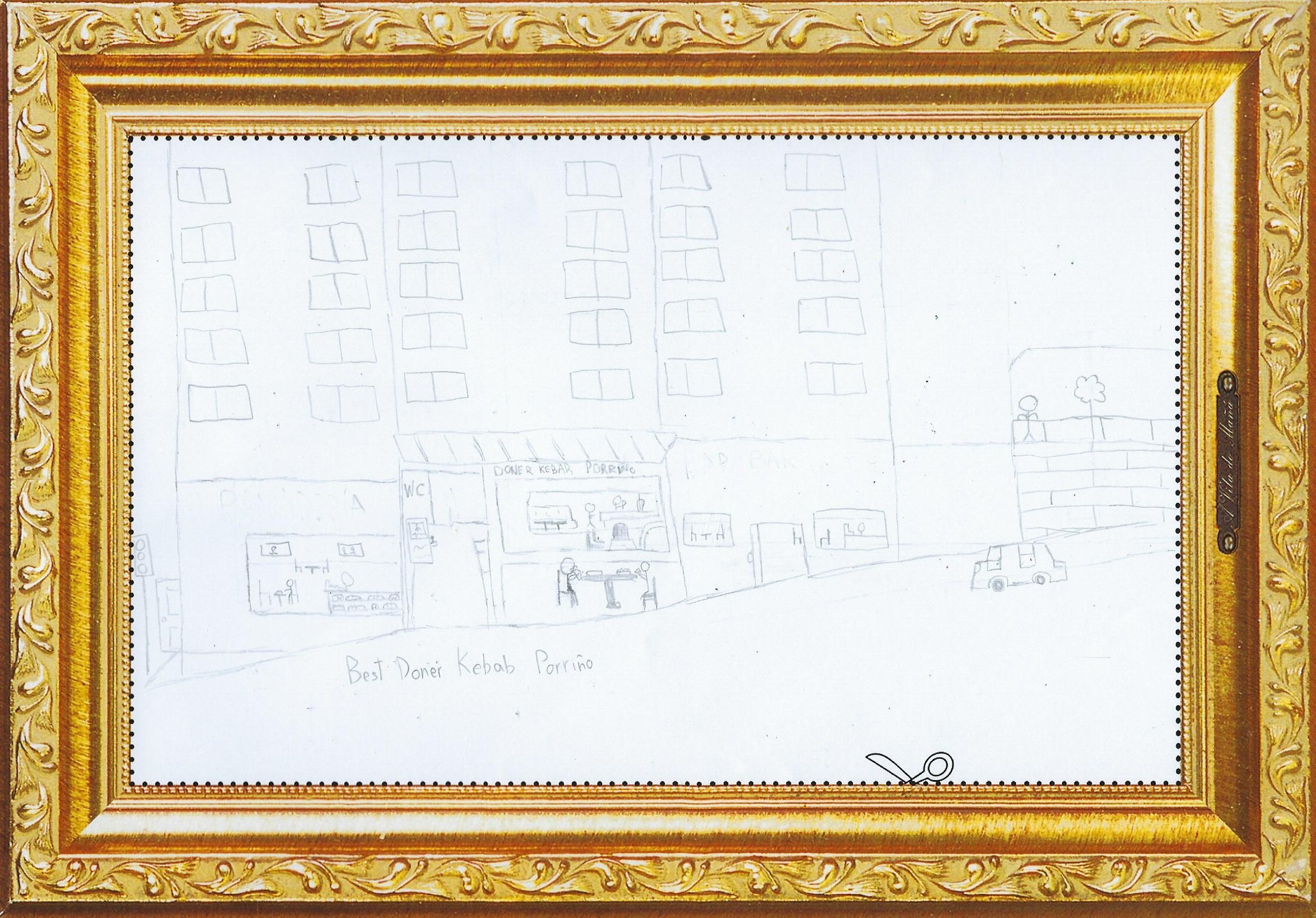
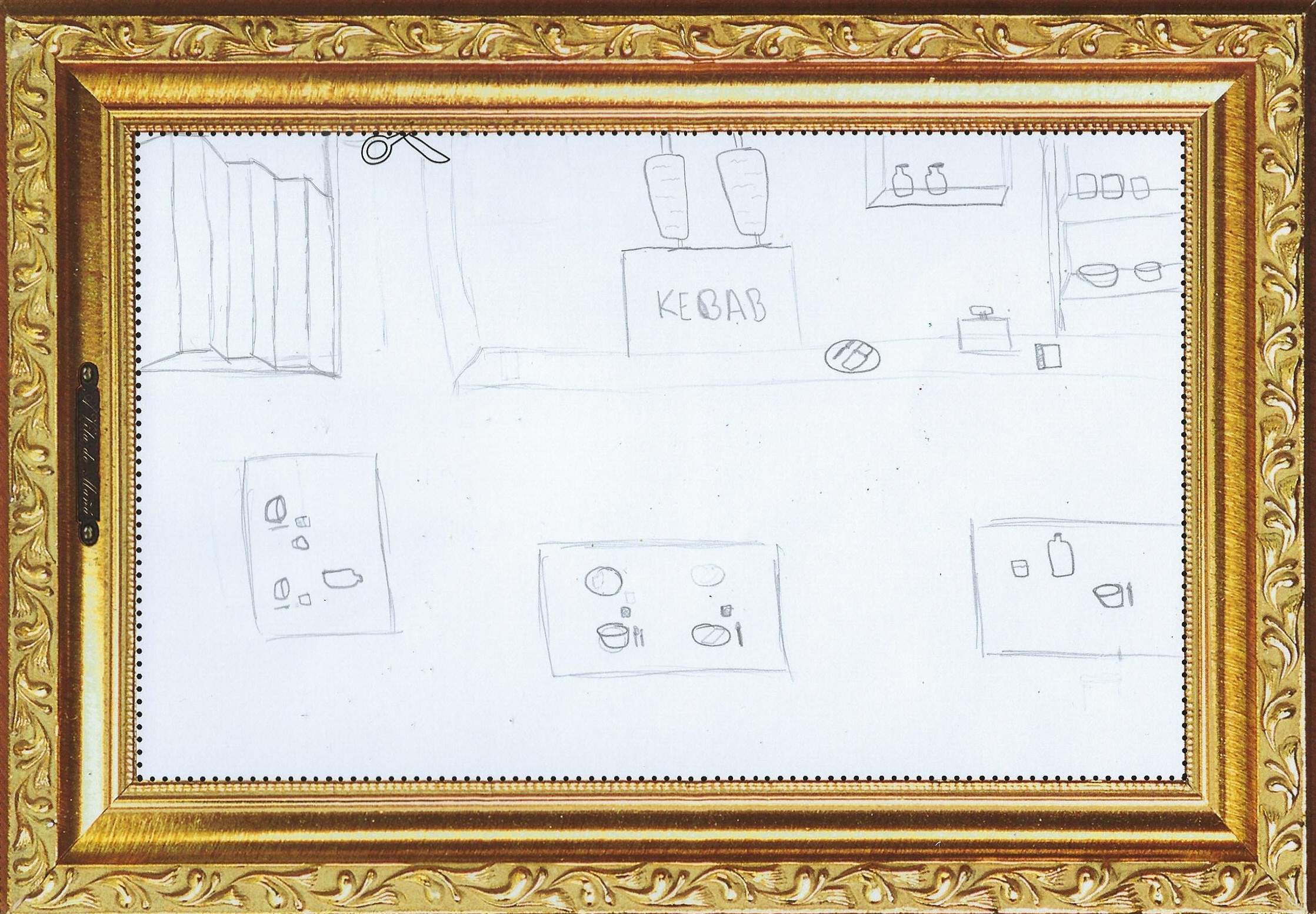
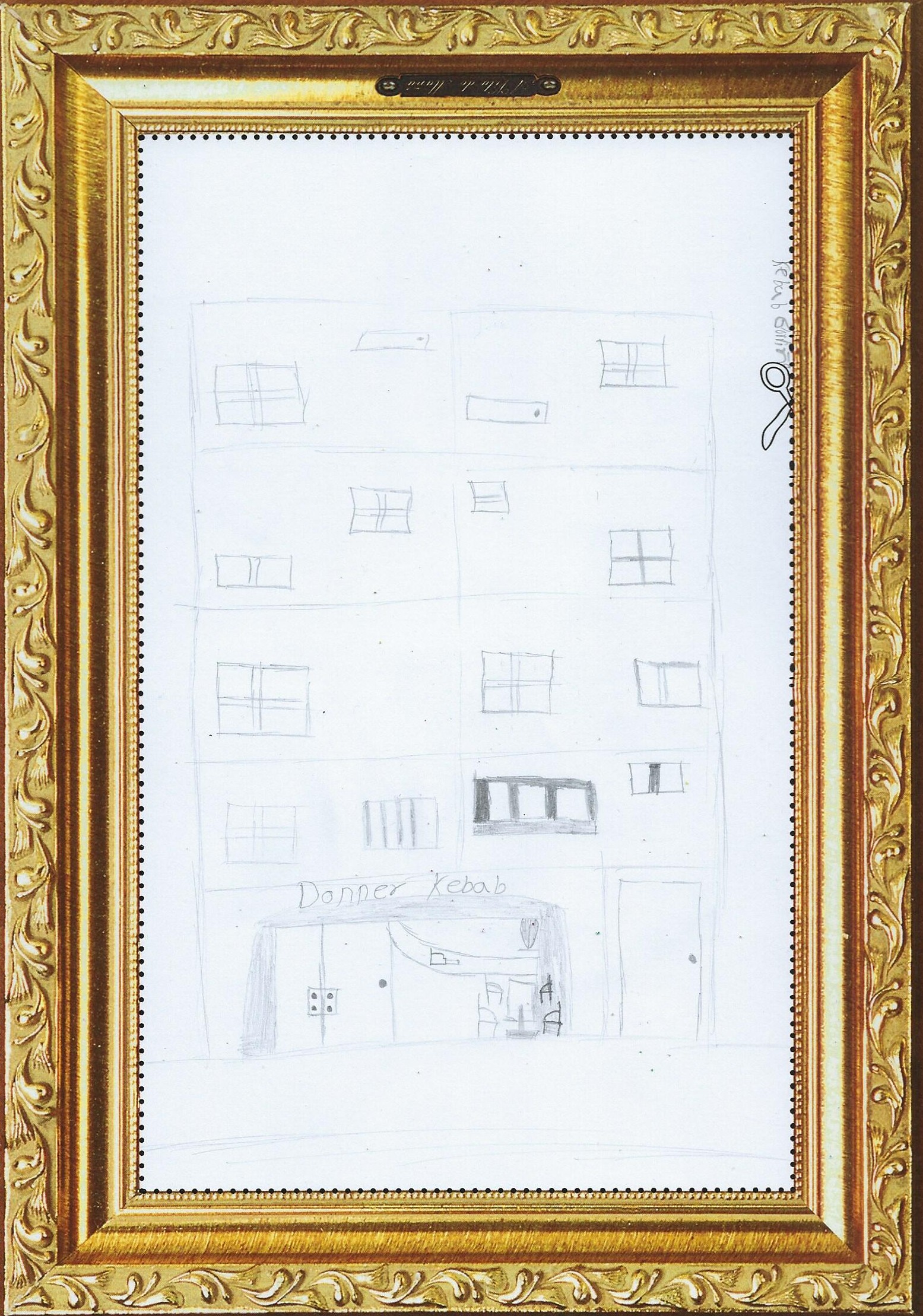
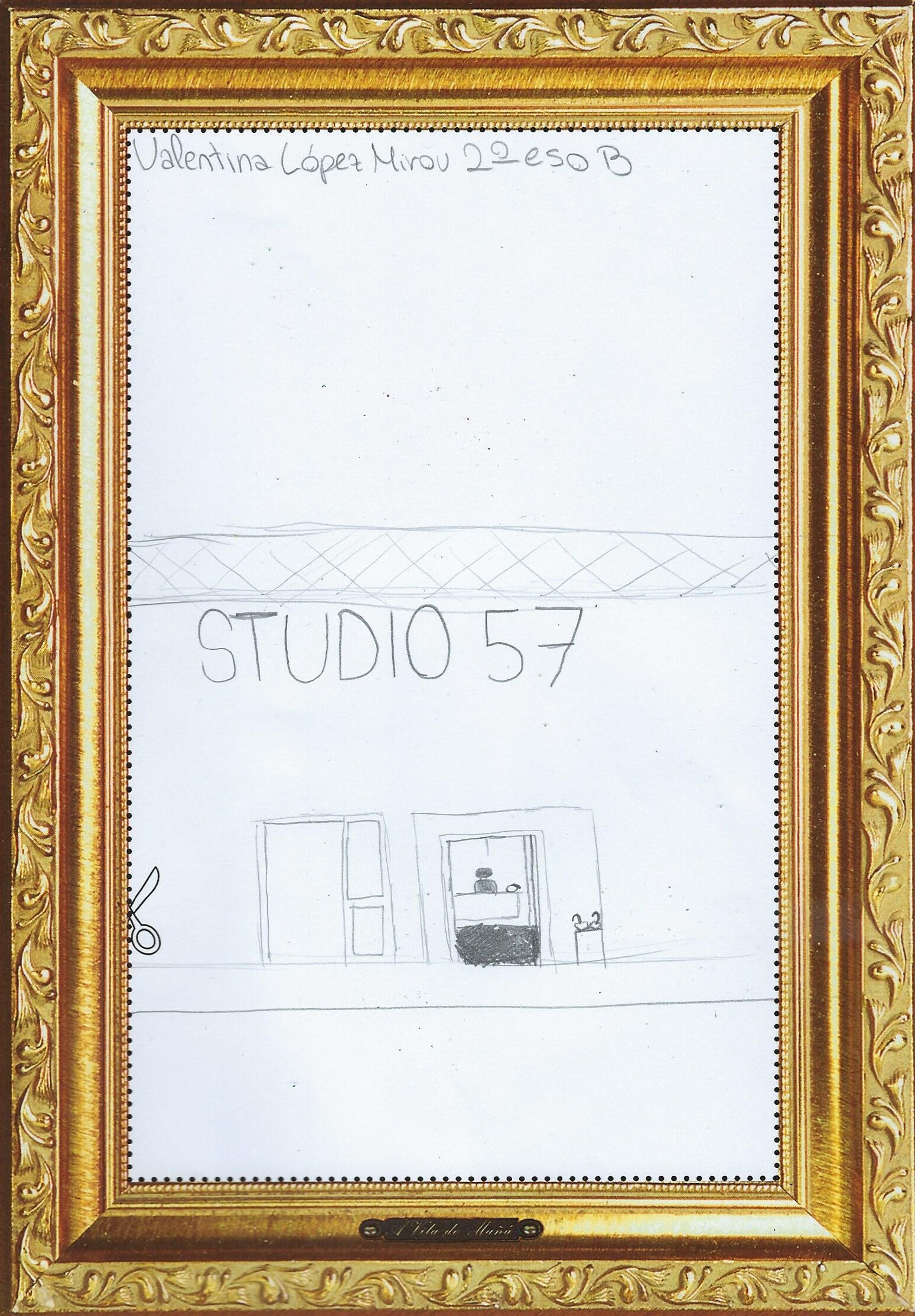
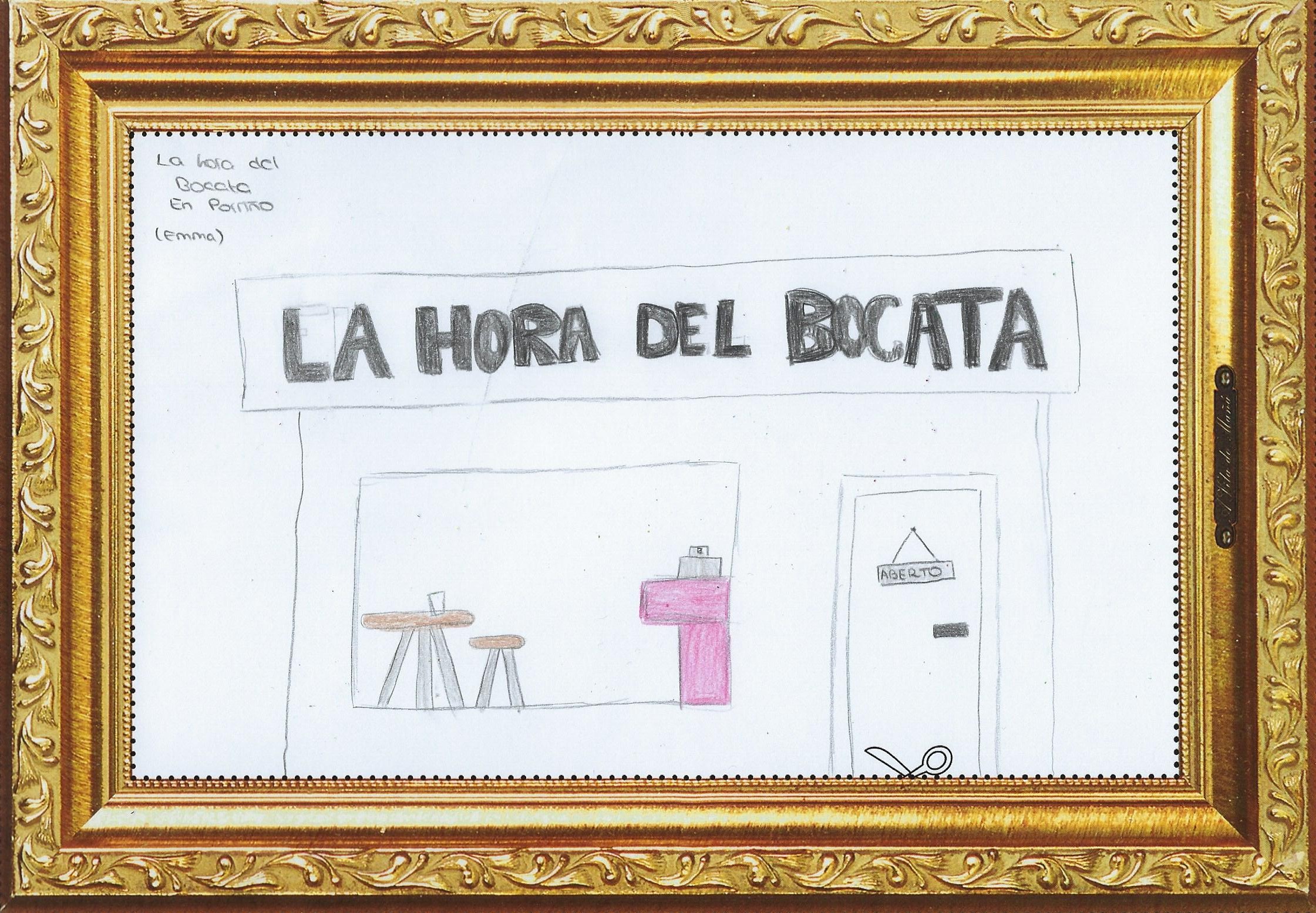
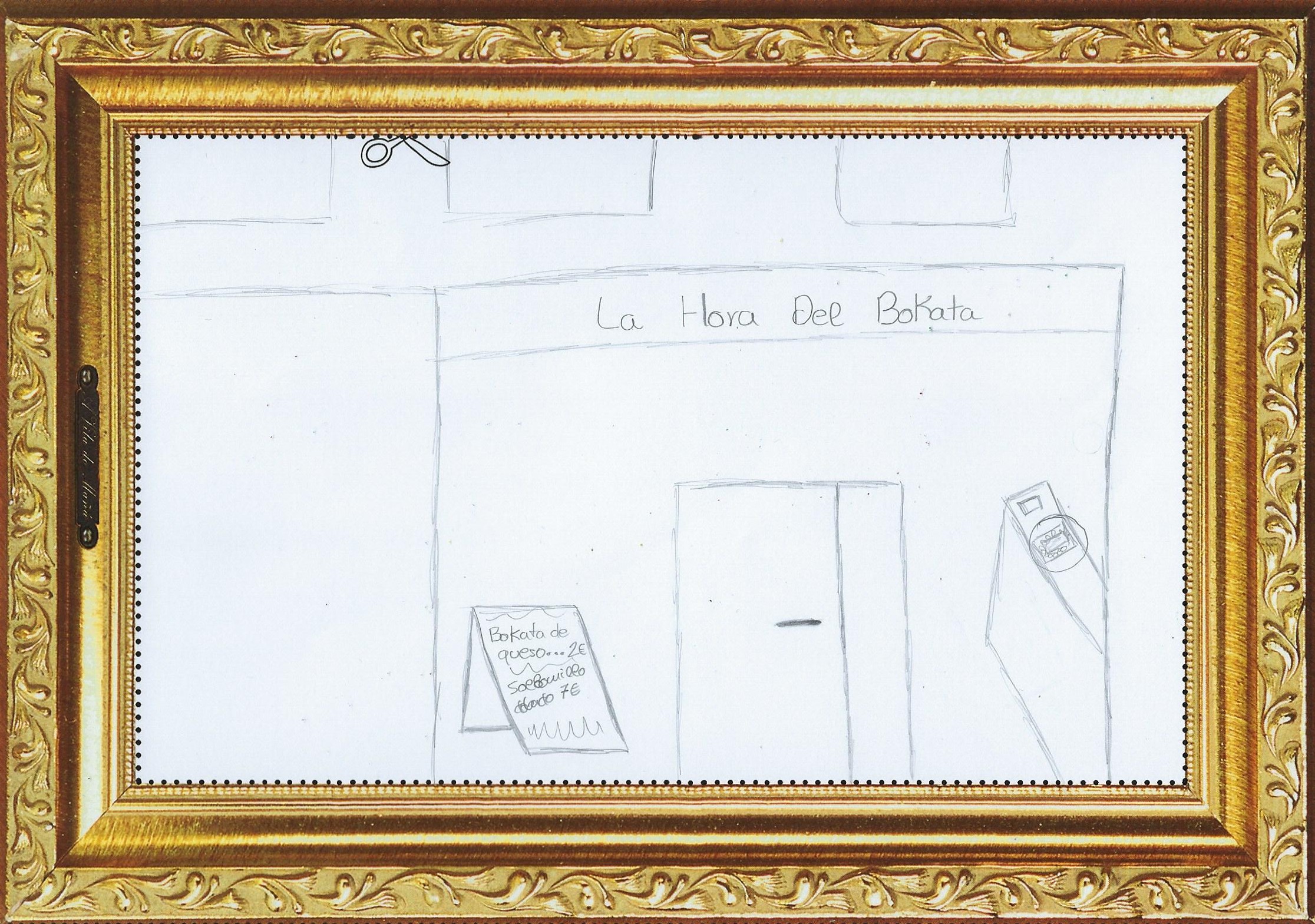
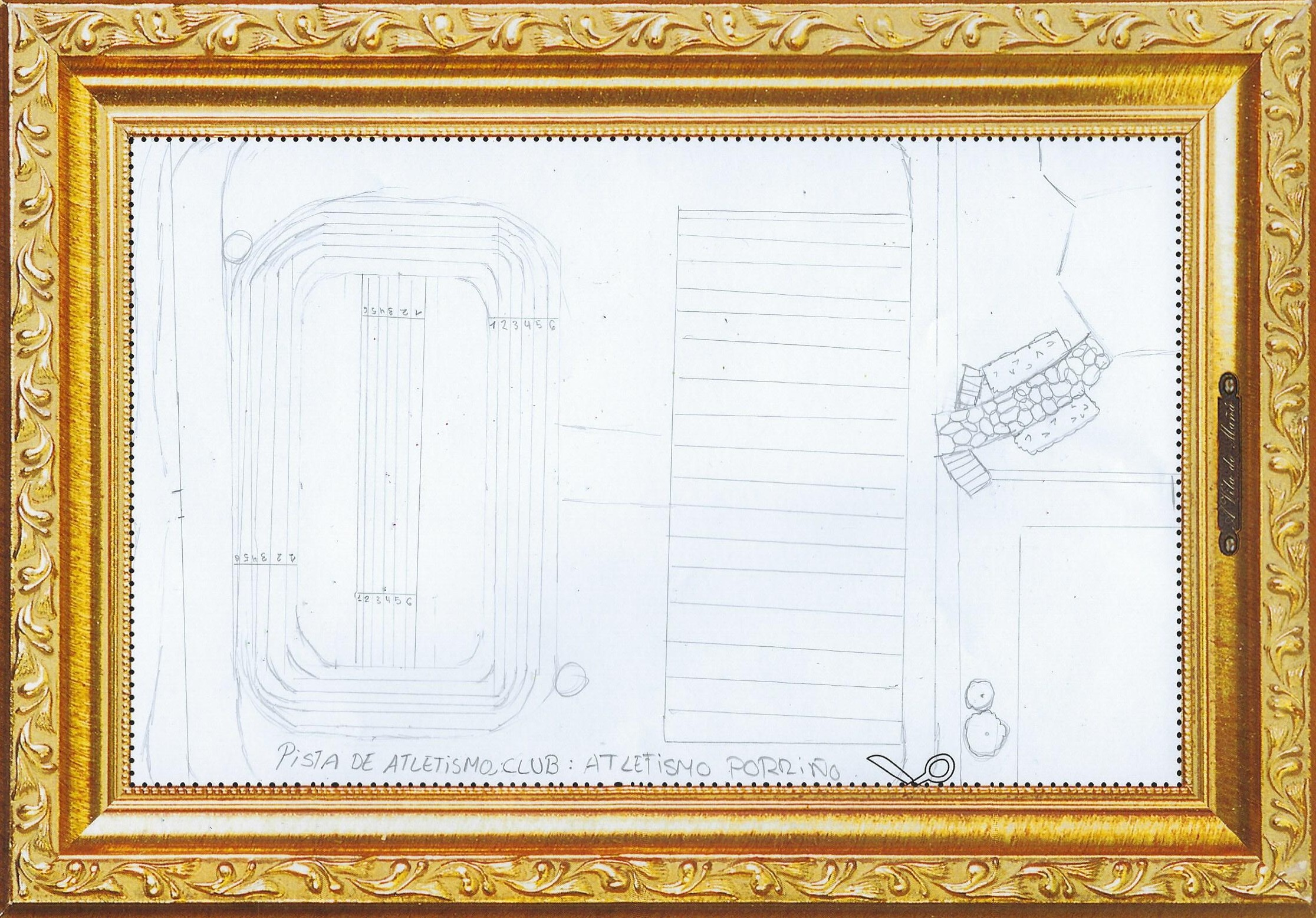
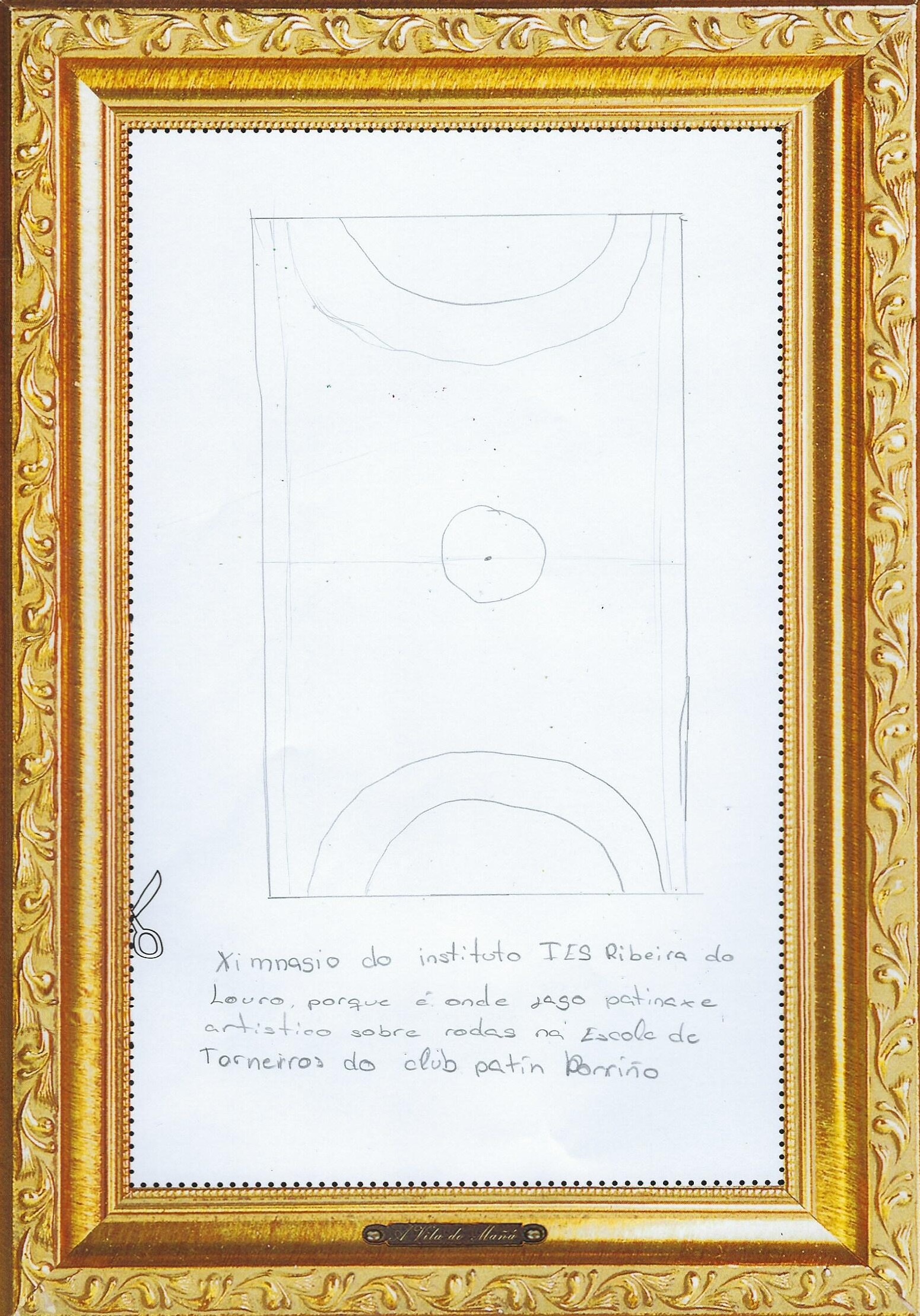
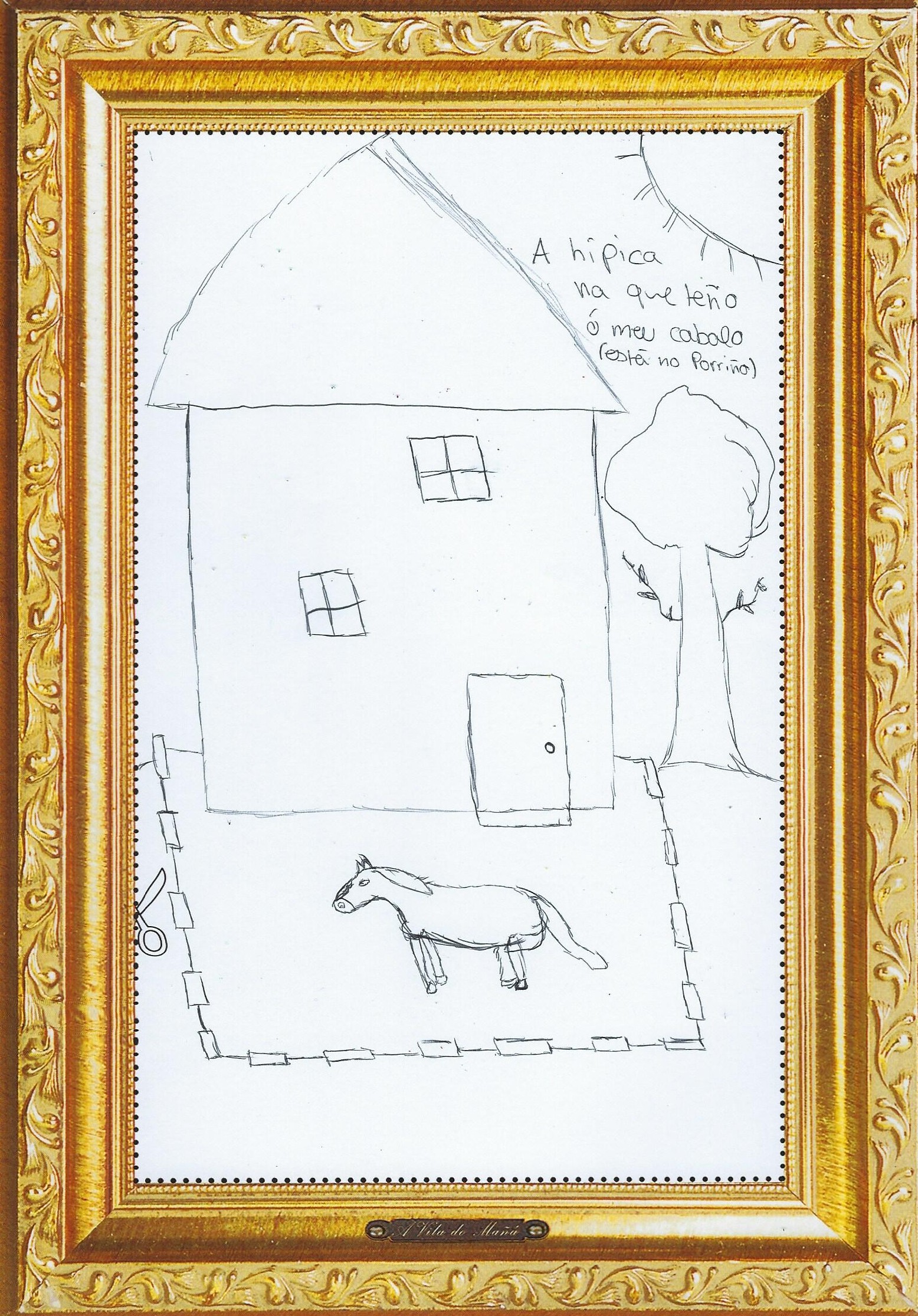
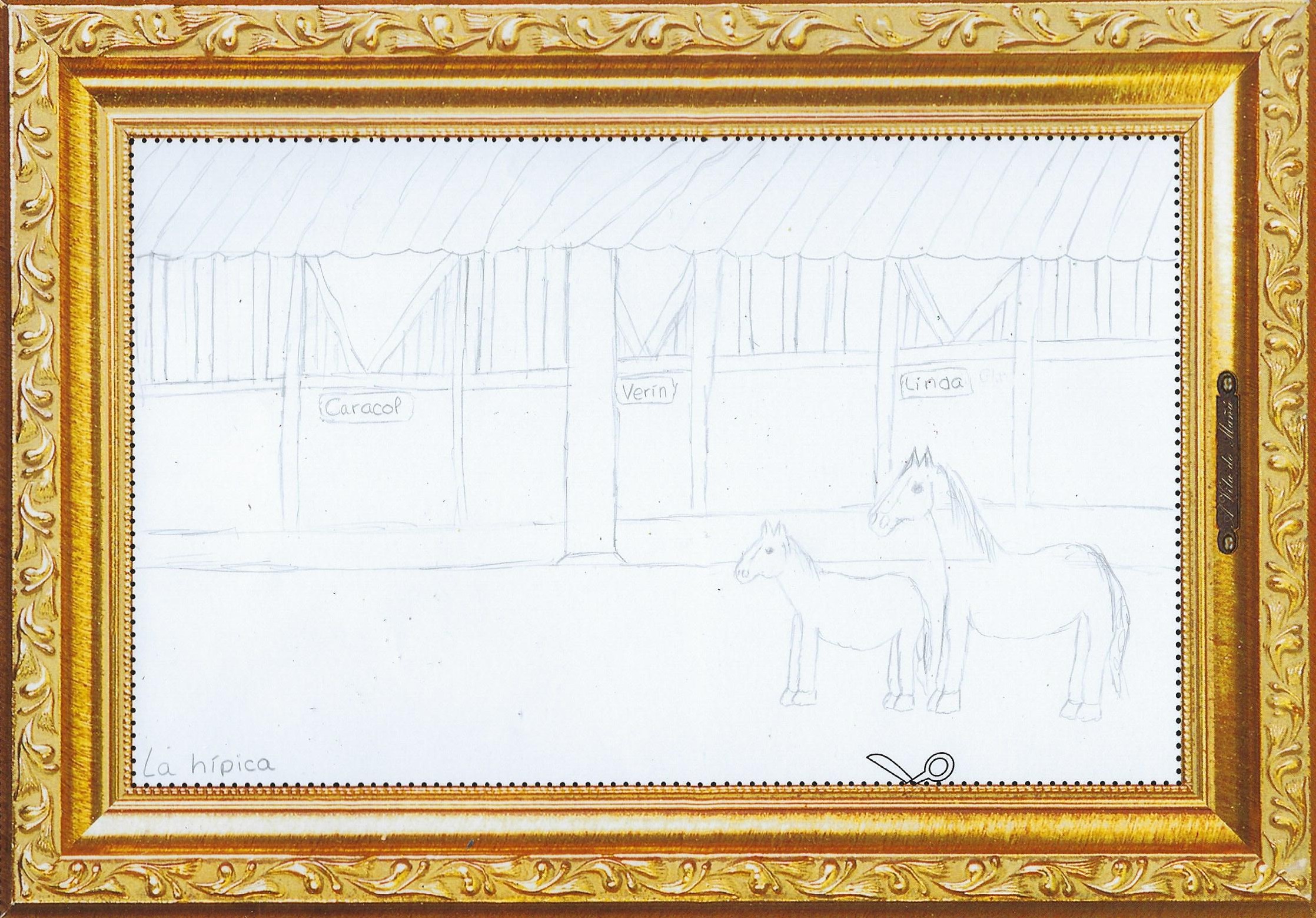
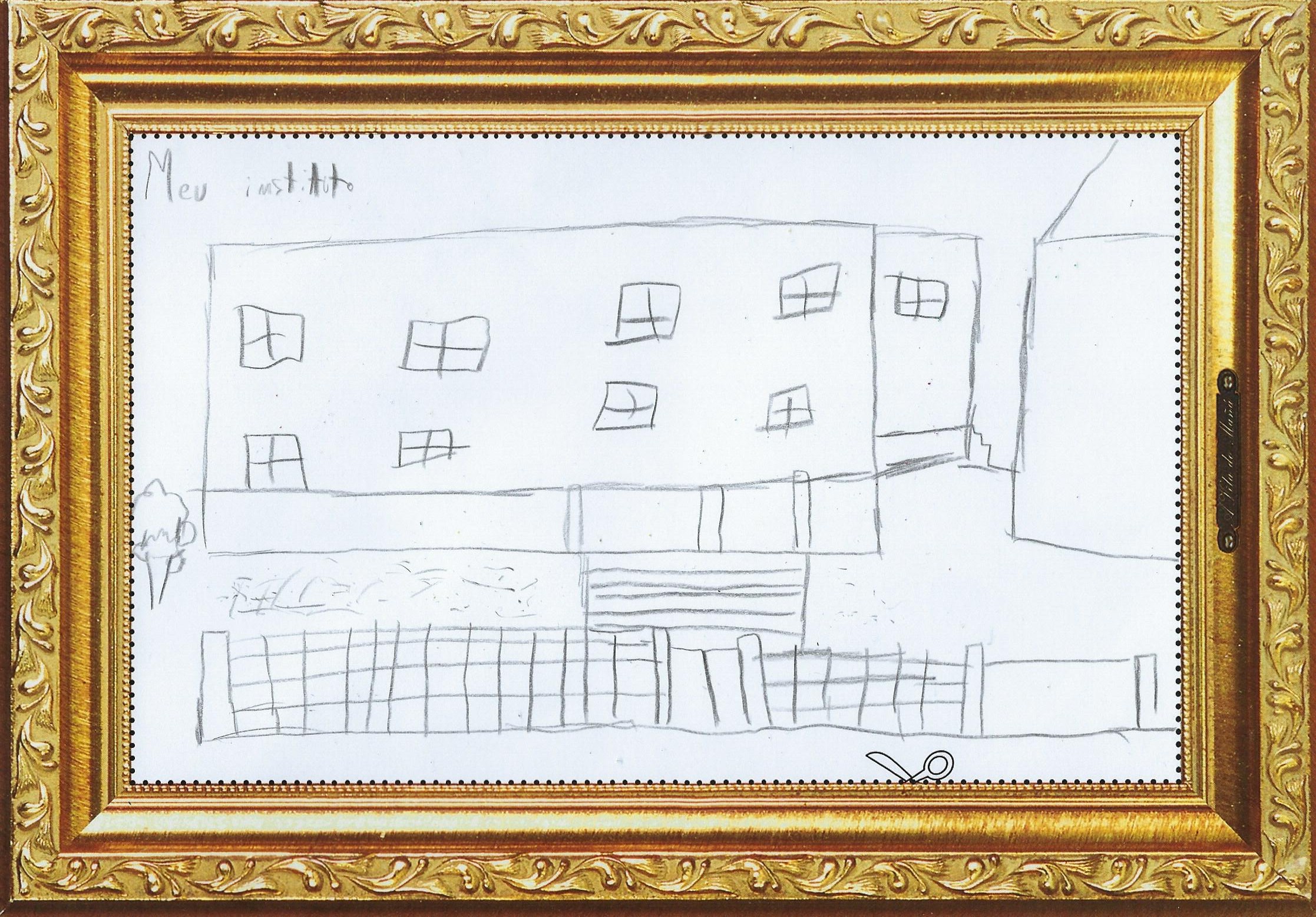
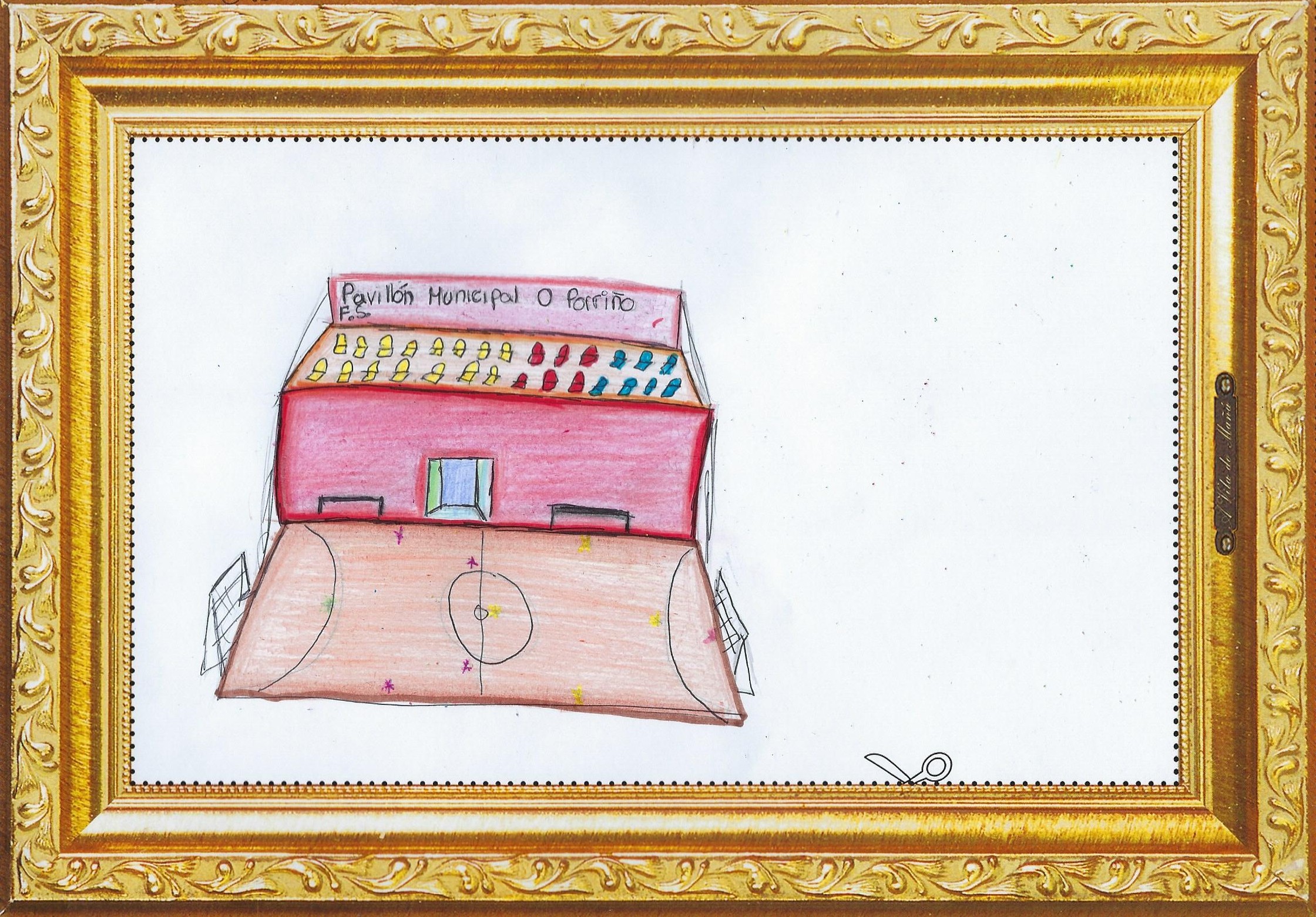
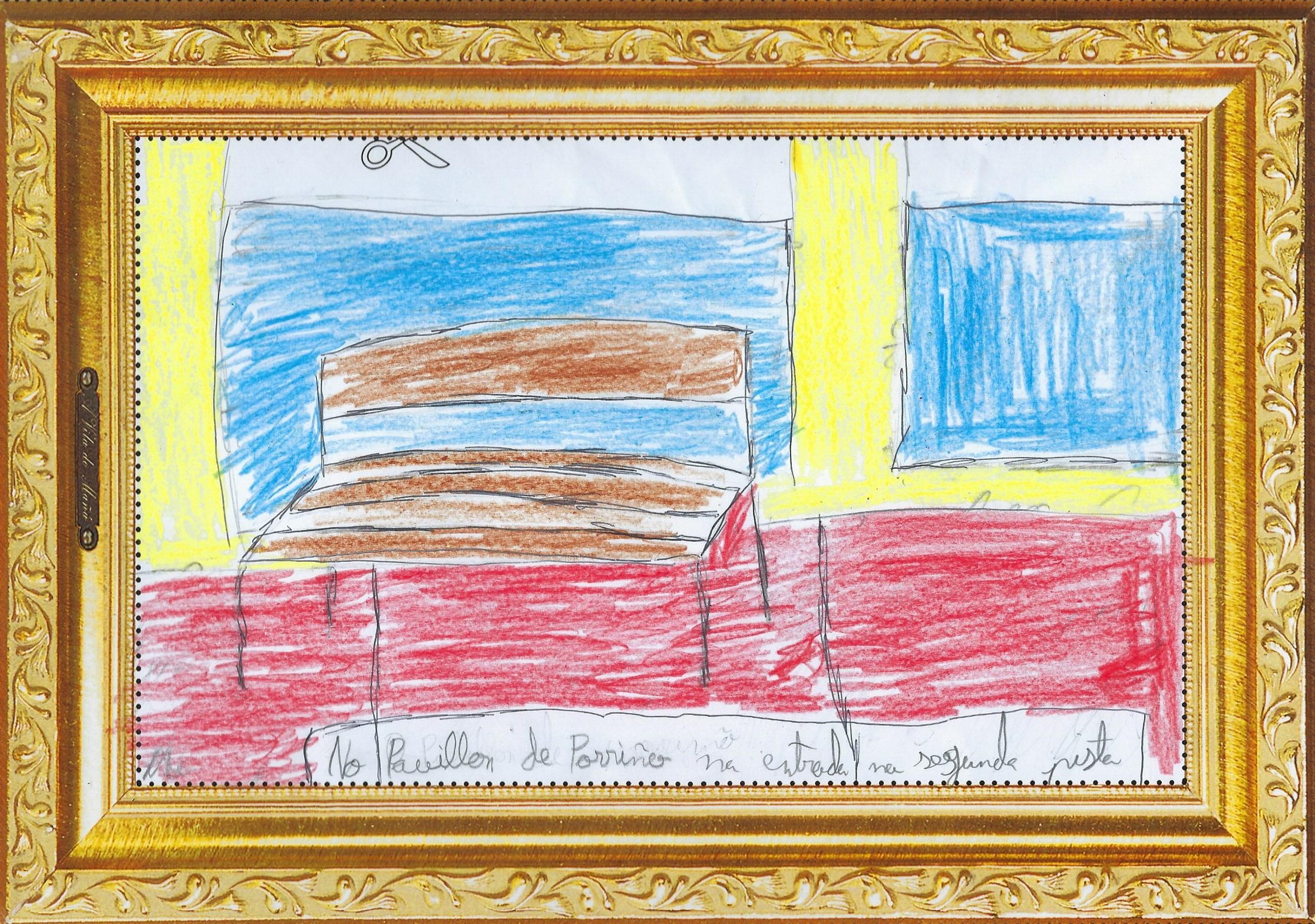
Work began with PERCEPTION: how do future inhabitants perceive their town or city? To this end, the girls, boys and teenagers  participating in the project are asked to show us, through simple drawings, which elements are fundamental or of special interest to them. In this way, we will understand their vision of their town or city and thus be able to work on a collective vision shared by all participants.

Good urban acupuncture would be that which makes everyone know their city. How many people, in reality, know their own city? Hardly anyone respects what they do not know. But how can you respect your city if you do not understand it? Draw your city. […] But how can you improve your city if you do not even know it well? What do you do for it if you are not even capable of drawing it? That is the crux of the matter.

Jaime Lerner

Colour your village

The village or city in which we are working, transformed into a game board, a laboratory of experimentation where children and teenagers can act from a new point of view.

1º ESO

1º ESO

O Porriño

changing the village through protagonist participation


reCOGNIZING O Porriño


The new generations, the inhabitants of tomorrow, are almost completely unfamiliar with their town or city. They live in a “little box,” move around in another, smaller “box,” and arrive at a larger “box” (whether it is called a school, shopping mall, sports center, … or playground). This is their relationship with their surroundings.

Sandra González Álvarez


Work began with PERCEPTION: how do future inhabitants perceive their town or city? To this end, the girls, boys and teenagers  participating in the project are asked to show us, through simple drawings, which elements are fundamental or of special interest to them. In this way, we will understand their vision of their town or city and thus be able to work on a collective vision shared by all participants.

Good urban acupuncture would be that which makes everyone know their city. How many people, in reality, know their own city? Hardly anyone respects what they do not know. But how can you respect your city if you do not understand it? Draw your city. […] But how can you improve your city if you do not even know it well? What do you do for it if you are not even capable of drawing it? That is the crux of the matter.

Jaime Lerner

Colour your village

The village or city in which we are working, transformed into a game board, a laboratory of experimentation where children and teenagers can act from a new point of view.

1º ESO

reCOGNIZING O Porriño

O Porriño


changing the village through protagonist participation


reCOGNIZING O Porriño


IES Pino Manso

CPR Hermanos Quiroga

IES Ribeira do douro

CPR Santo Tomás

Colour your village

The village or city in which we are working, transformed into a game board, a laboratory of experimentation where children and teenagers can act from a new point of view.

4º PRIMARIA

4º PRIMARIA

Rianxo

changing the village through protagonist participation


reCOGNIZING Rianxo

The new generations, the inhabitants of tomorrow, are largely unfamiliar with their town or city. They live in a “little box,” move around in another smaller “little box,” and arrive at a bigger “box” (whether it is called a school, shopping center, sports complex… or playground). This is their relationship with their surroundings.

Sandra González Álvarez

Work began with PERCEPTION—how future inhabitants perceive their town or city. To explore this, the children participating in the project were asked to use simple drawings to show which elements are fundamental or of special interest to them. In this way, we can understand their view of their town or city and work toward a collective vision shared by all participants.

Good urban acupuncture would be that which ensures that everyone knows their city. How many people, in reality, truly know their own city? It is difficult for anyone to respect what they do not know. But how can you respect your city if you do not understand it? Draw your city. […] But how can you improve your city if you do not even know it well? What do you do for it if you are not even capable of drawing it? That is the crux of the matter.

— Jaime Lerner

1º 2º 3º 4º 5º 6º Primaria

1º 2º 3º 4º 5º 6º Primaria

Rianxo

changing the village through protagonist participation


reCOGNIZING Rianxo

The new generations, the inhabitants of tomorrow, are largely unfamiliar with their town or city. They live in a “little box,” move around in another smaller “little box,” and arrive at a bigger “box” (whether it is called a school, shopping center, sports complex… or playground). This is their relationship with their surroundings.

Sandra González Álvarez

Work began with PERCEPTION—how future inhabitants perceive their town or city. To explore this, the children participating in the project were asked to use simple drawings to show which elements are fundamental or of special interest to them. In this way, we can understand their view of their town or city and work toward a collective vision shared by all participants.

Good urban acupuncture would be that which ensures that everyone knows their city. How many people, in reality, truly know their own city? It is difficult for anyone to respect what they do not know. But how can you respect your city if you do not understand it? Draw your city. […] But how can you improve your city if you do not even know it well? What do you do for it if you are not even capable of drawing it? That is the crux of the matter.

— Jaime Lerner

5º PRIMARIA

5º PRIMARIA

Rianxo

changing the village through protagonist participation


reCONIZING Rianxo

The new generations, the inhabitants of tomorrow, are completely unfamiliar with their town or city. They live in a “little box,” move around in another smaller “little box,” and arrive at a bigger “box” (whether it is called a school, shopping center, sports facility, … or playground). This is their relationship with their surroundings.

— Sandra González Álvarez
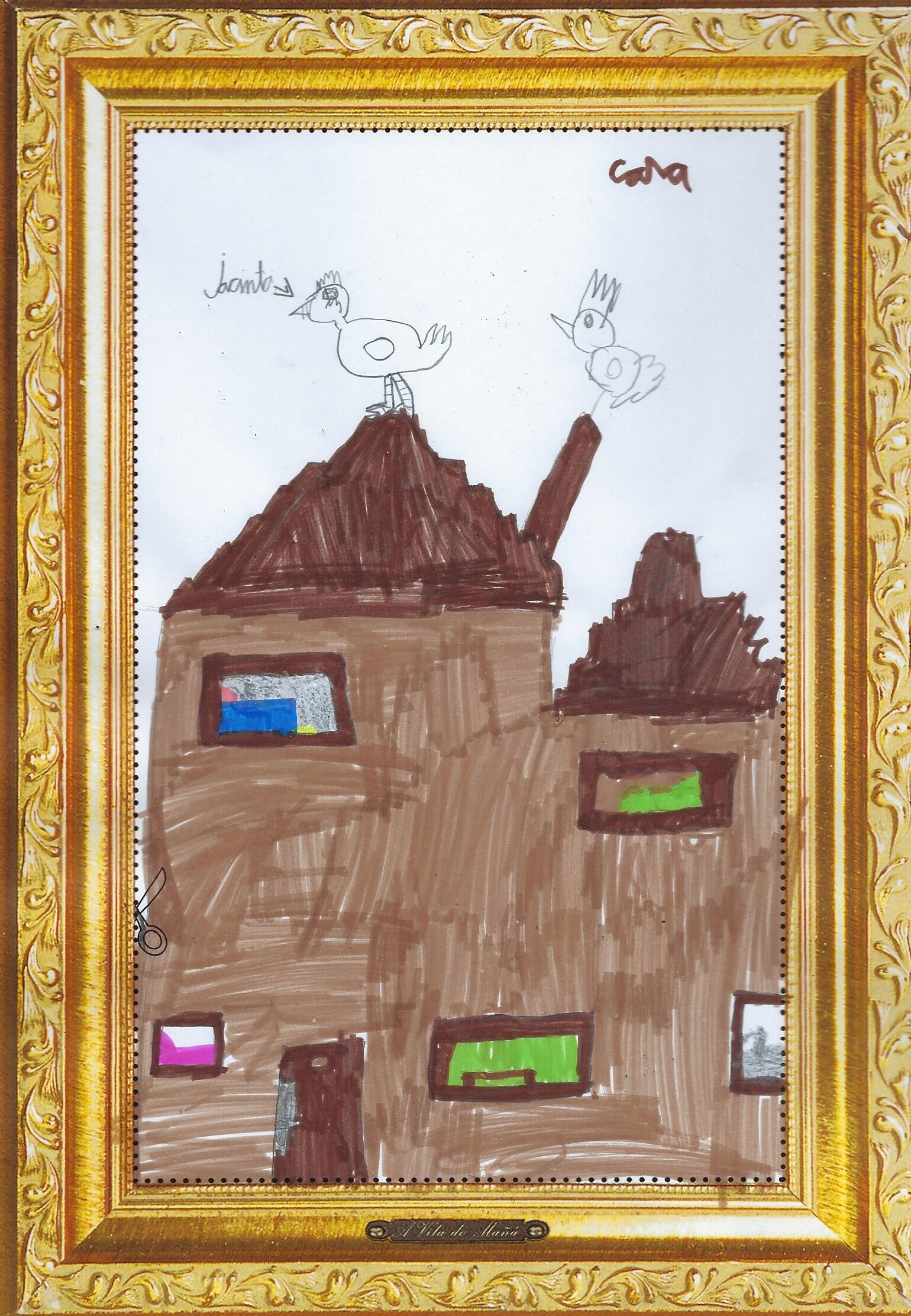
Work began with PERCEPTION—how future inhabitants perceive their town or city. To explore this, the children participating in the project were asked to use simple drawings to show which elements are fundamental or of special interest to them. In this way, we can understand their view of their town or city and work toward a collective vision shared by all participants.

Good urban acupuncture would be that which ensures that everyone knows their city. How many people, in reality, truly know their own city? It is difficult for anyone to respect what they do not know. But how can you respect your city if you do not understand it? Draw your city. […] But how can you improve your city if you do not even know it well? What do you do for it if you are not even capable of drawing it? That is the crux of the matter.

— Jaime Lerner

4º PRIMARIA

reCOGNIZING Rianxo

Rianxo


changing the village through protagonist participation


reCOGNIZING Rianxo


IES FELIX MURIEL

Colour your village

The village or city in which we are working, transformed into a game board, a laboratory of experimentation where children and teenagers can act from a new point of view.

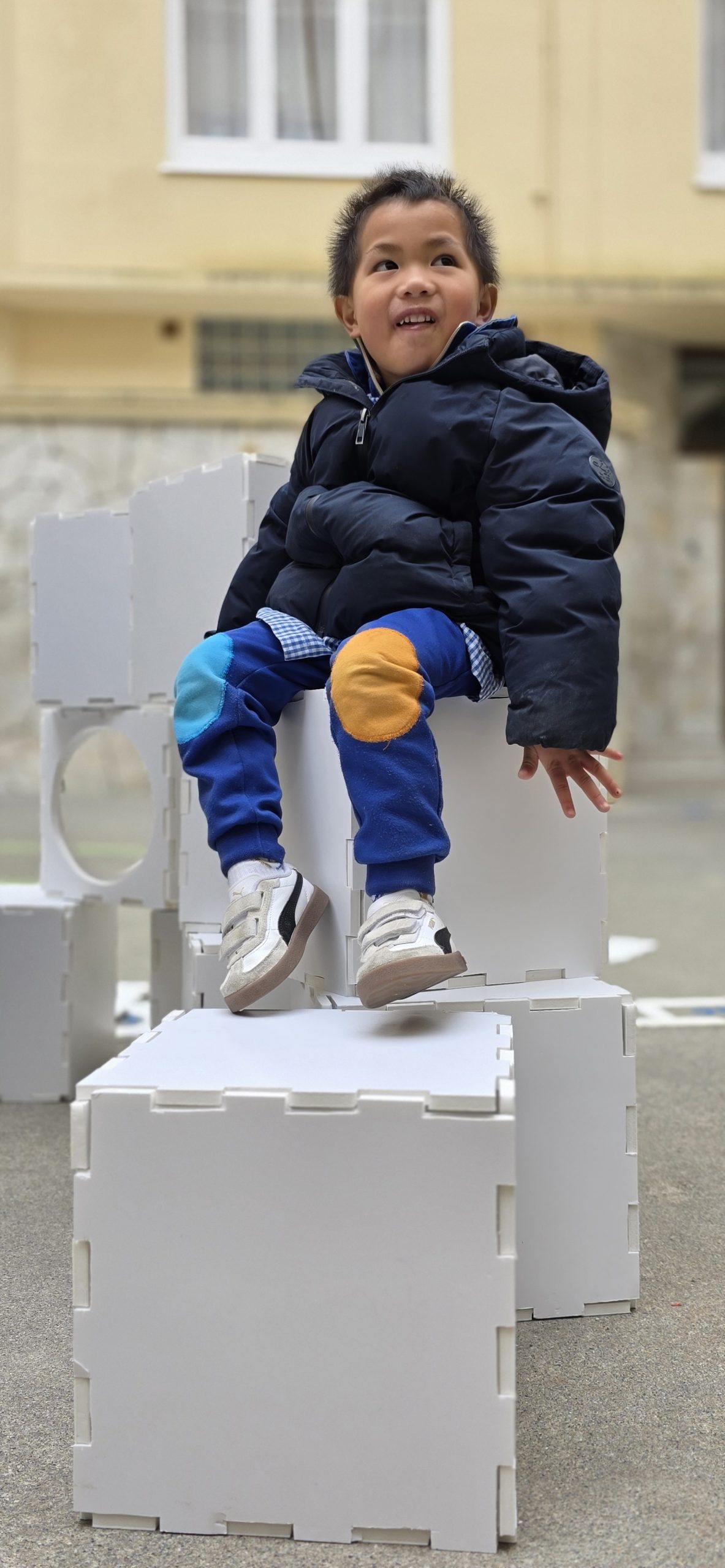
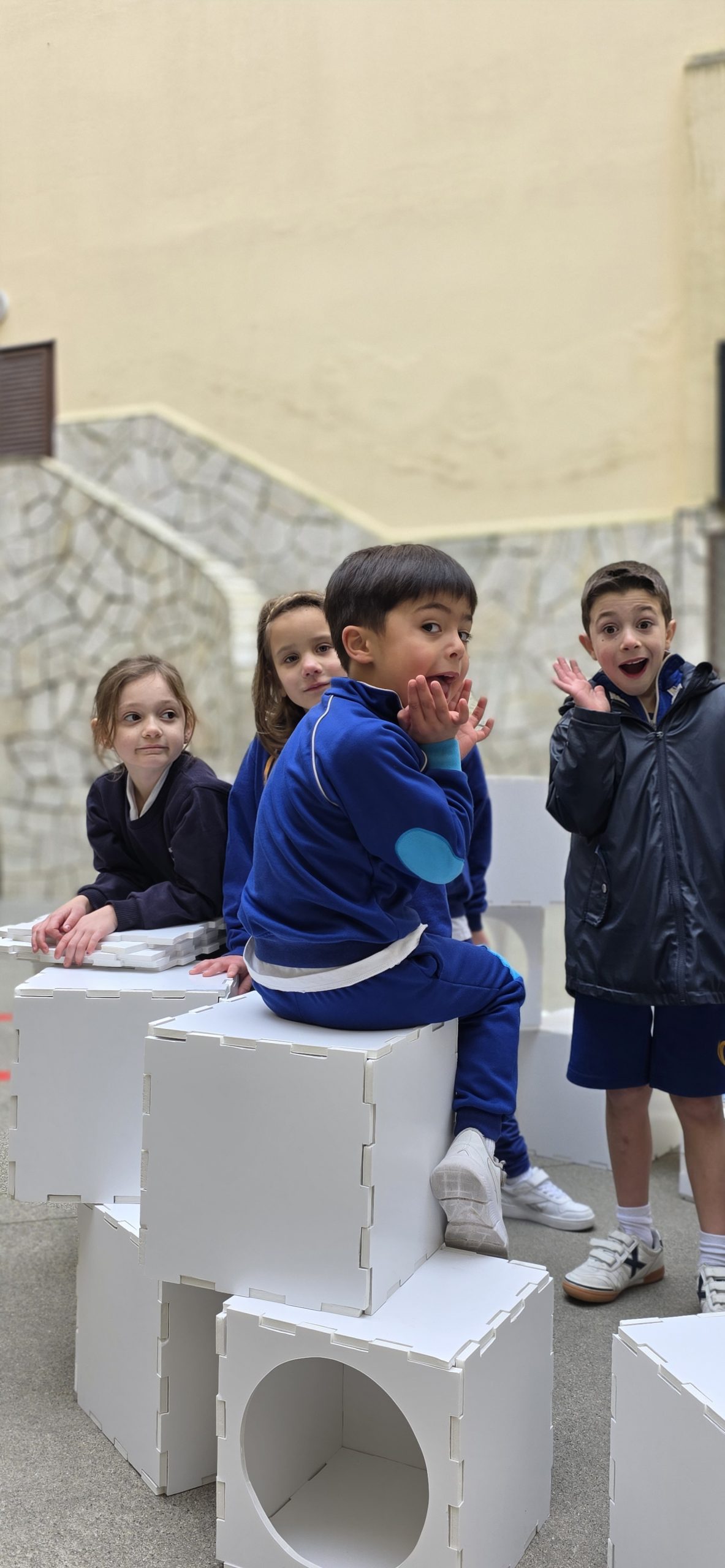
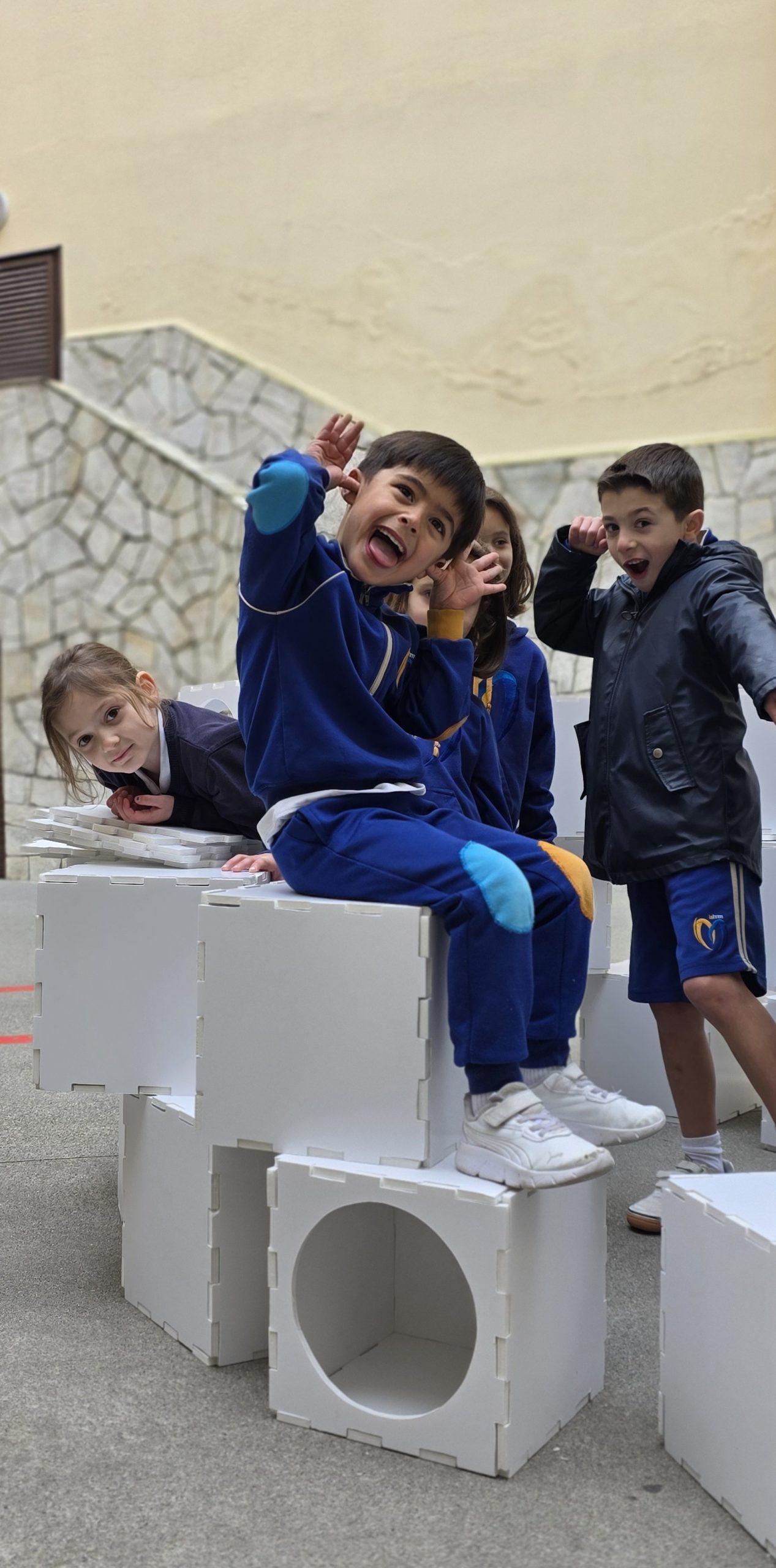
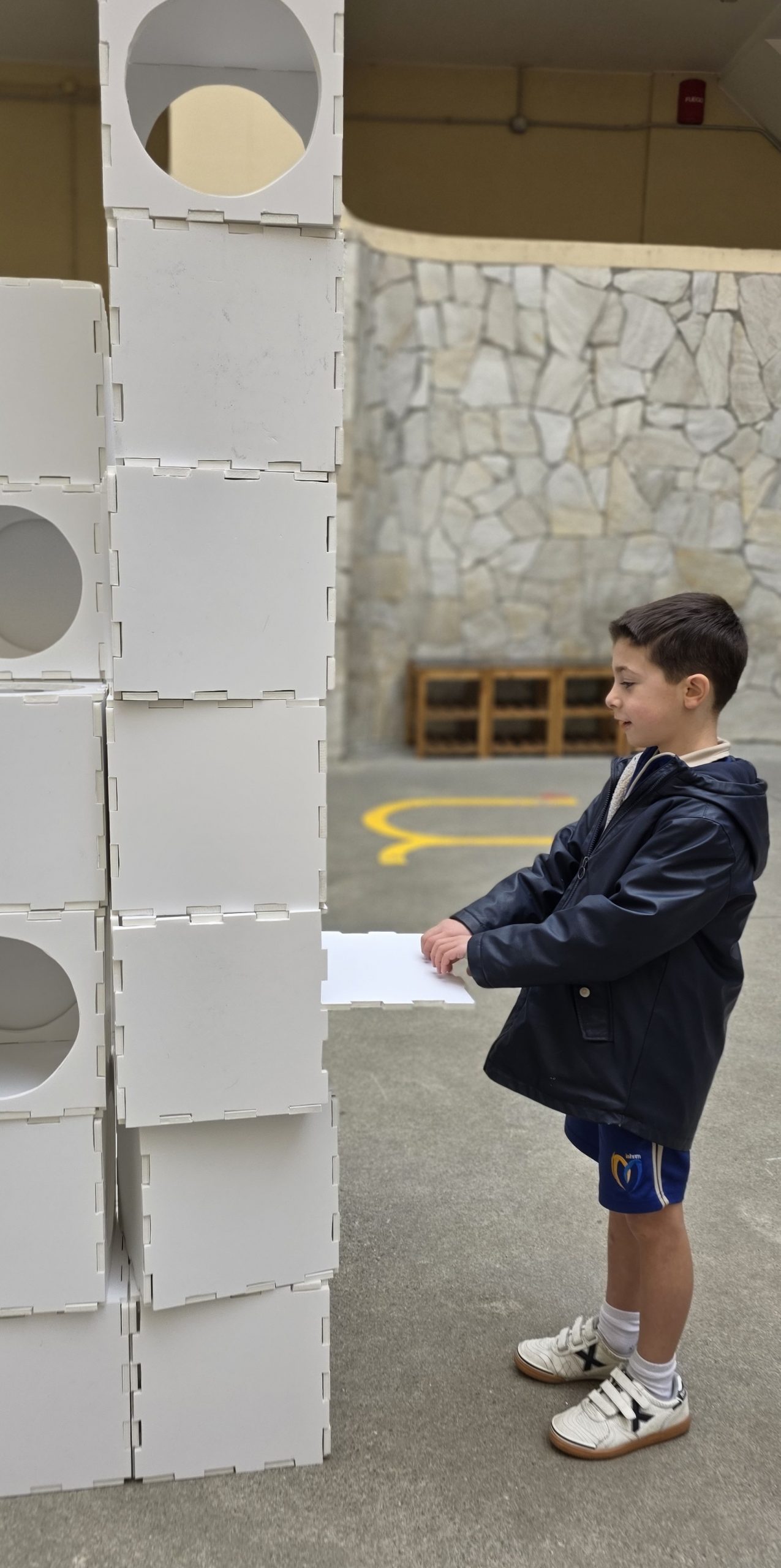
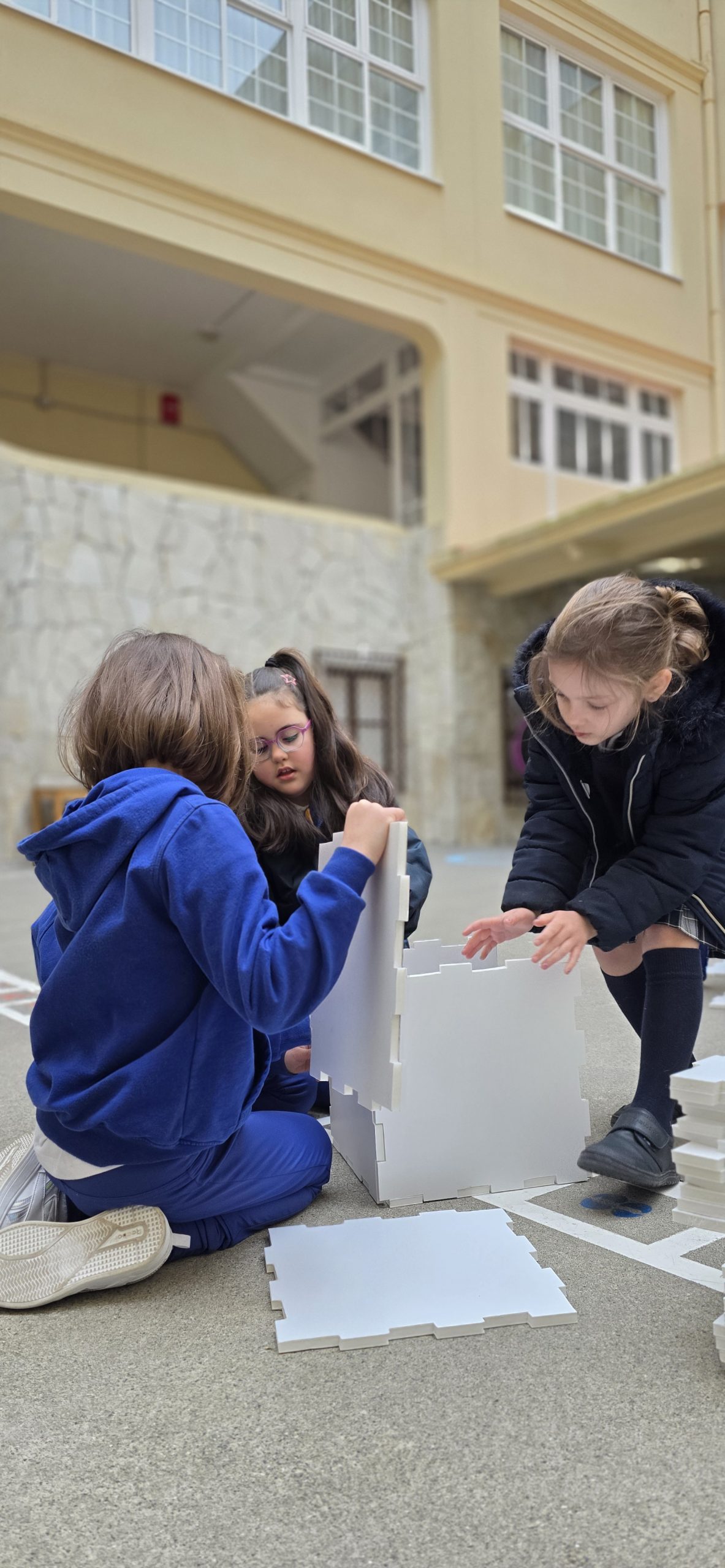
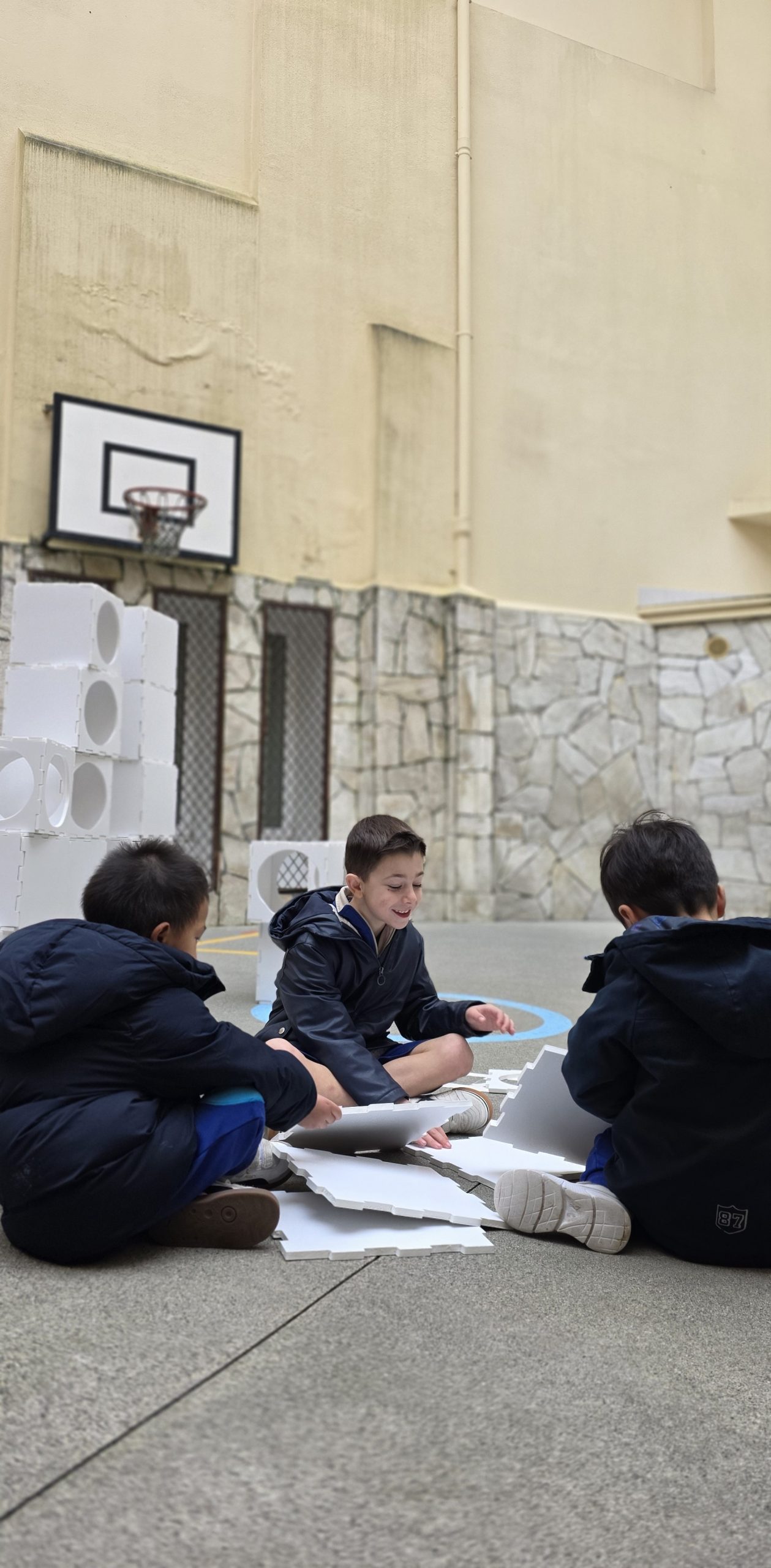
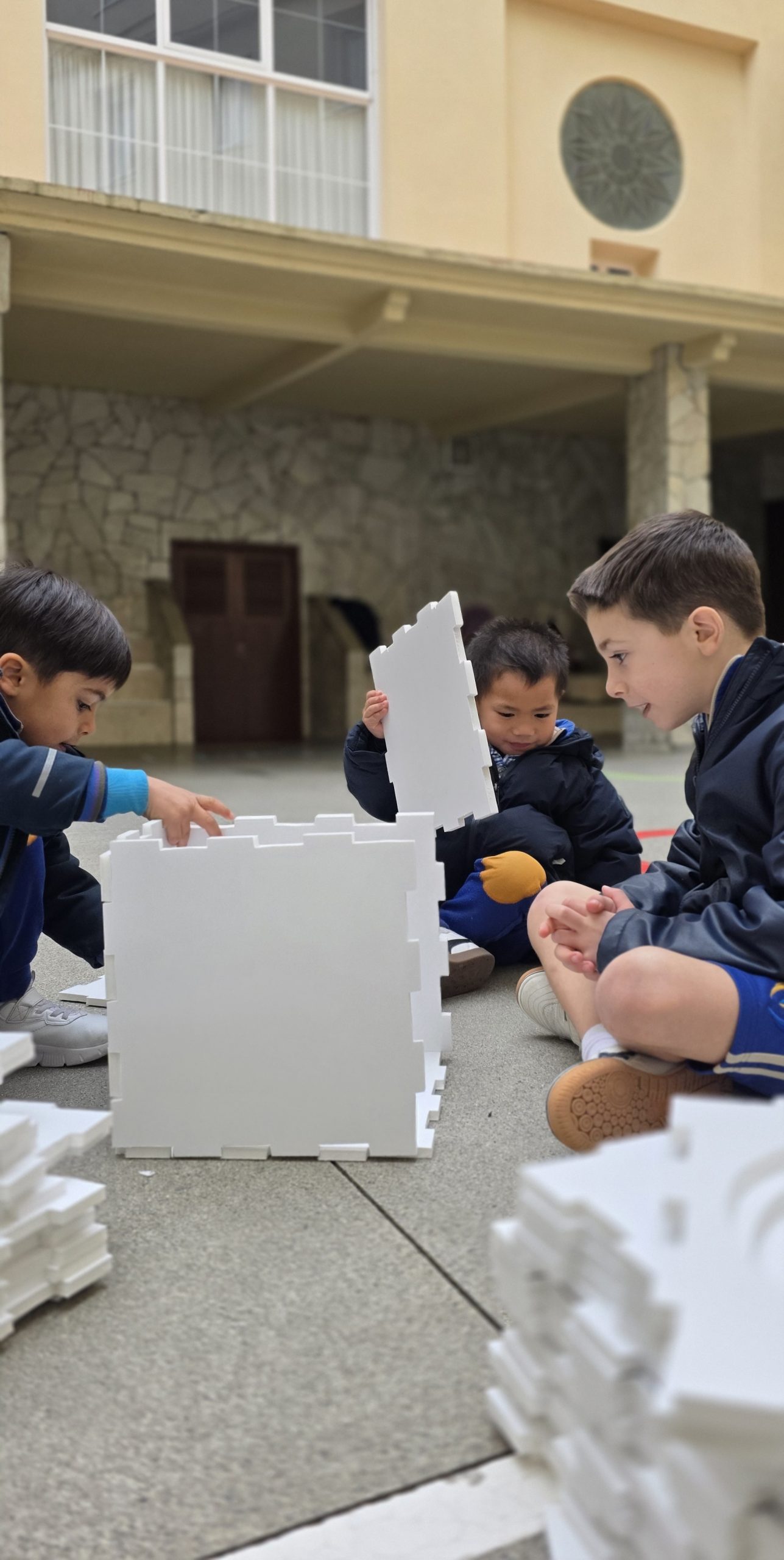
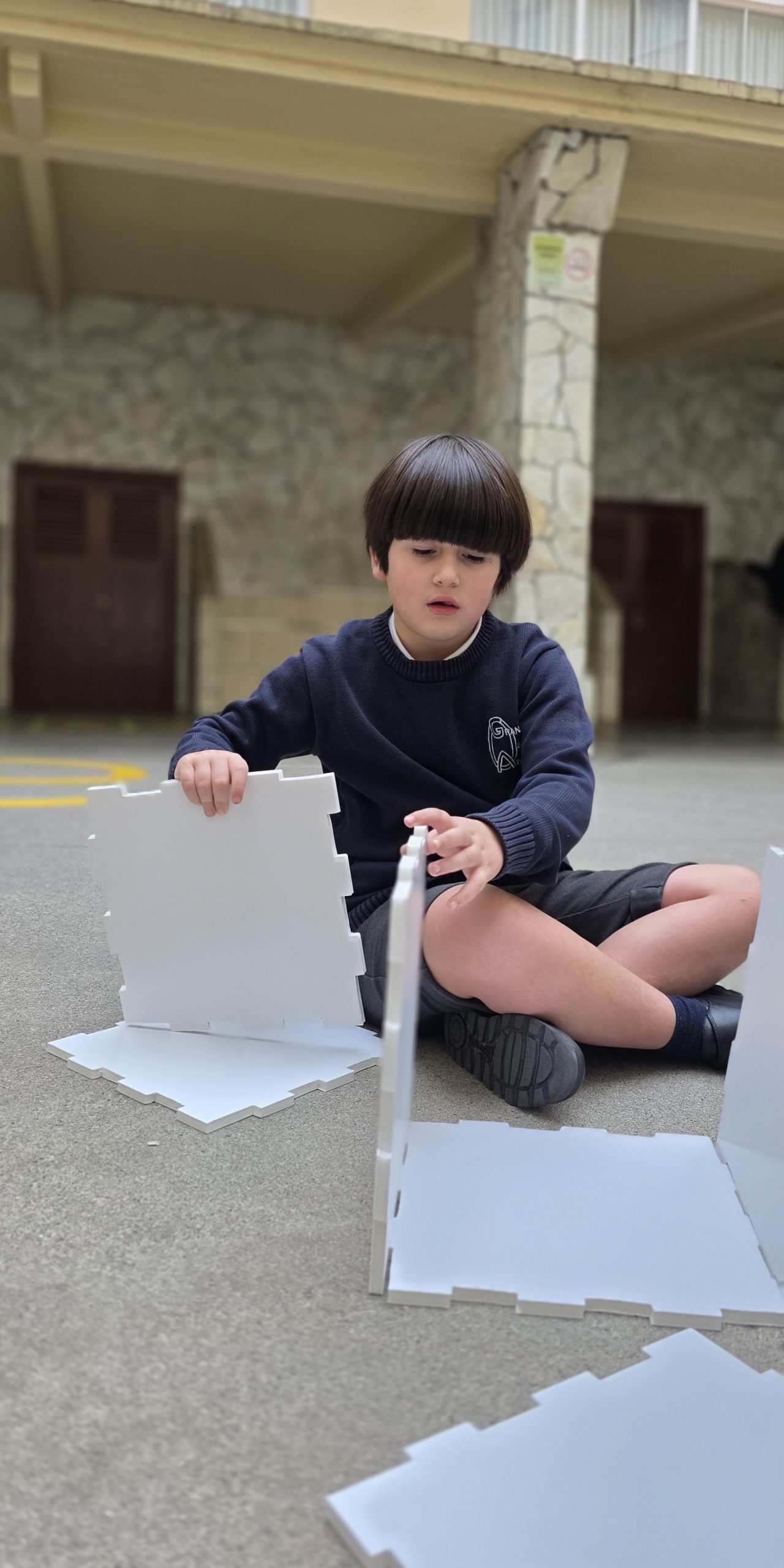
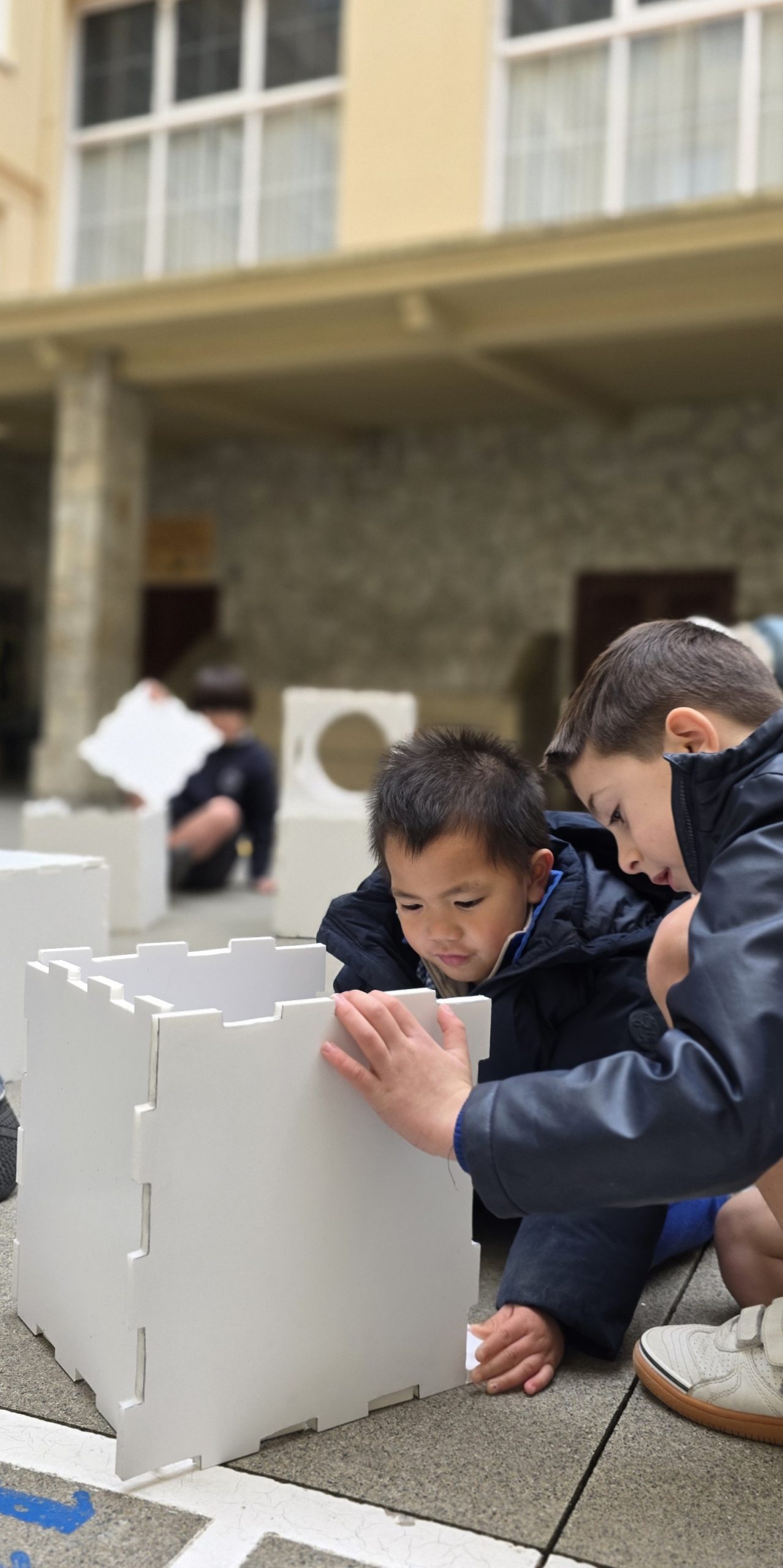
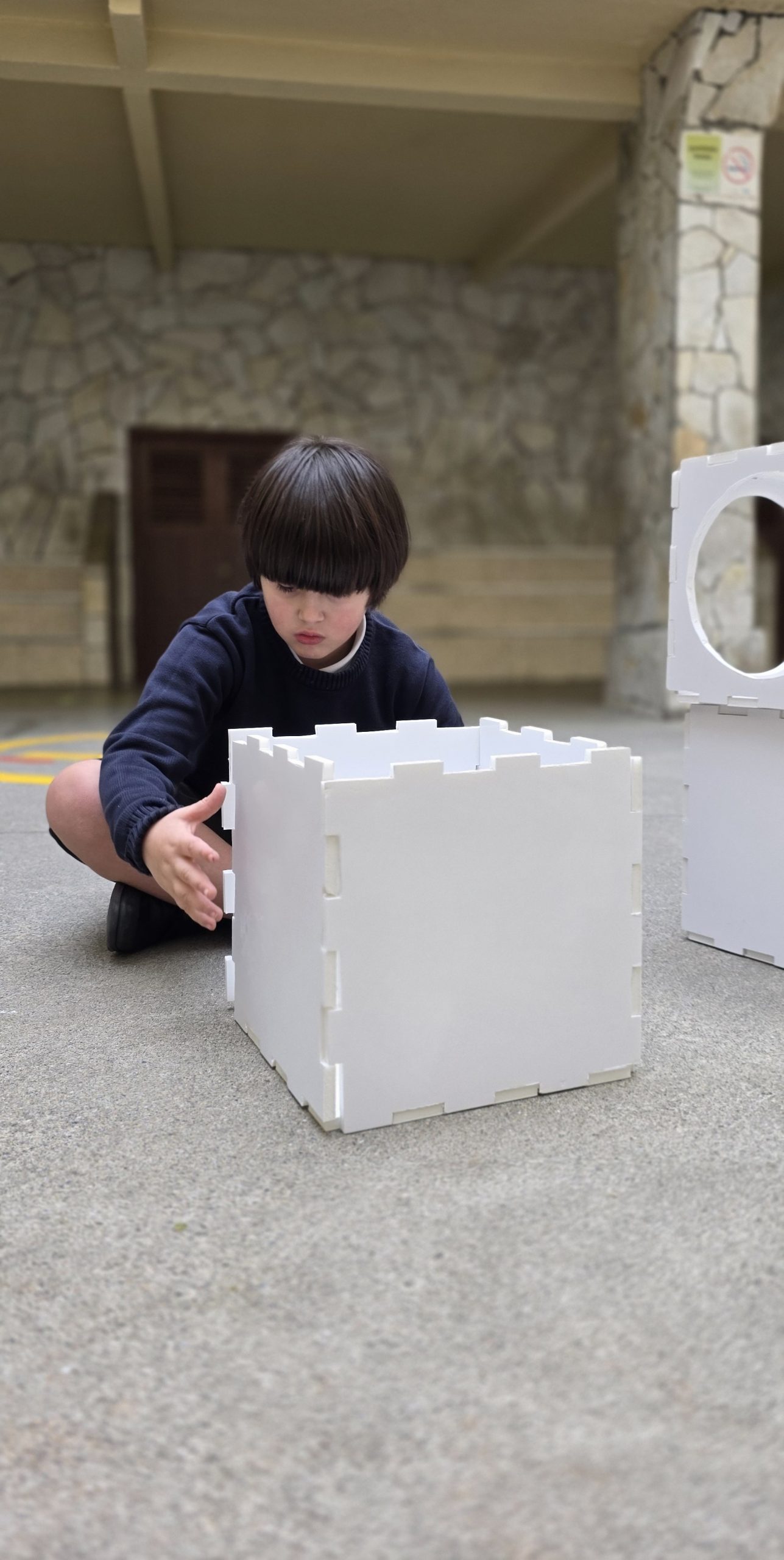
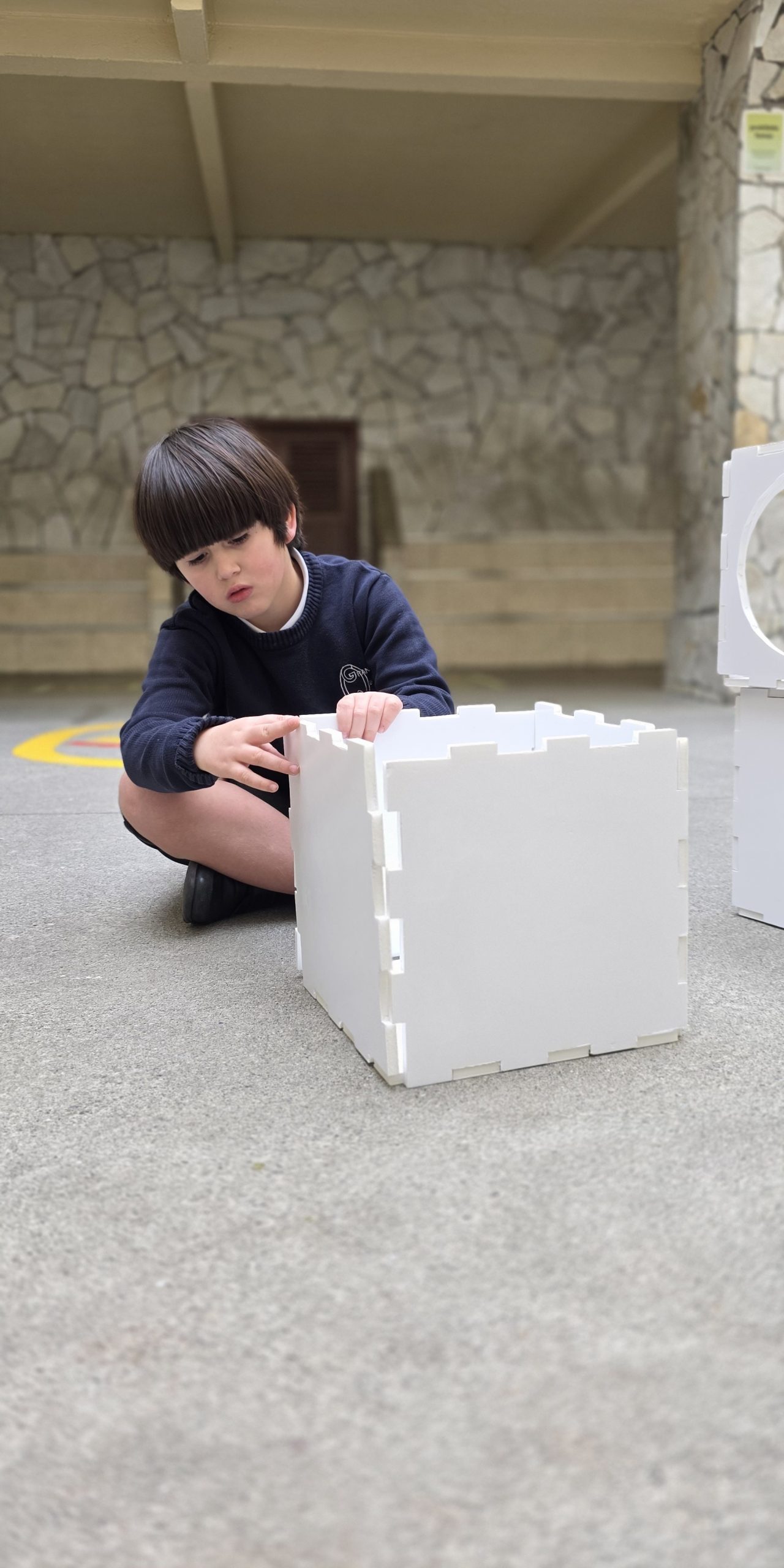
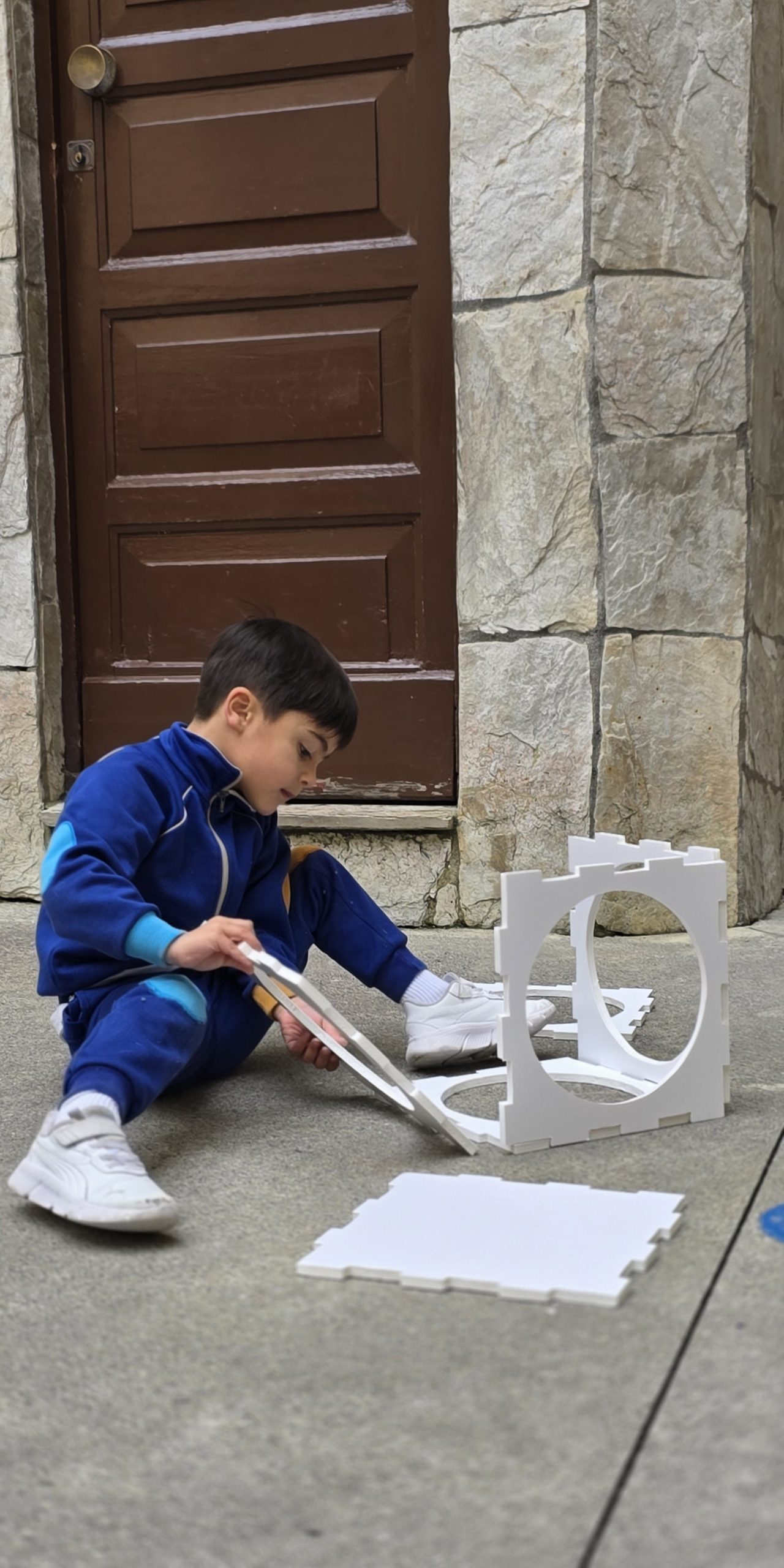
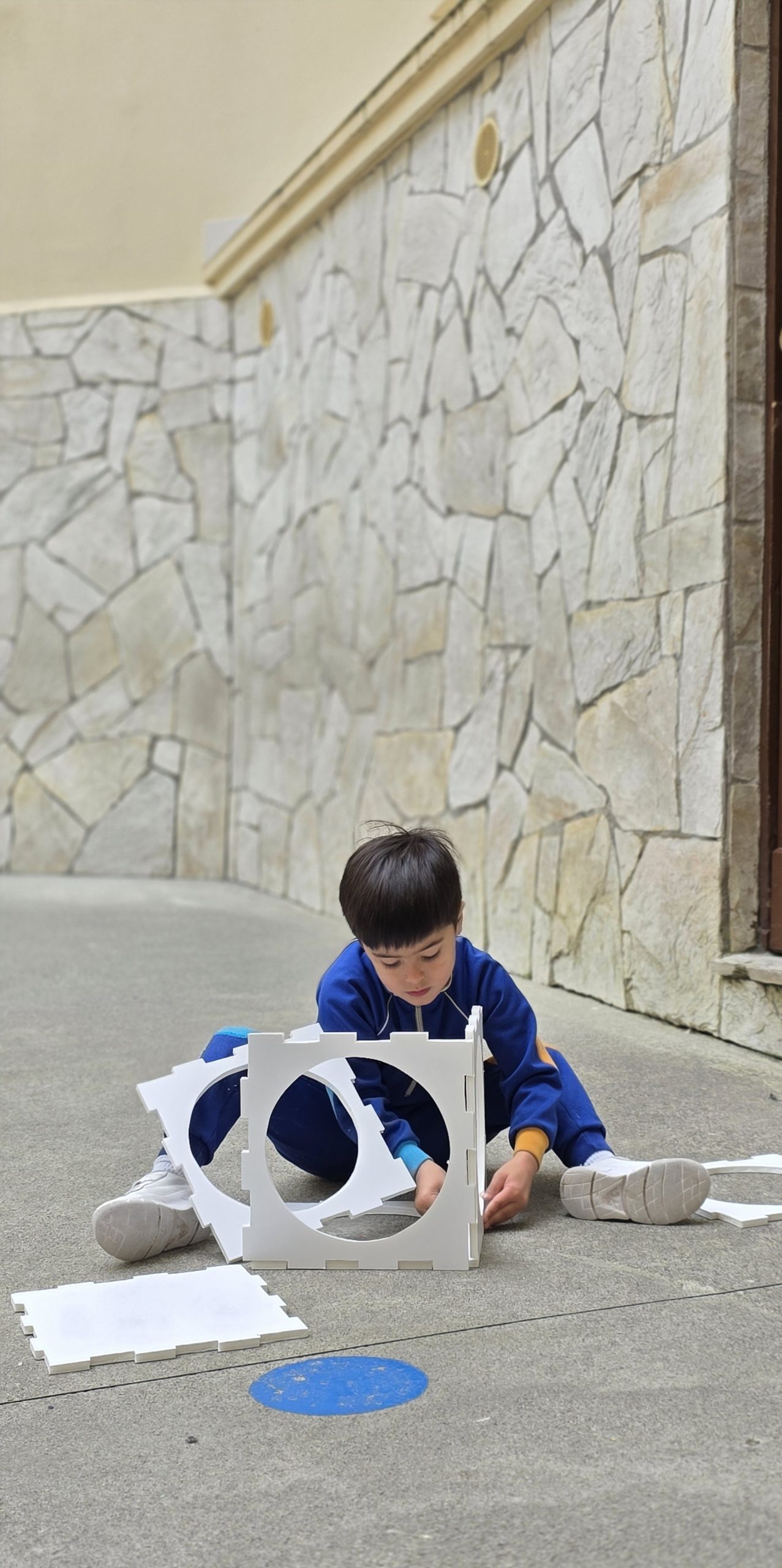
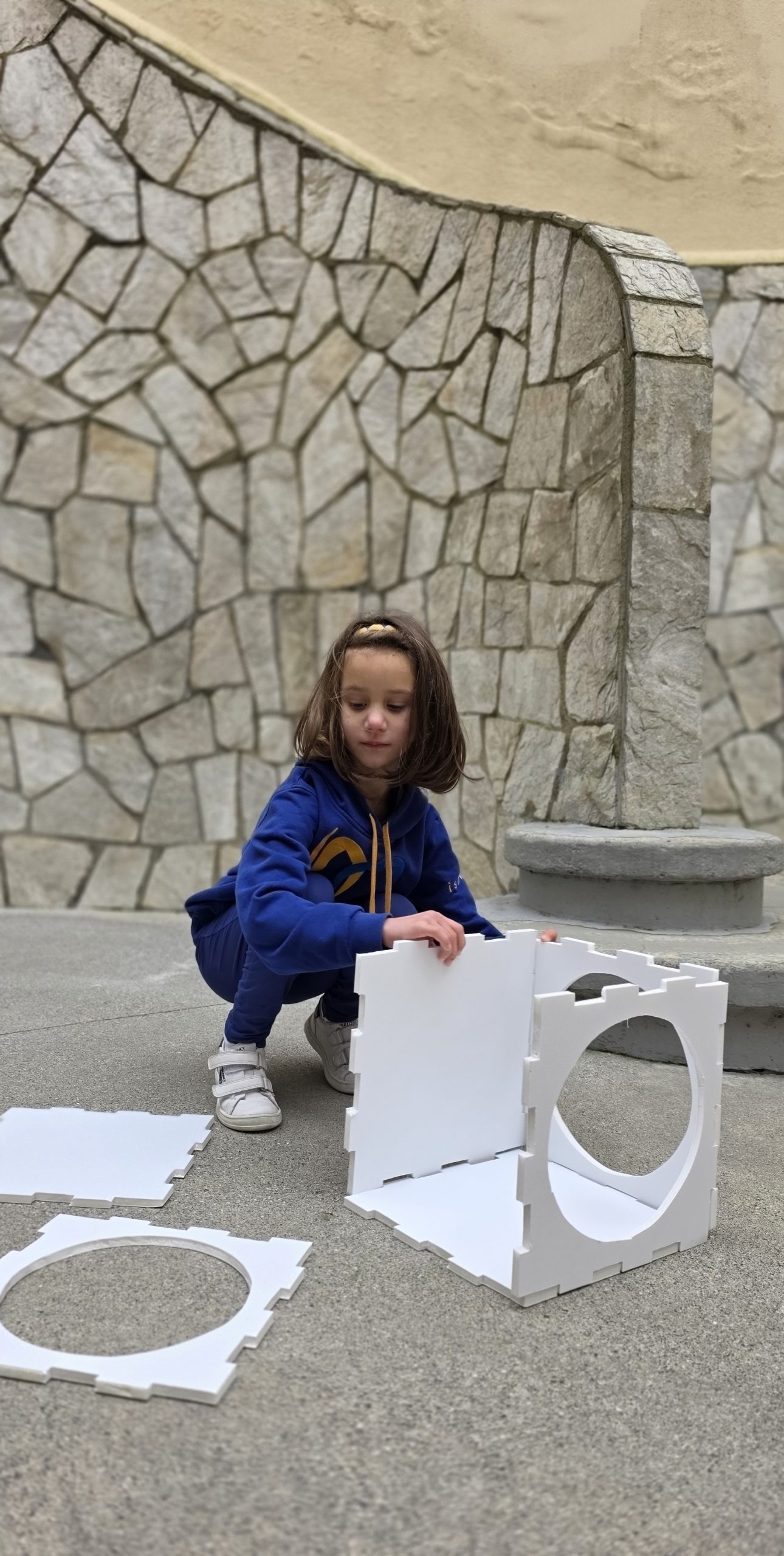
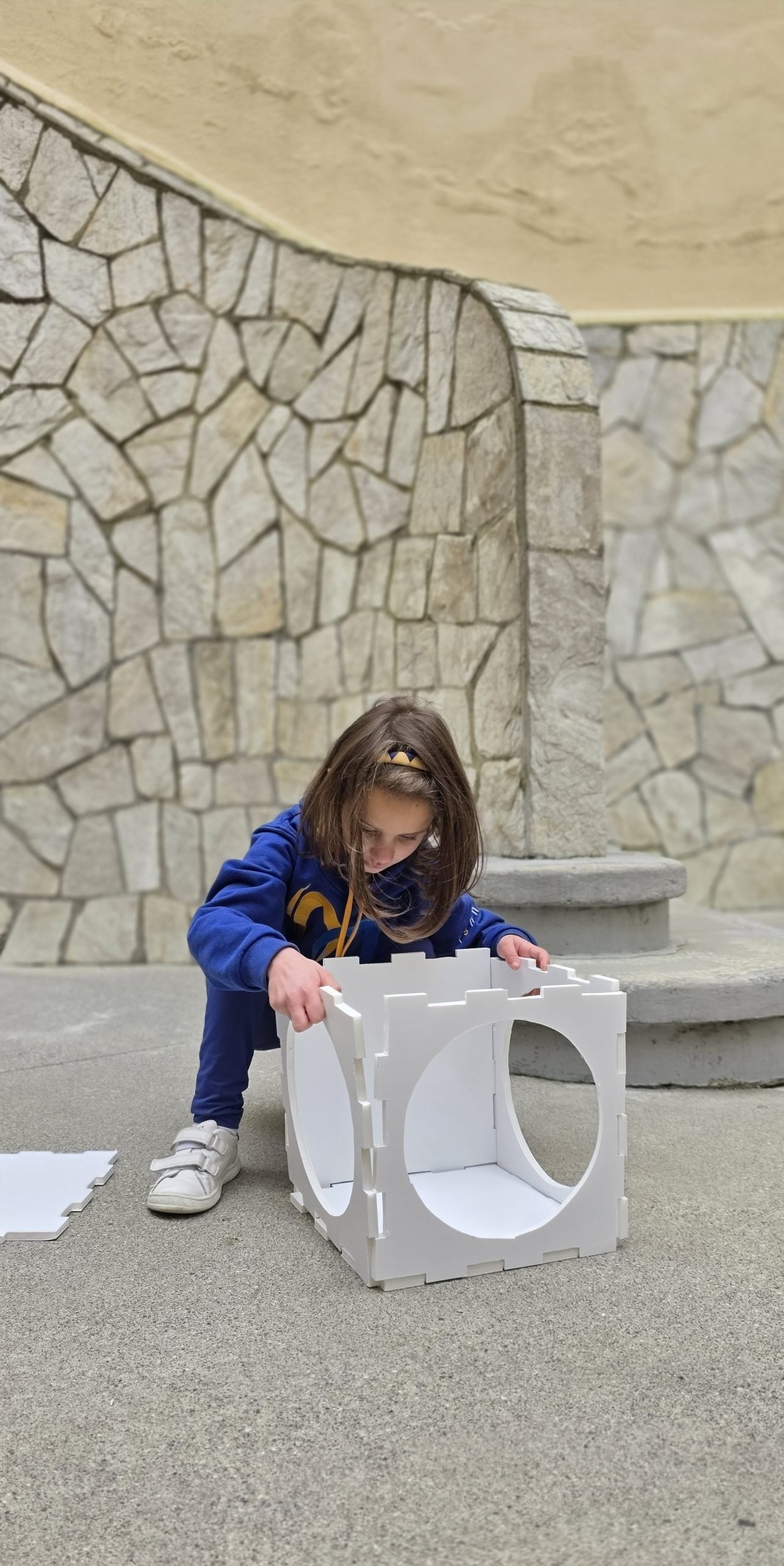
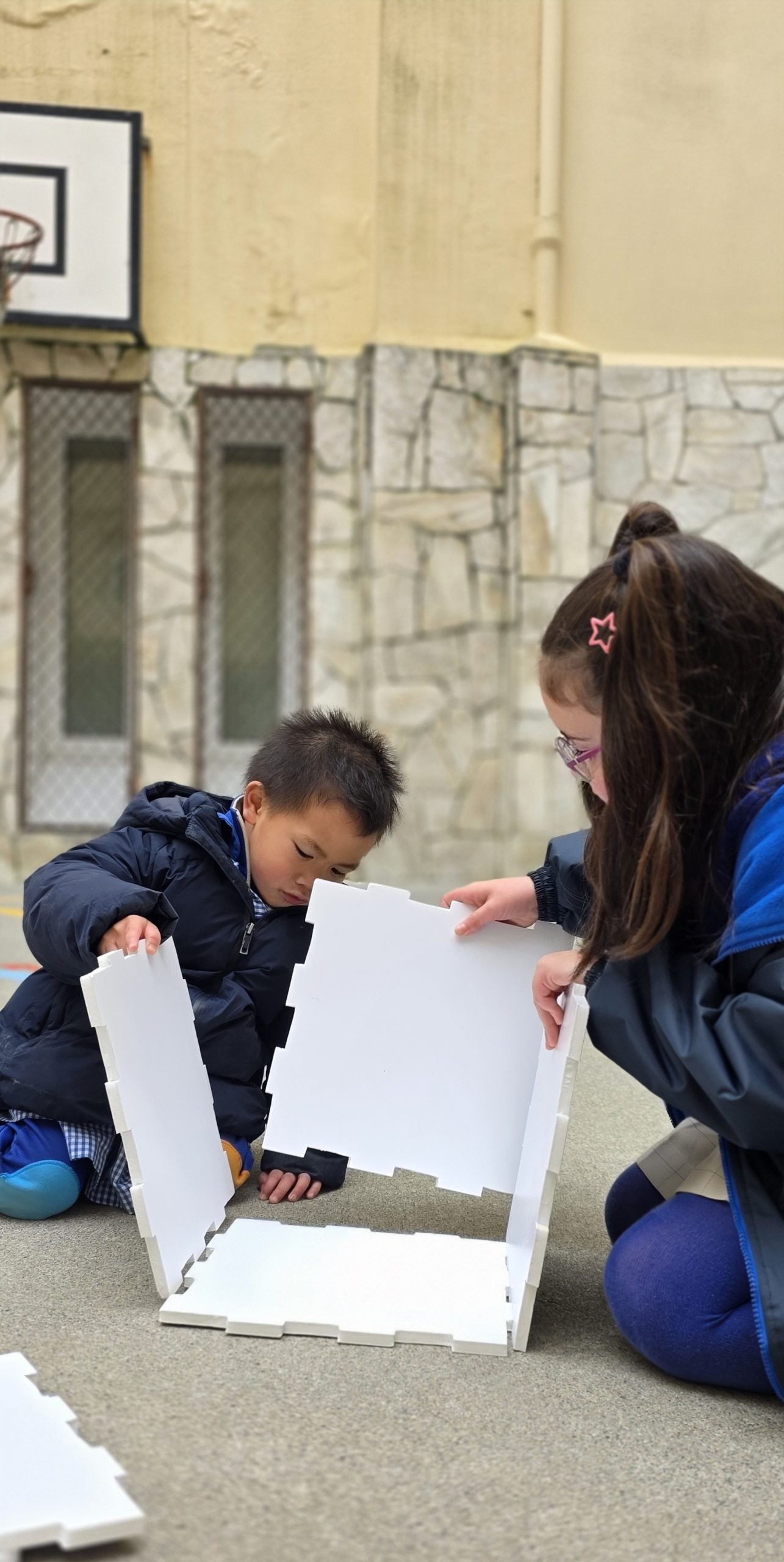
Transform the yard working whith THREE- DIMENSIONAL ELEMENTS

Transform the yard working whith THREE- DIMENSIONAL ELEMENTS

A Coruña


Changing the village through protagonist participation


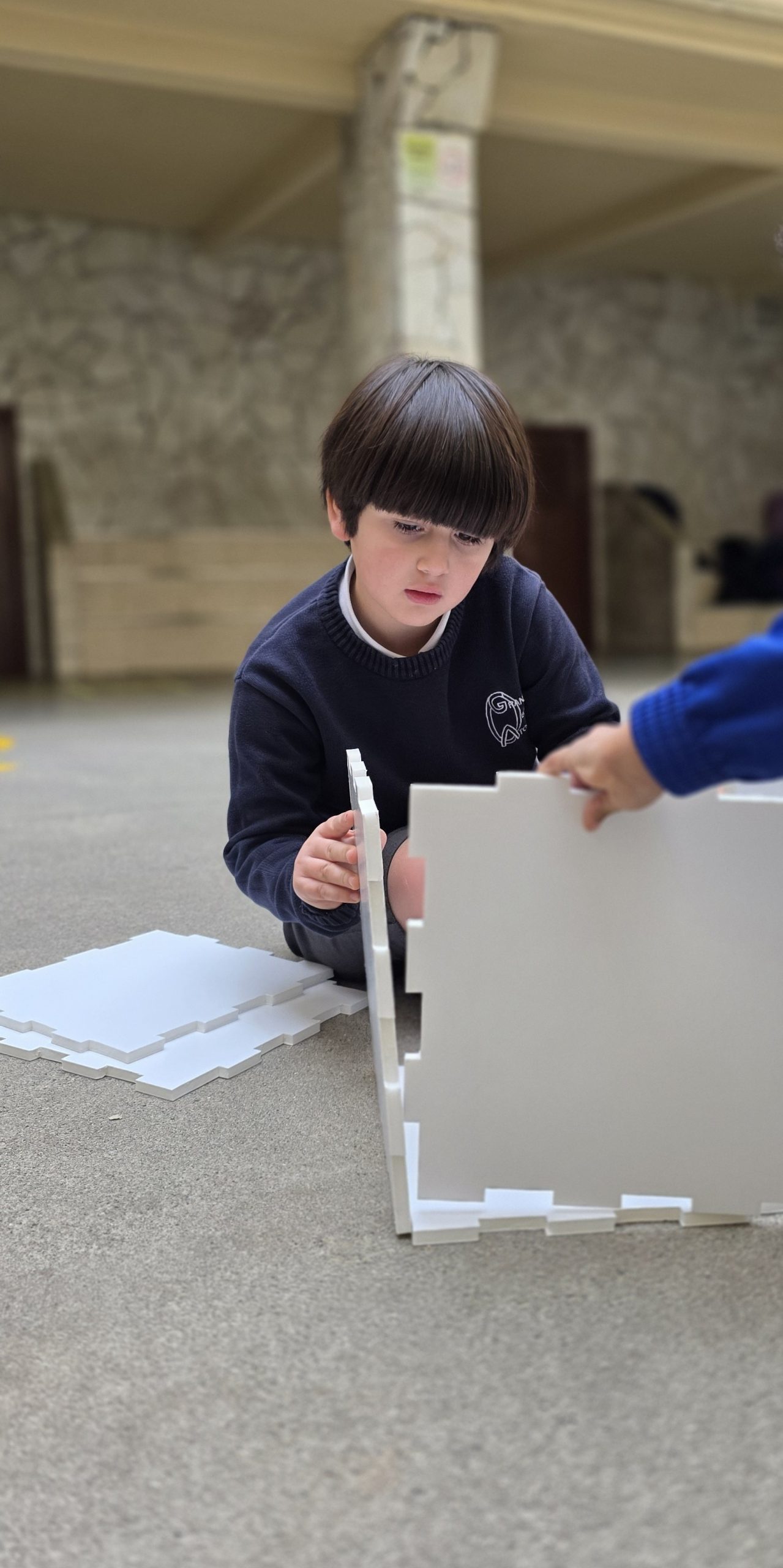
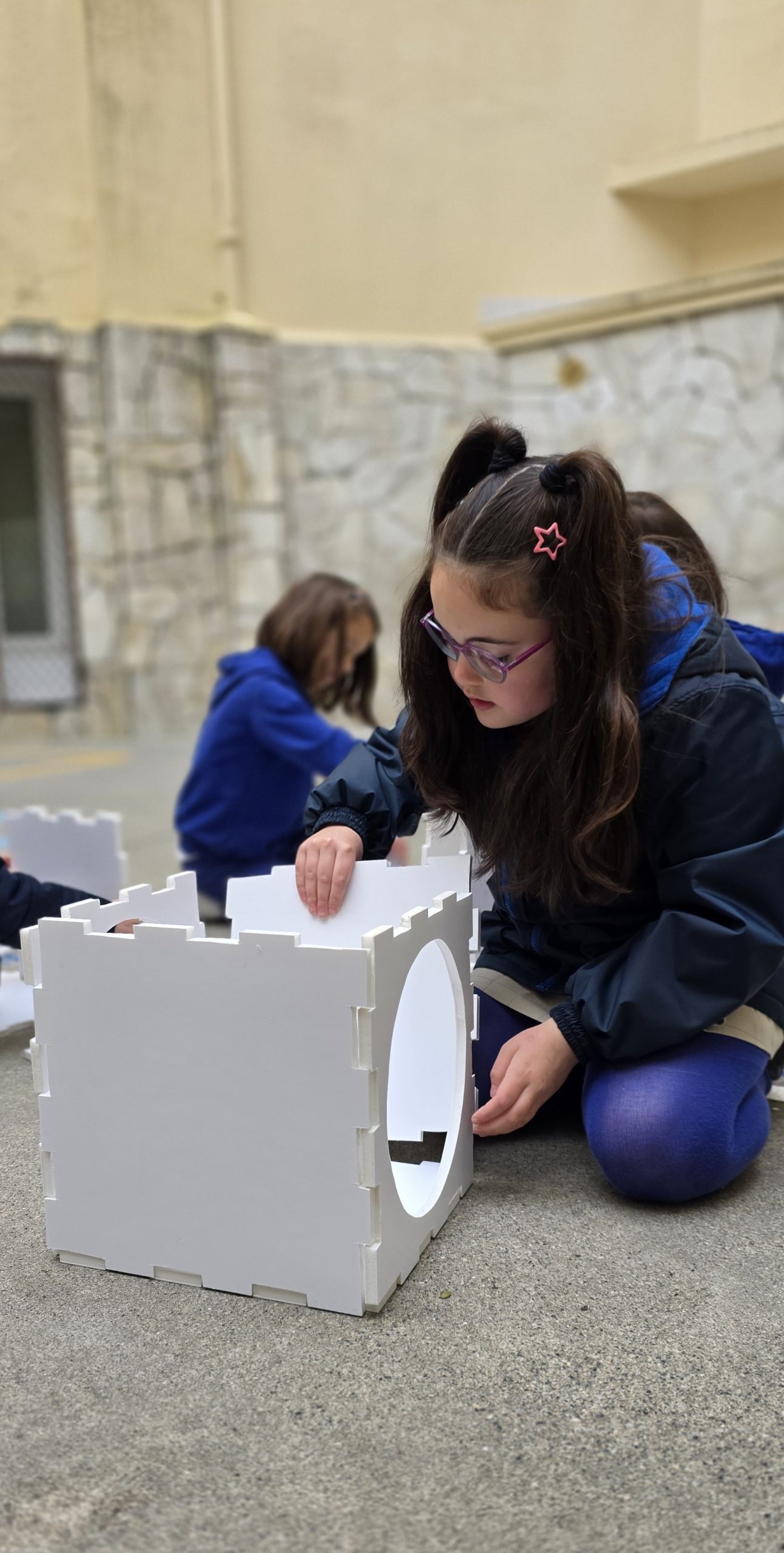
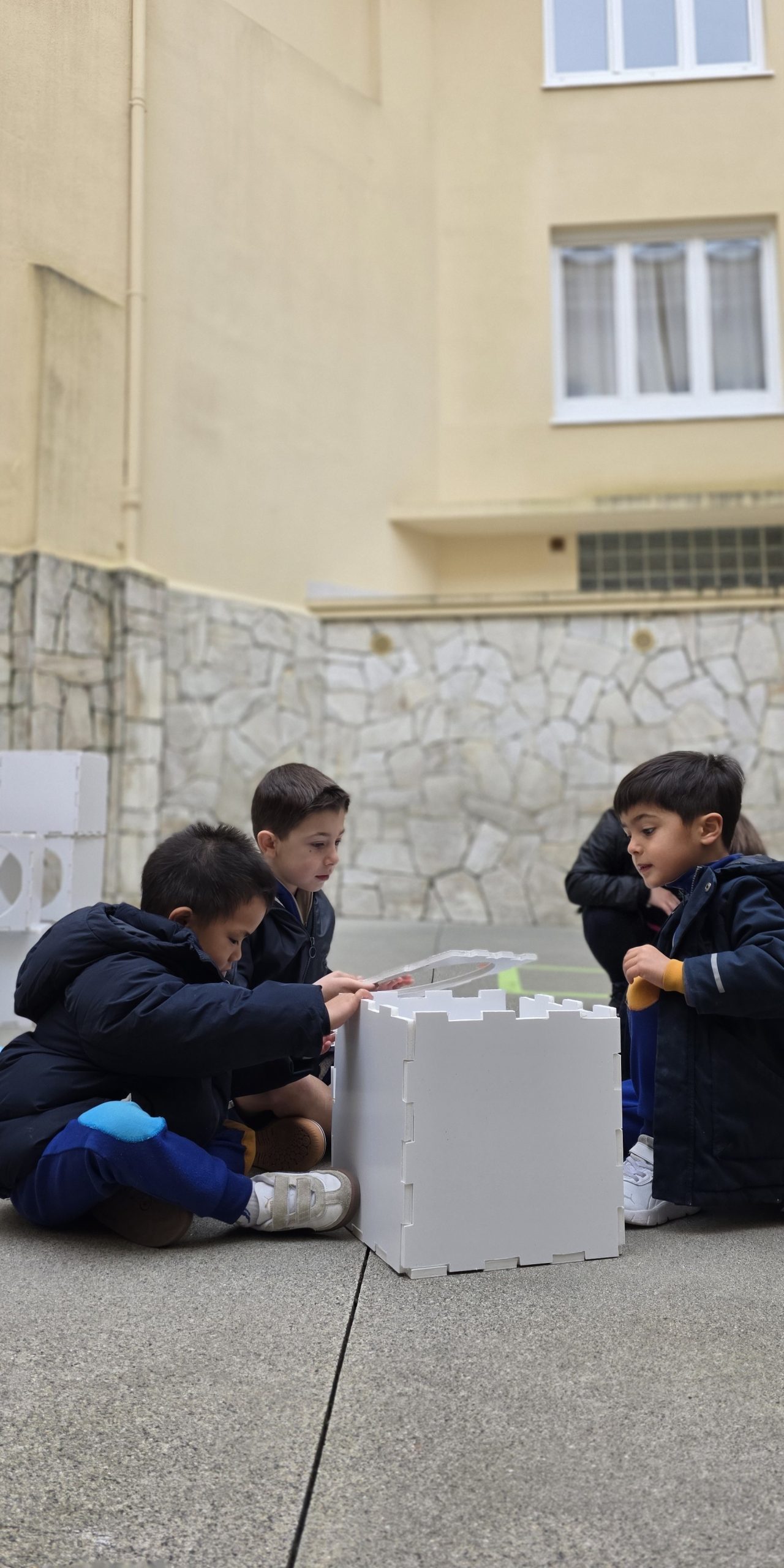
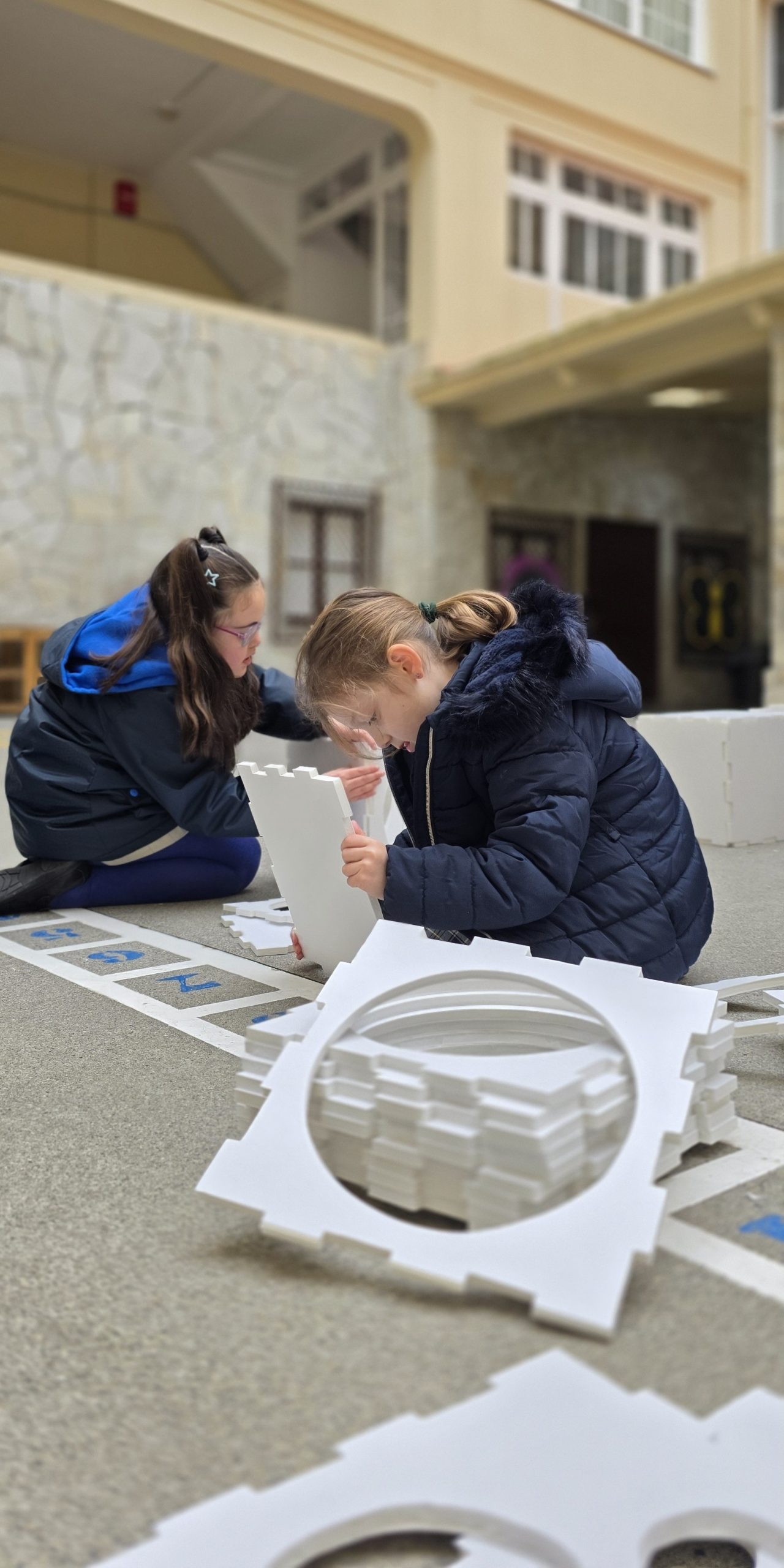
Working with three-dimension elements


“The opportunity for the child to discover his or her own movement is part of the city itself; the city is also a play space. The child uses all the elements of the city, all the built objects, all the surfaces he or she can climb or climb on. Children know how to play with these things very well, even if they are not allowed to.”

Aldo van Eyck


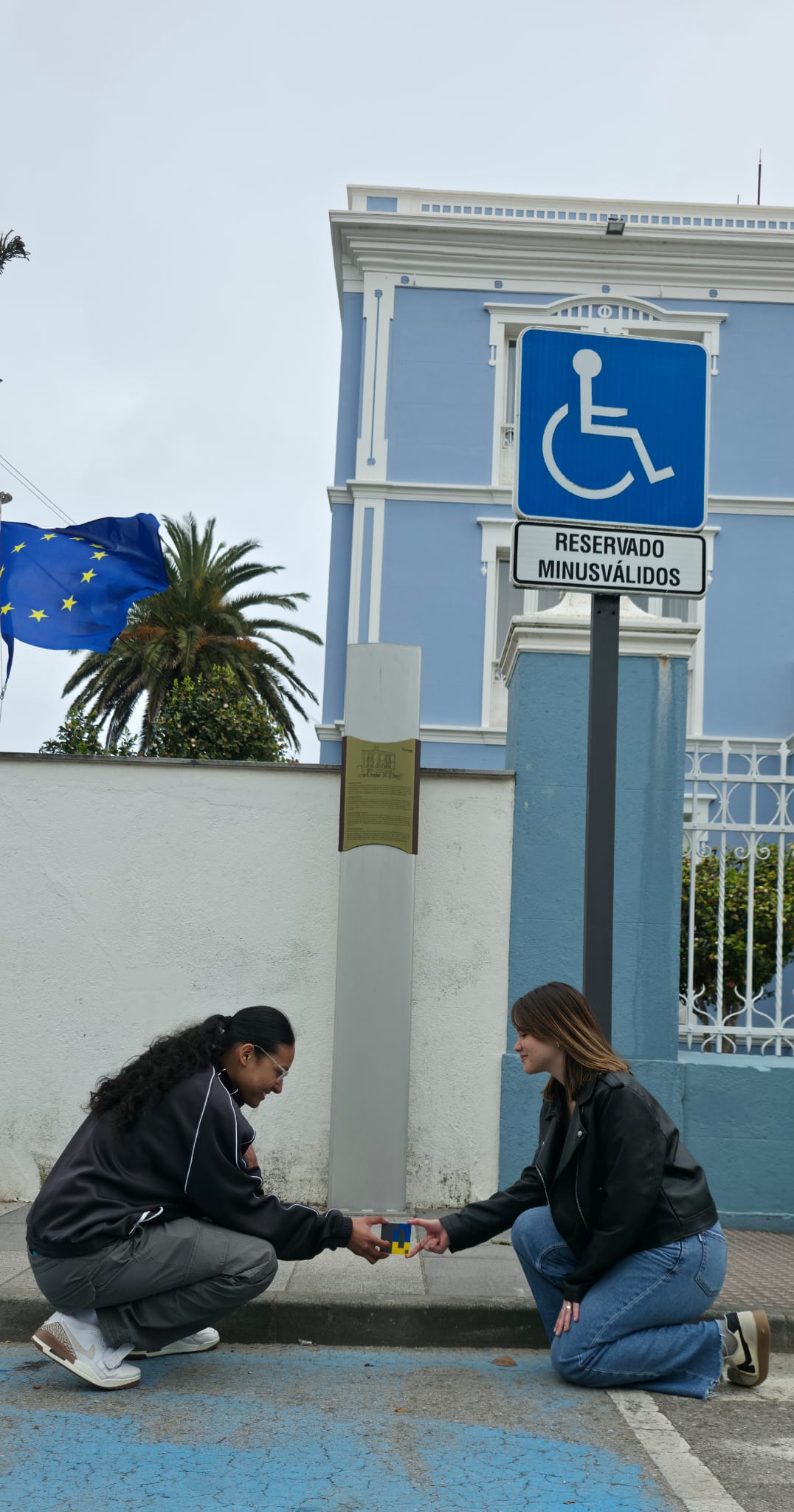
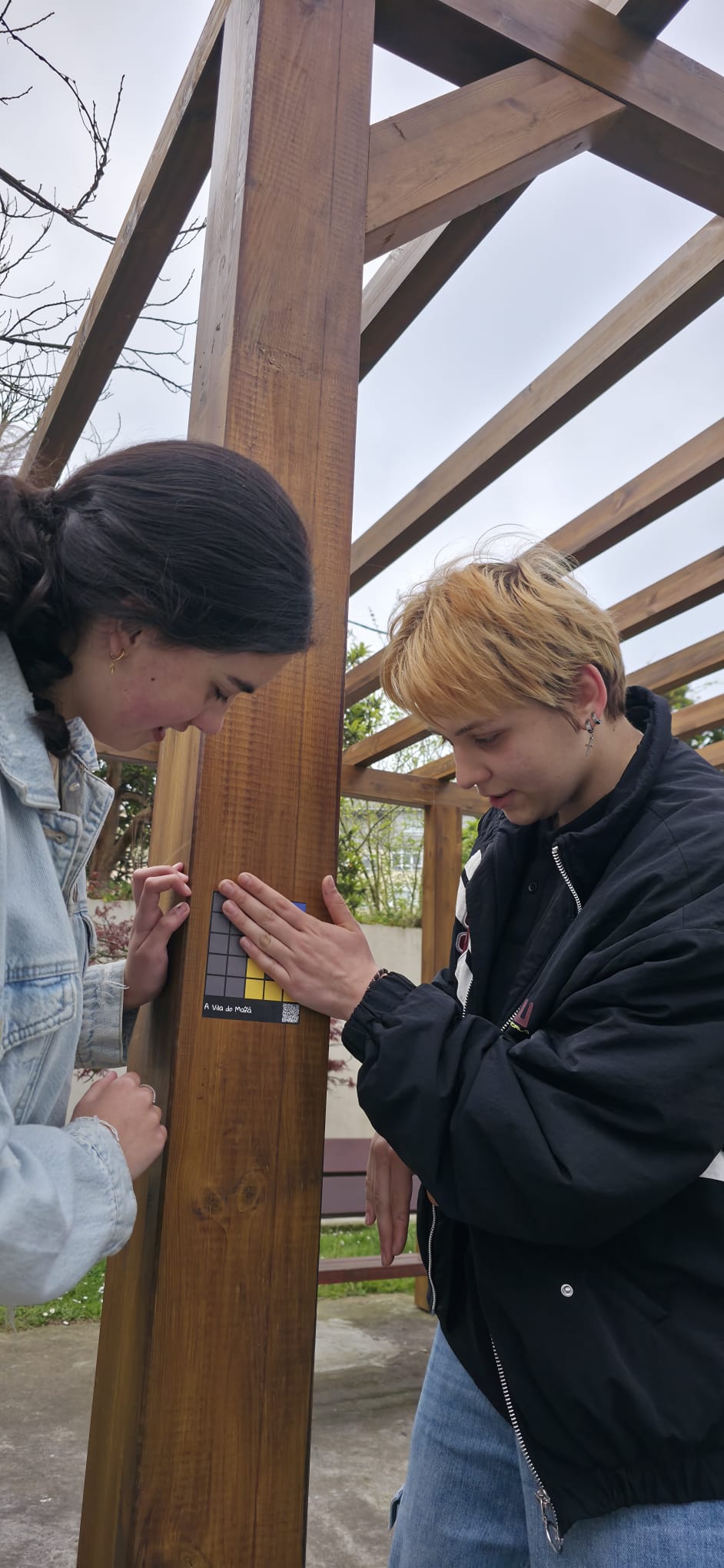
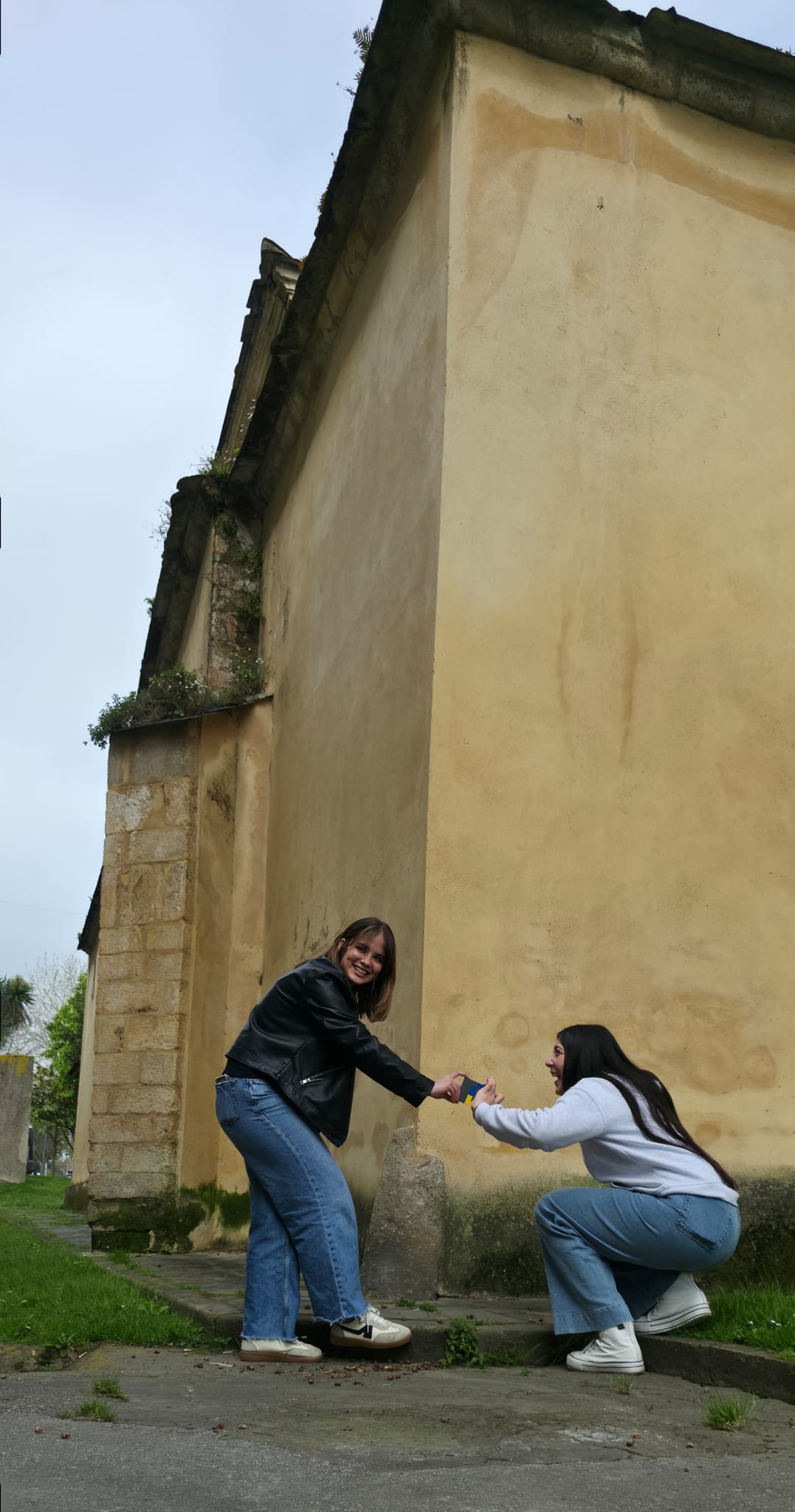
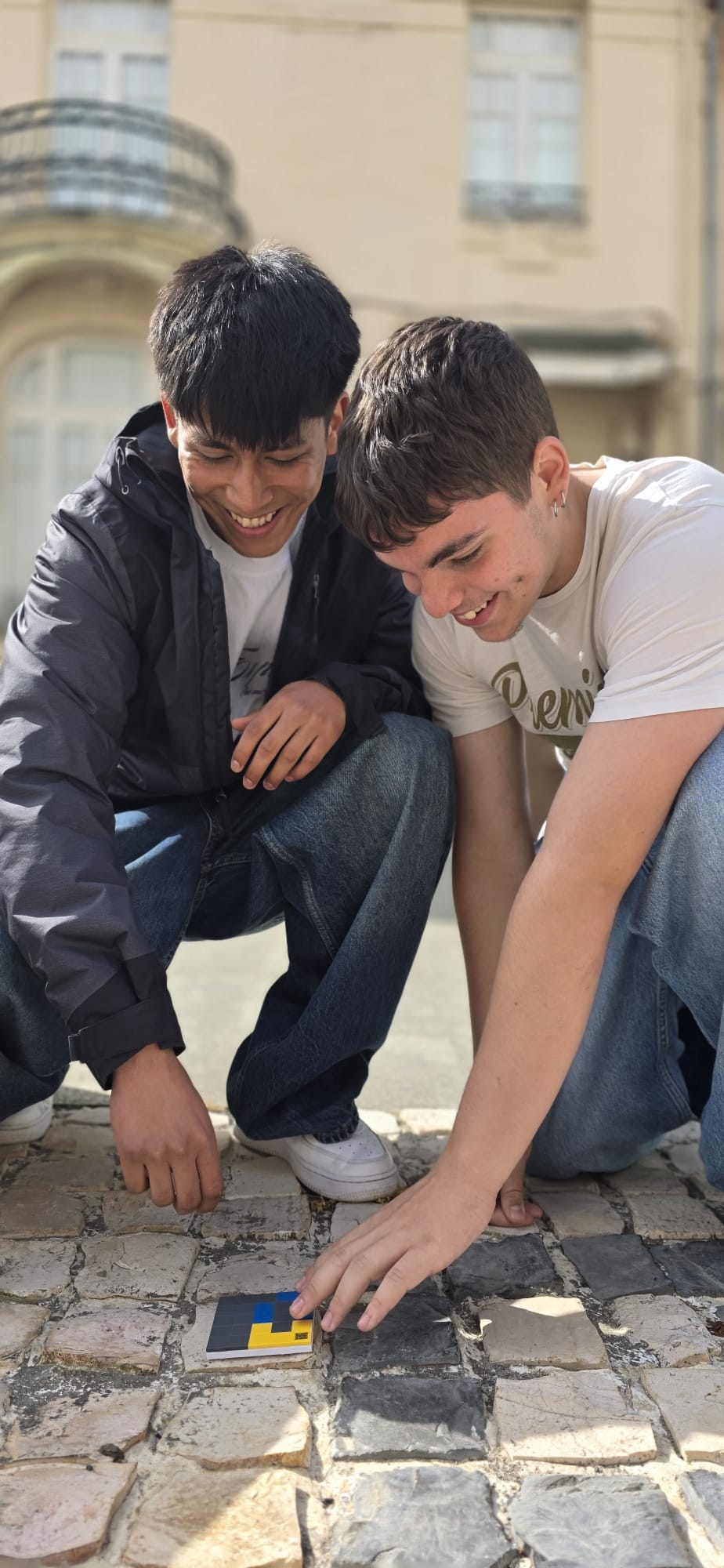
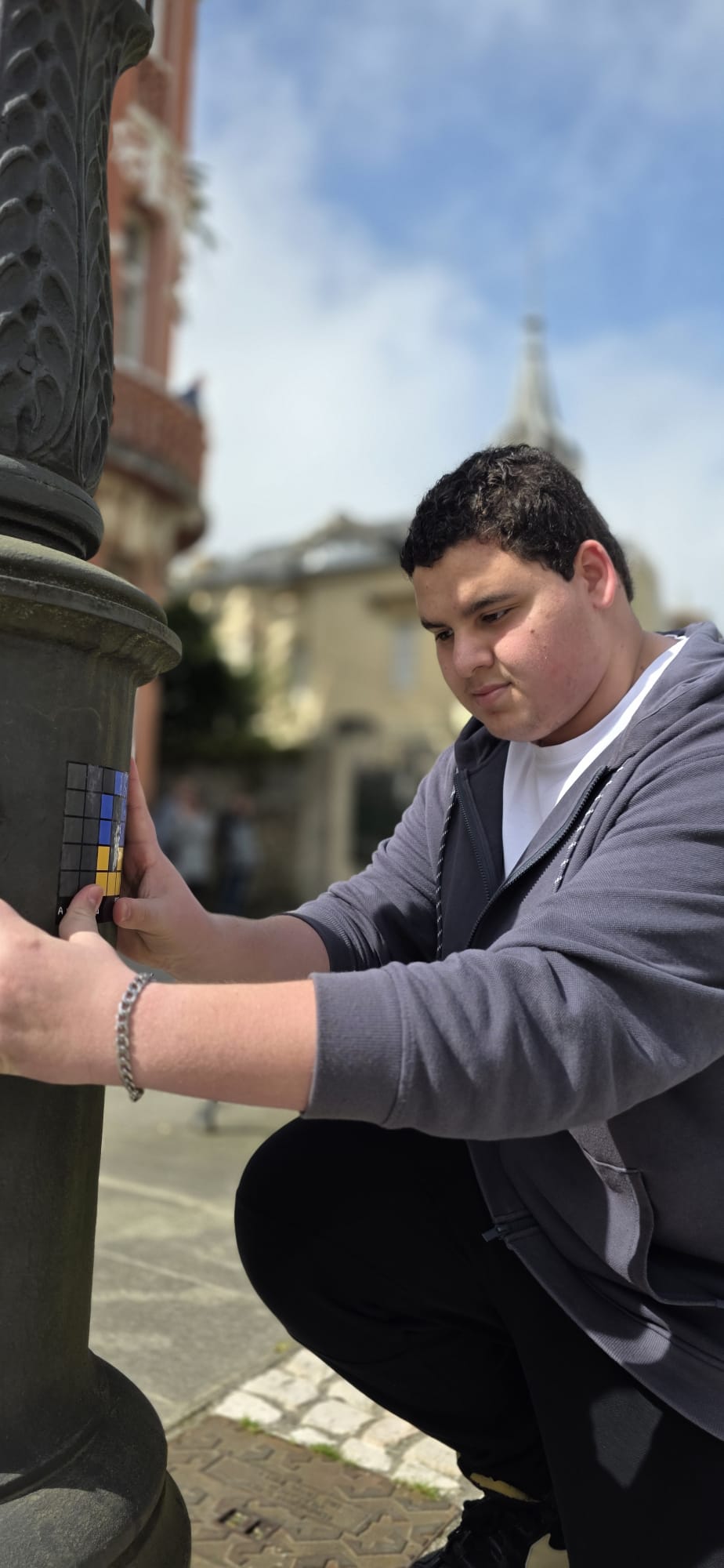
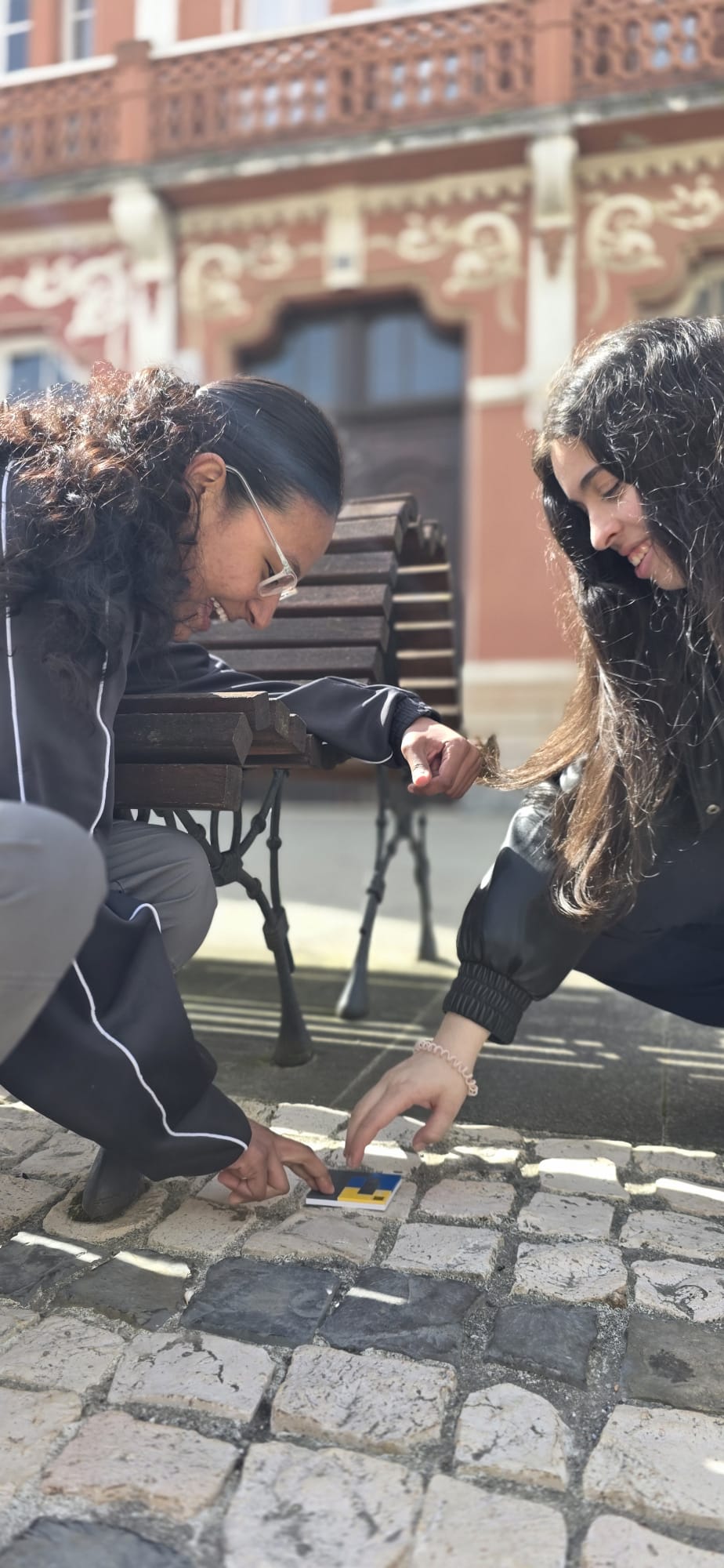
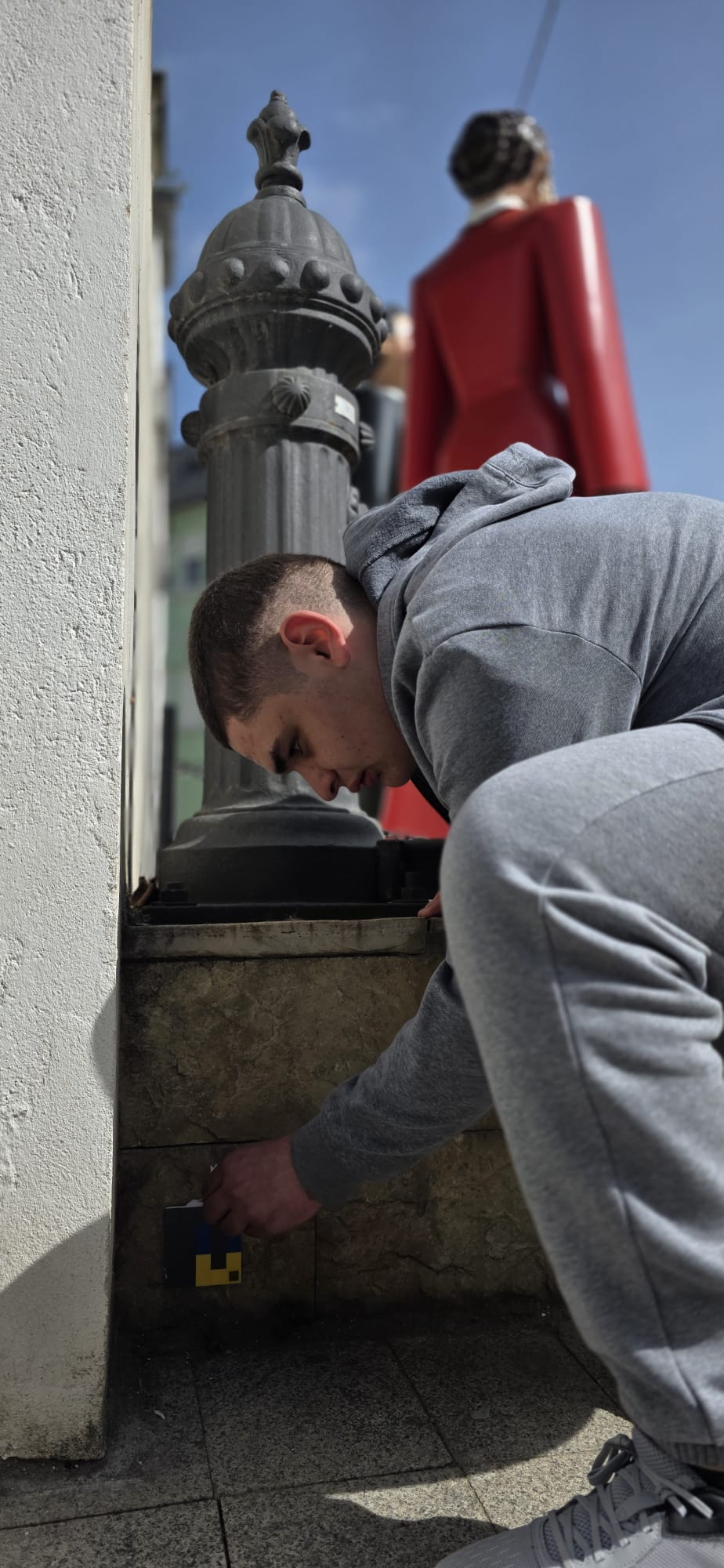
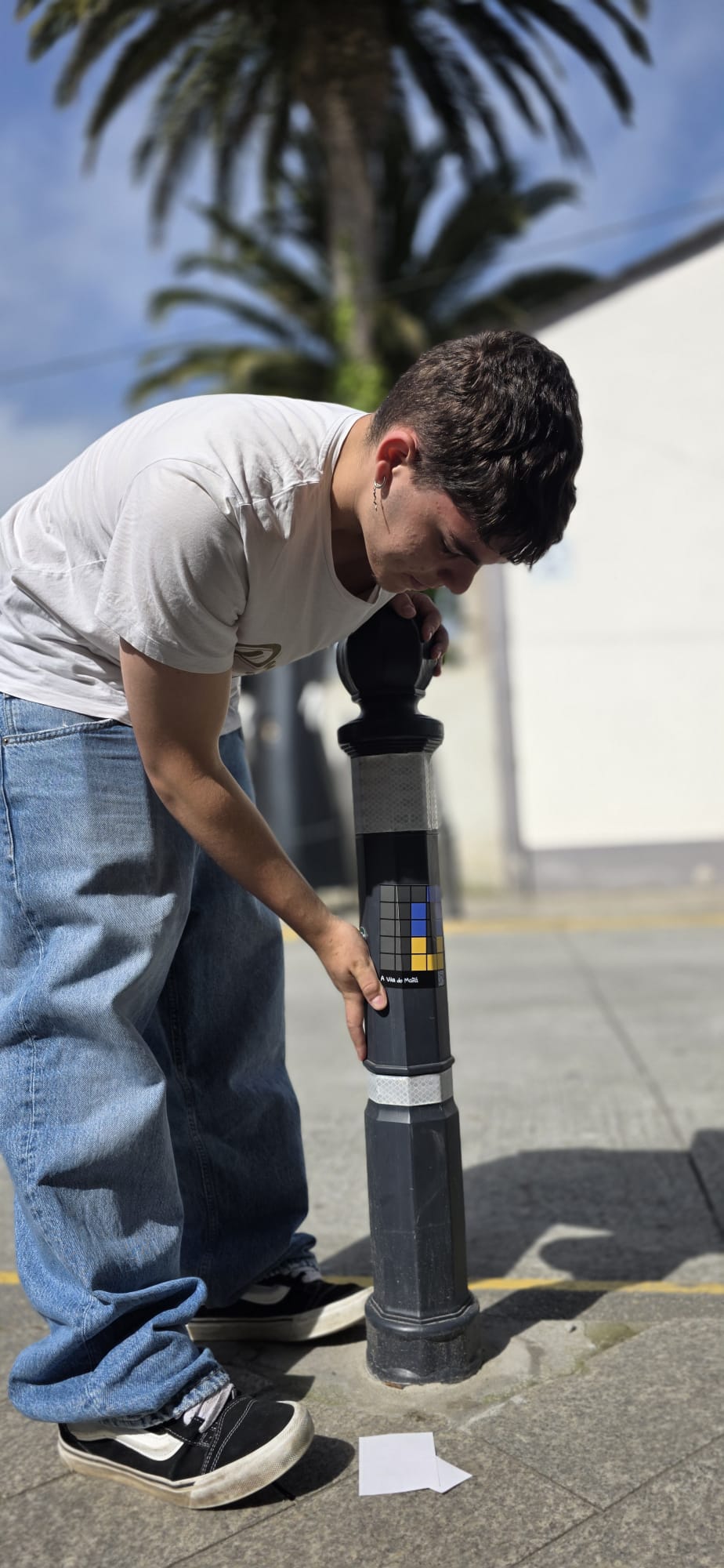
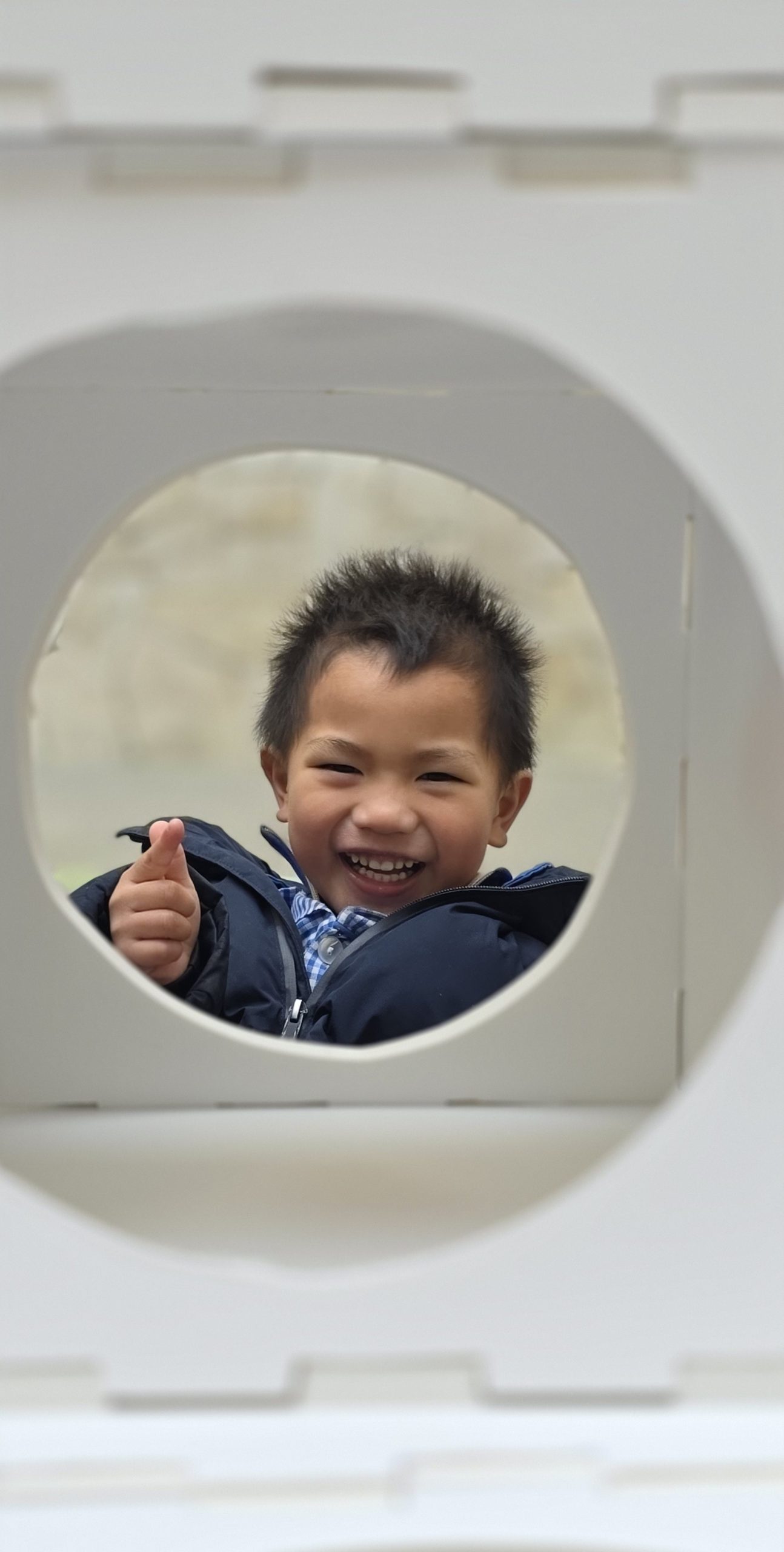
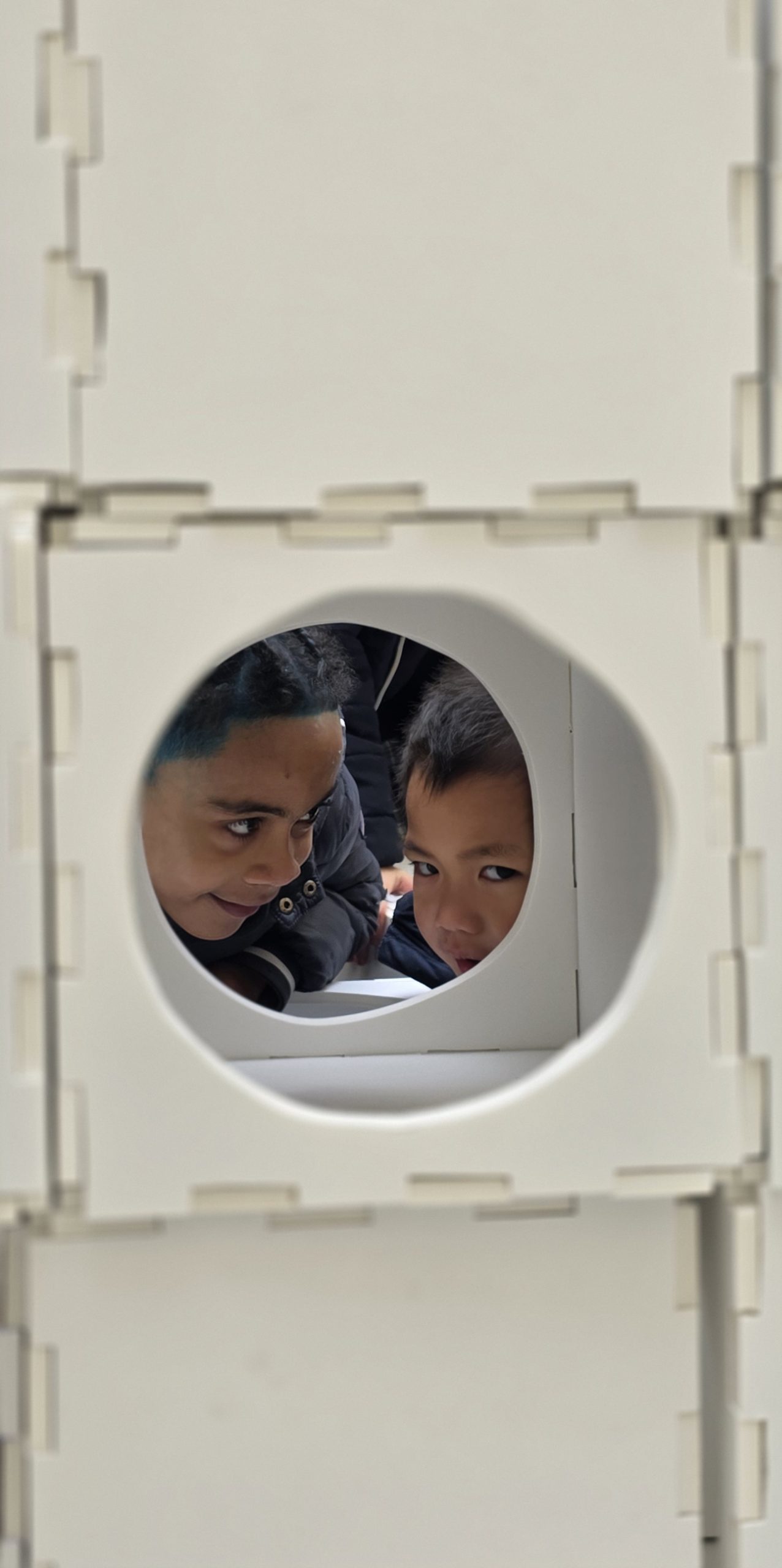
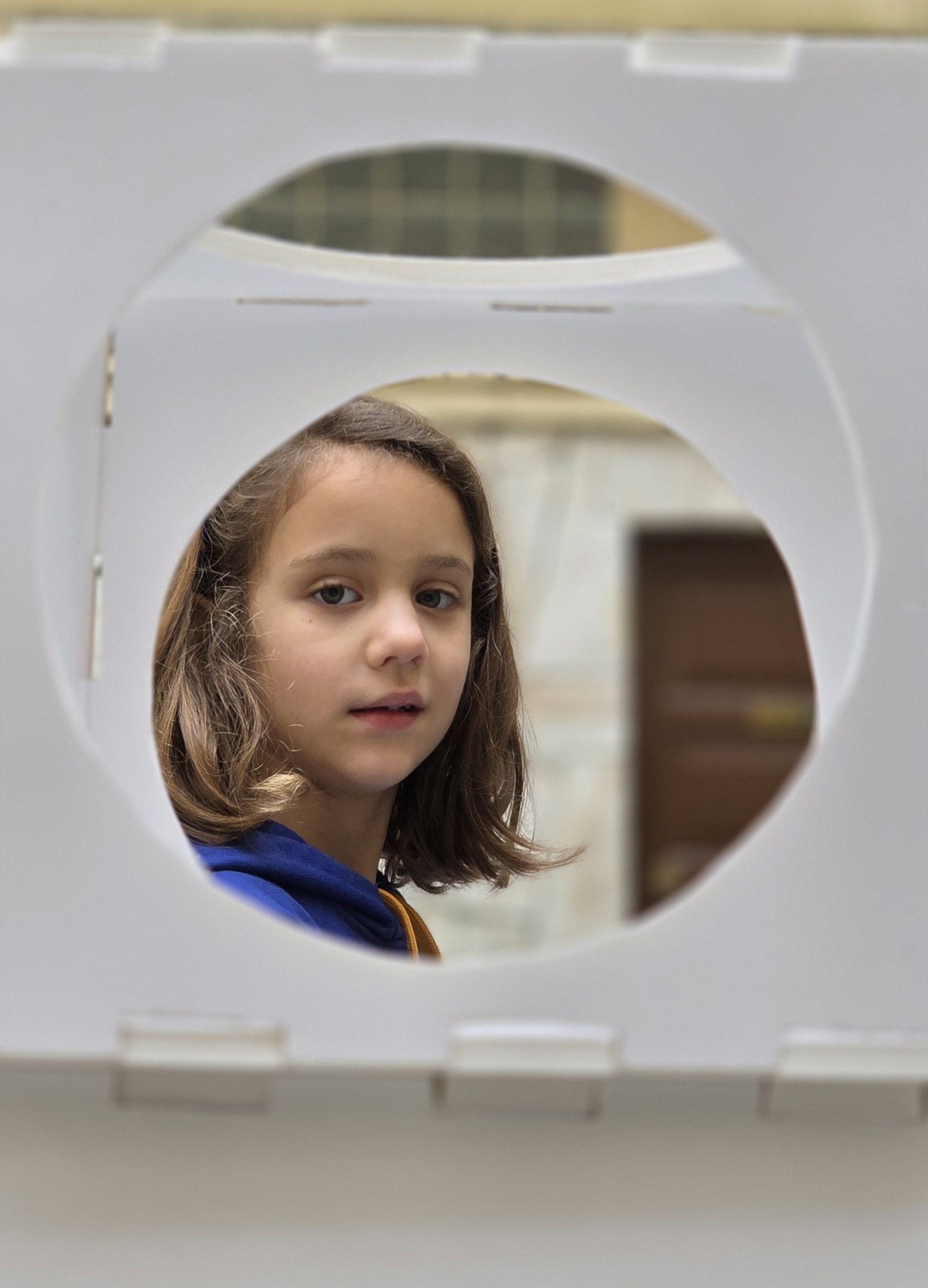
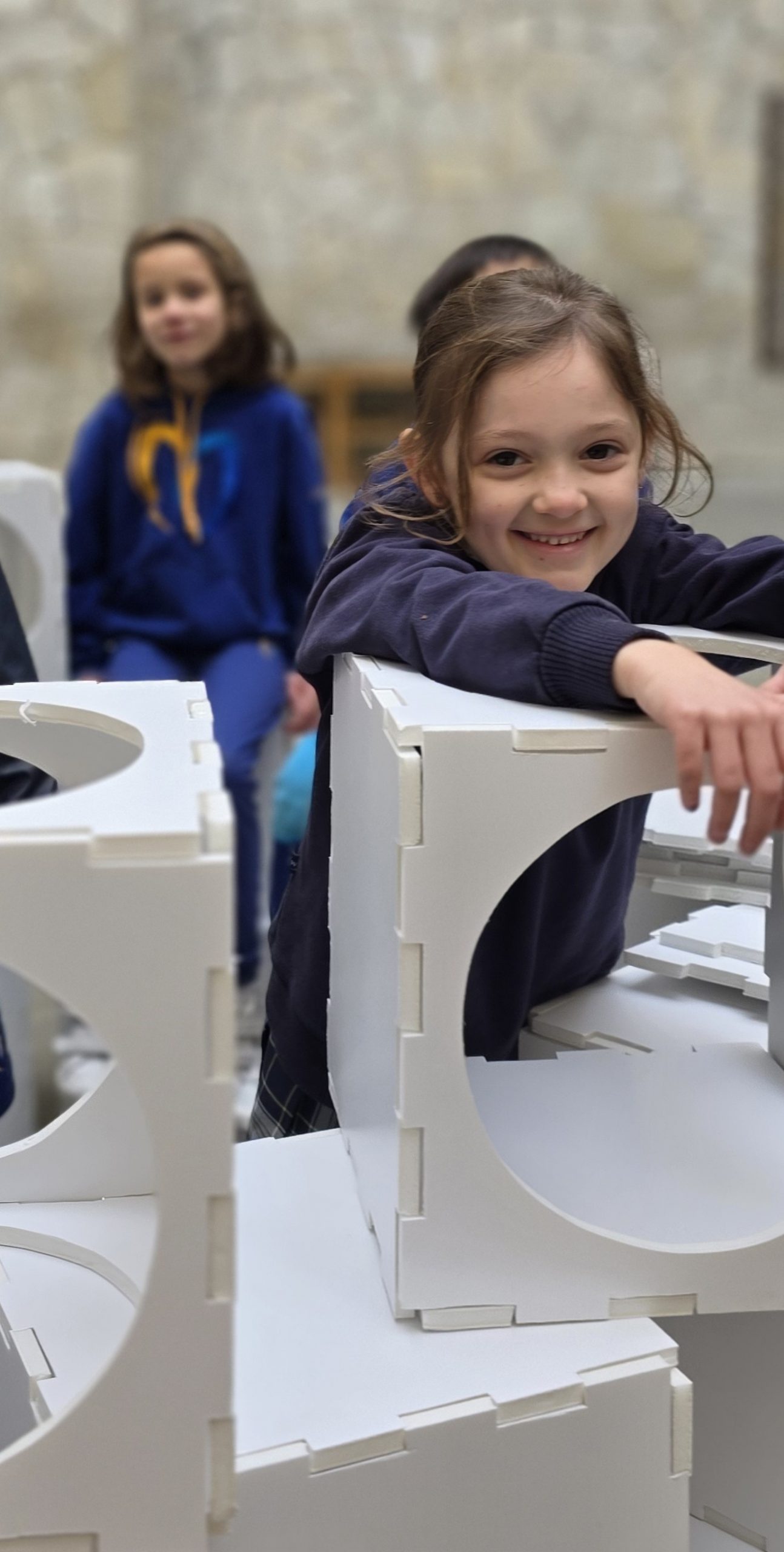
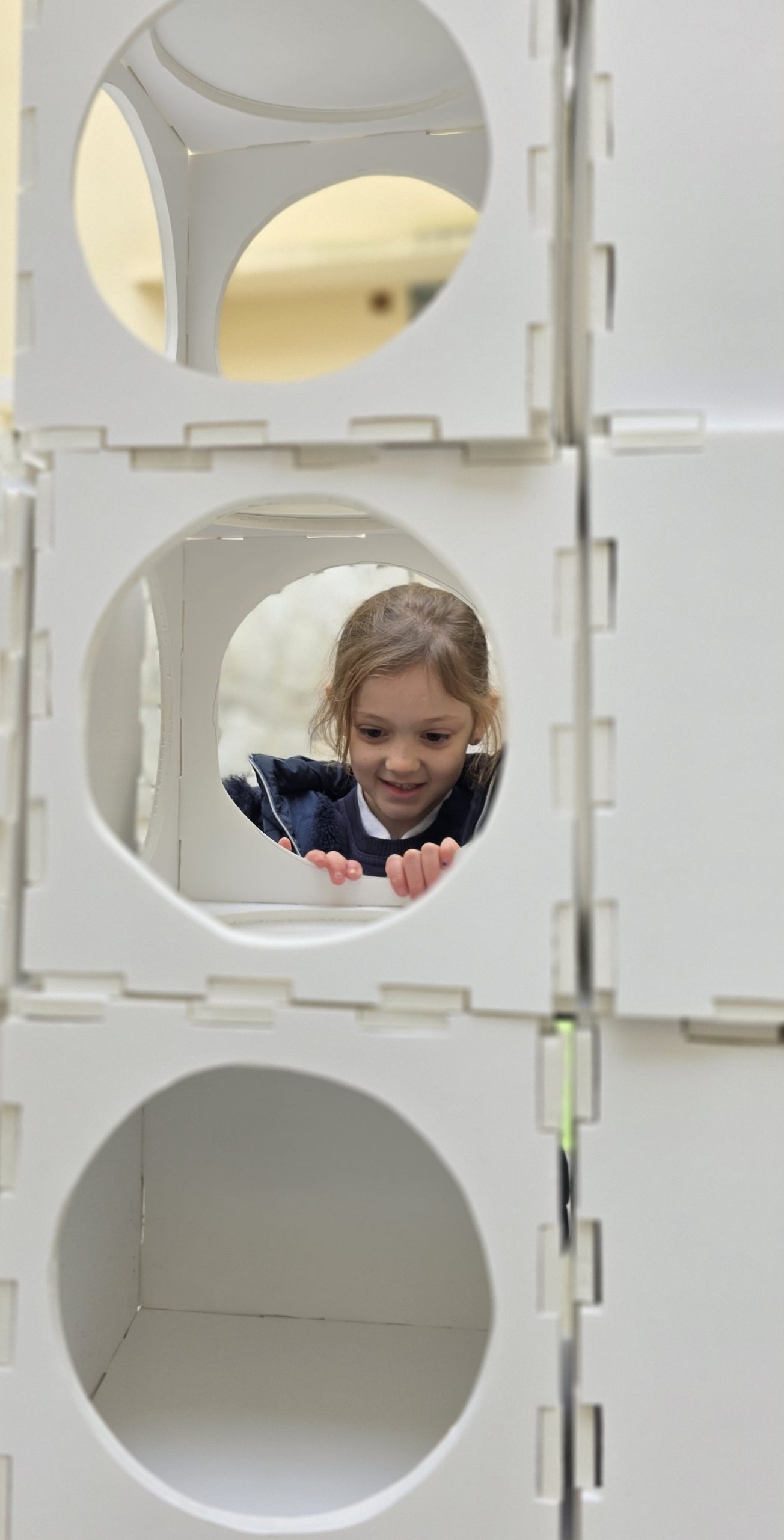
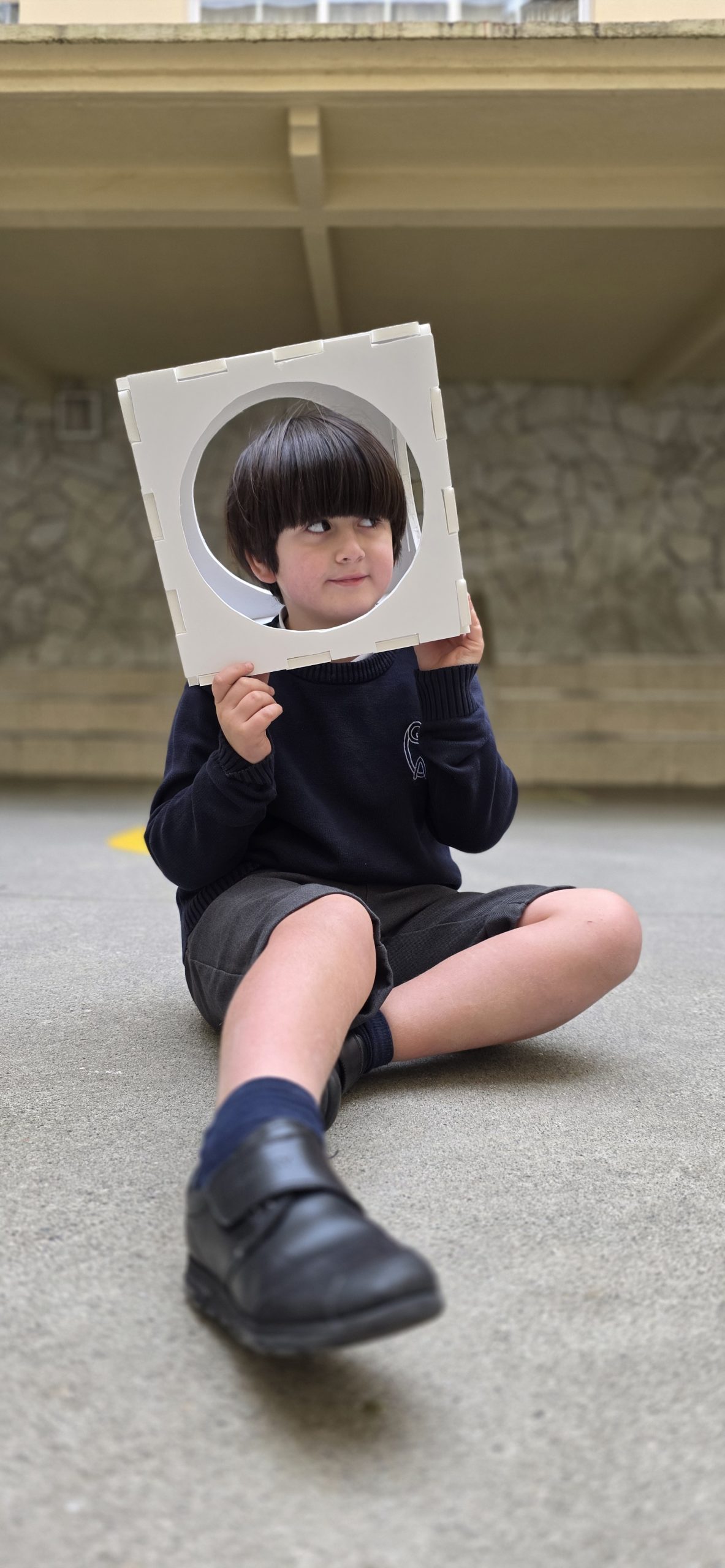
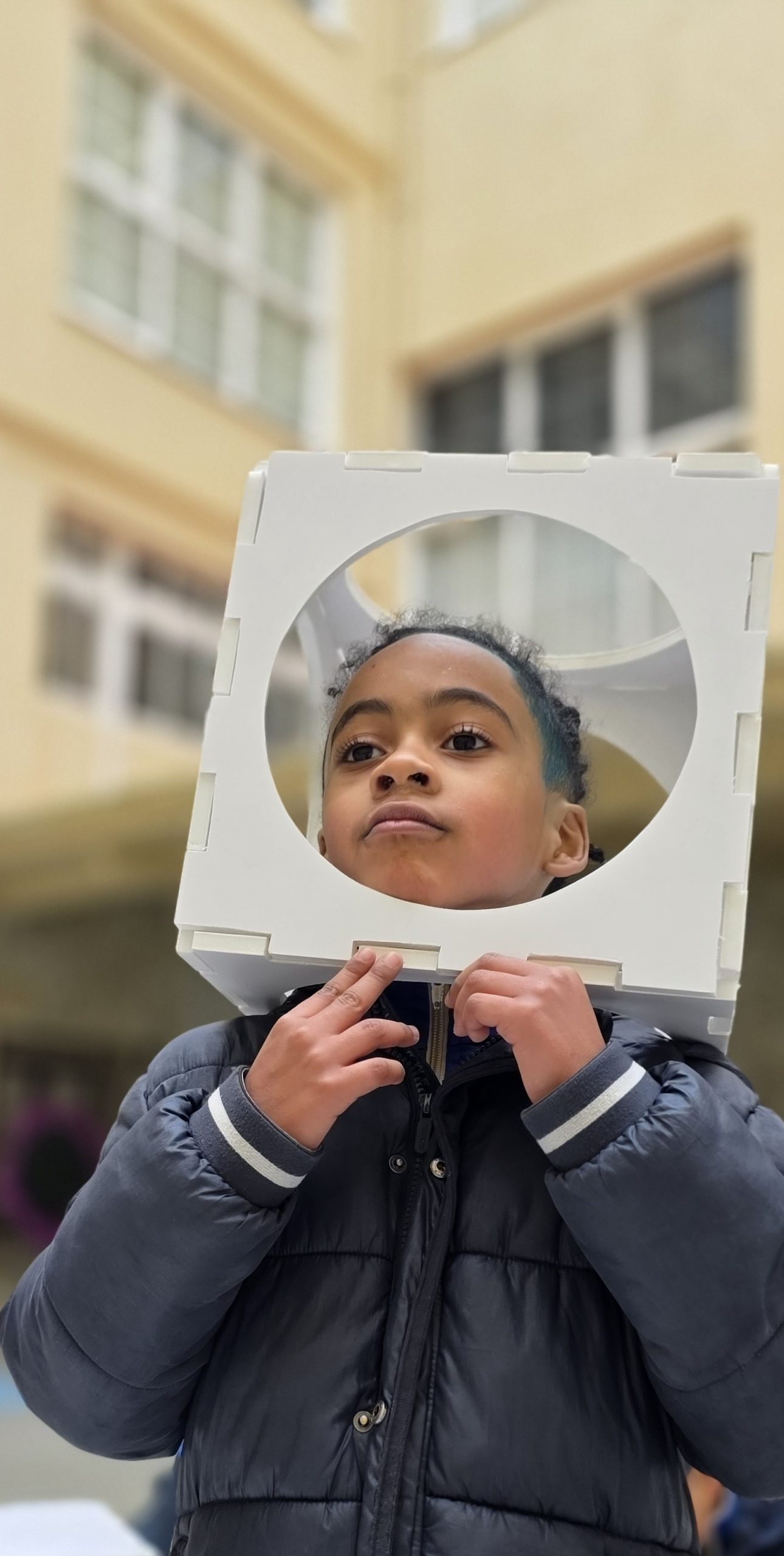
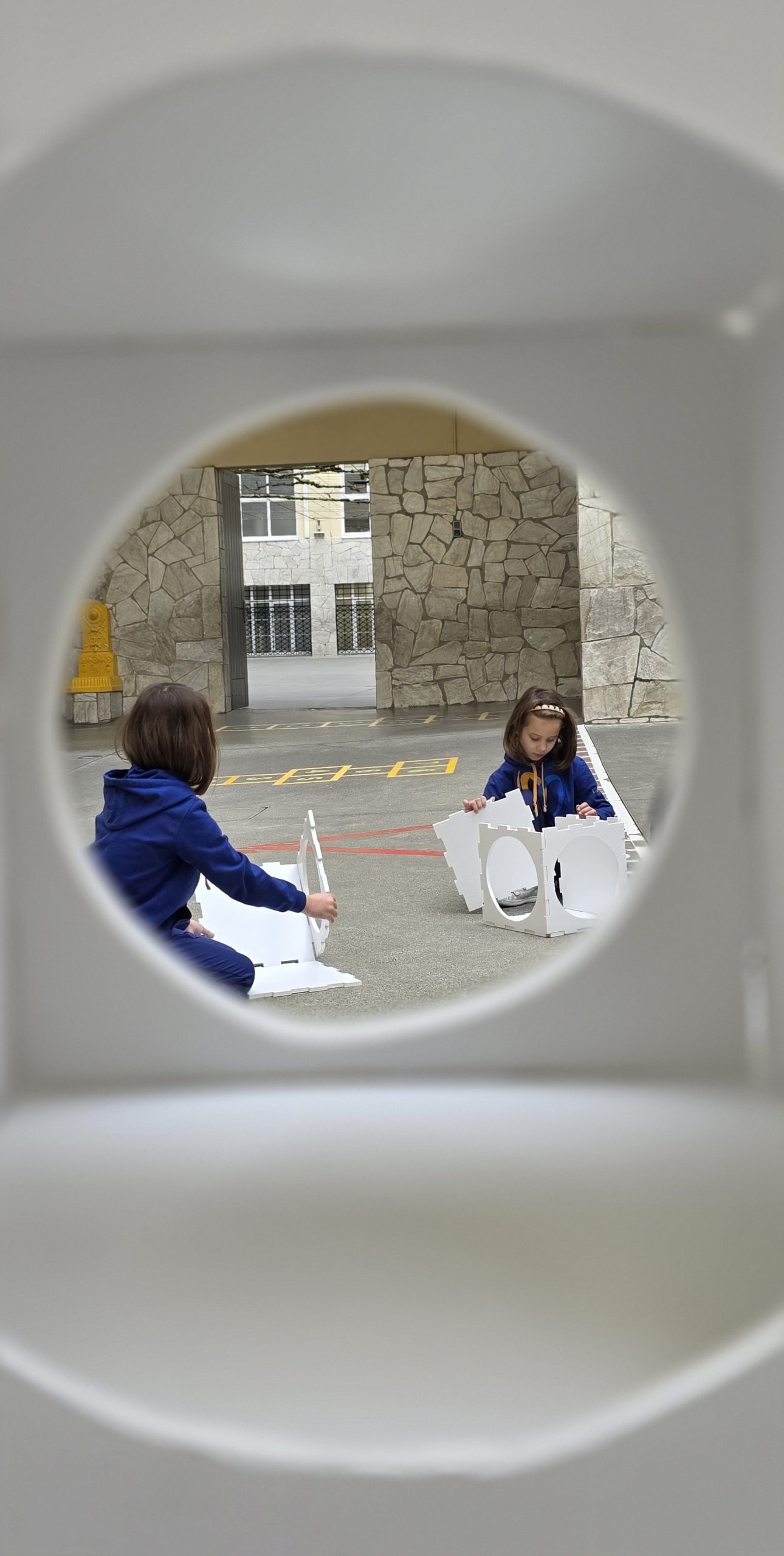
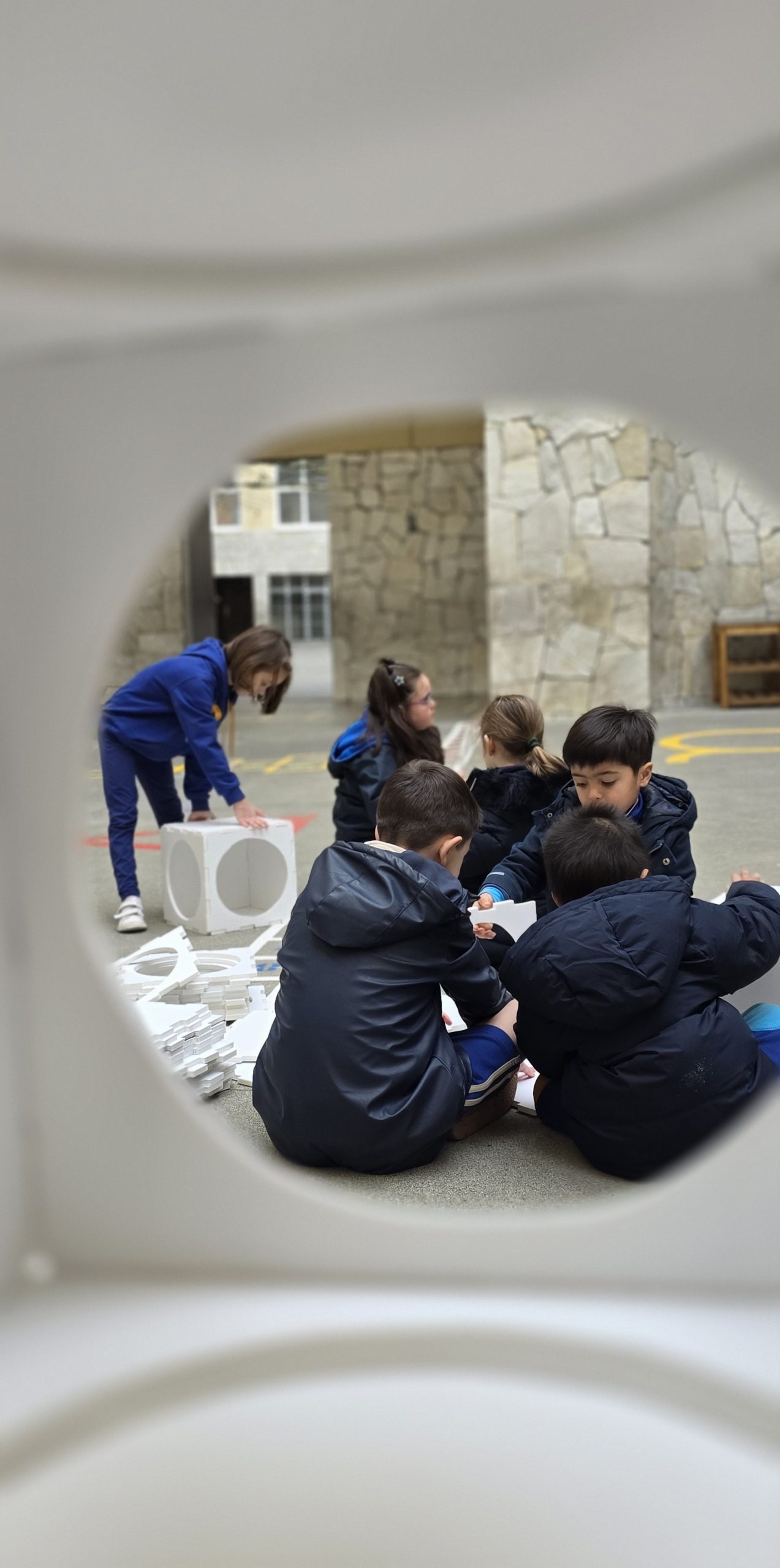
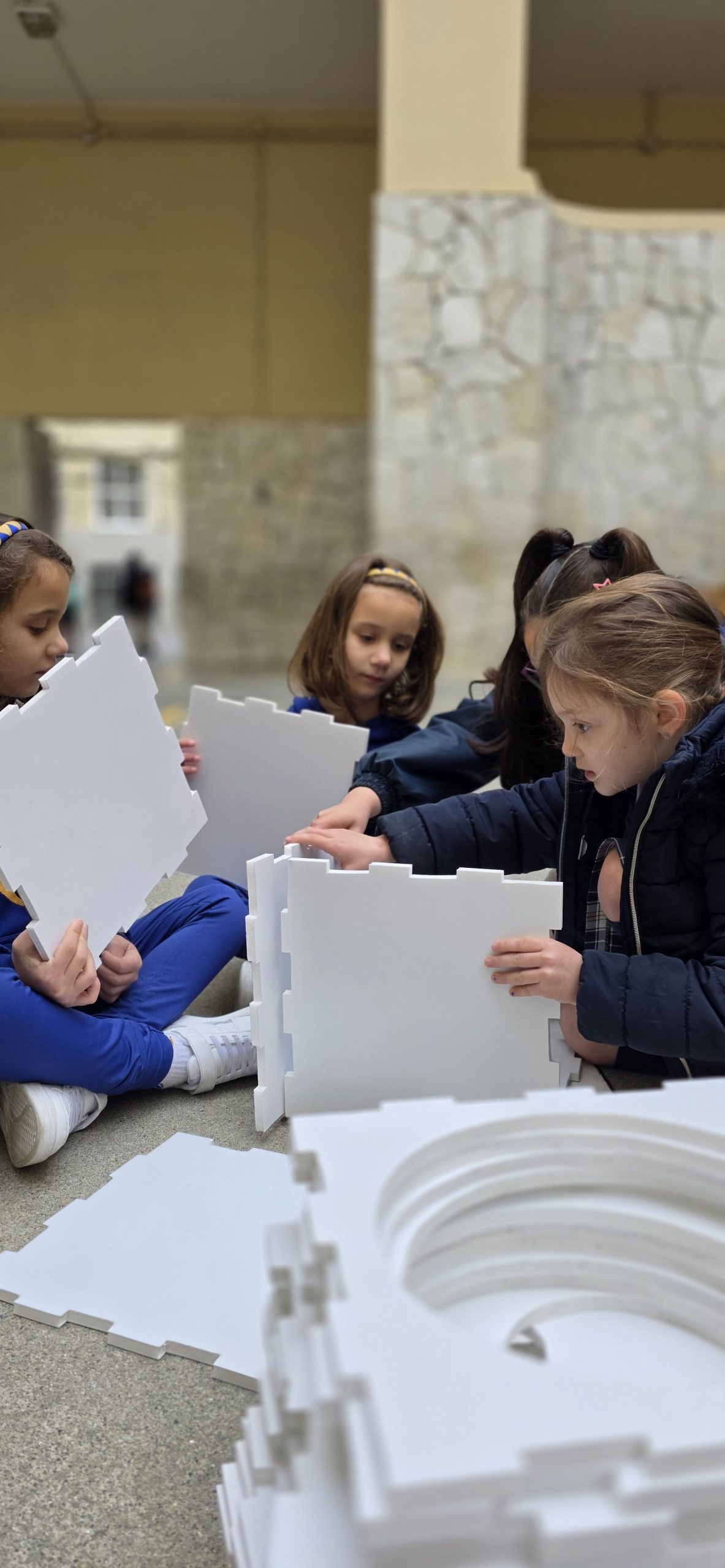
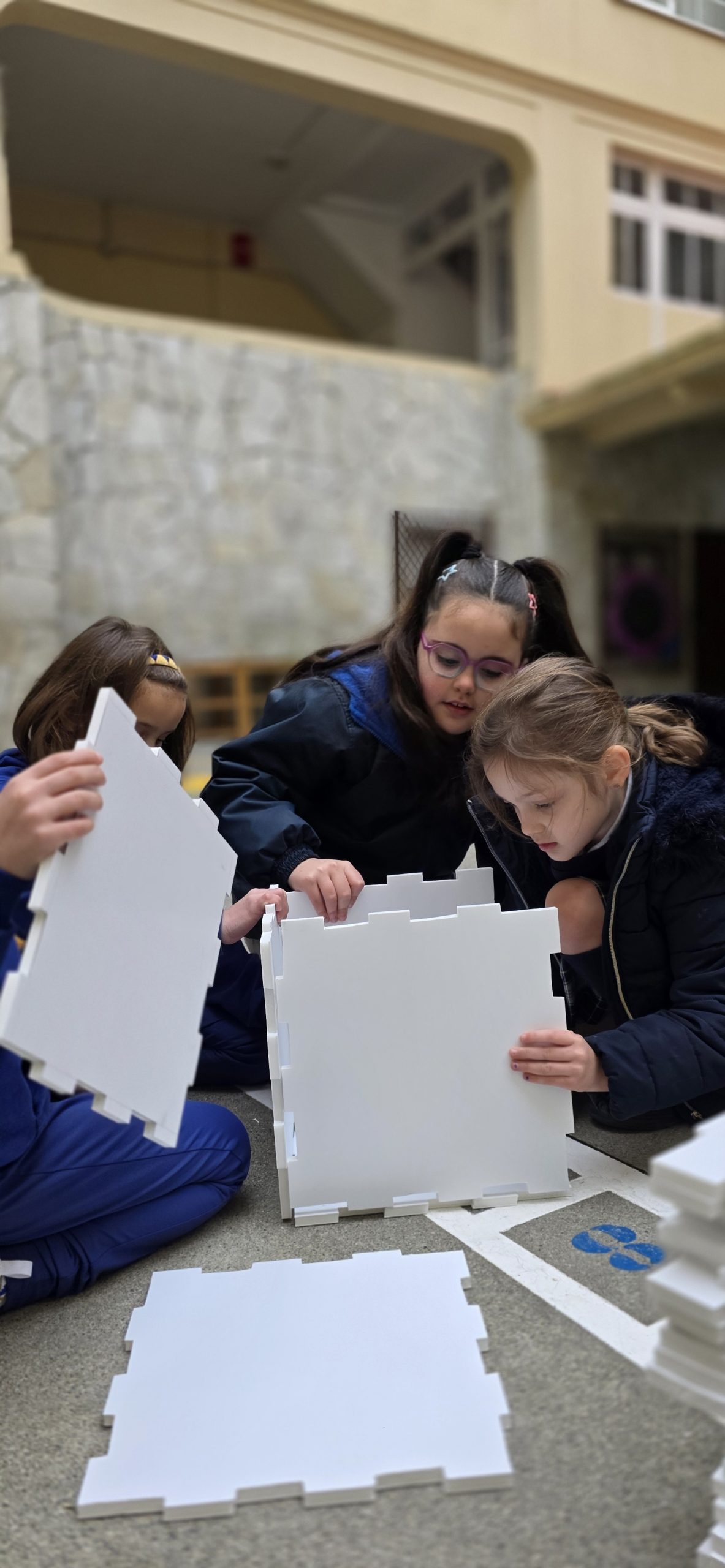
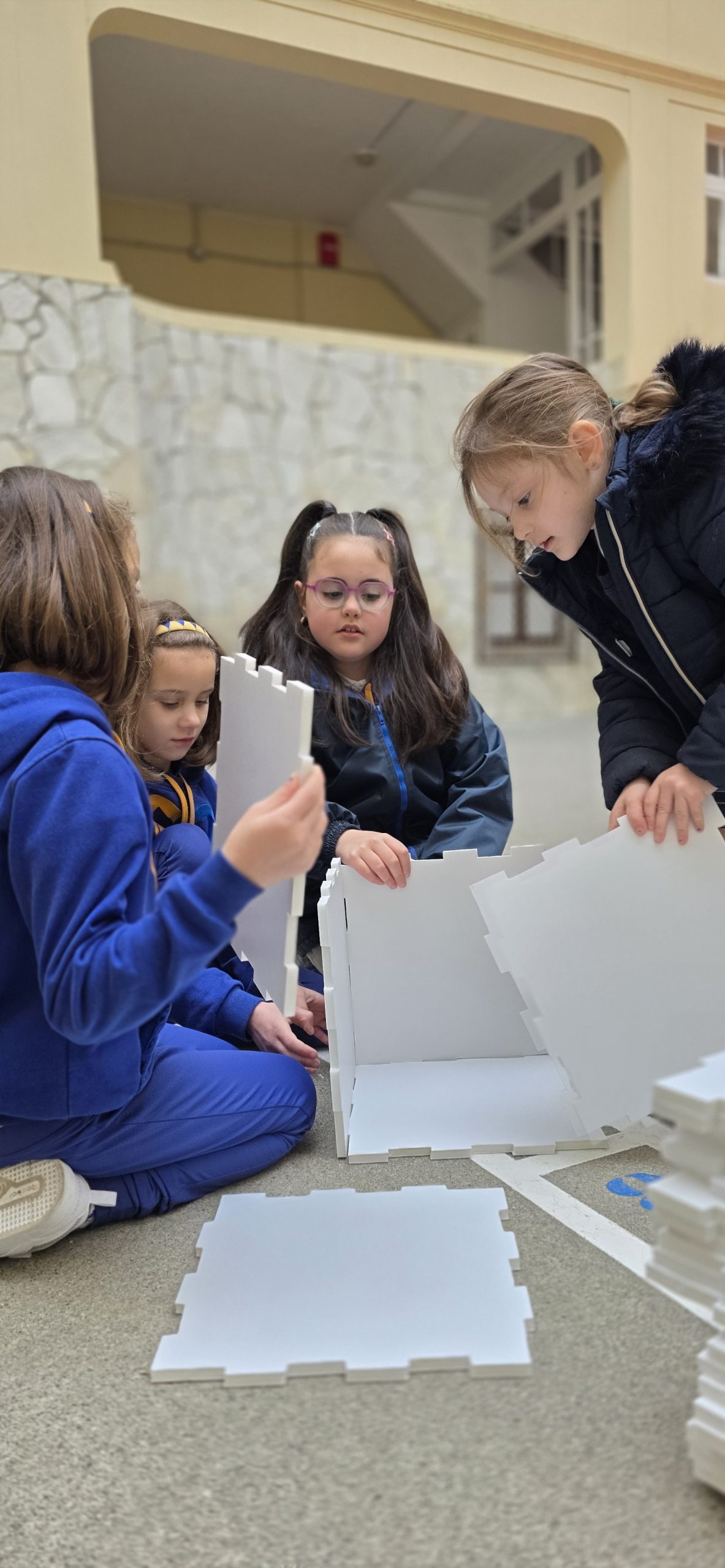
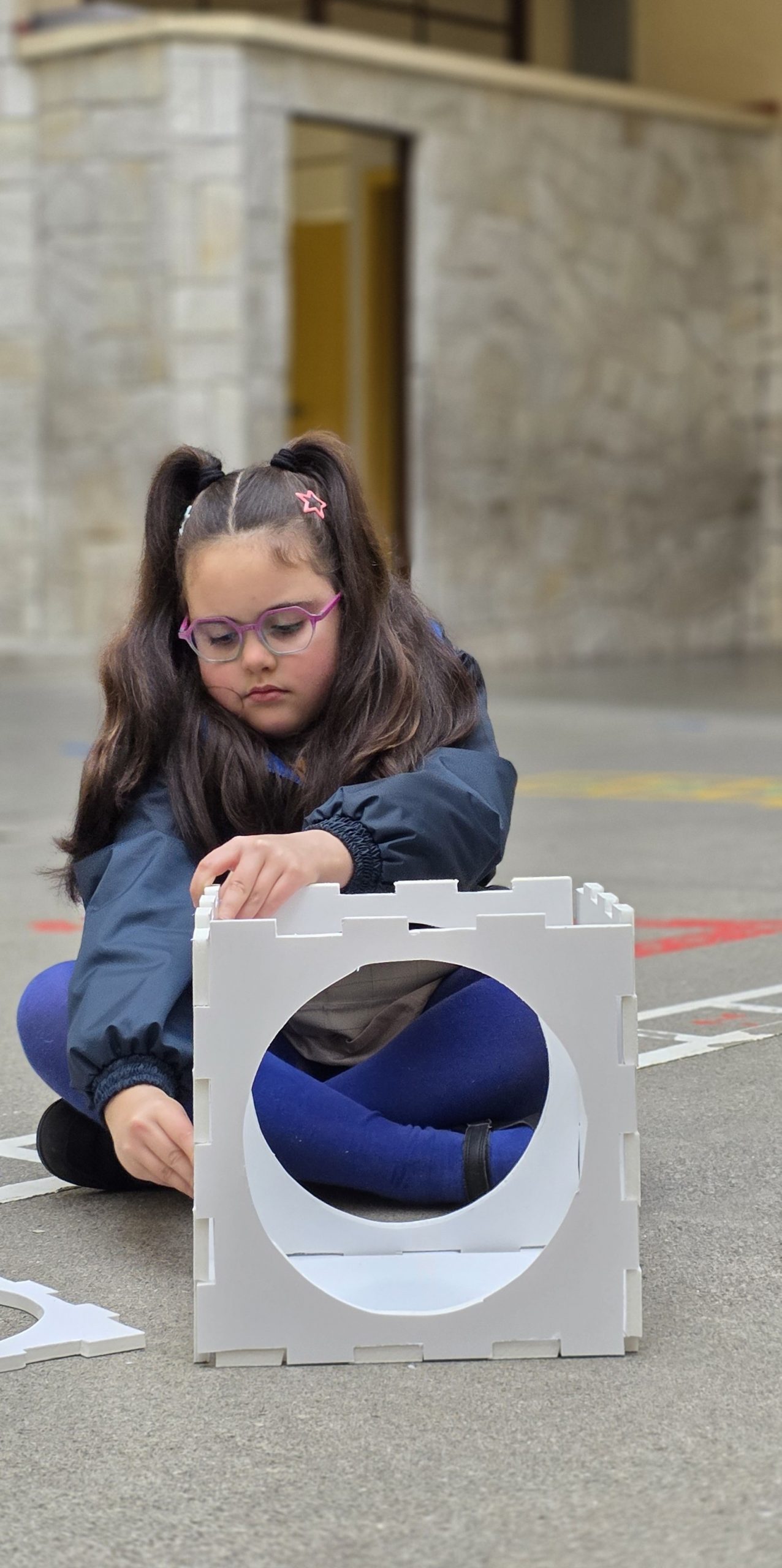
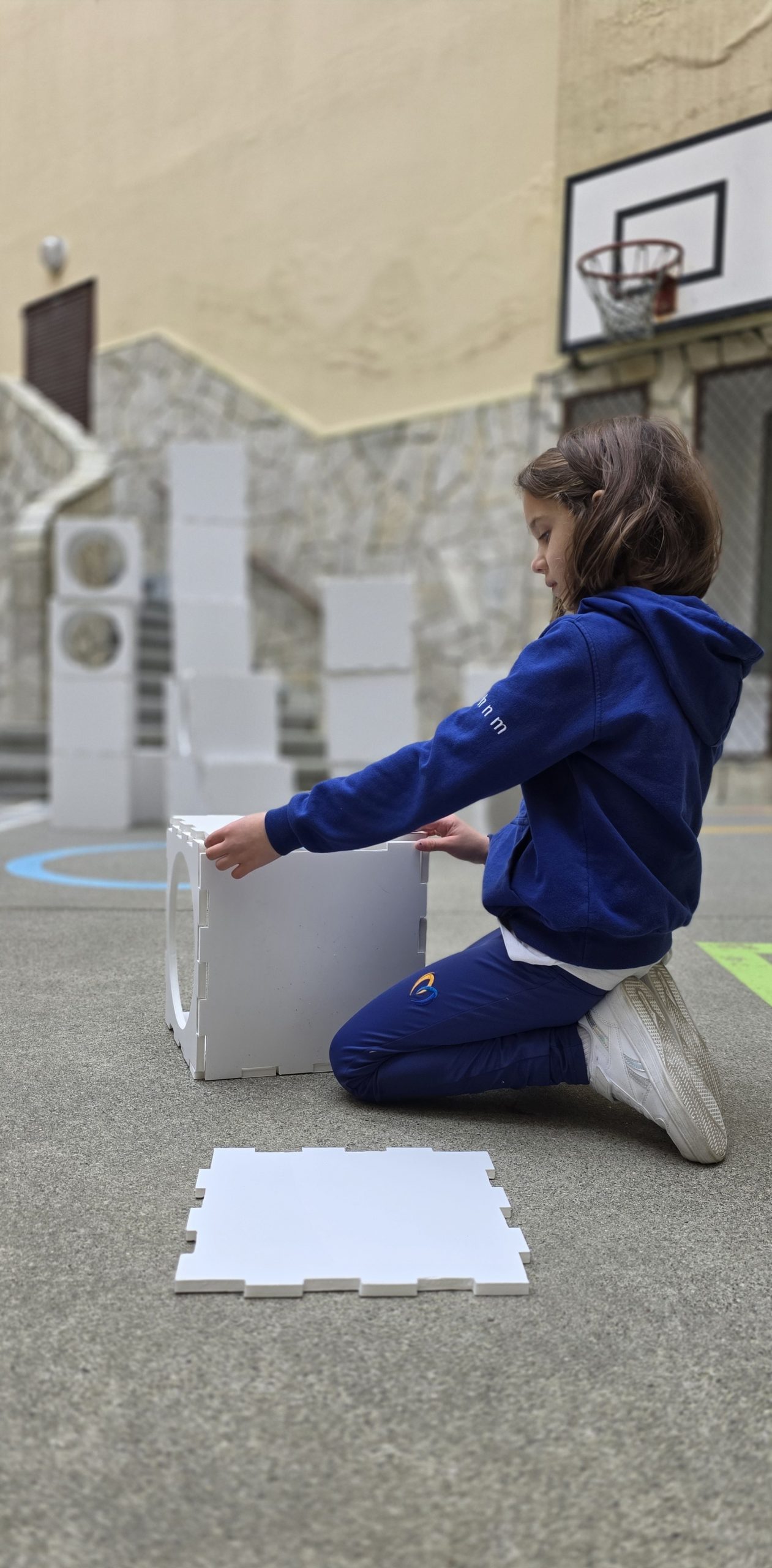
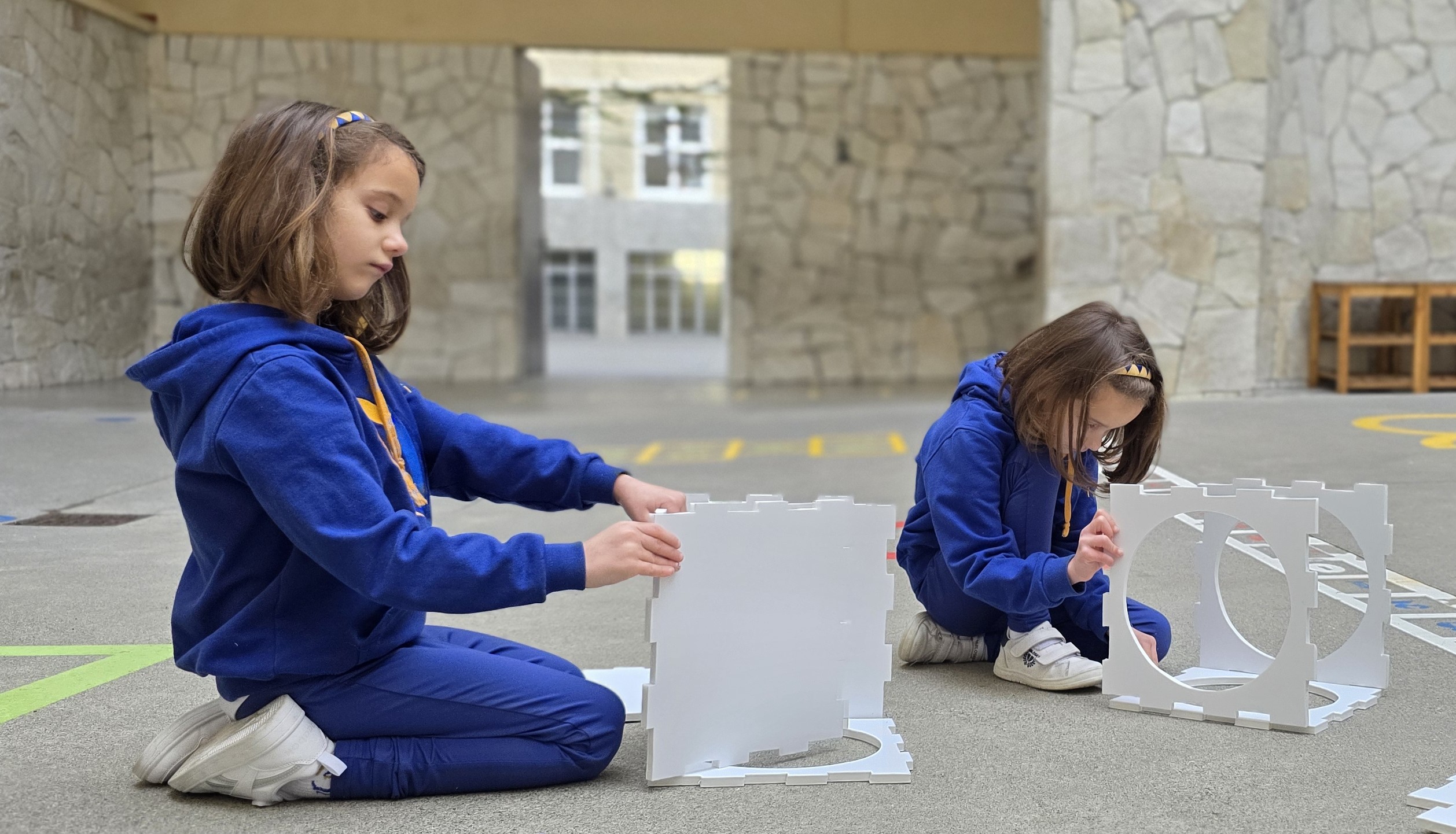
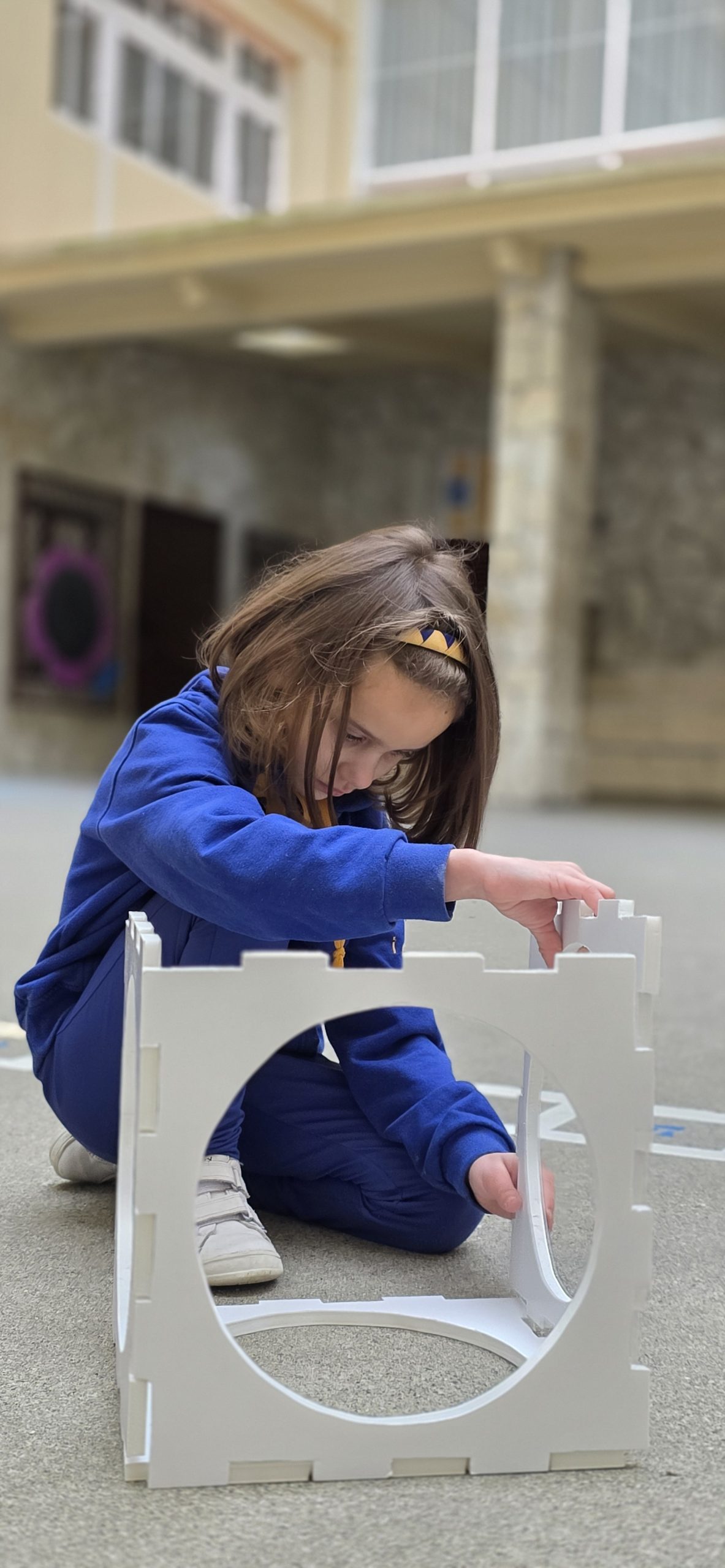
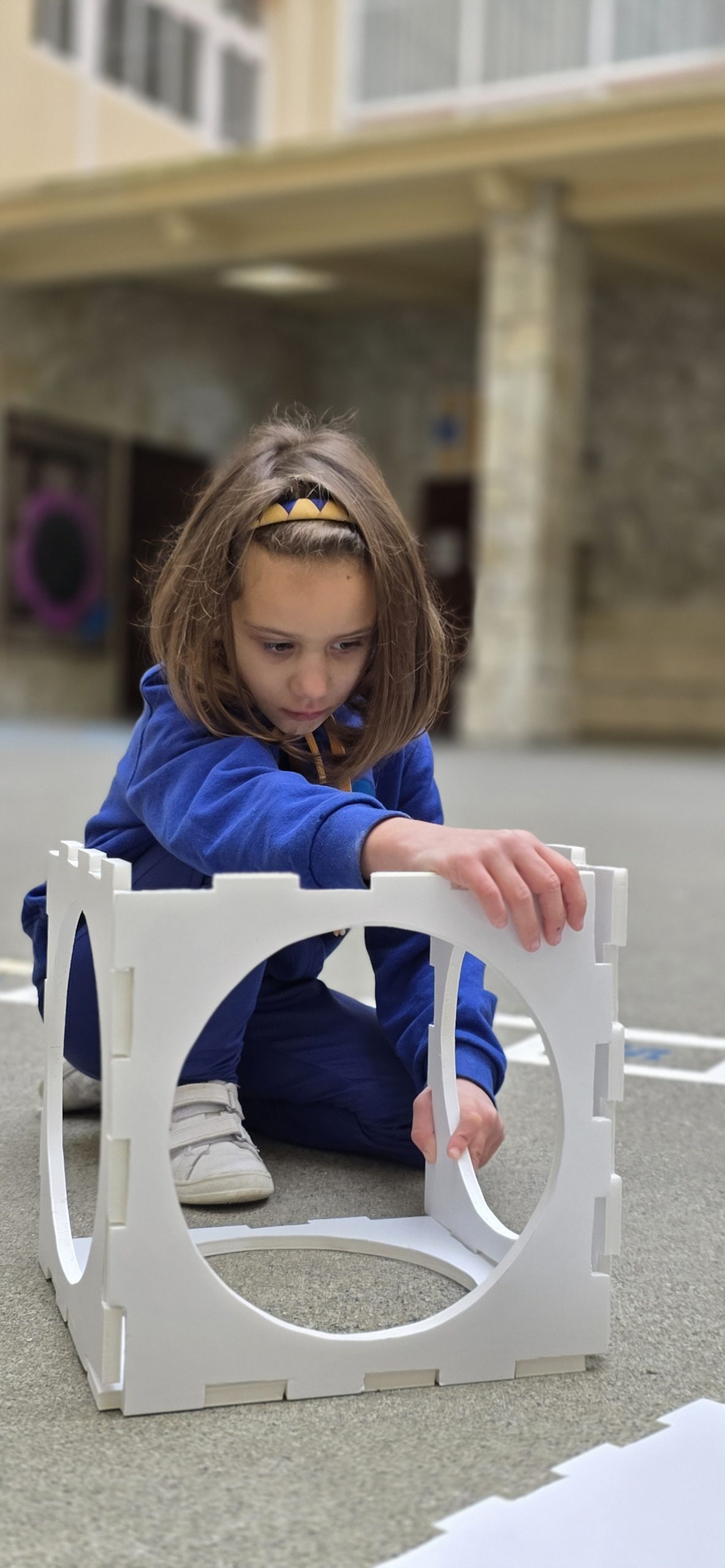
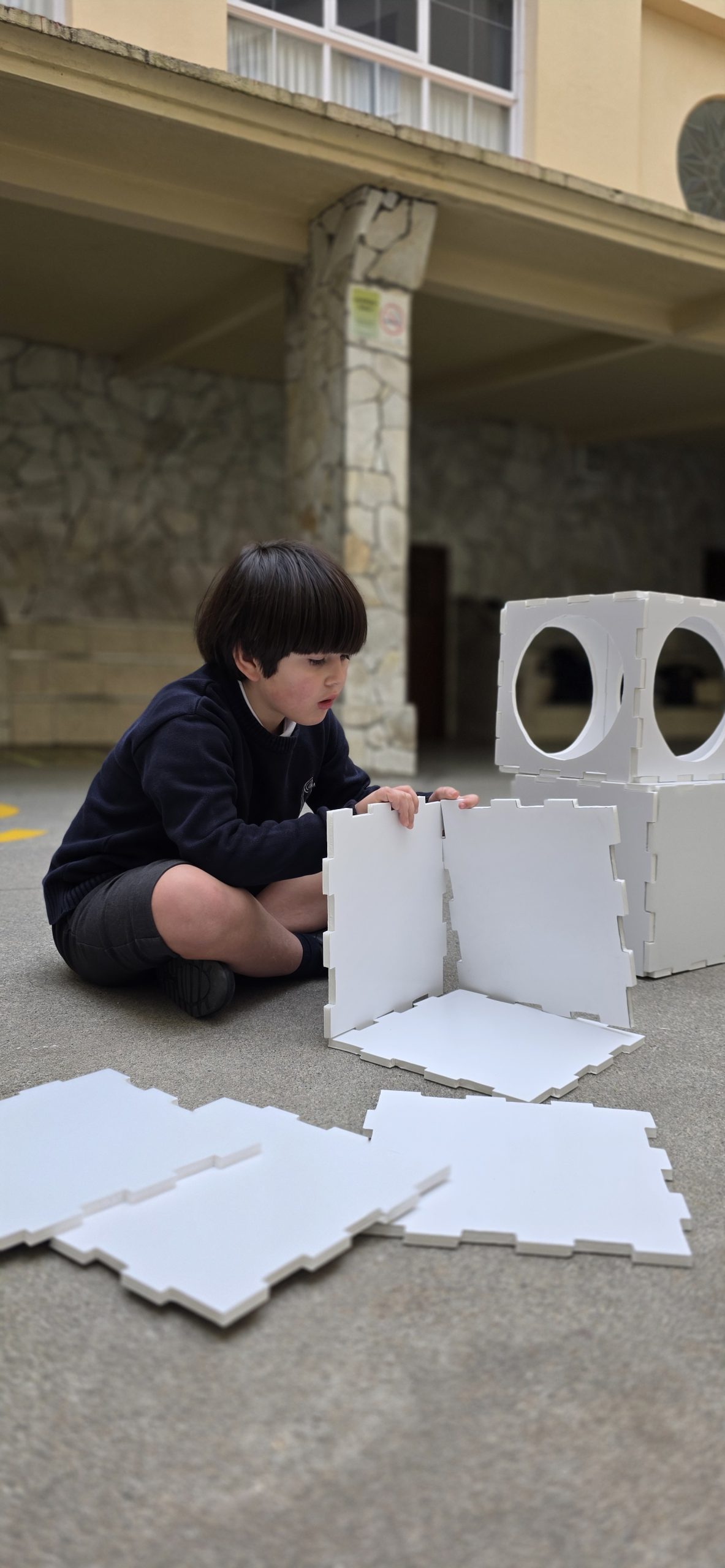
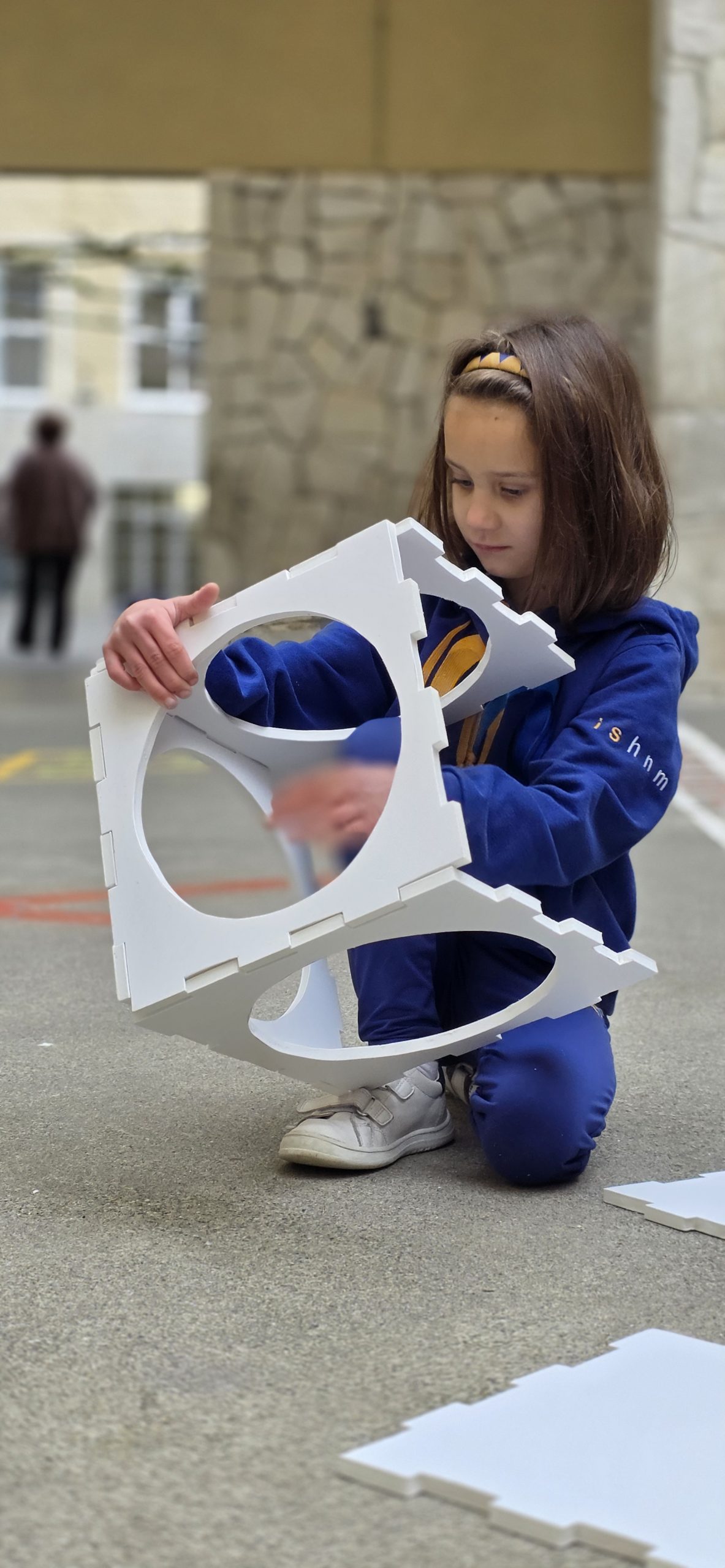
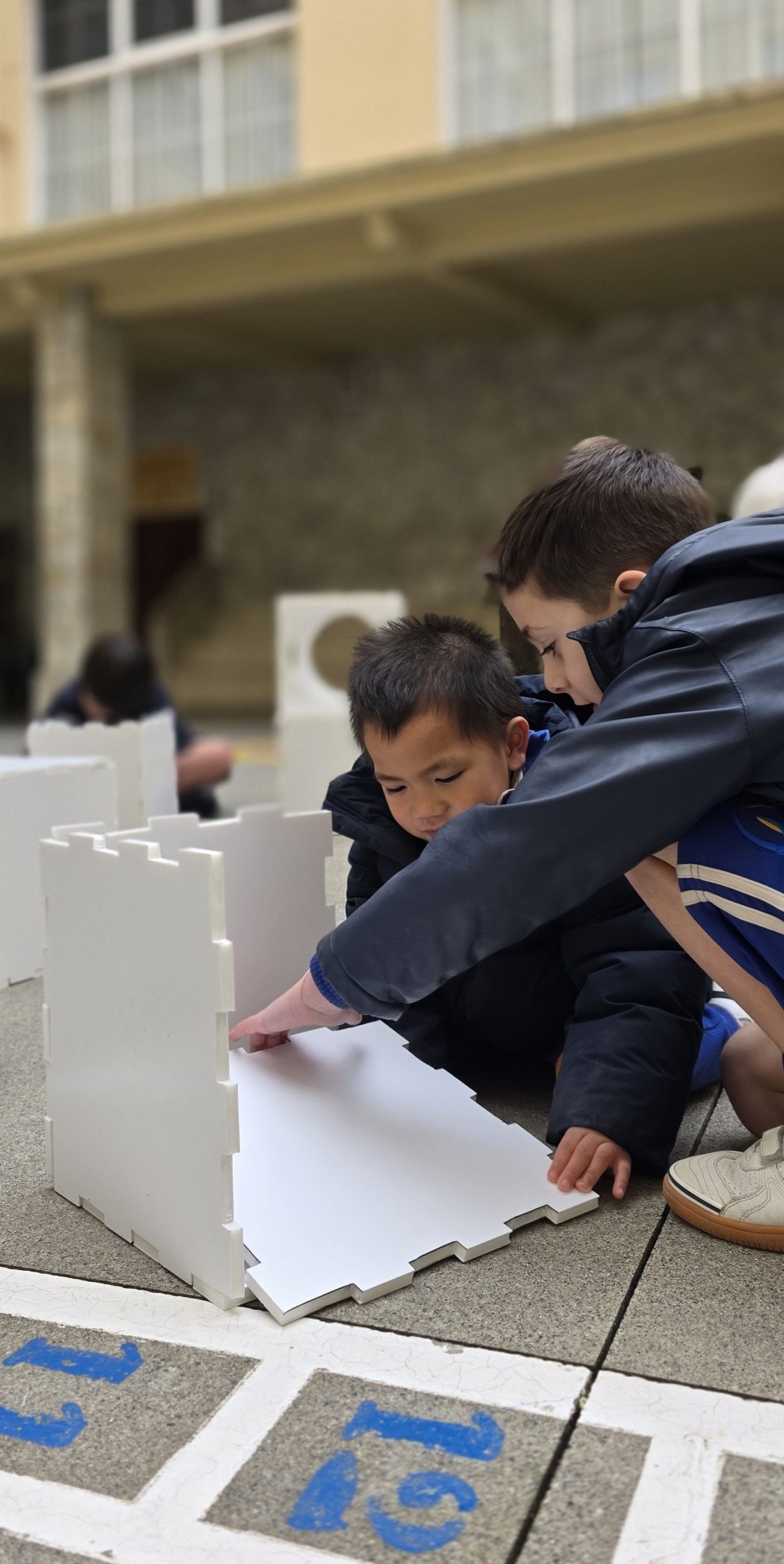
‘A Vila do Maña’ works with three-dimensional elements, based on Froebel’s “third gift”.
In architecture we have Froebel as a reference, through Frank Lloyd Wrigth who was educated with this method. It is a system based on the creativity and intuition of the child through direct experience, play and nature. It creates a pedagogical resource based on ‘gifts’ and ‘occupations’. The ‘gifts’ are pedagogical materials that do not change, but are transformed; the ‘occupations’ are activities in which children play by transforming the objects they manipulate. The ‘gifts’ are precursors of today’s building blocks.

Colour your city

The village or city in which we are working has been turned into a game board, a laboratory of experimentation where children and teenagers can act from a new point of view.

Tags

Accessible Cities (69) Acoruñanarede (1) Ames (5) Anxel Casal (3) A Pobra do Caramiñal (2) ArchDaily (1) Architecture (159) Arquitectura (40) Arteixo (2) Art magazine - Logopress (2) Arzúa (34) As Pontes (2) Atlántico (1) A Vila do Mañá (256) barbadas.es (1) Barbadás (15) Barbanza Channel (3) Bergantiños Diary (1) Book (8) boys and adolescents (24) Brasil (11) Brazil (5) Bueu (16) Cambados (15) Carballo (40) Childhood (198) City (76) codesign (16) Coia (19) Compostela24horas.com (1) Conference (5) Coronavirus (68) Council of Carballo (1) Covid (69) crtvg (1) Cultural heritage (7) Culture city (1) Curtis (7) derecho a la ciudad (1) Diario de Arousa (4) Diario de Pontevedra (1) Diary of Arousa (29) Ecos da comarca (4) El Comarcal (1) El Correo Gallego (43) ElDiario.es (1) el ideal gallego (1) El progreso (1) enfoques (2) Environment (3) Faro de Vigo (43) Ferrol (19) Ferrol360.es (1) Ferrol Diary (5) Floats (8) Galicia (232) Galicia@PRESS (2) Galician literature (1) Game board (5) Game of goose (5) GDiario (1) Girls (18) Girls, boys and adolescents (133) Green flag (4) Hai Mulleres (2) Heritage (142) High School Alexandre Bóveda (5) Historic city (9) History of Galicia (1) Hoyesarte.com (1) Iberoamerican Biennial (4) Independence square (1) Infancia (14) Inmodiario (1) inquEDU (2) Instituto Alexandre Bóveda (1) International (3) Interview (2) Landscape (131) La Opinión (16) La Región (22) La Voz de Galicia (100) library (1) Lina Bo Bardi (6) Lindeiros (1) Lo Que Yo Te Digo (2) Ludantia (4) Madrid (2) Malpica (5) Master Houses (1) Mobility (2) Mobility Week (2) Mondoñedo (6) Nenas nenos e adolescentes (13) Nets (1) News (185) NH Diary (8) Nius Diary (1) Noticia (14) O Barbanza (2) Observador (1) O Correo de Bergantiños (2) O Porriño (4) Padrón (3) Pandemic (47) Park (2) Participación protagónica (41) Patrimonio cultural (1) Pazo do Martelo (1) PonteAreas (4) Pontevedra (4) PontevedraViva!com (2) Portugal (1) Protagonist participation (85) Protegim-nos (1) Que pasa na Costa (3) RadioValladares (1) Regiao news (1) Region (3) Revista AMSGO! (1) Rianxo (20) Ribadeo (2) Ribeira (8) Right to the city (88) Rías Baixas Channel (3) Rúa (14) Sandra Gonzalez Alvarez (19) Sandra González (131) San Francisco Vilagarcía de Arousa School (3) Santiago's road (46) Santiago de Compostela (12) Sesc Santo Amaro (1) Silleda (30) Social distance (68) Street (96) São Paulo (14) Tactical urbanism (88) Talleres (22) Teixeiro (2) Telecinco (1) Terrachá xá (1) Touro (8) treintayseis (1) TV (3) TV of Galicia (2) Urban garden (7) Urbanism (145) Urbanismo (40) Urbanismo de Guerrilla (142) Urbanismo táctico (42) Venice Biennale (2) Verín (5) Viena (2) Vila (23) Vilagarcía (24) Village (101) Vimianzo (7) Virtual (40) Vía Láctea Communication (1) Workshops (139) XUNTA DE GALICIA (3) zero code (1)
Logo A Vila do Mañá

Proxecto financiado por:

Proxecto financiado pola Deputación da Coruña

Grazas polo teu aporte