
4º Primaria

4º Primaria

Ribadeo

Changing the village through protagonist participation


reCOGNIZING Ribadeo



The new generations, the inhabitants of tomorrow, are almost completely unfamiliar with their town or city. They live in a “little box,” move around in another, smaller “box,” and arrive at a larger “box” (whether it is called a school, shopping mall, sports center, … or playground). This is their relationship with their surroundings.

Sandra González Álvarez
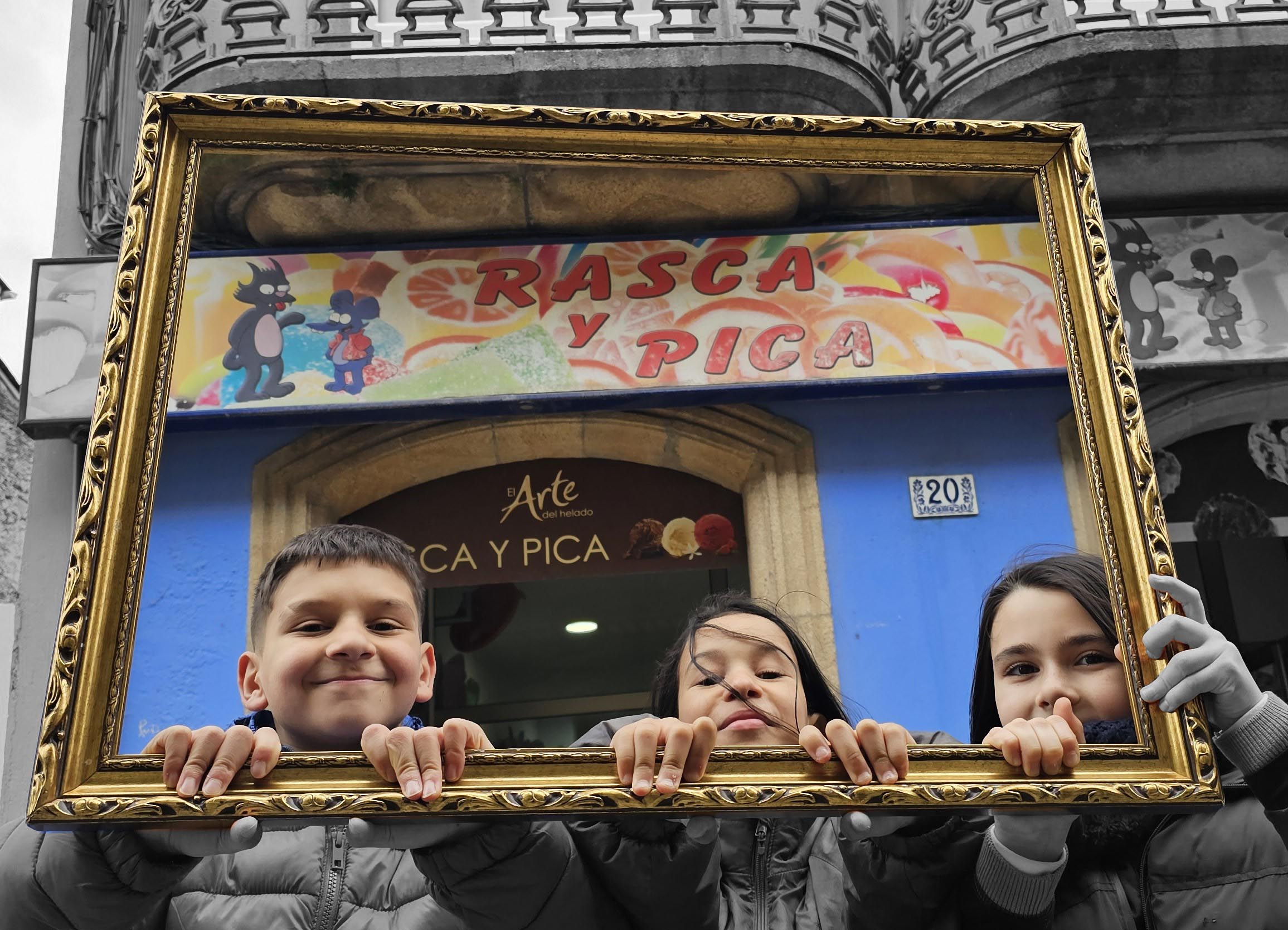


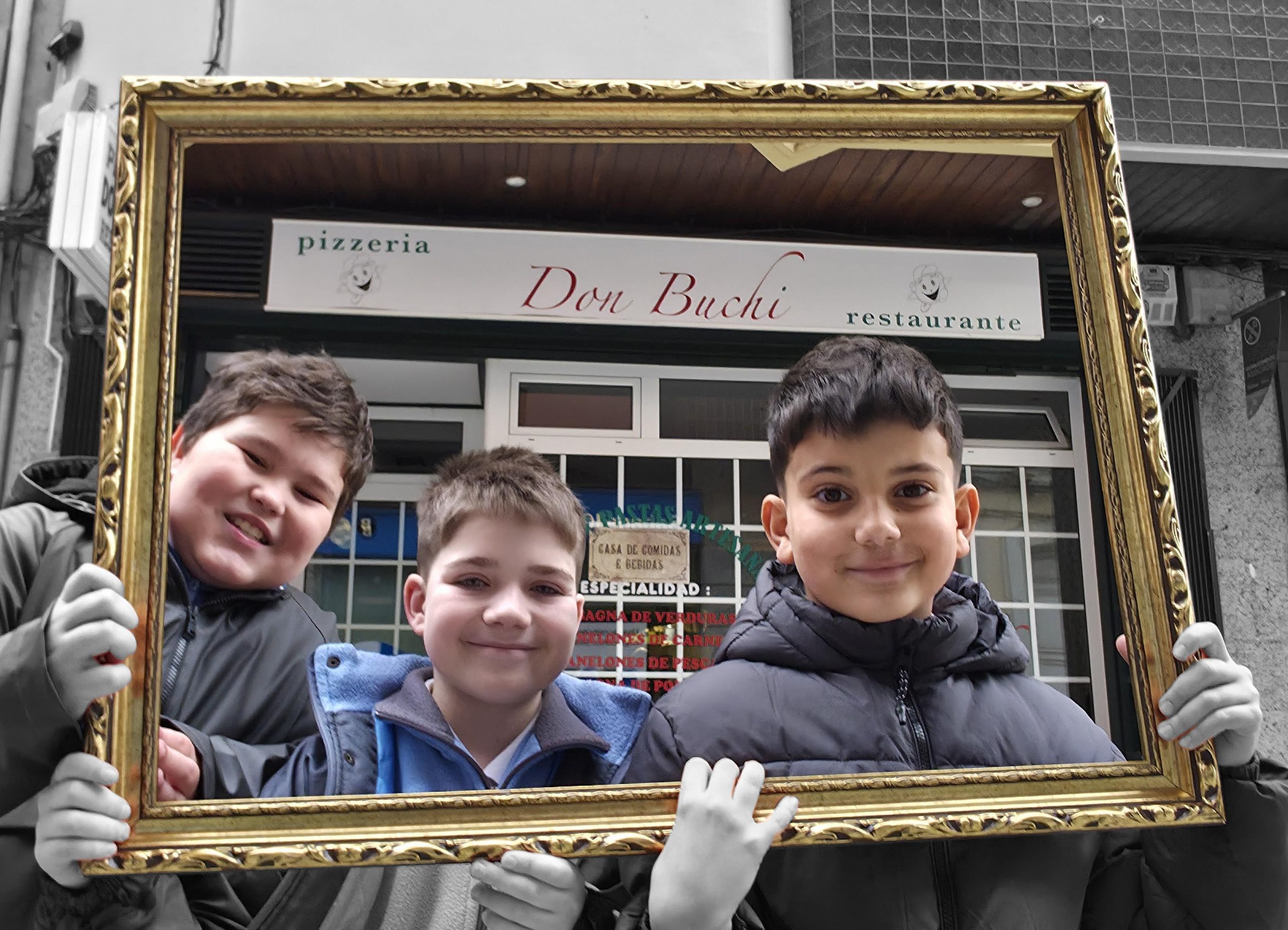
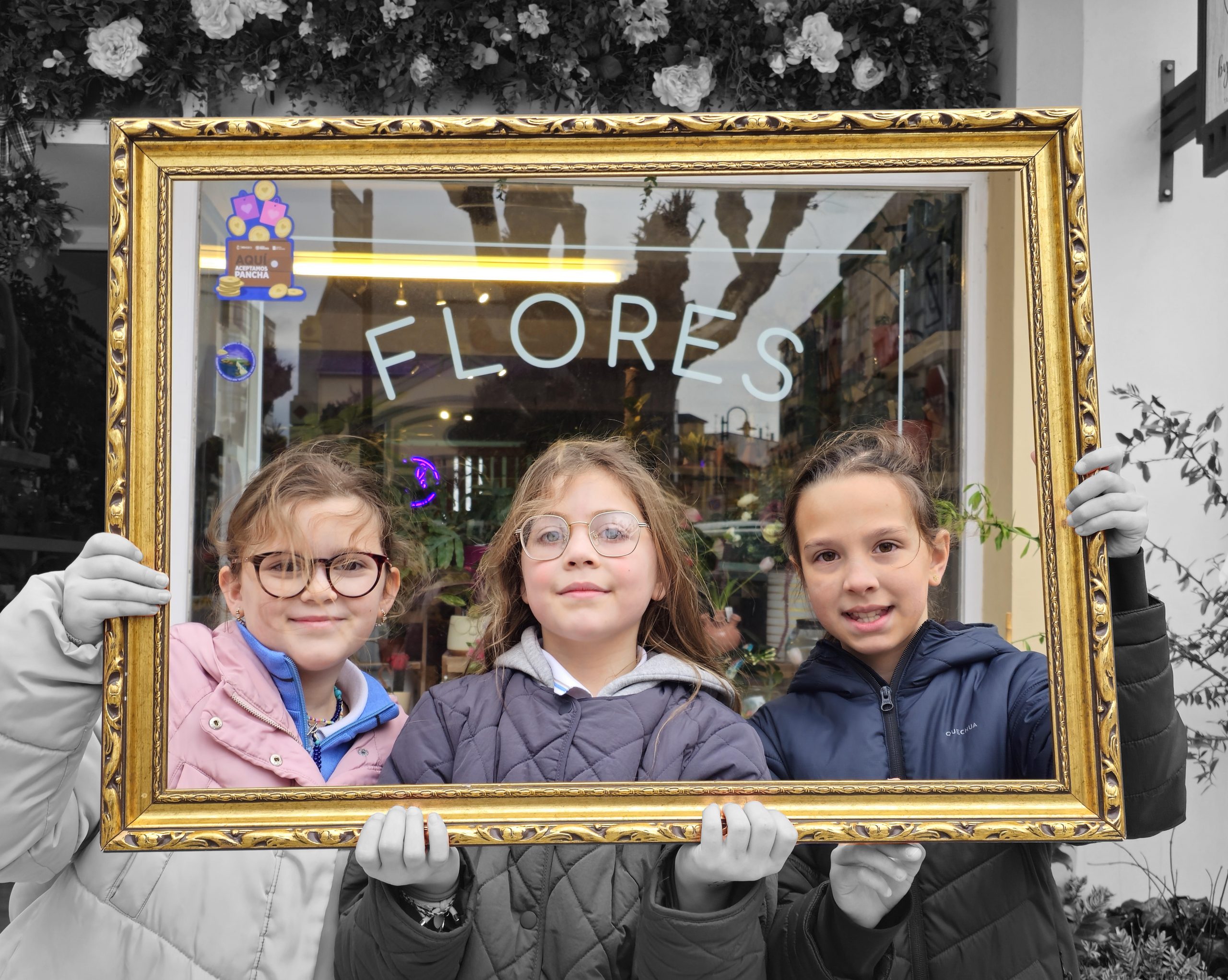
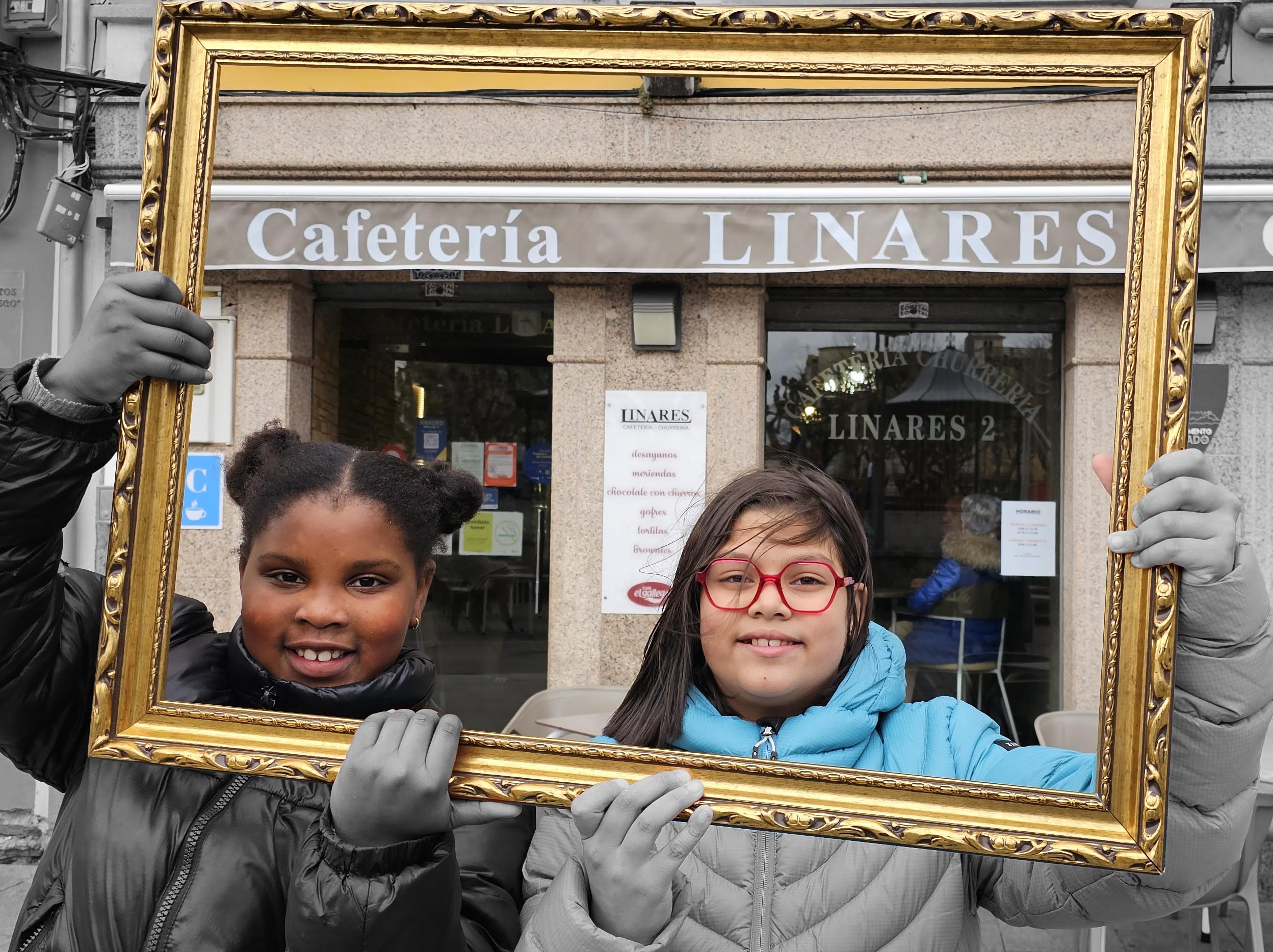
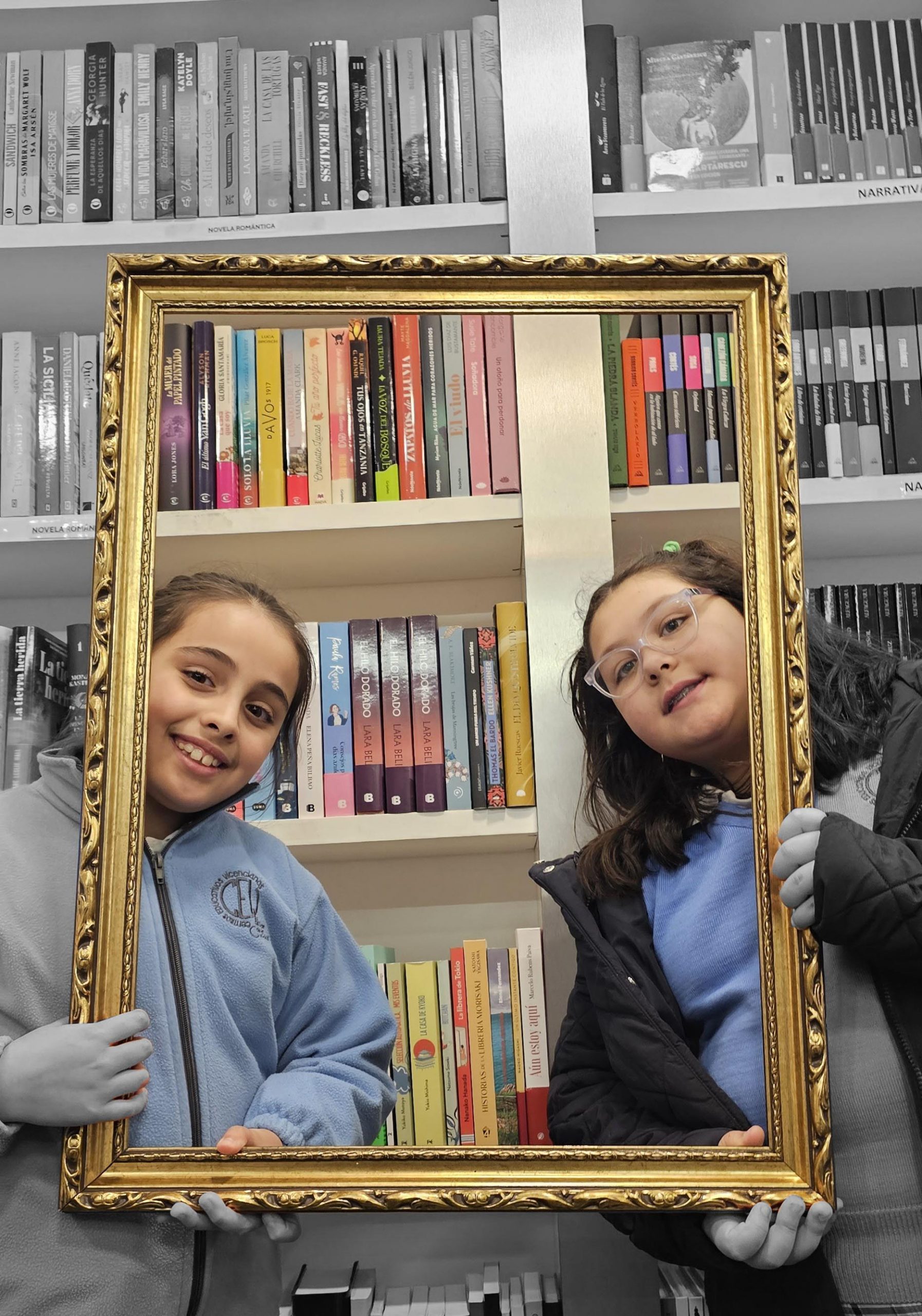
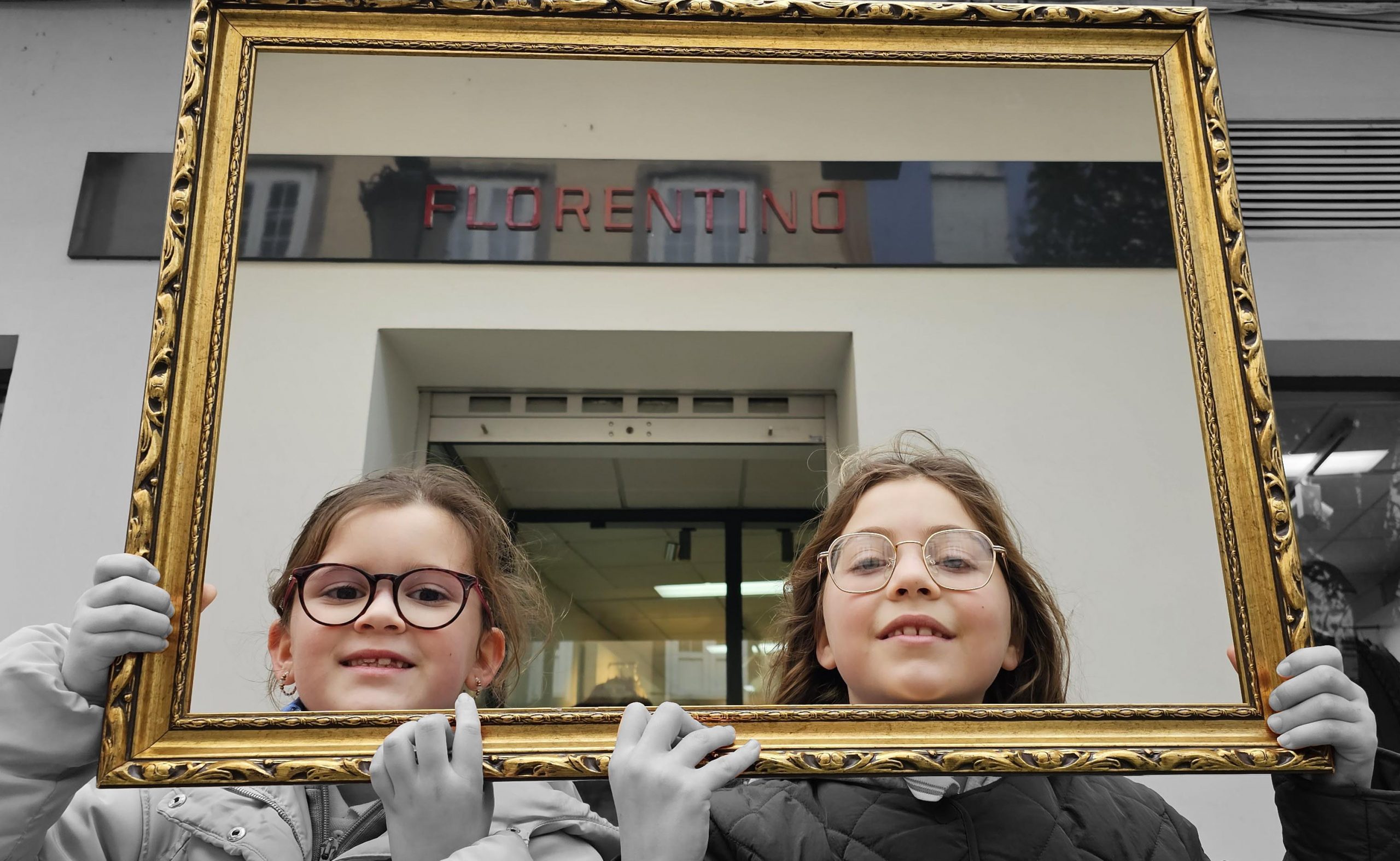
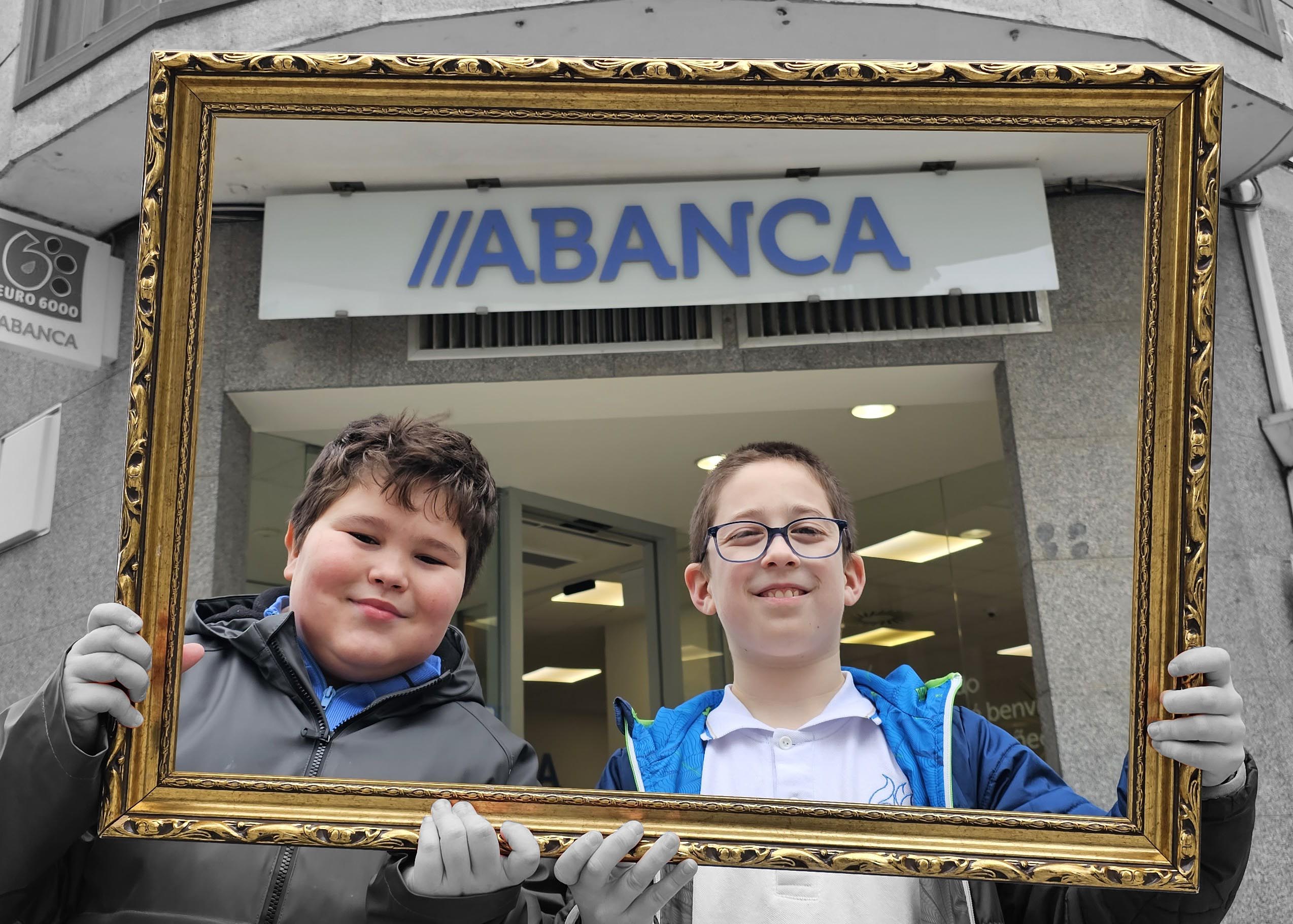
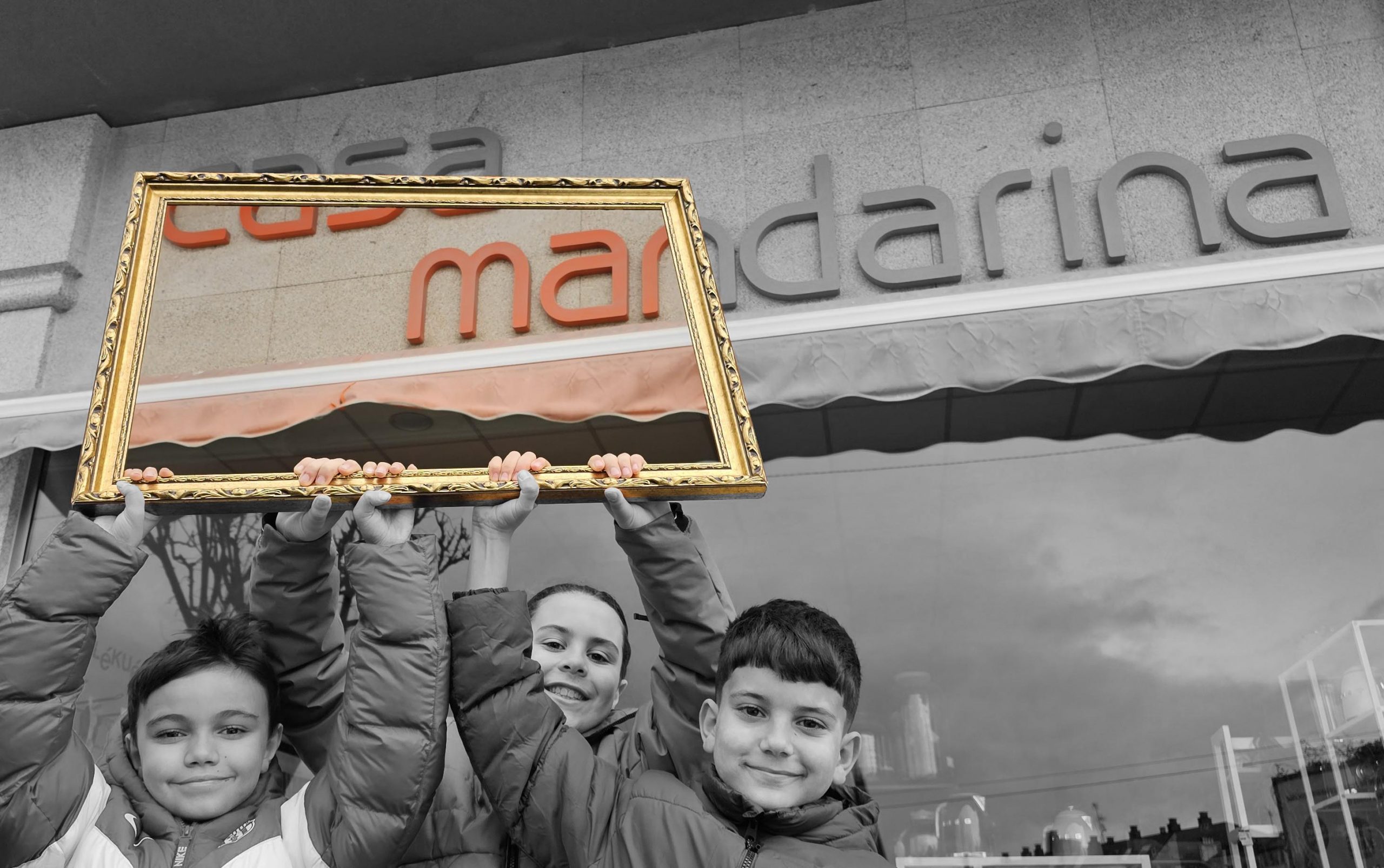
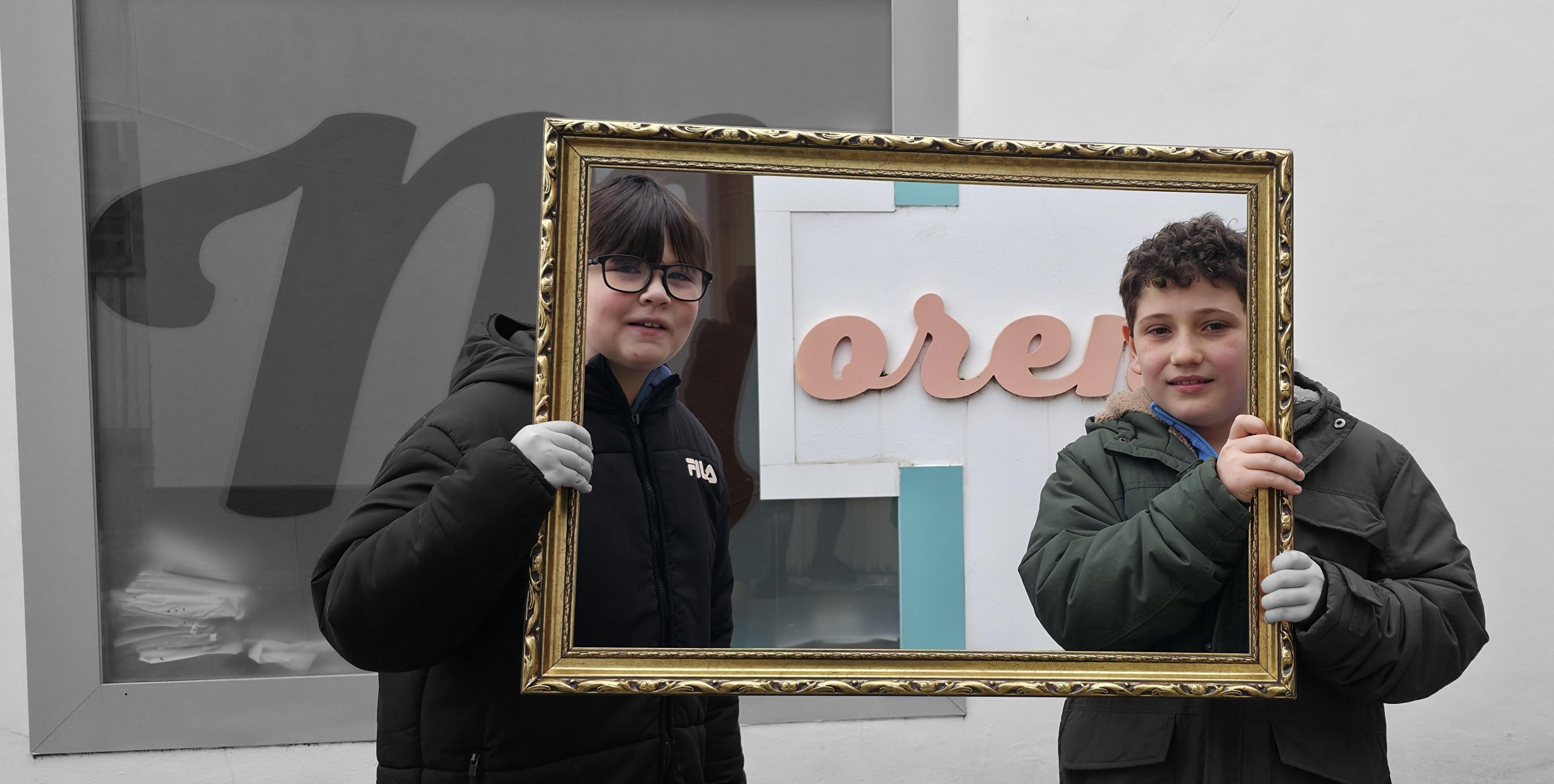
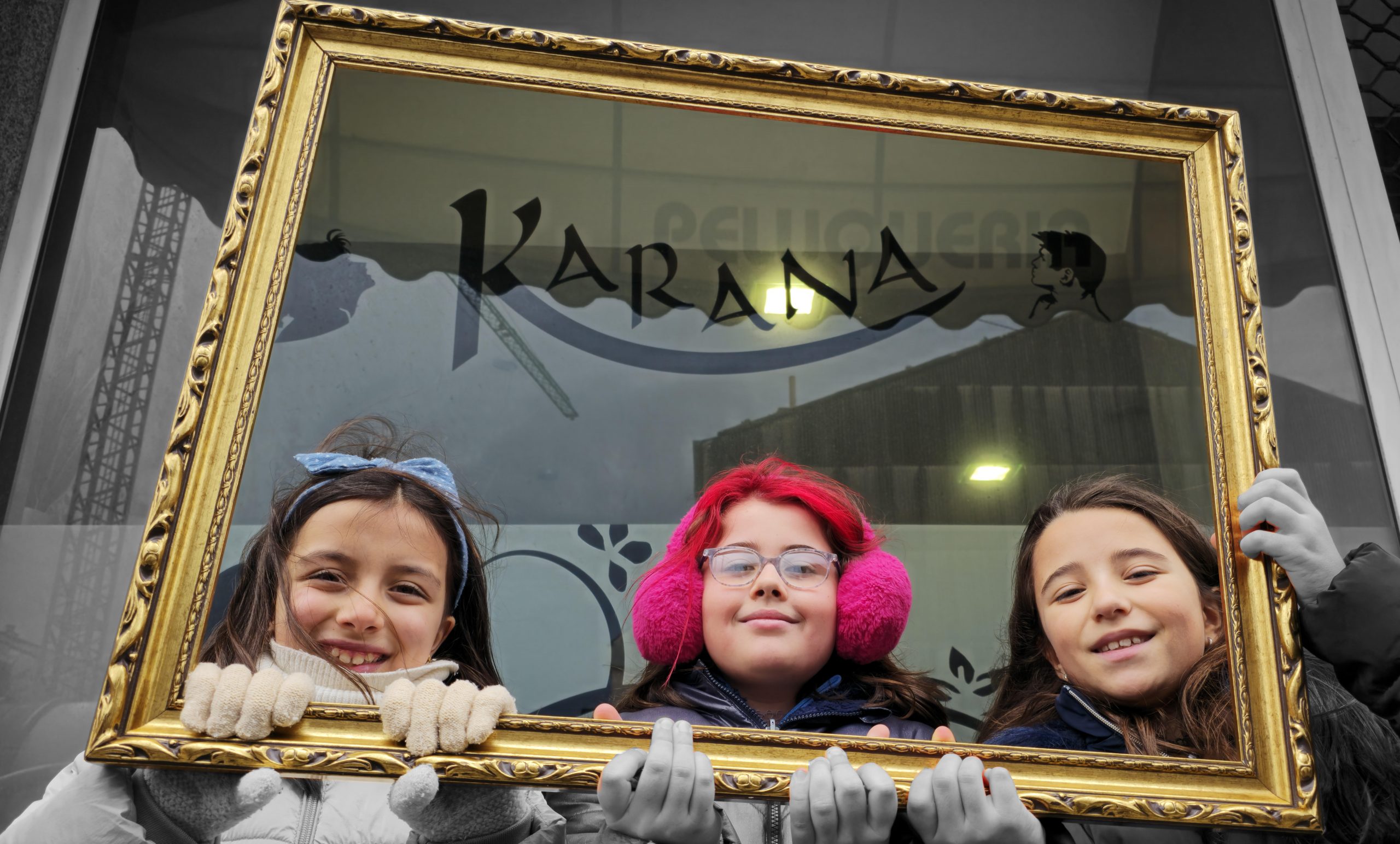
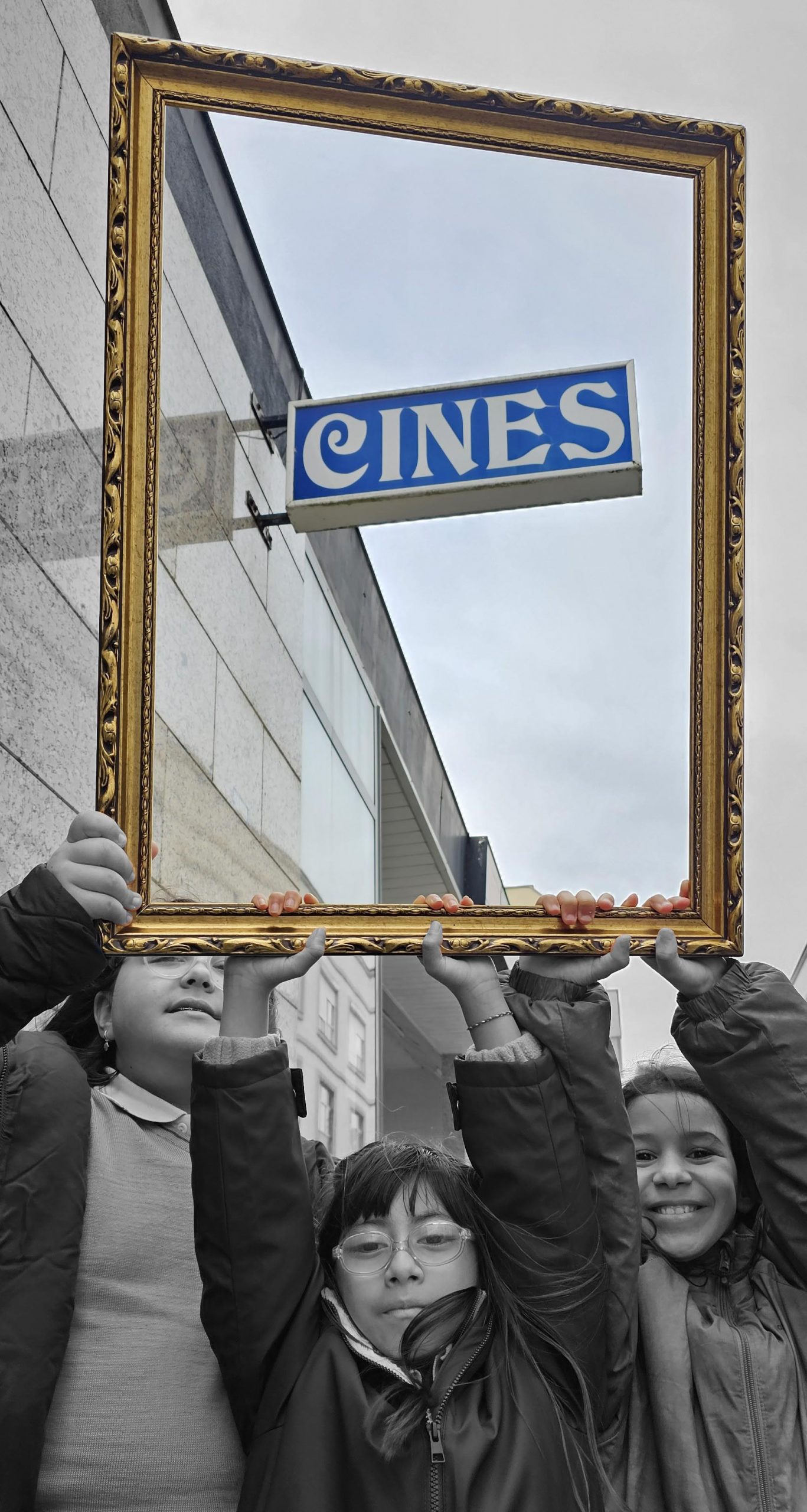
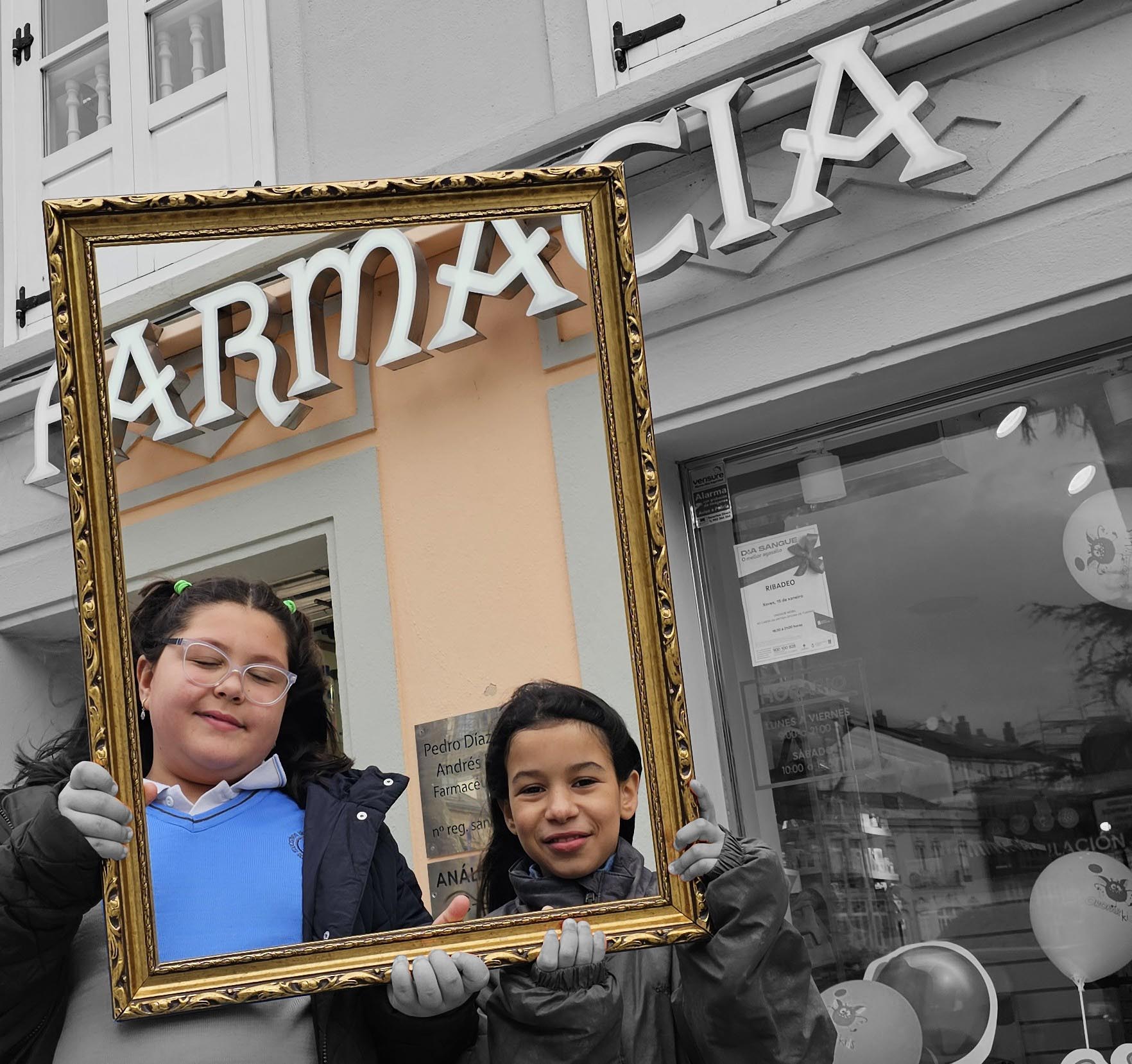
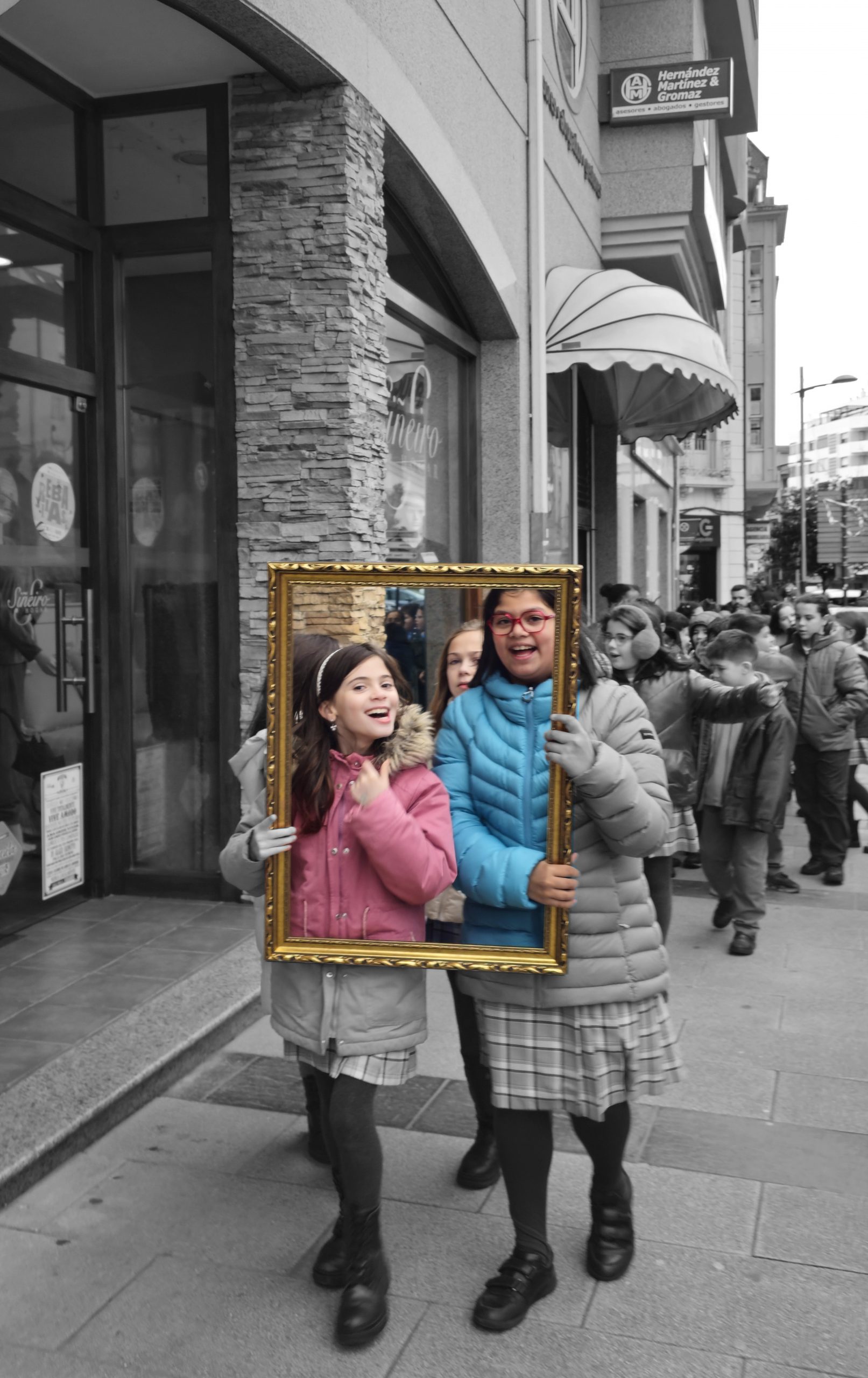
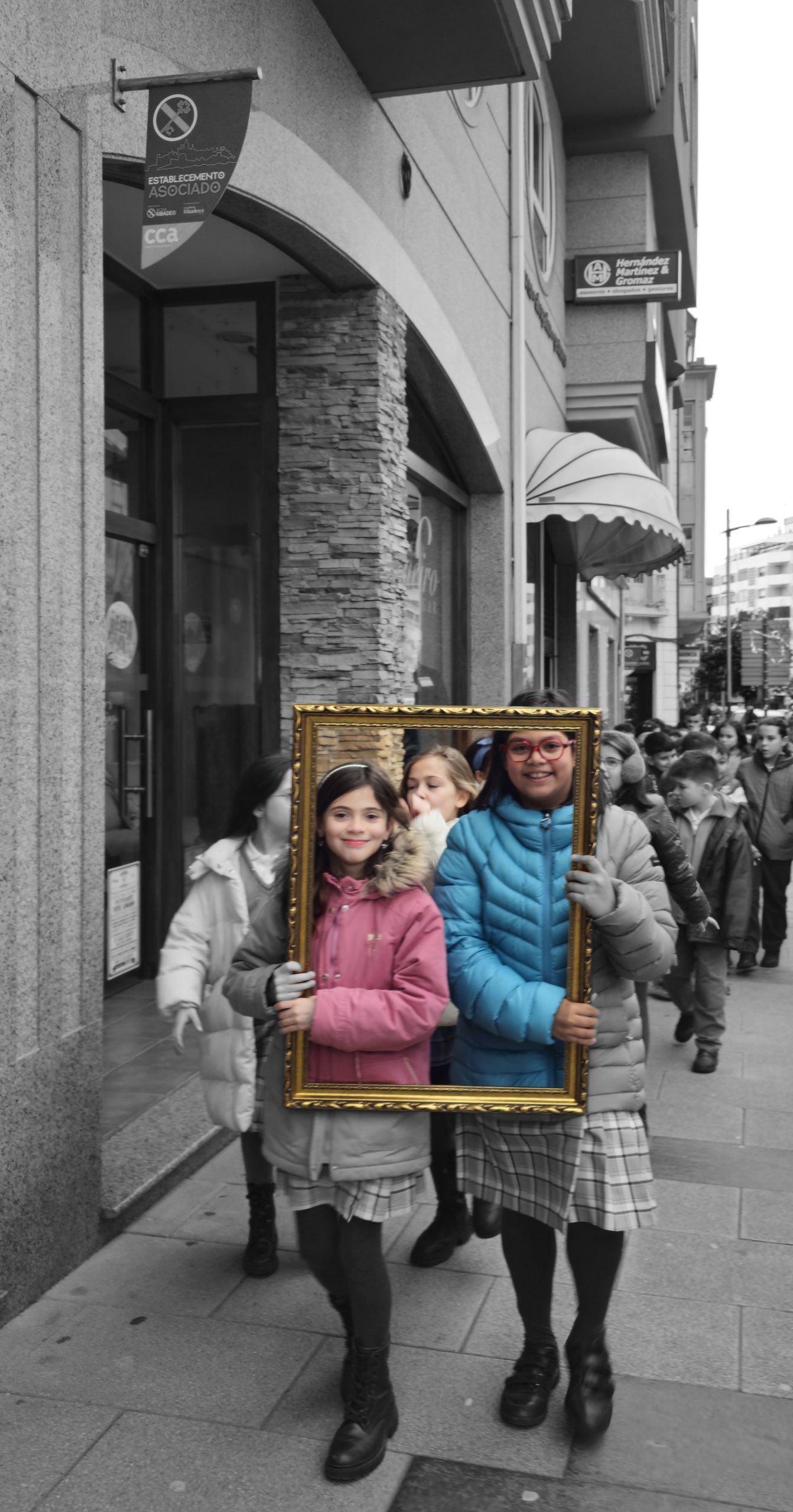
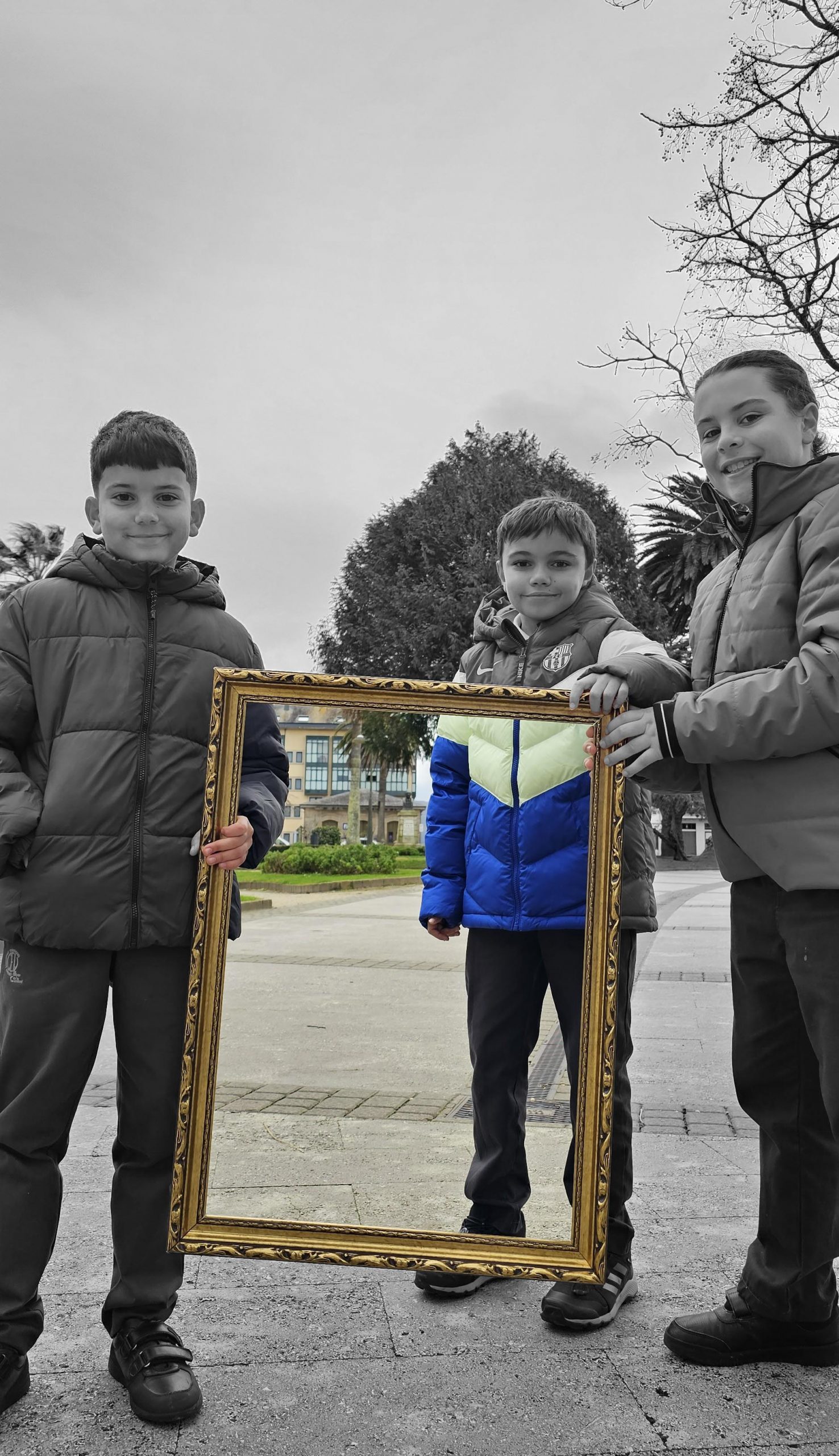
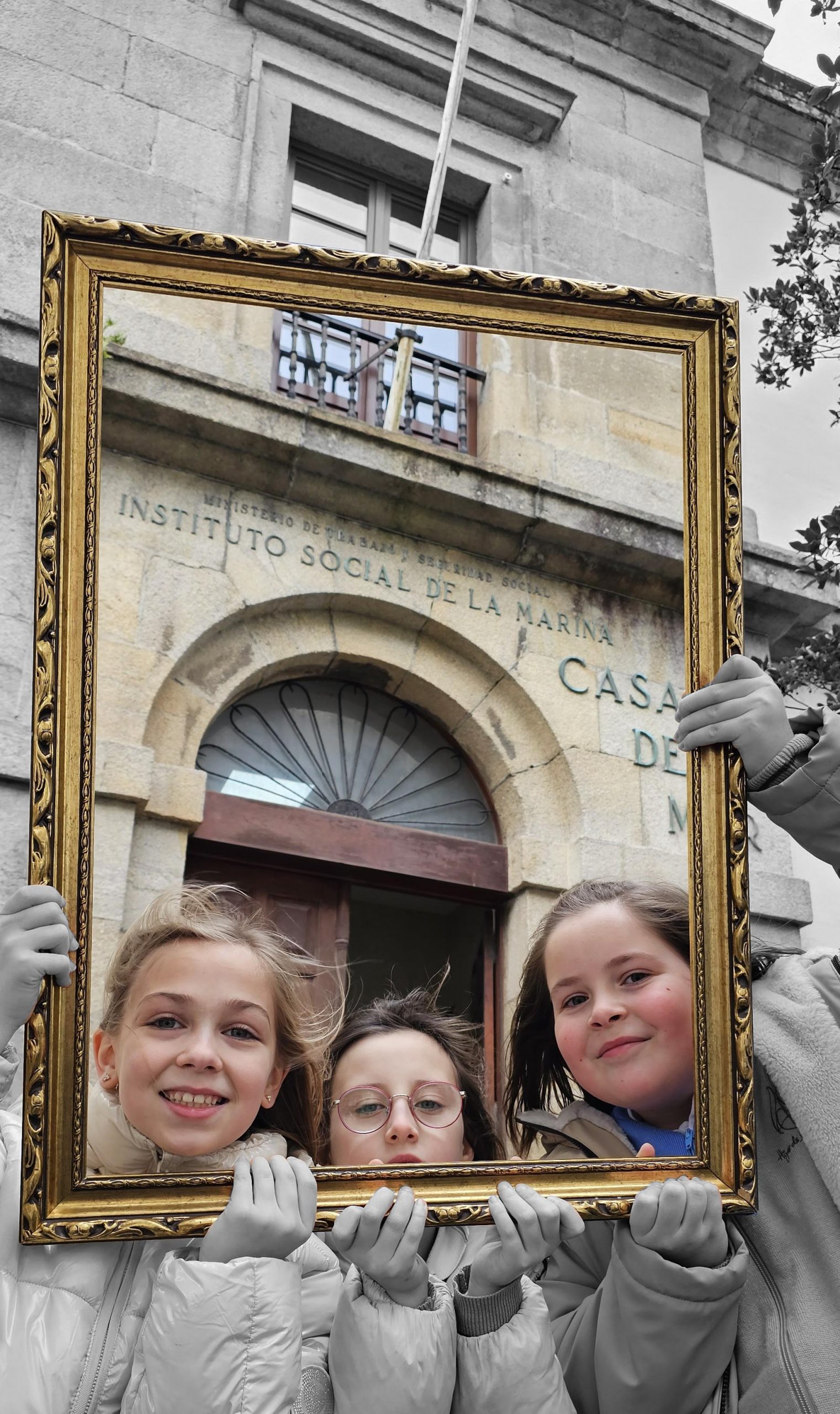
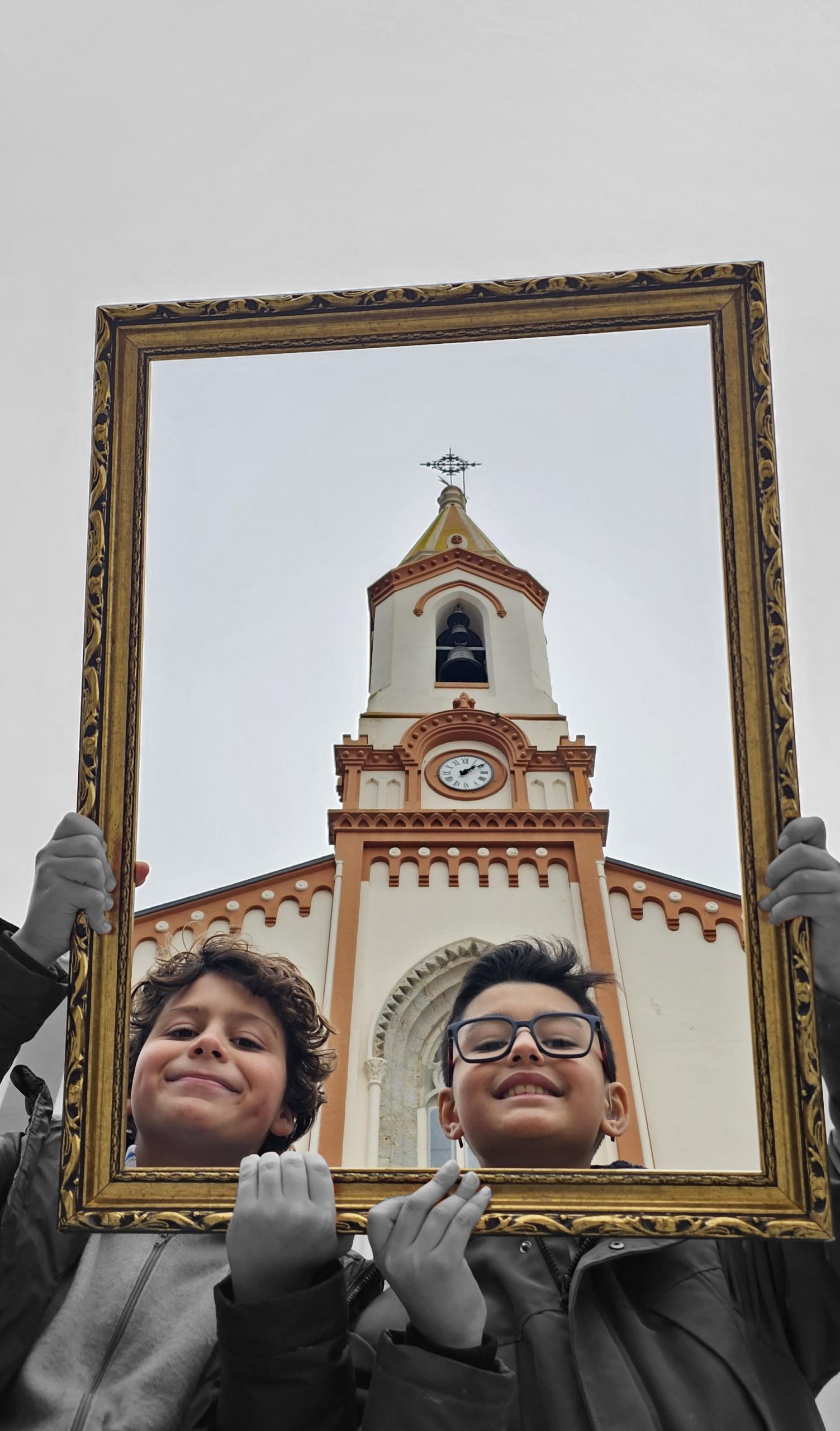
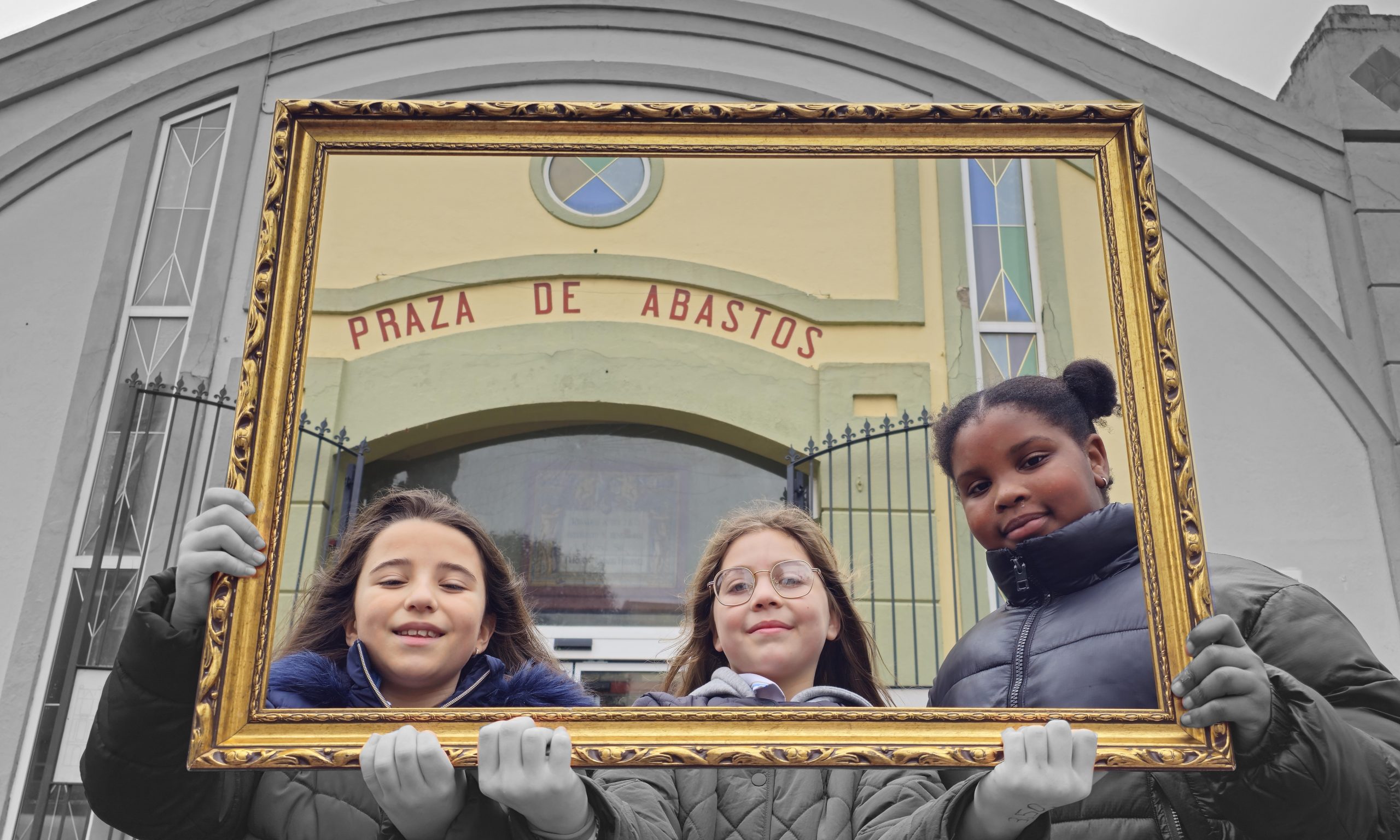
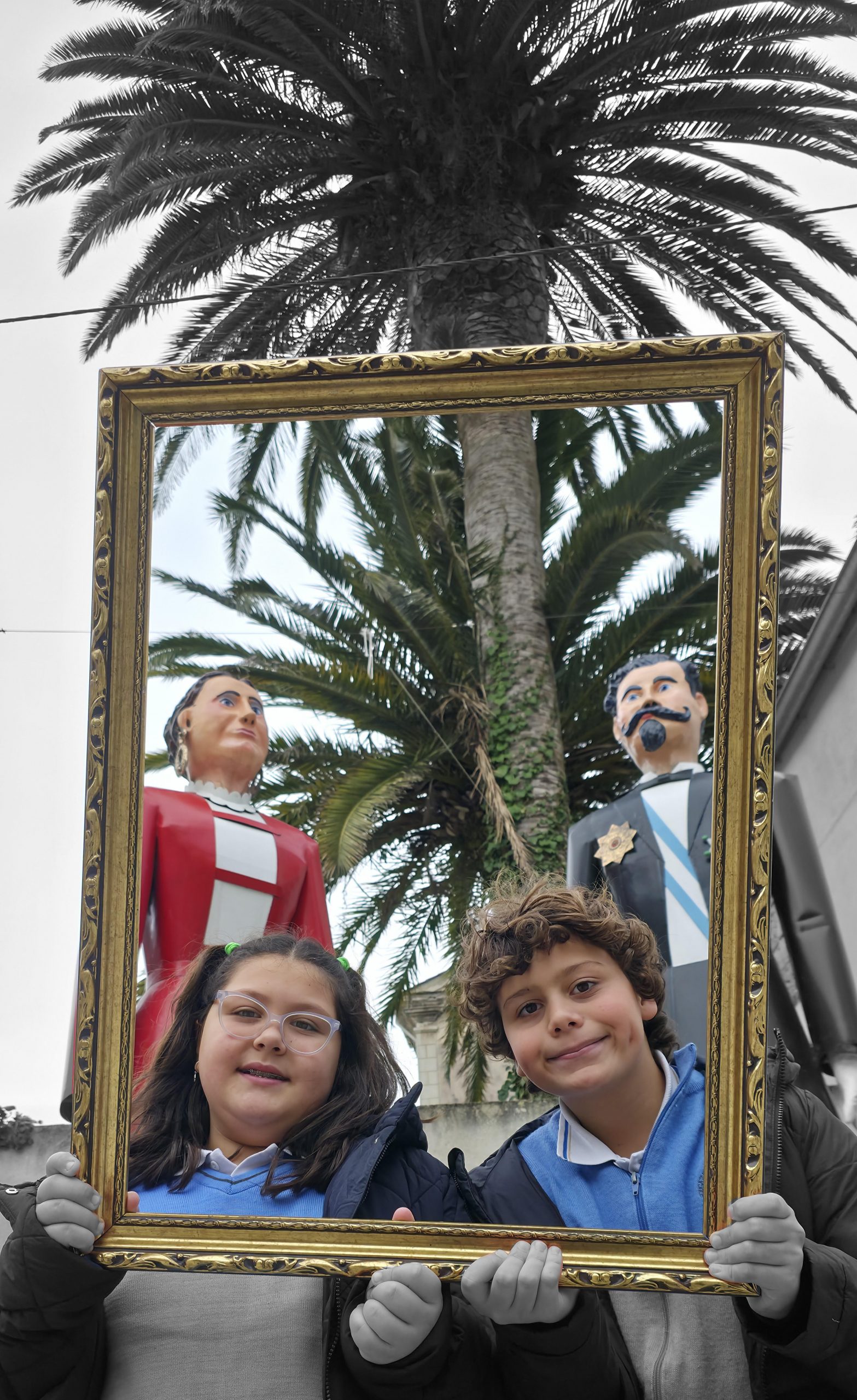
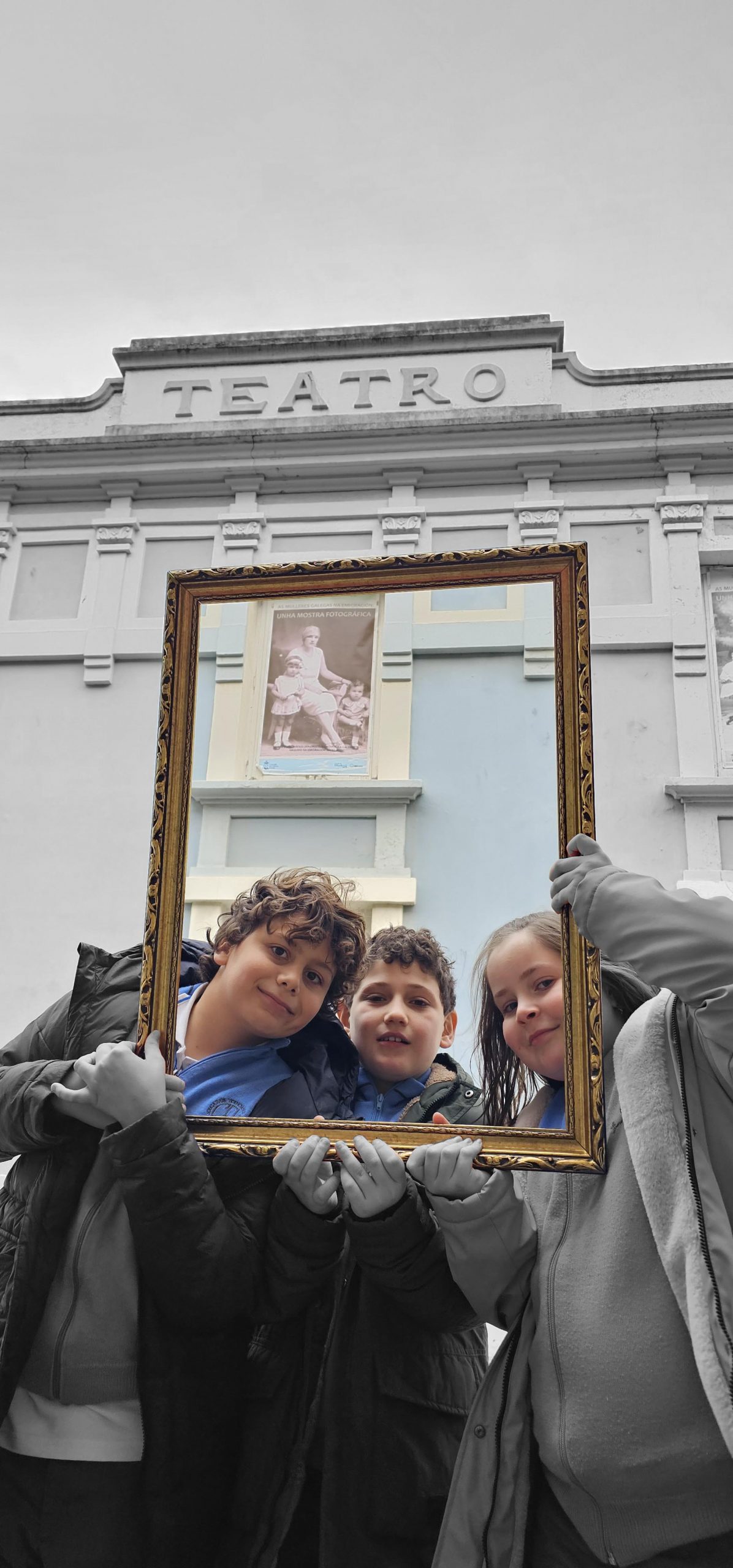
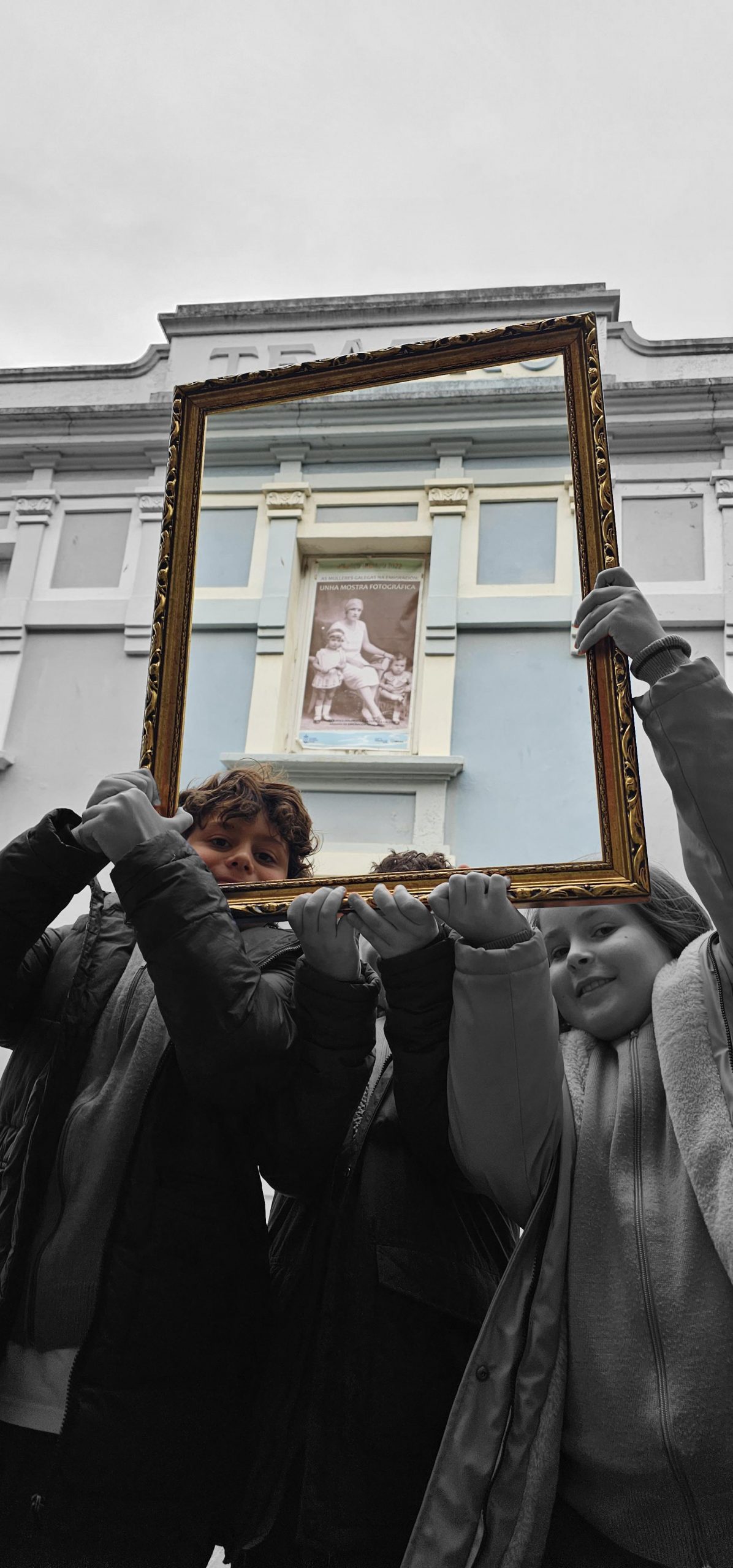
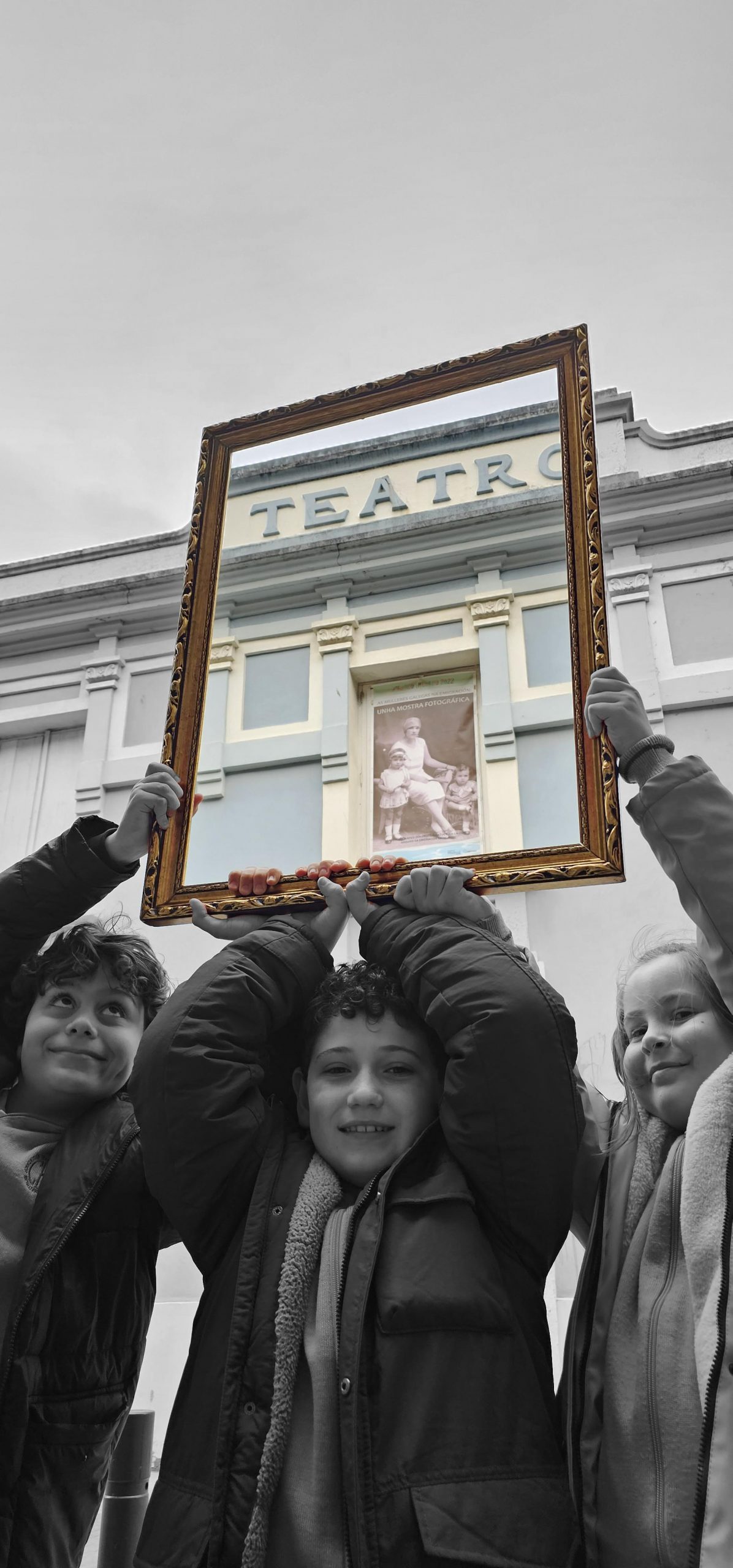
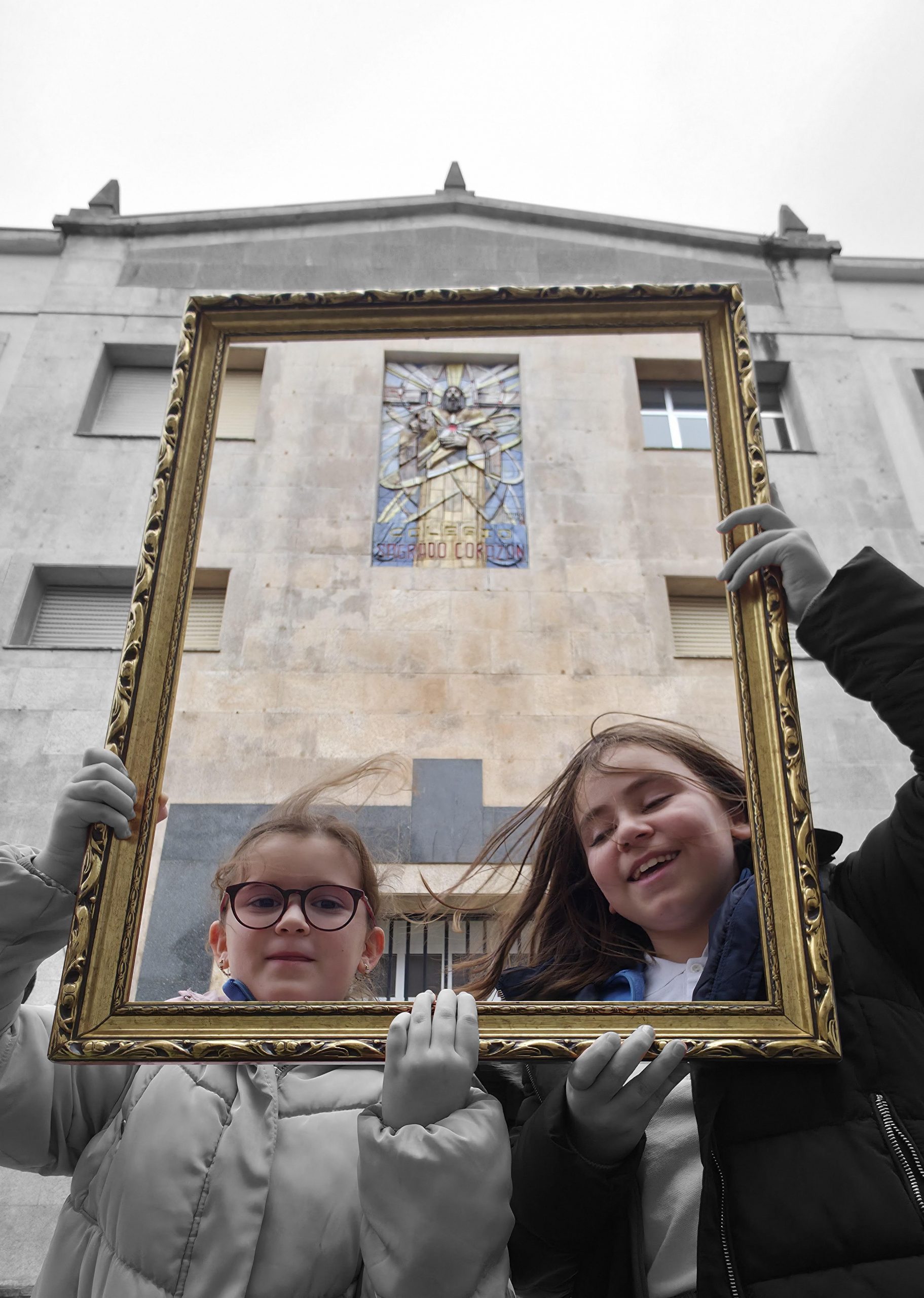
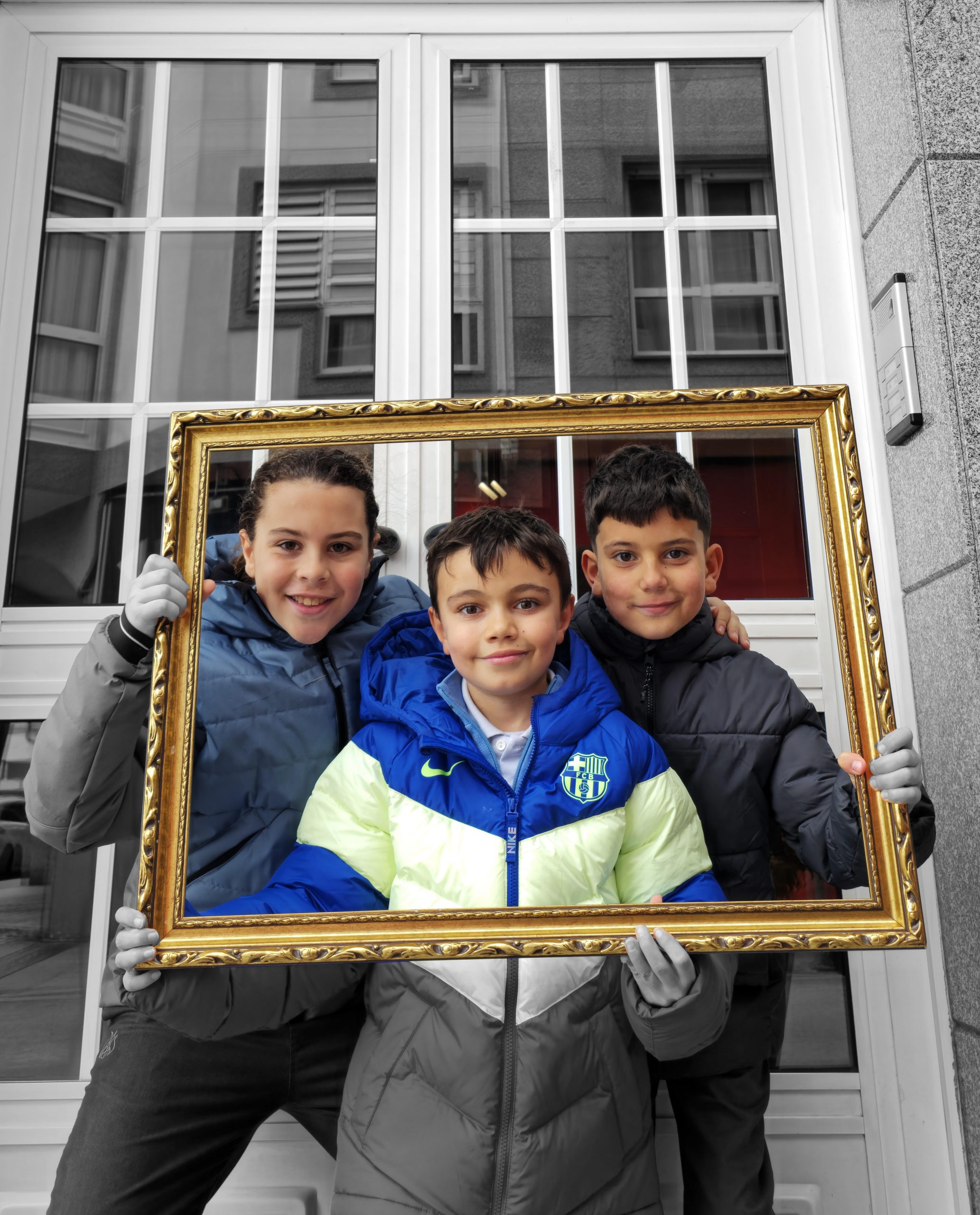
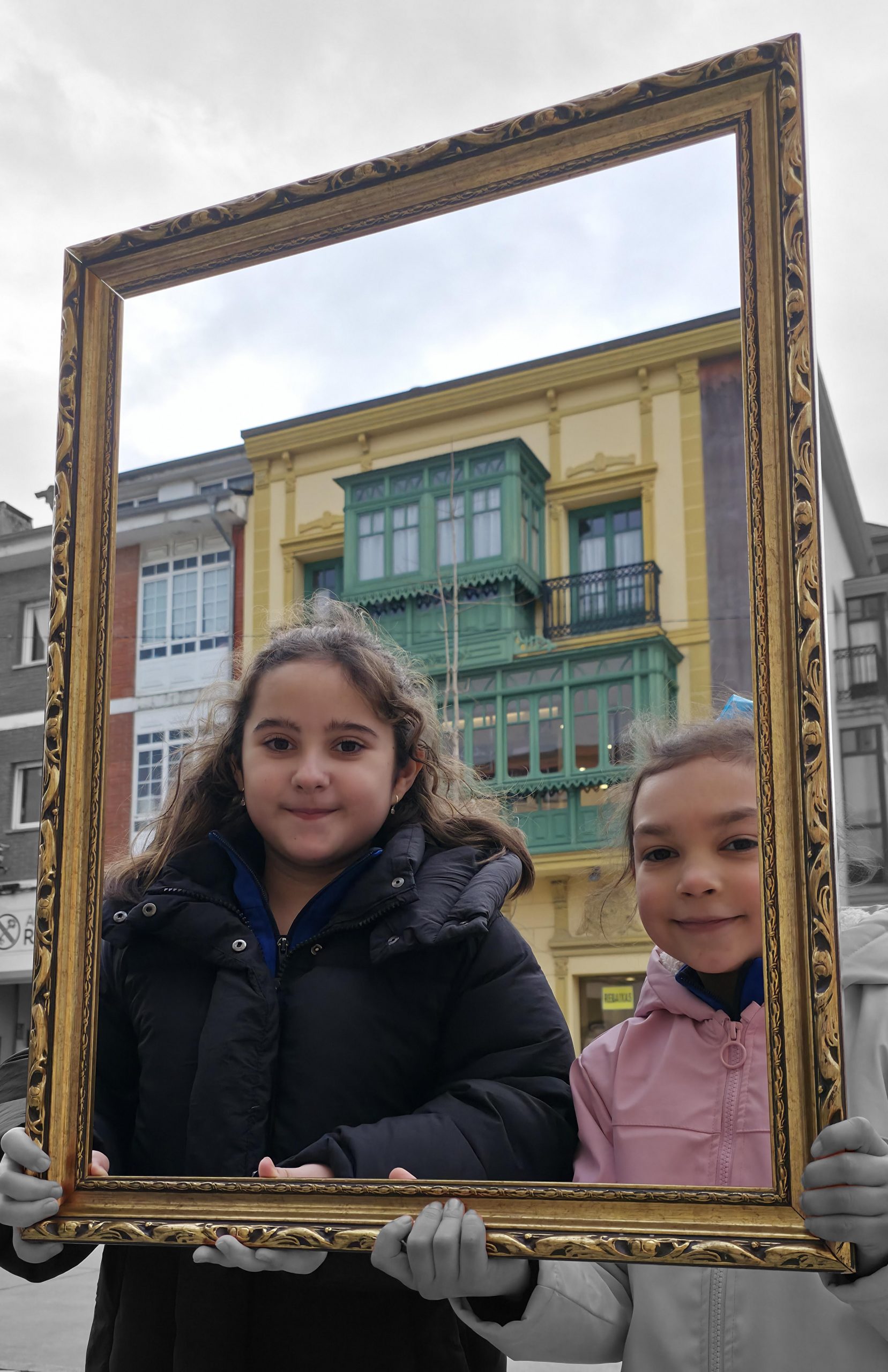
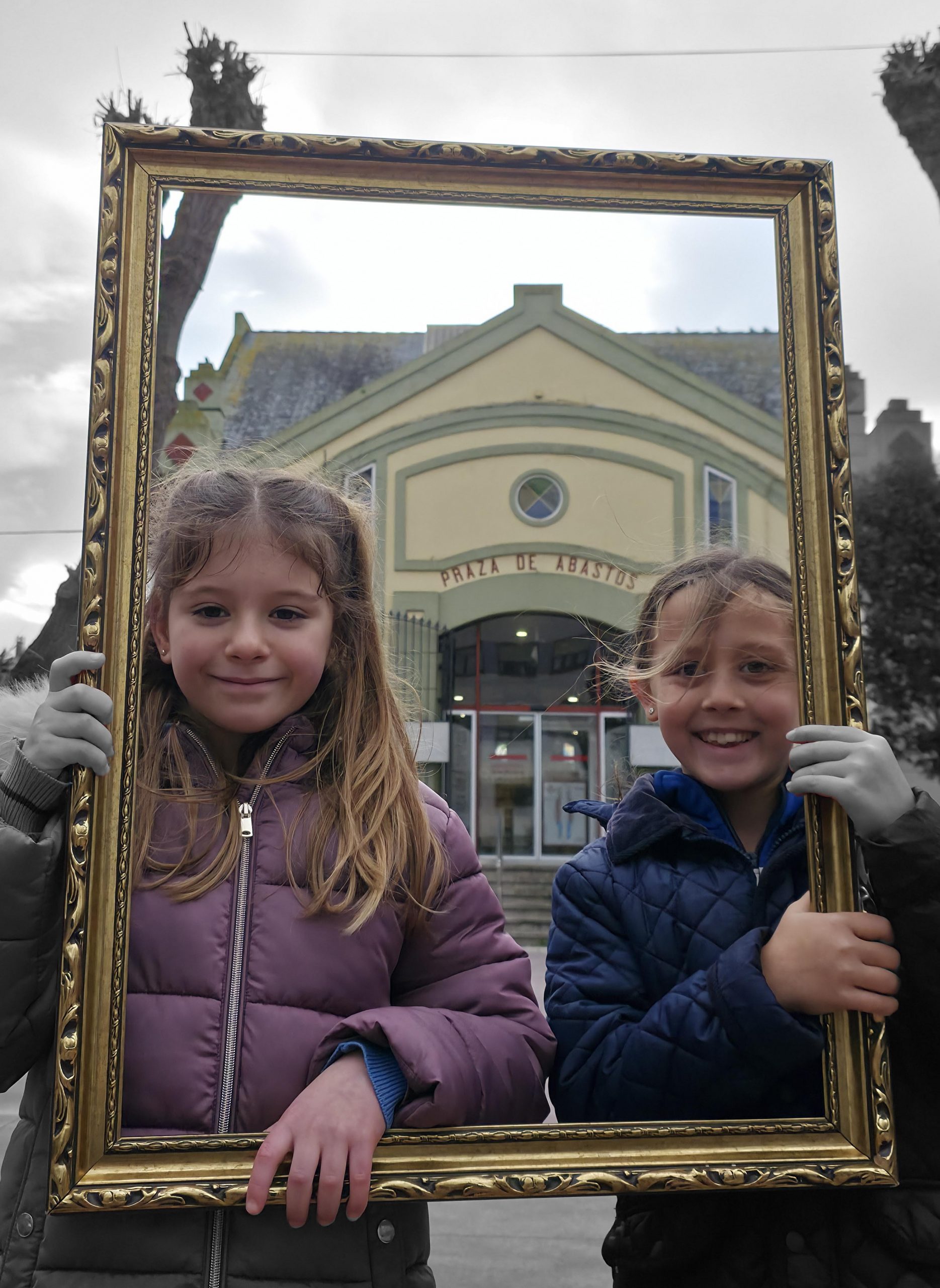
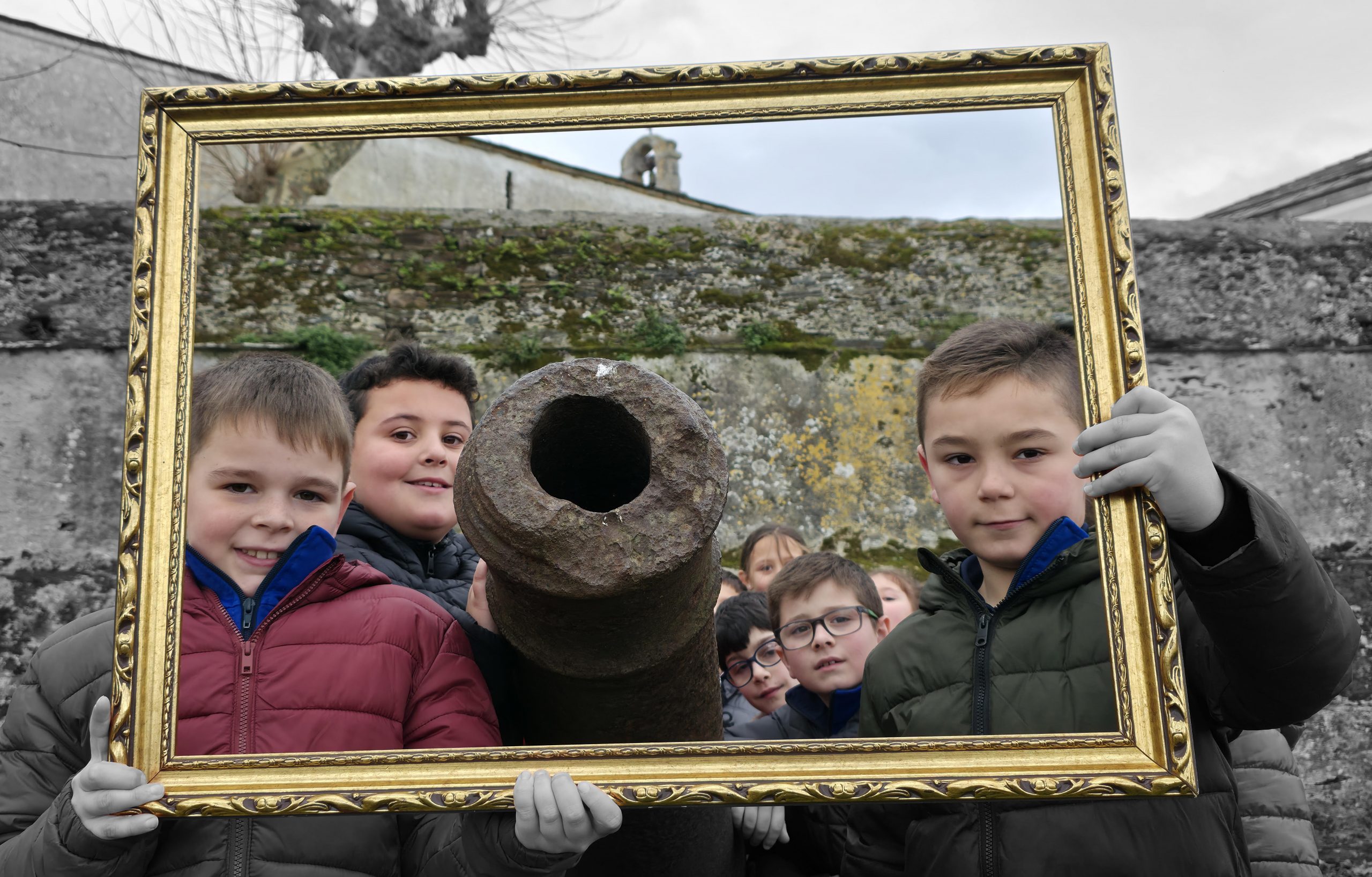
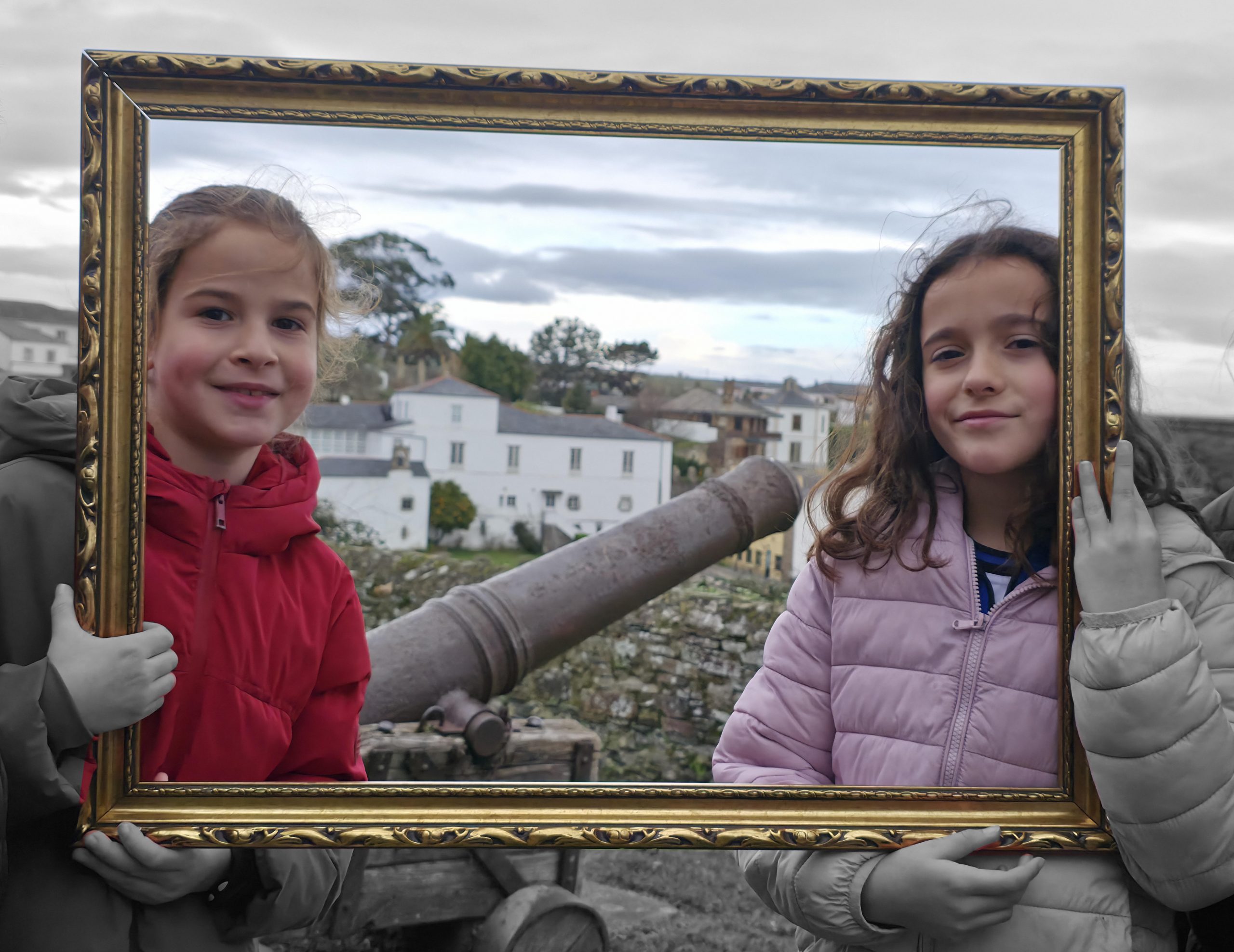
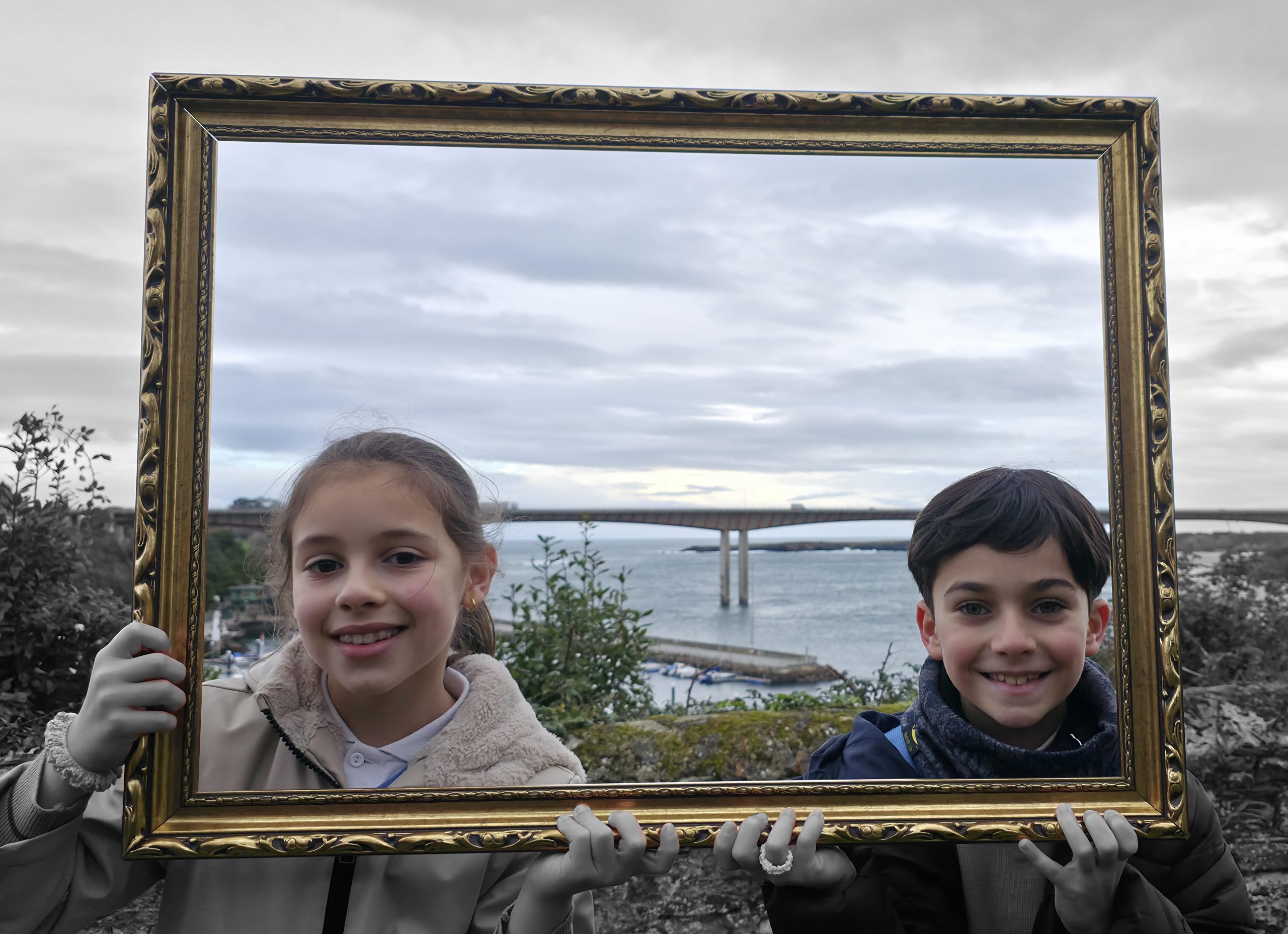
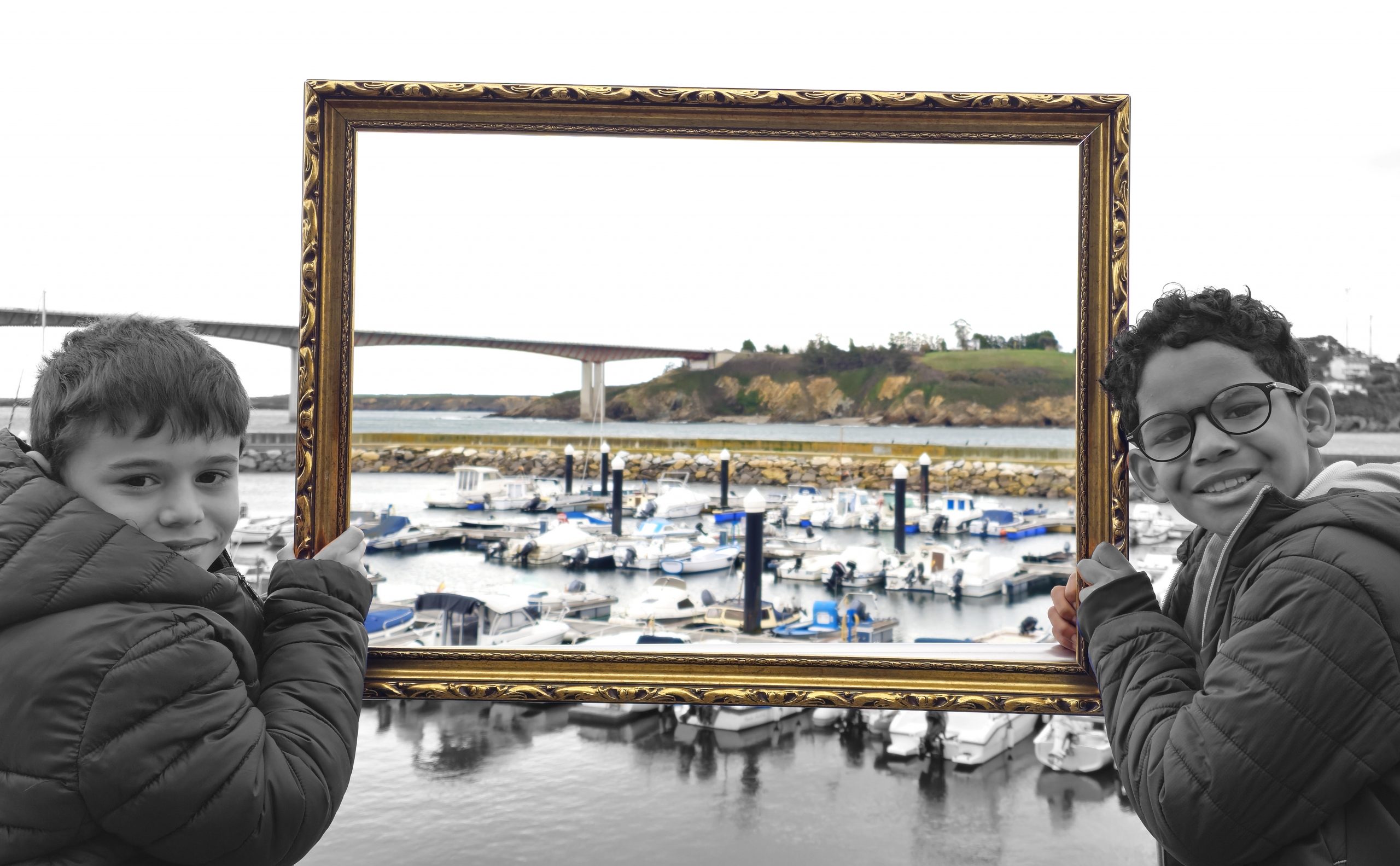
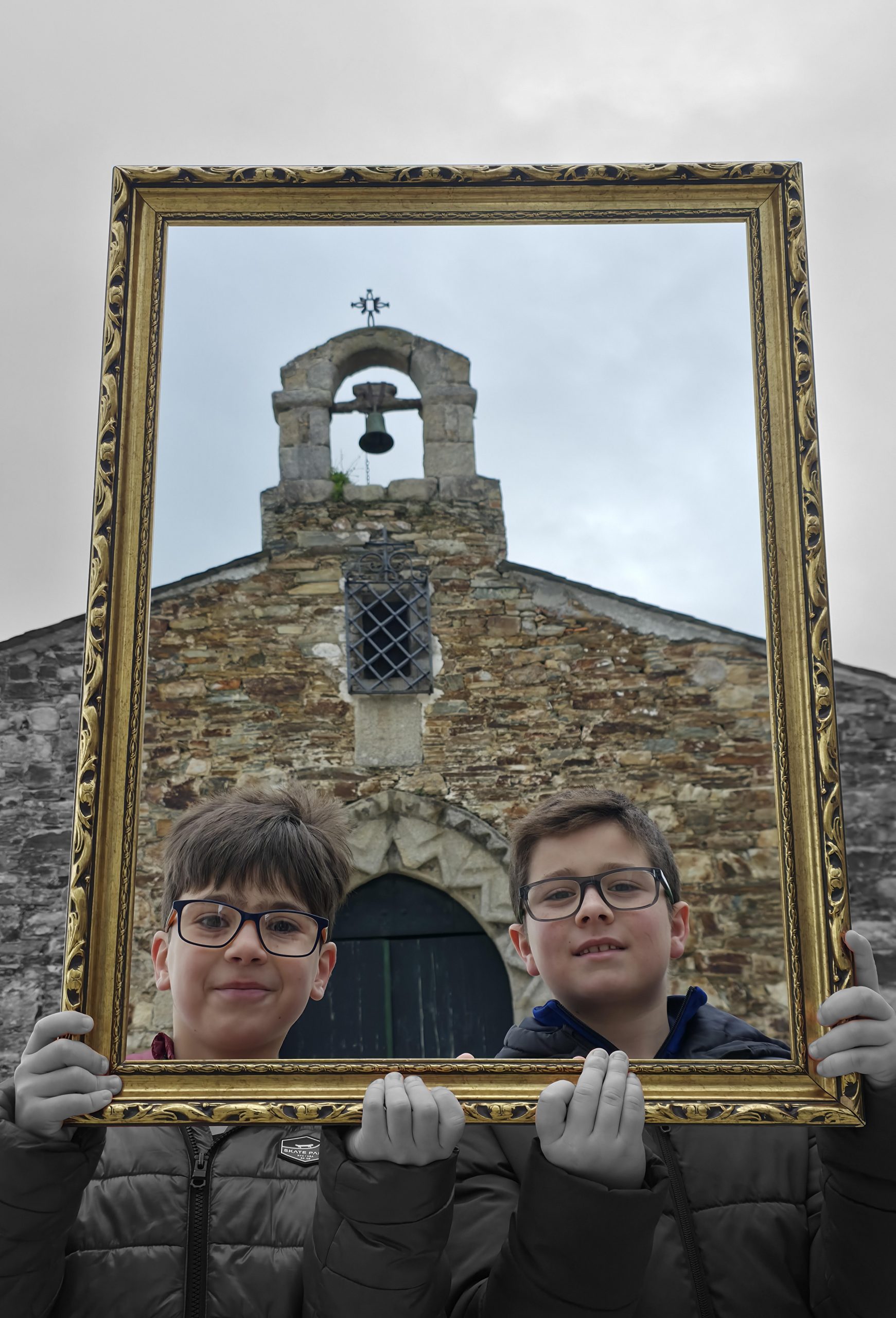
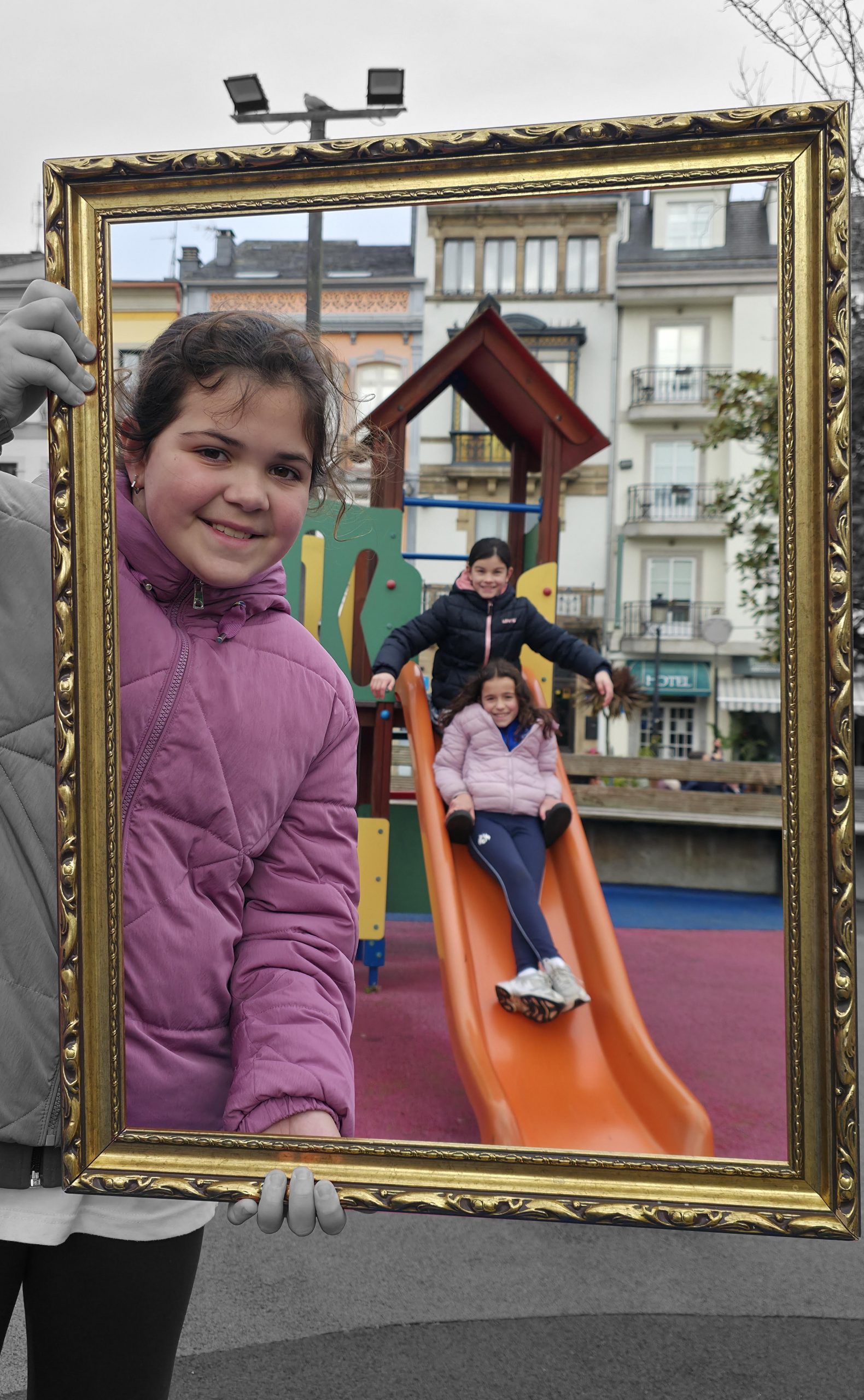
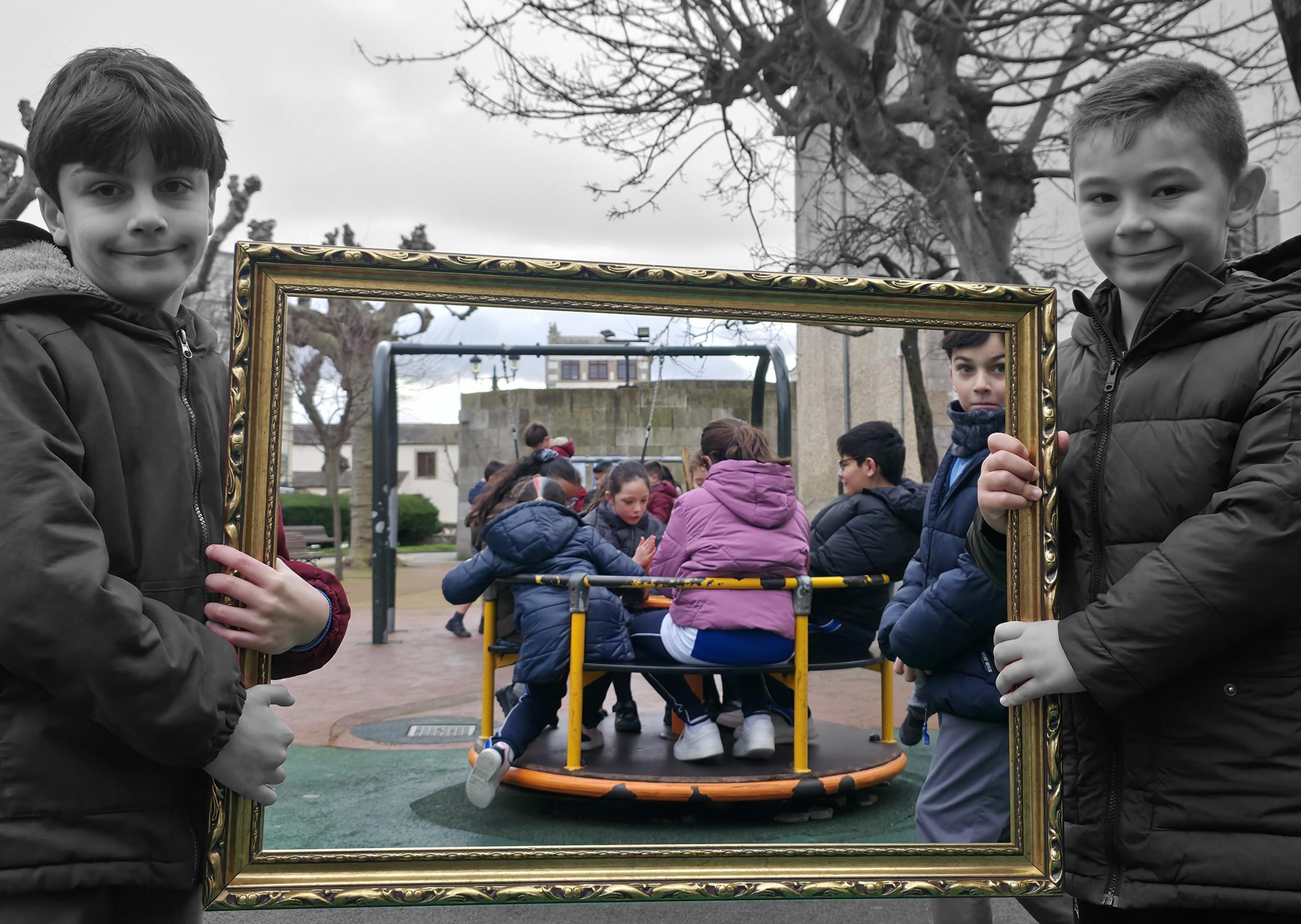
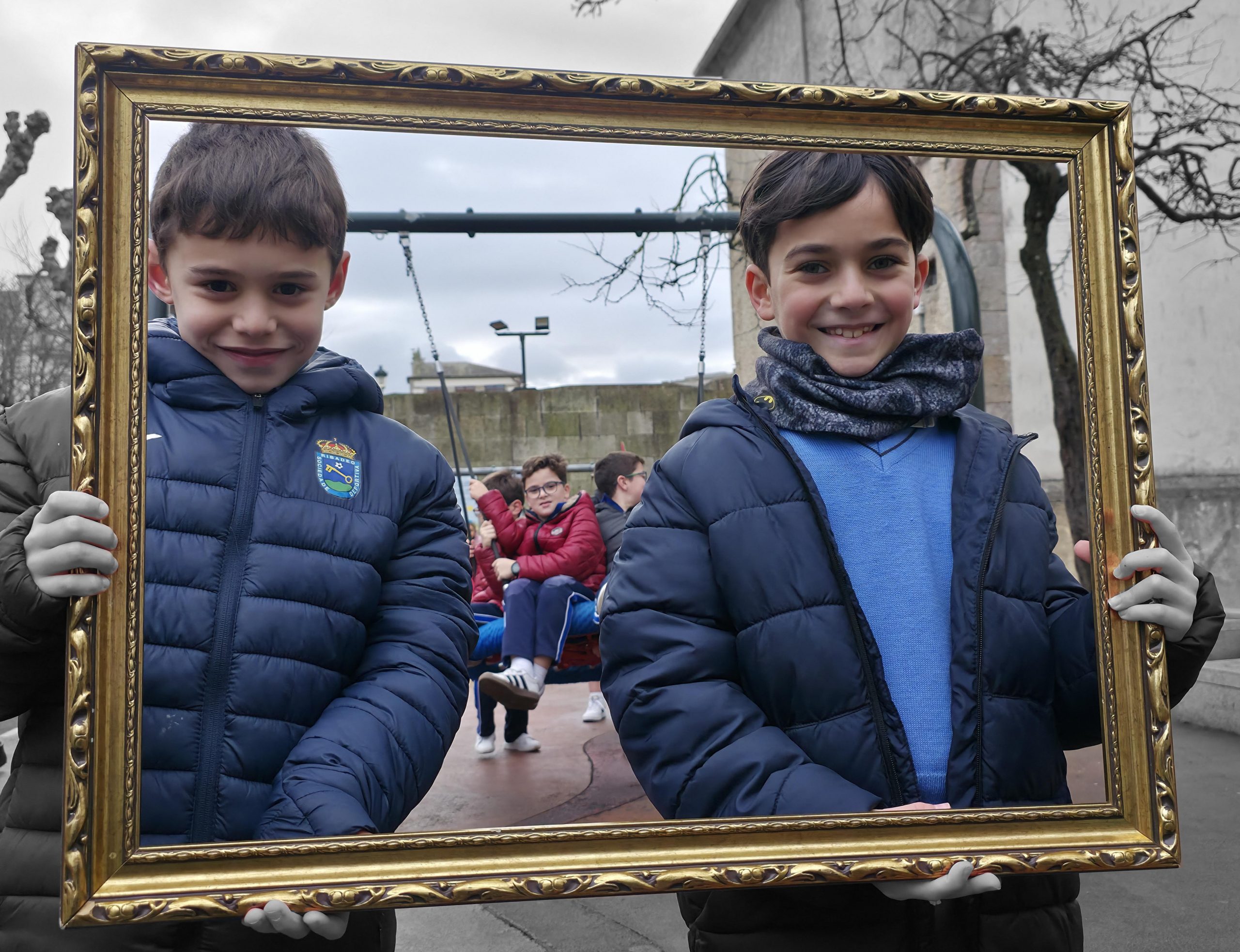
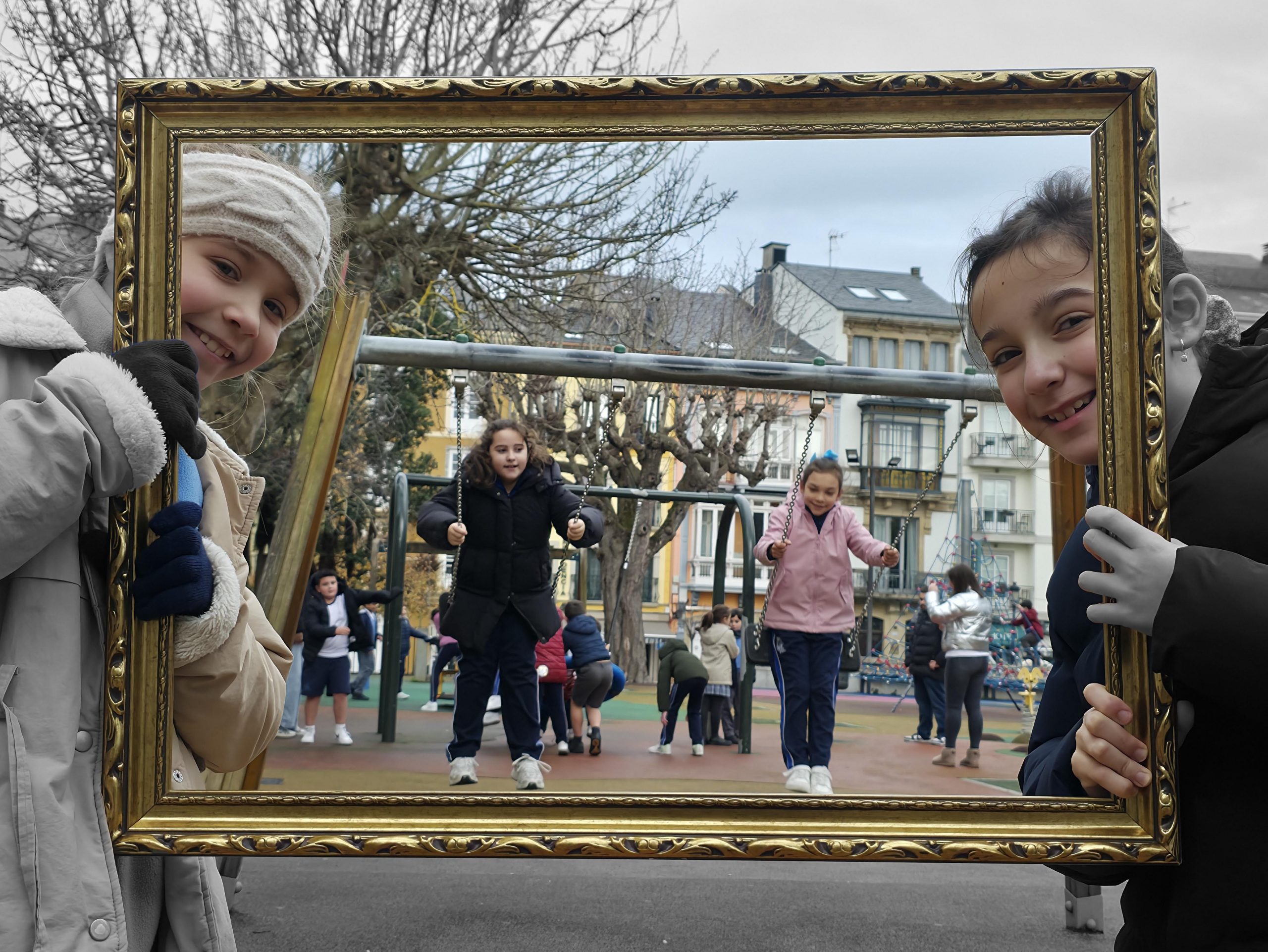
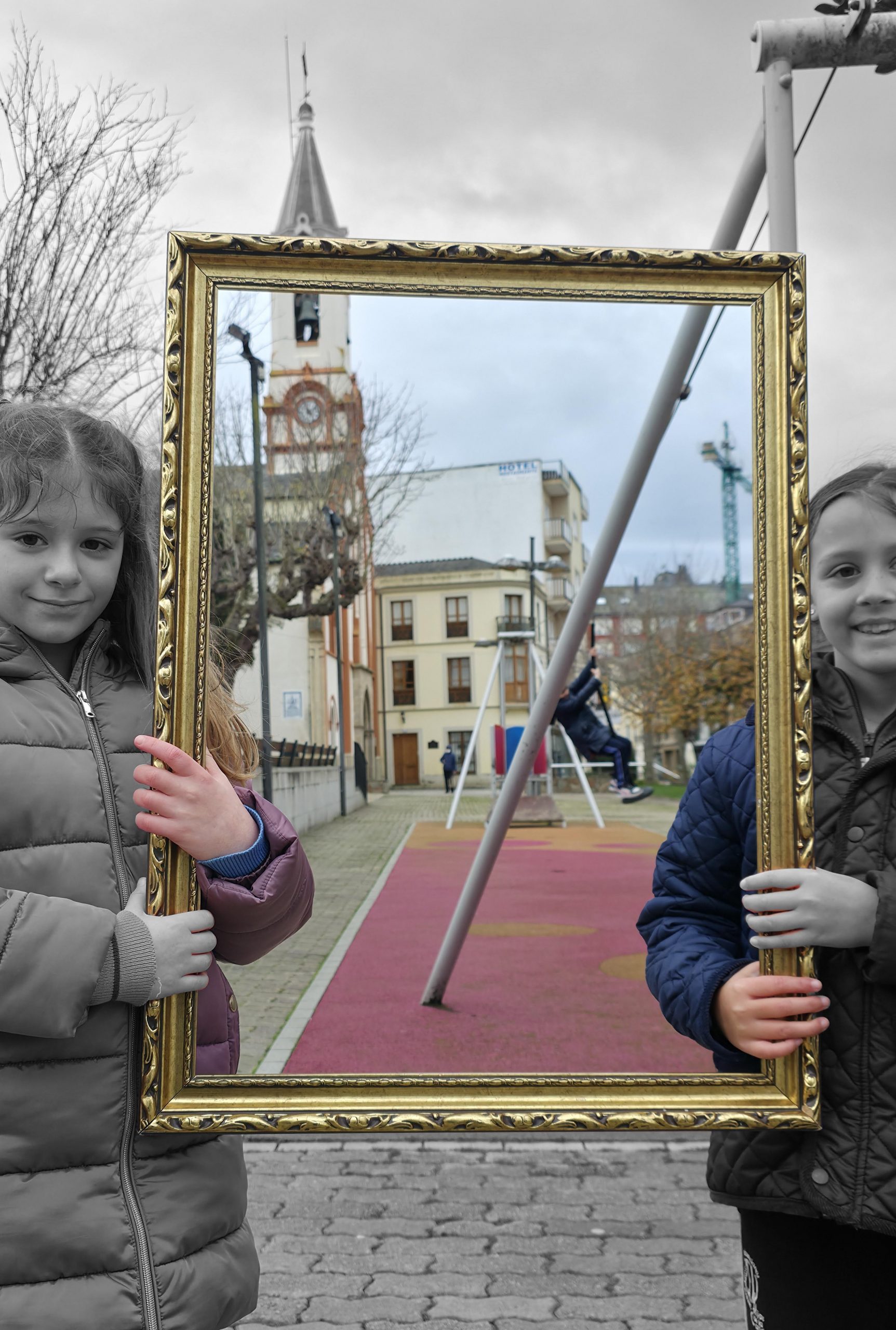
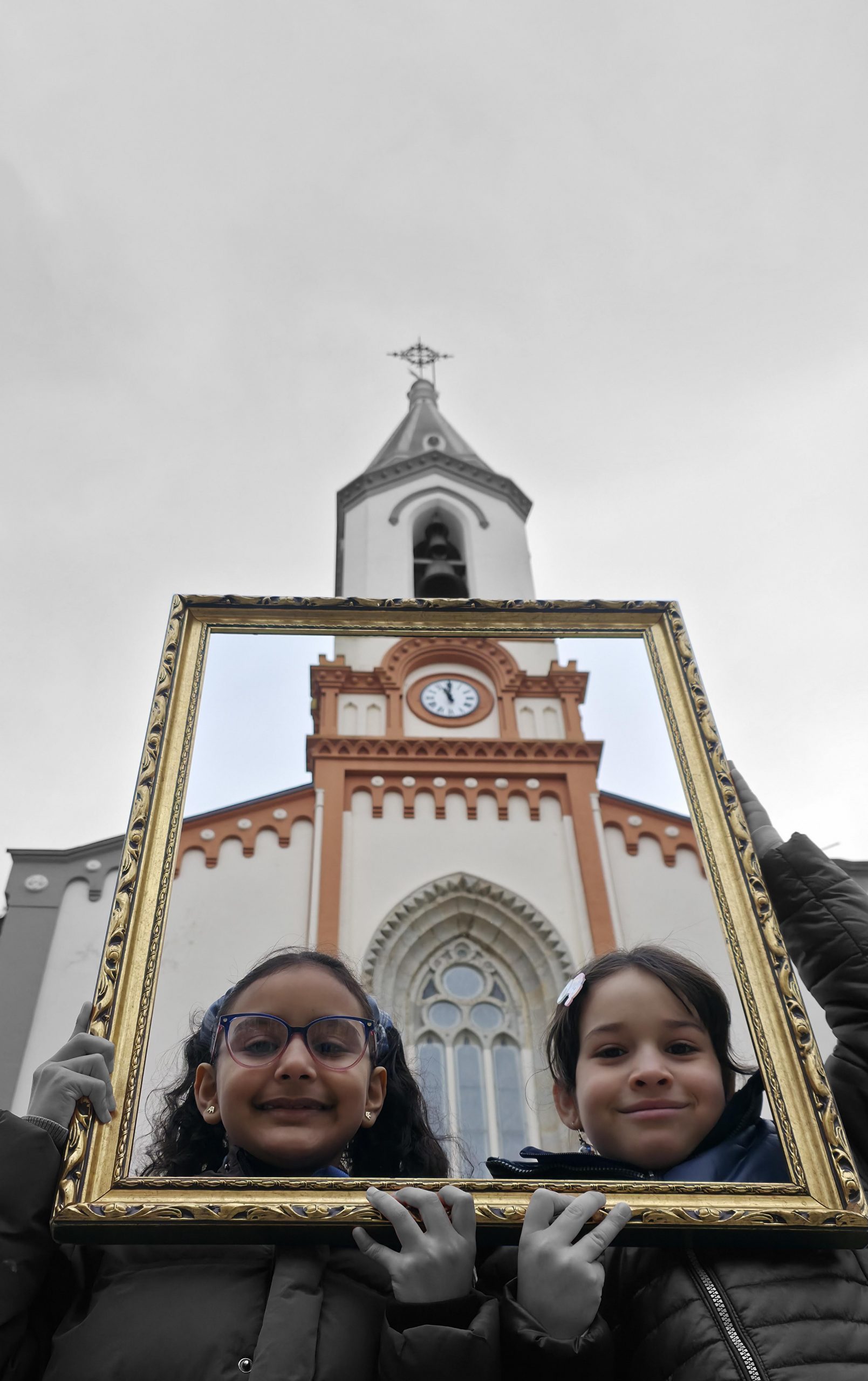
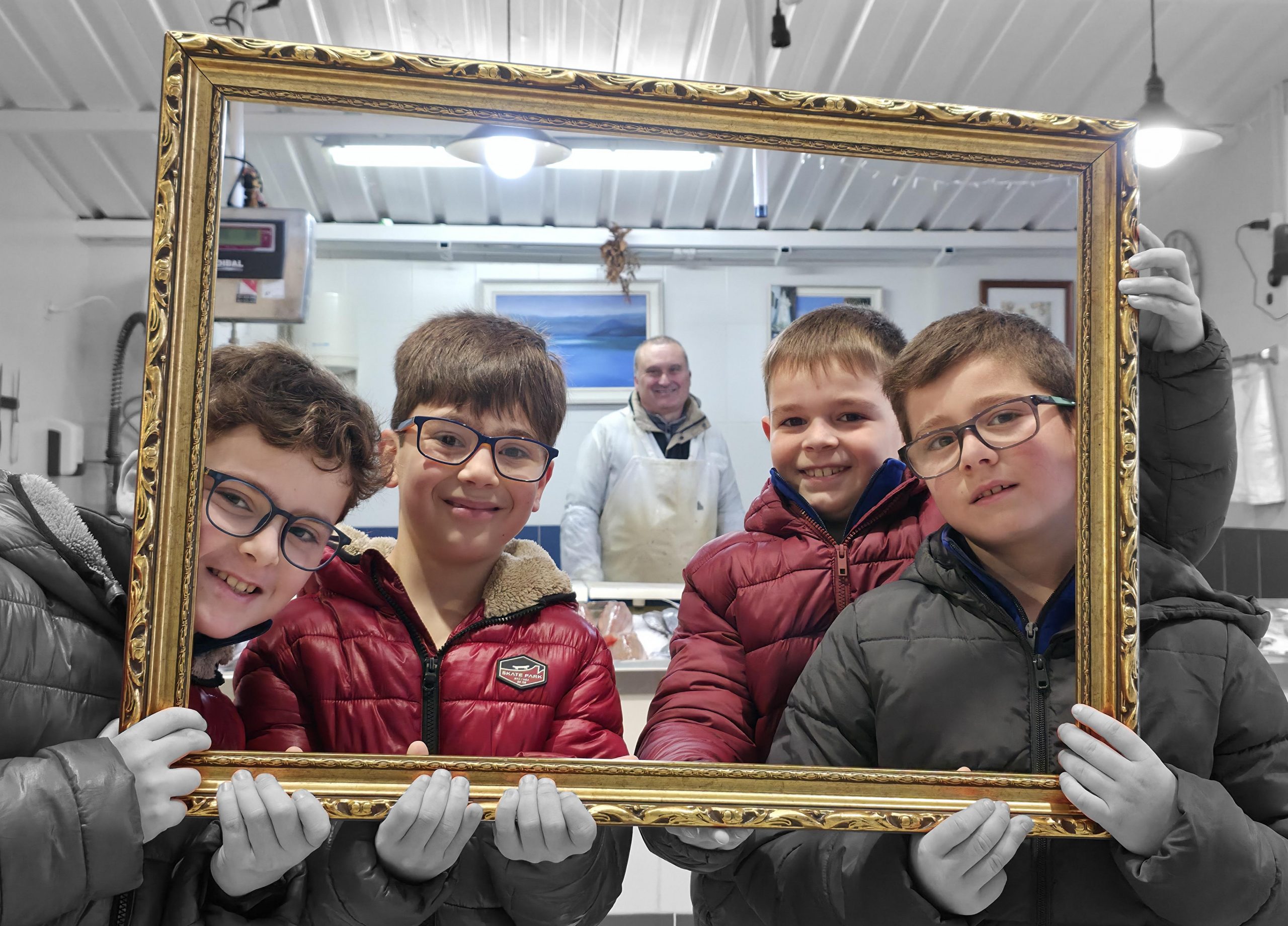
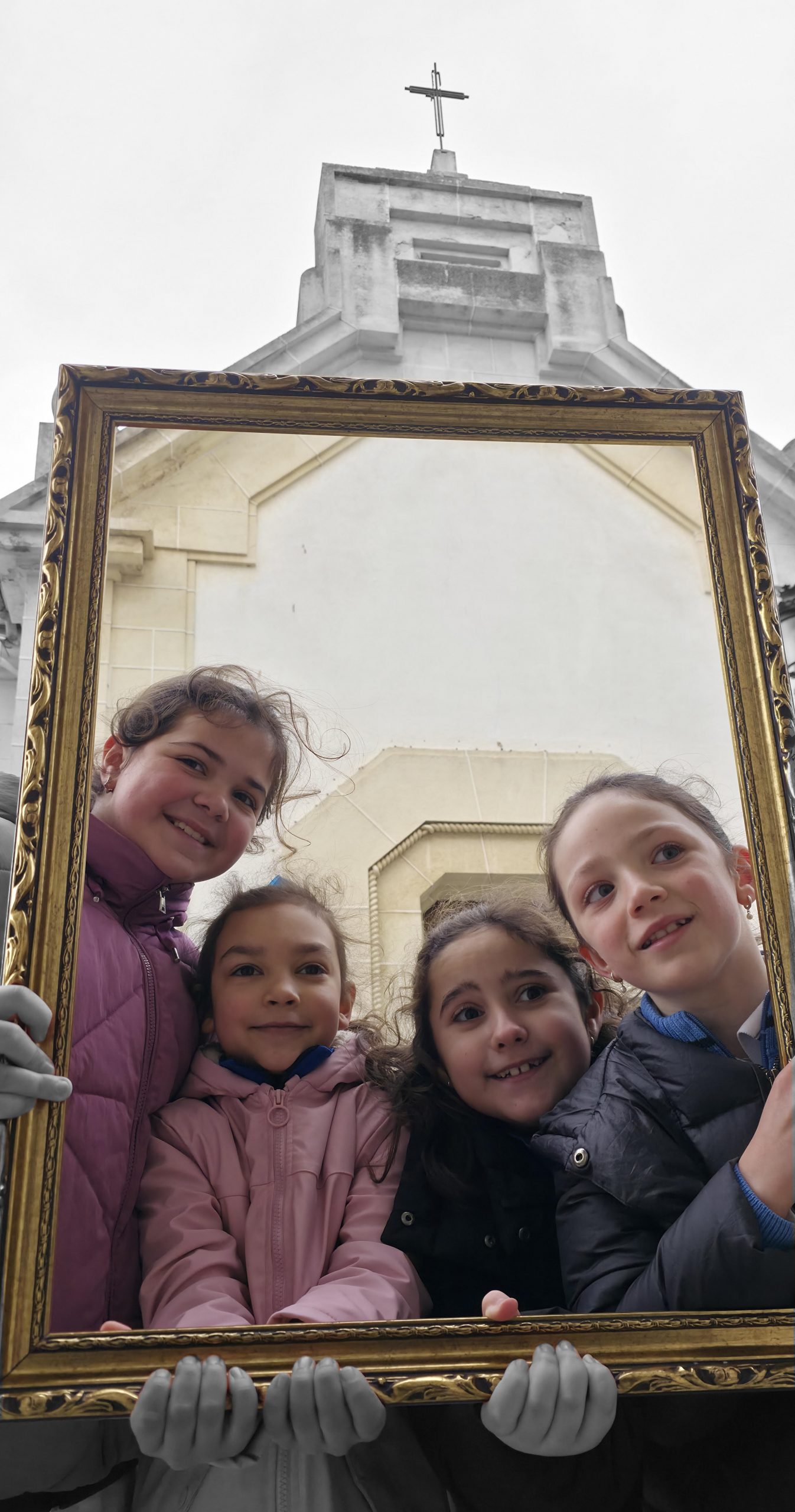
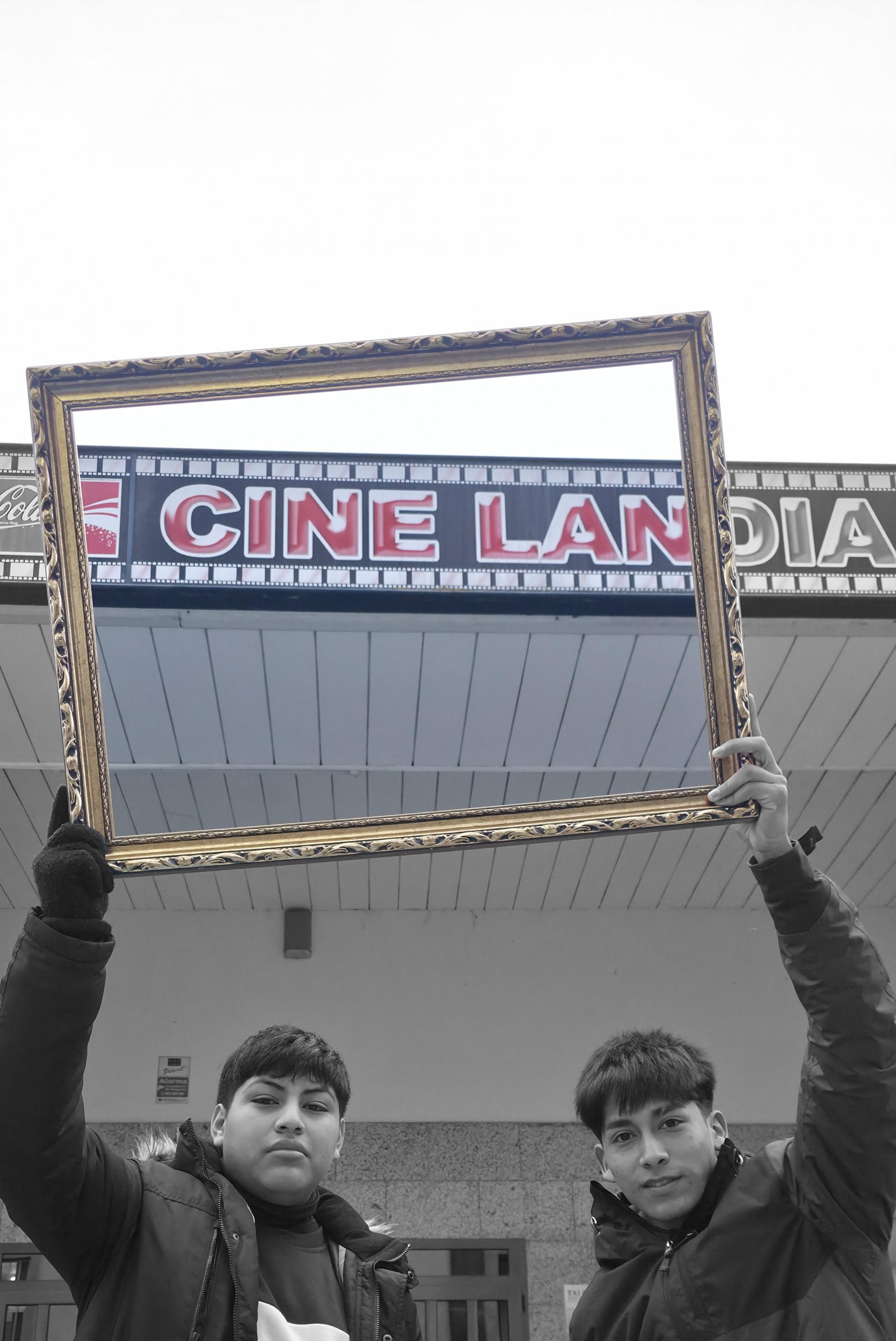
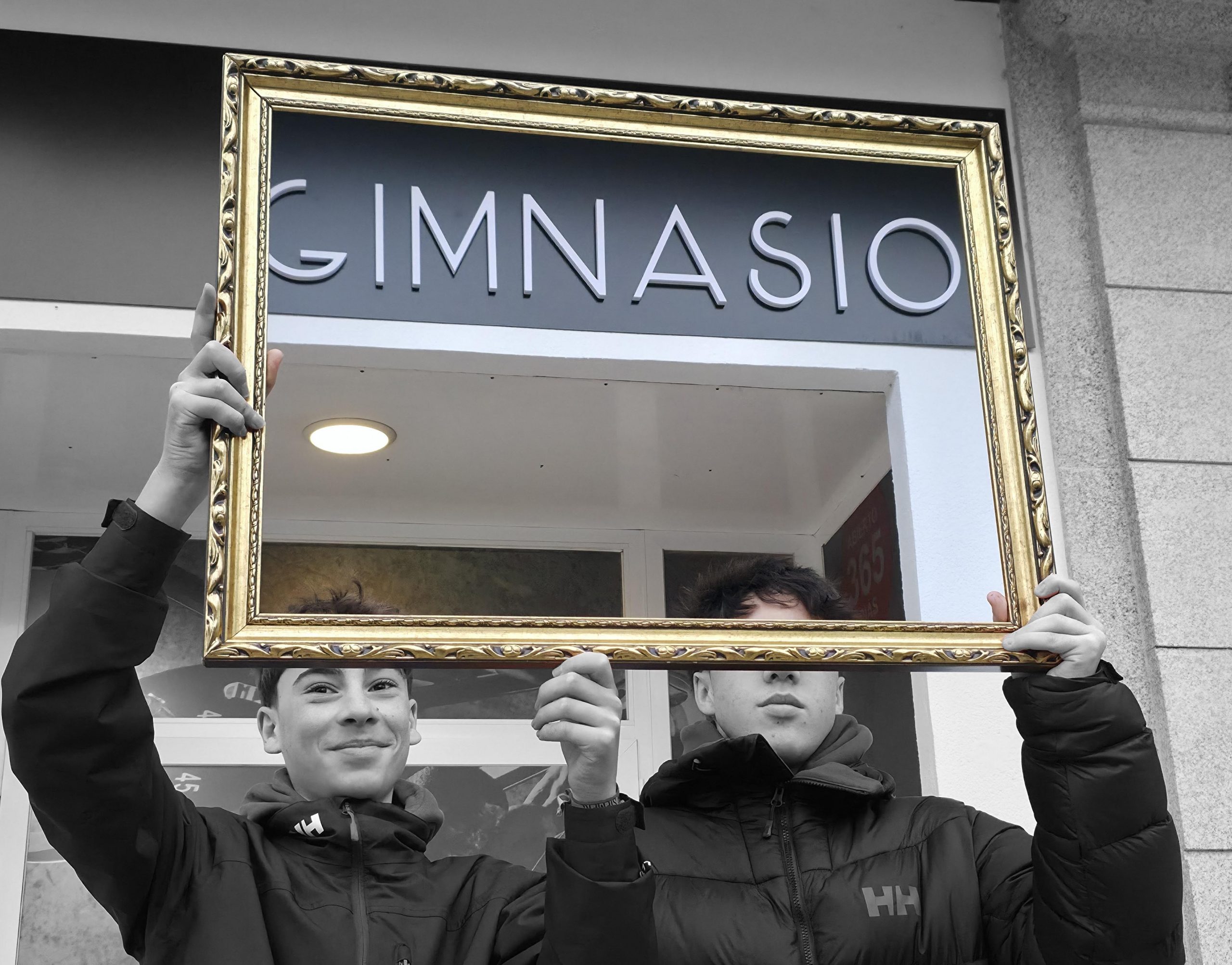
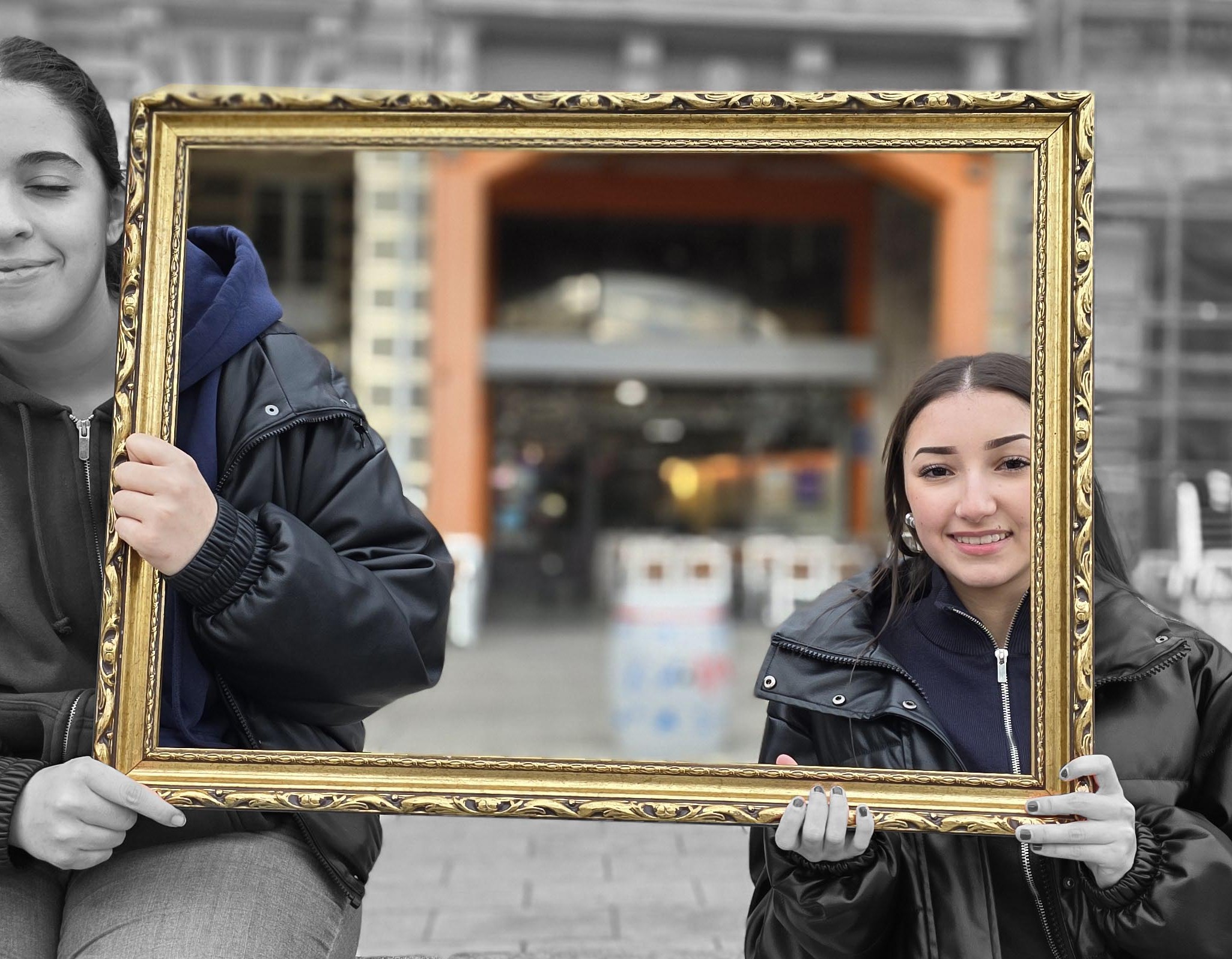
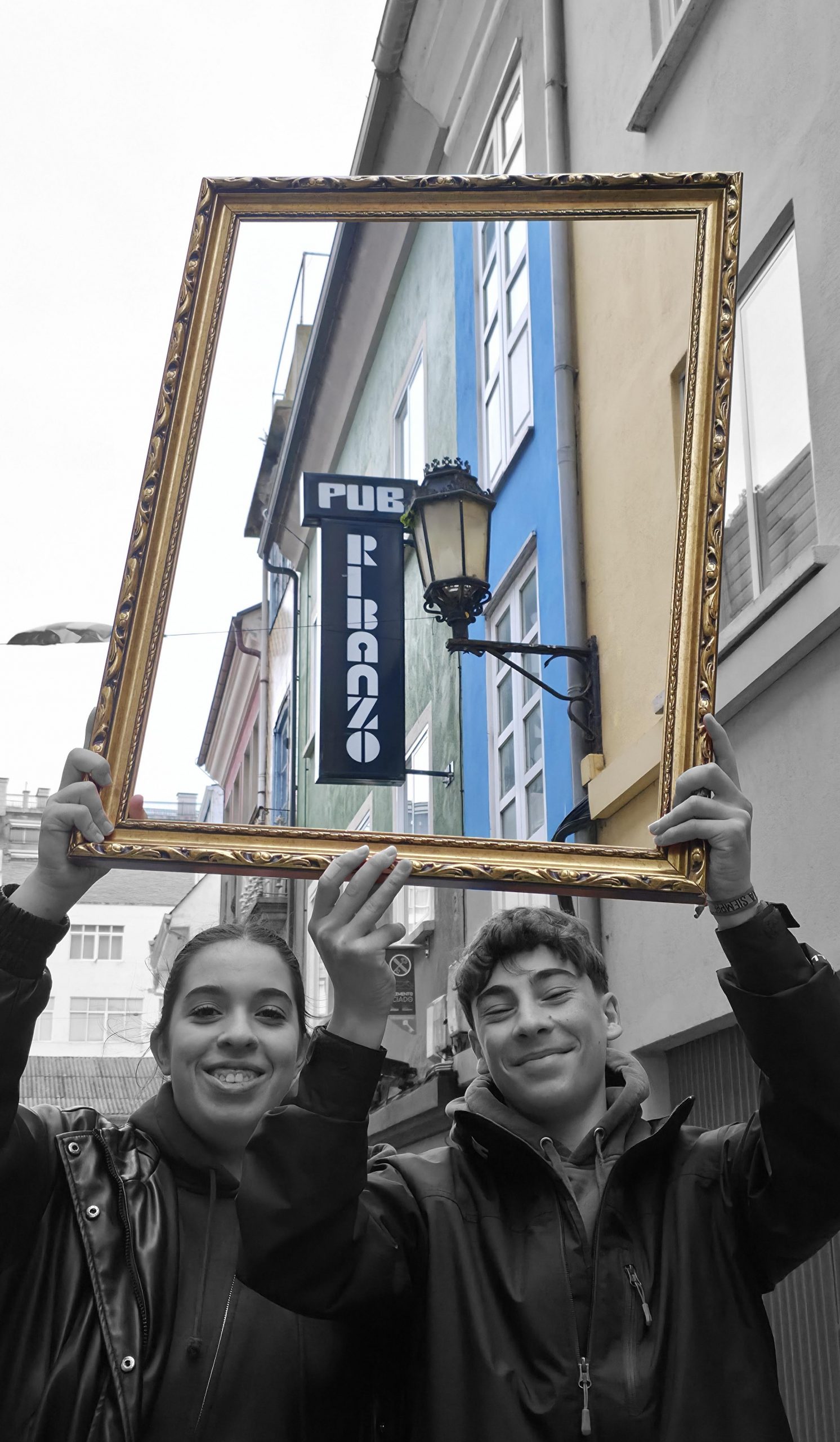
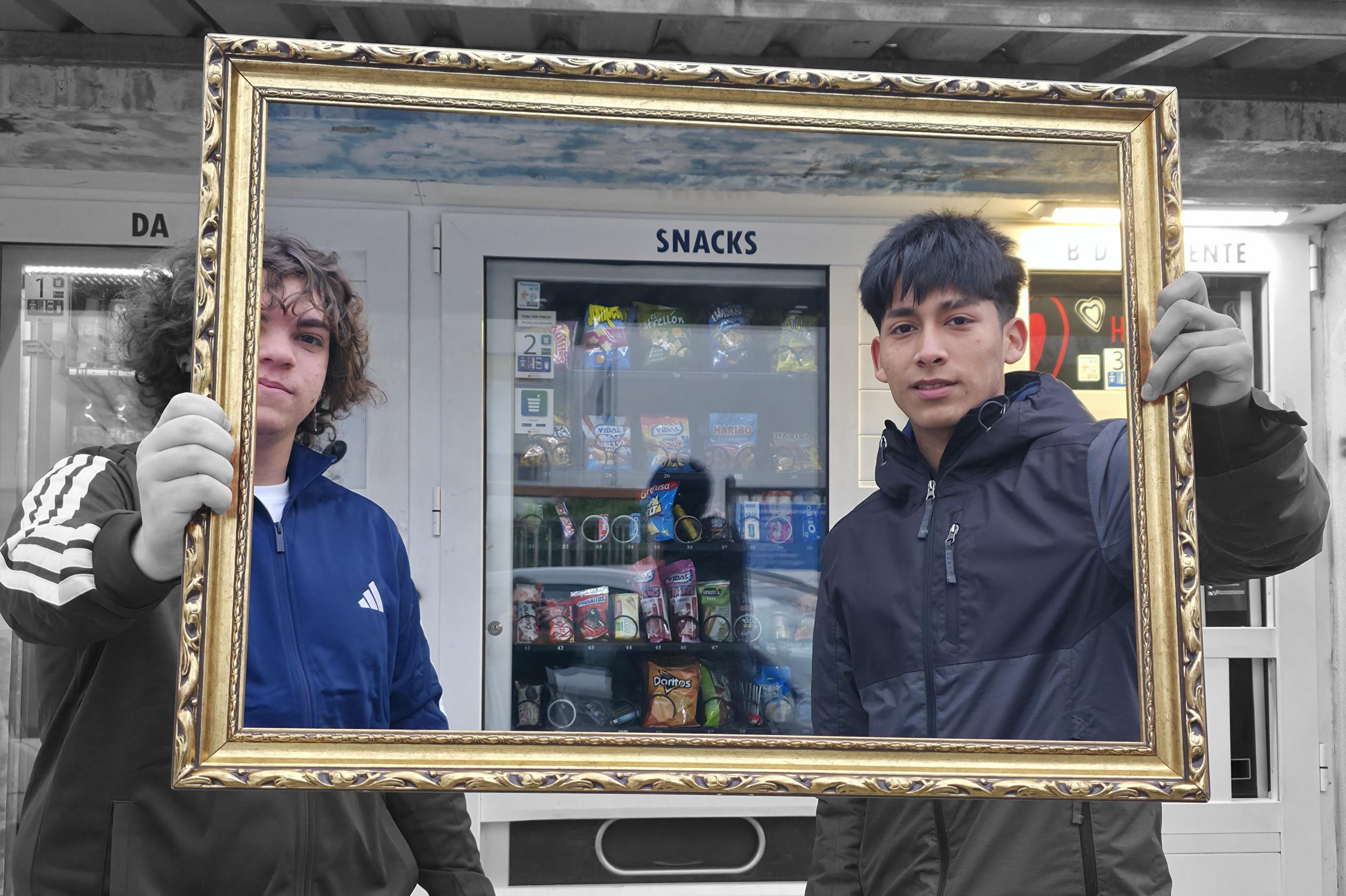
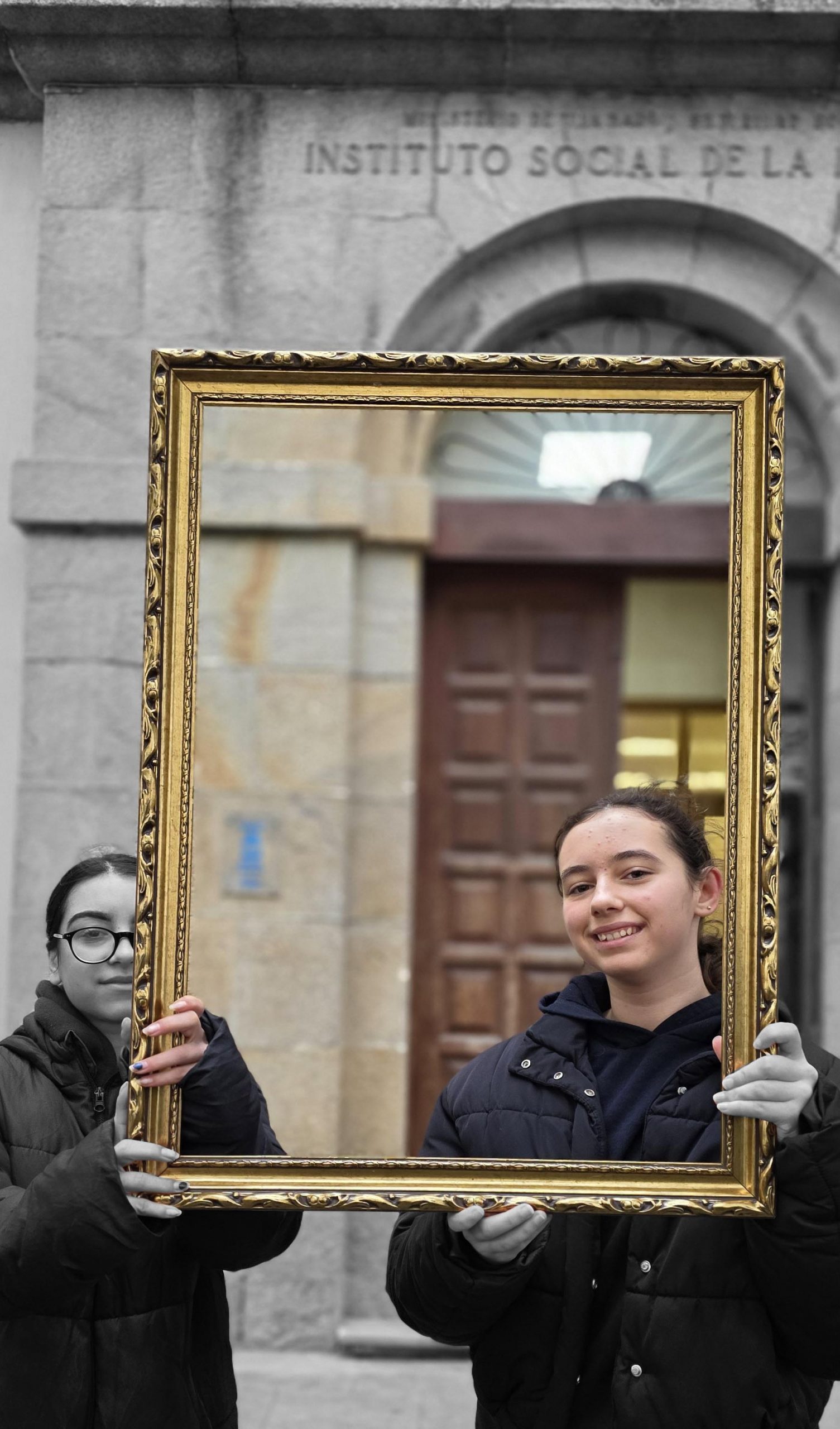
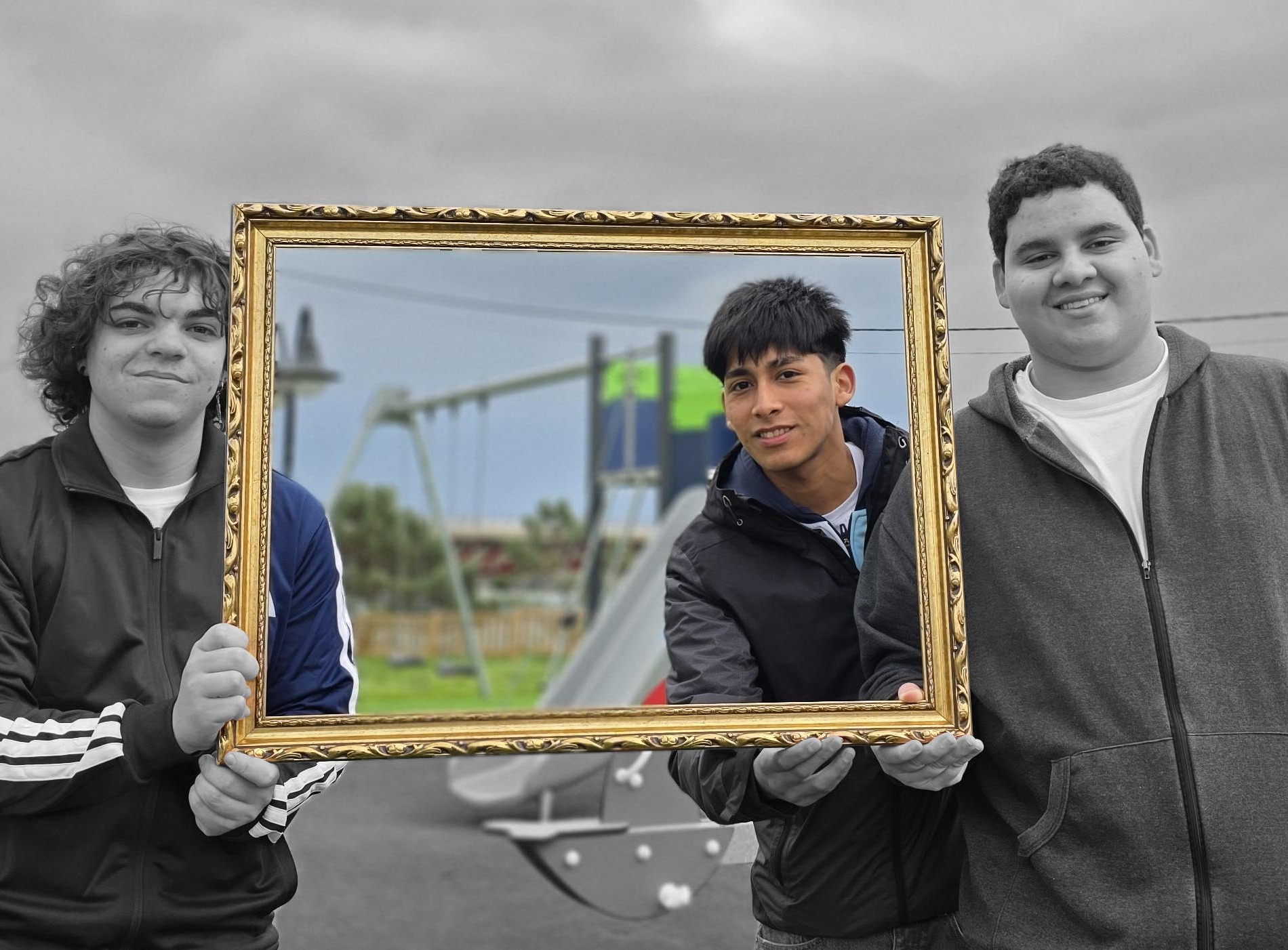
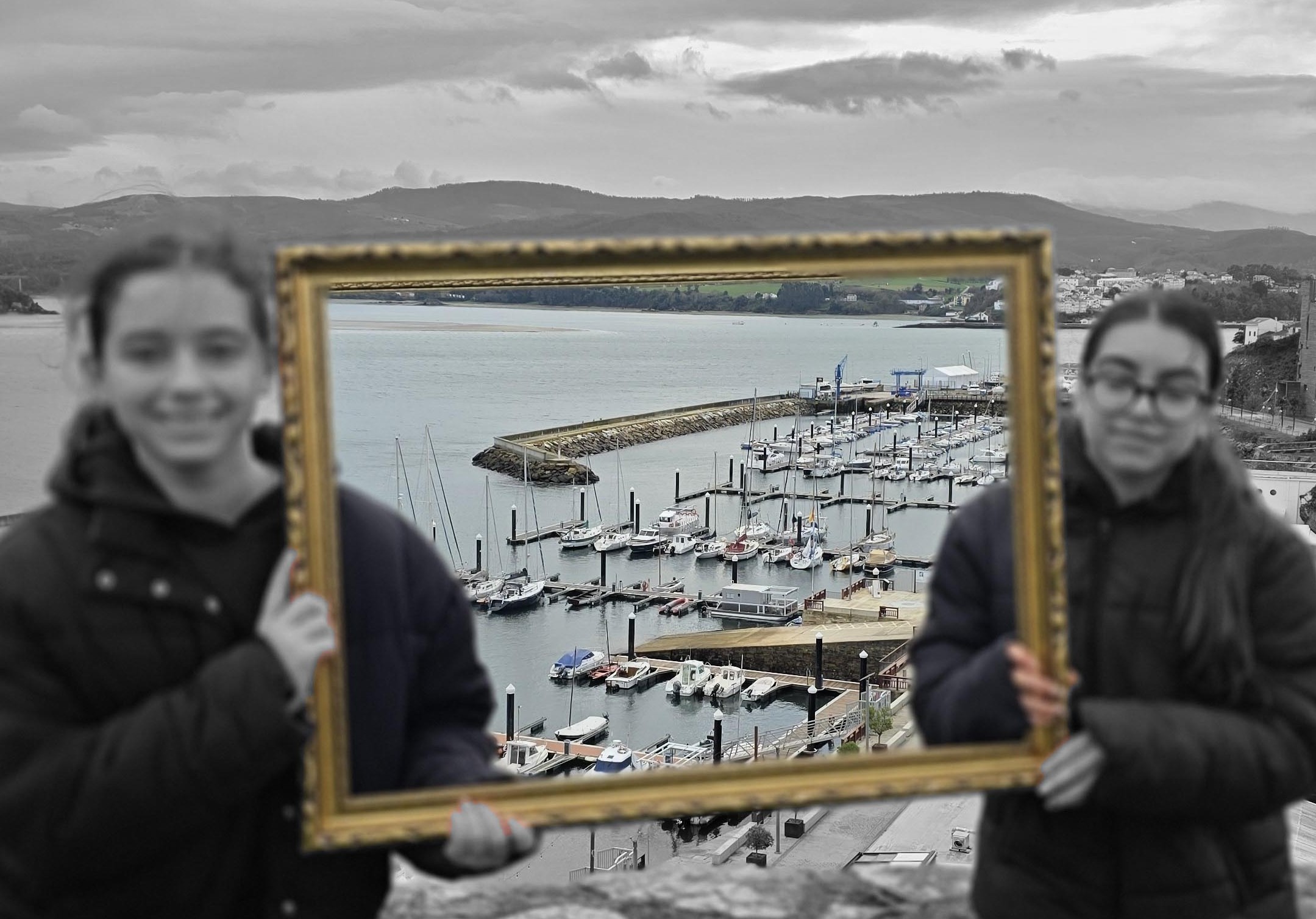
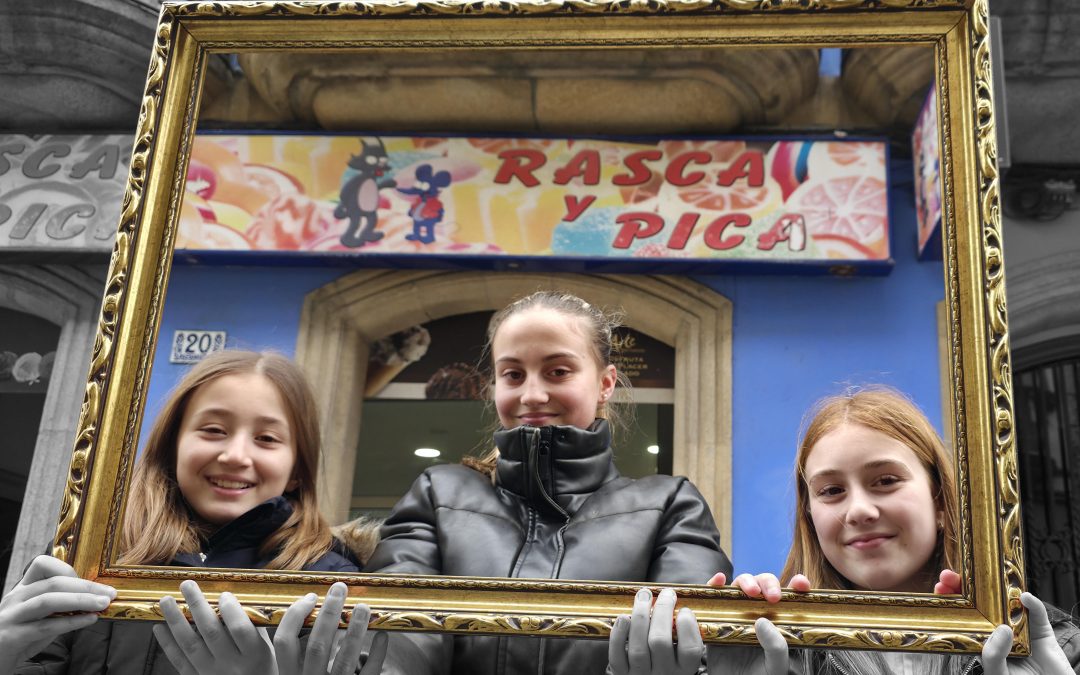
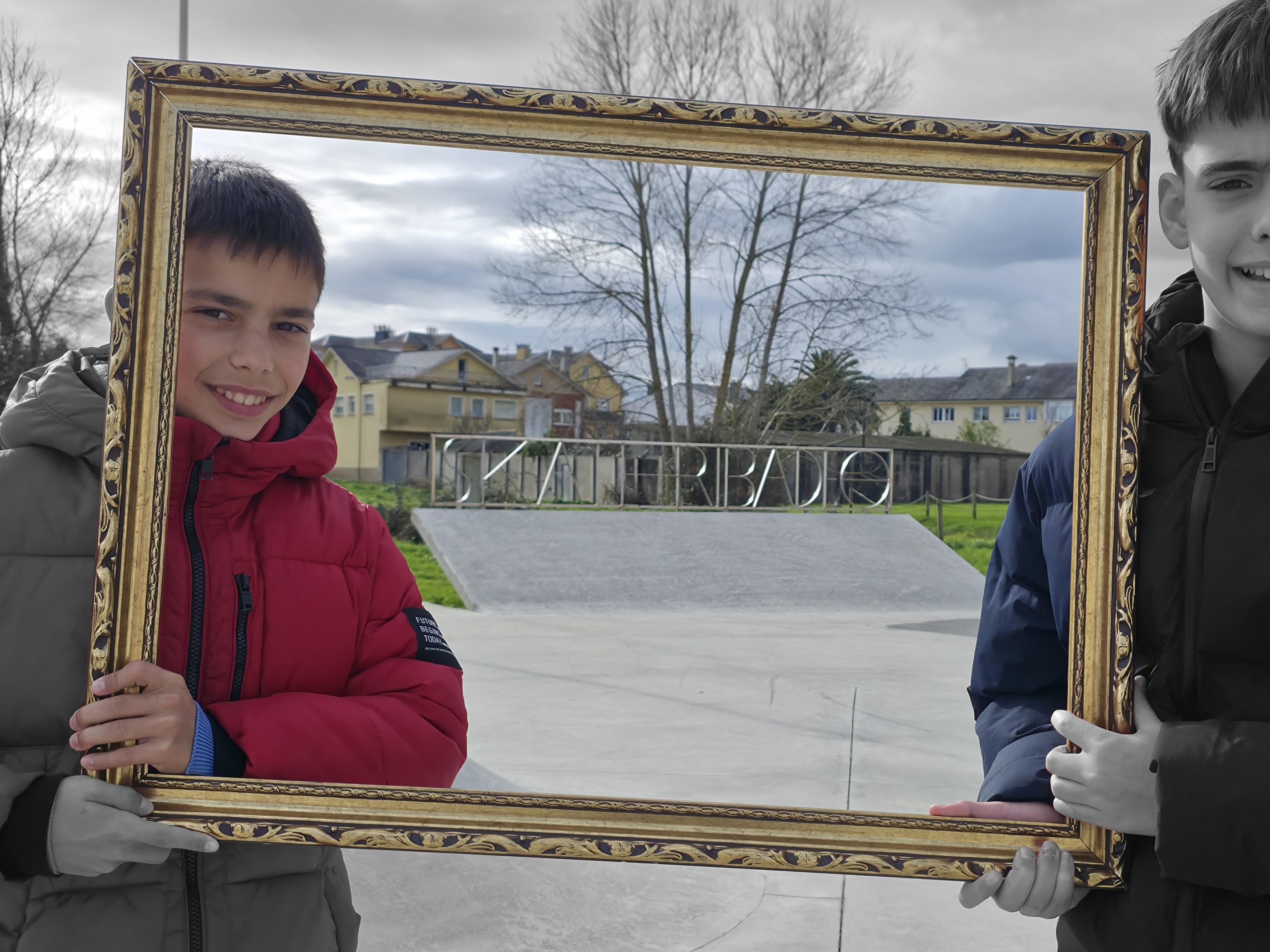
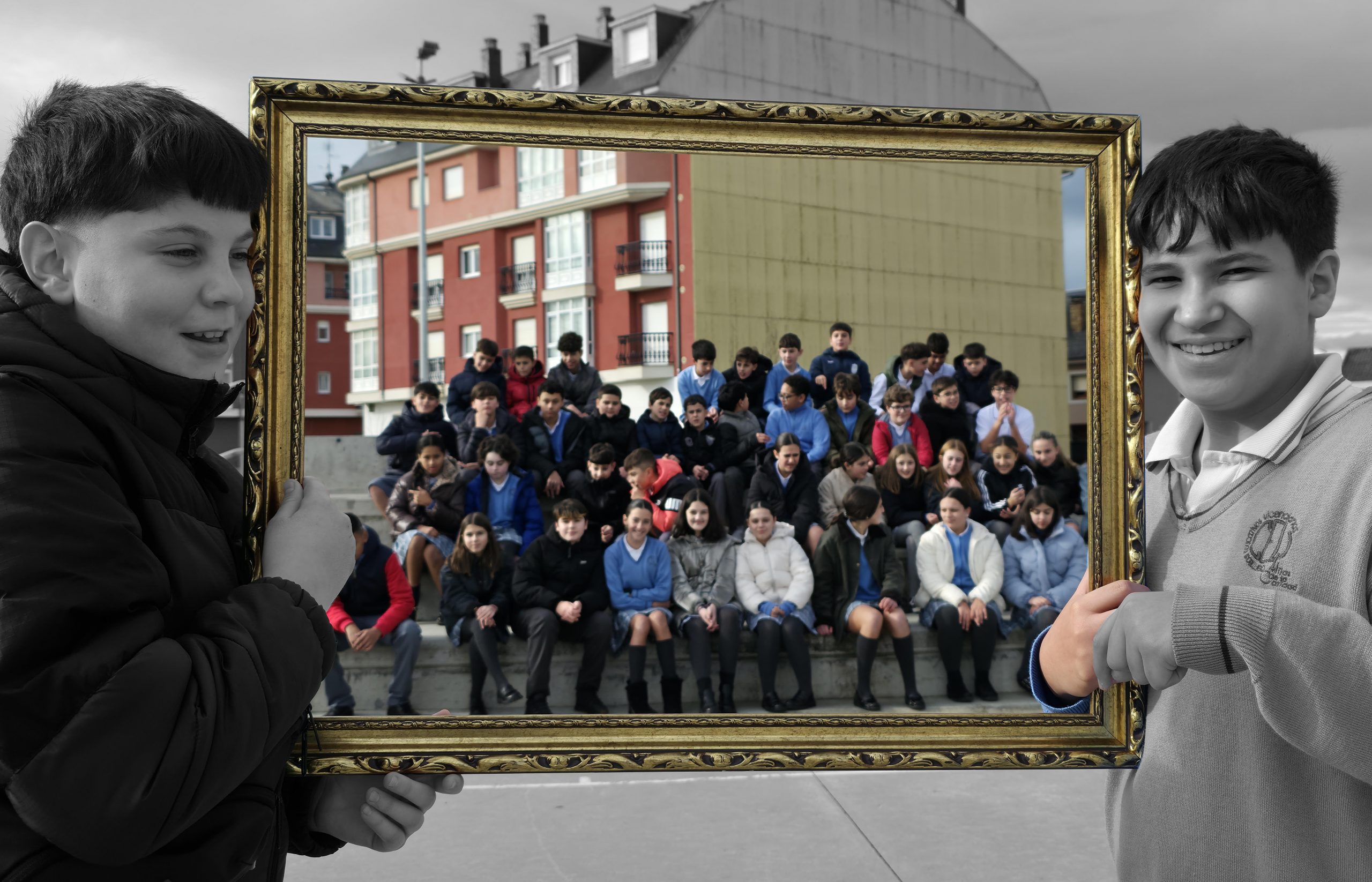
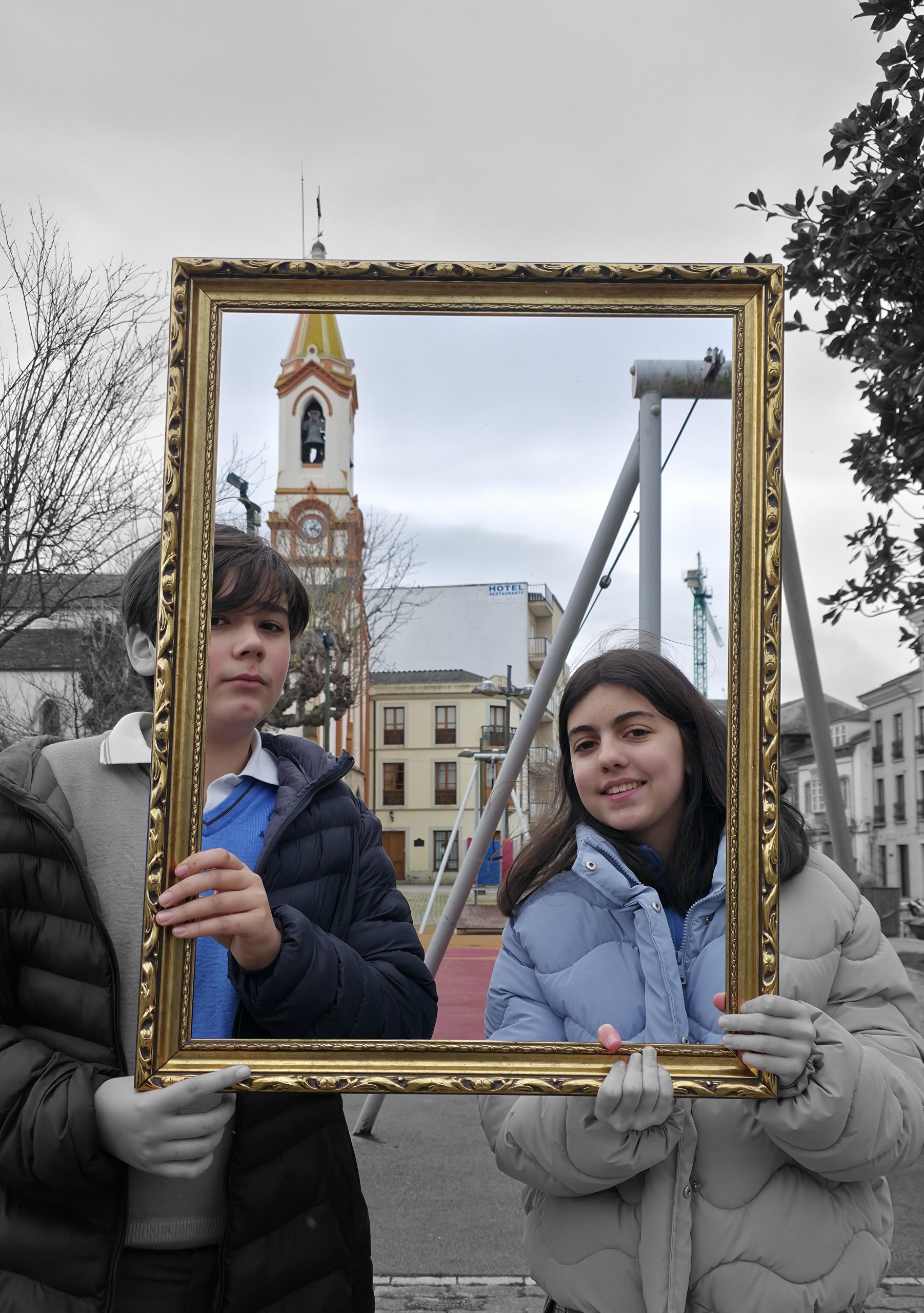
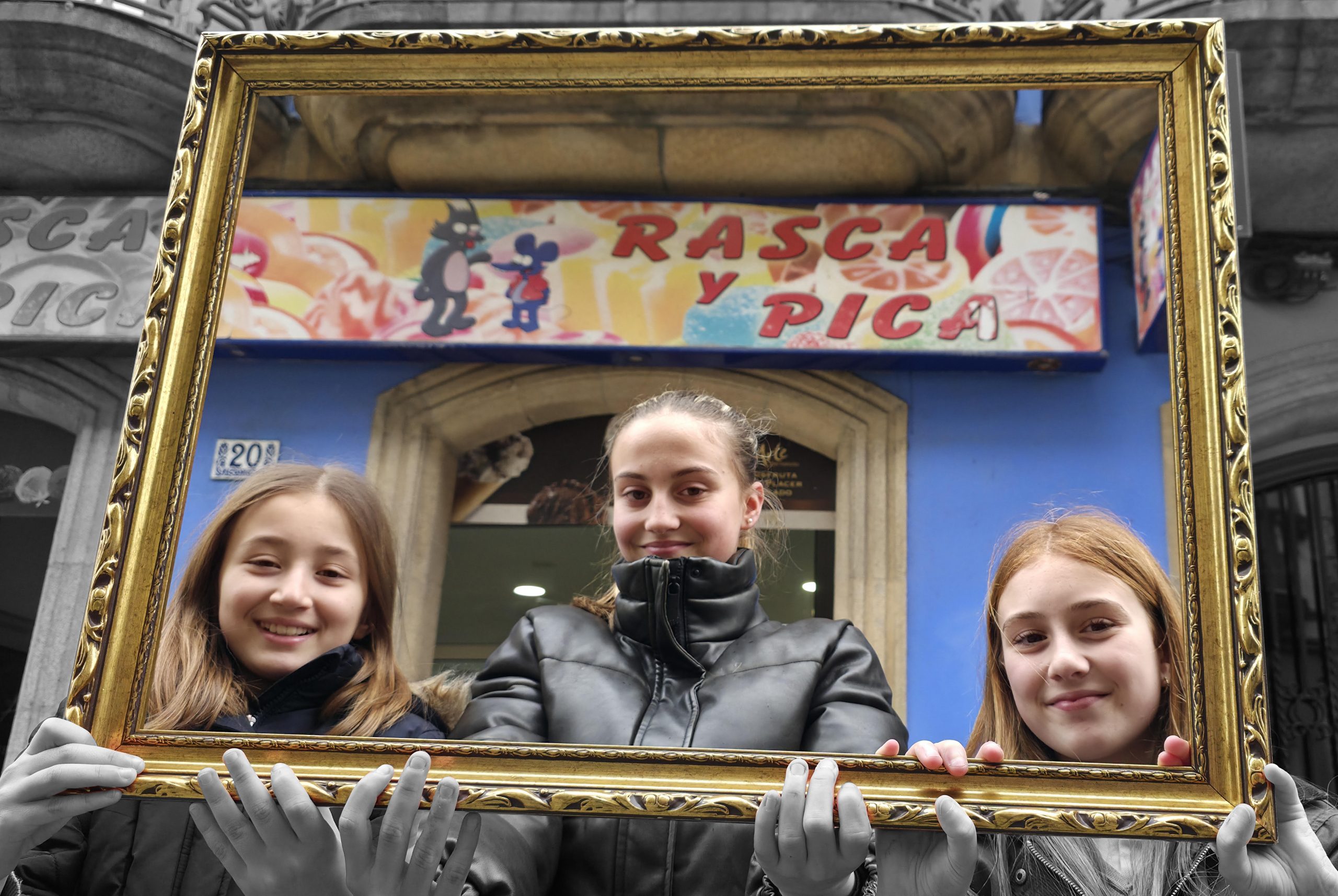
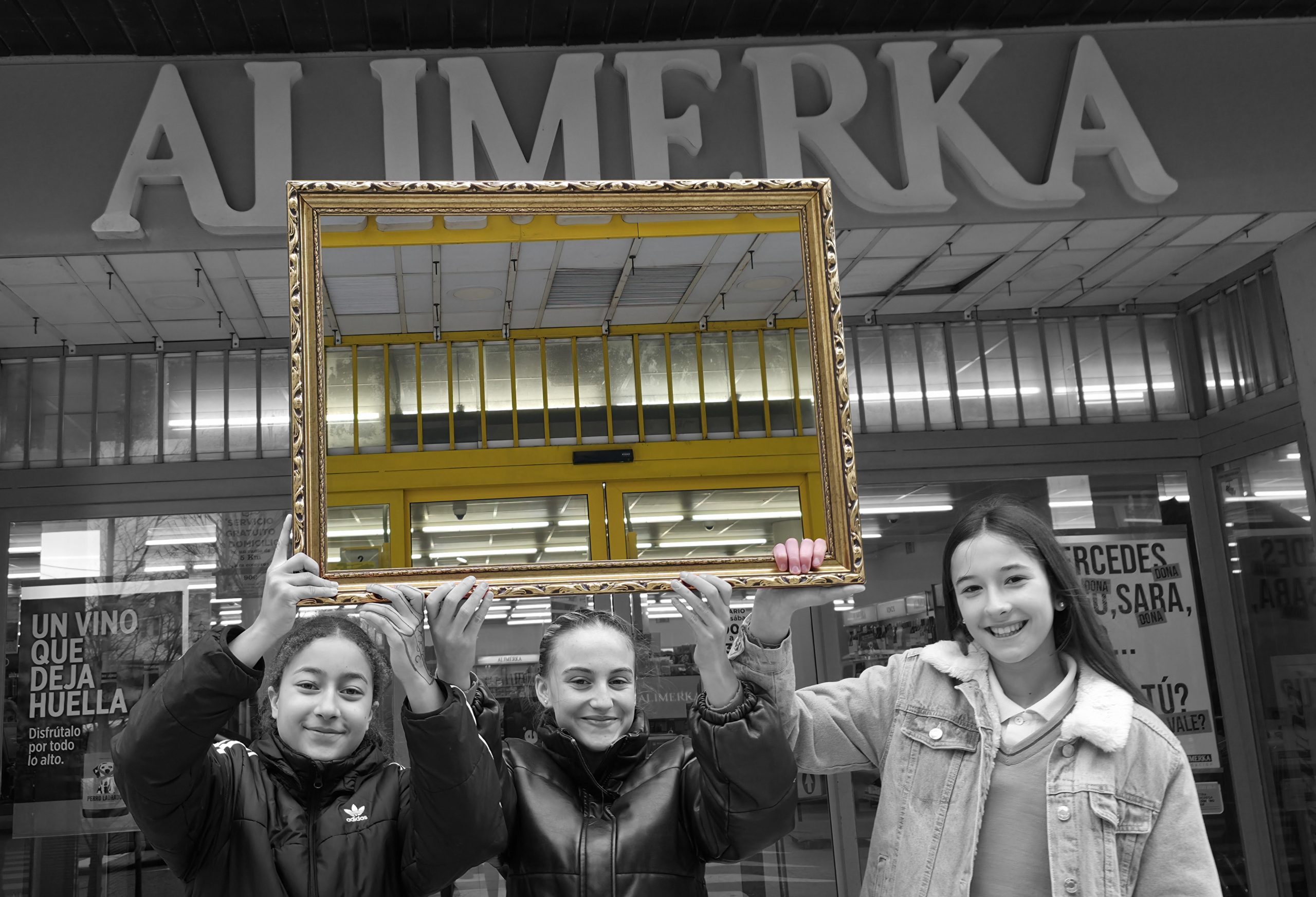
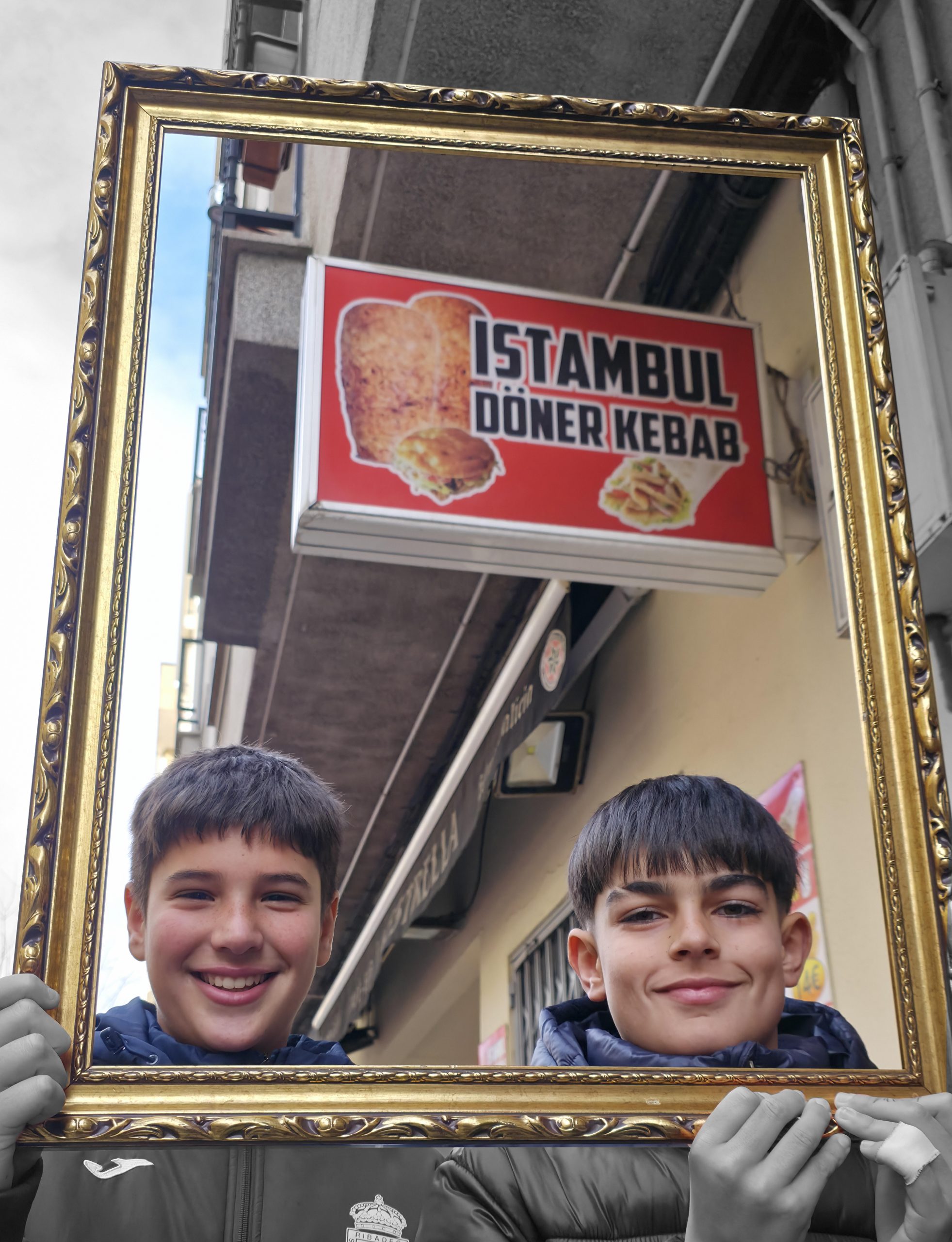
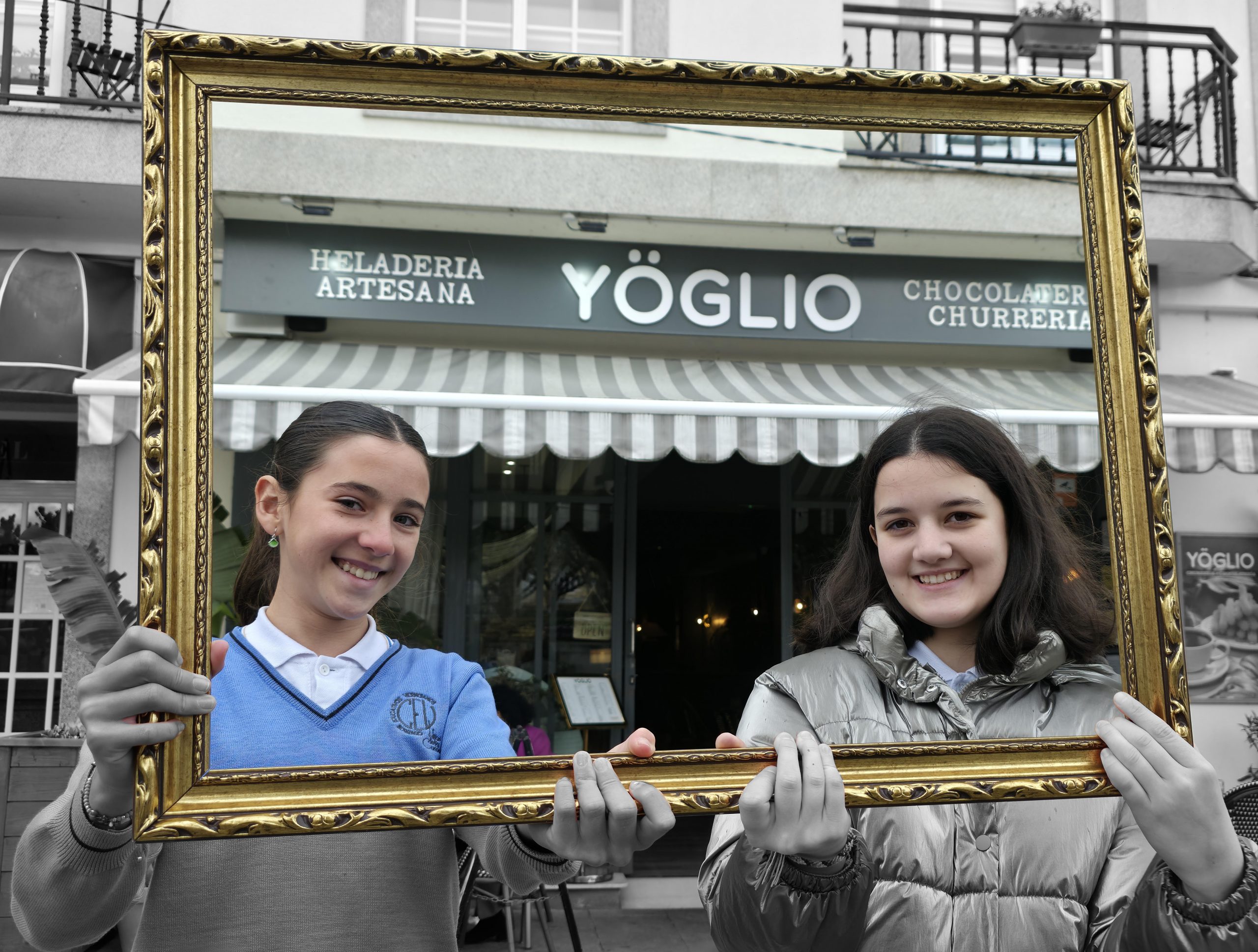
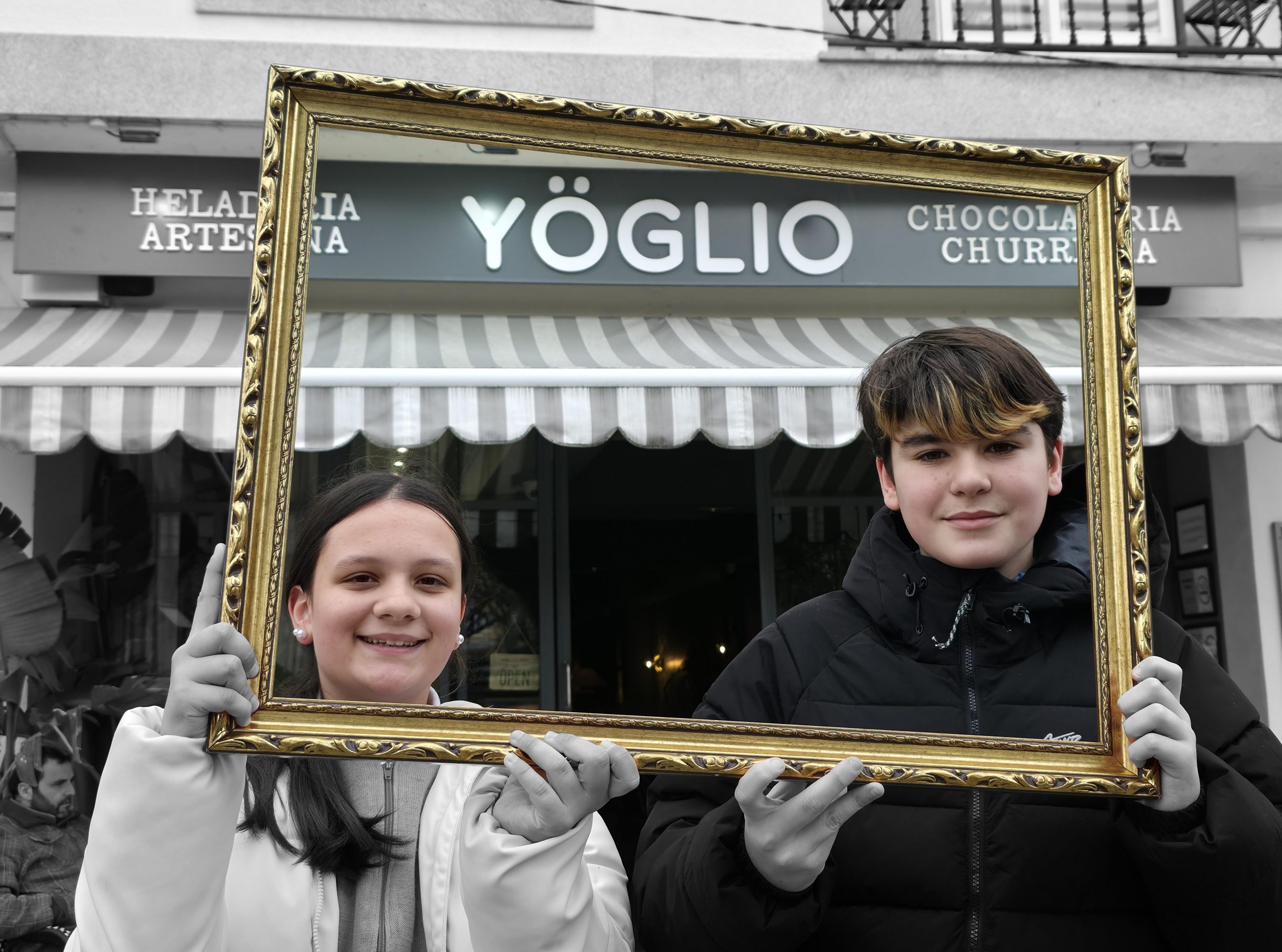
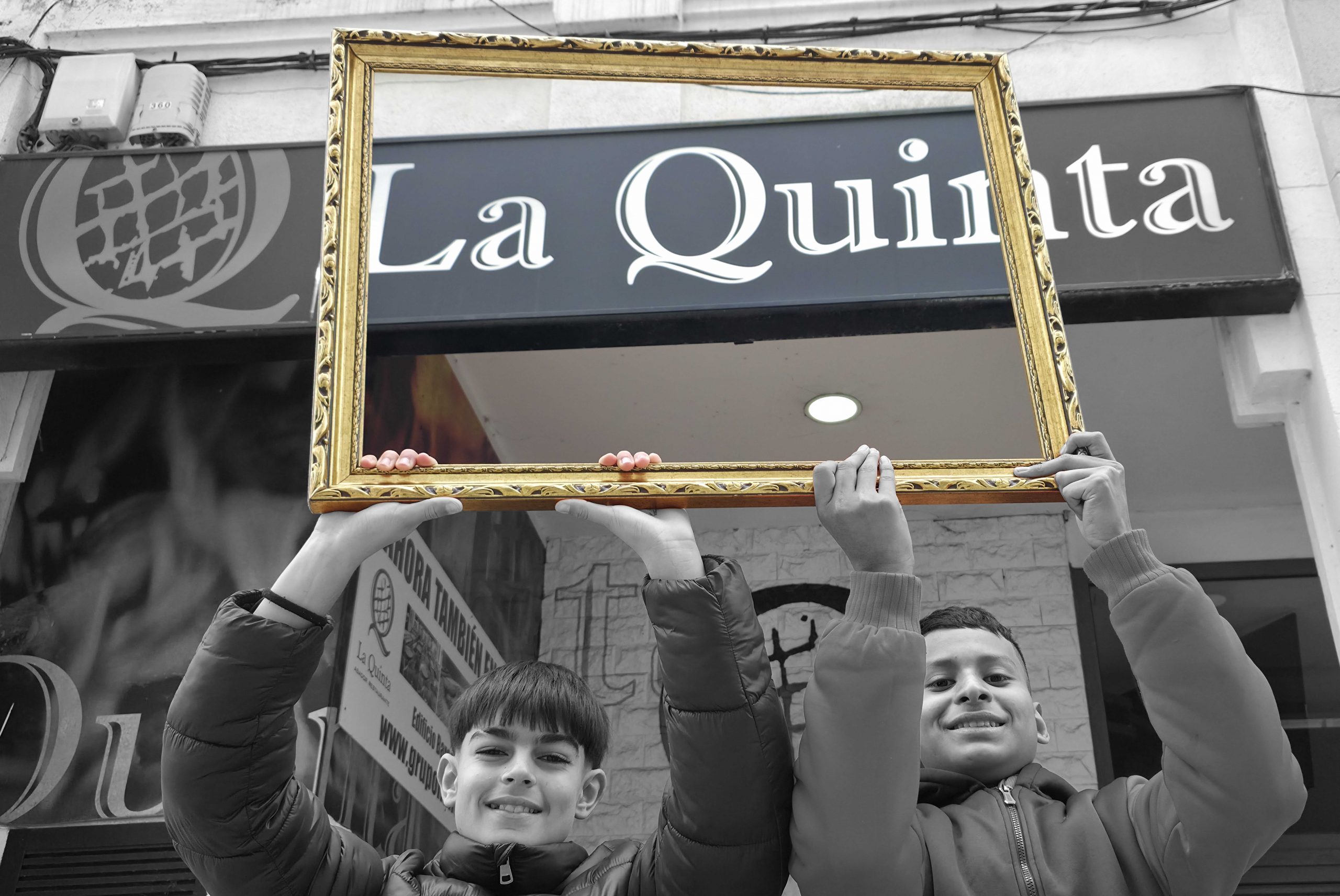
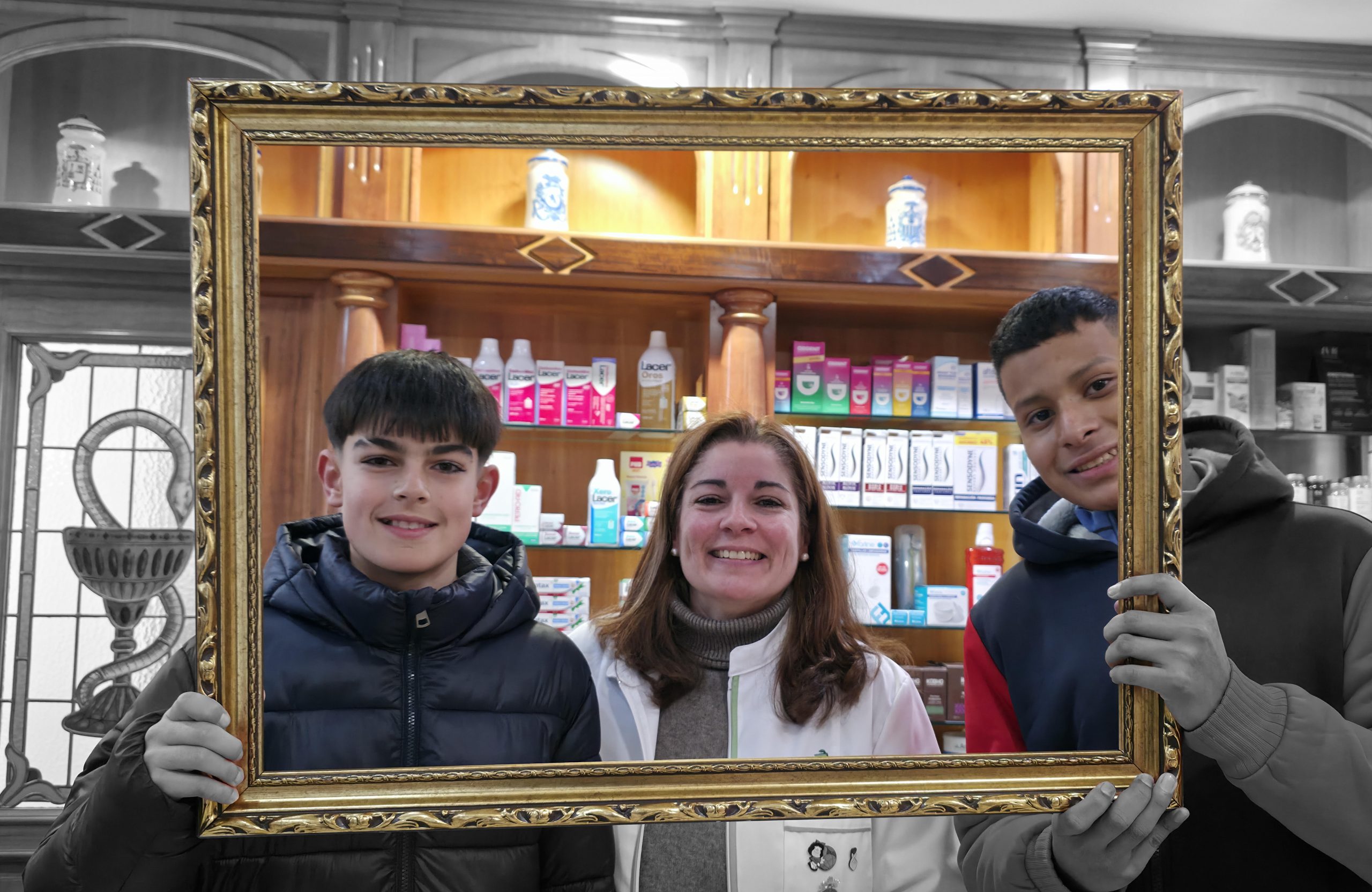
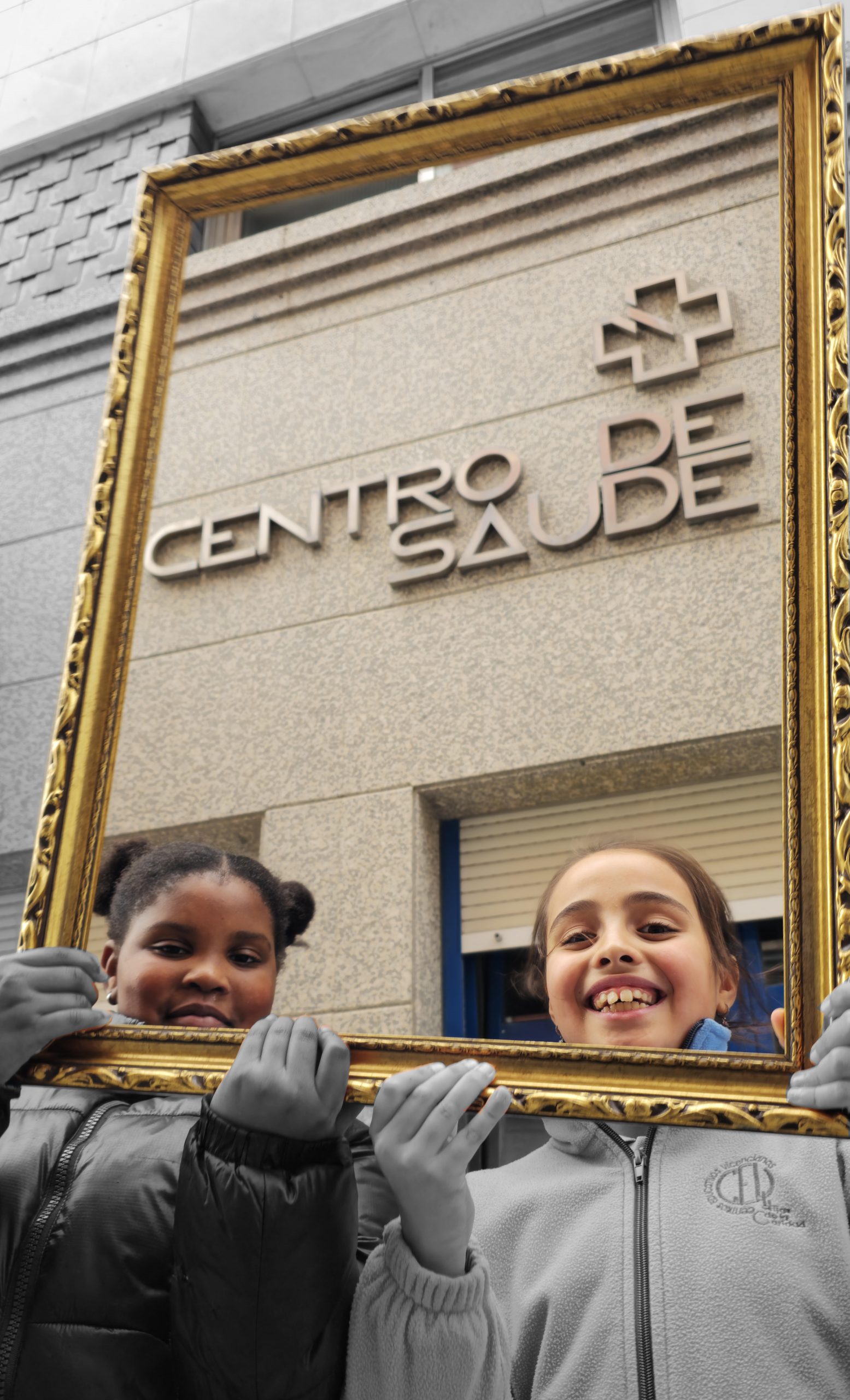
To understand how those who are and will be its inhabitants perceive their town, we will use the following strategy: we go out on a “drift” with a large golden frame, so that during our wandering they can frame those urban elements that are important to them (an experience based on the work of O’Grady). Who were the protagonists of this experience of “A Vila do Mañá”? On this occasion, during their wandering, places in their town—perhaps forgotten—were reDISCOVERED by them.

With “A Vila do Mañá”, the town in which they live is no longer an abstract idea, nor a series of small, partial images; it begins to be understood as a much more complex and broader environment, bringing us closer to the notion of habitat: a space that transcends its physical location within a territory in which we meet our needs, establish relationships with other people and with the environment—both natural and built—, involving processes through which it is transformed, but through which we are also transformed.

Colour your village

The village or city in which we are working, transformed into a game board, a laboratory of experimentation where children and teenagers can act from a new point of view.

3º Primaria

3º Primaria

Ribadeo

Changing the village through protagonist participation


reCOGNOZING Ribadeo


The new generations, the inhabitants of tomorrow, are almost completely unfamiliar with their town or city. They live in a “little box,” move around in another, smaller “box,” and arrive at a larger “box” (whether it is called a school, shopping mall, sports center, … or playground). This is their relationship with their surroundings.

Sandra González Álvarez
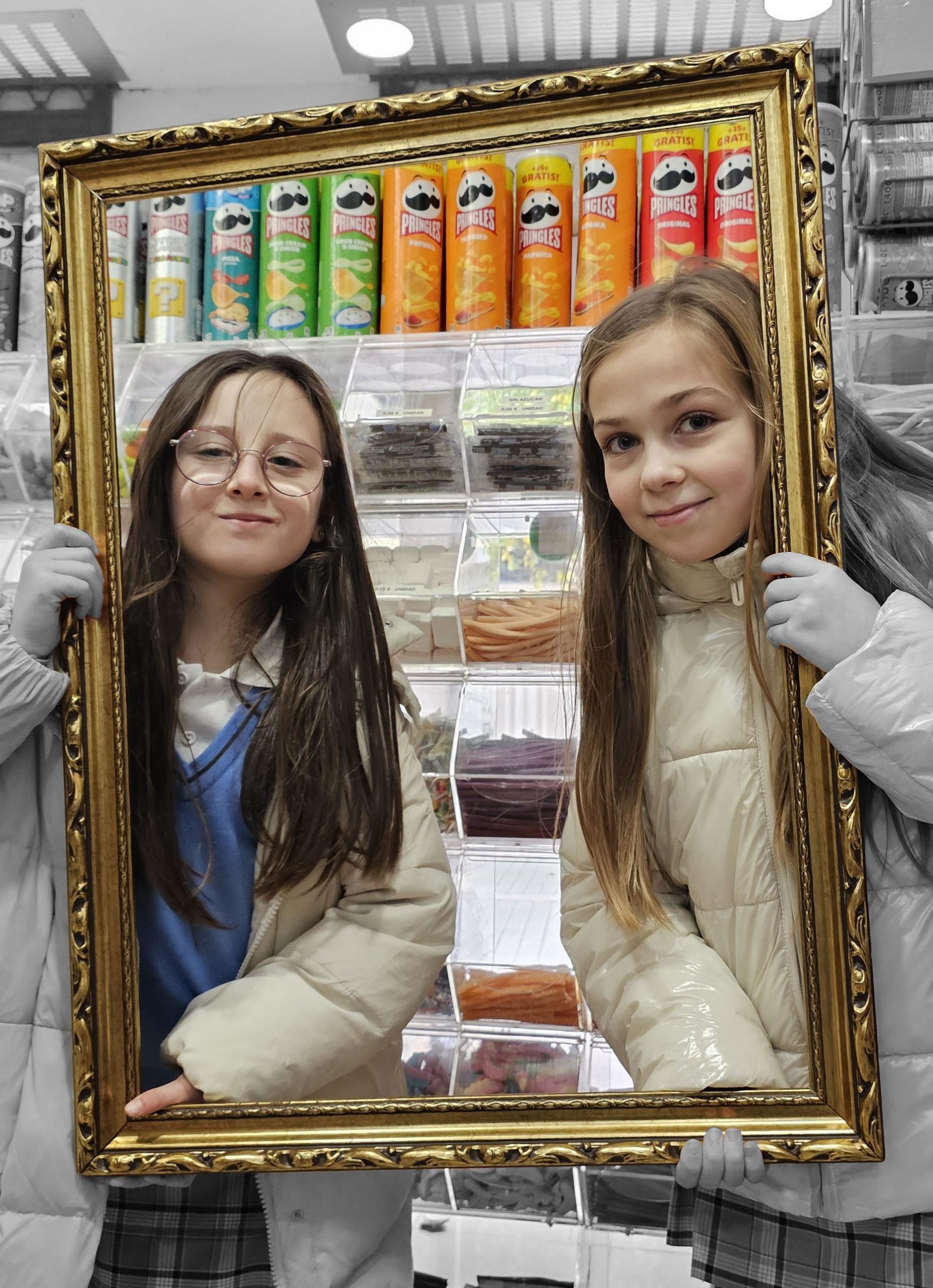


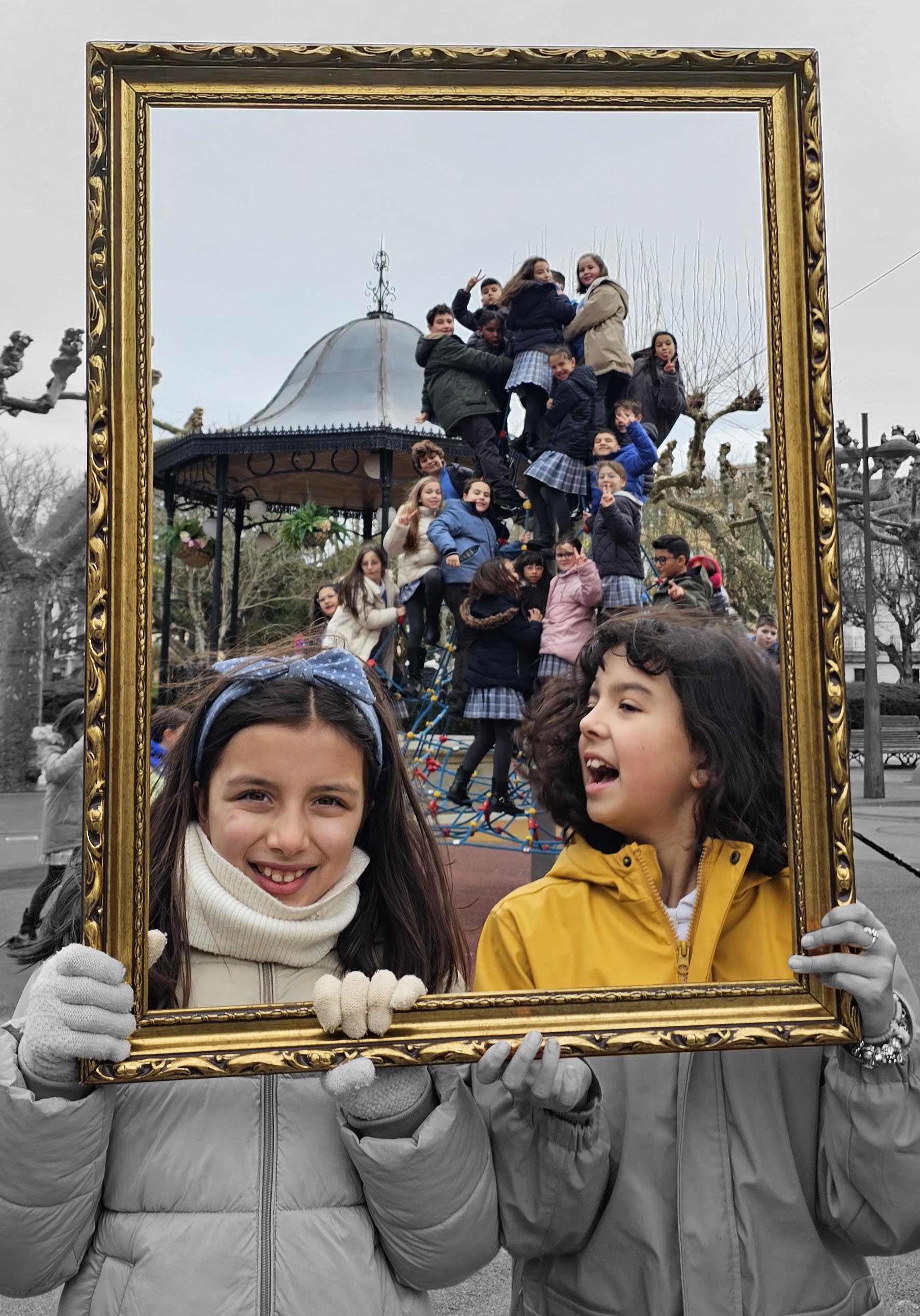
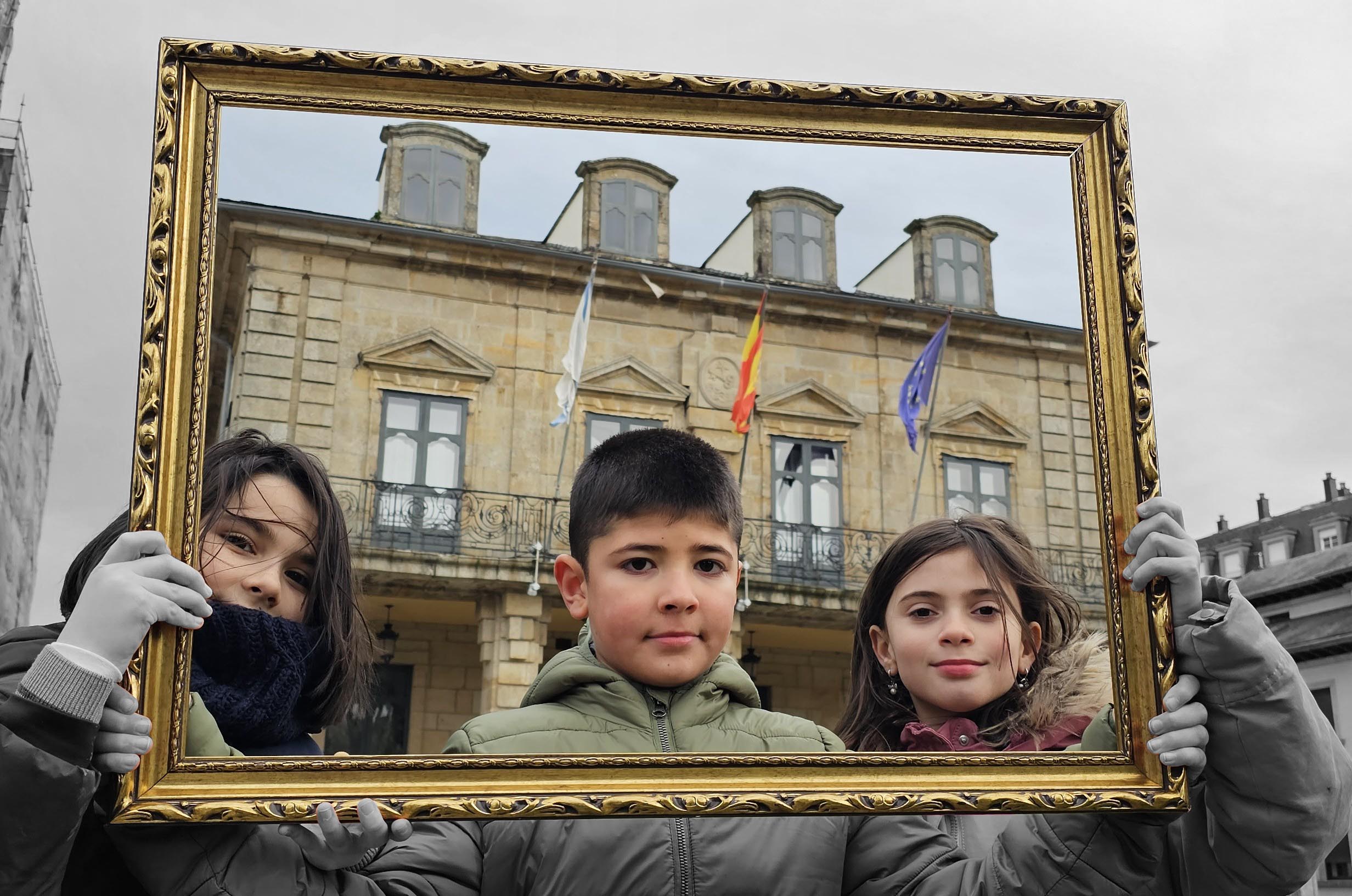
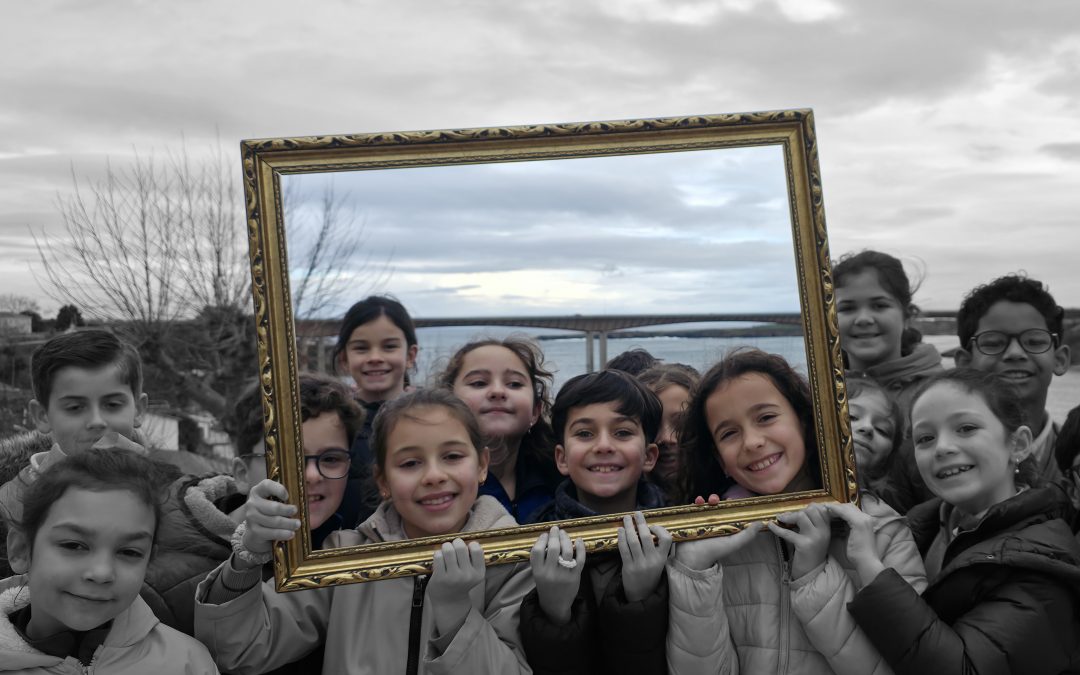
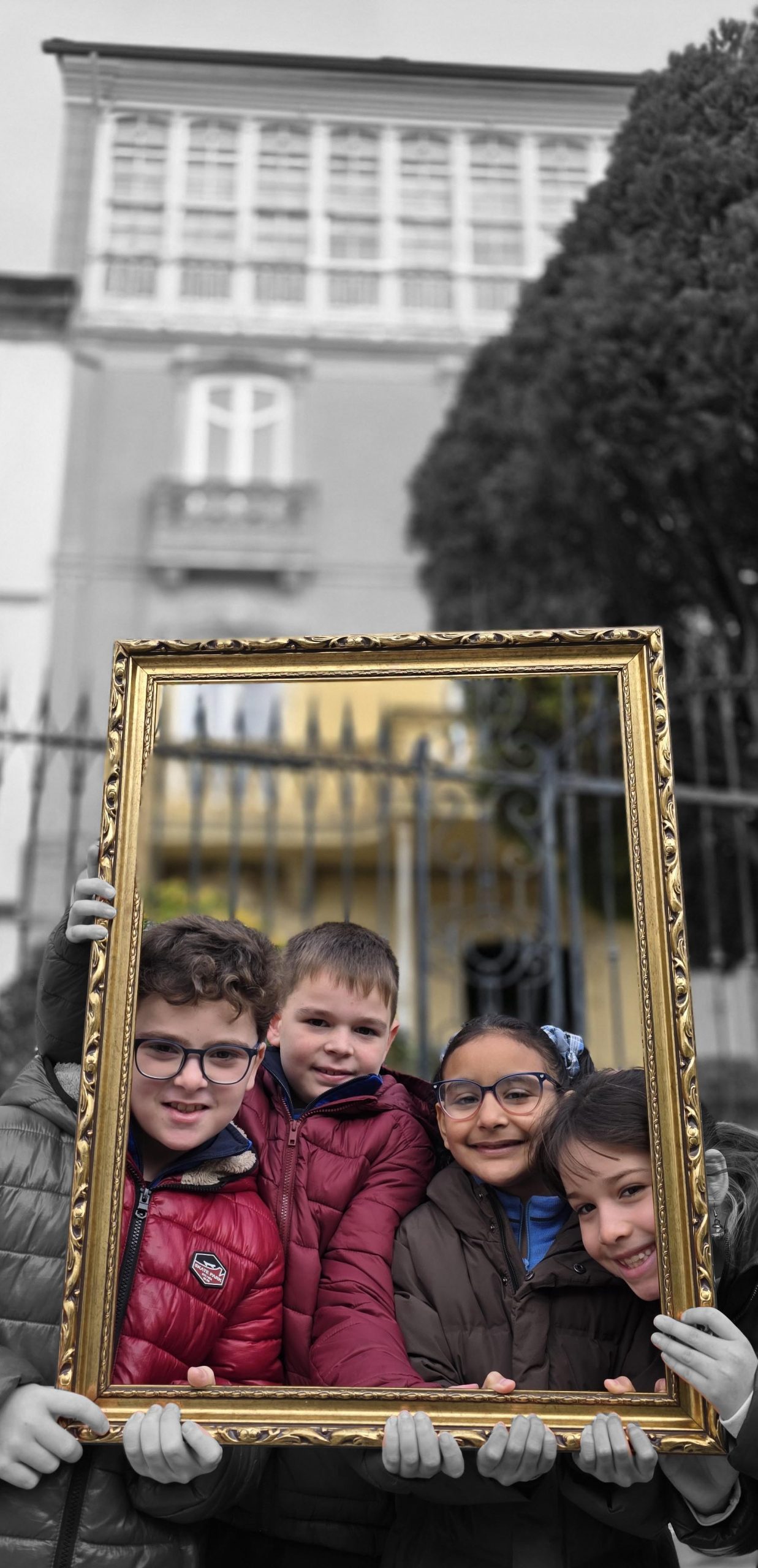
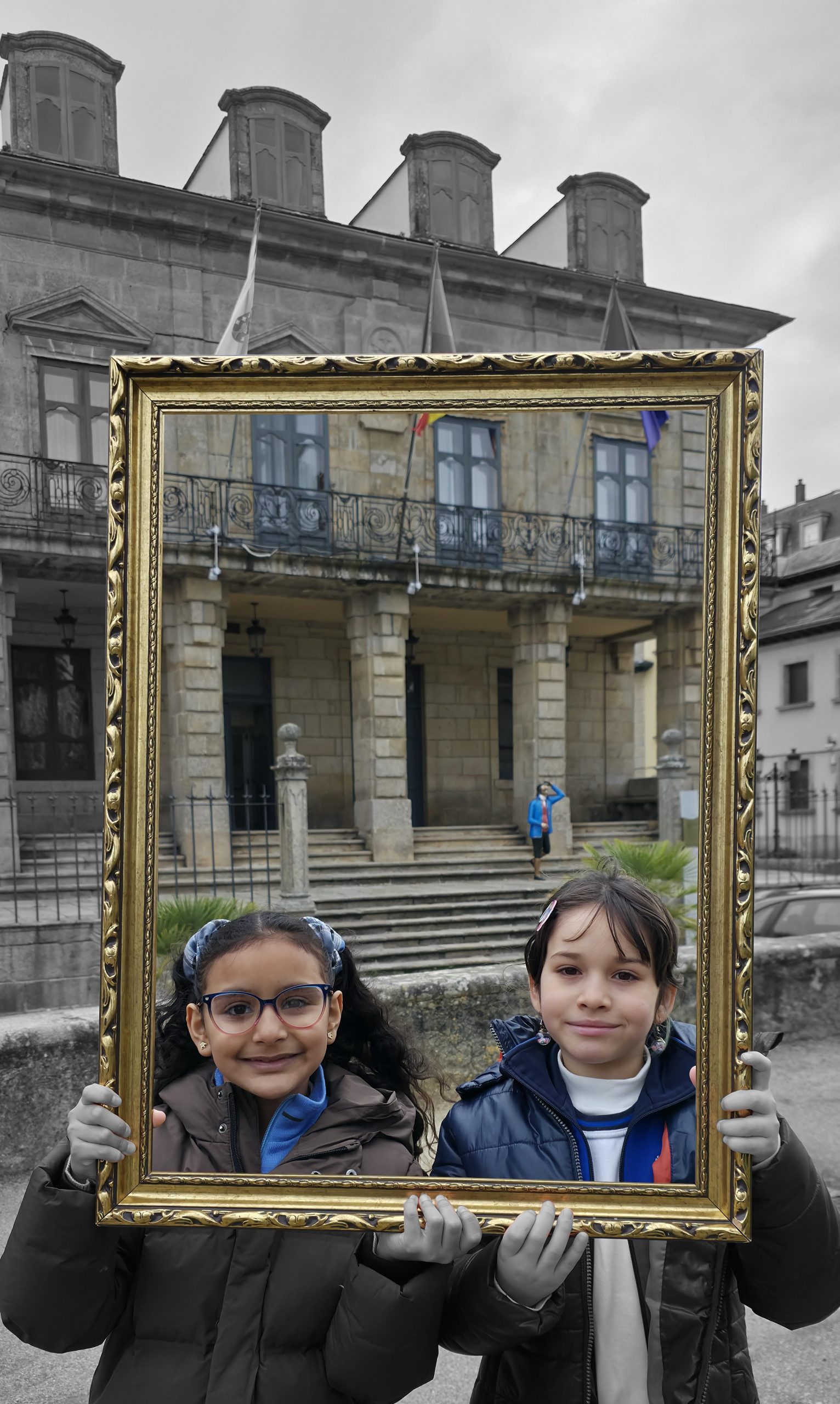
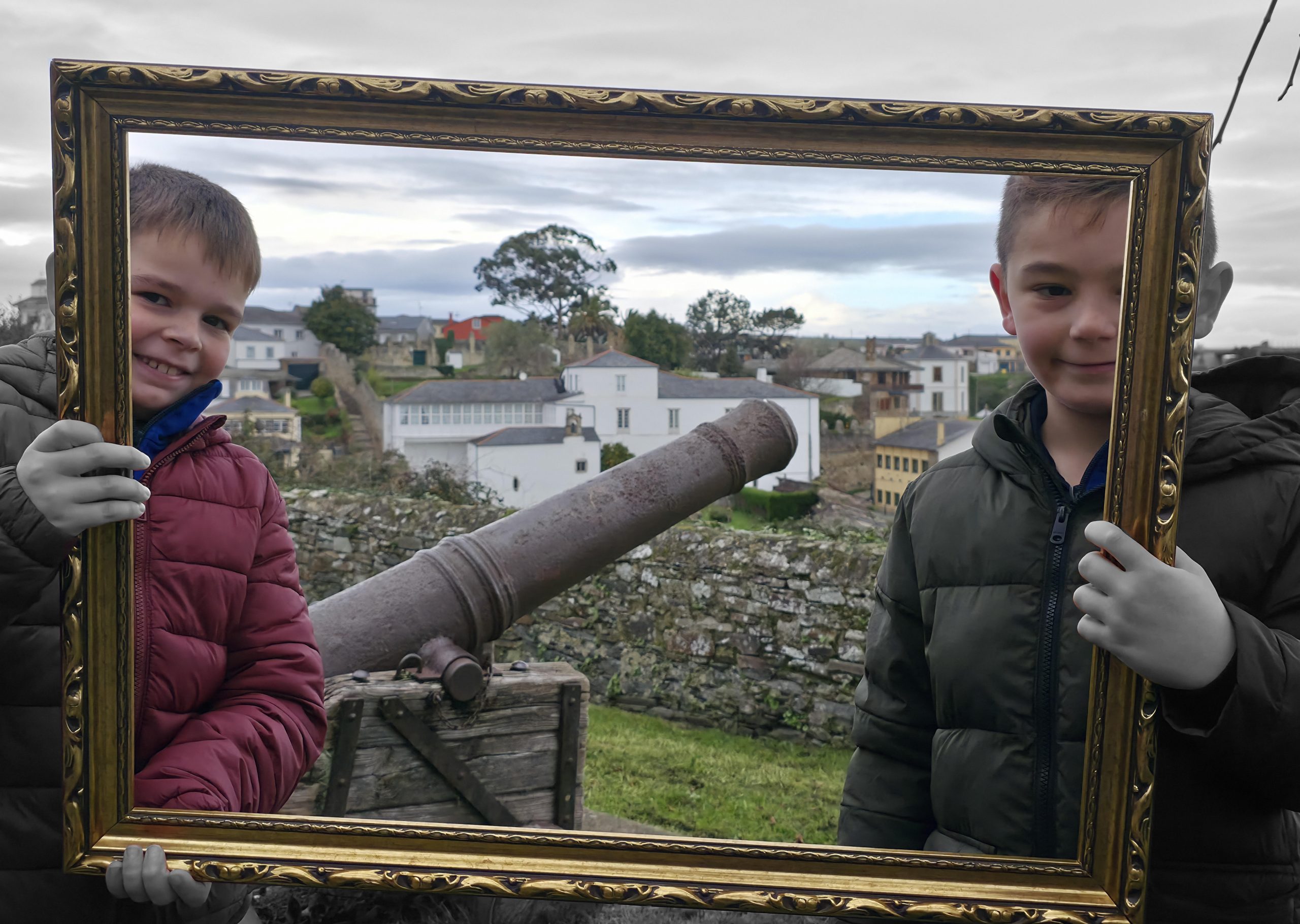
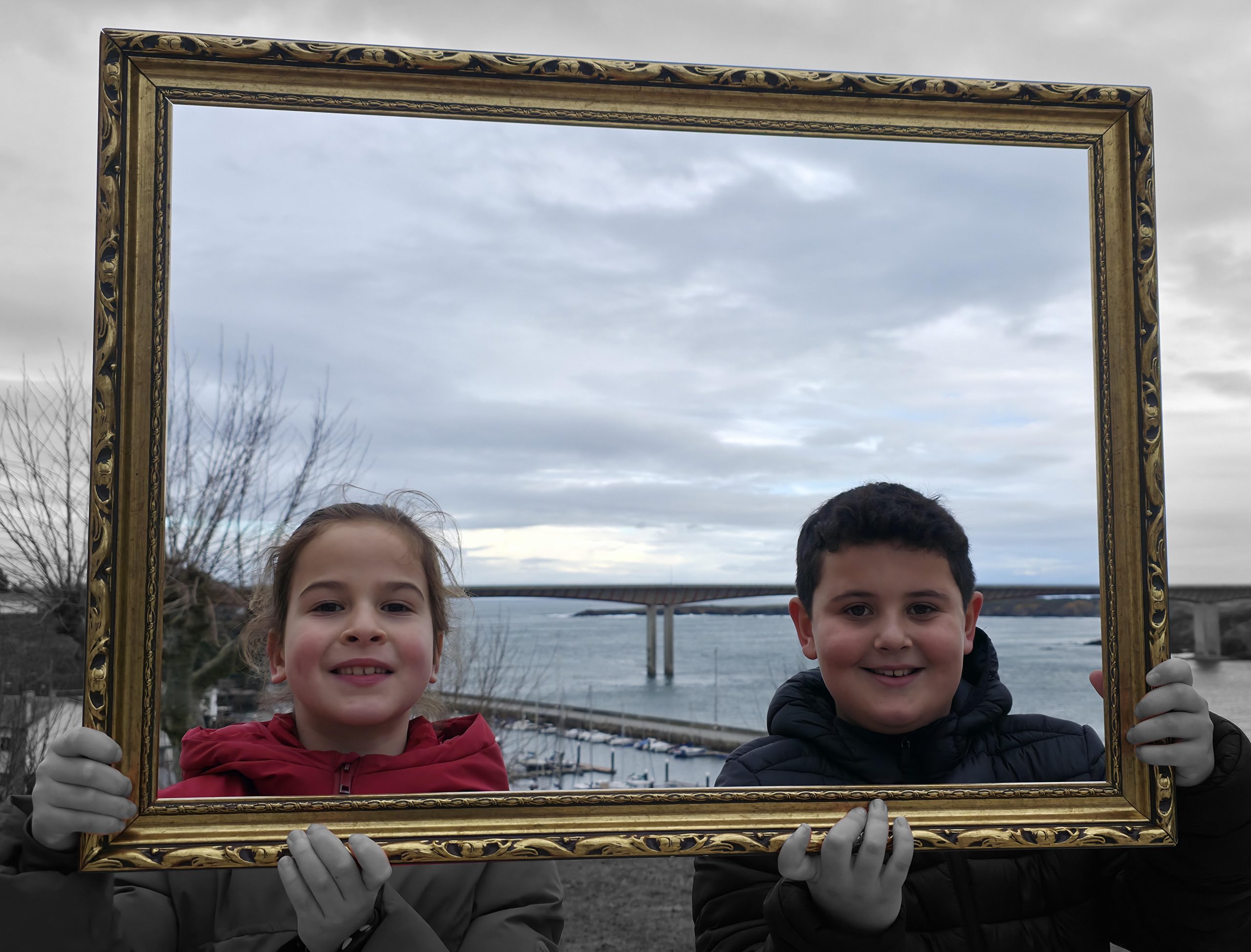
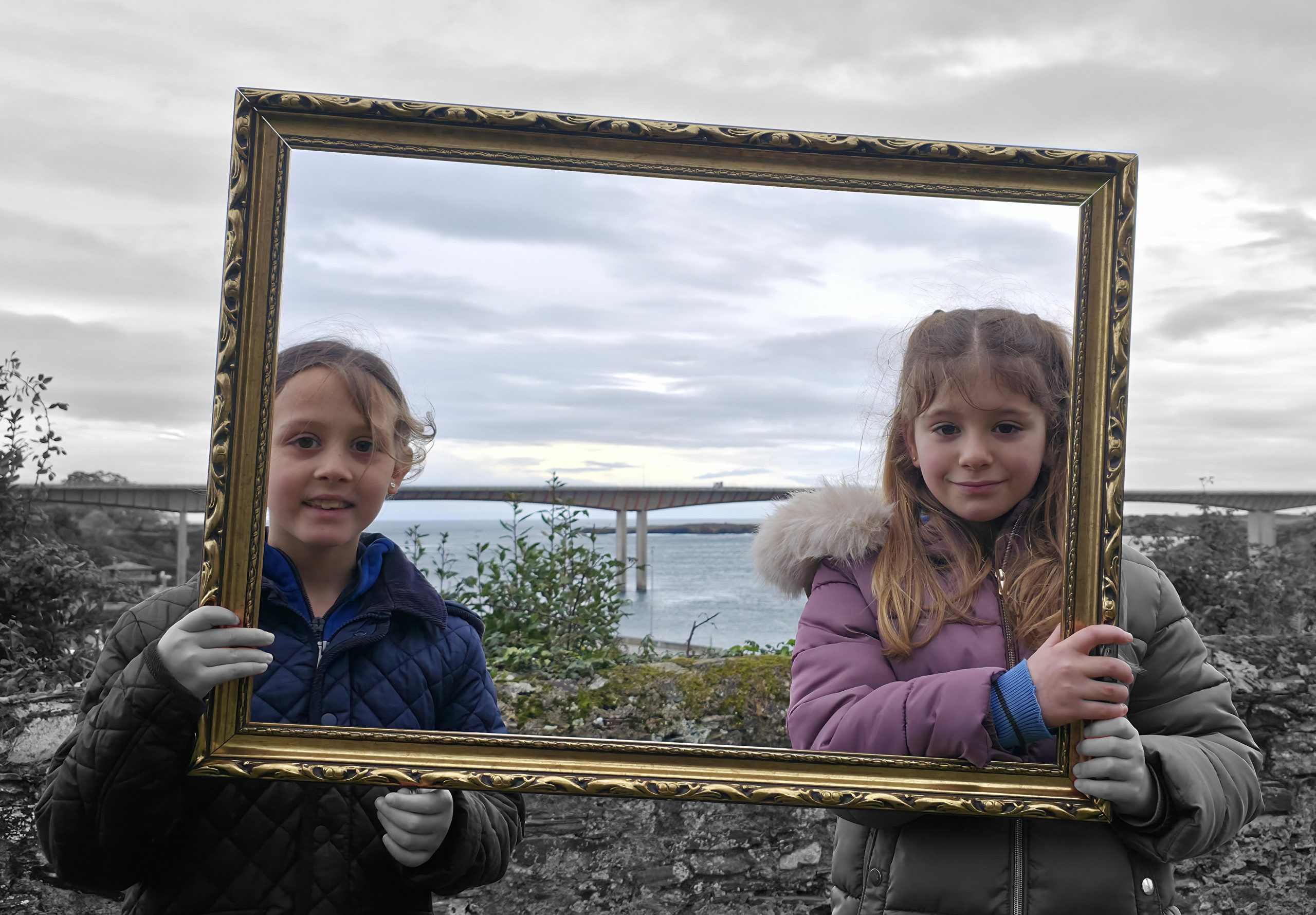
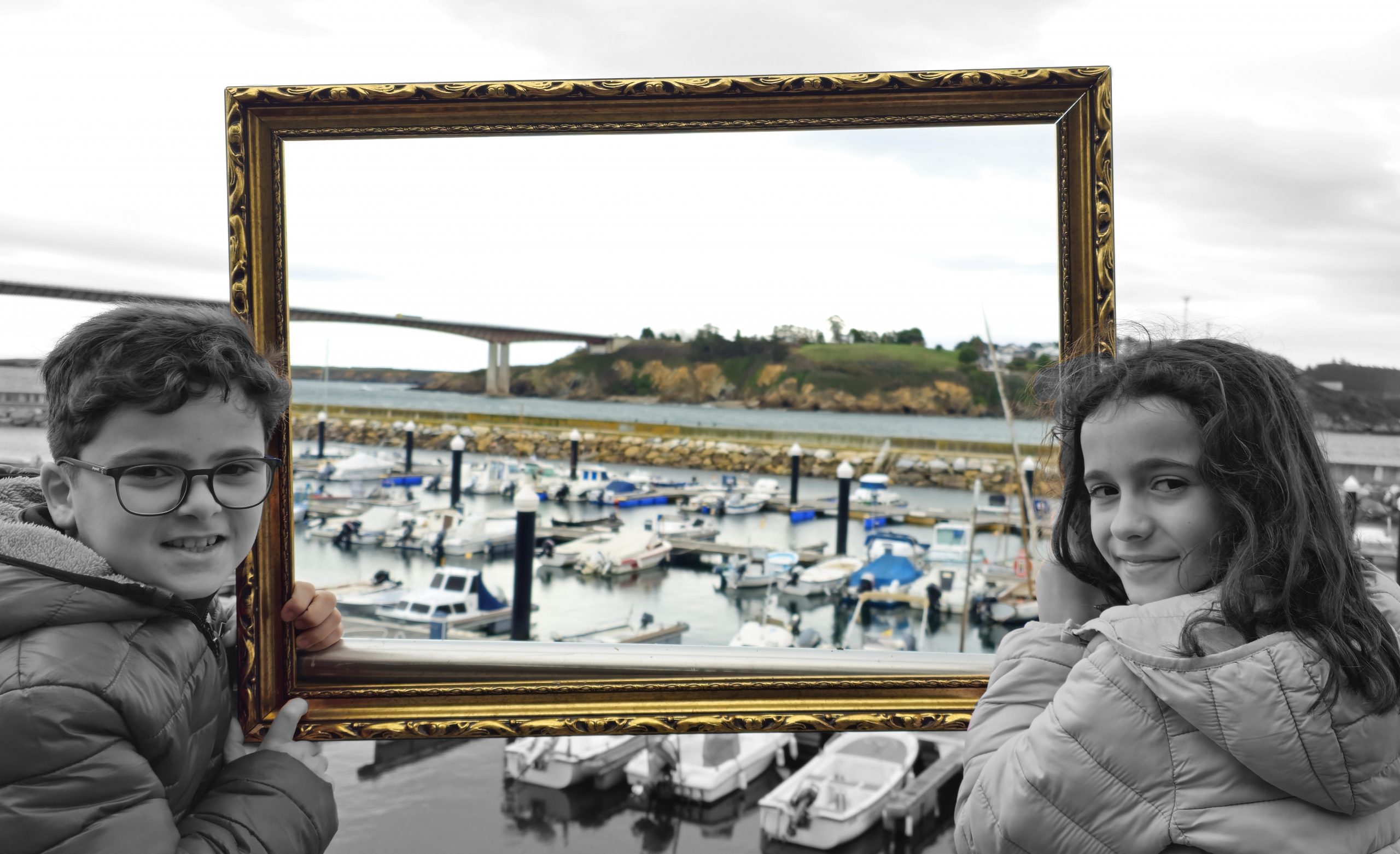
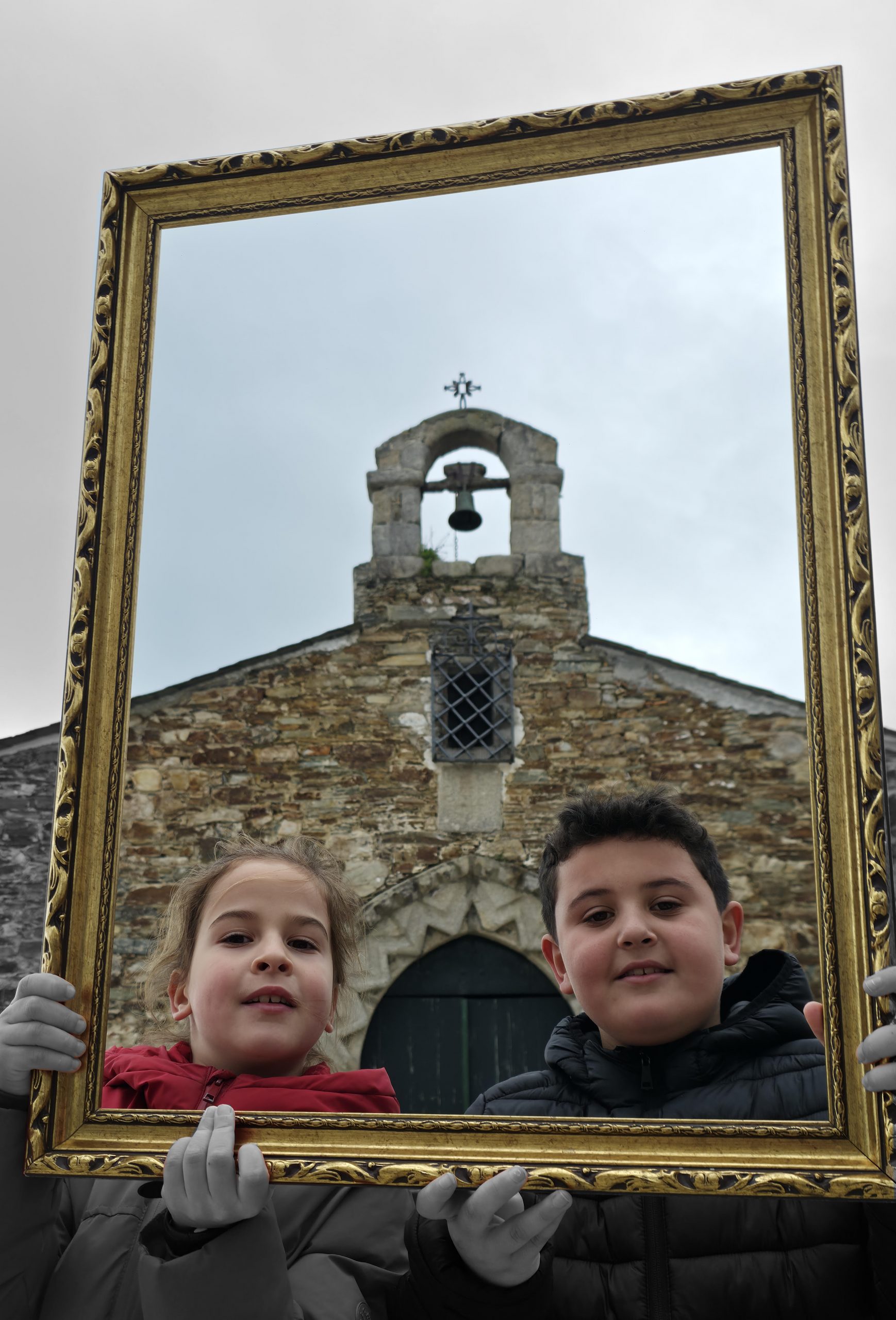
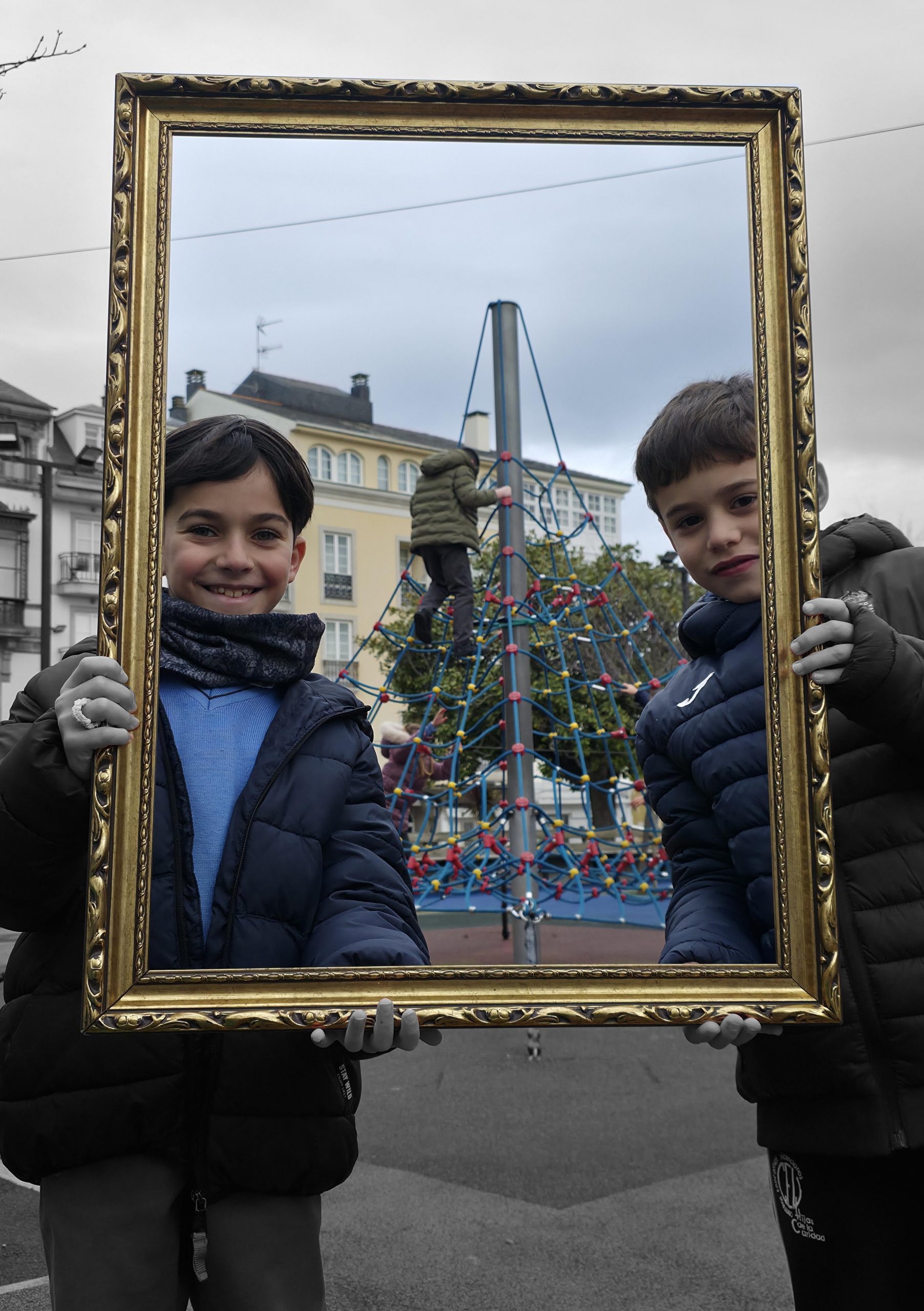
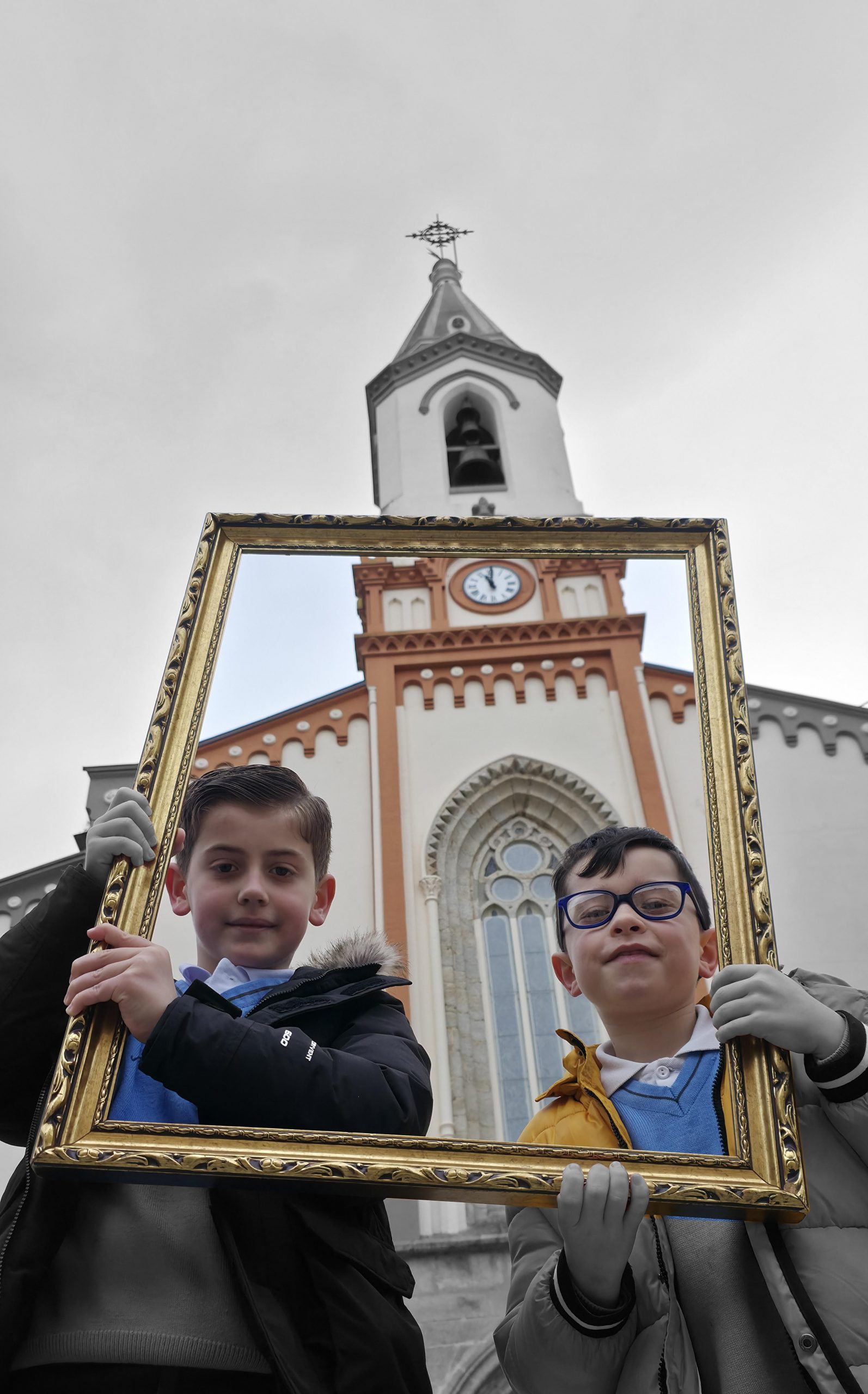
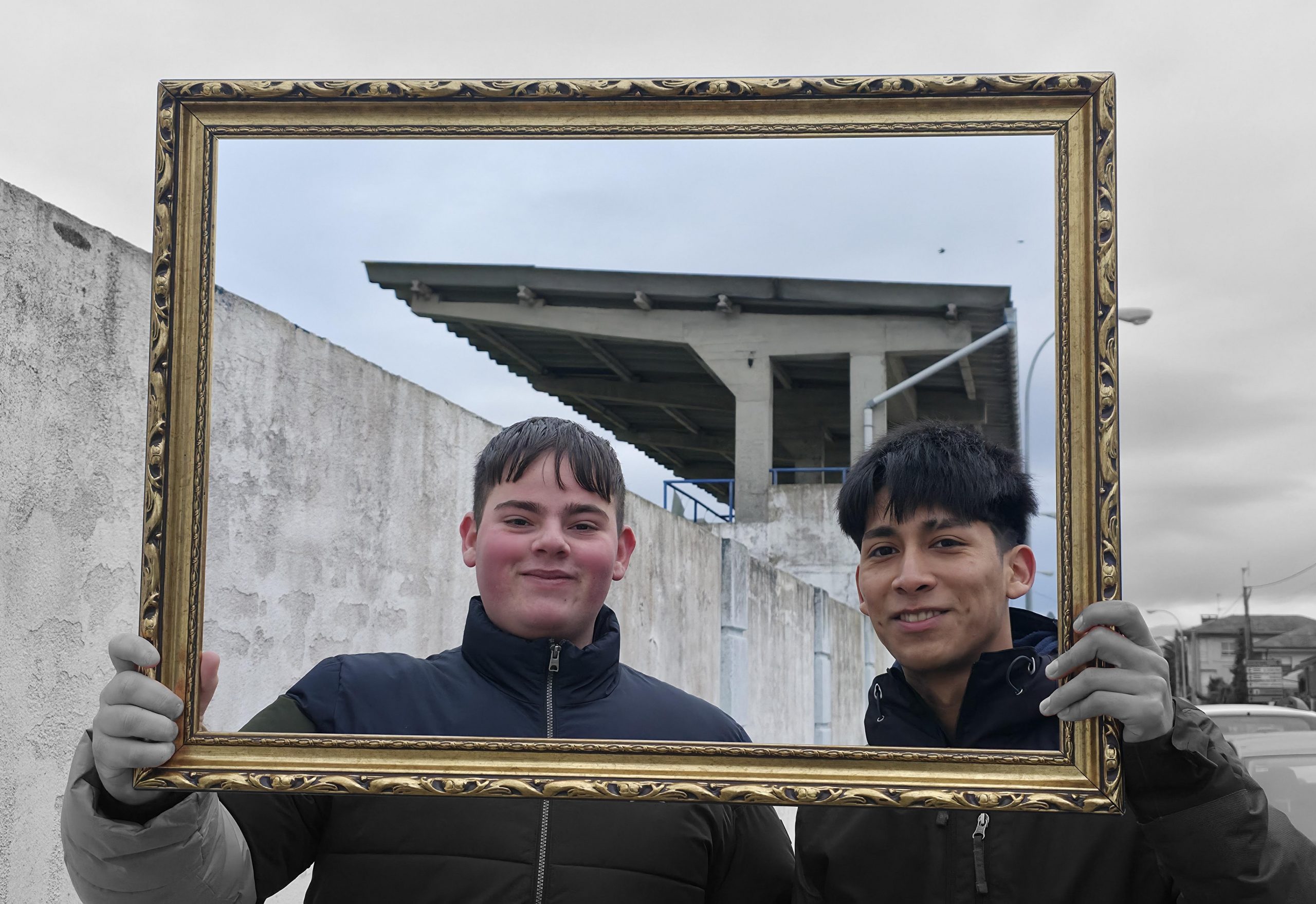
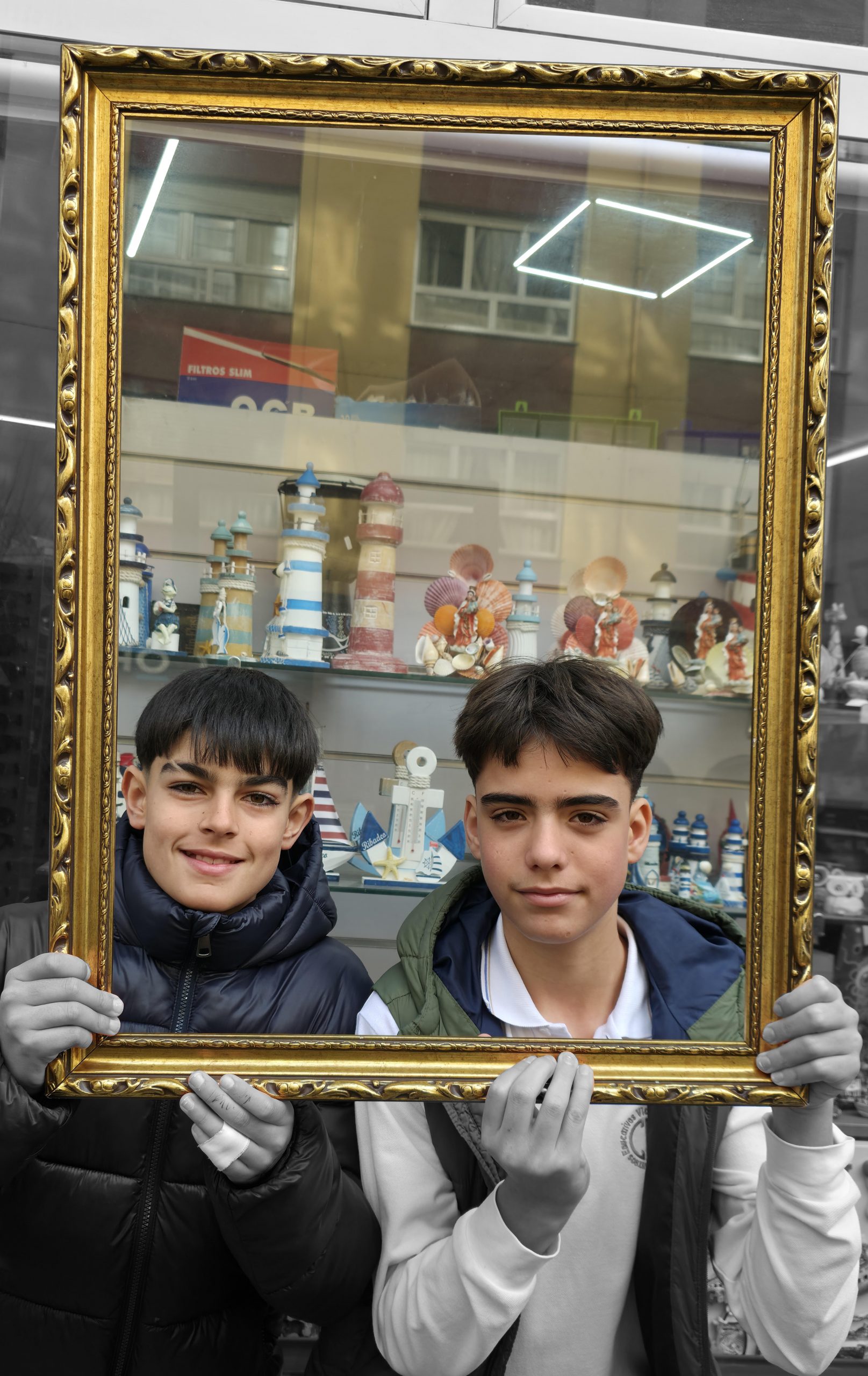
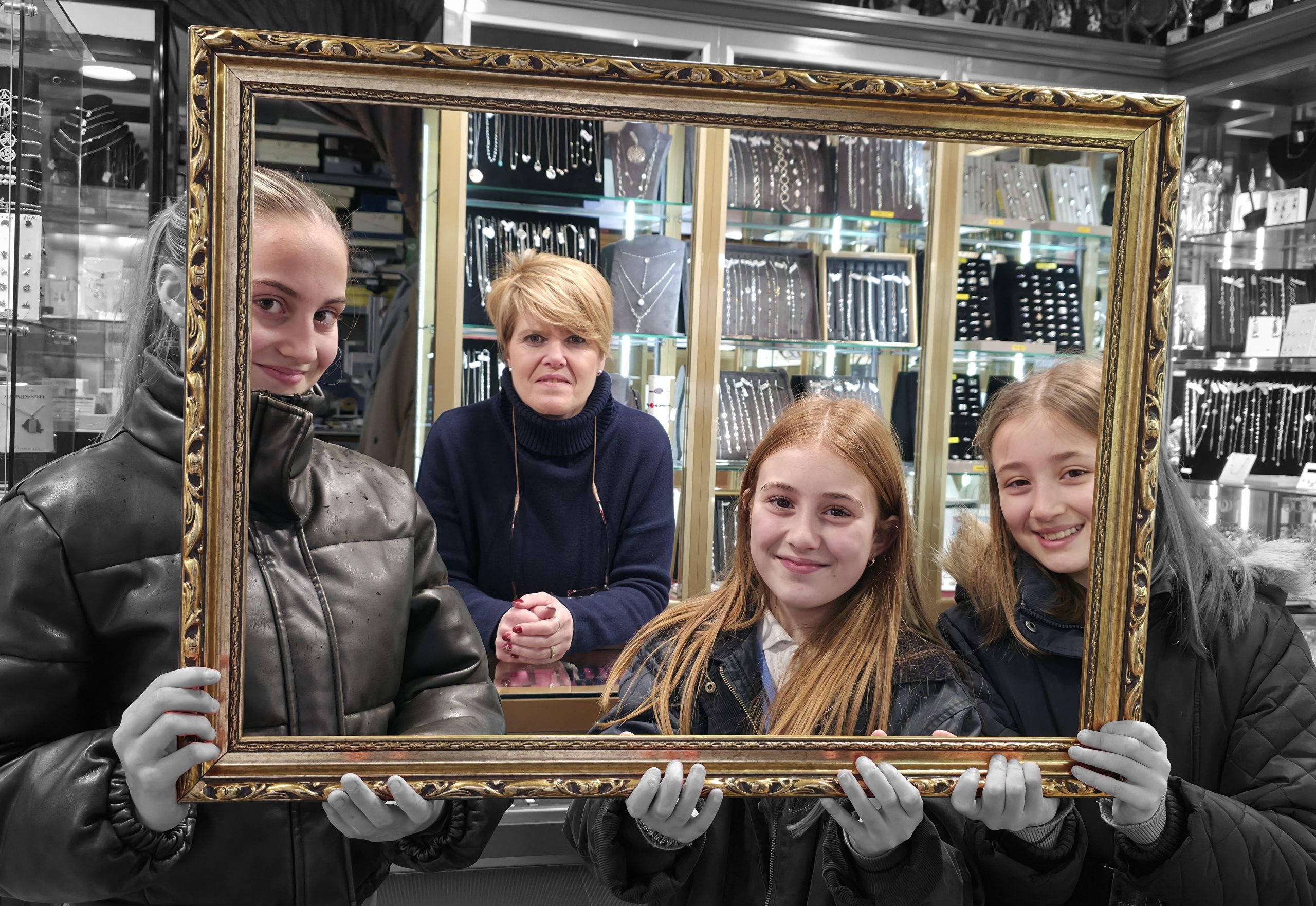
To understand how those who are and will be its inhabitants perceive their town, we will use the following strategy: we go out on a “drift” with a large golden frame, so that during our wandering they can frame those urban elements that are important to them (an experience based on the work of O’Grady). Who were the protagonists of this experience of “A Vila do Mañá”? On this occasion, during their wandering, places in their town—perhaps forgotten—were reDISCOVERED by them.

With “A Vila do Mañá”, the town in which they live is no longer an abstract idea, nor a series of small, partial images; it begins to be understood as a much more complex and broader environment, bringing us closer to the notion of habitat: a space that transcends its physical location within a territory in which we meet our needs, establish relationships with other people and with the environment—both natural and built—, involving processes through which it is transformed, but through which we are also transformed.

Colour your village

The village or city in which we are working, transformed into a game board, a laboratory of experimentation where children and teenagers can act from a new point of view.

4º ESO

4º ESO

Ribadeo

Changing the village through protagonist participation


reCOGNIZING Ribadeo


The new generations, the inhabitants of tomorrow, are almost completely unfamiliar with their town or city. They live in a “little box,” move around in another, smaller “box,” and arrive at a larger “box” (whether it is called a school, shopping mall, sports center, … or playground). This is their relationship with their surroundings.

Sandra González Álvarez
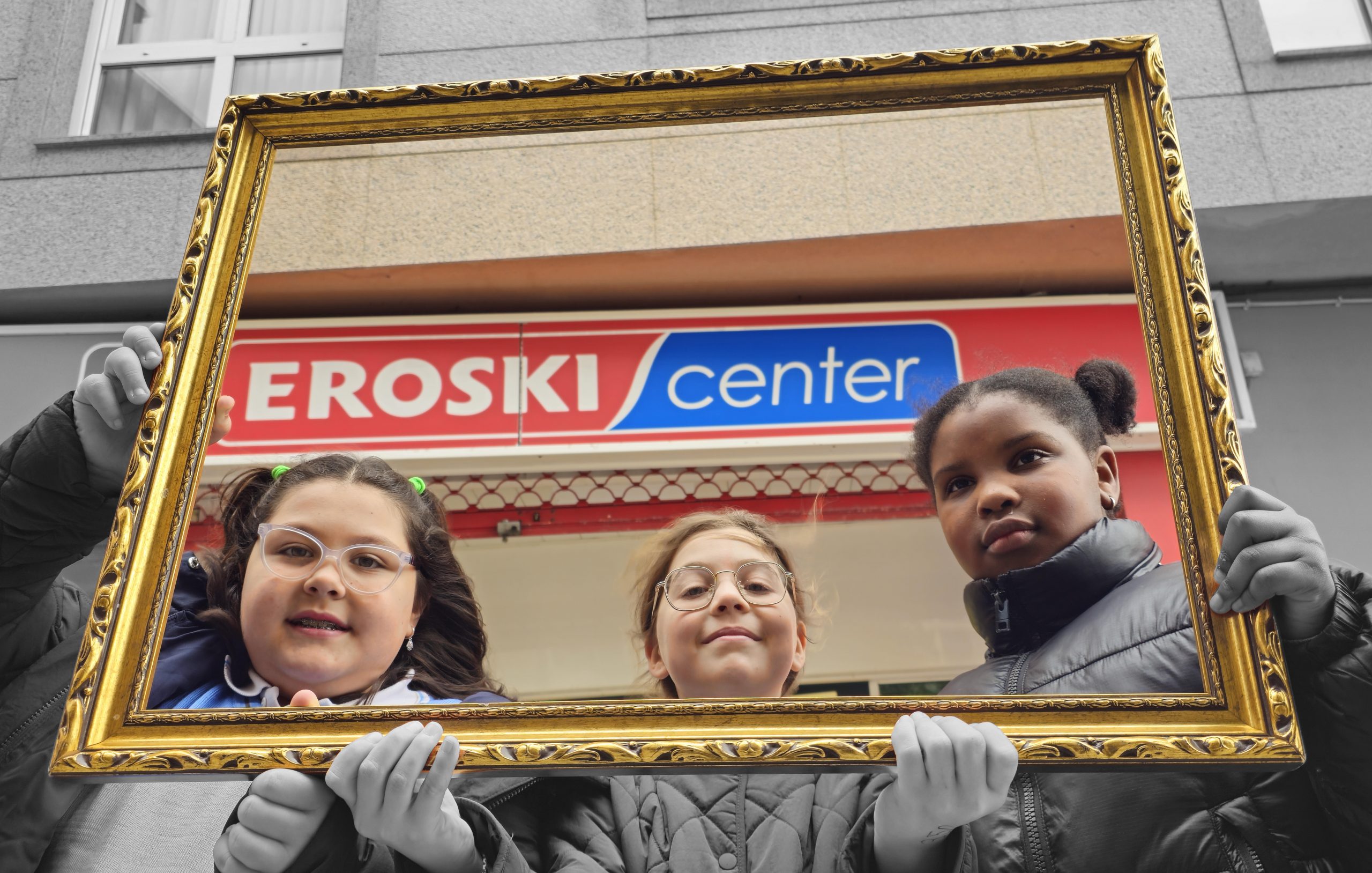


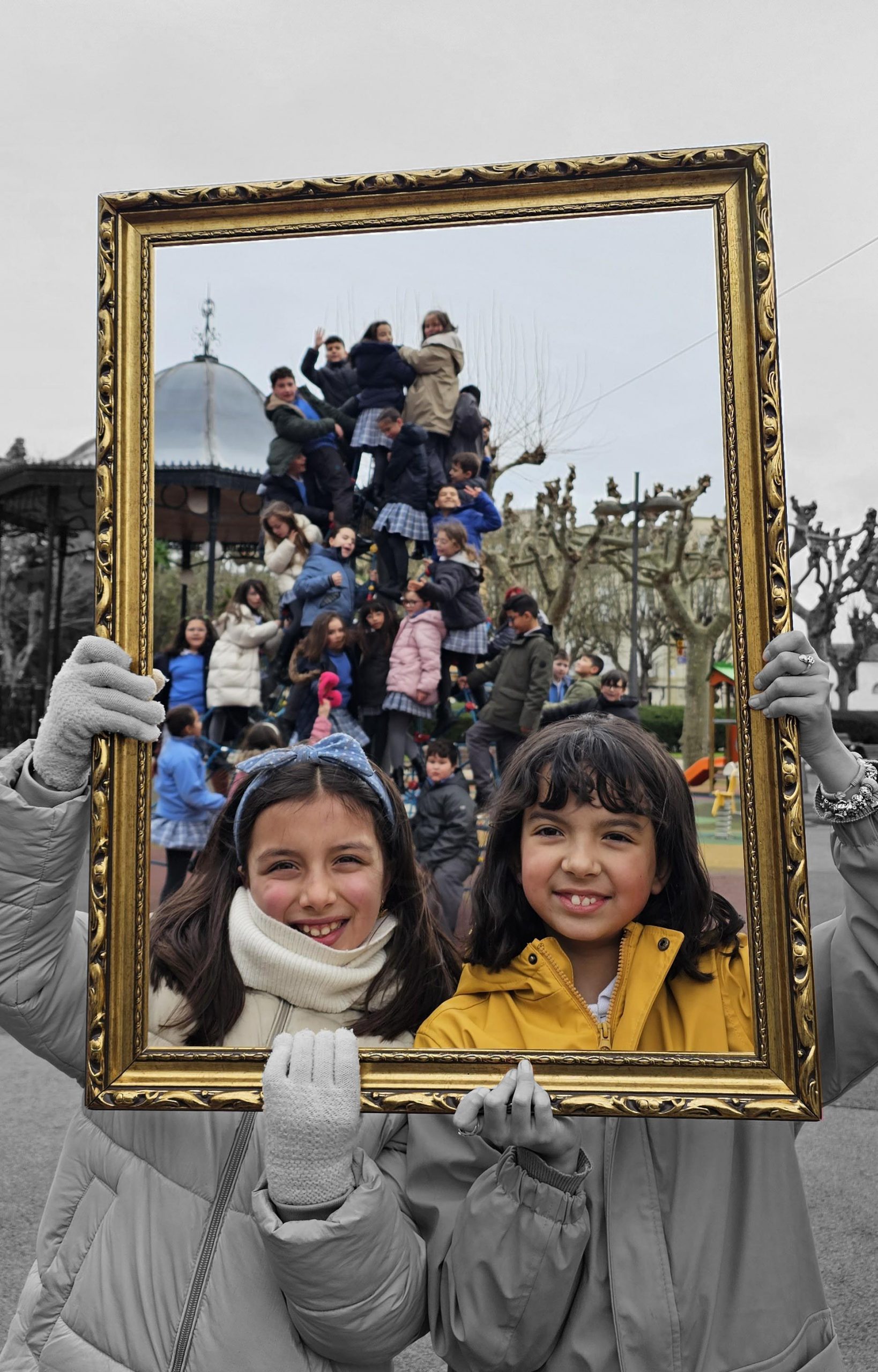
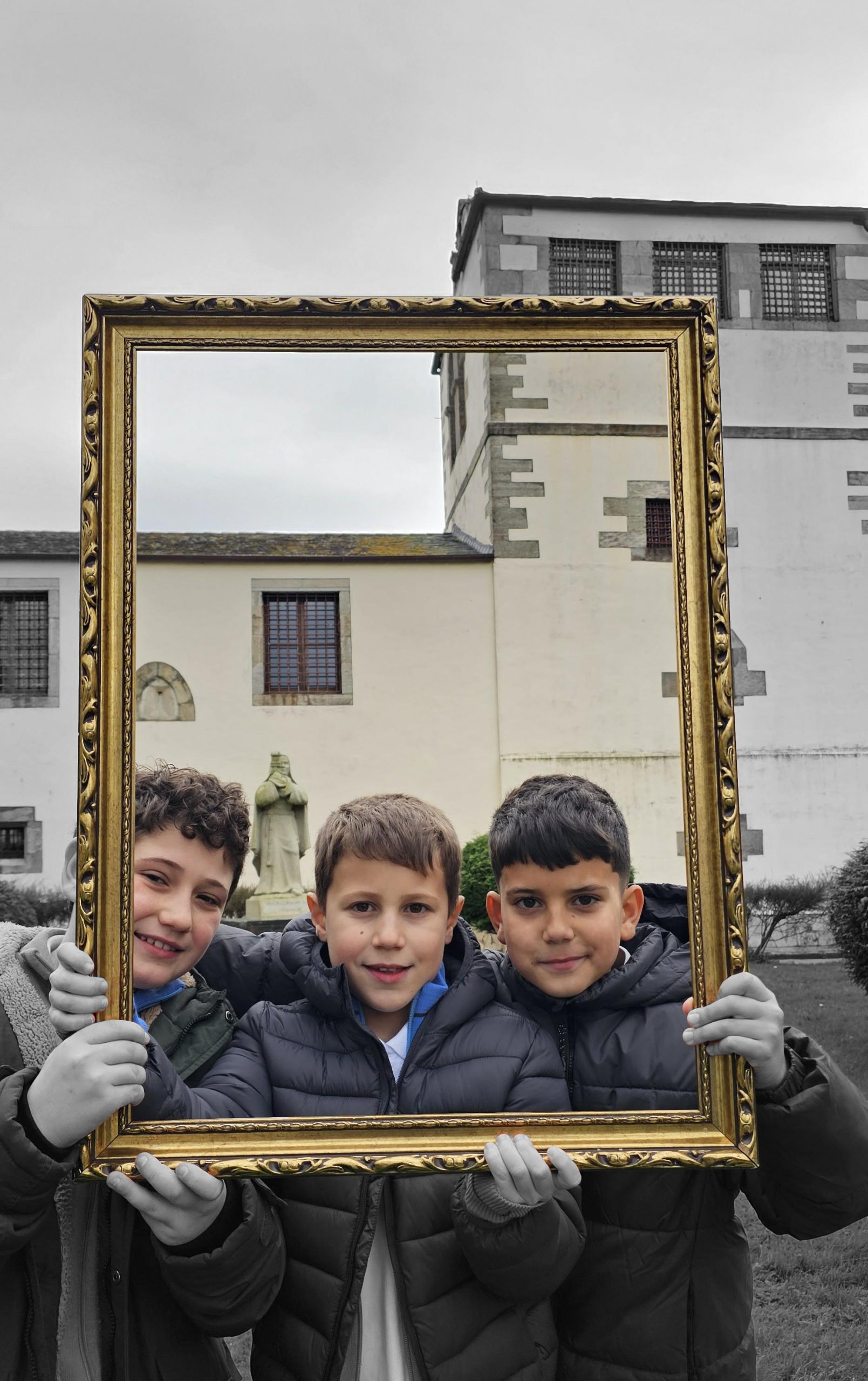
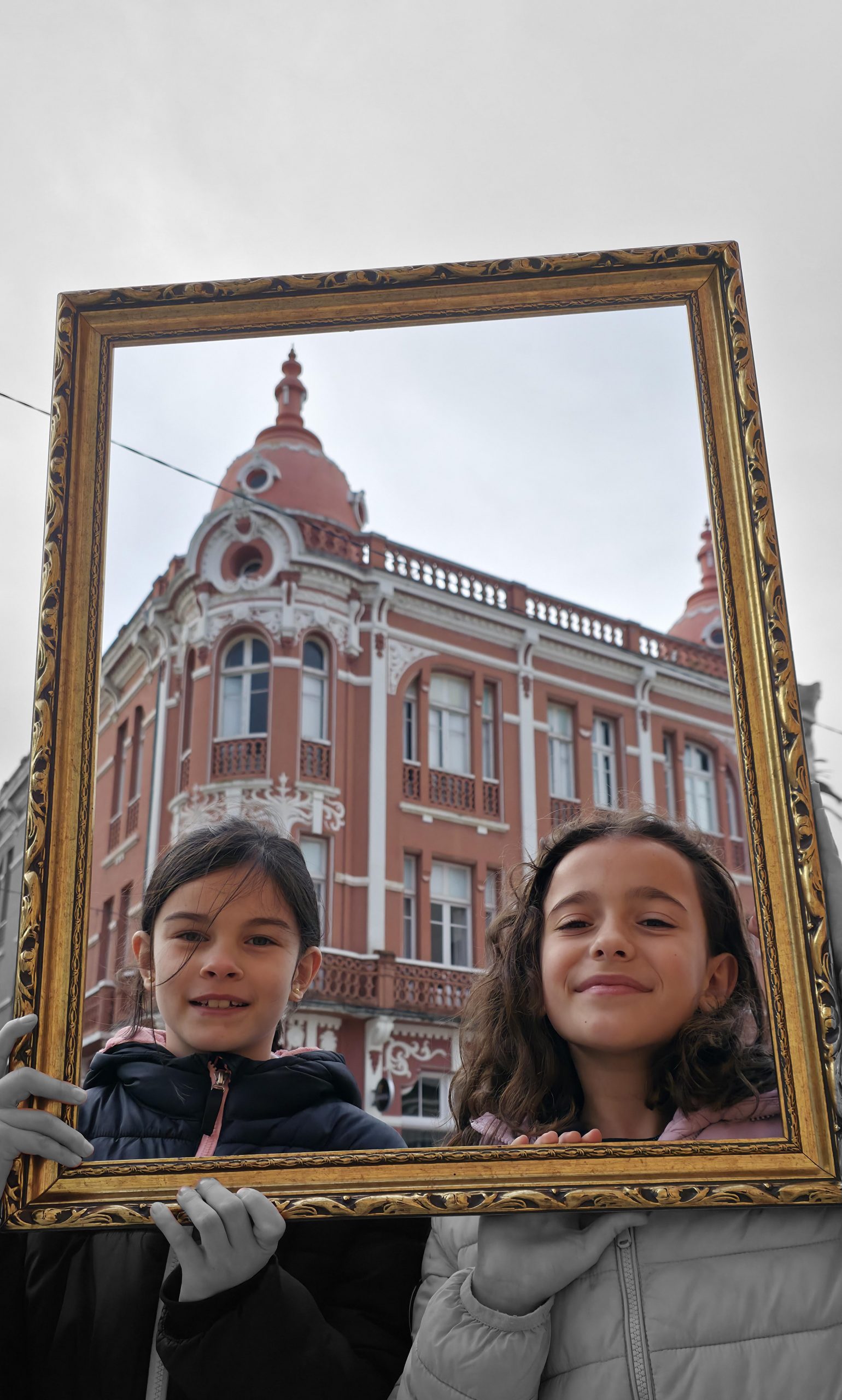
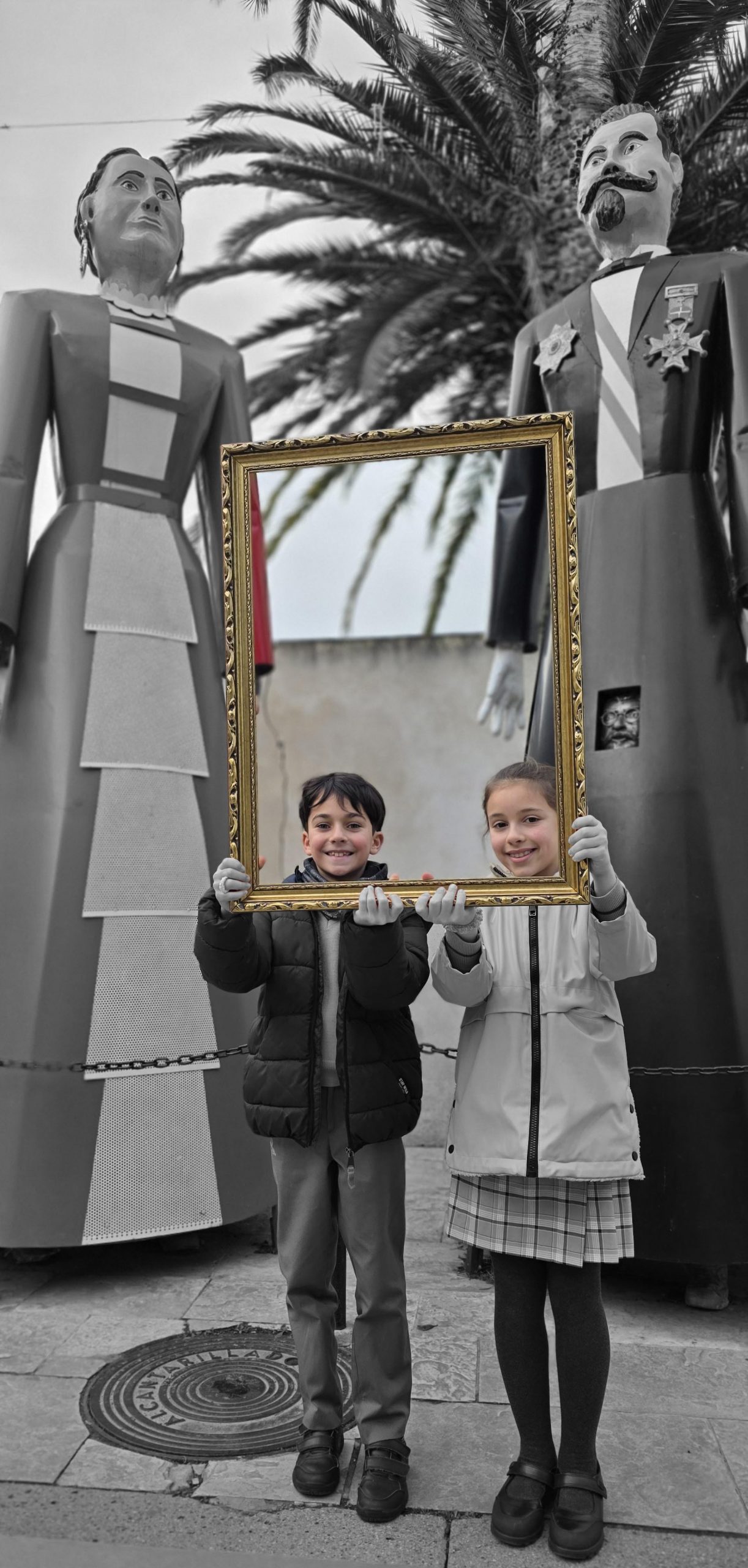
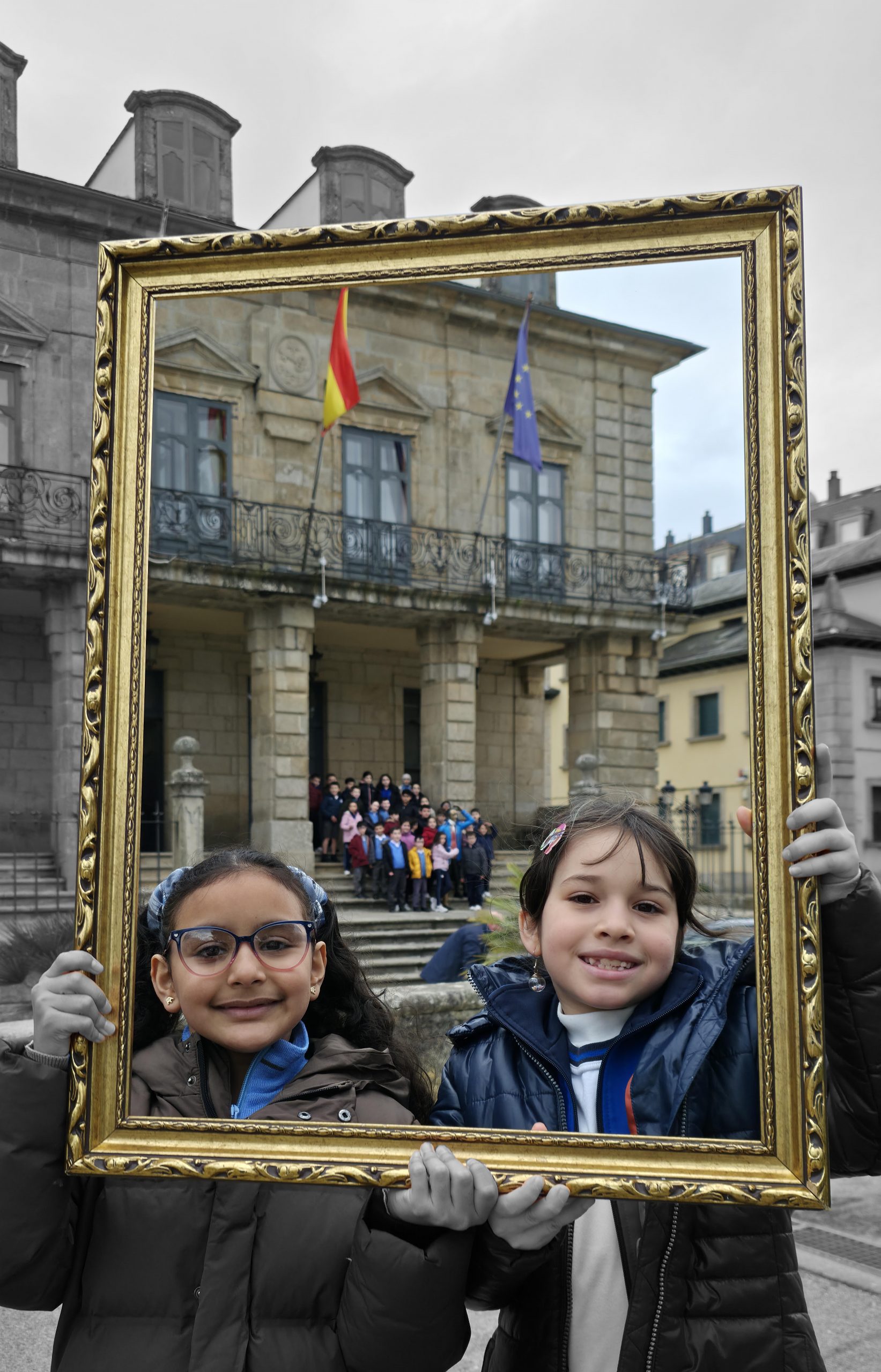
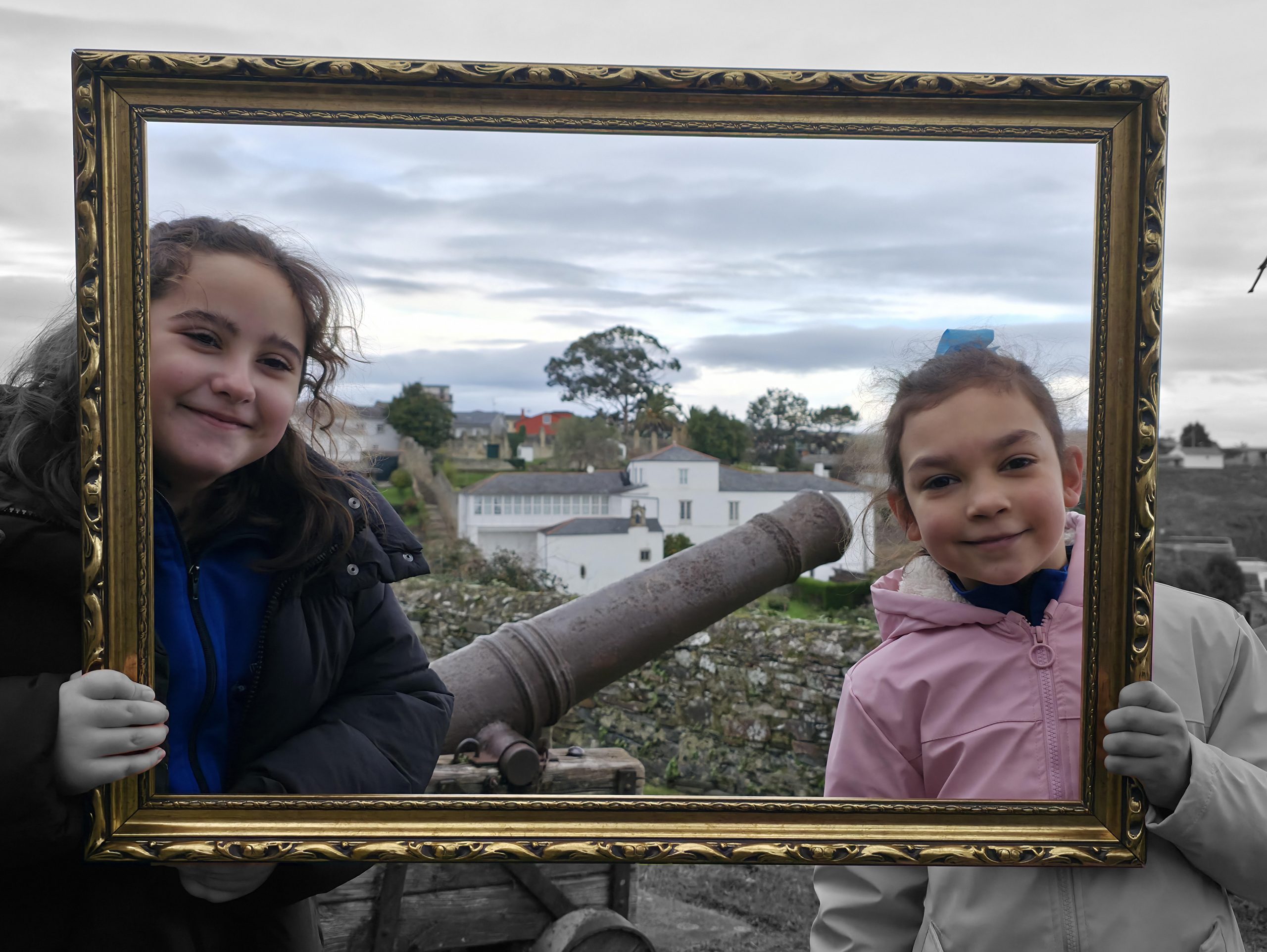
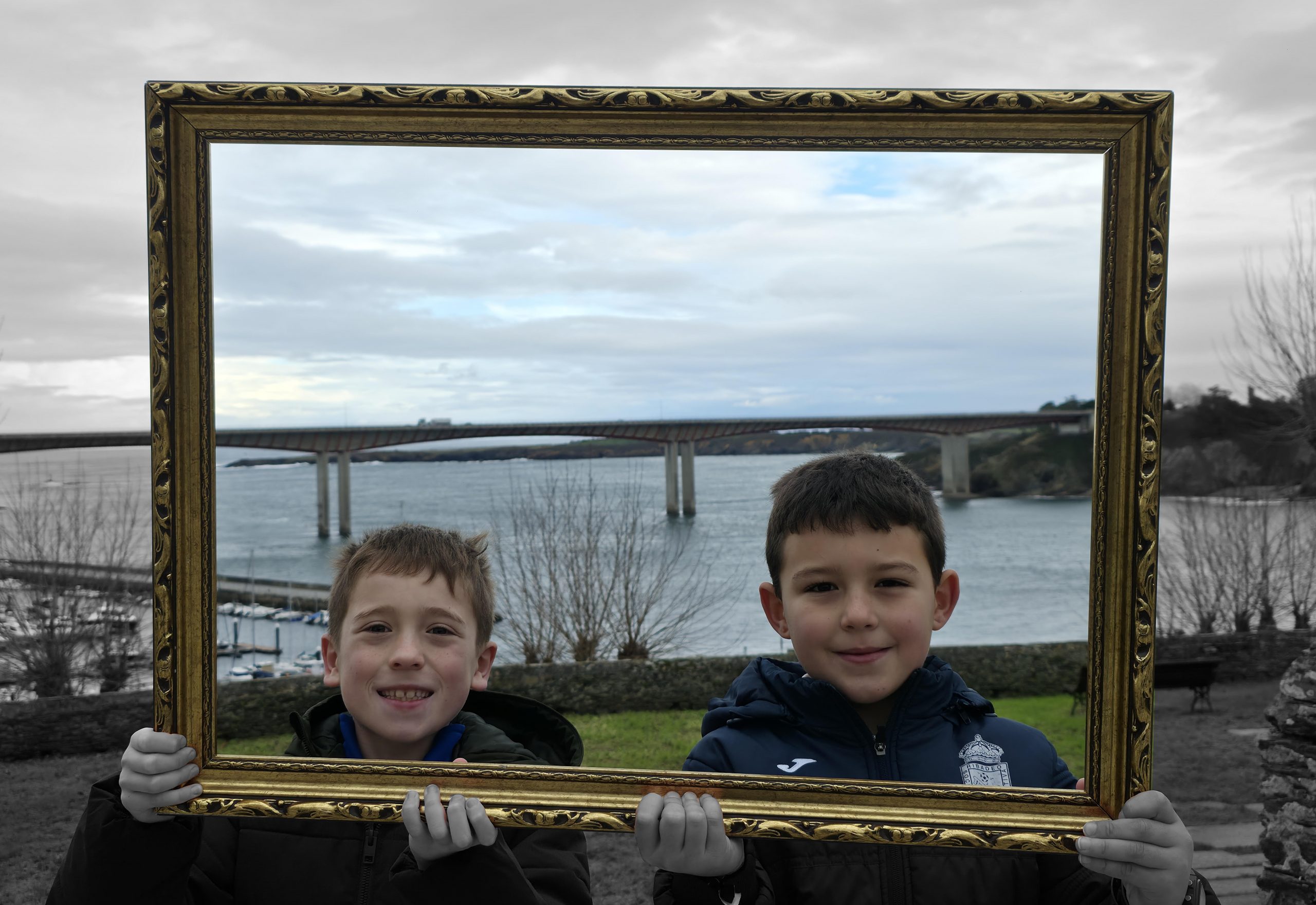
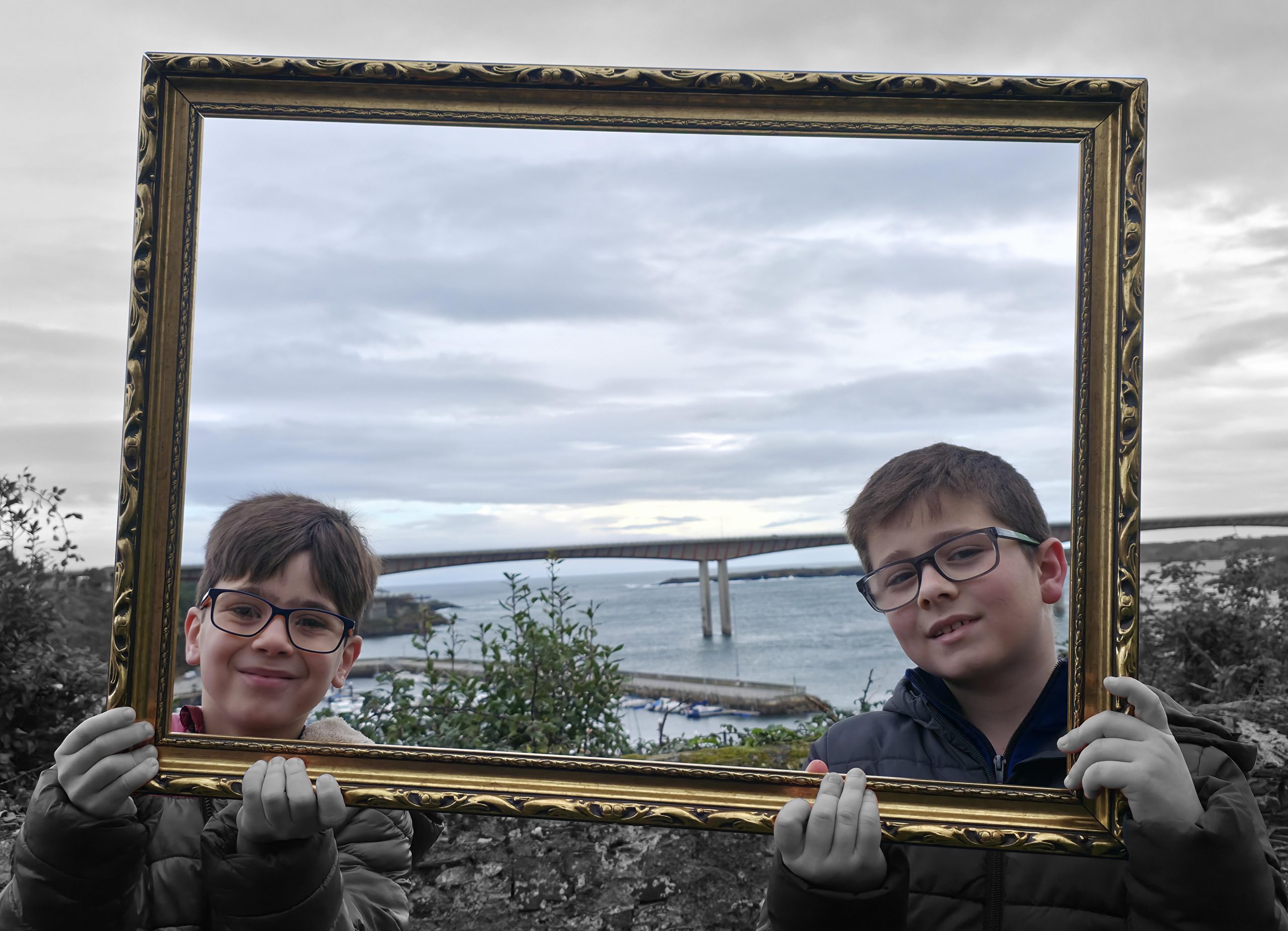
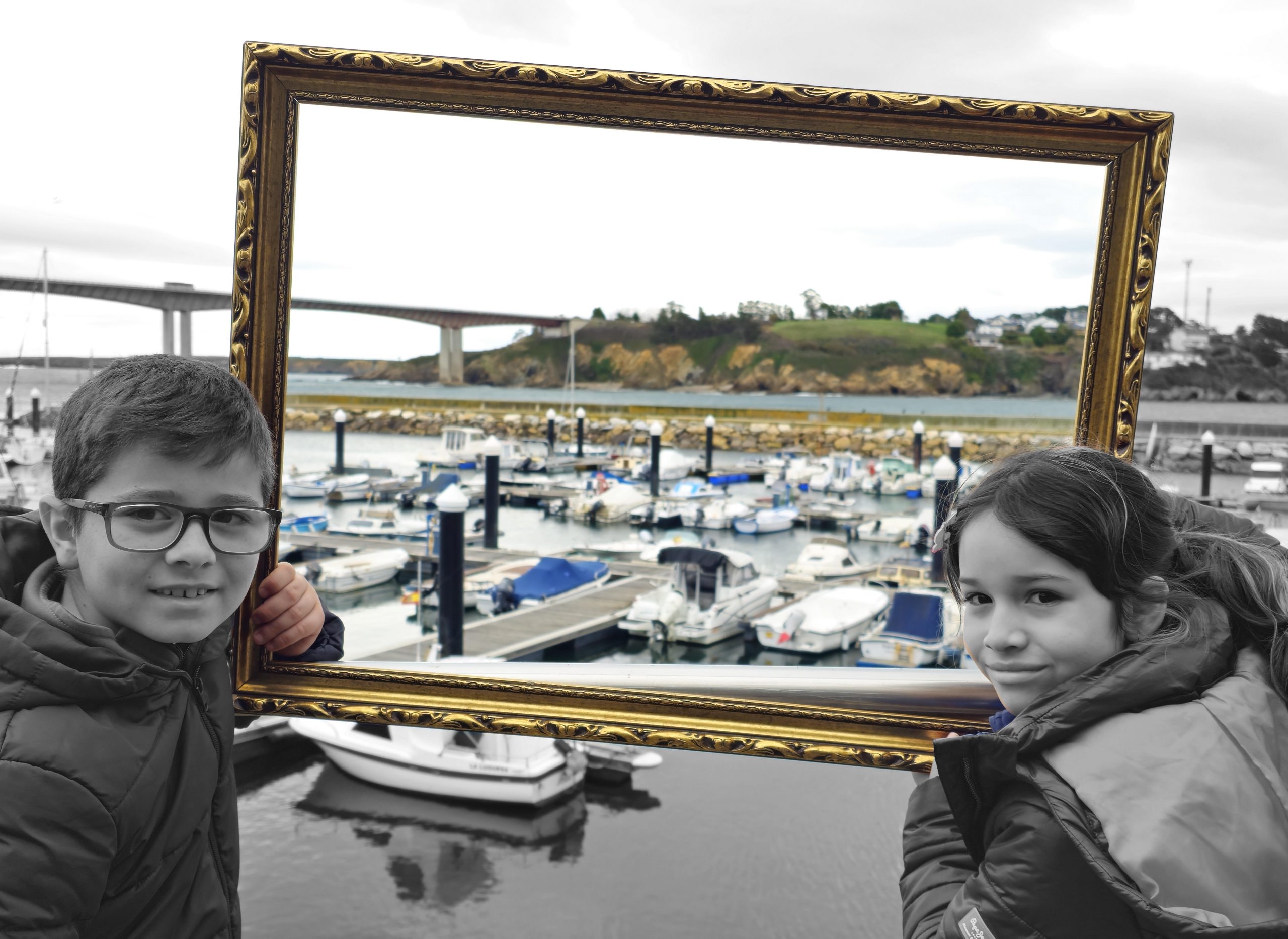
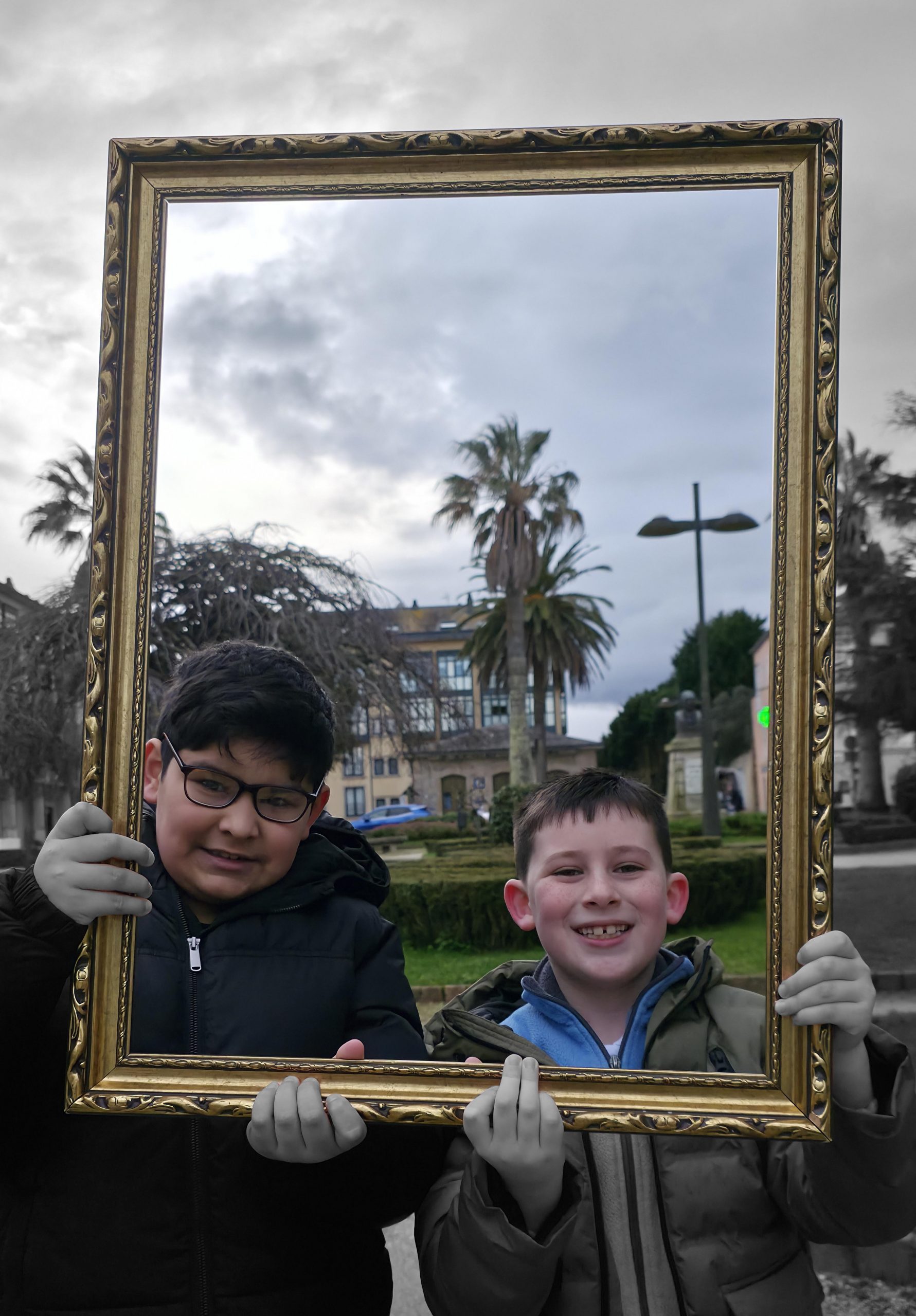
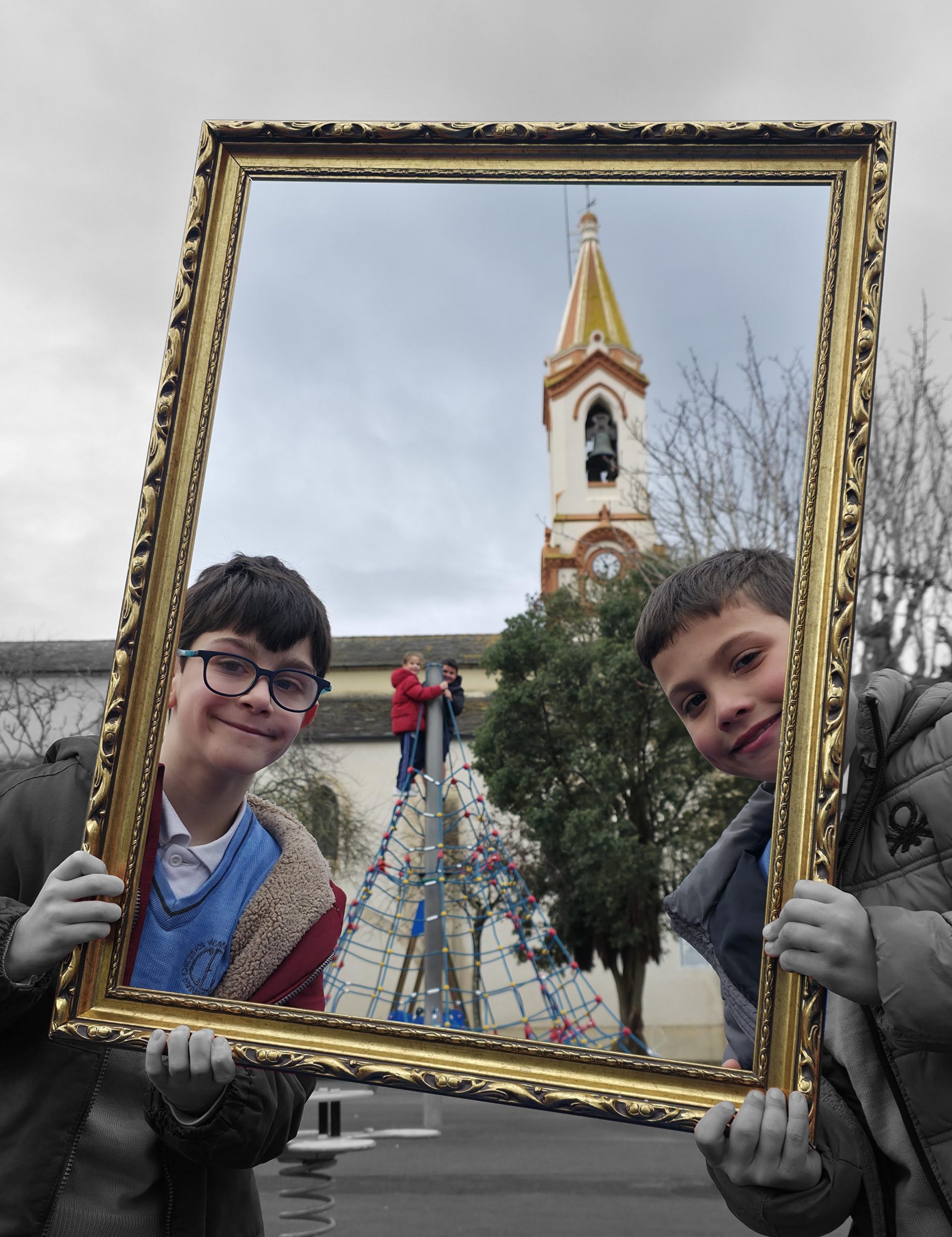
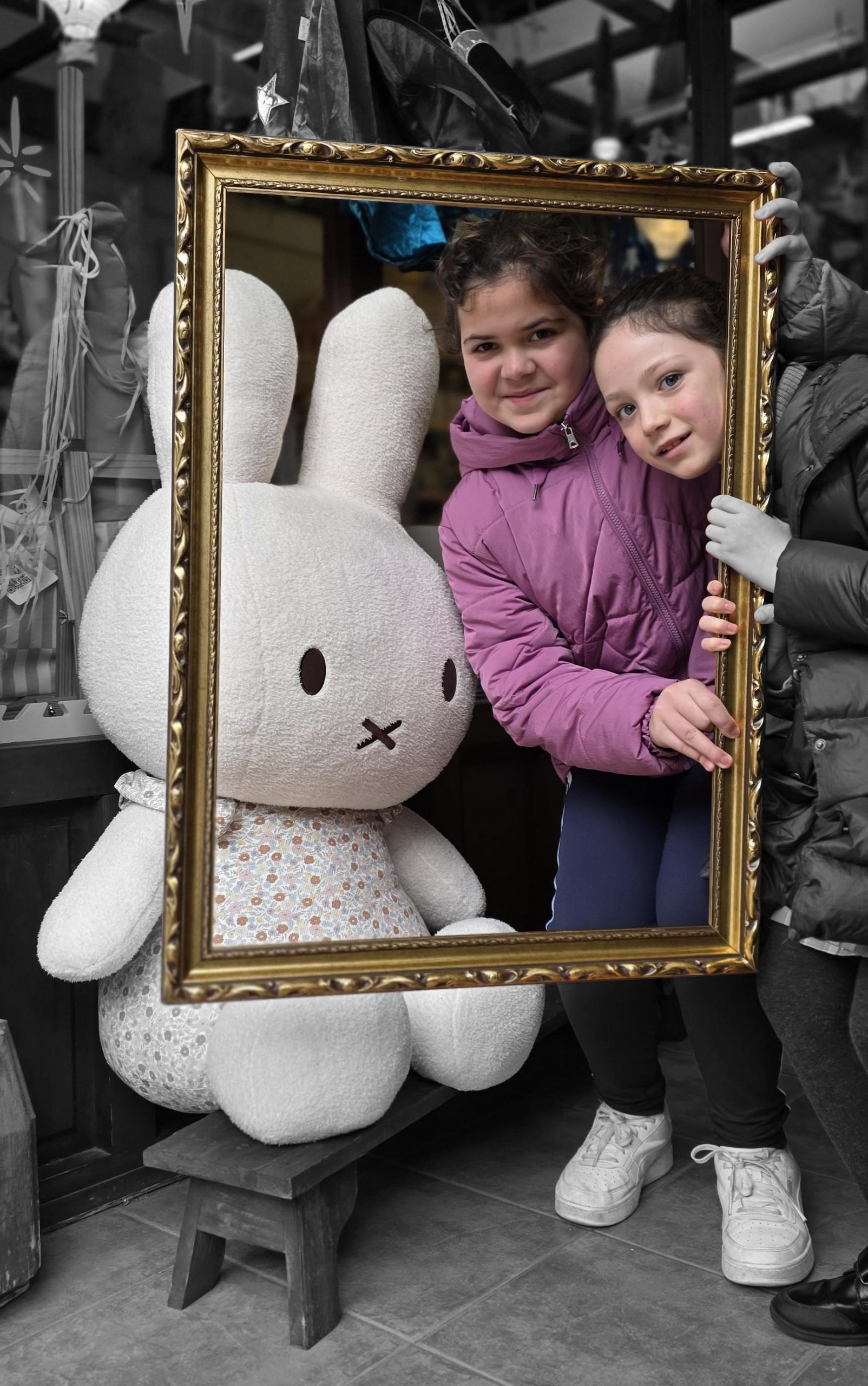
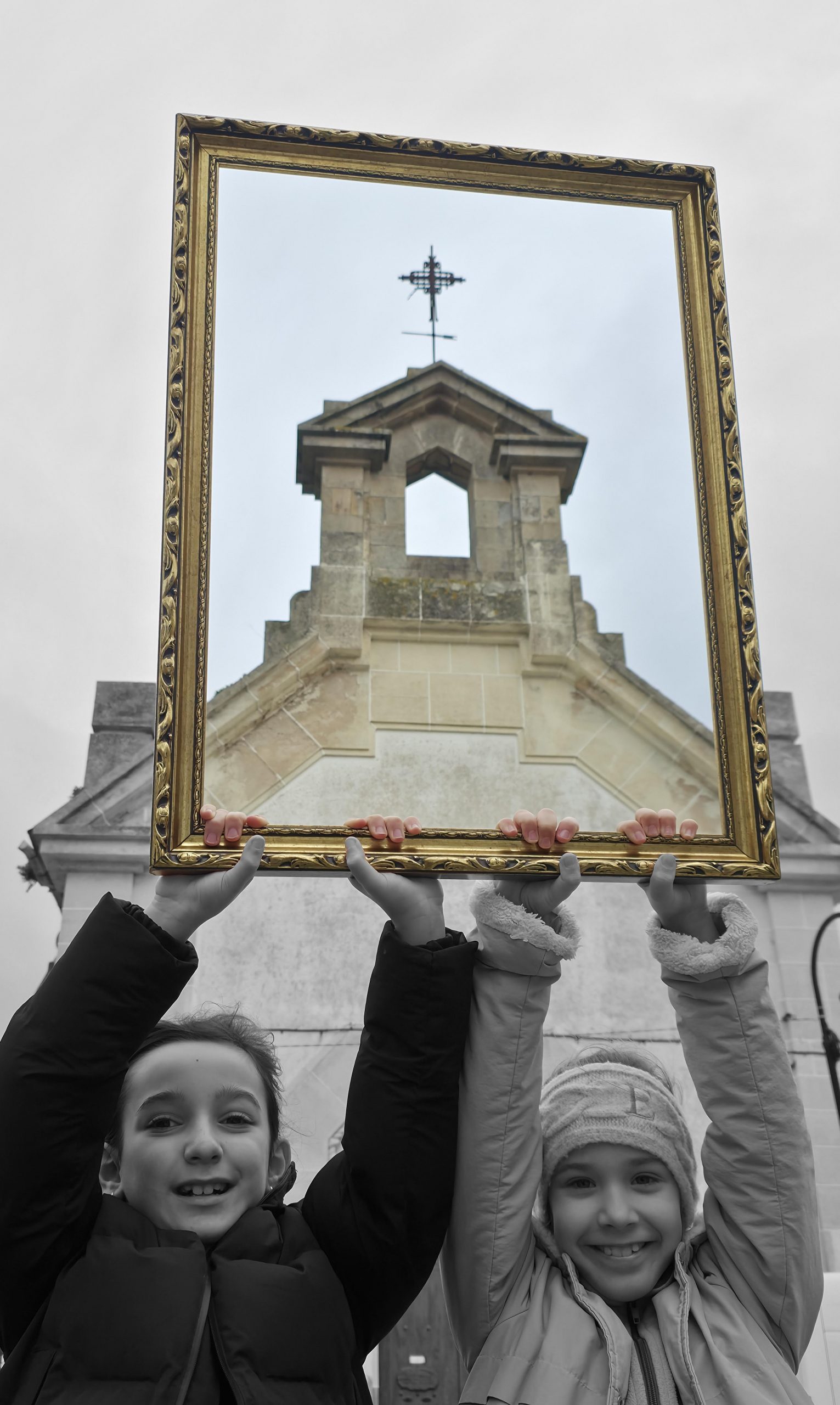
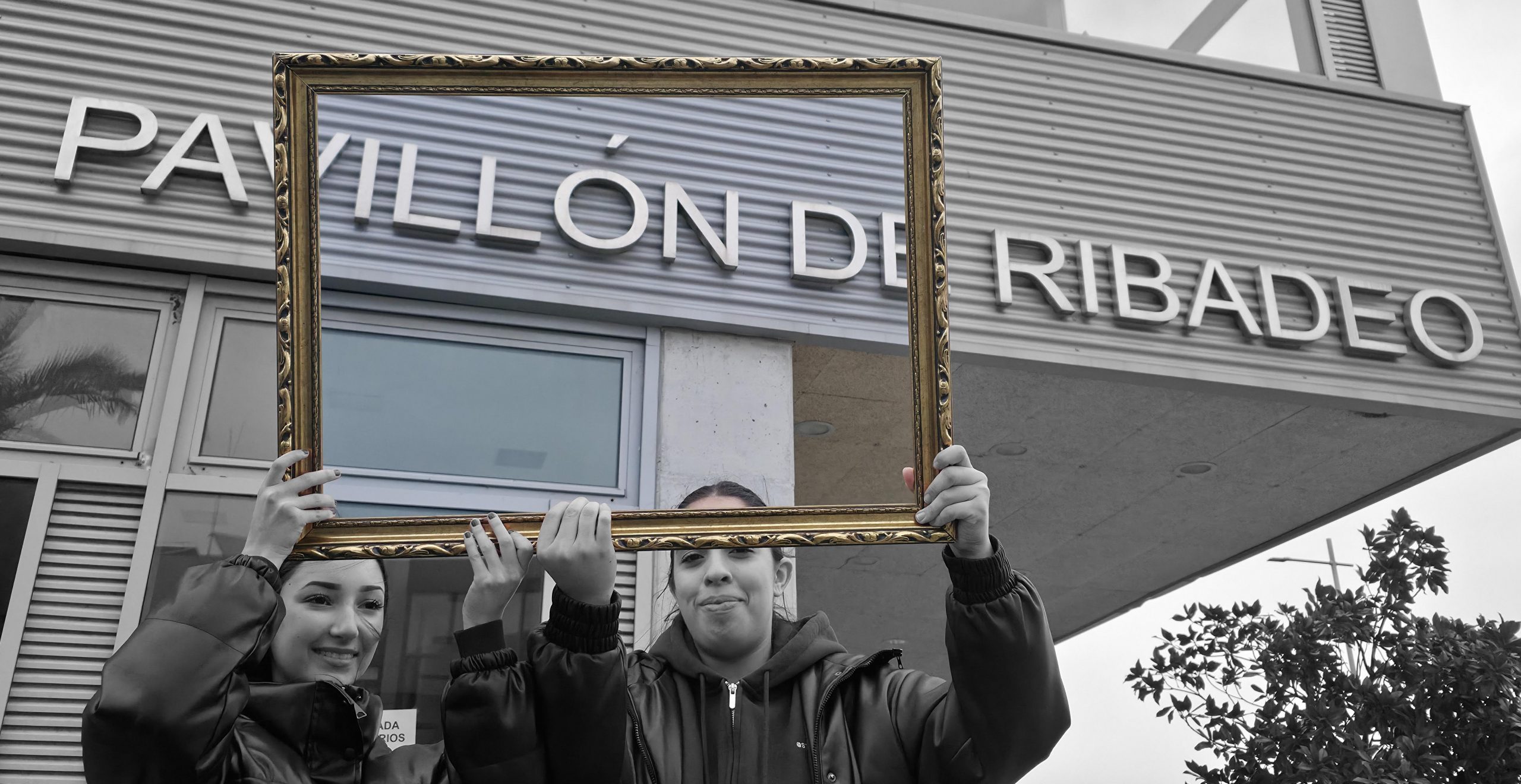
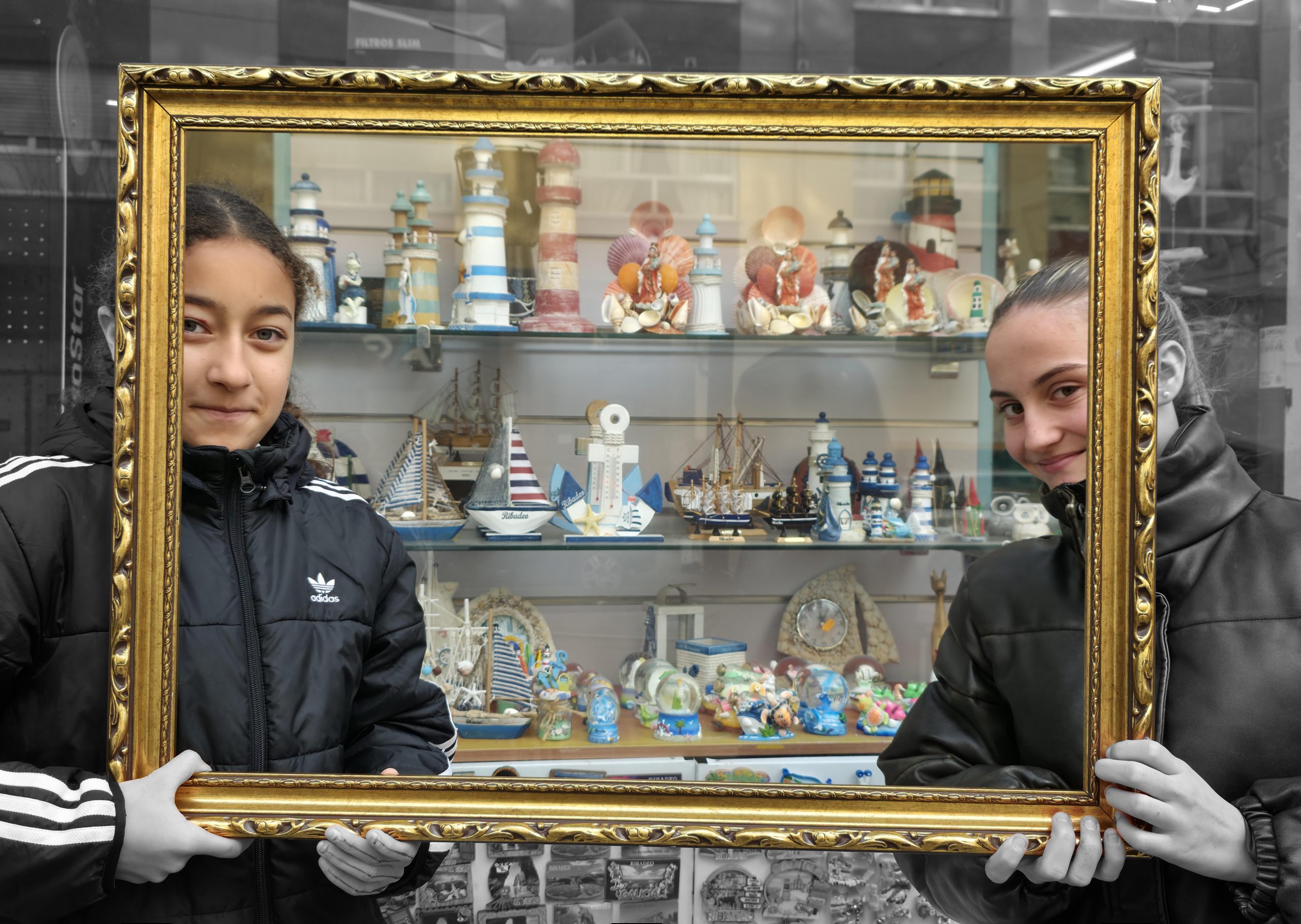
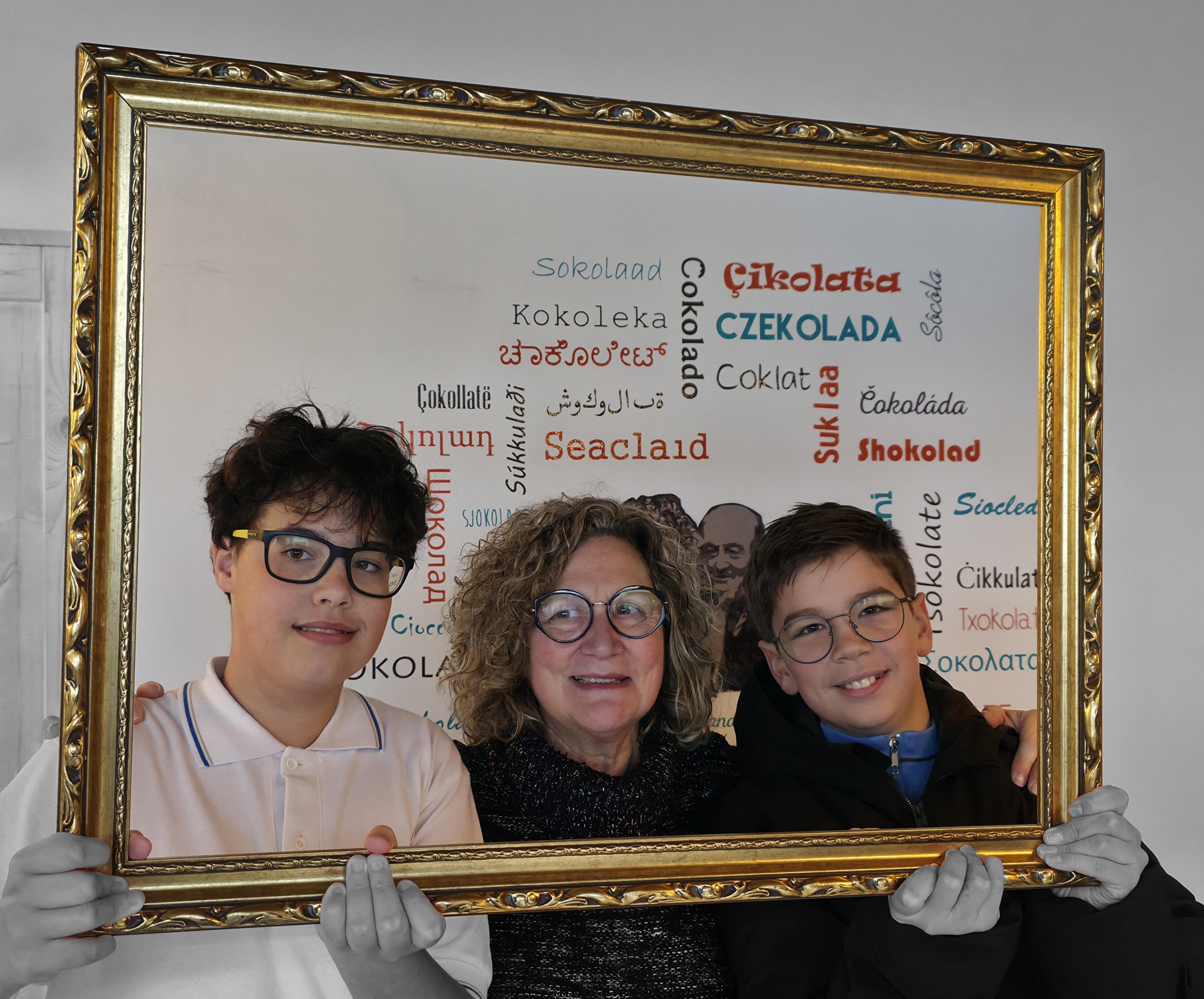
To understand how those who are and will be its inhabitants perceive their town, we will use the following strategy: we go out on a “drift” with a large golden frame, so that during our wandering they can frame those urban elements that are important to them (an experience based on the work of O’Grady). Who were the protagonists of this experience of “A Vila do Mañá”? On this occasion, during their wandering, places in their town—perhaps forgotten—were reDISCOVERED by them.

With “A Vila do Mañá”, the town in which they live is no longer an abstract idea, nor a series of small, partial images; it begins to be understood as a much more complex and broader environment, bringing us closer to the notion of habitat: a space that transcends its physical location within a territory in which we meet our needs, establish relationships with other people and with the environment—both natural and built—, involving processes through which it is transformed, but through which we are also transformed.

Colour your village

The village or city in which we are working, transformed into a game board, a laboratory of experimentation where children and teenagers can act from a new point of view.

1º ESO

1º ESO

Ribadeo

Changing the village through protagonist participation


reCOGNIZING Ribadeo


The new generations, the inhabitants of tomorrow, are almost completely unfamiliar with their town or city. They live in a “little box,” move around in another, smaller “box,” and arrive at a larger “box” (whether it is called a school, shopping mall, sports center, … or playground). This is their relationship with their surroundings.

Sandra González Álvarez
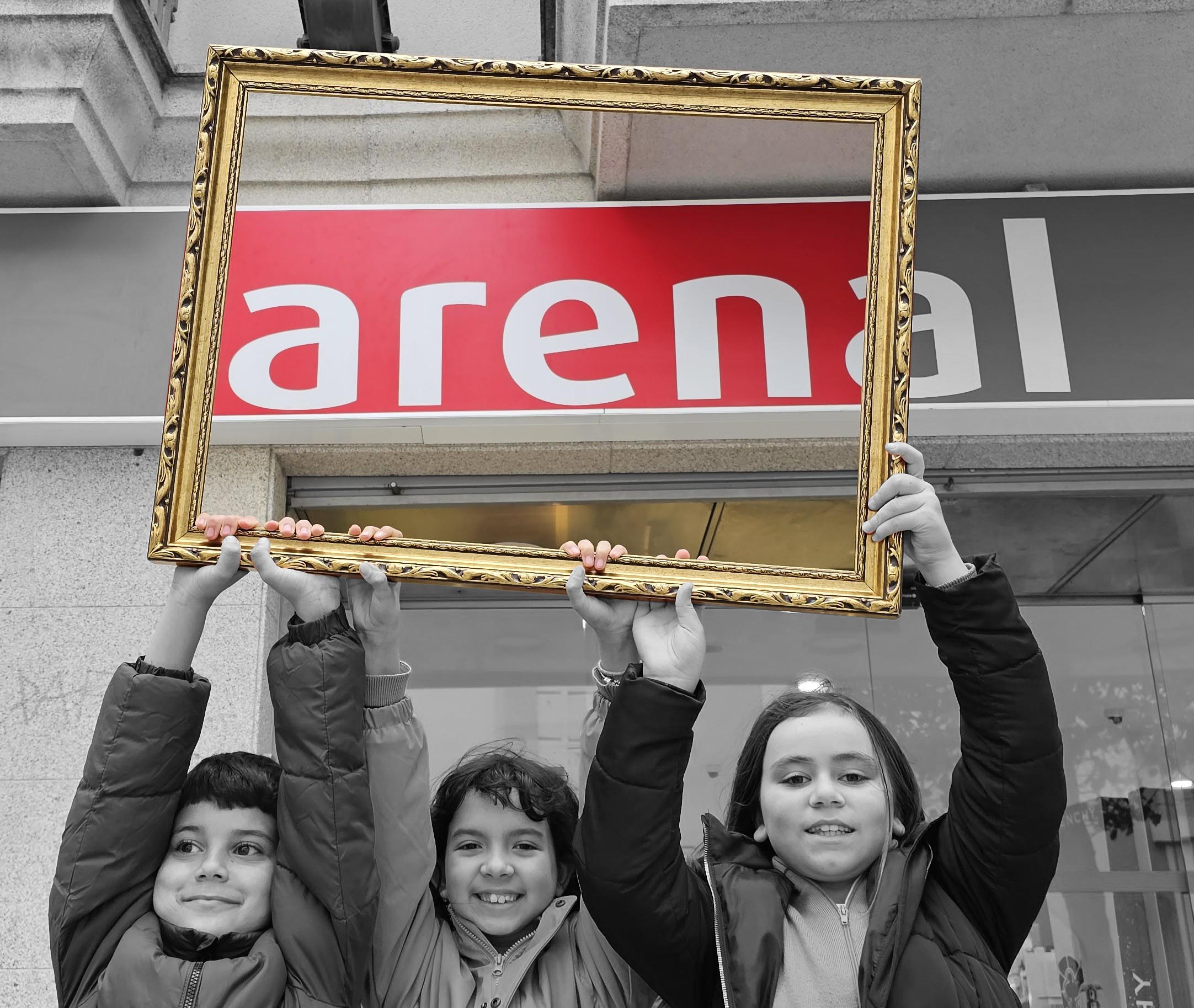


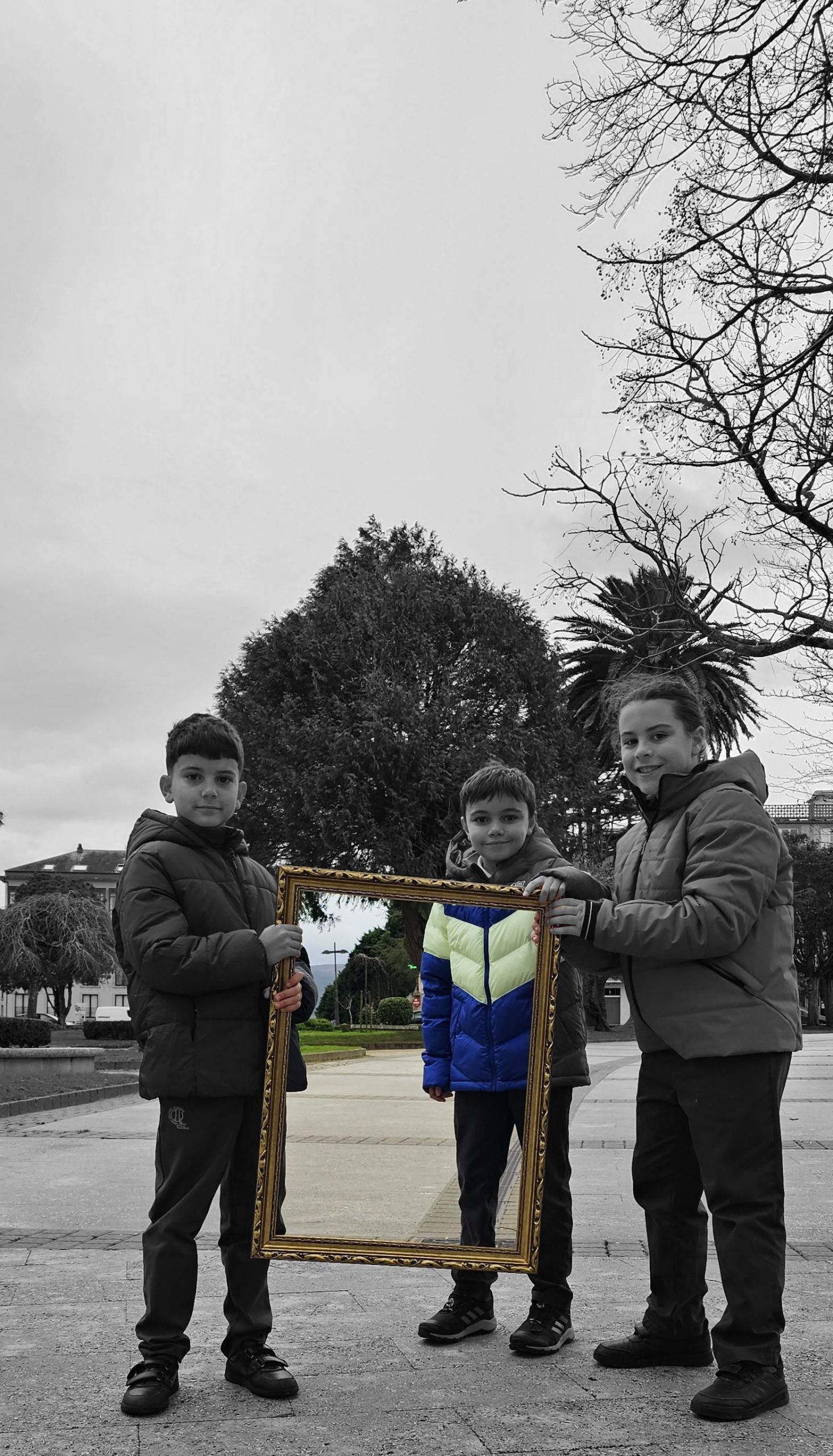
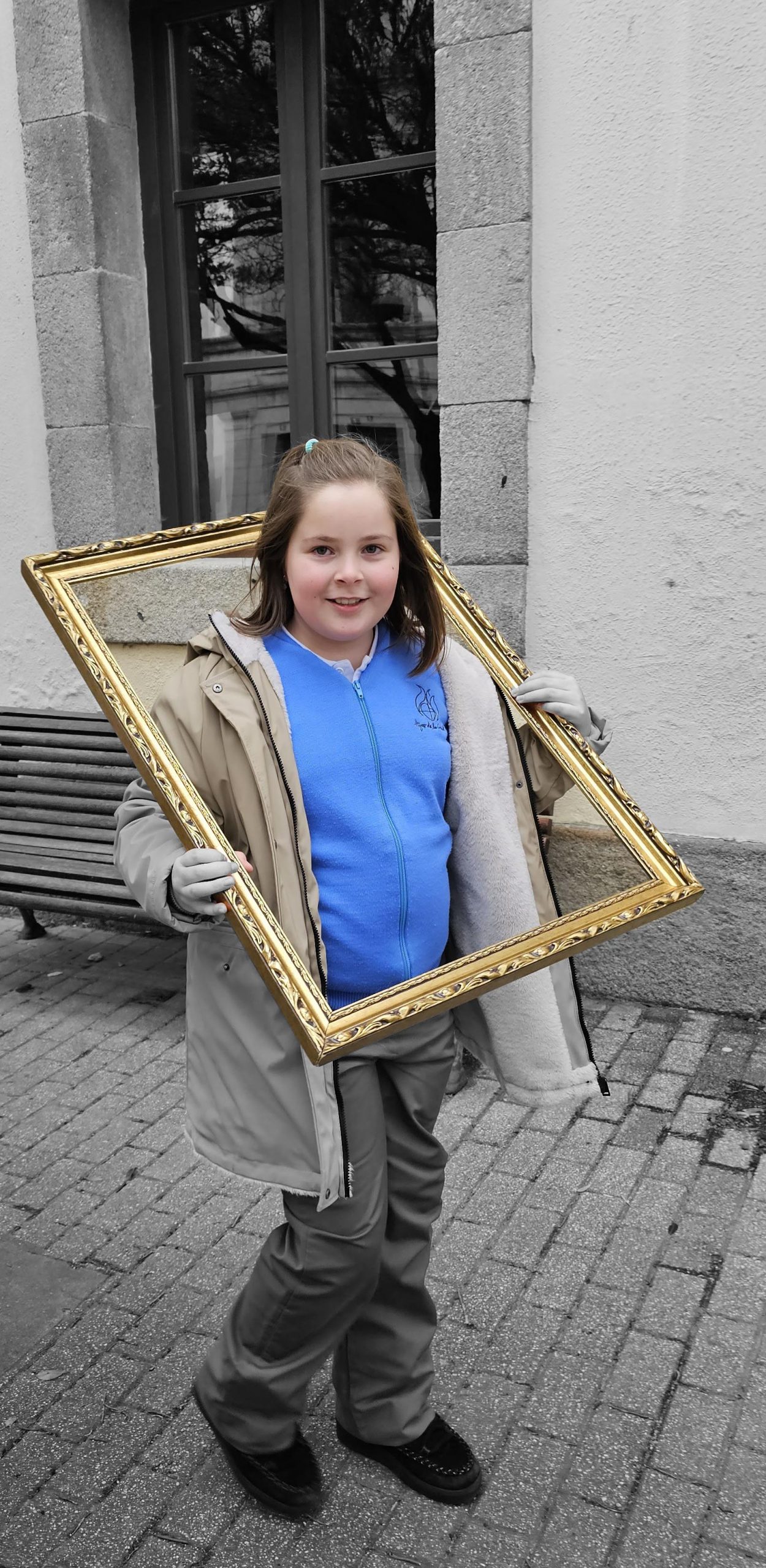
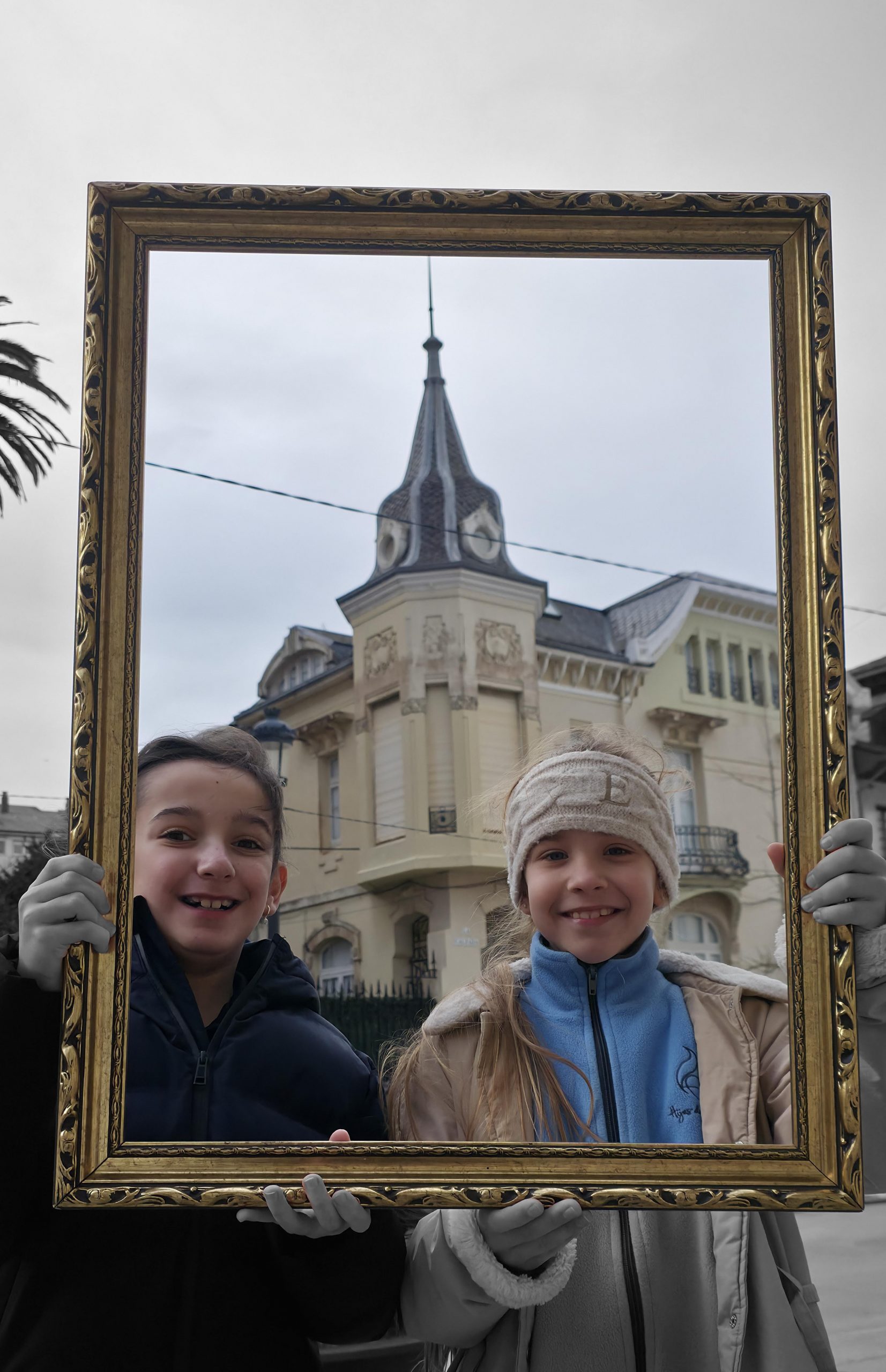
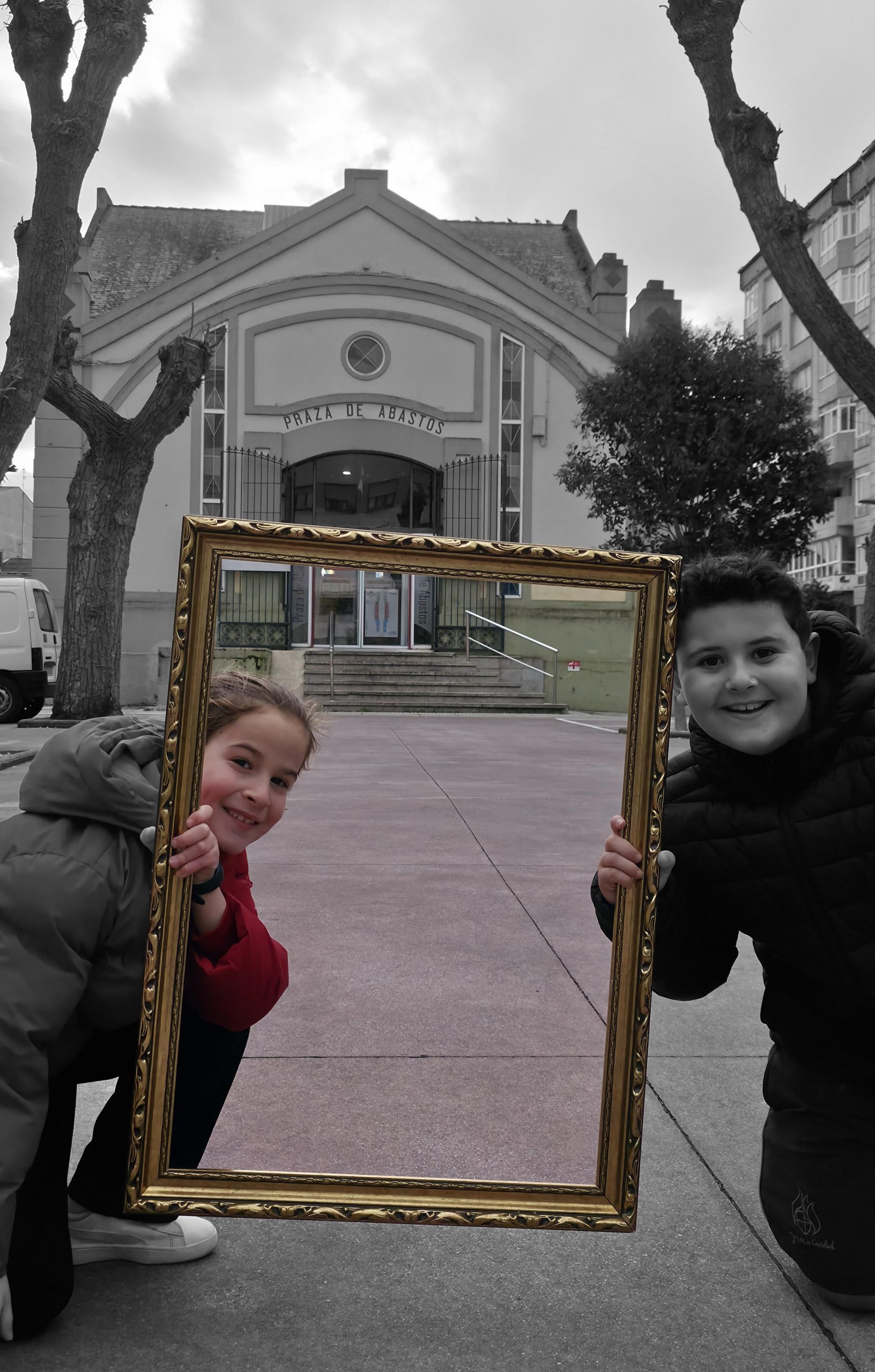
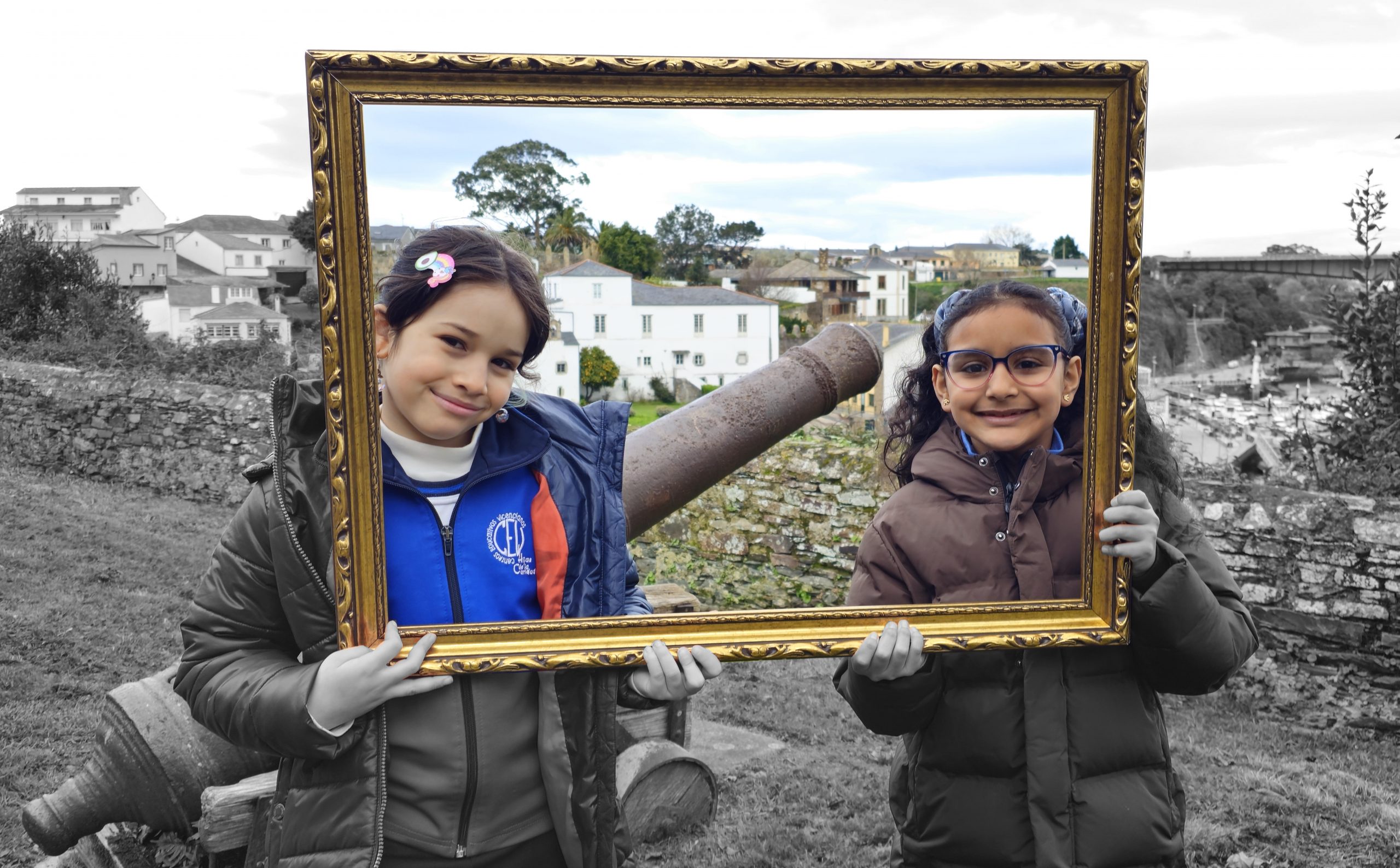
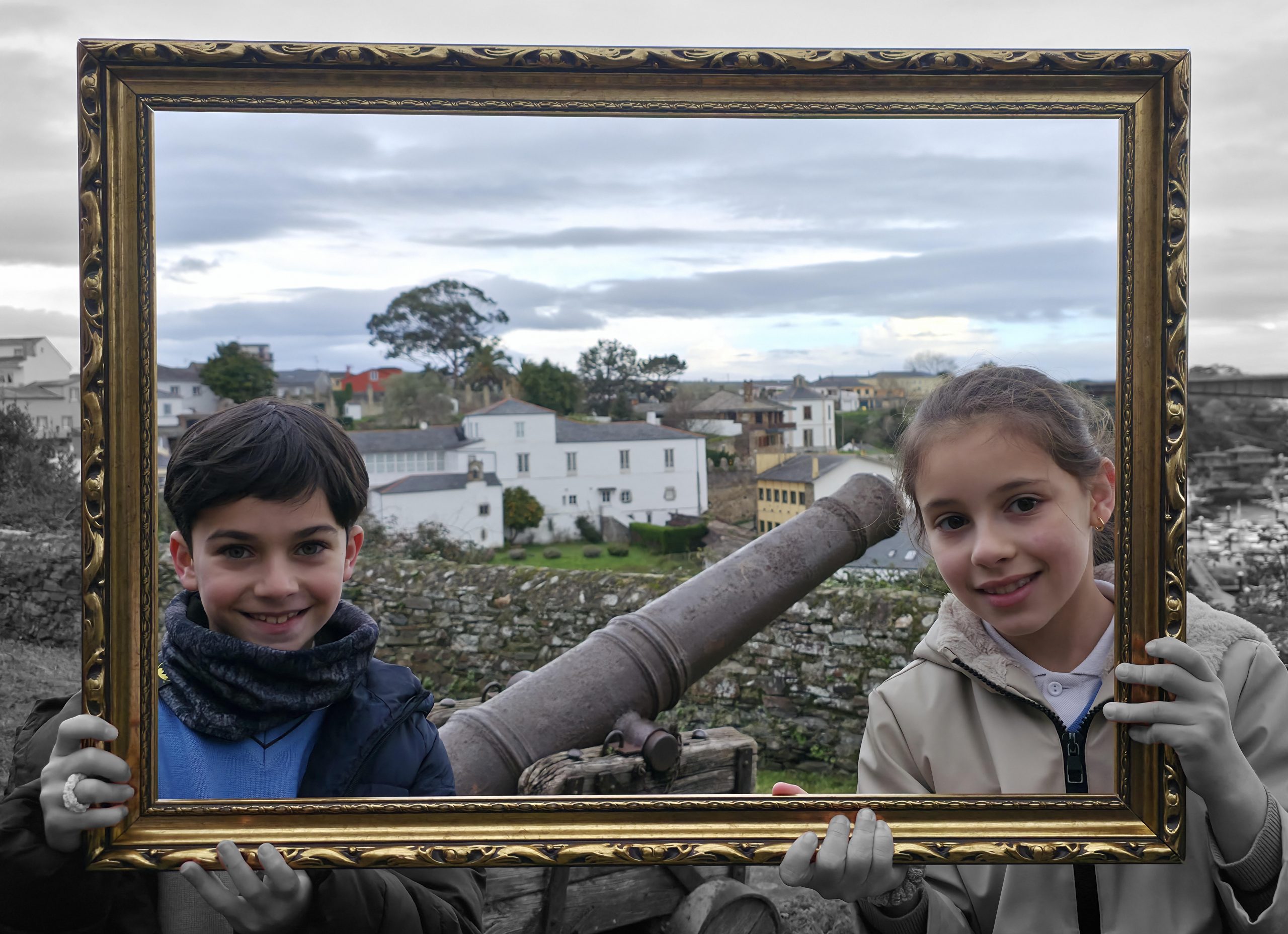
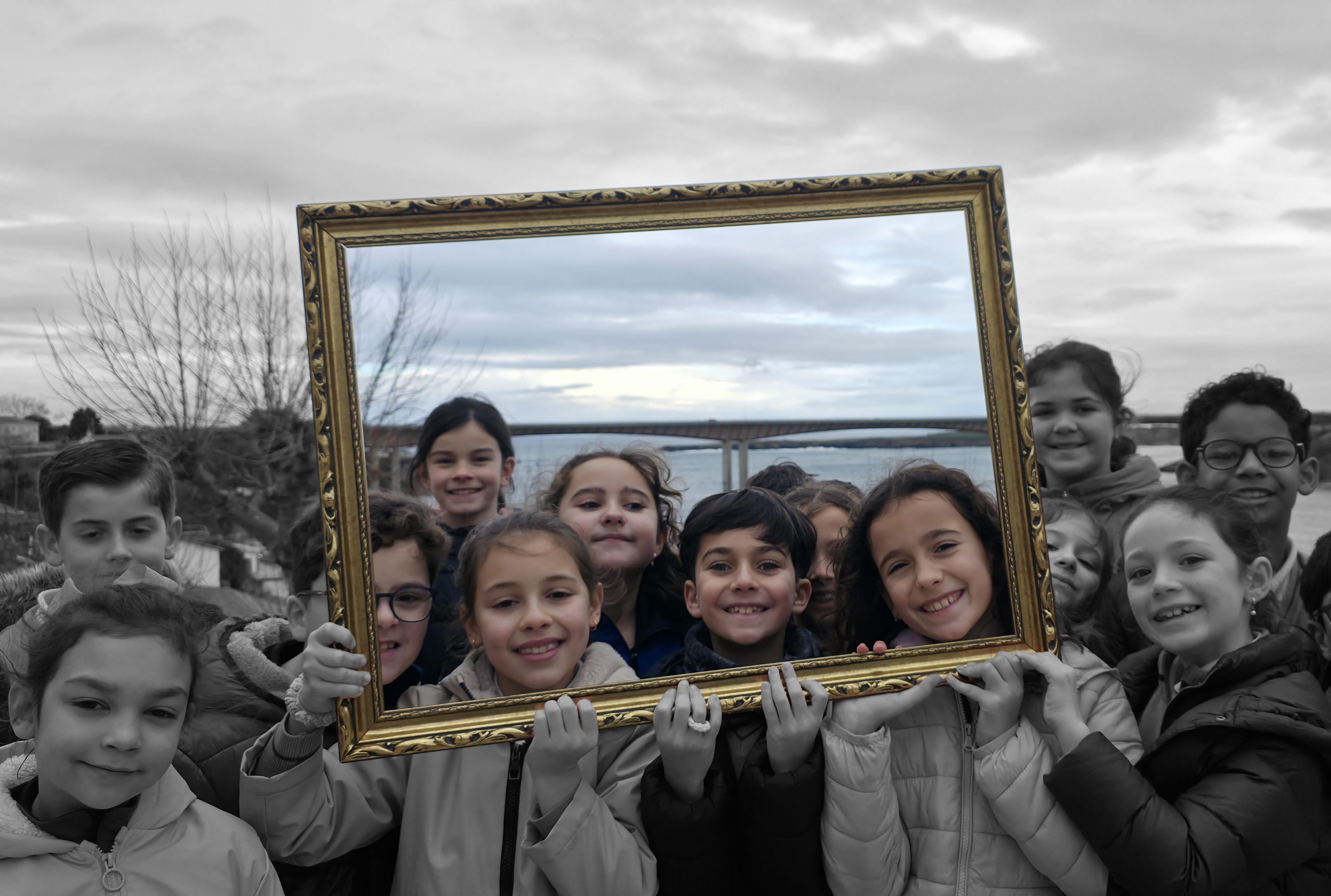
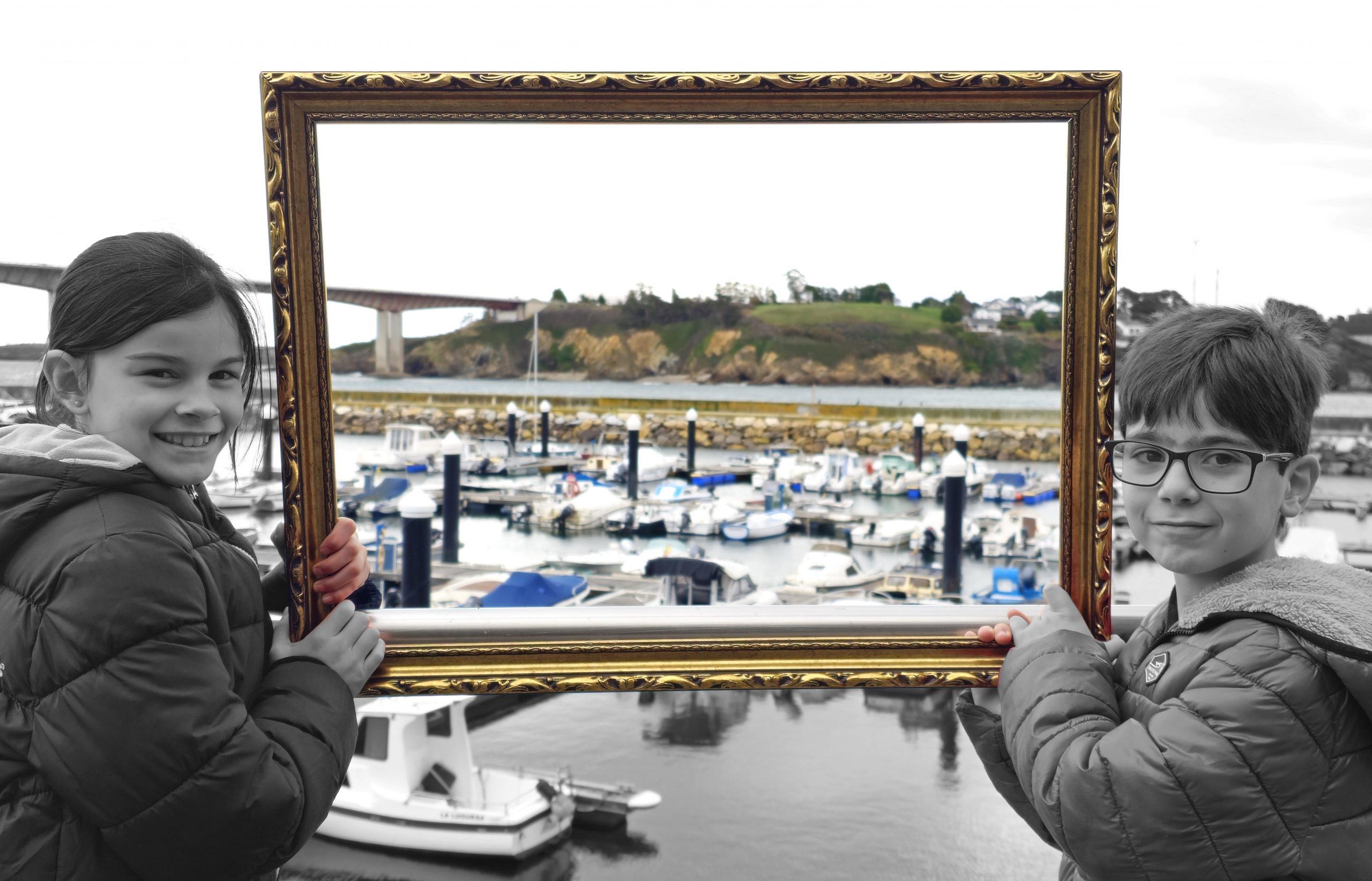
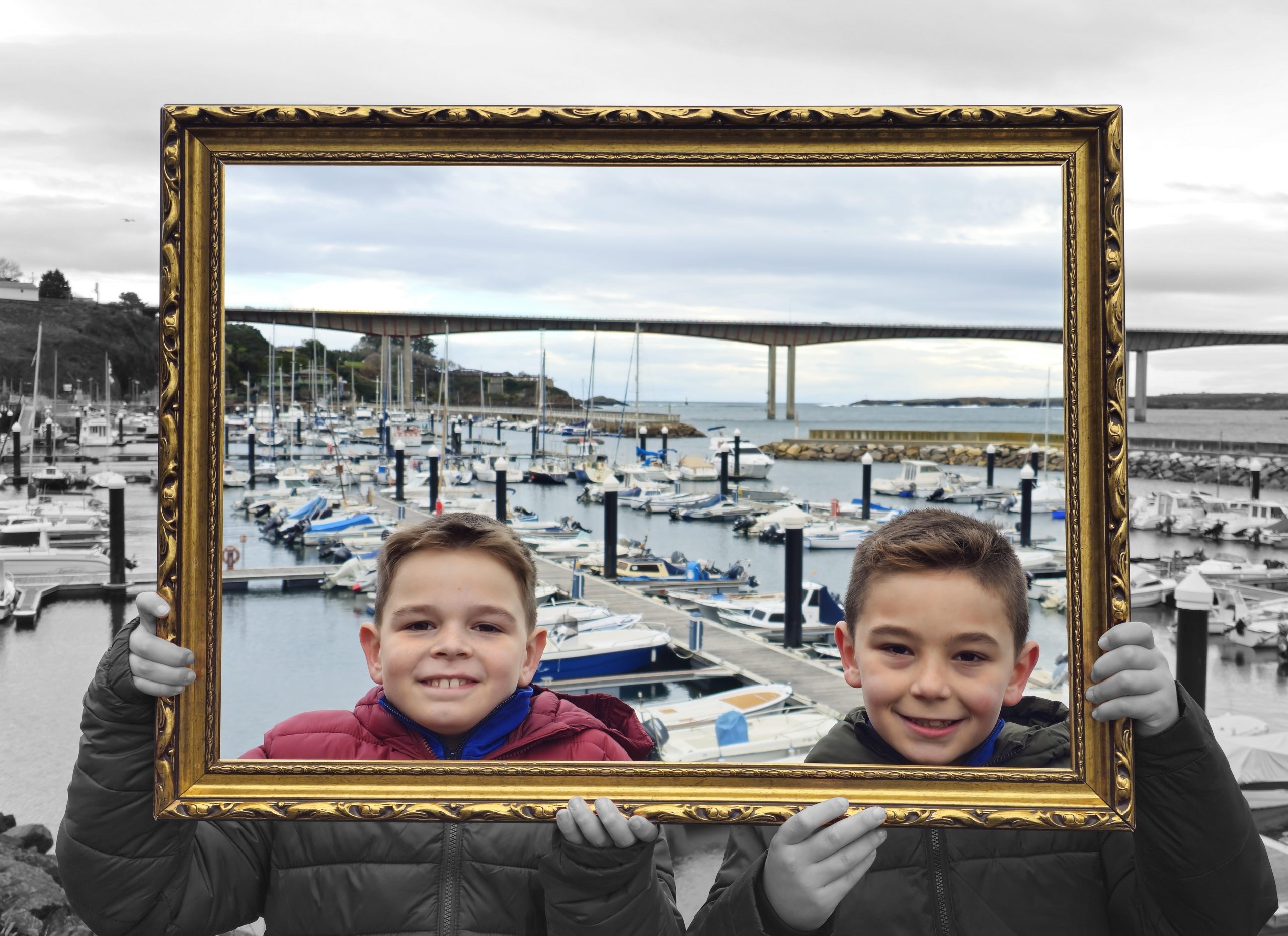
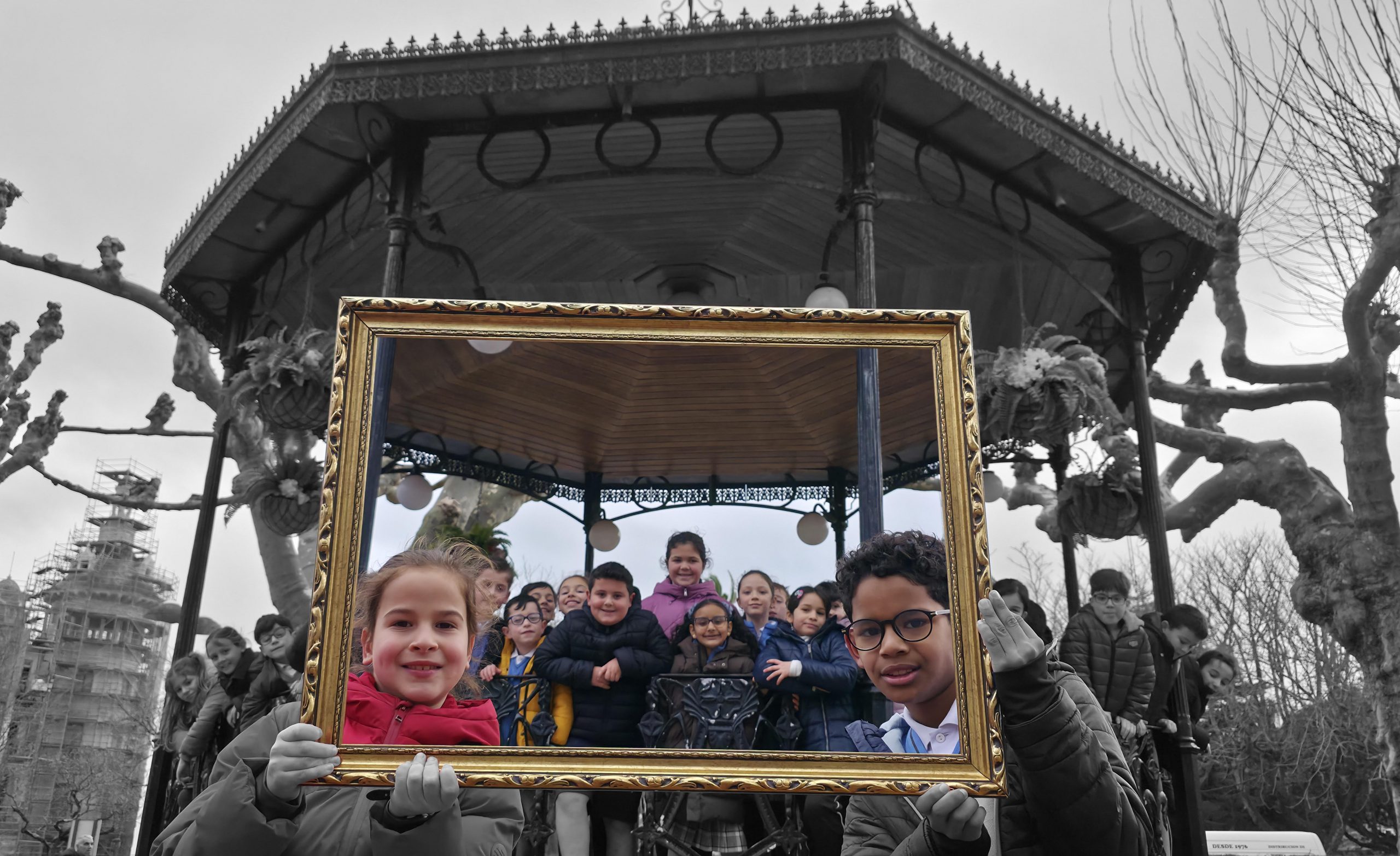
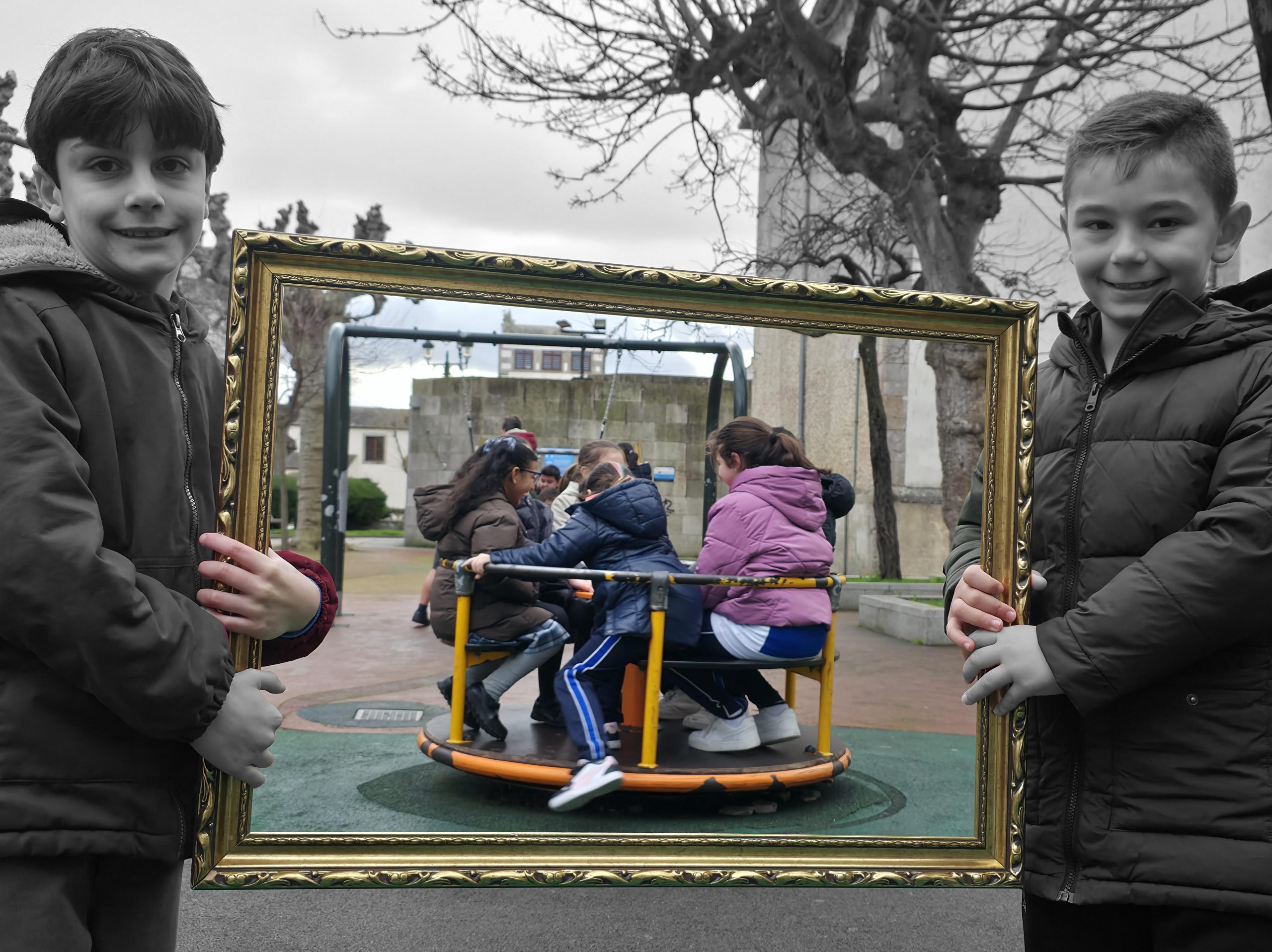
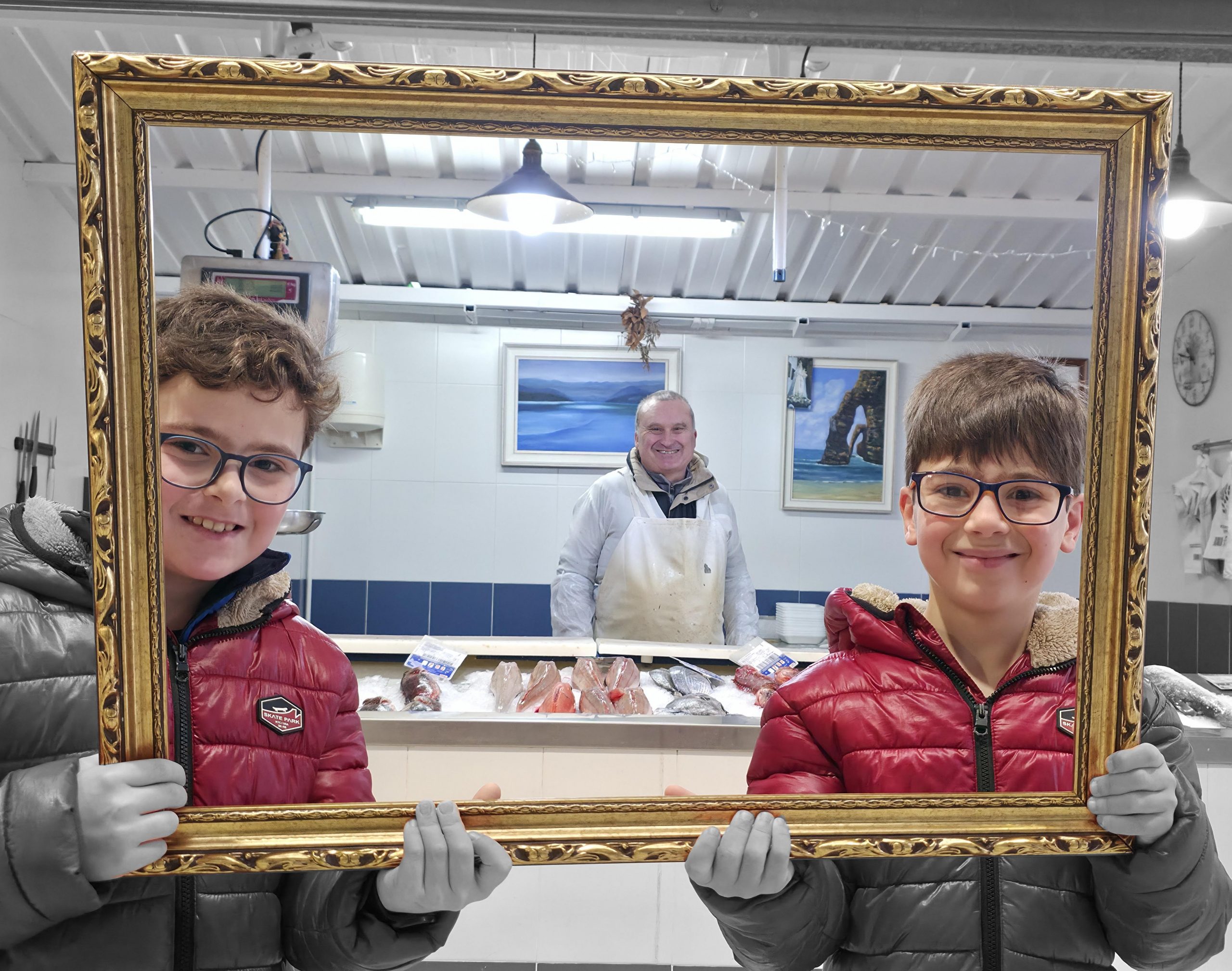
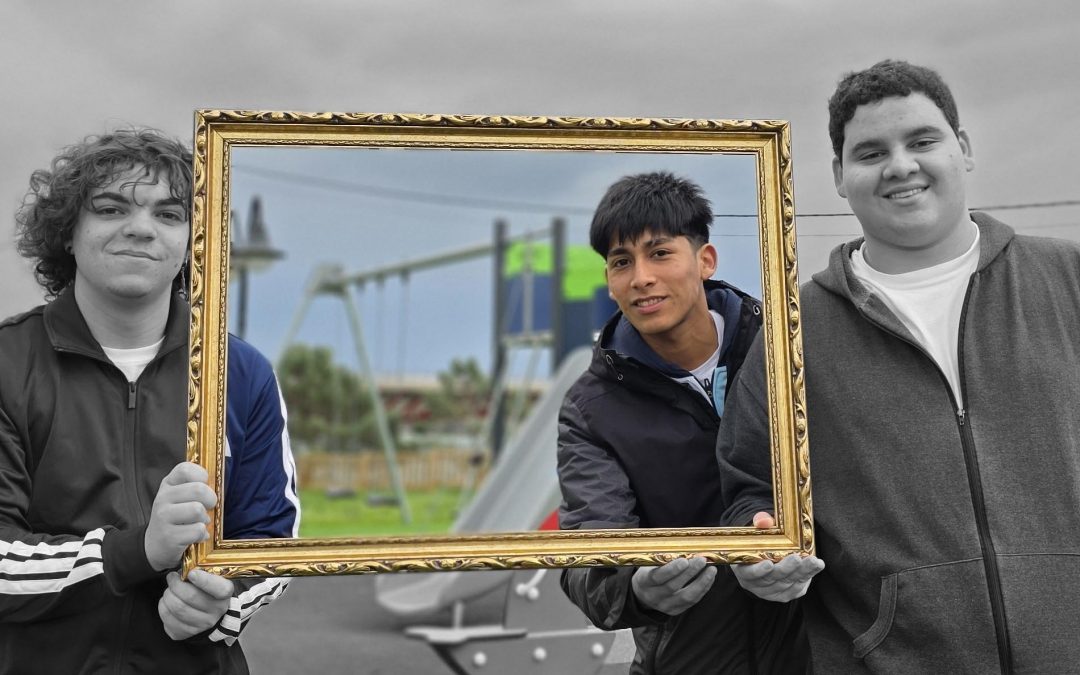
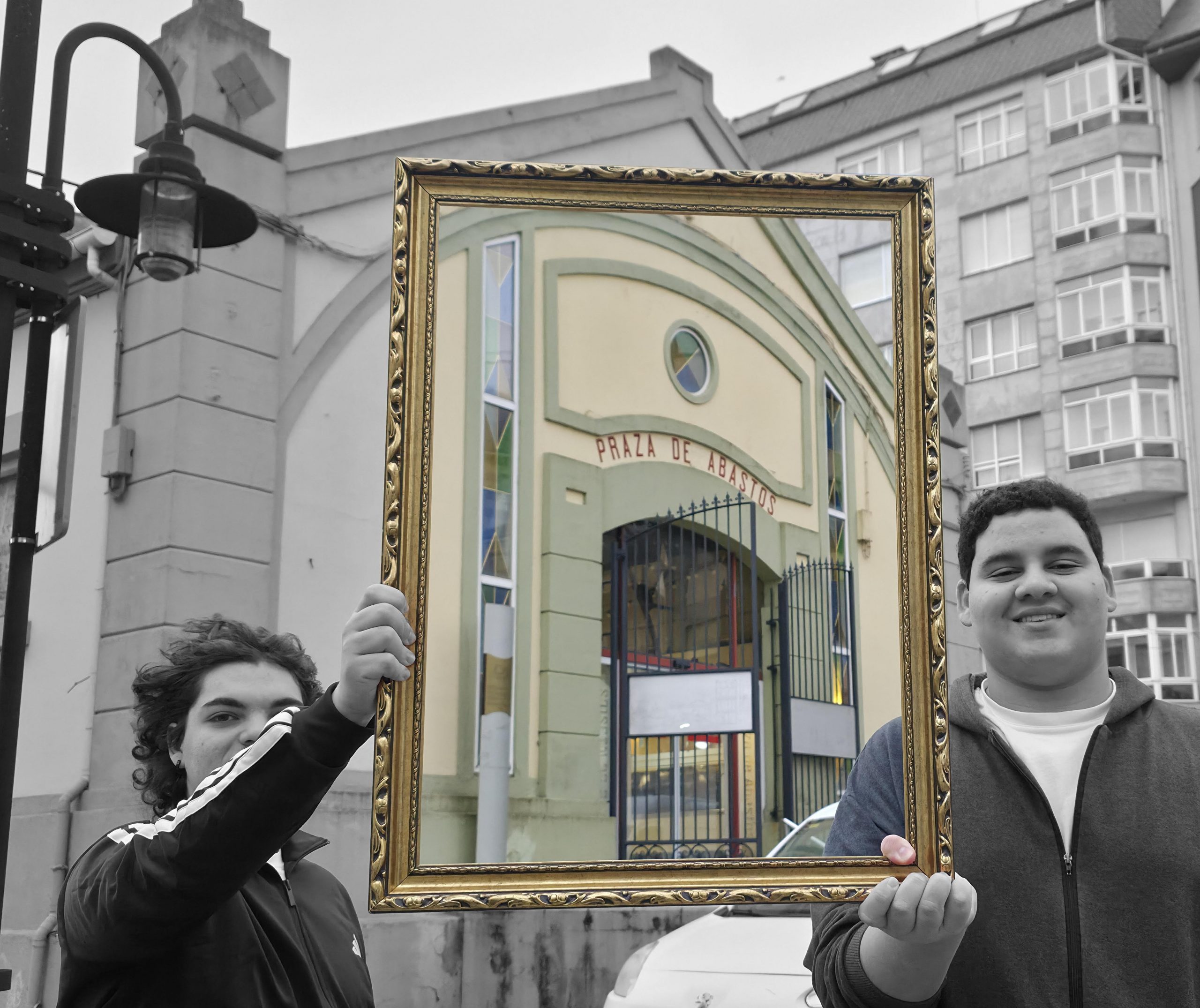
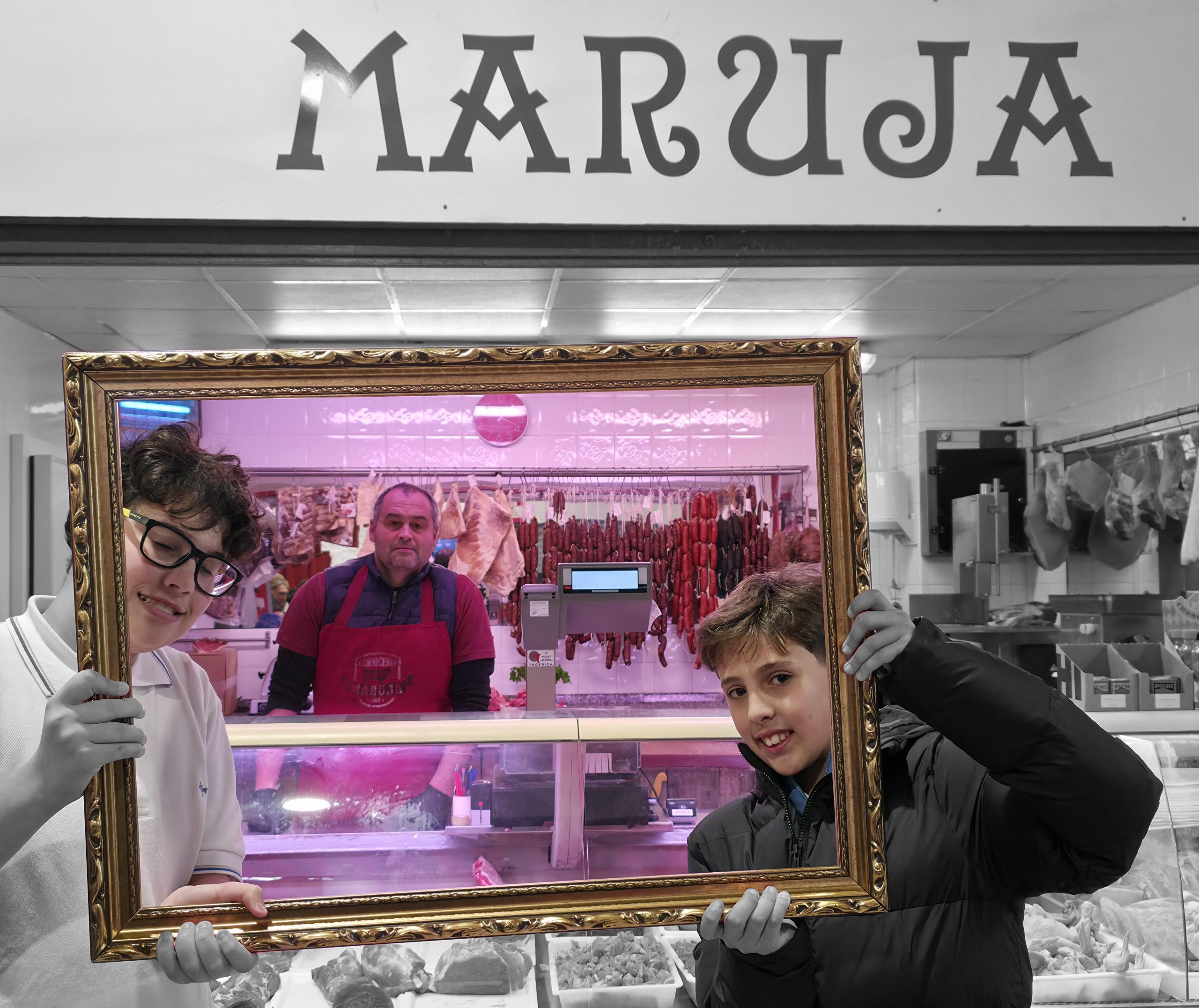
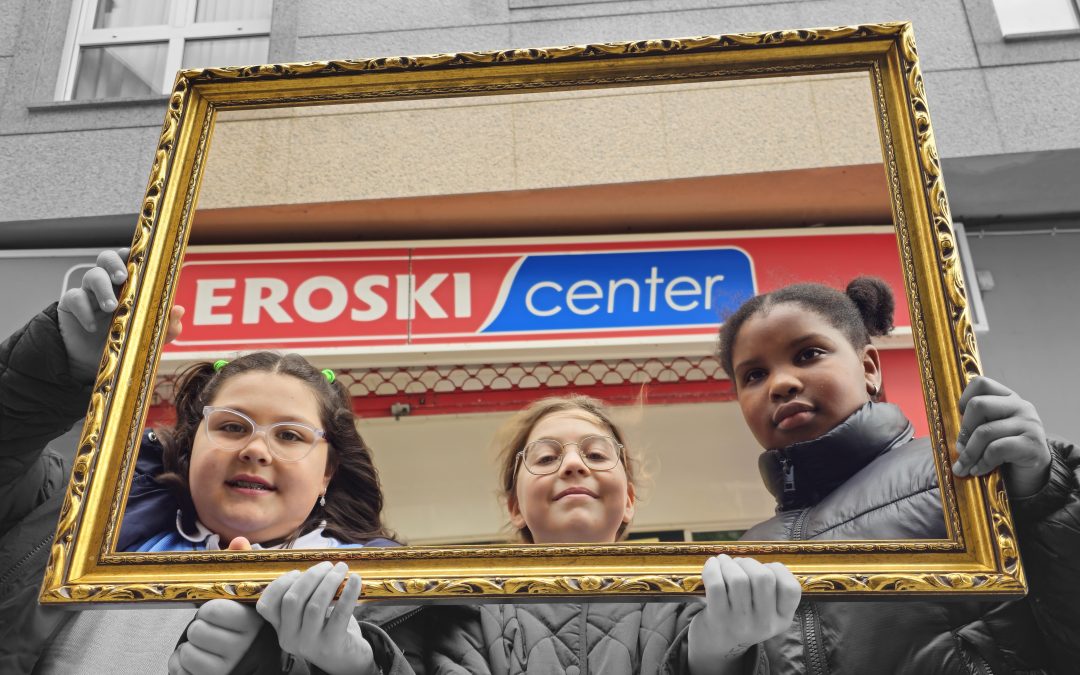
To understand how those who are and will be its inhabitants perceive their town, we will use the following strategy: we go out on a “drift” with a large golden frame, so that during our wandering they can frame those urban elements that are important to them (an experience based on the work of O’Grady). Who were the protagonists of this experience of “A Vila do Mañá”? On this occasion, during their wandering, places in their town—perhaps forgotten—were reDISCOVERED by them.

With “A Vila do Mañá”, the town in which they live is no longer an abstract idea, nor a series of small, partial images; it begins to be understood as a much more complex and broader environment, bringing us closer to the notion of habitat: a space that transcends its physical location within a territory in which we meet our needs, establish relationships with other people and with the environment—both natural and built—, involving processes through which it is transformed, but through which we are also transformed.

Colour your village

The village or city in which we are working, transformed into a game board, a laboratory of experimentation where children and teenagers can act from a new point of view.

Tags

Accessible Cities (69) Acoruñanarede (1) Ames (5) Anxel Casal (3) A Pobra do Caramiñal (2) ArchDaily (1) Architecture (159) Arquitectura (40) Arteixo (2) Art magazine - Logopress (2) Arzúa (34) As Pontes (2) Atlántico (1) A Vila do Mañá (256) barbadas.es (1) Barbadás (15) Barbanza Channel (3) Bergantiños Diary (1) Book (8) boys and adolescents (24) Brasil (11) Brazil (5) Bueu (16) Cambados (15) Carballo (40) Childhood (198) City (76) codesign (16) Coia (19) Compostela24horas.com (1) Conference (5) Coronavirus (68) Council of Carballo (1) Covid (69) crtvg (1) Cultural heritage (7) Culture city (1) Curtis (7) derecho a la ciudad (1) Diario de Arousa (4) Diario de Pontevedra (1) Diary of Arousa (29) Ecos da comarca (4) El Comarcal (1) El Correo Gallego (43) ElDiario.es (1) el ideal gallego (1) El progreso (1) enfoques (2) Environment (3) Faro de Vigo (43) Ferrol (19) Ferrol360.es (1) Ferrol Diary (5) Floats (8) Galicia (232) Galicia@PRESS (2) Galician literature (1) Game board (5) Game of goose (5) GDiario (1) Girls (18) Girls, boys and adolescents (133) Green flag (4) Hai Mulleres (2) Heritage (142) High School Alexandre Bóveda (5) Historic city (9) History of Galicia (1) Hoyesarte.com (1) Iberoamerican Biennial (4) Independence square (1) Infancia (14) Inmodiario (1) inquEDU (2) Instituto Alexandre Bóveda (1) International (3) Interview (2) Landscape (131) La Opinión (16) La Región (22) La Voz de Galicia (100) library (1) Lina Bo Bardi (6) Lindeiros (1) Lo Que Yo Te Digo (2) Ludantia (4) Madrid (2) Malpica (5) Master Houses (1) Mobility (2) Mobility Week (2) Mondoñedo (6) Nenas nenos e adolescentes (13) Nets (1) News (185) NH Diary (8) Nius Diary (1) Noticia (14) O Barbanza (2) Observador (1) O Correo de Bergantiños (2) O Porriño (4) Padrón (3) Pandemic (47) Park (2) Participación protagónica (41) Patrimonio cultural (1) Pazo do Martelo (1) PonteAreas (4) Pontevedra (4) PontevedraViva!com (2) Portugal (1) Protagonist participation (85) Protegim-nos (1) Que pasa na Costa (3) RadioValladares (1) Regiao news (1) Region (3) Revista AMSGO! (1) Rianxo (20) Ribadeo (2) Ribeira (8) Right to the city (88) Rías Baixas Channel (3) Rúa (14) Sandra Gonzalez Alvarez (19) Sandra González (131) San Francisco Vilagarcía de Arousa School (3) Santiago's road (46) Santiago de Compostela (12) Sesc Santo Amaro (1) Silleda (30) Social distance (68) Street (96) São Paulo (14) Tactical urbanism (88) Talleres (22) Teixeiro (2) Telecinco (1) Terrachá xá (1) Touro (8) treintayseis (1) TV (3) TV of Galicia (2) Urban garden (7) Urbanism (145) Urbanismo (40) Urbanismo de Guerrilla (142) Urbanismo táctico (42) Venice Biennale (2) Verín (5) Viena (2) Vila (23) Vilagarcía (24) Village (101) Vimianzo (7) Virtual (40) Vía Láctea Communication (1) Workshops (139) XUNTA DE GALICIA (3) zero code (1)
Logo A Vila do Mañá

Proxecto financiado por:

Proxecto financiado pola Deputación da Coruña

Grazas polo teu aporte