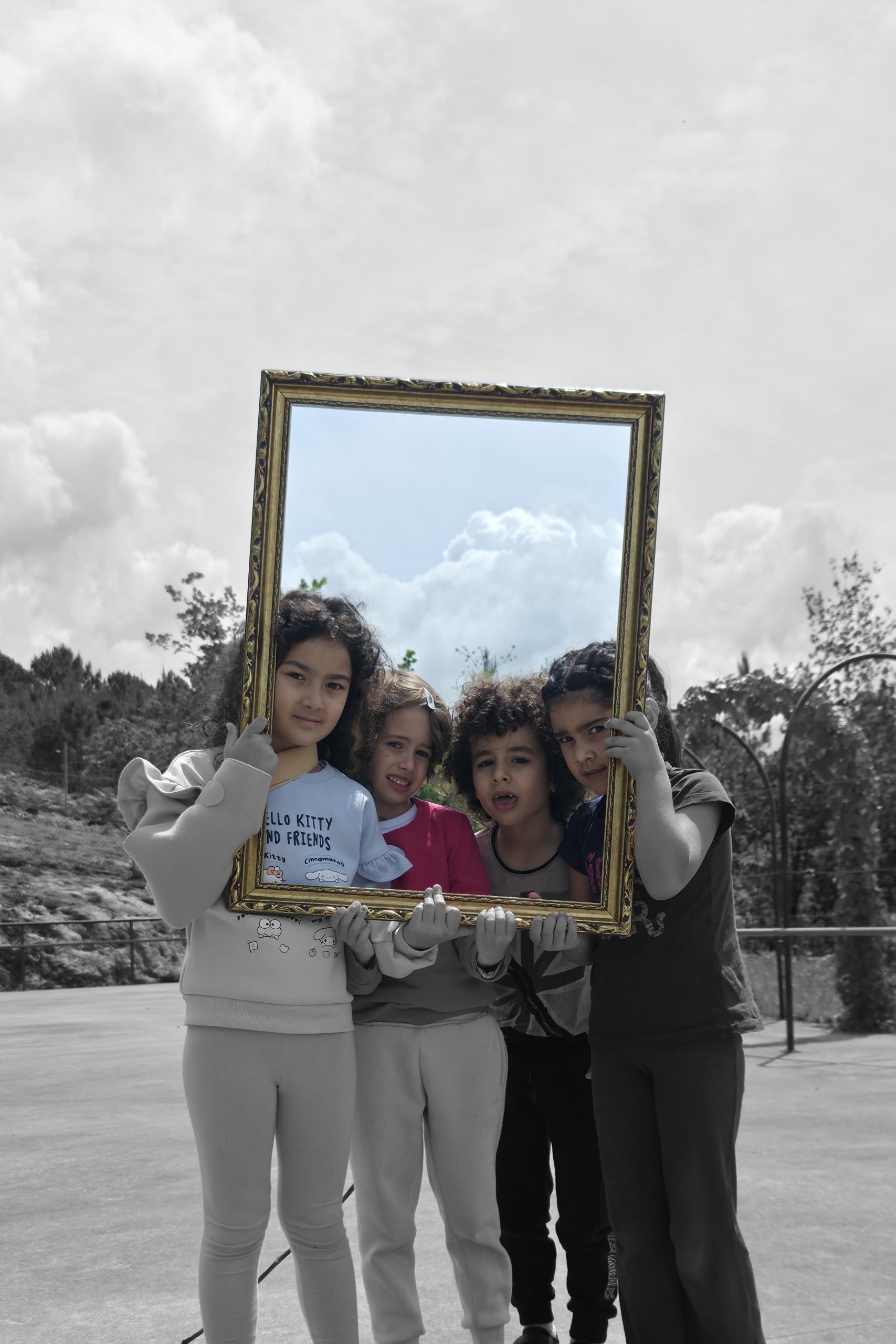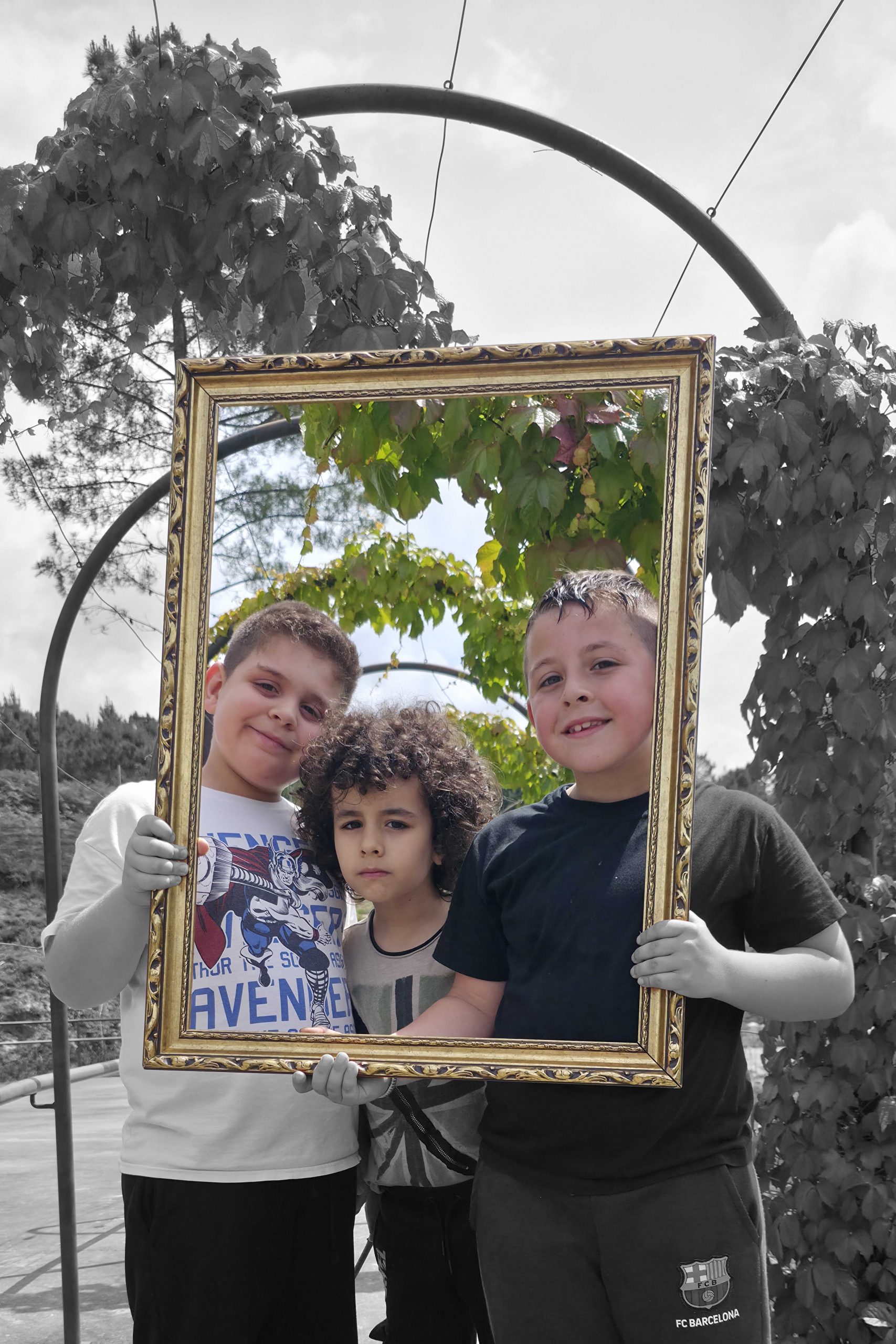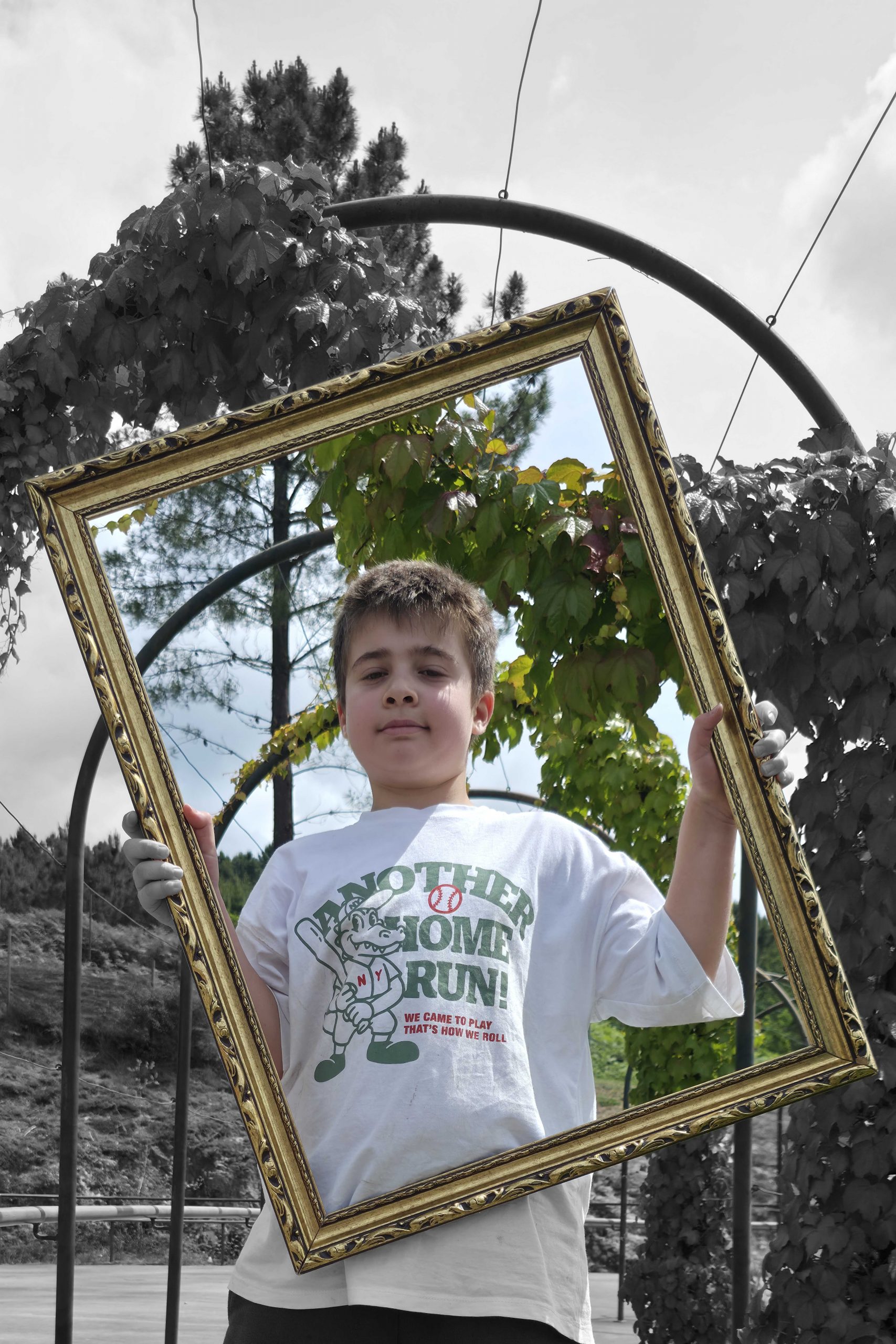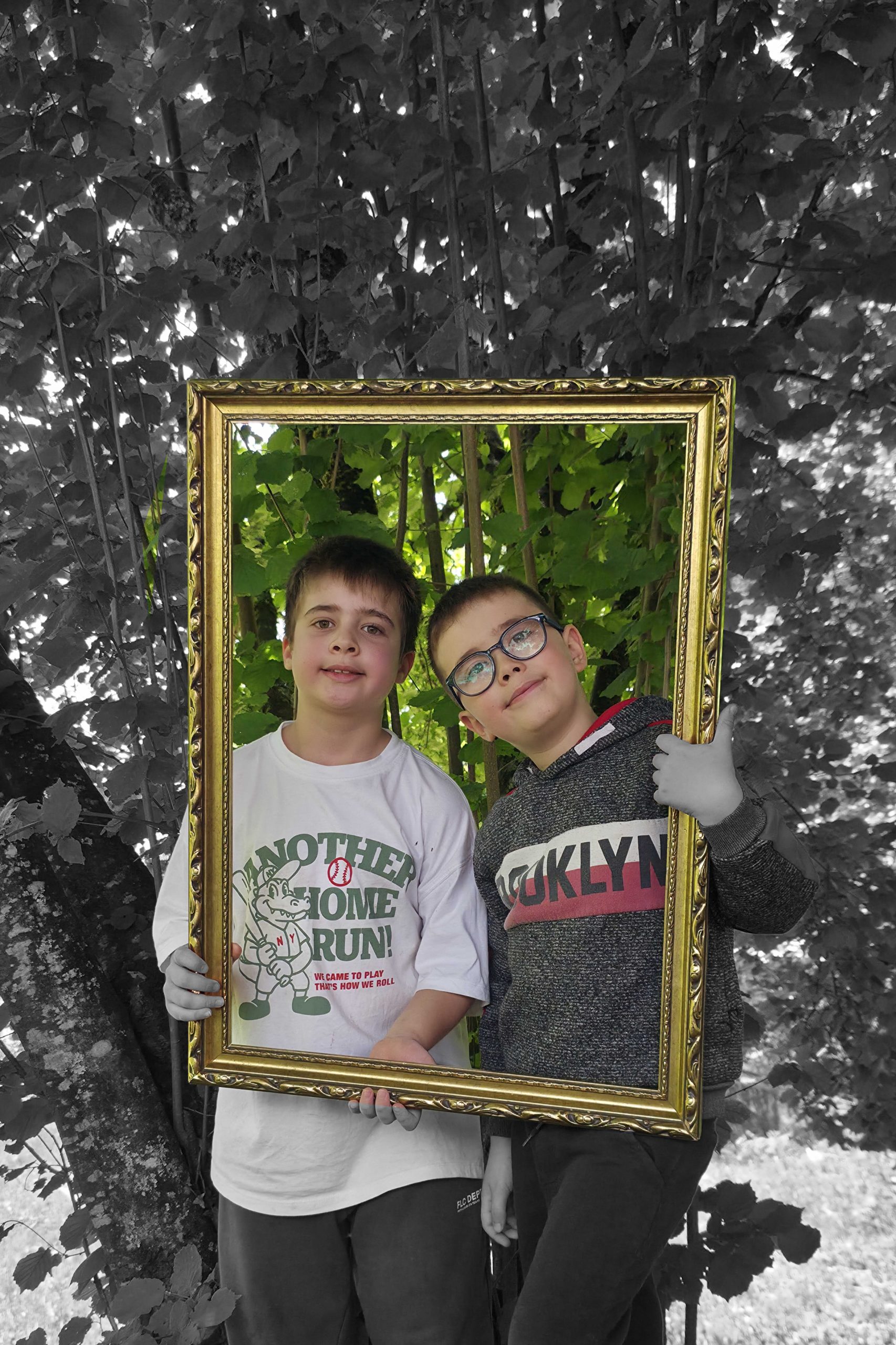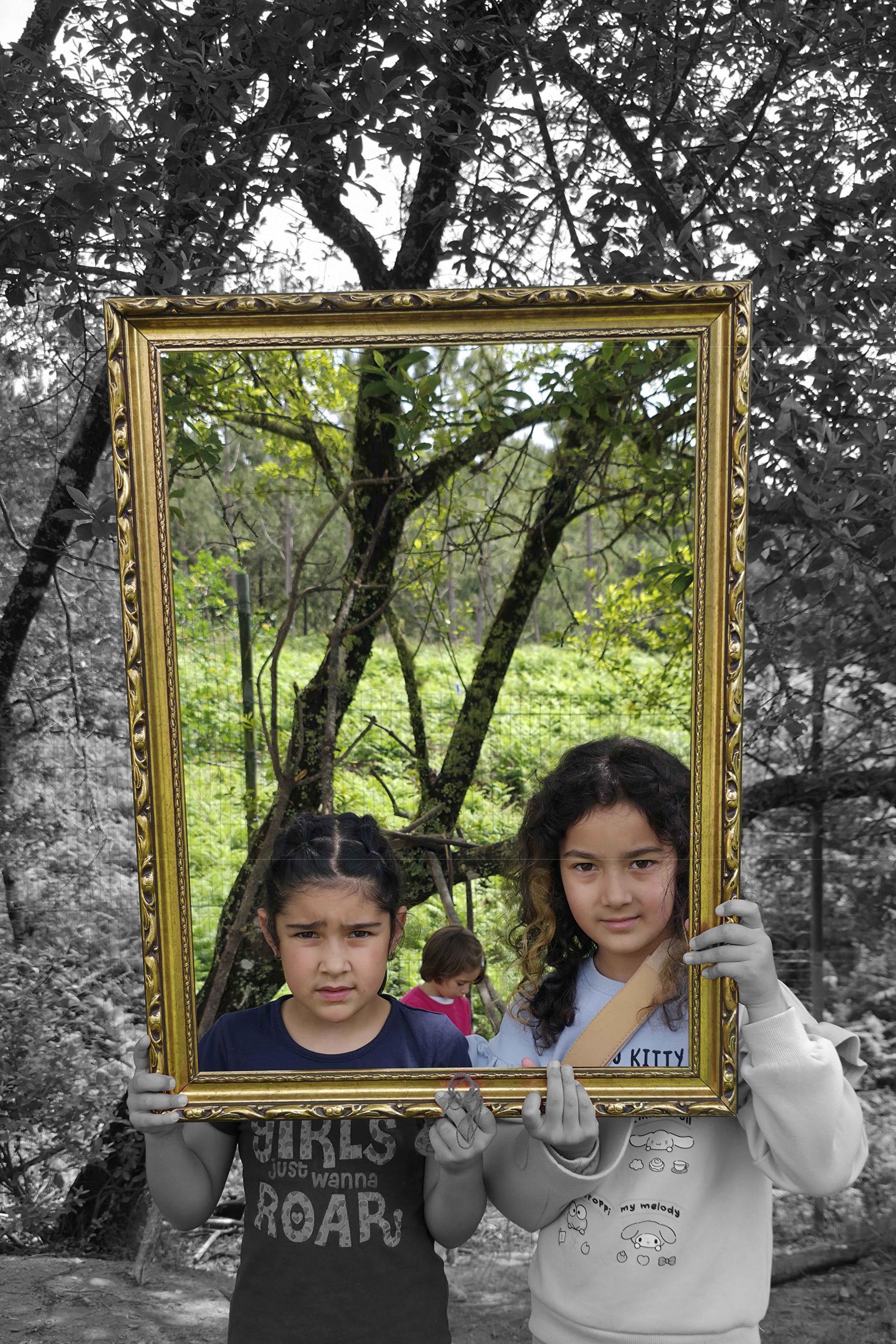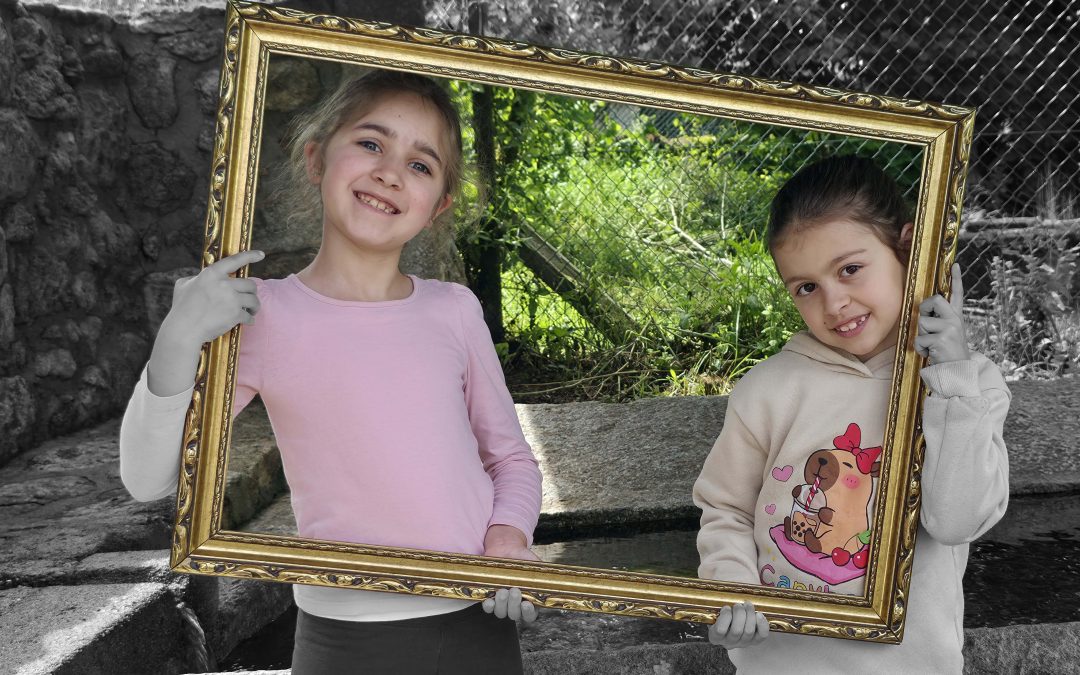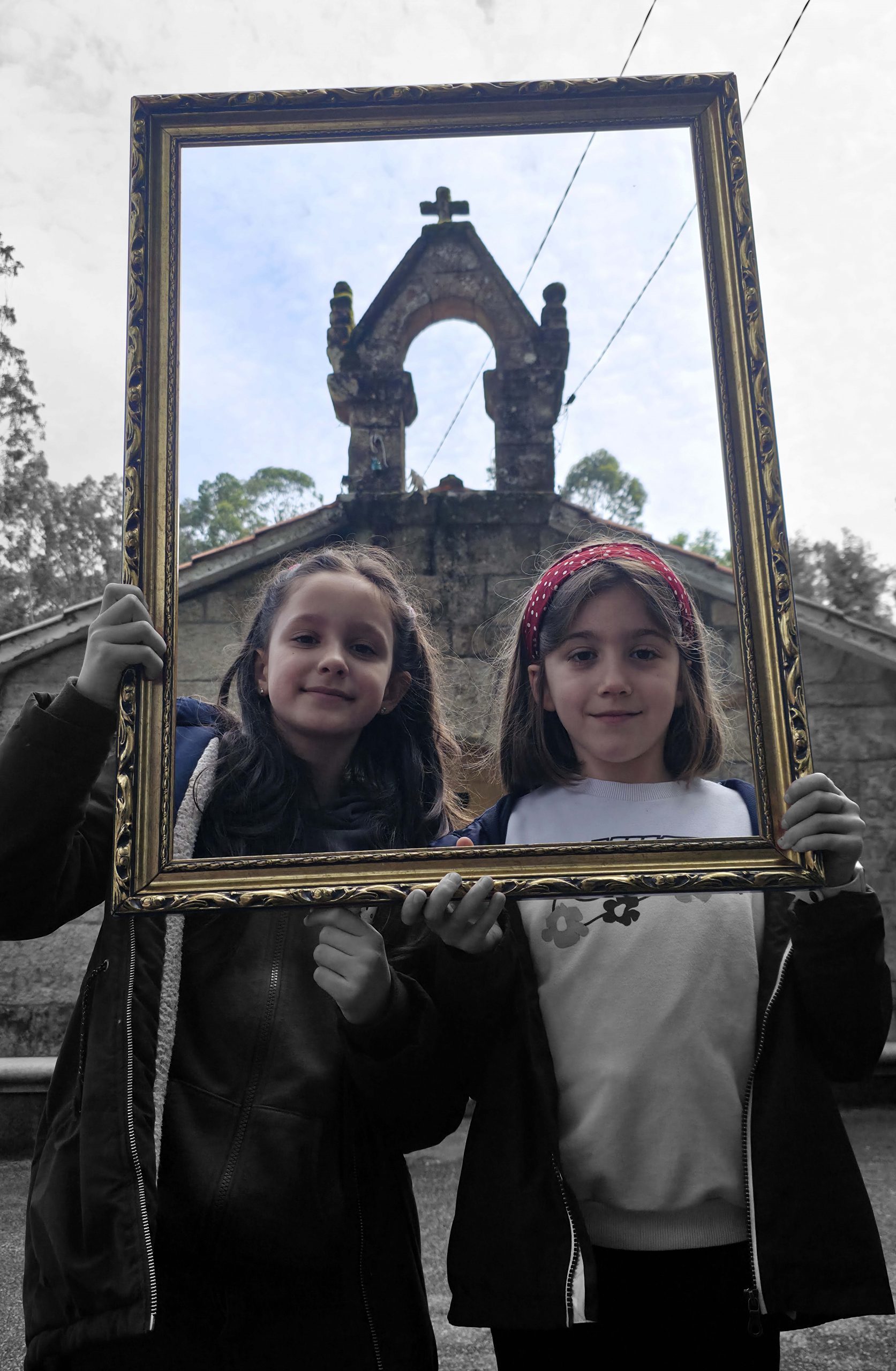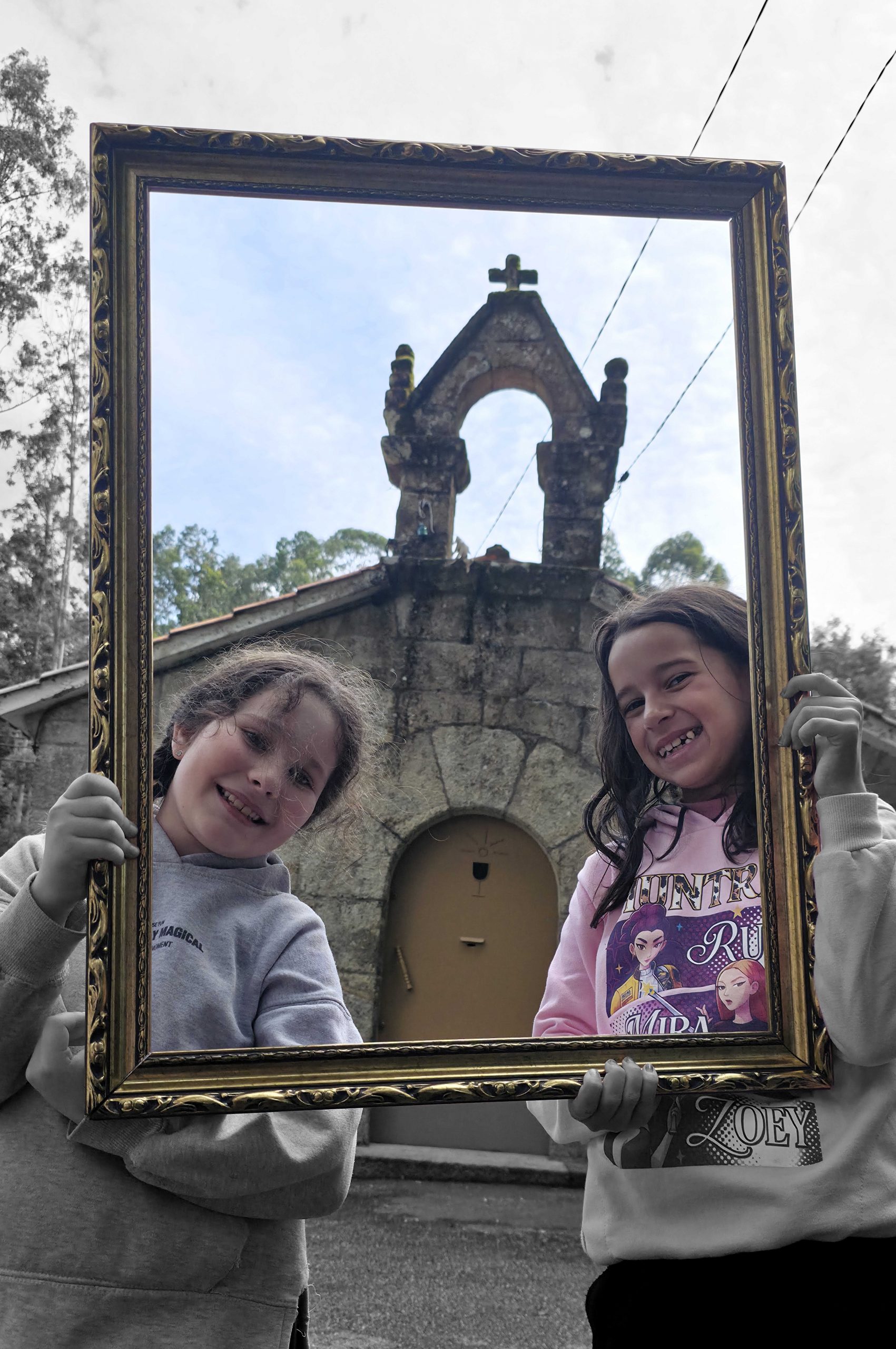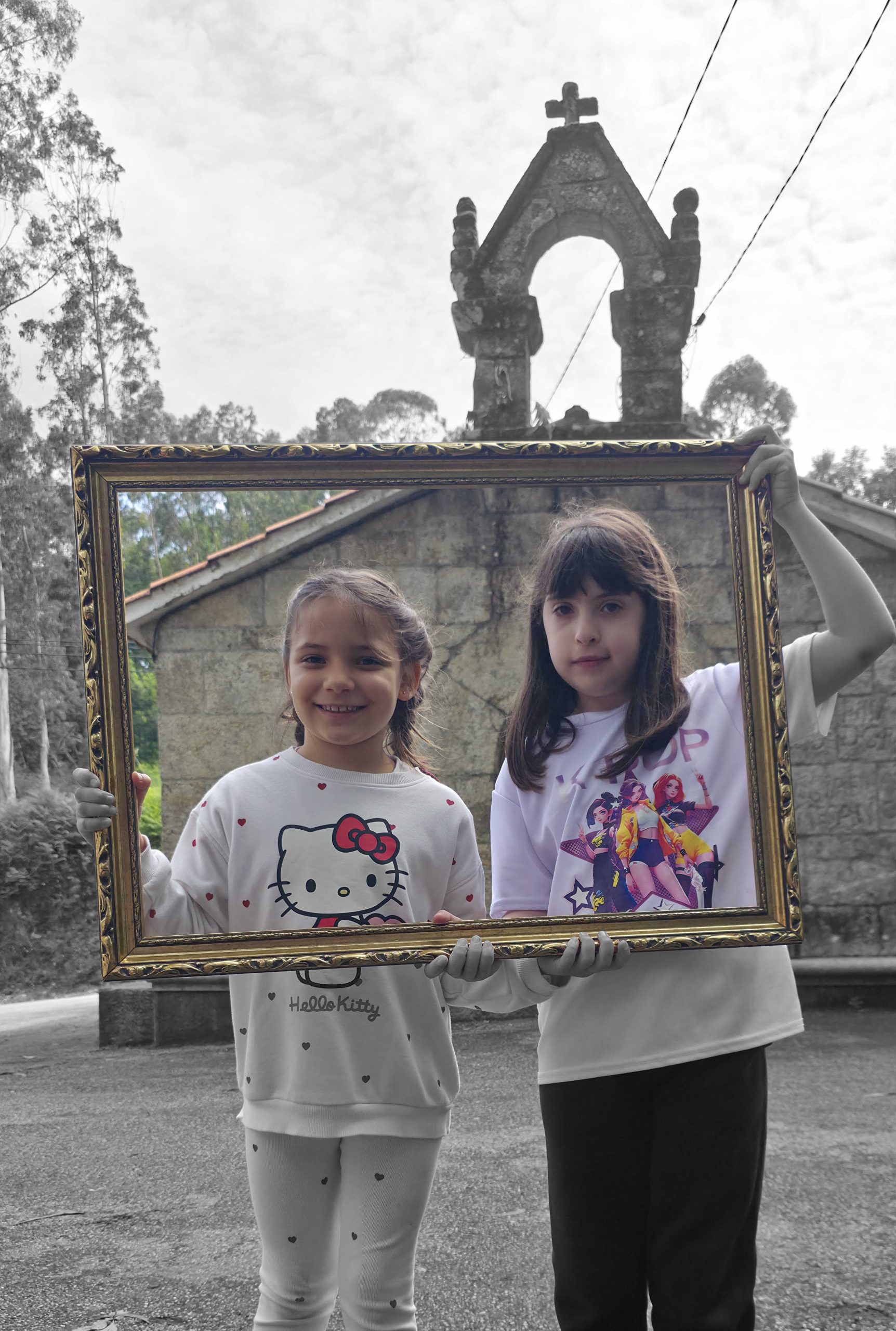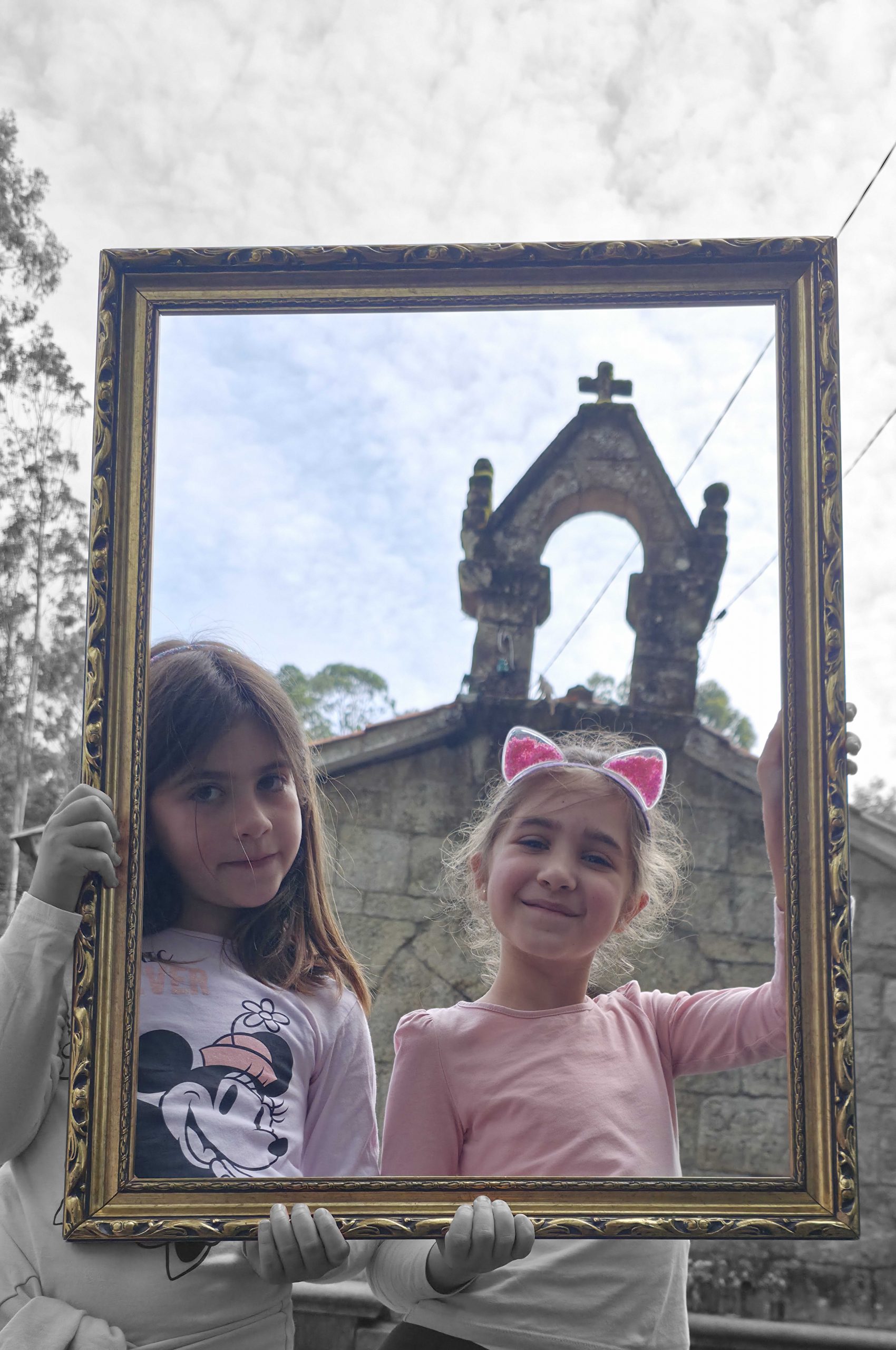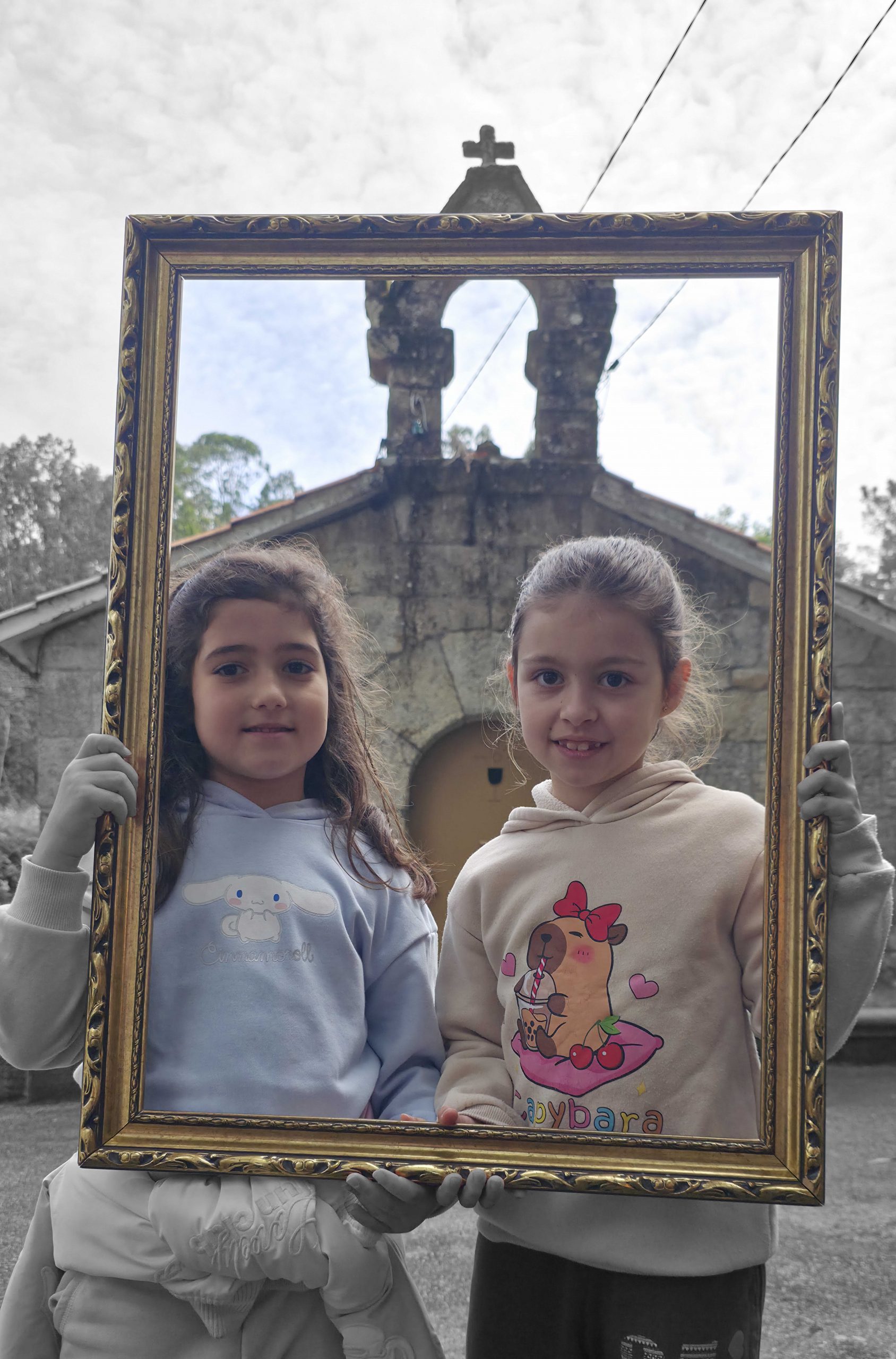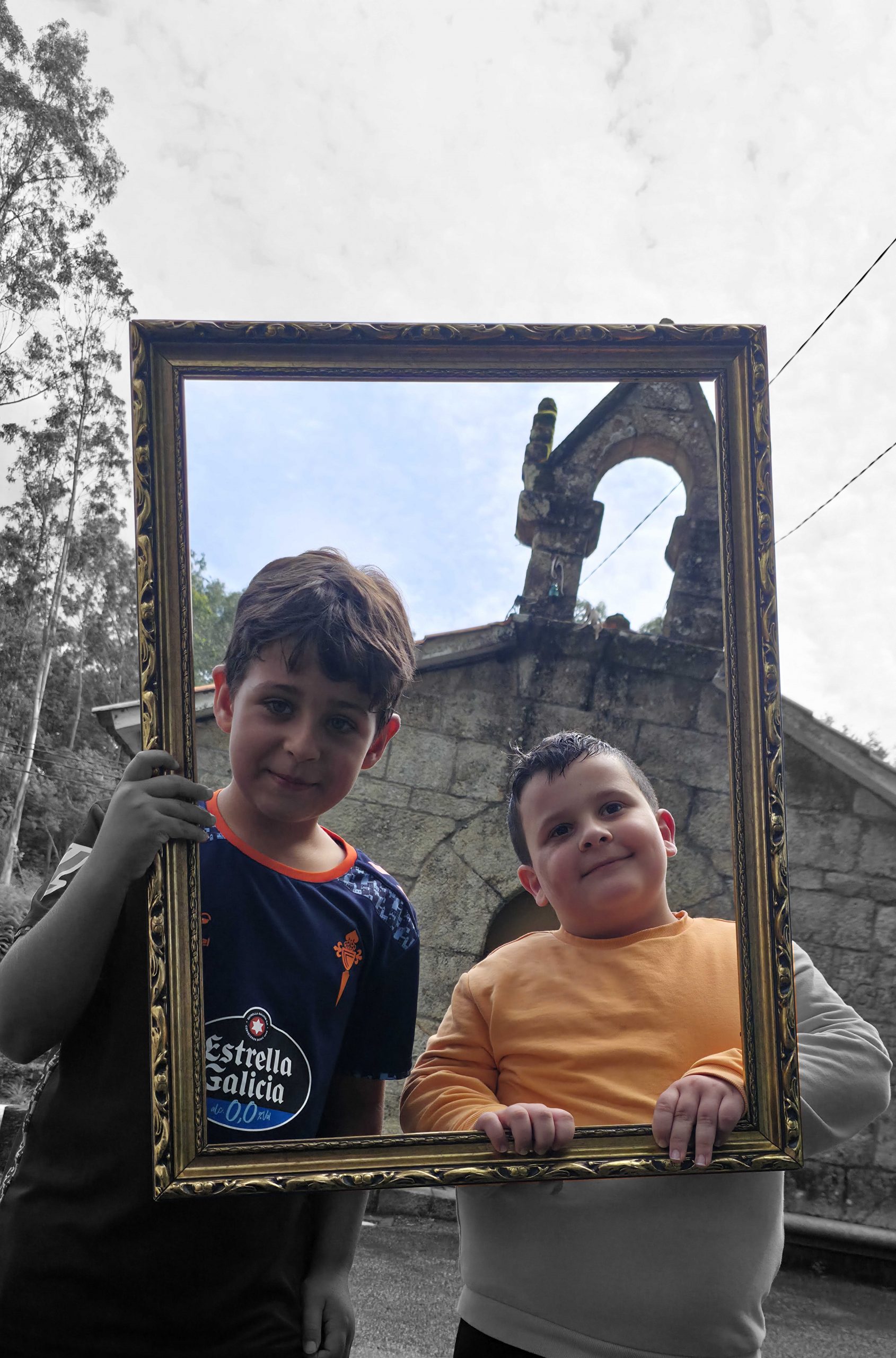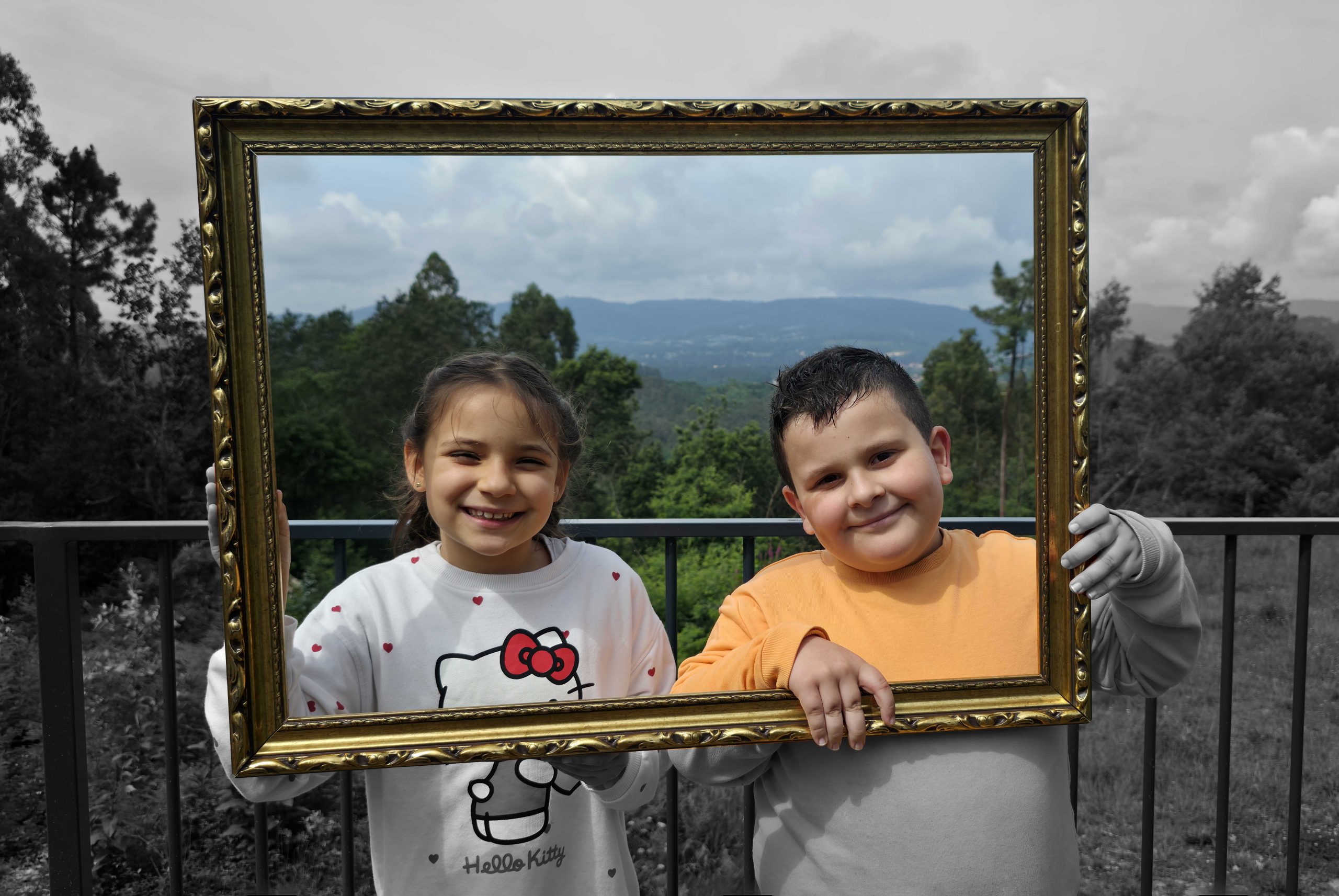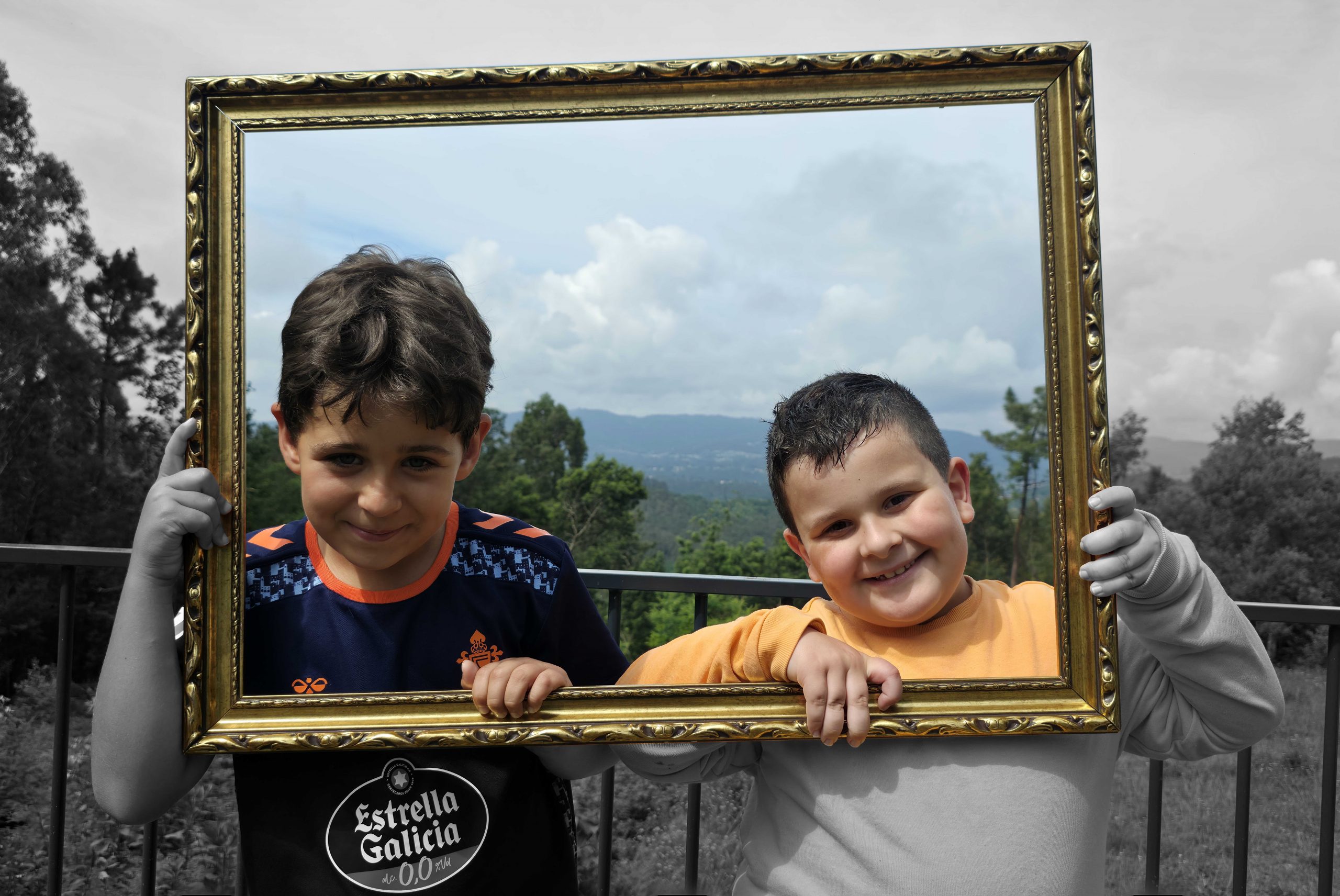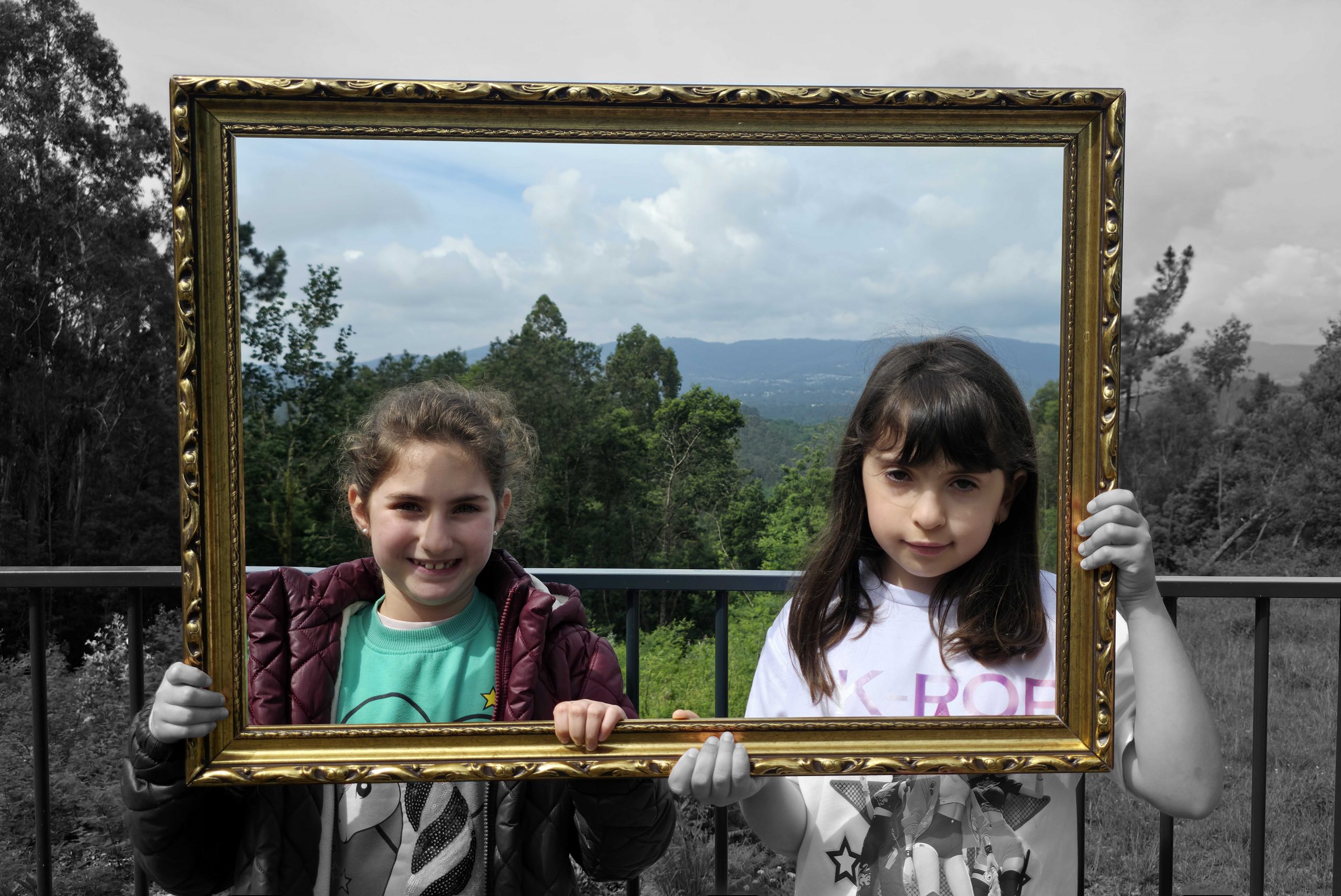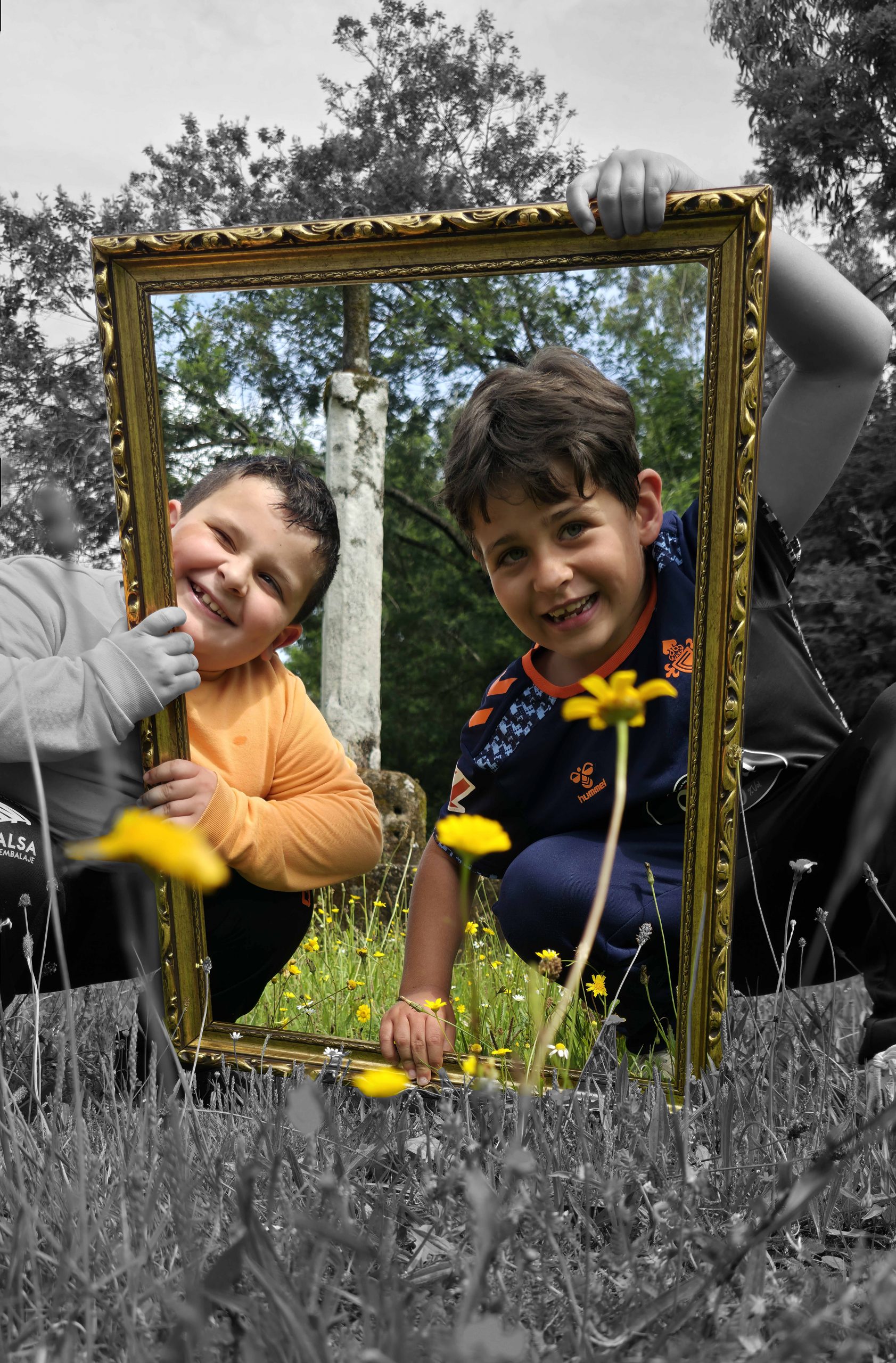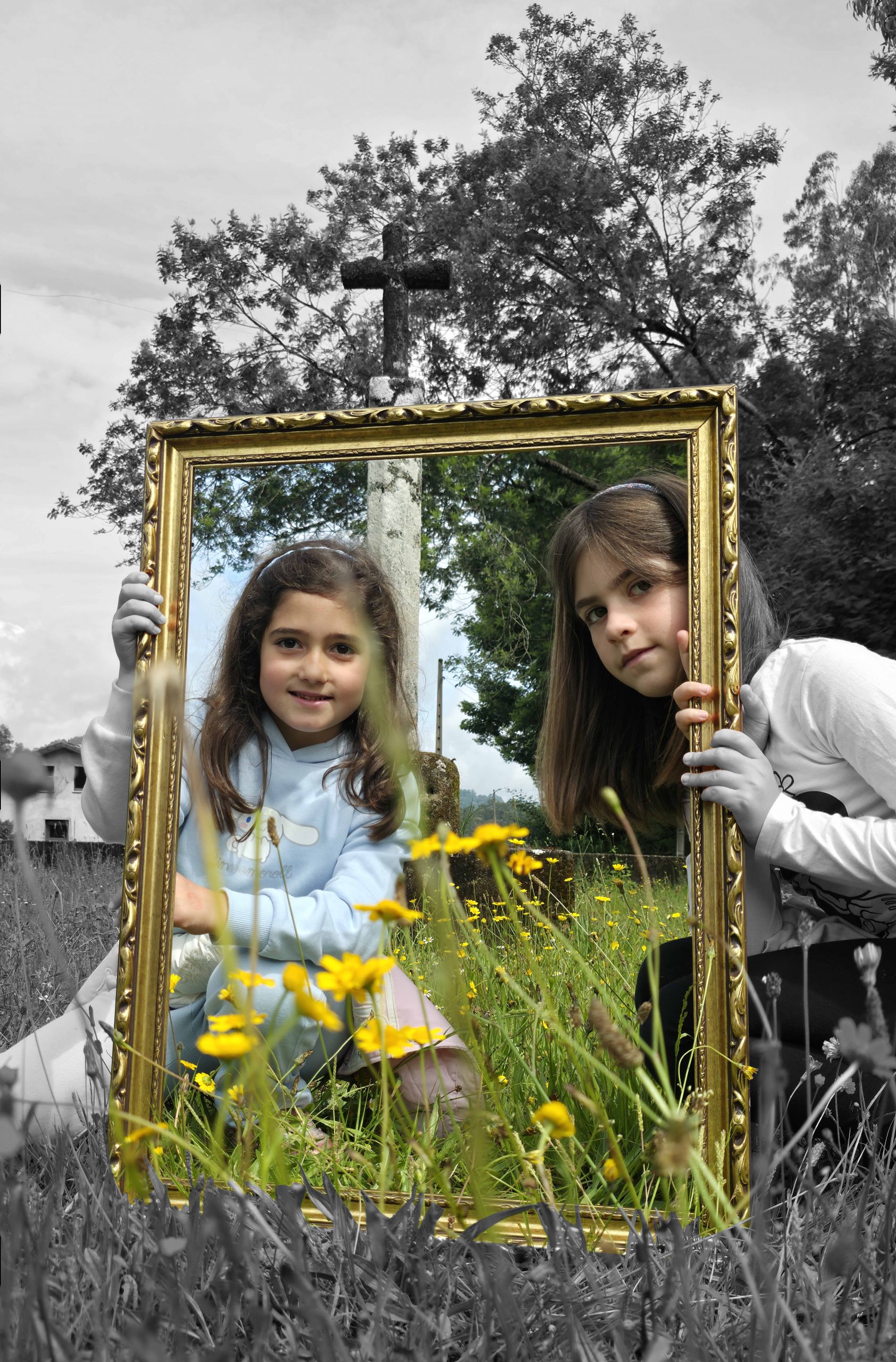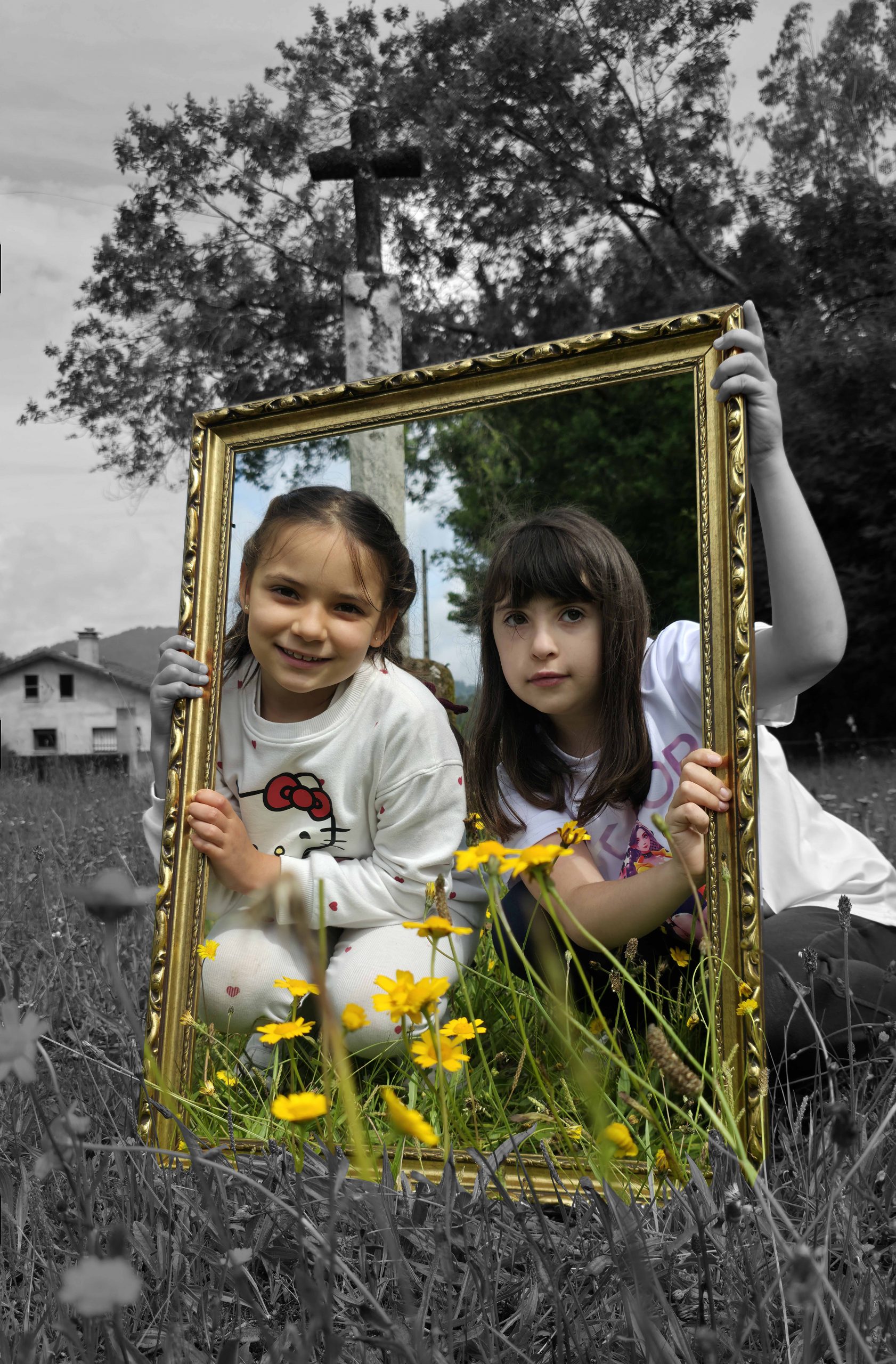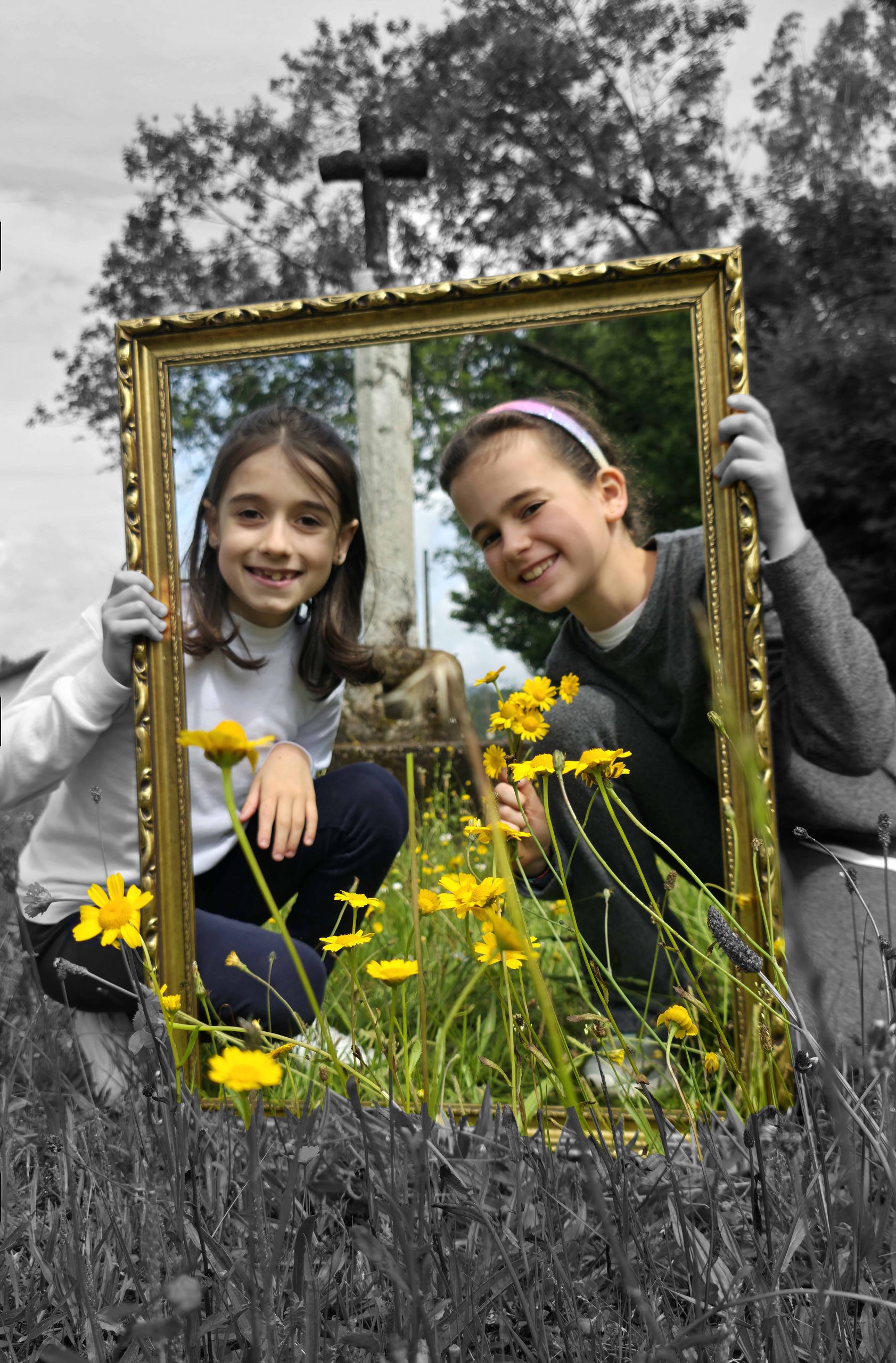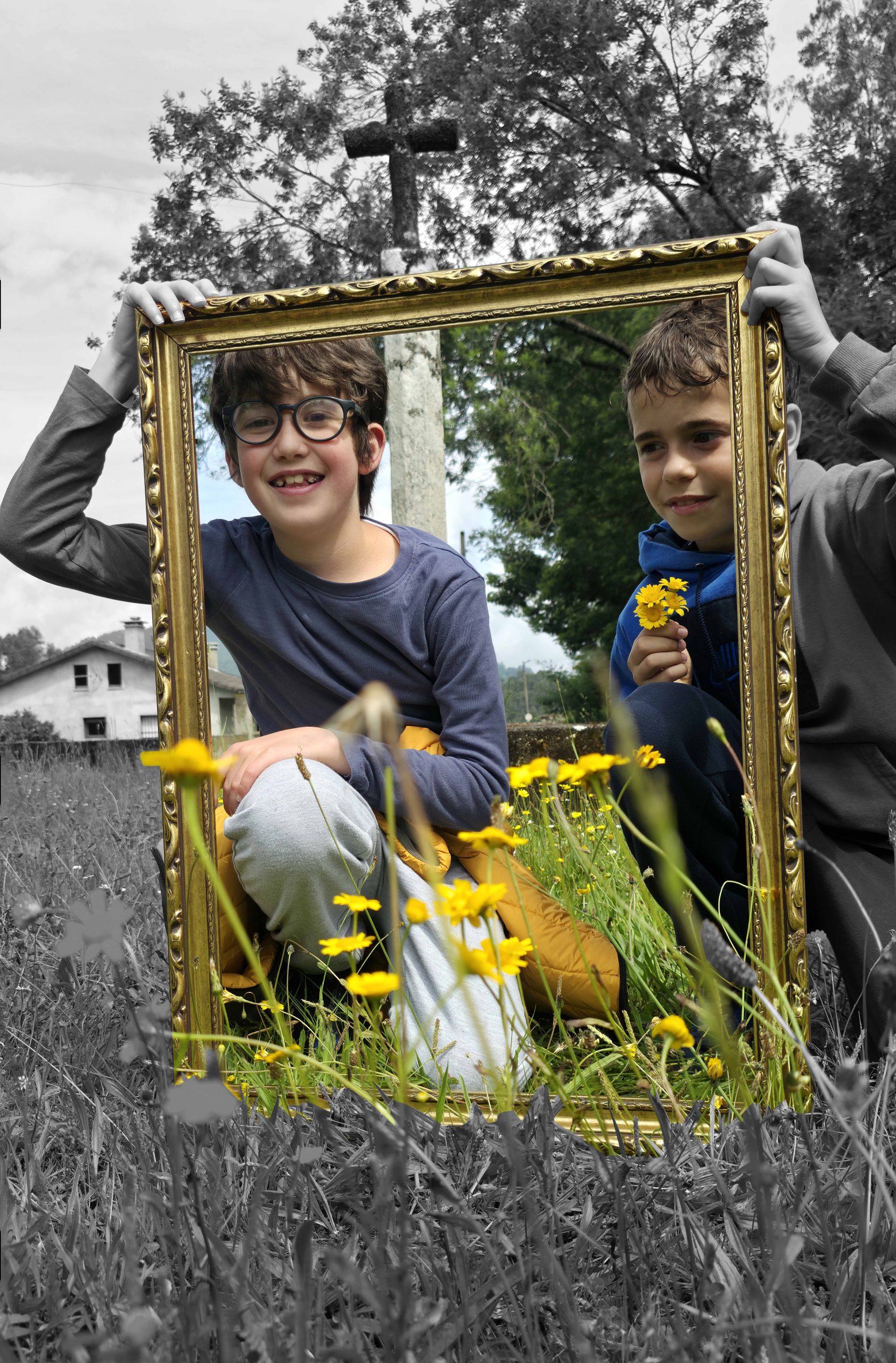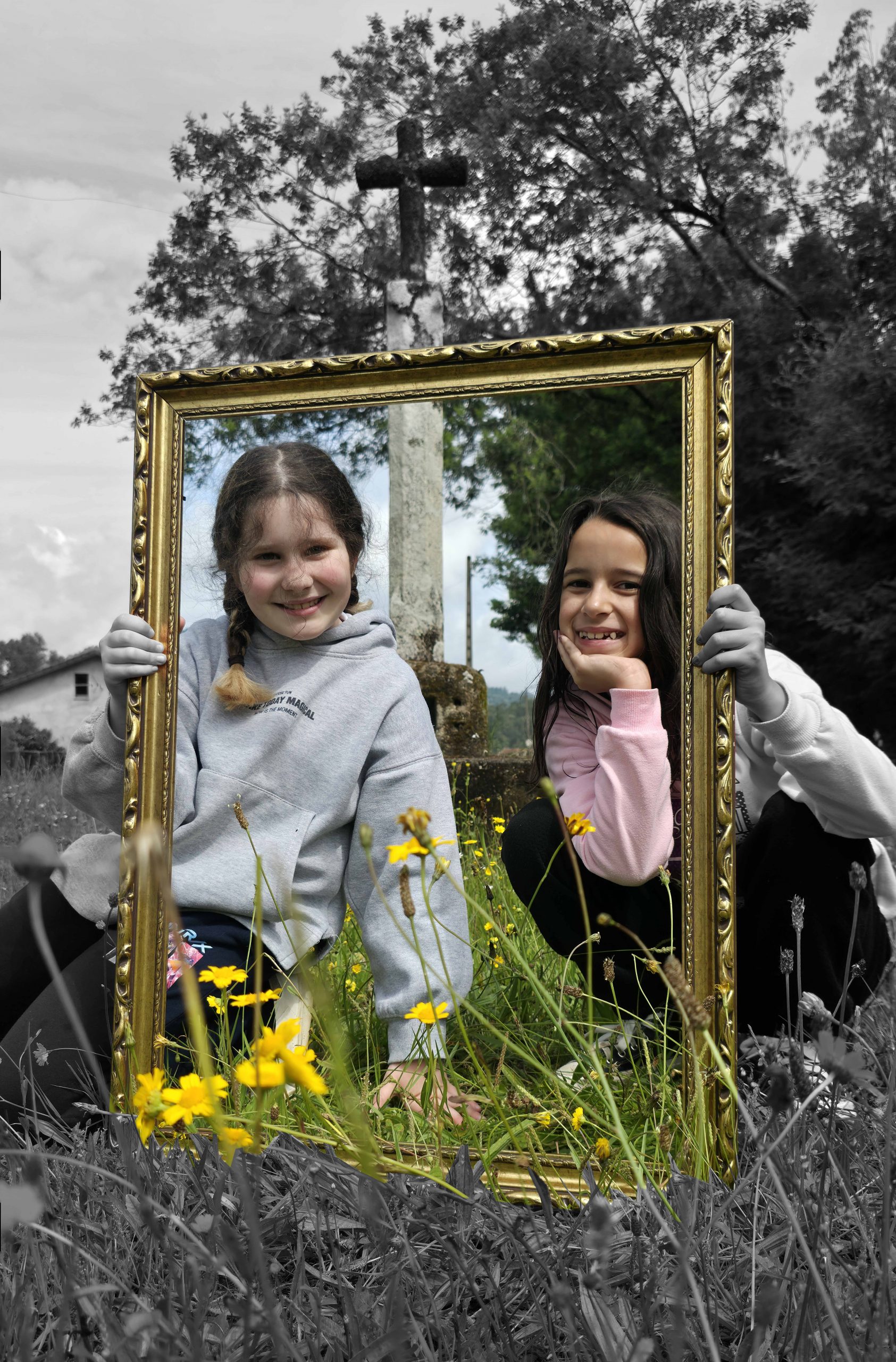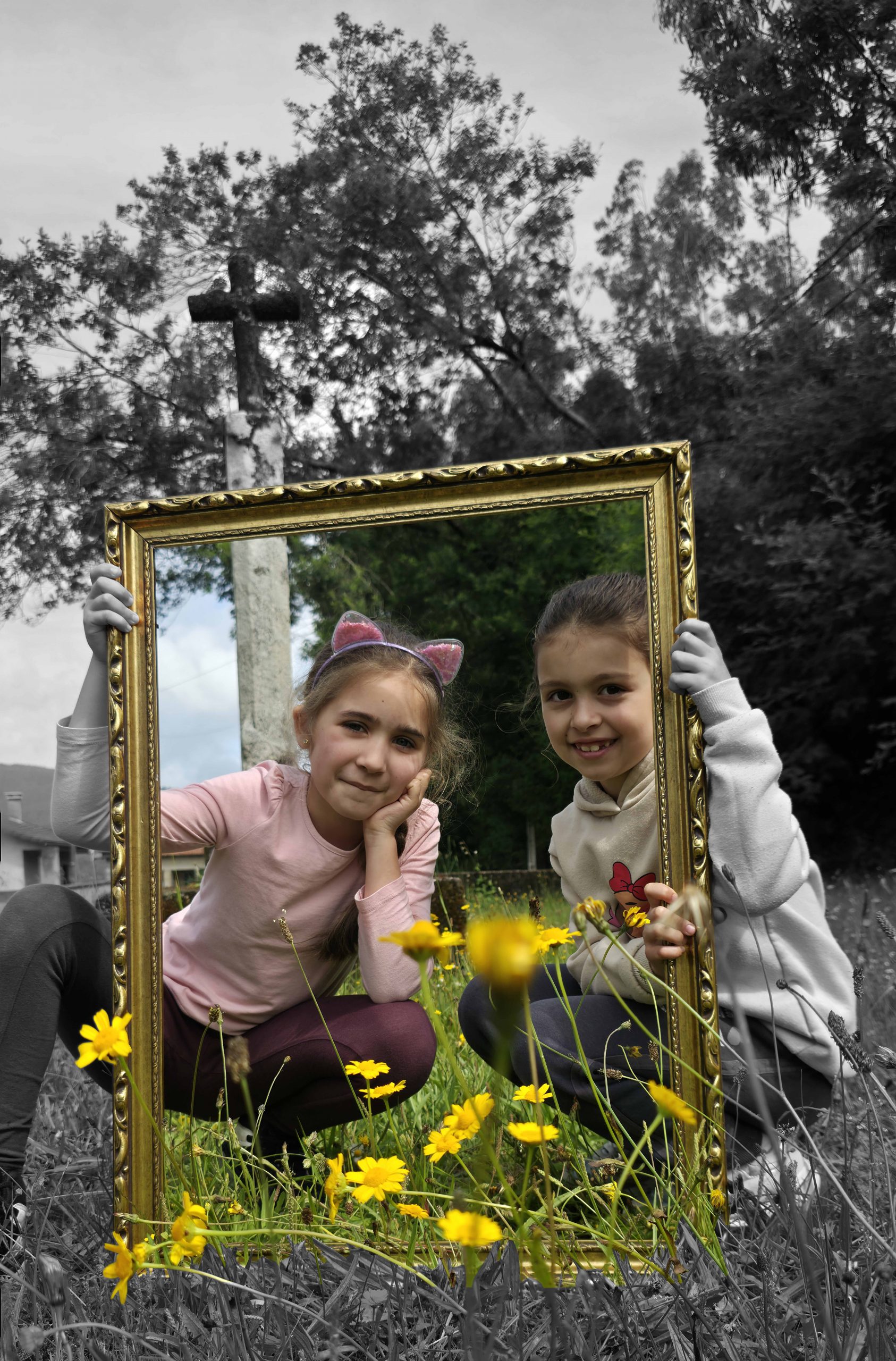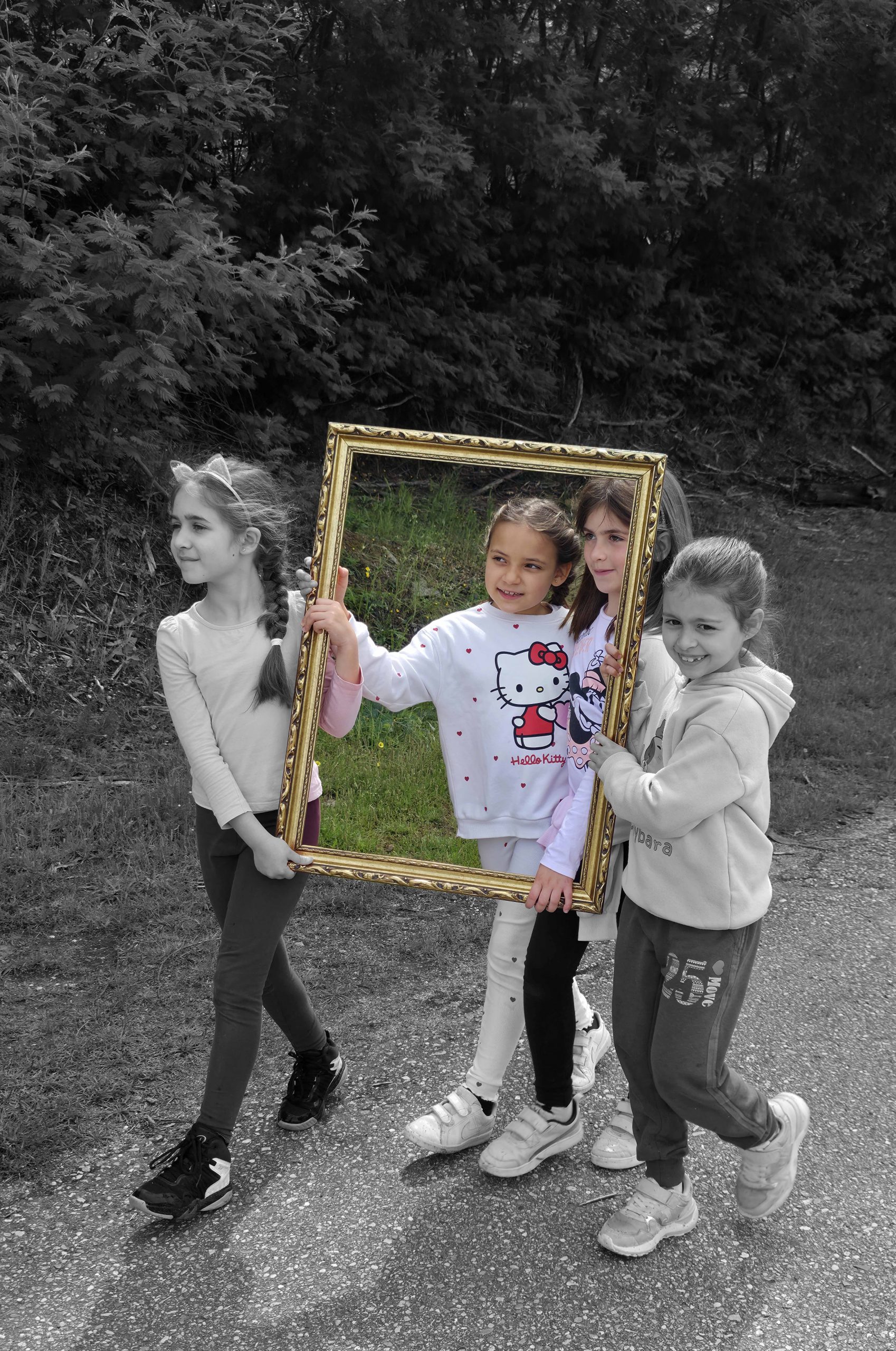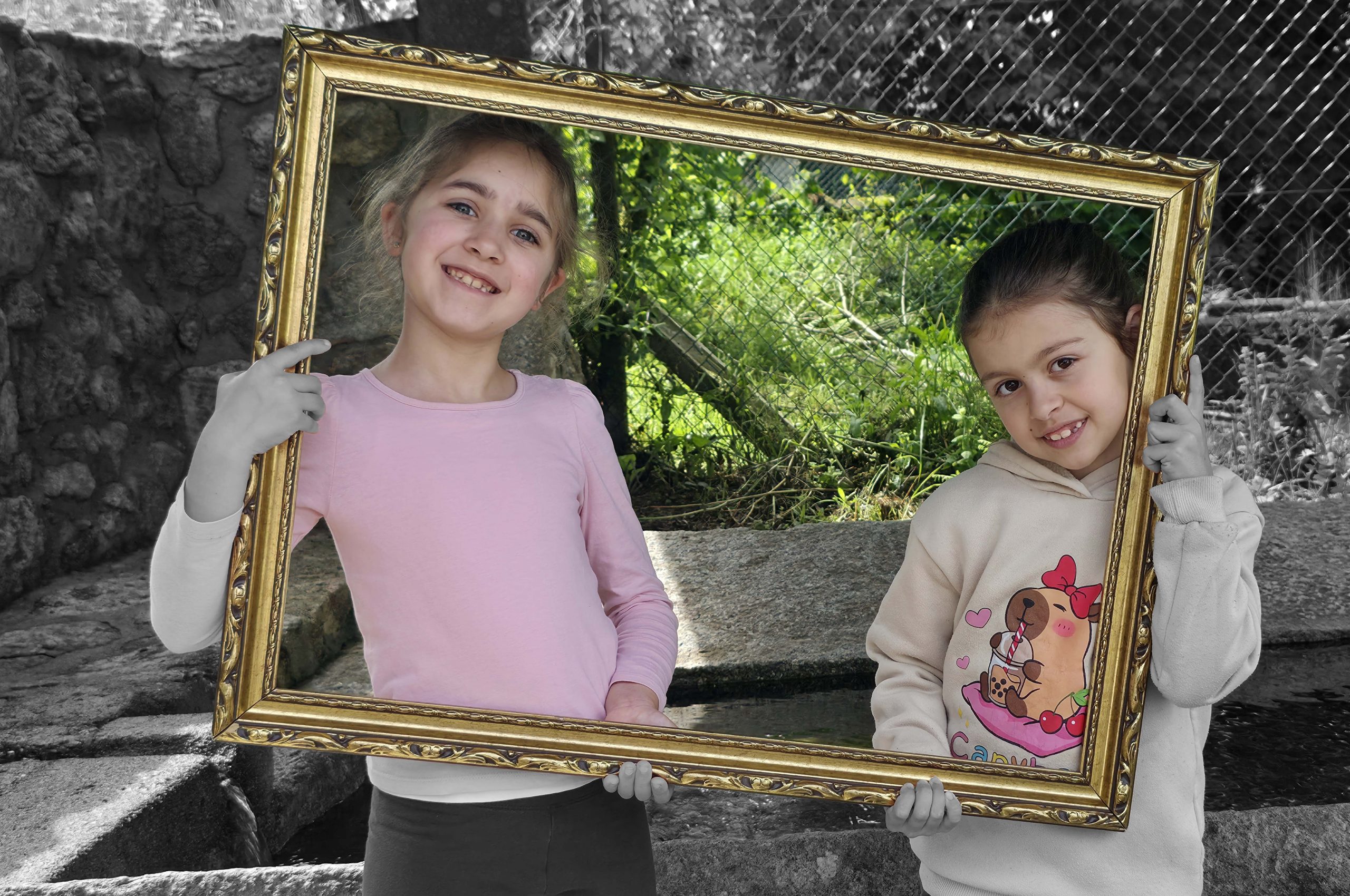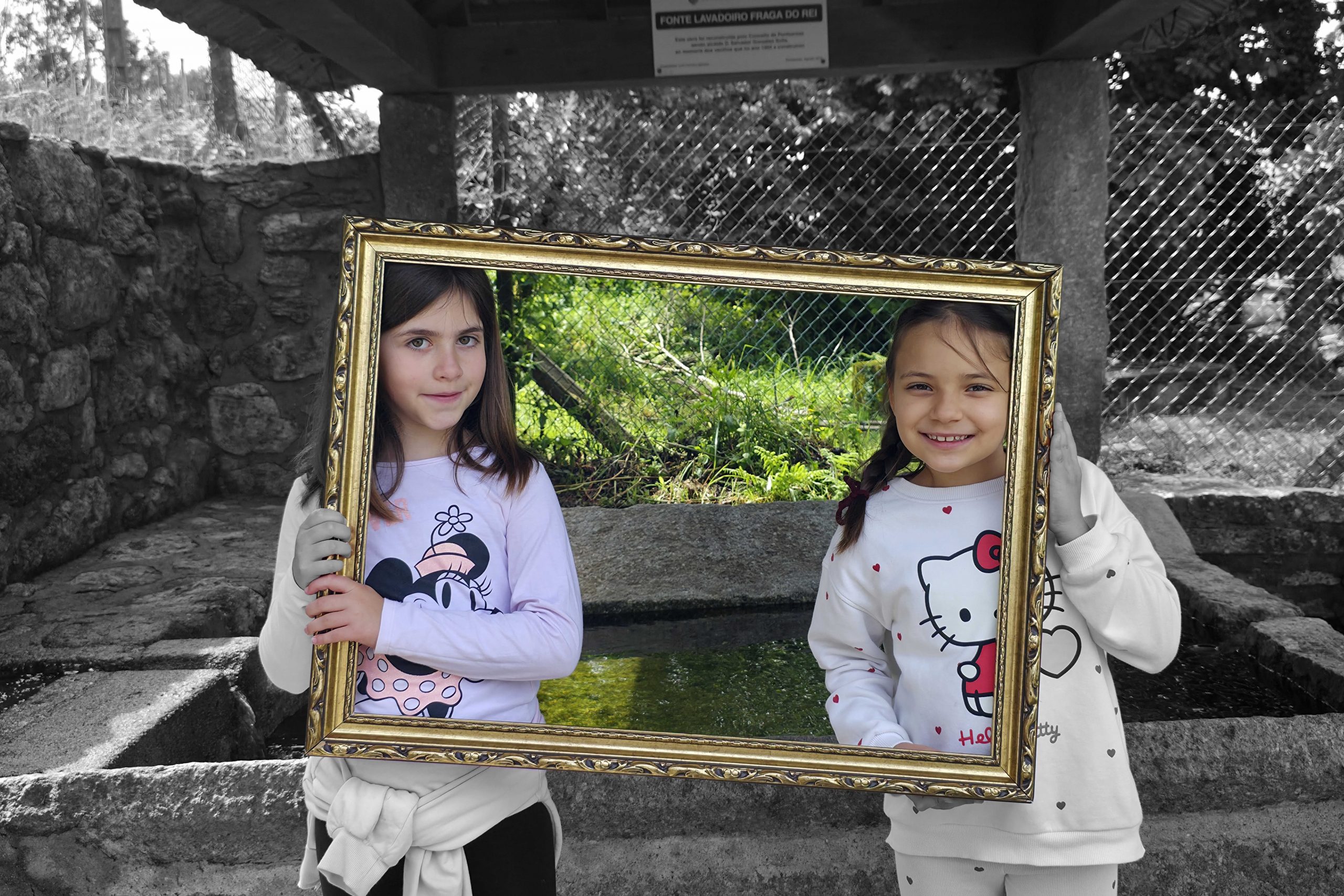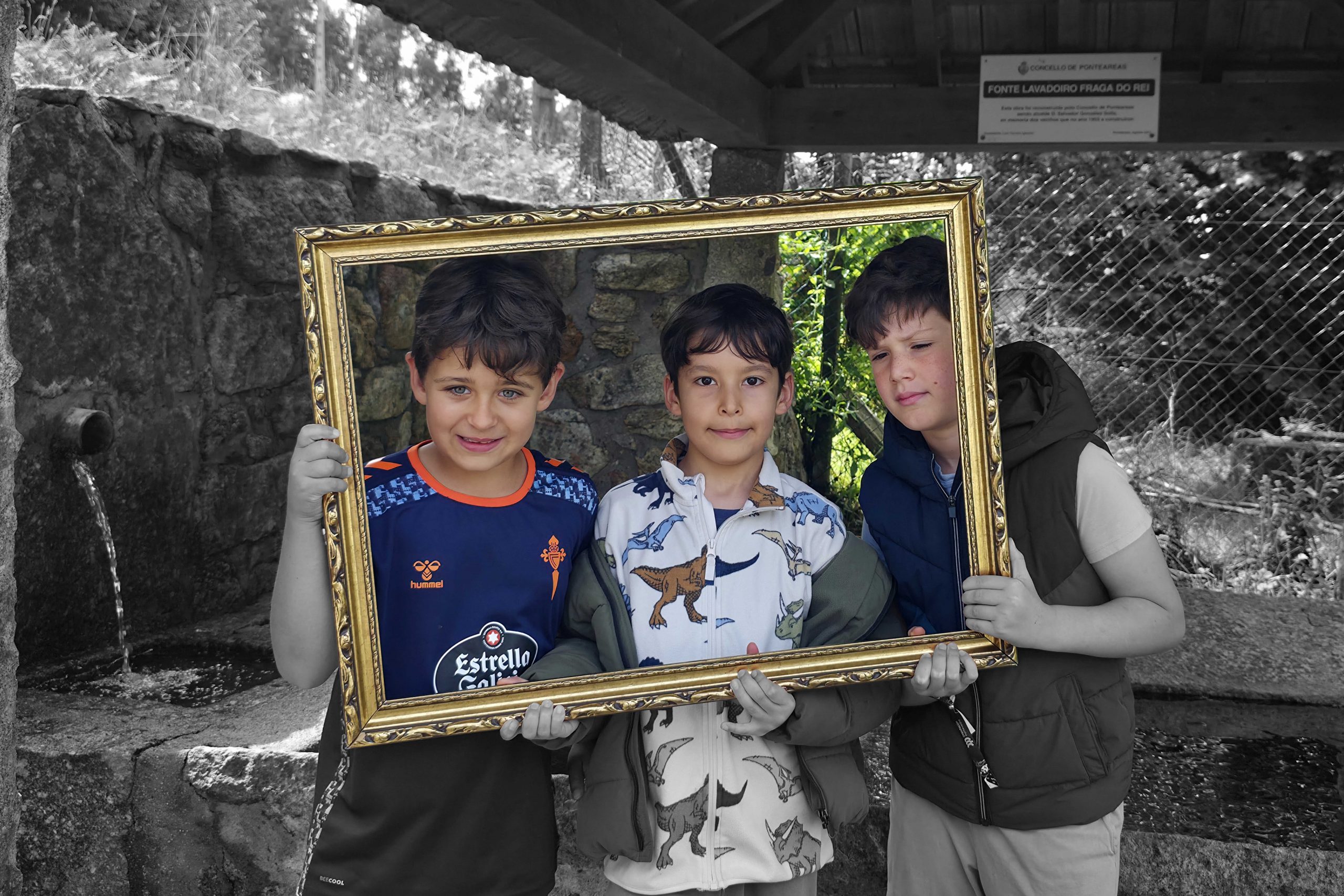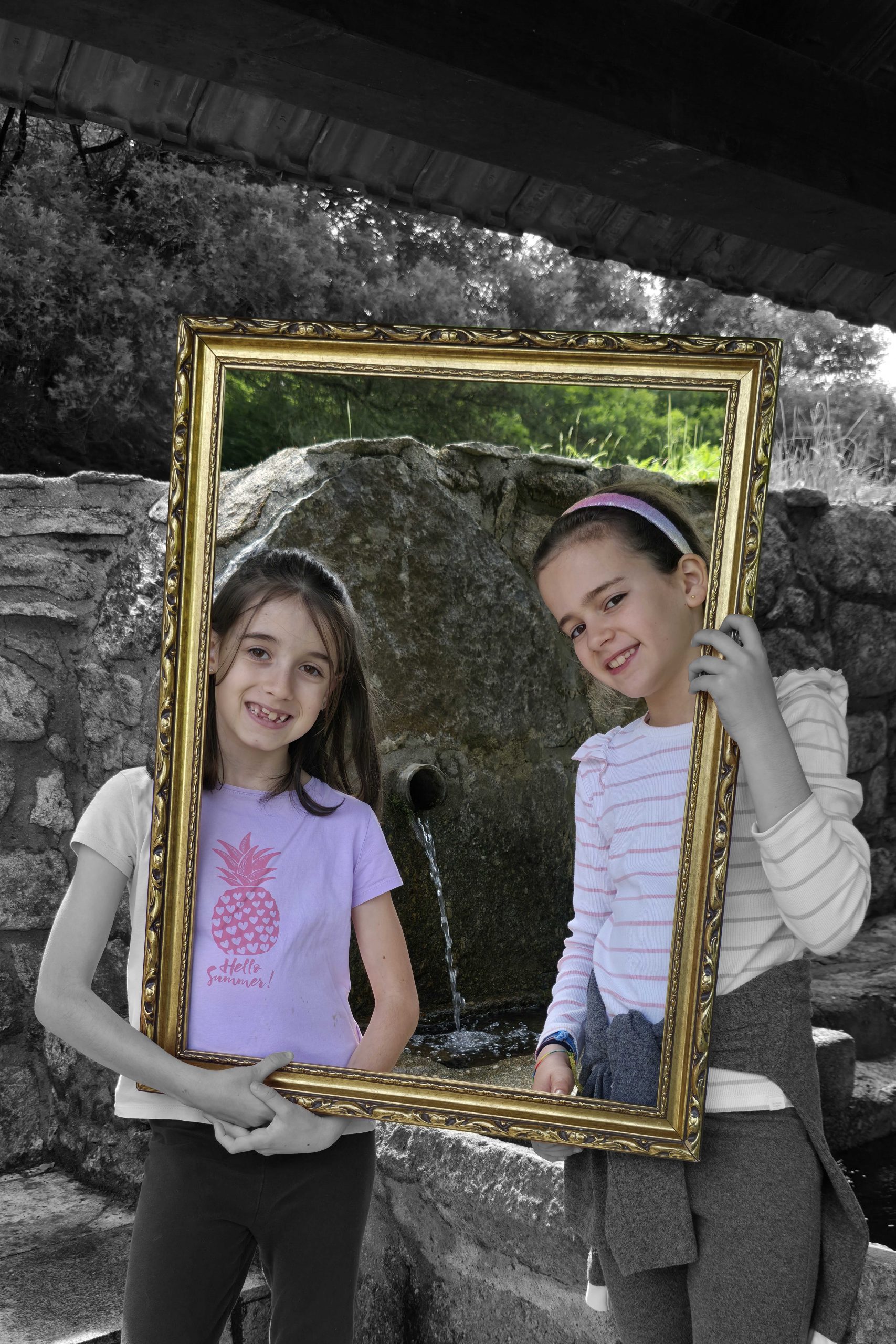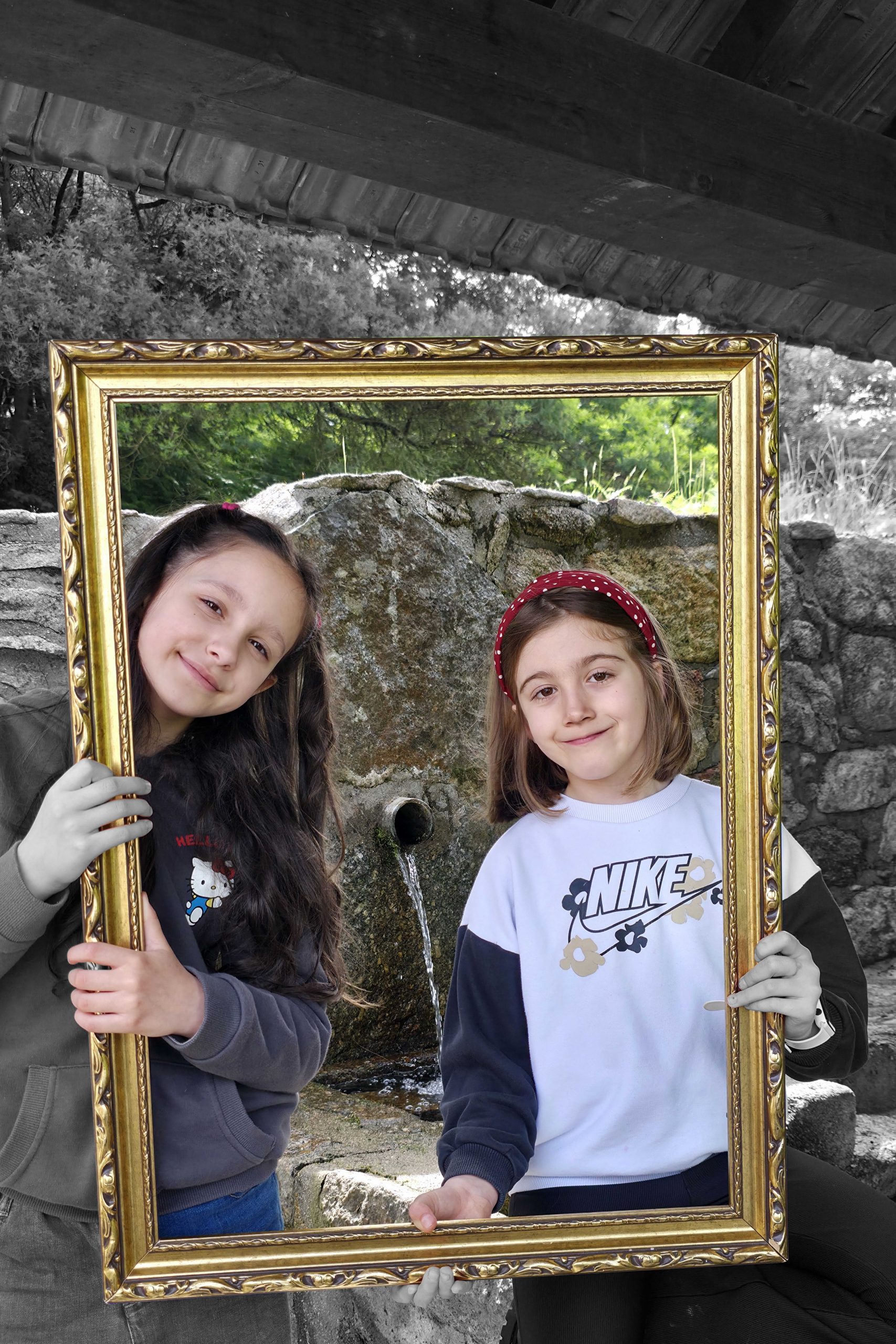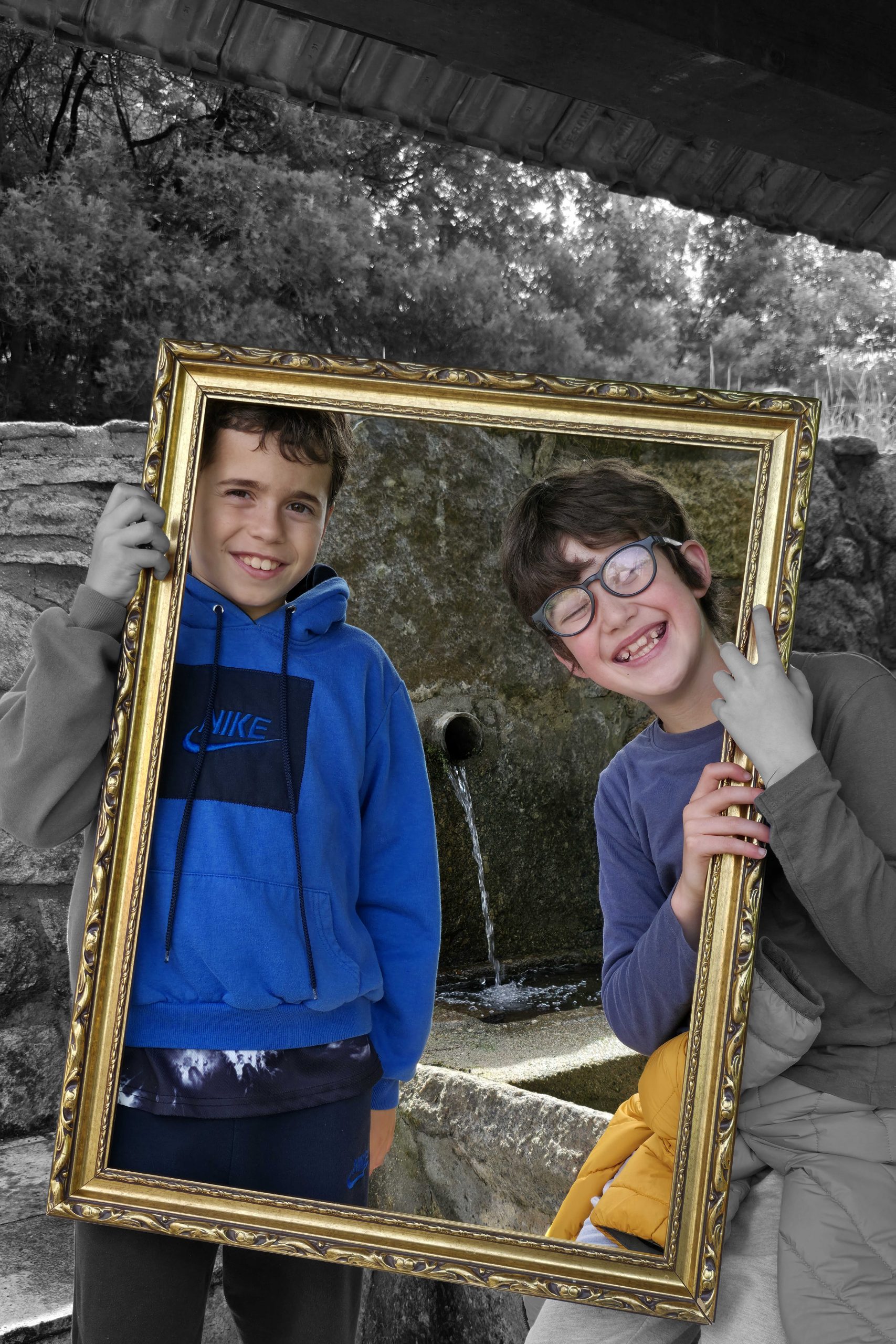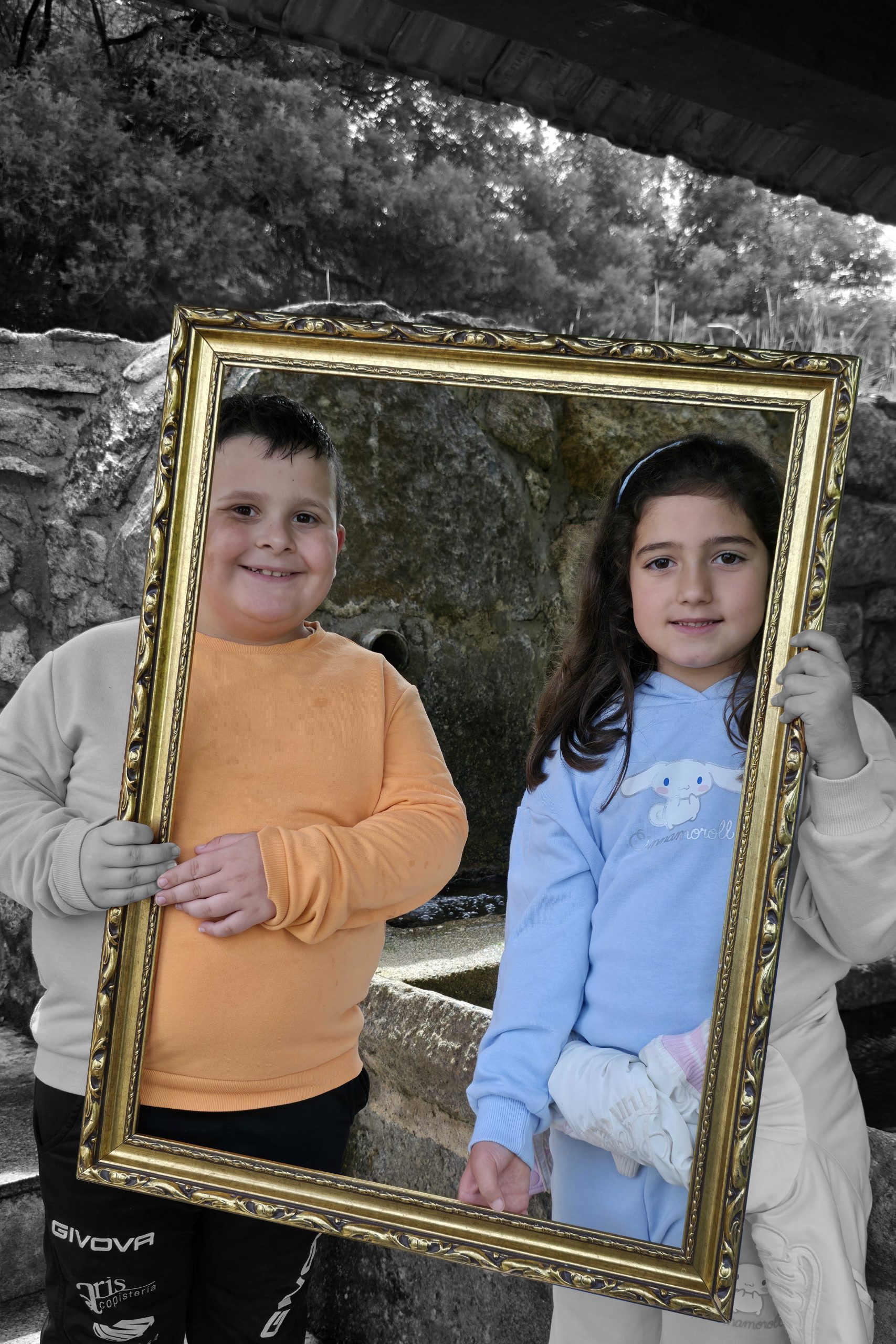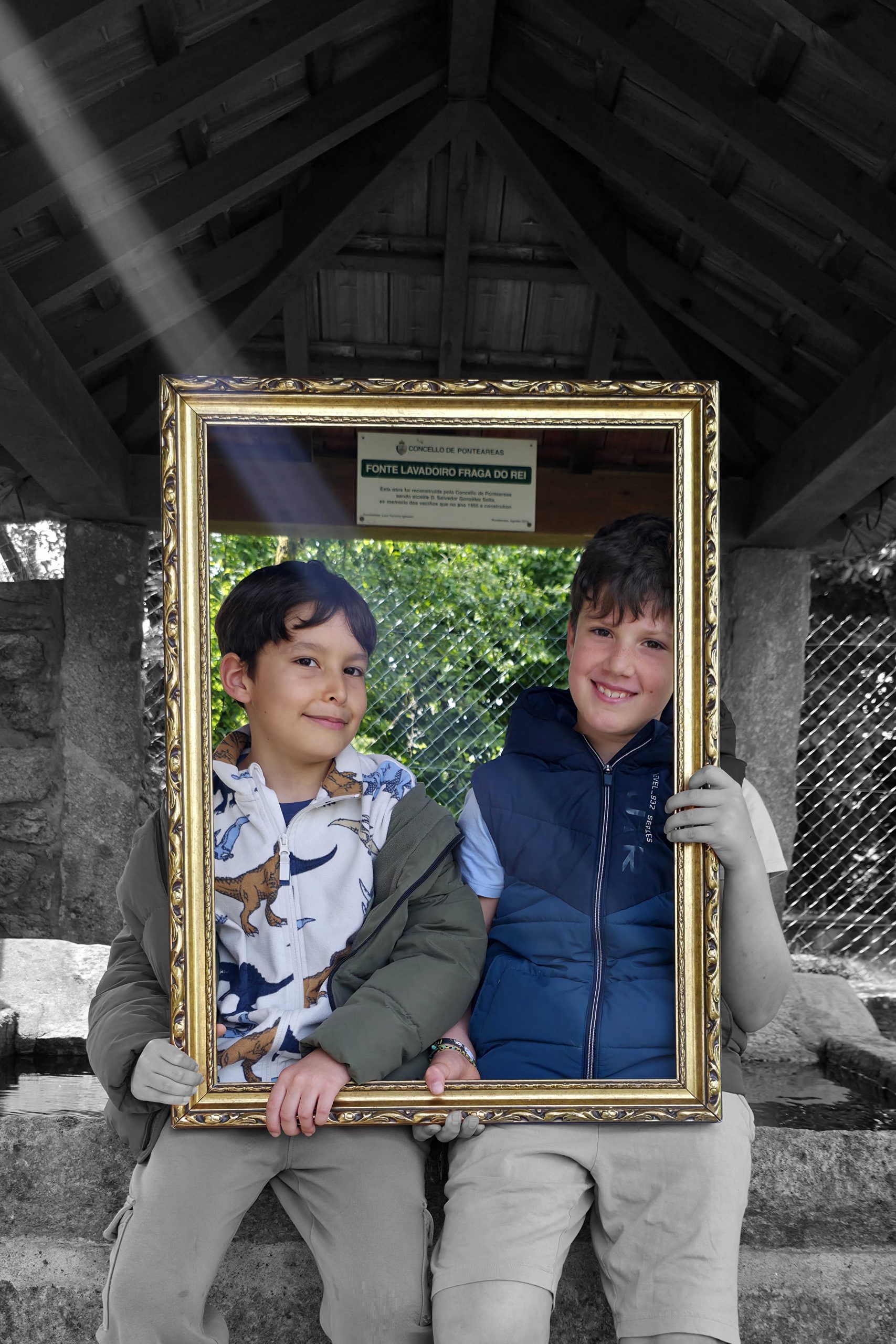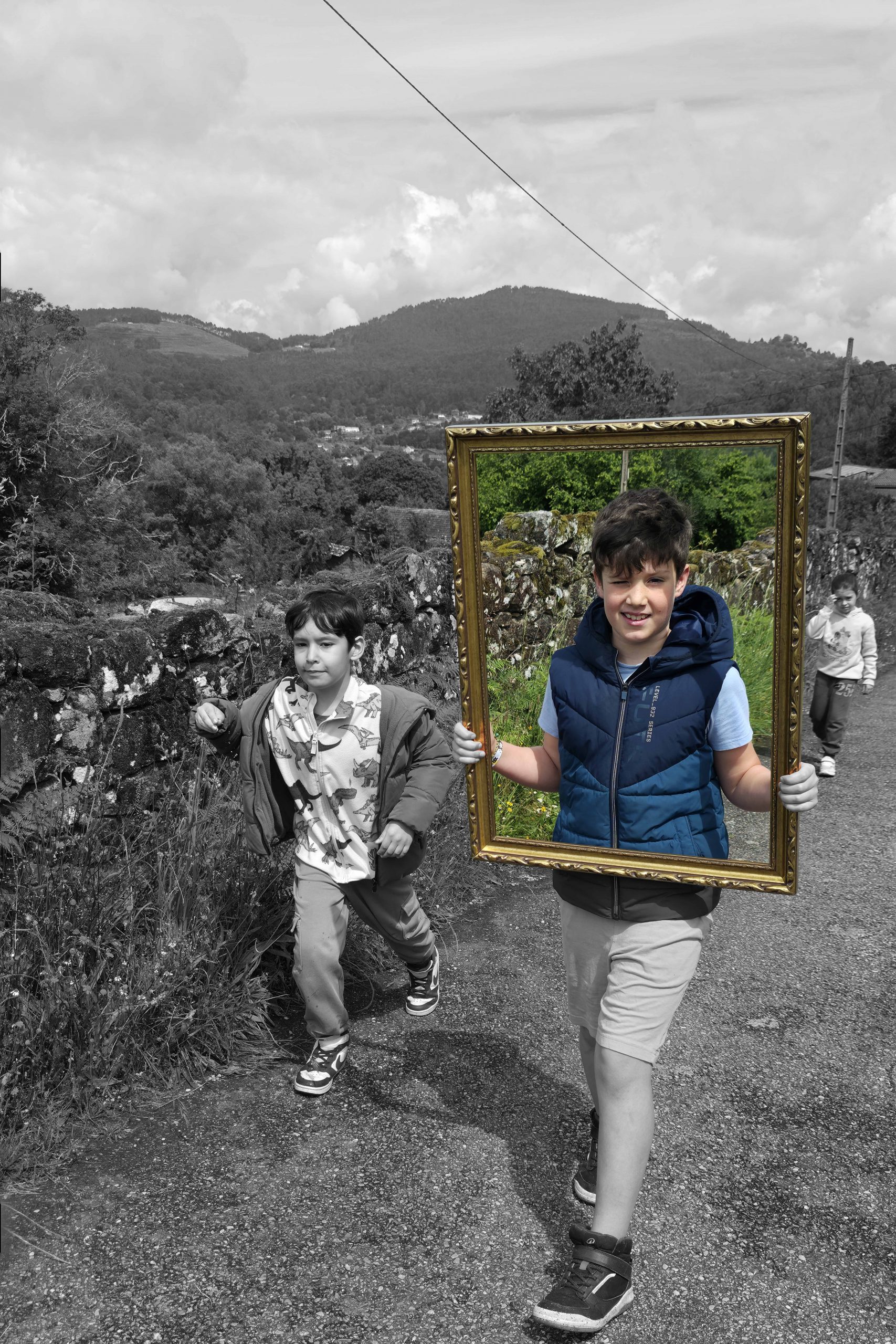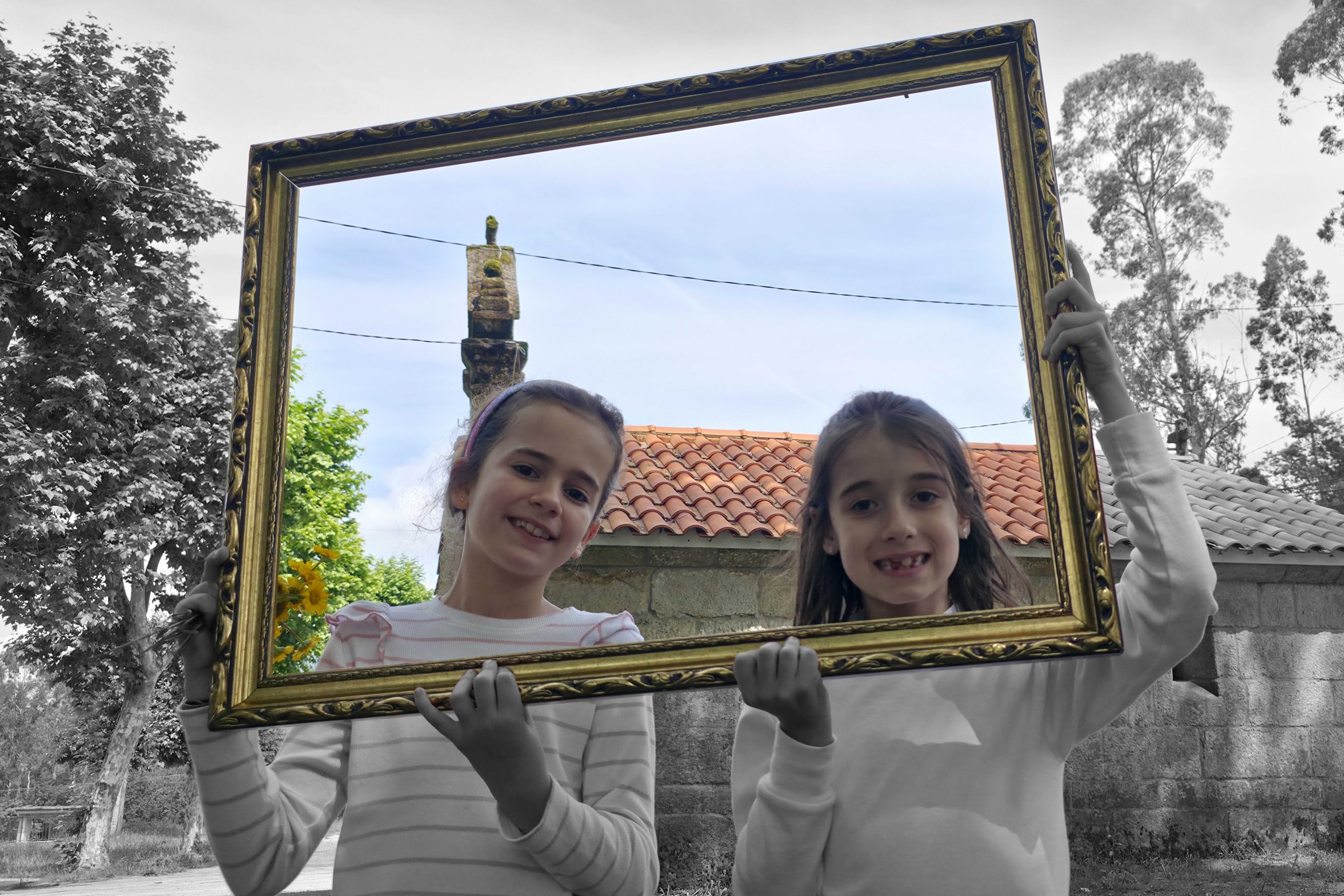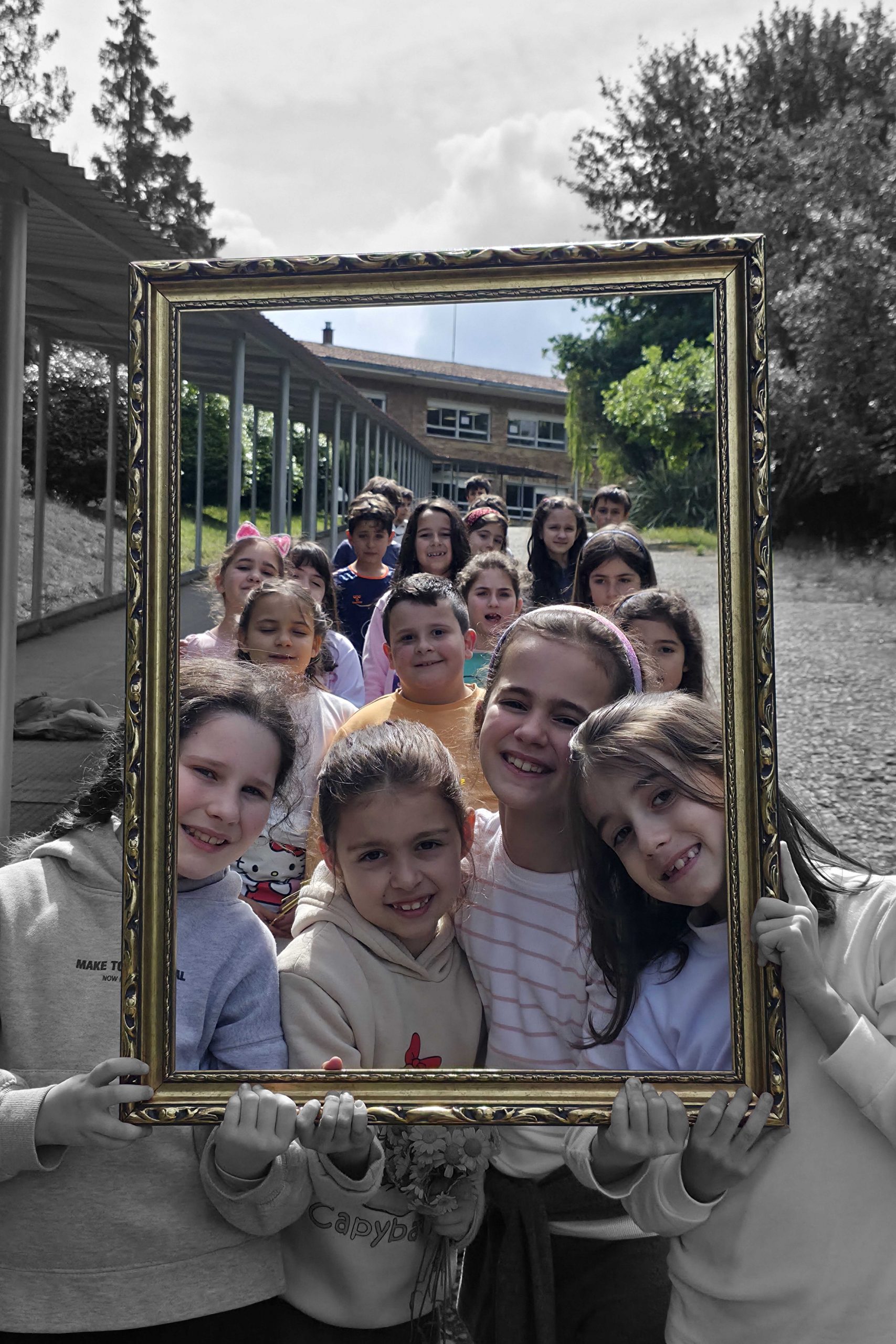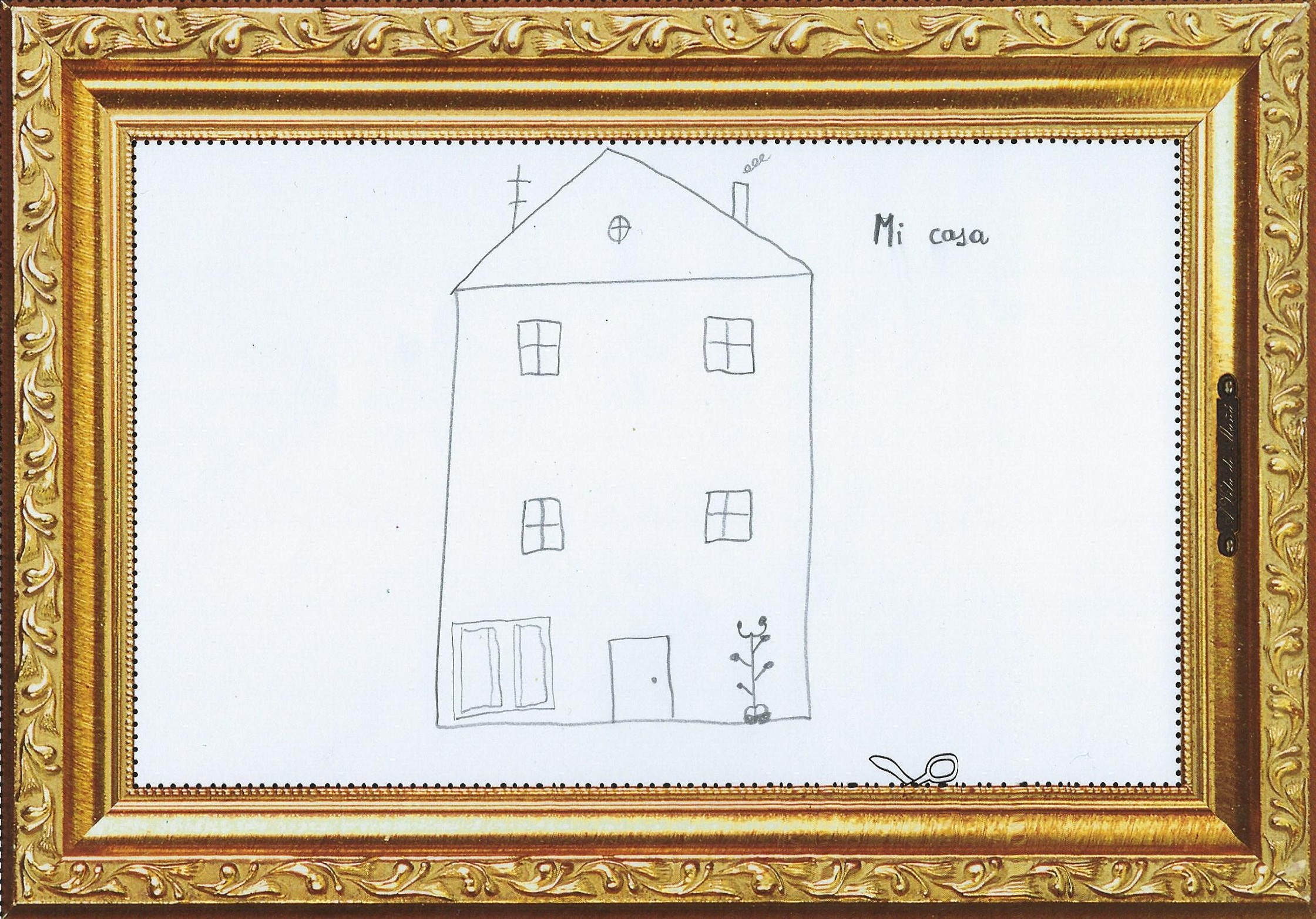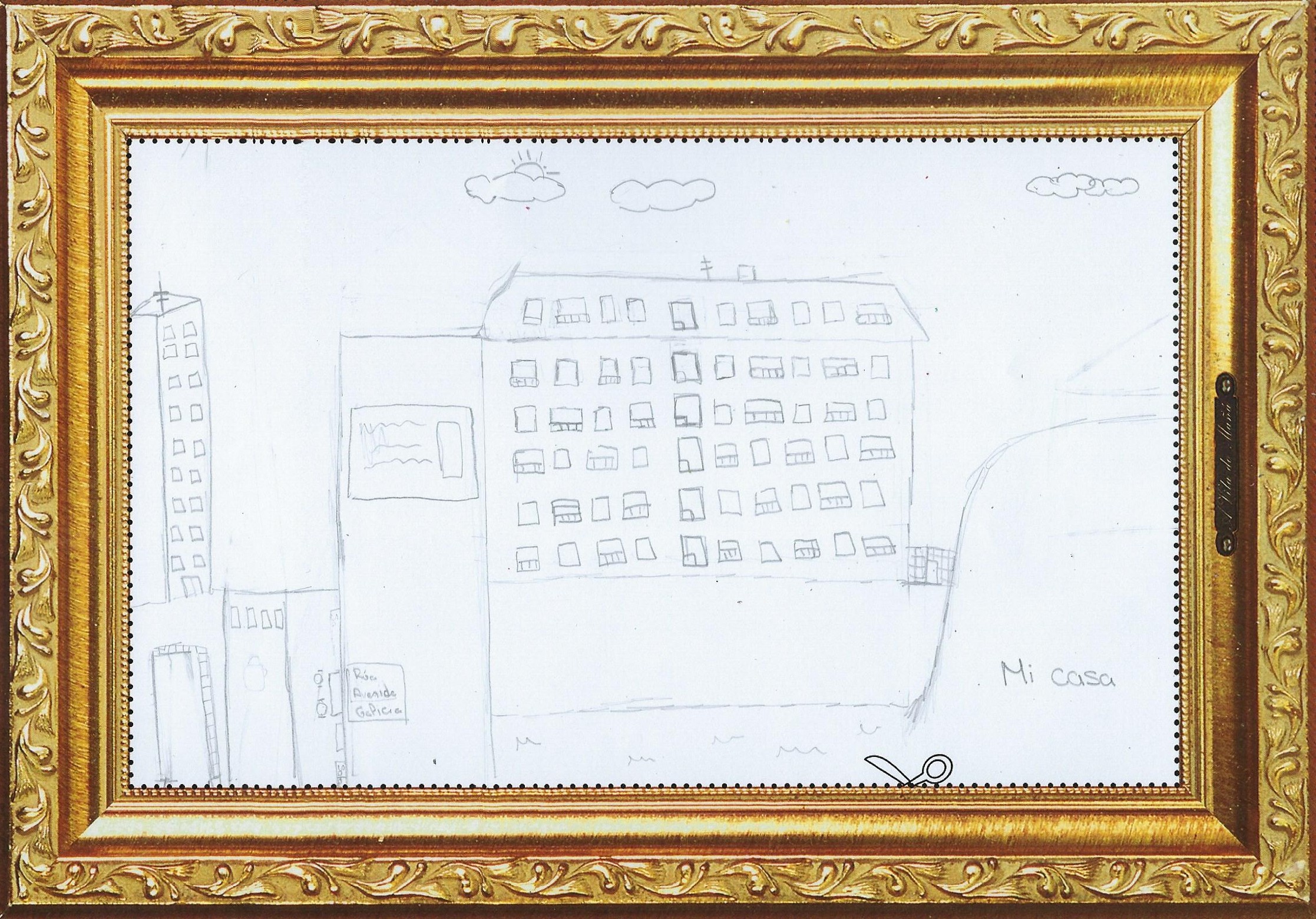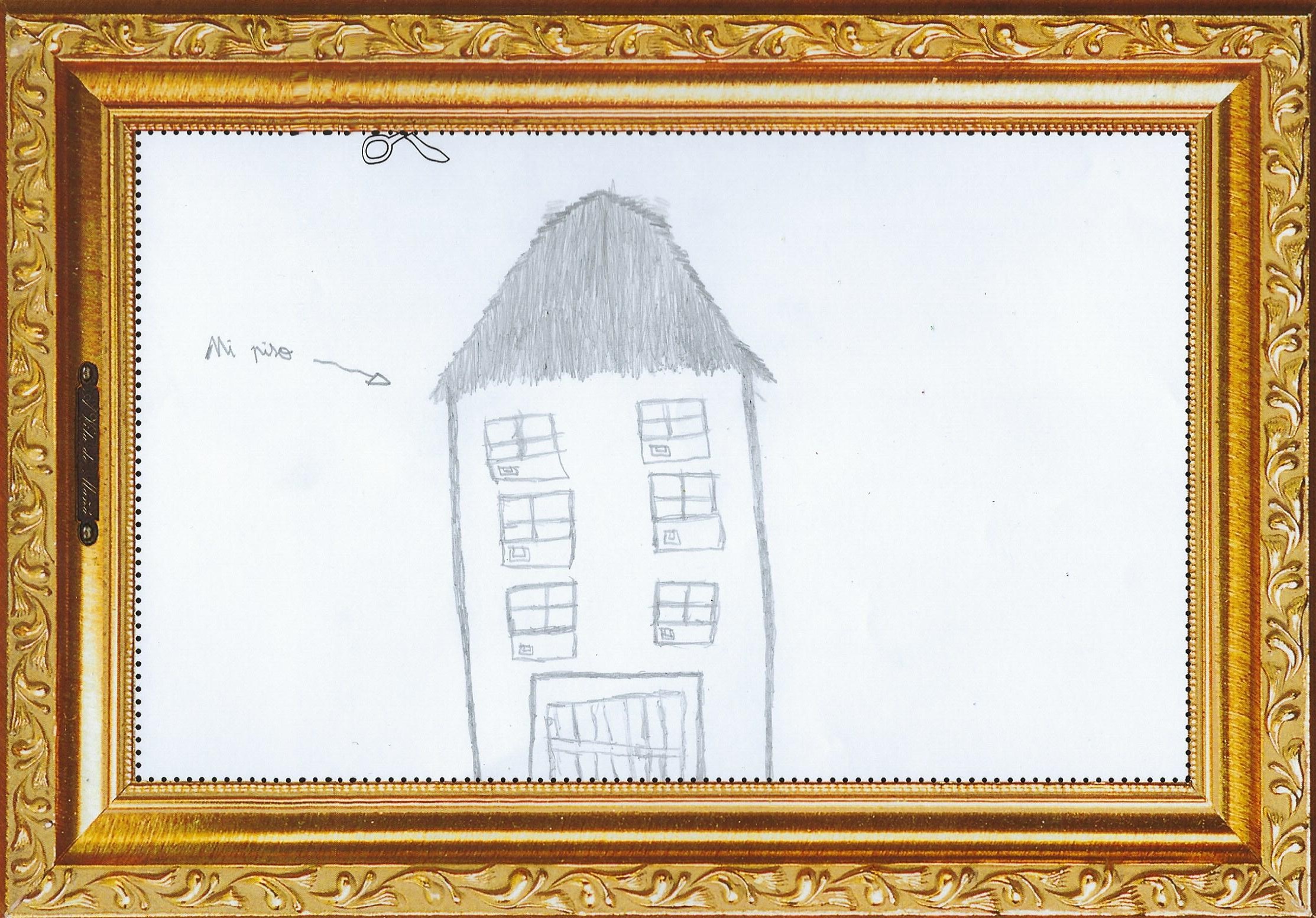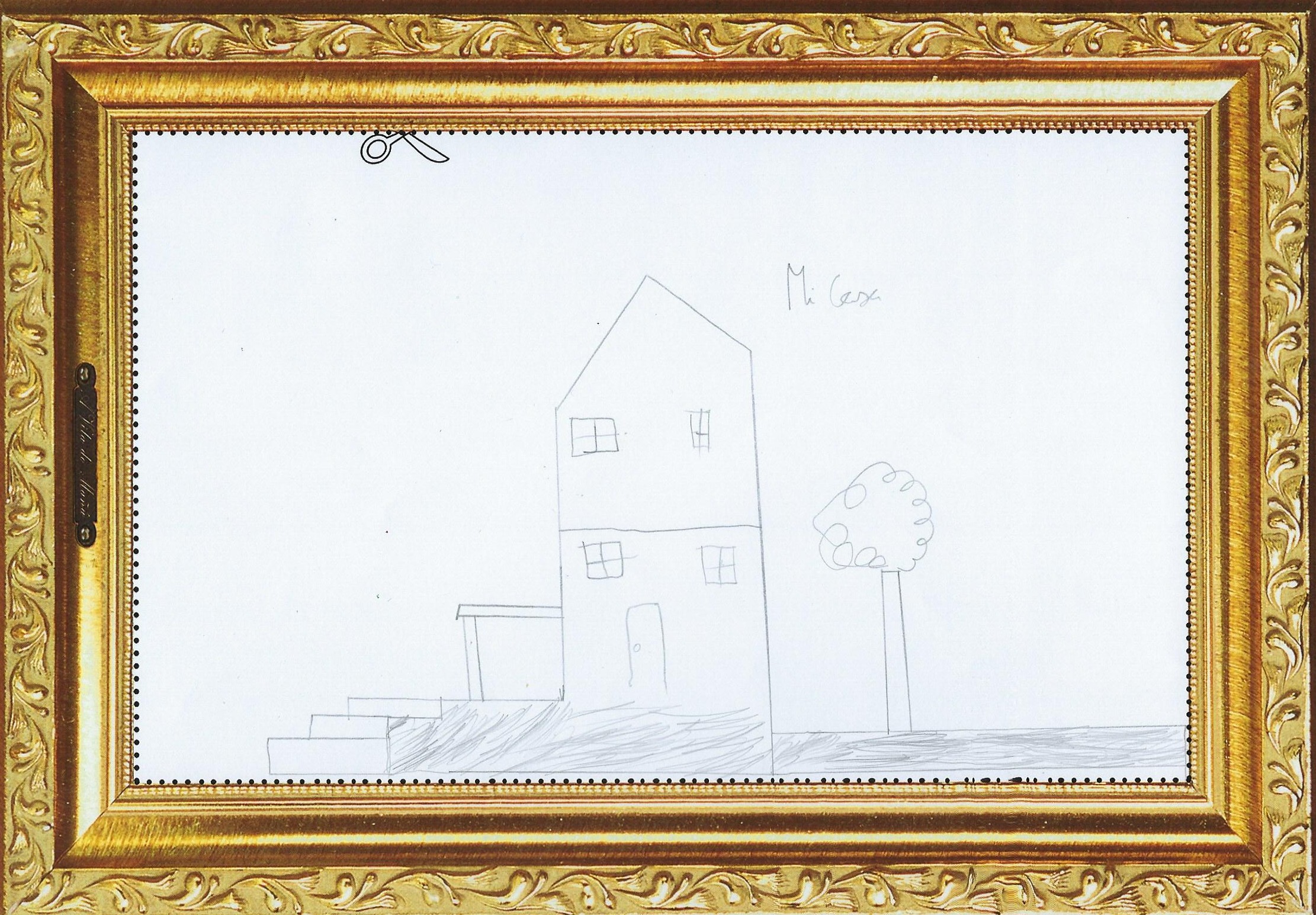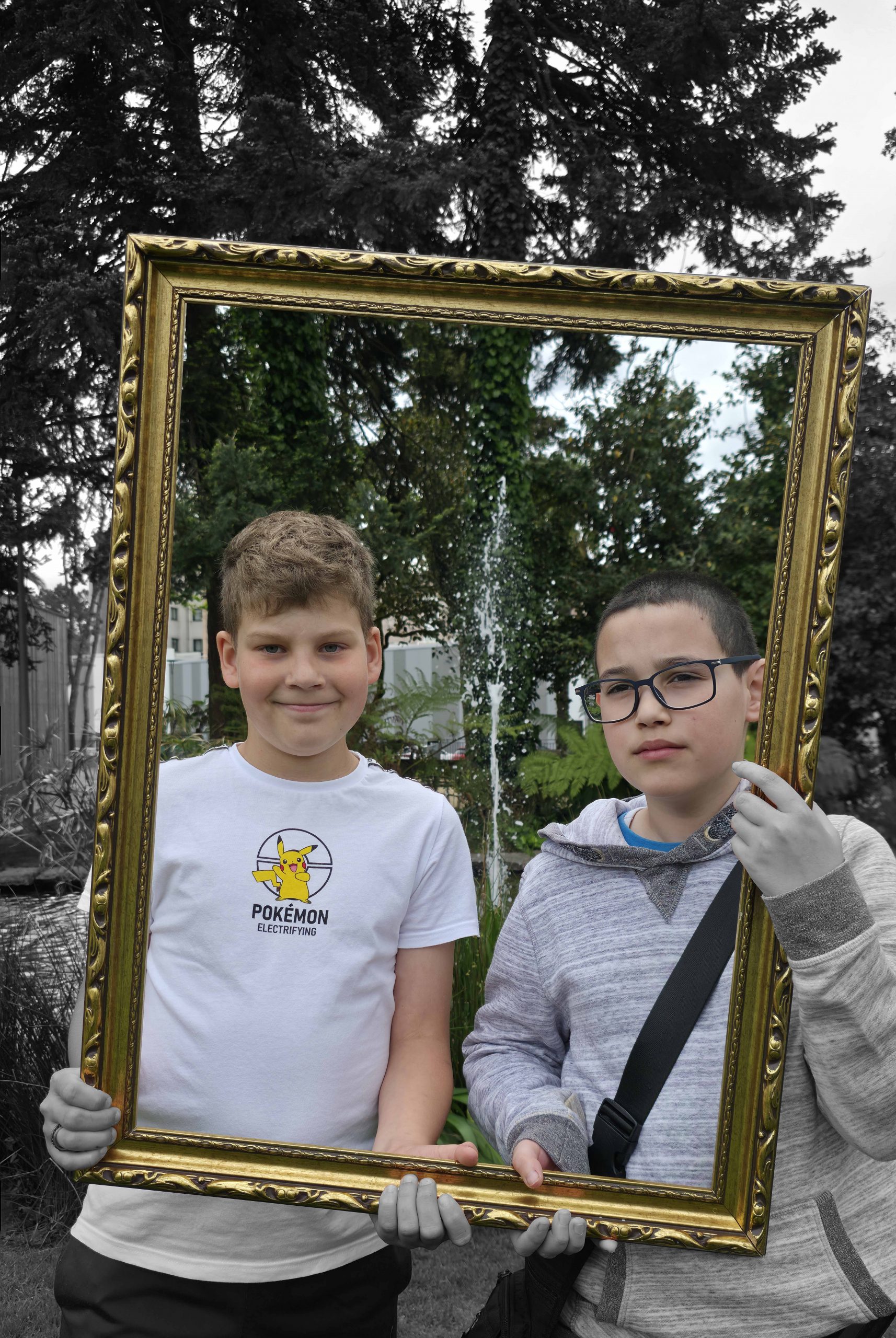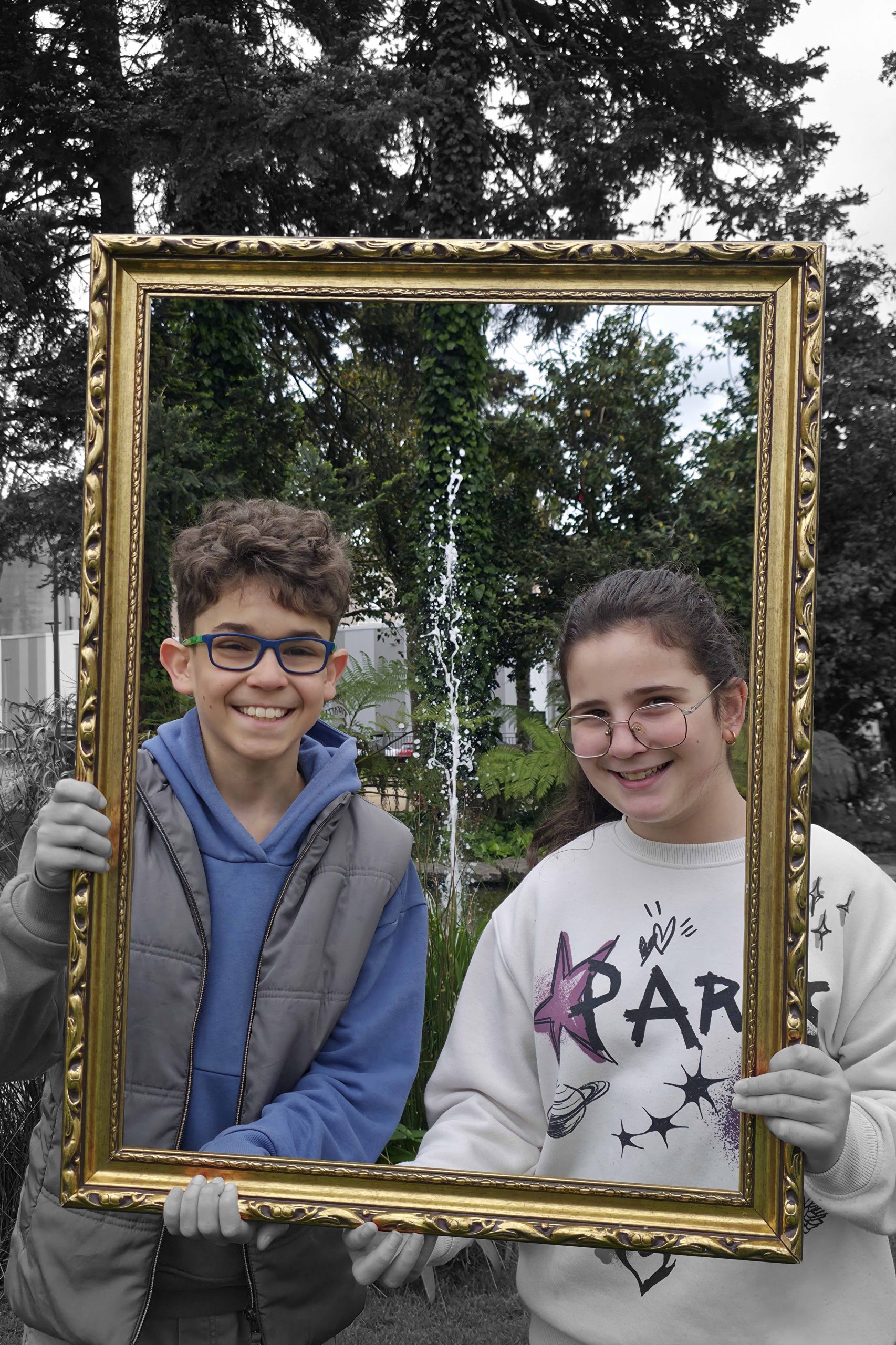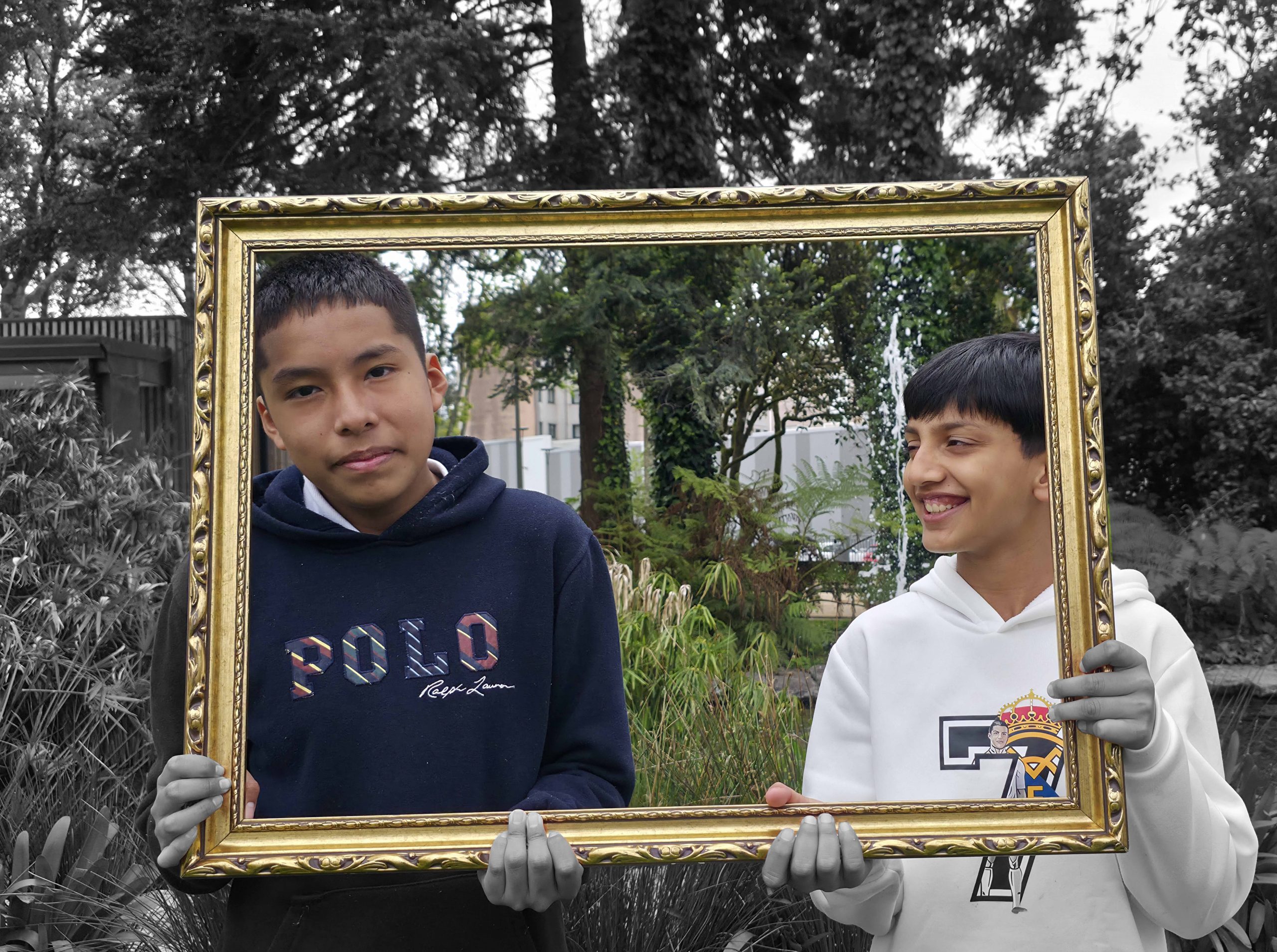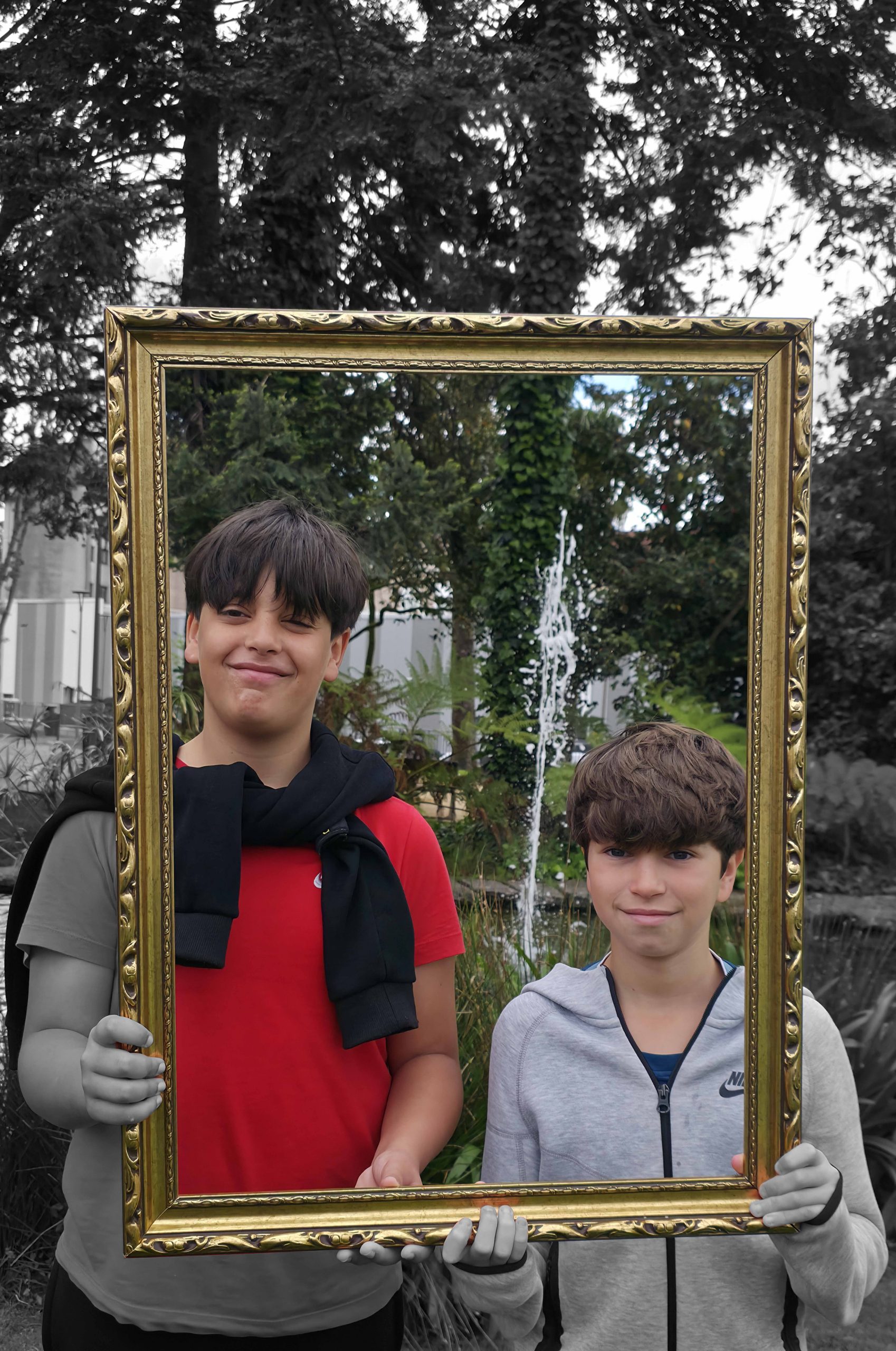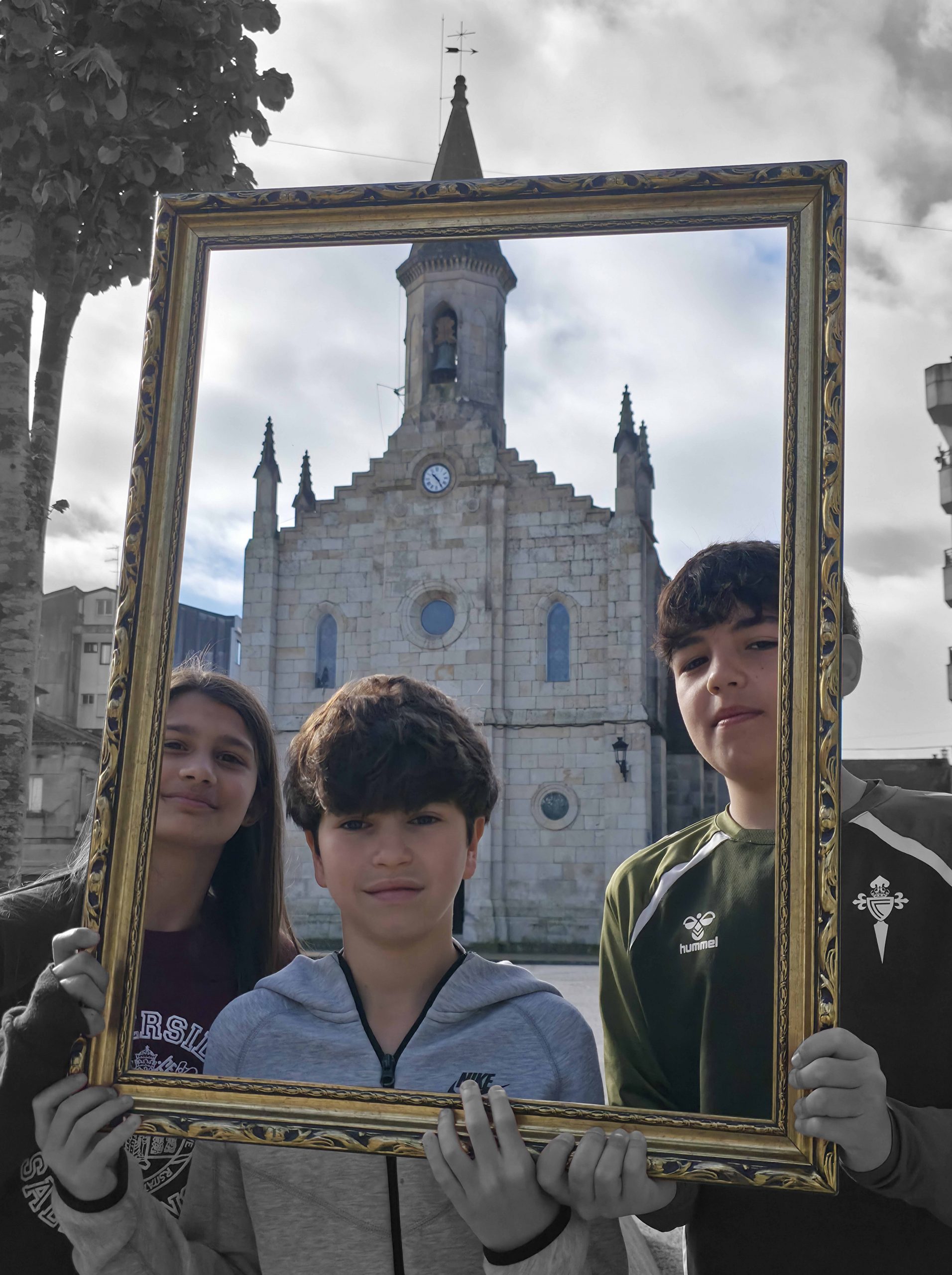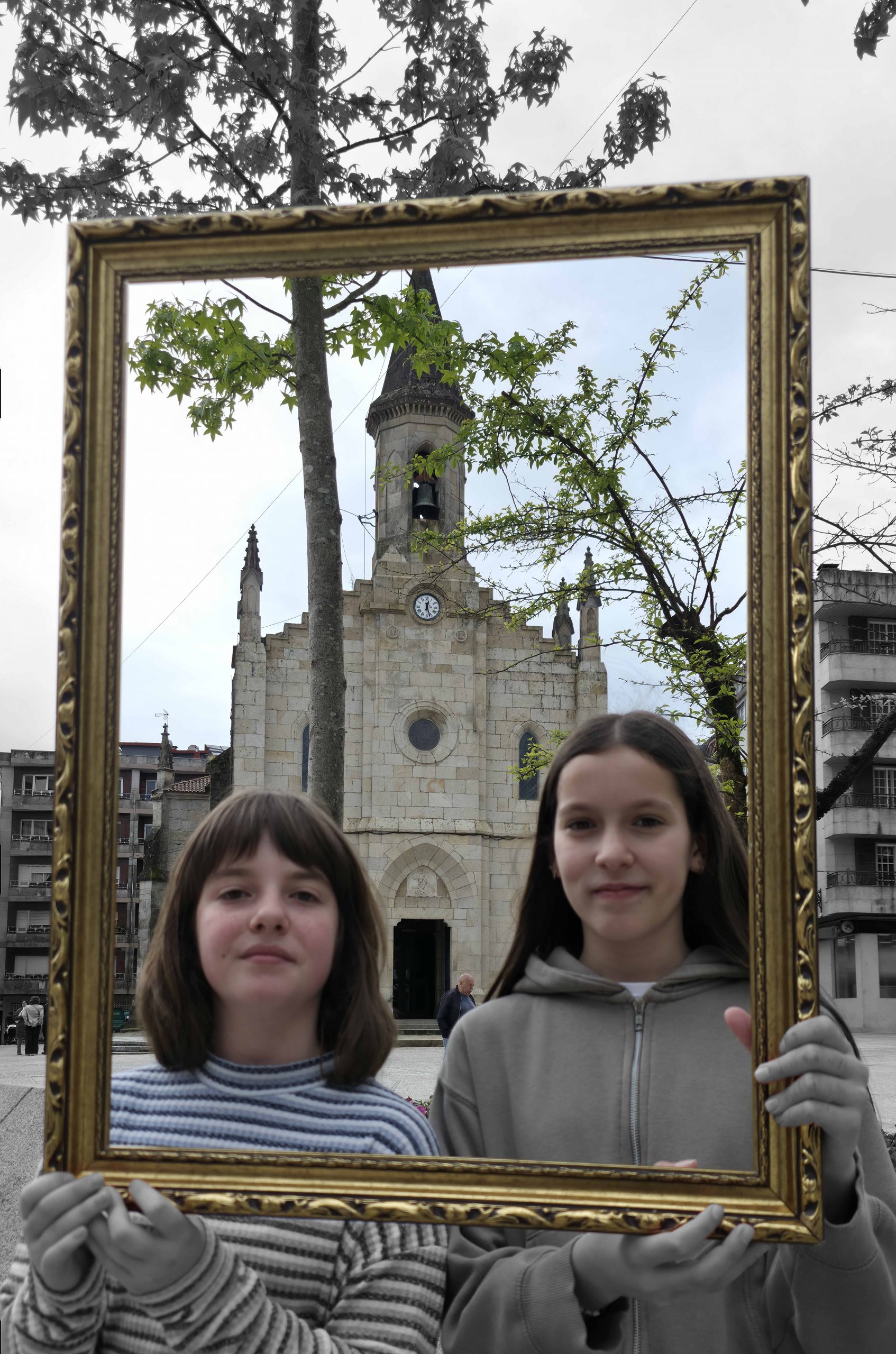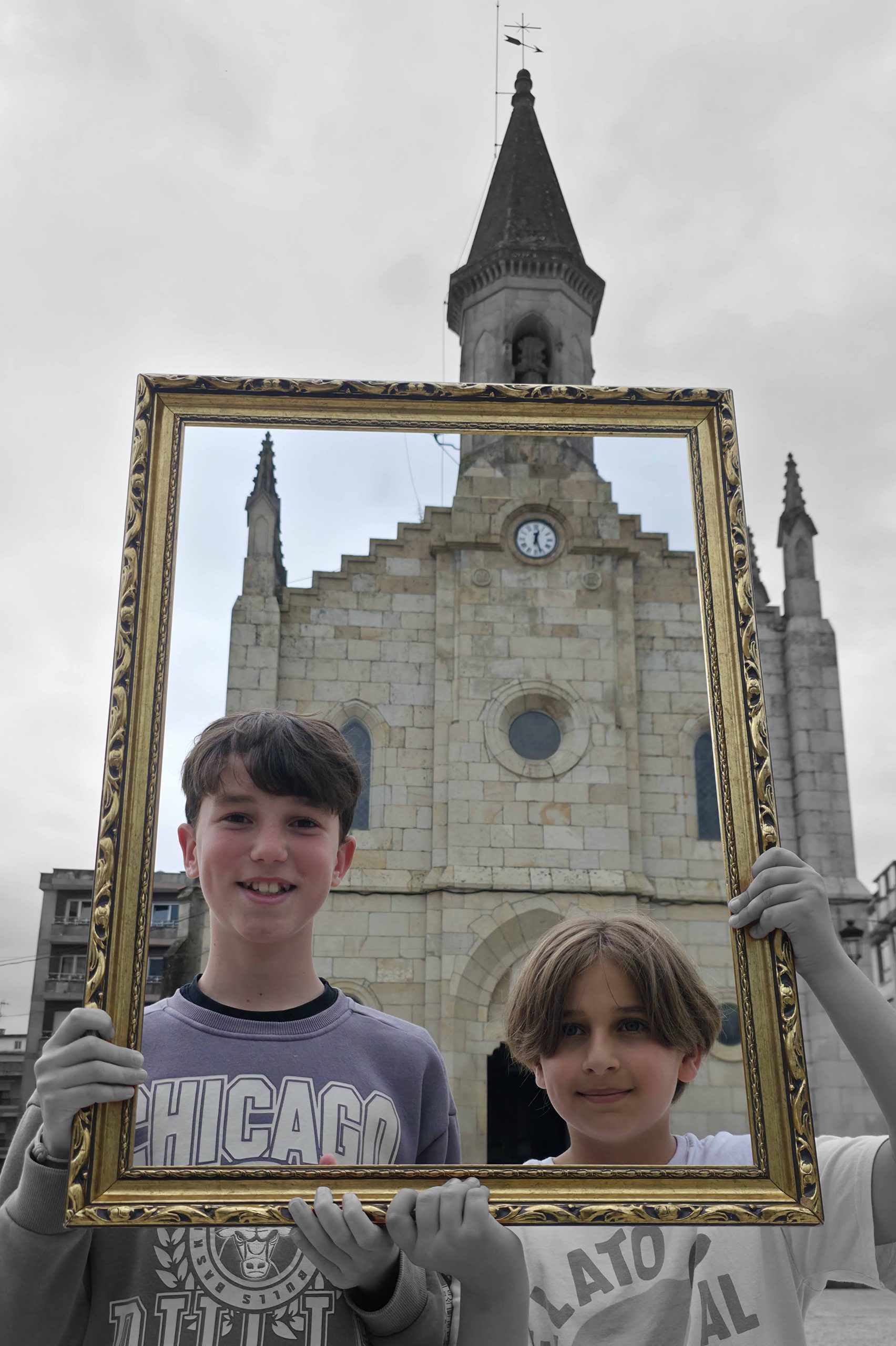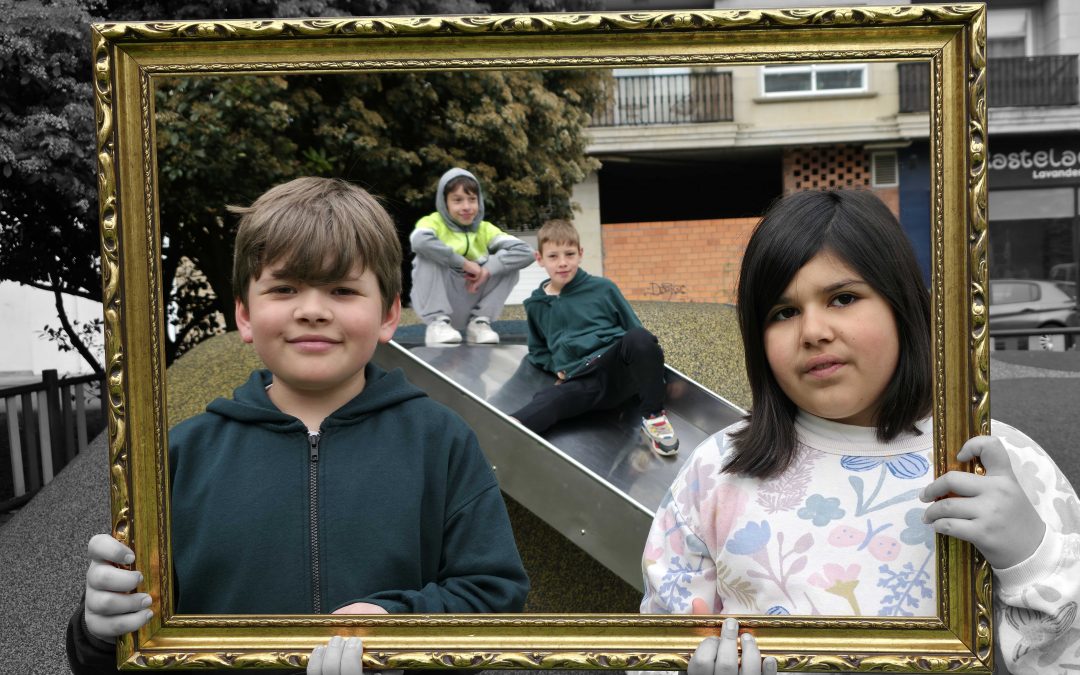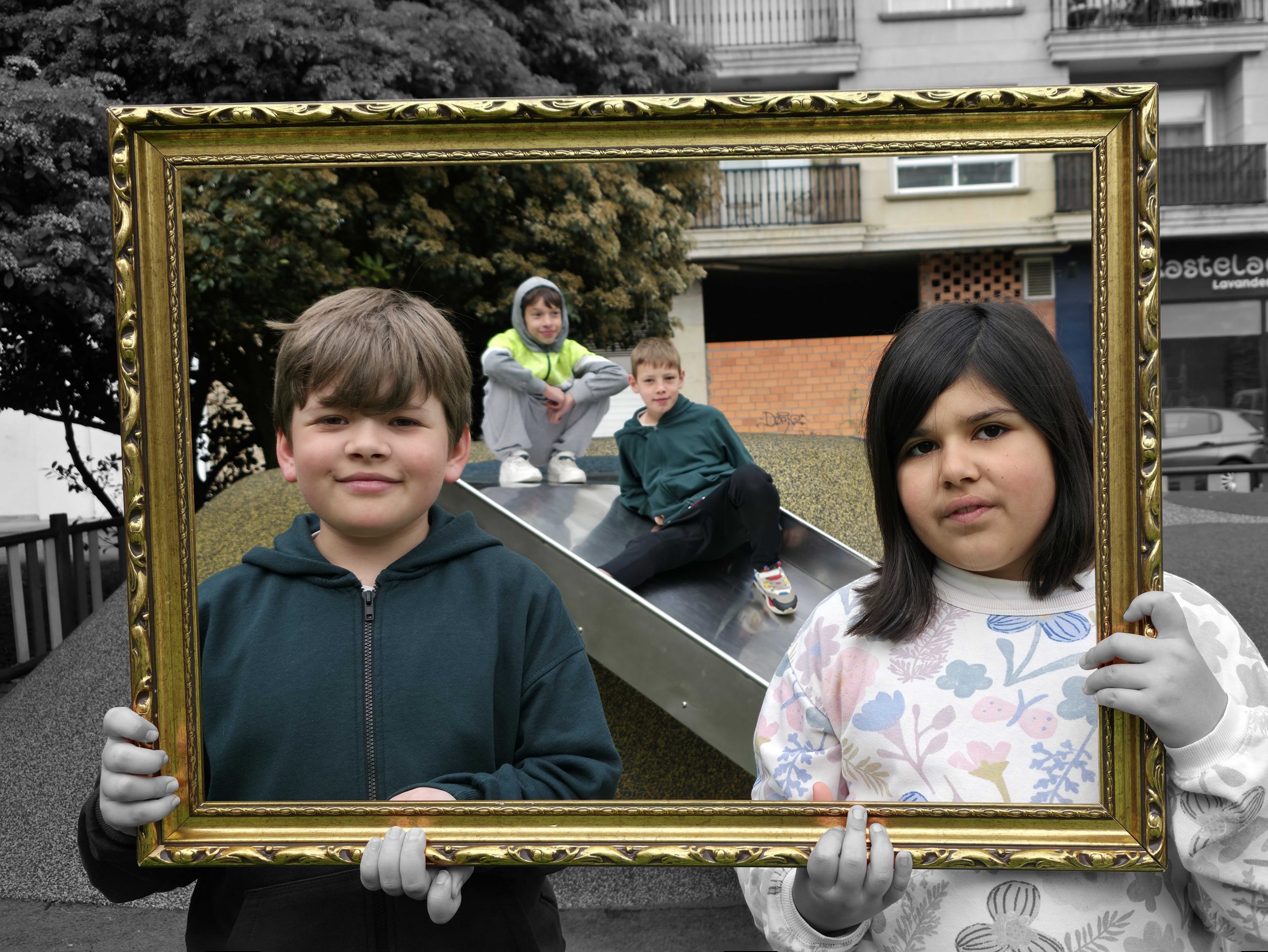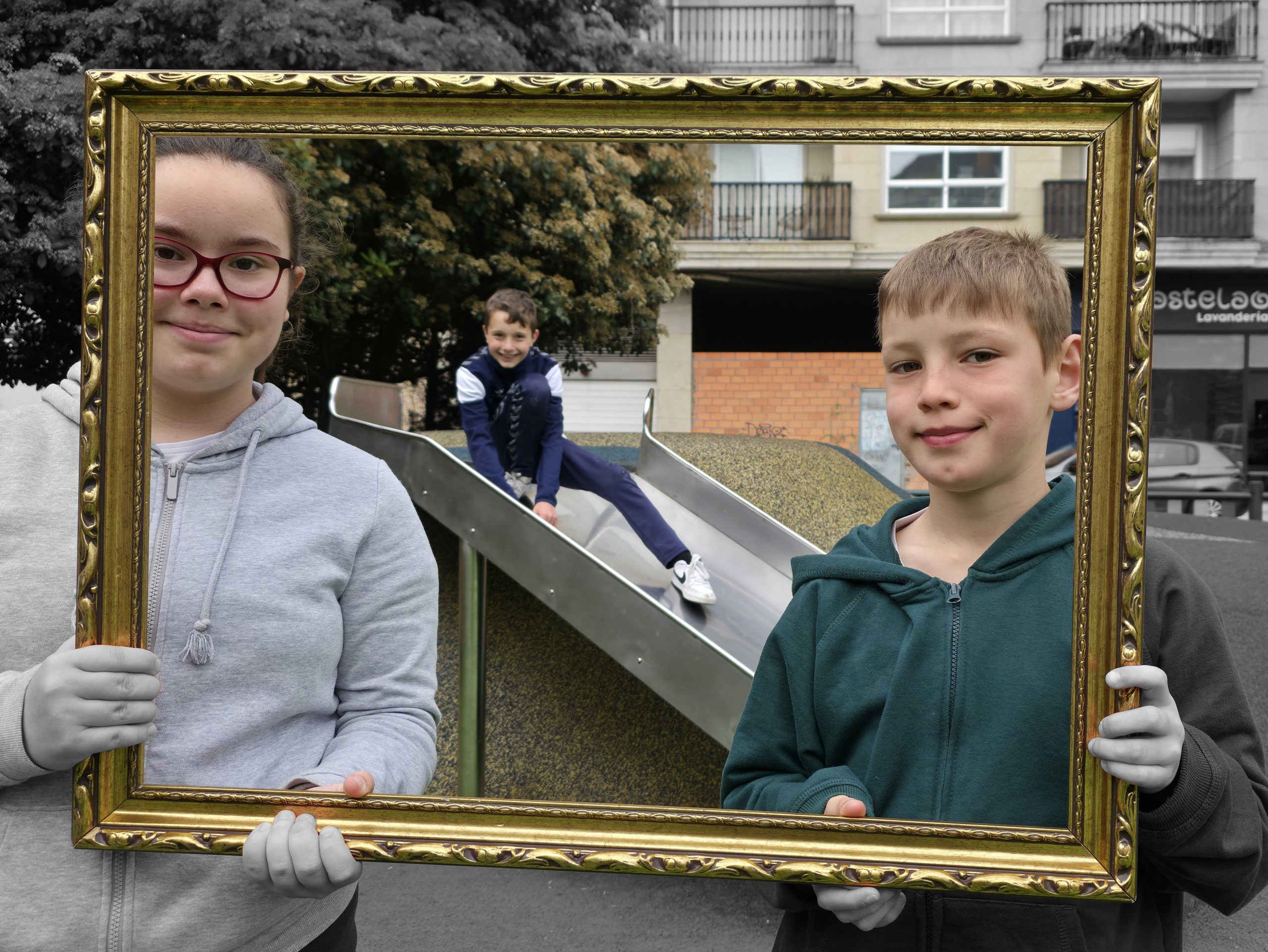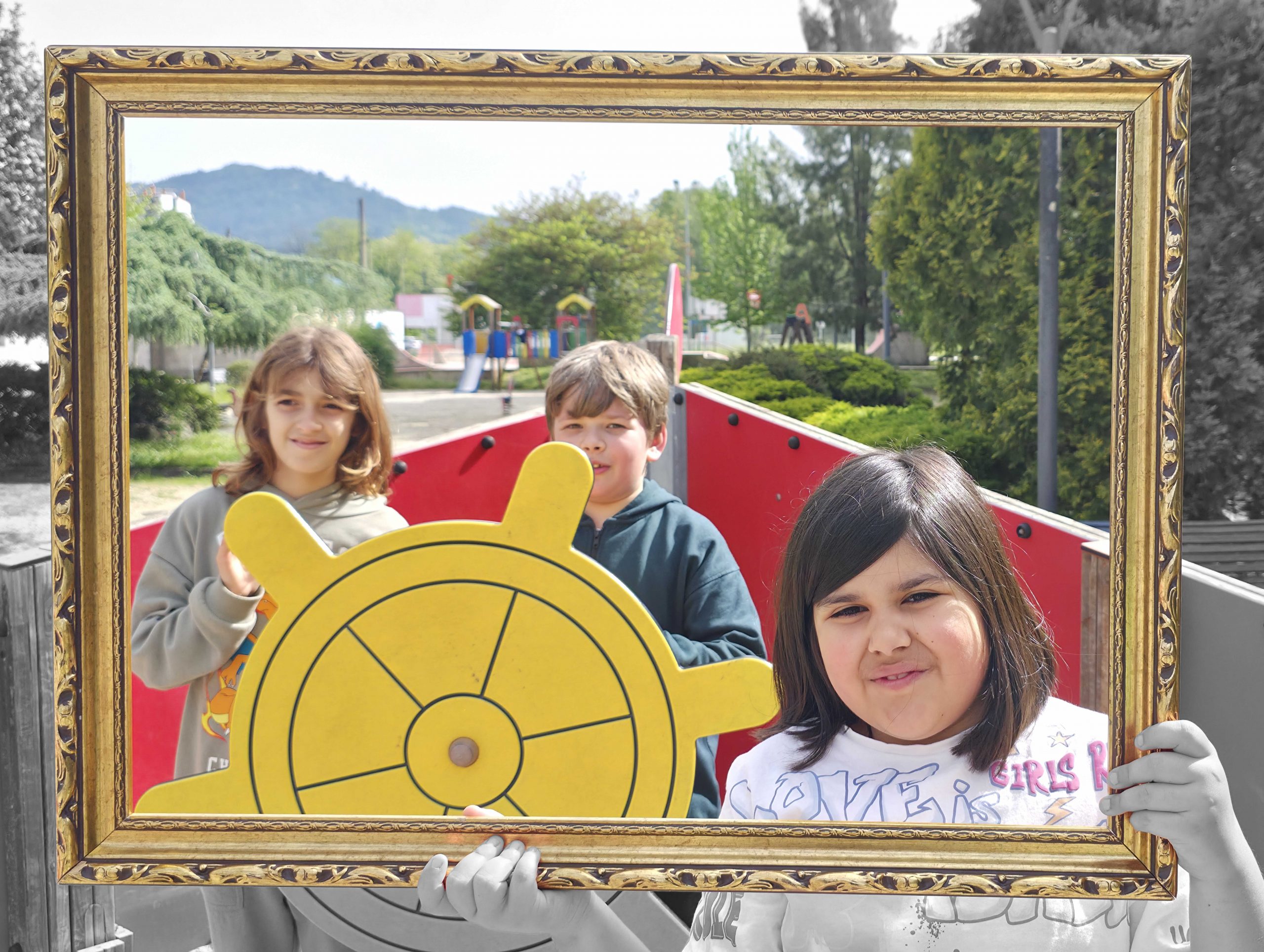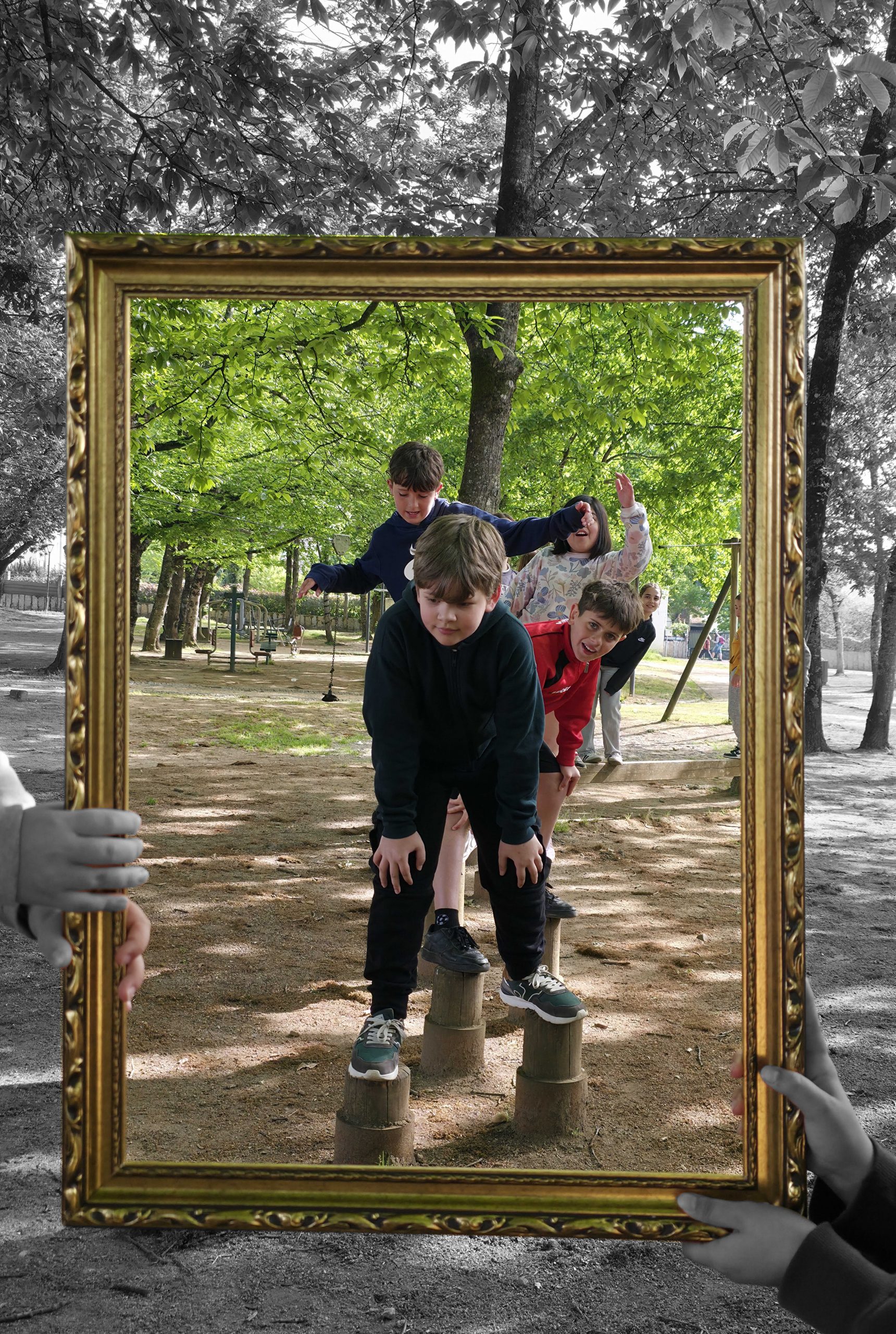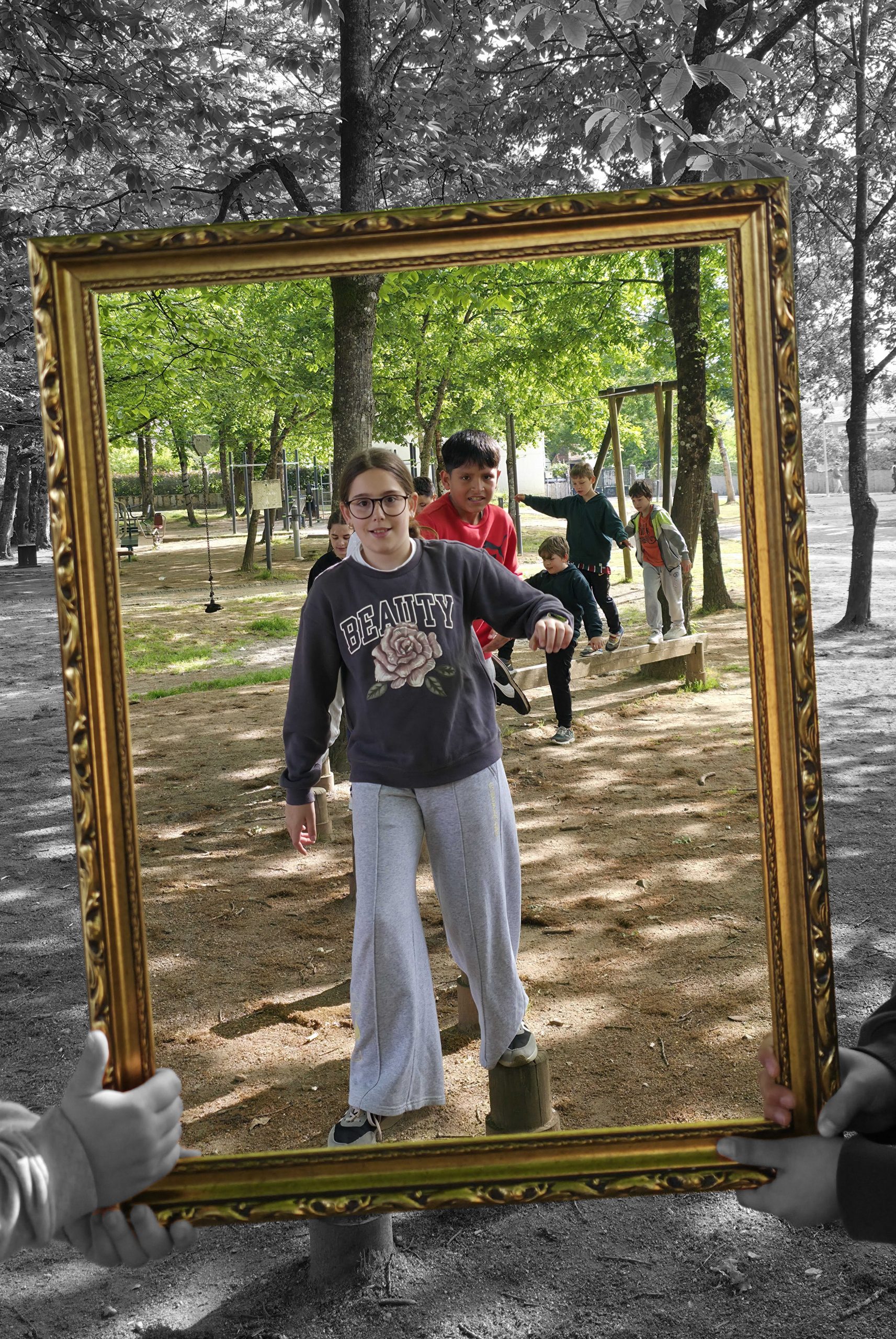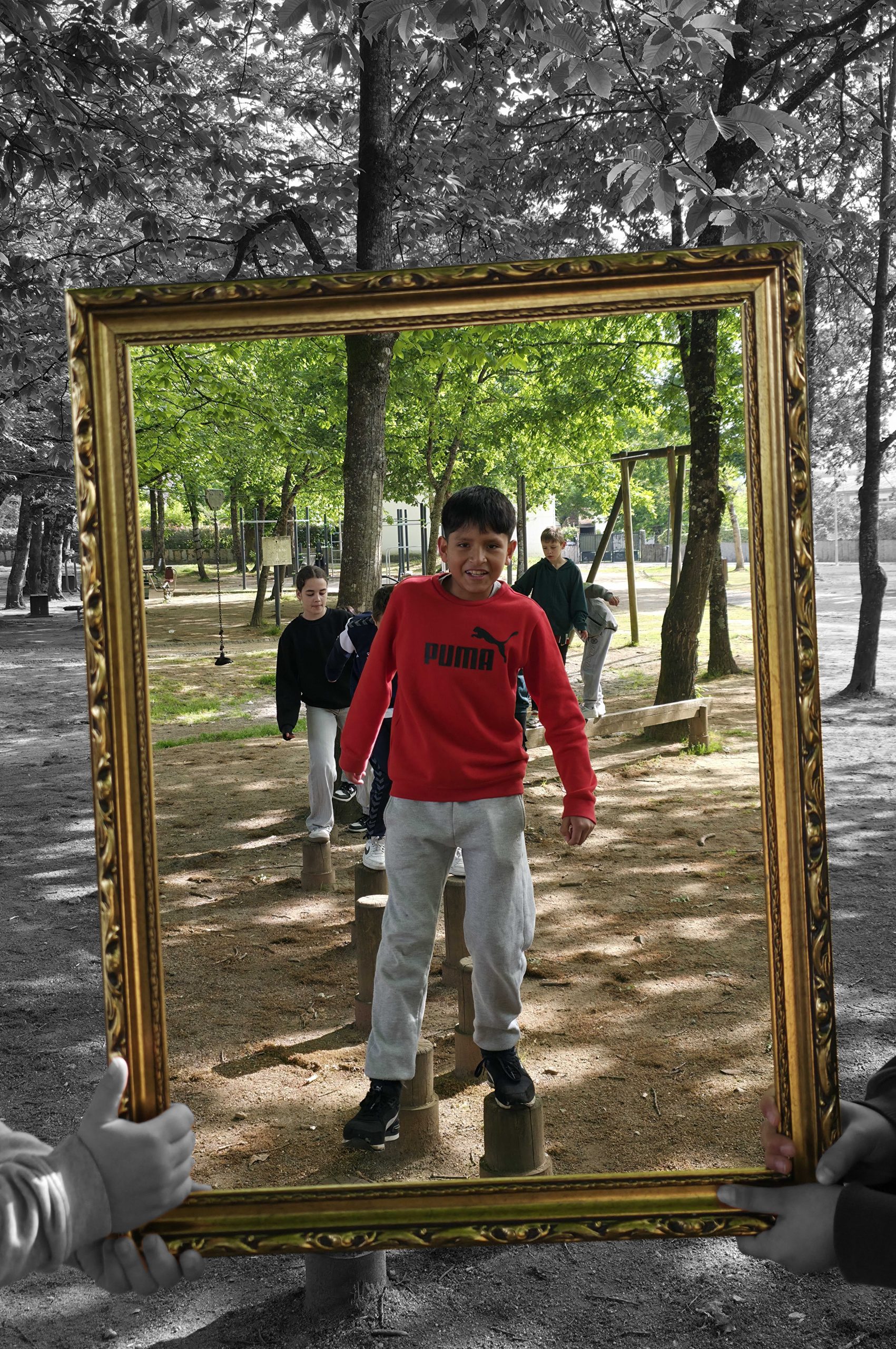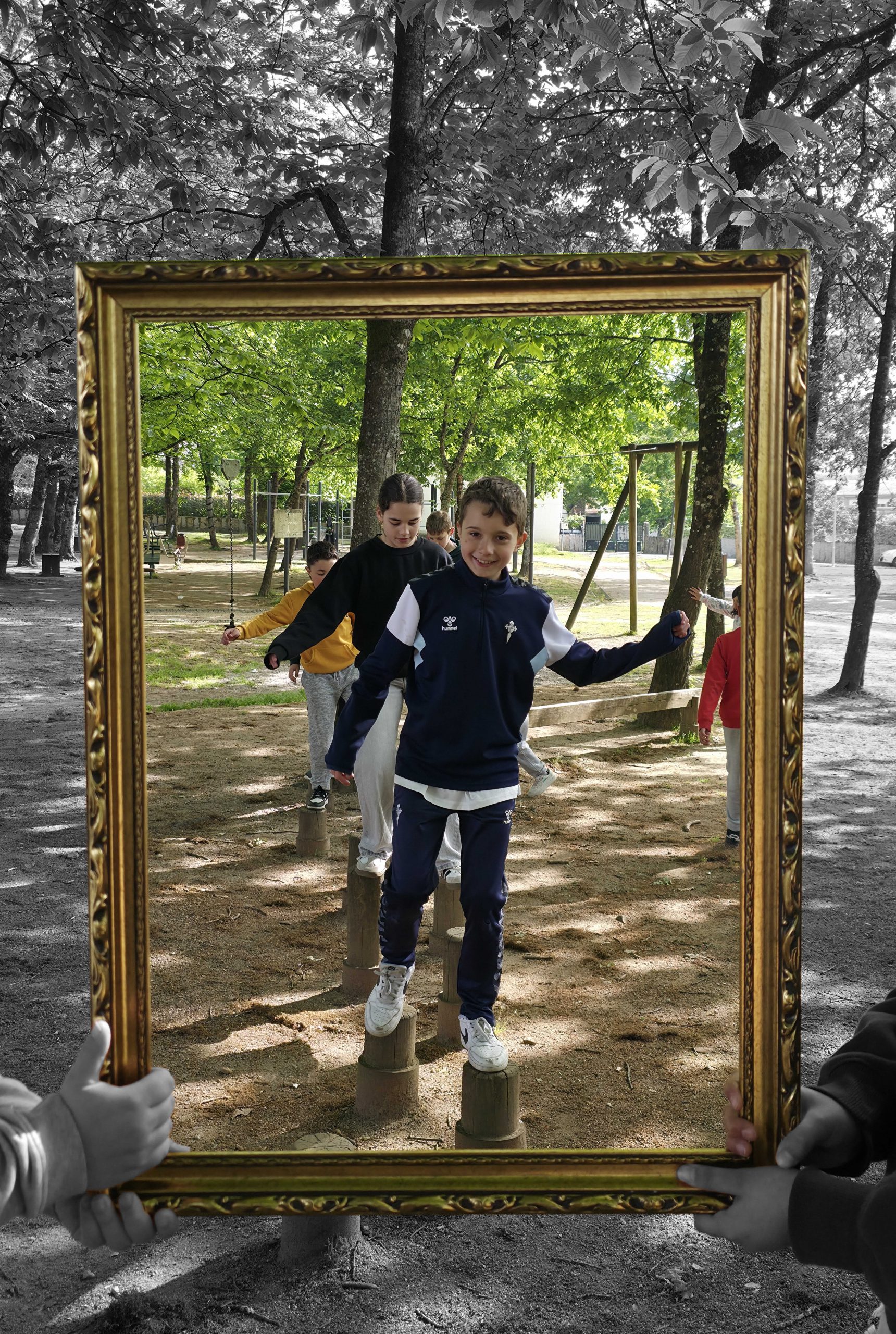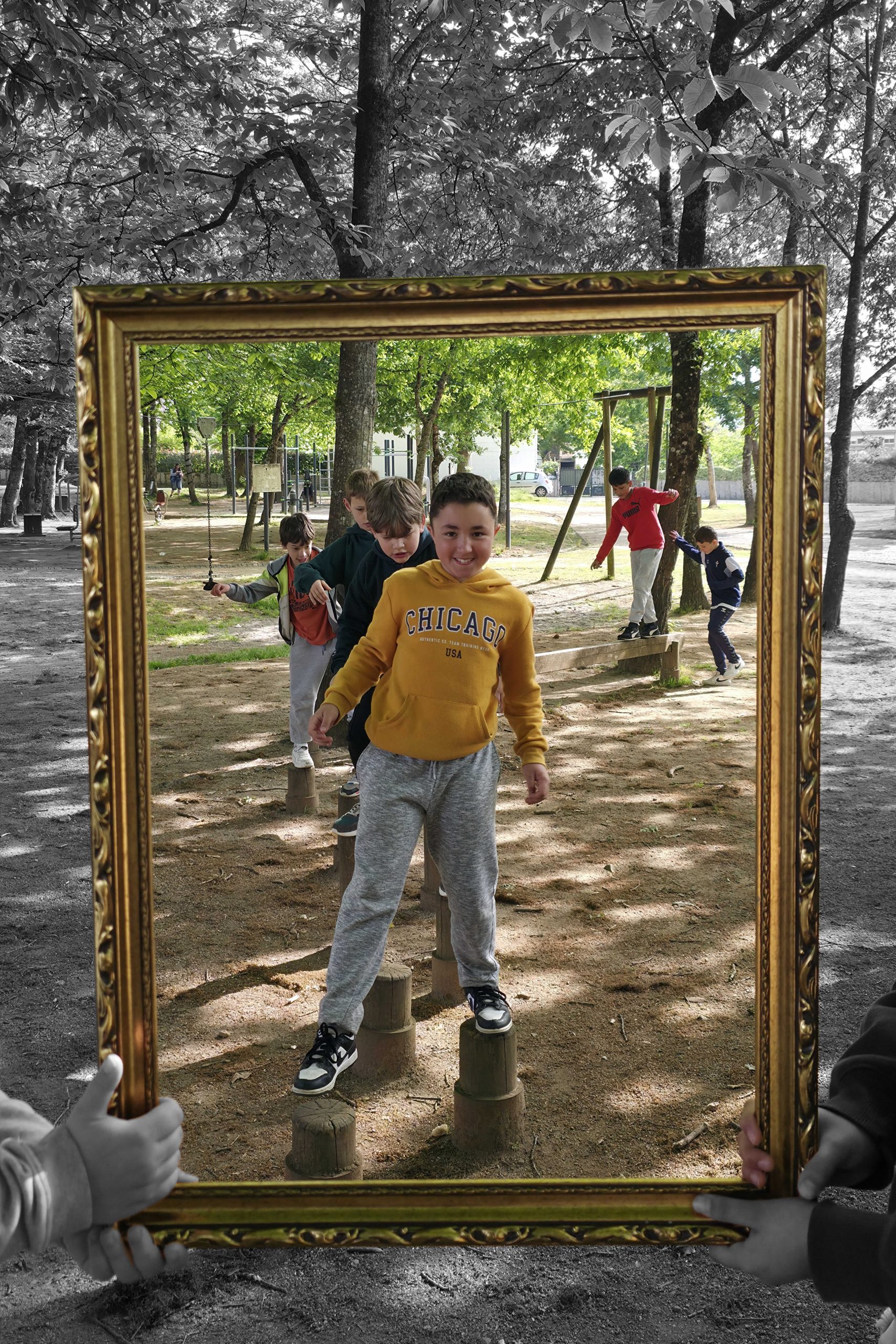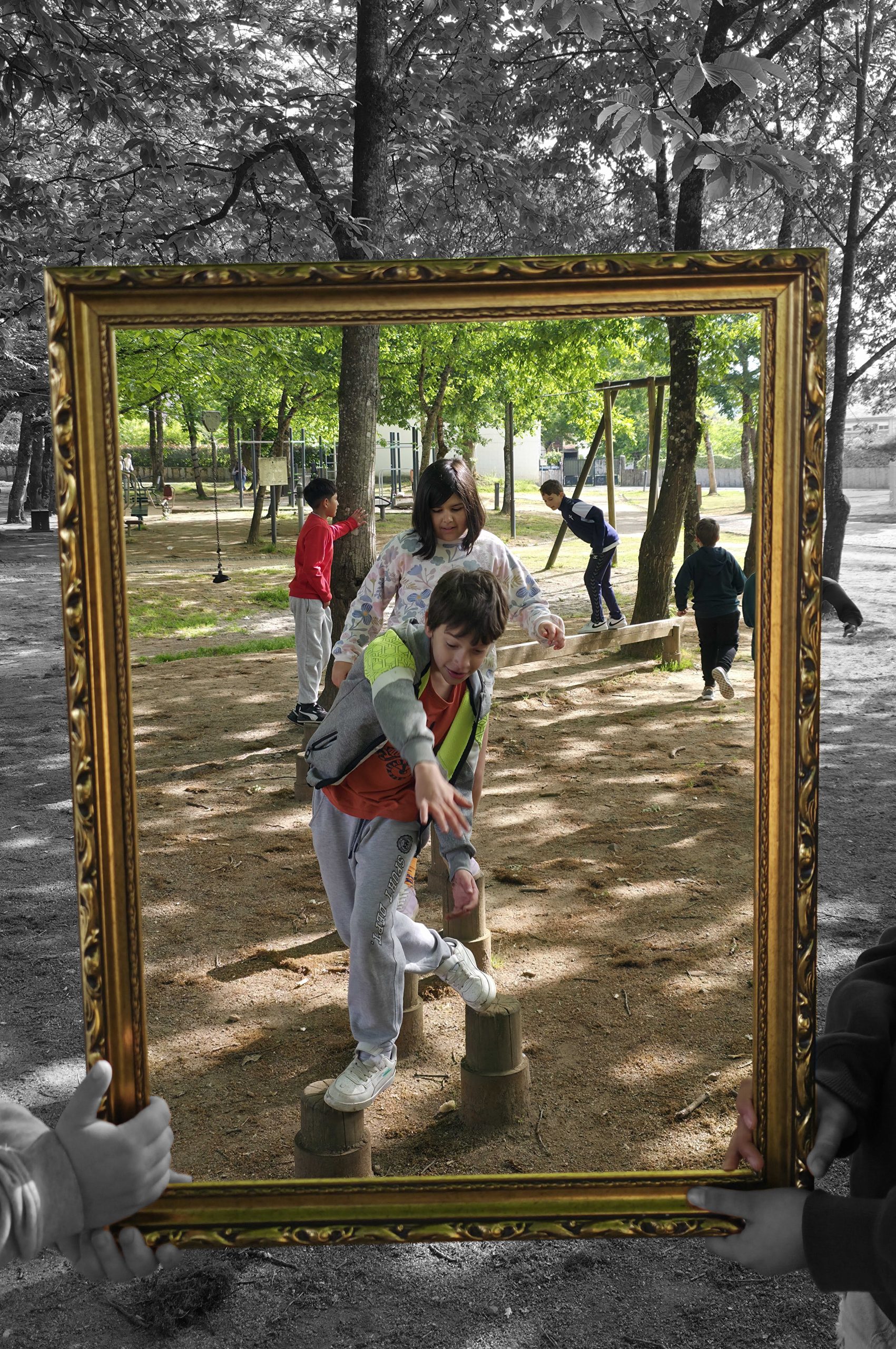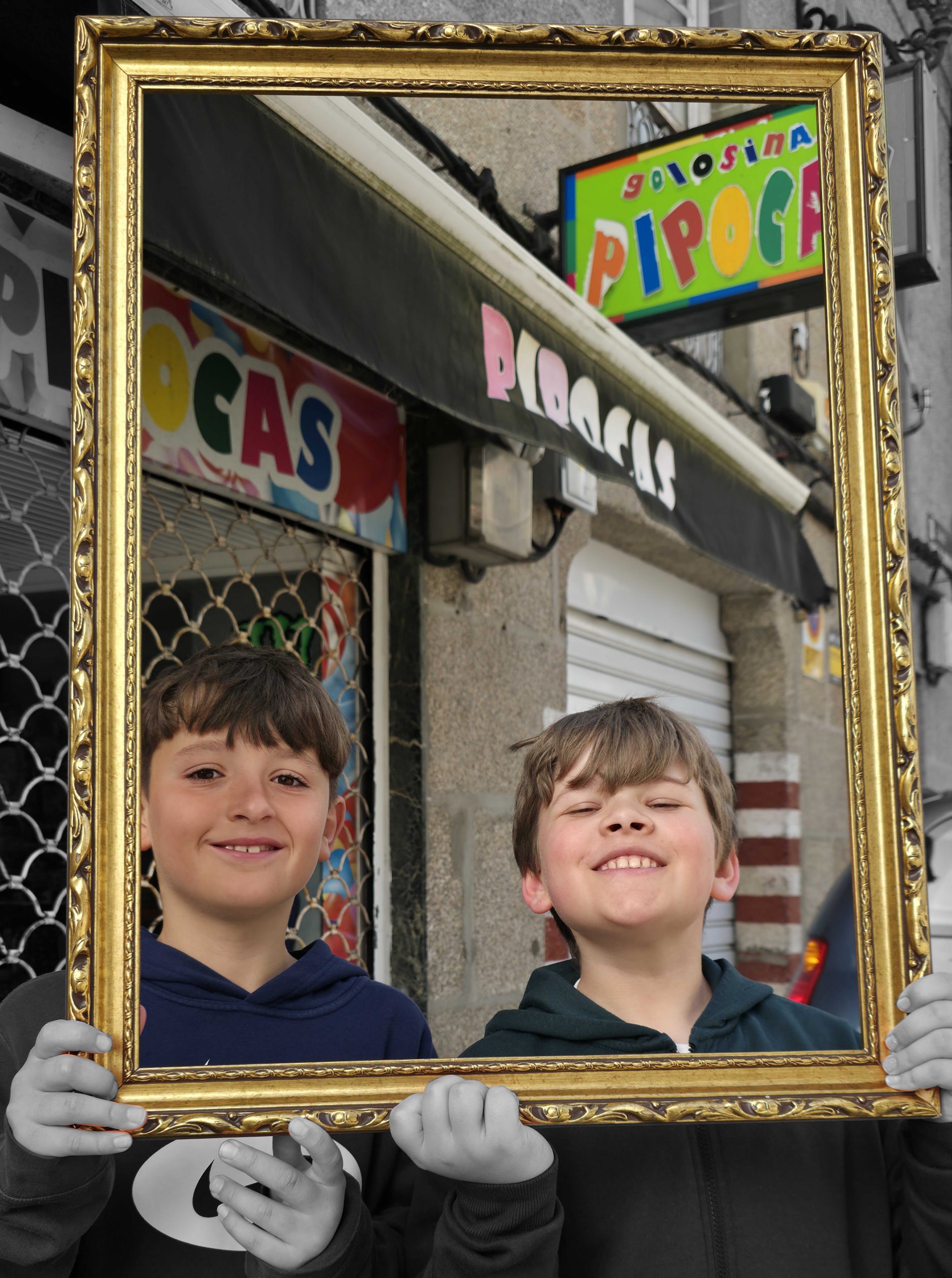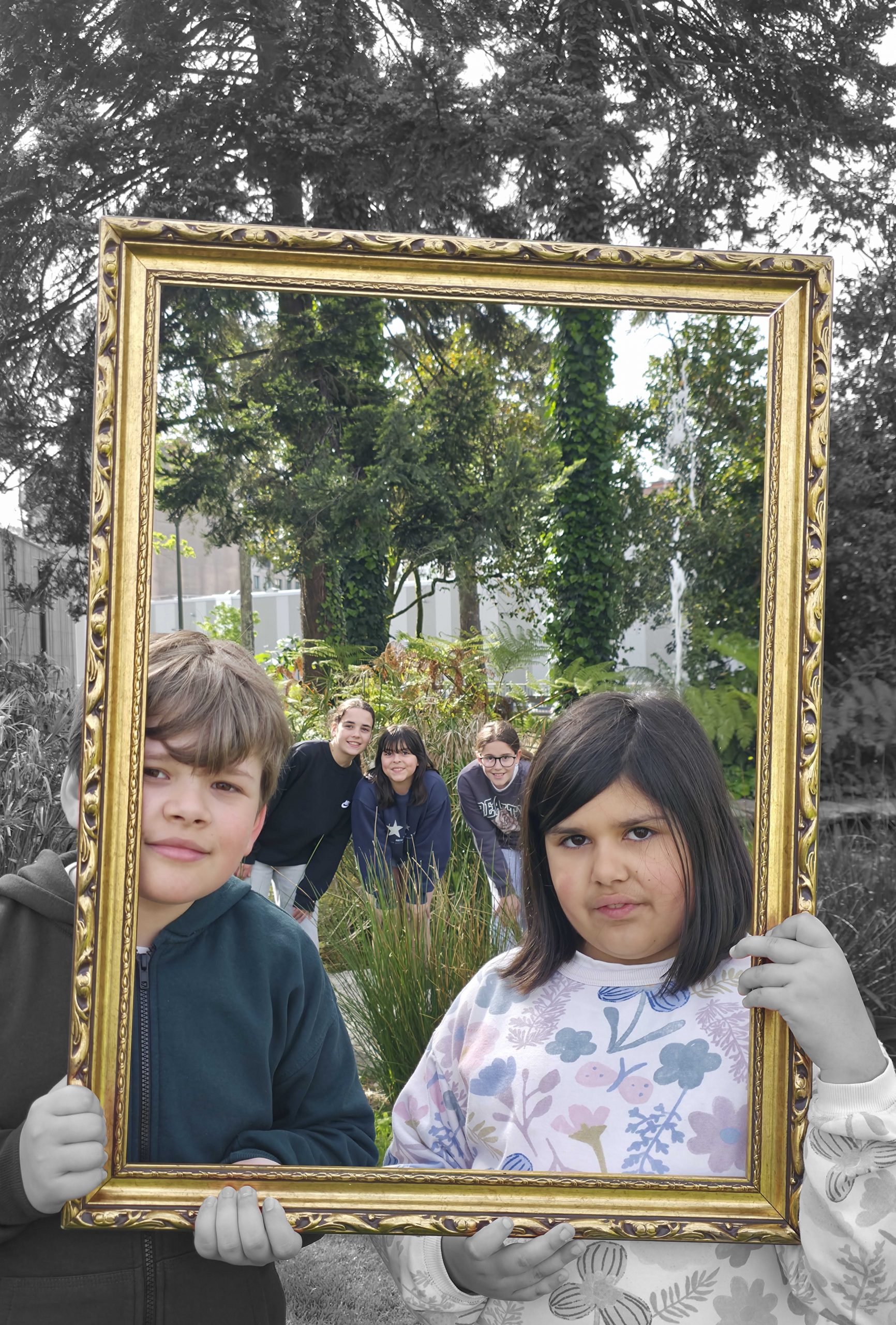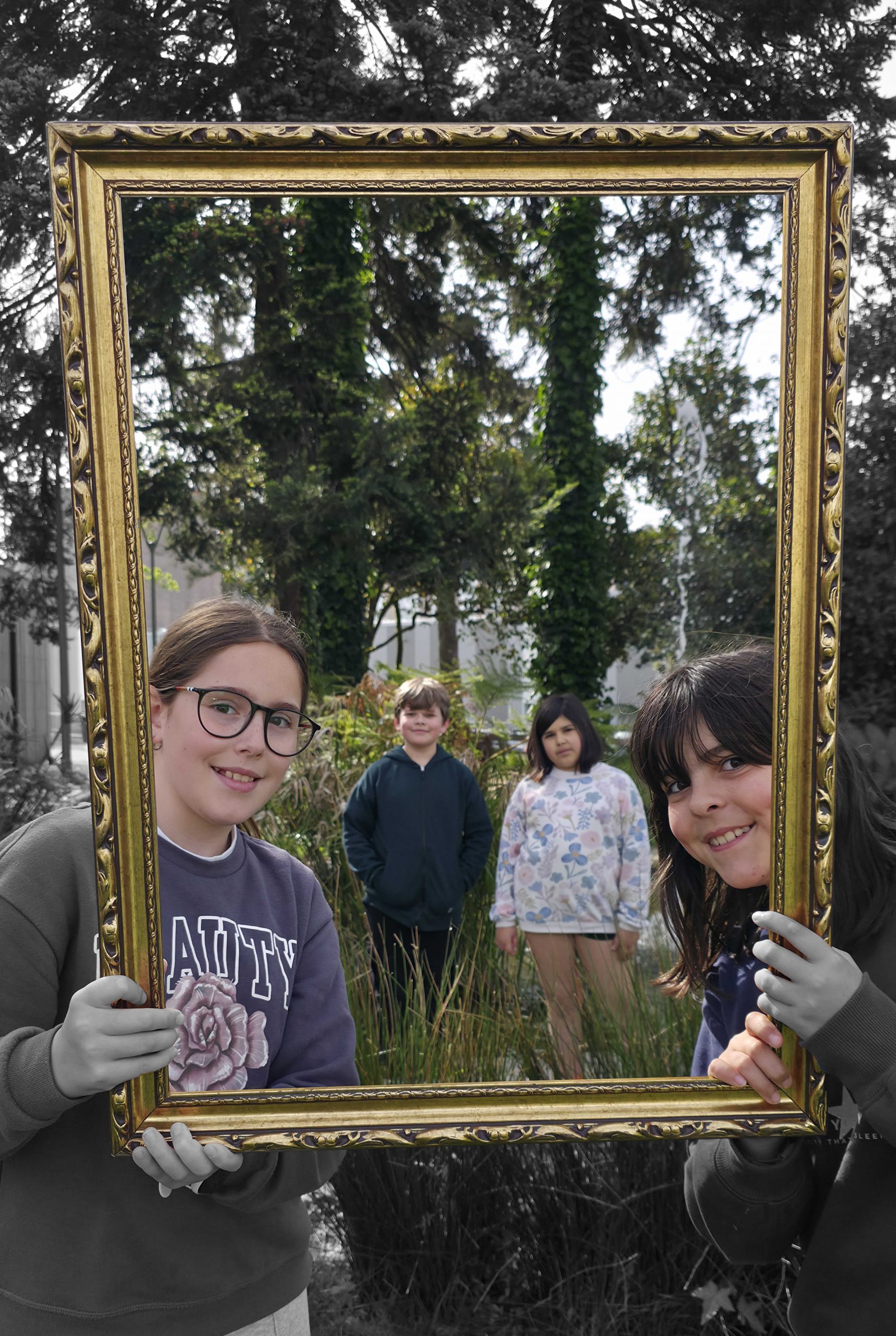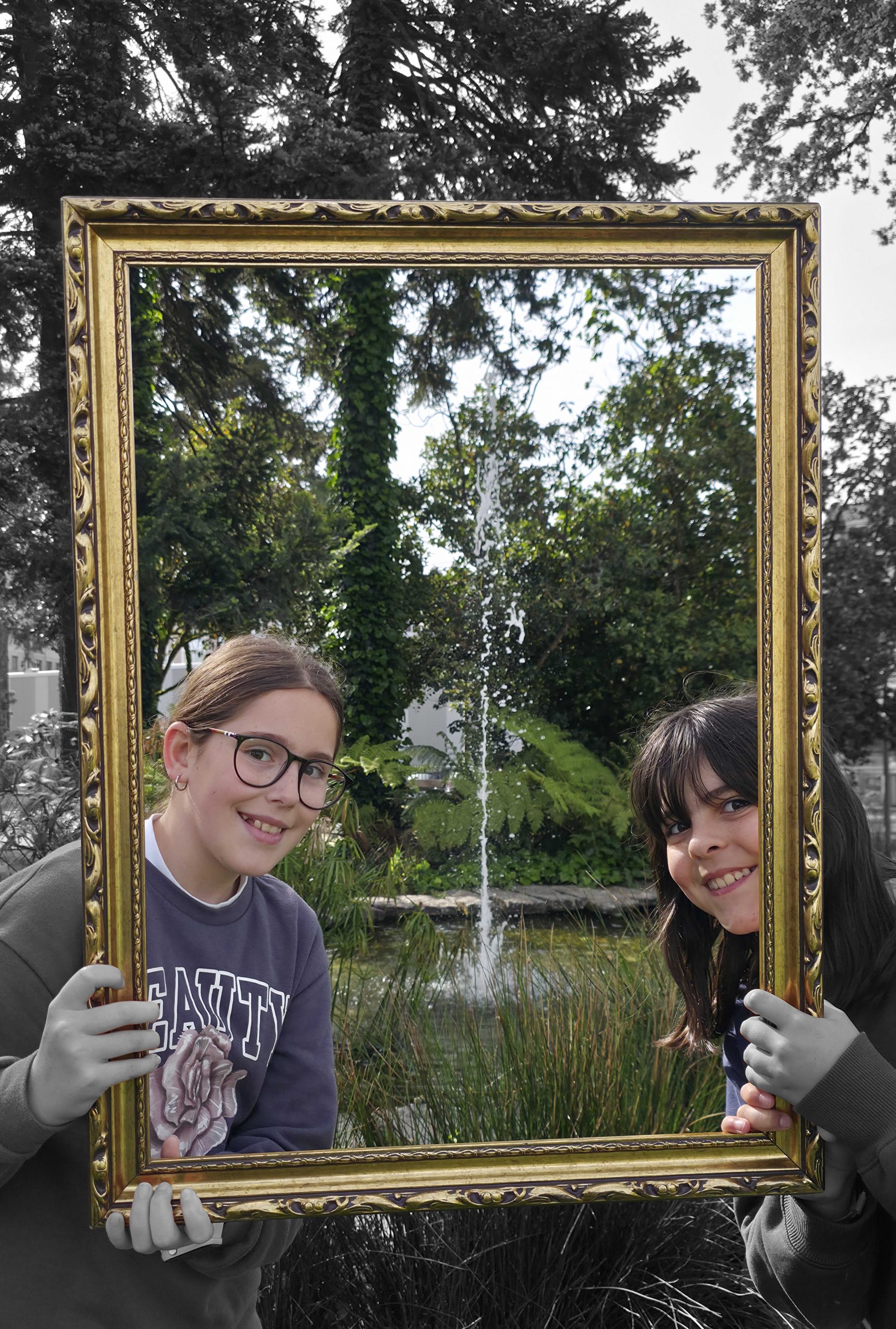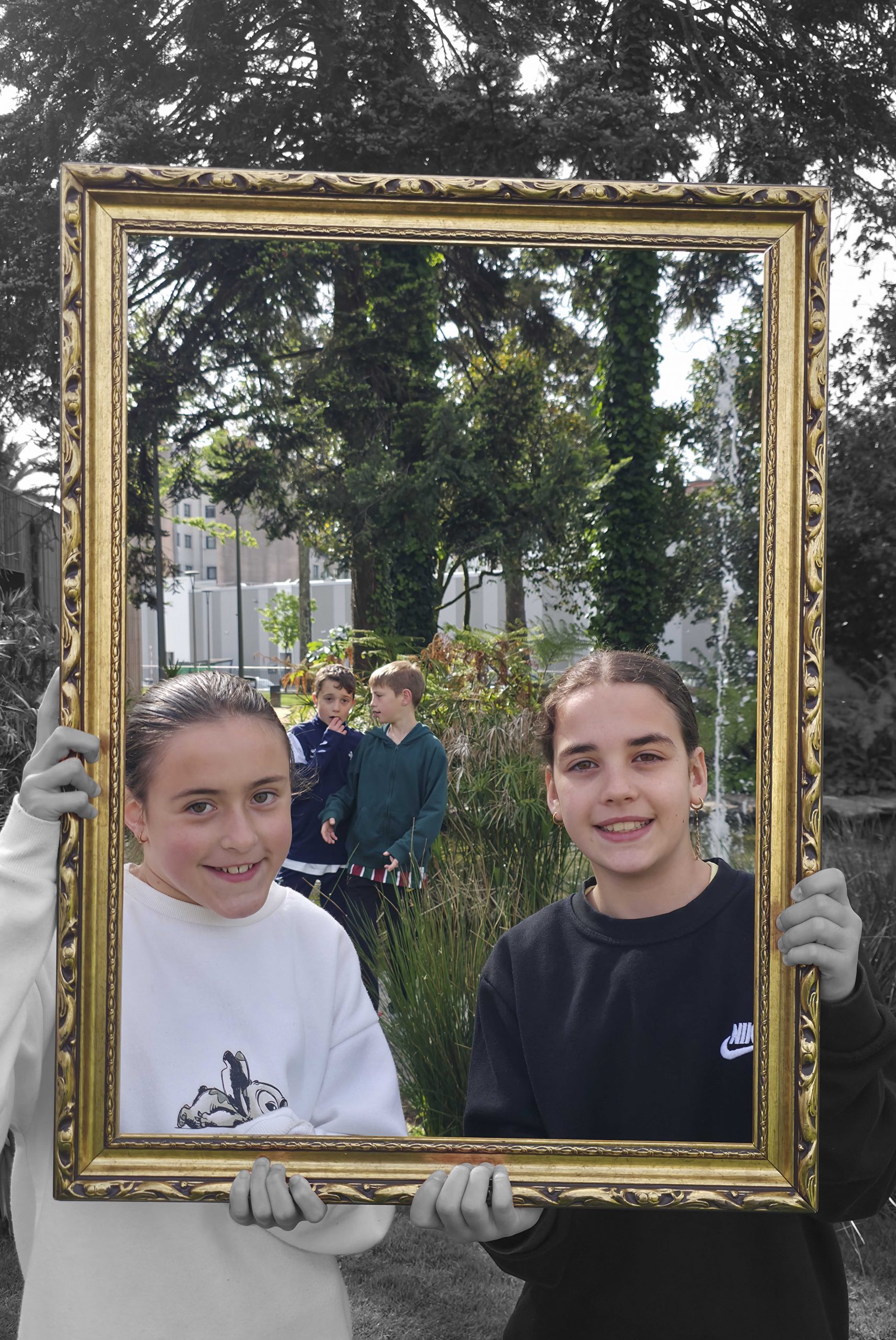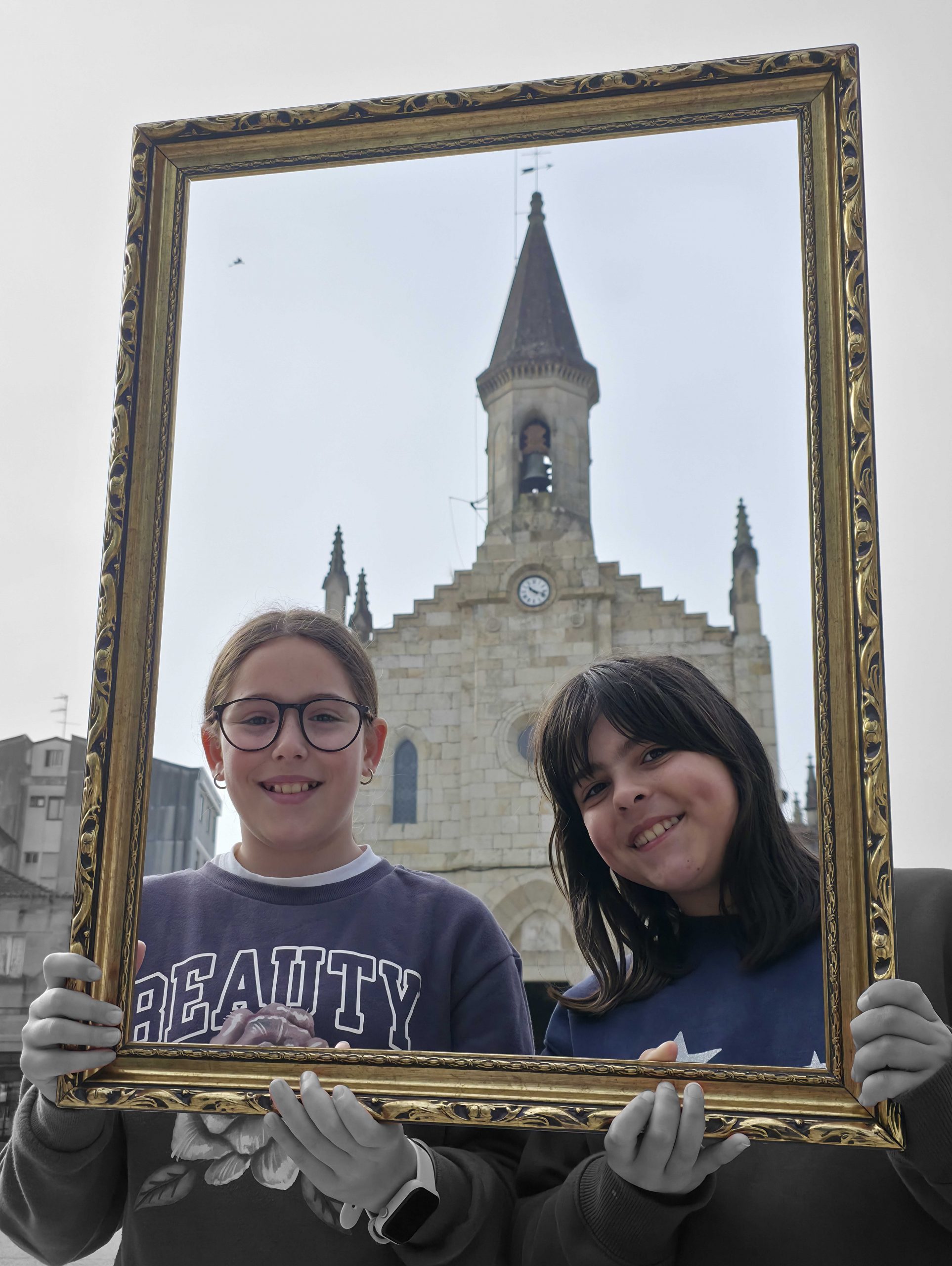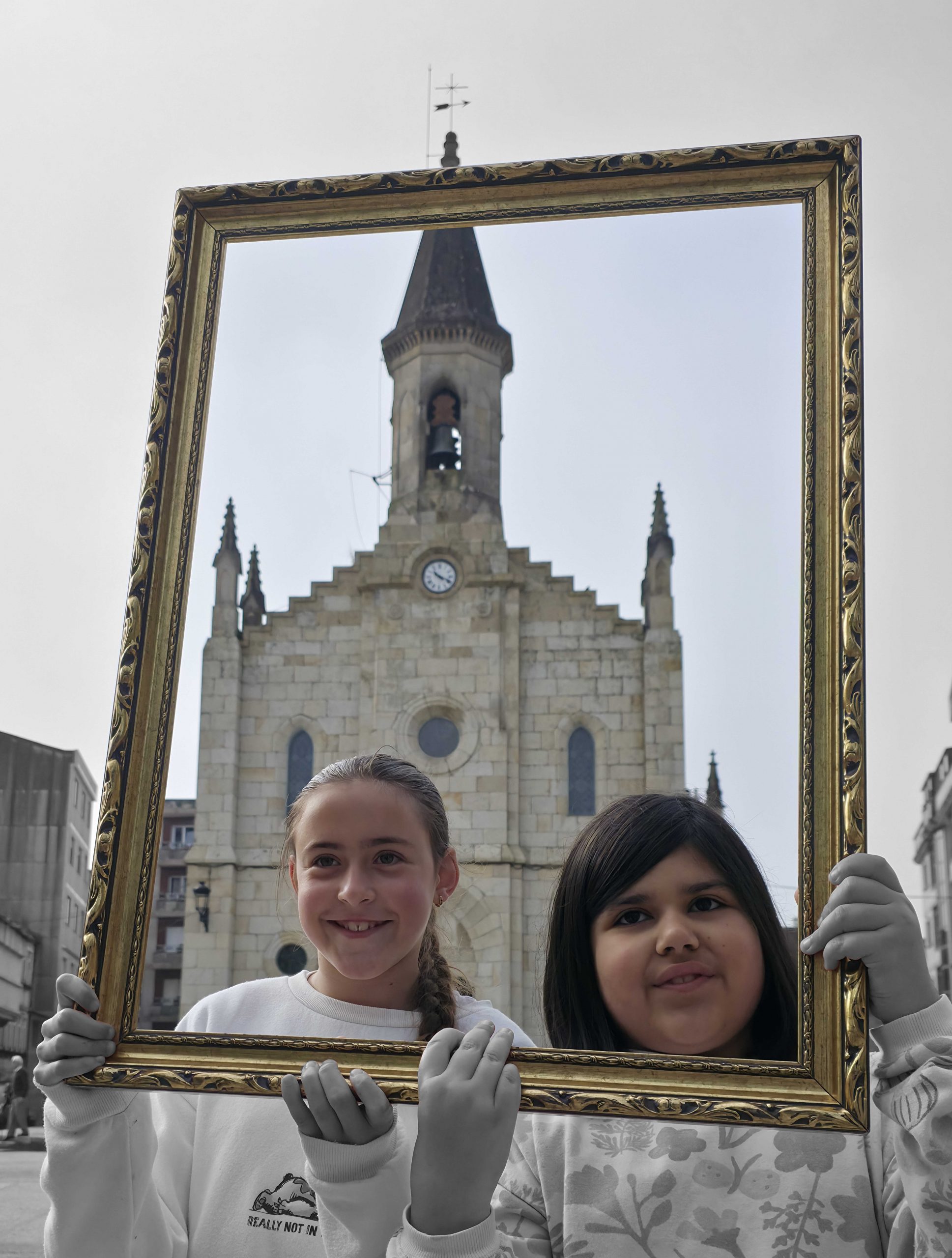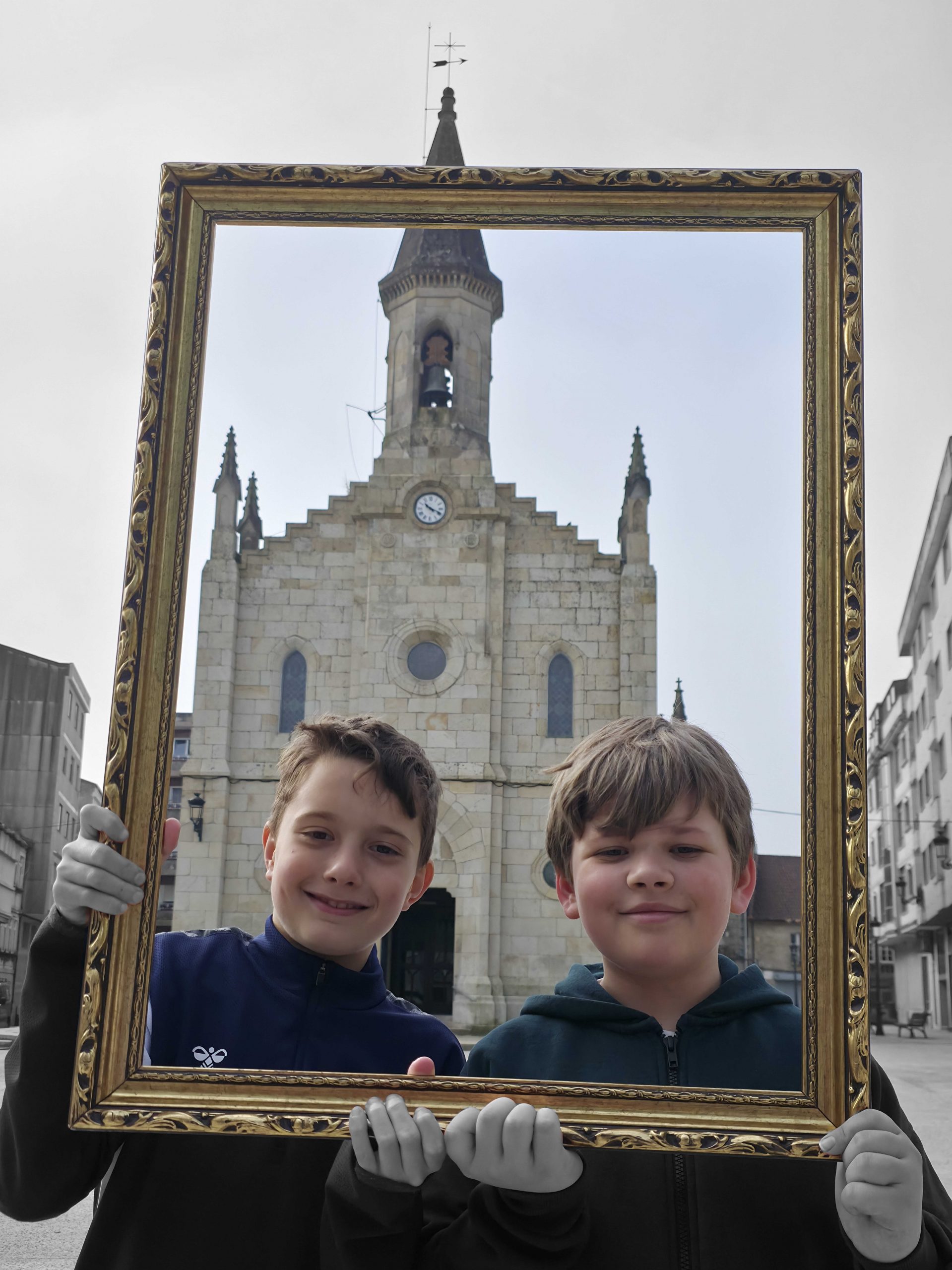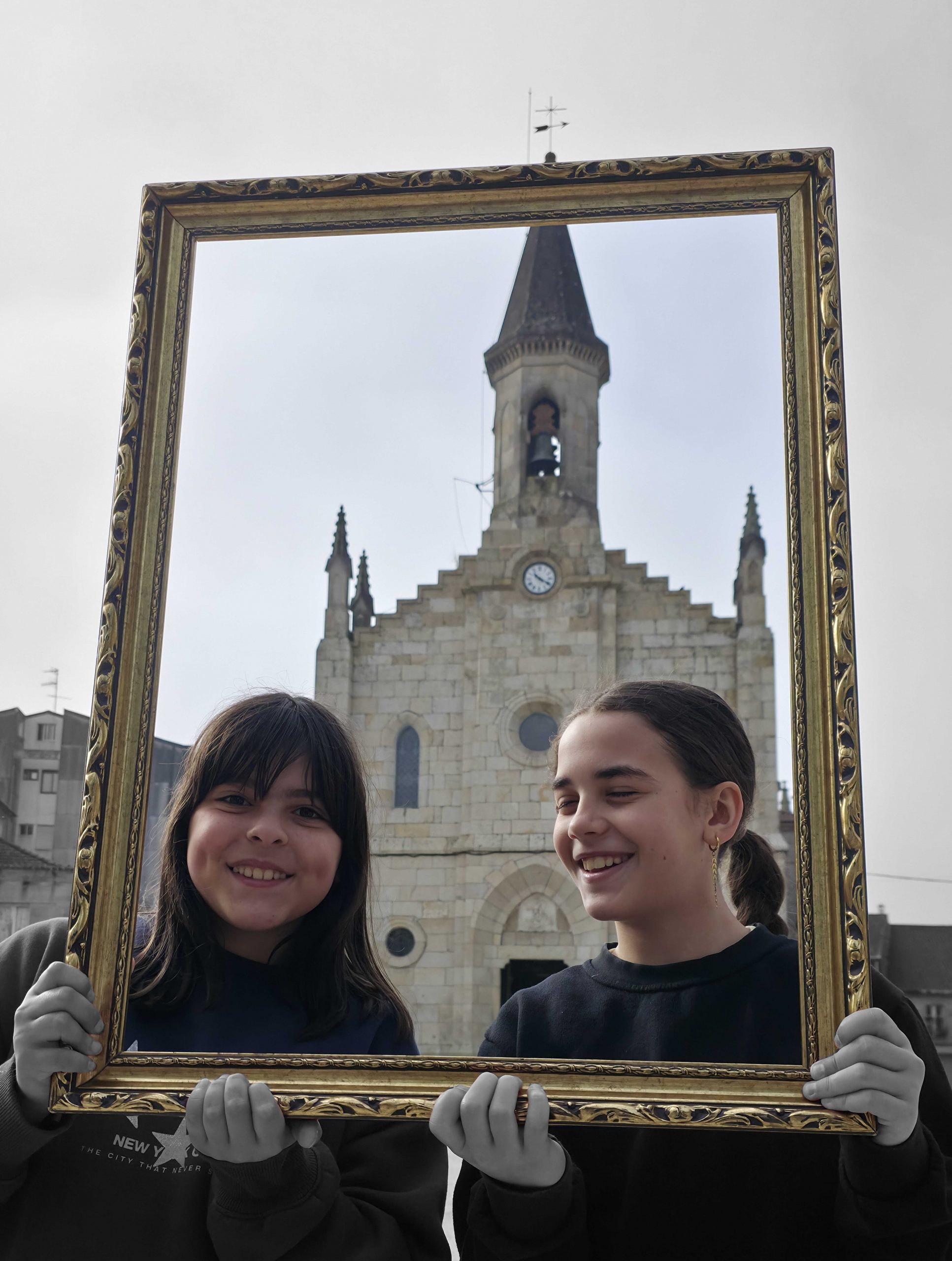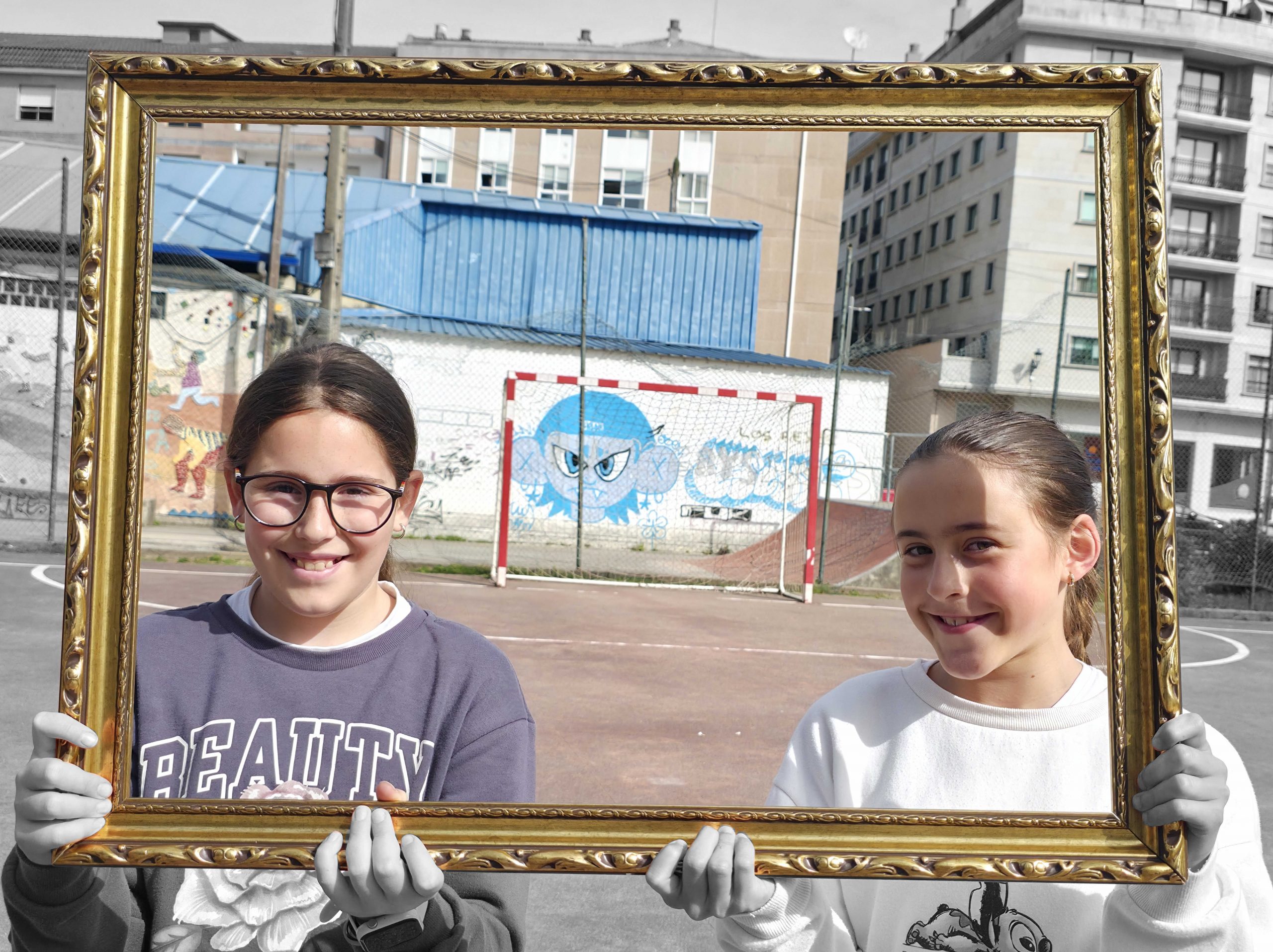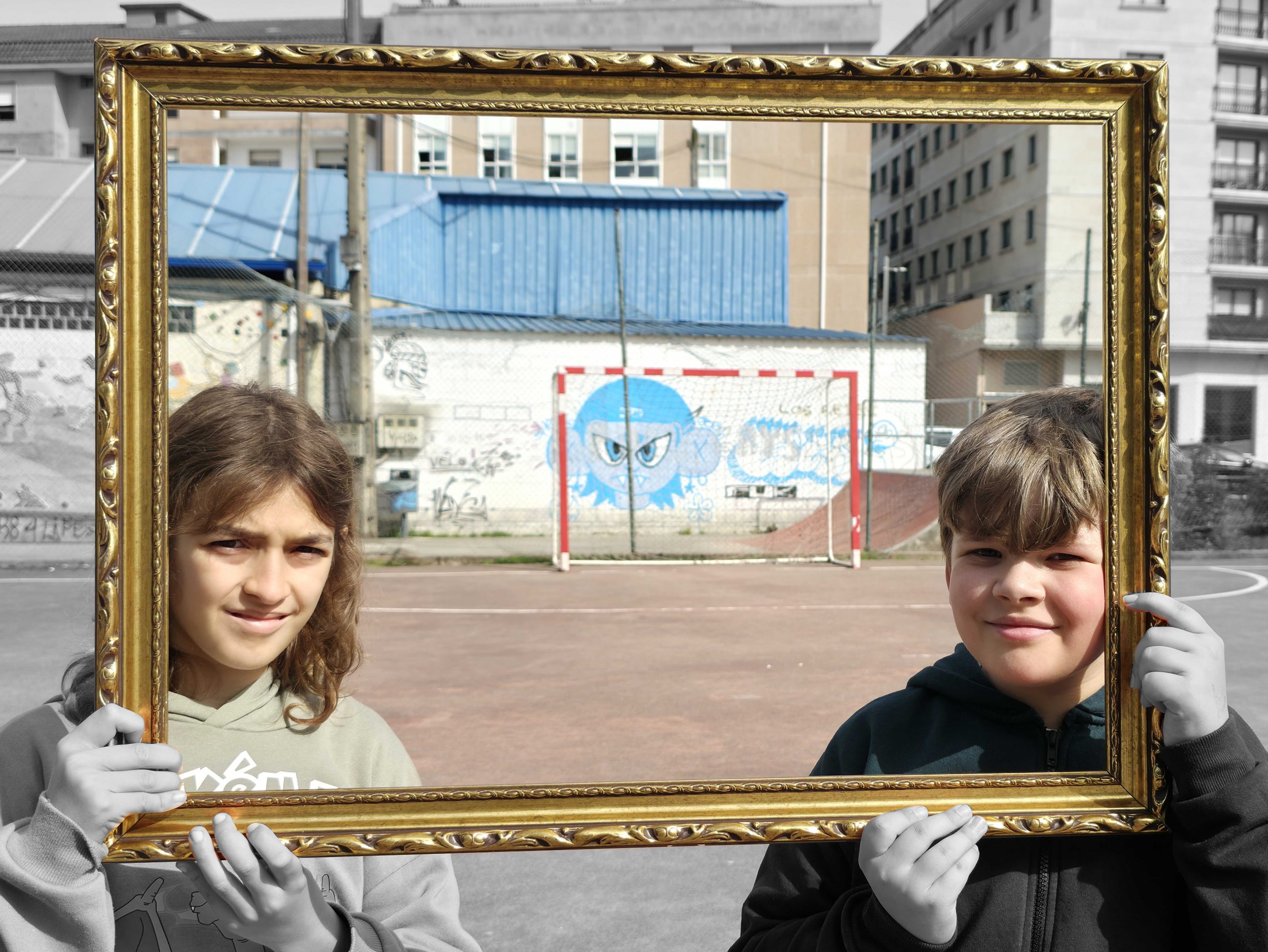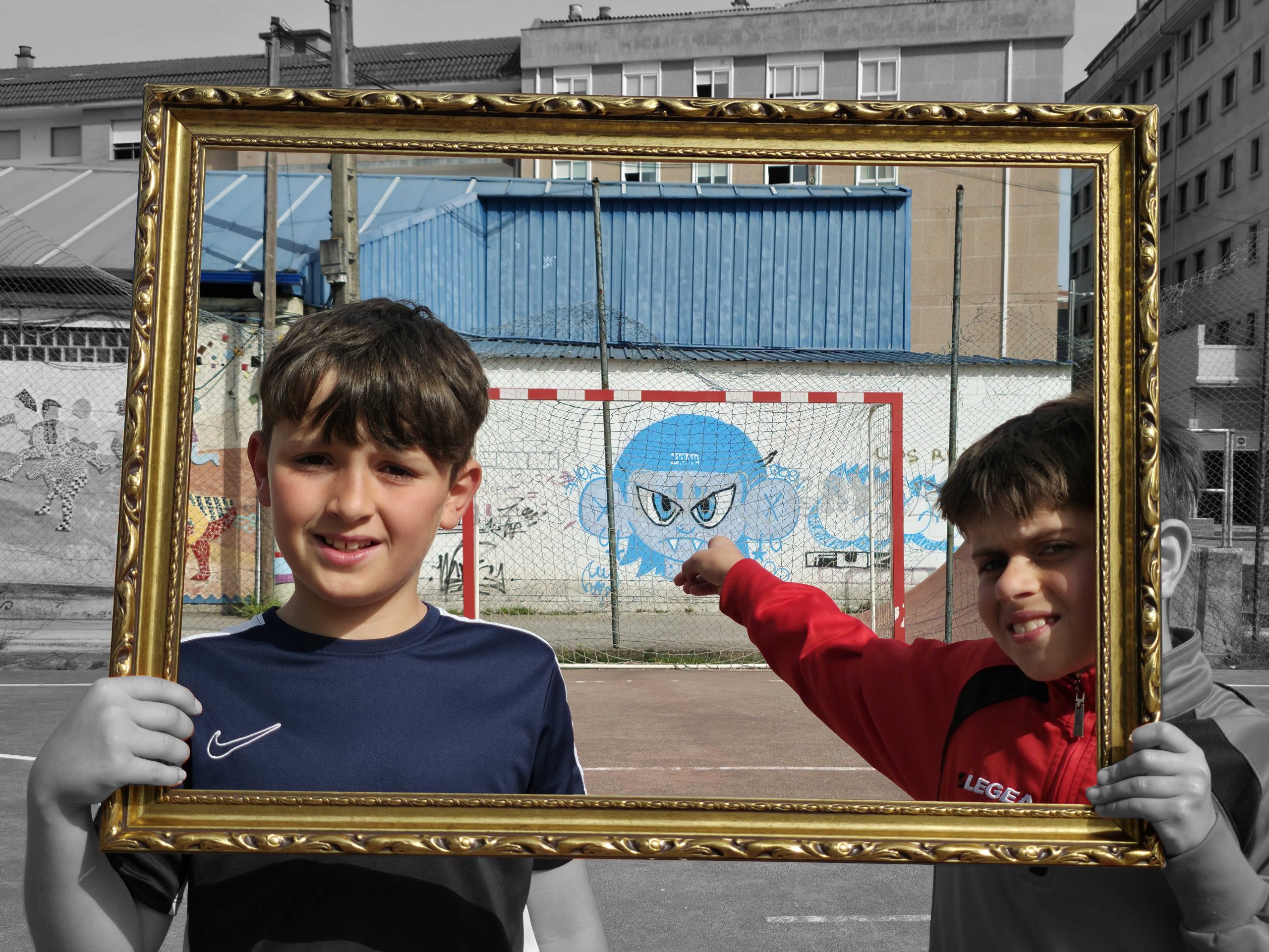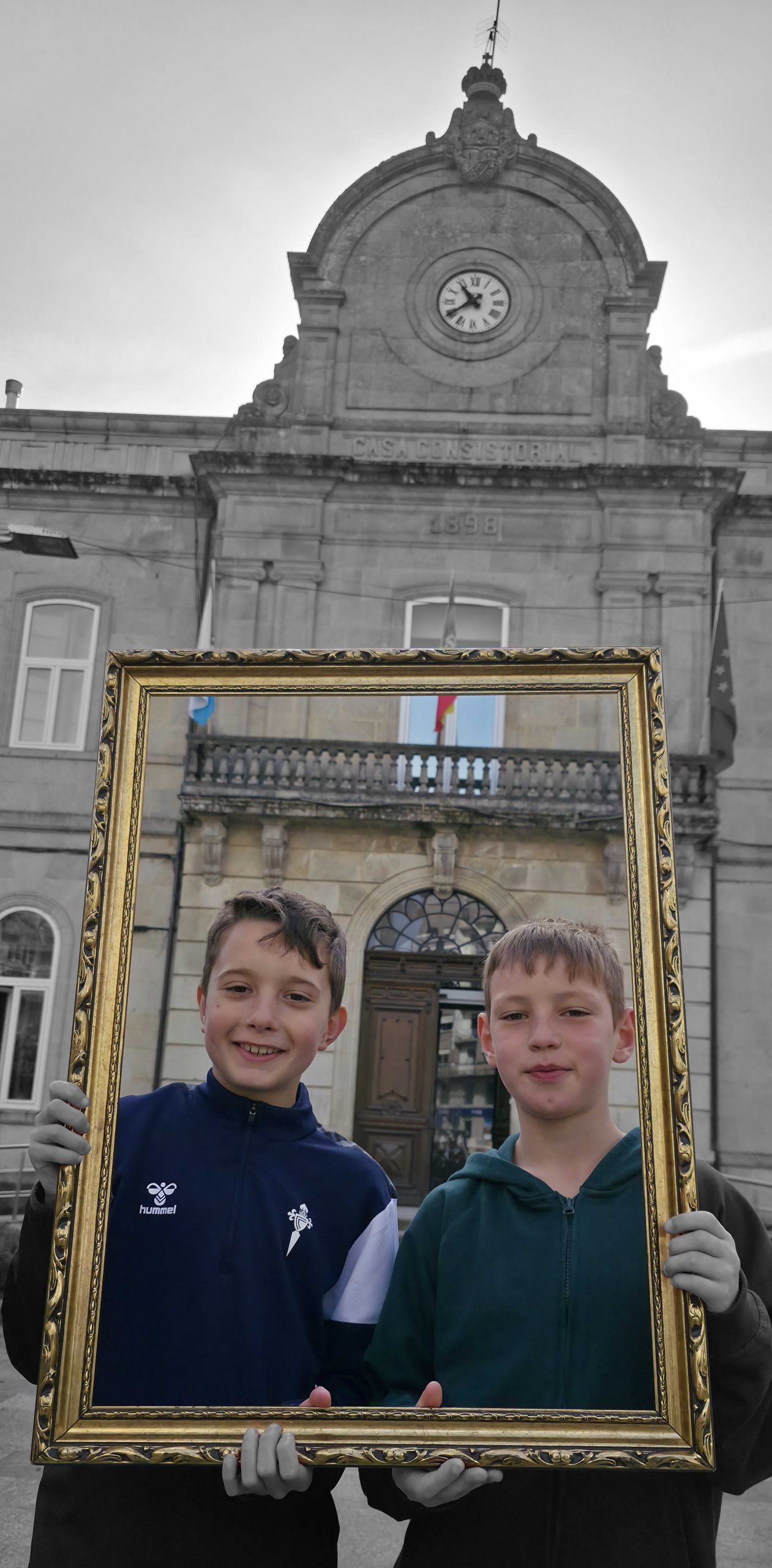

GeoOPorriño

GeoOPorriño

O Porriño


changing the village through protagonist participation


GeoOPorriño



1. Vila Anastasia :

An eclectic gem from the 1930s, located in the center of O Porriño, it stands out for its palatial architecture, which evokes the style of Jenaro de la Fuente. Its stately design is complemented by a French-inspired garden, making it one of the few preserved examples of noble residential architecture in the town.


2. Christ Fountain :

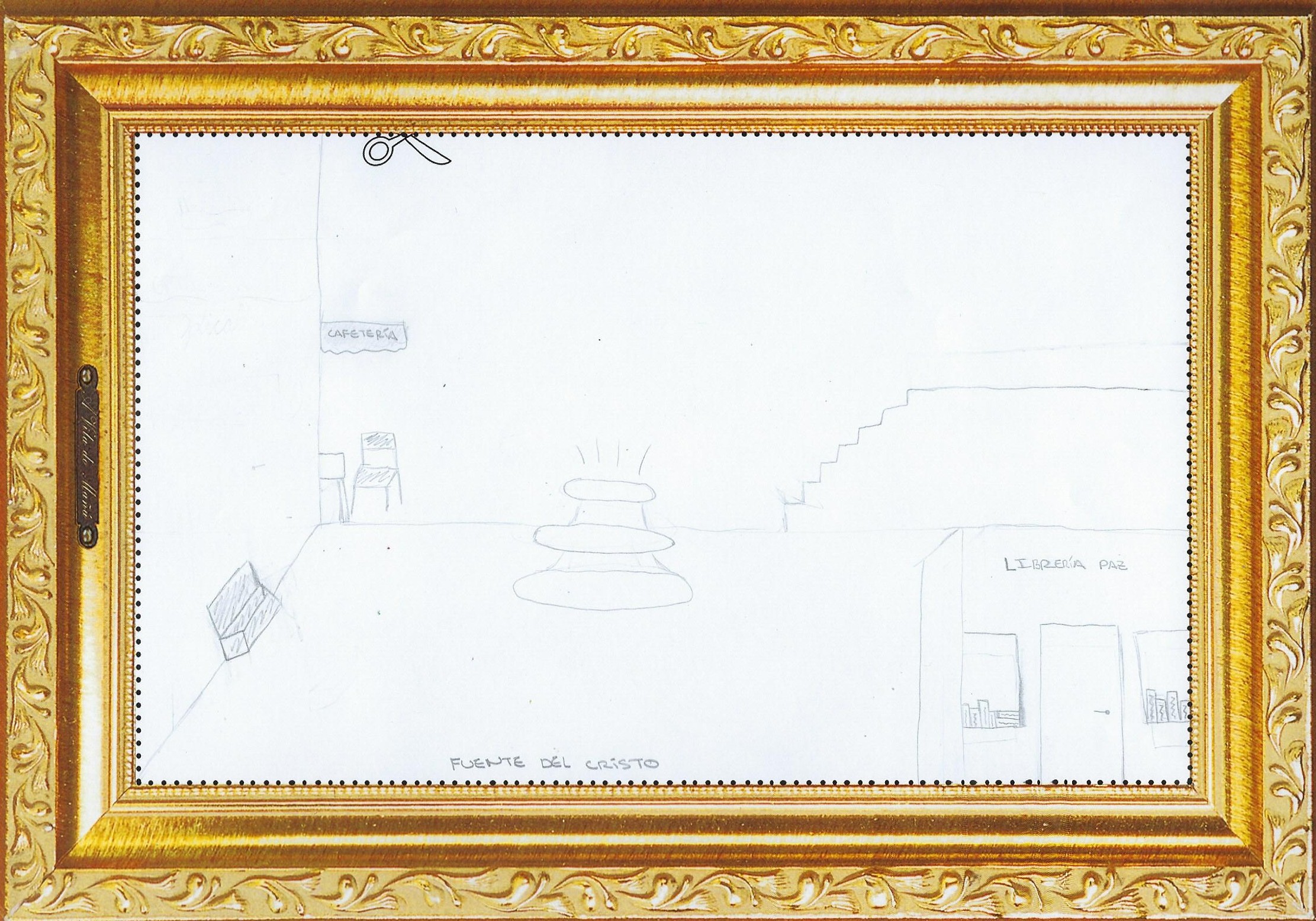
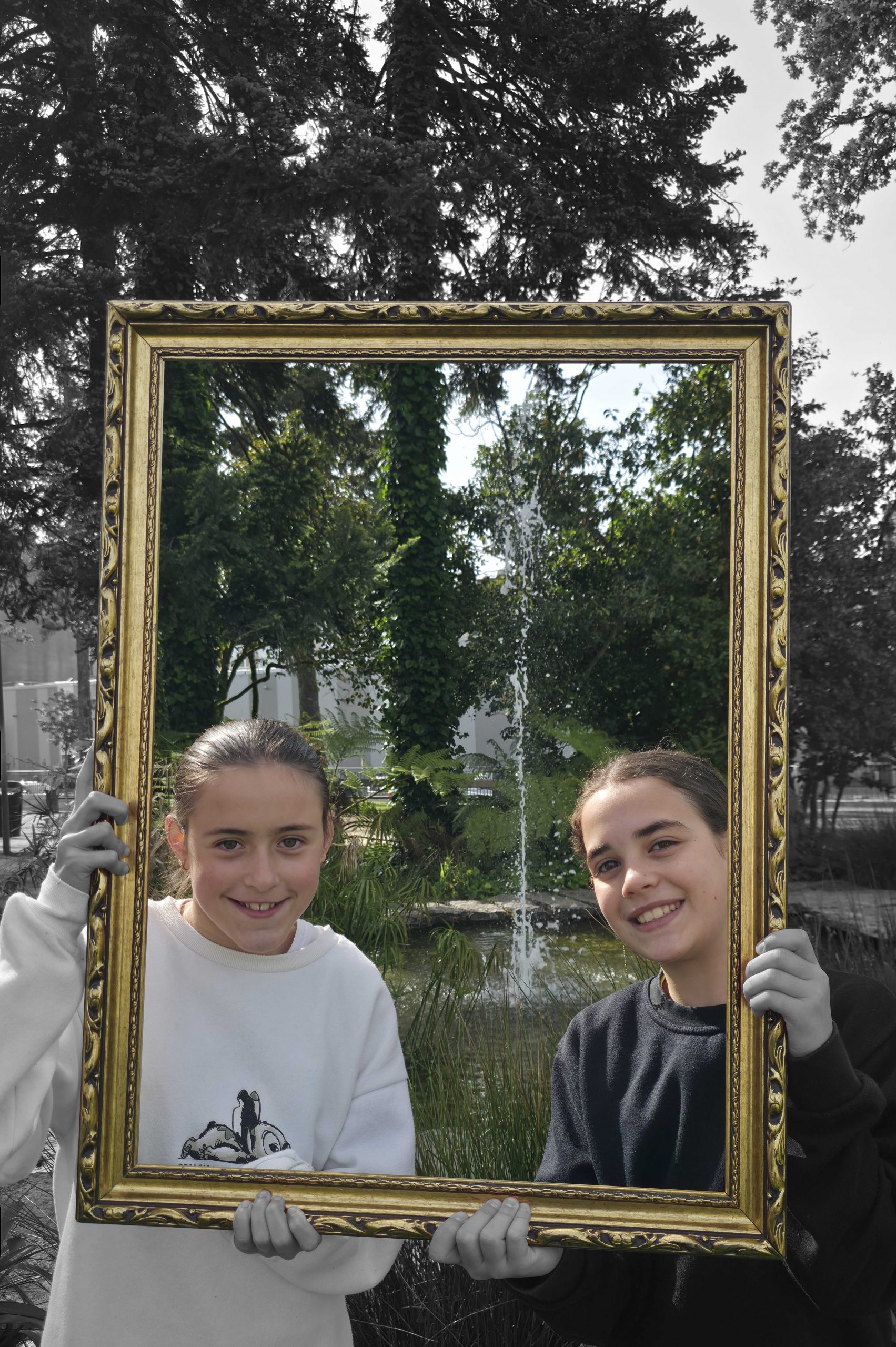
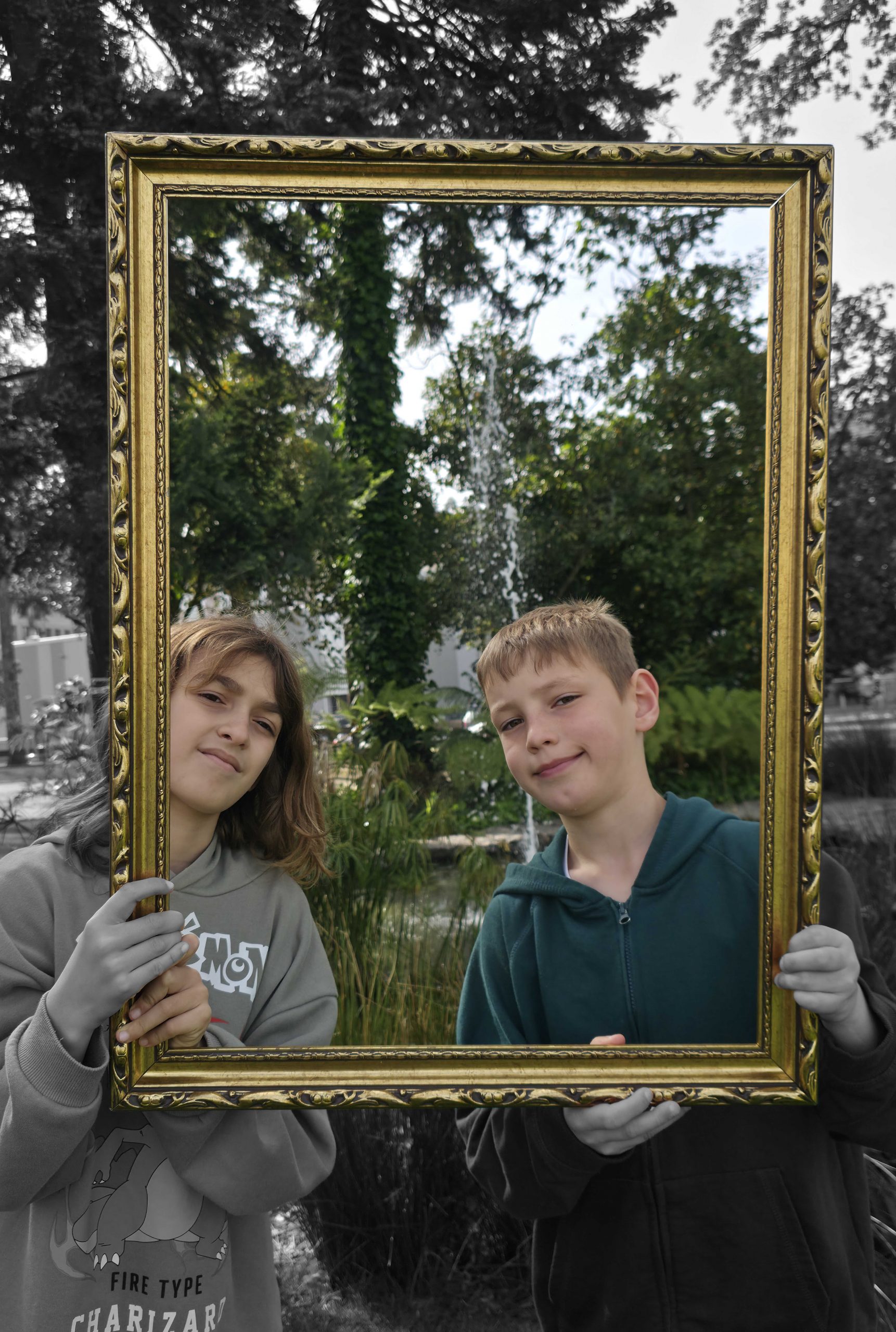
Designed by the architect Antonio Palacios in 1905, this fountain is an eclectic-style work inspired by traditional Galician Baroque fountains. It stands out for its combination of materials such as stone, ceramic, and iron.


3. Botica Nova (New Pharmacy):

Designed in 1909 by the architect Antonio Palacios as a residence and pharmacy for his brother, this iconic building is distinguished by its striking rounded corner adorned with a mosaic of blue and gold tiles. Throughout the 20th century, it became an important gathering place for Galician intellectuals and artists of the time.


4. Antonio Palacios’ Birthplace :

This stone-built house stands as an outstanding example of traditional Galician regionalist architecture, characterized by its arcades and stone balconies. The building holds great historical significance as the birthplace of Antonio Palacios, the architect whose work transformed Madrid’s urban landscape.


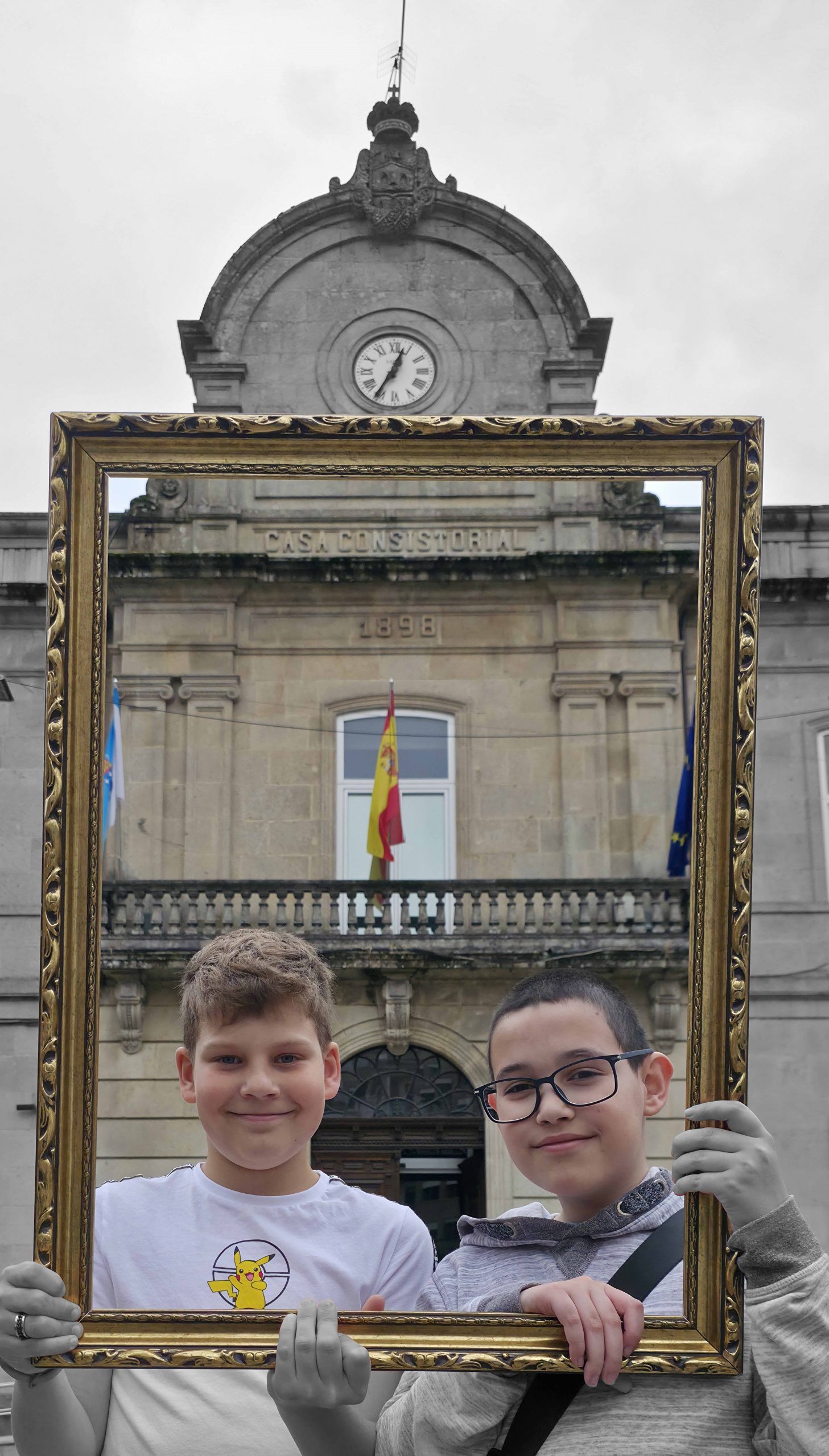
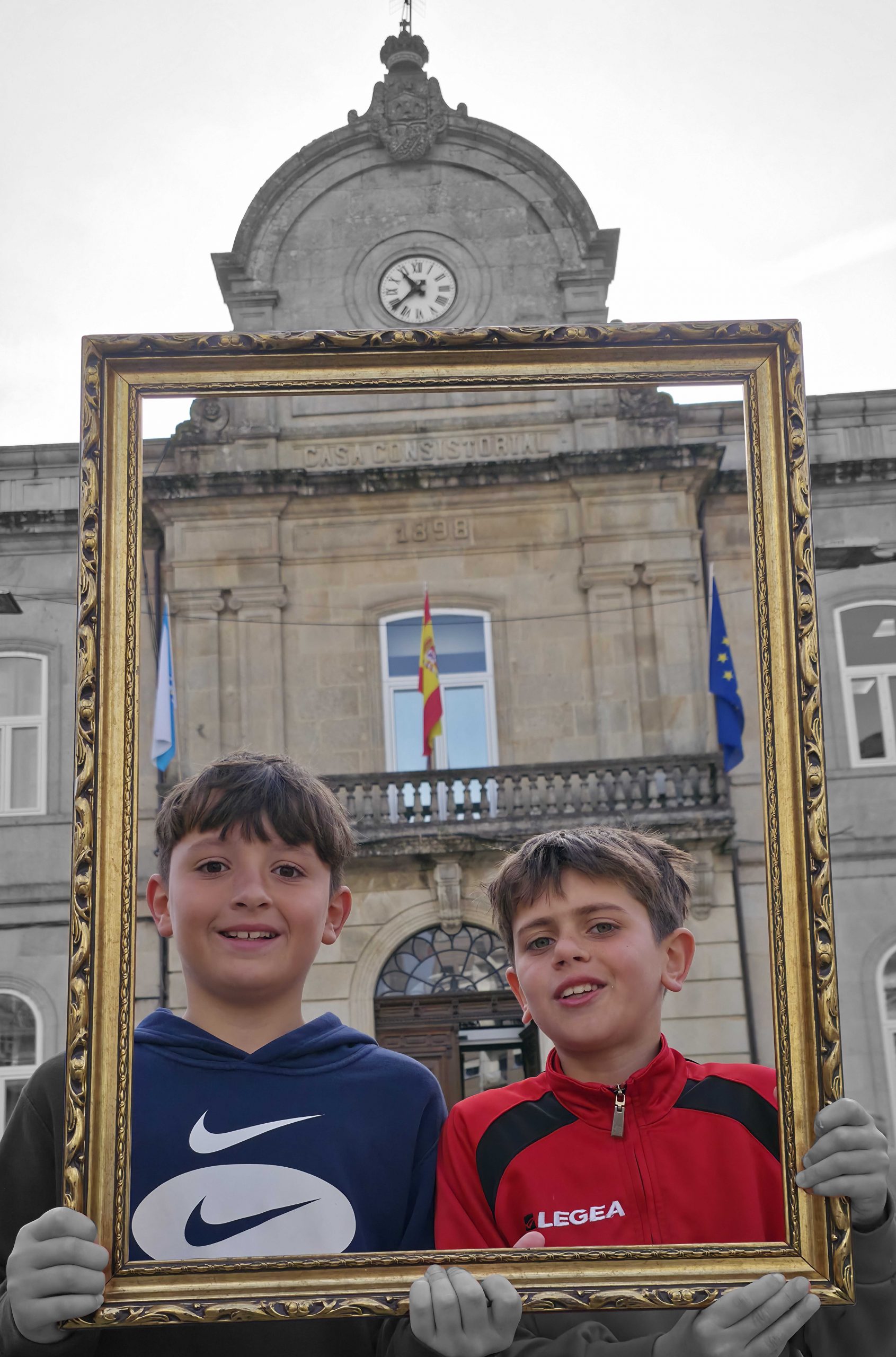
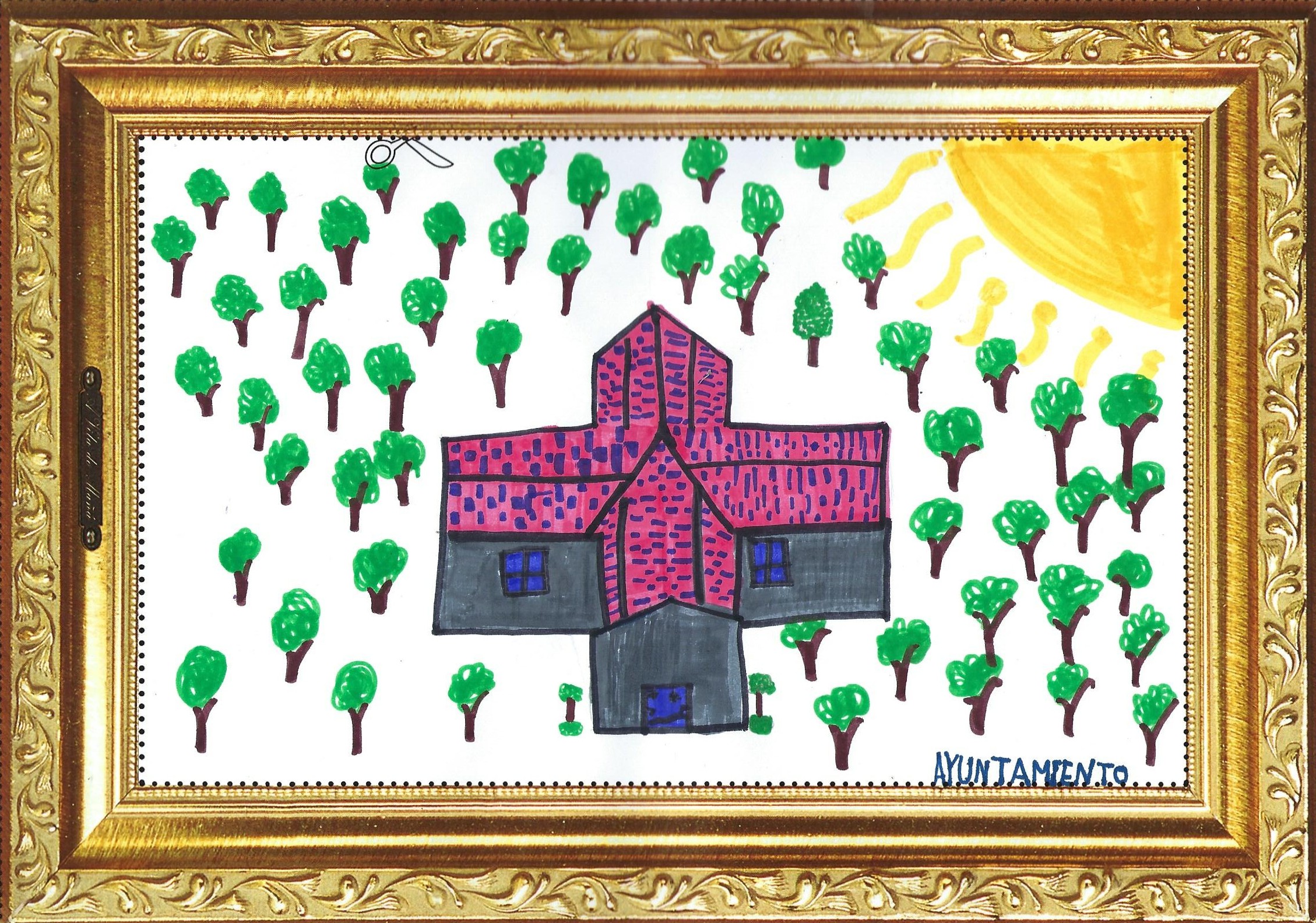
5. Town Hall (Casa Consistorial) :

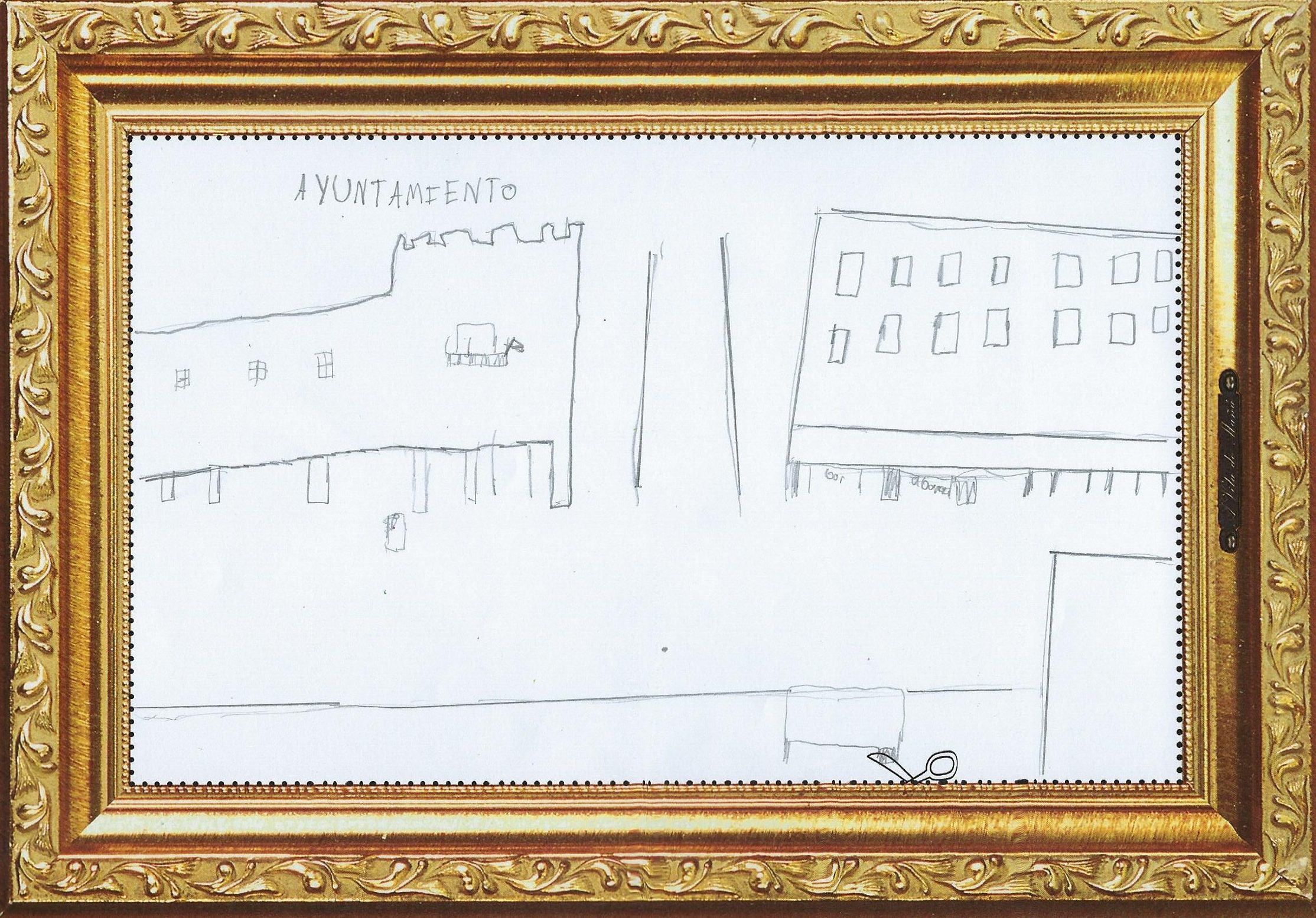
This monumental example of Galician regionalist architecture was built between 1919 and 1924 and designed by Antonio Palacios. Constructed on a relatively small plot, it is distinguished by its imposing arcaded portico, balconies, and a crenellated medieval-inspired tower, all carved from the town’s iconic pink granite.


6. Fonte dos Tres Canos (Three-Spout Fountain). :

This historic fountain, built in 1830 in a classical style, is distinguished by its three-tiered stone structure, its three spouts carved in the shape of heads, and the Spanish coat of arms crowning the monument.


7. Vila Florida :

This historic 19th-century Indianos mansion, located in the center of O Porriño and attributed to the architect Jenaro de la Fuente, stands out for its eclectic French-influenced architecture, high ceilings, and extensive grounds with a private garden.


8. St. Mary of the Conception Church :

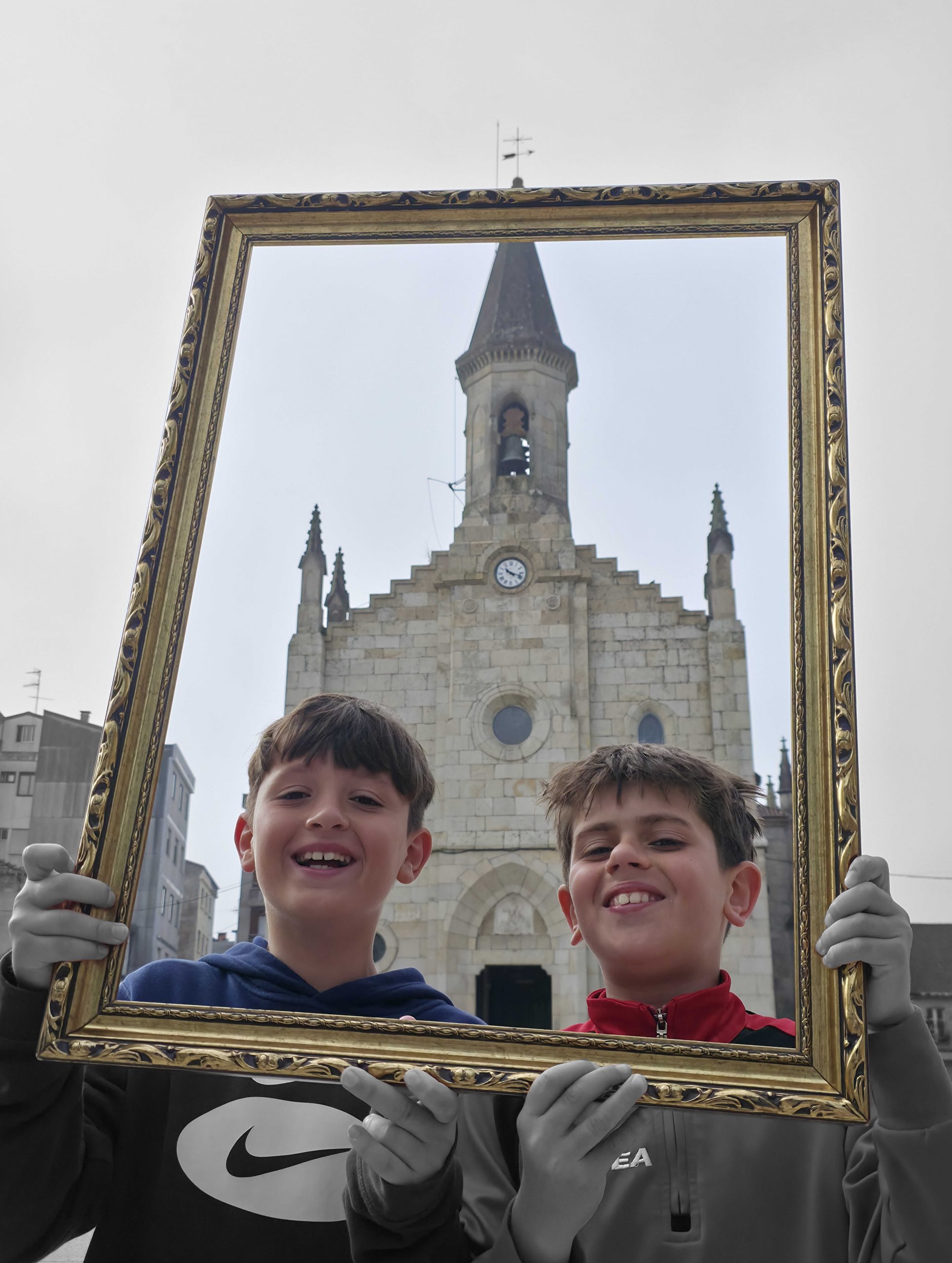
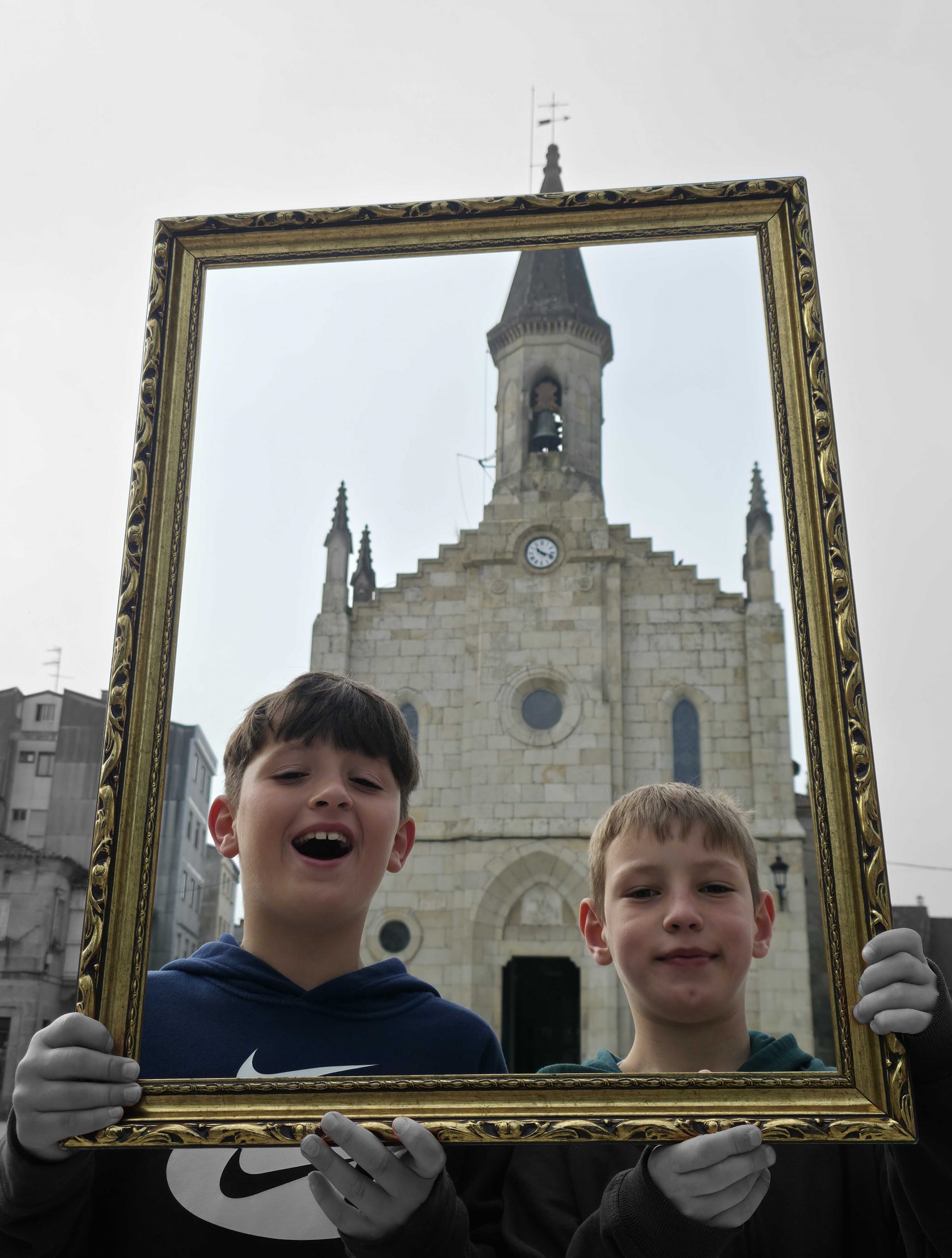
Built in the 16th century on the site of a medieval church, it is distinguished by its robust granite walls and a Latin-cross floor plan with three naves. The building combines Neo-Gothic elements with later renovations that transformed its original structure.


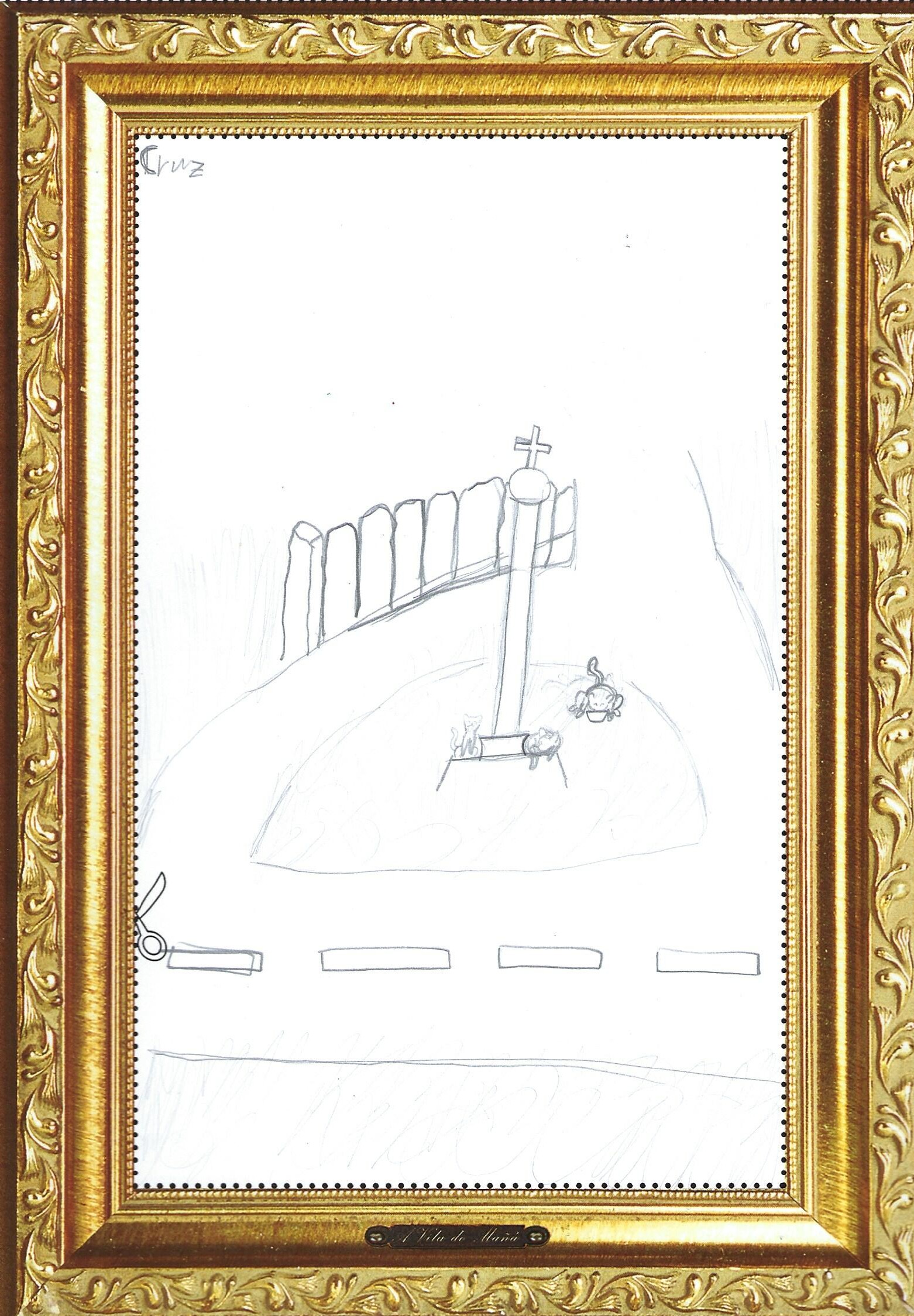
9. Cruceiro do Cristo dos Cachos (Christ of the Cachos Wayside Cross) :

This 19th-century granite wayside cross was erected to commemorate the local resistance against Napoleon’s troops. It is sheltered by a striking modern wrought-iron canopy and serves as the central landmark that gives identity to an entire neighborhood of O Porriño.


10. San Bieito Chapel :

This Baroque-style temple was built in 1890 and expanded in 1908. It is distinguished by its Latin-cross floor plan, its façade with two bell towers, and its 19th-century altarpiece. A large traditional festival is held at its doors every July 11.


11. Metro Pavilion :

This original granite monument was designed by the architect Antonio Palacios in 1919 and served as the entrance to the Gran Vía station of the Madrid Metro. Today, after being donated, it stands restored in O Porriño, while Madrid displays a replica.


12.  St. Sebastian Chapel :

This 18th-century hermitage is distinguished by its rectangular floor plan with a lowered barrel vault. Inside, it preserves a fully restored centuries-old altarpiece, while its façade features a semicircular arch and a broken pediment topped with a wrought-iron bell gable.


13.  St. Rosendo Church of Torneiros :

This contemporary Catholic church was built in the late 20th century to serve the population growth of the municipality of O Porriño. It is located in the parish of Torneiros.


14.  Paseo do Louro (Louro Promenade) :

This area stands out as a natural and landscape heritage site of O Porriño, linking the Way of St. James with the river environment. This protected natural space features wooden walkways and bridges that integrate the river into the heart of the historic town.

 

1º PRIMARIA

1º PRIMARIA

Escudo Rianxo

Ponteareas

Changing the village through protagonist participation 


reCOGNIZING Ponteareas


The new generations, the inhabitants of tomorrow, are almost completely unfamiliar with their town or city. They live in a “little box,” move around in another, smaller “box,” and arrive at a larger “box” (whether it is called a school, shopping mall, sports center, … or playground). This is their relationship with their surroundings.
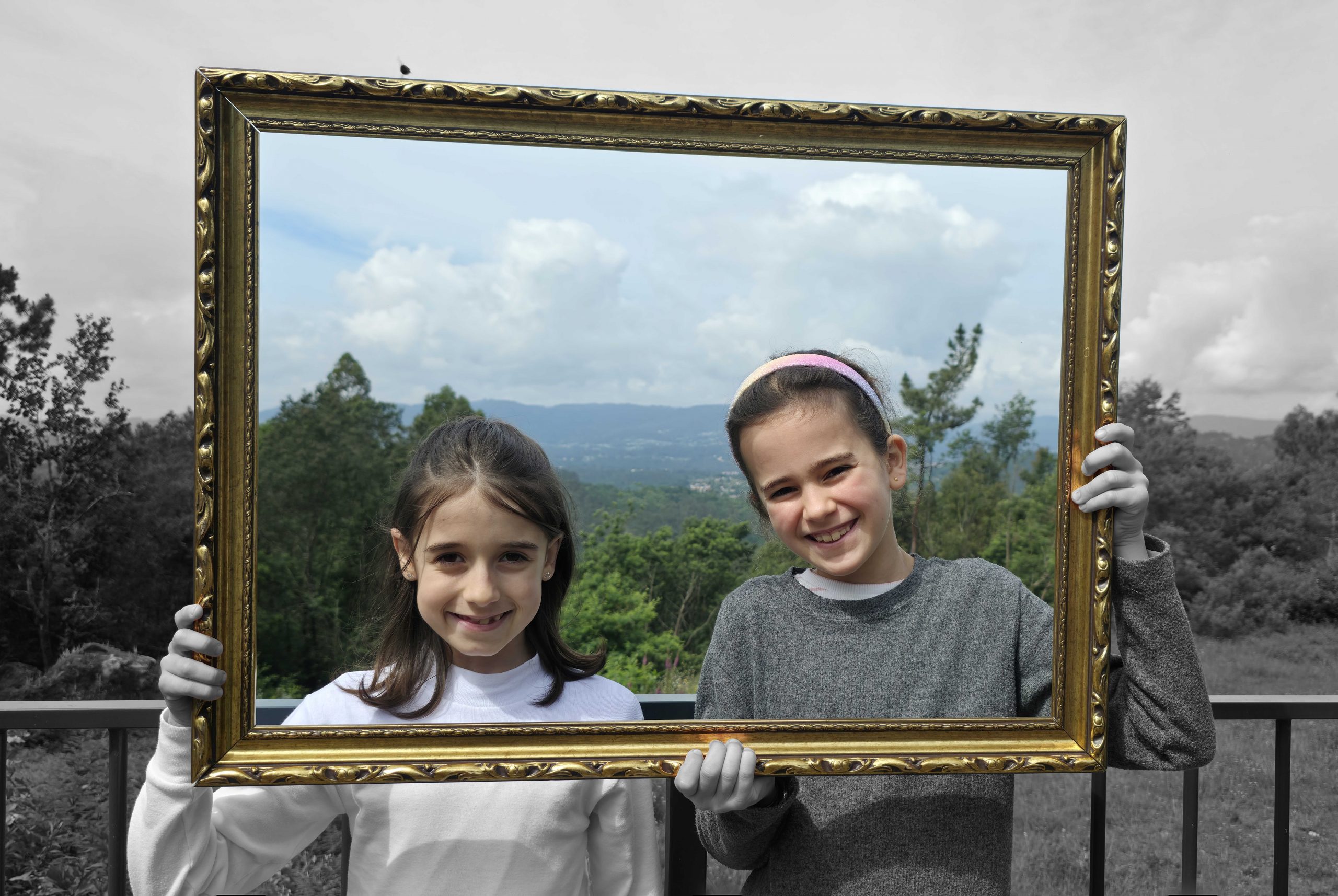
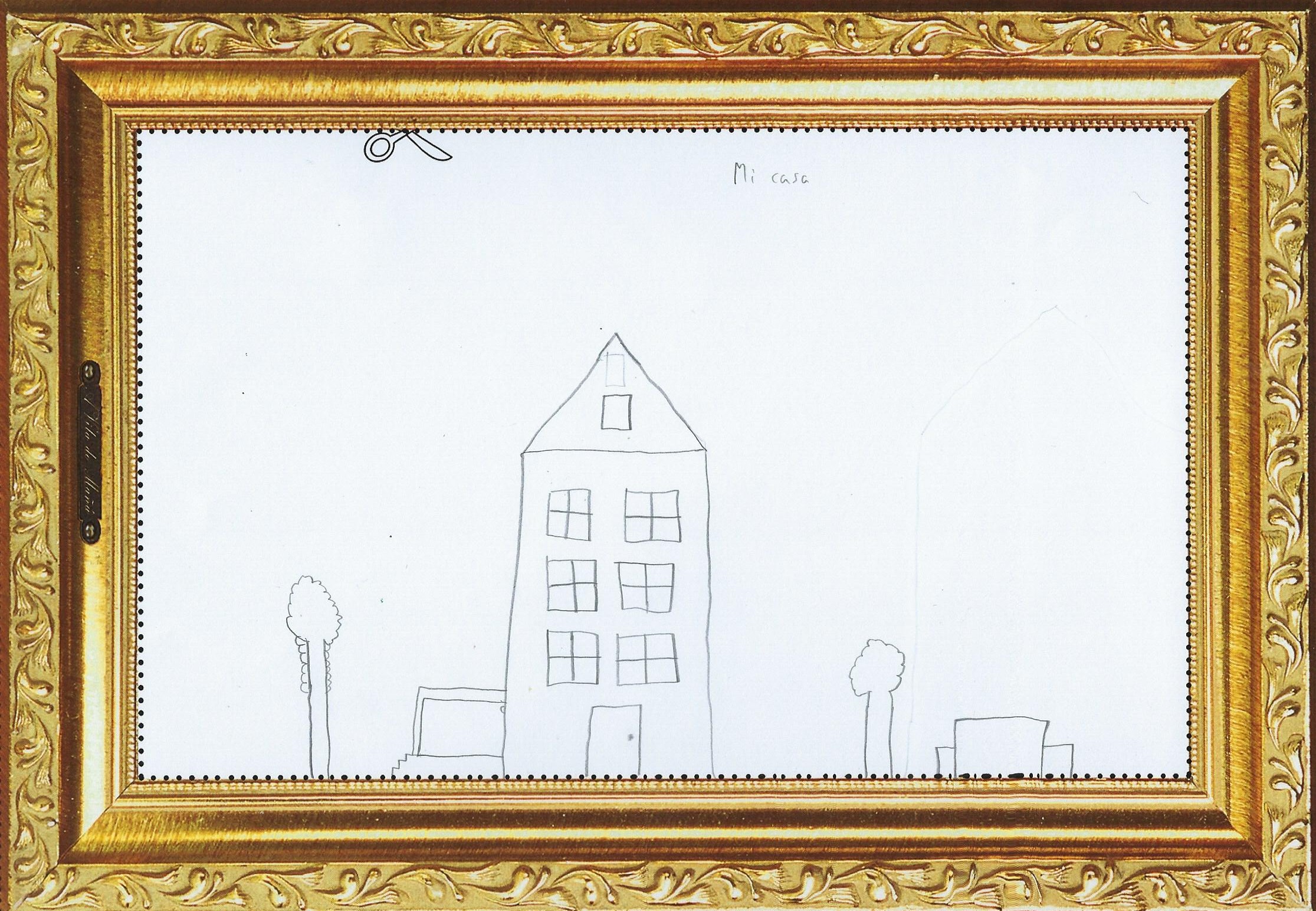
Sandra González Álvarez


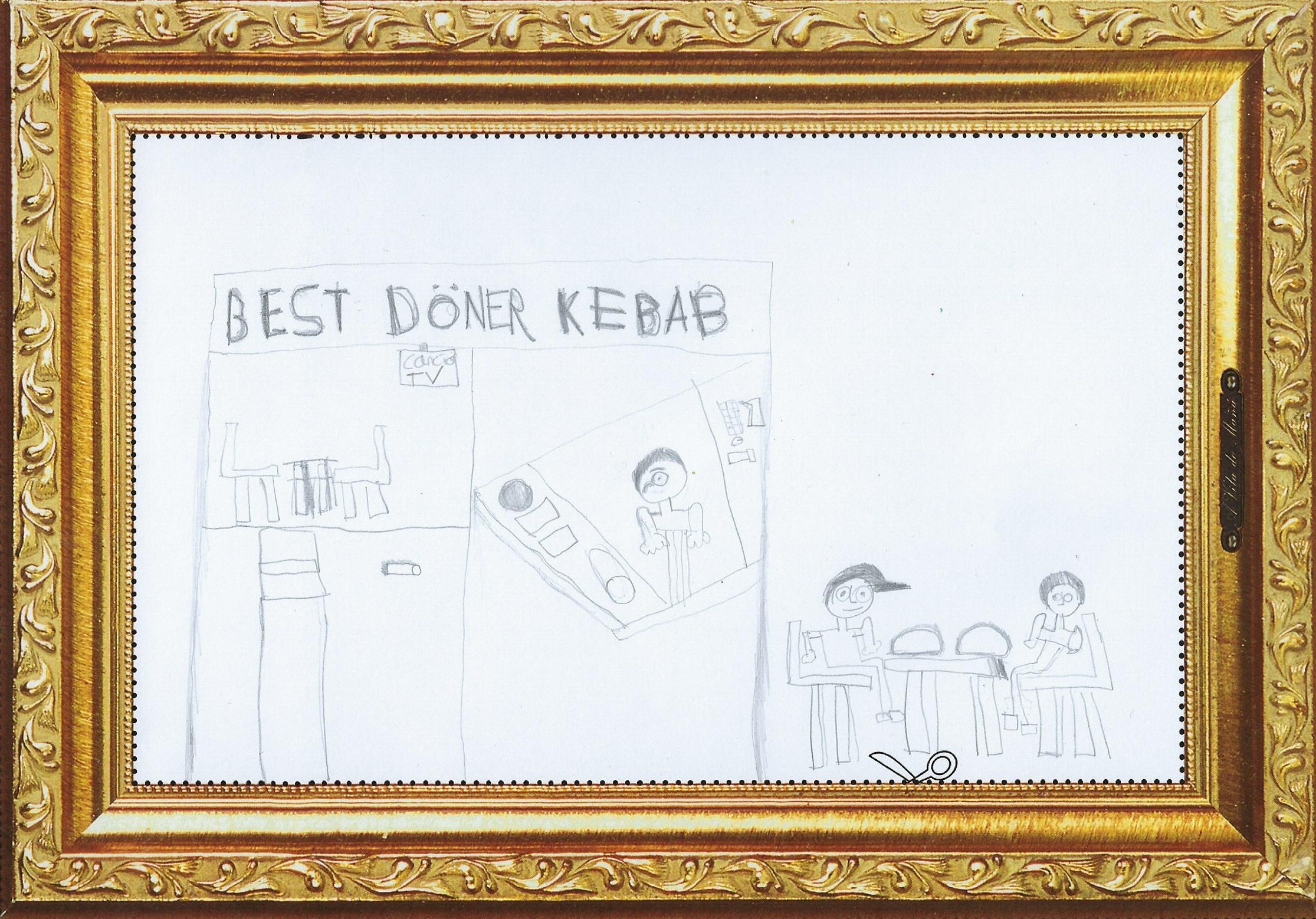
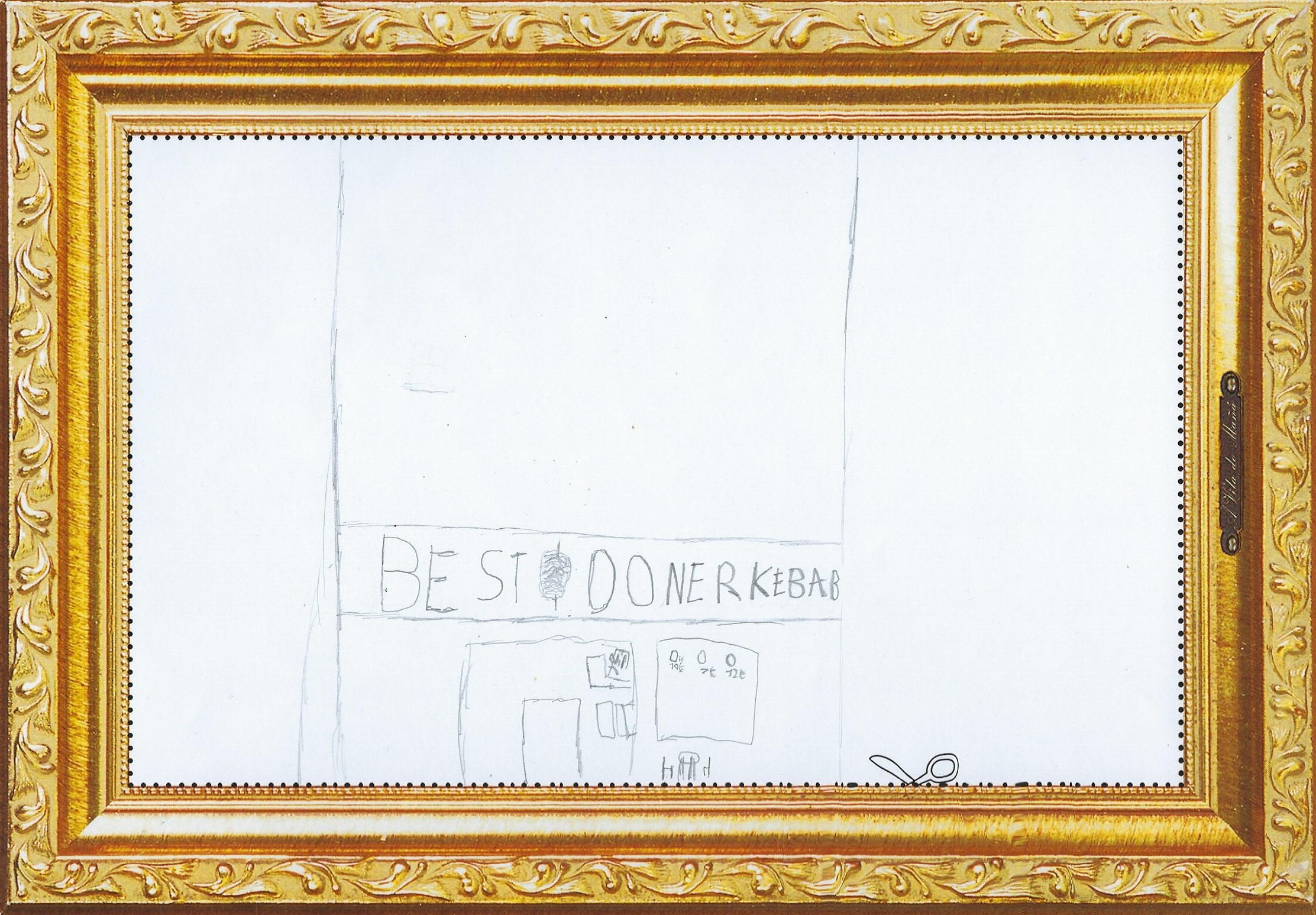
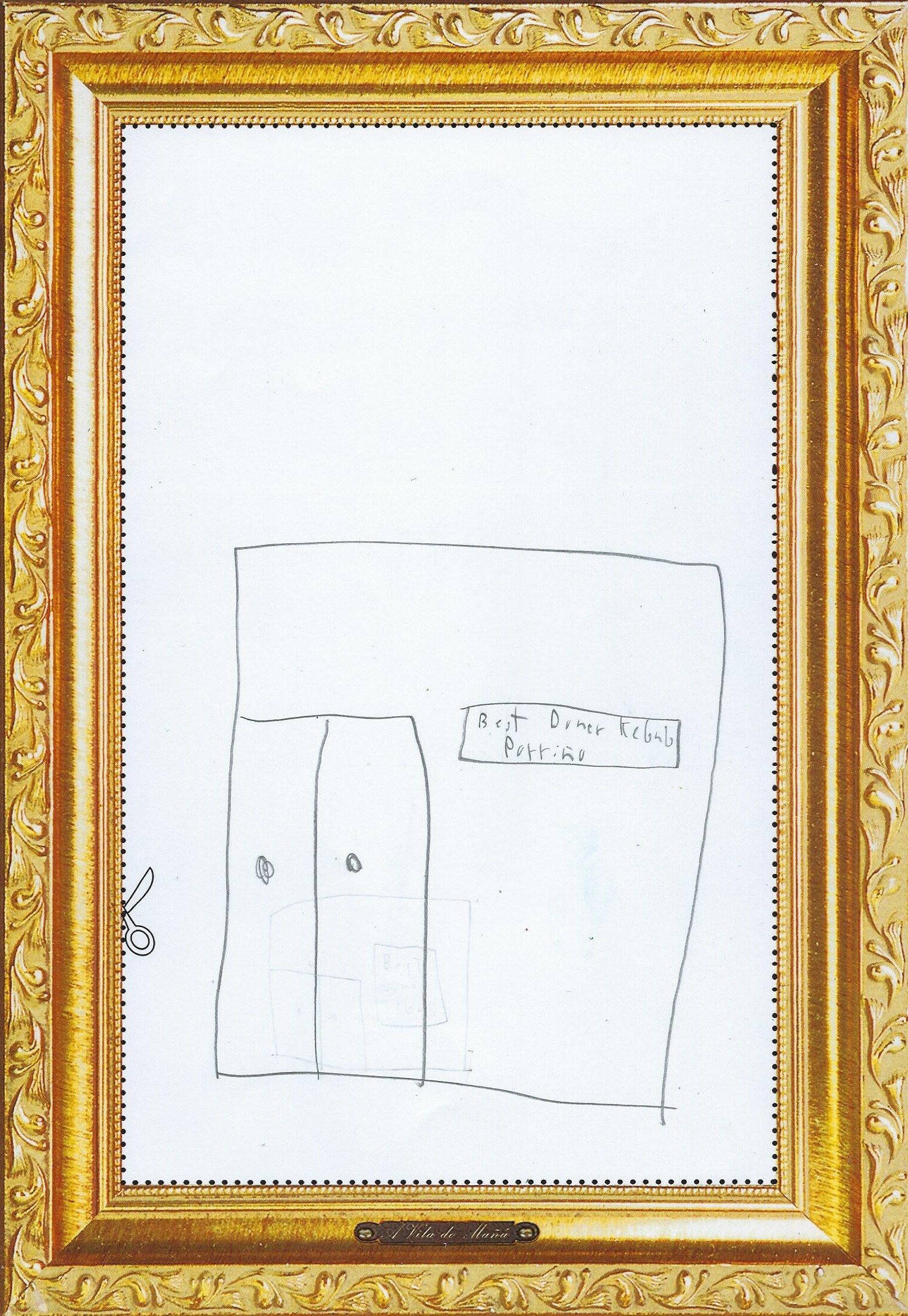
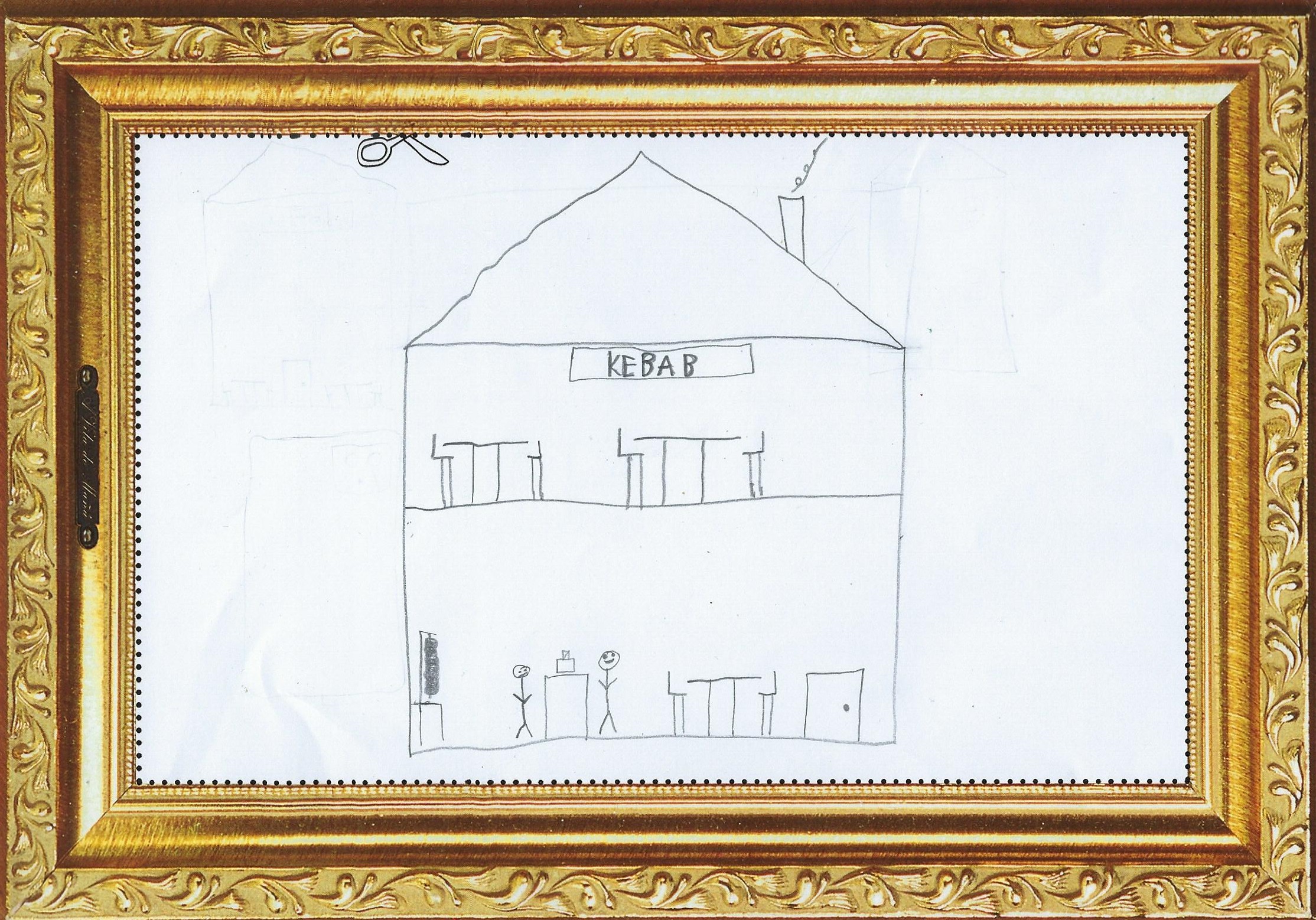
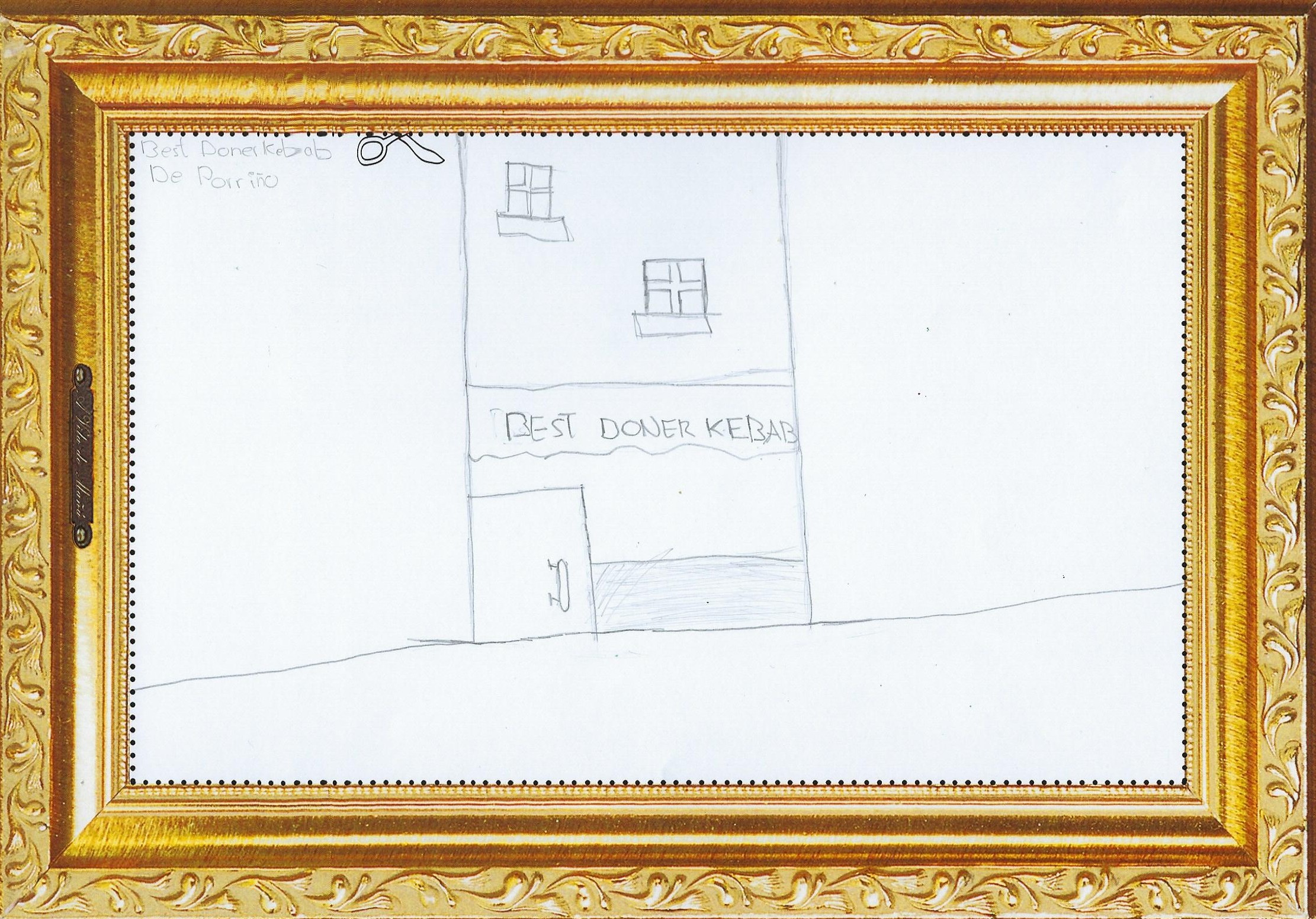
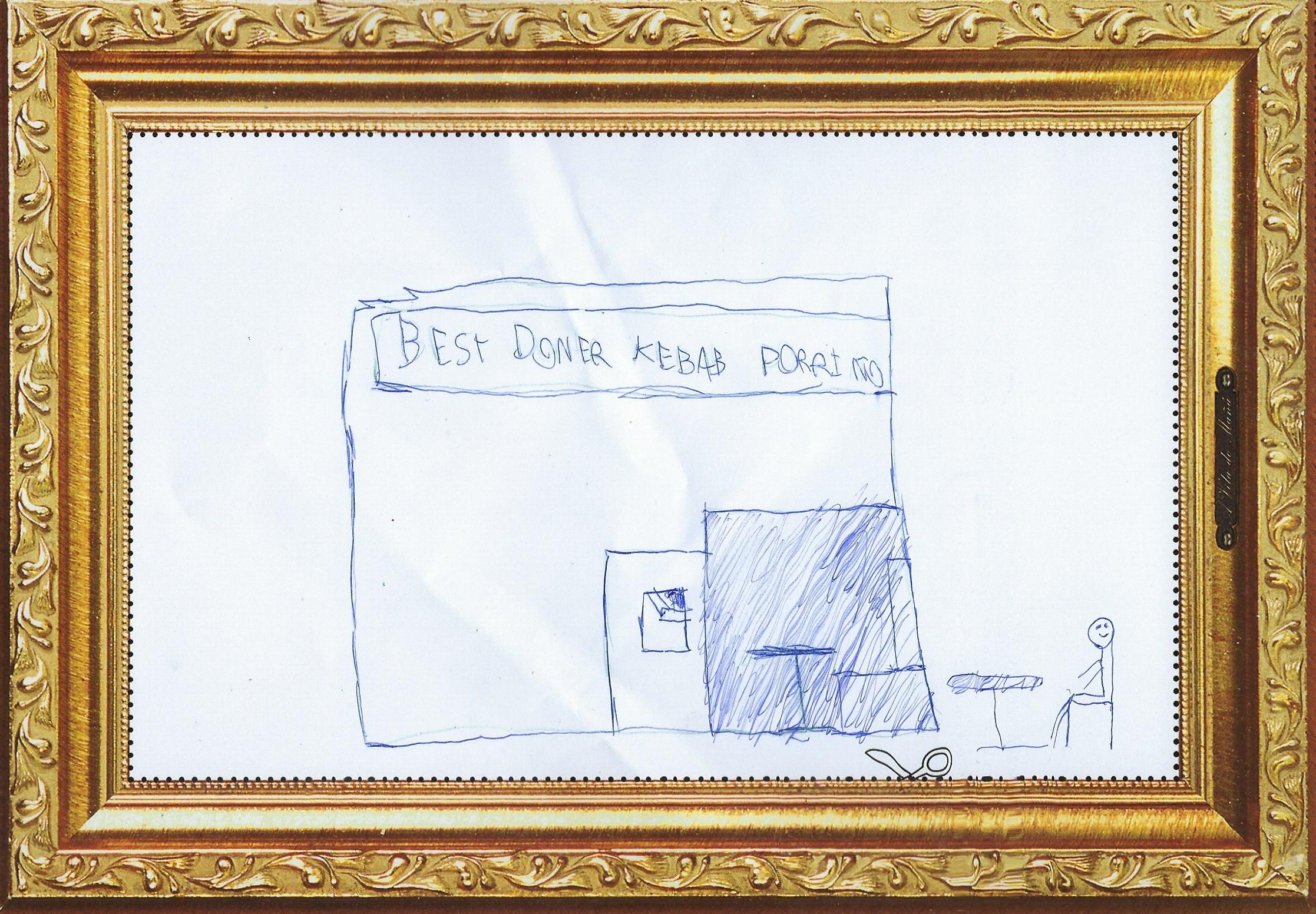
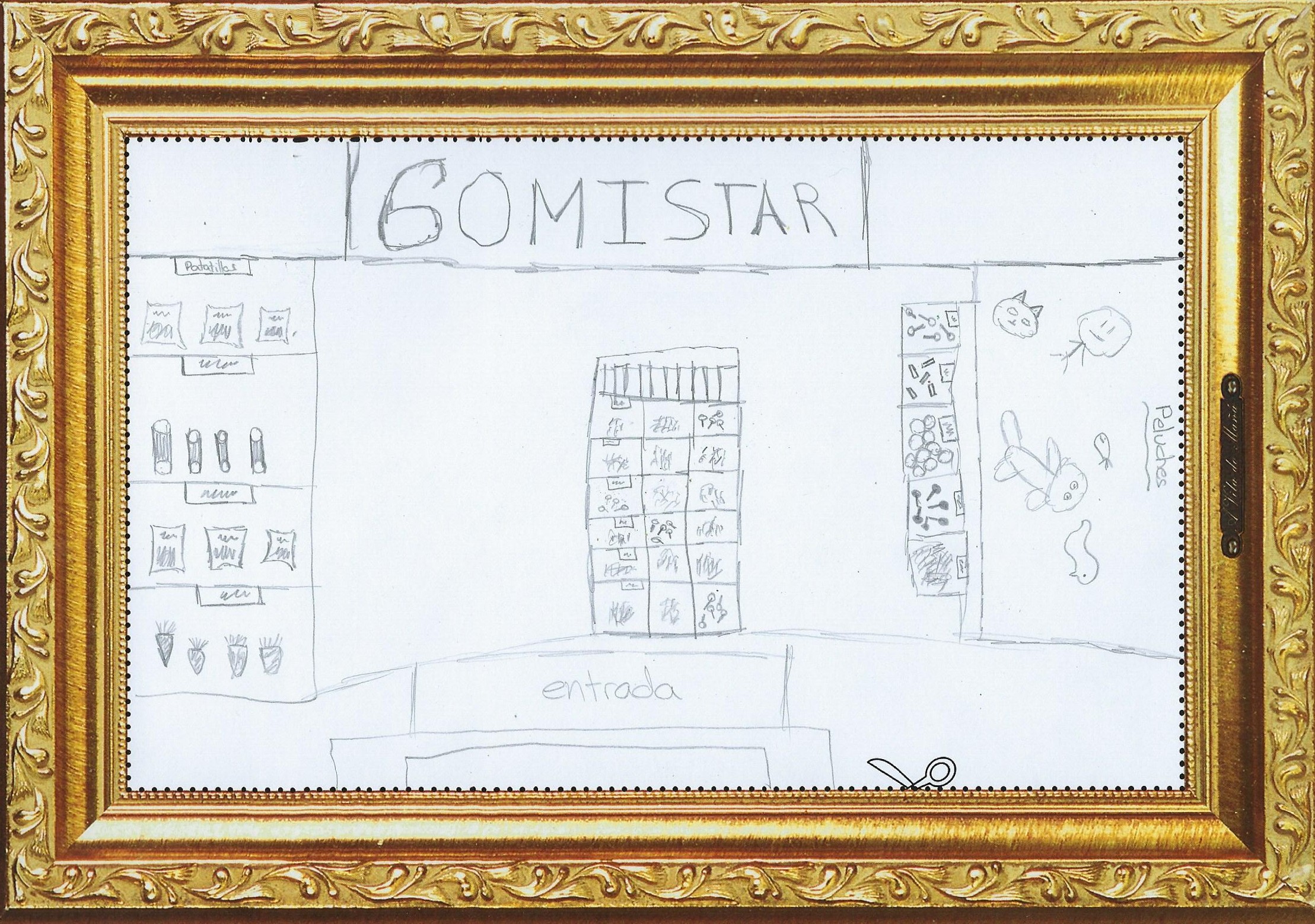
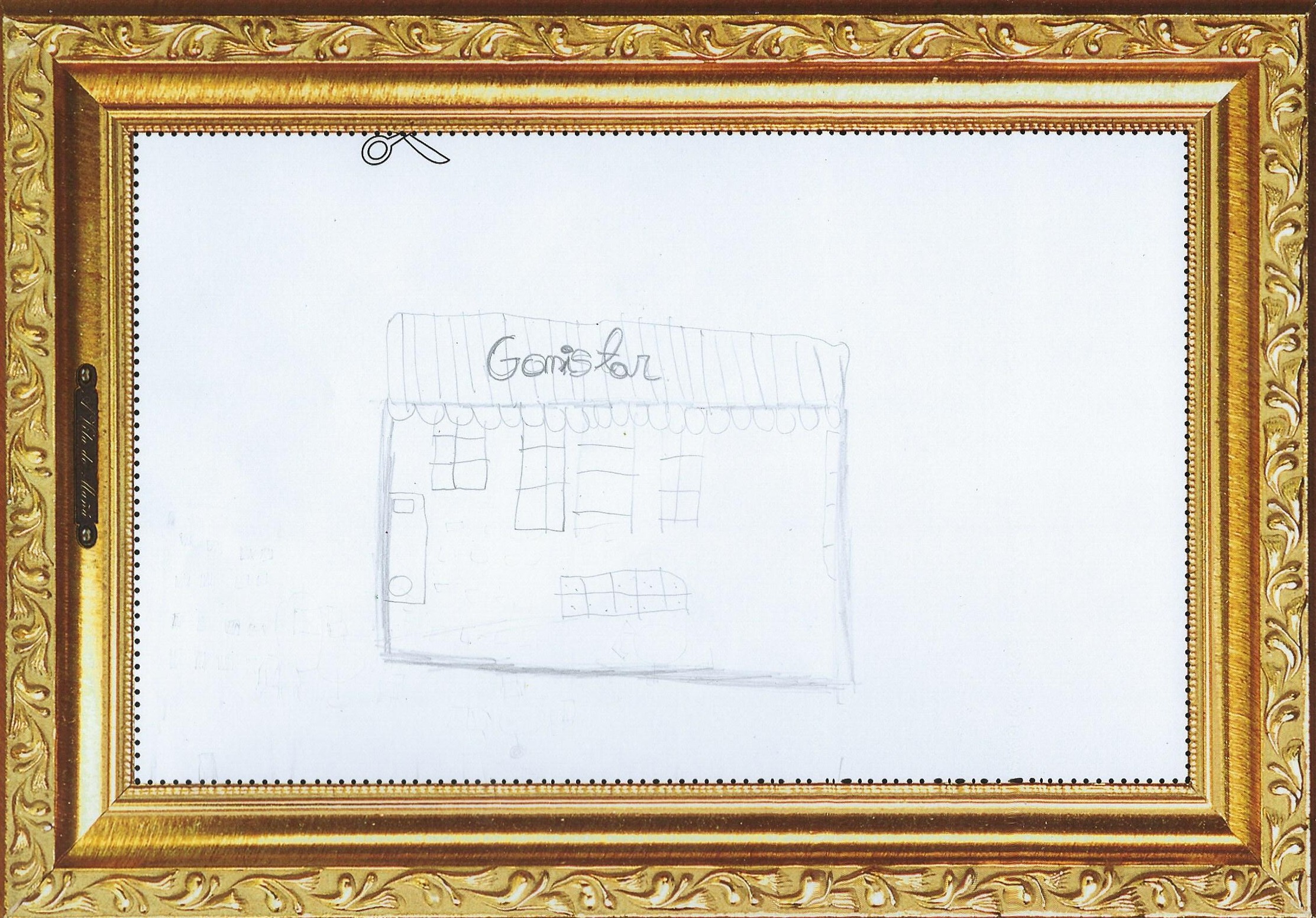
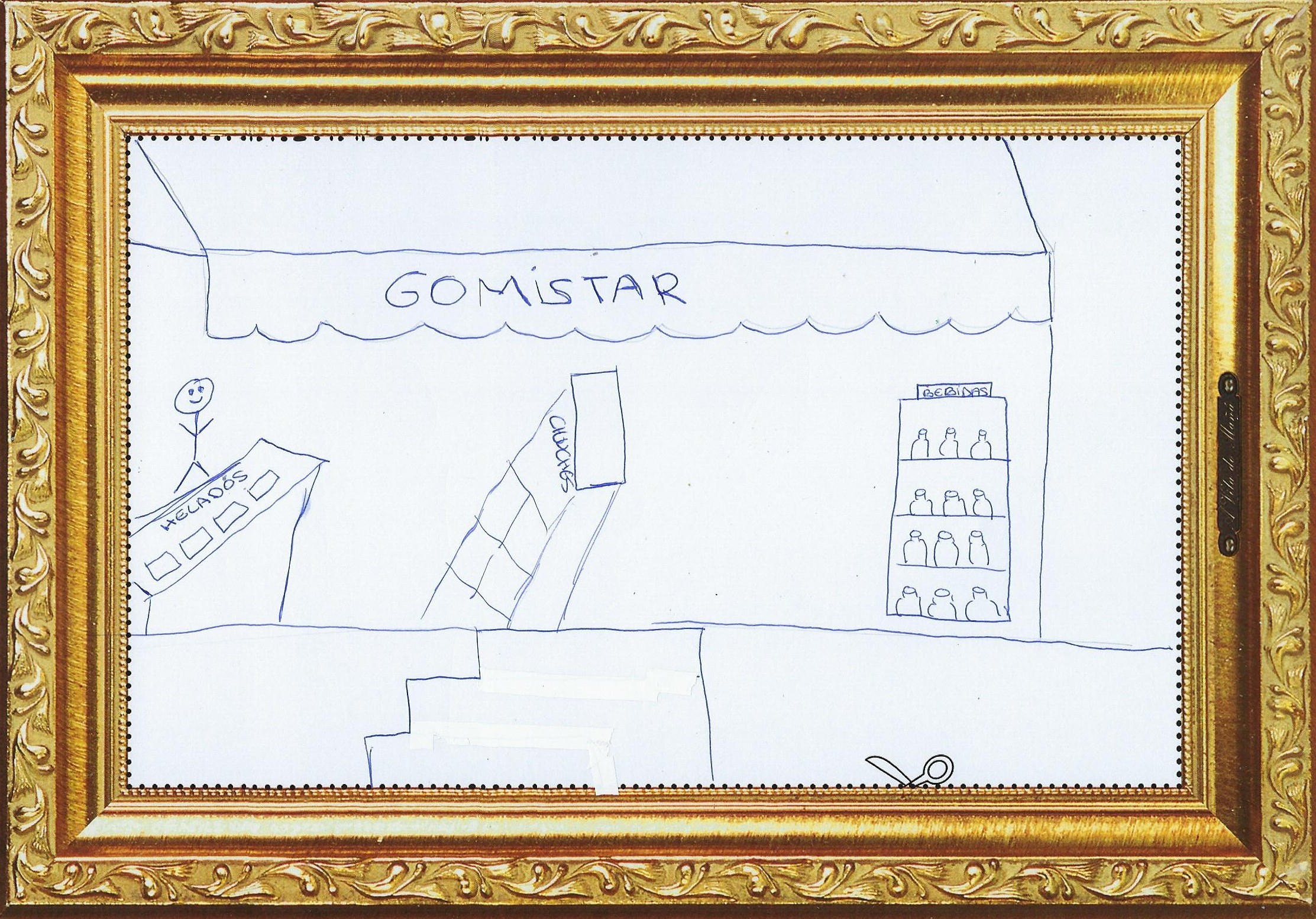
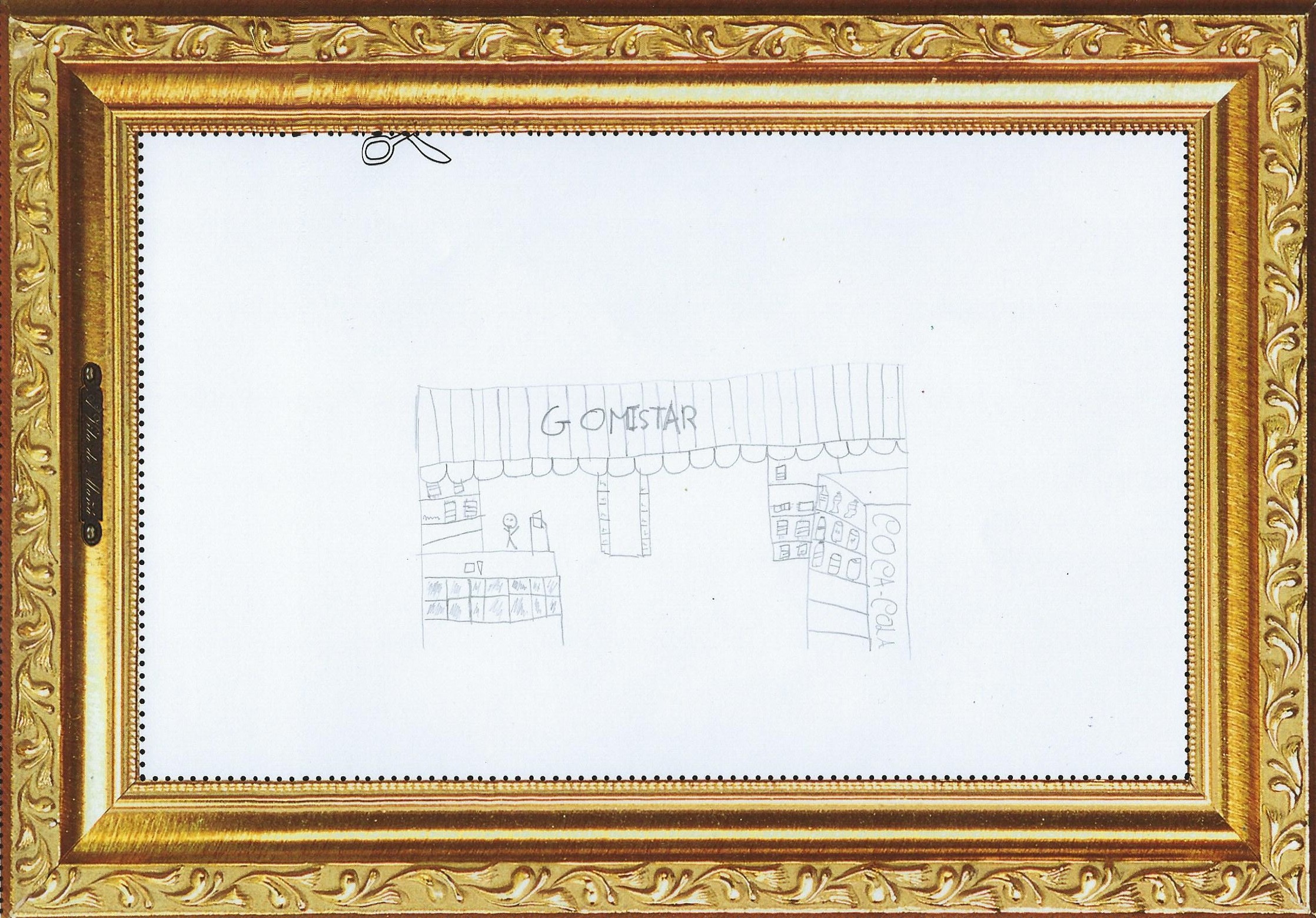
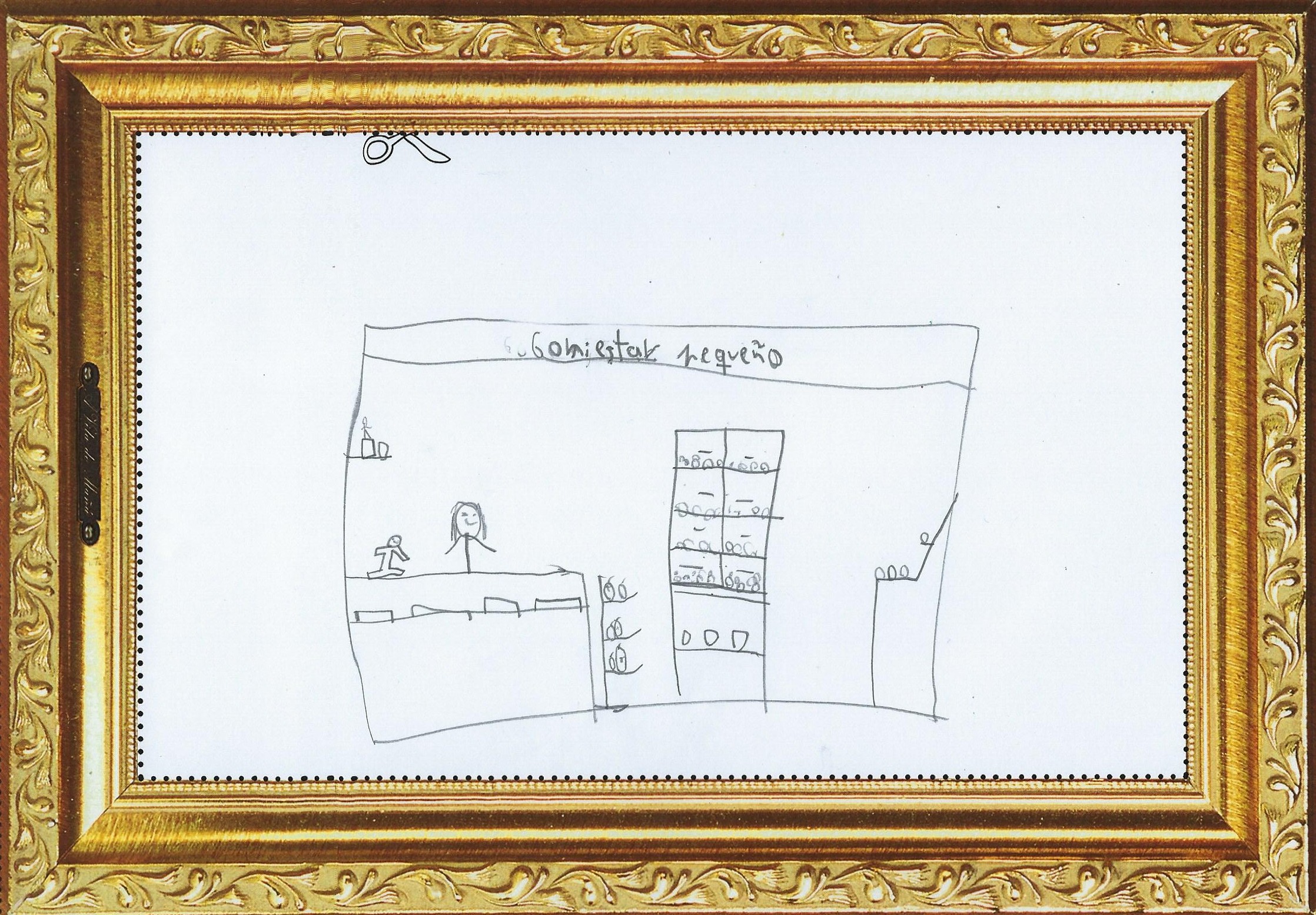
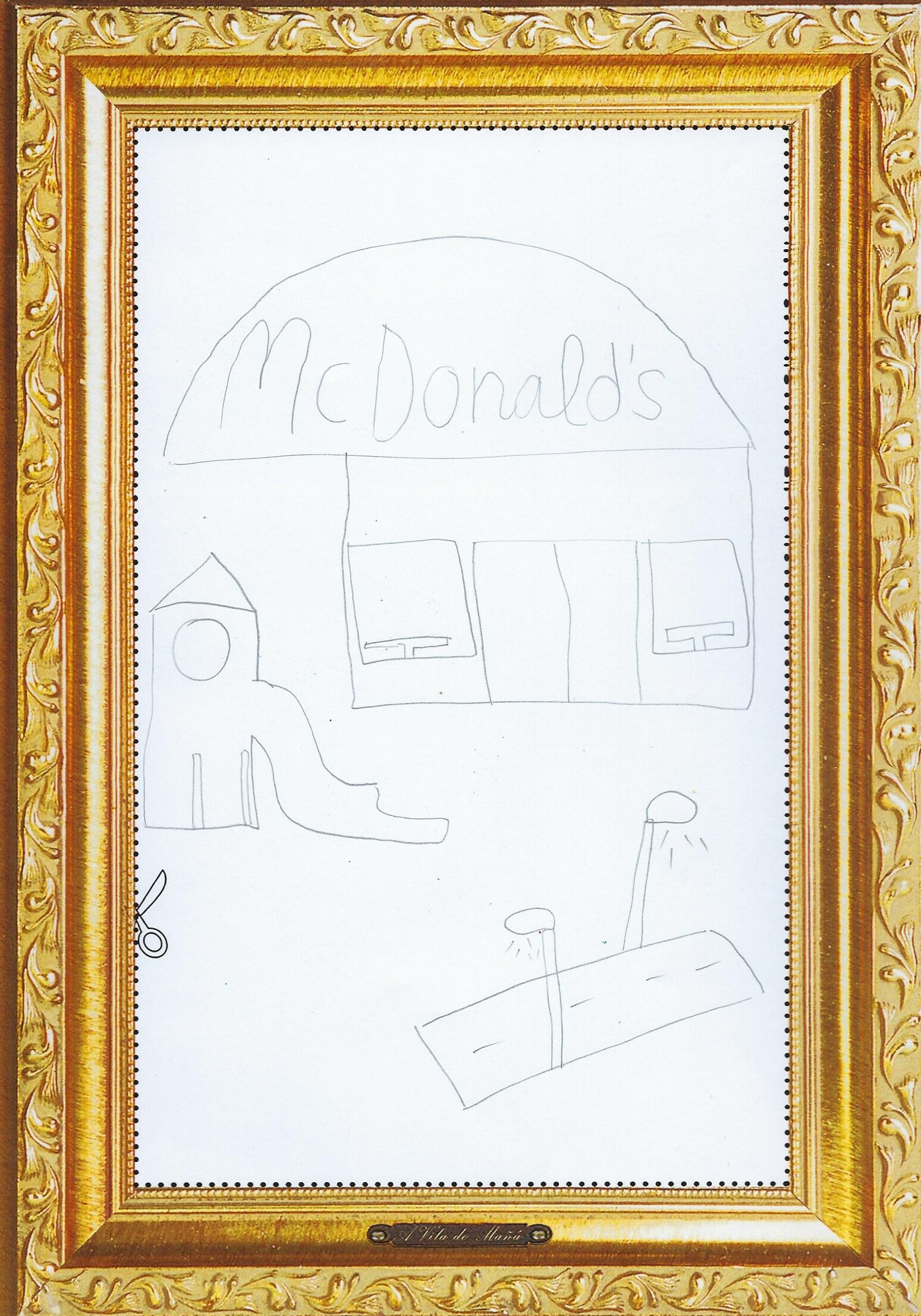
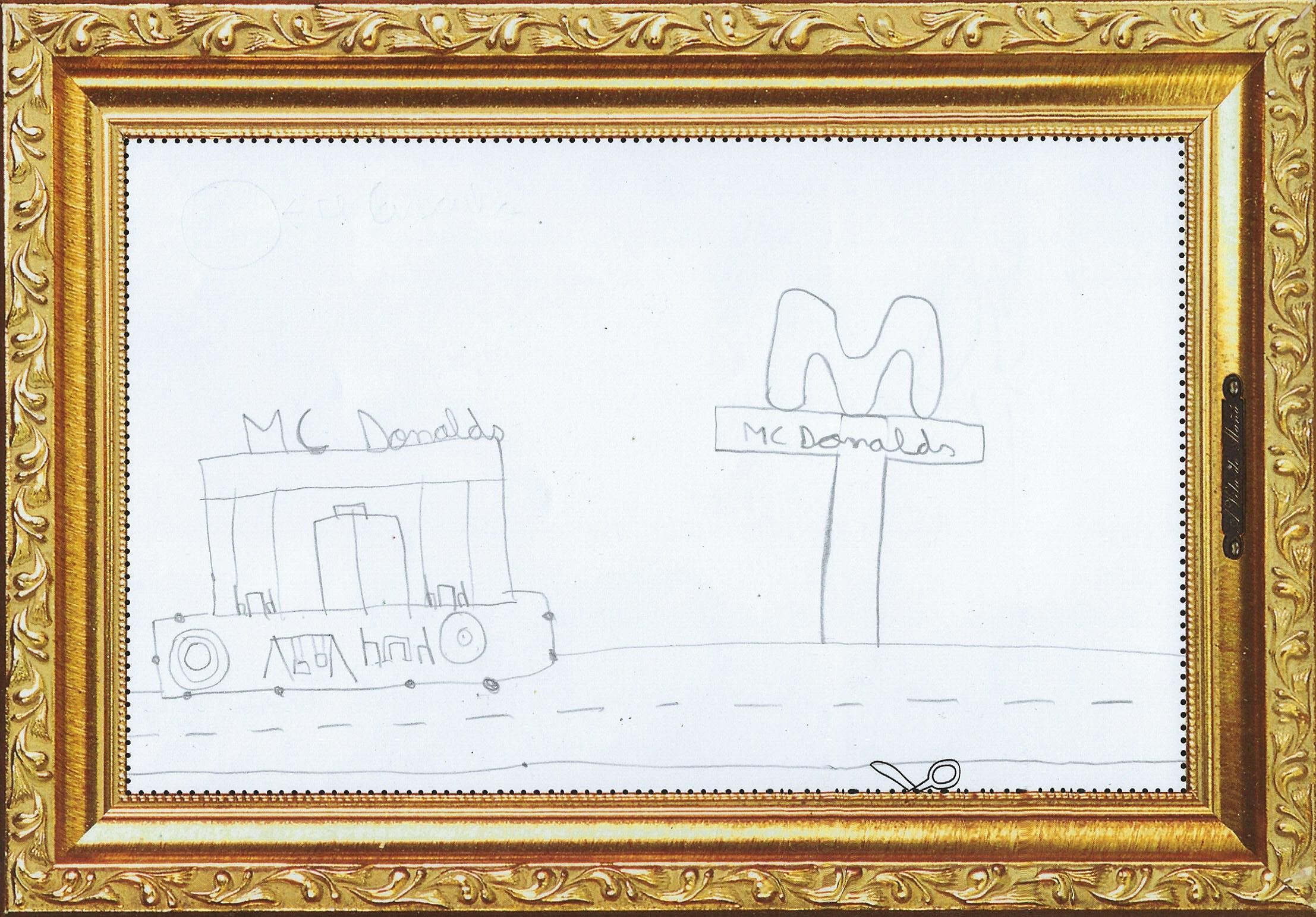
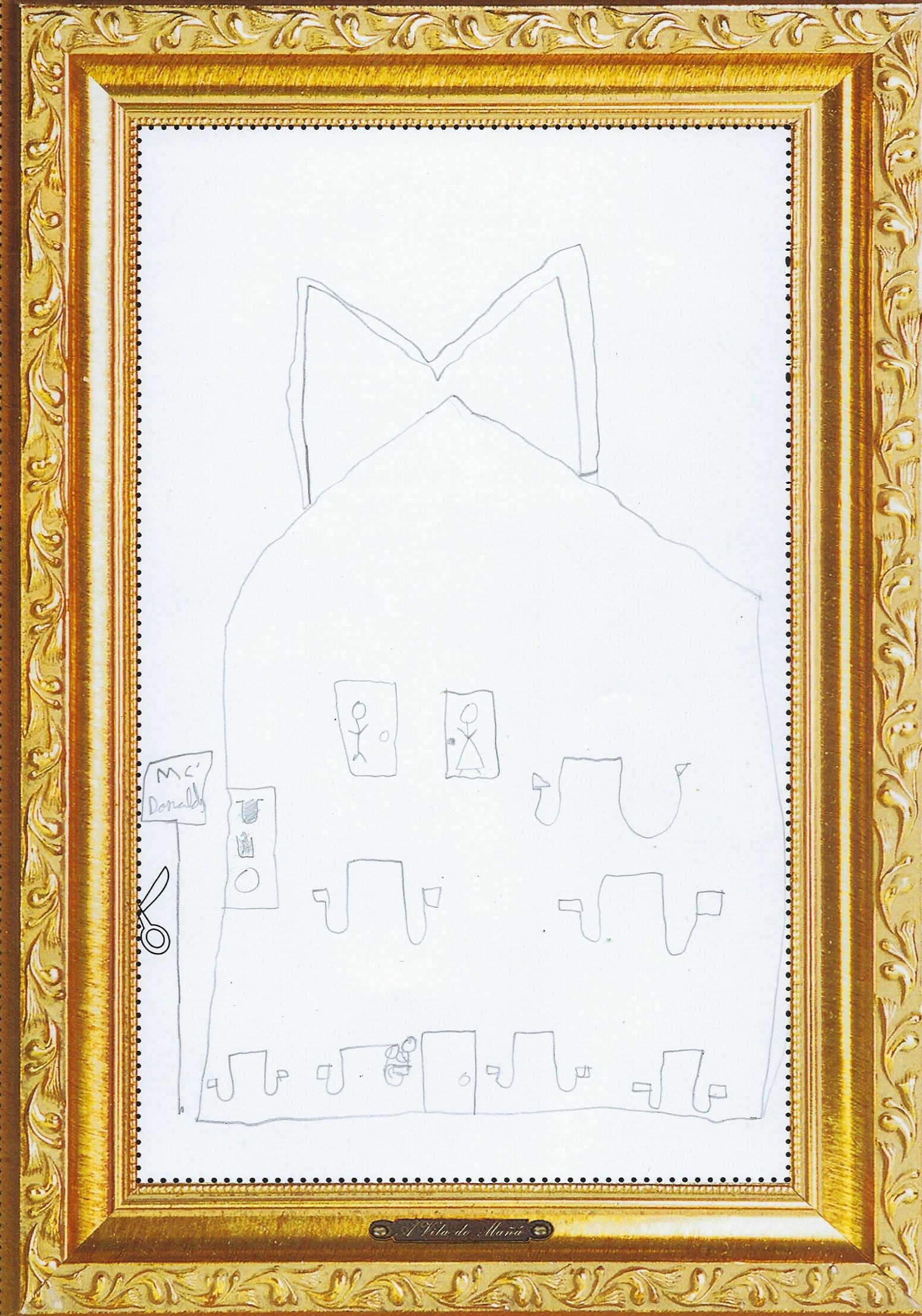
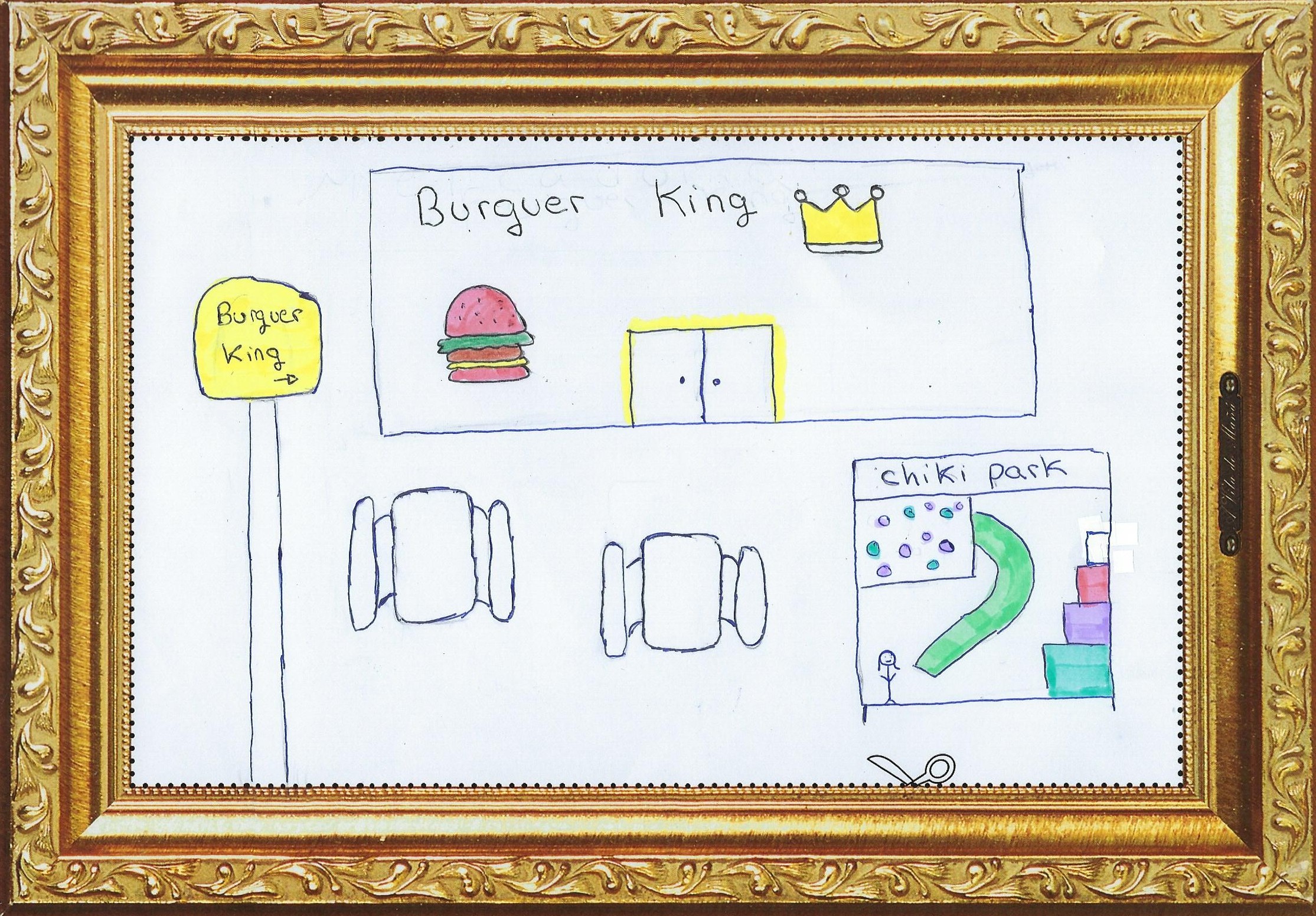
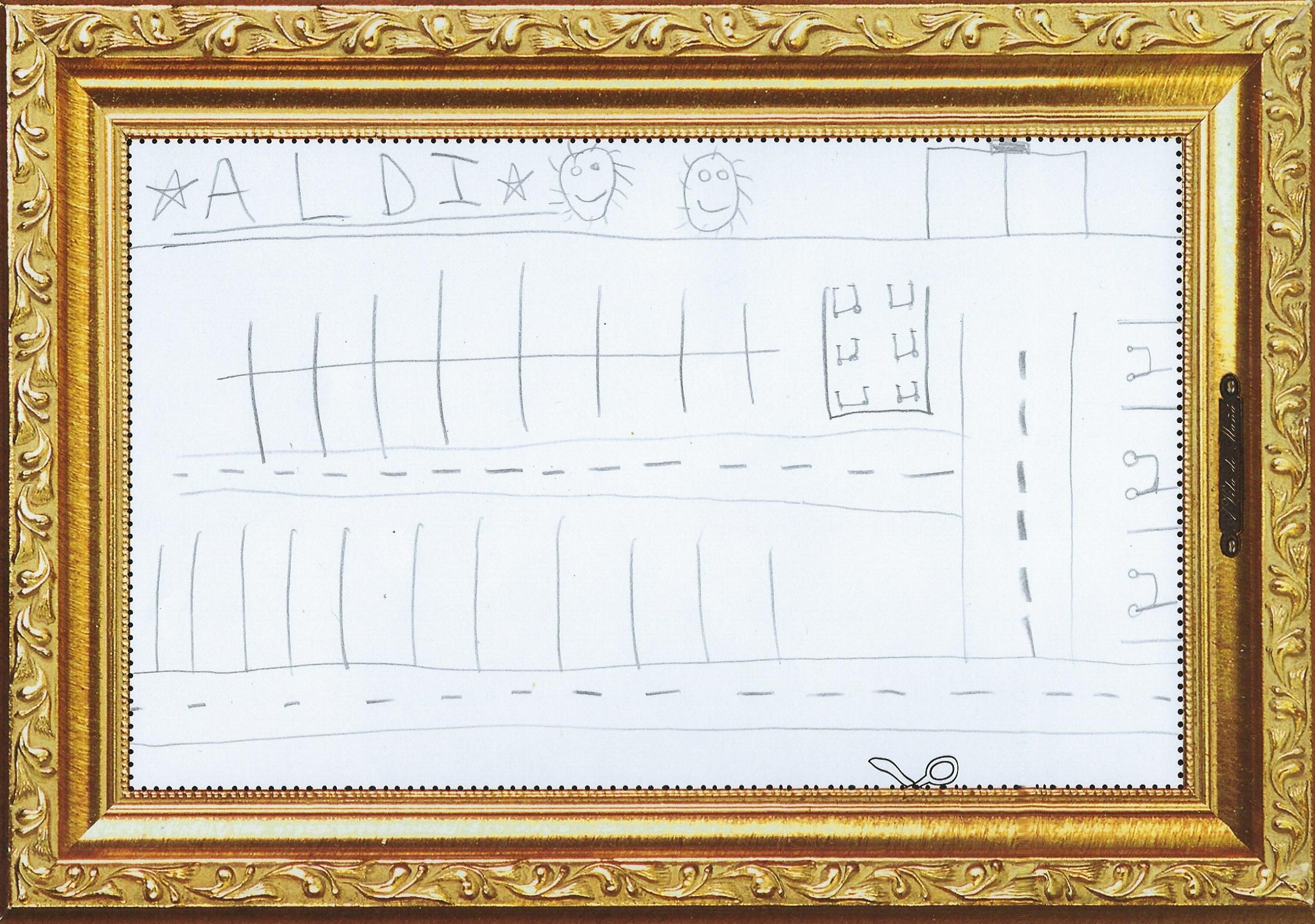
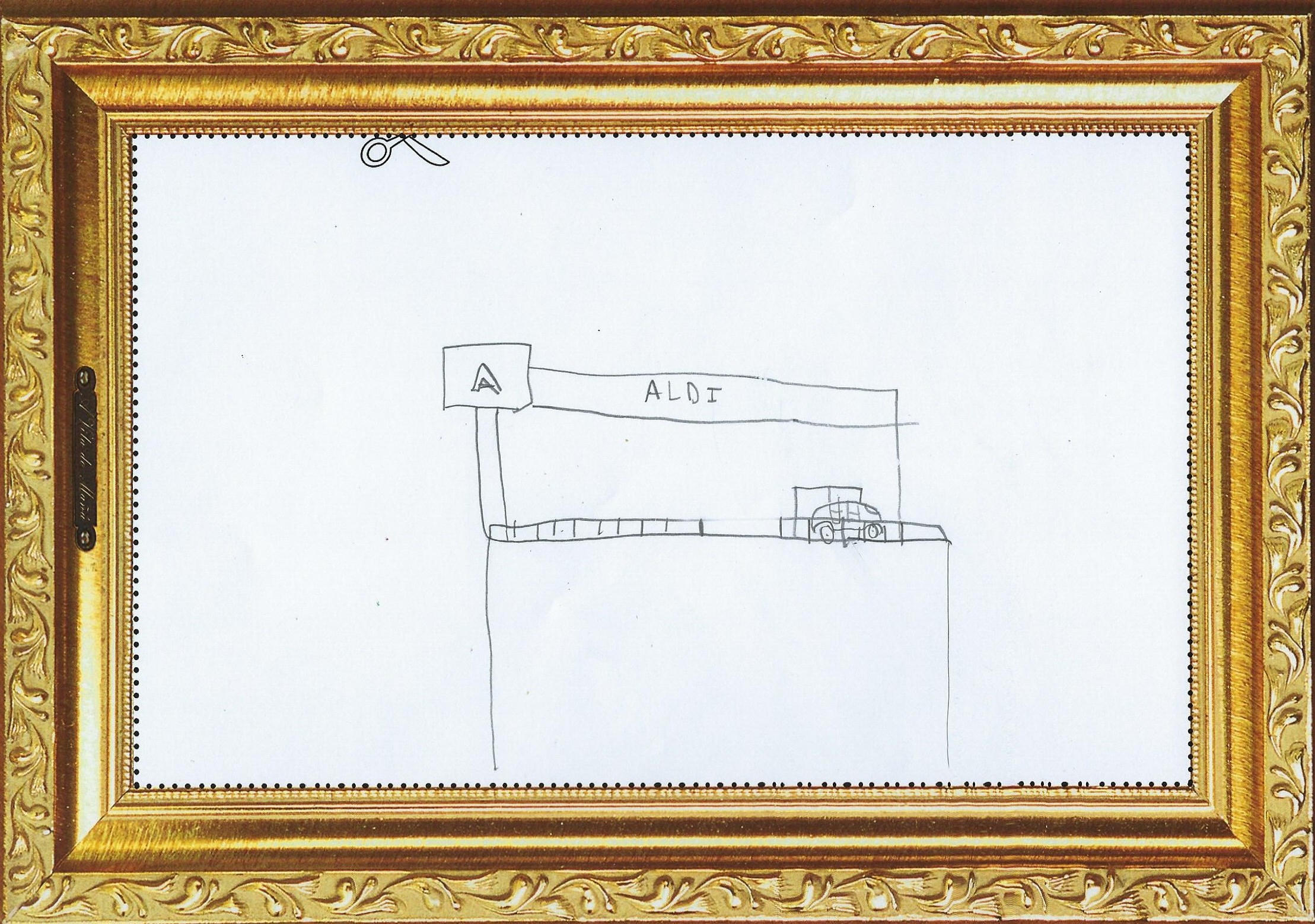
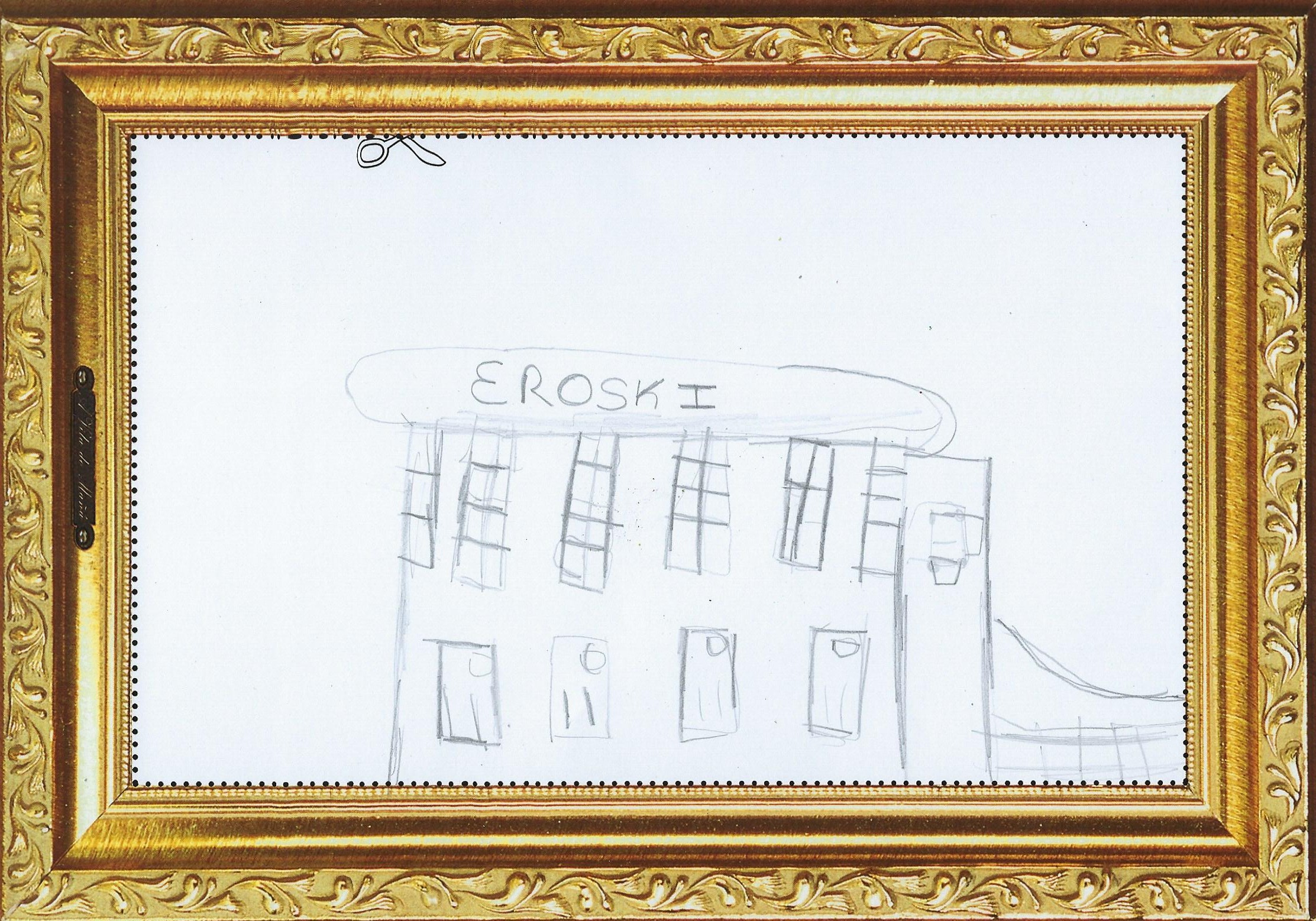
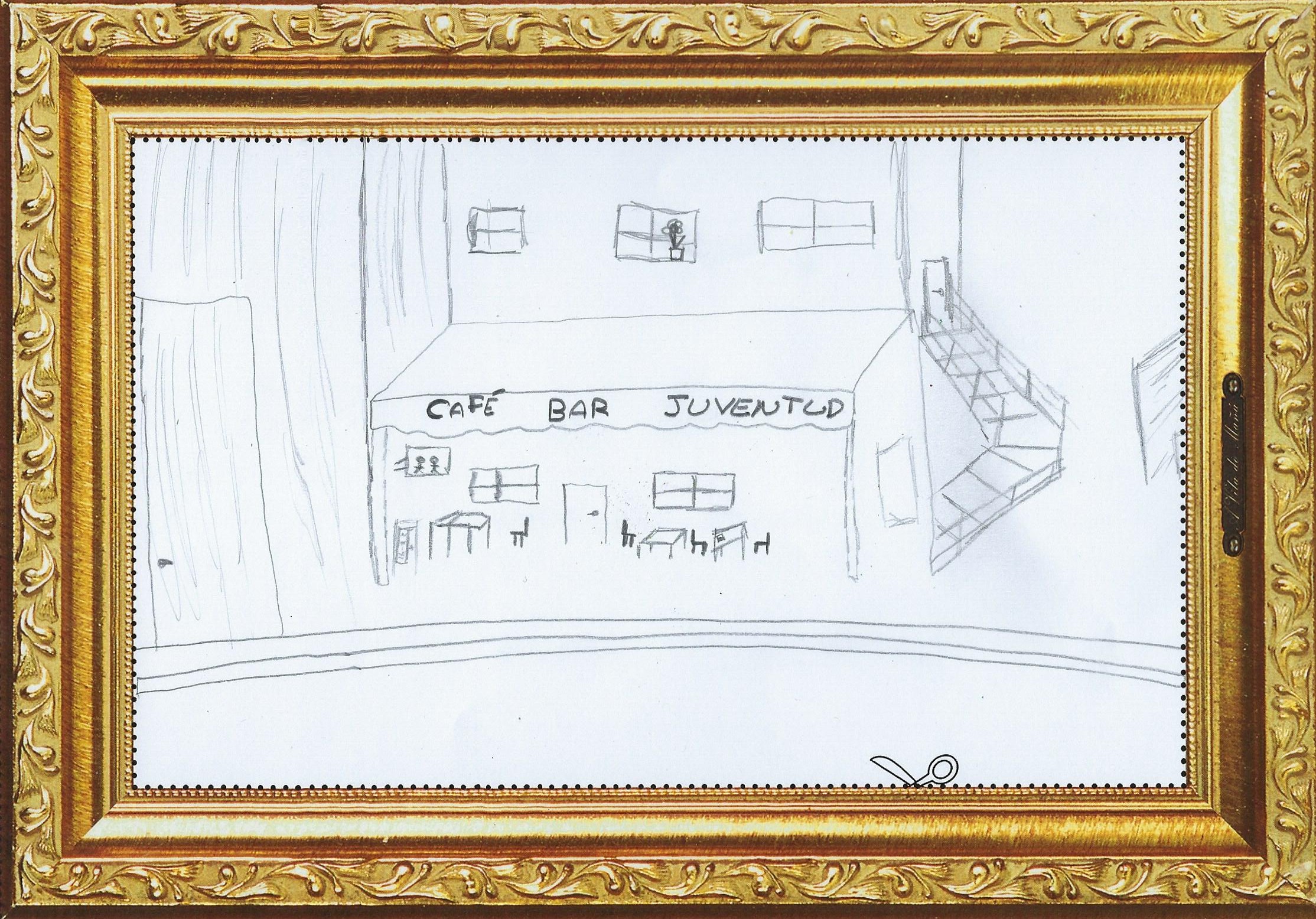
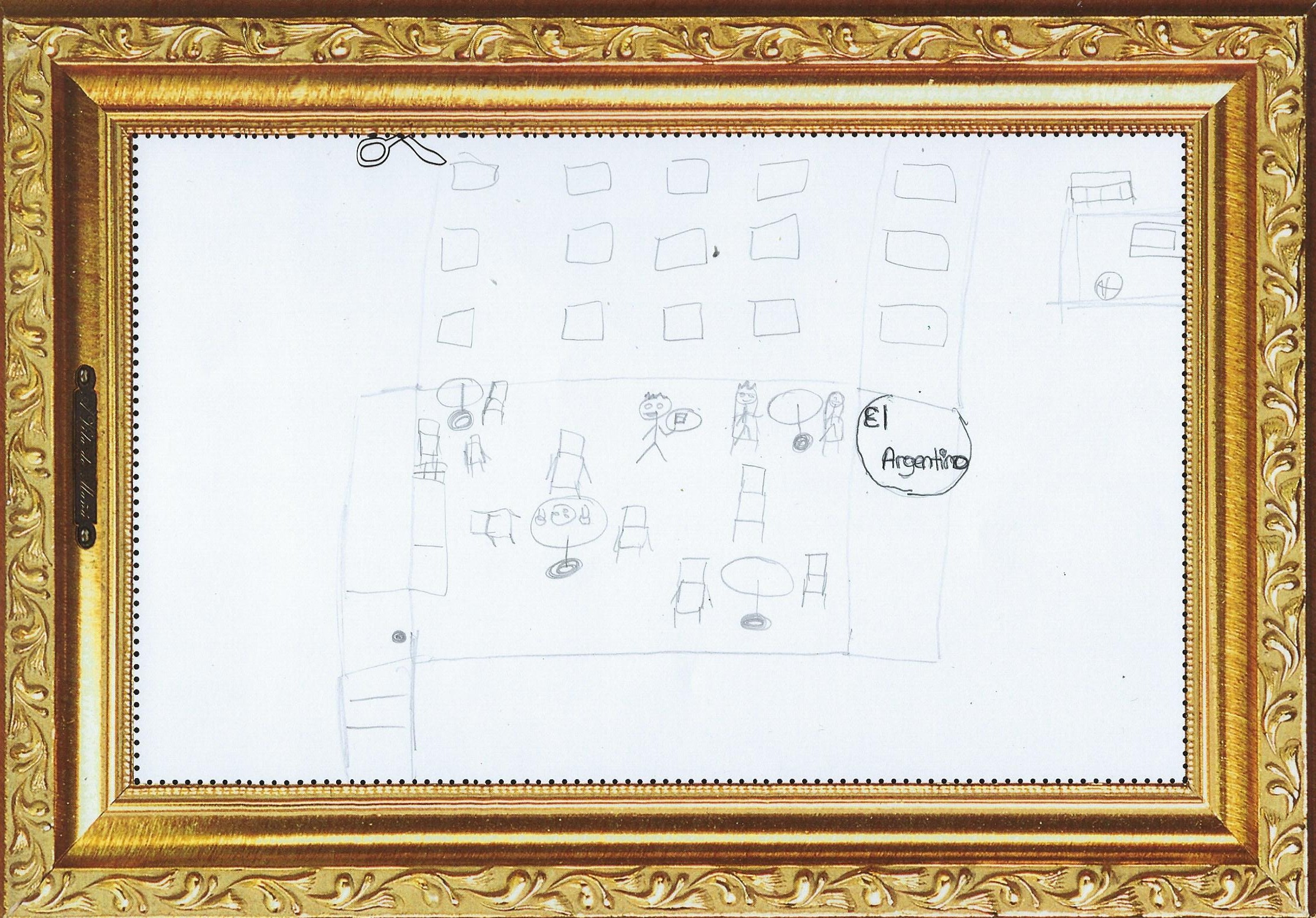
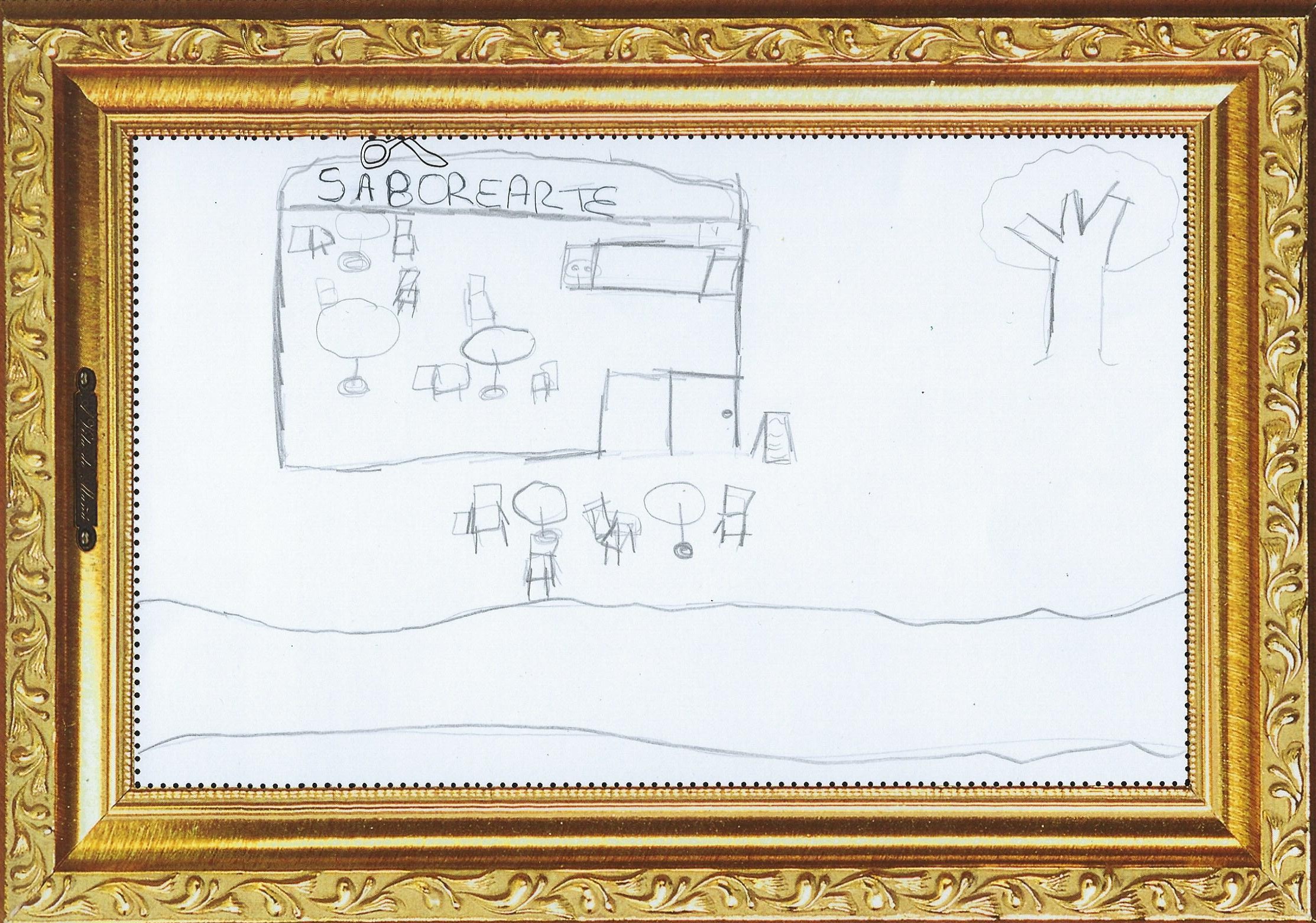
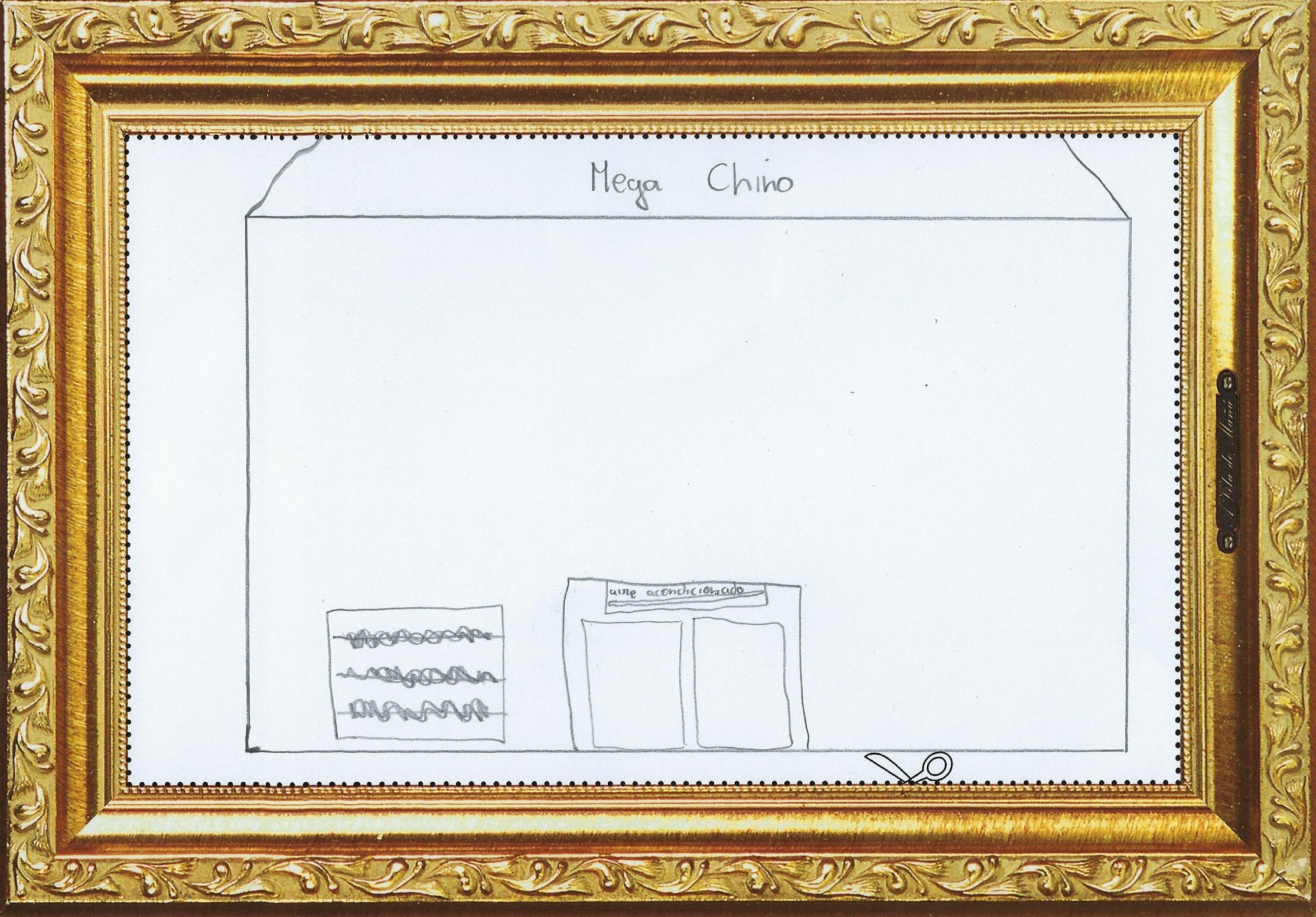
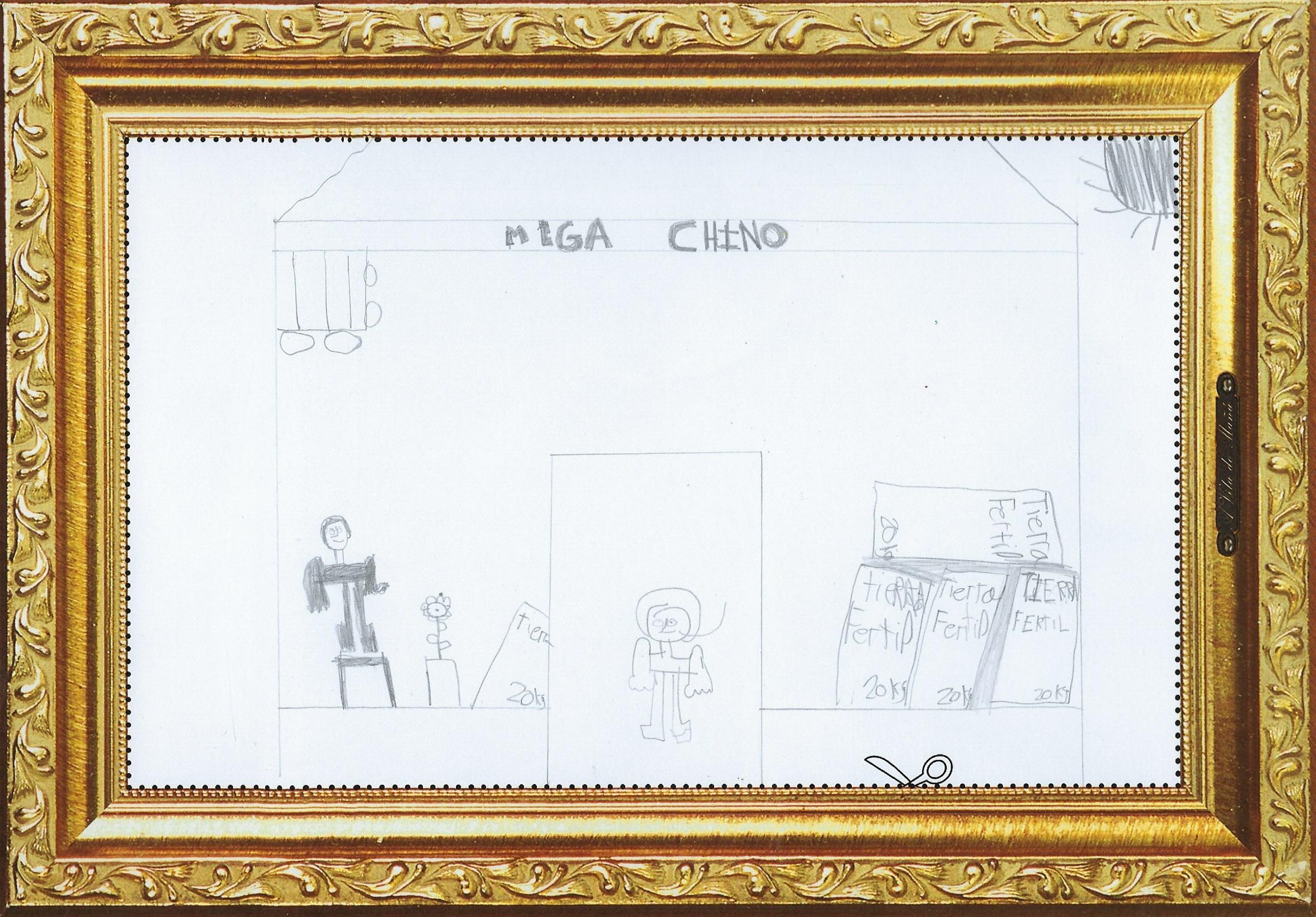
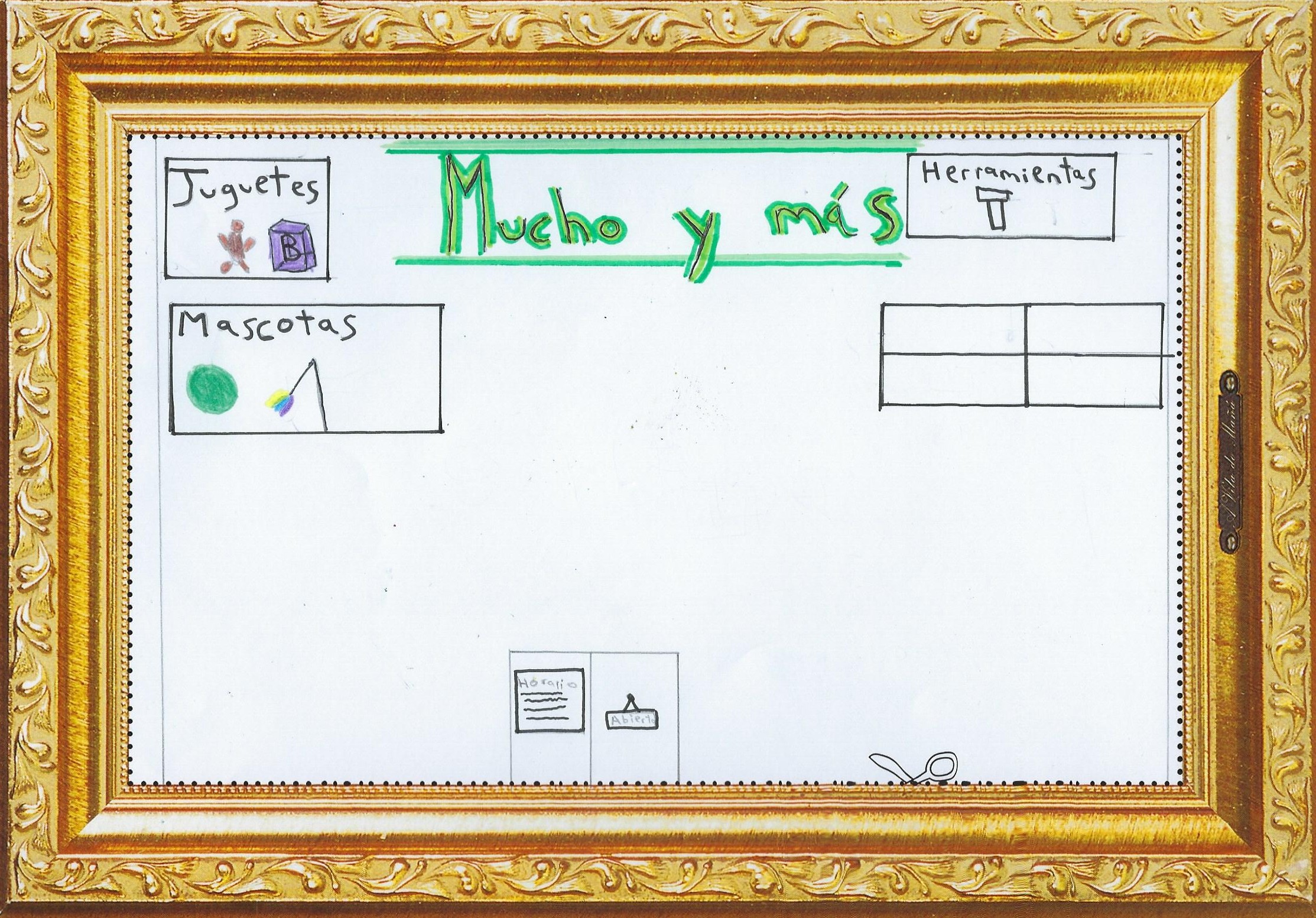
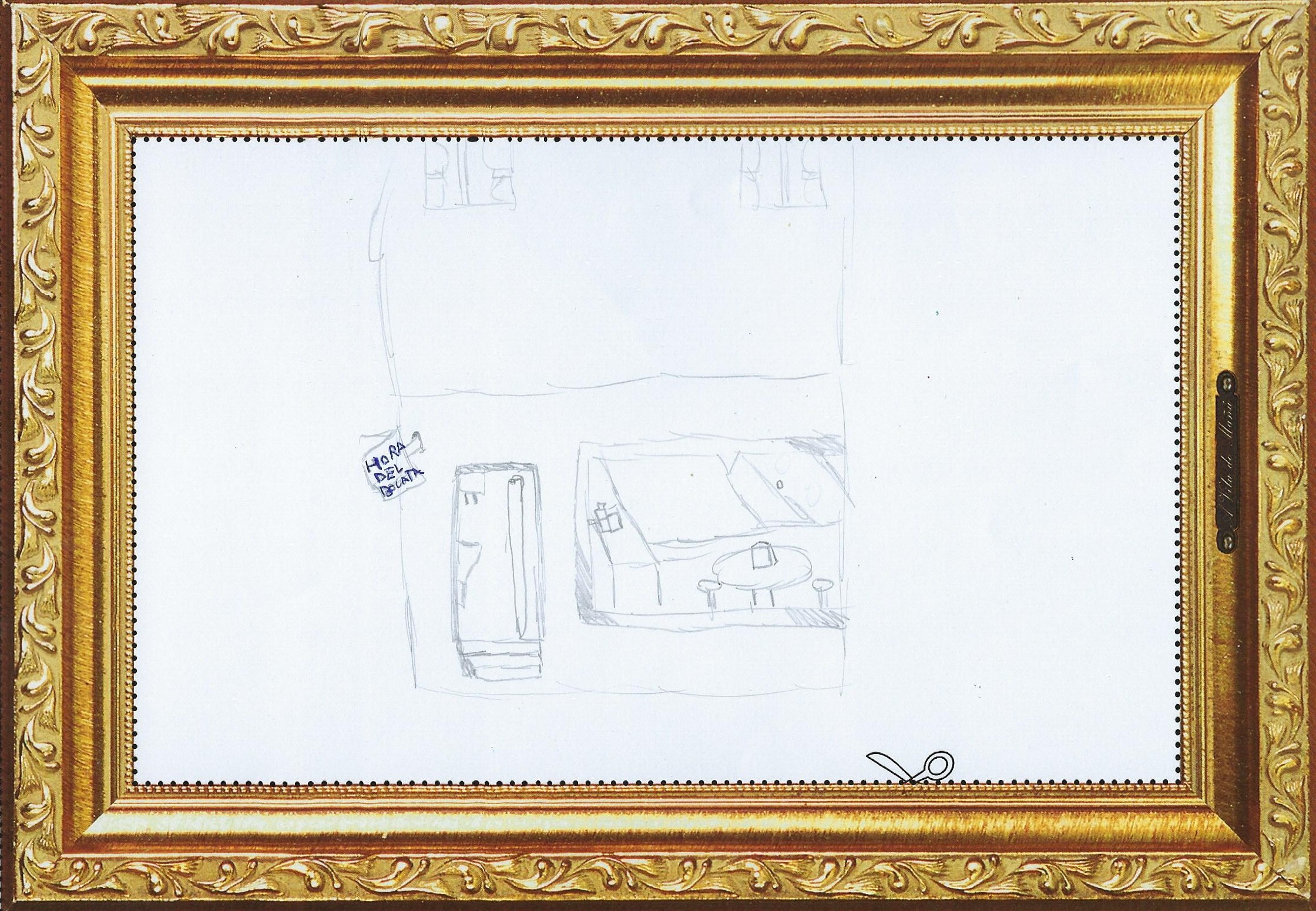
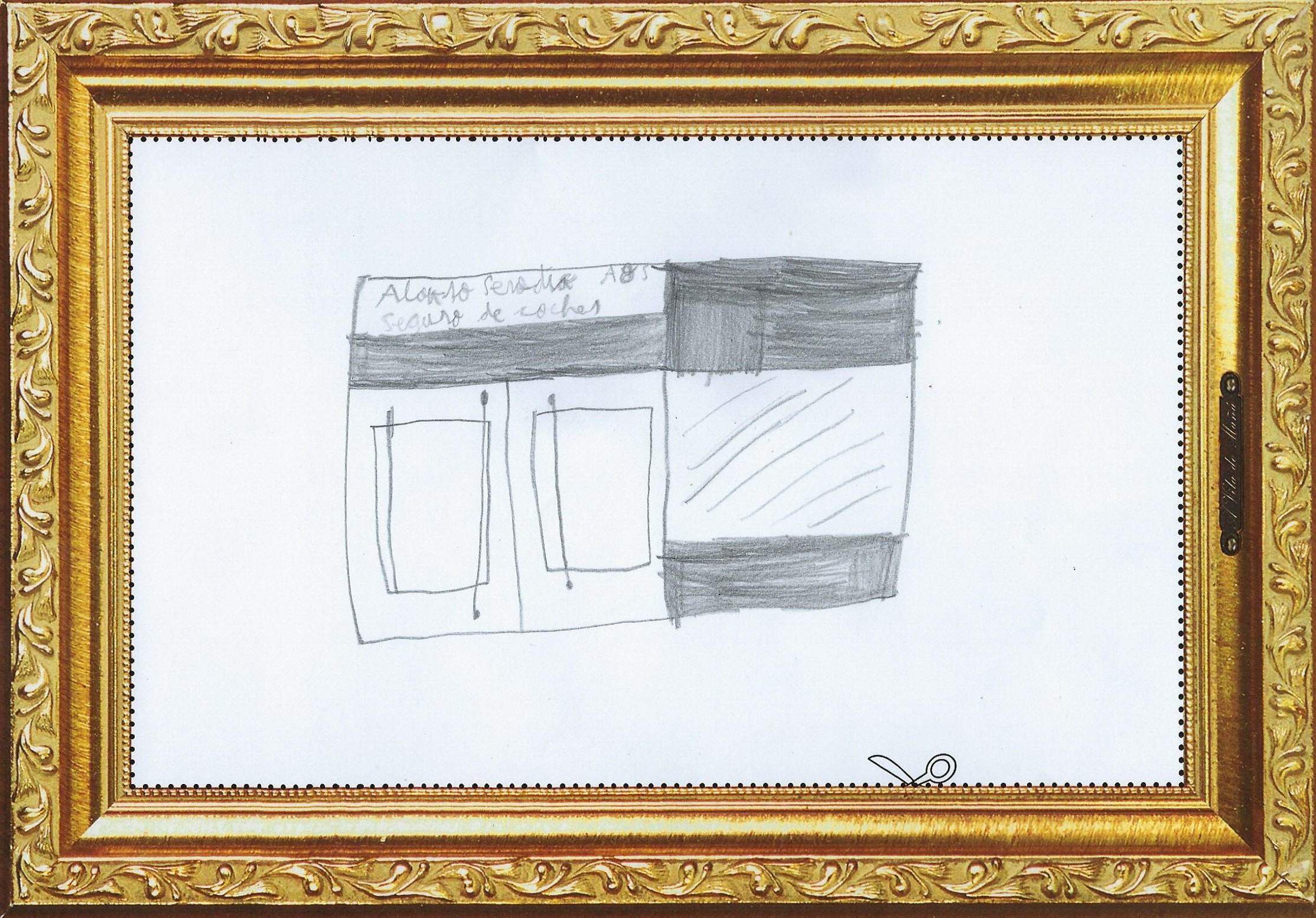
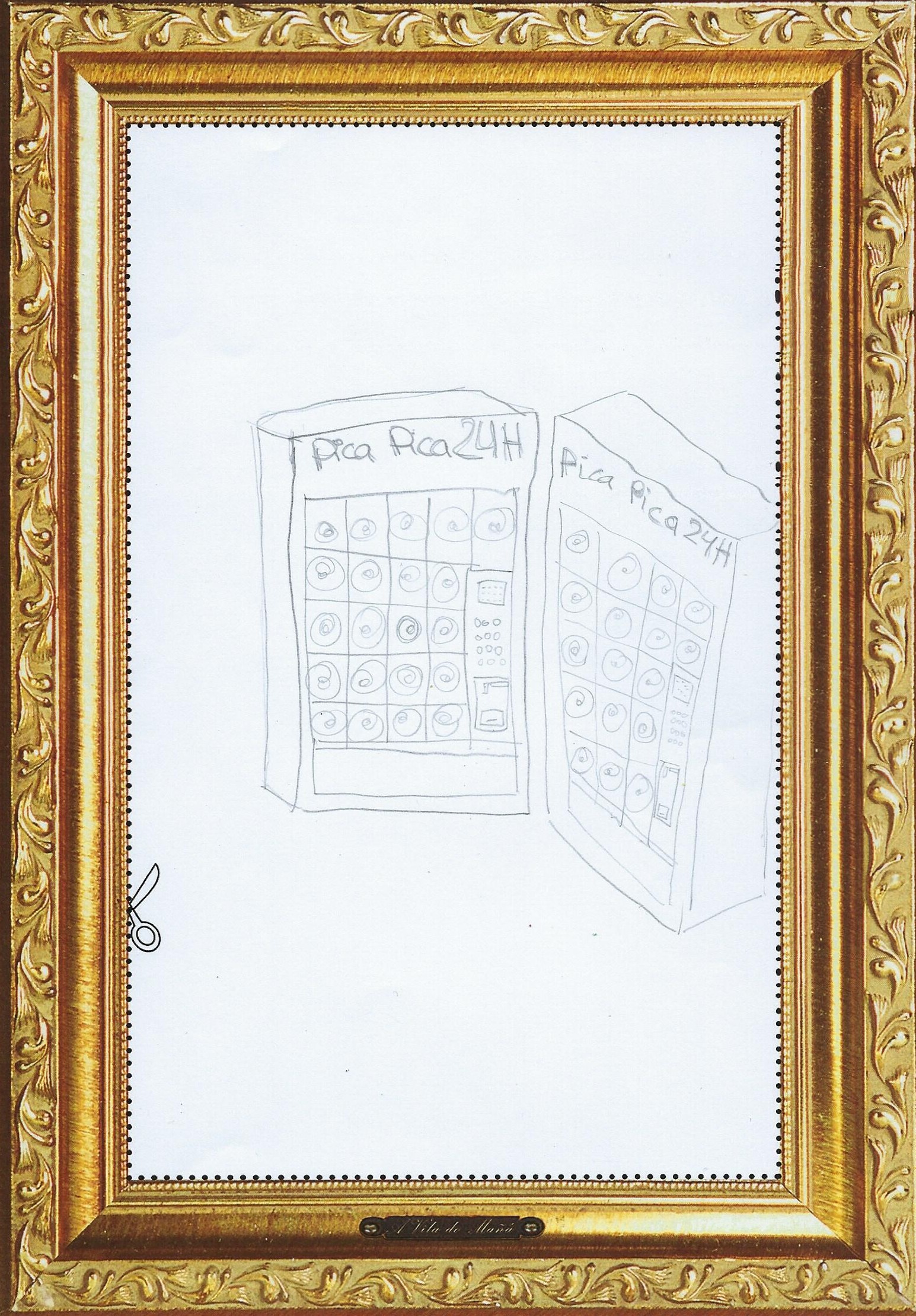
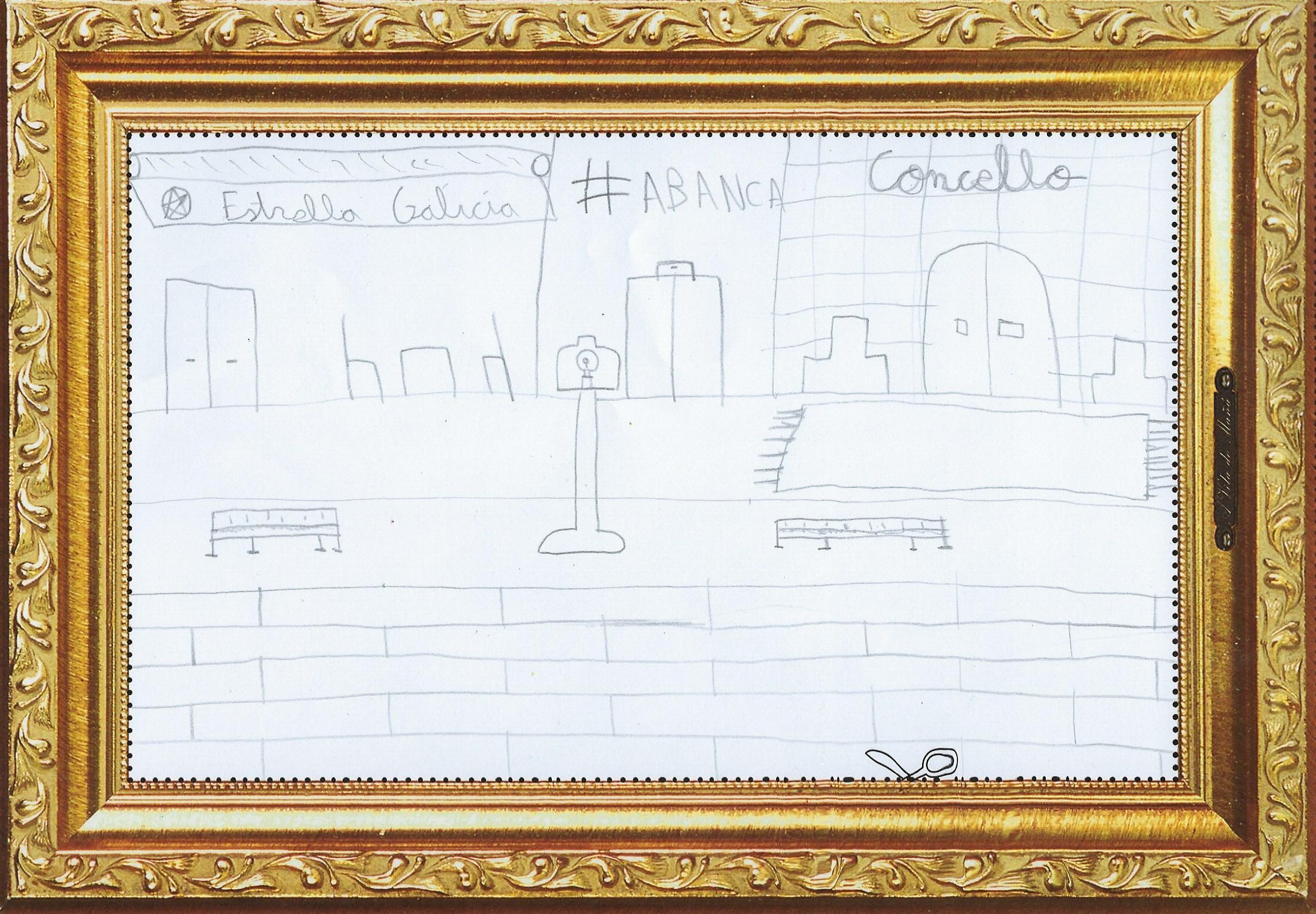
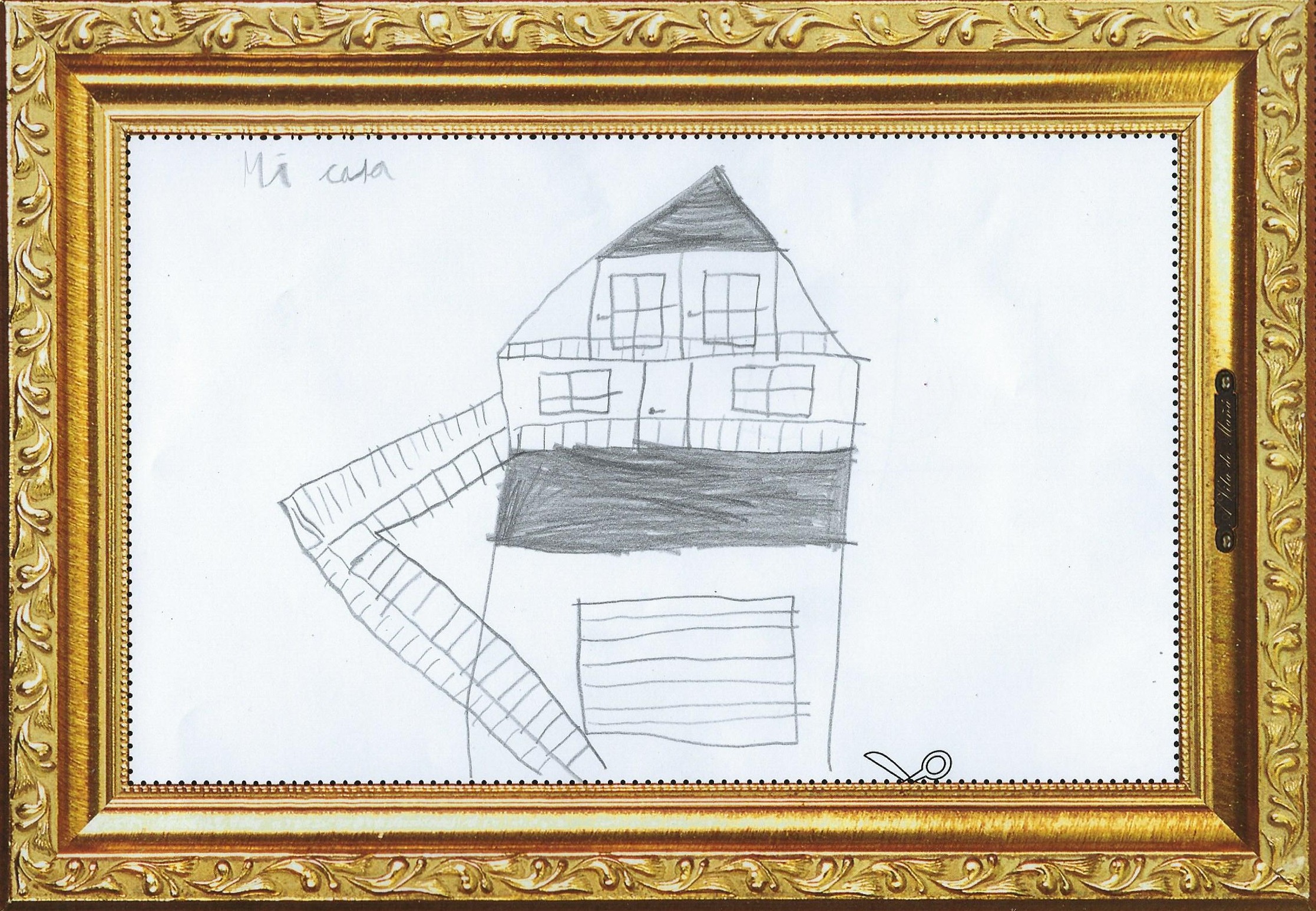
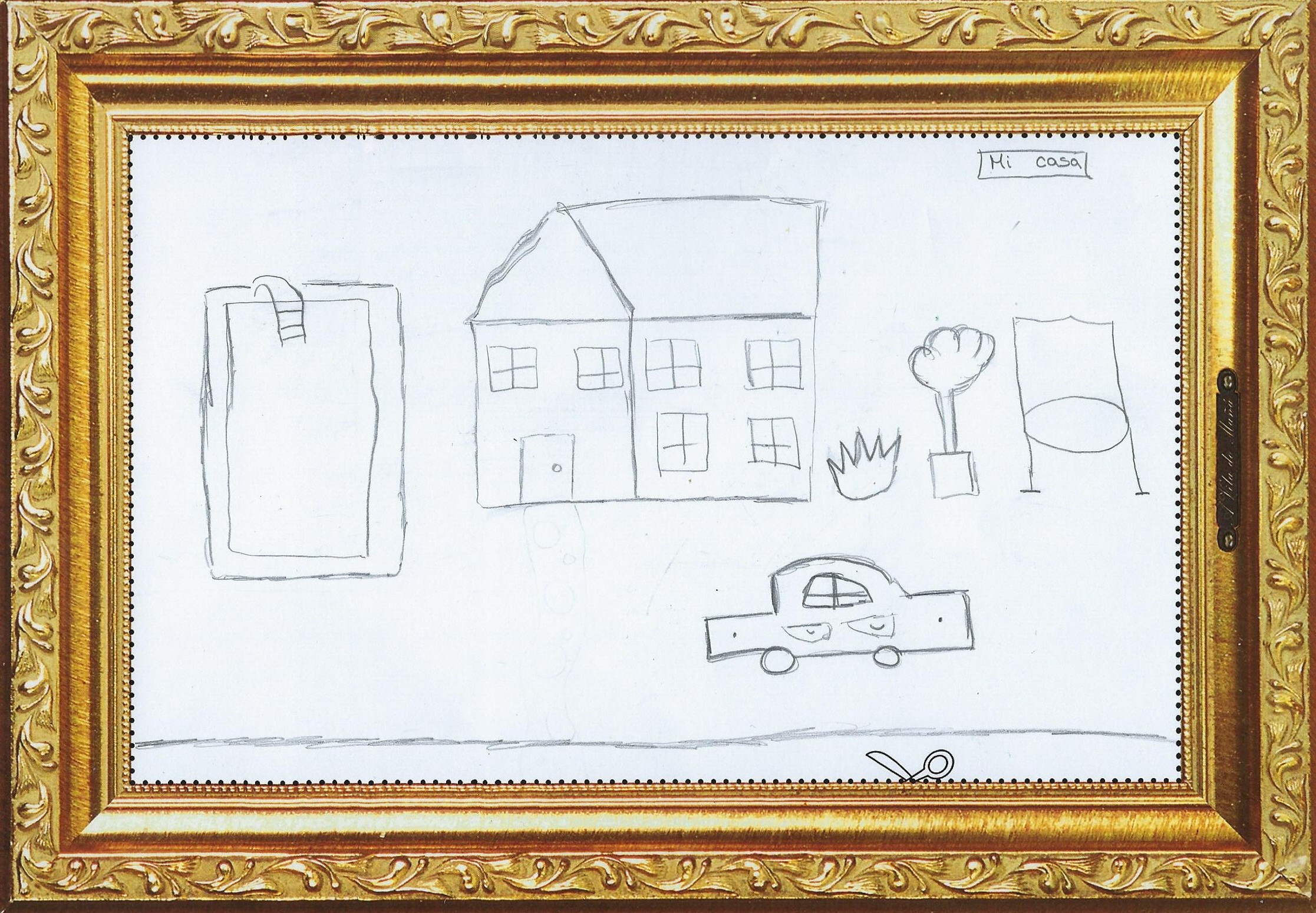
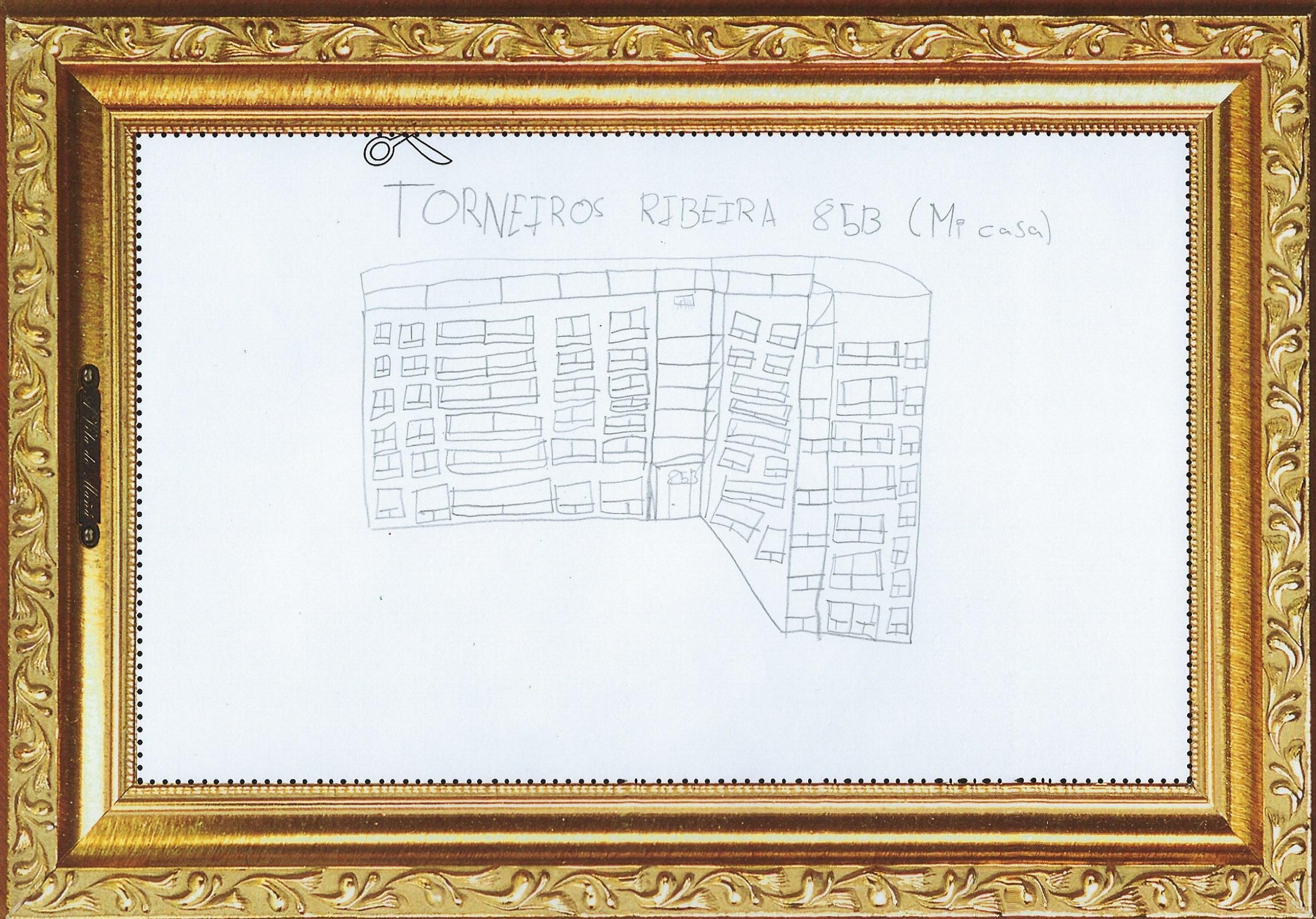
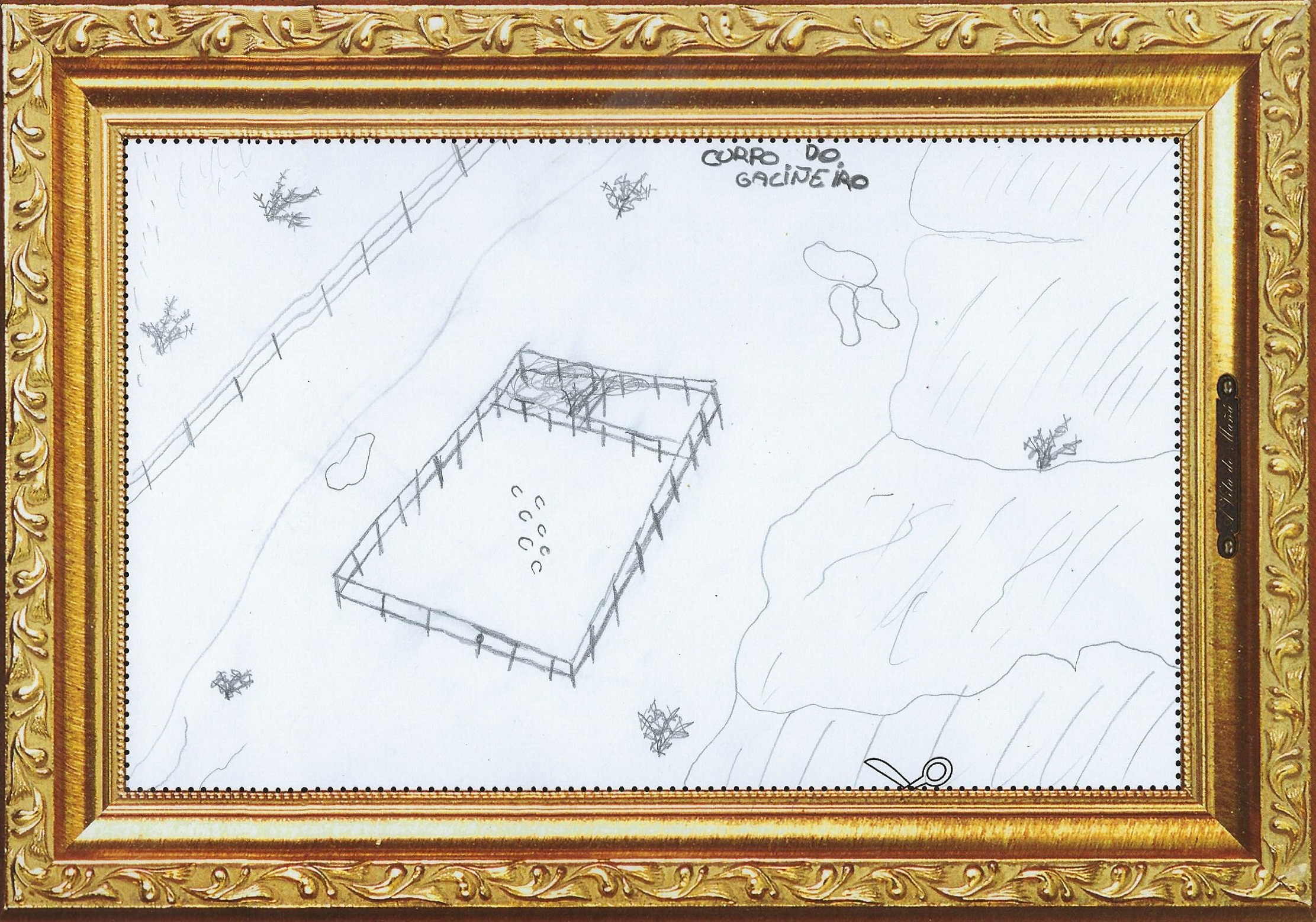
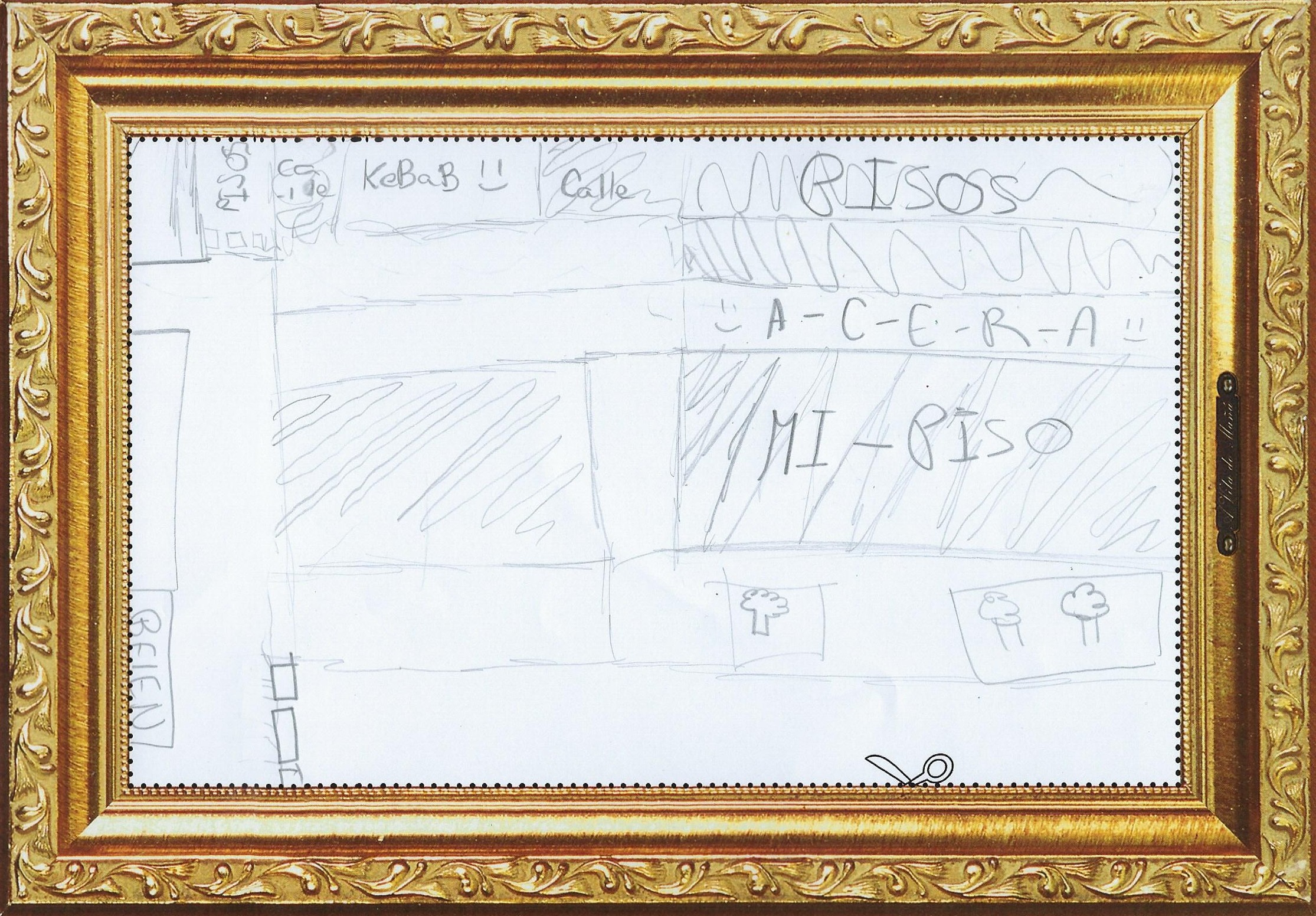
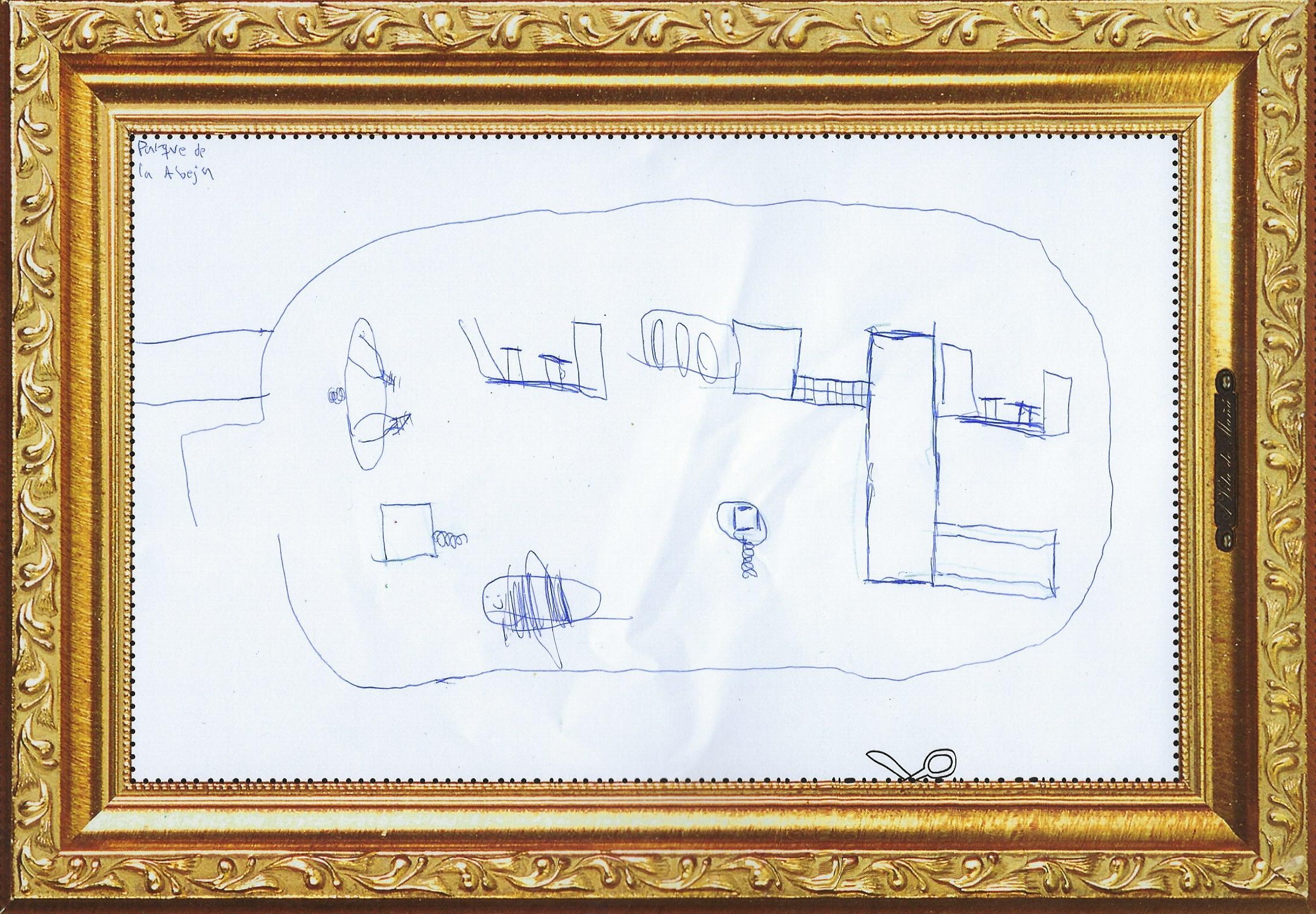
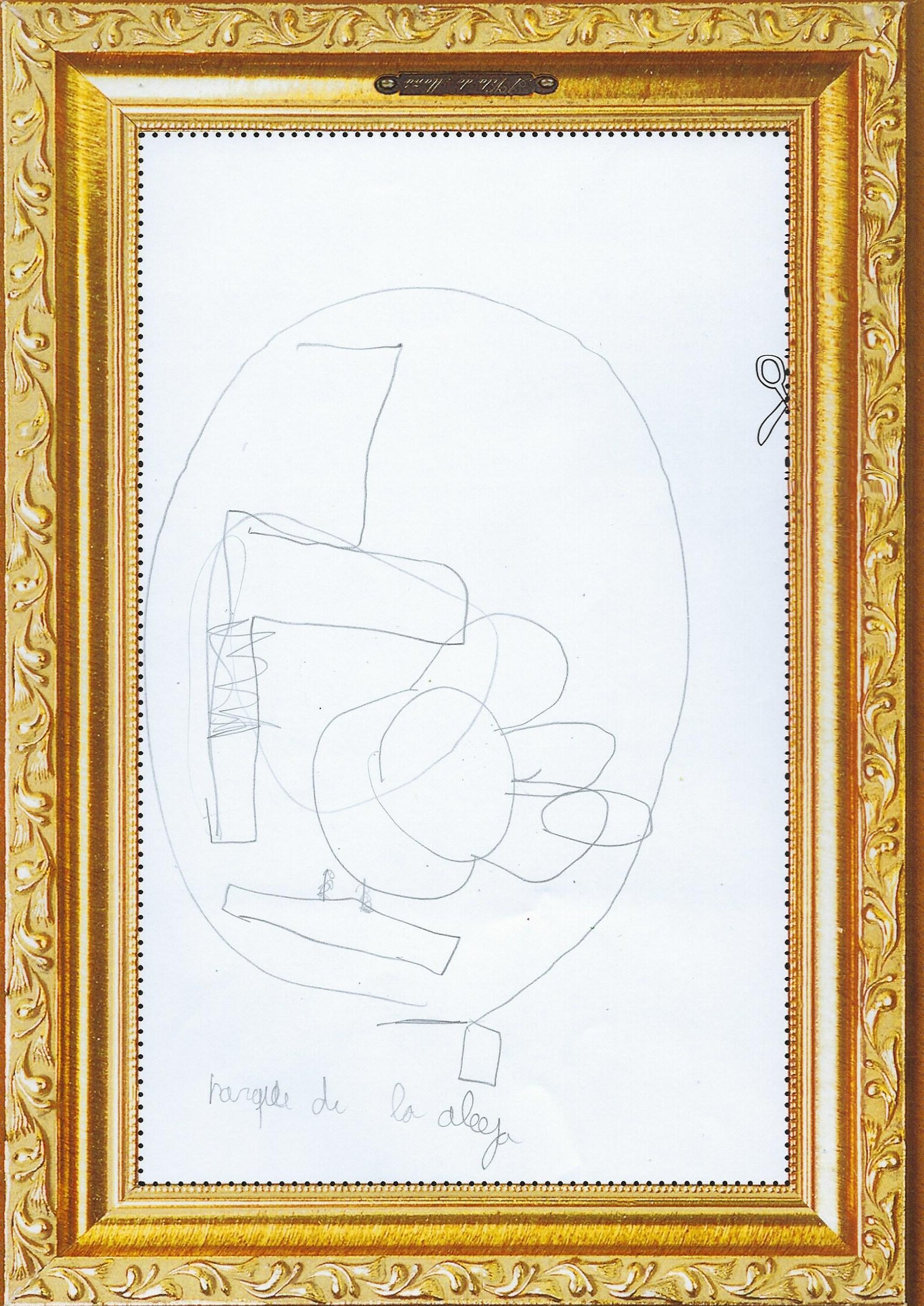
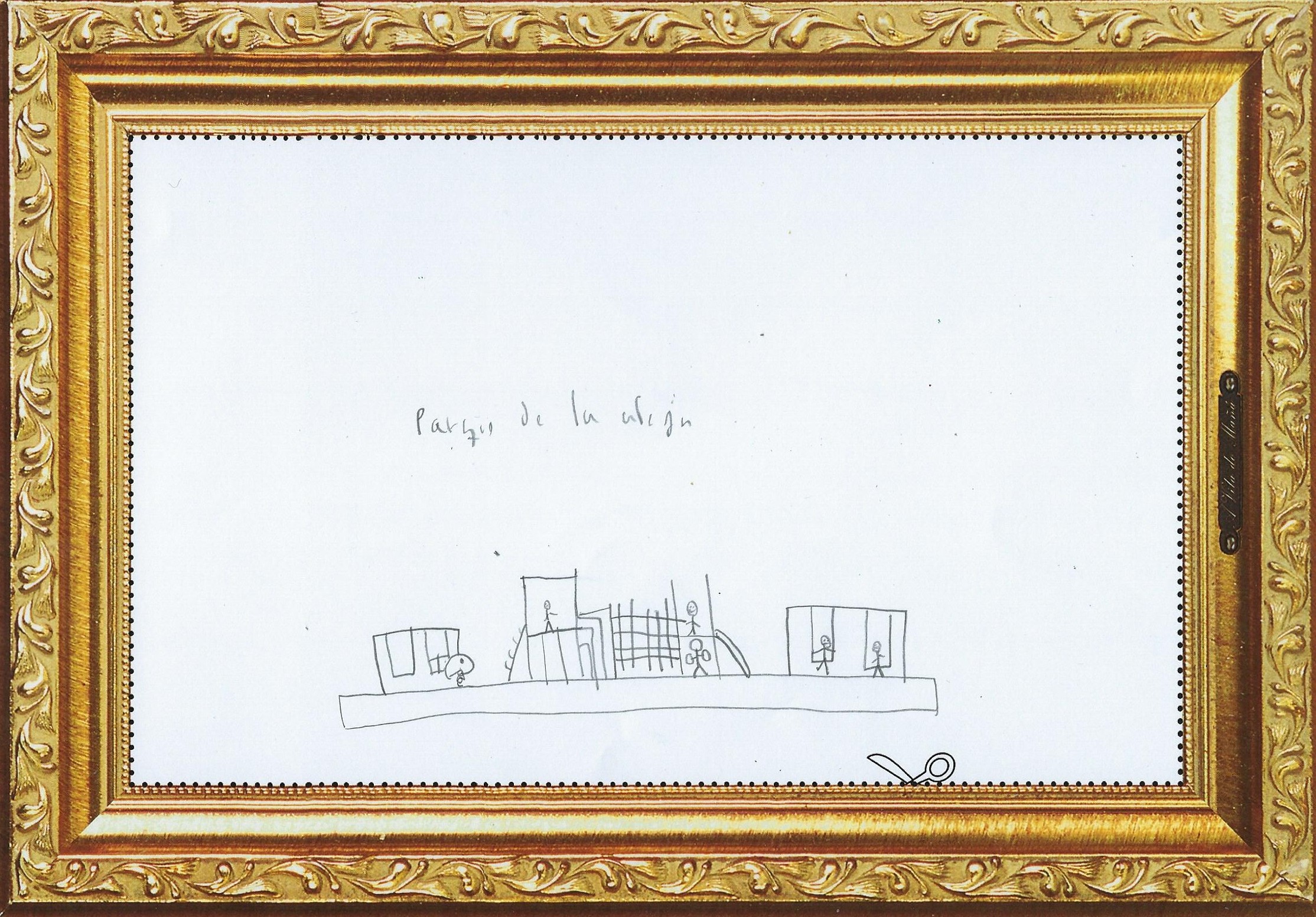
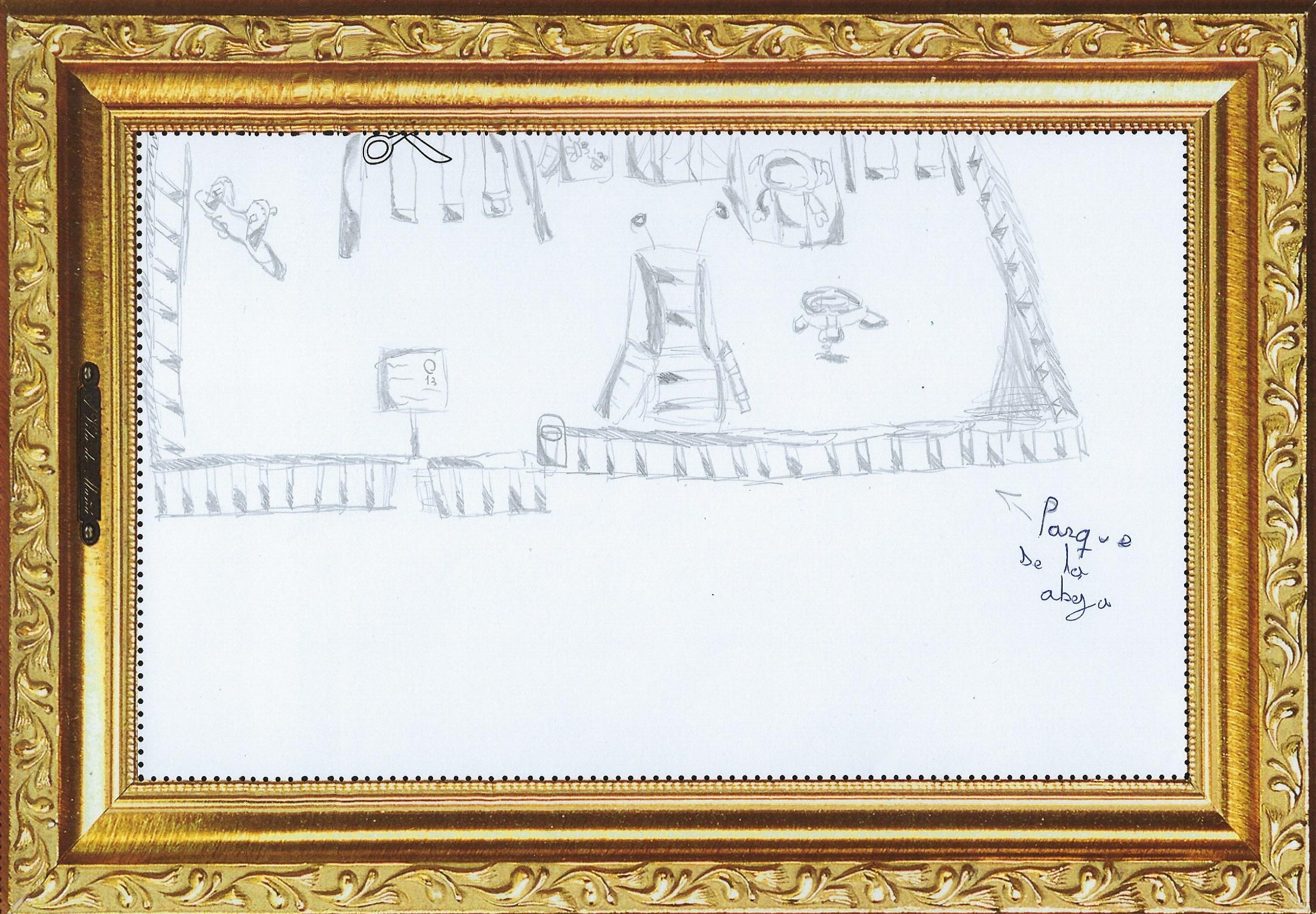
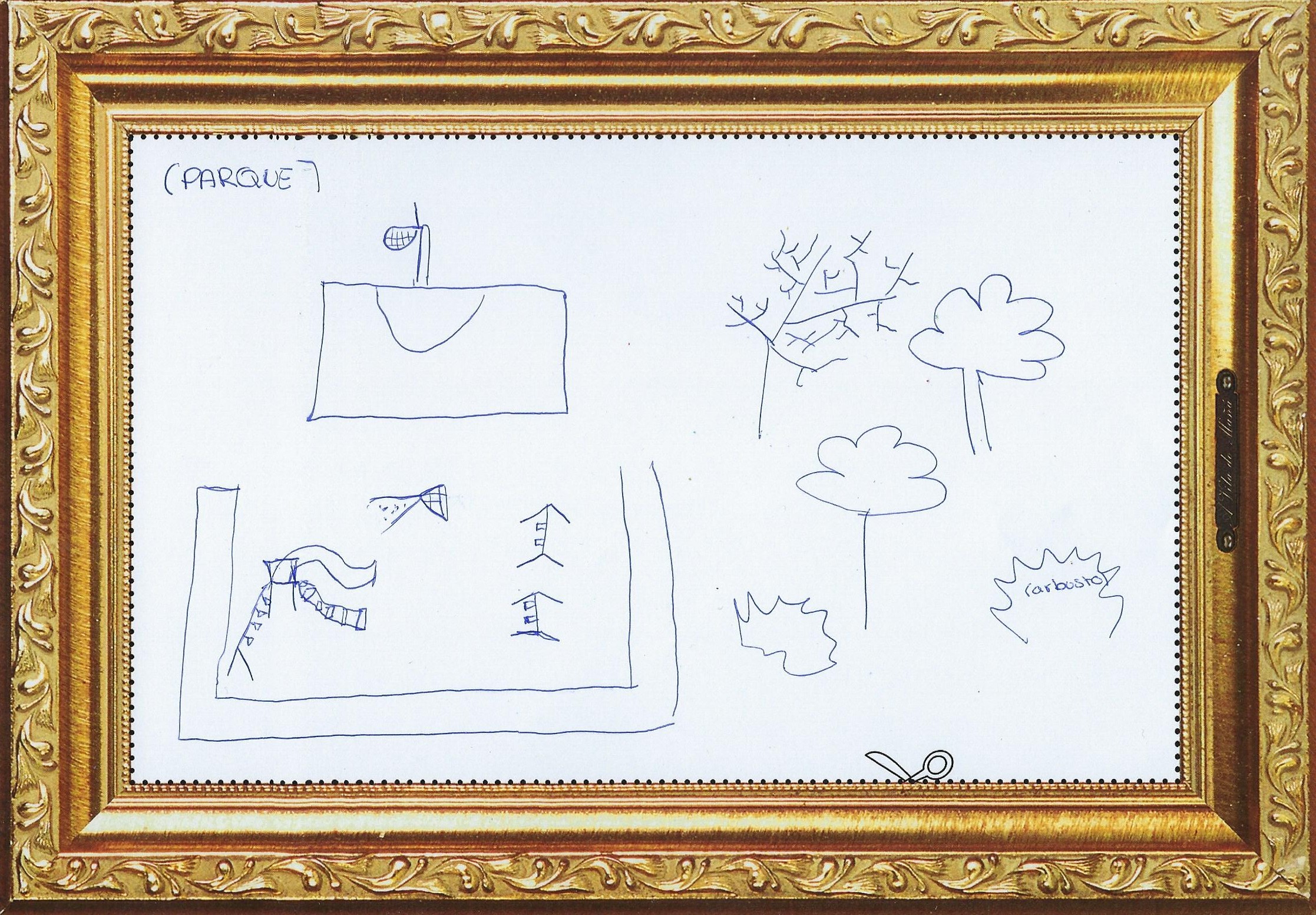
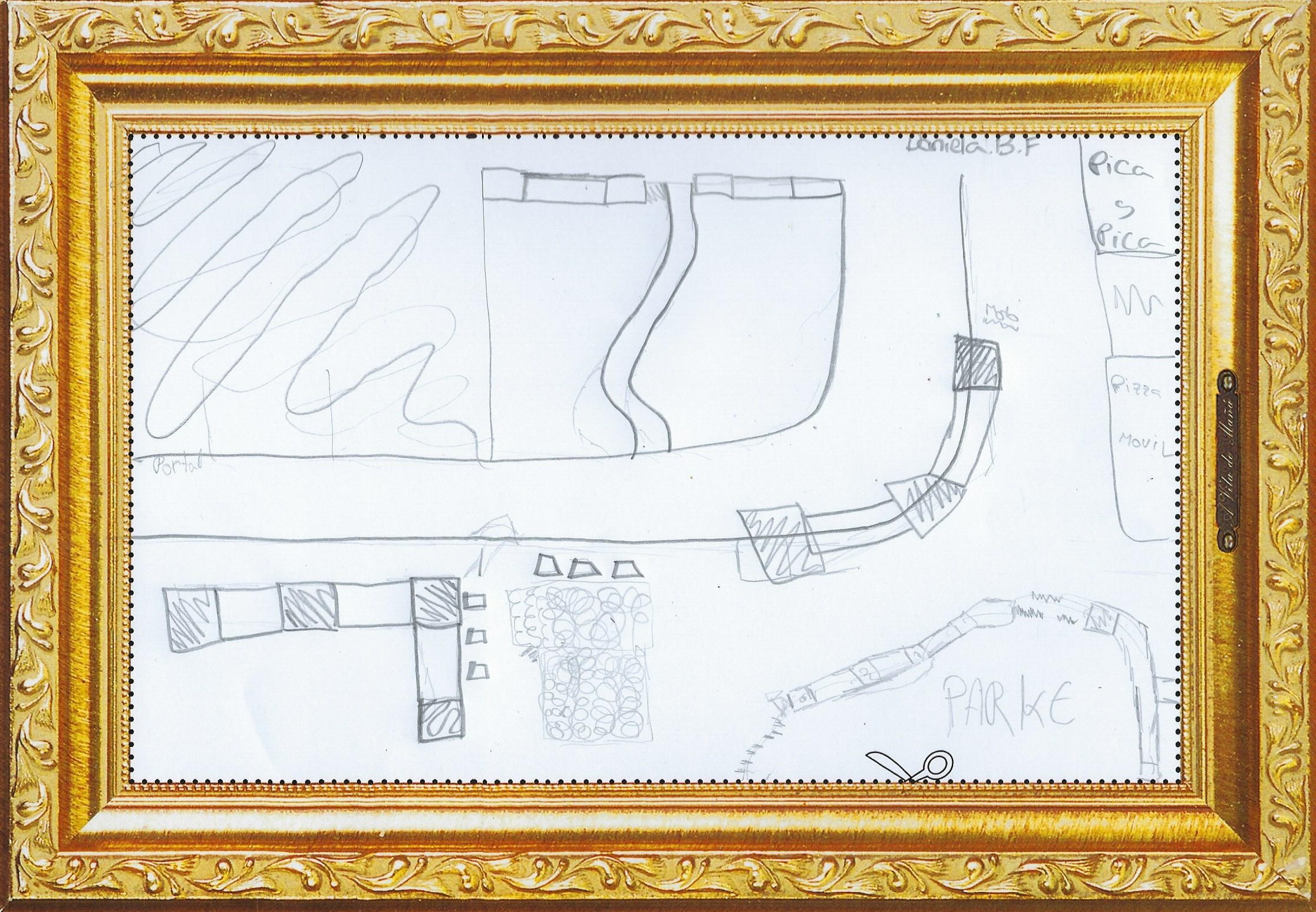
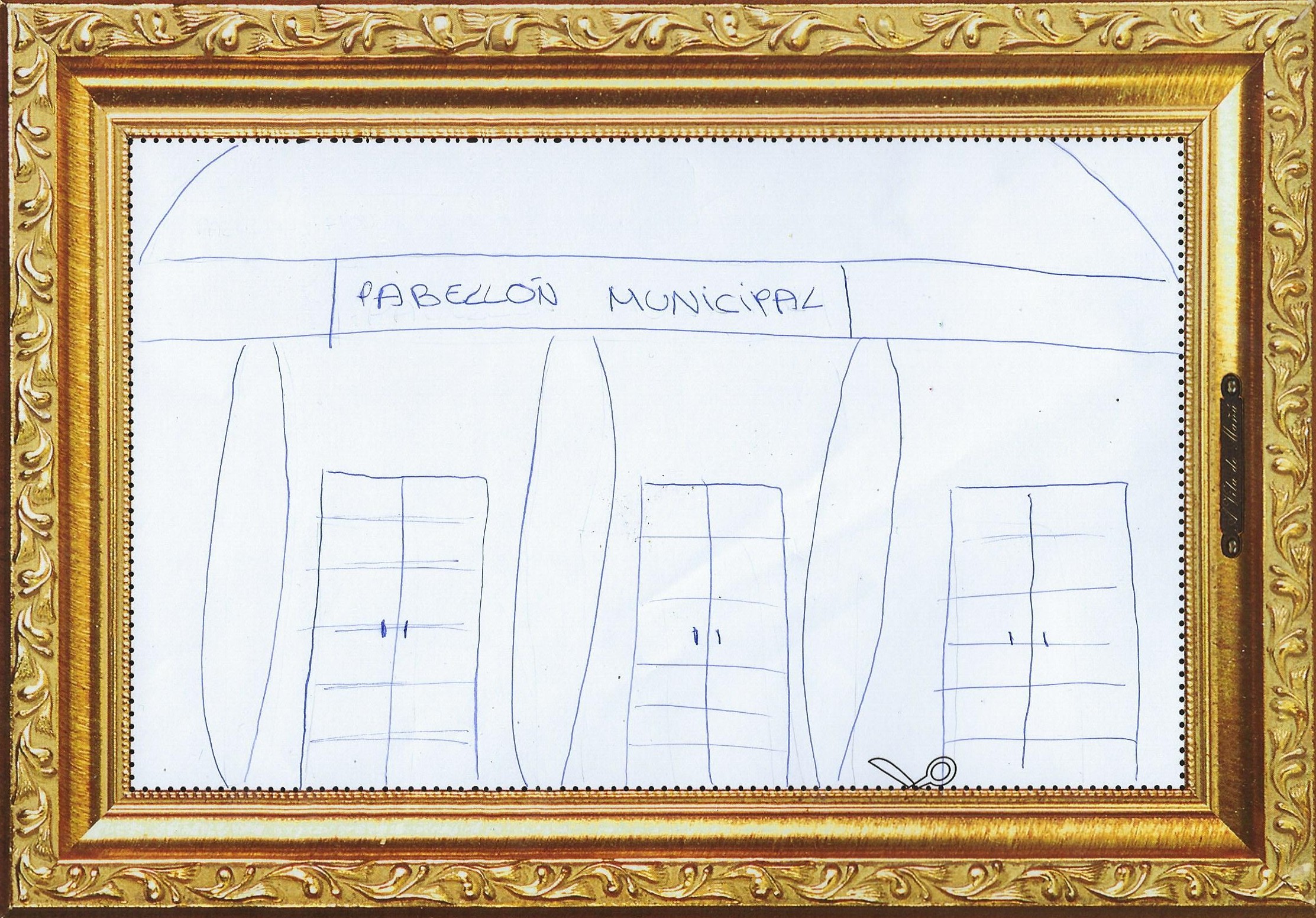
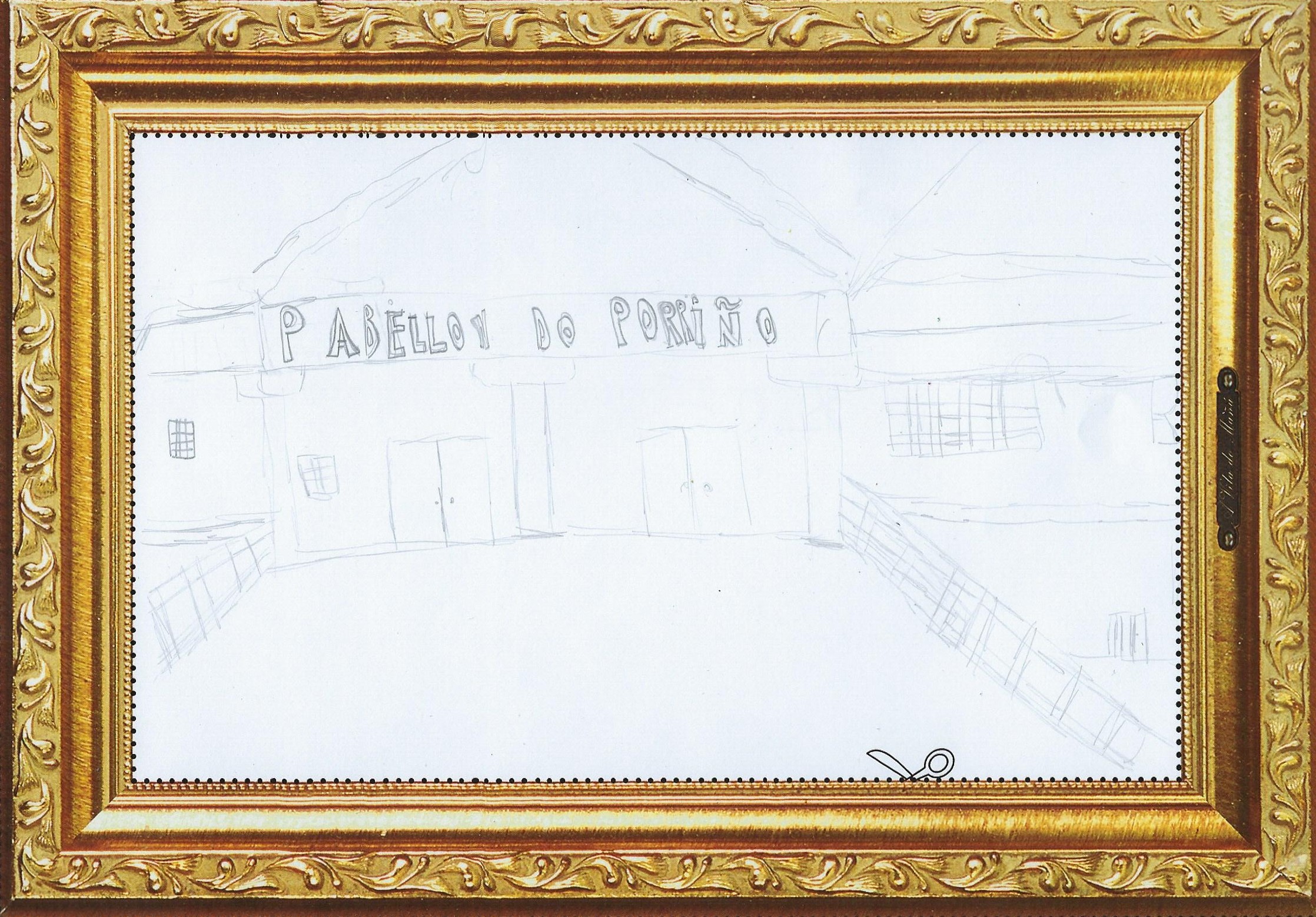
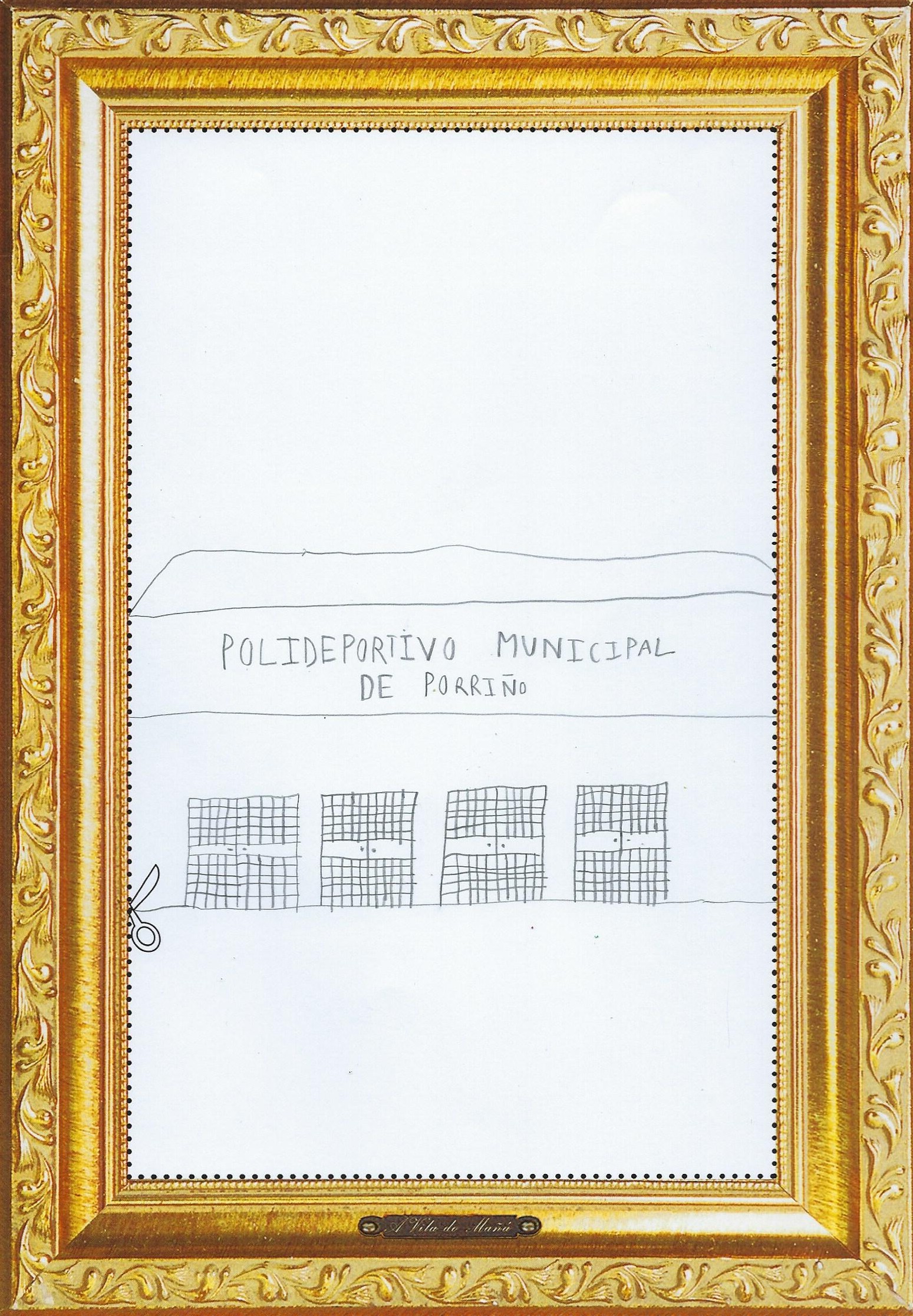
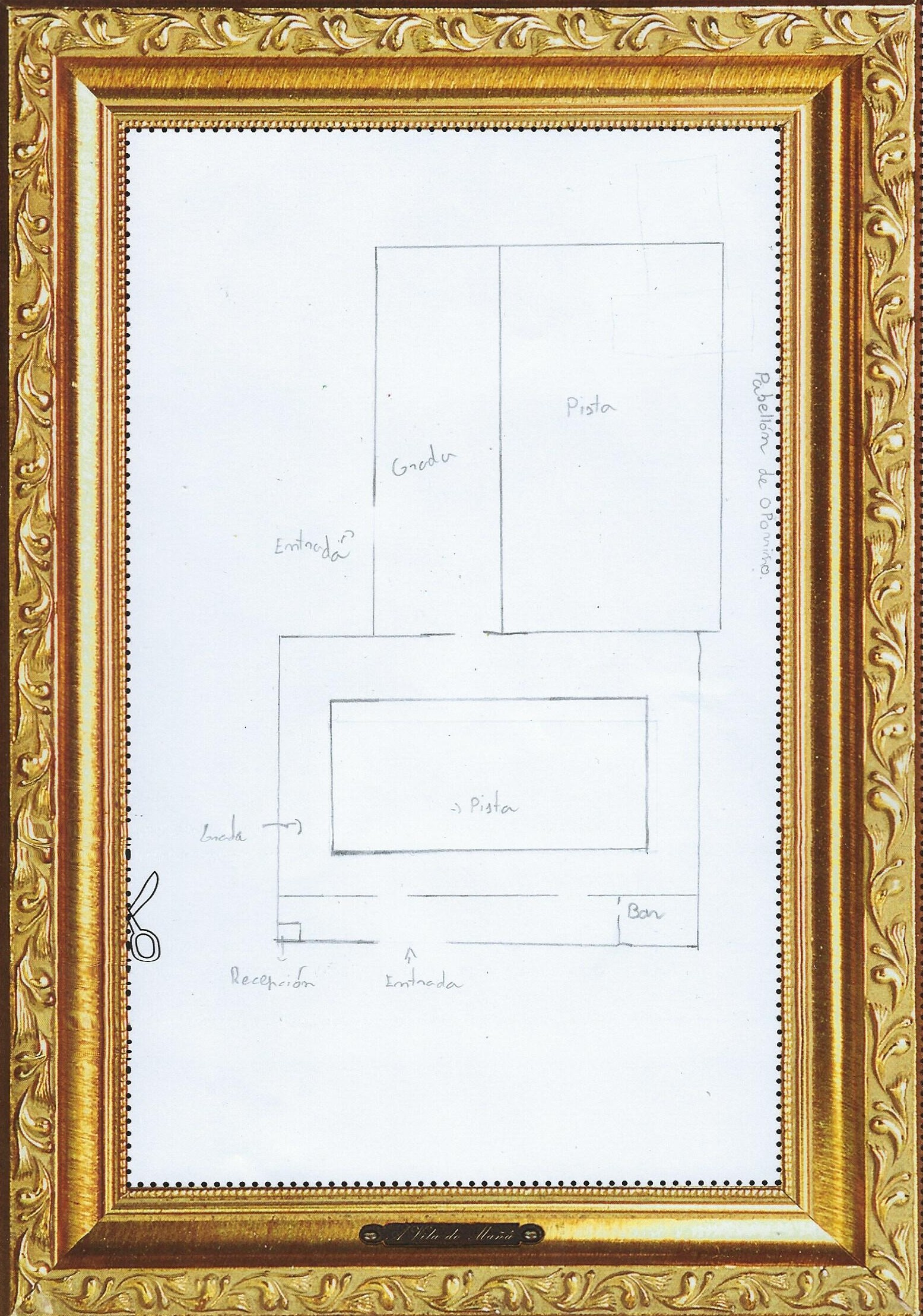
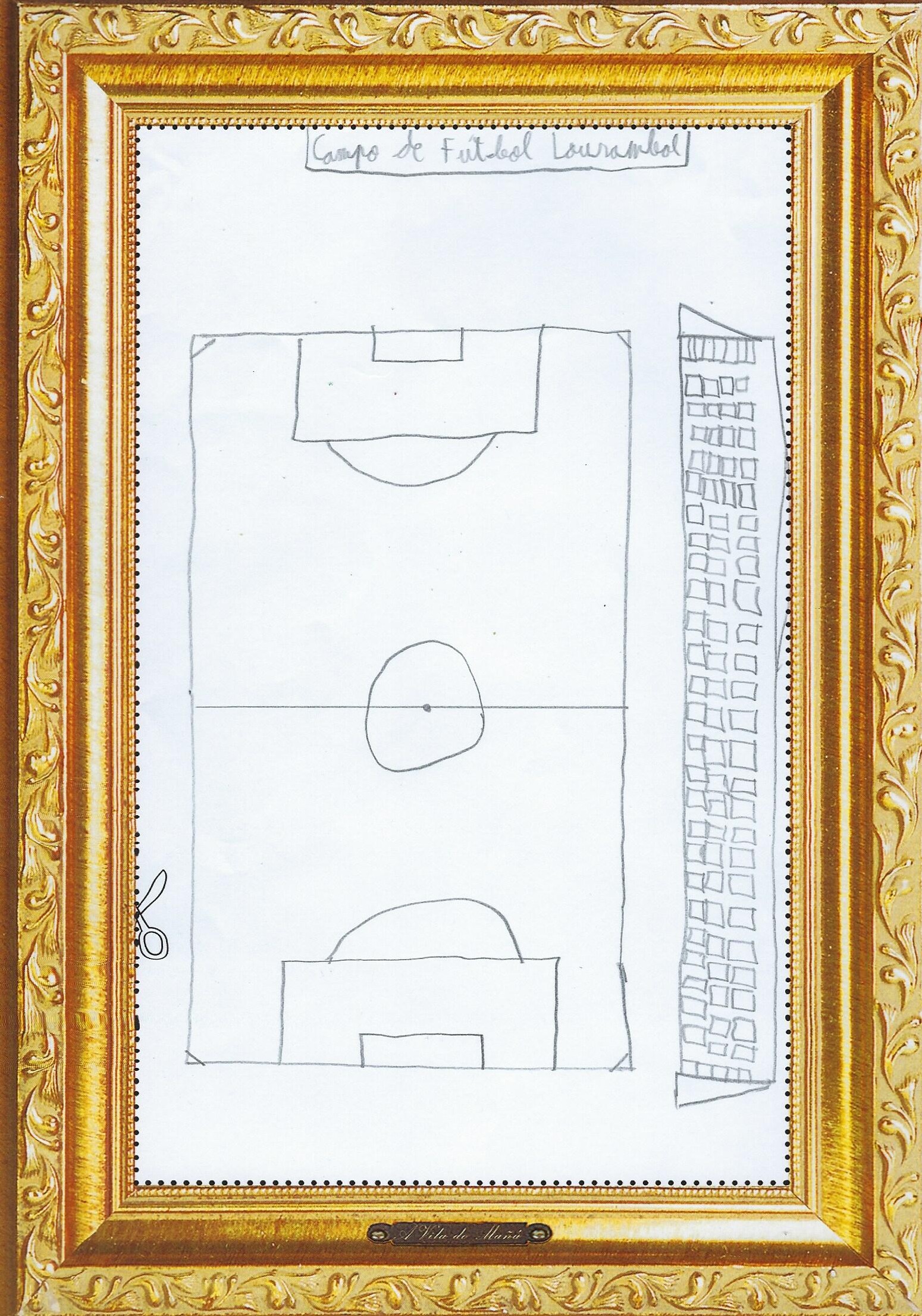
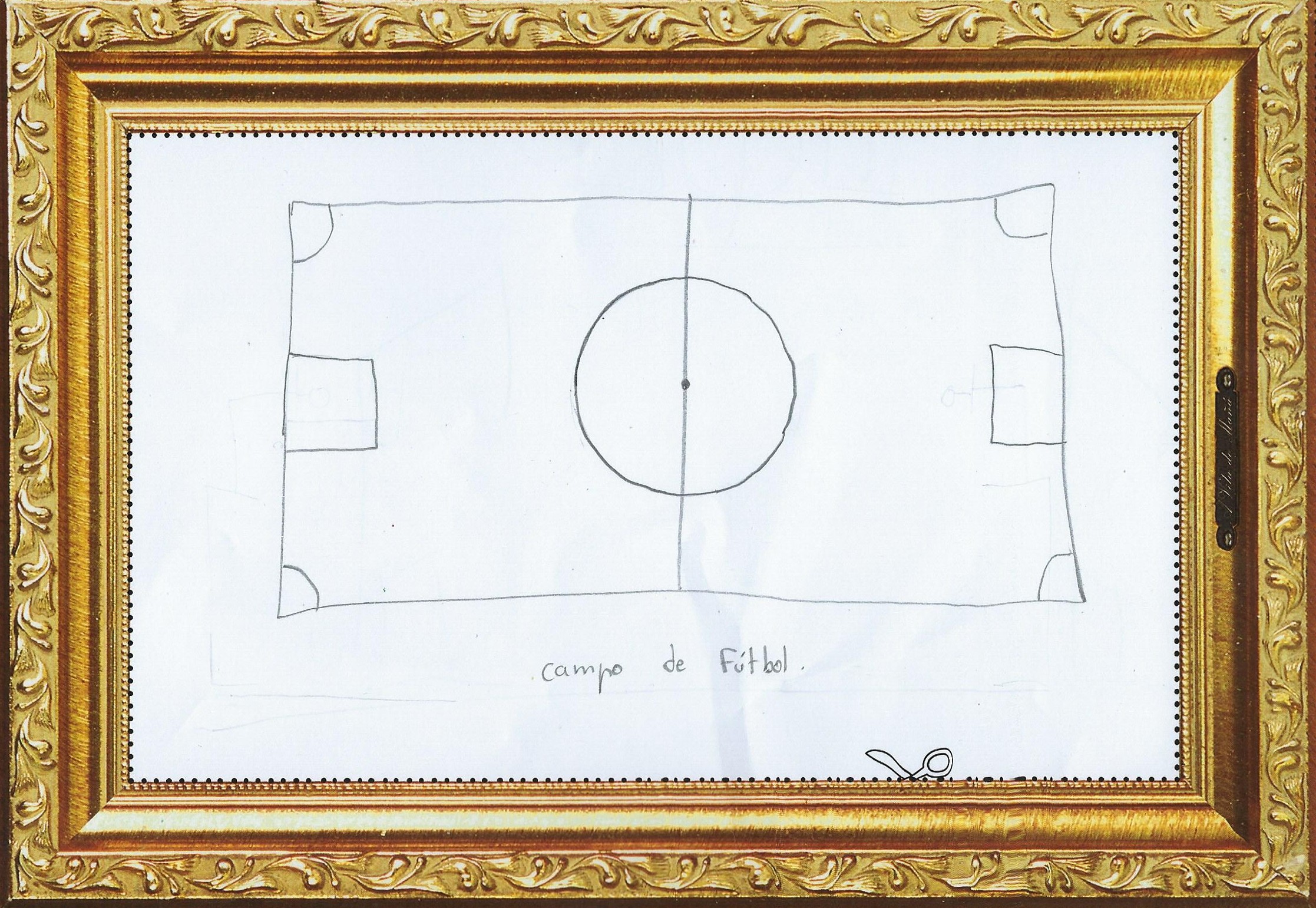
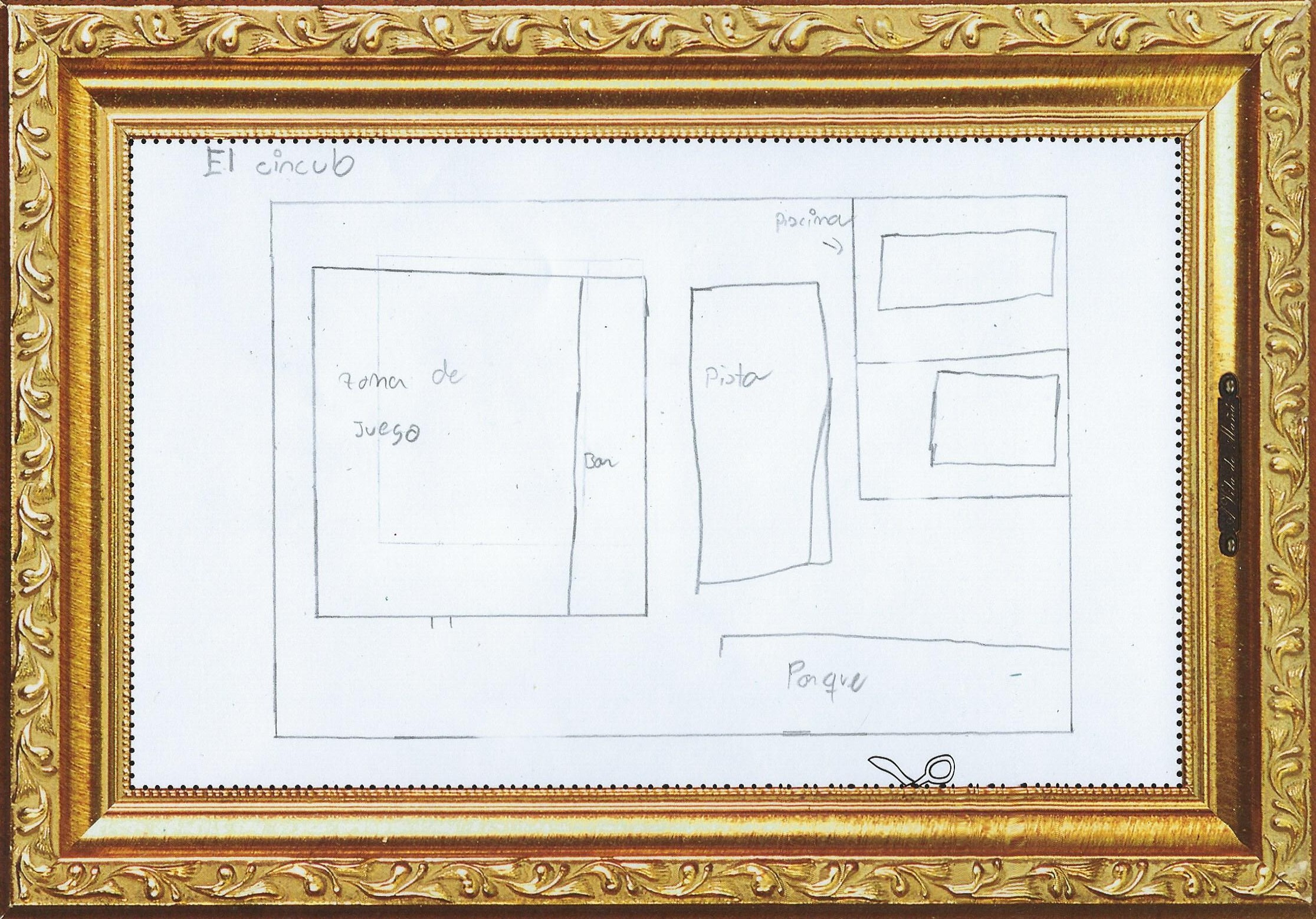
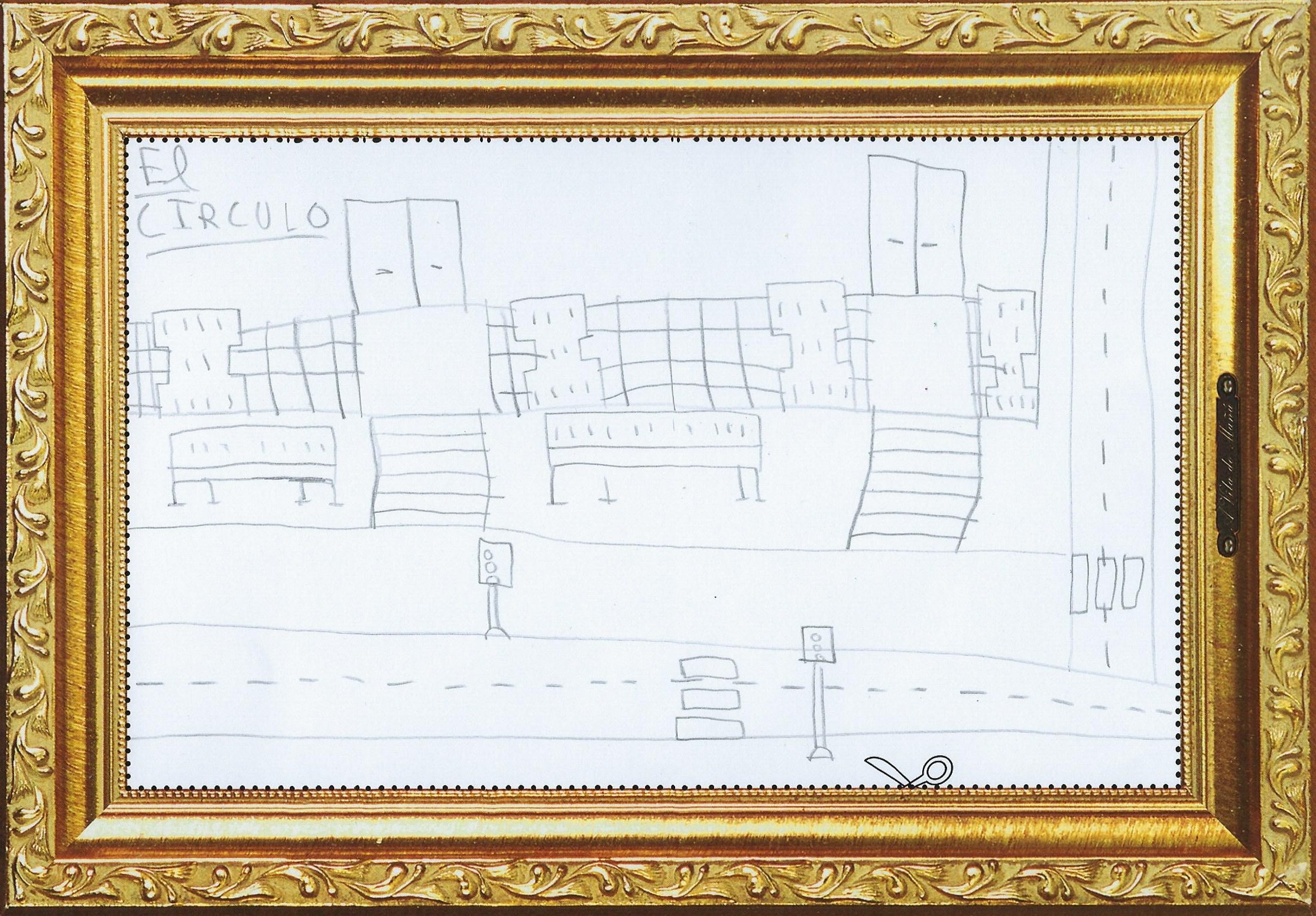
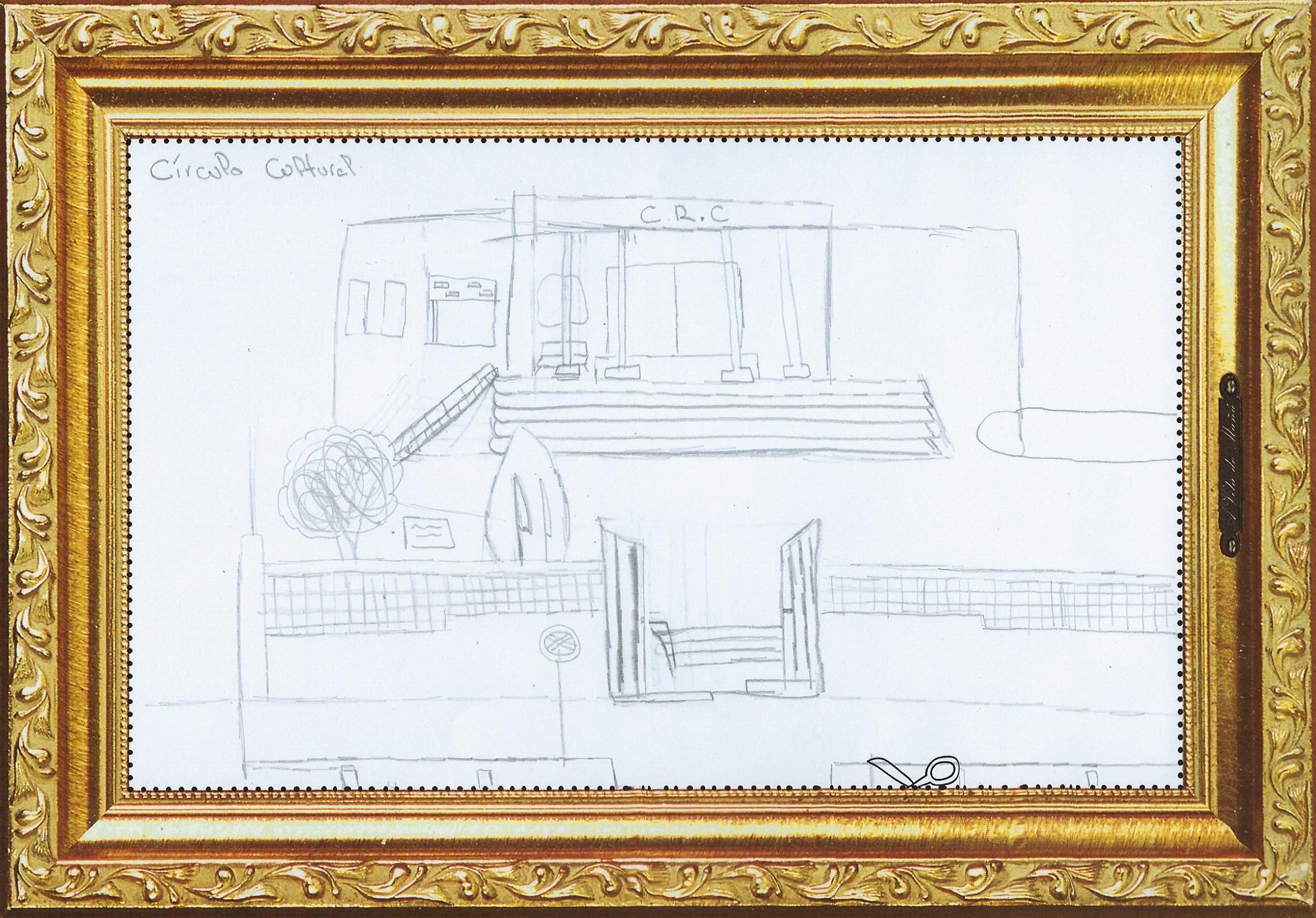
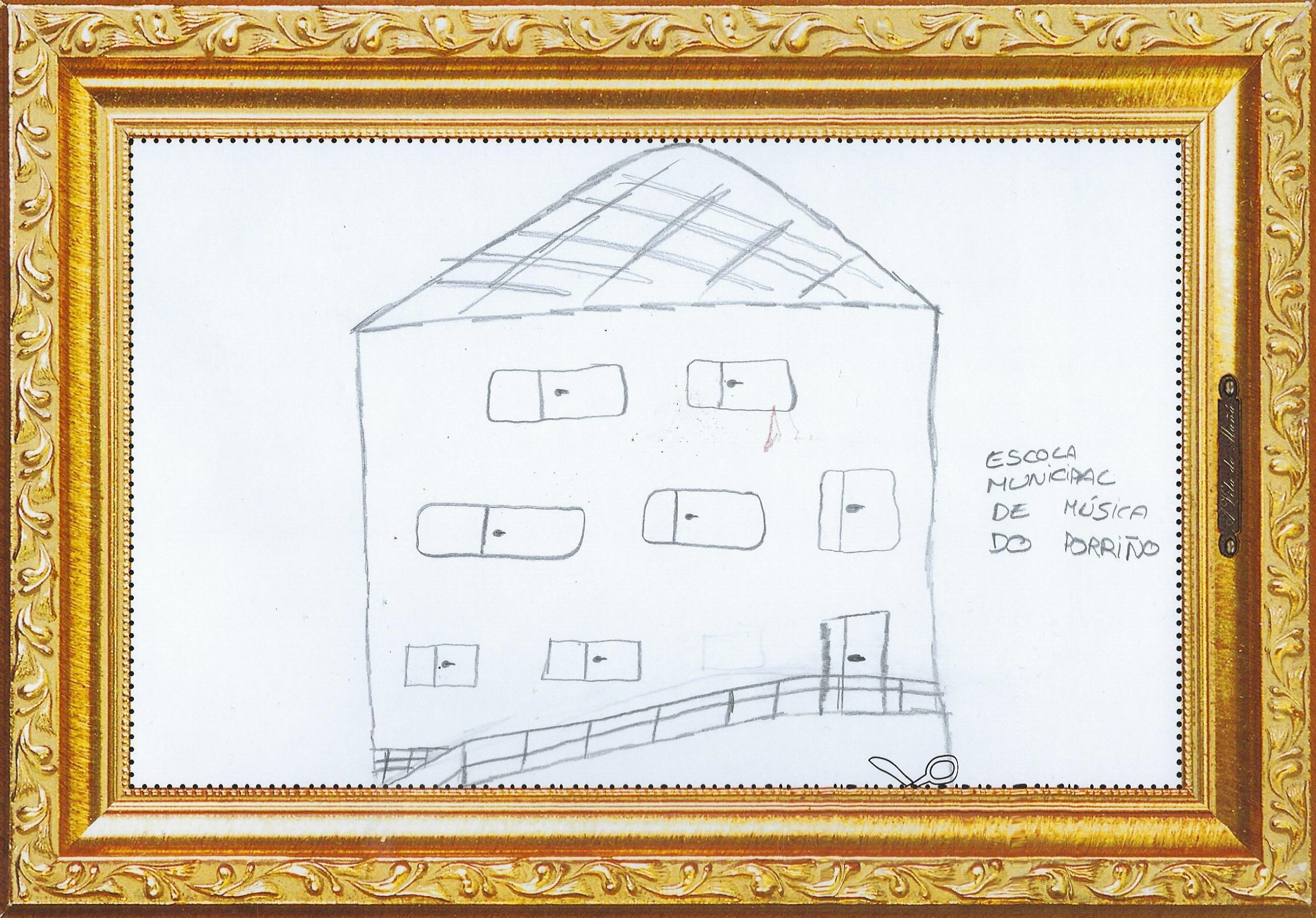
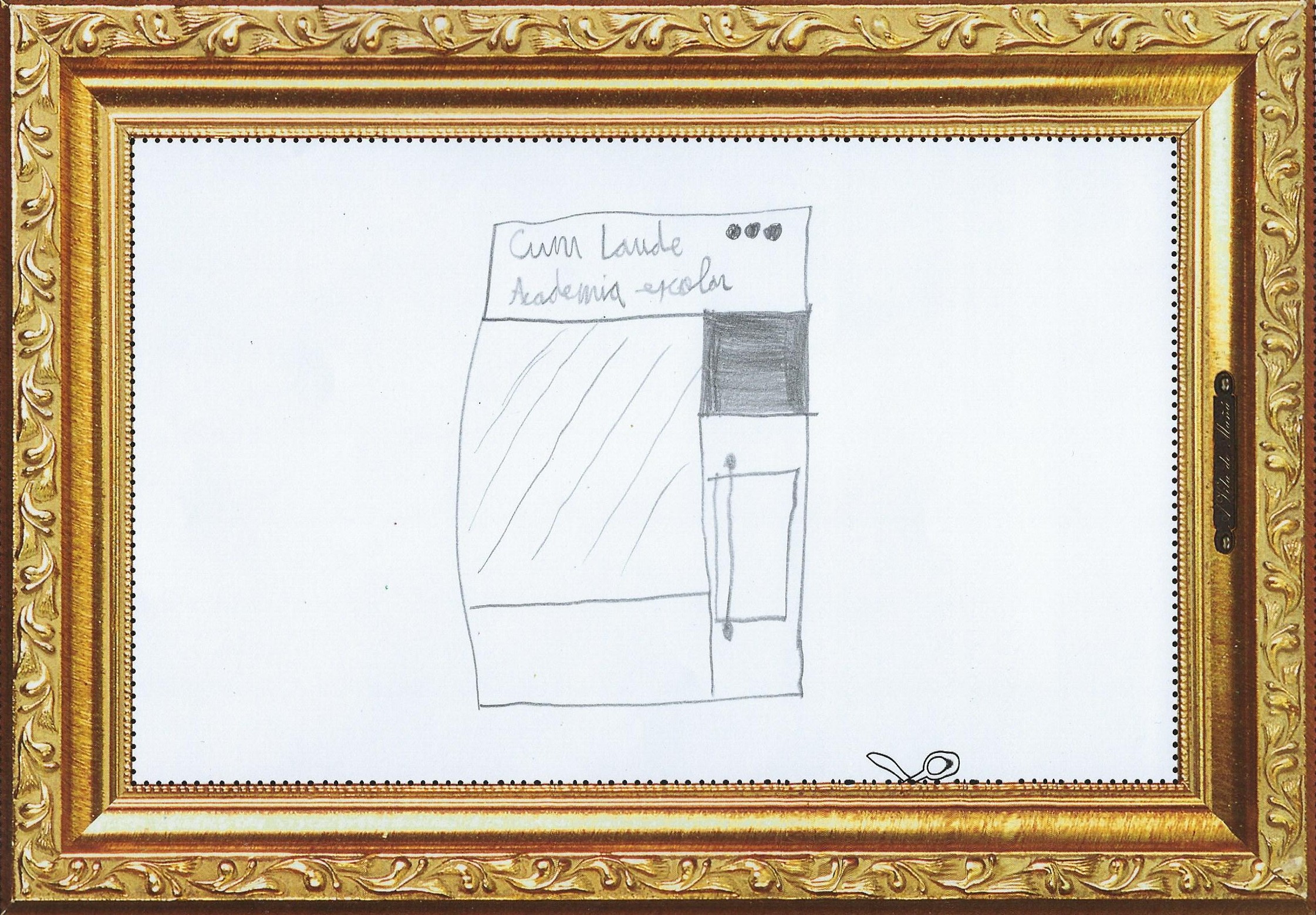
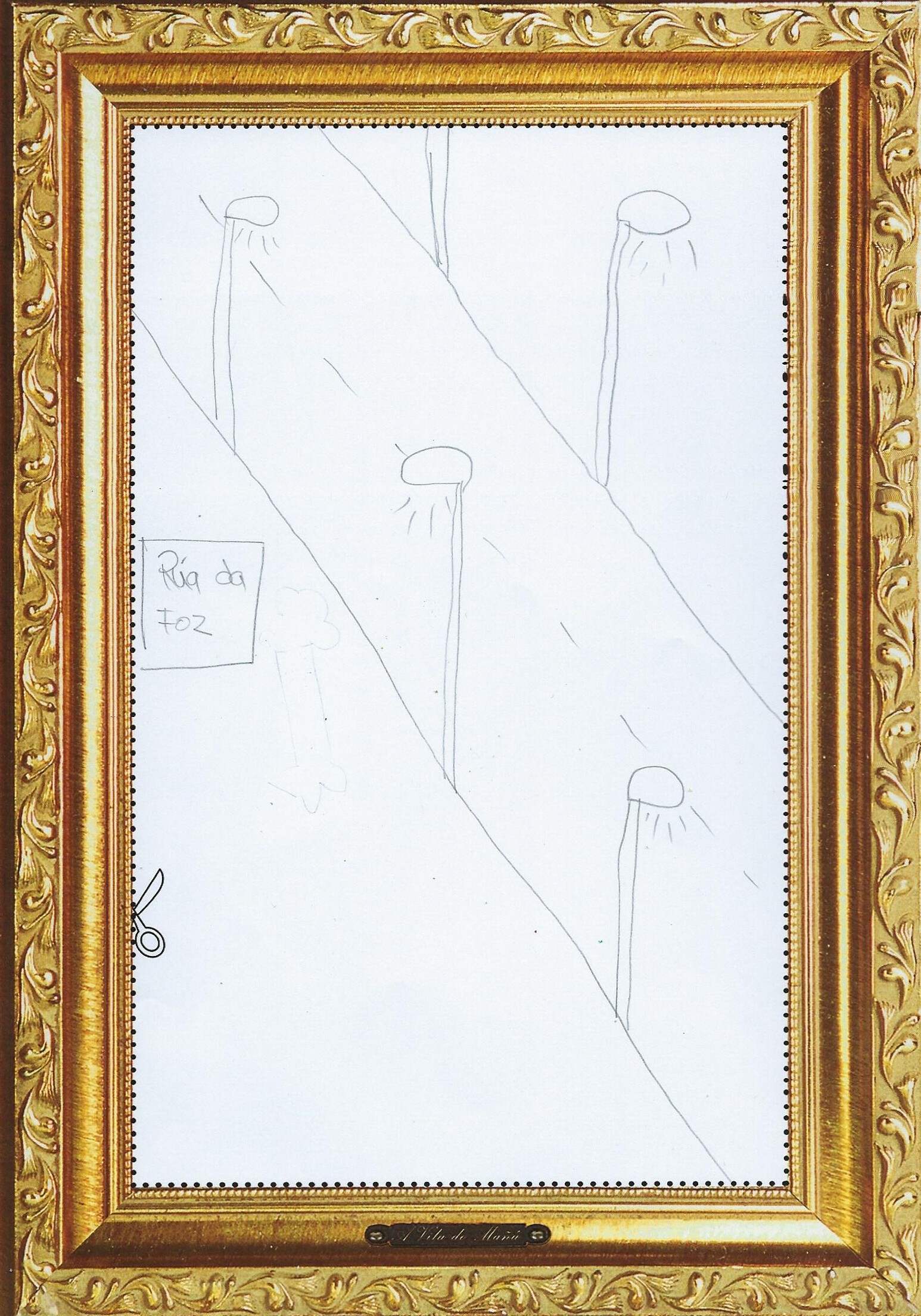
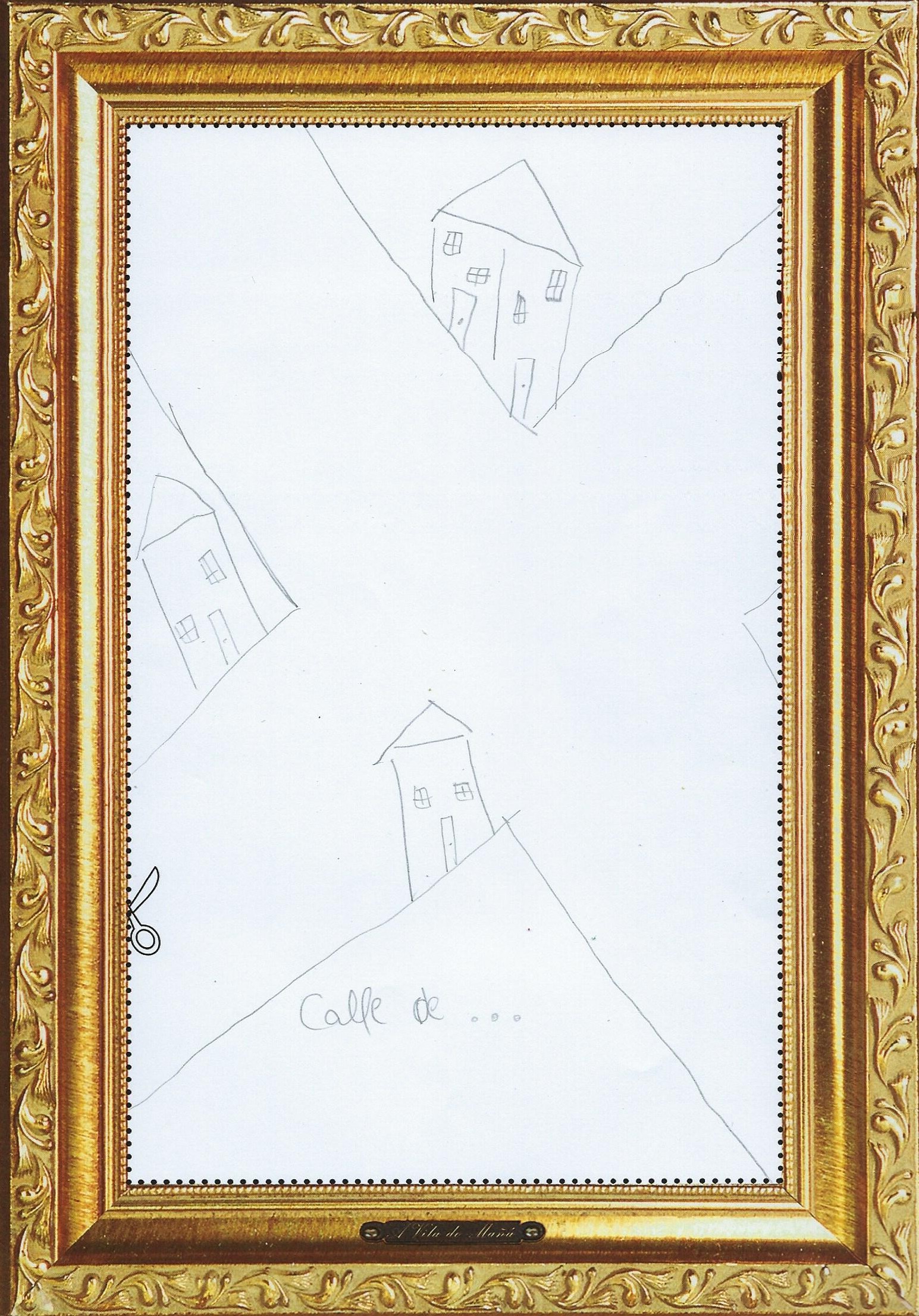
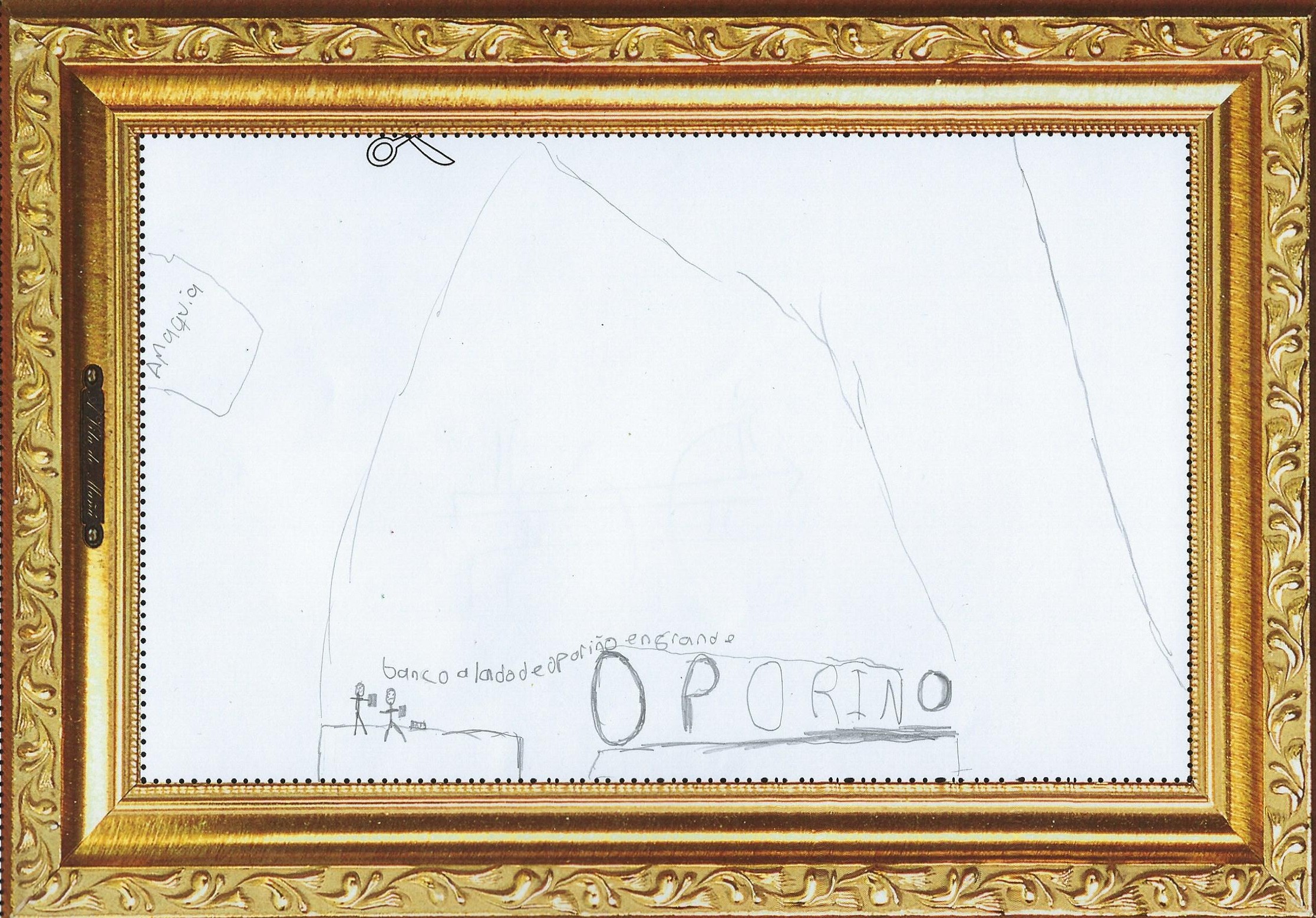
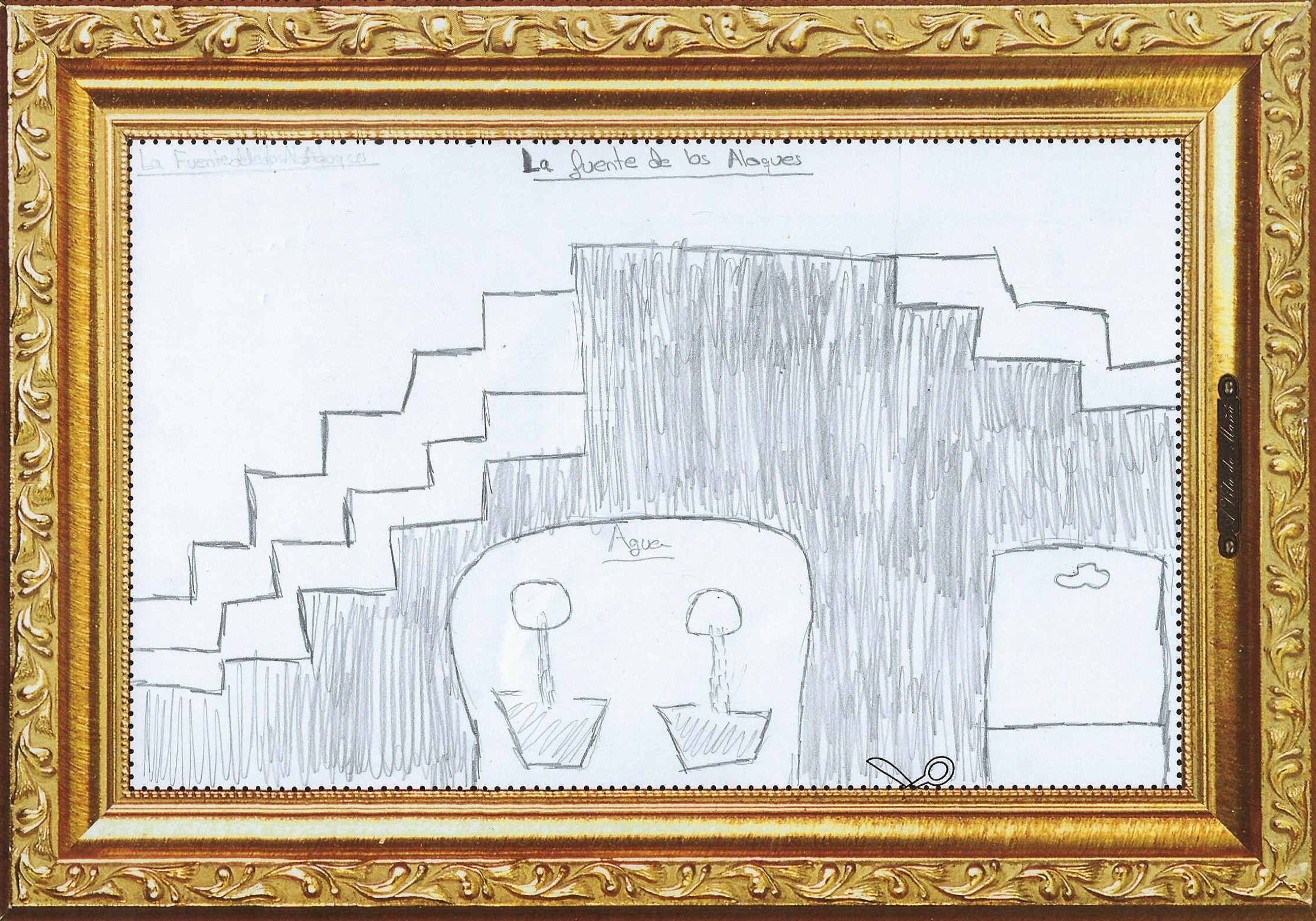
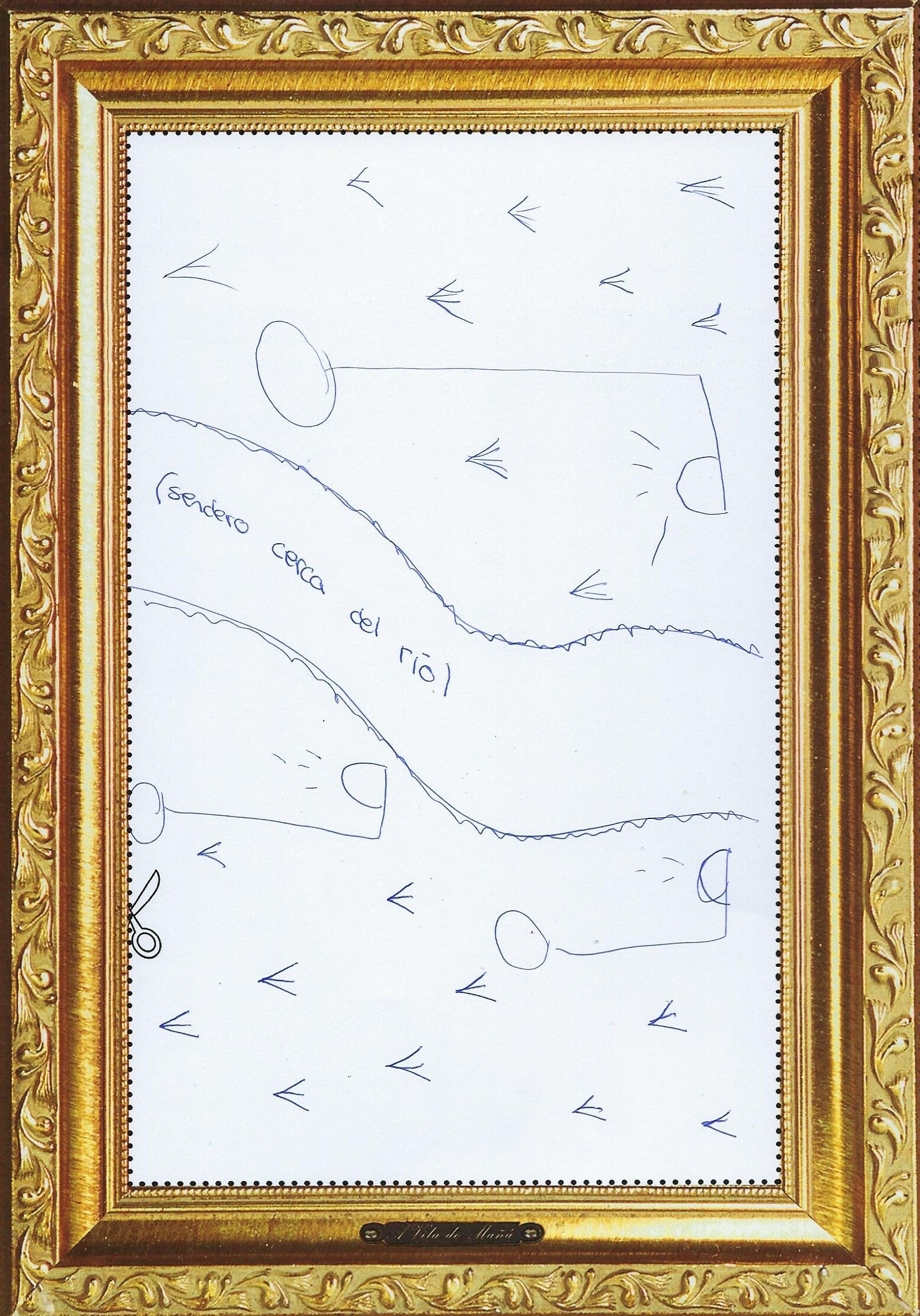
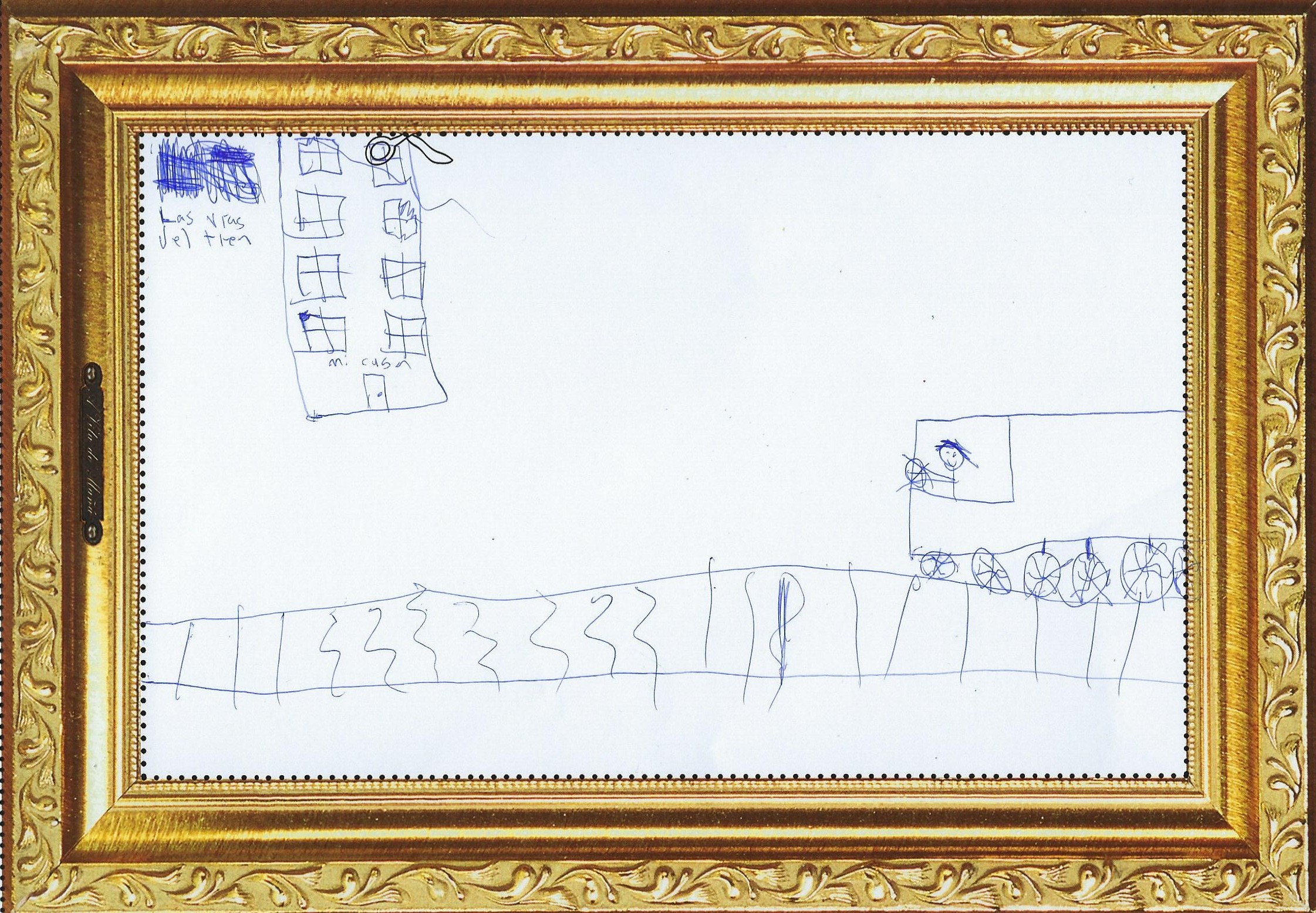
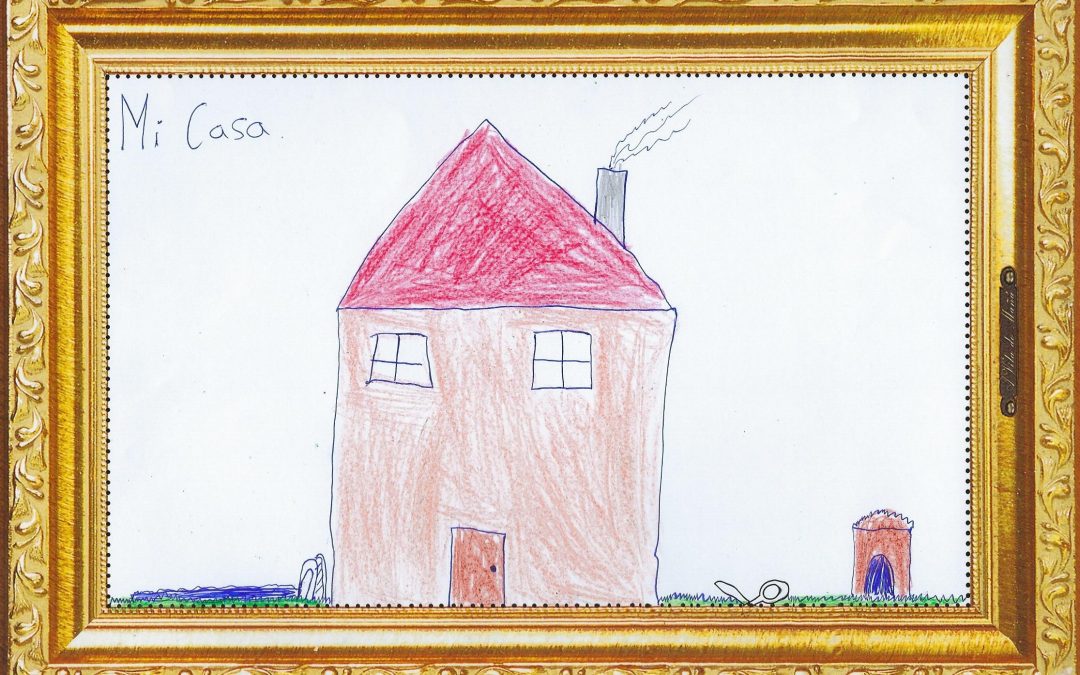
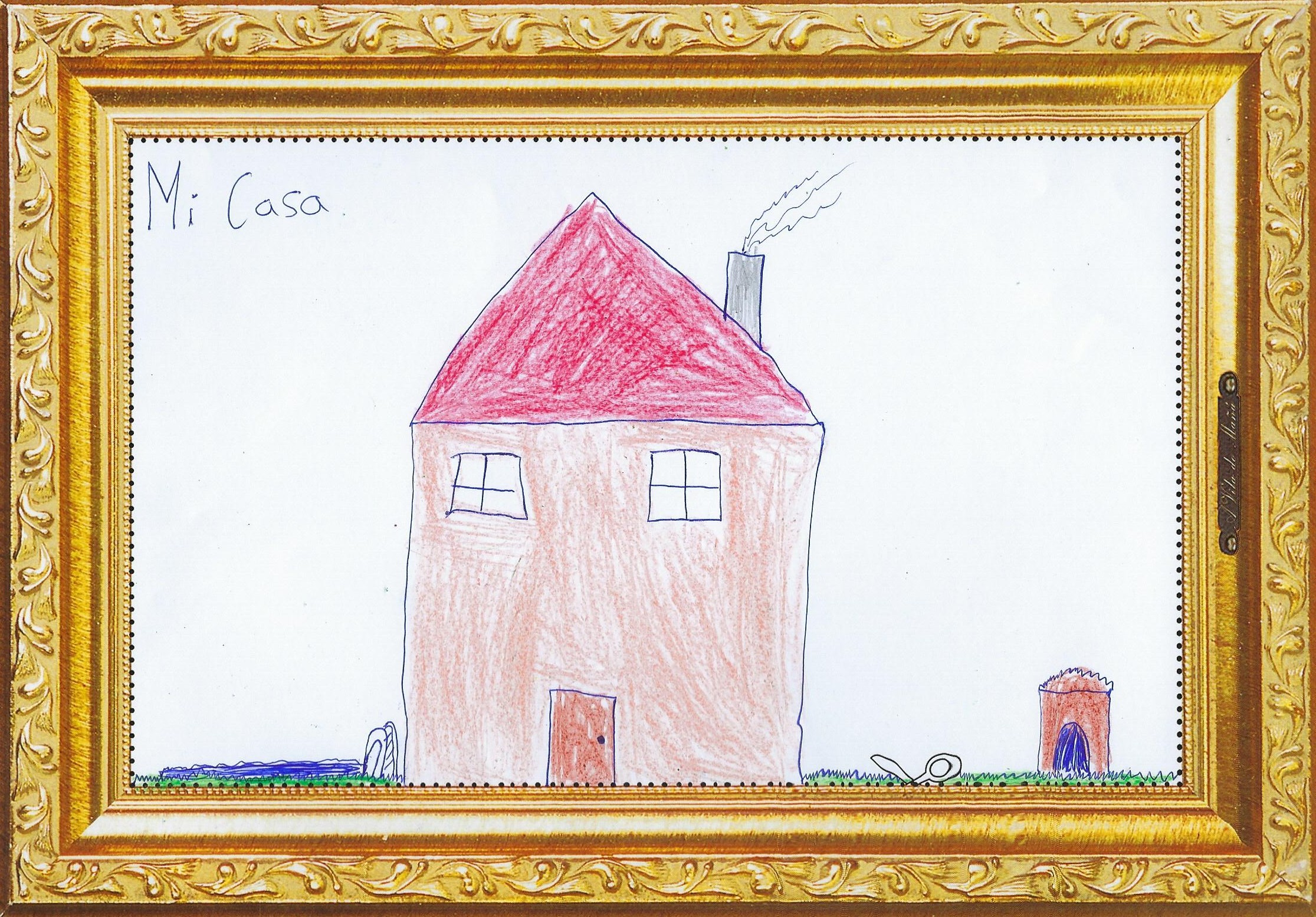
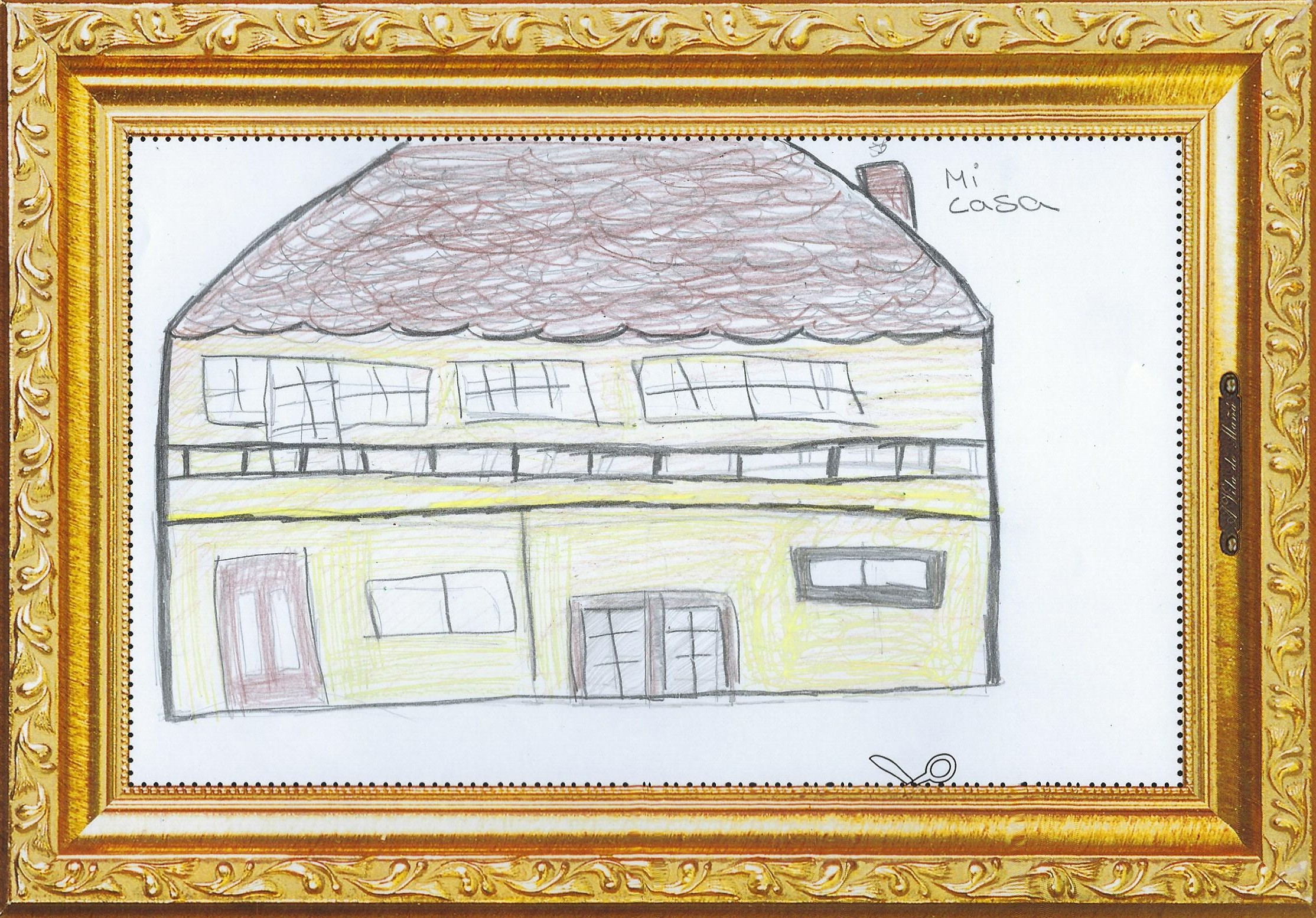
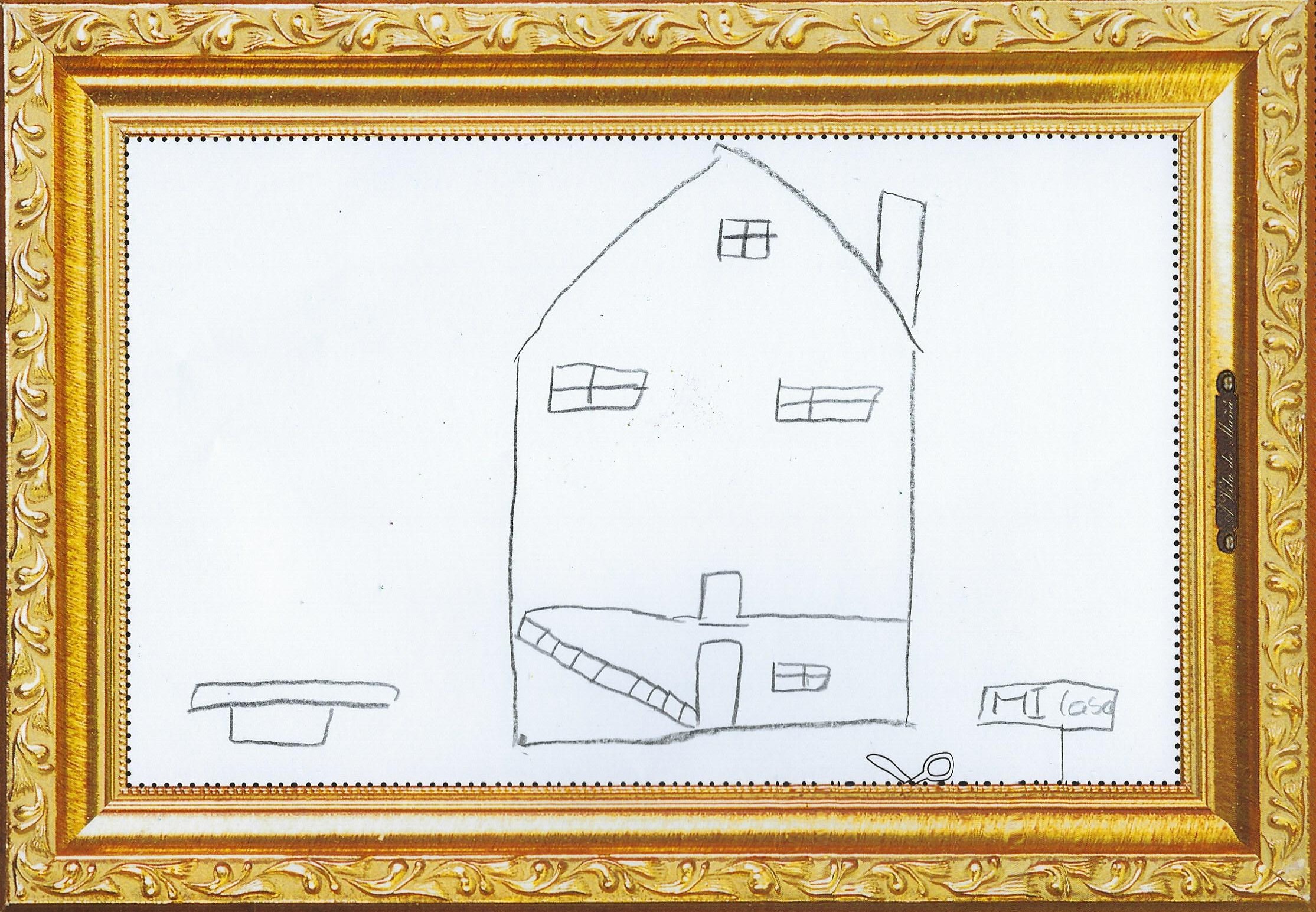
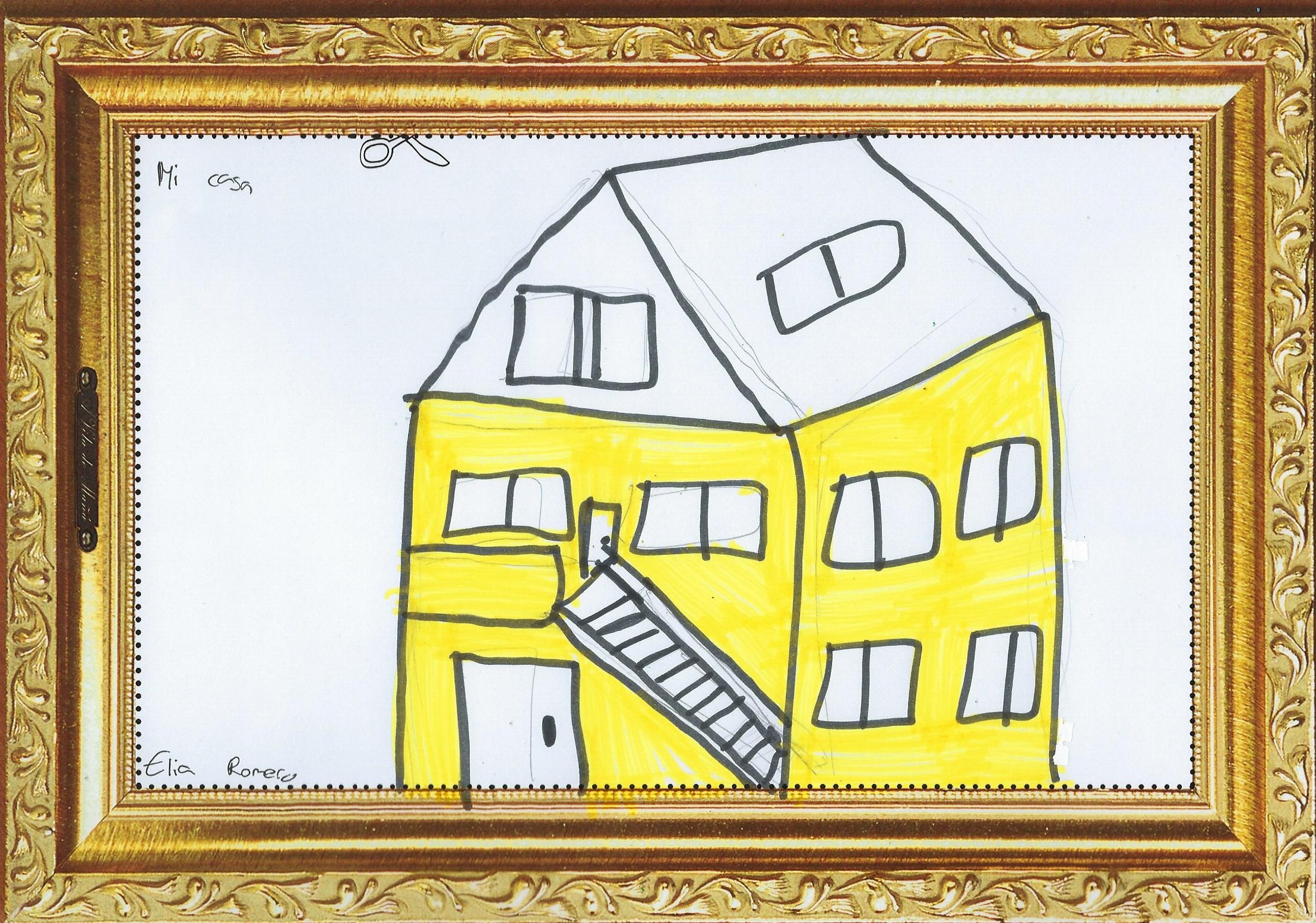
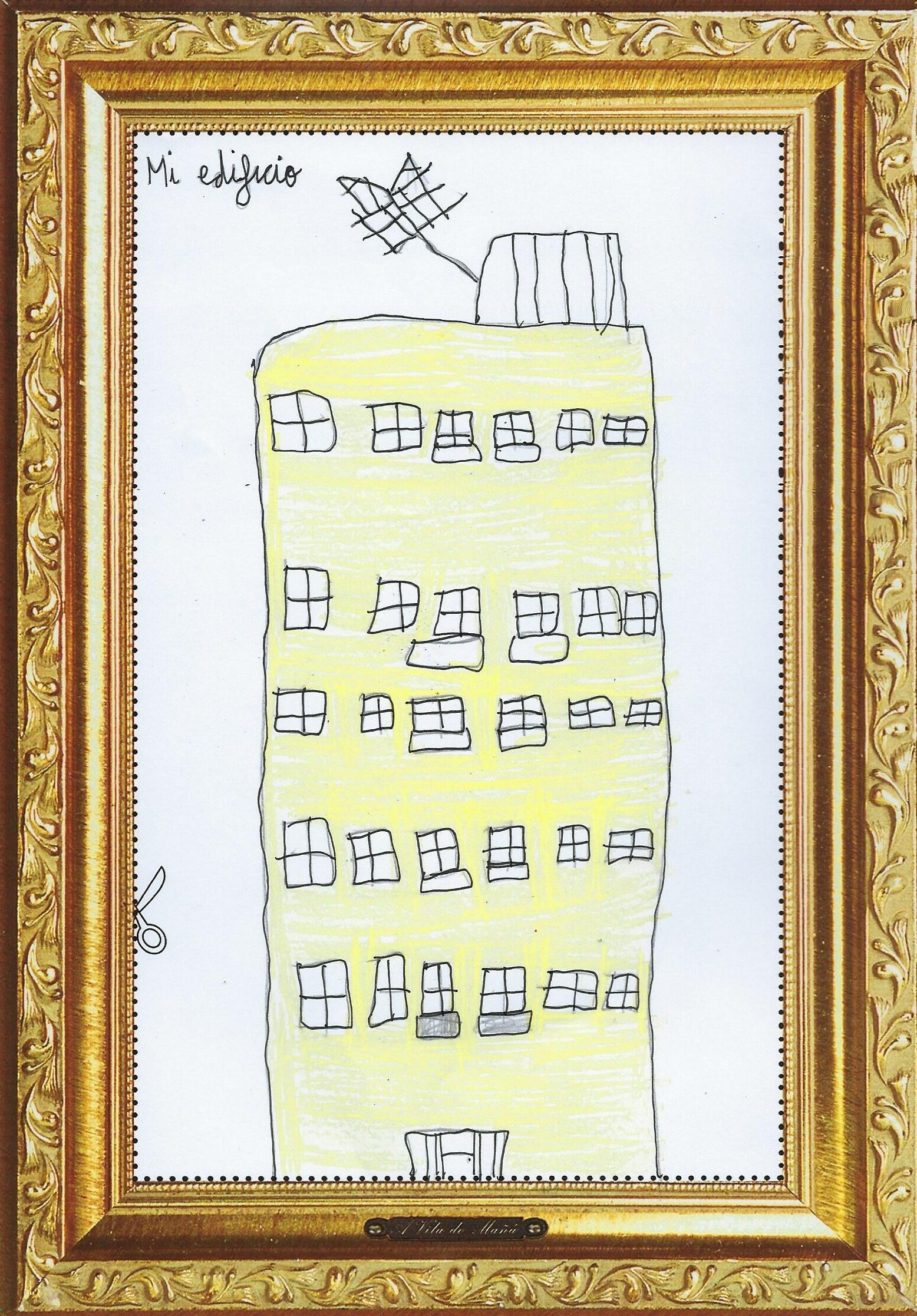
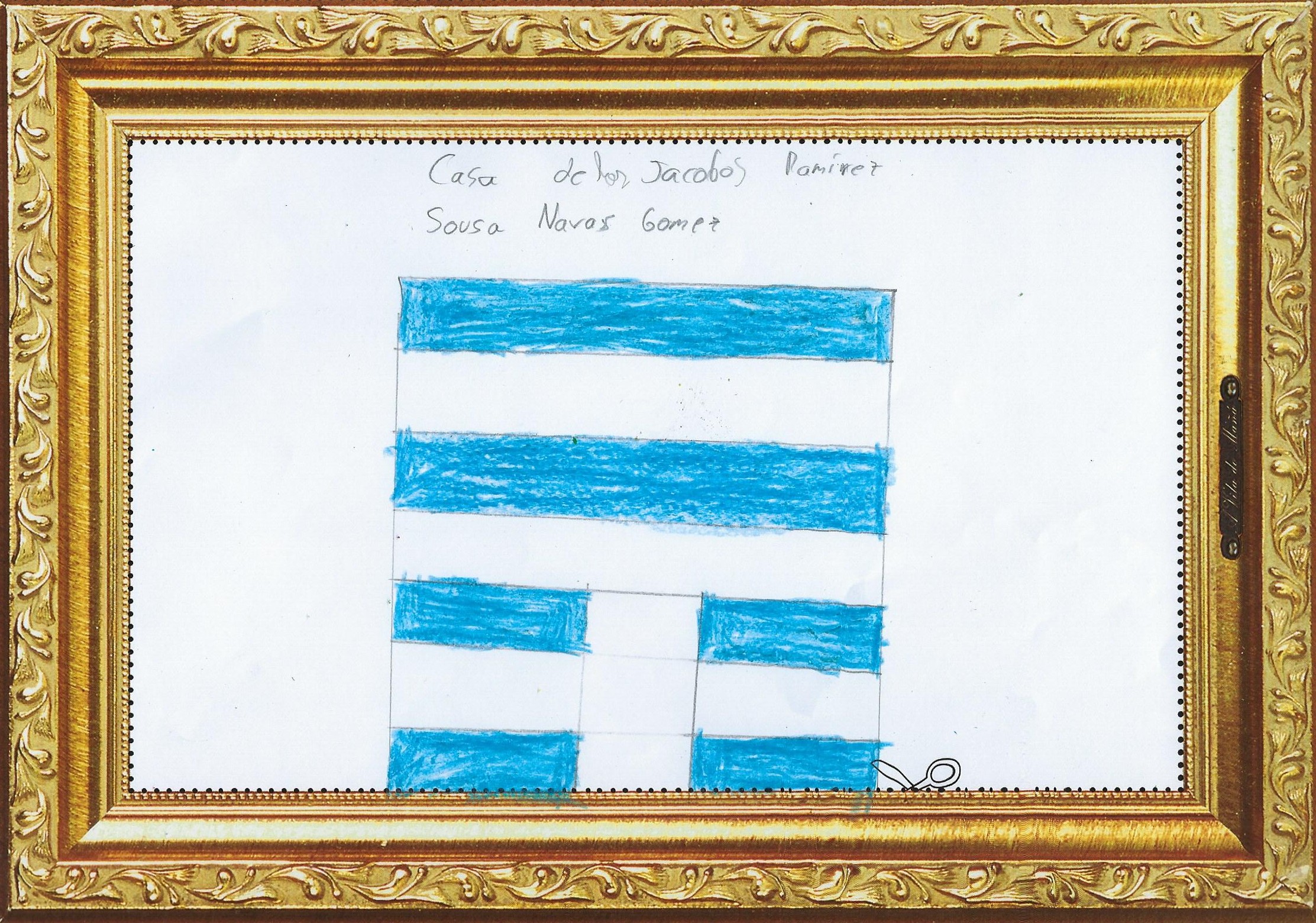
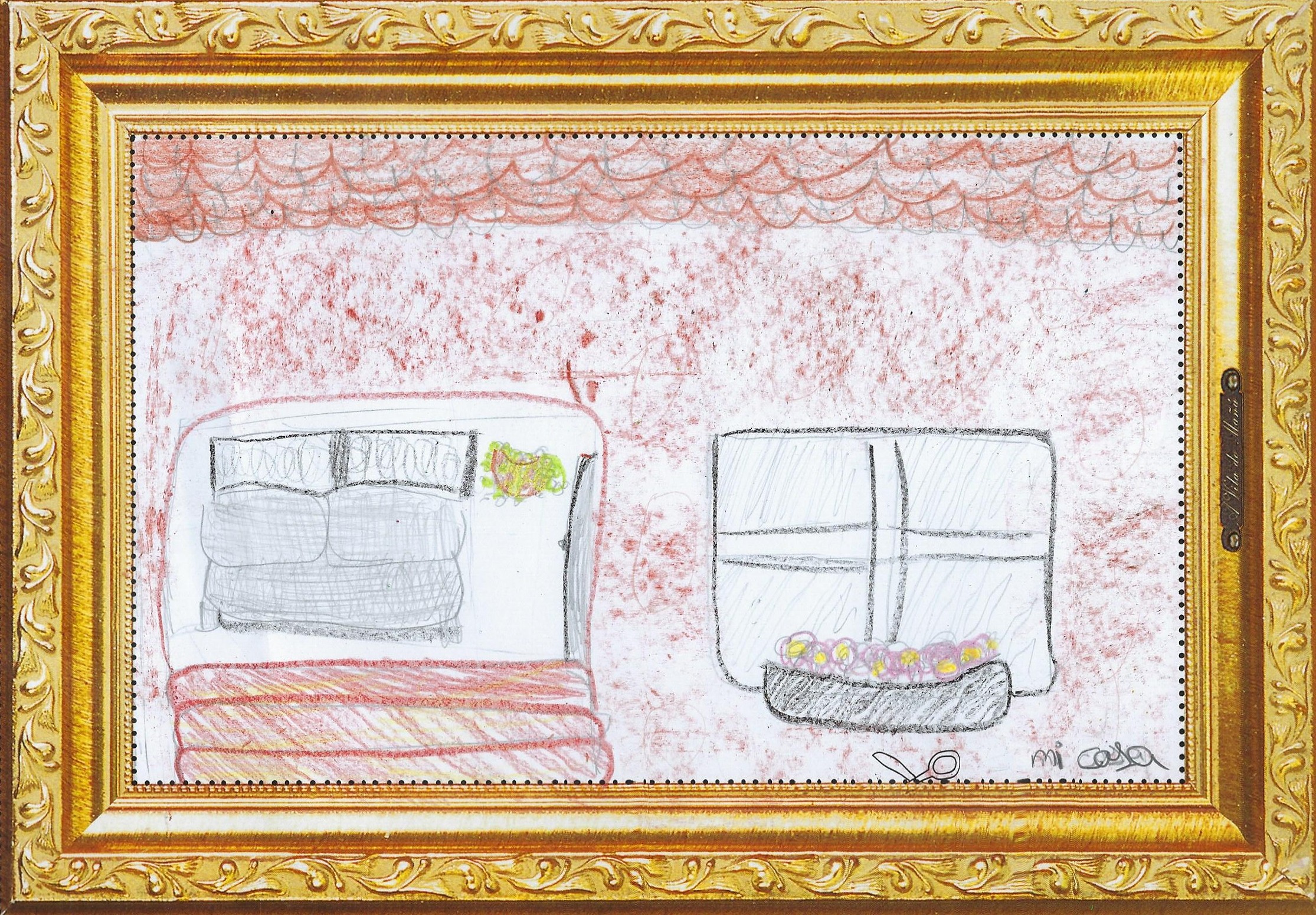
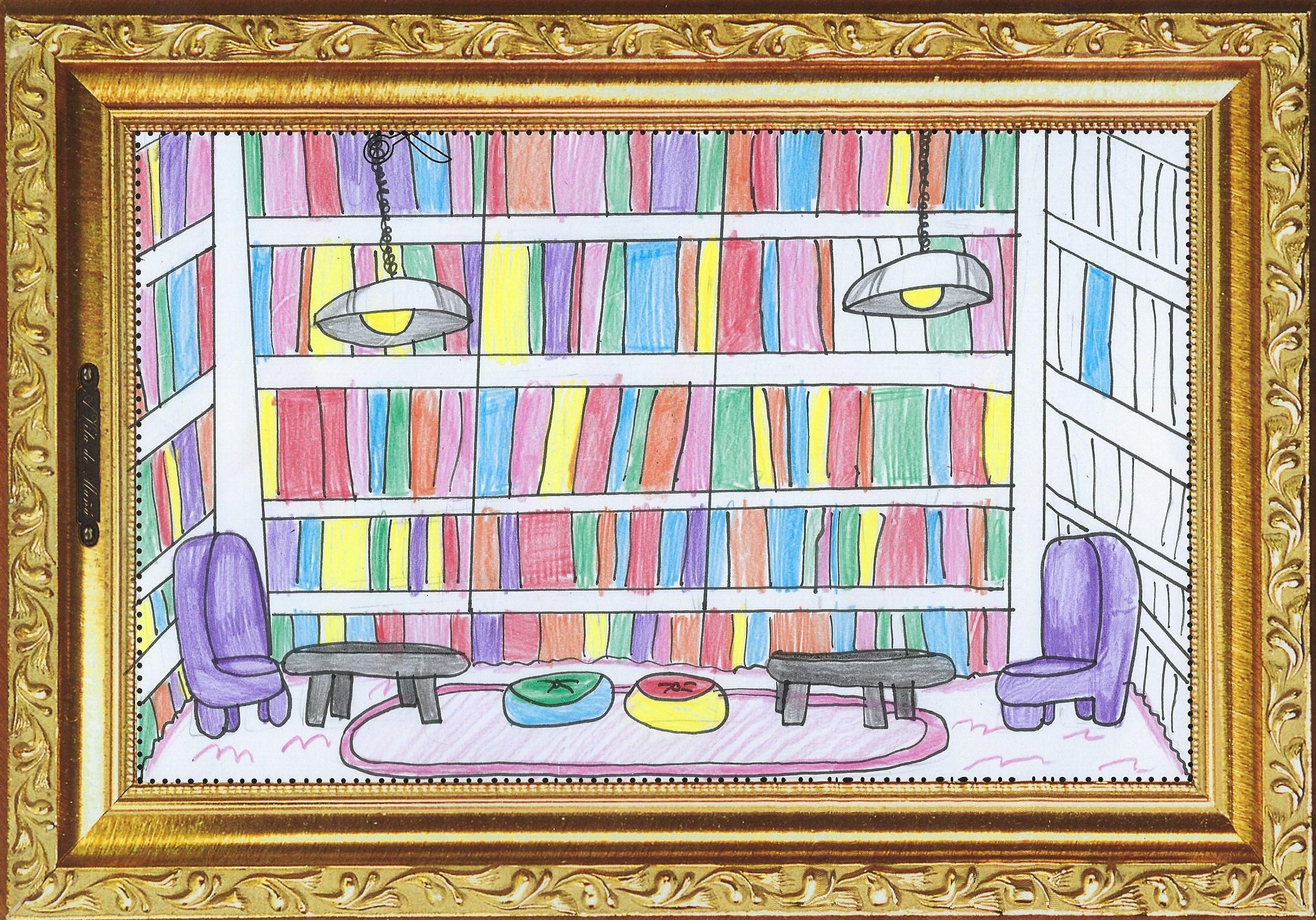
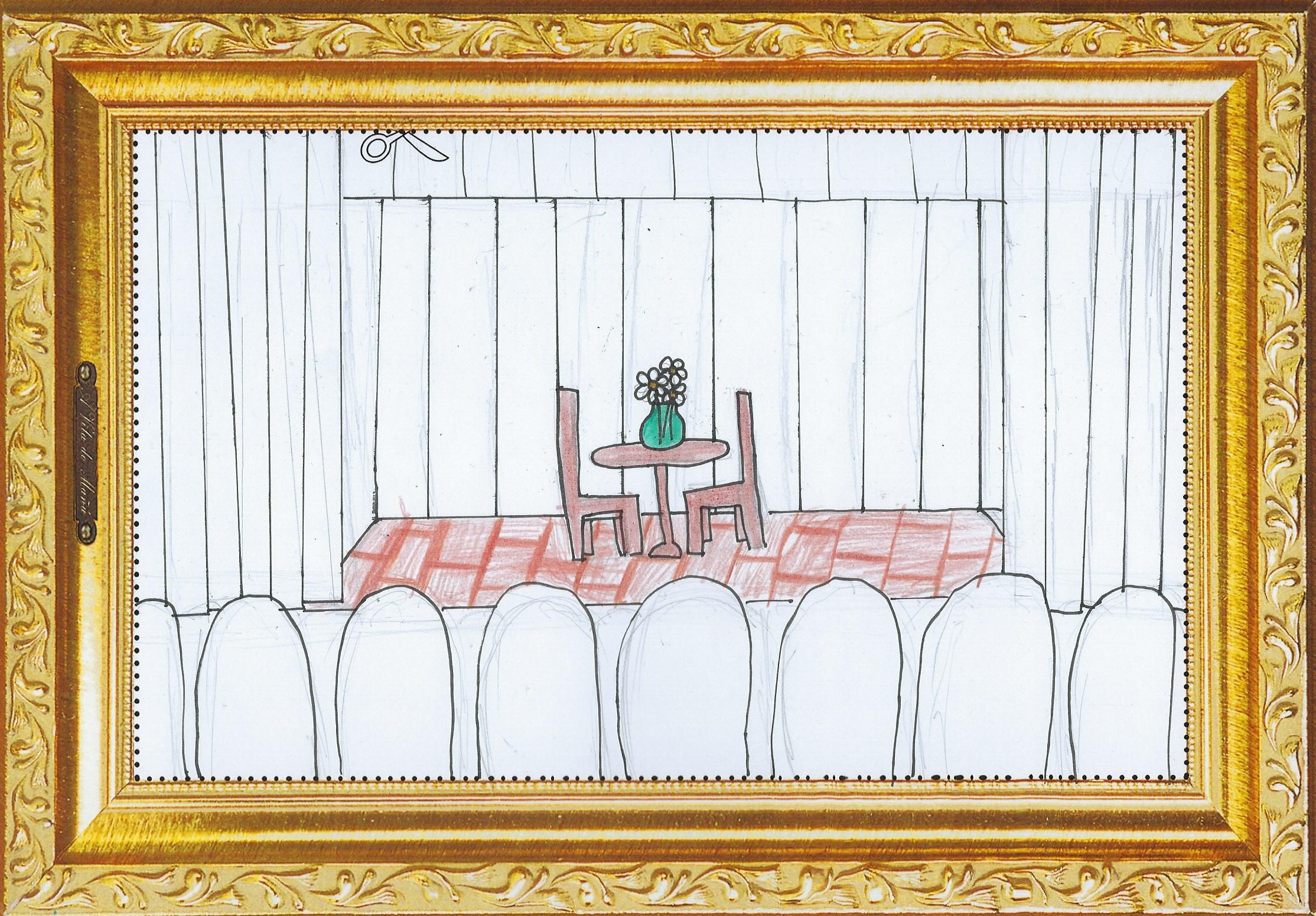
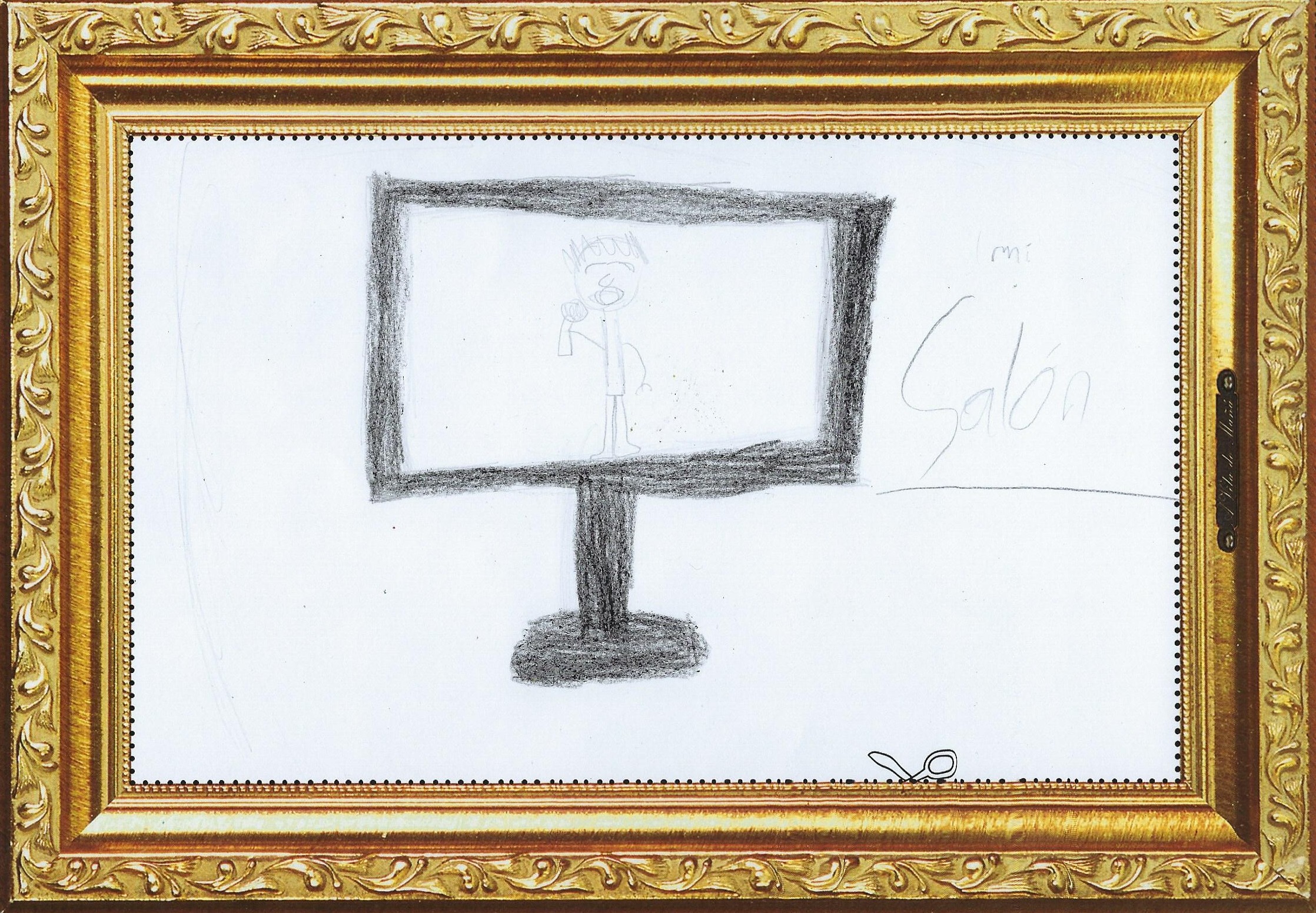
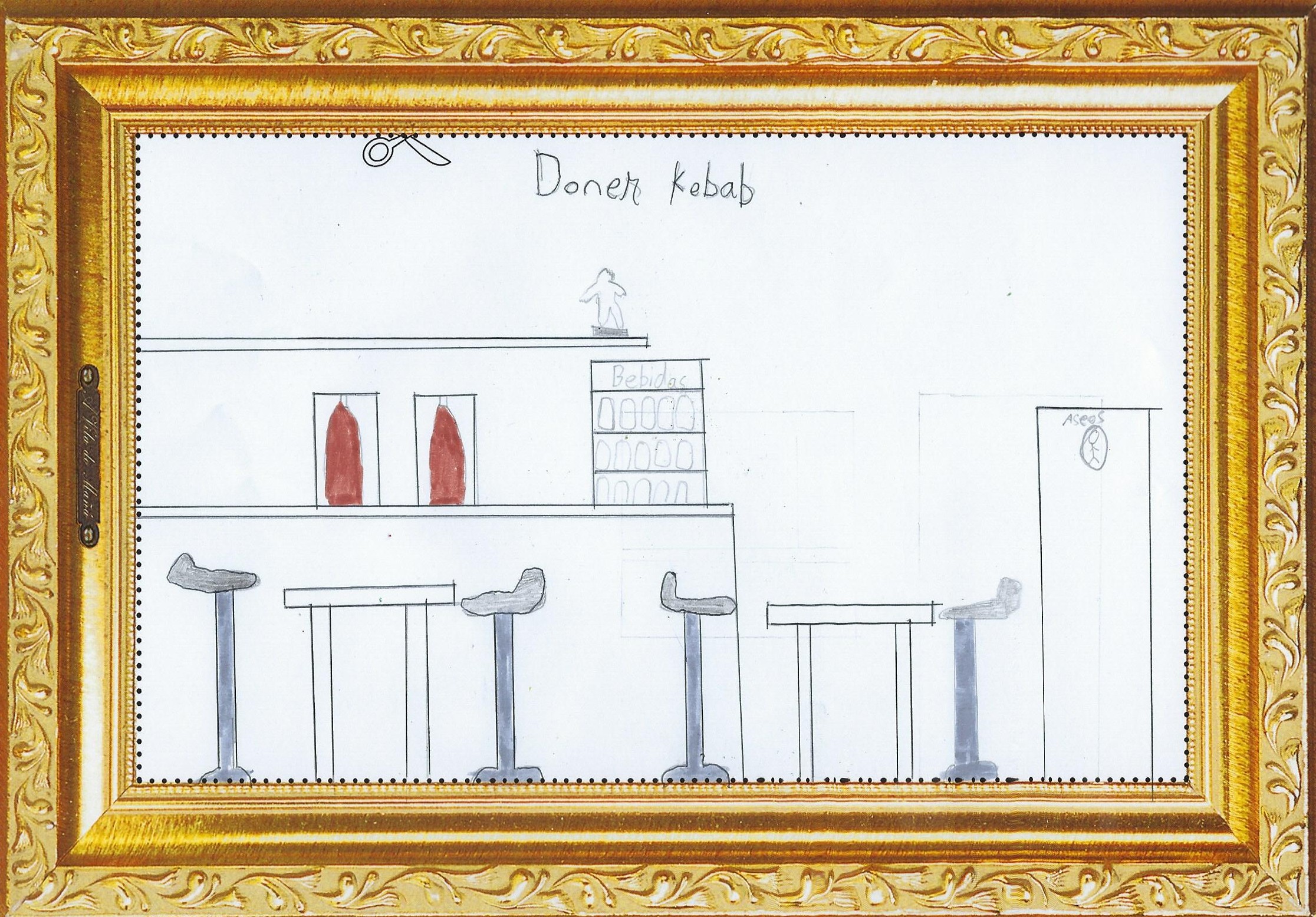
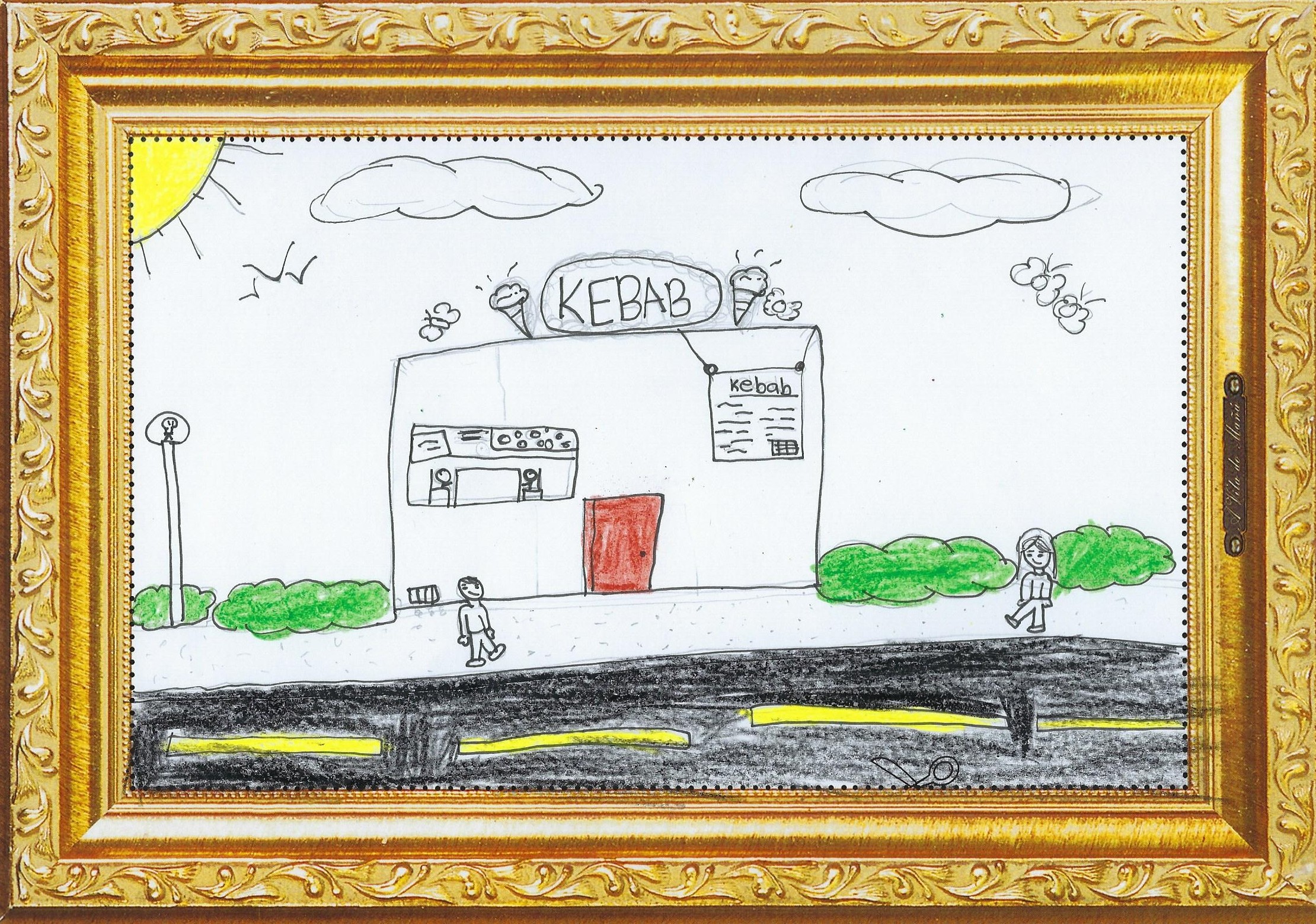
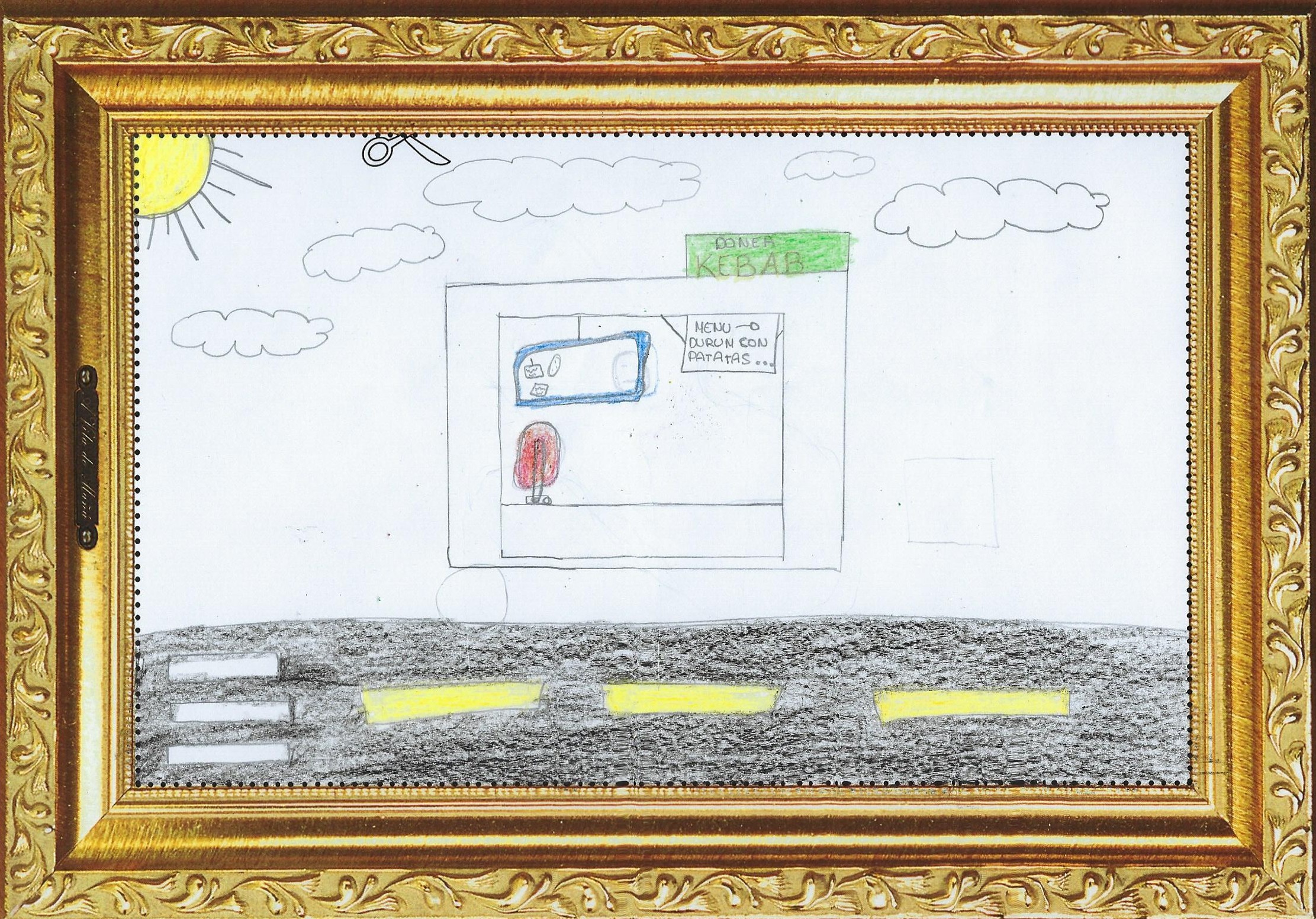
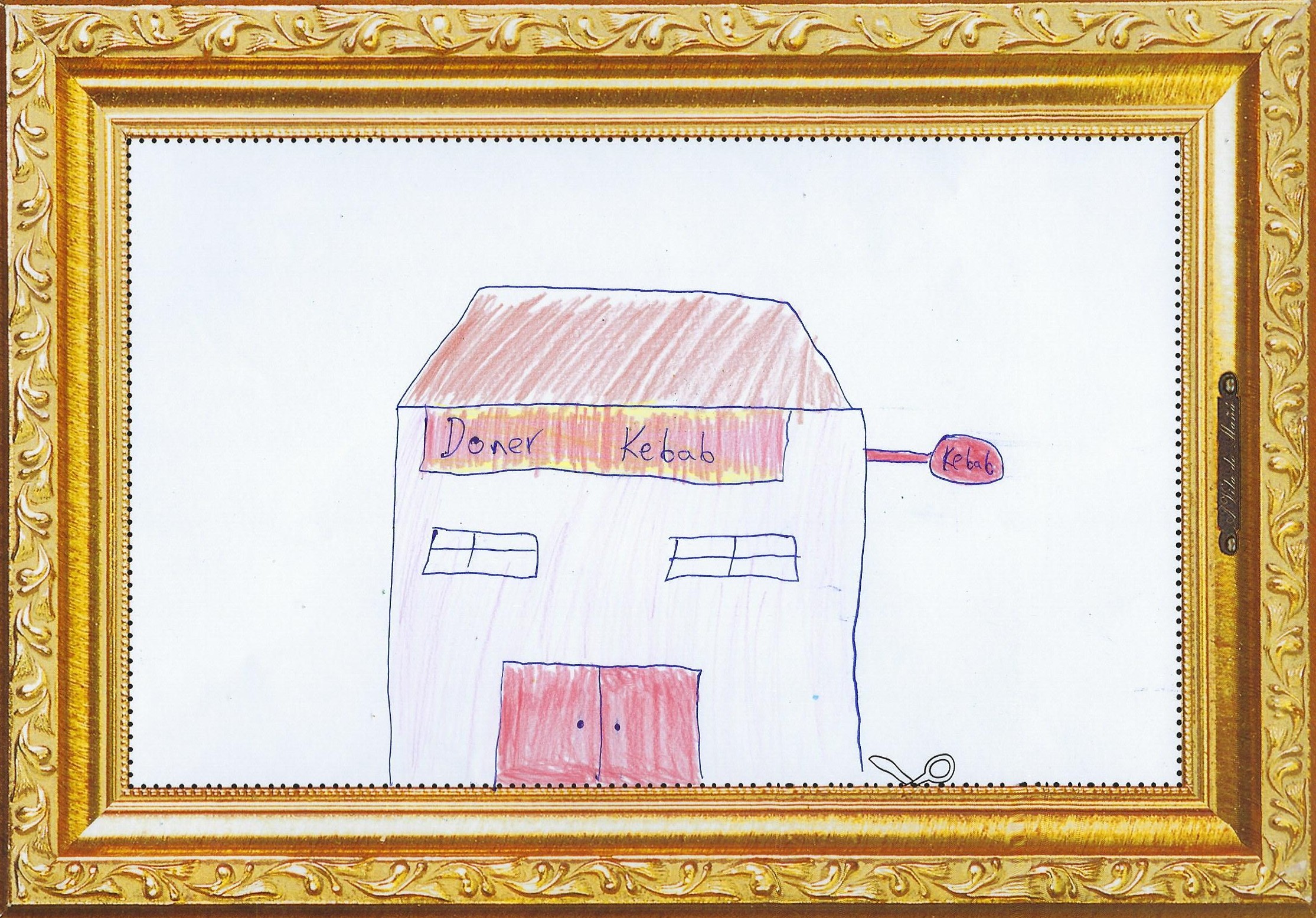
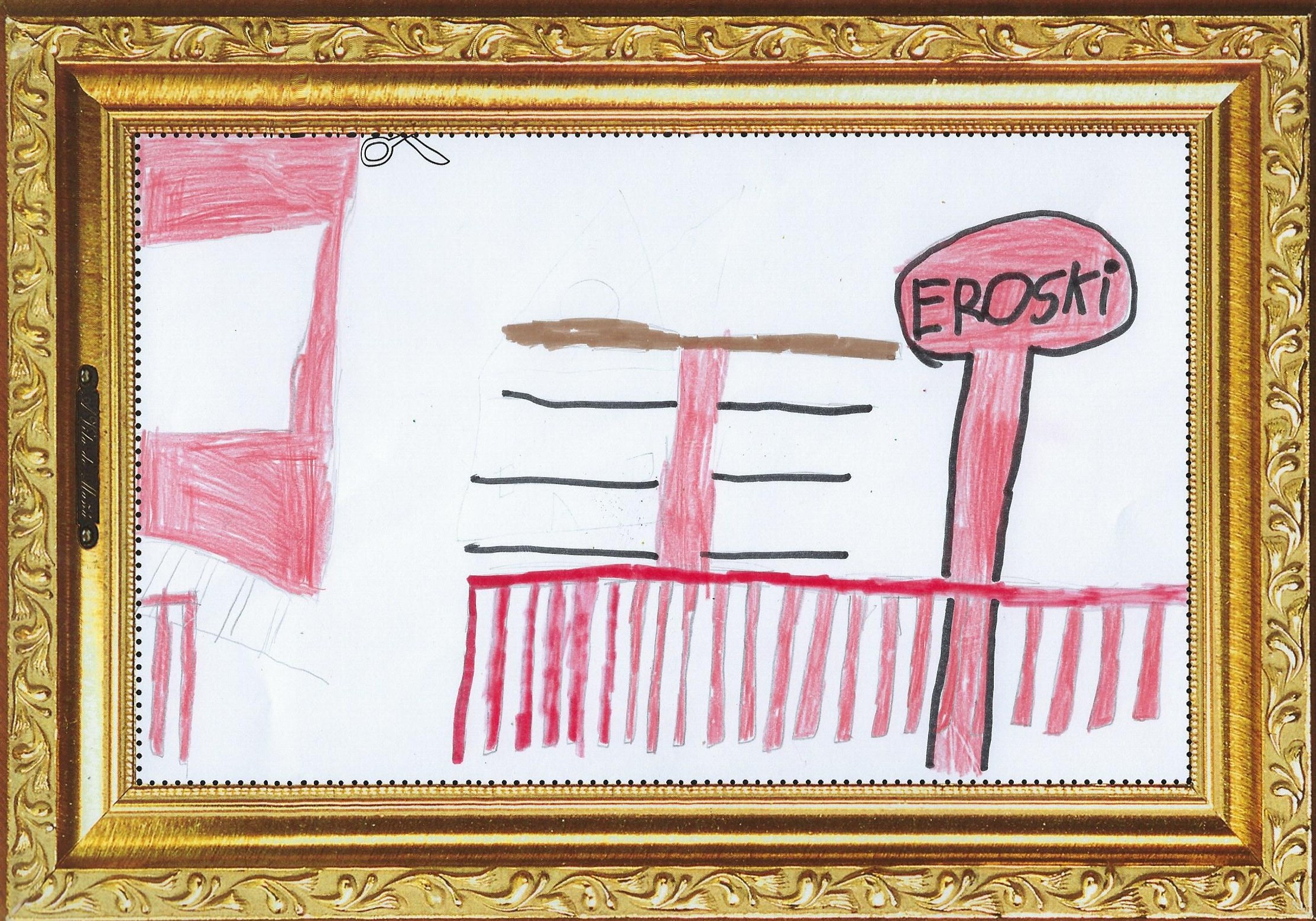
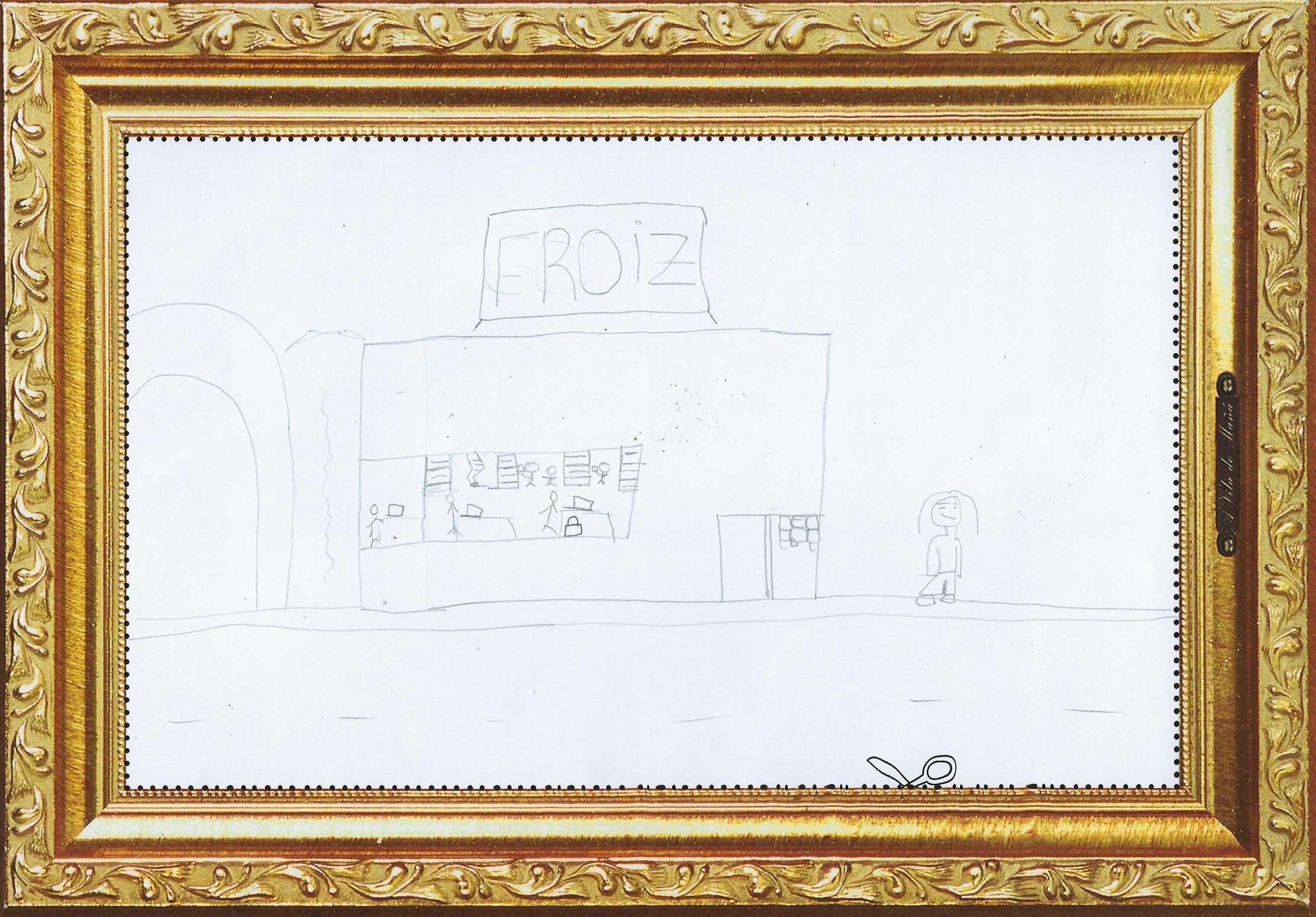
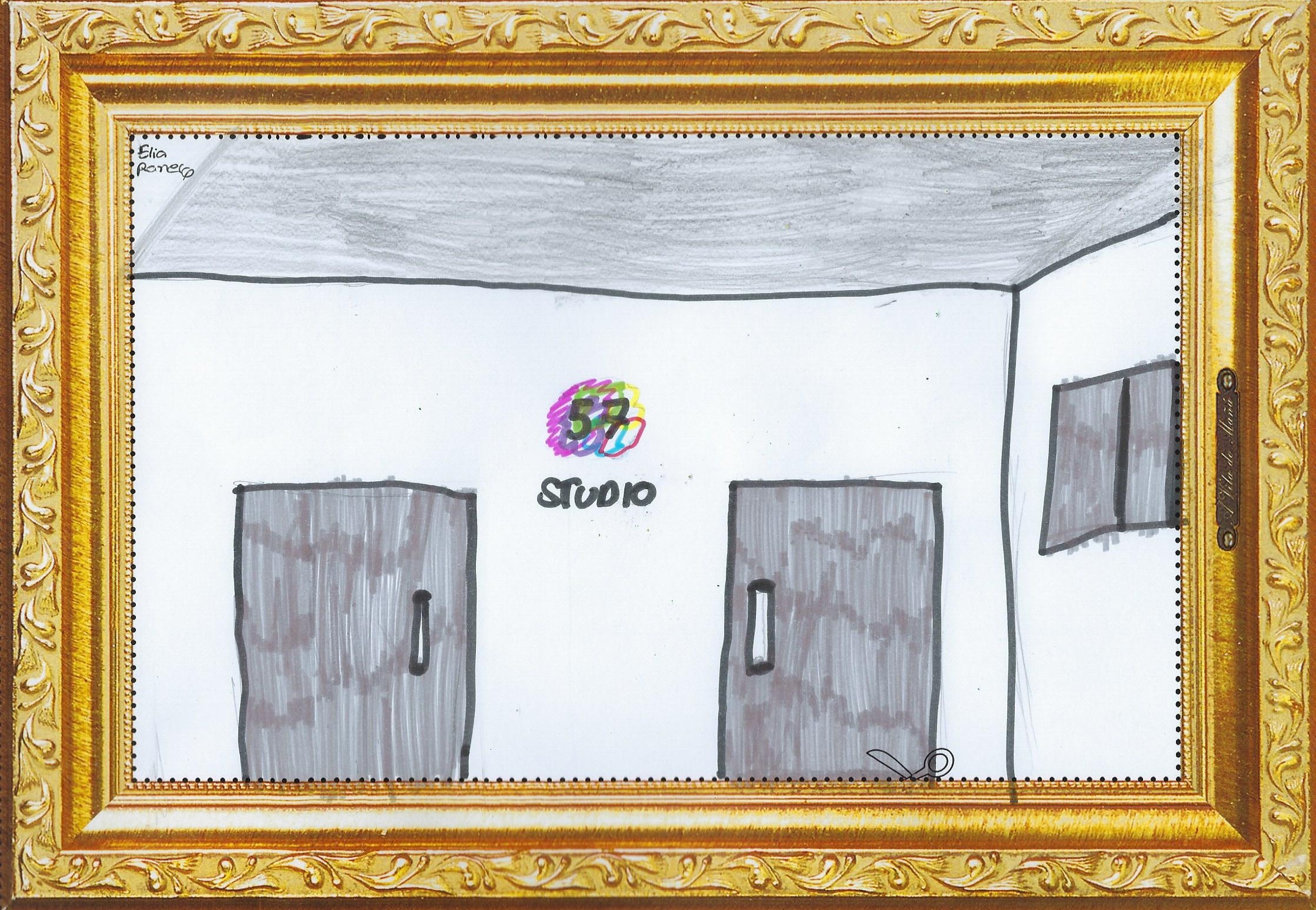
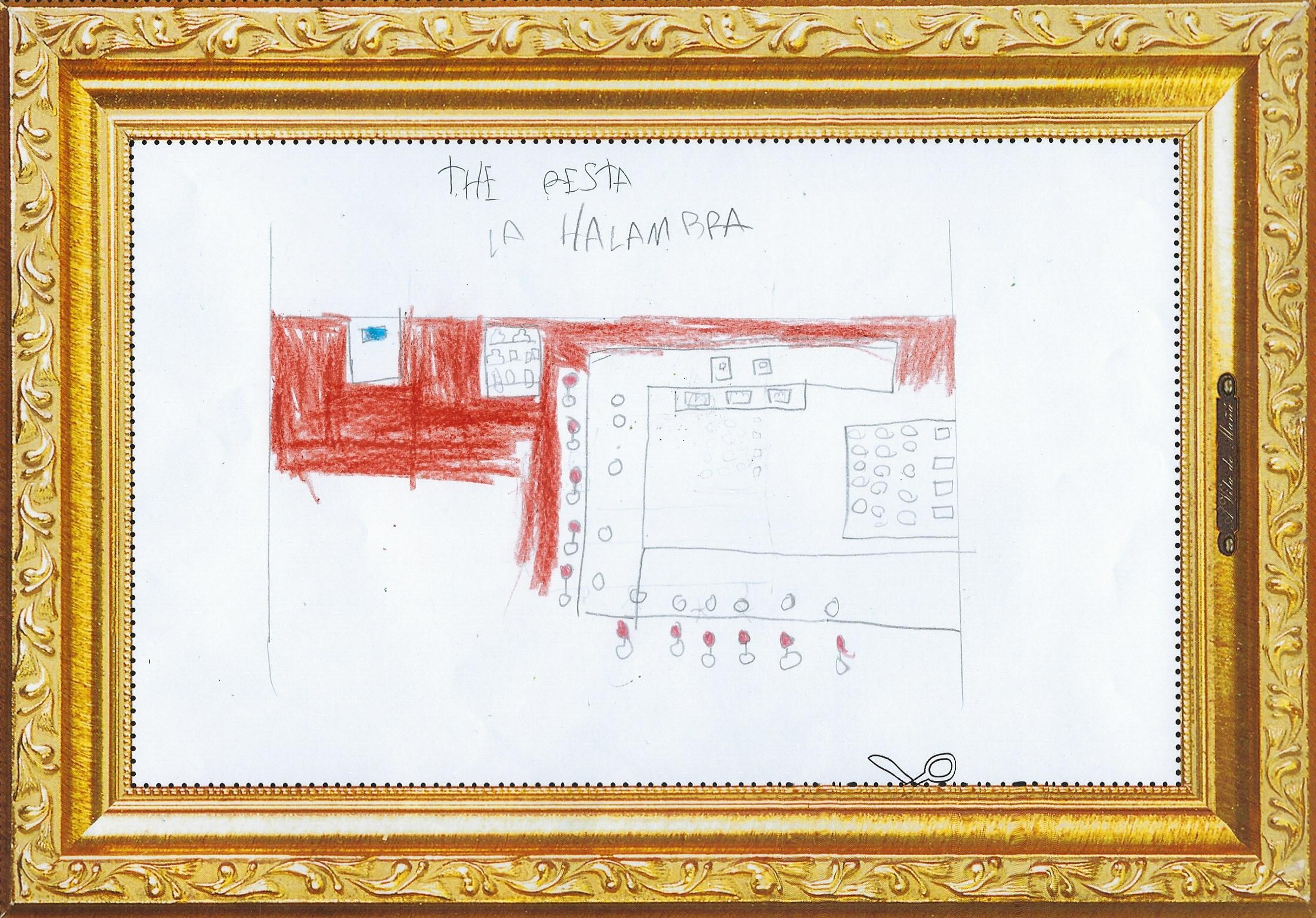
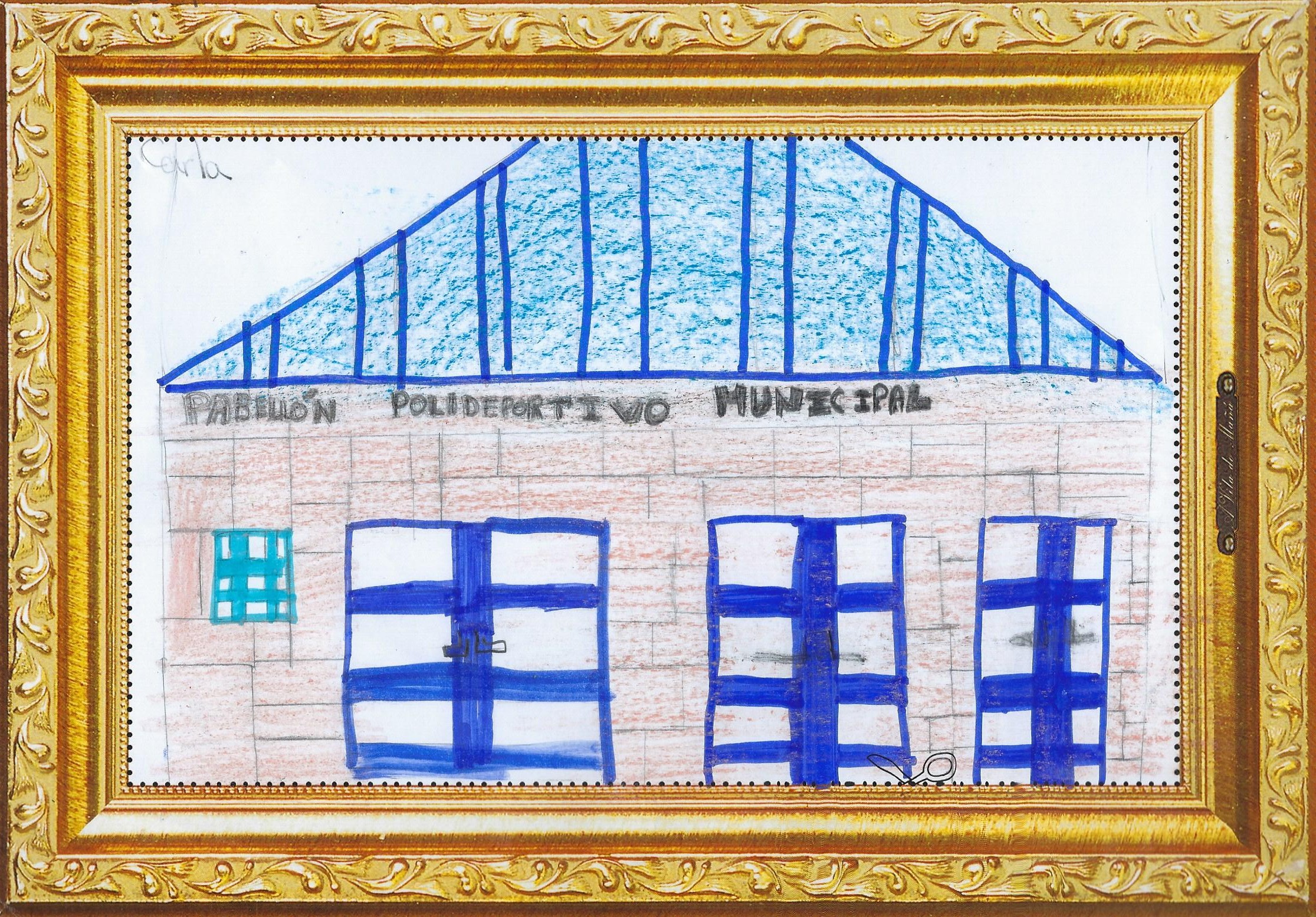
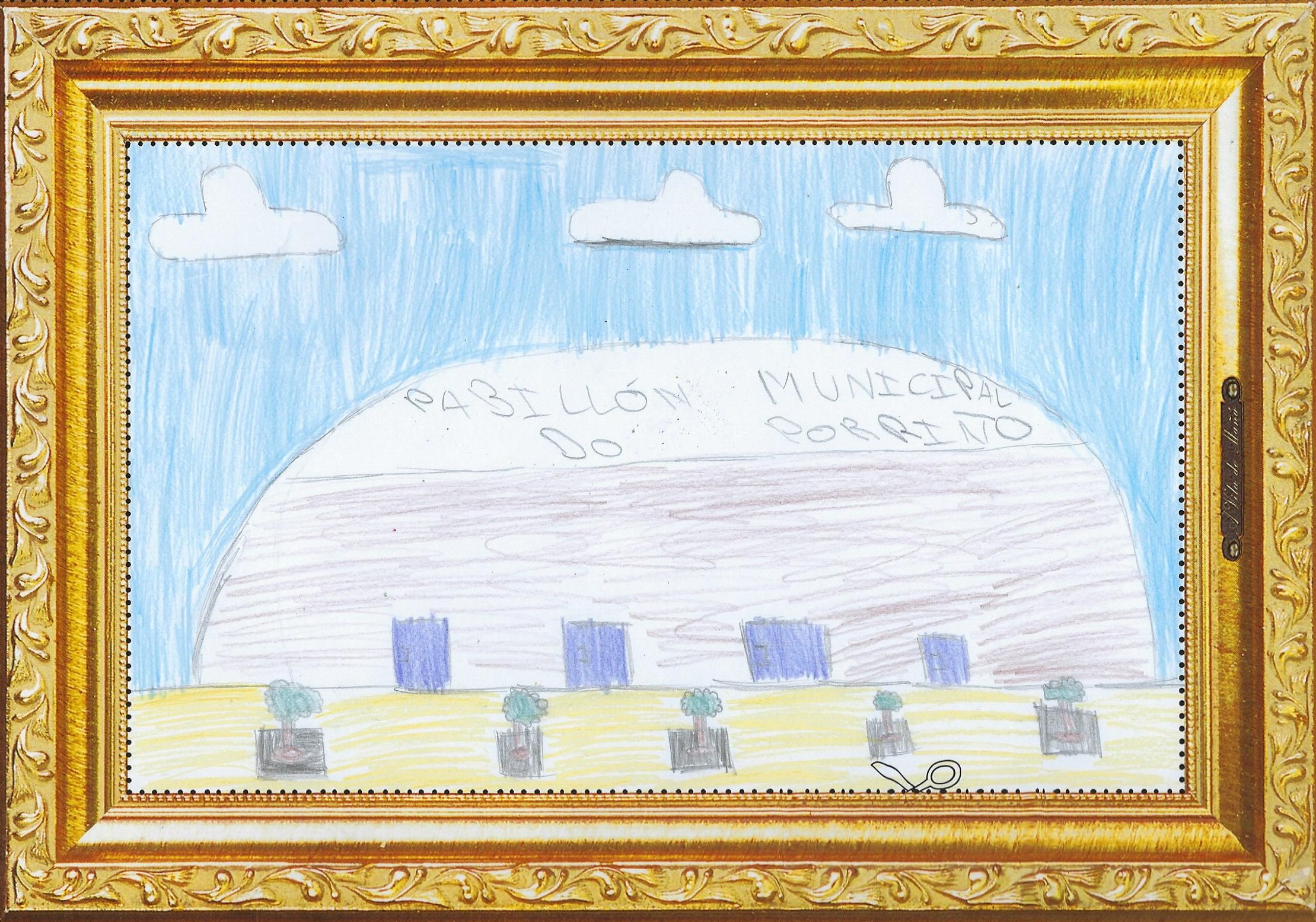
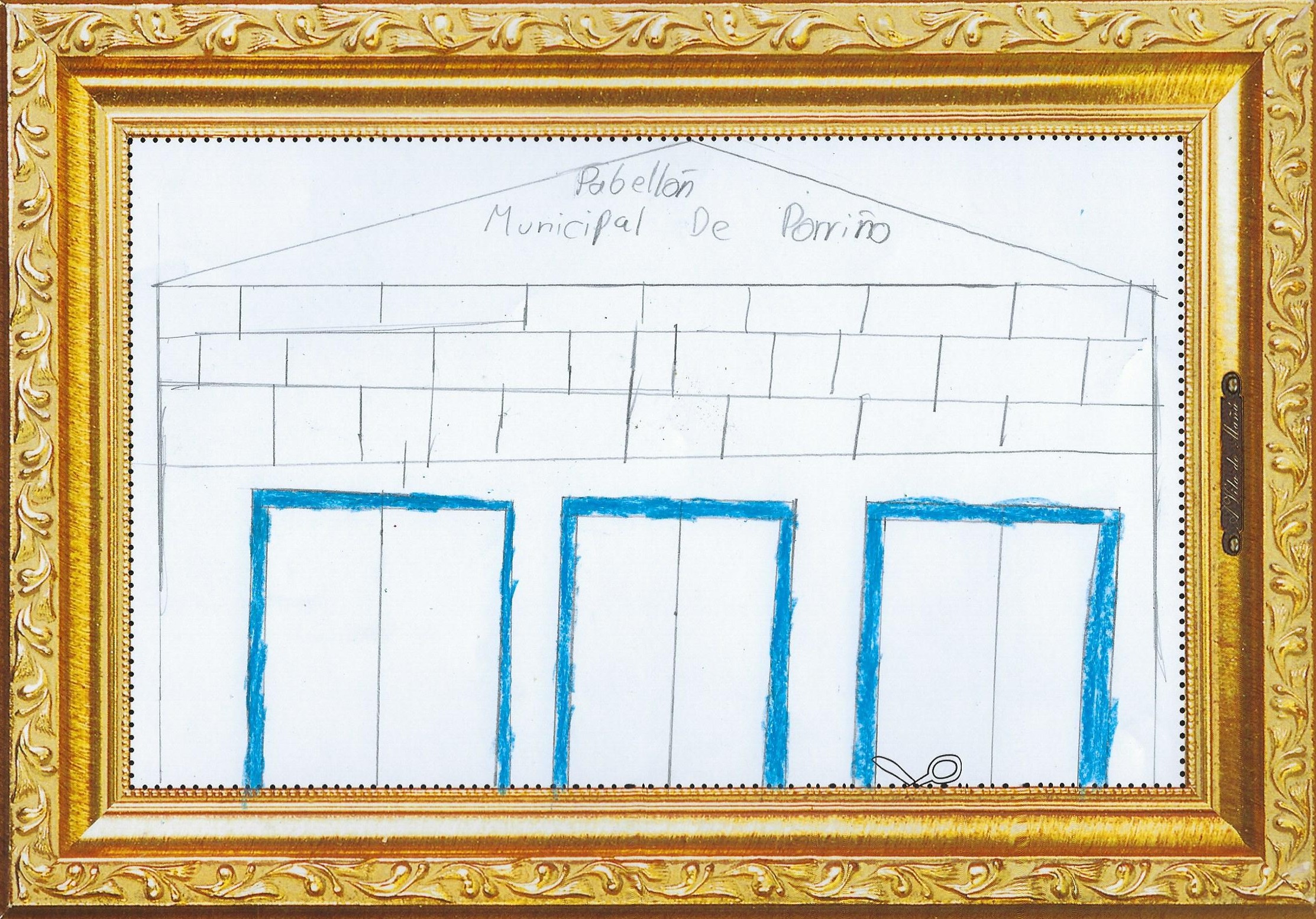
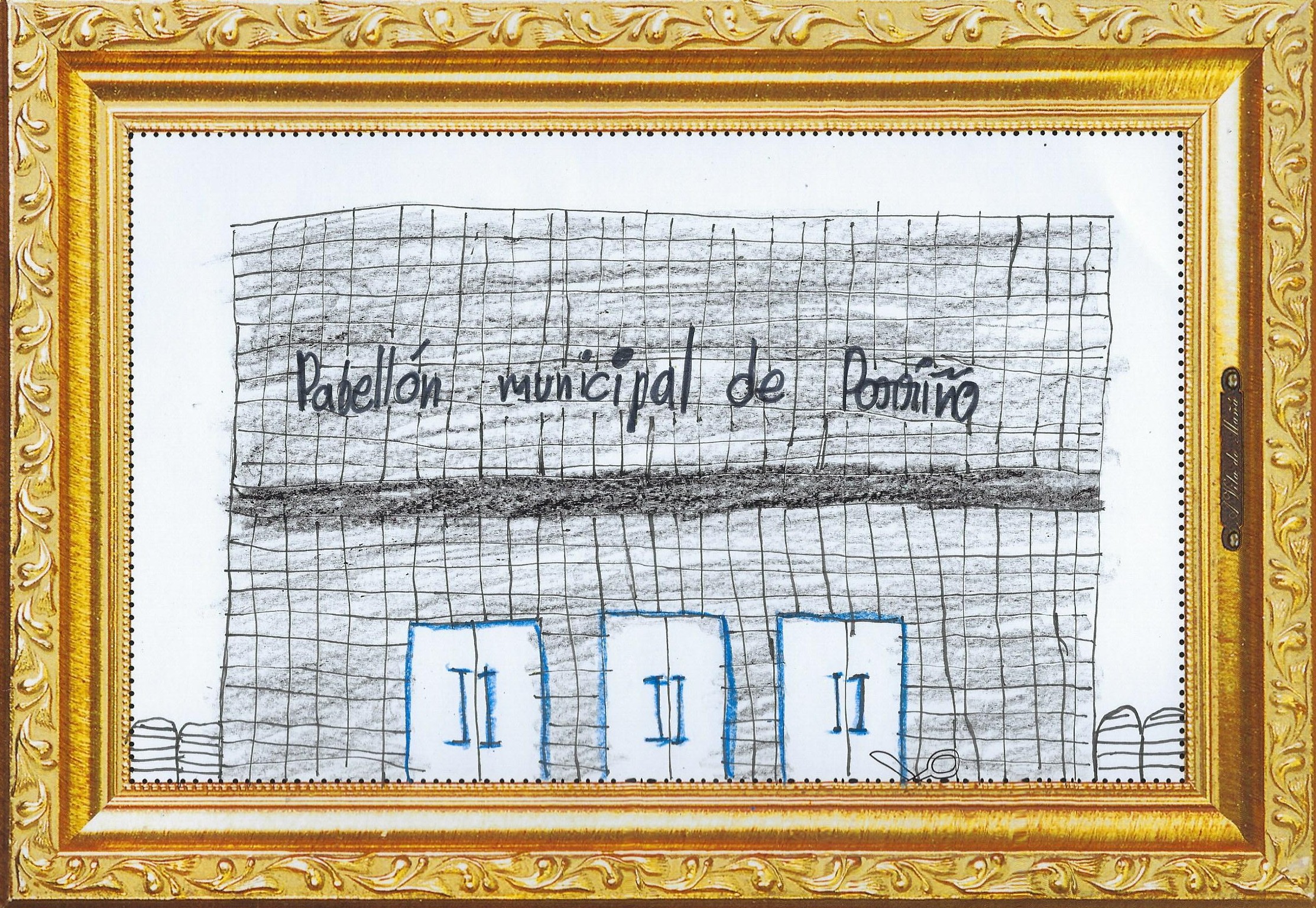
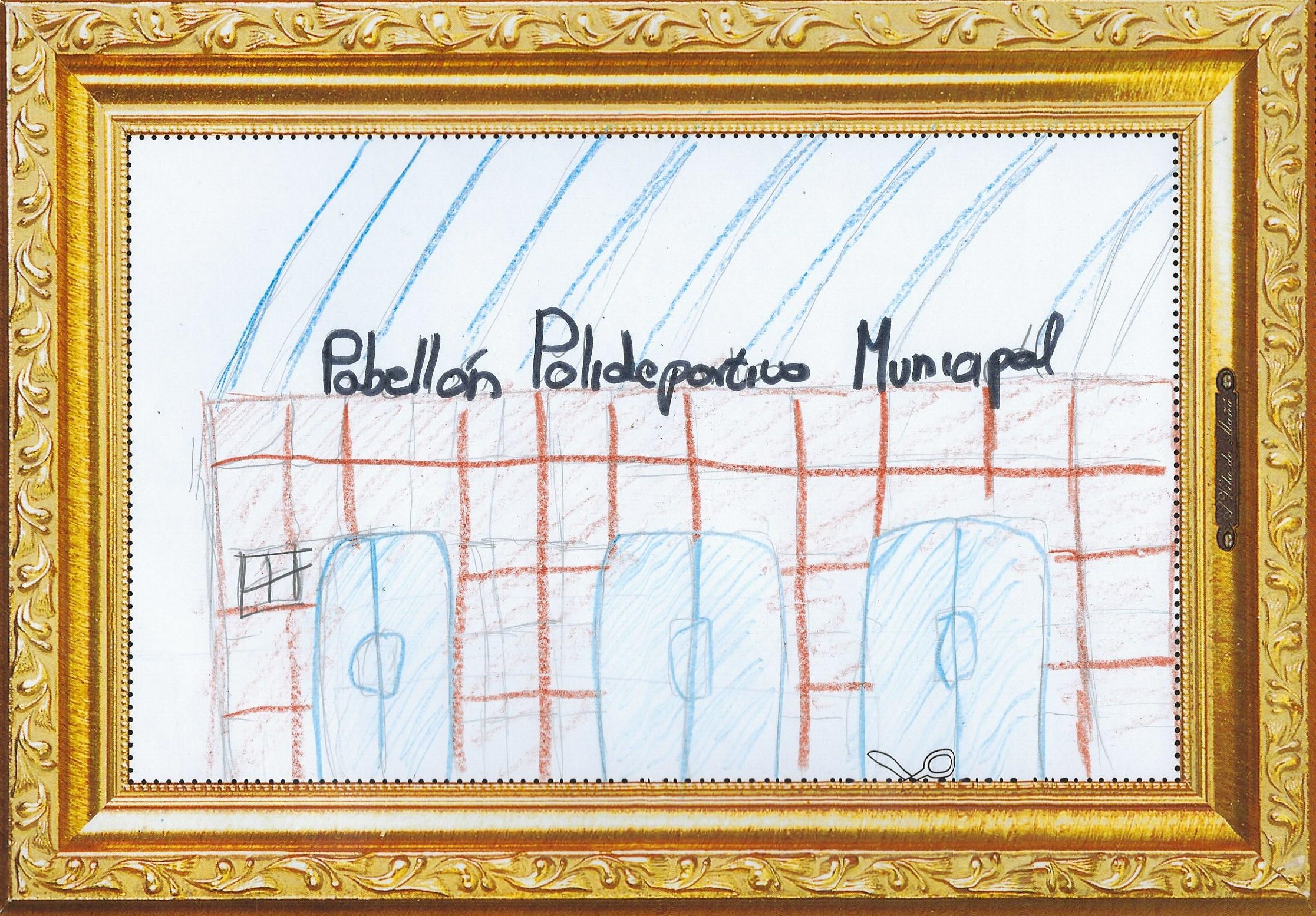
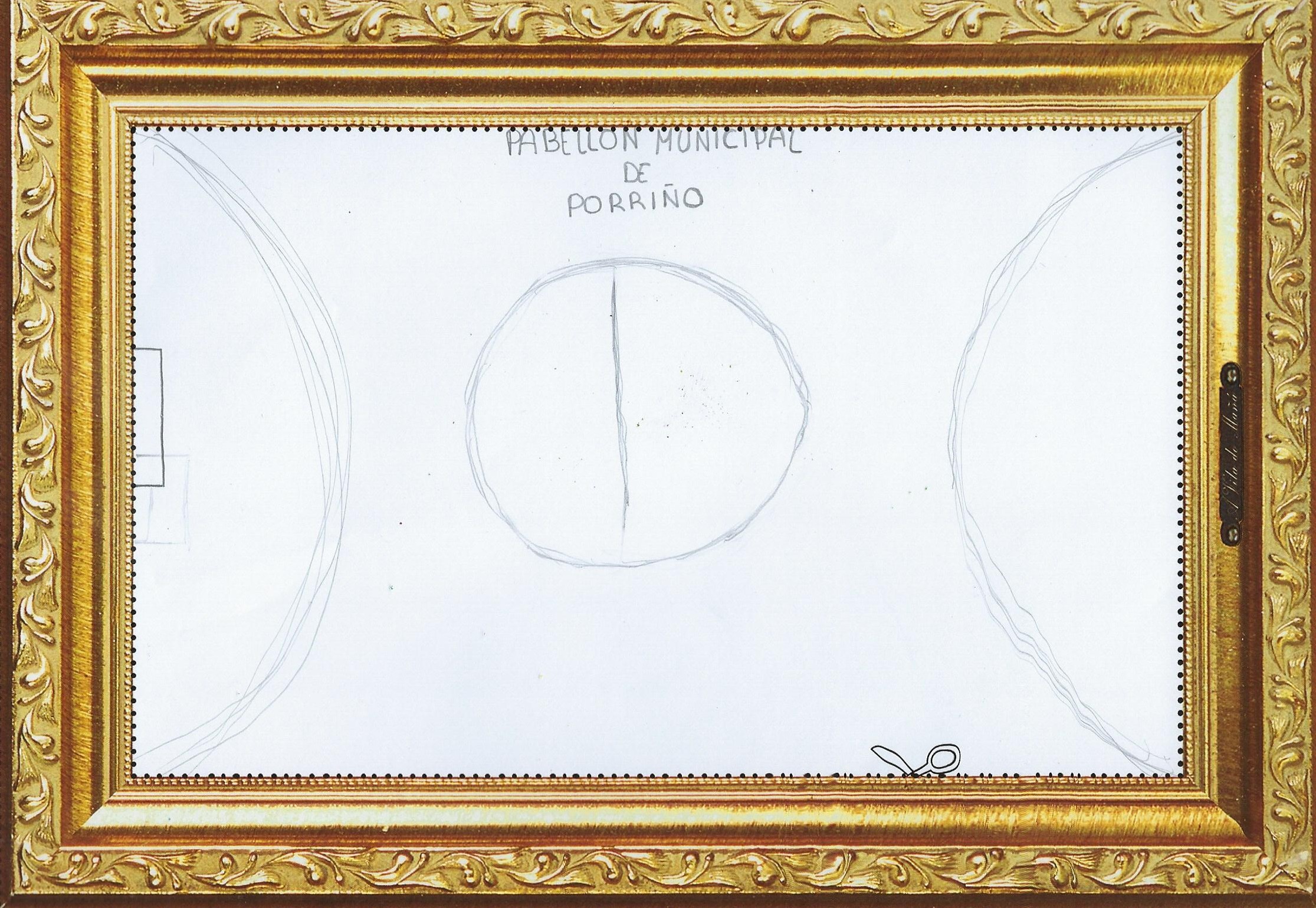
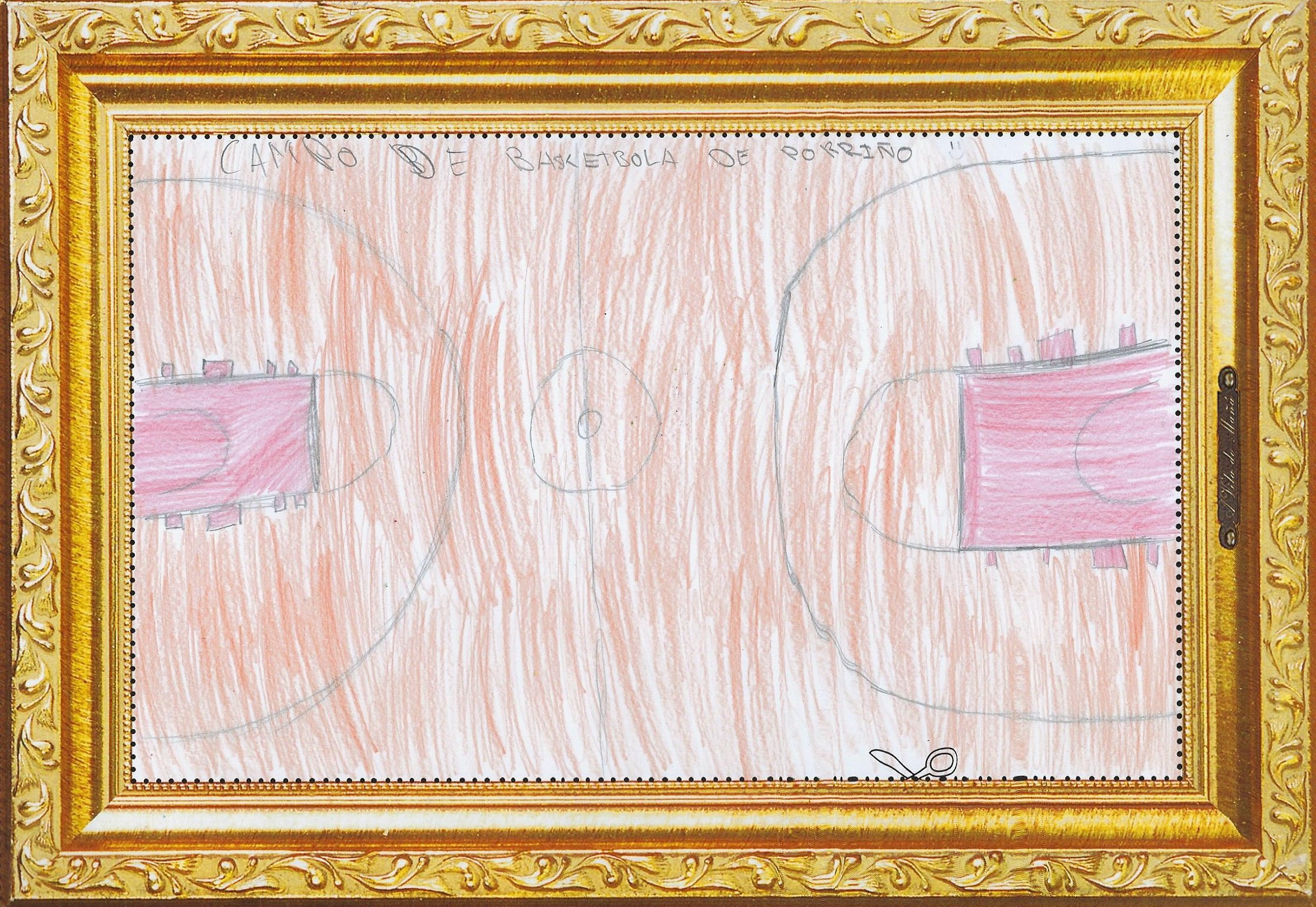
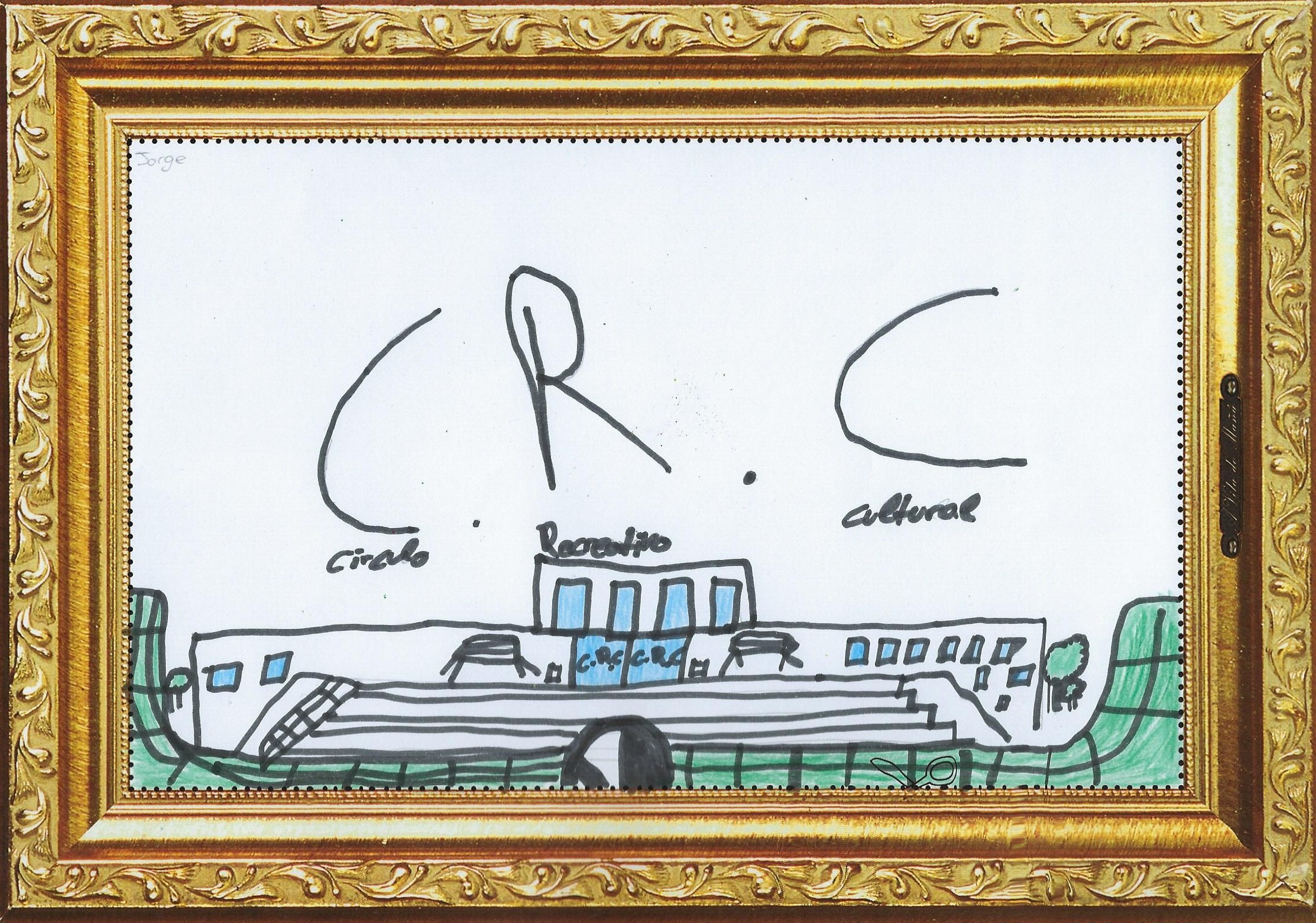
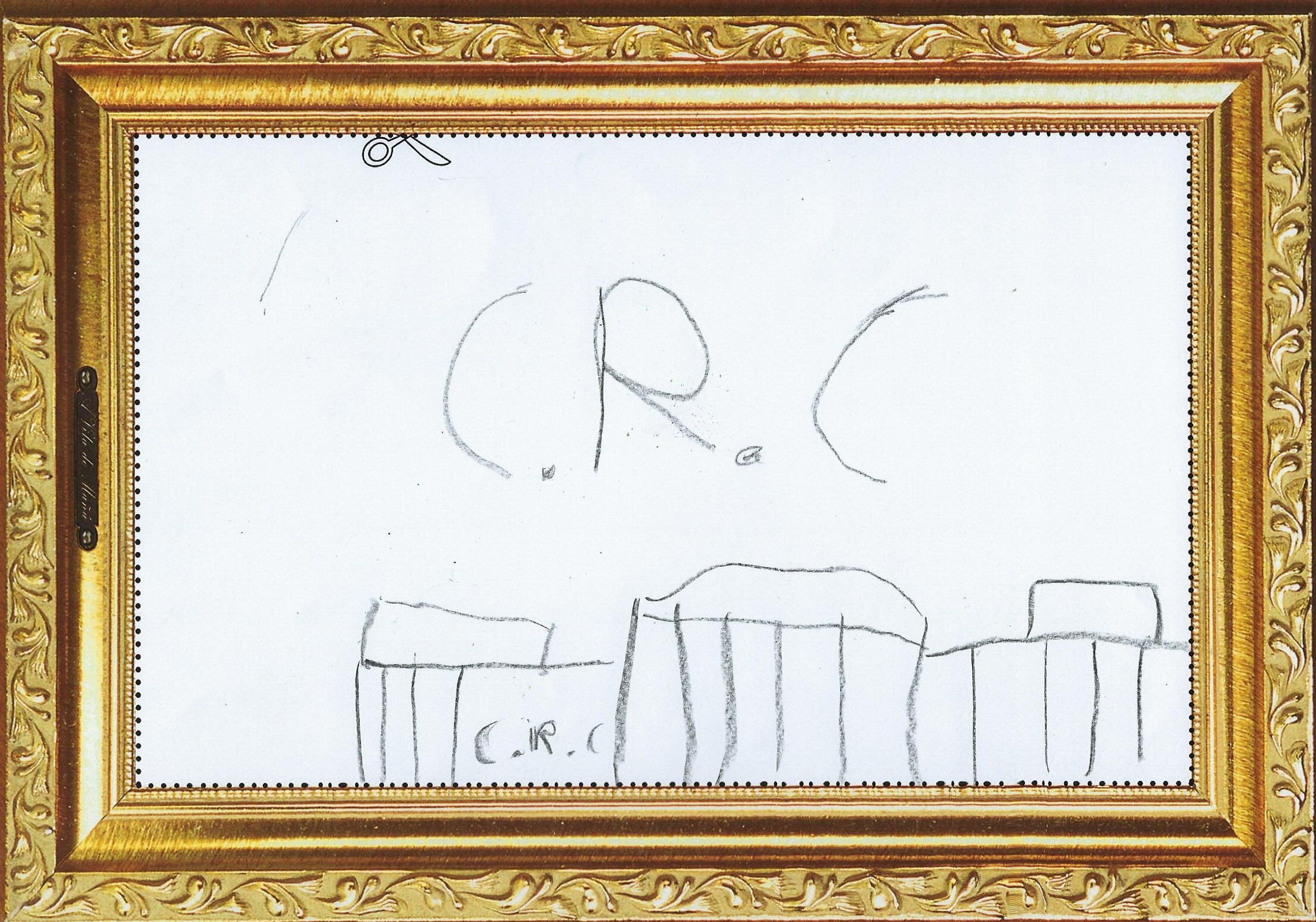
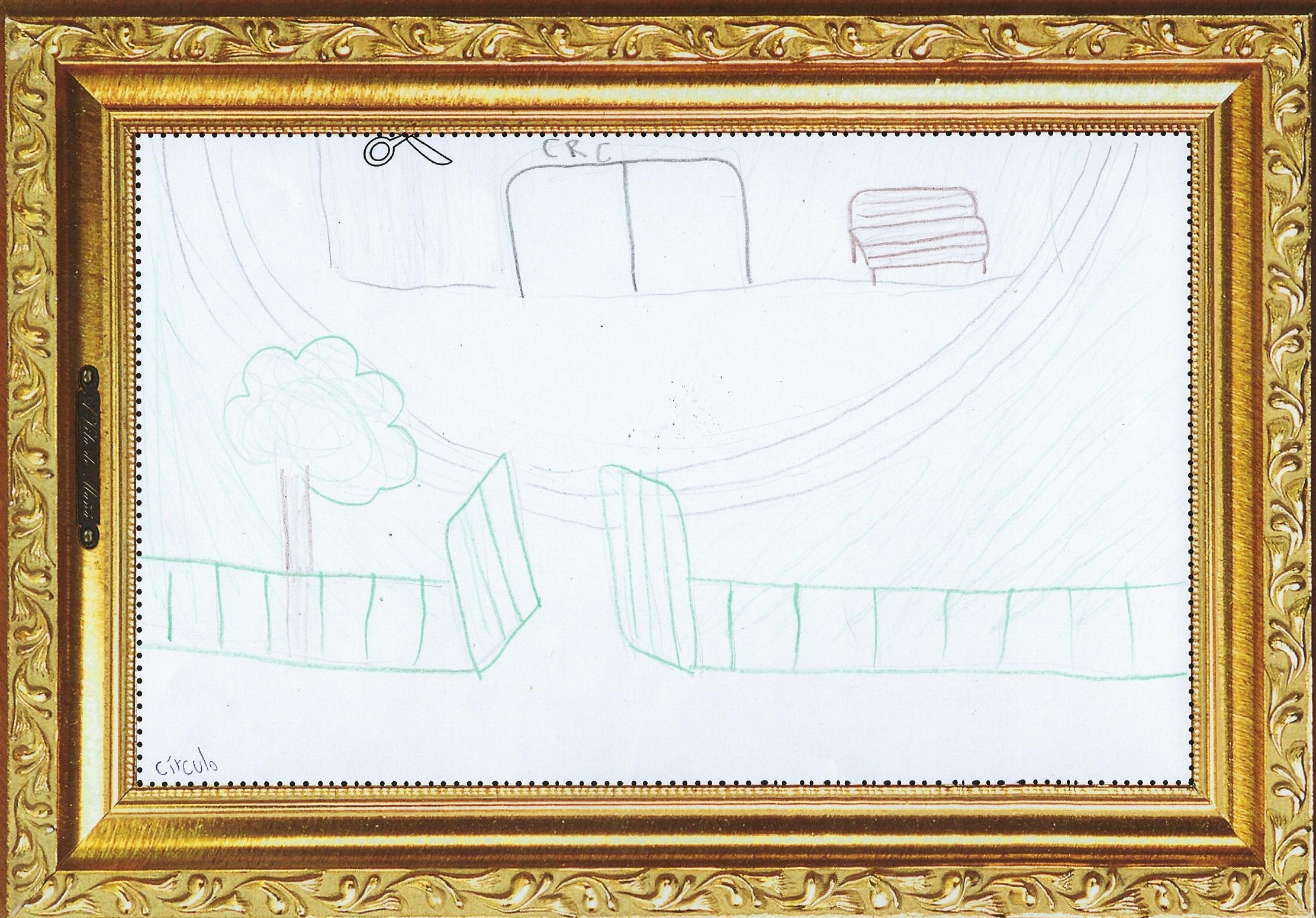
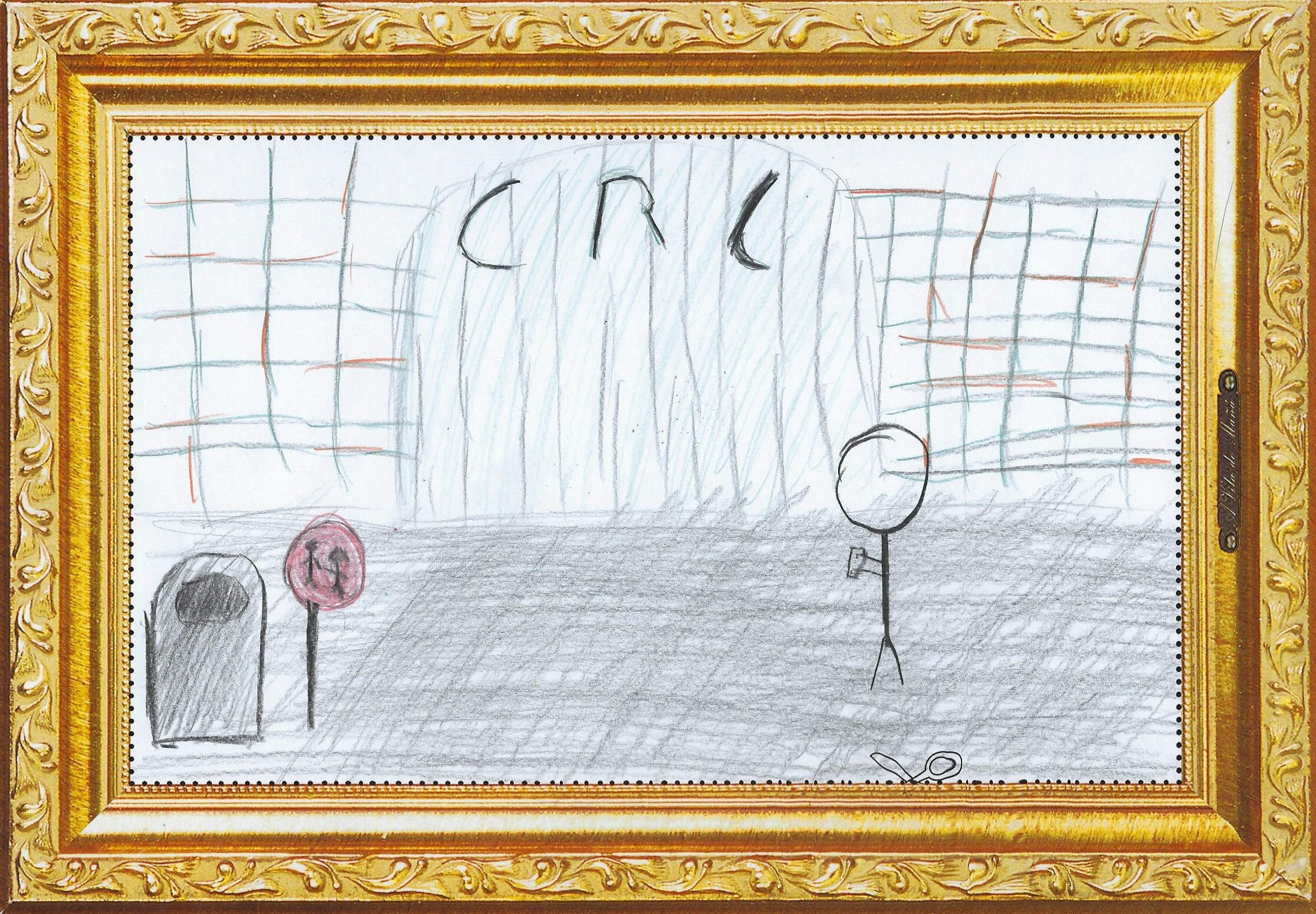
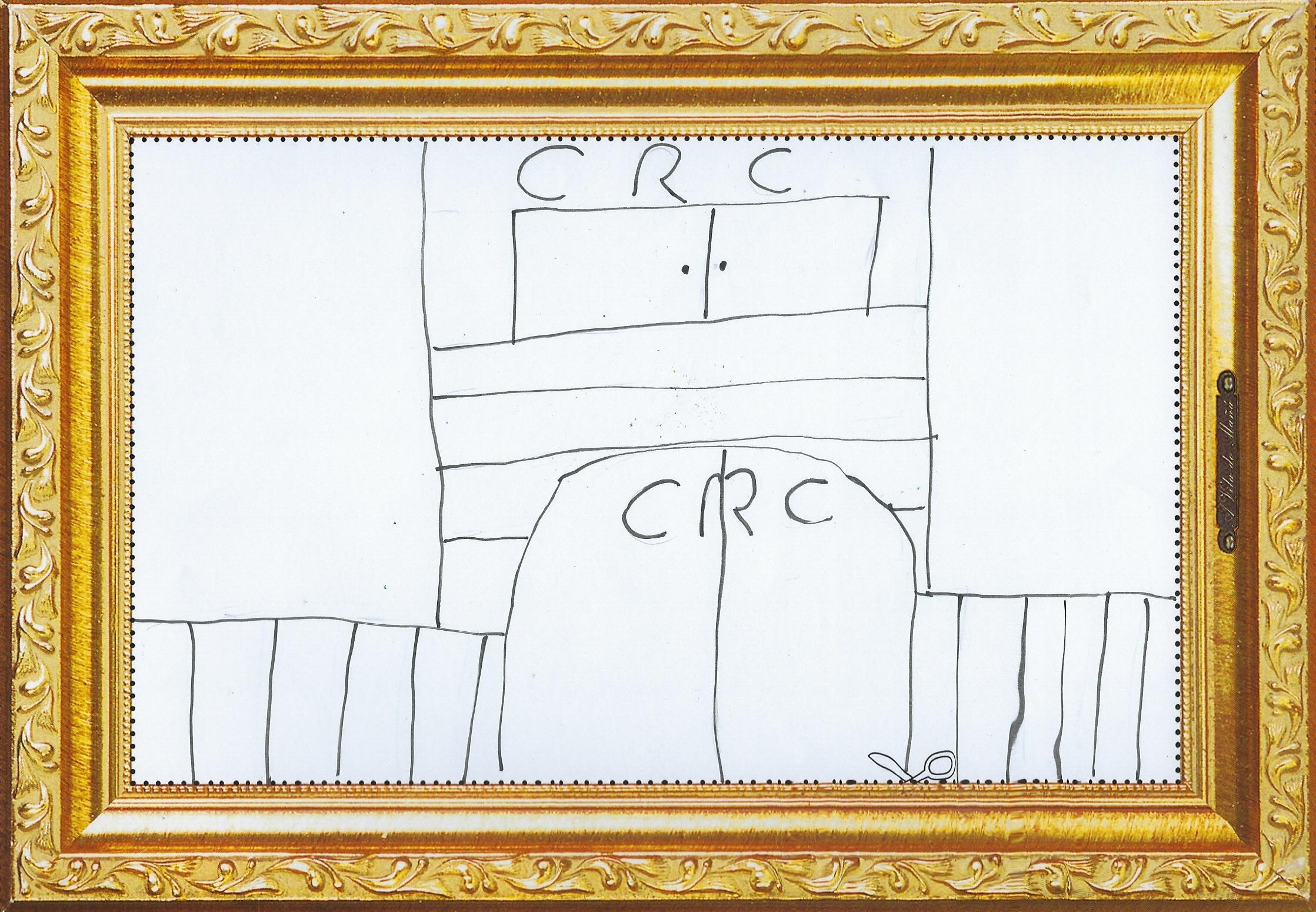
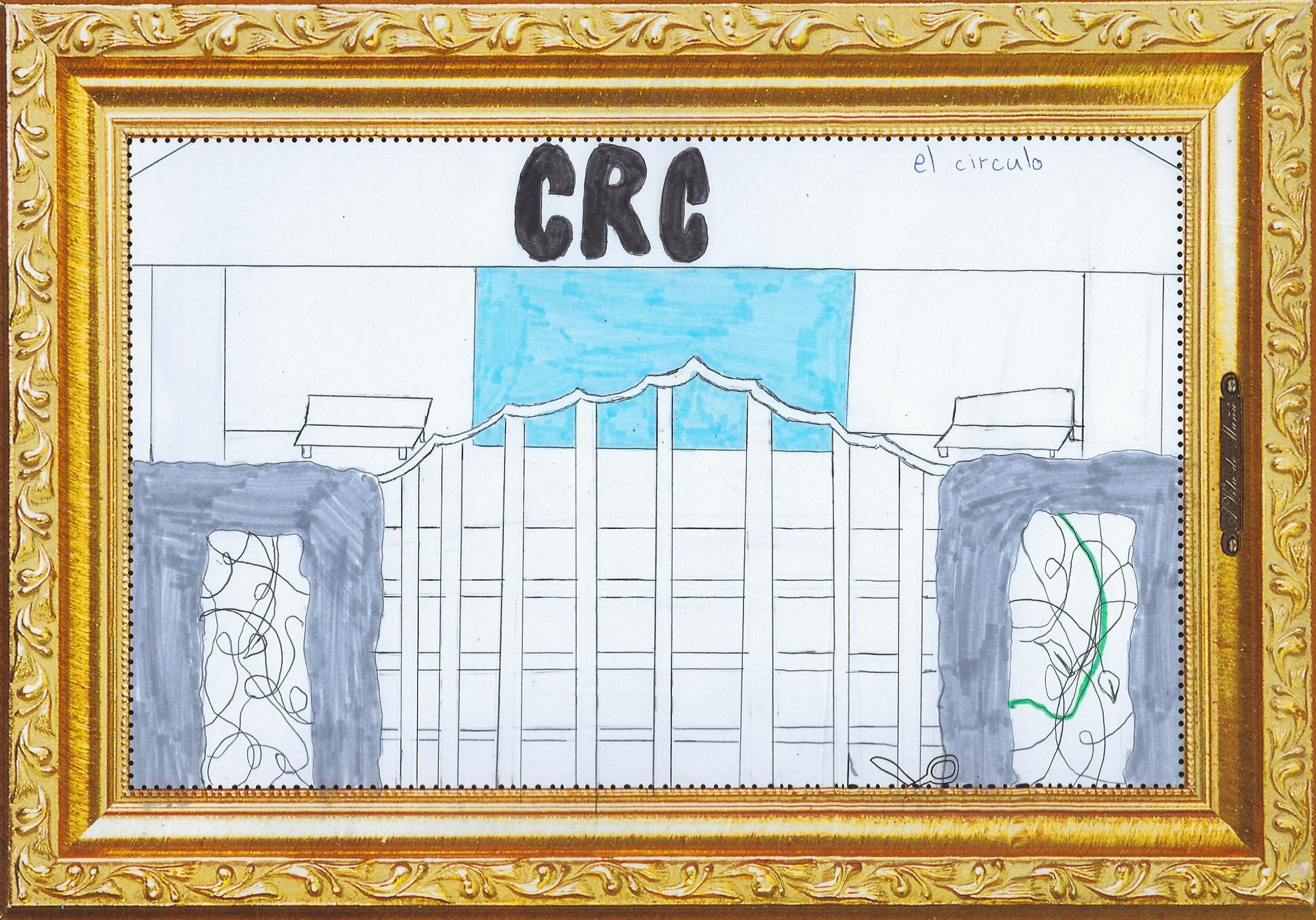
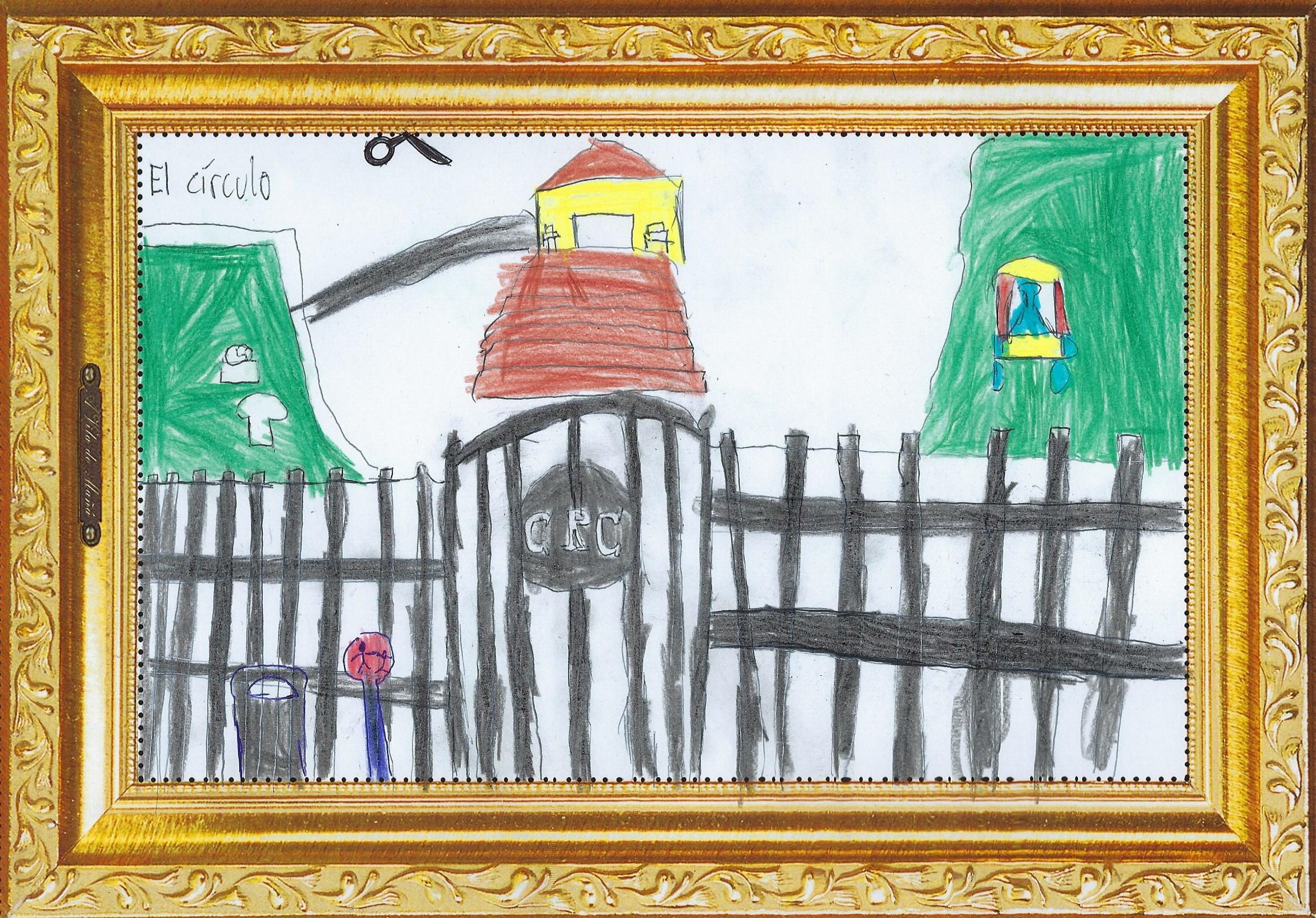
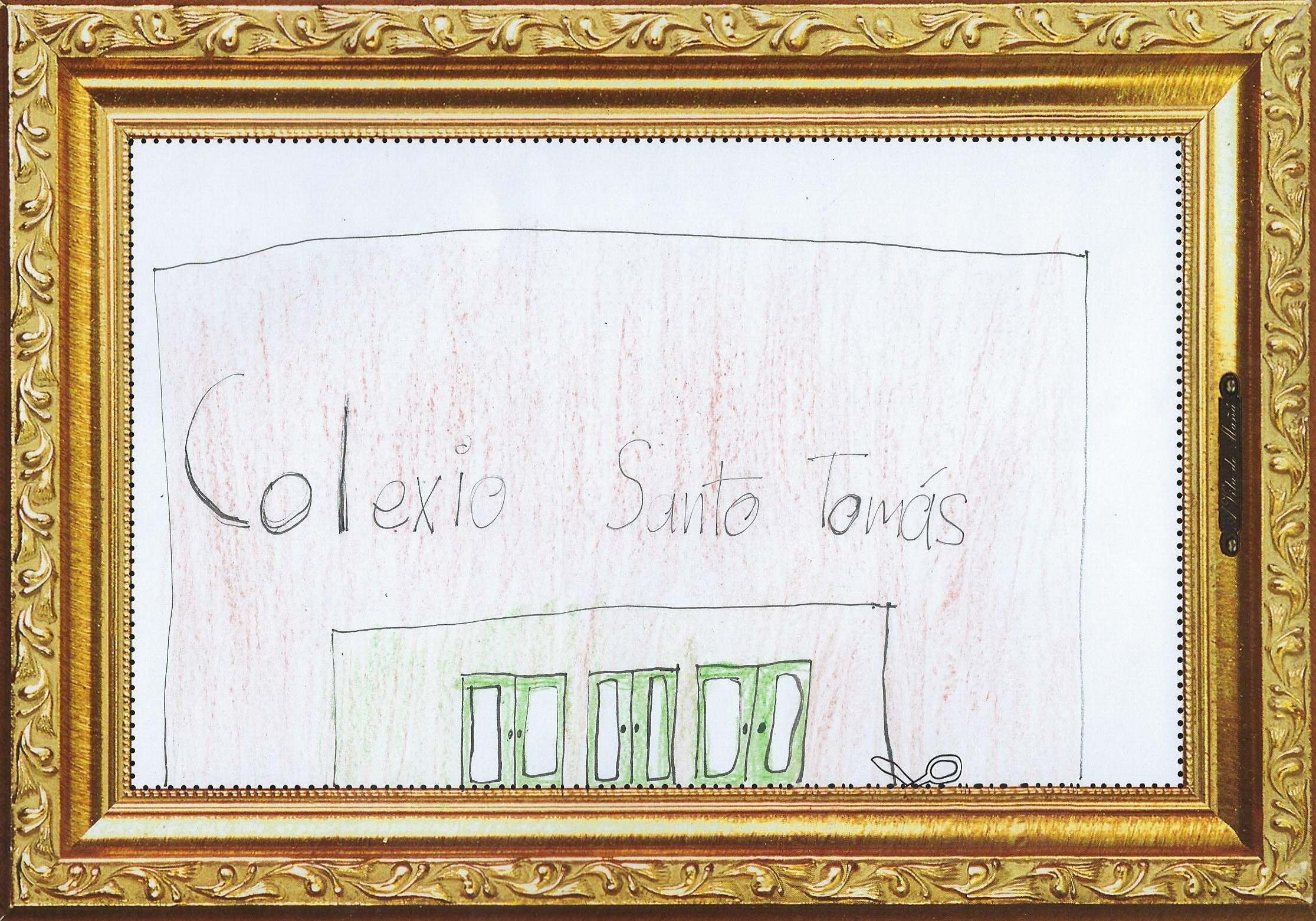
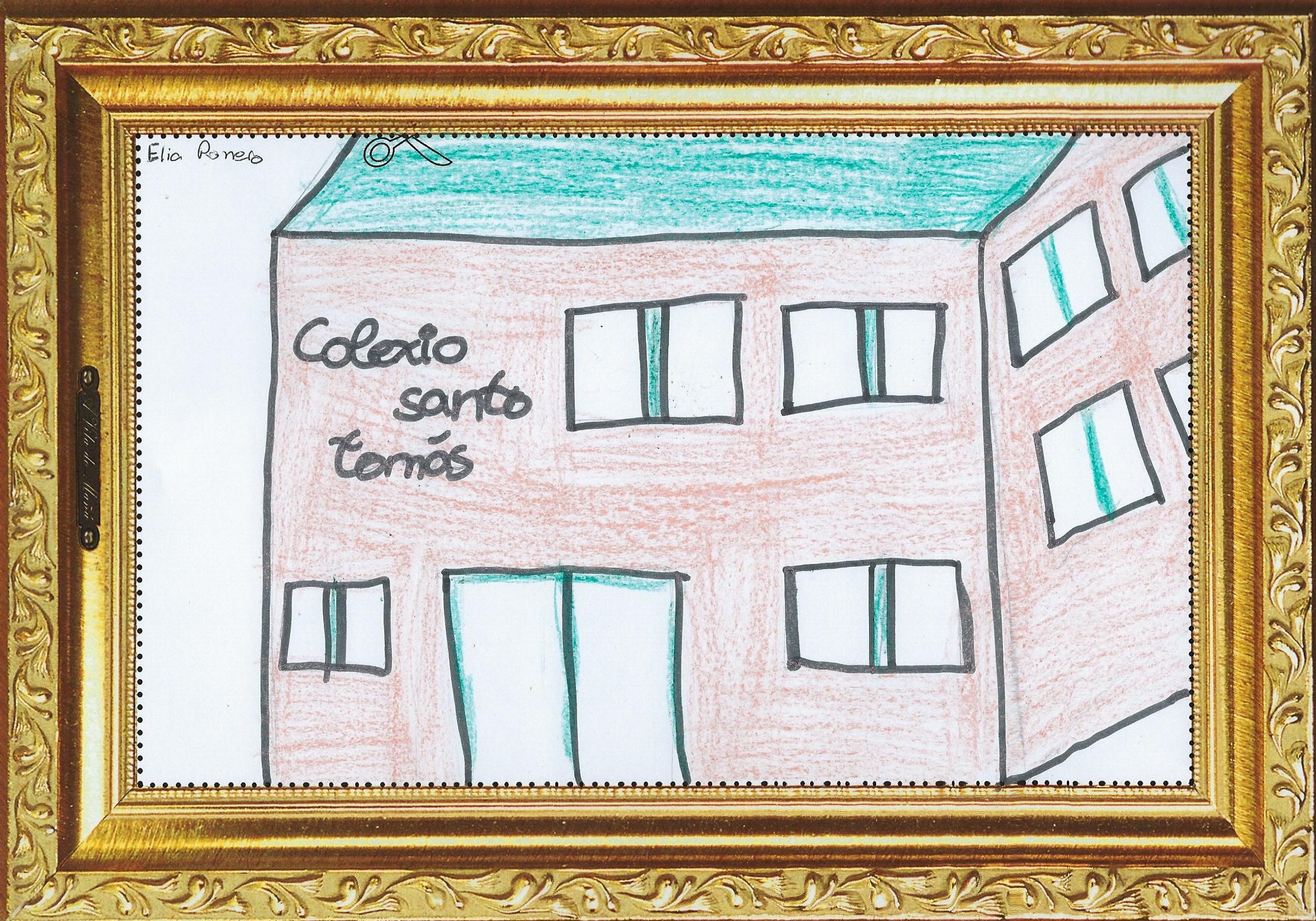
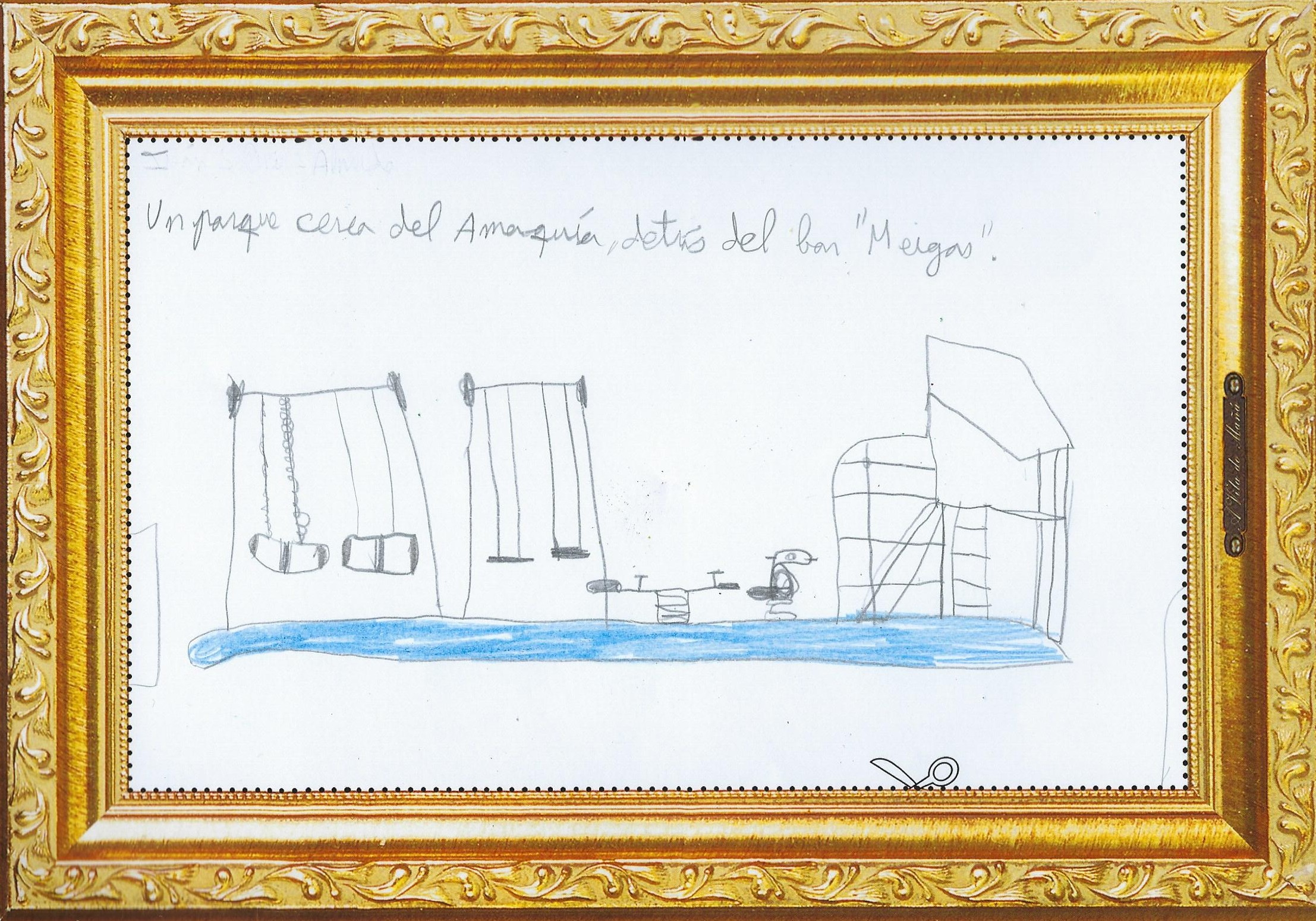
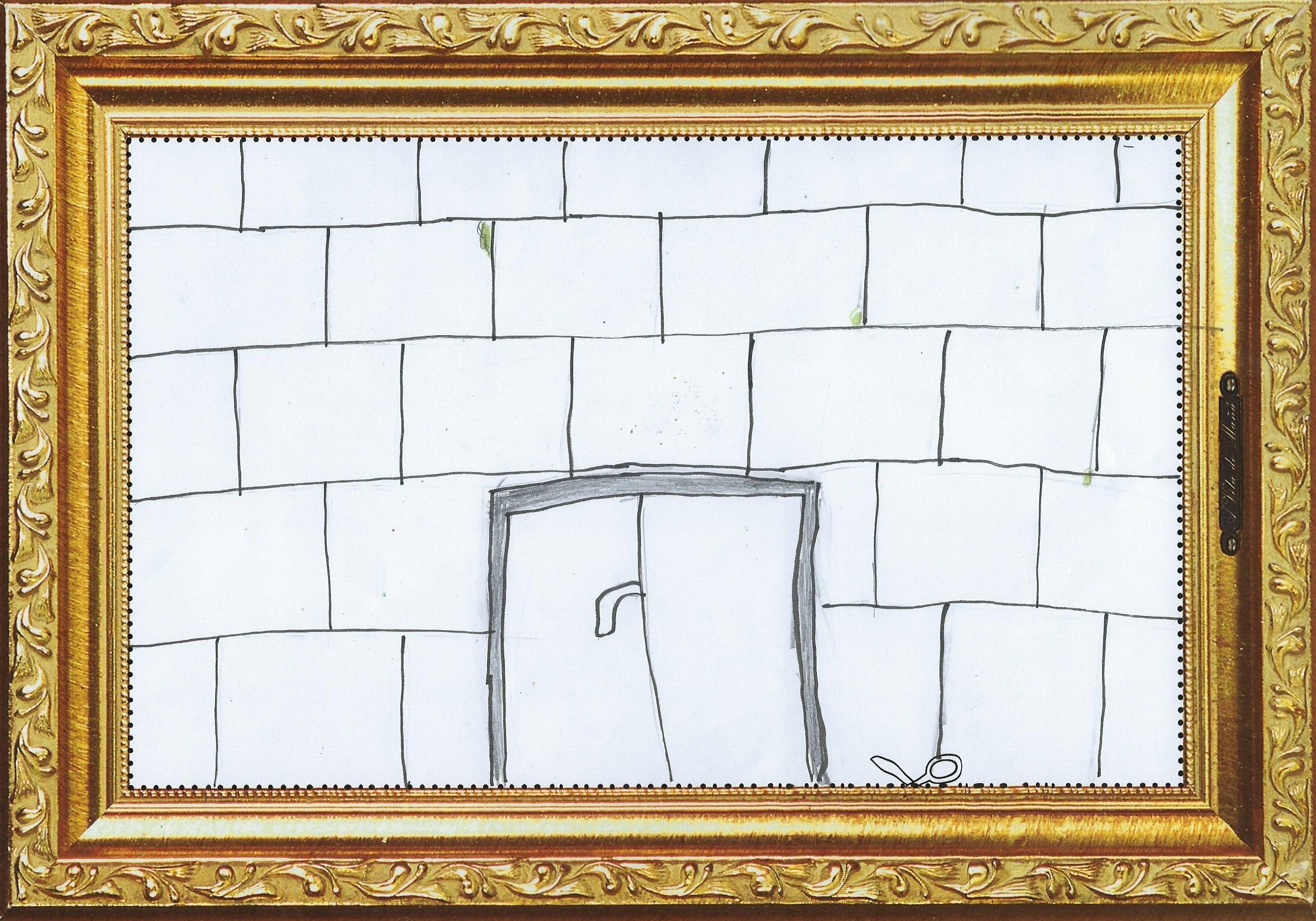
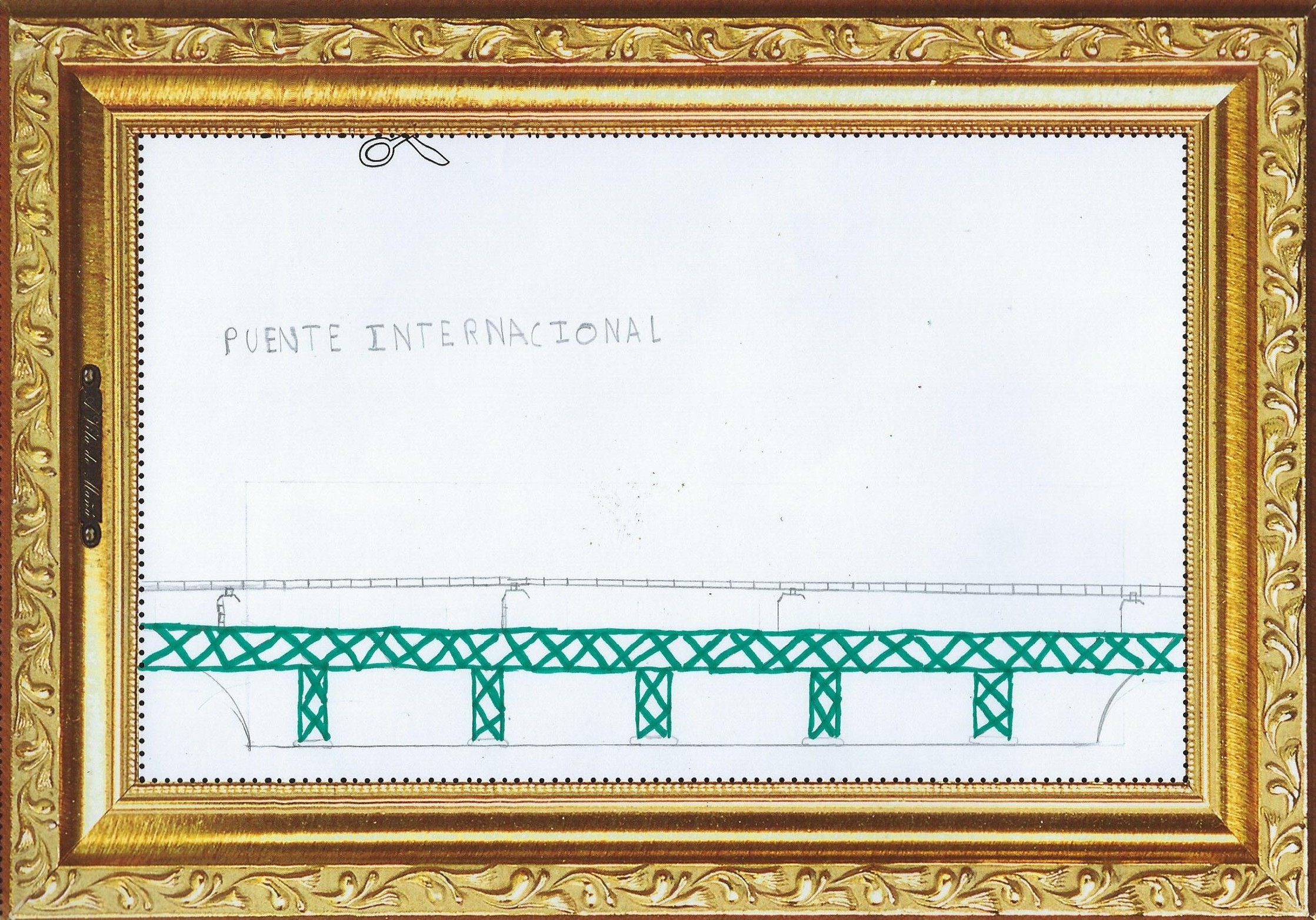
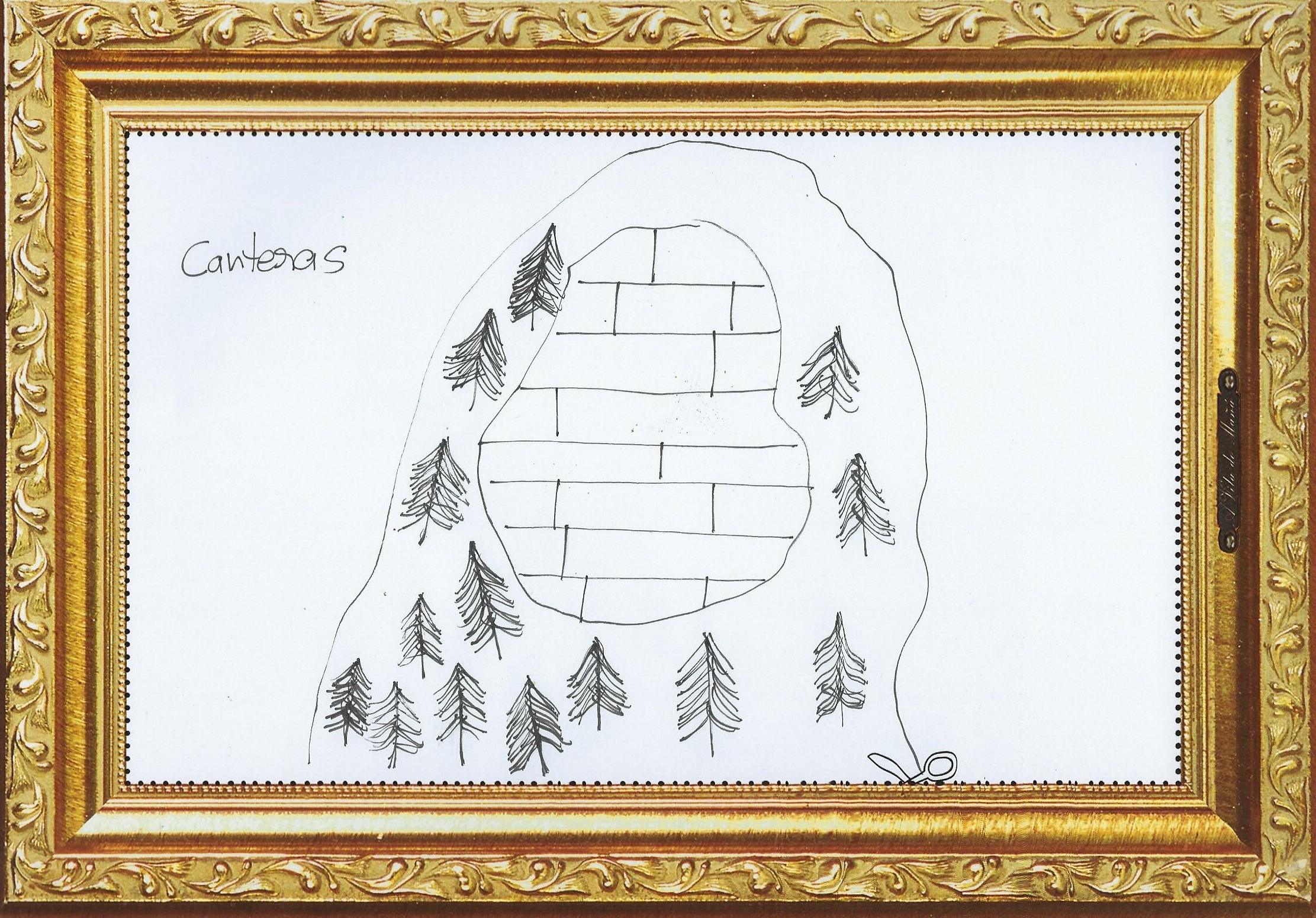
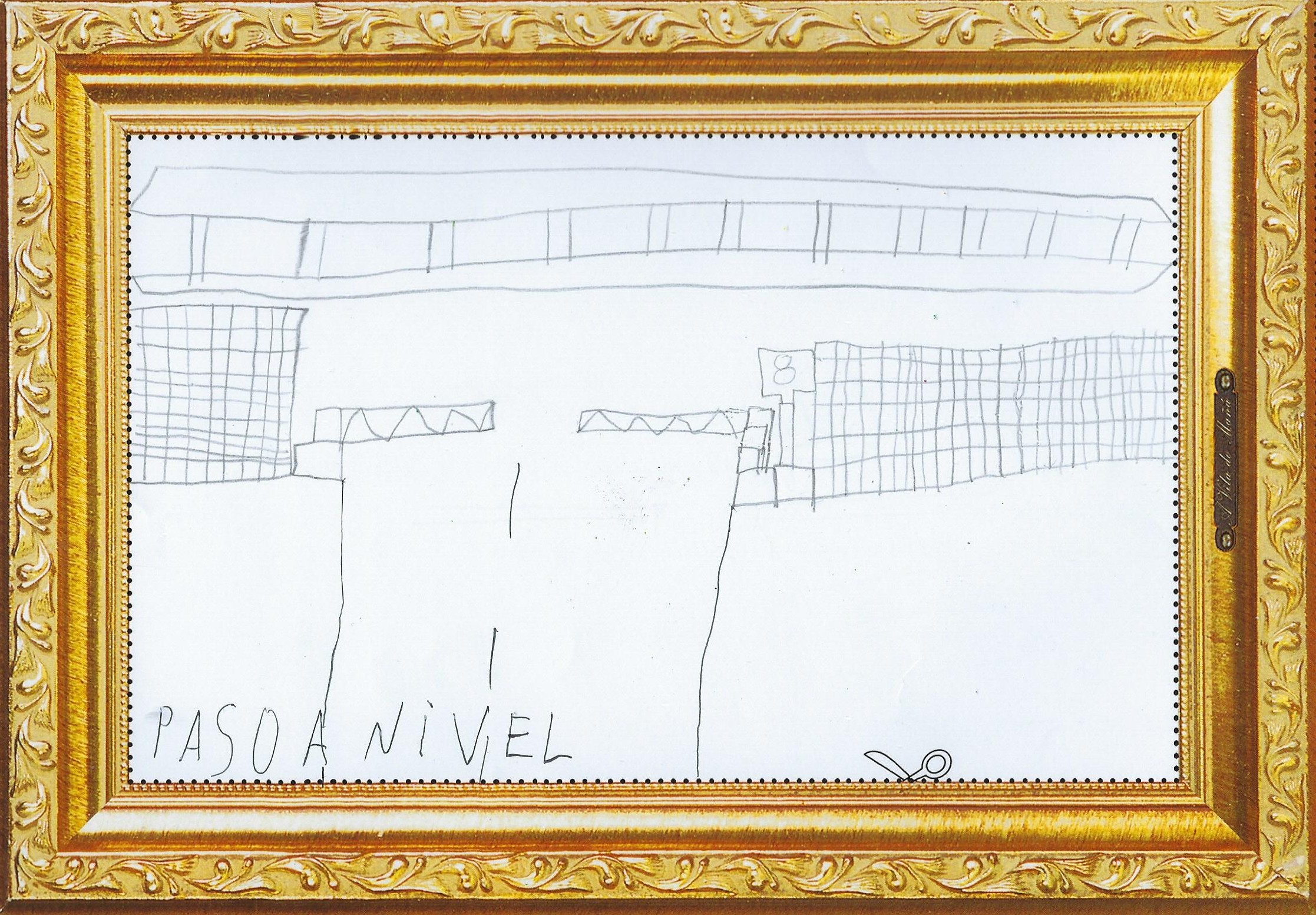
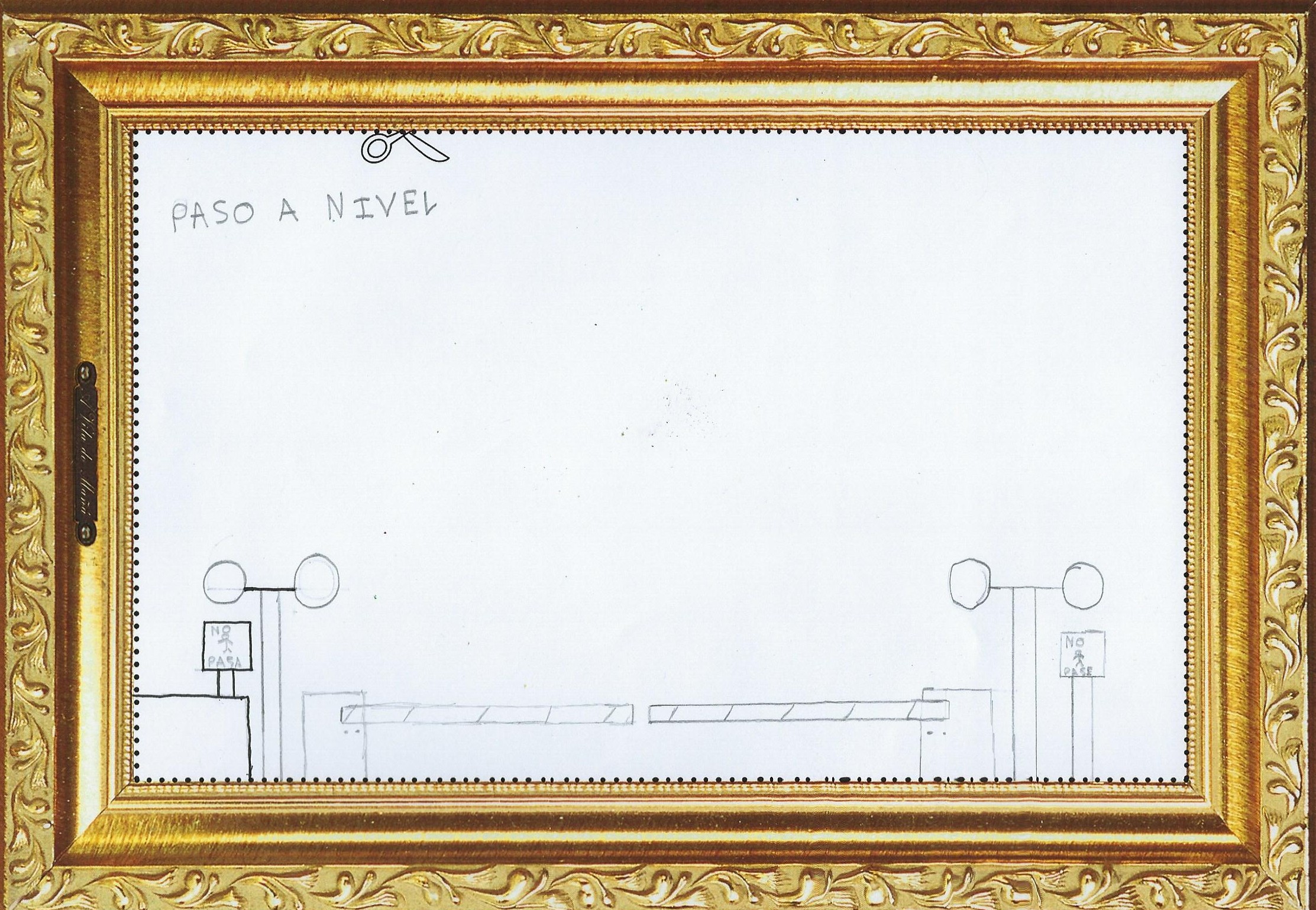
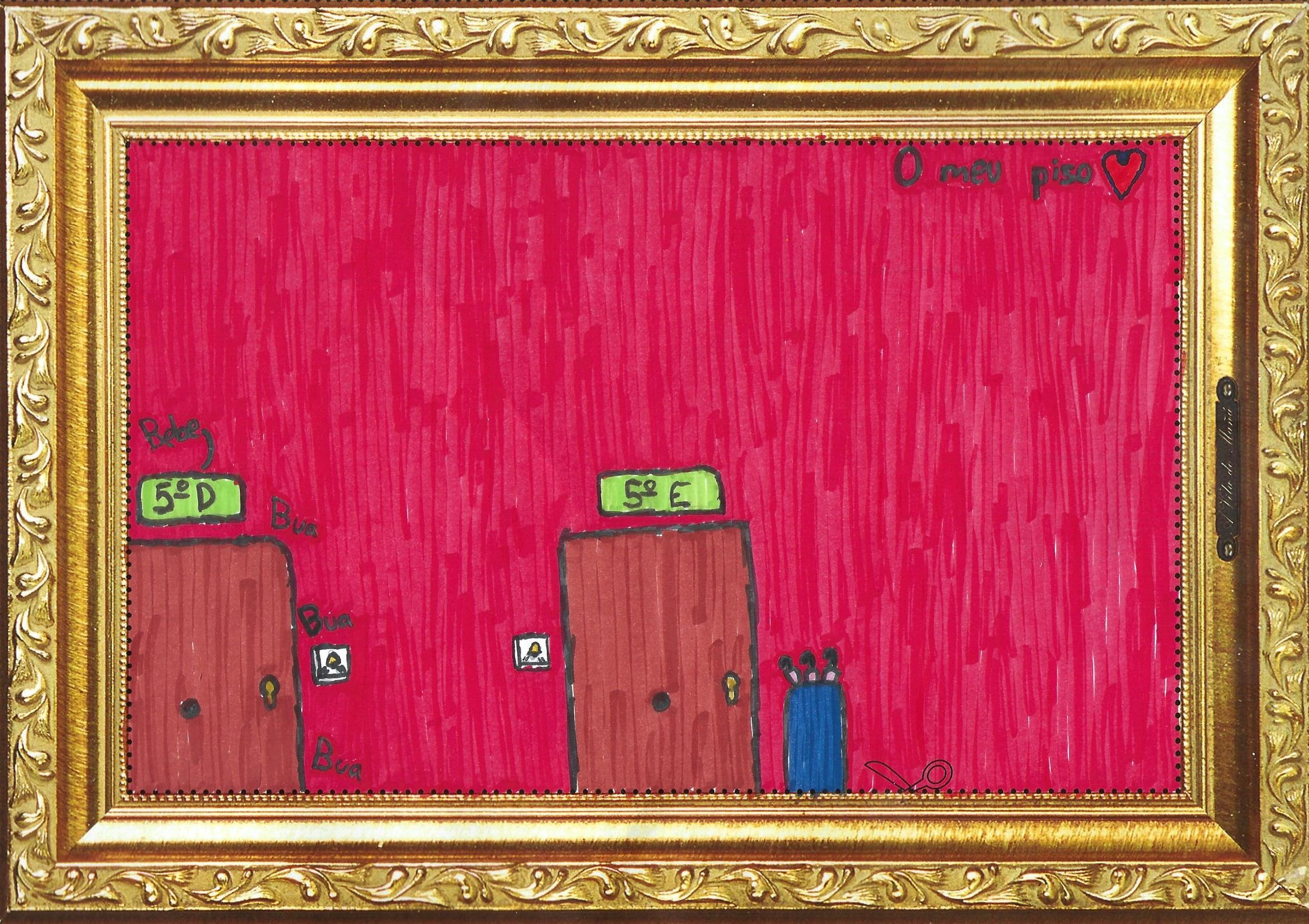
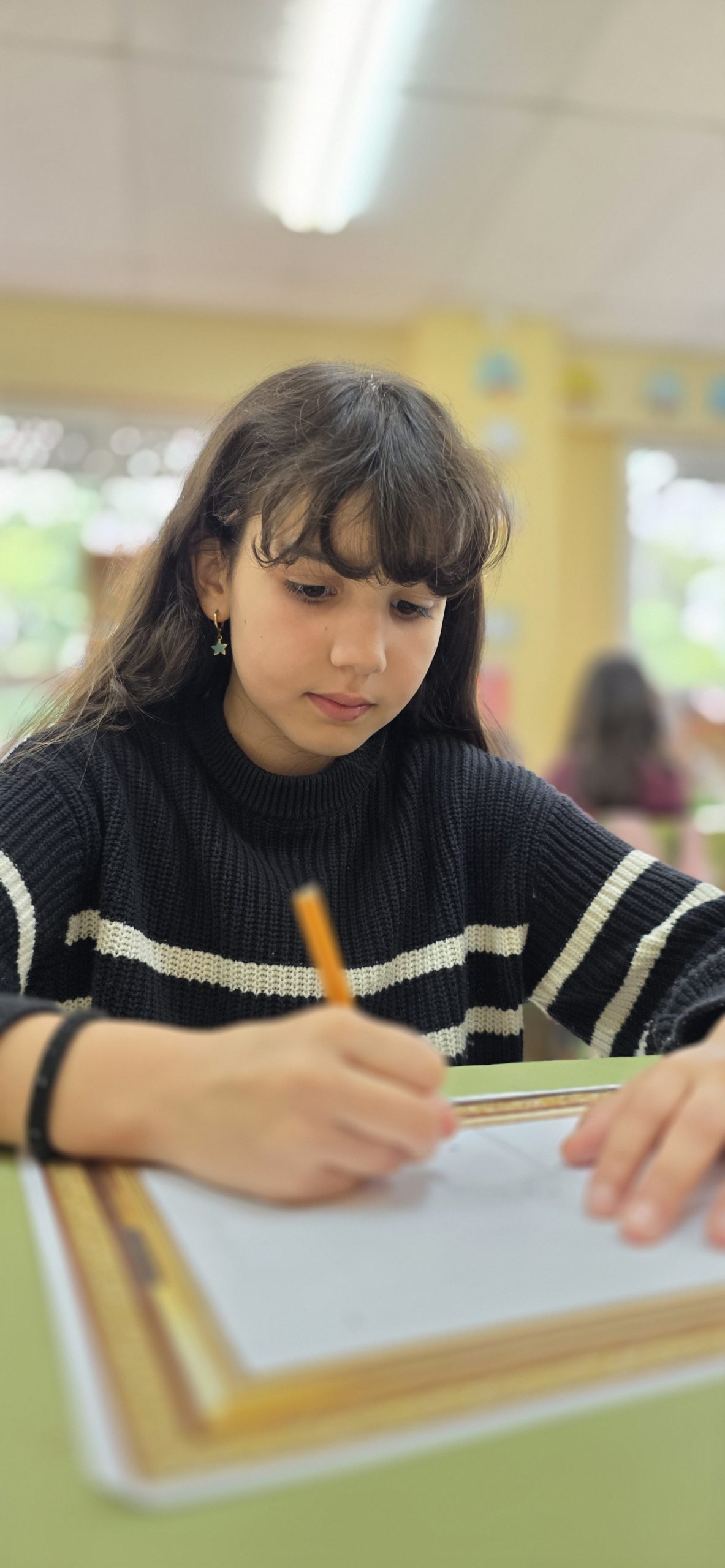
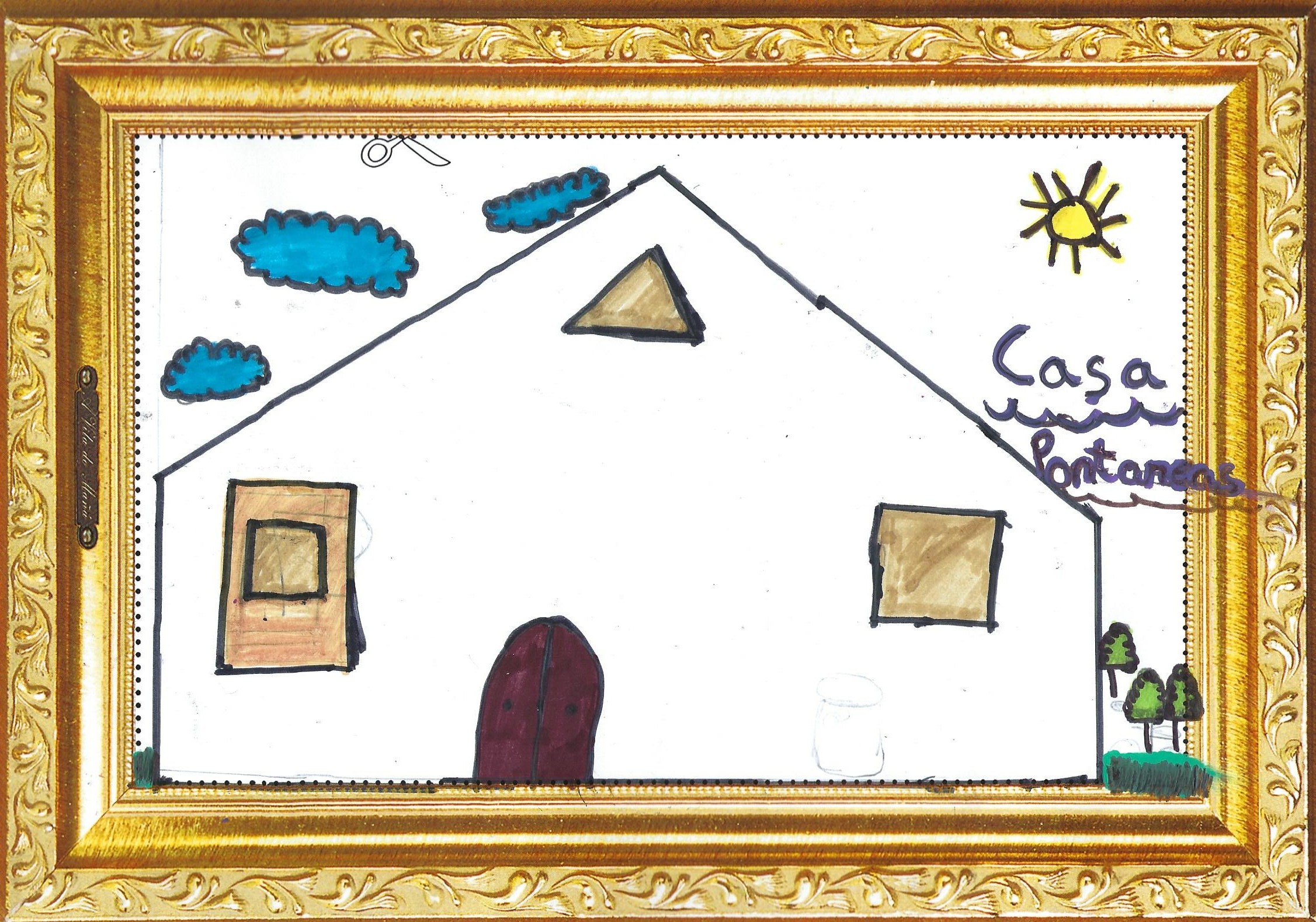
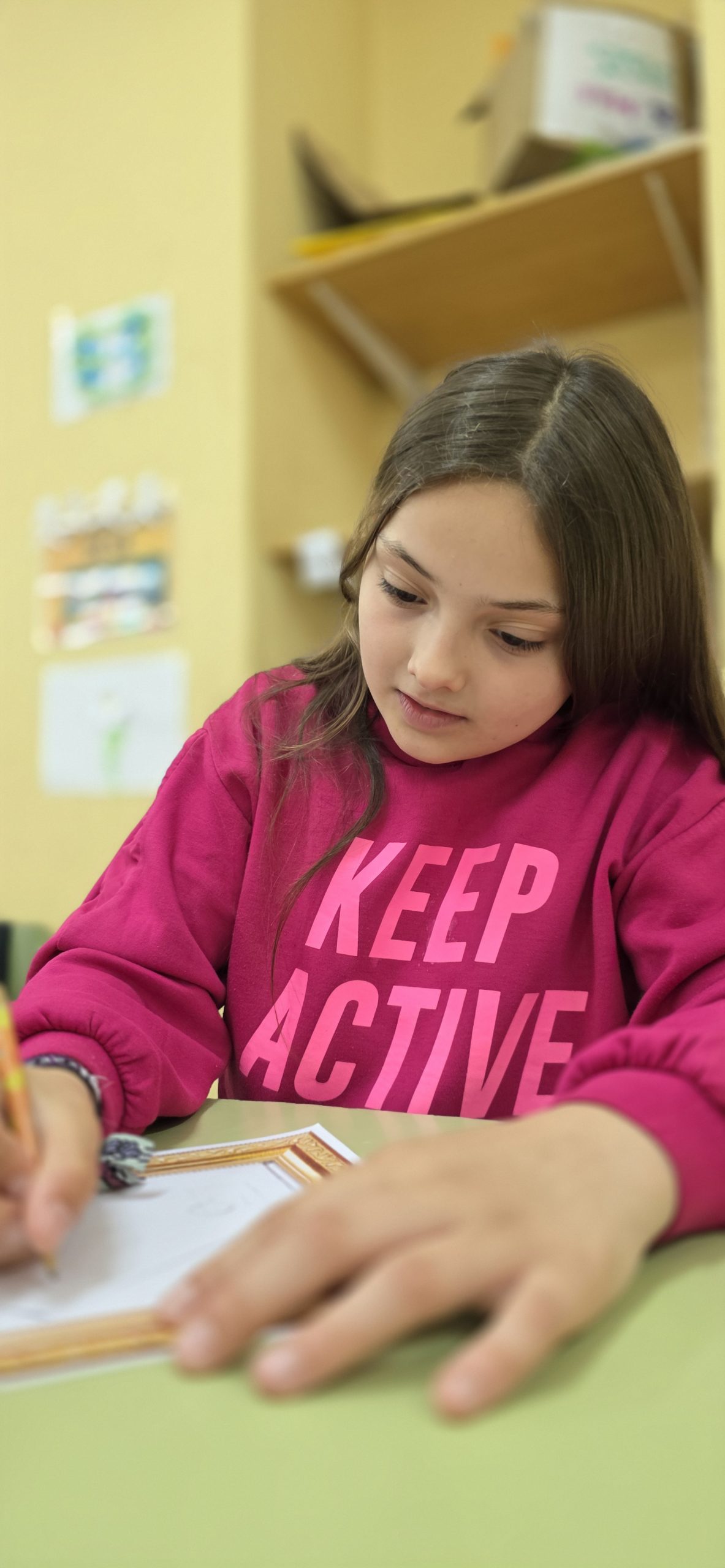
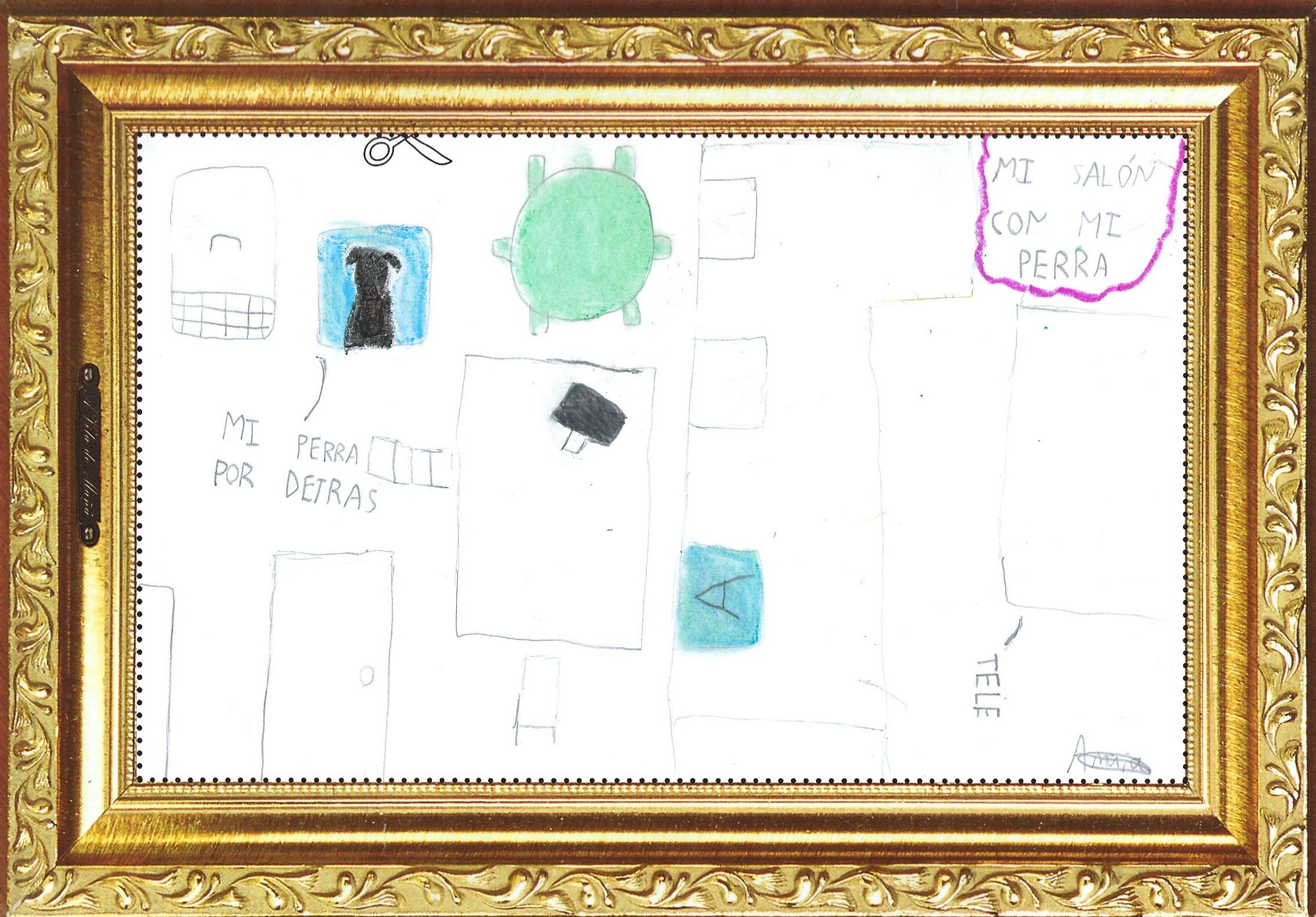
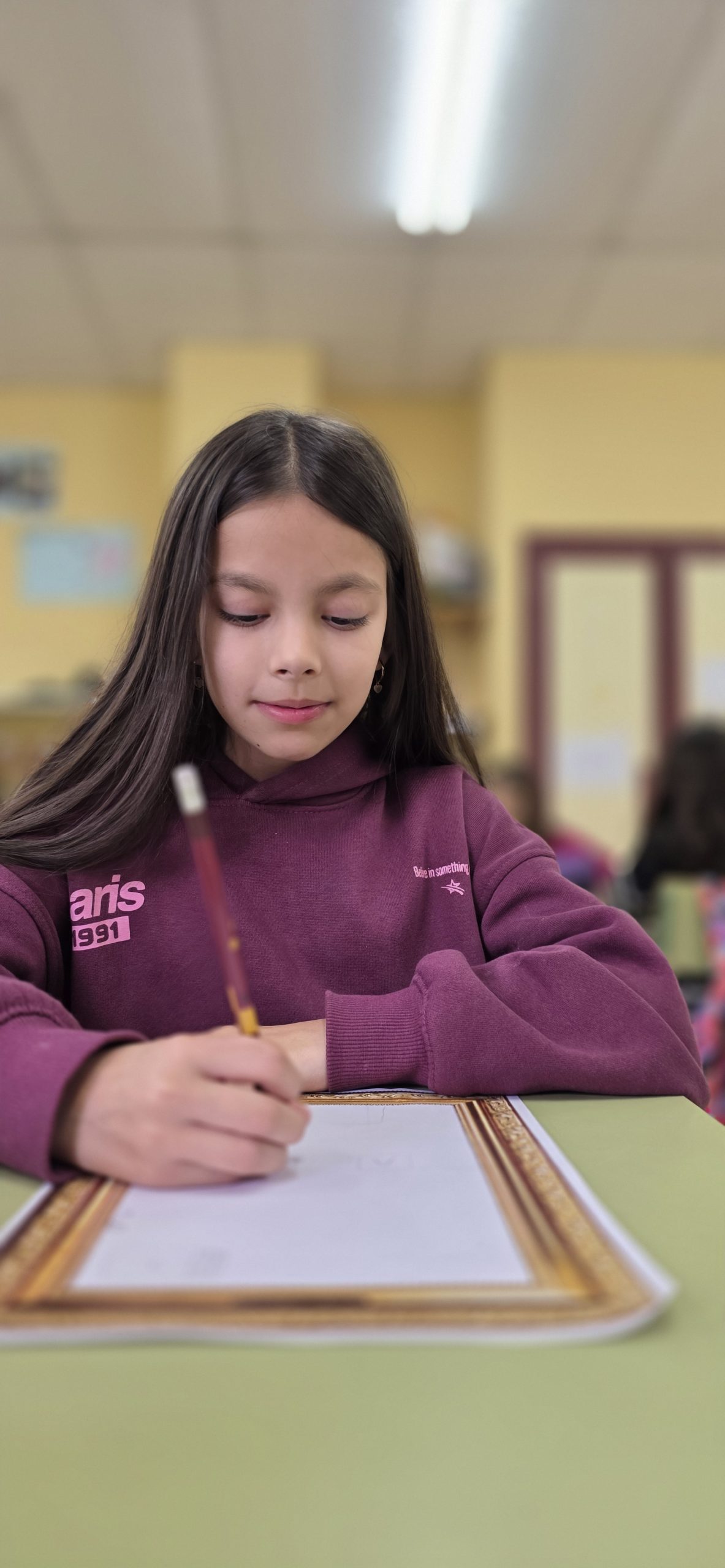
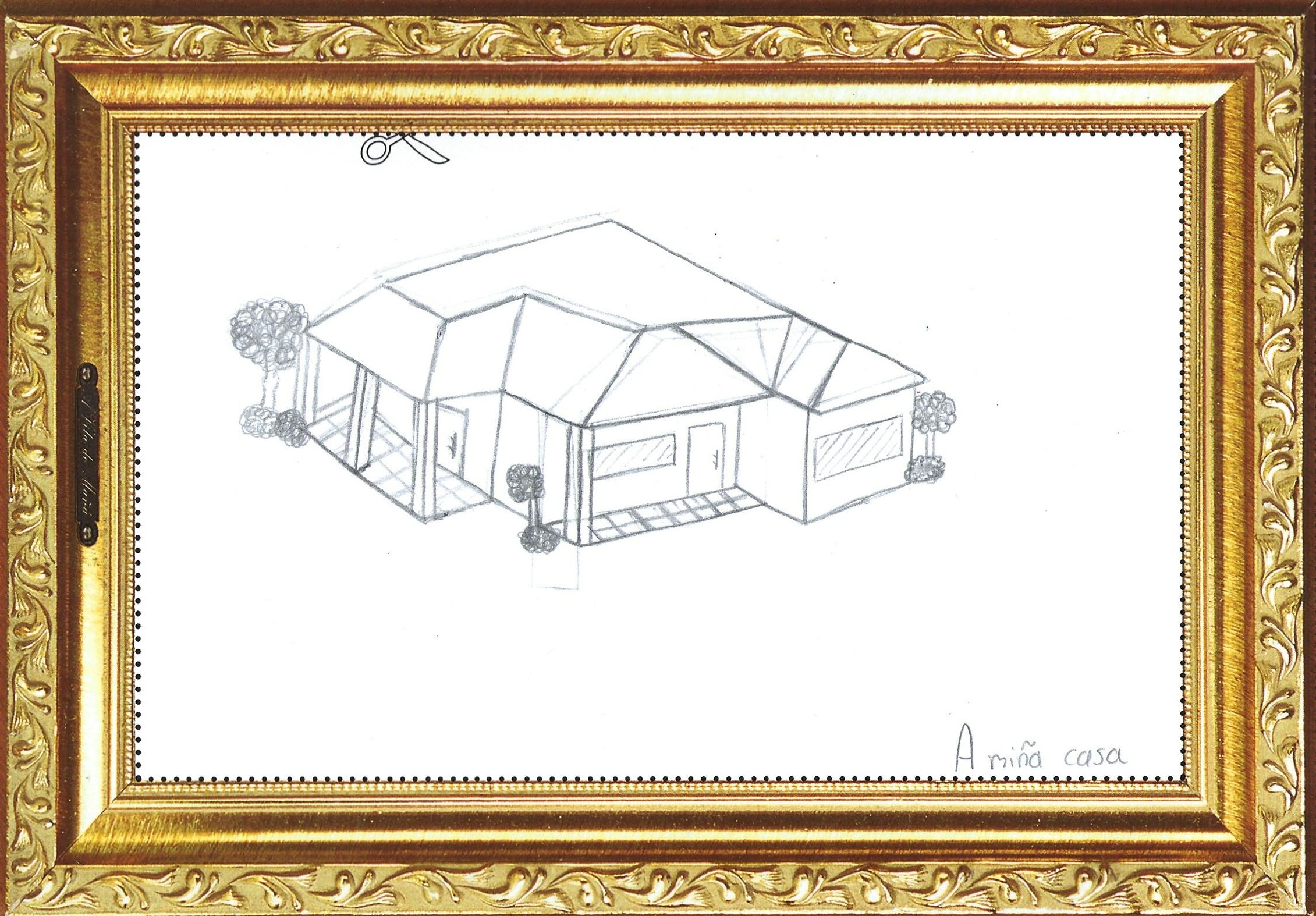
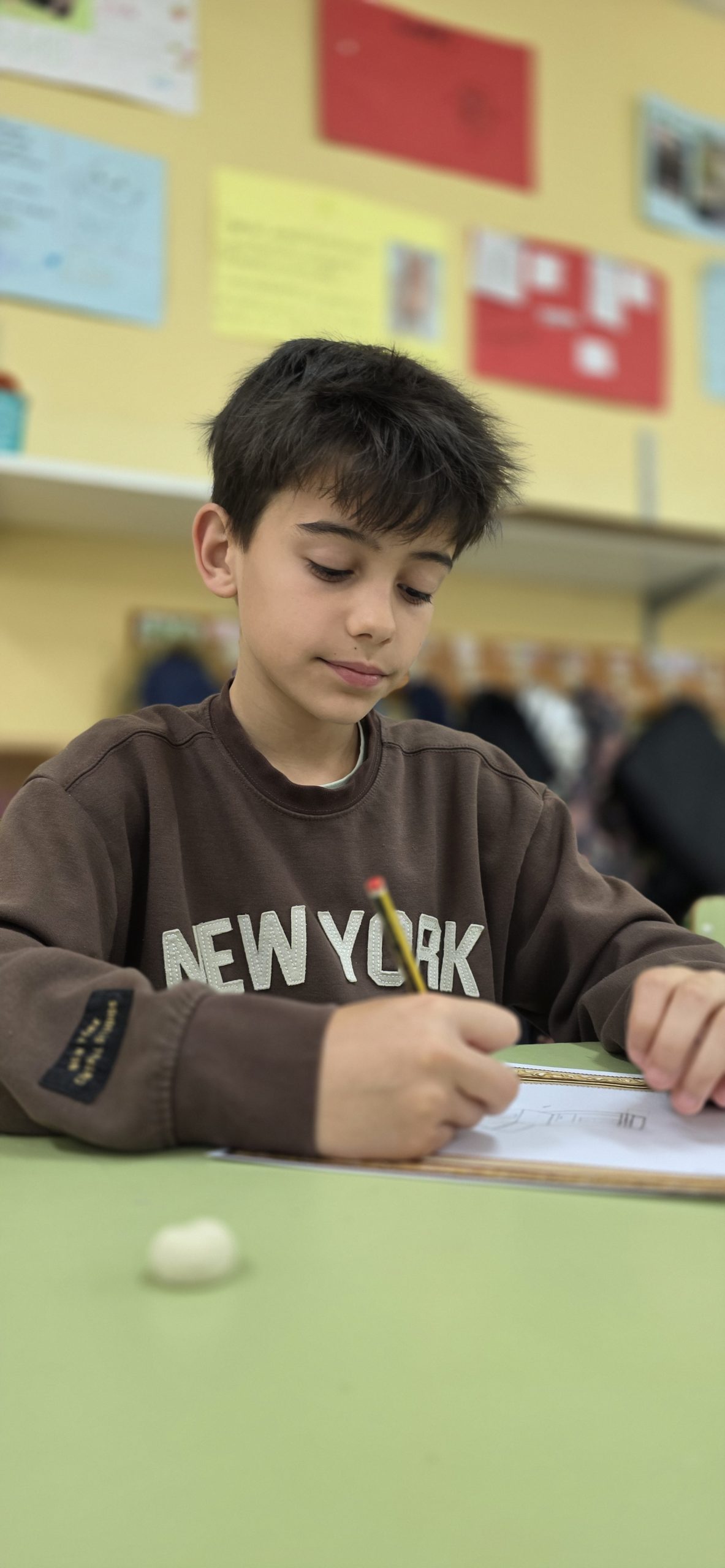
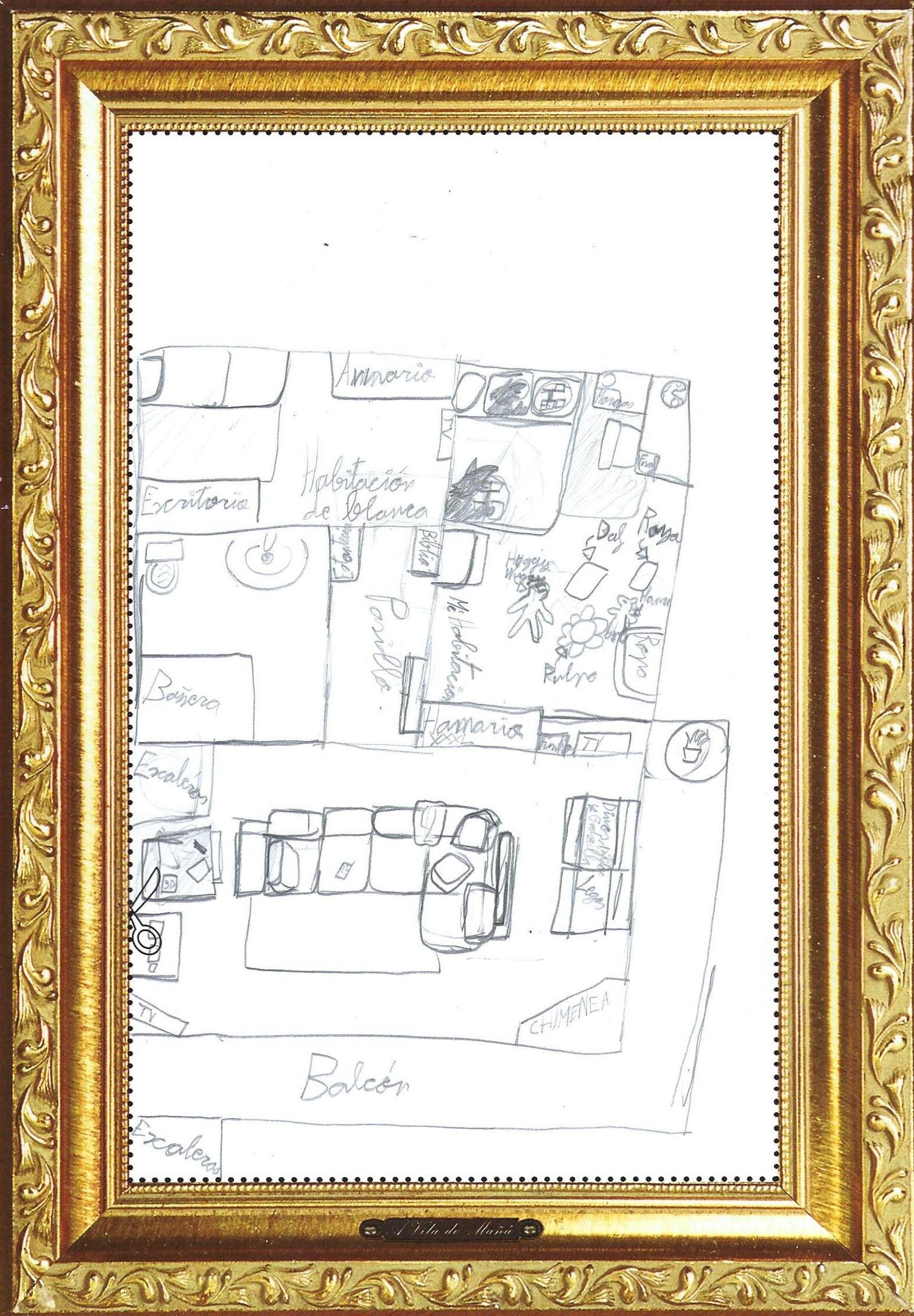
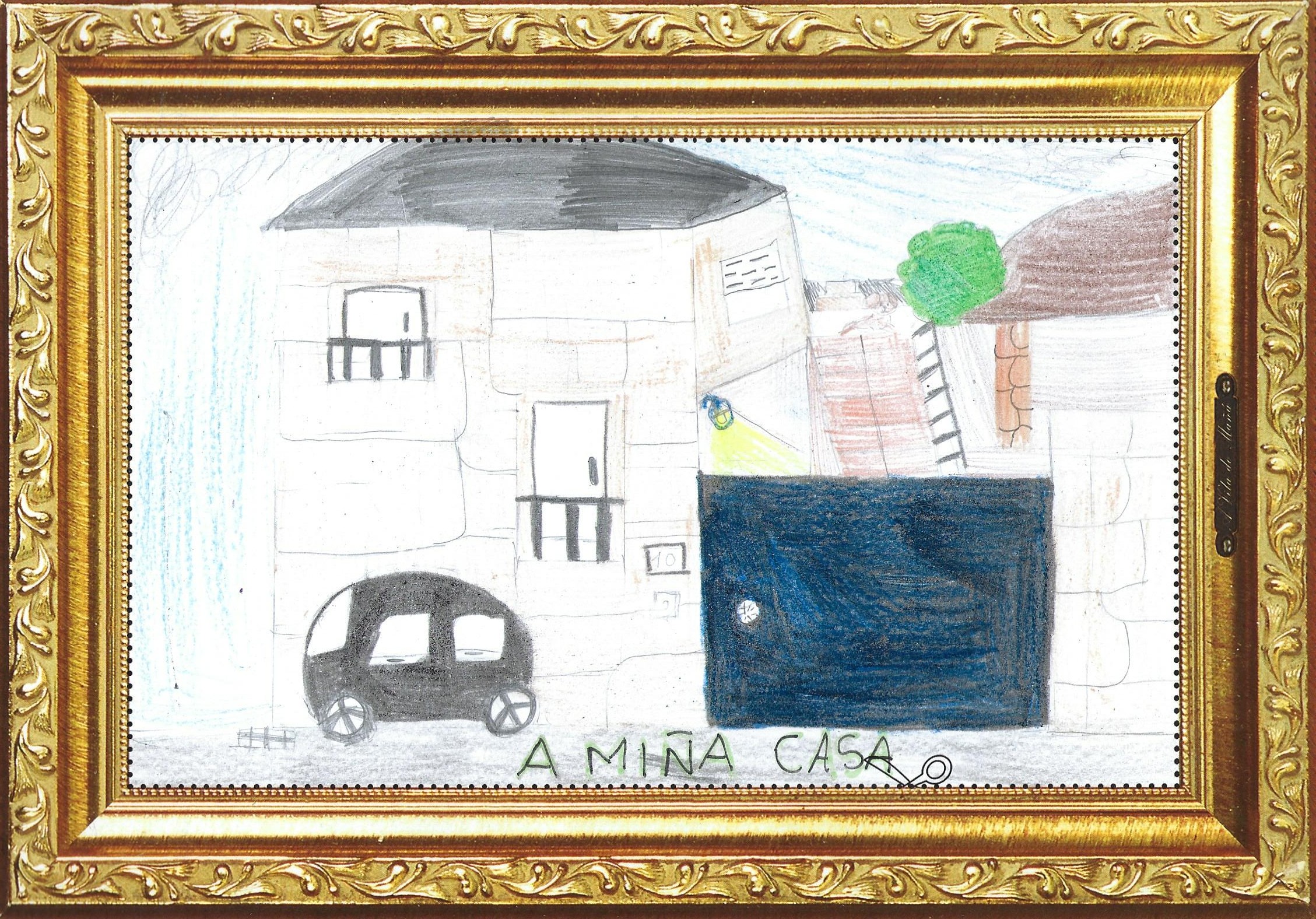
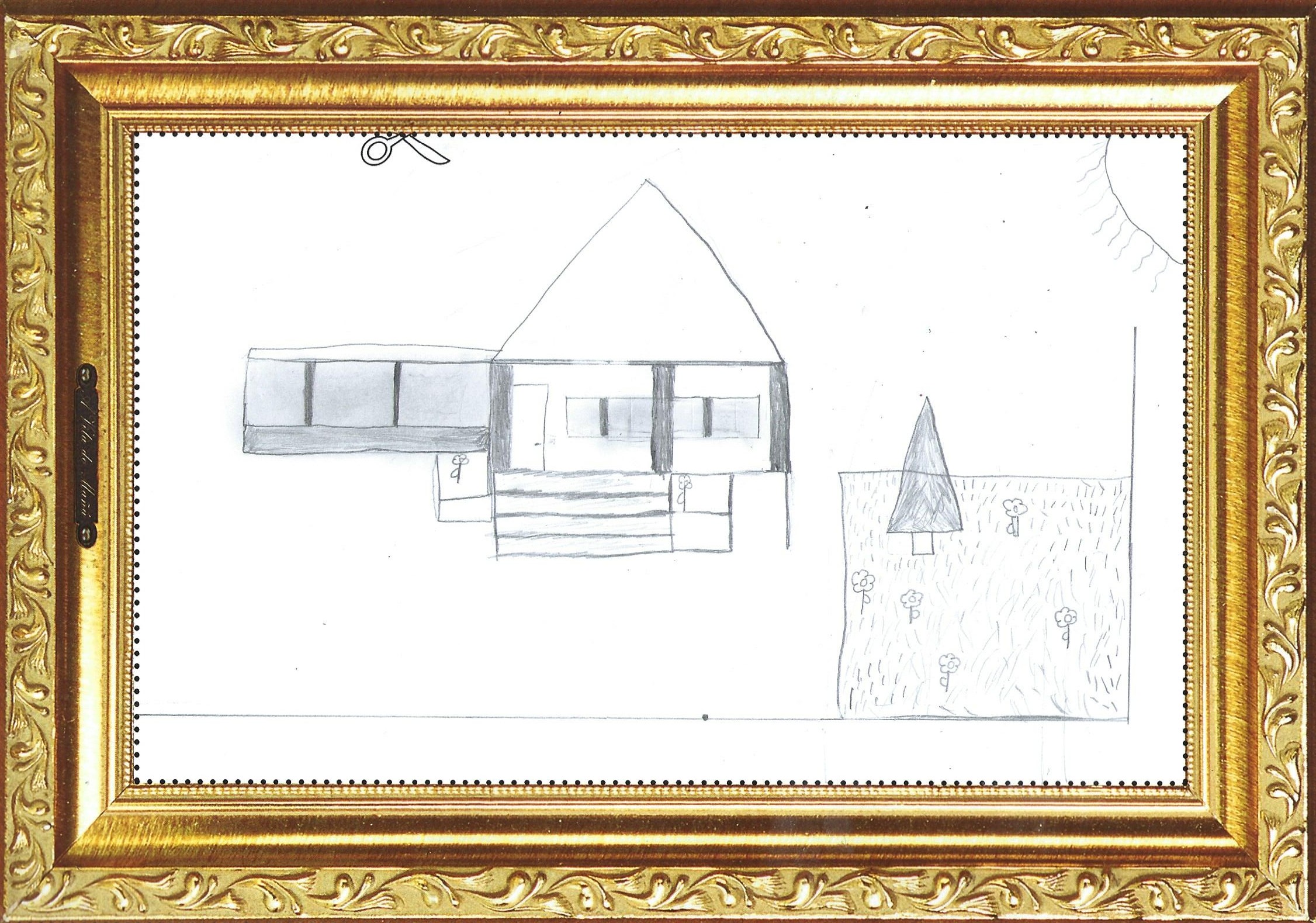
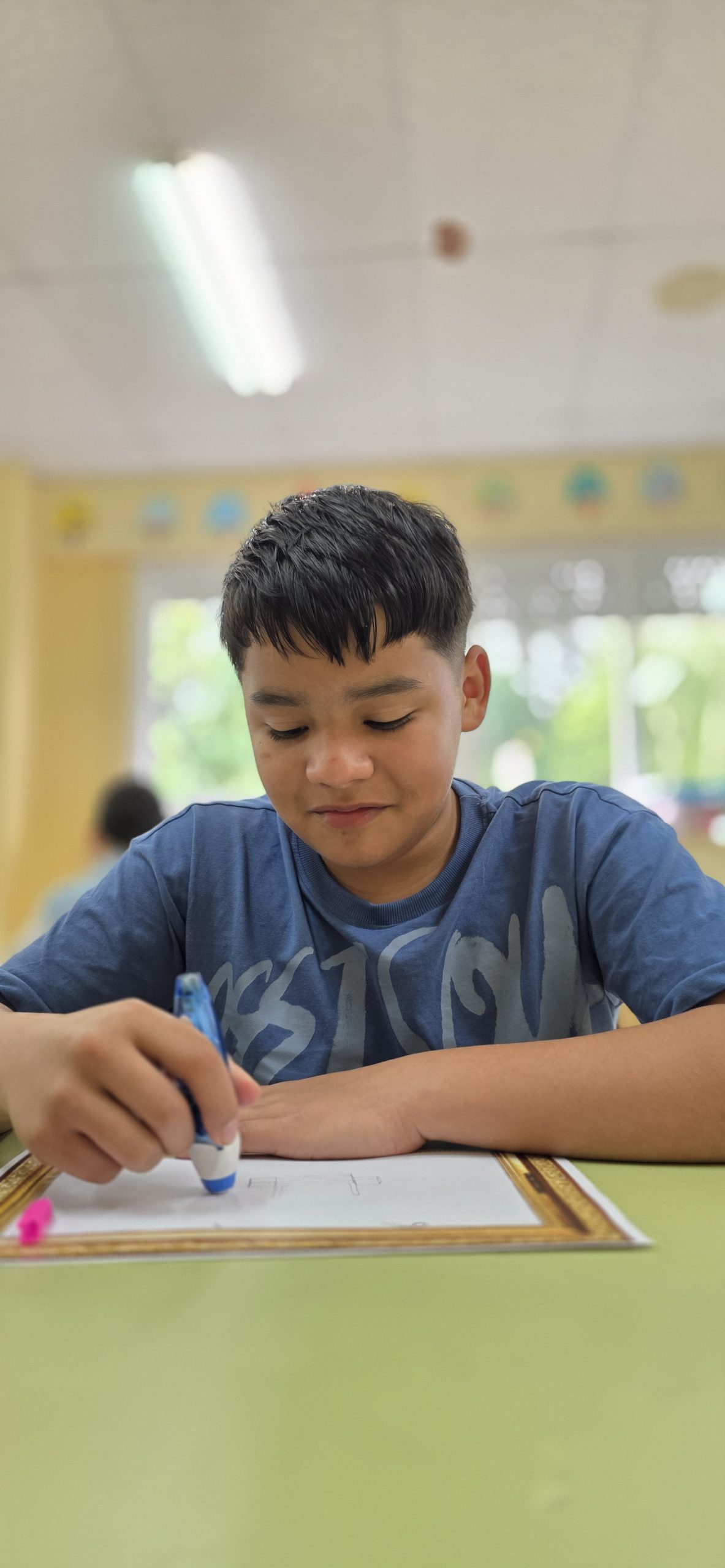
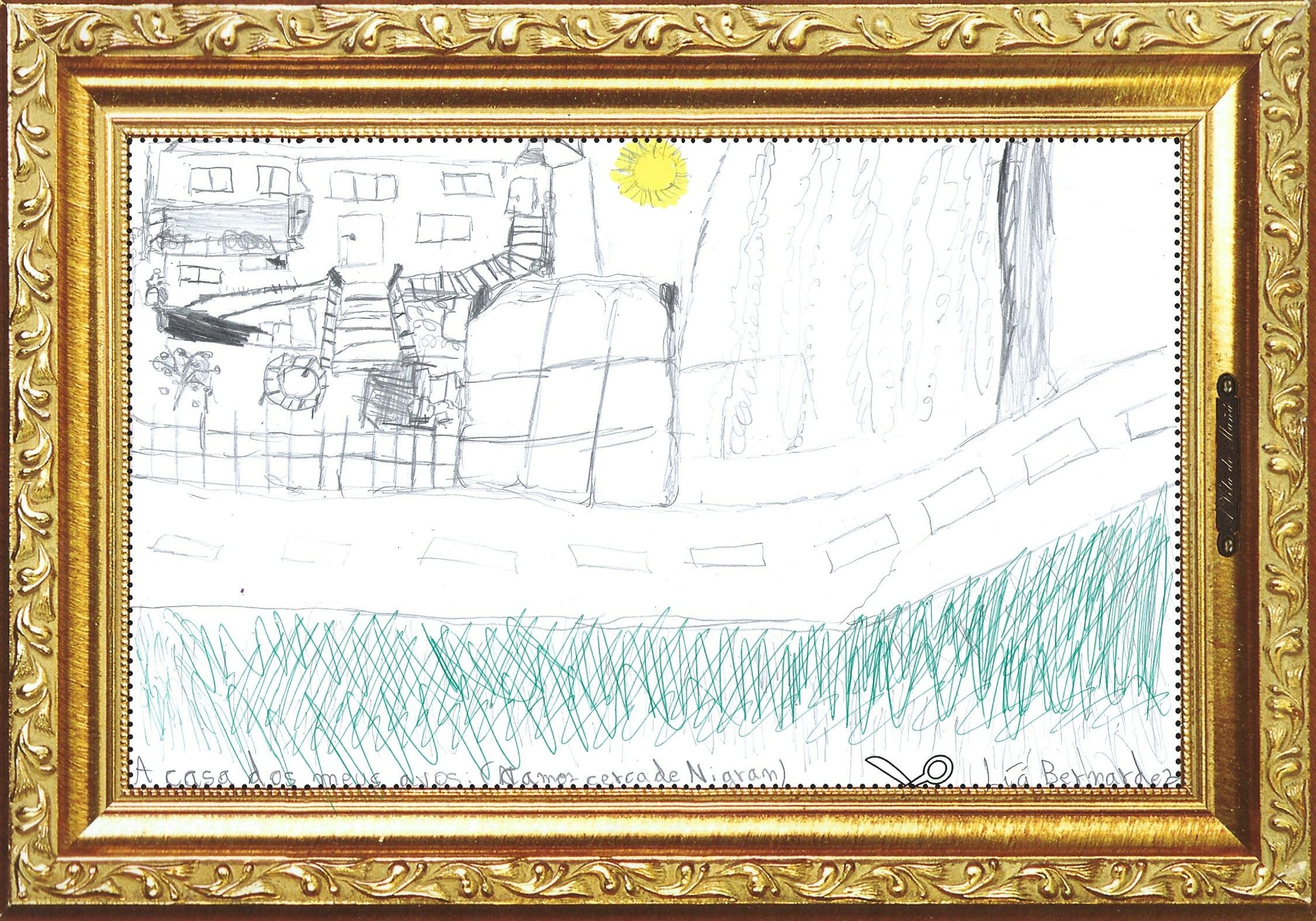
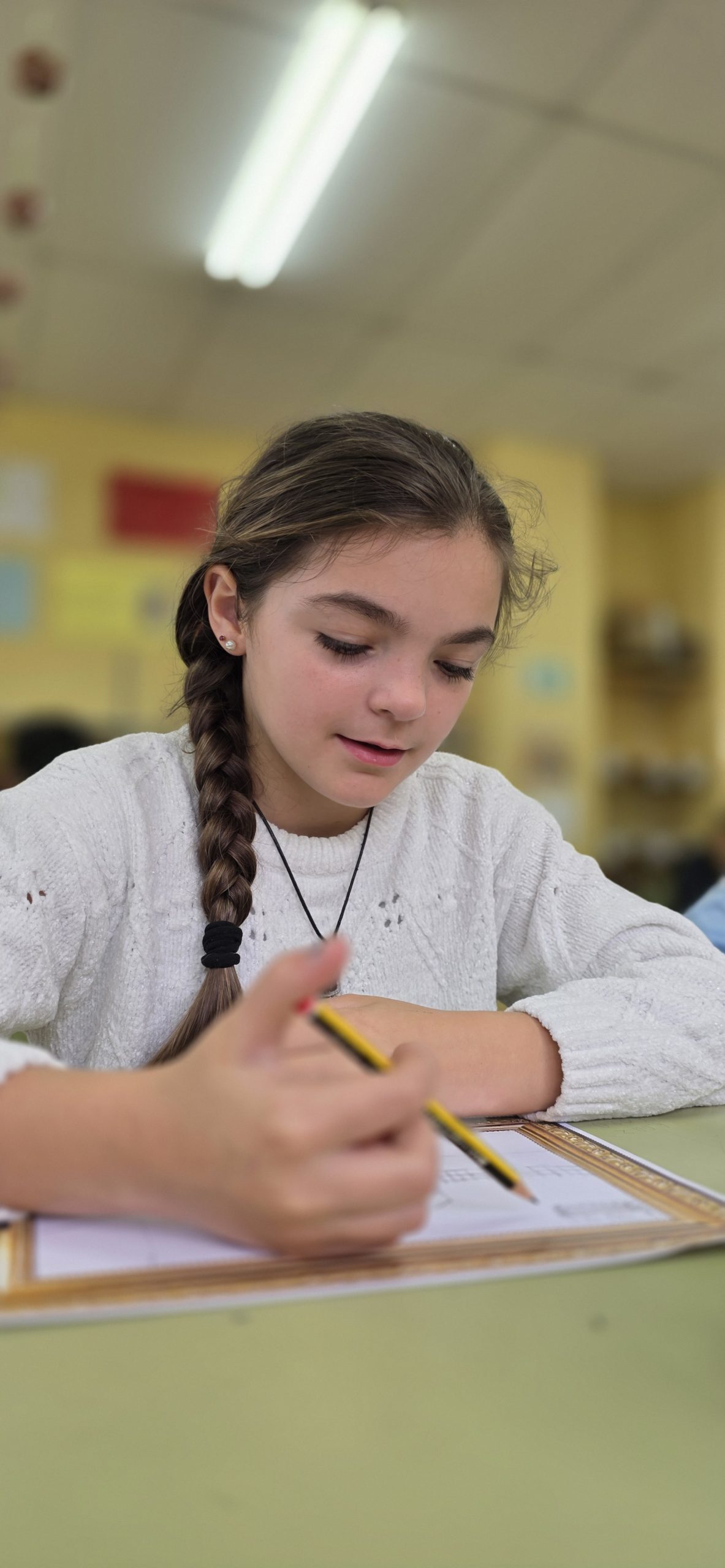
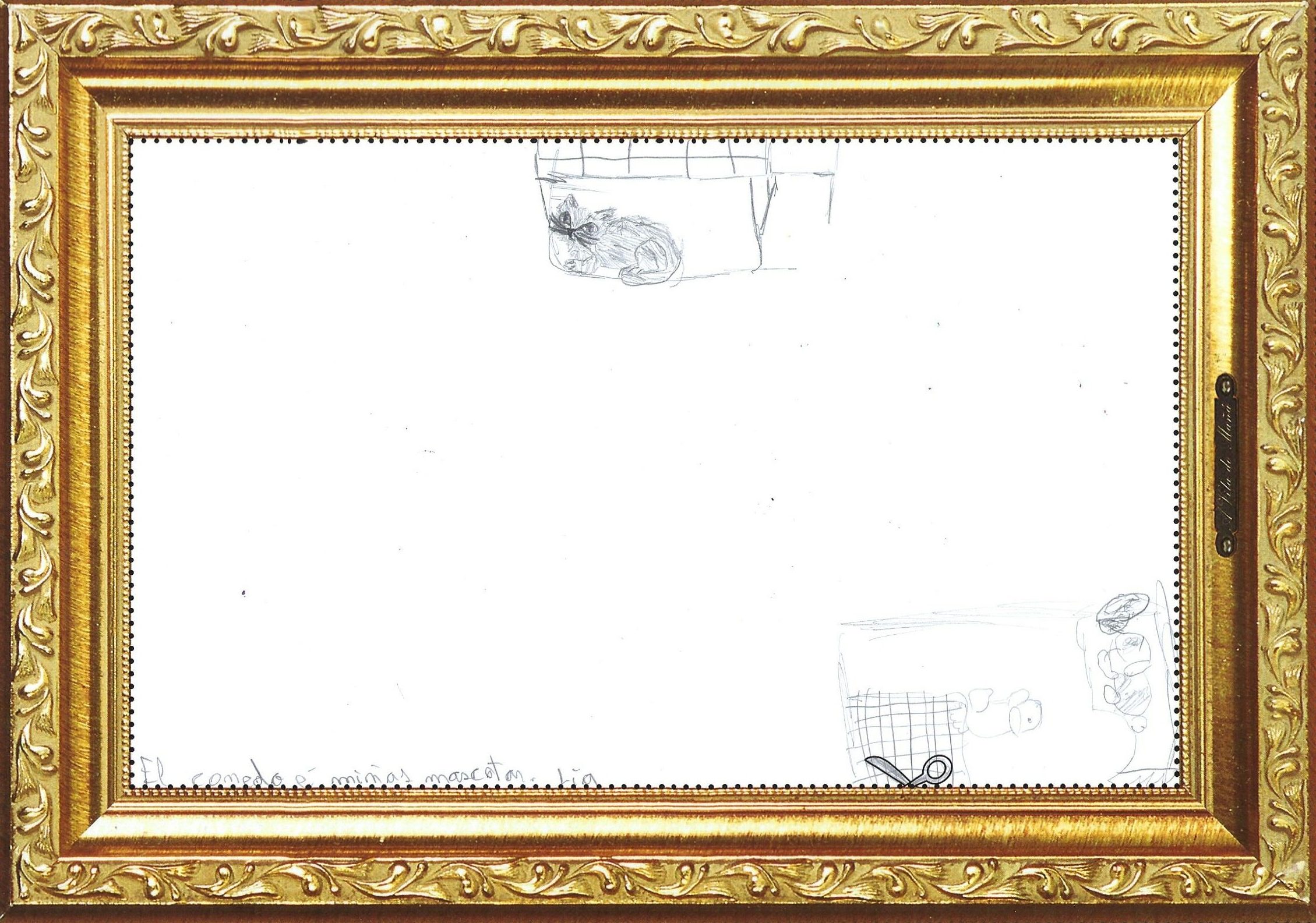
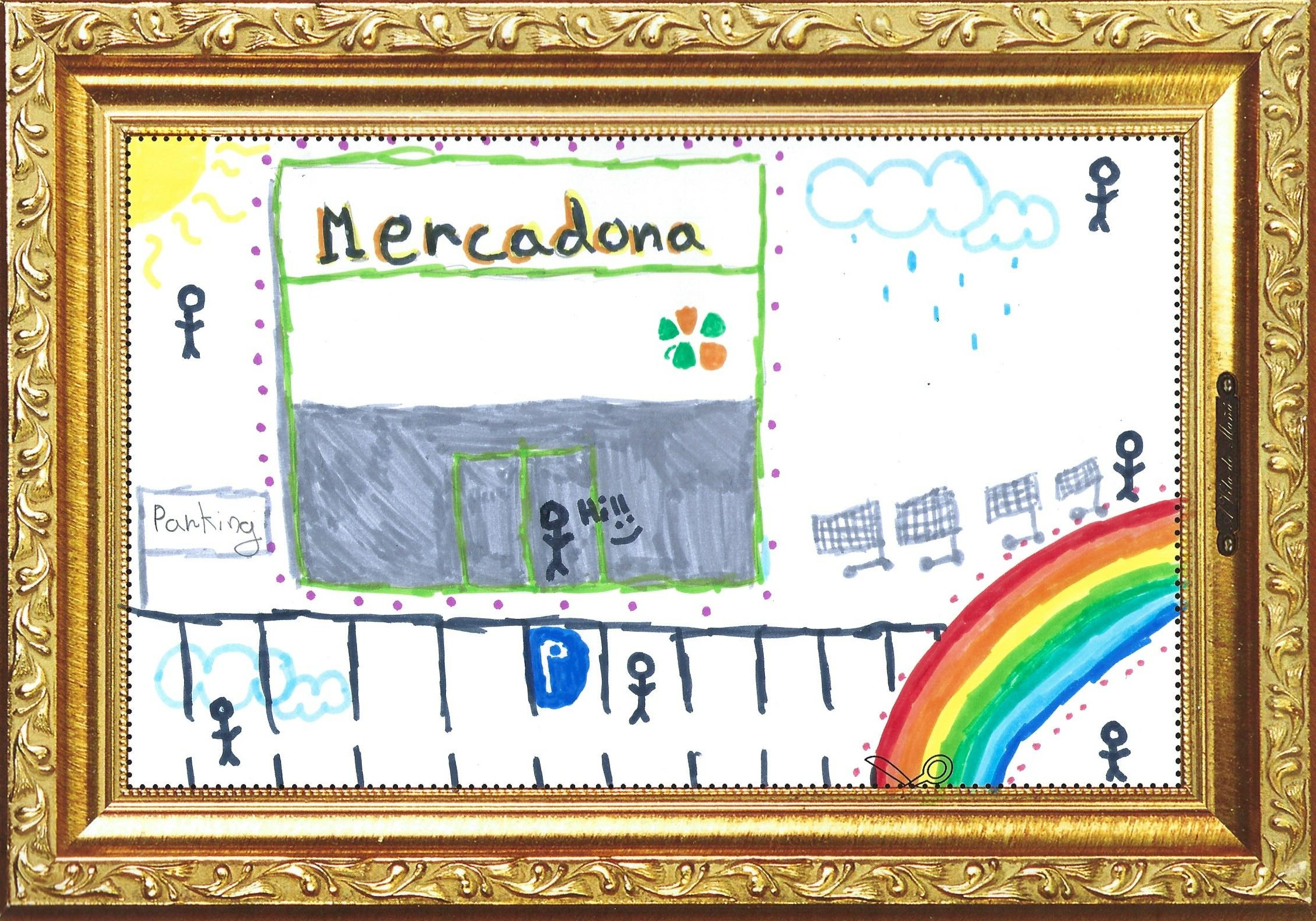
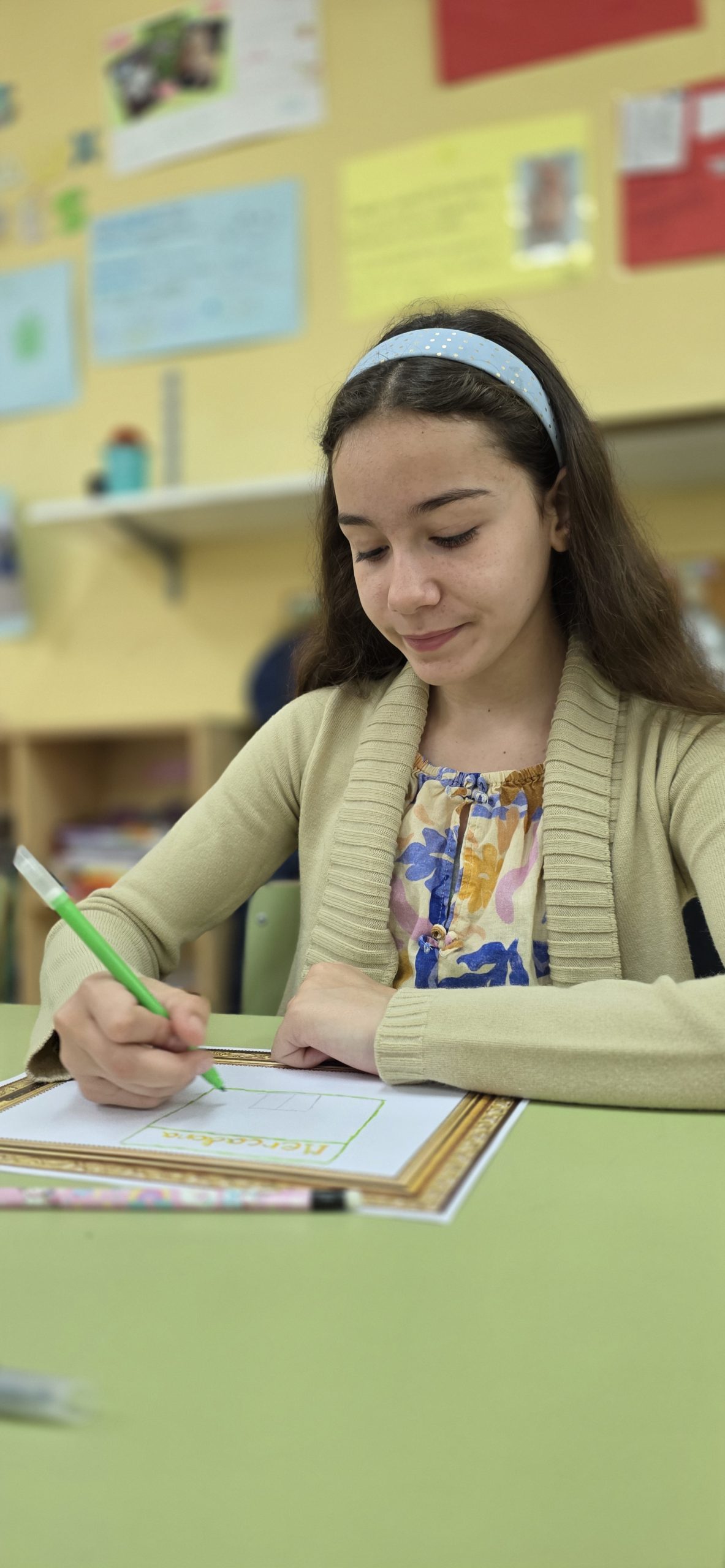
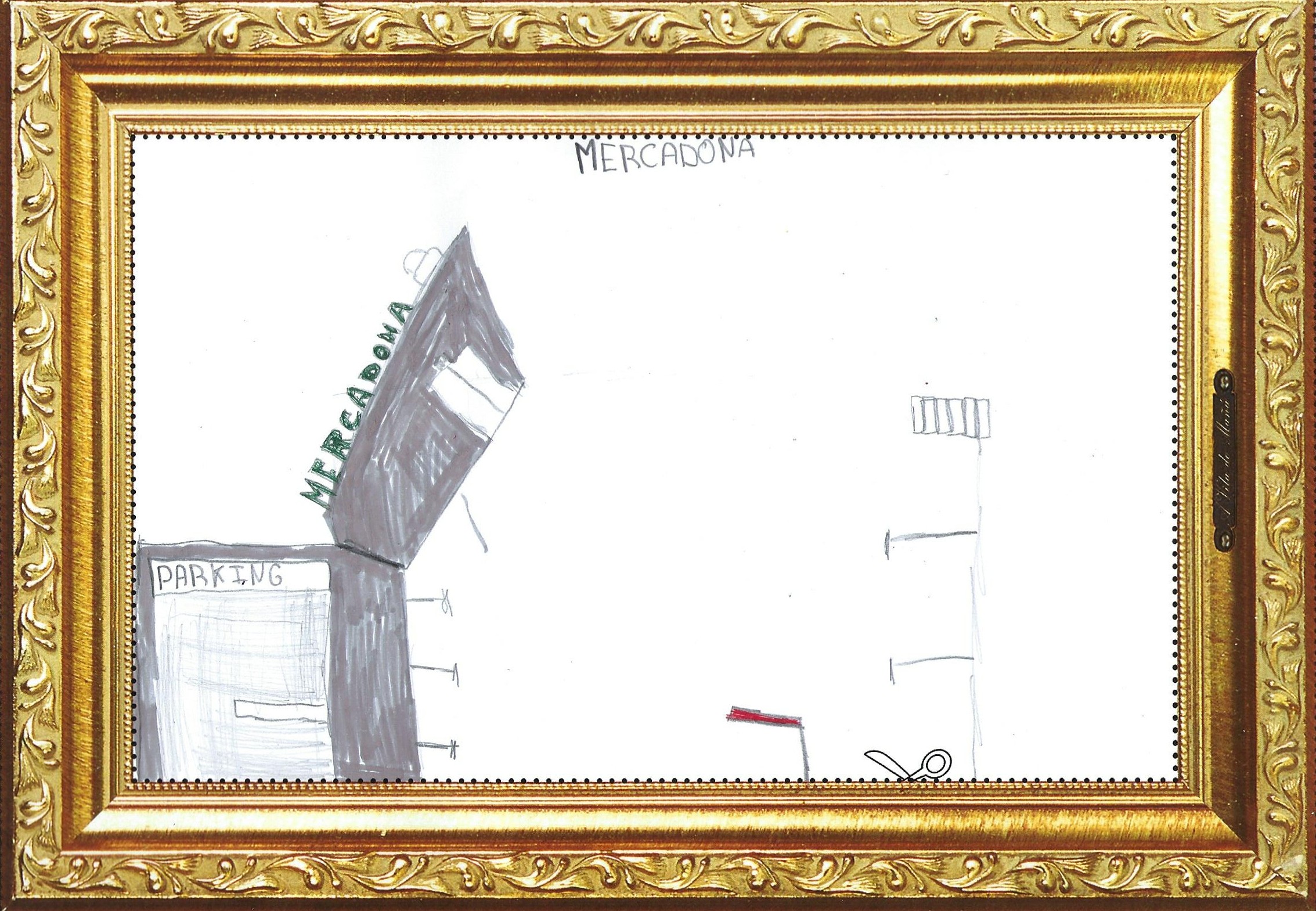
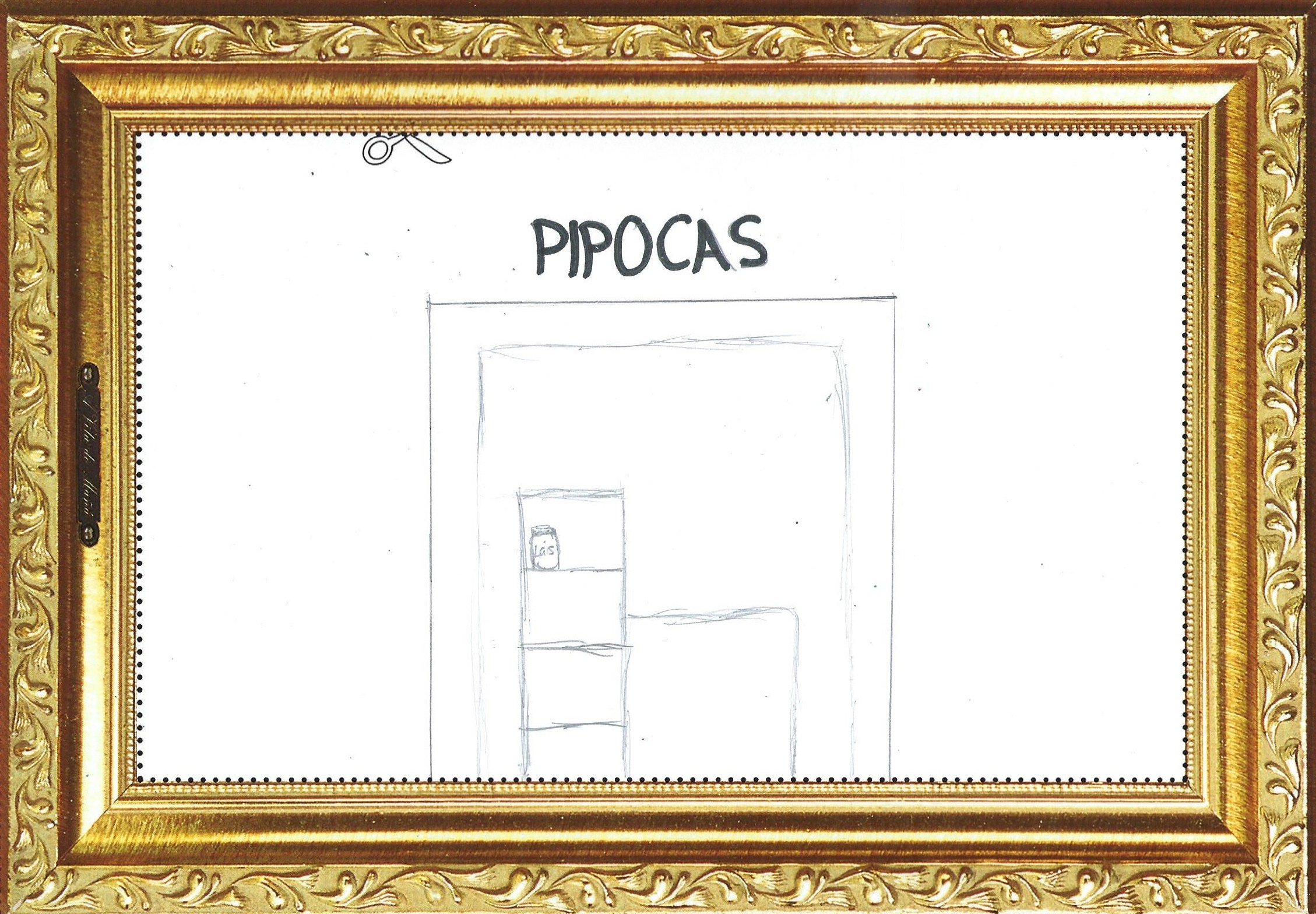
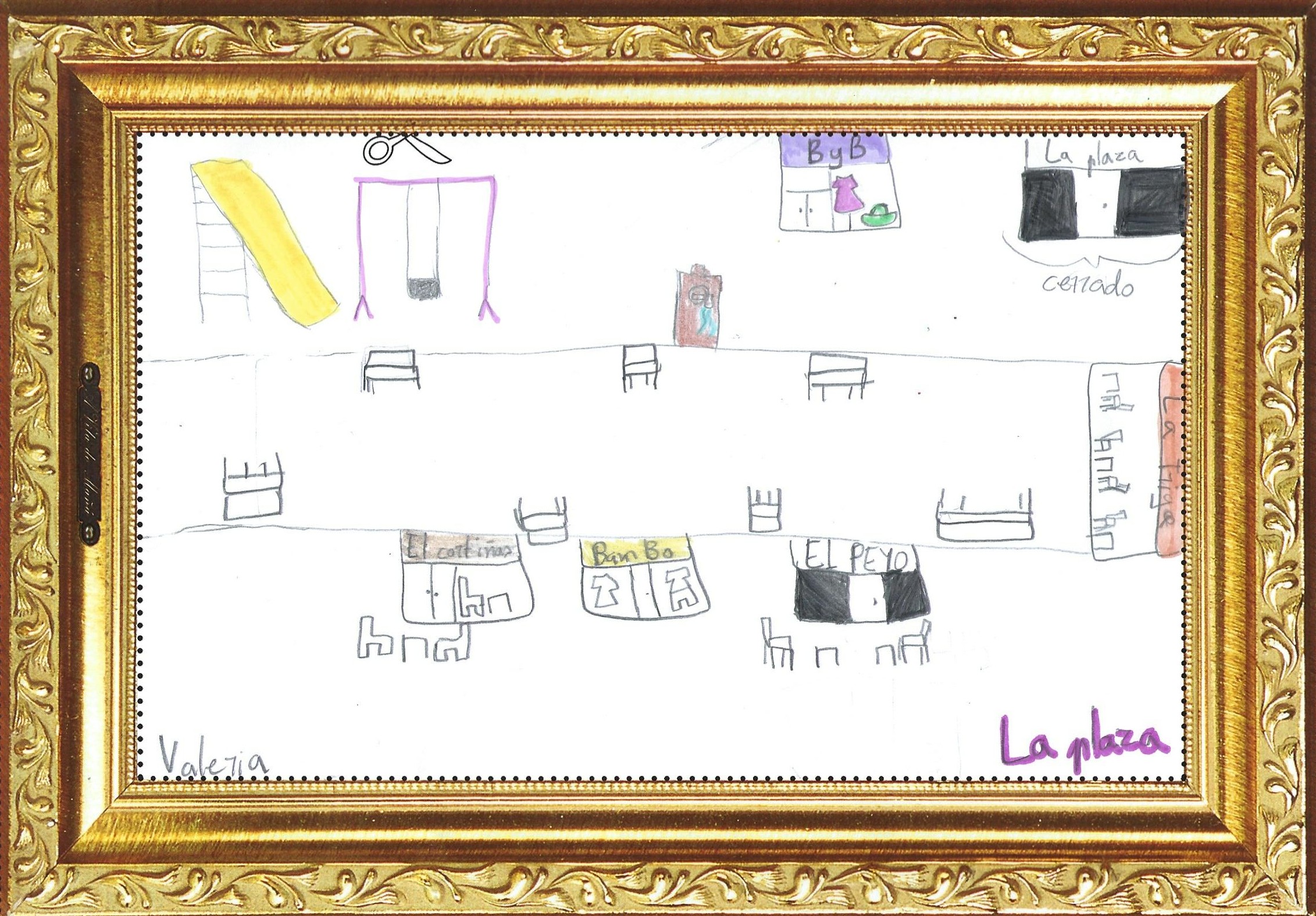
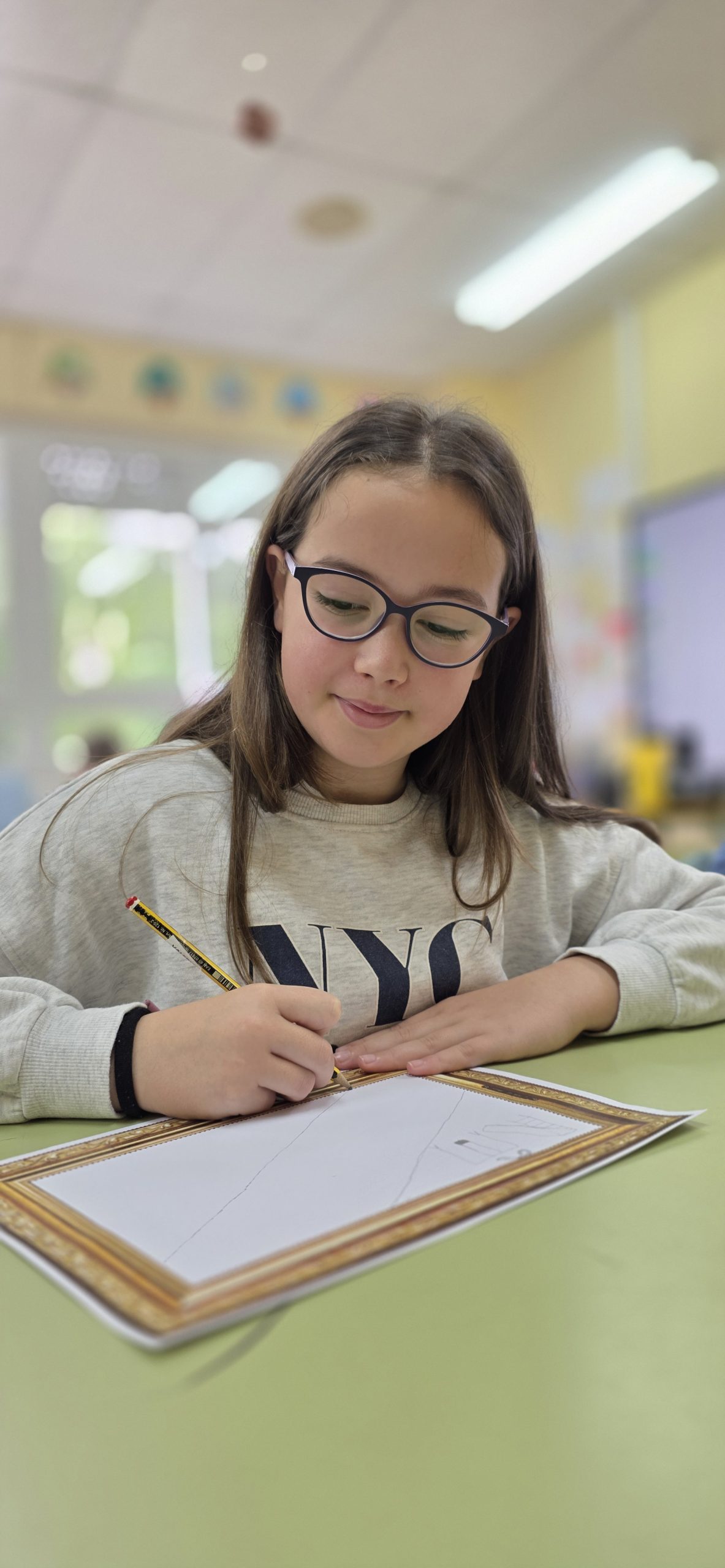
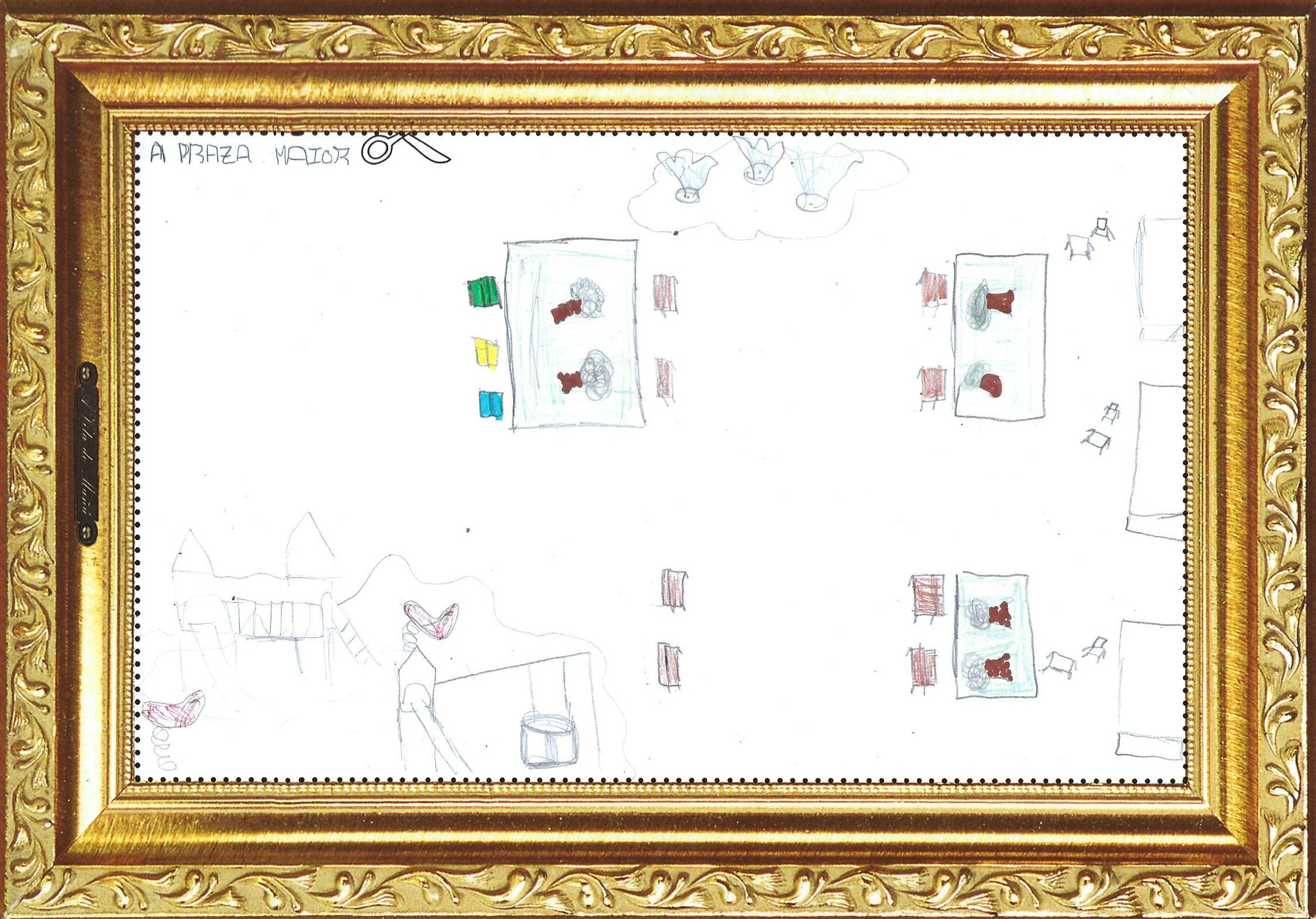
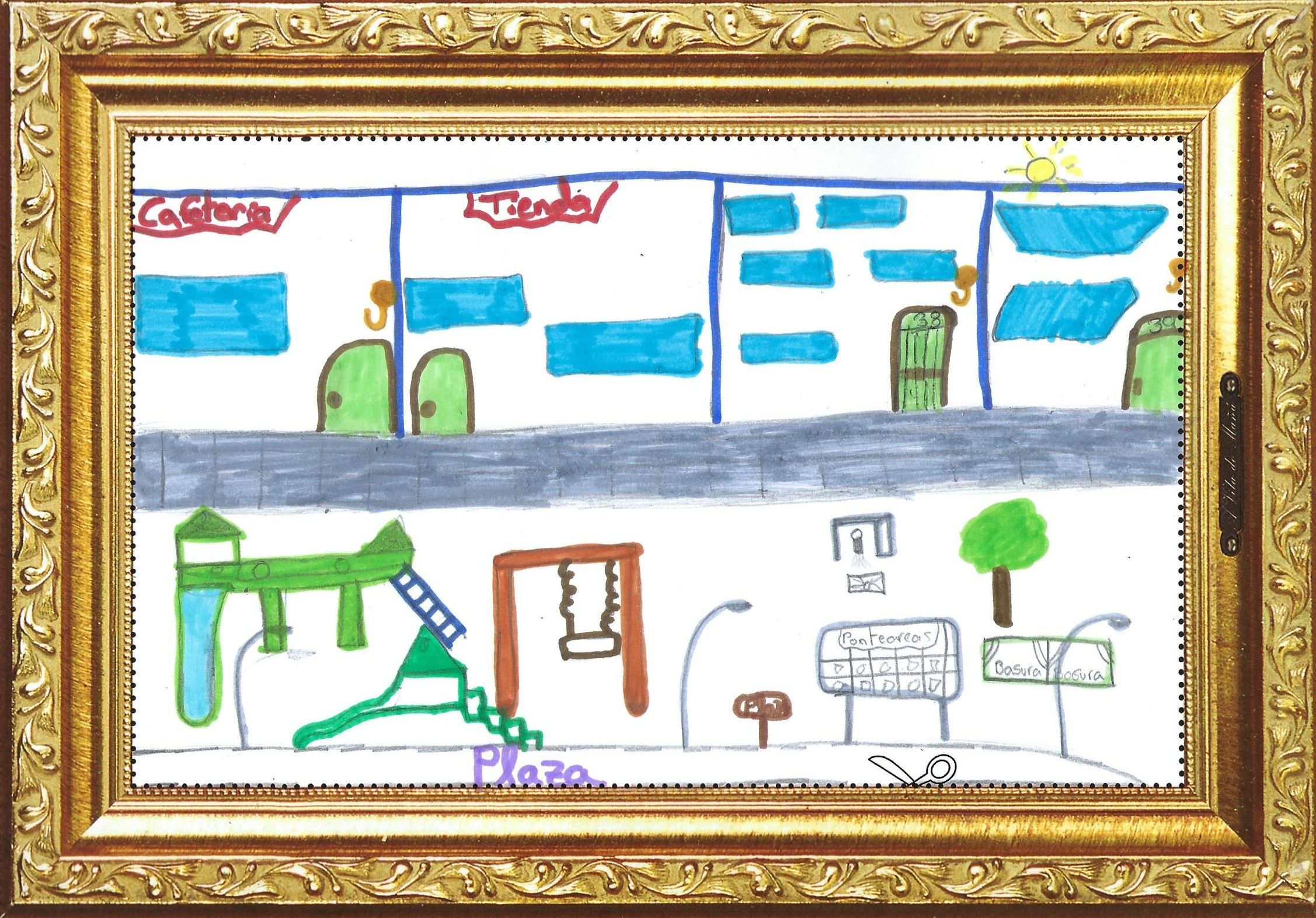
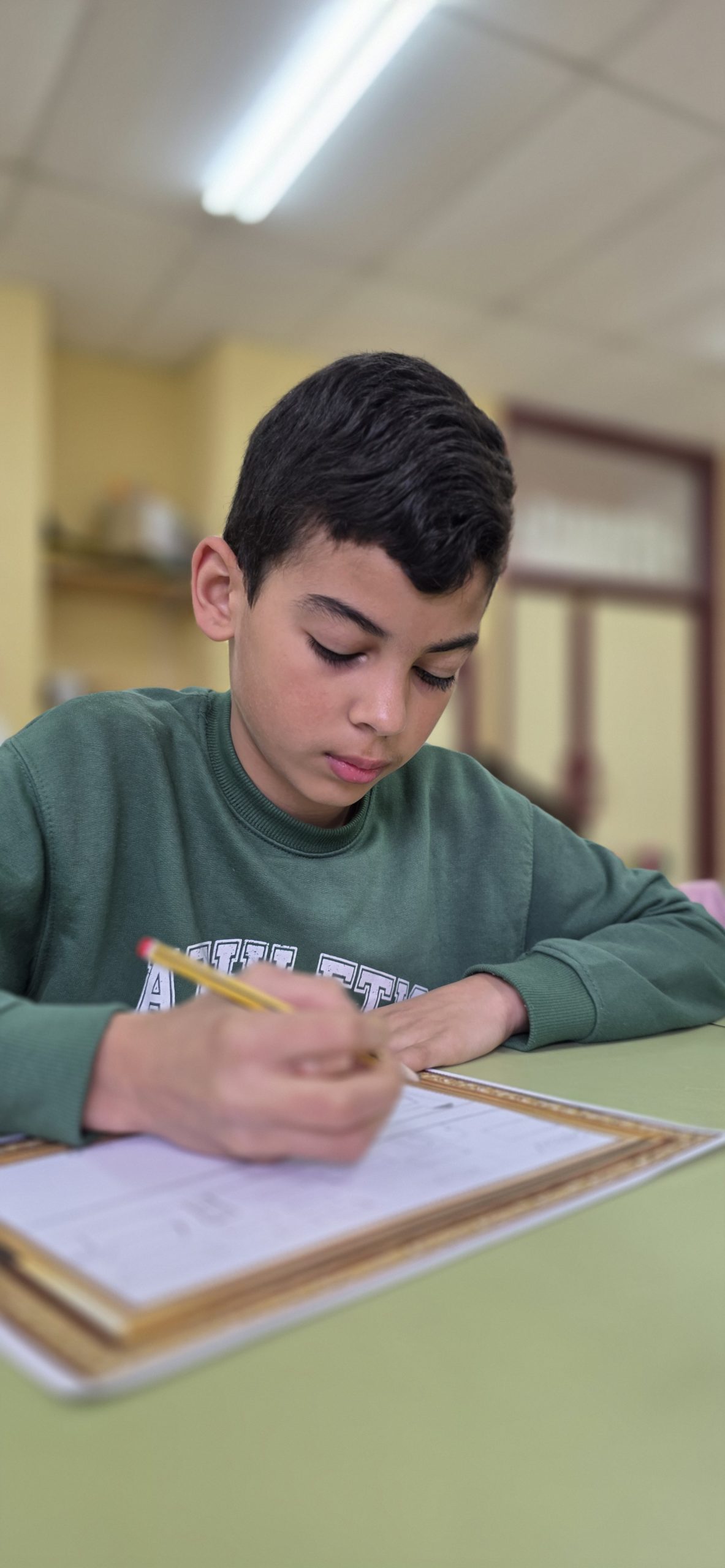
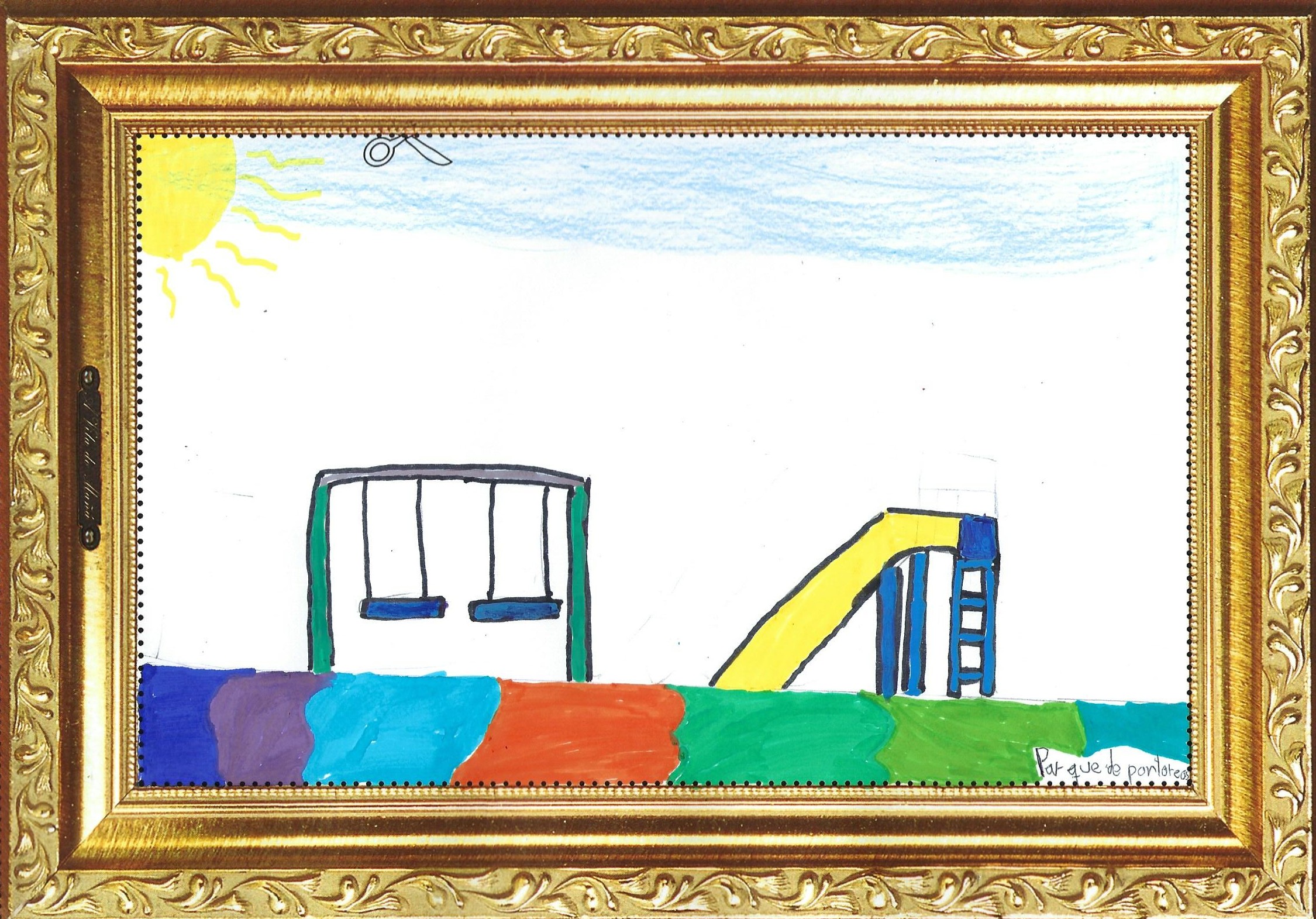
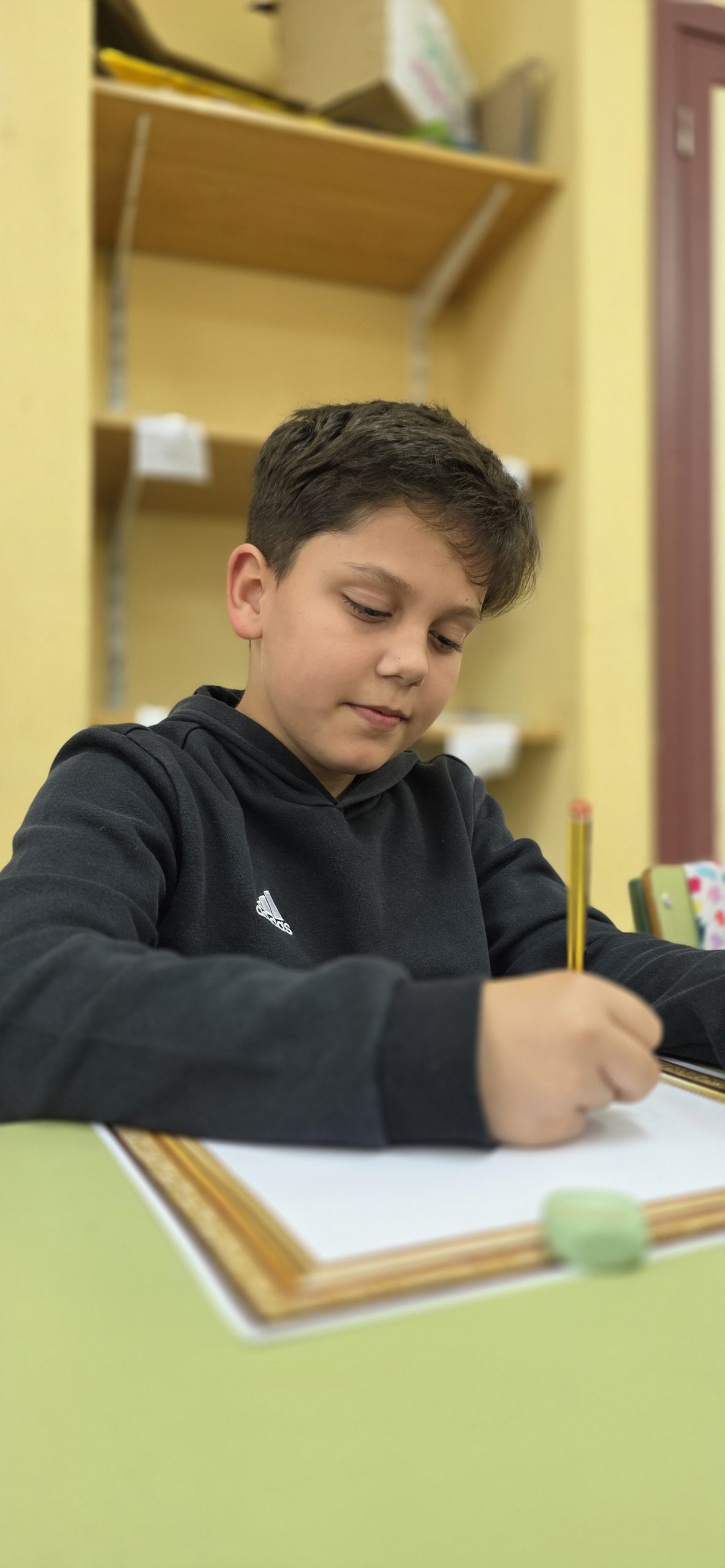
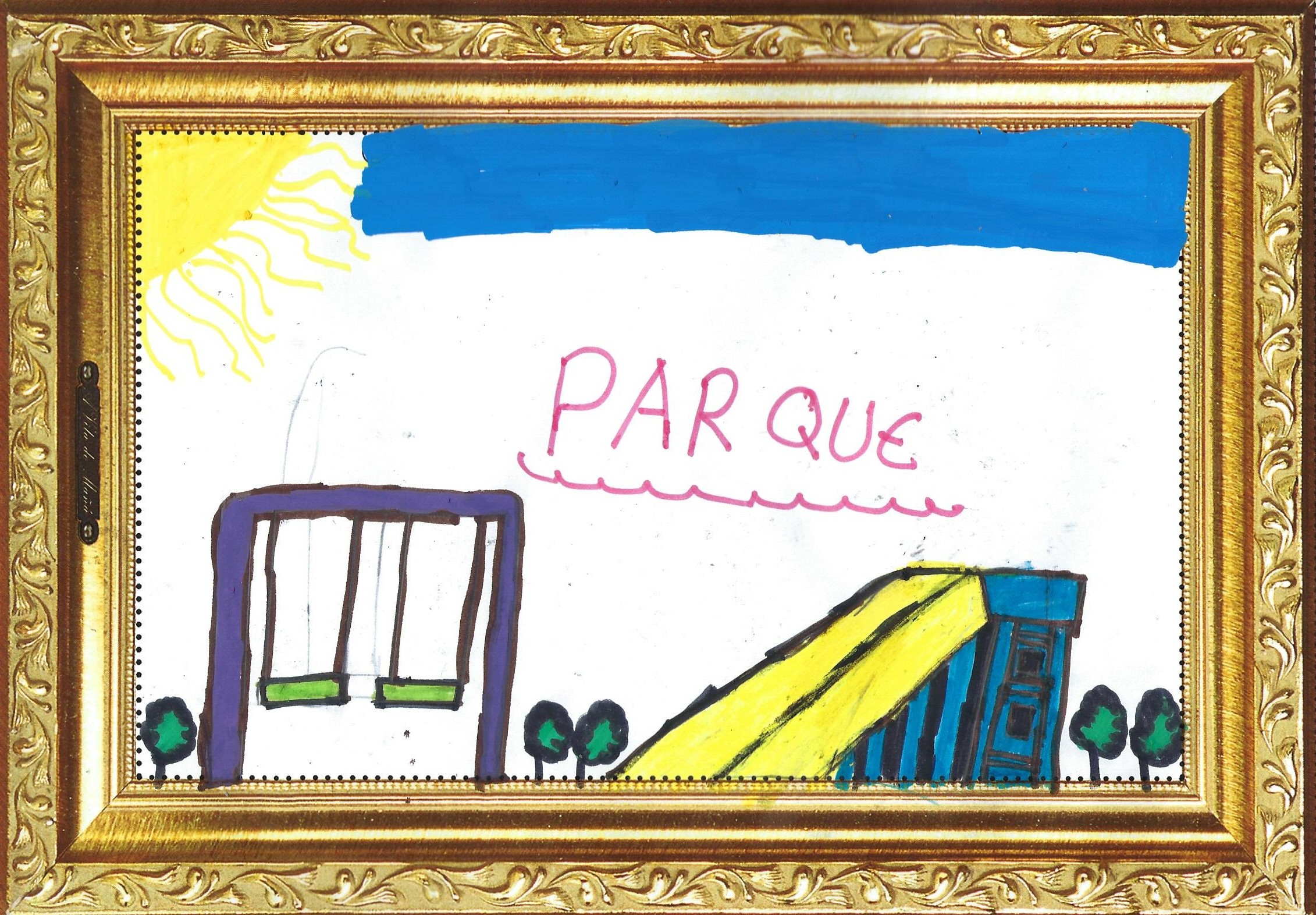
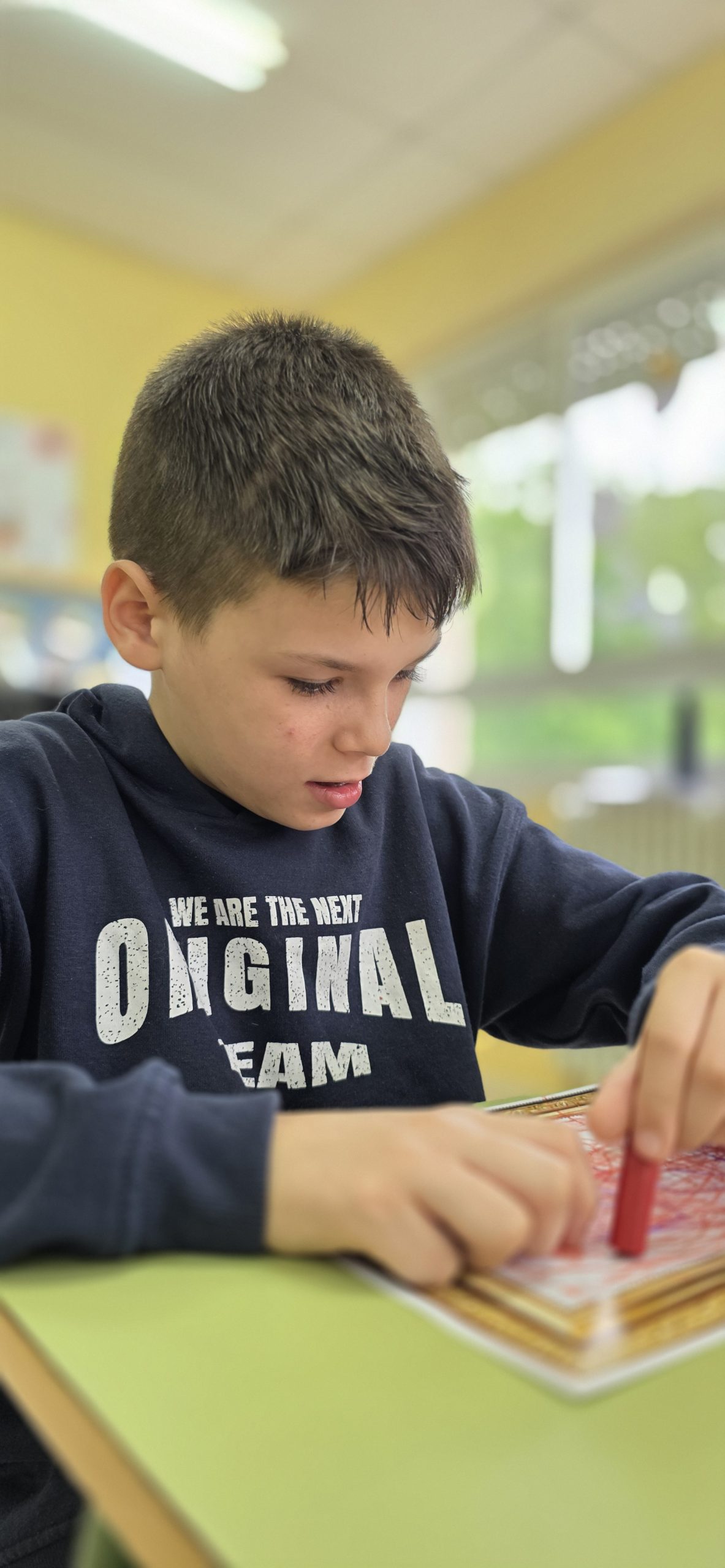
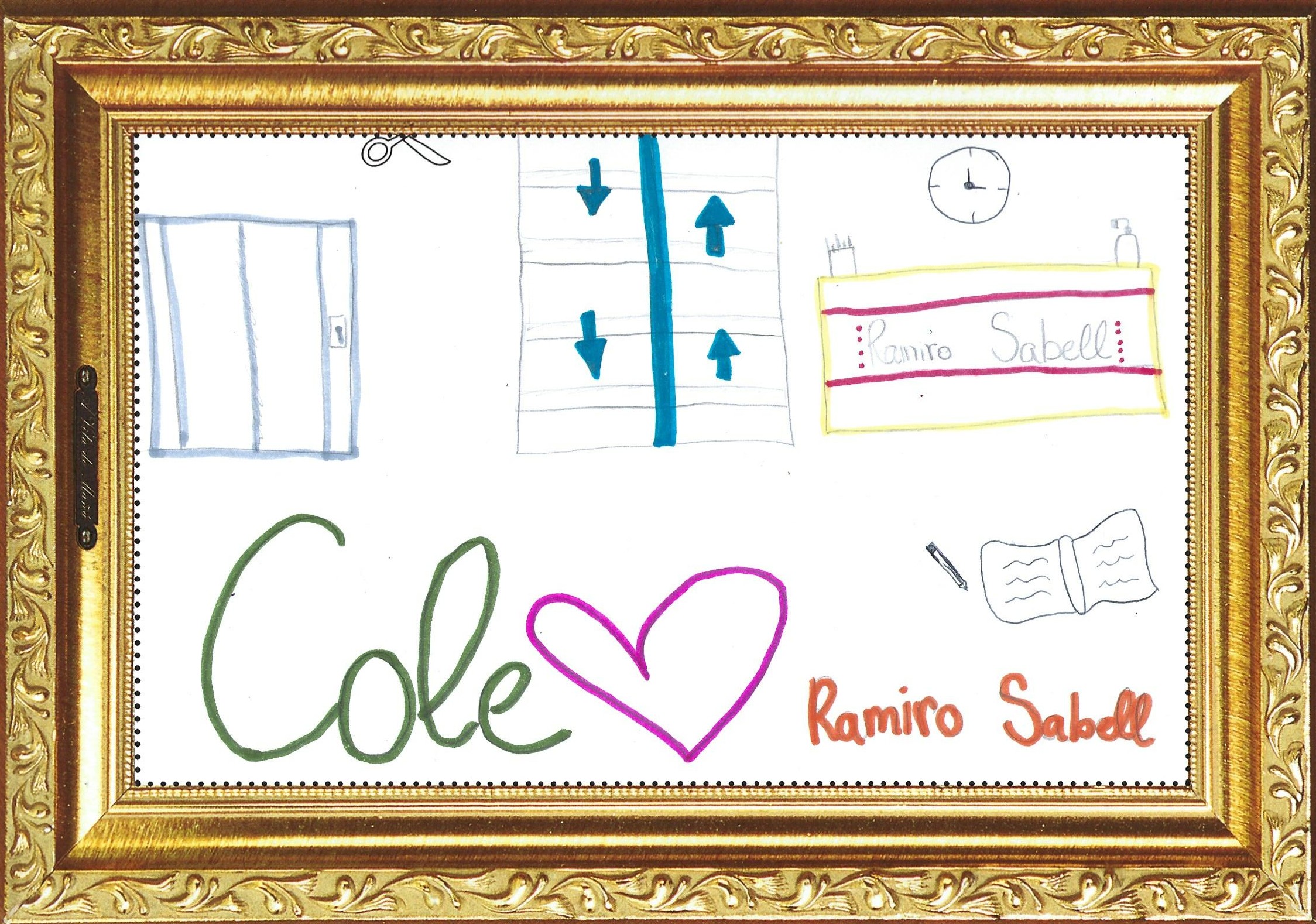
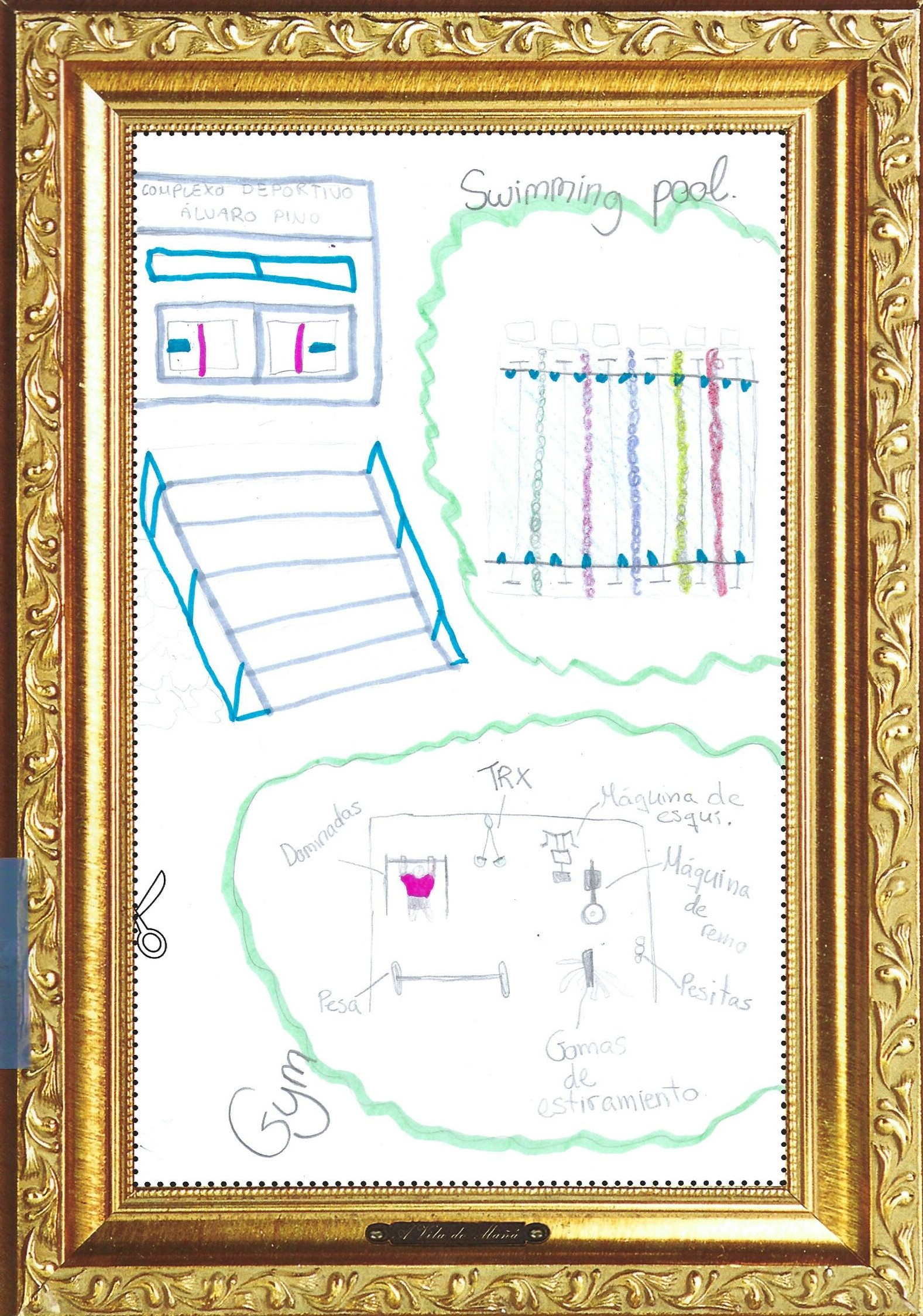
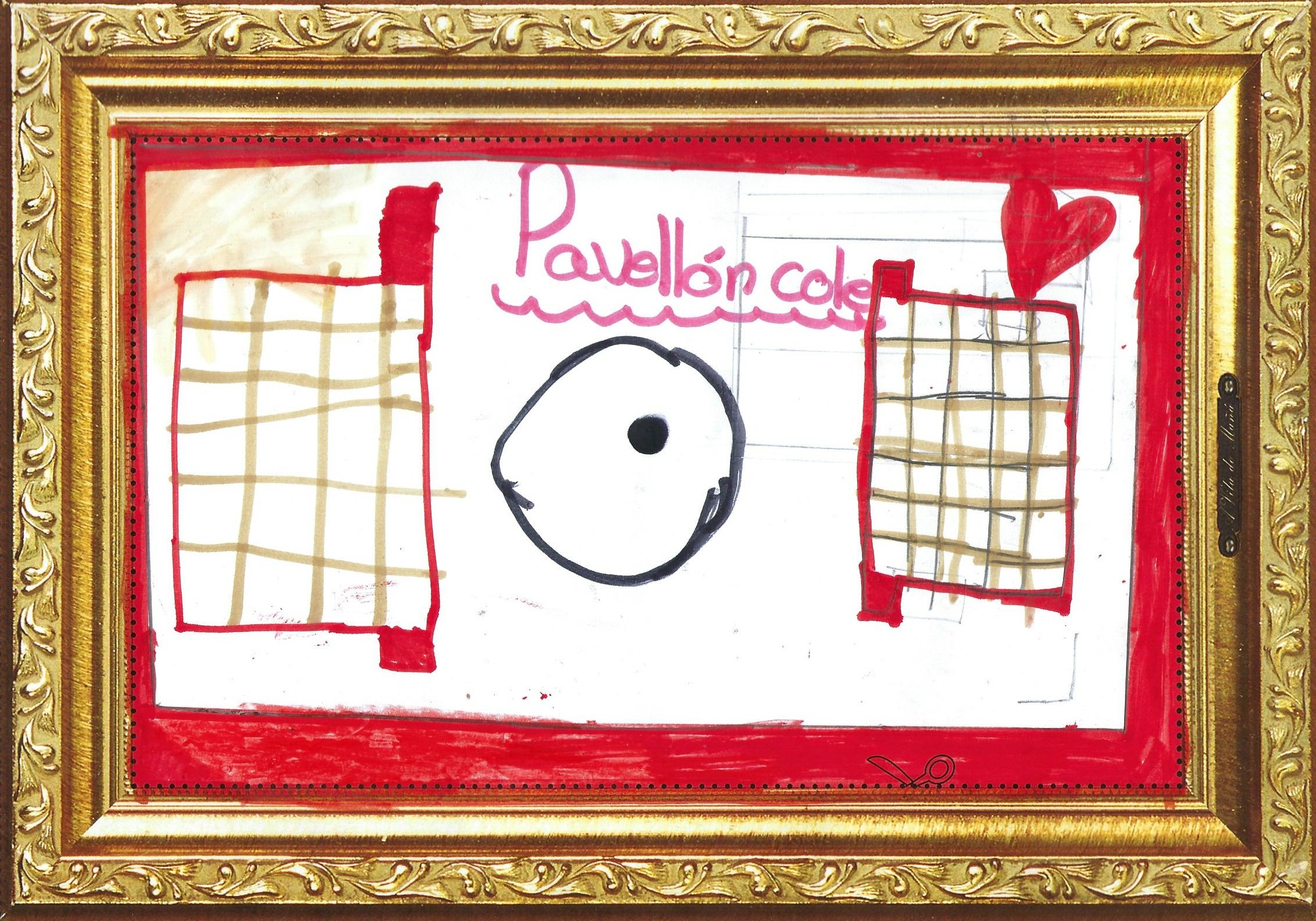
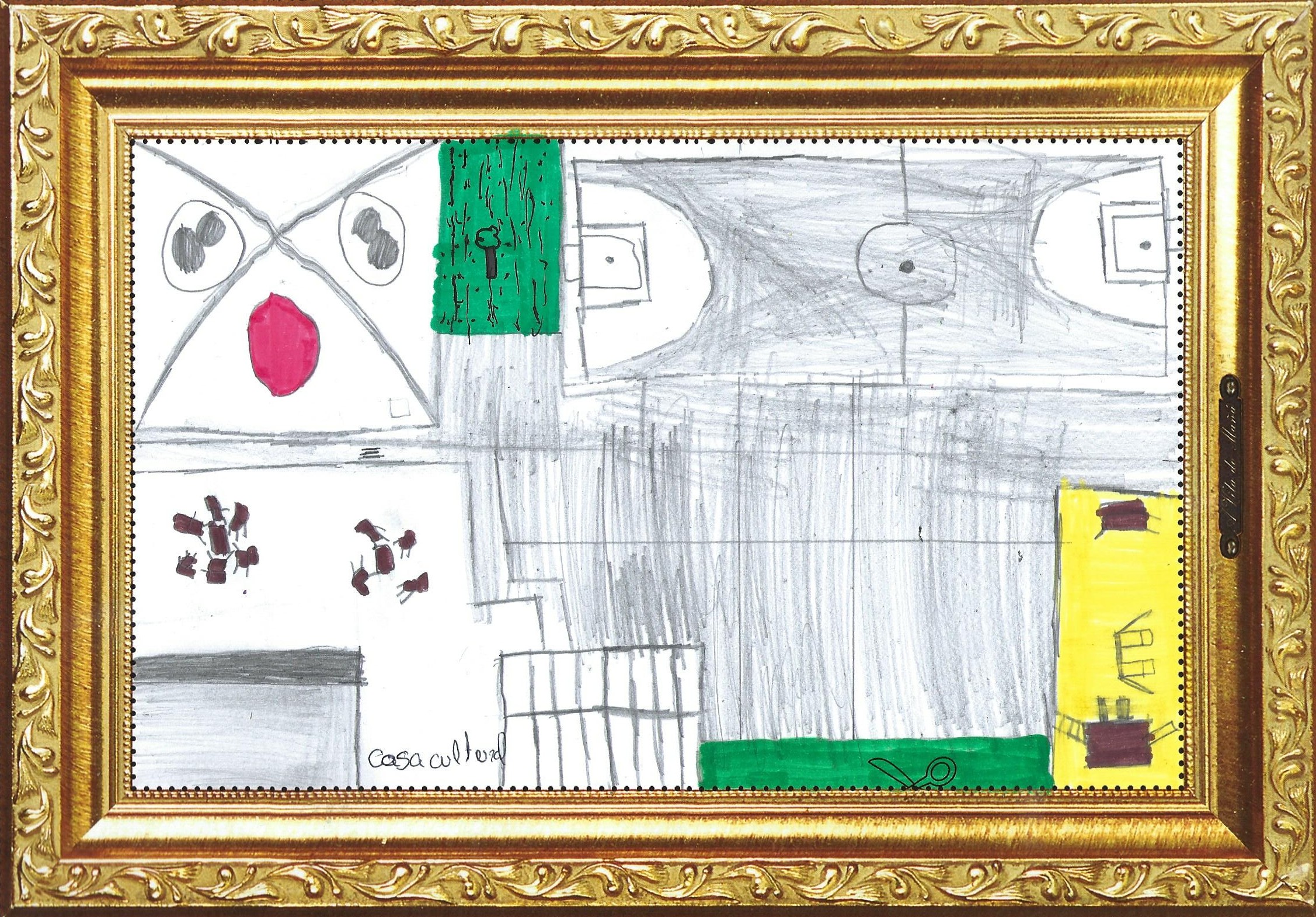
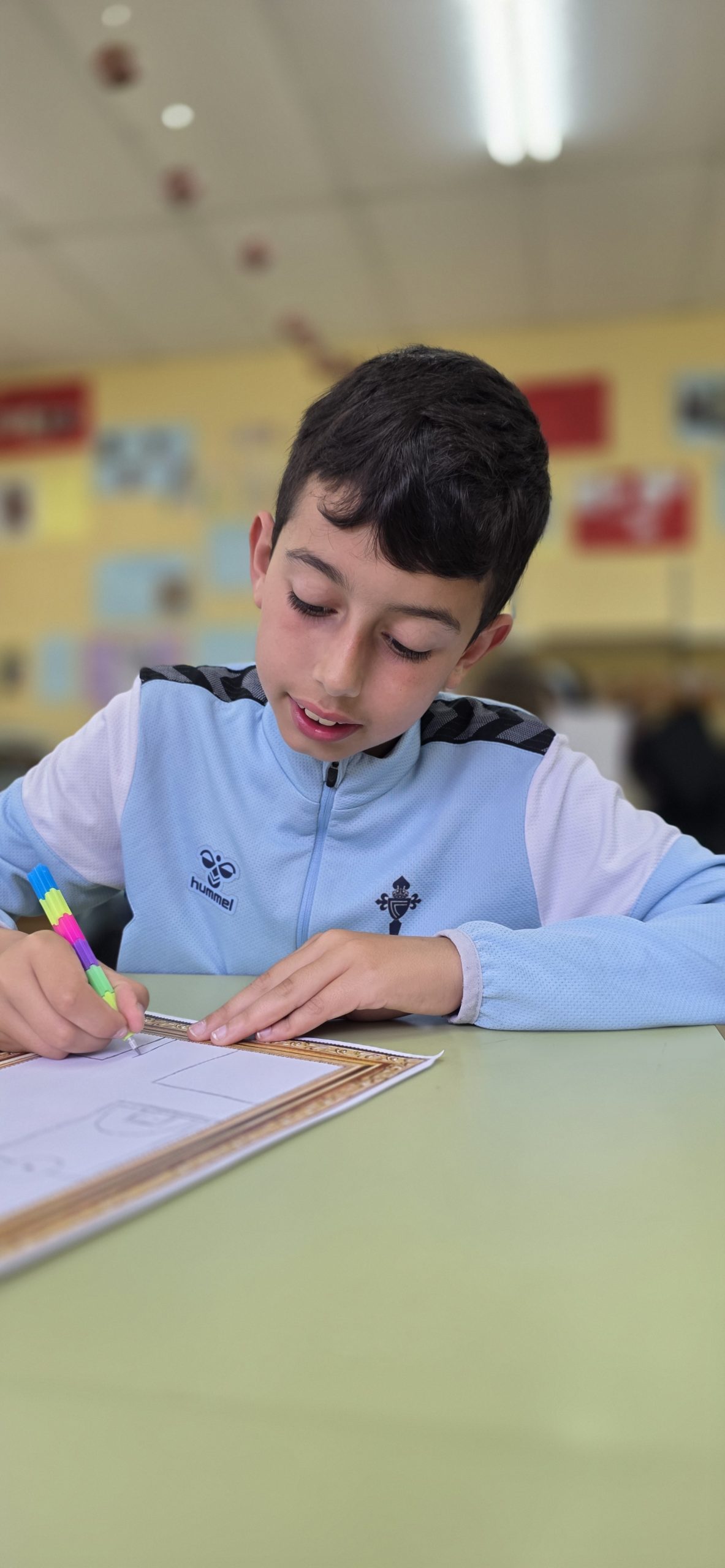
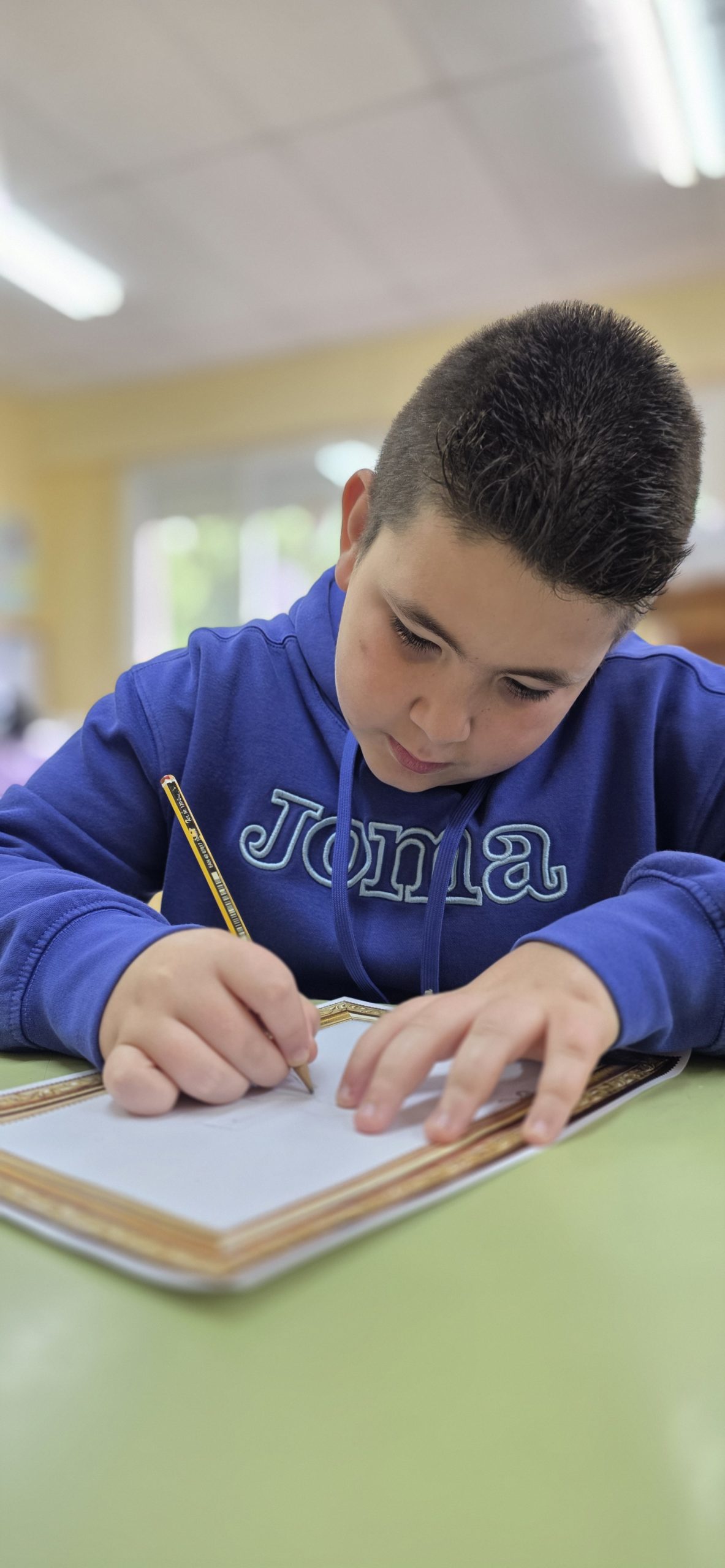
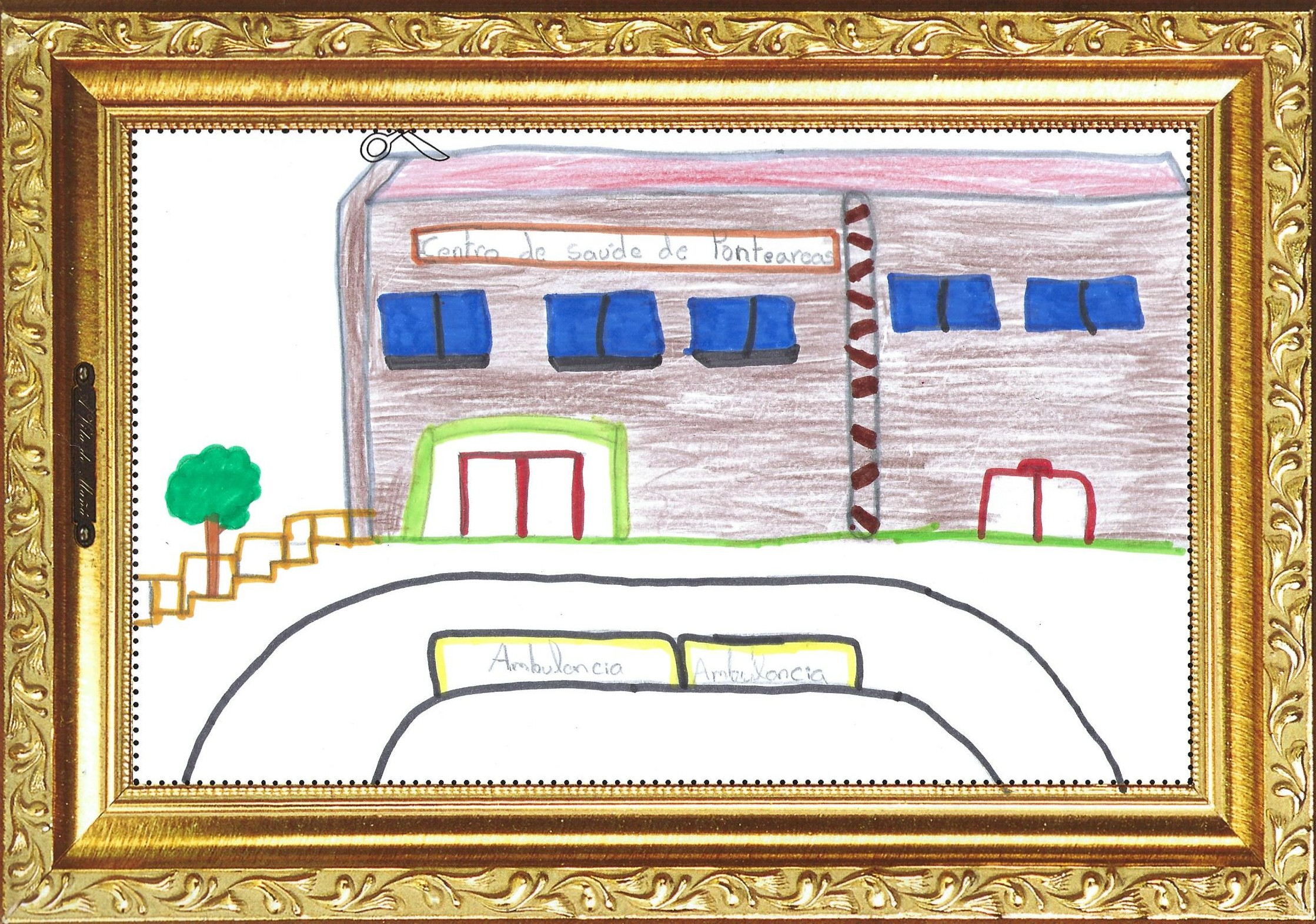
Work began with PERCEPTION: how do future inhabitants perceive their town or city? To this end, the girls, boys and teenagers  participating in the project are asked to show us, through simple drawings, which elements are fundamental or of special interest to them. In this way, we will understand their vision of their town or city and thus be able to work on a collective vision shared by all participants.

Good urban acupuncture would be that which makes everyone know their city. How many people, in reality, know their own city? Hardly anyone respects what they do not know. But how can you respect your city if you do not understand it? Draw your city. […] But how can you improve your city if you do not even know it well? What do you do for it if you are not even capable of drawing it? That is the crux of the matter.

Jaime Lerner

2º y 3º PRIMARIA

2º y 3º PRIMARIA

Escudo Rianxo

Ponteareas

Changing the village through protagonist participation 


reGNIZING Ponteareas


The new generations, the inhabitants of tomorrow, are almost completely unfamiliar with their town or city. They live in a “little box,” move around in another, smaller “box,” and arrive at a larger “box” (whether it is called a school, shopping mall, sports center, … or playground). This is their relationship with their surroundings.

Sandra González Álvarez


Work began with PERCEPTION: how do future inhabitants perceive their town or city? To this end, the girls, boys and teenagers  participating in the project are asked to show us, through simple drawings, which elements are fundamental or of special interest to them. In this way, we will understand their vision of their town or city and thus be able to work on a collective vision shared by all participants.

Good urban acupuncture would be that which makes everyone know their city. How many people, in reality, know their own city? Hardly anyone respects what they do not know. But how can you respect your city if you do not understand it? Draw your city. […] But how can you improve your city if you do not even know it well? What do you do for it if you are not even capable of drawing it? That is the crux of the matter.

Jaime Lerner

2º ESO

2º ESO

O Porriño

changing the village through protagonist participation


reCOGNIZING O Porriño


The new generations, the inhabitants of tomorrow, are almost completely unfamiliar with their town or city. They live in a “little box,” move around in another, smaller “box,” and arrive at a larger “box” (whether it is called a school, shopping mall, sports center, … or playground). This is their relationship with their surroundings.

Sandra González Álvarez


Work began with PERCEPTION: how do future inhabitants perceive their town or city? To this end, the girls, boys and teenagers  participating in the project are asked to show us, through simple drawings, which elements are fundamental or of special interest to them. In this way, we will understand their vision of their town or city and thus be able to work on a collective vision shared by all participants.

Good urban acupuncture would be that which makes everyone know their city. How many people, in reality, know their own city? Hardly anyone respects what they do not know. But how can you respect your city if you do not understand it? Draw your city. […] But how can you improve your city if you do not even know it well? What do you do for it if you are not even capable of drawing it? That is the crux of the matter.

Jaime Lerner

Colour your village

The village or city in which we are working, transformed into a game board, a laboratory of experimentation where children and teenagers can act from a new point of view.

1º ESO

1º ESO

O Porriño

changing the village through protagonist participation


reCOGNIZING O Porriño


The new generations, the inhabitants of tomorrow, are almost completely unfamiliar with their town or city. They live in a “little box,” move around in another, smaller “box,” and arrive at a larger “box” (whether it is called a school, shopping mall, sports center, … or playground). This is their relationship with their surroundings.

Sandra González Álvarez


Work began with PERCEPTION: how do future inhabitants perceive their town or city? To this end, the girls, boys and teenagers  participating in the project are asked to show us, through simple drawings, which elements are fundamental or of special interest to them. In this way, we will understand their vision of their town or city and thus be able to work on a collective vision shared by all participants.

Good urban acupuncture would be that which makes everyone know their city. How many people, in reality, know their own city? Hardly anyone respects what they do not know. But how can you respect your city if you do not understand it? Draw your city. […] But how can you improve your city if you do not even know it well? What do you do for it if you are not even capable of drawing it? That is the crux of the matter.

Jaime Lerner

Colour your village

The village or city in which we are working, transformed into a game board, a laboratory of experimentation where children and teenagers can act from a new point of view.

6º PRIMARIA

6º PRIMARIA

Escudo Rianxo

Ponteareas

Changing the village through protagonist participation 


reCOGNIZING Ponteareas


The new generations, the inhabitants of tomorrow, are almost completely unfamiliar with their town or city. They live in a “little box,” move around in another, smaller “box,” and arrive at a larger “box” (whether it is called a school, shopping mall, sports center, … or playground). This is their relationship with their surroundings.

Sandra González Álvarez


Work began with PERCEPTION: how do future inhabitants perceive their town or city? To this end, the girls, boys and teenagers  participating in the project are asked to show us, through simple drawings, which elements are fundamental or of special interest to them. In this way, we will understand their vision of their town or city and thus be able to work on a collective vision shared by all participants.

Good urban acupuncture would be that which makes everyone know their city. How many people, in reality, know their own city? Hardly anyone respects what they do not know. But how can you respect your city if you do not understand it? Draw your city. […] But how can you improve your city if you do not even know it well? What do you do for it if you are not even capable of drawing it? That is the crux of the matter.

Jaime Lerner

5ºB PRIMARIA

5ºB PRIMARIA

Escudo Rianxo

Ponteareas

Changing the village through protagonist participation 


reCOGNIZING Ponteareas


The new generations, the inhabitants of tomorrow, are almost completely unfamiliar with their town or city. They live in a “little box,” move around in another, smaller “box,” and arrive at a larger “box” (whether it is called a school, shopping mall, sports center, … or playground). This is their relationship with their surroundings.

Sandra González Álvarez


Work began with PERCEPTION: how do future inhabitants perceive their town or city? To this end, the girls, boys and teenagers  participating in the project are asked to show us, through simple drawings, which elements are fundamental or of special interest to them. In this way, we will understand their vision of their town or city and thus be able to work on a collective vision shared by all participants.

Good urban acupuncture would be that which makes everyone know their city. How many people, in reality, know their own city? Hardly anyone respects what they do not know. But how can you respect your city if you do not understand it? Draw your city. […] But how can you improve your city if you do not even know it well? What do you do for it if you are not even capable of drawing it? That is the crux of the matter.

Jaime Lerner

5º PRIMARIA

5º PRIMARIA

Escudo Rianxo

Ponteareas

Changing the village through protagonist participation 


reCOGNIZING Ponteareas


The new generations, the inhabitants of tomorrow, are almost completely unfamiliar with their town or city. They live in a “little box,” move around in another, smaller “box,” and arrive at a larger “box” (whether it is called a school, shopping mall, sports center, … or playground). This is their relationship with their surroundings.

Sandra González Álvarez


Work began with PERCEPTION: how do future inhabitants perceive their town or city? To this end, the girls, boys and teenagers  participating in the project are asked to show us, through simple drawings, which elements are fundamental or of special interest to them. In this way, we will understand their vision of their town or city and thus be able to work on a collective vision shared by all participants.

Good urban acupuncture would be that which makes everyone know their city. How many people, in reality, know their own city? Hardly anyone respects what they do not know. But how can you respect your city if you do not understand it? Draw your city. […] But how can you improve your city if you do not even know it well? What do you do for it if you are not even capable of drawing it? That is the crux of the matter.

Jaime Lerner

5ºA PRIMARIA

5ºA PRIMARIA

Escudo Rianxo

Ponteareas

Changing the village through protagonist participation 


reCOGNIZING Ponteareas


The new generations, the inhabitants of tomorrow, are almost completely unfamiliar with their town or city. They live in a “little box,” move around in another, smaller “box,” and arrive at a larger “box” (whether it is called a school, shopping mall, sports center, … or playground). This is their relationship with their surroundings.

Sandra González Álvarez


Work began with PERCEPTION: how do future inhabitants perceive their town or city? To this end, the girls, boys and teenagers  participating in the project are asked to show us, through simple drawings, which elements are fundamental or of special interest to them. In this way, we will understand their vision of their town or city and thus be able to work on a collective vision shared by all participants.

Good urban acupuncture would be that which makes everyone know their city. How many people, in reality, know their own city? Hardly anyone respects what they do not know. But how can you respect your city if you do not understand it? Draw your city. […] But how can you improve your city if you do not even know it well? What do you do for it if you are not even capable of drawing it? That is the crux of the matter.

Jaime Lerner

Tags

Accessible Cities (69) Acoruñanarede (1) Ames (5) Anxel Casal (3) A Pobra do Caramiñal (2) ArchDaily (1) Architecture (159) Arquitectura (40) Arteixo (2) Art magazine - Logopress (2) Arzúa (34) As Pontes (2) Atlántico (1) A Vila do Mañá (256) barbadas.es (1) Barbadás (15) Barbanza Channel (3) Bergantiños Diary (1) Book (8) boys and adolescents (24) Brasil (11) Brazil (5) Bueu (16) Cambados (15) Carballo (40) Childhood (198) City (76) codesign (16) Coia (19) Compostela24horas.com (1) Conference (5) Coronavirus (68) Council of Carballo (1) Covid (69) crtvg (1) Cultural heritage (7) Culture city (1) Curtis (7) derecho a la ciudad (1) Diario de Arousa (4) Diario de Pontevedra (1) Diary of Arousa (29) Ecos da comarca (4) El Comarcal (1) El Correo Gallego (43) ElDiario.es (1) el ideal gallego (1) El progreso (1) enfoques (2) Environment (3) Faro de Vigo (43) Ferrol (19) Ferrol360.es (1) Ferrol Diary (5) Floats (8) Galicia (232) Galicia@PRESS (2) Galician literature (1) Game board (5) Game of goose (5) GDiario (1) Girls (18) Girls, boys and adolescents (133) Green flag (4) Hai Mulleres (2) Heritage (142) High School Alexandre Bóveda (5) Historic city (9) History of Galicia (1) Hoyesarte.com (1) Iberoamerican Biennial (4) Independence square (1) Infancia (14) Inmodiario (1) inquEDU (2) Instituto Alexandre Bóveda (1) International (3) Interview (2) Landscape (131) La Opinión (16) La Región (22) La Voz de Galicia (100) library (1) Lina Bo Bardi (6) Lindeiros (1) Lo Que Yo Te Digo (2) Ludantia (4) Madrid (2) Malpica (5) Master Houses (1) Mobility (2) Mobility Week (2) Mondoñedo (6) Nenas nenos e adolescentes (13) Nets (1) News (185) NH Diary (8) Nius Diary (1) Noticia (14) O Barbanza (2) Observador (1) O Correo de Bergantiños (2) O Porriño (4) Padrón (3) Pandemic (47) Park (2) Participación protagónica (41) Patrimonio cultural (1) Pazo do Martelo (1) PonteAreas (4) Pontevedra (4) PontevedraViva!com (2) Portugal (1) Protagonist participation (85) Protegim-nos (1) Que pasa na Costa (3) RadioValladares (1) Regiao news (1) Region (3) Revista AMSGO! (1) Rianxo (20) Ribadeo (2) Ribeira (8) Right to the city (88) Rías Baixas Channel (3) Rúa (14) Sandra Gonzalez Alvarez (19) Sandra González (131) San Francisco Vilagarcía de Arousa School (3) Santiago's road (46) Santiago de Compostela (12) Sesc Santo Amaro (1) Silleda (30) Social distance (68) Street (96) São Paulo (14) Tactical urbanism (88) Talleres (22) Teixeiro (2) Telecinco (1) Terrachá xá (1) Touro (8) treintayseis (1) TV (3) TV of Galicia (2) Urban garden (7) Urbanism (145) Urbanismo (40) Urbanismo de Guerrilla (142) Urbanismo táctico (42) Venice Biennale (2) Verín (5) Viena (2) Vila (23) Vilagarcía (24) Village (101) Vimianzo (7) Virtual (40) Vía Láctea Communication (1) Workshops (139) XUNTA DE GALICIA (3) zero code (1)

Logo A Vila do Mañá

Proxecto financiado por:

Proxecto financiado pola Deputación da Coruña

Grazas polo teu aporte