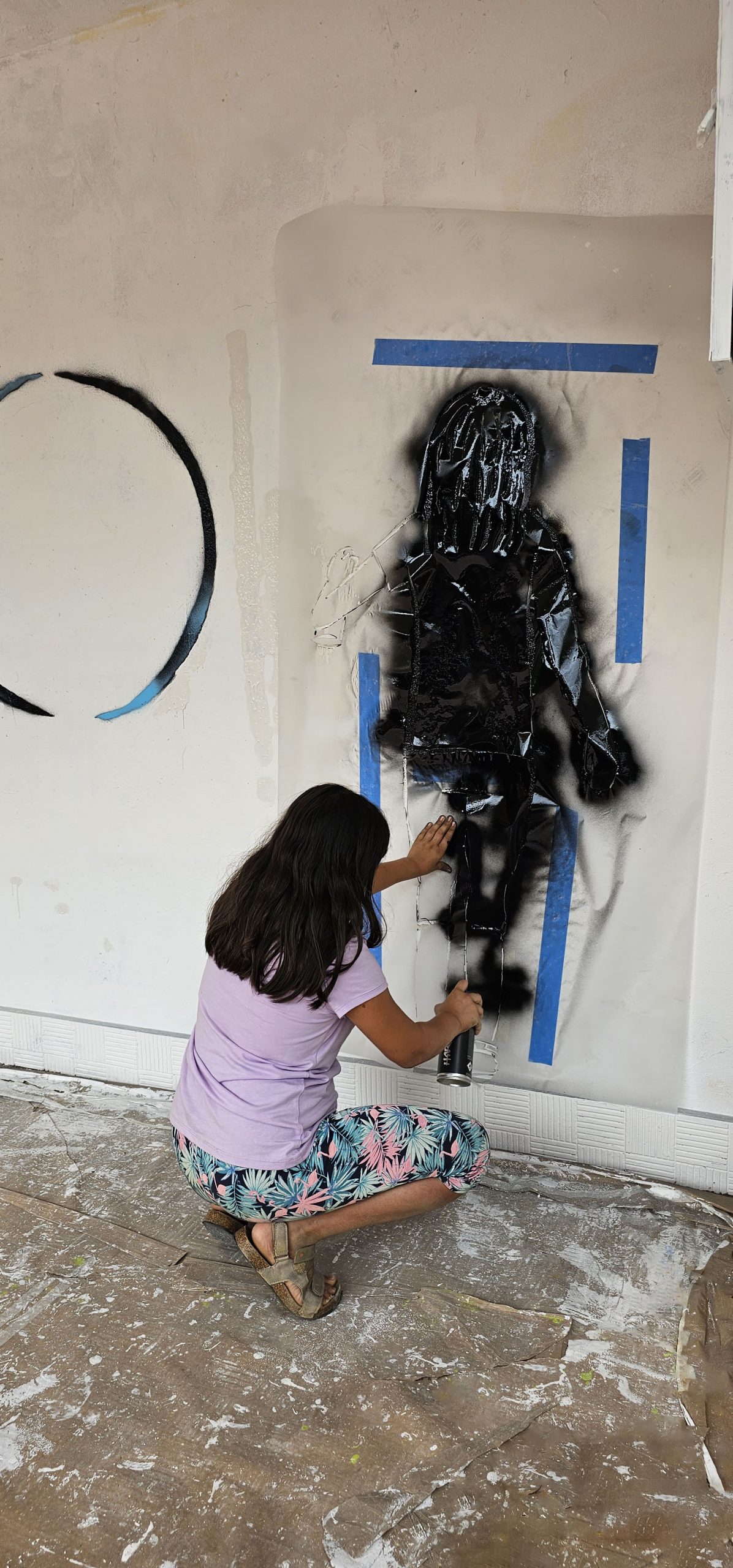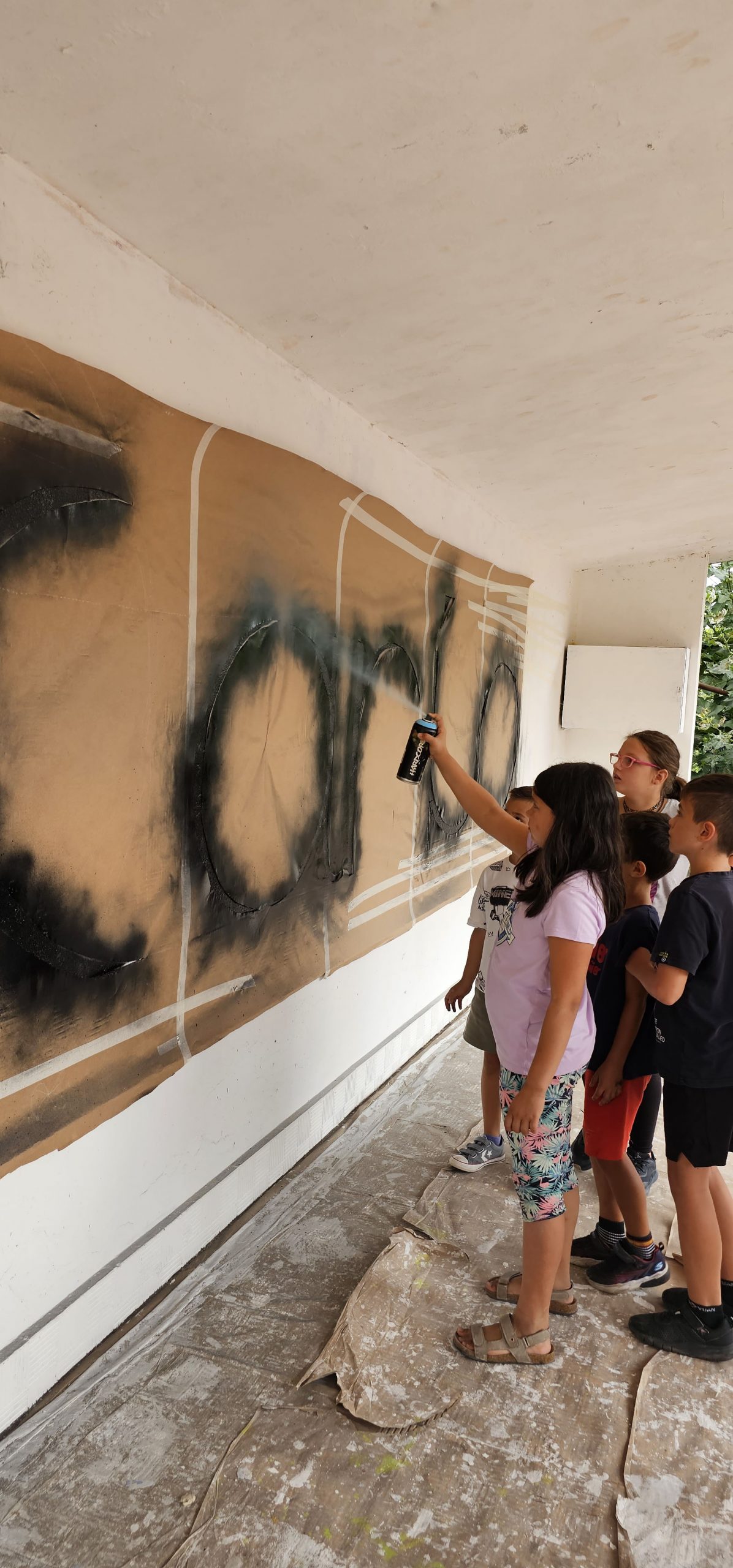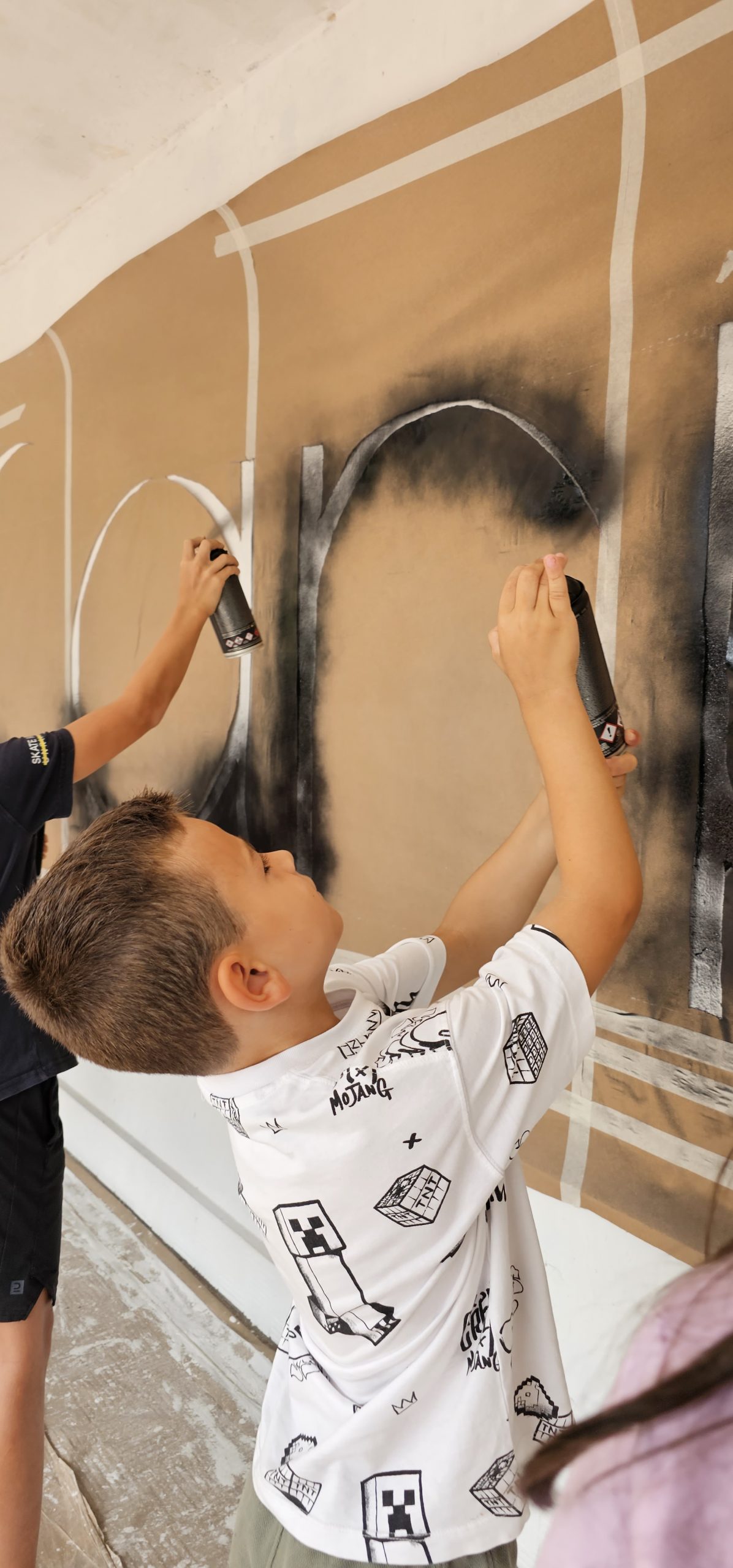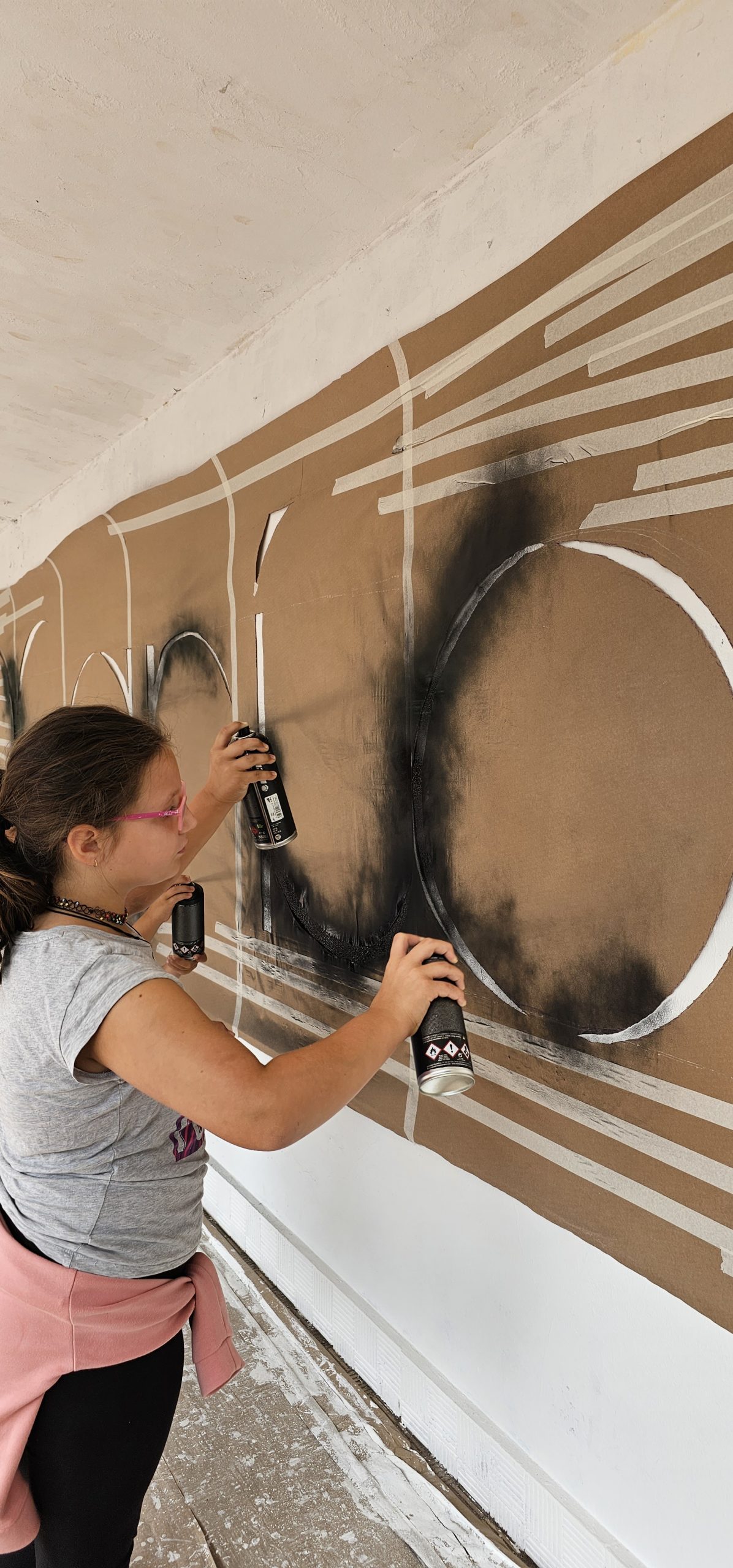
Working with SCALE

Working with SCALE

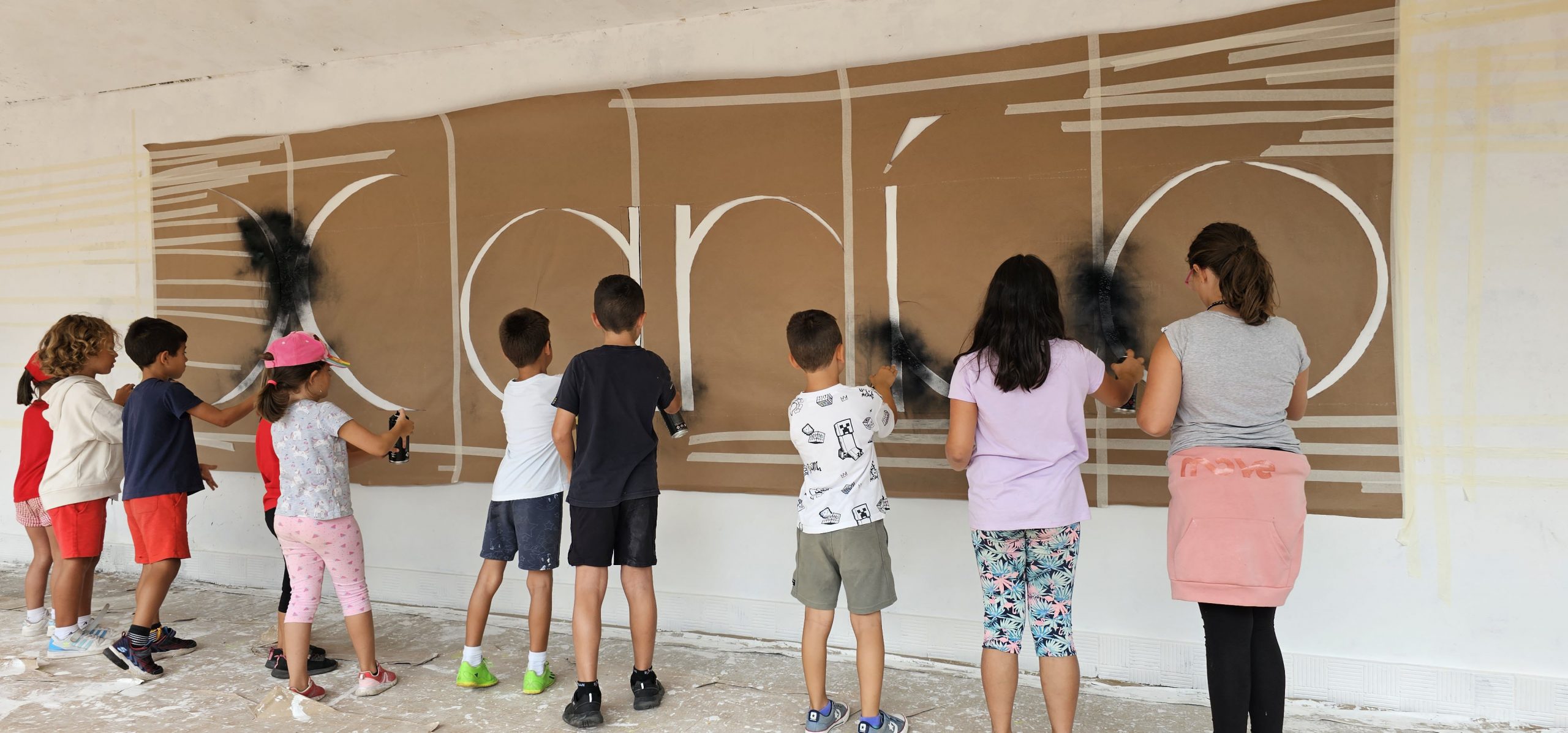
XARÍO

Changing the village through protagonist participation

working with scale

“I confront the city with my body; my legs measure the length of the arcades and the width of the square; my gaze unconsciously projects my body onto the cathedral facade, where it wanders along the mouldings and contours, feeling the size of the ins and outs; the weight of my body meets the mass of the cathedral door and my hand grips the door handle as I enter the dark empty space behind it. I feel myself in the city and the city exists through my embodied experience. The city and my body complement and define each other: I inhabit the city and the city inhabits me.”
Juhani Pallasmaa
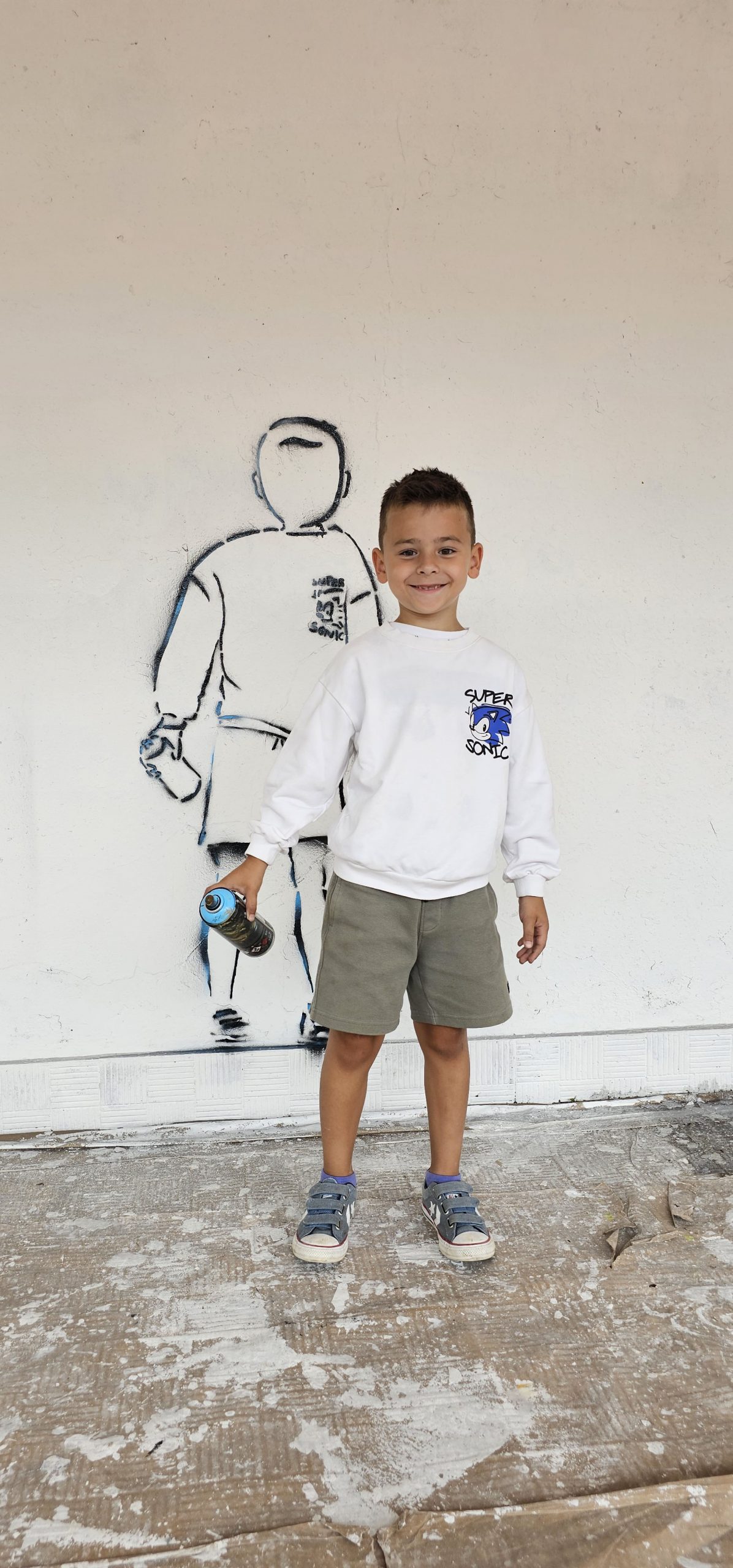
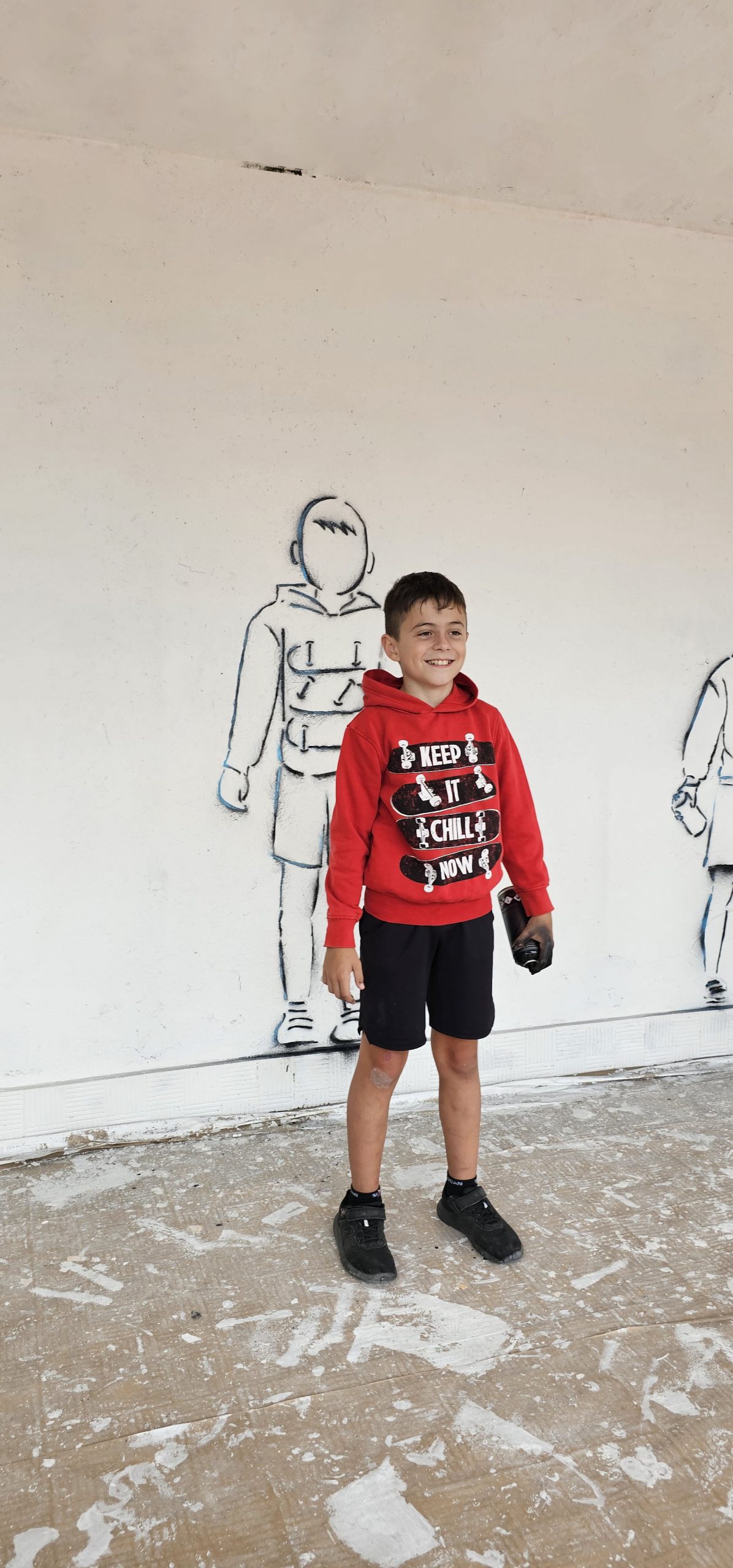
The right of children and adolescents to PARTICIPATE in the CONSTRUCTION of their TOWN or CITY by forming part of ACTIVE CITIZENSHIP, in such a way that they are participants and executors of the changes in their environment.

Article 11. Active citizenship. 1. The public authorities must promote the right of children and adolescents to actively participate in the construction of a fairer, more supportive and democratic society. 2. The public authorities must foster solidarity and social sensitivity in order to increase the social participation of children and adolescents and create new social spaces that stimulate the responsible participation of this sector of the population and favour coexistence and social integration at local and community level. (Law 14/2010, of 27 May, on the rights and opportunities for children and adolescents. Published: BOE no. 156, of 28/06/2010 )

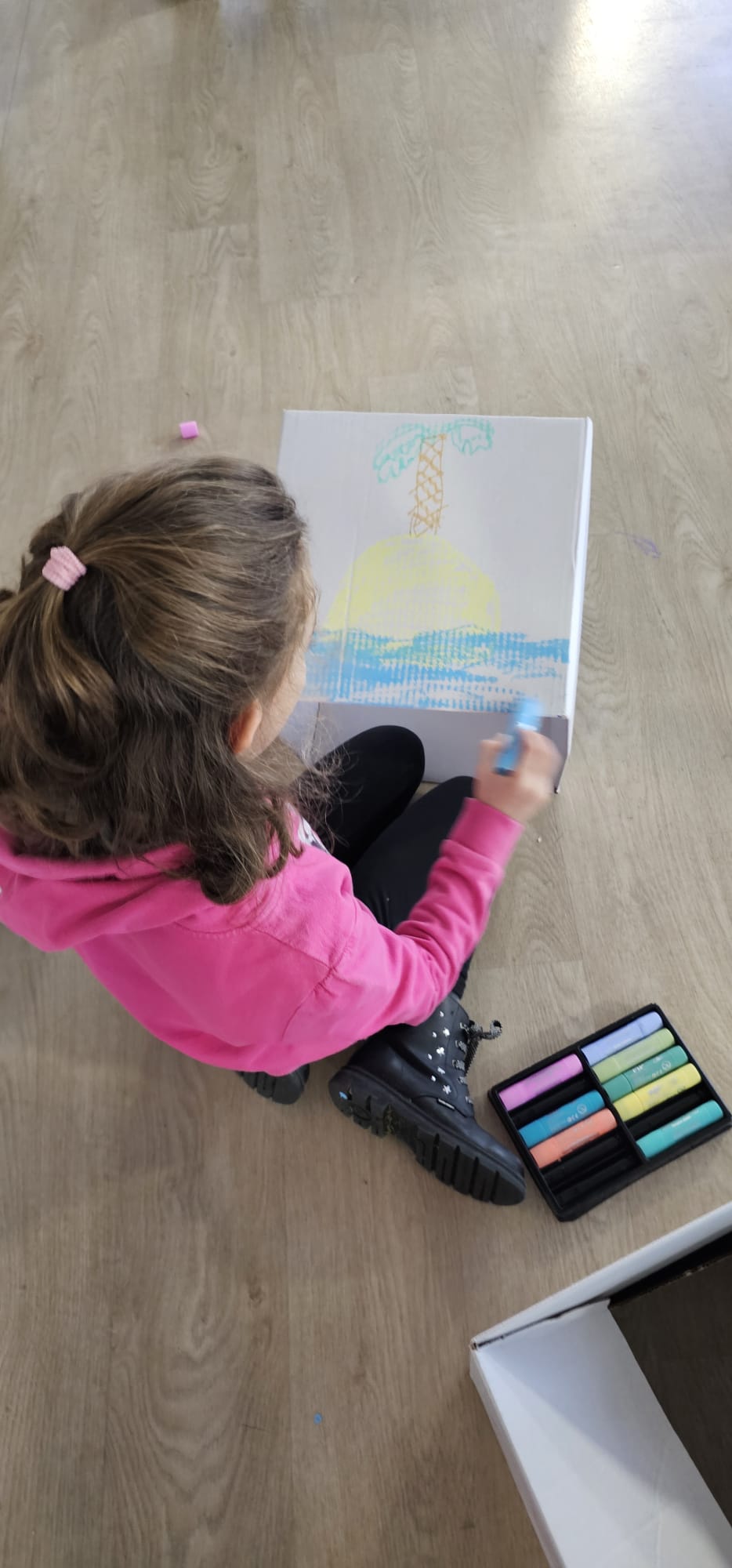
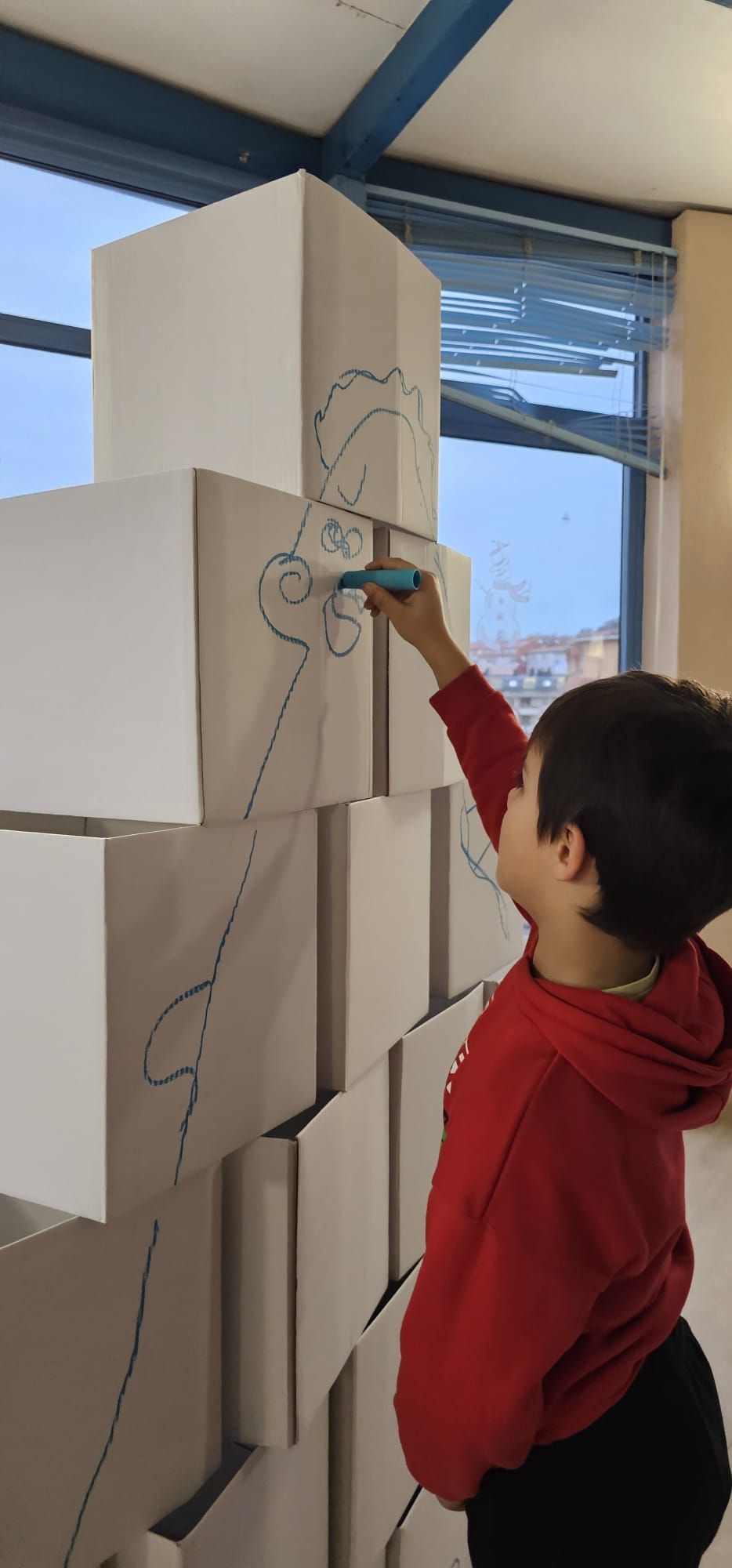
Colour your village

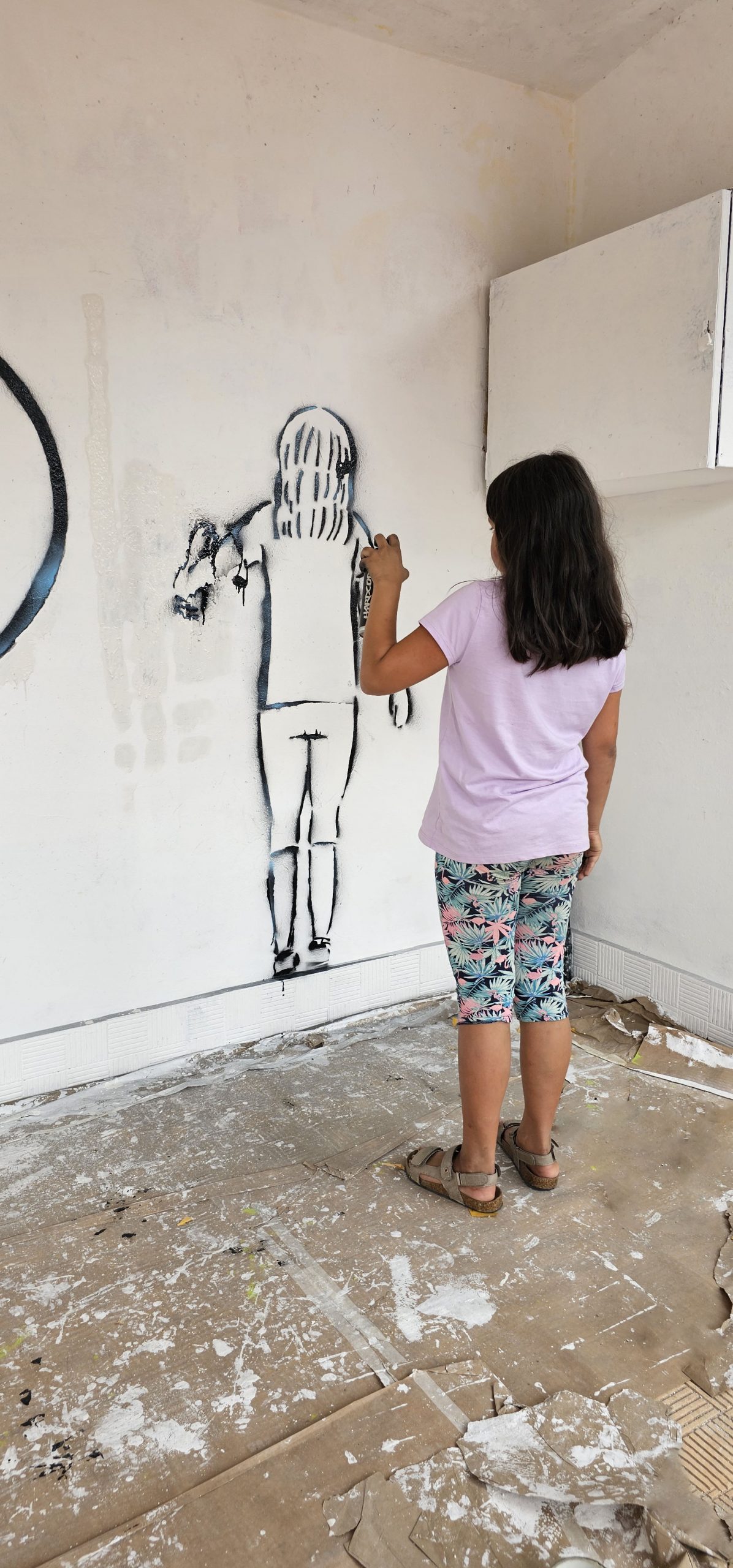
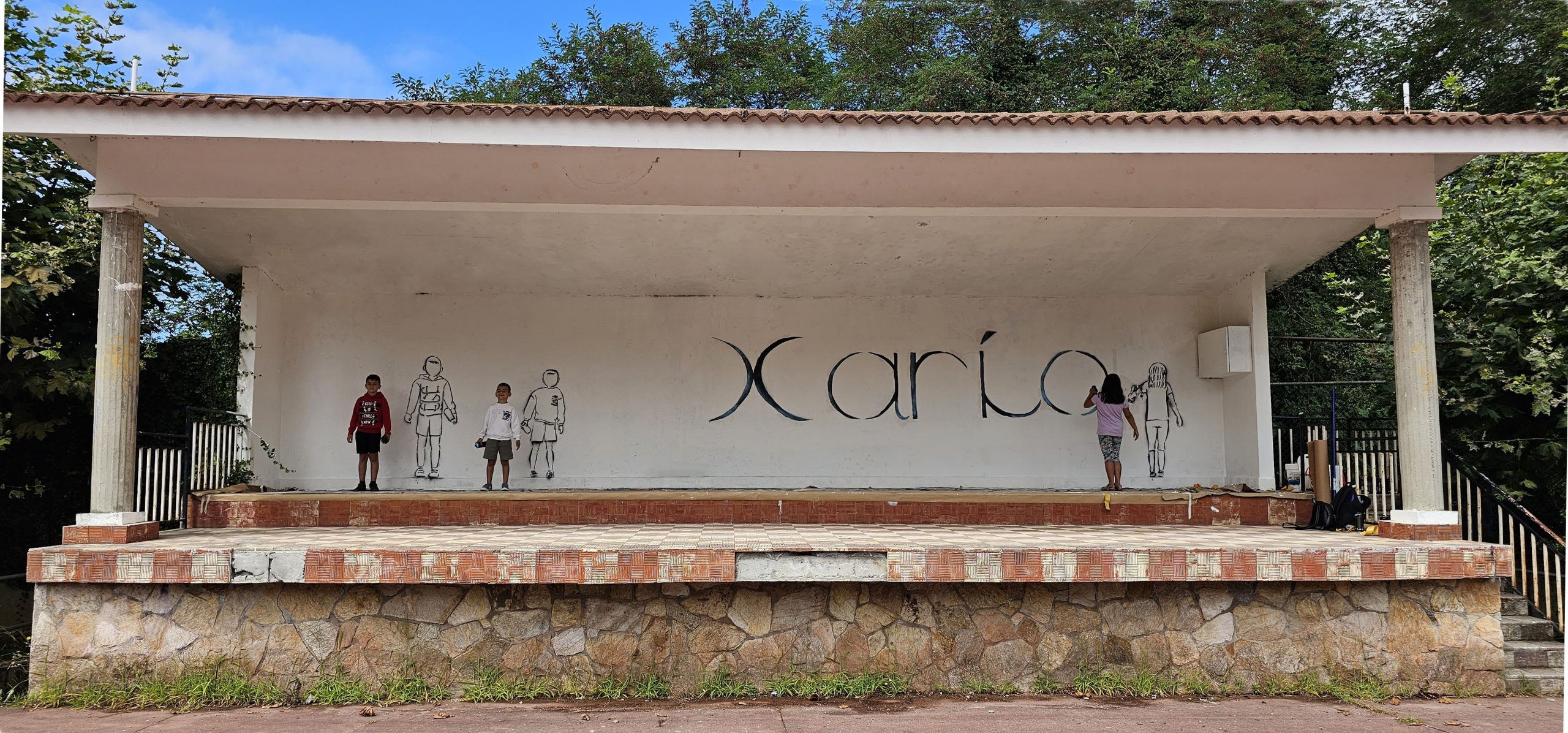
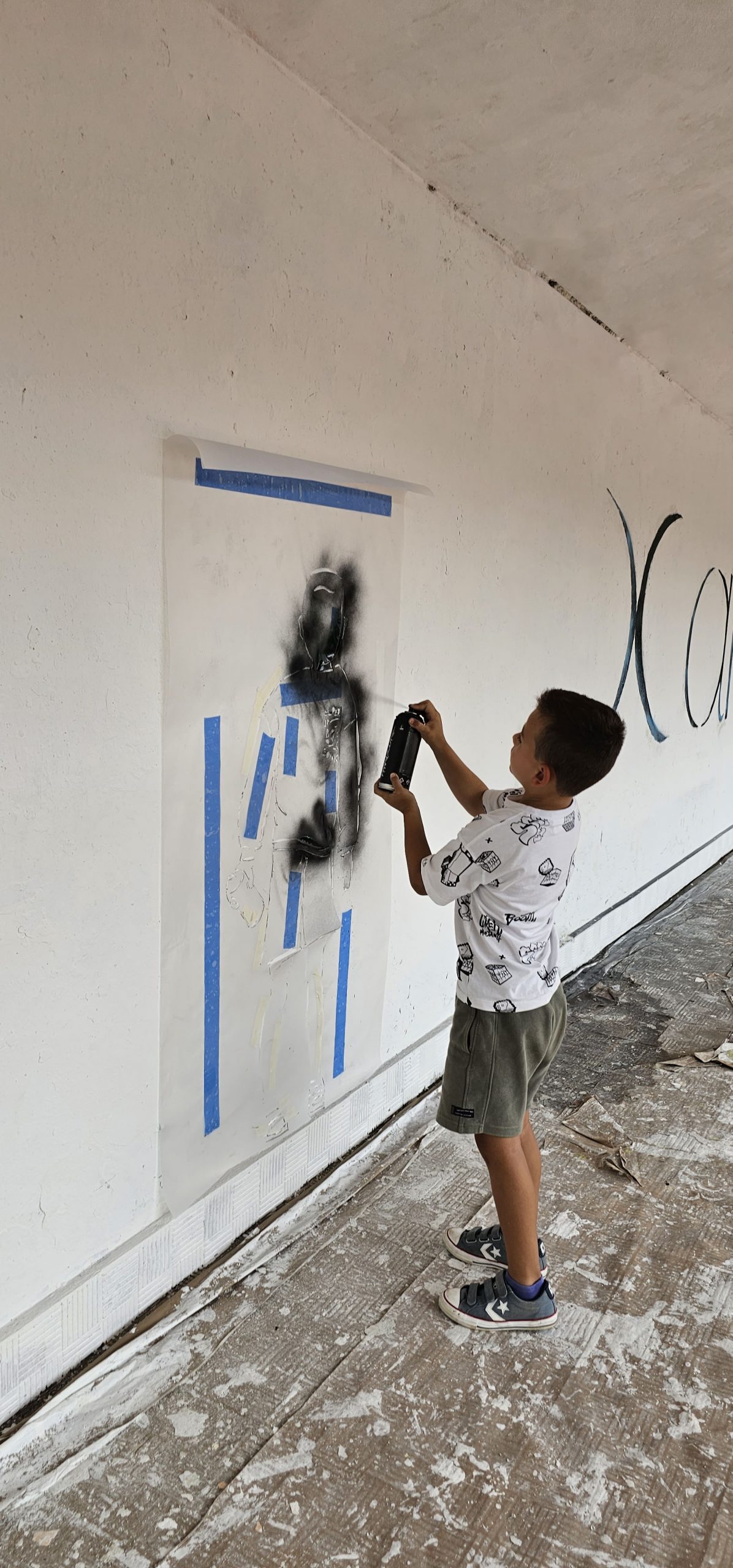
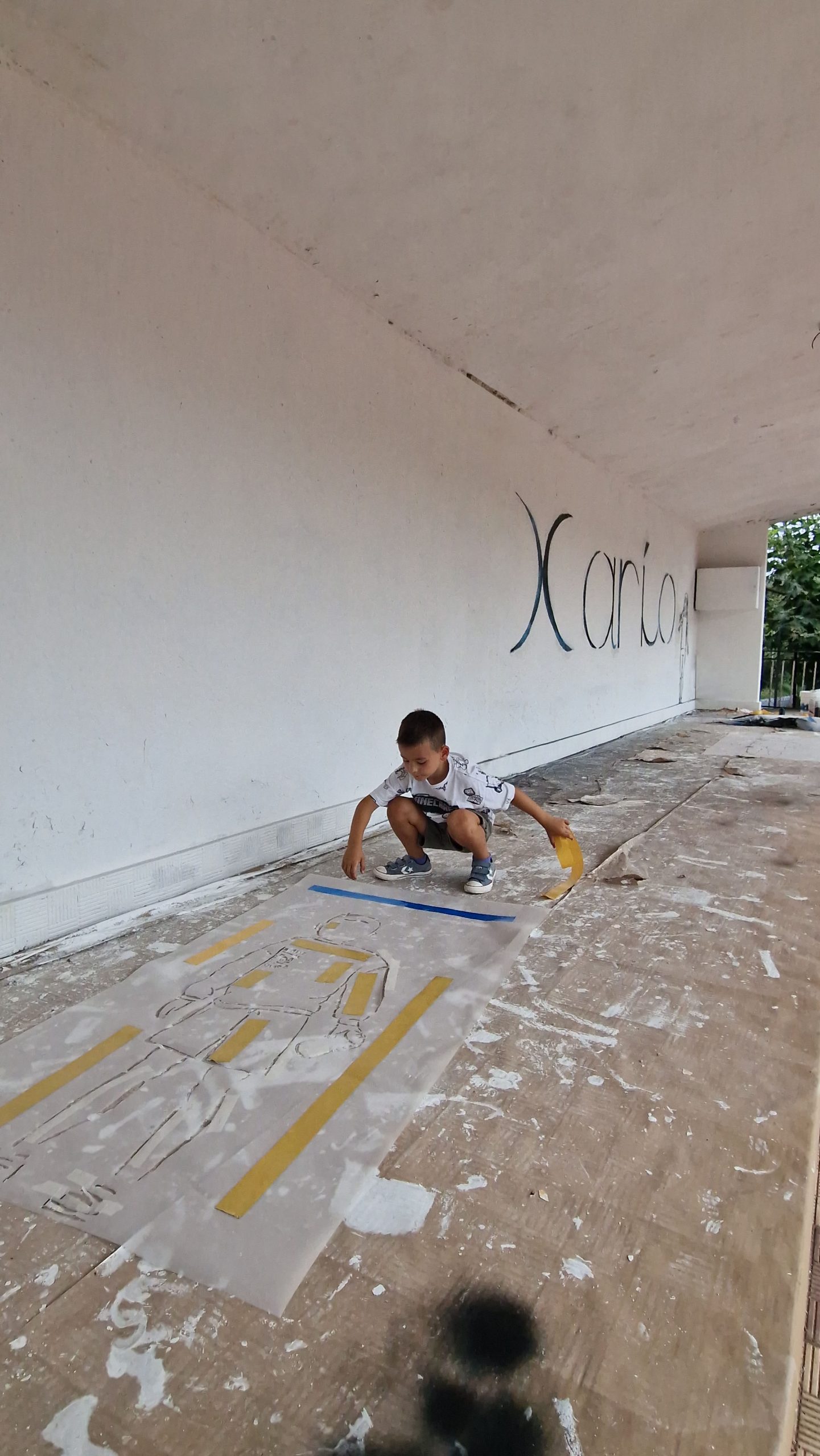
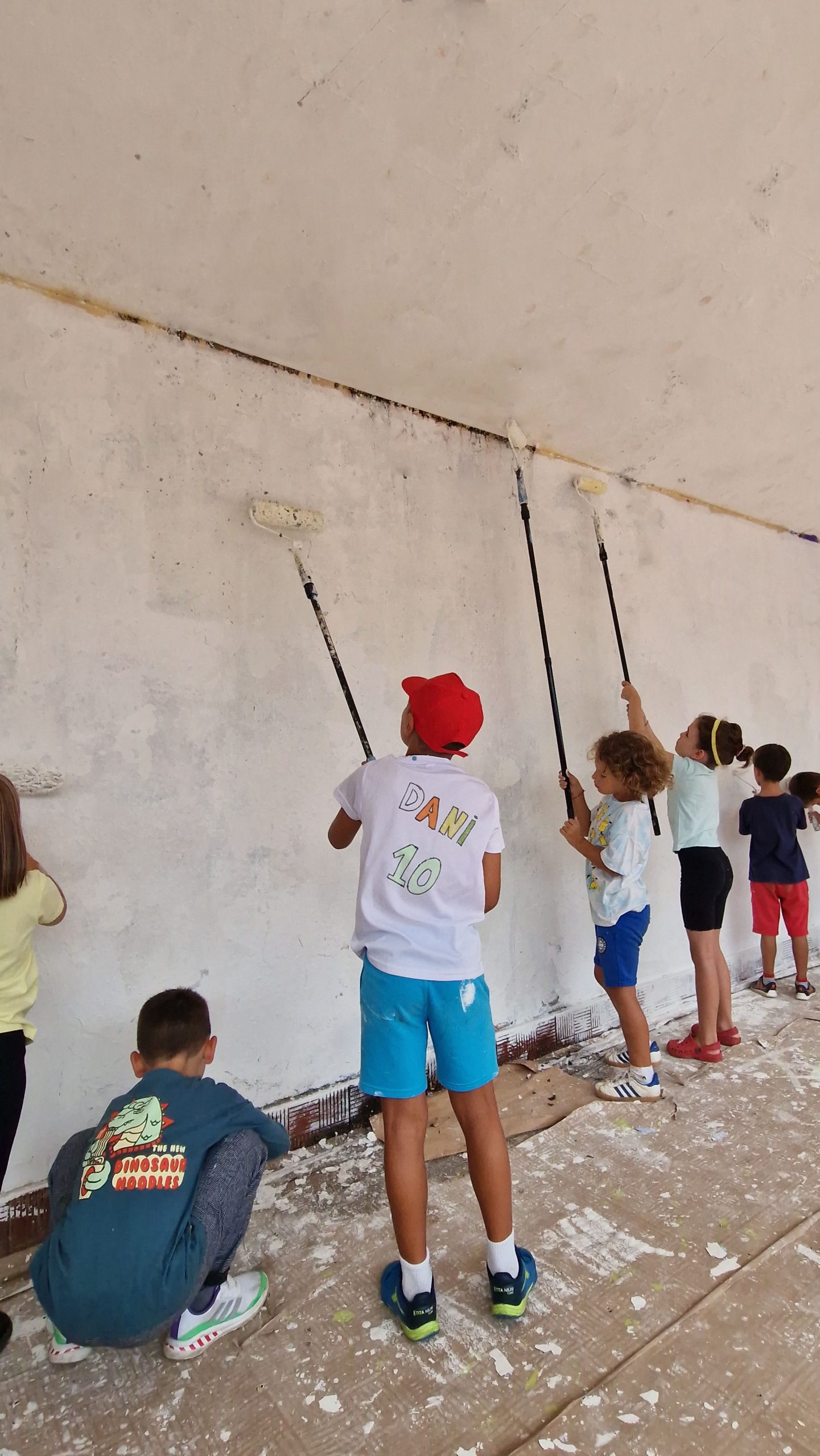
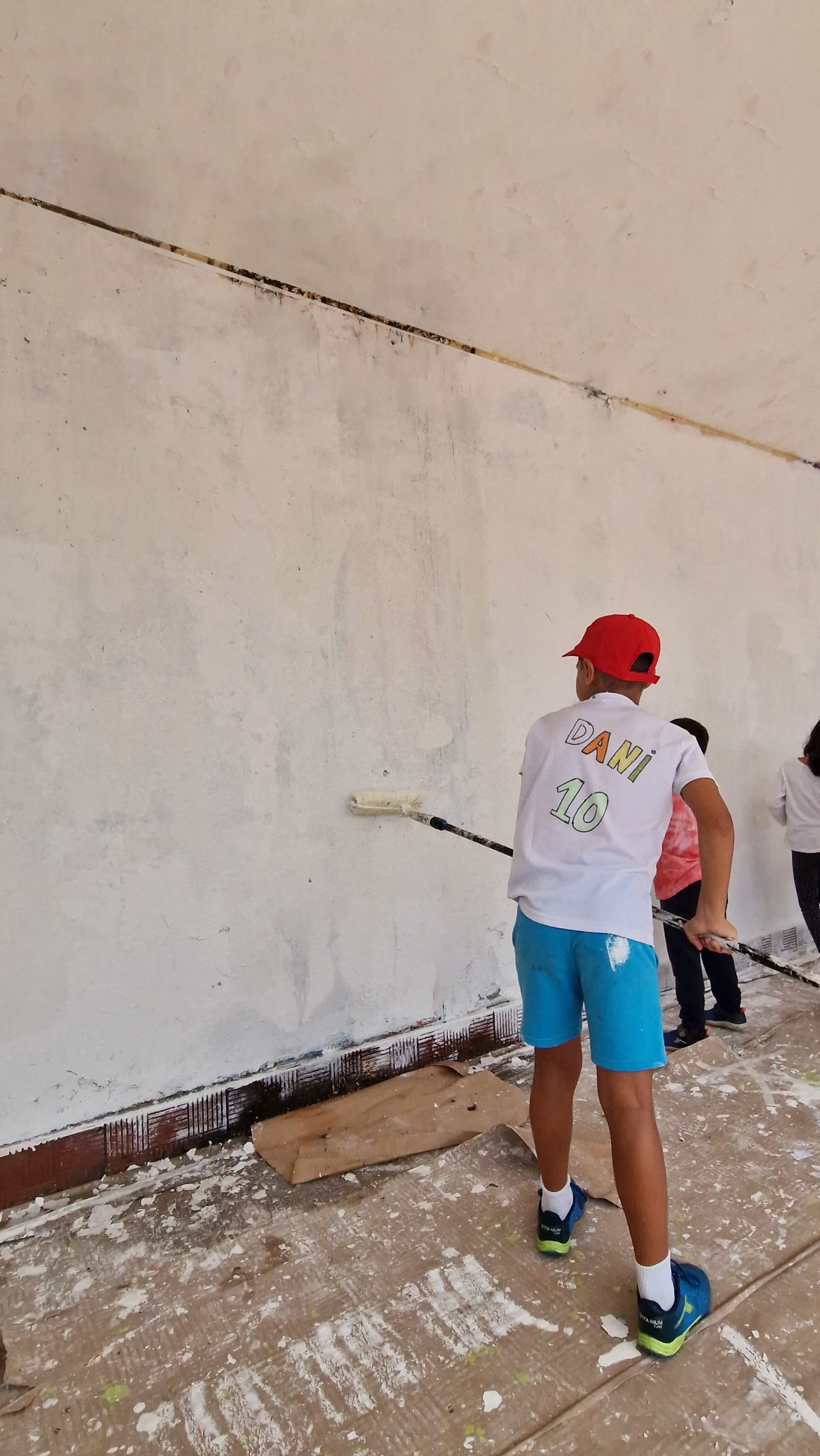
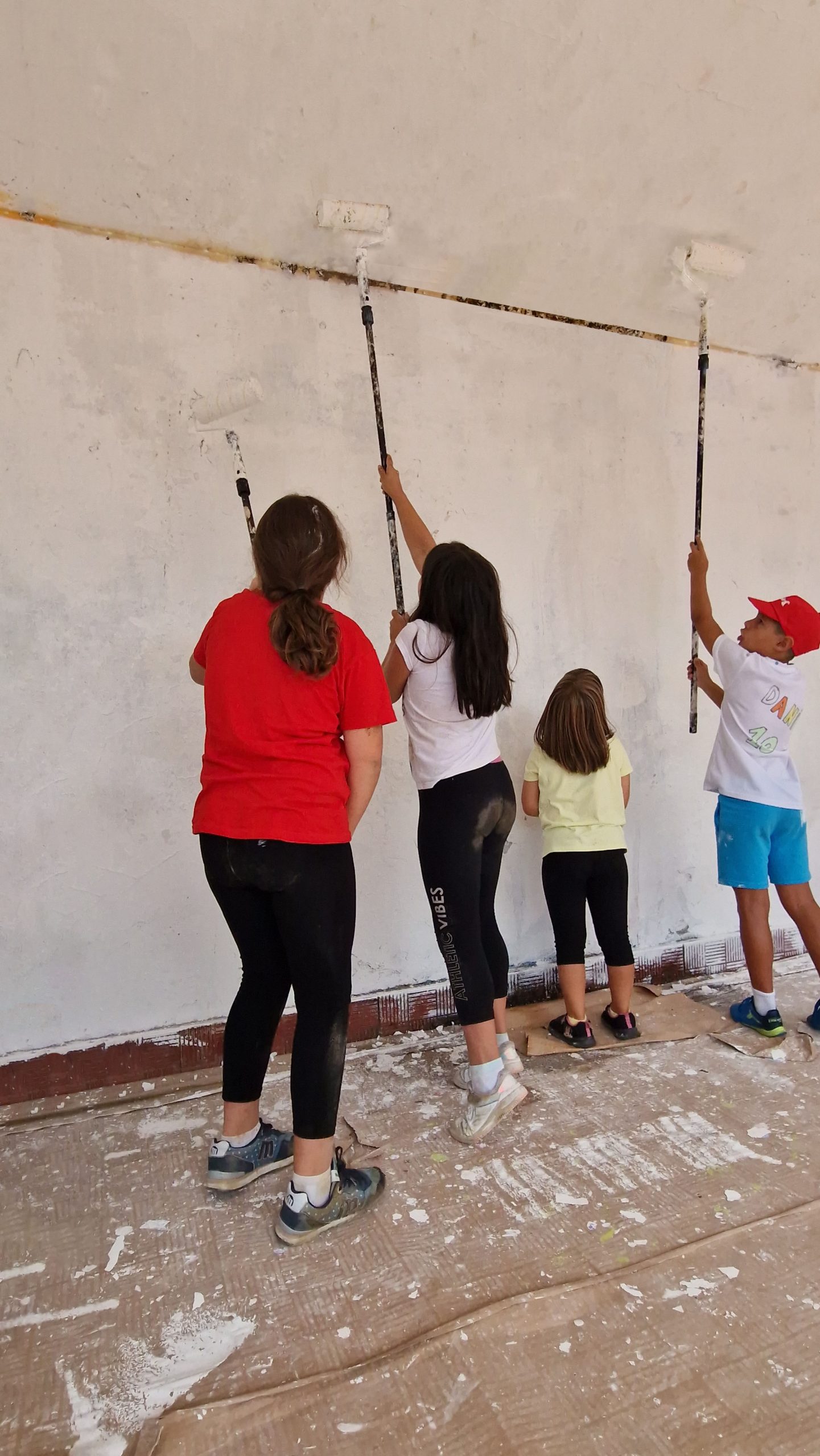
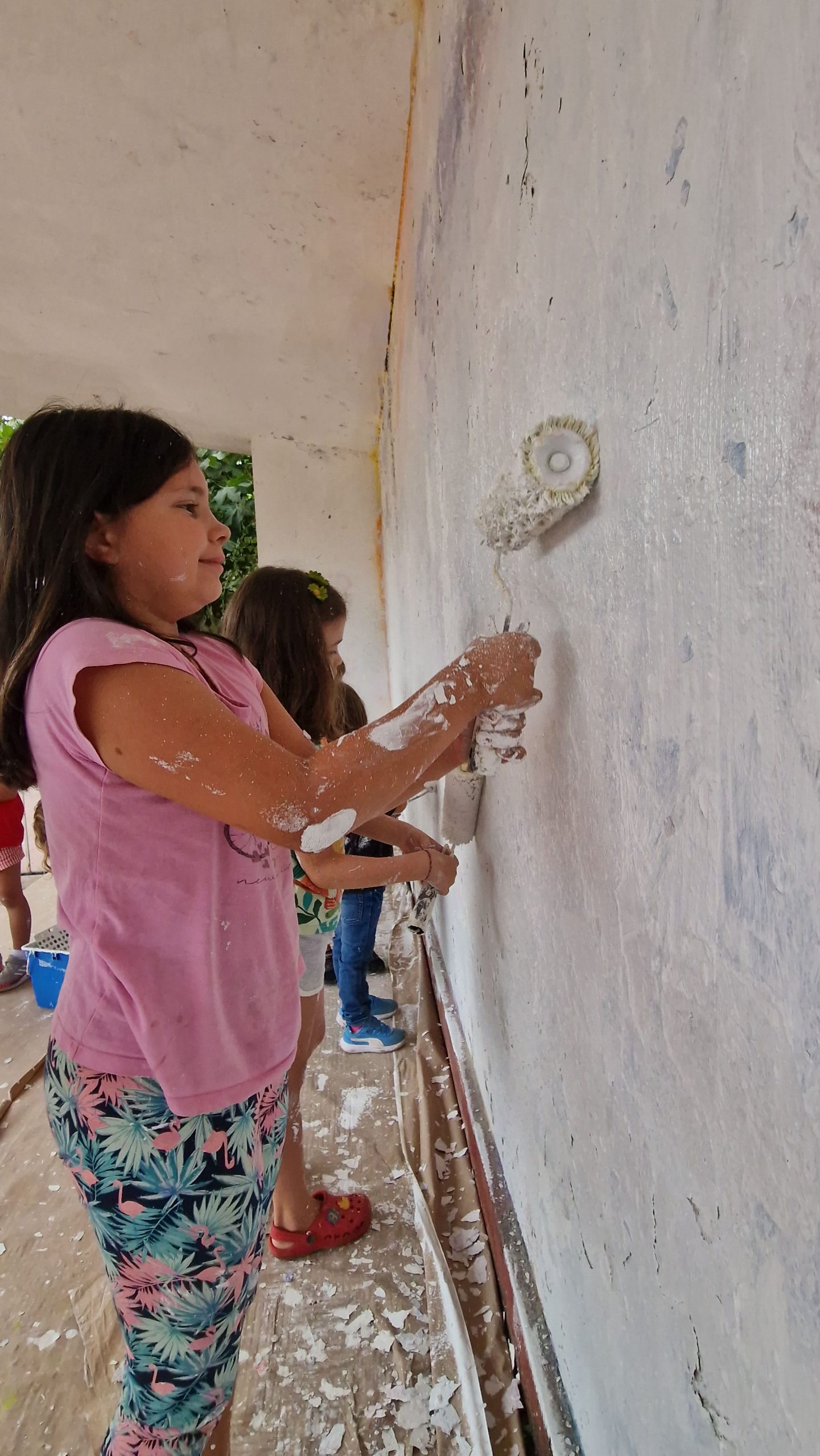
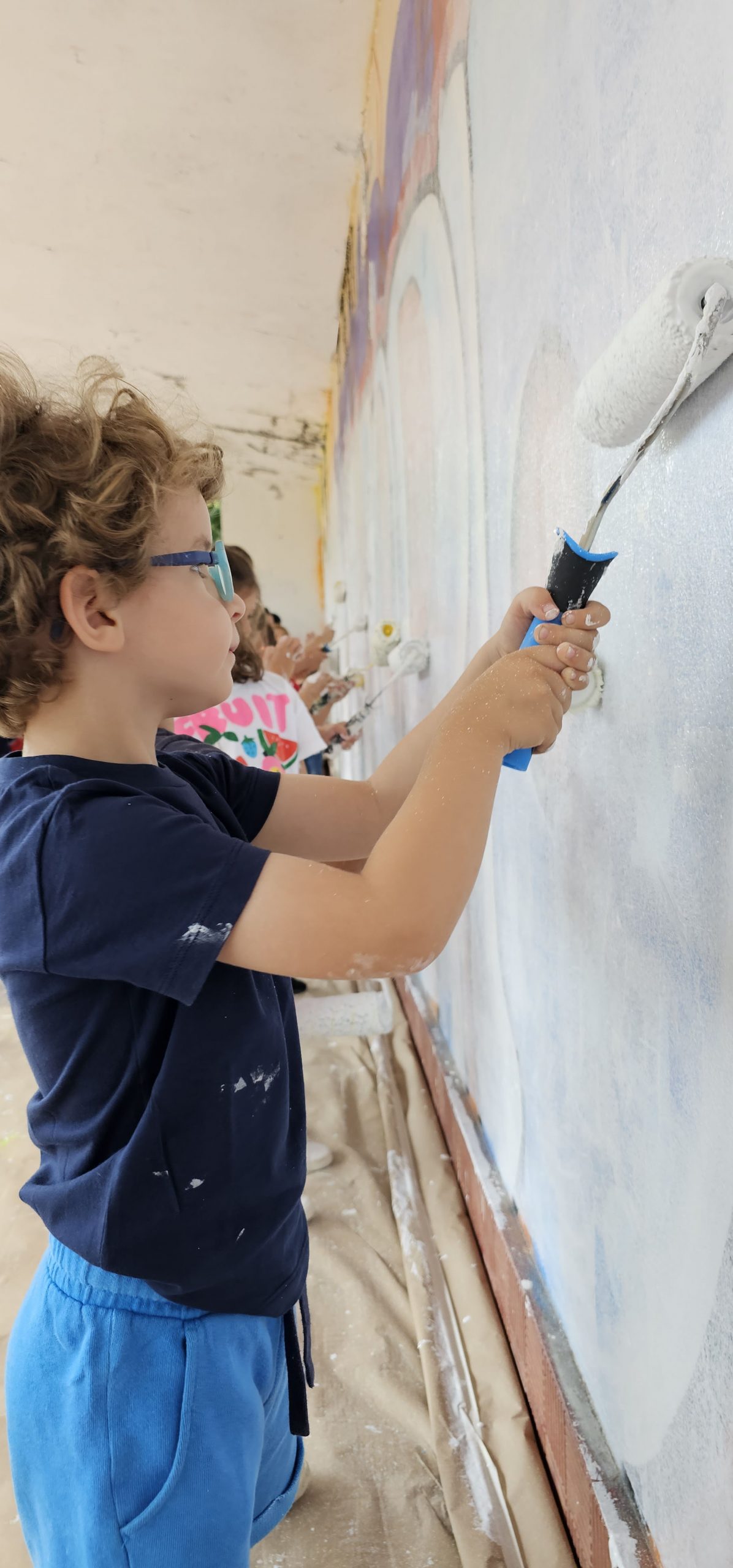
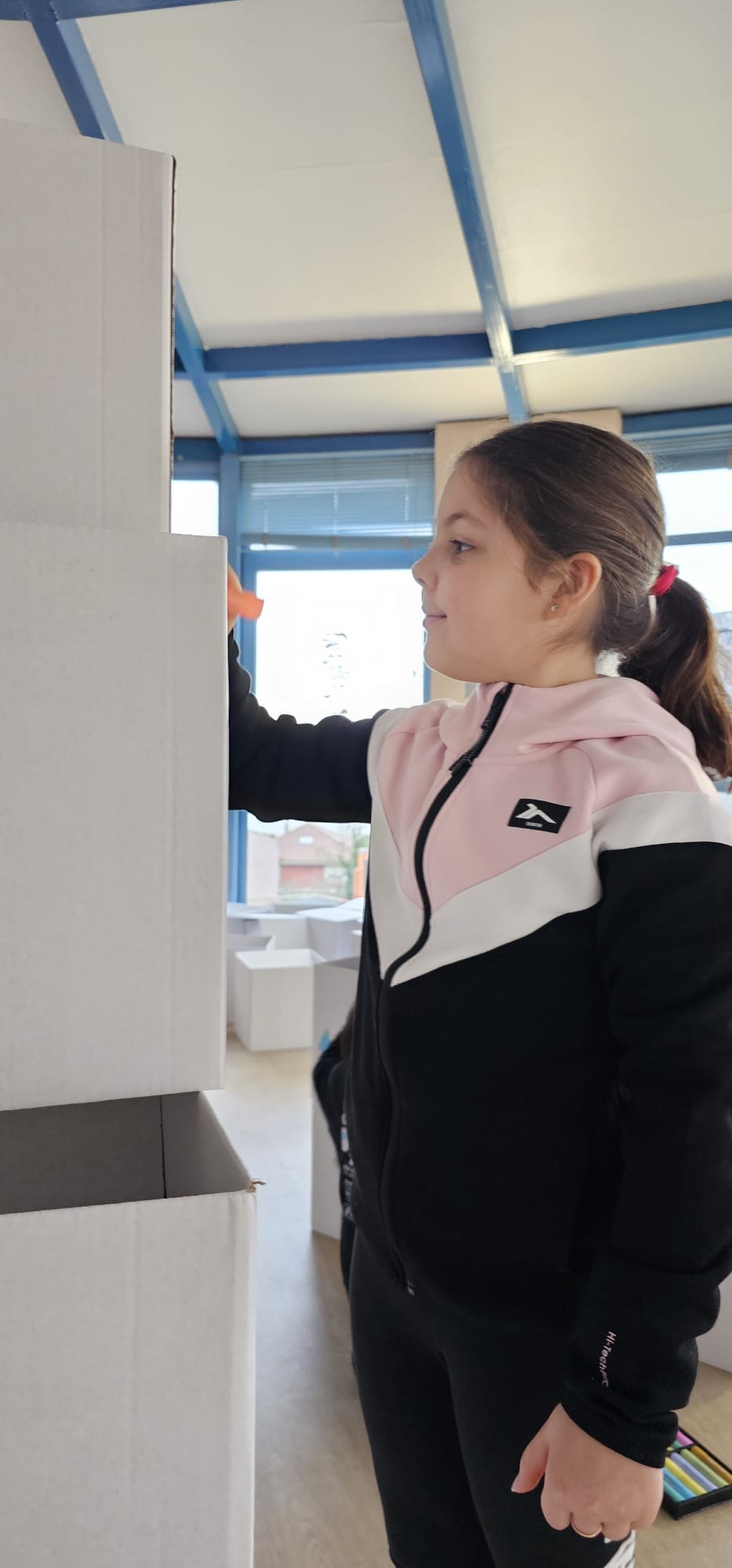
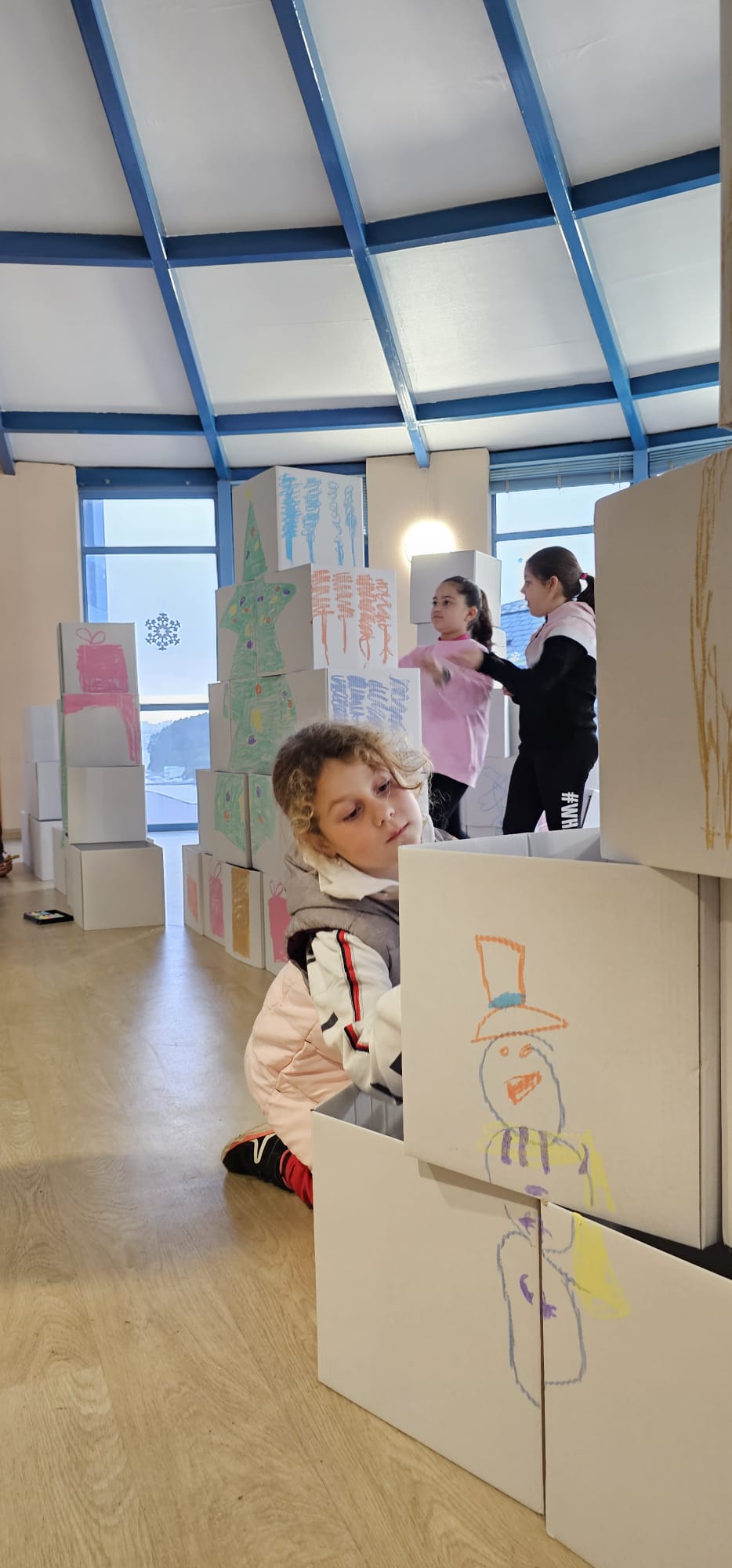
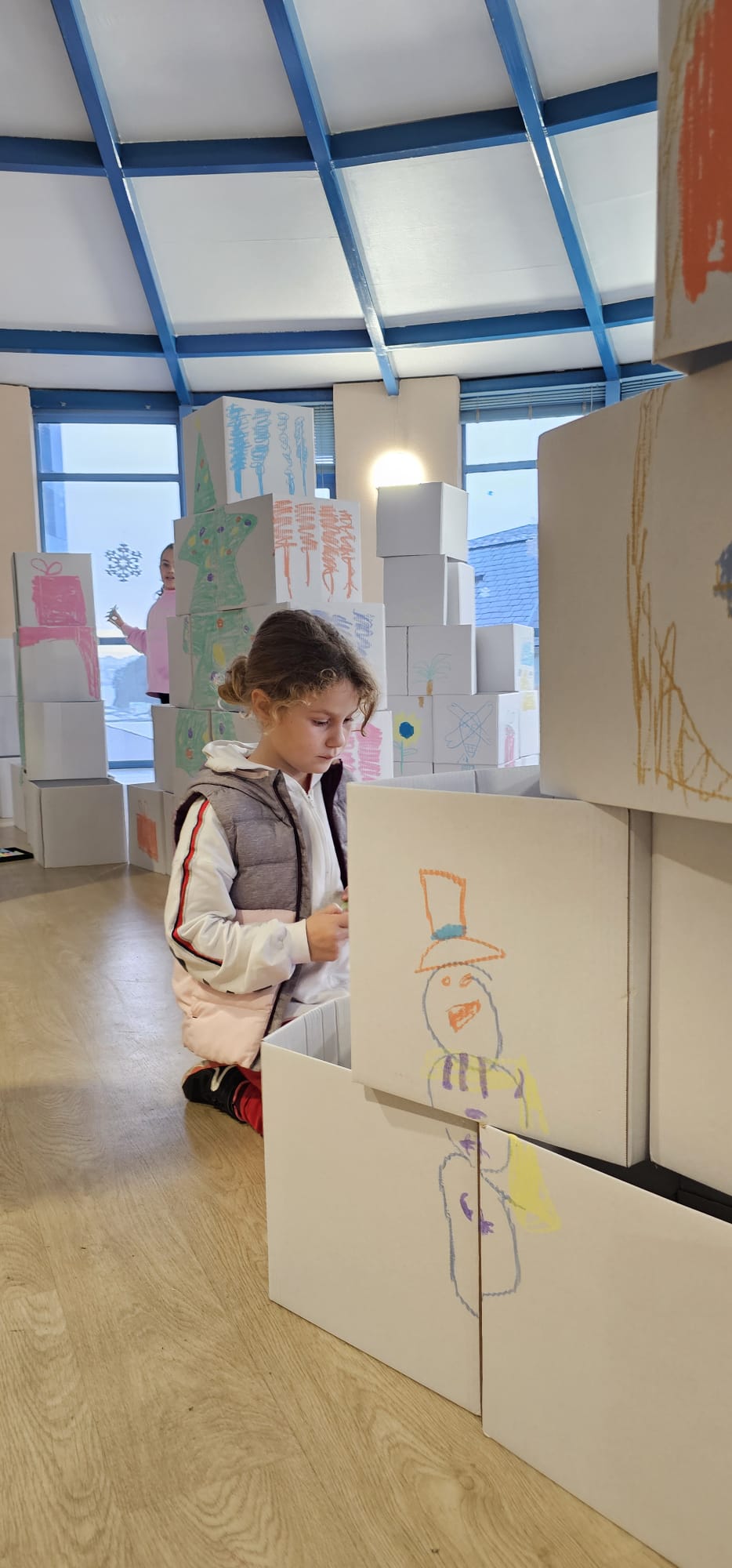
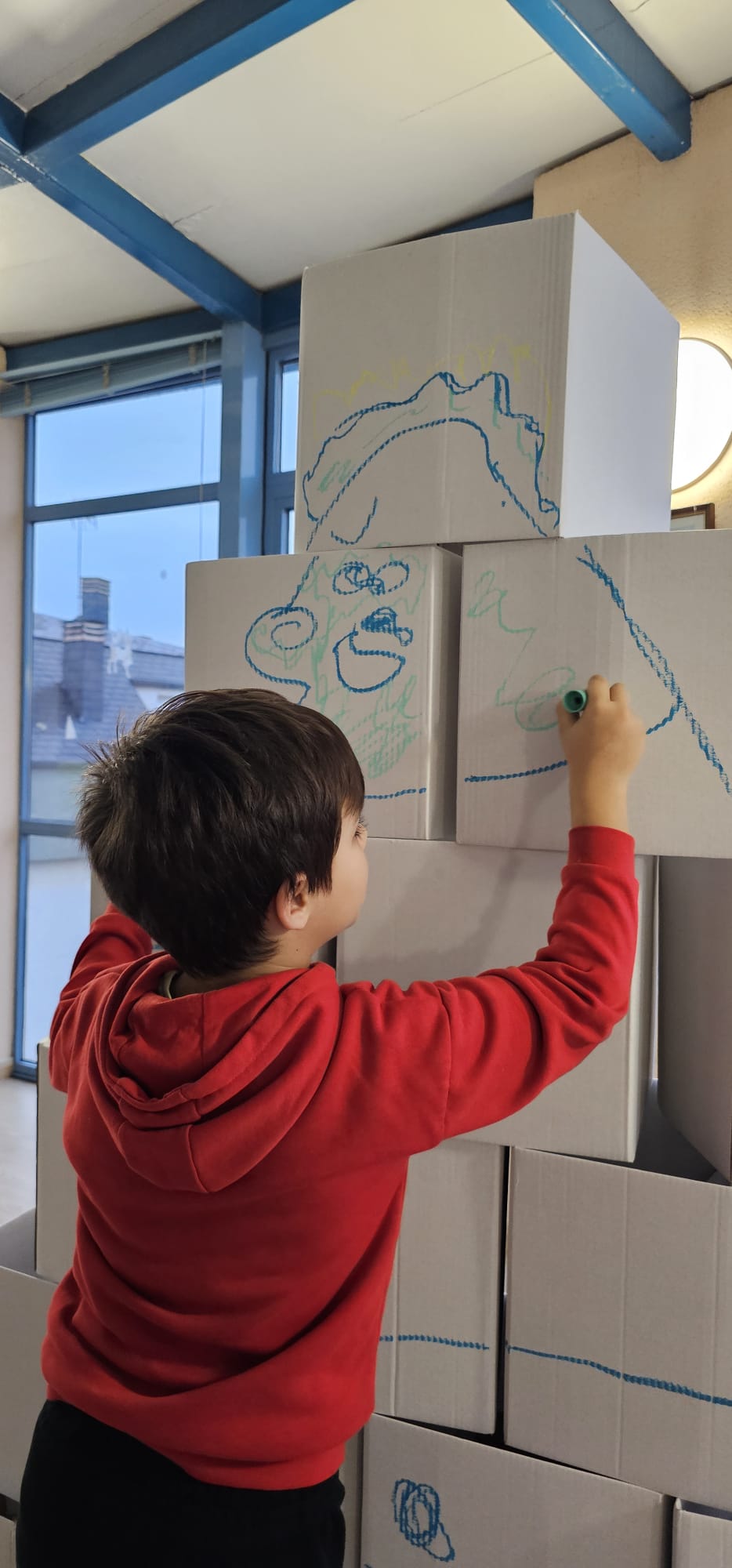
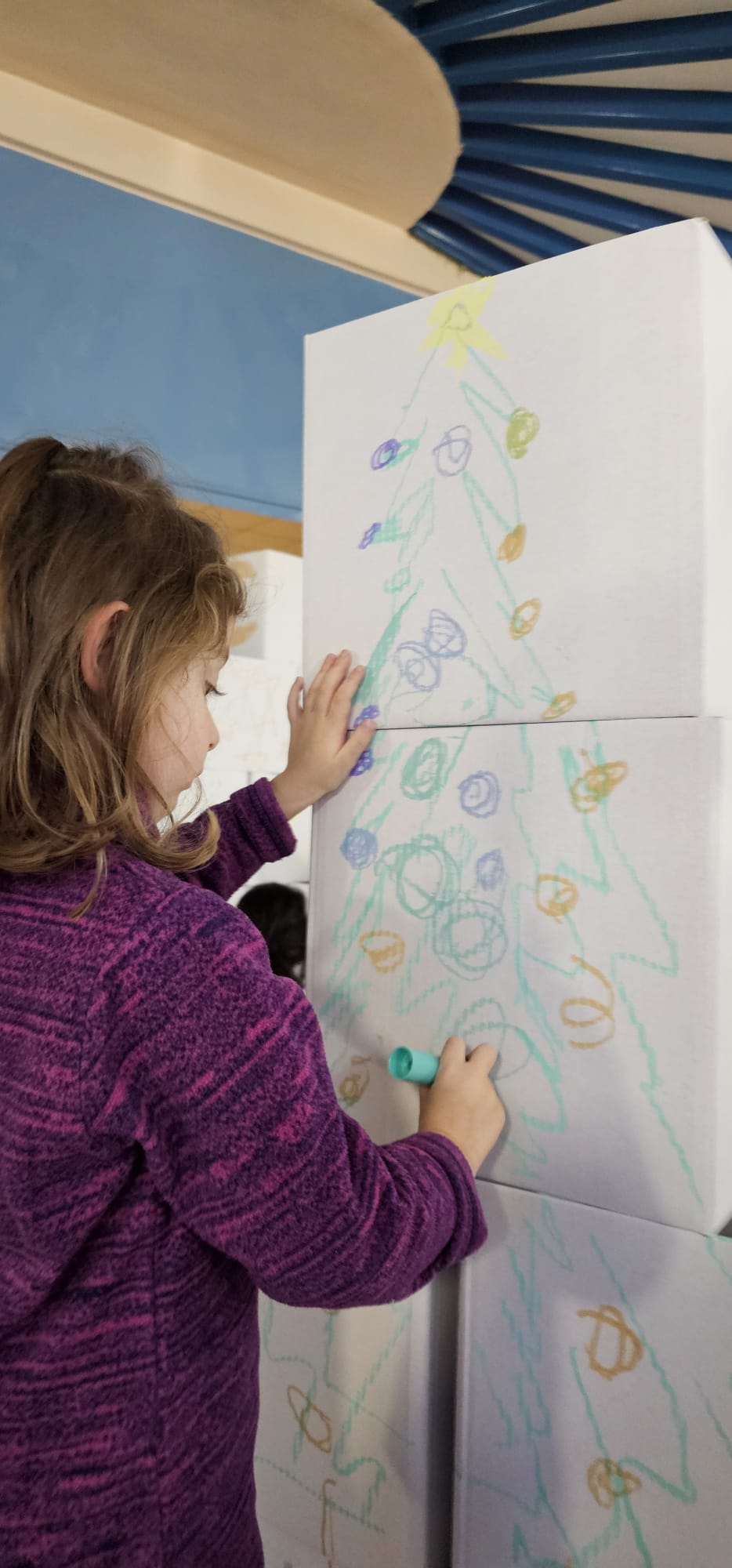
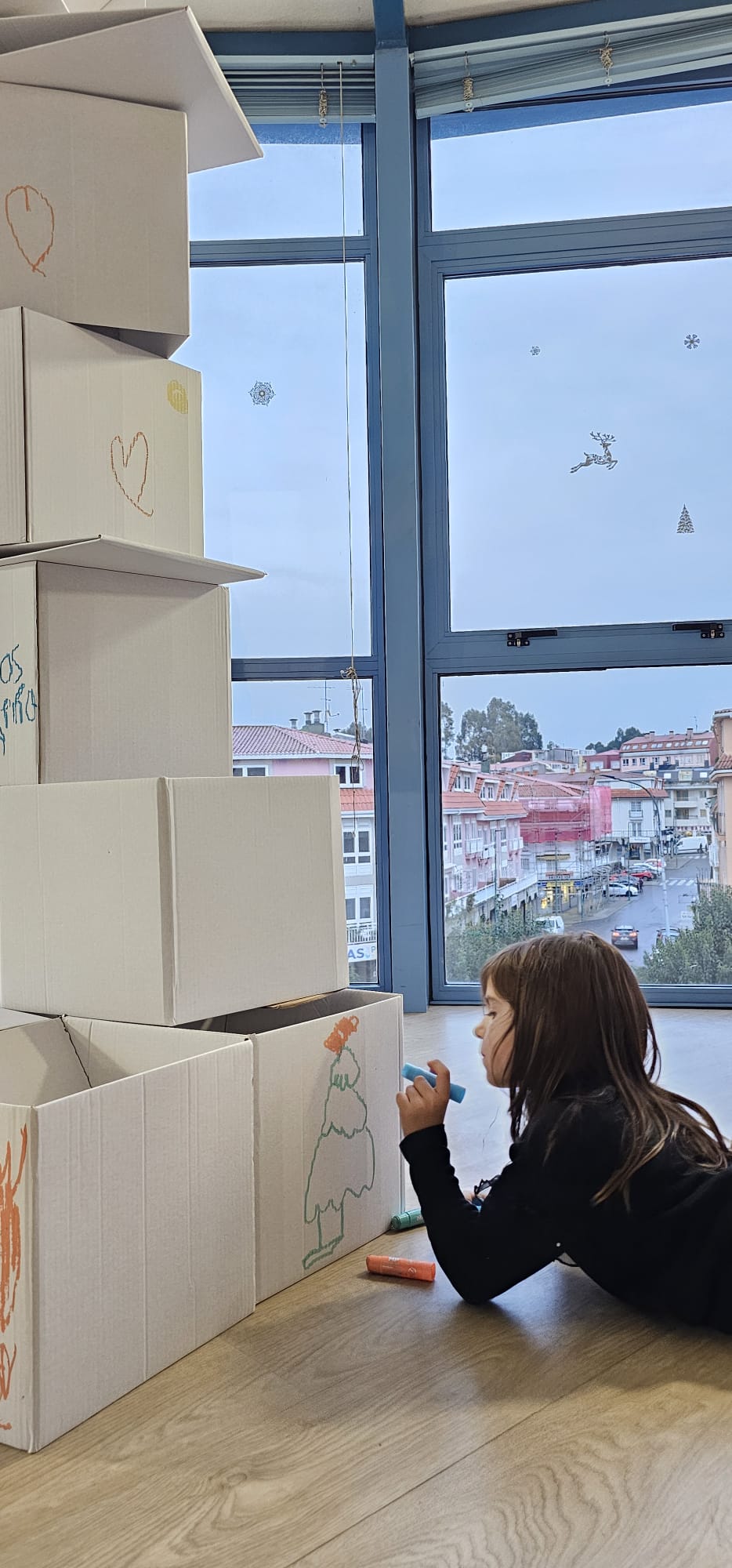
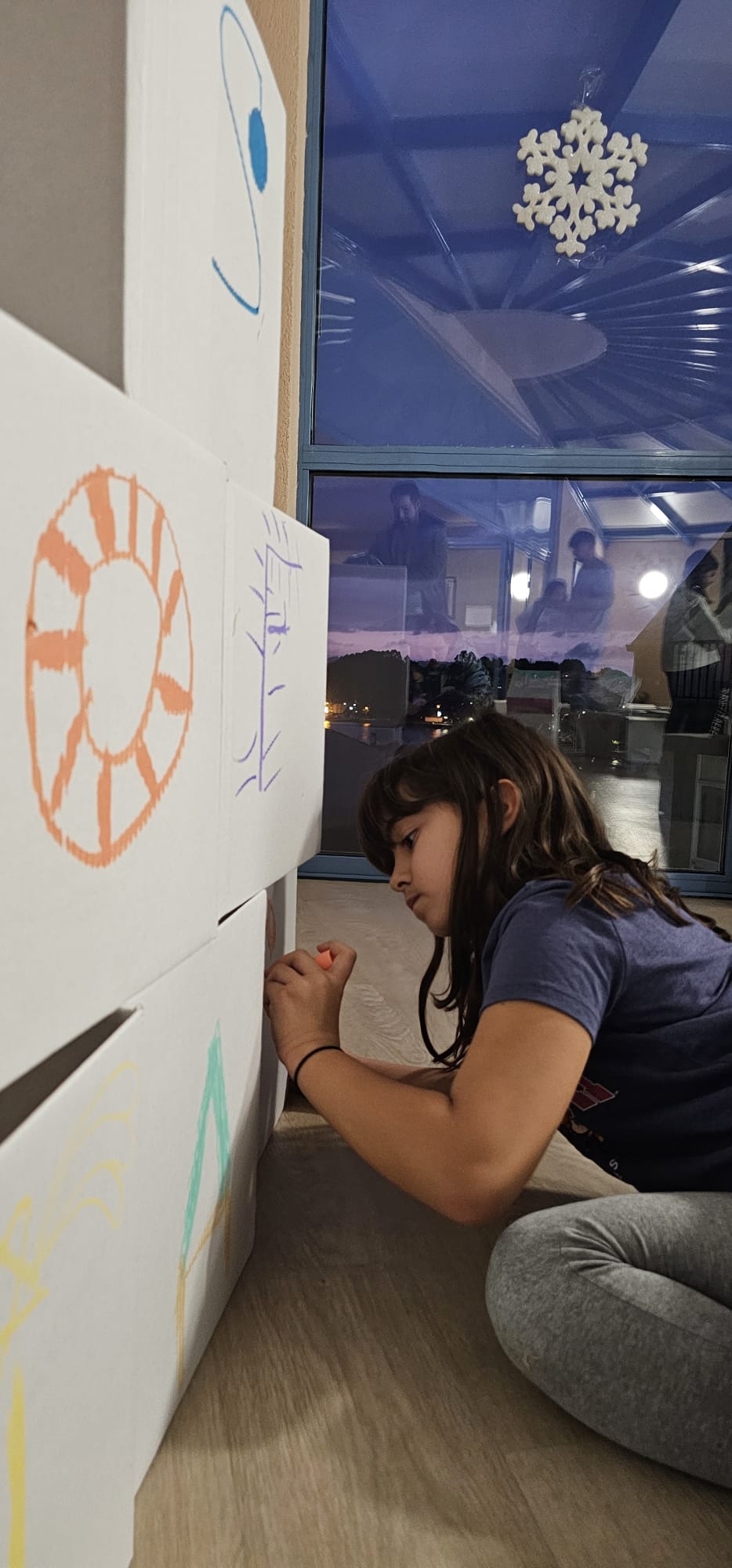
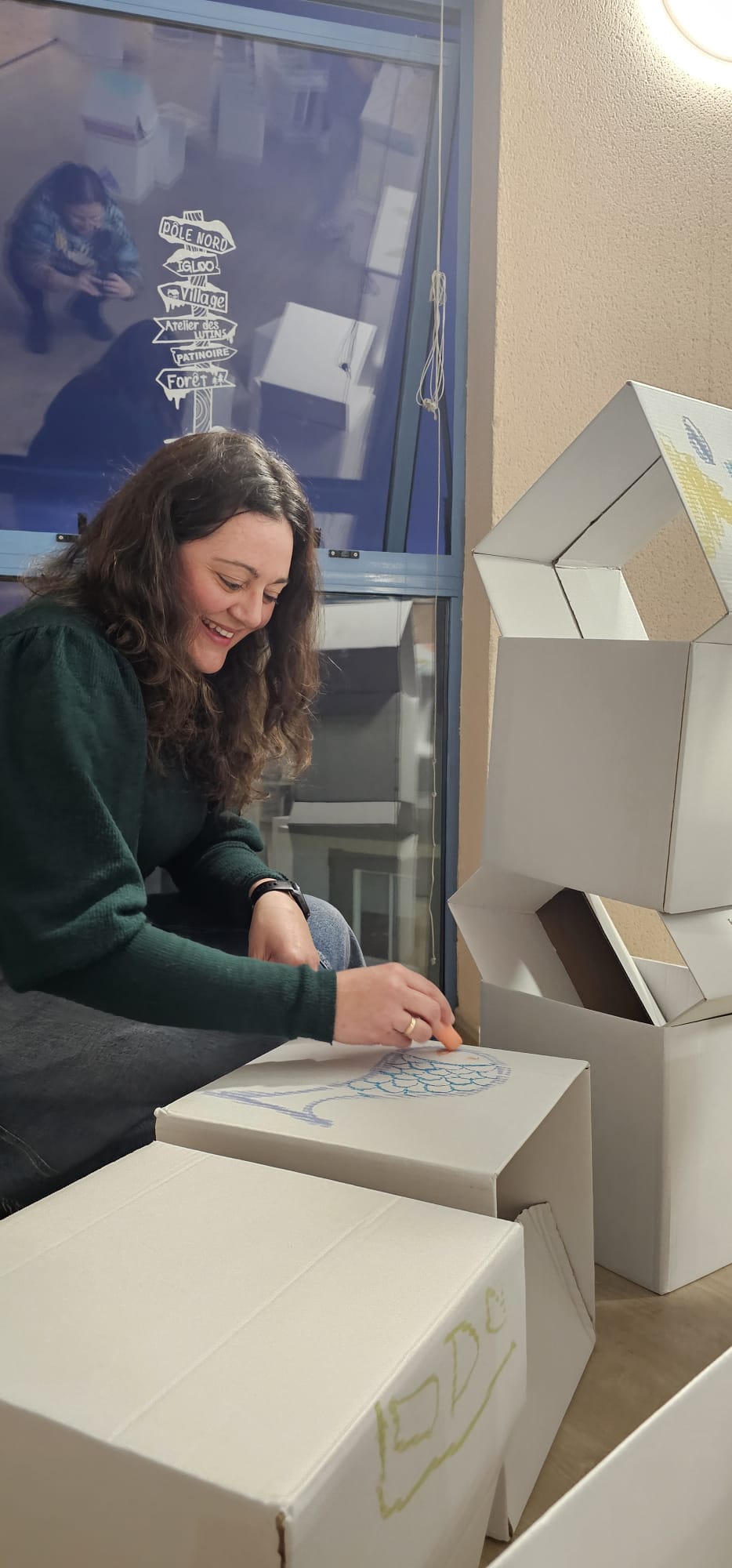
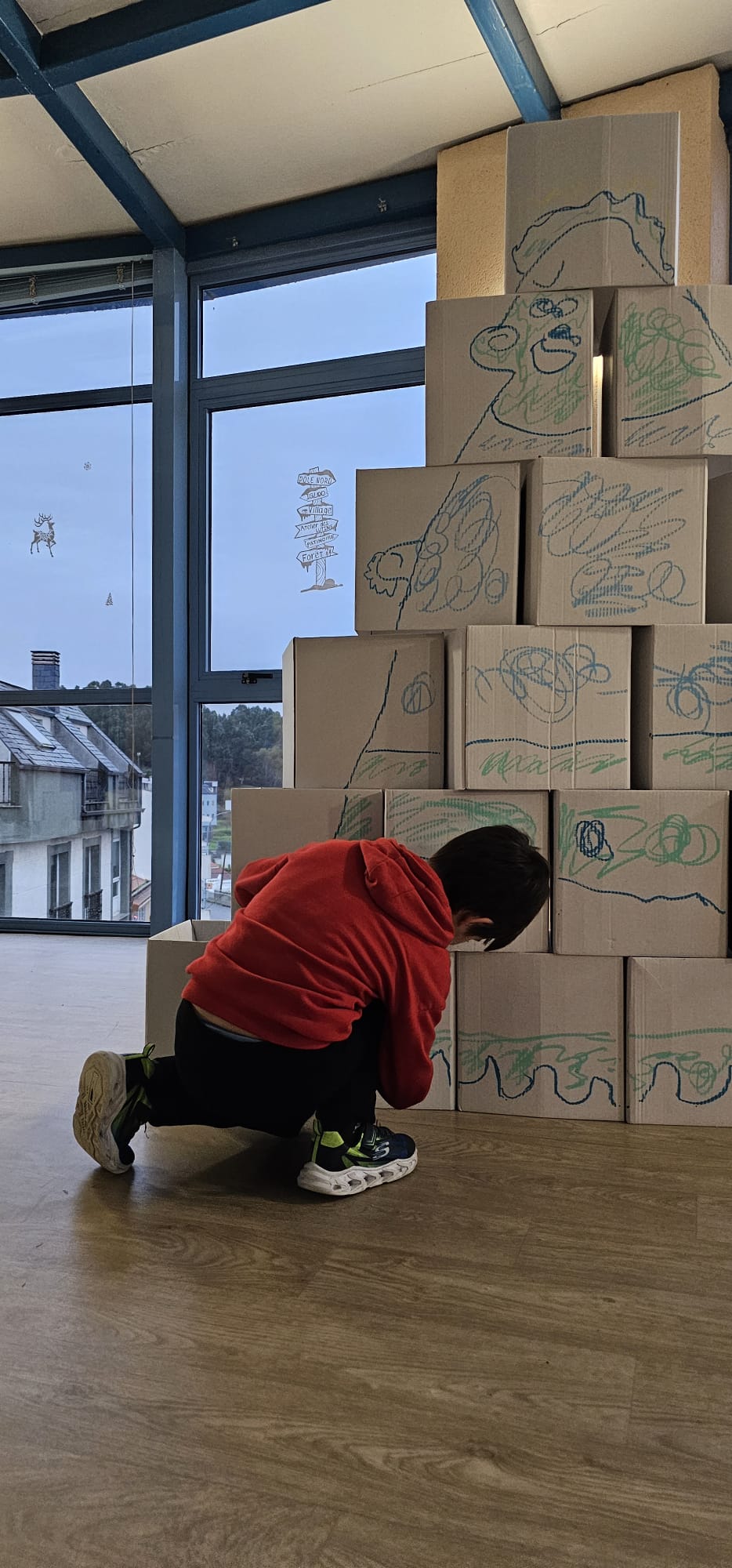
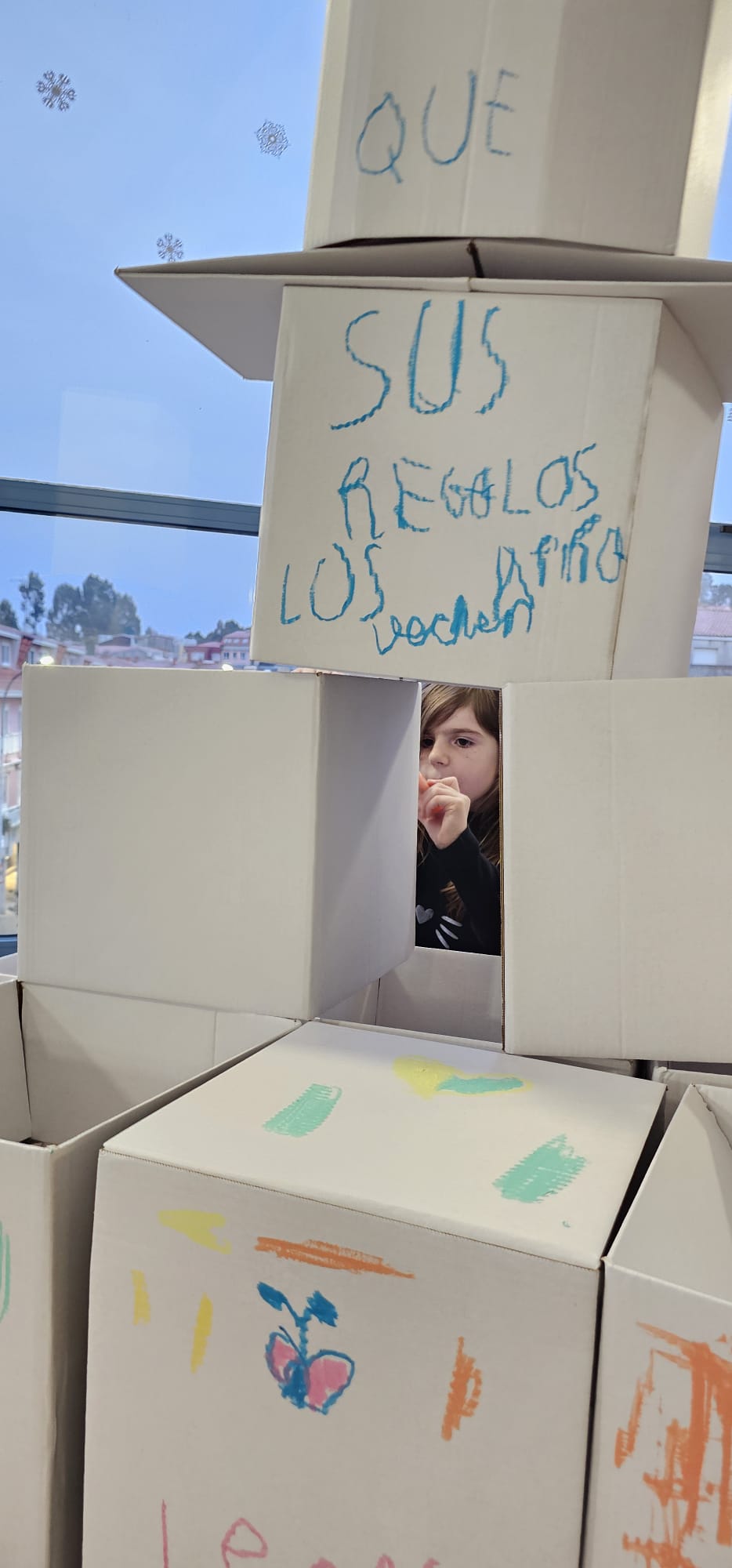
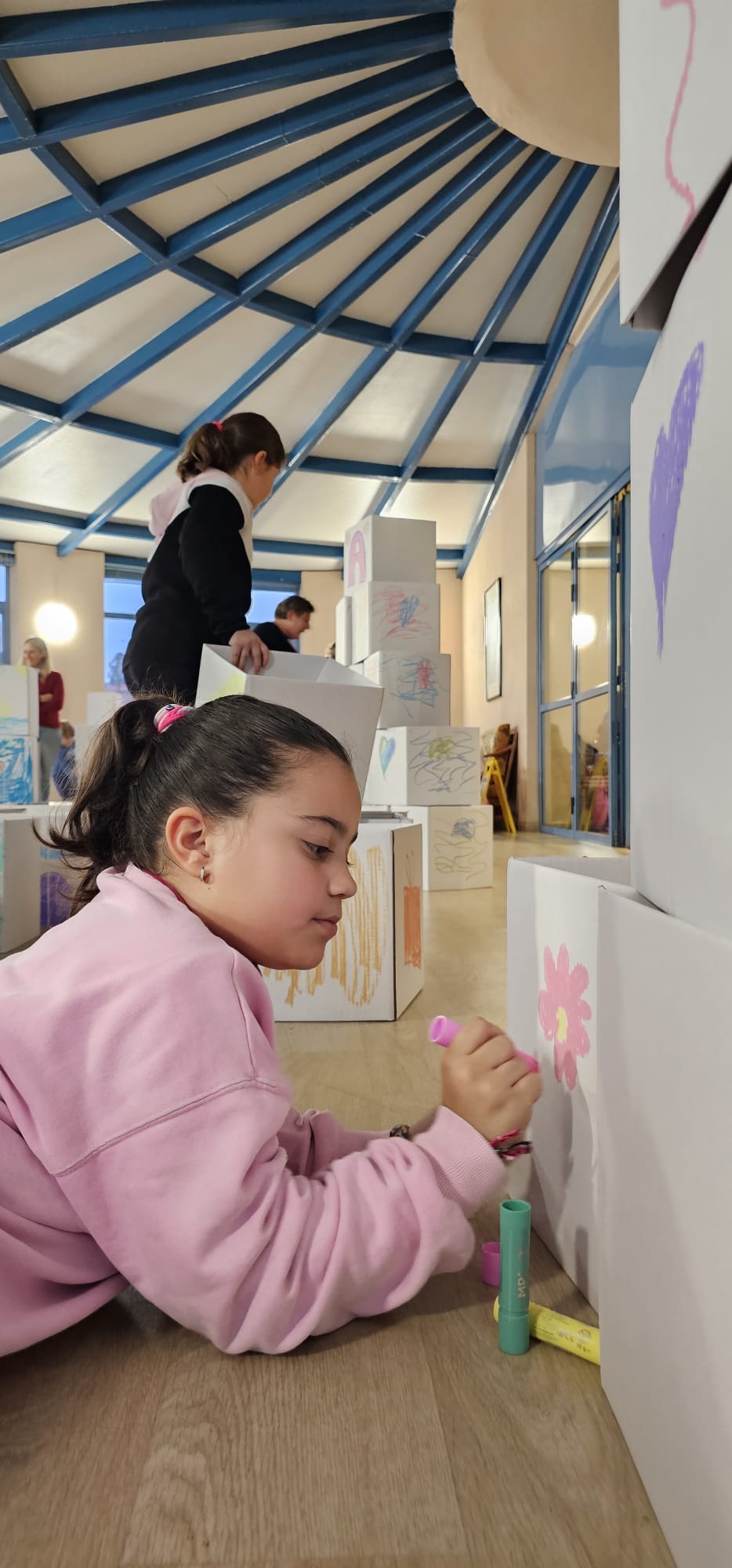
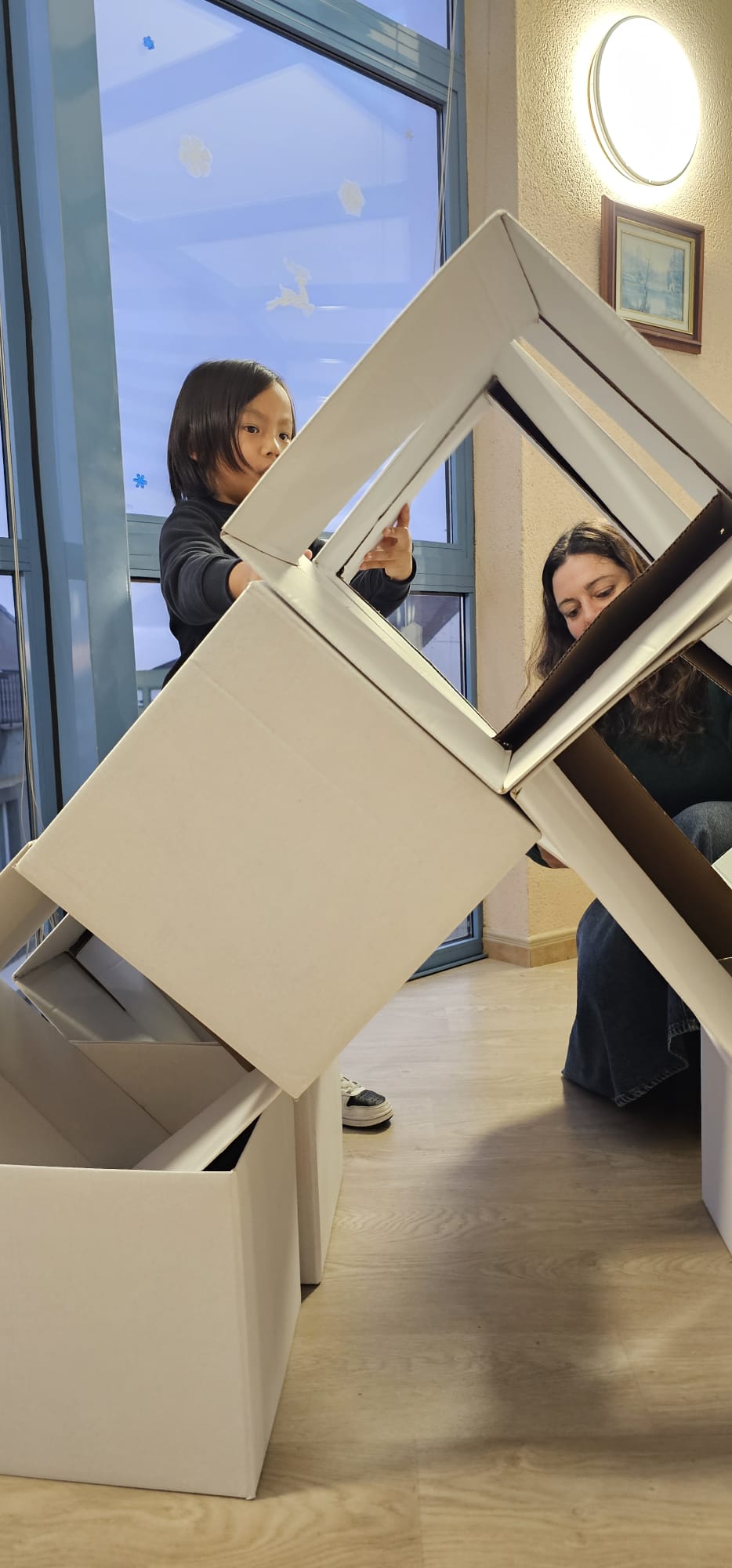
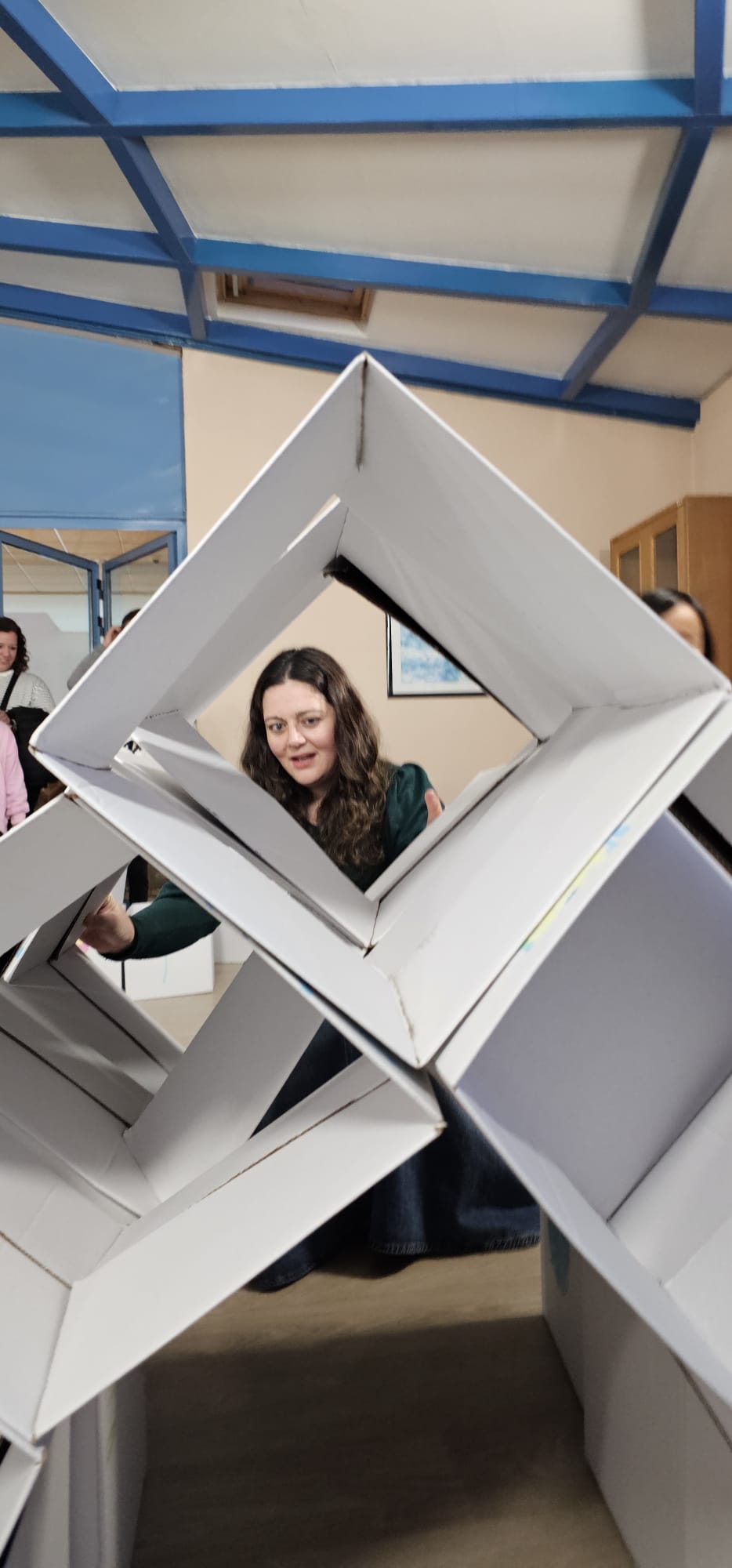
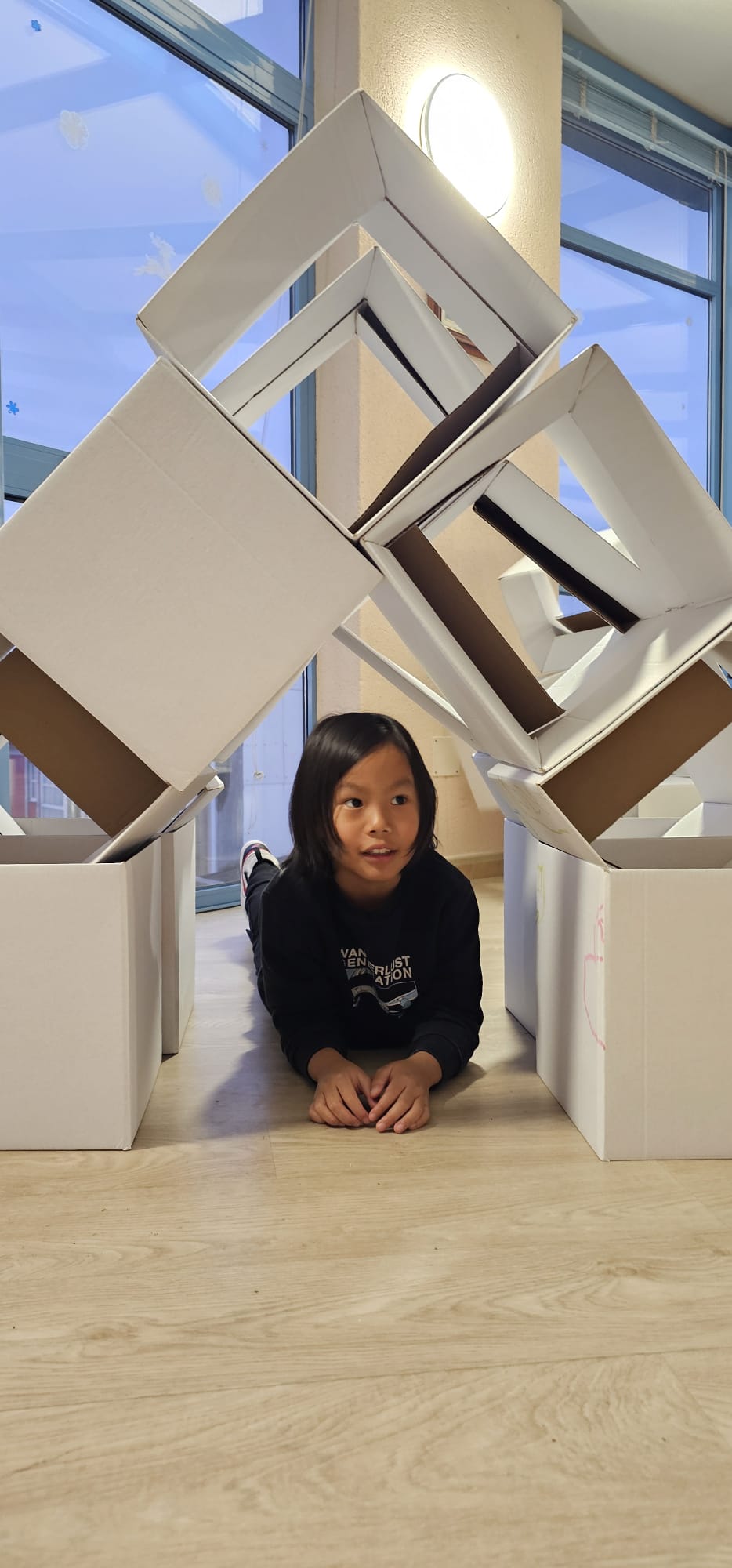
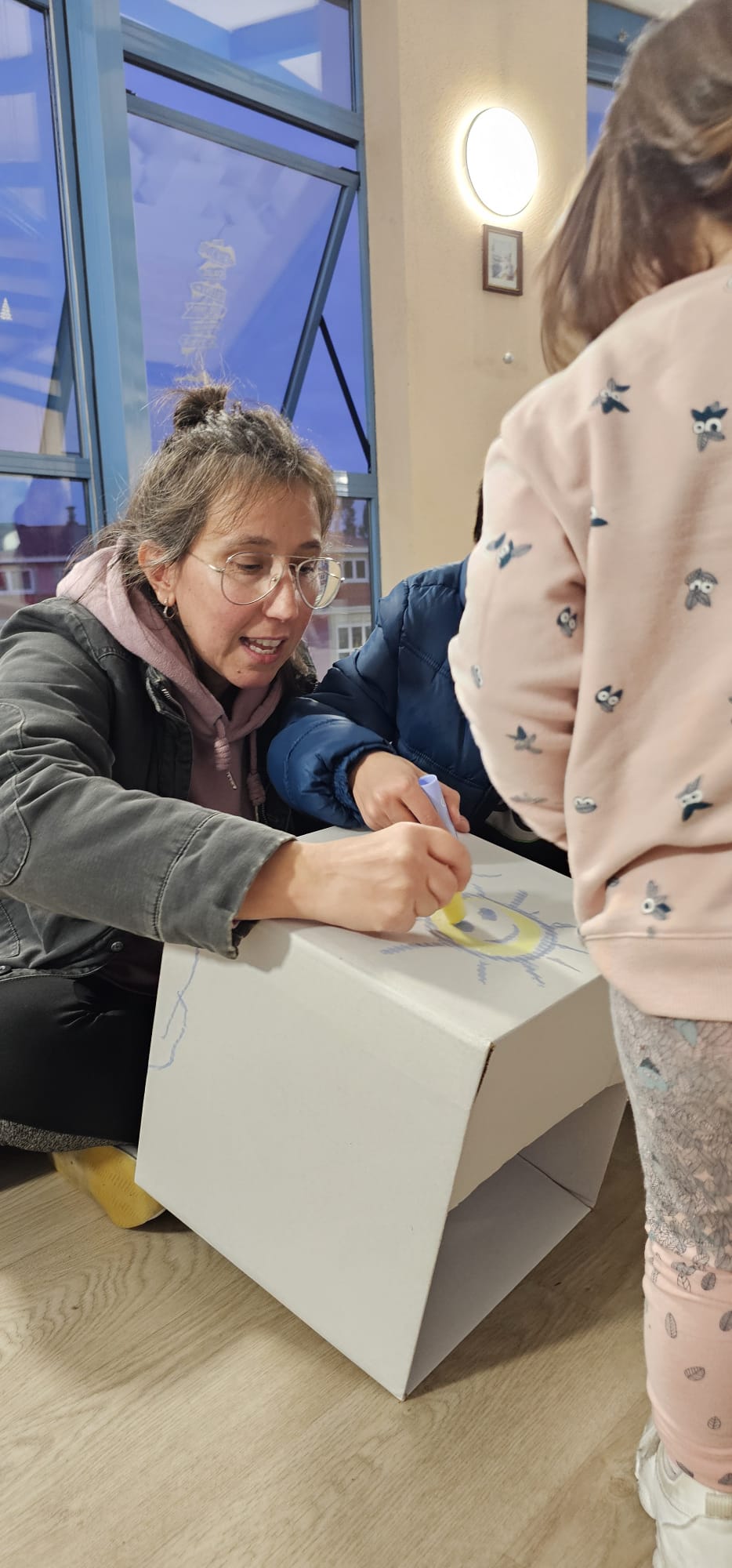
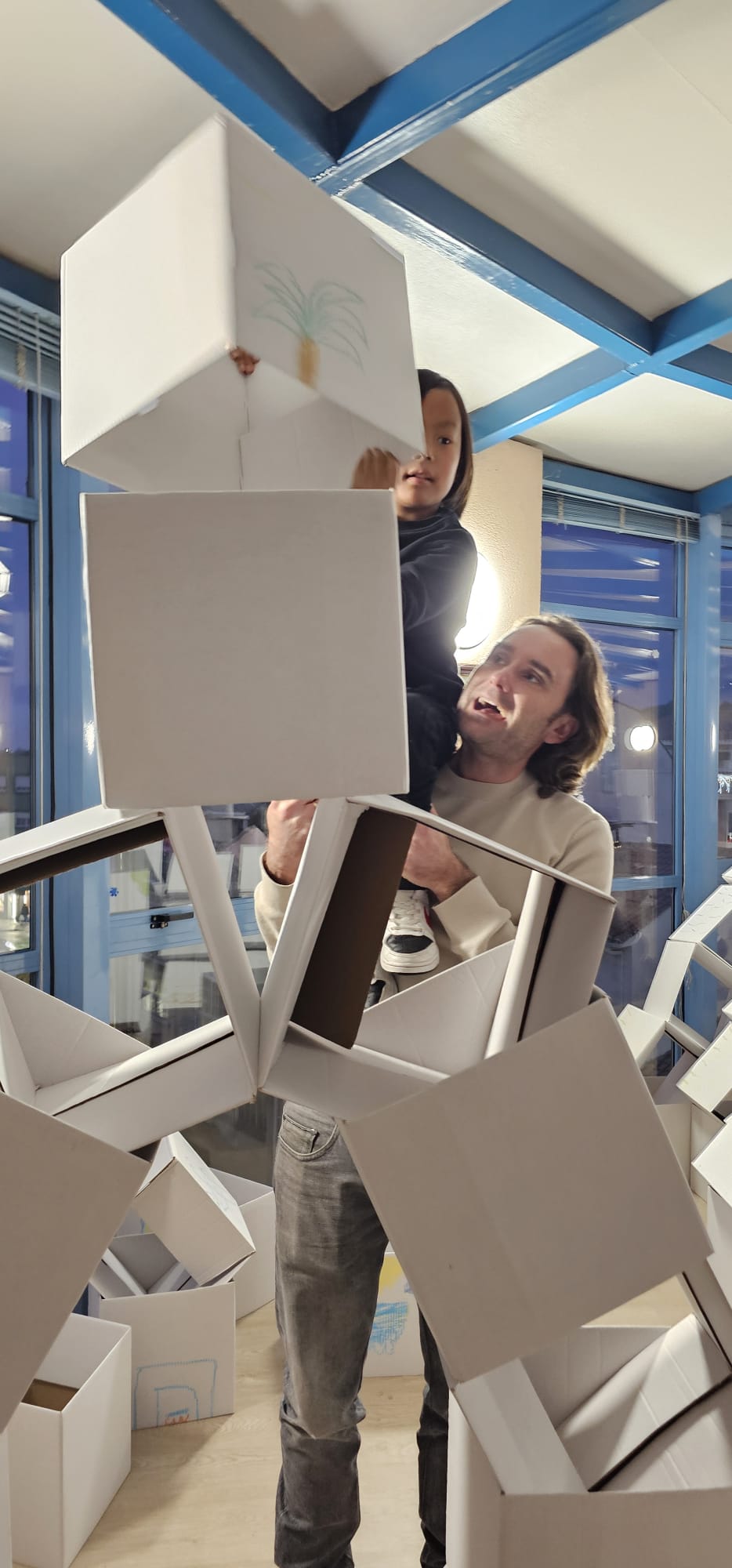
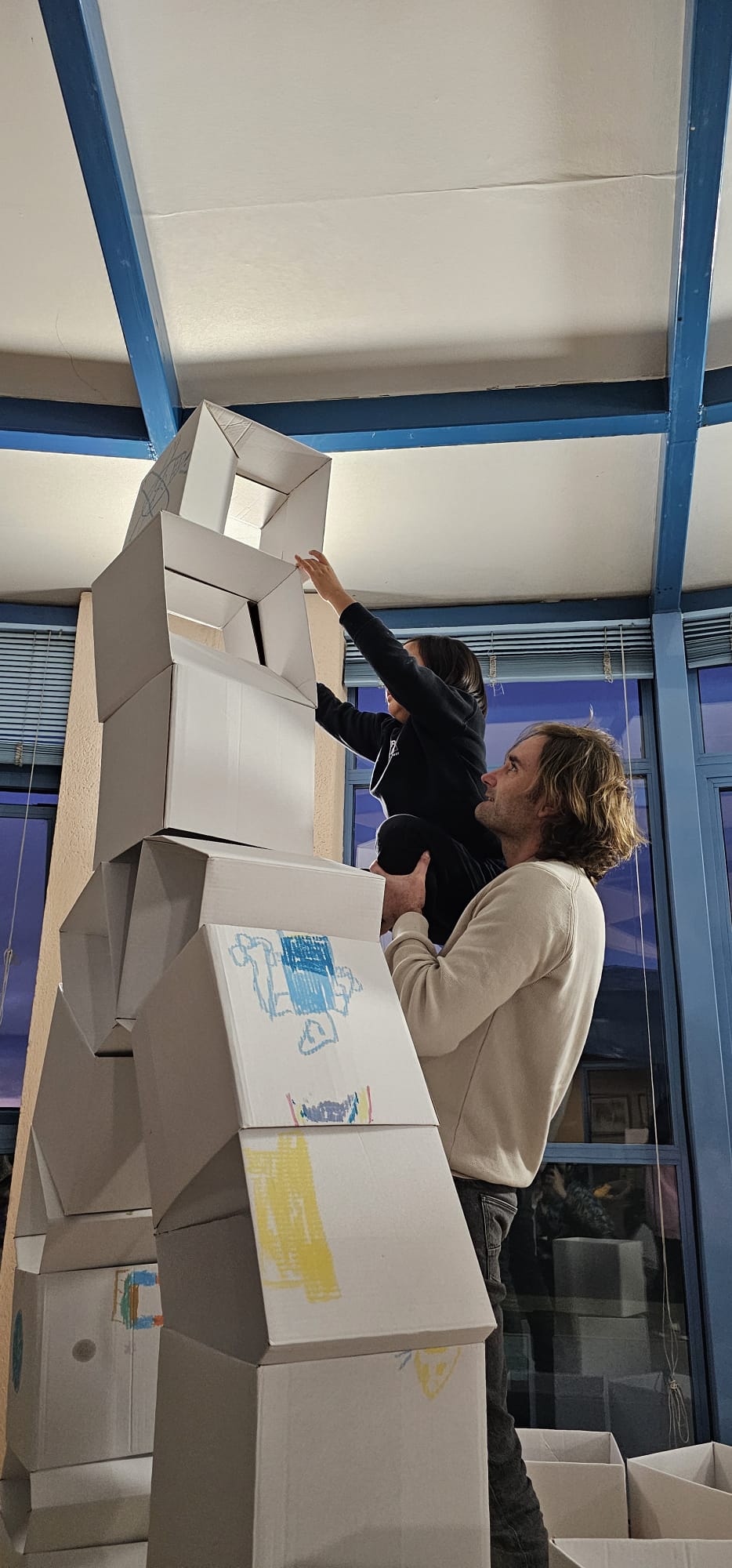
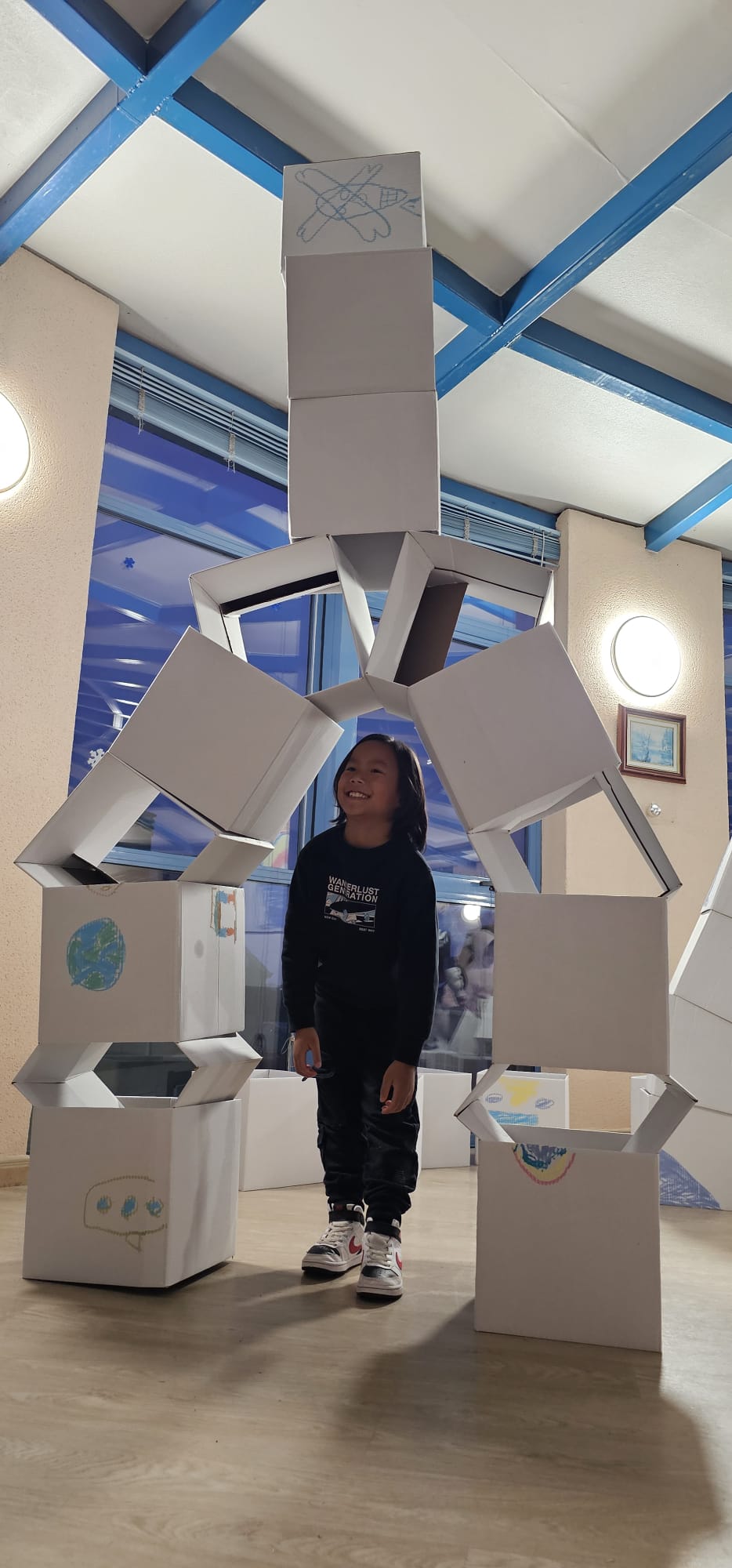
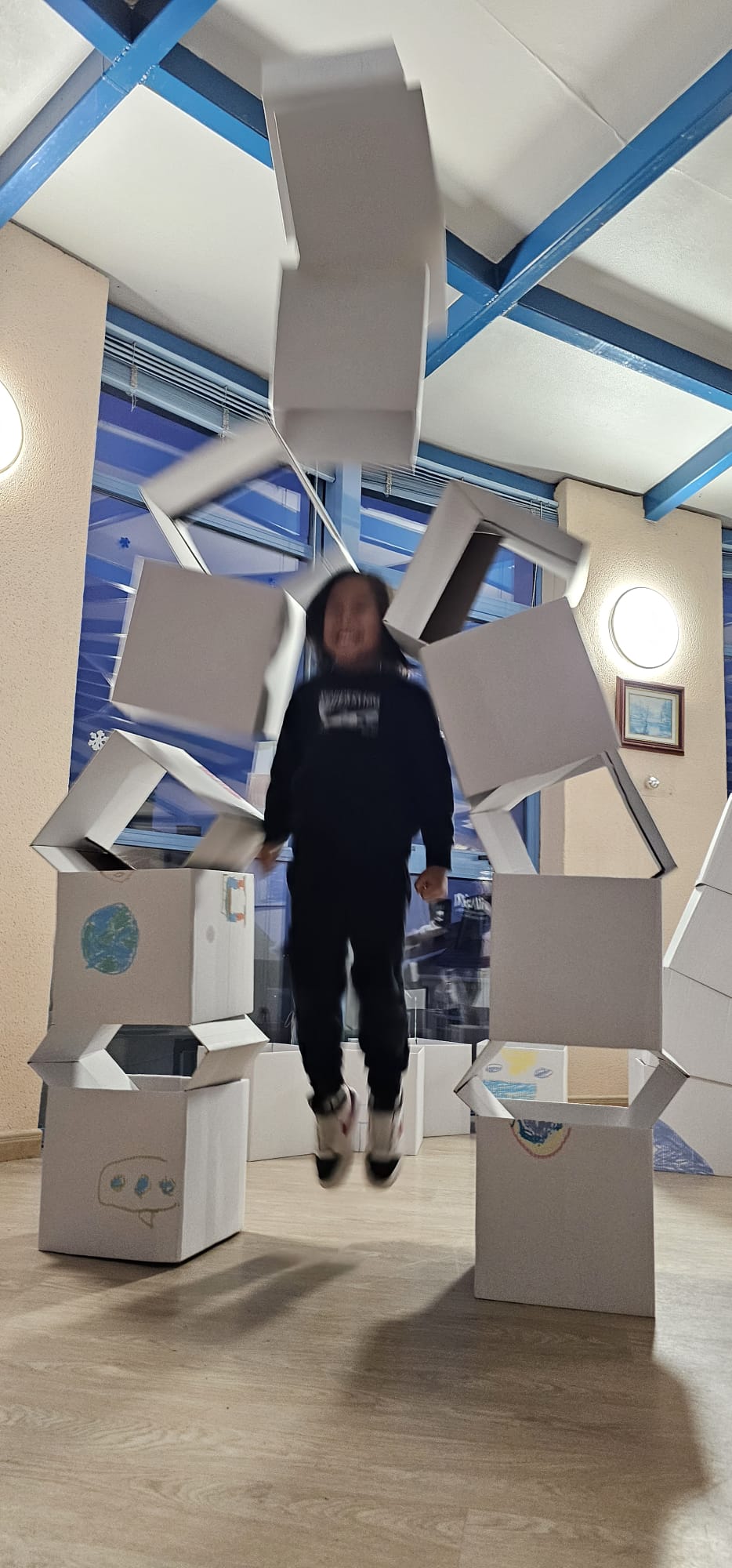
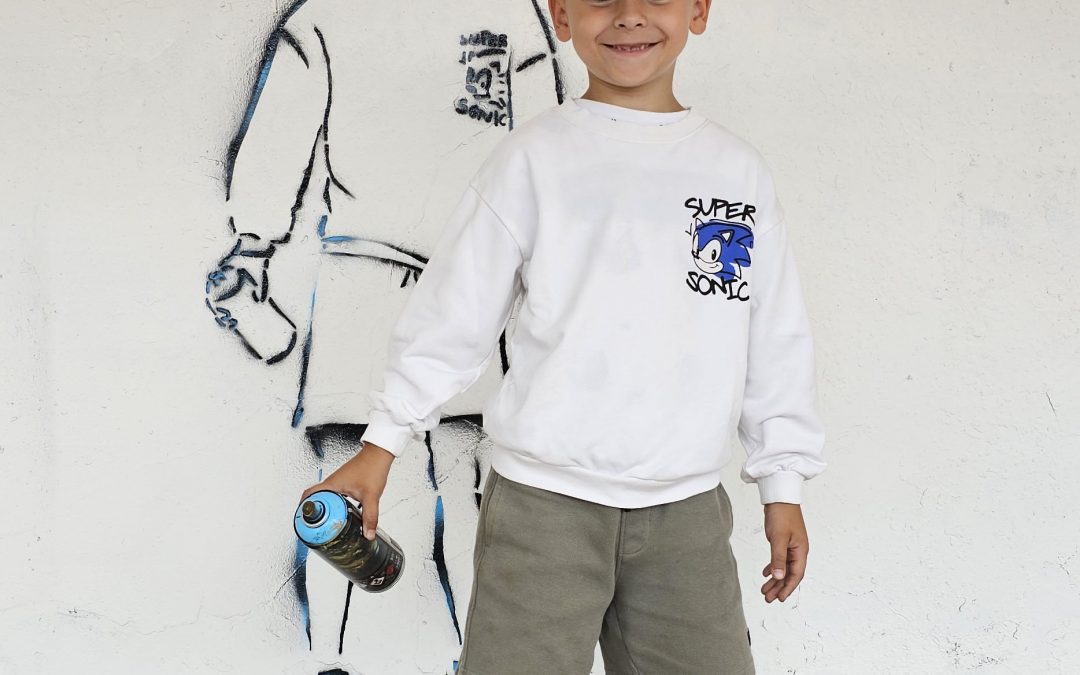
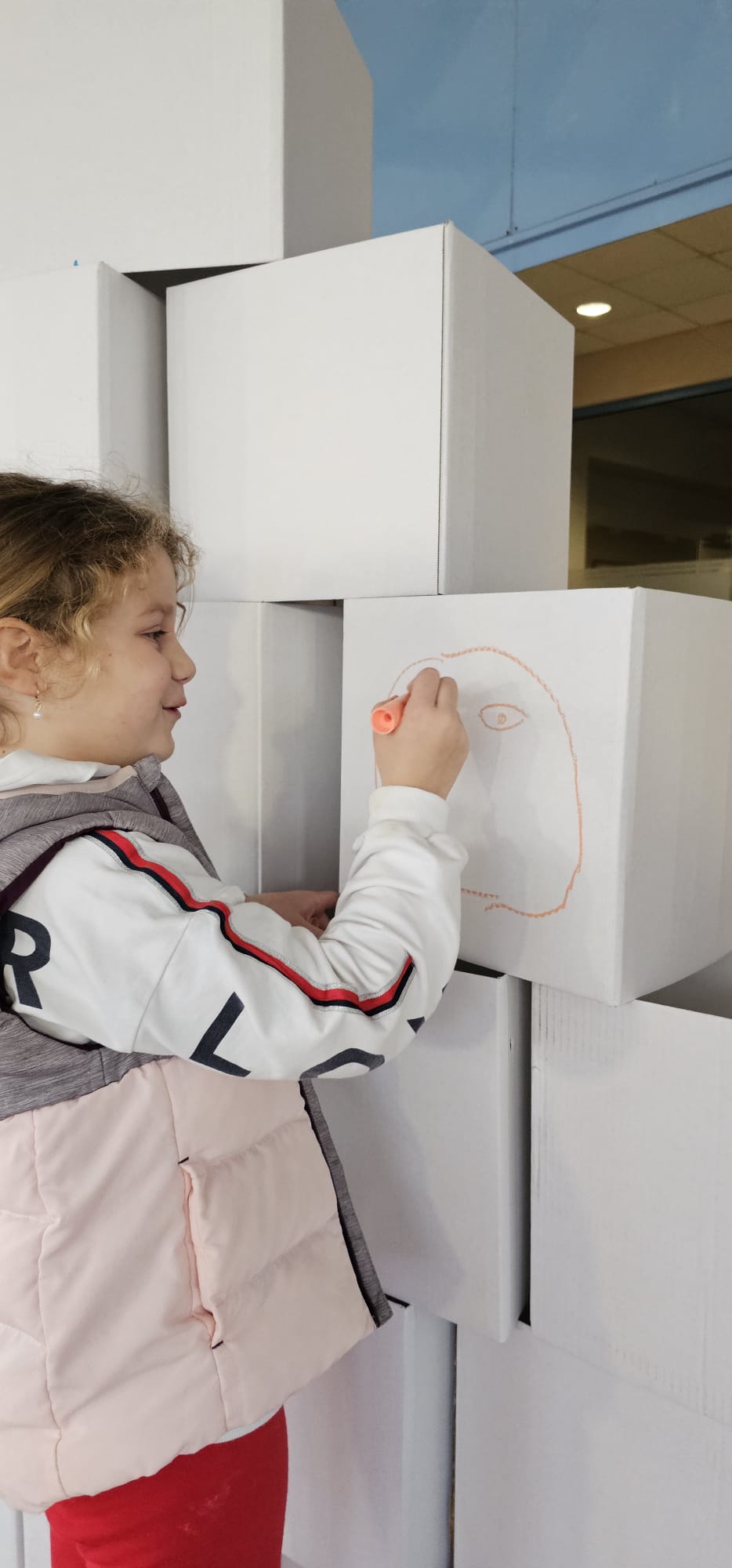
The village or city in which we are working has been turned into a game board, a laboratory of experimentation where girls, boys and teenagers can act from a new point of view.
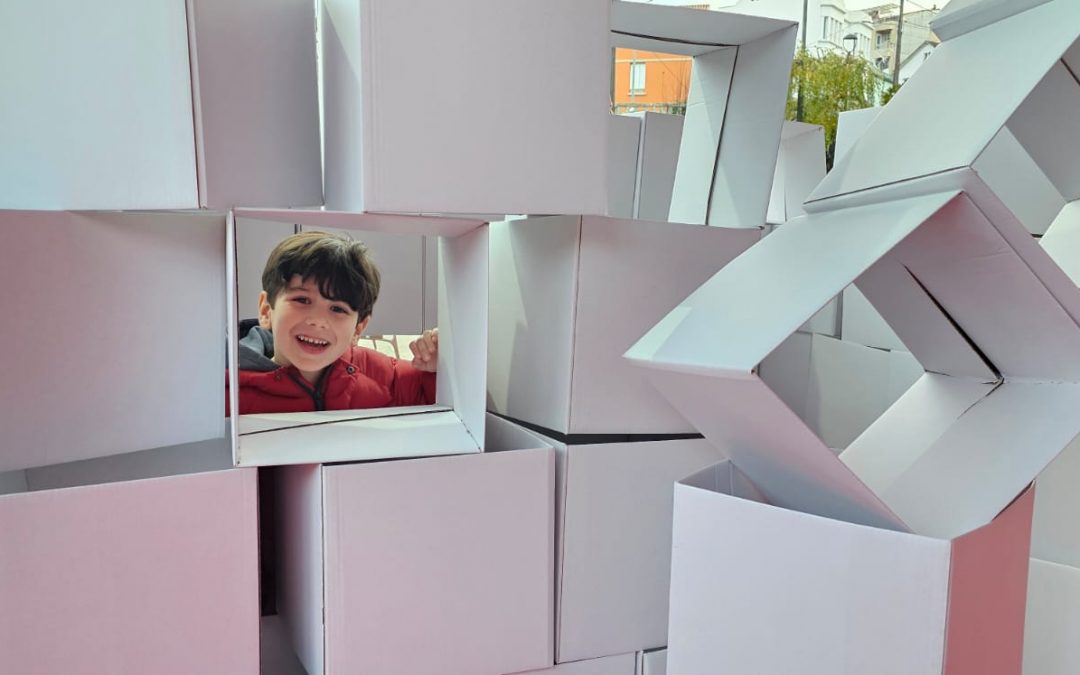
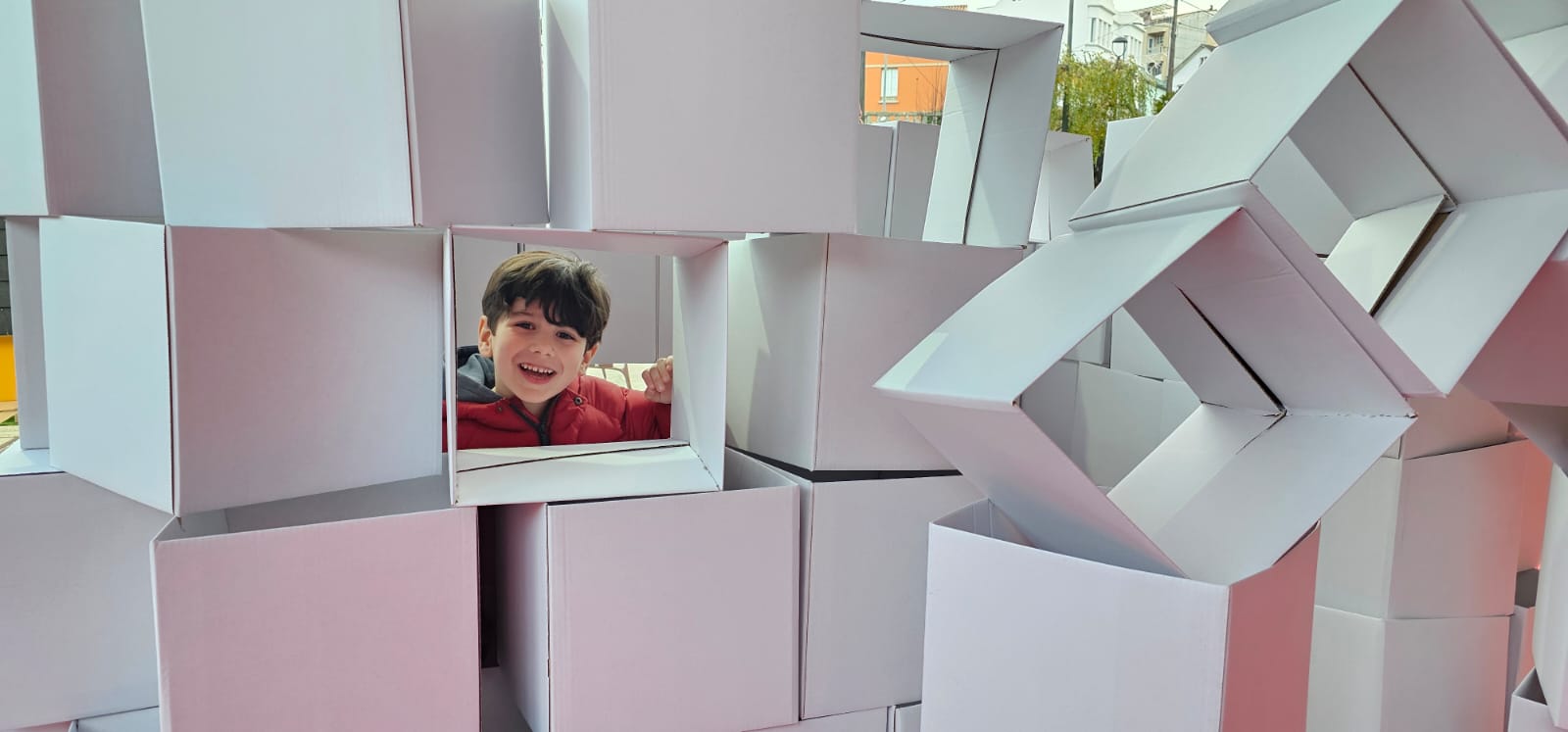
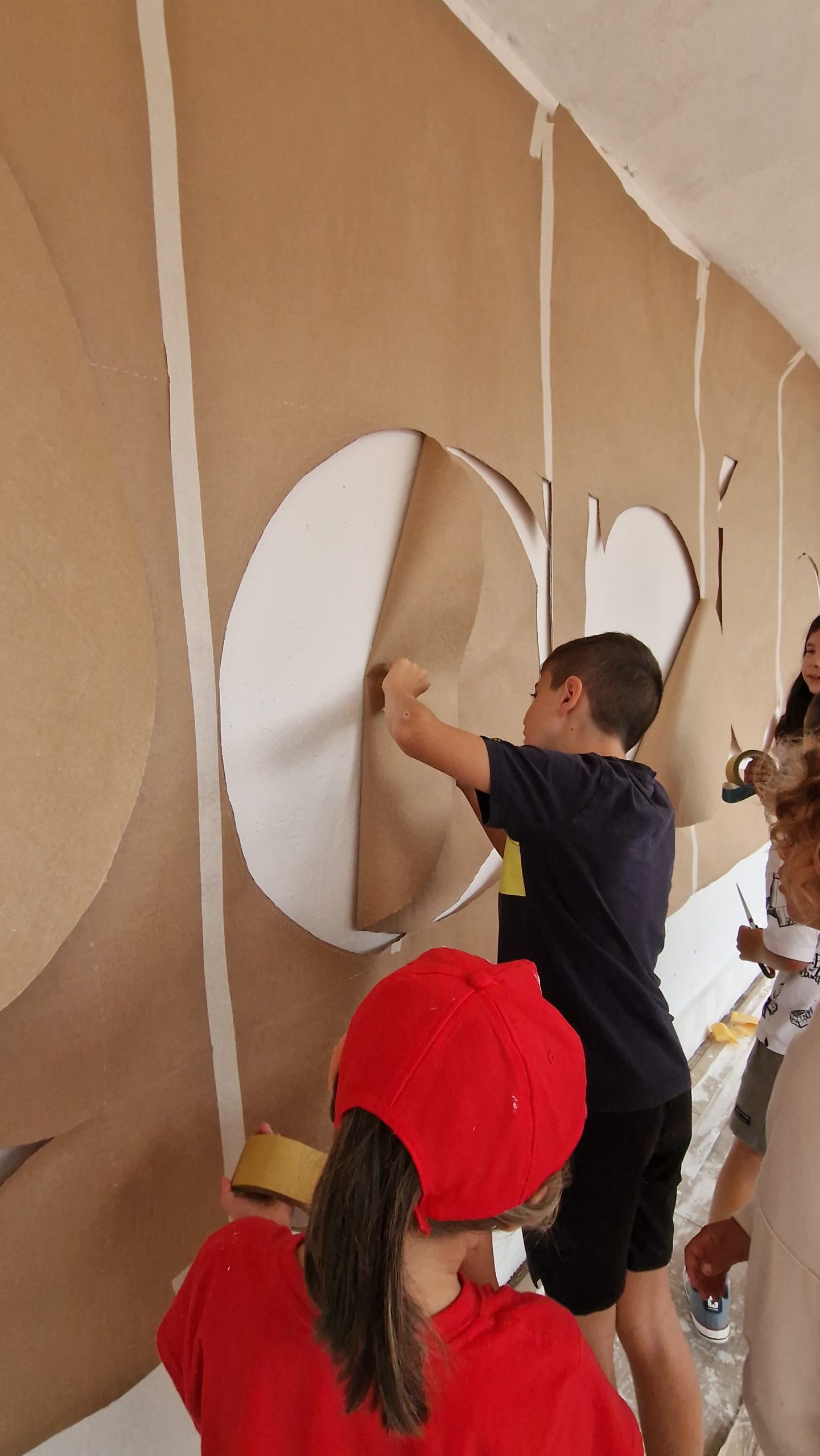
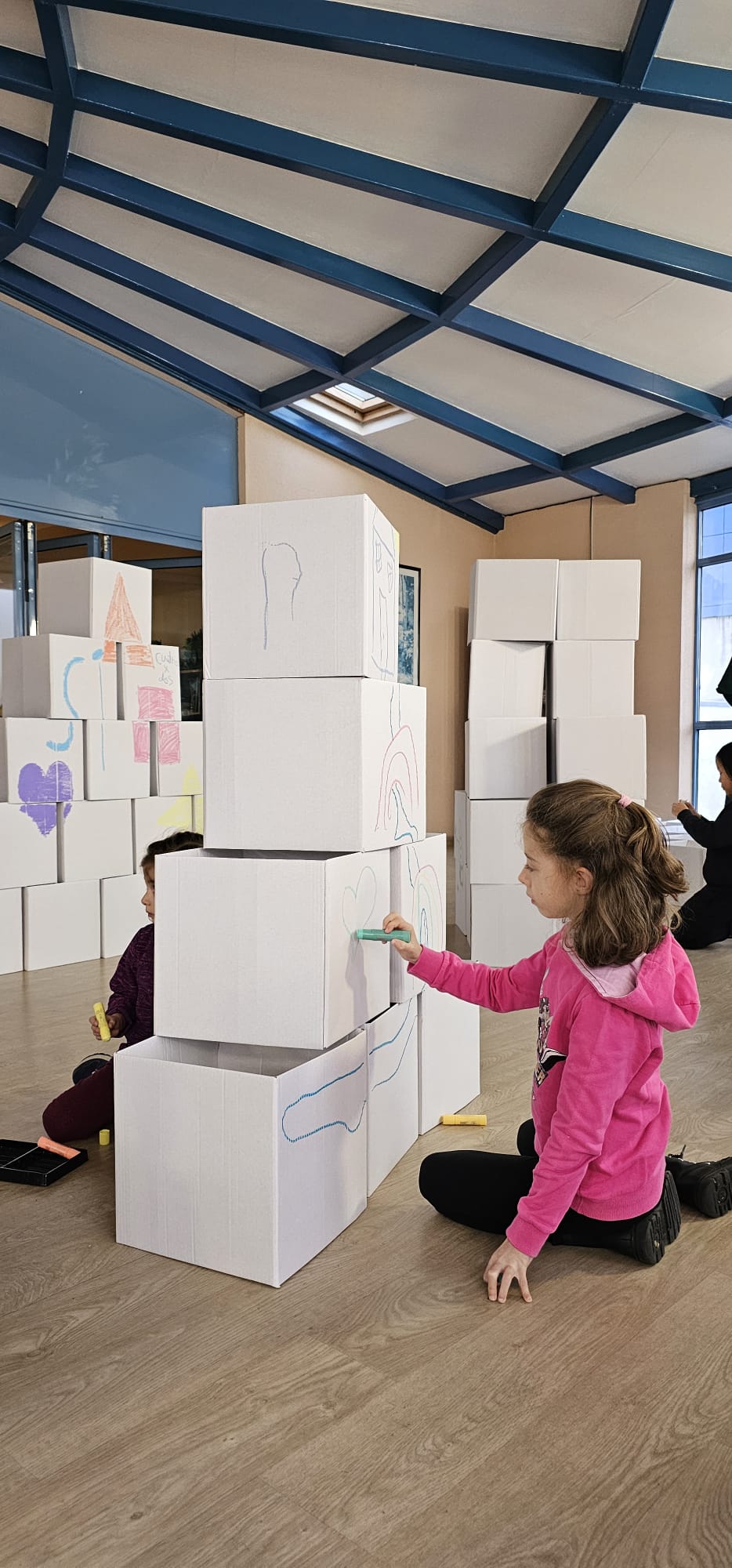
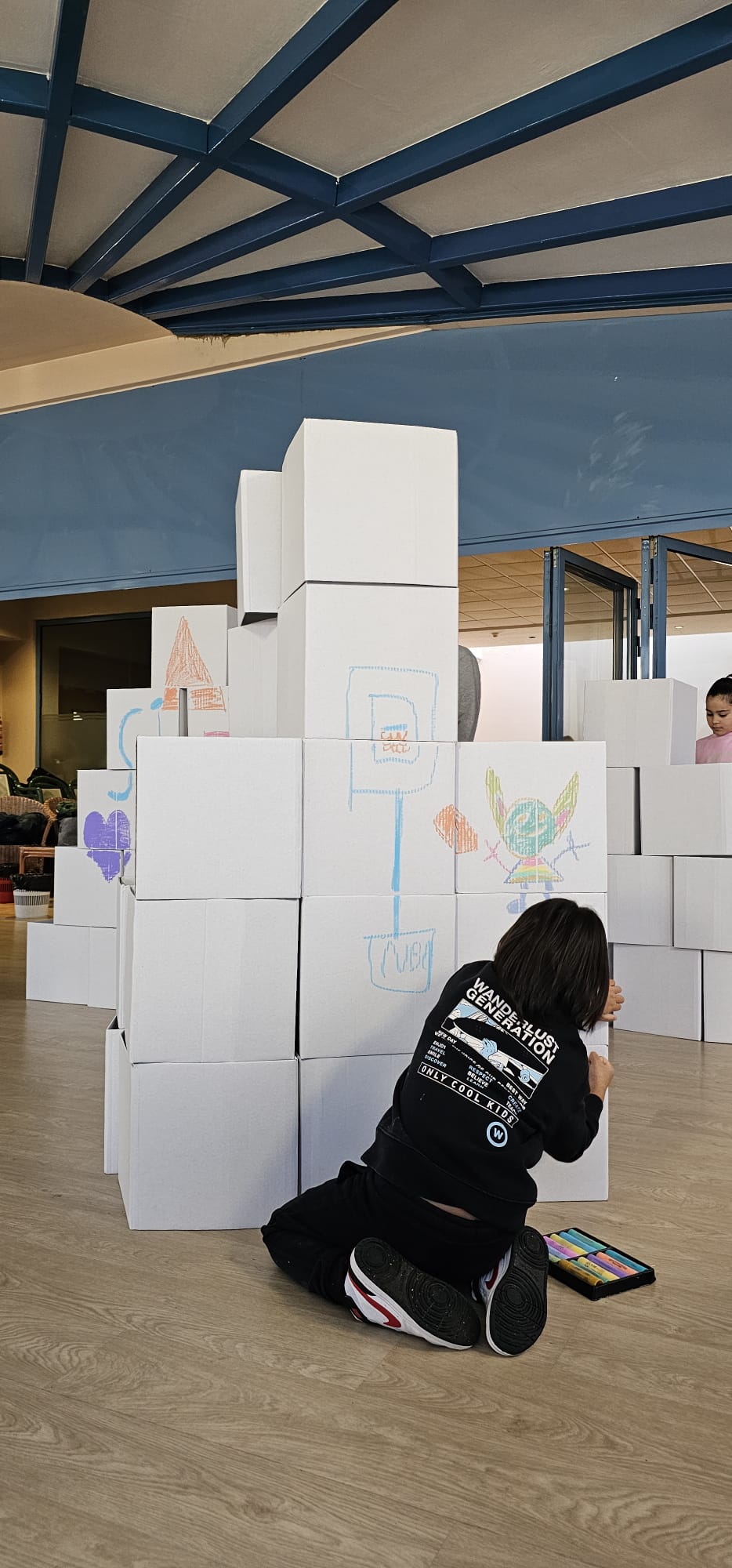
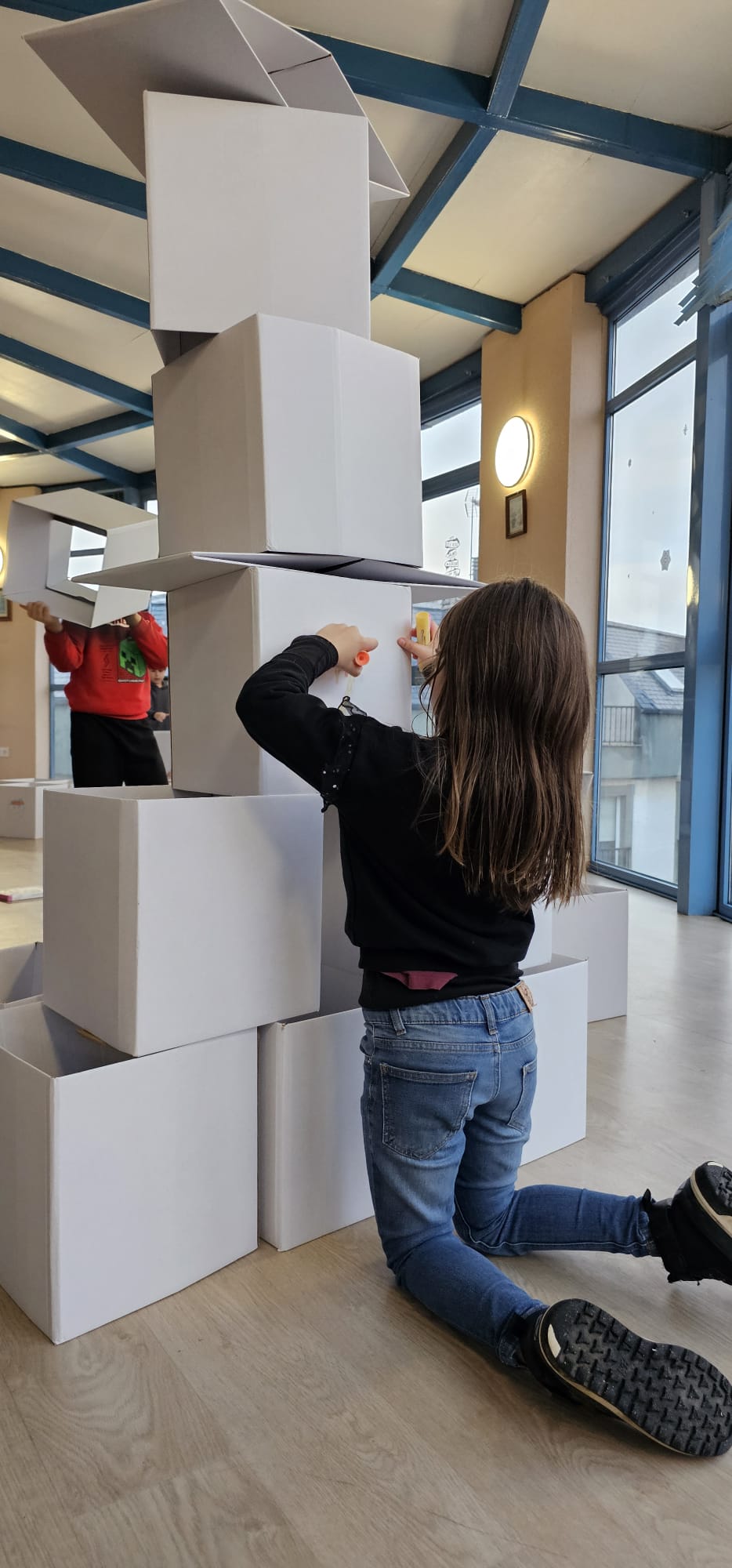
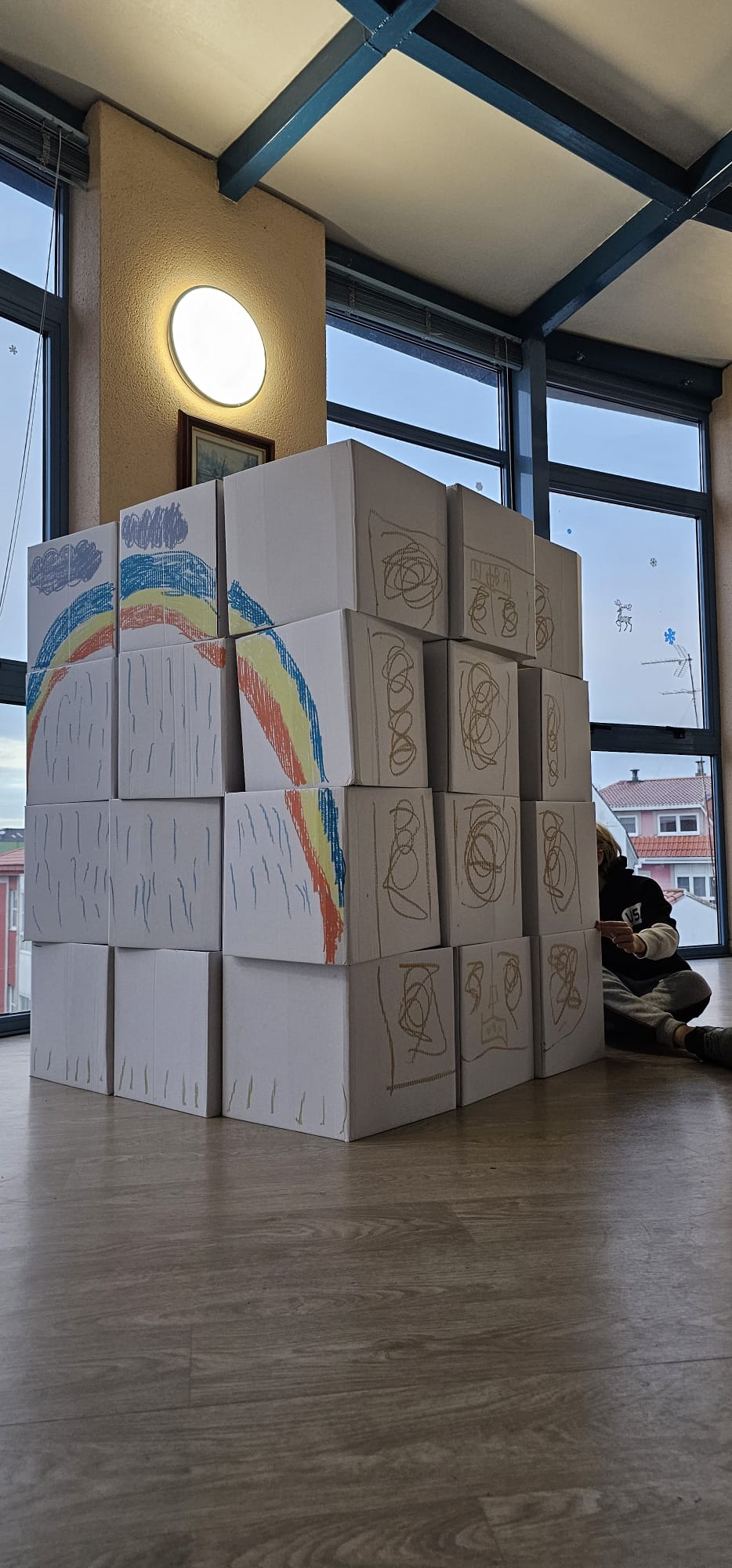
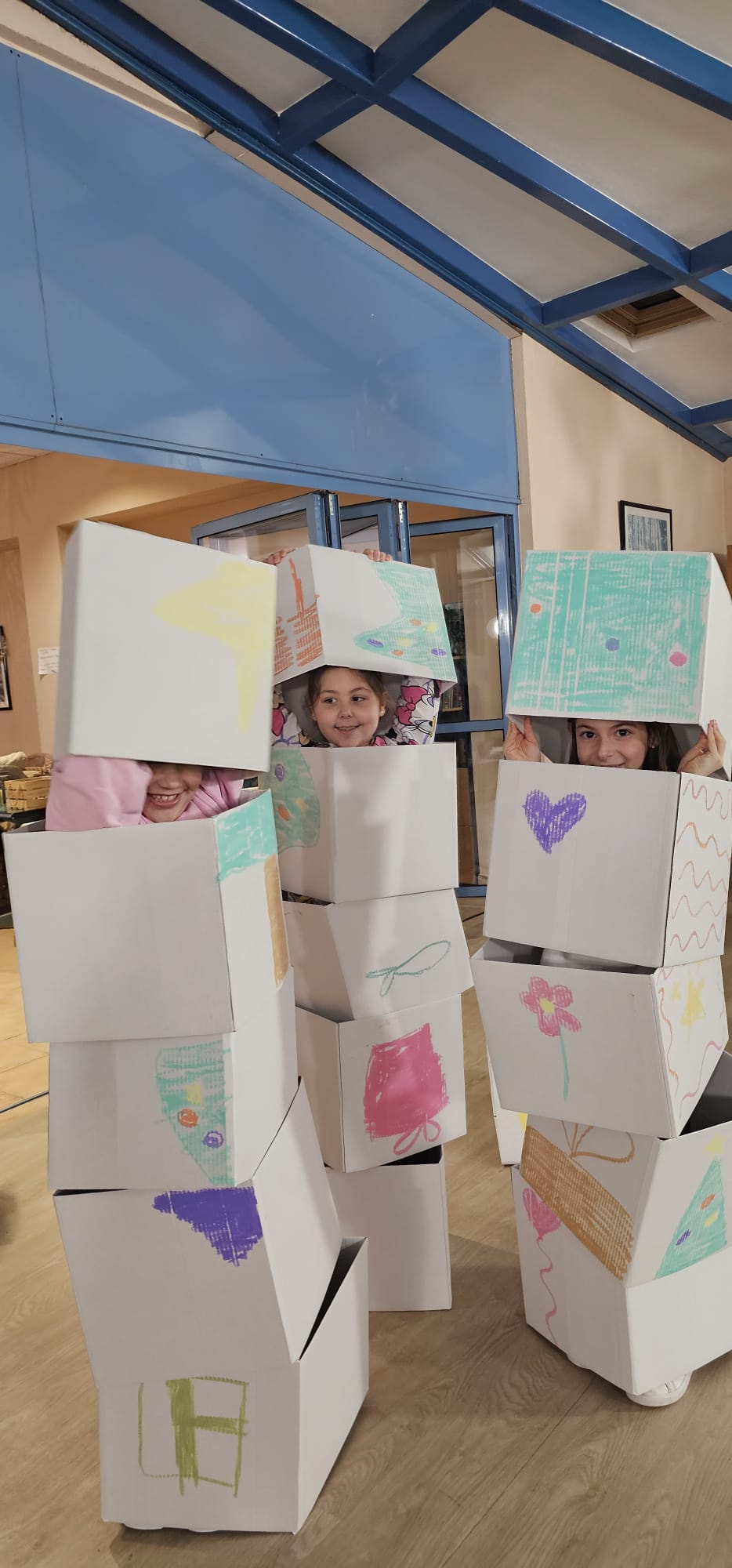
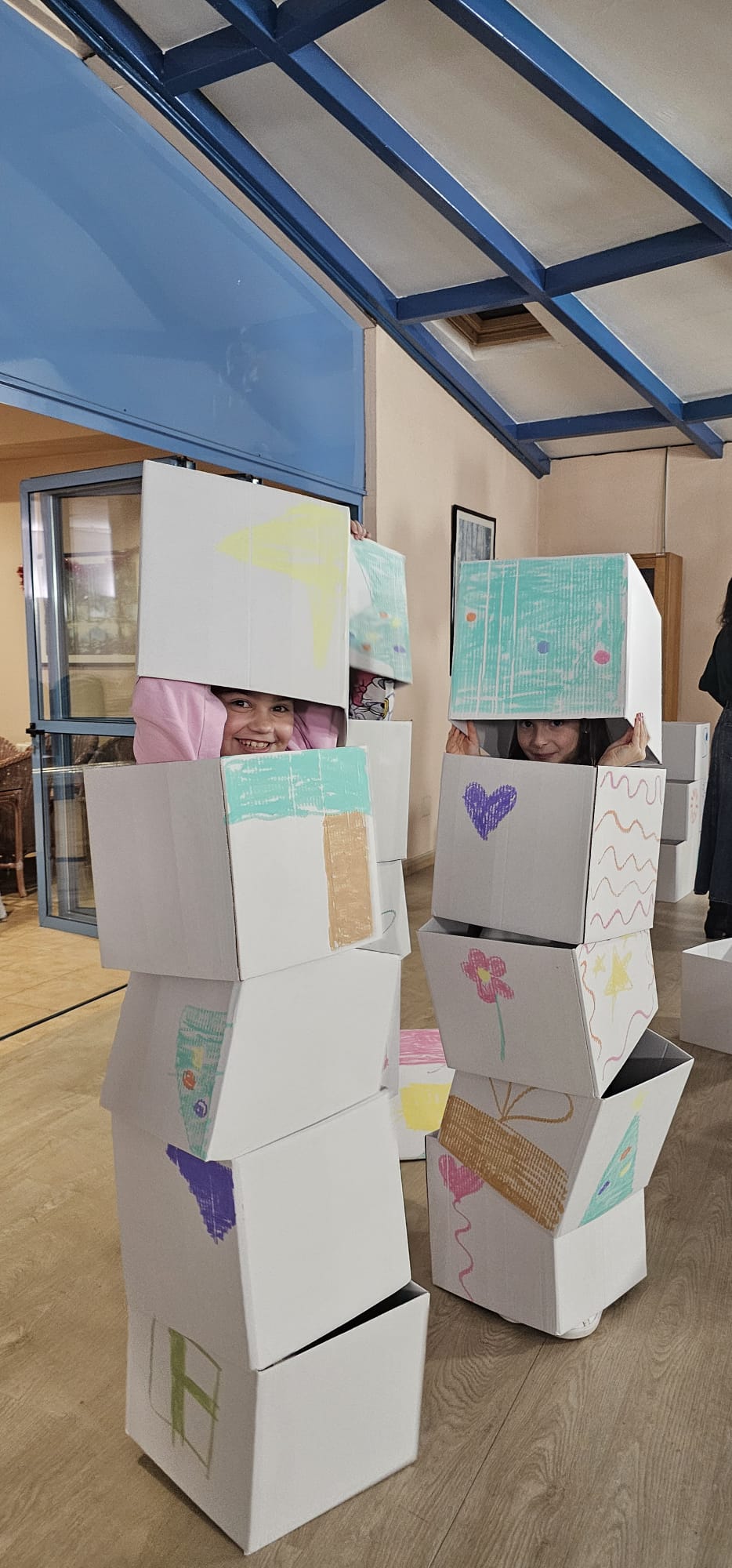
Working with THREE-DIMENSIONAL ELEMENTS

Working with THREE-DIMENSIONAL ELEMENTS

MIÑO

changing the village through protagonist participation 

Working with three-dimensional elements

“The opportunity for the child to discover his or her own movement is part of the city itself; the city is also a play space. The child uses all the elements of the city, all the built objects, all the surfaces he or she can climb or climb on. Children know how to play with these things very well, even if they are not allowed to.”
Aldo van Eyck


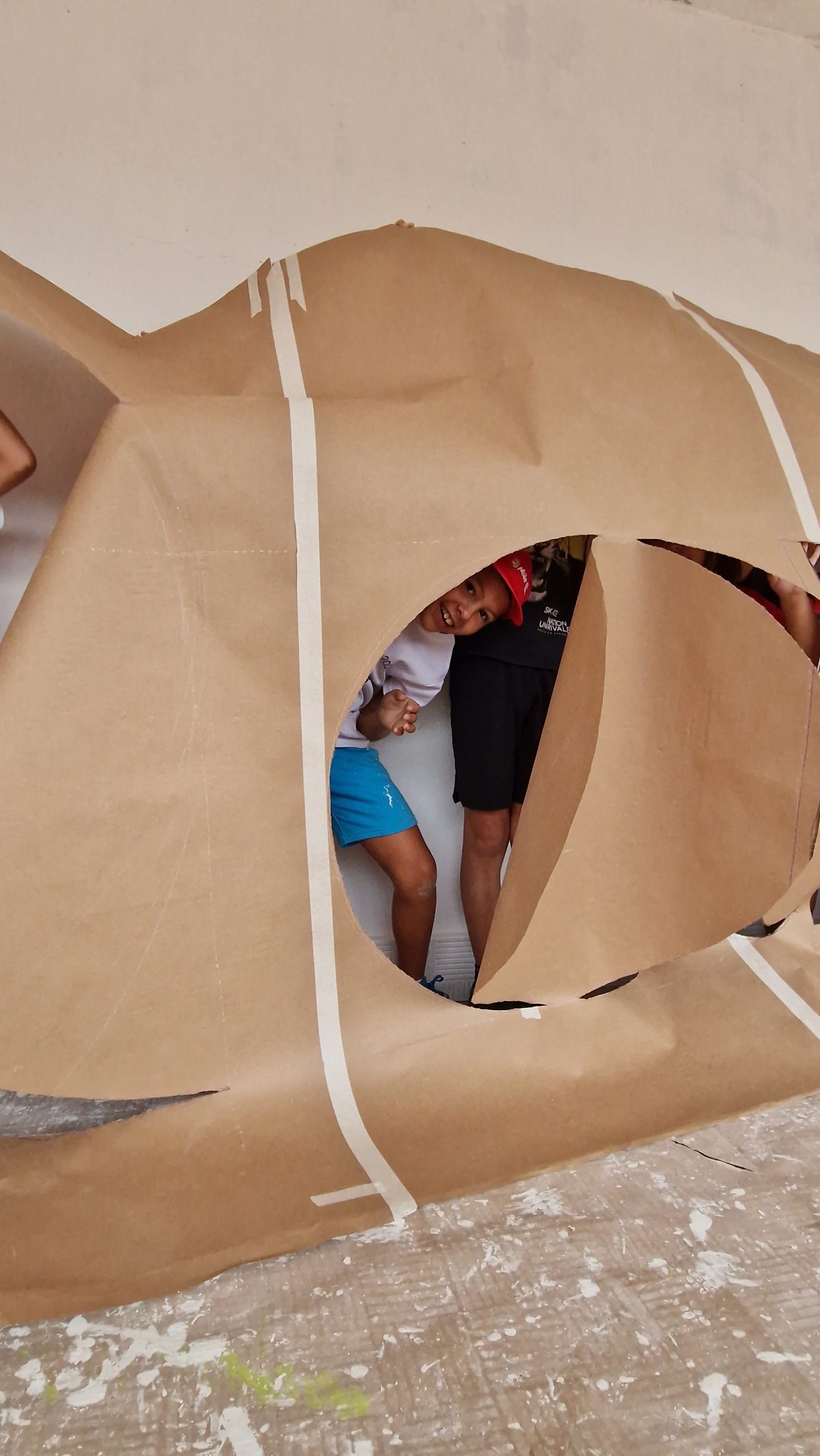
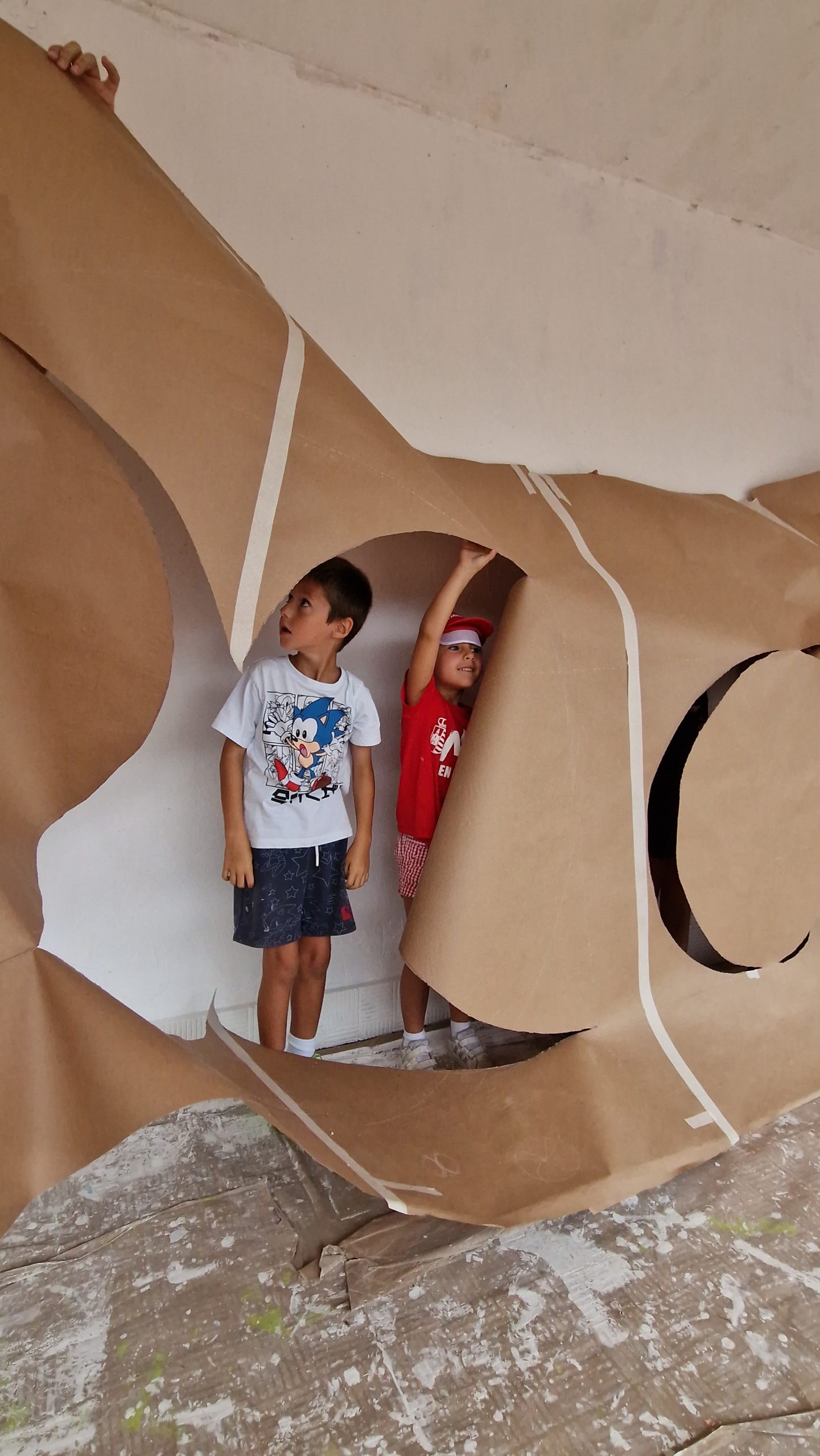
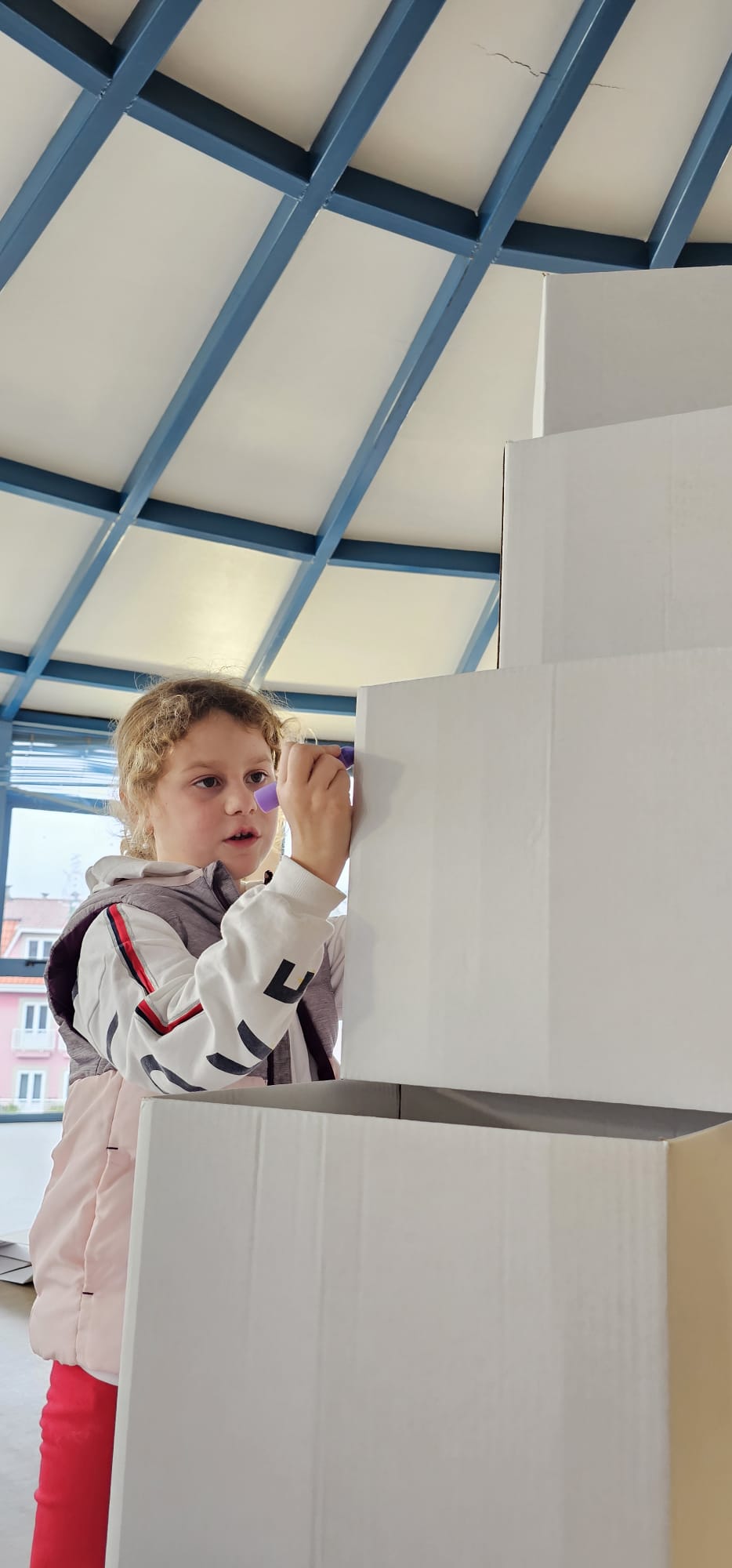
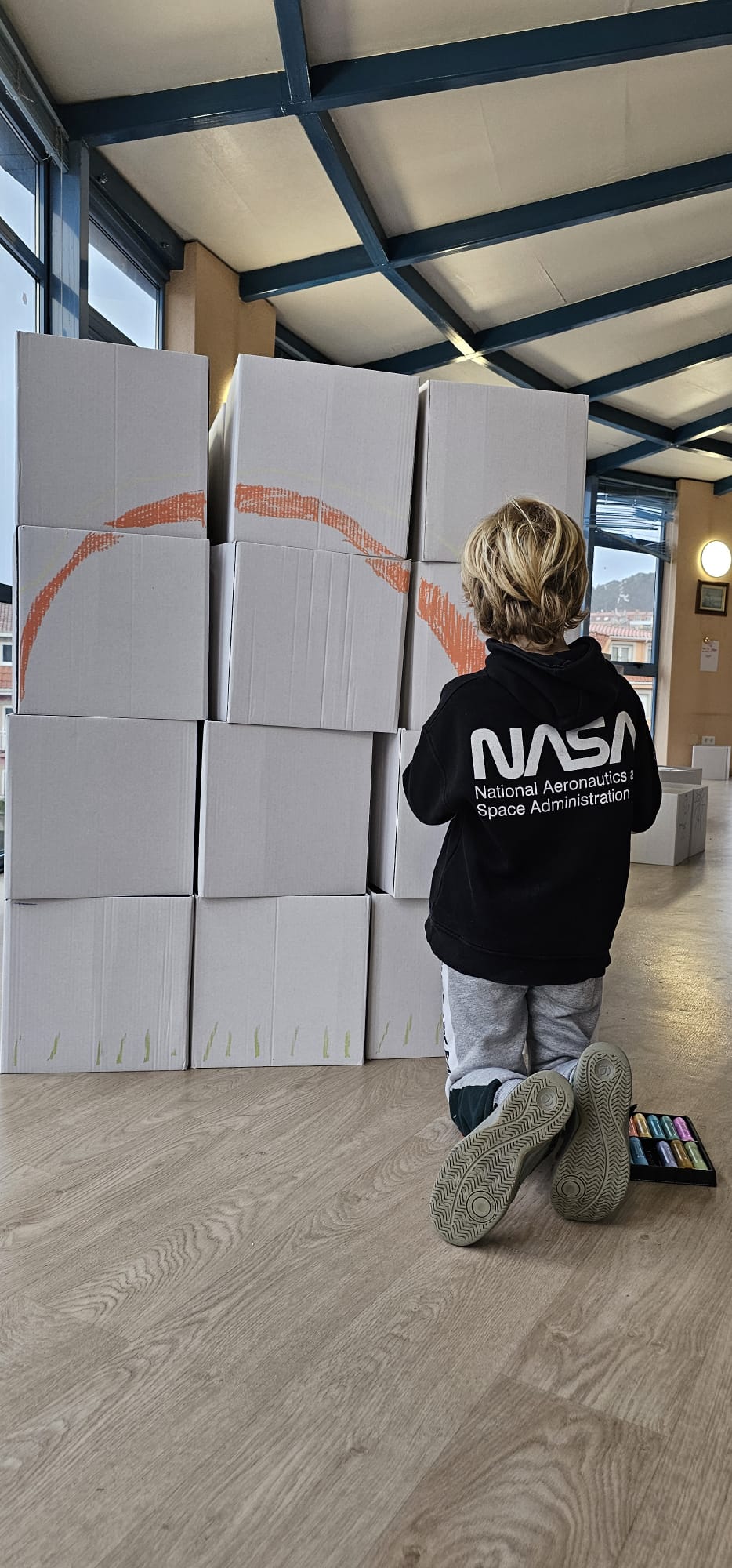
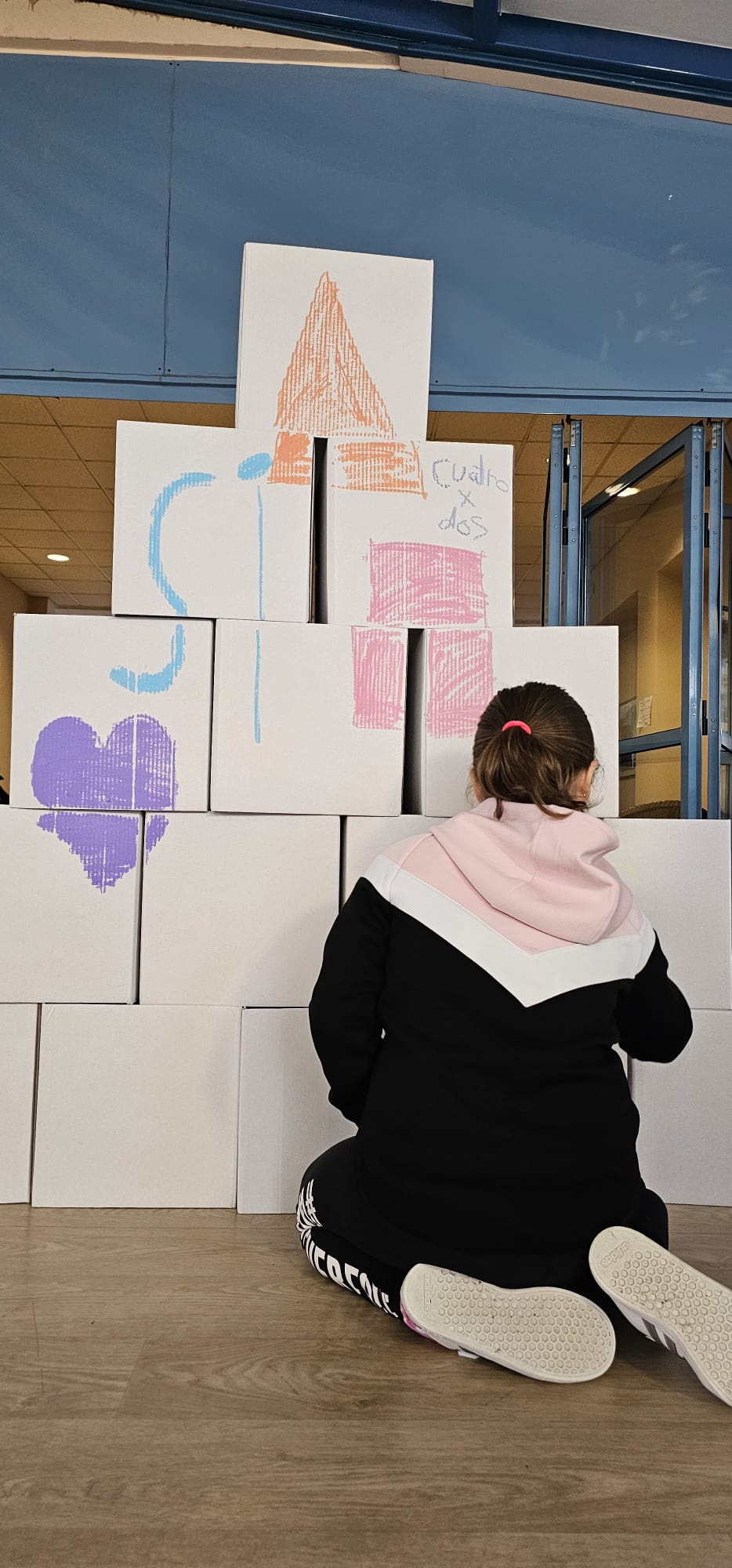
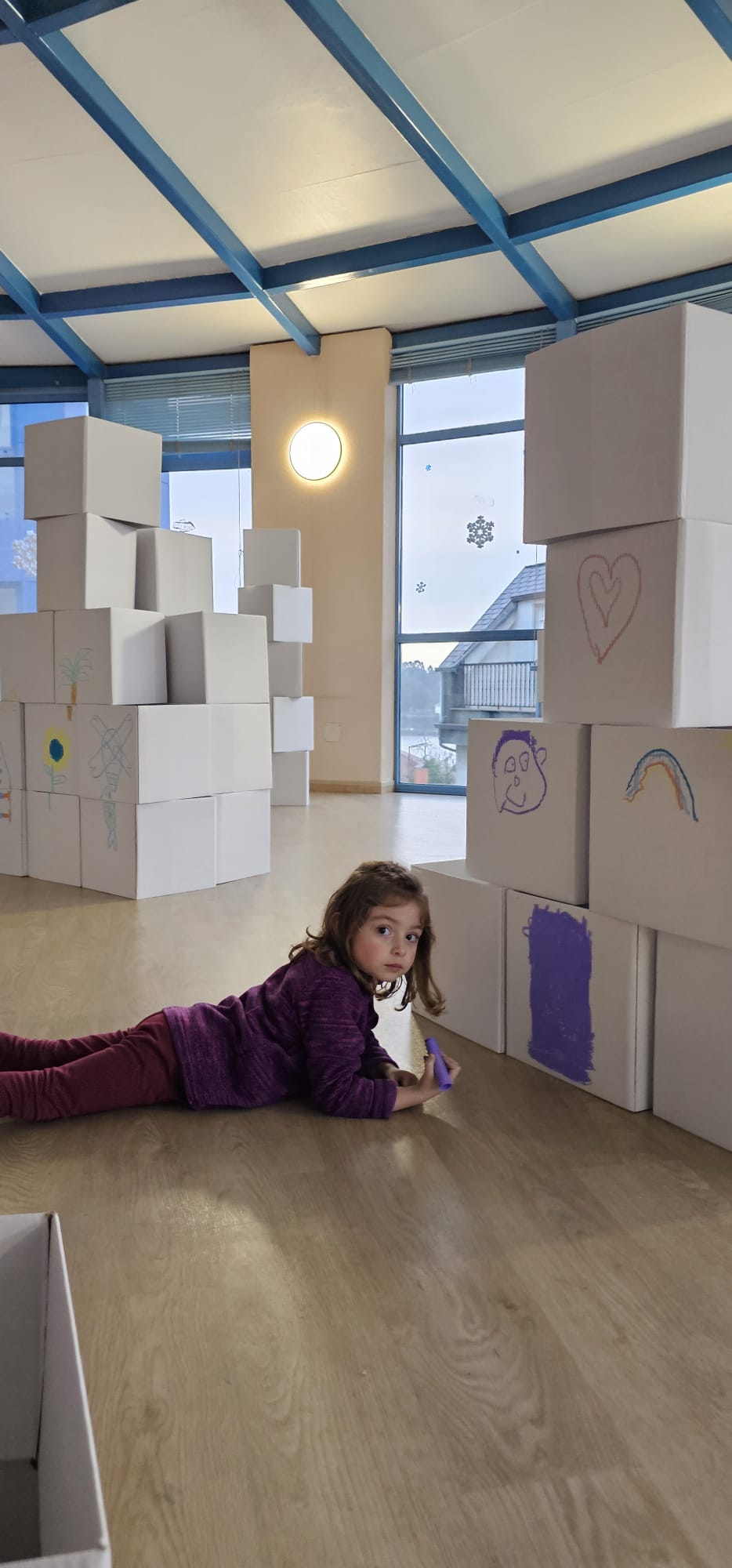
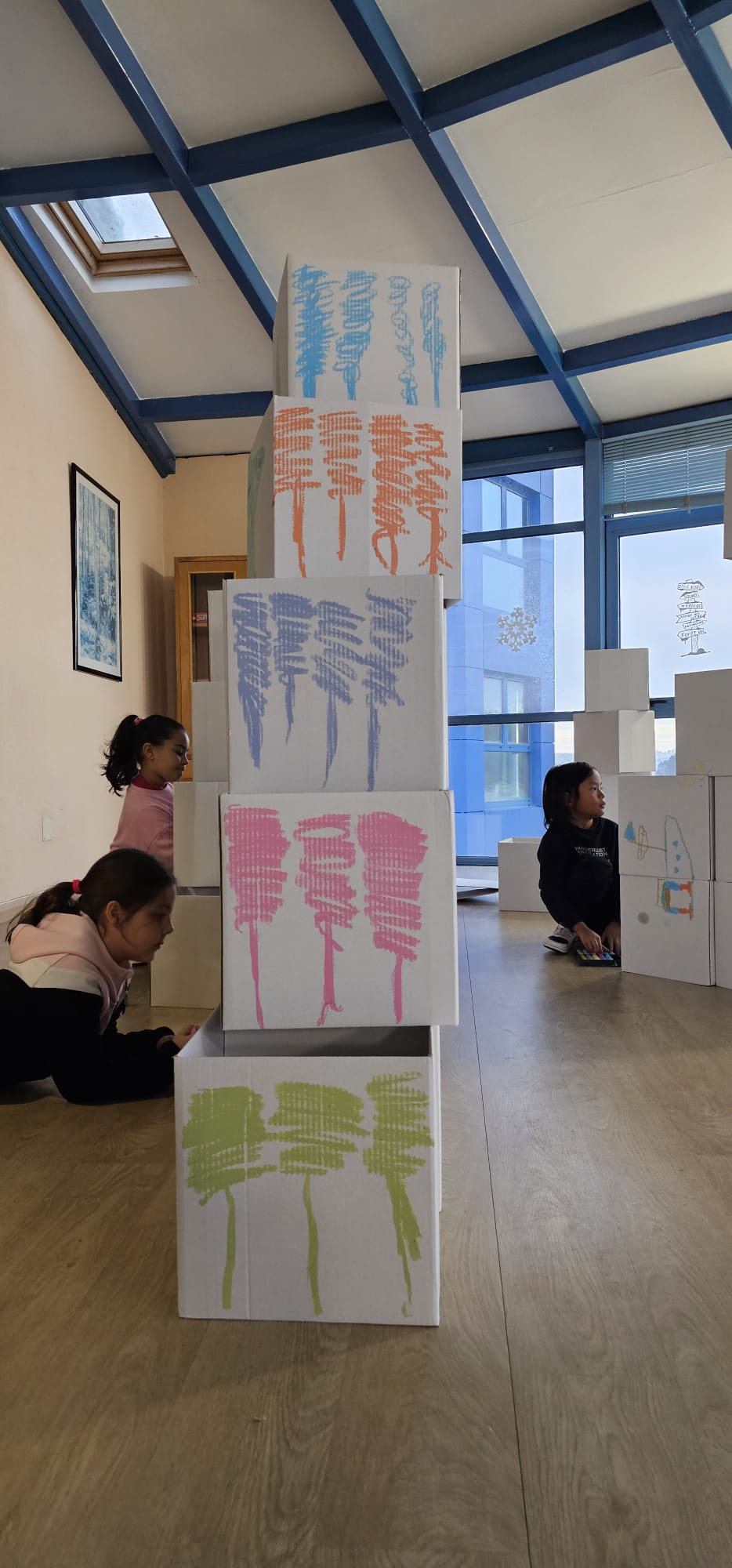
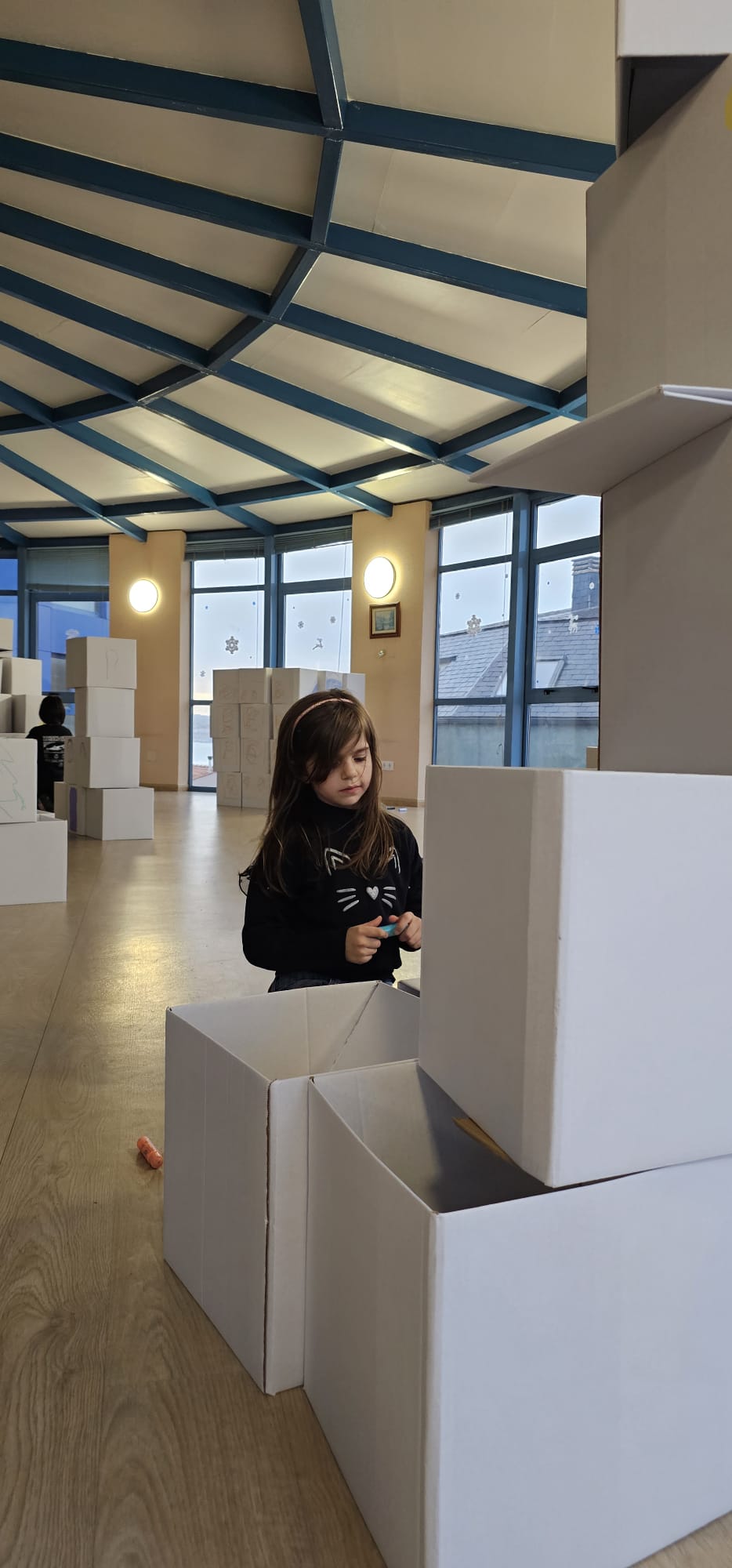
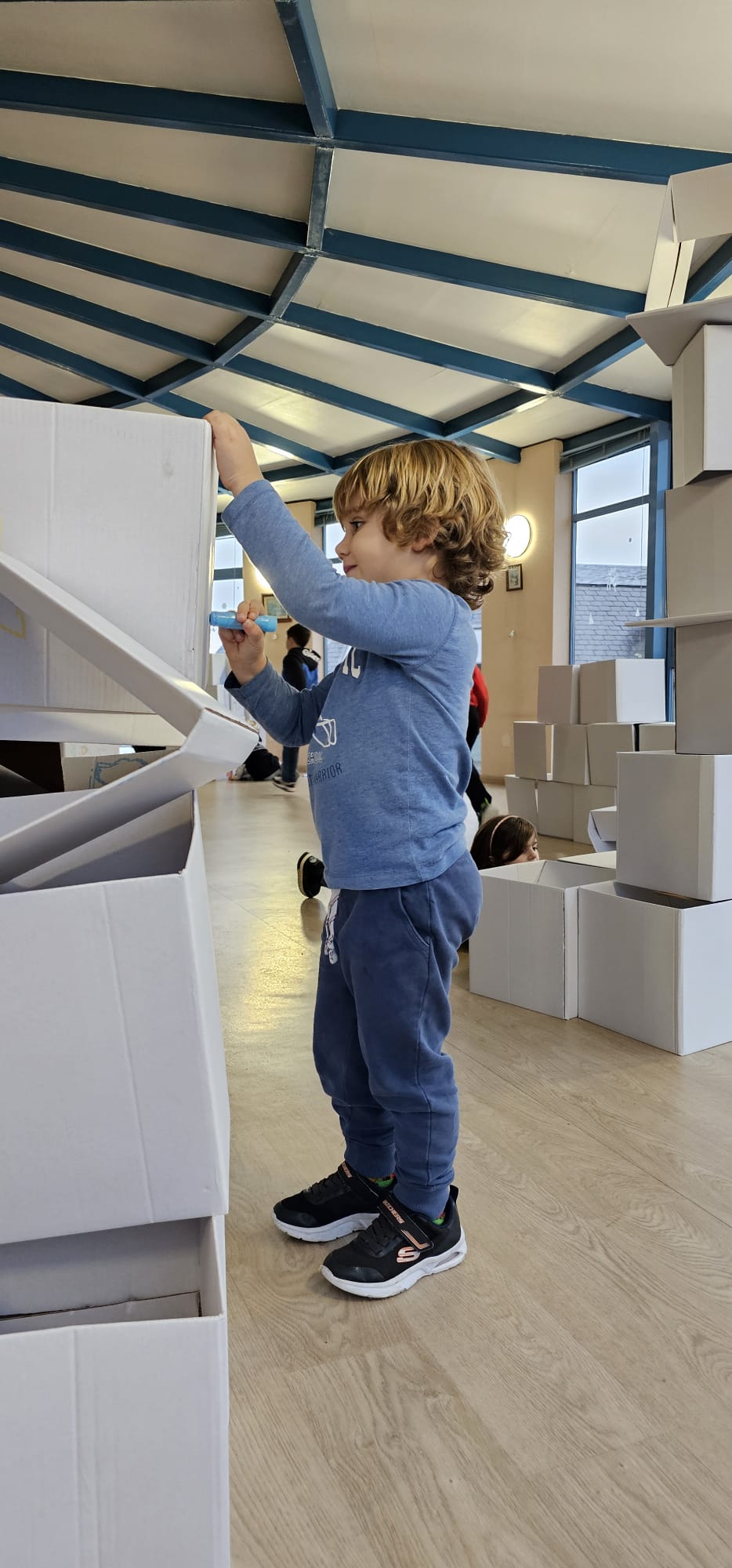
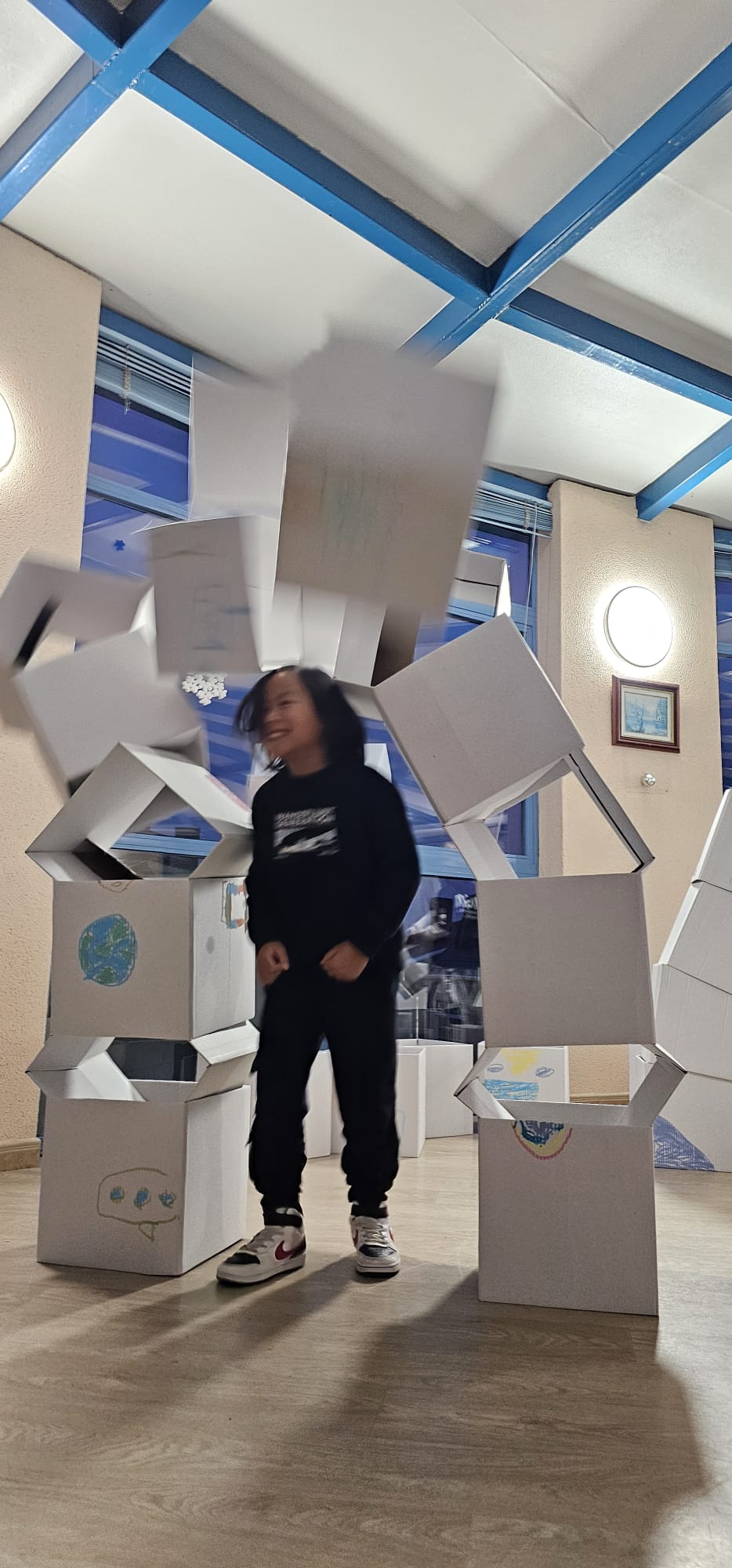
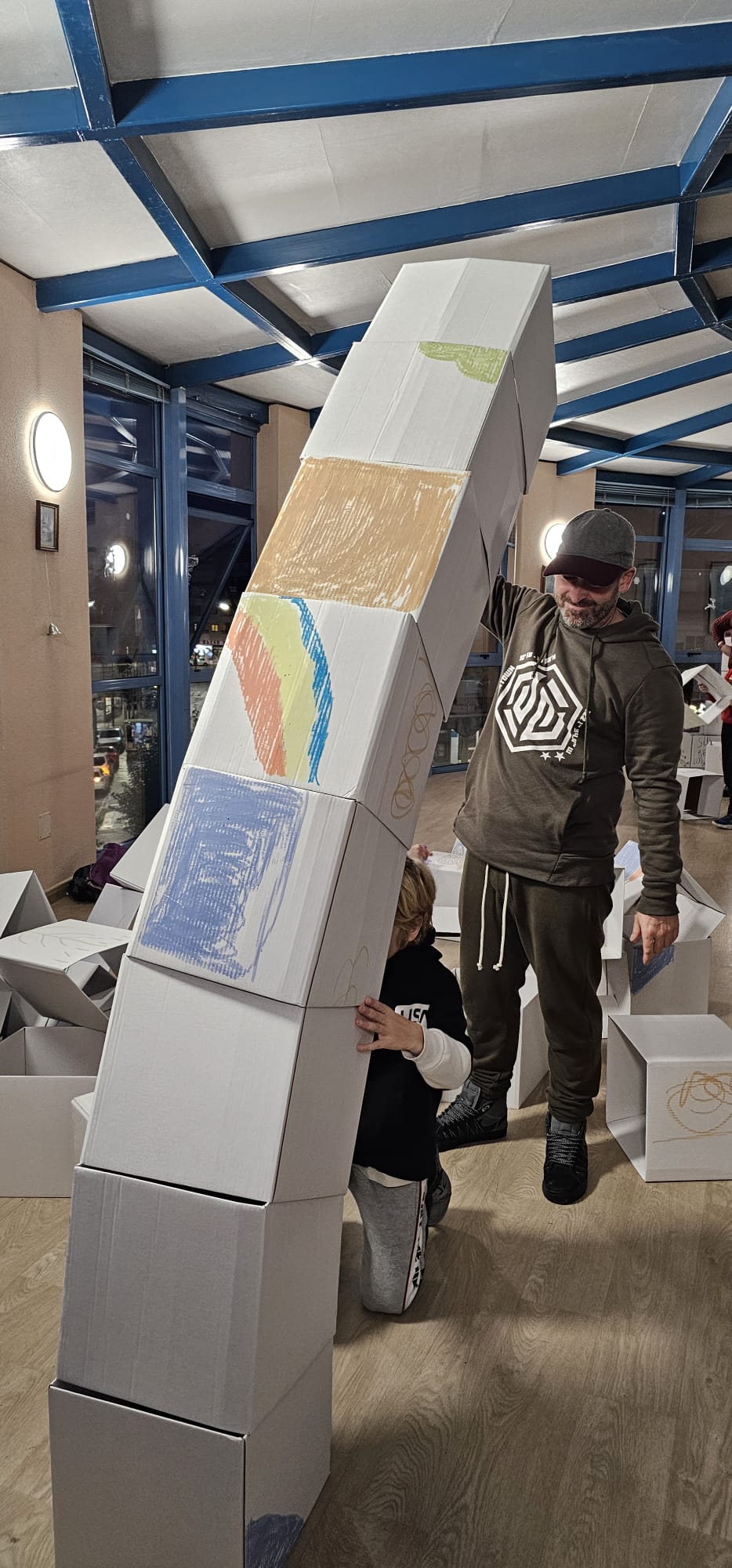
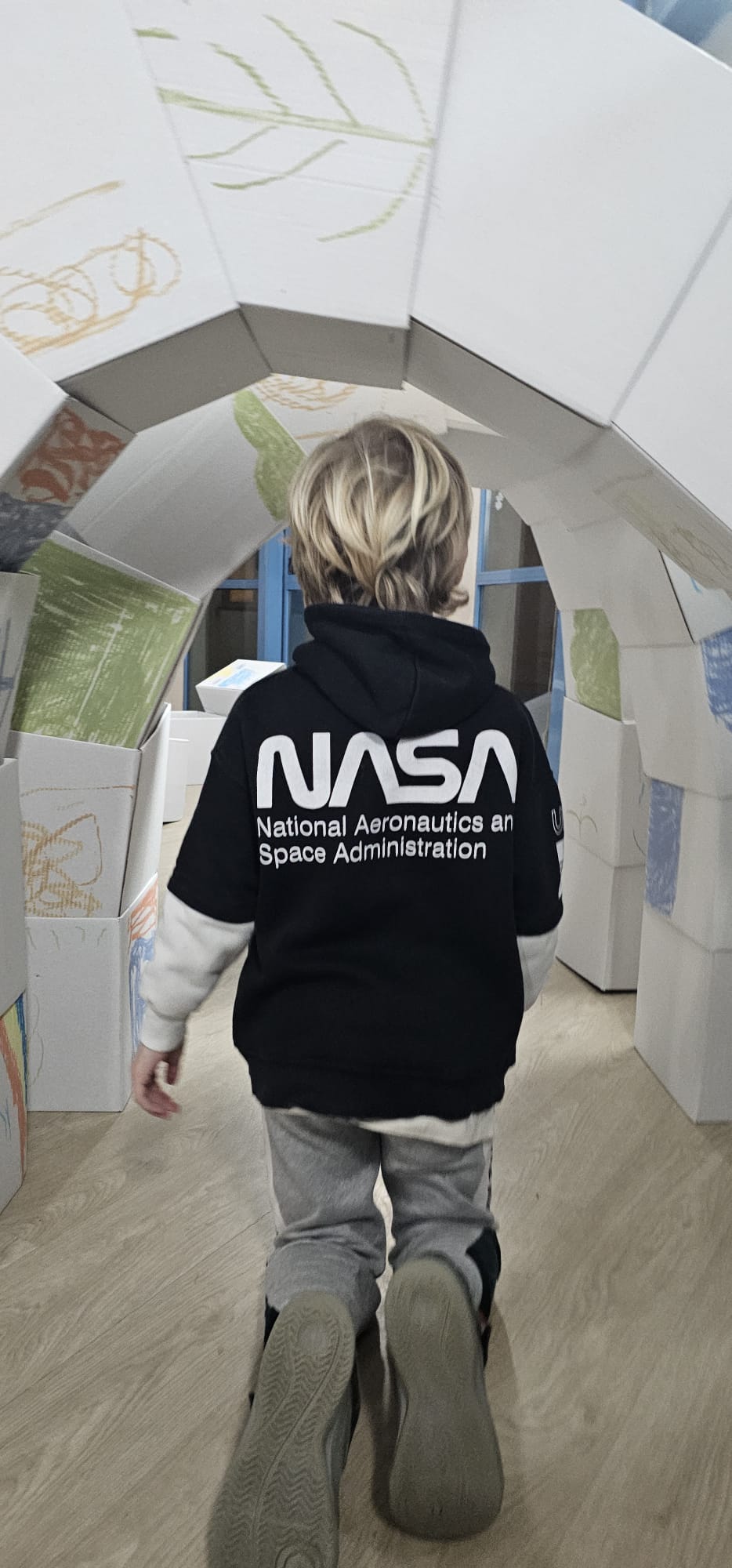
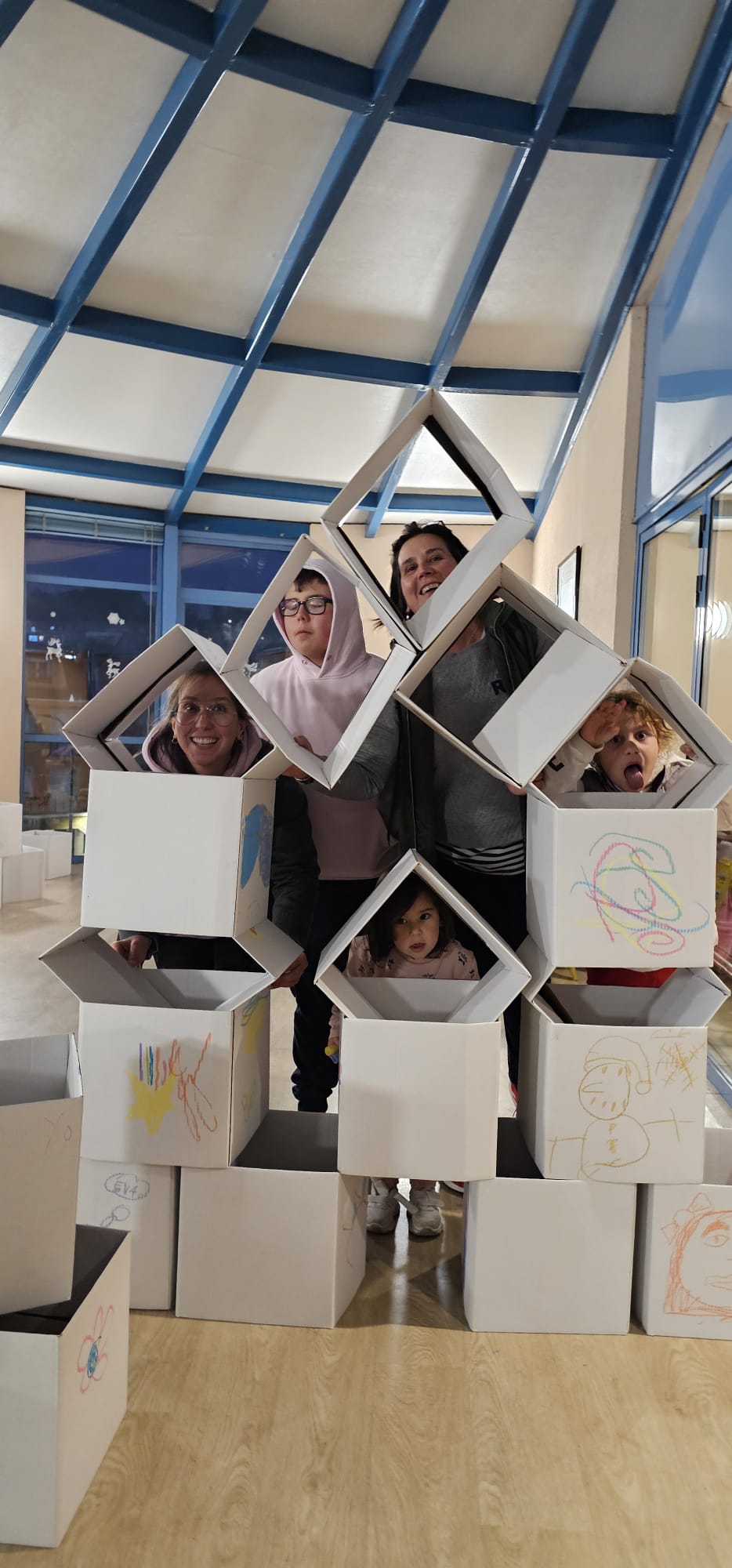
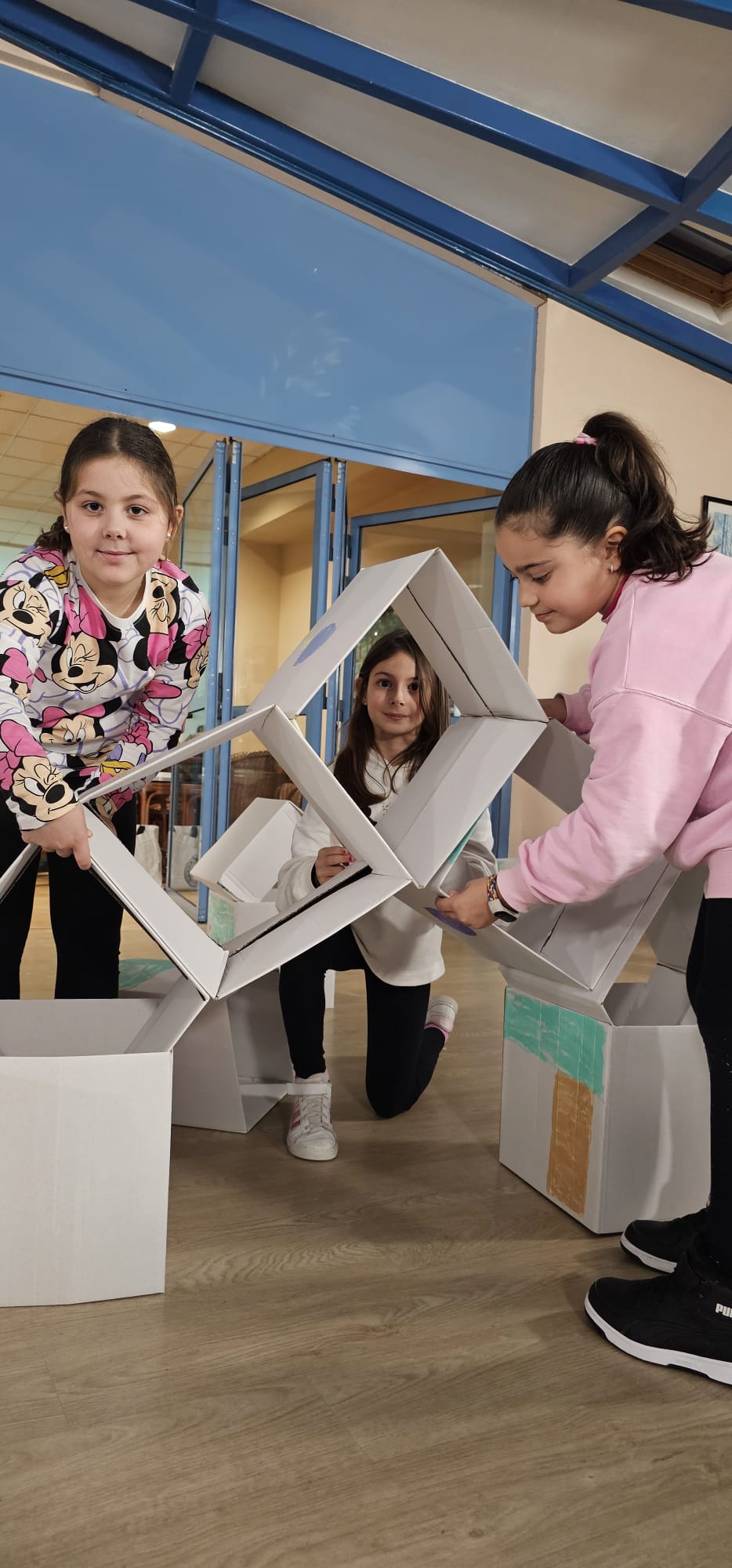
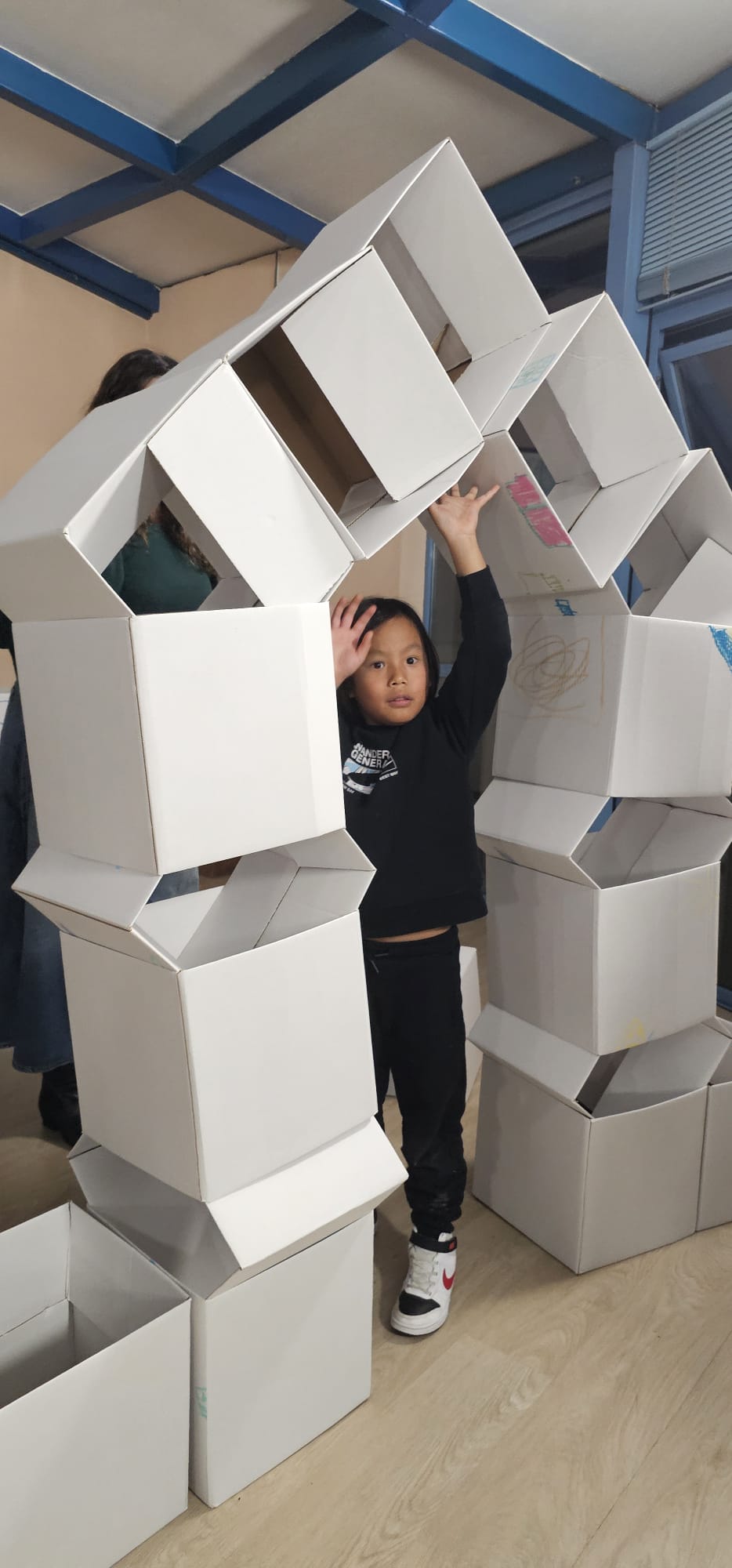
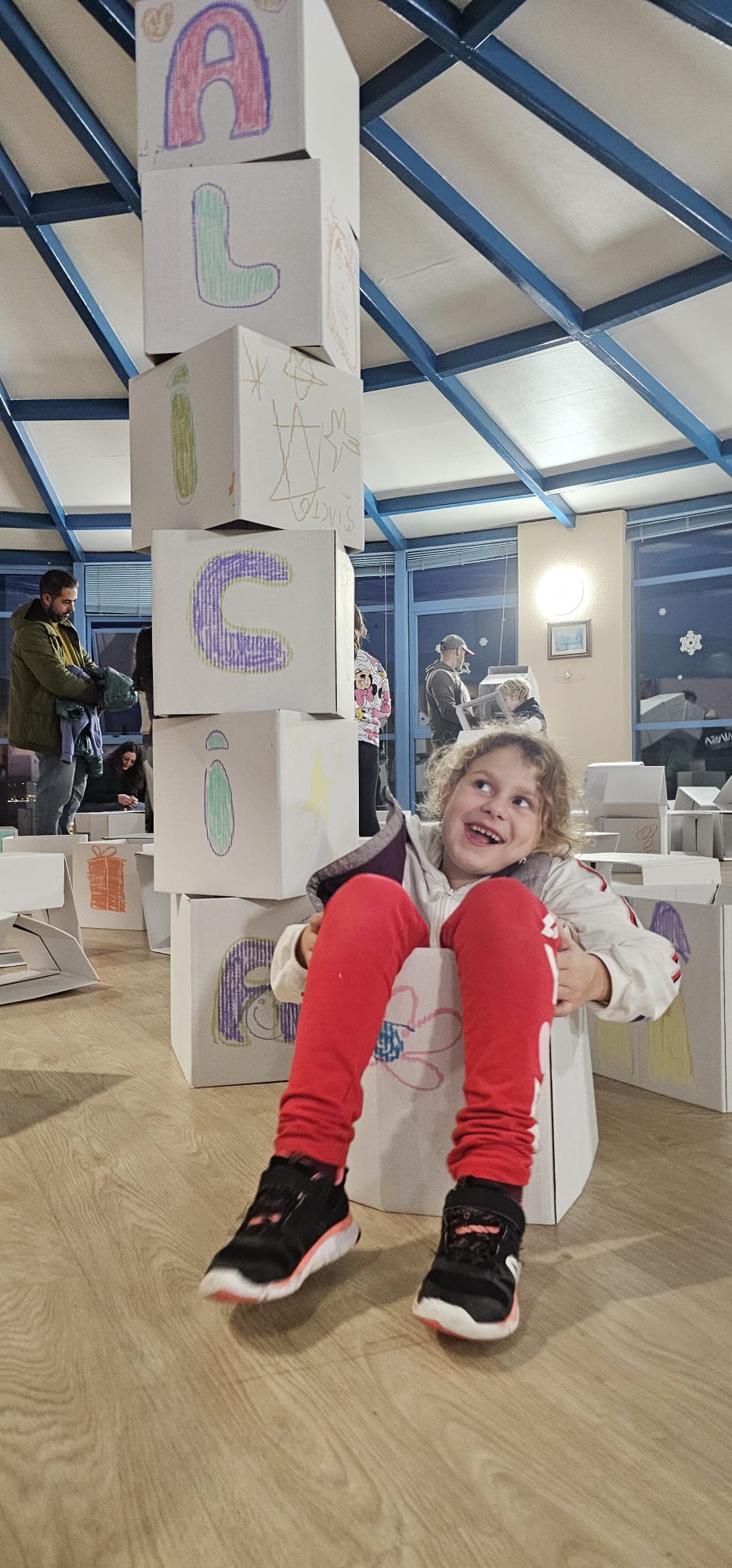
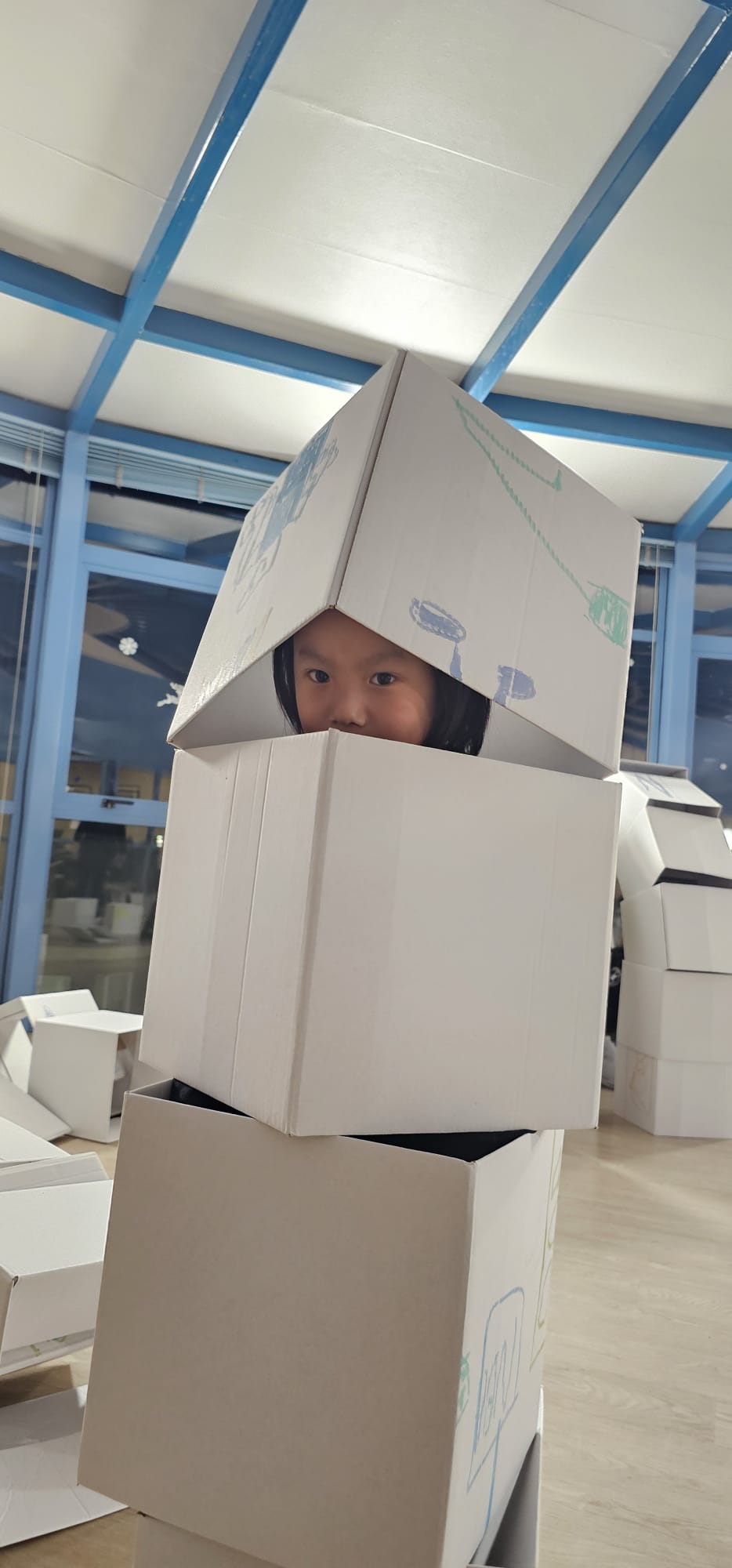
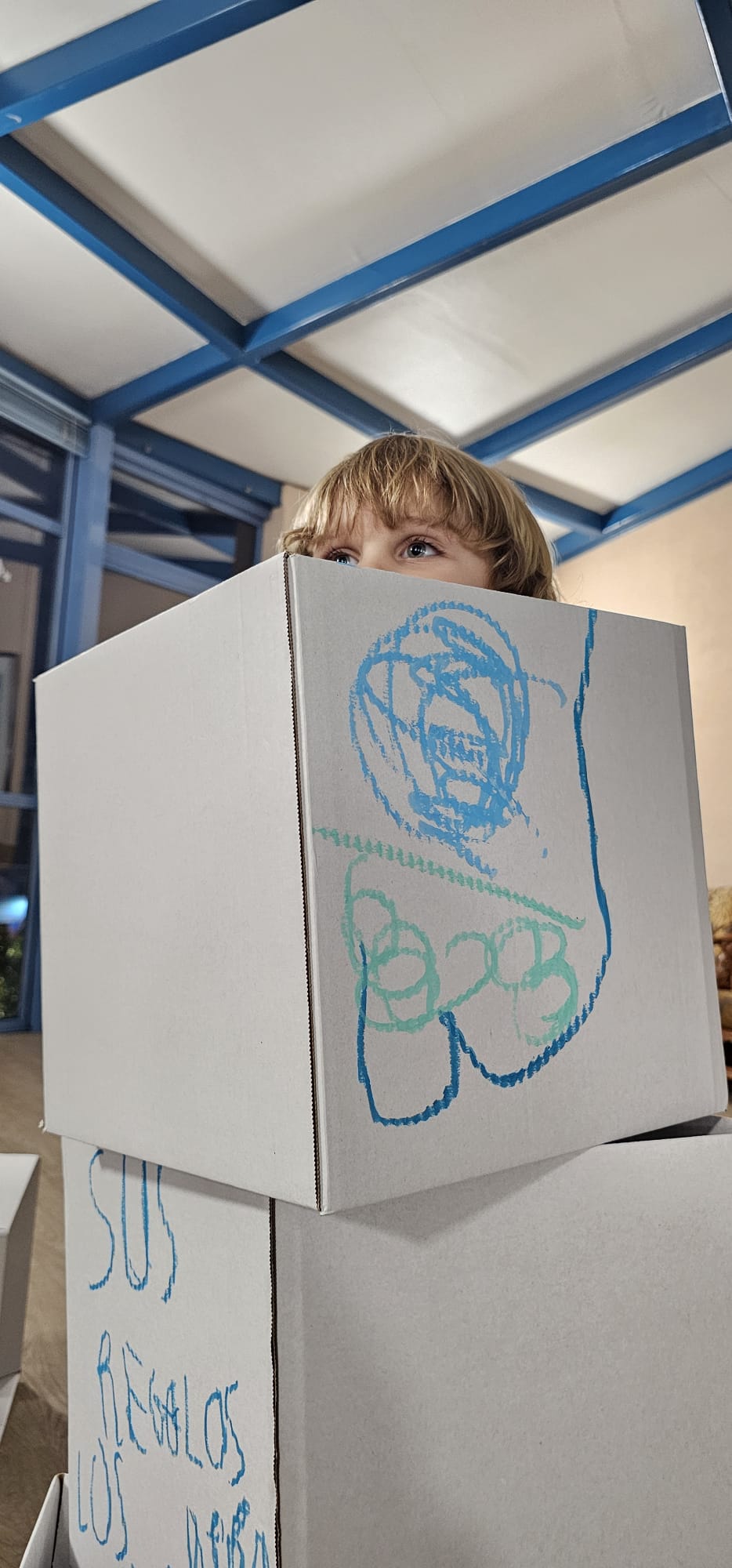
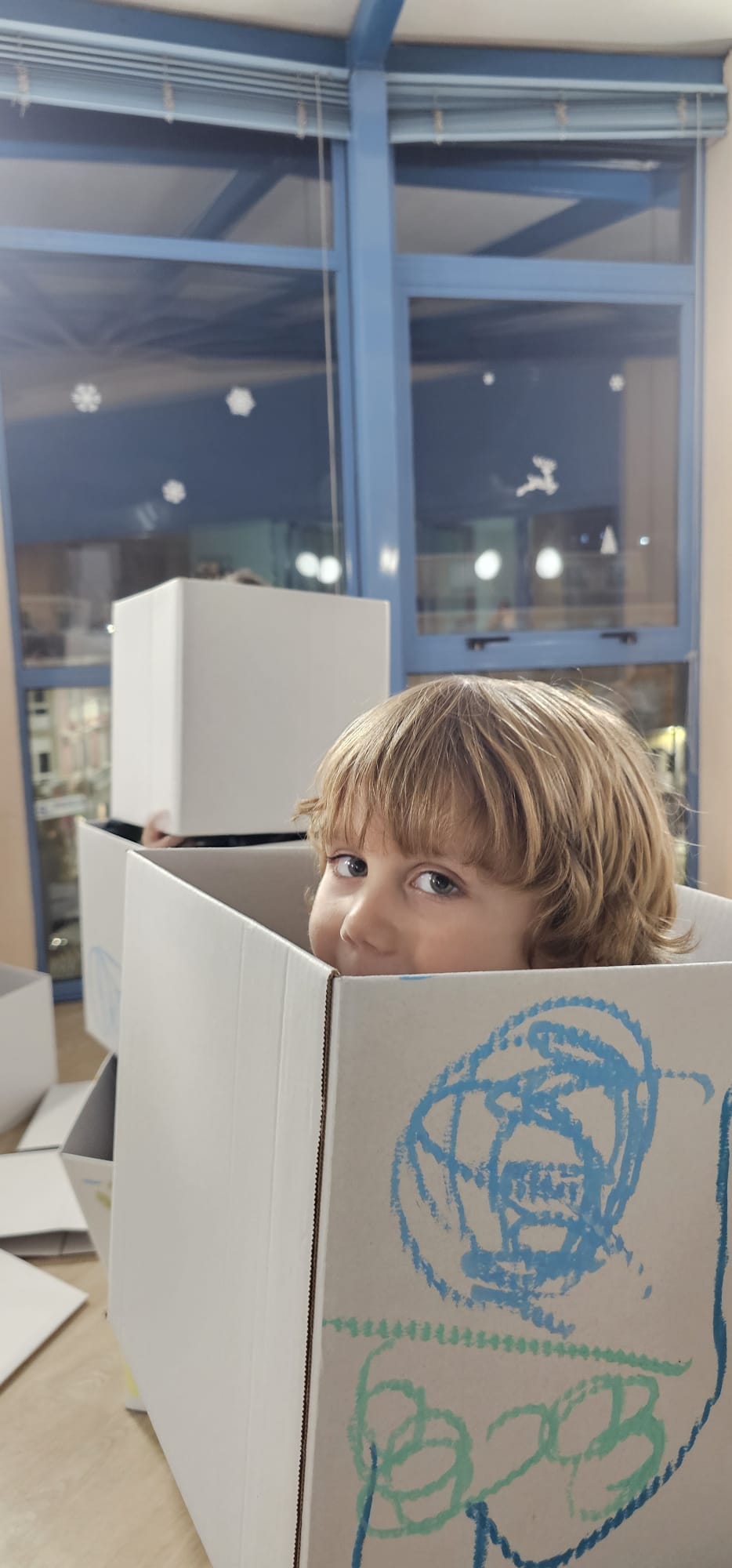
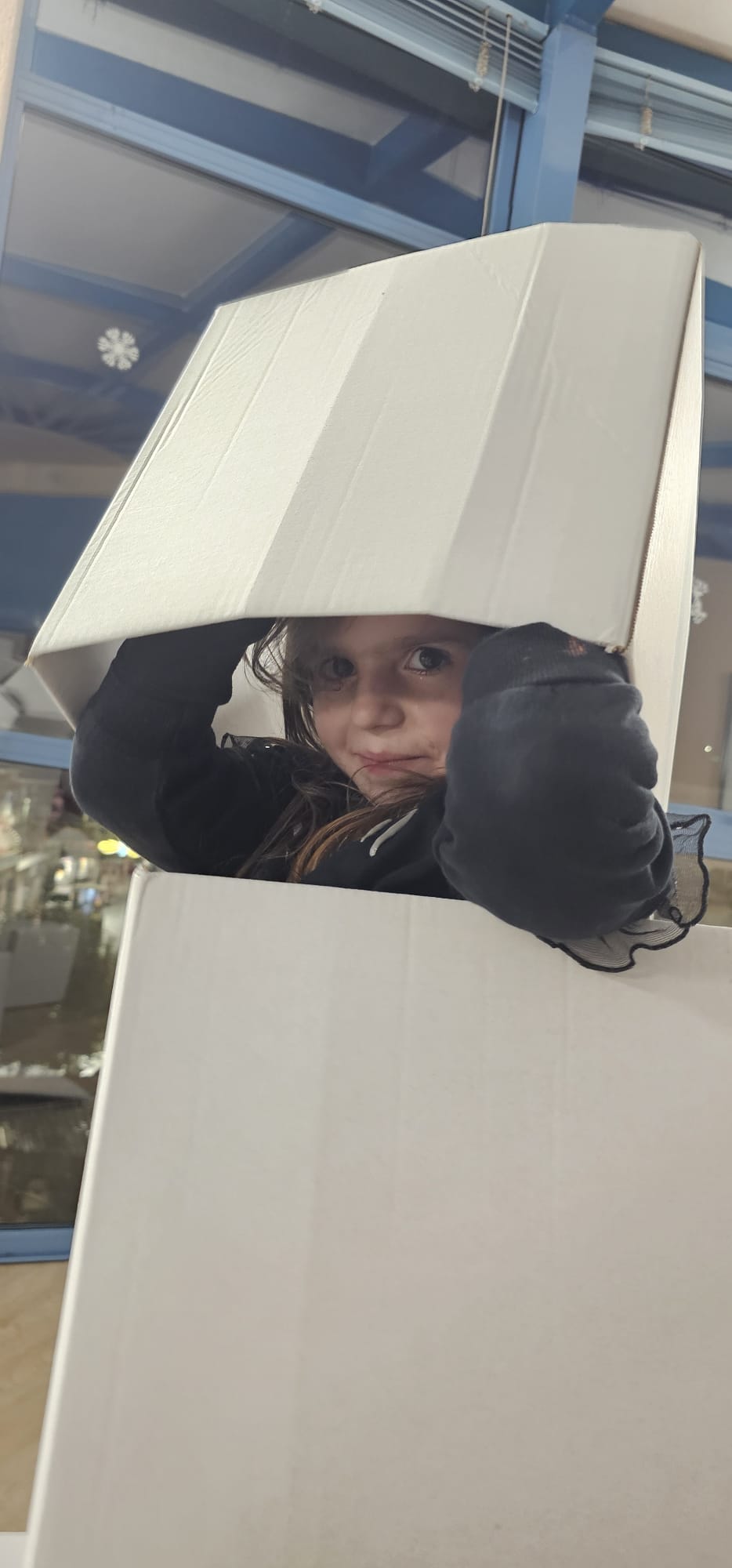
‘A Vila do Maña’ works with three-dimensional elements, based on Froebel’s “third gift”.
In architecture we have Froebel as a reference, through Frank Lloyd Wrigth who was educated with this method. It is a system based on the creativity and intuition of the child through direct experience, play and nature. It creates a pedagogical resource based on ‘gifts’ and ‘occupations’. The ‘gifts’ are pedagogical materials that do not change, but are transformed; the ‘occupations’ are activities in which children play by transforming the objects they manipulate. The ‘gifts’ are precursors of today’s building blocks.

COLOUR YOUR VILLAGE

The village or city in which we are working has been turned into a game board, a laboratory of experimentation where children and teenagers can act from a new point of view.

Working with the LINE

Working with the LINE

SILLEDA

changing the village through protagonist participation

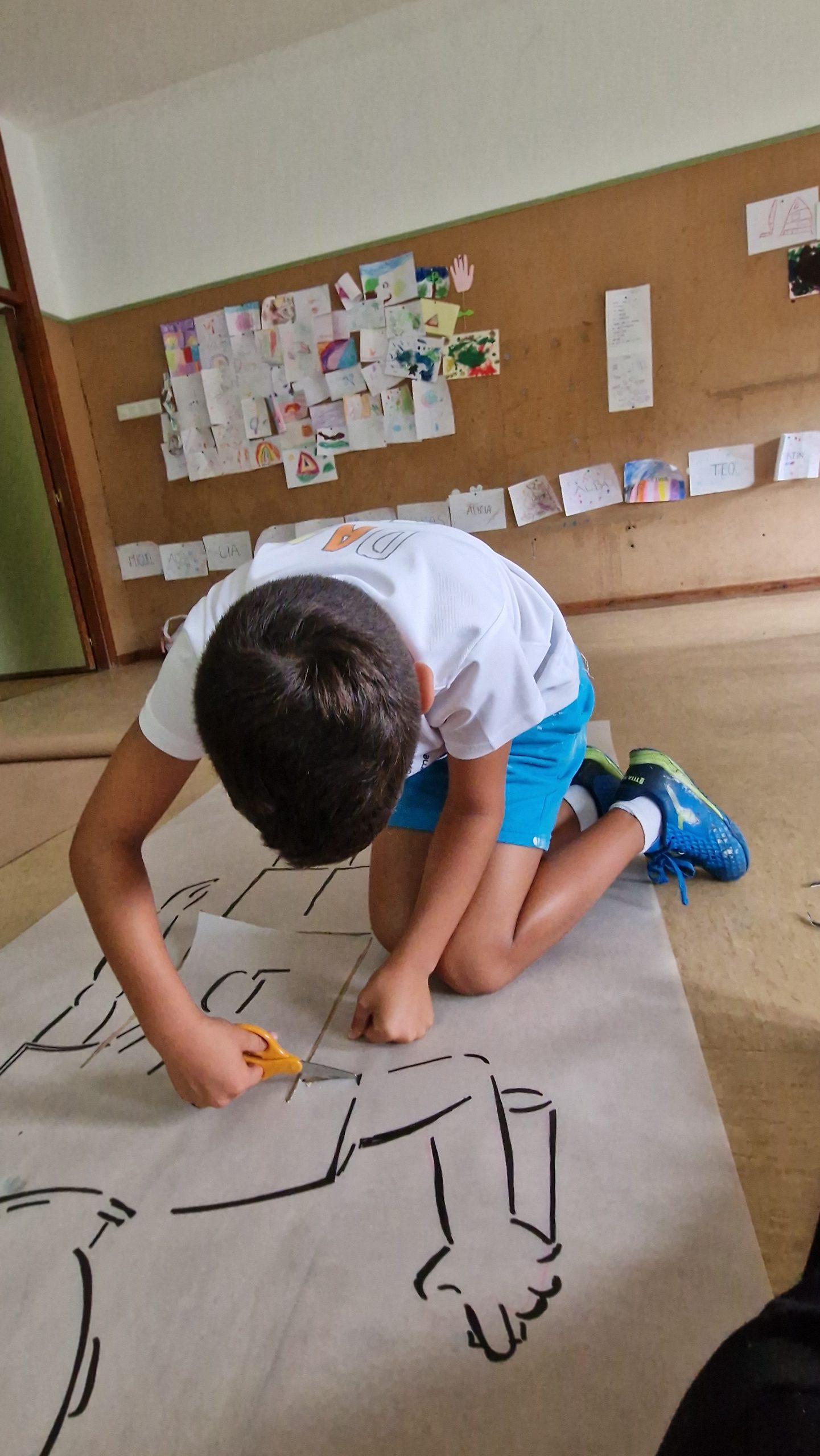
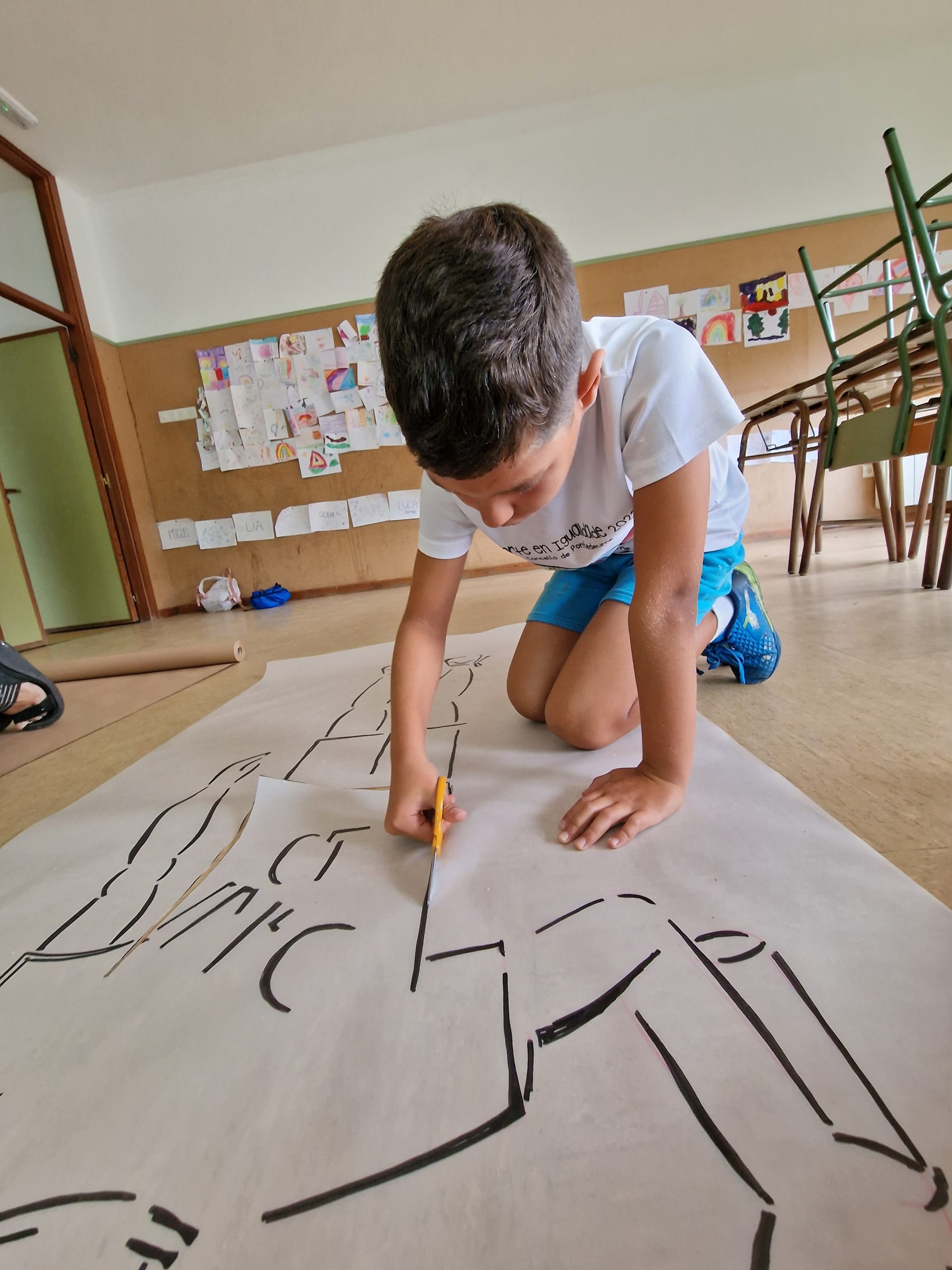
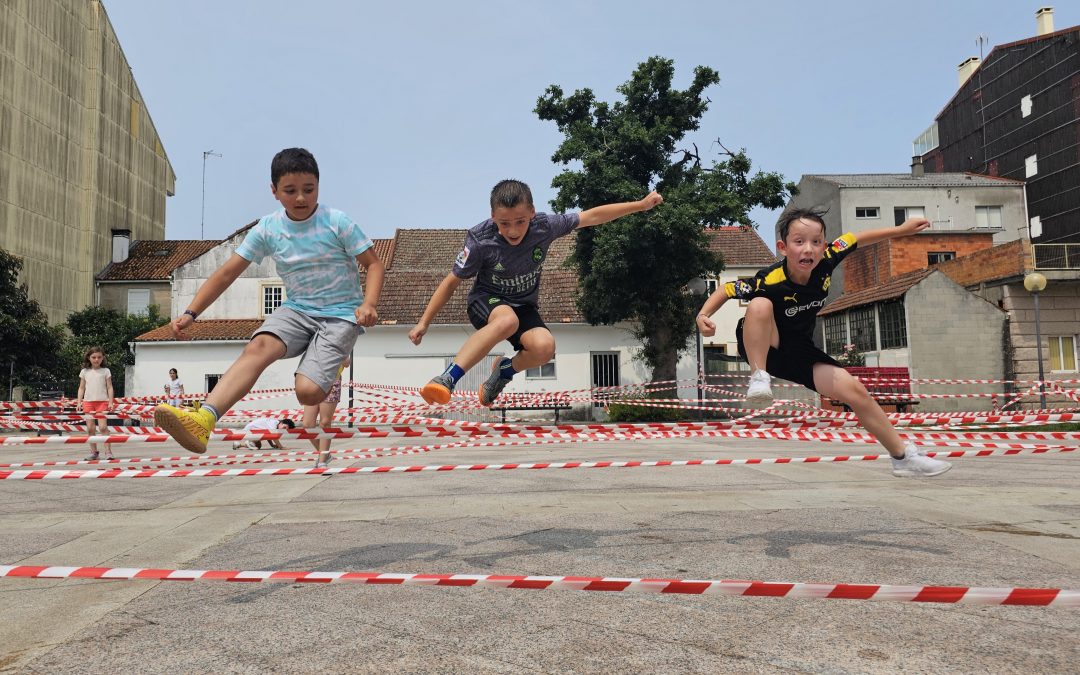
WORKING WITH THE LINE

“To inhabit, for the individual or for the group, is to appropriate something. To appropriate is not to own, but to make it one’s own work, to mould it, to shape it, to put one’s own stamp on it. To inhabit is to appropriate a space […] By this term [appropriation] we do not mean ownership; instead, it is something entirely different; it is the process by which an individual or group appropriates, transforms into their property, something external.”
Henri Lefebvre

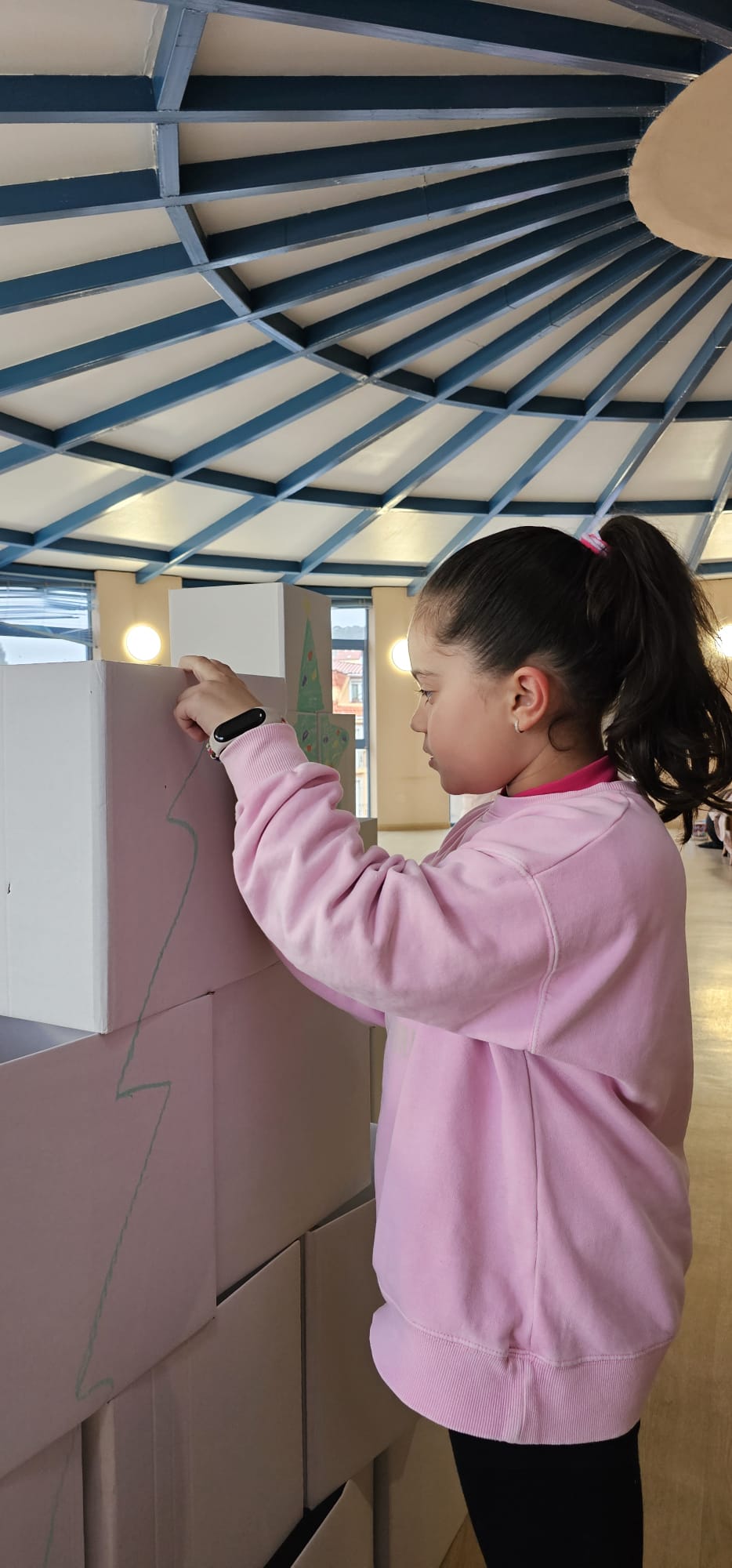
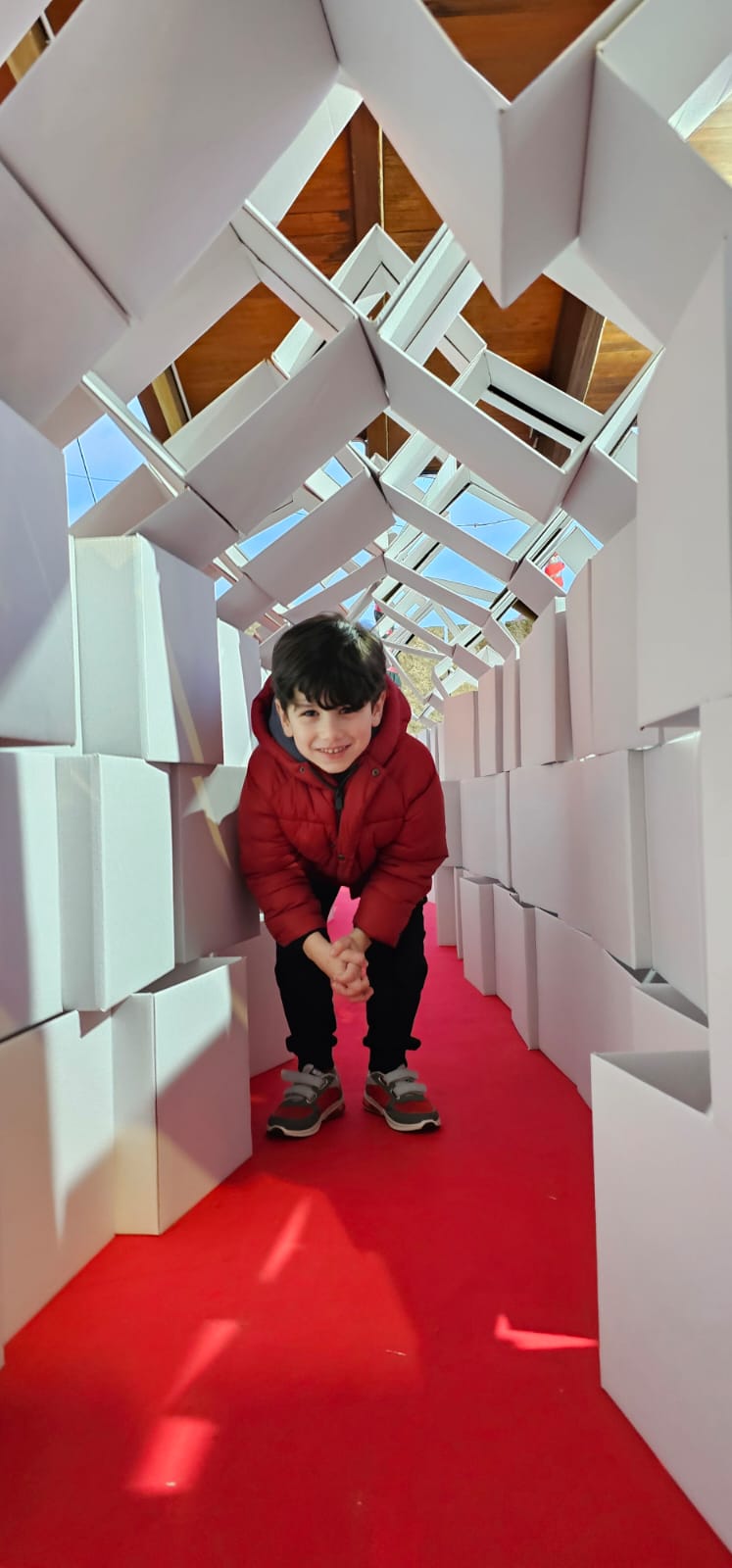
‘A Vila do Mañá’ emerges from the right to the city, as defended by Henri Lefebvre, so that the people who live in it have the right to enjoy it, to transform it and to reflect their way of understanding life in the community. From this point of view, how can we not include the right of children and adolescents to their city? For this reason, public space is considered a common space for learning and collective construction in which children and adolescents must also have a place.

Colour your village

The village or city in which we are working has been turned into a game board, a laboratory of experimentation where girls, boys and teenagers can act from a new point of view.
Working with the LINE

Working with the LINE

ARZÚA

 changing the village through protagonist participation

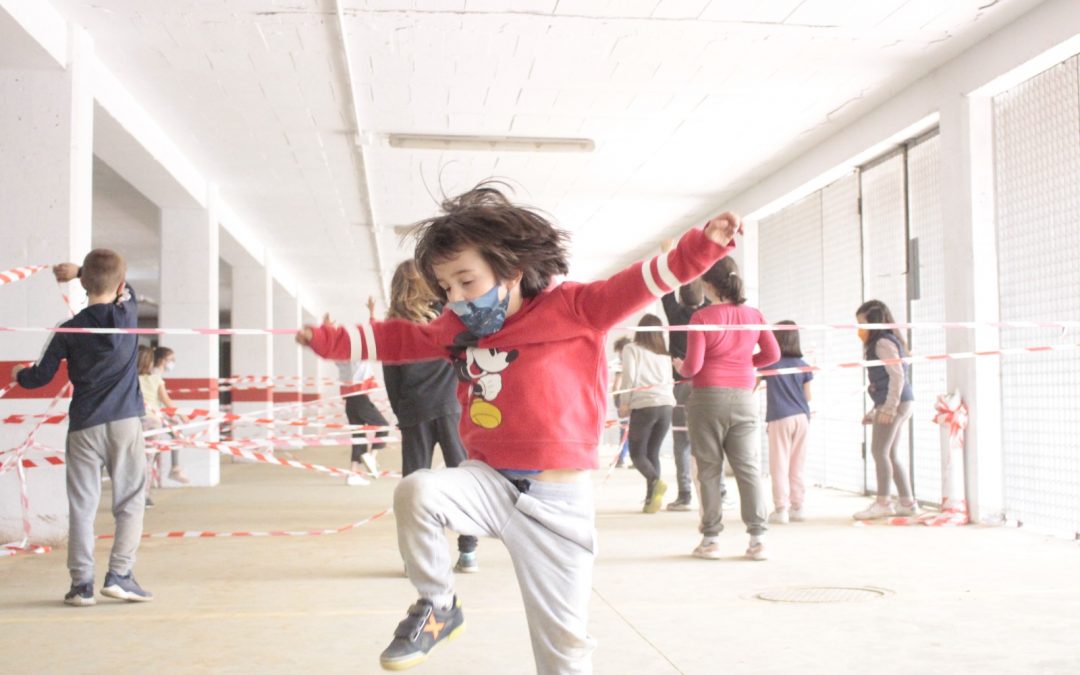
WORKING WITH THE LINE

“To inhabit, for the individual or for the group, is to appropriate something. To appropriate is not to own, but to make it one’s own work, to mould it, to shape it, to put one’s own stamp on it. To inhabit is to appropriate a space […] By this term [appropriation] we do not mean ownership; instead, it is something entirely different; it is the process by which an individual or group appropriates, transforms into their property, something external.”
Henri Lefebvre

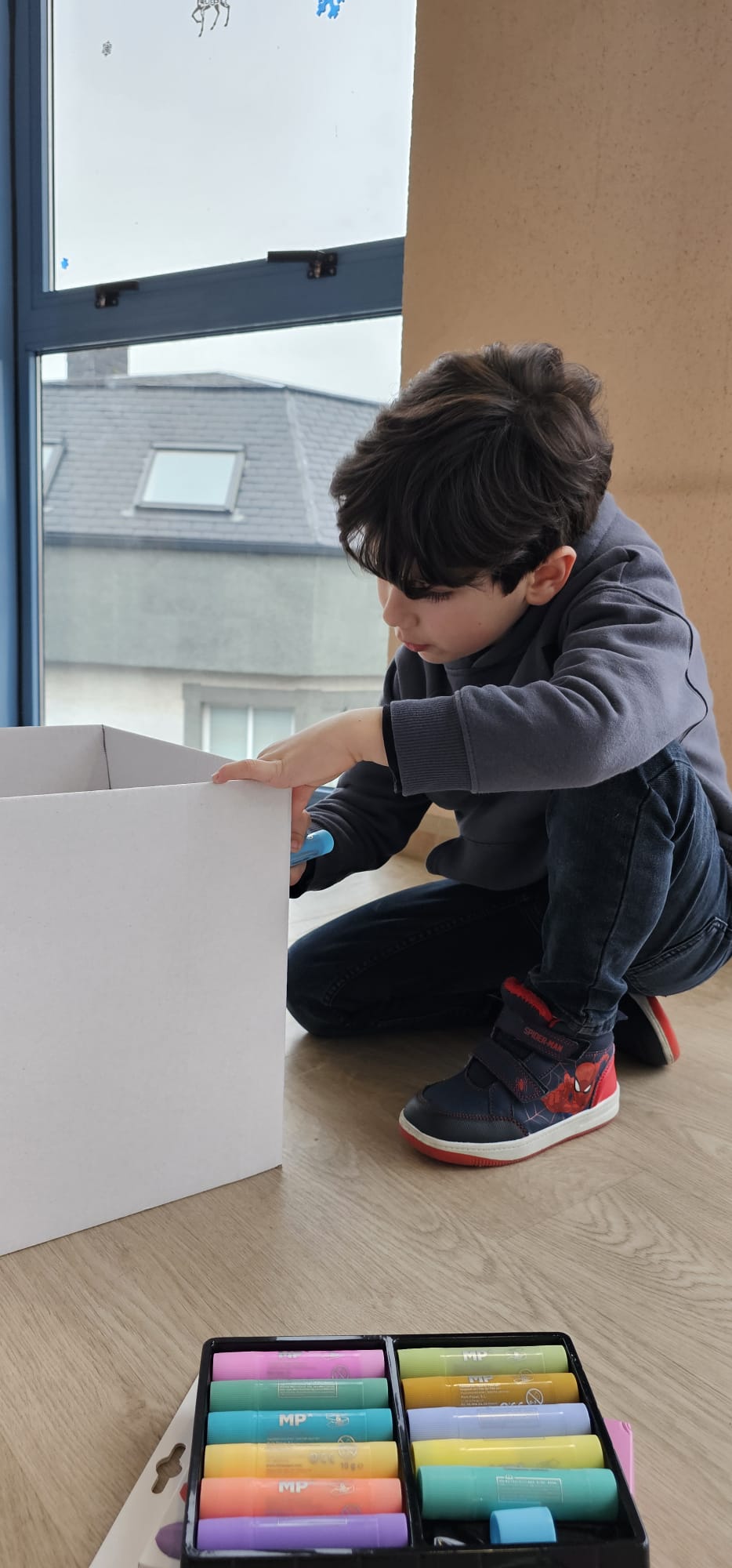
‘A Vila do Mañá’ emerges from the right to the city, as defended by Henri Lefebvre, so that the people who live in it have the right to enjoy it, to transform it and to reflect their way of understanding life in the community. From this point of view, how can we not include the right of children and adolescents to their city? For this reason, public space is considered a common space for learning and collective construction in which children and adolescents must also have a place.

Colour your village

The village or city in which we are working has been turned into a game board, a laboratory of experimentation where girls, boys and teenagers can act from a new point of view.
Working with the LINE

Working with the LINE

Rianxo

changing the village through protagonist participation

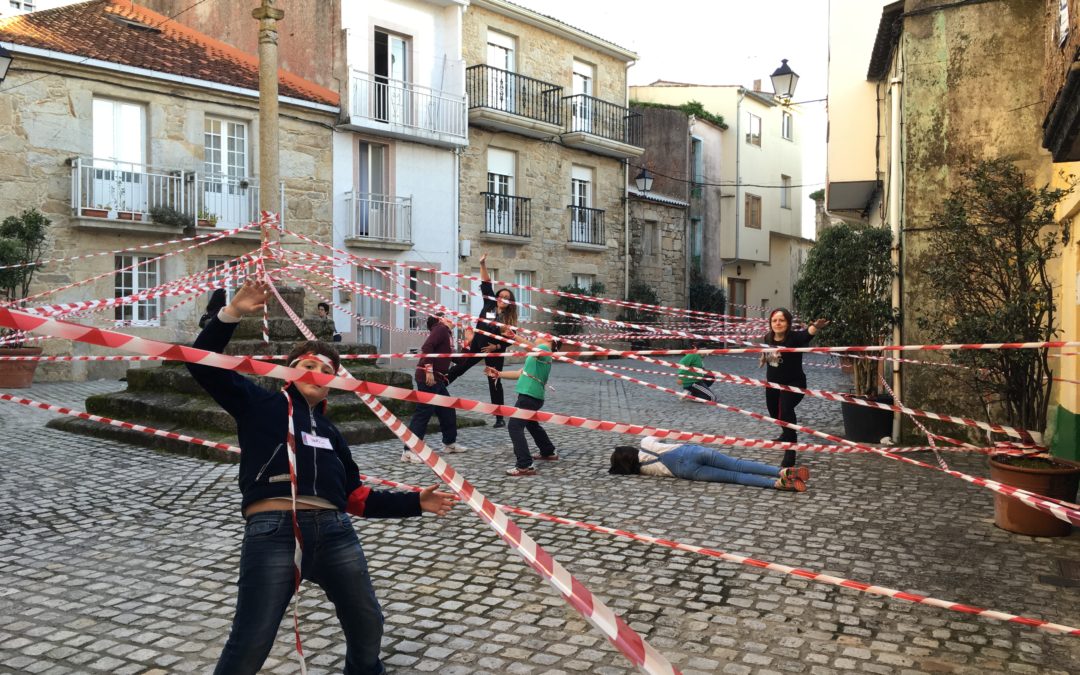
WORKING WITH THE LINE

“To inhabit, for the individual or for the group, is to appropriate something. To appropriate is not to own, but to make it one’s own work, to mould it, to shape it, to put one’s own stamp on it. To inhabit is to appropriate a space […] By this term [appropriation] we do not mean ownership; instead, it is something entirely different; it is the process by which an individual or group appropriates, transforms into their property, something external.”
Henri Lefebvre

‘A Vila do Mañá’ emerges from the right to the city, as defended by Henri Lefebvre, so that the people who live in it have the right to enjoy it, to transform it and to reflect their way of understanding life in the community. From this point of view, how can we not include the right of children and adolescents to their city? For this reason, public space is considered a common space for learning and collective construction in which children and adolescents must also have a place.

Colour your village

The village or city in which we are working has been turned into a game board, a laboratory of experimentation where girls, boys and teenagers can act from a new point of view.
Tags

Accessible Cities (69) Acoruñanarede (1) Ames (5) Anxel Casal (3) A Pobra do Caramiñal (2) ArchDaily (1) Architecture (159) Arquitectura (40) Arteixo (2) Art magazine - Logopress (2) Arzúa (34) As Pontes (2) Atlántico (1) A Vila do Mañá (256) barbadas.es (1) Barbadás (15) Barbanza Channel (3) Bergantiños Diary (1) Book (8) boys and adolescents (24) Brasil (11) Brazil (5) Bueu (16) Cambados (15) Carballo (40) Childhood (198) City (76) codesign (16) Coia (19) Compostela24horas.com (1) Conference (5) Coronavirus (68) Council of Carballo (1) Covid (69) crtvg (1) Cultural heritage (7) Culture city (1) Curtis (7) derecho a la ciudad (1) Diario de Arousa (4) Diario de Pontevedra (1) Diary of Arousa (29) Ecos da comarca (4) El Comarcal (1) El Correo Gallego (43) ElDiario.es (1) el ideal gallego (1) El progreso (1) enfoques (2) Environment (3) Faro de Vigo (43) Ferrol (19) Ferrol360.es (1) Ferrol Diary (5) Floats (8) Galicia (232) Galicia@PRESS (2) Galician literature (1) Game board (5) Game of goose (5) GDiario (1) Girls (18) Girls, boys and adolescents (133) Green flag (4) Hai Mulleres (2) Heritage (142) High School Alexandre Bóveda (5) Historic city (9) History of Galicia (1) Hoyesarte.com (1) Iberoamerican Biennial (4) Independence square (1) Infancia (14) Inmodiario (1) inquEDU (2) Instituto Alexandre Bóveda (1) International (3) Interview (2) Landscape (131) La Opinión (16) La Región (22) La Voz de Galicia (100) library (1) Lina Bo Bardi (6) Lindeiros (1) Lo Que Yo Te Digo (2) Ludantia (4) Madrid (2) Malpica (5) Master Houses (1) Mobility (2) Mobility Week (2) Mondoñedo (6) Nenas nenos e adolescentes (13) Nets (1) News (185) NH Diary (8) Nius Diary (1) Noticia (14) O Barbanza (2) Observador (1) O Correo de Bergantiños (2) O Porriño (4) Padrón (3) Pandemic (47) Park (2) Participación protagónica (41) Patrimonio cultural (1) Pazo do Martelo (1) PonteAreas (4) Pontevedra (4) PontevedraViva!com (2) Portugal (1) Protagonist participation (85) Protegim-nos (1) Que pasa na Costa (3) RadioValladares (1) Regiao news (1) Region (3) Revista AMSGO! (1) Rianxo (20) Ribadeo (2) Ribeira (8) Right to the city (88) Rías Baixas Channel (3) Rúa (14) Sandra Gonzalez Alvarez (19) Sandra González (131) San Francisco Vilagarcía de Arousa School (3) Santiago's road (46) Santiago de Compostela (12) Sesc Santo Amaro (1) Silleda (30) Social distance (68) Street (96) São Paulo (14) Tactical urbanism (88) Talleres (22) Teixeiro (2) Telecinco (1) Terrachá xá (1) Touro (8) treintayseis (1) TV (3) TV of Galicia (2) Urban garden (7) Urbanism (145) Urbanismo (40) Urbanismo de Guerrilla (142) Urbanismo táctico (42) Venice Biennale (2) Verín (5) Viena (2) Vila (23) Vilagarcía (24) Village (101) Vimianzo (7) Virtual (40) Vía Láctea Communication (1) Workshops (139) XUNTA DE GALICIA (3) zero code (1)

Logo A Vila do Mañá

Proxecto financiado por:

Proxecto financiado pola Deputación da Coruña

Grazas polo teu aporte