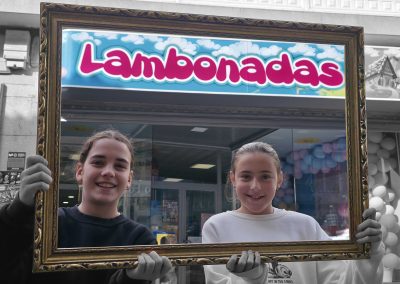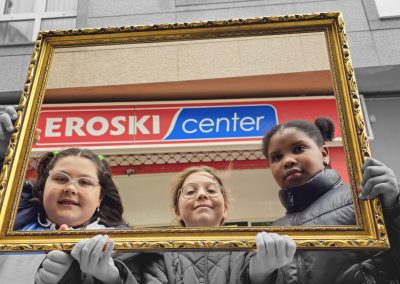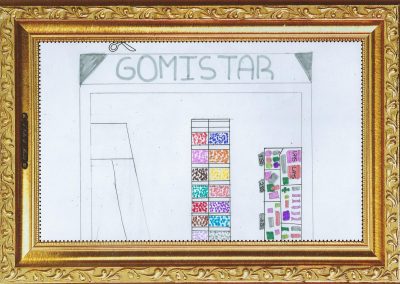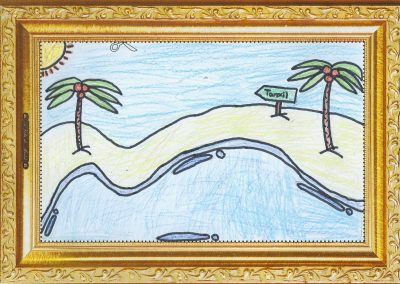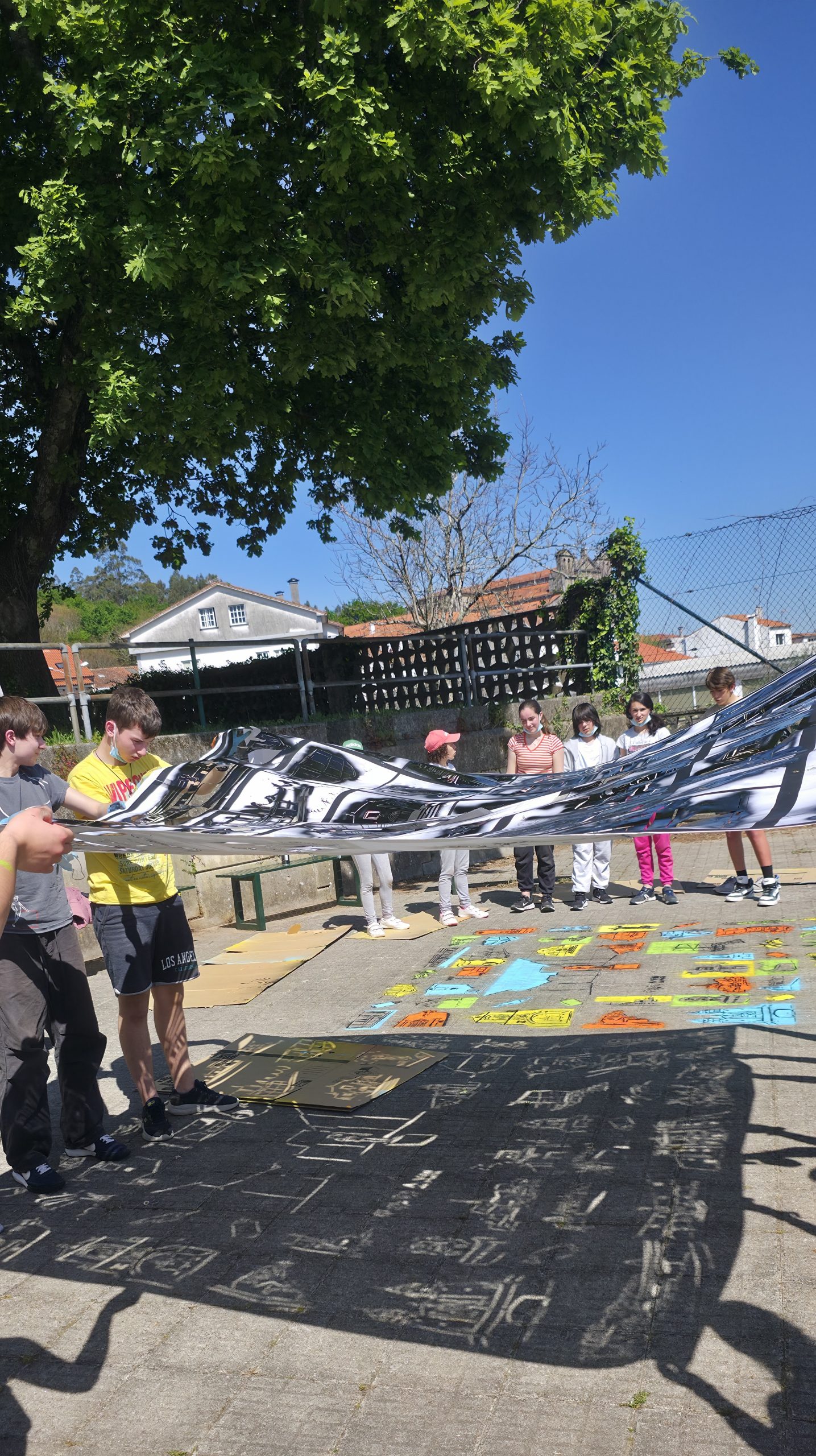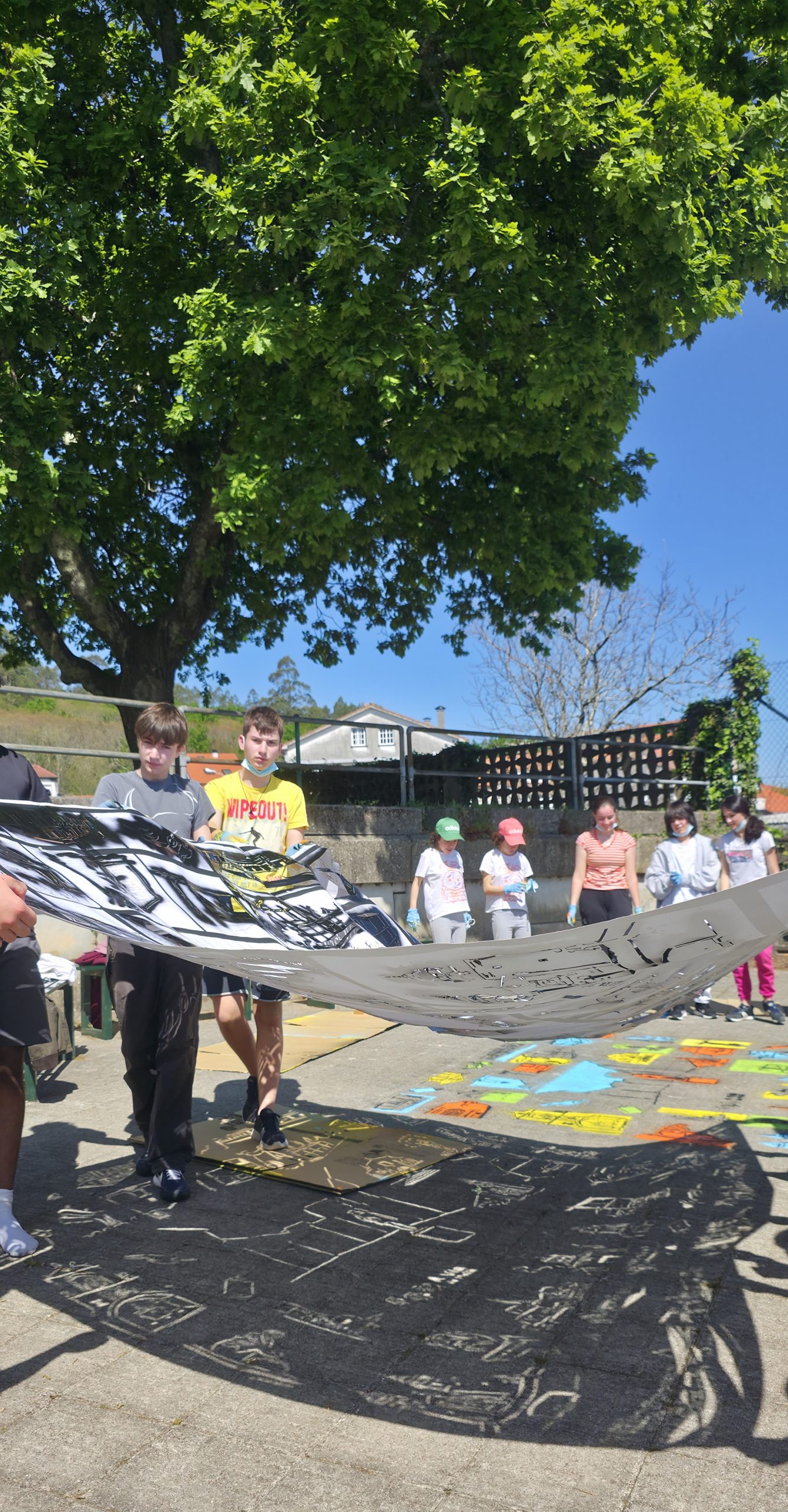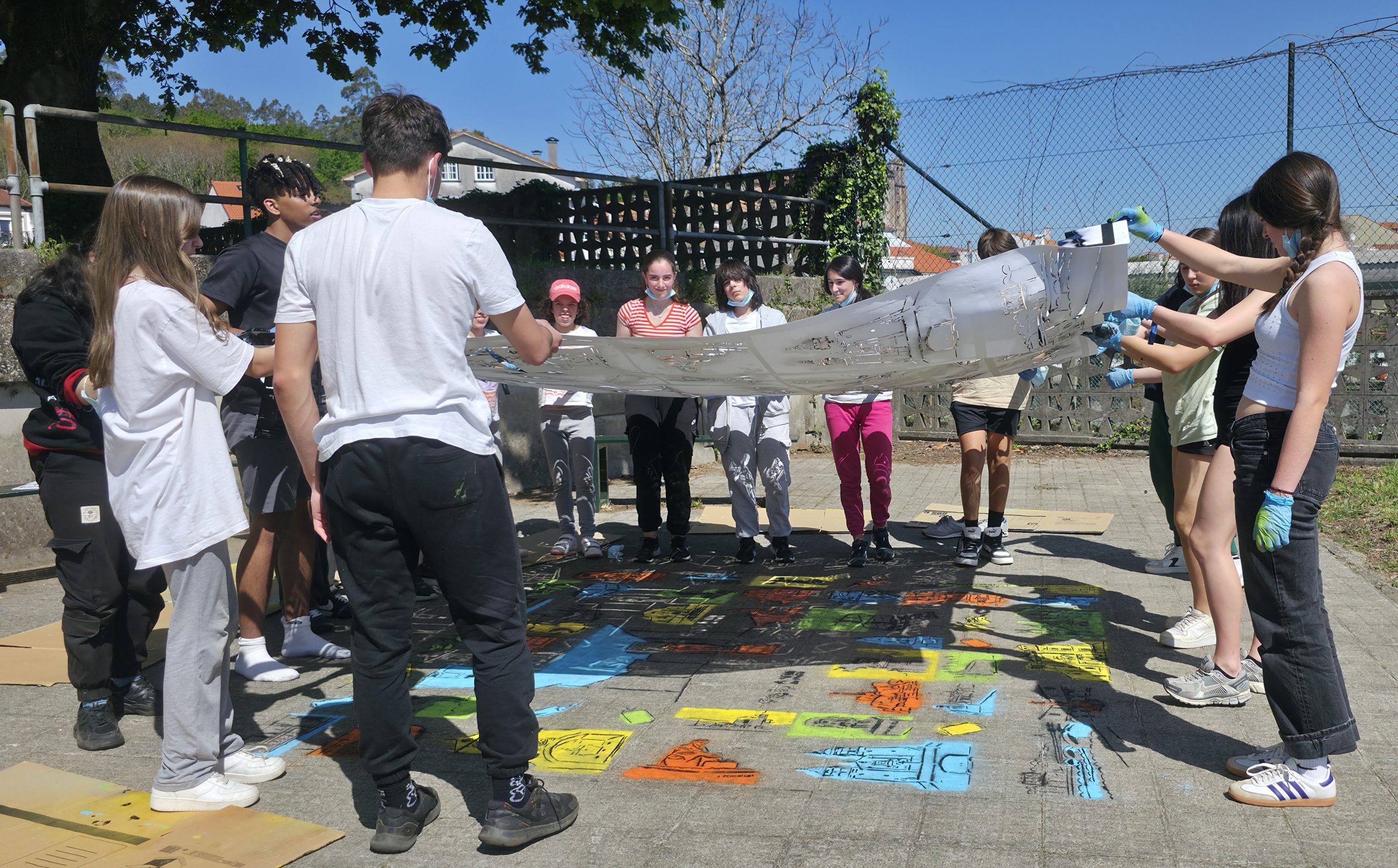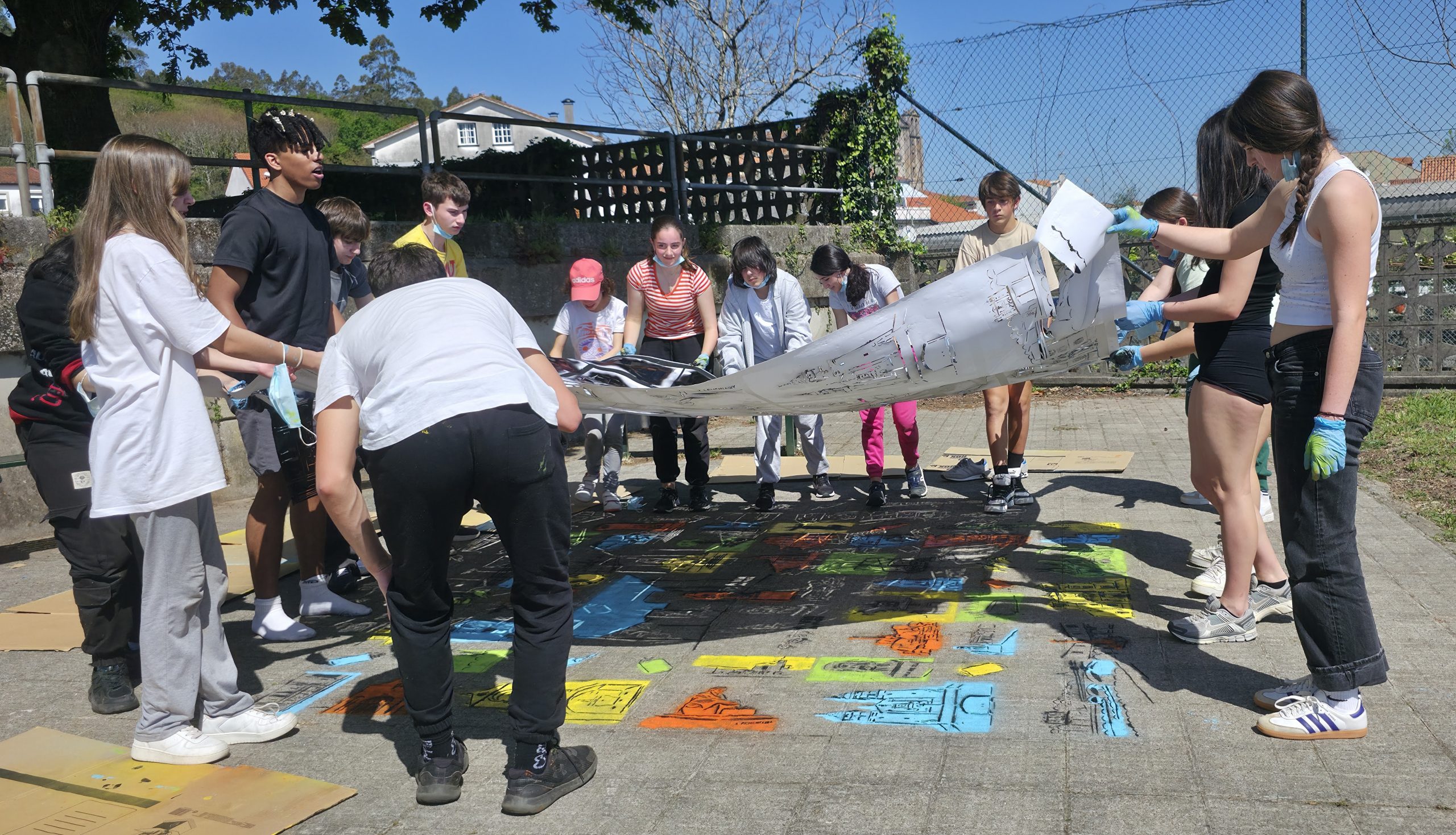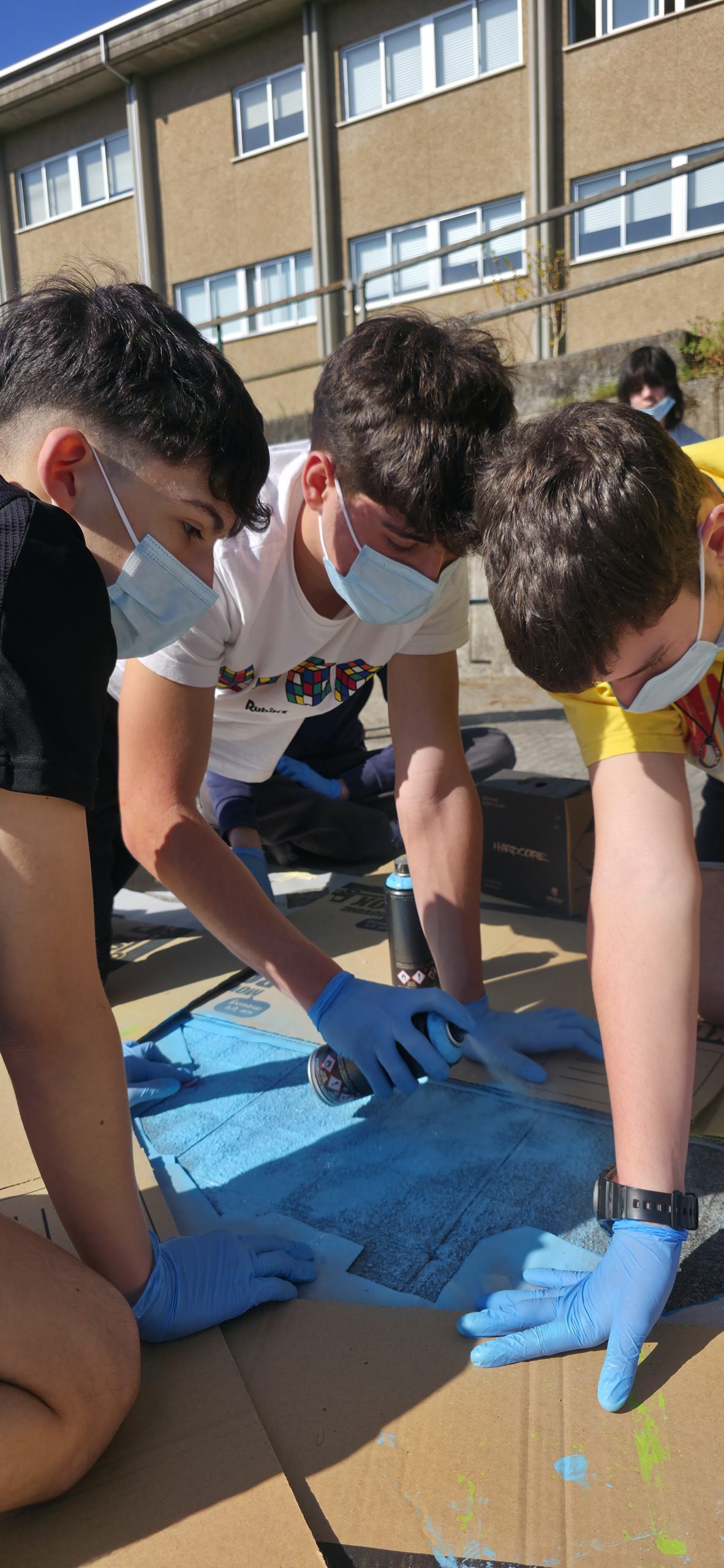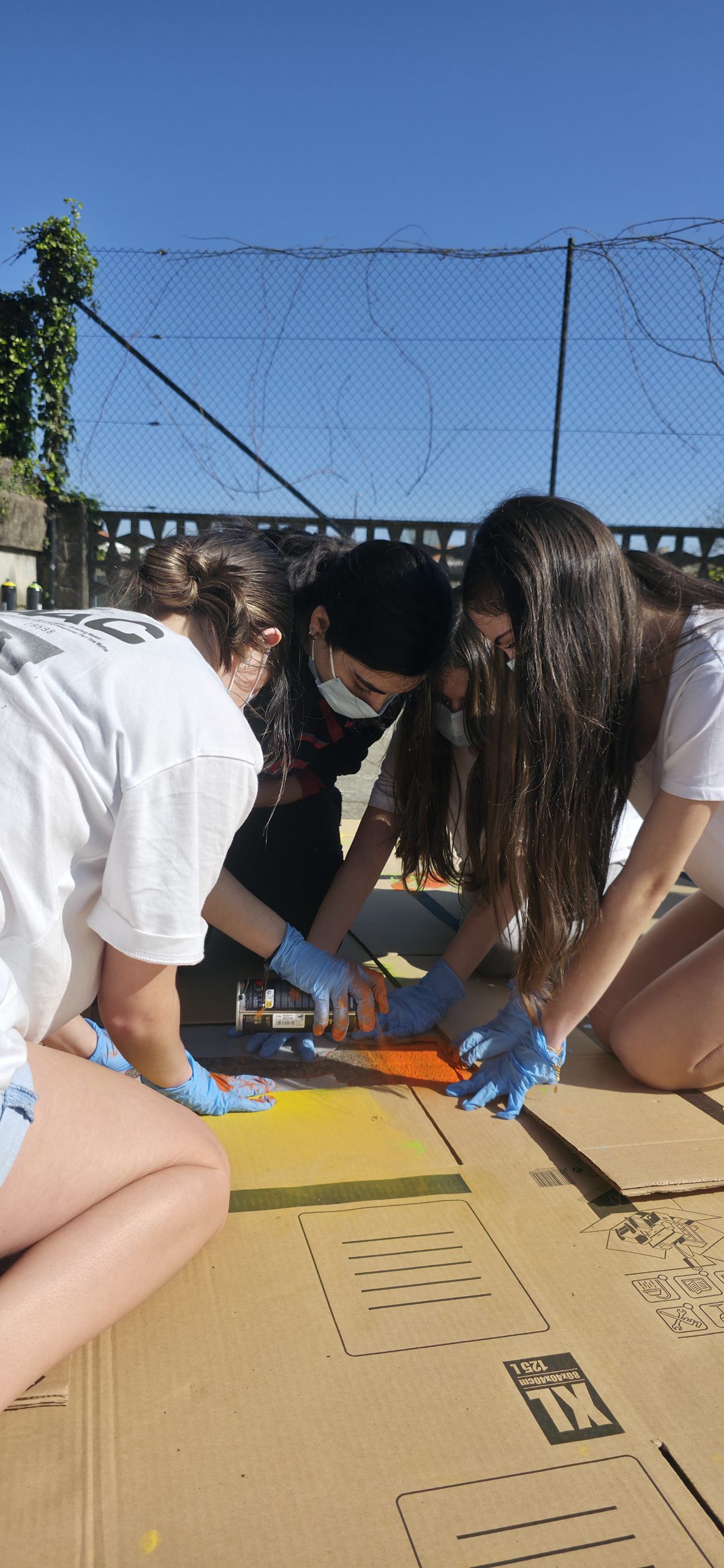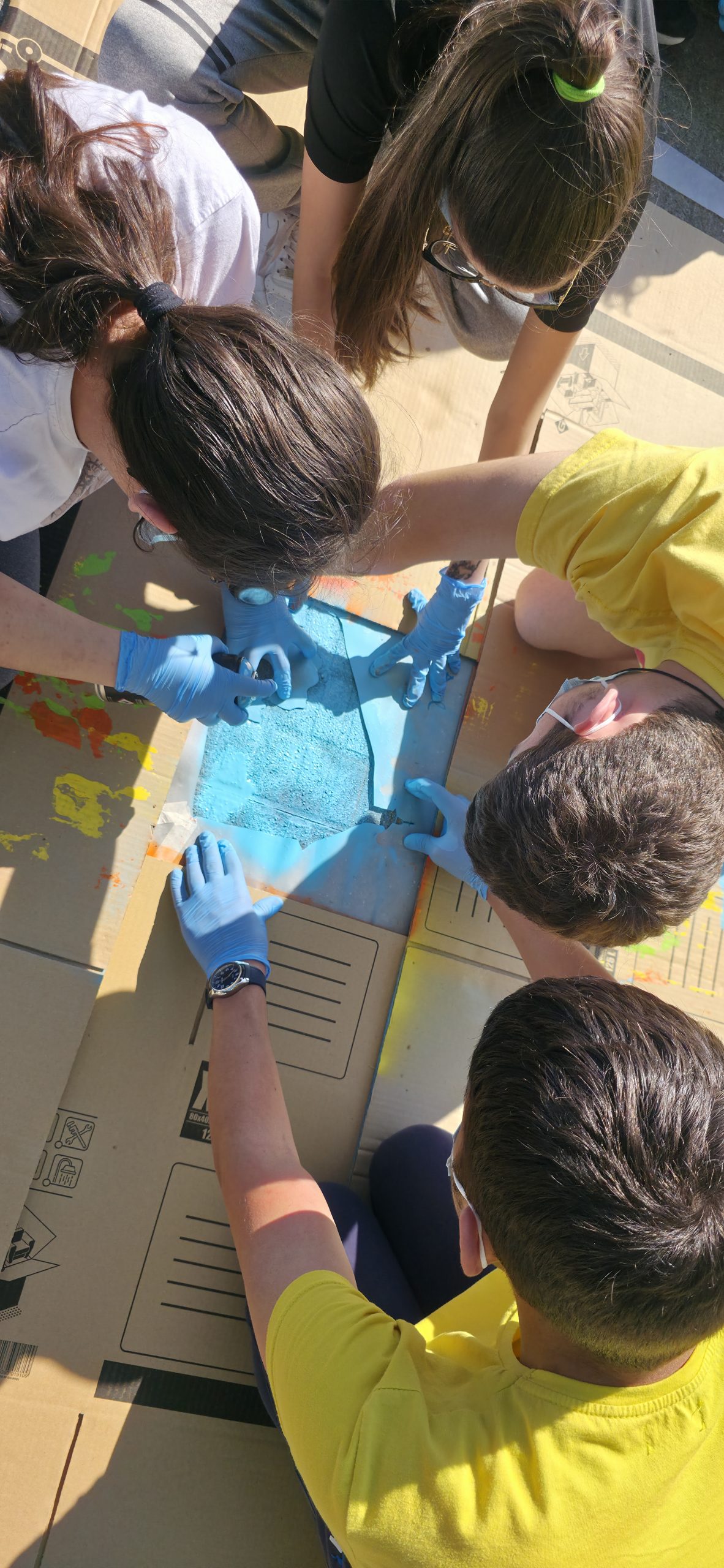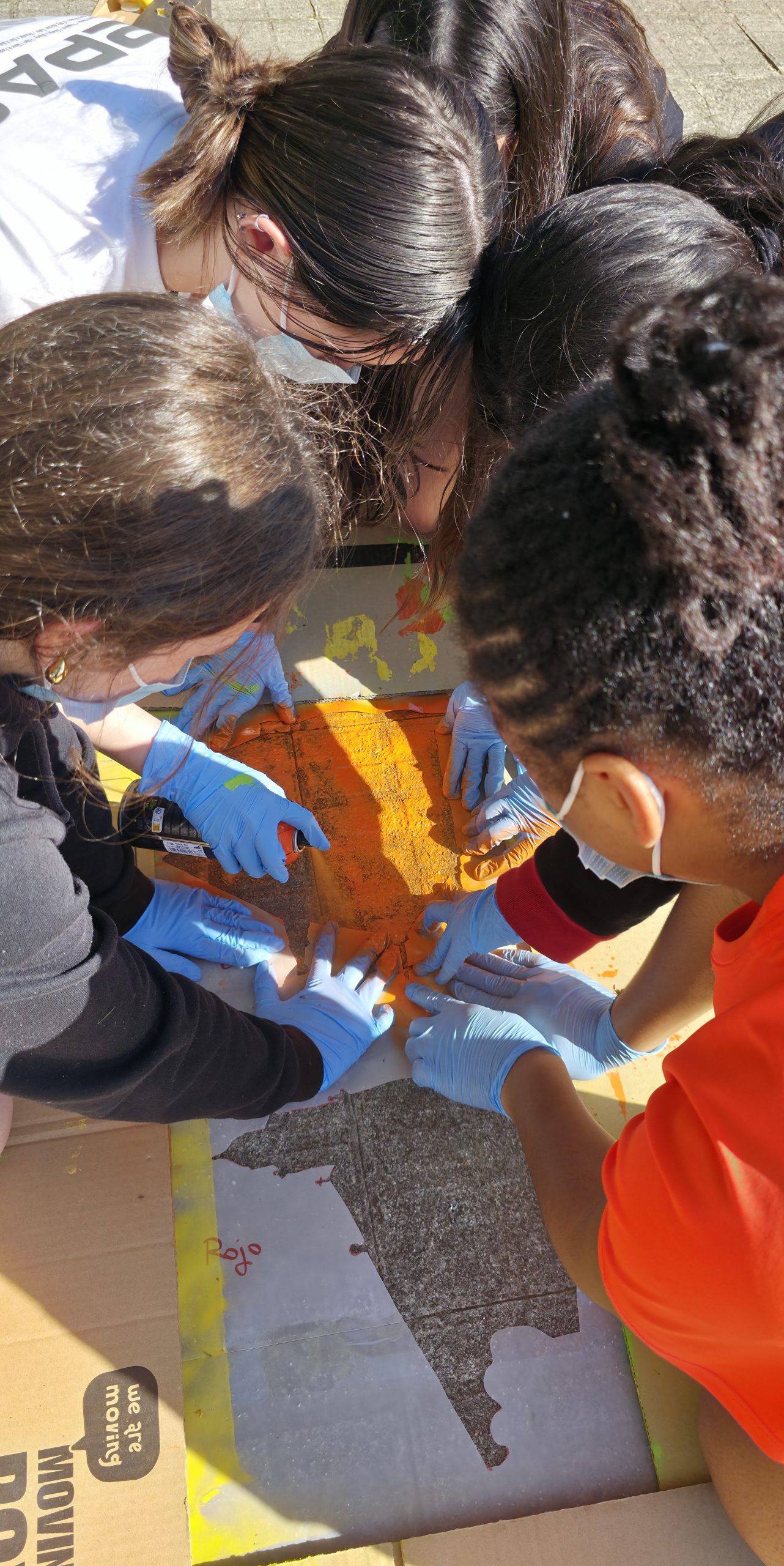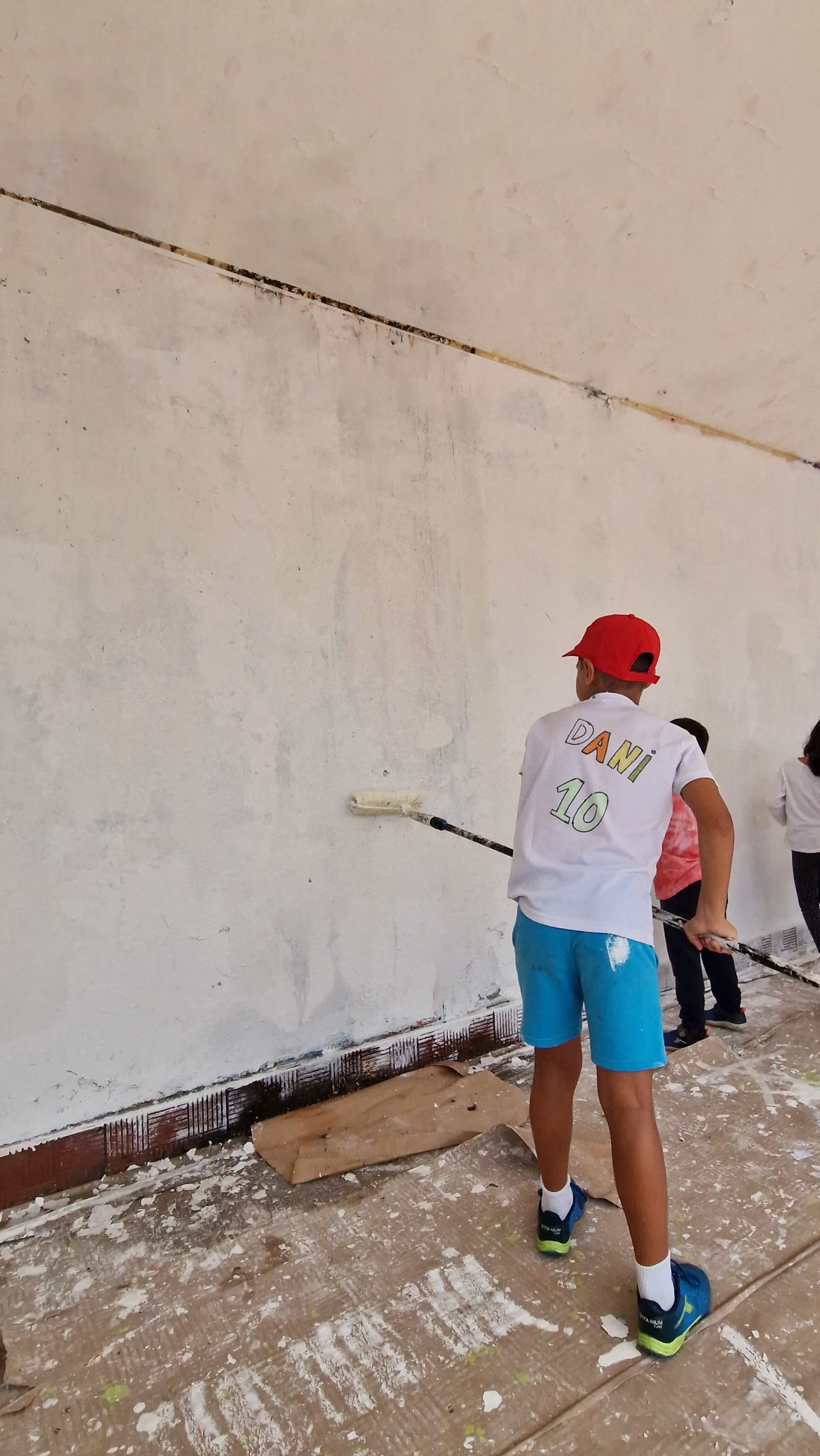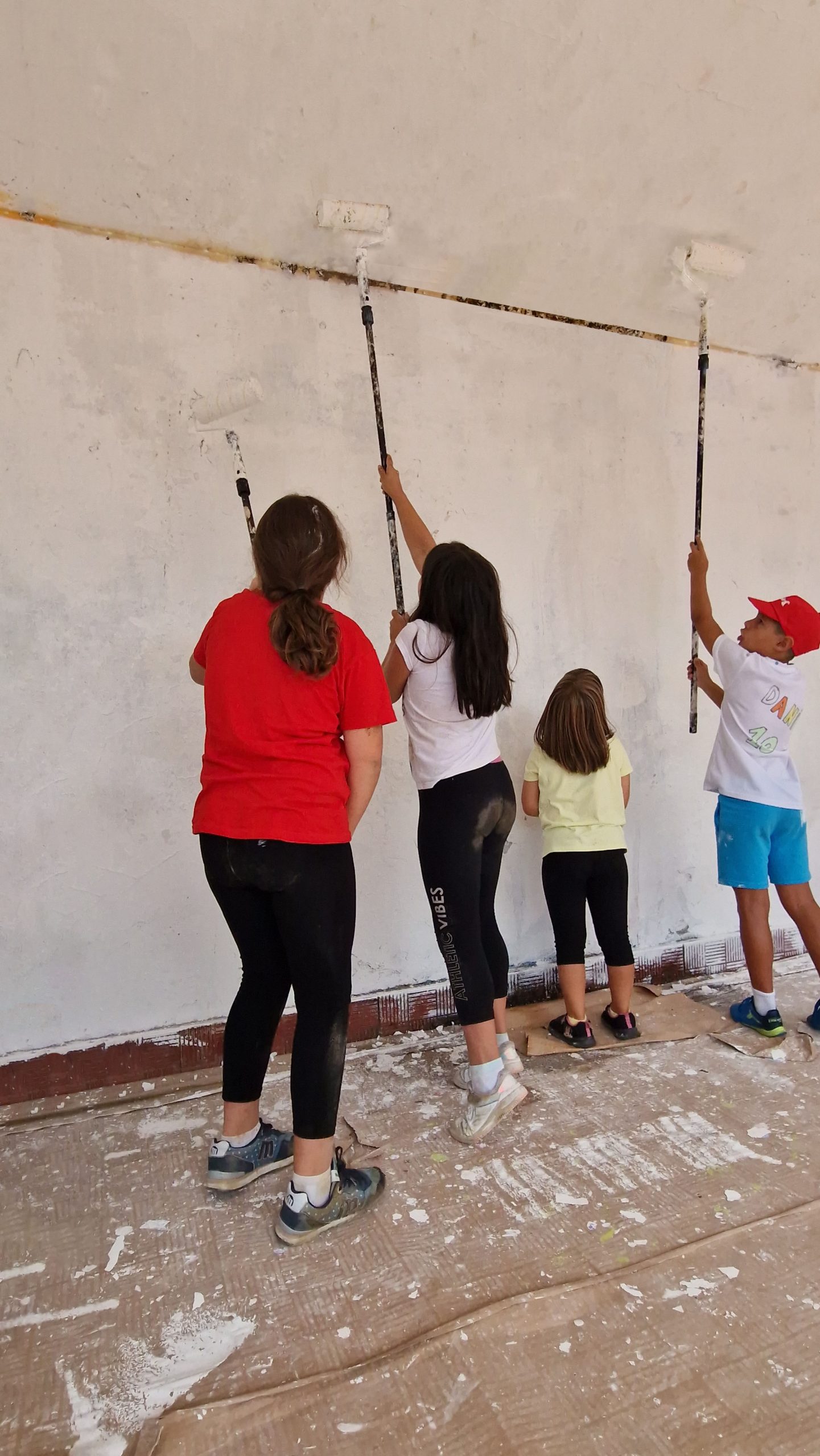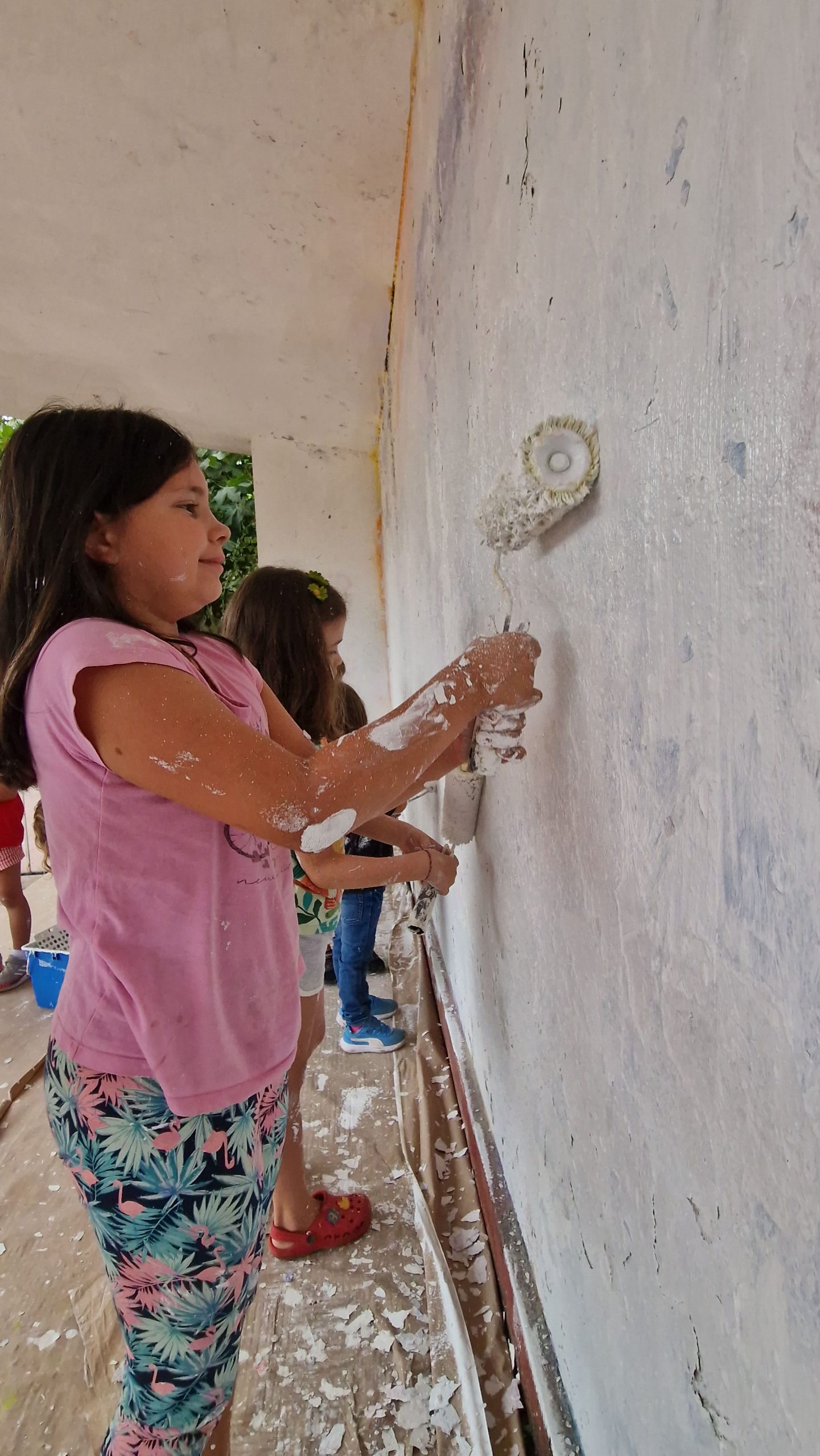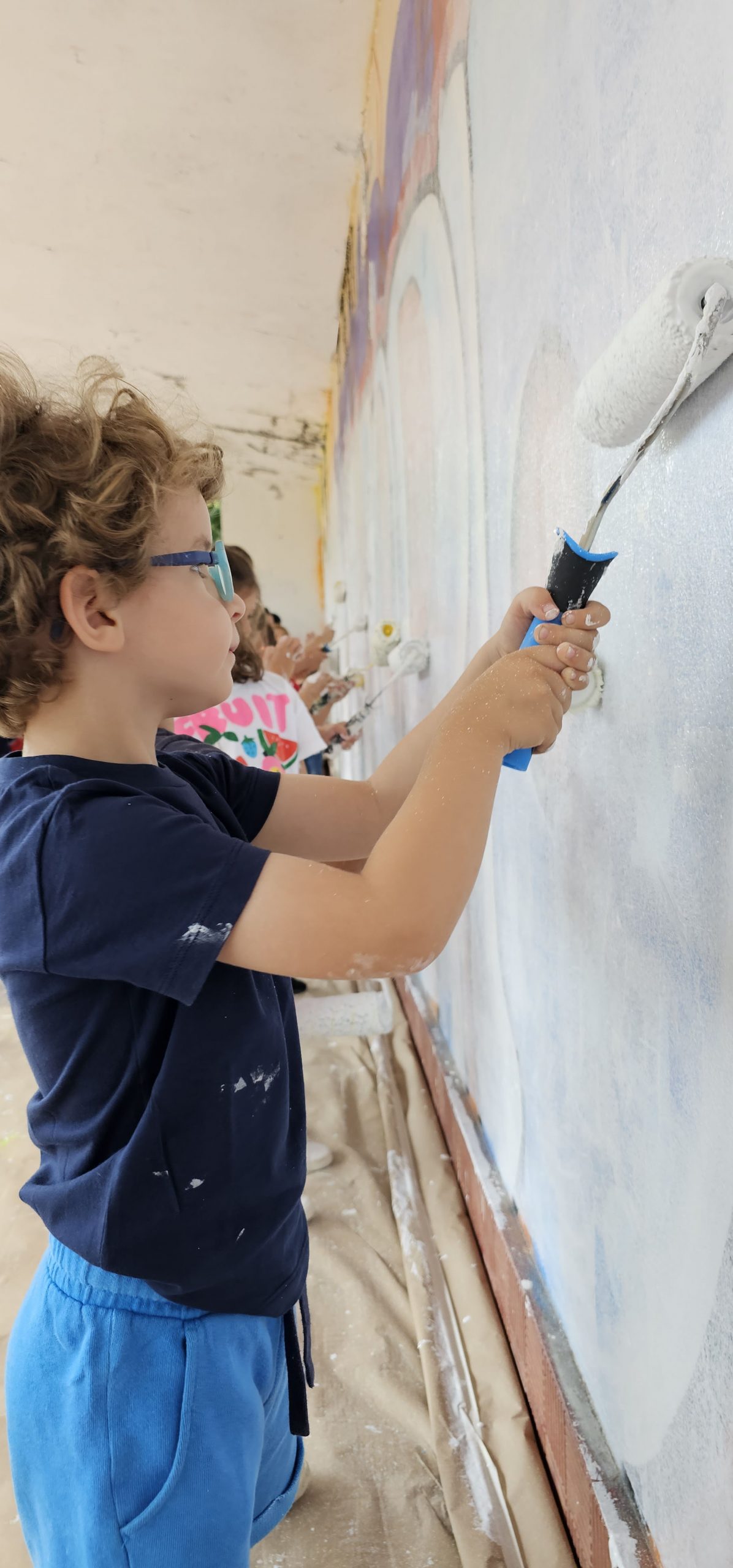
Ribadeo
RIBADEO
RIBADEO
THE IMPORTANCE OF PLACE
O Porriño
O Porriño
O PORRIÑO
THE IMPORTANCE OF PLACE
Rianxo
Rianxo
RIANXO
THE IMPORTANCE OF PLACE
THE VILLAGE AS A GAMEBOARD
PONTEVEDRA
CHANGING THE VILLAGE THROUGH PROTAGONIST PARTICIPATION
THE VILLAGE AS A GAMEBOARD
“Every city has its own history, its own landmarks. I’m not only referring to those buildings officially recognised as important parts of the nation’s historical heritage. I mean, above all, the places that belong to the city’s memory — places that are fundamental to its identity, to the sense of belonging to a city. Whether it’s a factory, an old tram stop, or one of those grocery shops where everything was ingenuously displayed.”
Jaime Lerner
The right of children and adolescents to PARTICIPATE in the CONSTRUCTION of their VILLAGE or CITY as part of an ACTIVE CITIZENSHIP, in such a way that they become both participants in and agents of change in their surroundings.
For this sense of protagonist to exist, CHILDREN and ADOLESCENTS must reflect on their surroundings (the space in which they live their lives), their context and propose solutions for change become aware of what it means to be a legal entitlement and the importance that their participation can have as a driving force for change in the rest of society.
COLOUR YOUR VILLAGE
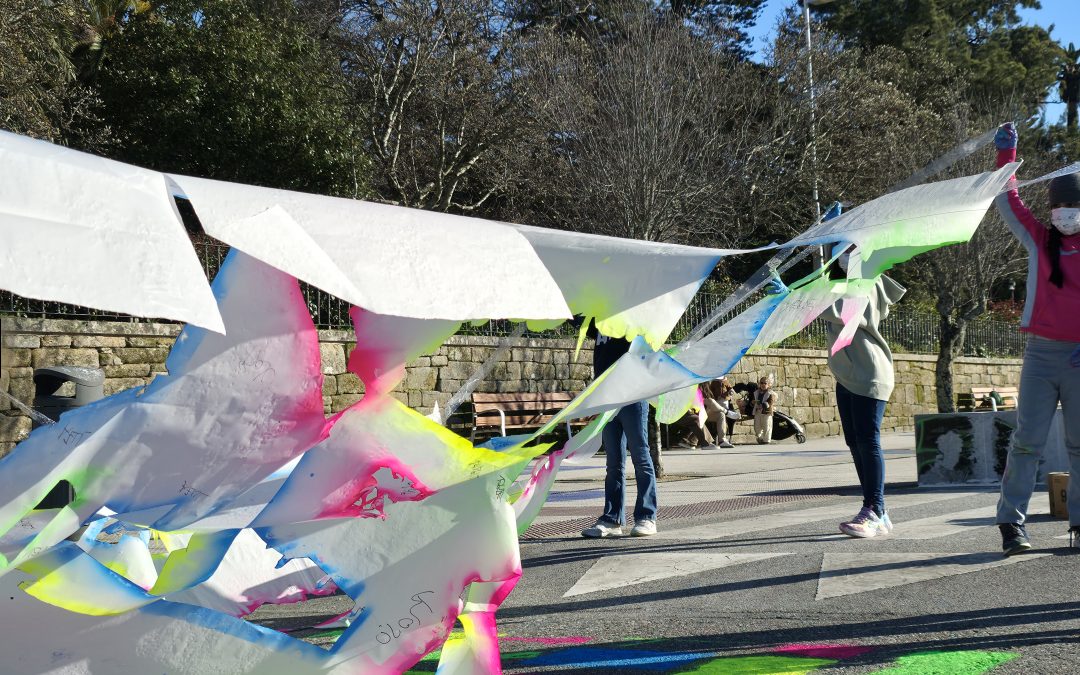
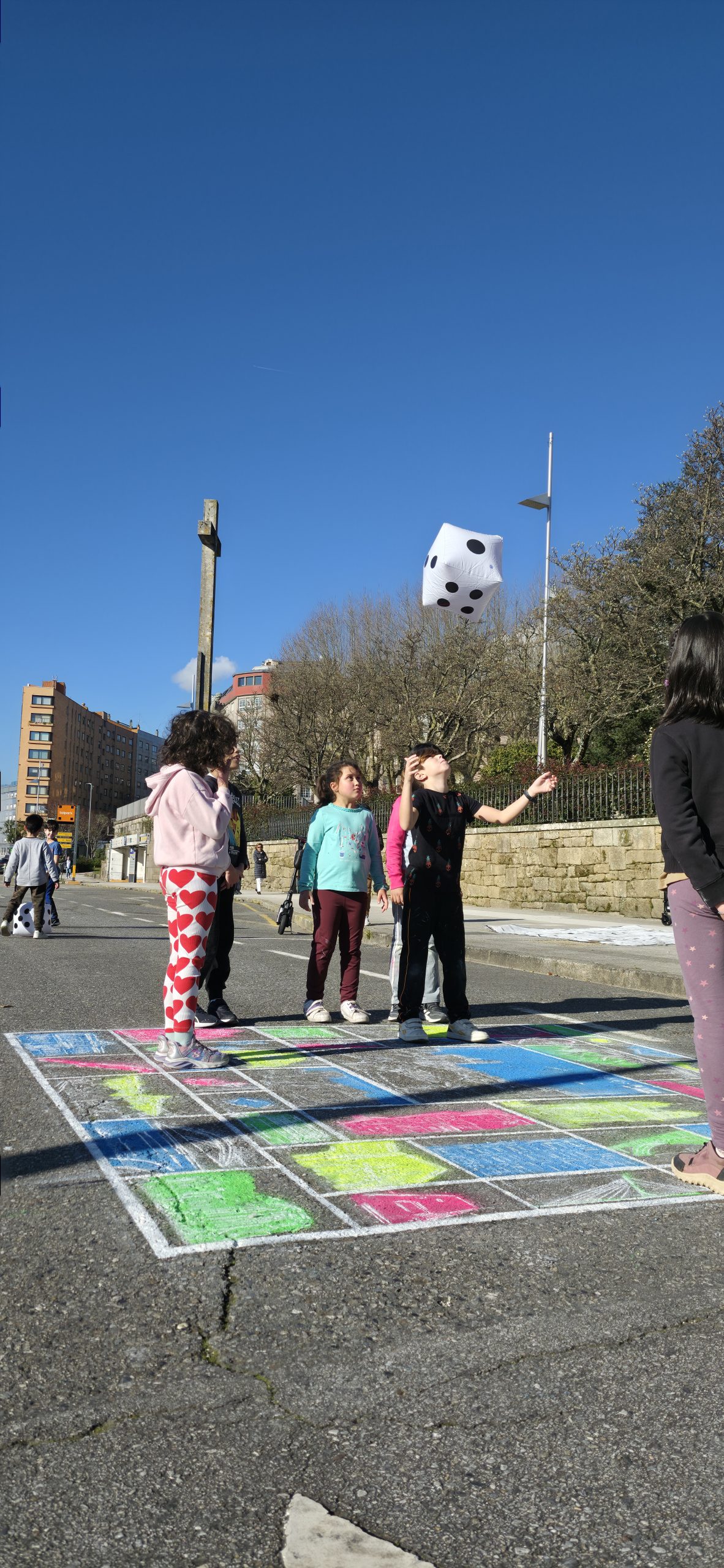
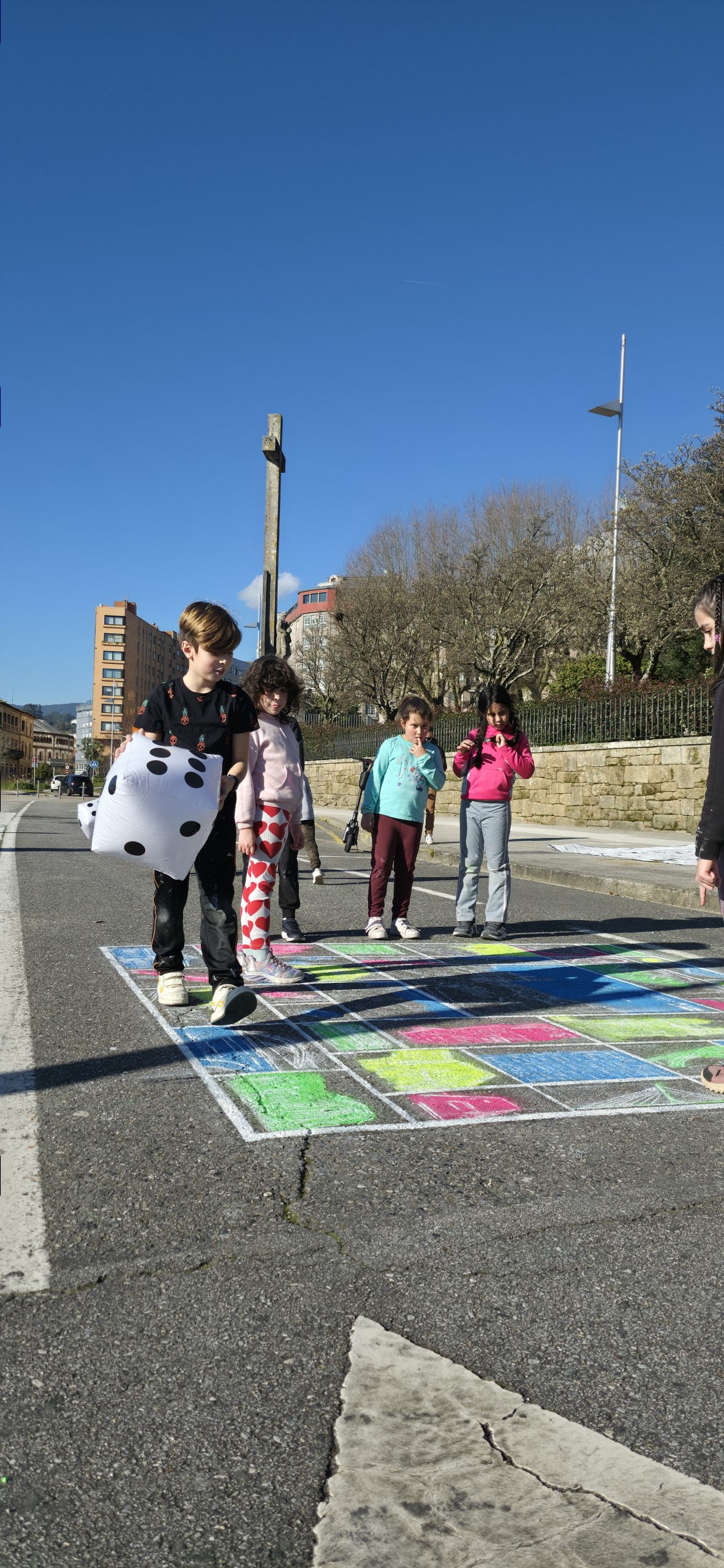
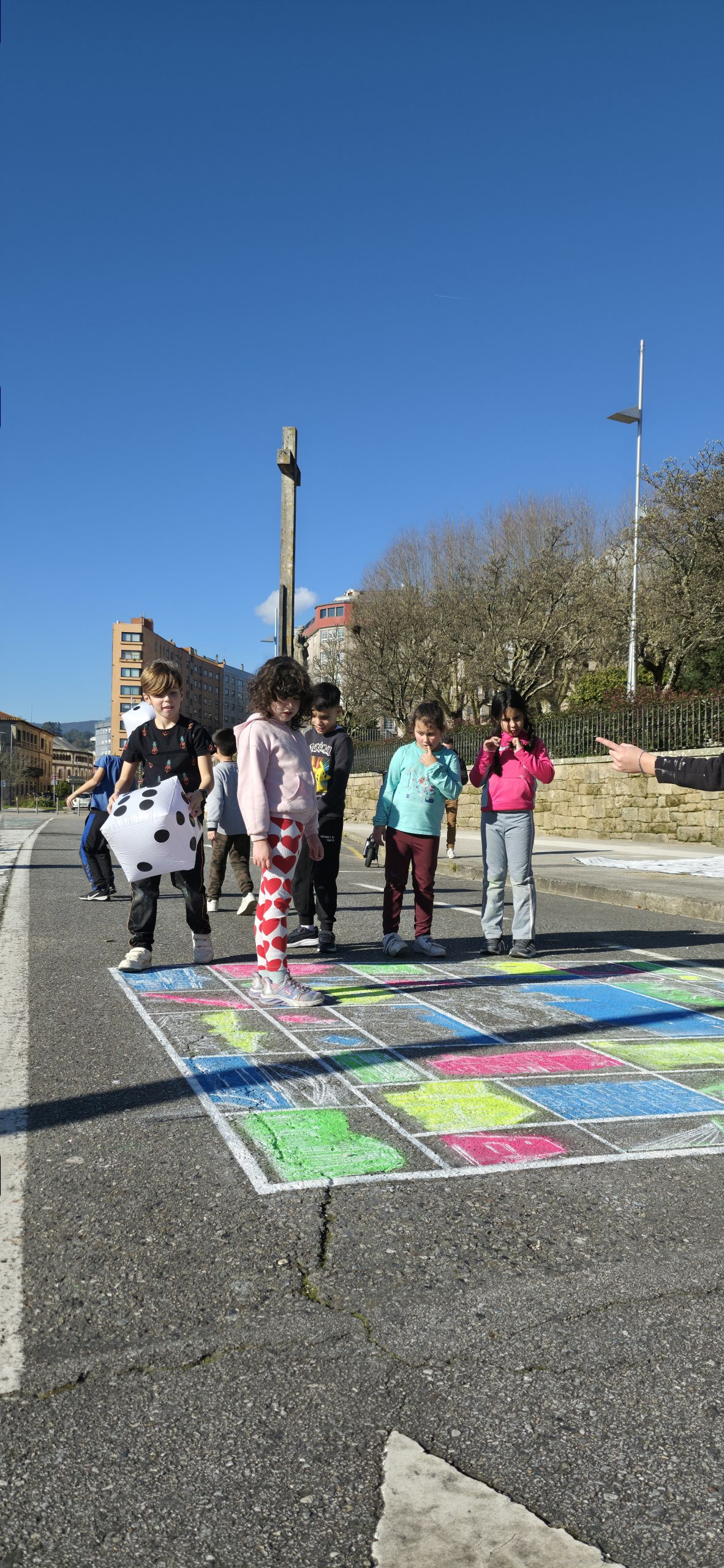
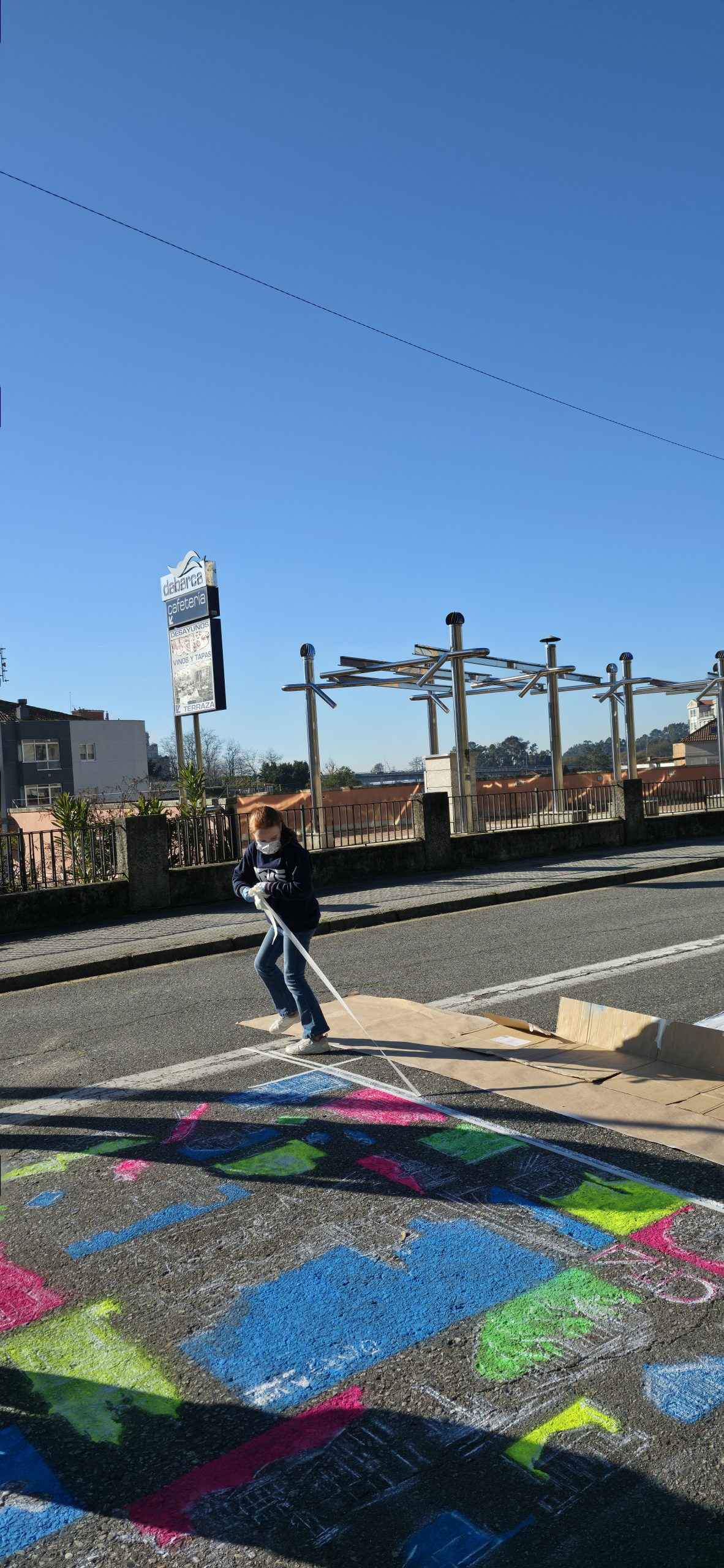
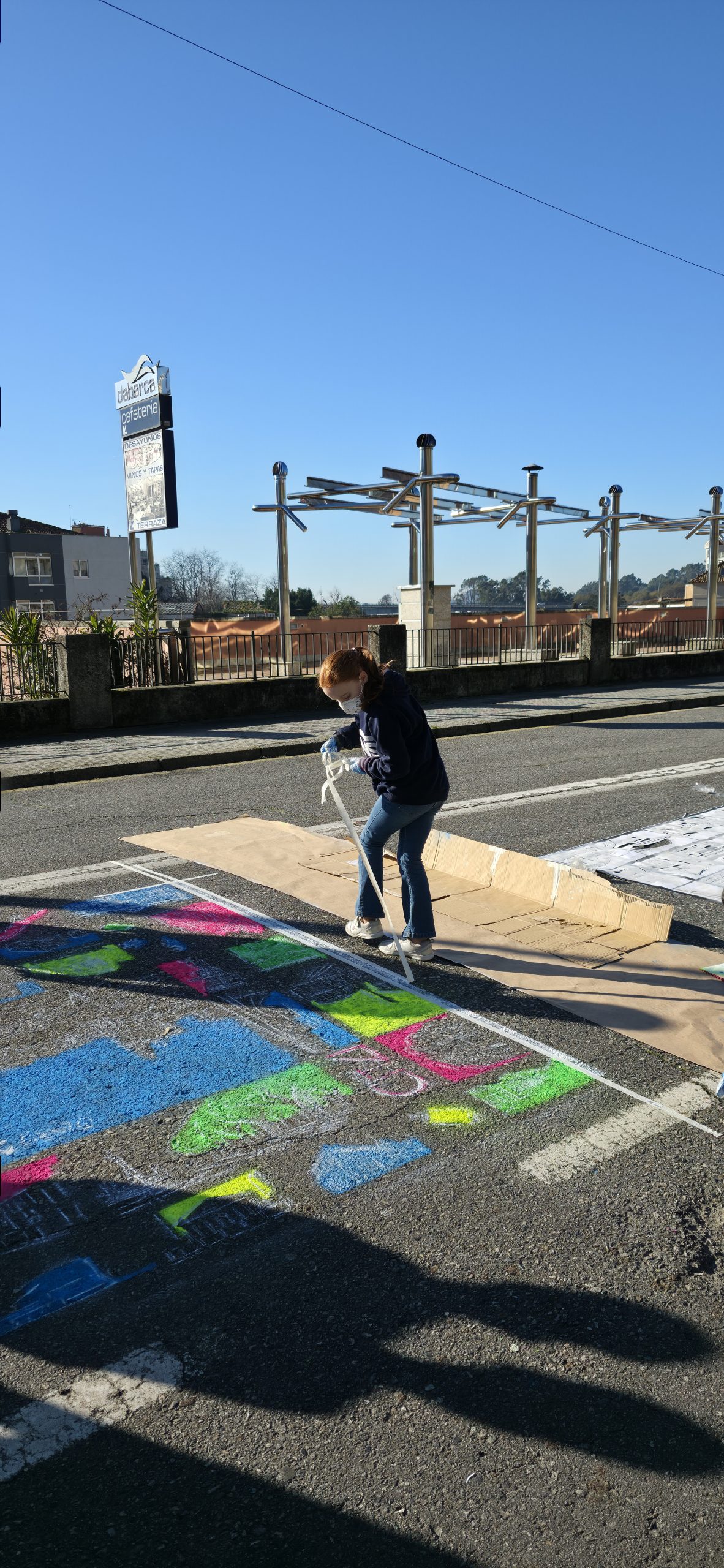
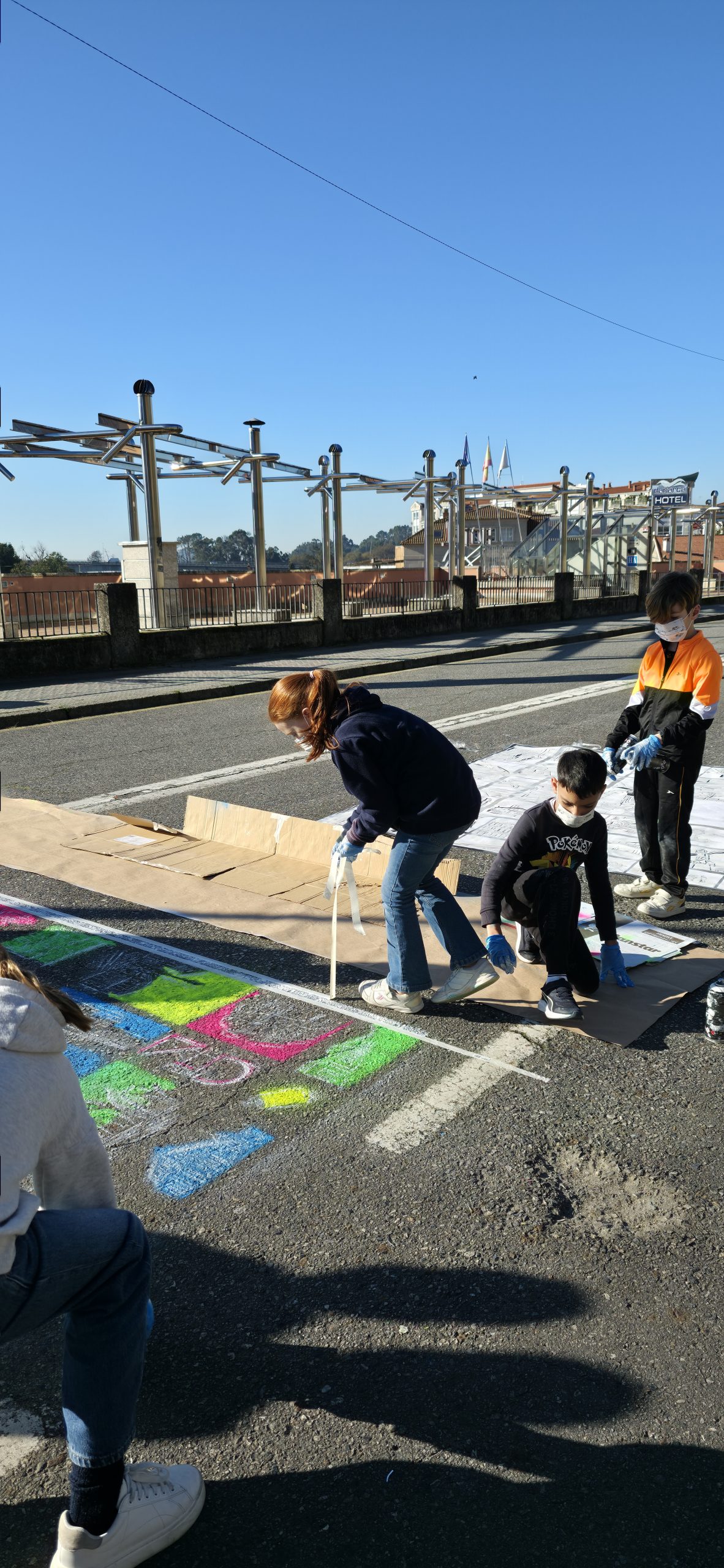
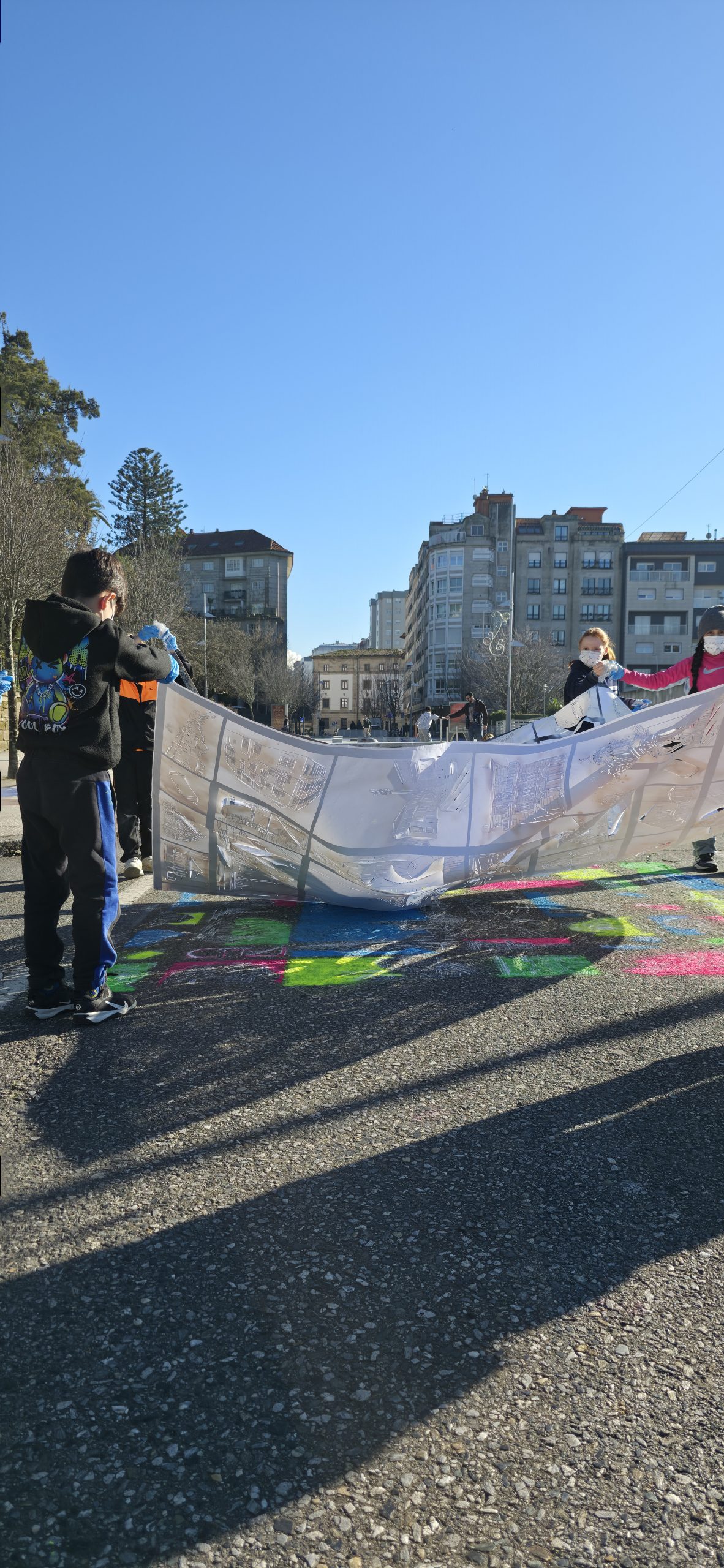
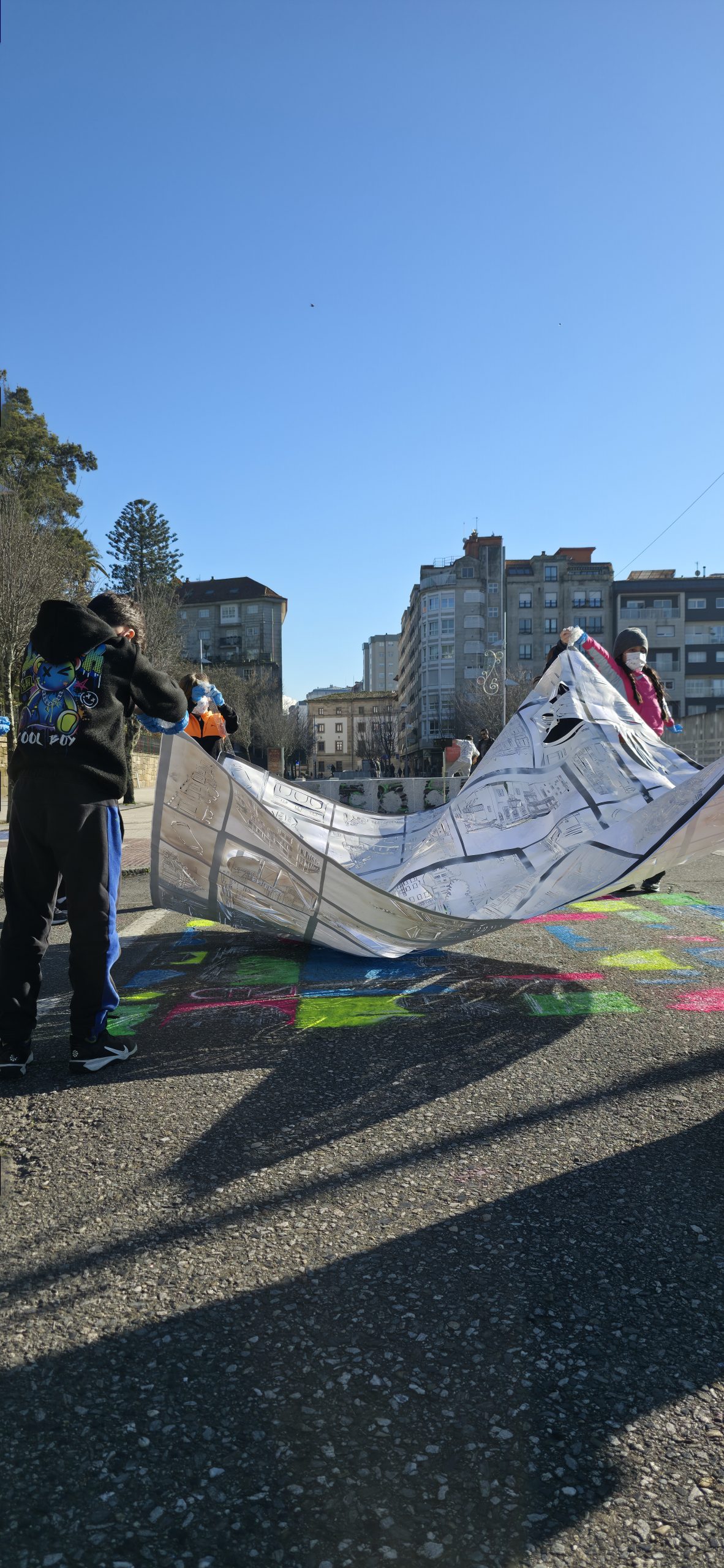
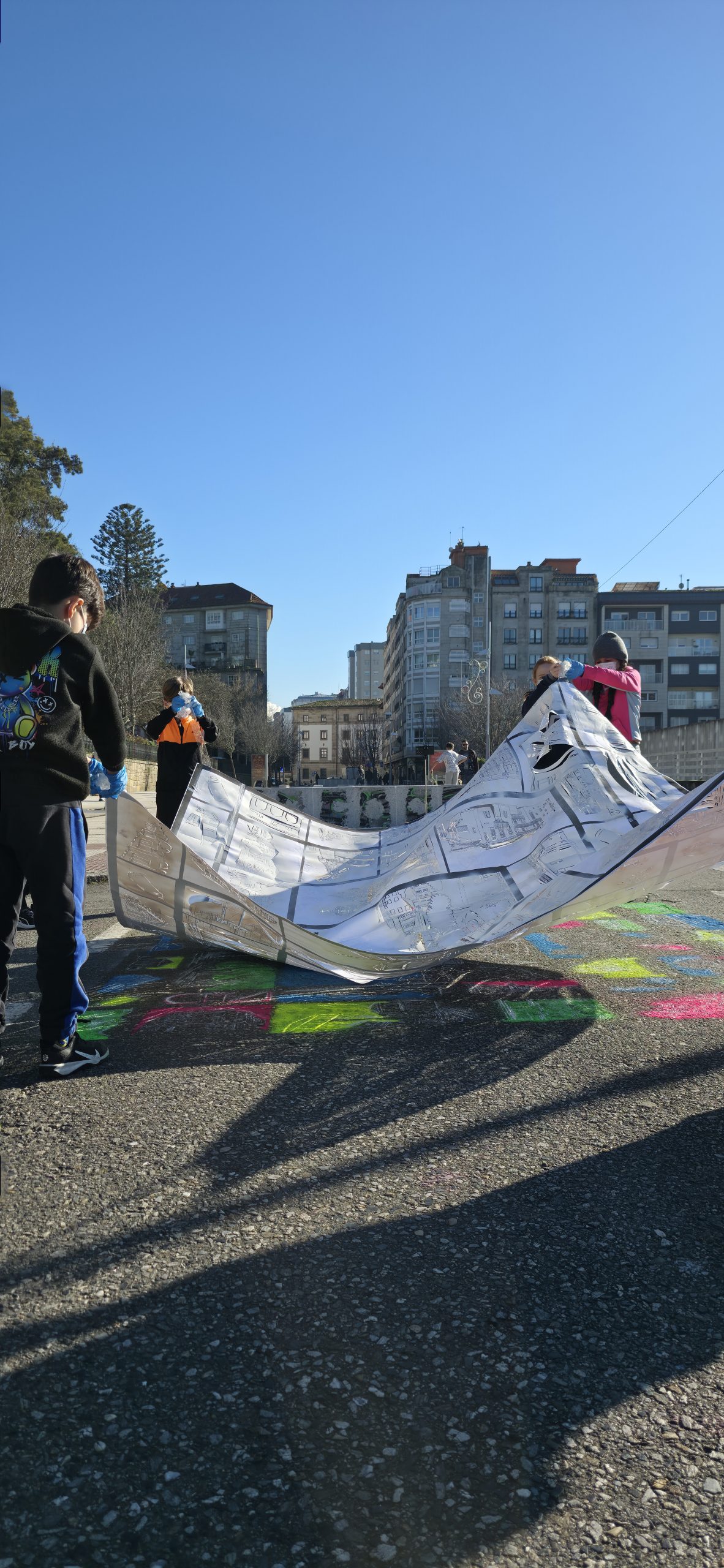
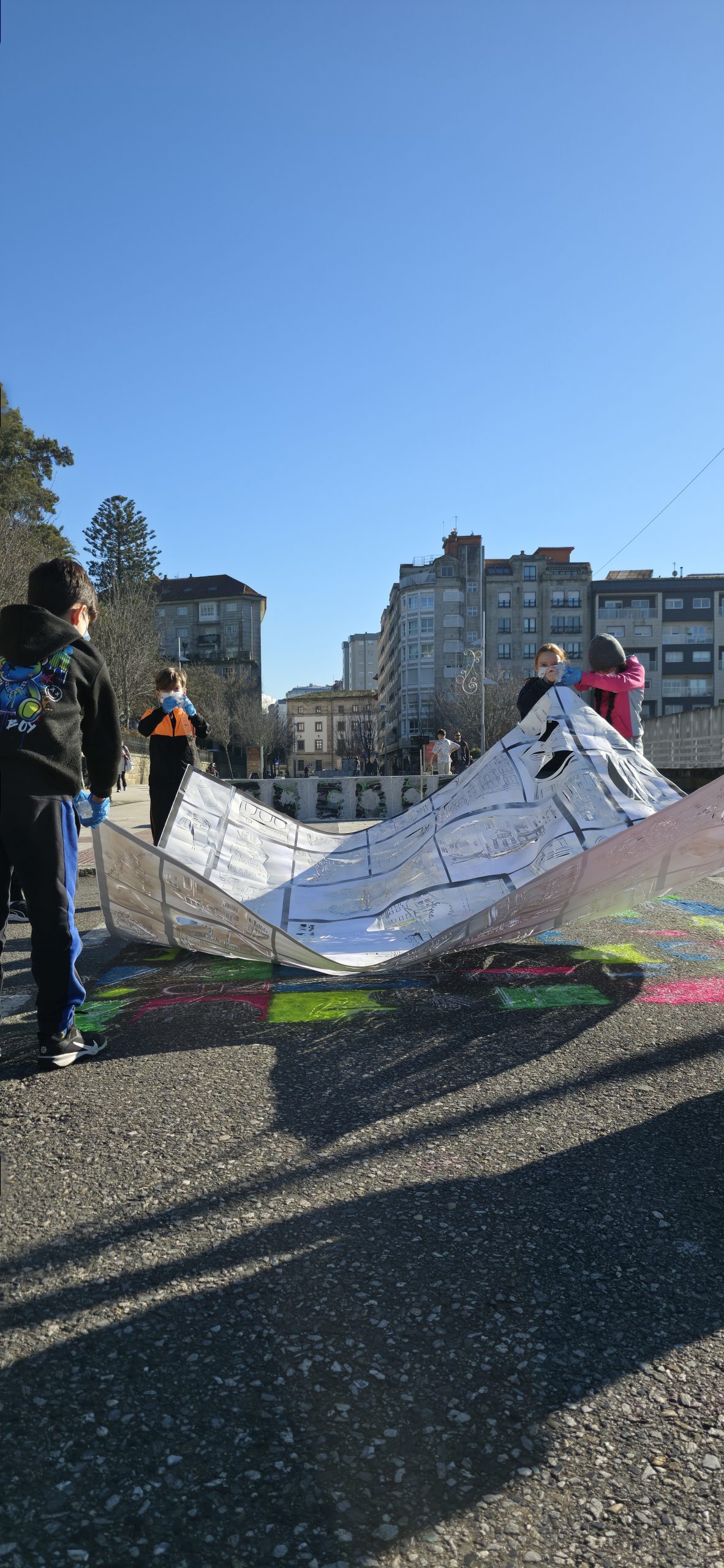
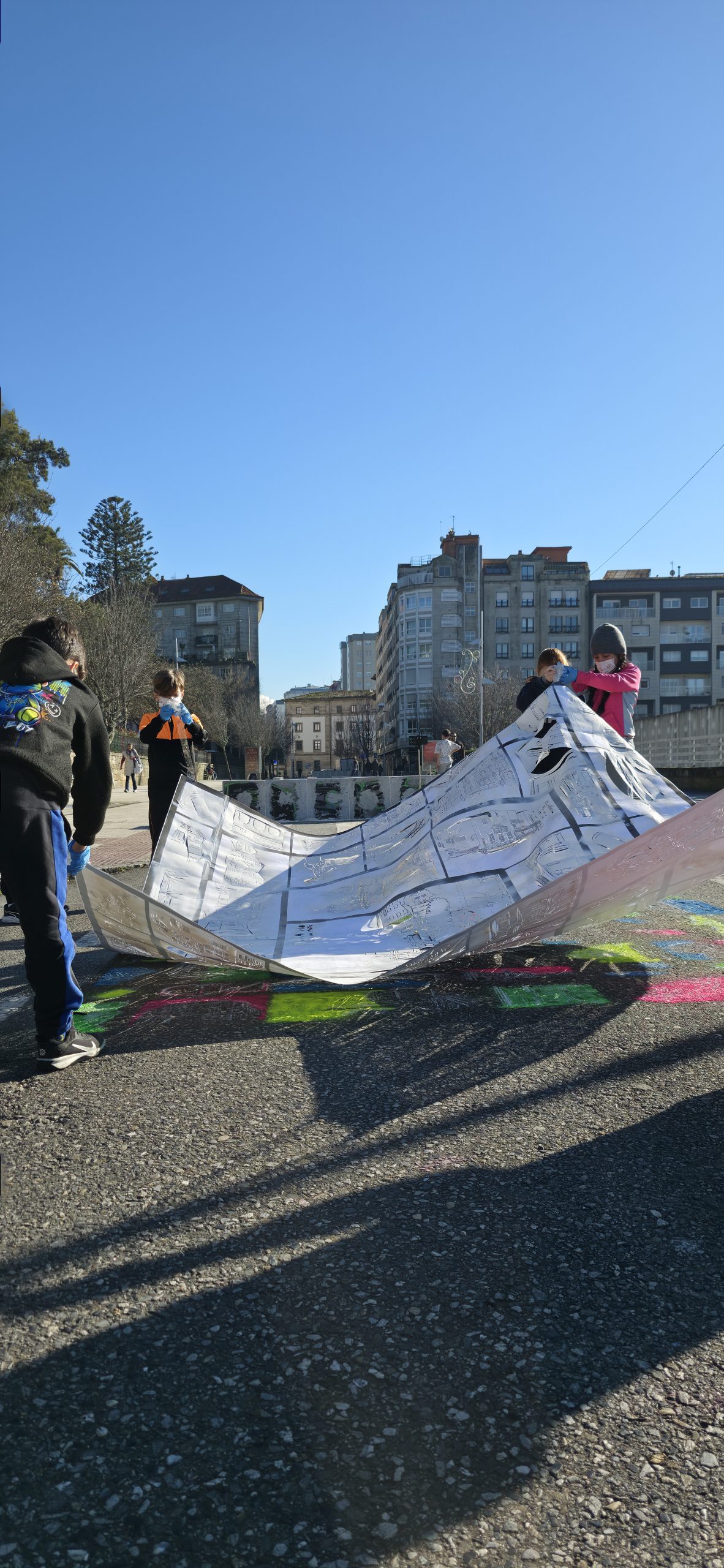
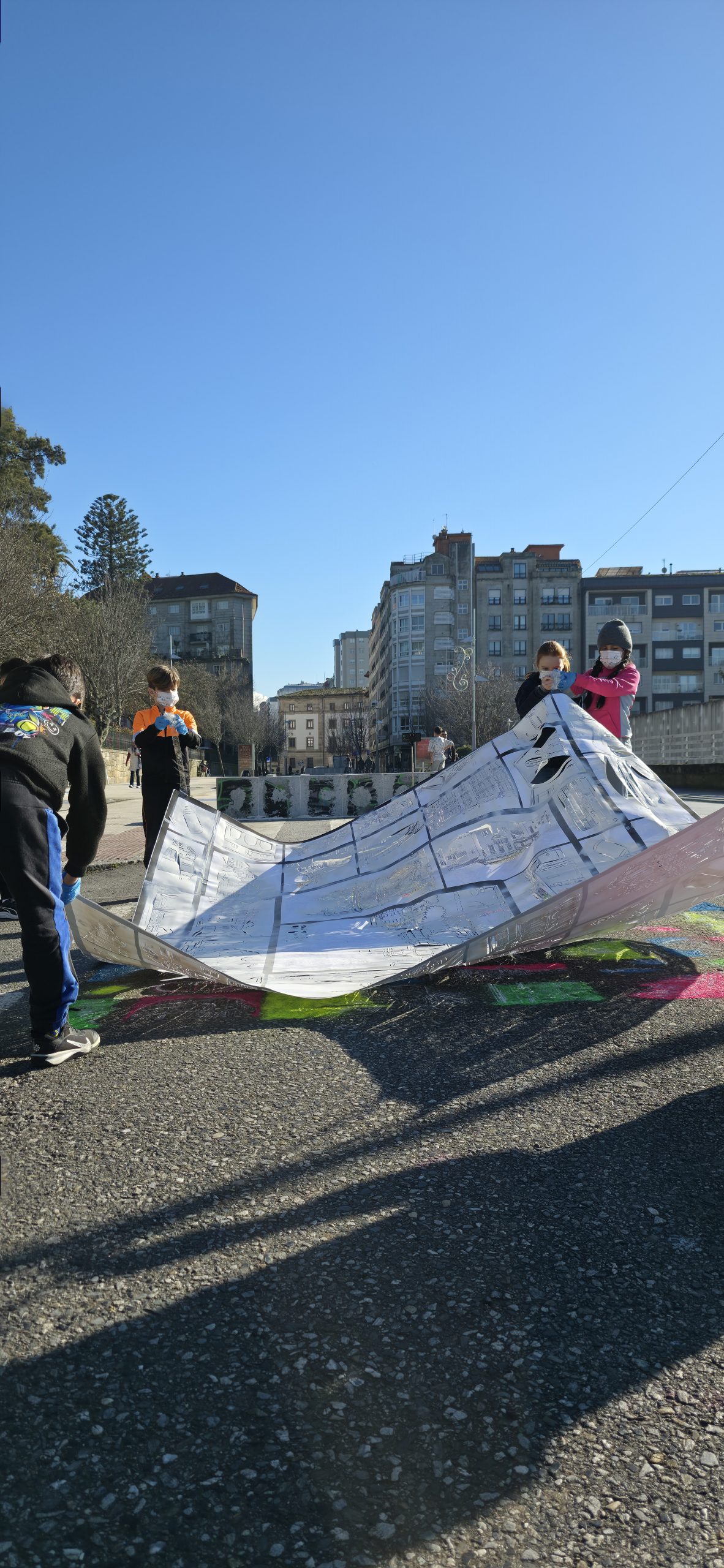
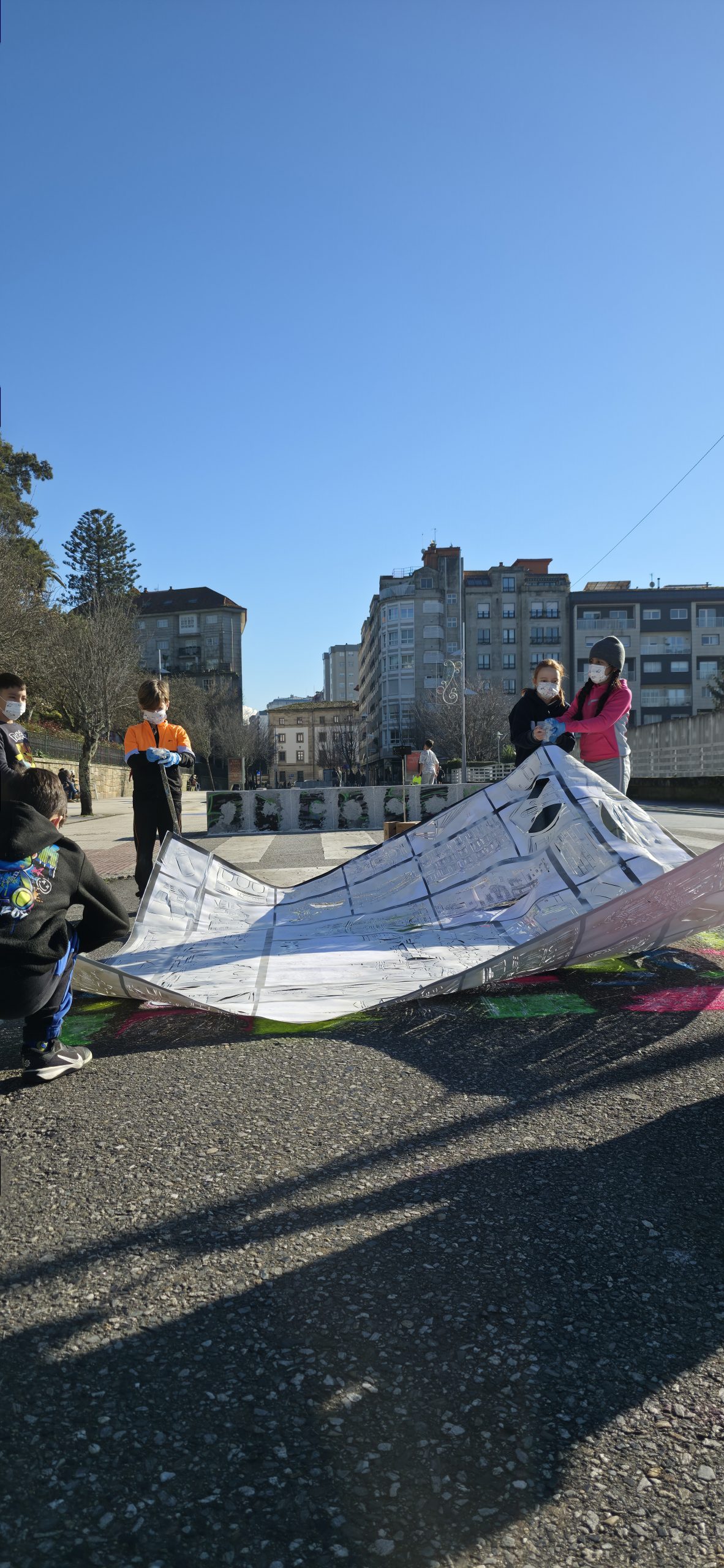
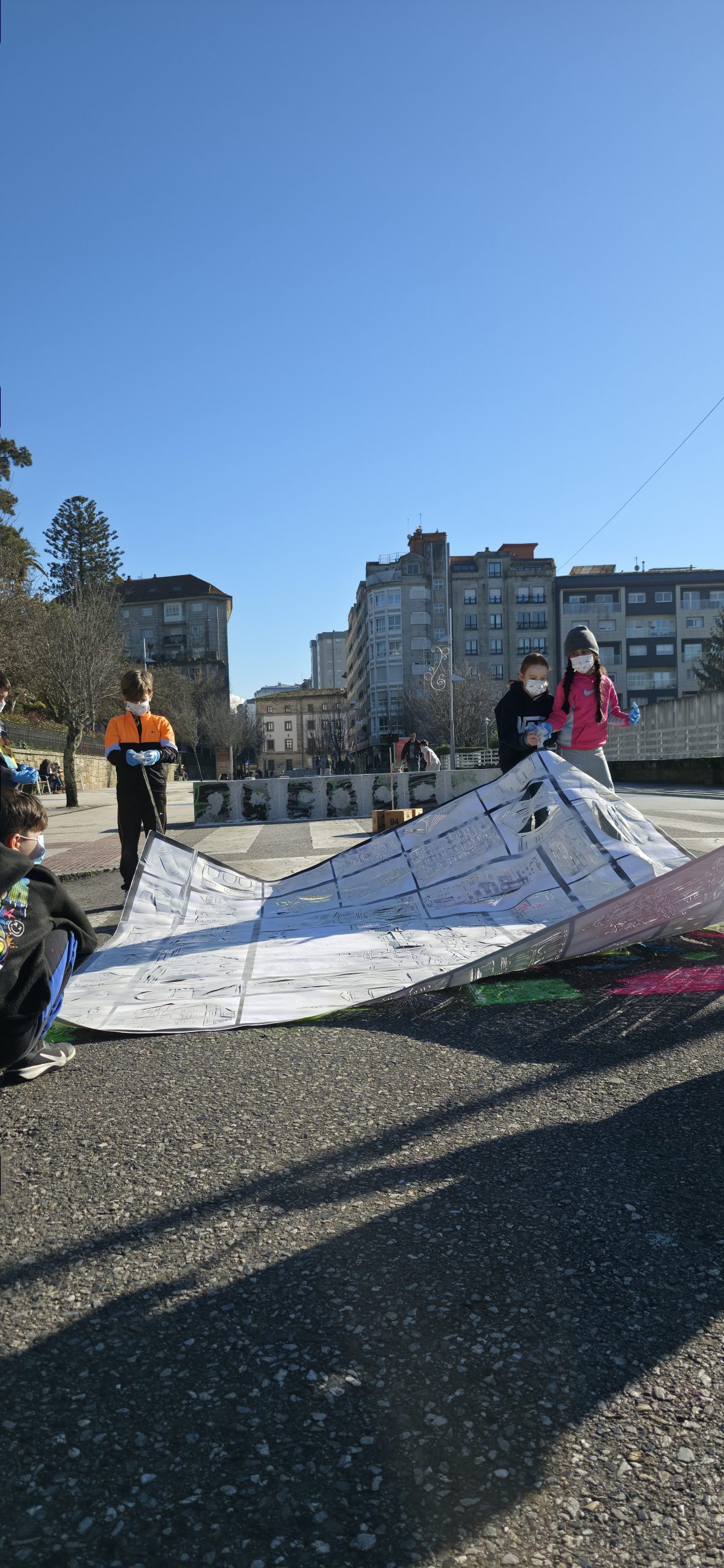
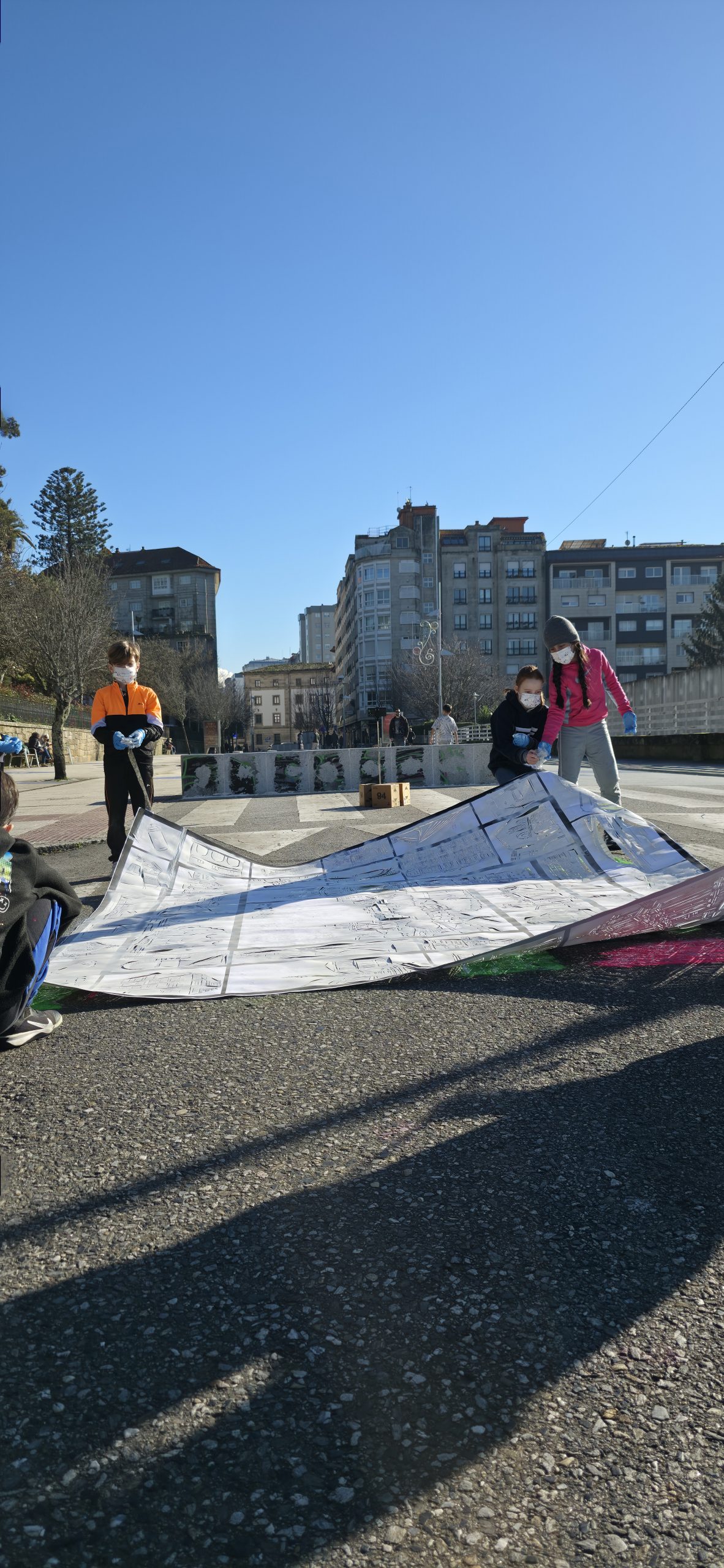
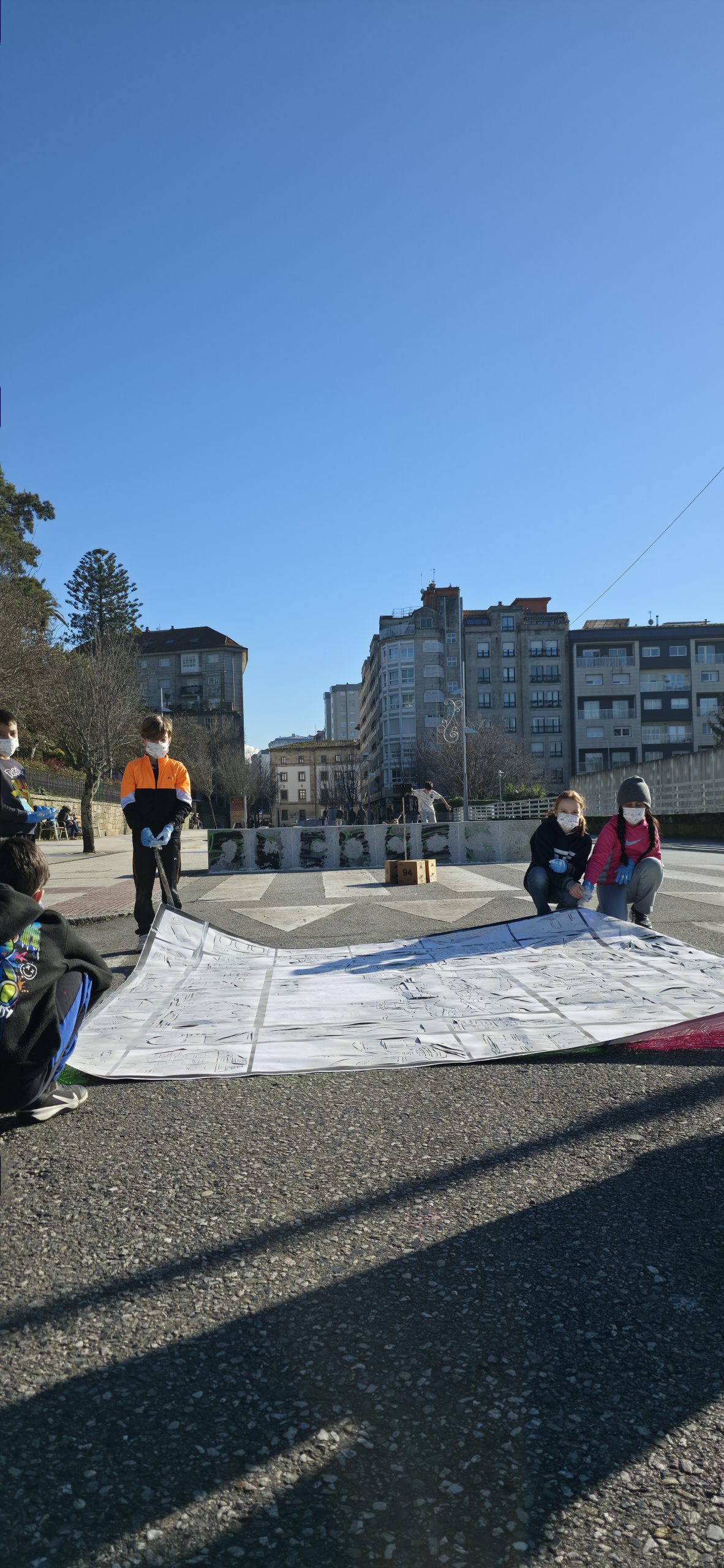
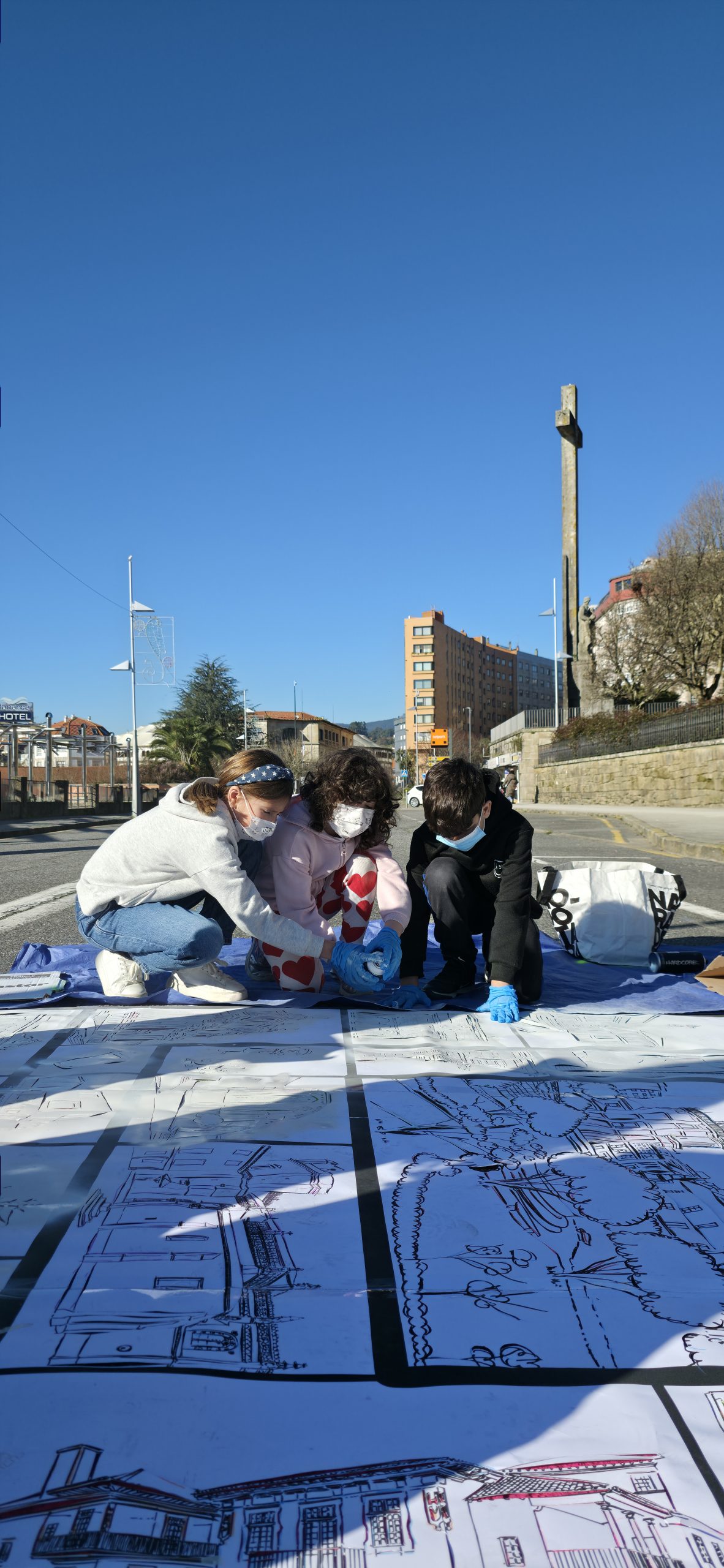
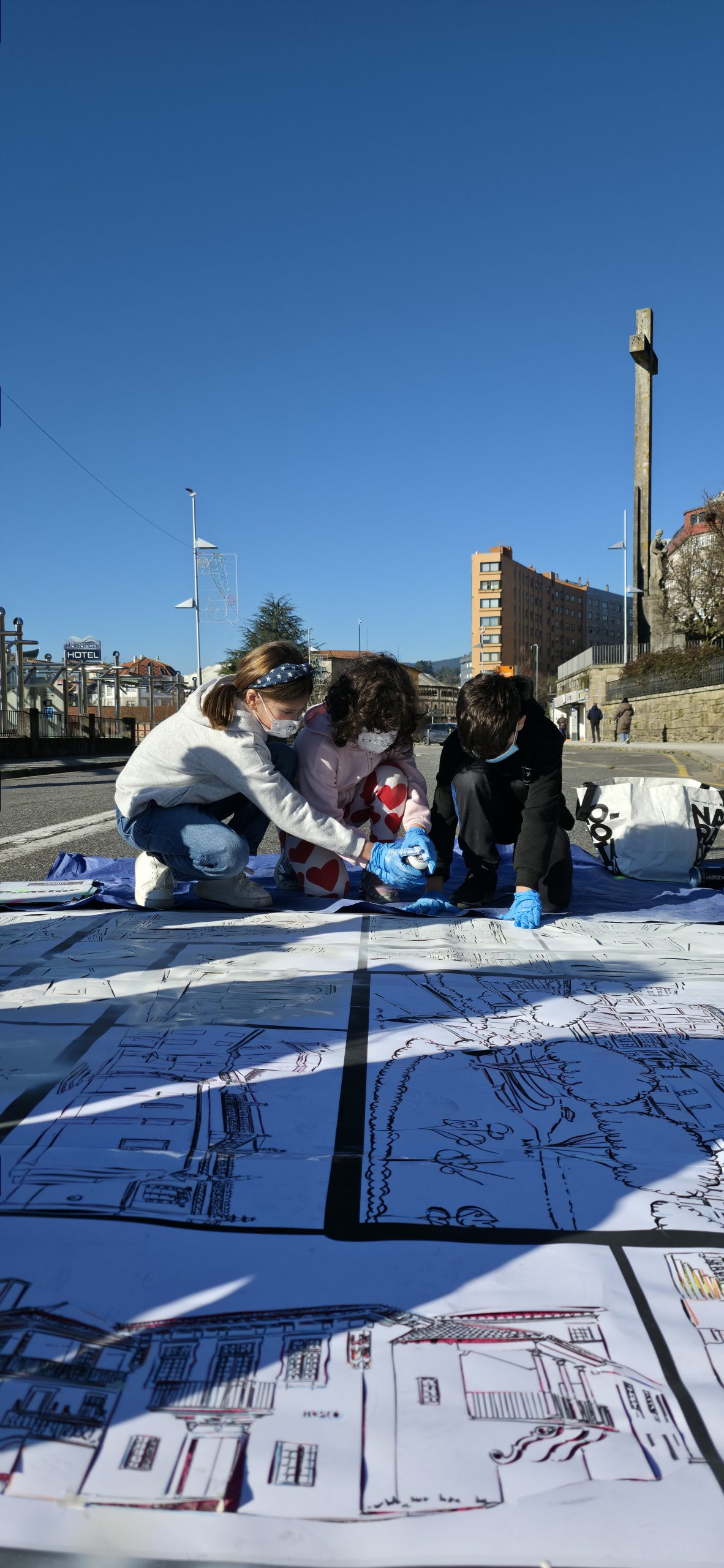
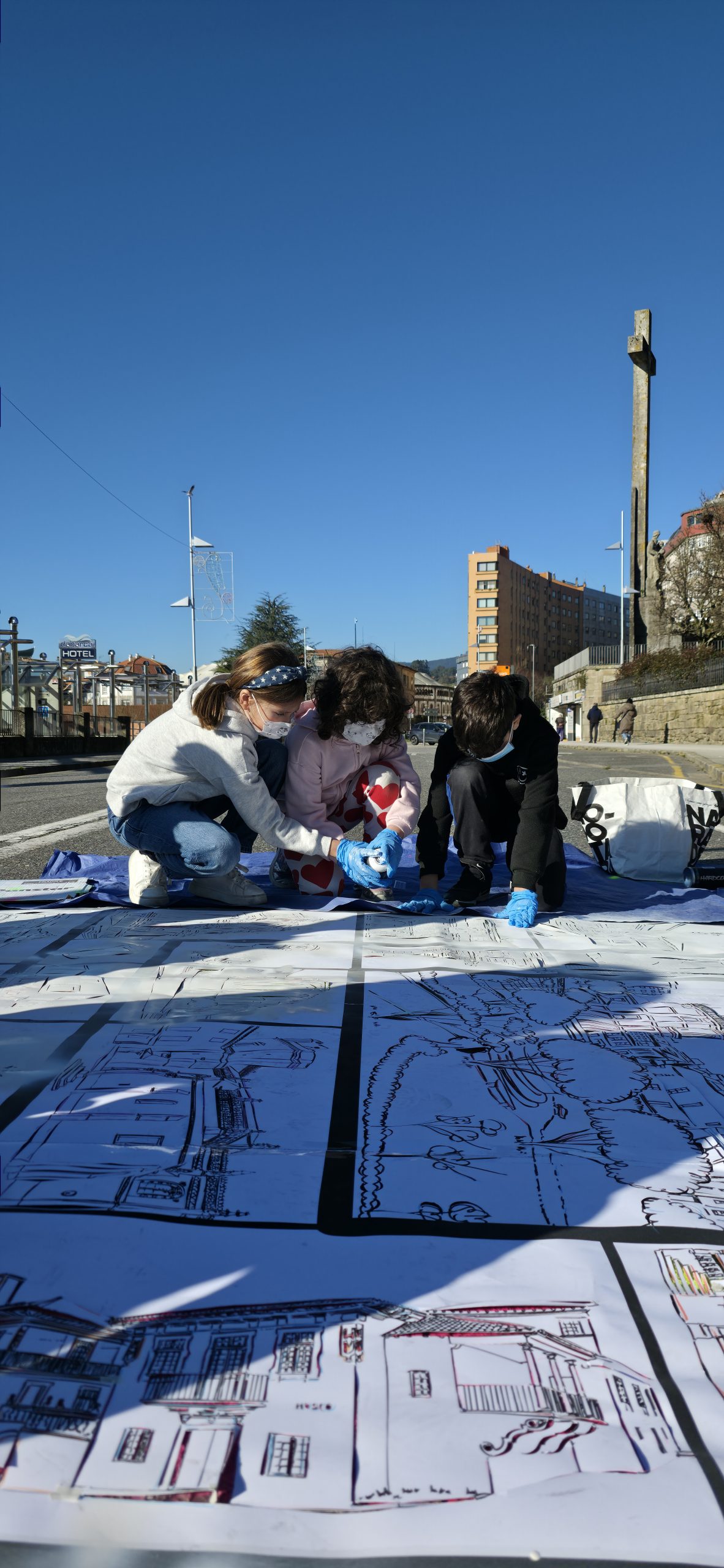
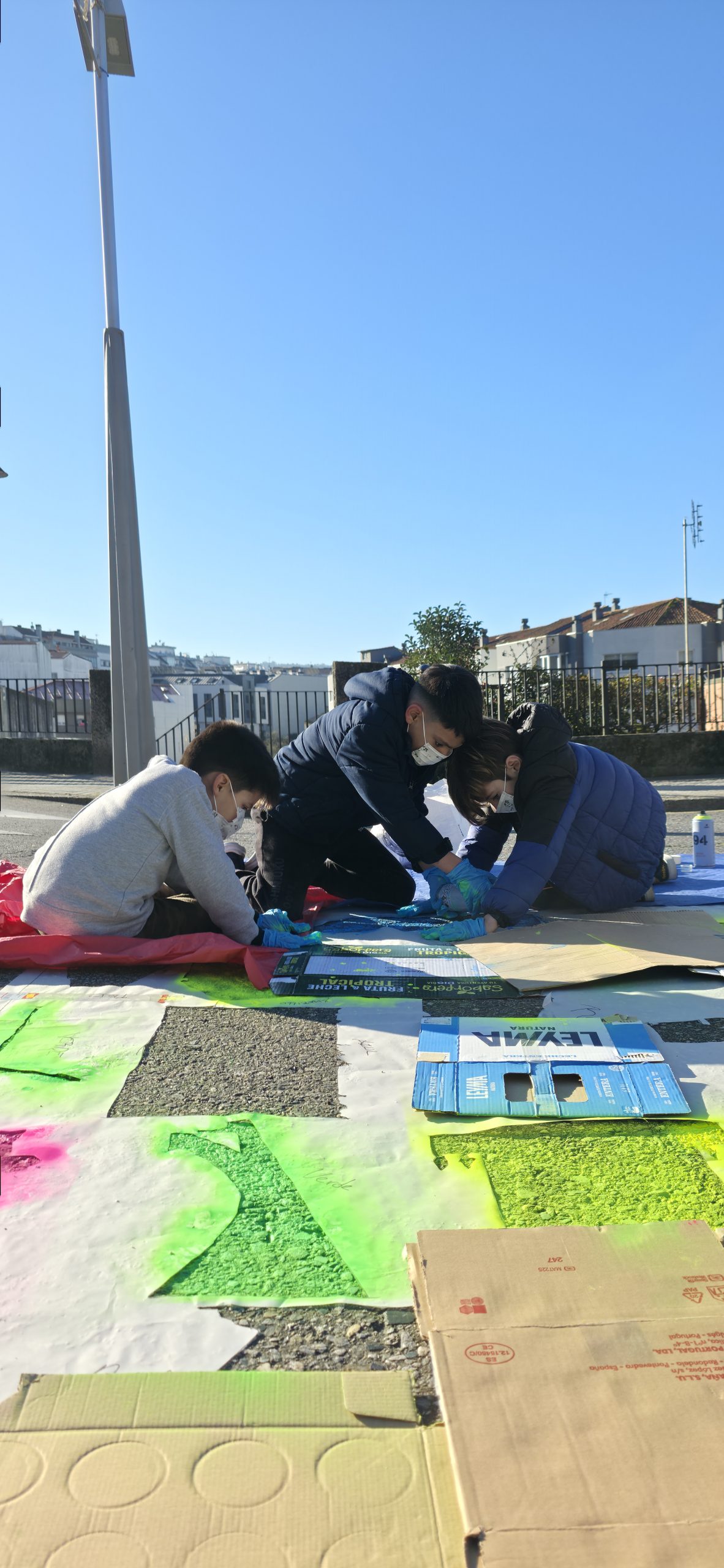
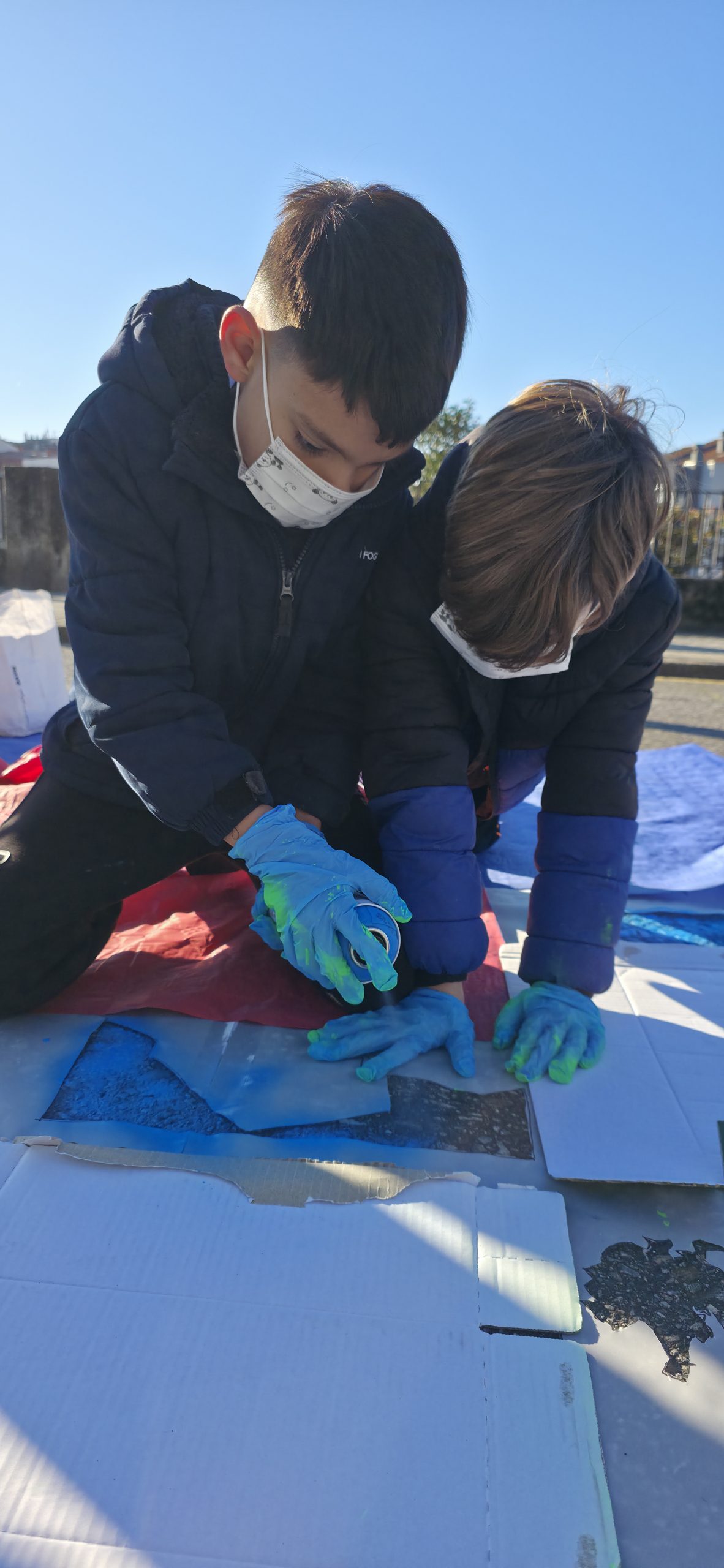
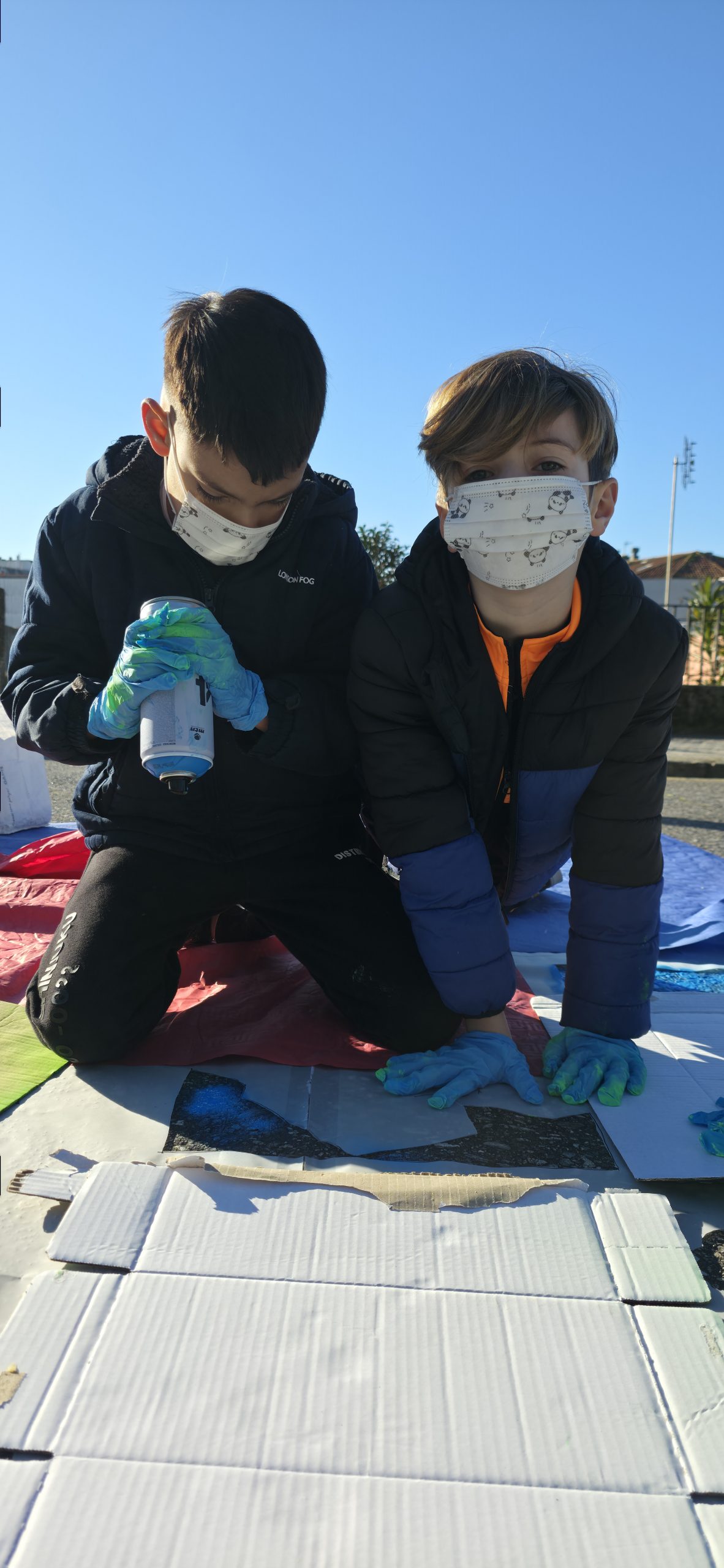
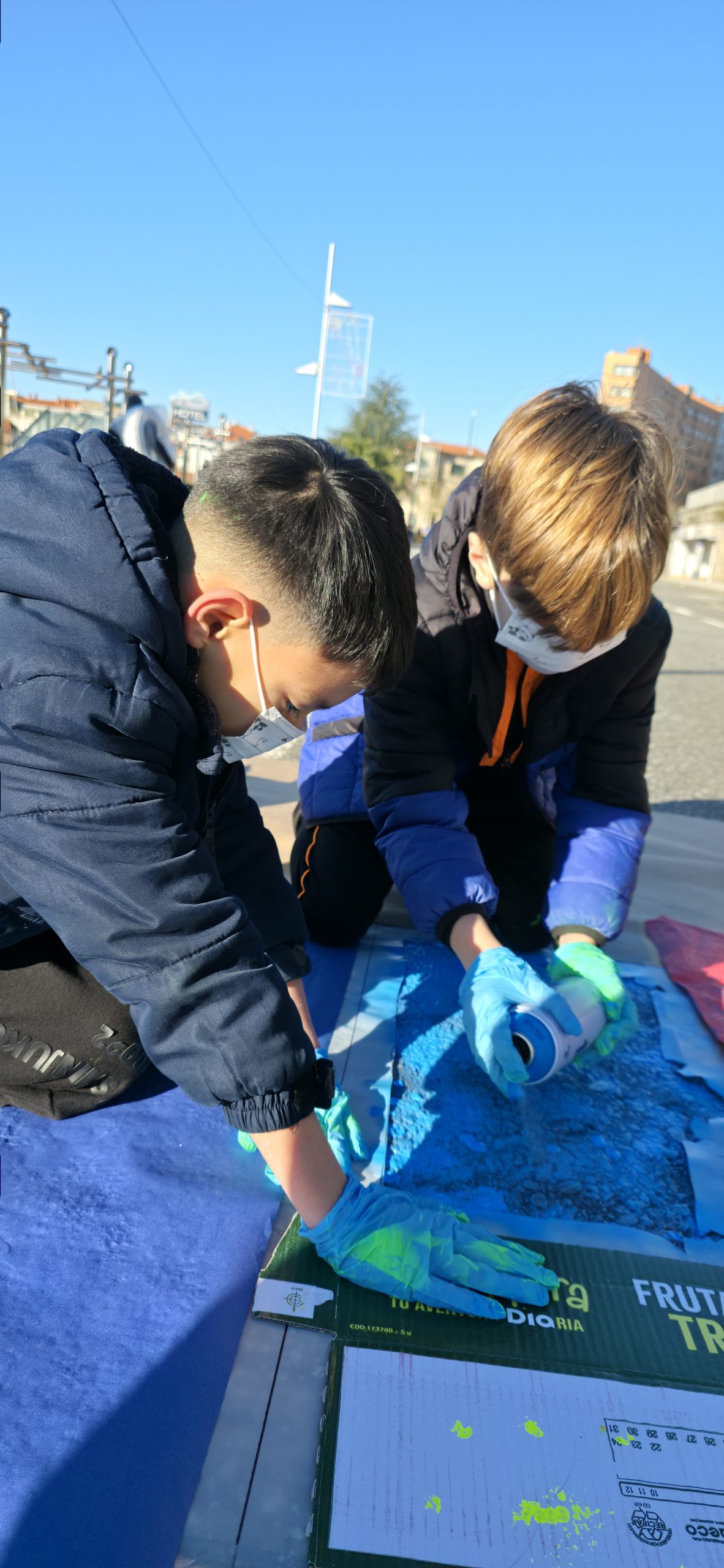
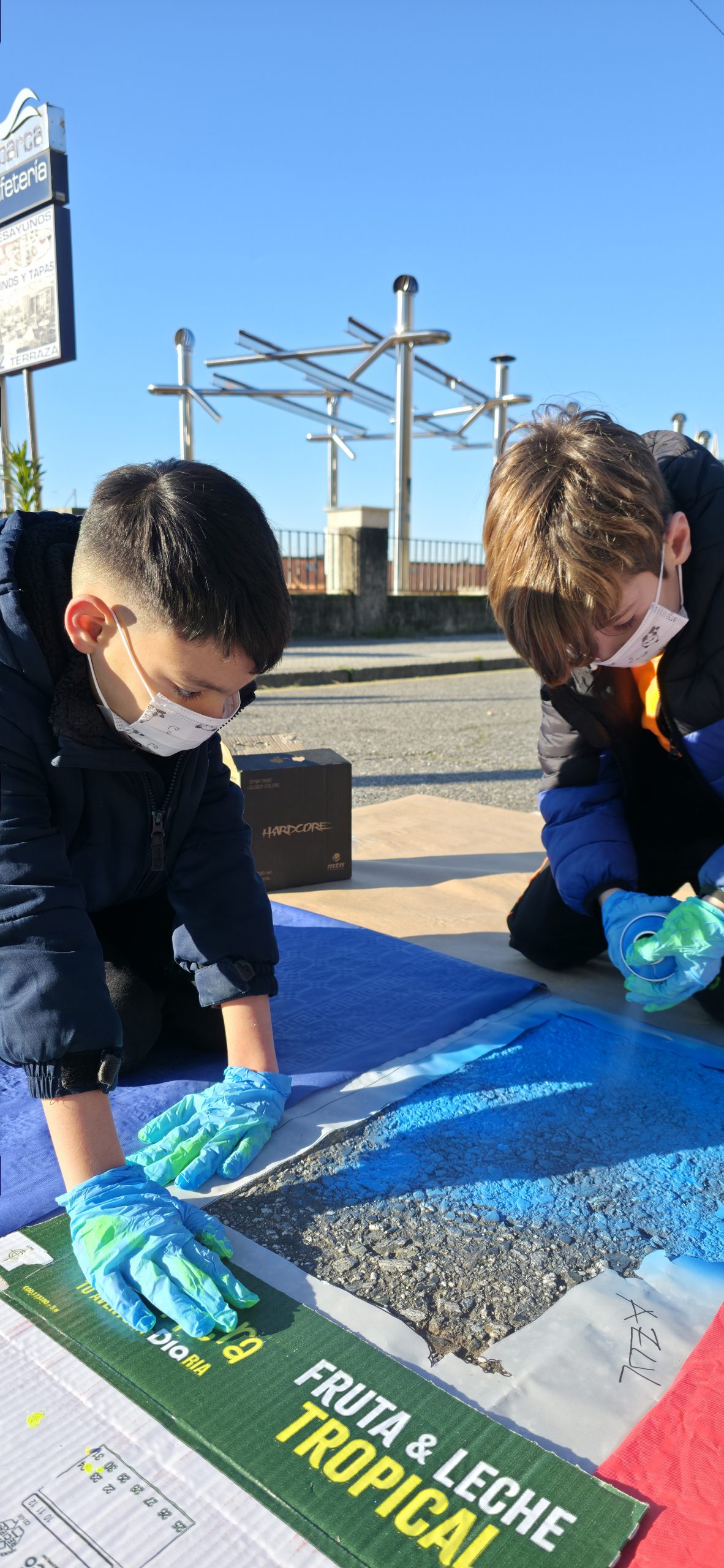
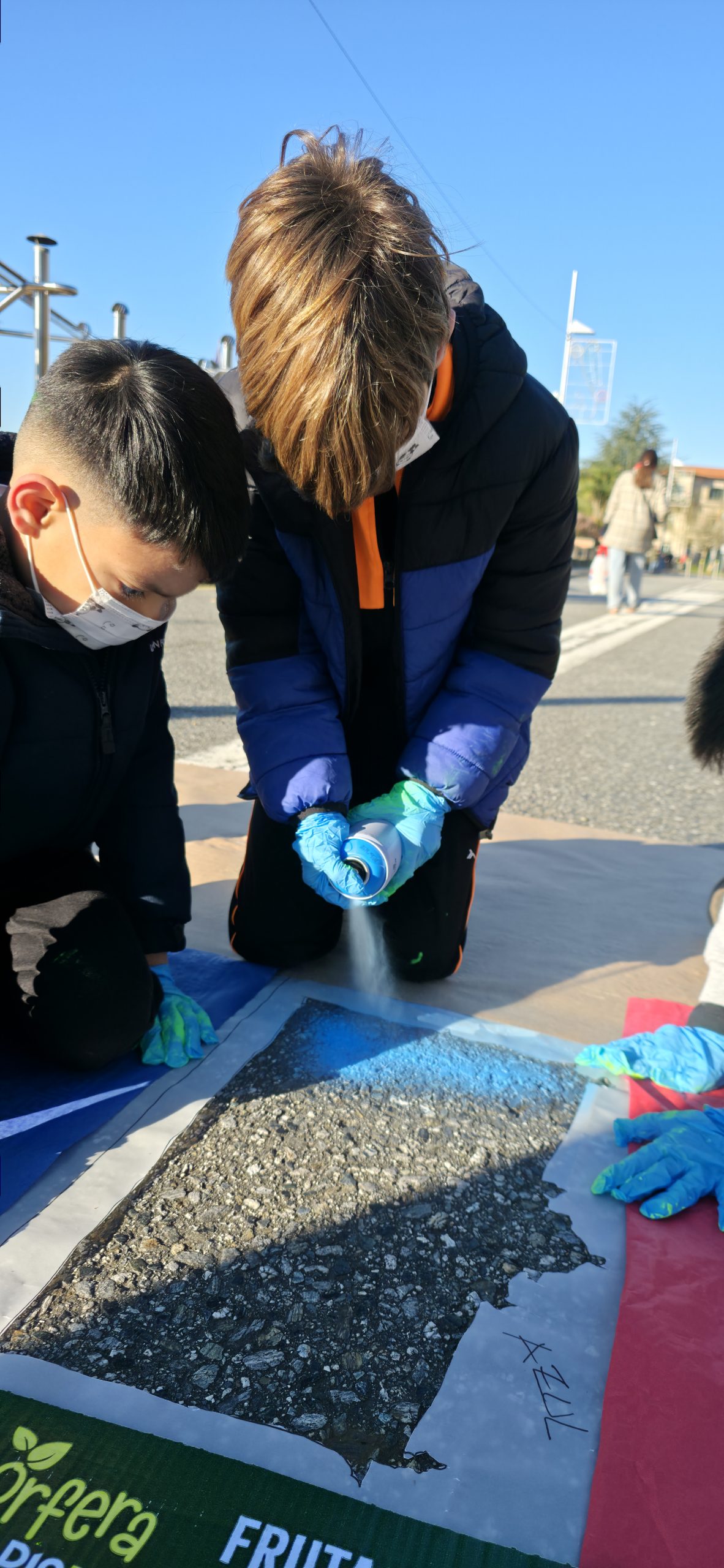
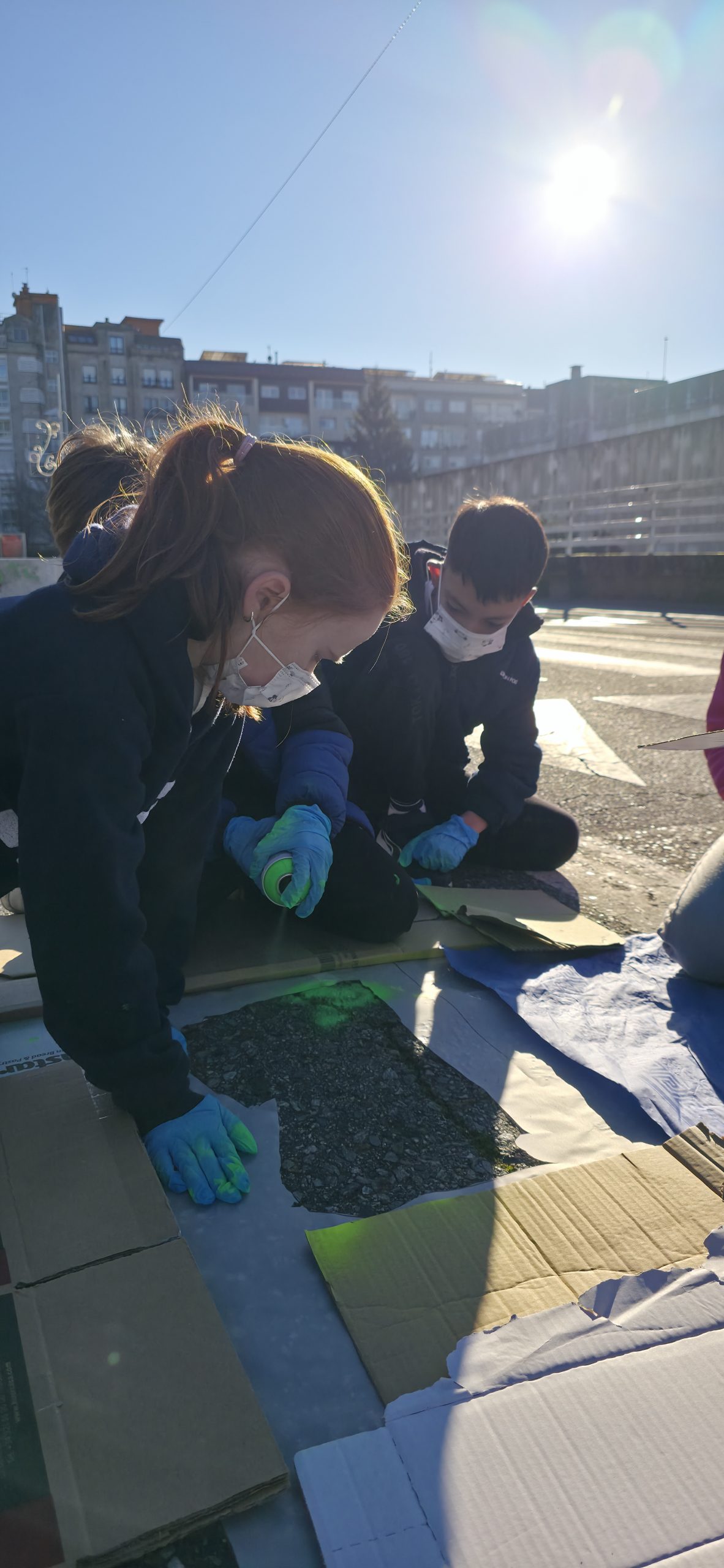
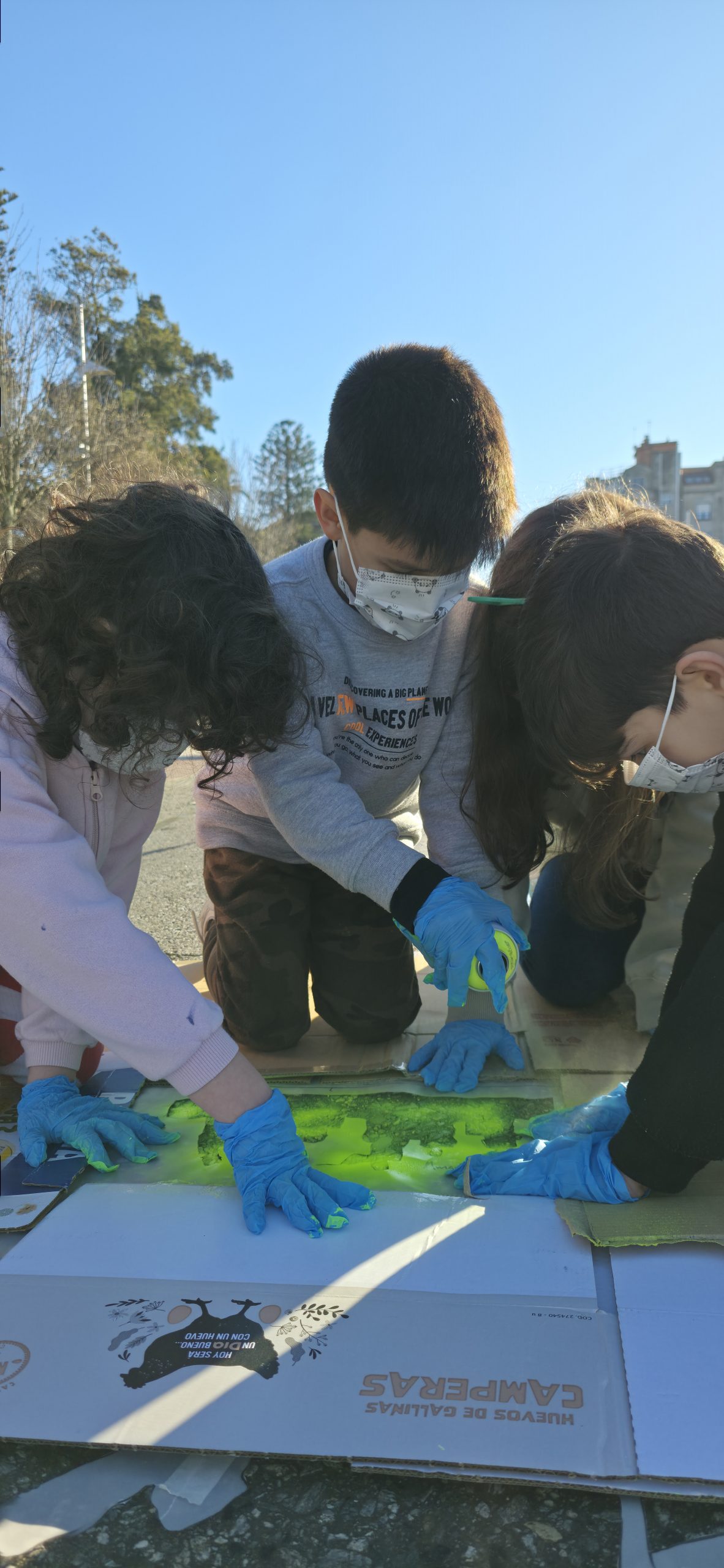
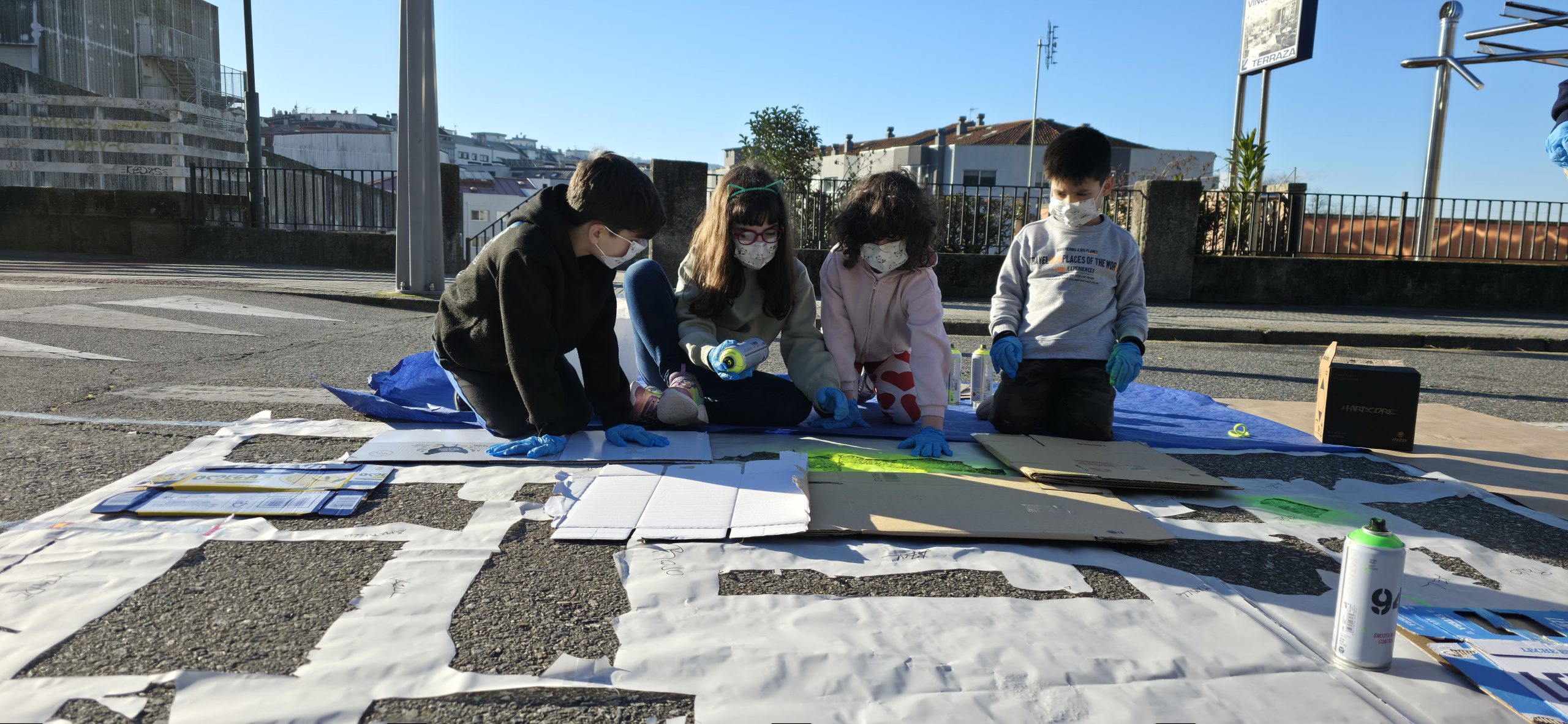
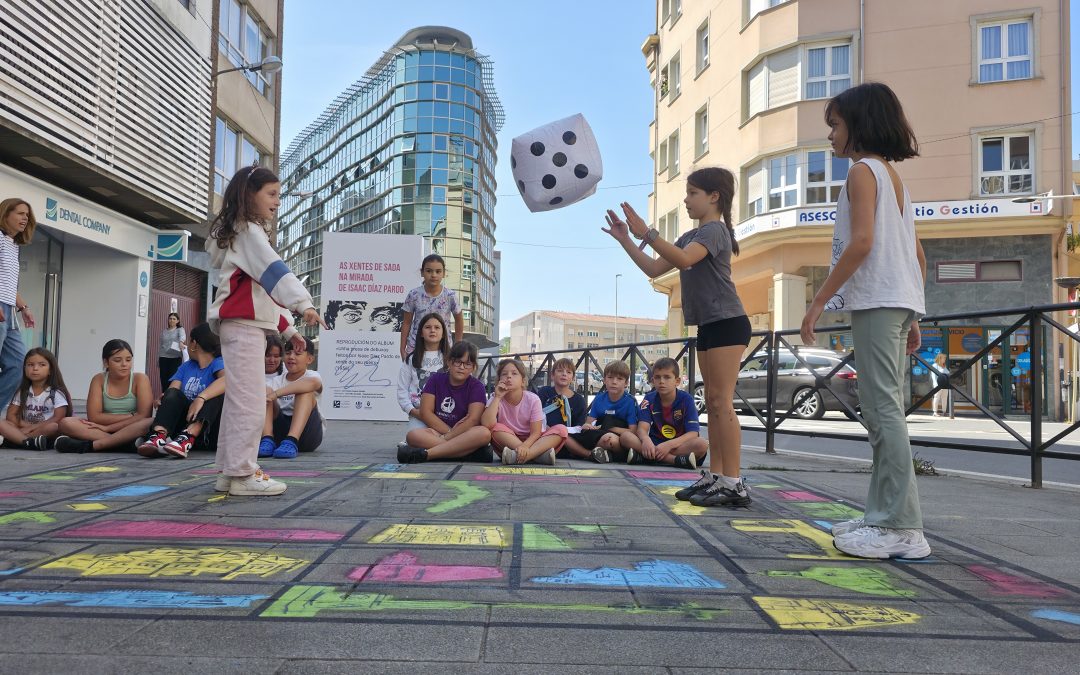
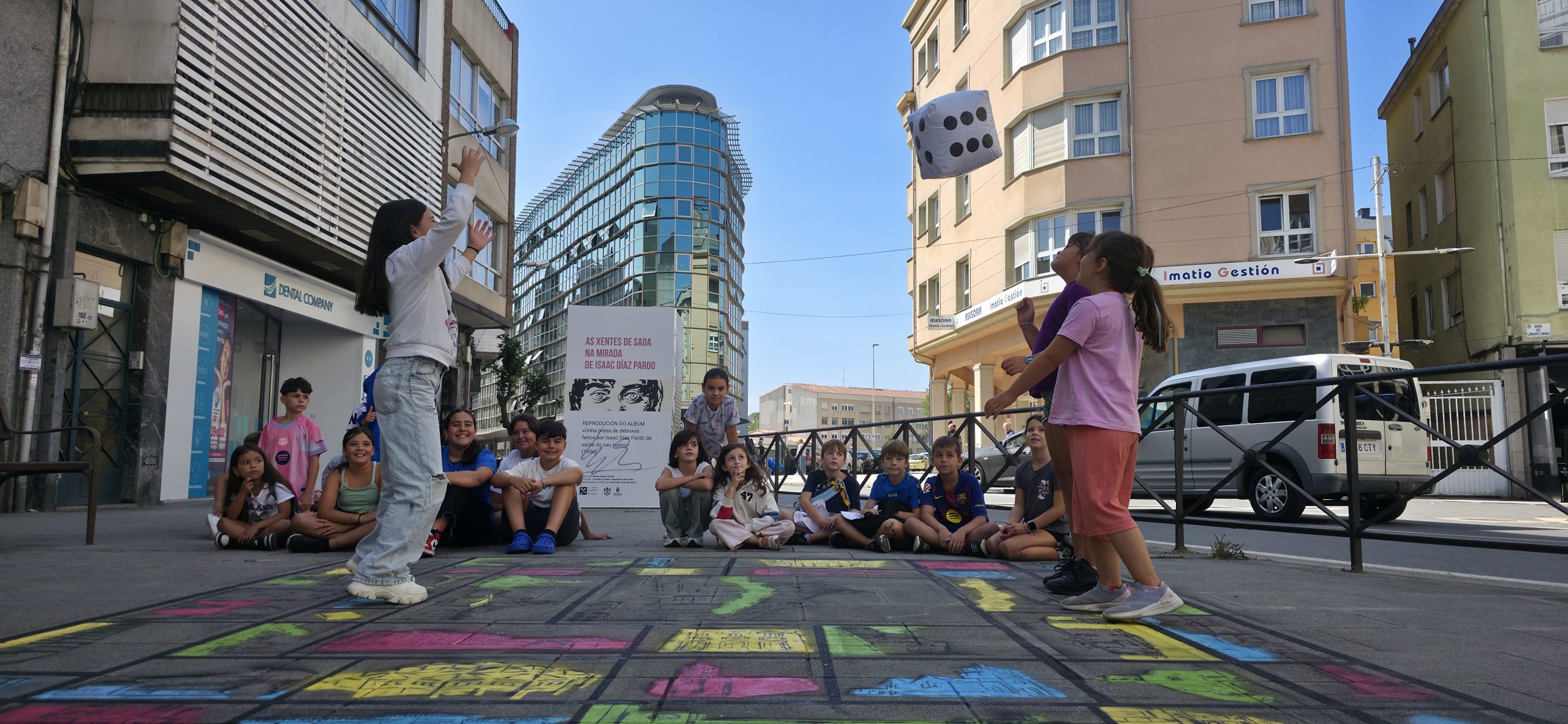
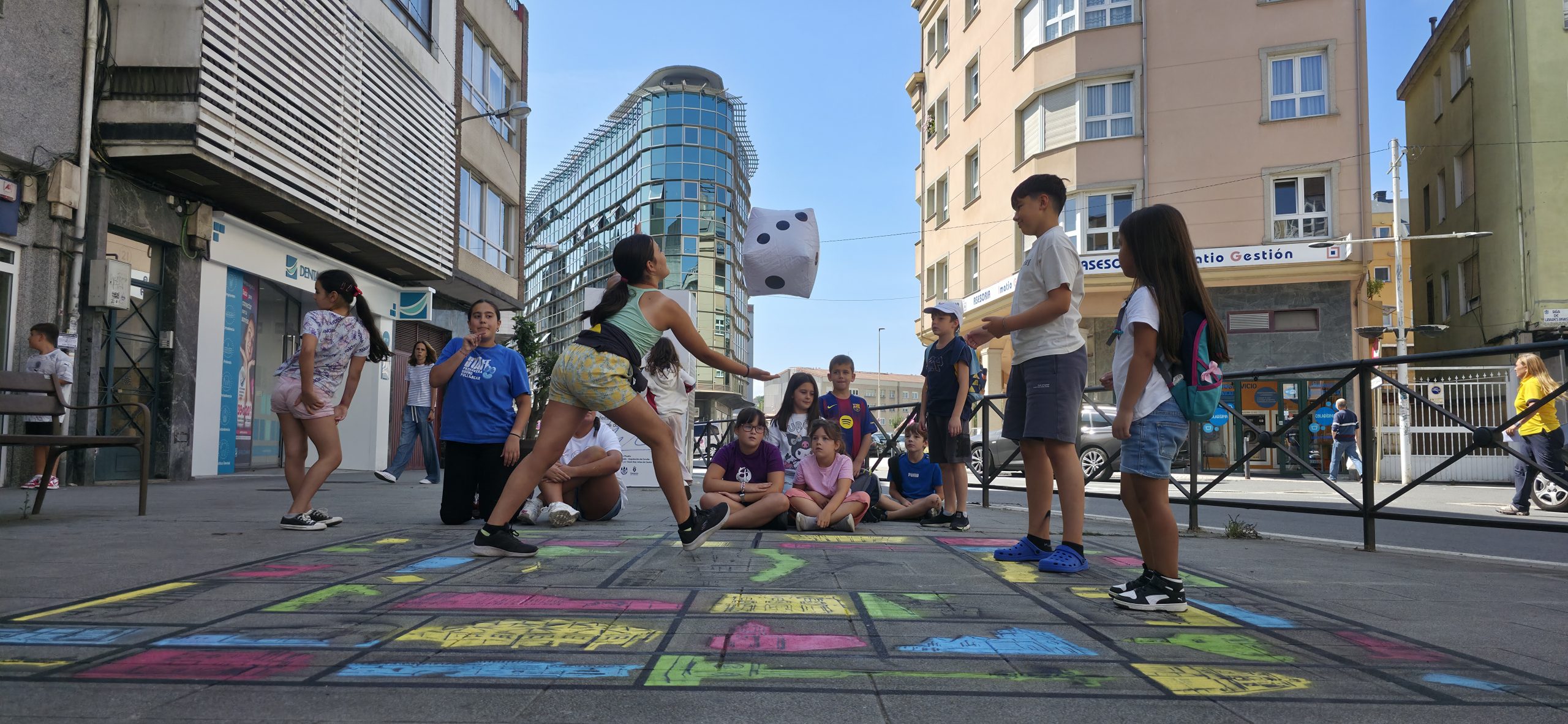
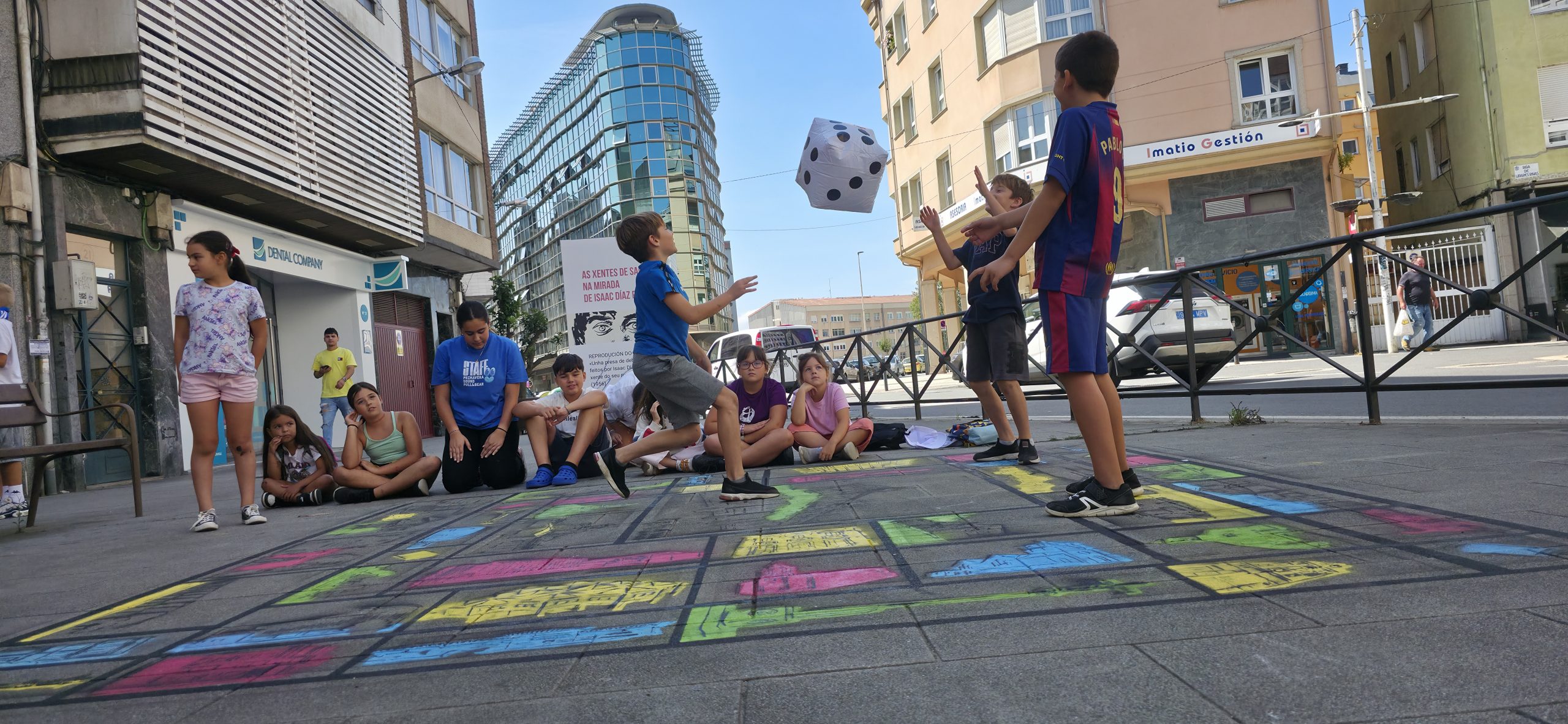
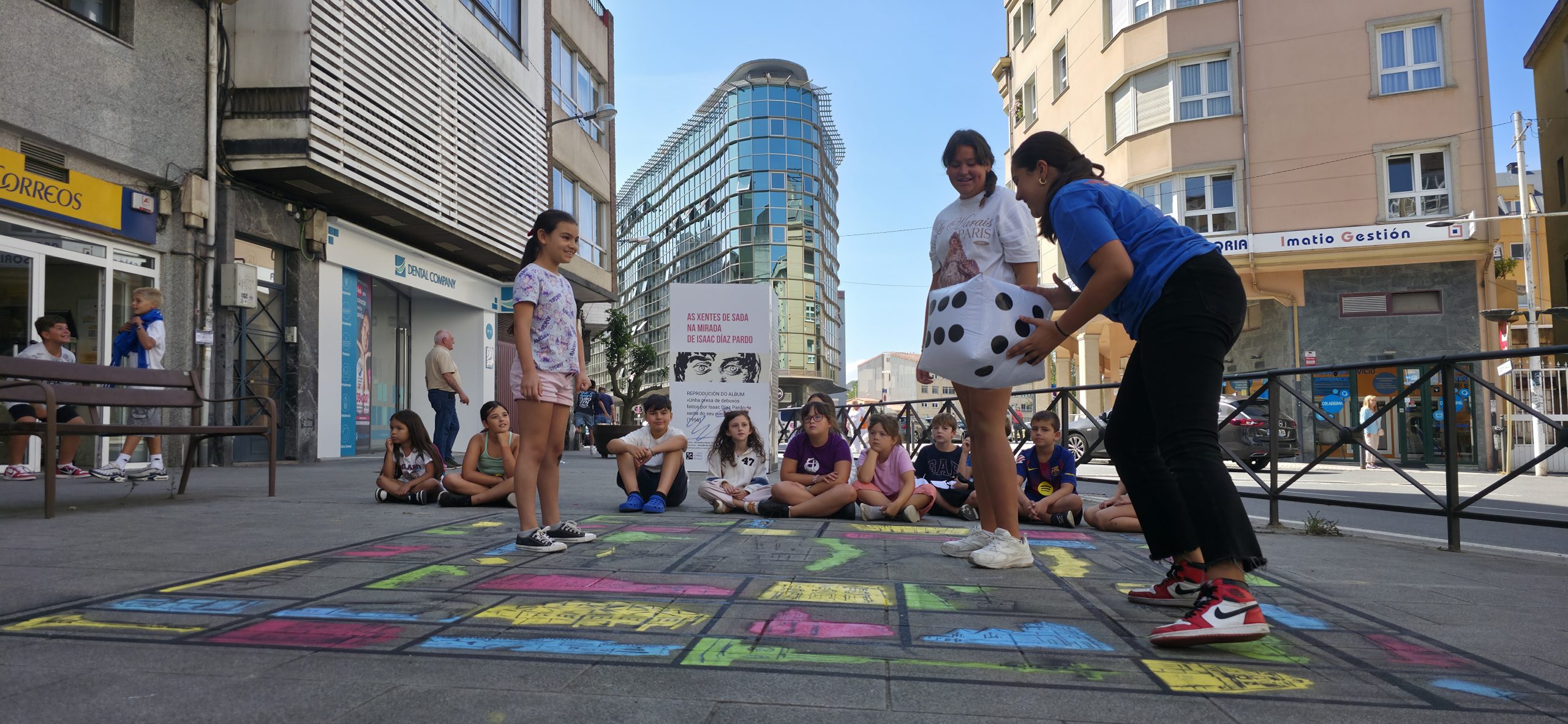
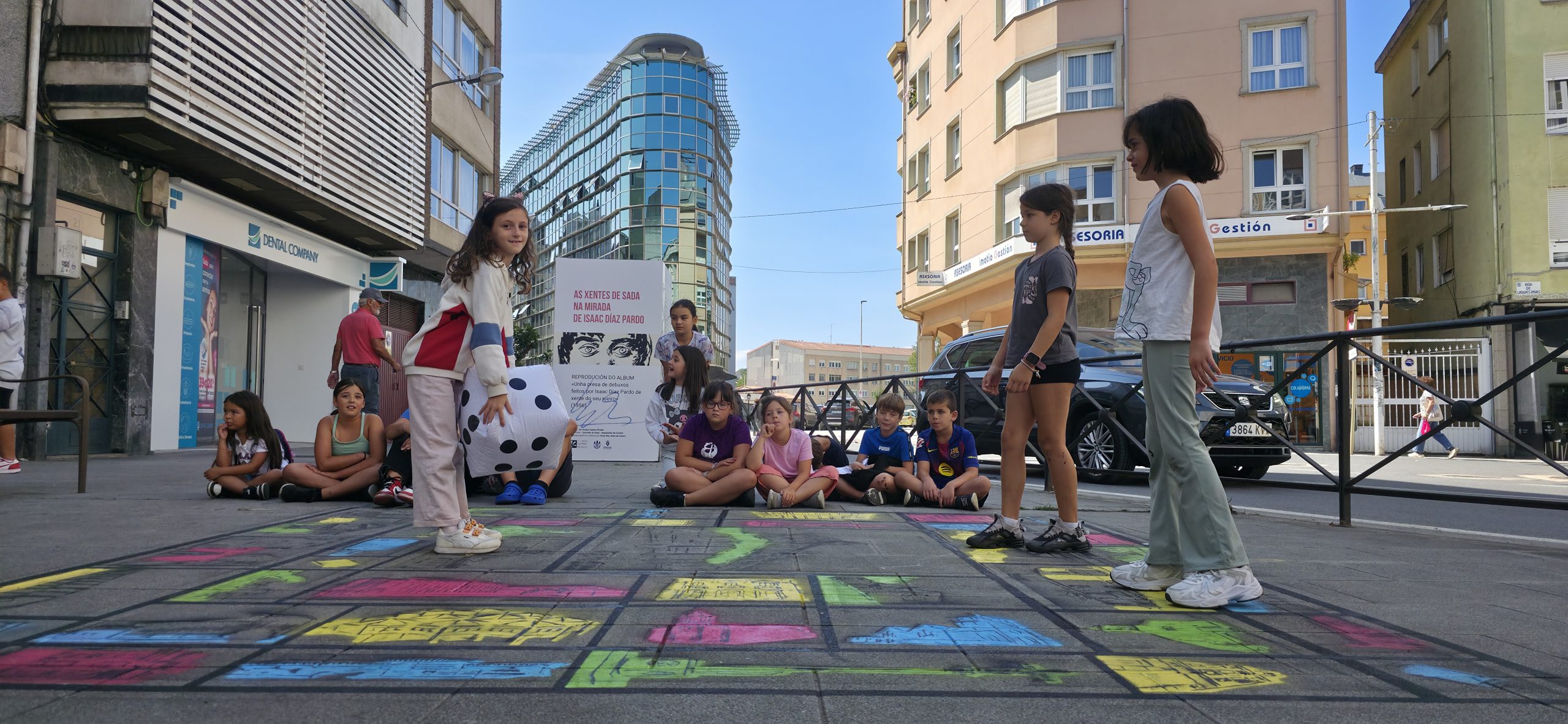
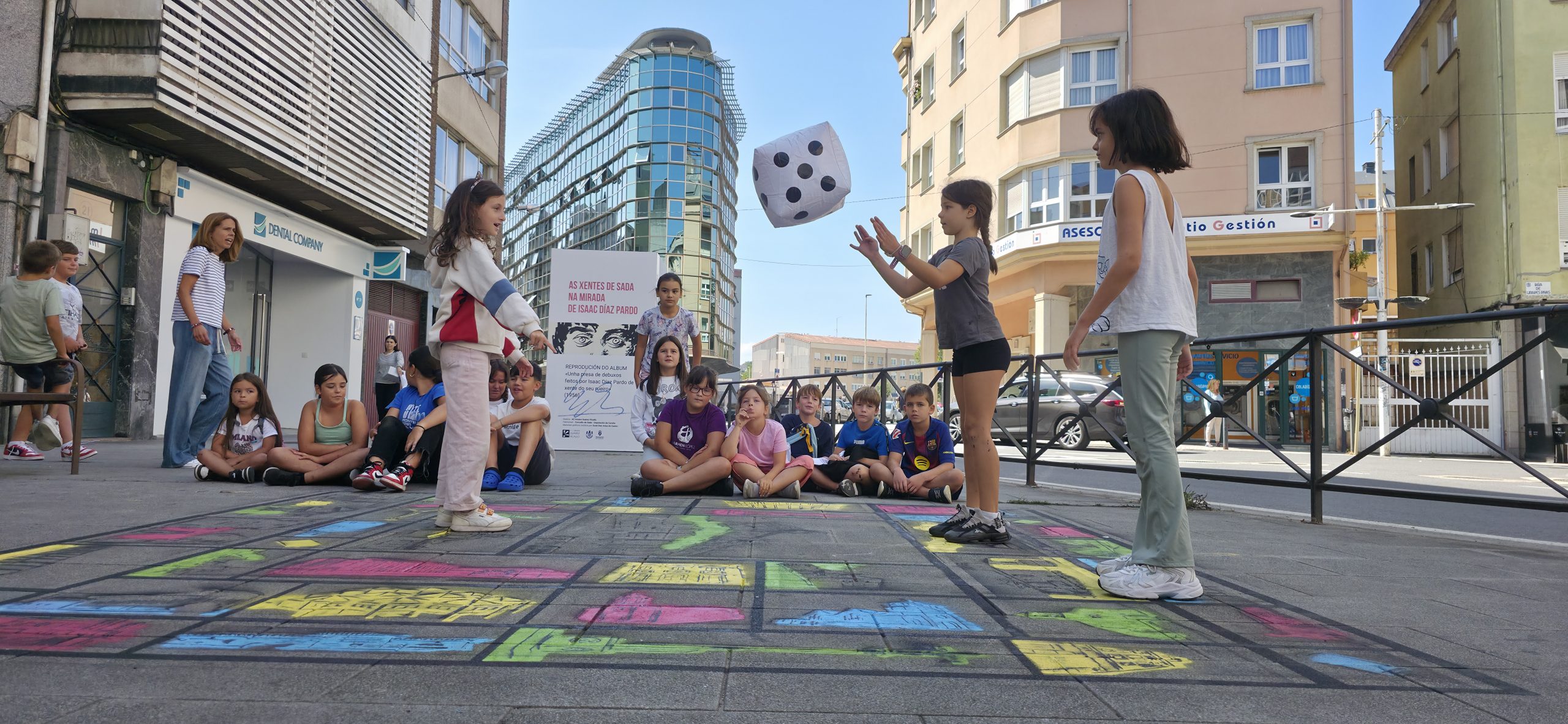
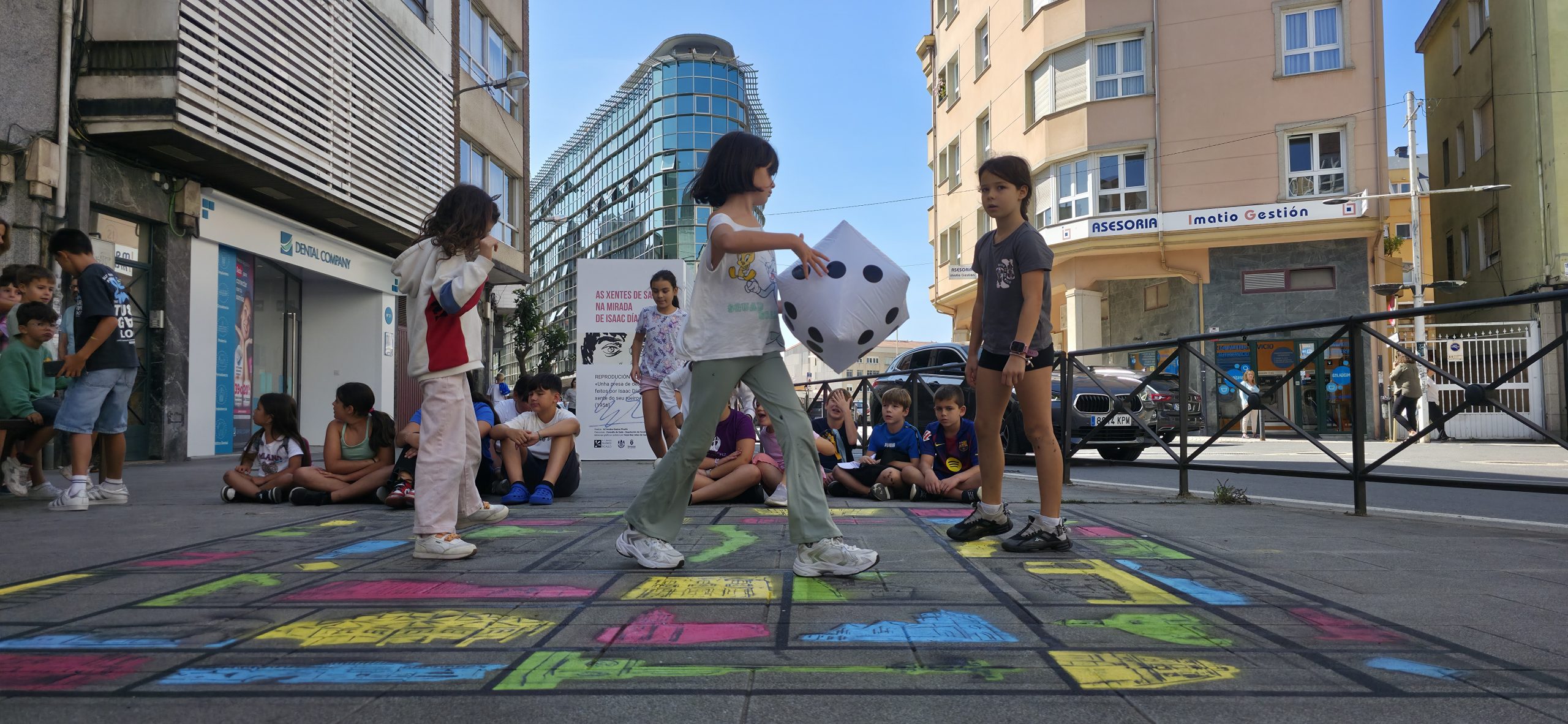
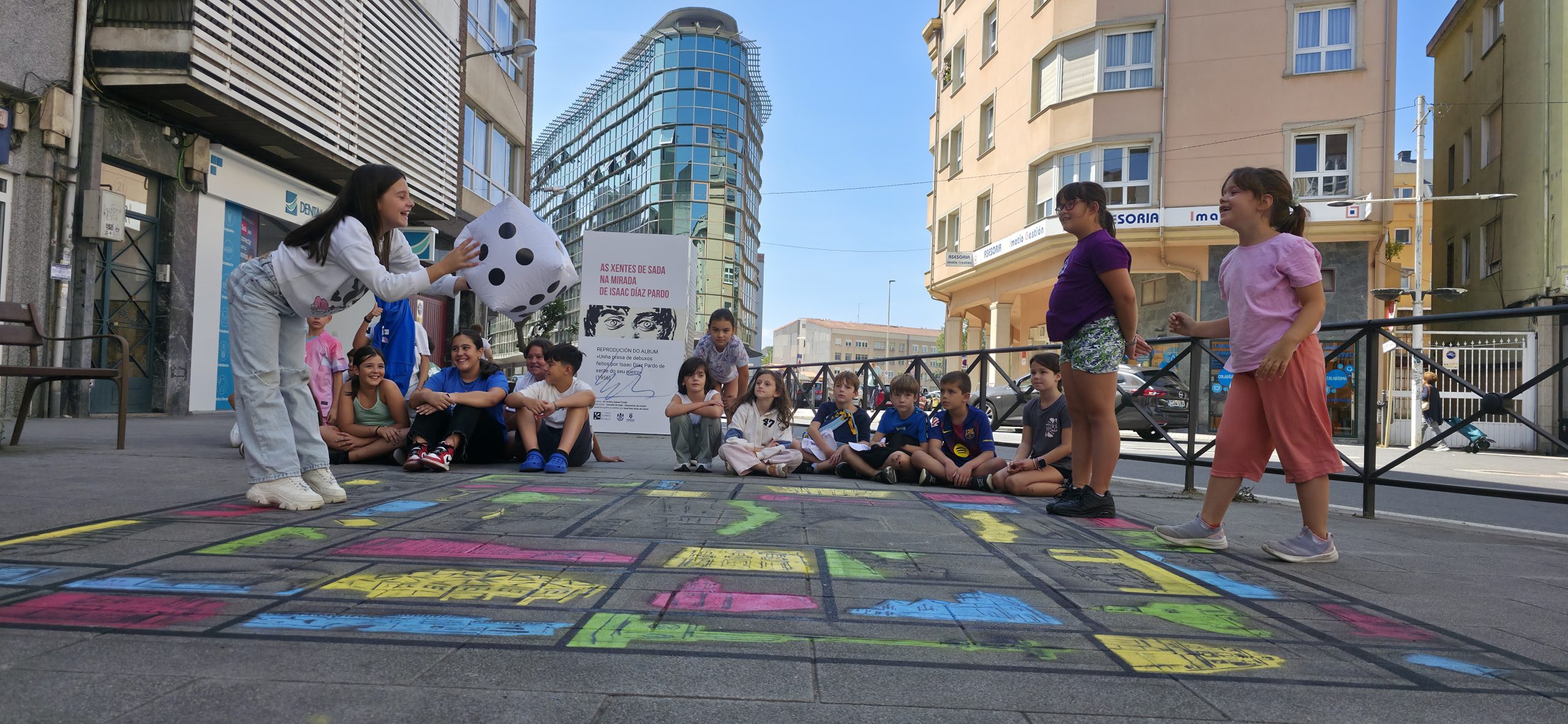
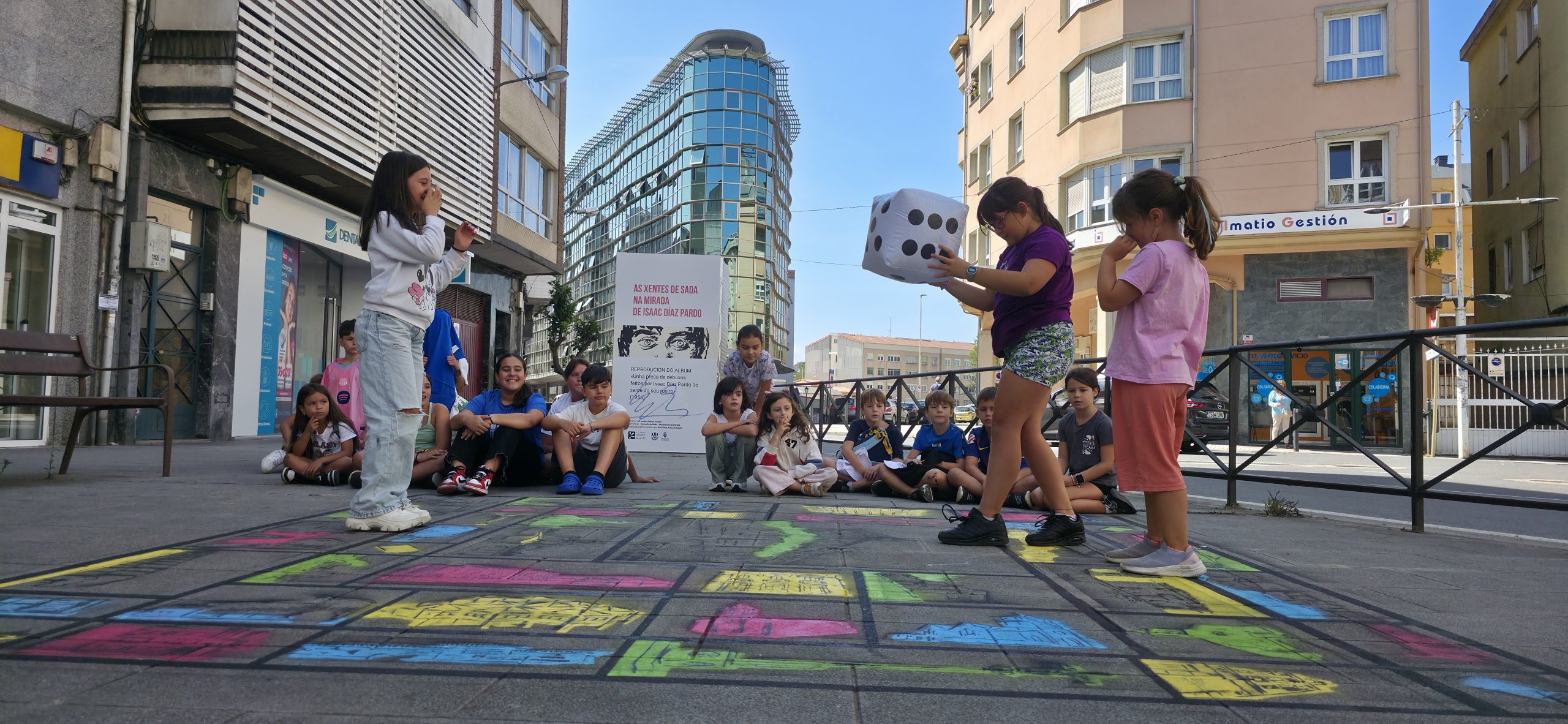
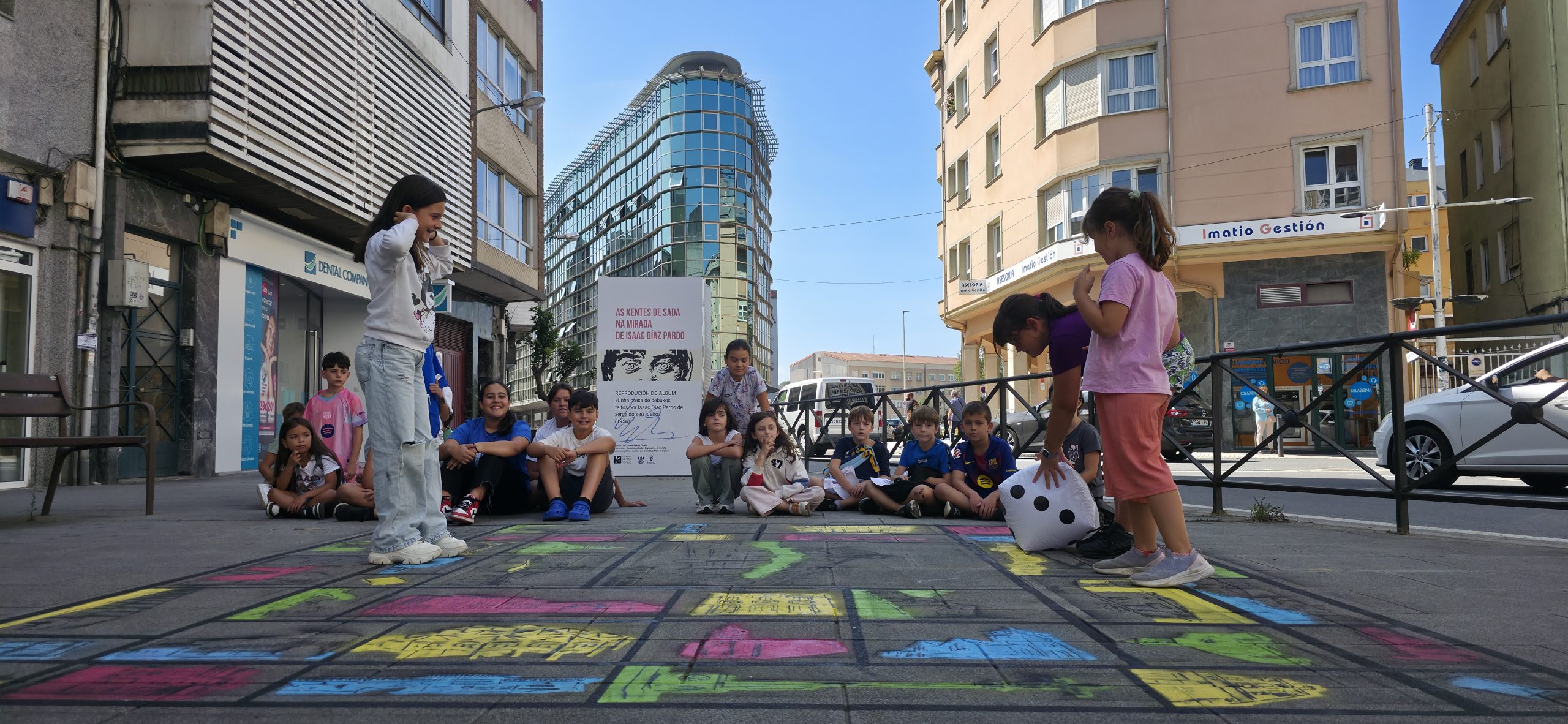
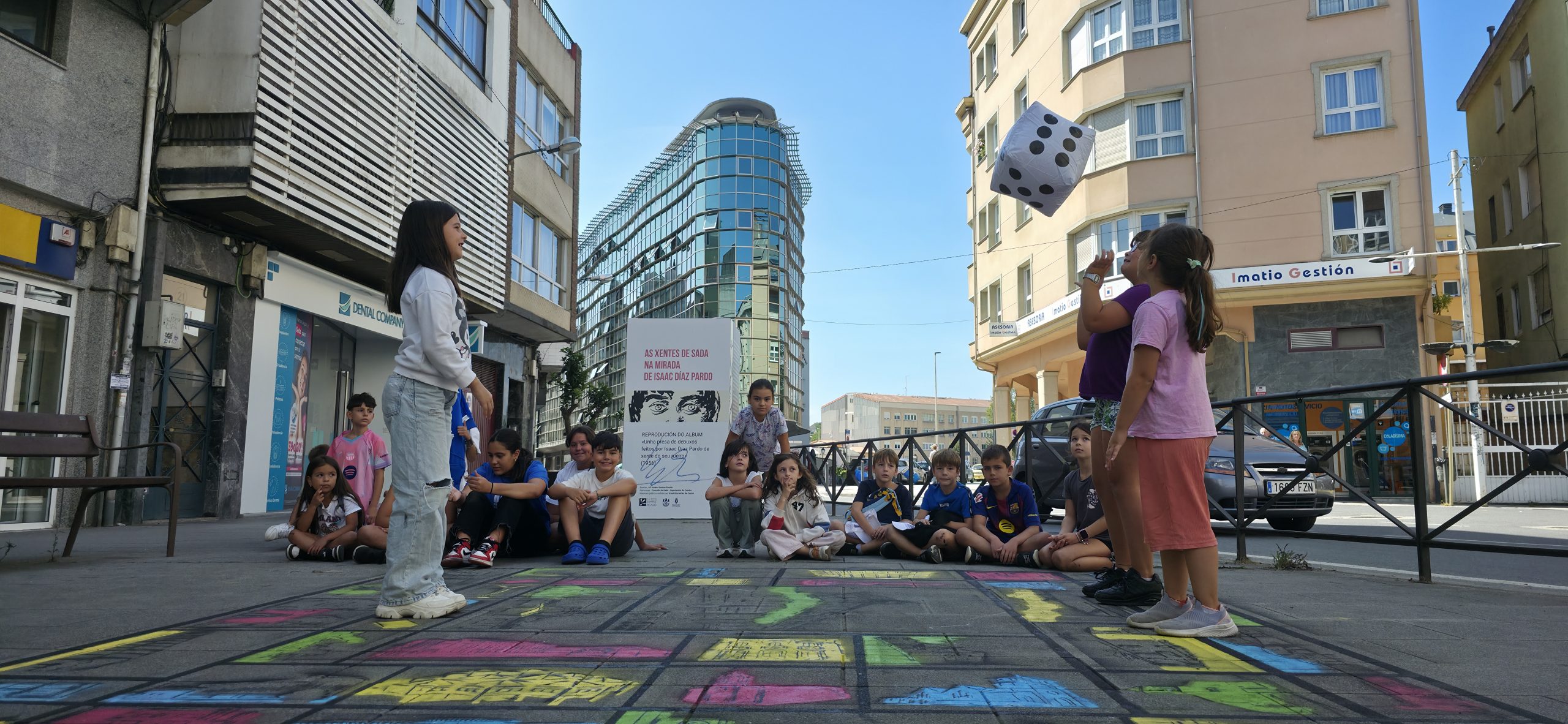
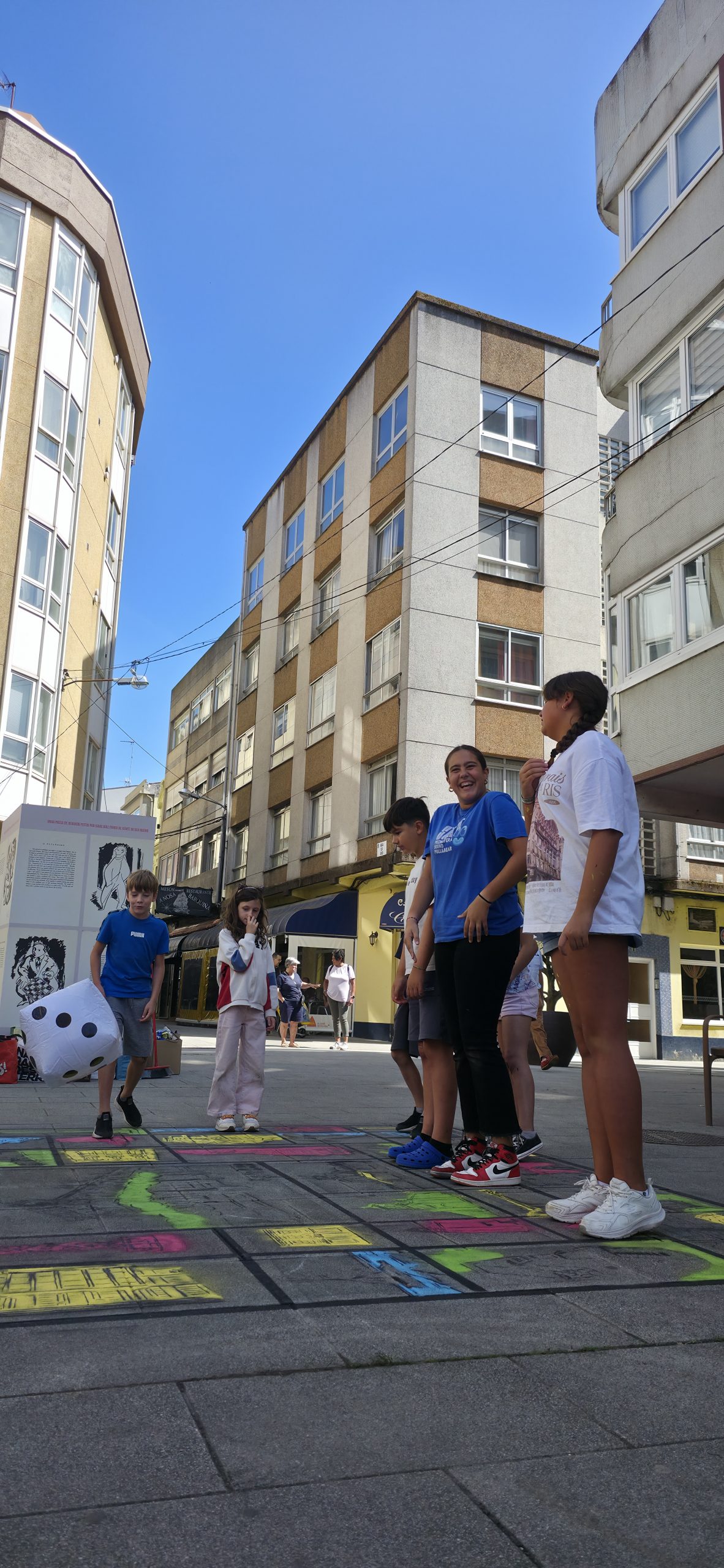
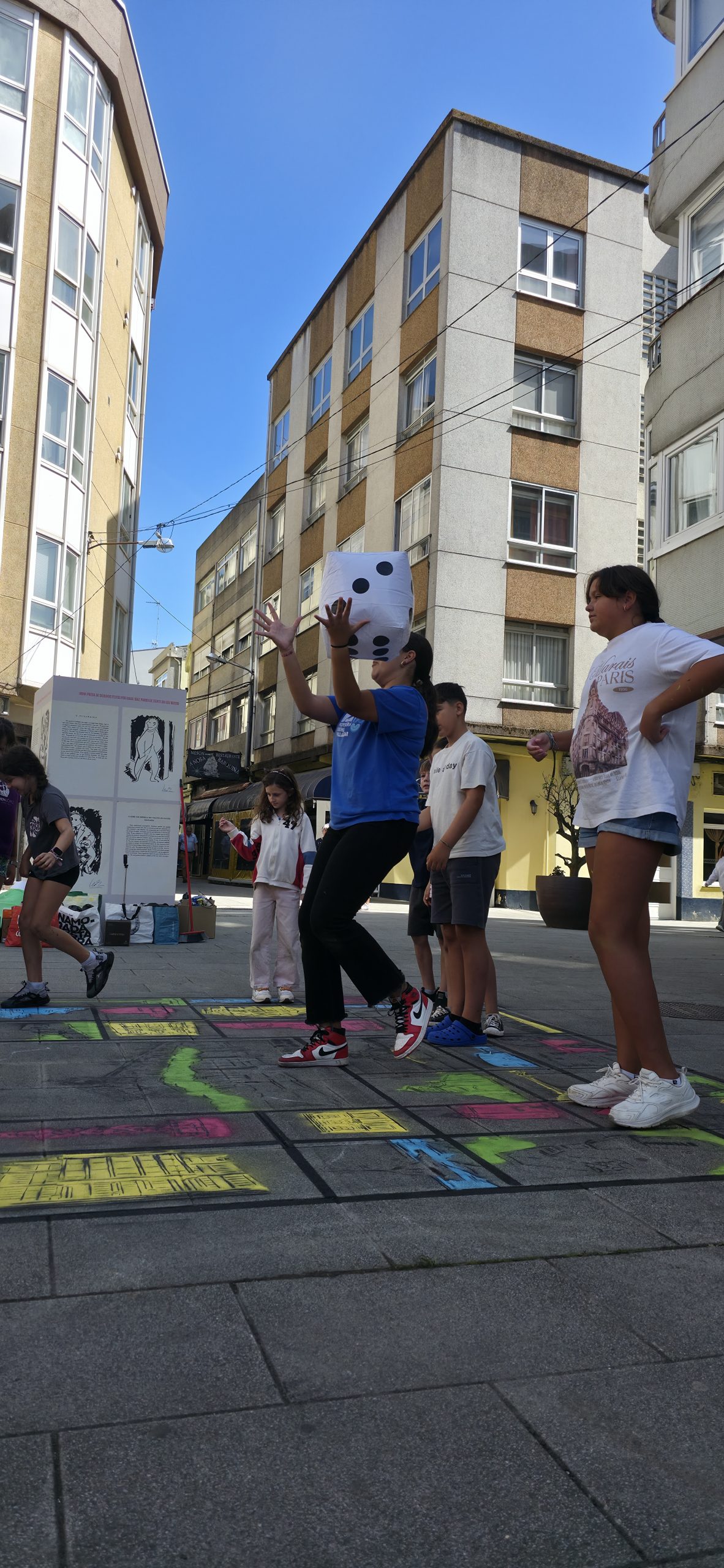
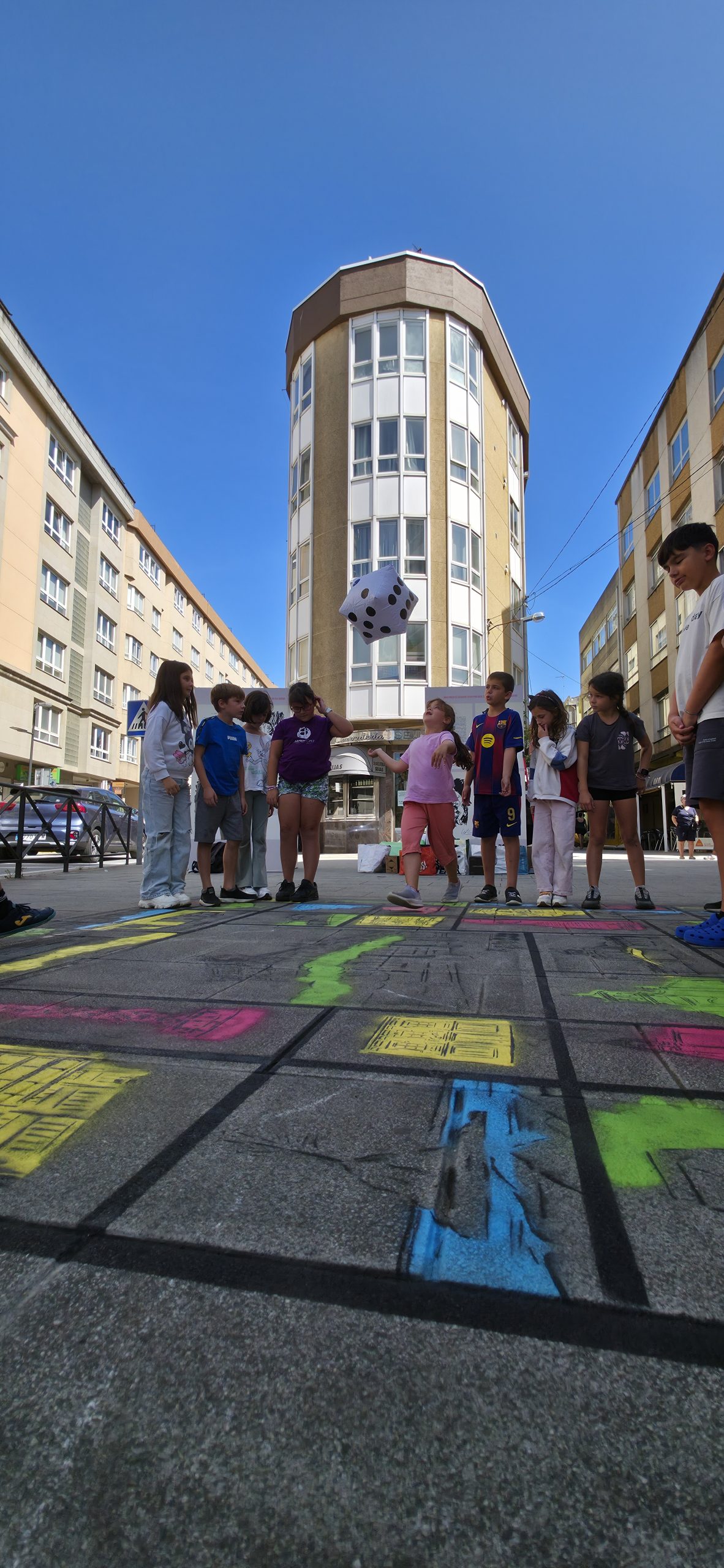
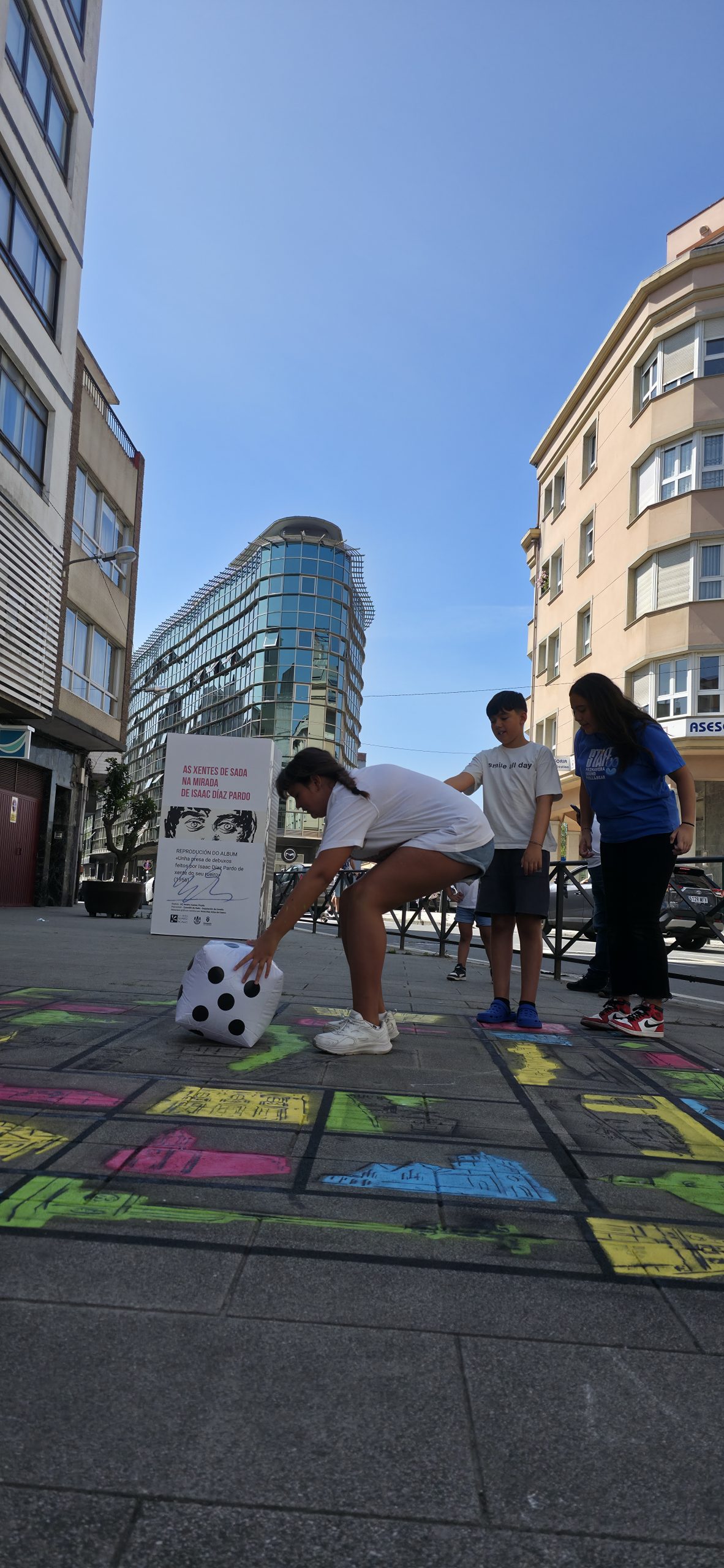
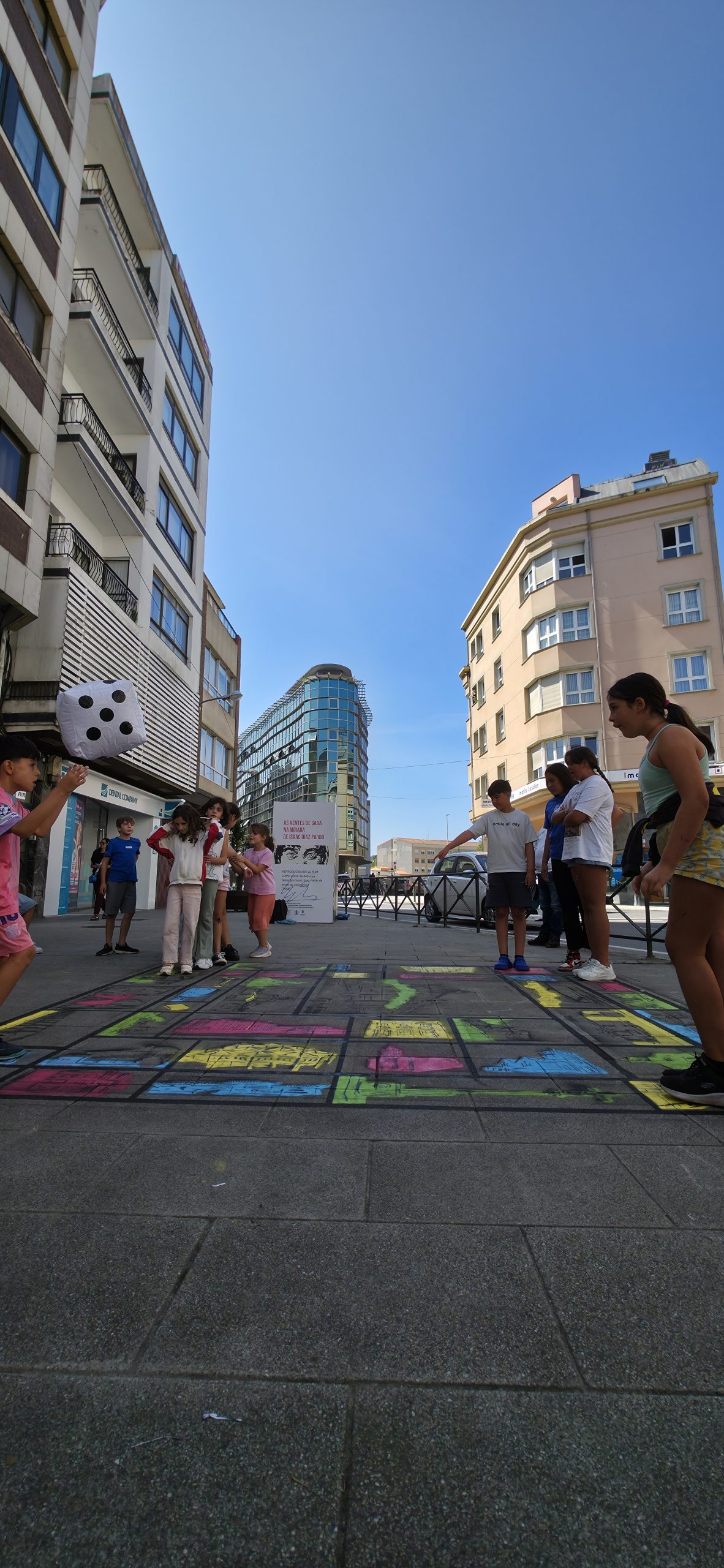
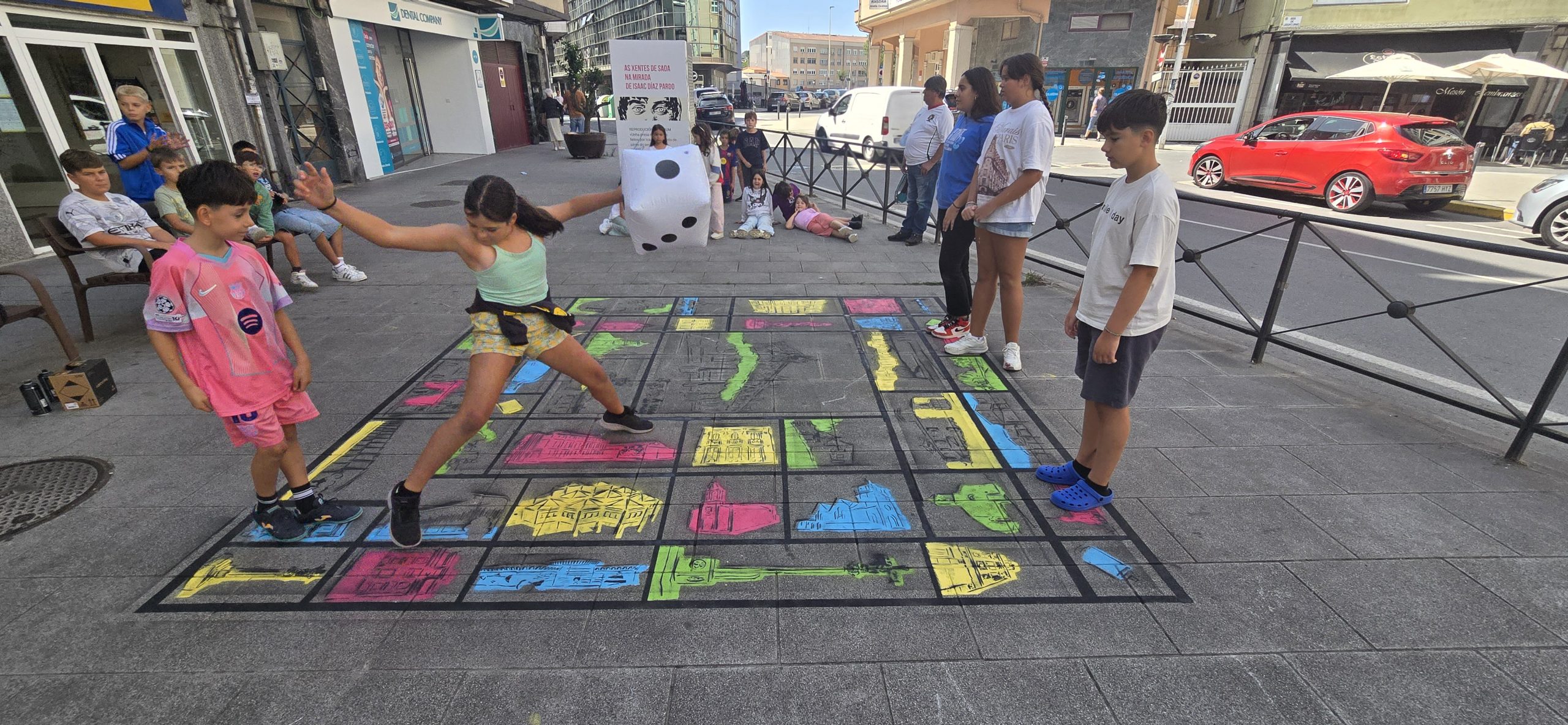
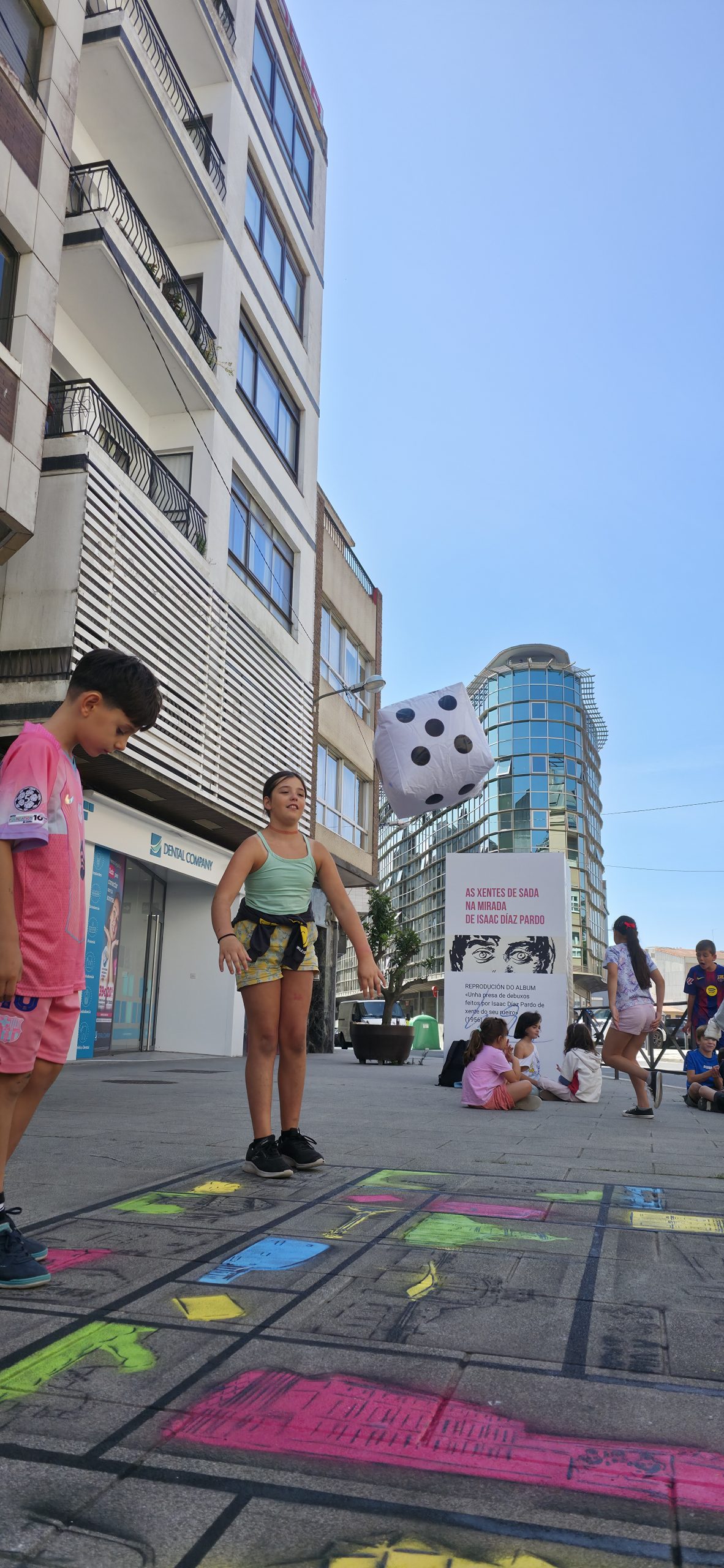
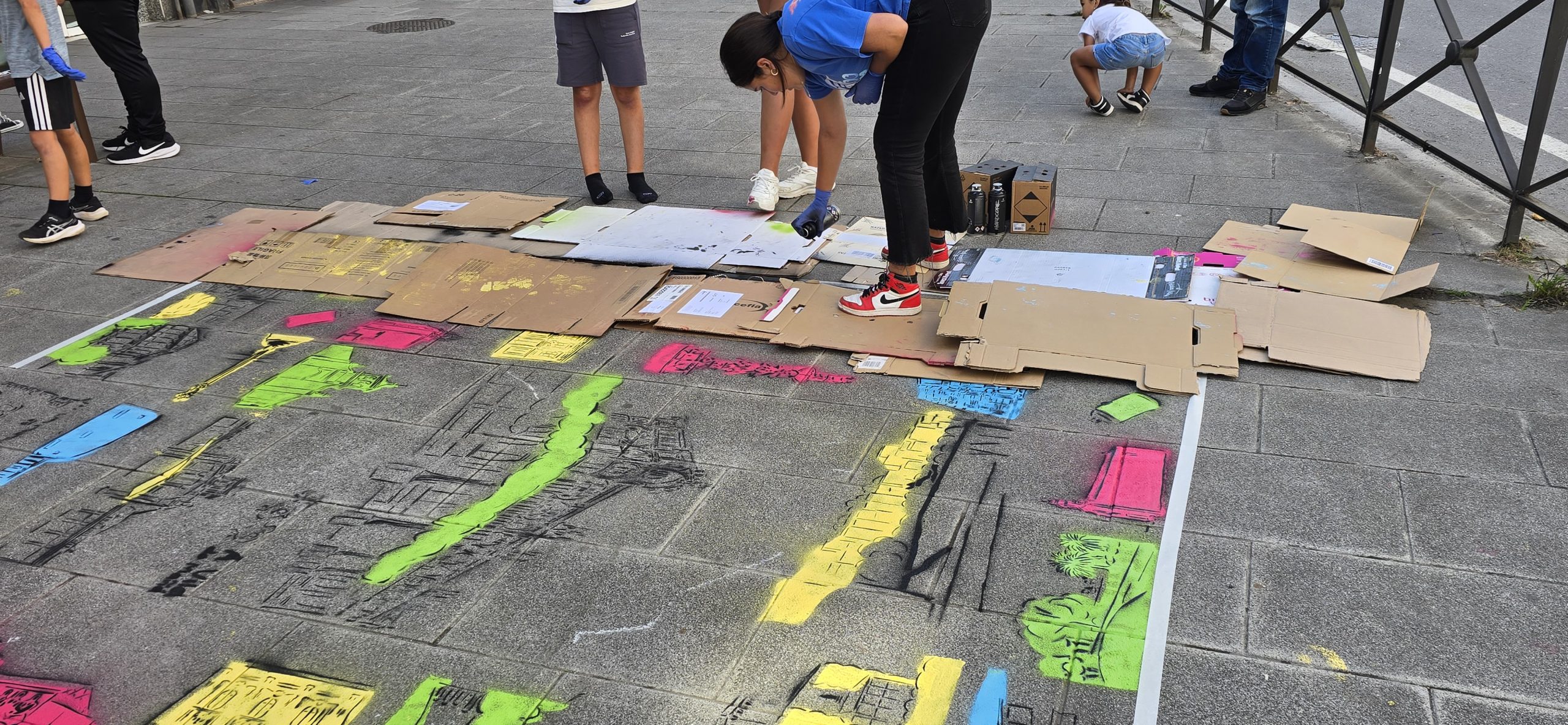
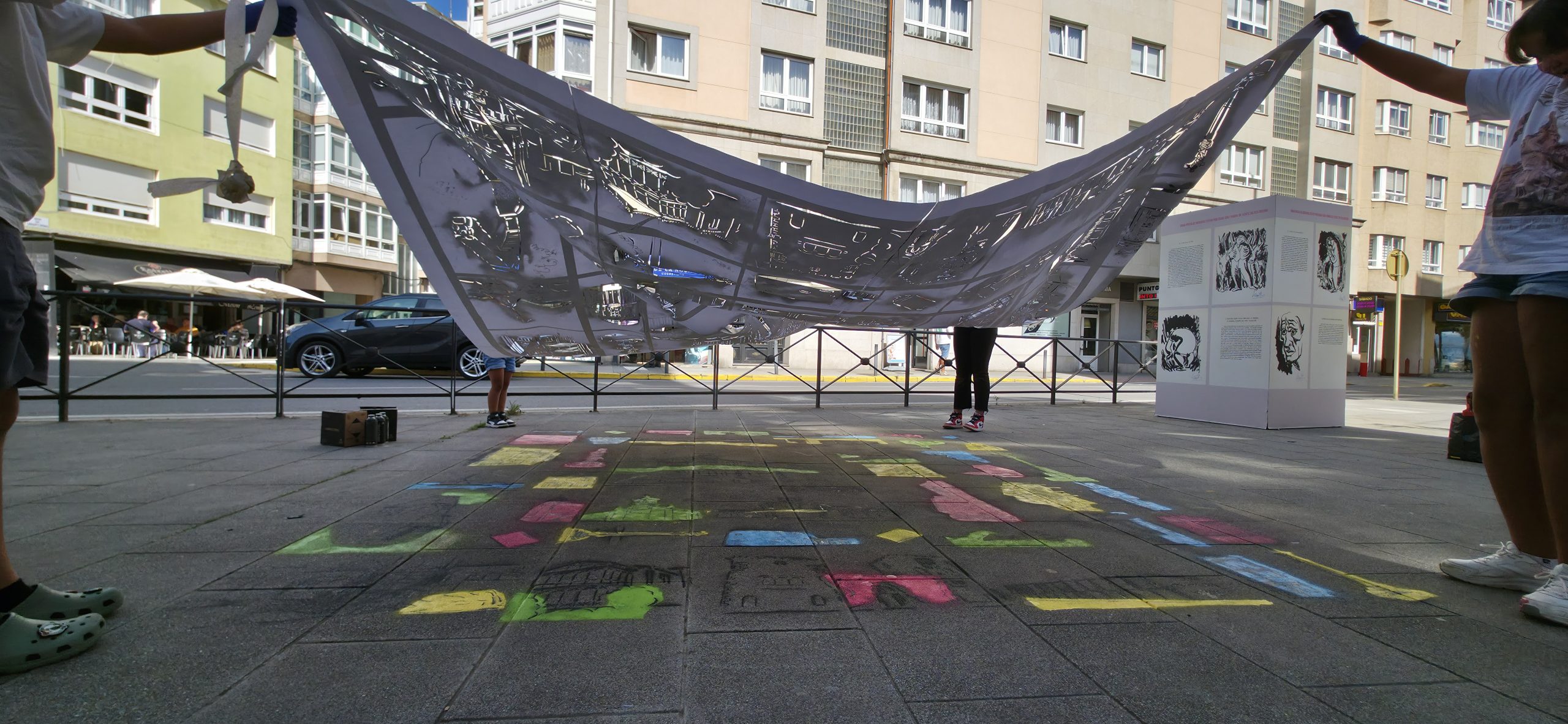
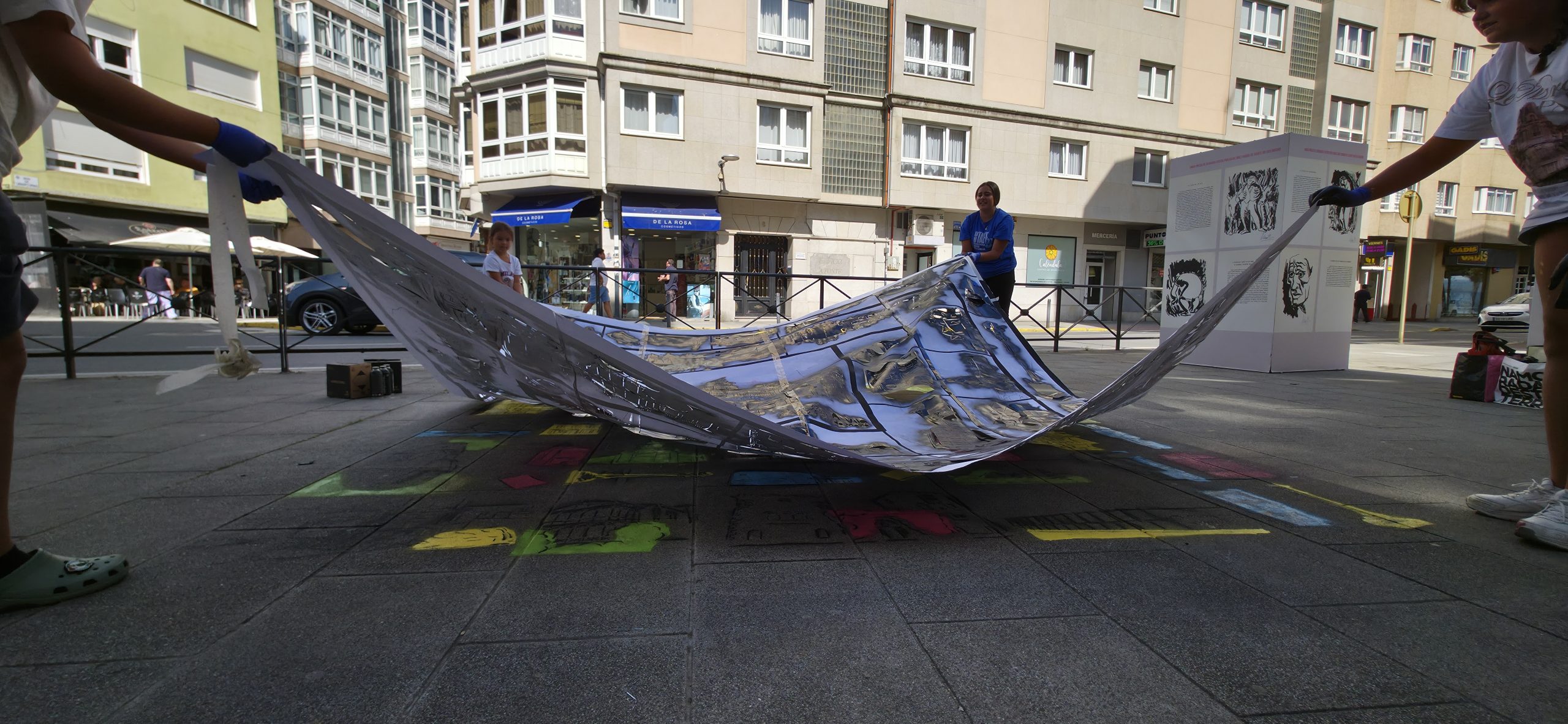
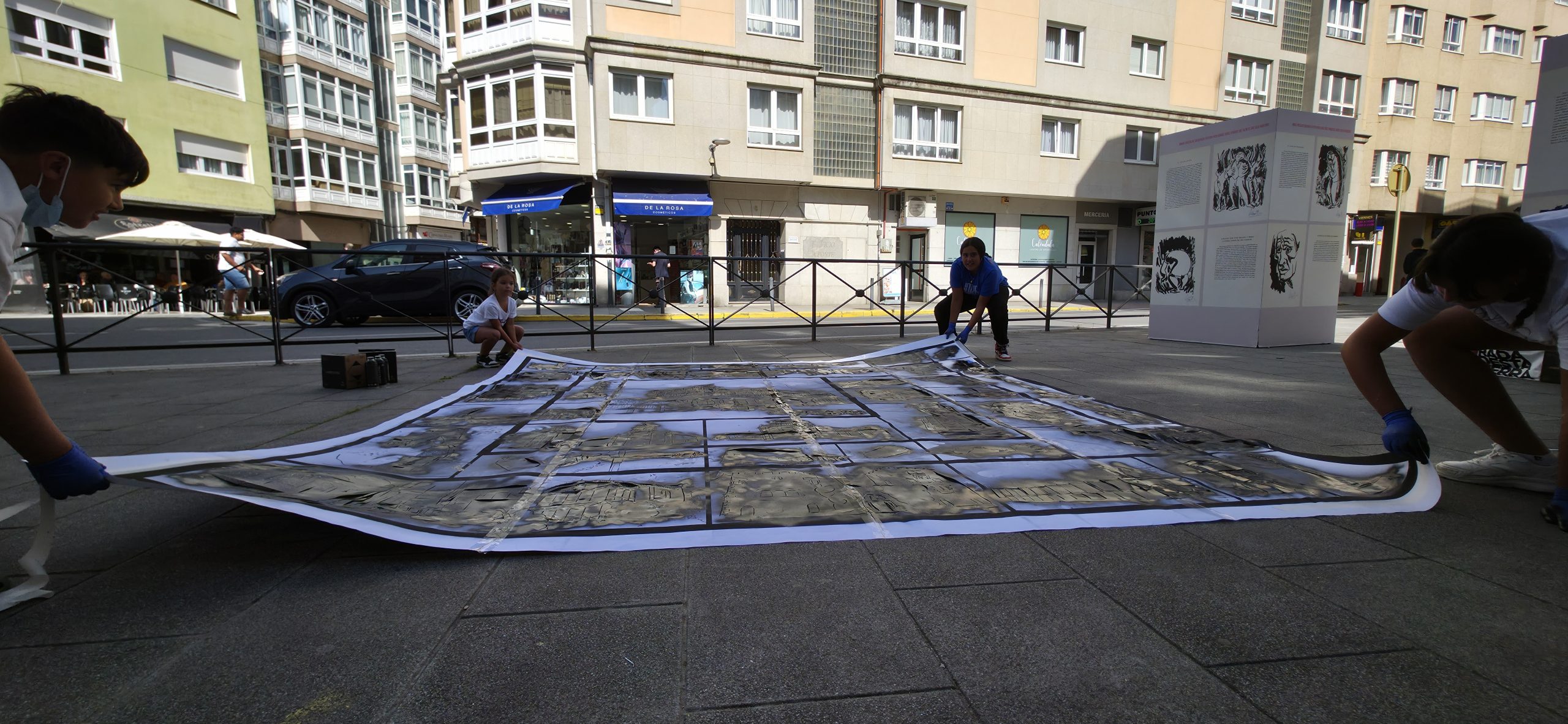
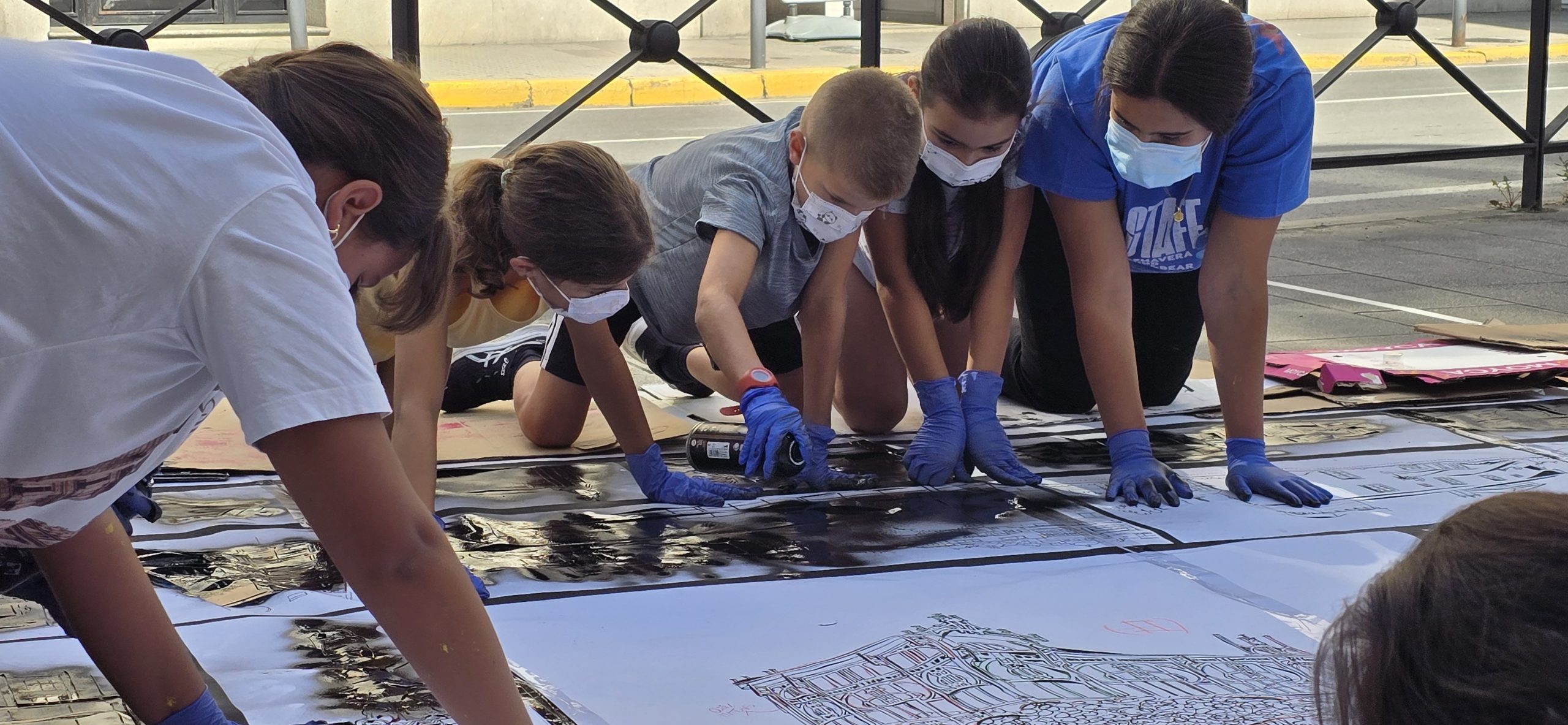
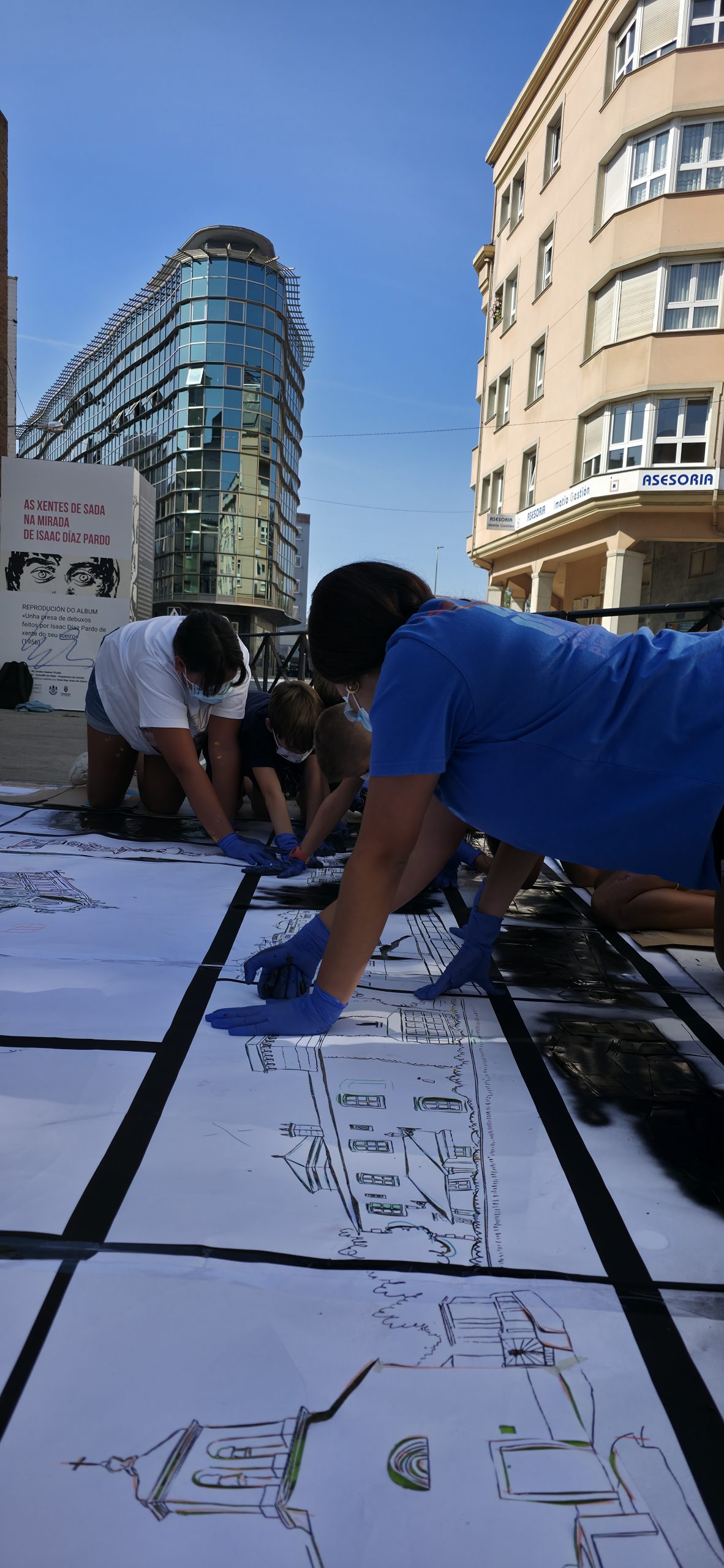
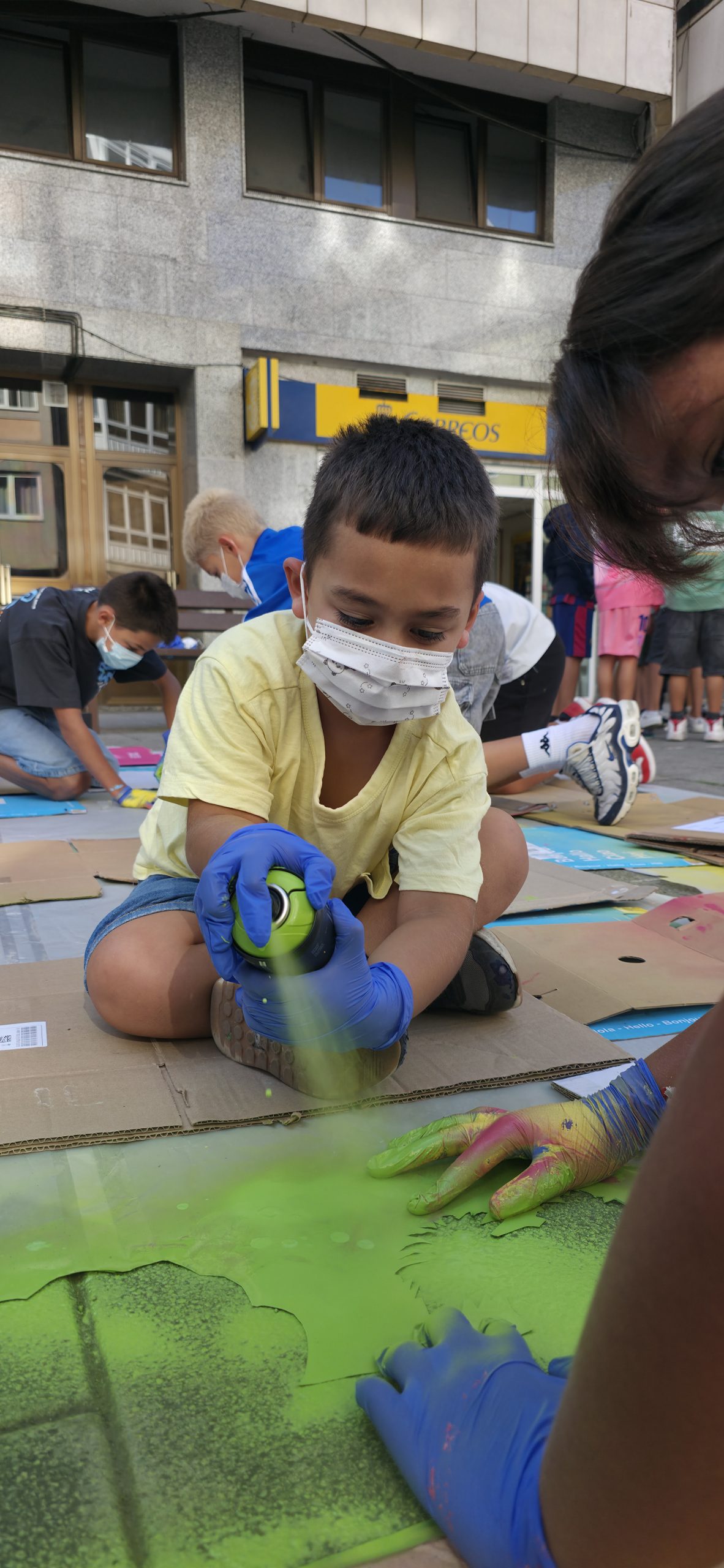
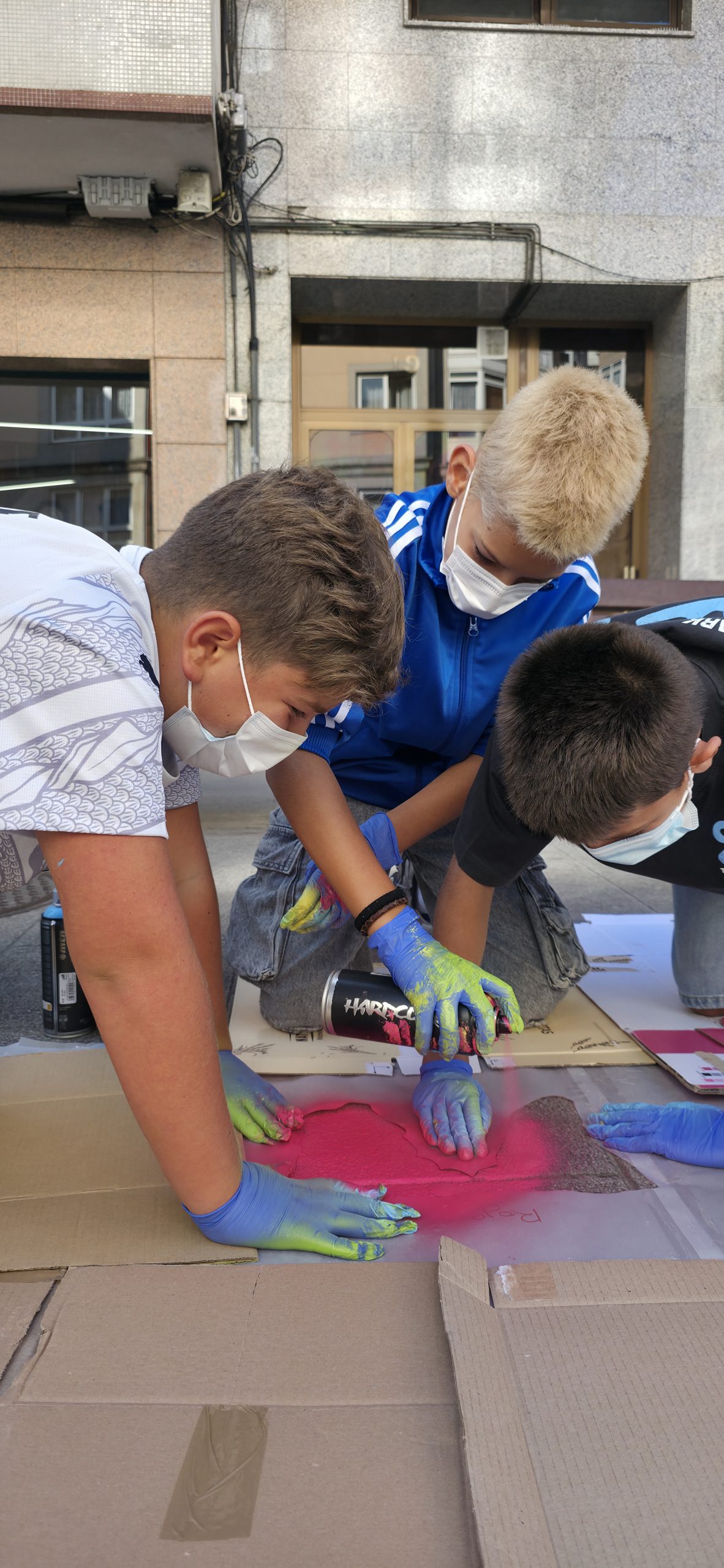
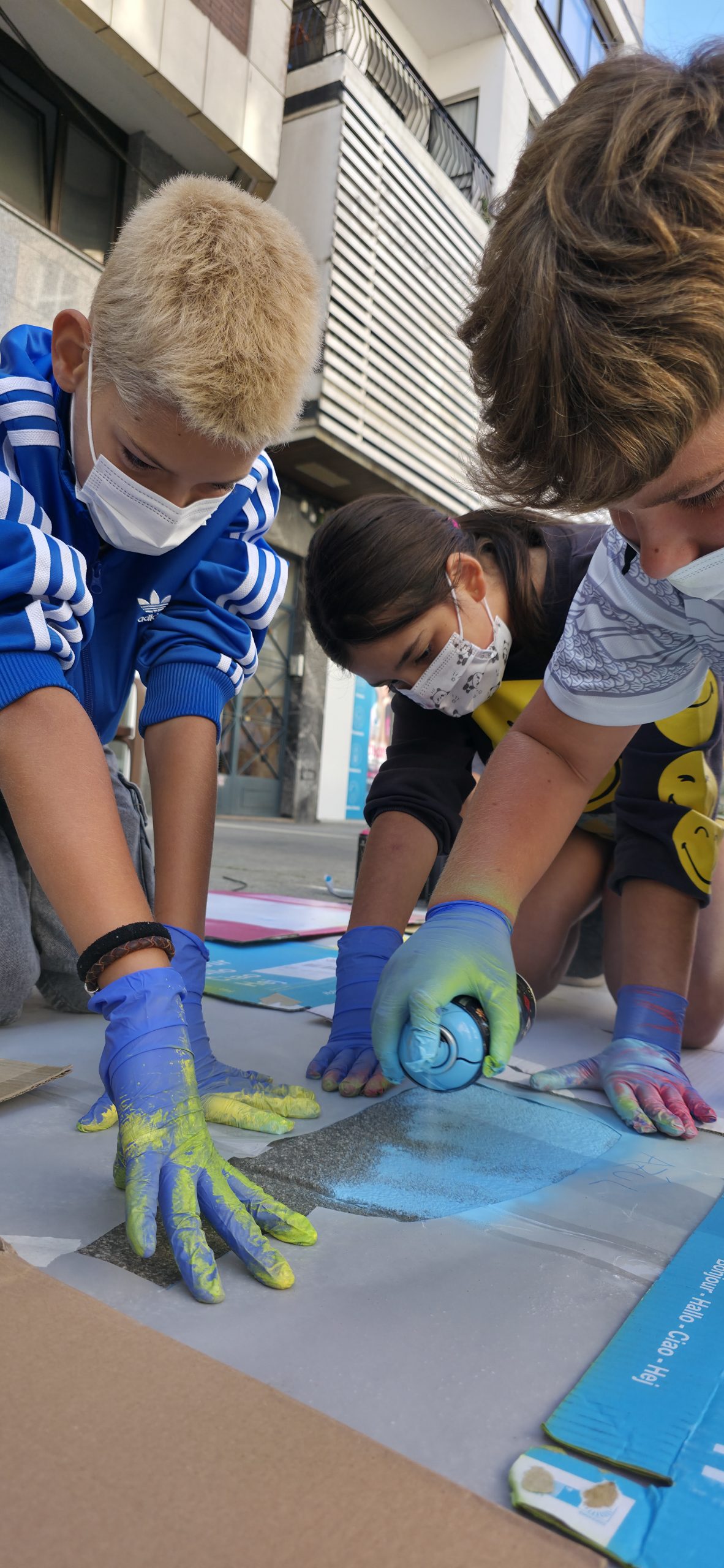
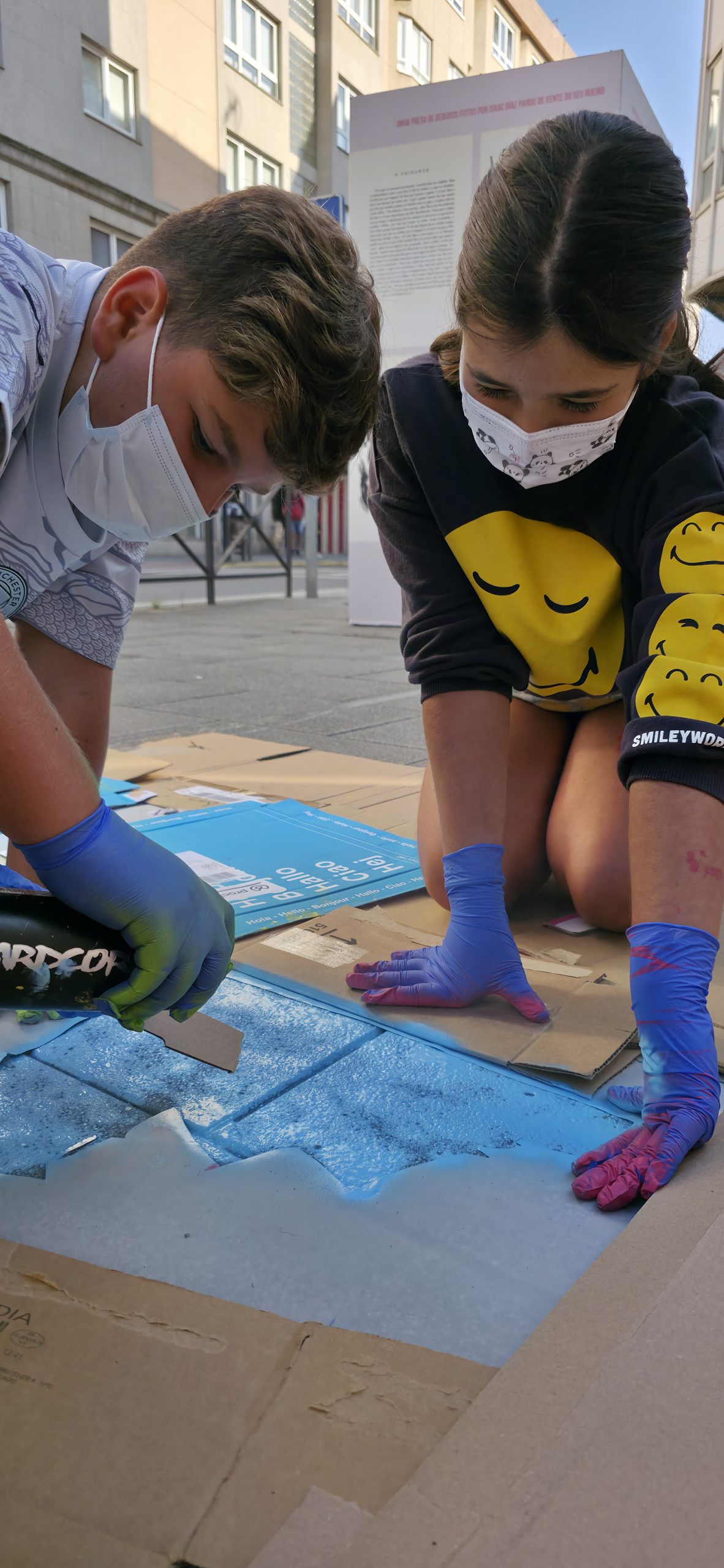
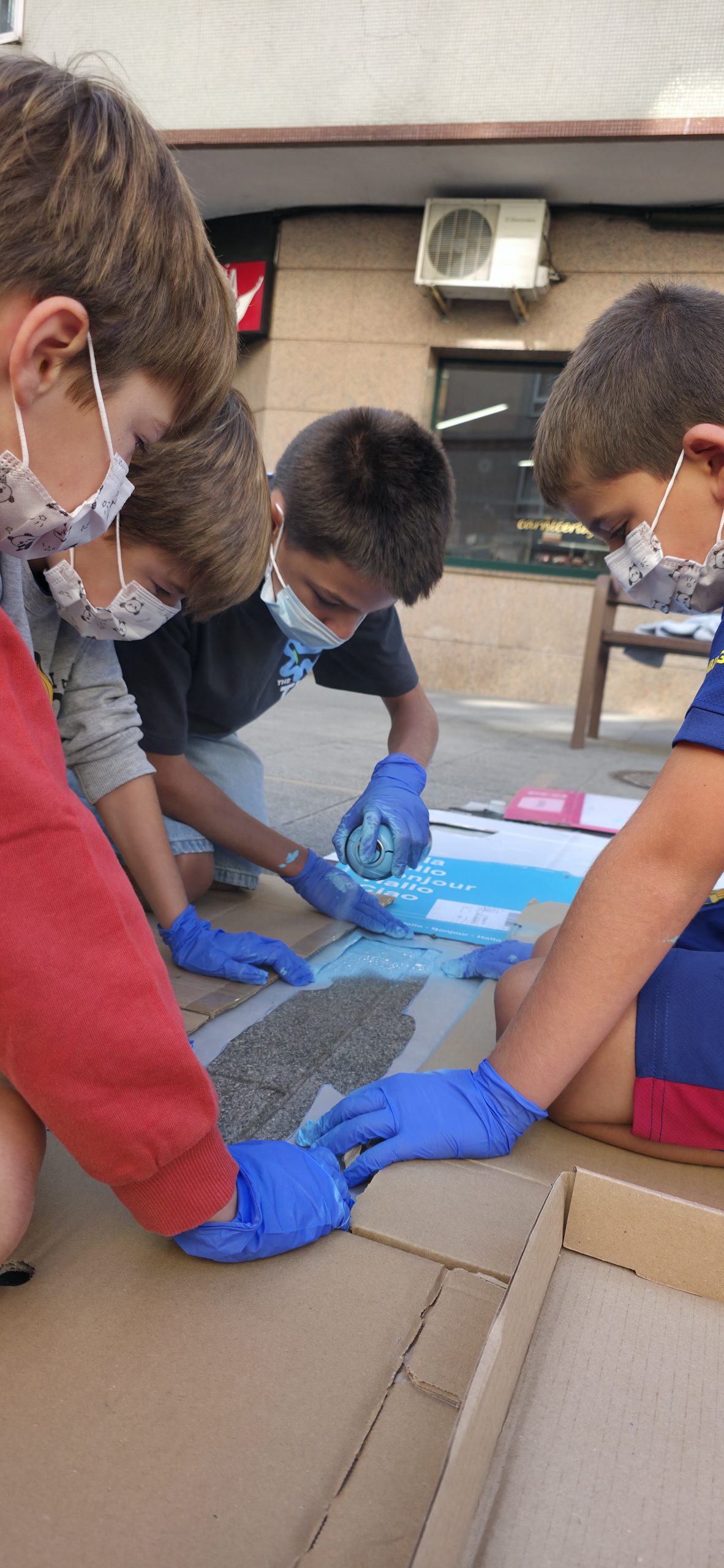
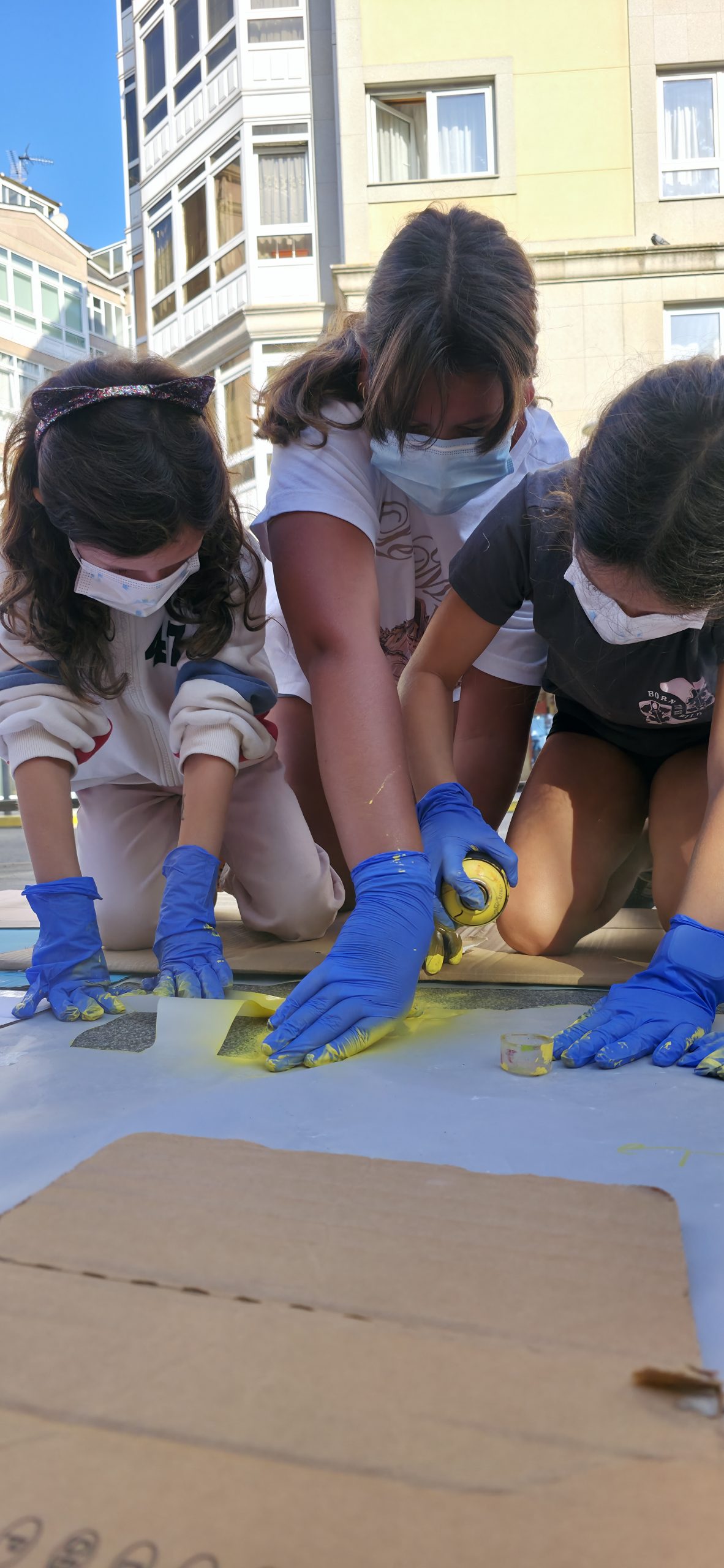
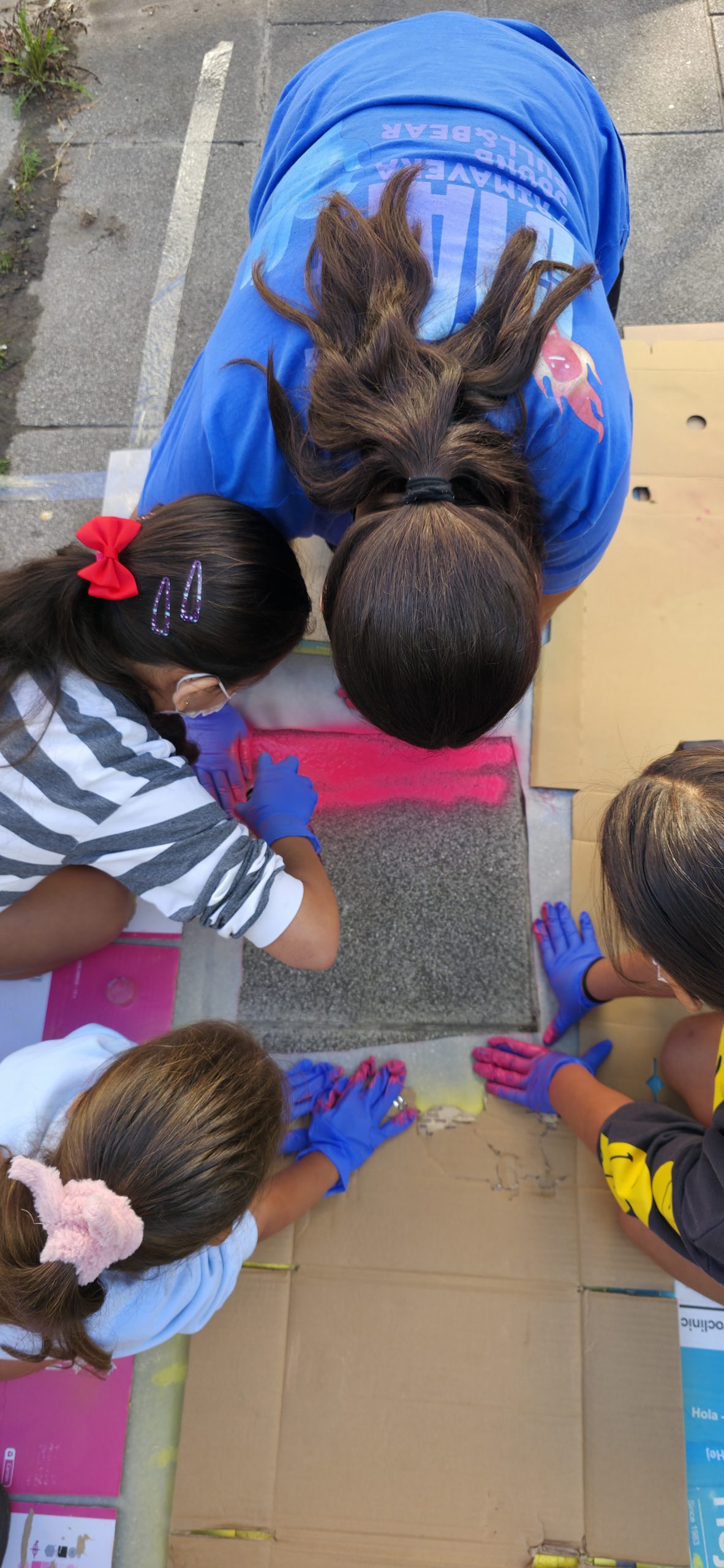
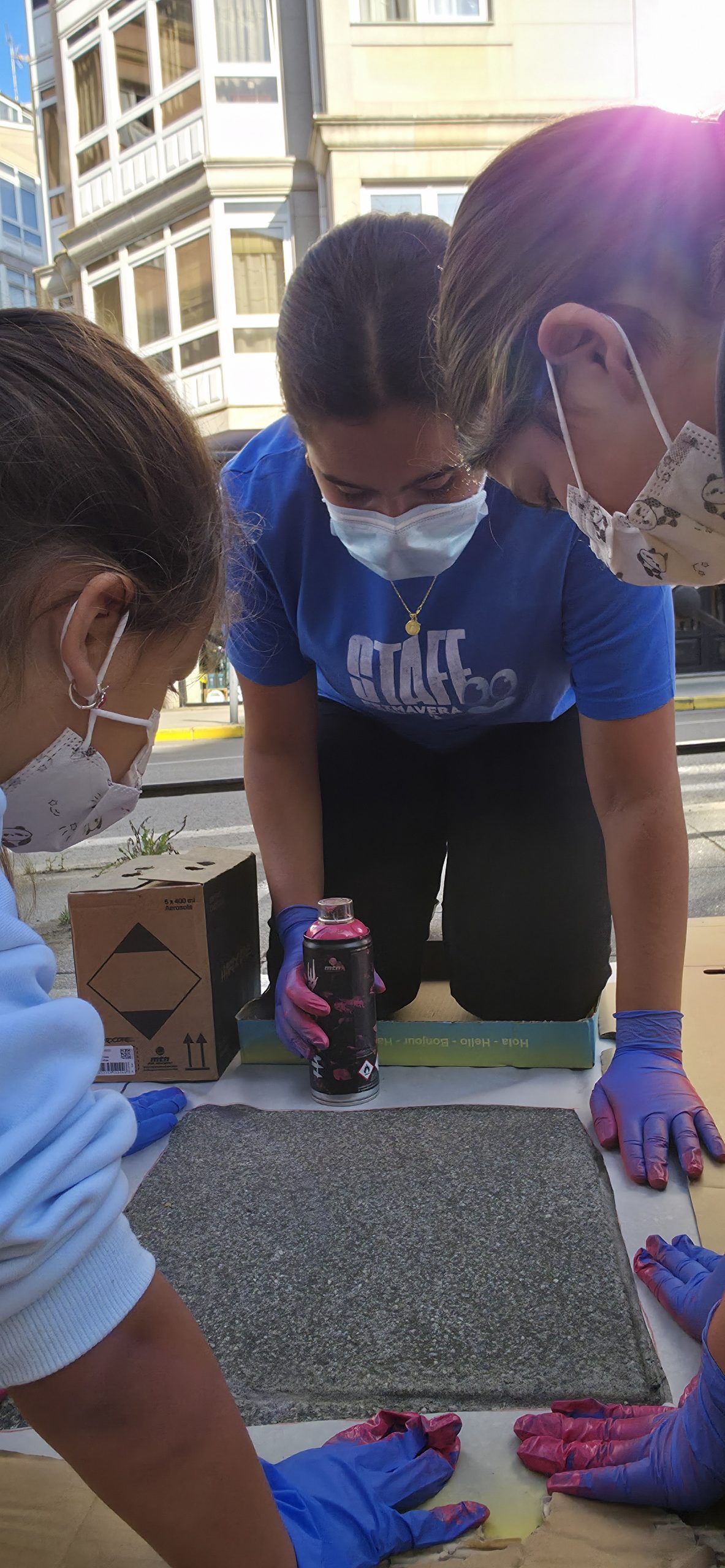
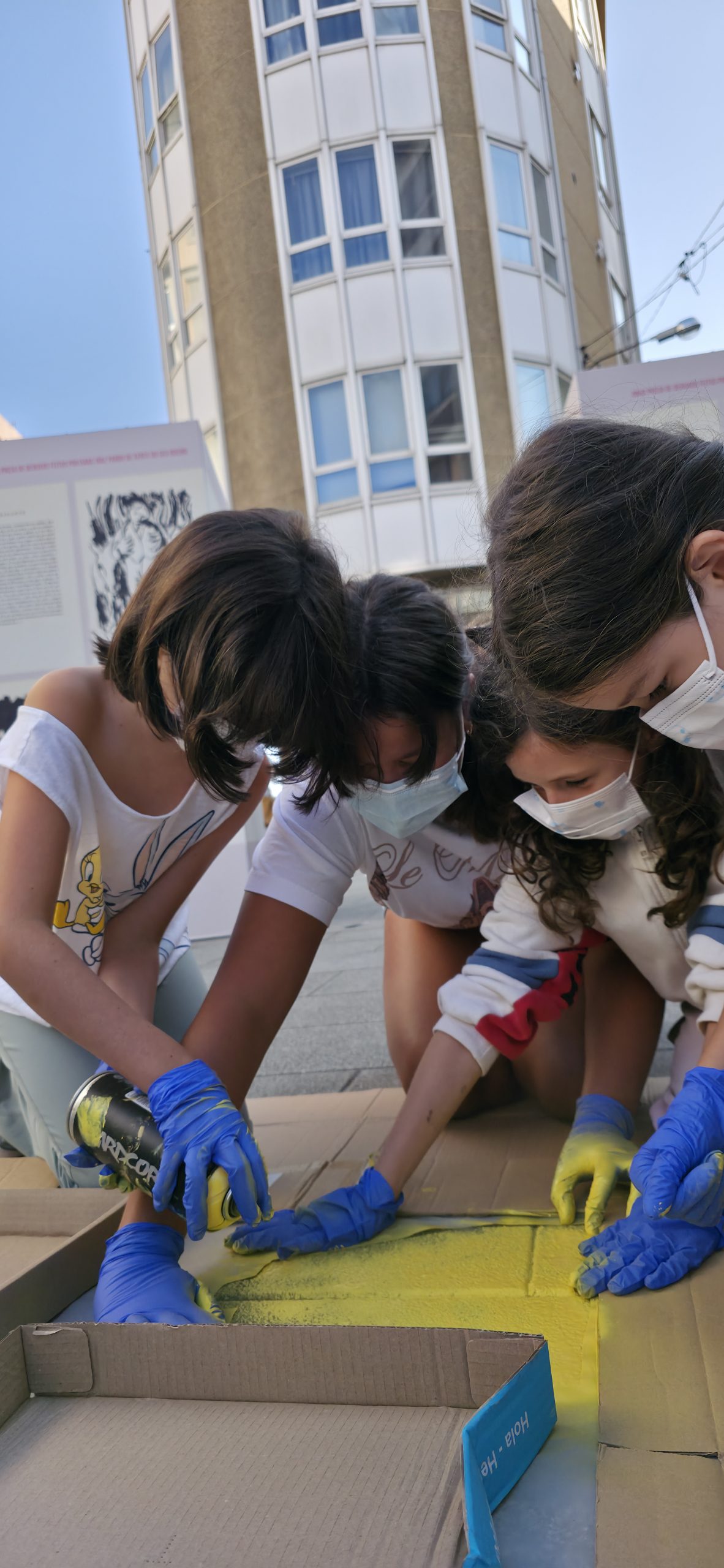
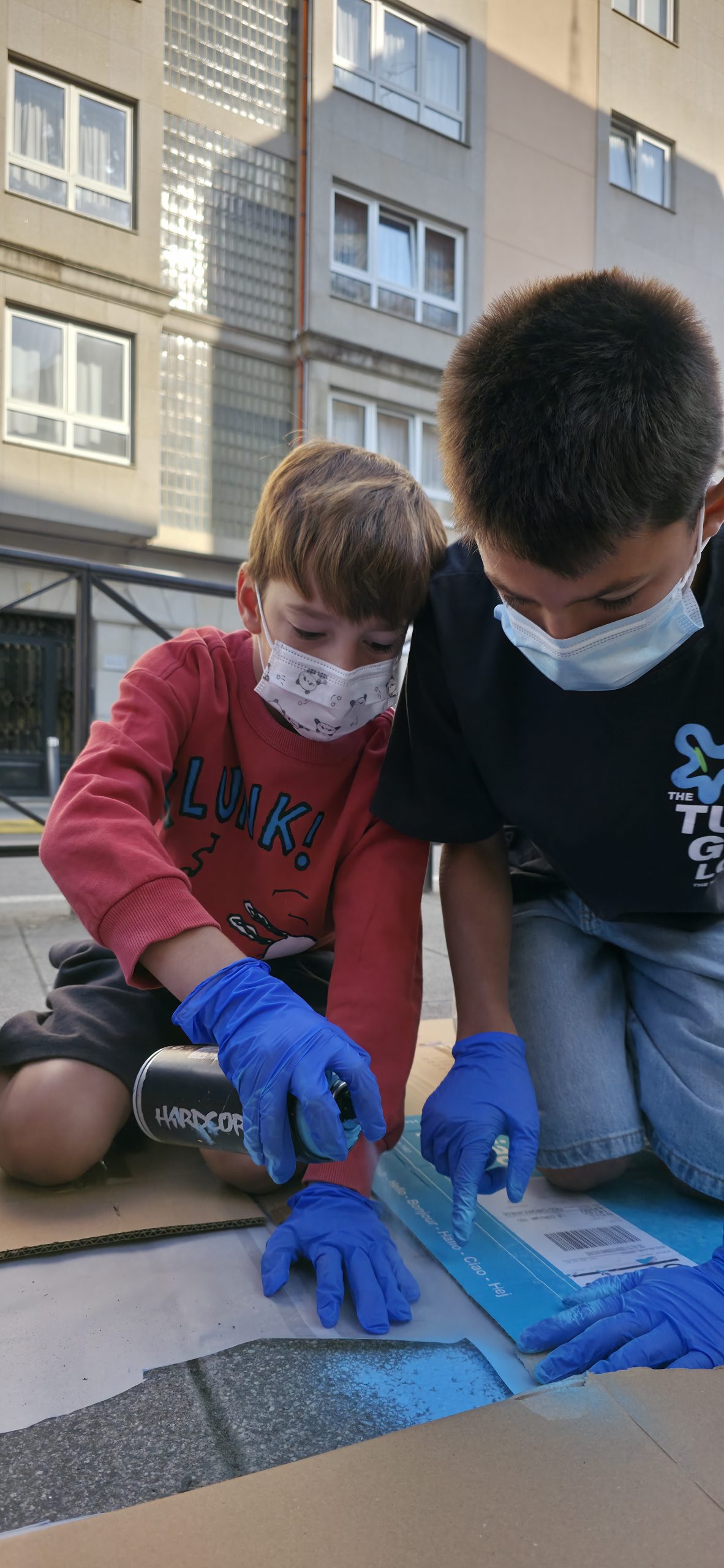
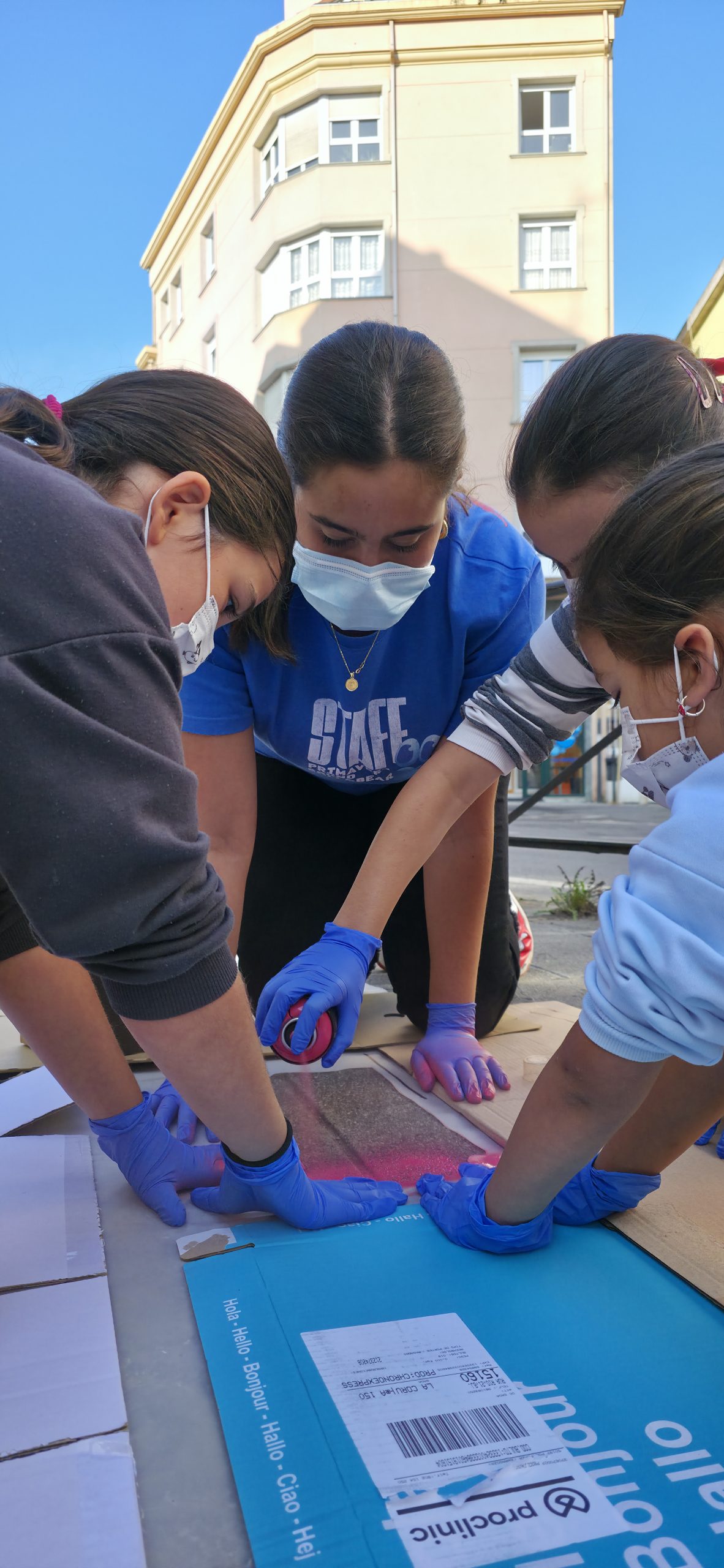
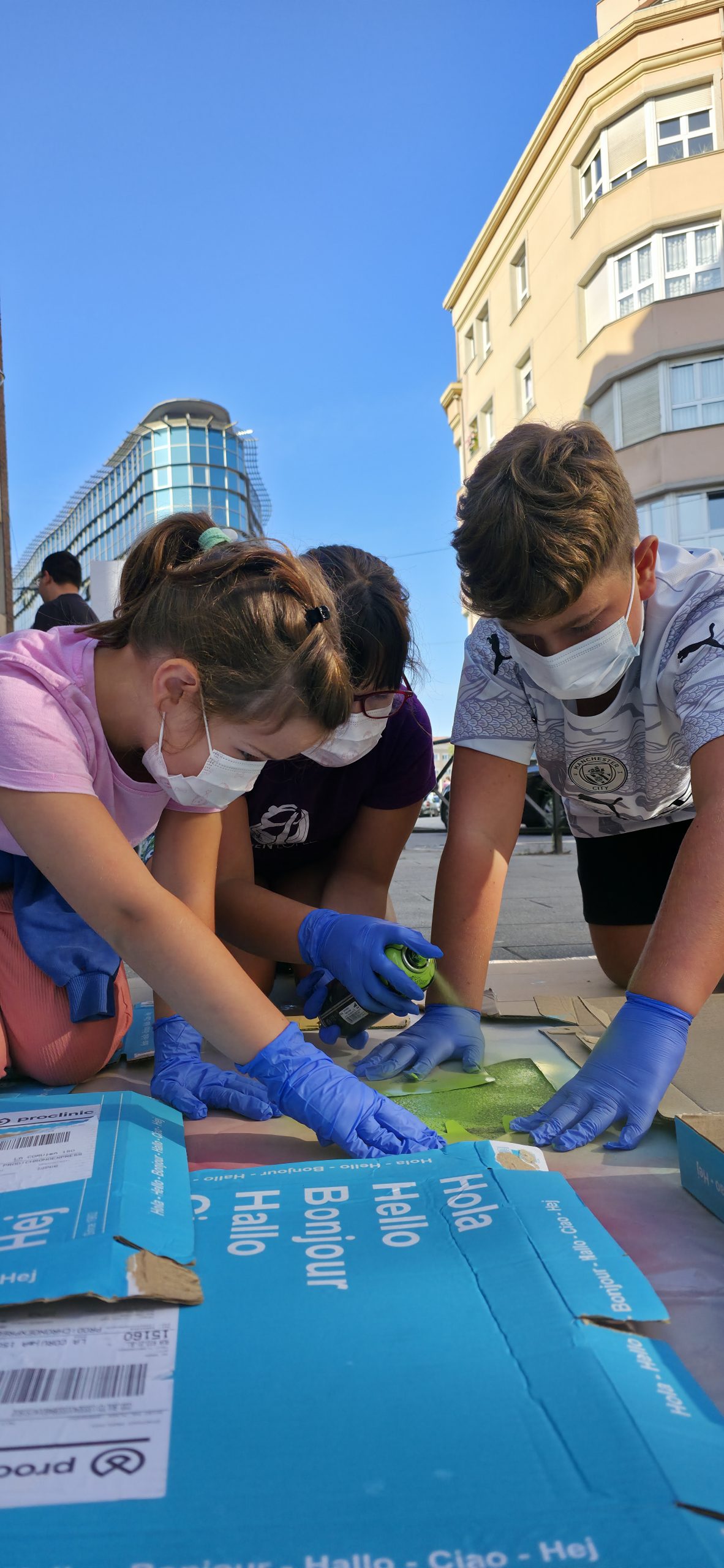
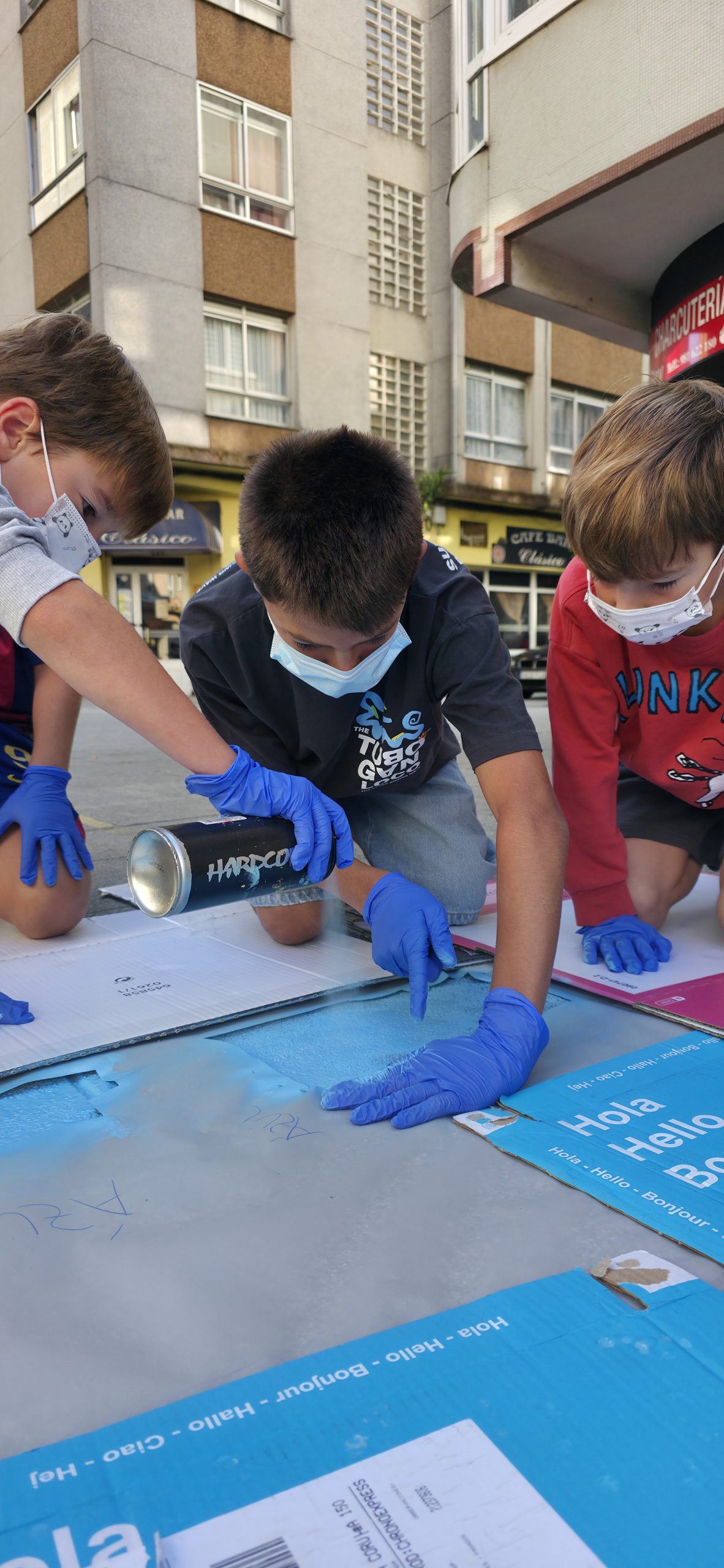
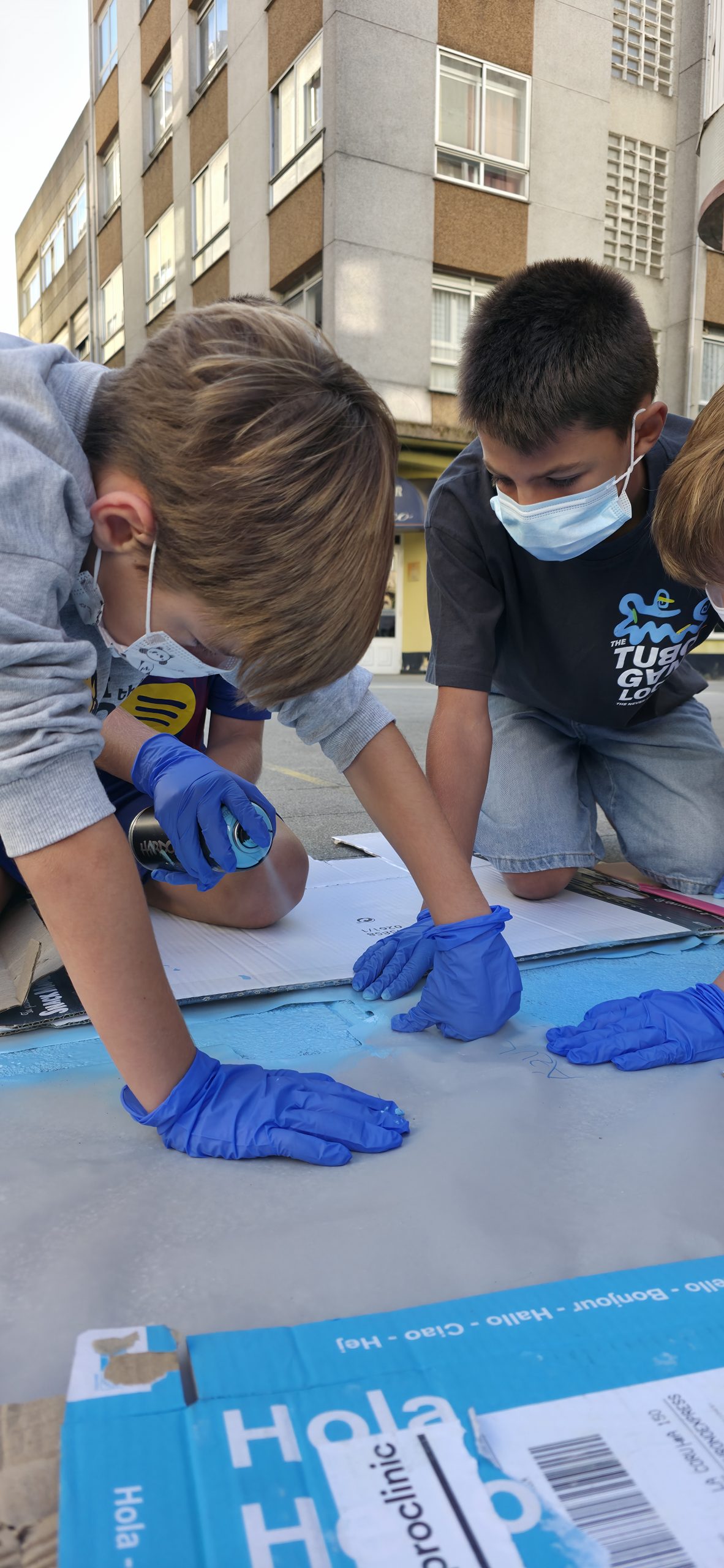
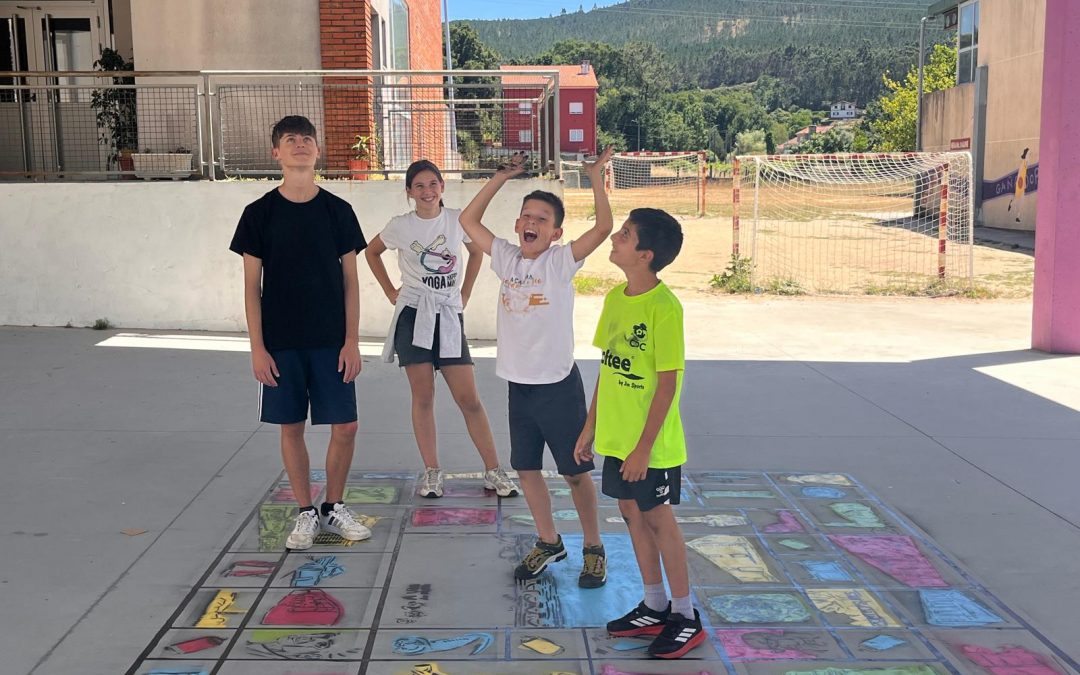
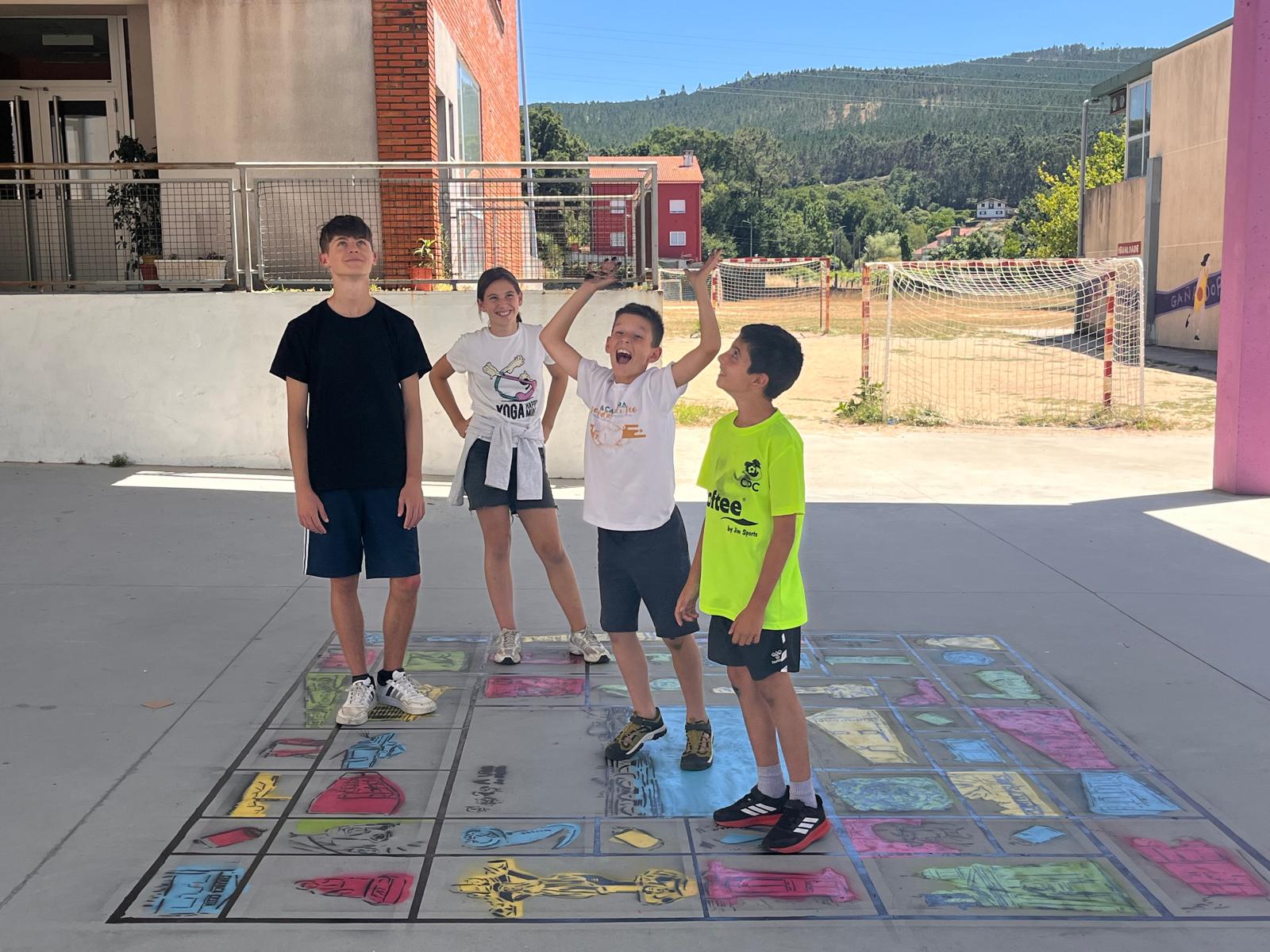
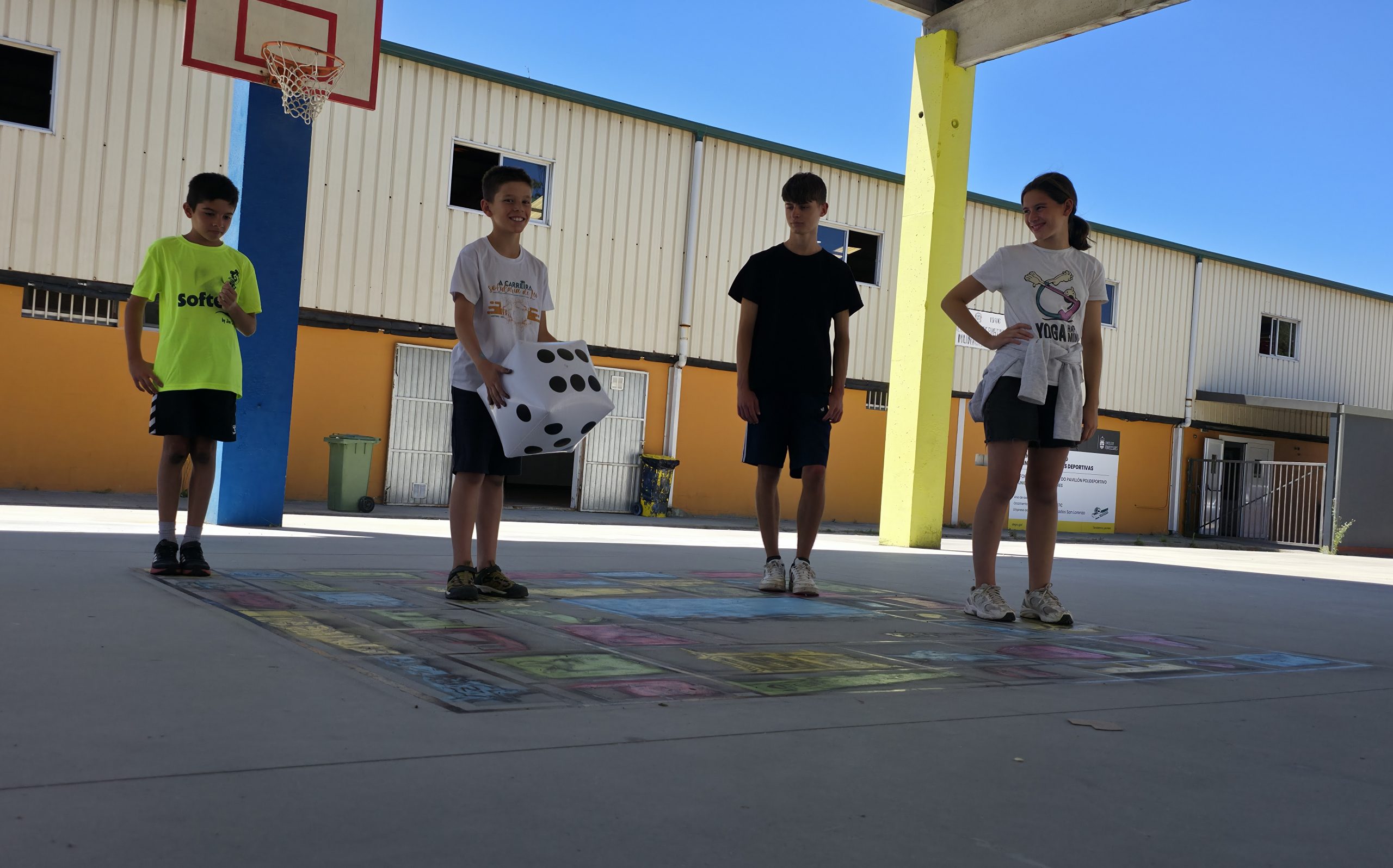
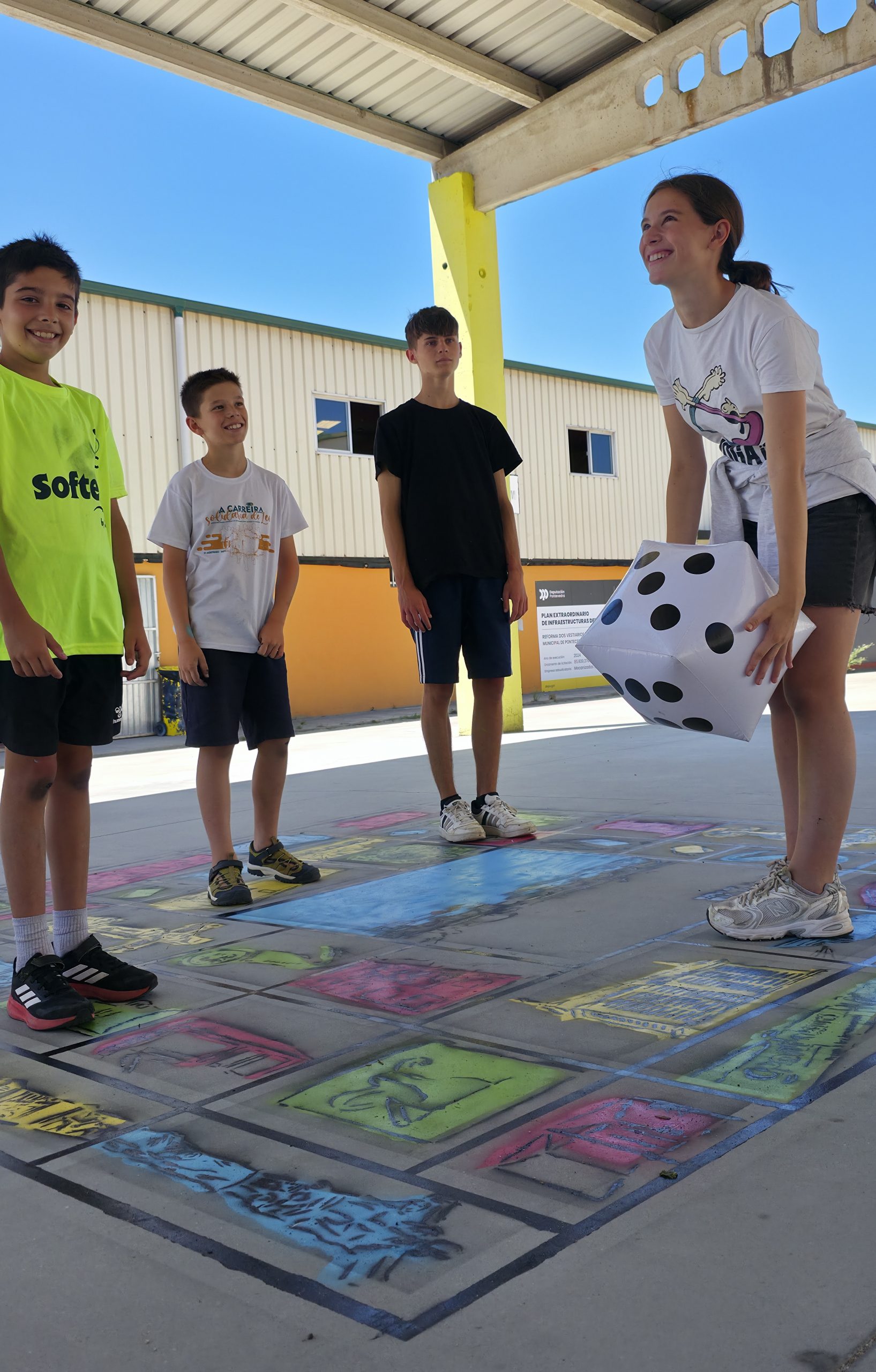
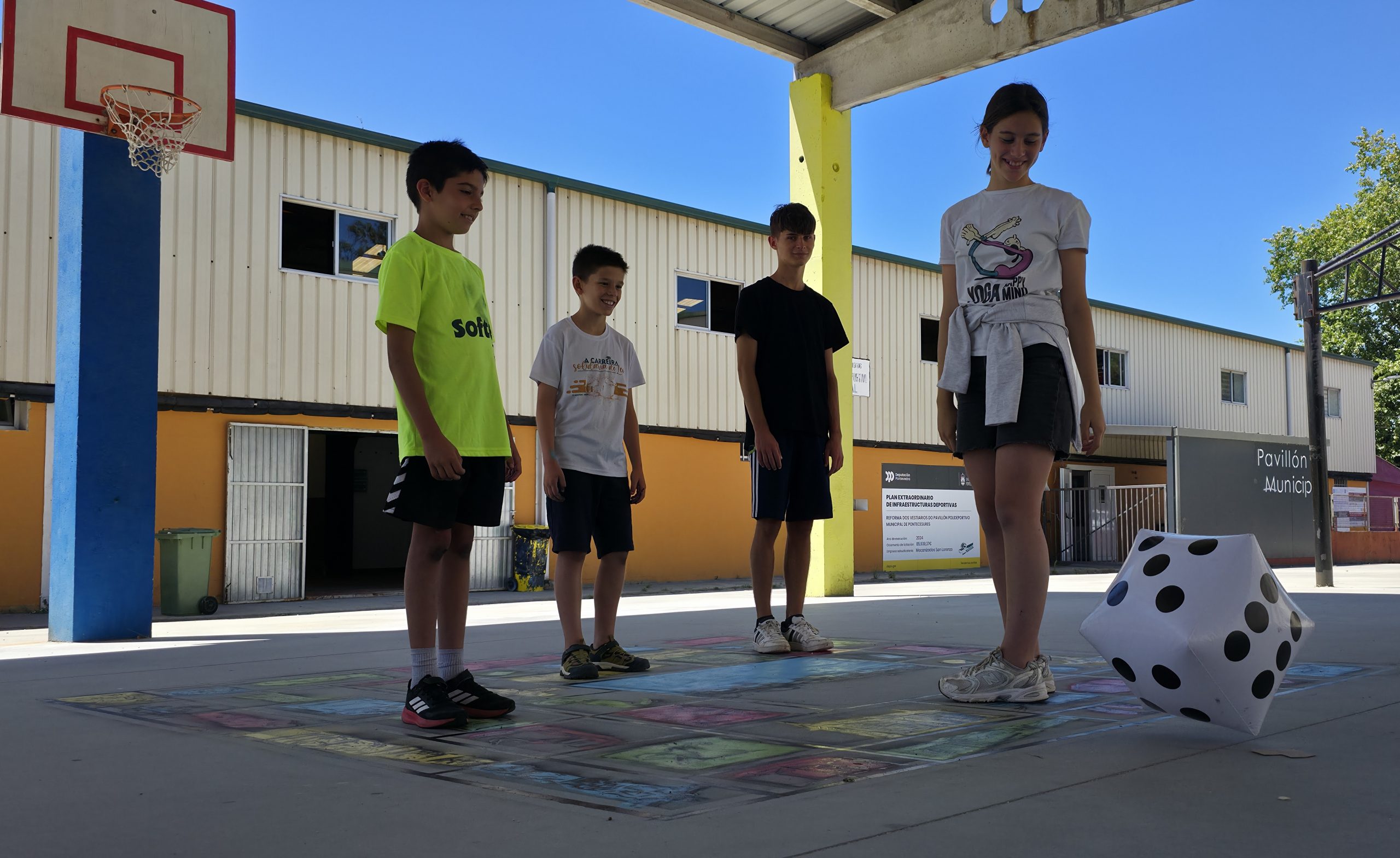
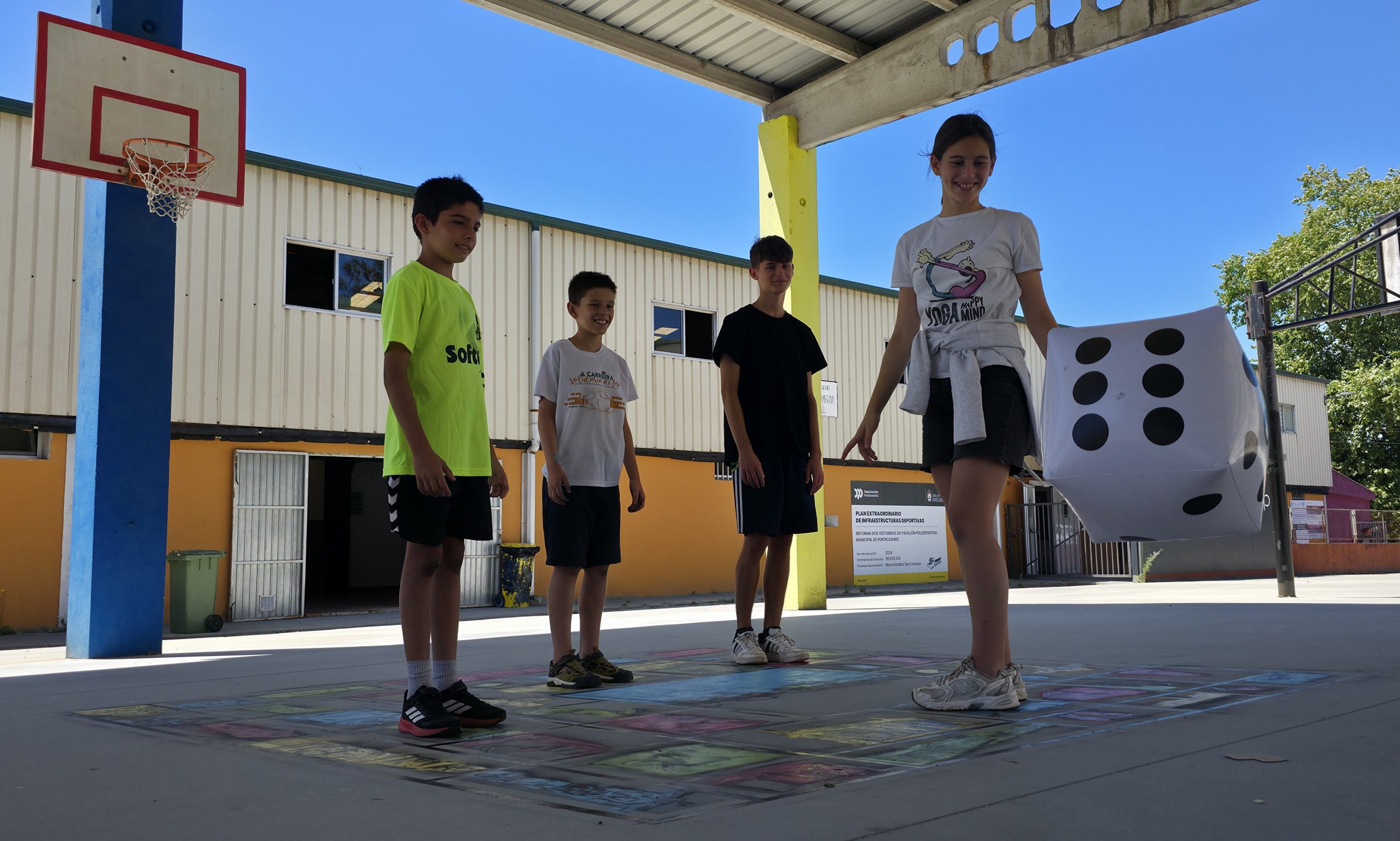
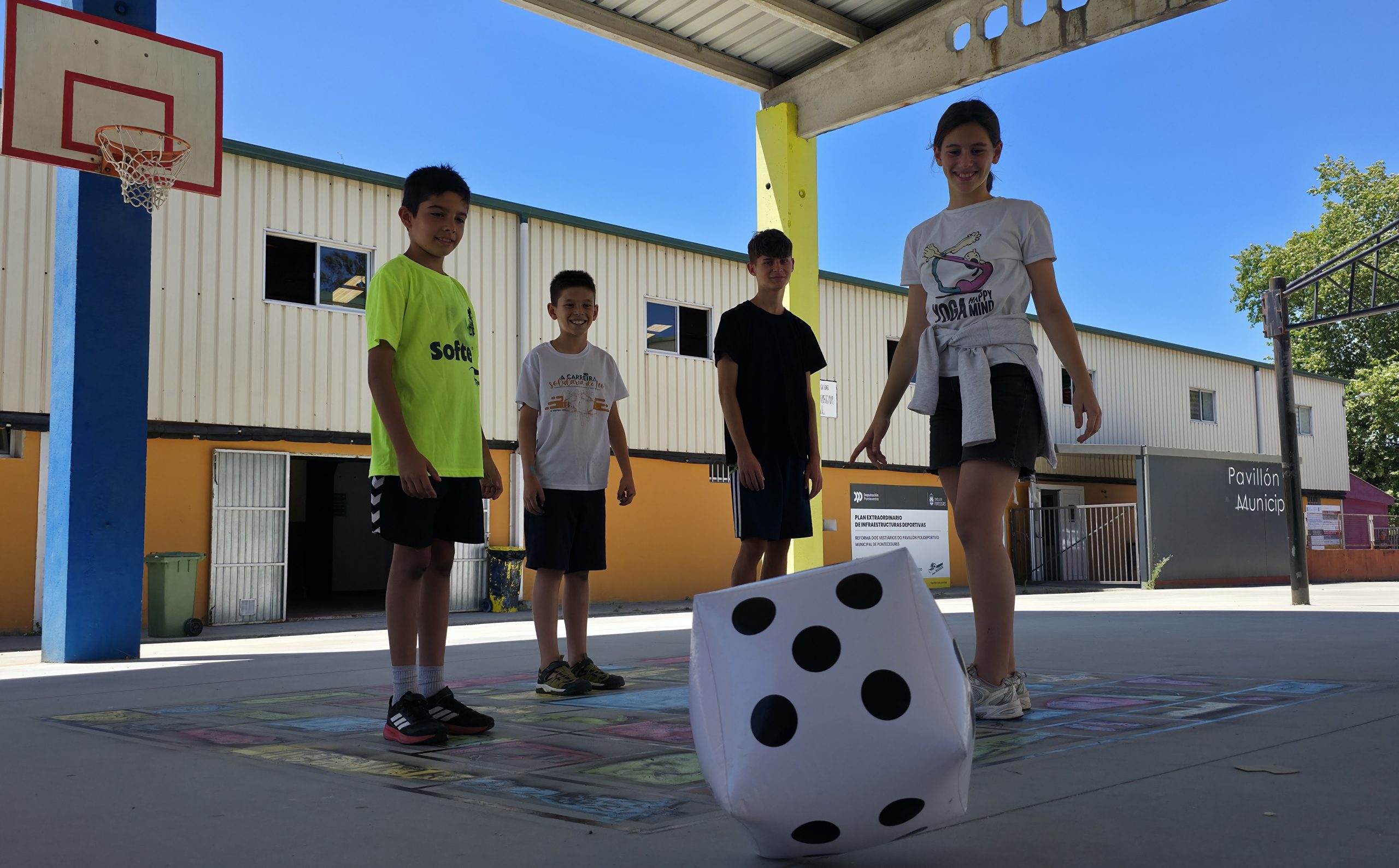
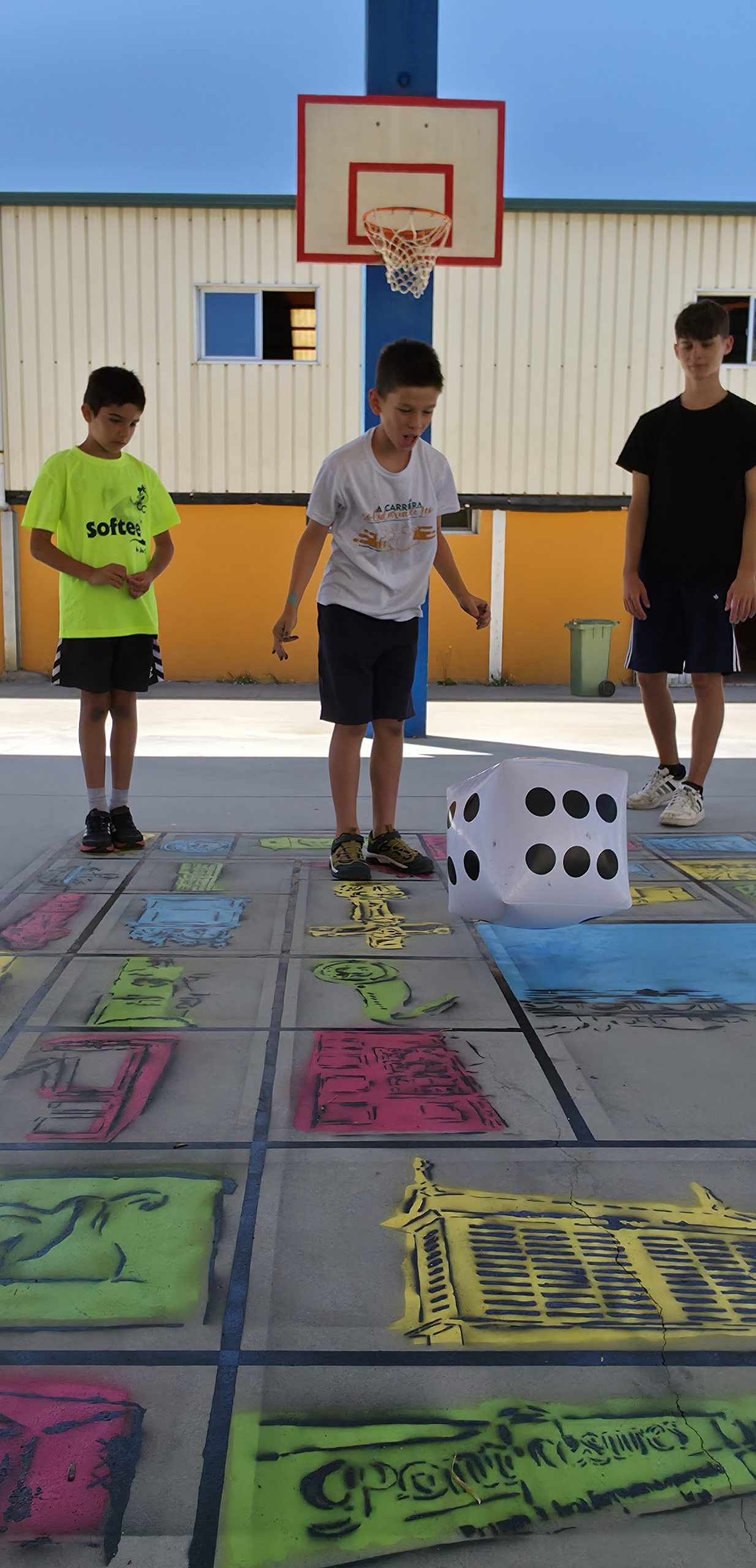
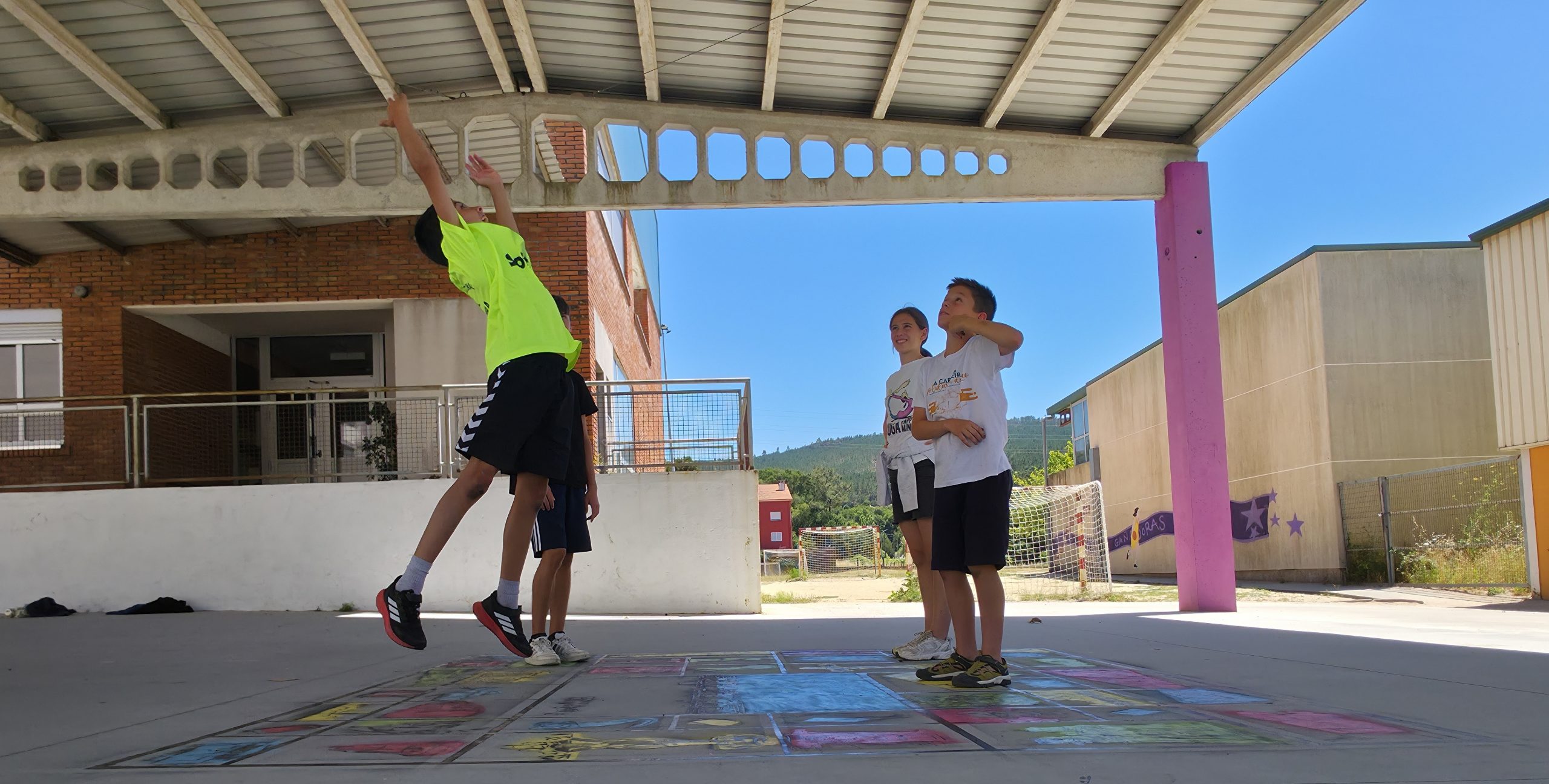
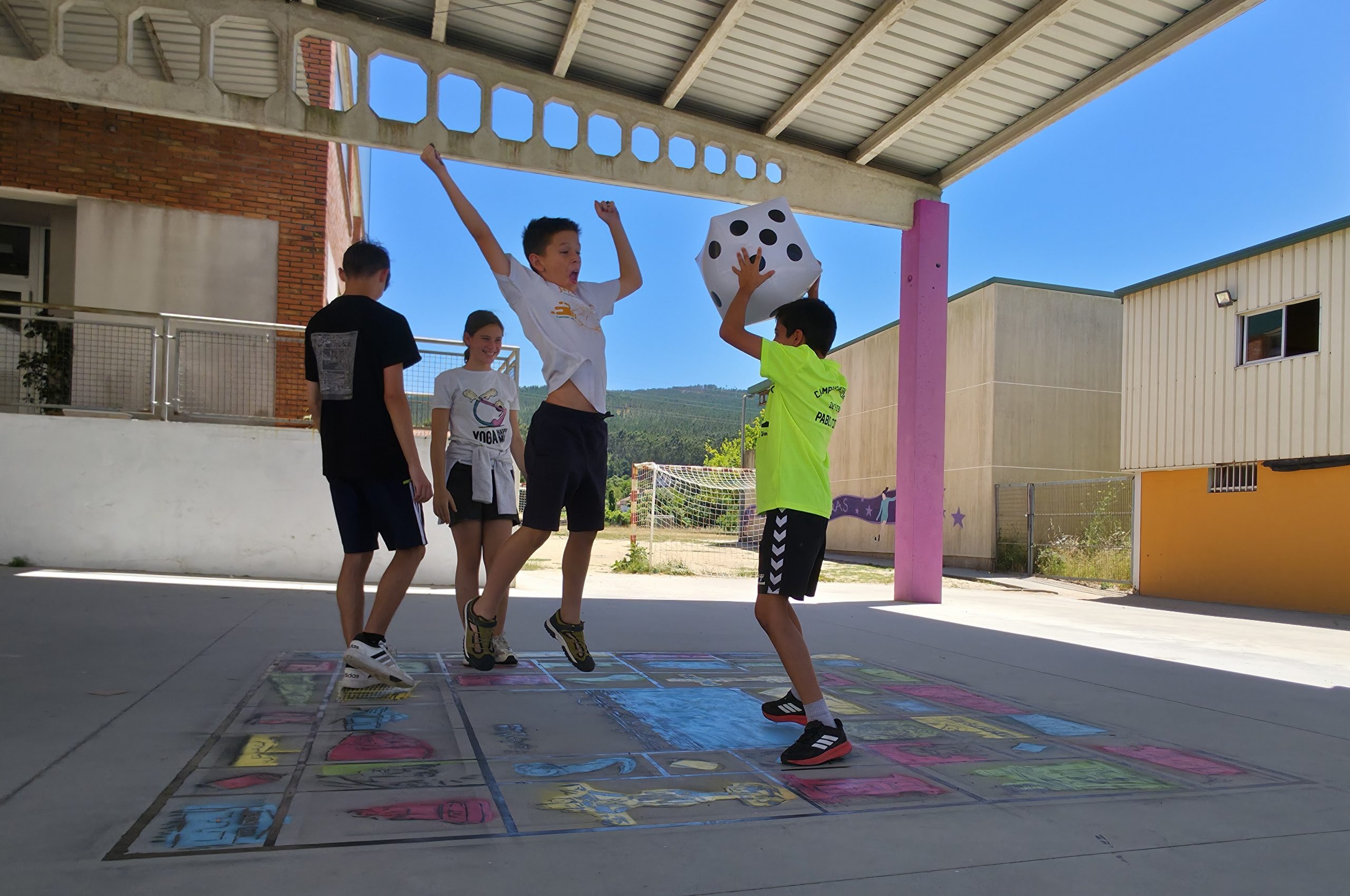
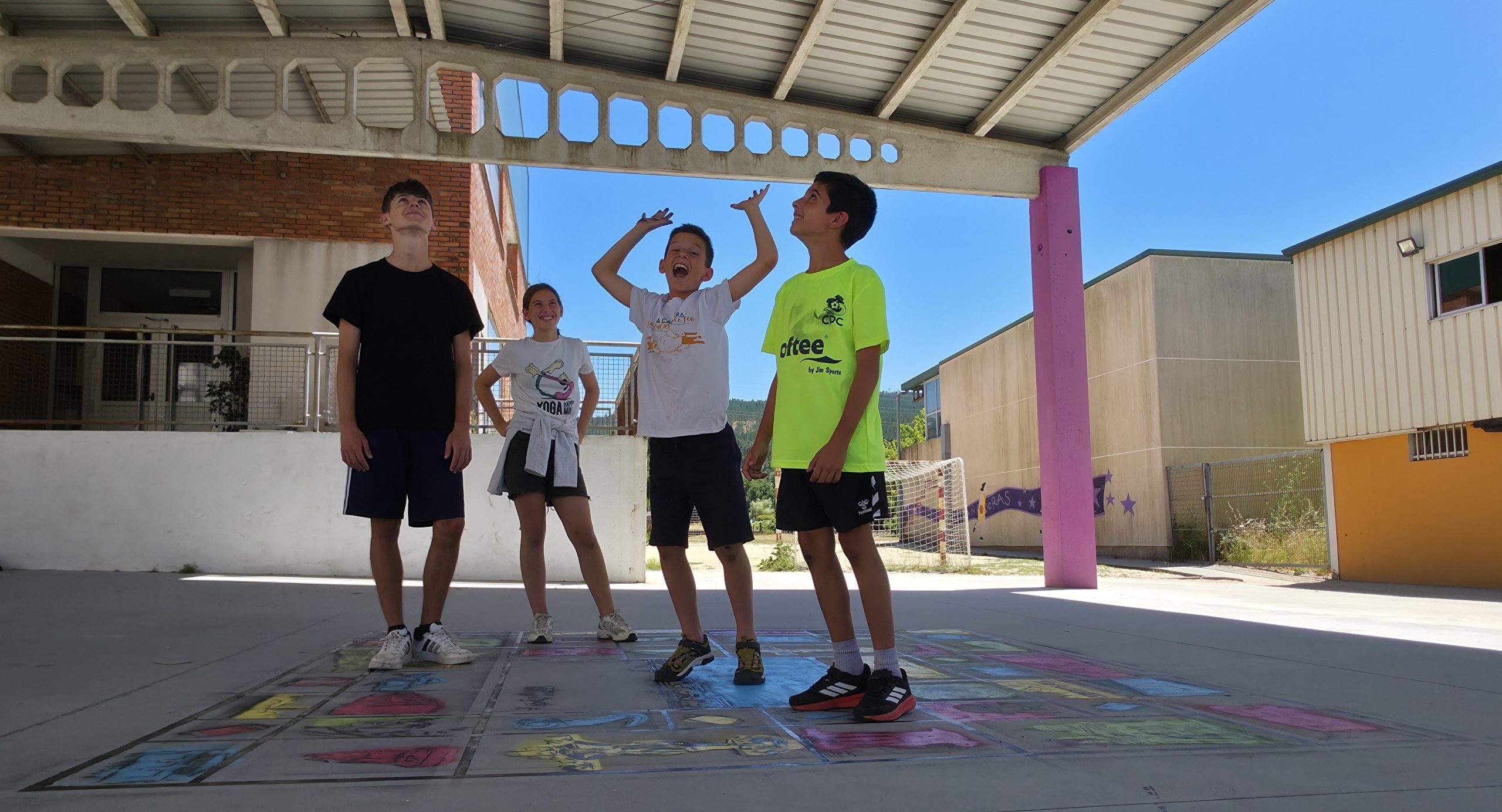
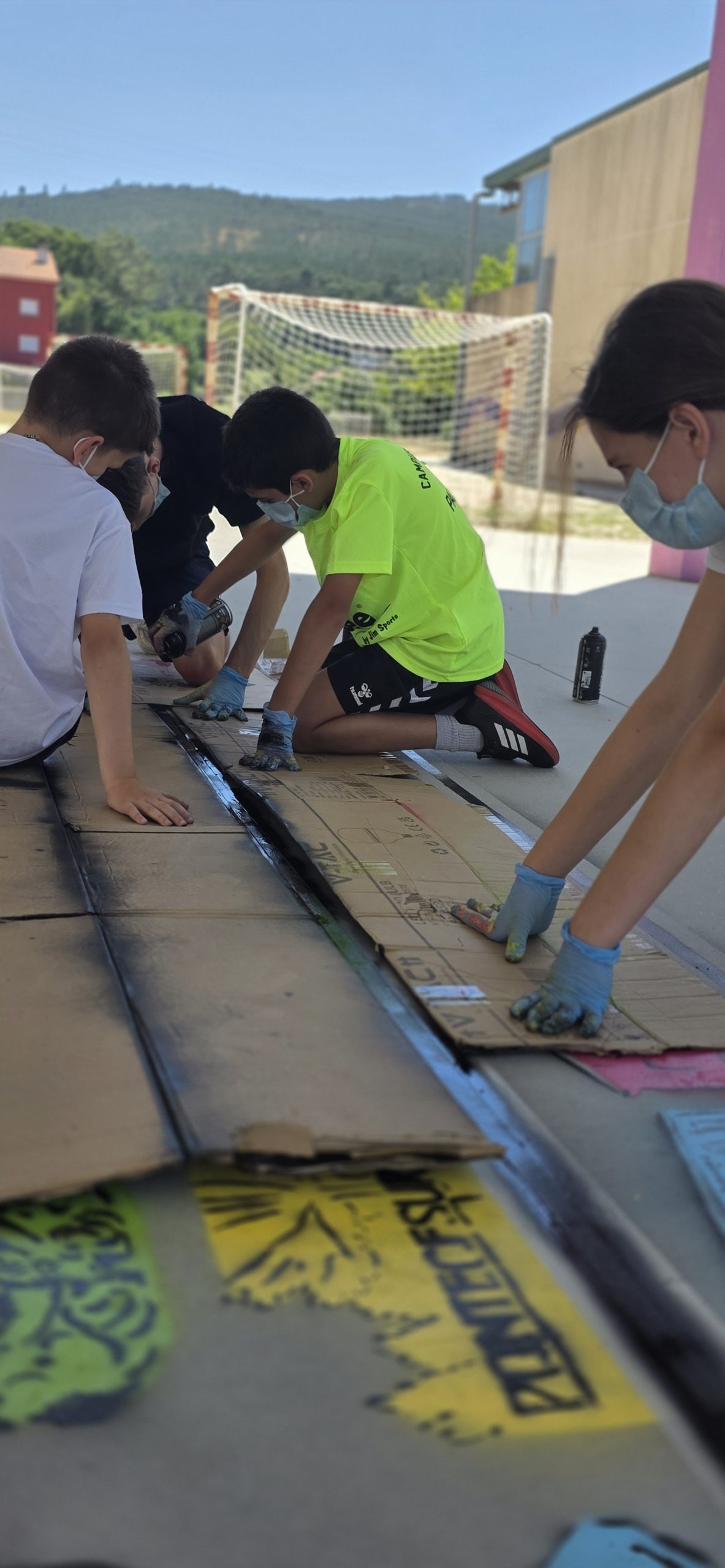
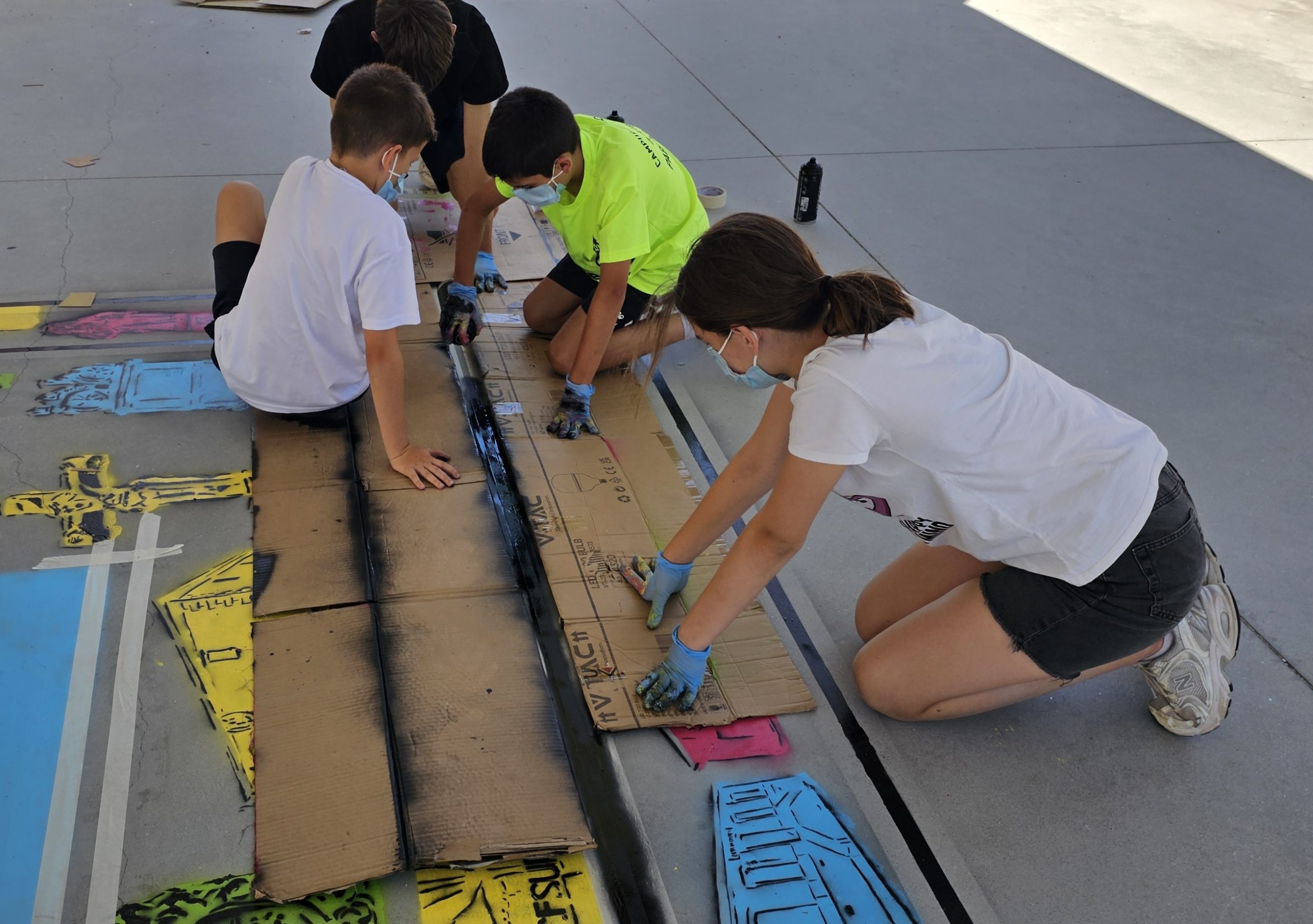
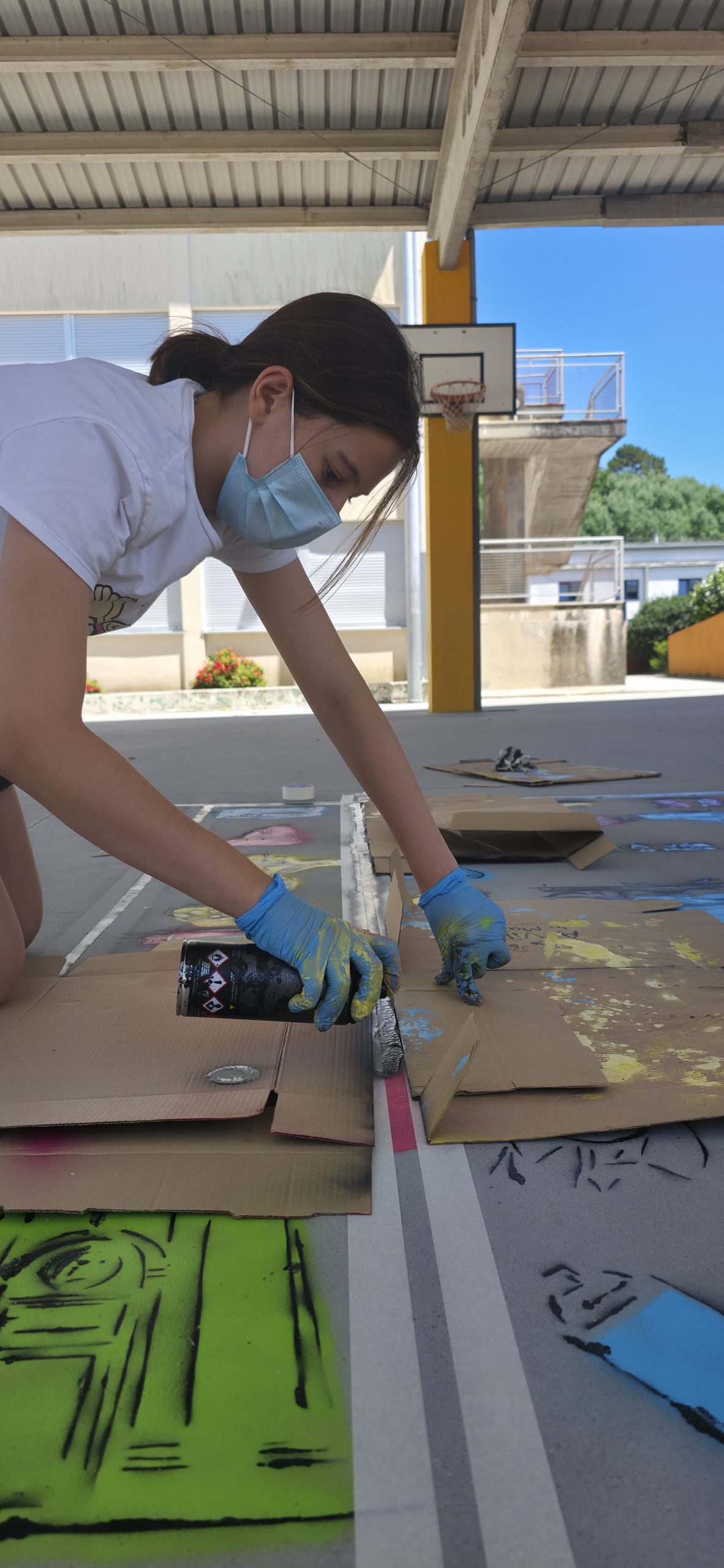
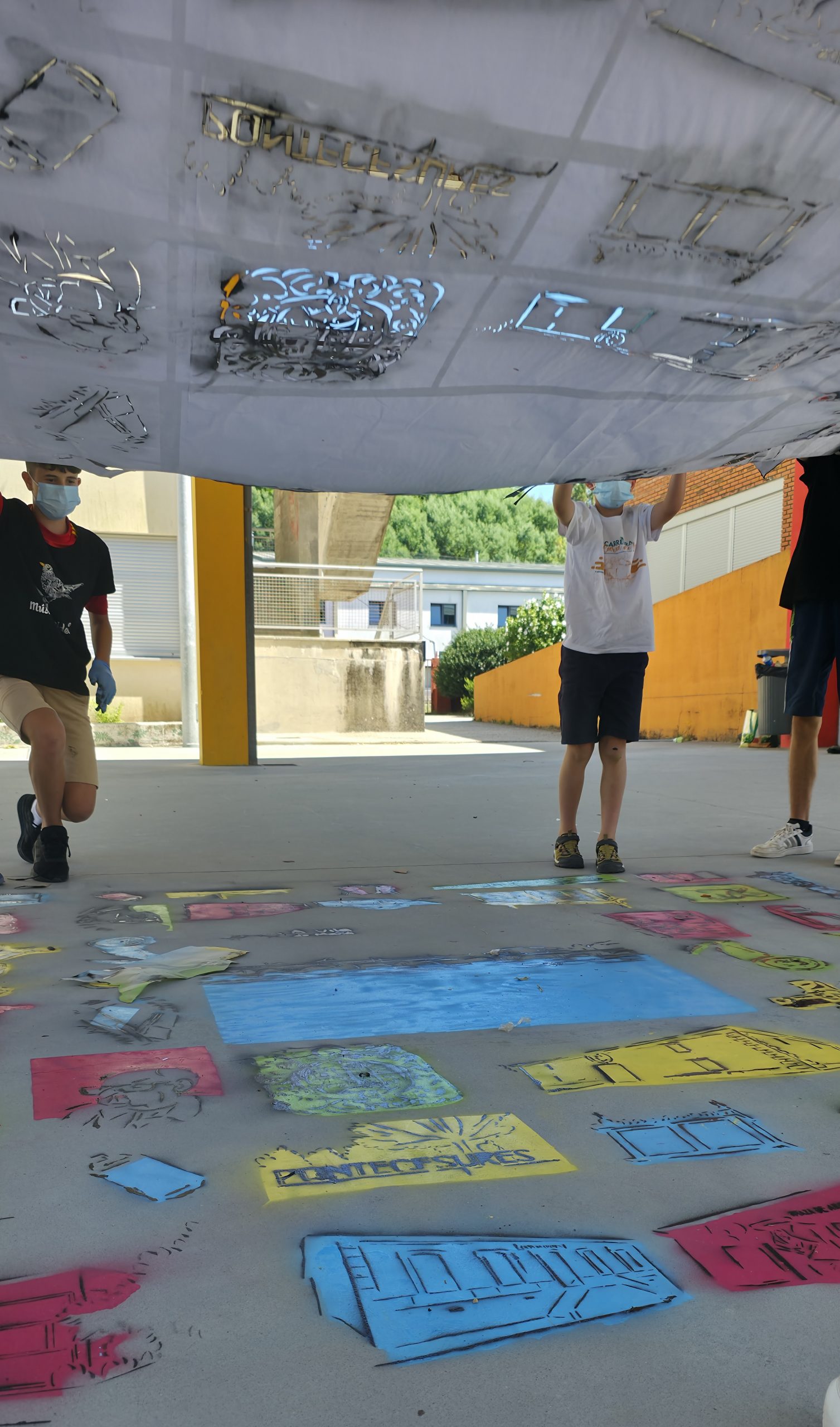
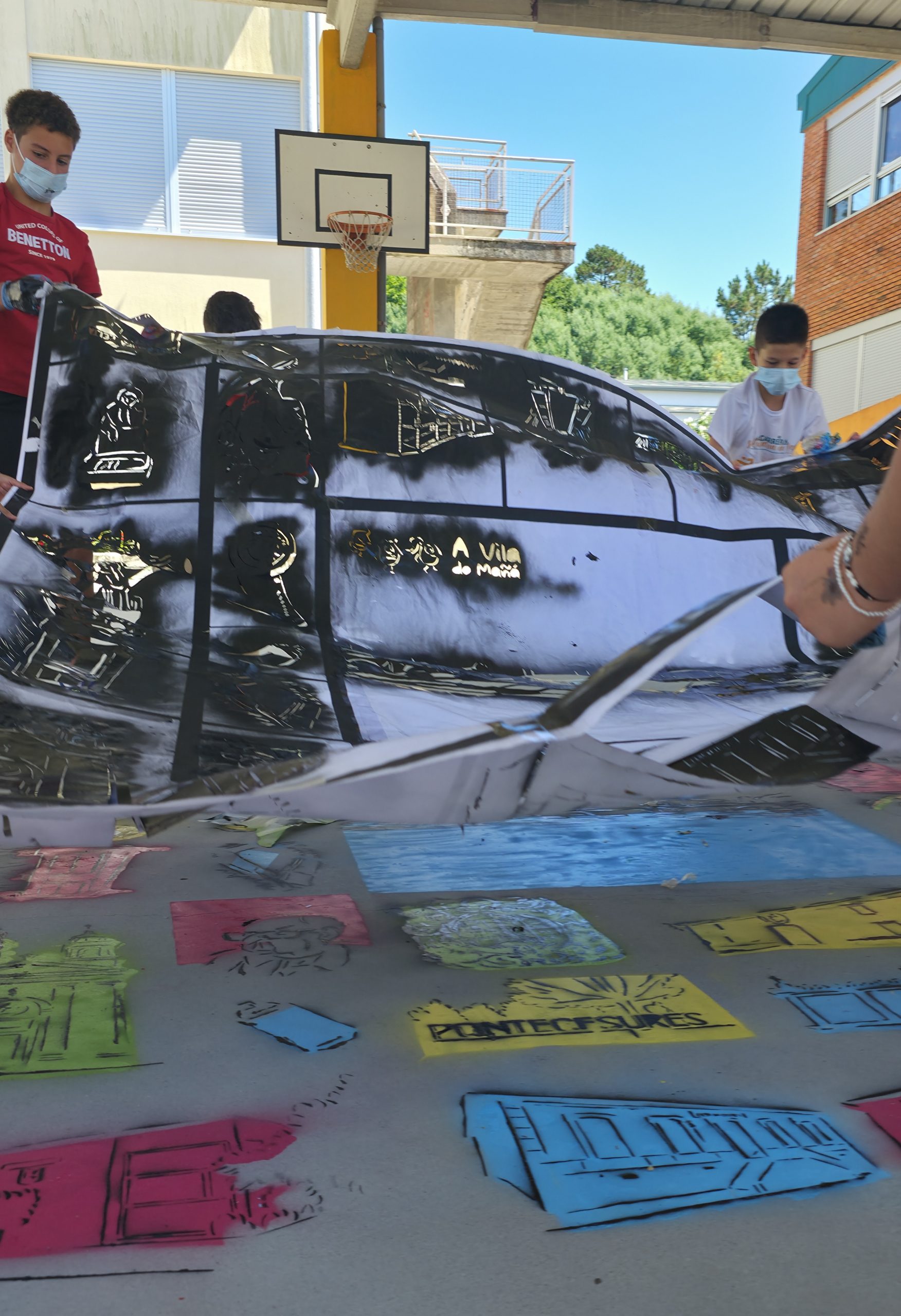
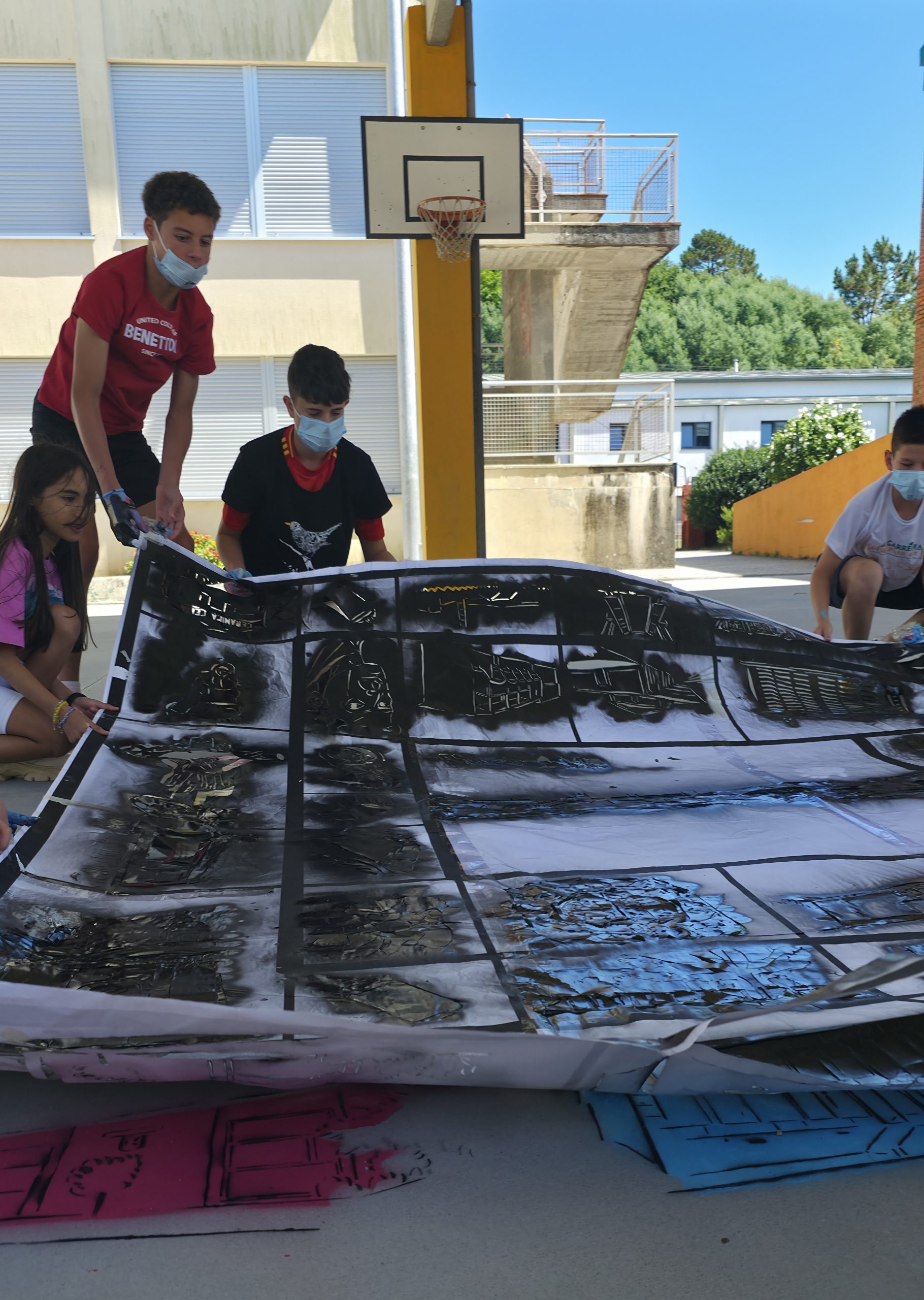
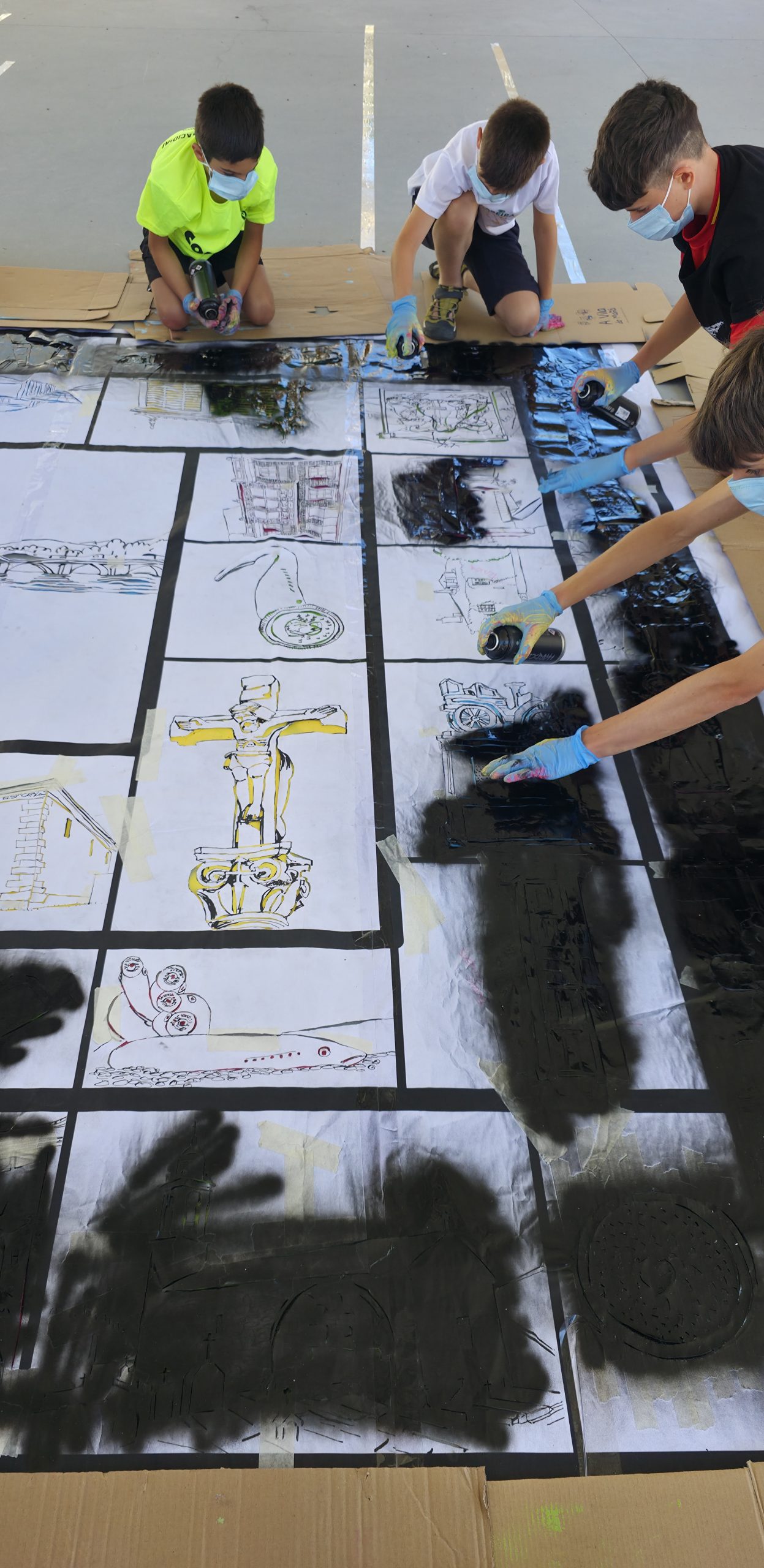
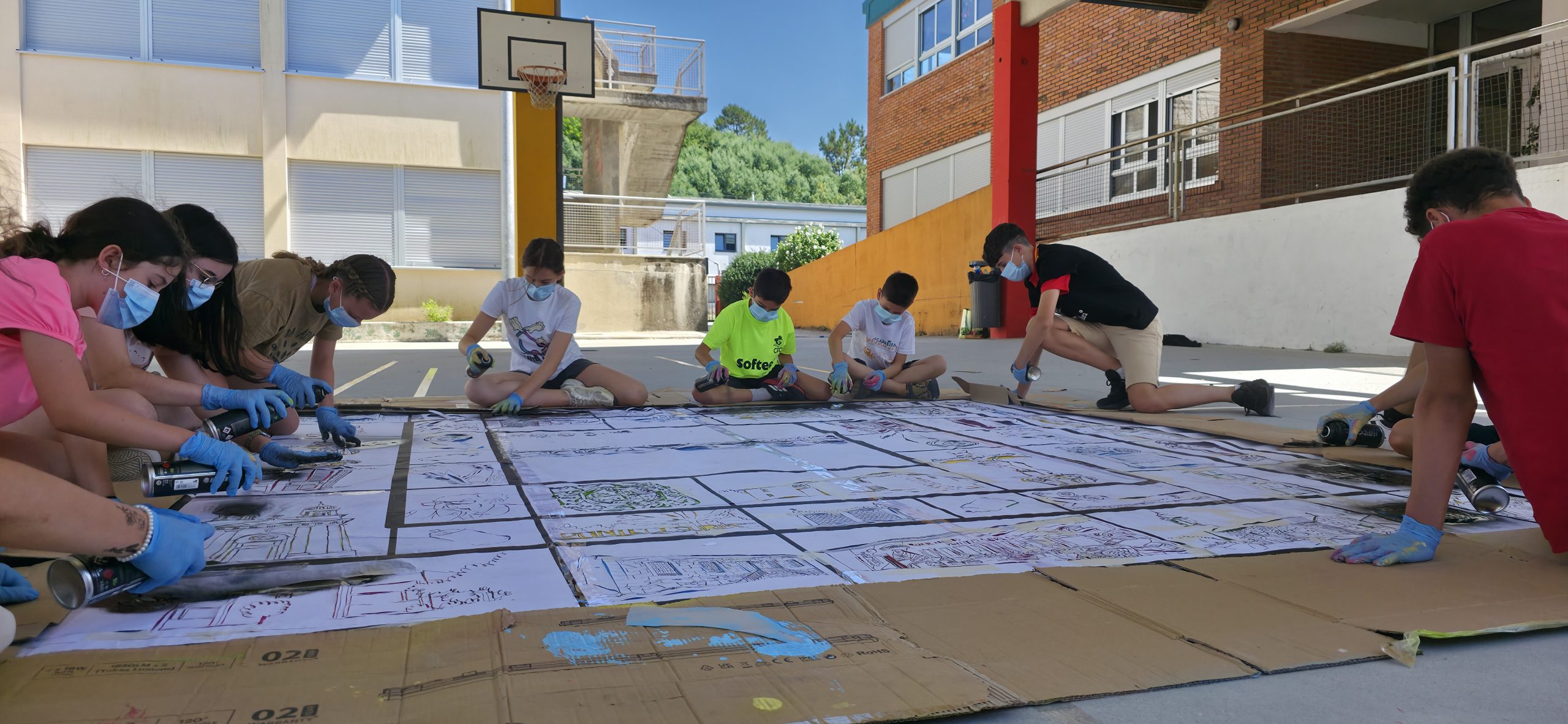
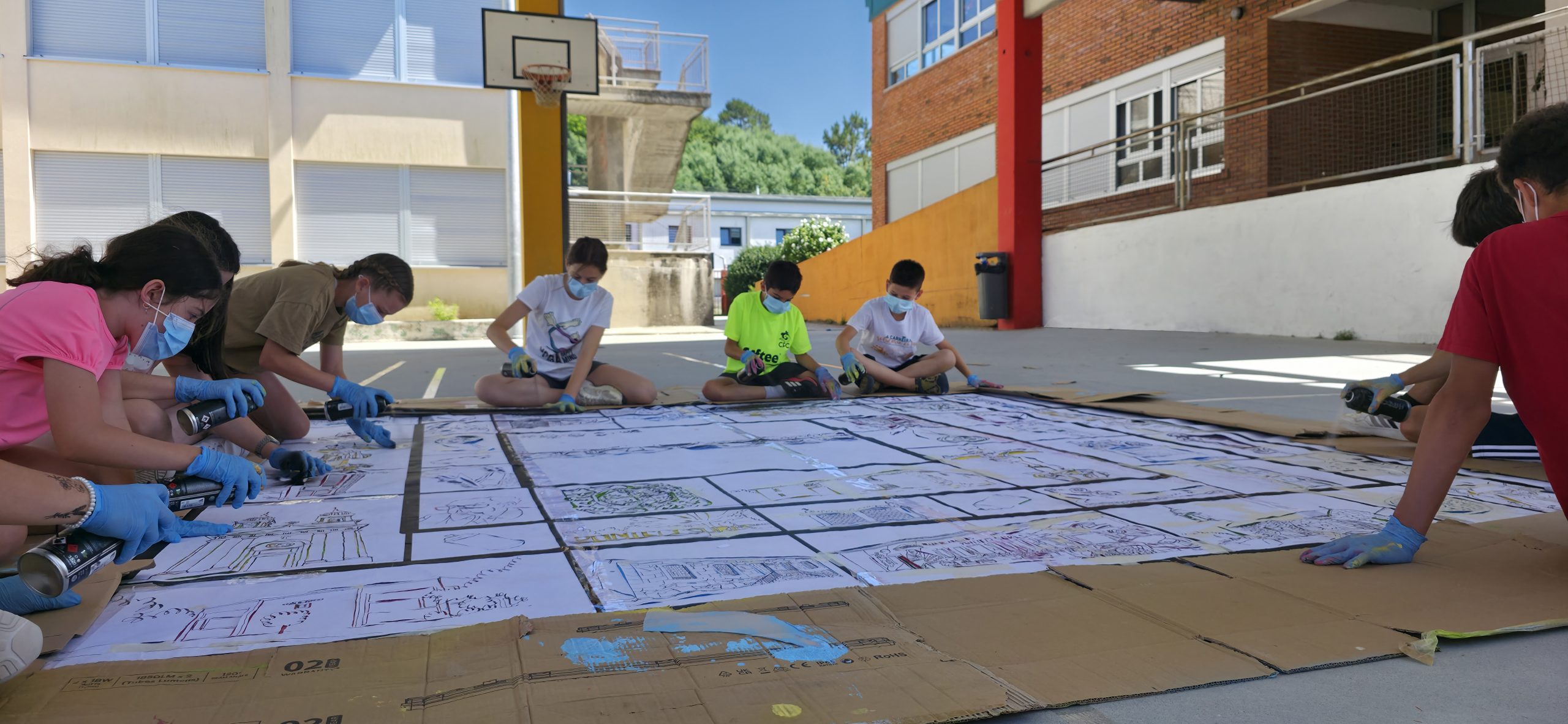
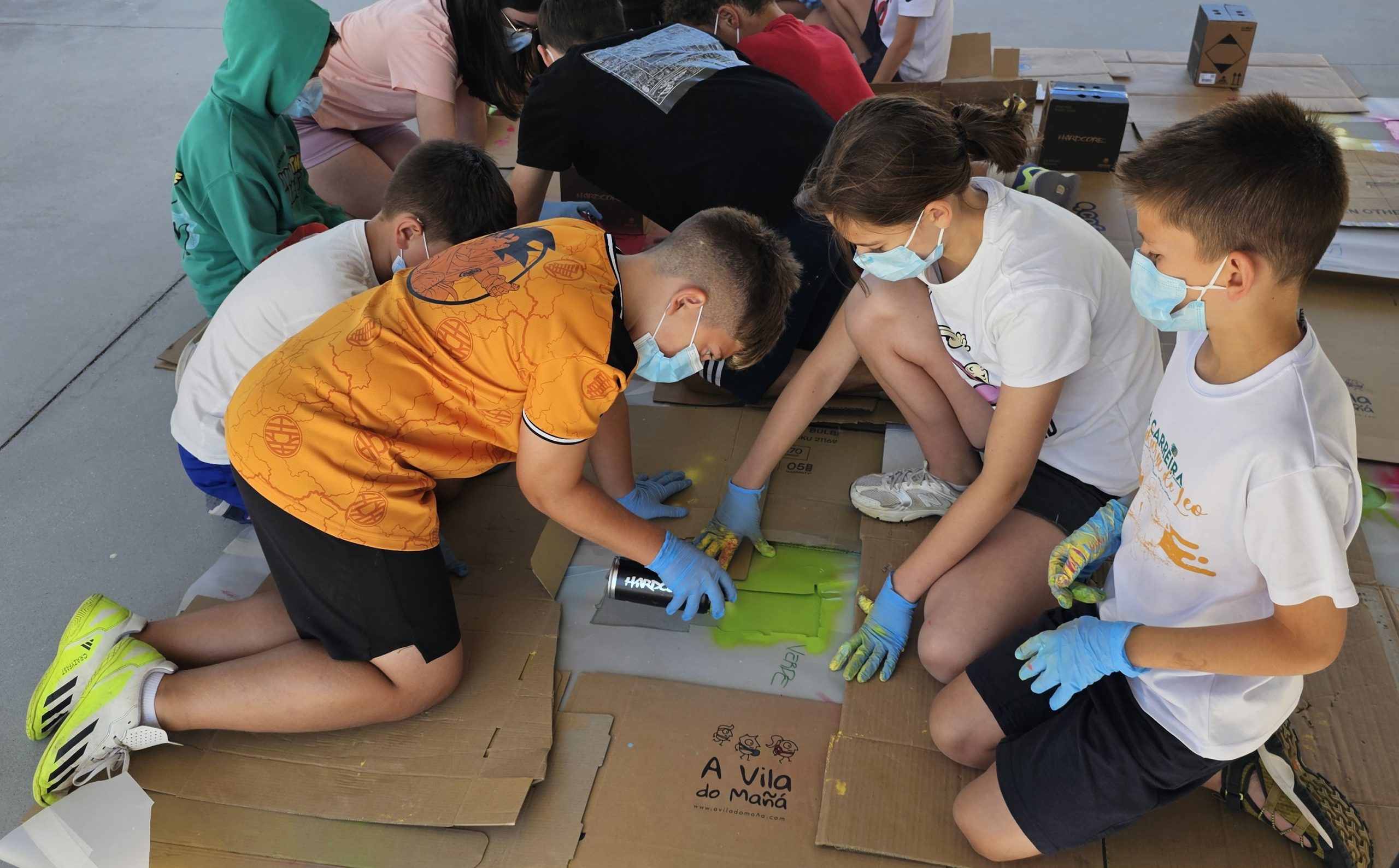
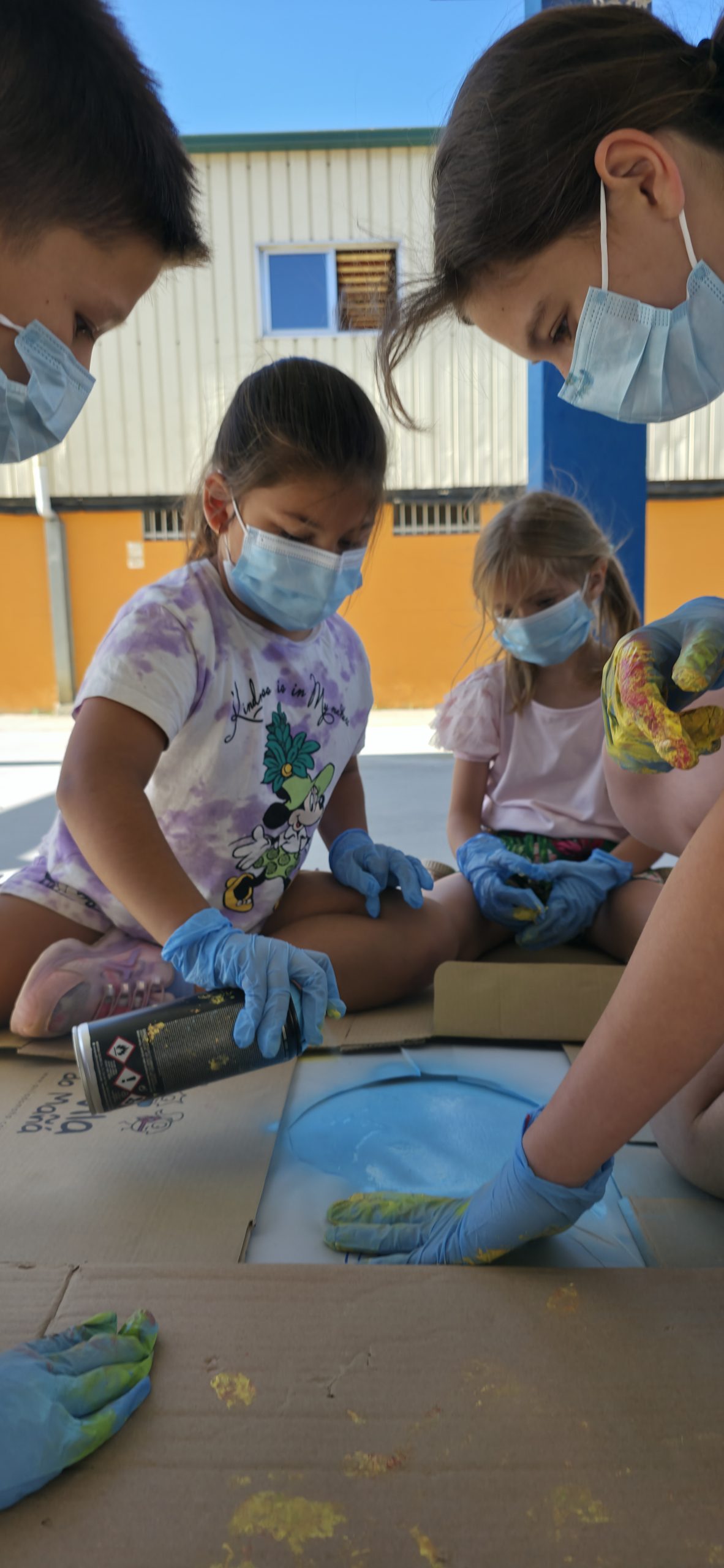
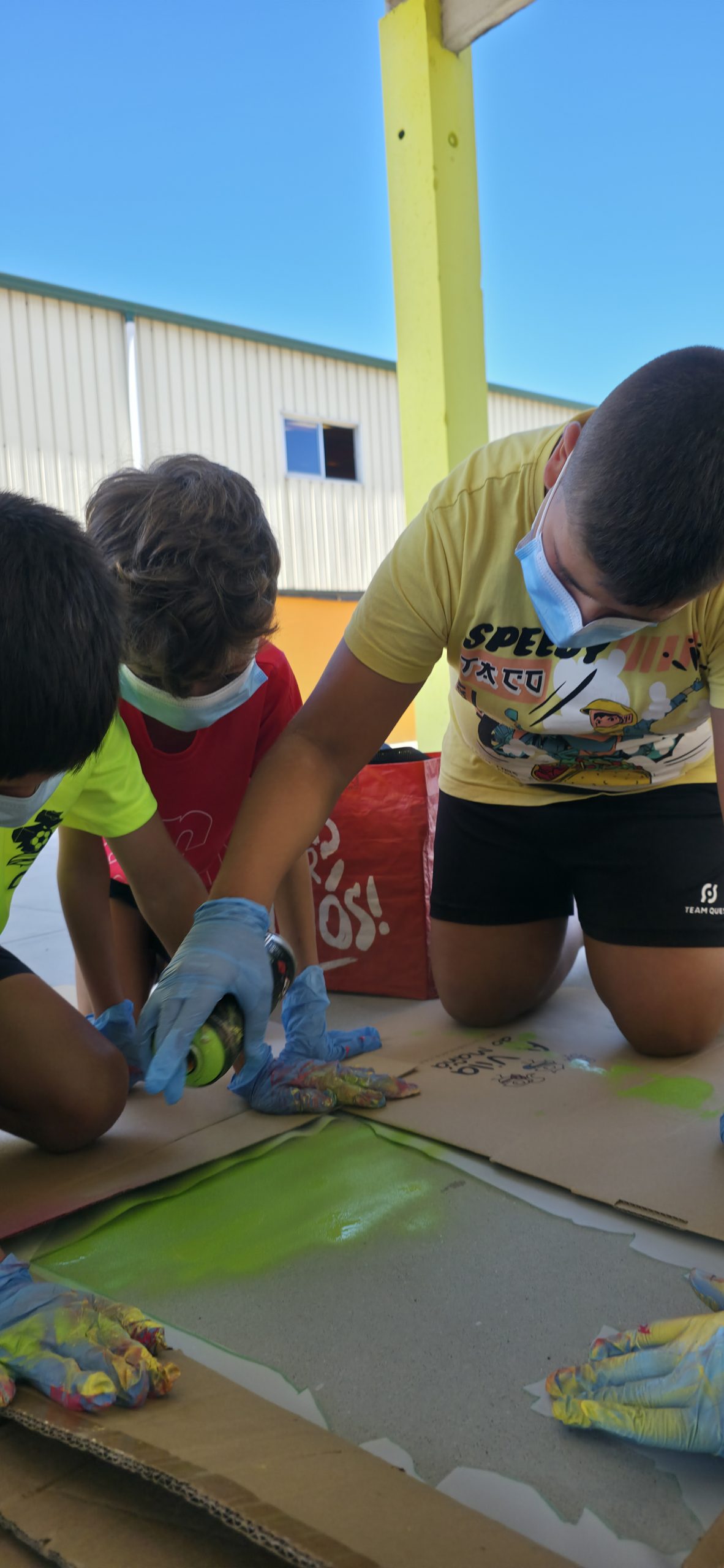
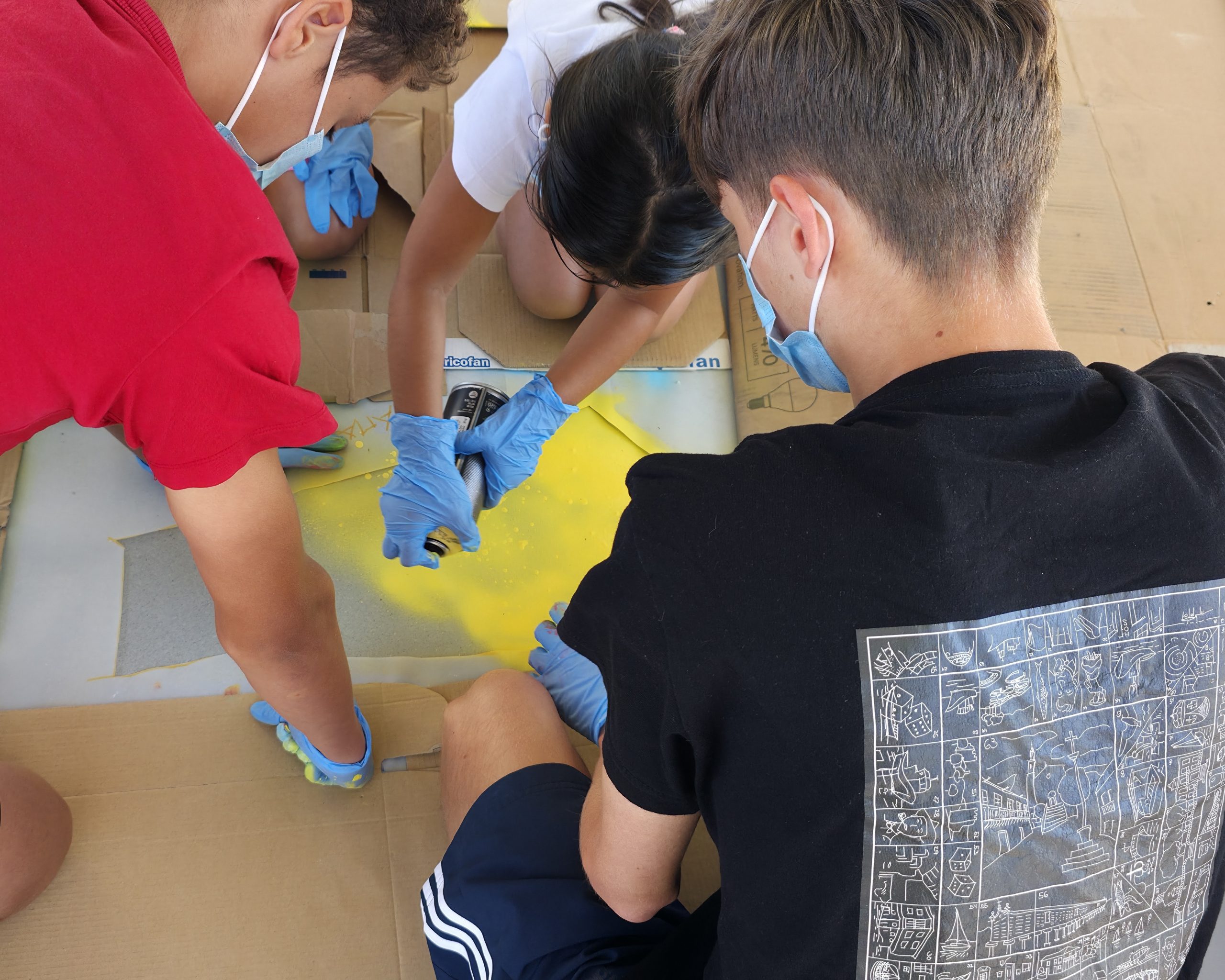
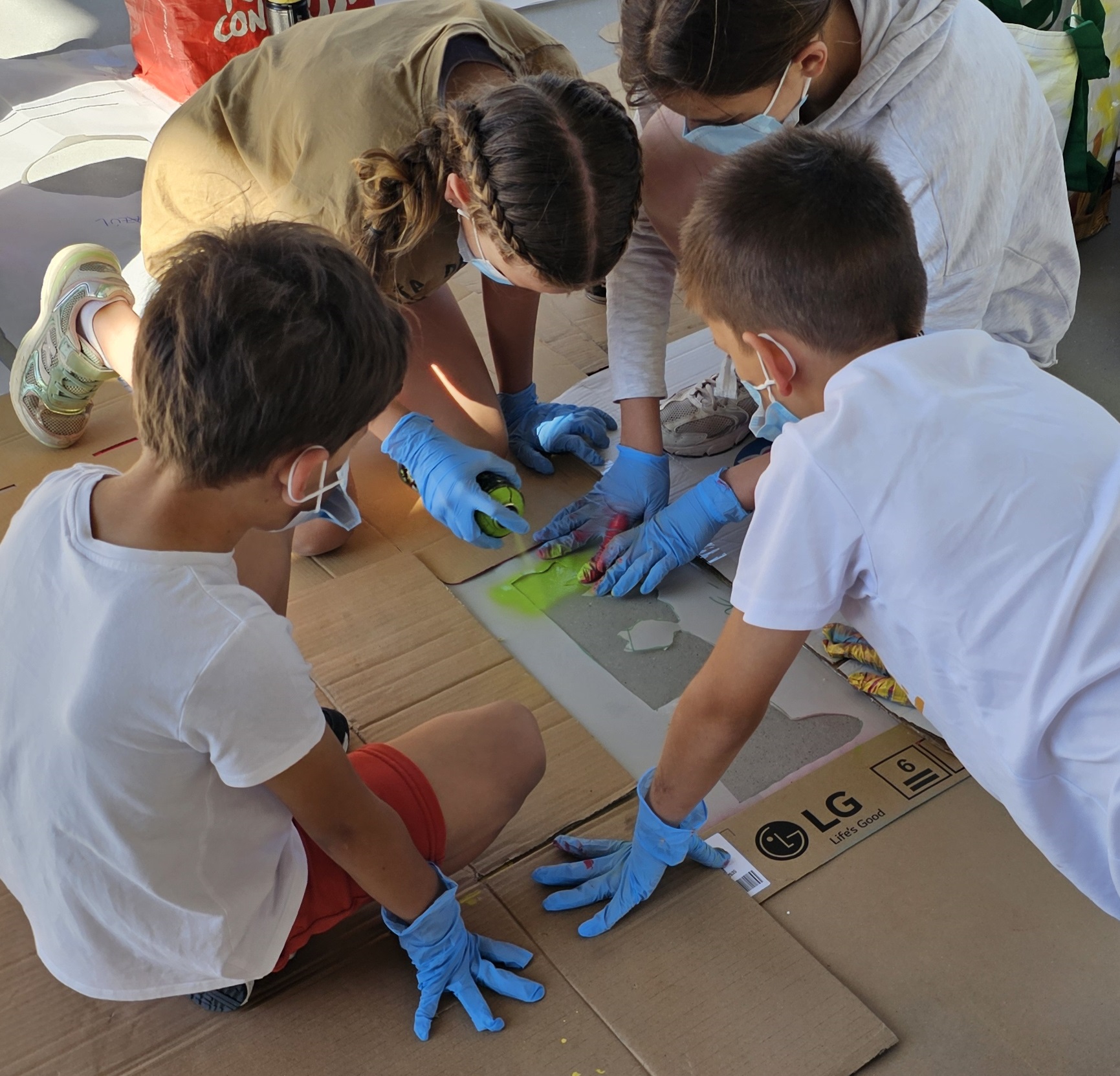
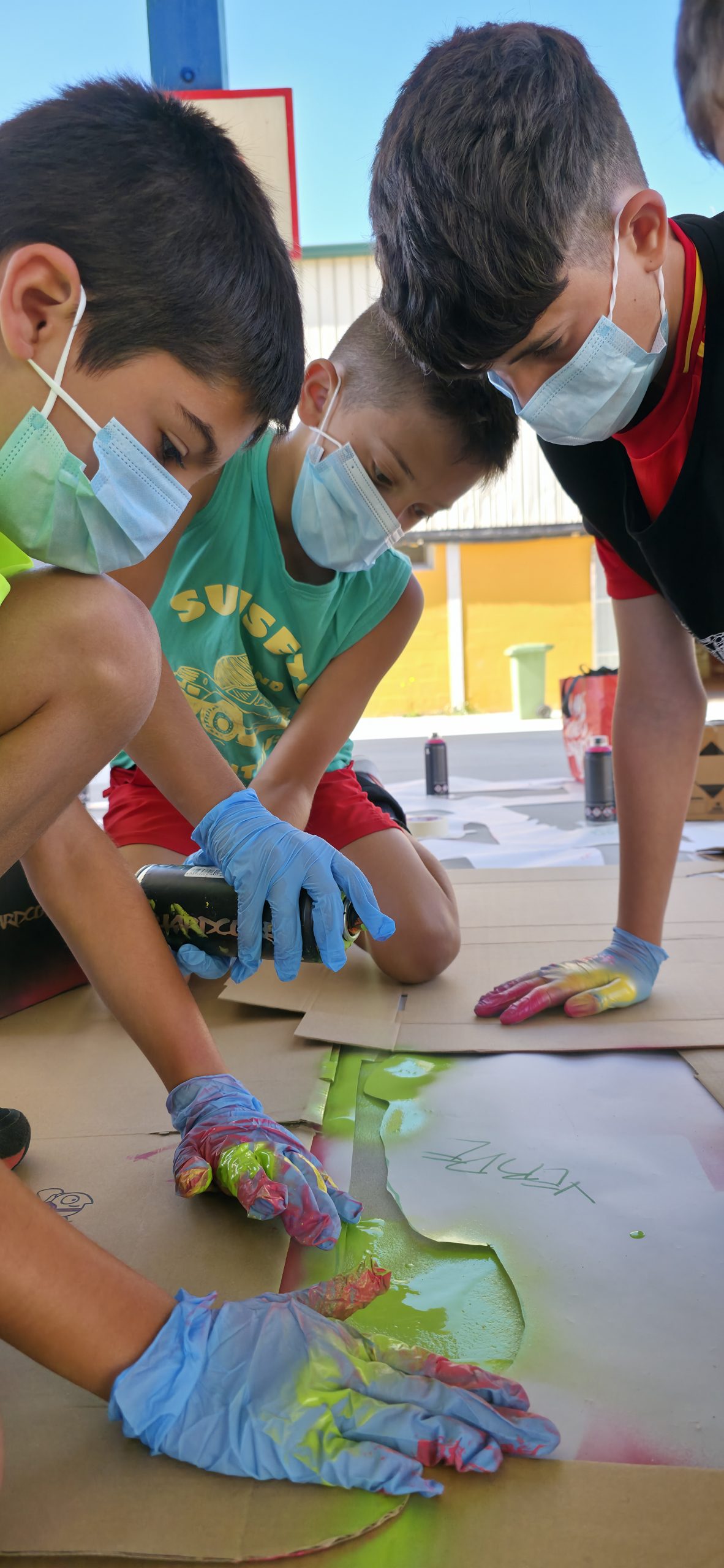
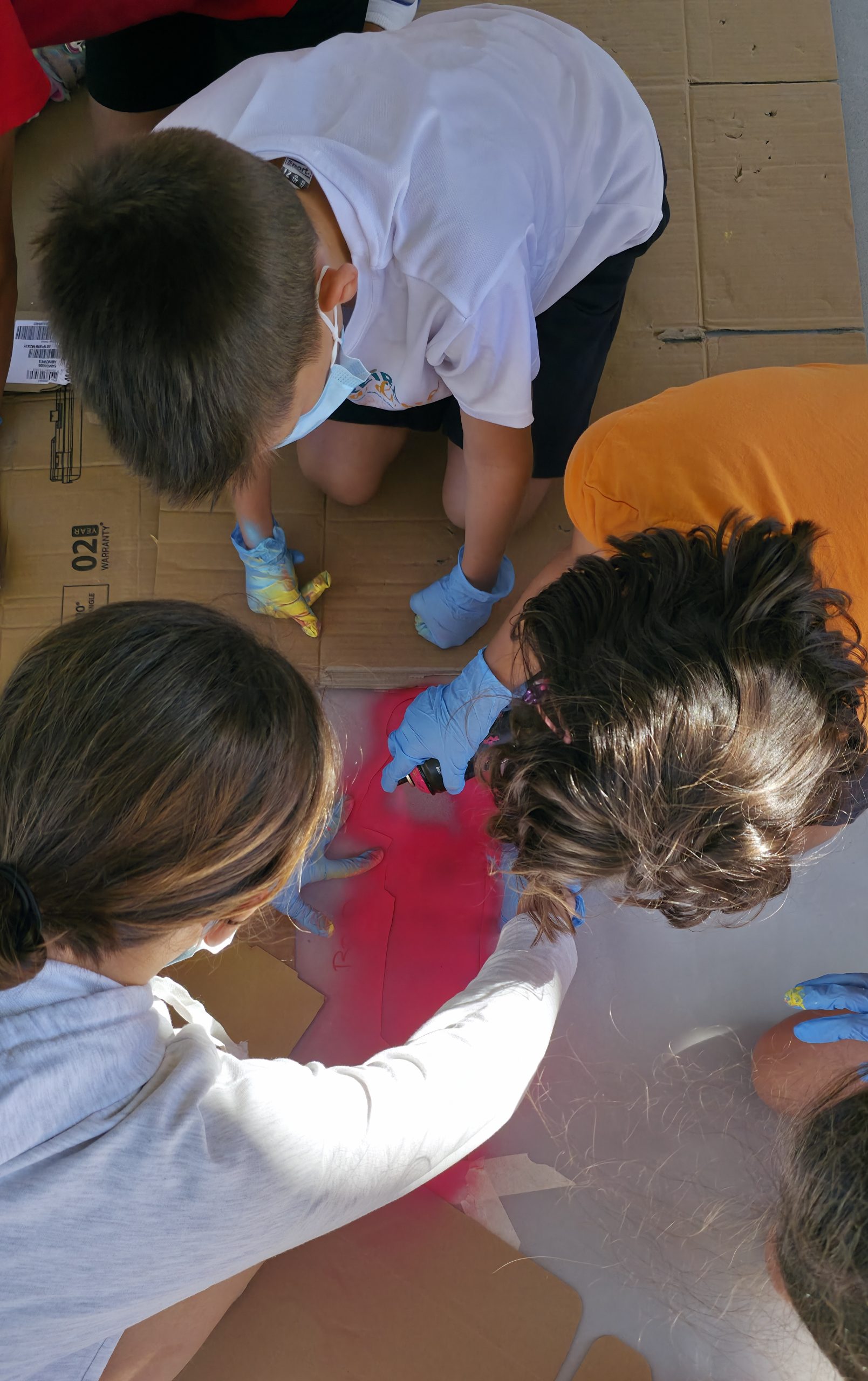
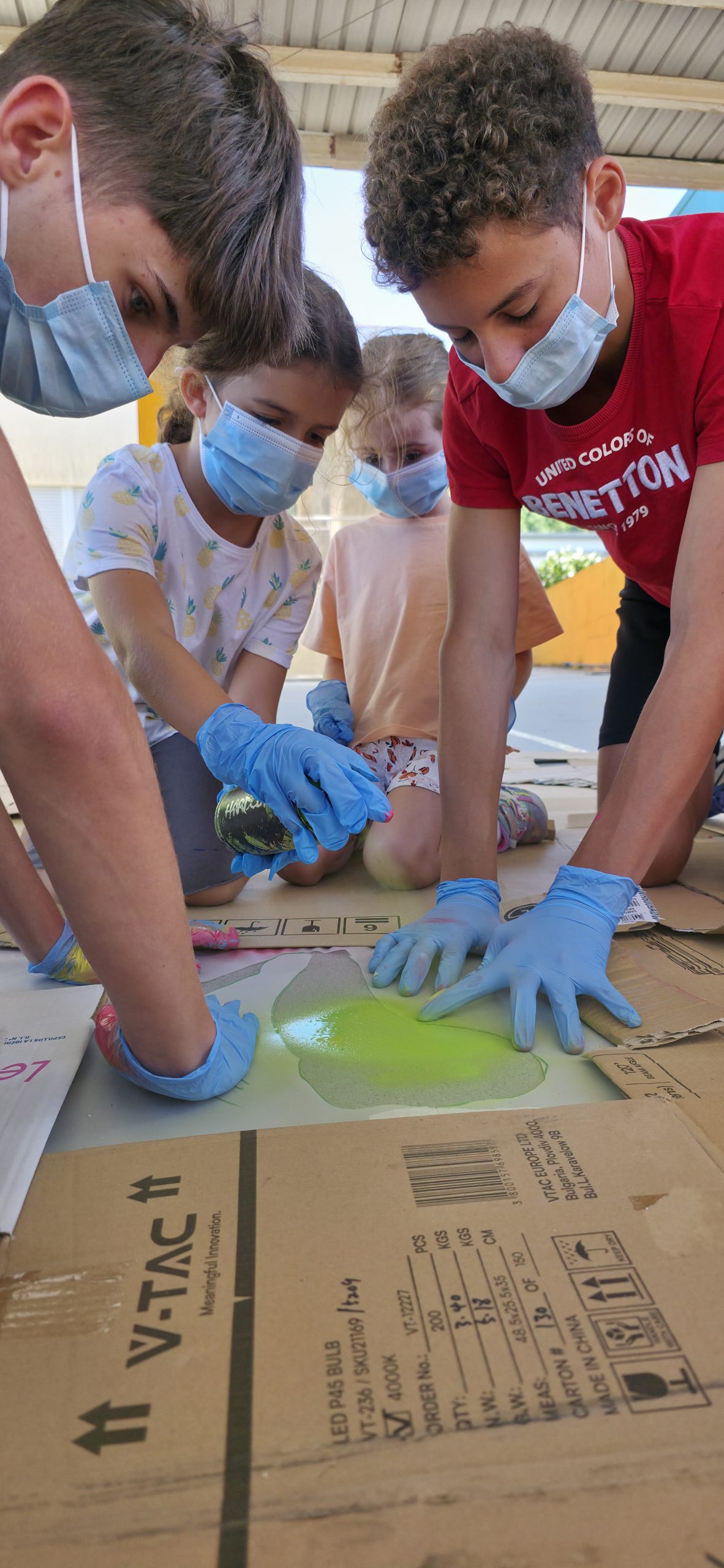
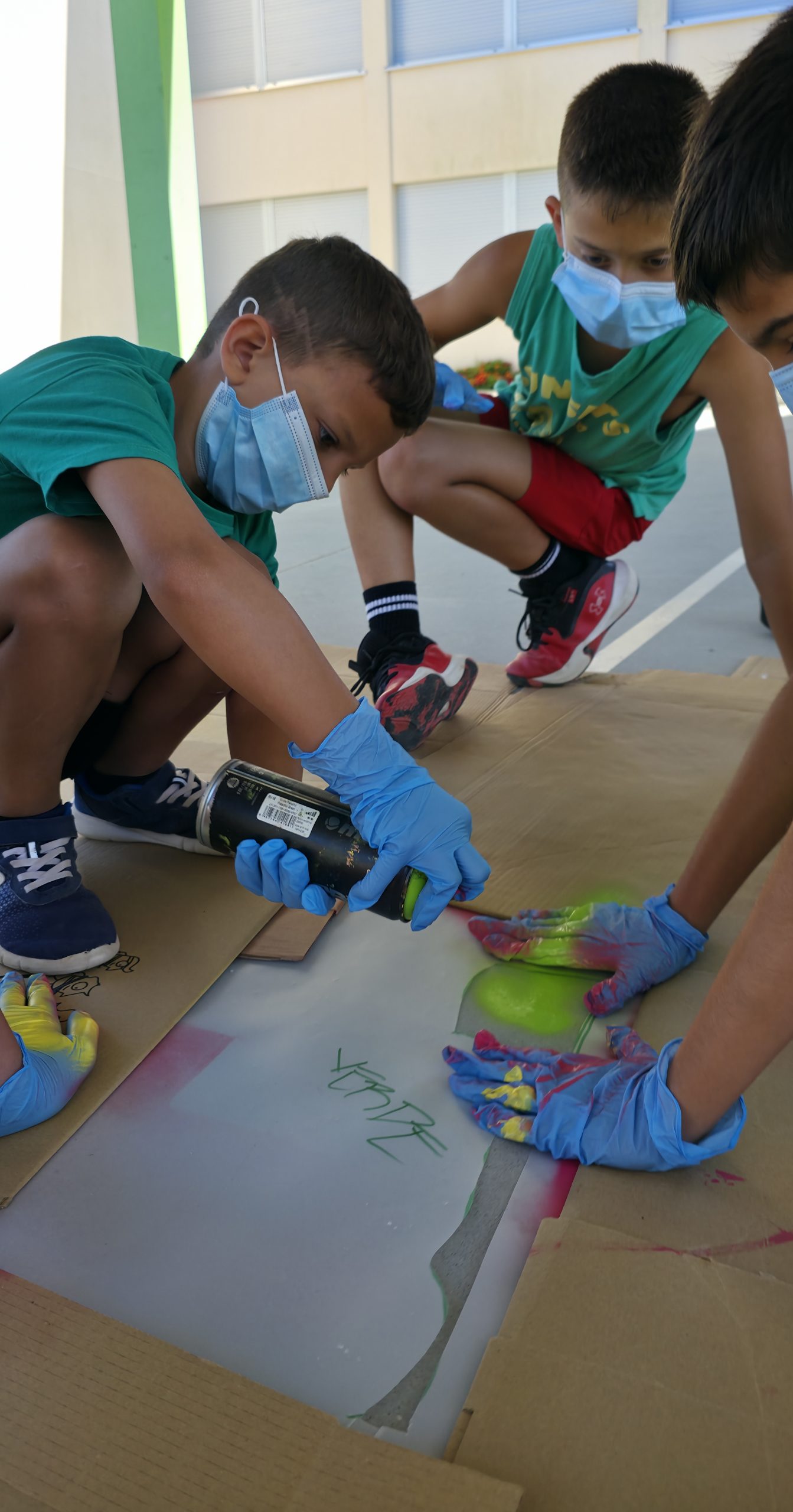
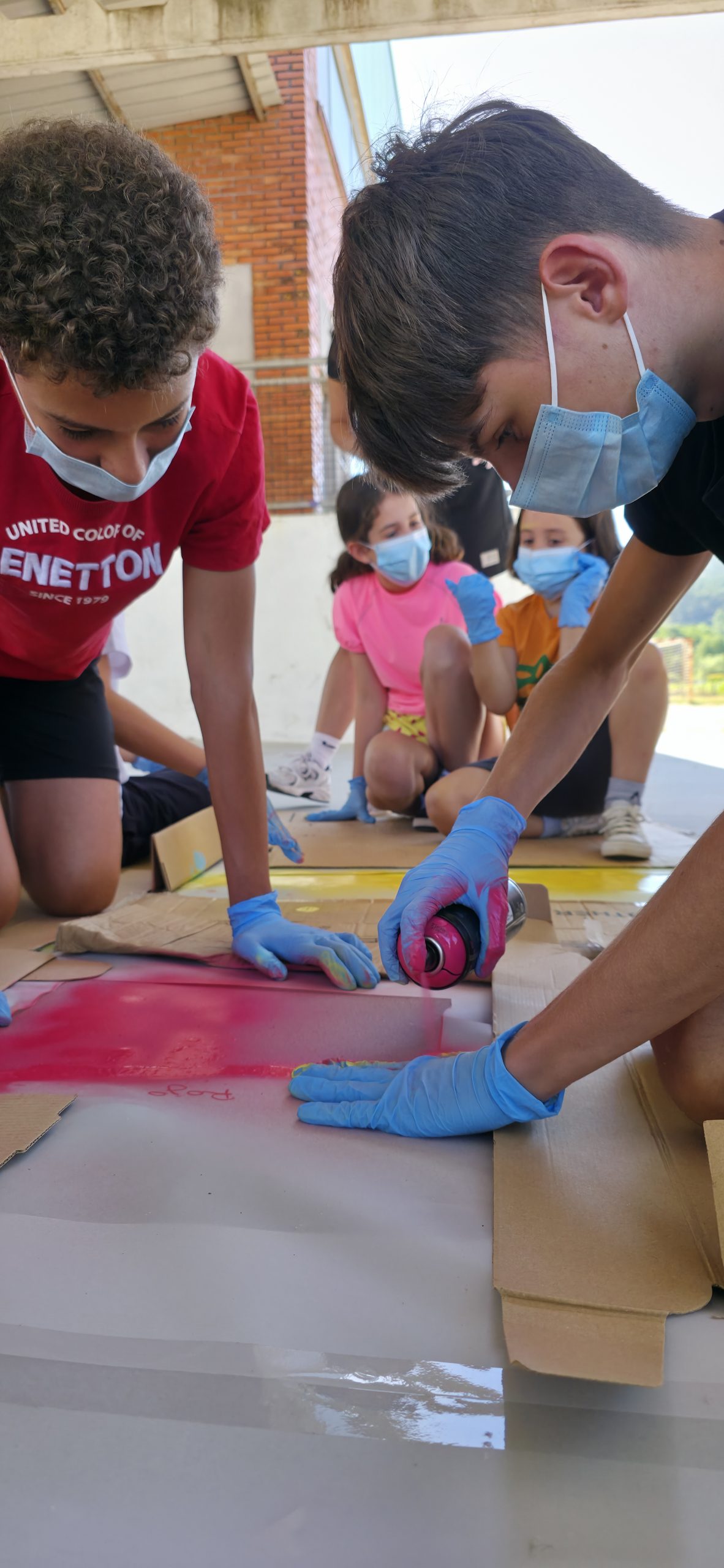
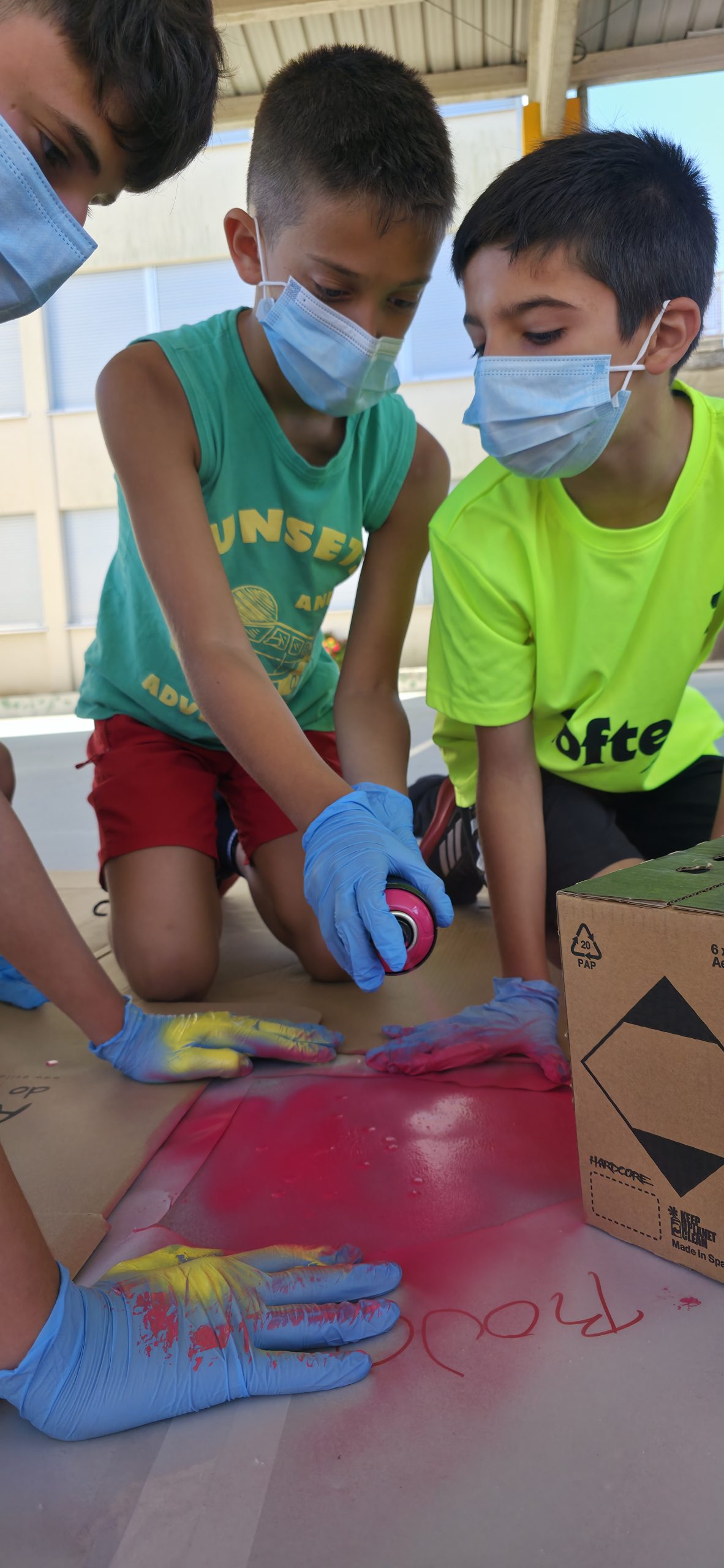
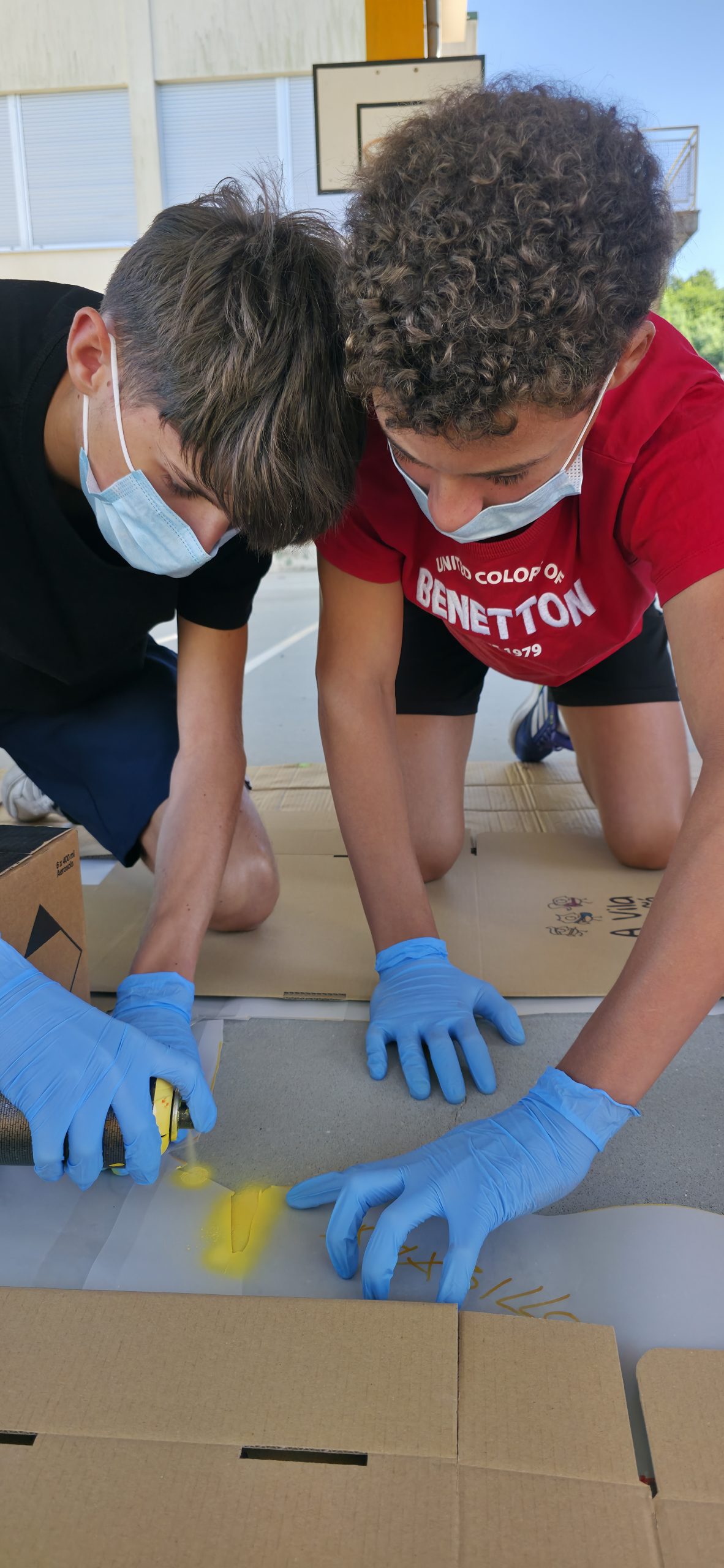
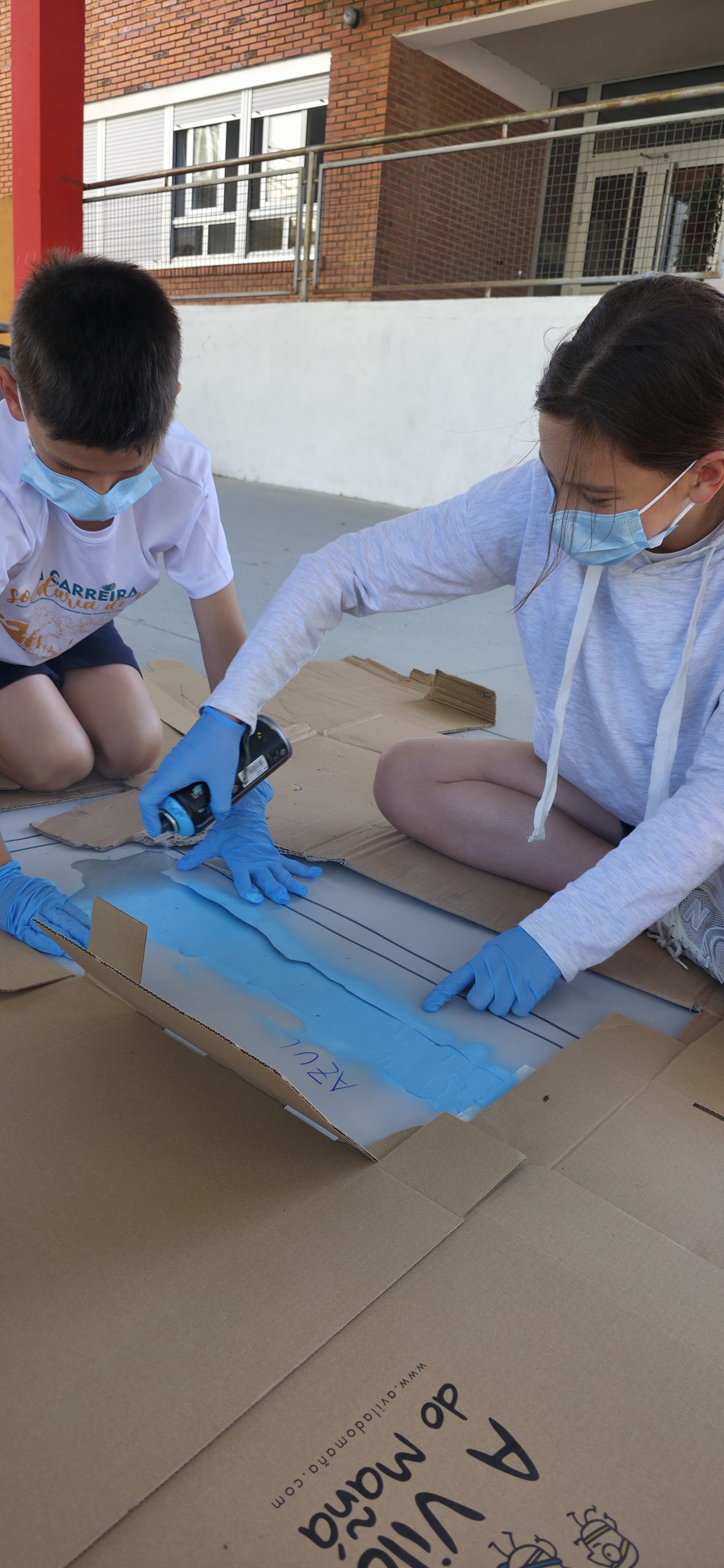
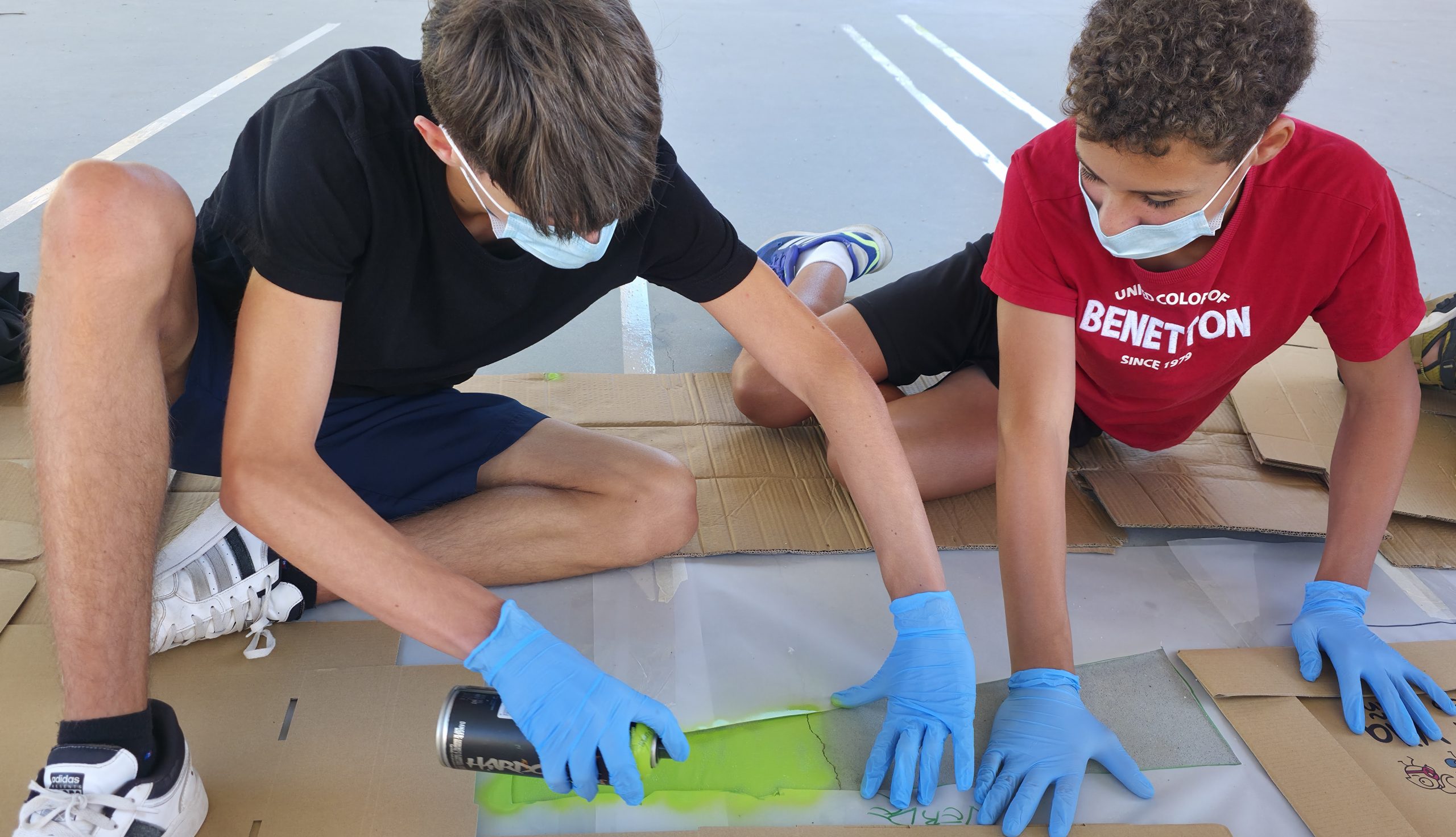
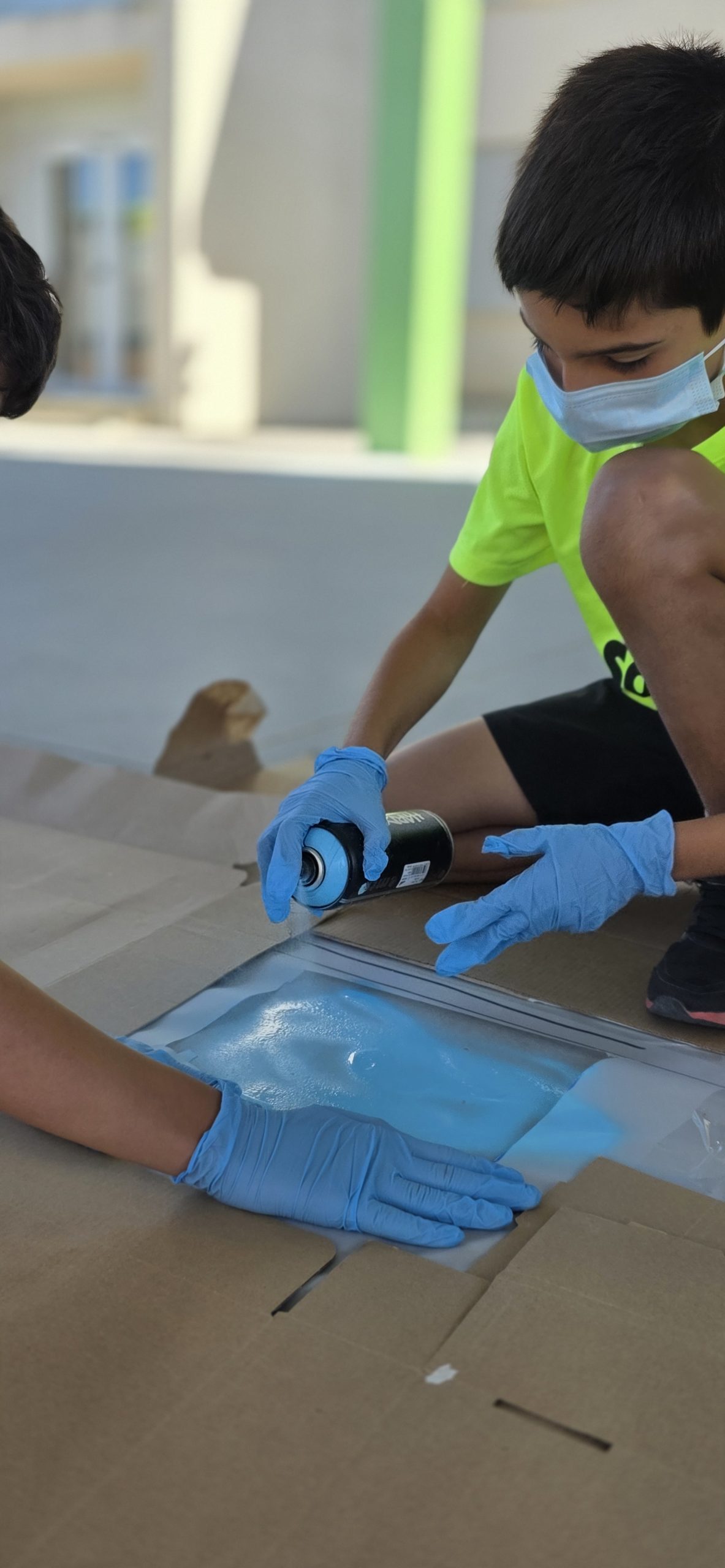
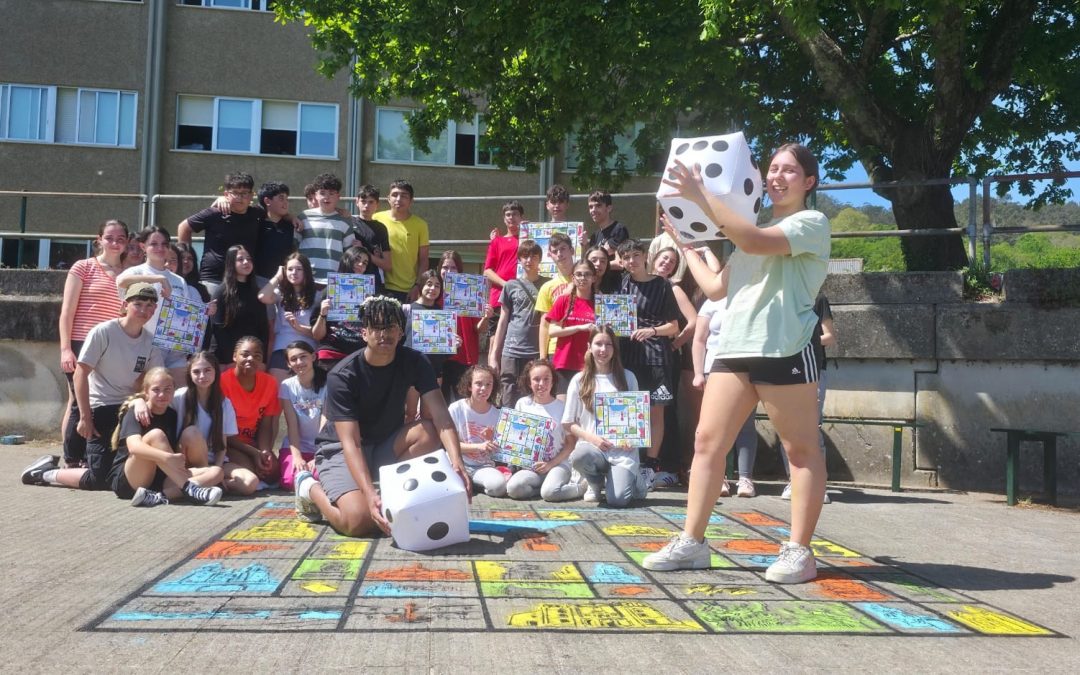
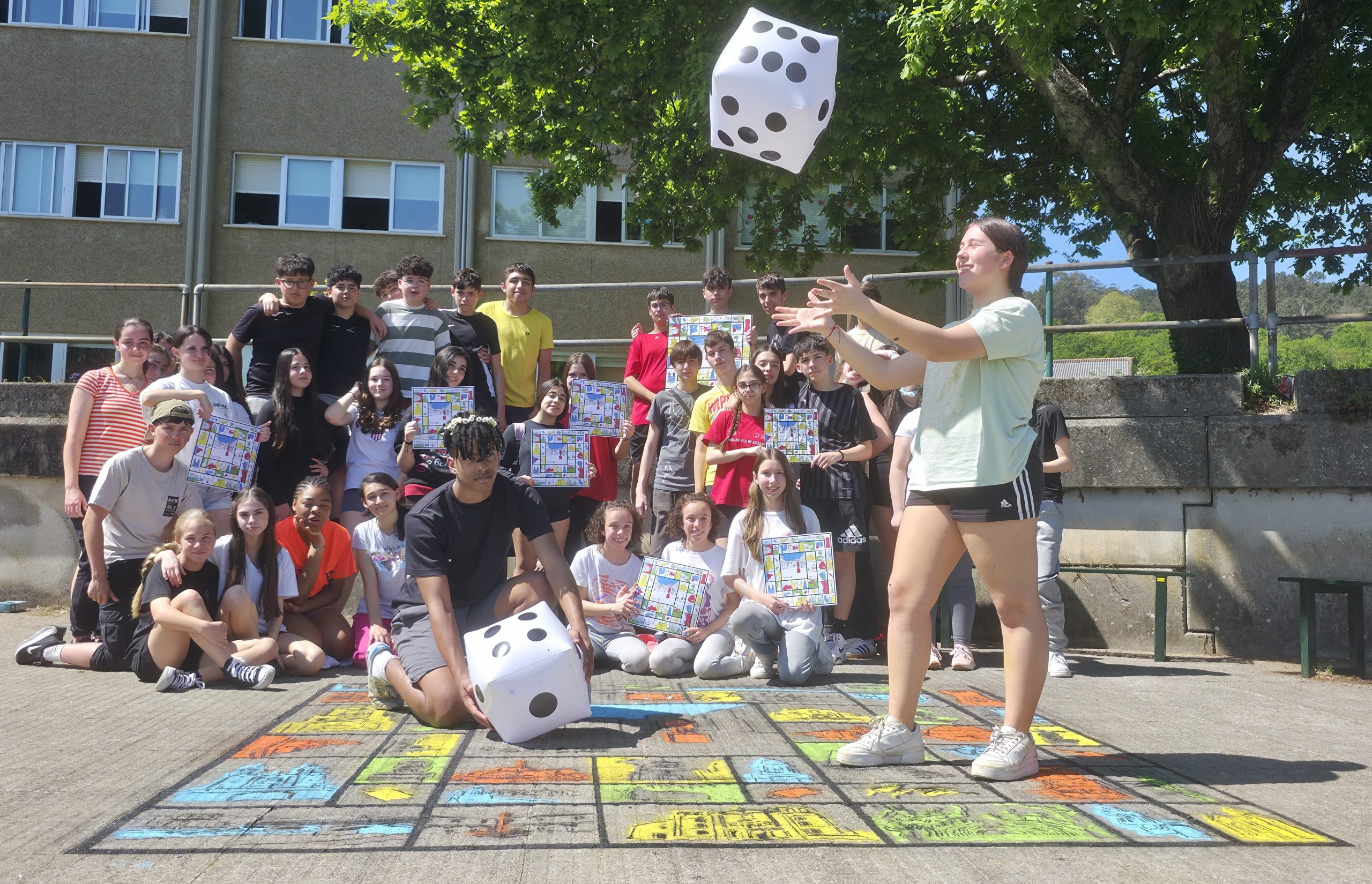
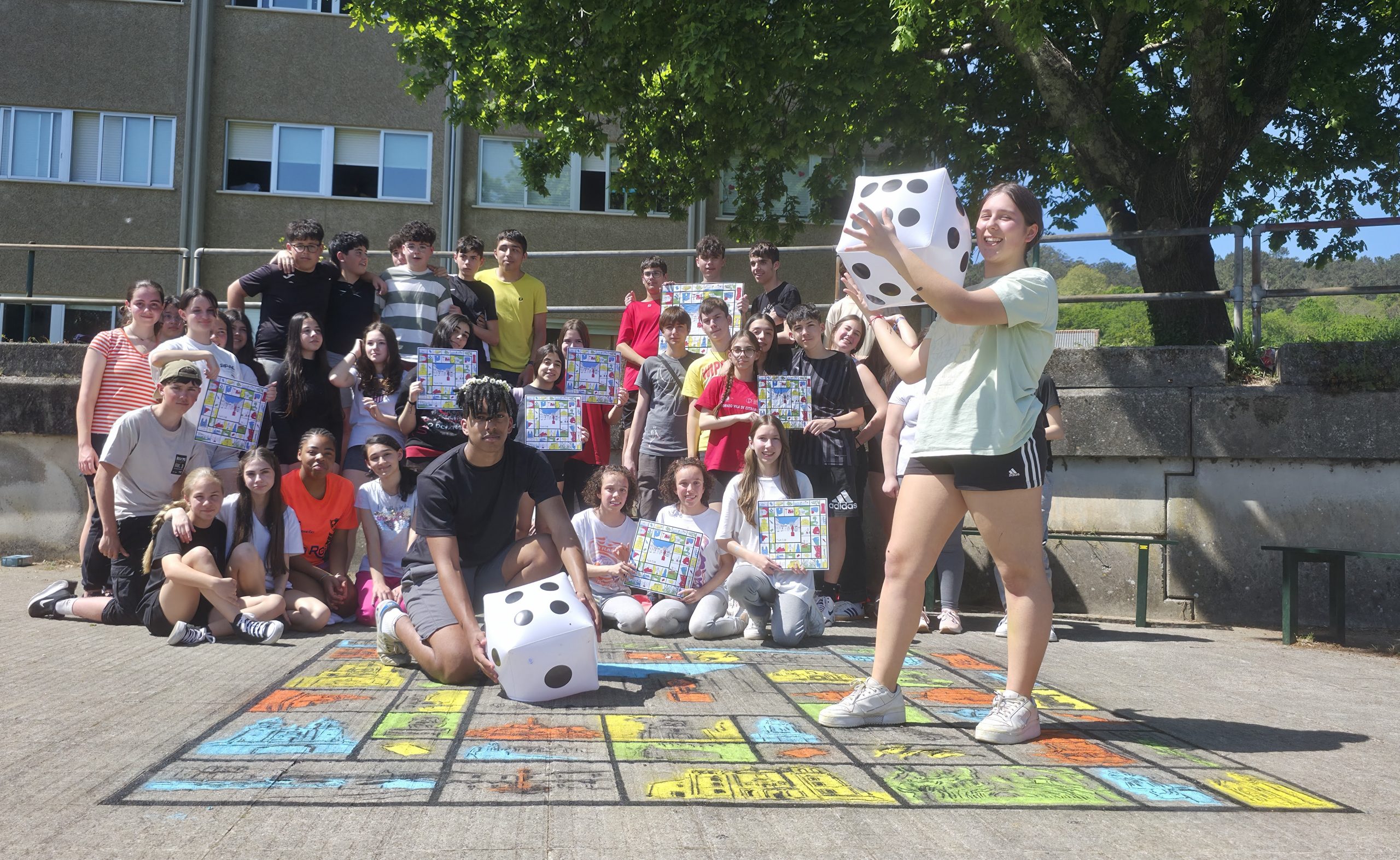
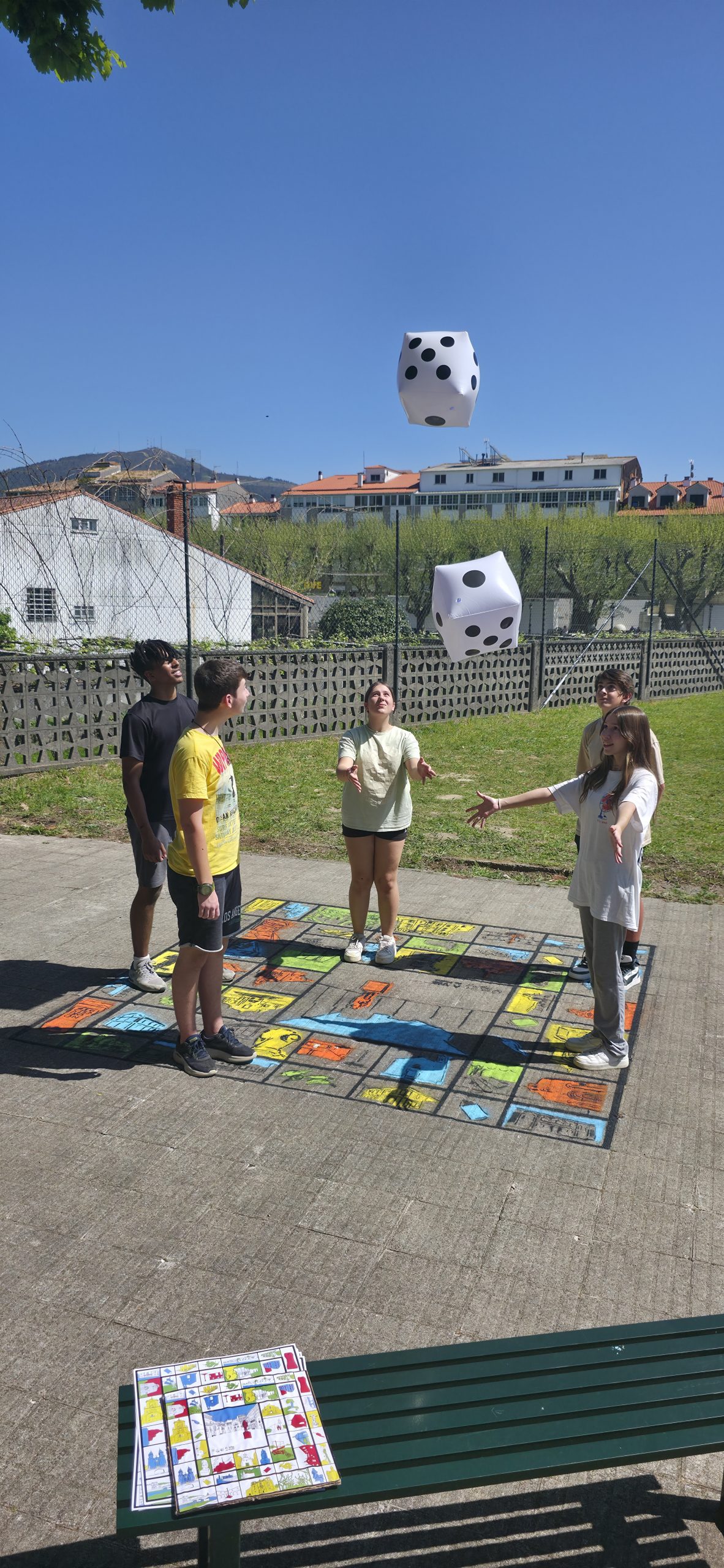
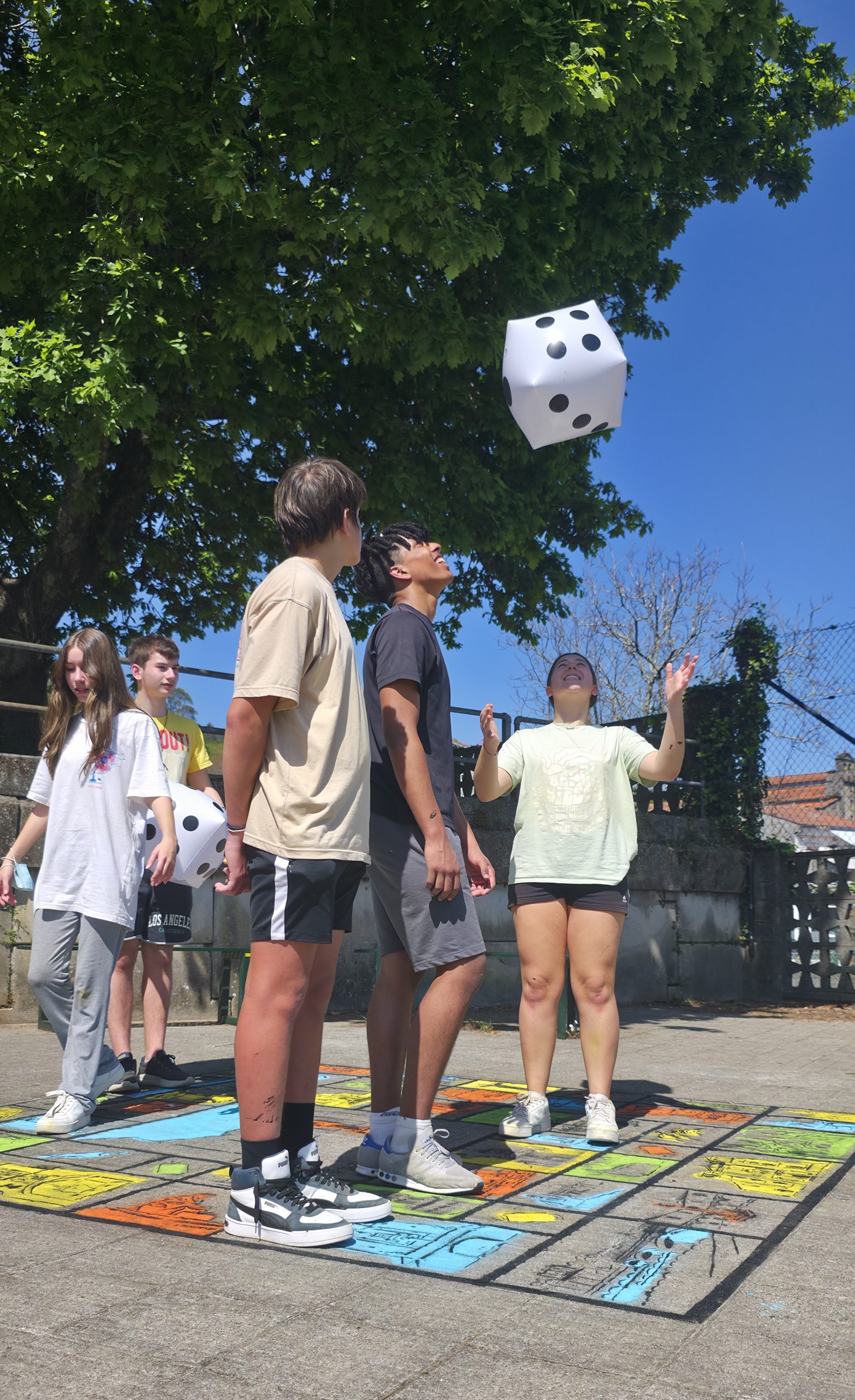
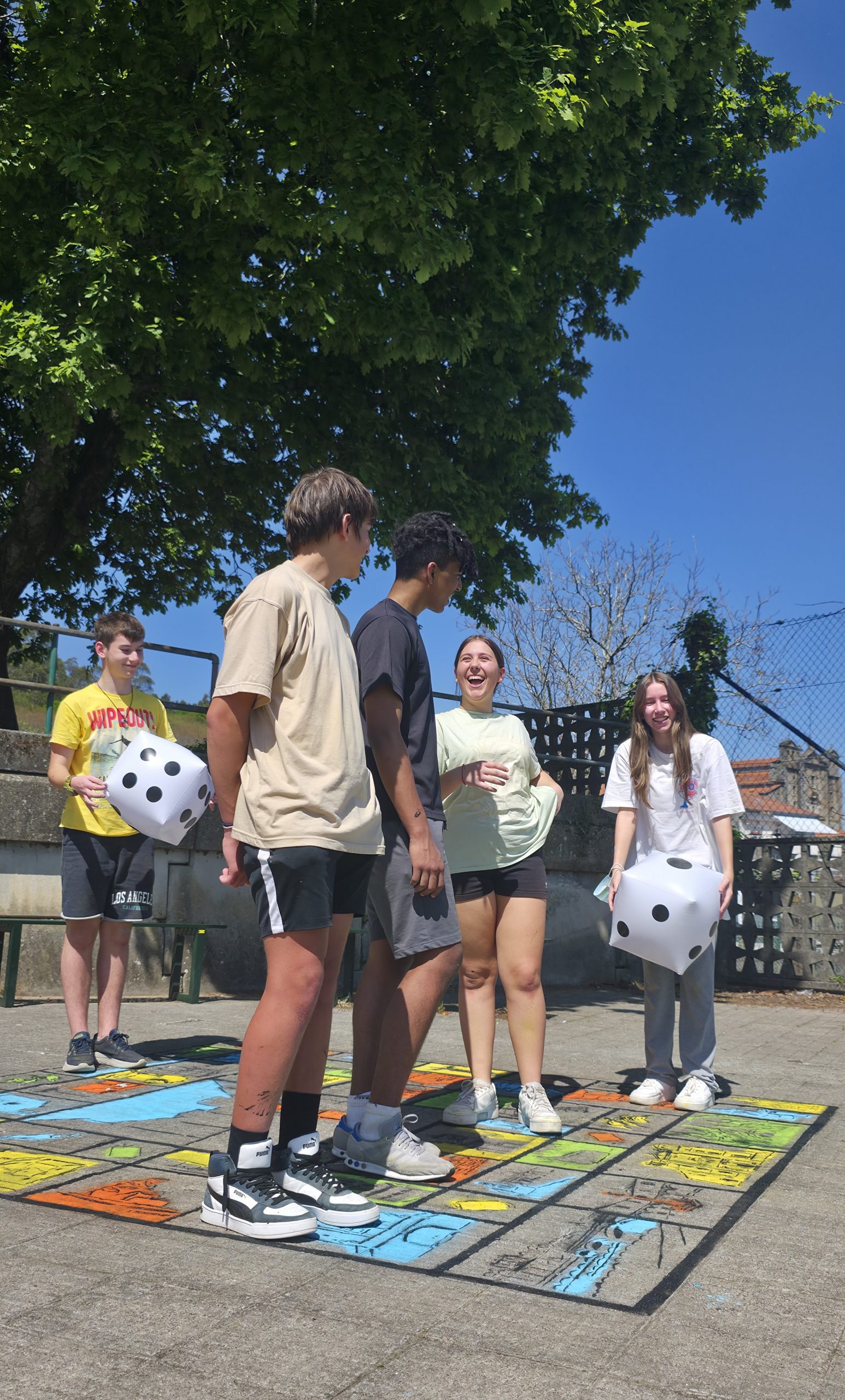
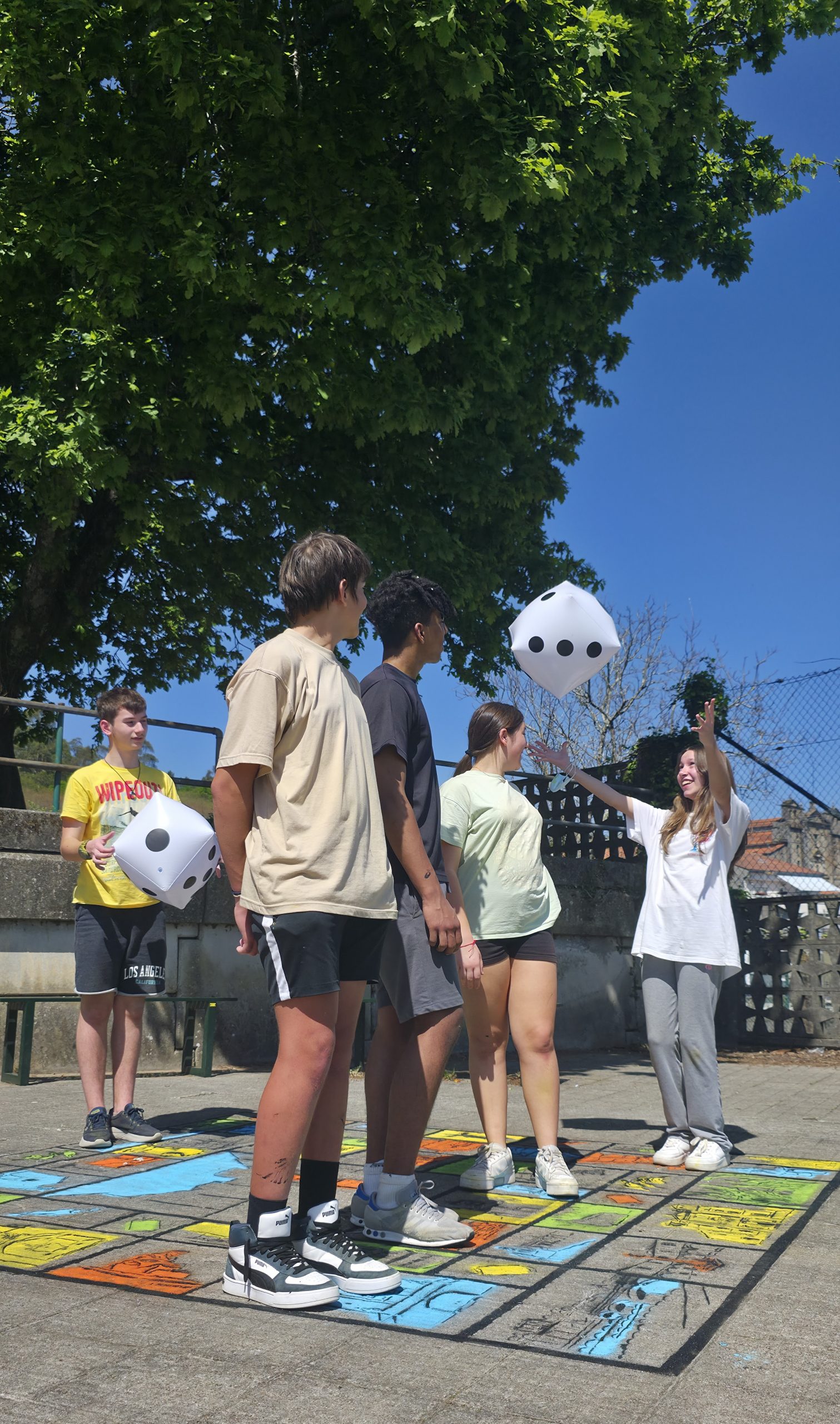
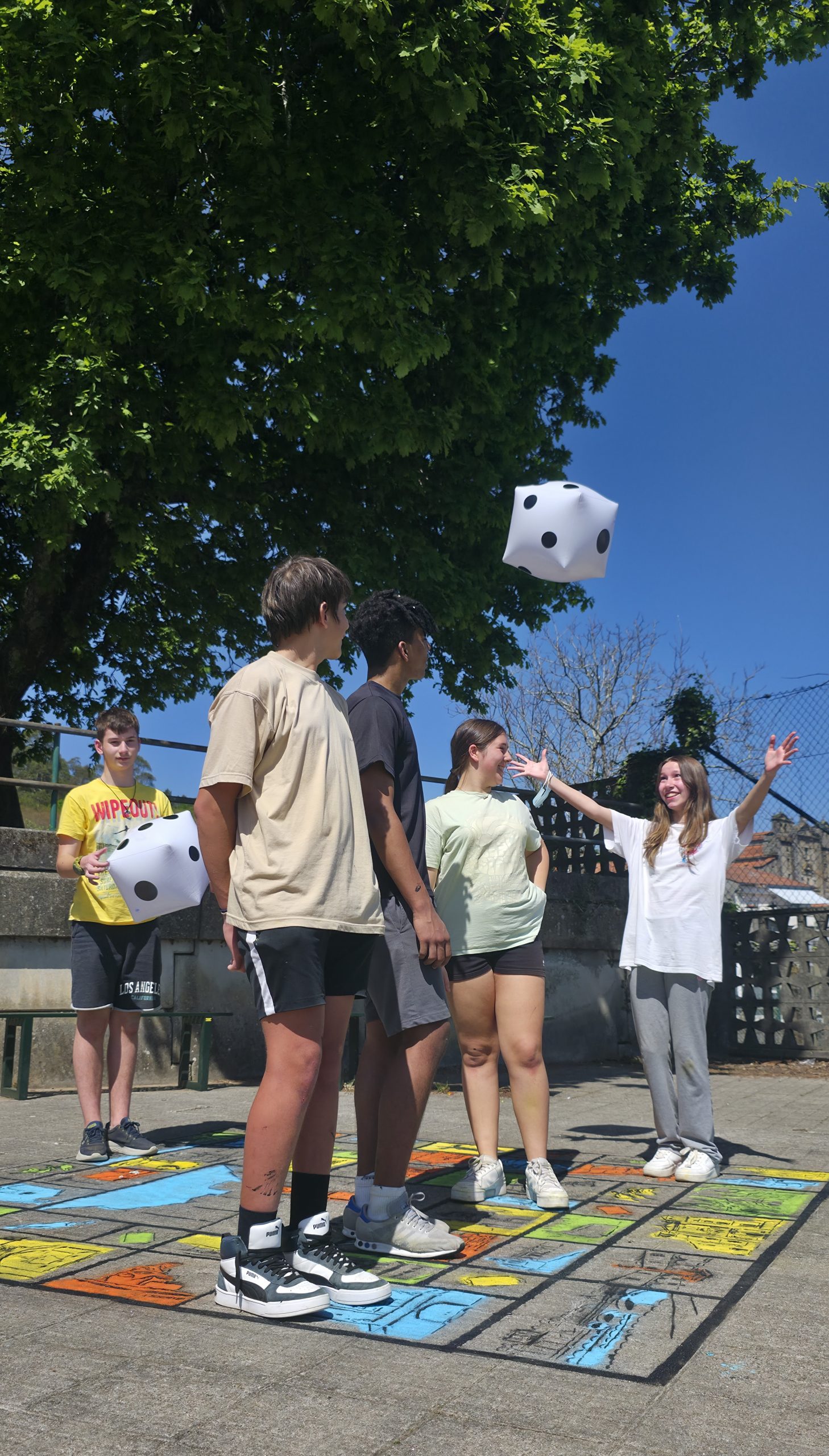
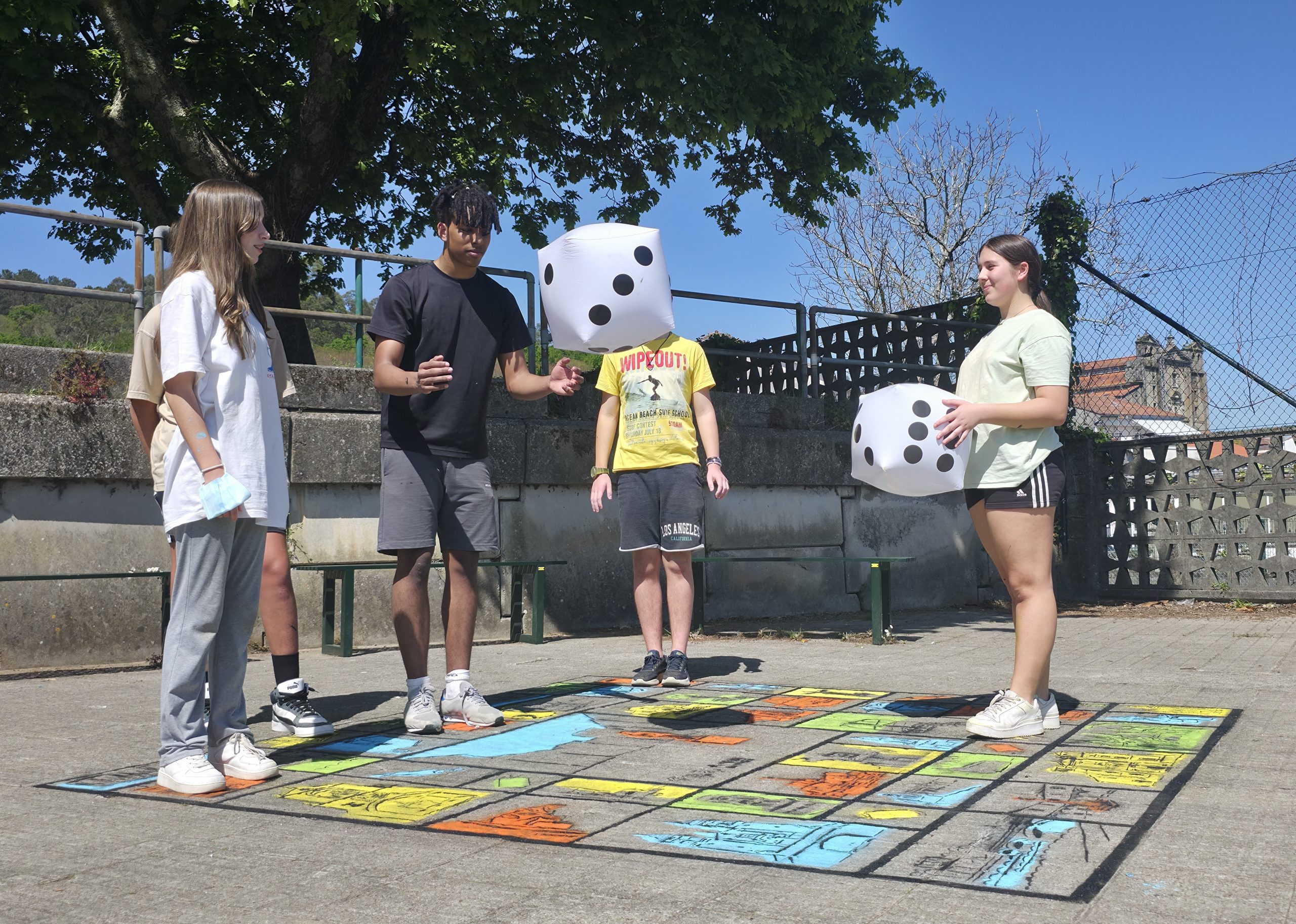
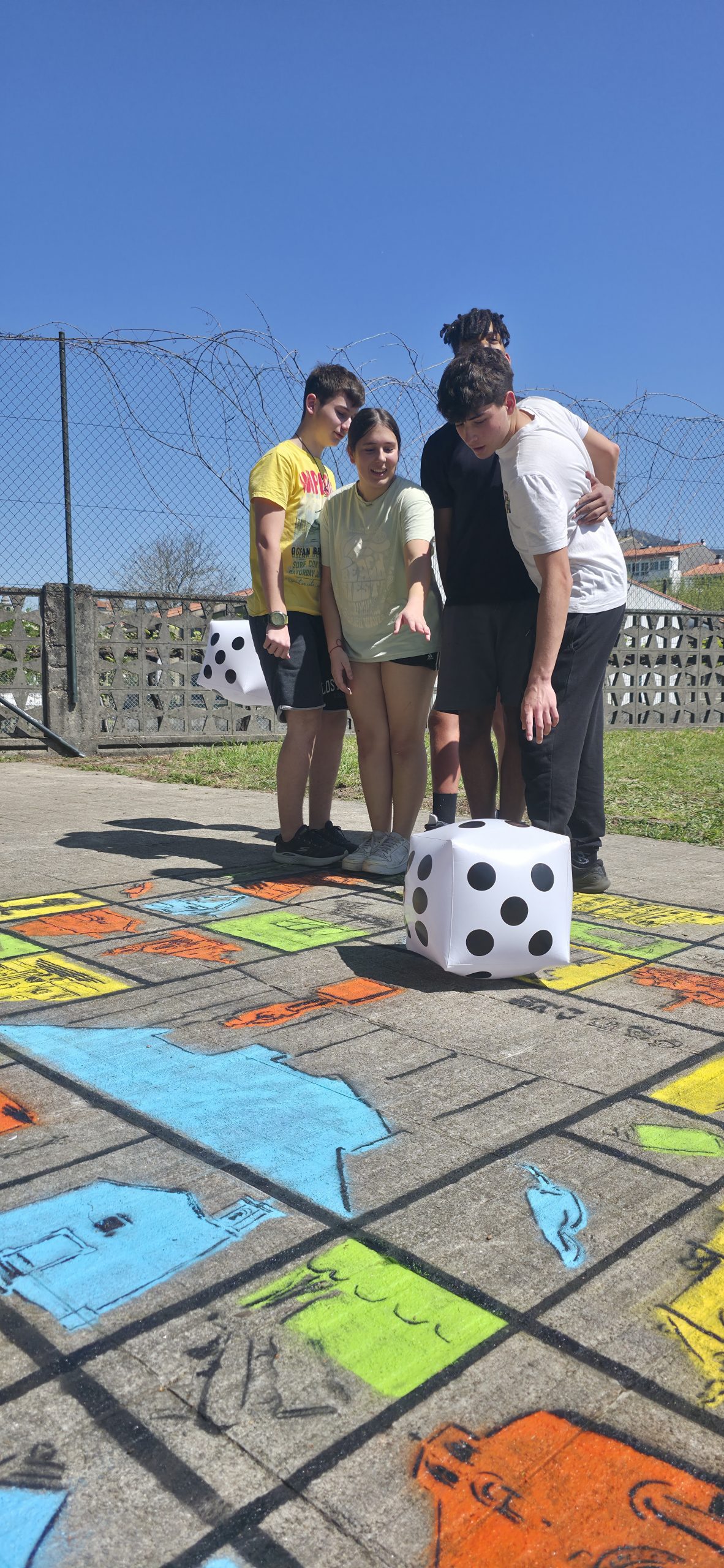
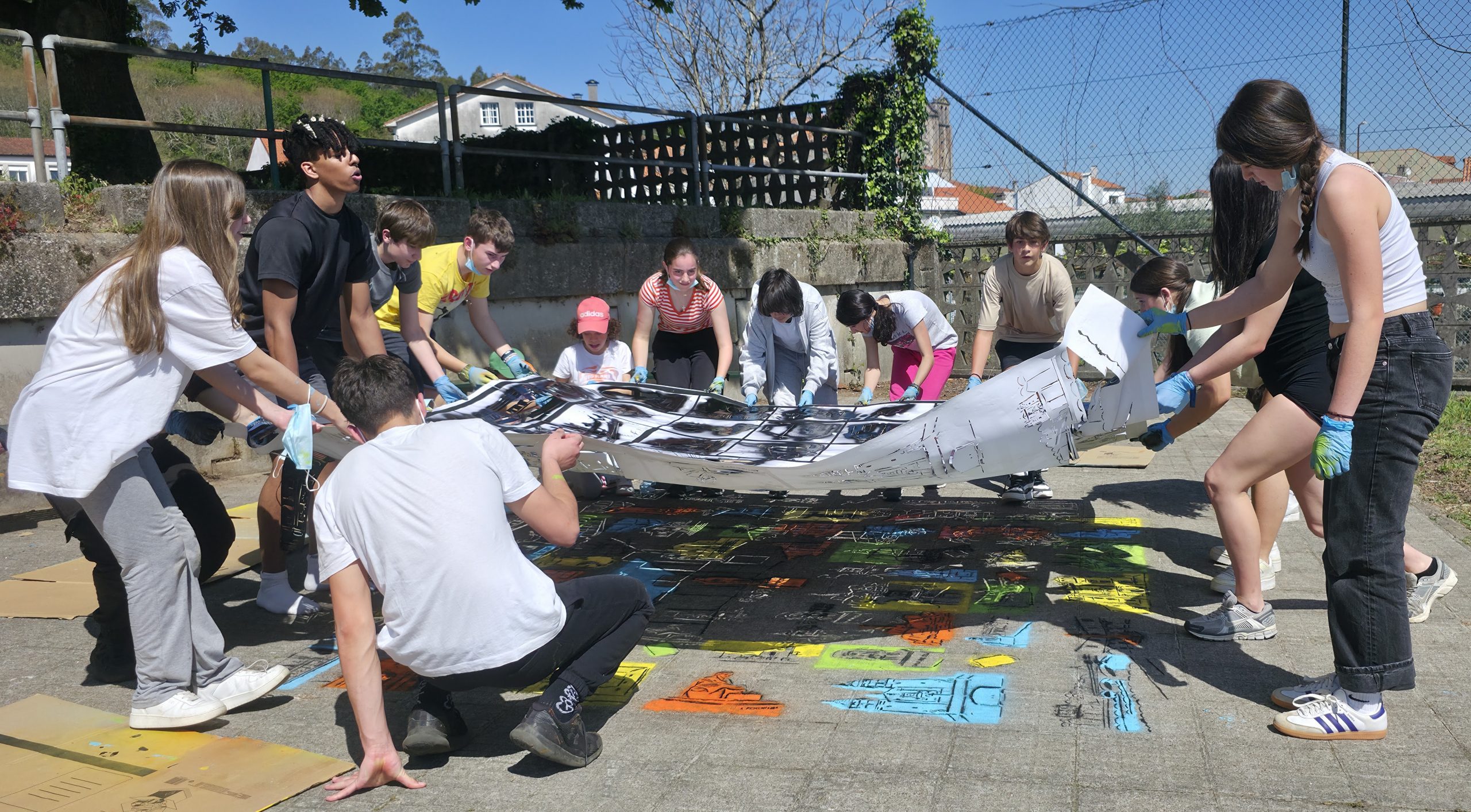
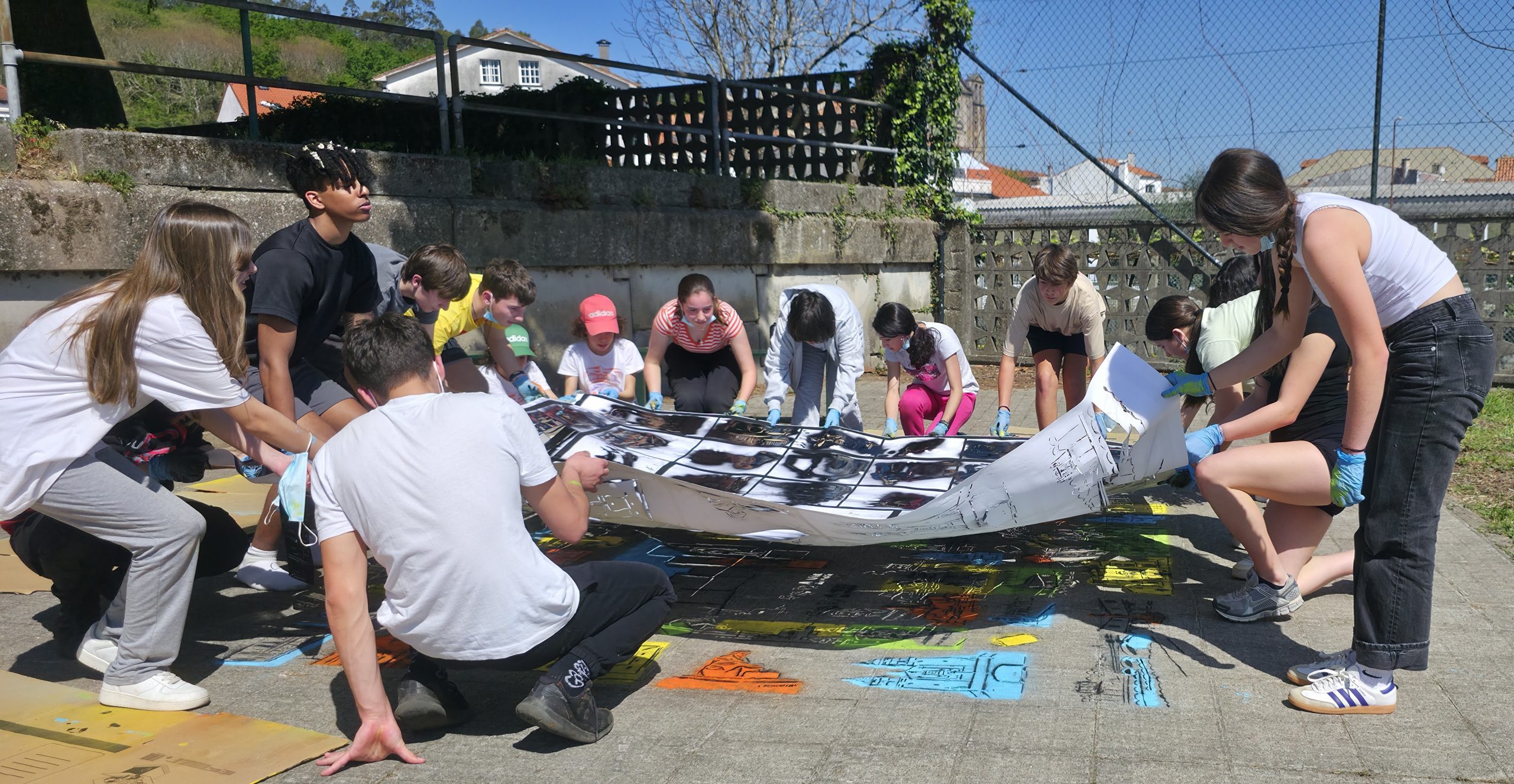
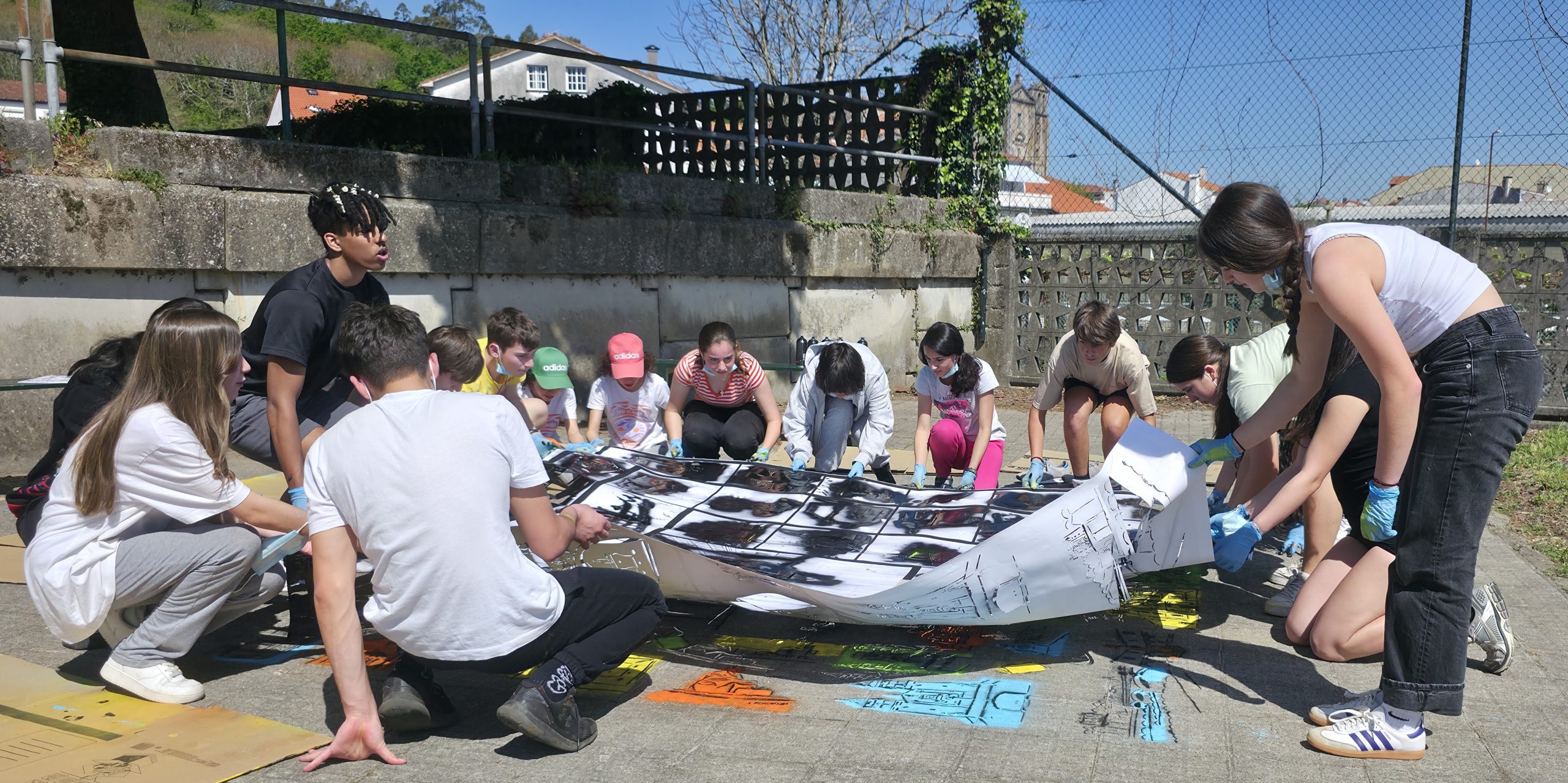
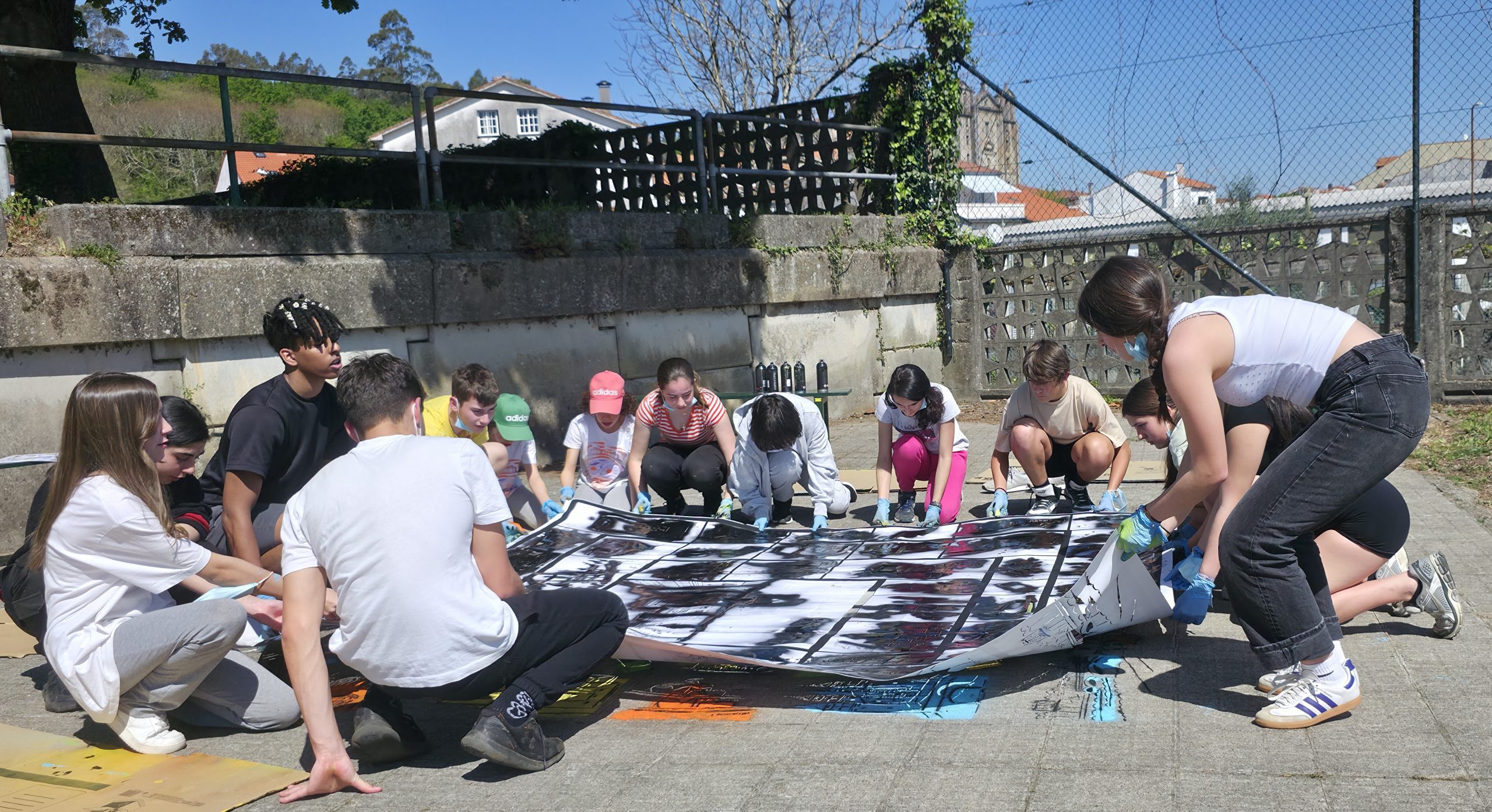
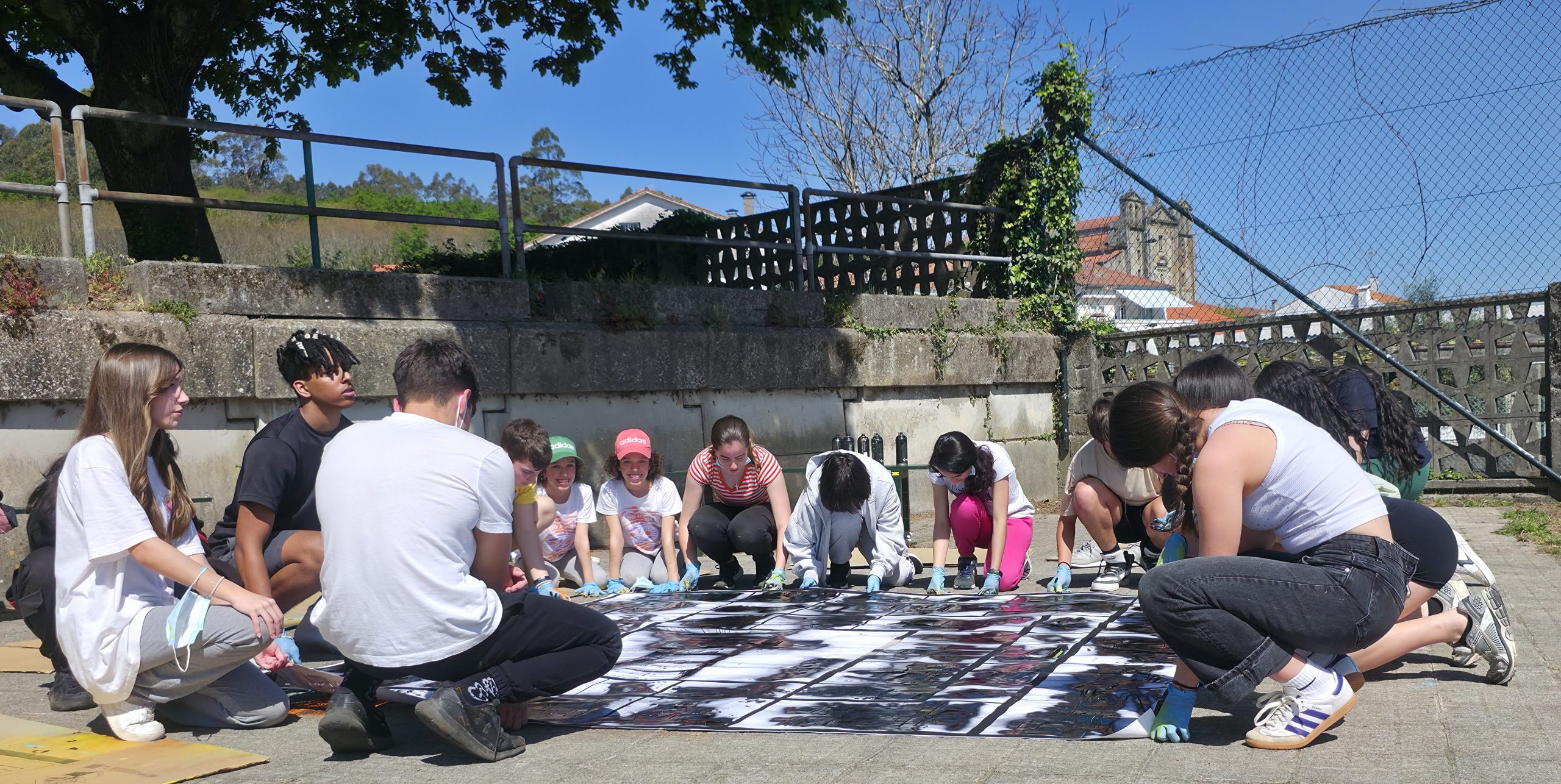
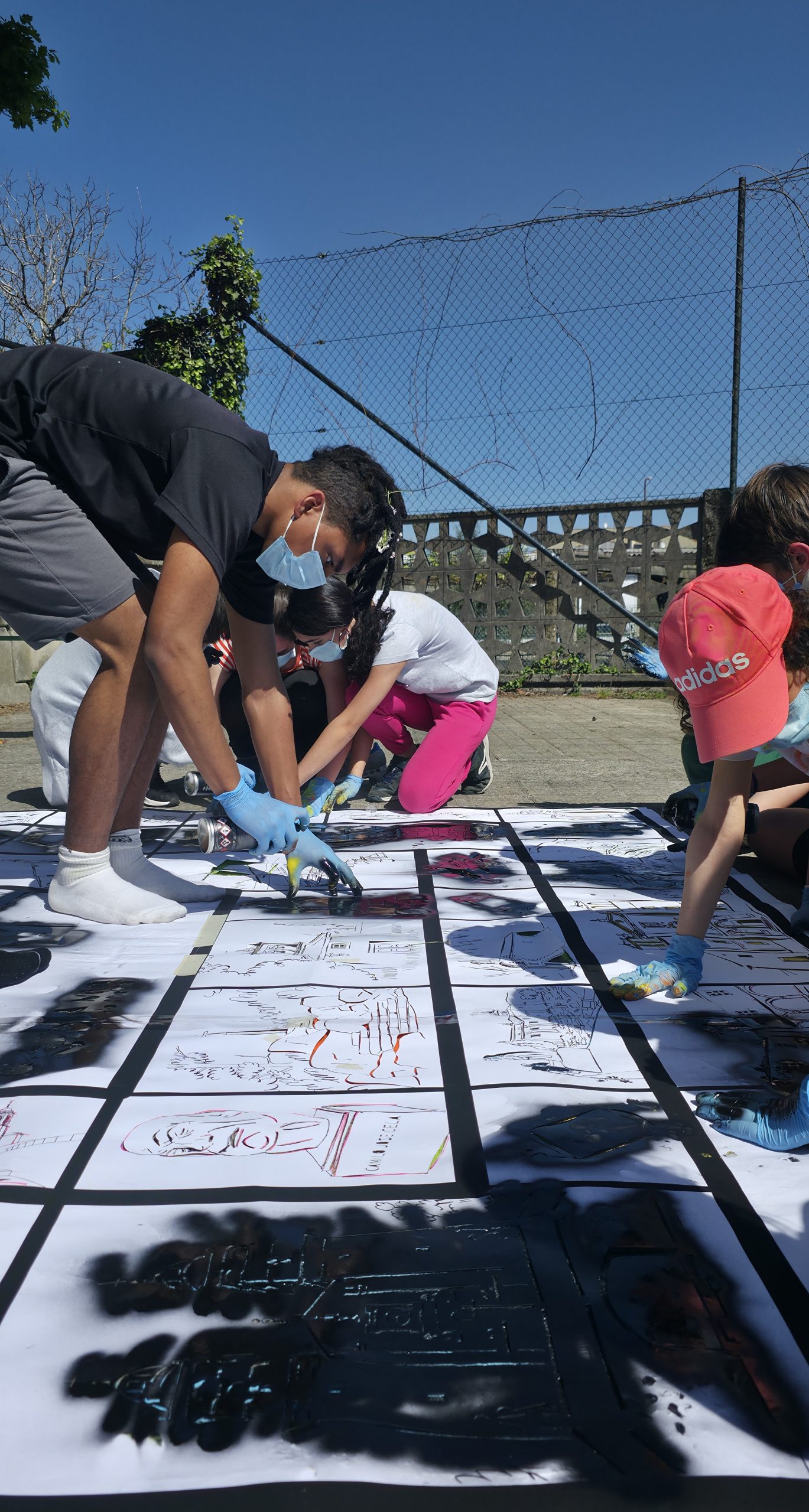
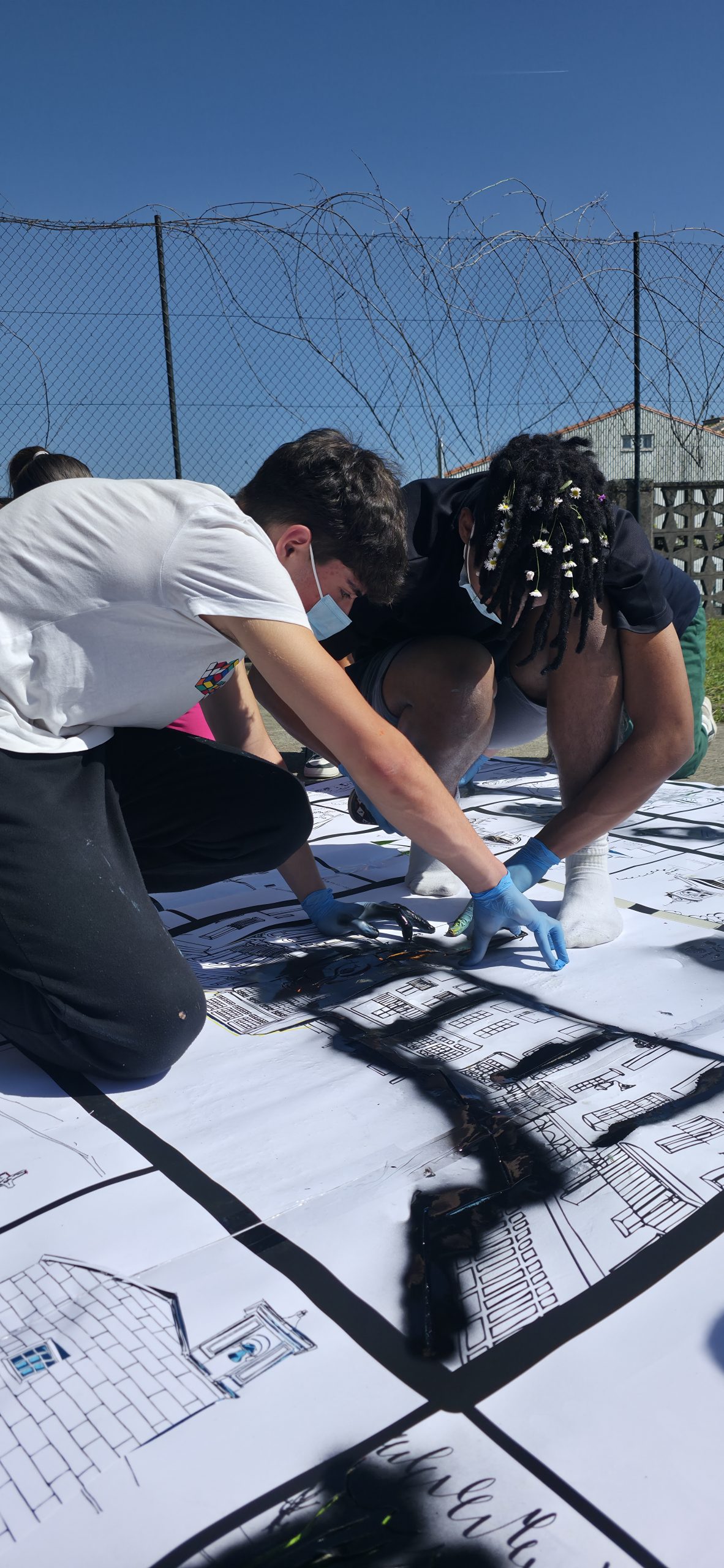
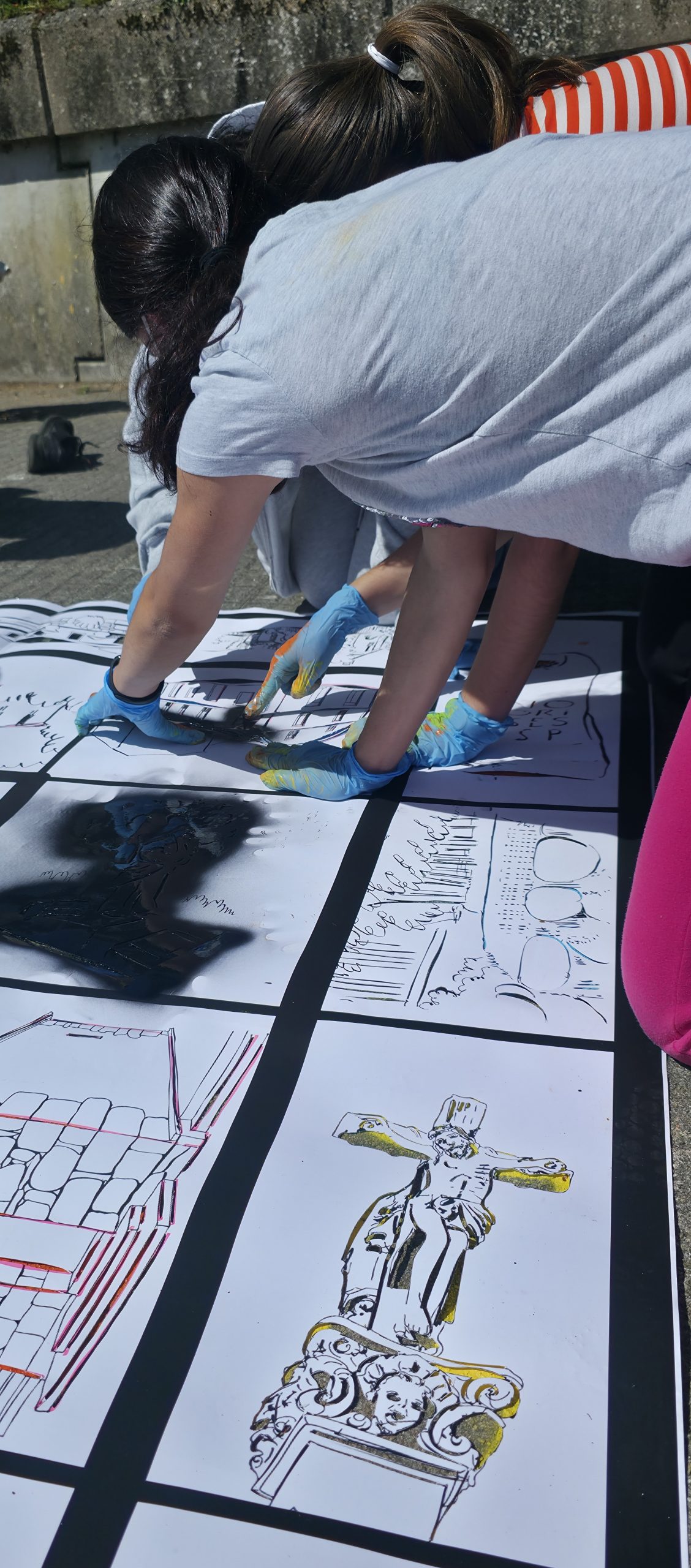
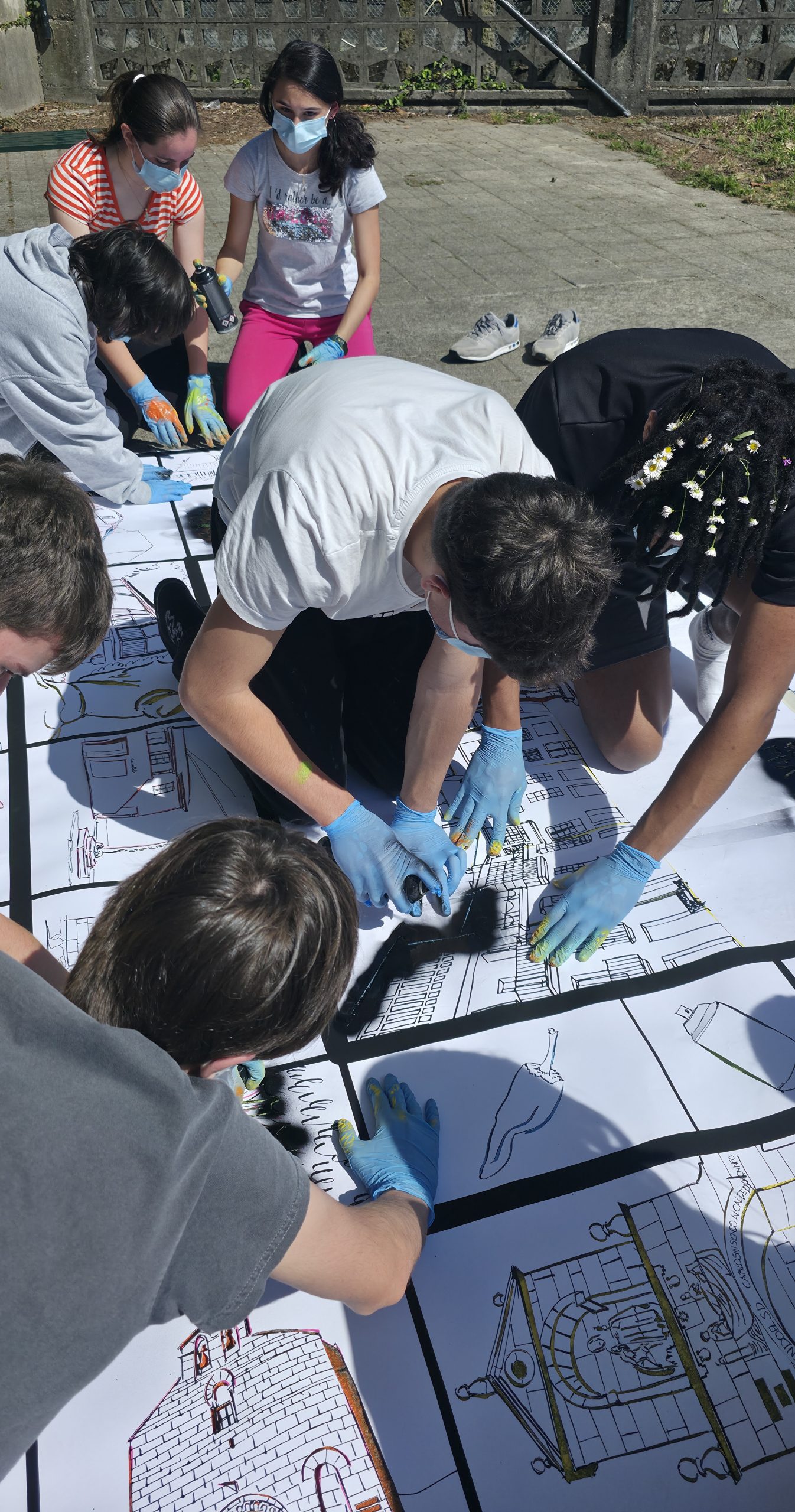
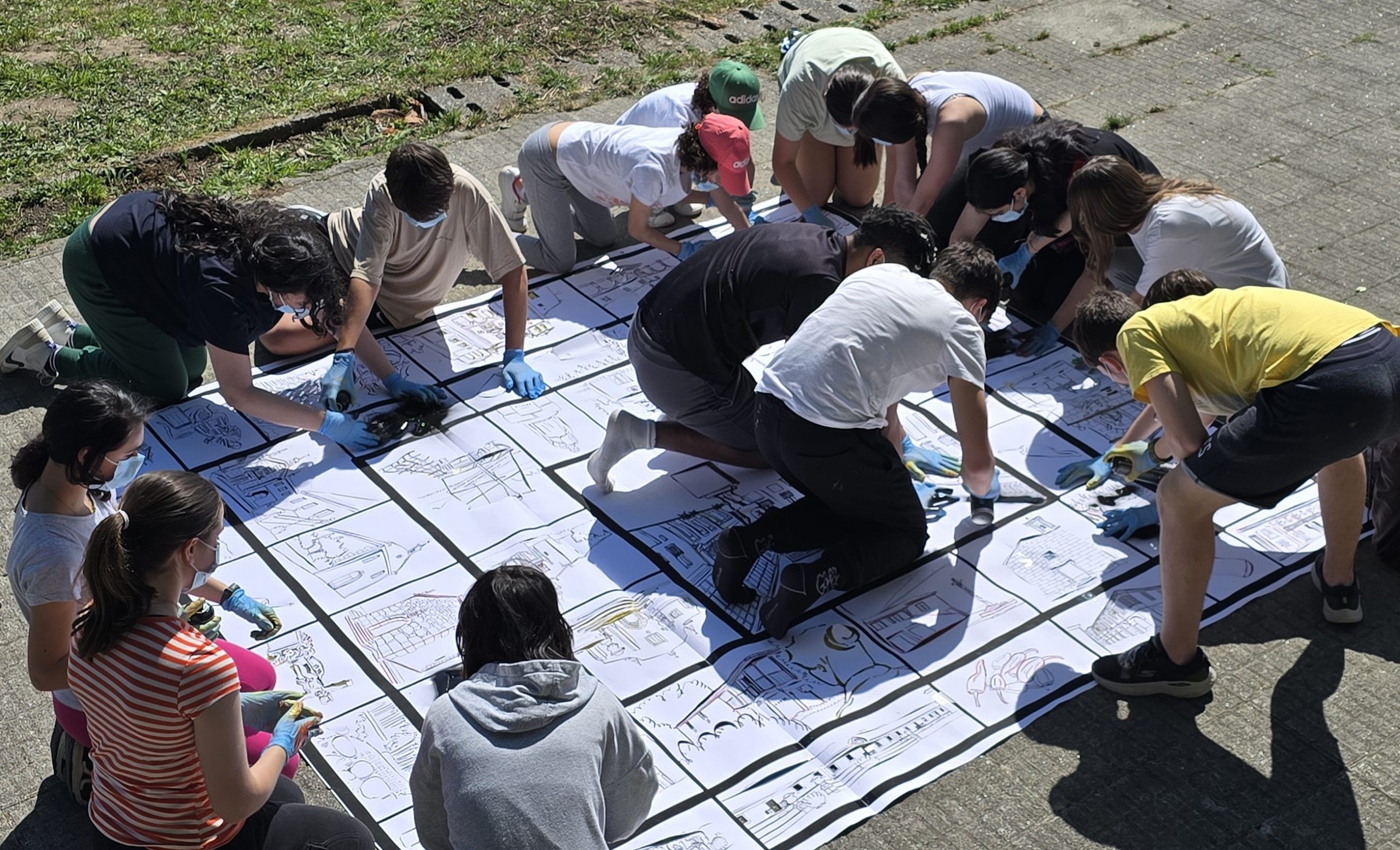
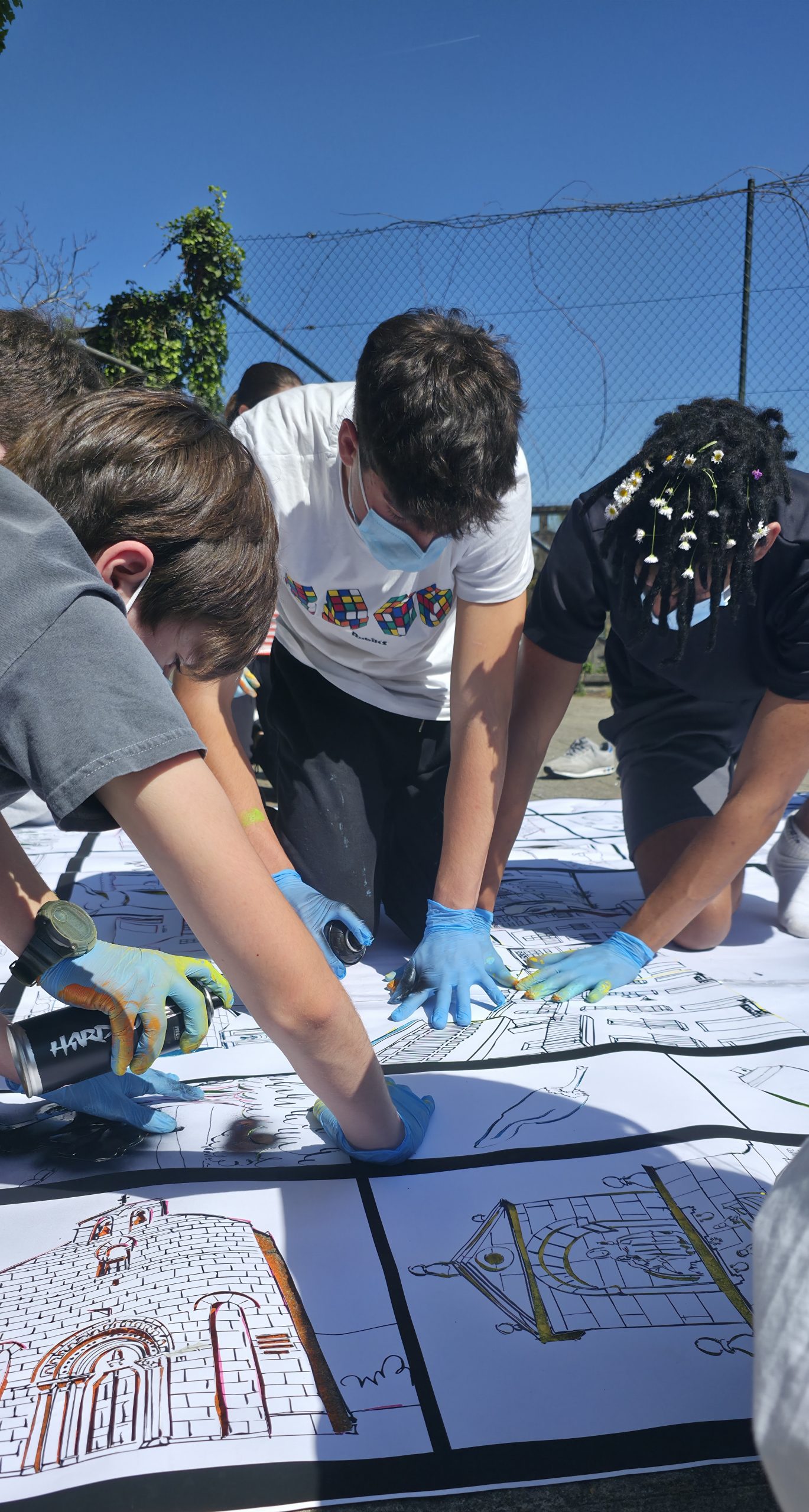
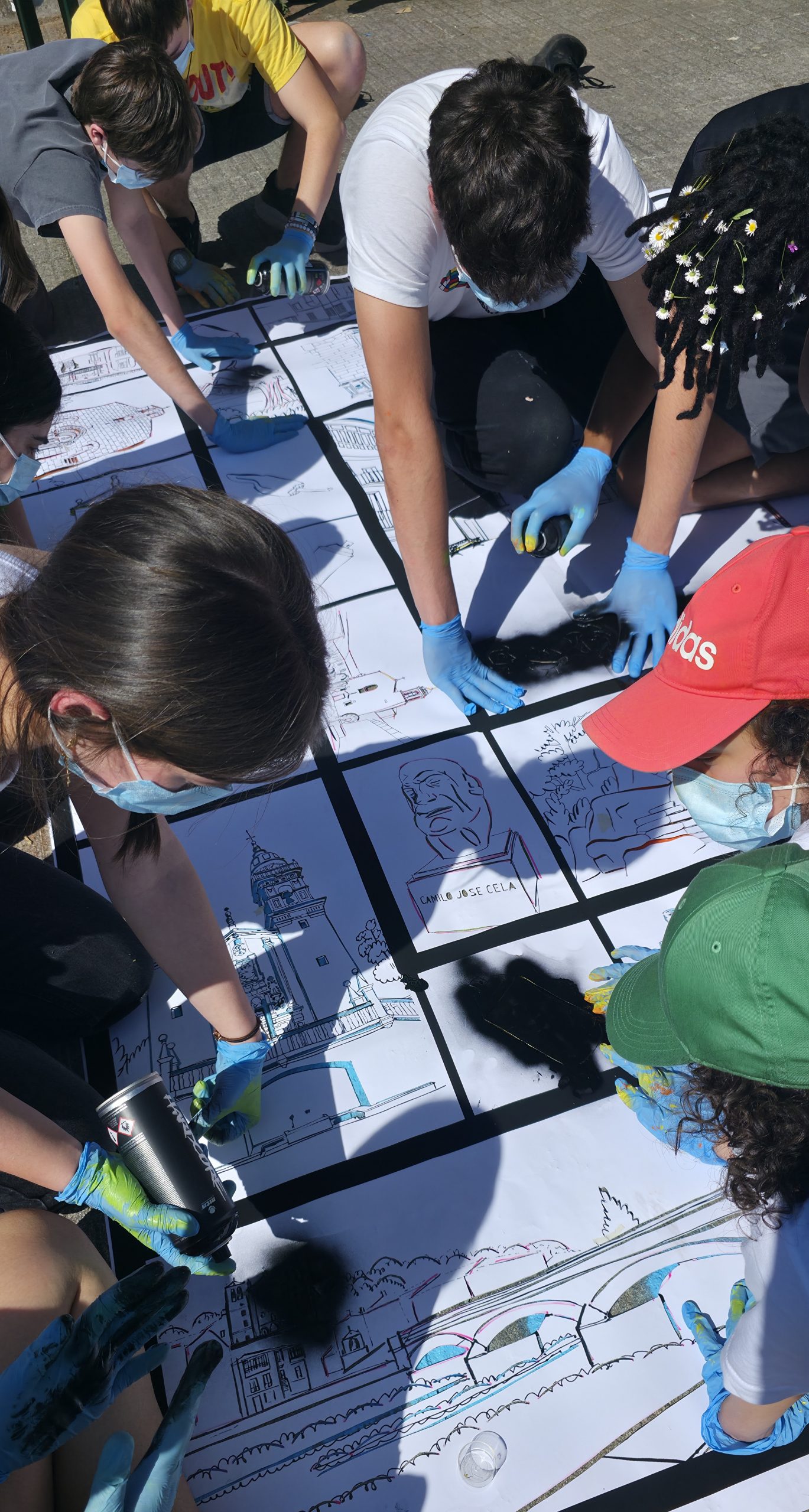
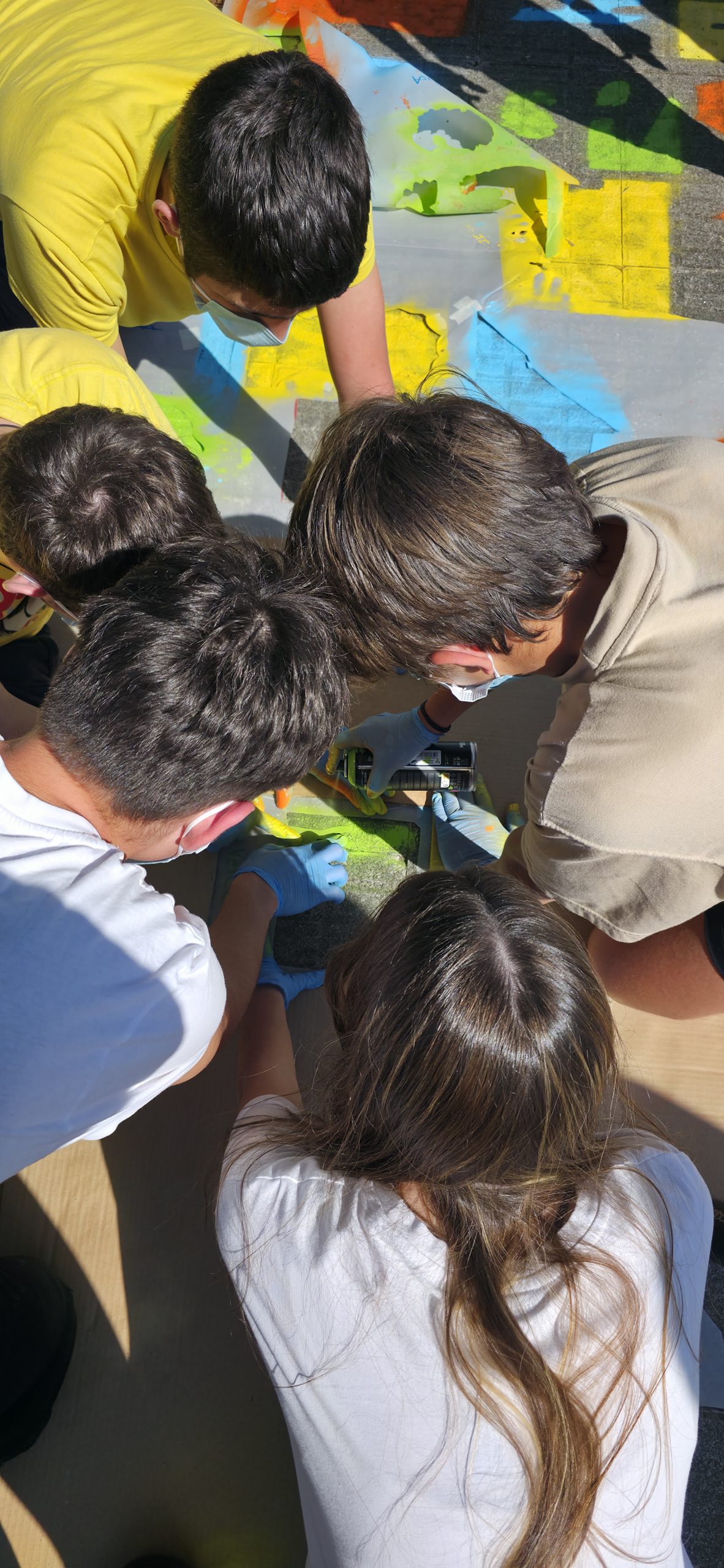
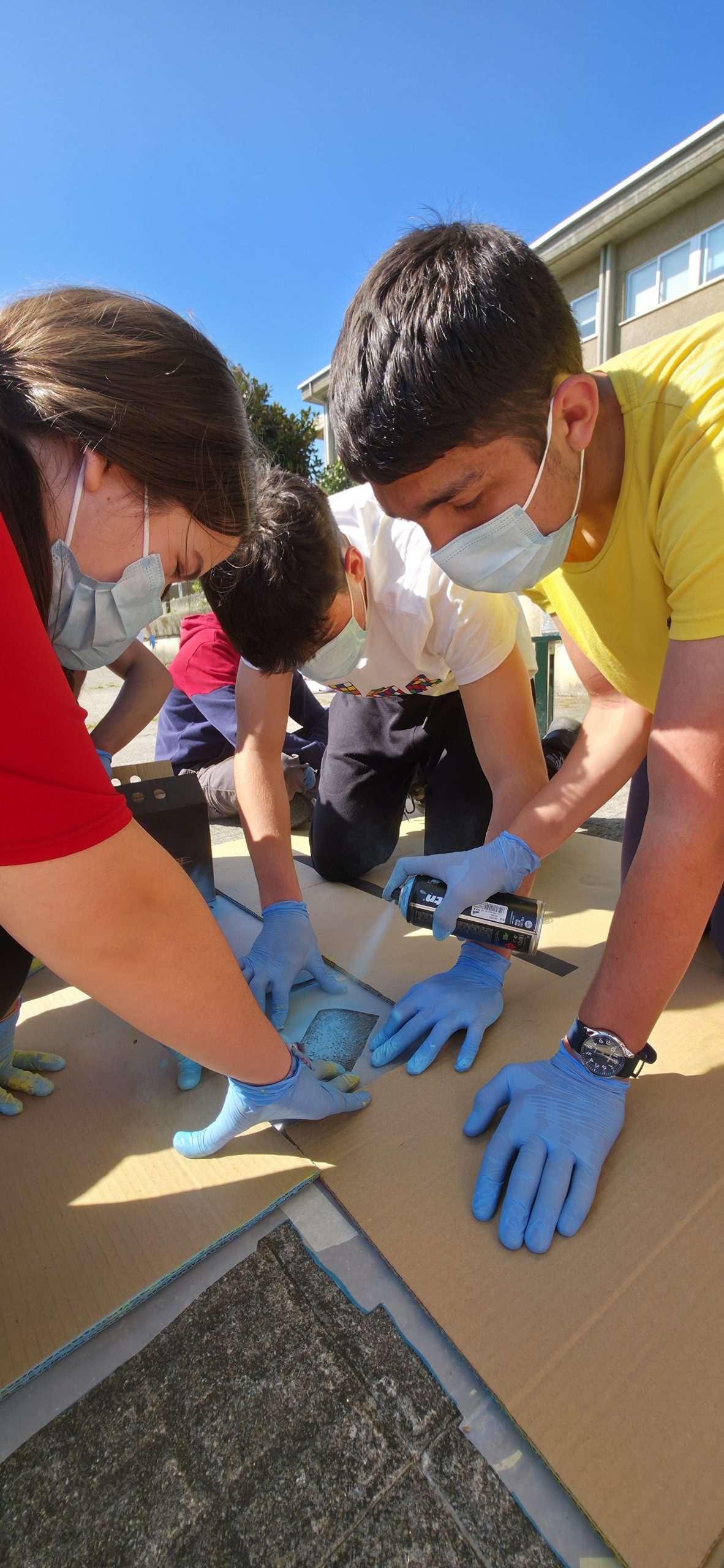
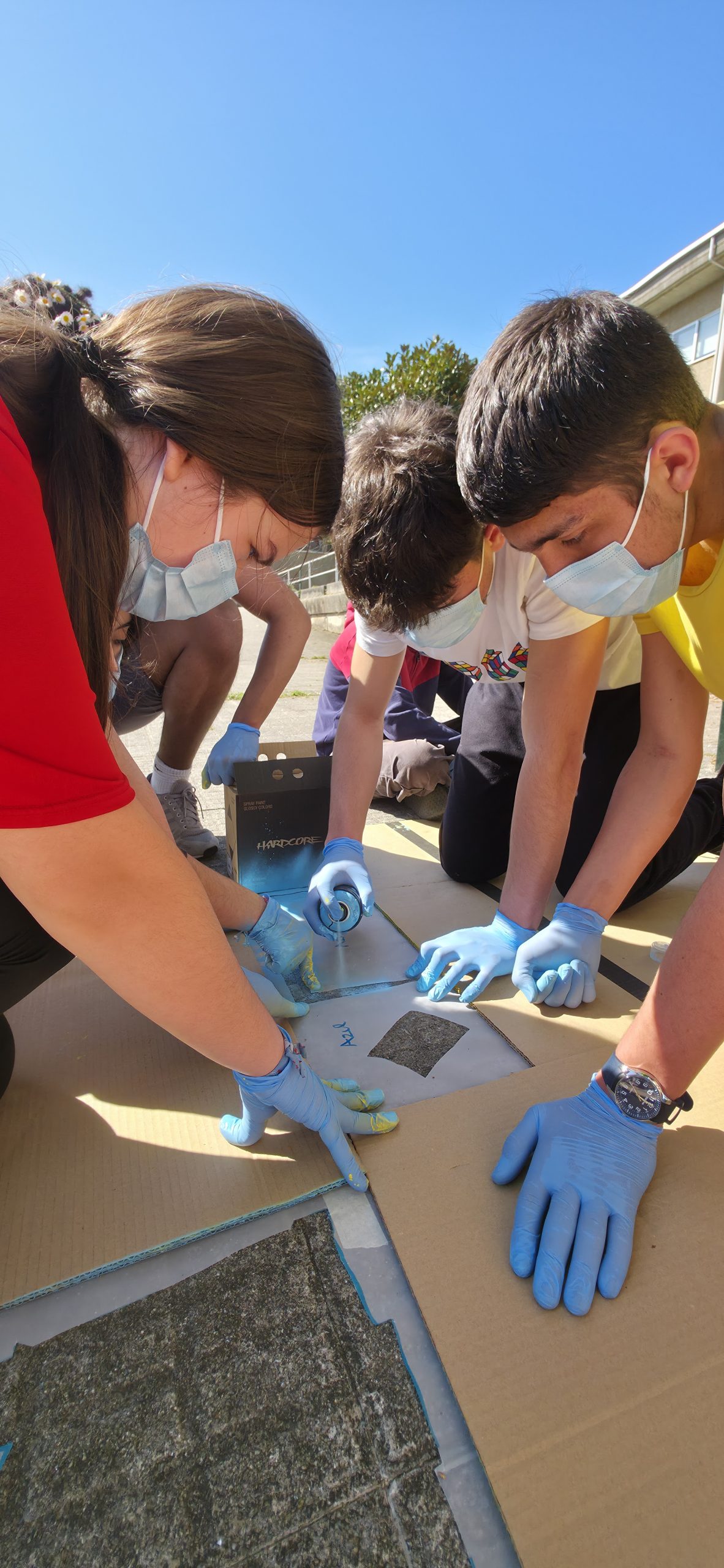
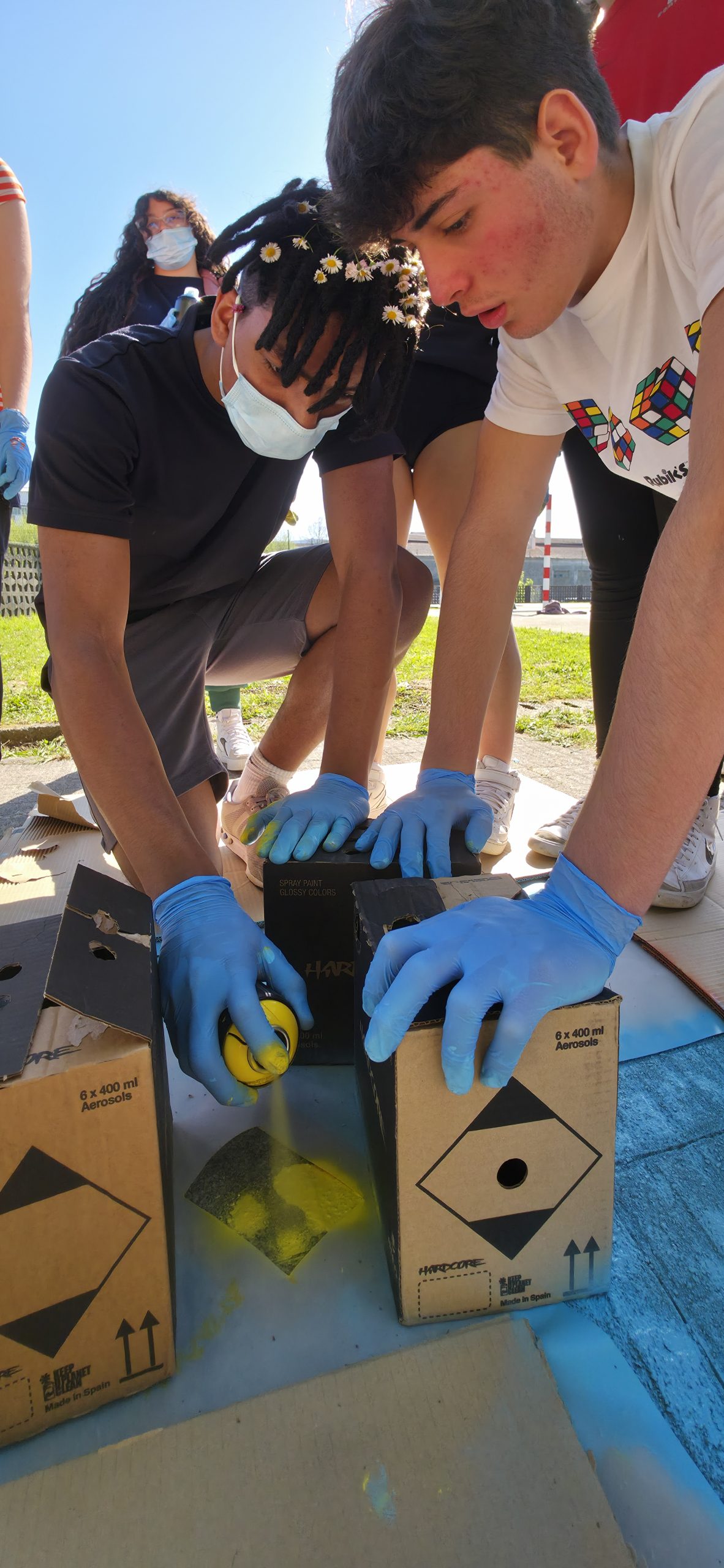
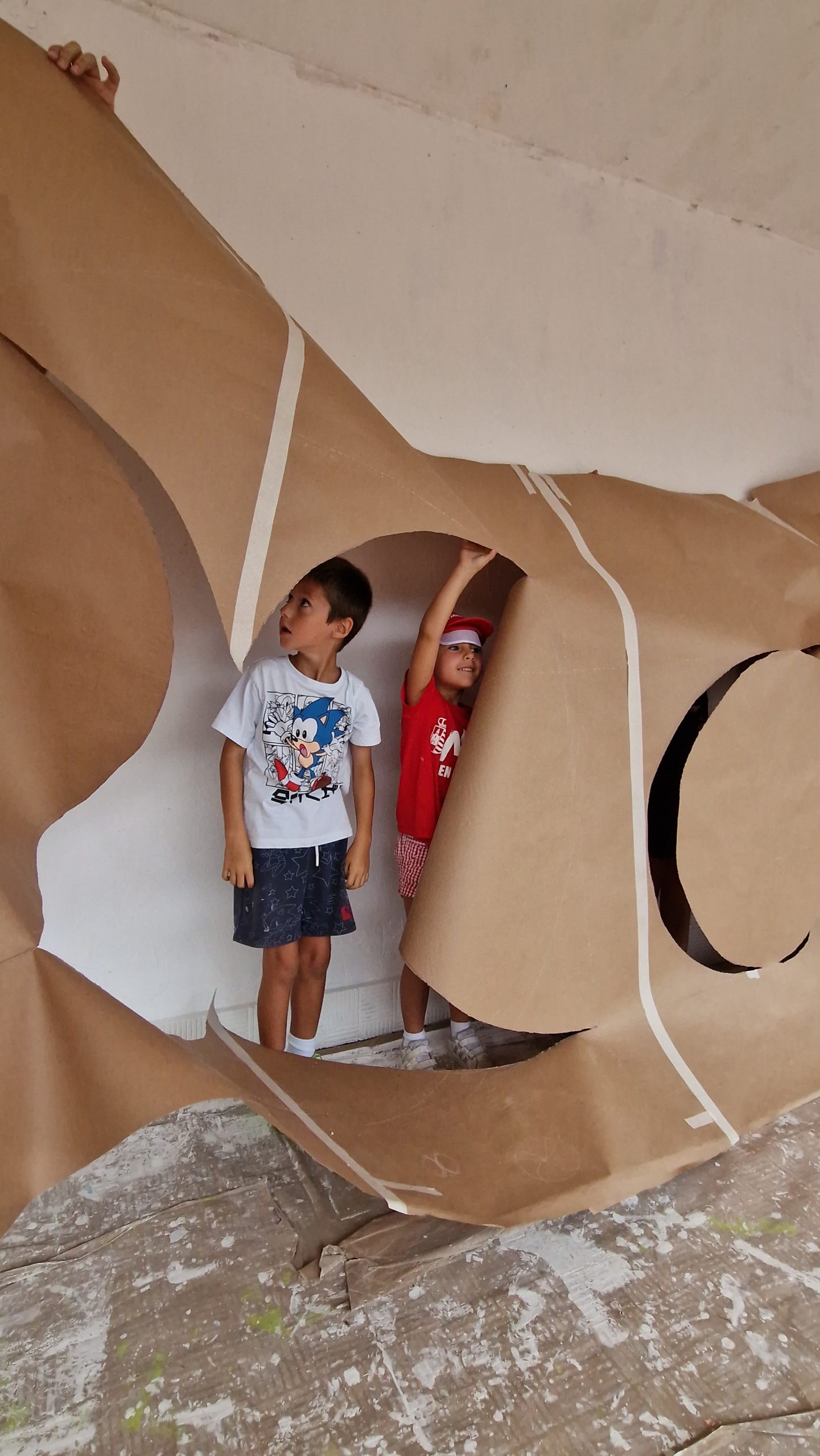
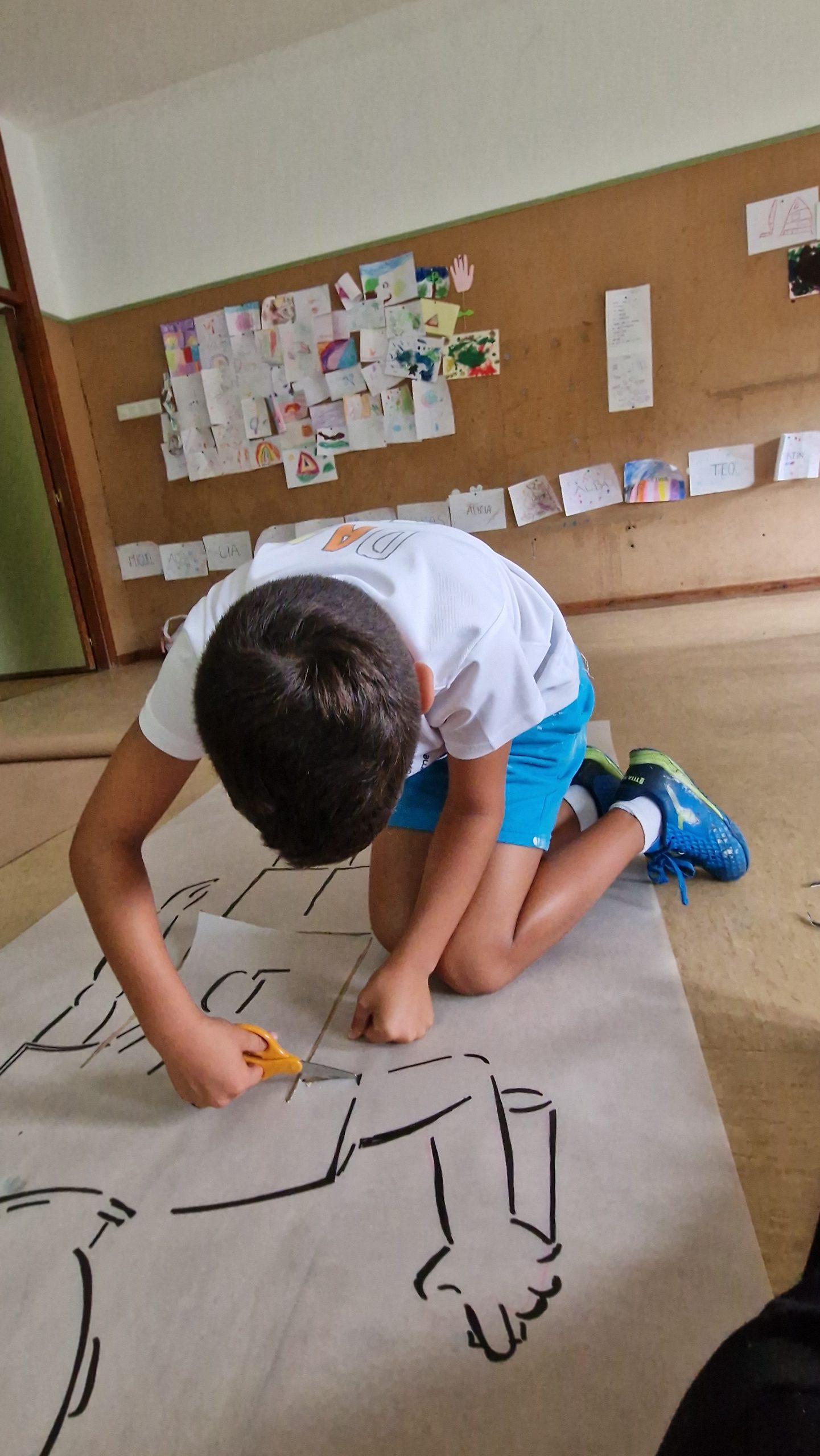
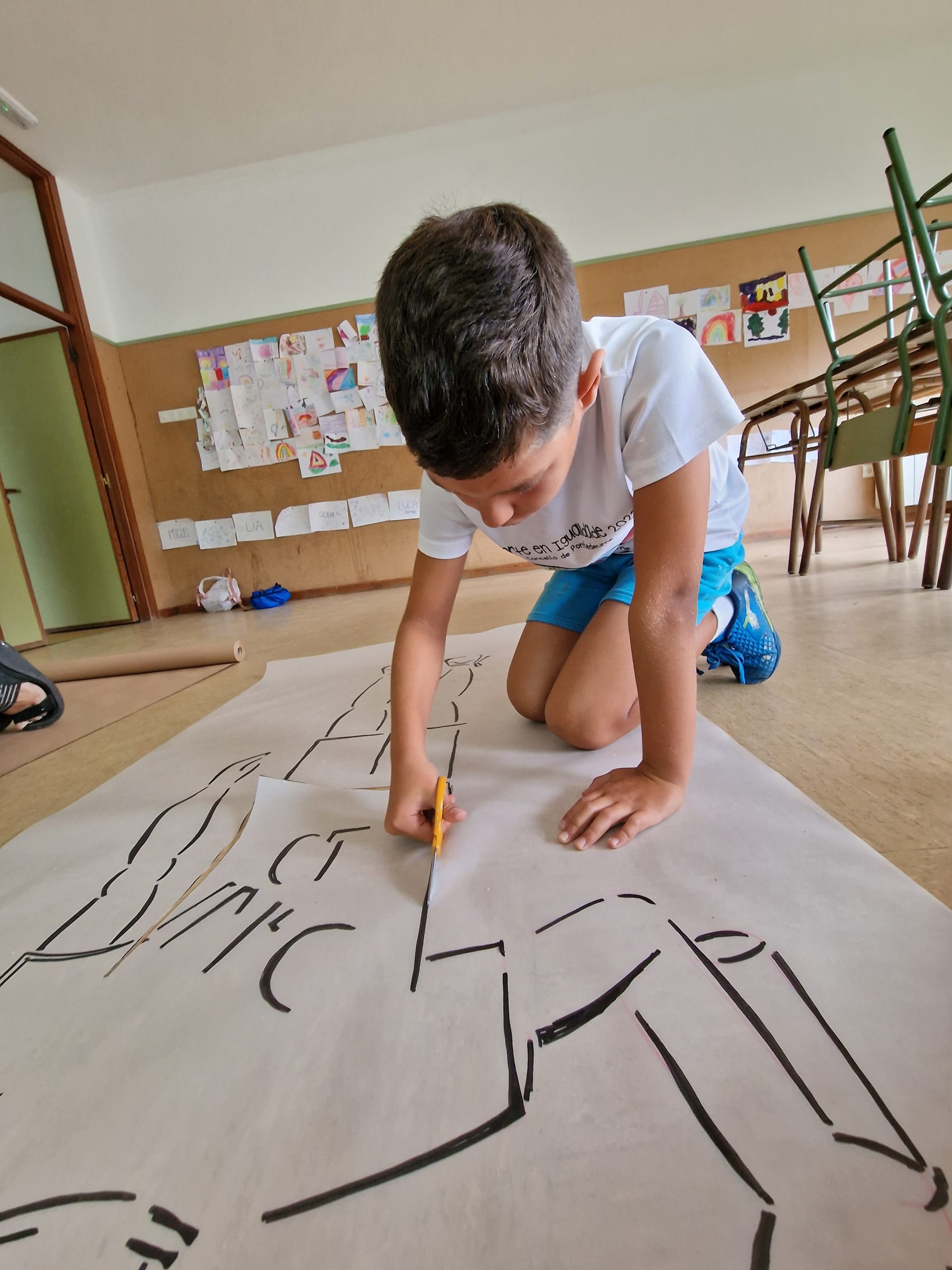
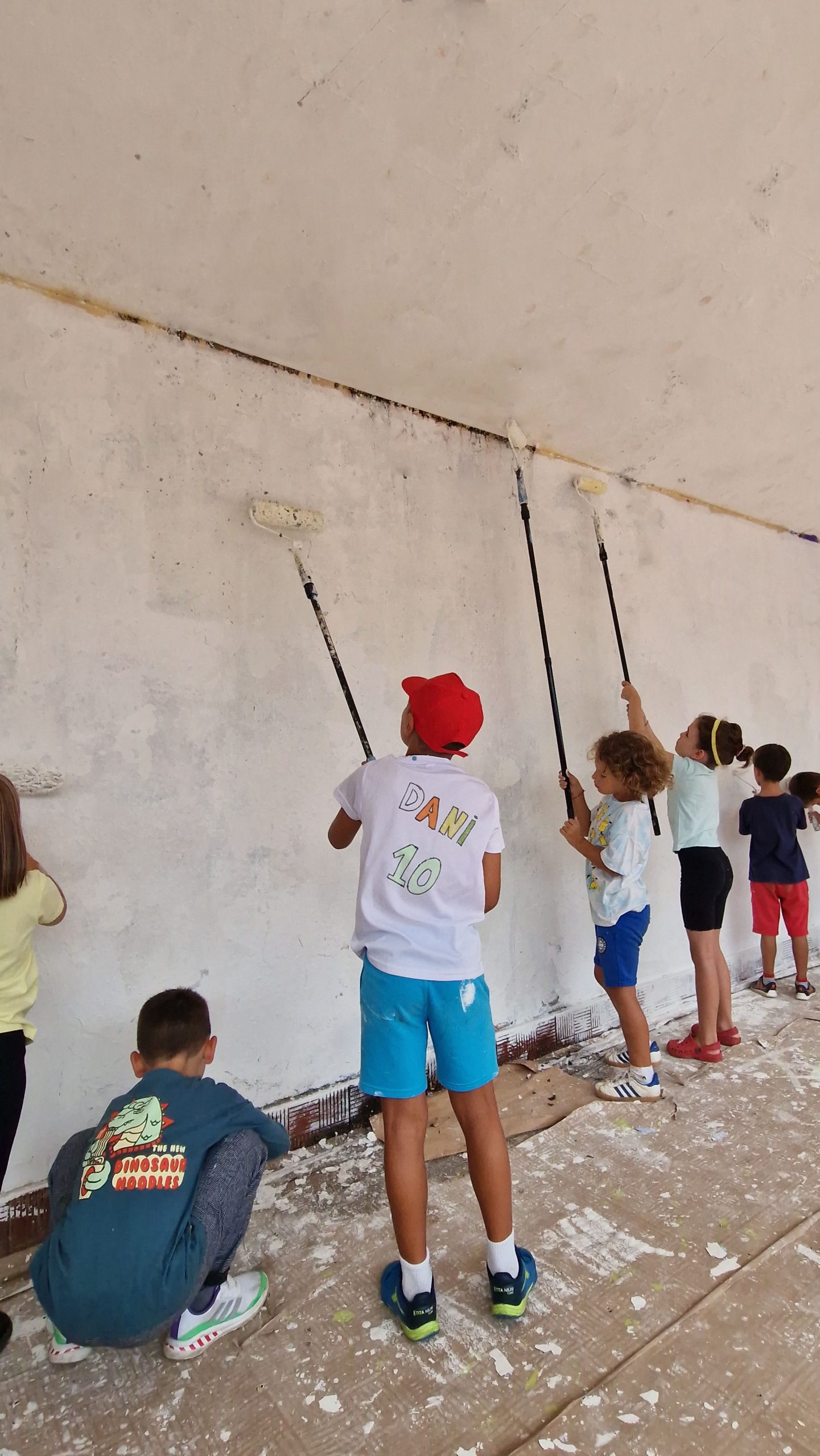
The village or city in which we are working, transformed into a game board, a laboratory of experimentation where children and teenagers can act from a new point of view.
A Coruña
A Coruña
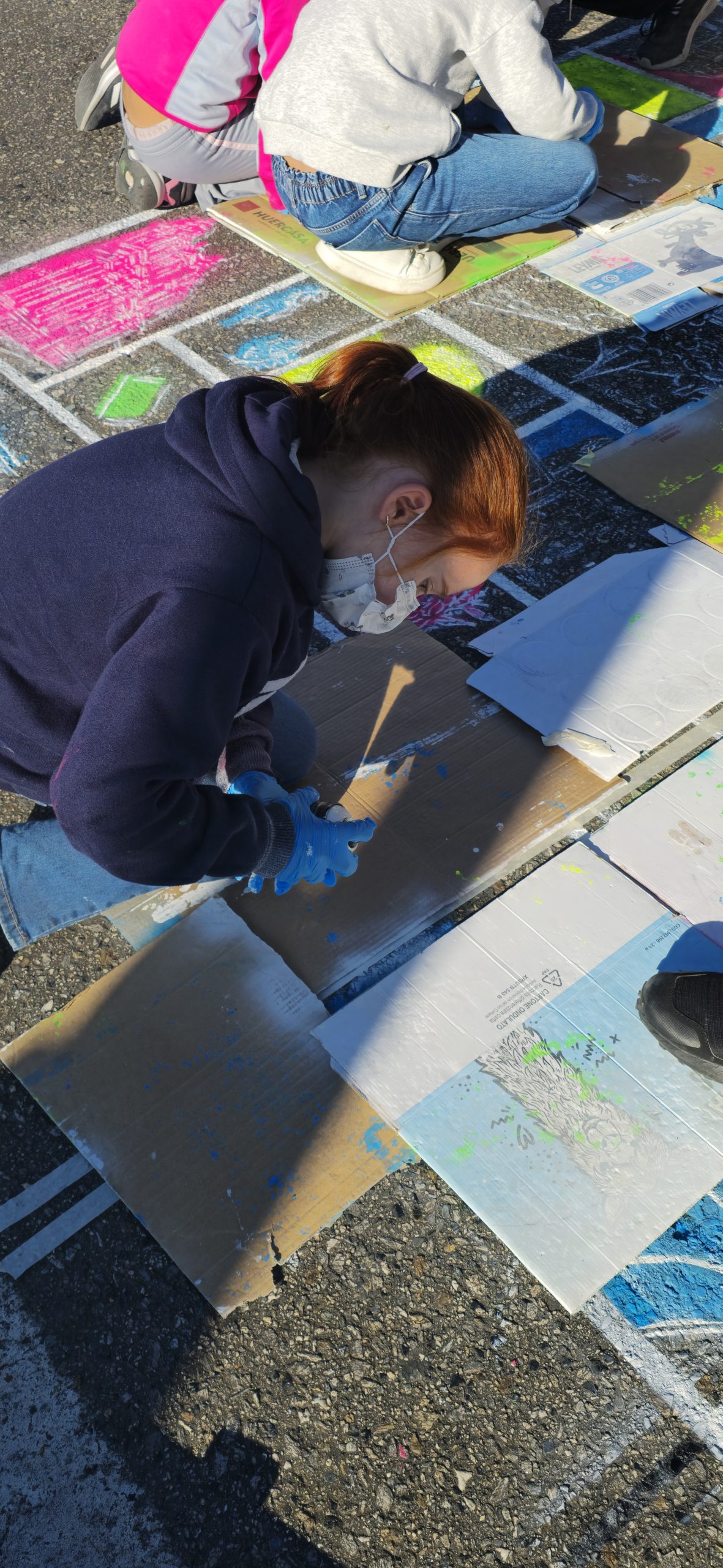
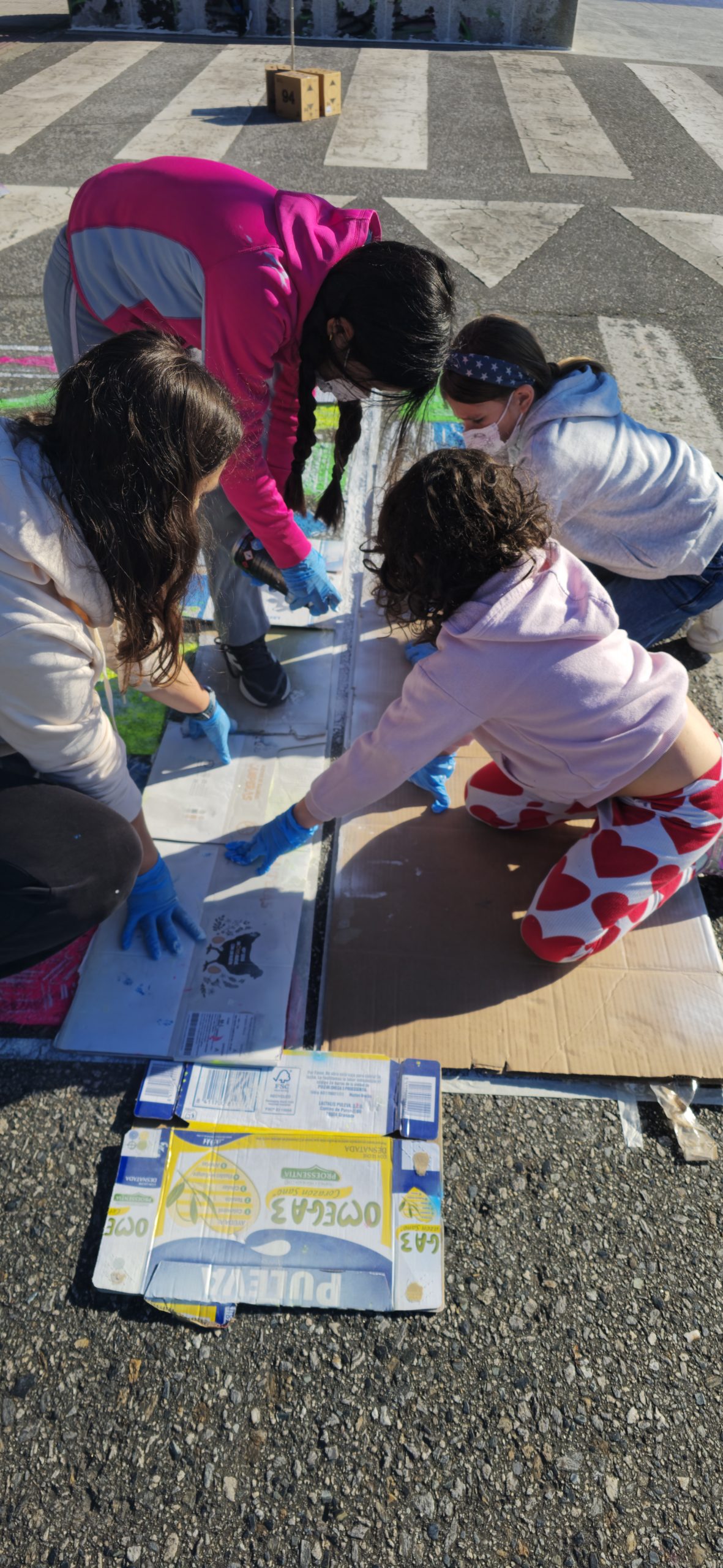
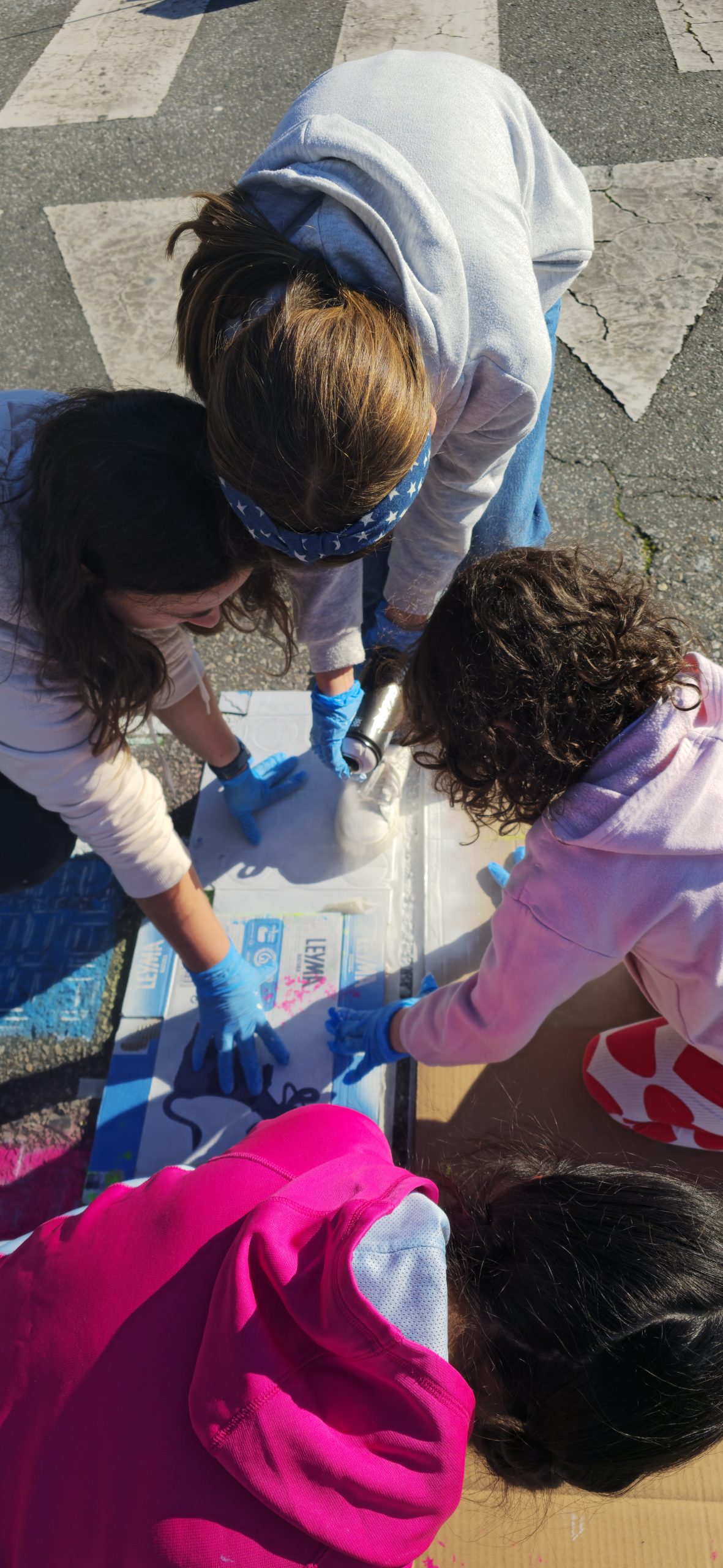
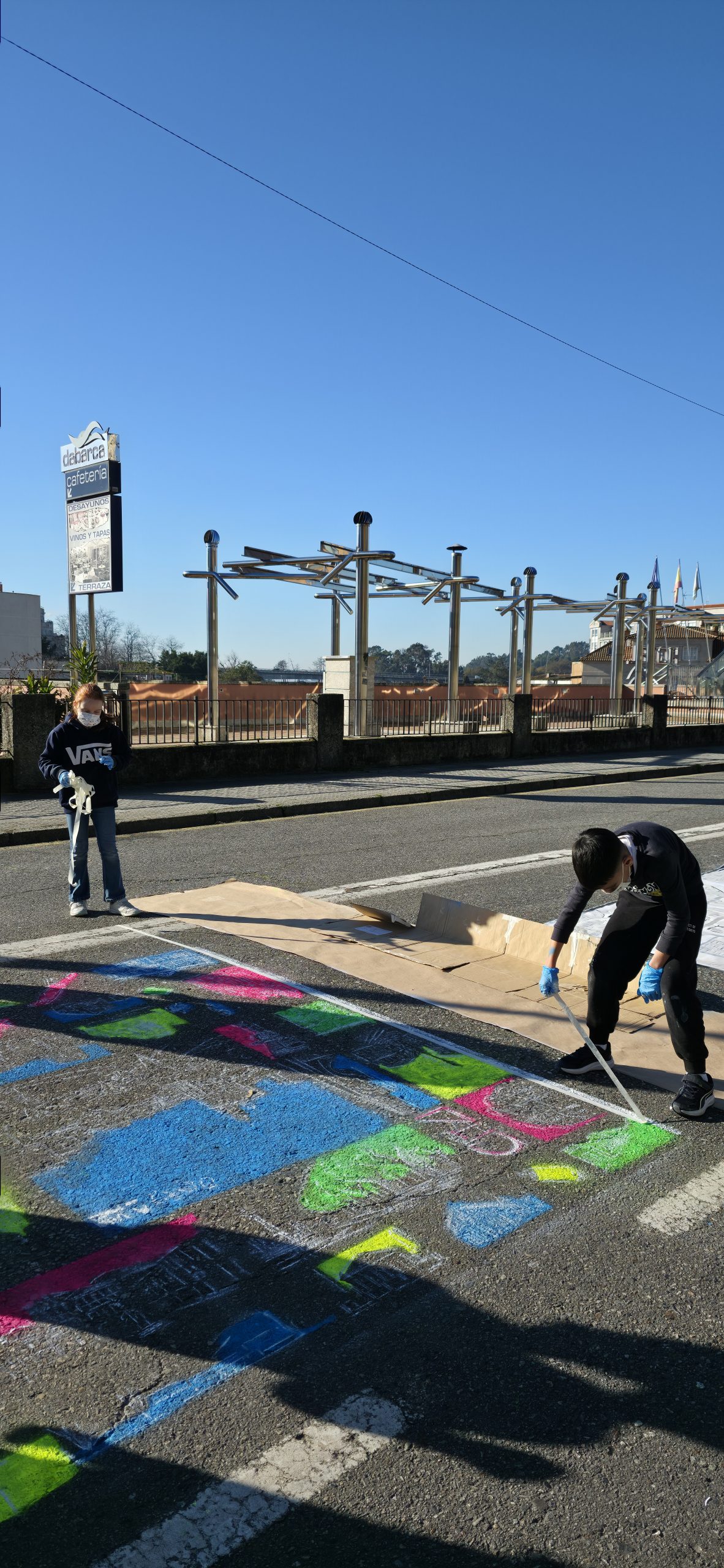
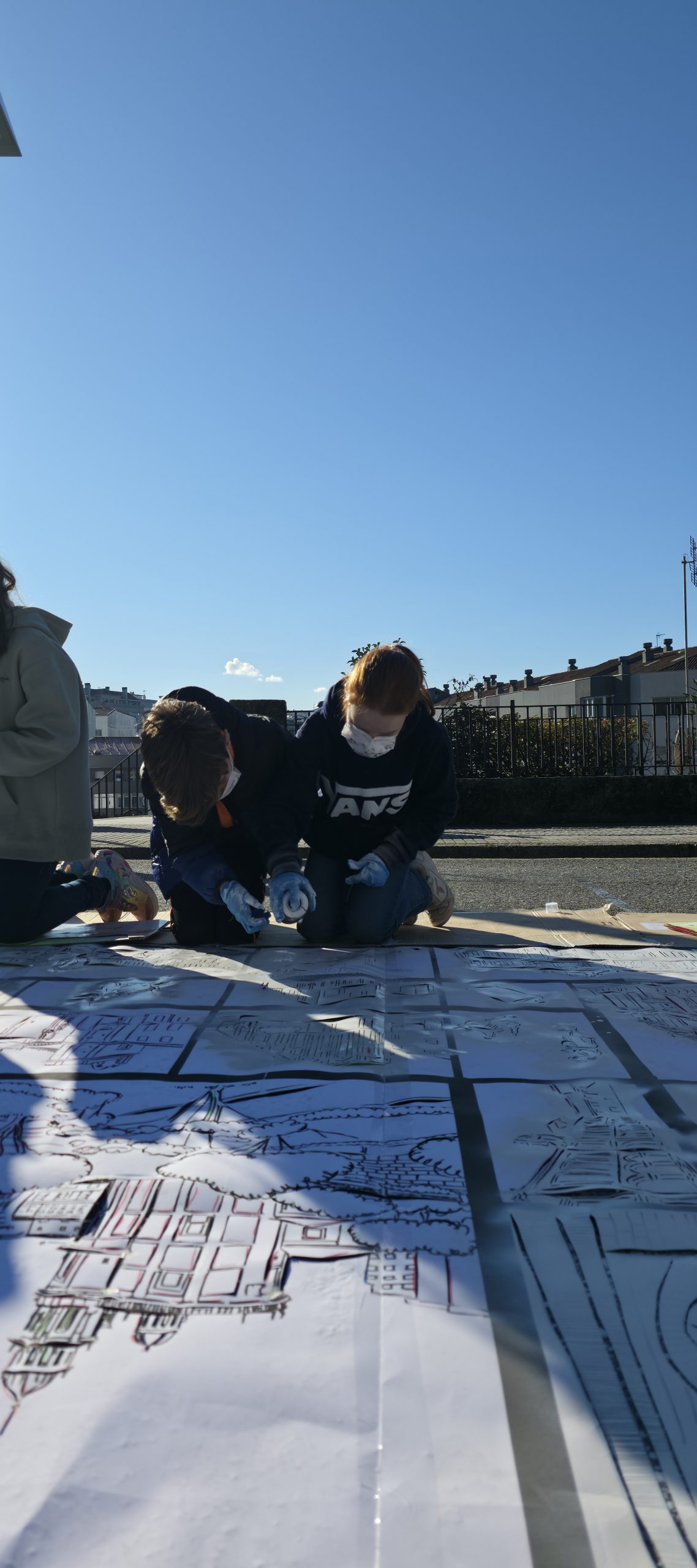
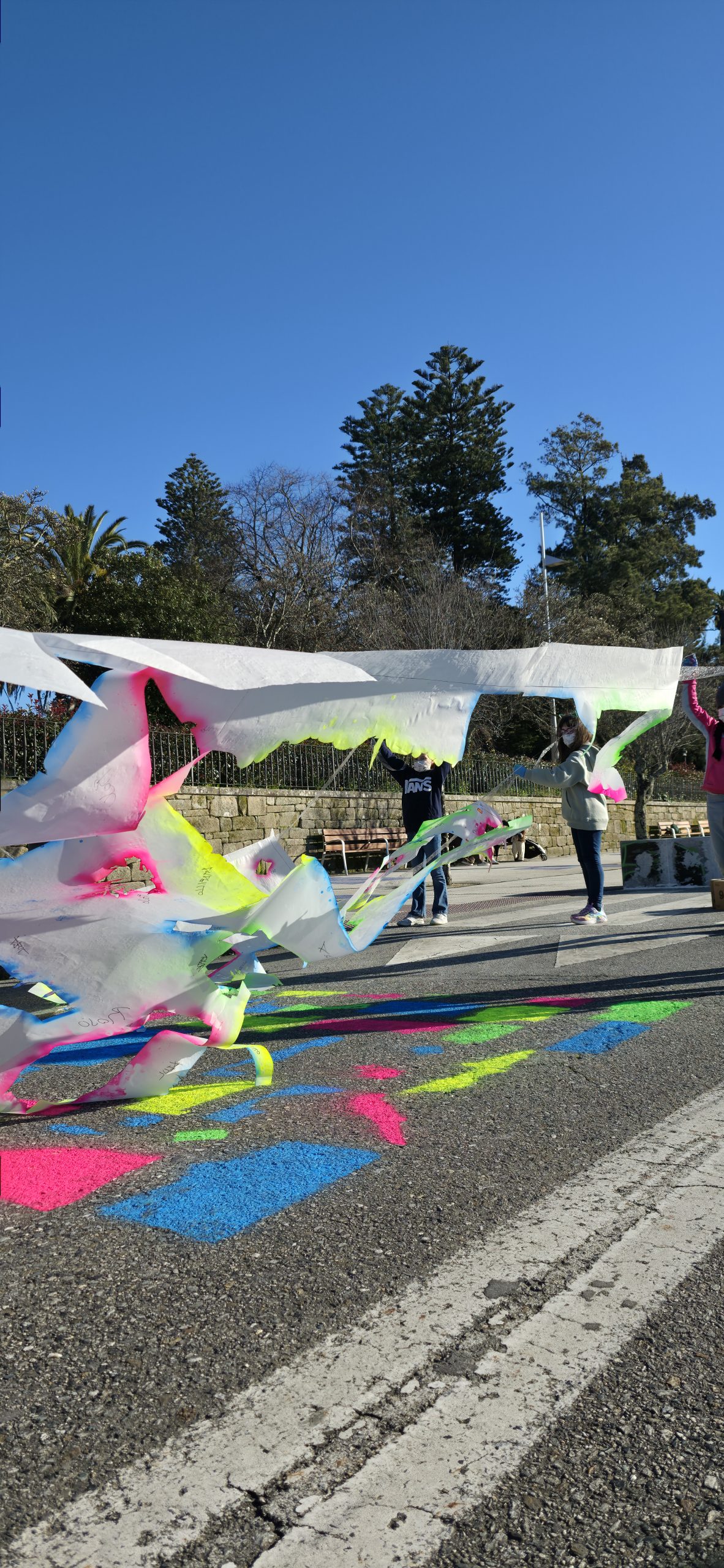
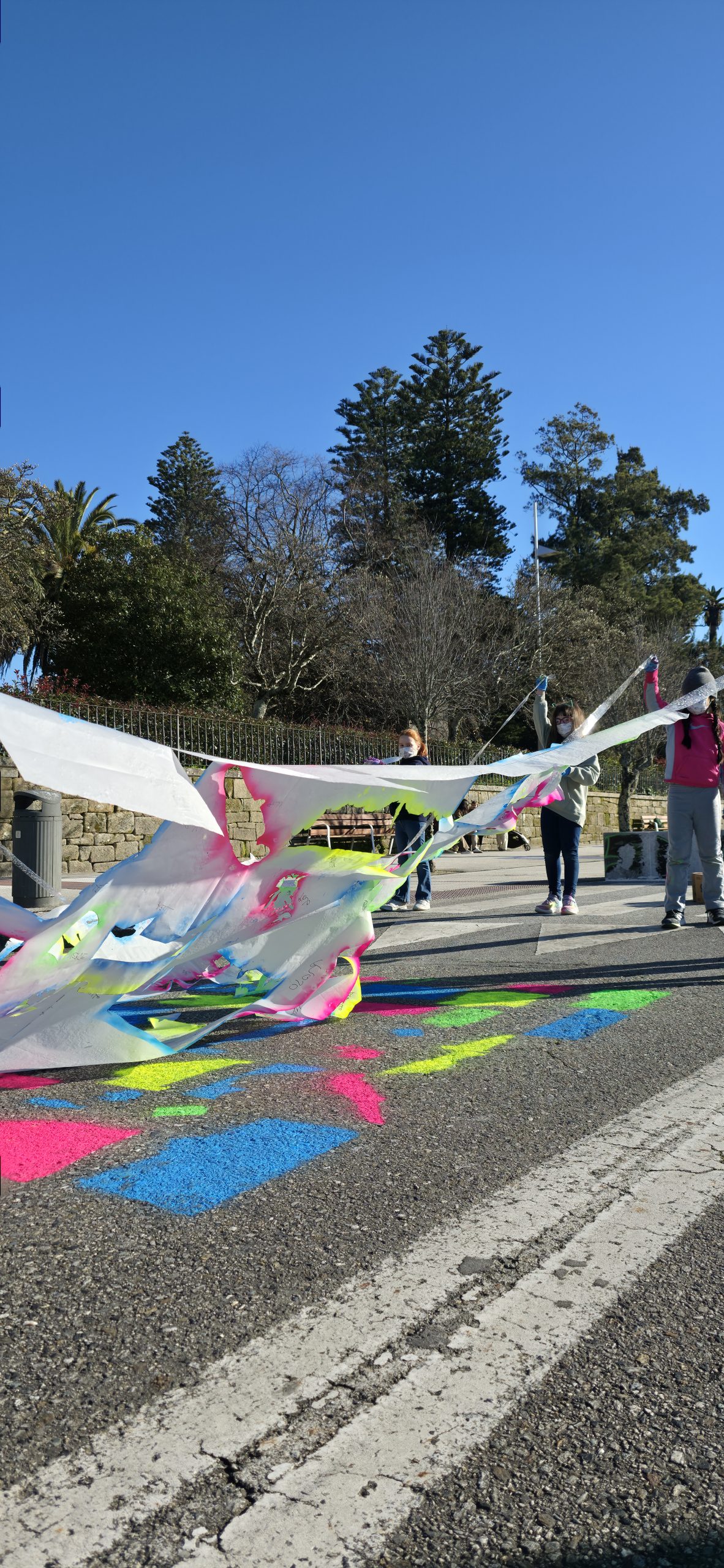
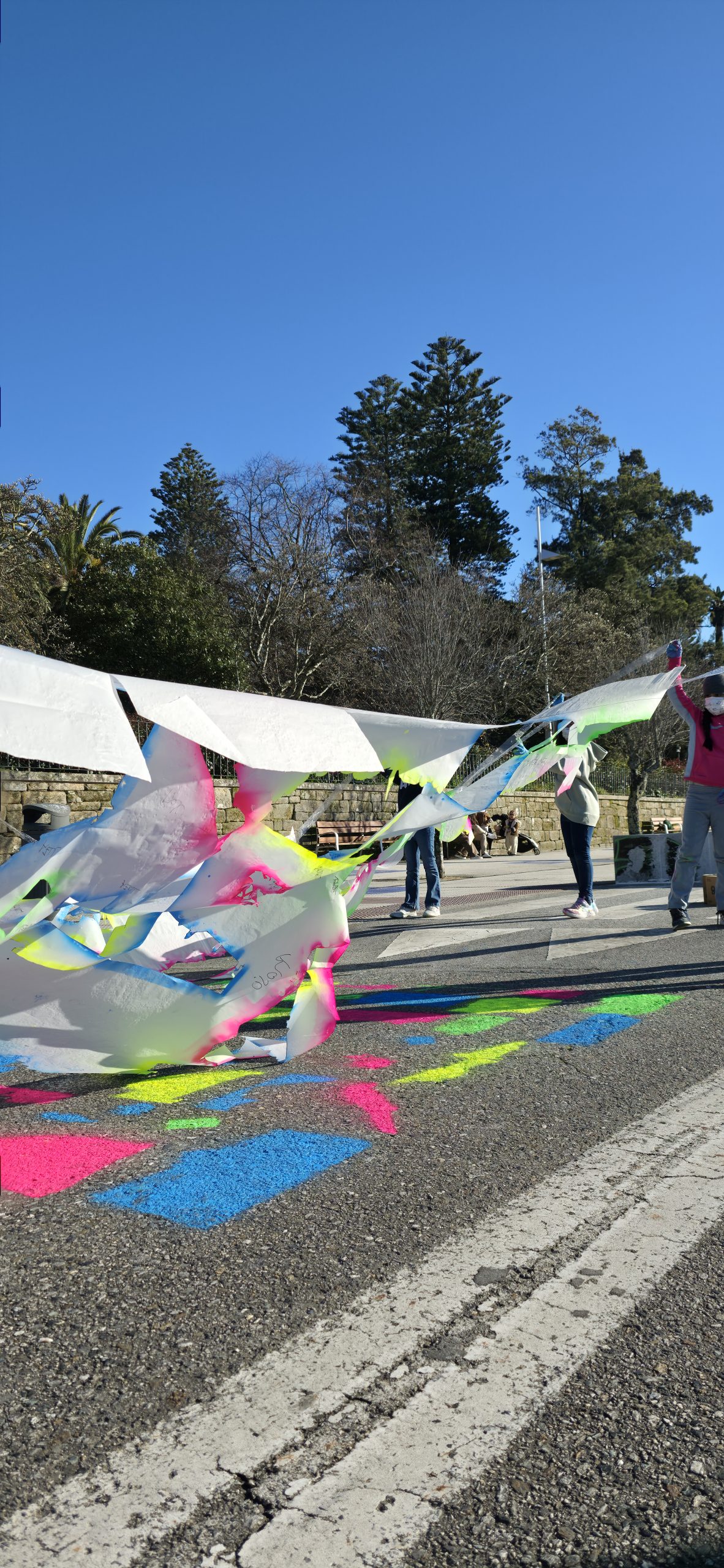
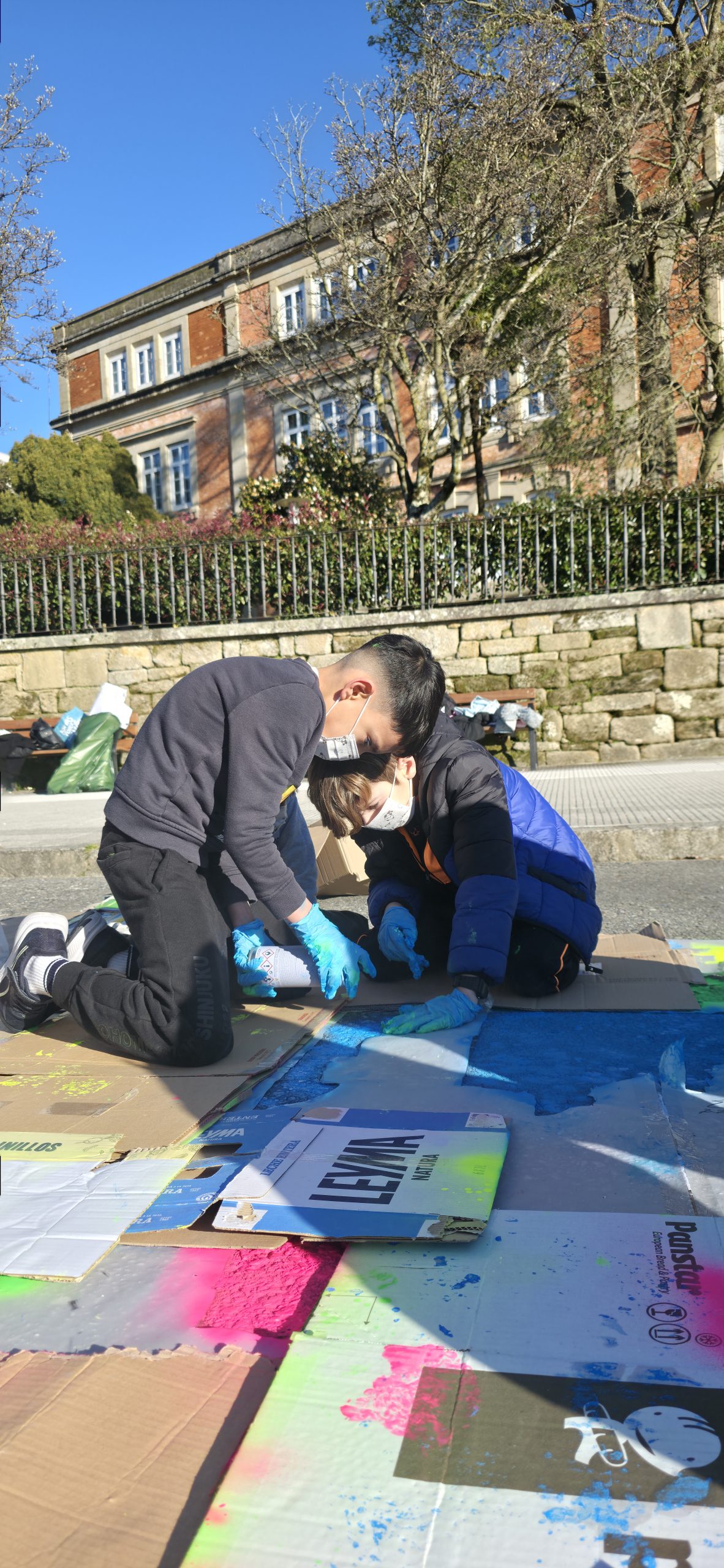
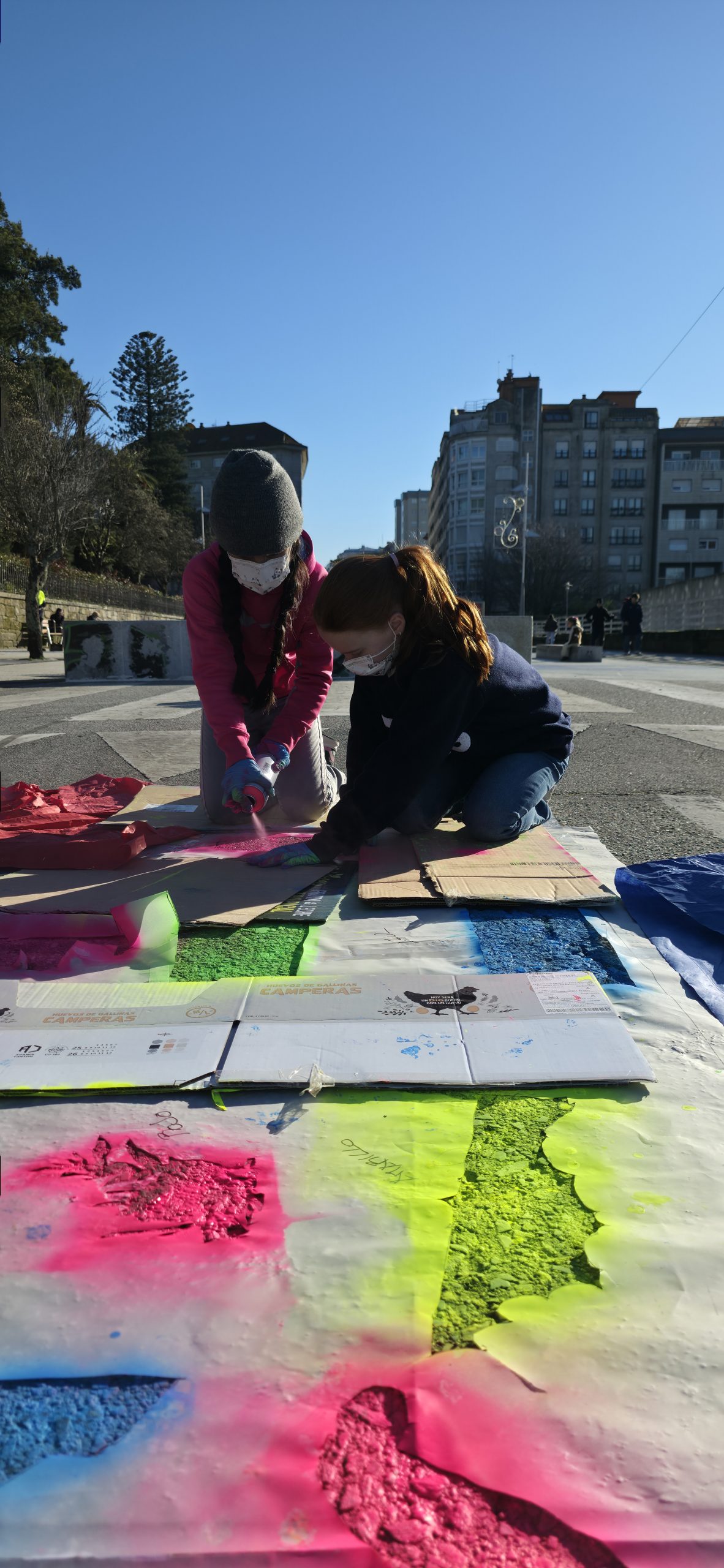
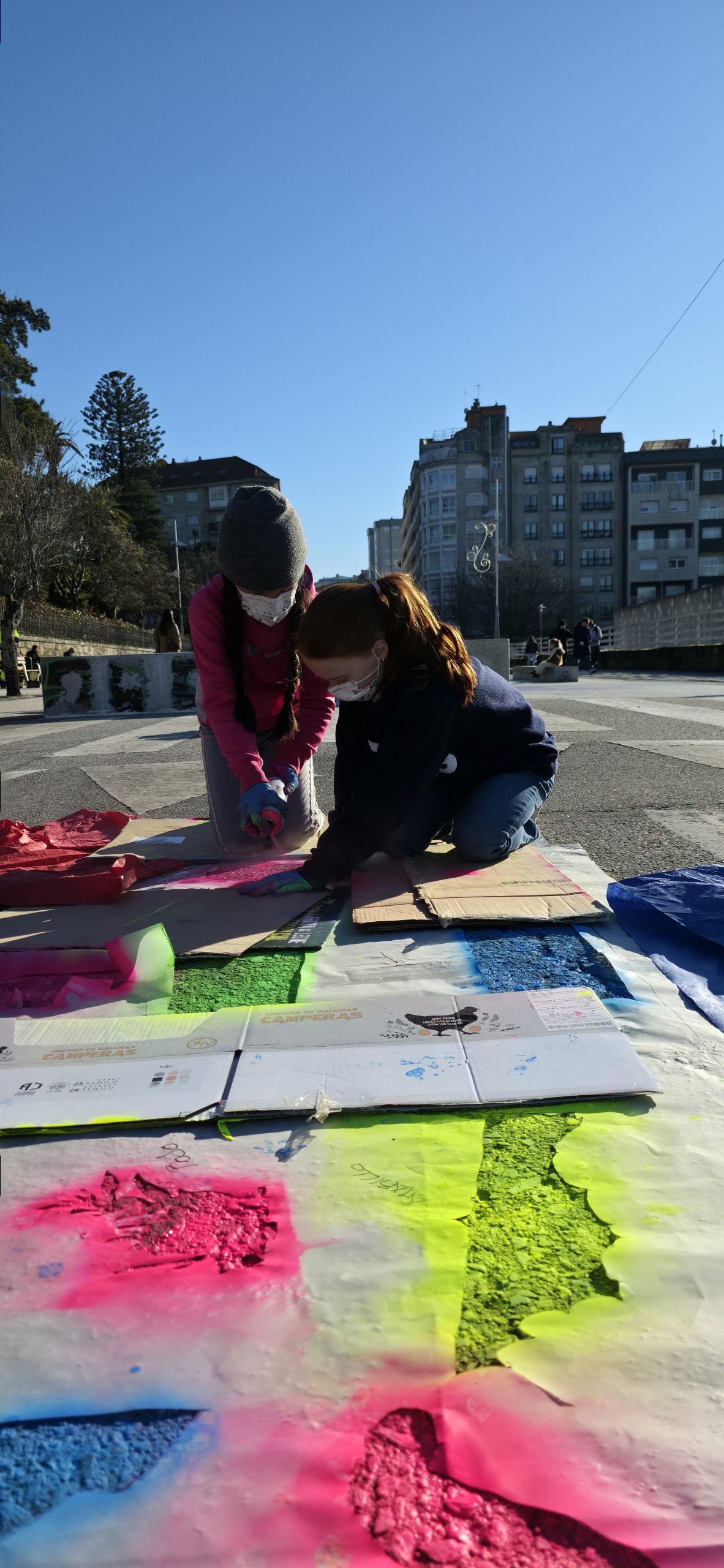
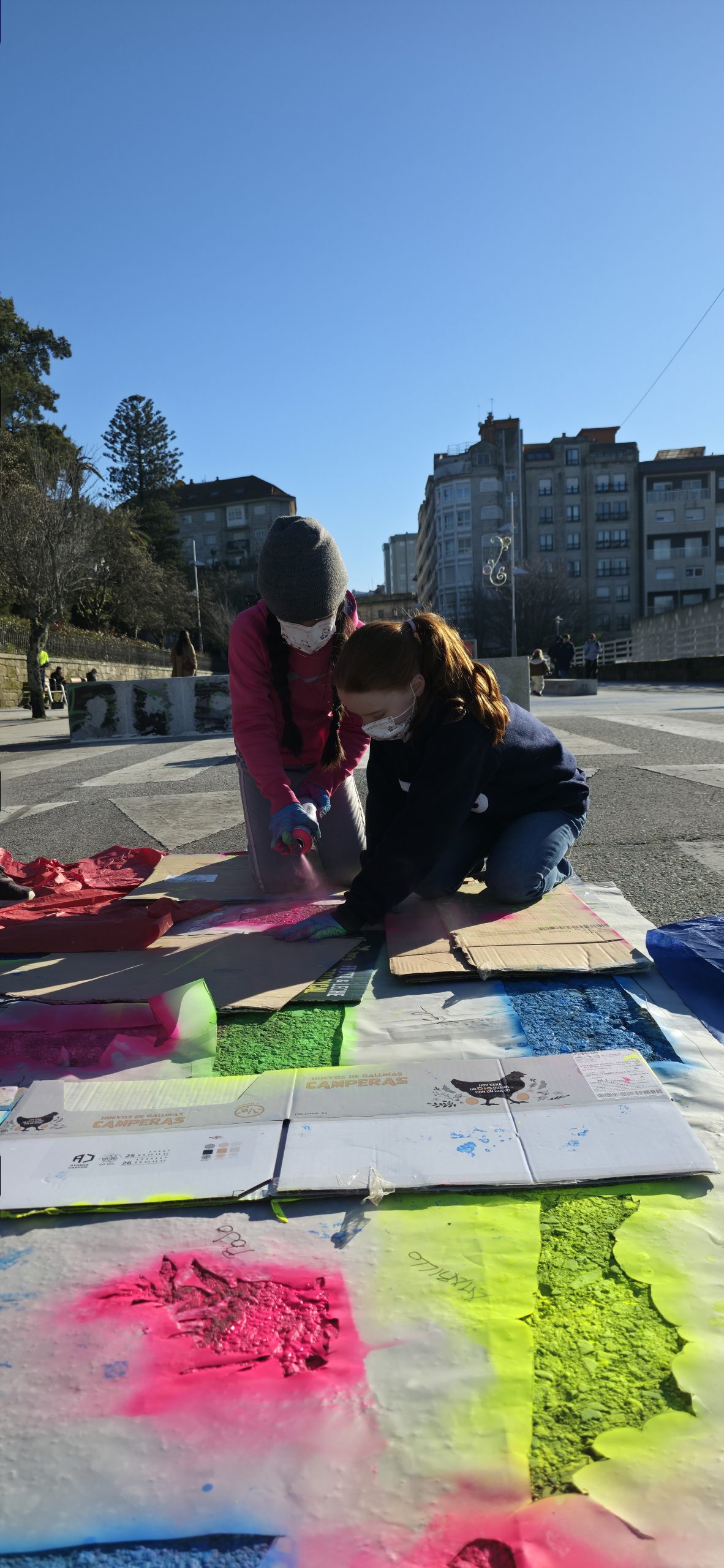
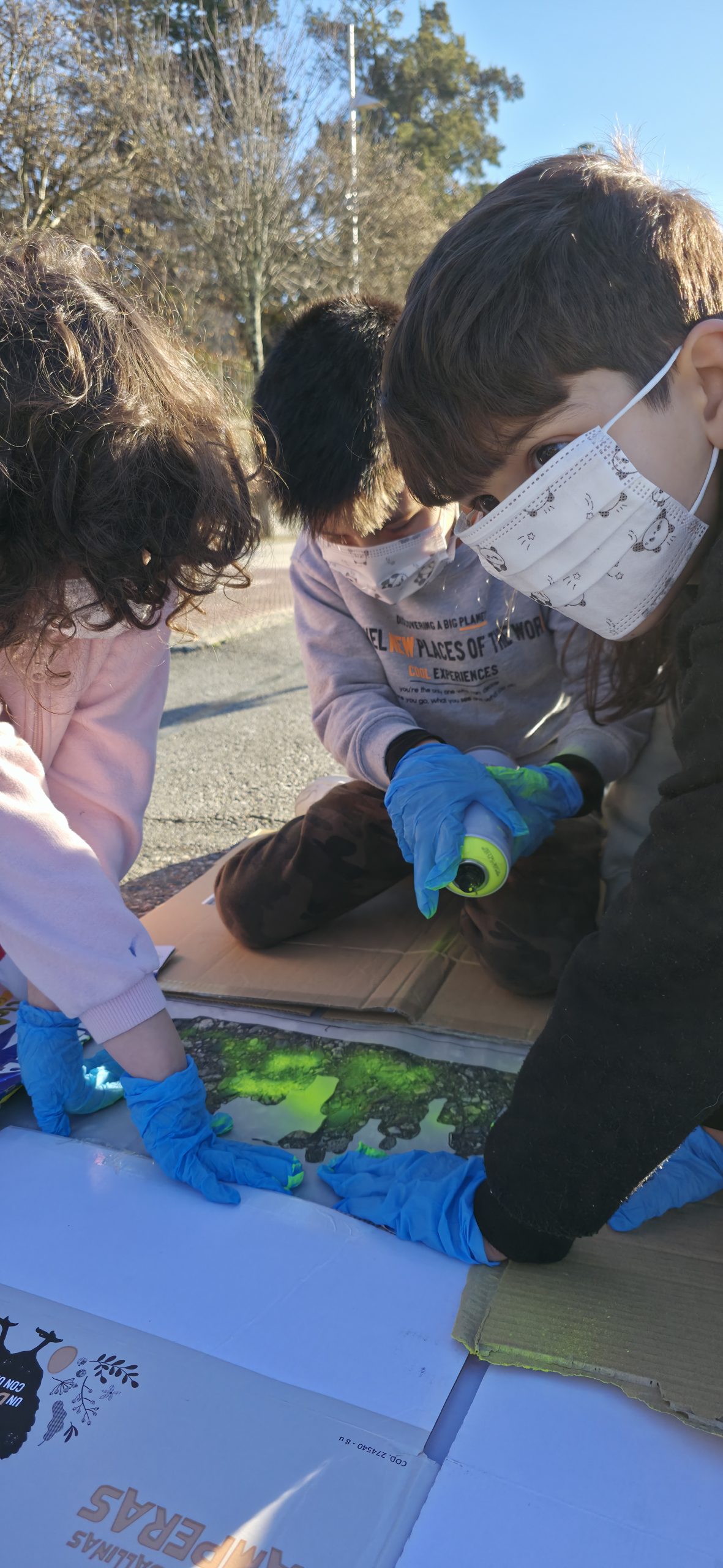
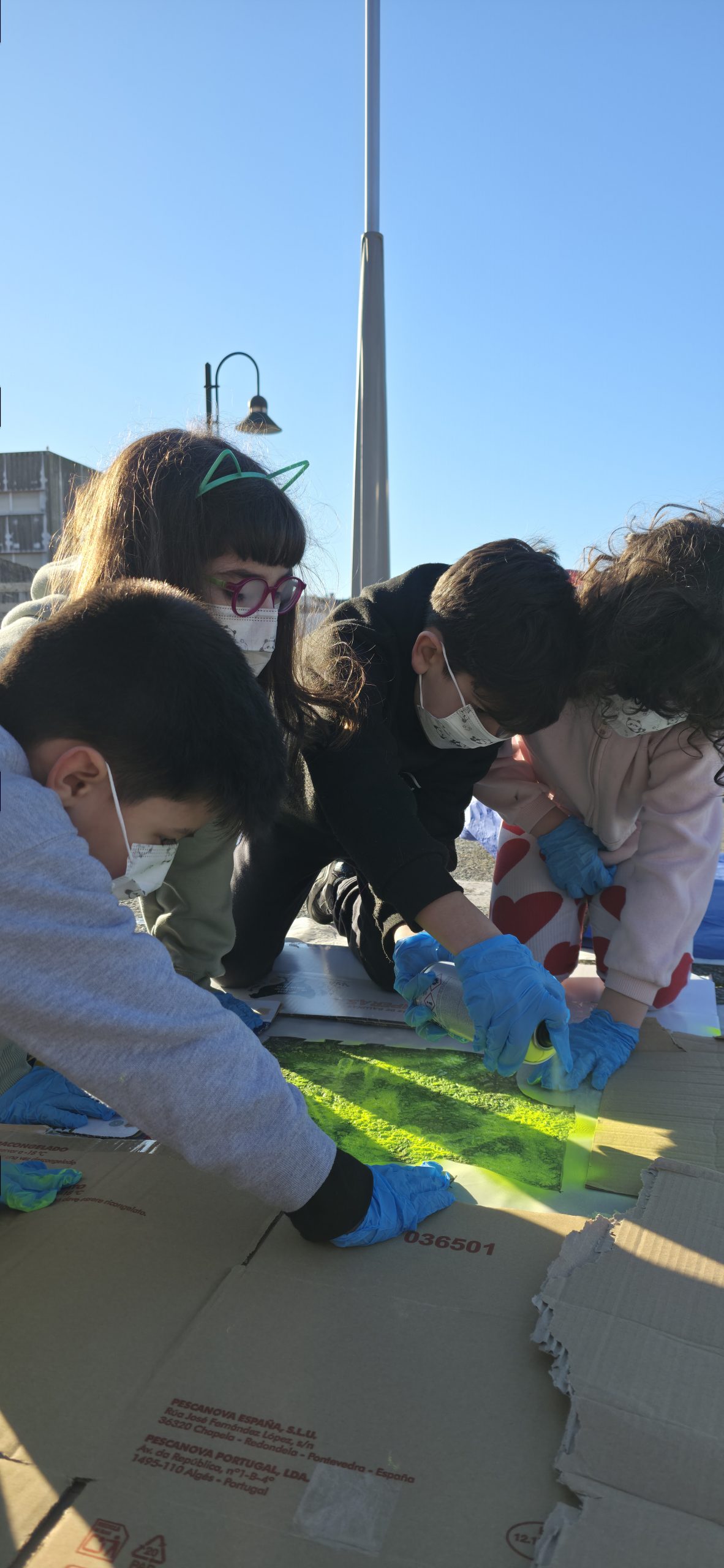
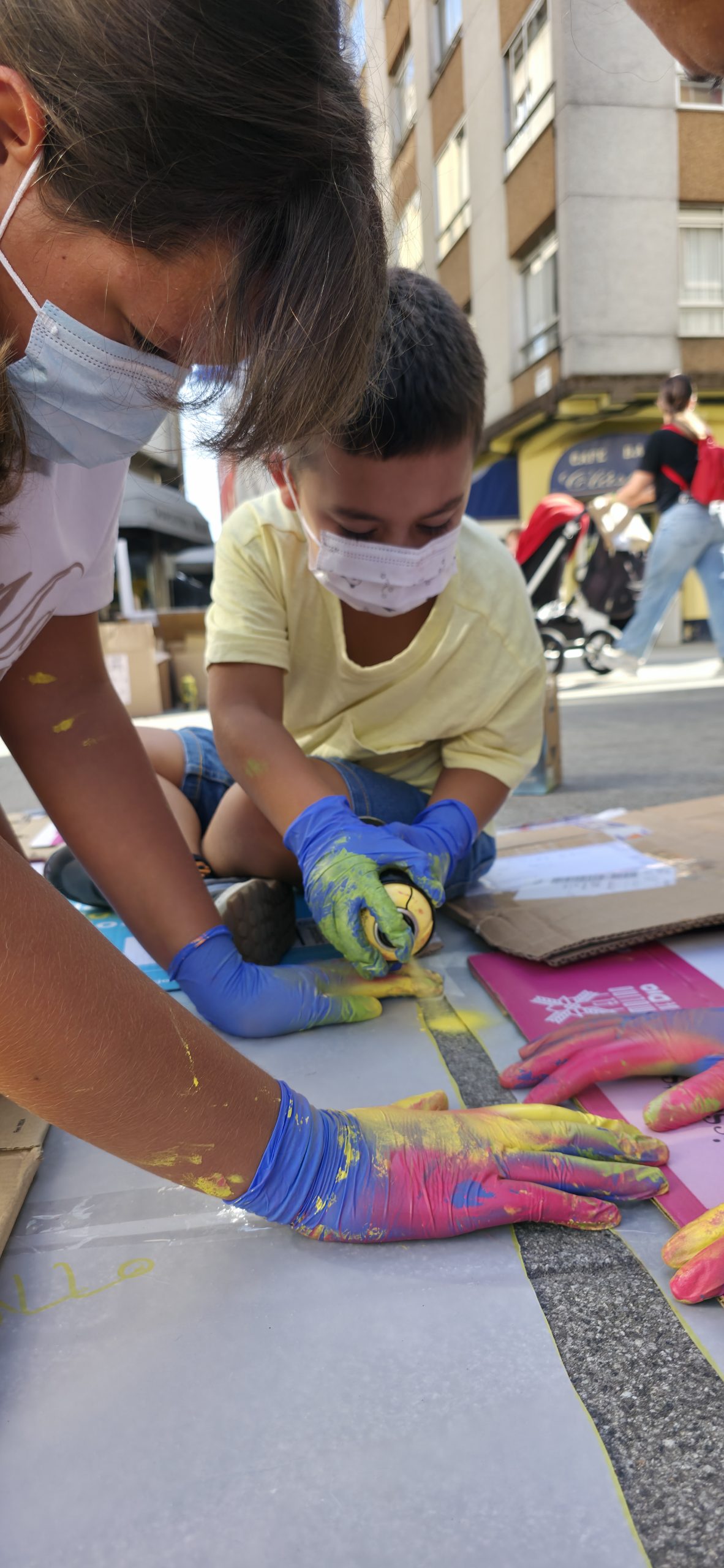
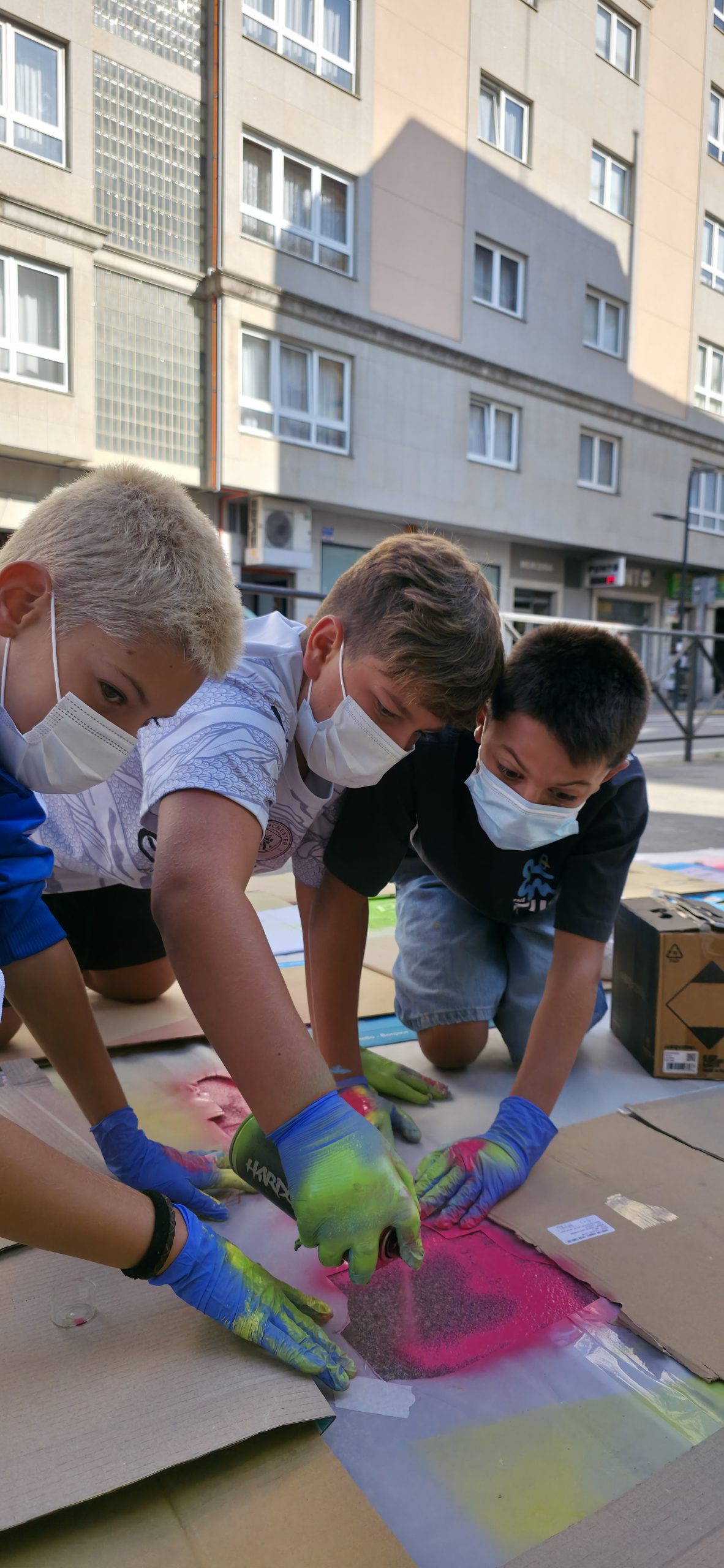
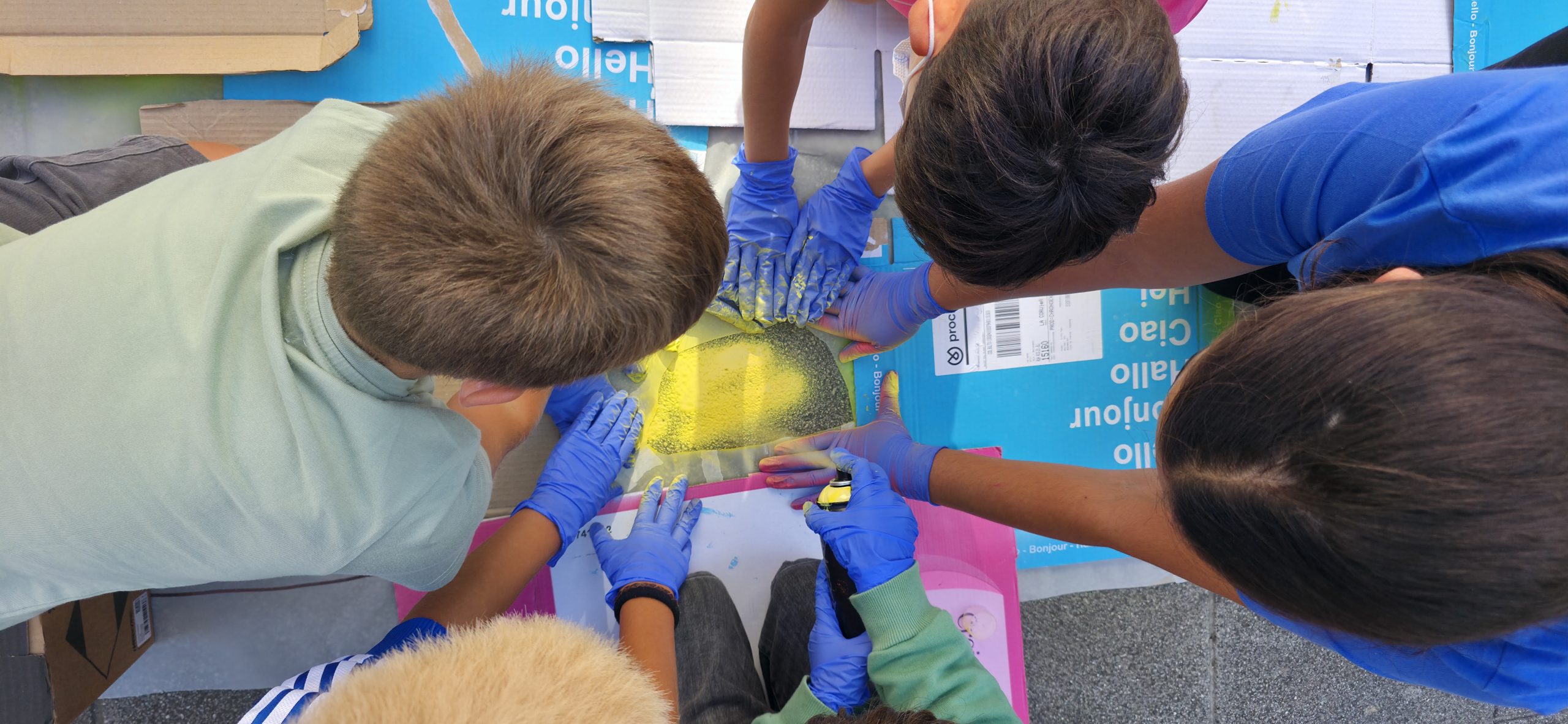
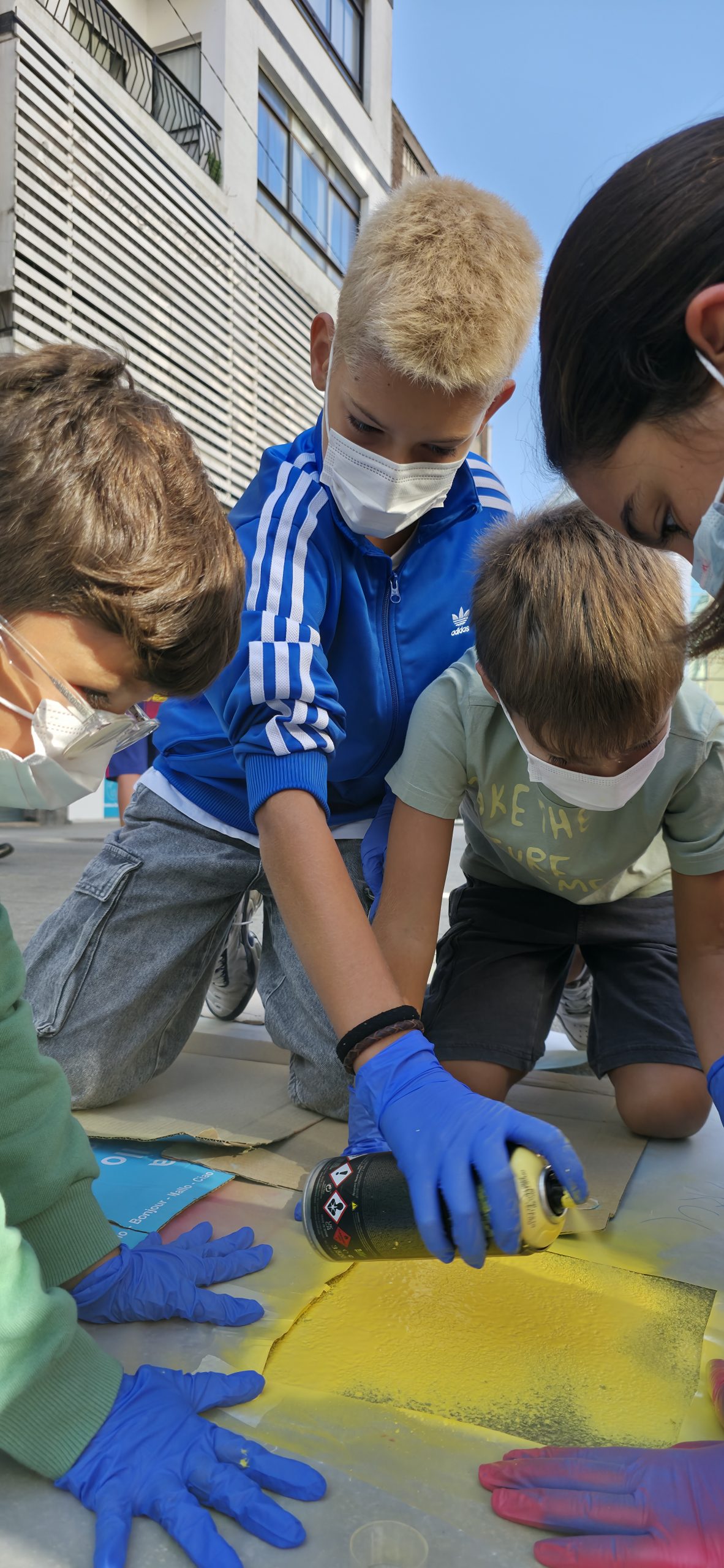
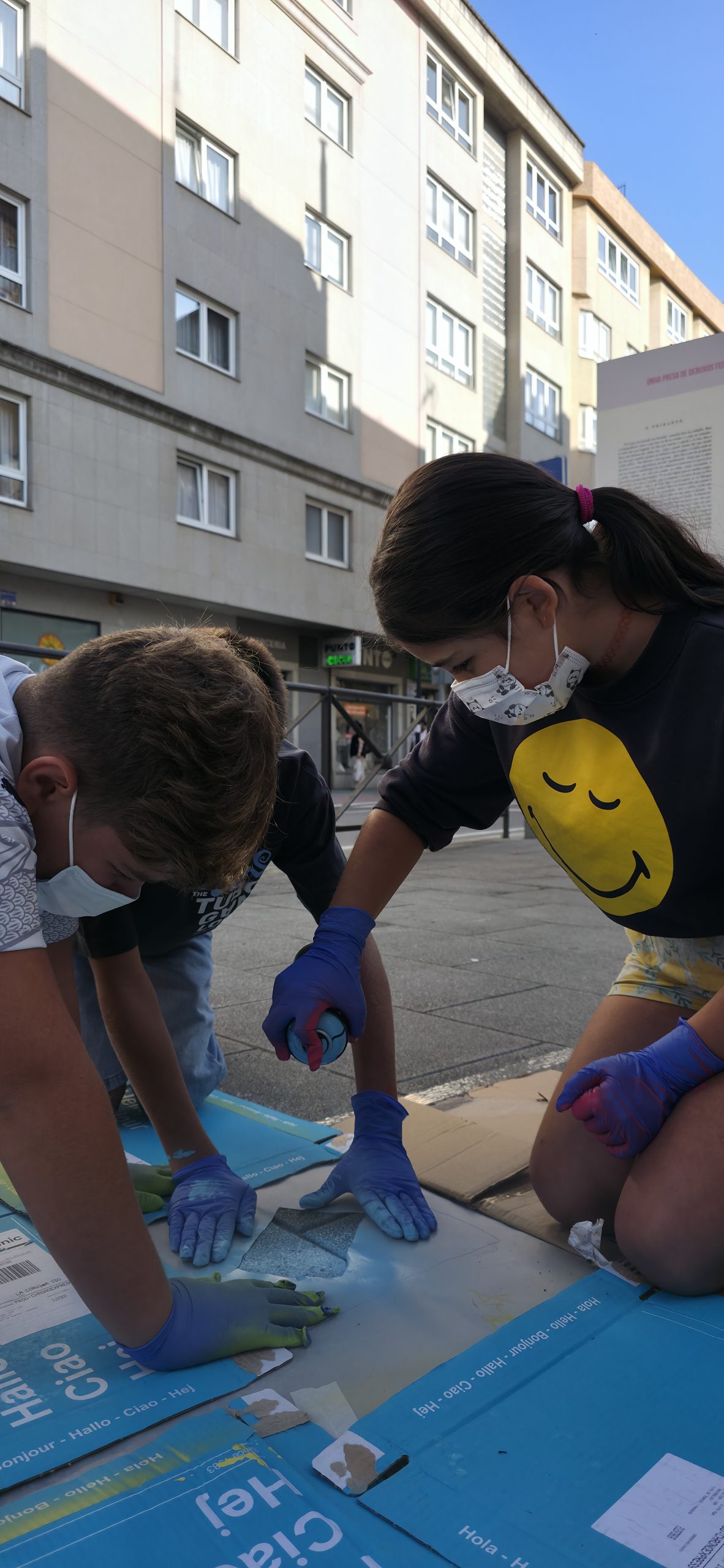
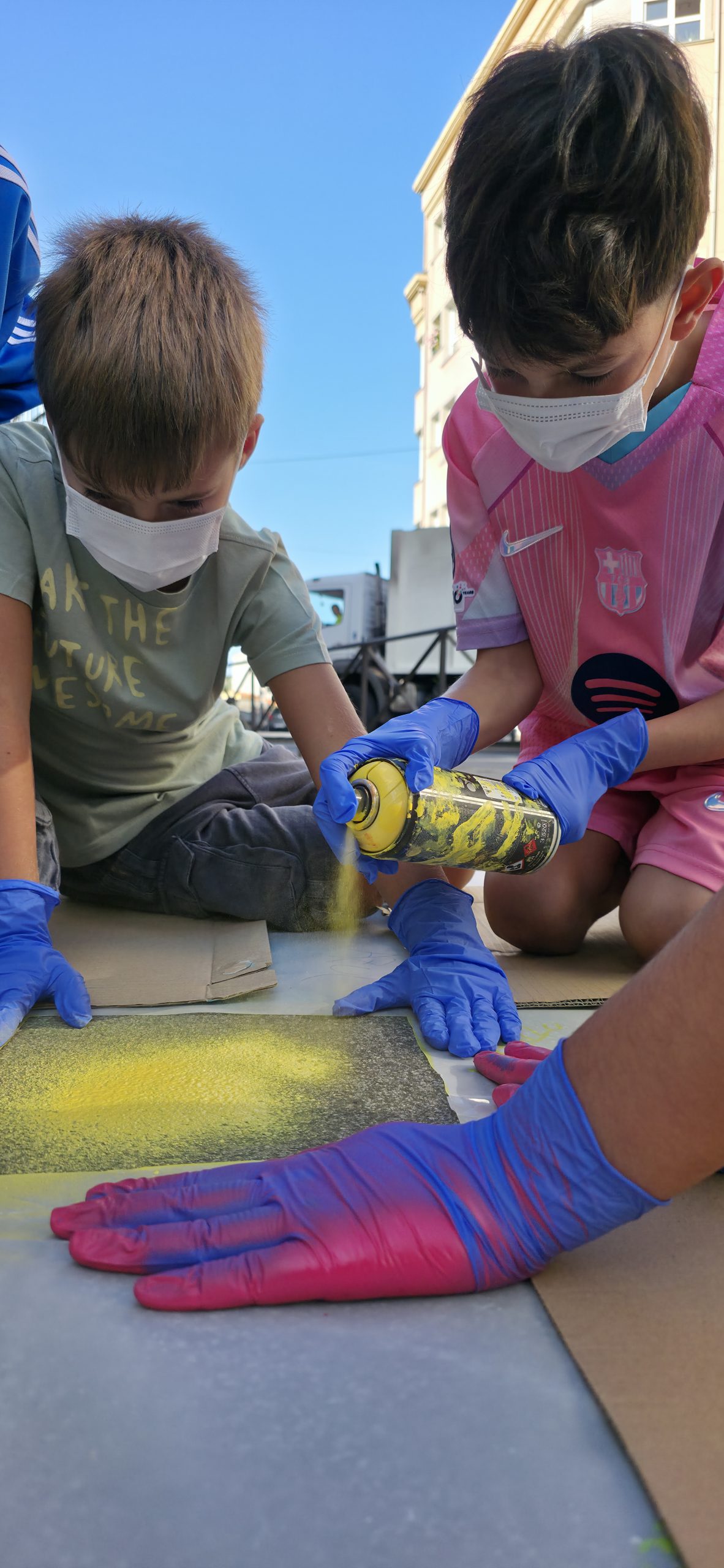
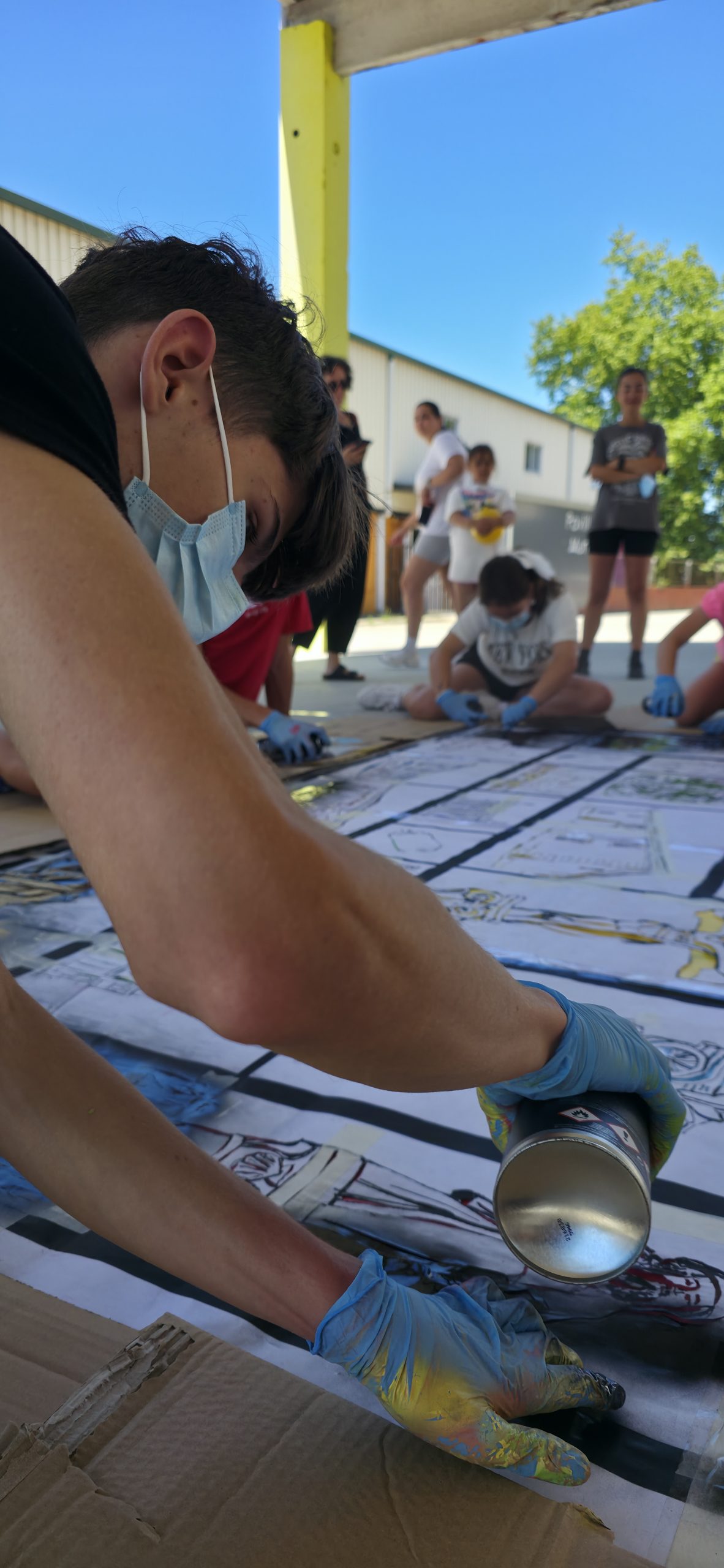
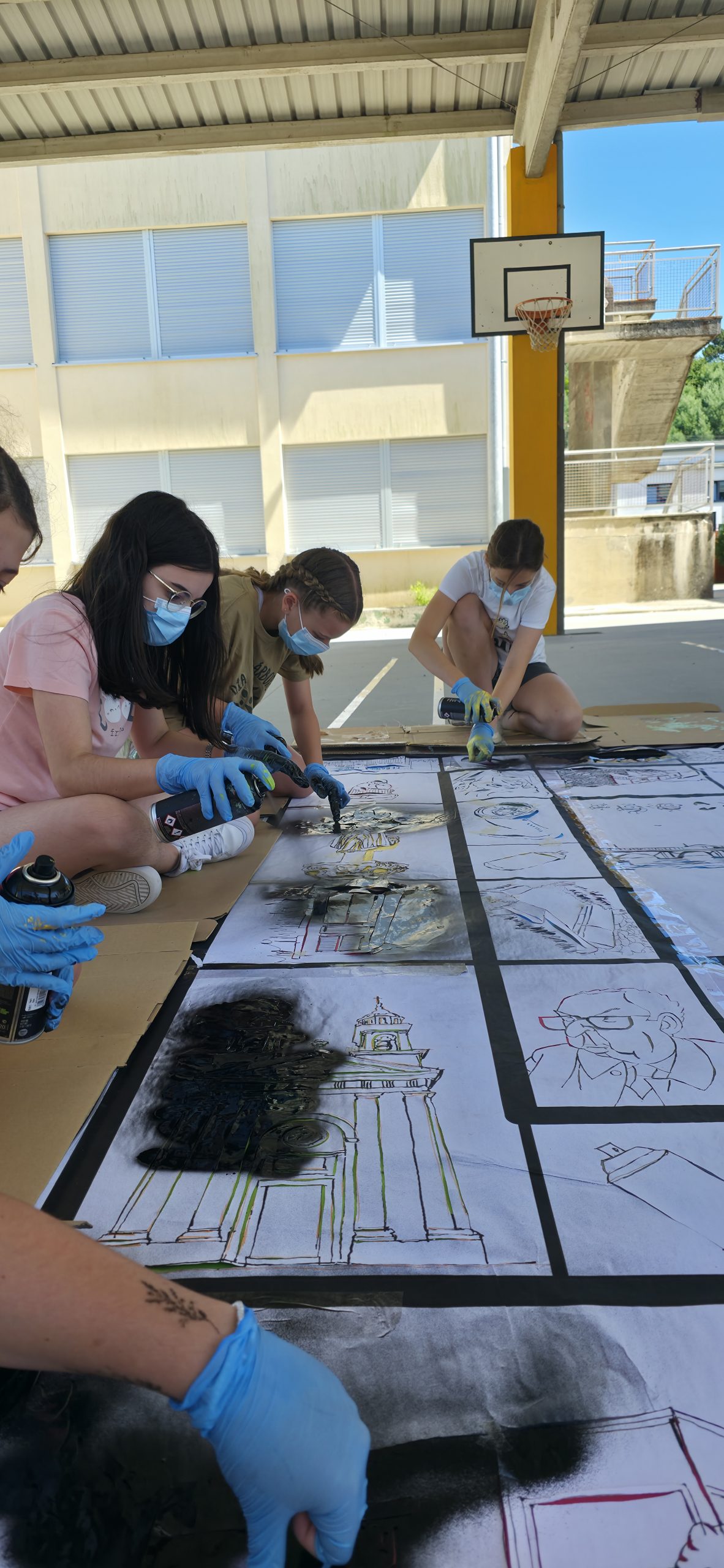
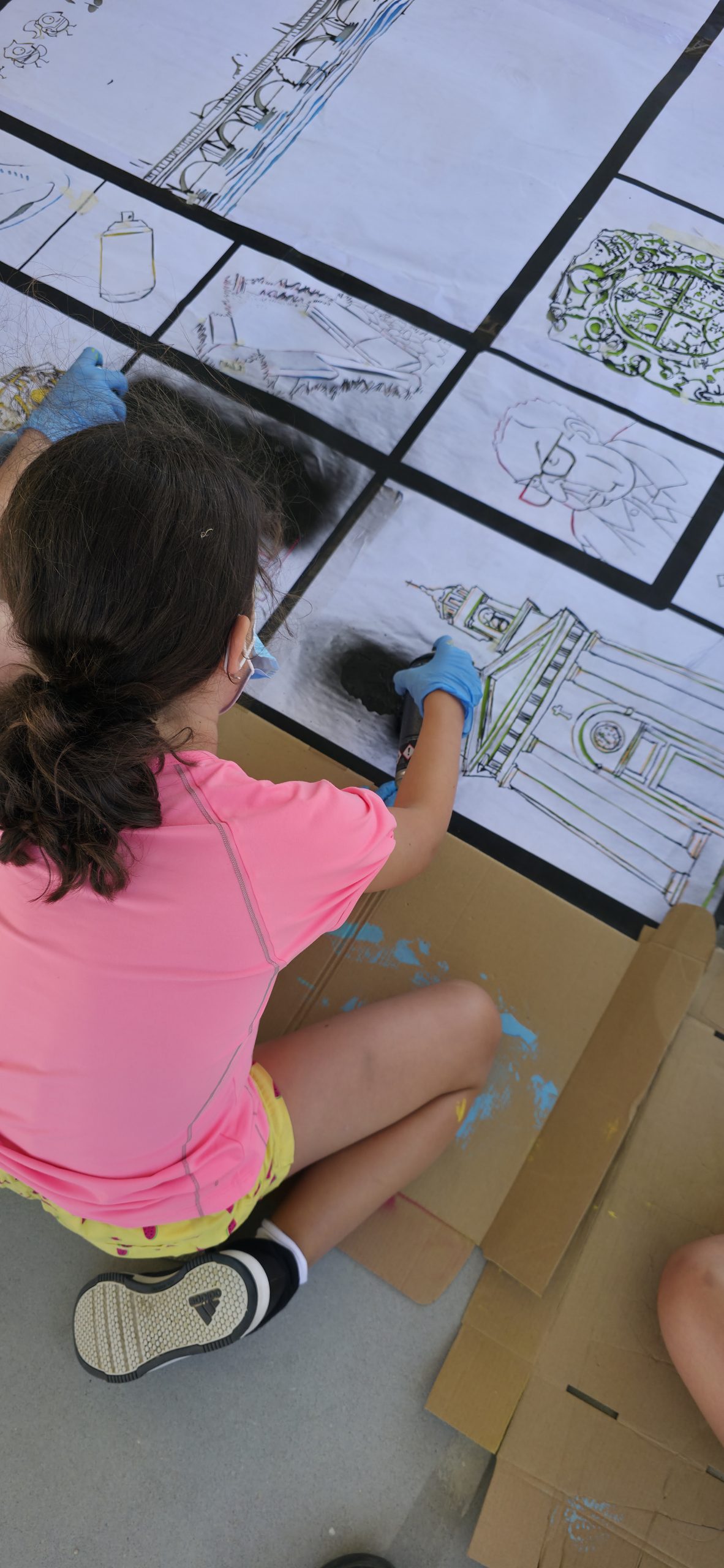
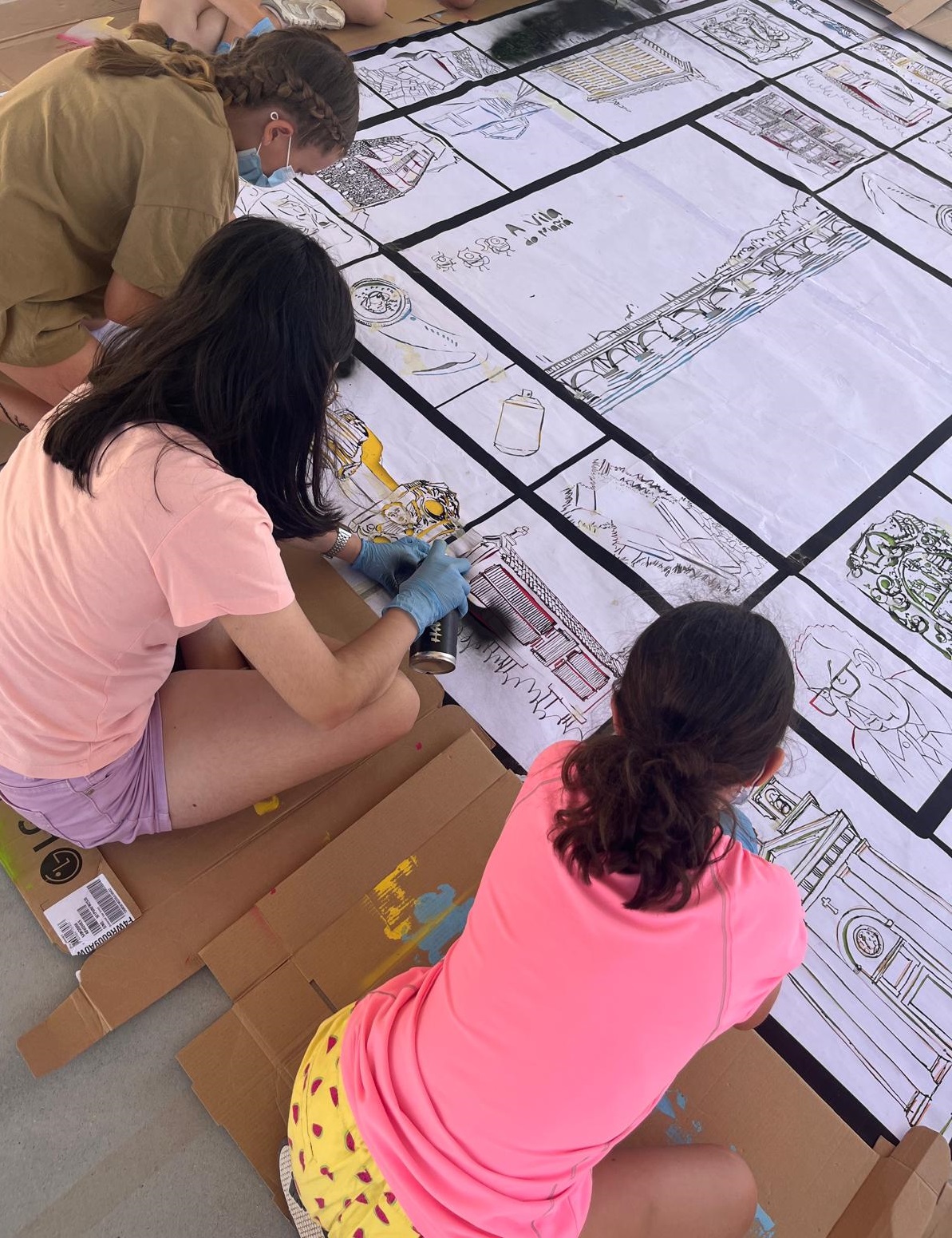
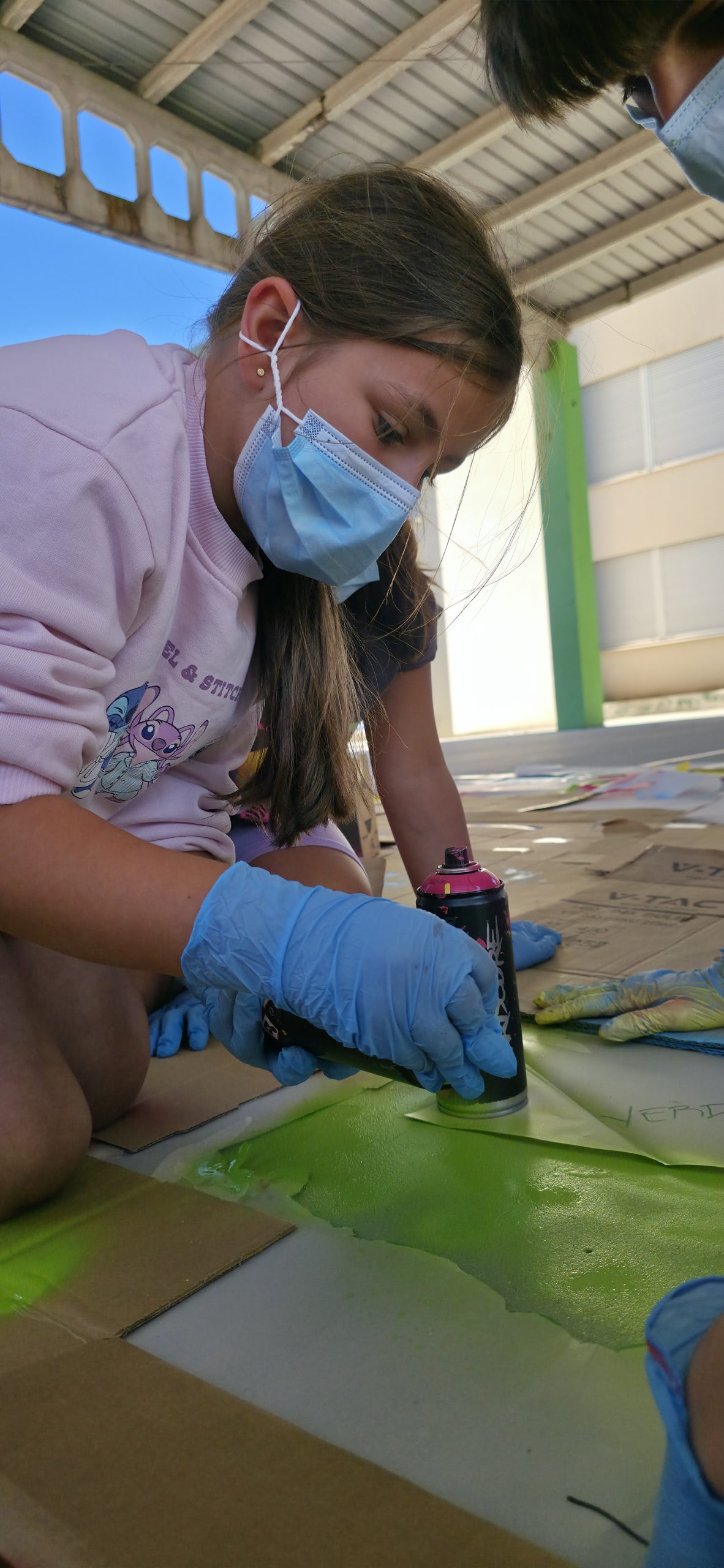
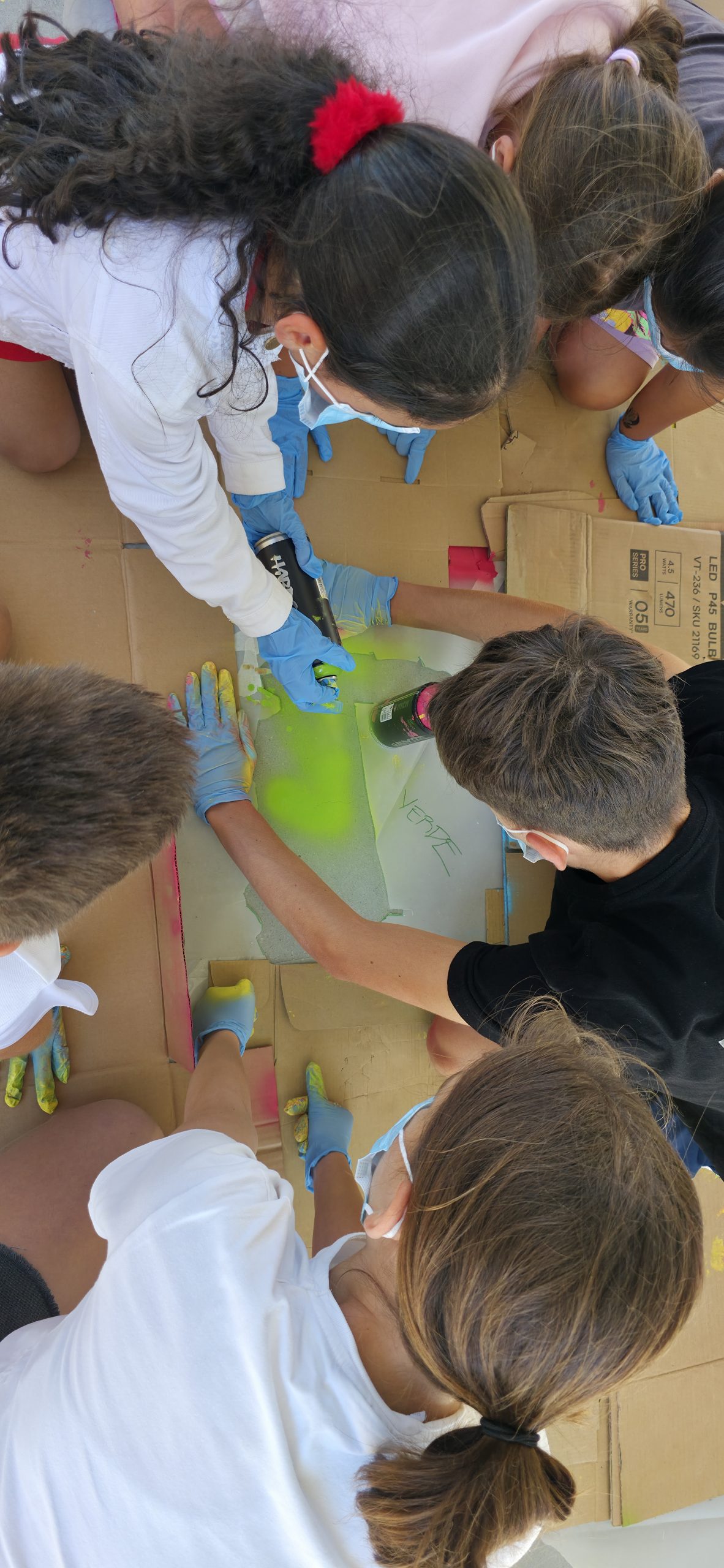
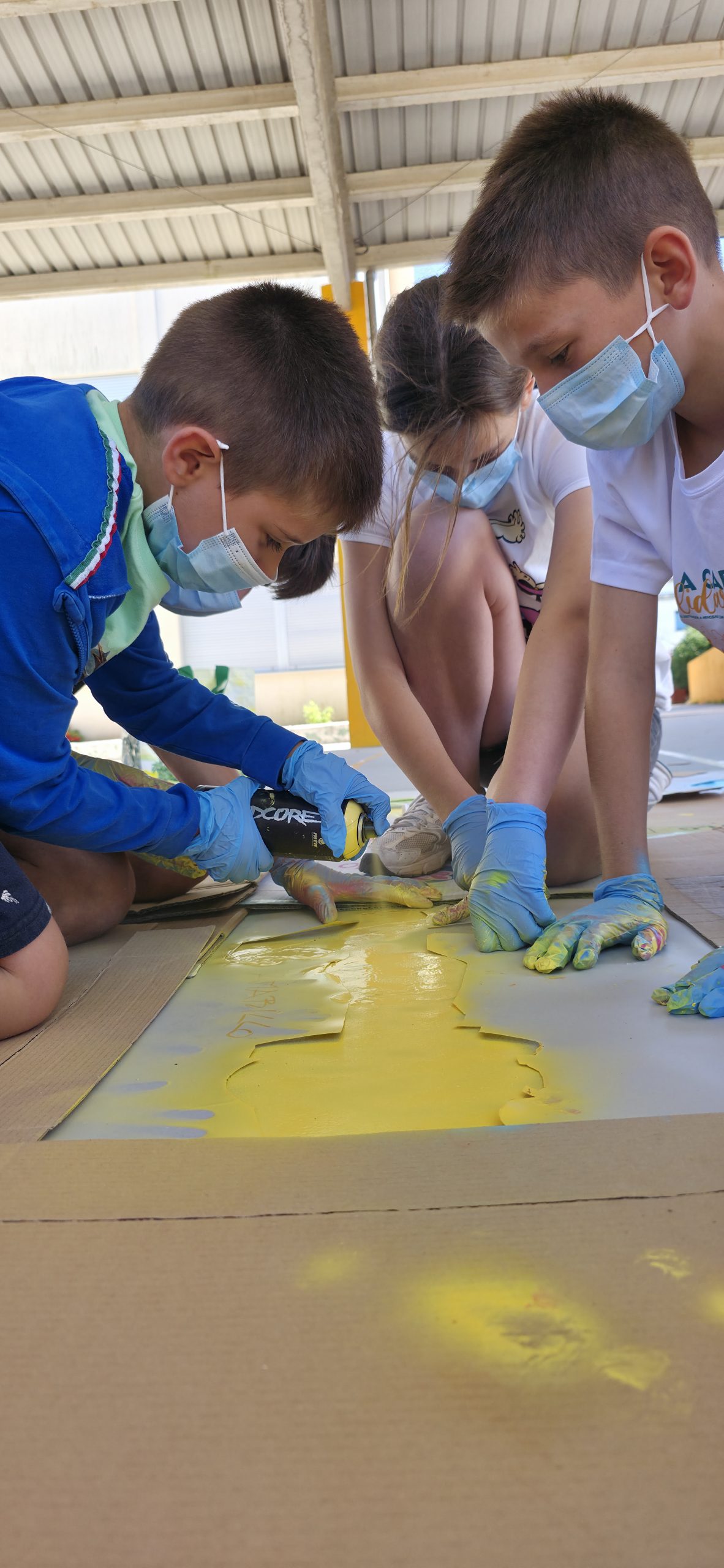
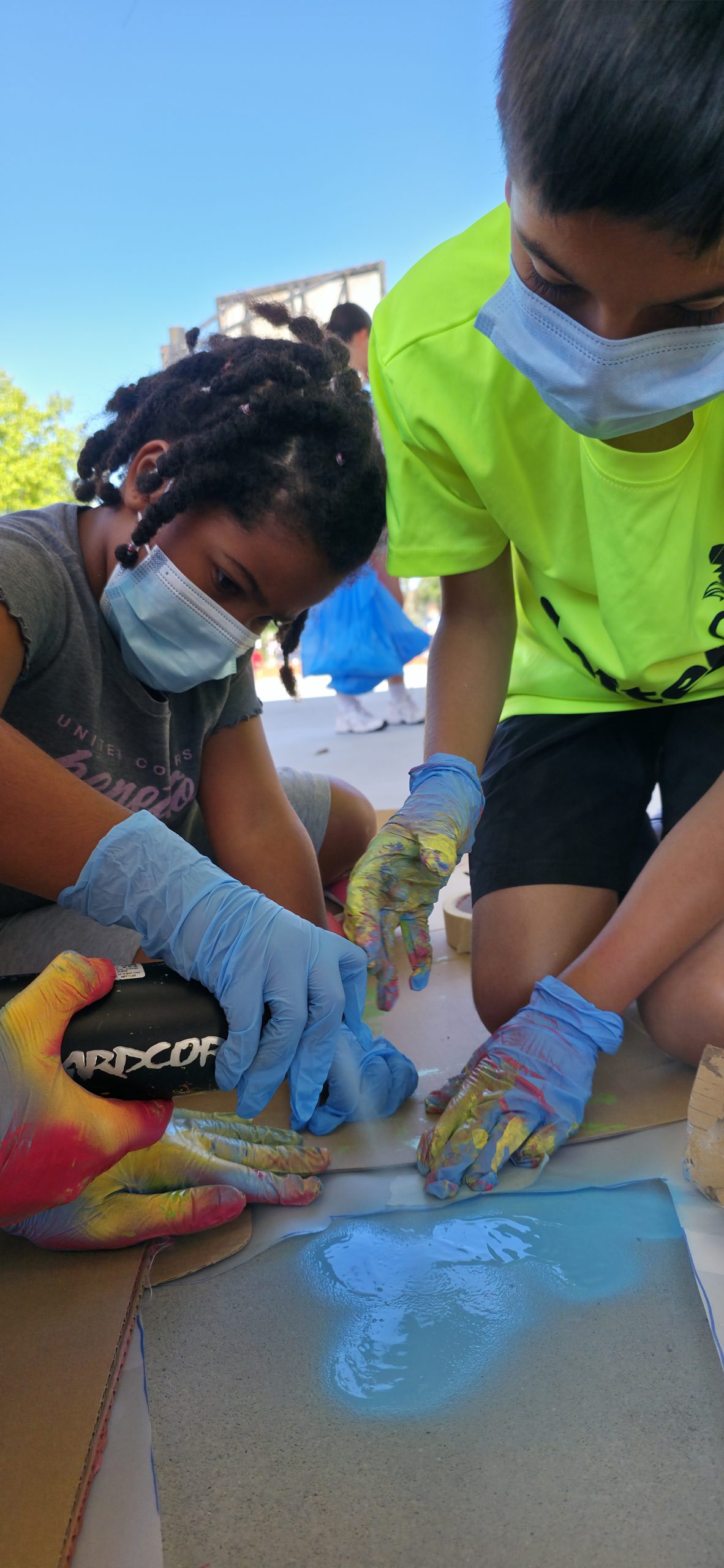
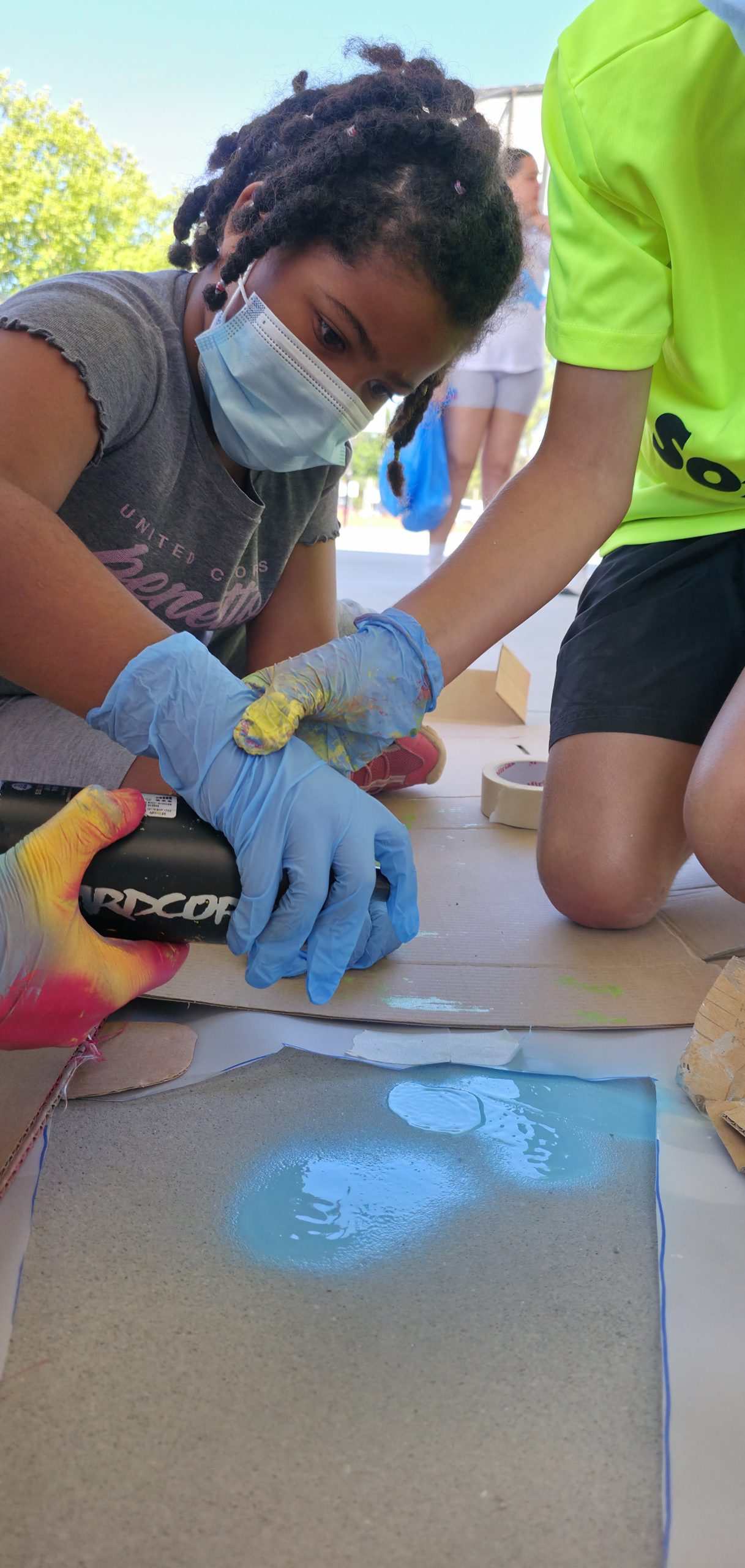
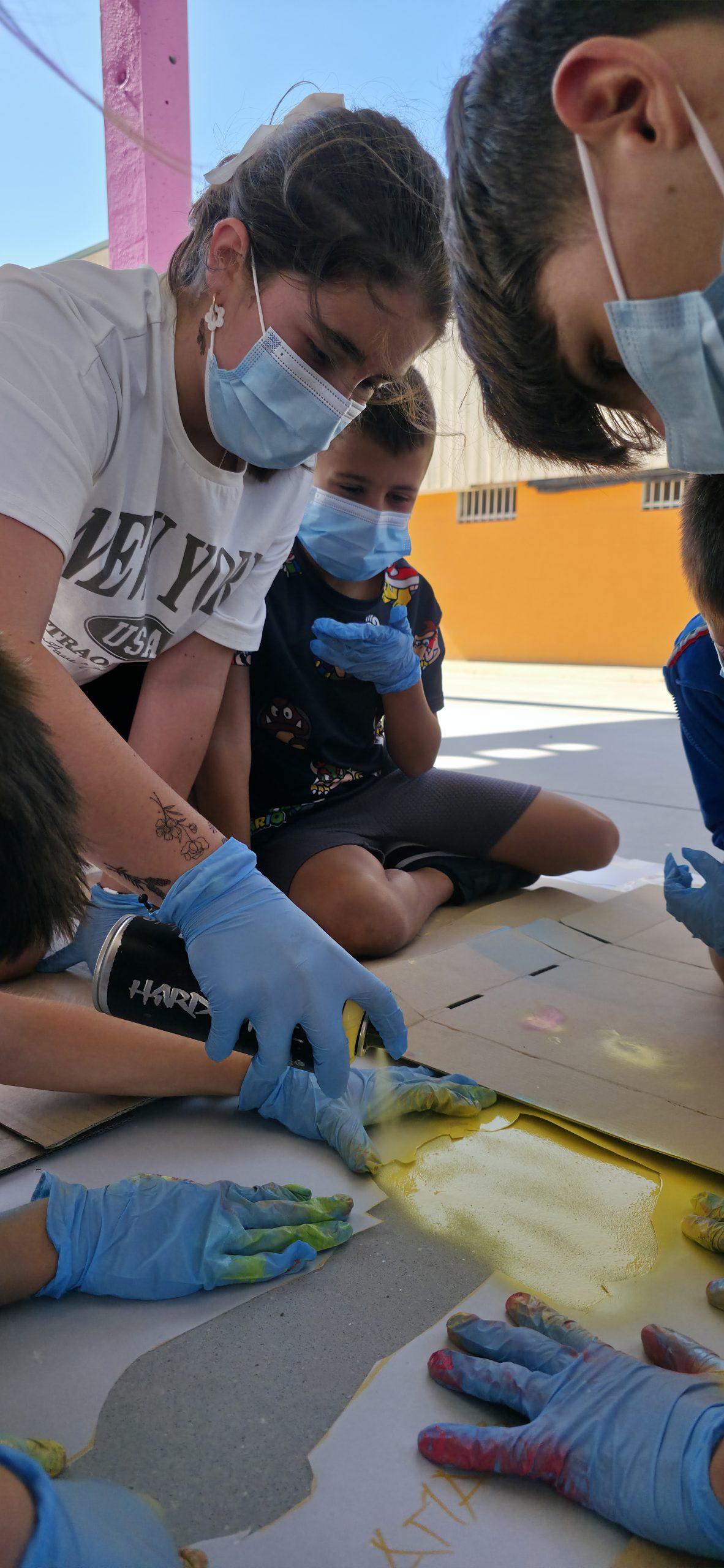
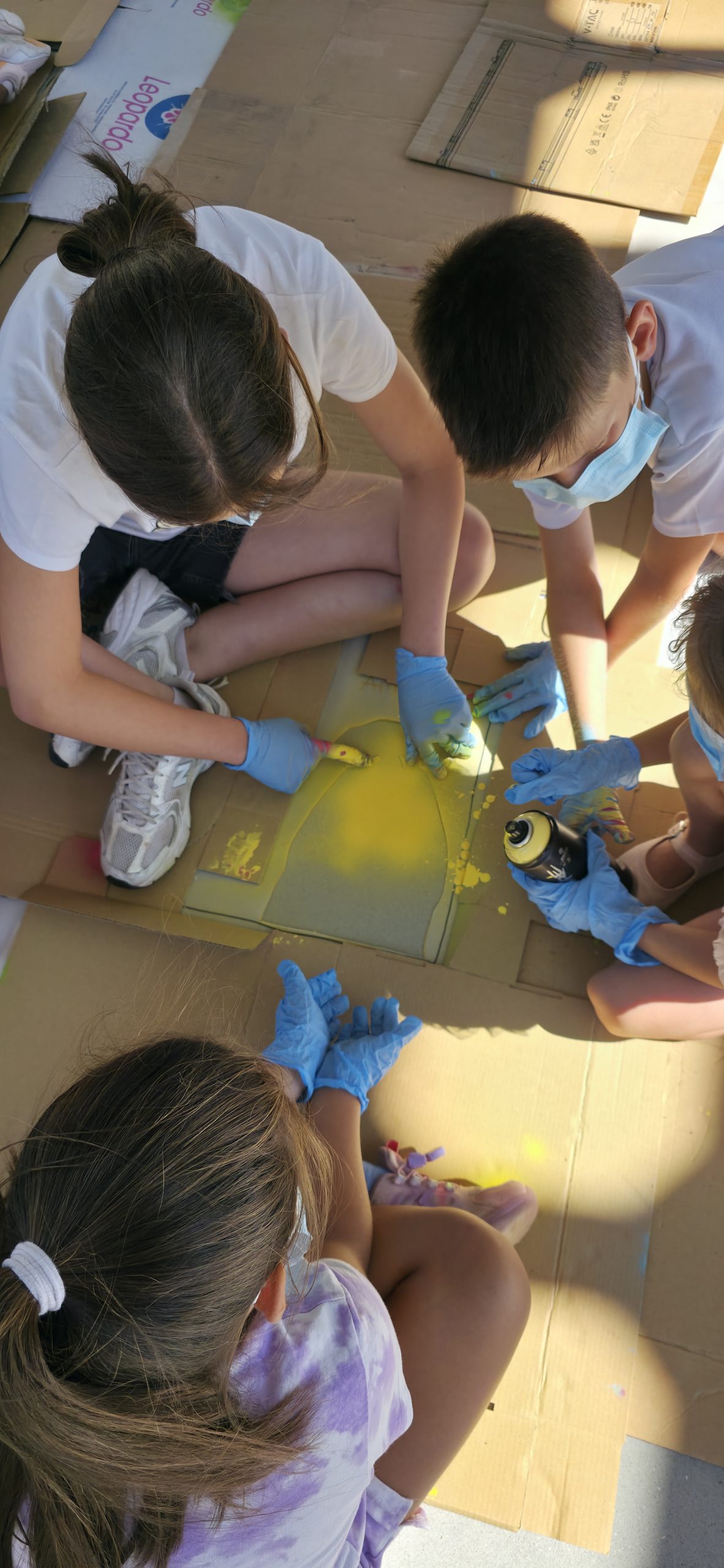
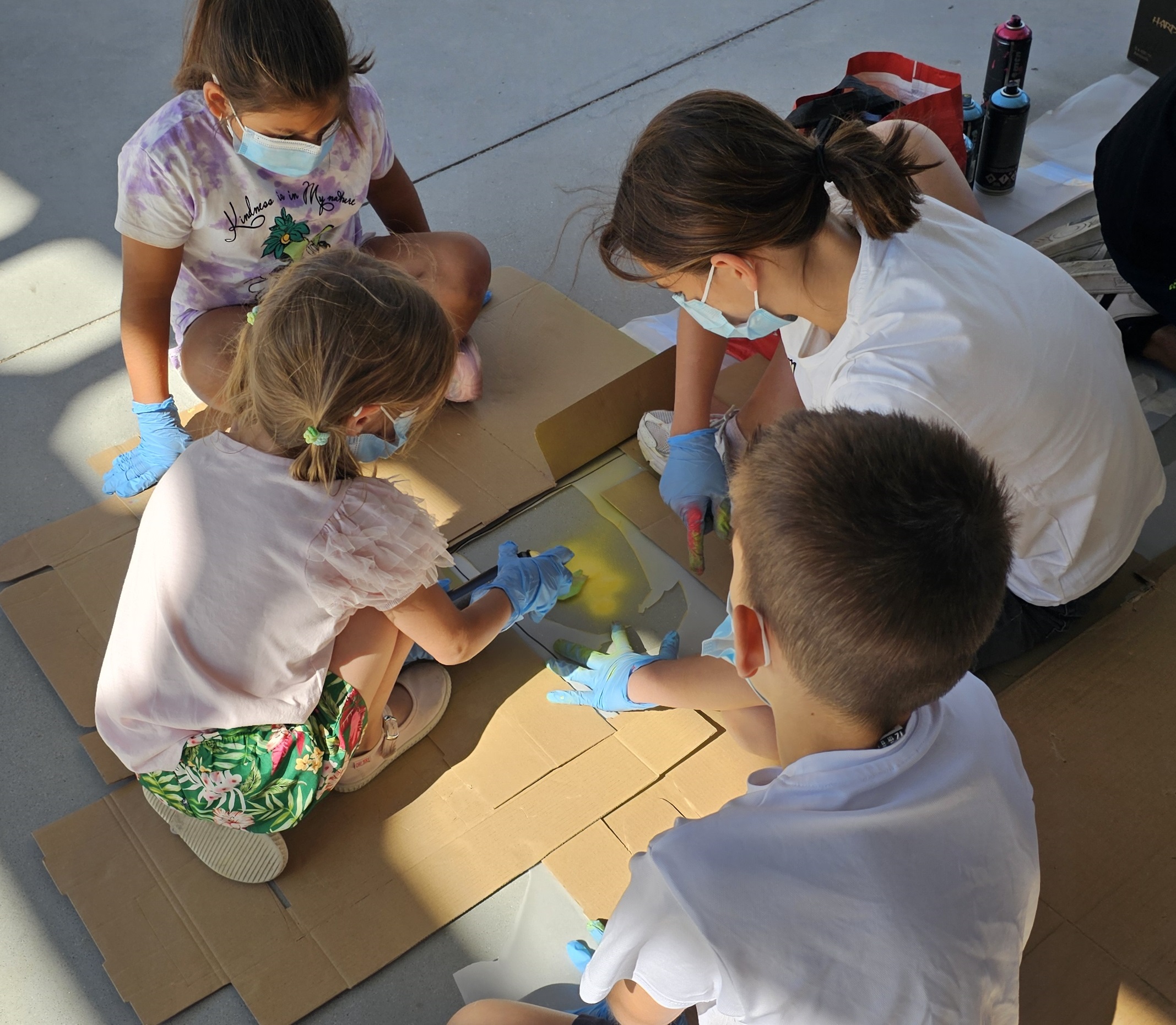
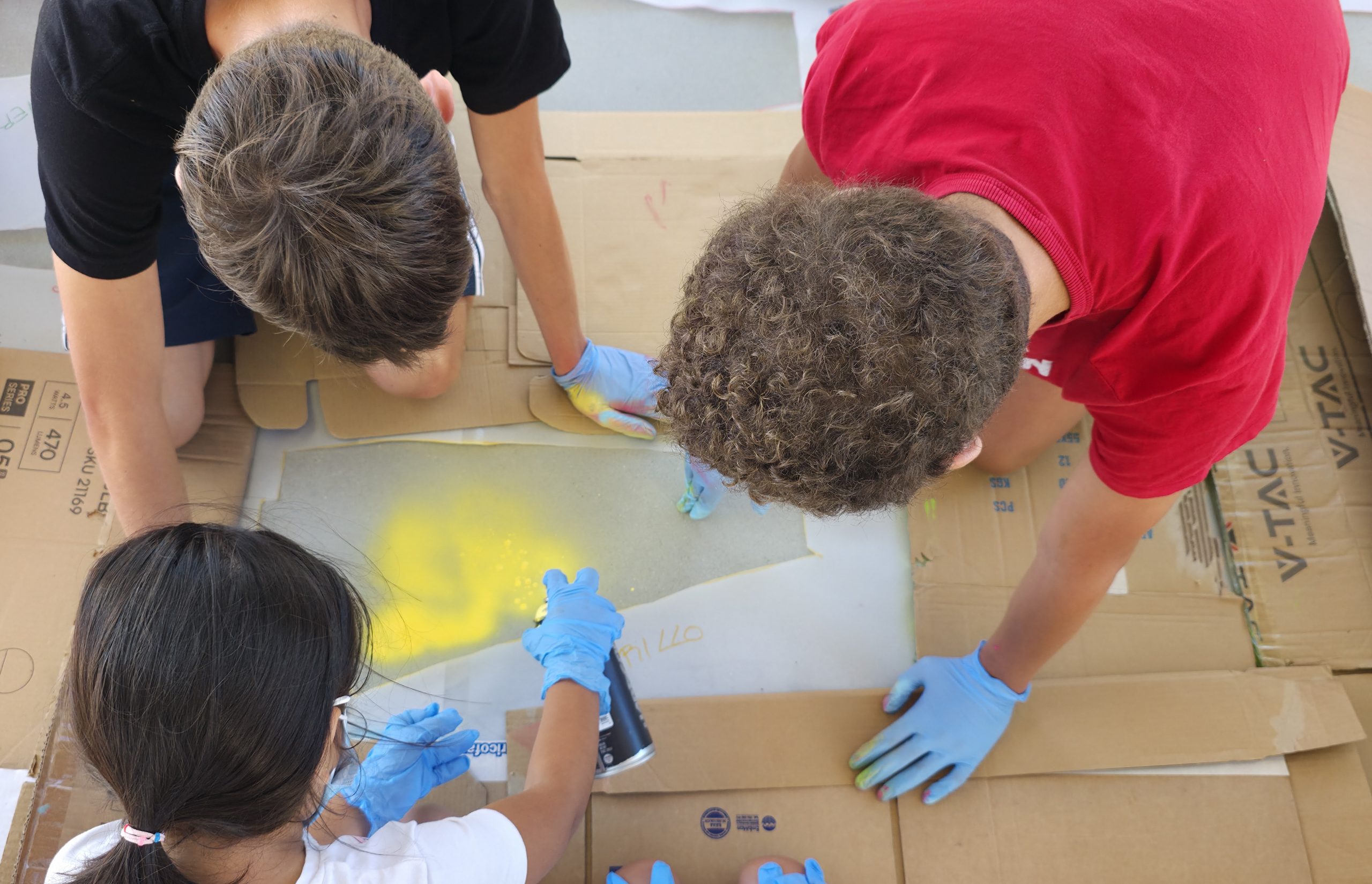
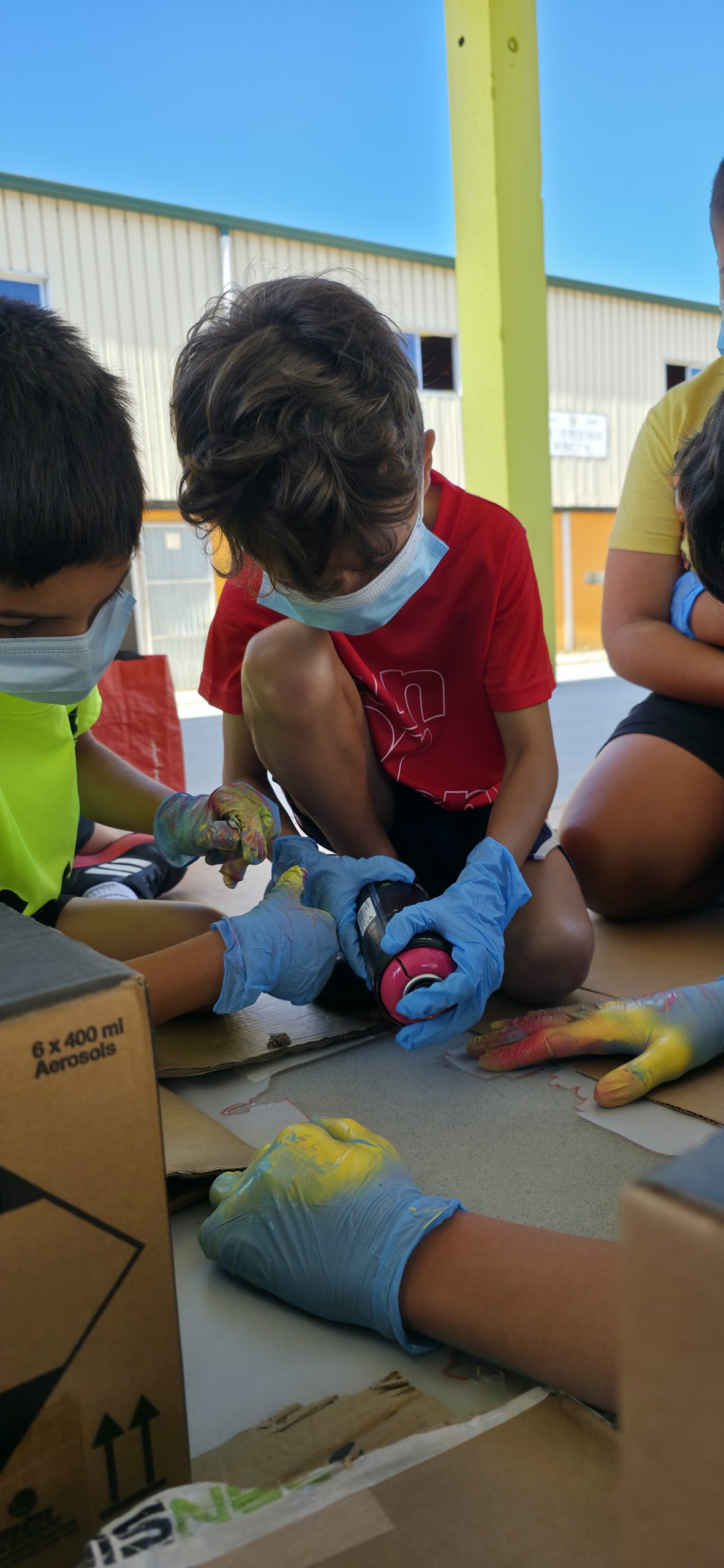
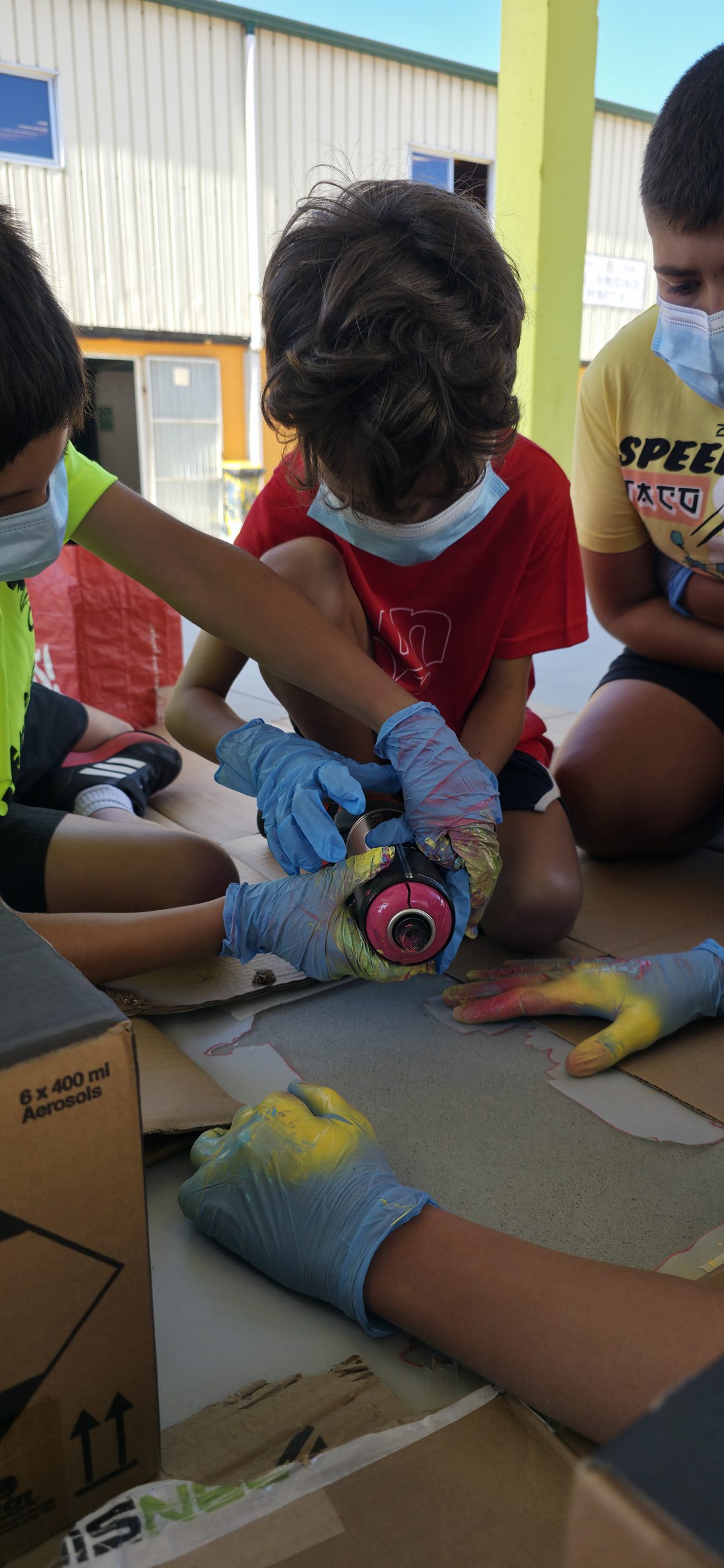
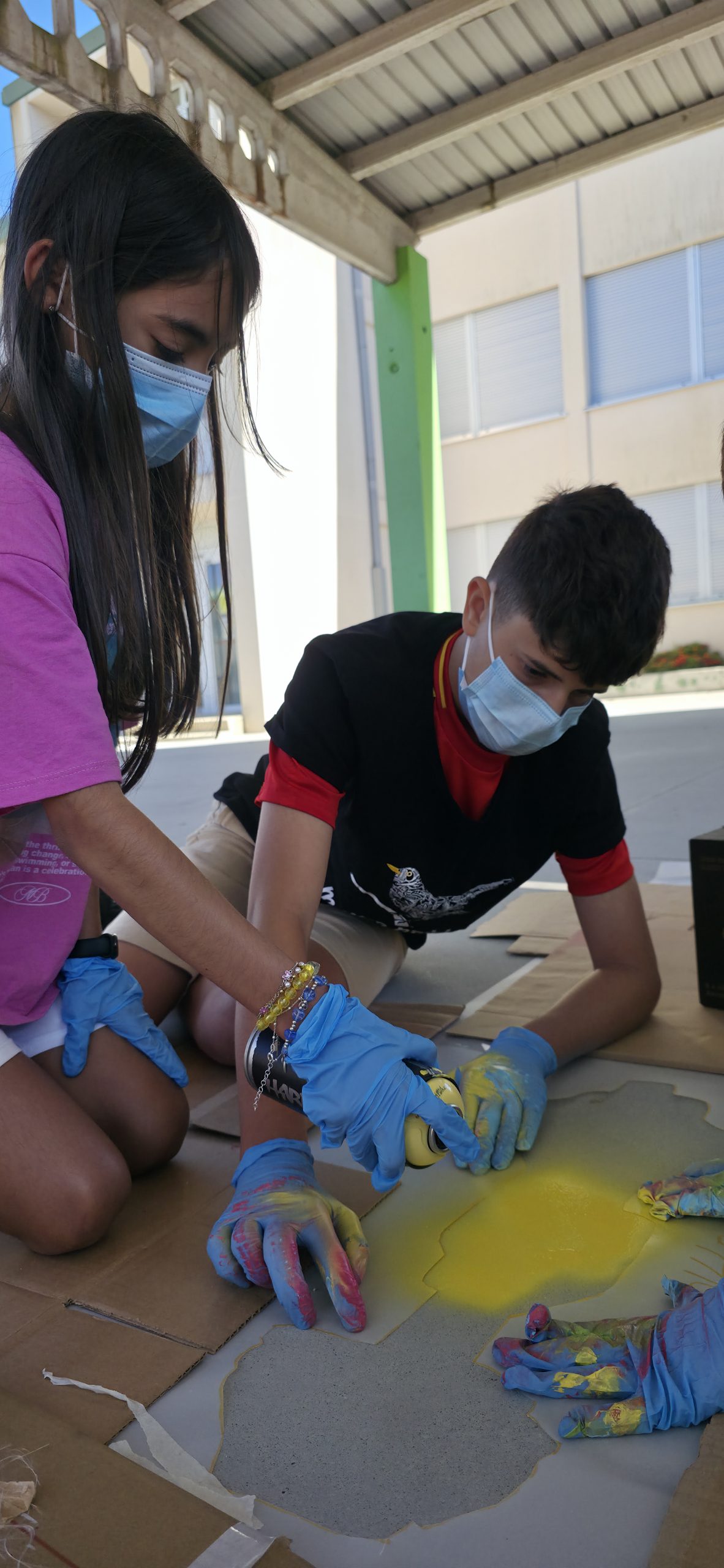
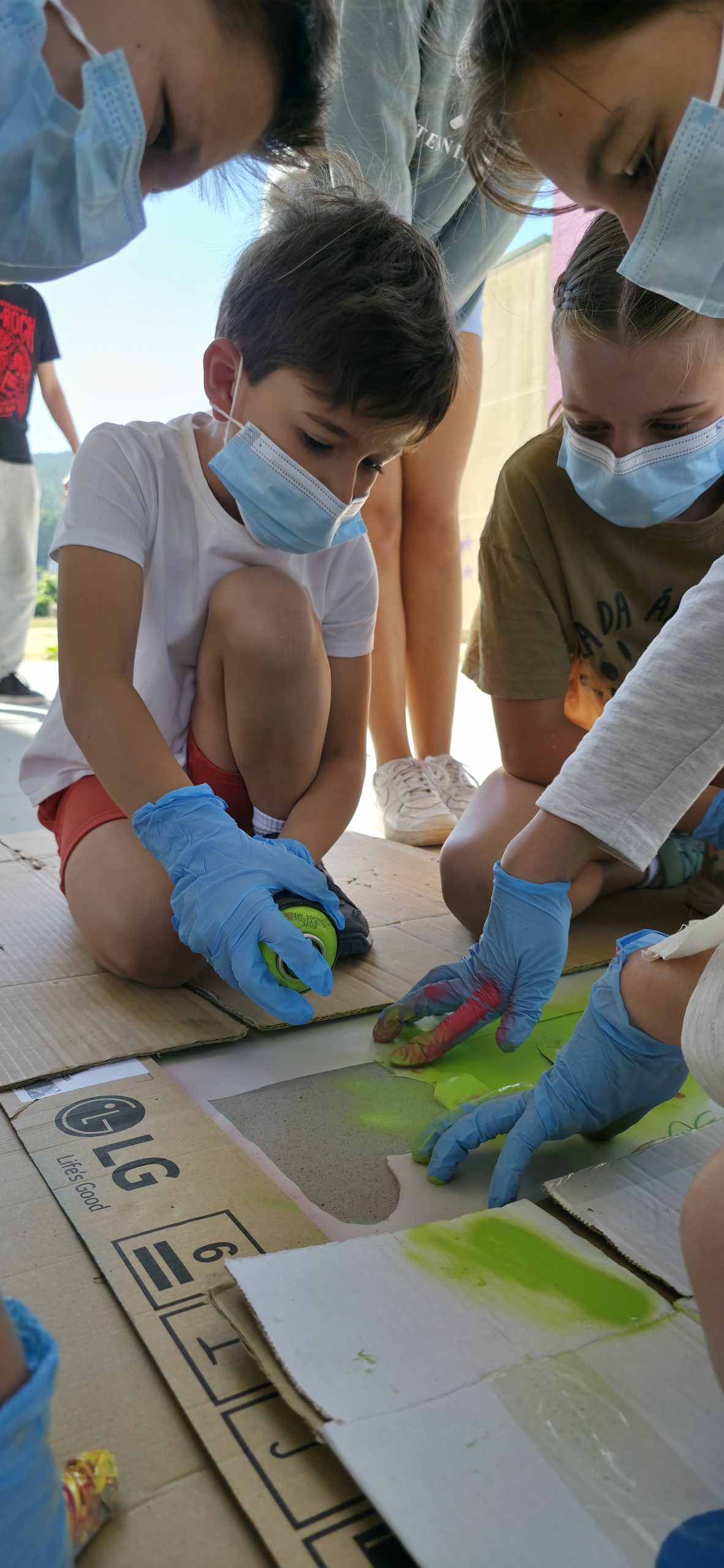
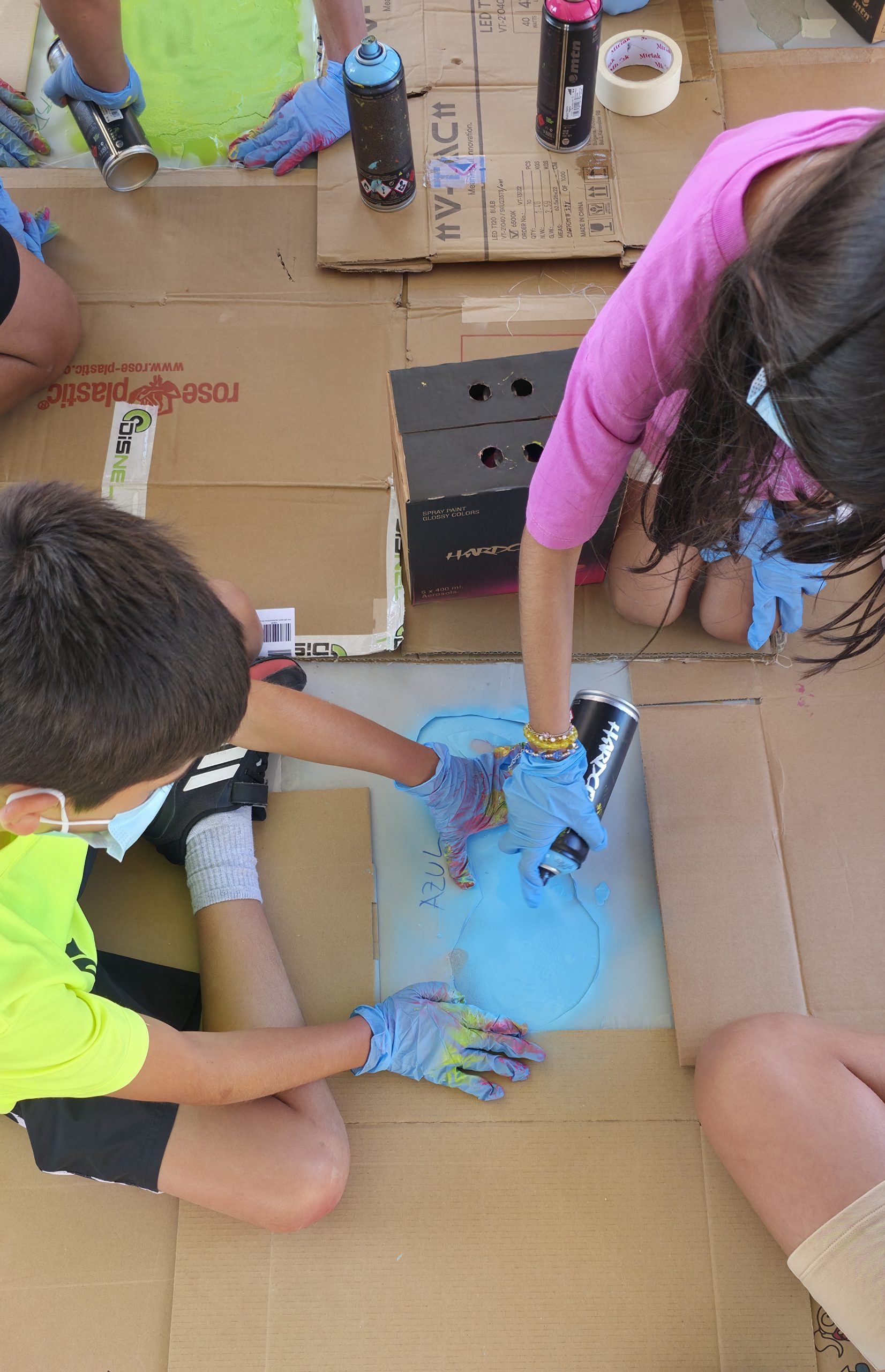
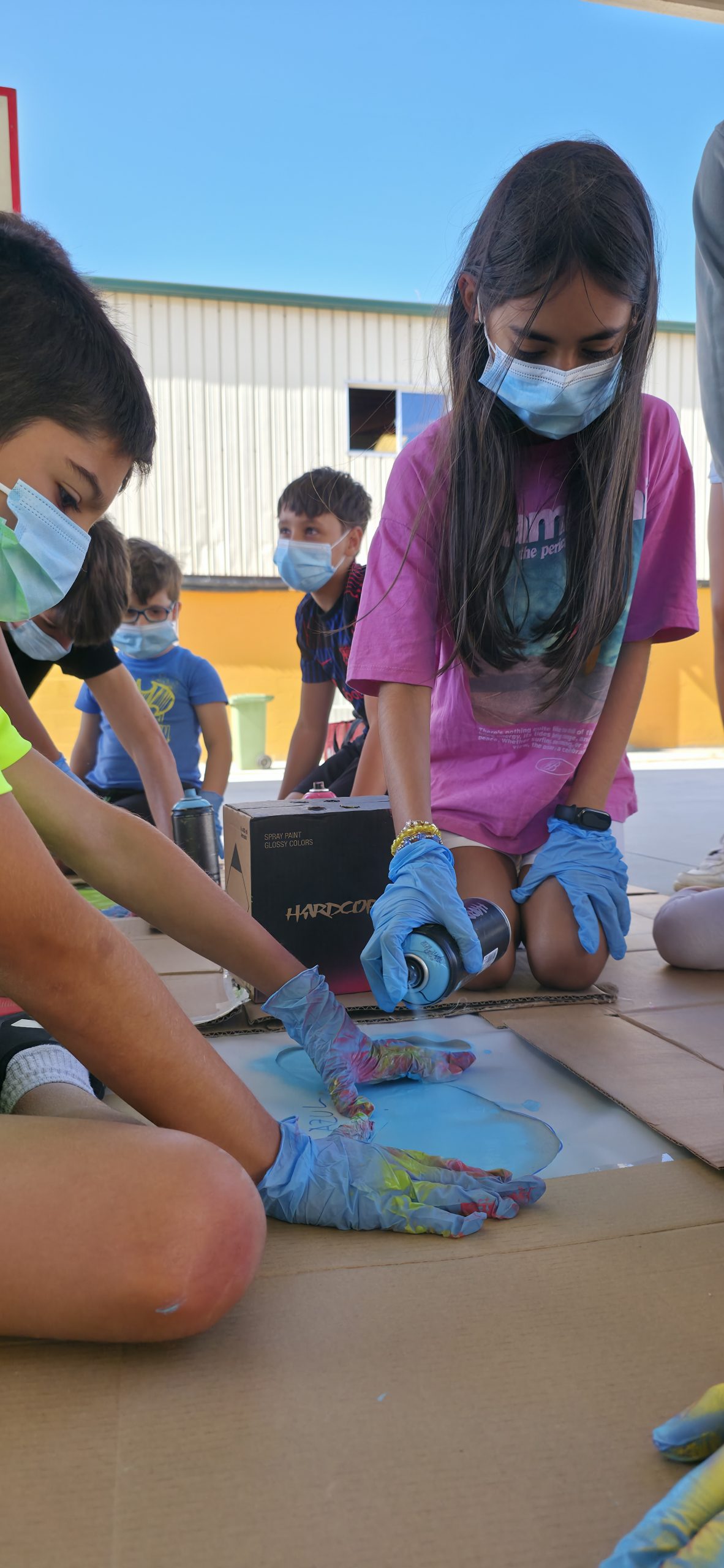
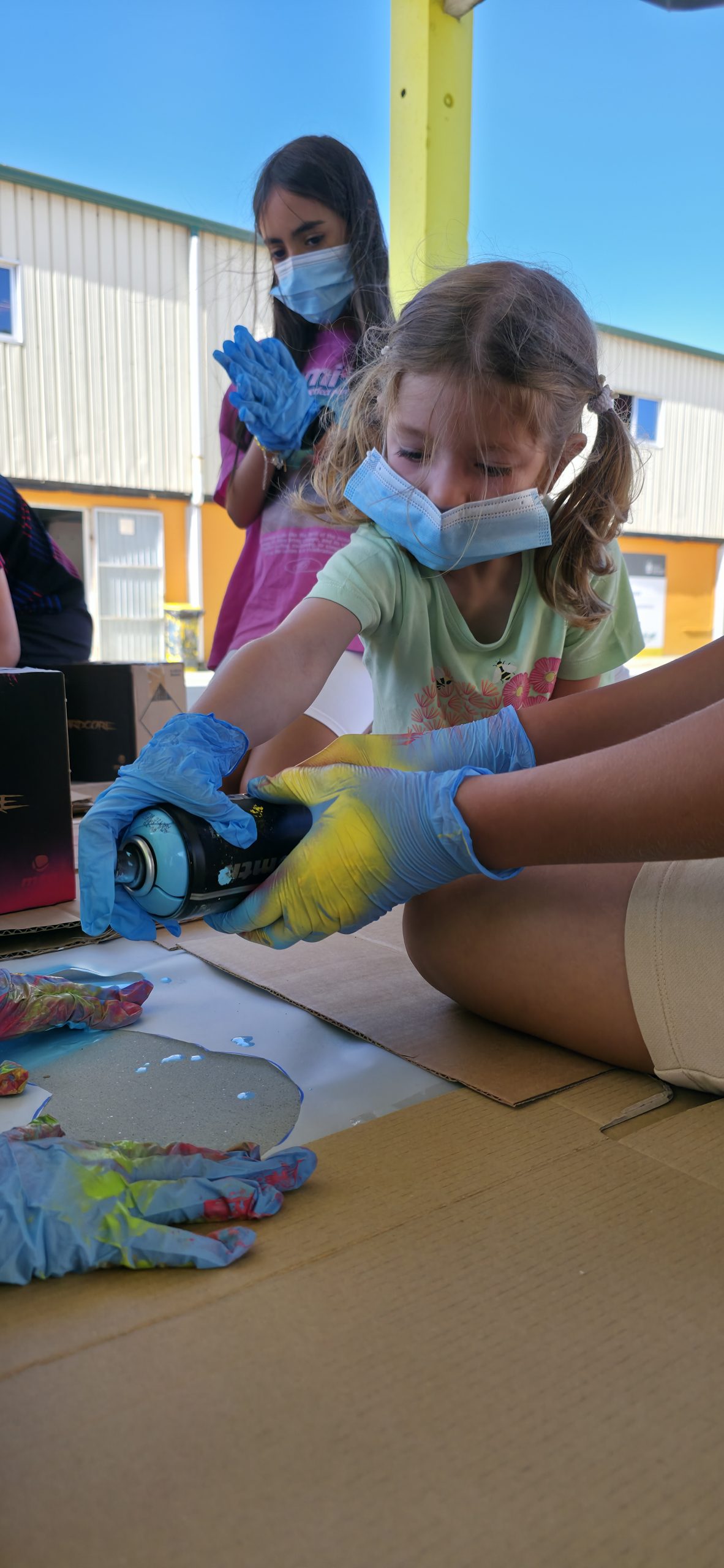
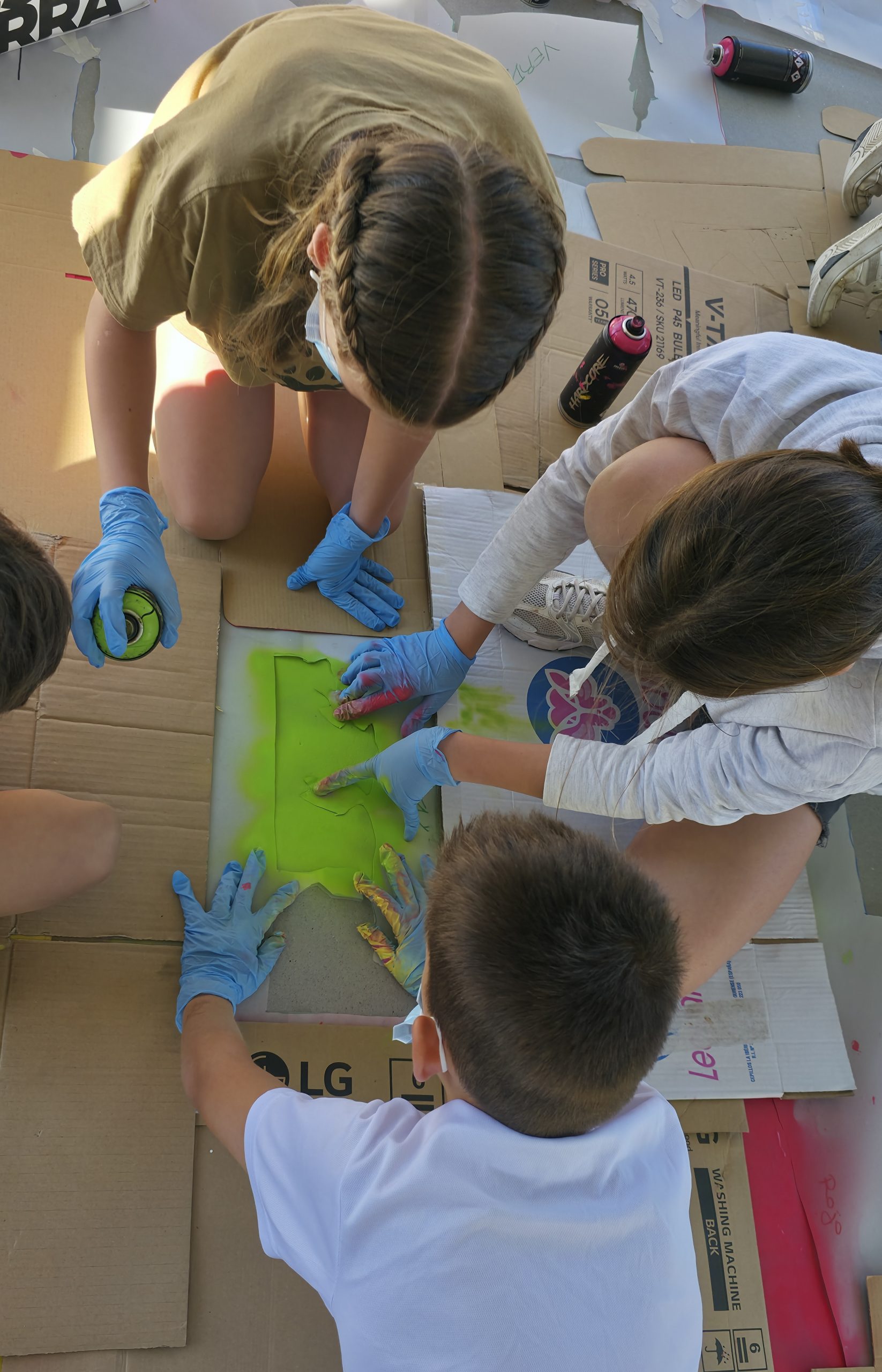
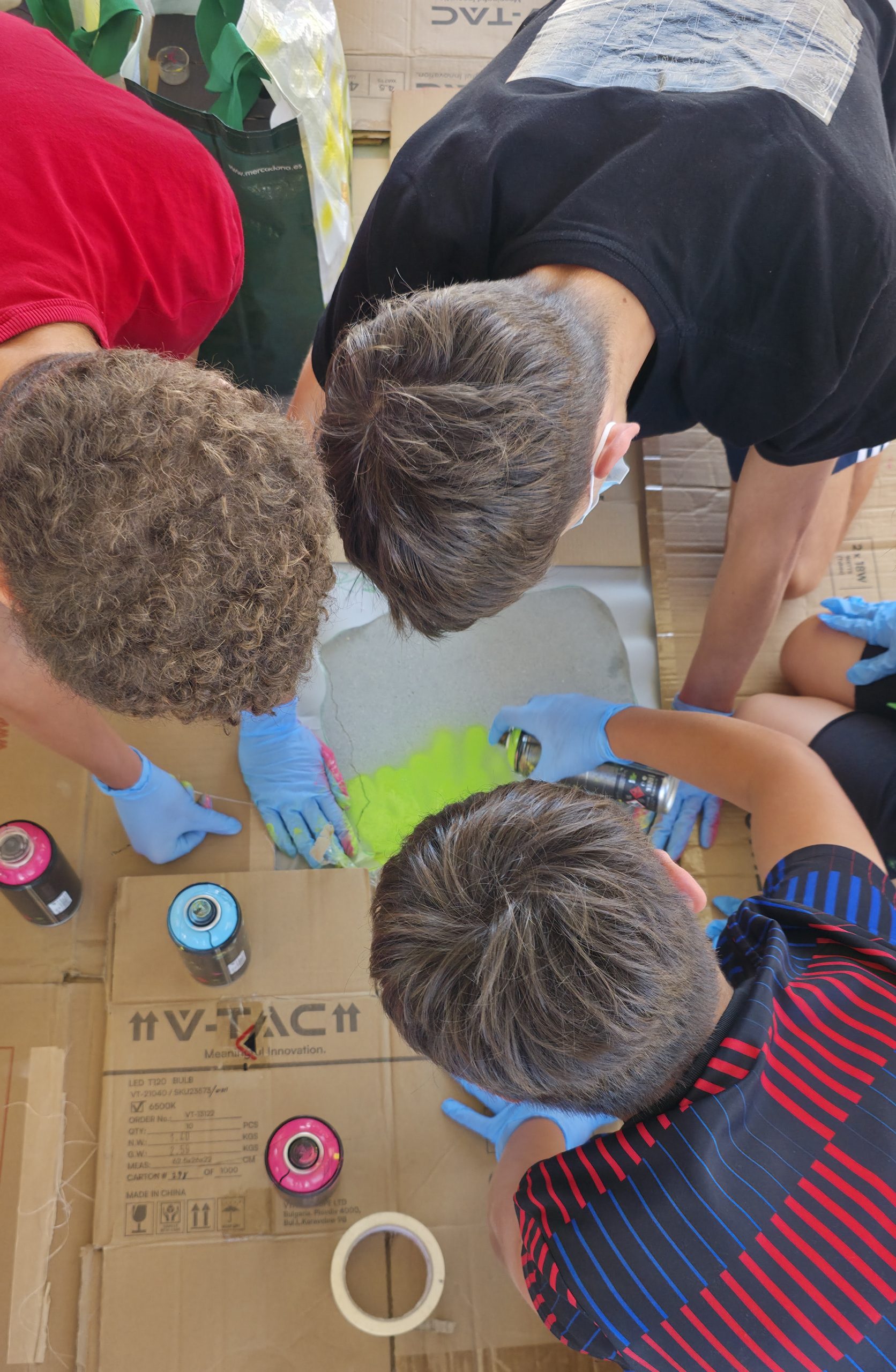
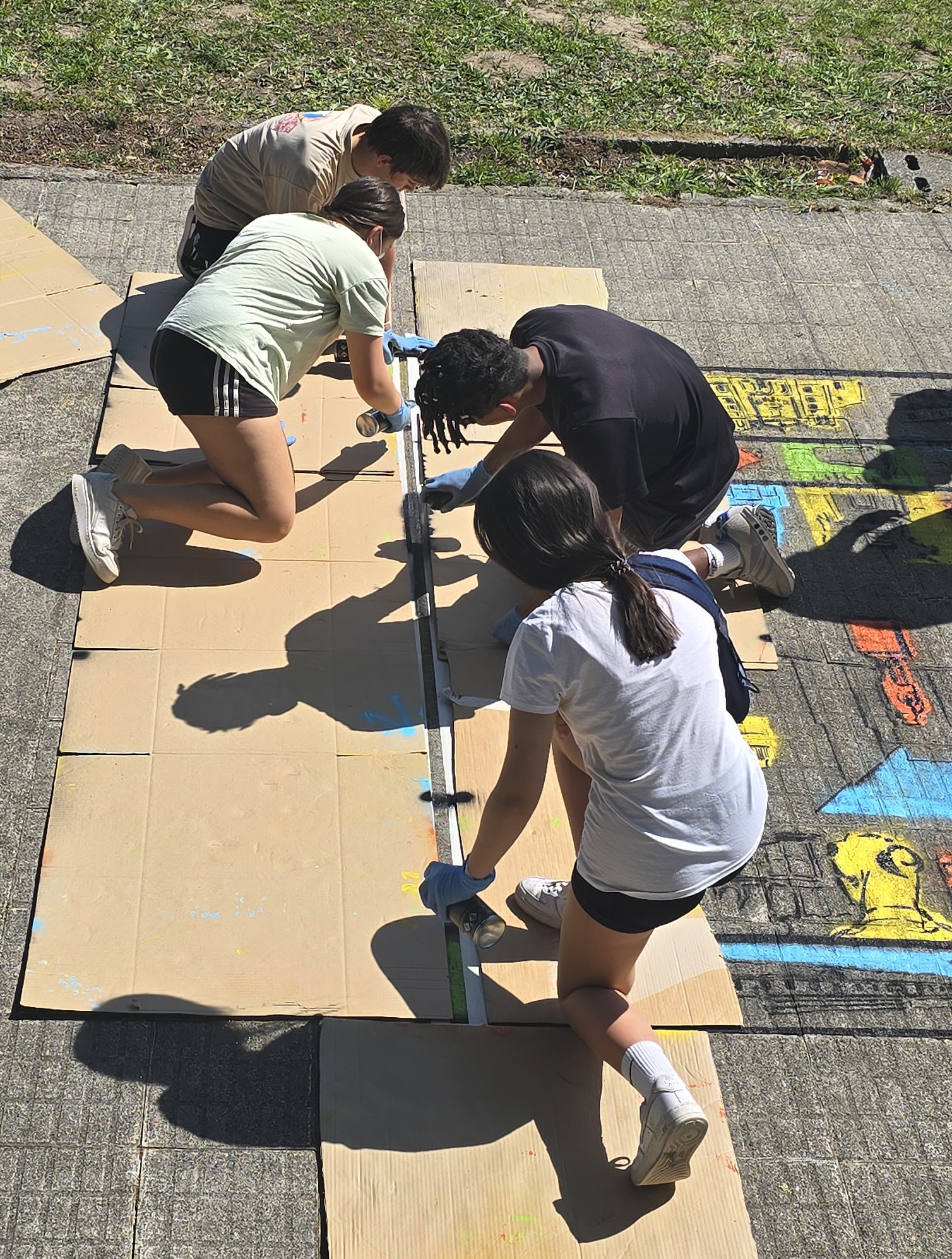
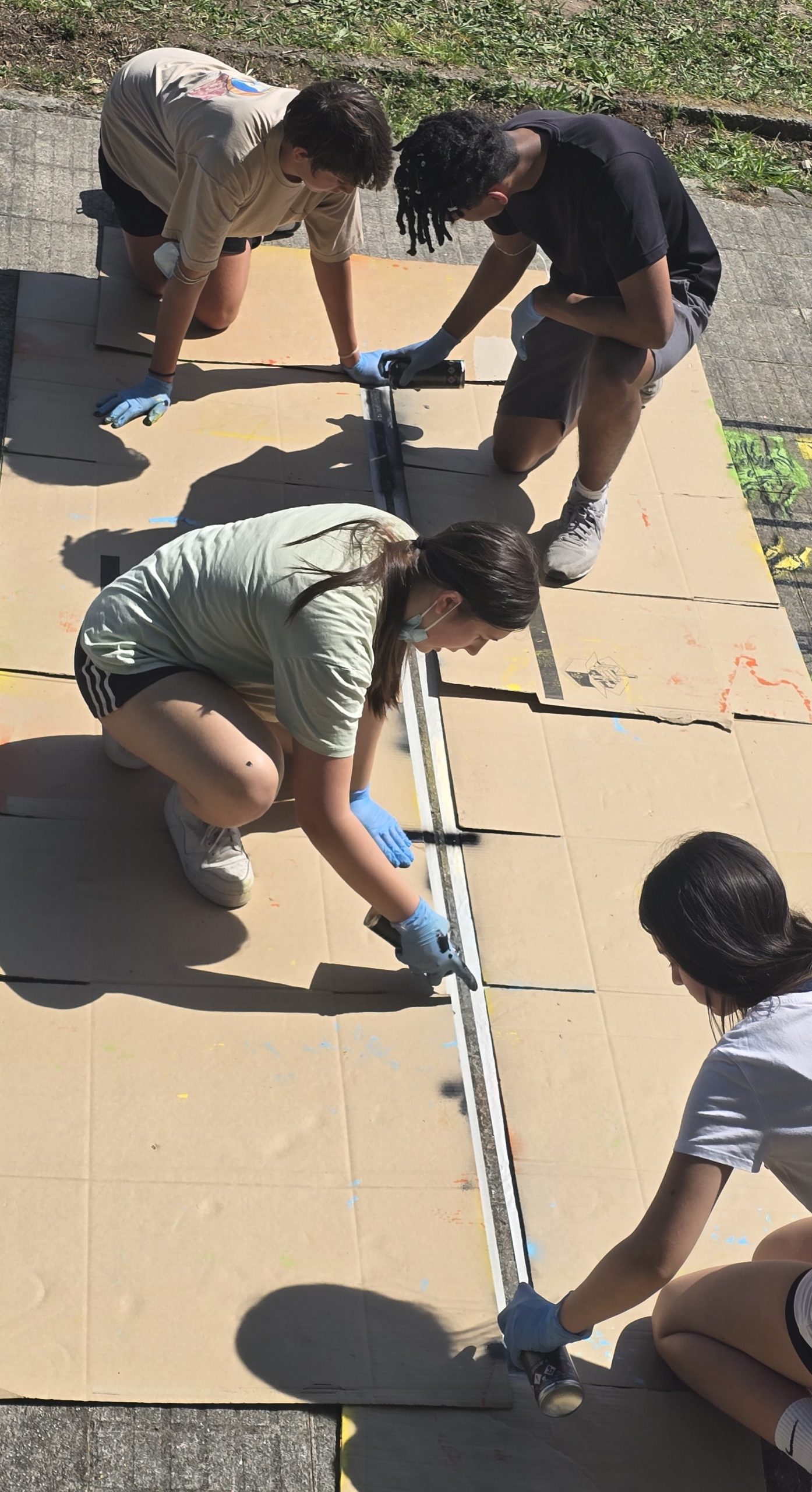
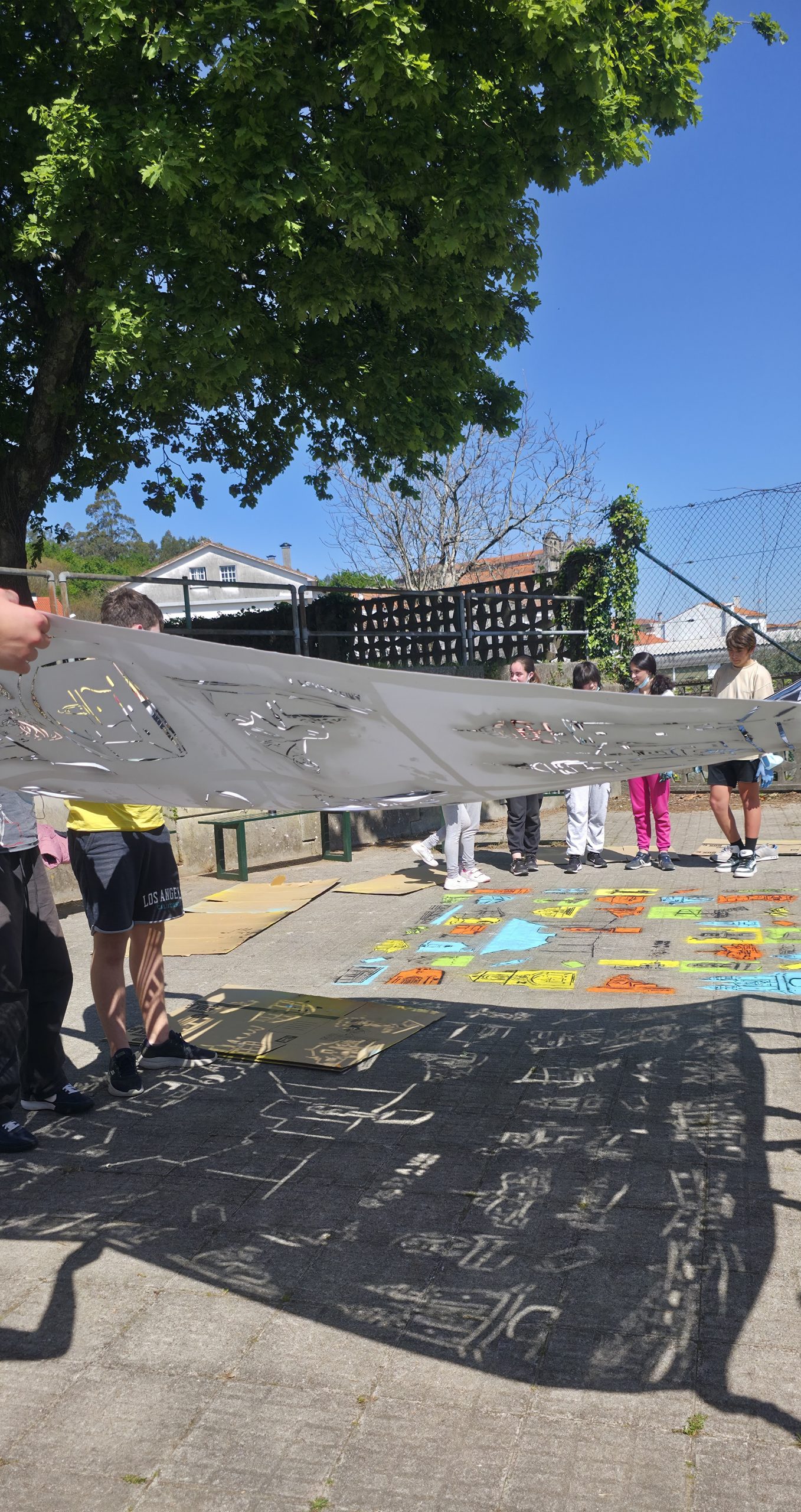
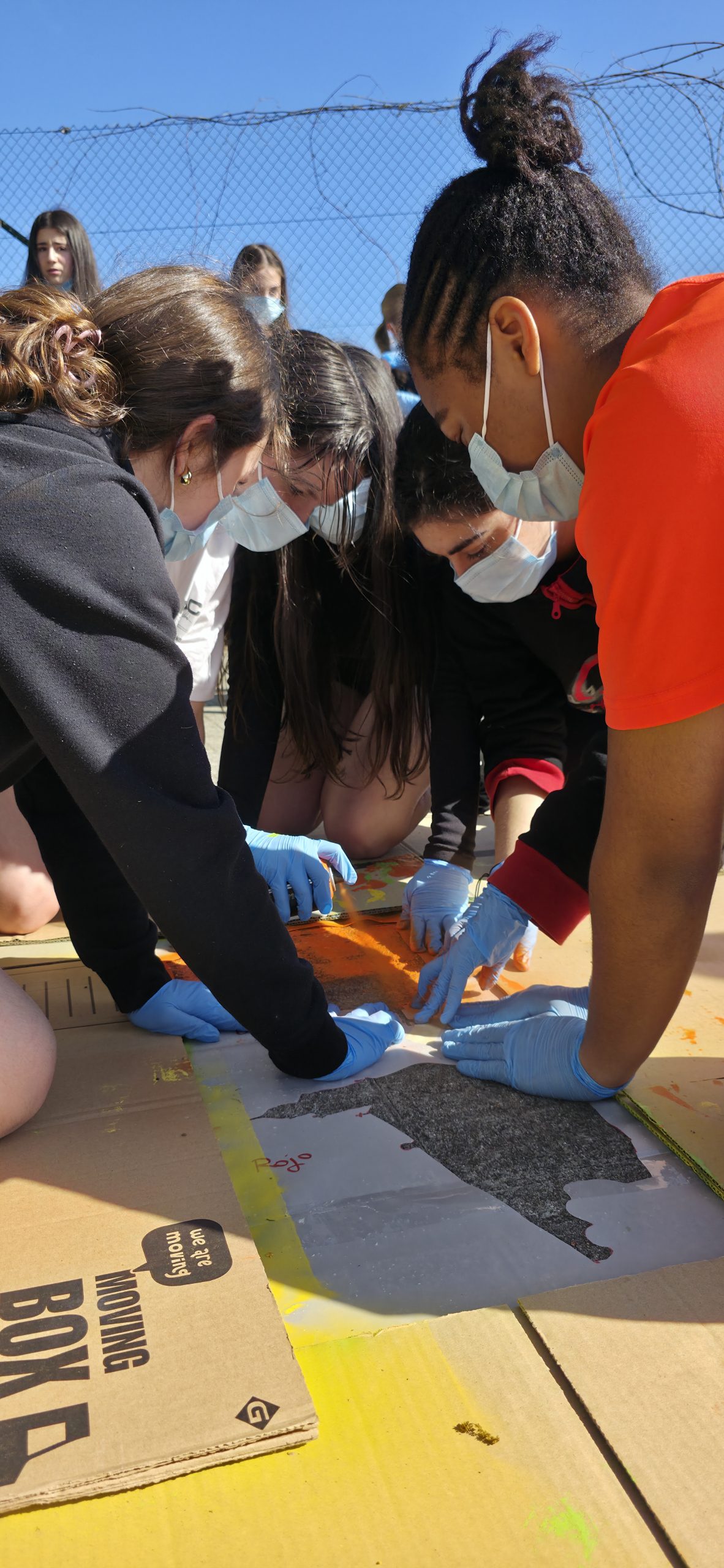
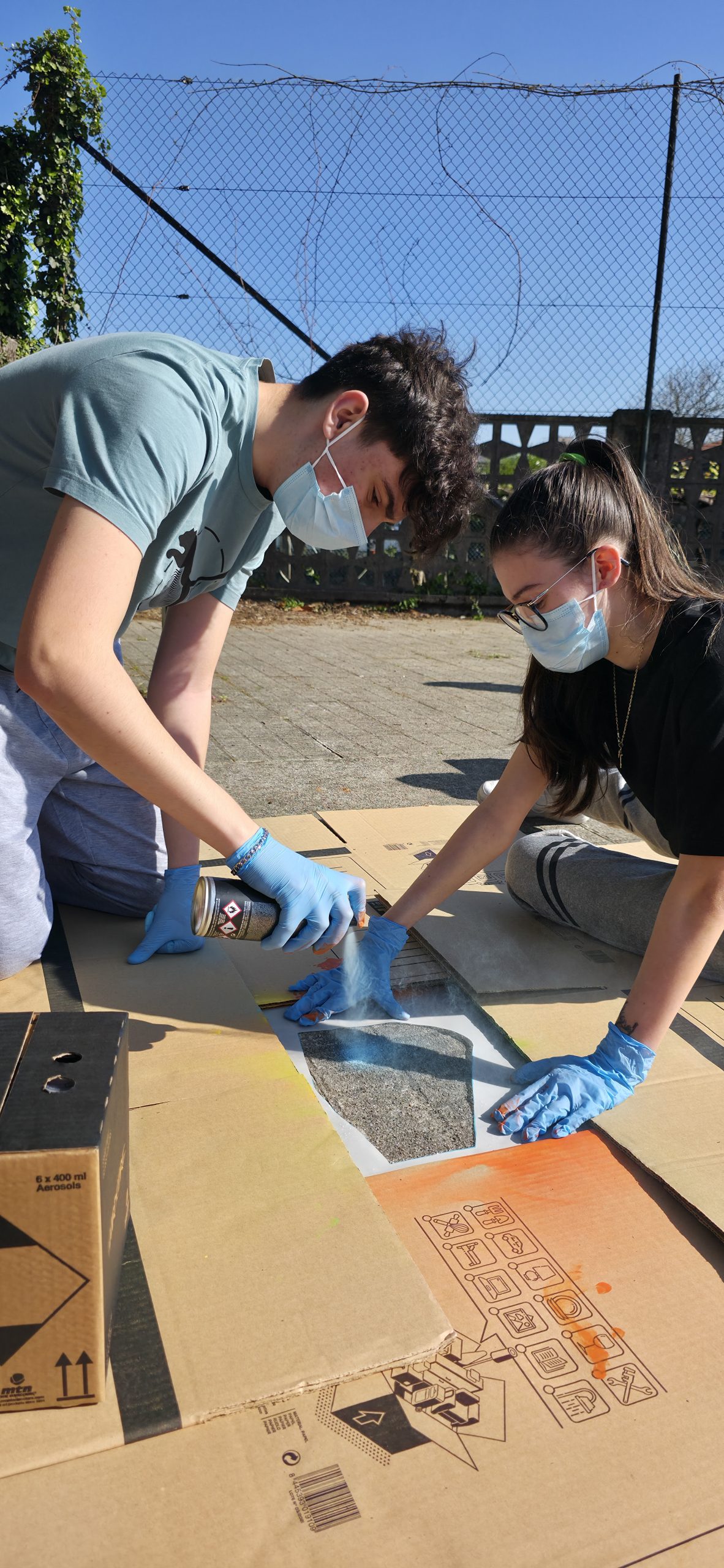
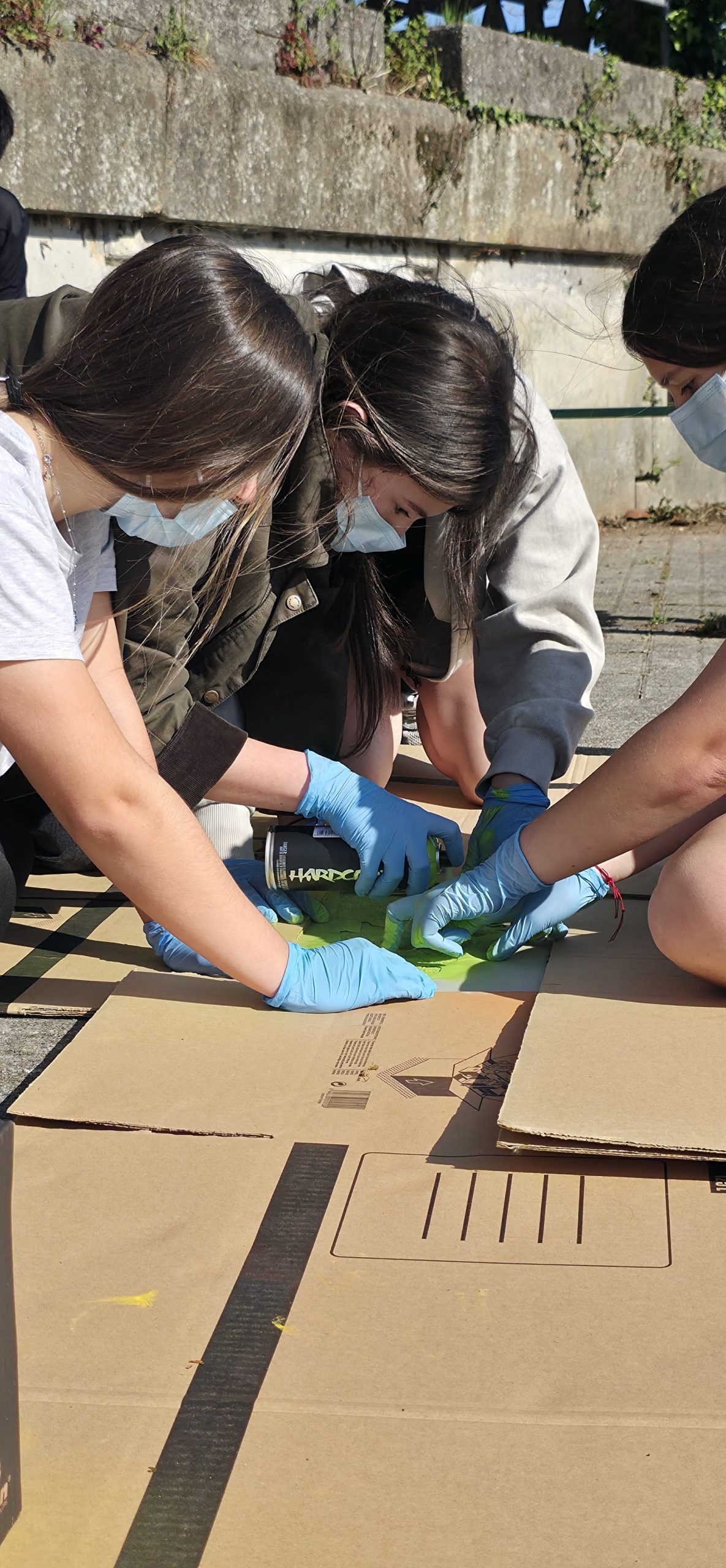
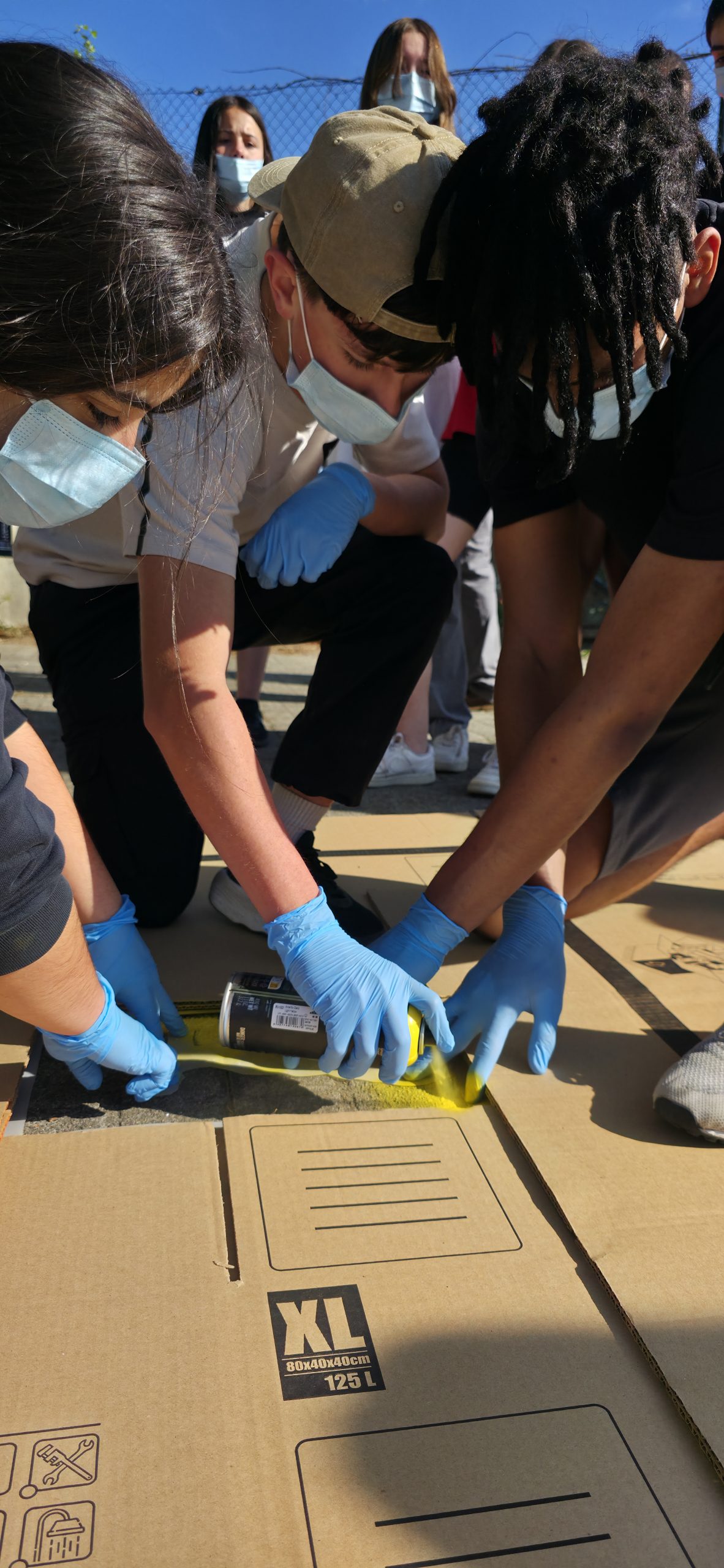
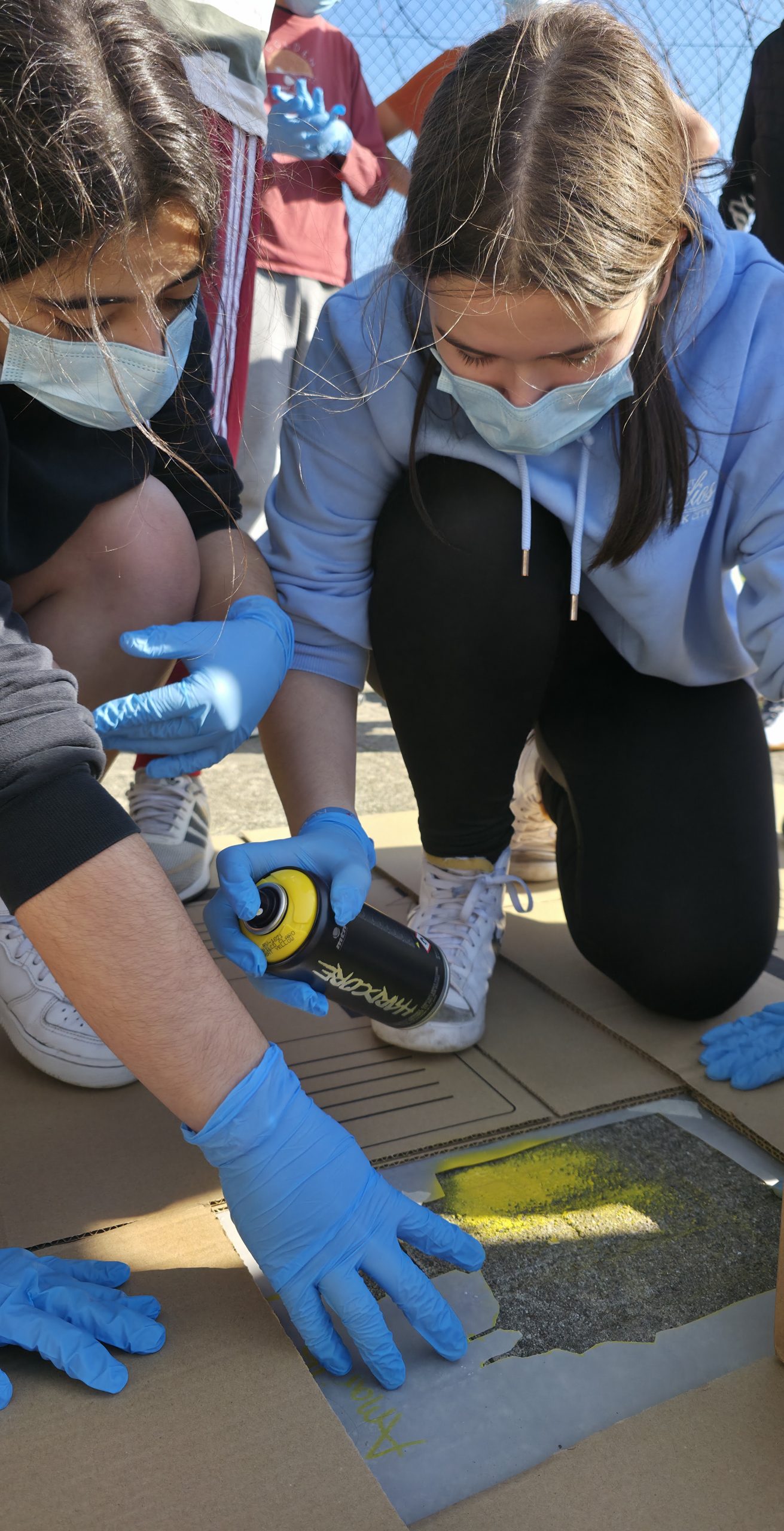
We understand the village as a game board, as a meeting place and as a learning laboratory for children and teenagers, through the tools of childhood such as their own movement and play. They have to discover, live, know and value their habitat in order to be able to act in it as an active citizen, thus encouraging protagonist participation from childhood.
A CORUÑA
THE IMPORTANCE OF PLACE
THE VILLAGE AS A GAMEBOARD
SADA
CHANGING THE VILLAGE THROUGH PROTAGONIST PARTICIPATION
THE VILLAGE AS A GAMEBOARD
“Every city has its own history, its own landmarks. I’m not only referring to those buildings officially recognised as important parts of the nation’s historical heritage. I mean, above all, the places that belong to the city’s memory — places that are fundamental to its identity, to the sense of belonging to a city. Whether it’s a factory, an old tram stop, or one of those grocery shops where everything was ingenuously displayed.”
Jaime Lerner
The right of children and adolescents to PARTICIPATE in the CONSTRUCTION of their VILLAGE or CITY as part of an ACTIVE CITIZENSHIP, in such a way that they become both participants in and agents of change in their surroundings.
For this sense of protagonist to exist, CHILDREN and ADOLESCENTS must reflect on their surroundings (the space in which they live their lives), their context and propose solutions for change become aware of what it means to be a legal entitlement and the importance that their participation can have as a driving force for change in the rest of society.
COLOUR YOUR VILLAGE
The village or city in which we are working, transformed into a game board, a laboratory of experimentation where children and teenagers can act from a new point of view.
The village as a gameboard
PONTECESURES
CHANGING THE VILLAGE THROUGH PROTAGONIST PARTICIPATION
THE VILLAGE AS A GAMEBOARD
“Every city has its own history, its own landmarks. I’m not only referring to those buildings officially recognised as important parts of the nation’s historical heritage. I mean, above all, the places that belong to the city’s memory — places that are fundamental to its identity, to the sense of belonging to a city. Whether it’s a factory, an old tram stop, or one of those grocery shops where everything was ingenuously displayed.”
Jaime Lerner
The right of children and adolescents to PARTICIPATE in the CONSTRUCTION of their VILLAGE or CITY as part of an ACTIVE CITIZENSHIP, in such a way that they become both participants in and agents of change in their surroundings.
For this sense of protagonist to exist, CHILDREN and ADOLESCENTS must reflect on their surroundings (the space in which they live their lives), their context and propose solutions for change become aware of what it means to be a legal entitlement and the importance that their participation can have as a driving force for change in the rest of society.
COLOUR YOUR VILLAGE
The village or city in which we are working, transformed into a game board, a laboratory of experimentation where children and teenagers can act from a new point of view.
THE VILLAGE AS A GAMEBOARD
PADRÓN
CHANGING THE VILLAGE THROUGH PROTAGONIST PARTICIPATION
THE VILLAGE AS A GAMEBOARD
“Every city has its own history, its own landmarks. I’m not only referring to those buildings officially recognised as important parts of the nation’s historical heritage. I mean, above all, the places that belong to the city’s memory — places that are fundamental to its identity, to the sense of belonging to a city. Whether it’s a factory, an old tram stop, or one of those grocery shops where everything was ingenuously displayed.”
Jaime Lerner
The right of children and adolescents to PARTICIPATE in the CONSTRUCTION of their VILLAGE or CITY as part of an ACTIVE CITIZENSHIP, in such a way that they become both participants in and agents of change in their surroundings.
For this sense of protagonist to exist, CHILDREN and ADOLESCENTS must reflect on their surroundings (the space in which they live their lives), their context and propose solutions for change become aware of what it means to be a legal entitlement and the importance that their participation can have as a driving force for change in the rest of society.
COLOUR YOUR VILLAGE
The village or city in which we are working, transformed into a game board, a laboratory of experimentation where children and teenagers can act from a new point of view.
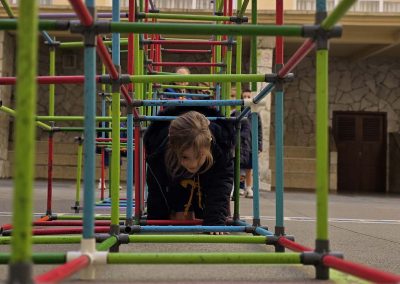
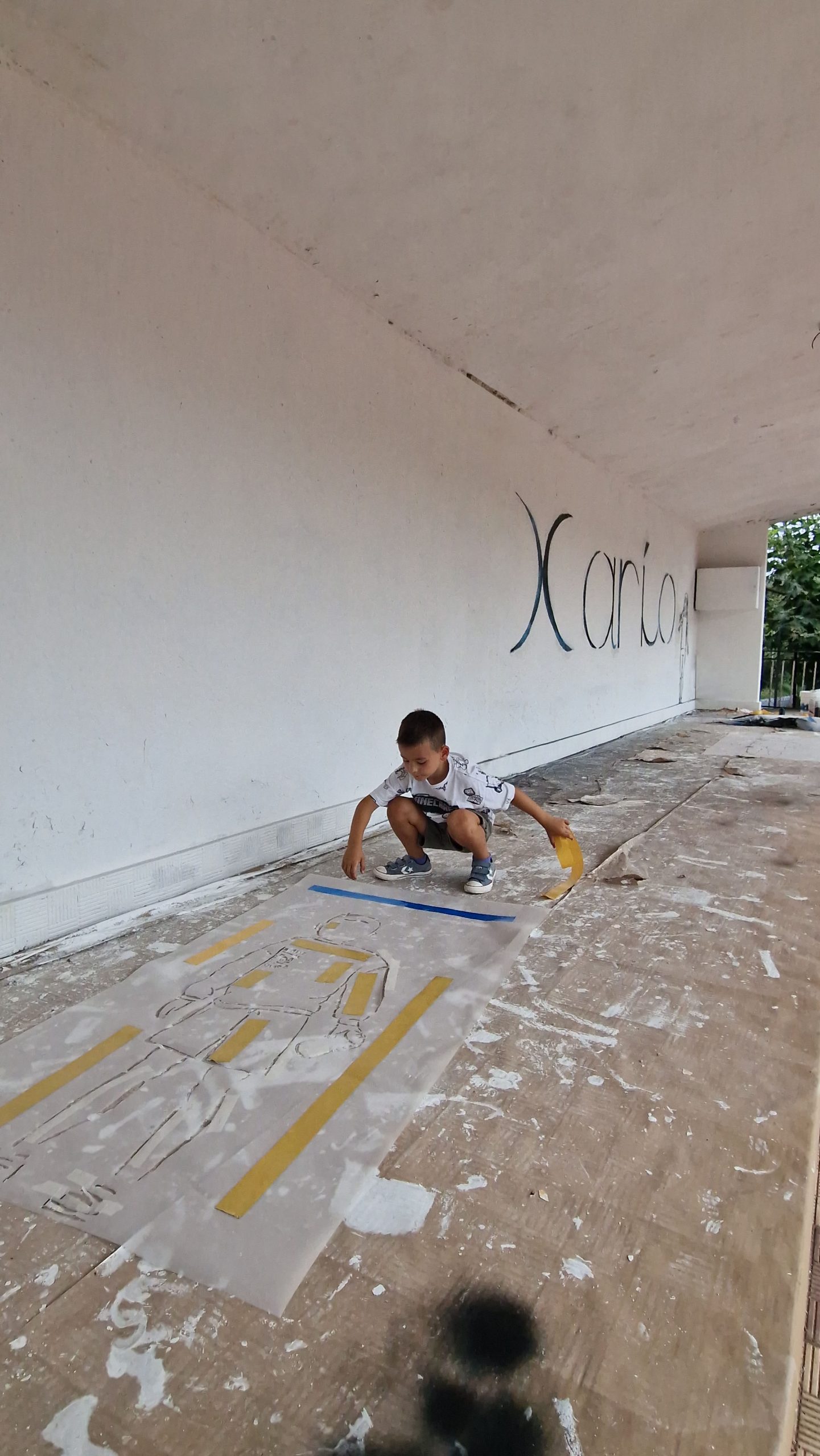
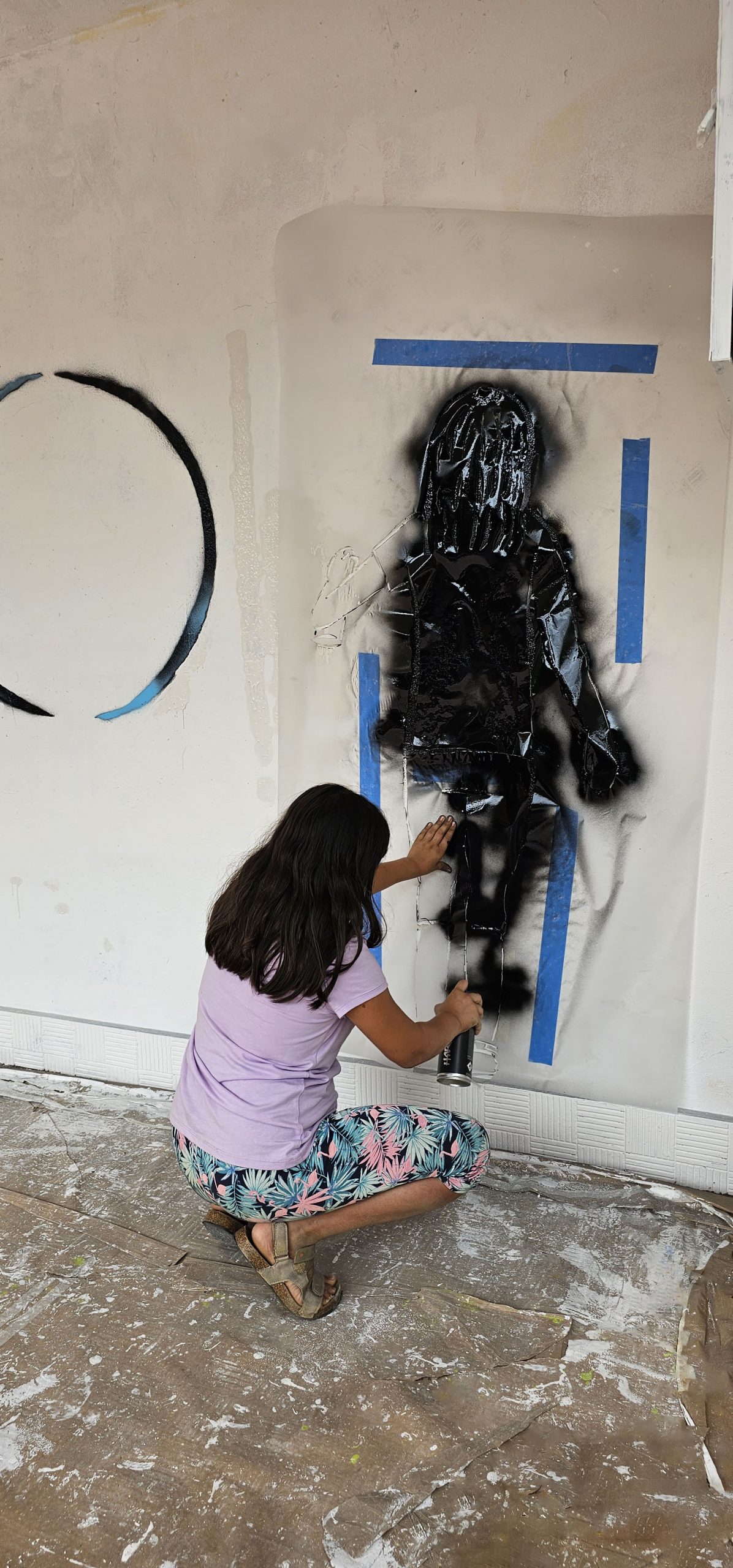
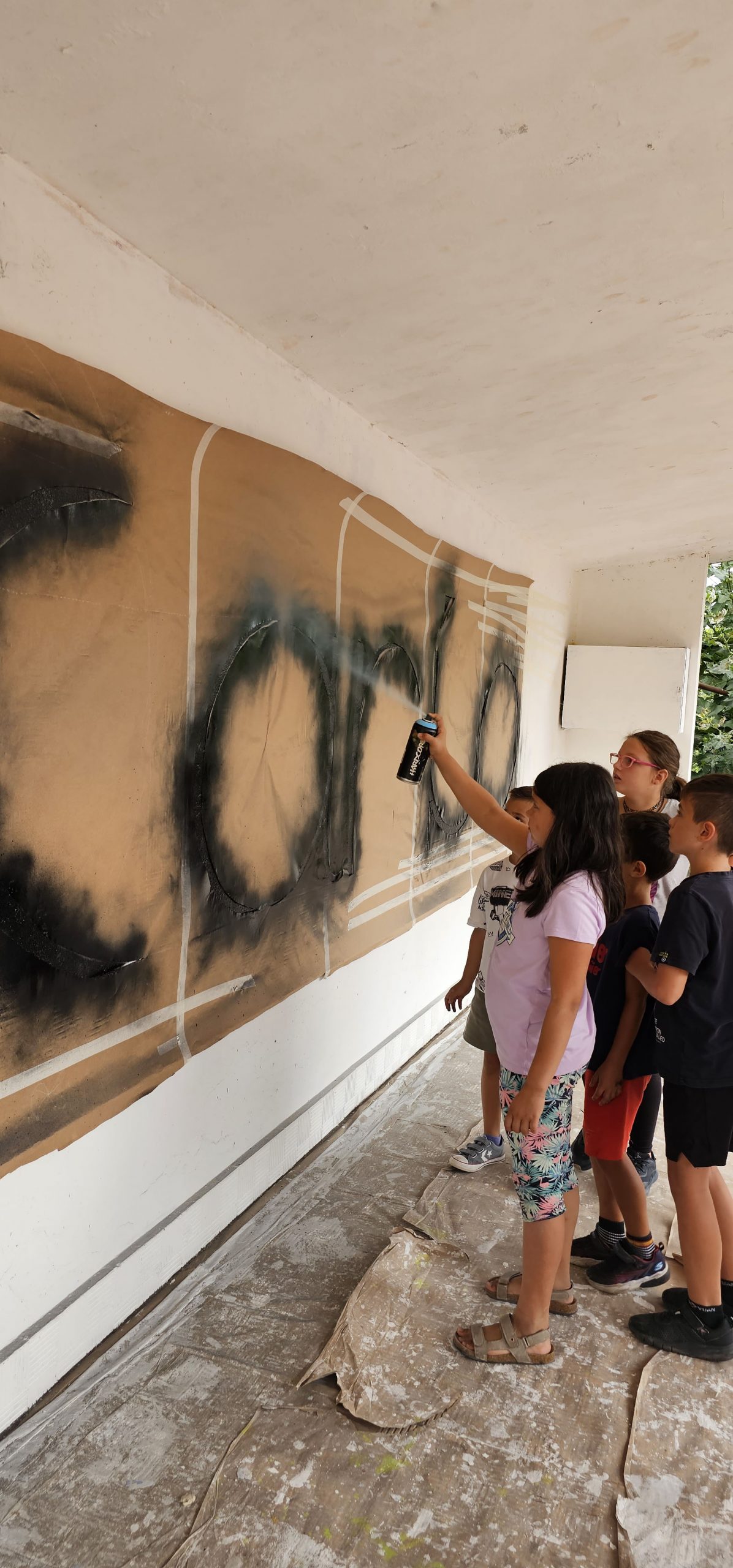
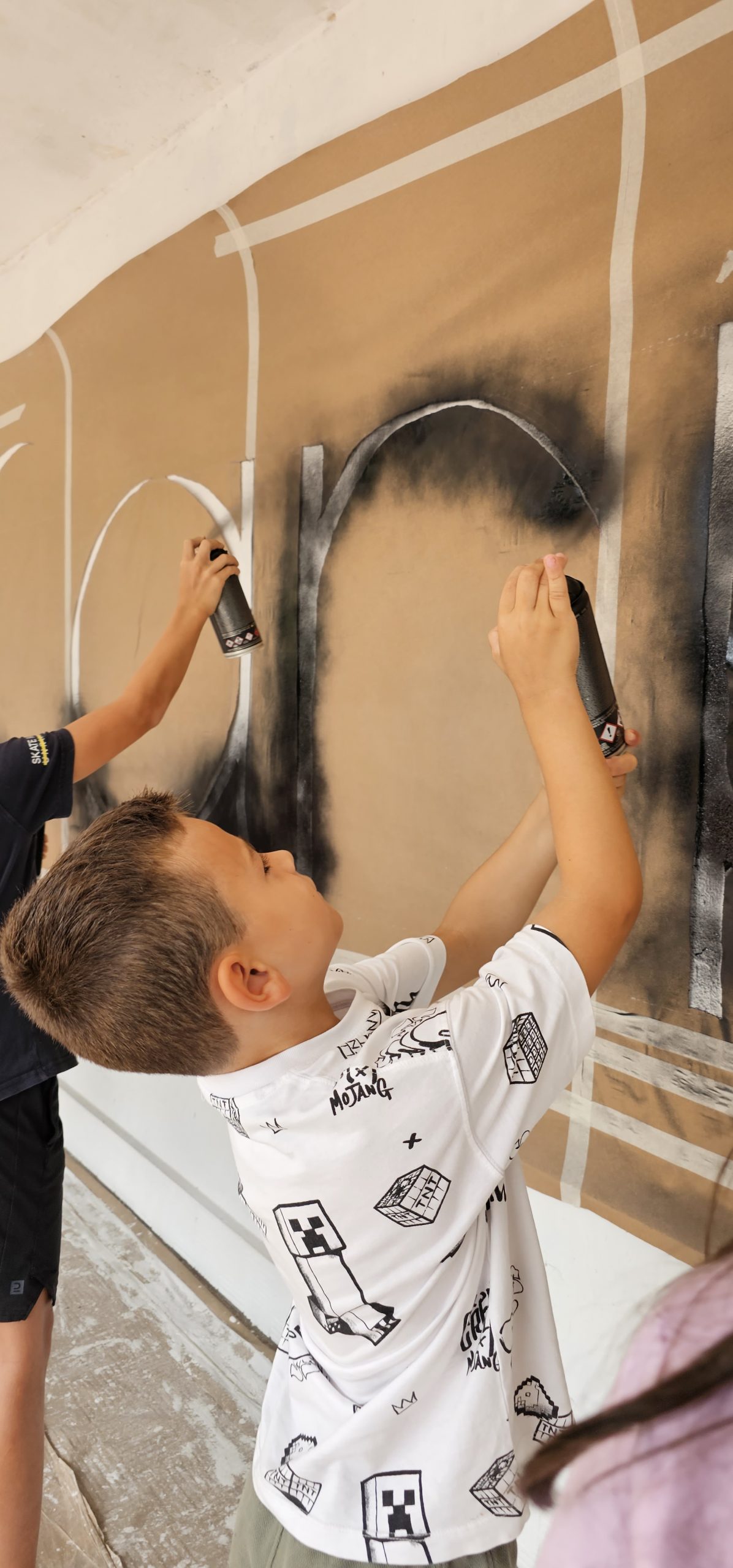
Working with SCALE
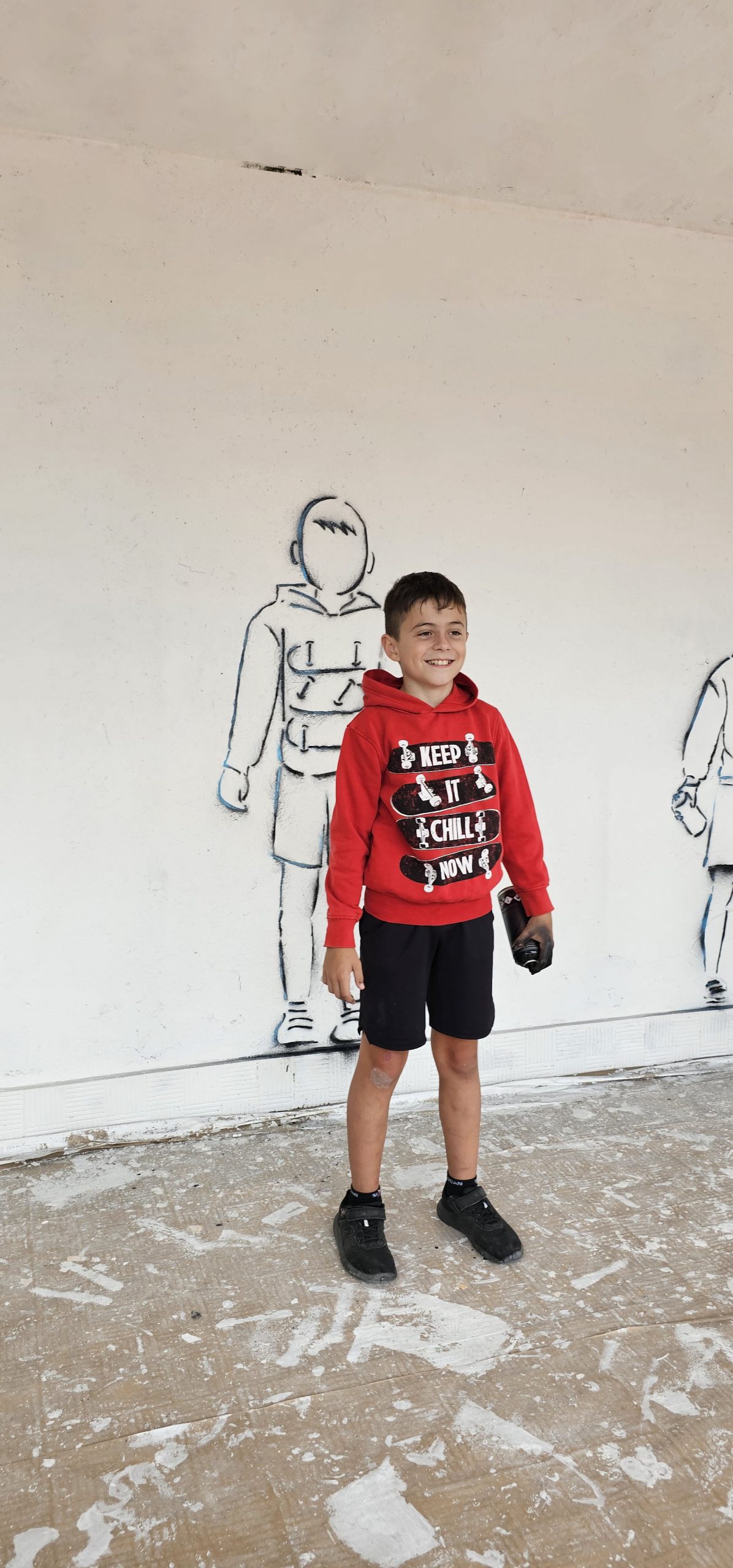
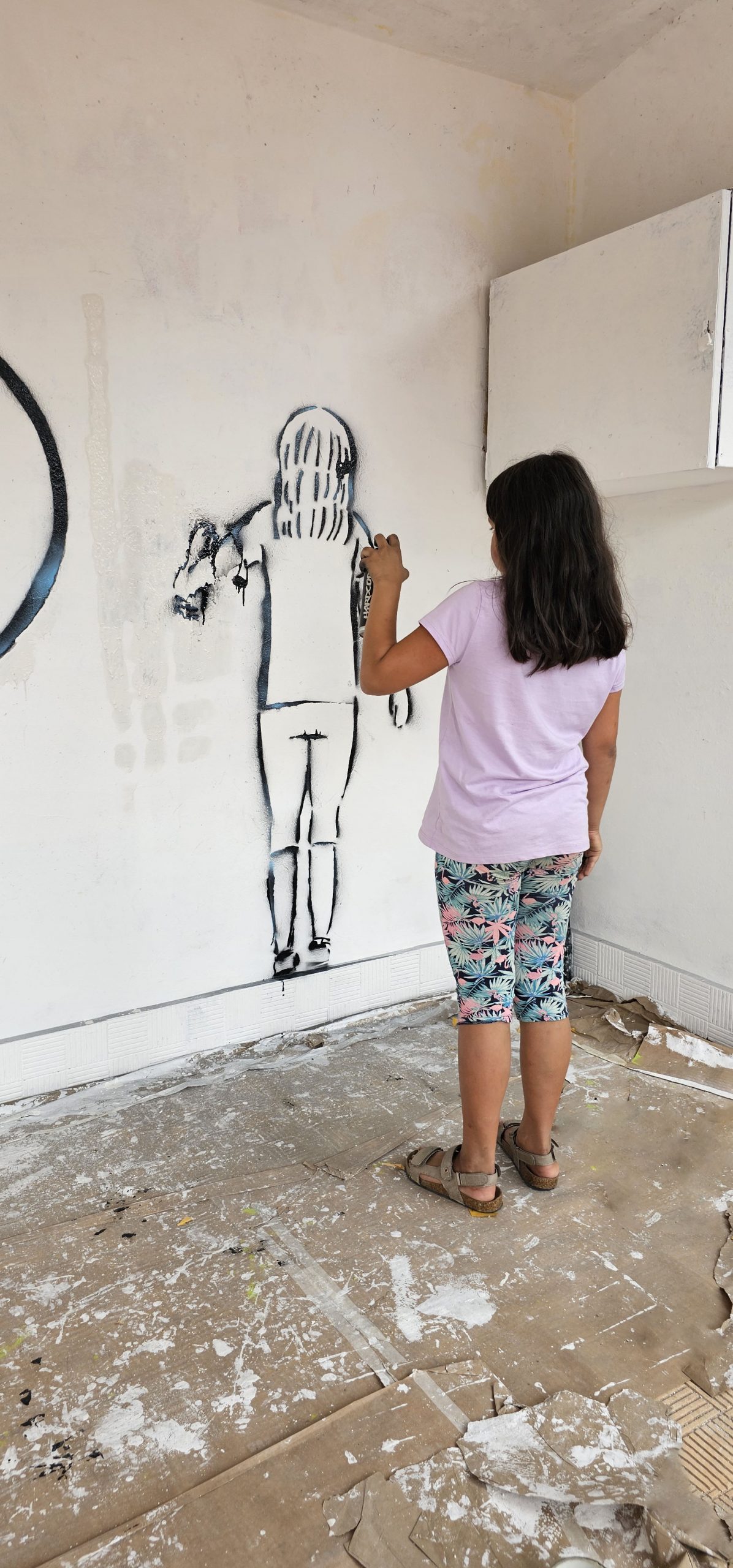
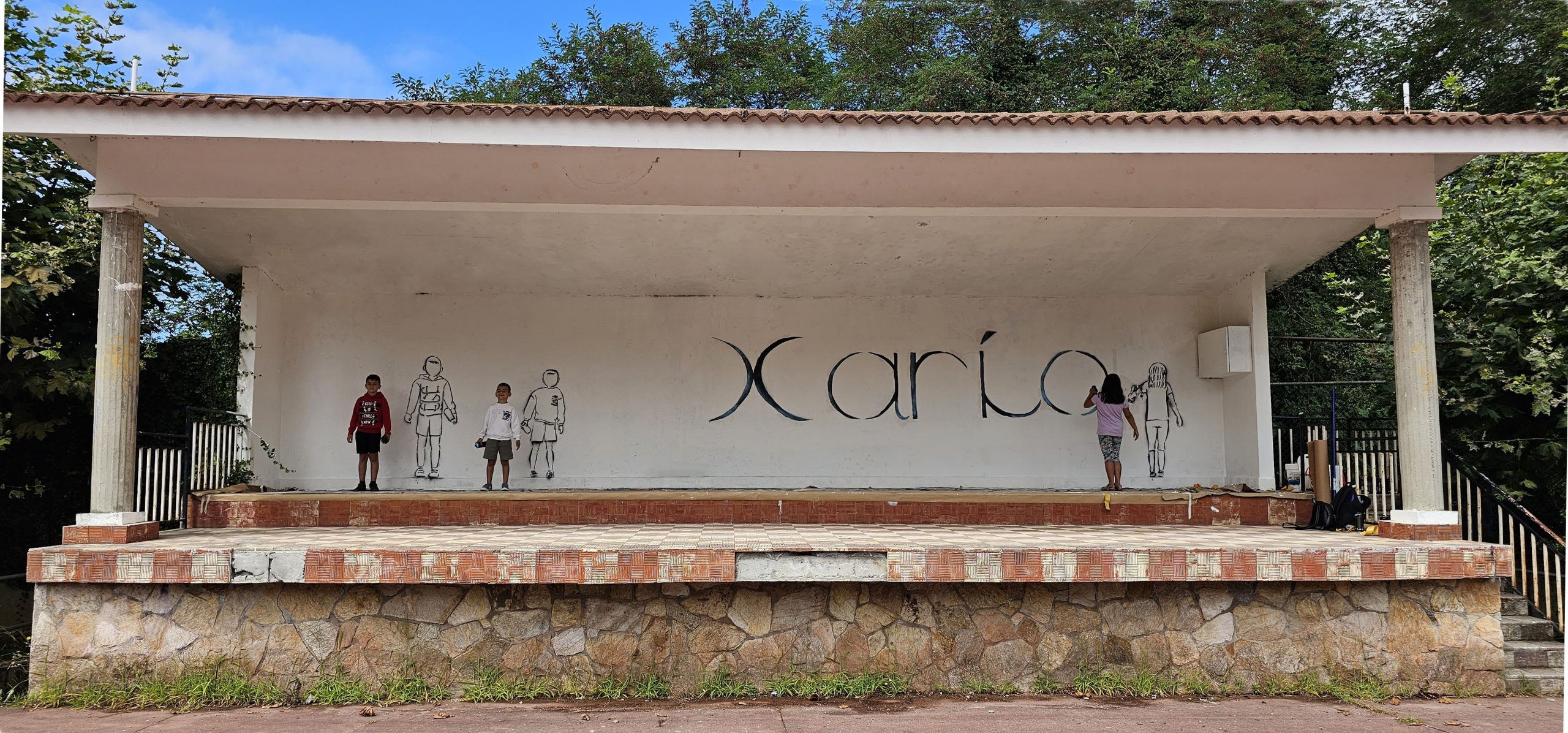
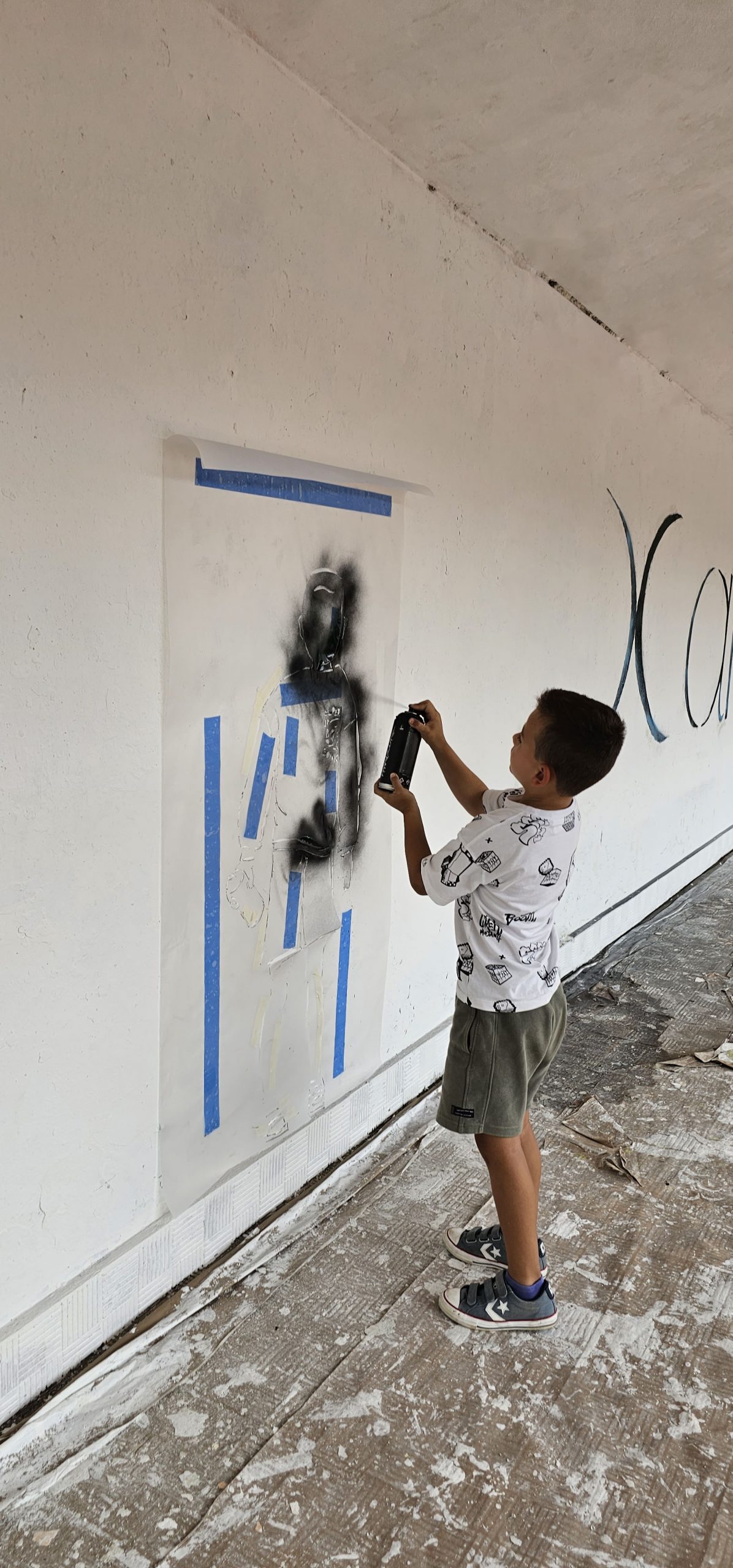
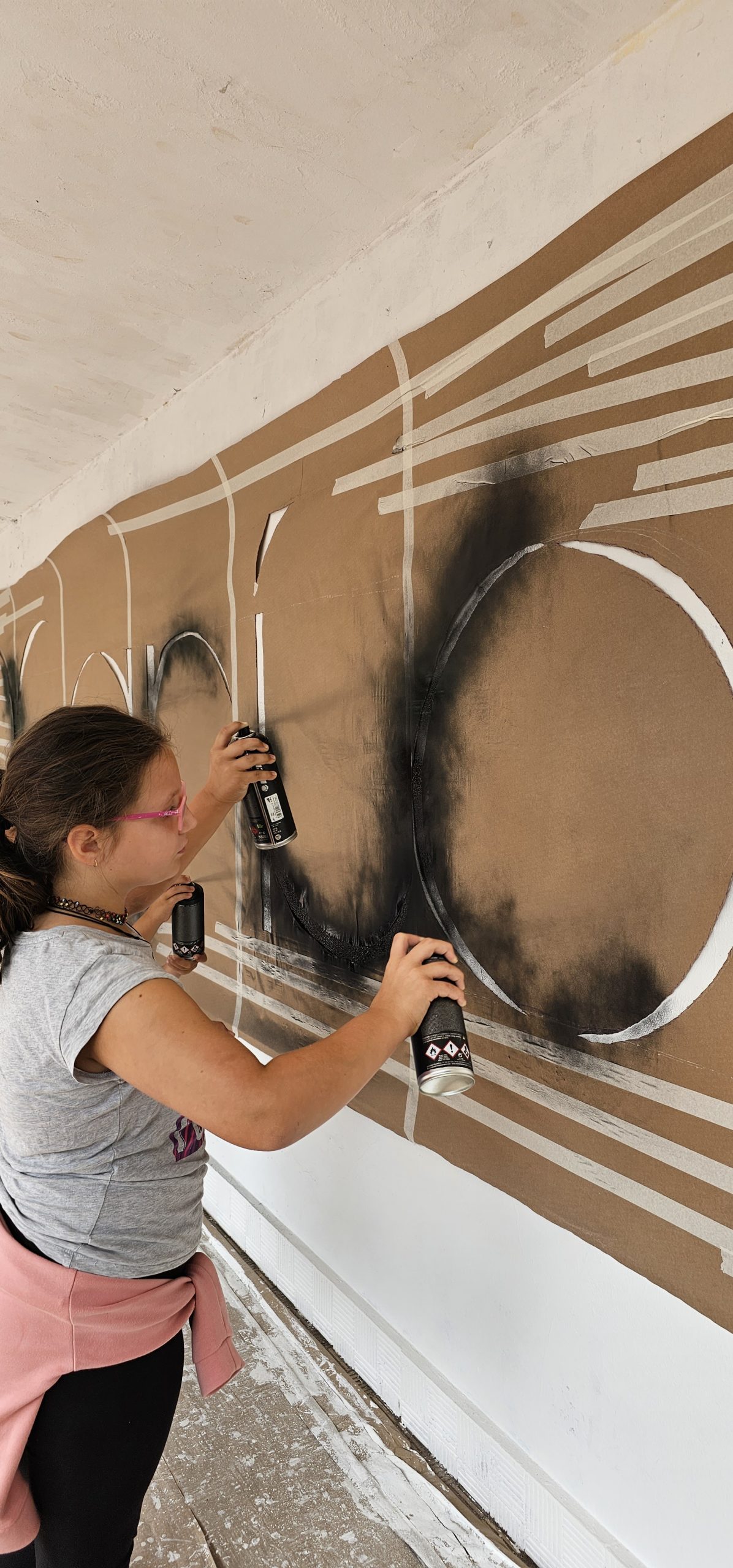
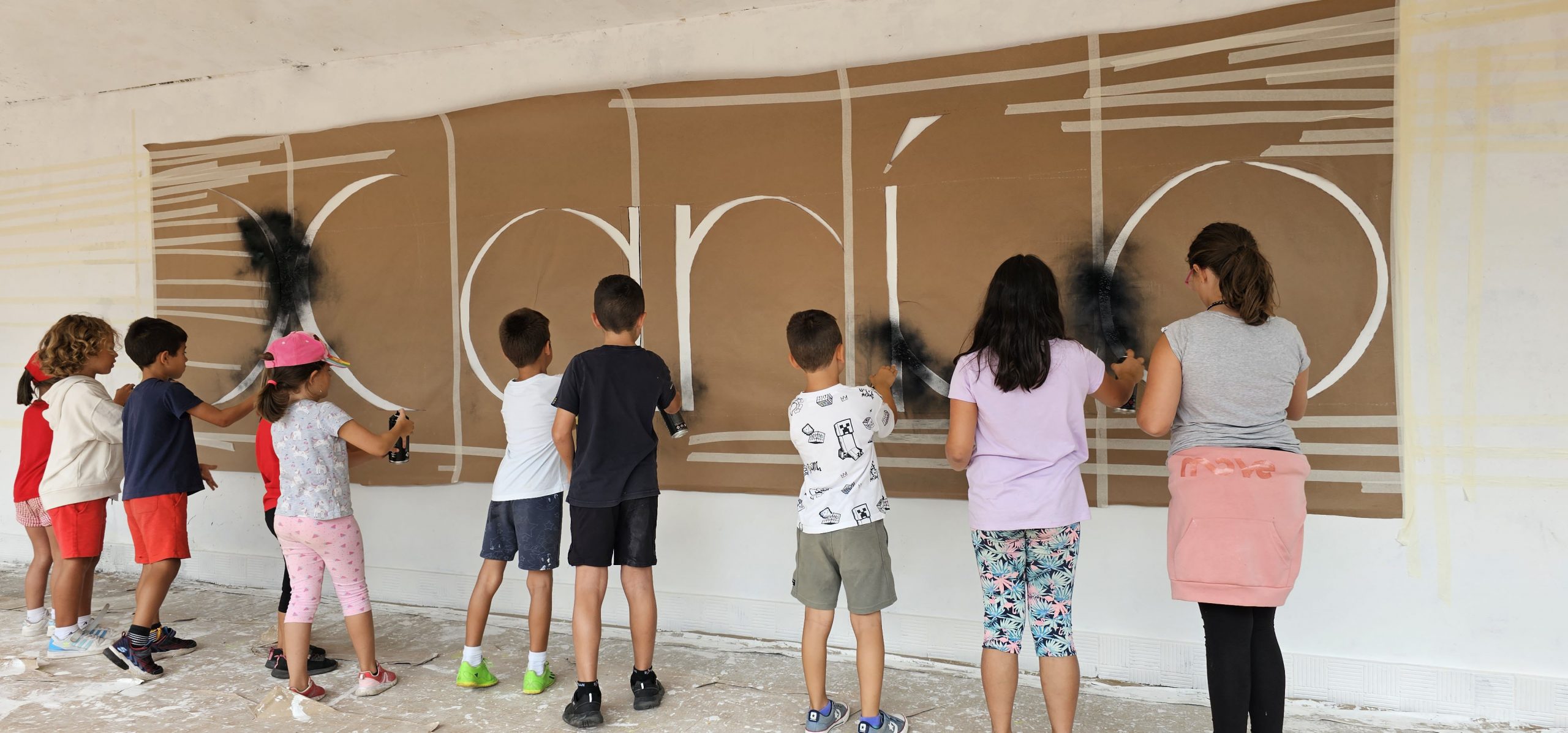
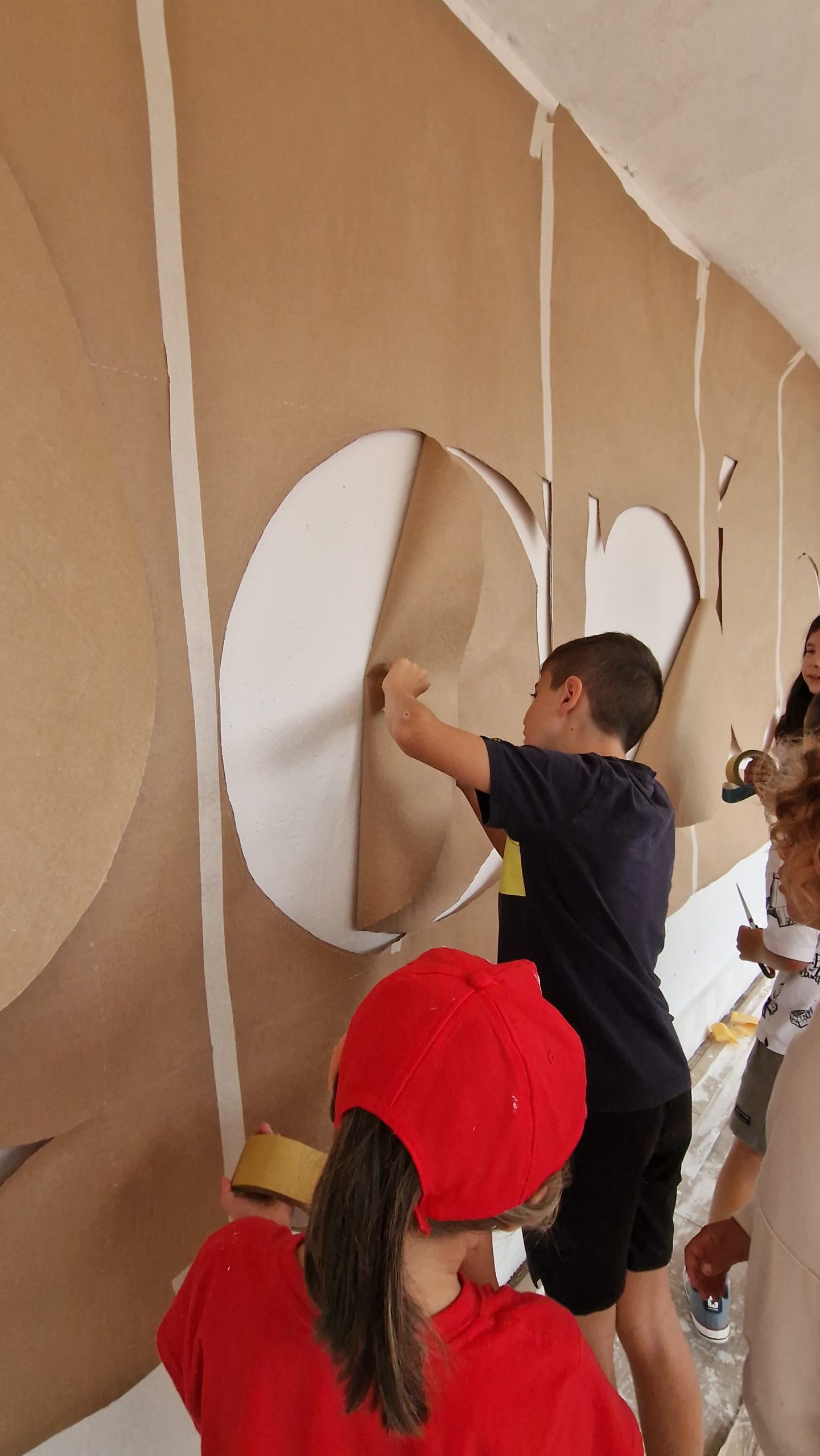
XARÍO
Changing the village through protagonist participation
working with scale
“I confront the city with my body; my legs measure the length of the arcades and the width of the square; my gaze unconsciously projects my body onto the cathedral facade, where it wanders along the mouldings and contours, feeling the size of the ins and outs; the weight of my body meets the mass of the cathedral door and my hand grips the door handle as I enter the dark empty space behind it. I feel myself in the city and the city exists through my embodied experience. The city and my body complement and define each other: I inhabit the city and the city inhabits me.”
Juhani Pallasmaa
The right of children and adolescents to PARTICIPATE in the CONSTRUCTION of their TOWN or CITY by forming part of ACTIVE CITIZENSHIP, in such a way that they are participants and executors of the changes in their environment.
Article 11. Active citizenship. 1. The public authorities must promote the right of children and adolescents to actively participate in the construction of a fairer, more supportive and democratic society. 2. The public authorities must foster solidarity and social sensitivity in order to increase the social participation of children and adolescents and create new social spaces that stimulate the responsible participation of this sector of the population and favour coexistence and social integration at local and community level. (Law 14/2010, of 27 May, on the rights and opportunities for children and adolescents. Published: BOE no. 156, of 28/06/2010 )
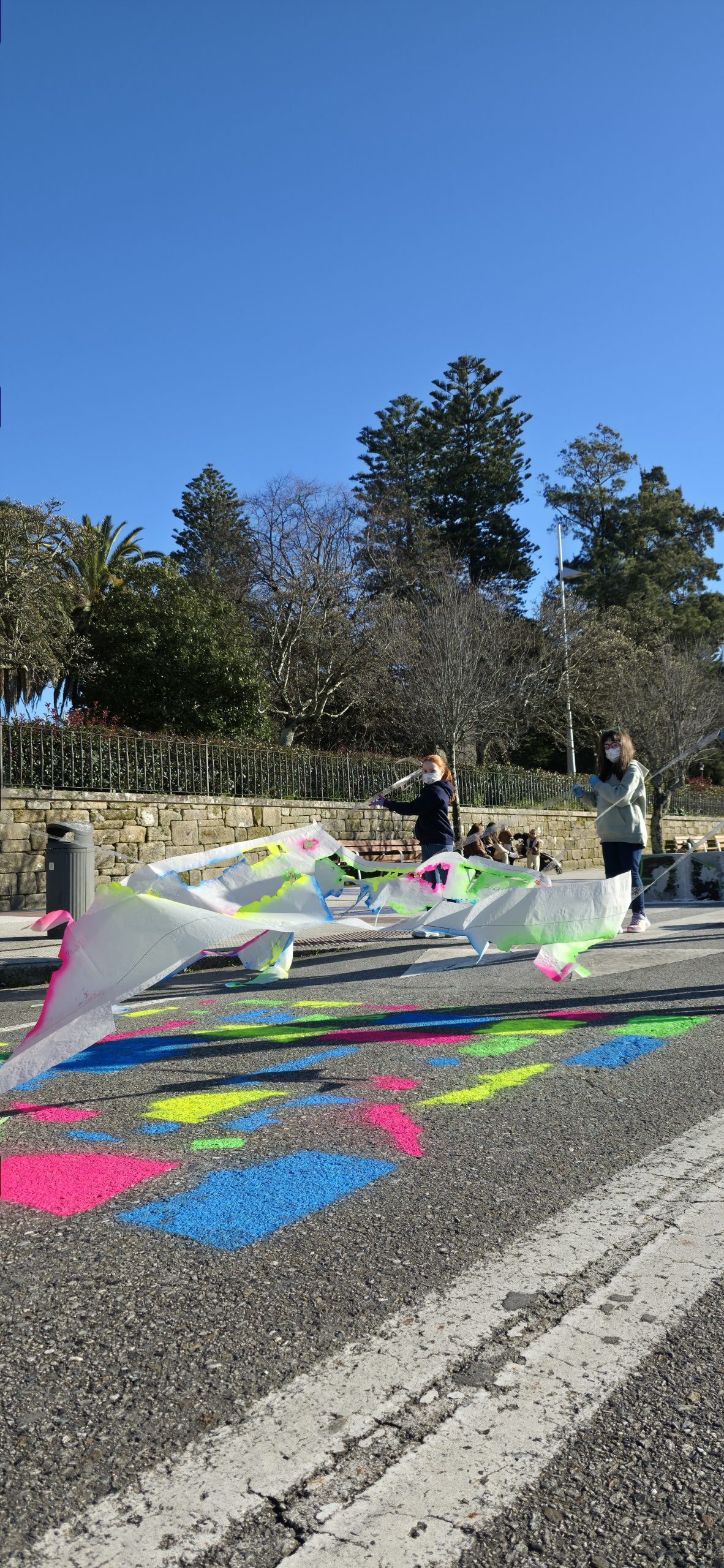
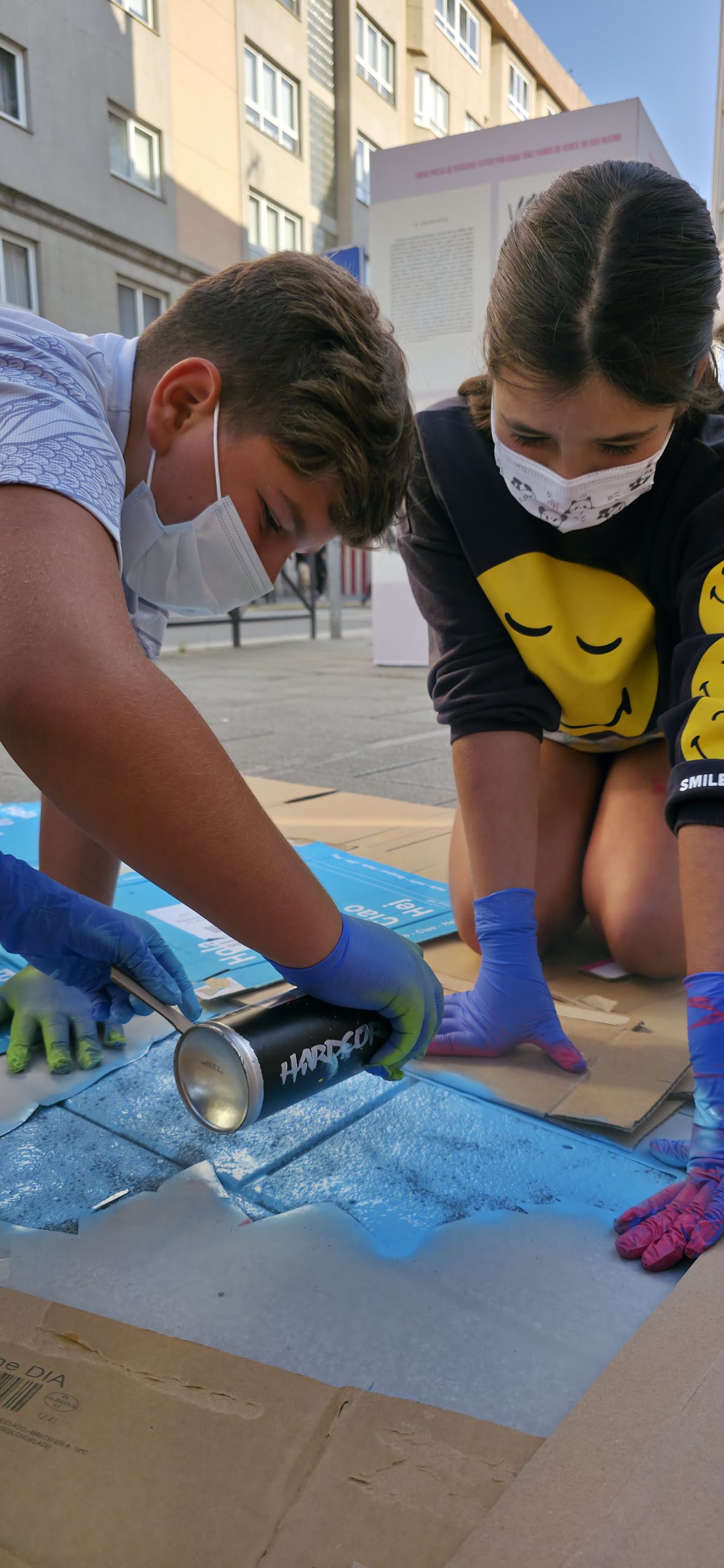
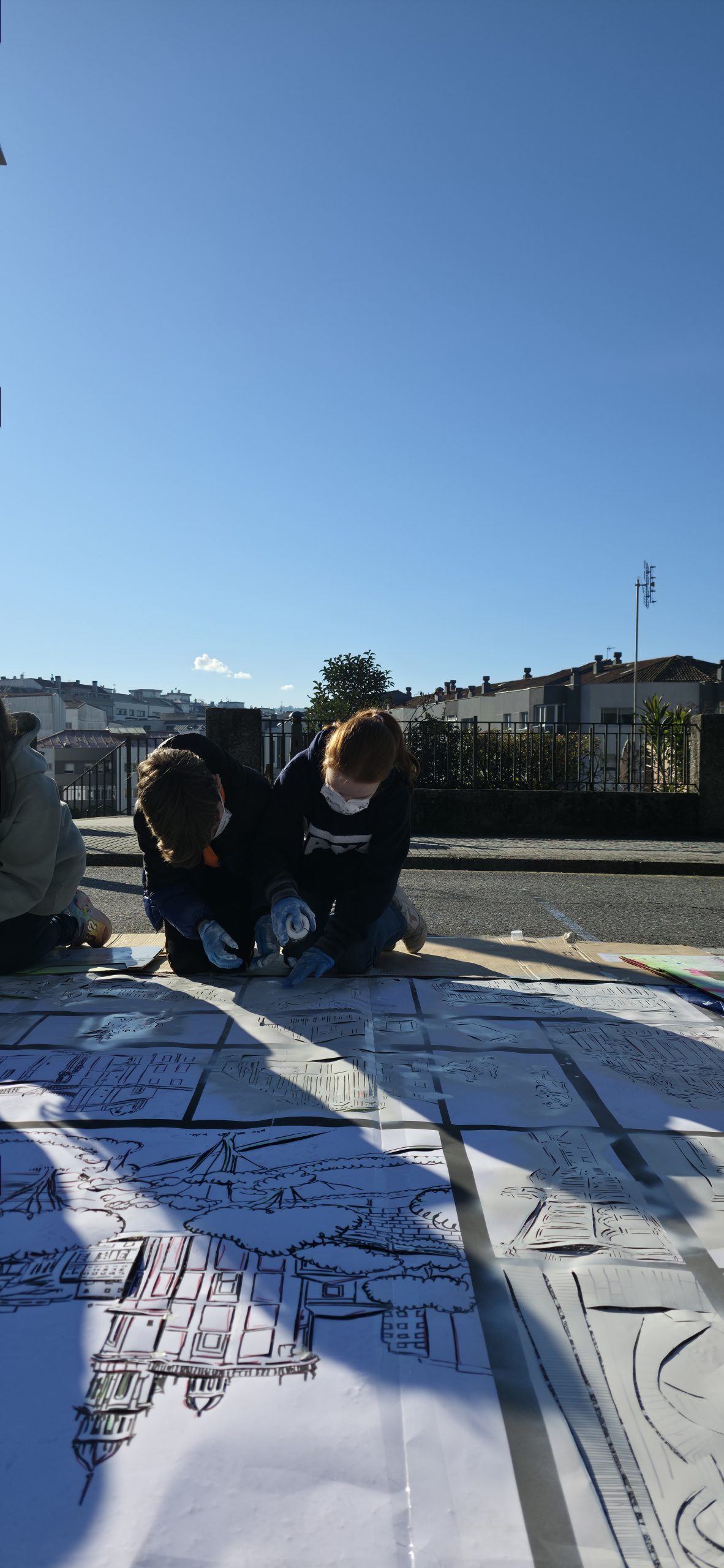
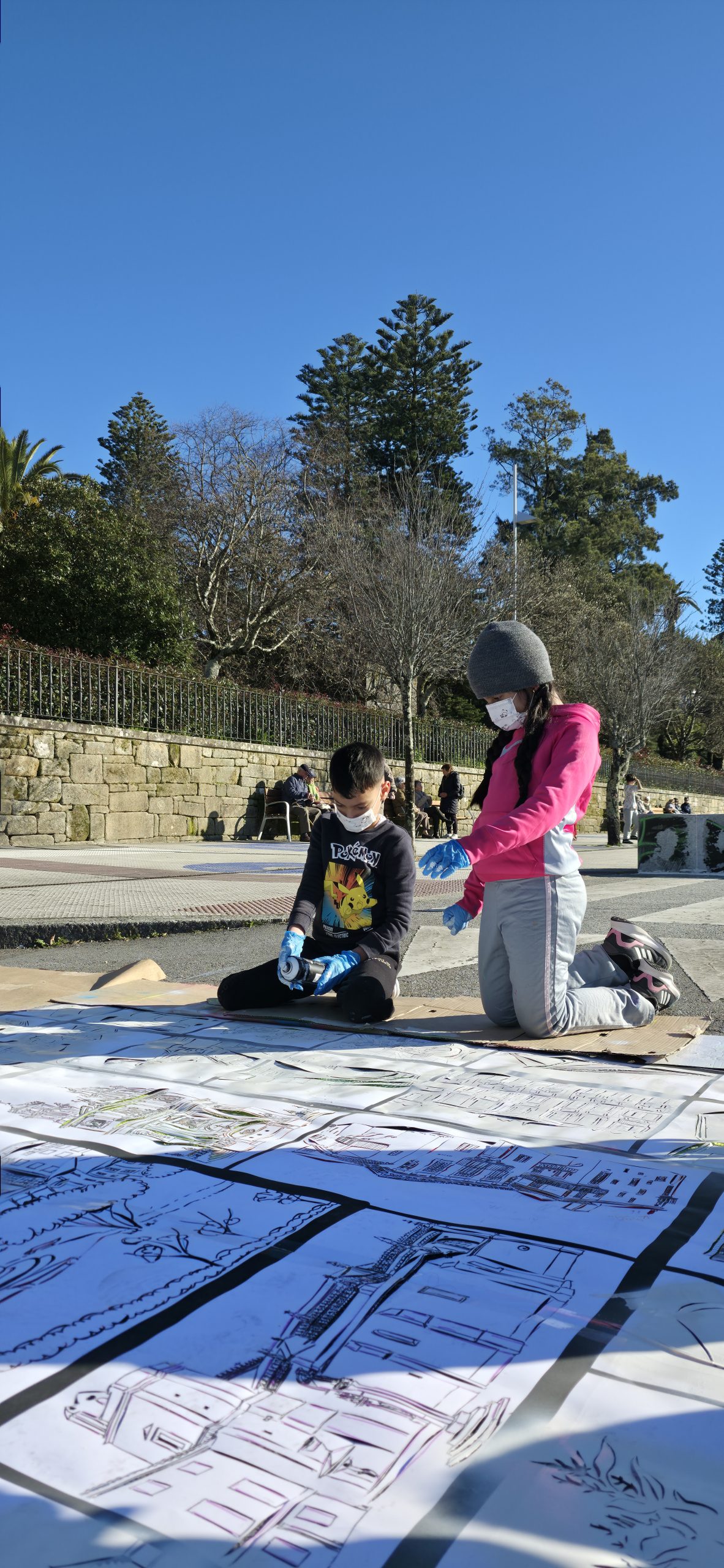
Colour your village
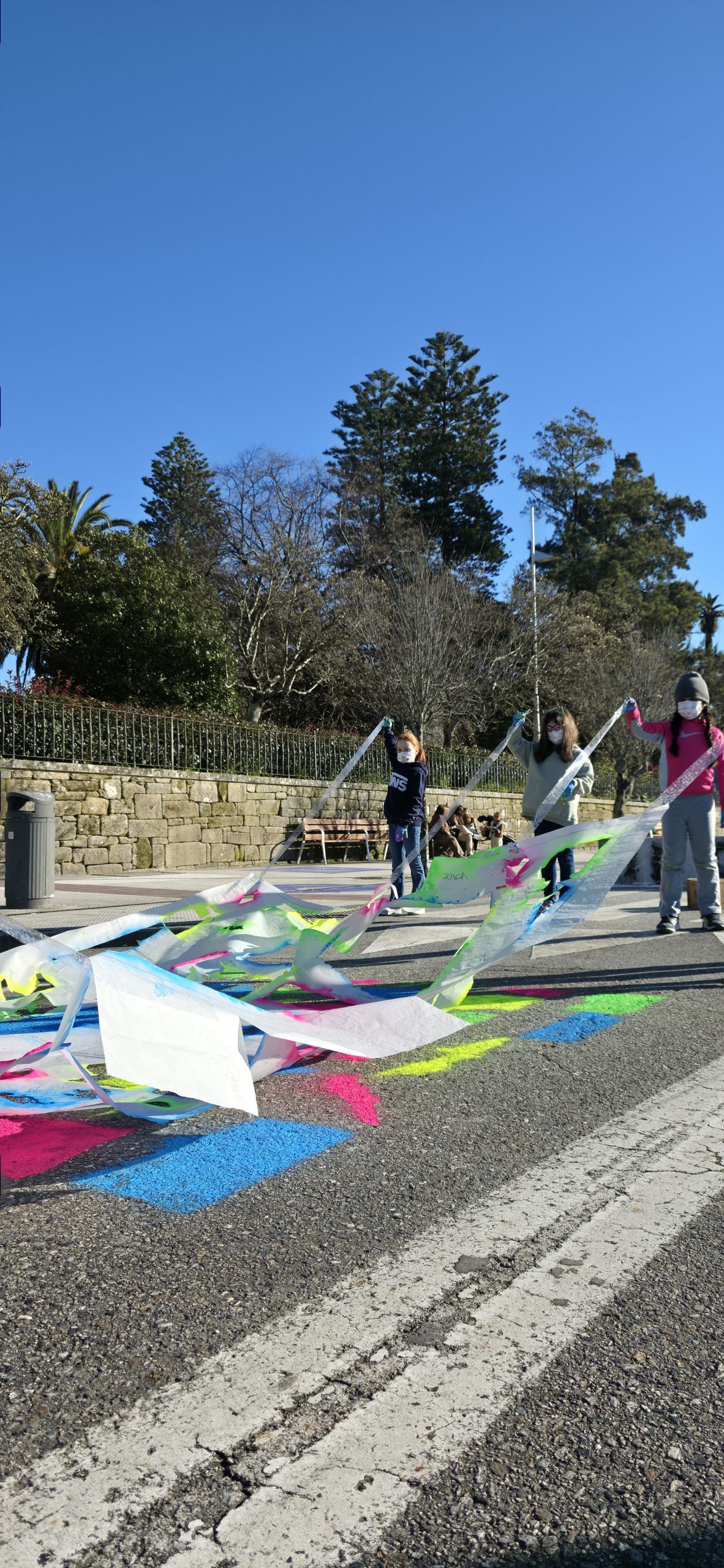
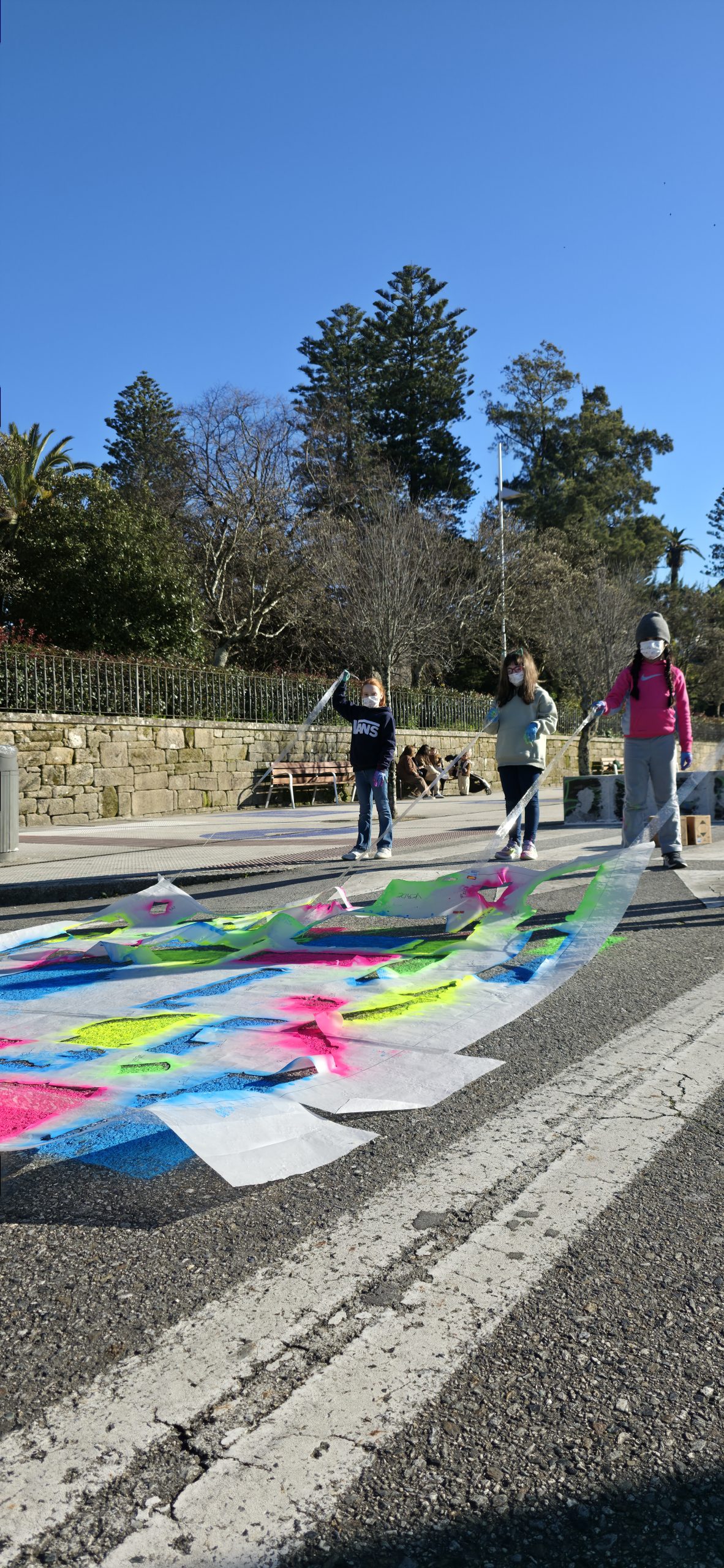
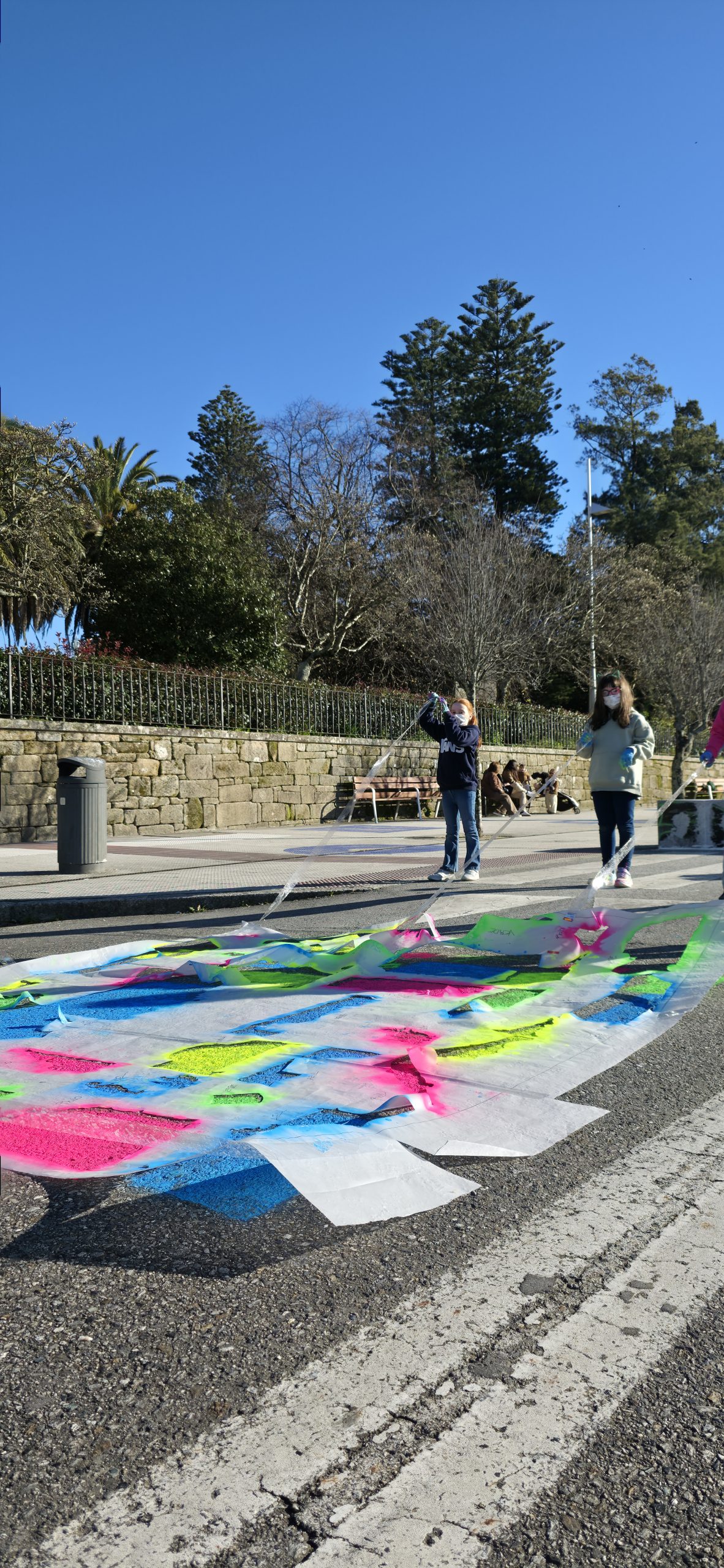
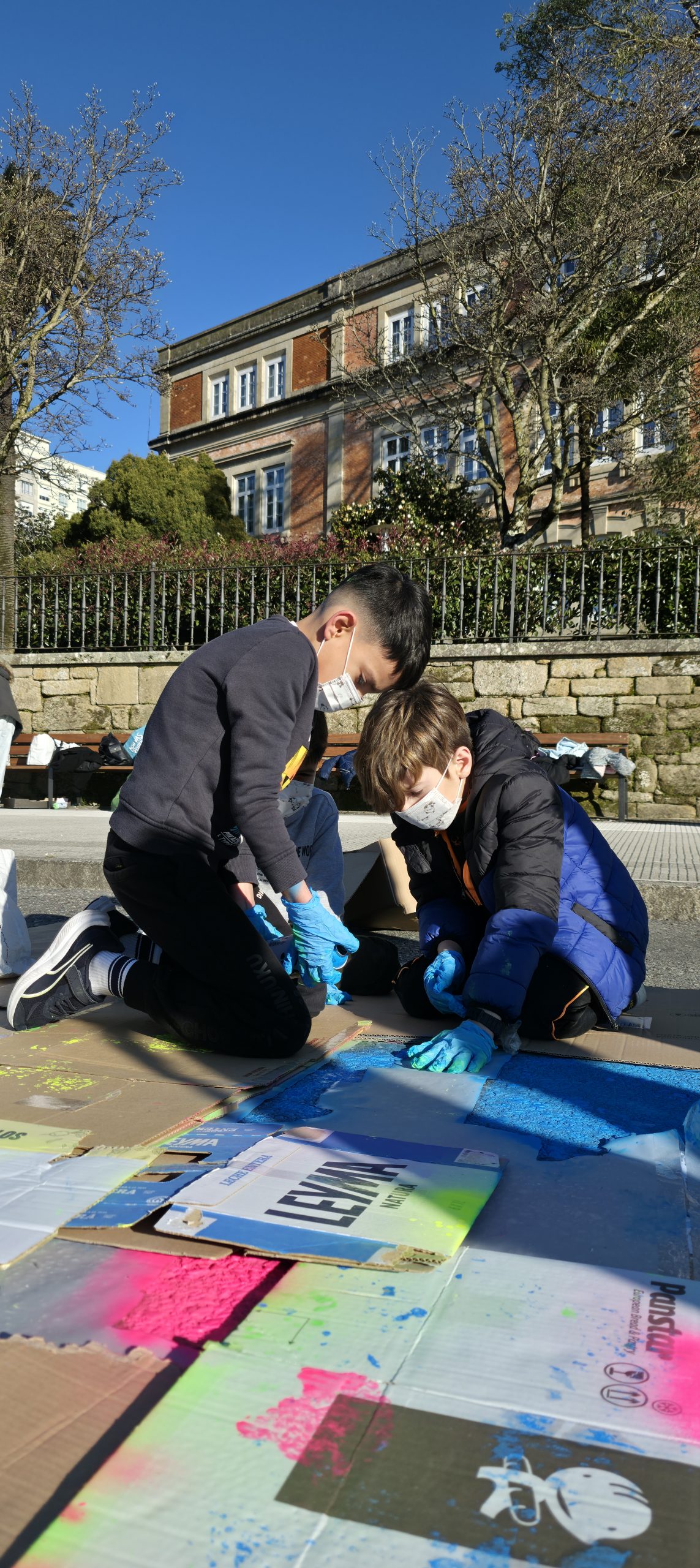
The village or city in which we are working has been turned into a game board, a laboratory of experimentation where girls, boys and teenagers can act from a new point of view.