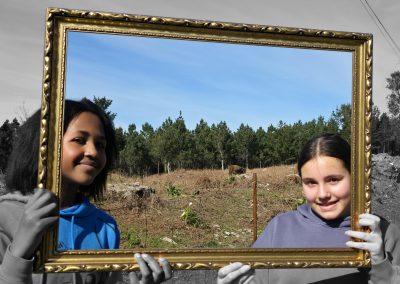
Ponteareas
changing the village through protagonist participation
reCOGNIZING Ponteareas

Ponteareas
changing the village through protagonist participation

Rianxo
The new generations, the inhabitants of tomorrow, are completely unfamiliar with their town or city. They live in a “little box,” move around in another smaller “little box,” and arrive at a bigger “box” (whether it is called a school, shopping center, sports facility, … or playground). This is their relationship with their surroundings.
— Sandra González Álvarez
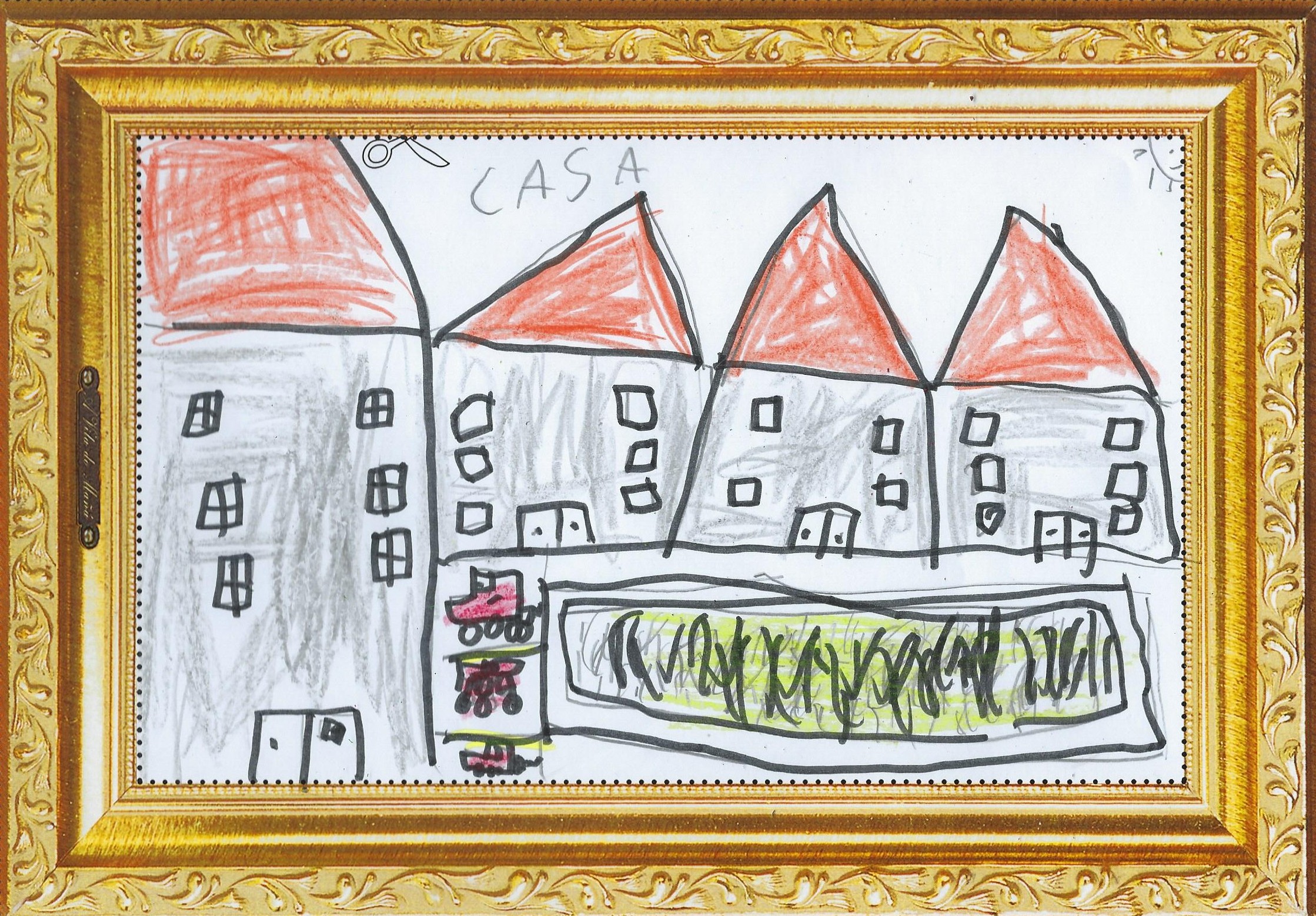
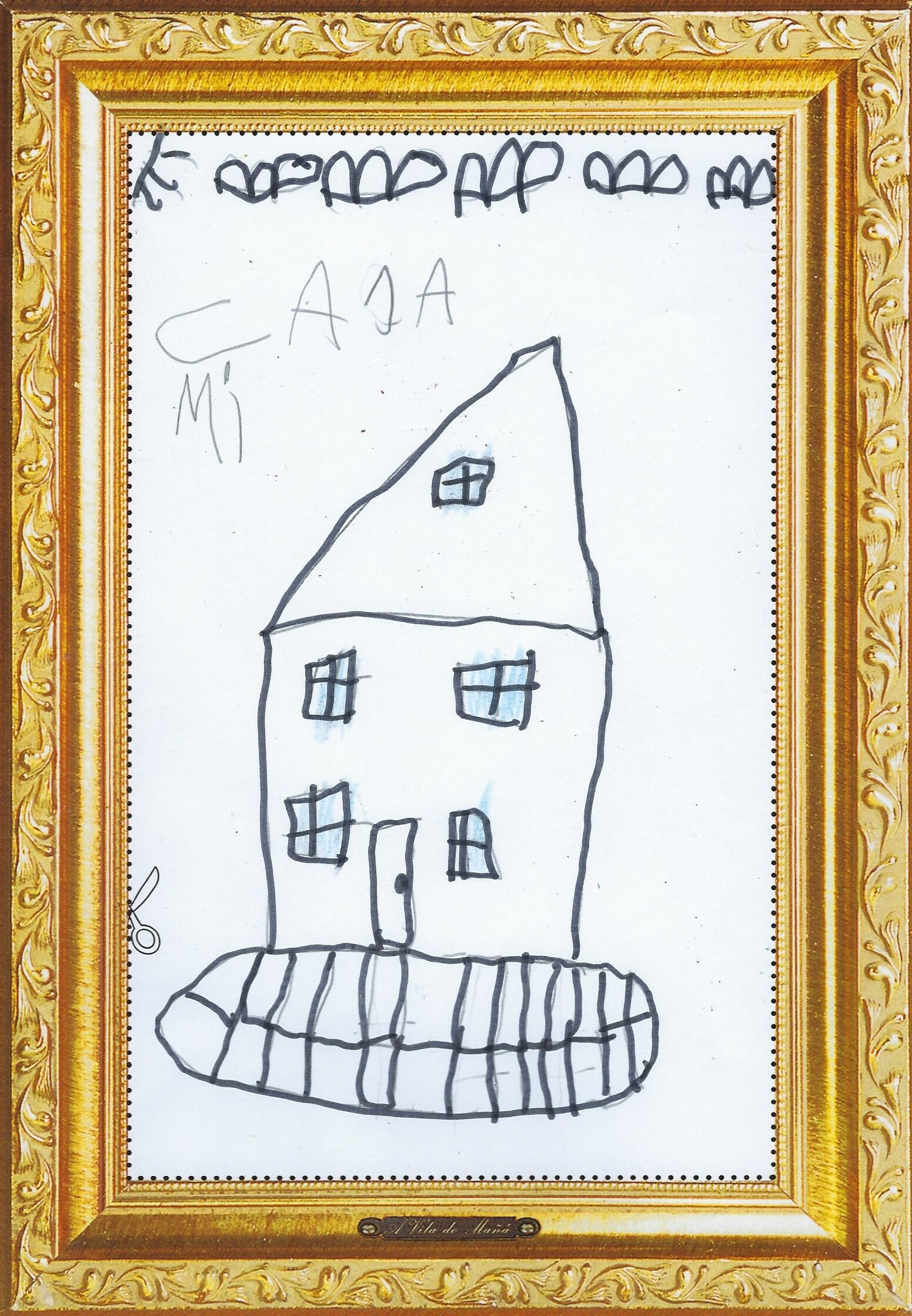
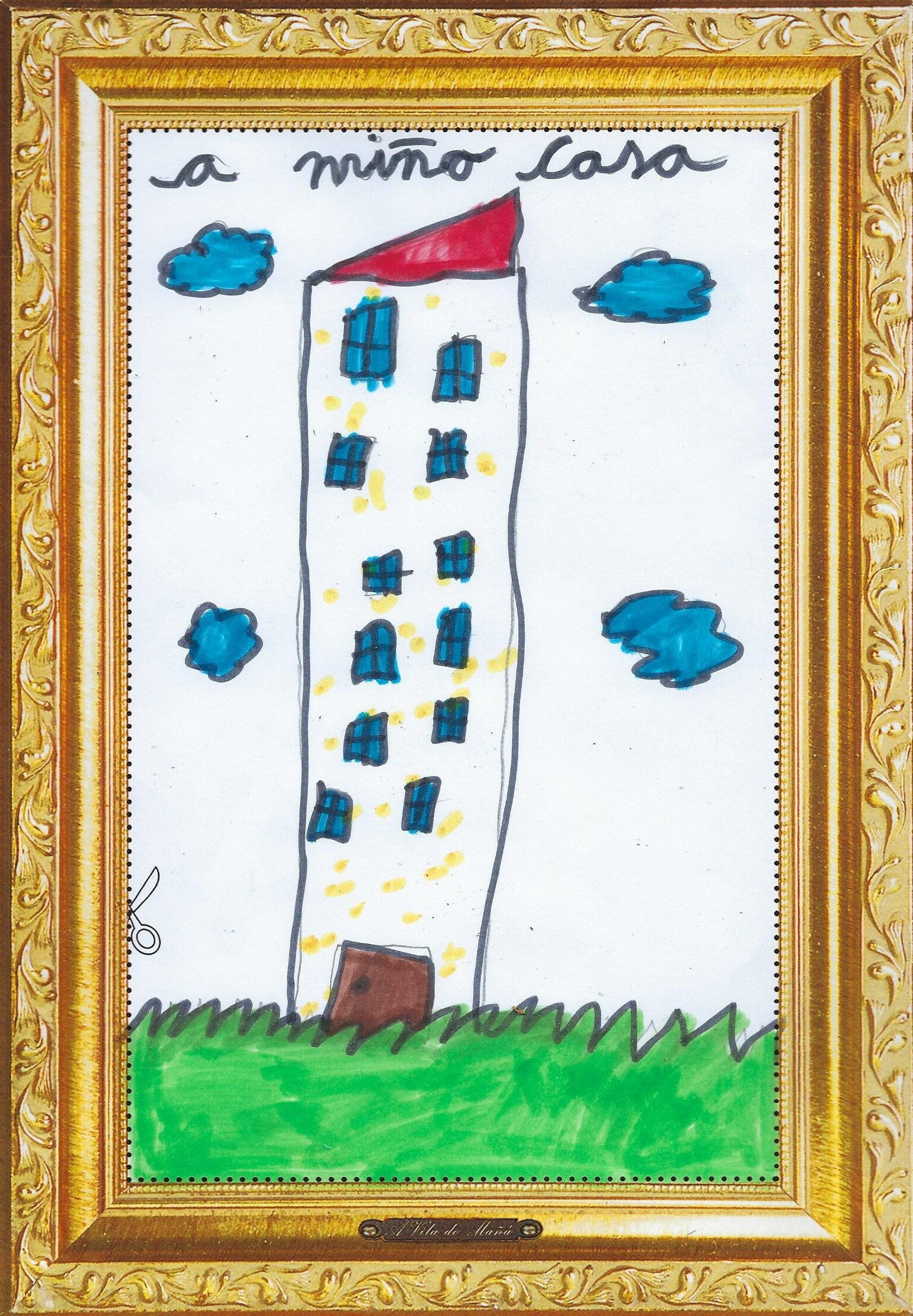
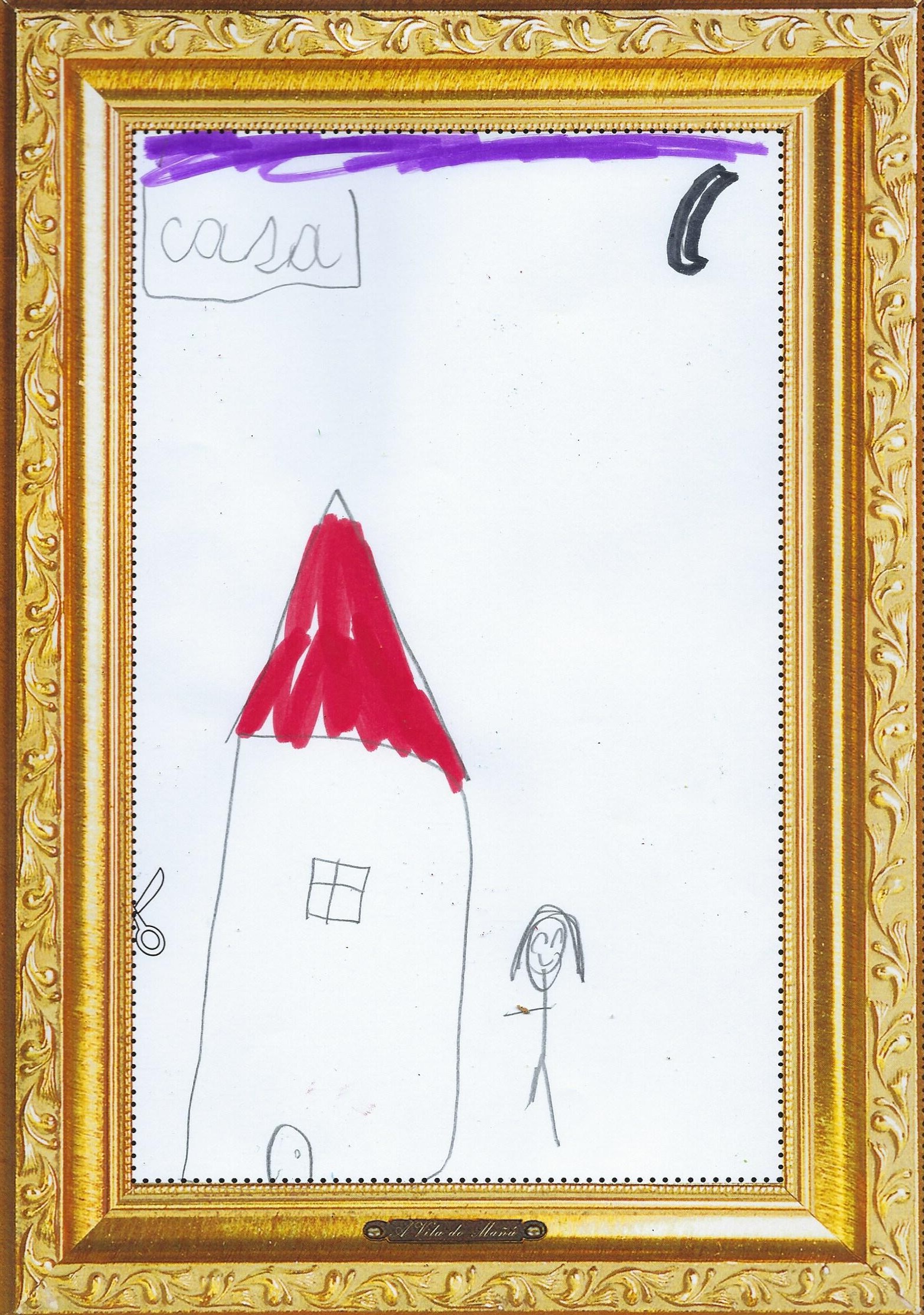
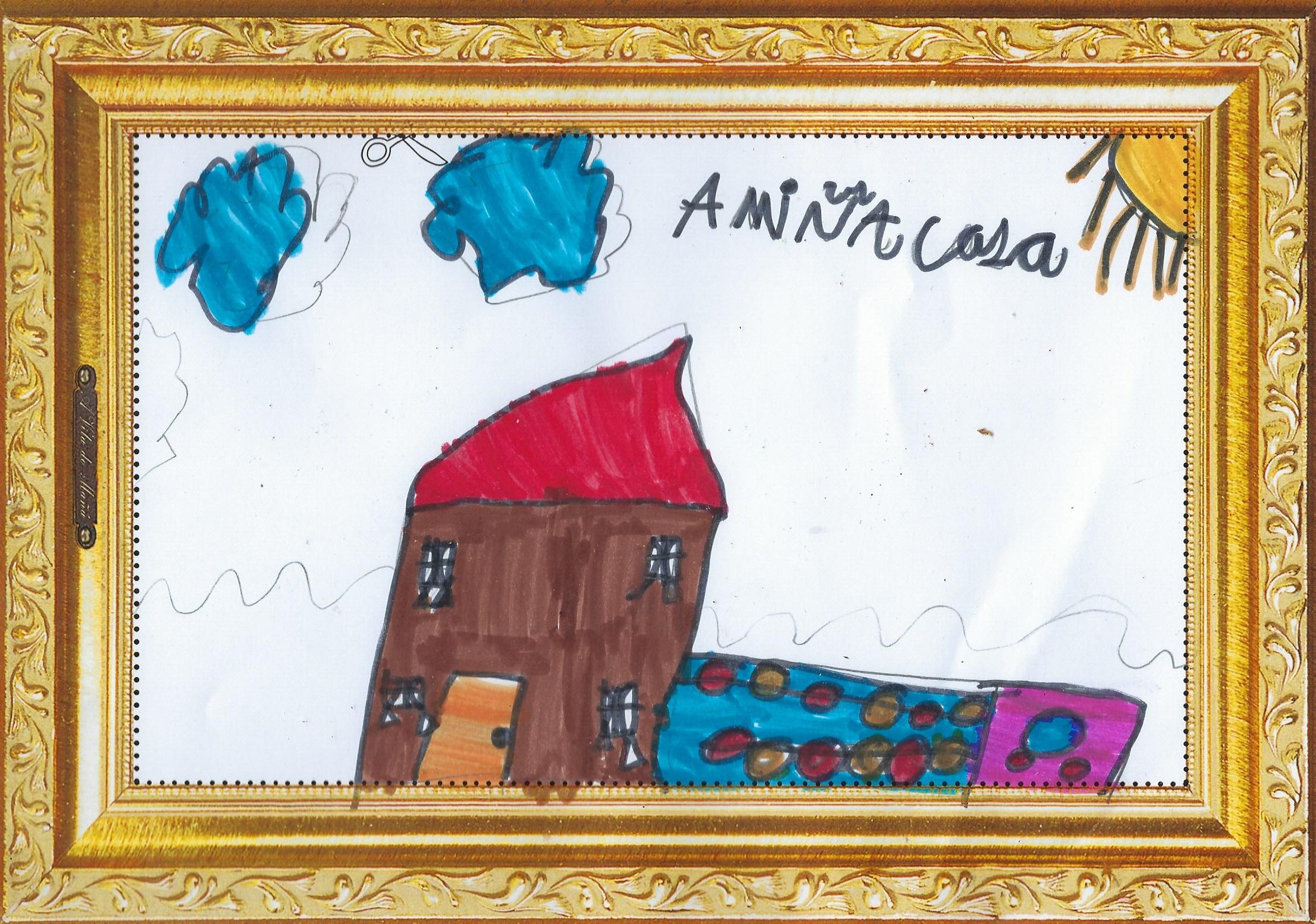
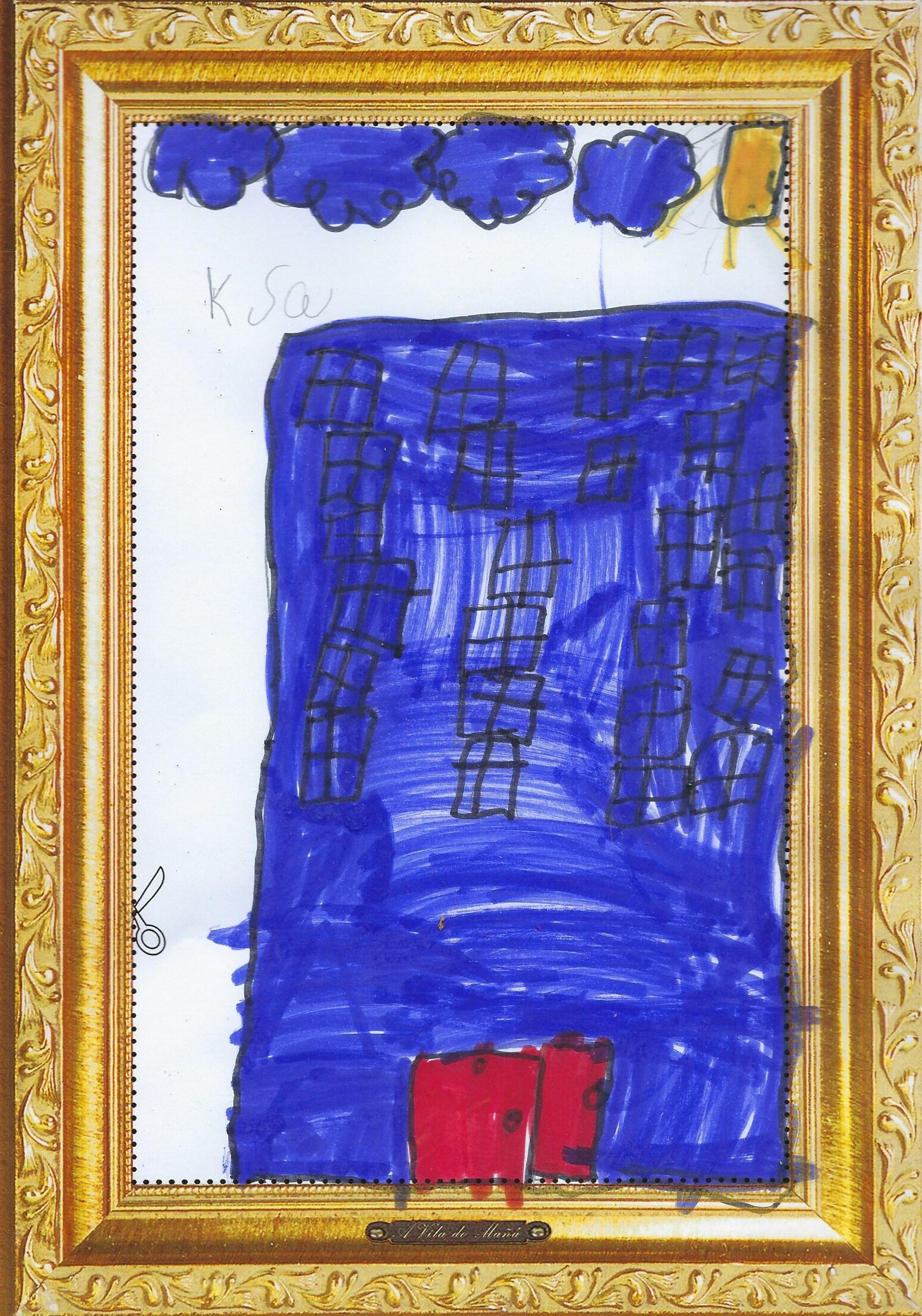
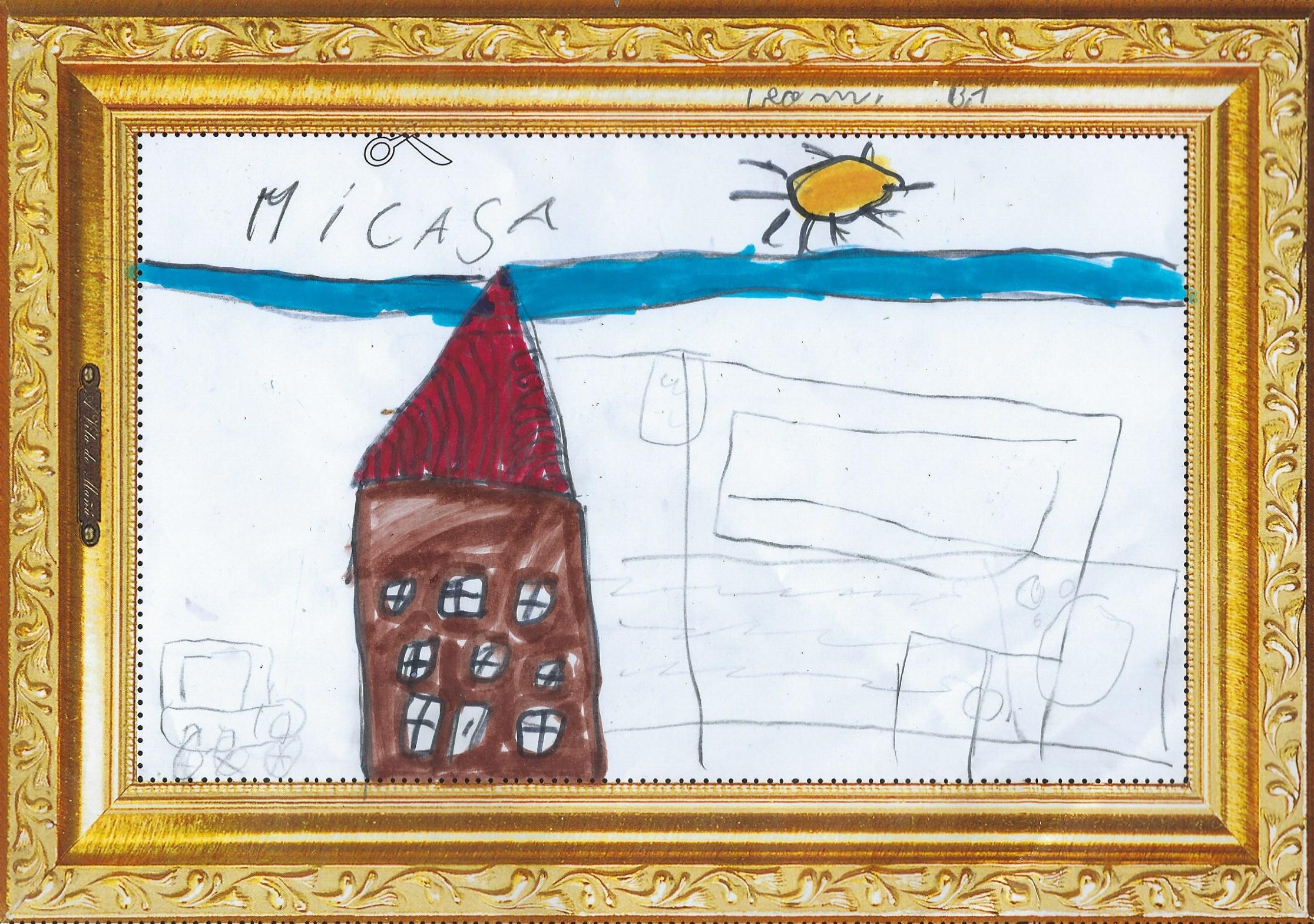
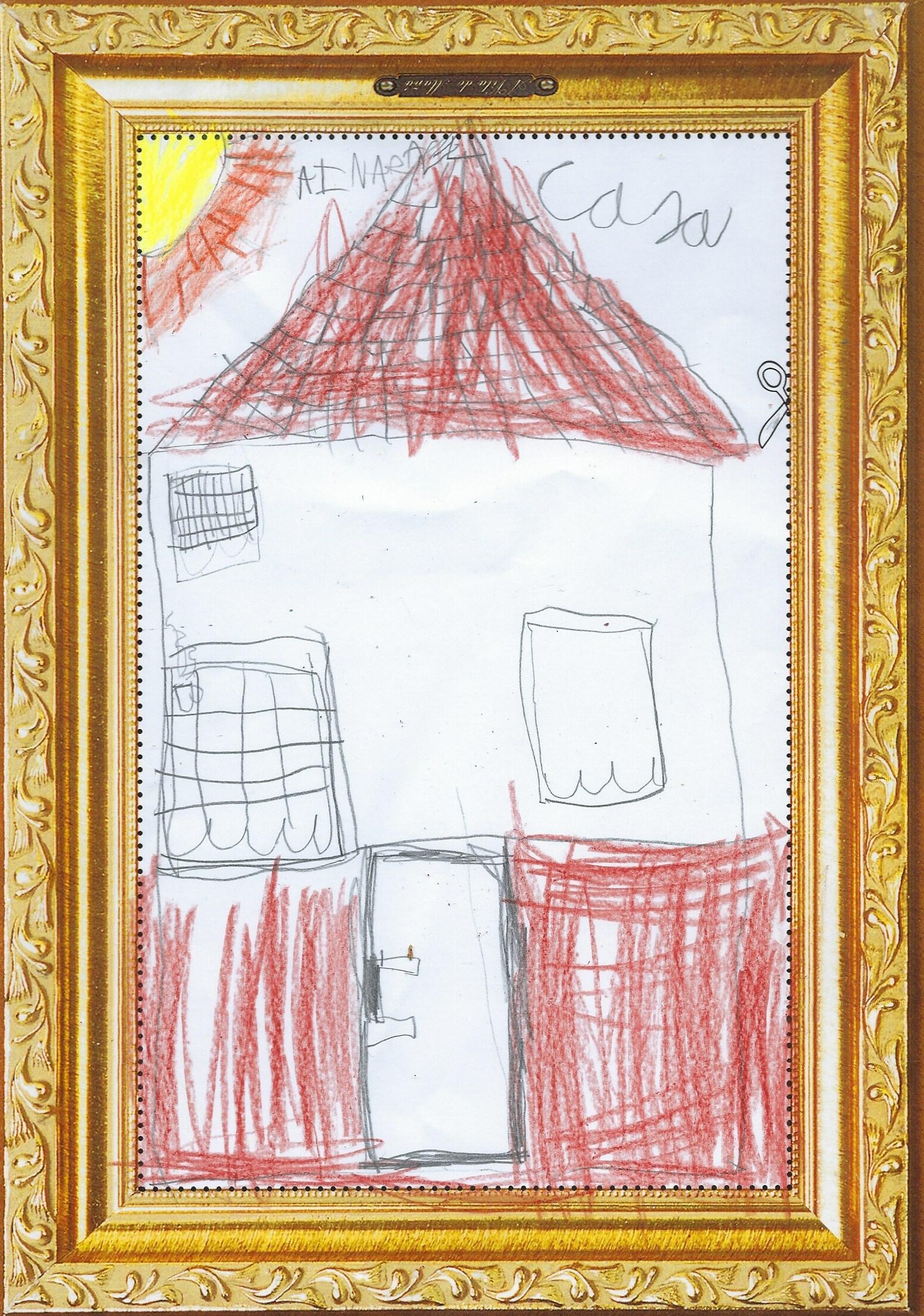
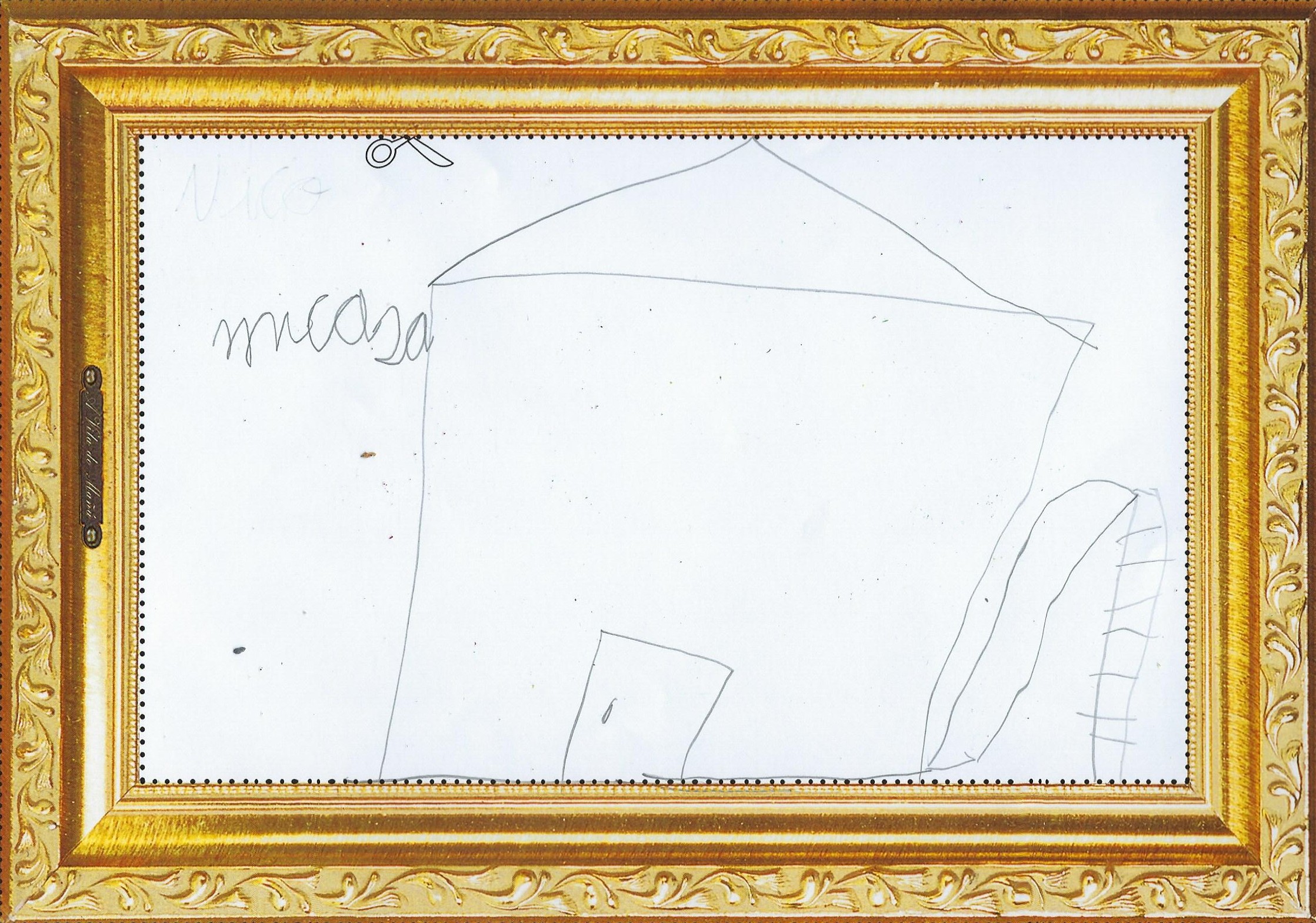
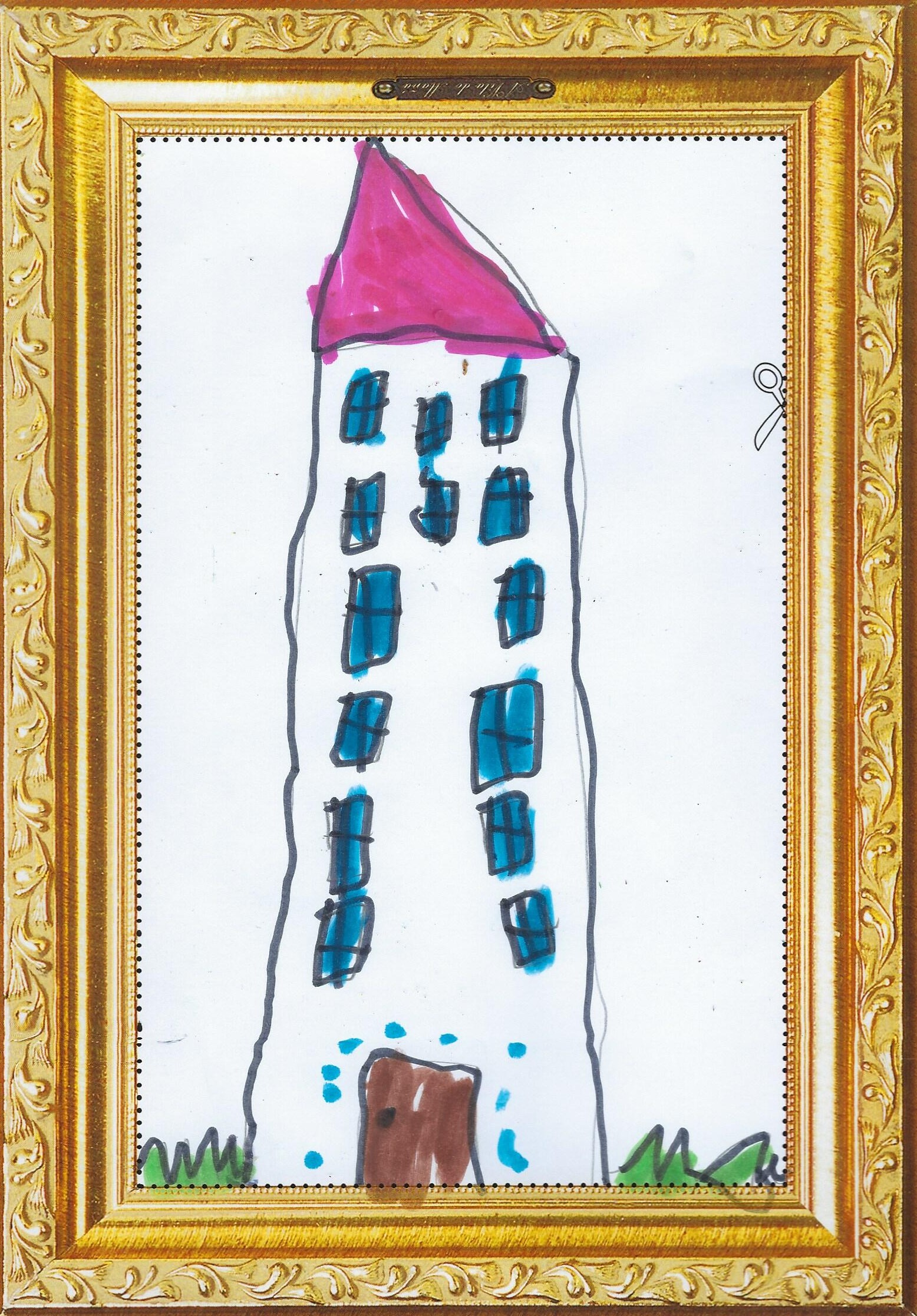
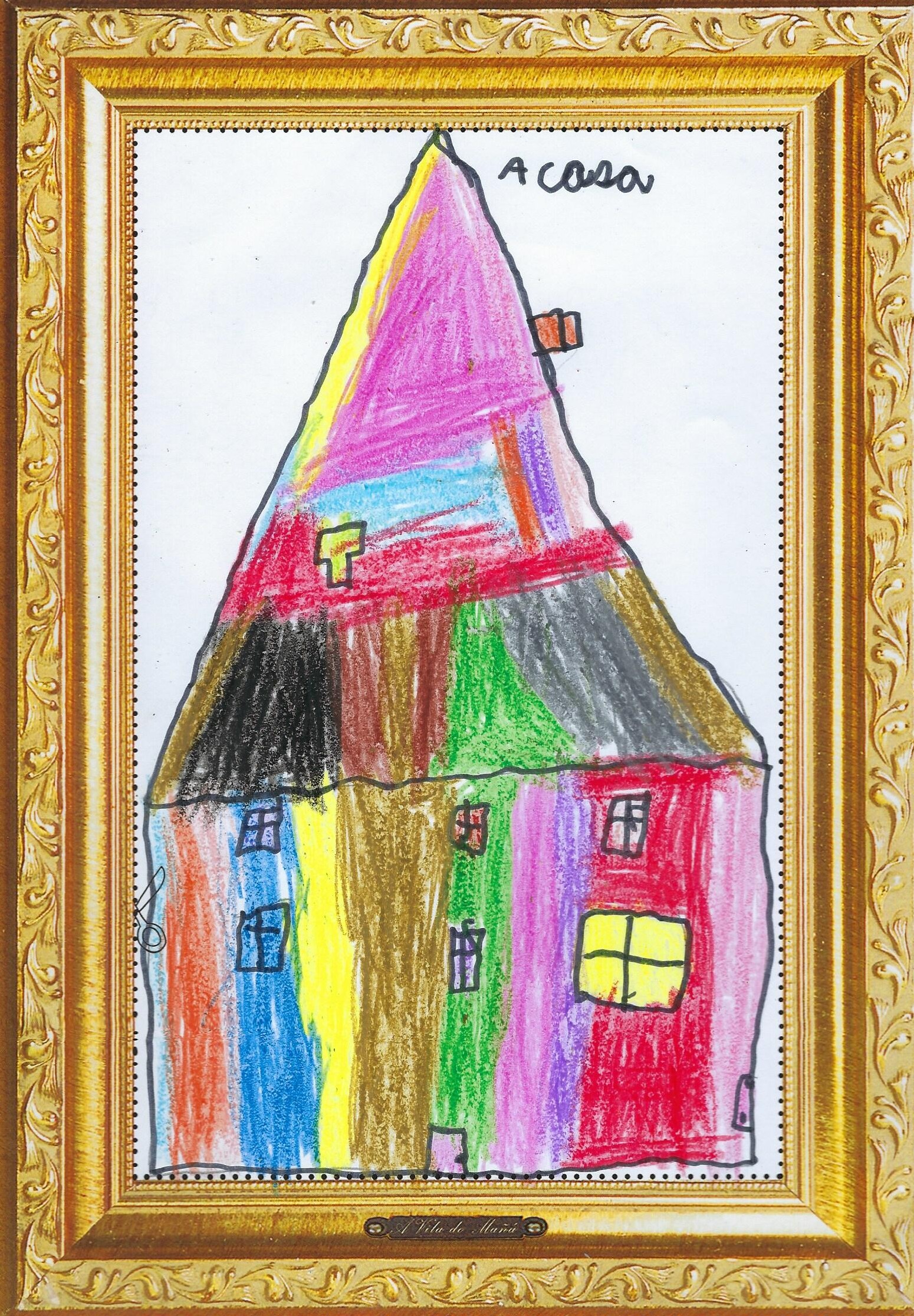
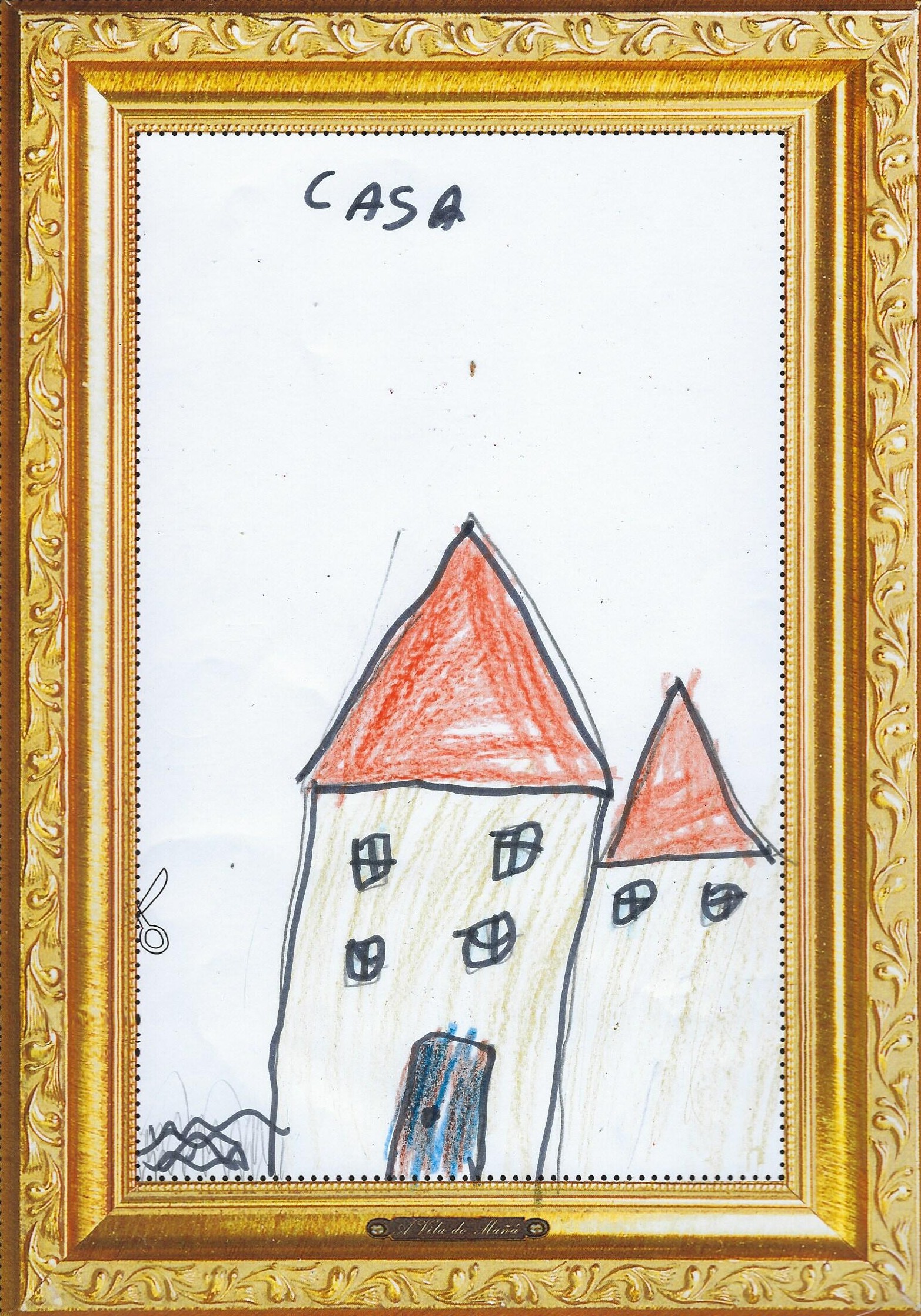
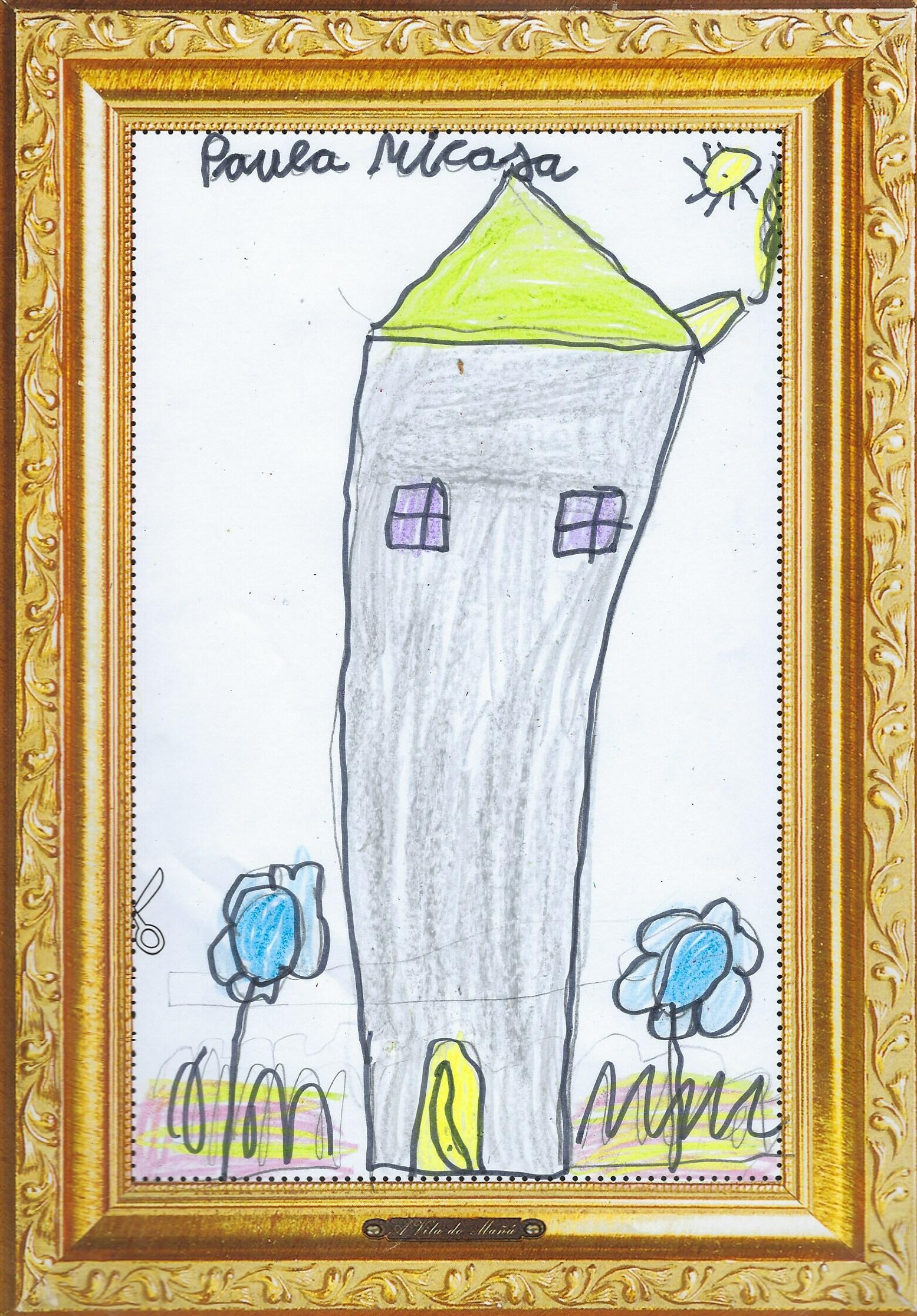
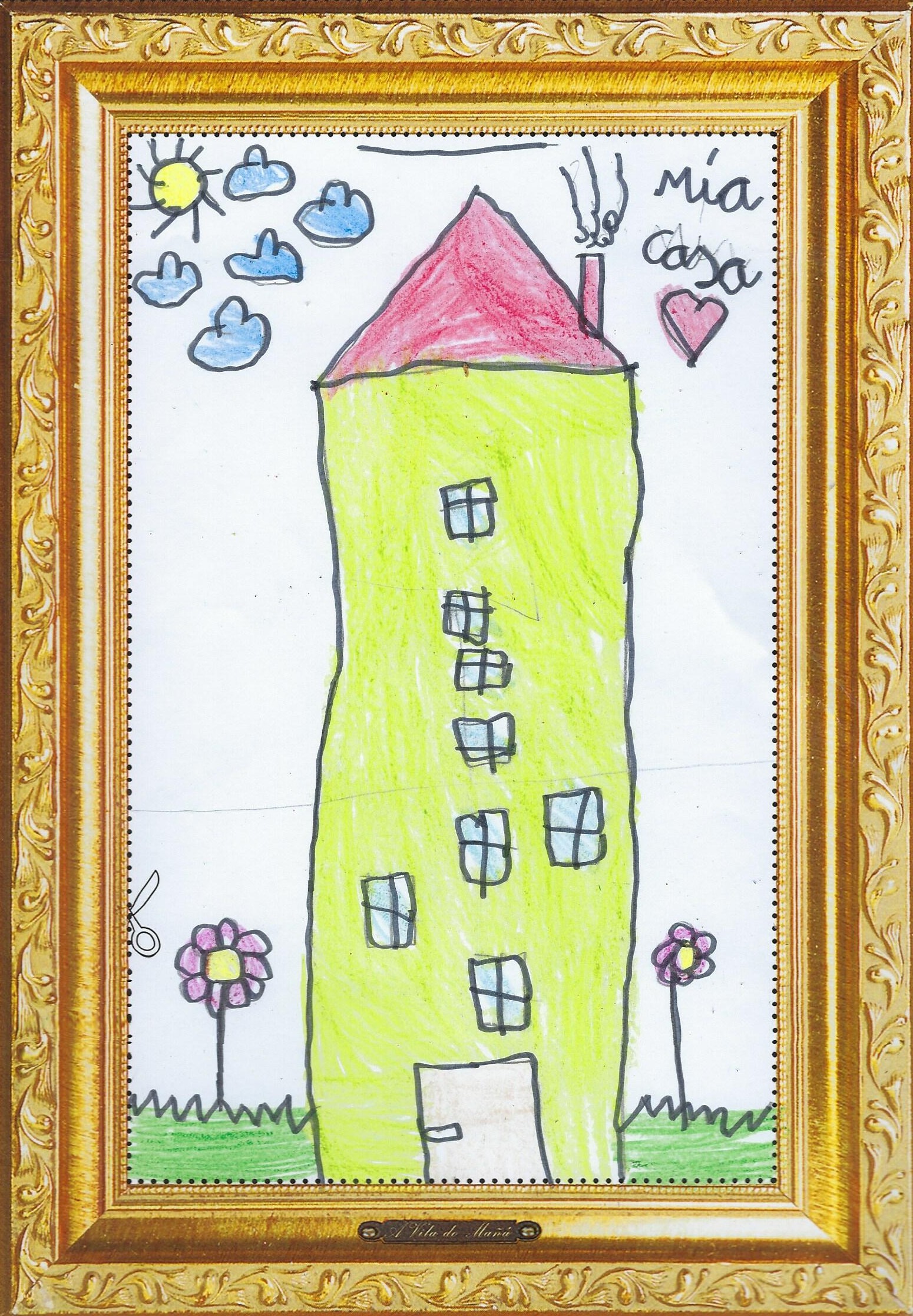
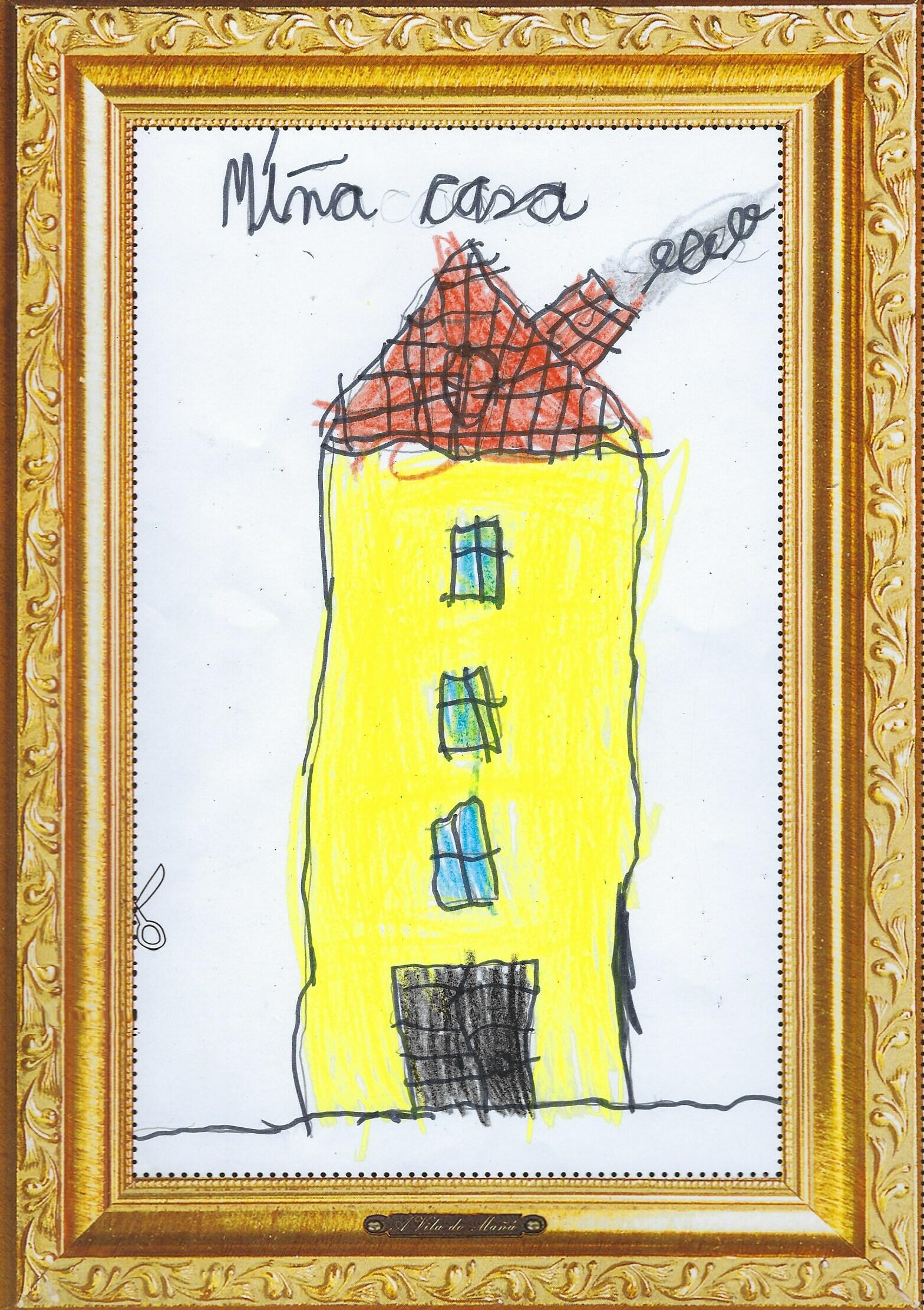
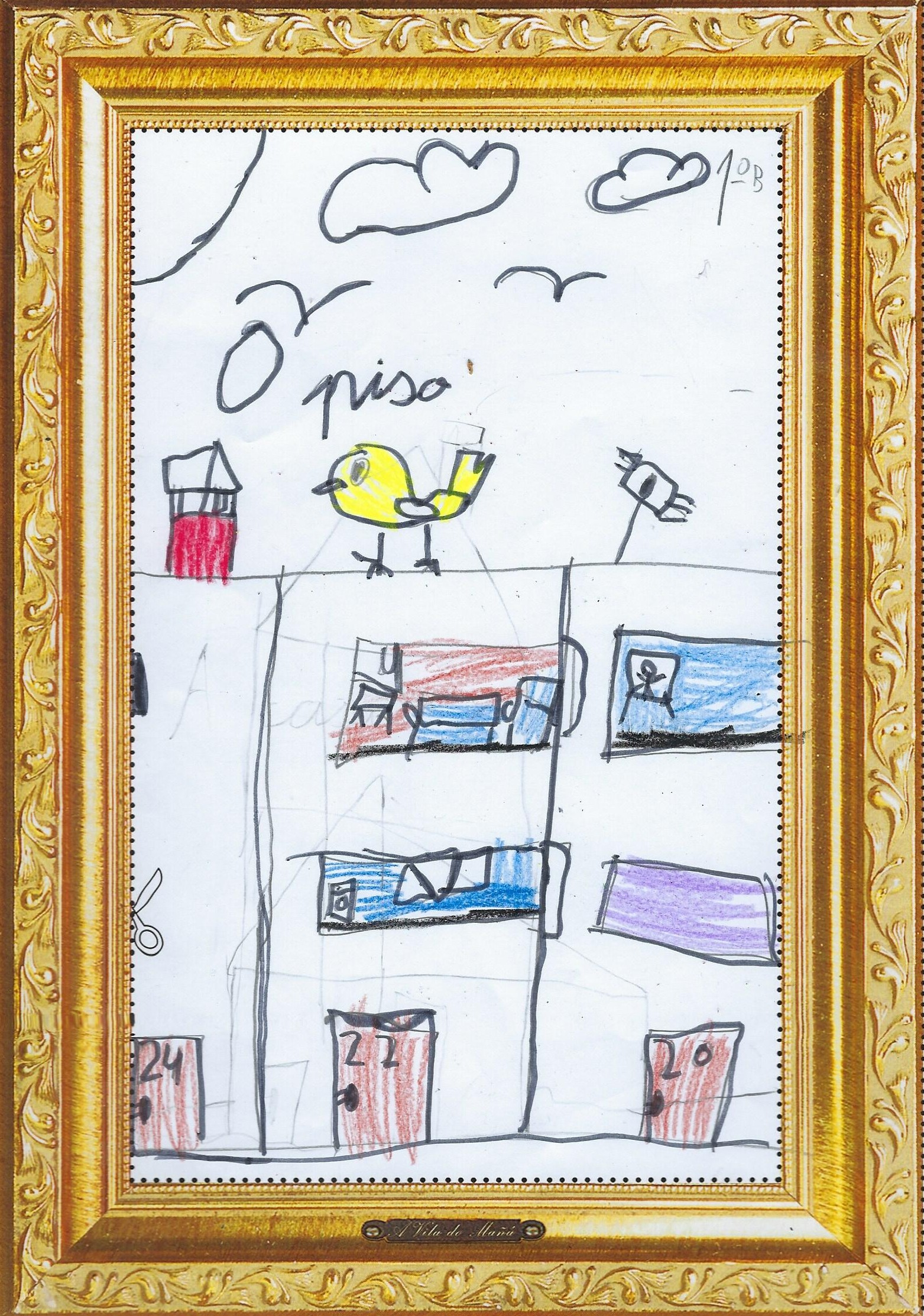
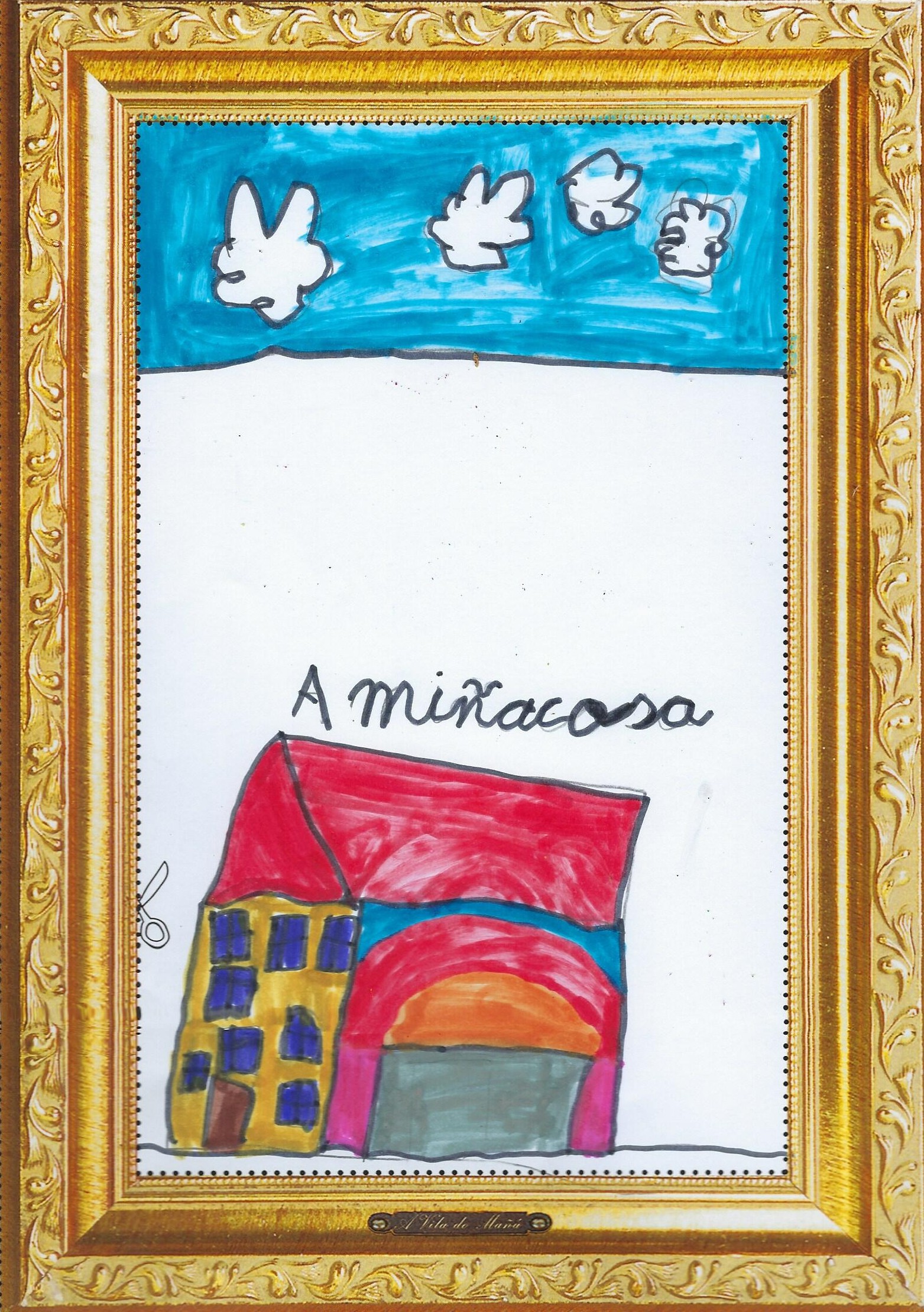
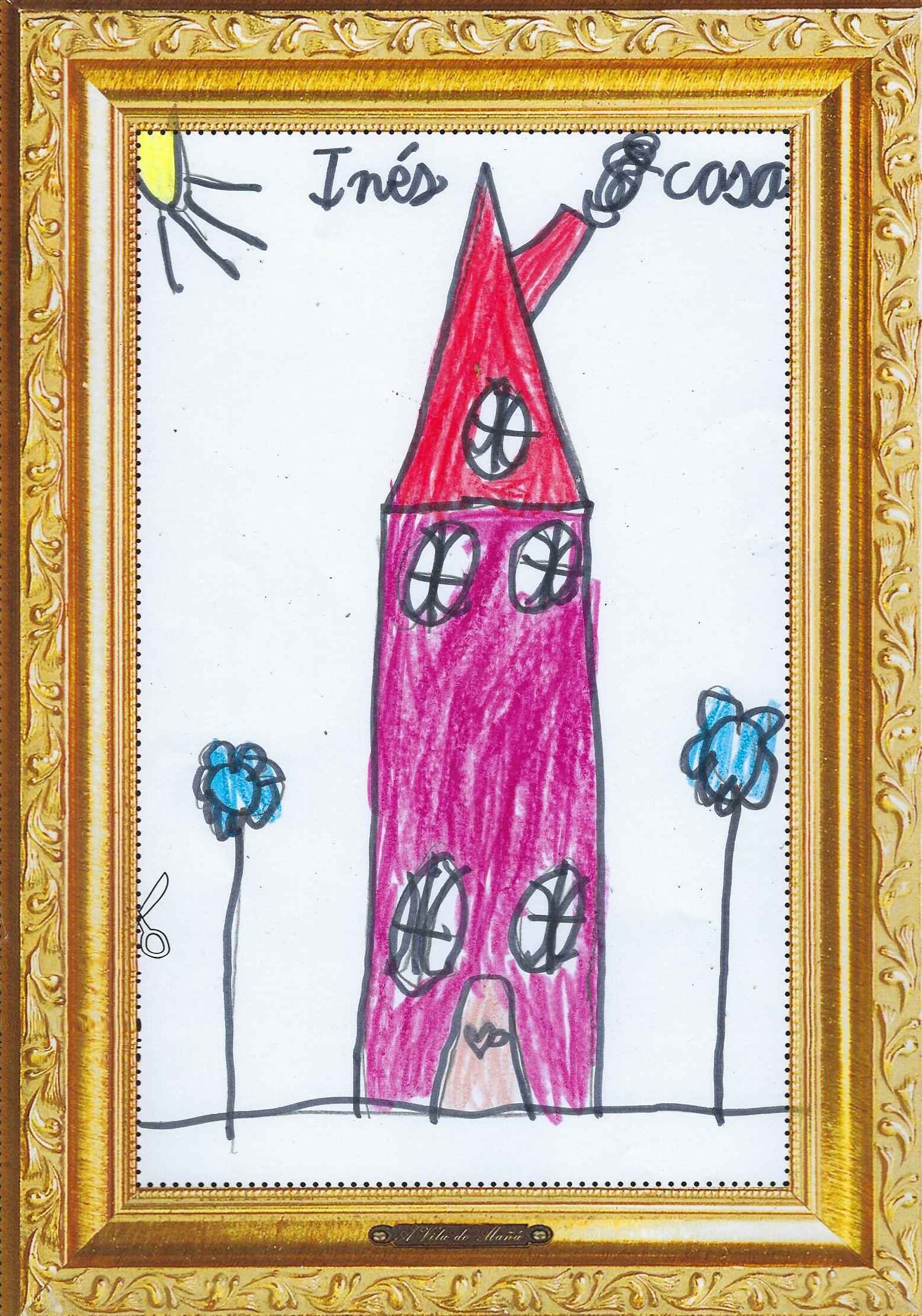
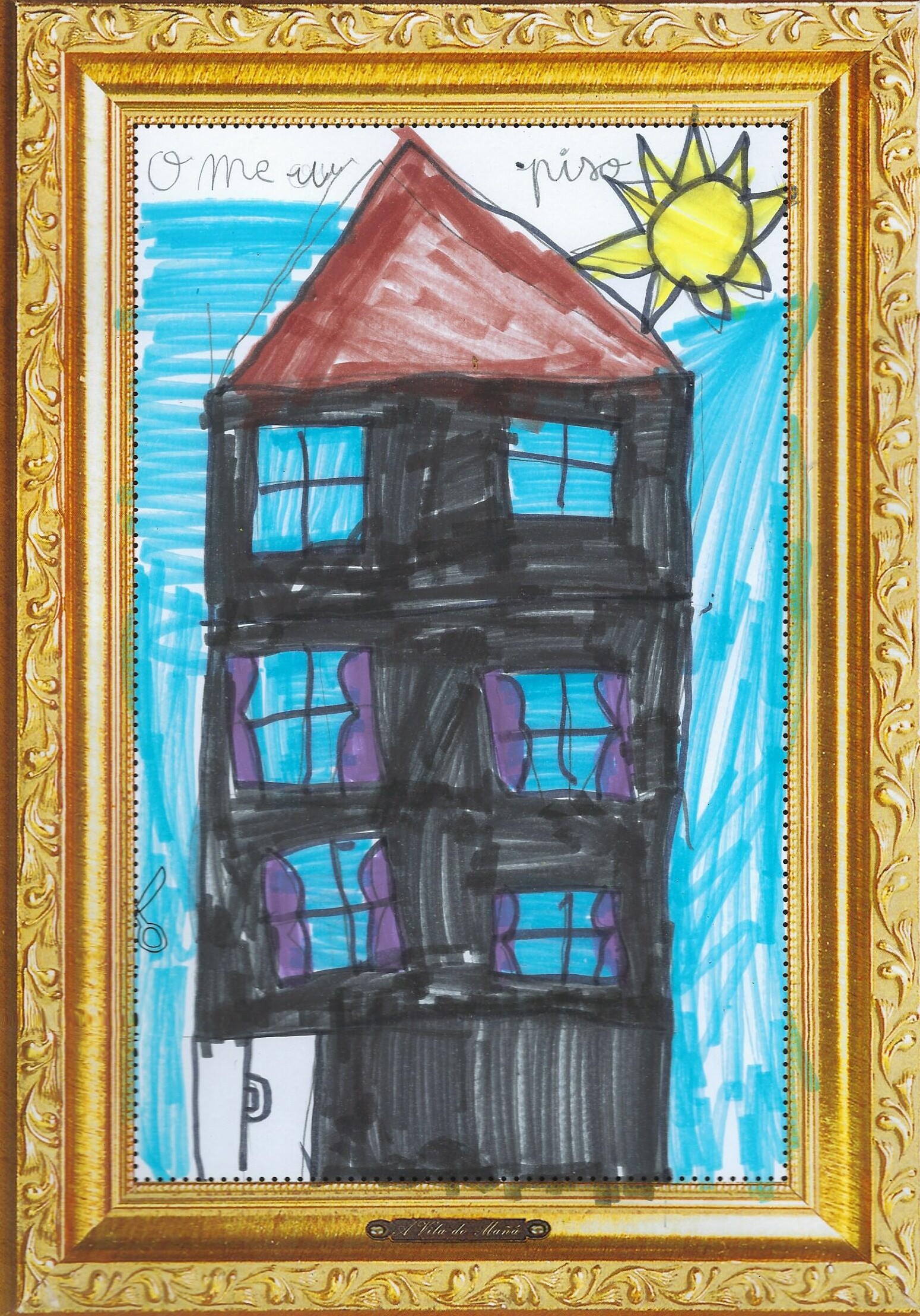
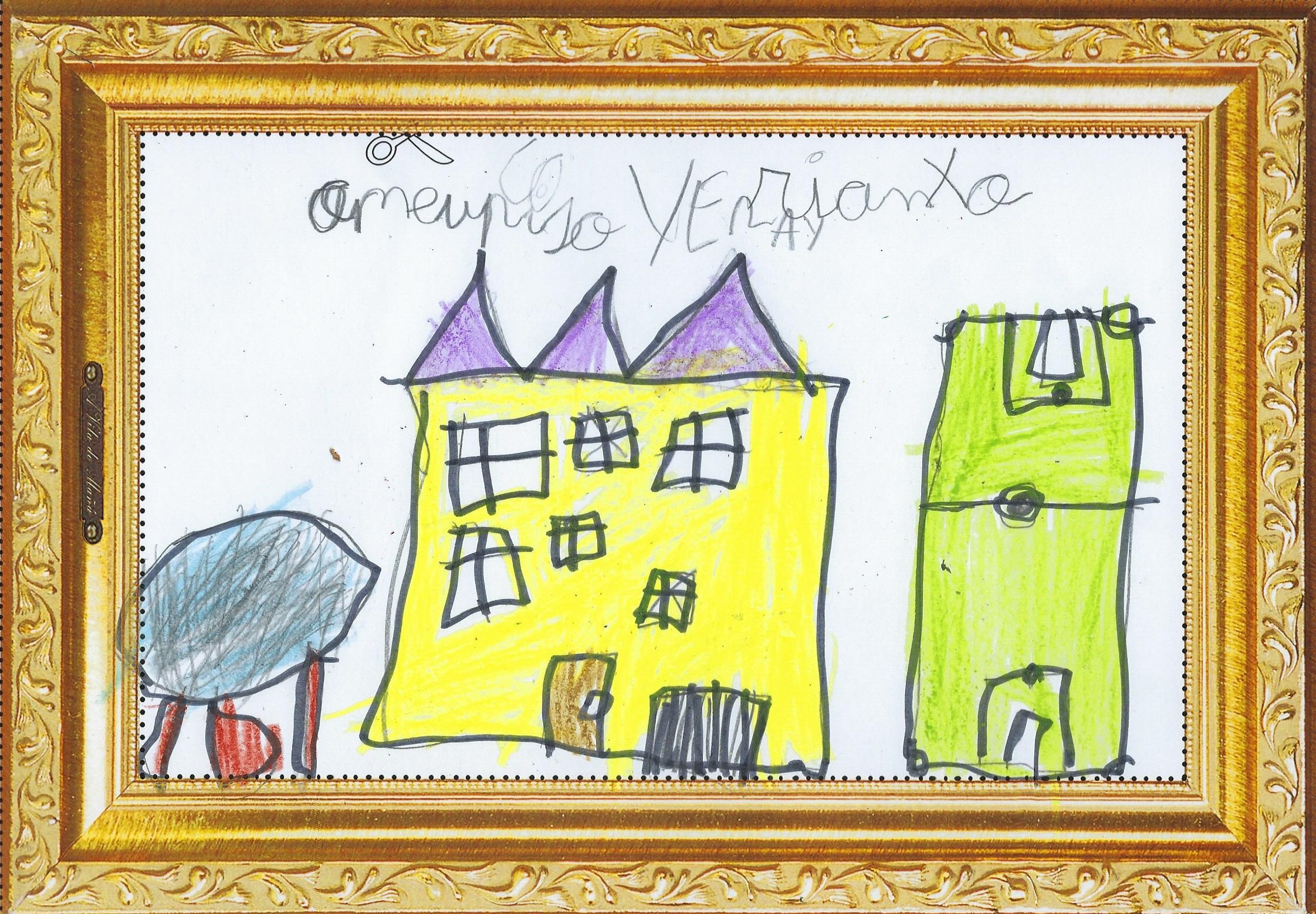
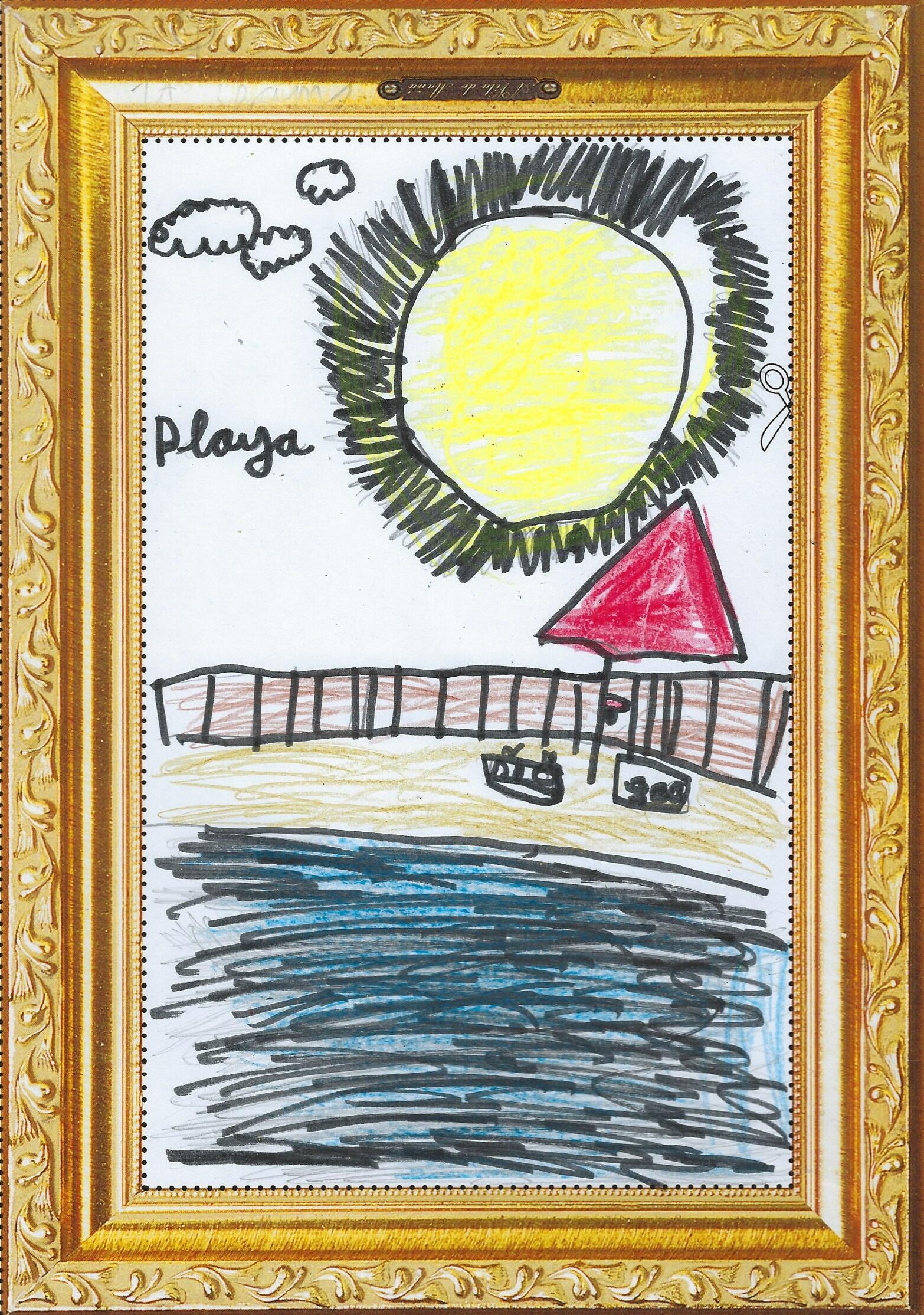
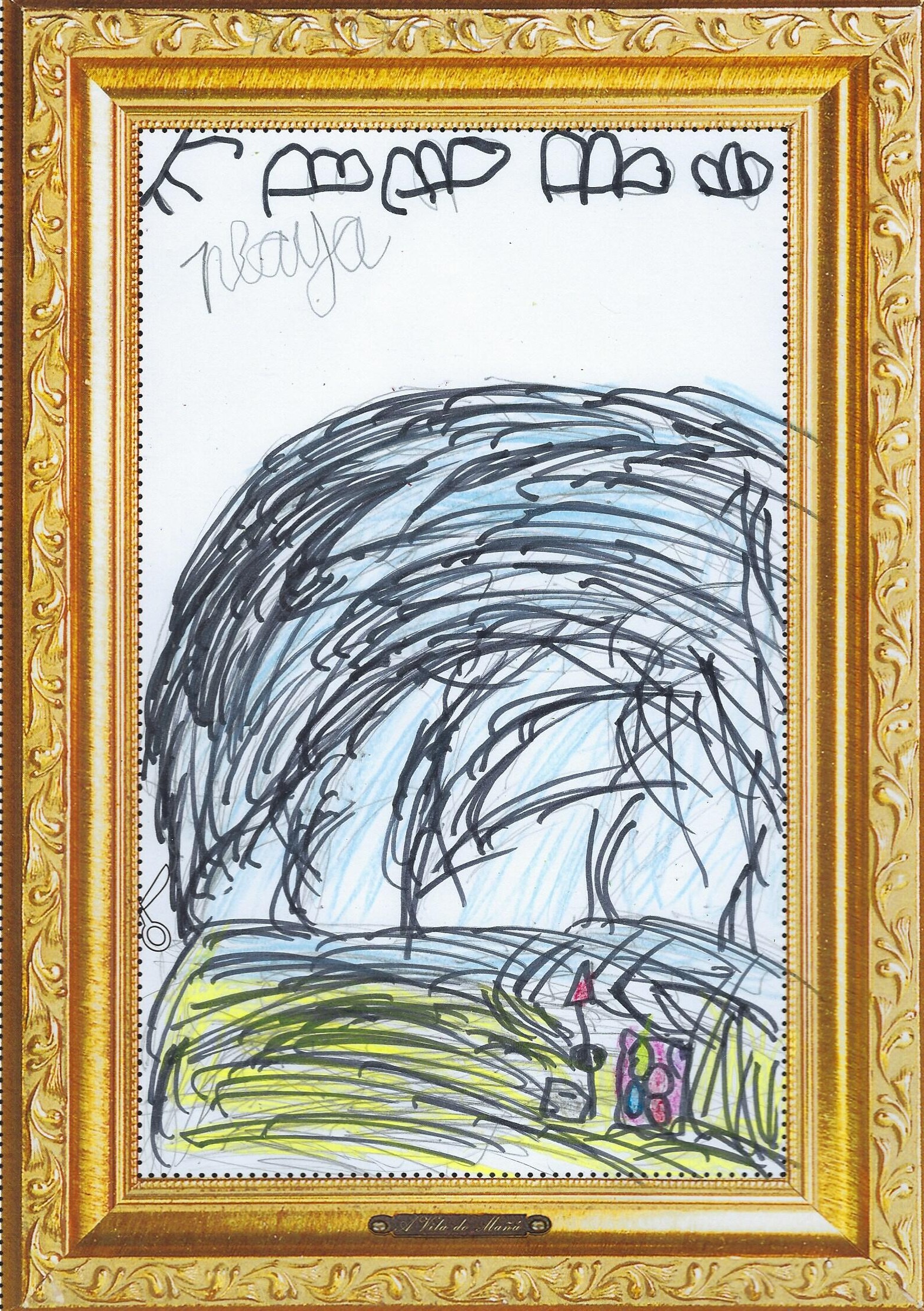
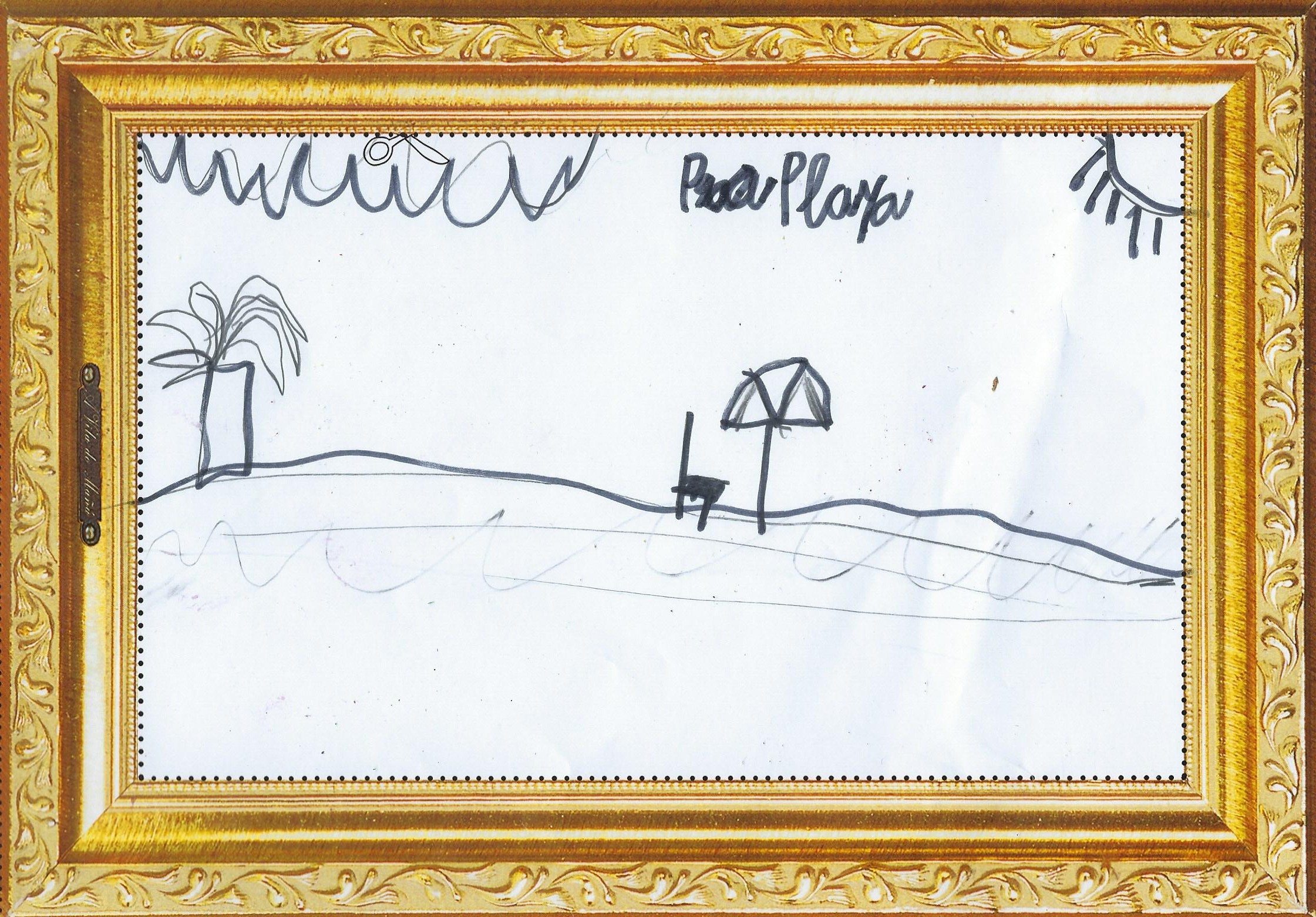
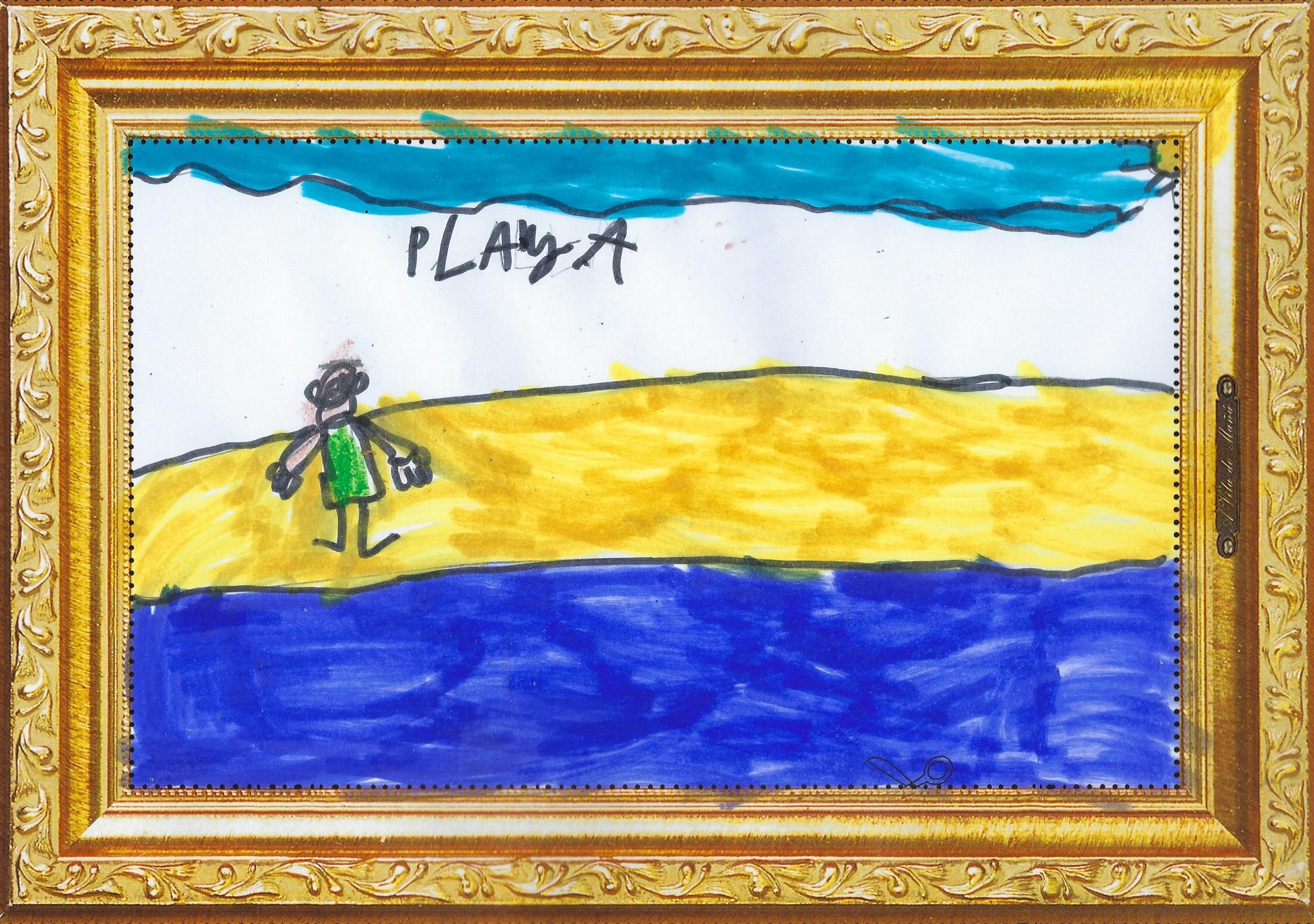
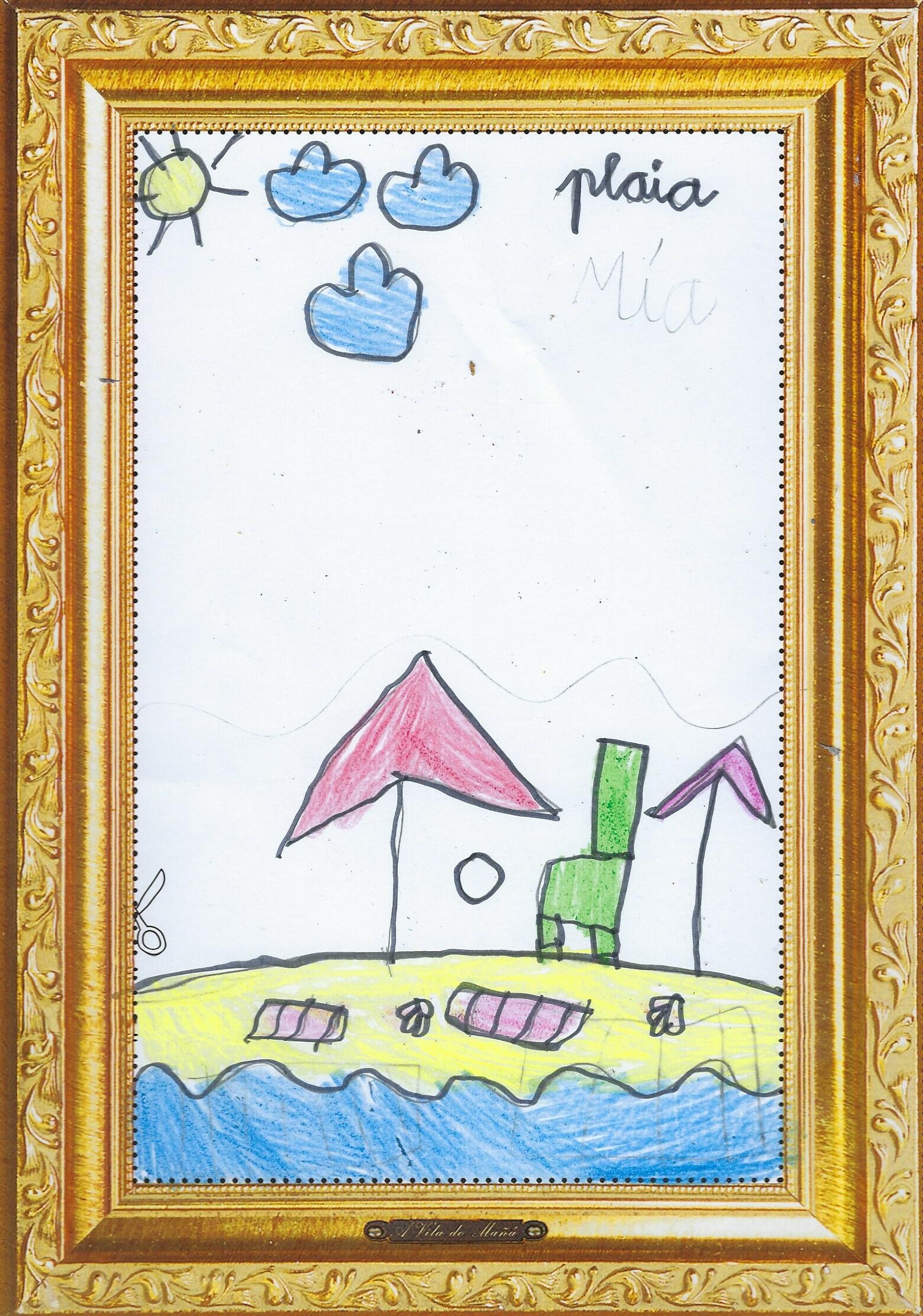
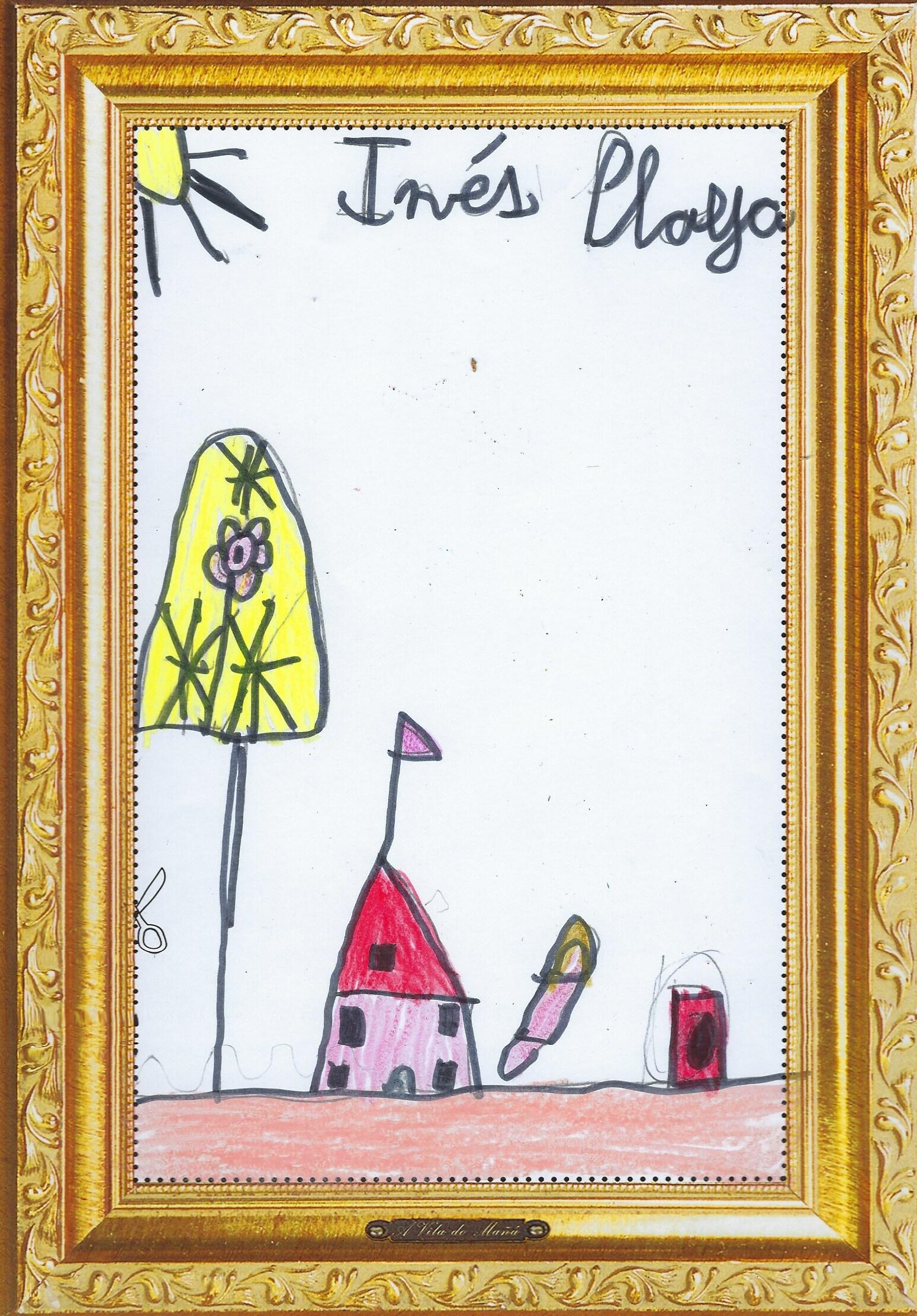
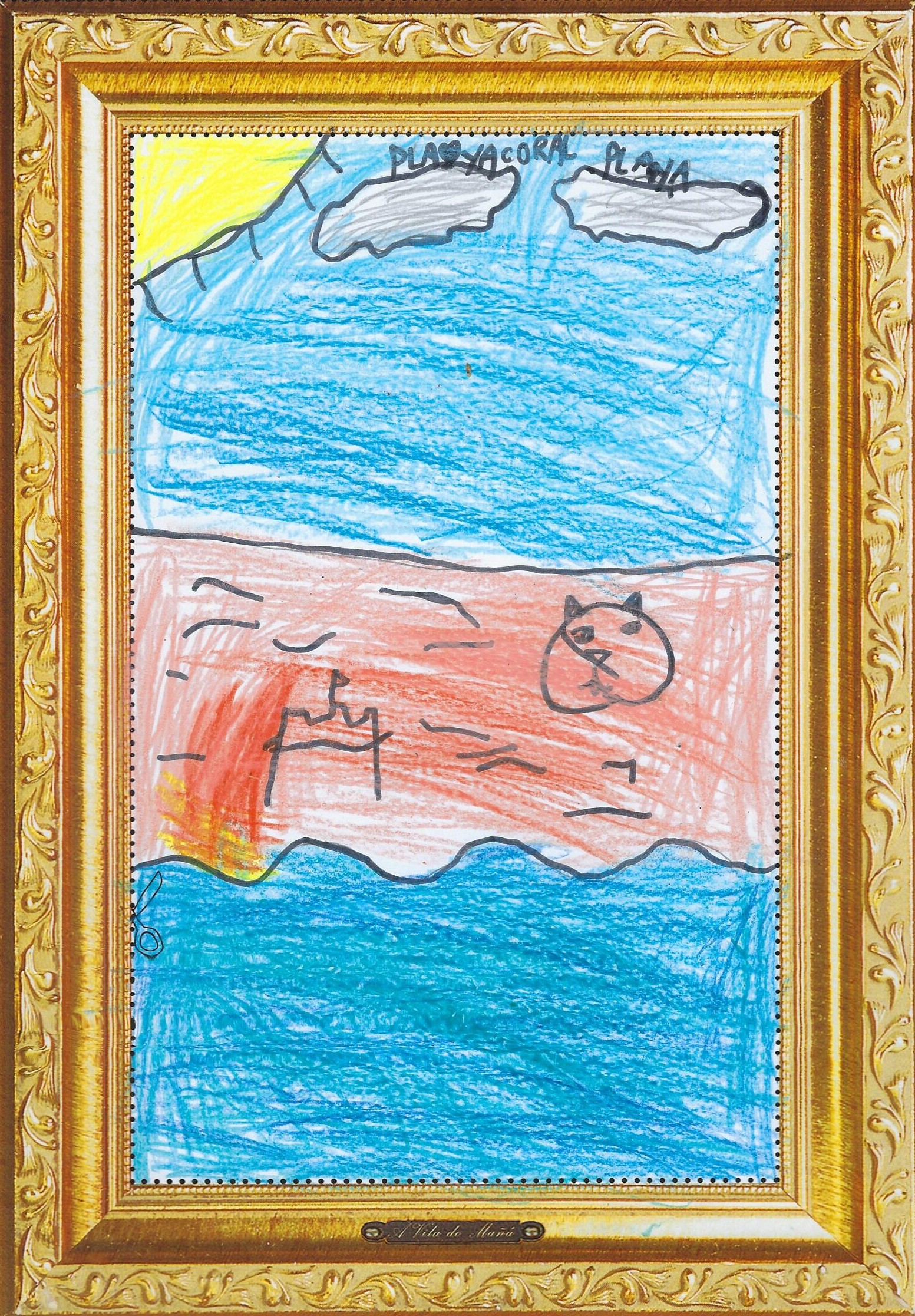
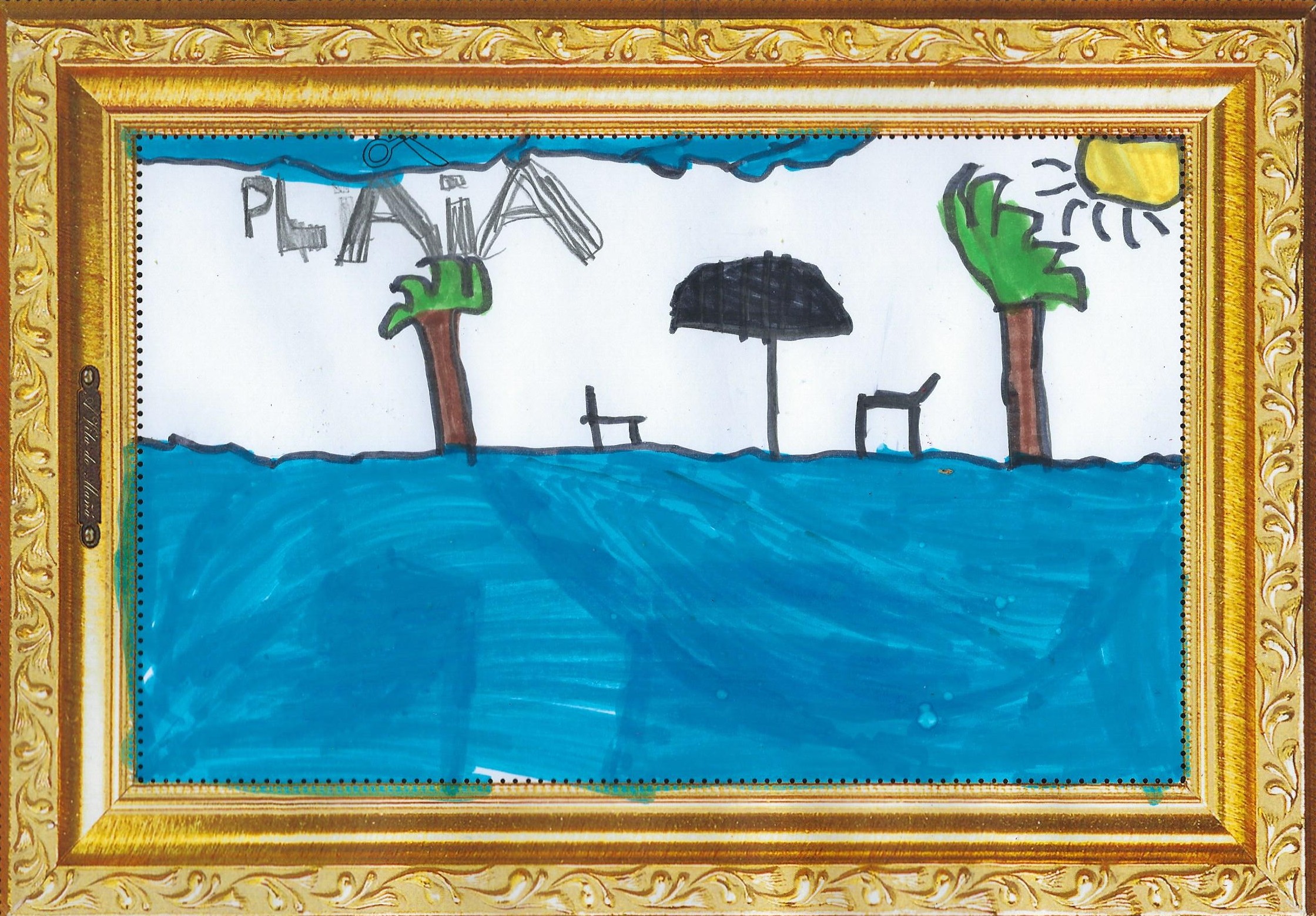
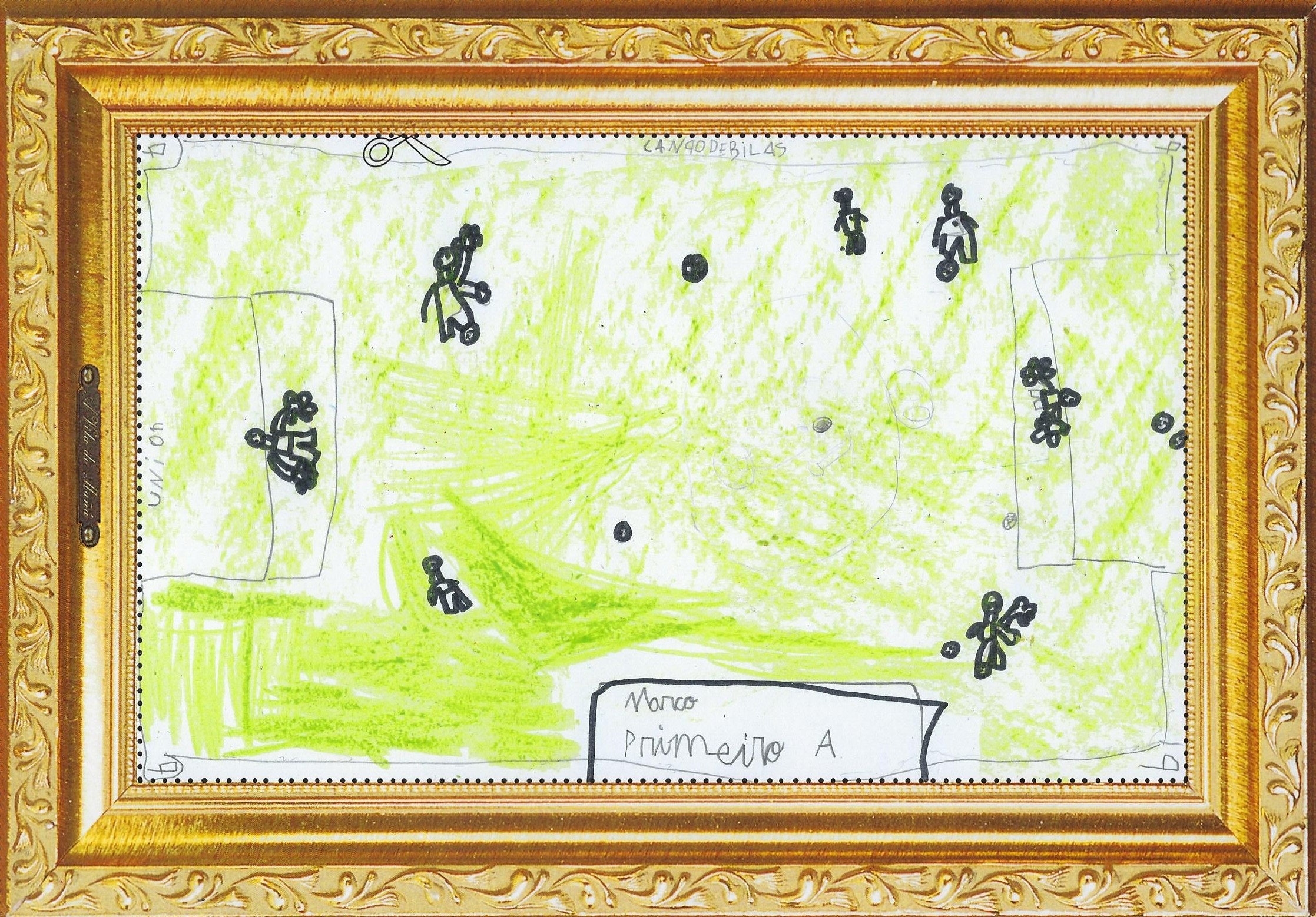
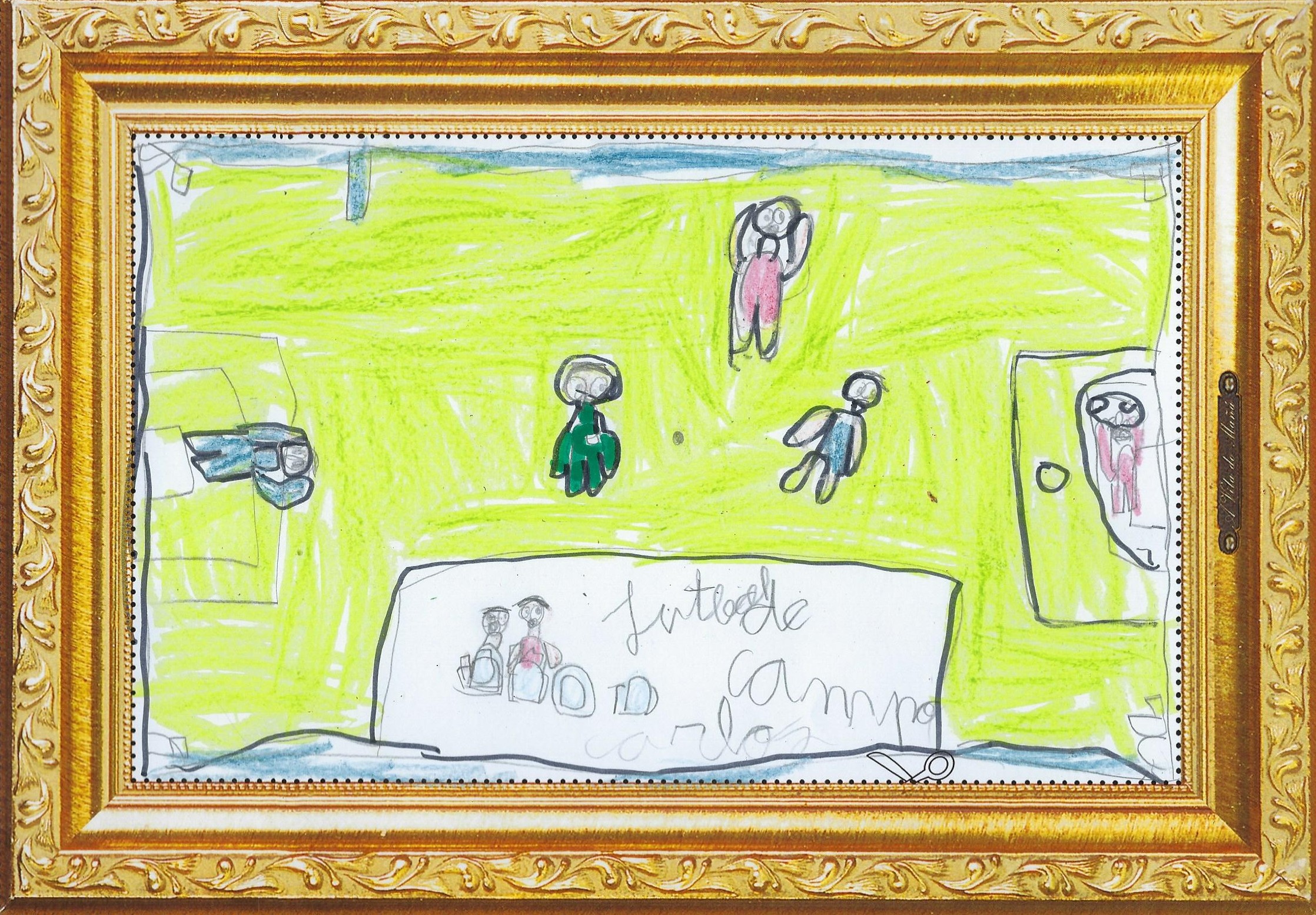
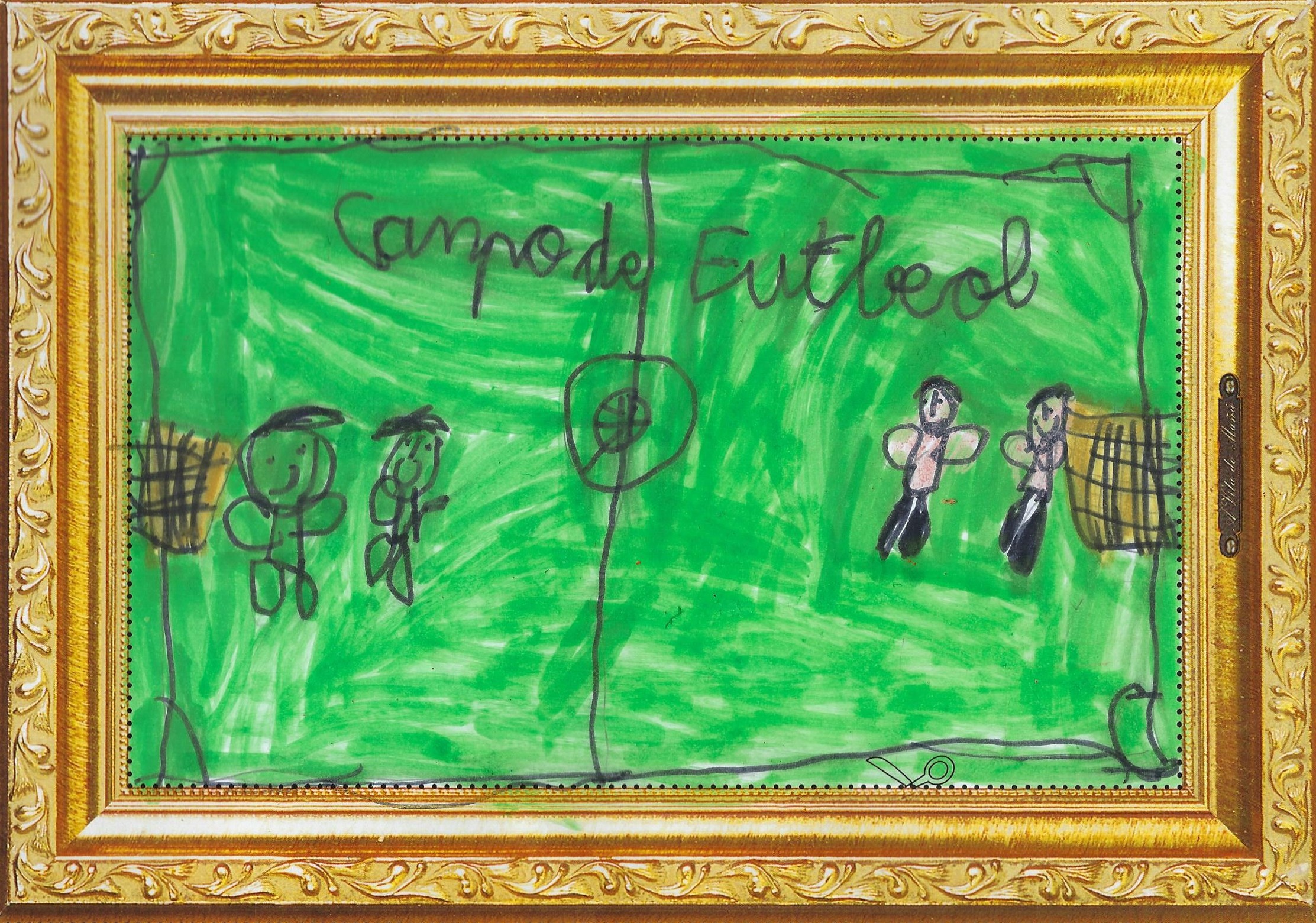
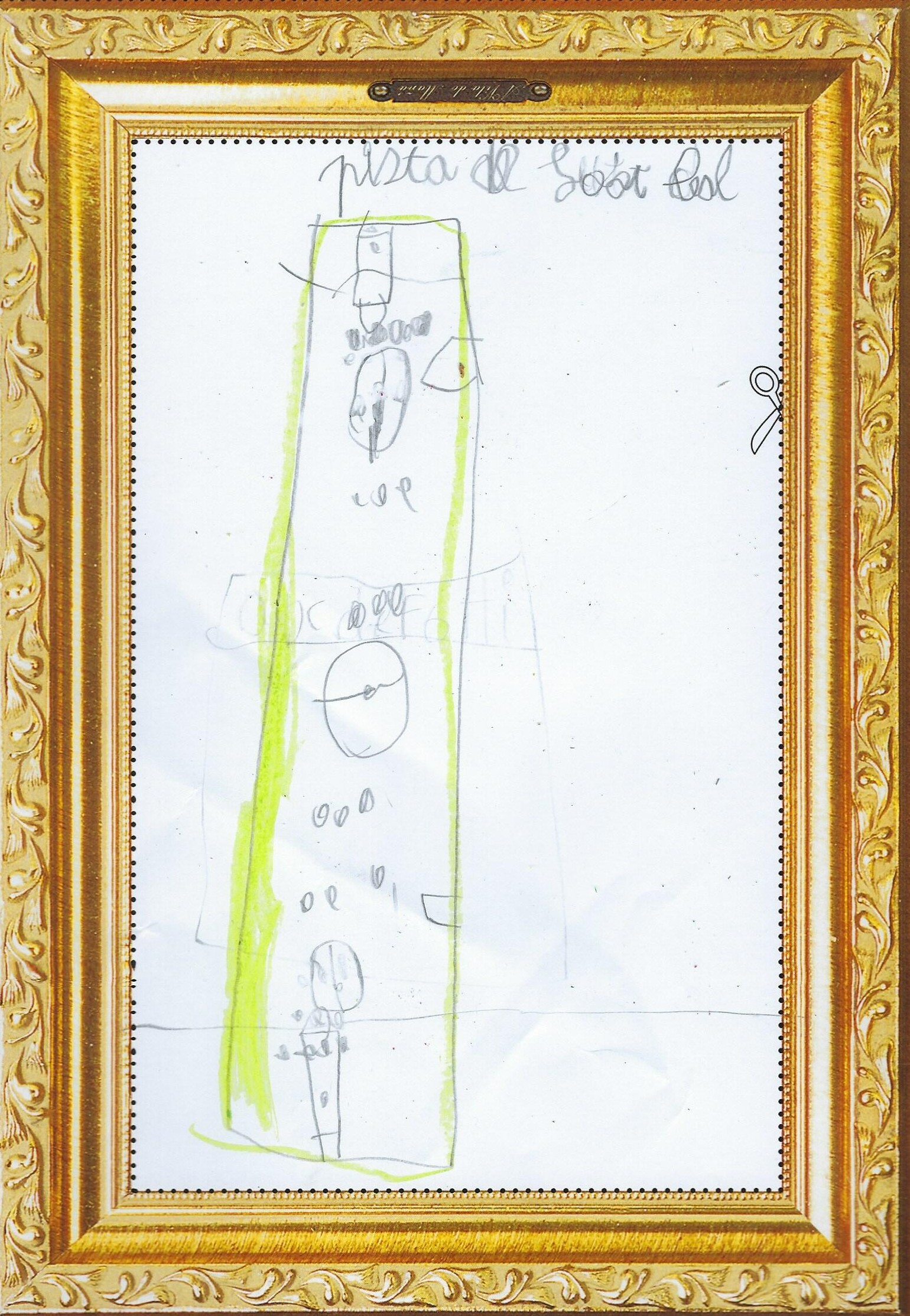
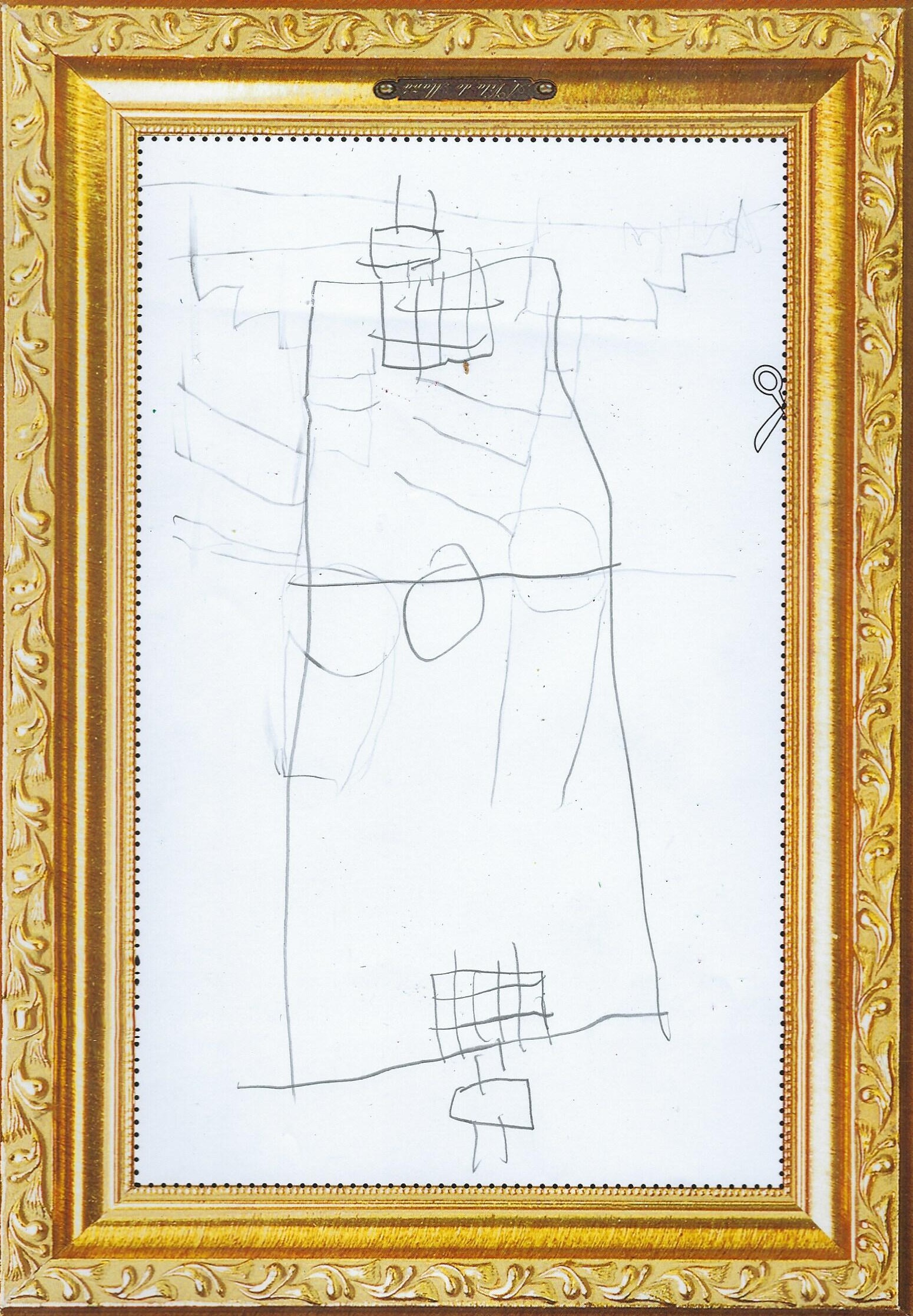
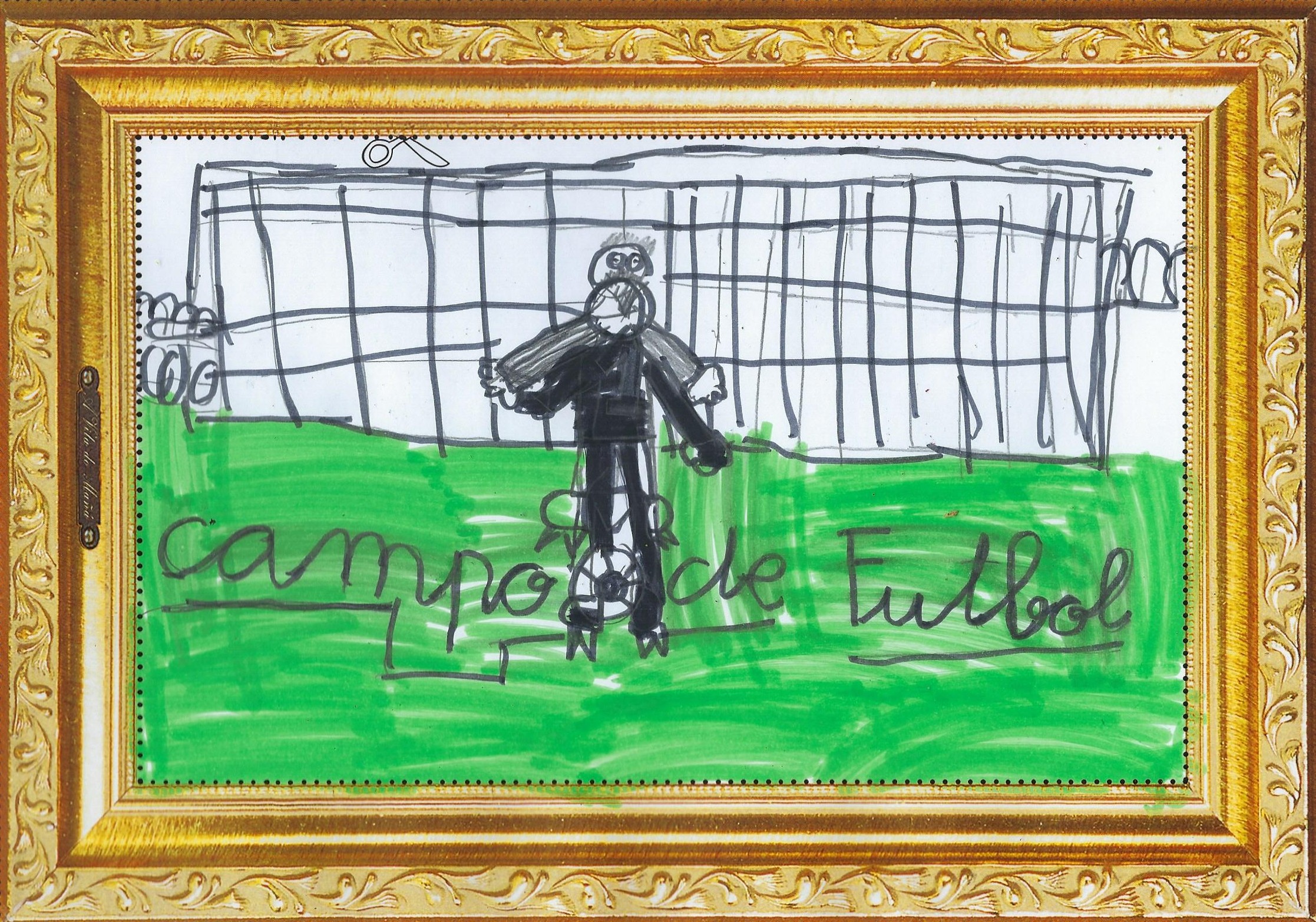
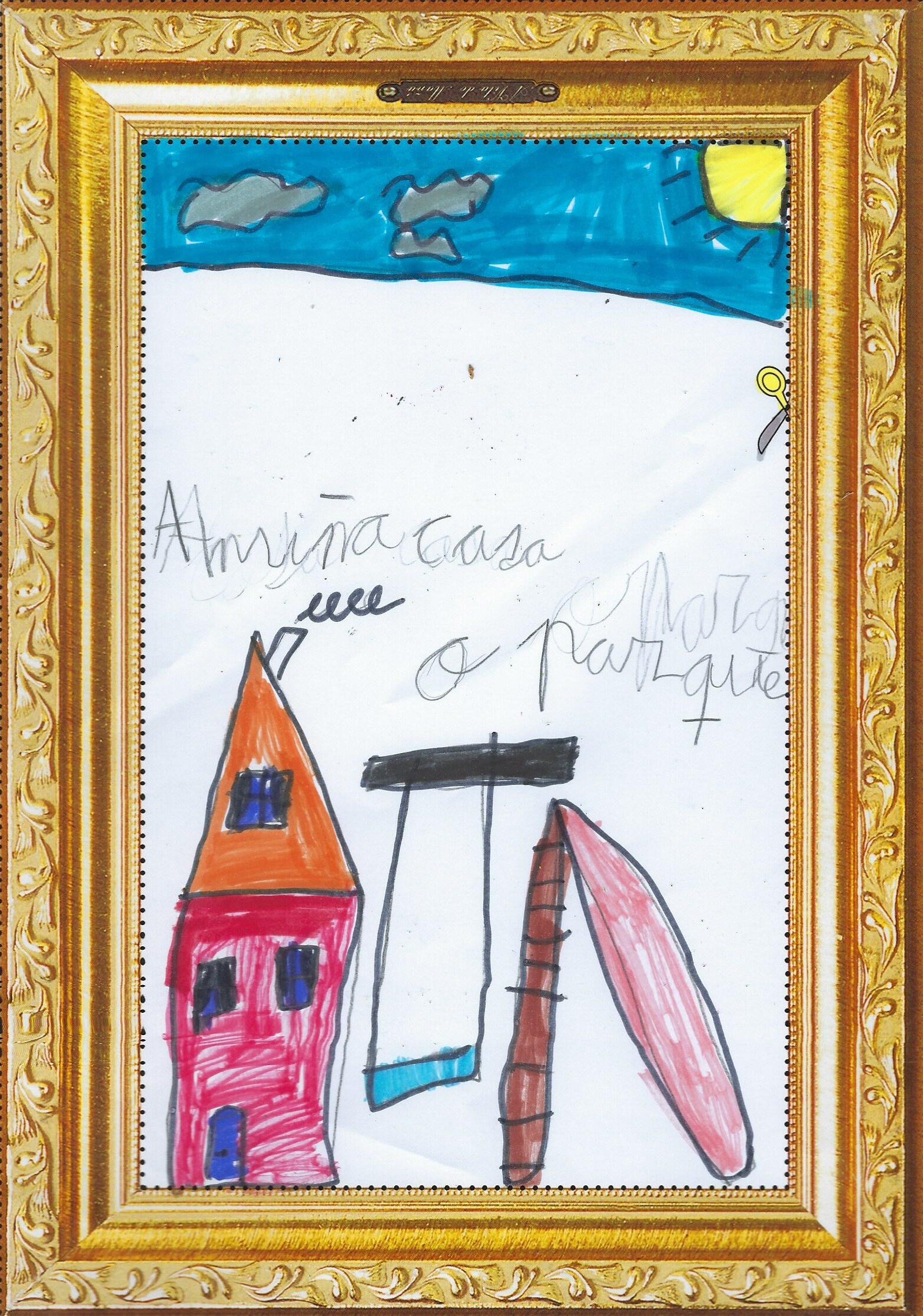
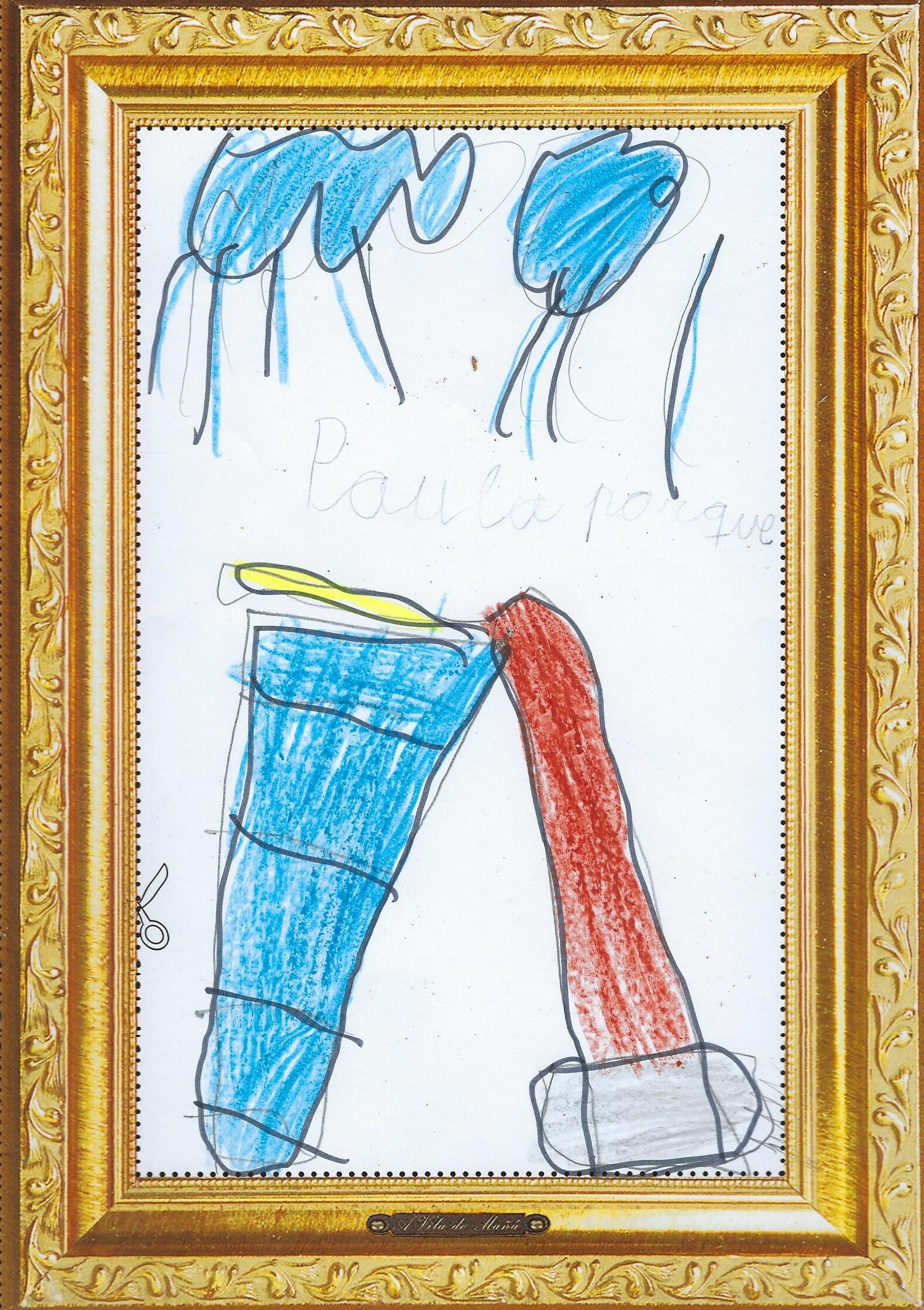
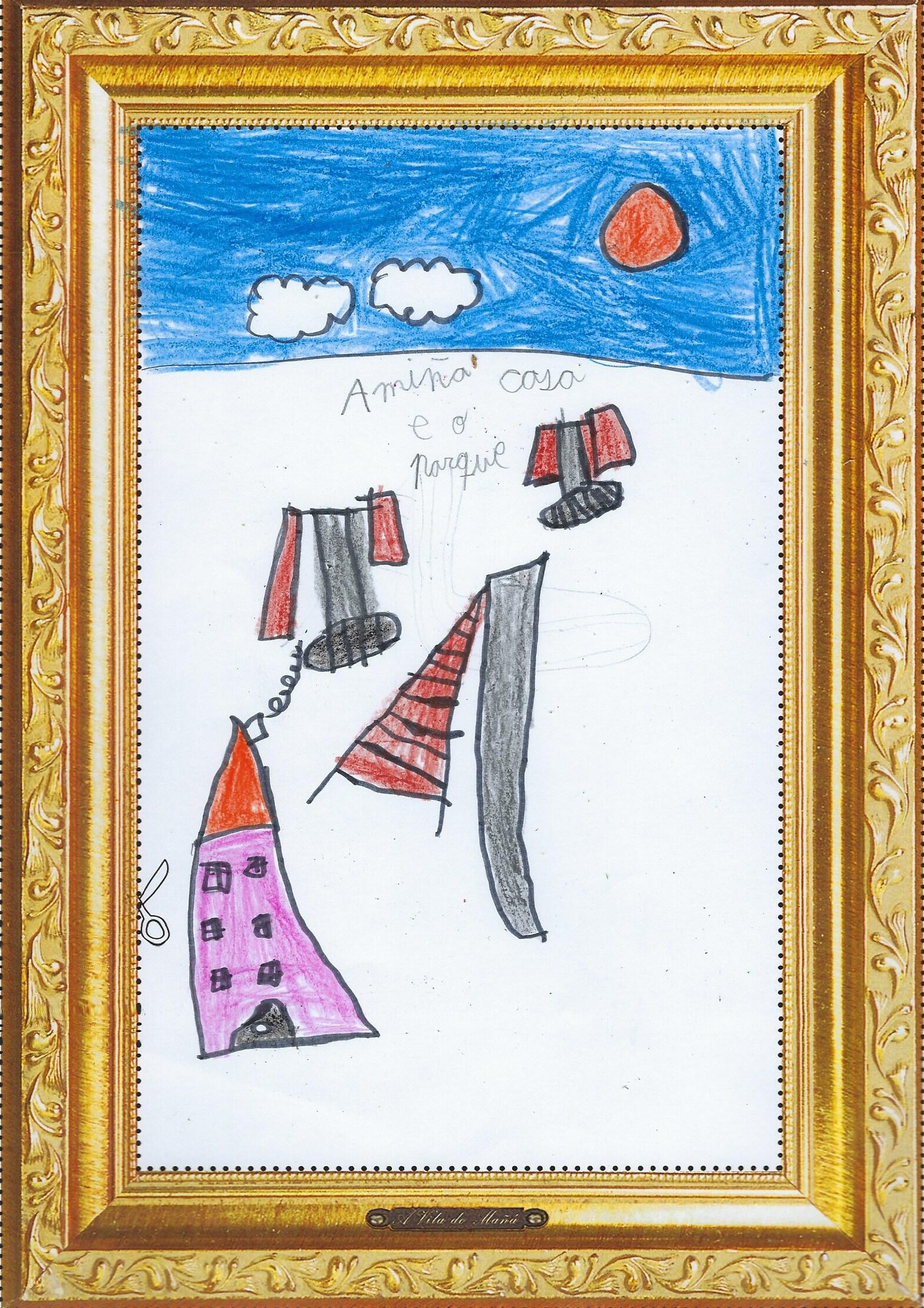
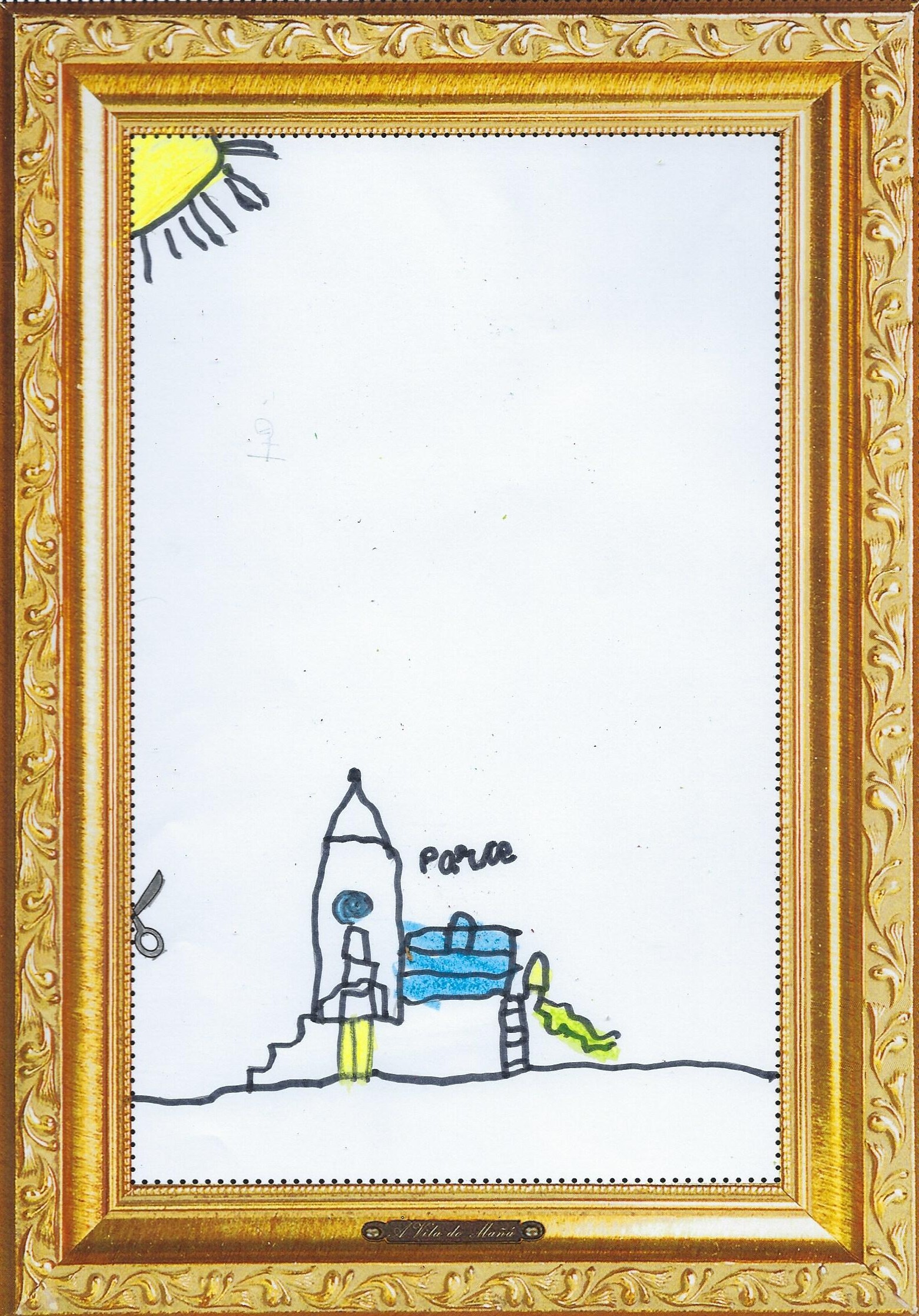
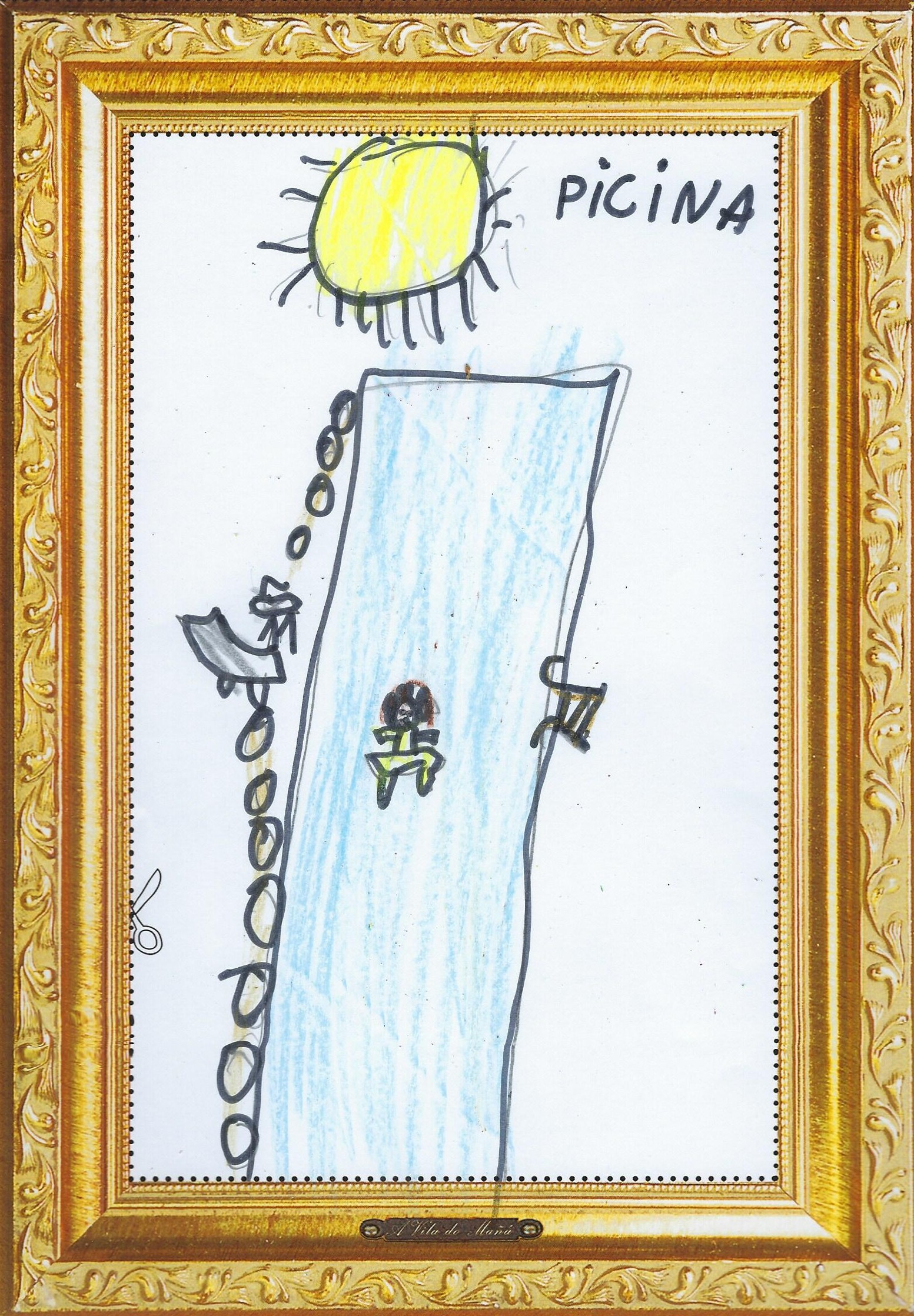
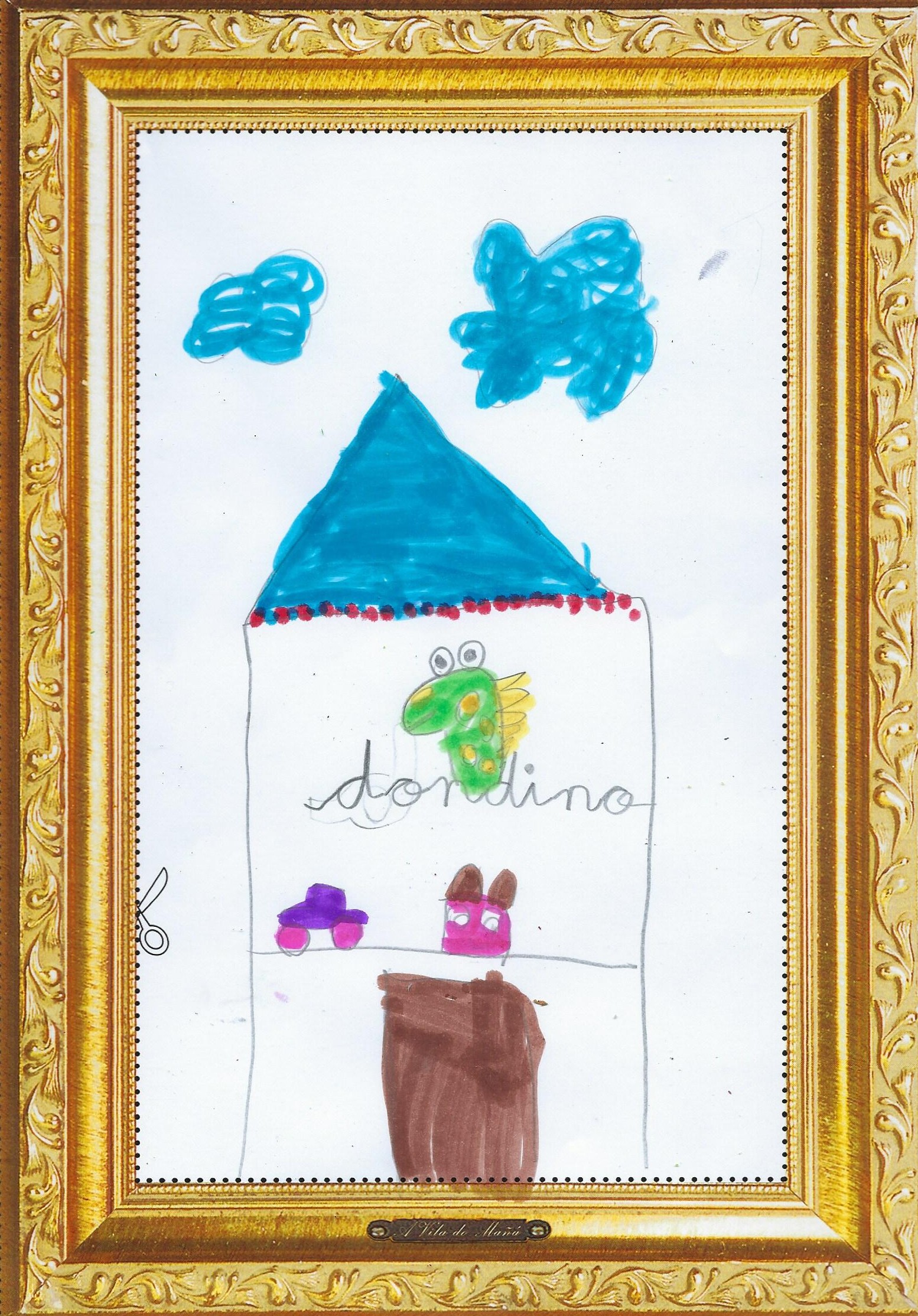
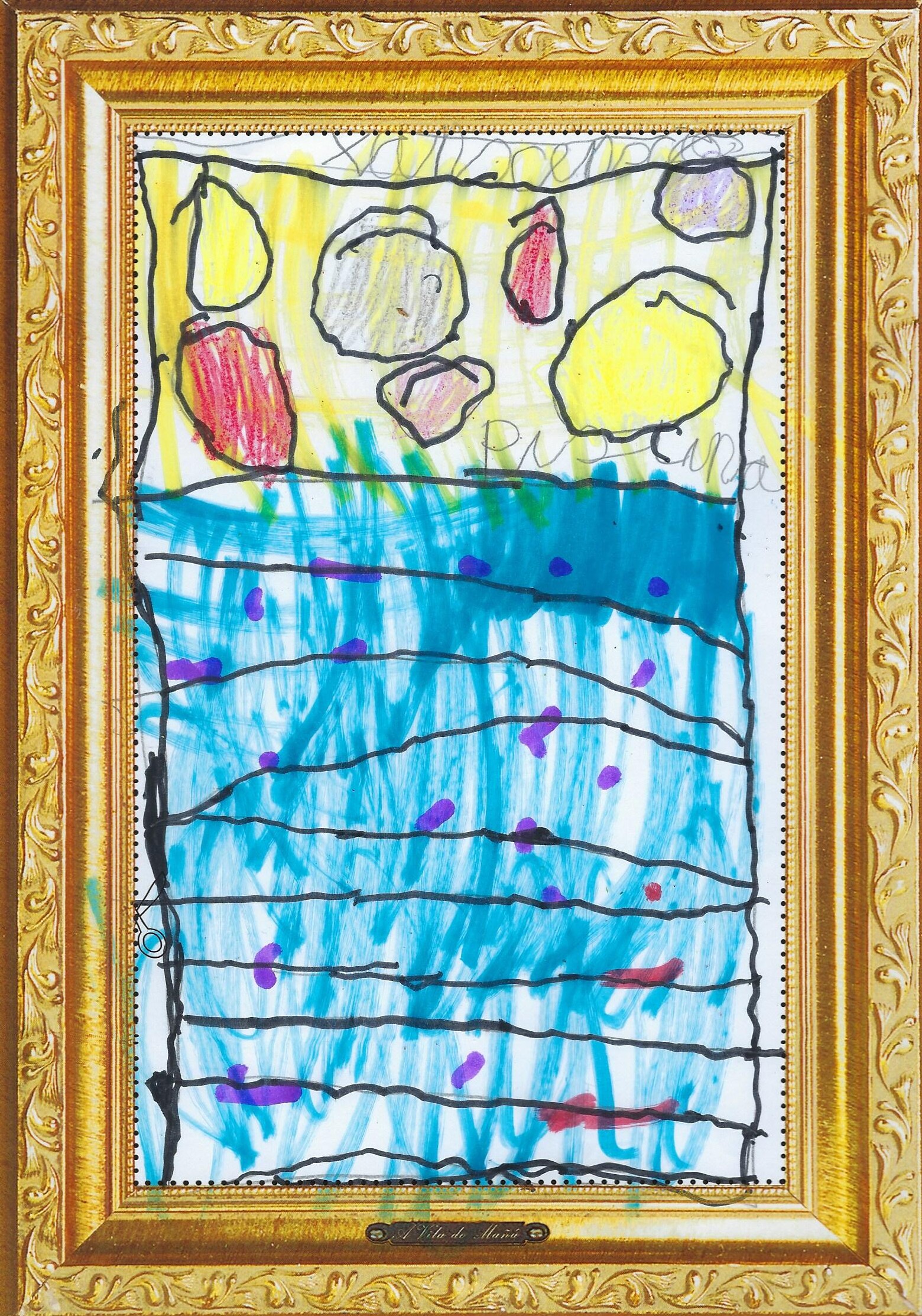
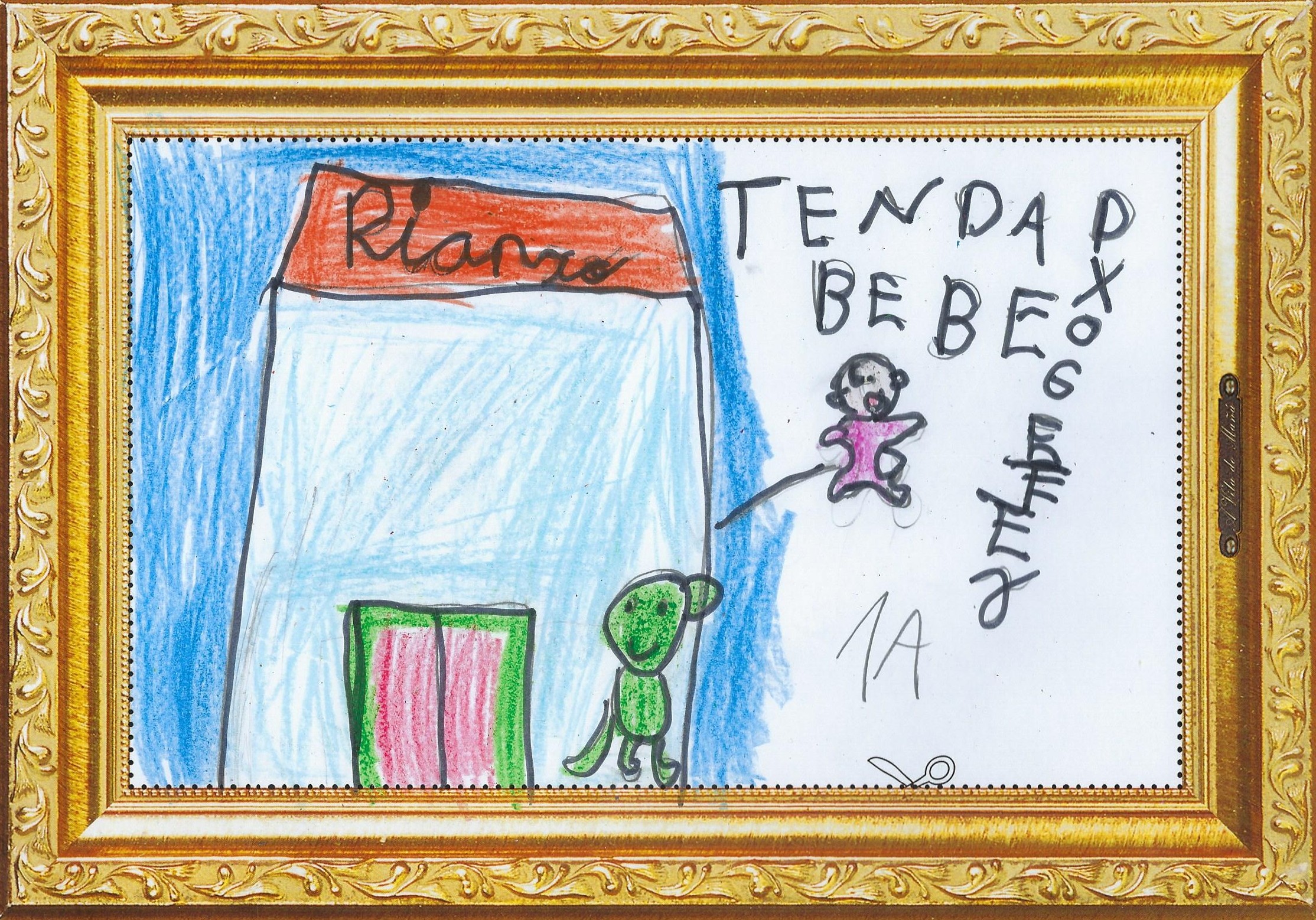
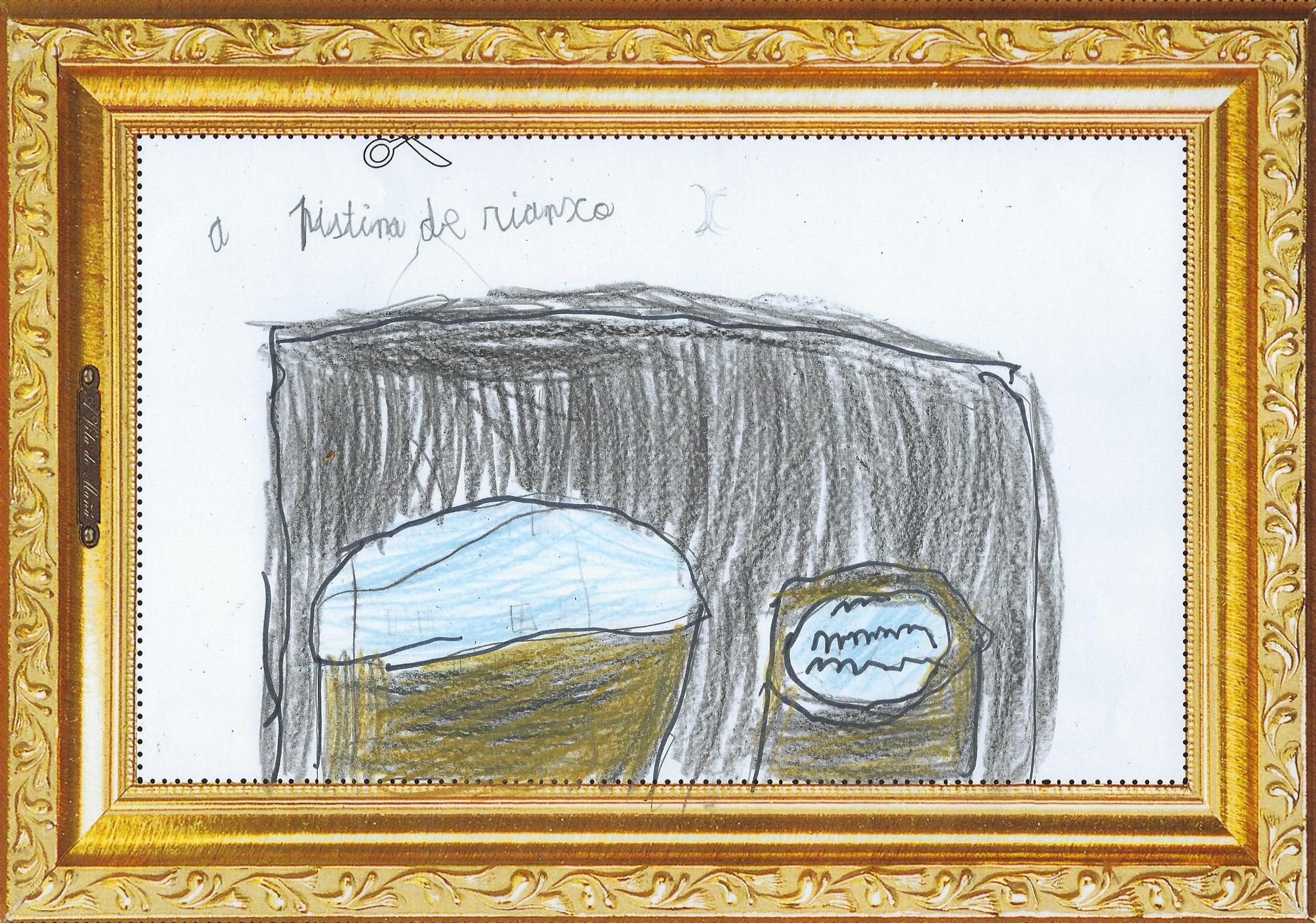
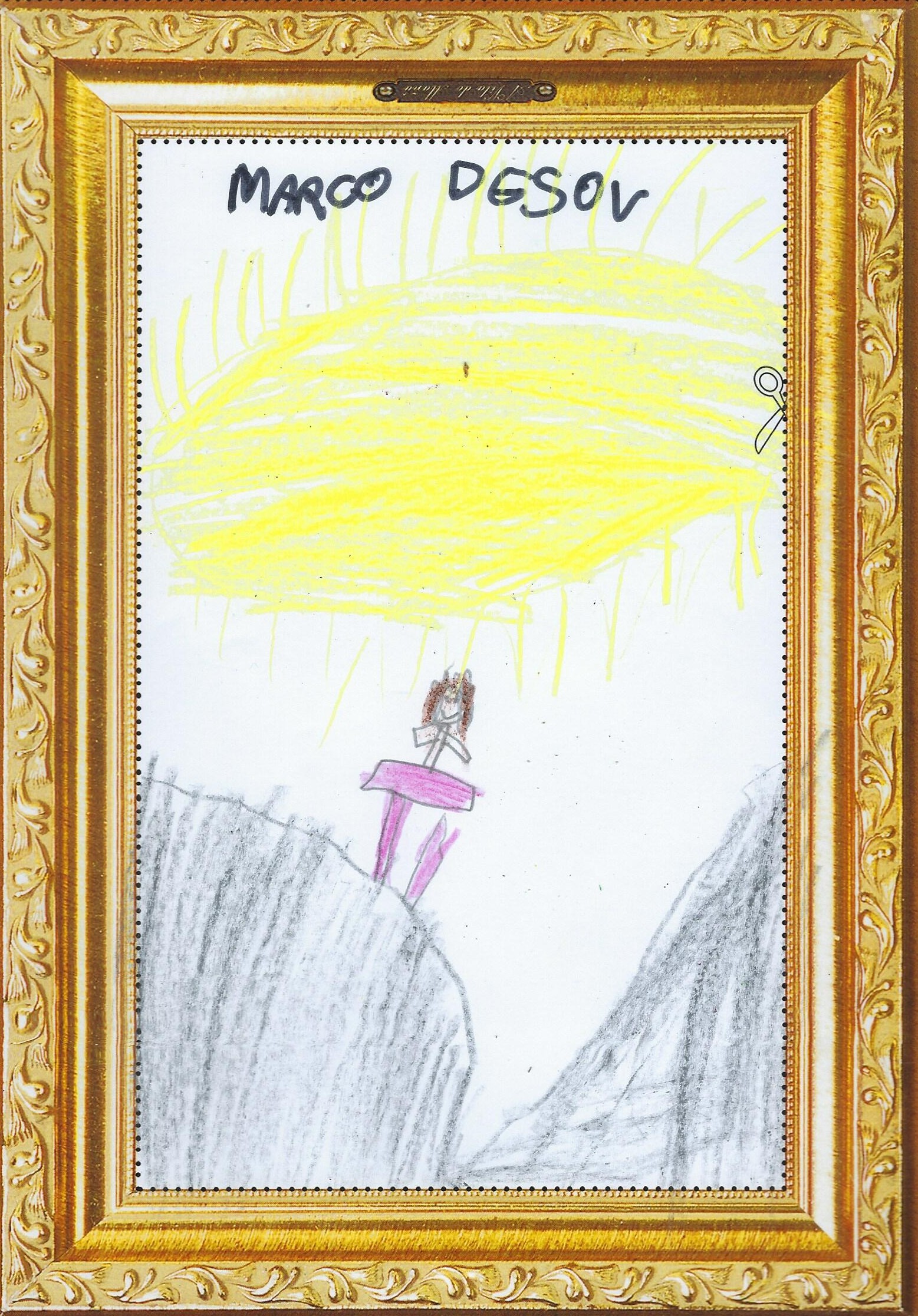
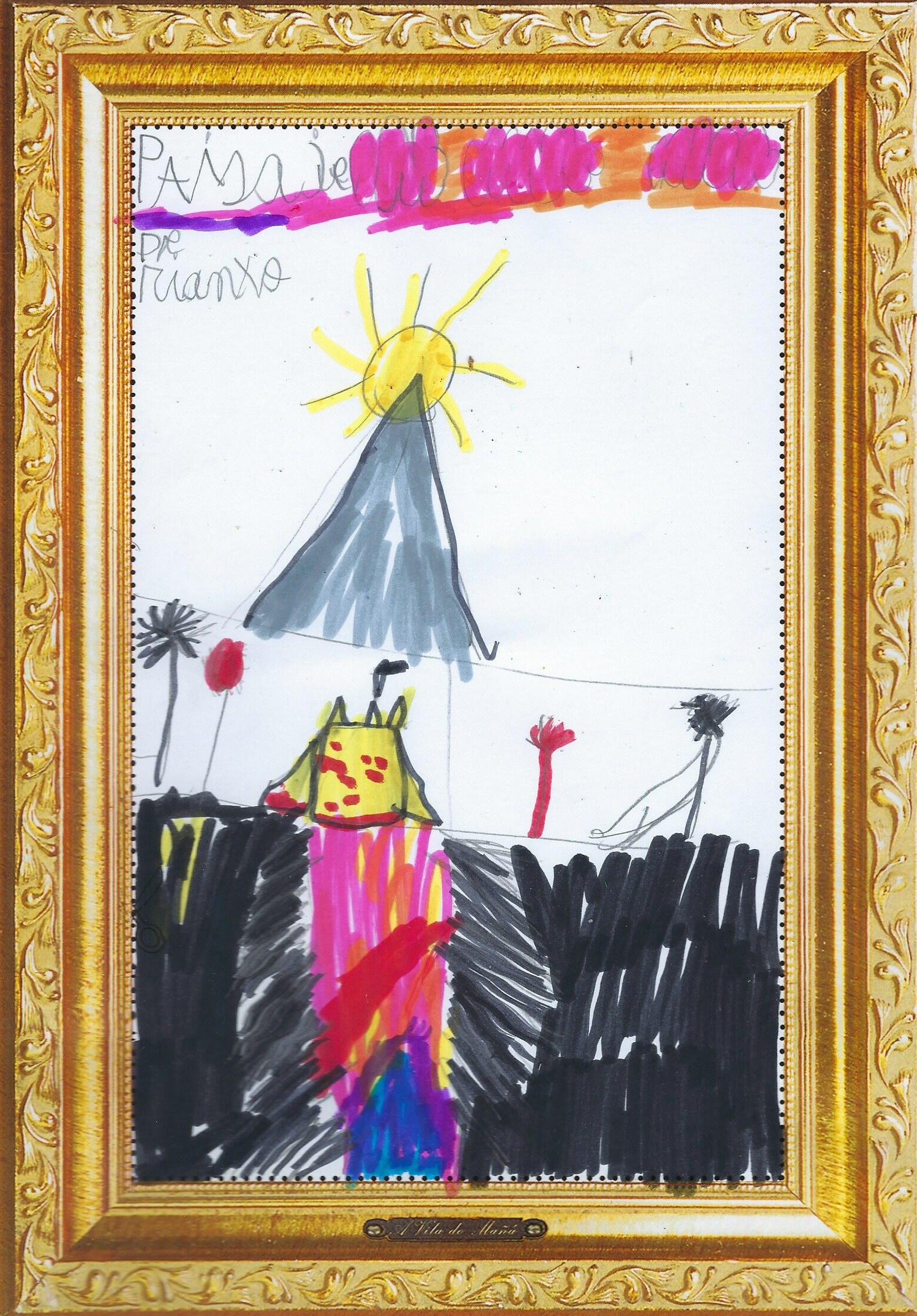
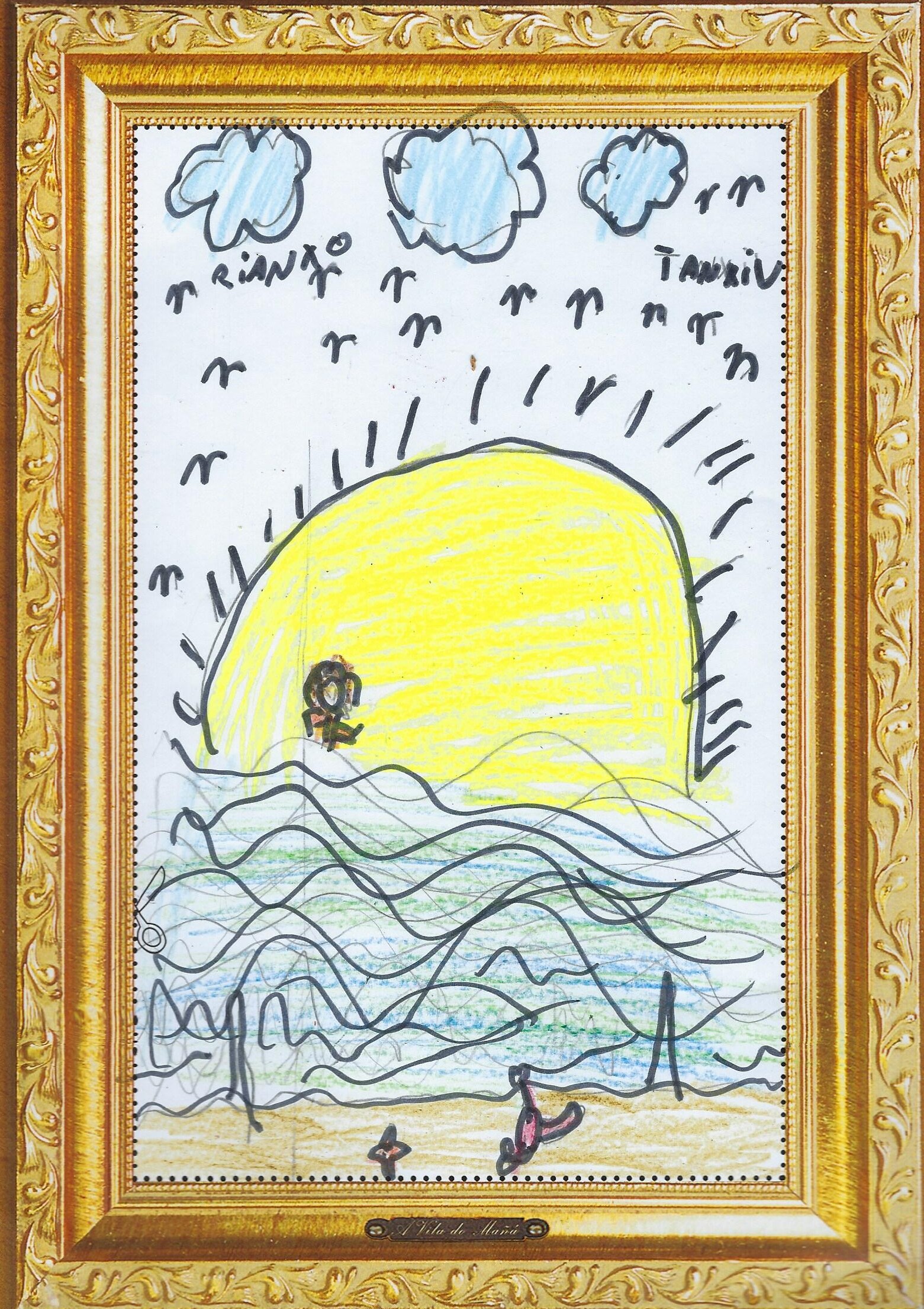
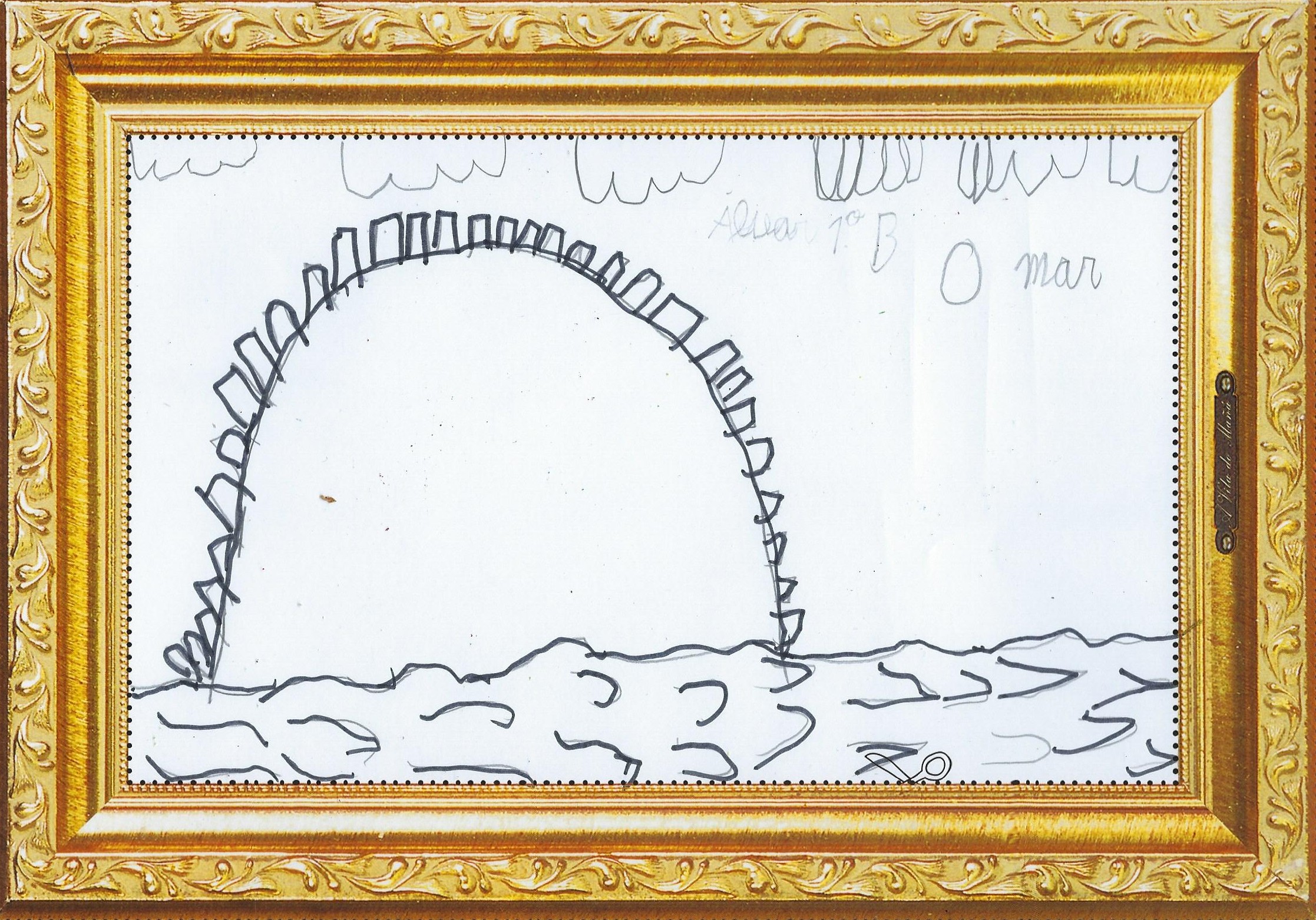
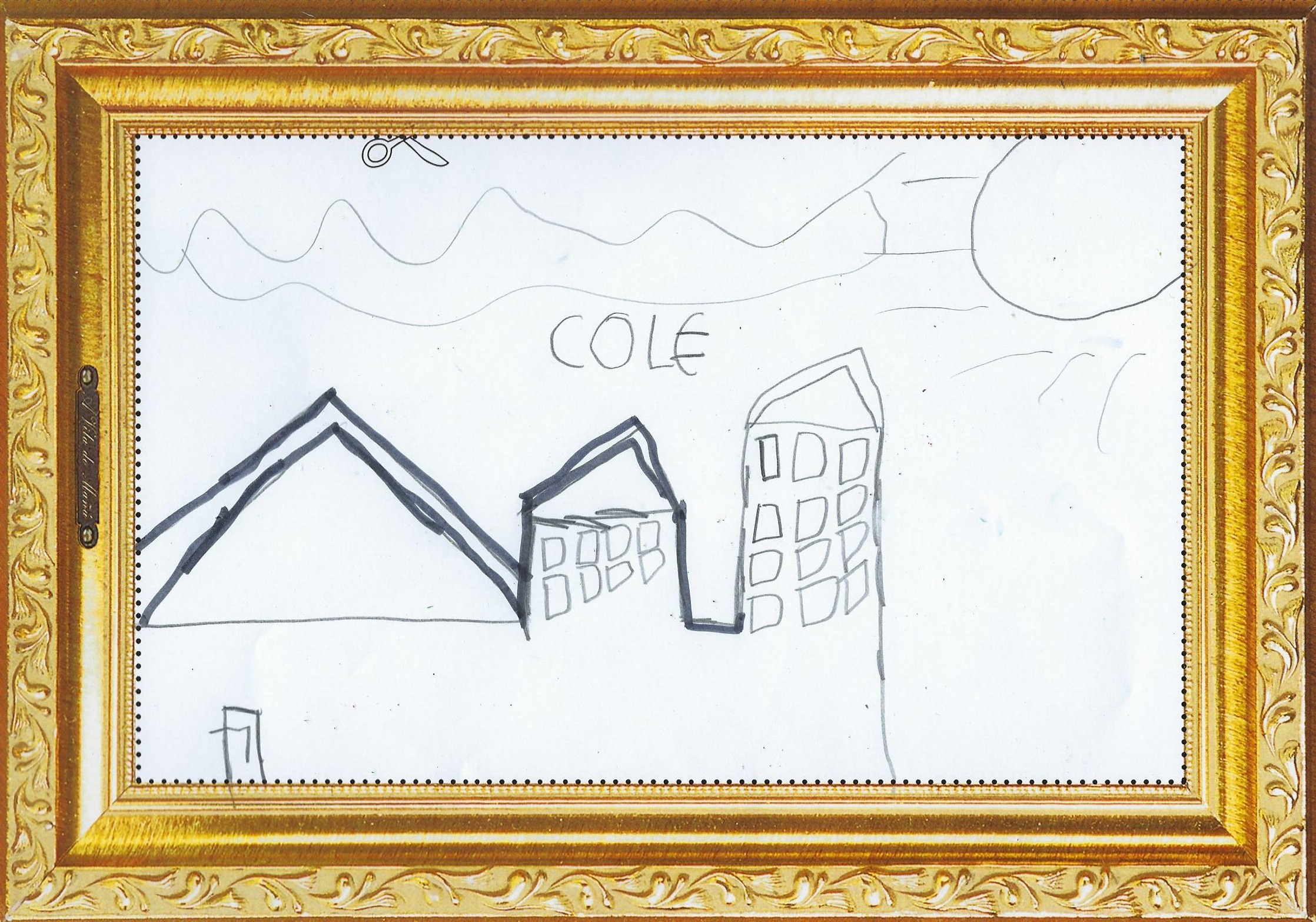
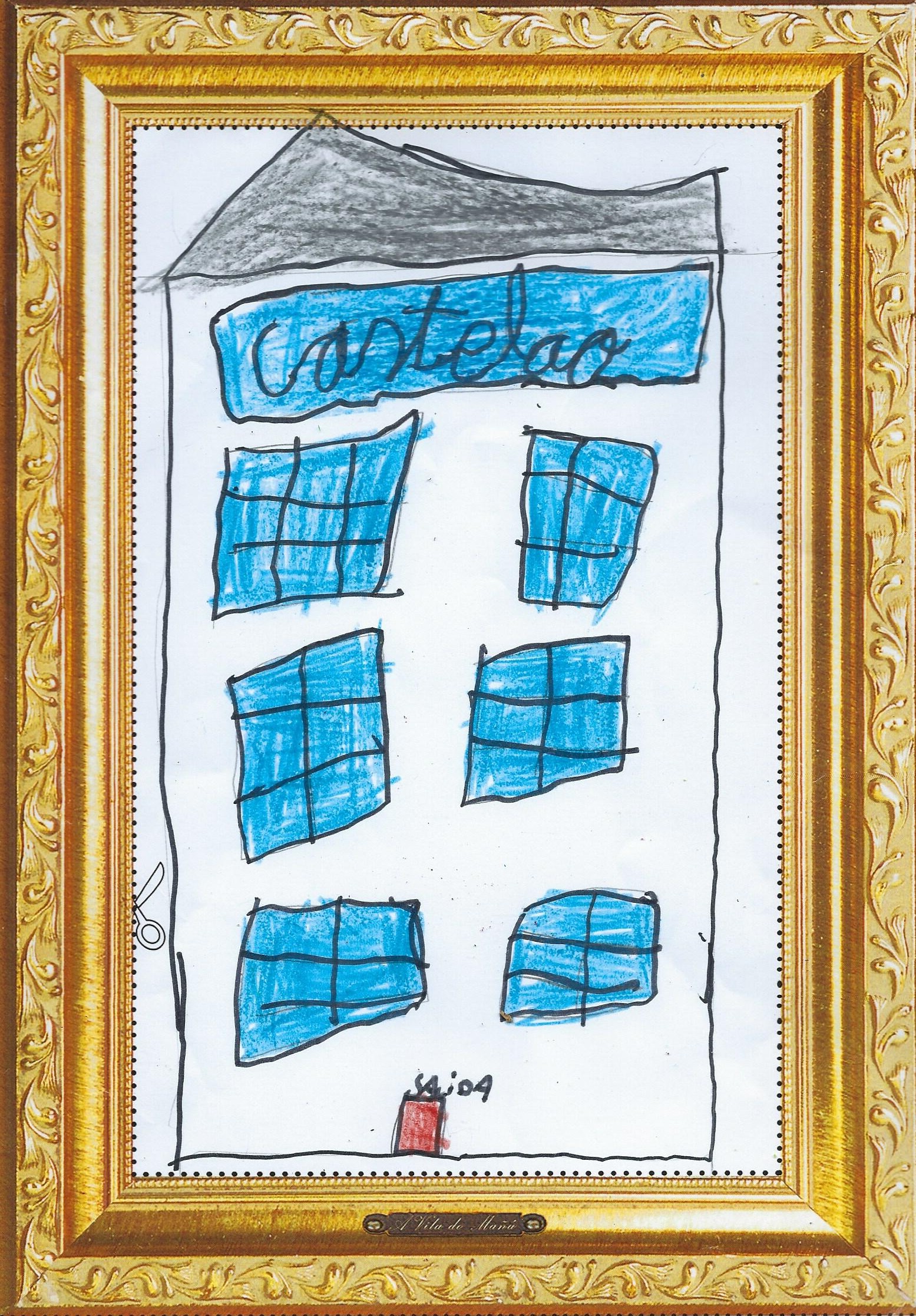
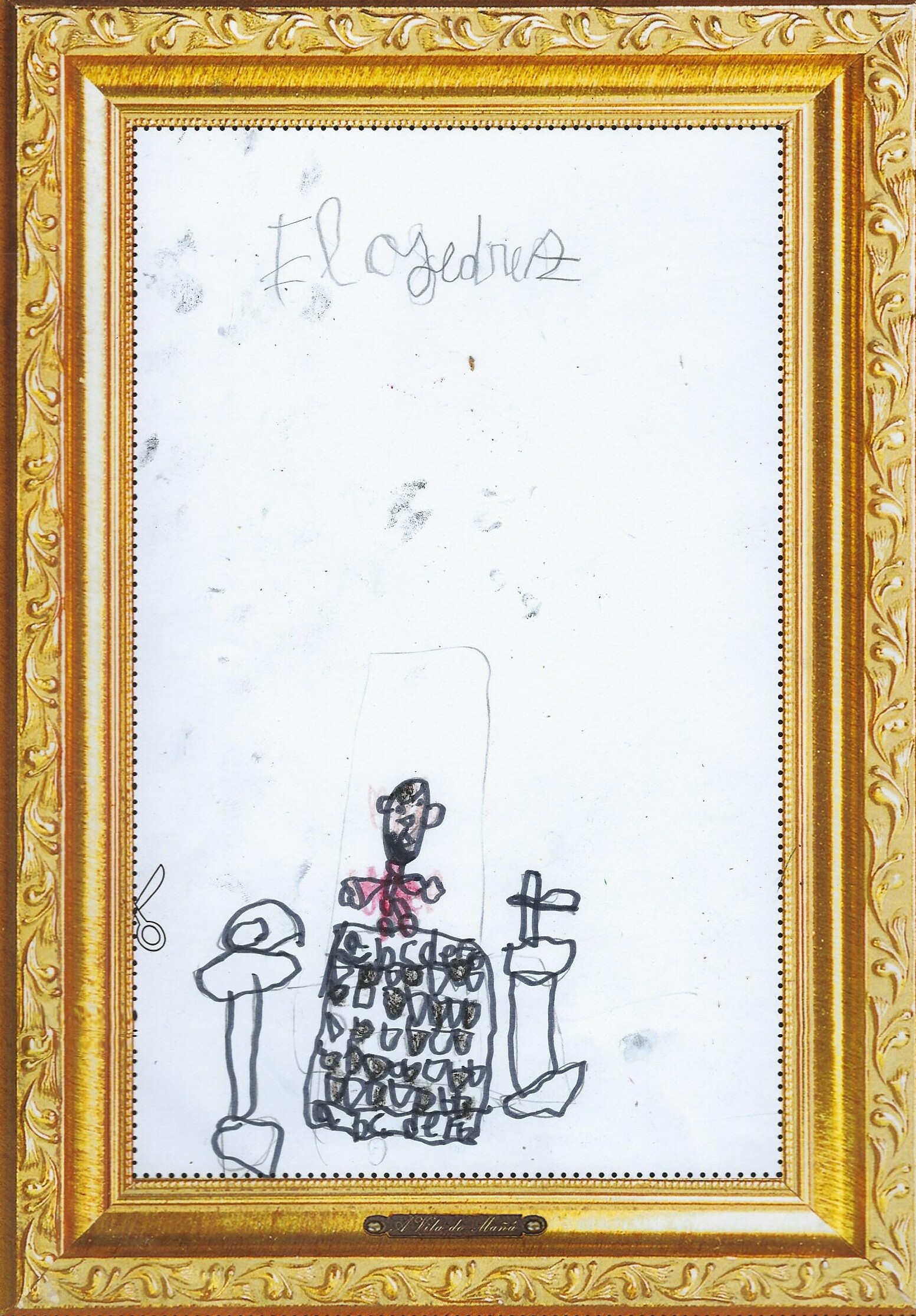
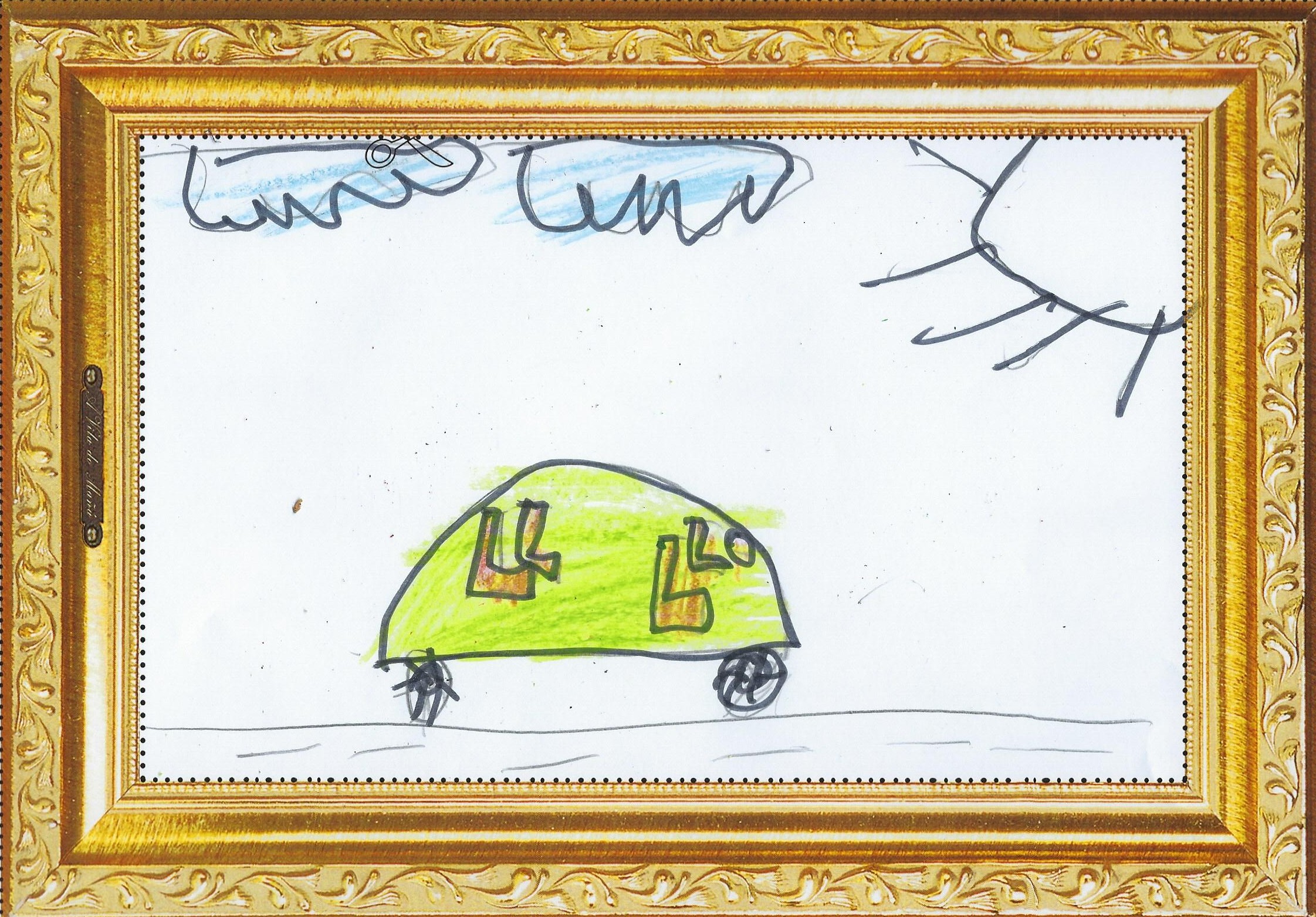
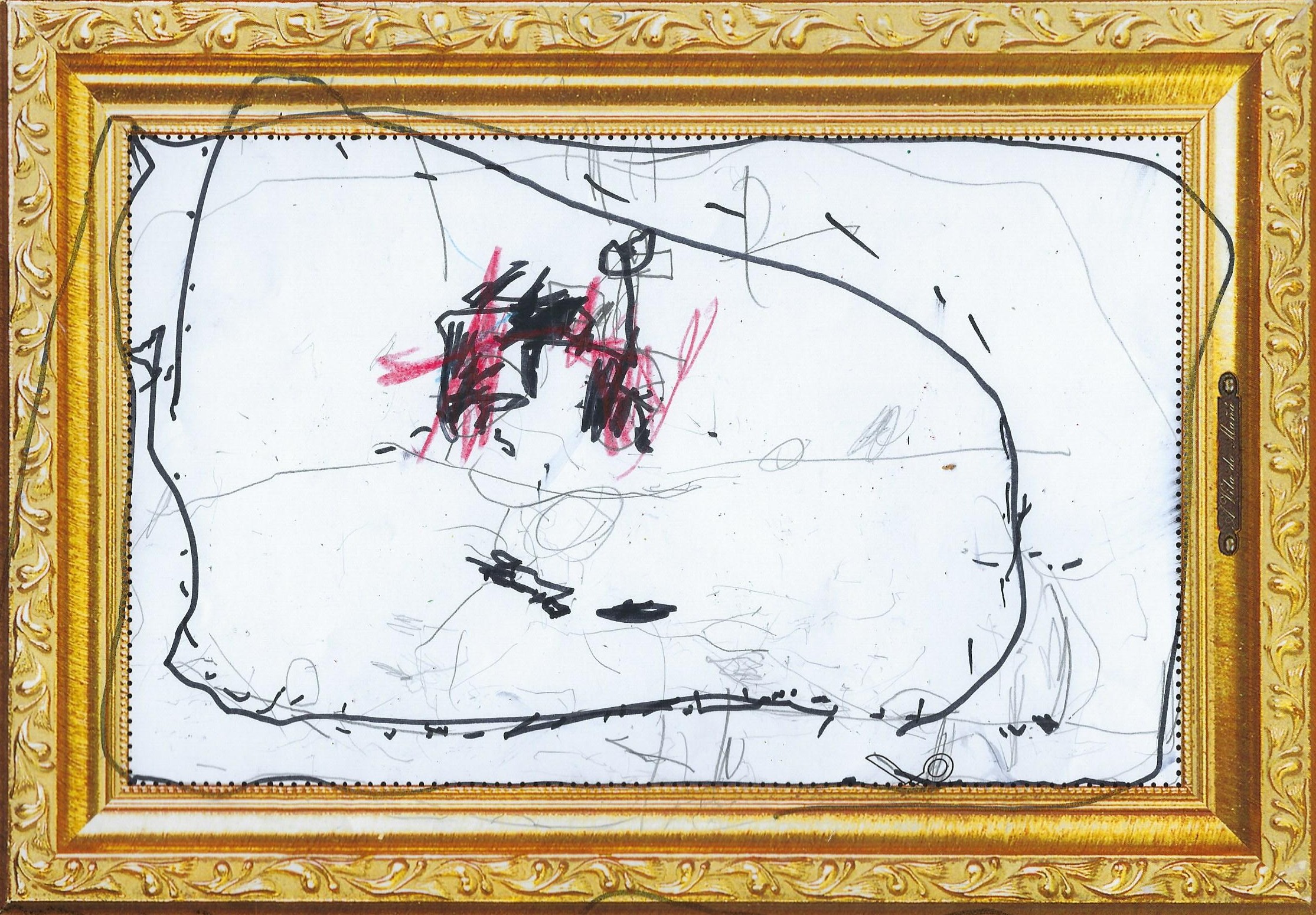
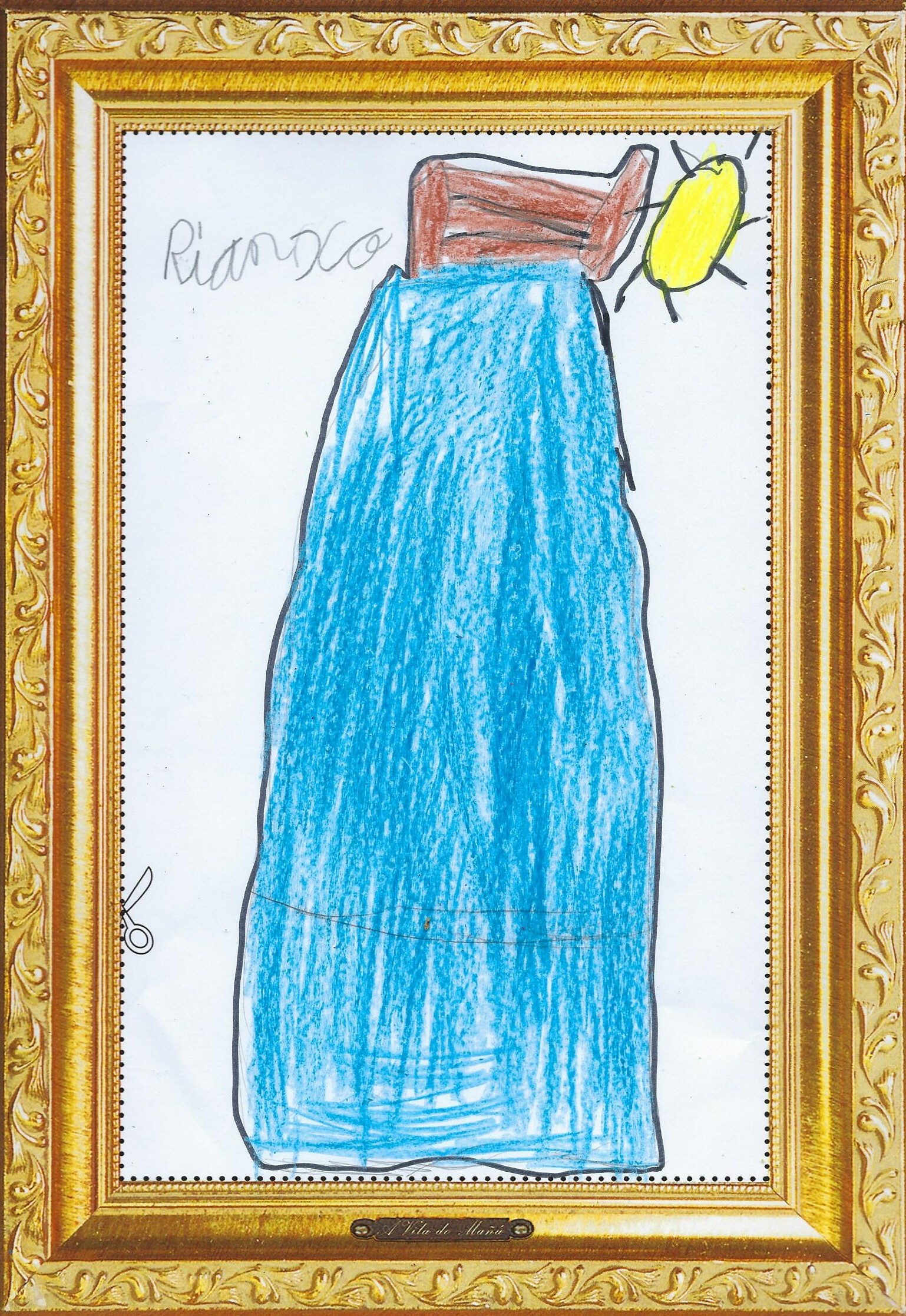
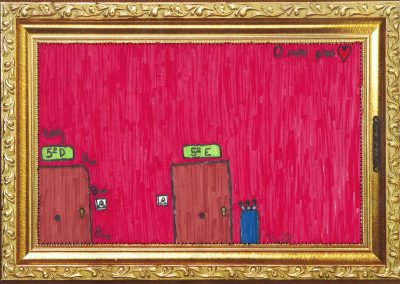
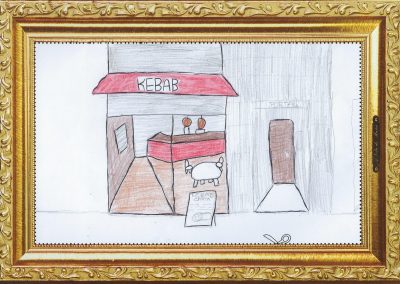
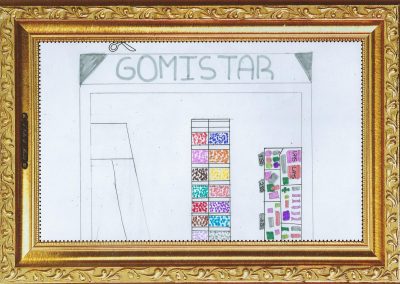
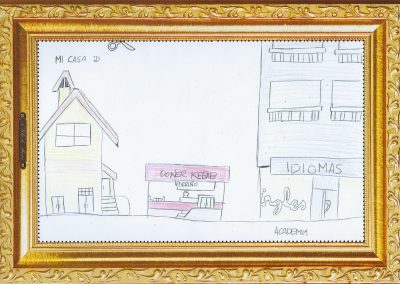
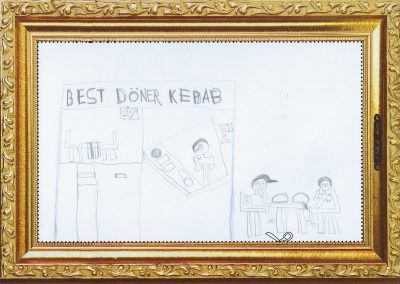
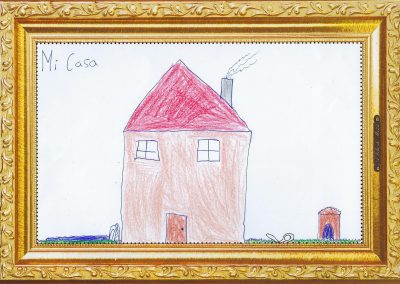
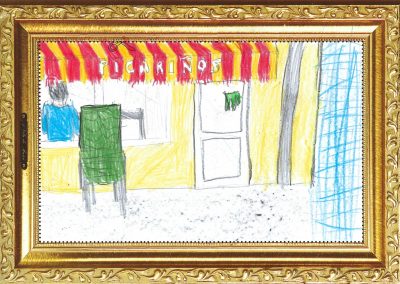
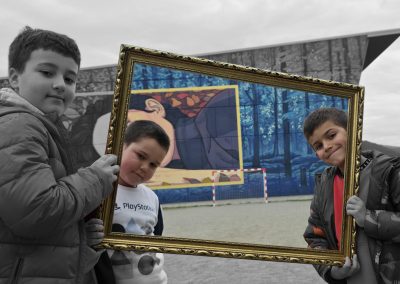
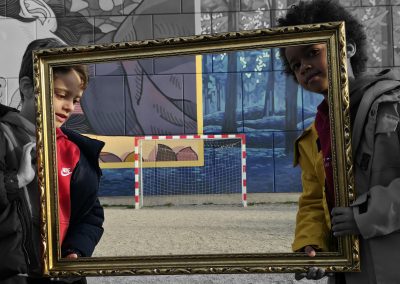
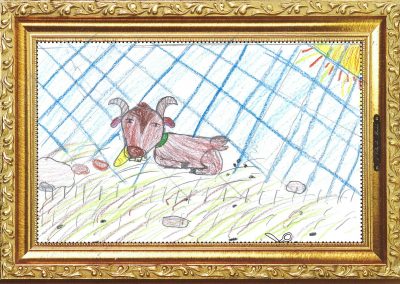
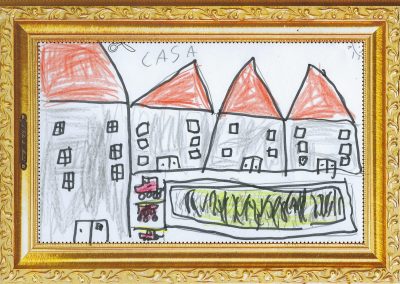
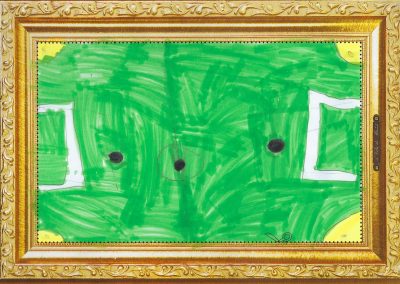
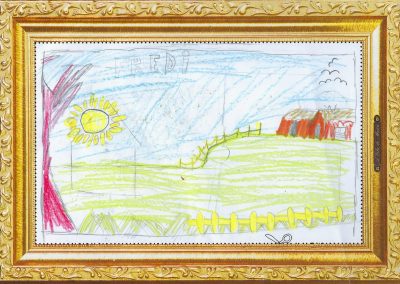
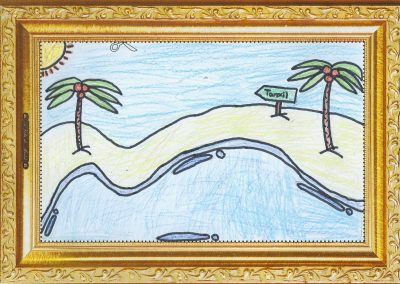
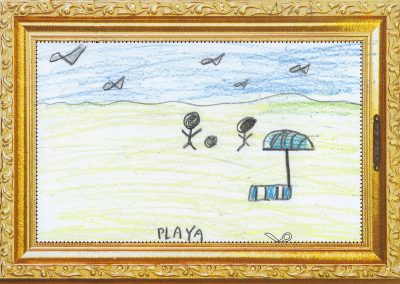
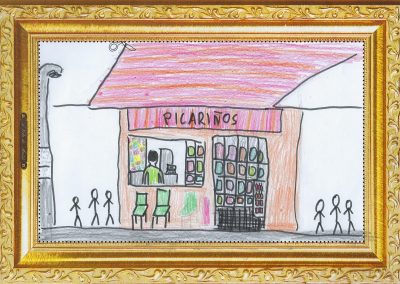
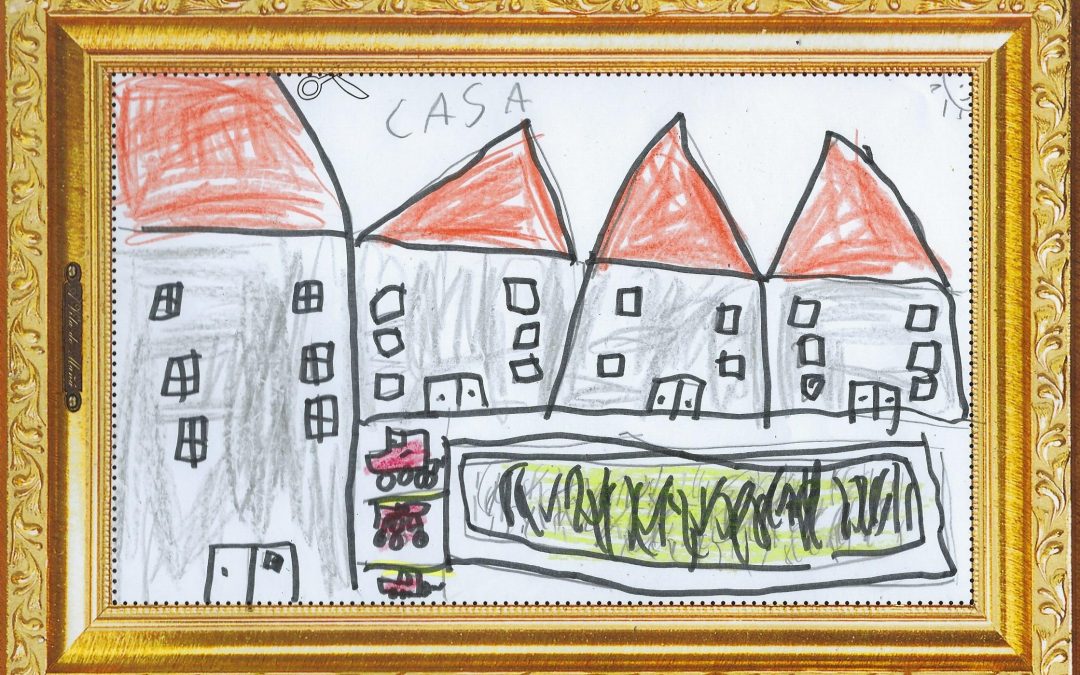
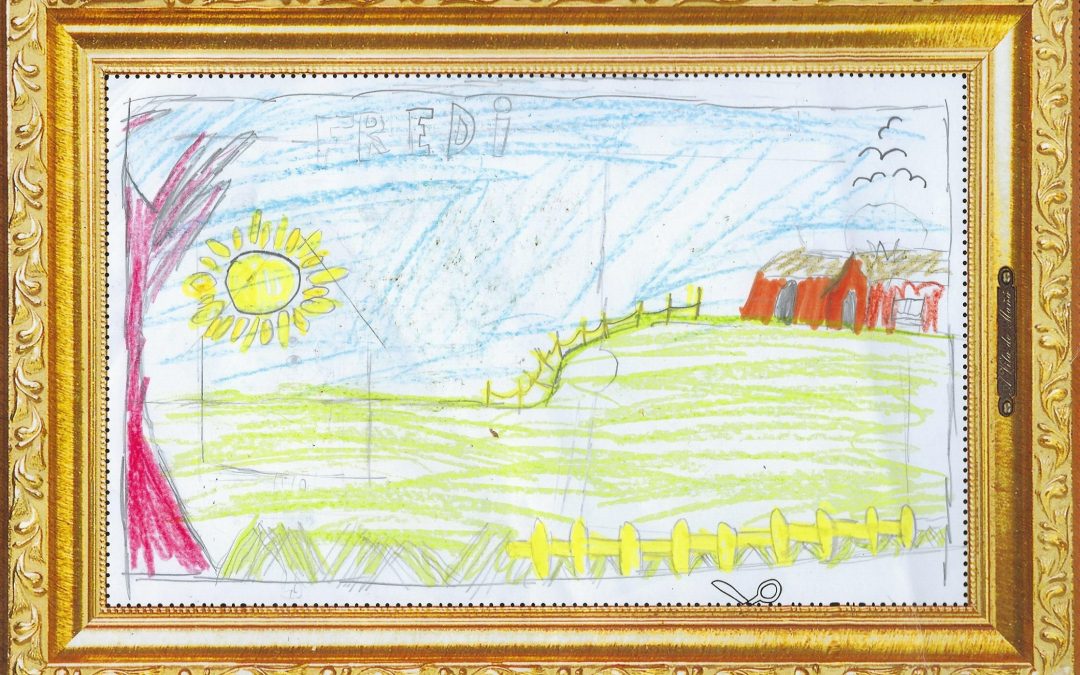
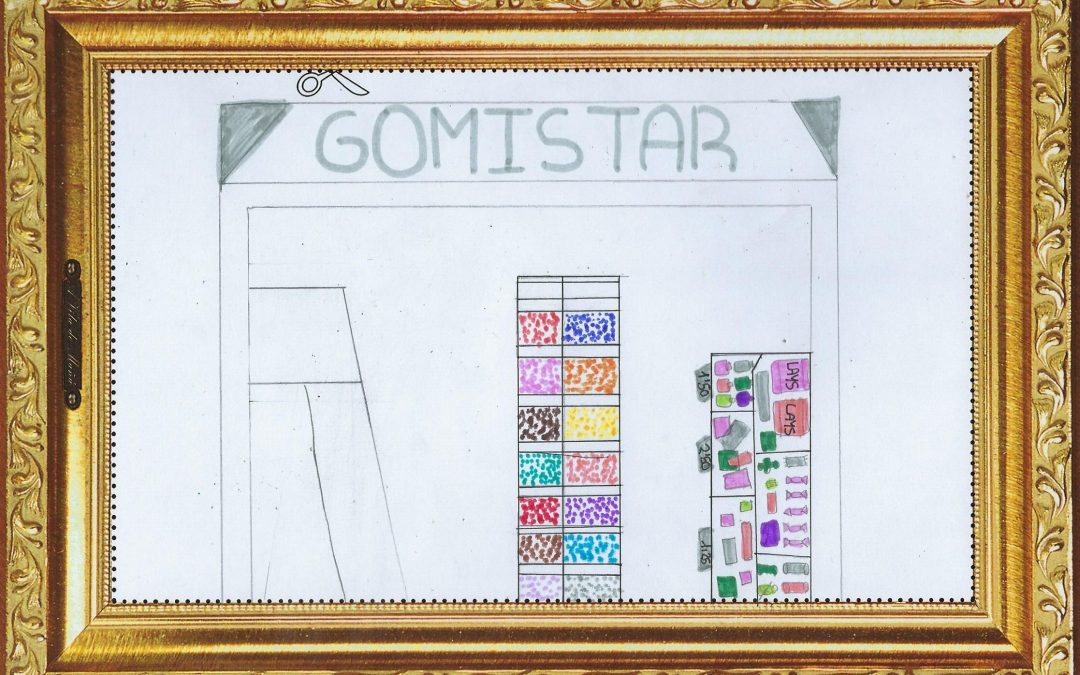
Work began with PERCEPTION—how future inhabitants perceive their town or city. To explore this, the children participating in the project were asked to use simple drawings to show which elements are fundamental or of special interest to them. In this way, we can understand their view of their town or city and work toward a collective vision shared by all participants.
Good urban acupuncture would be that which ensures that everyone knows their city. How many people, in reality, truly know their own city? It is difficult for anyone to respect what they do not know. But how can you respect your city if you do not understand it? Draw your city. […] But how can you improve your city if you do not even know it well? What do you do for it if you are not even capable of drawing it? That is the crux of the matter.
— Jaime Lerner
Rianxo
The new generations, the inhabitants of tomorrow, are completely unfamiliar with their town or city. They live in a “little box,” move around in another smaller “little box,” and arrive at a bigger “box” (whether it is called a school, shopping center, sports facility, … or playground). This is their relationship with their surroundings.
— Sandra González Álvarez
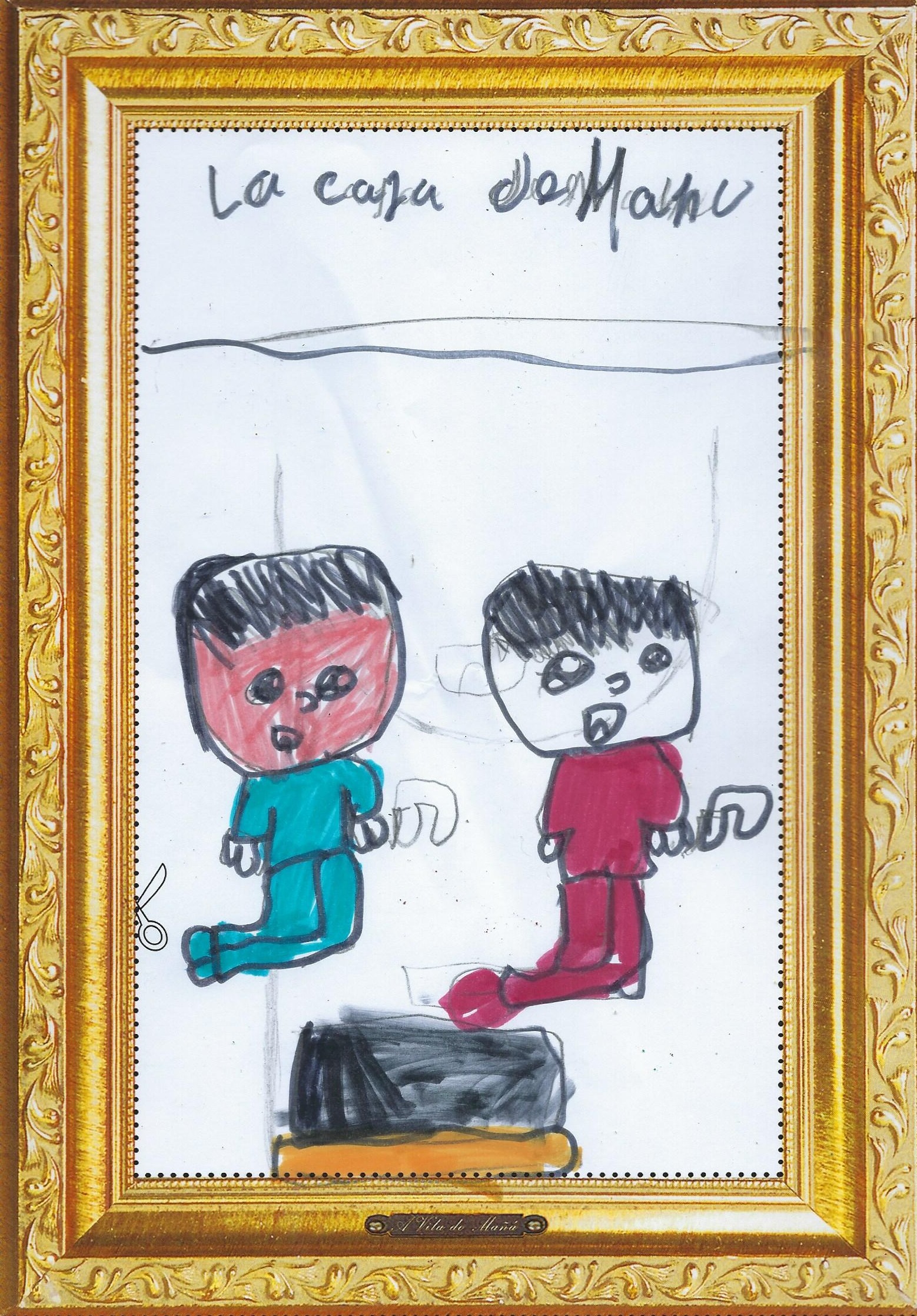
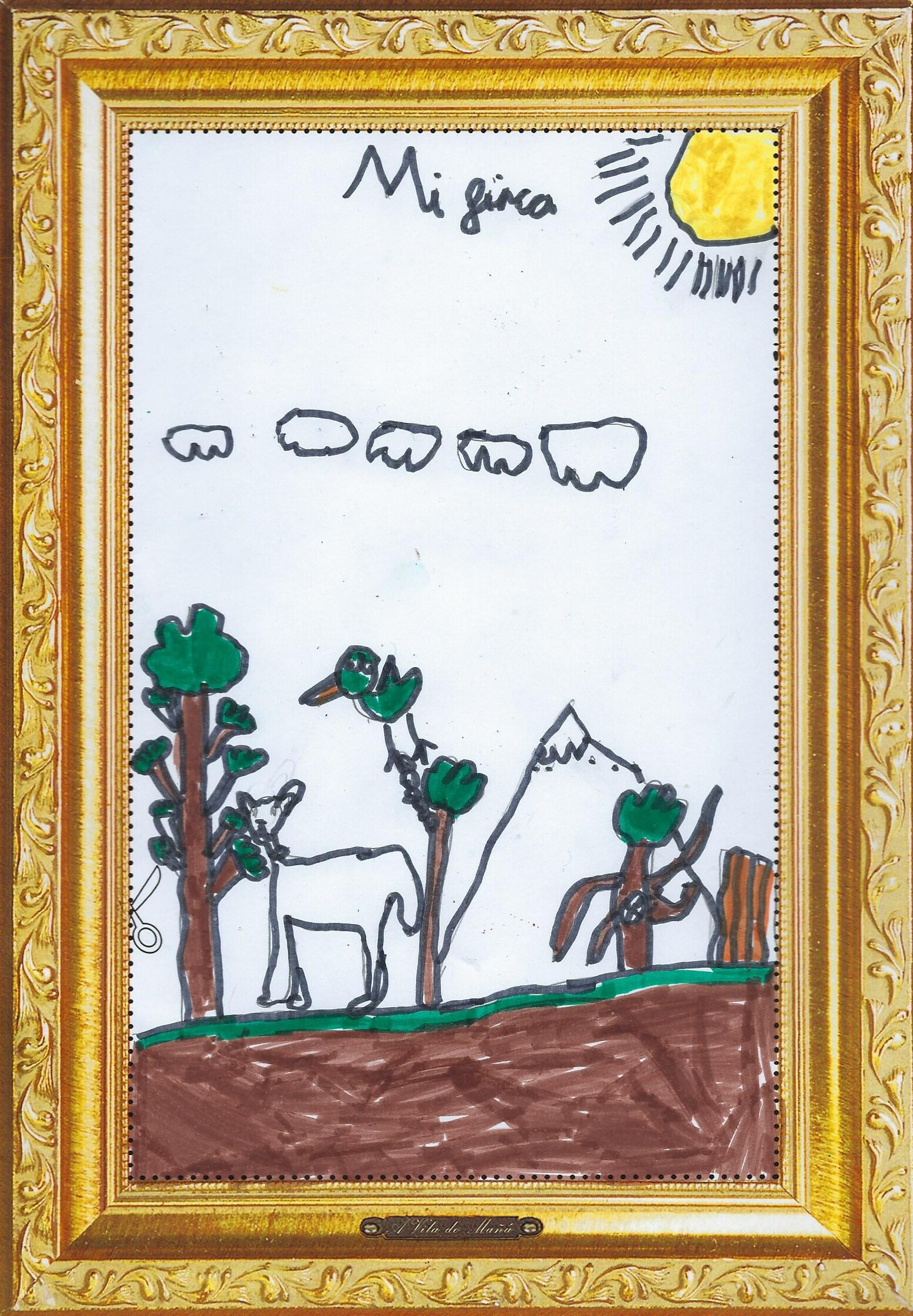
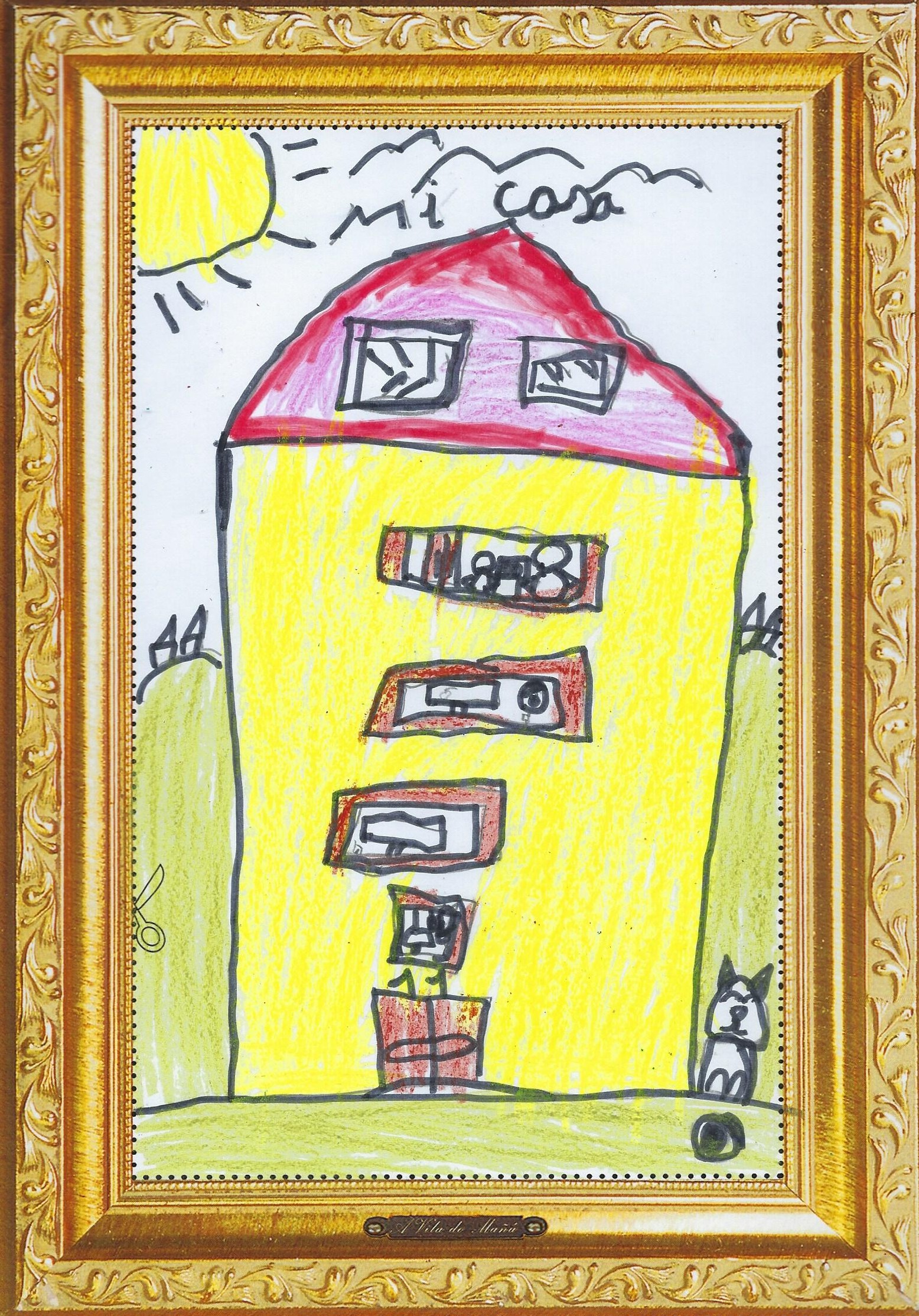
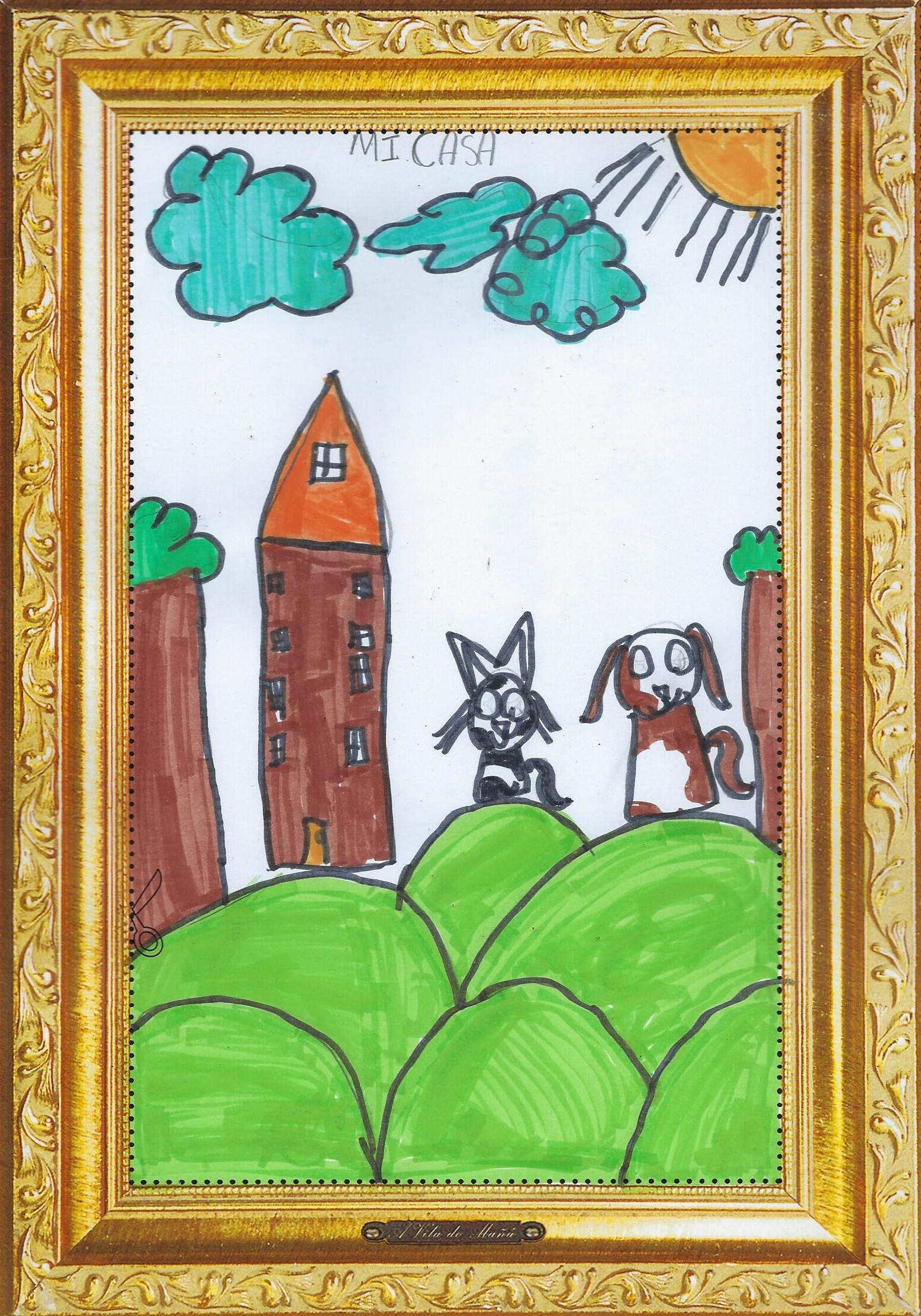
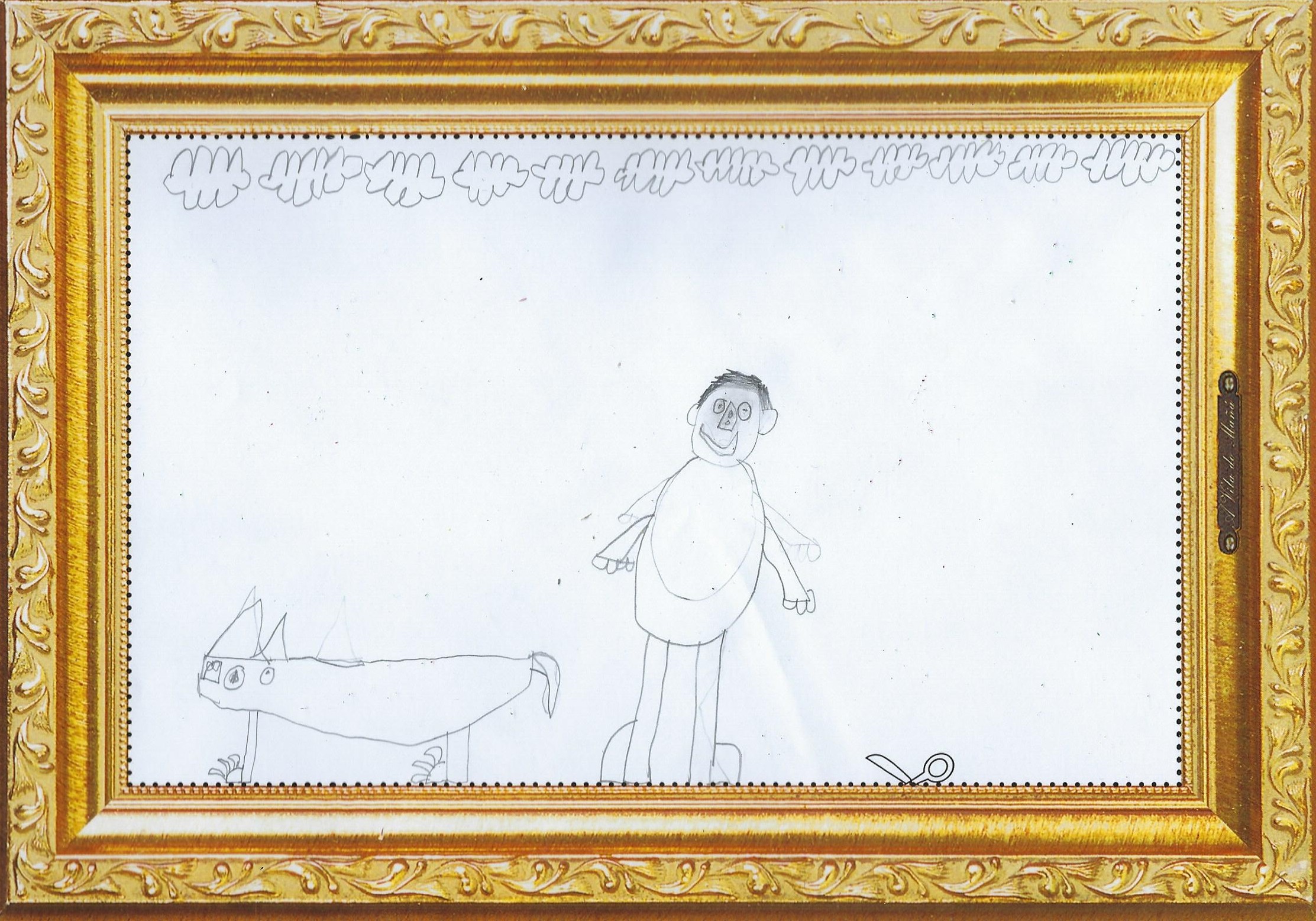
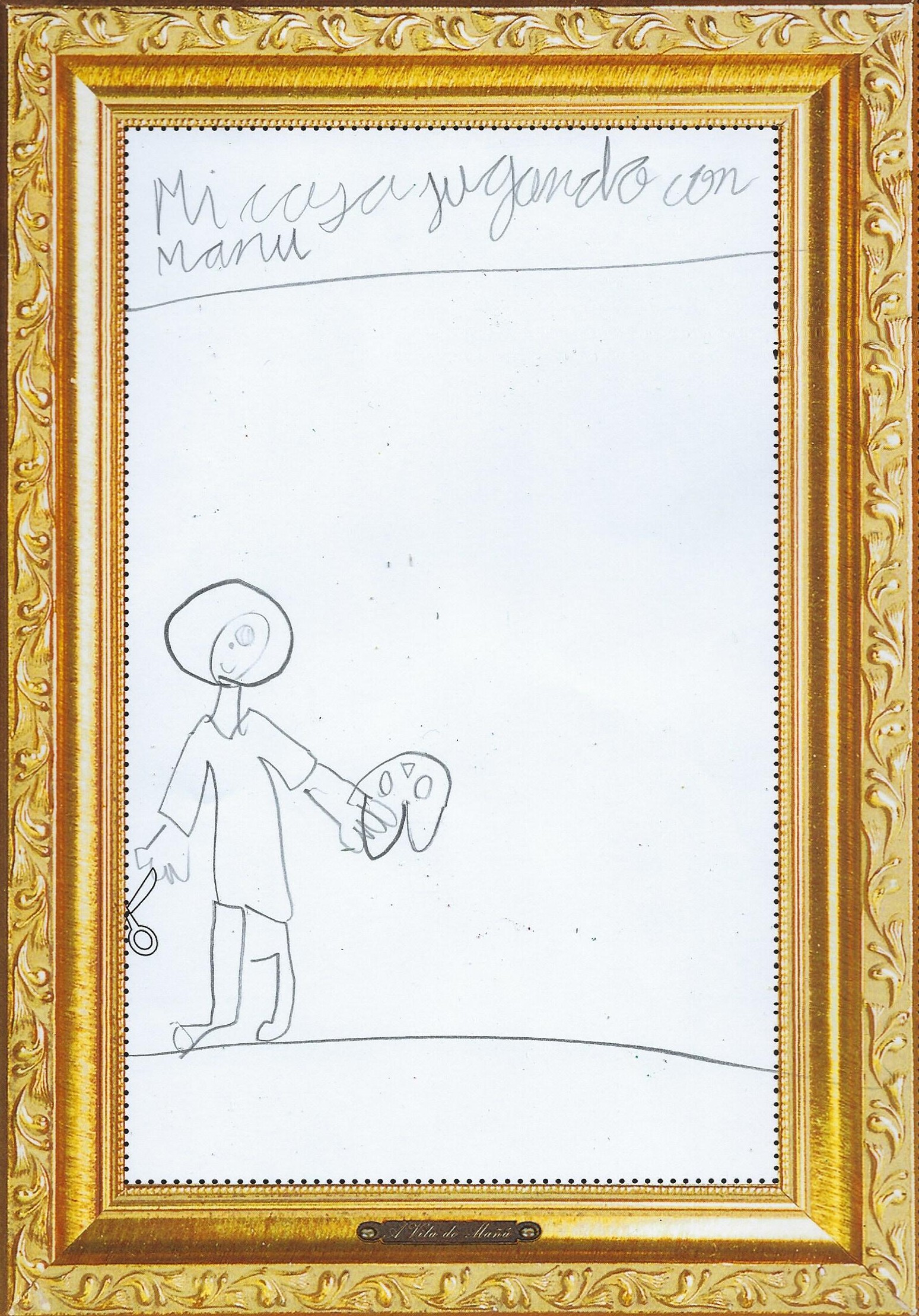
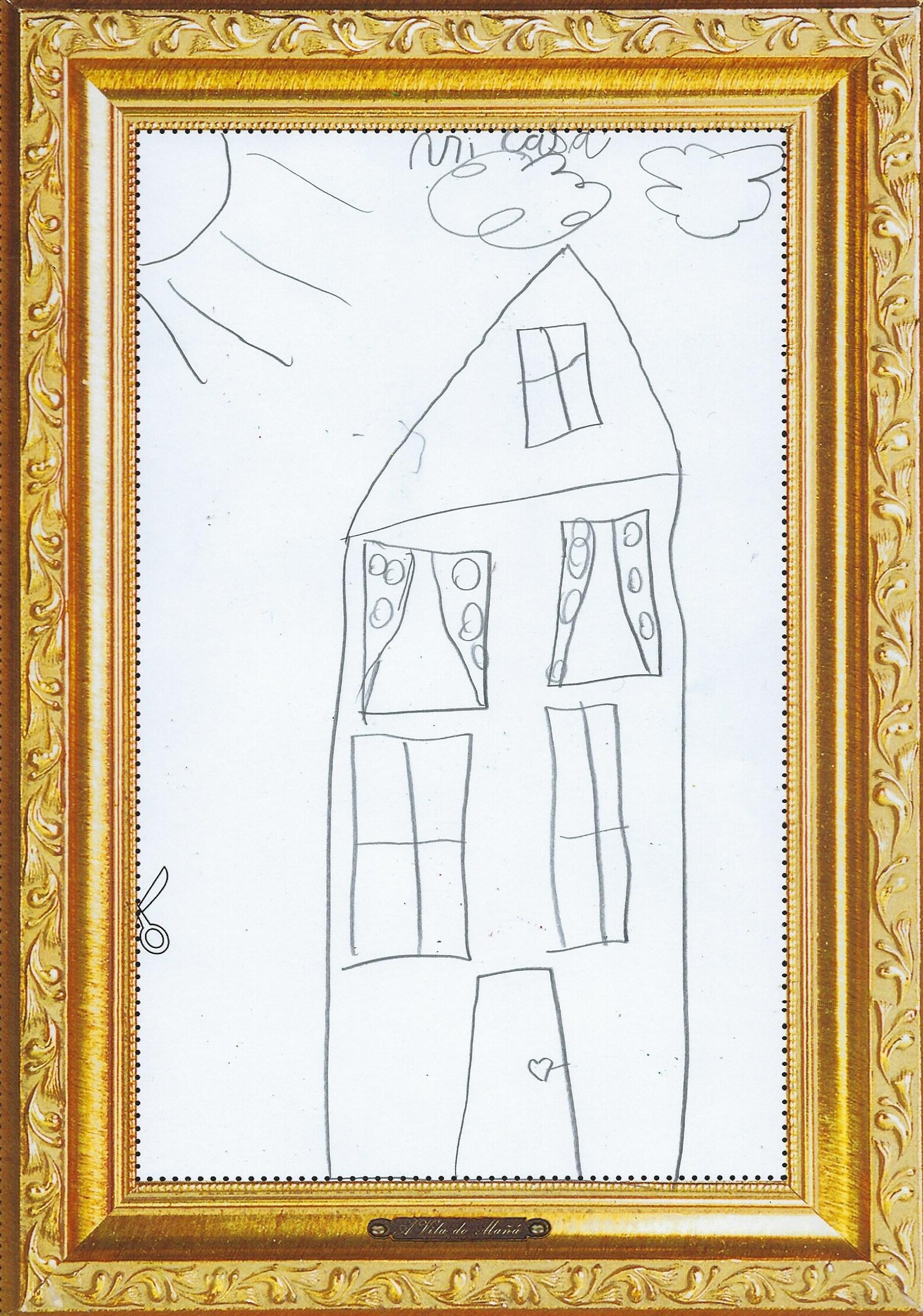
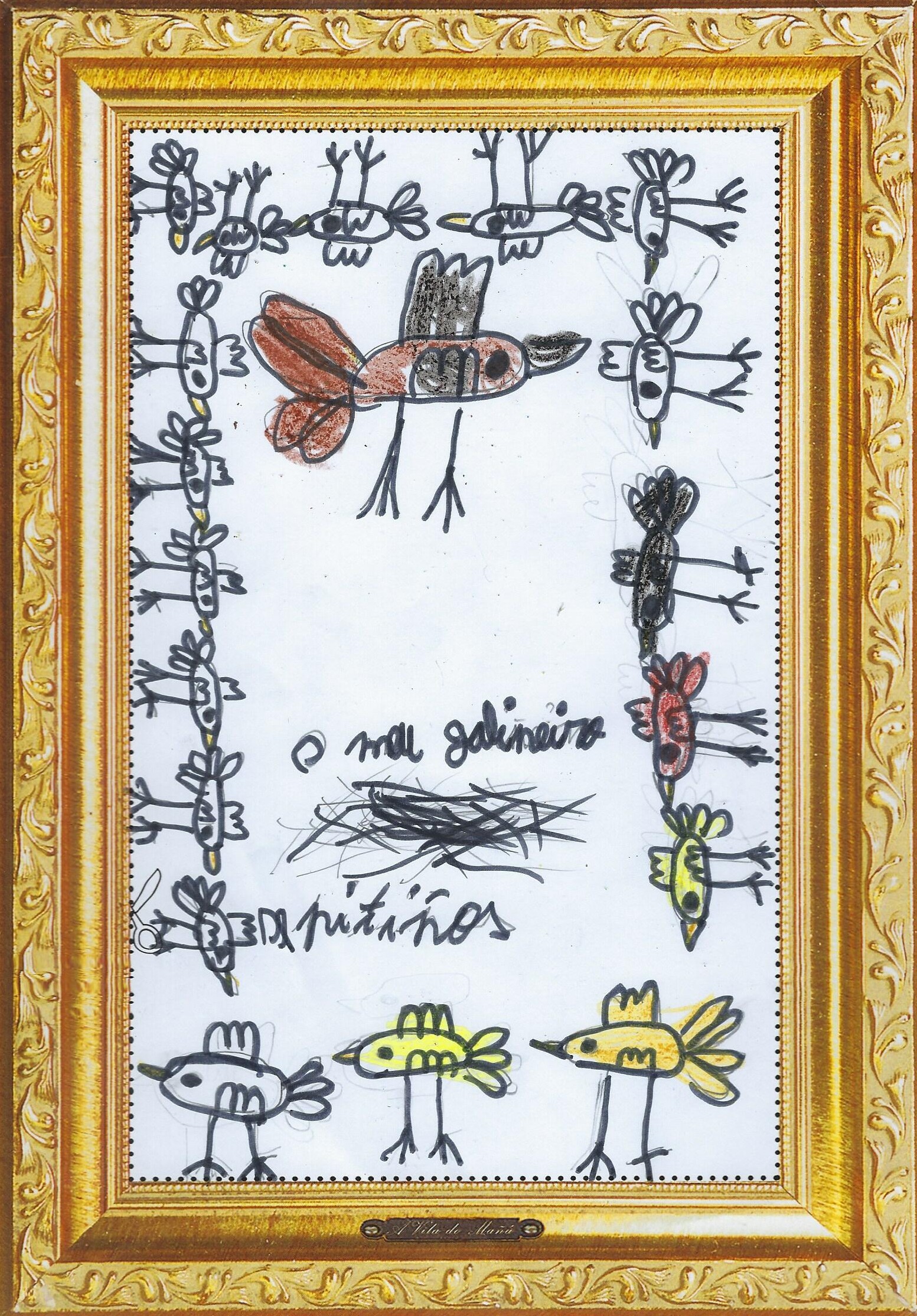
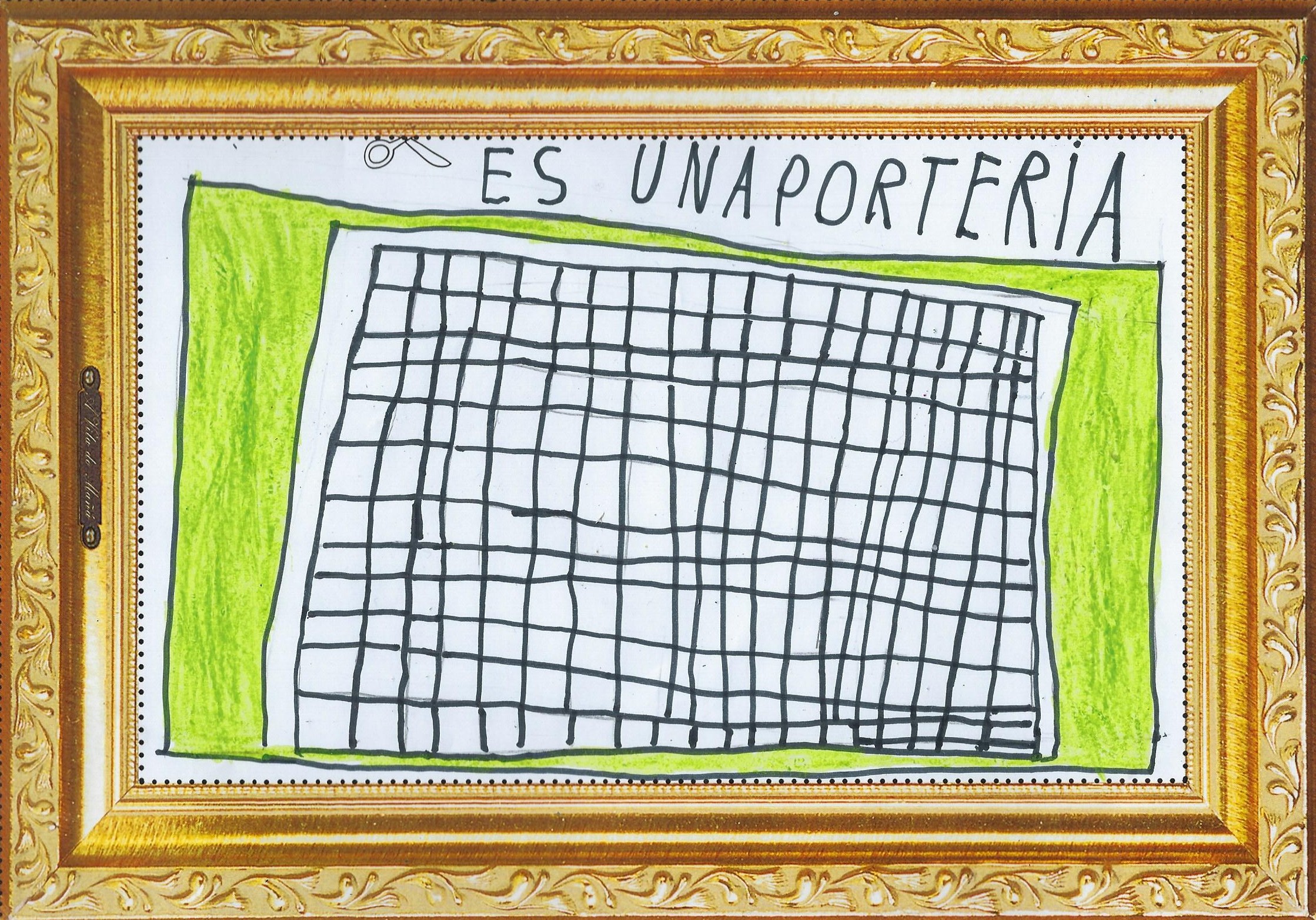
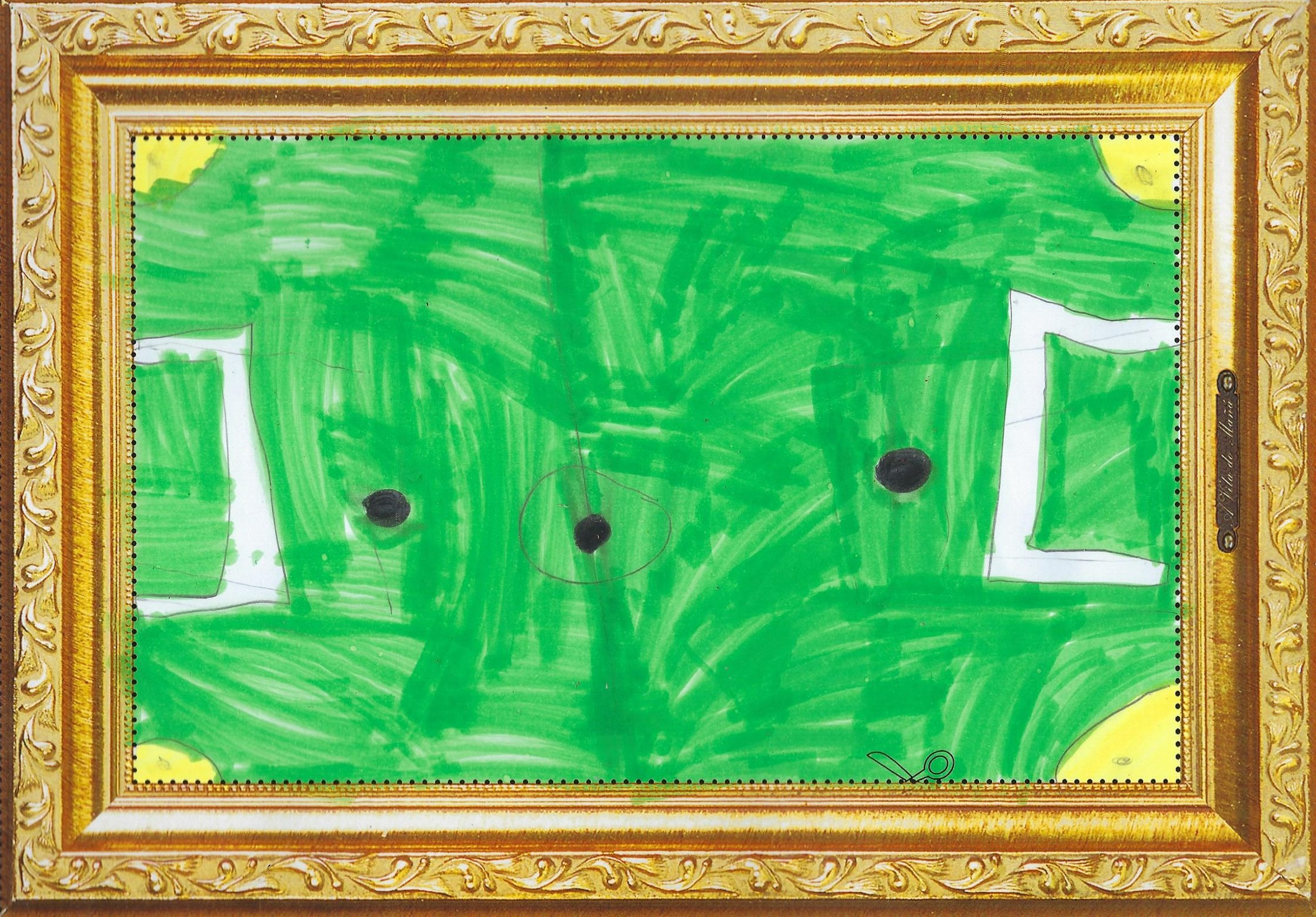
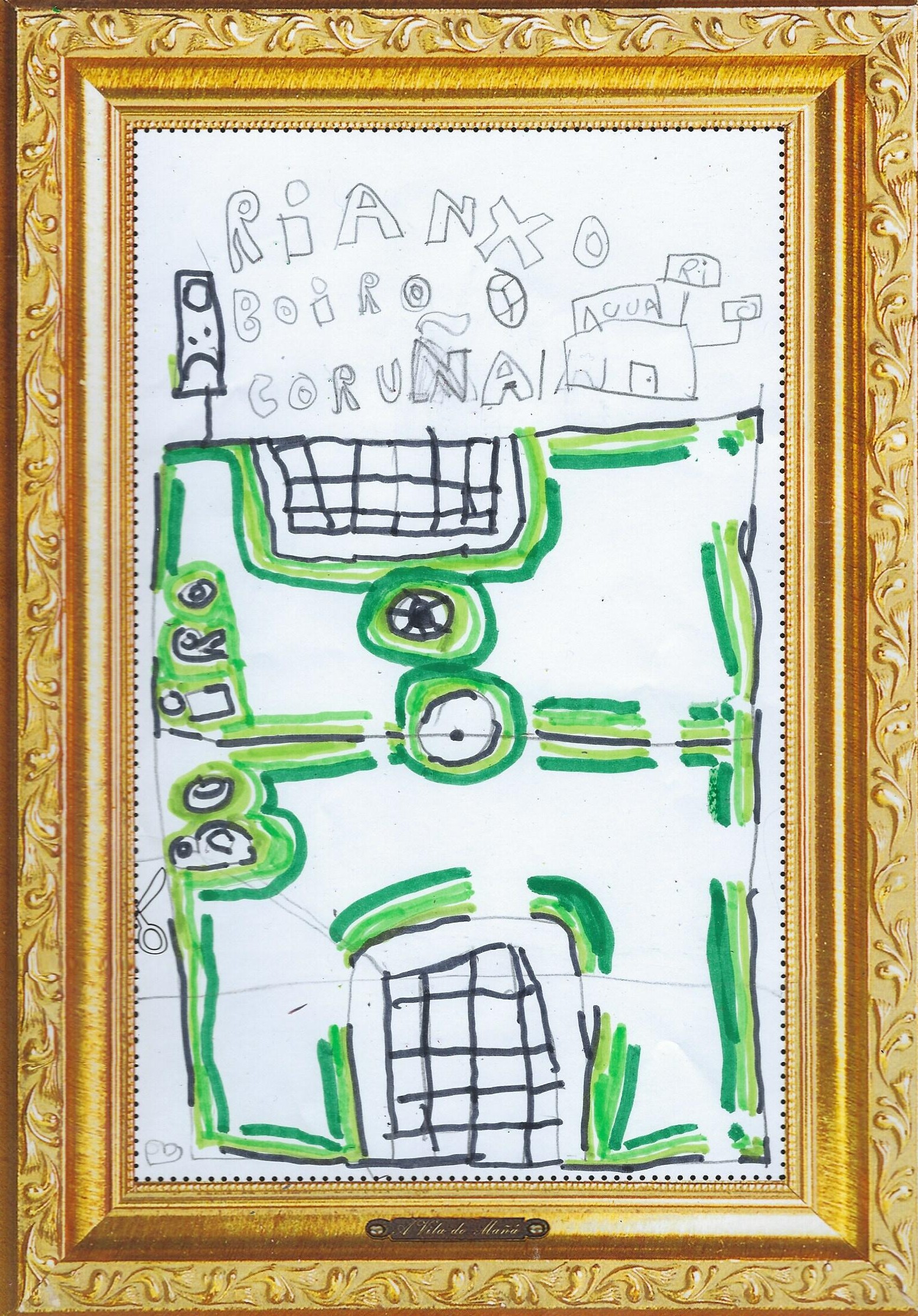
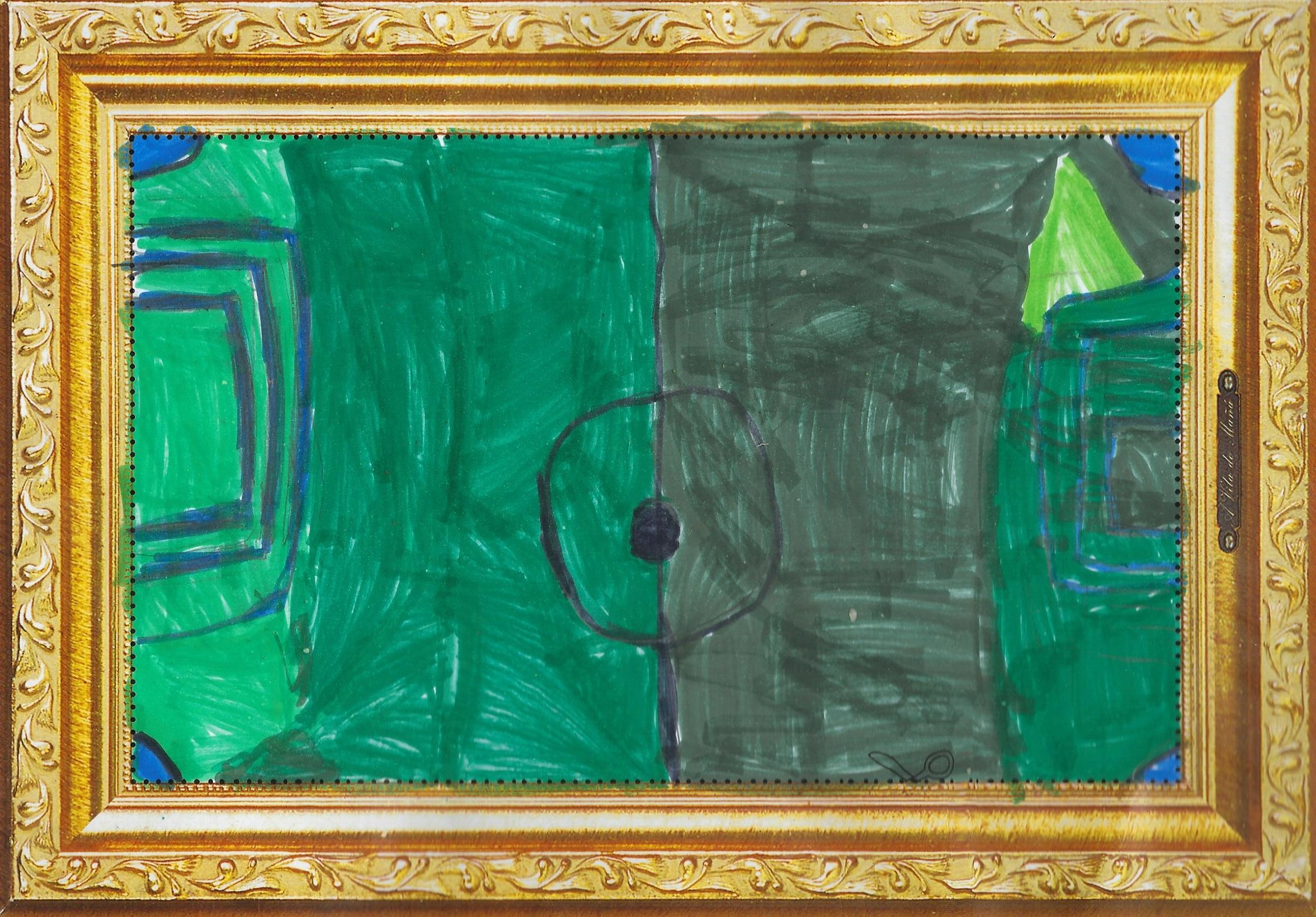
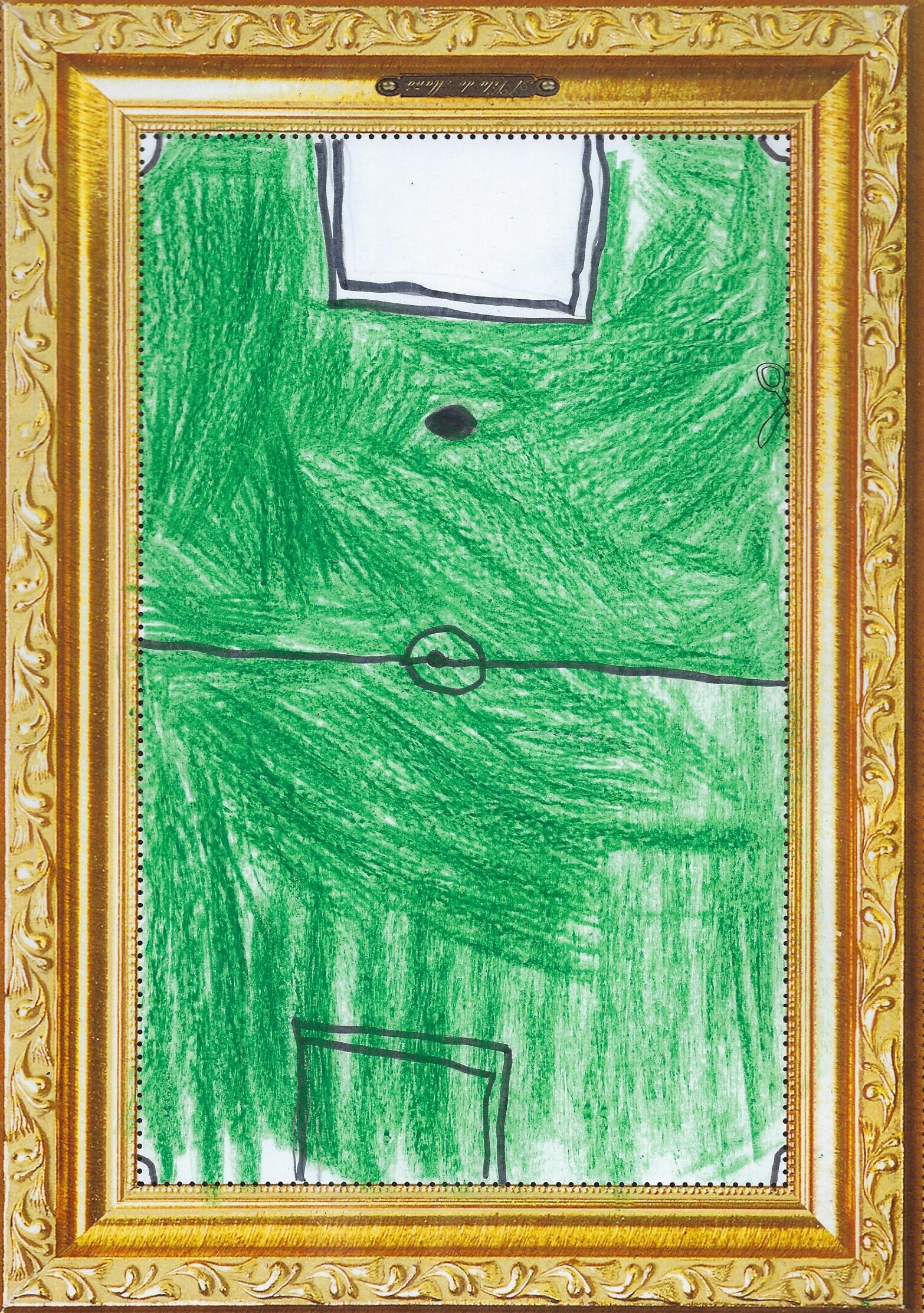
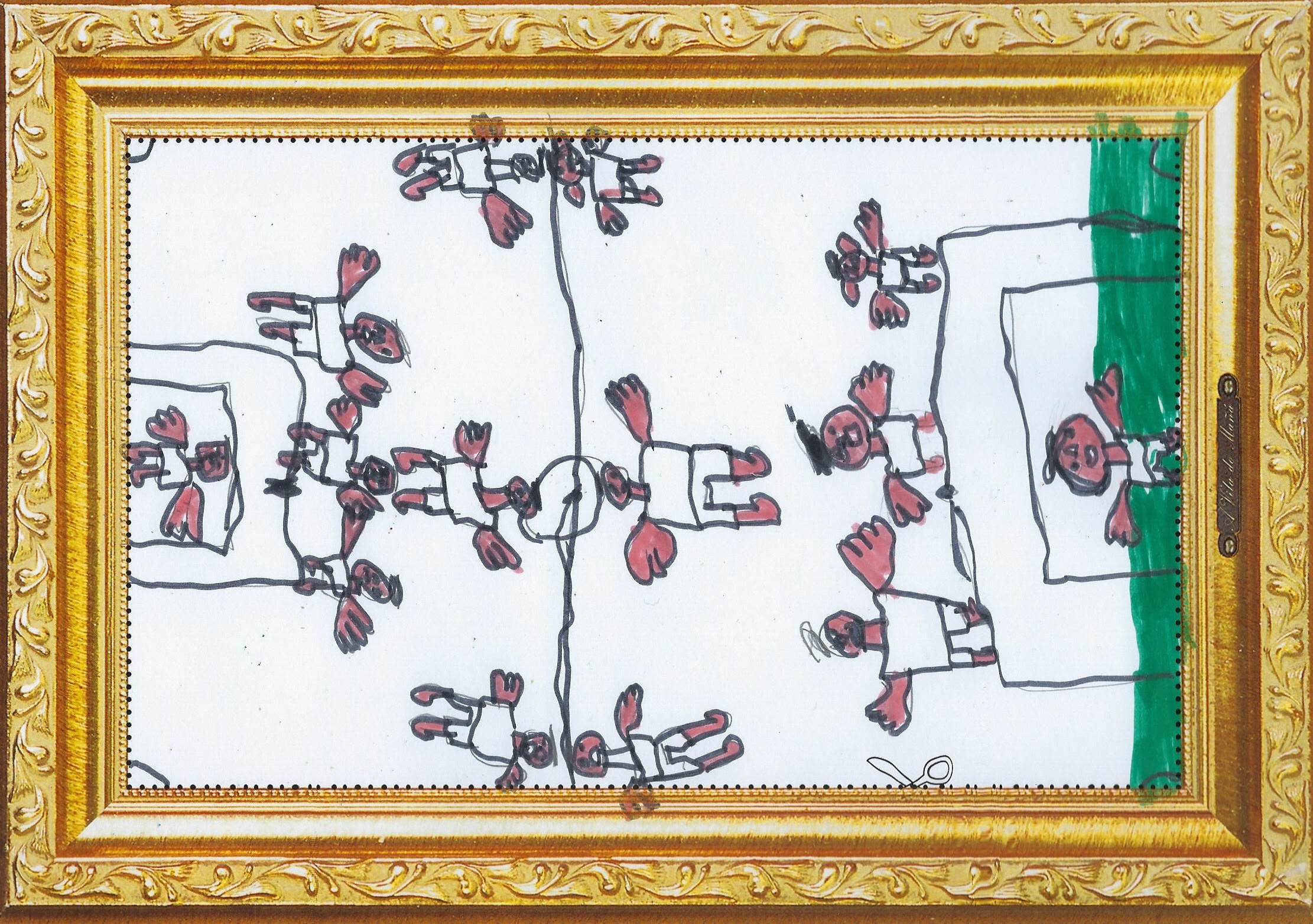
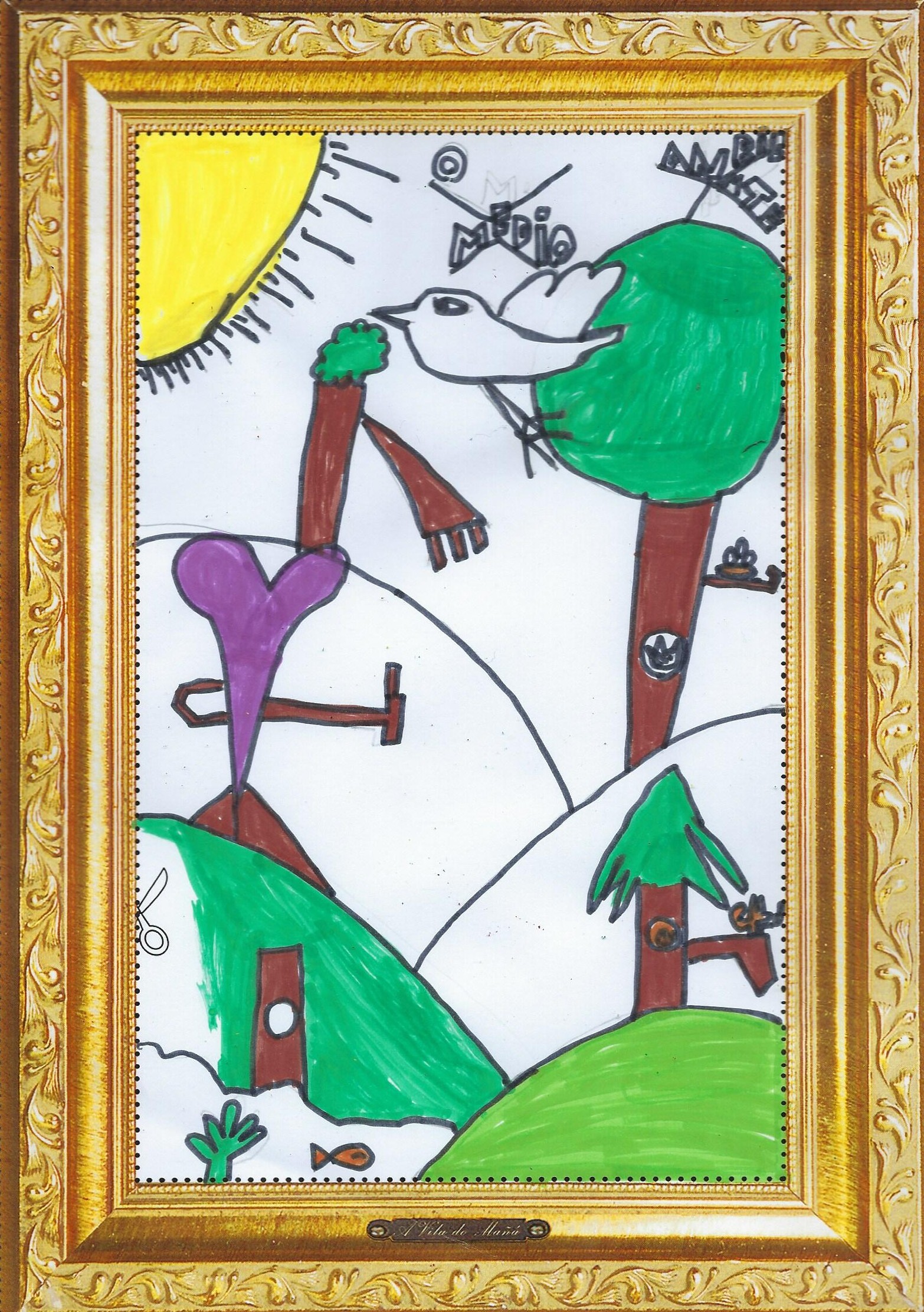
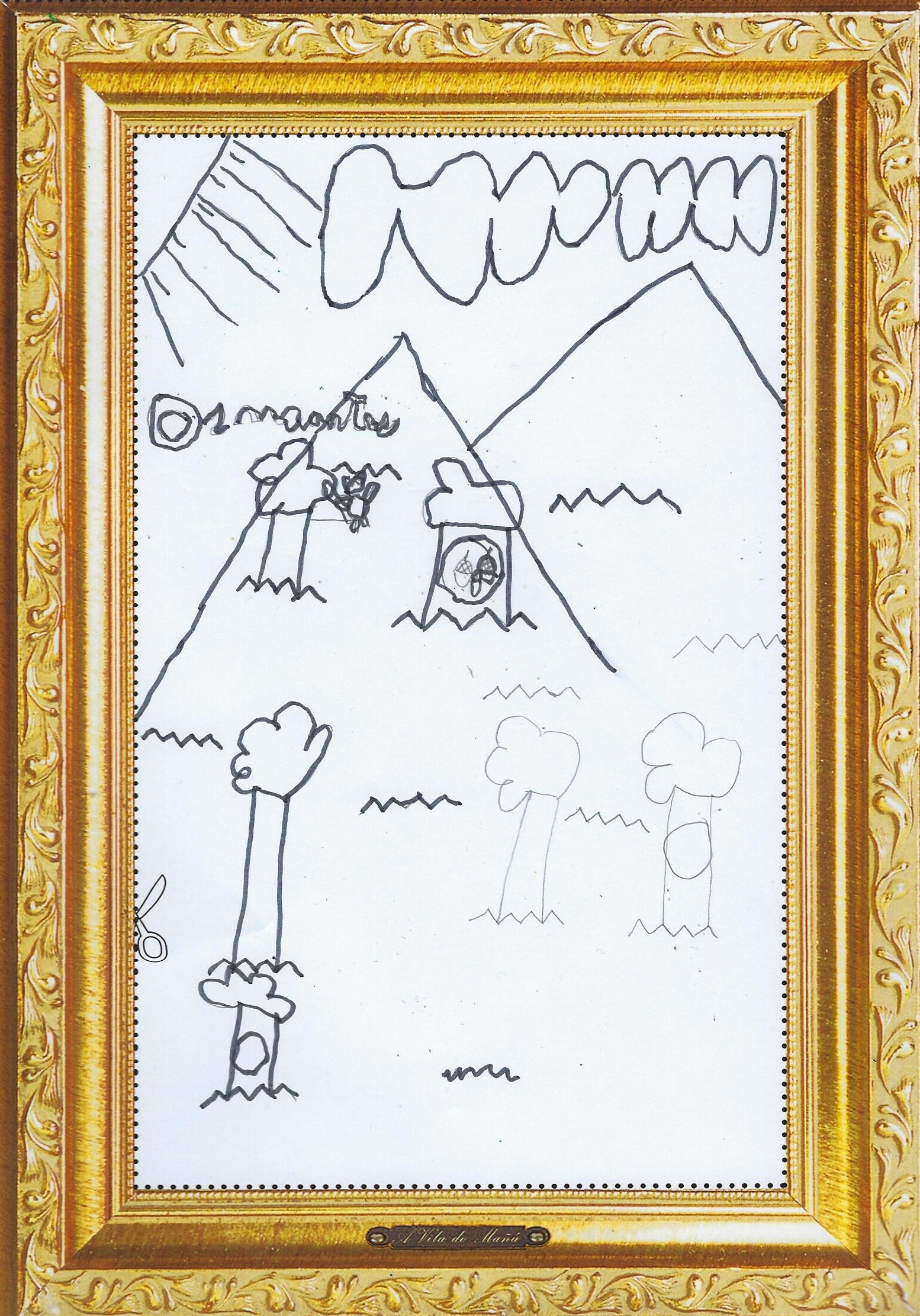
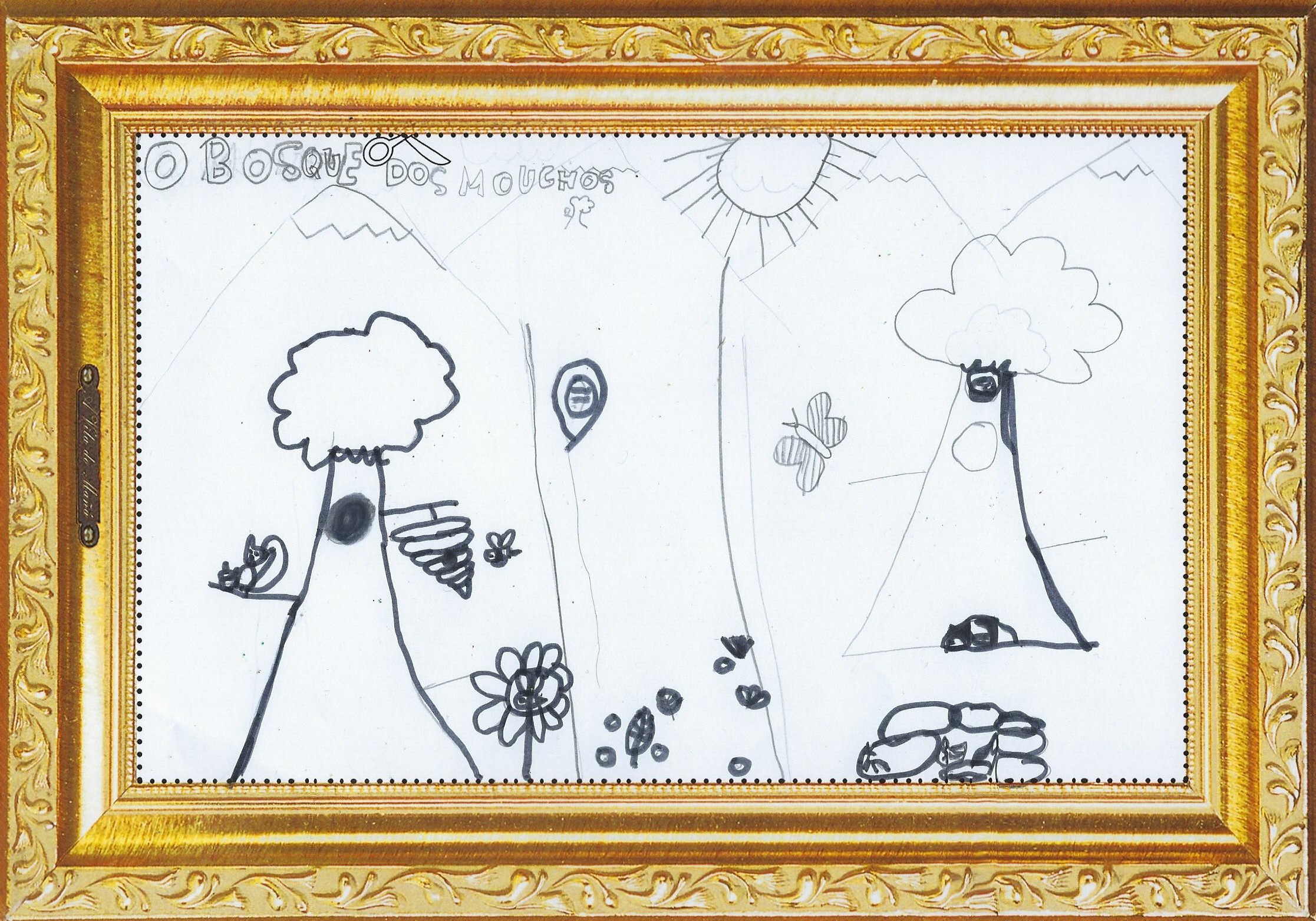
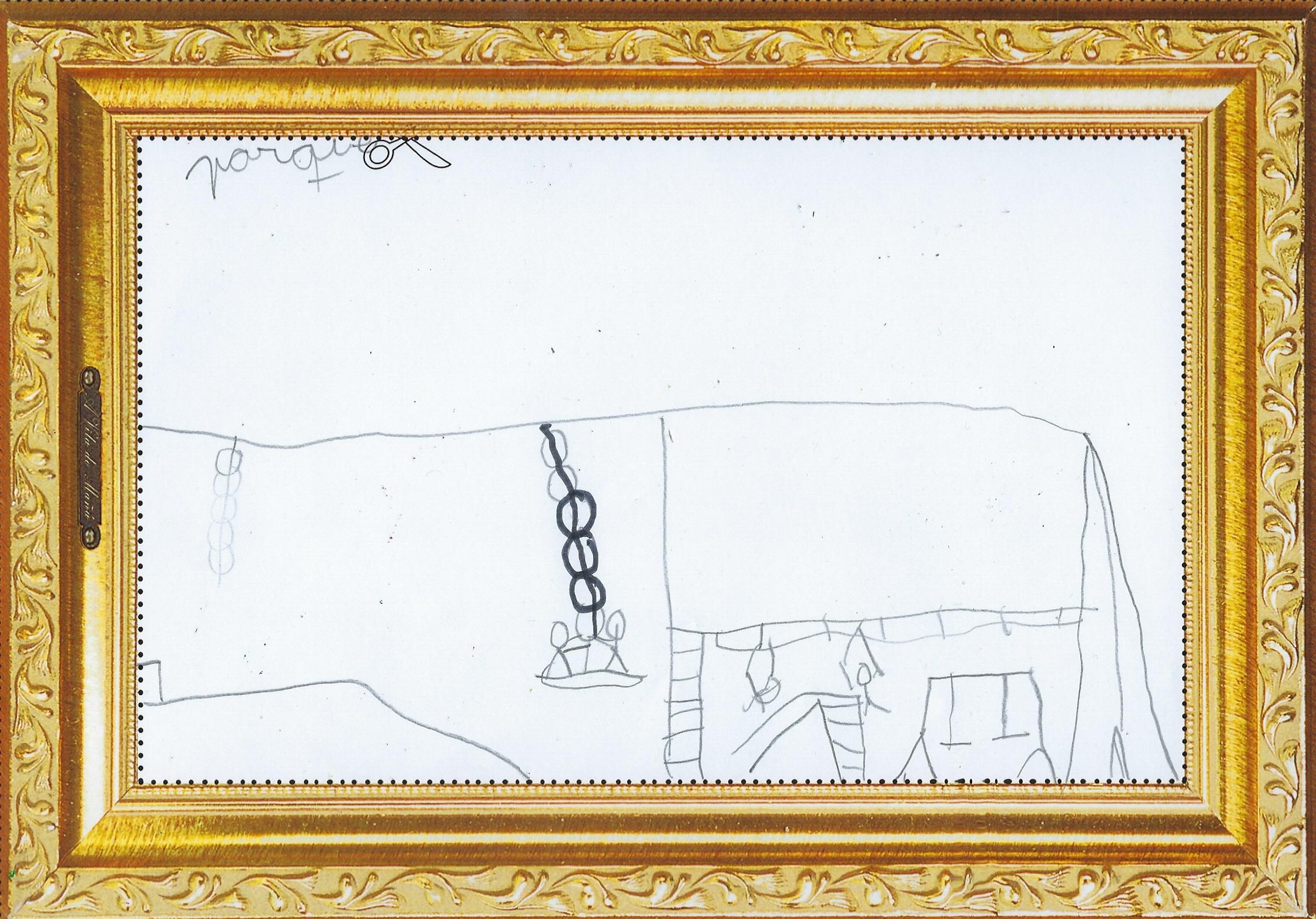
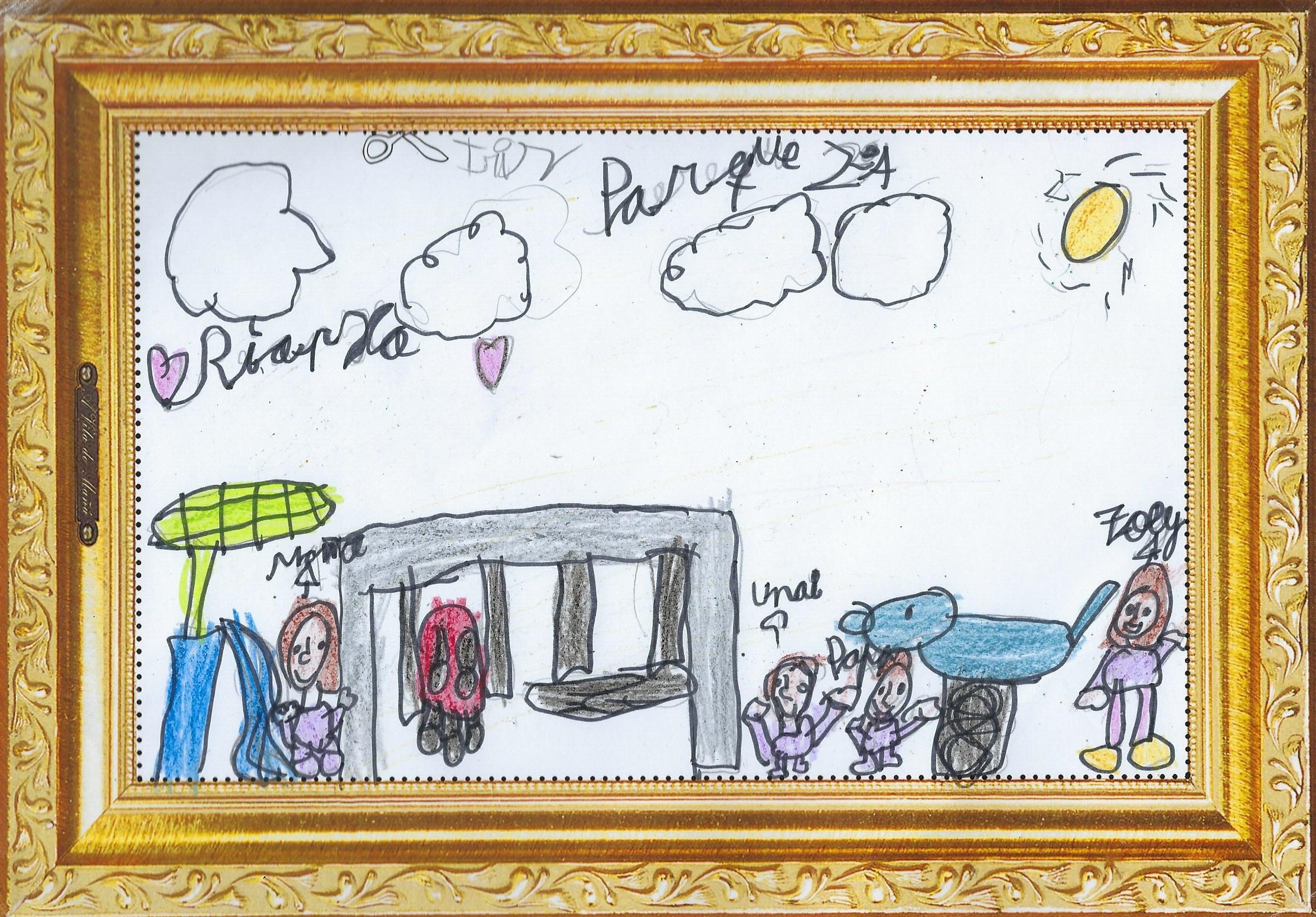
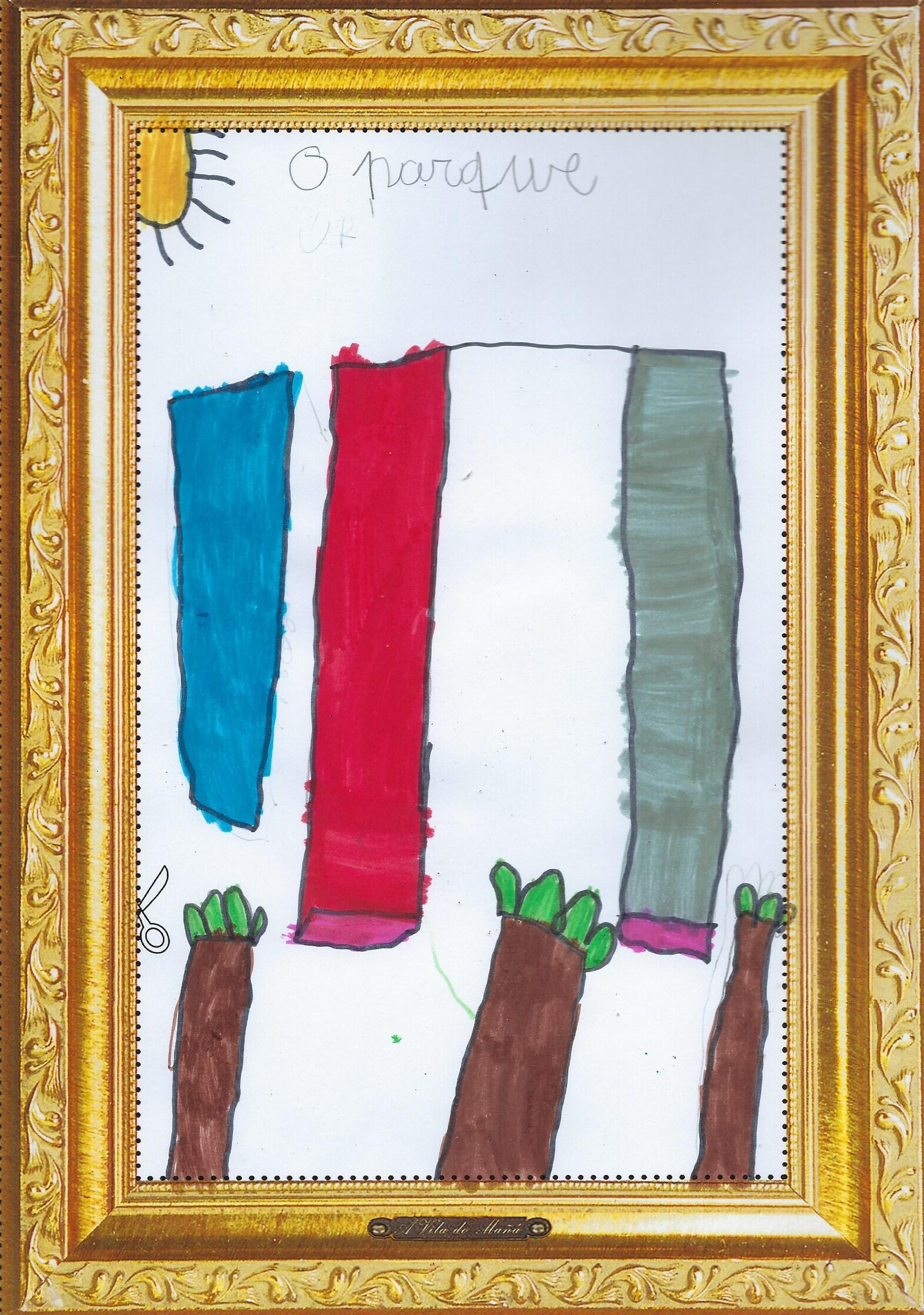
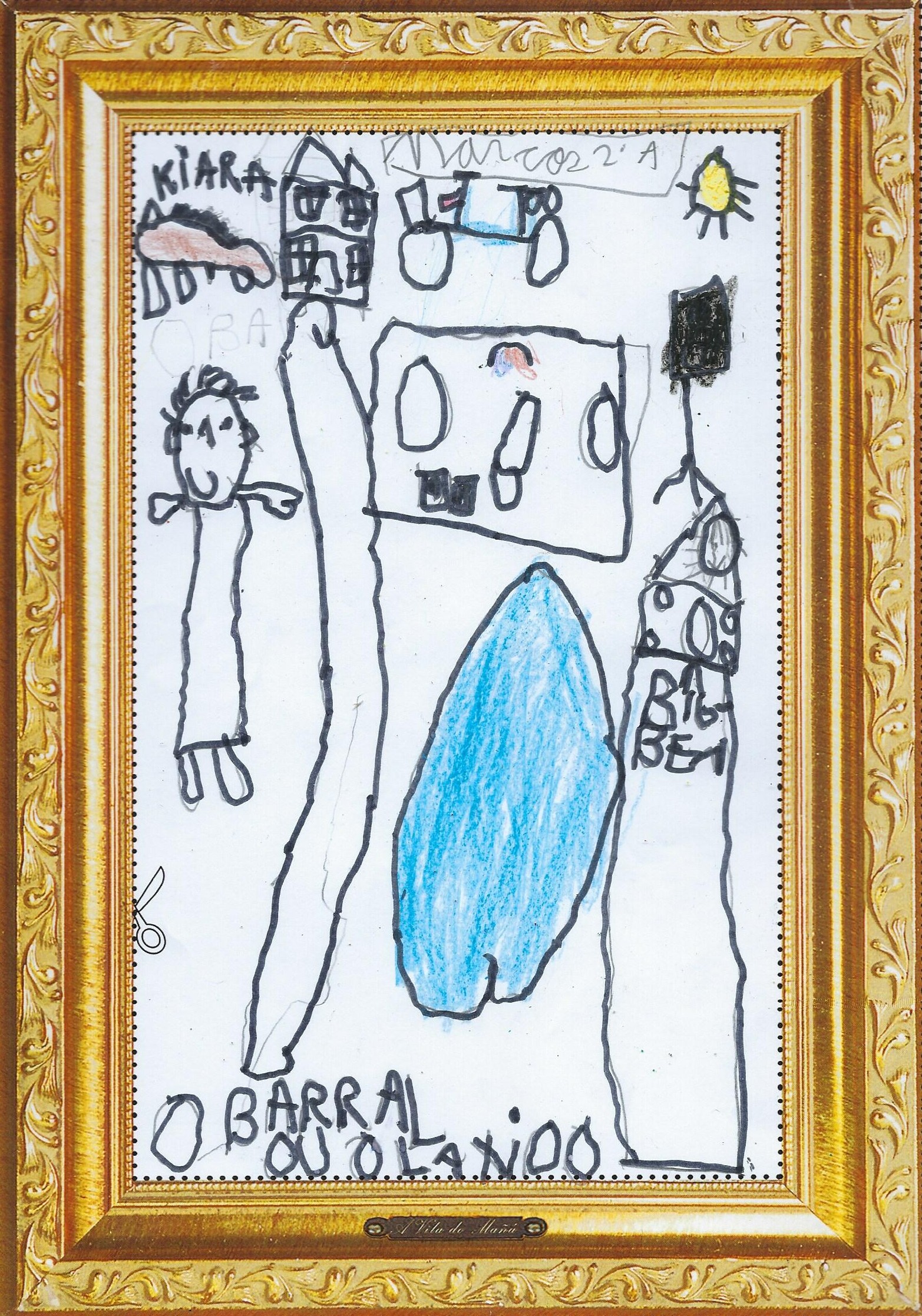
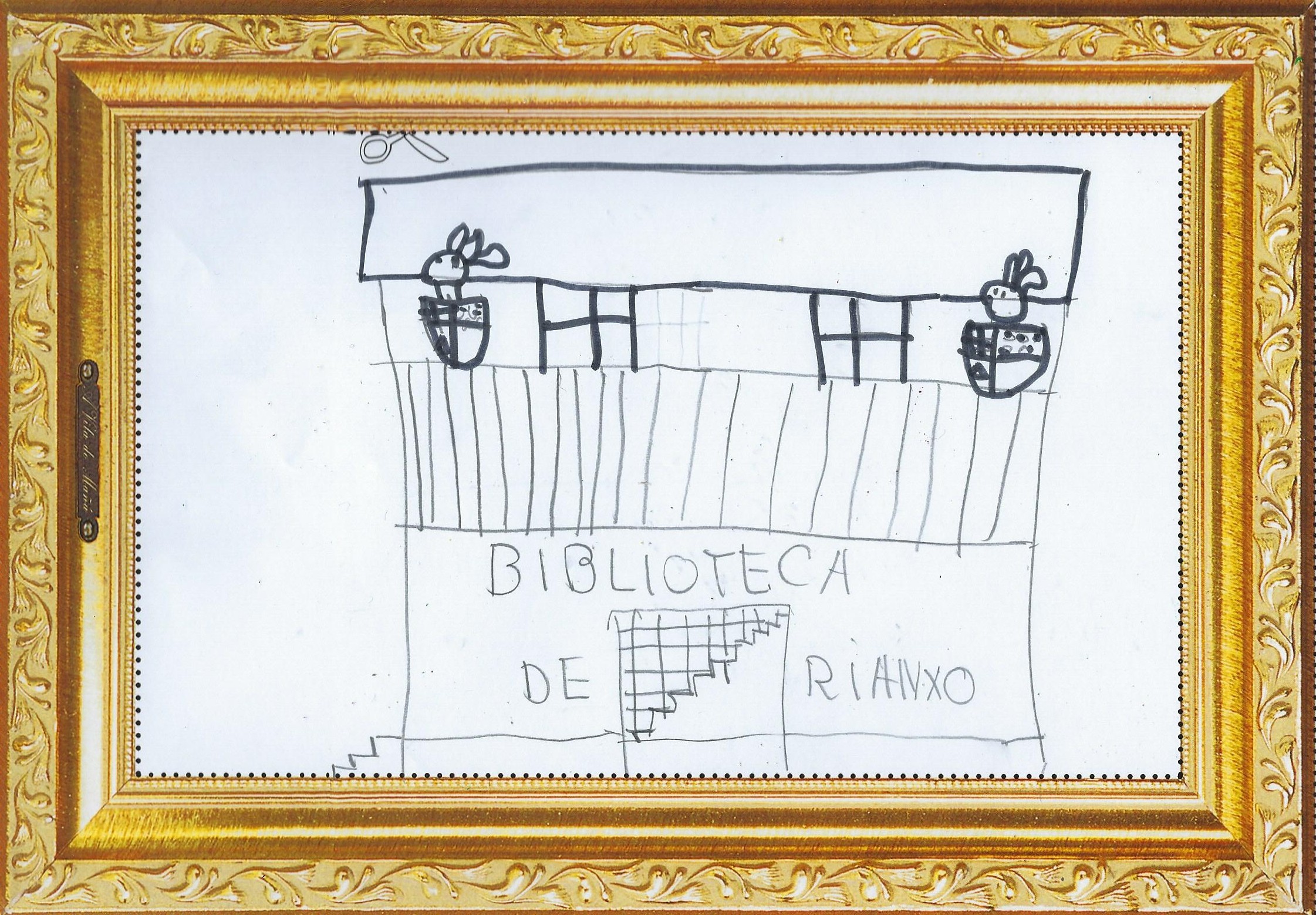
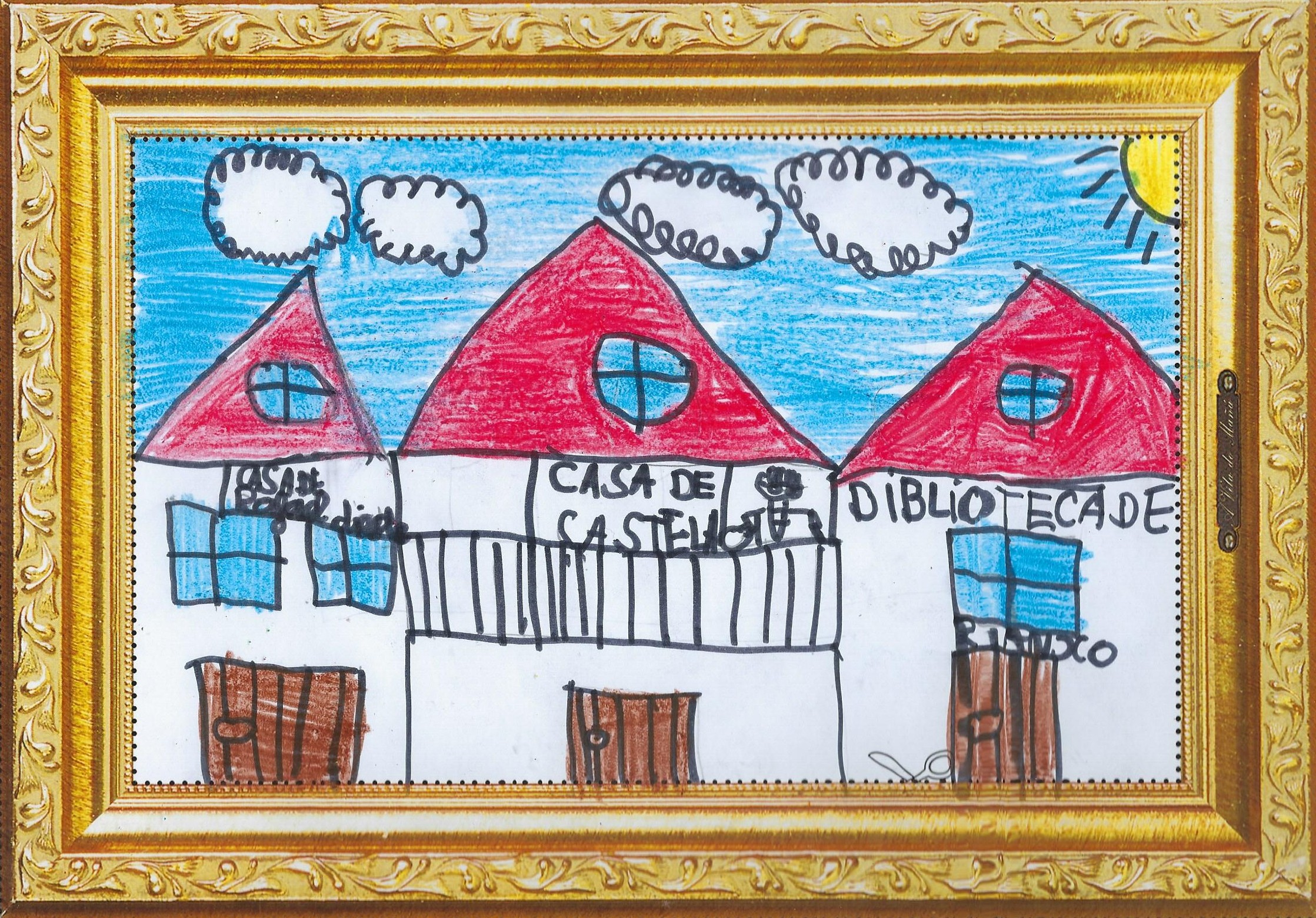
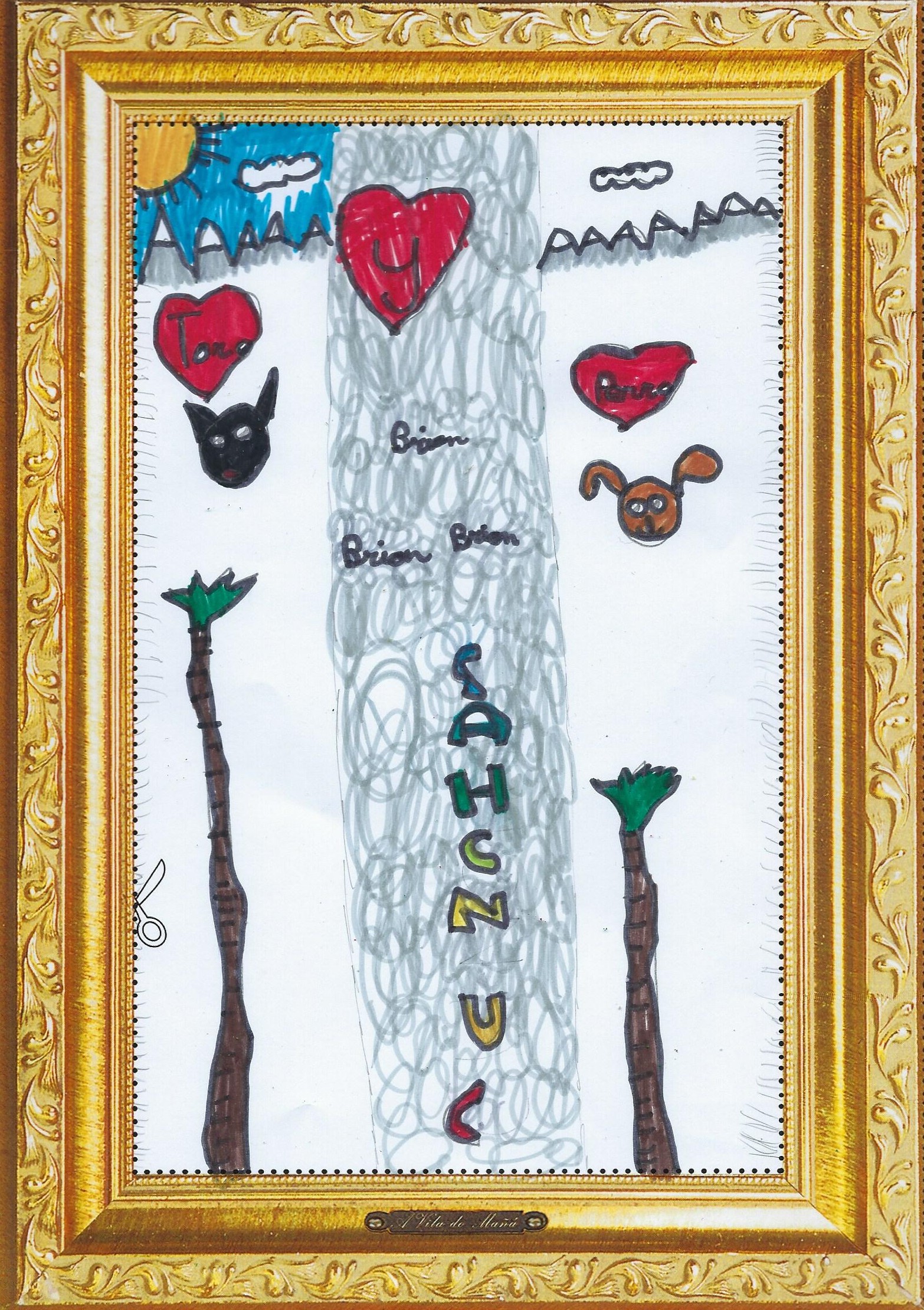
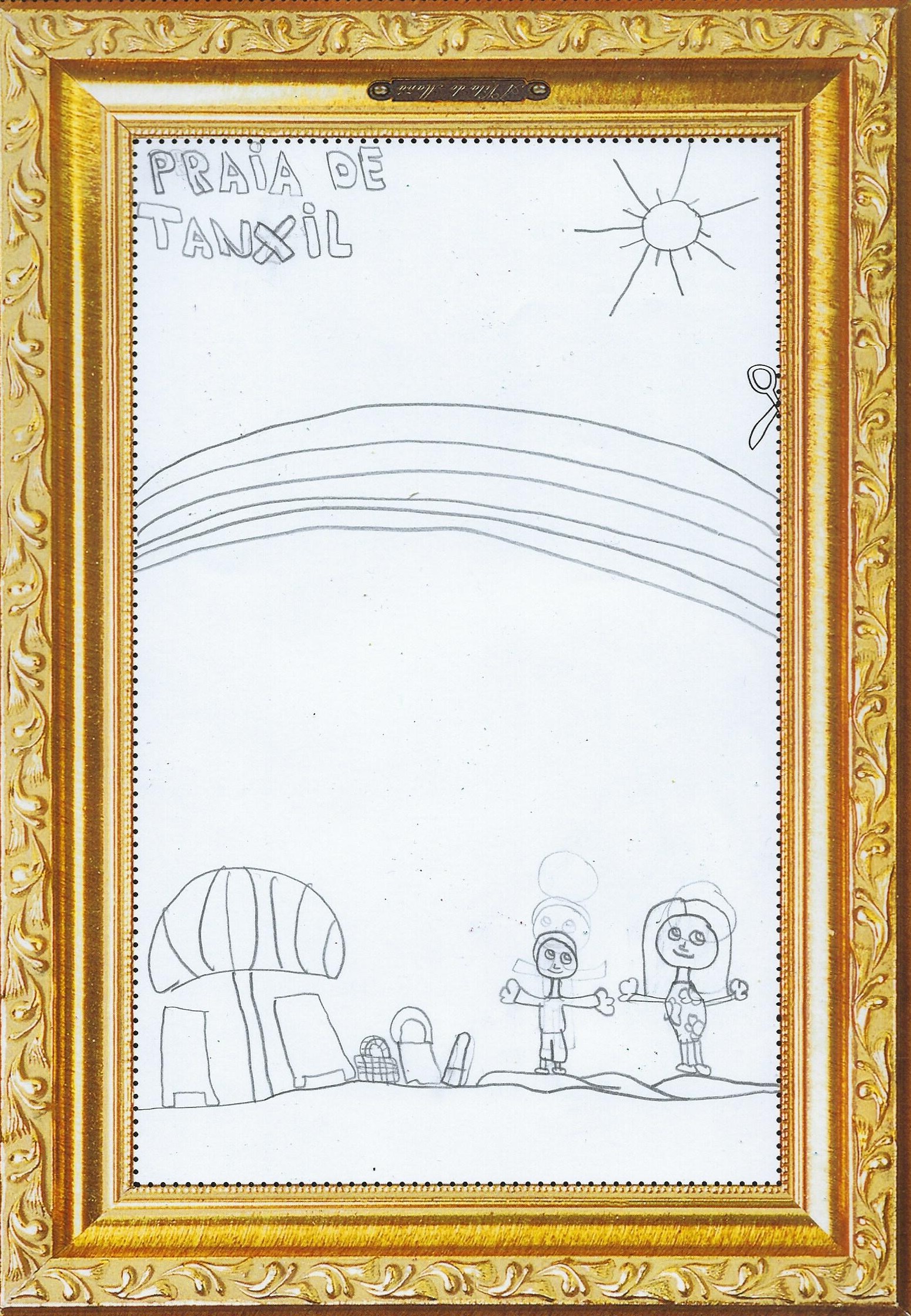
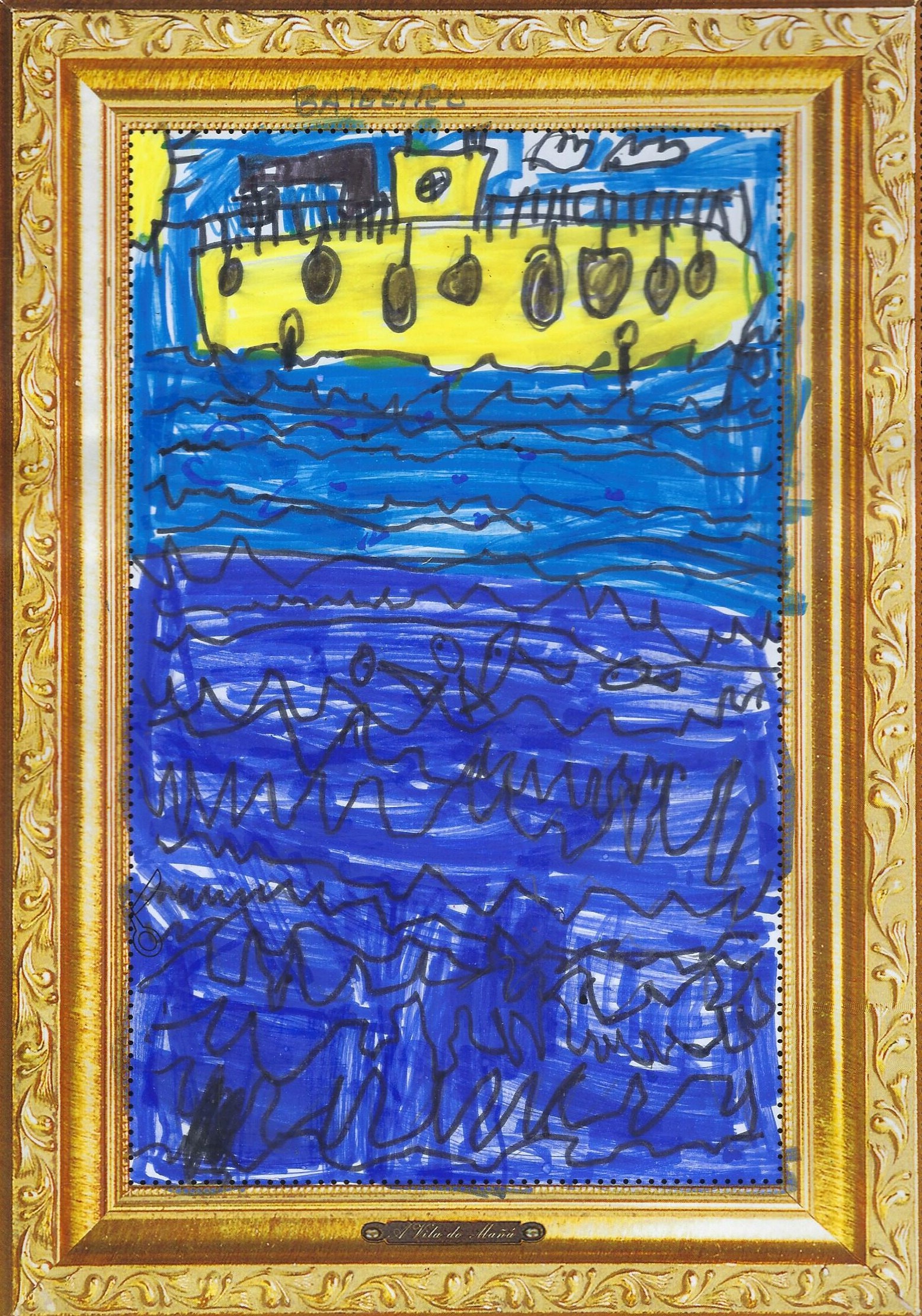
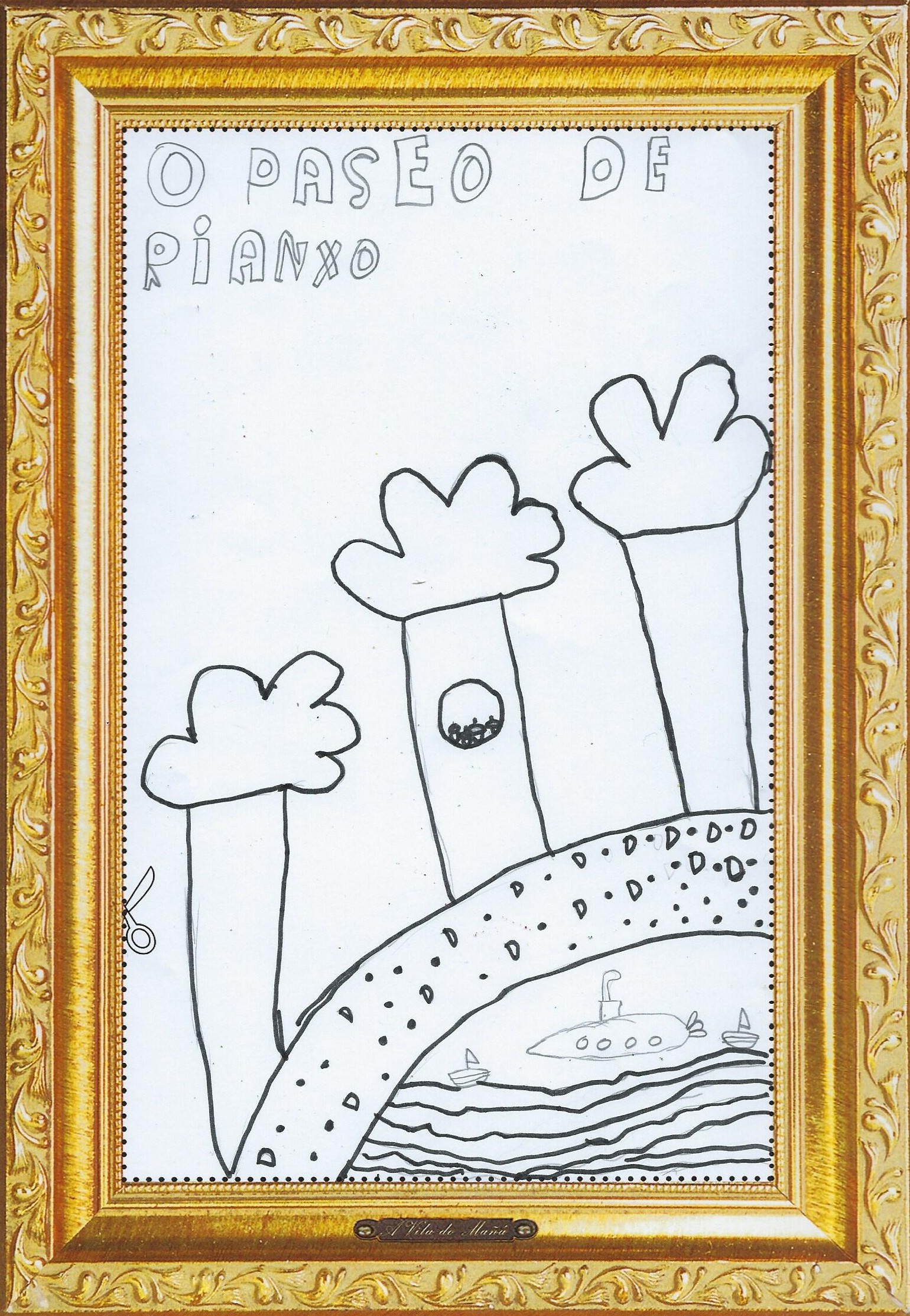
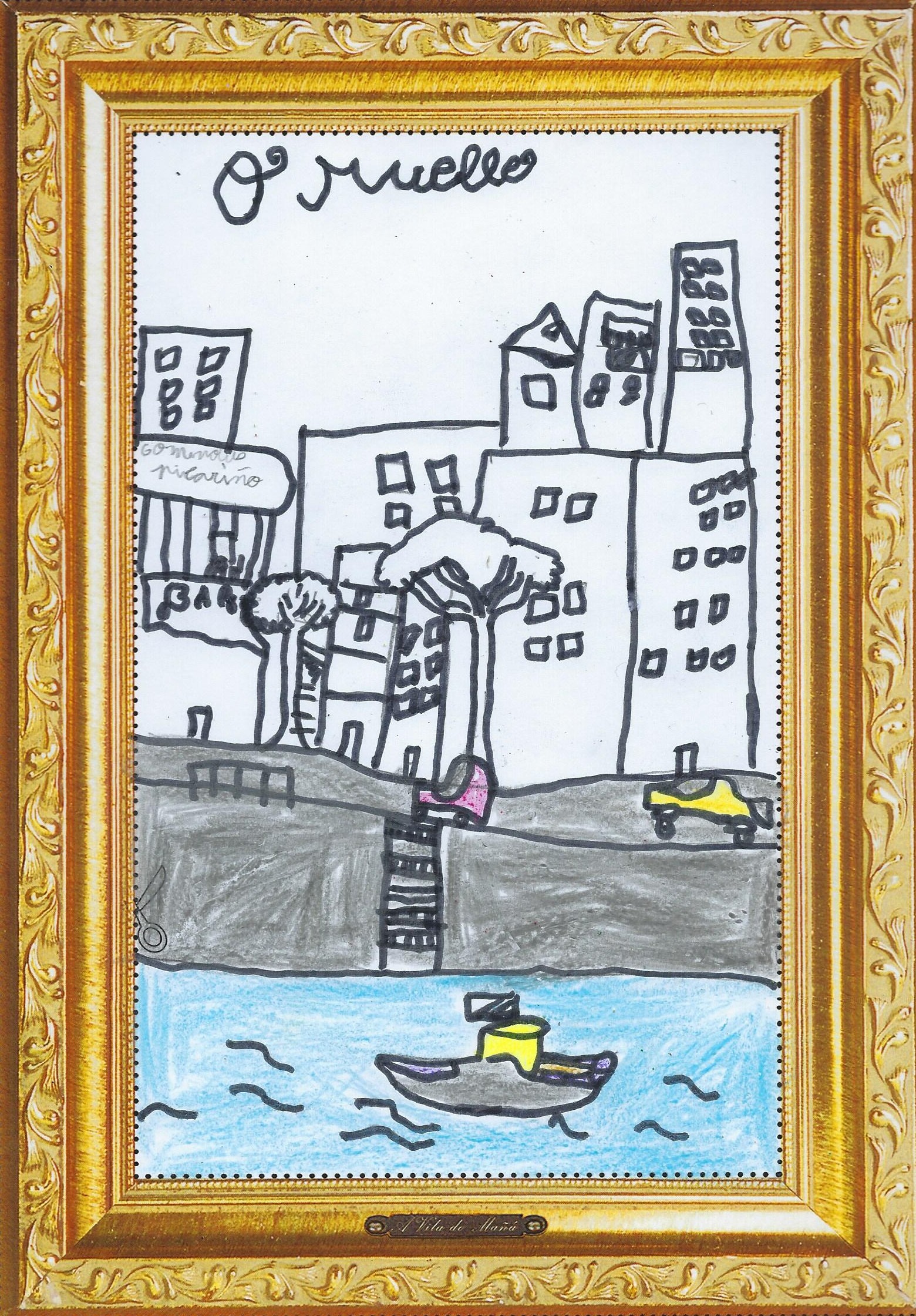
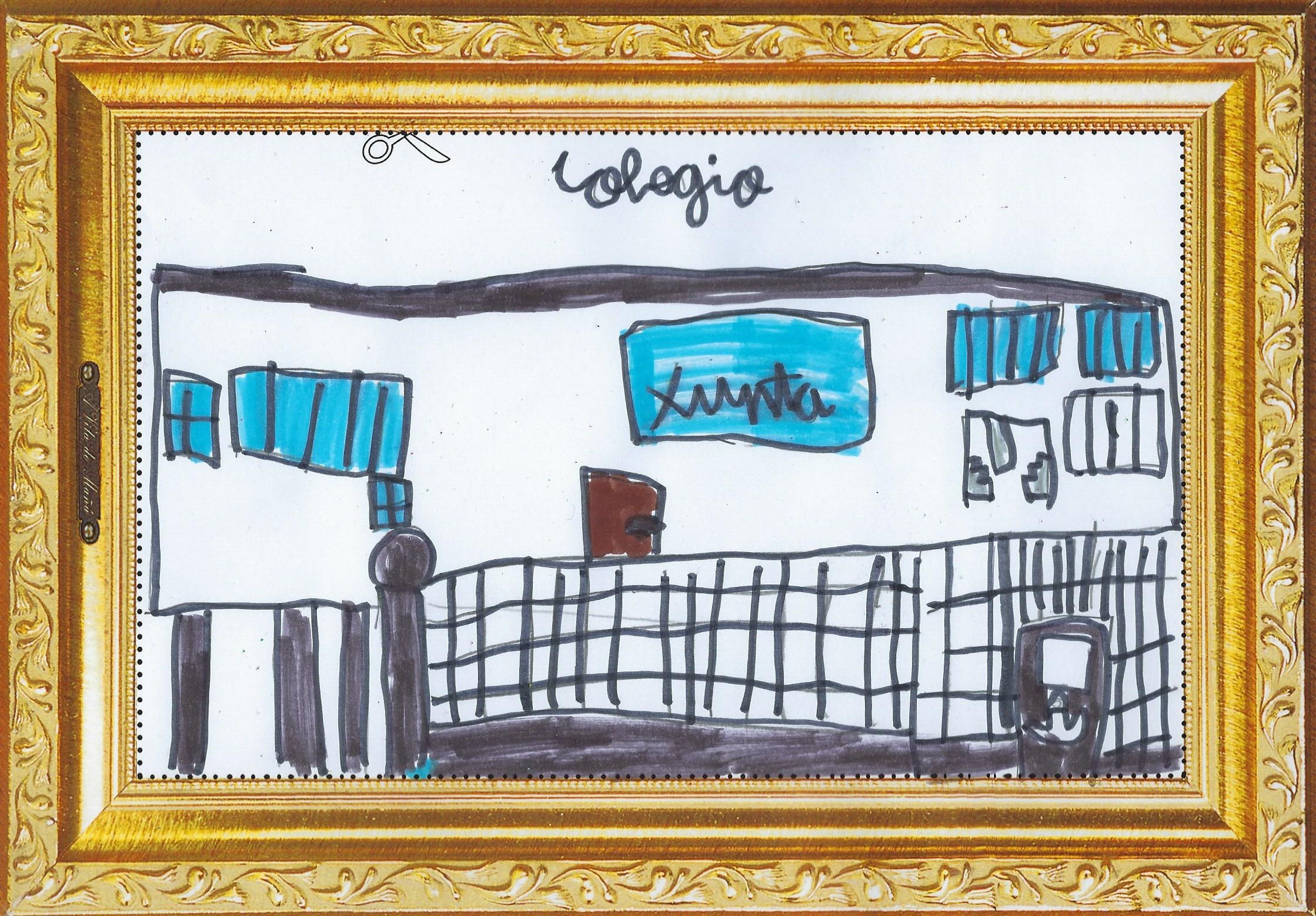
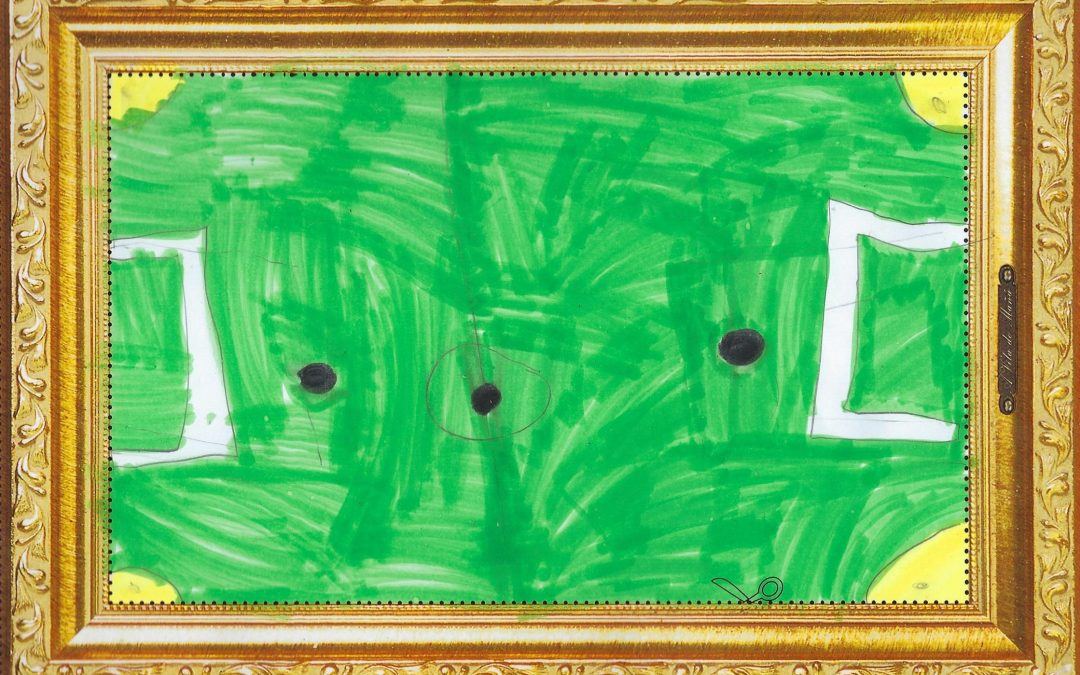
Work began with PERCEPTION—how future inhabitants perceive their town or city. To explore this, the children participating in the project were asked to use simple drawings to show which elements are fundamental or of special interest to them. In this way, we can understand their view of their town or city and work toward a collective vision shared by all participants.
Good urban acupuncture would be that which ensures that everyone knows their city. How many people, in reality, truly know their own city? It is difficult for anyone to respect what they do not know. But how can you respect your city if you do not understand it? Draw your city. […] But how can you improve your city if you do not even know it well? What do you do for it if you are not even capable of drawing it? That is the crux of the matter.
— Jaime Lerner
Rianxo
The new generations, the inhabitants of tomorrow, are completely unfamiliar with their town or city. They live in a “little box,” move around in another smaller “little box,” and arrive at a bigger “box” (whether it is called a school, shopping center, sports facility, … or playground). This is their relationship with their surroundings.
— Sandra González Álvarez
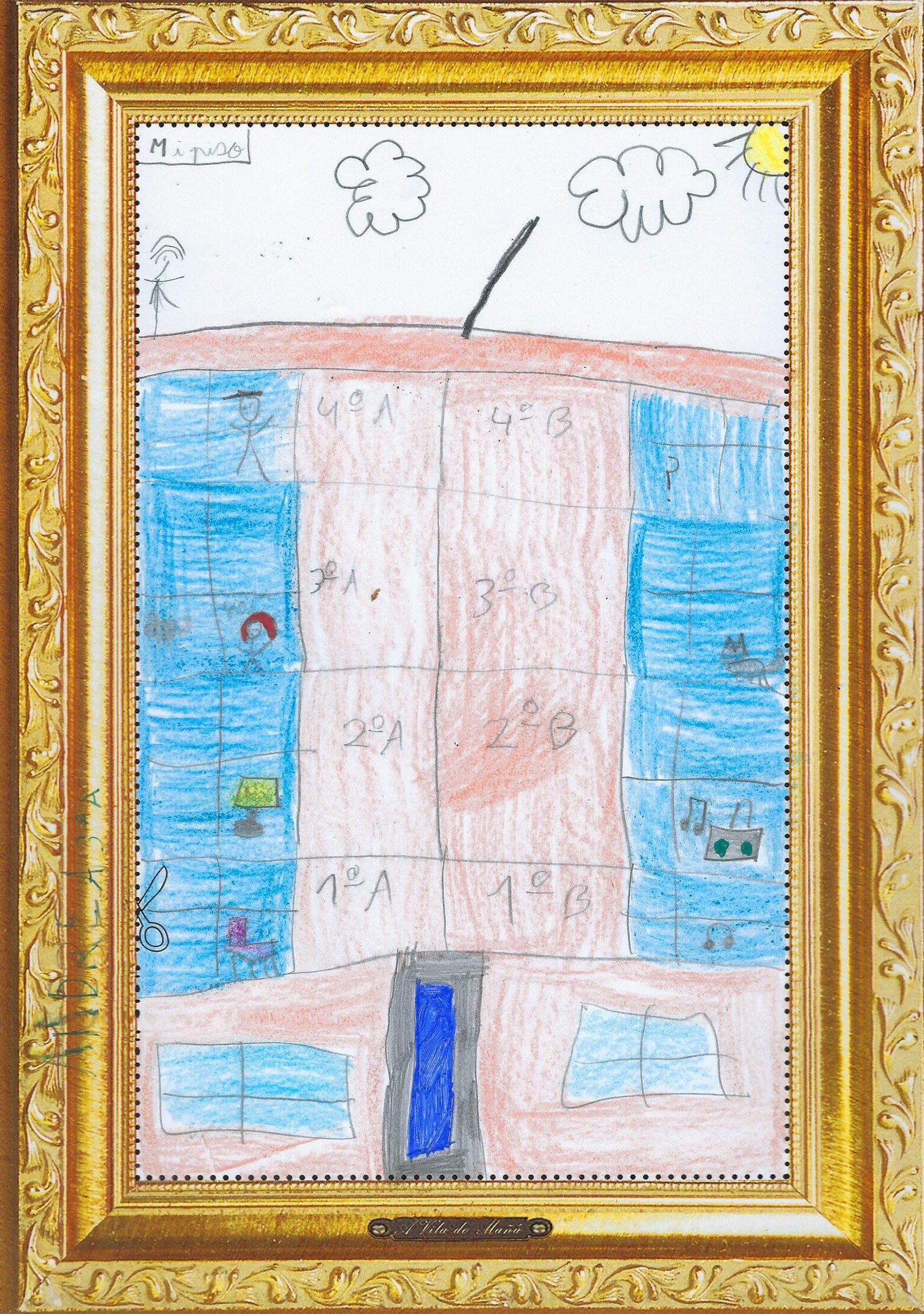
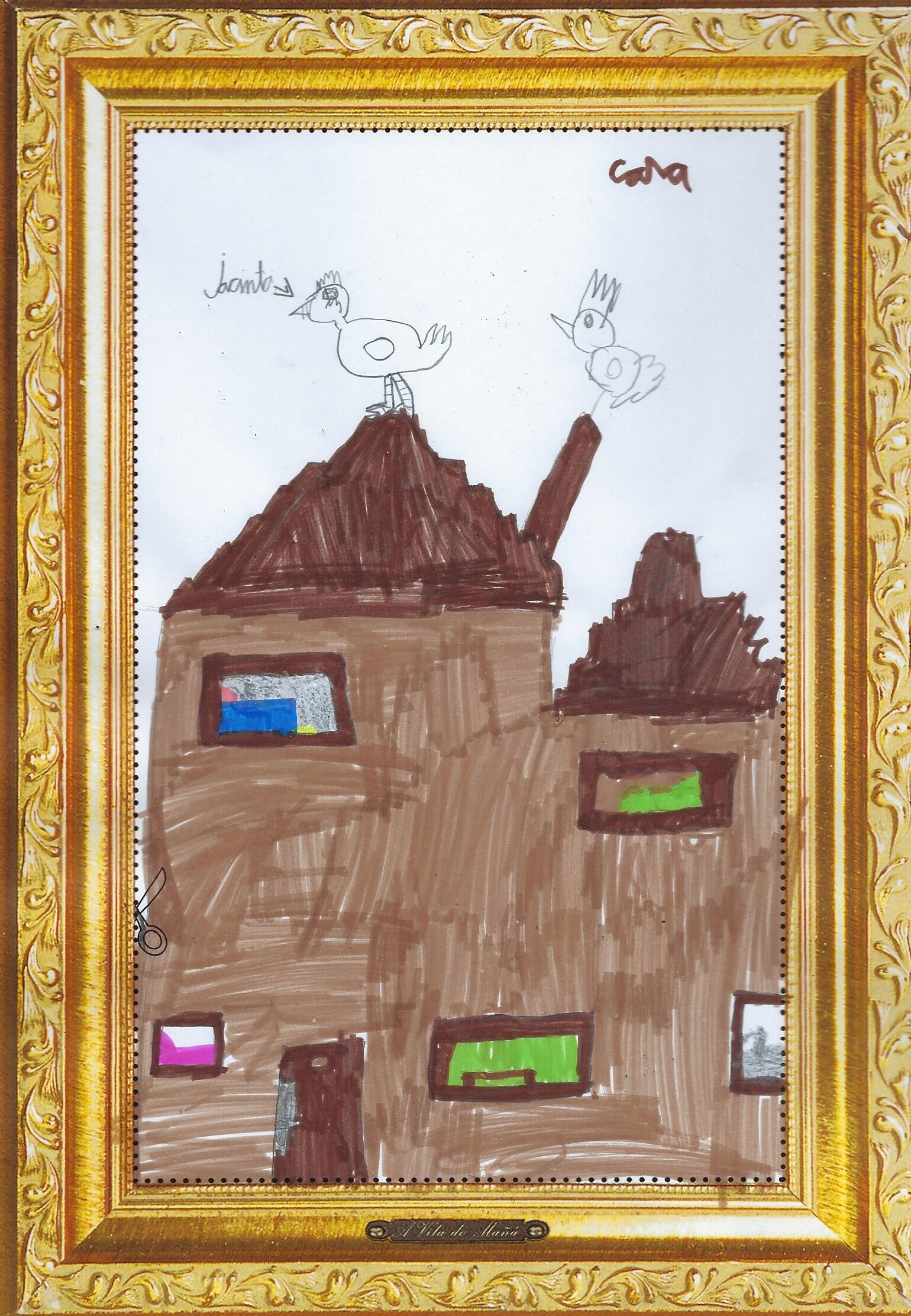
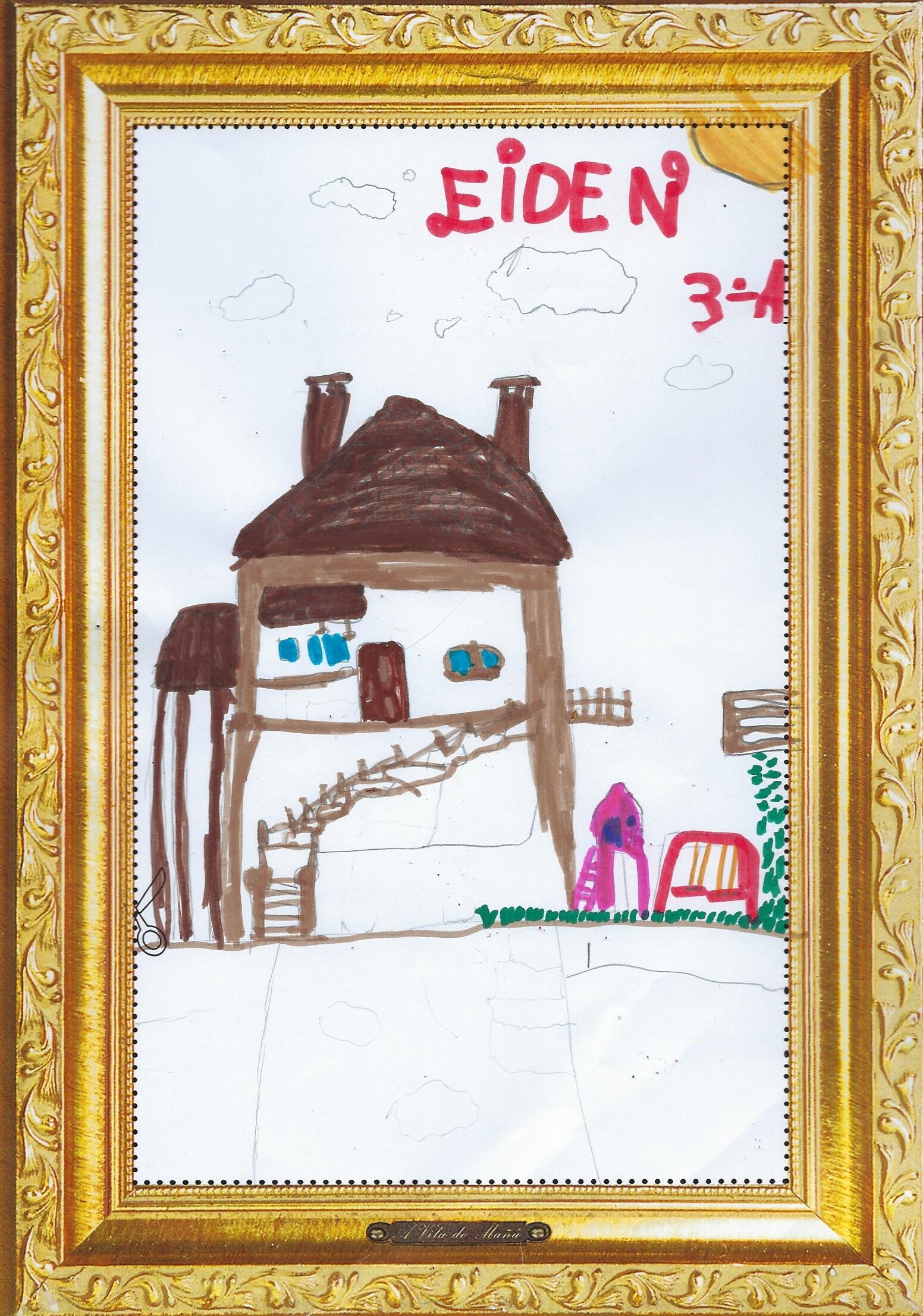
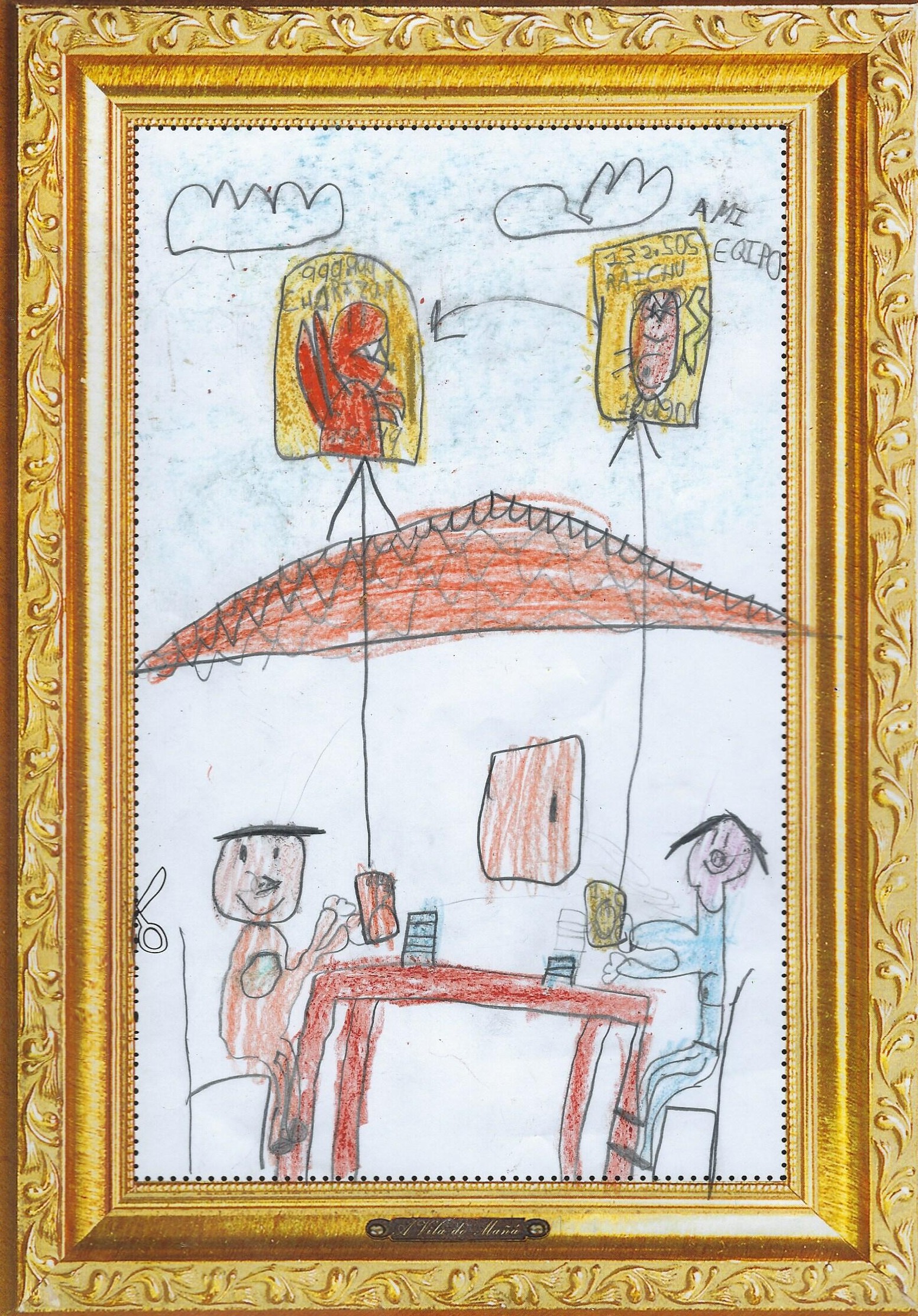
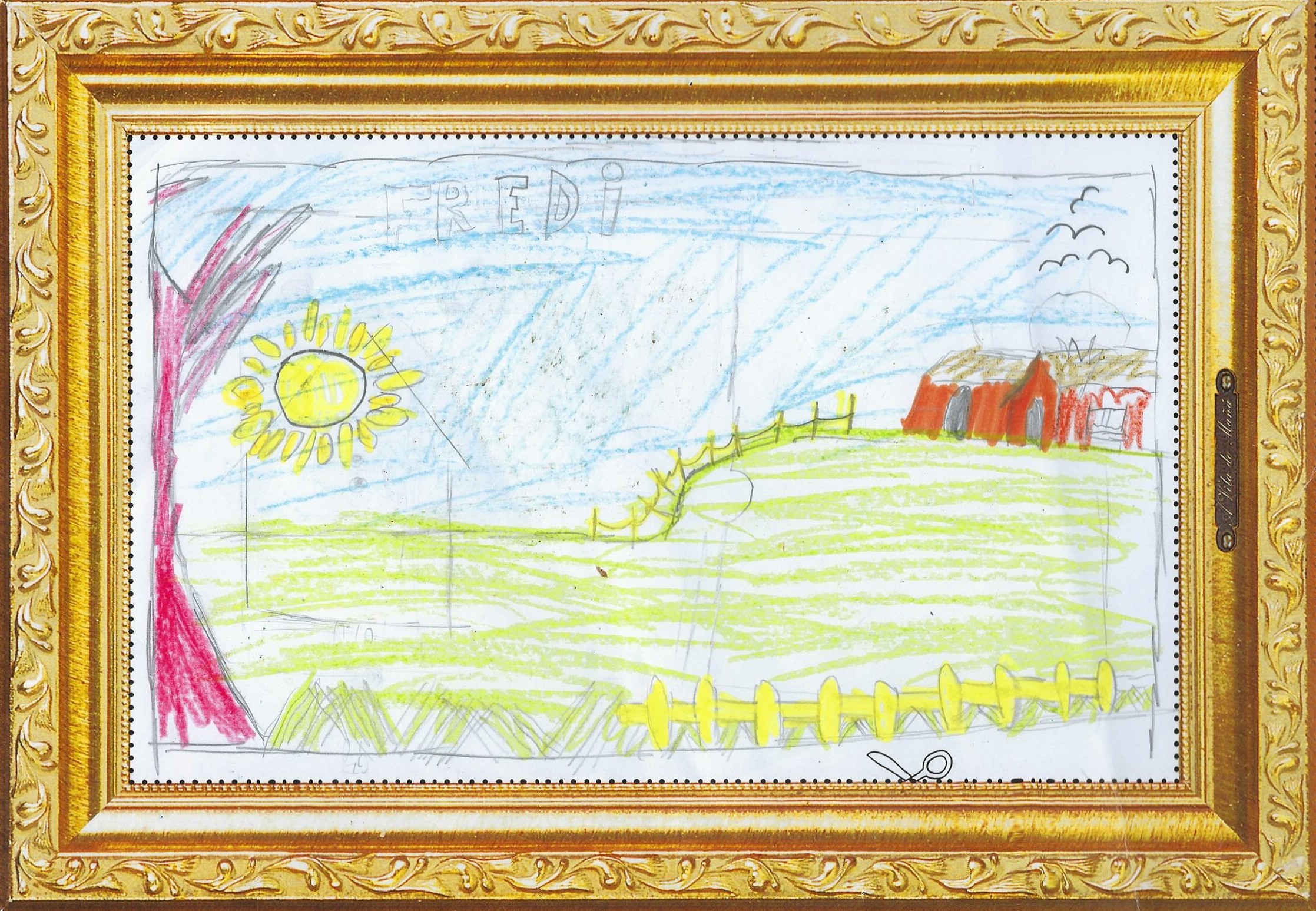
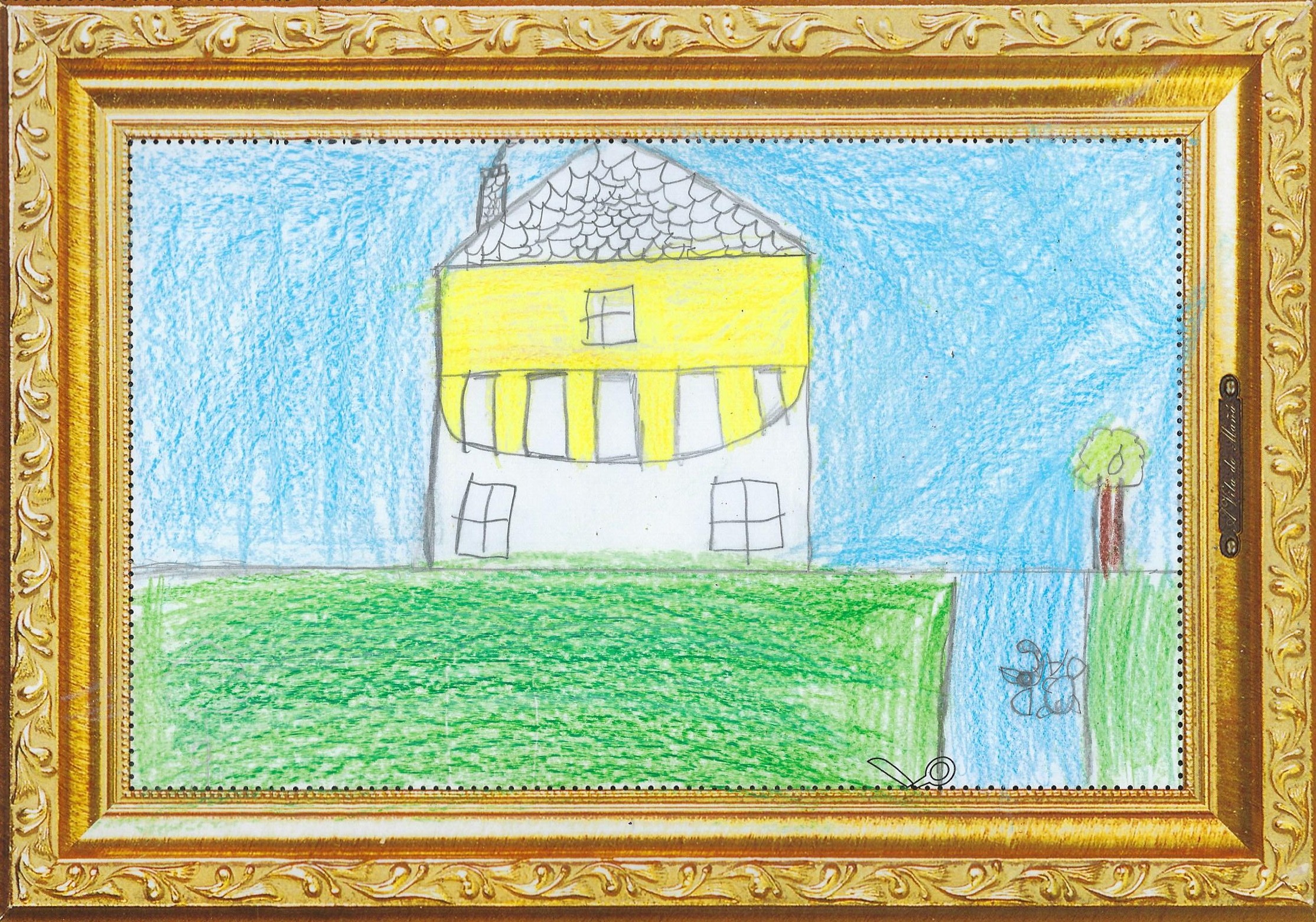
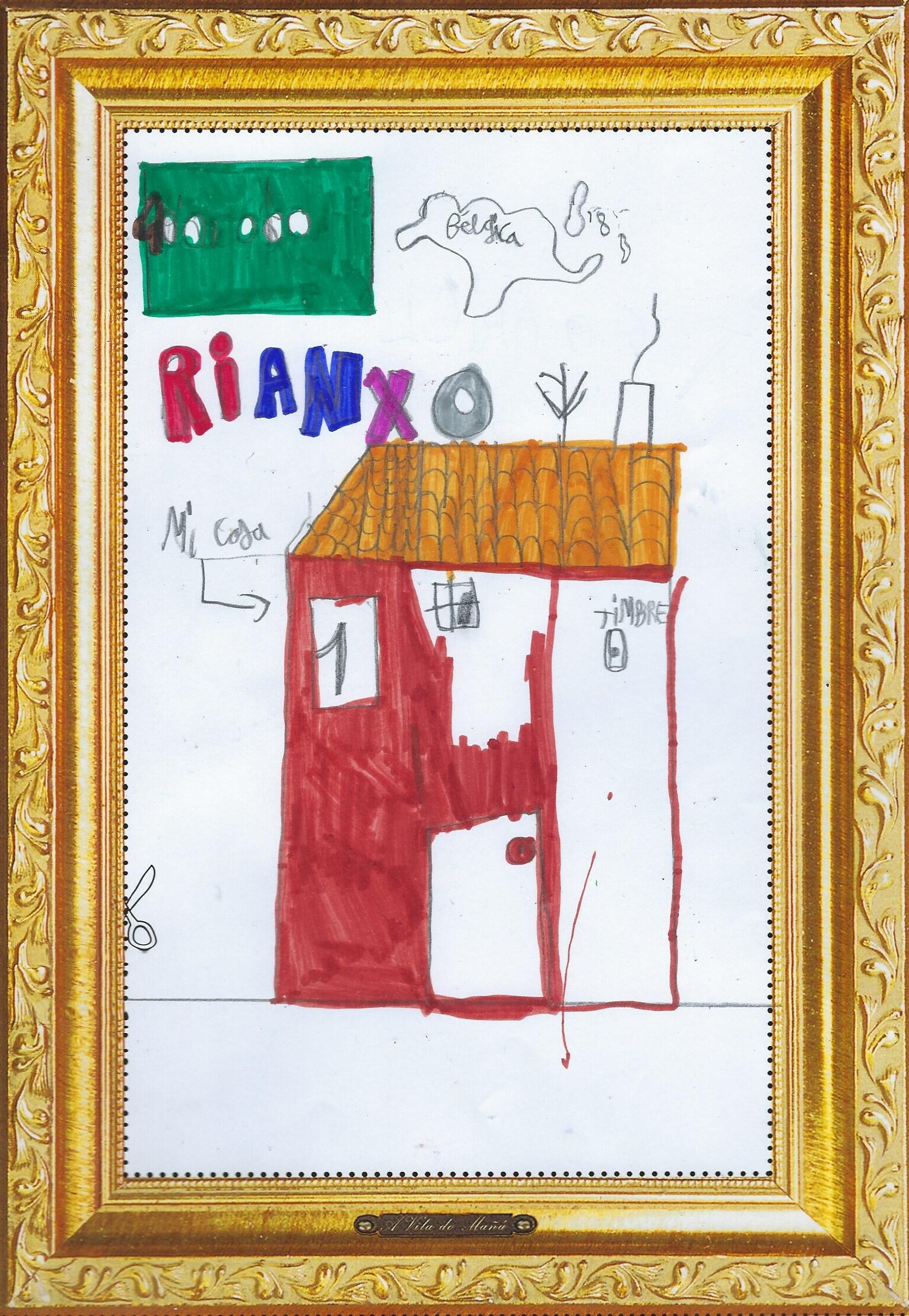
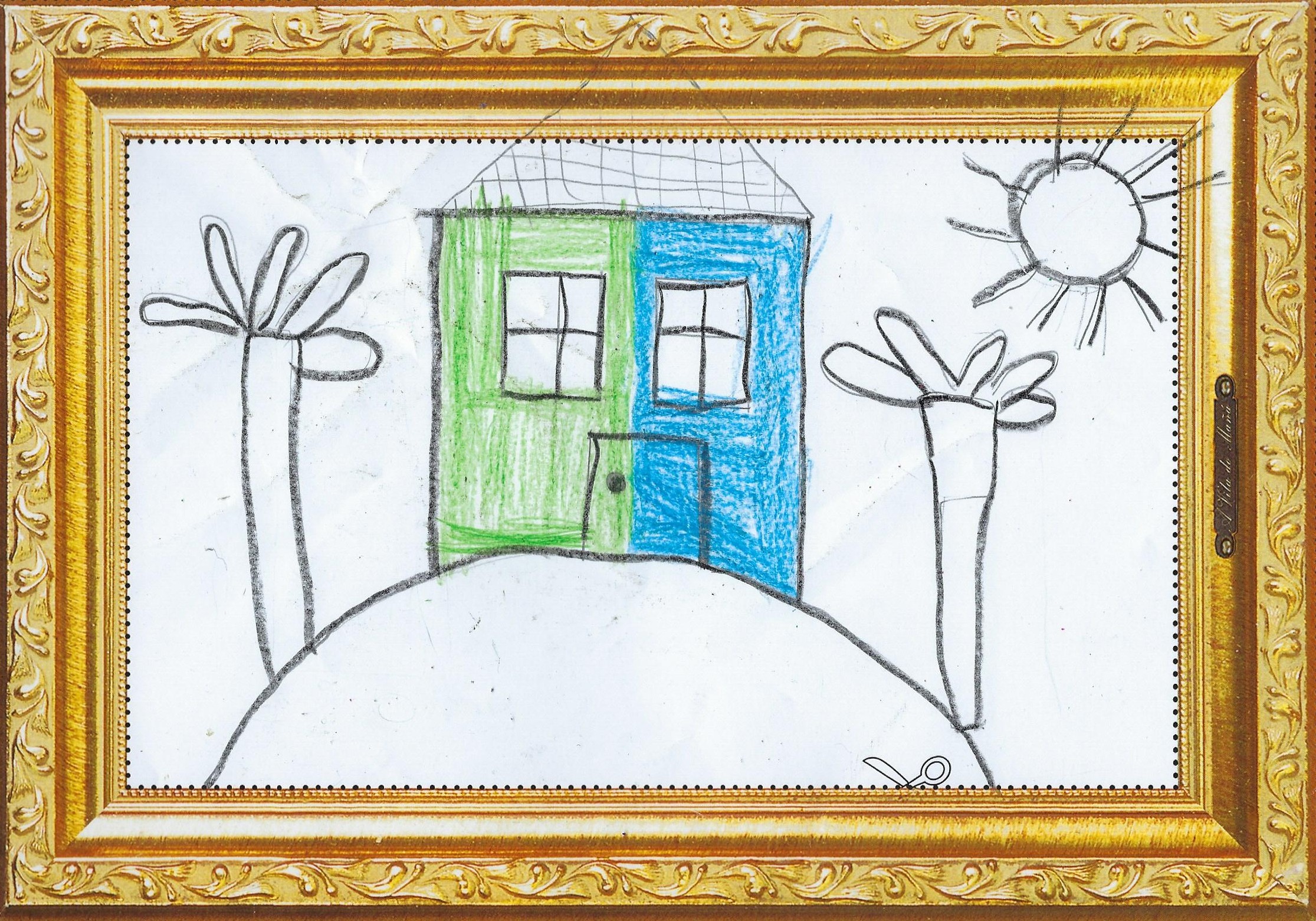
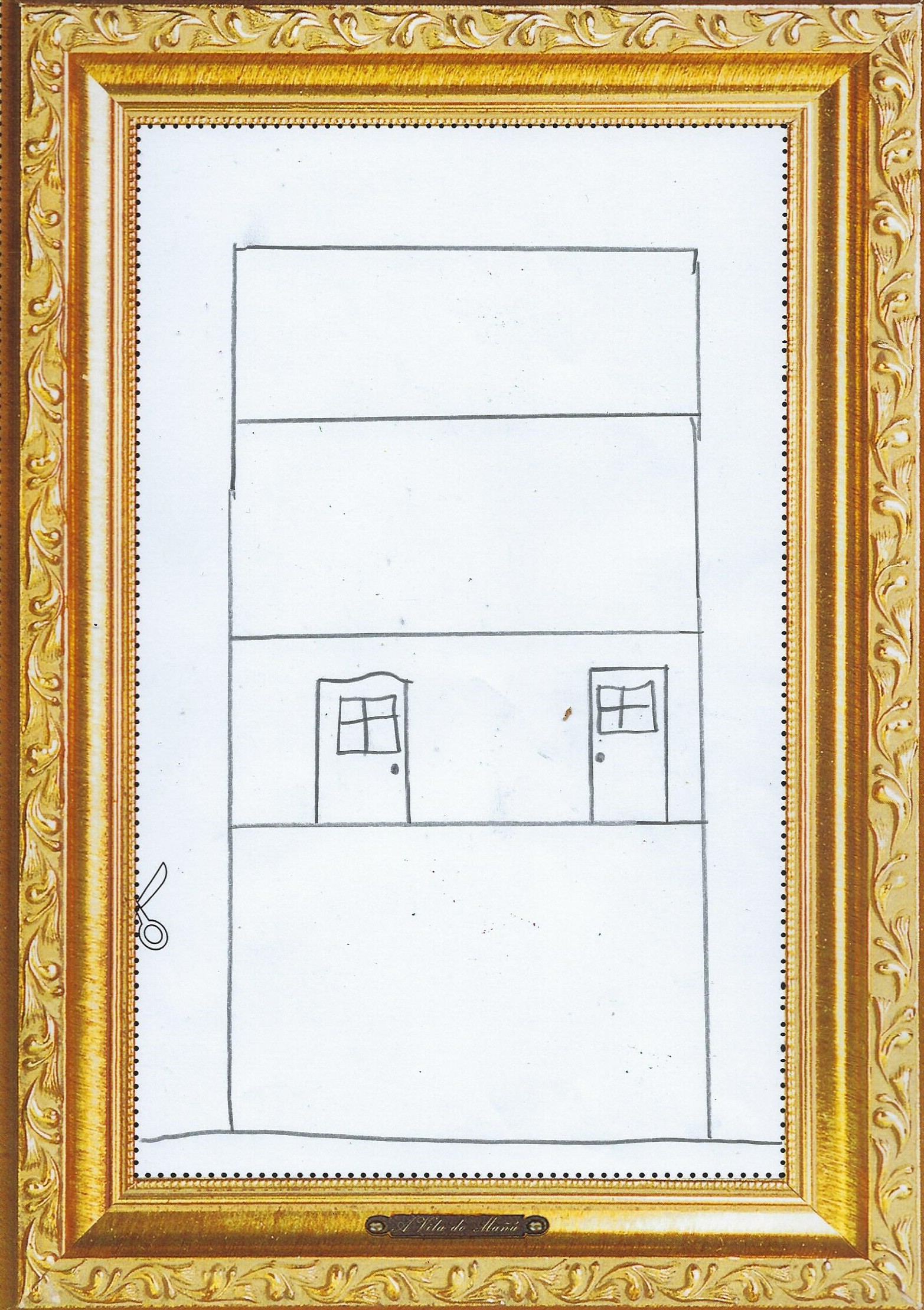
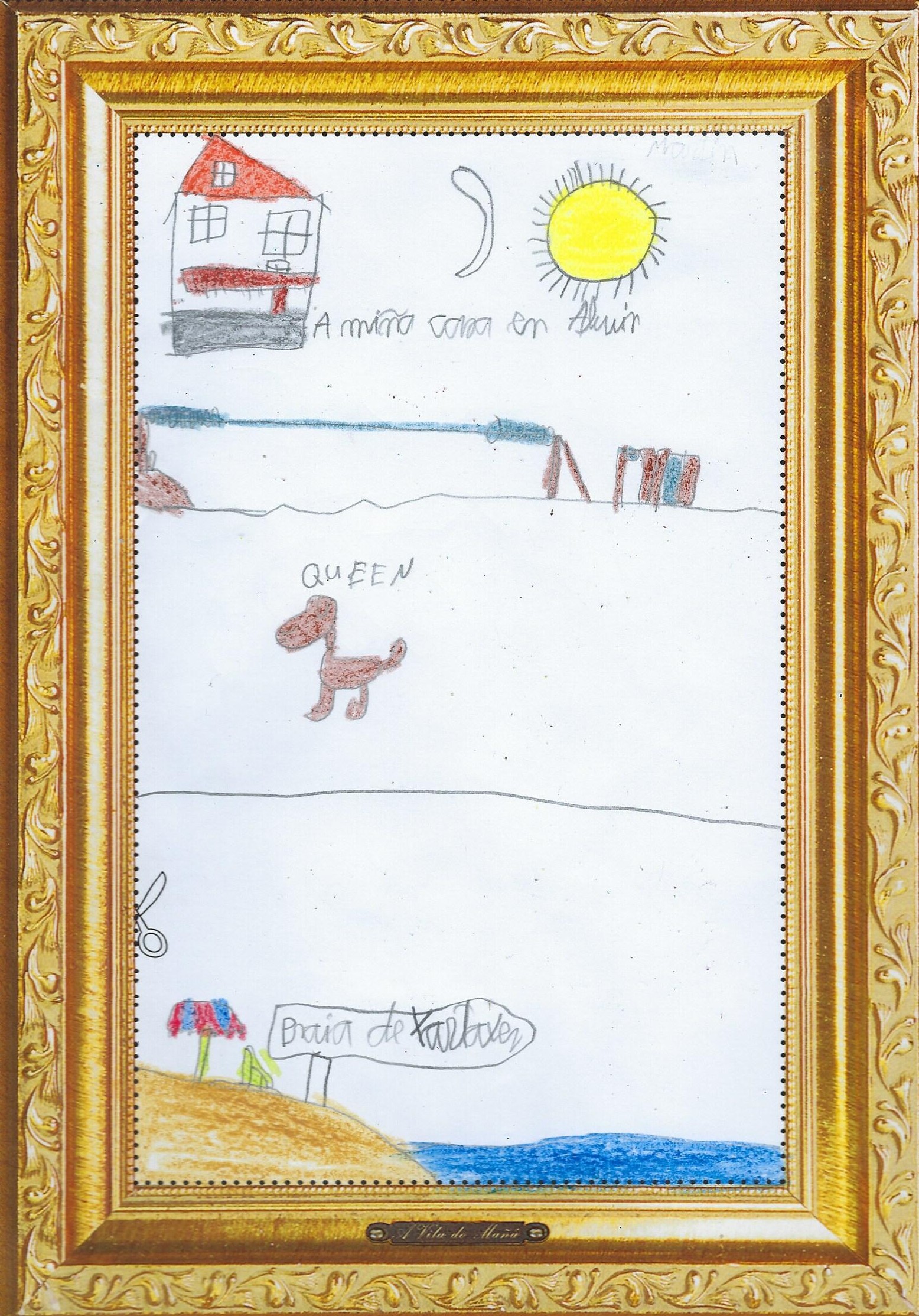
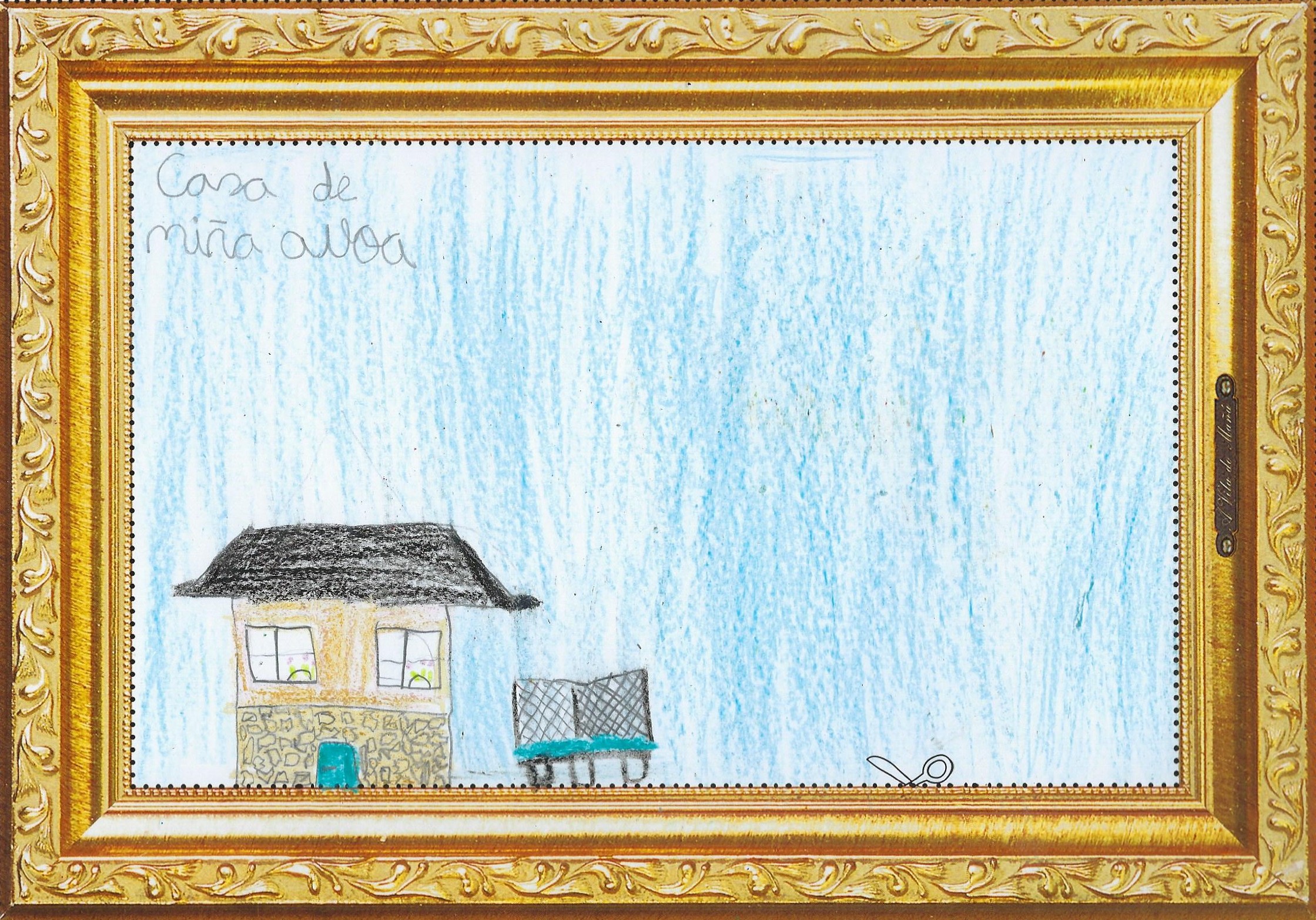
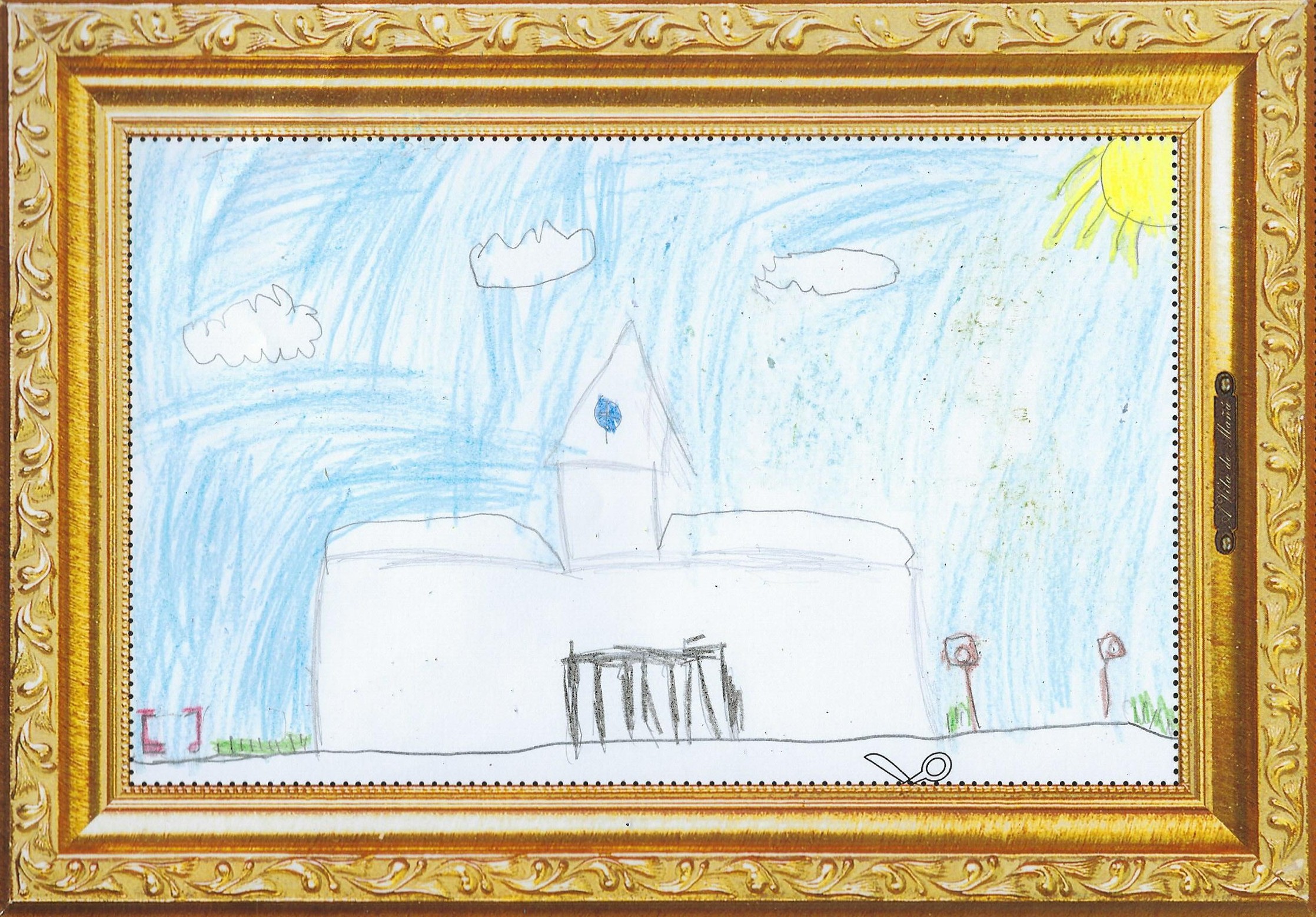
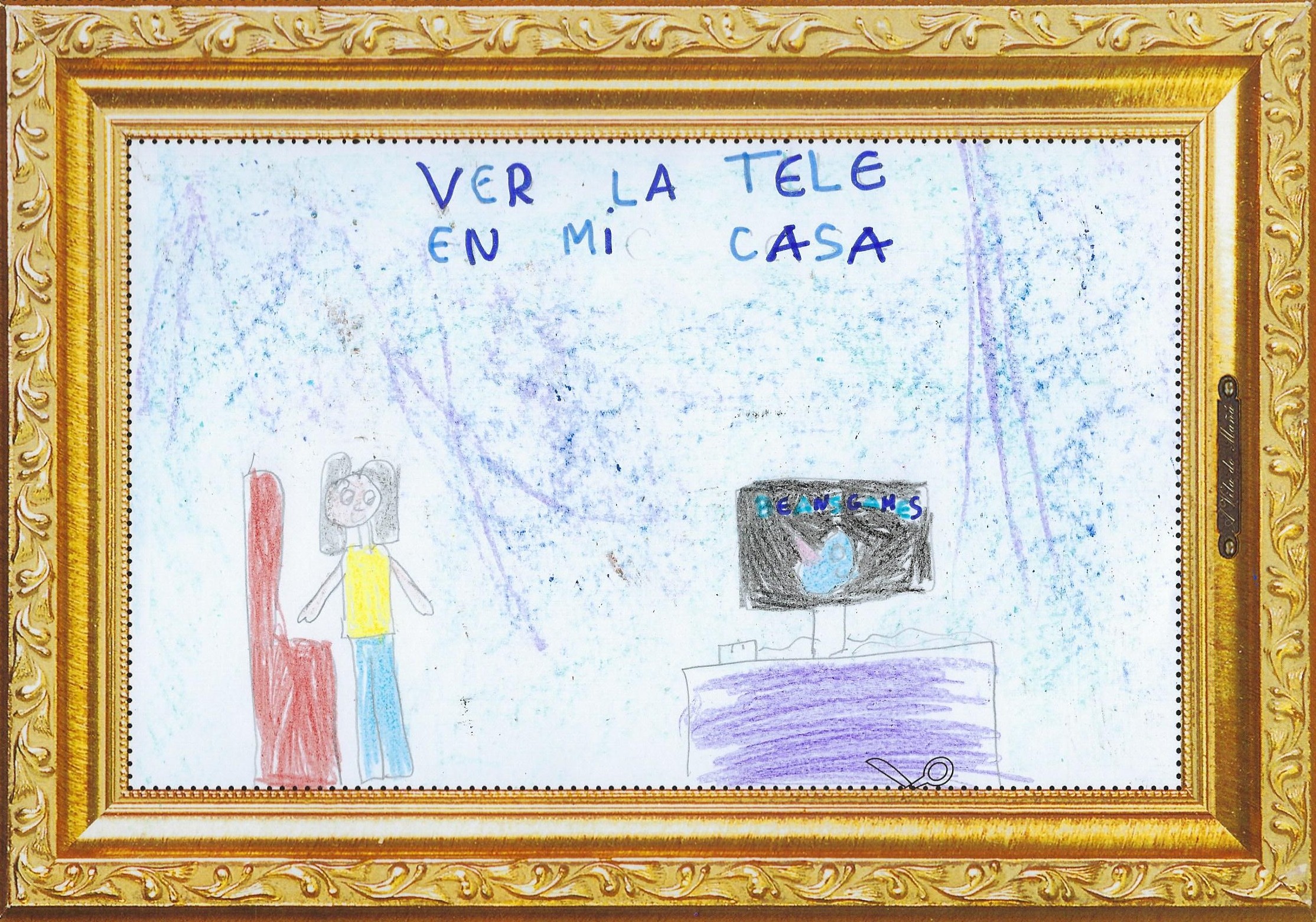
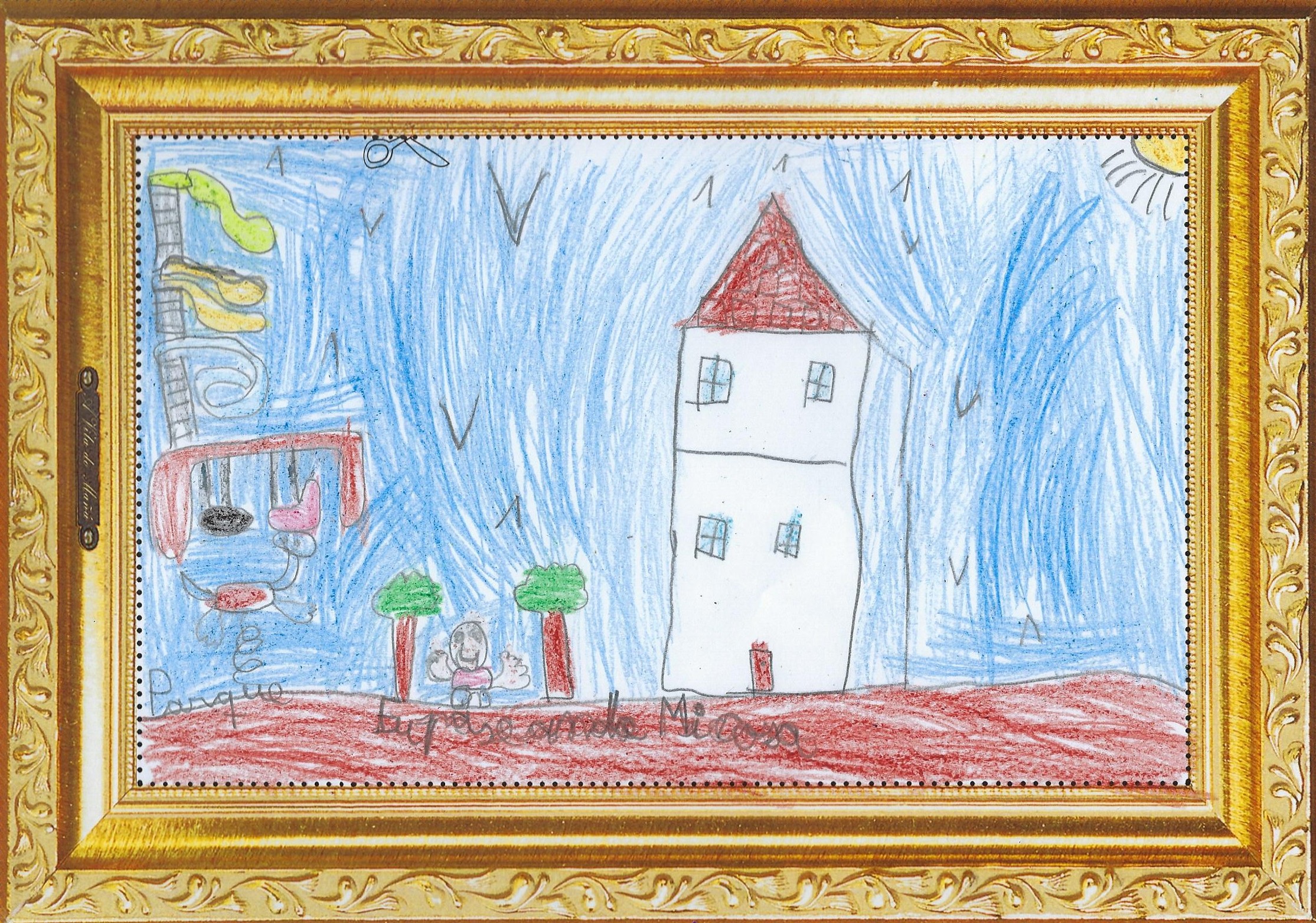
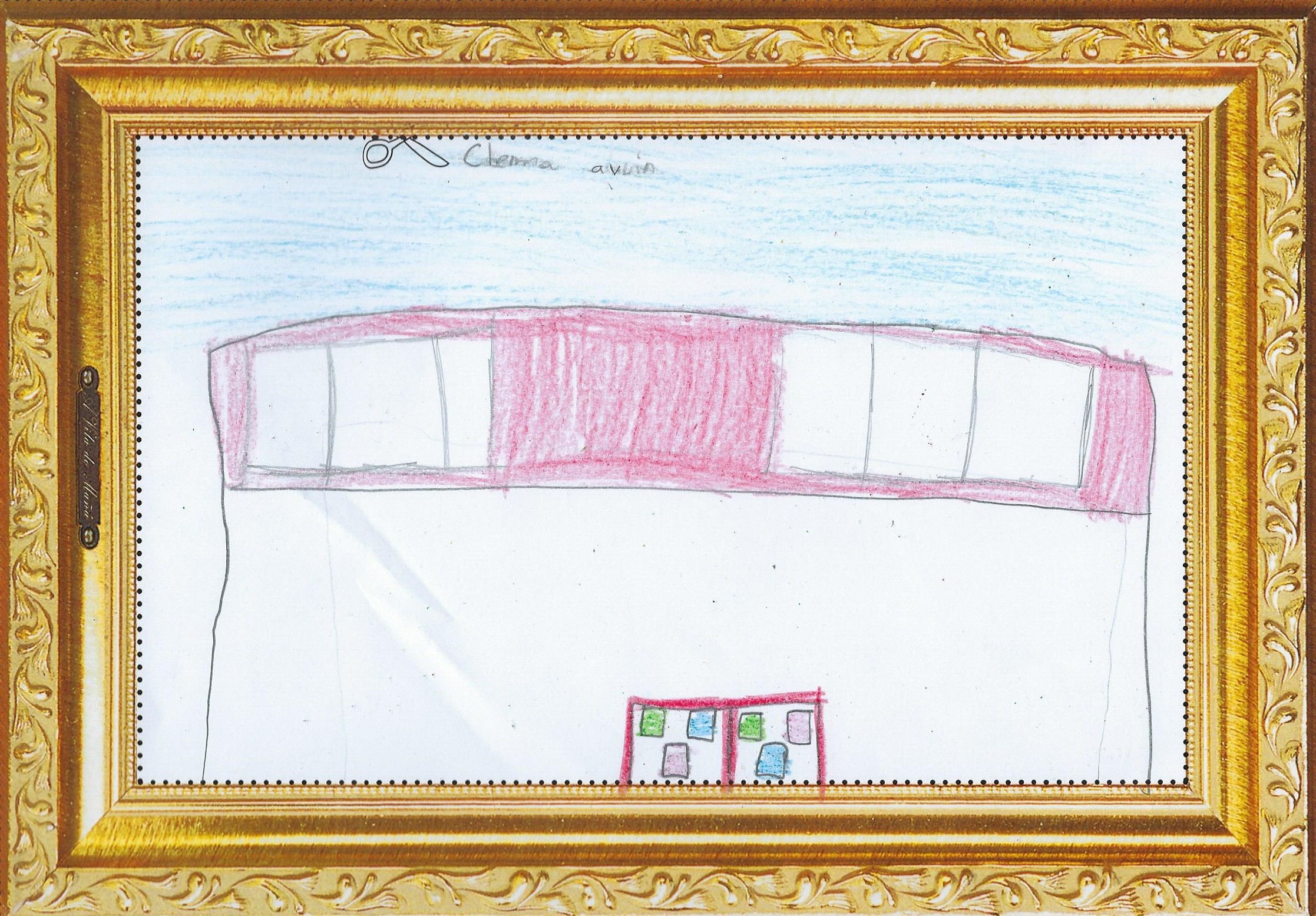
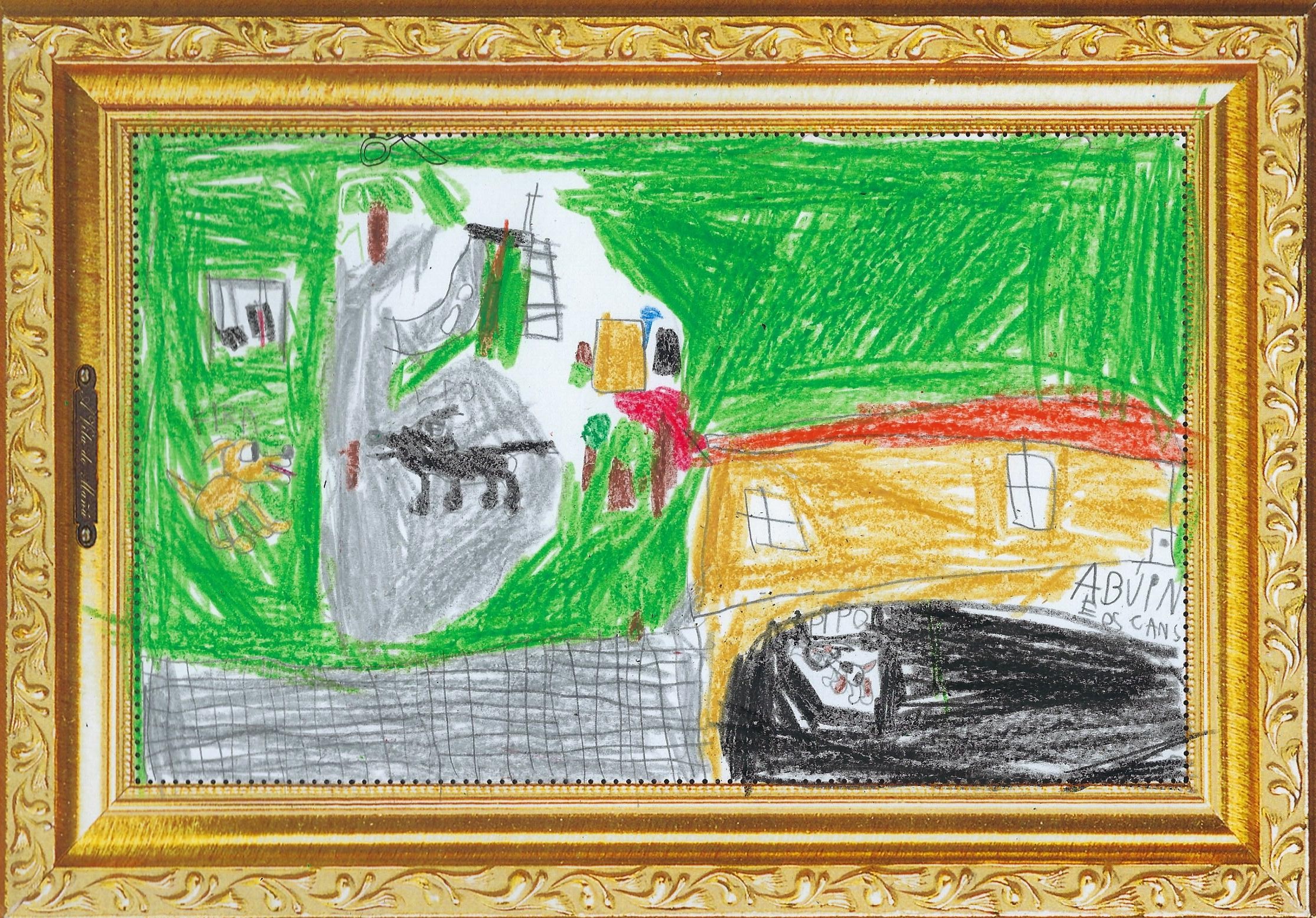
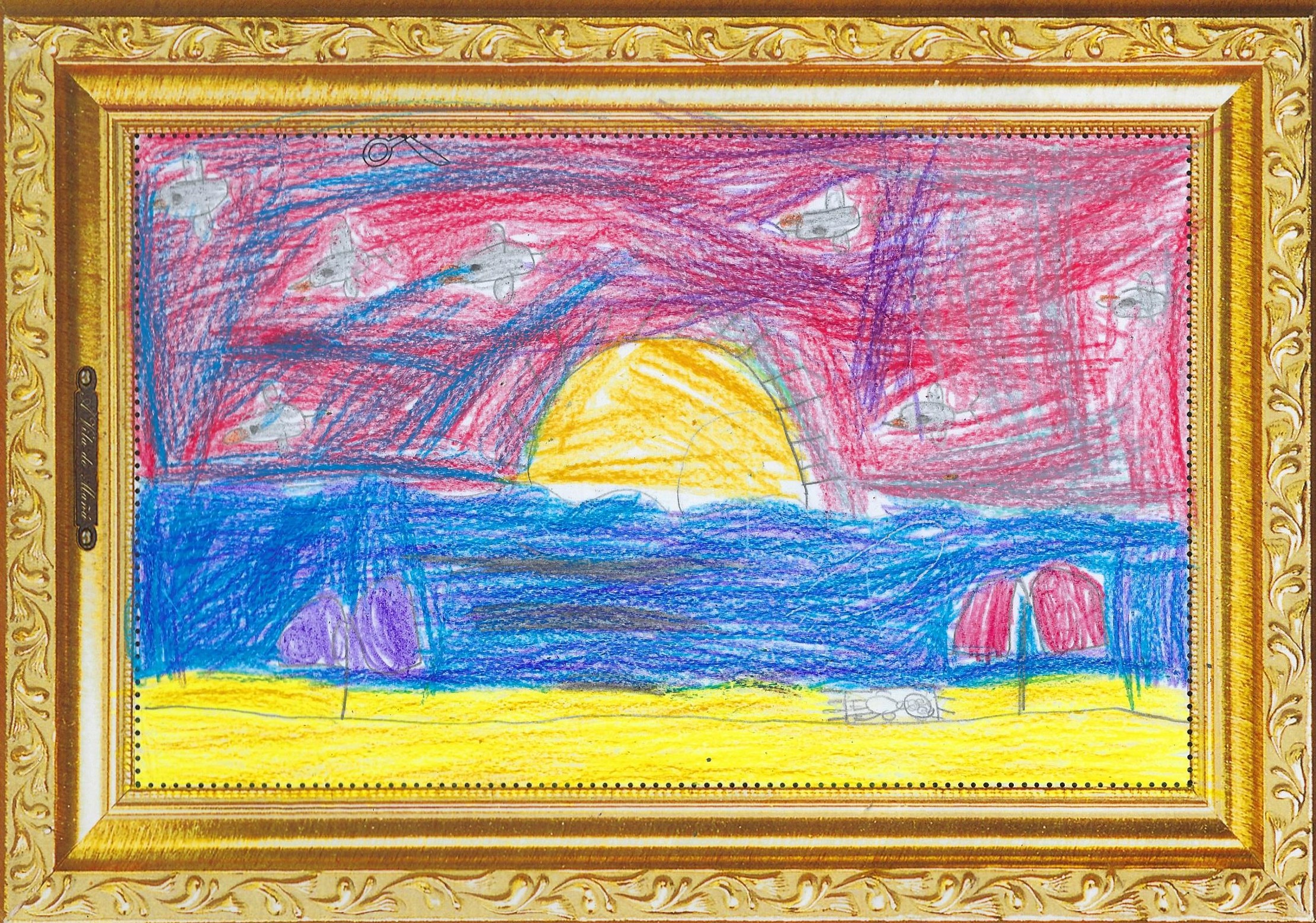
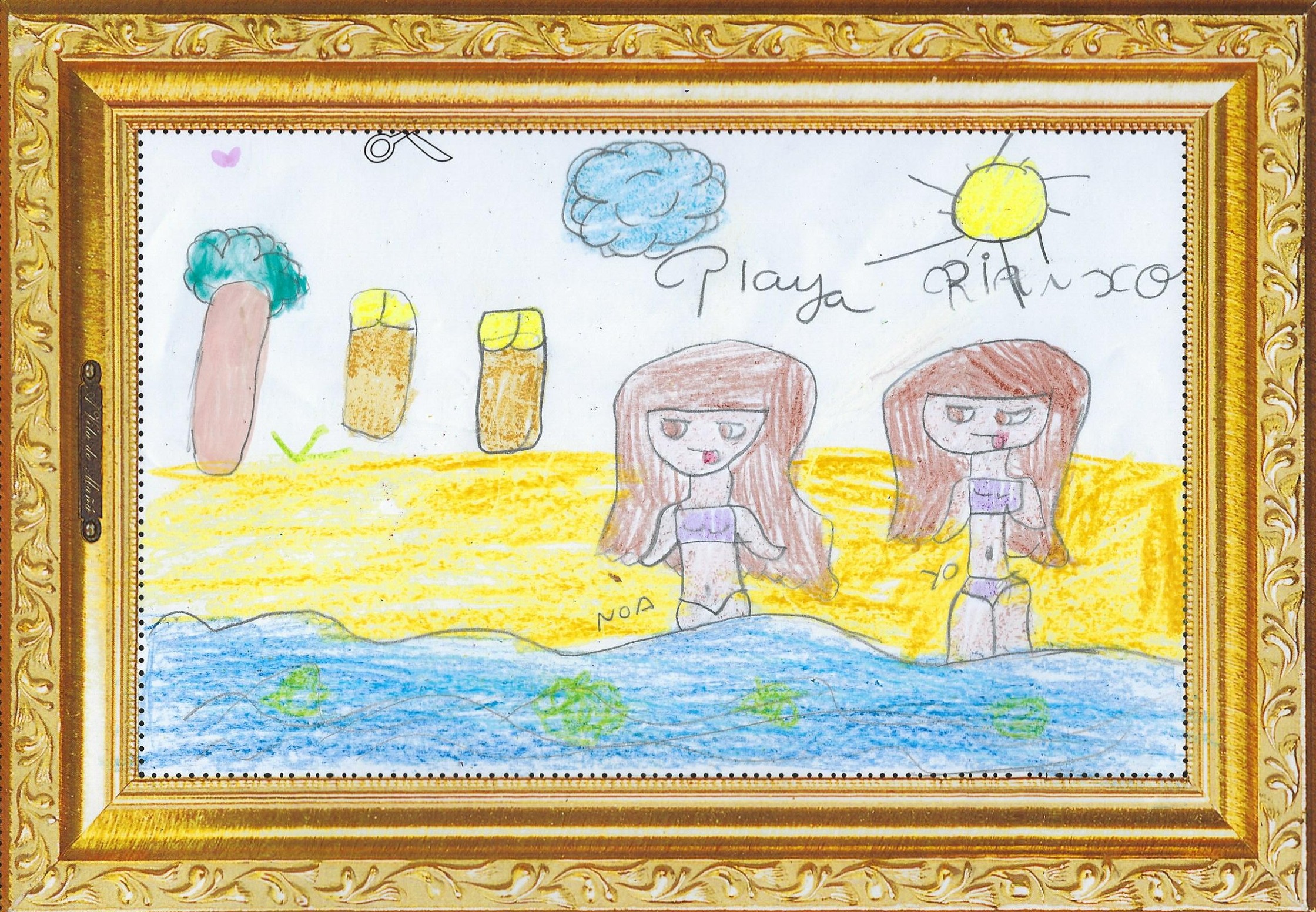
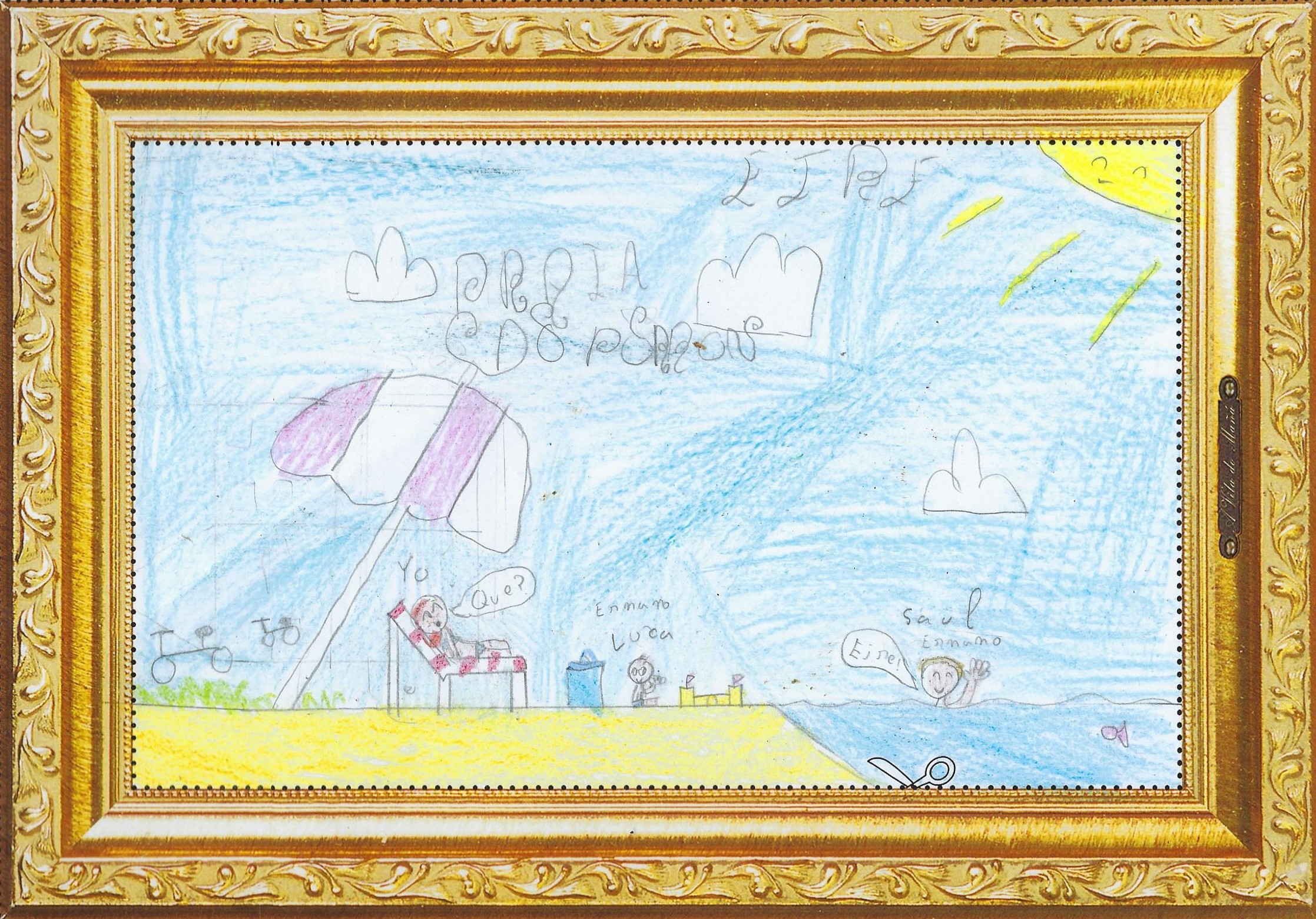
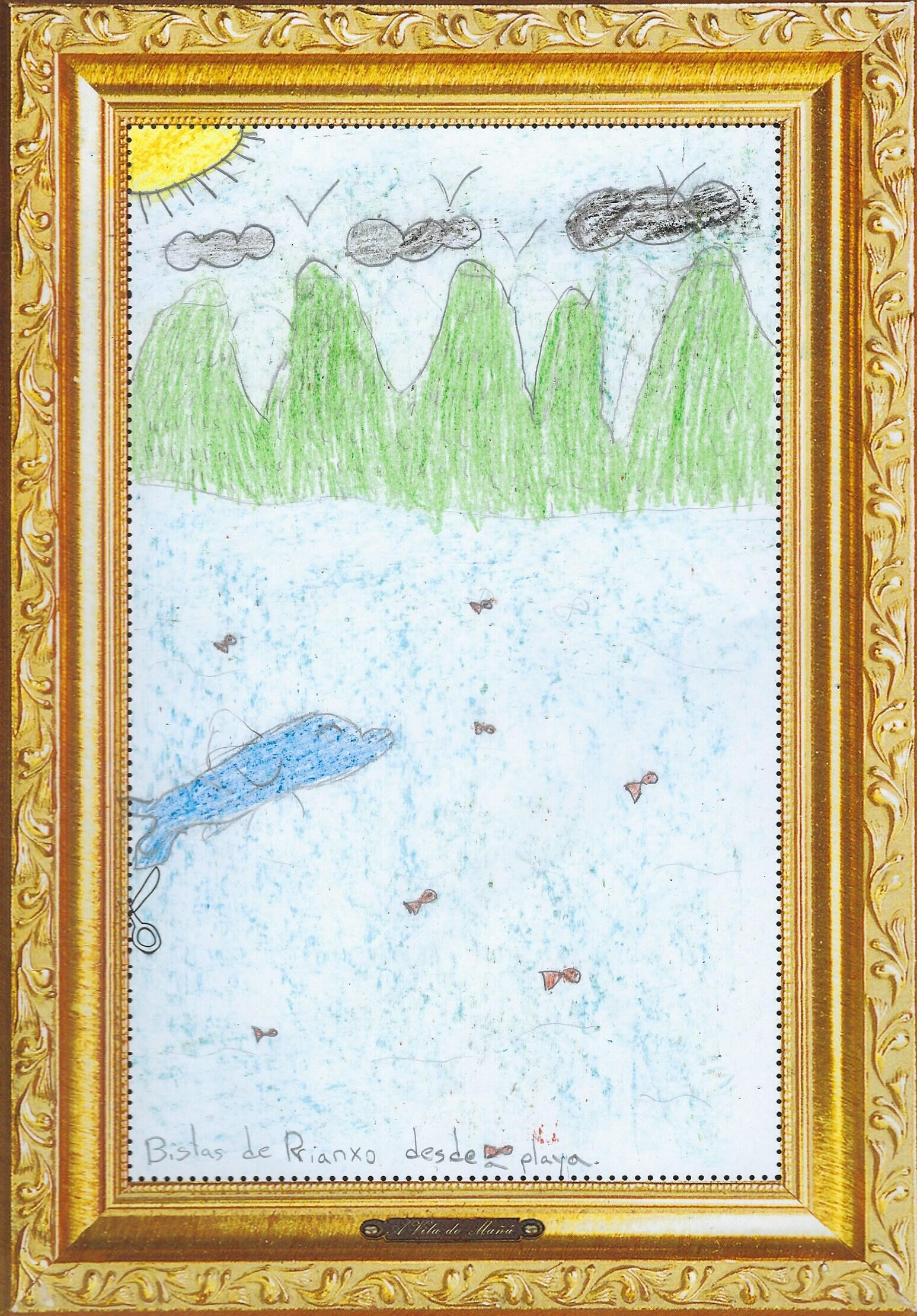
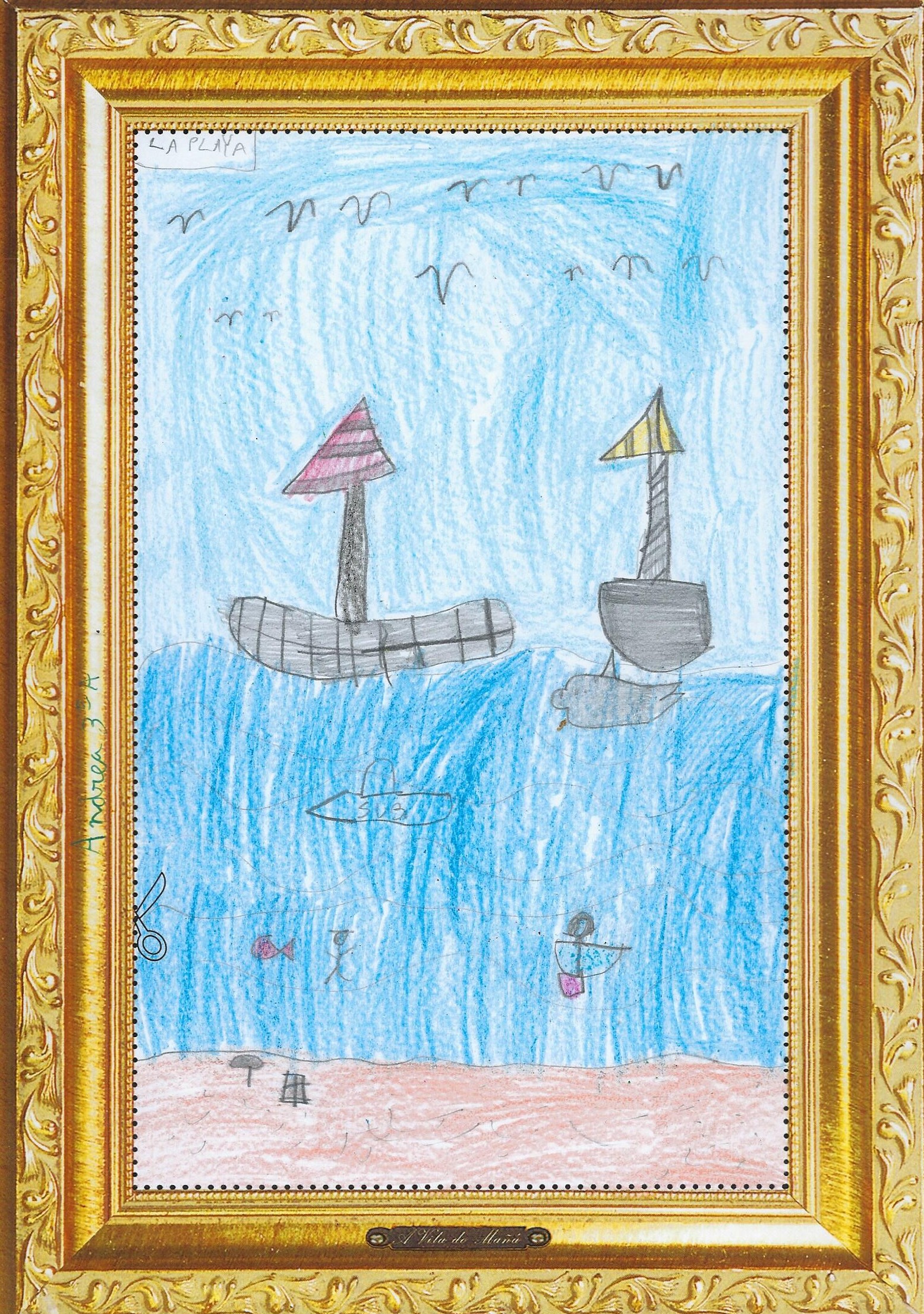
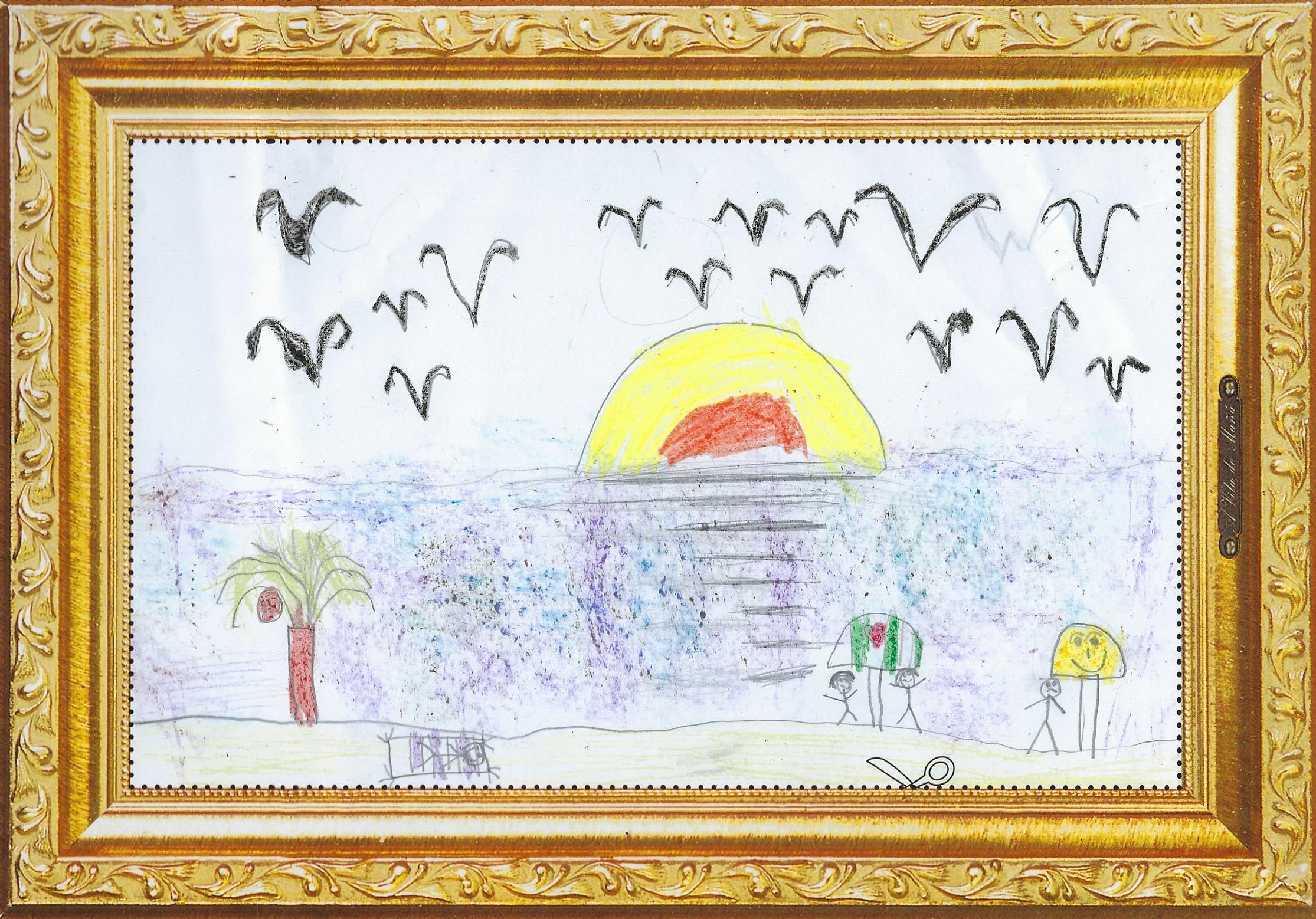
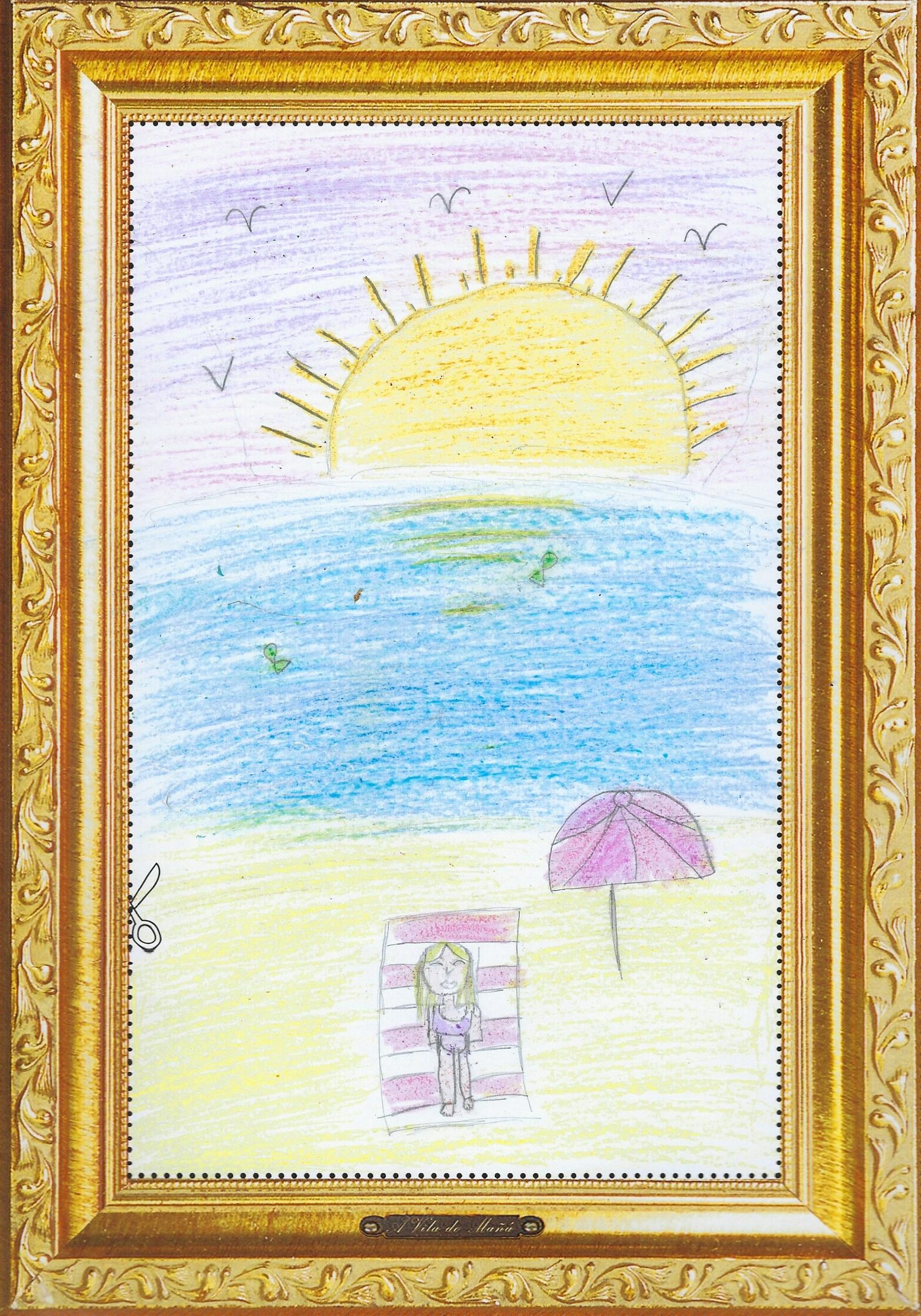
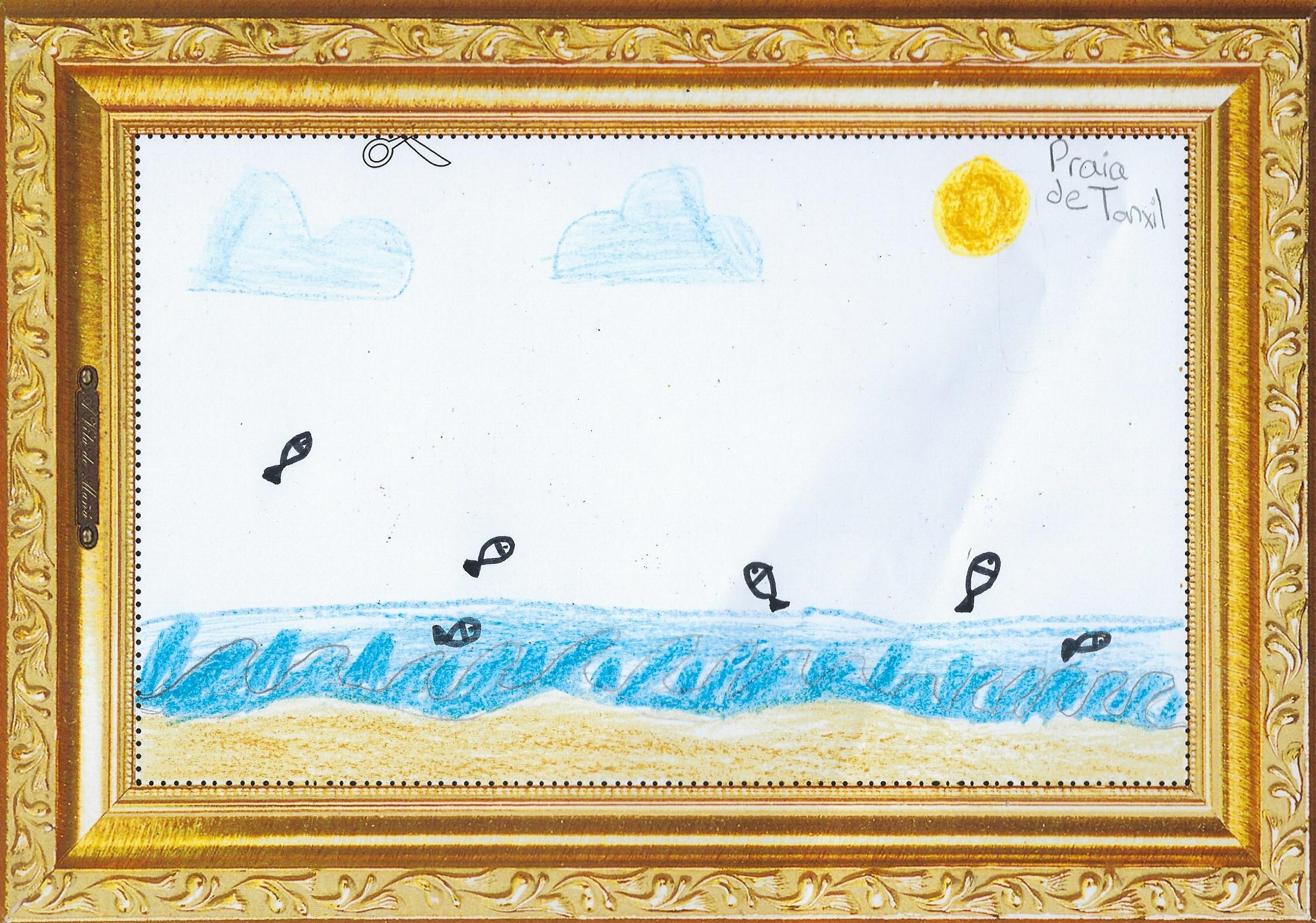
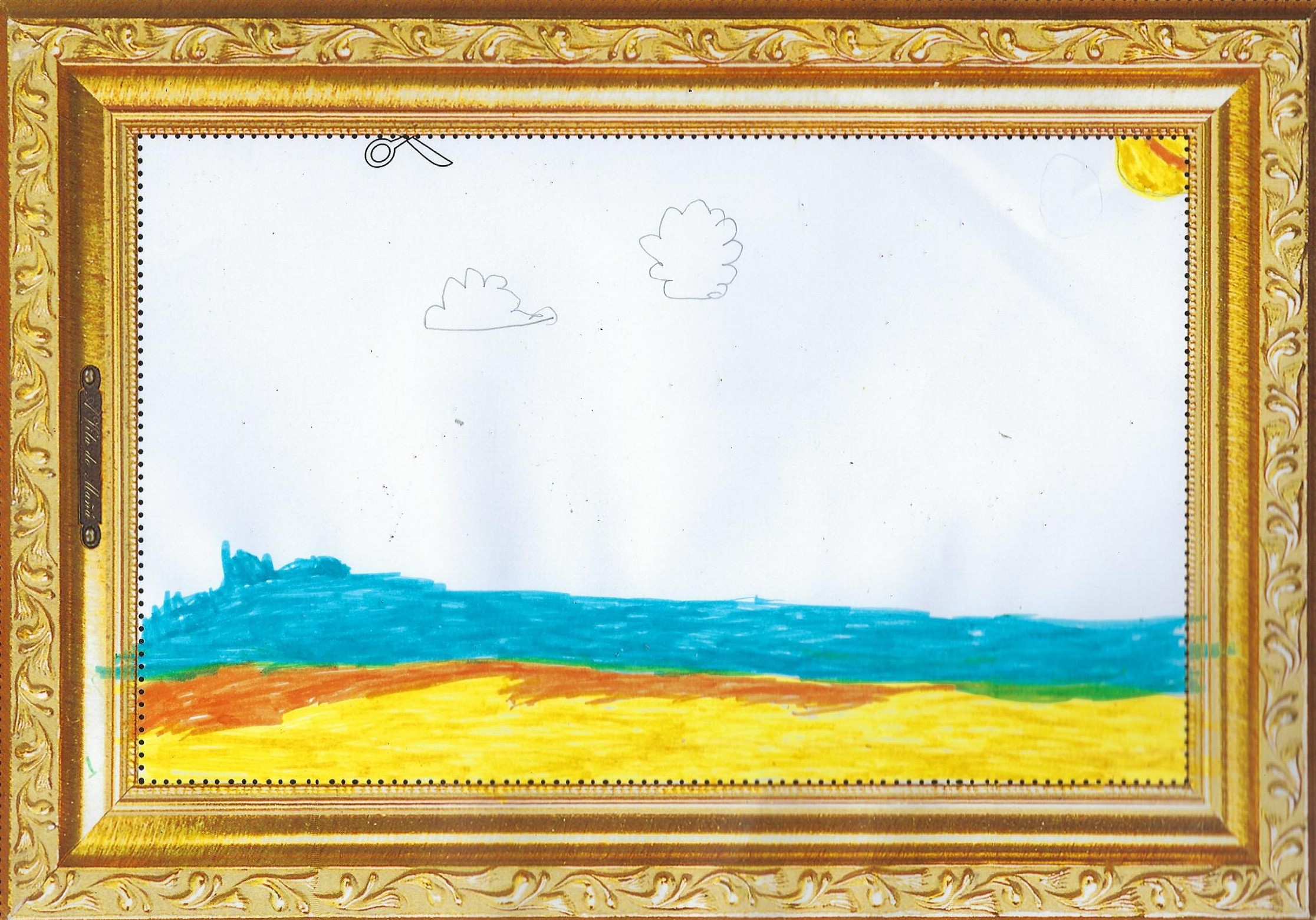
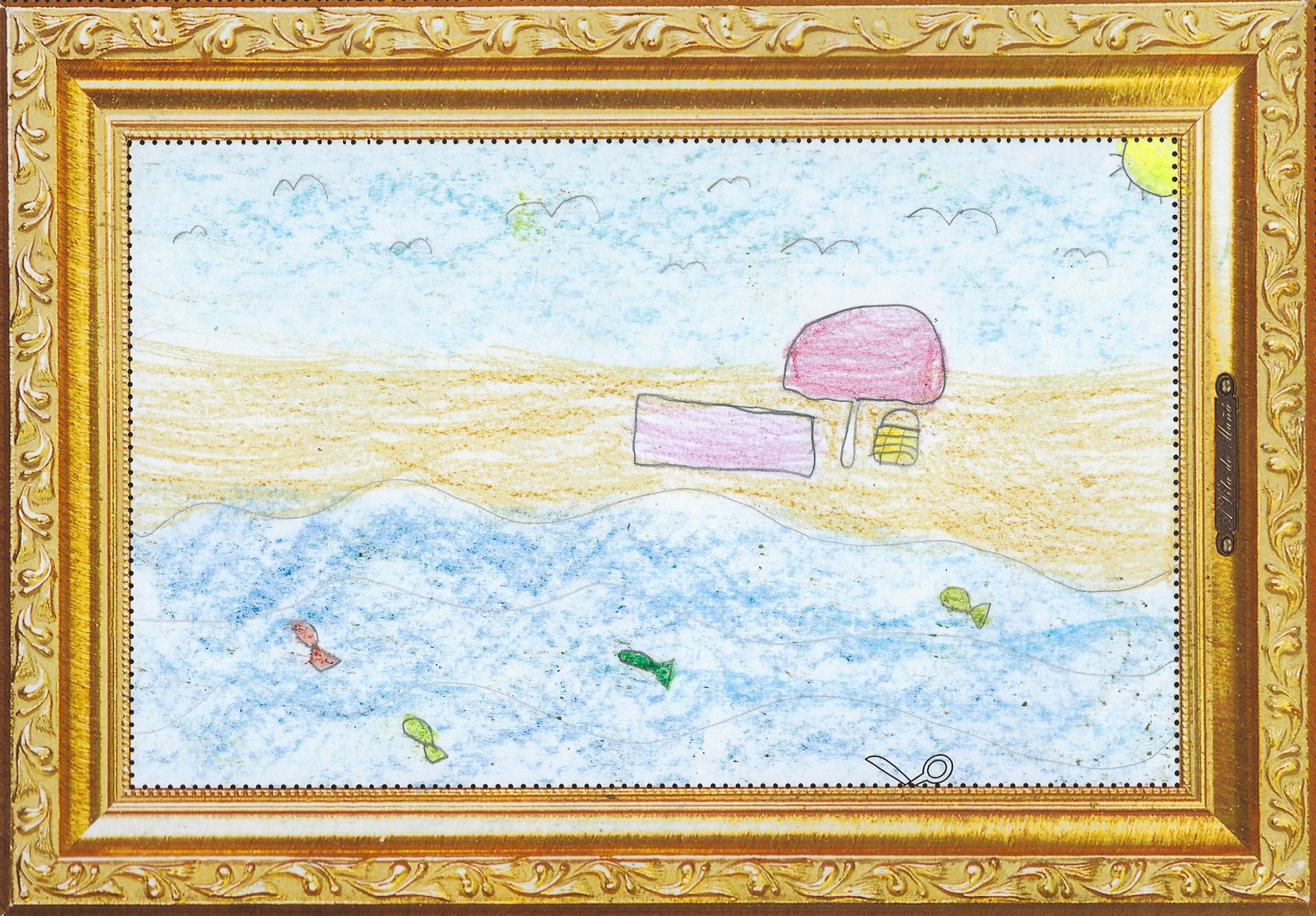
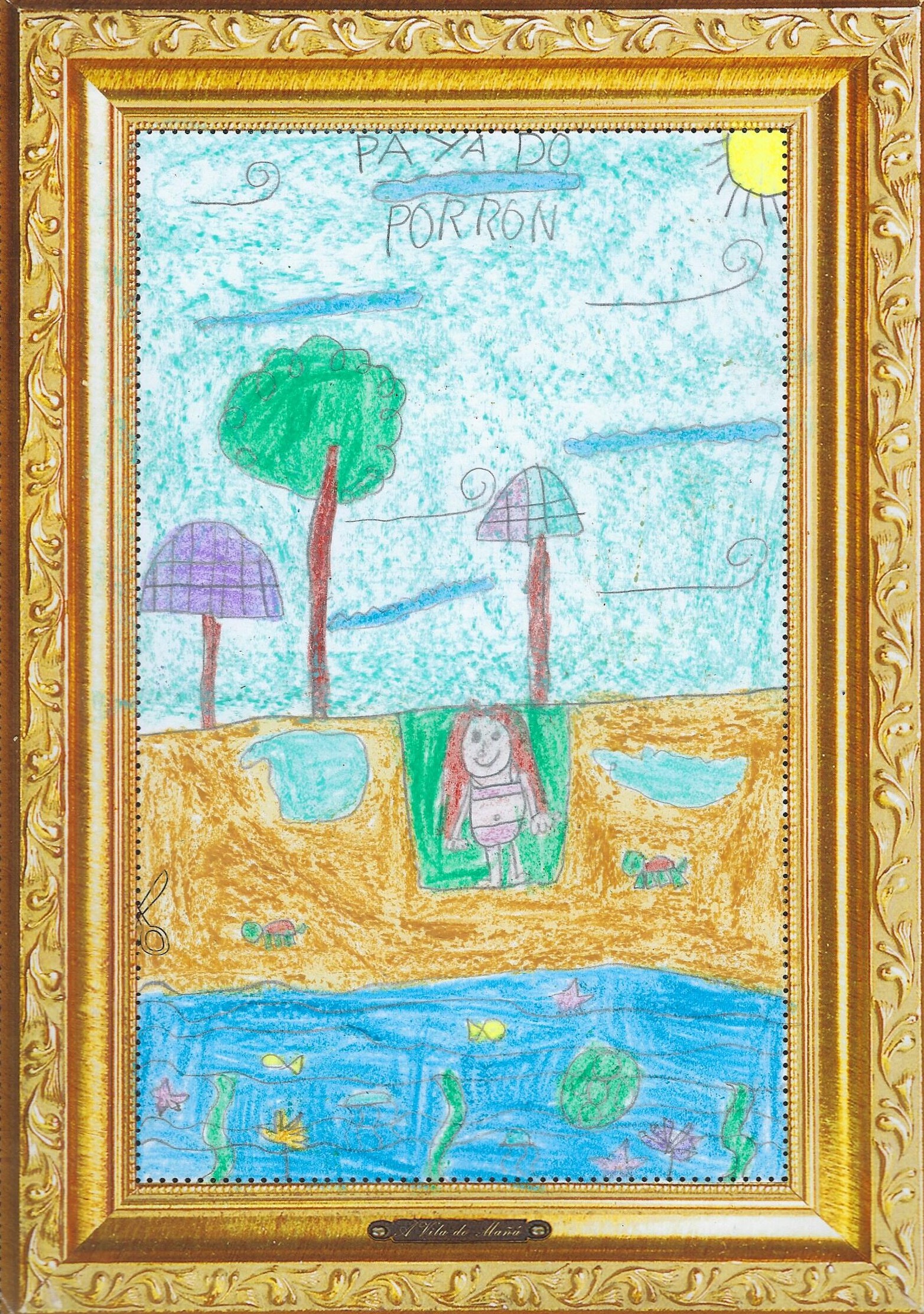
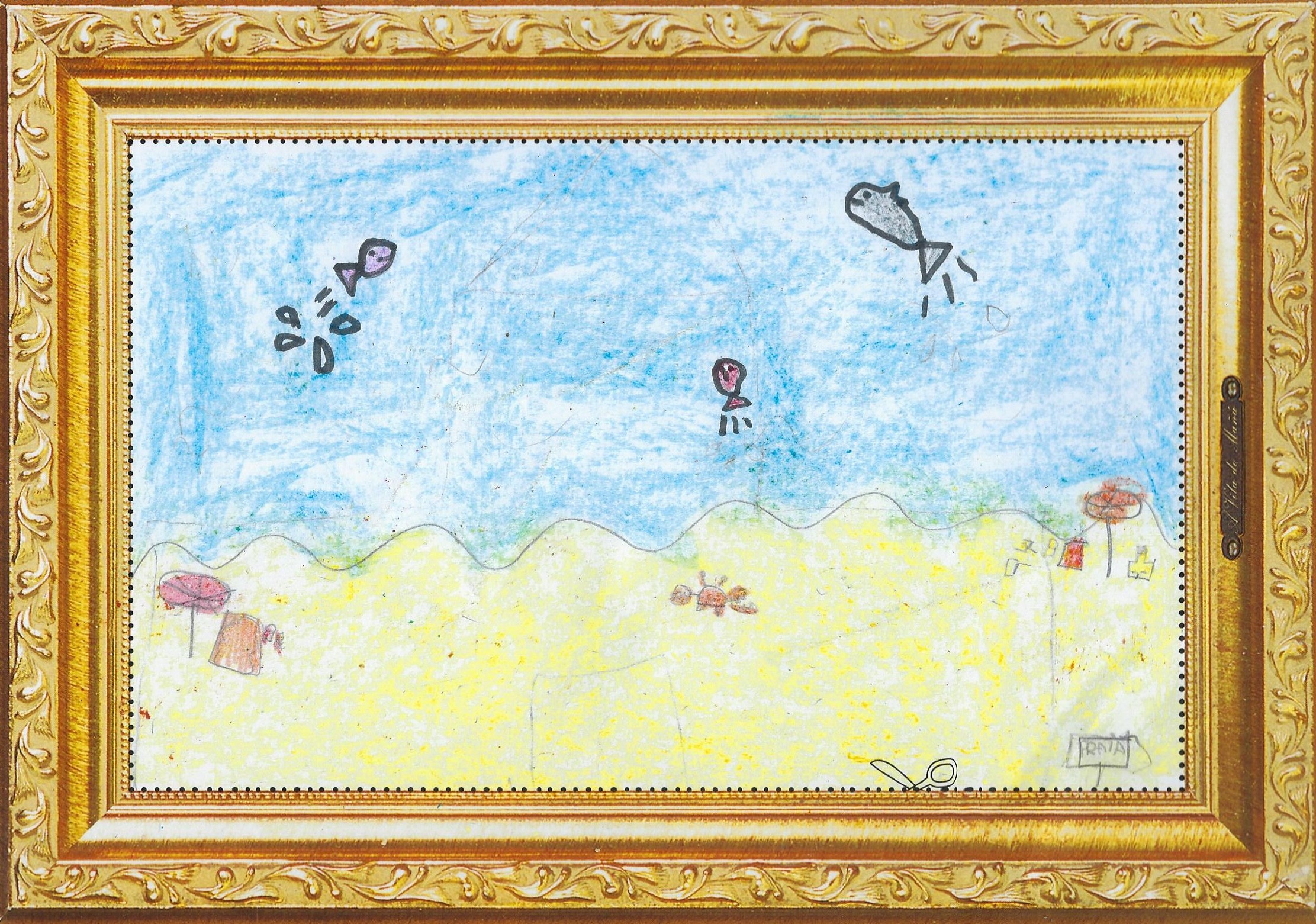
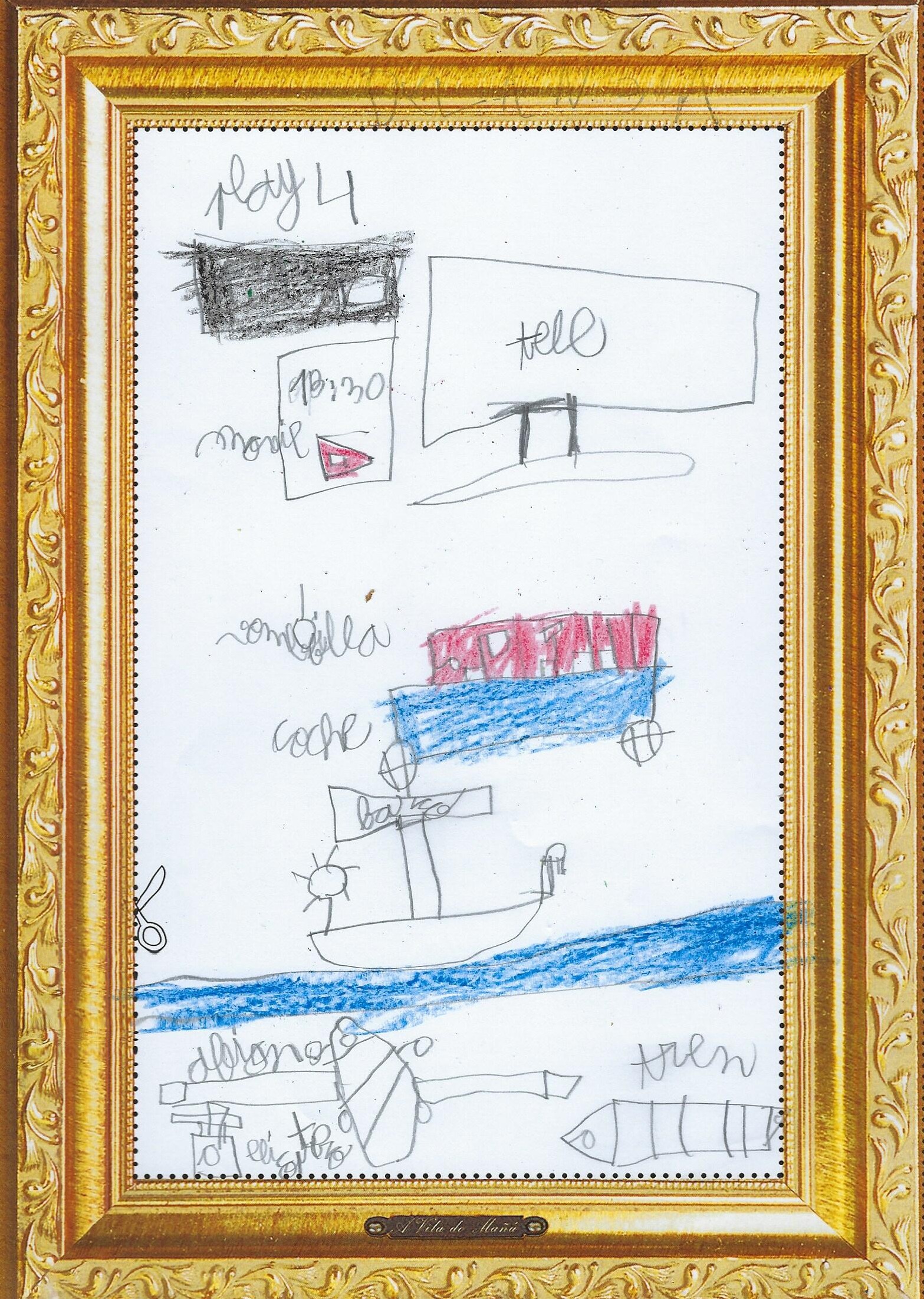
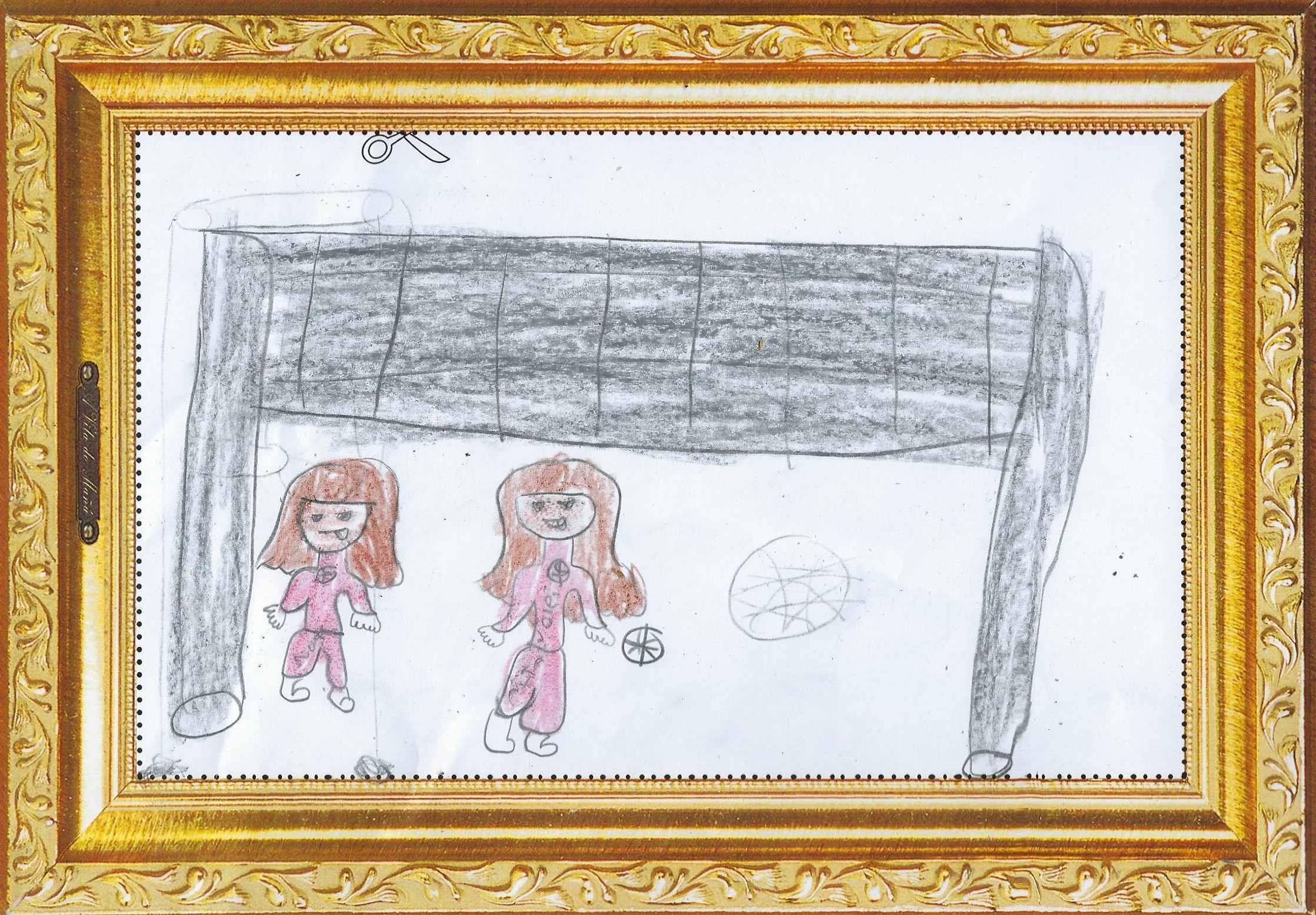
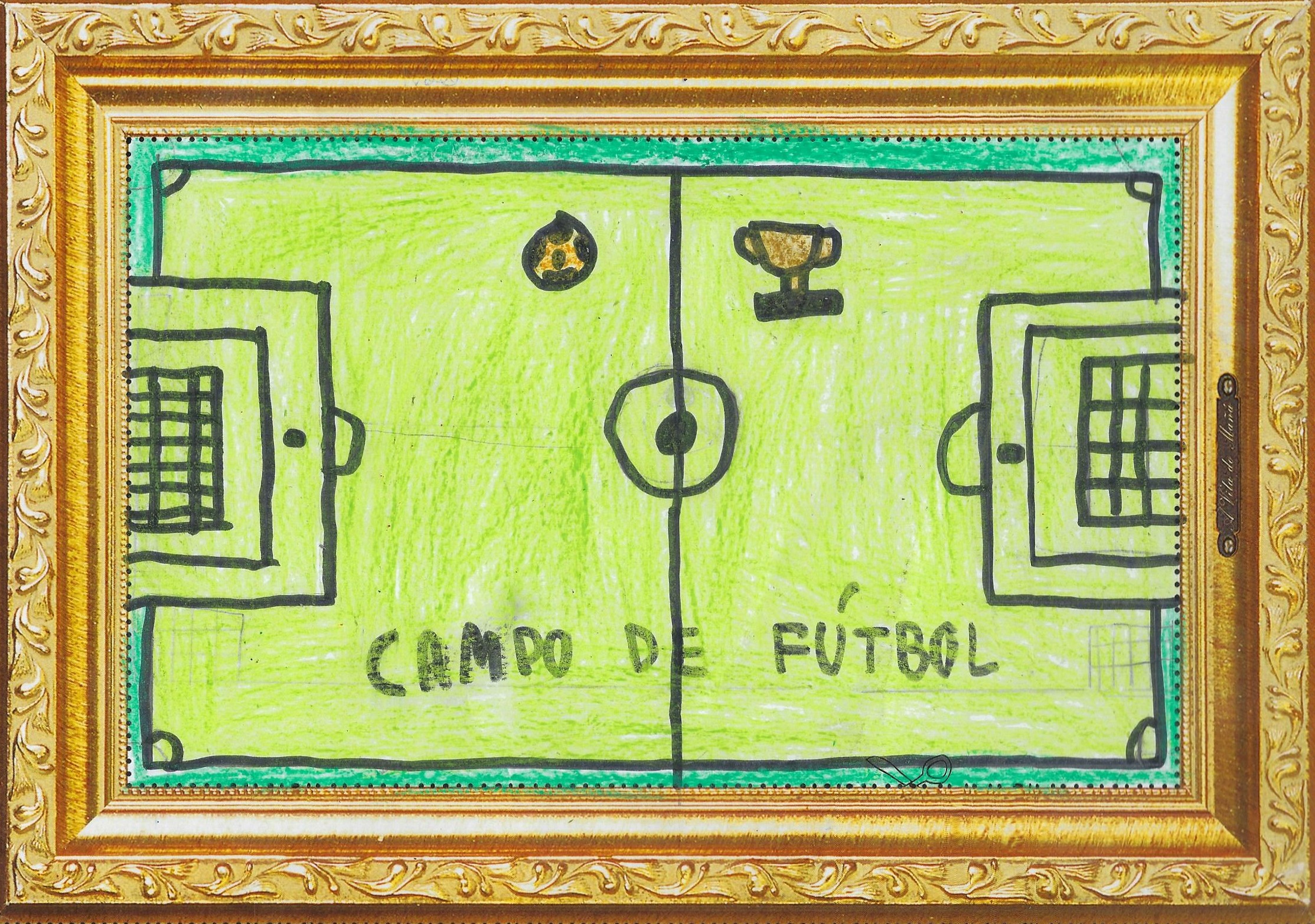
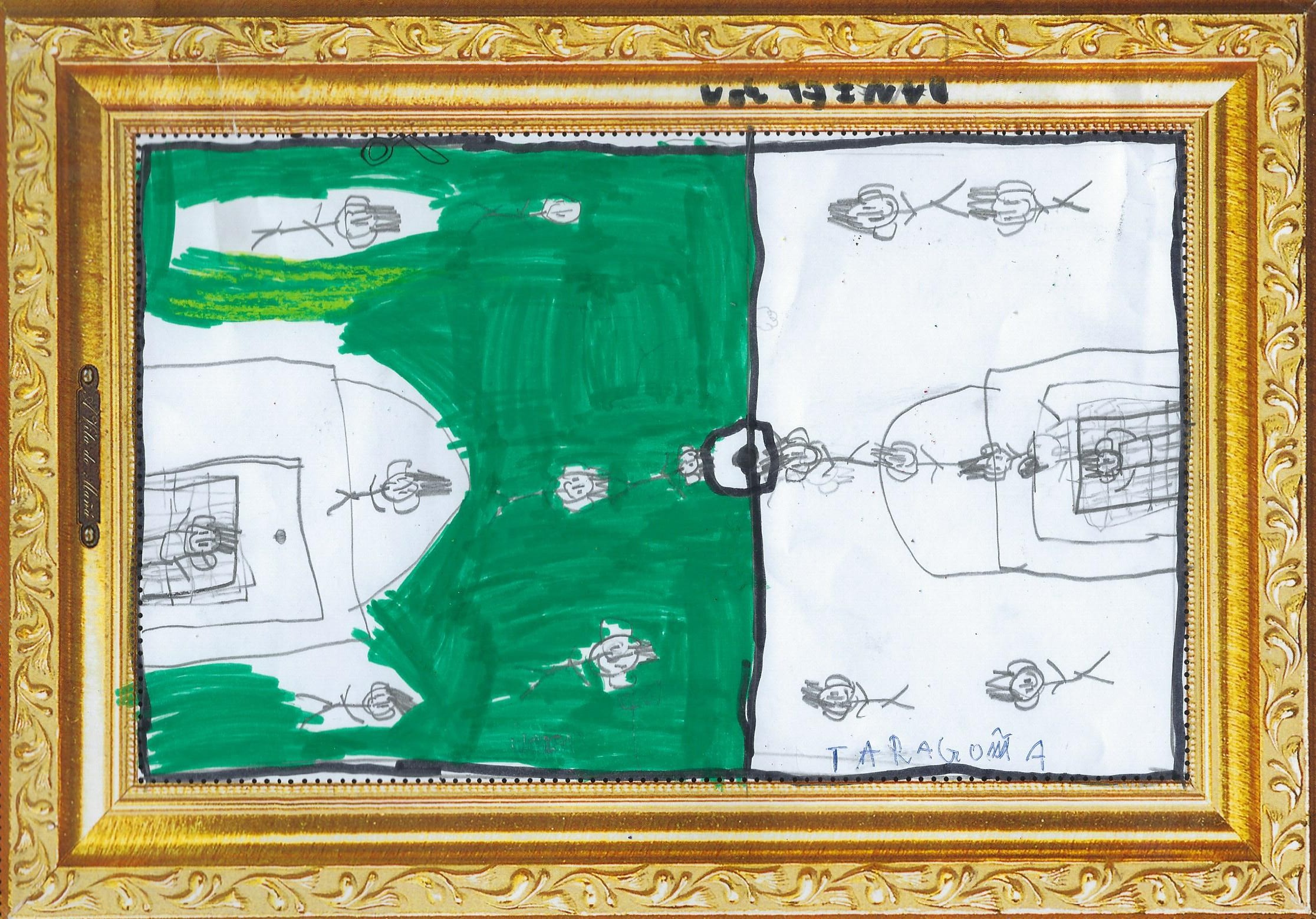
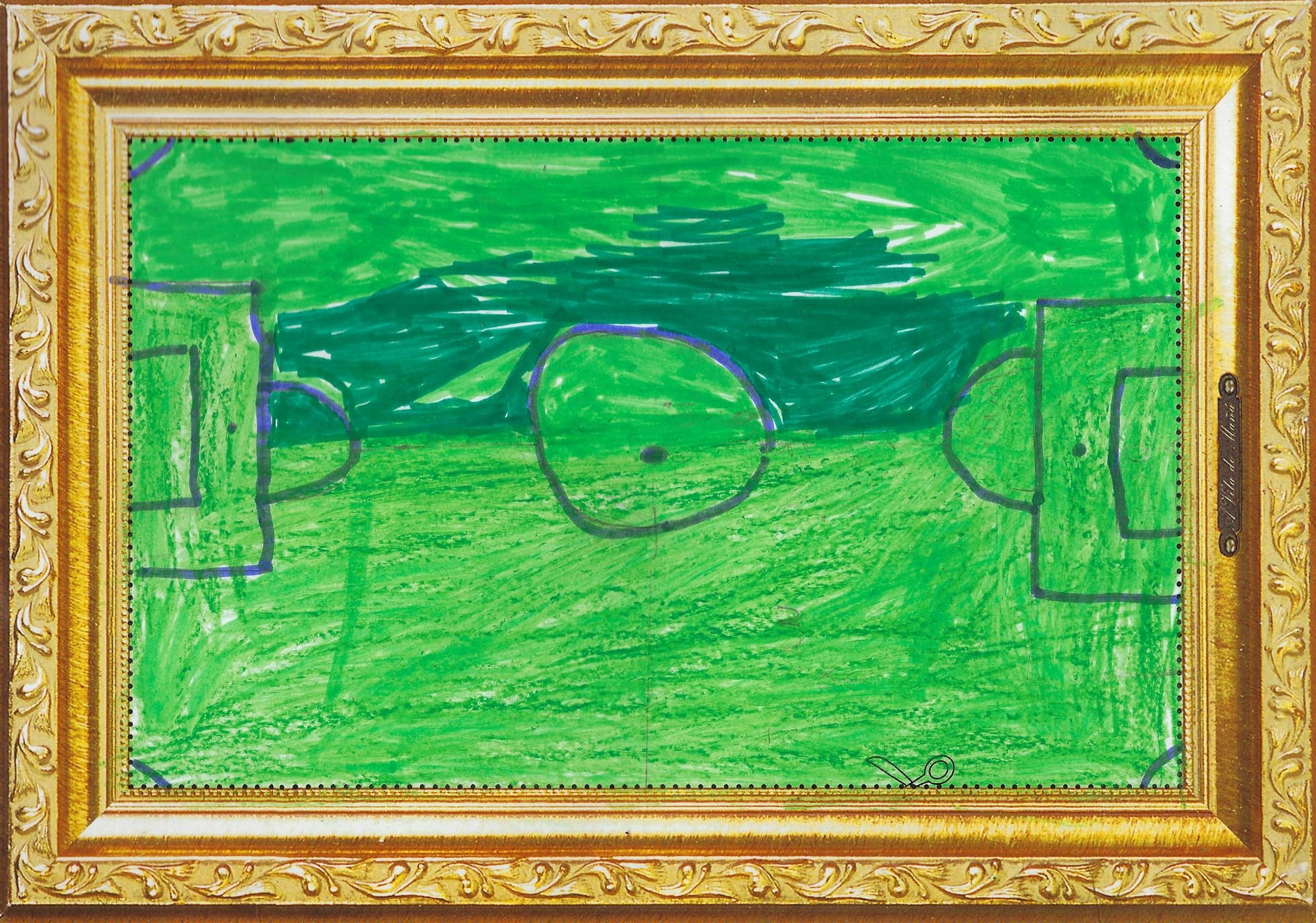
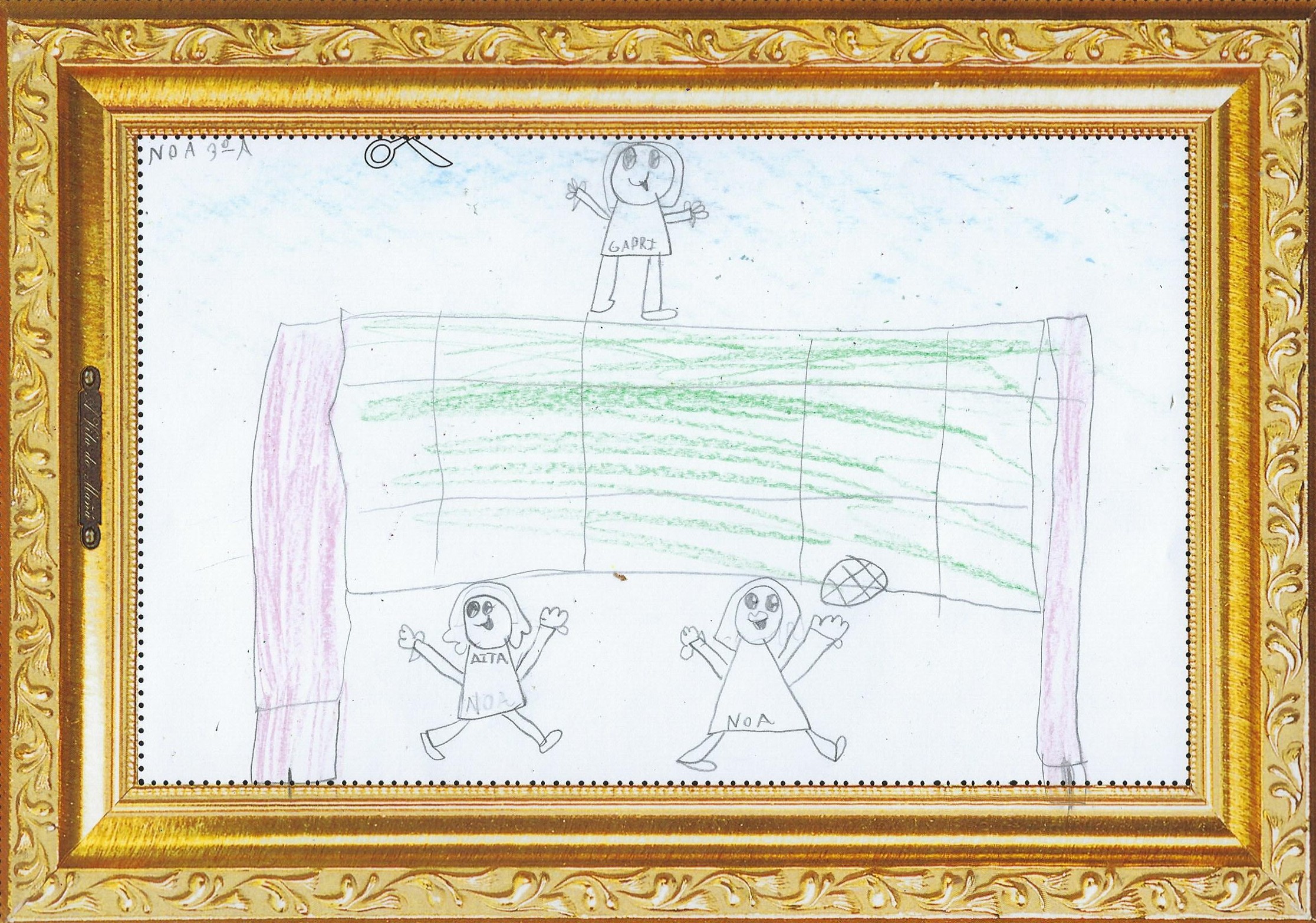
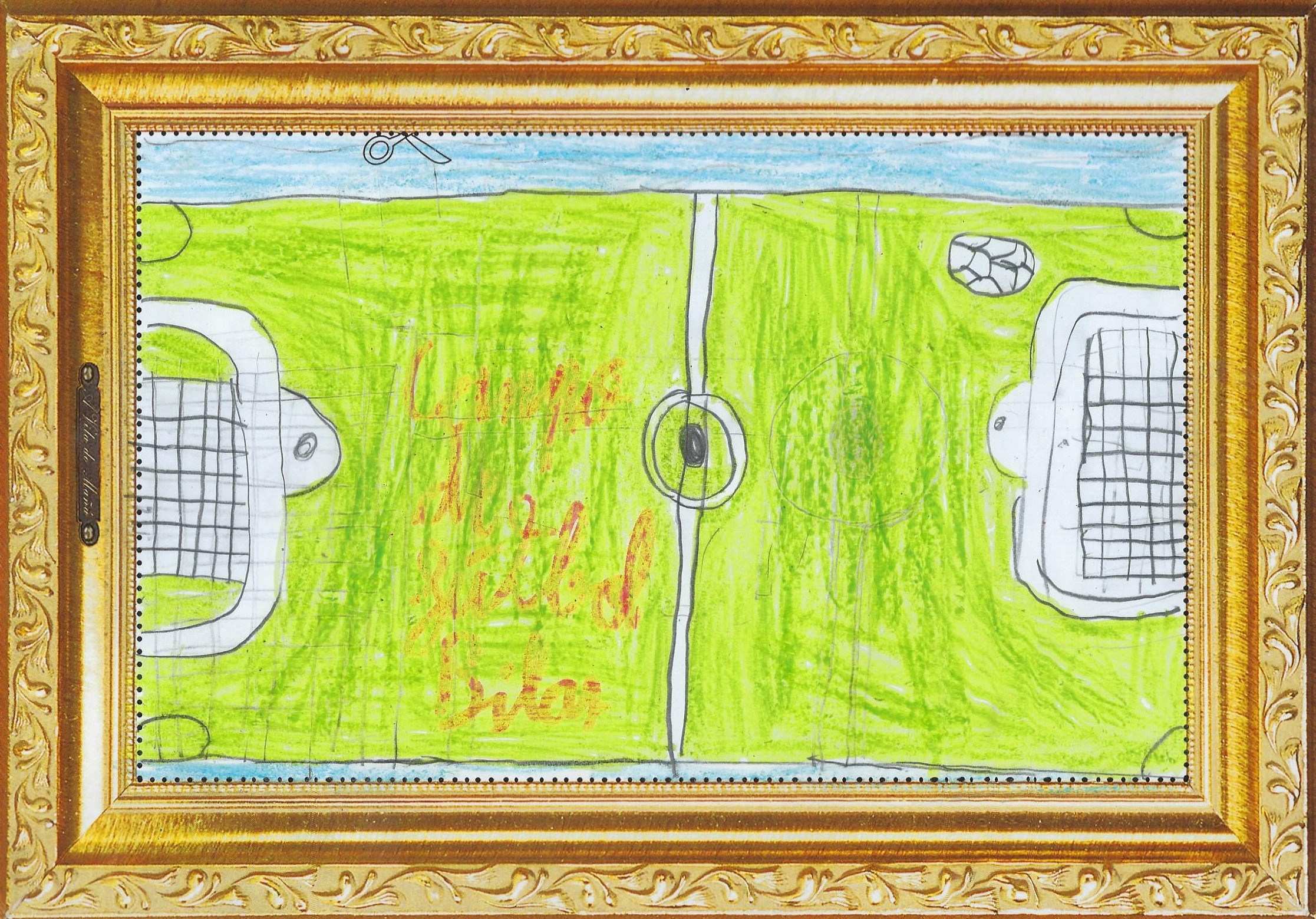
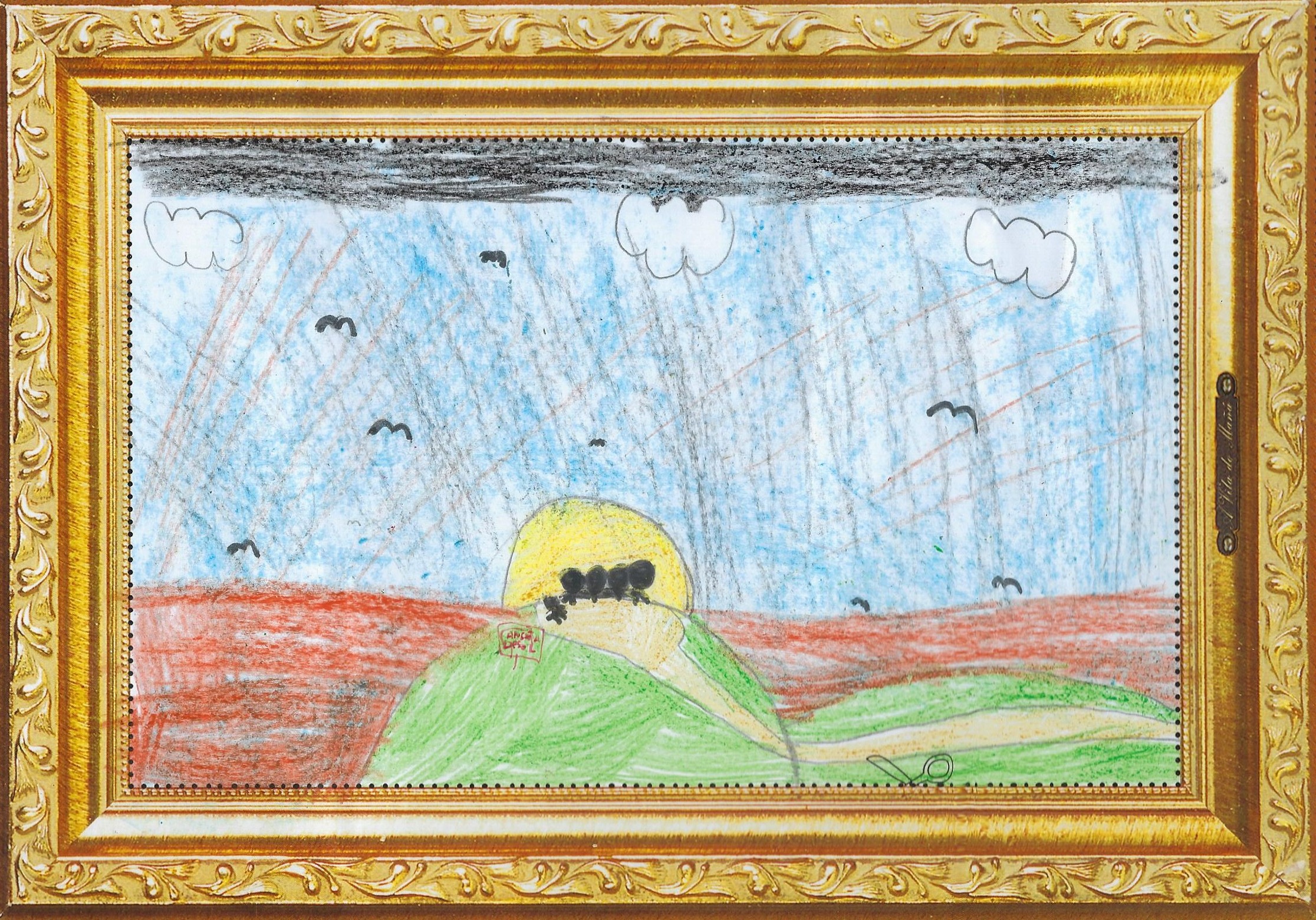
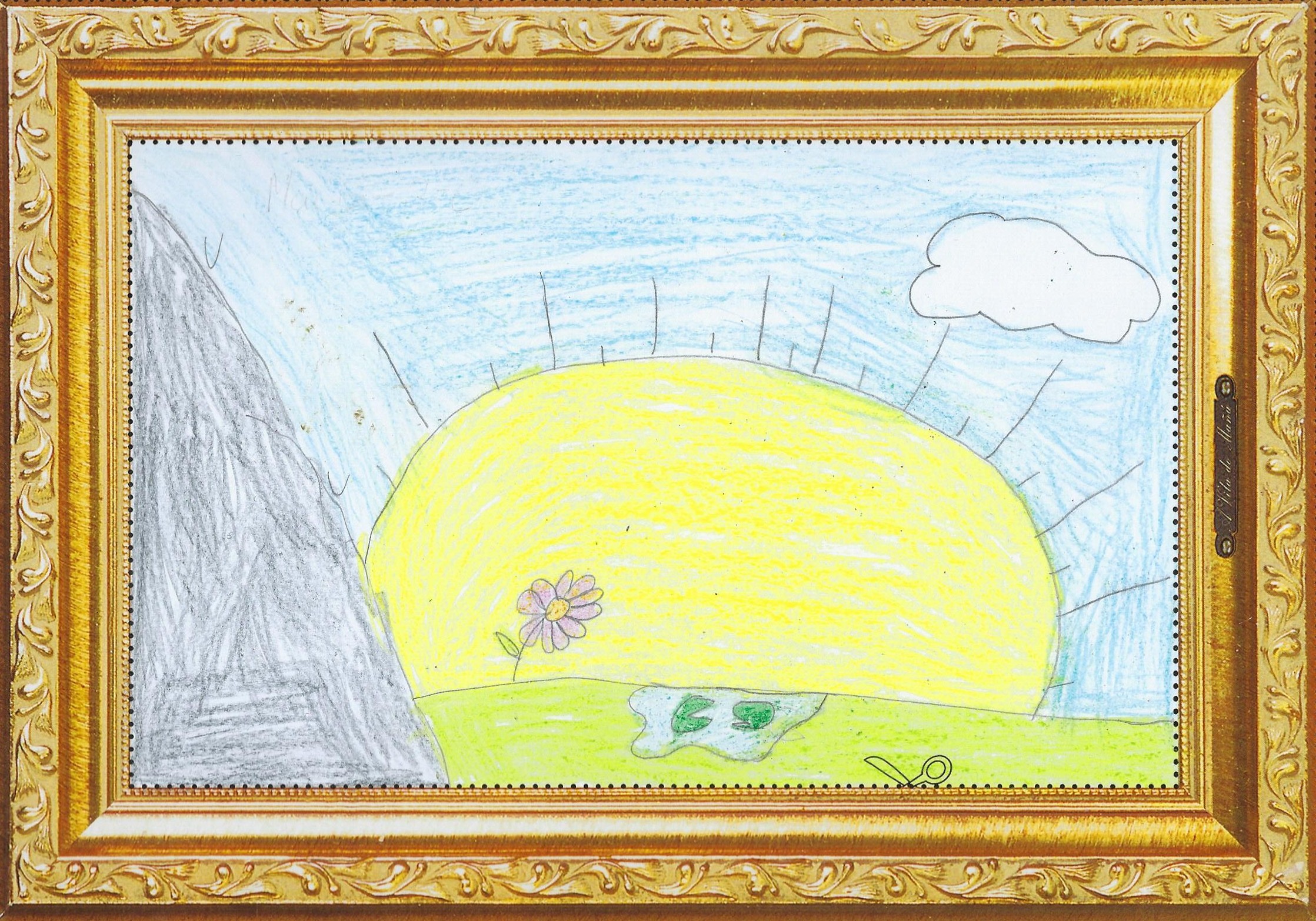
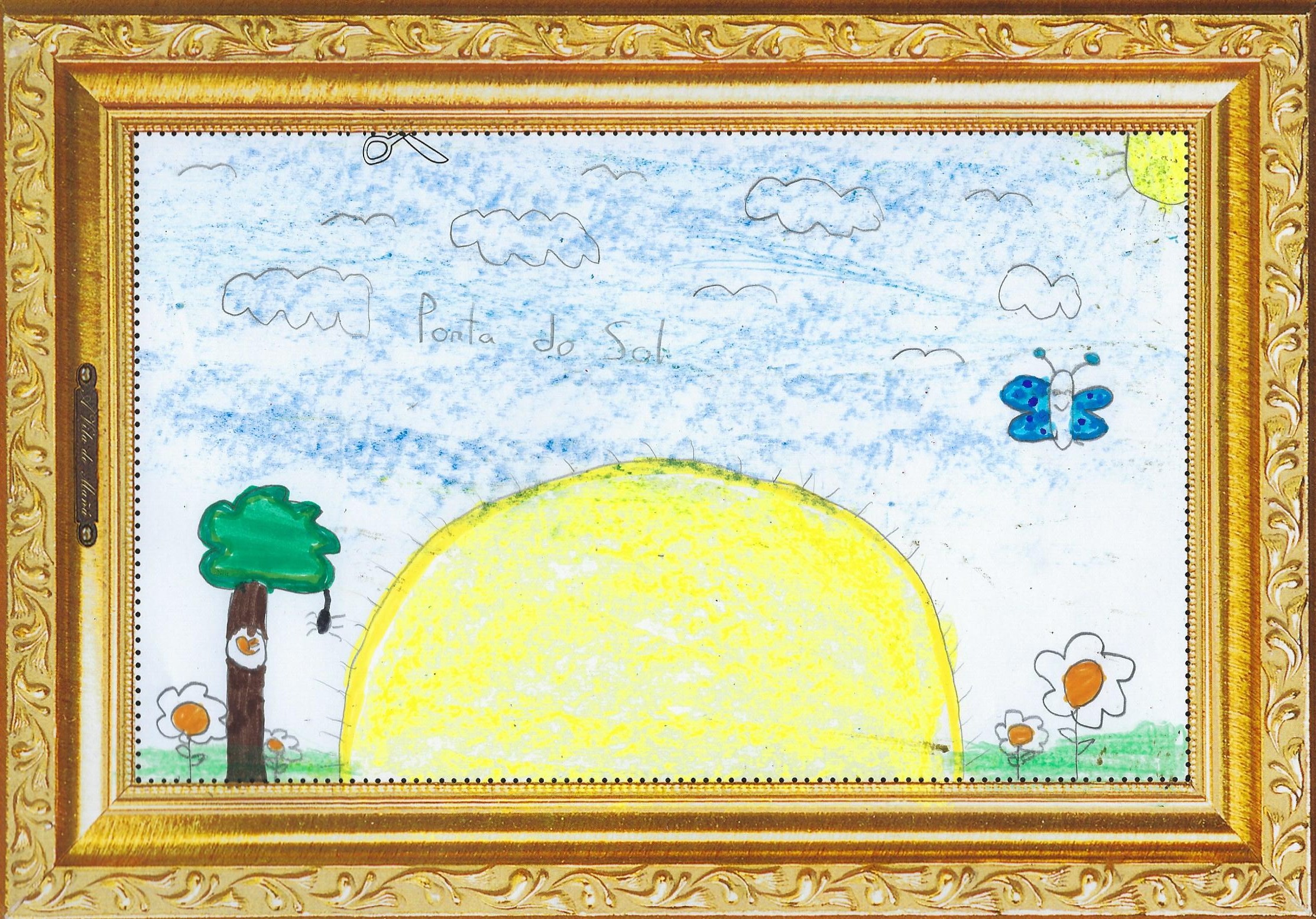
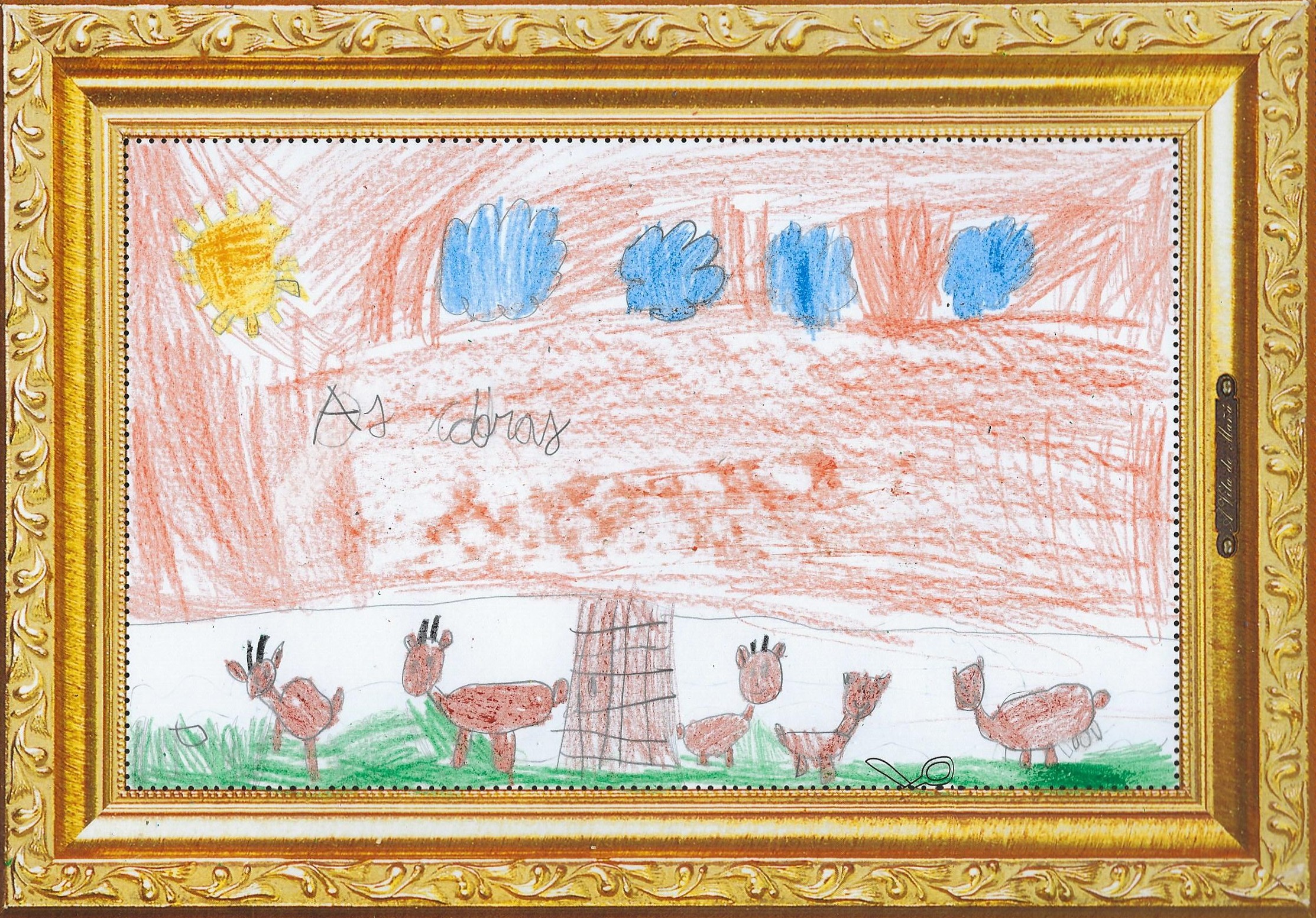
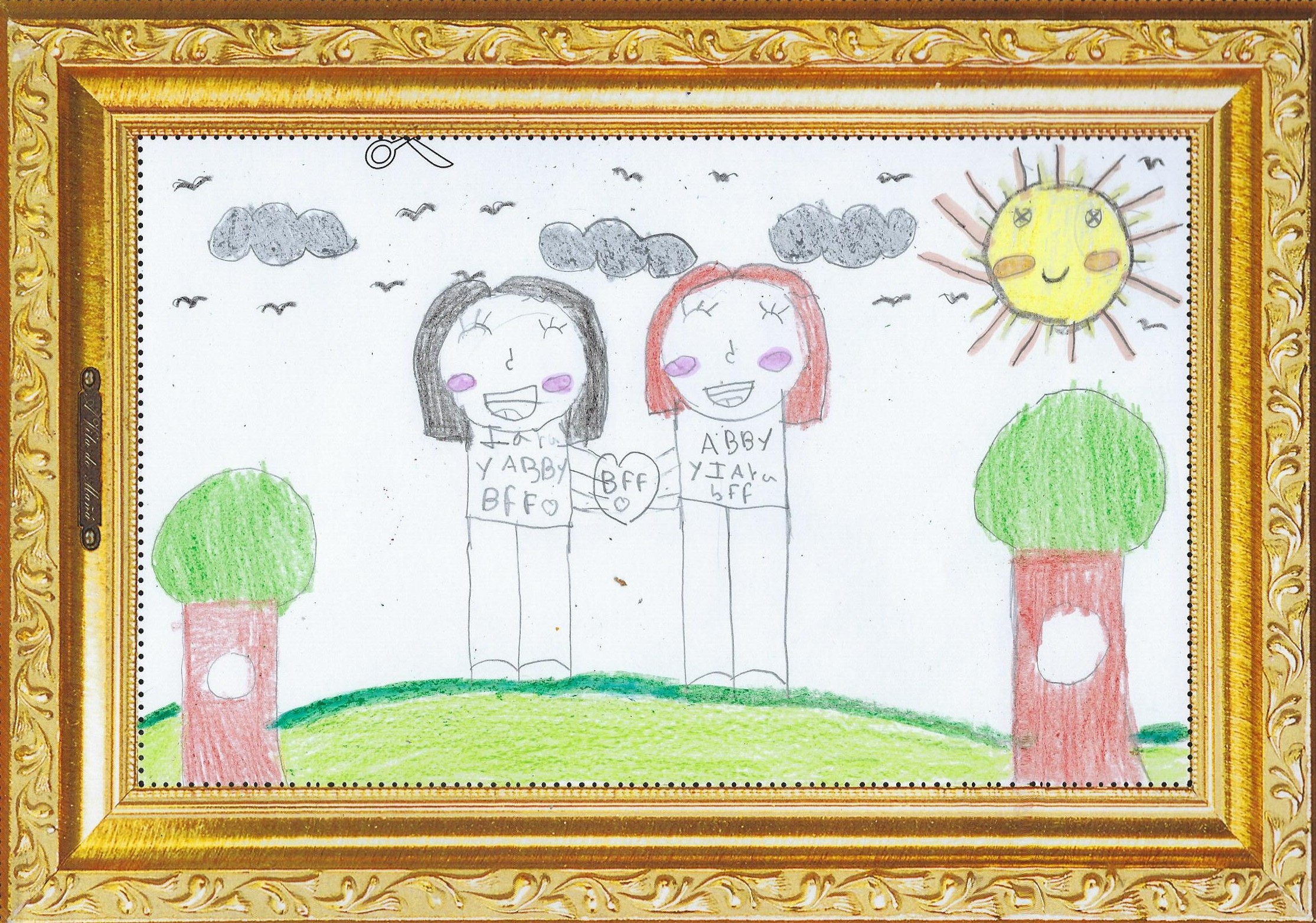
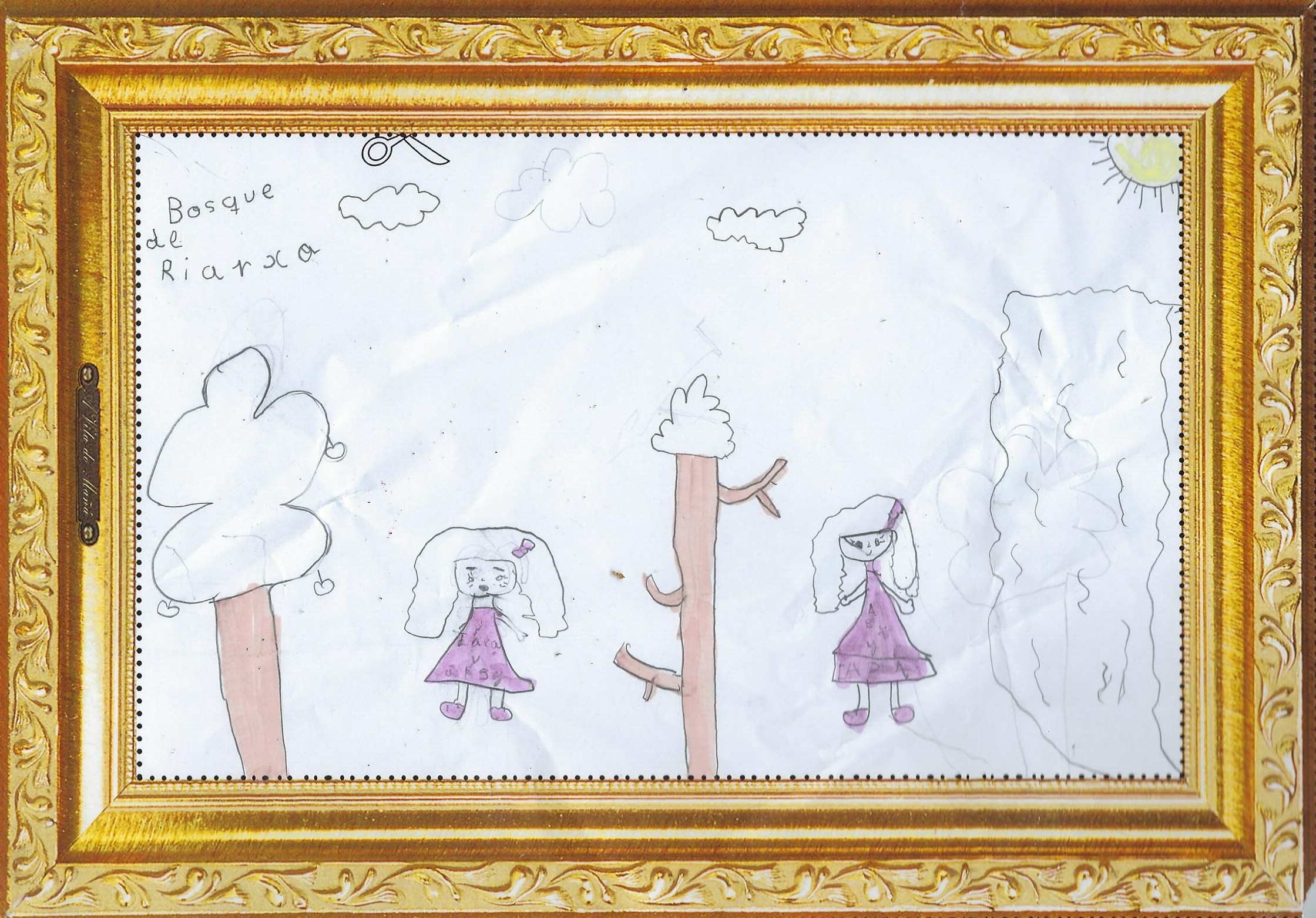
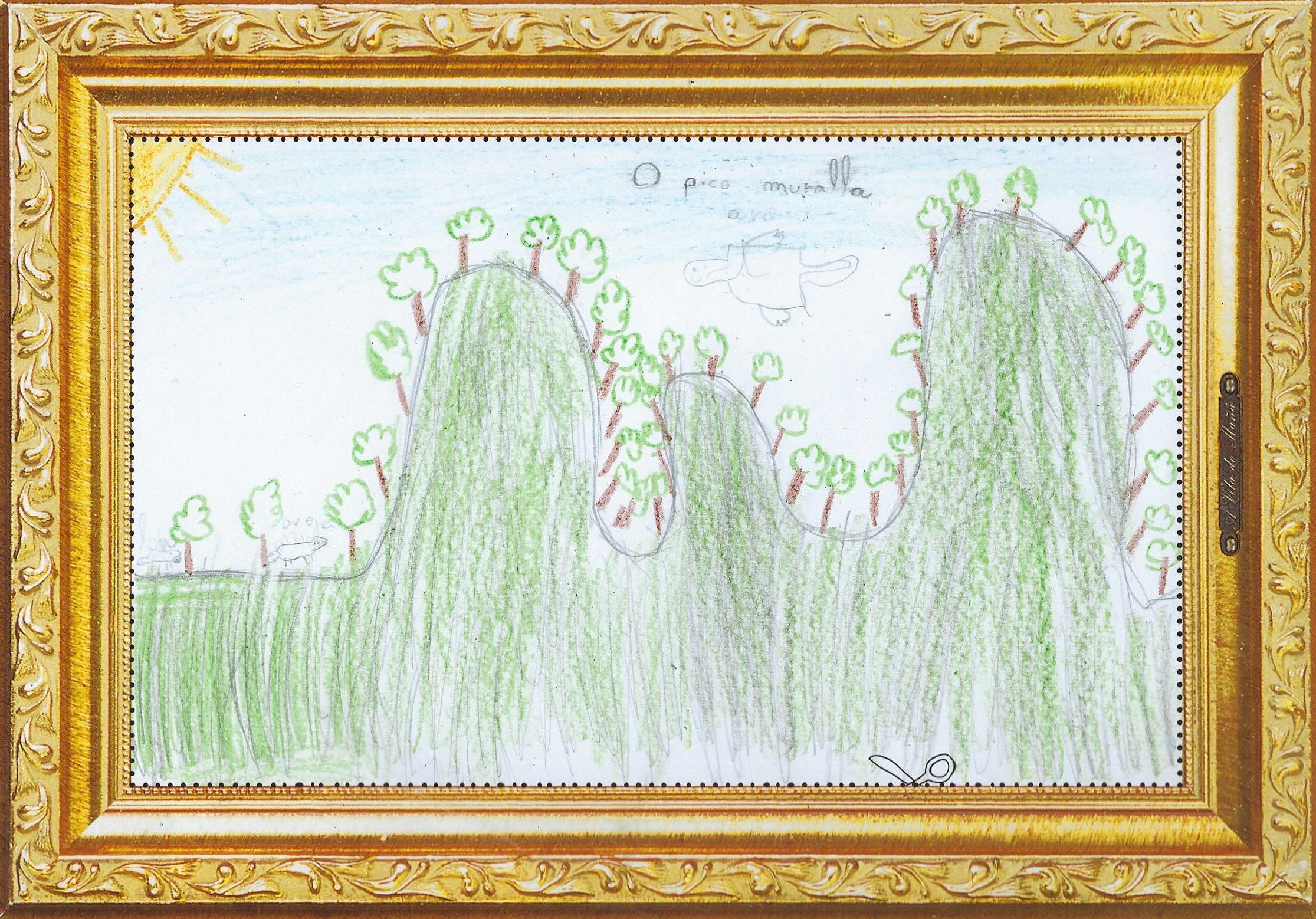
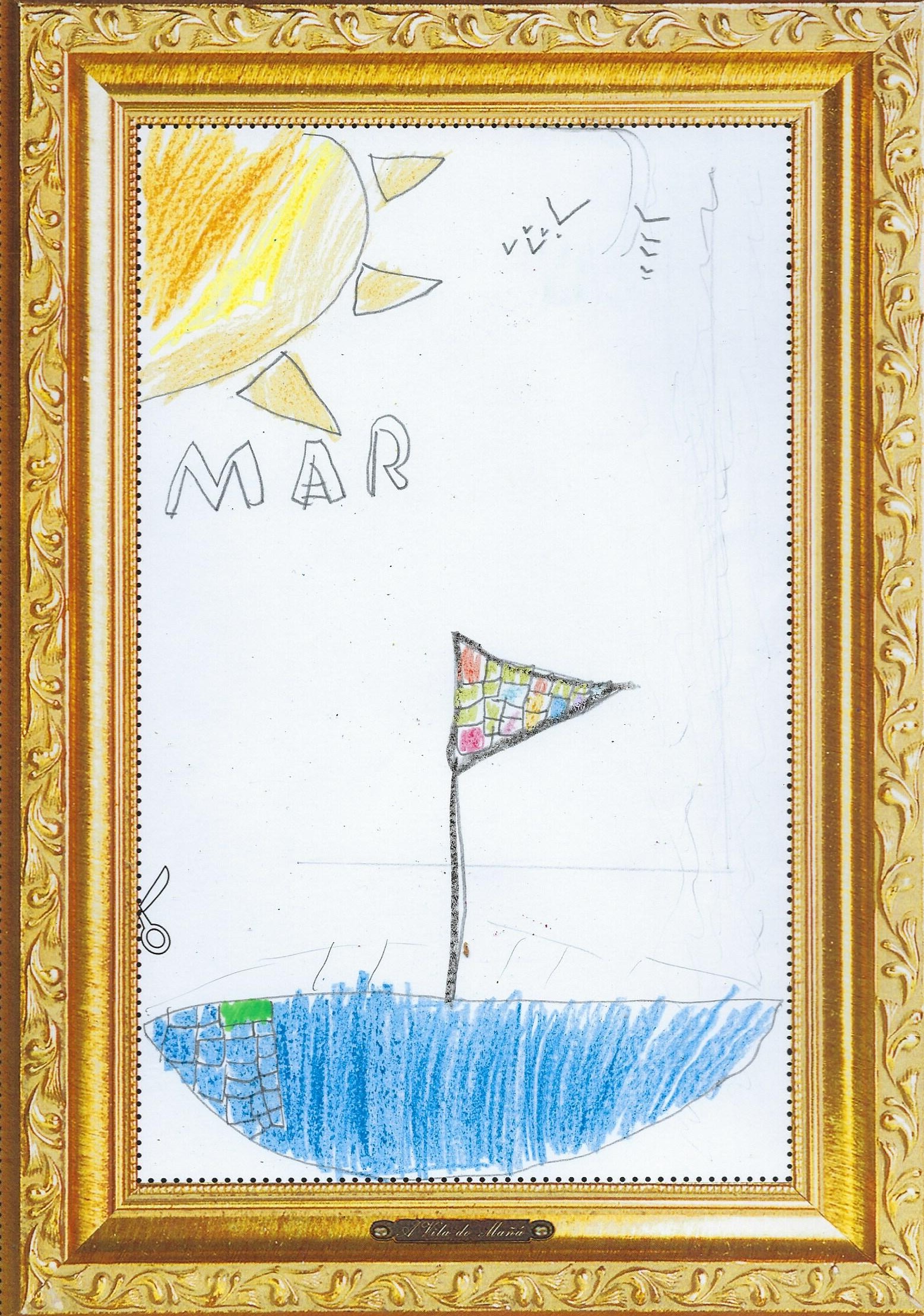
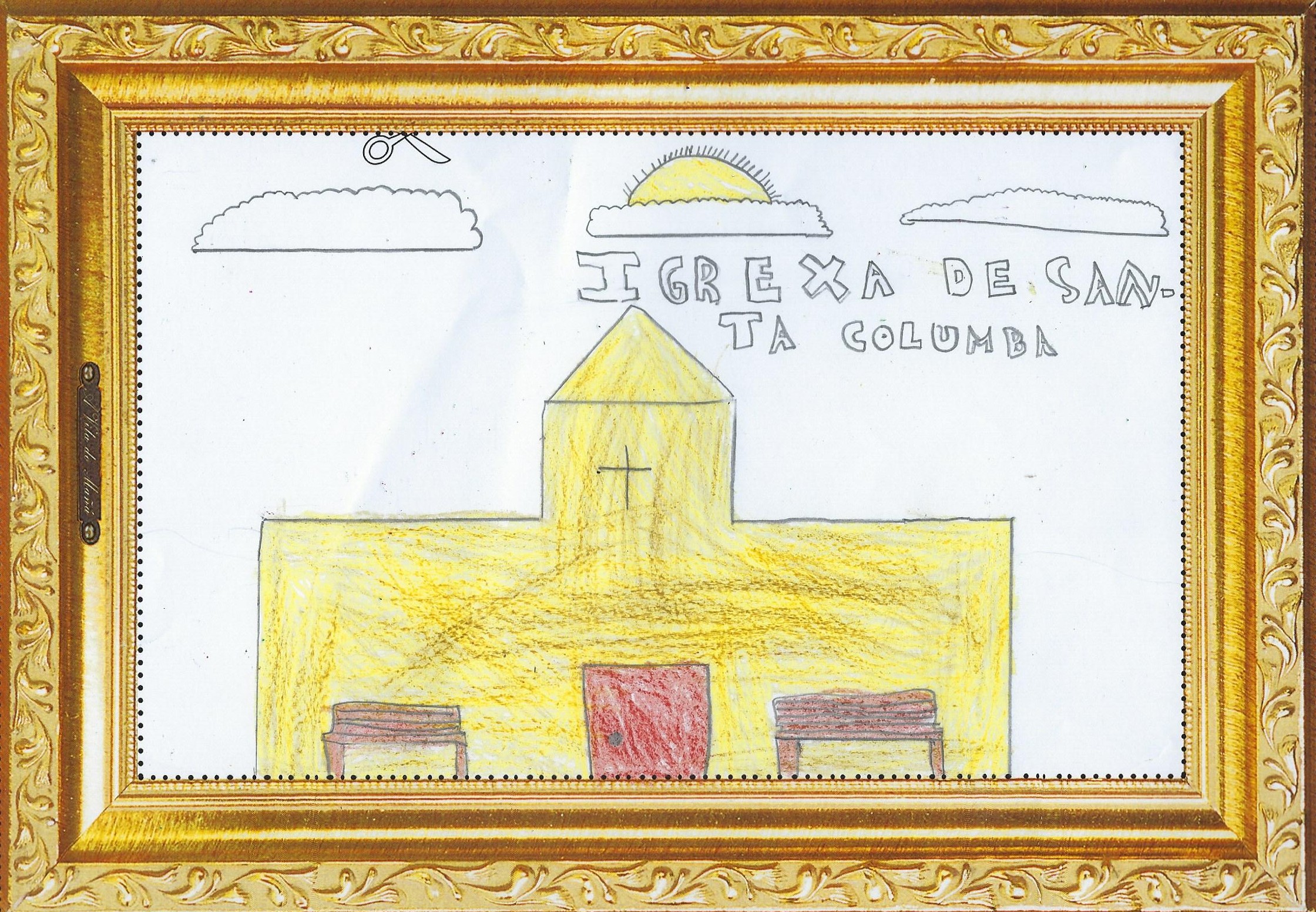
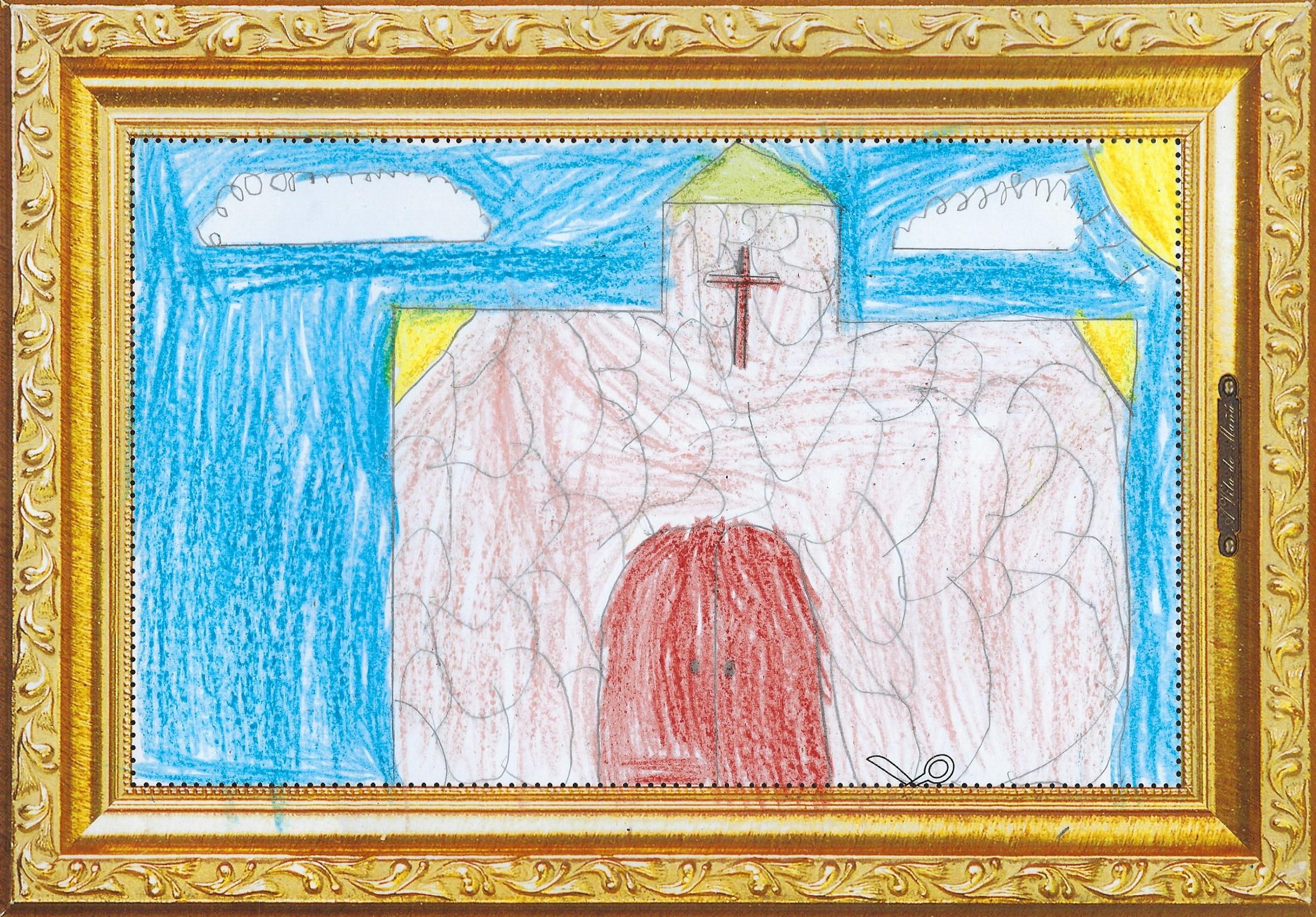
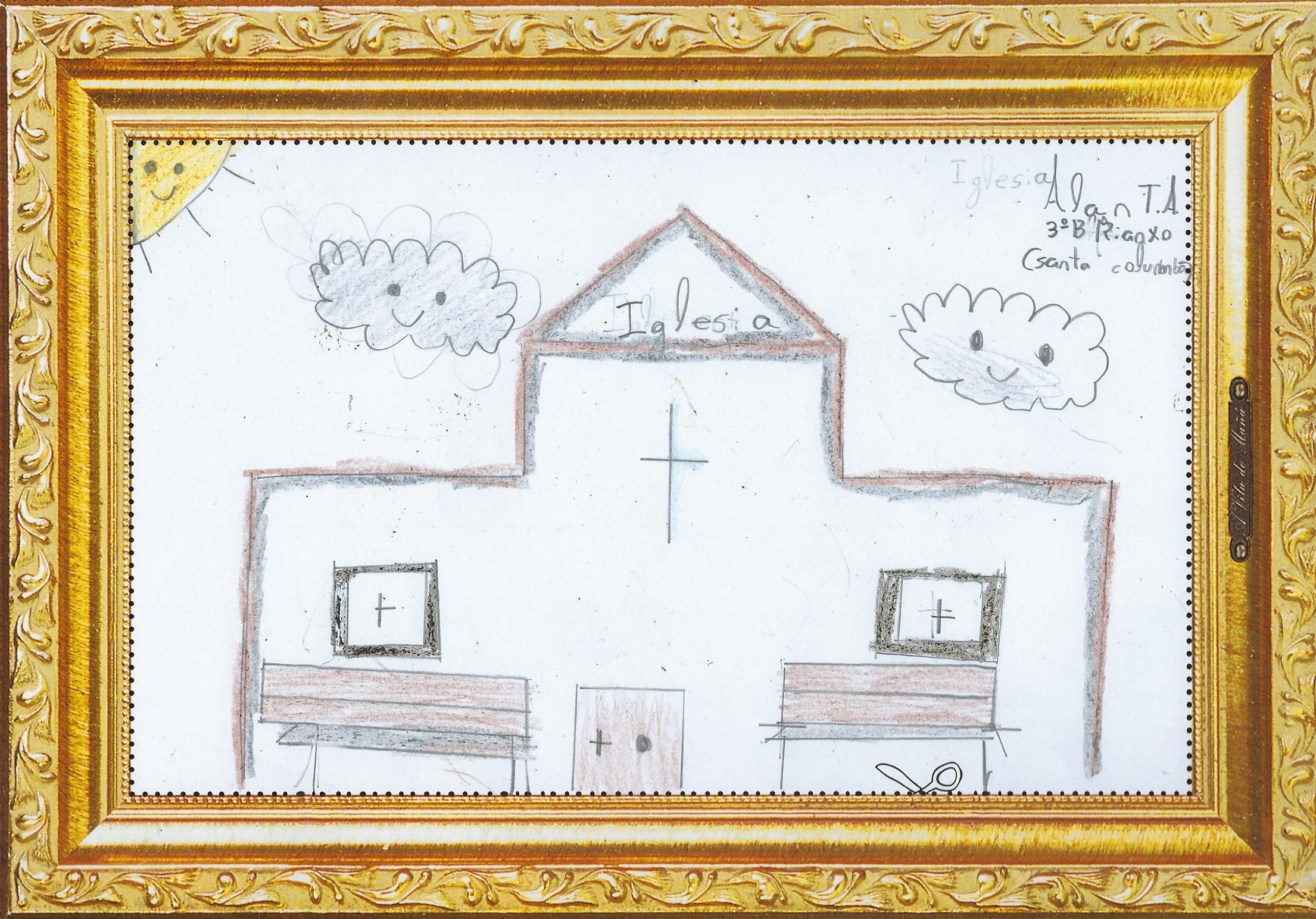
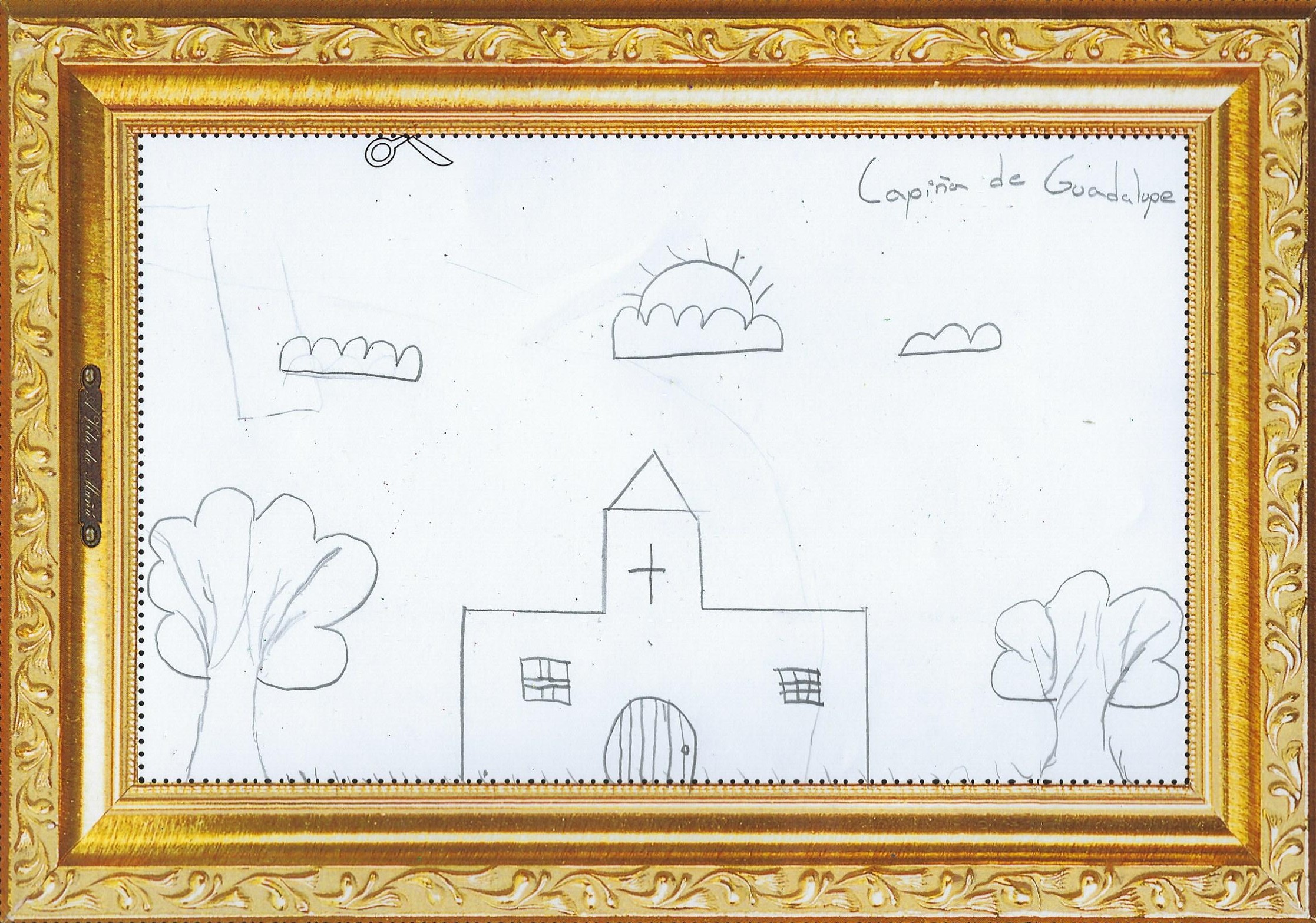
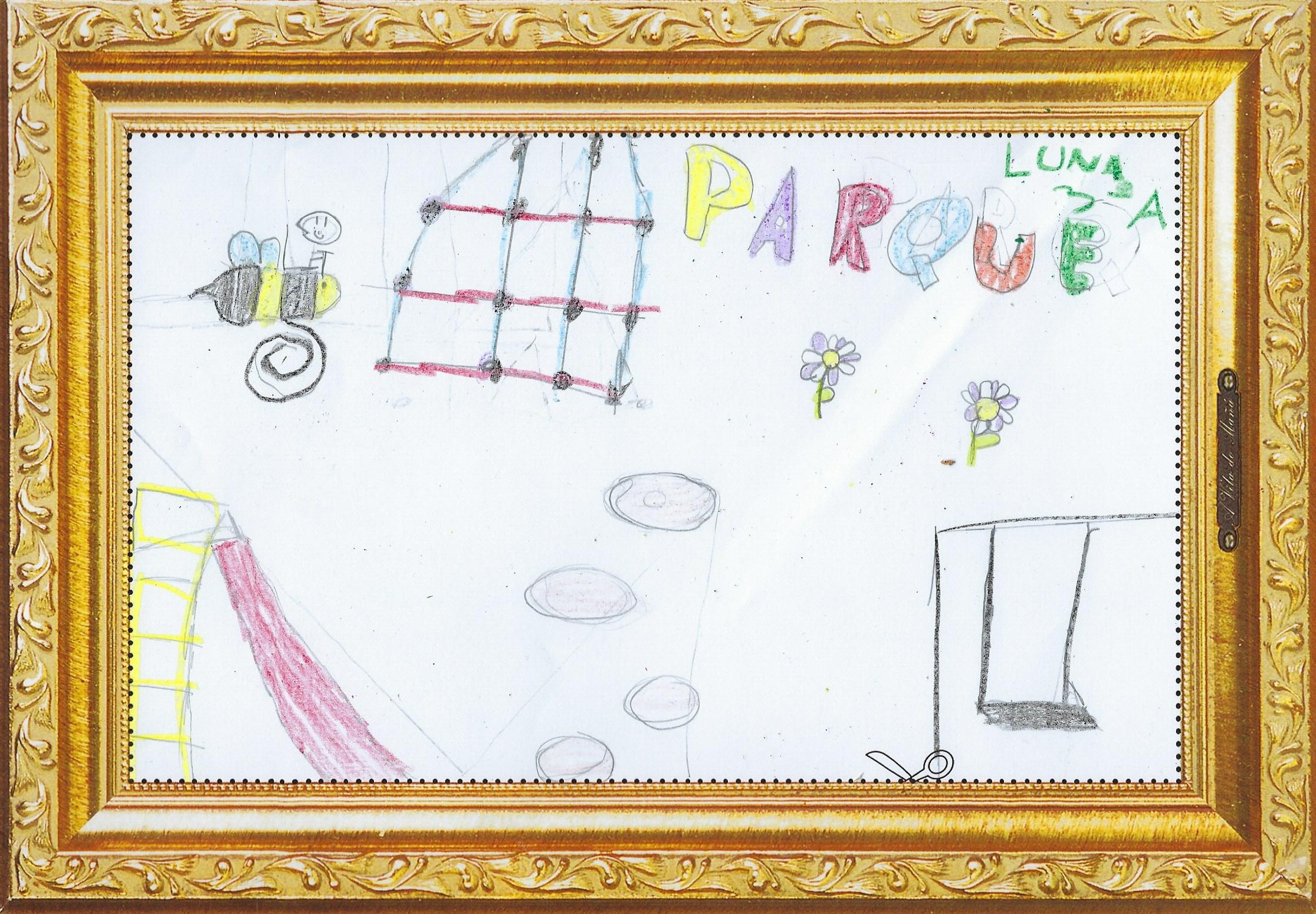
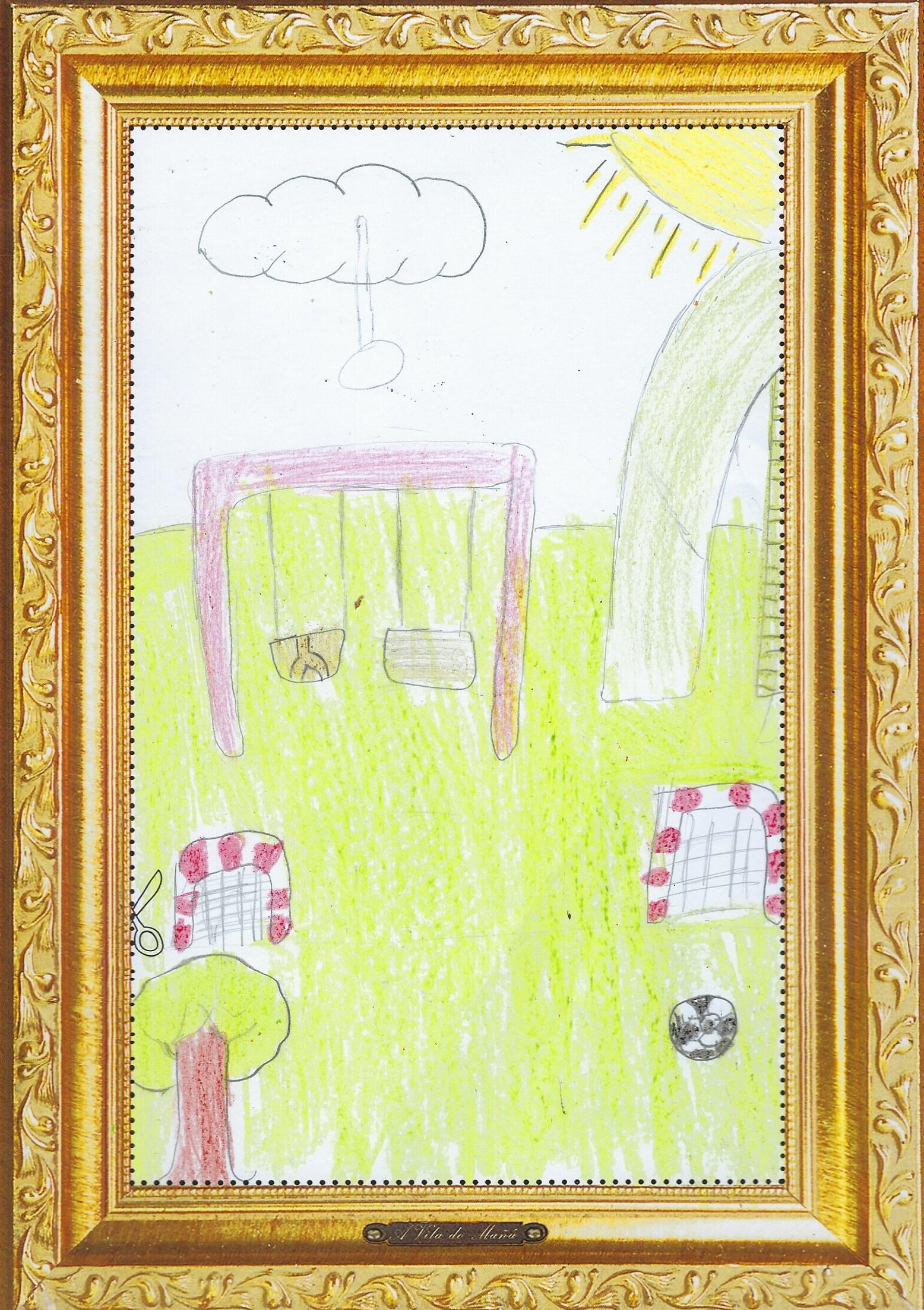
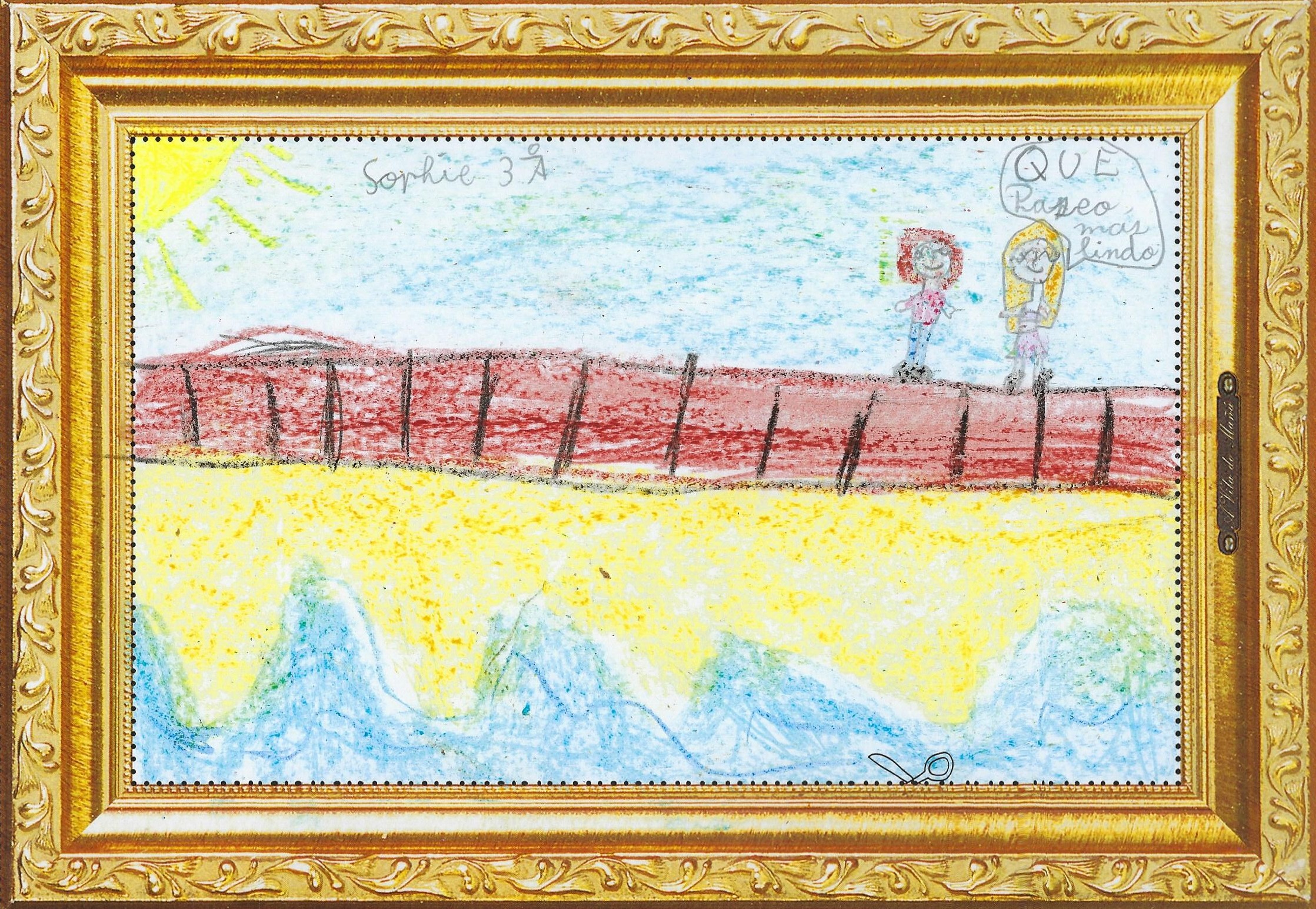
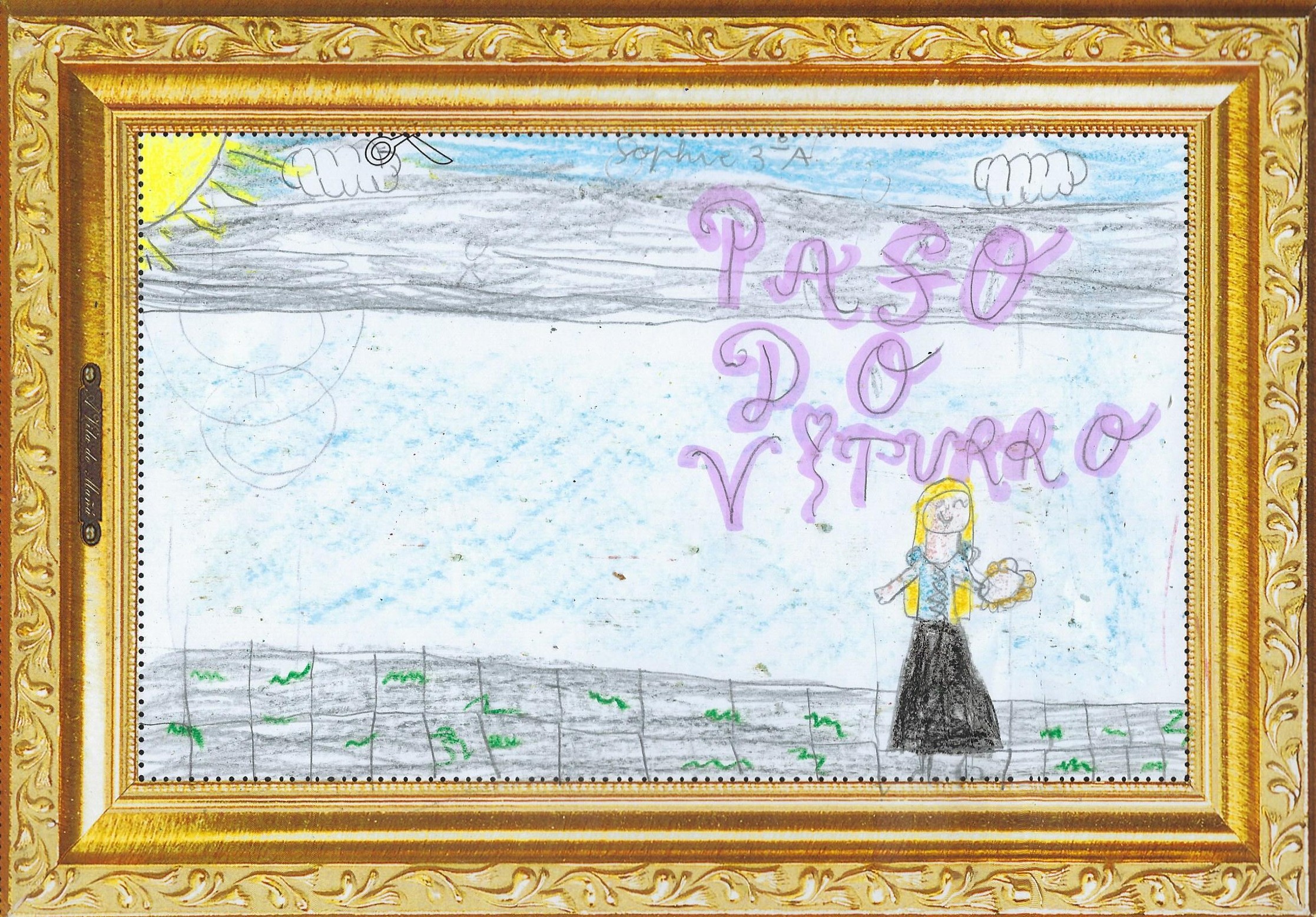
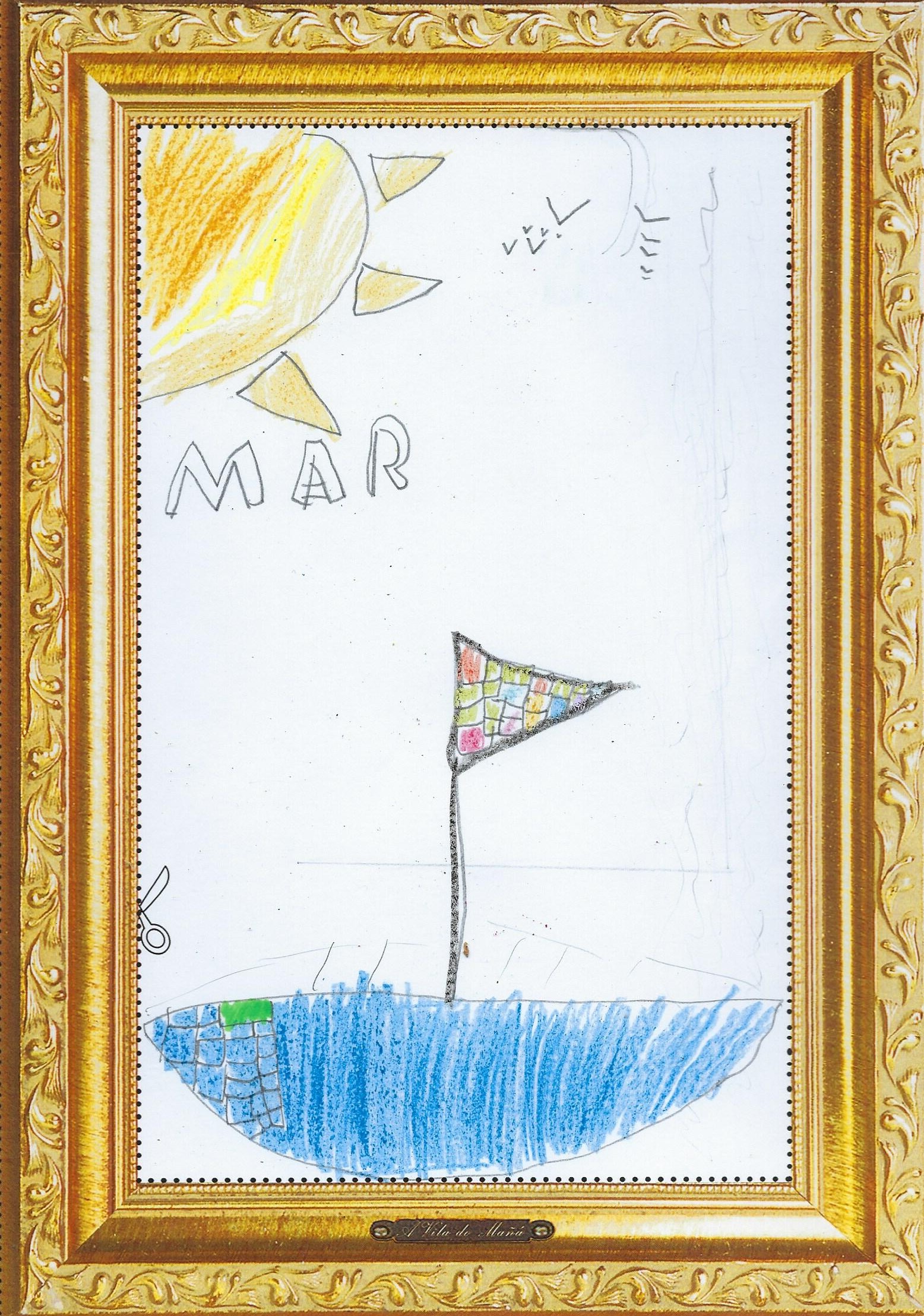
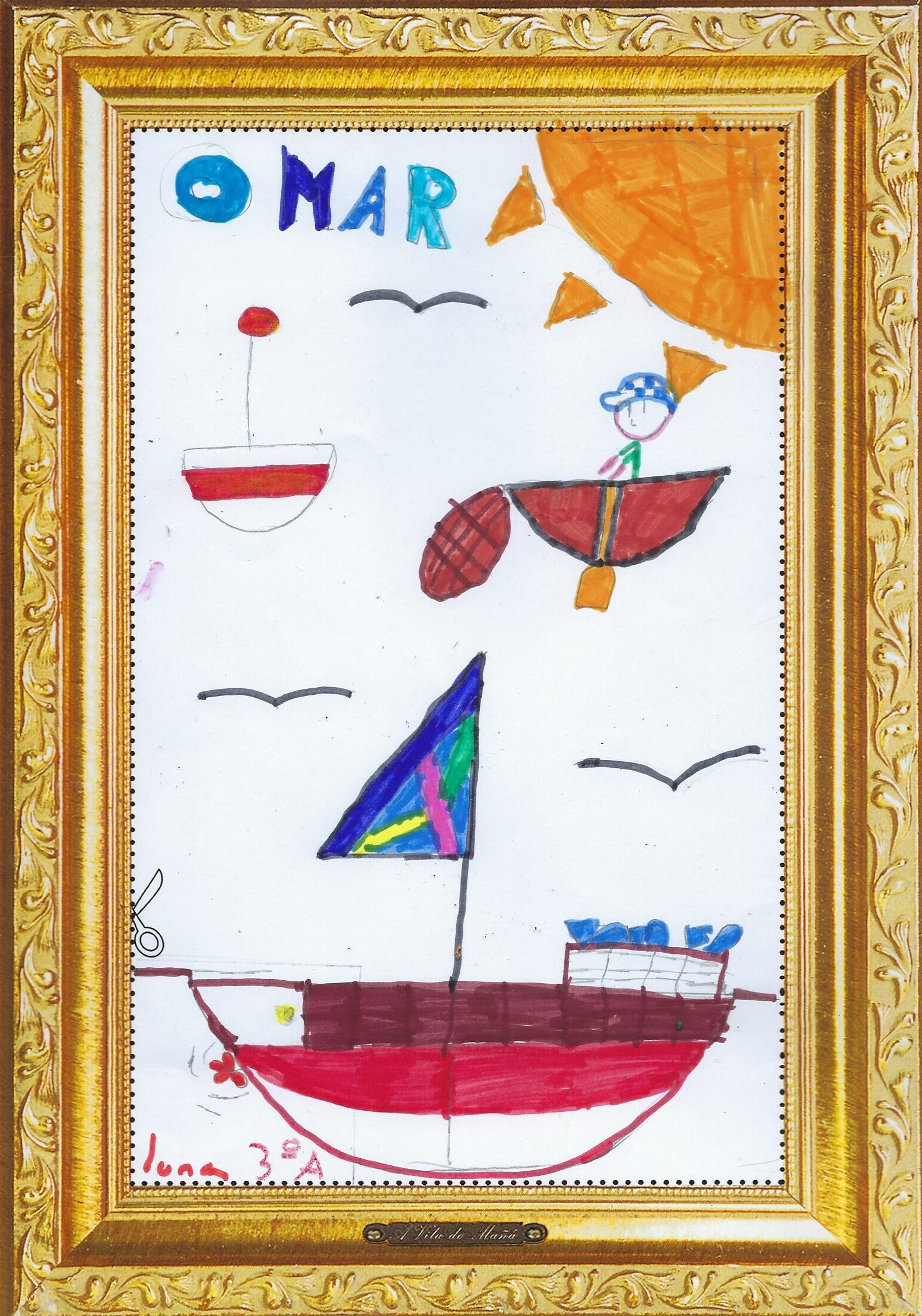
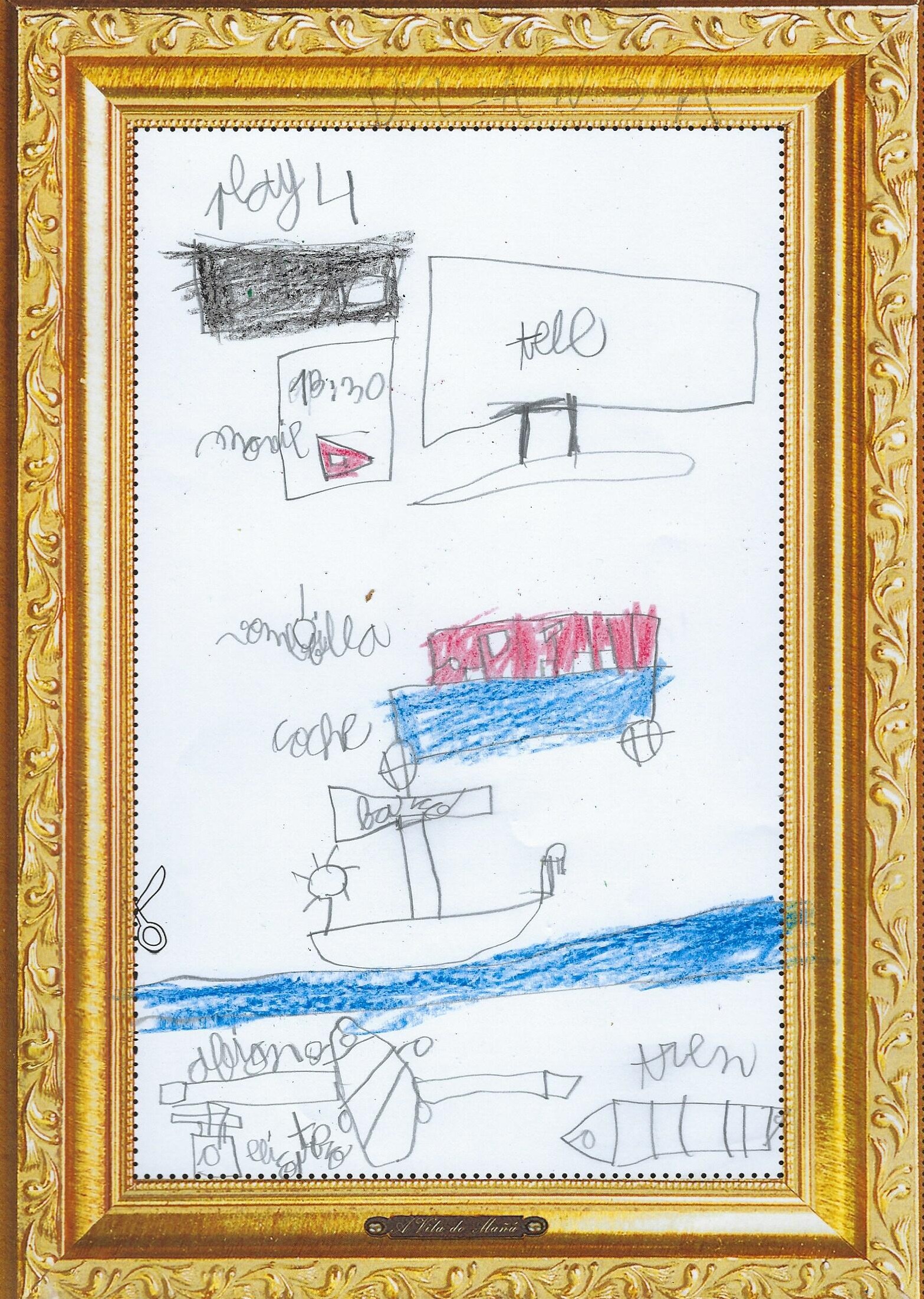
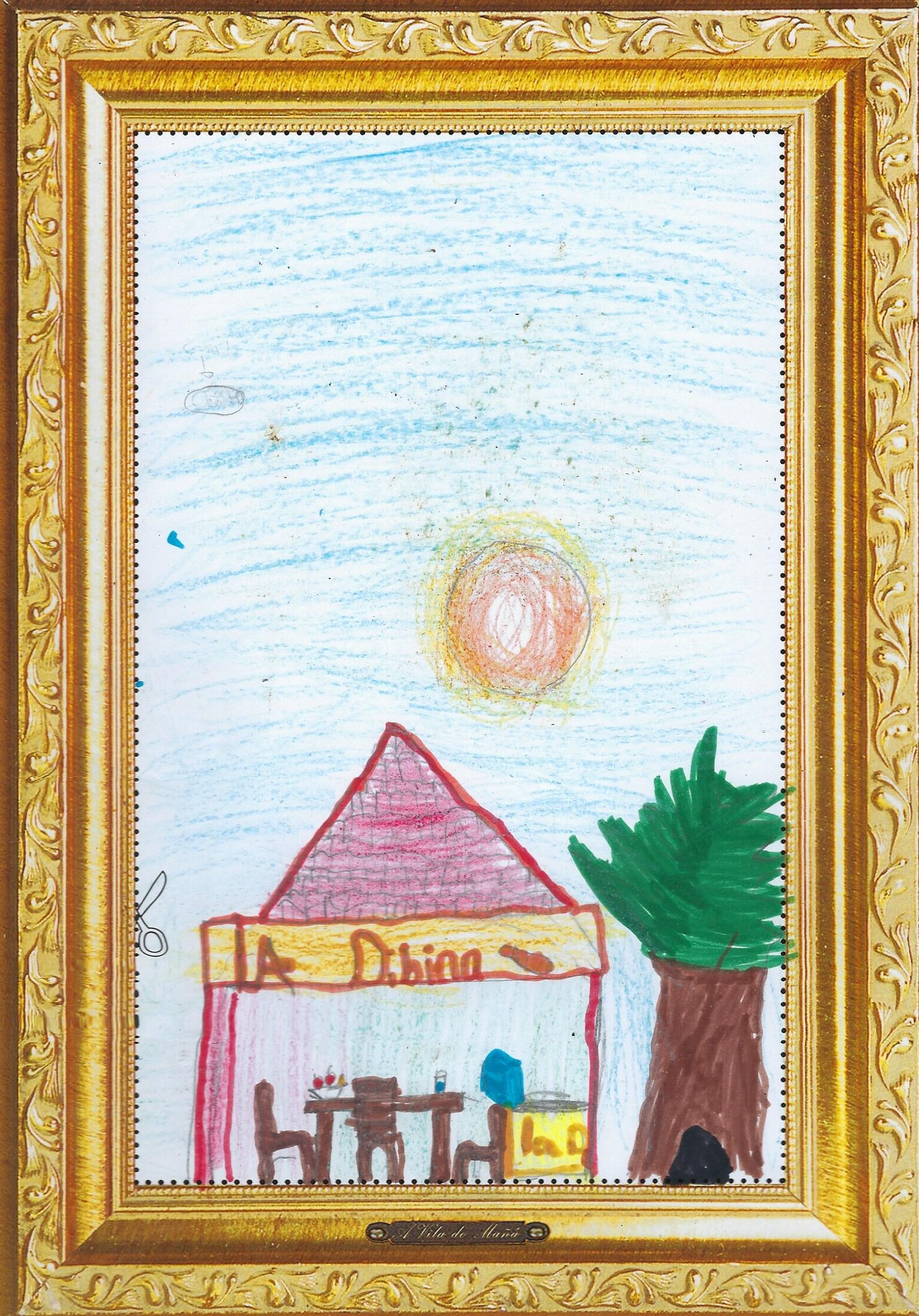
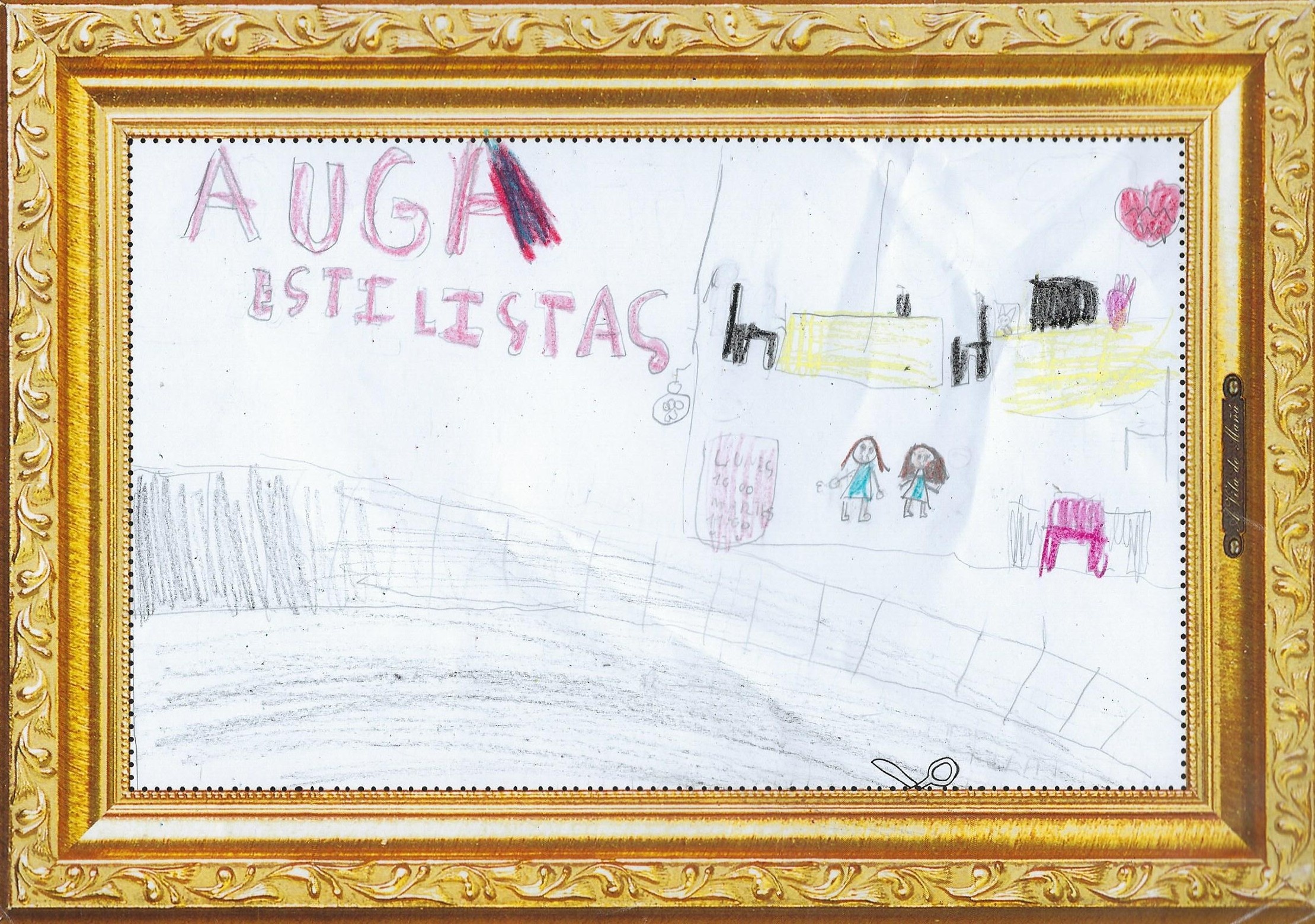
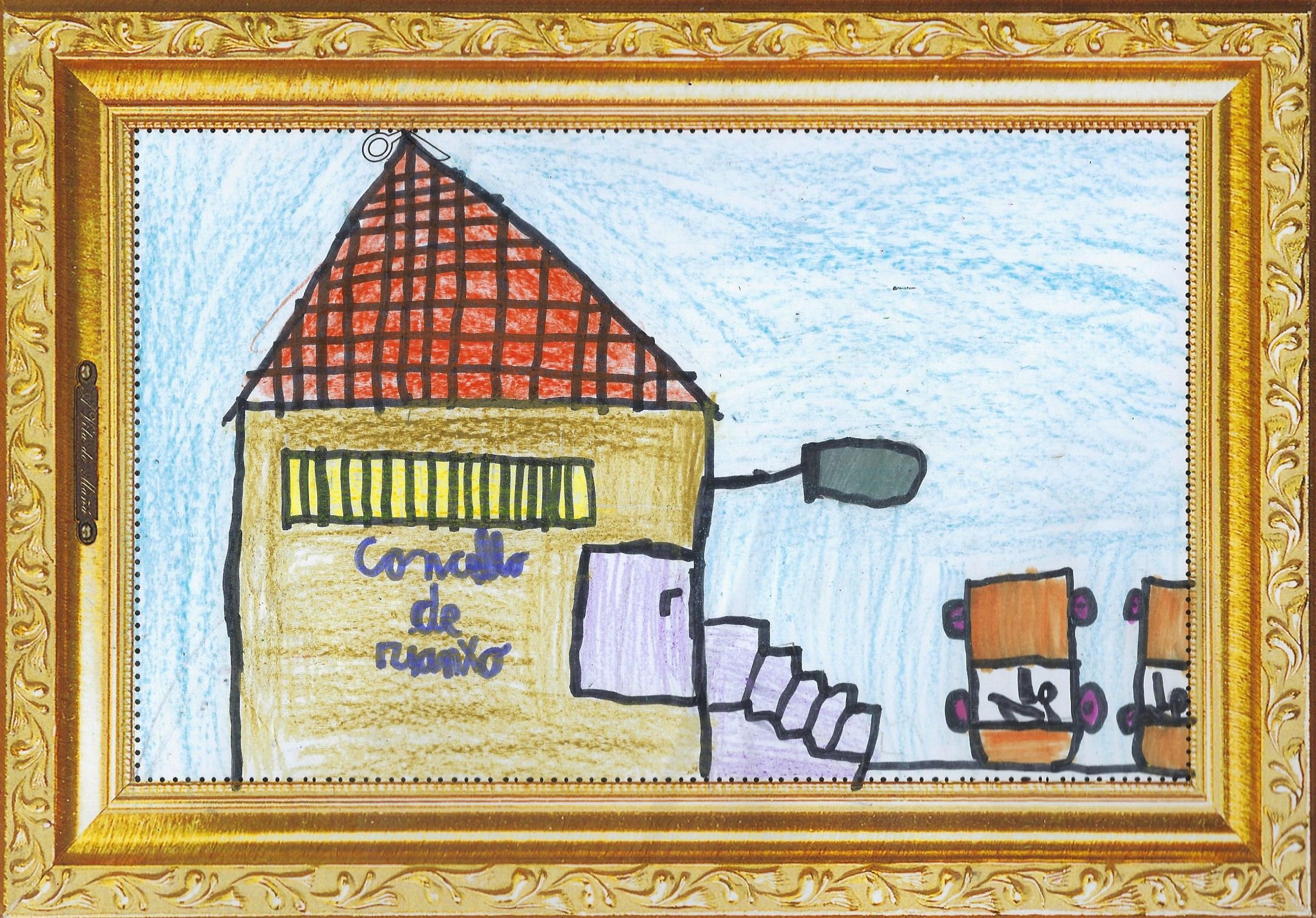
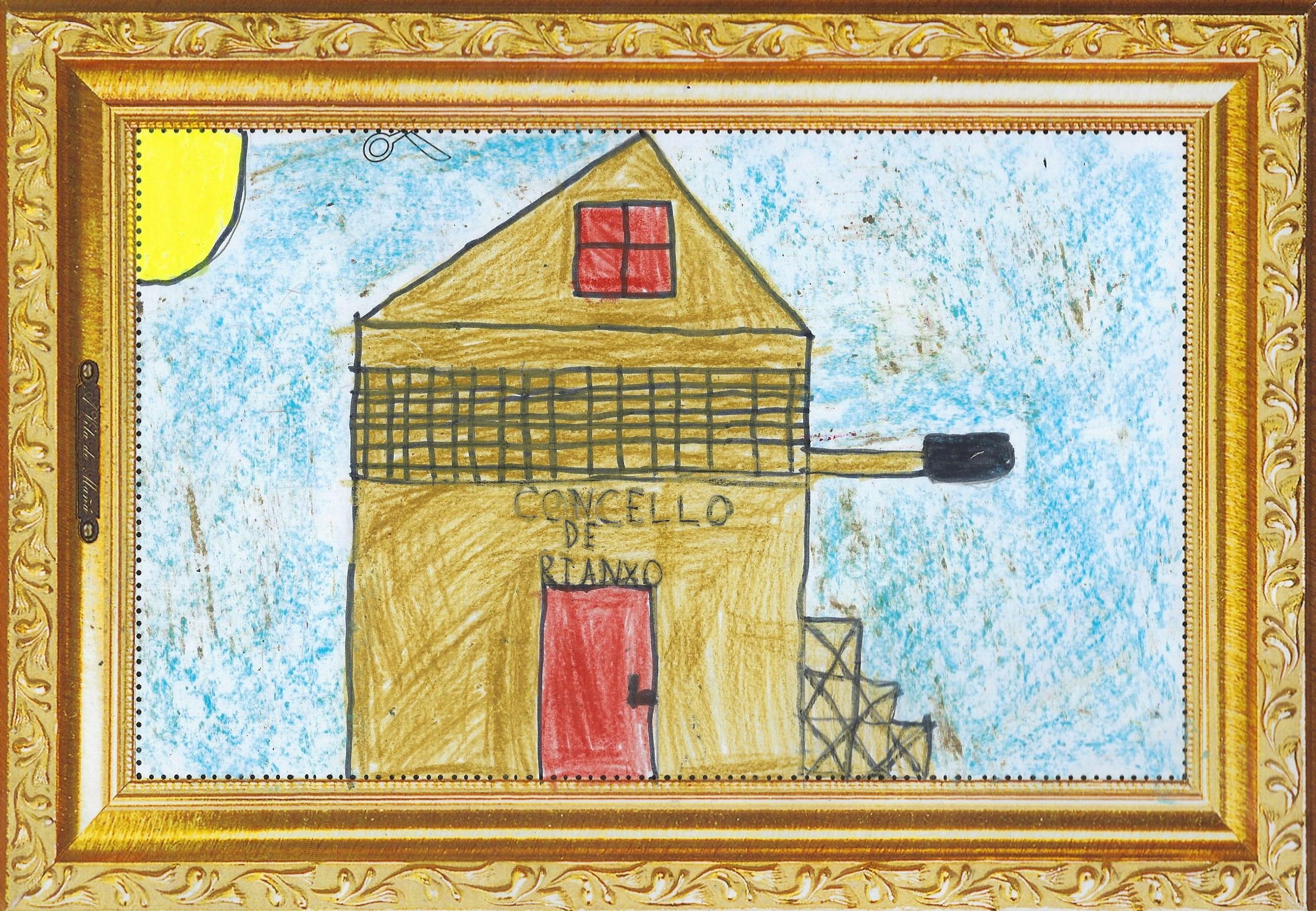
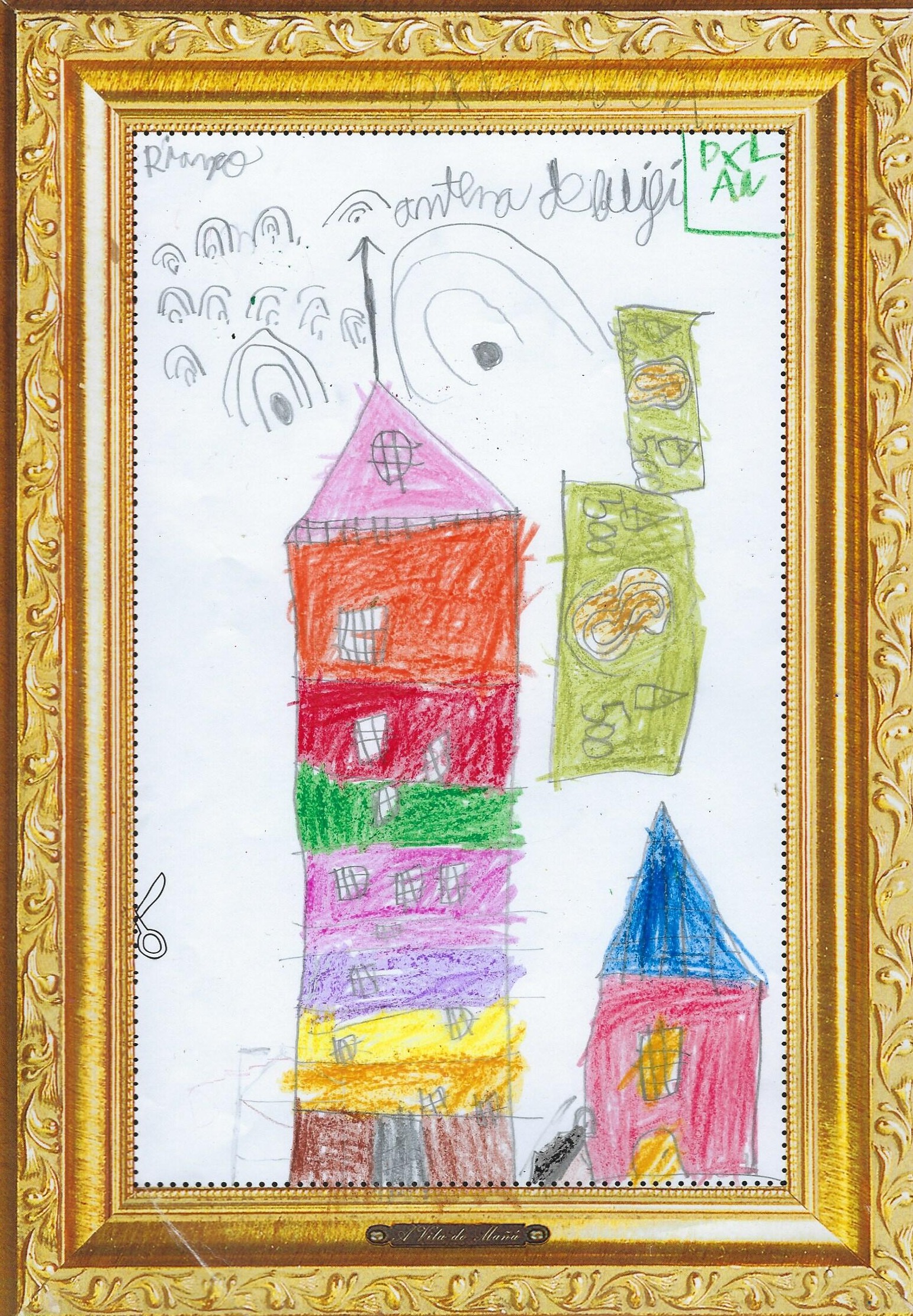
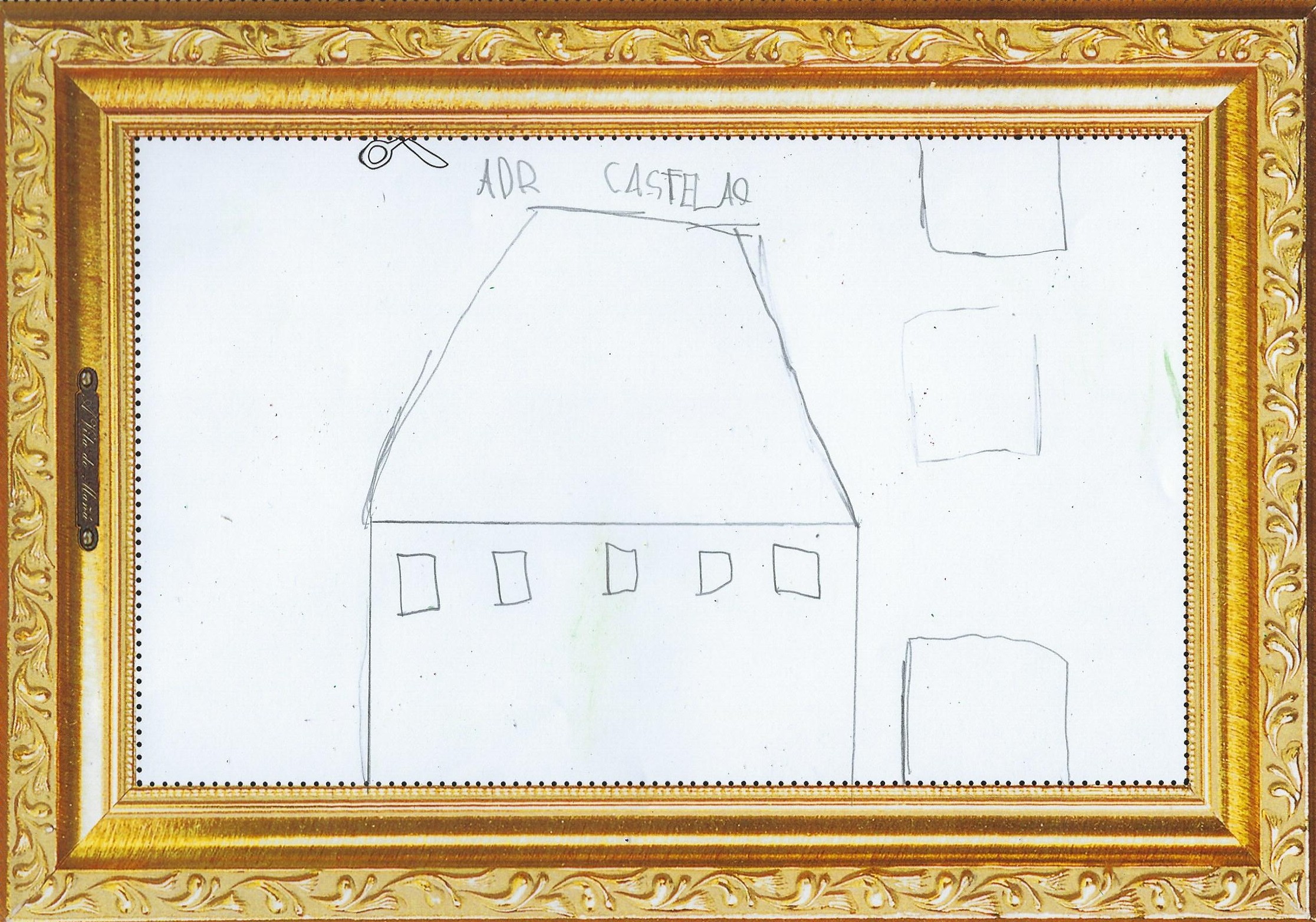
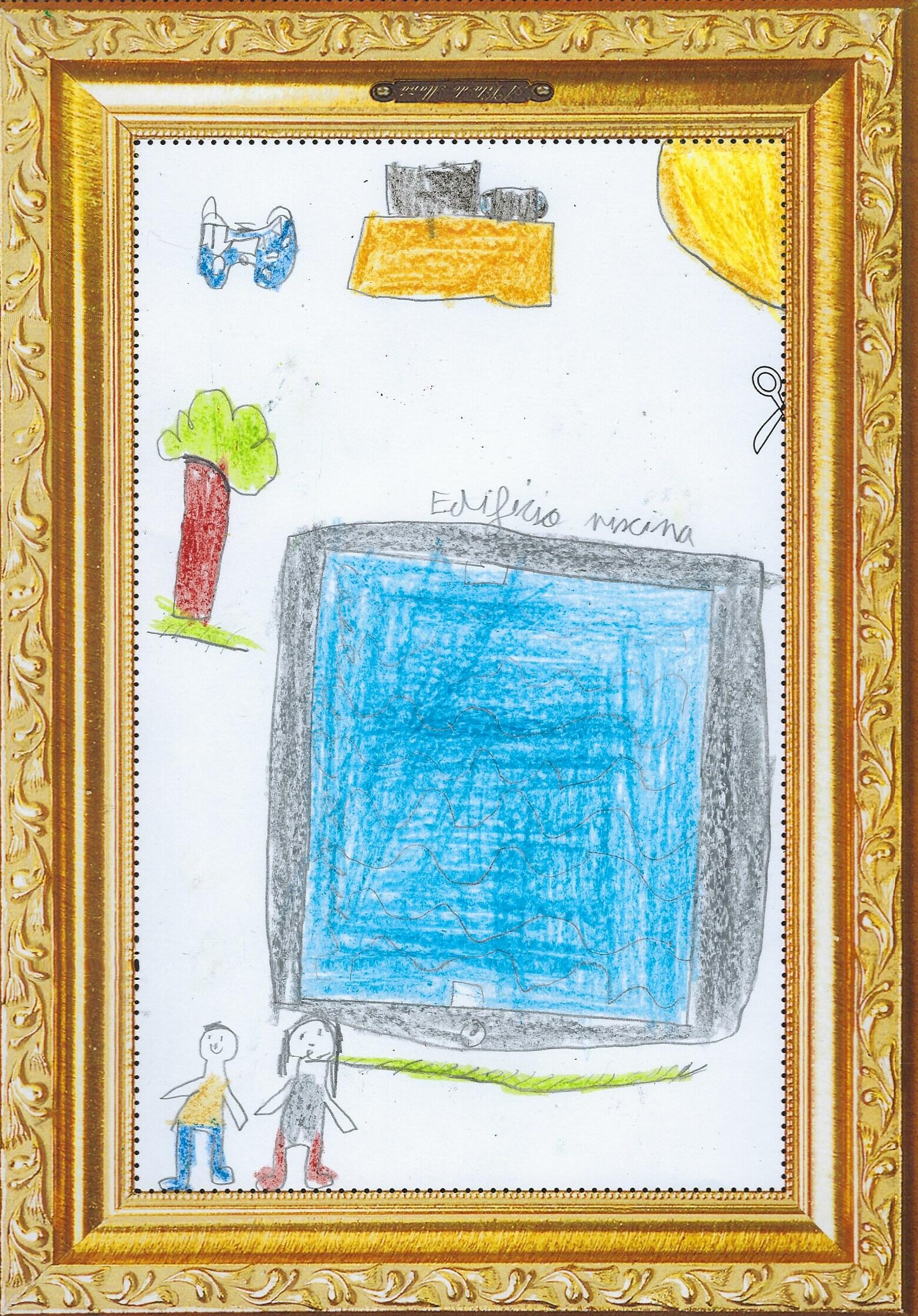
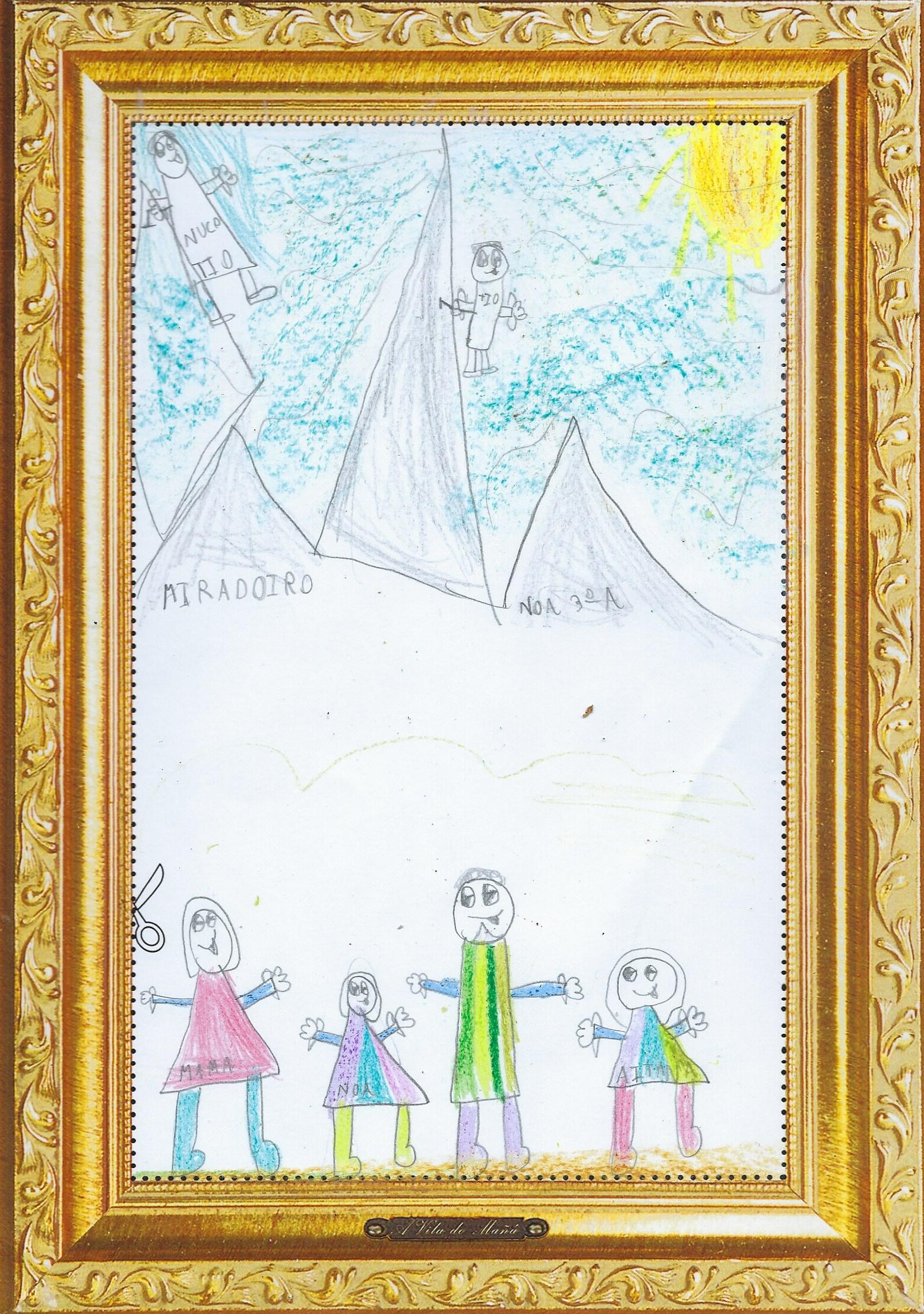
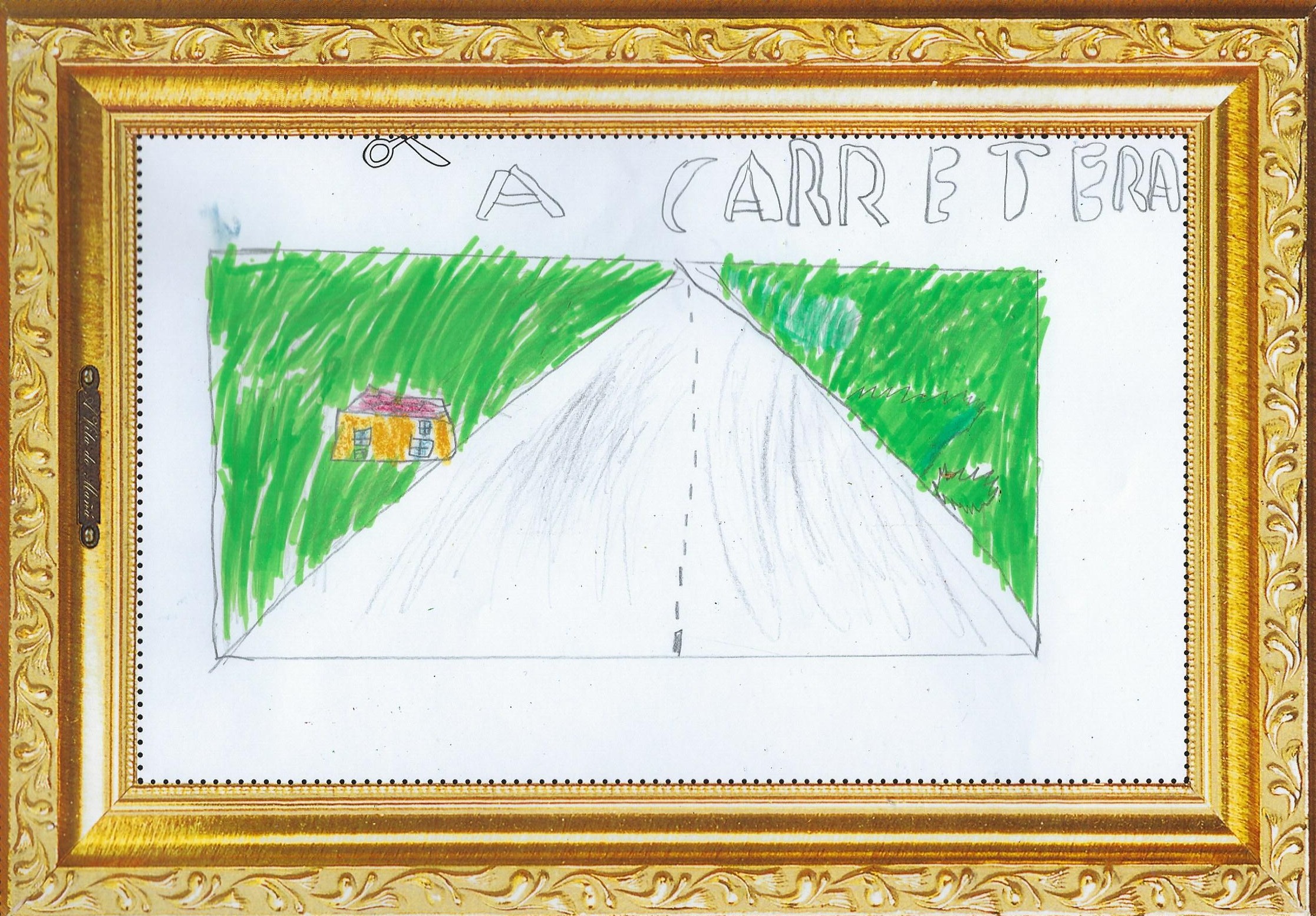
Work began with PERCEPTION—how future inhabitants perceive their town or city. To explore this, the children participating in the project were asked to use simple drawings to show which elements are fundamental or of special interest to them. In this way, we can understand their view of their town or city and work toward a collective vision shared by all participants.
Good urban acupuncture would be that which ensures that everyone knows their city. How many people, in reality, truly know their own city? It is difficult for anyone to respect what they do not know. But how can you respect your city if you do not understand it? Draw your city. […] But how can you improve your city if you do not even know it well? What do you do for it if you are not even capable of drawing it? That is the crux of the matter.
— Jaime Lerner
O Porriño
changing the village through protagonist participation

The village or city in which we are working, transformed into a game board, a laboratory of experimentation where children and teenagers can act from a new point of view.
Rianxo
The new generations, the inhabitants of tomorrow, are largely unfamiliar with their town or city. They live in a “little box,” move around in another smaller “little box,” and arrive at a bigger “box” (whether it is called a school, shopping center, sports complex… or playground). This is their relationship with their surroundings.
Sandra González Álvarez
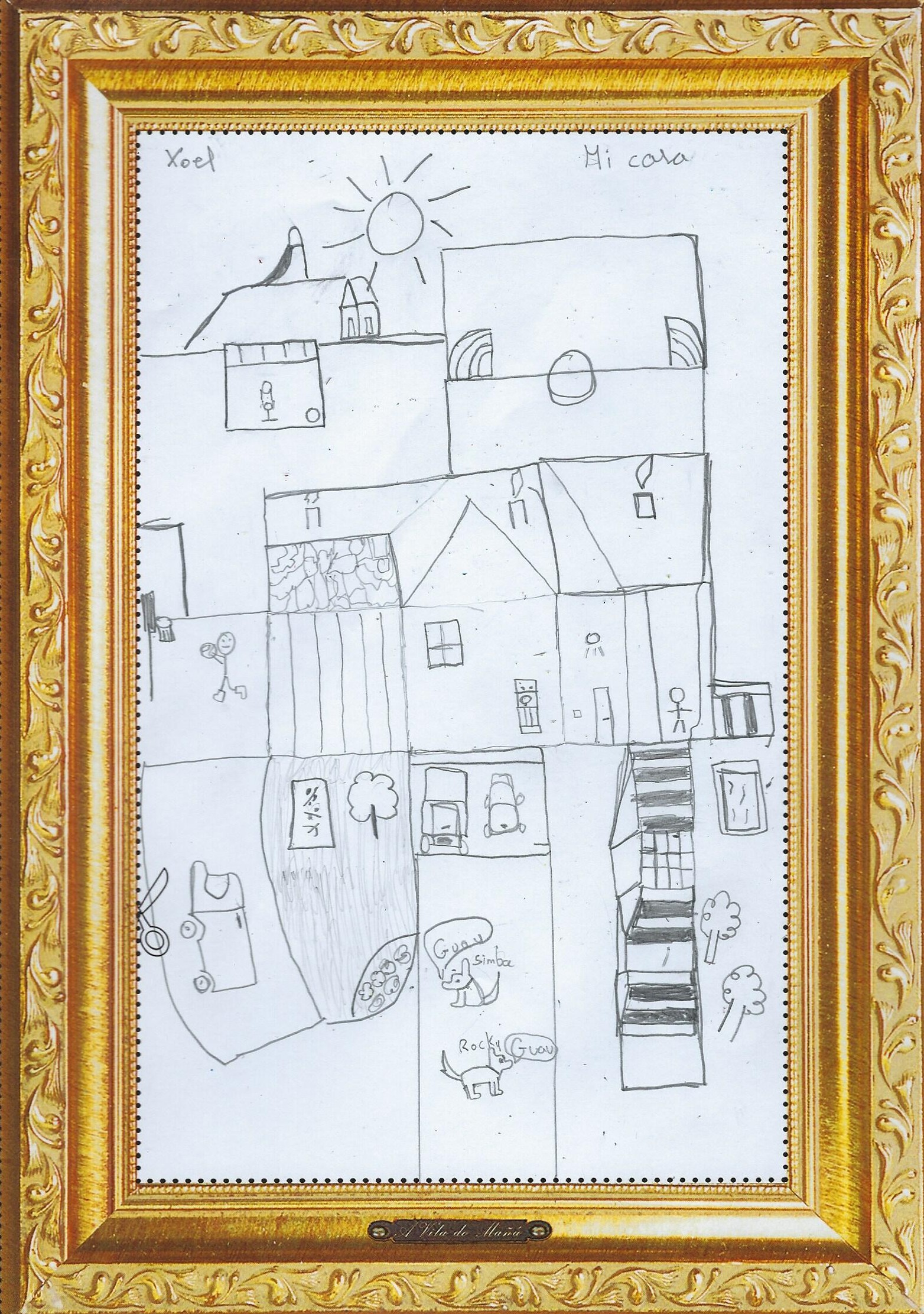
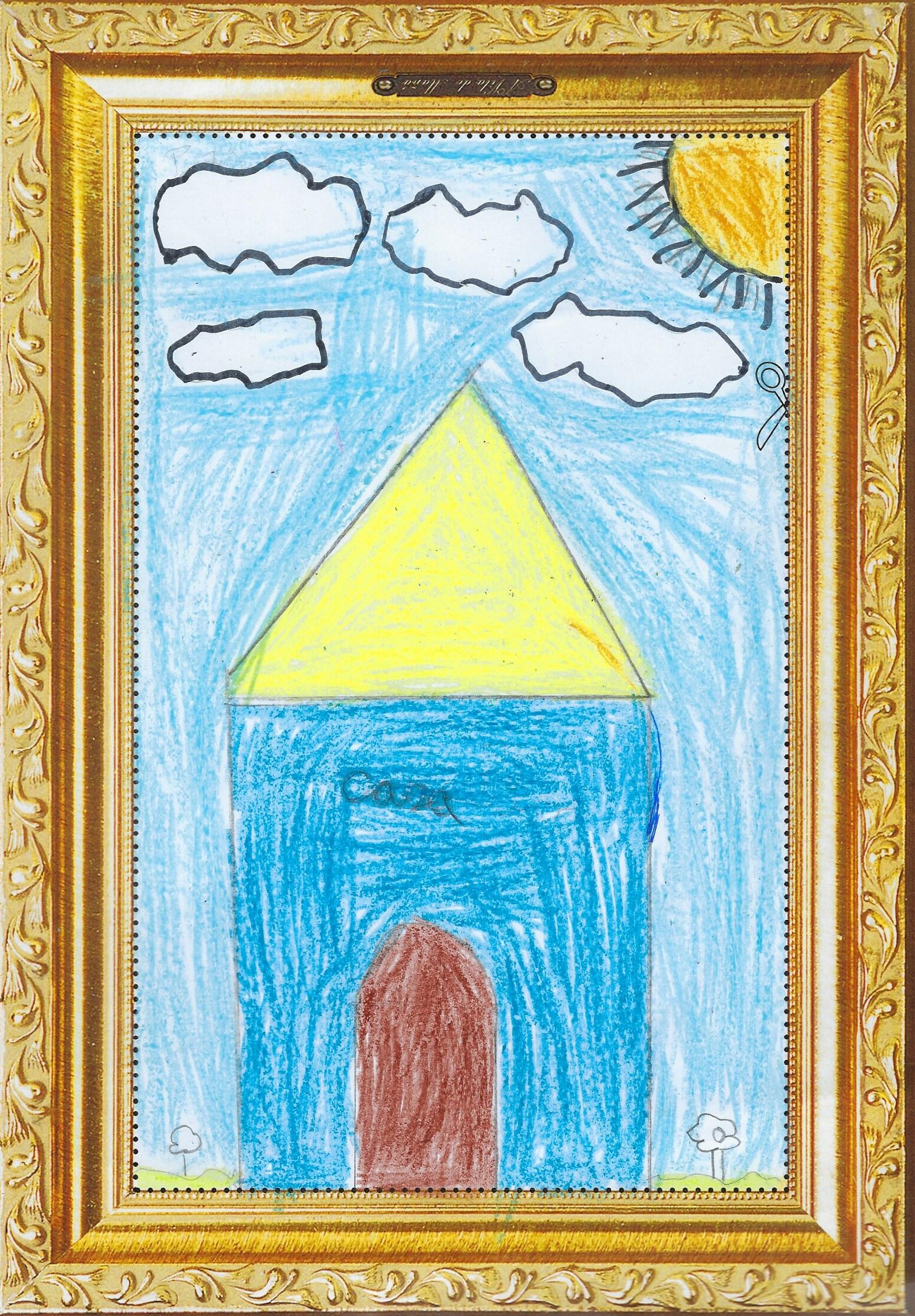
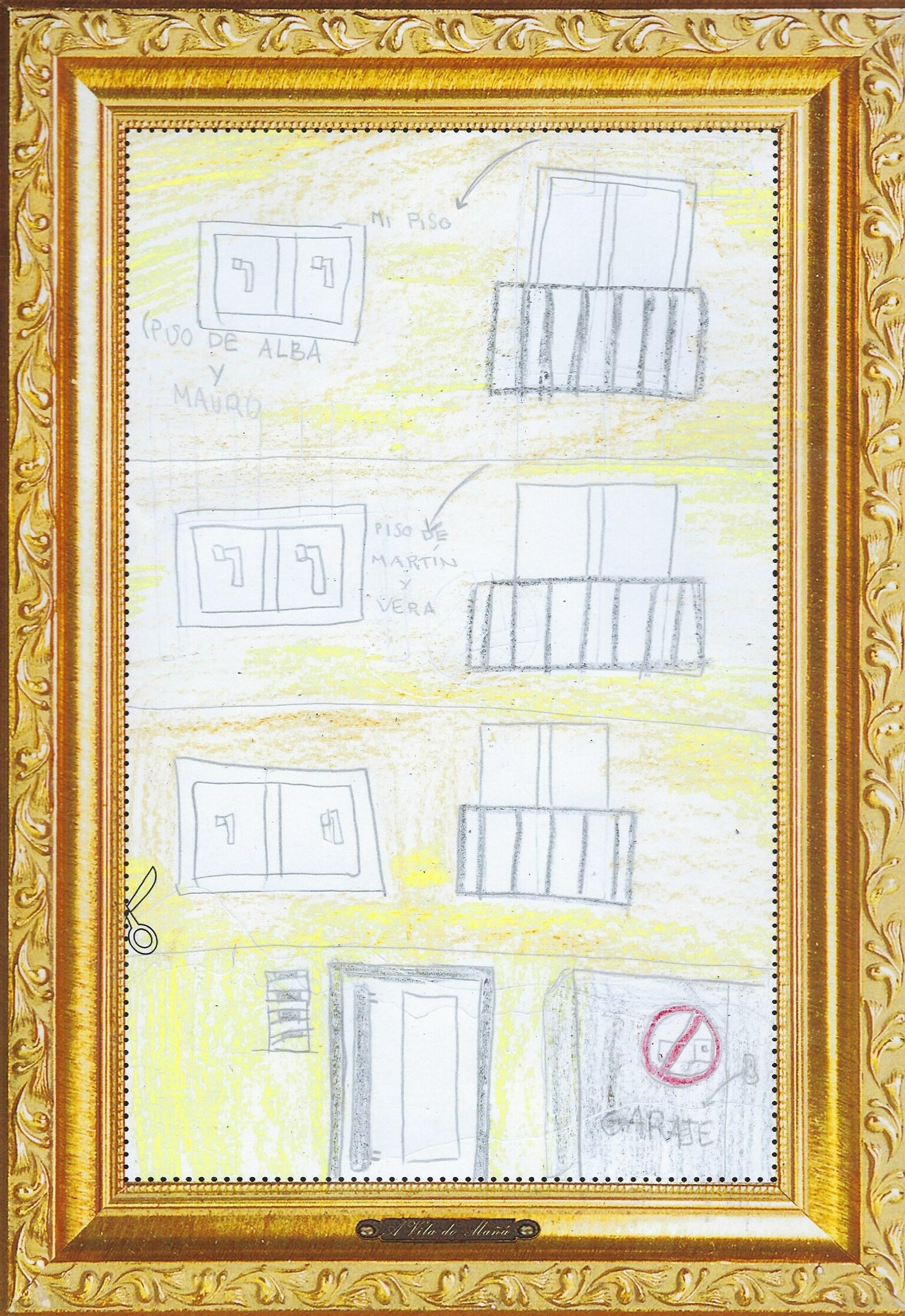
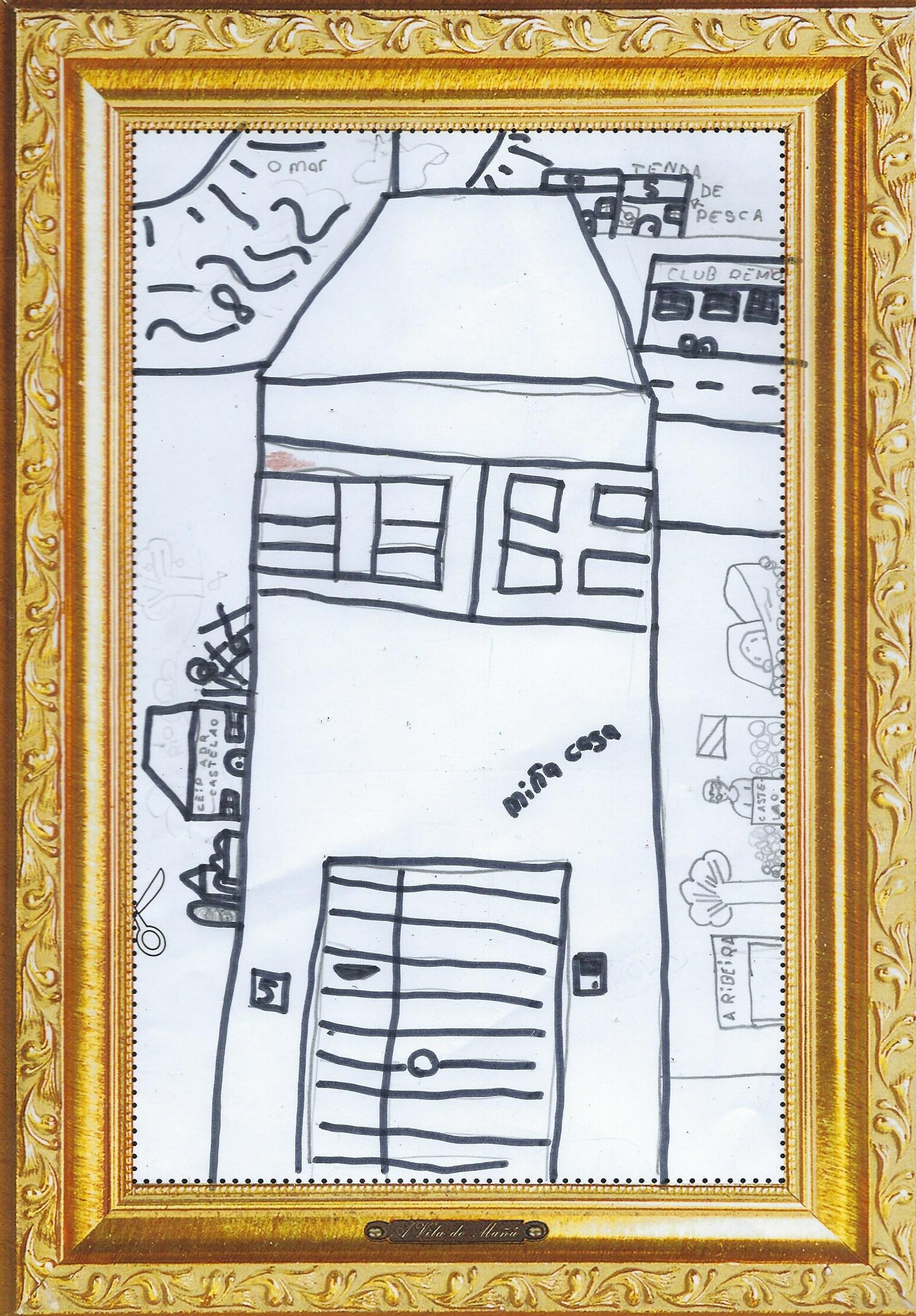
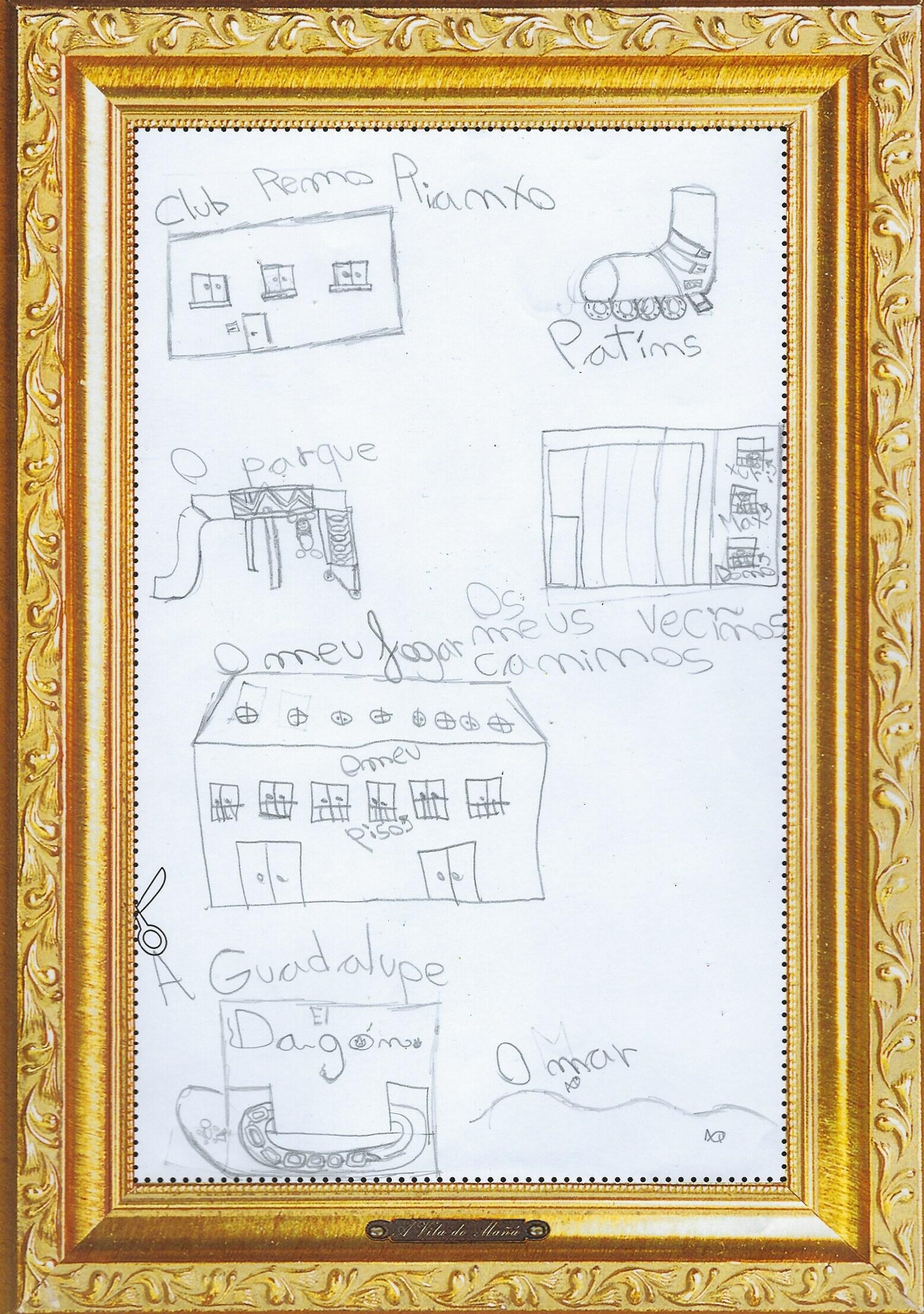
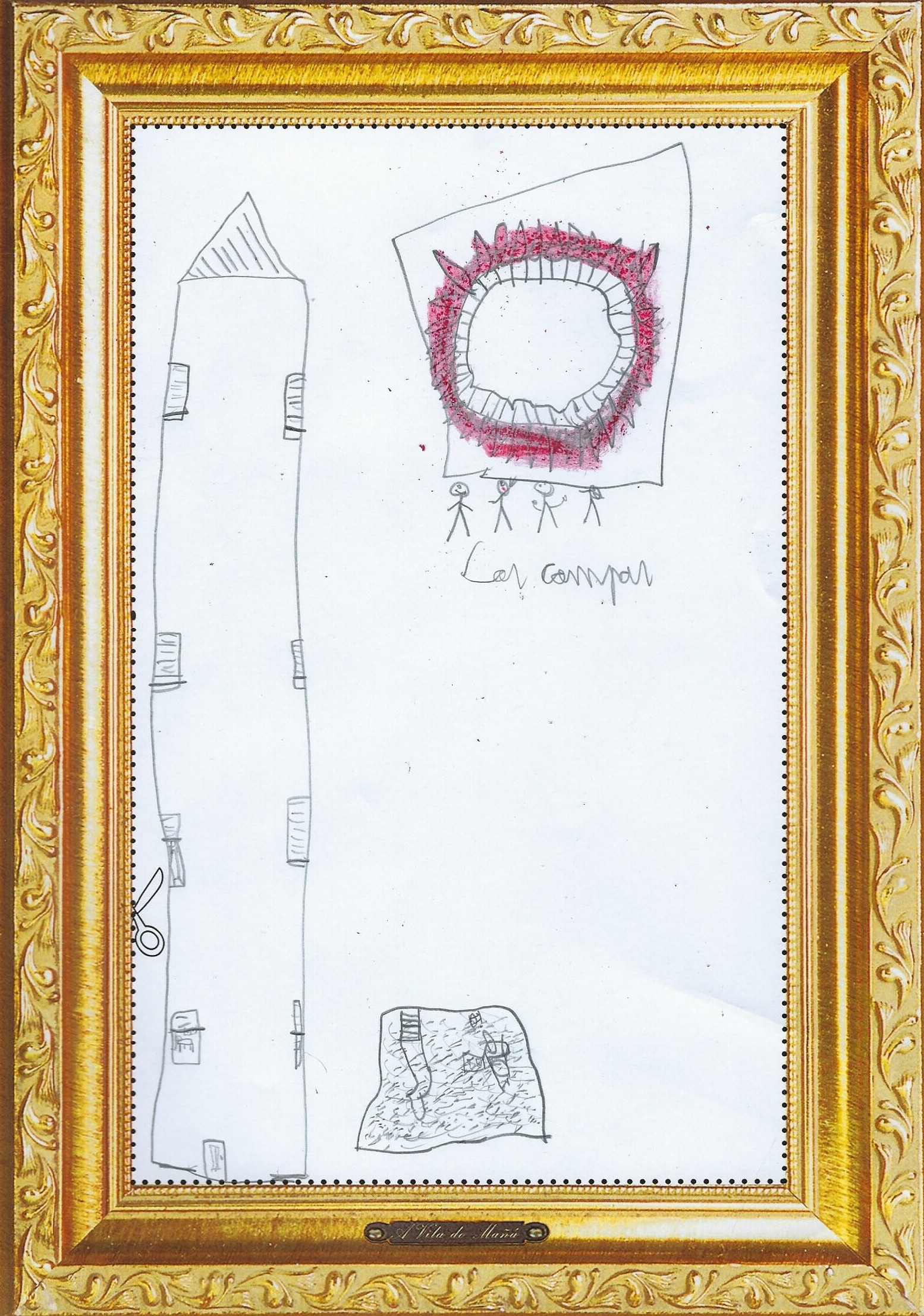
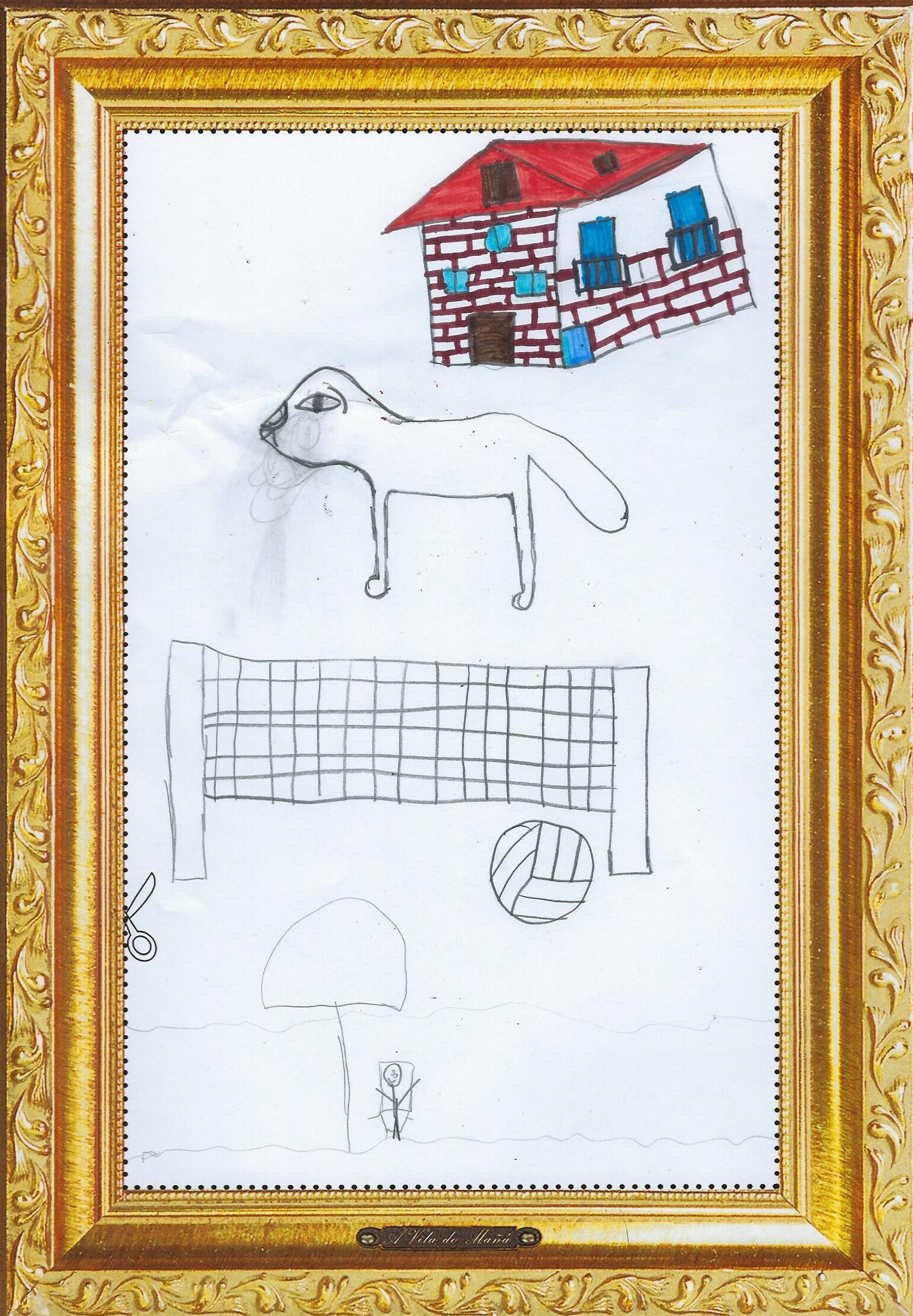
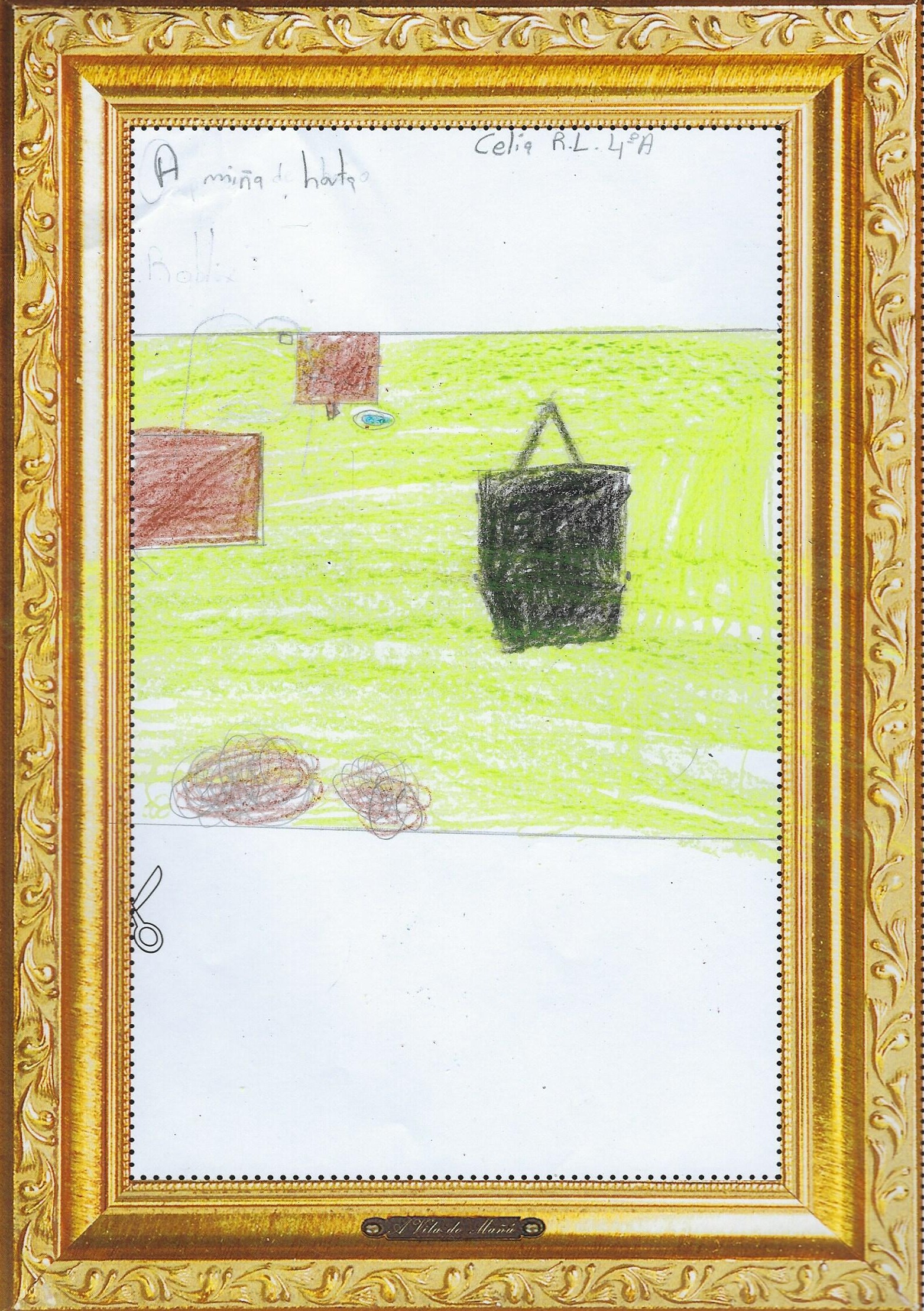
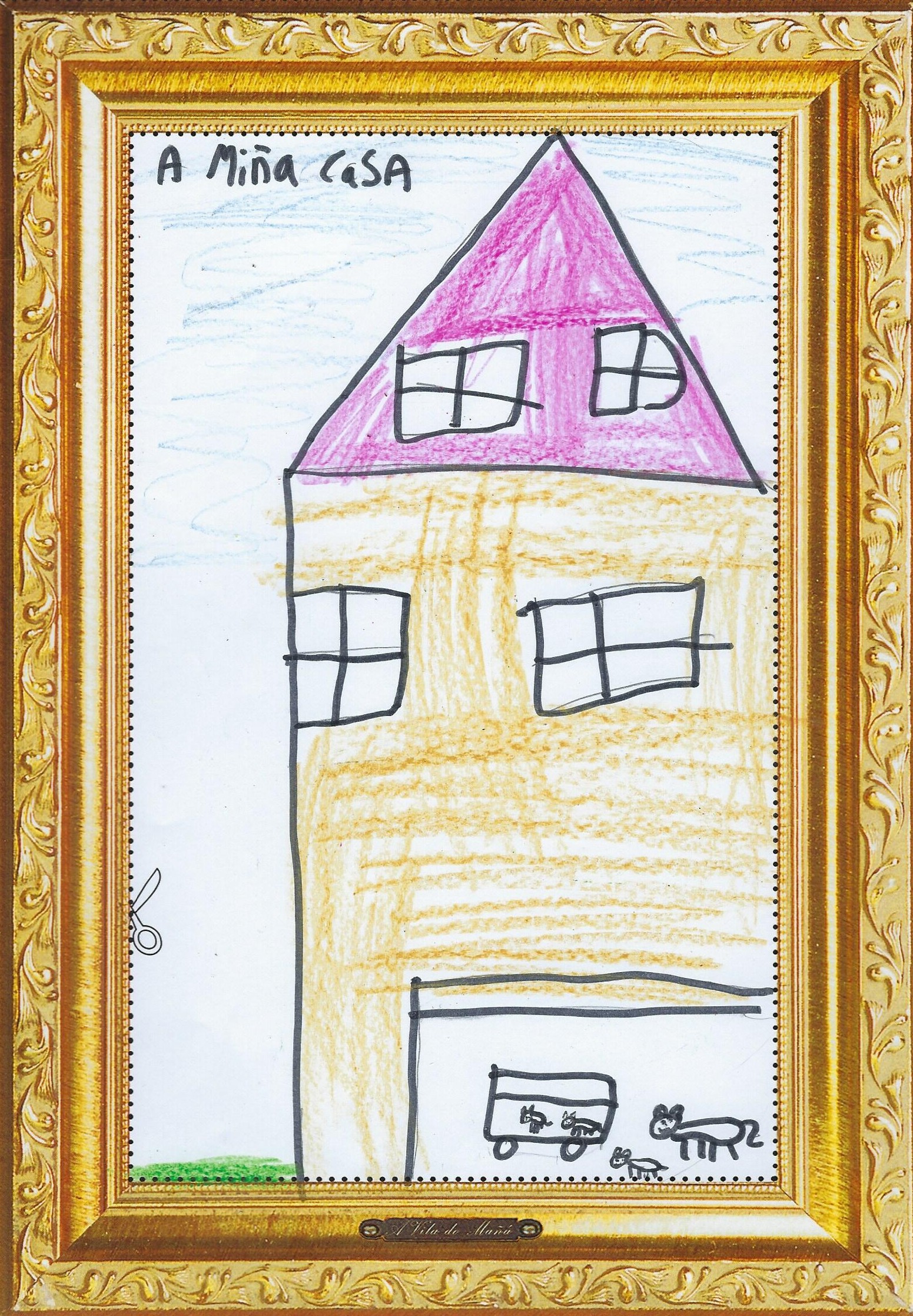
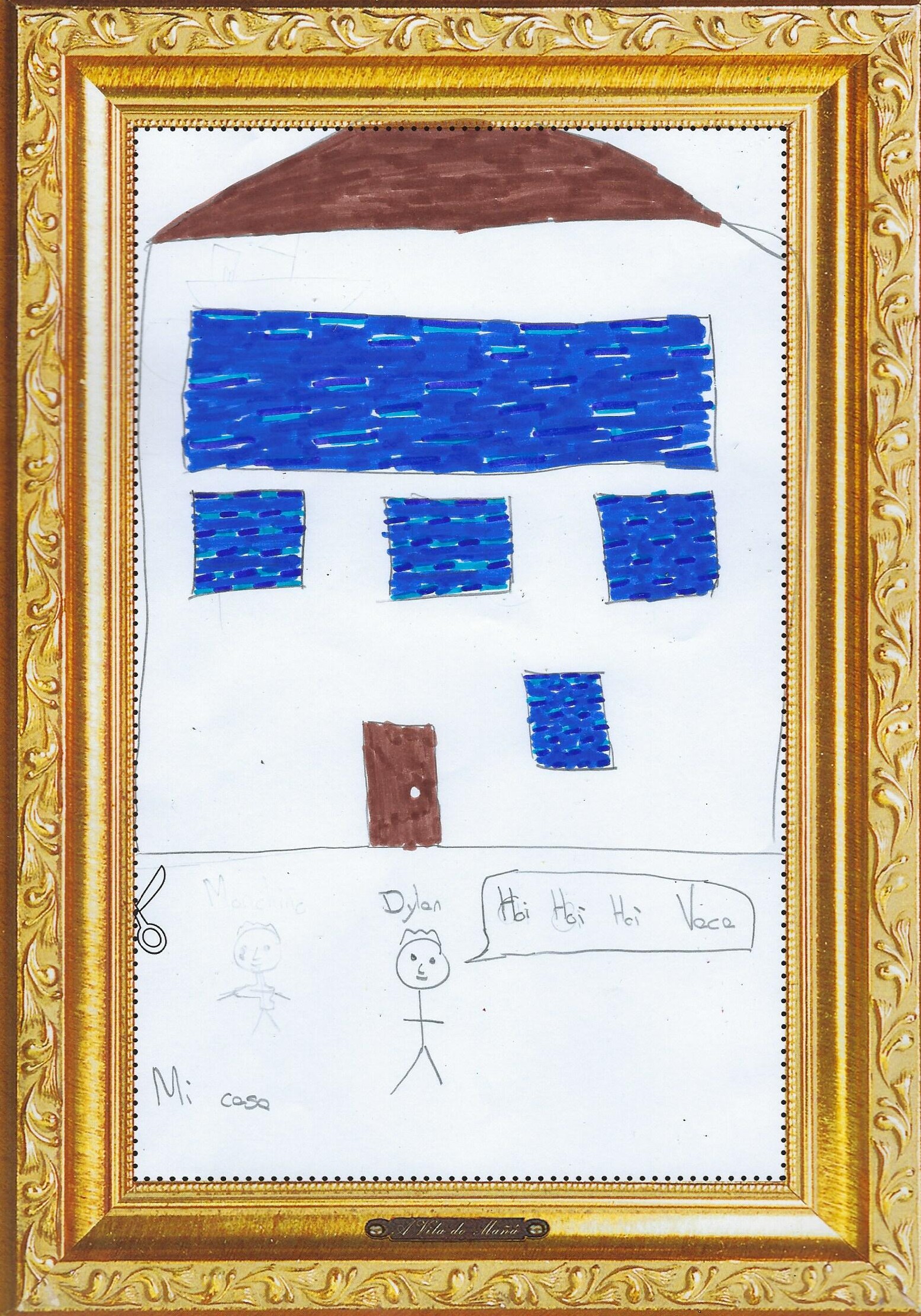
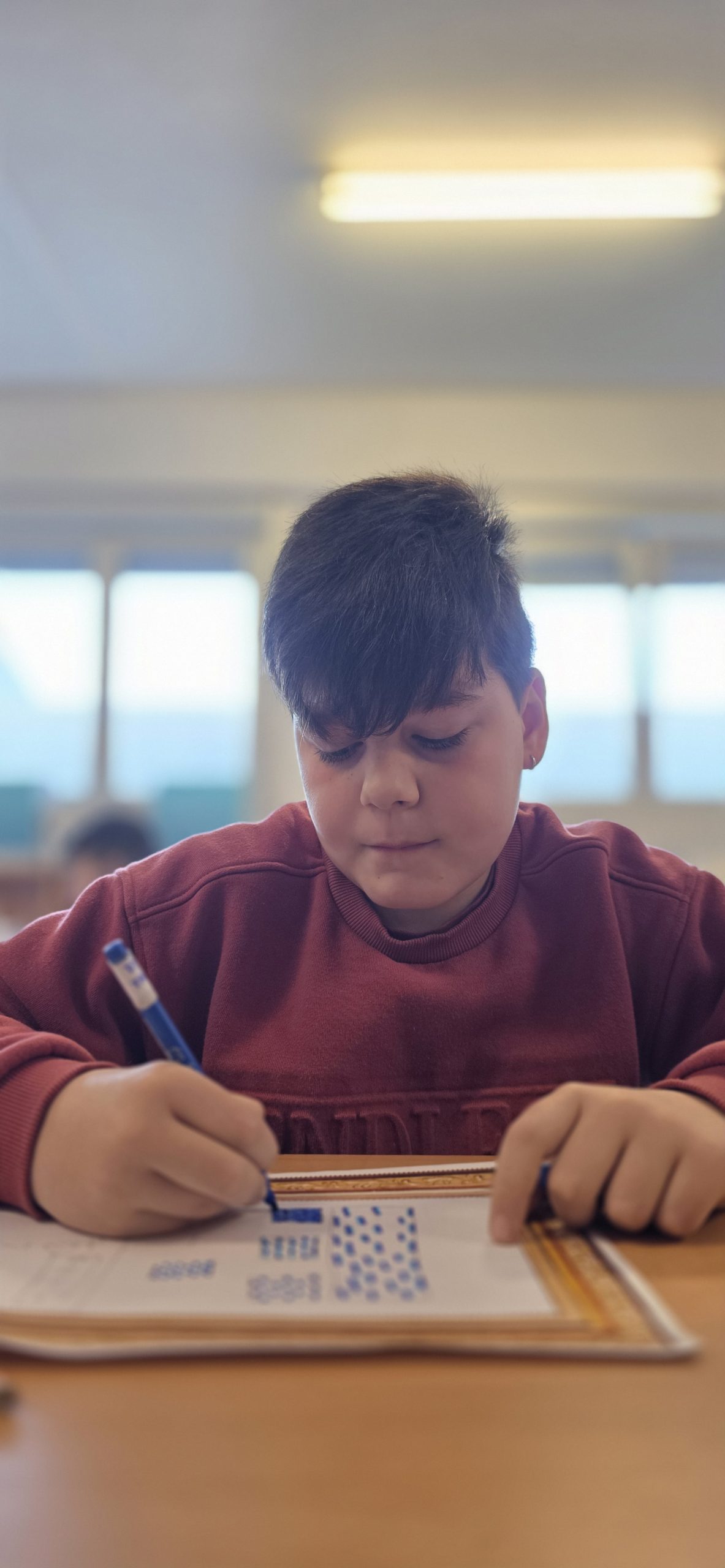
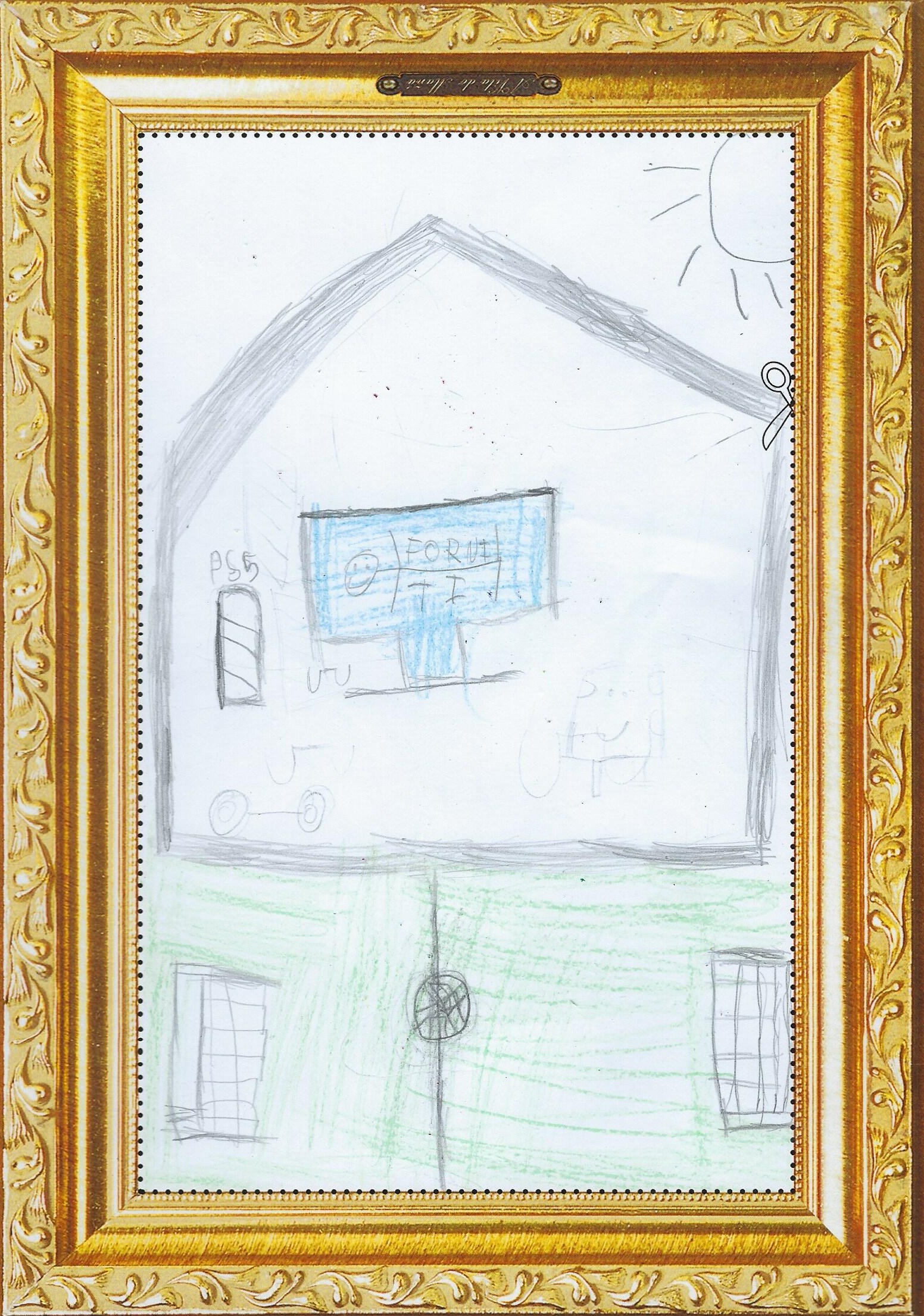
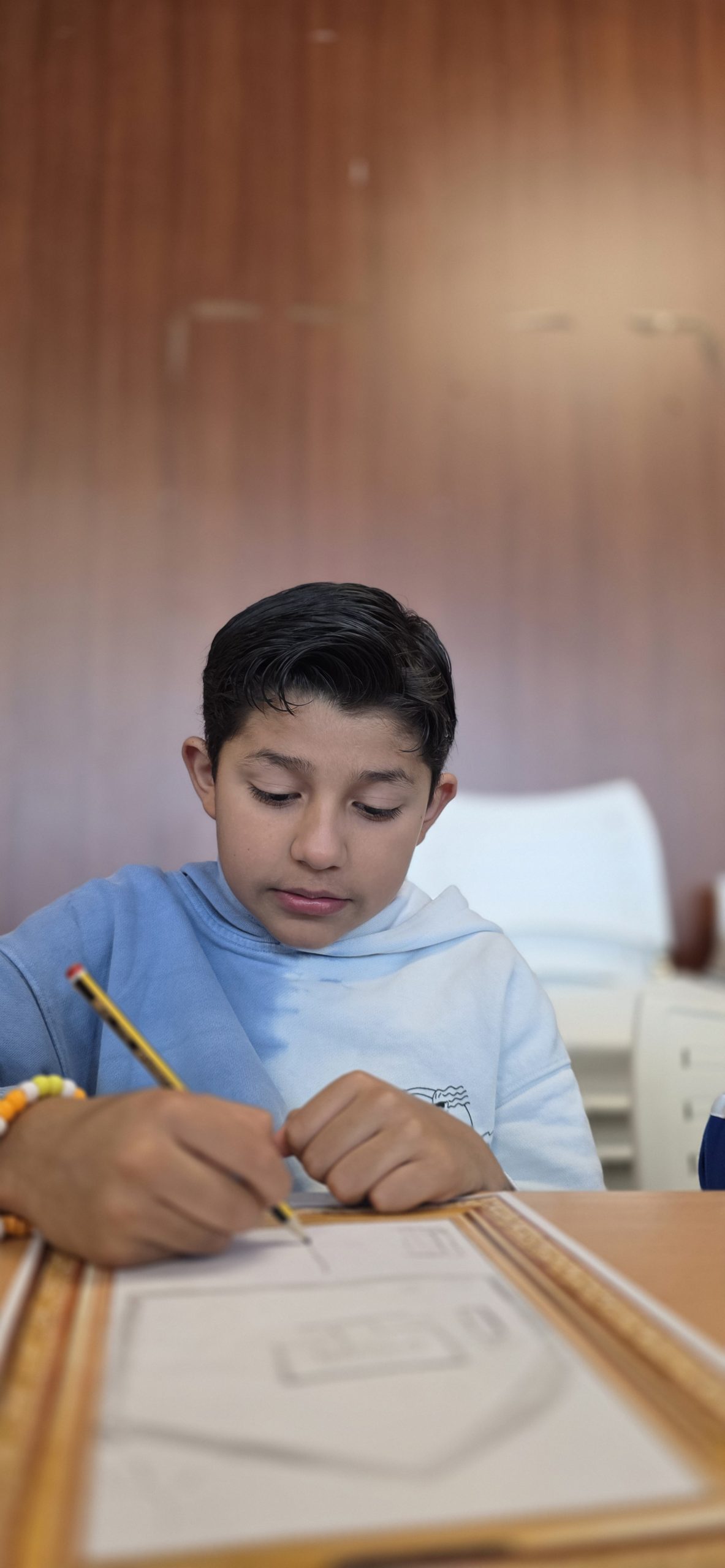
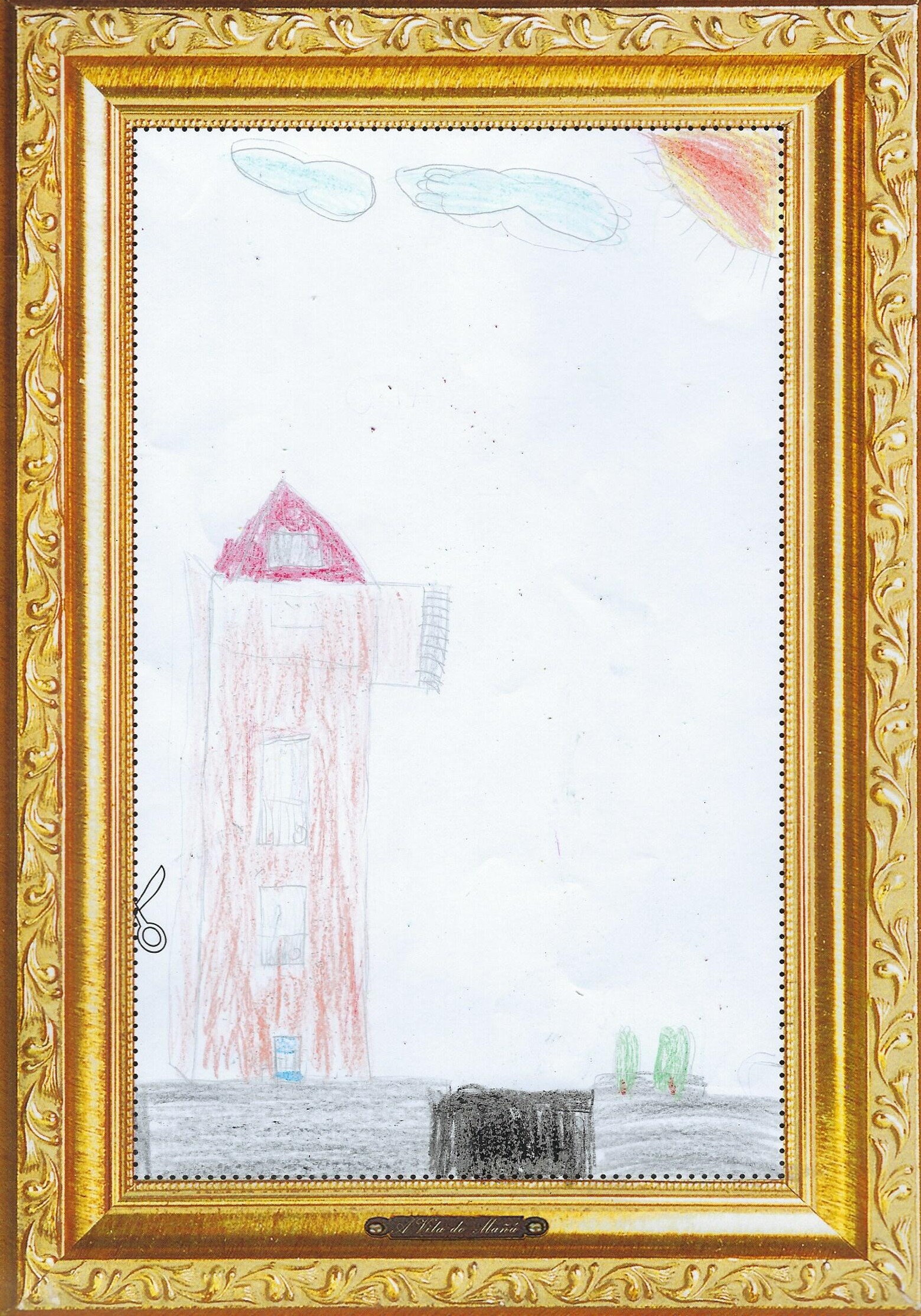
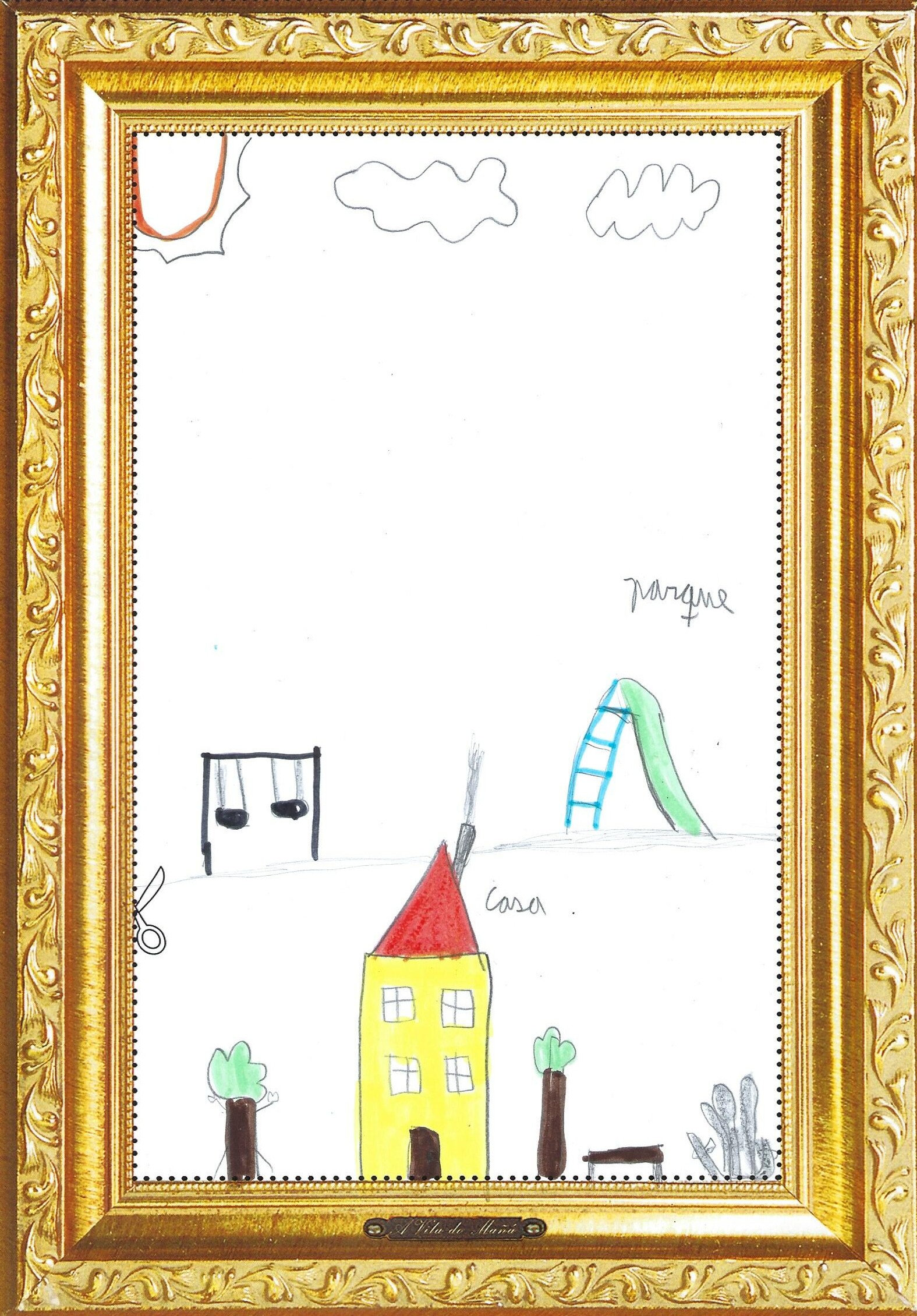
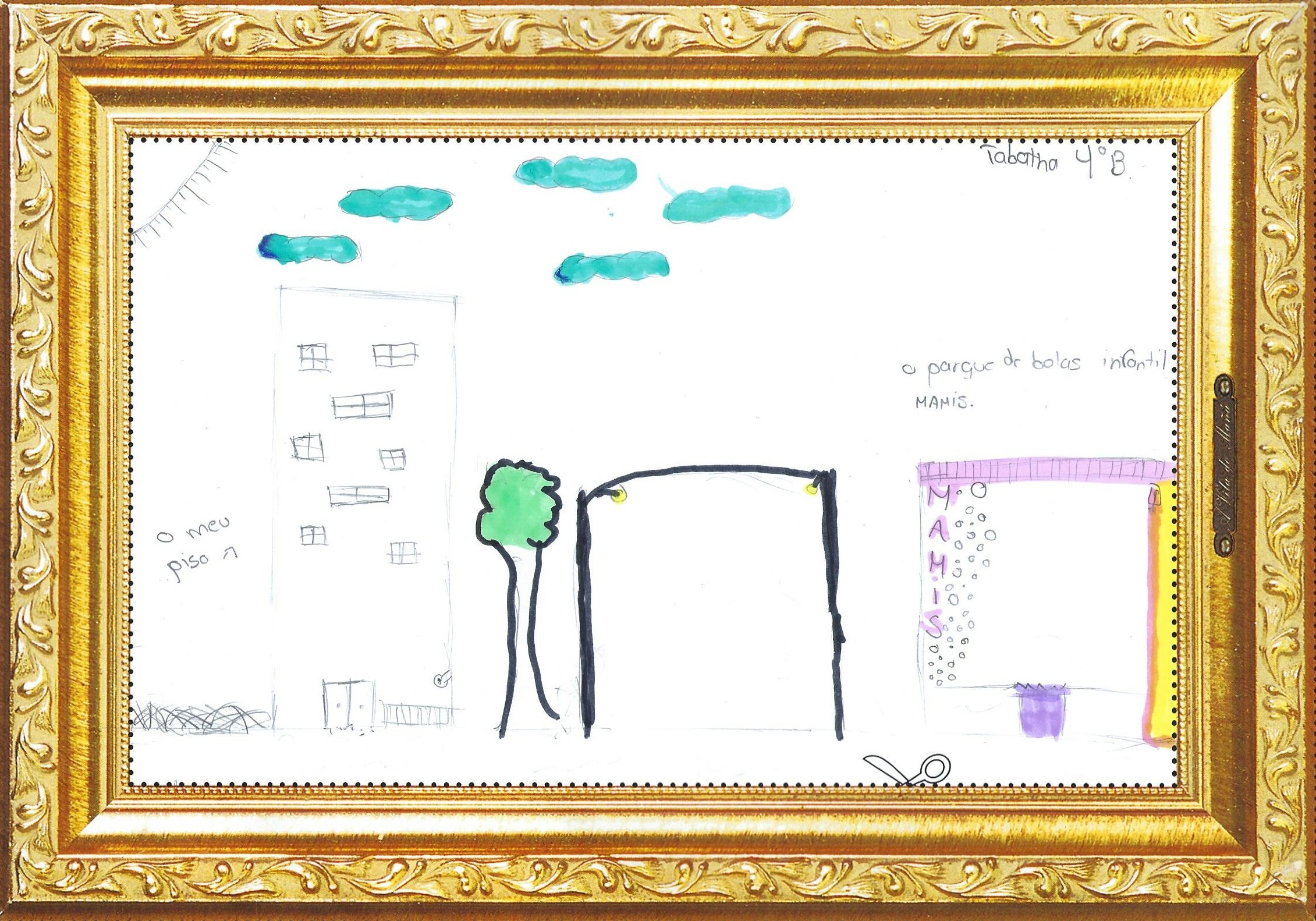
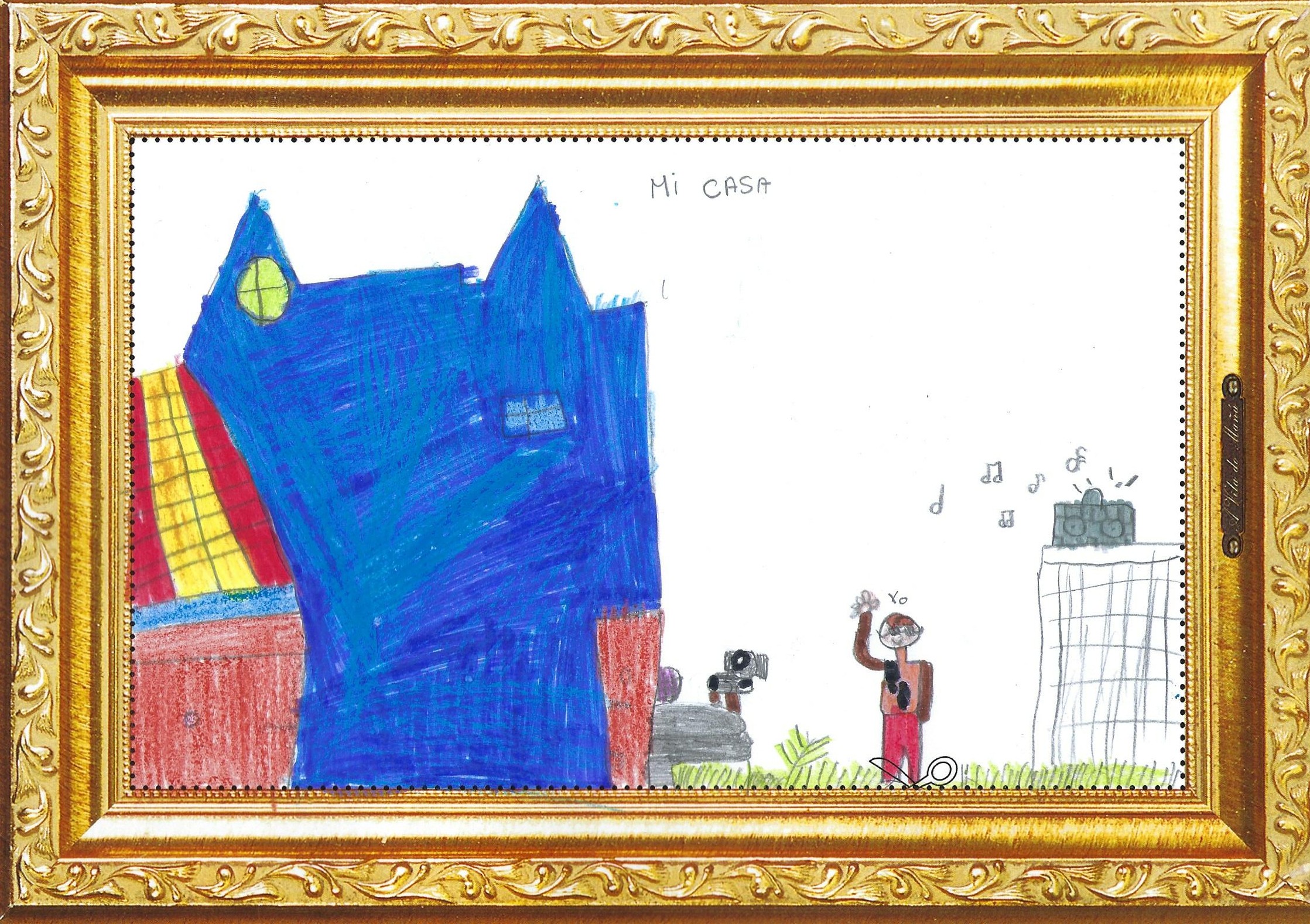
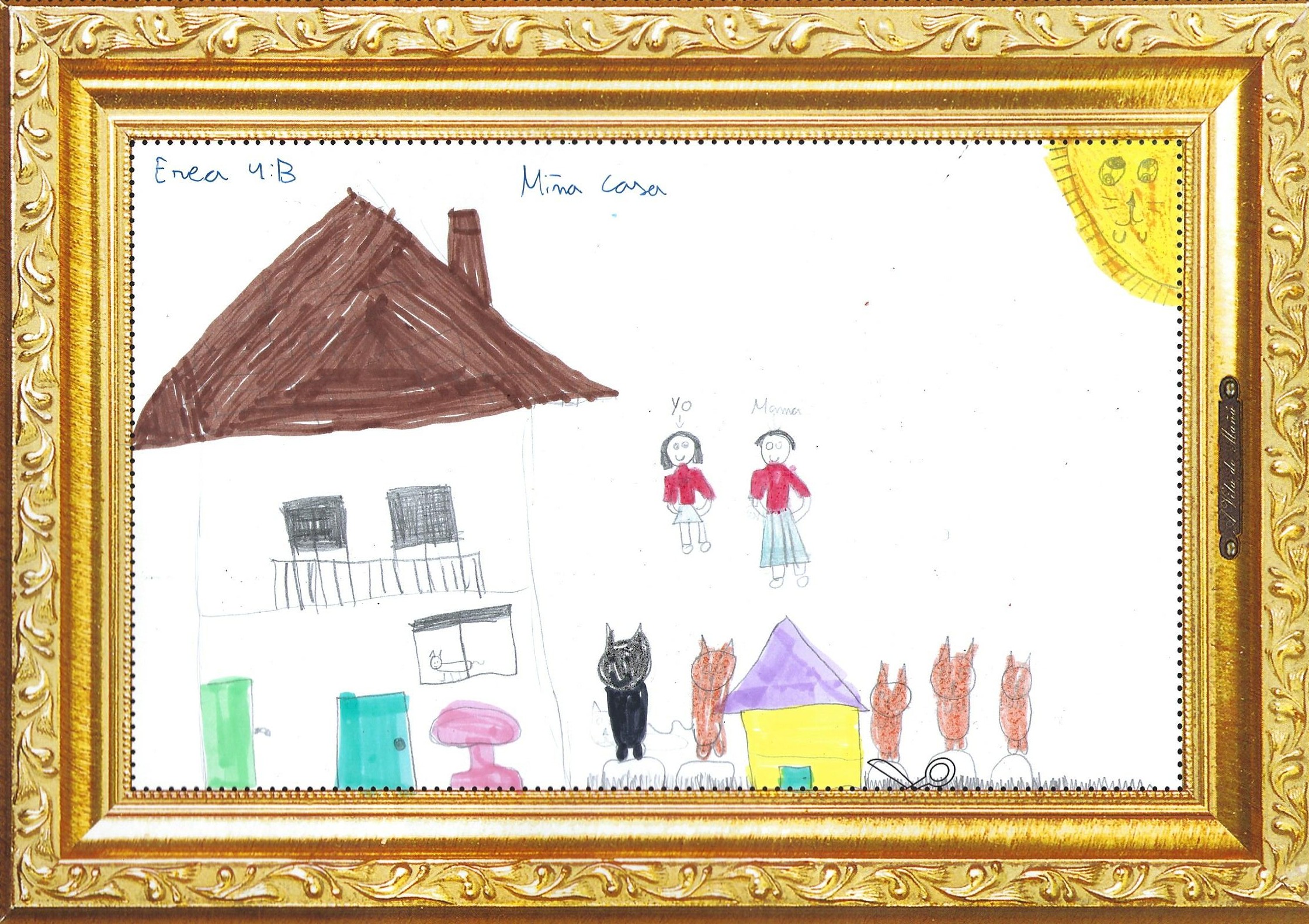
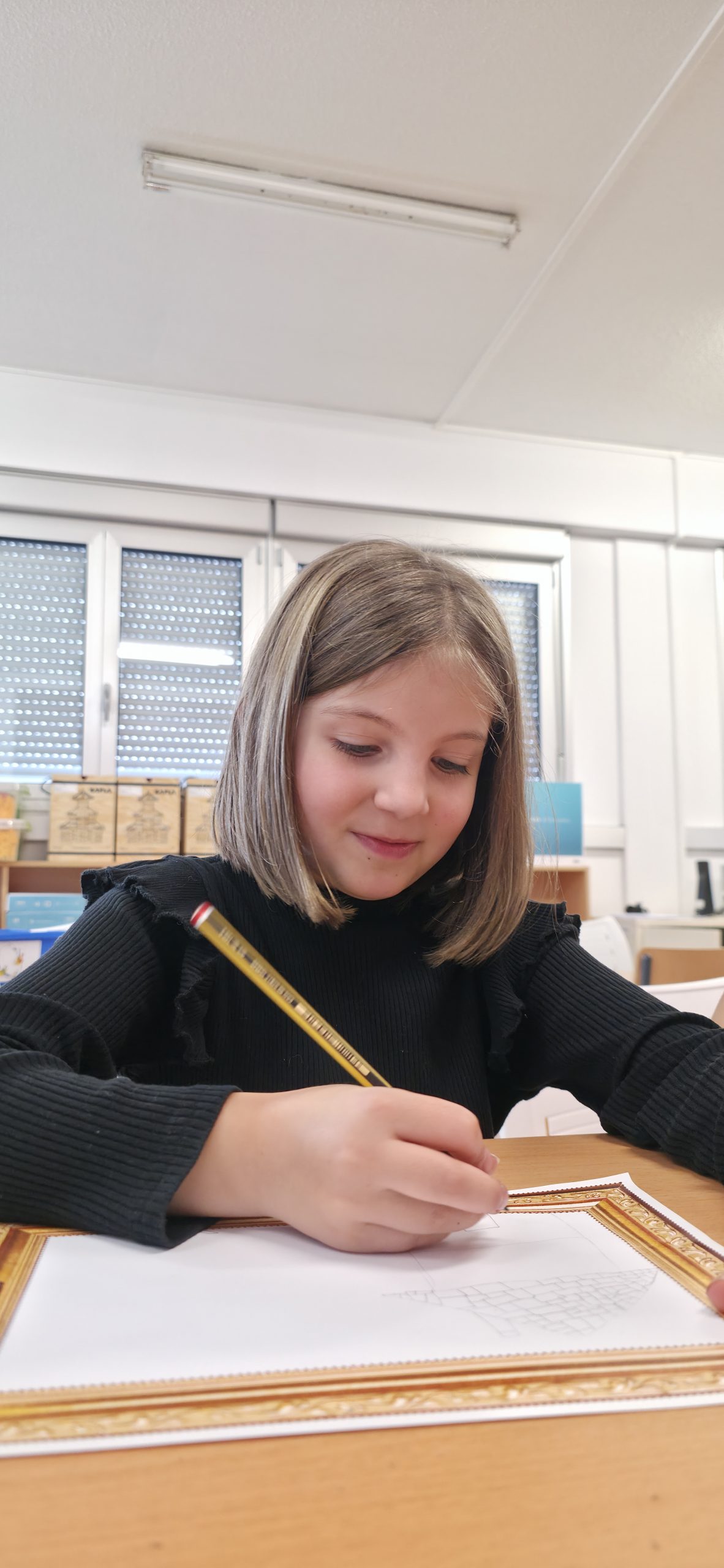
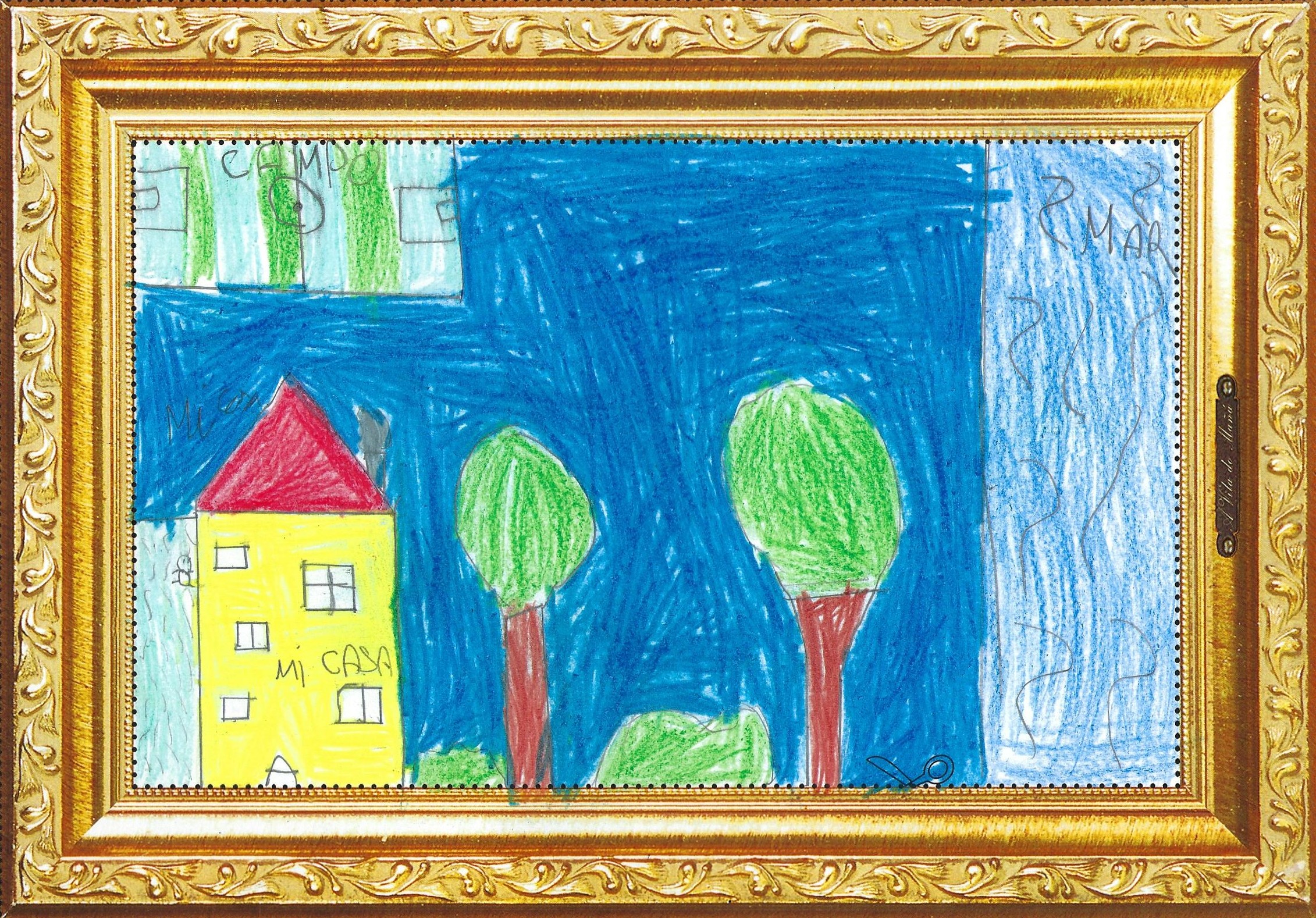
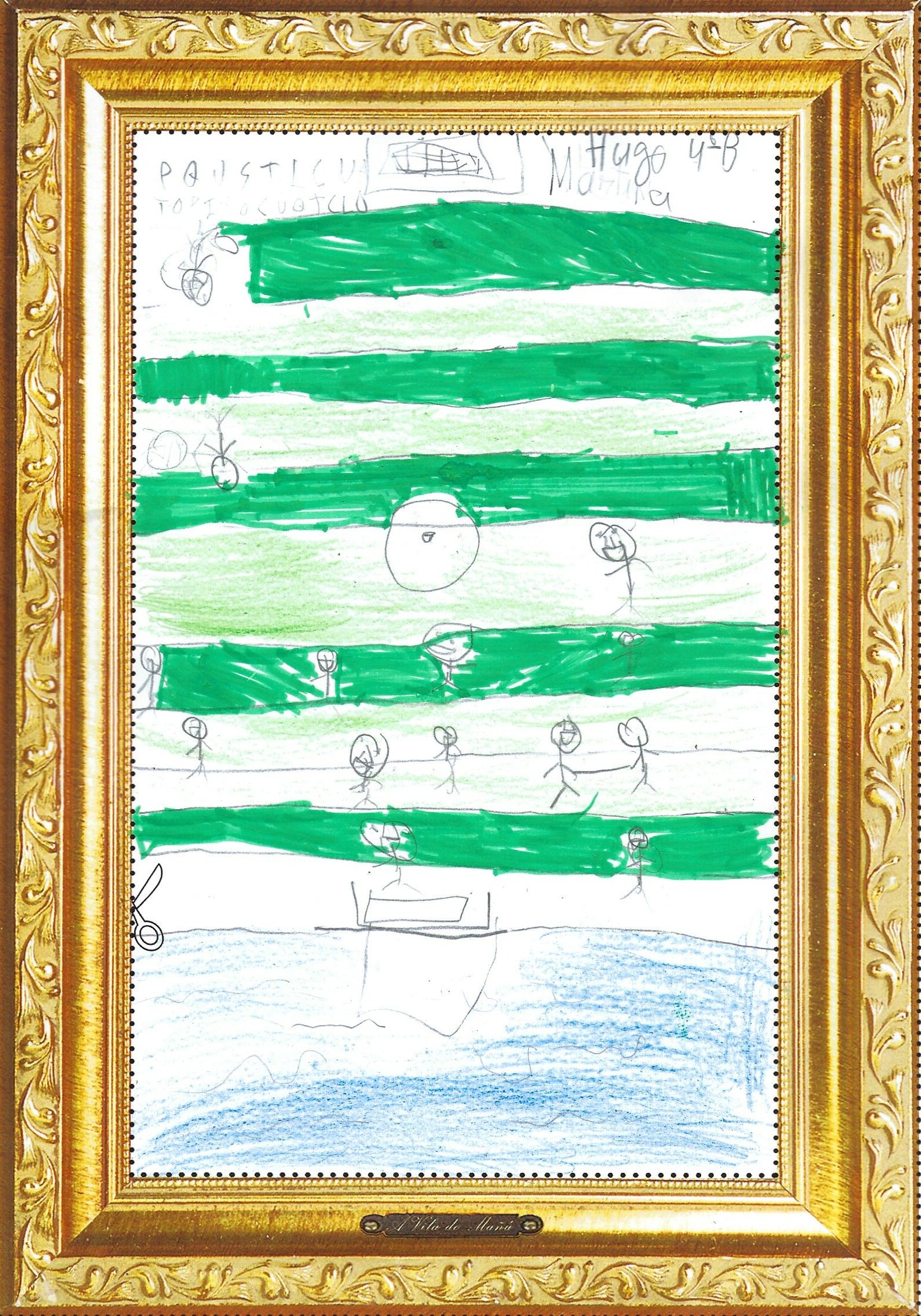
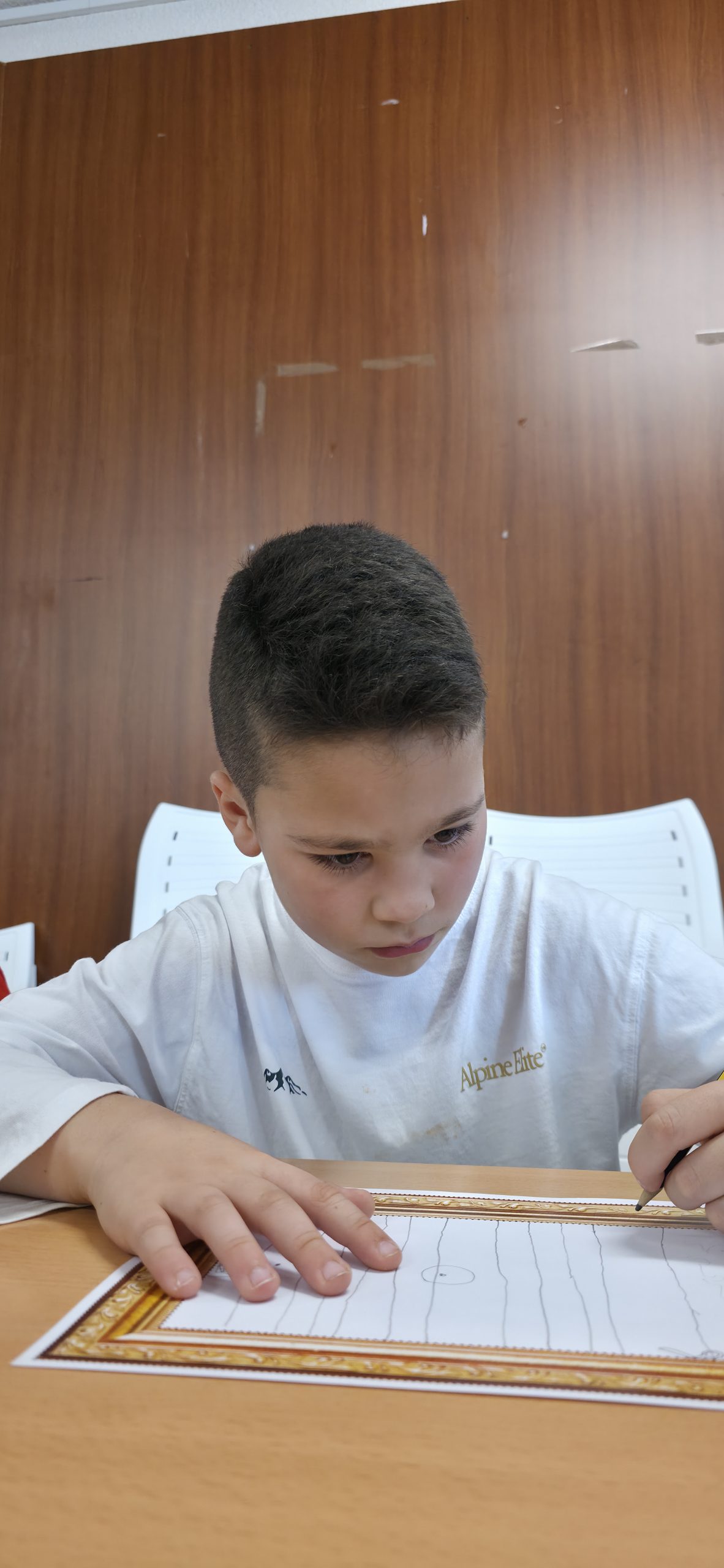
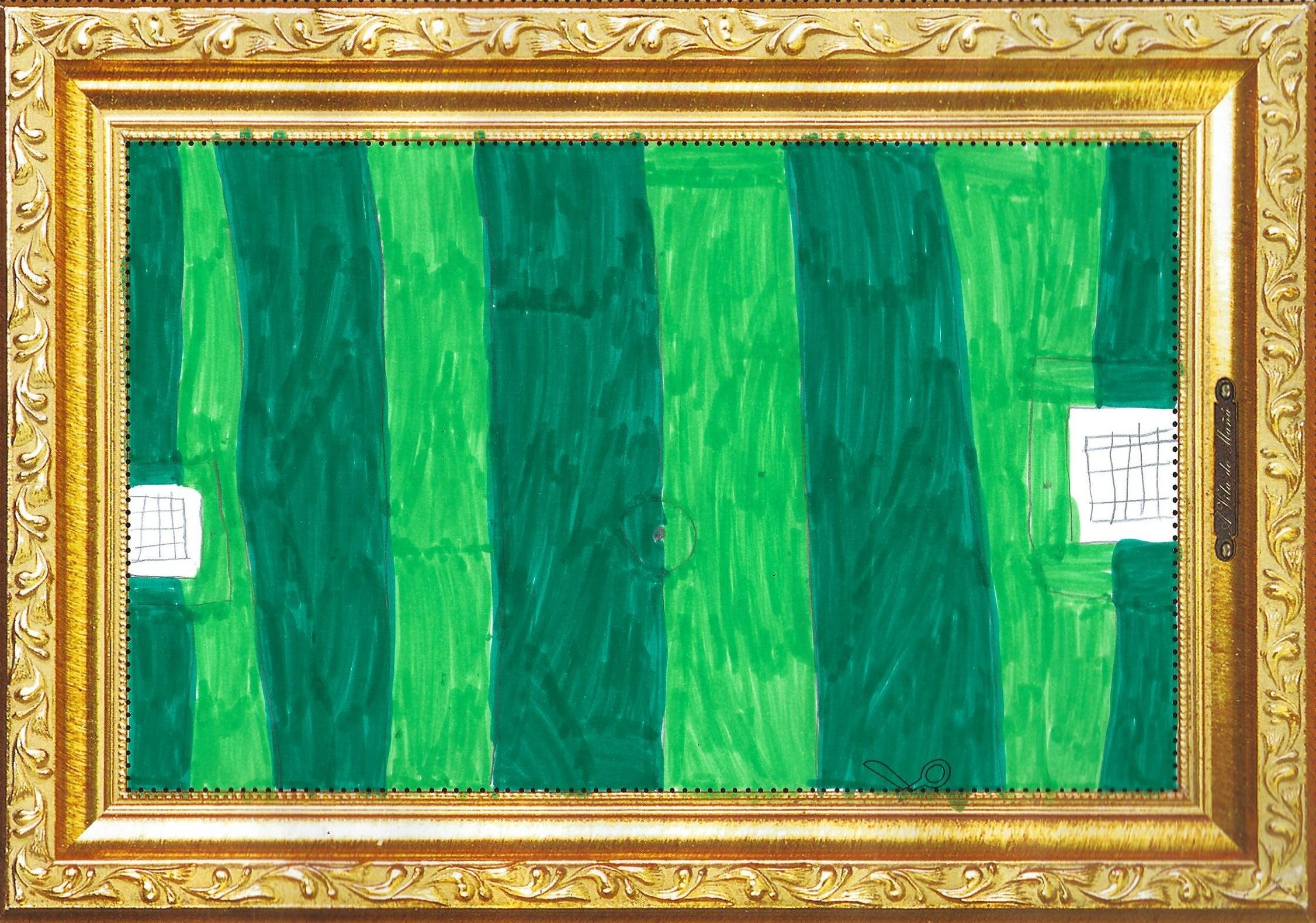
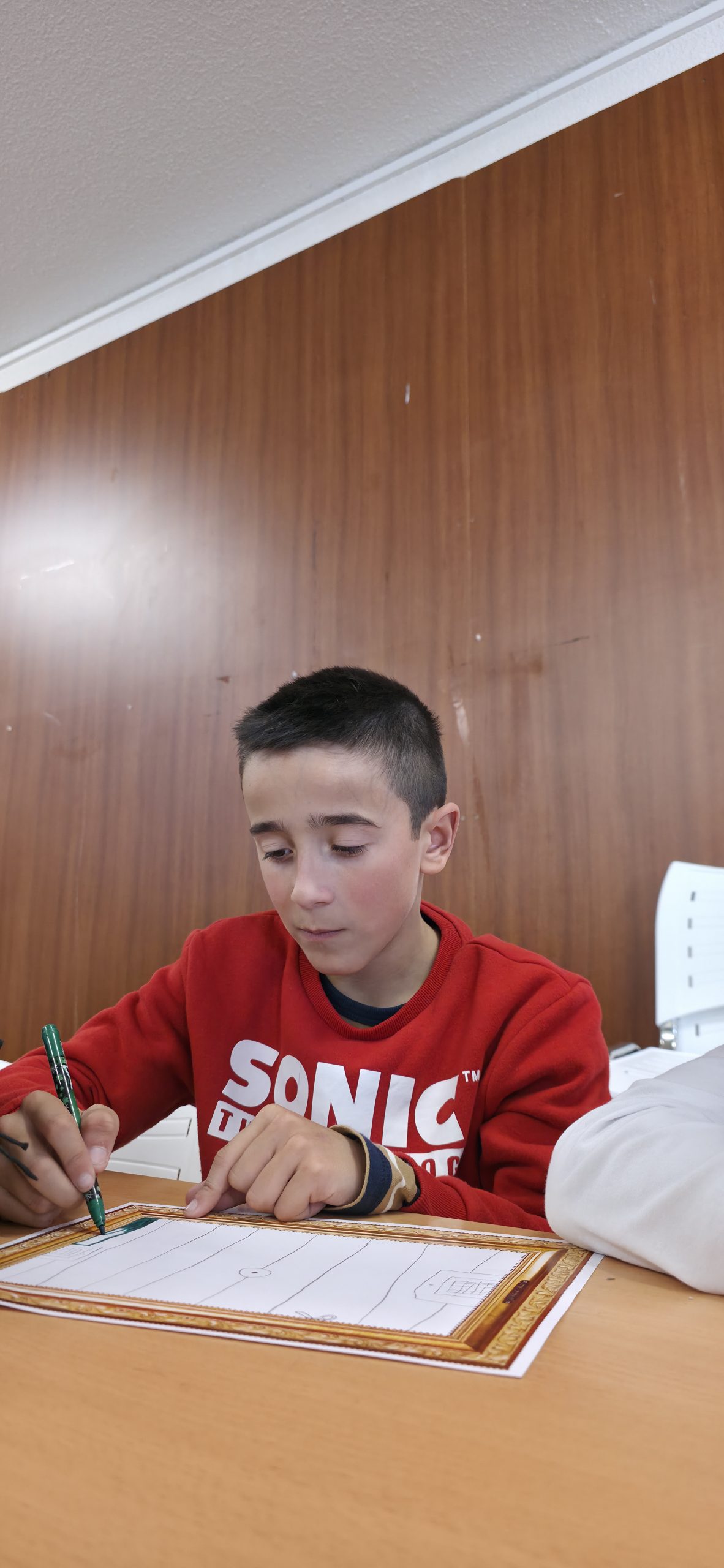
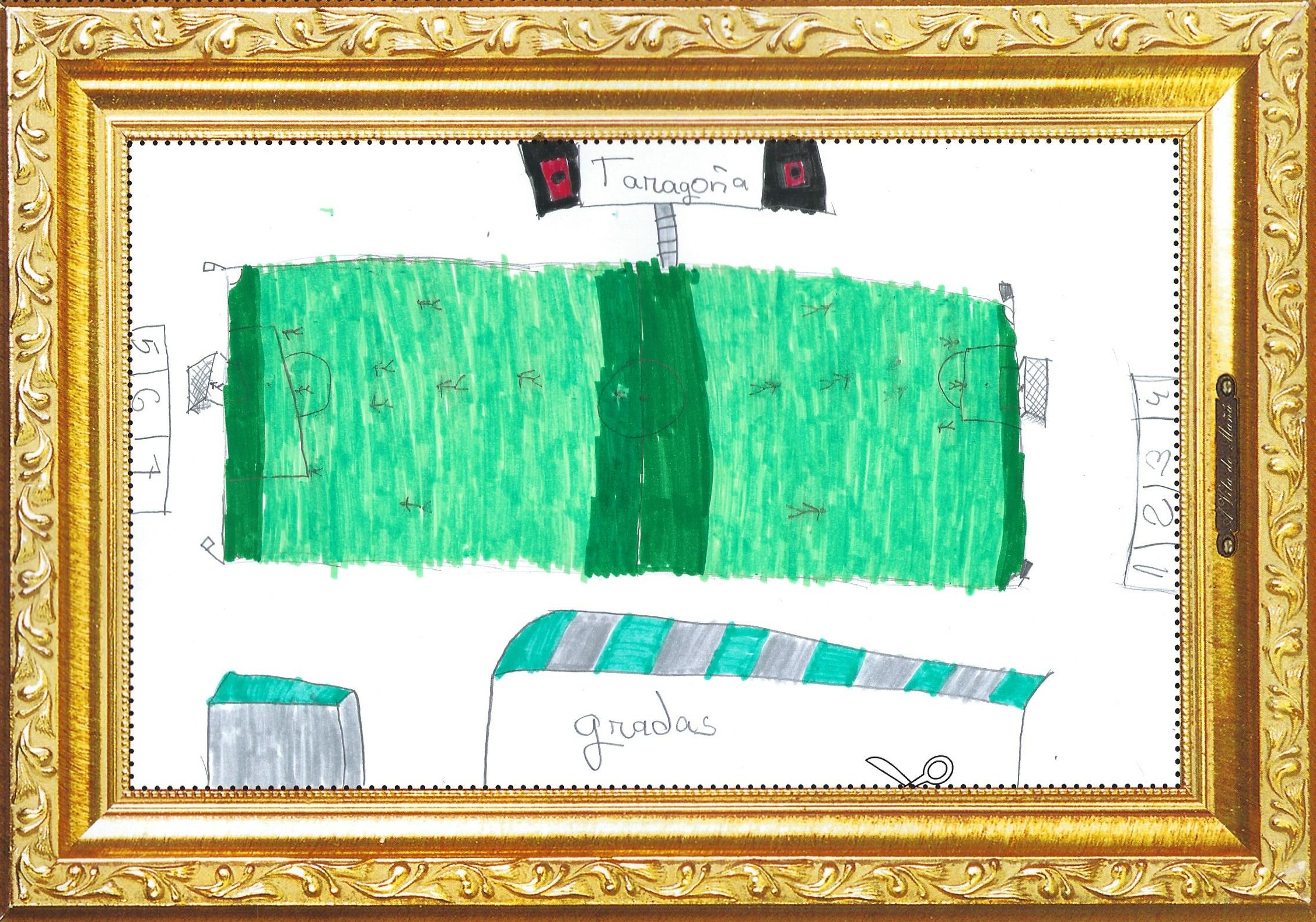
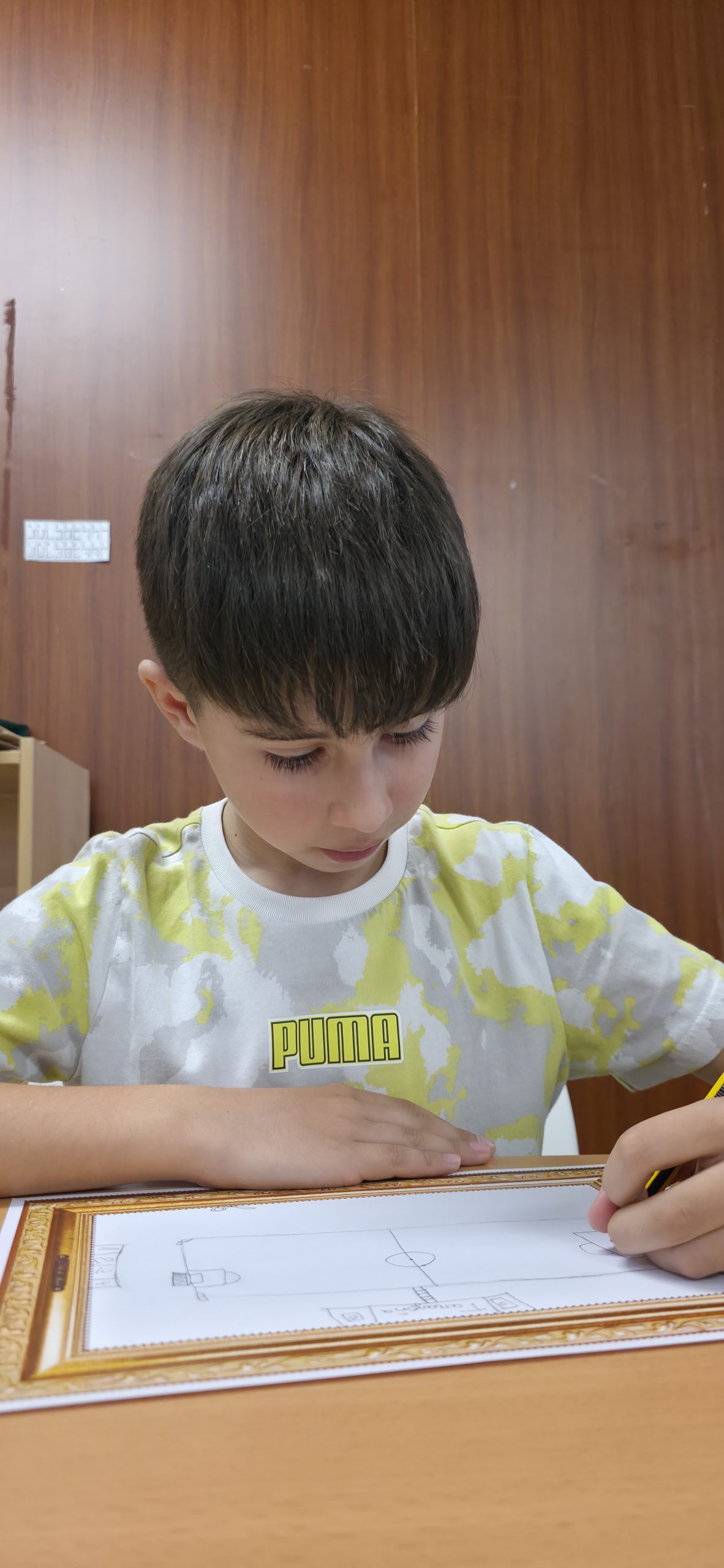
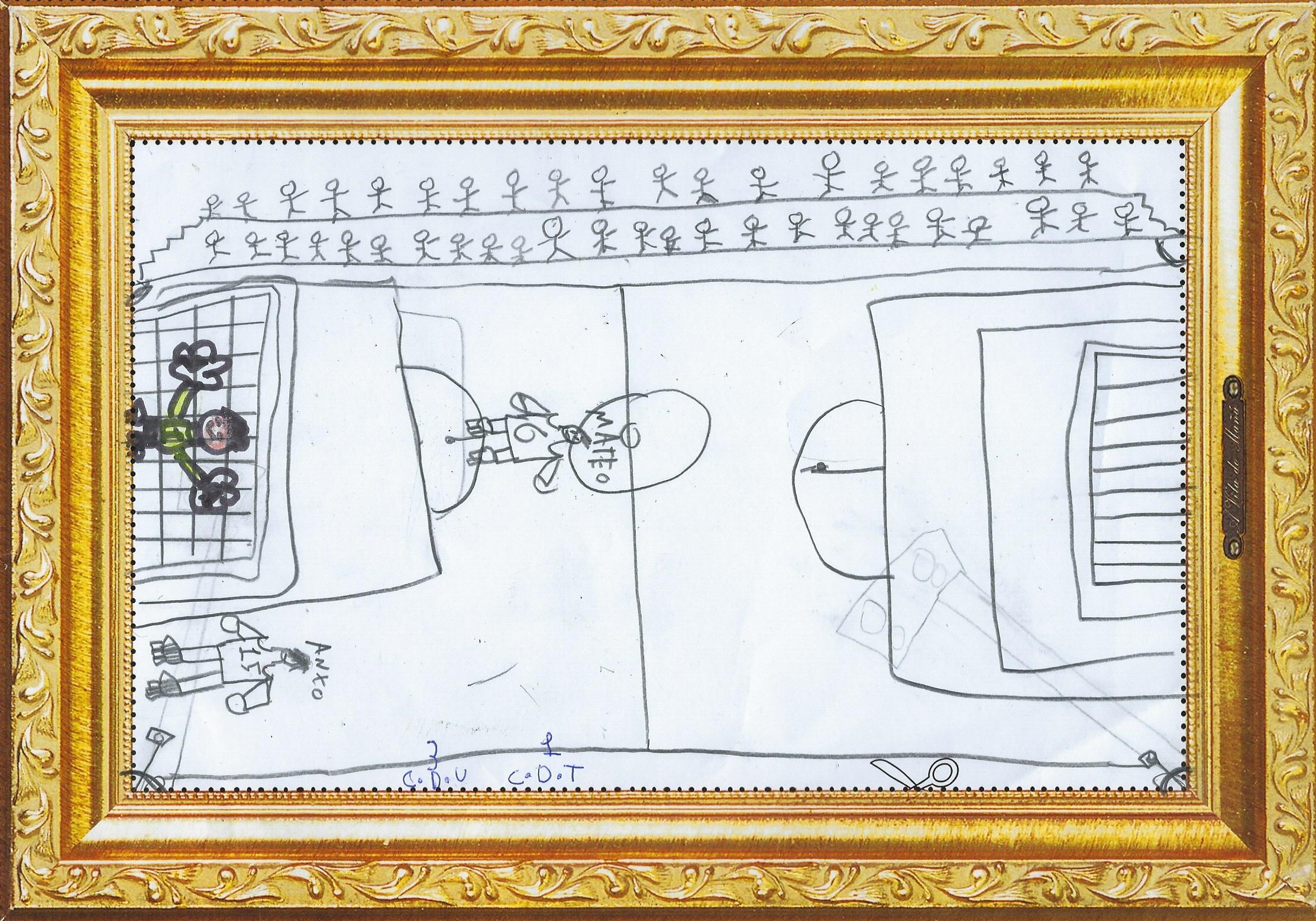
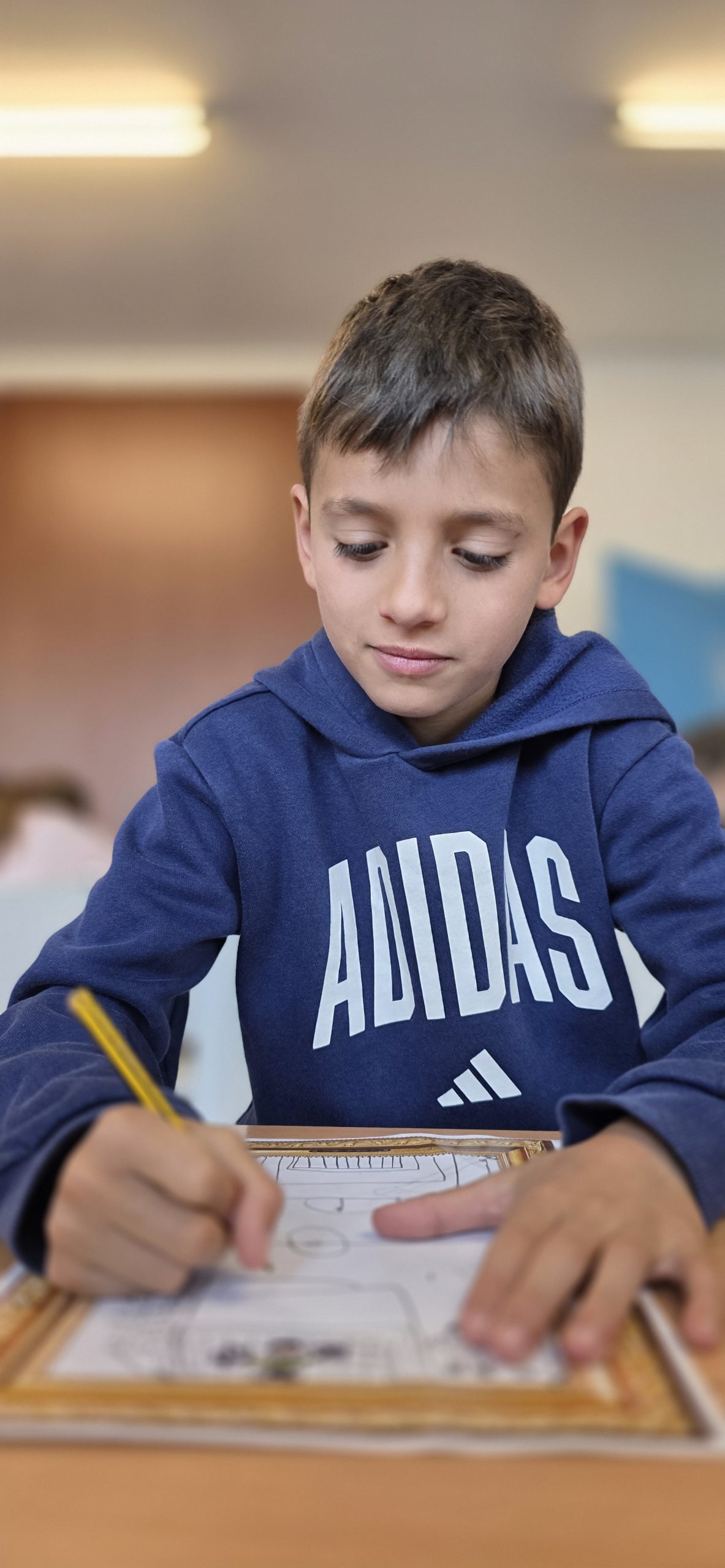
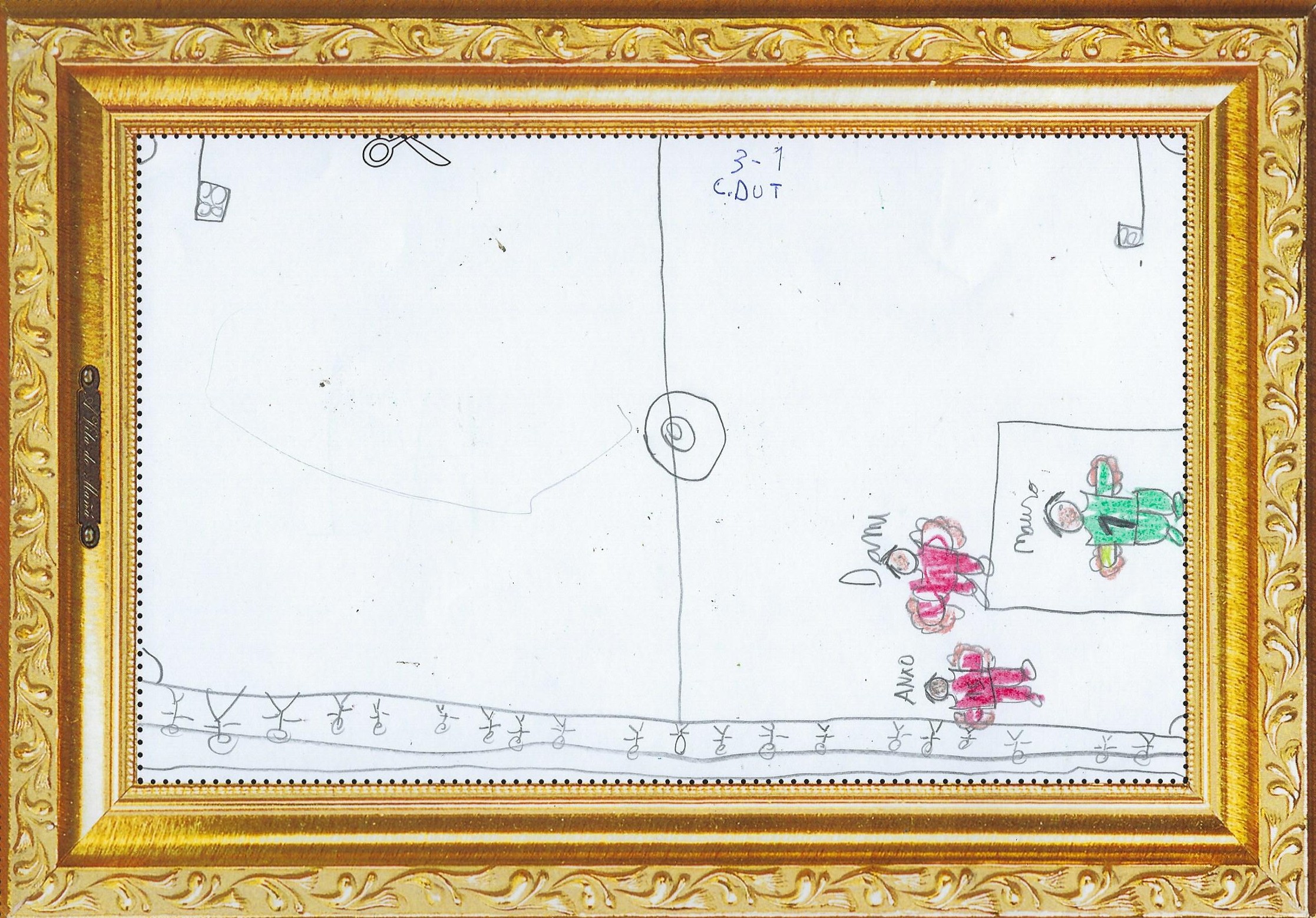
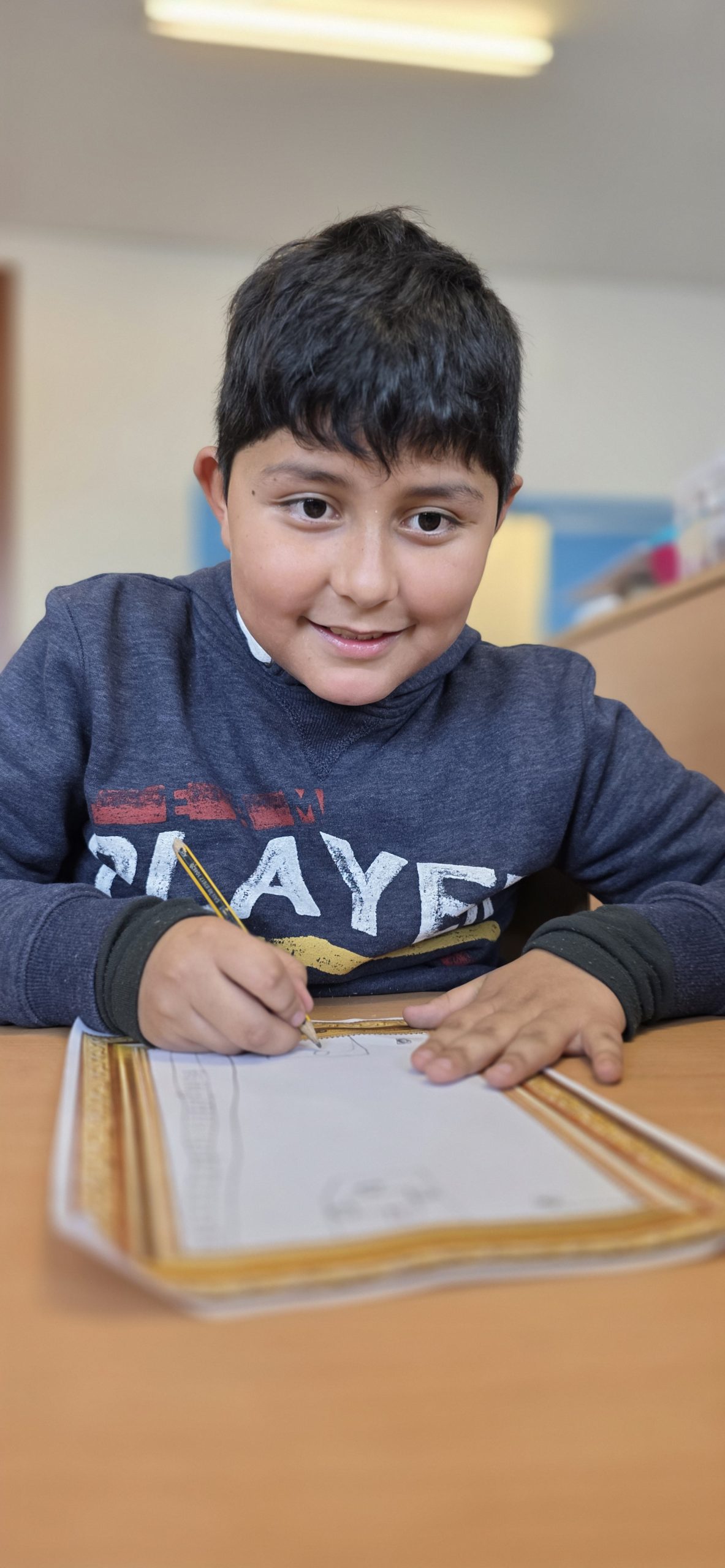
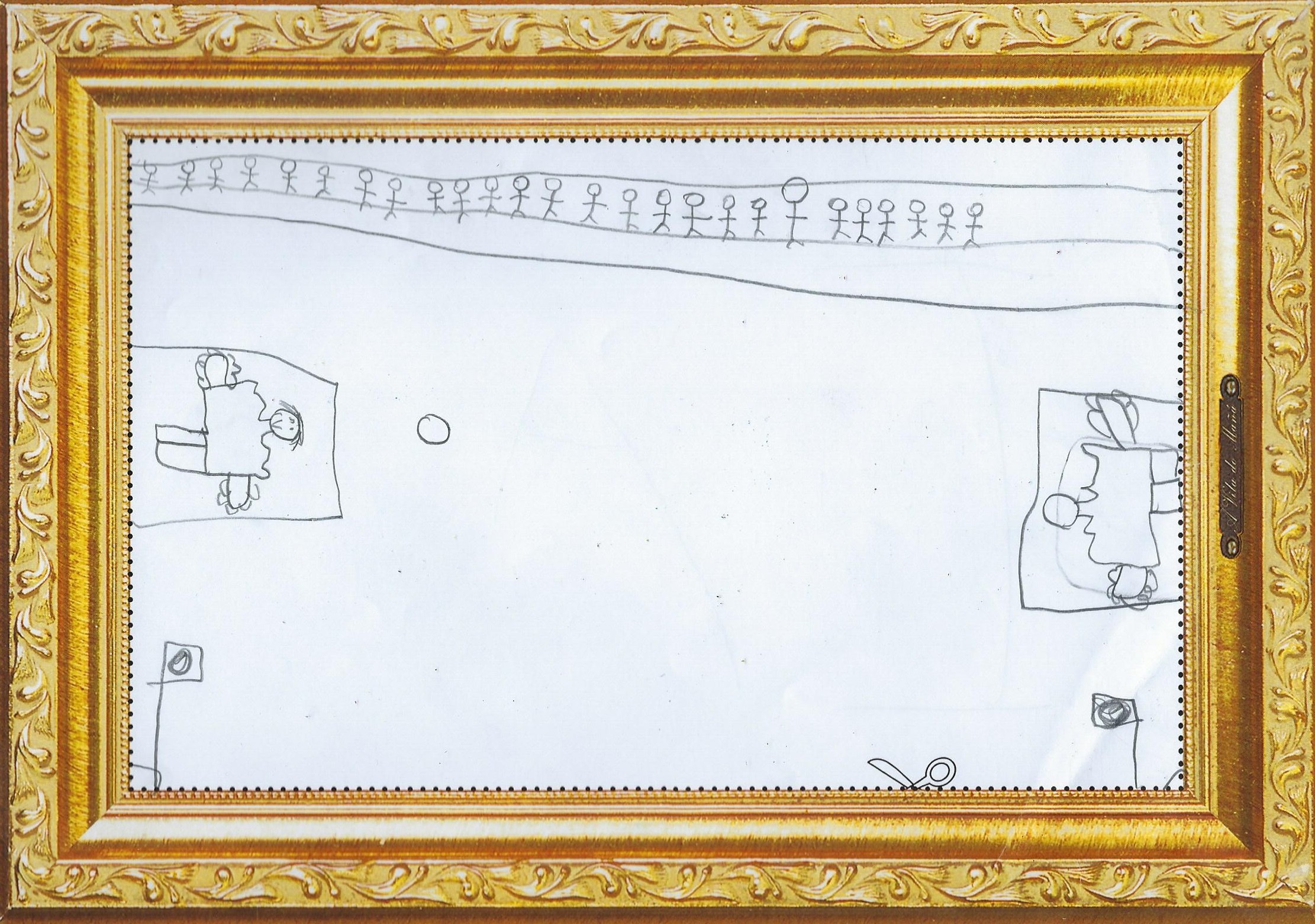
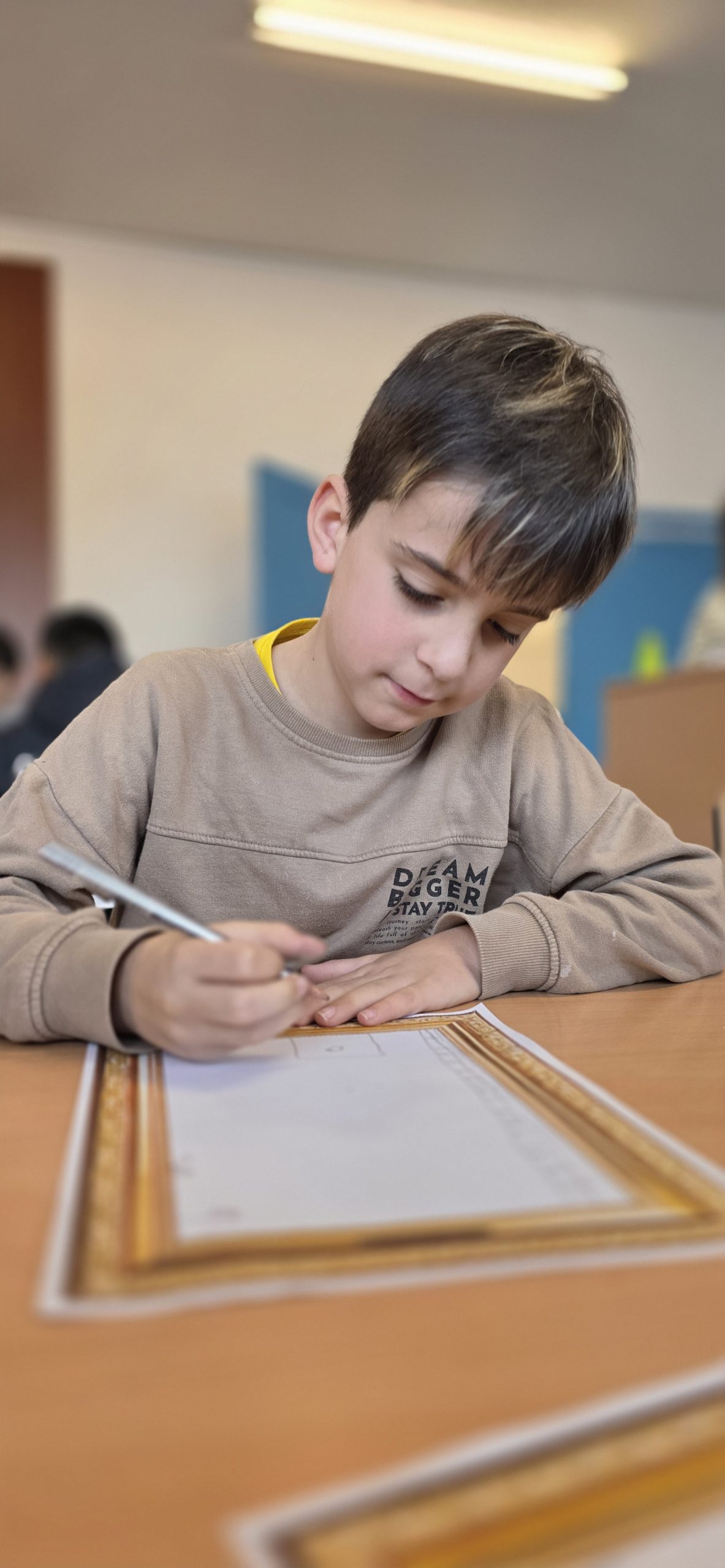
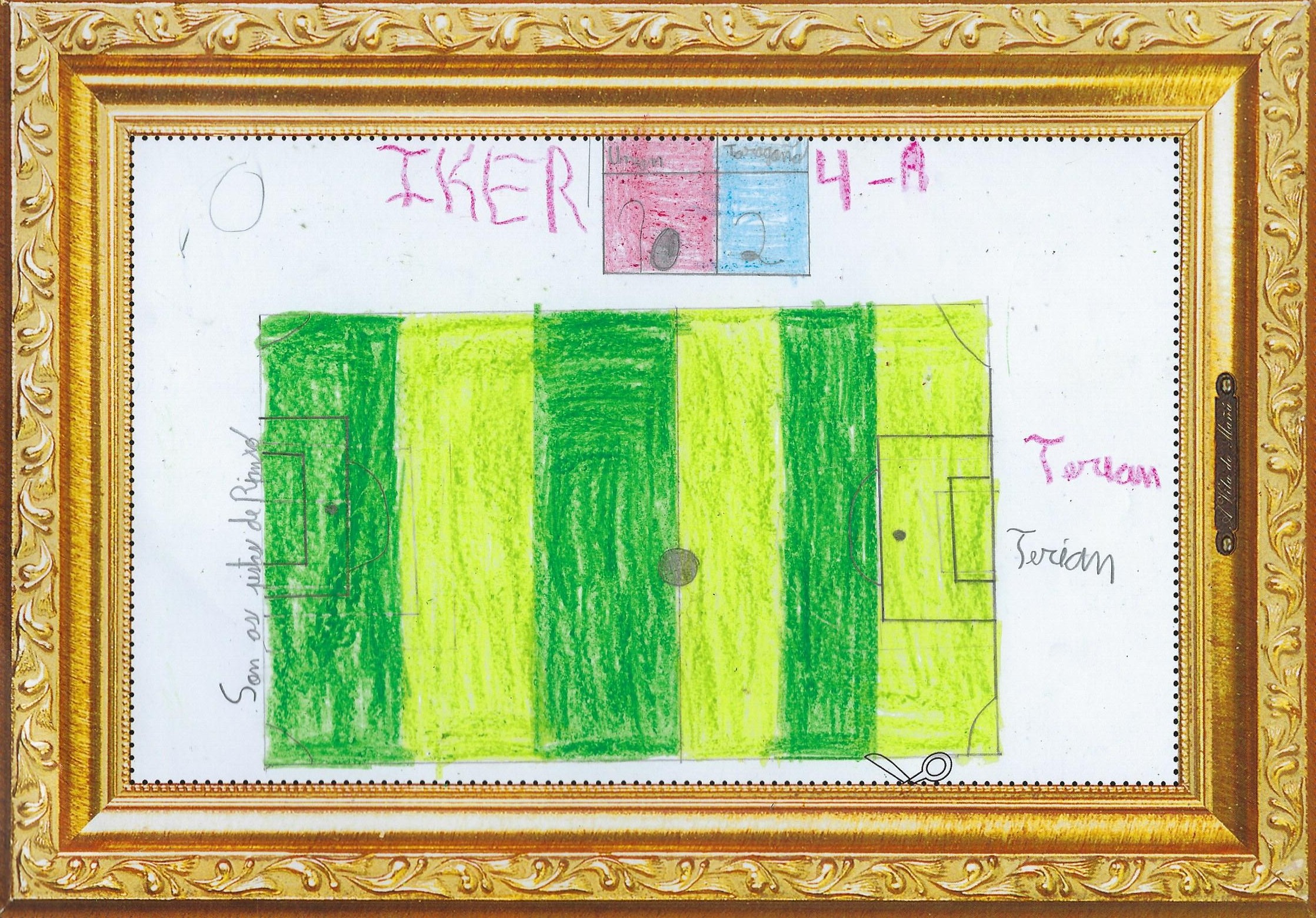
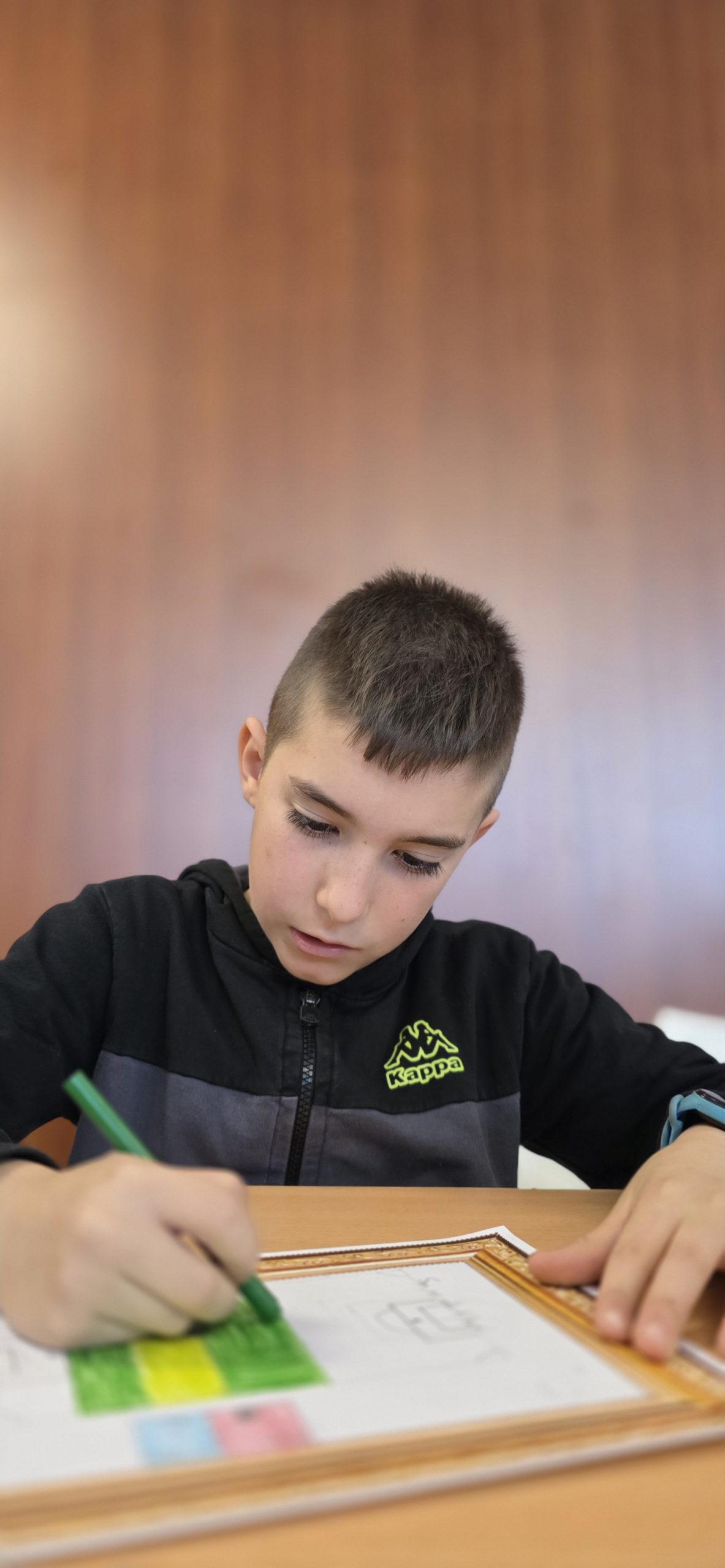
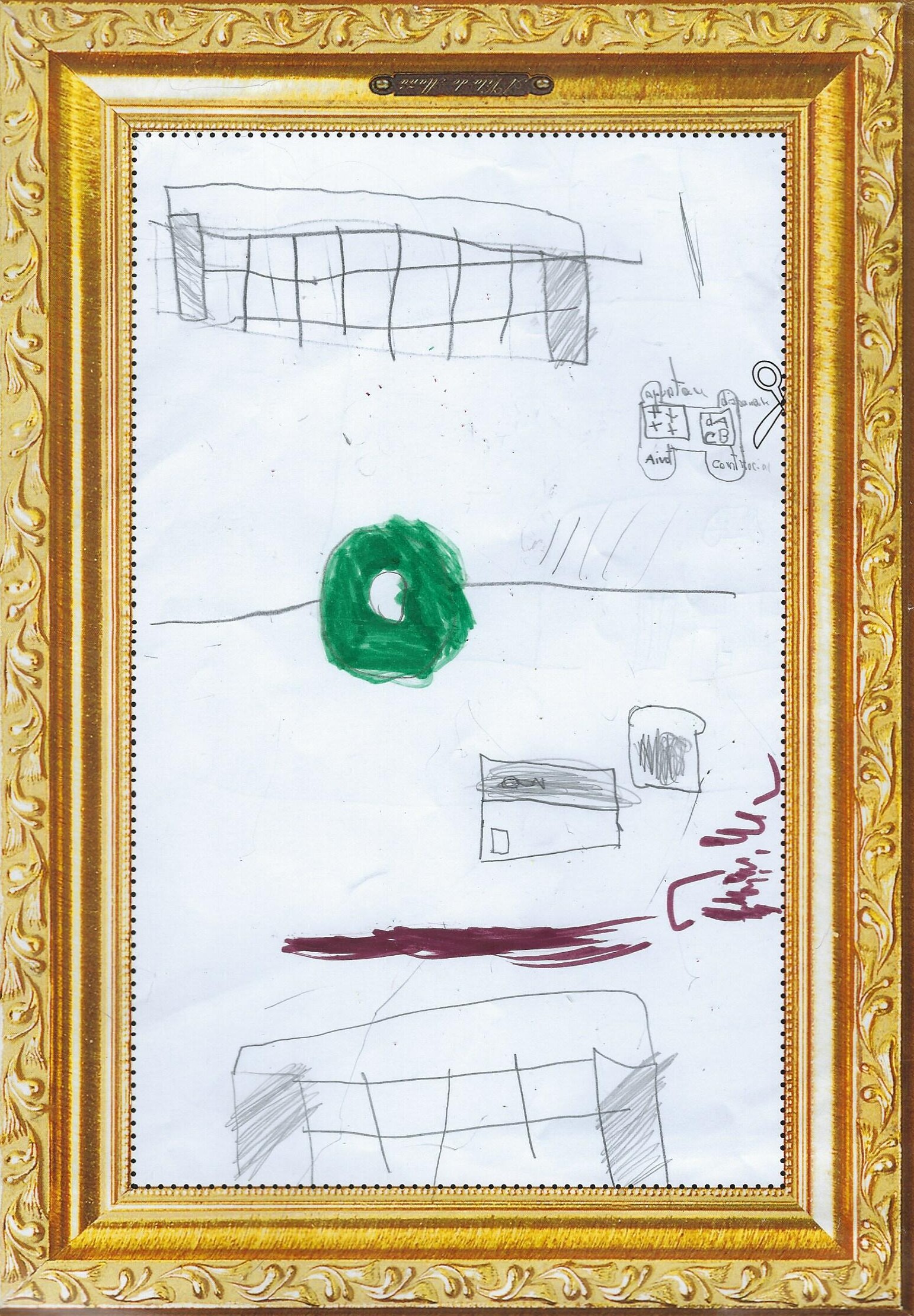
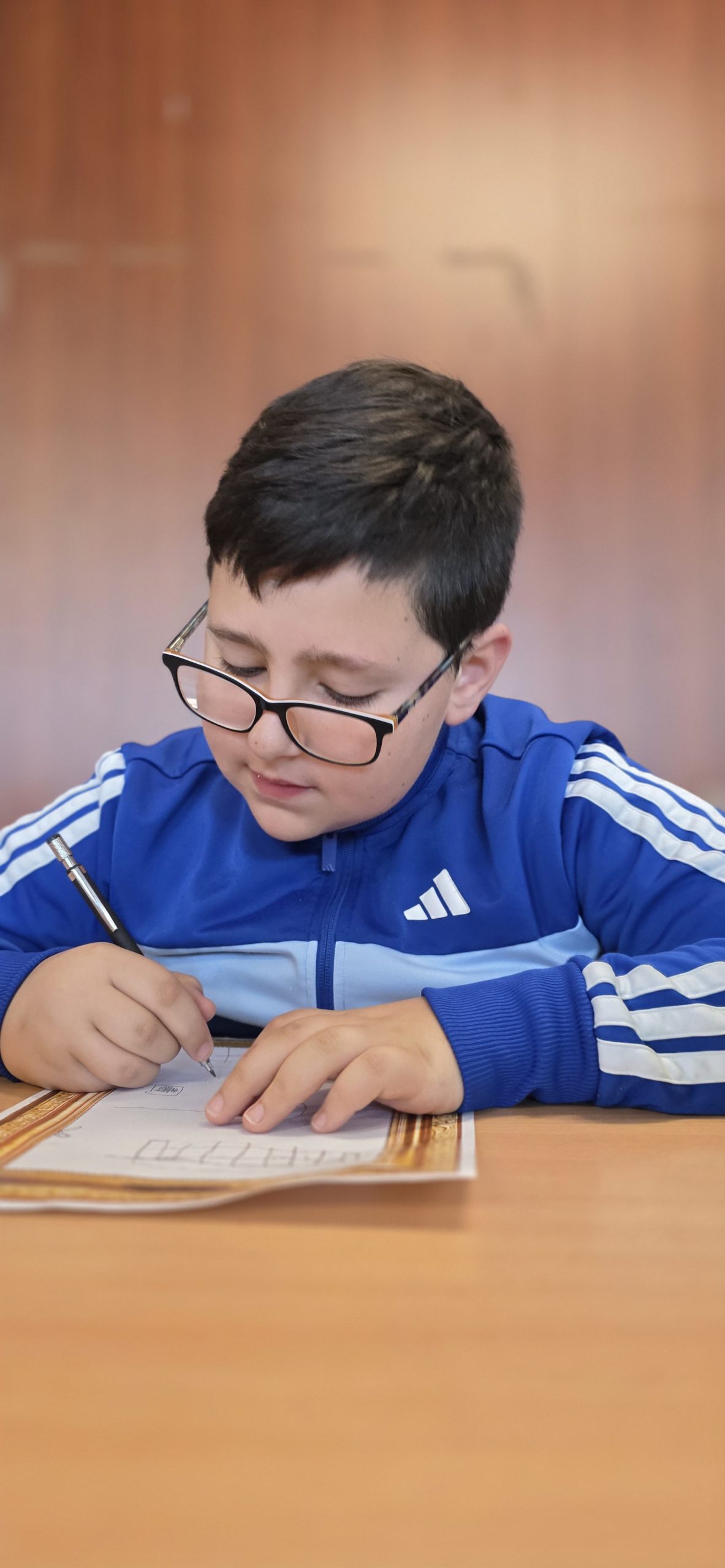
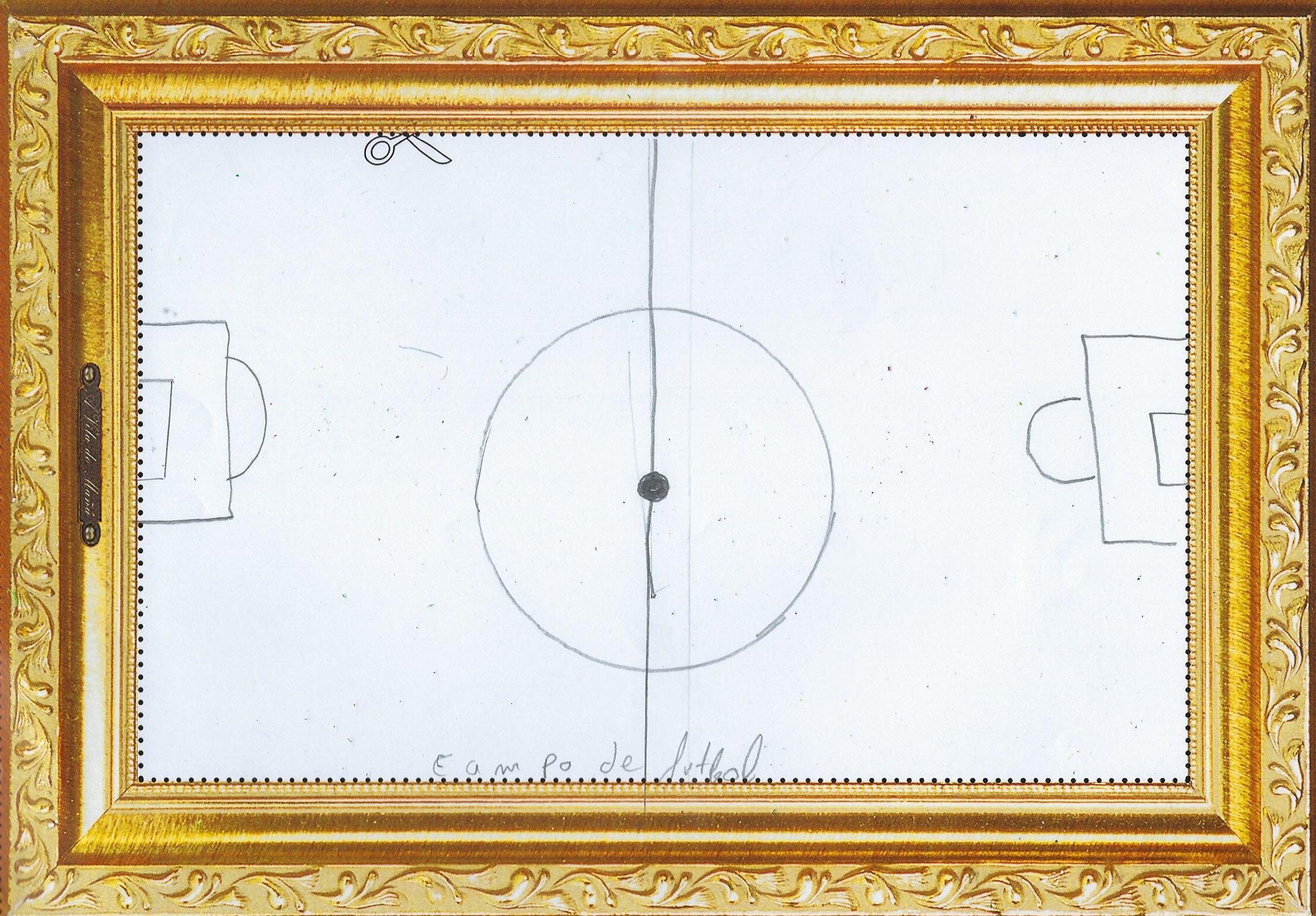
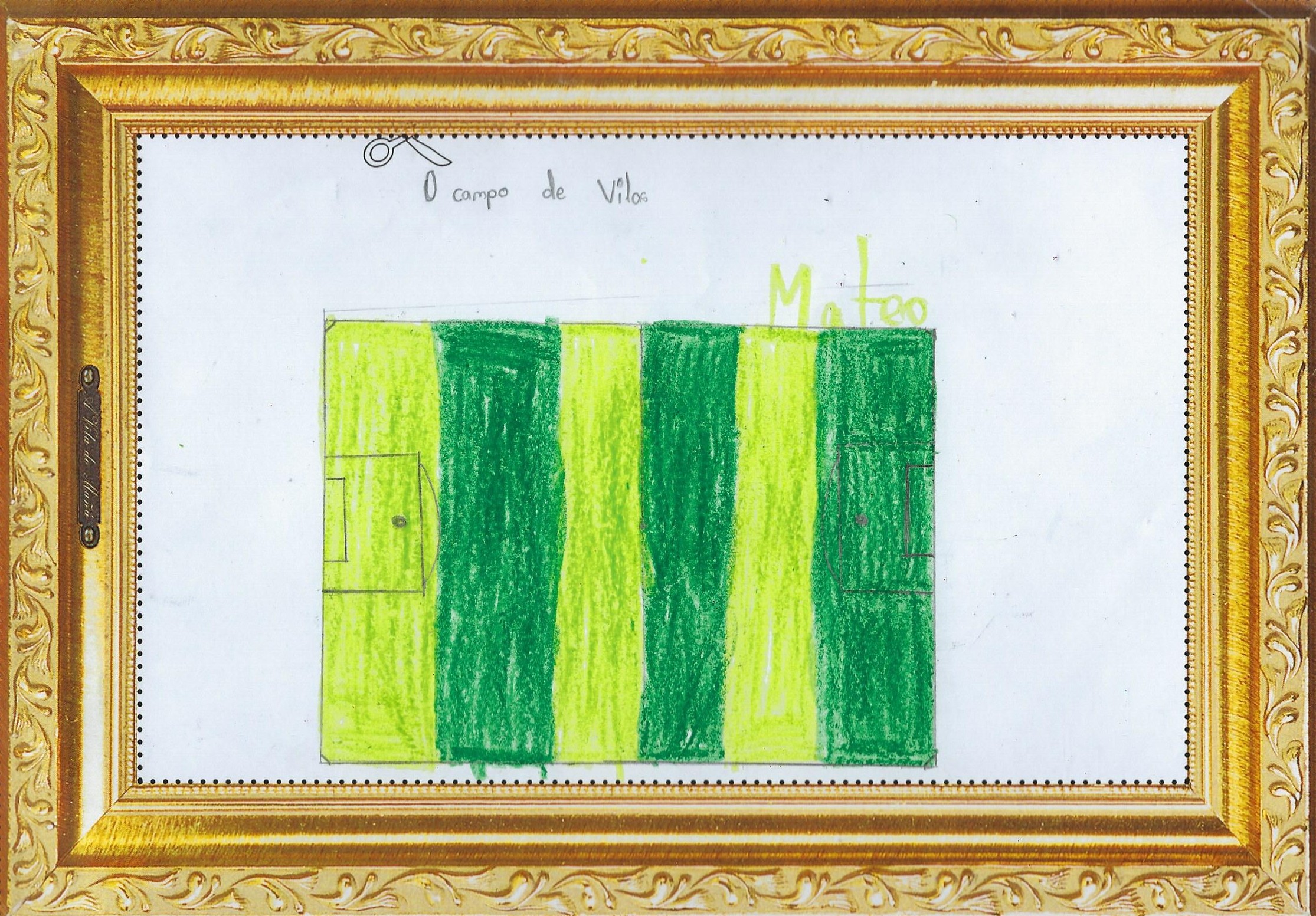
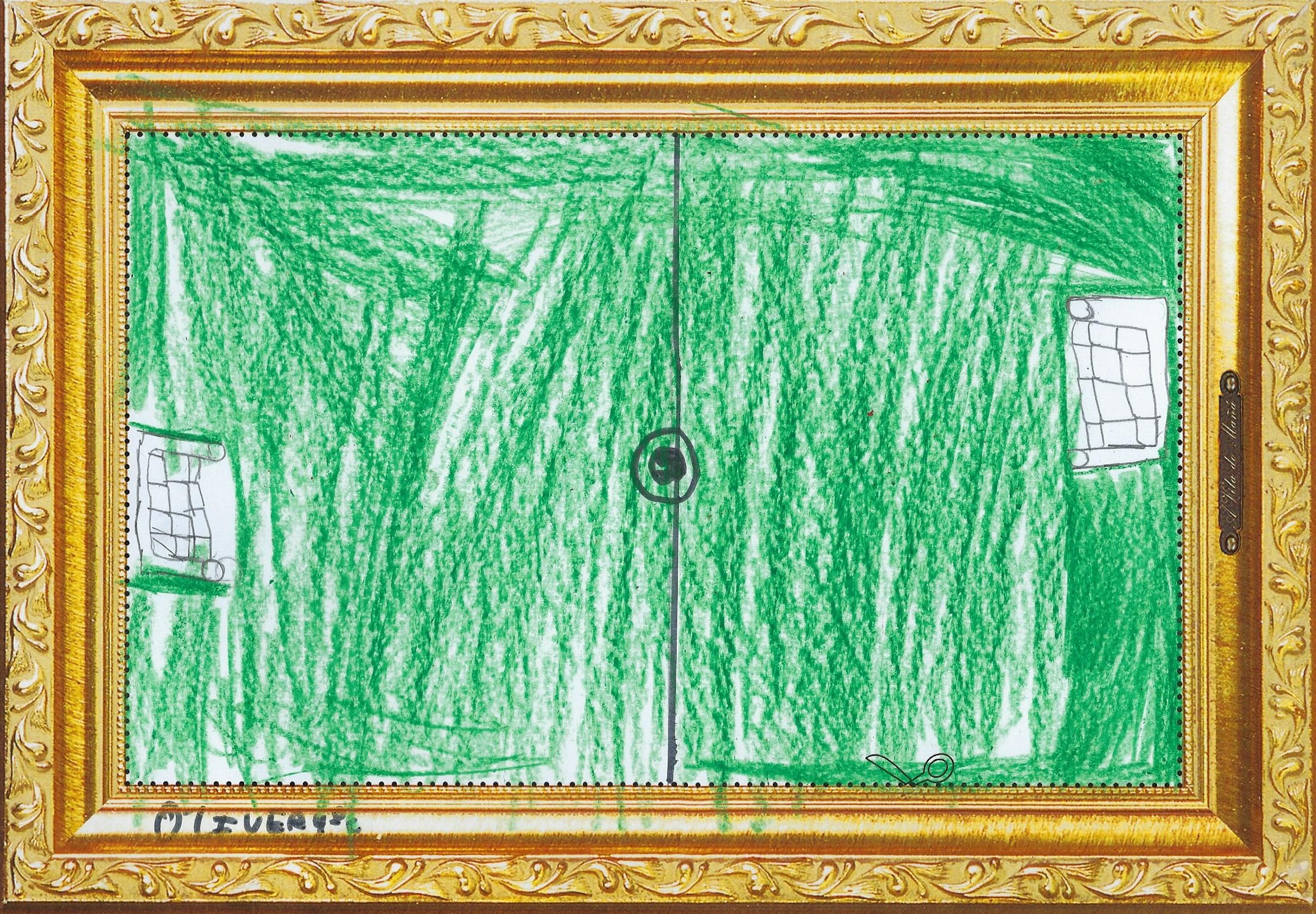
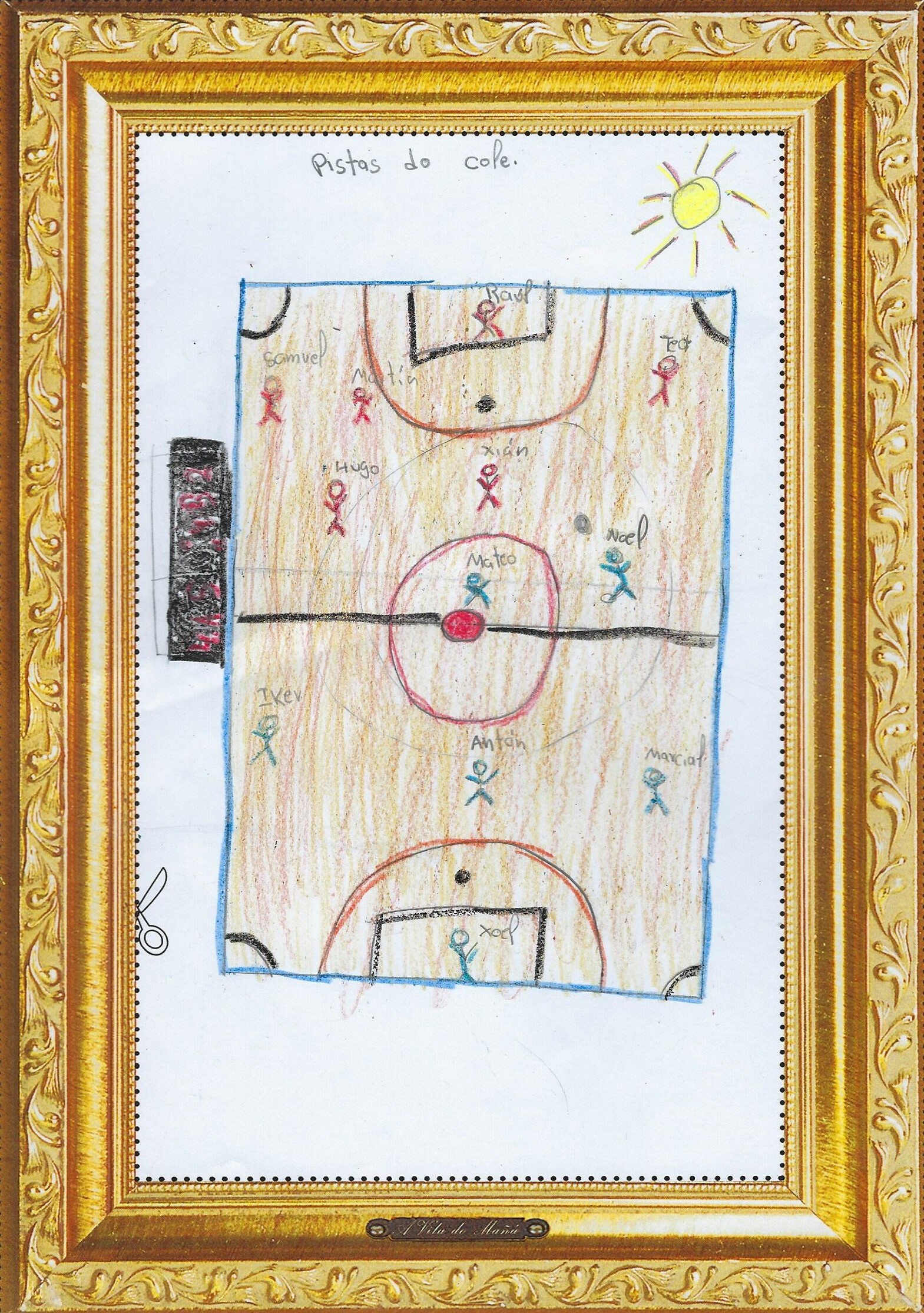
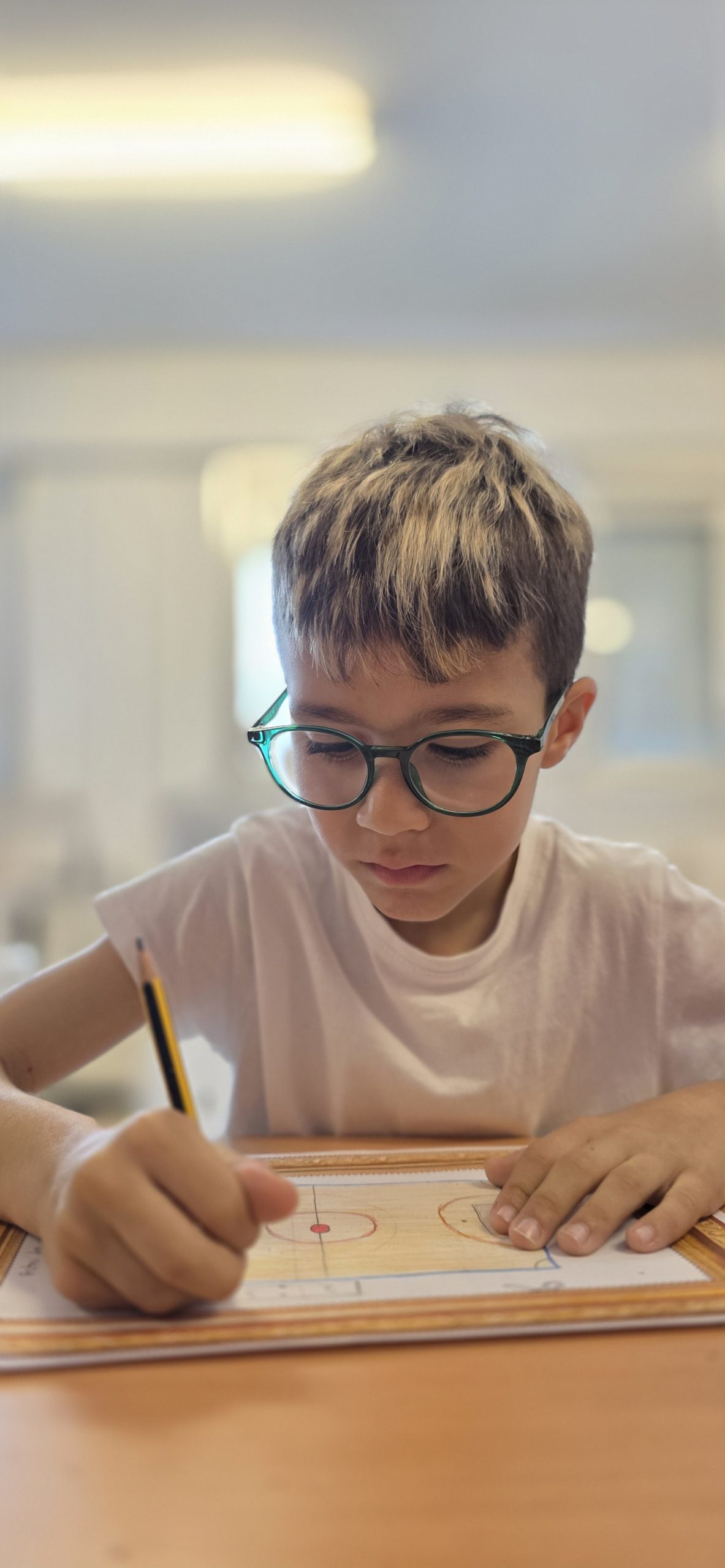
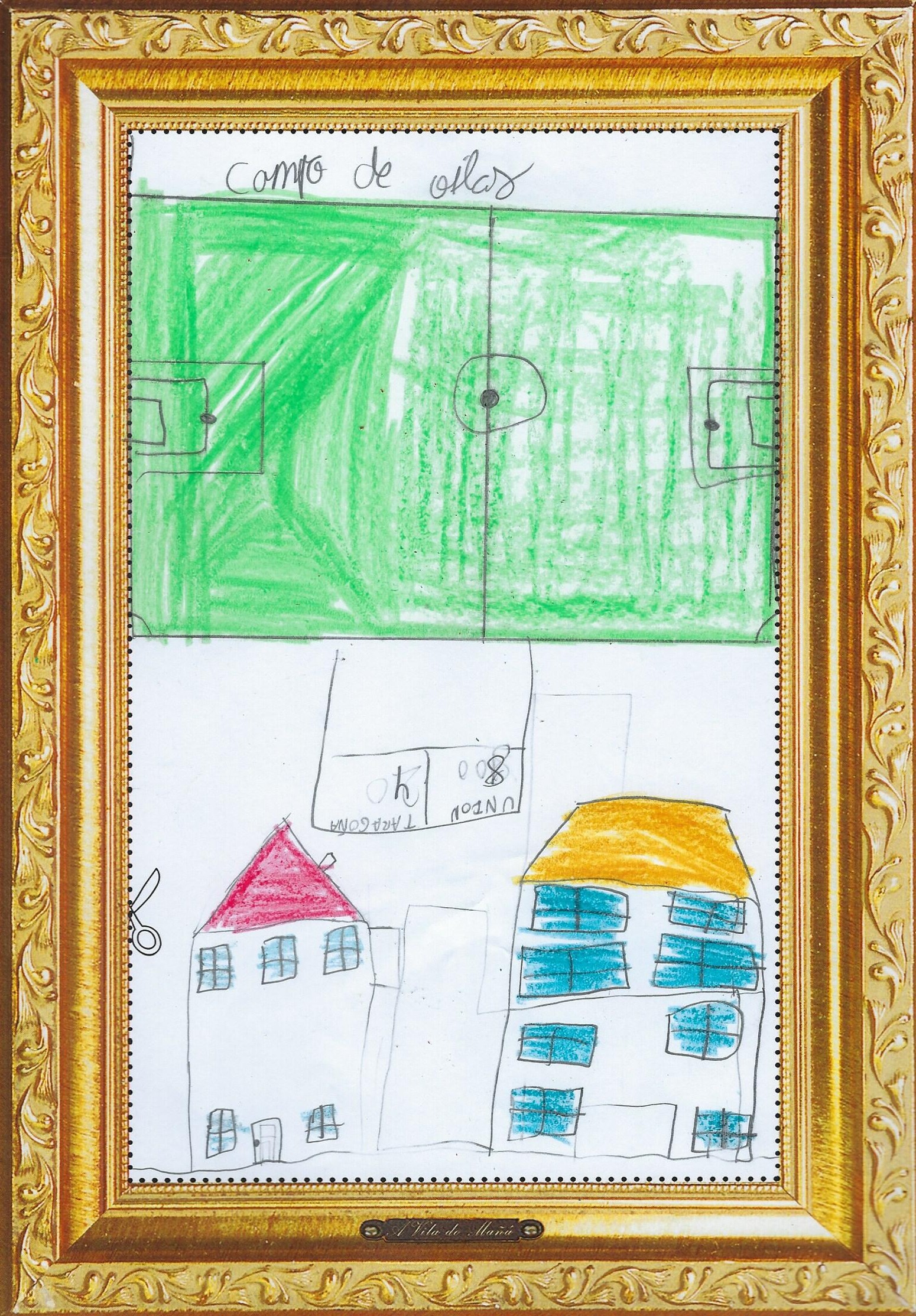
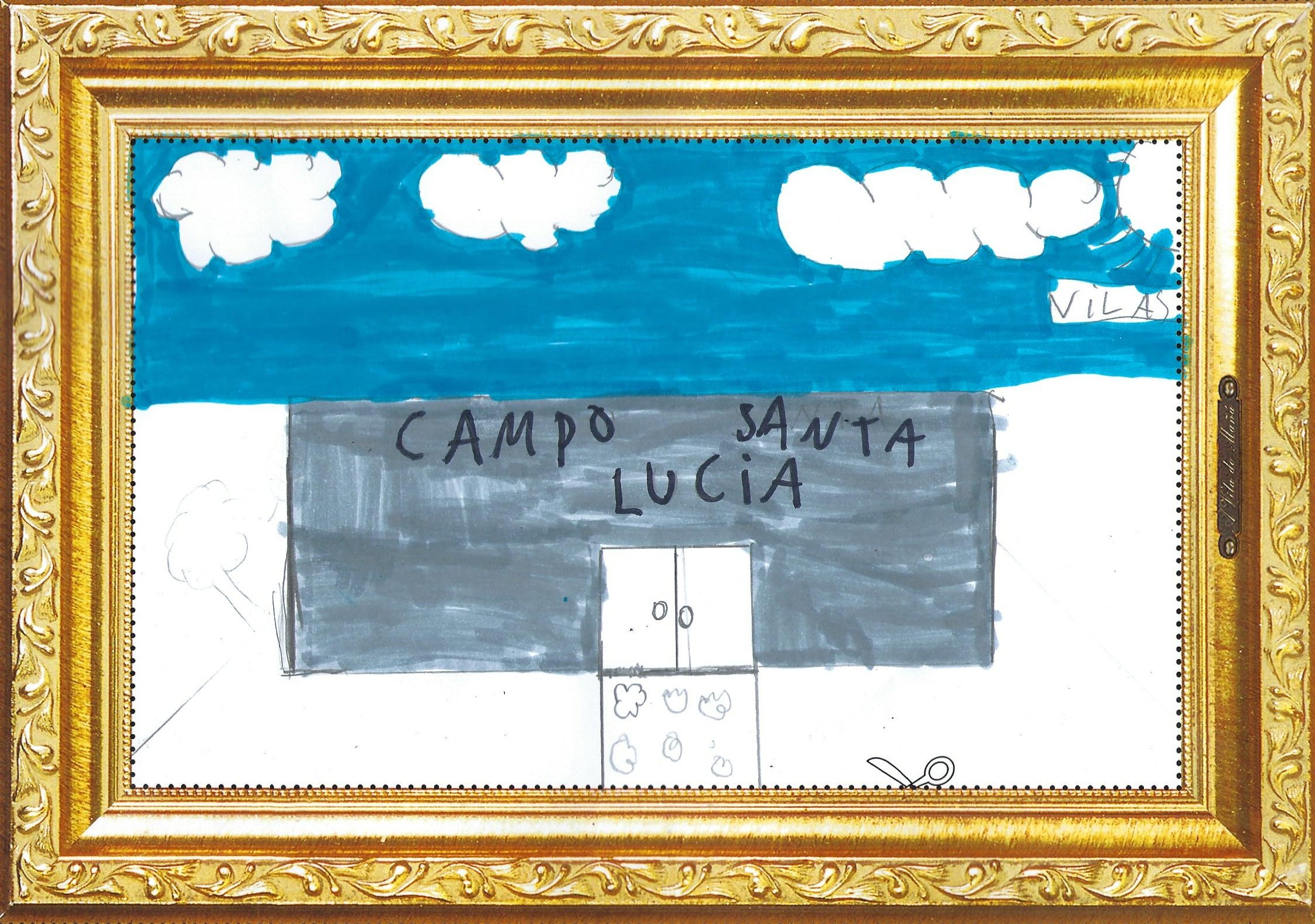
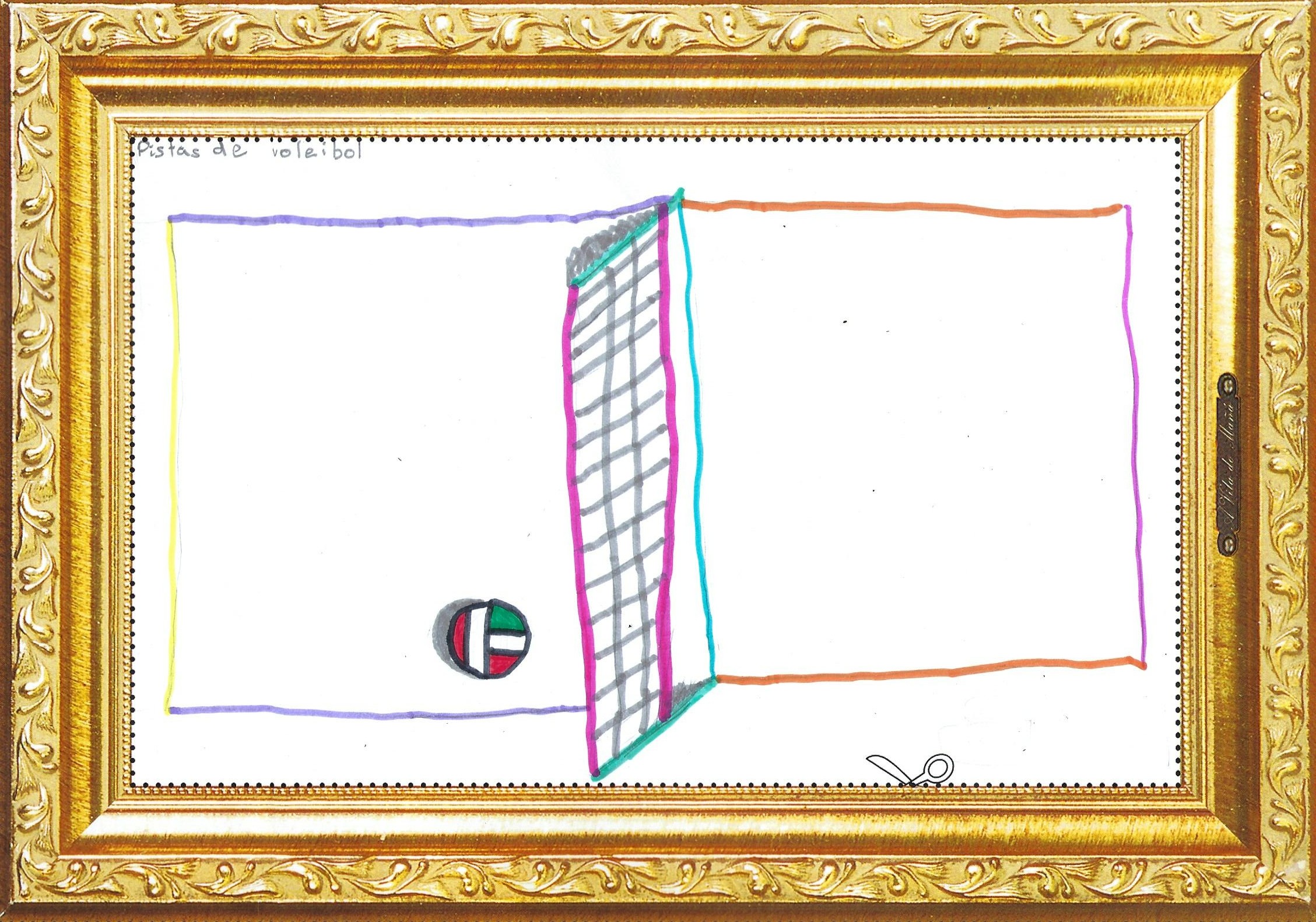
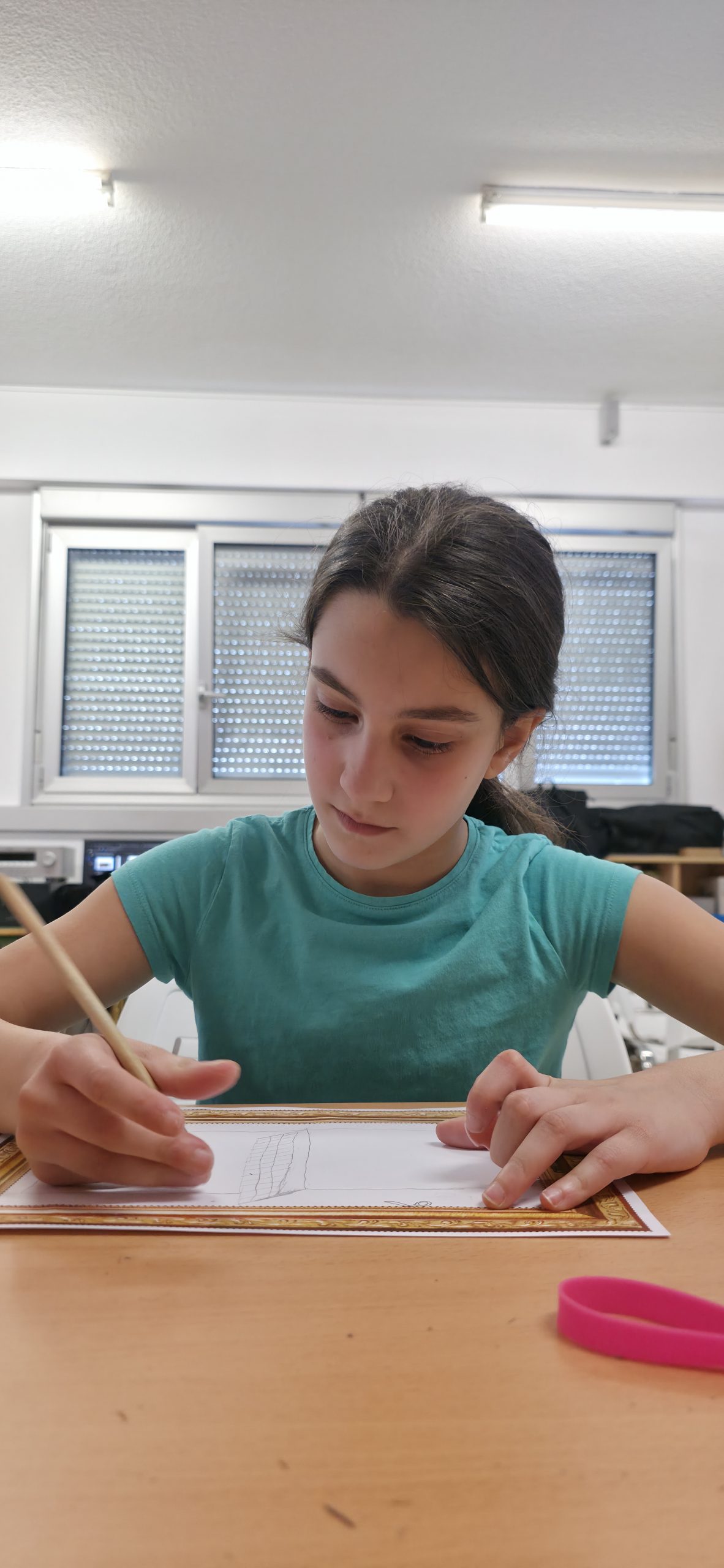
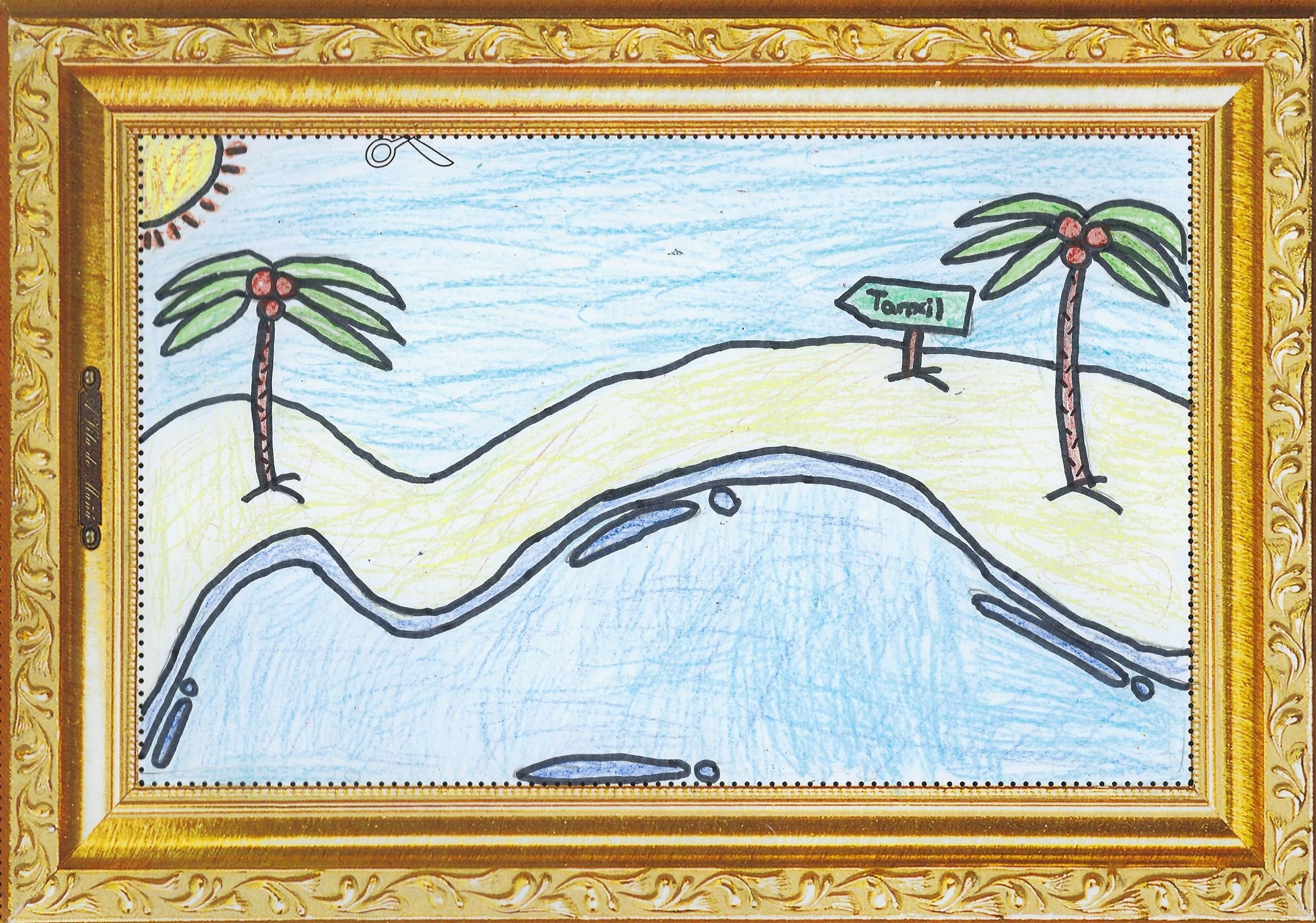
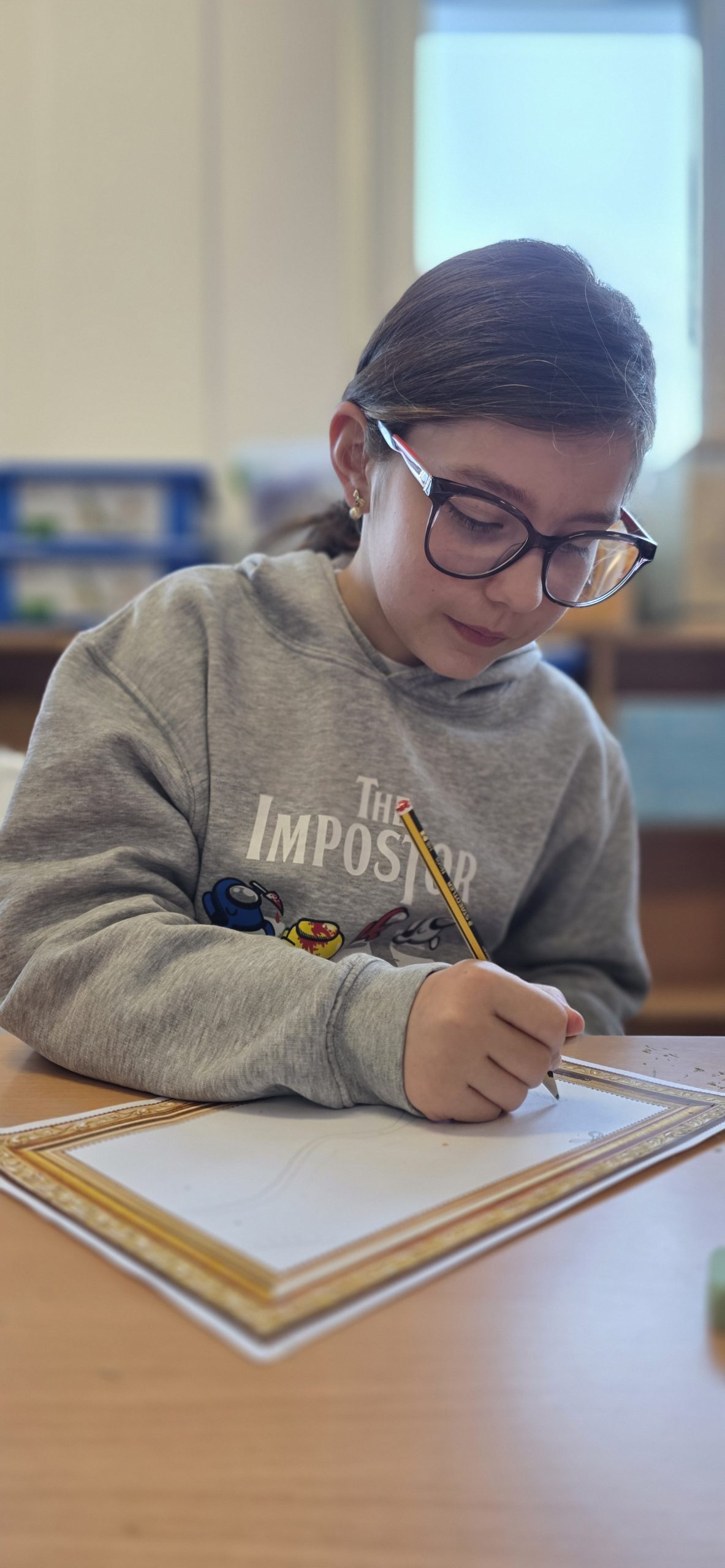
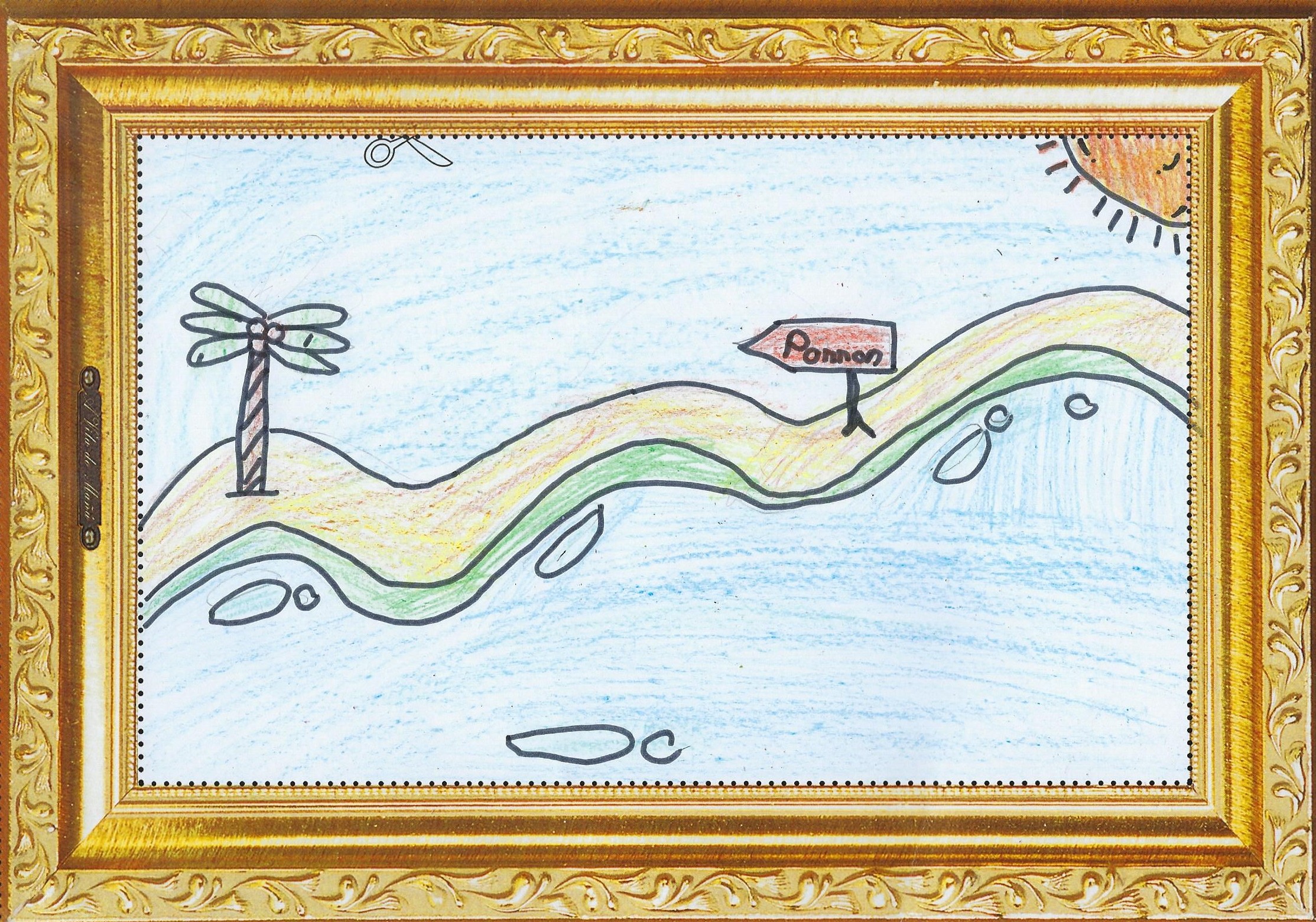
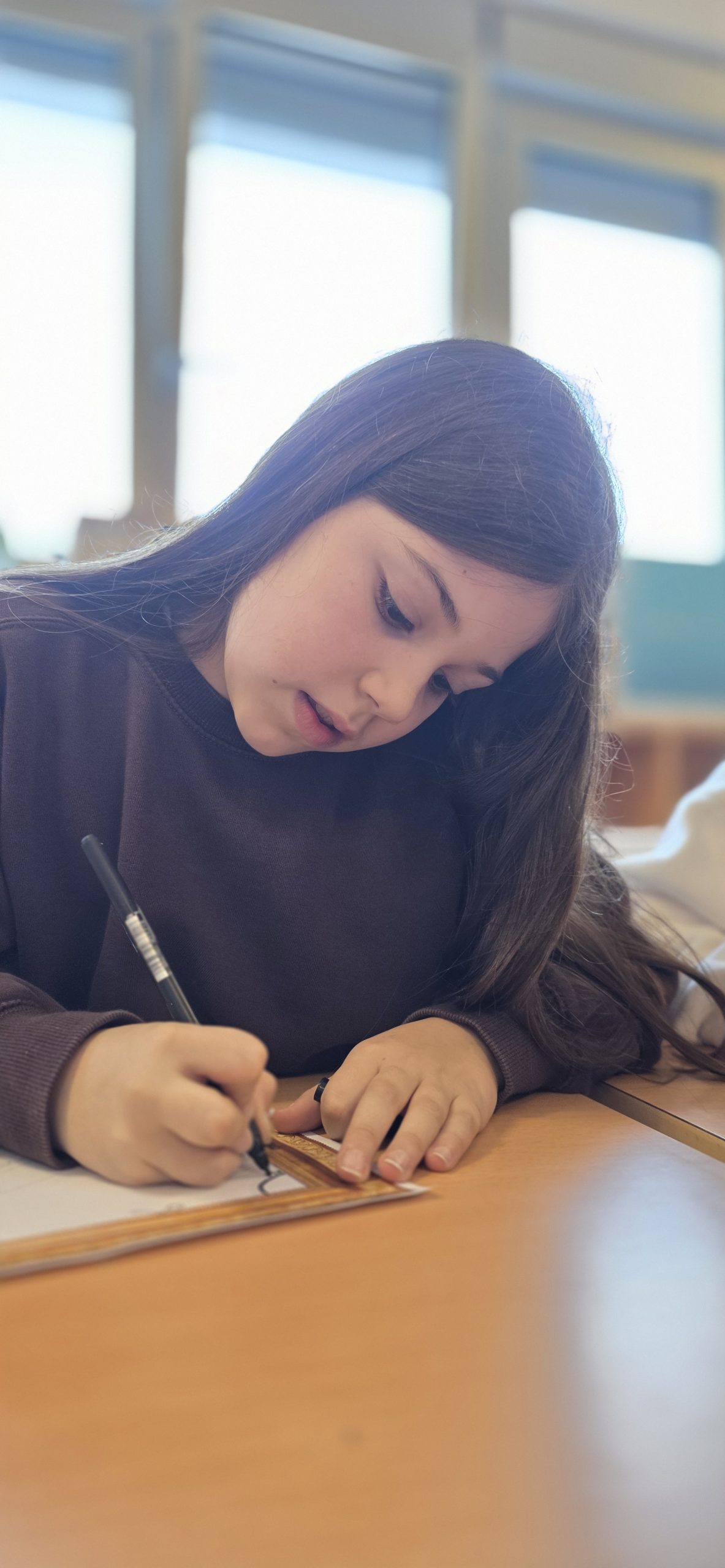
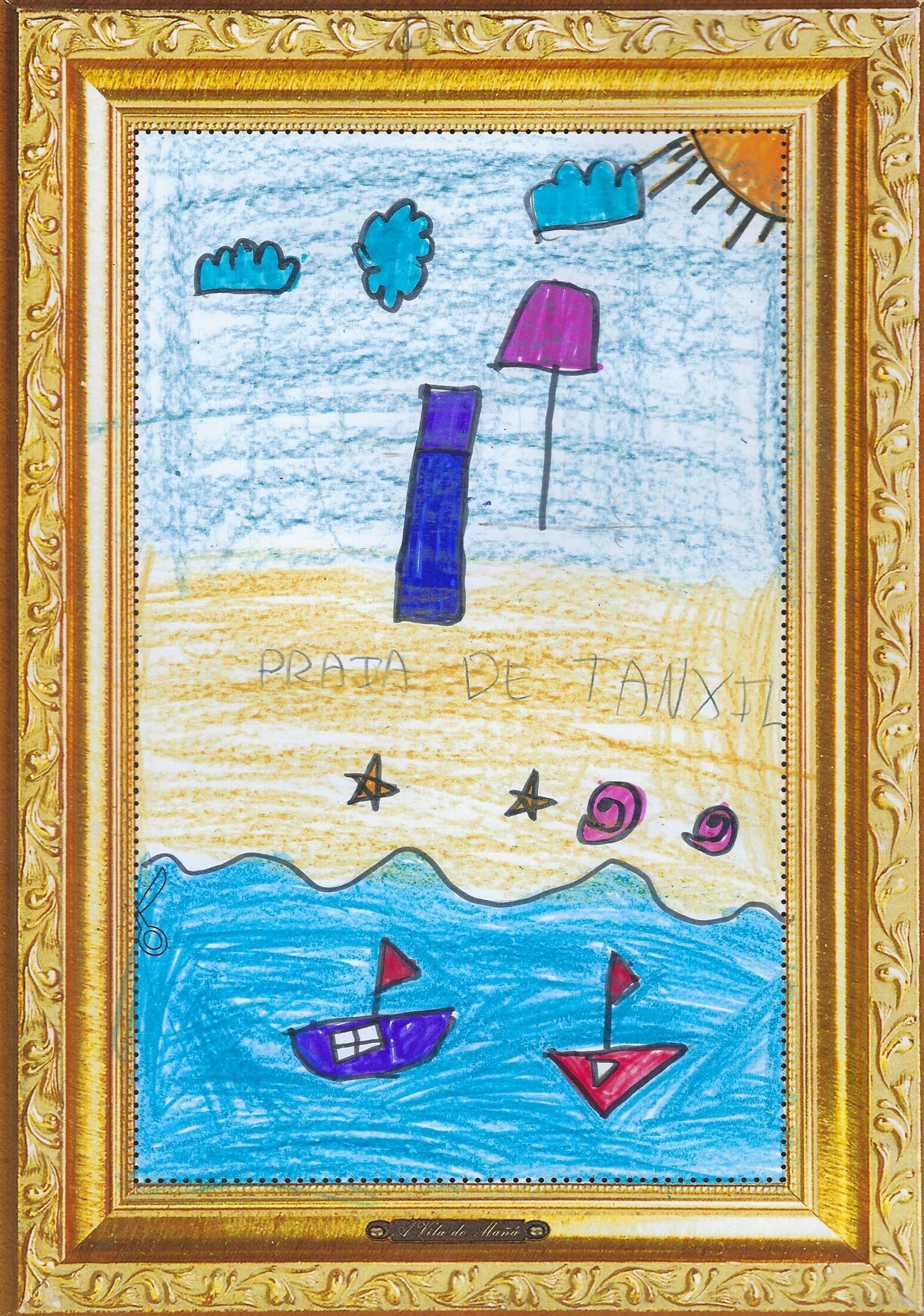
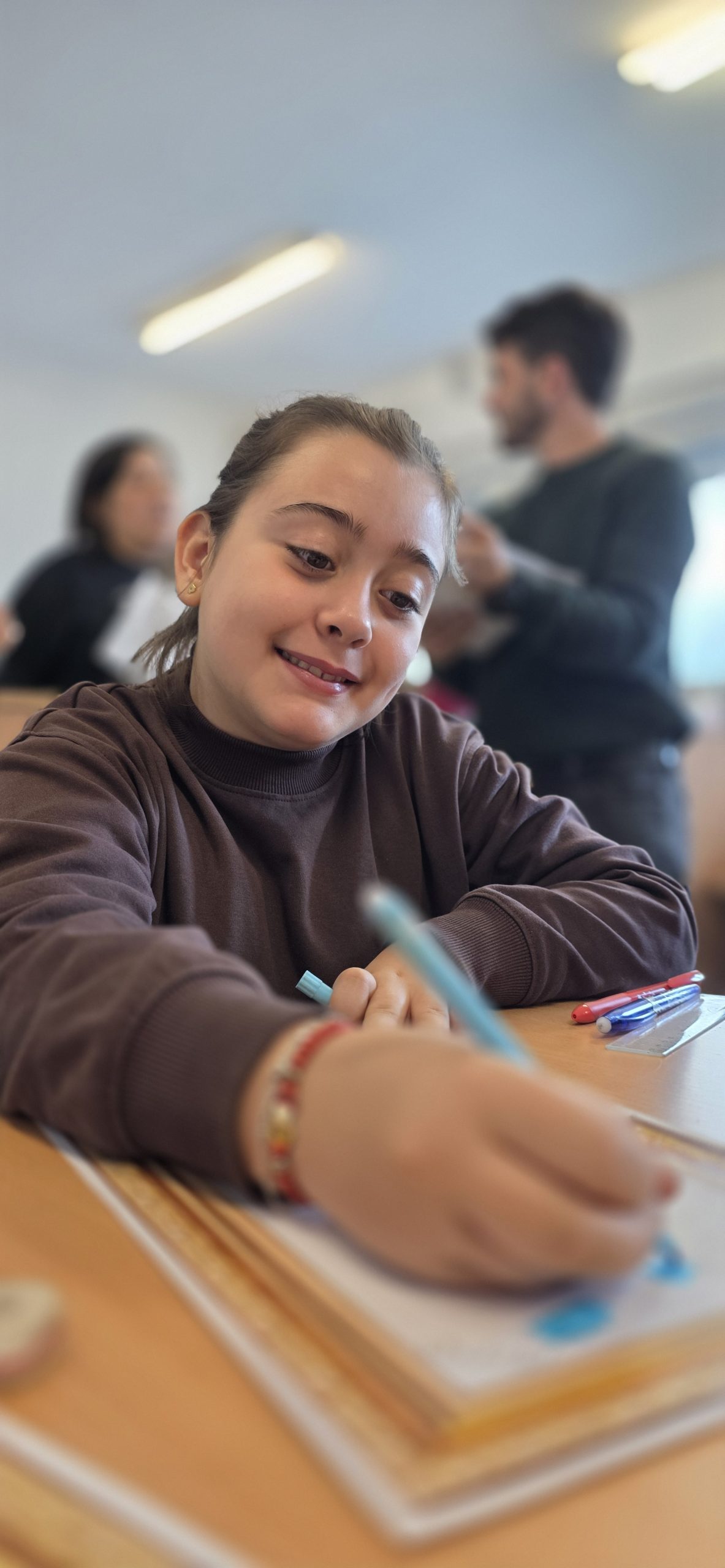
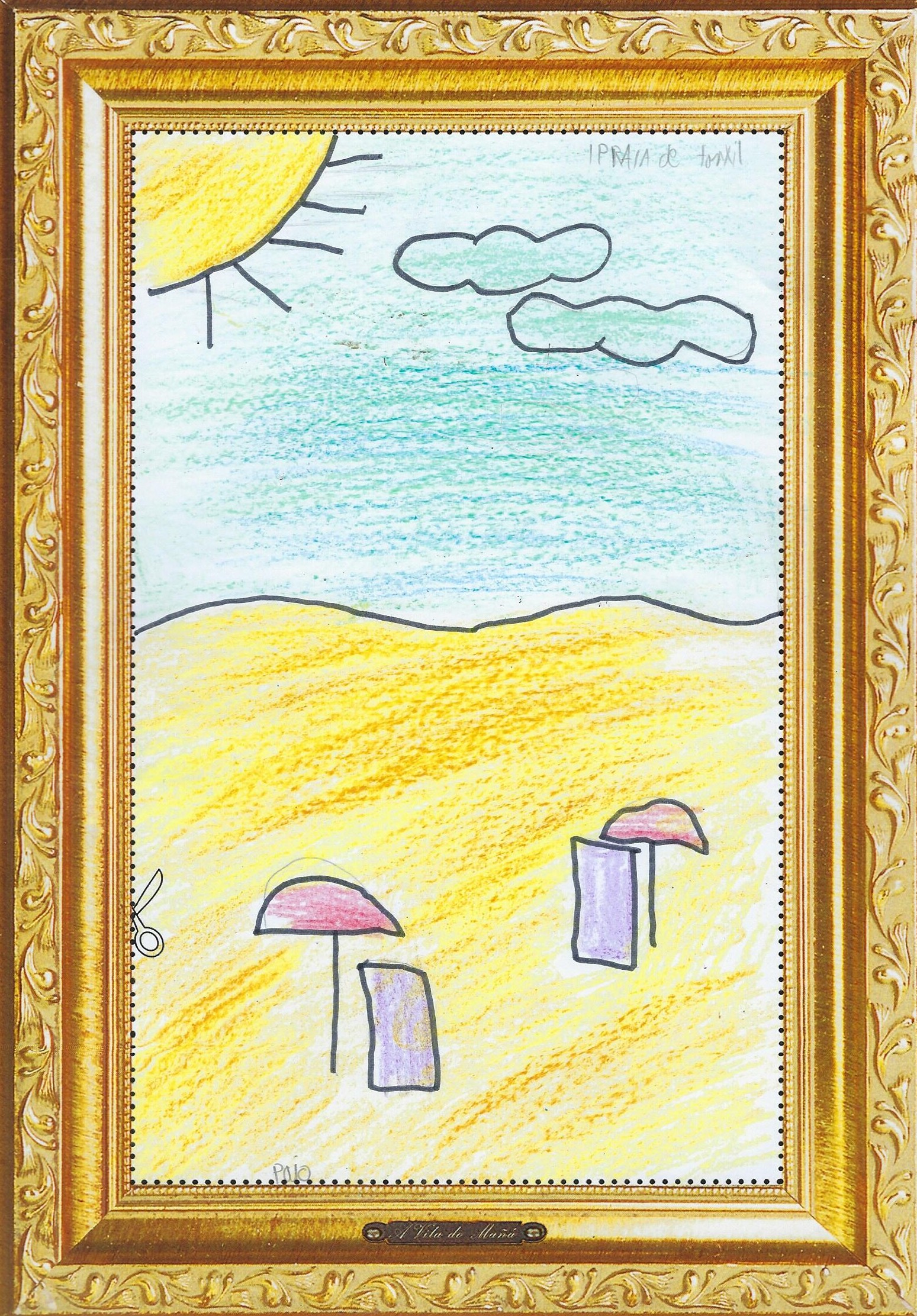
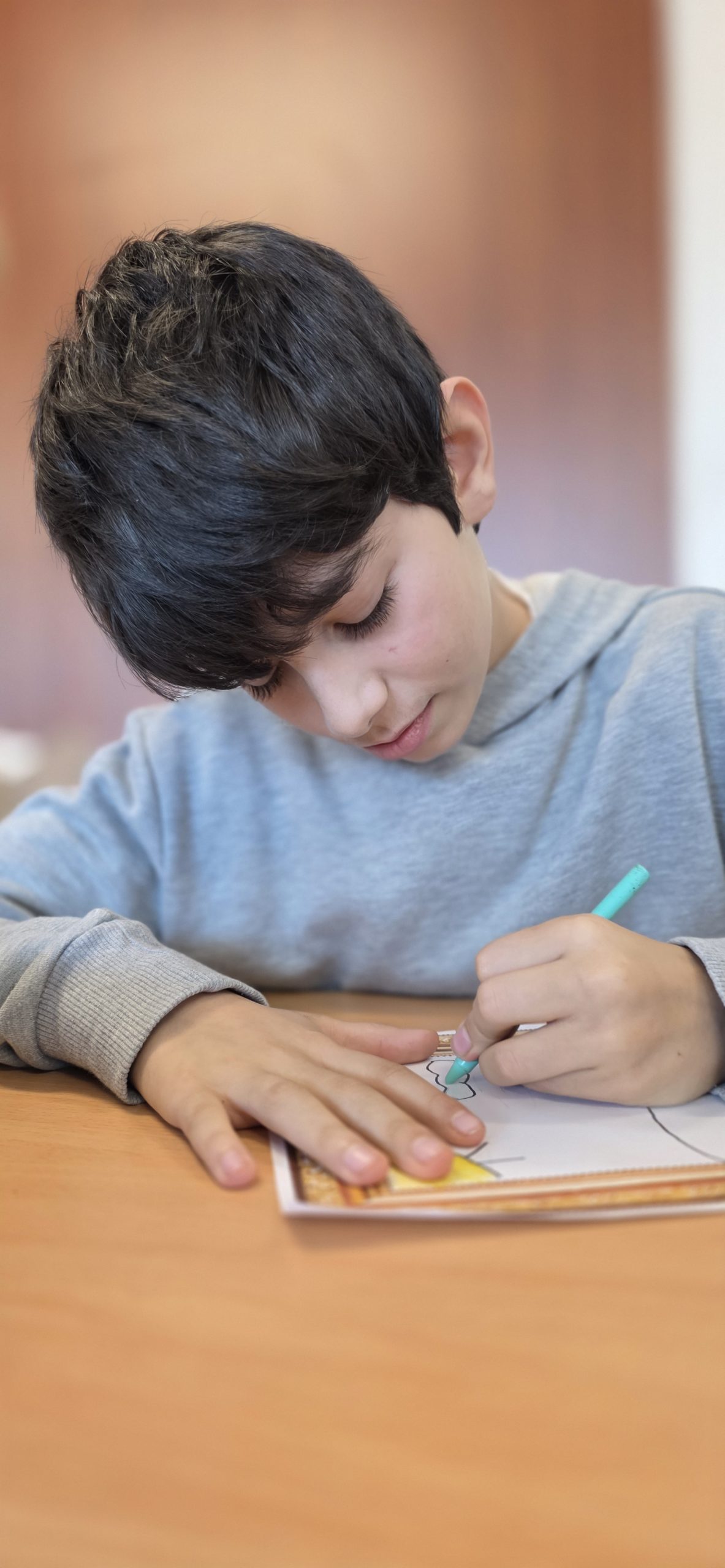
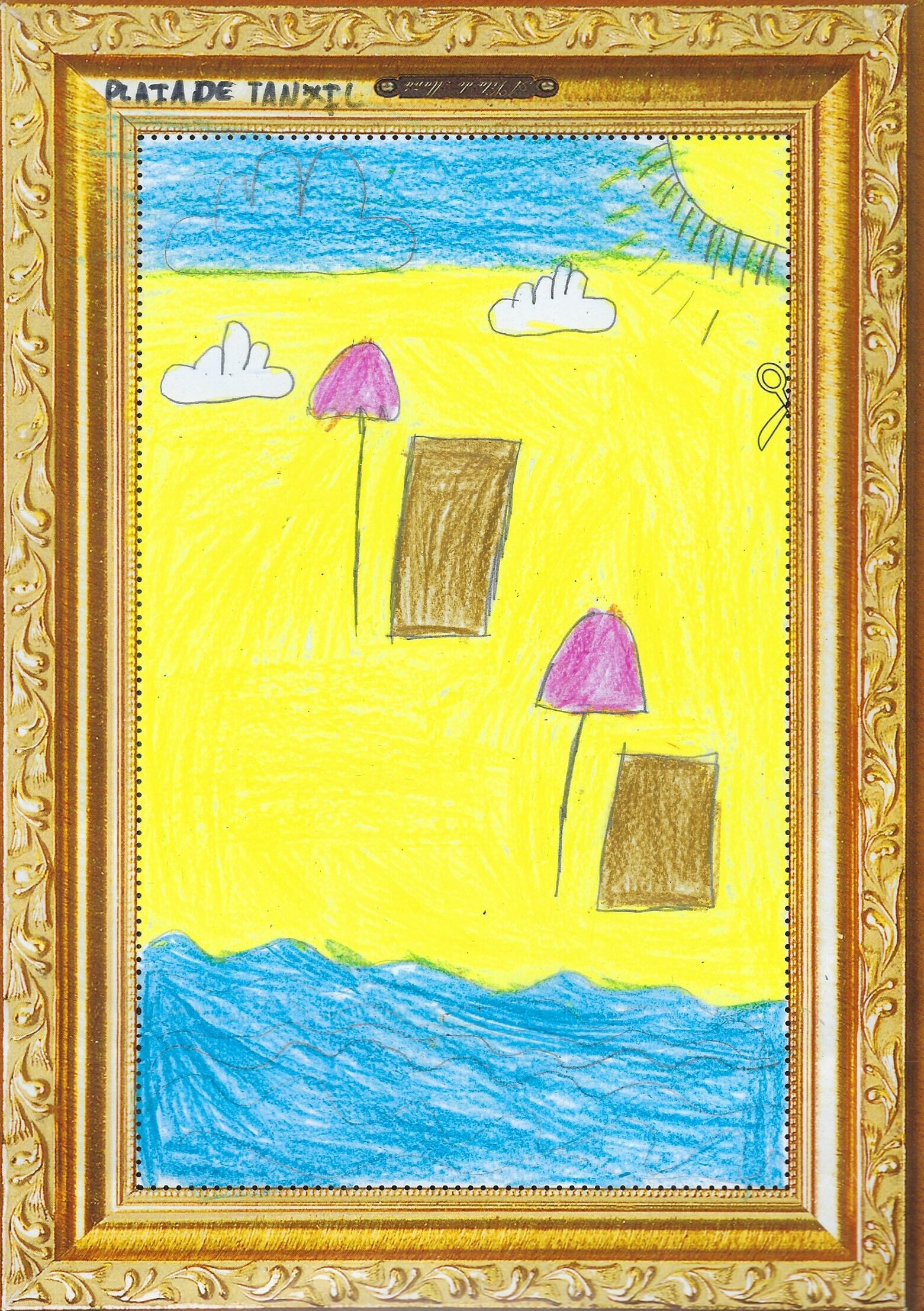
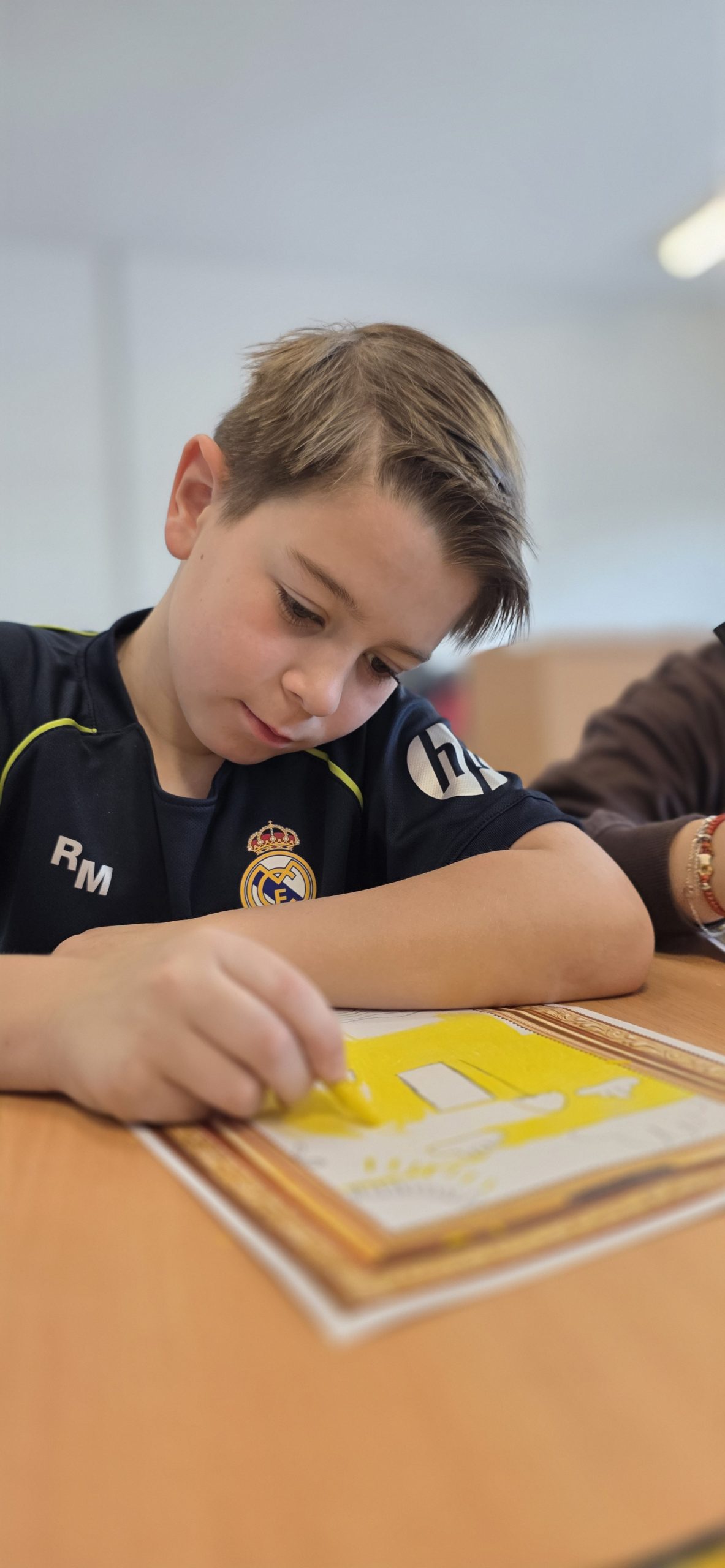
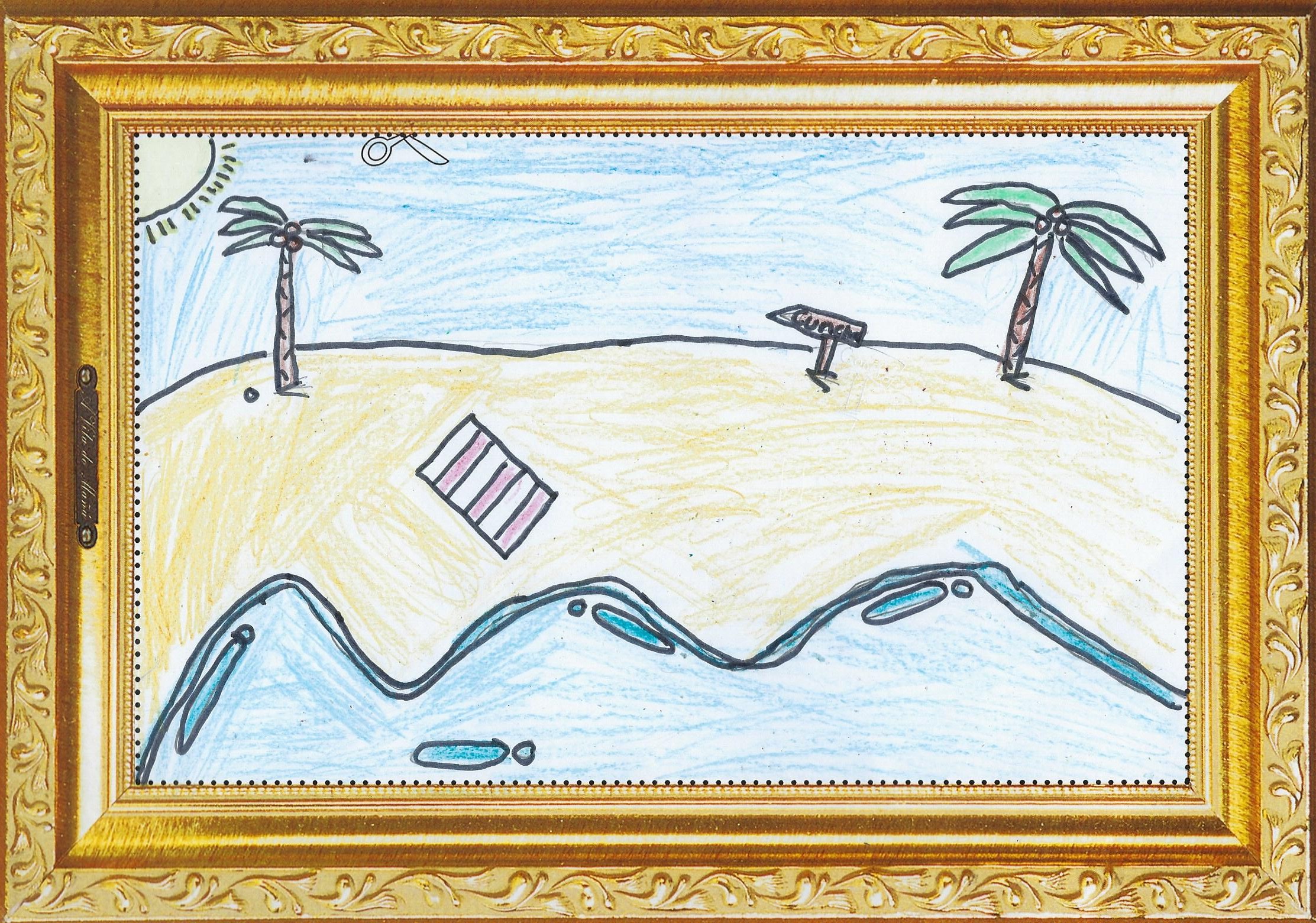
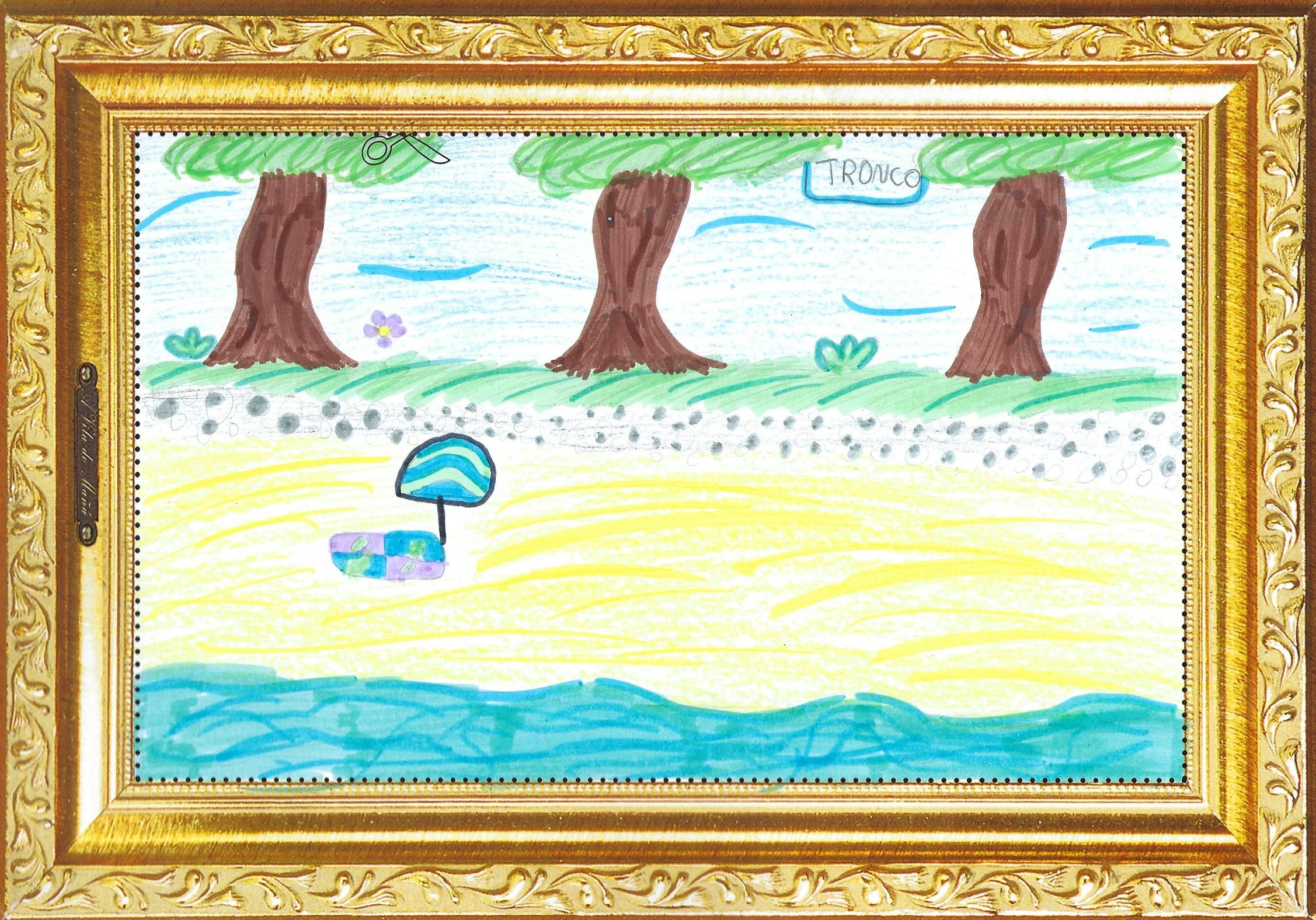
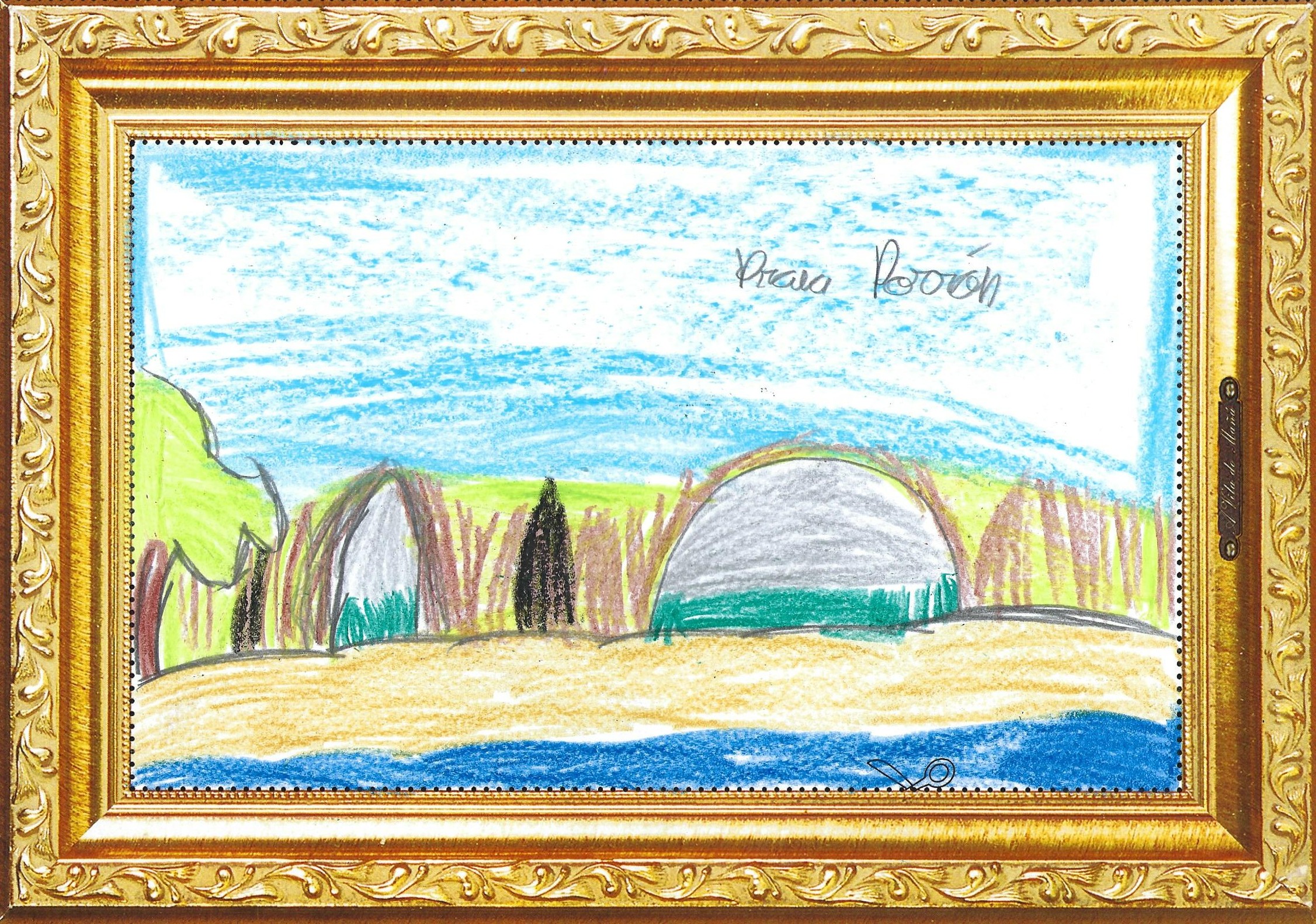
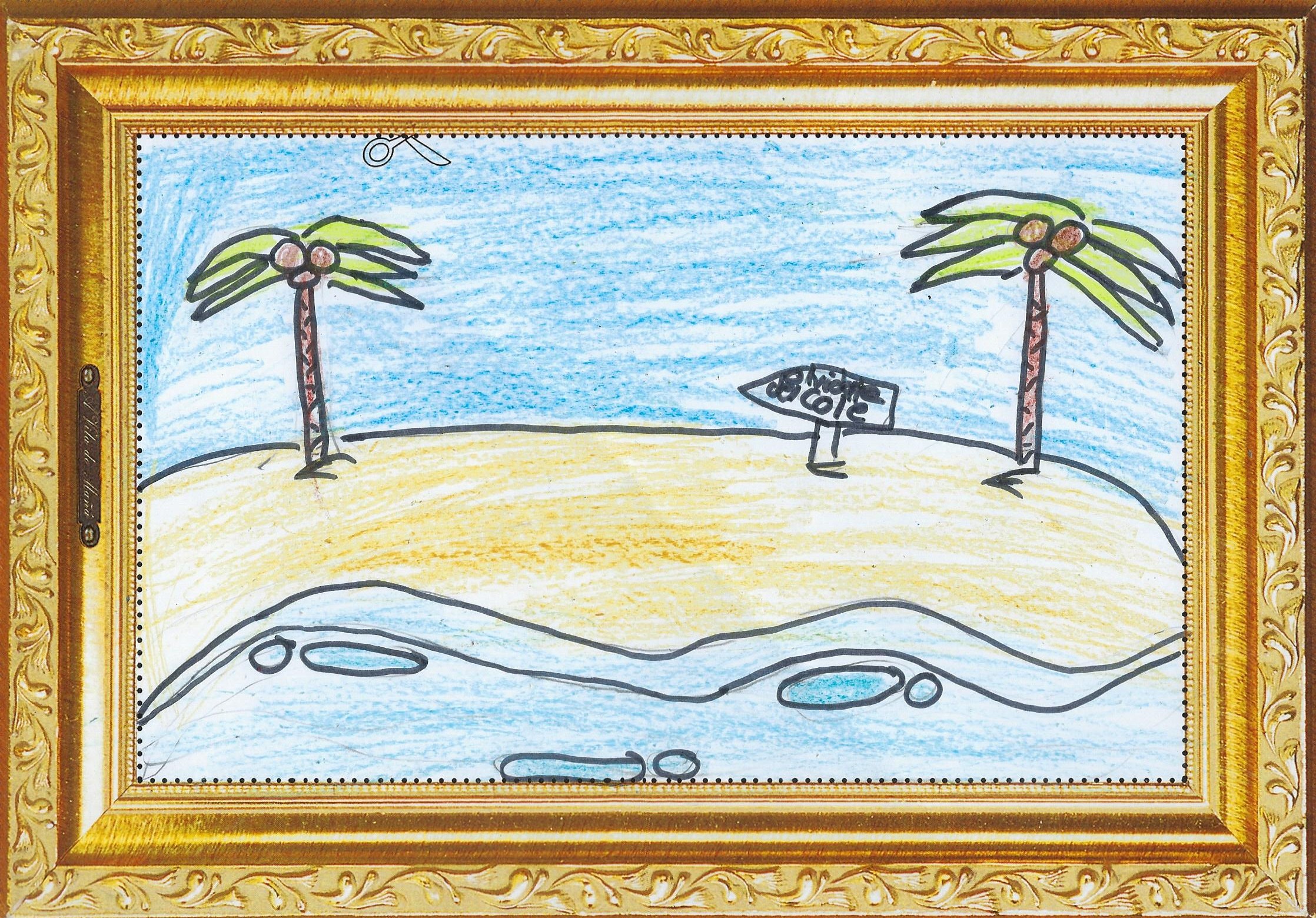
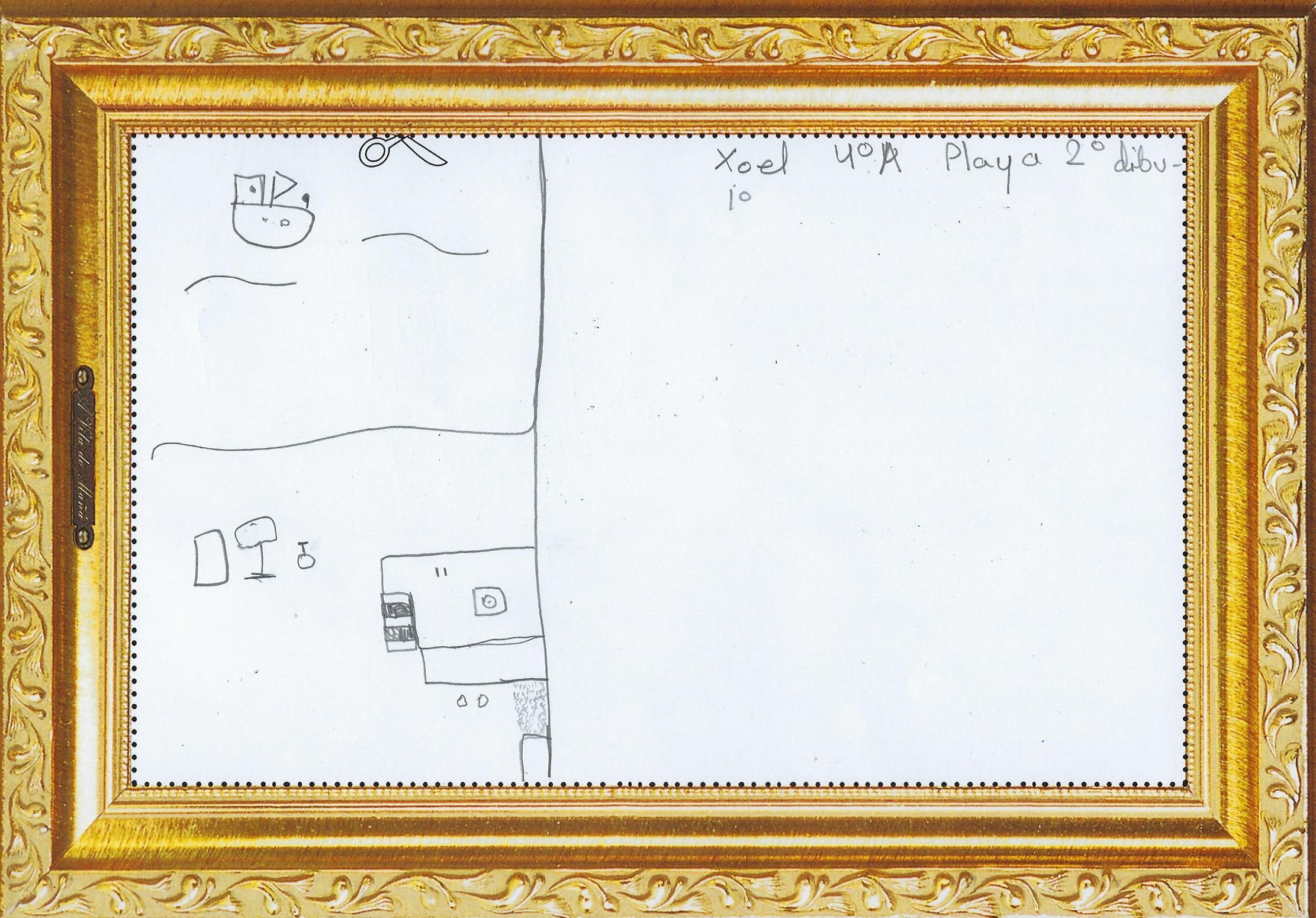
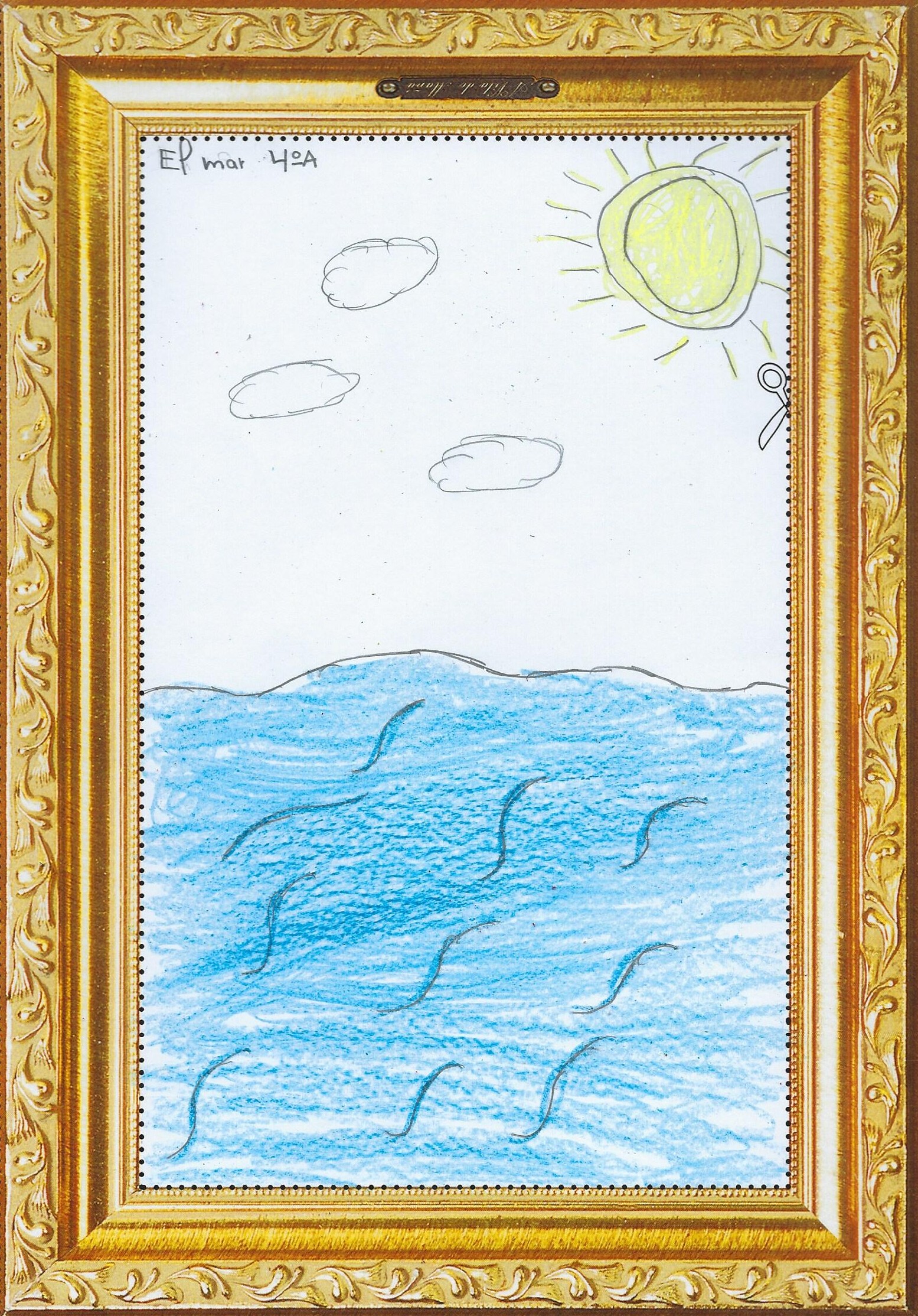
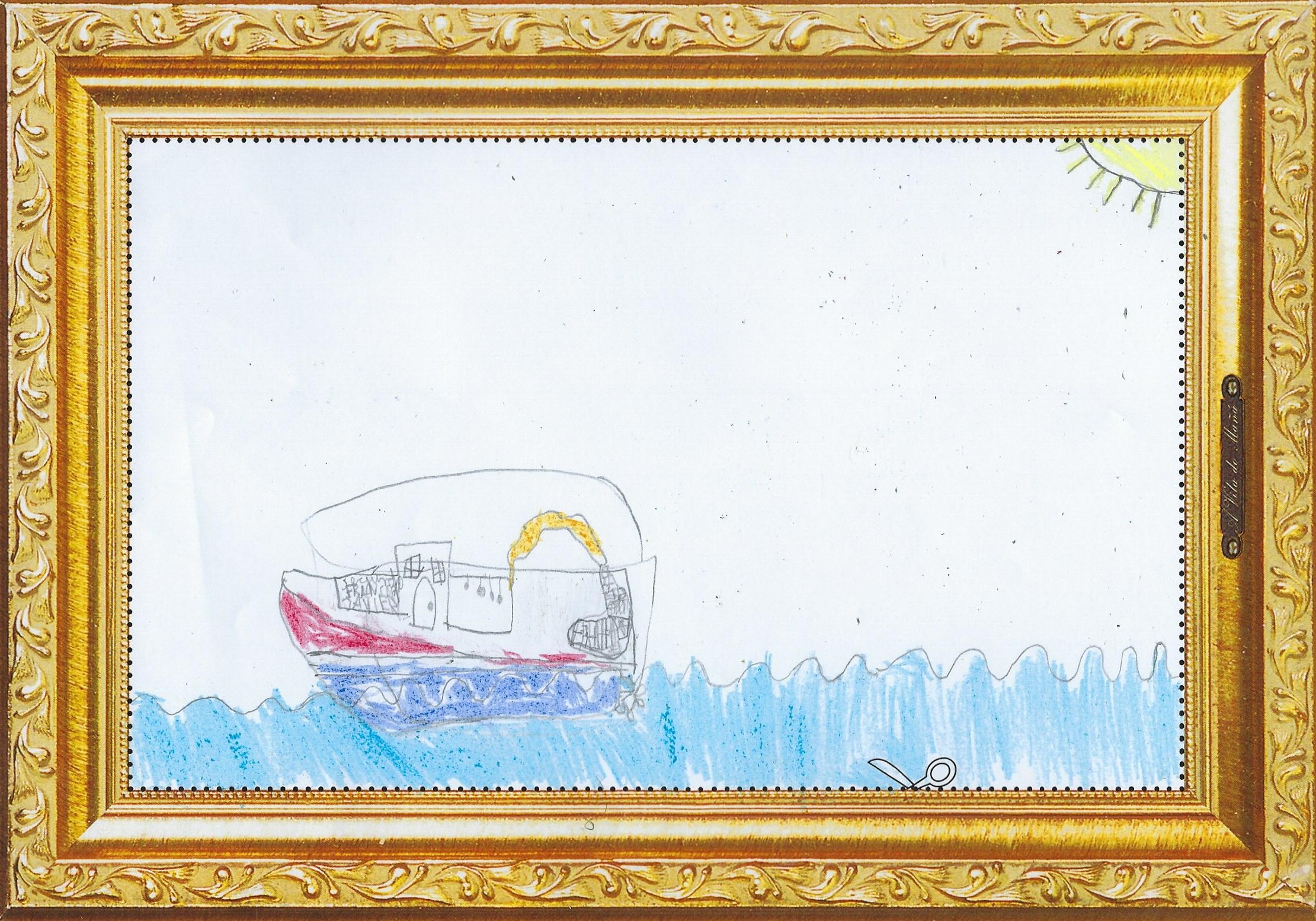
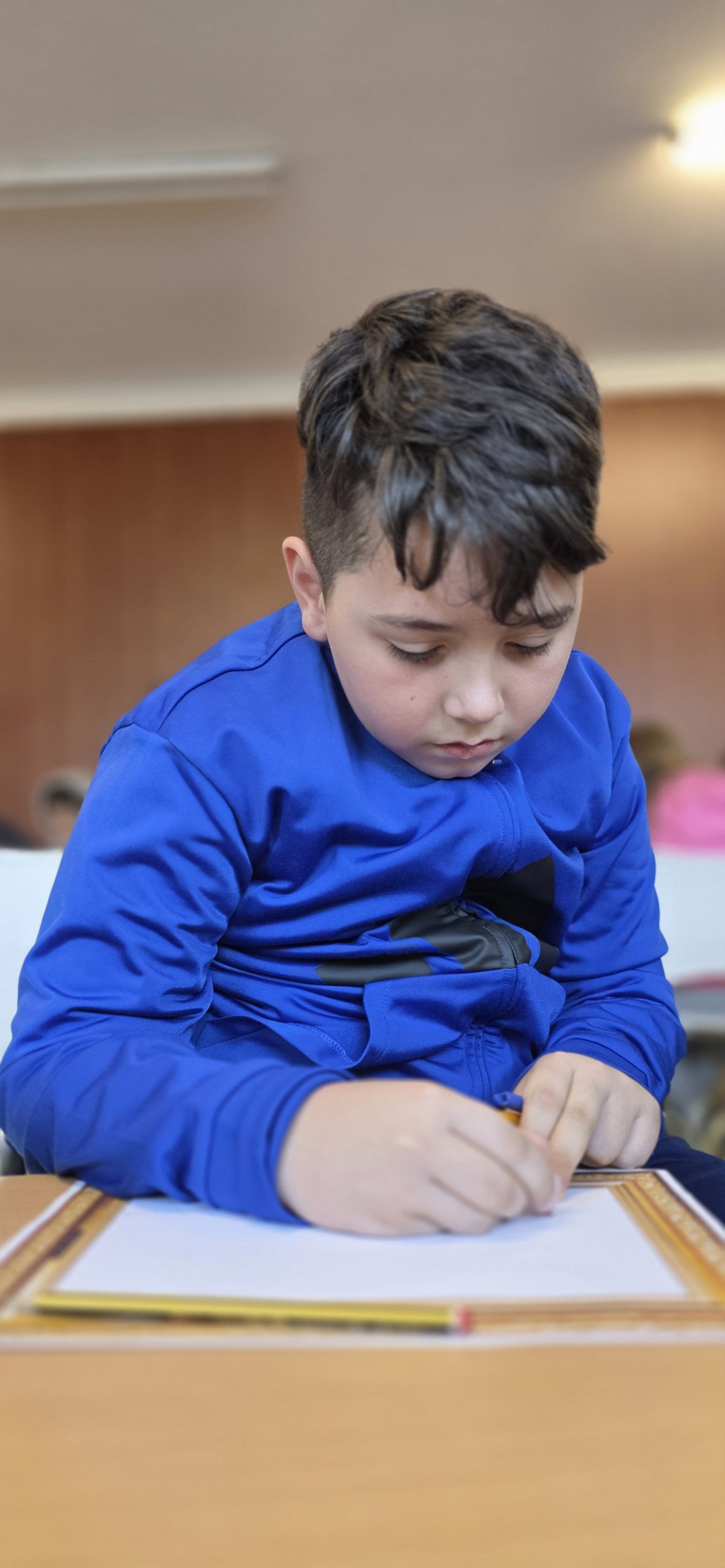
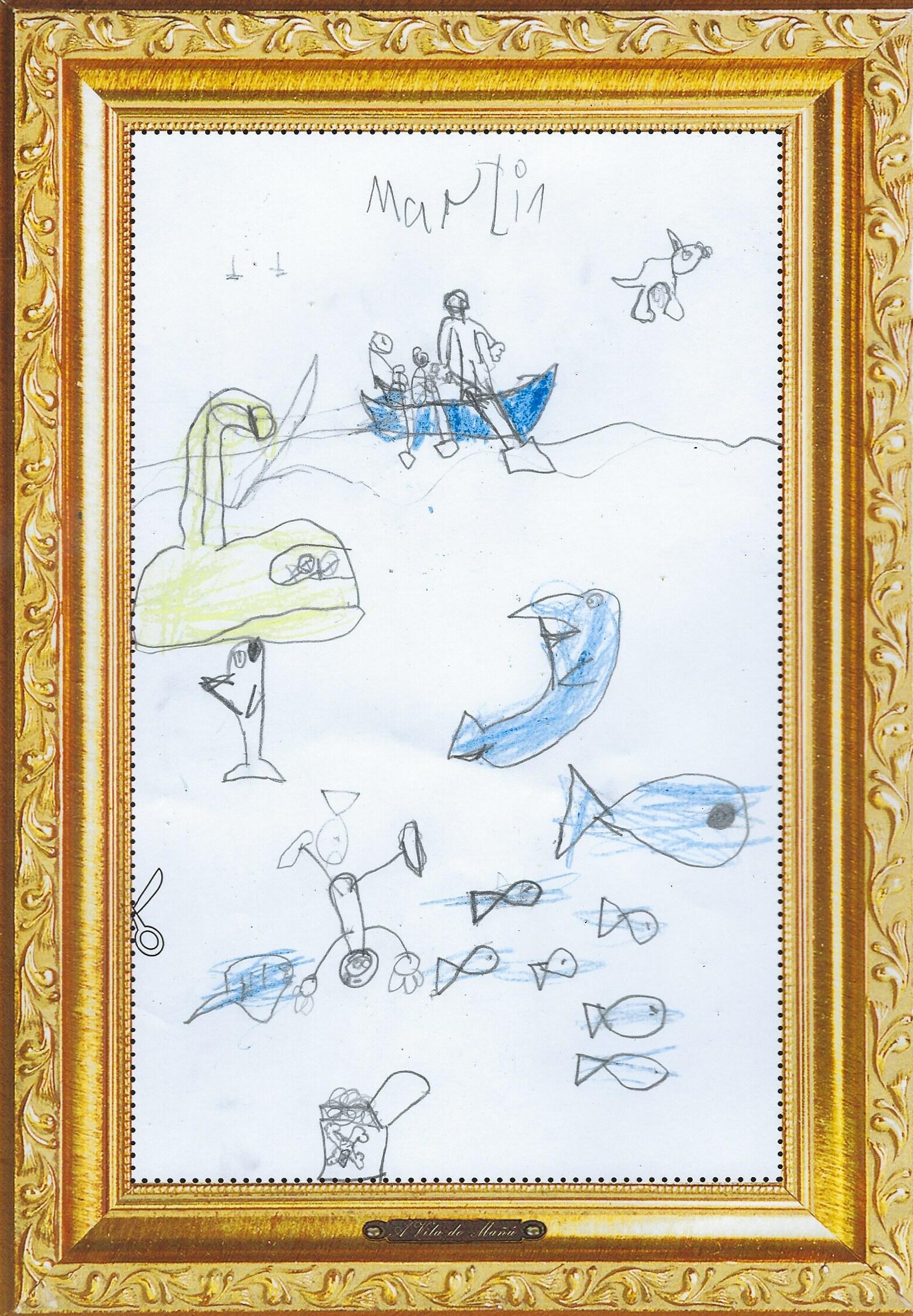
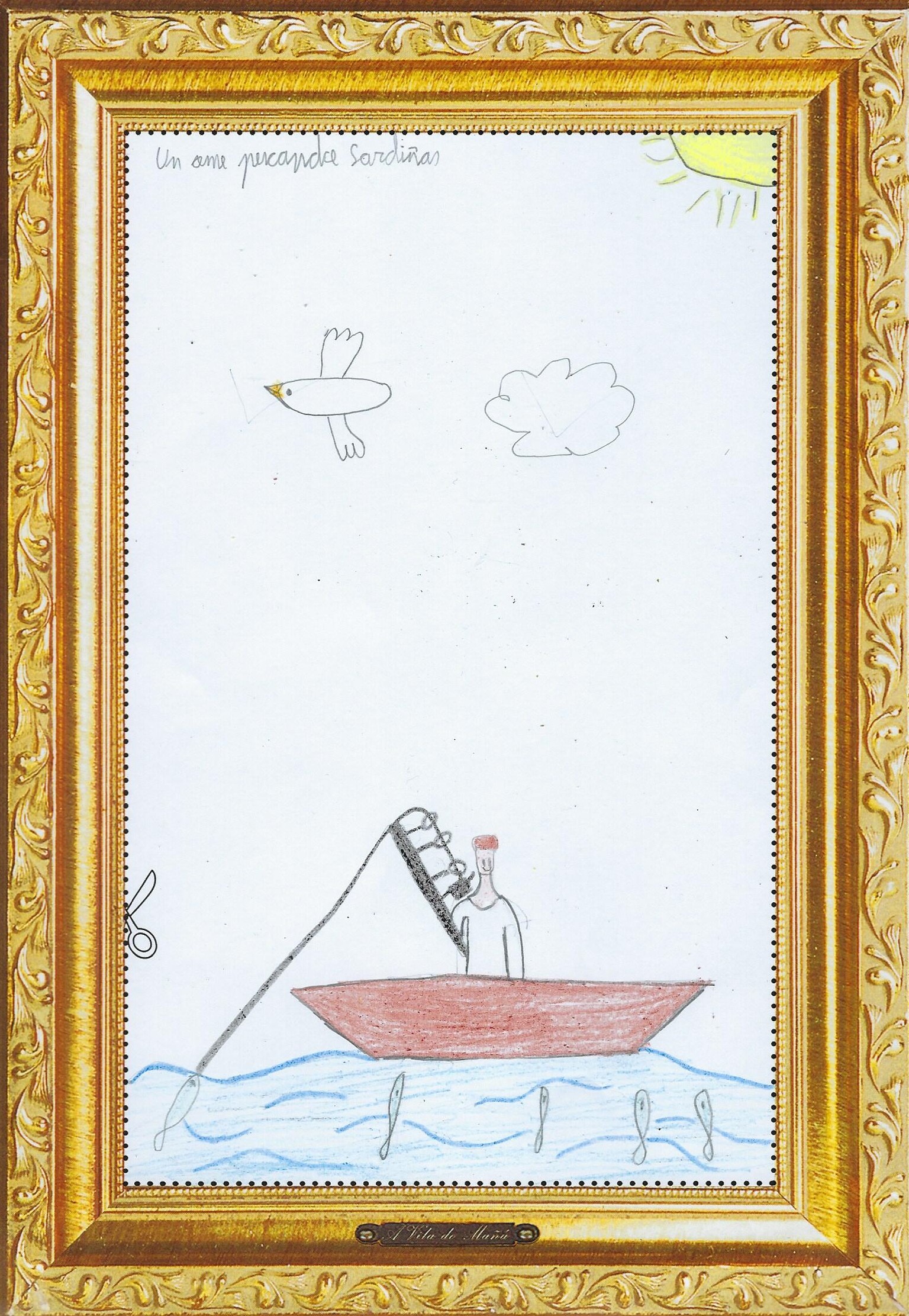
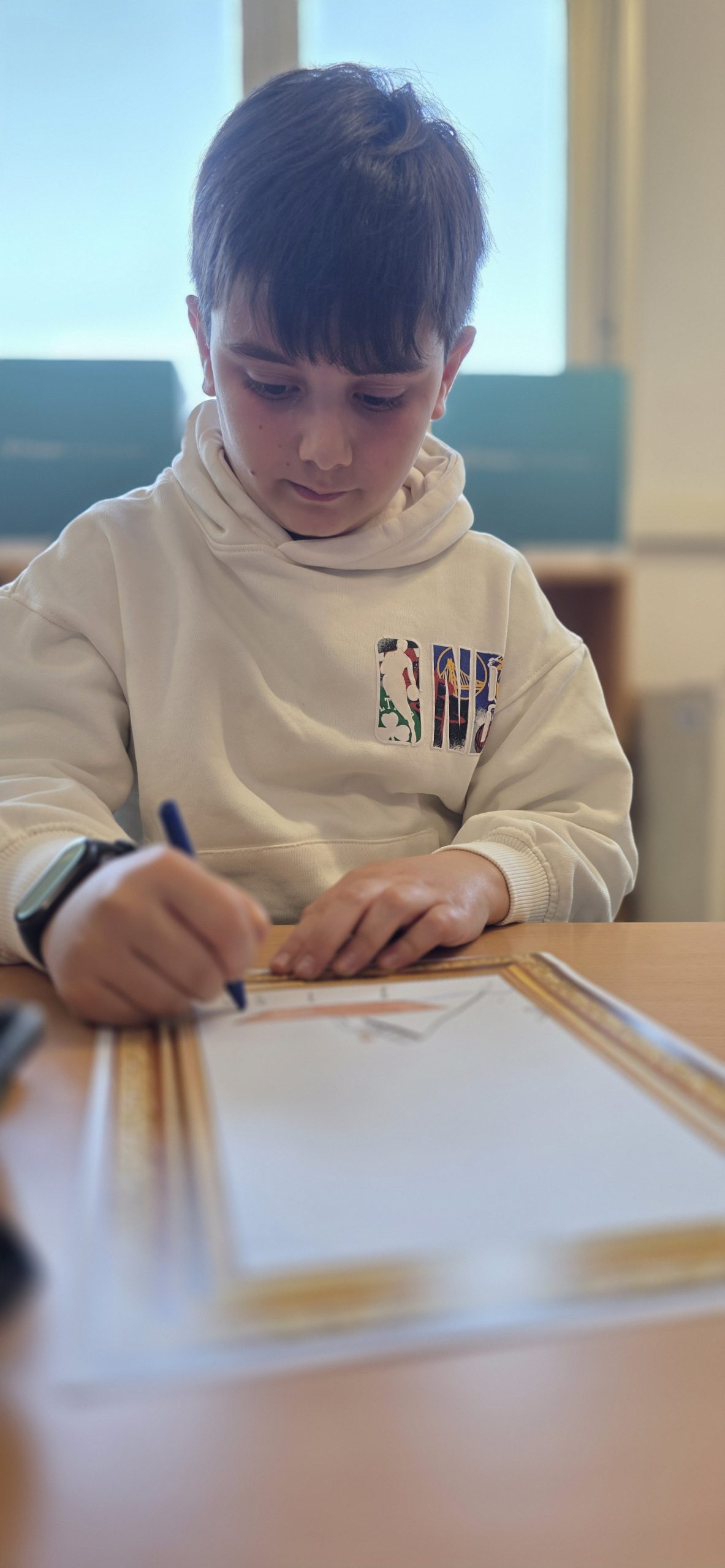
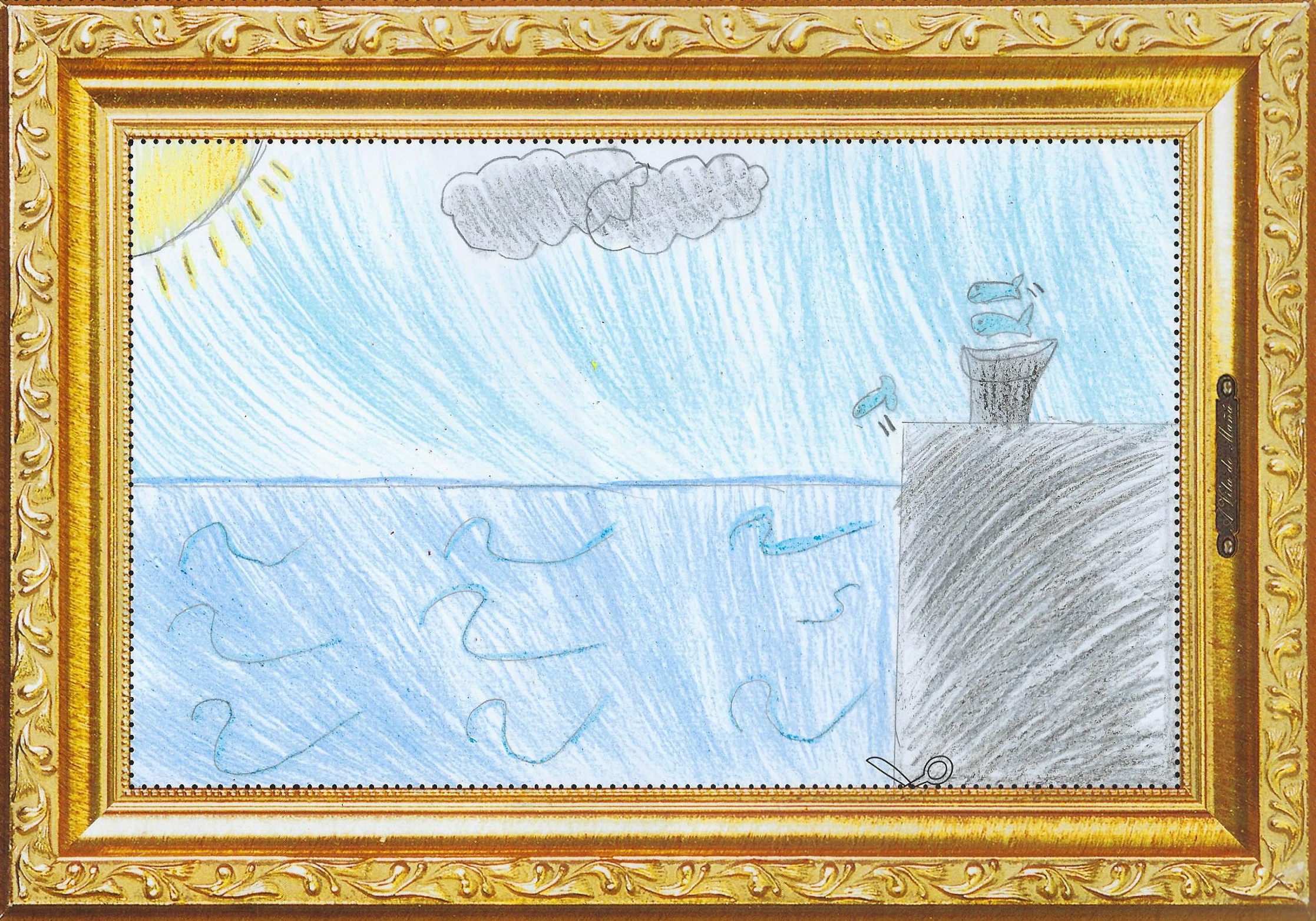
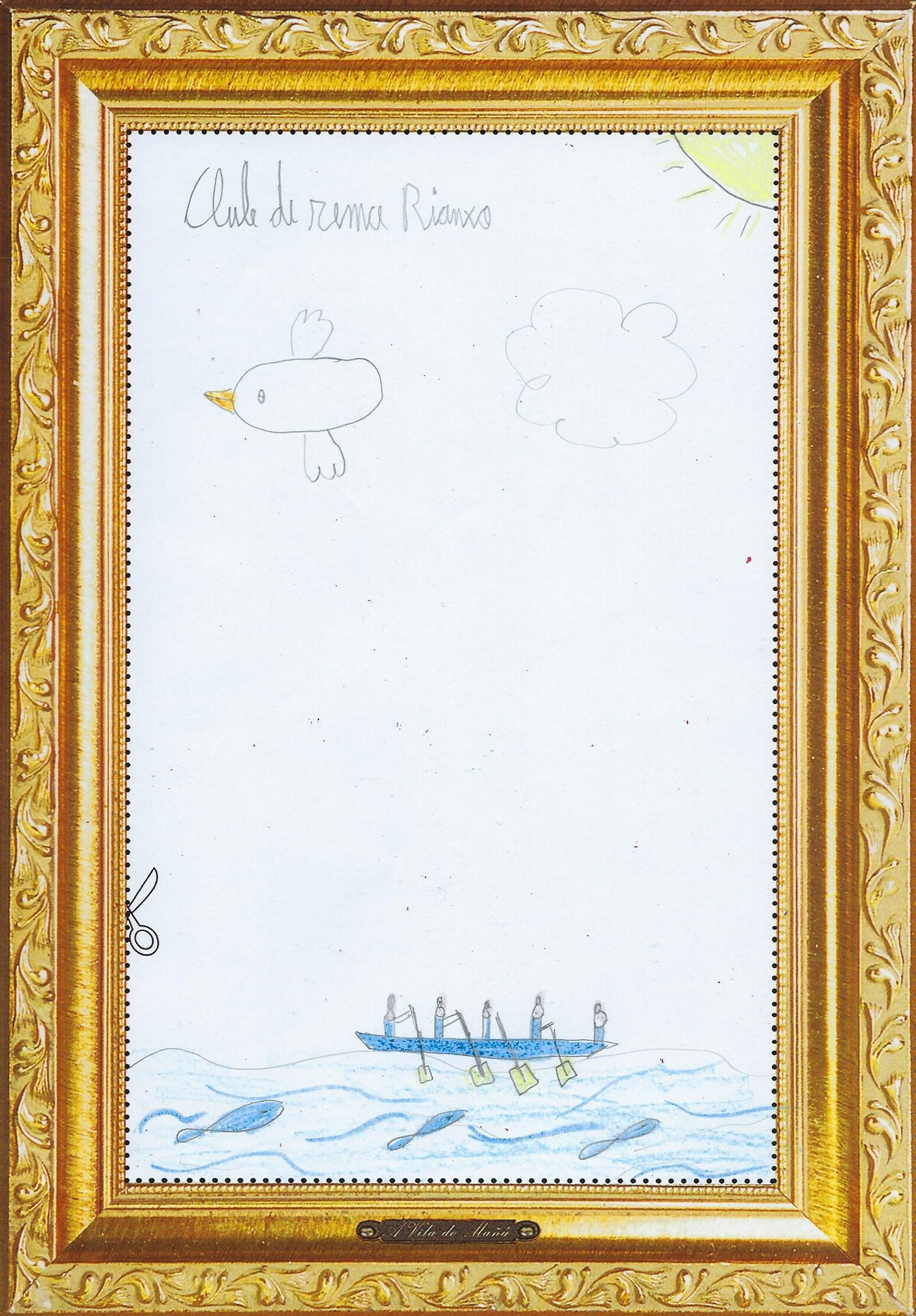
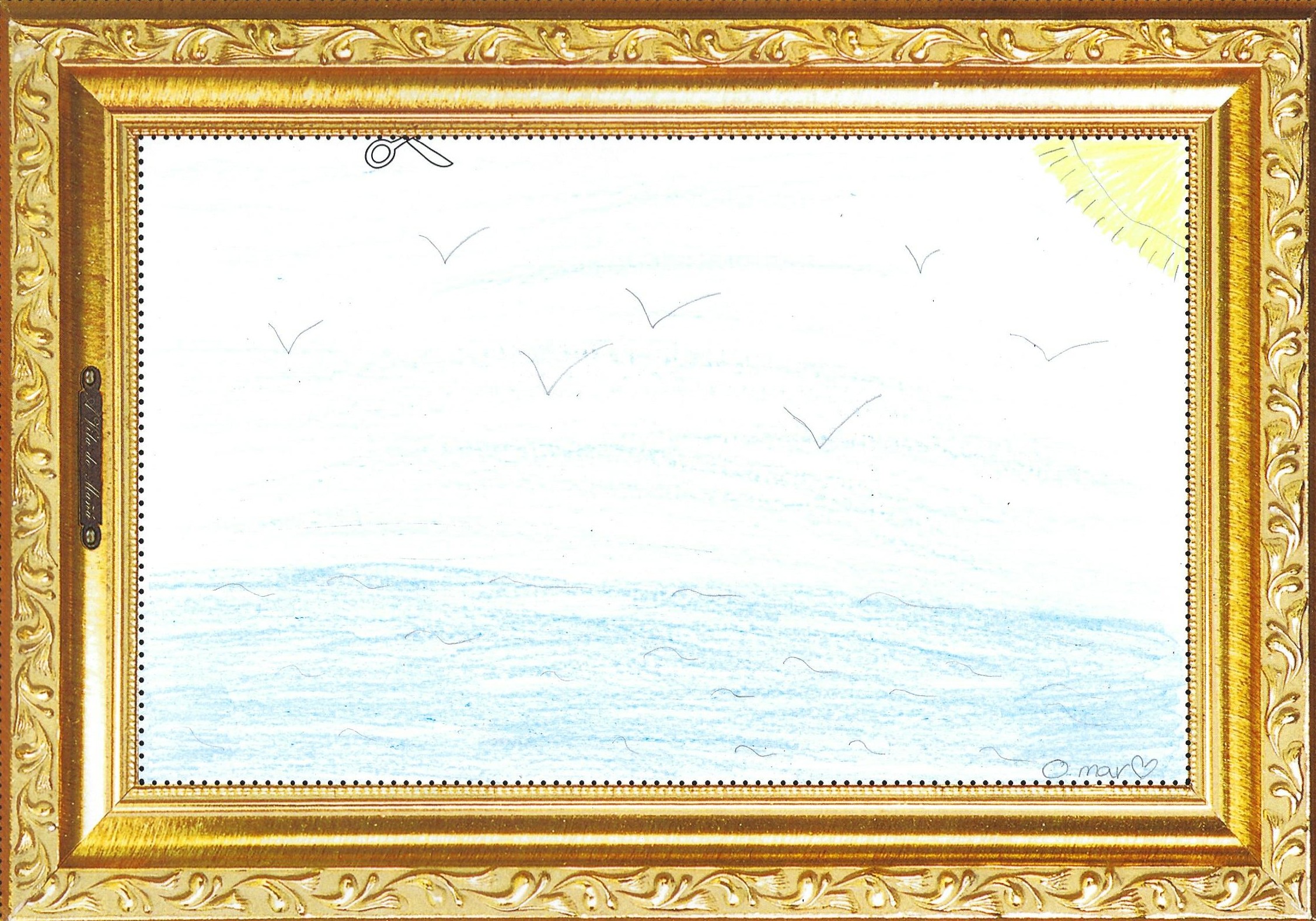
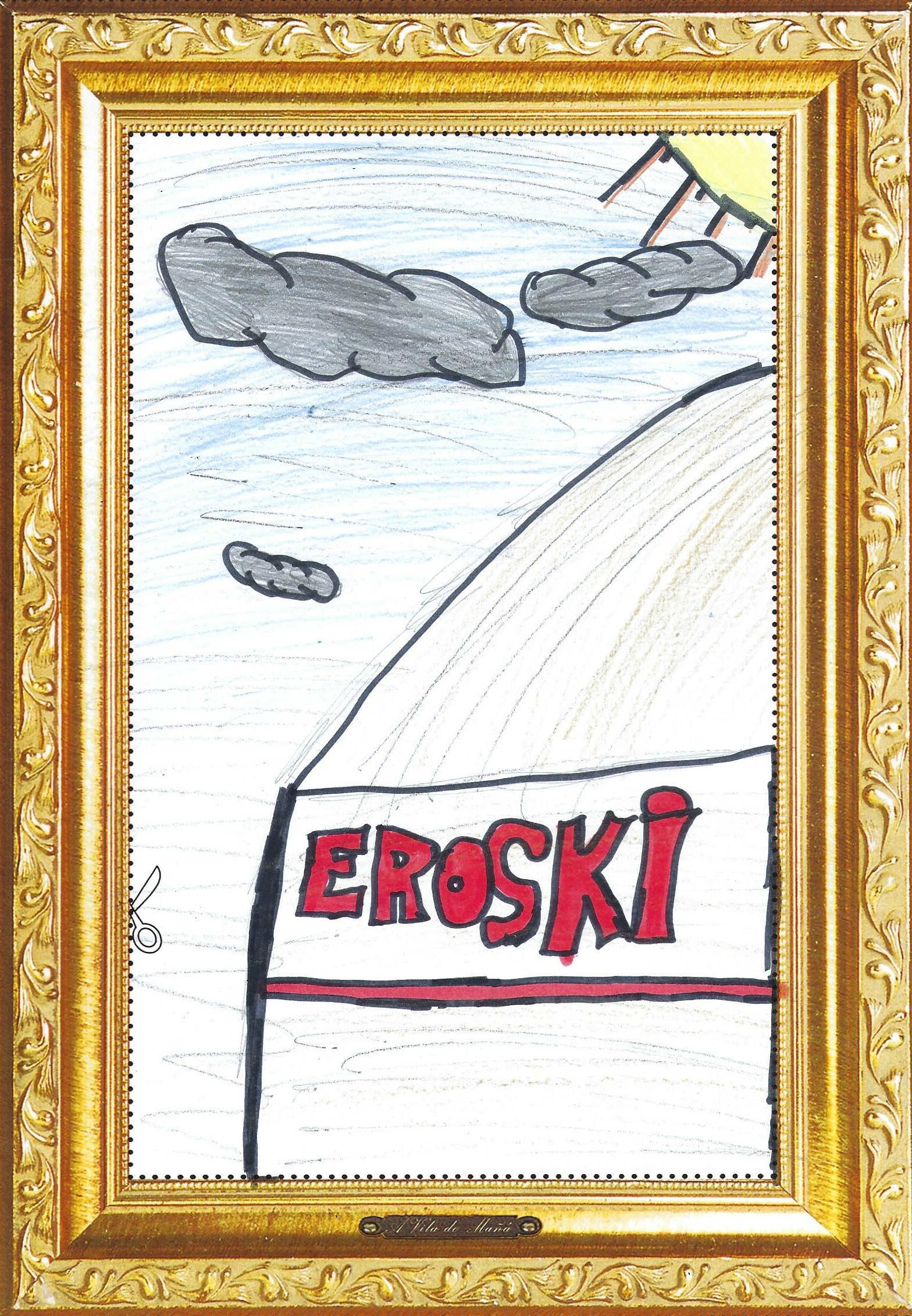
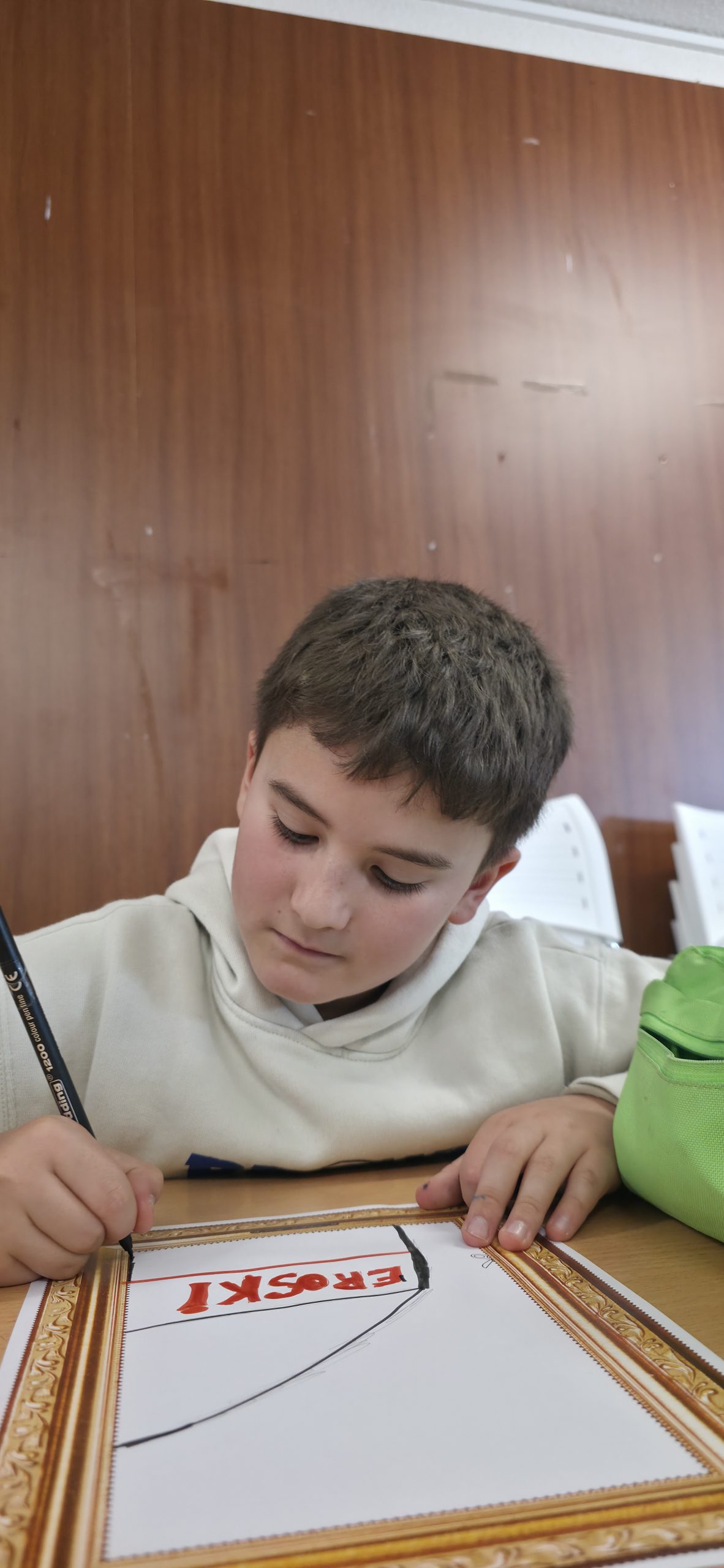
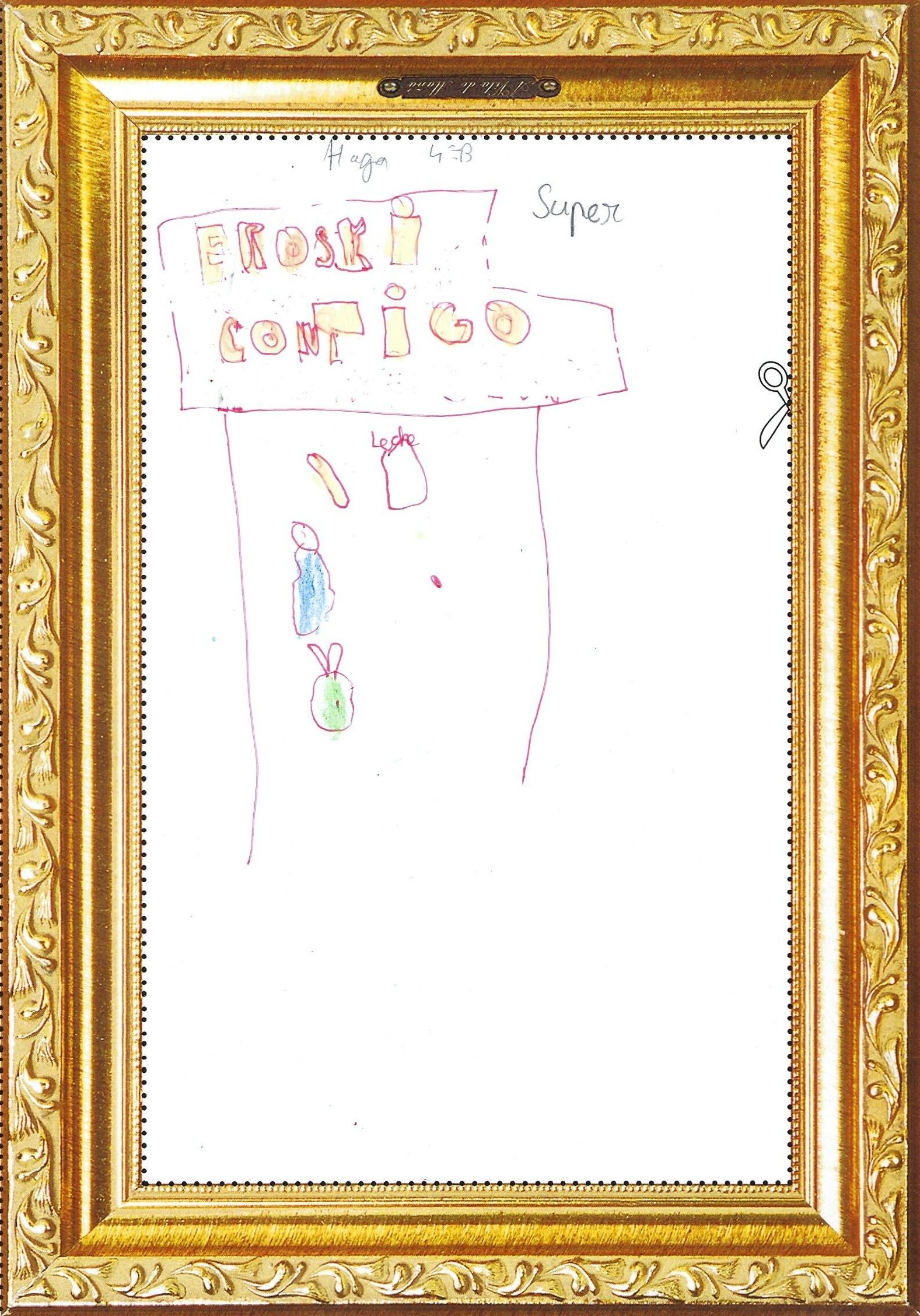
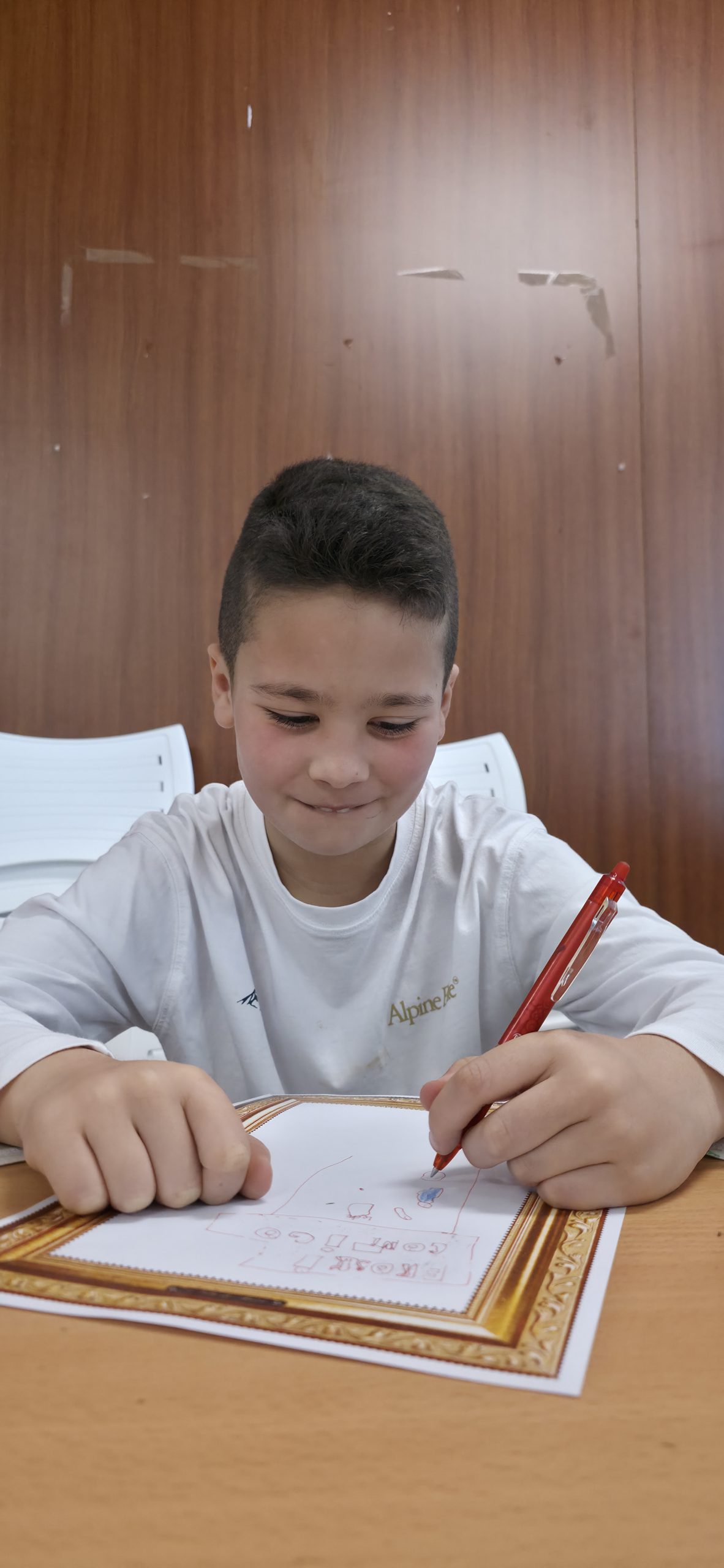
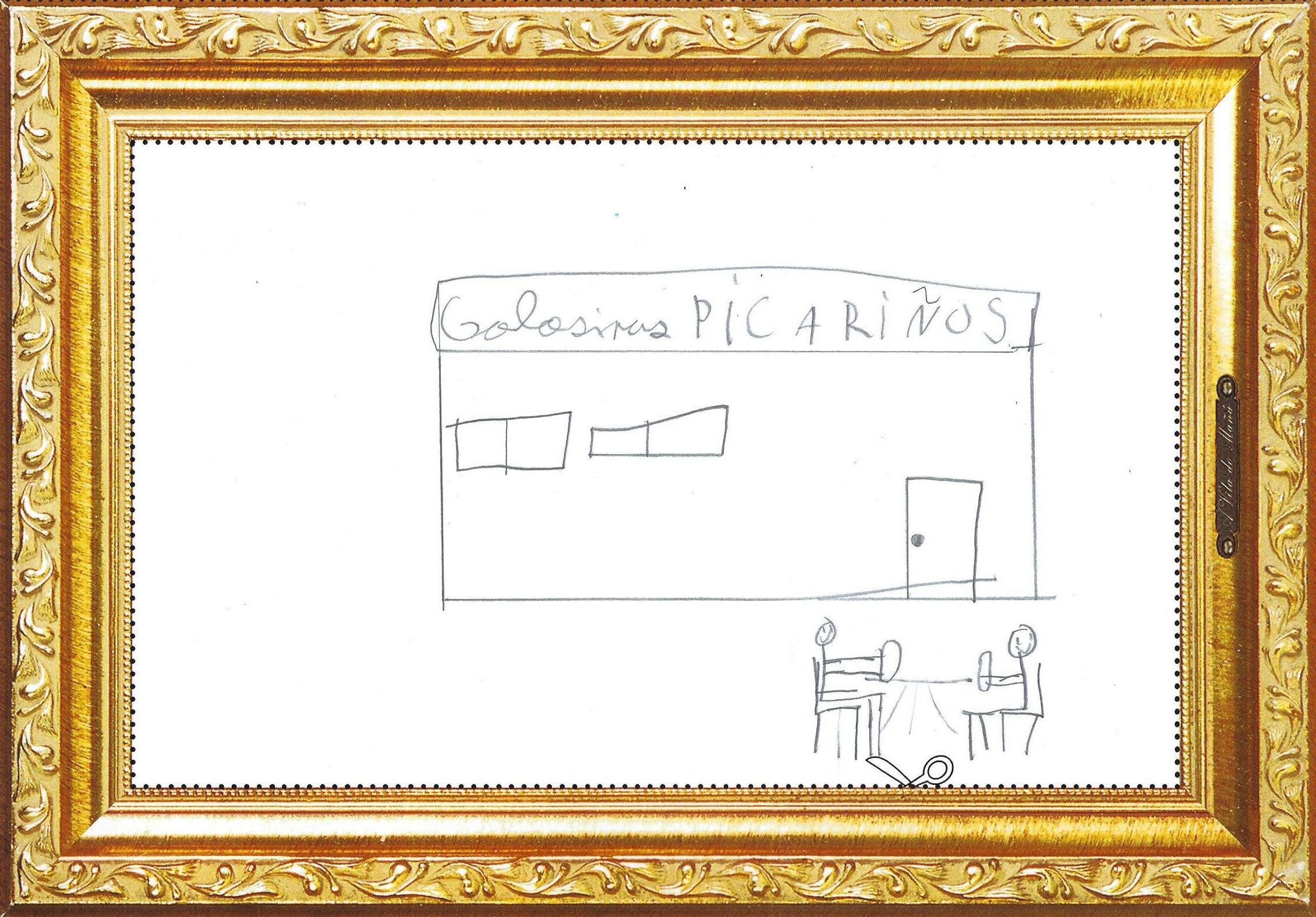
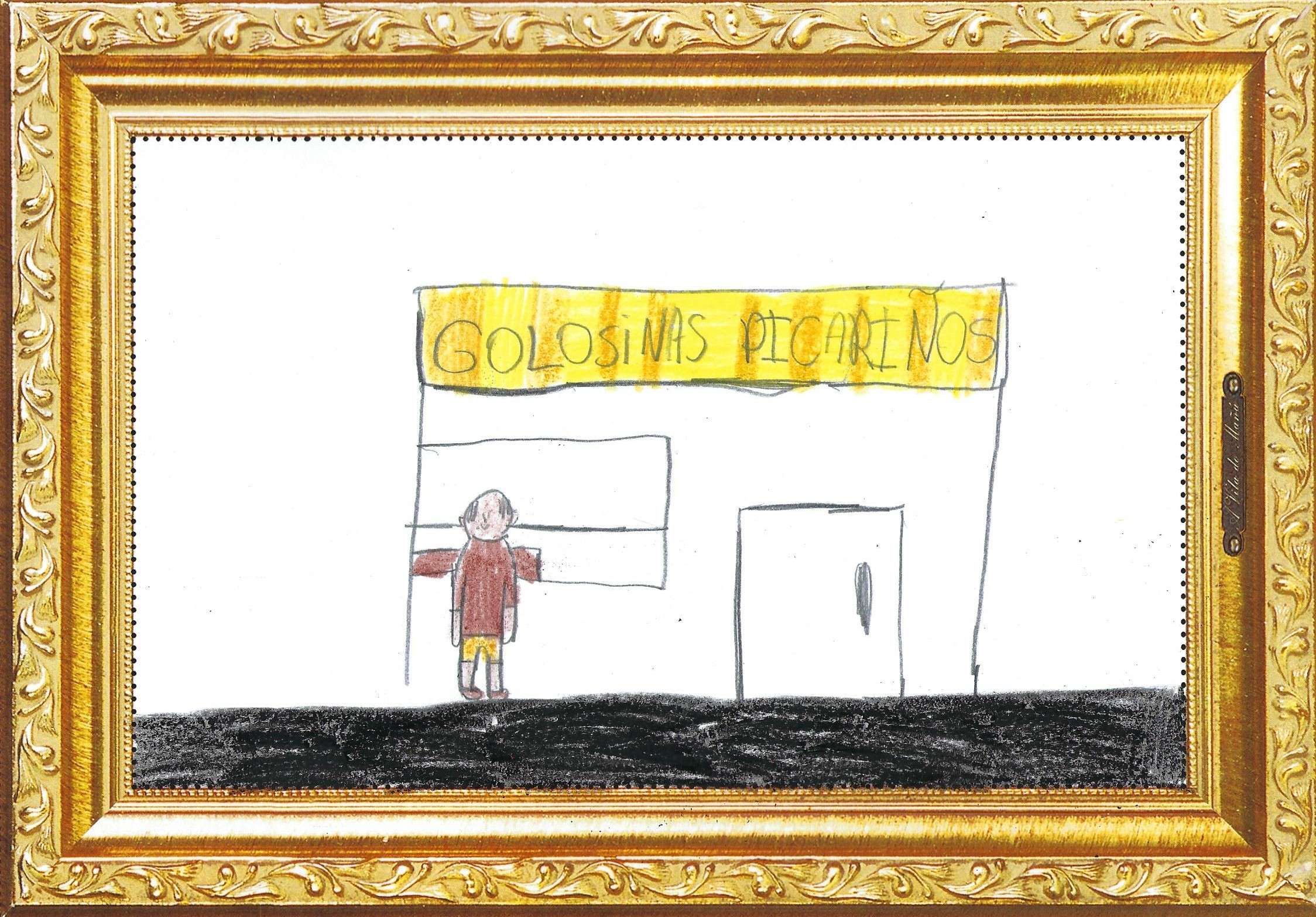
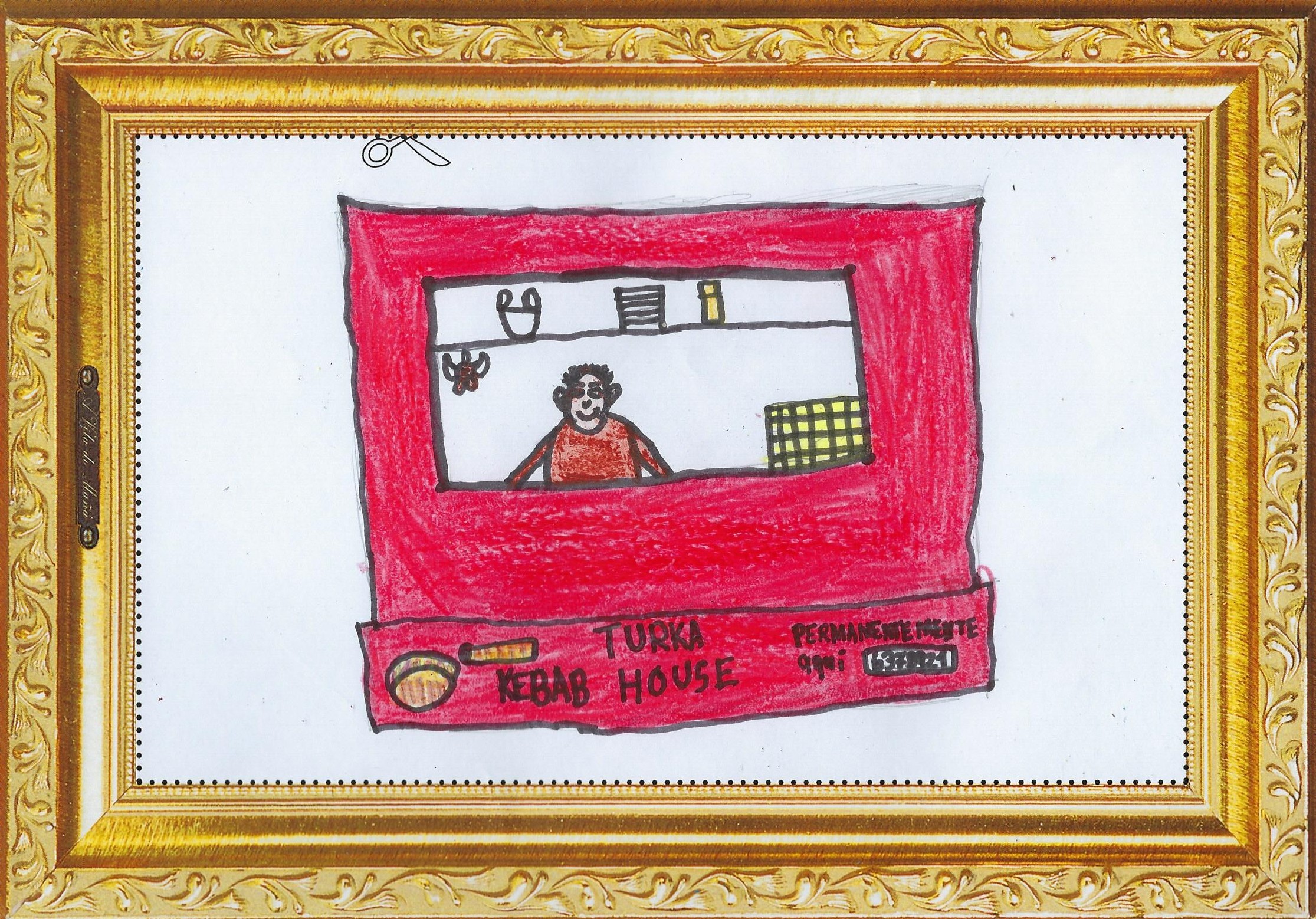
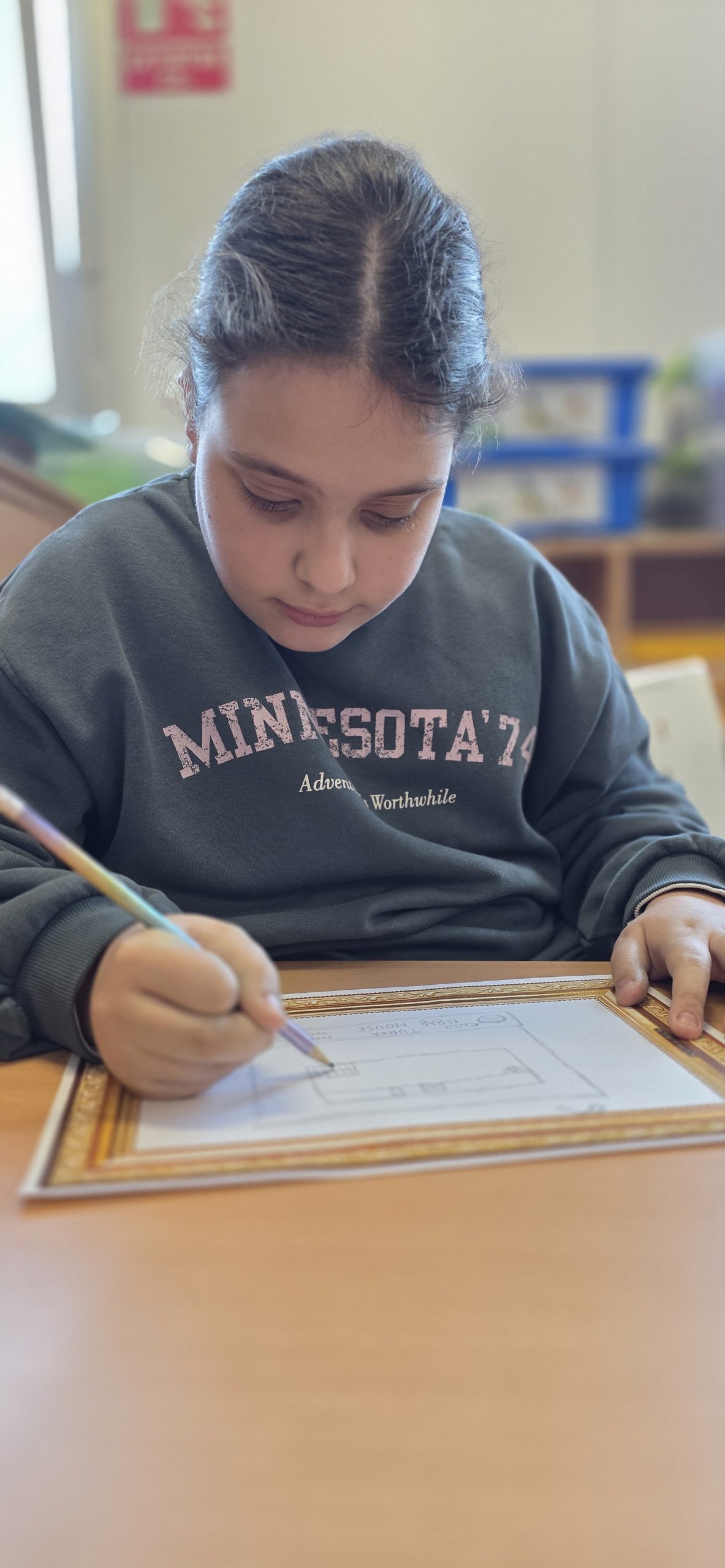
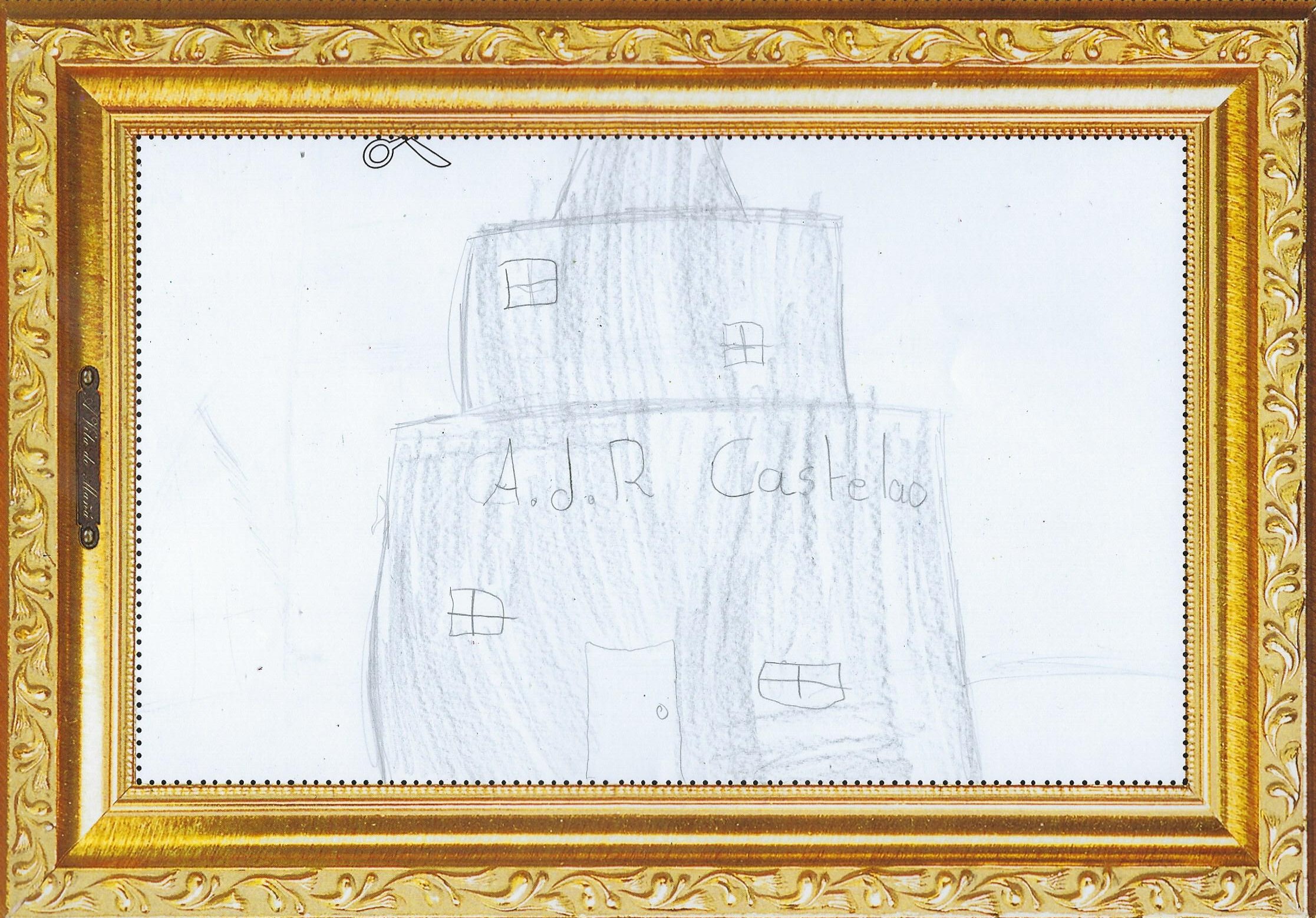
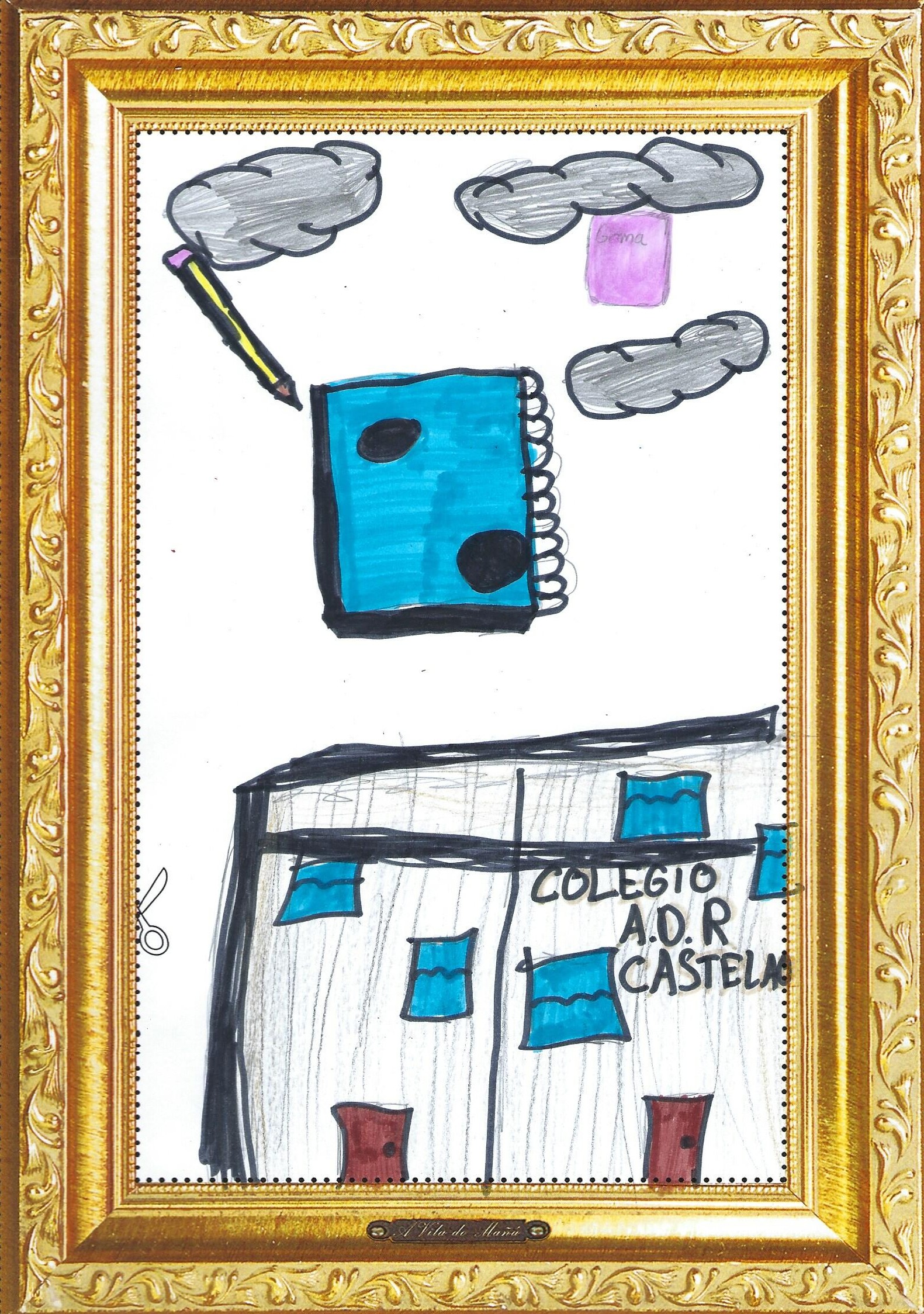
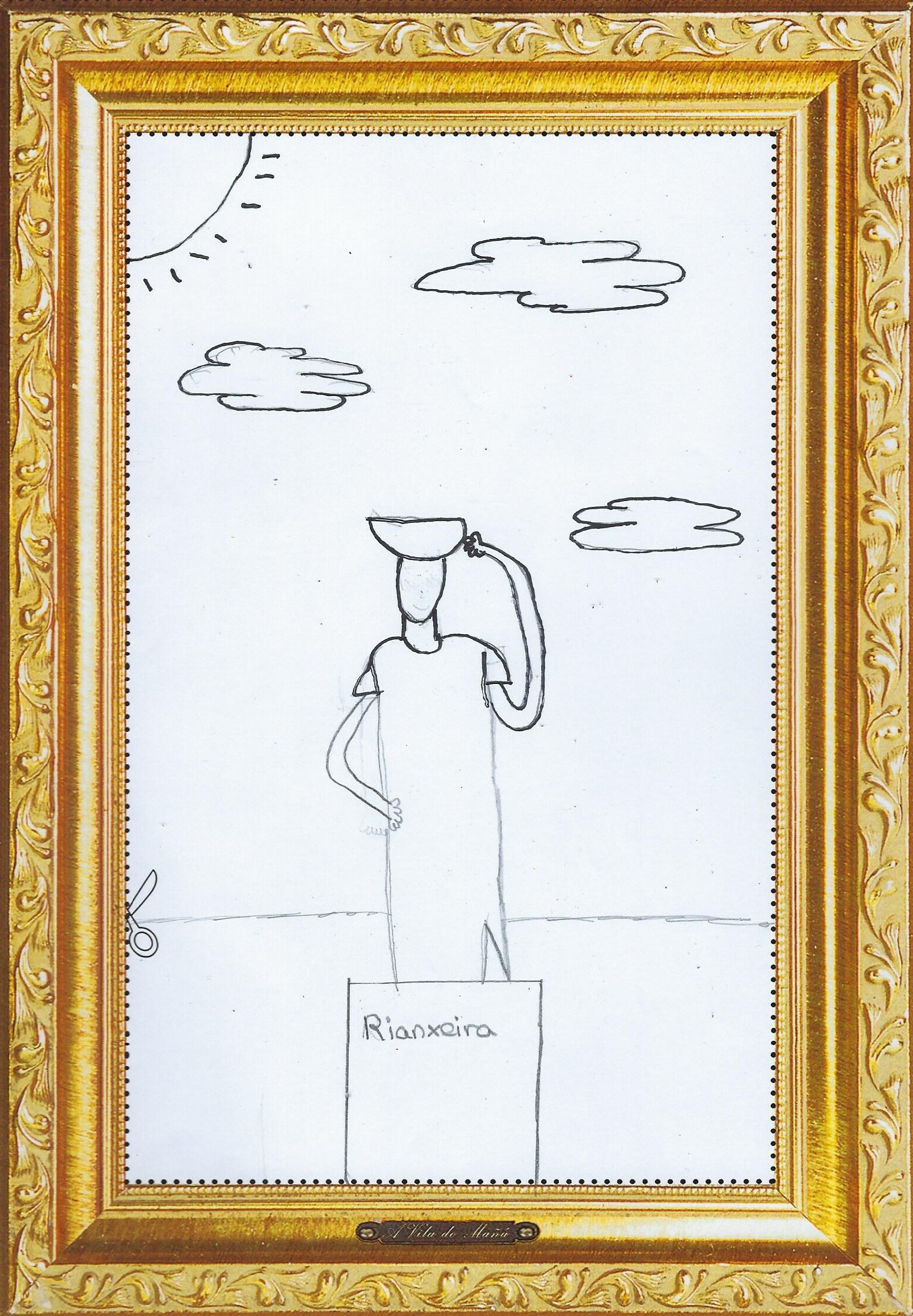
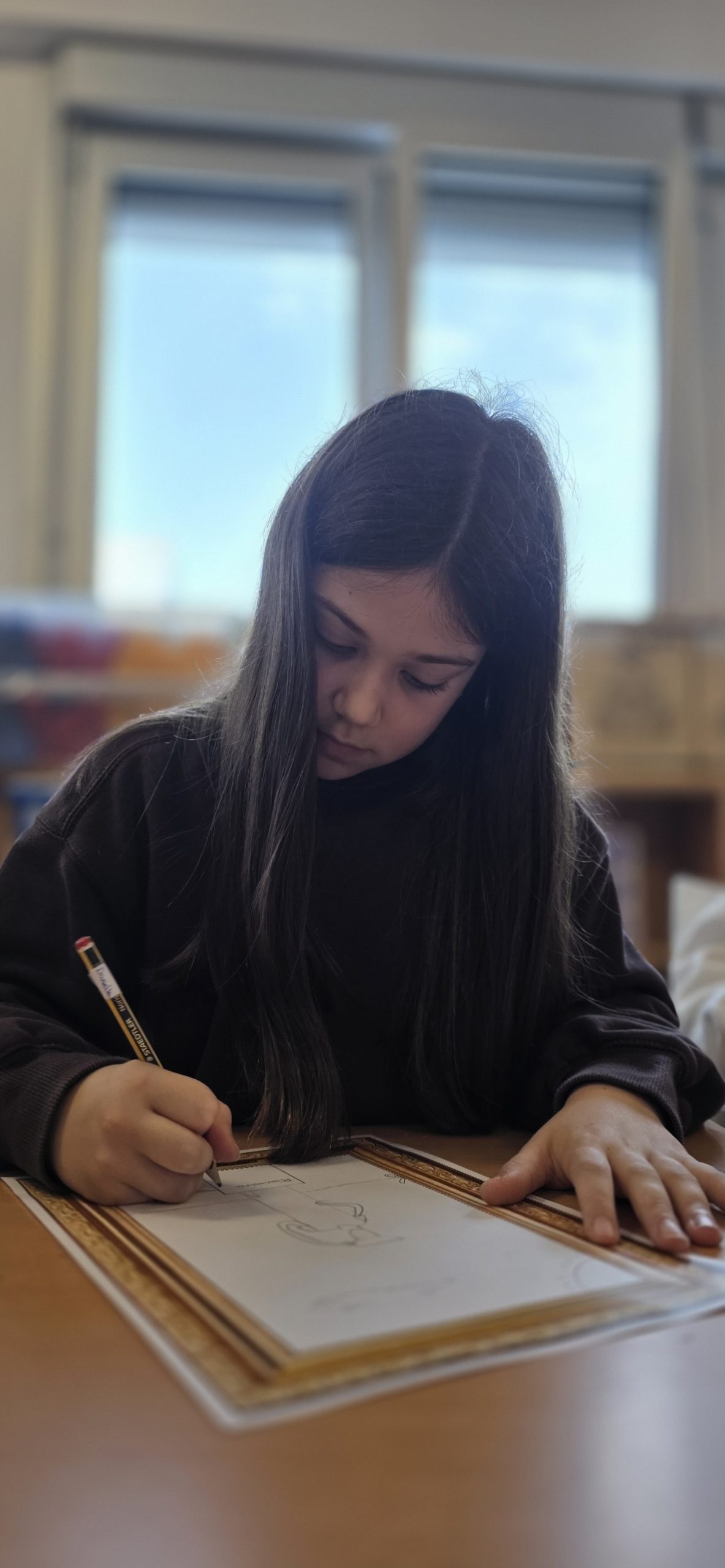
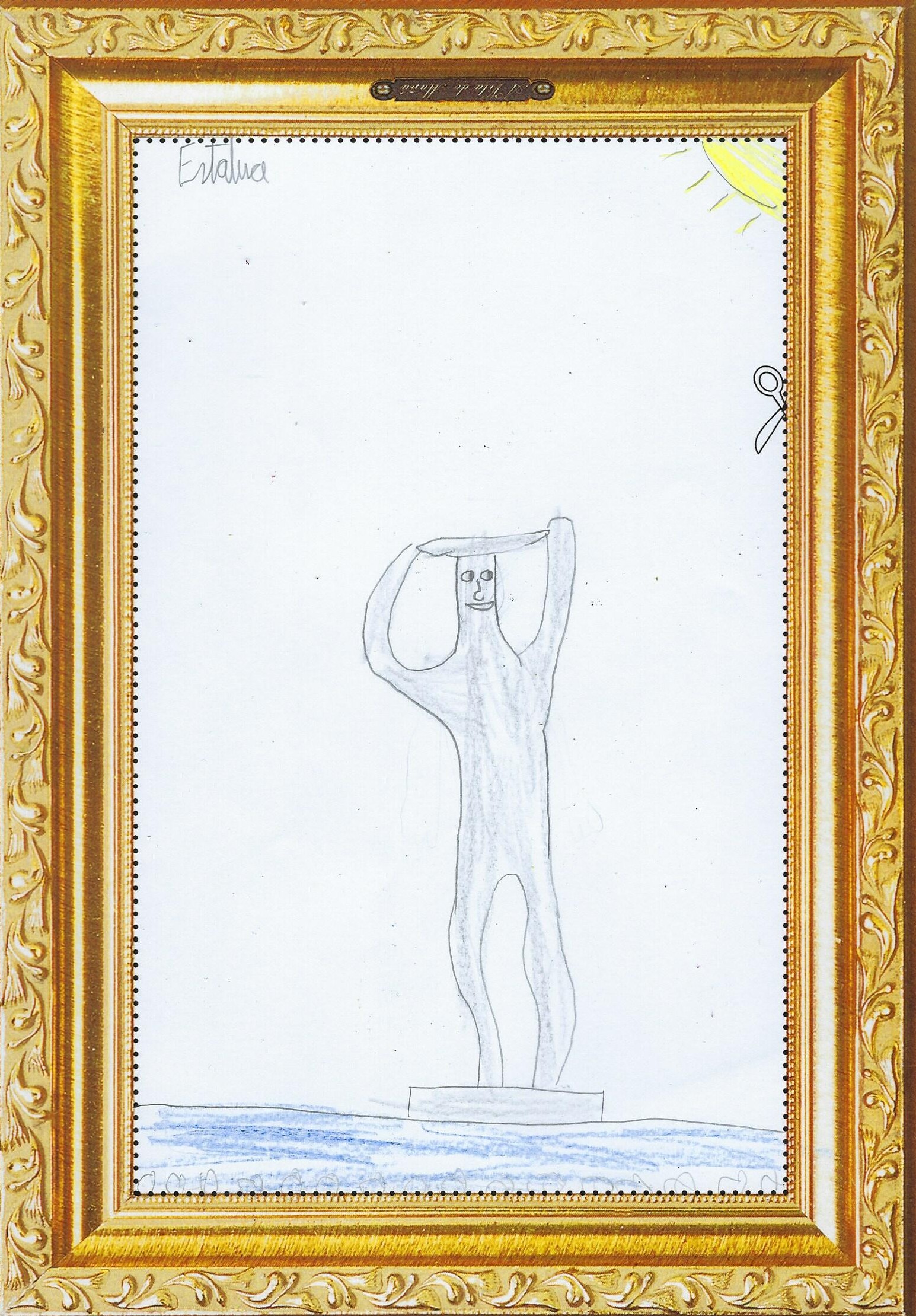
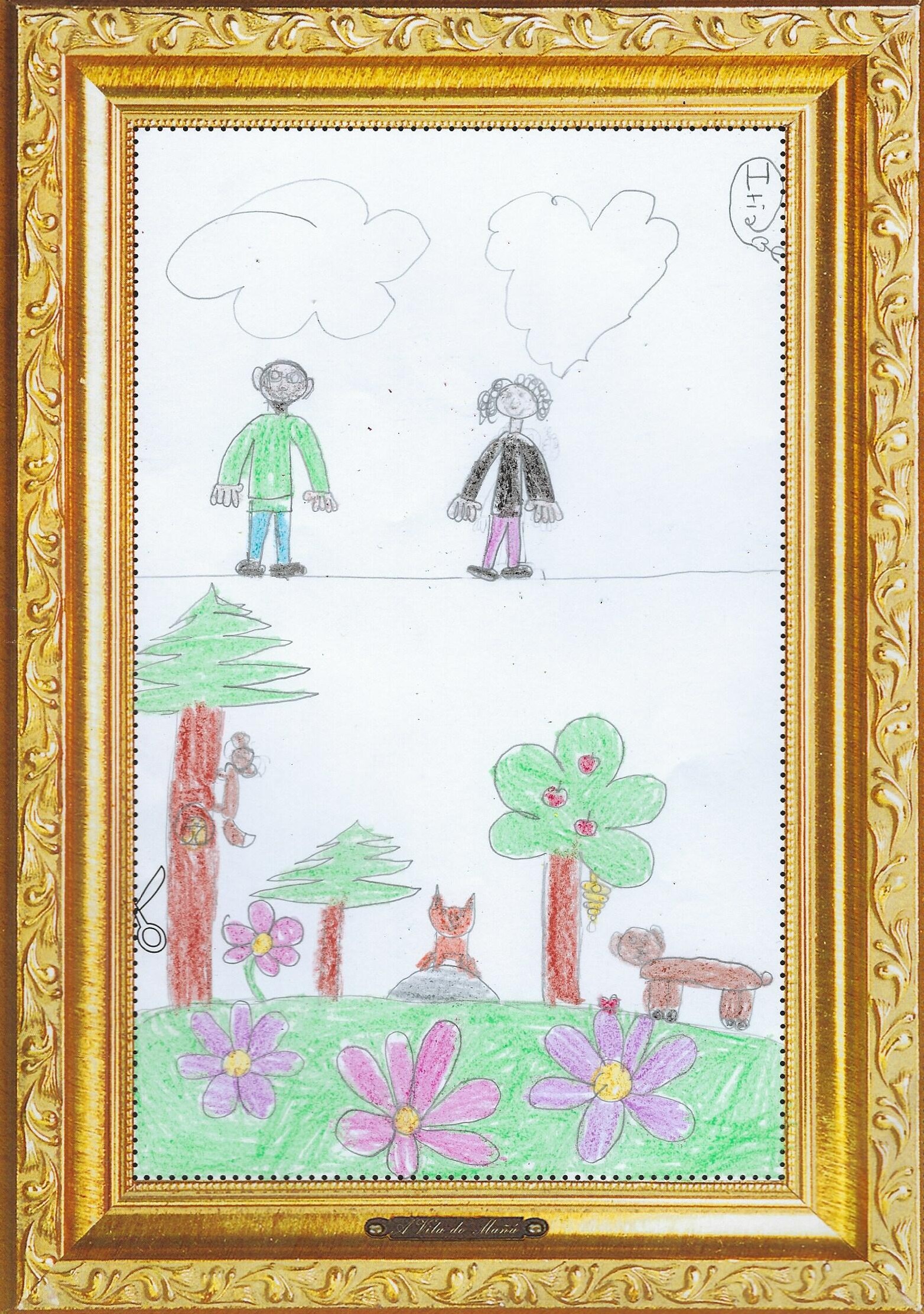
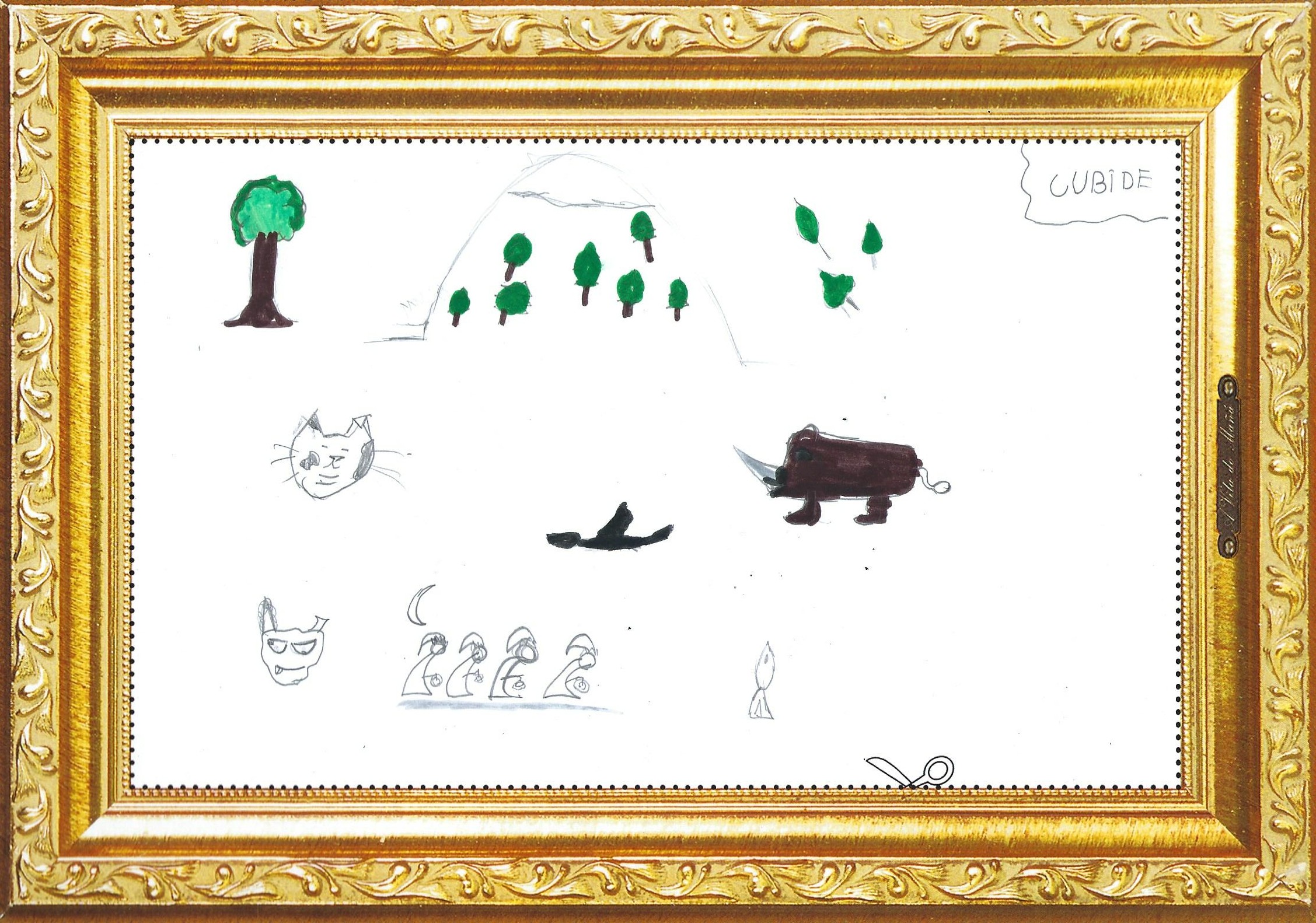
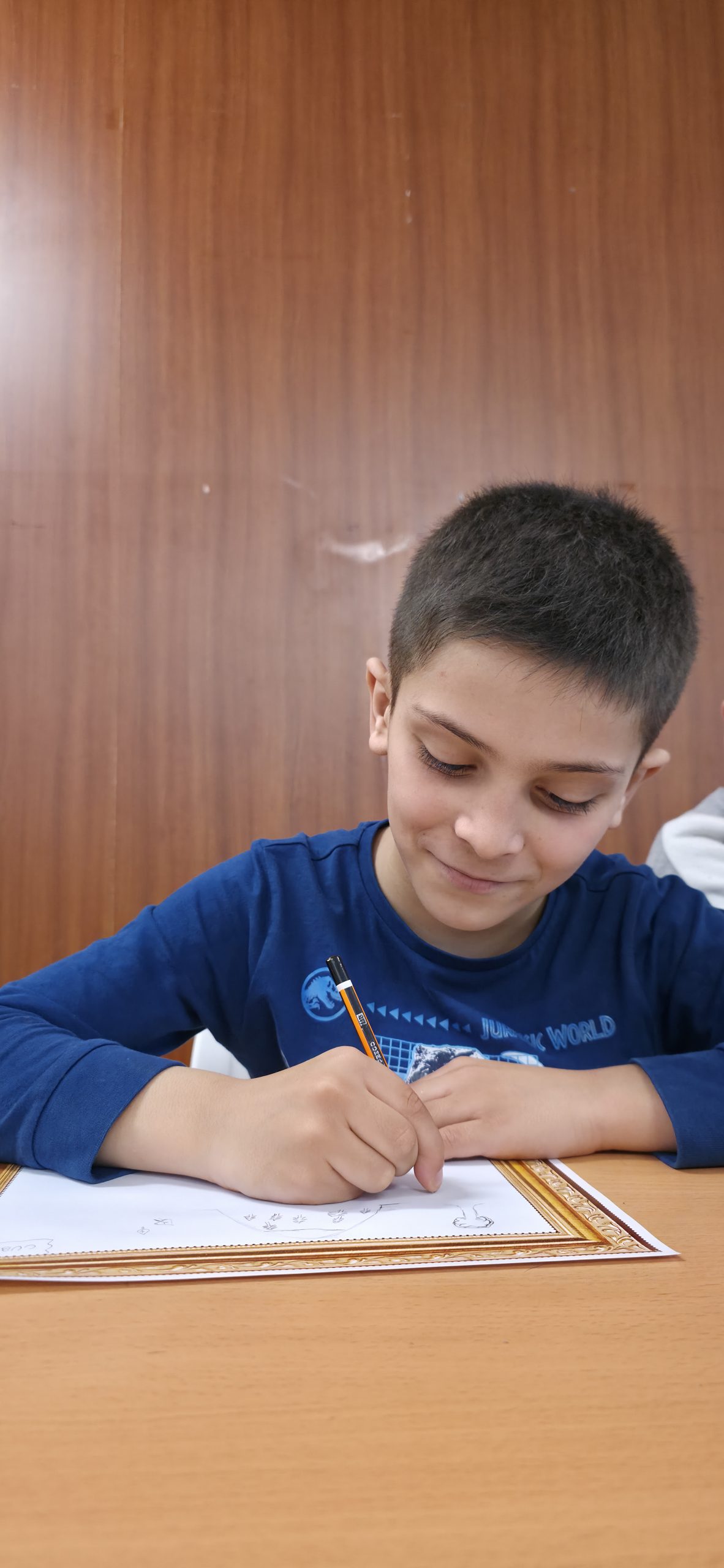
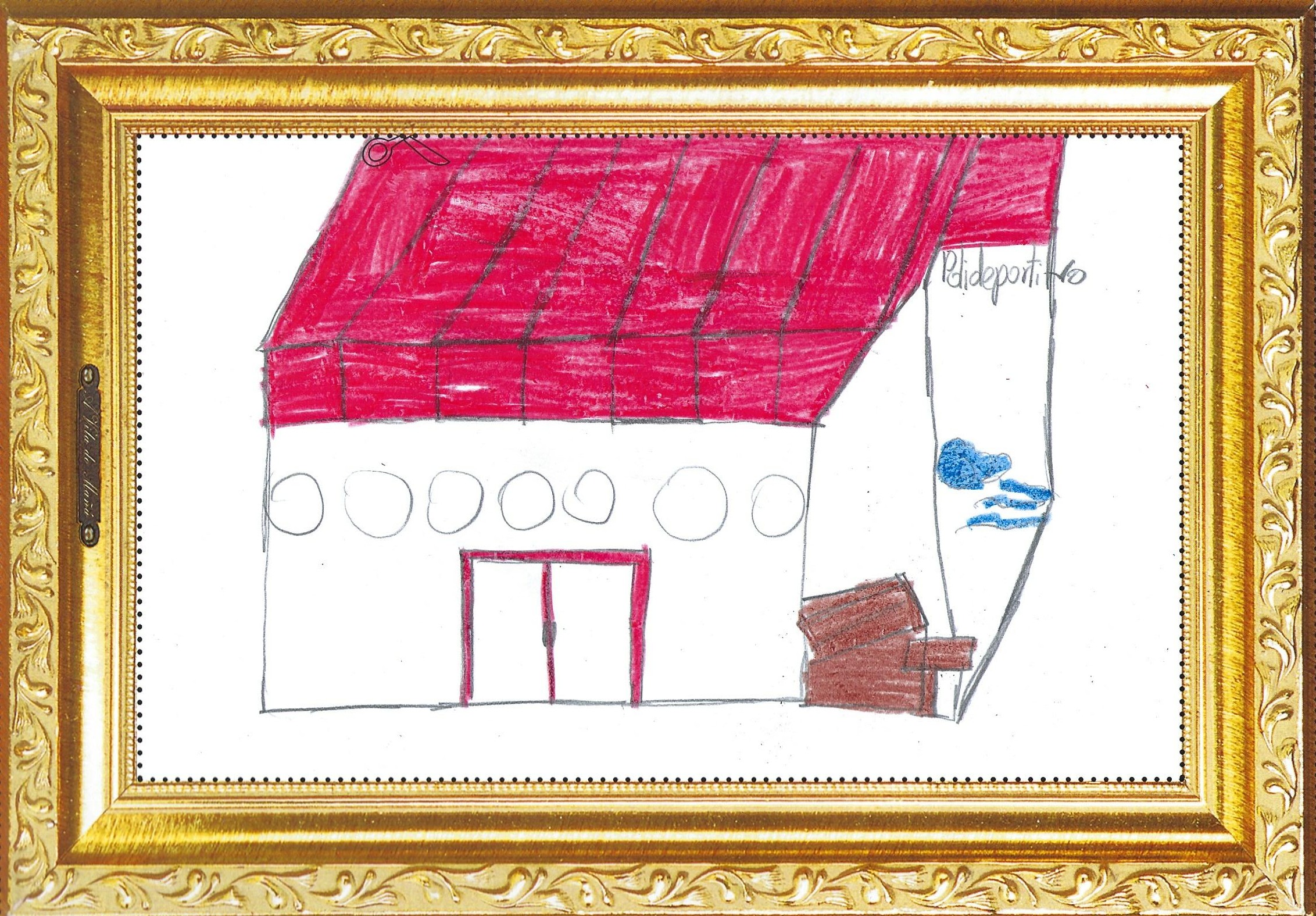
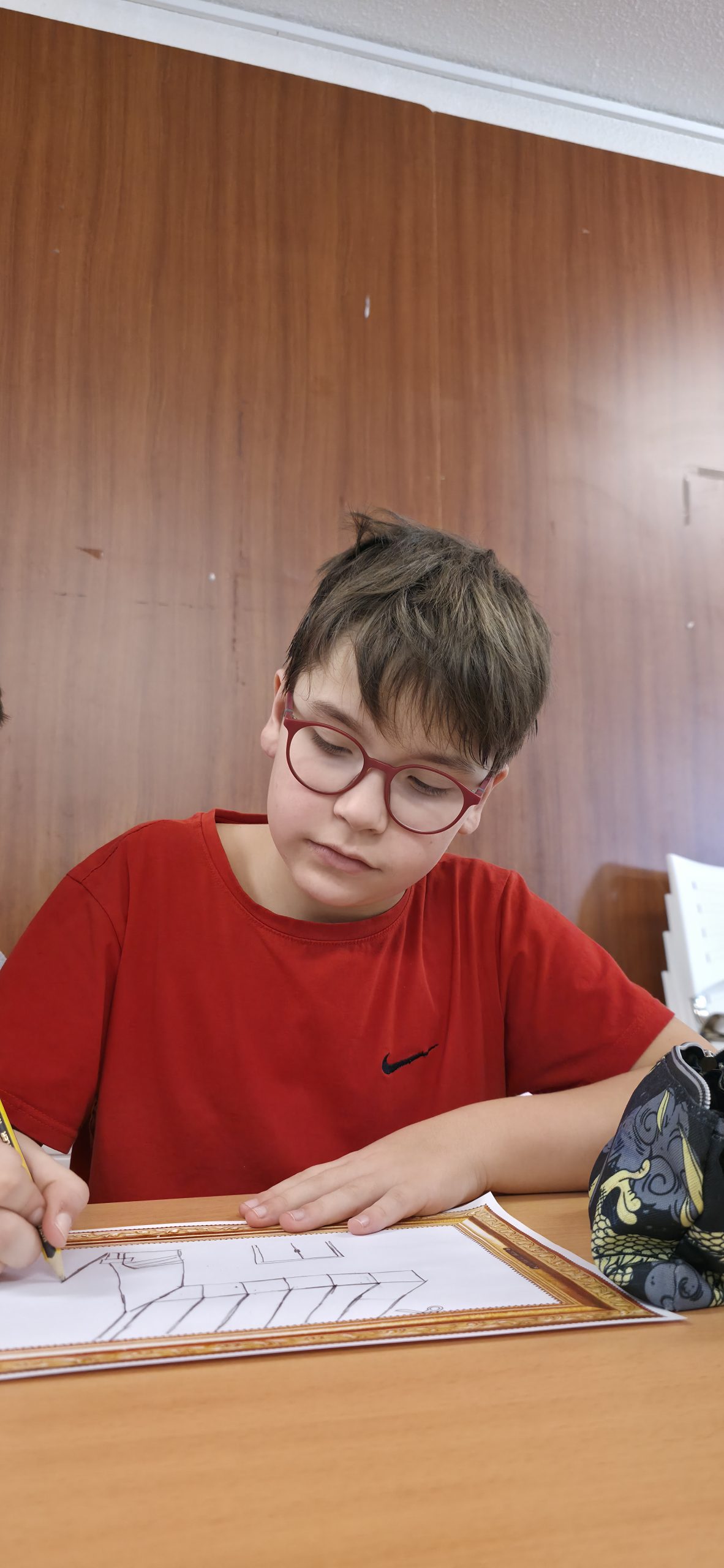
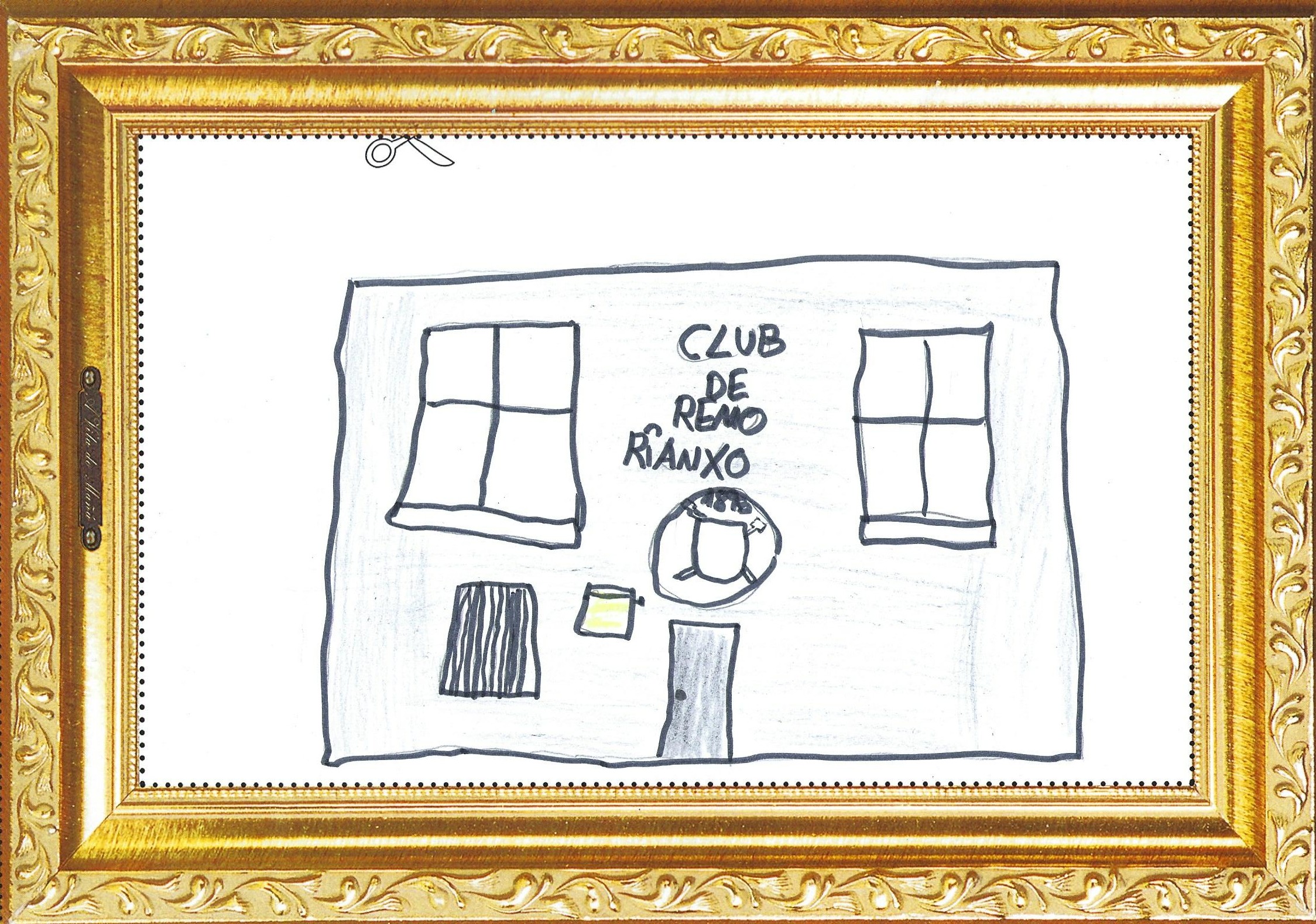
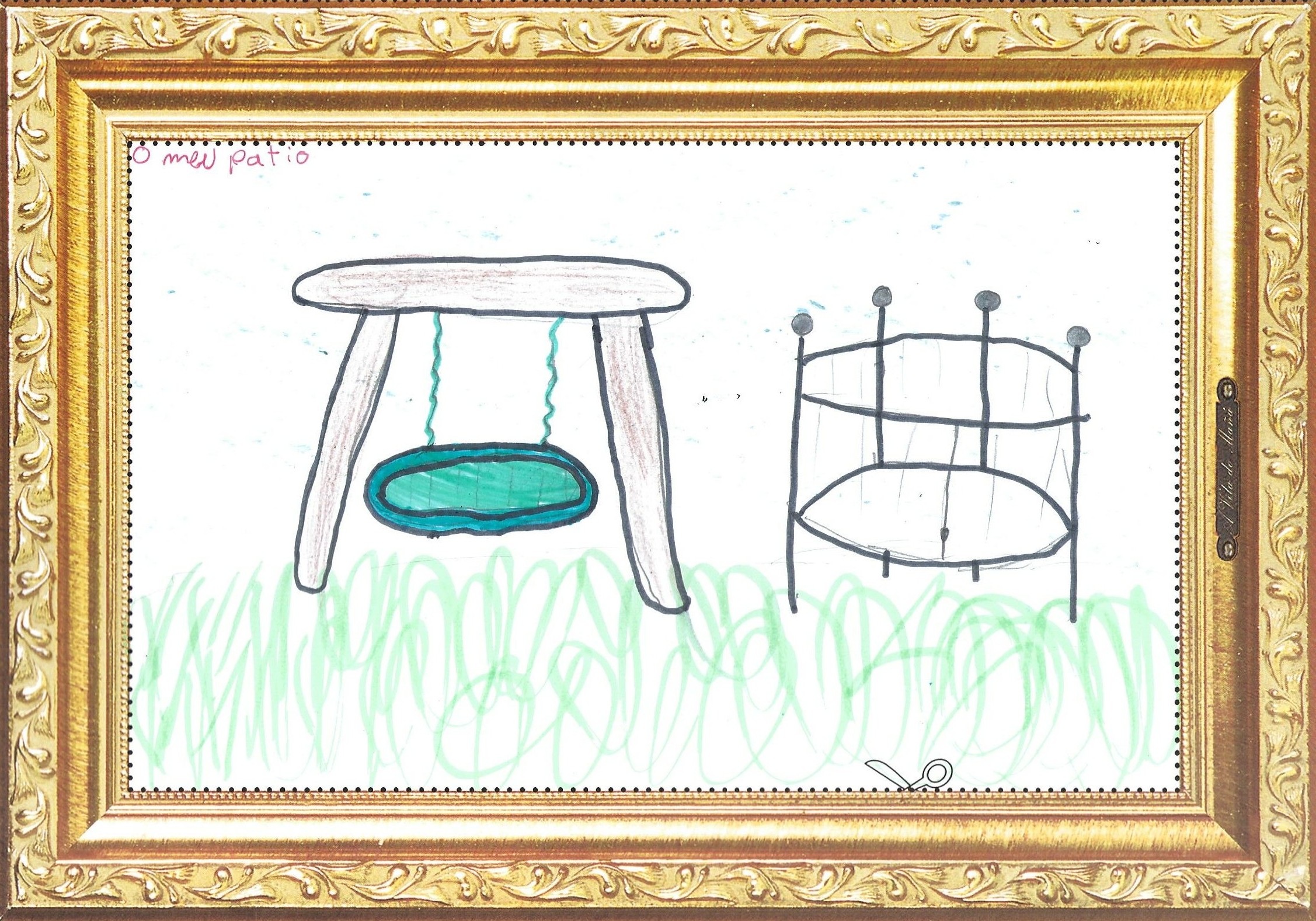
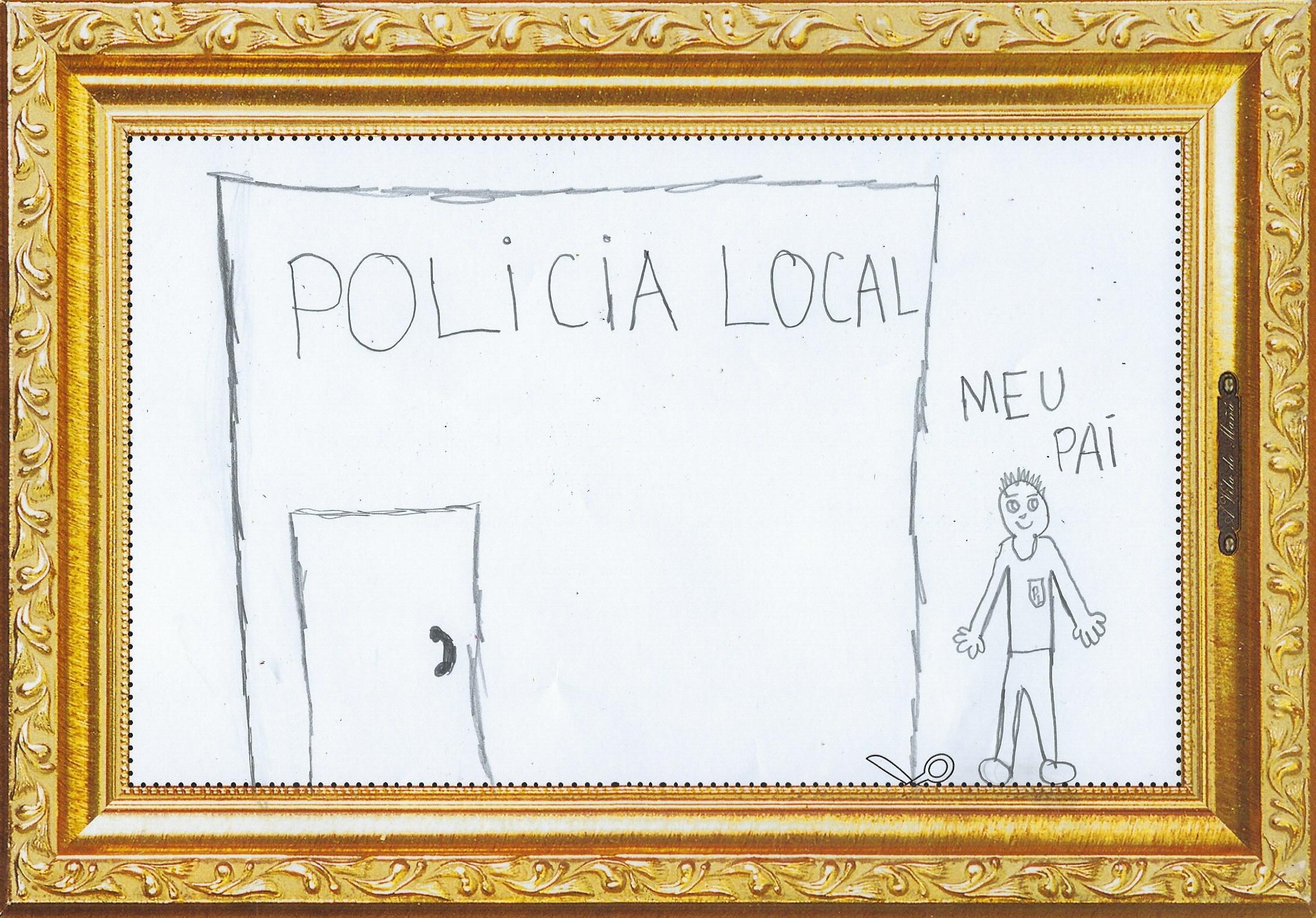
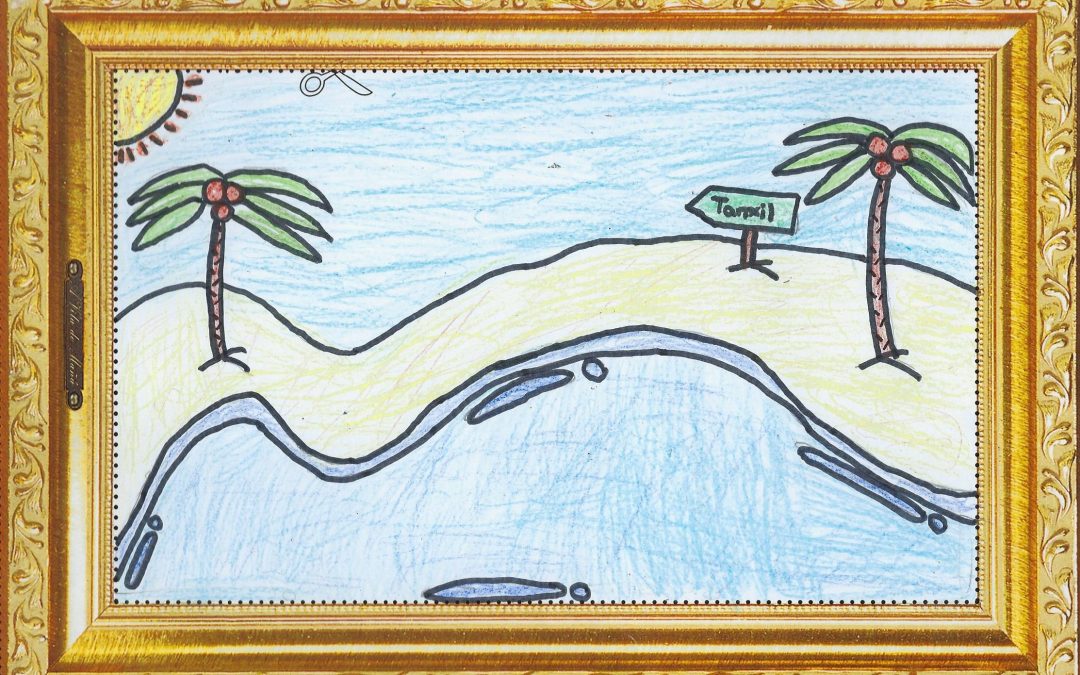
Work began with PERCEPTION—how future inhabitants perceive their town or city. To explore this, the children participating in the project were asked to use simple drawings to show which elements are fundamental or of special interest to them. In this way, we can understand their view of their town or city and work toward a collective vision shared by all participants.
Good urban acupuncture would be that which ensures that everyone knows their city. How many people, in reality, truly know their own city? It is difficult for anyone to respect what they do not know. But how can you respect your city if you do not understand it? Draw your city. […] But how can you improve your city if you do not even know it well? What do you do for it if you are not even capable of drawing it? That is the crux of the matter.
— Jaime Lerner
Rianxo
changing the village through protagonist participation
The village or city in which we are working, transformed into a game board, a laboratory of experimentation where children and teenagers can act from a new point of view.

A Coruña
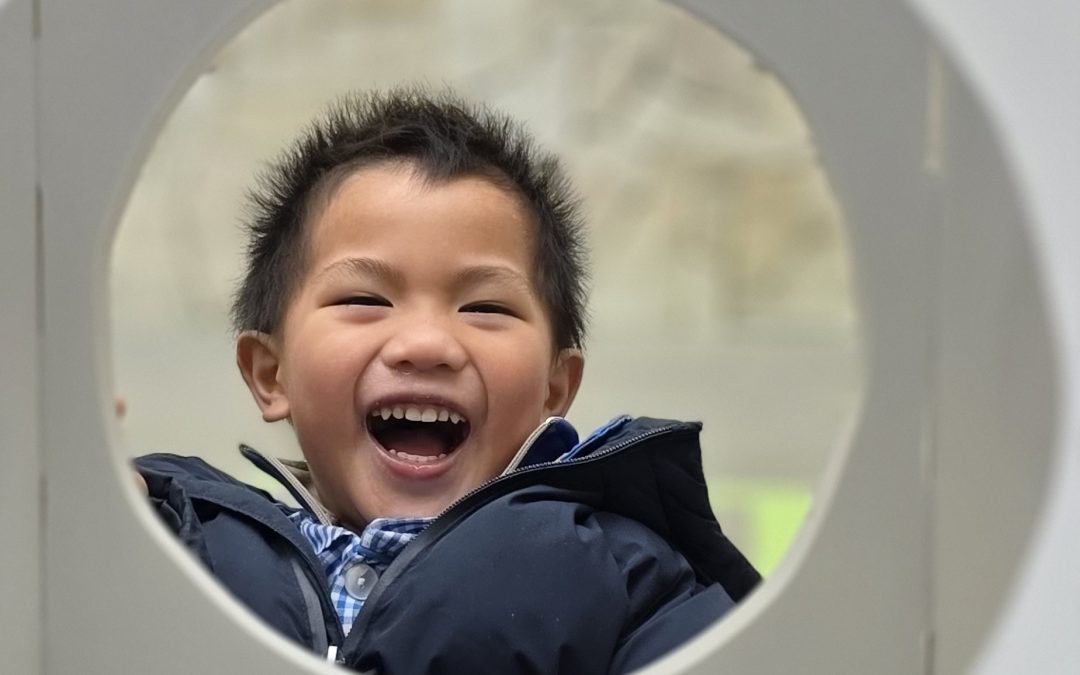
“The opportunity for the child to discover his or her own movement is part of the city itself; the city is also a play space. The child uses all the elements of the city, all the built objects, all the surfaces he or she can climb or climb on. Children know how to play with these things very well, even if they are not allowed to.”
Aldo van Eyck
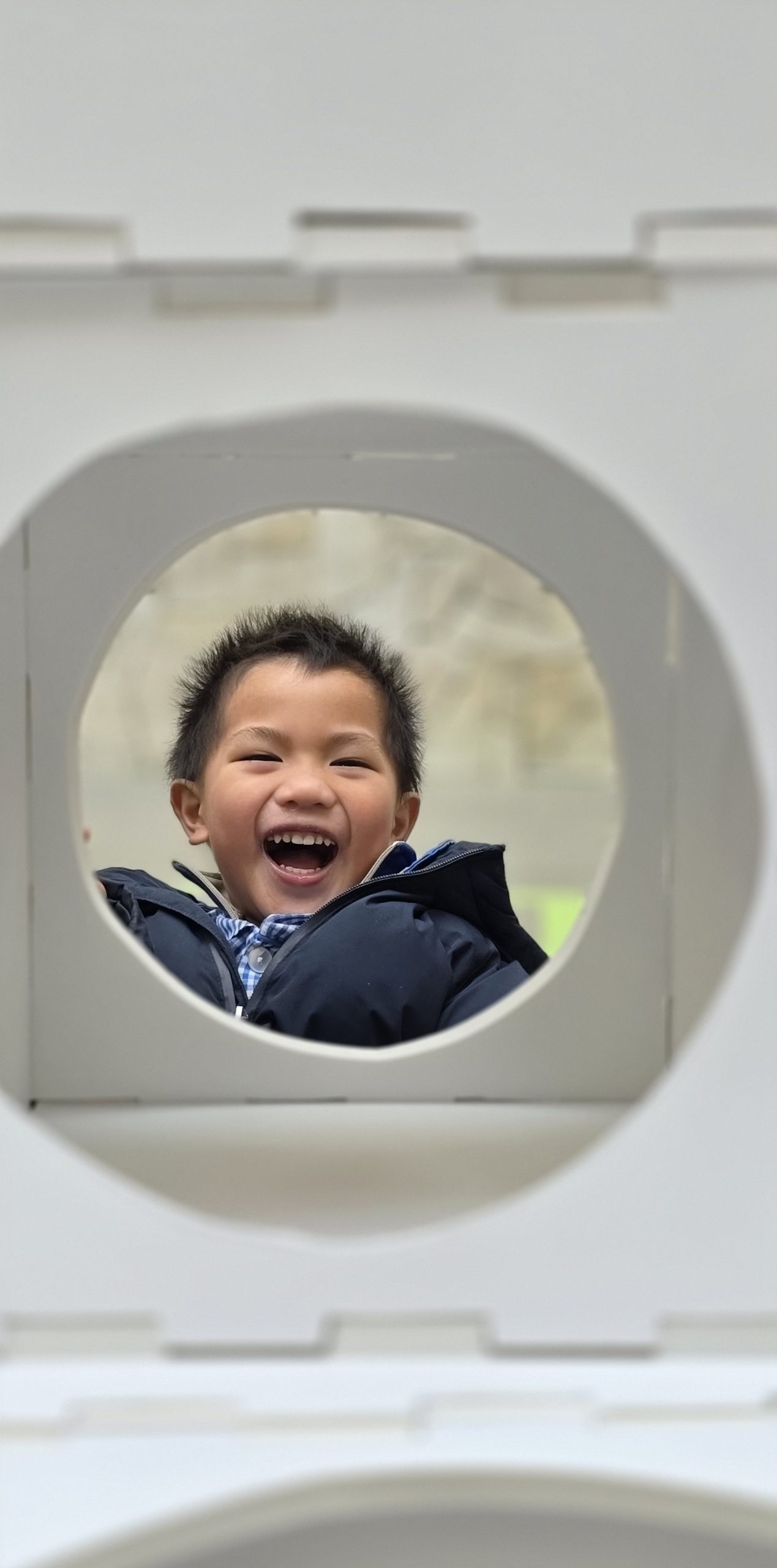
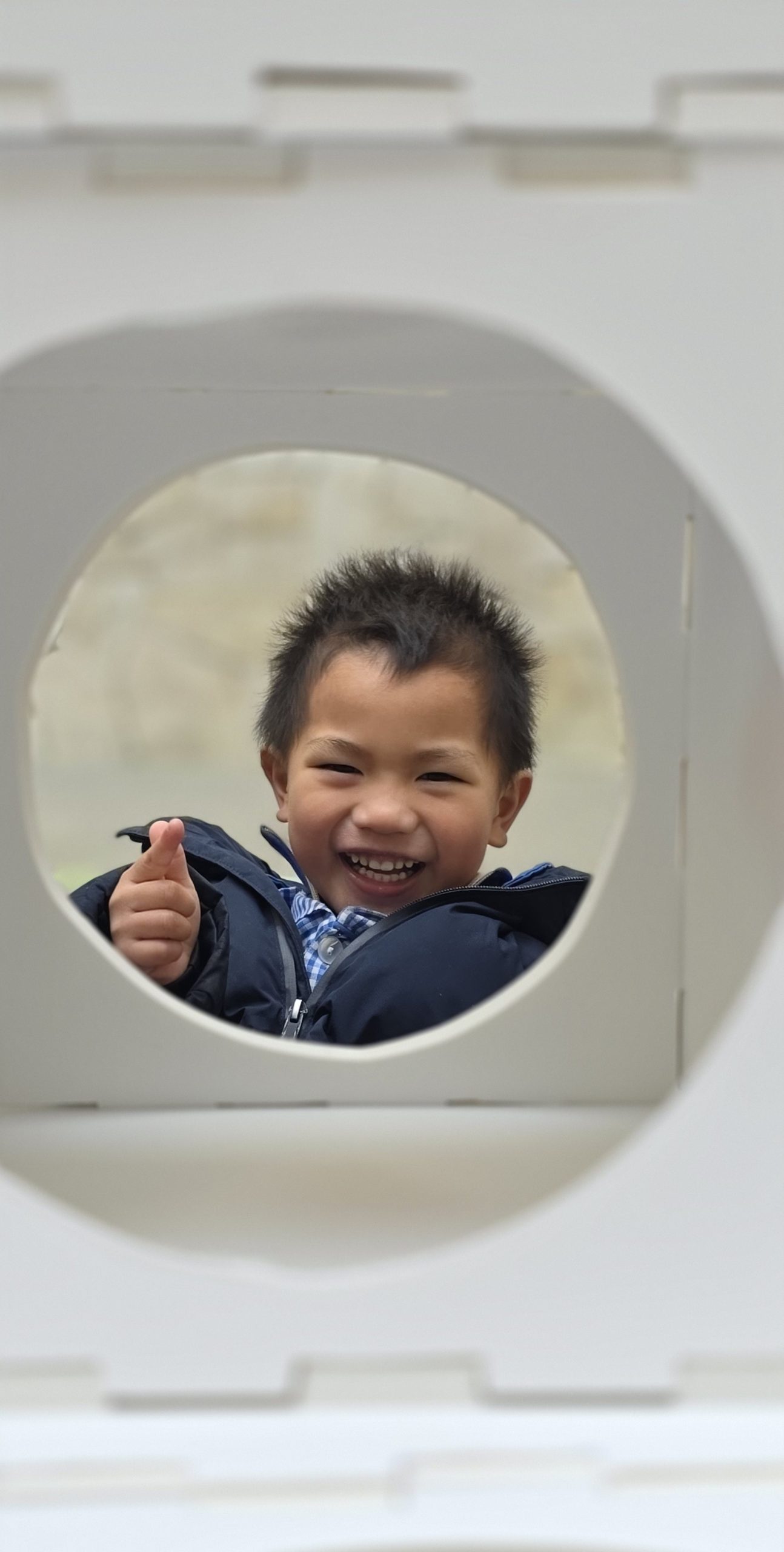
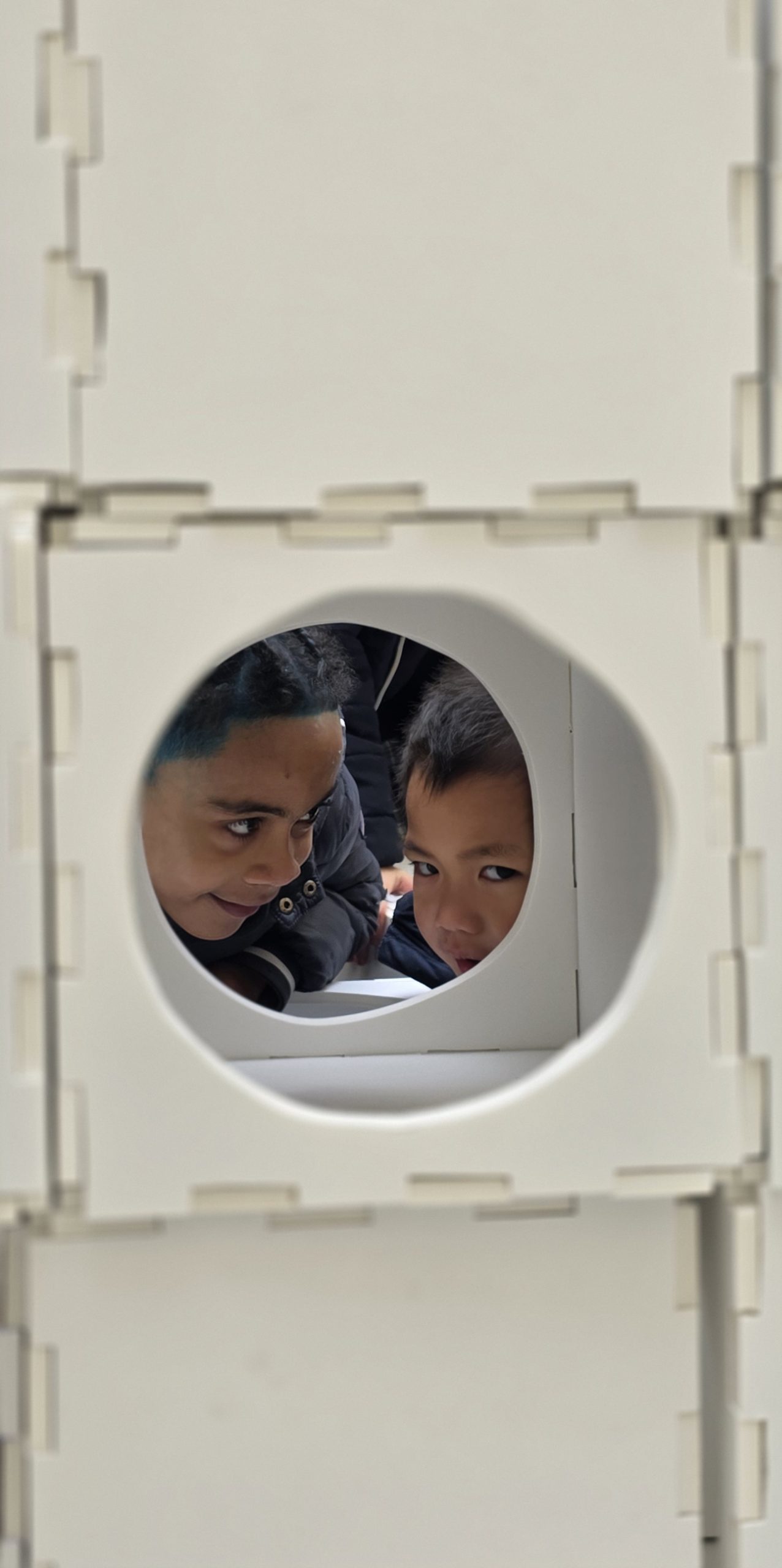
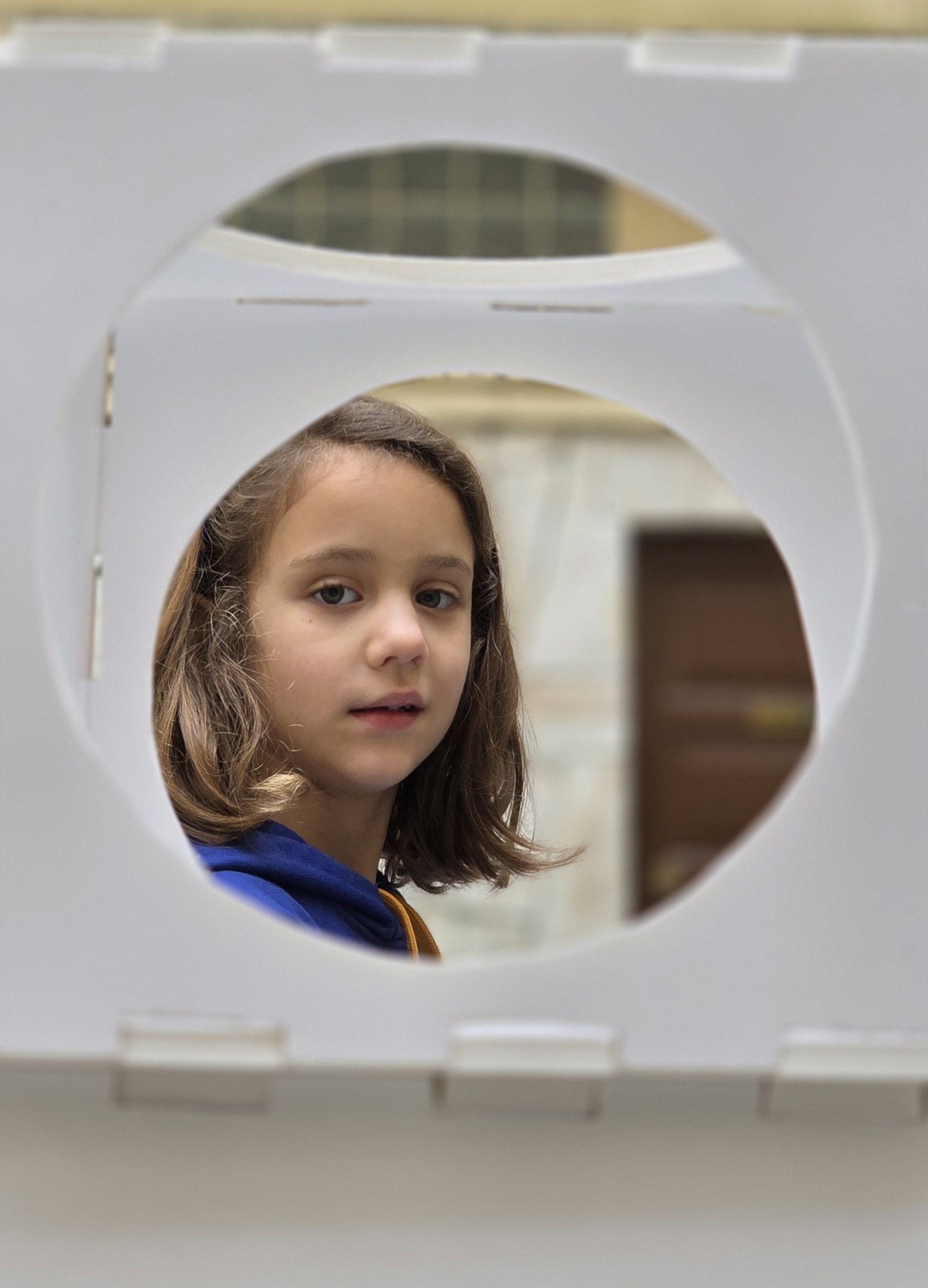
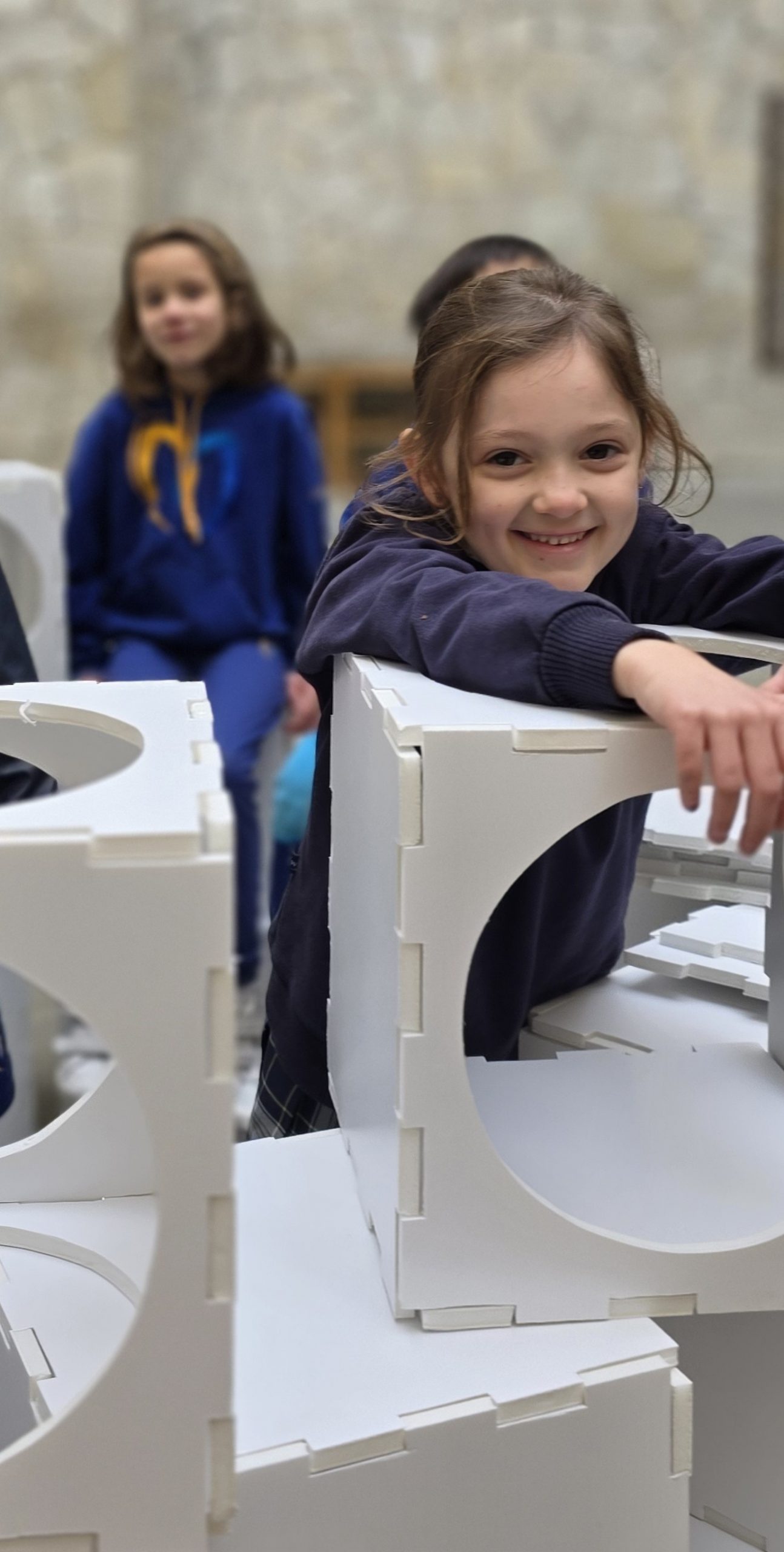
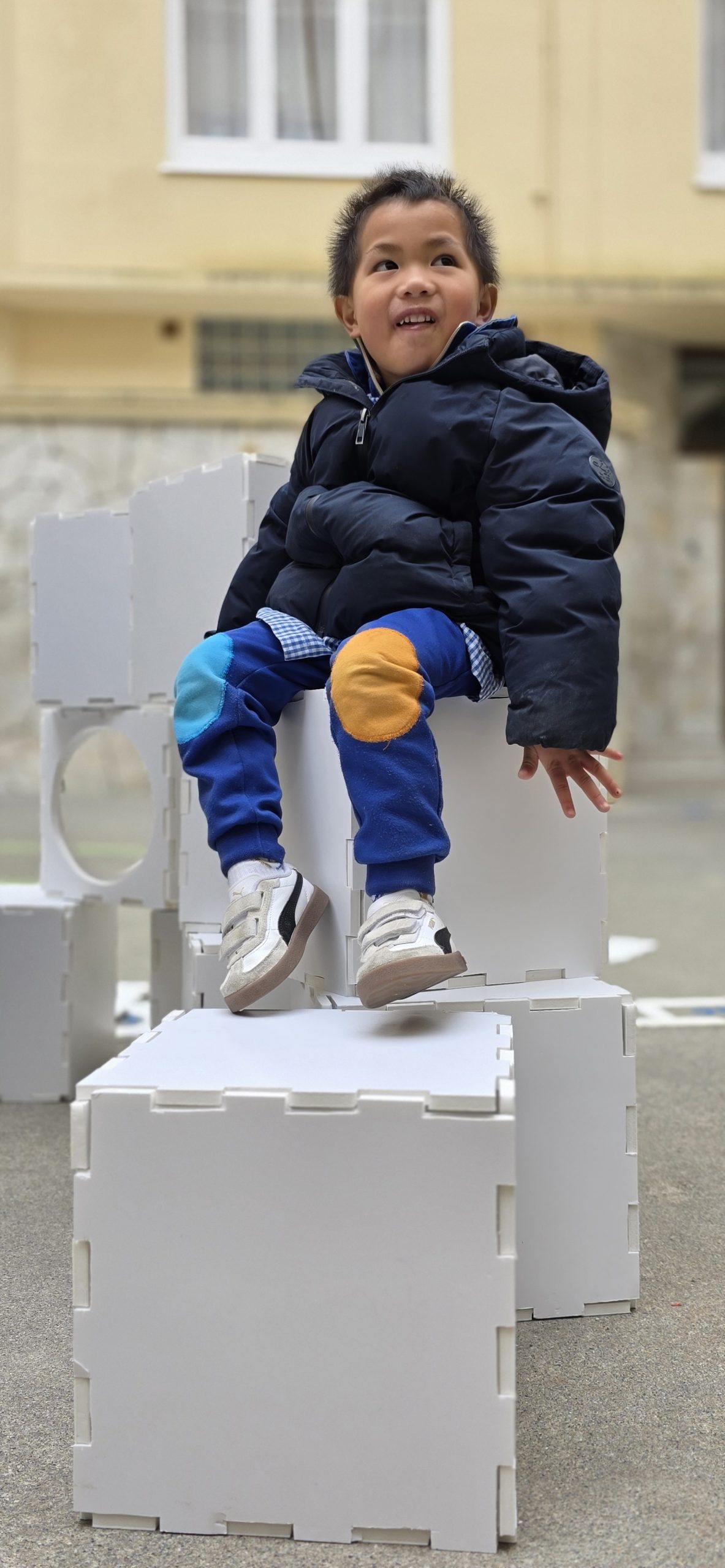
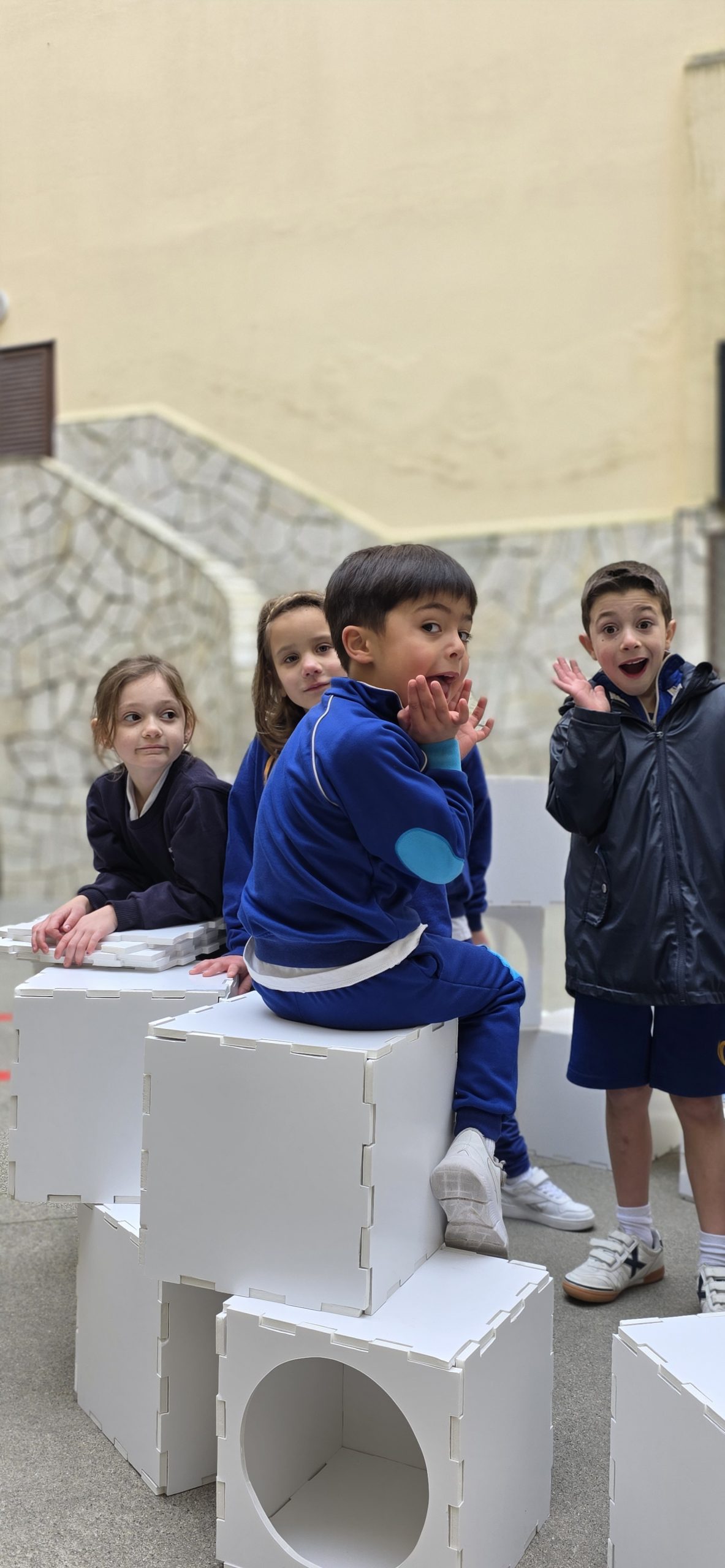
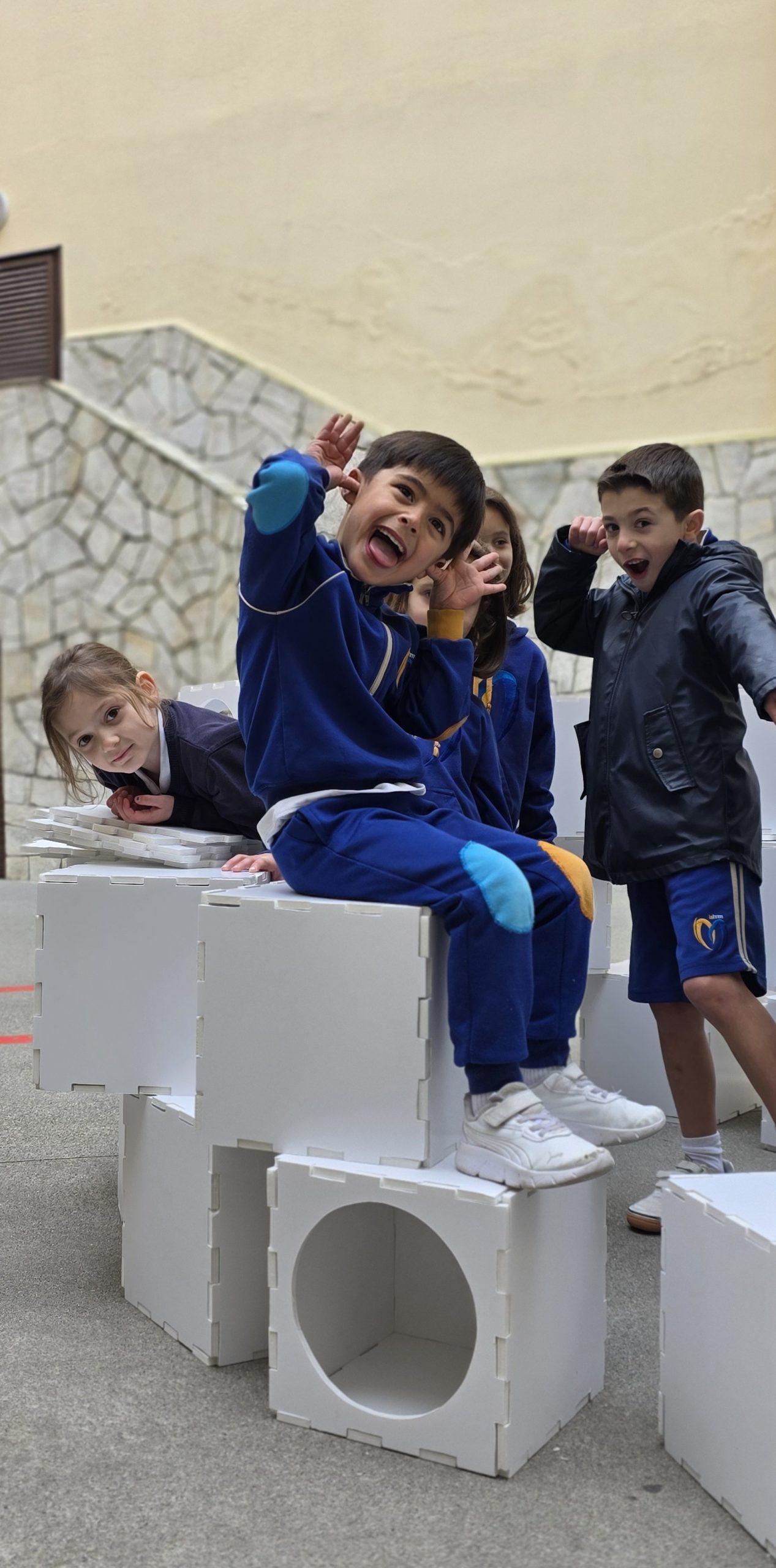
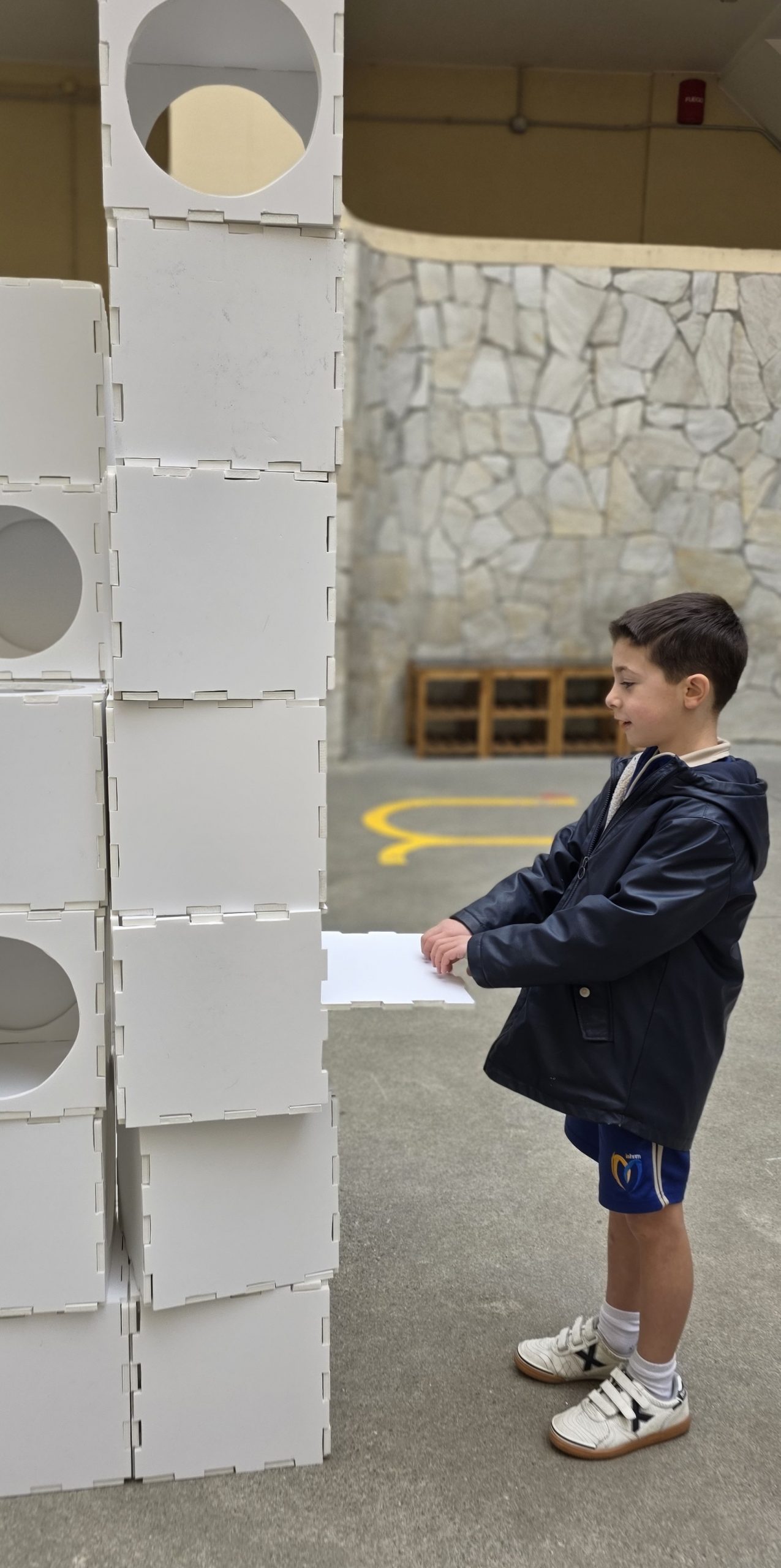
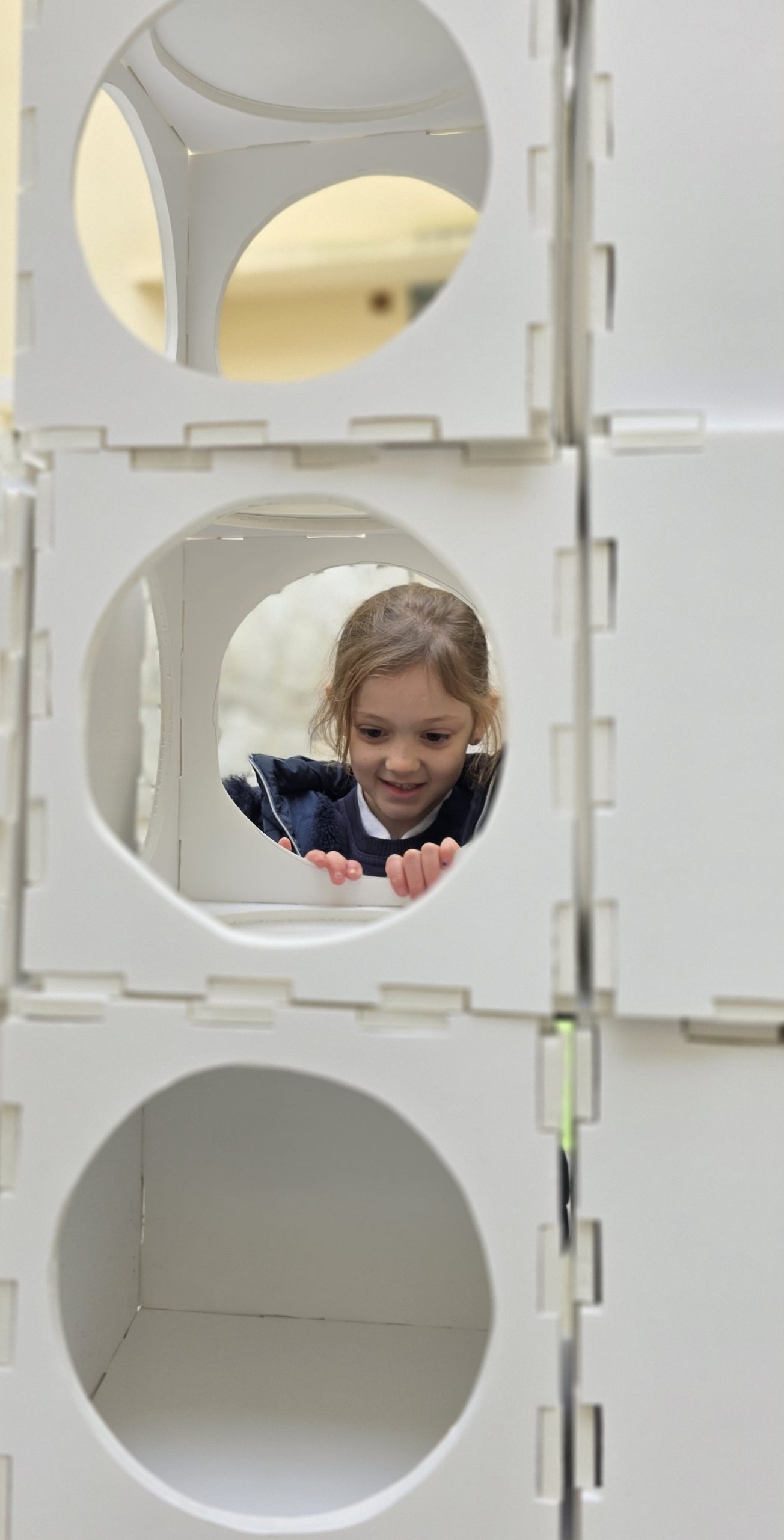
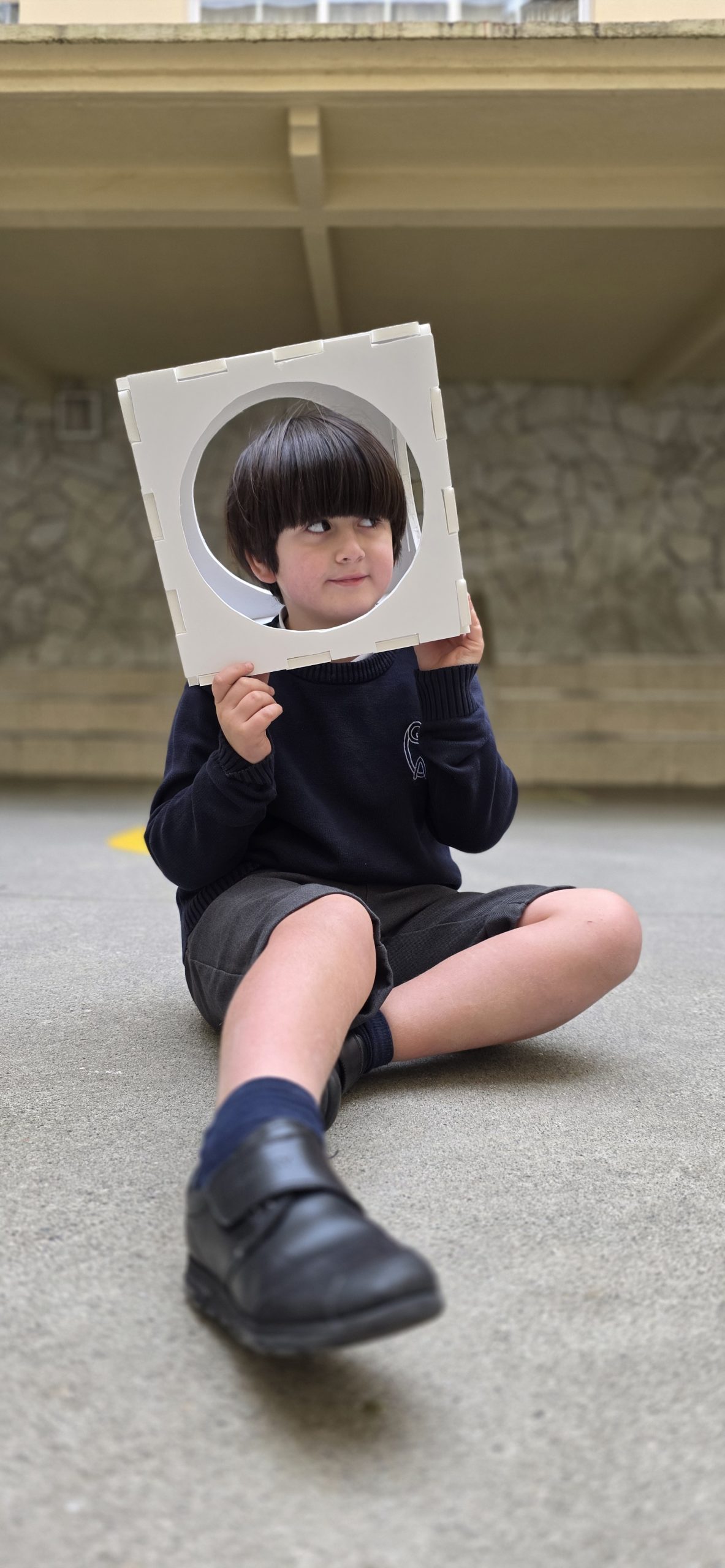
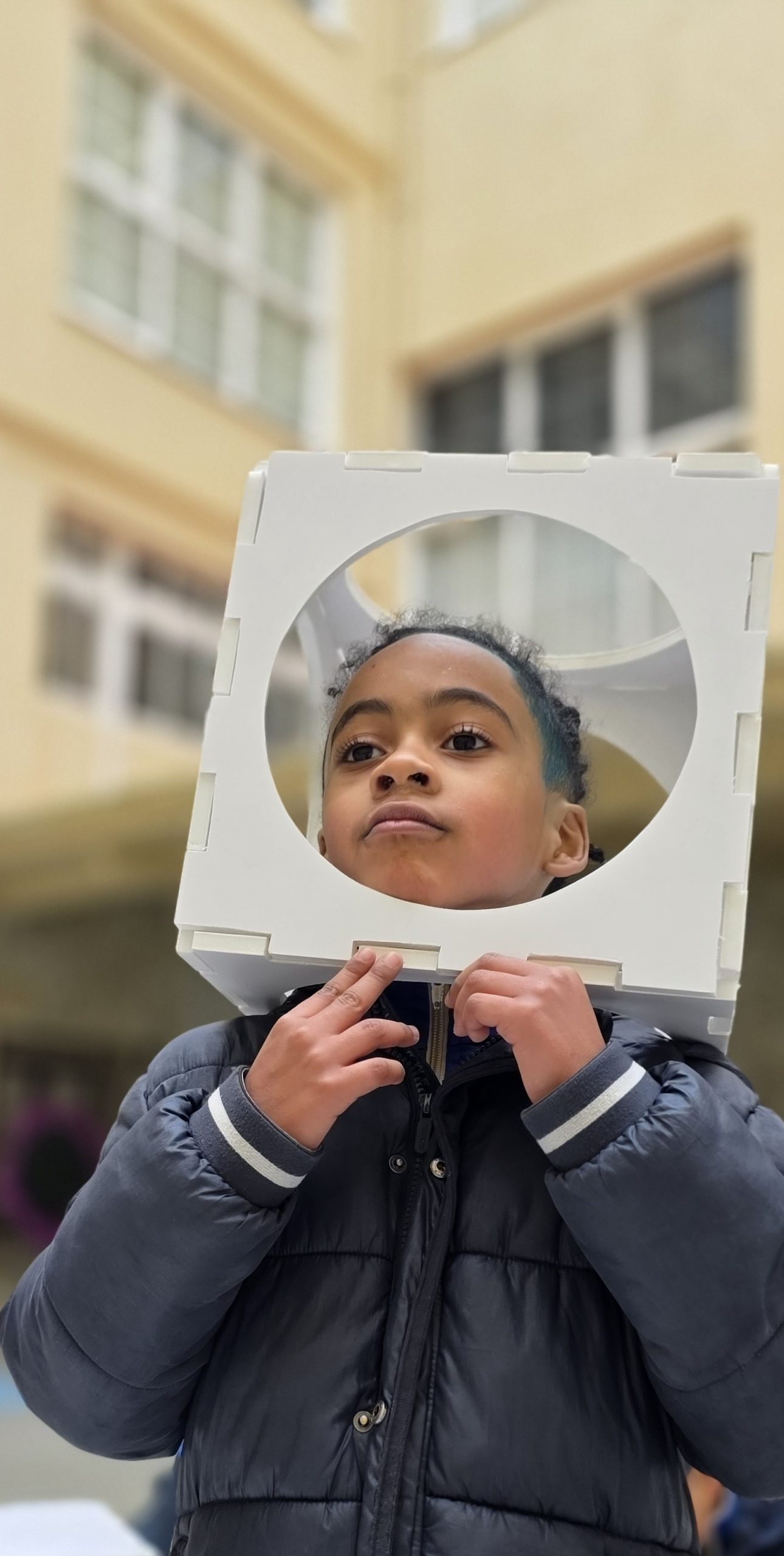
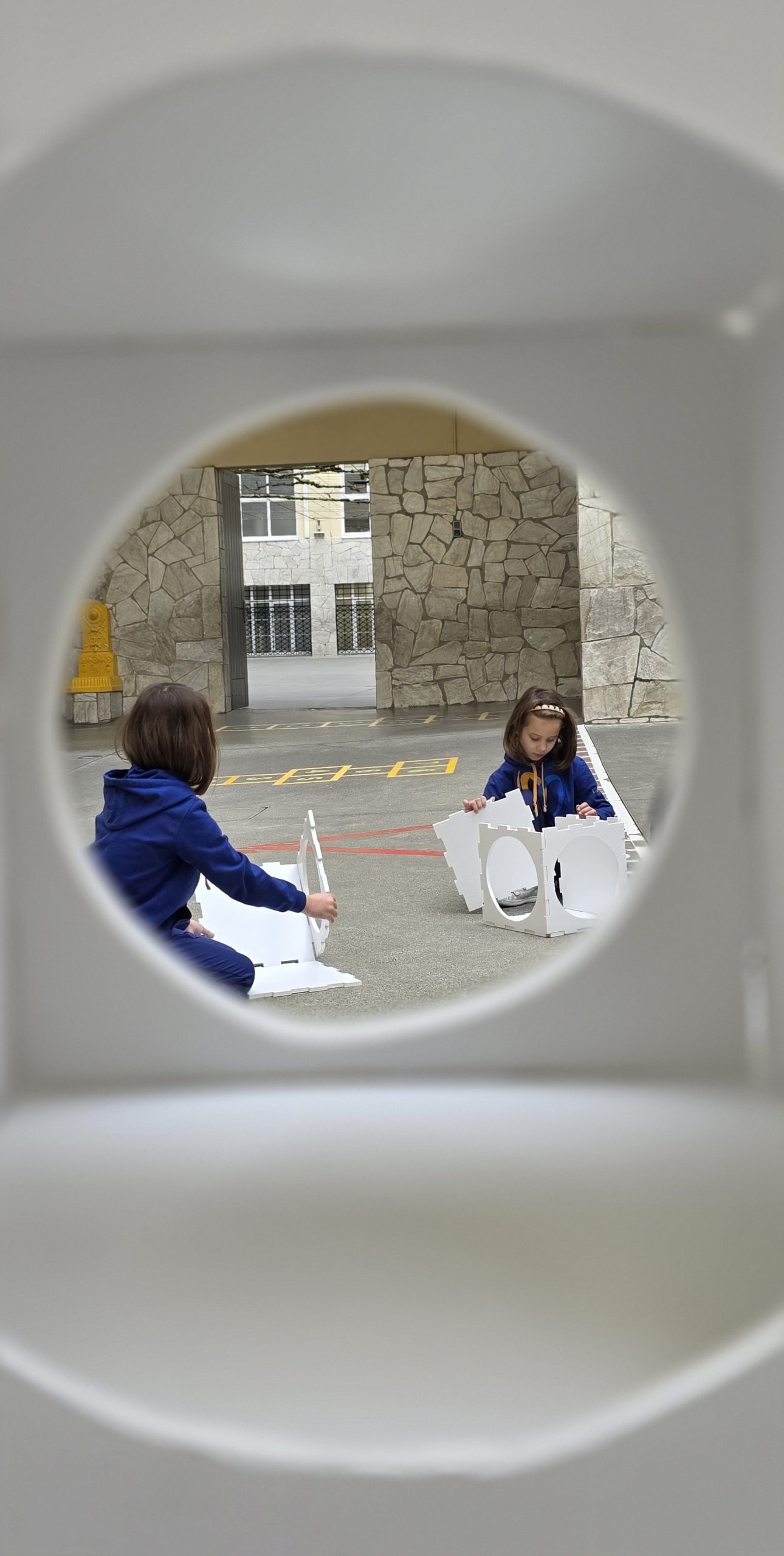
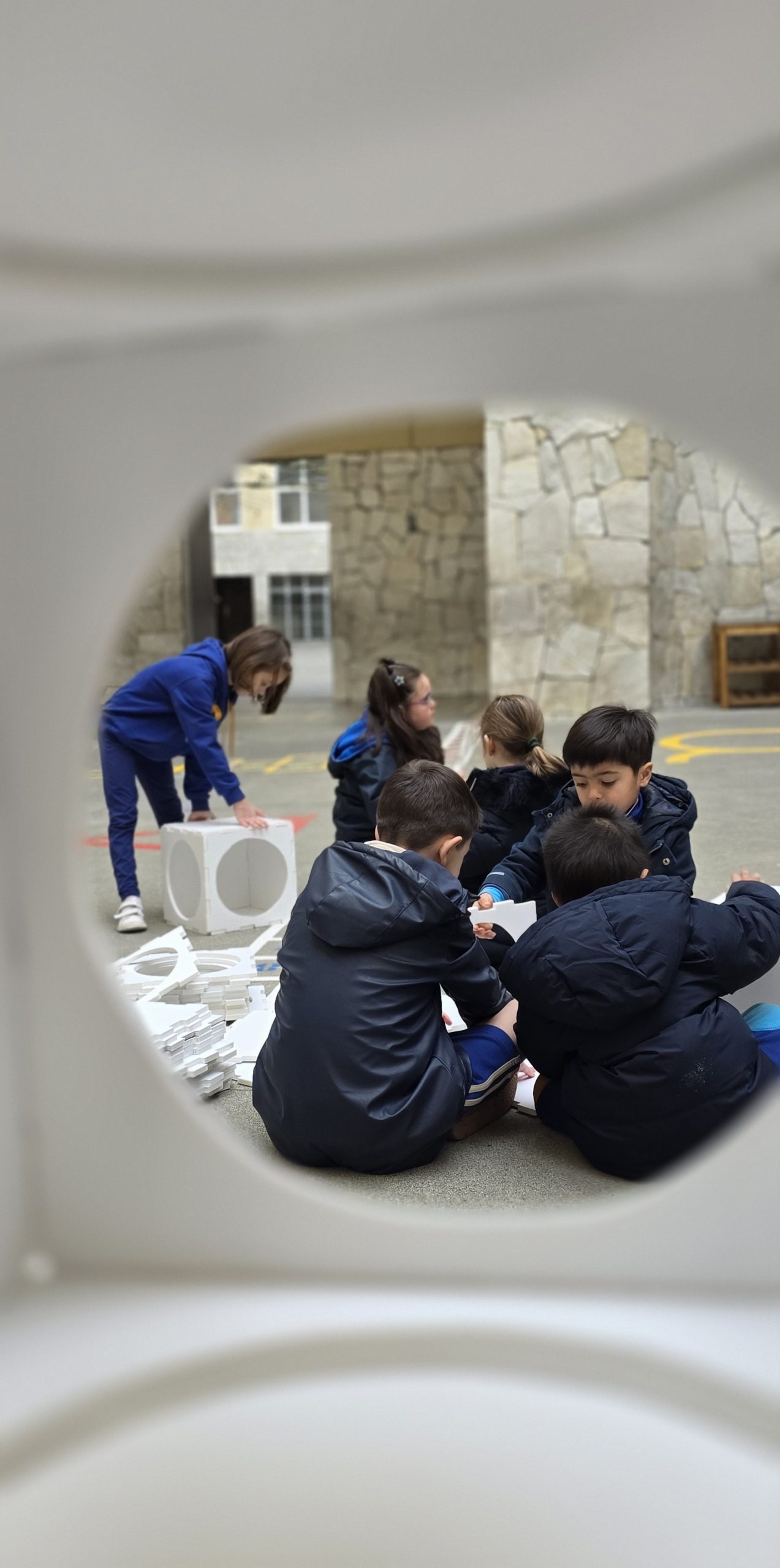
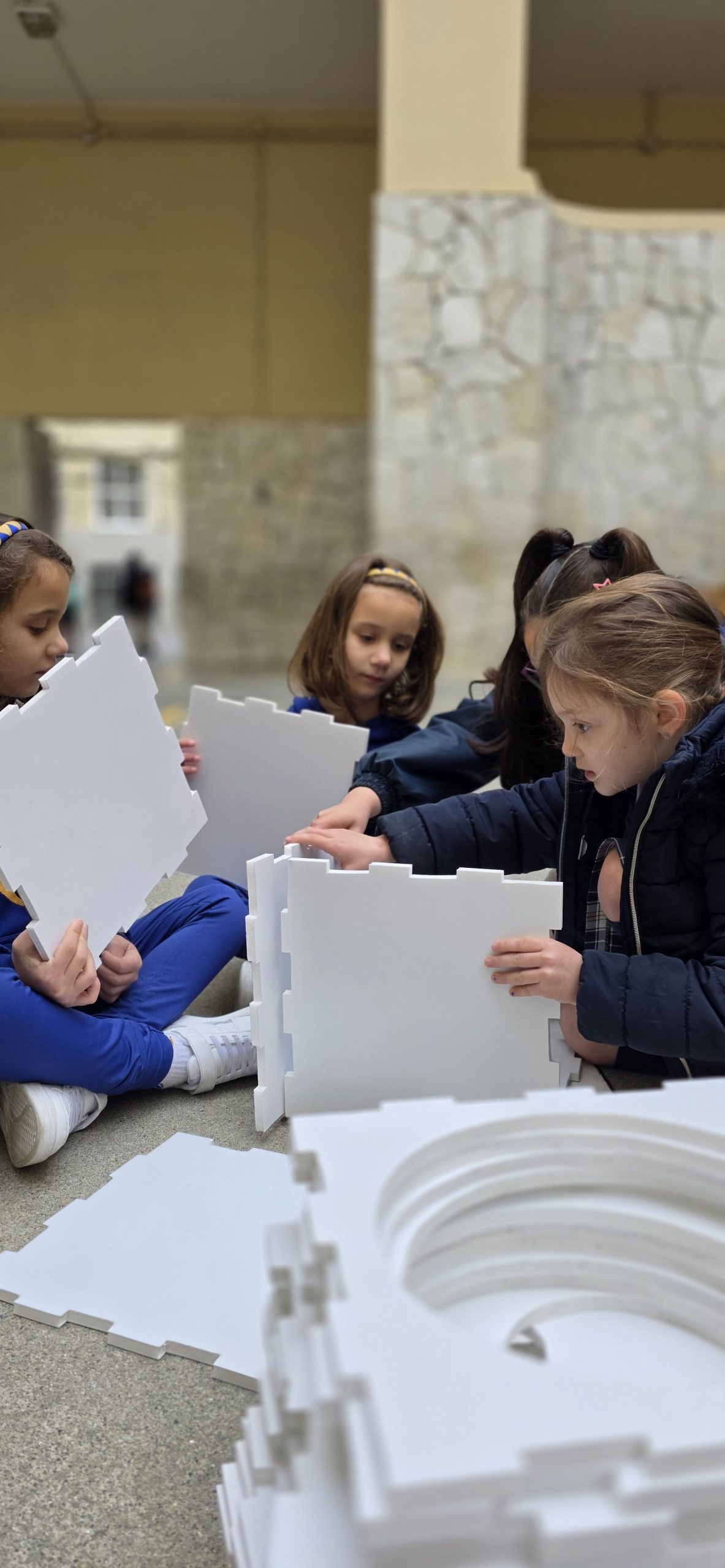
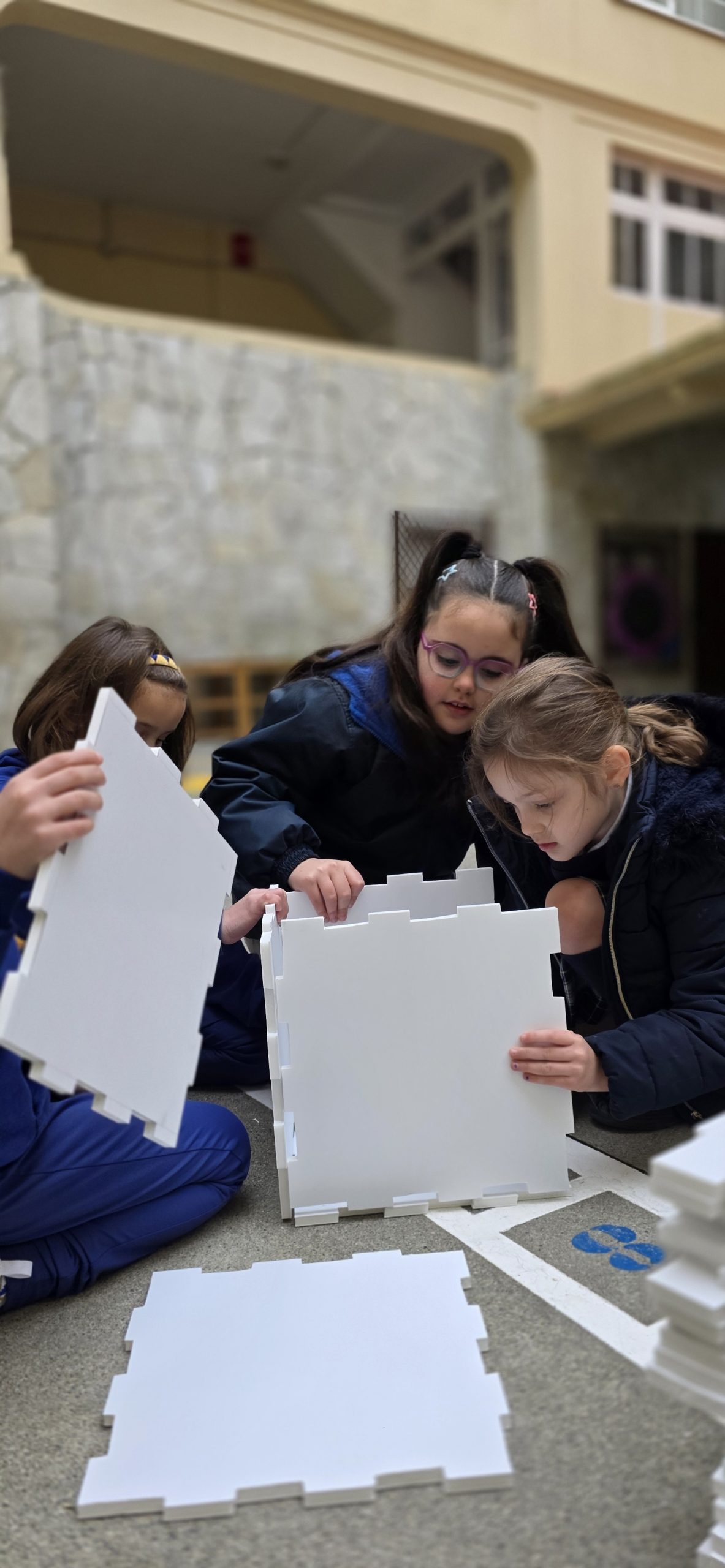
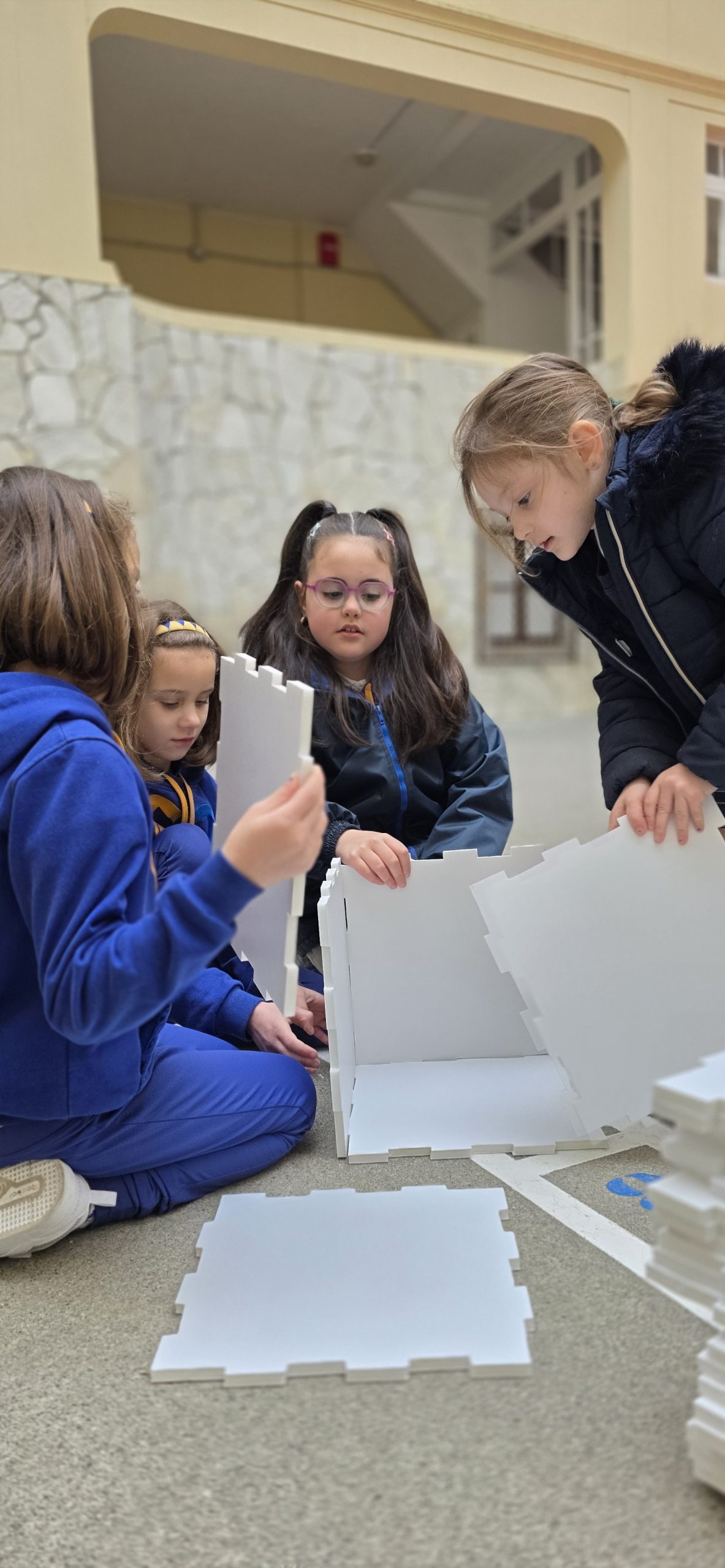
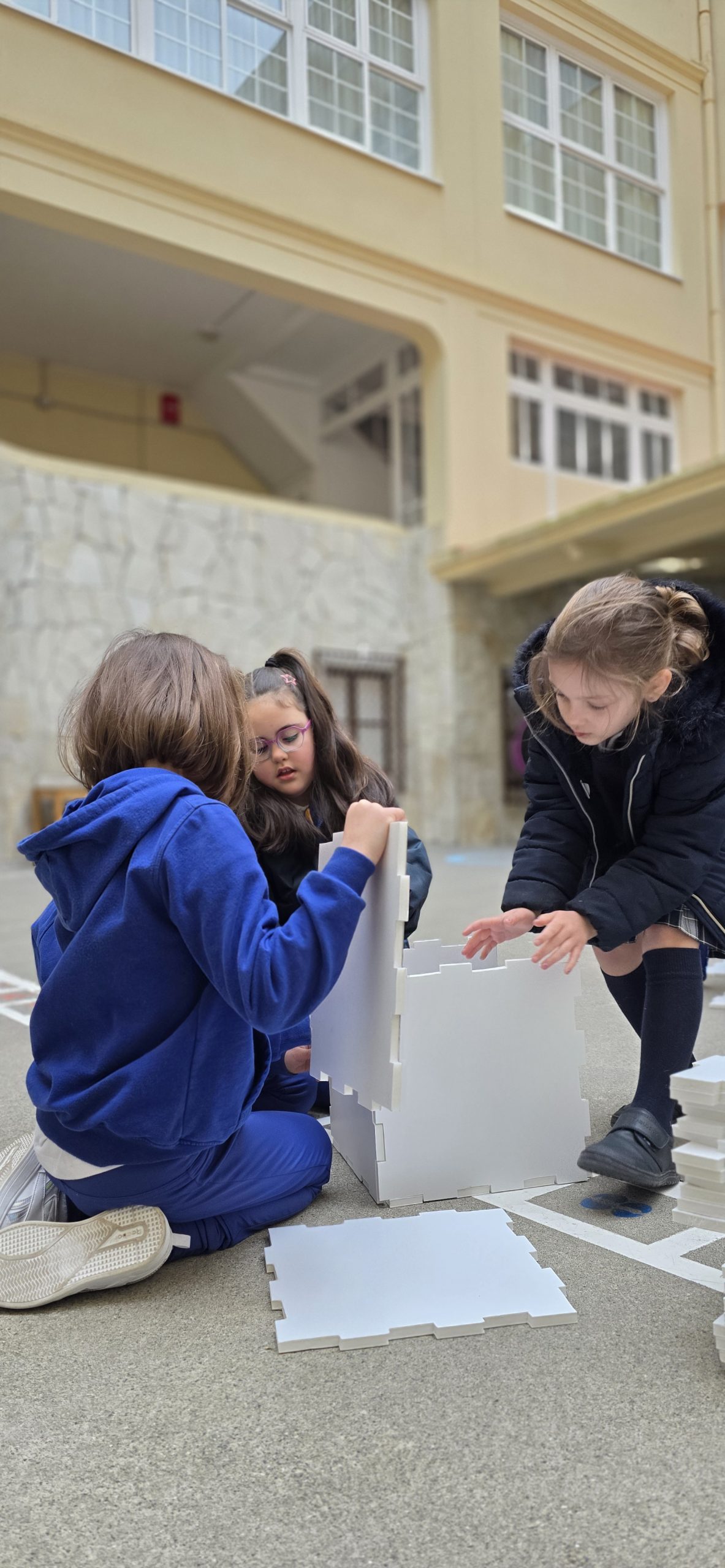
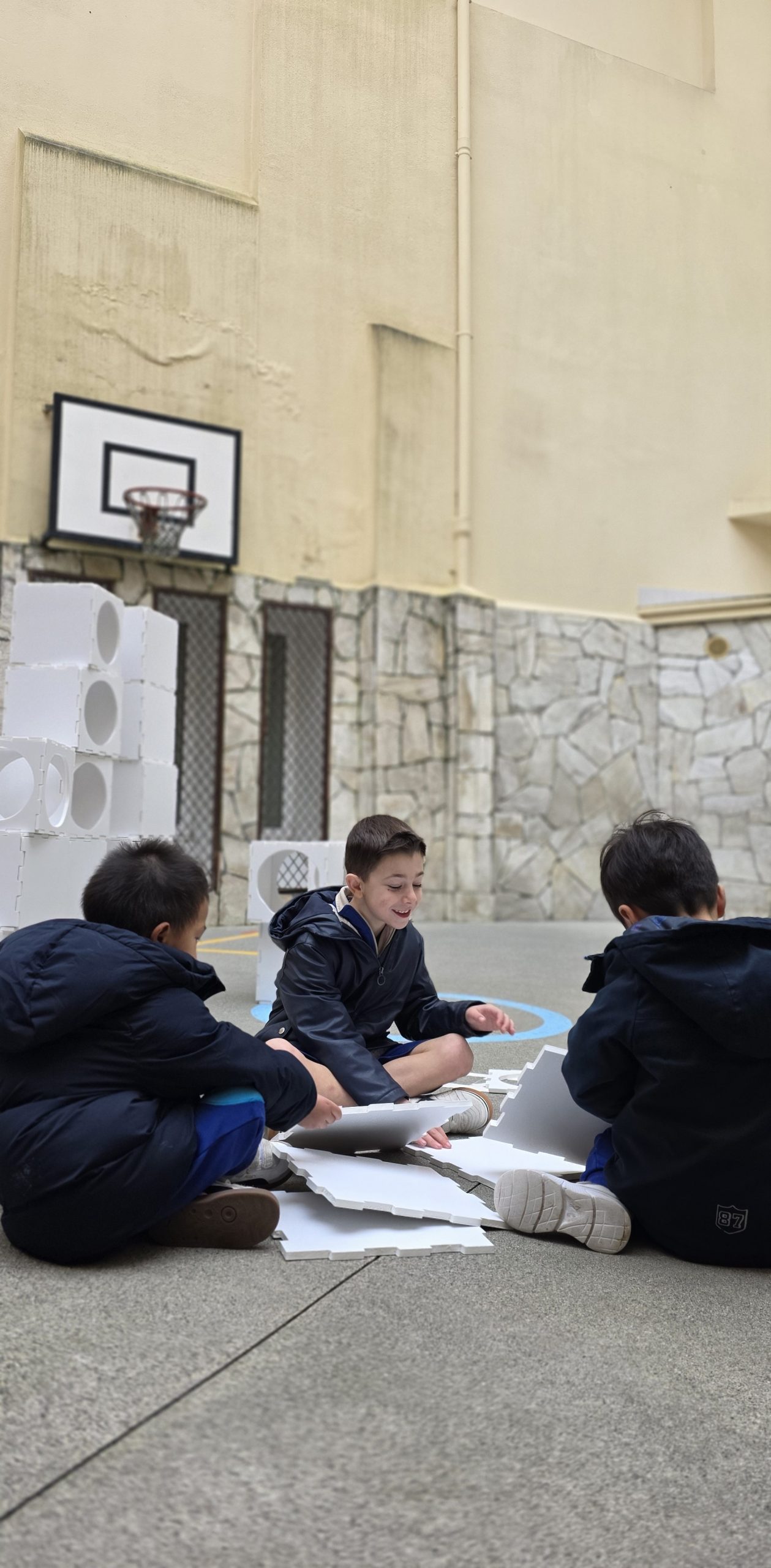
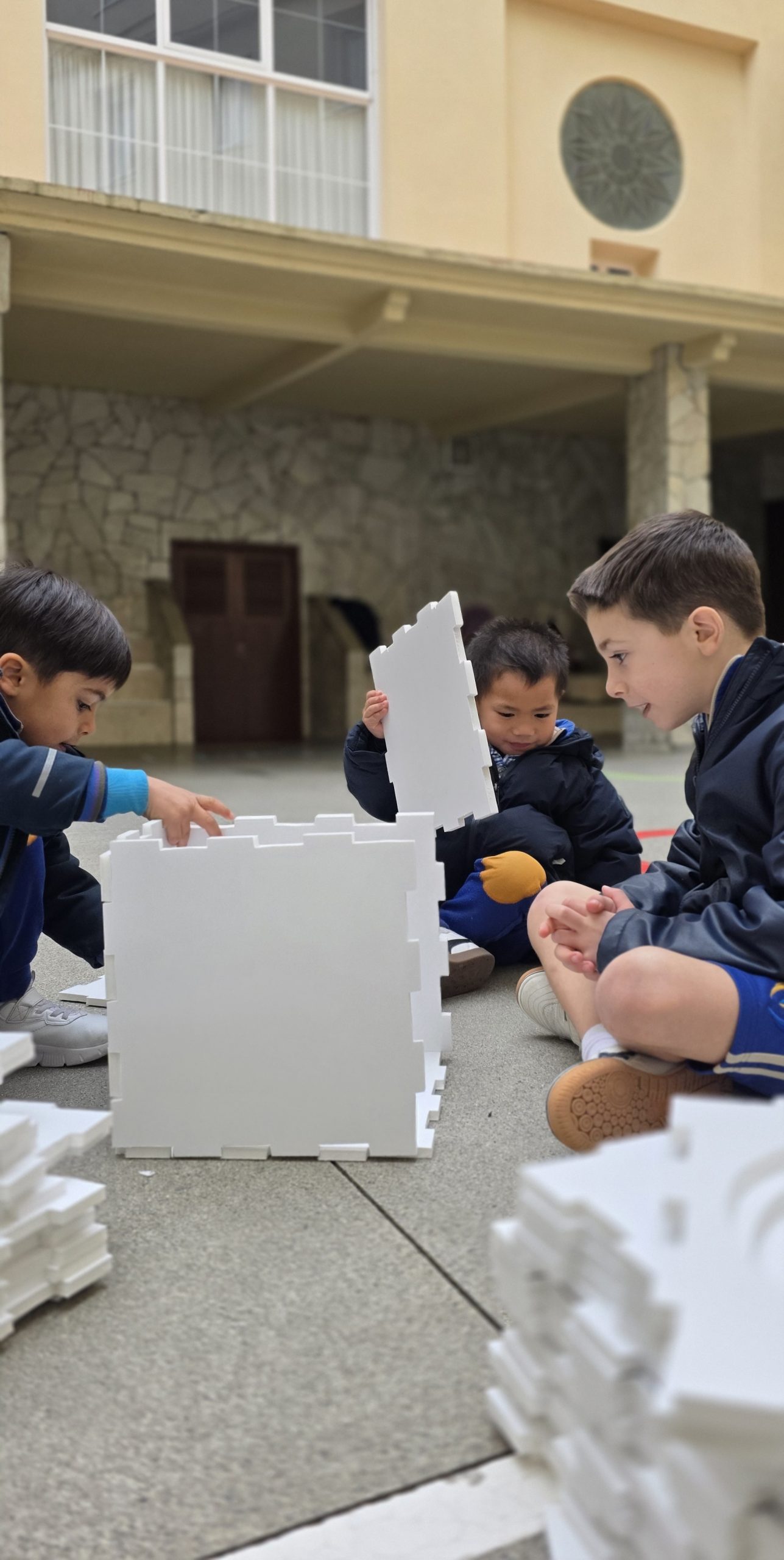
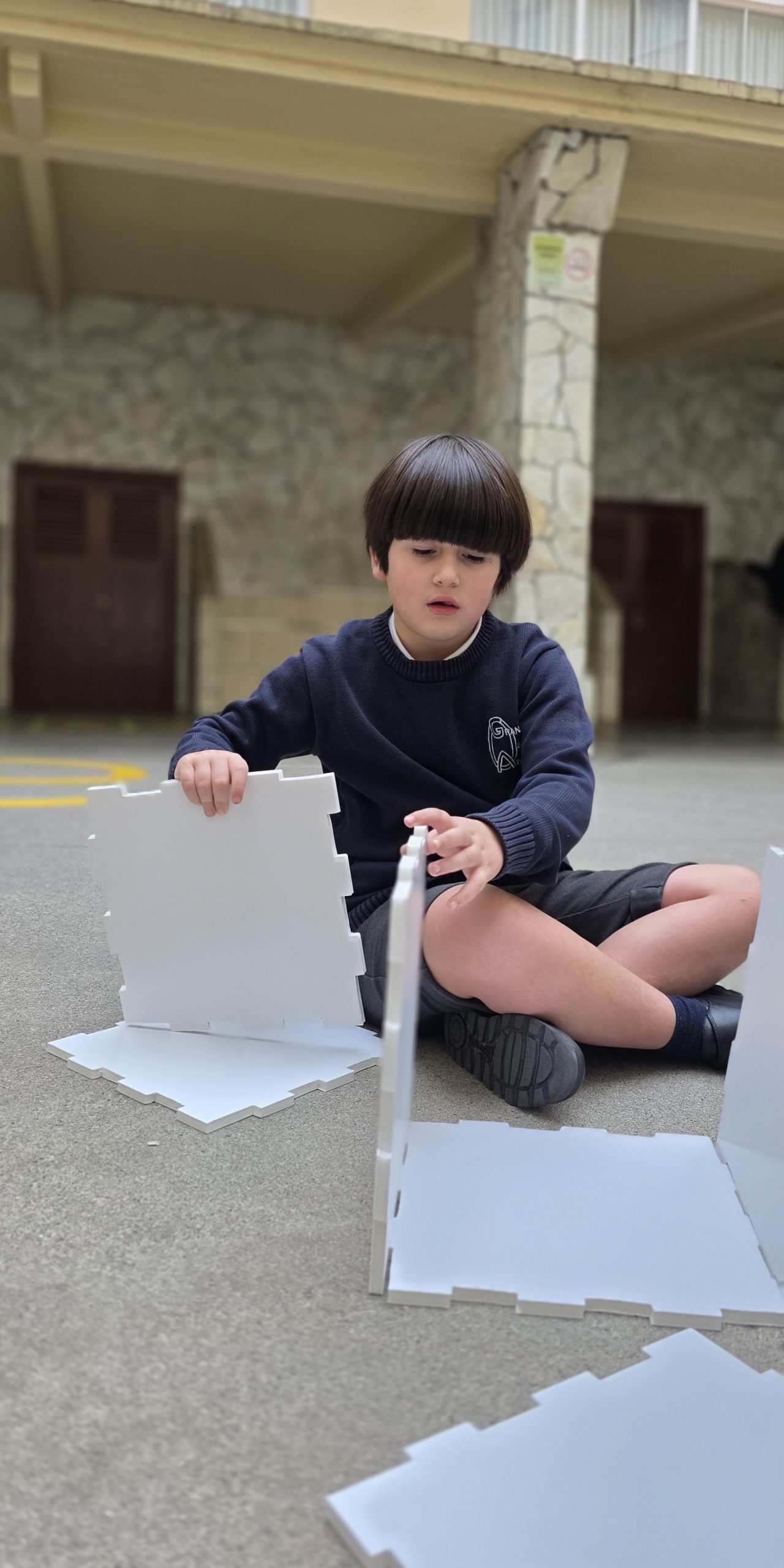
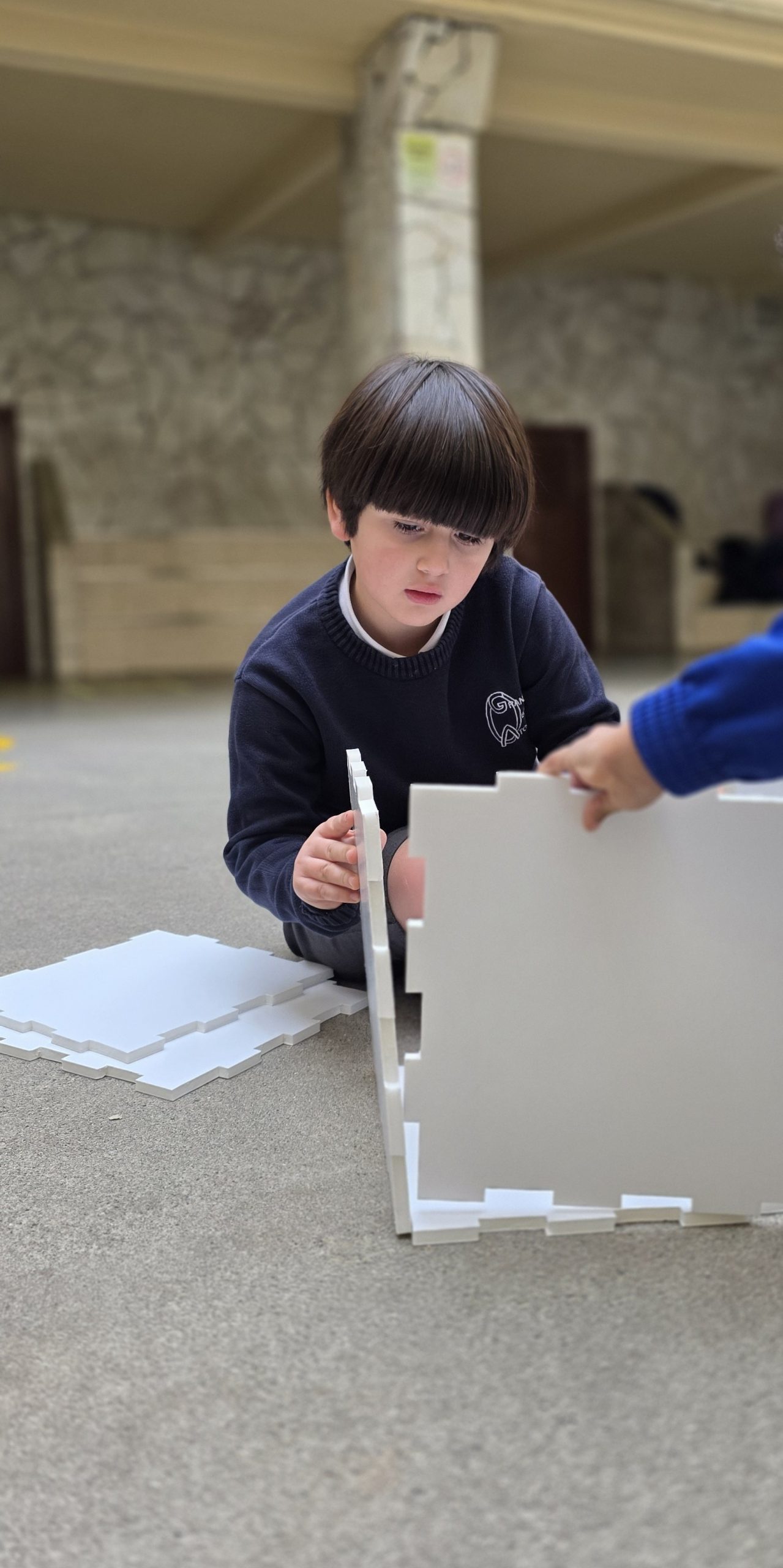
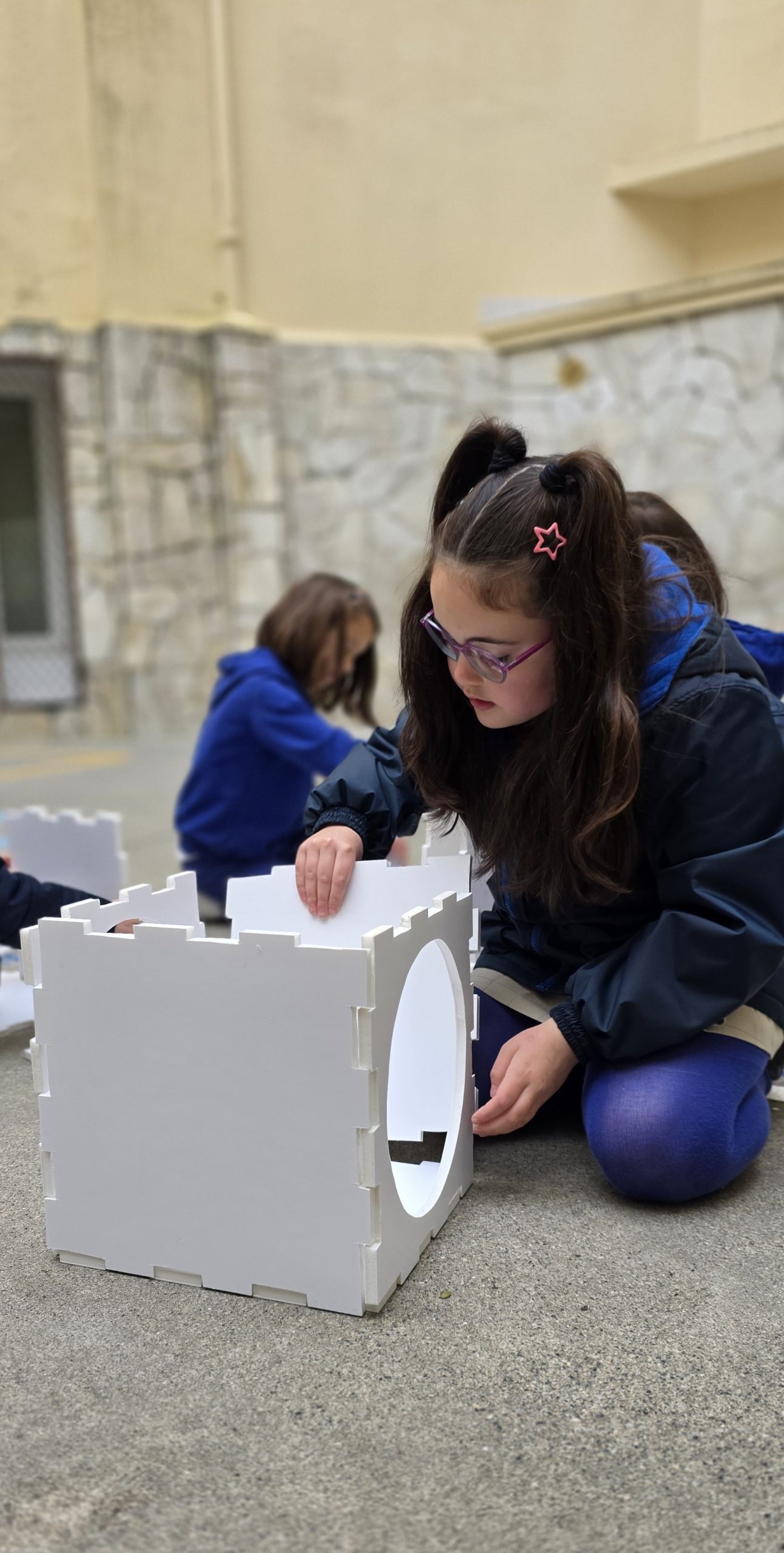
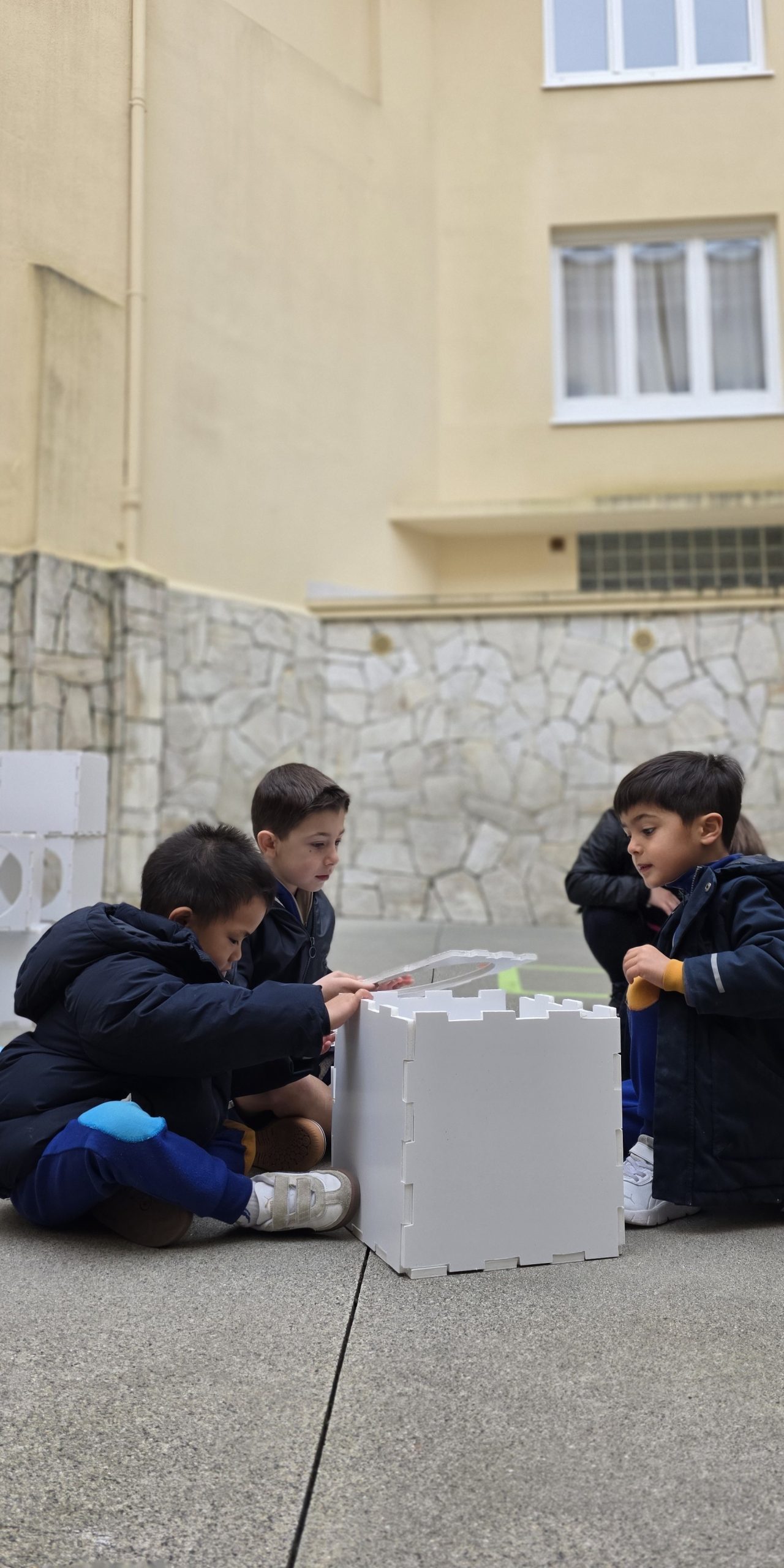
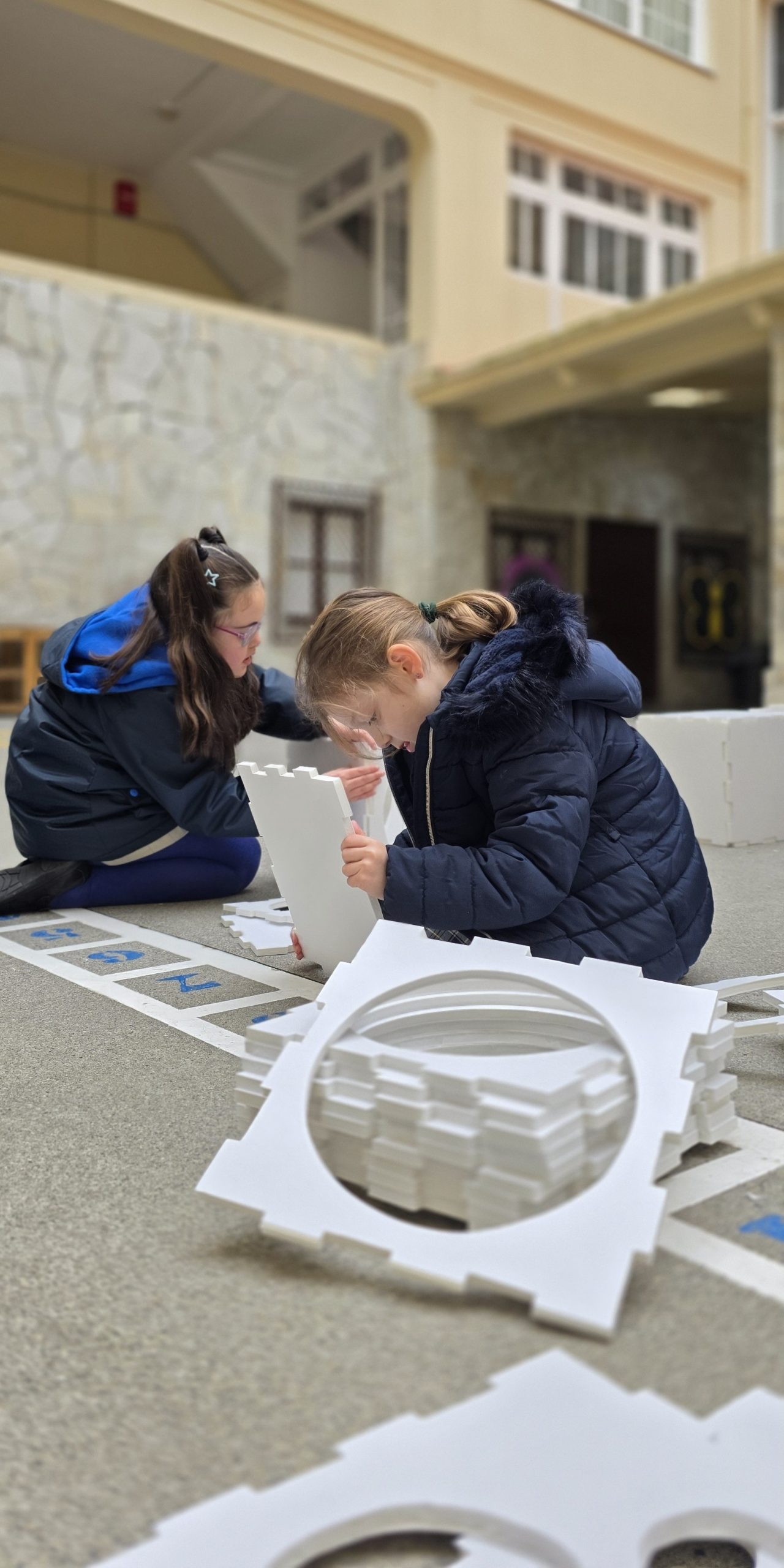
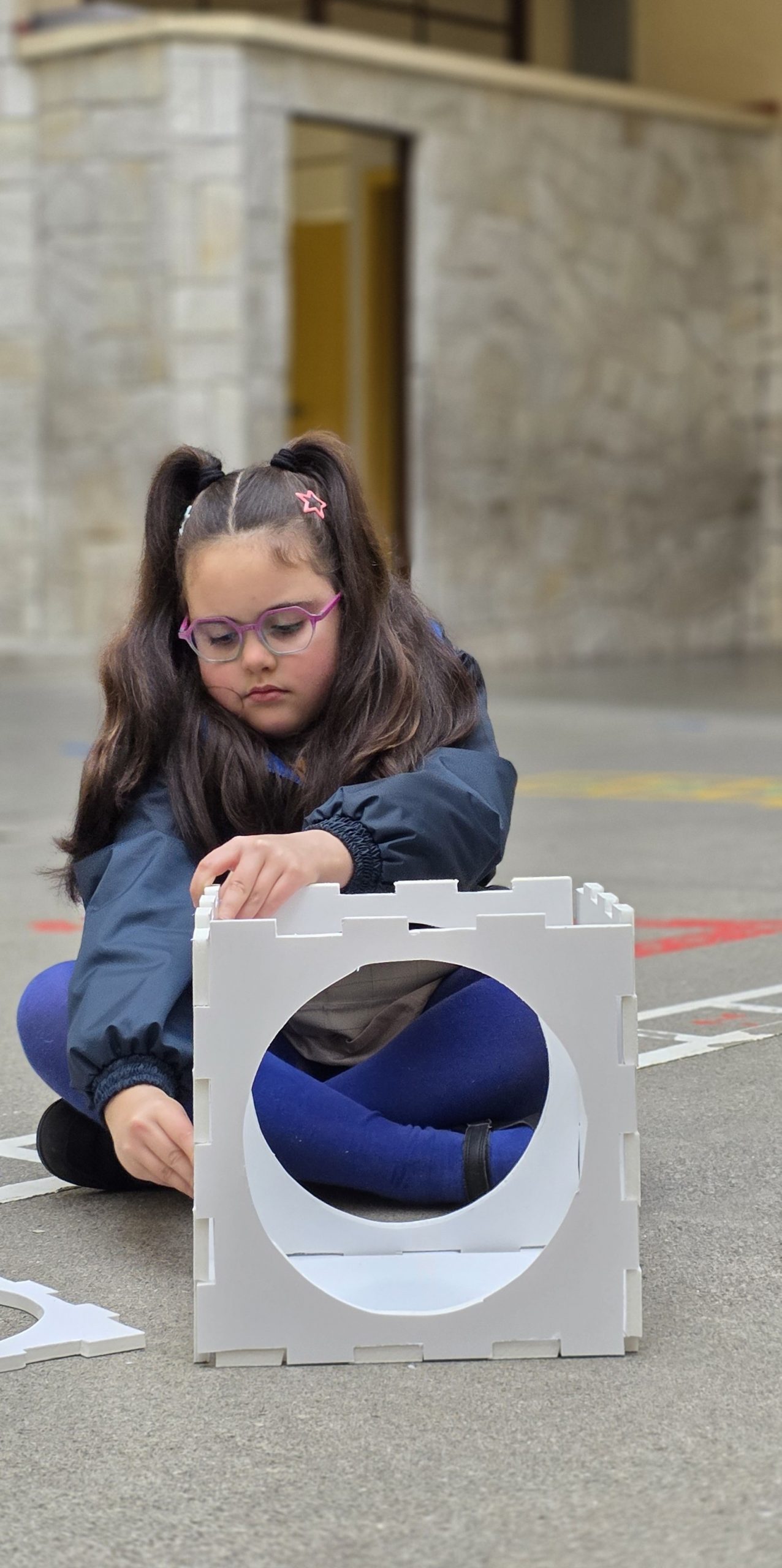
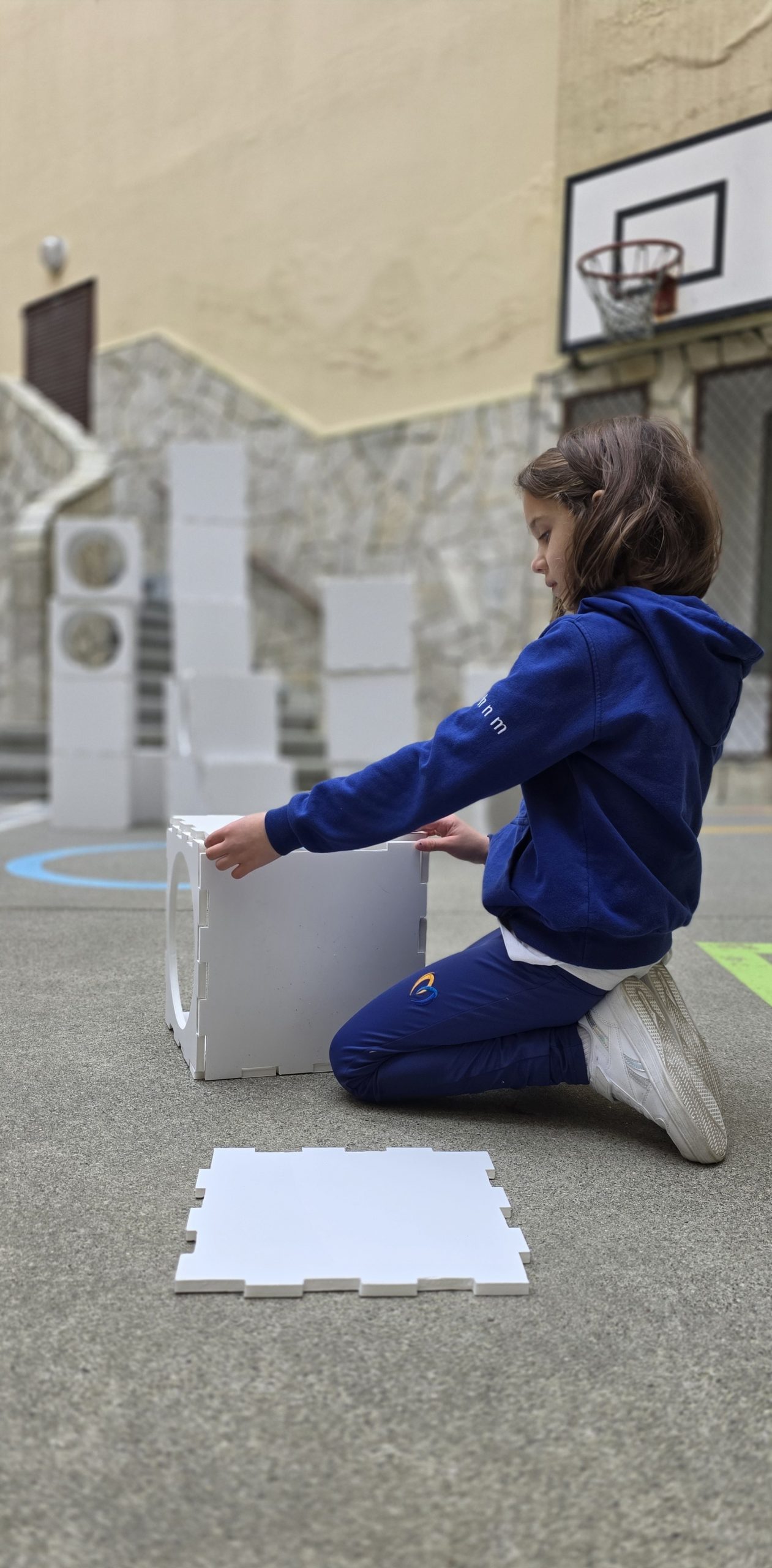
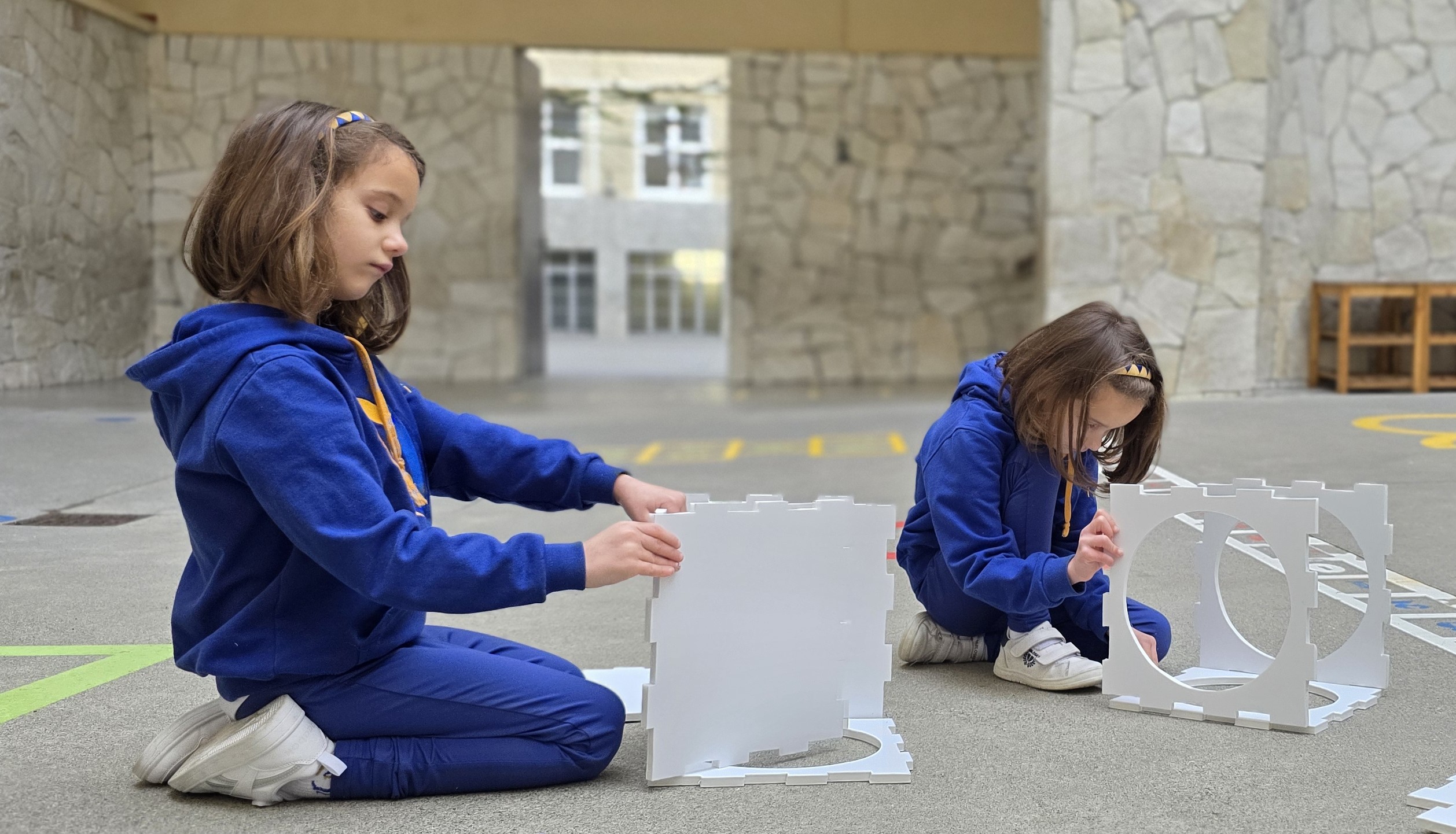
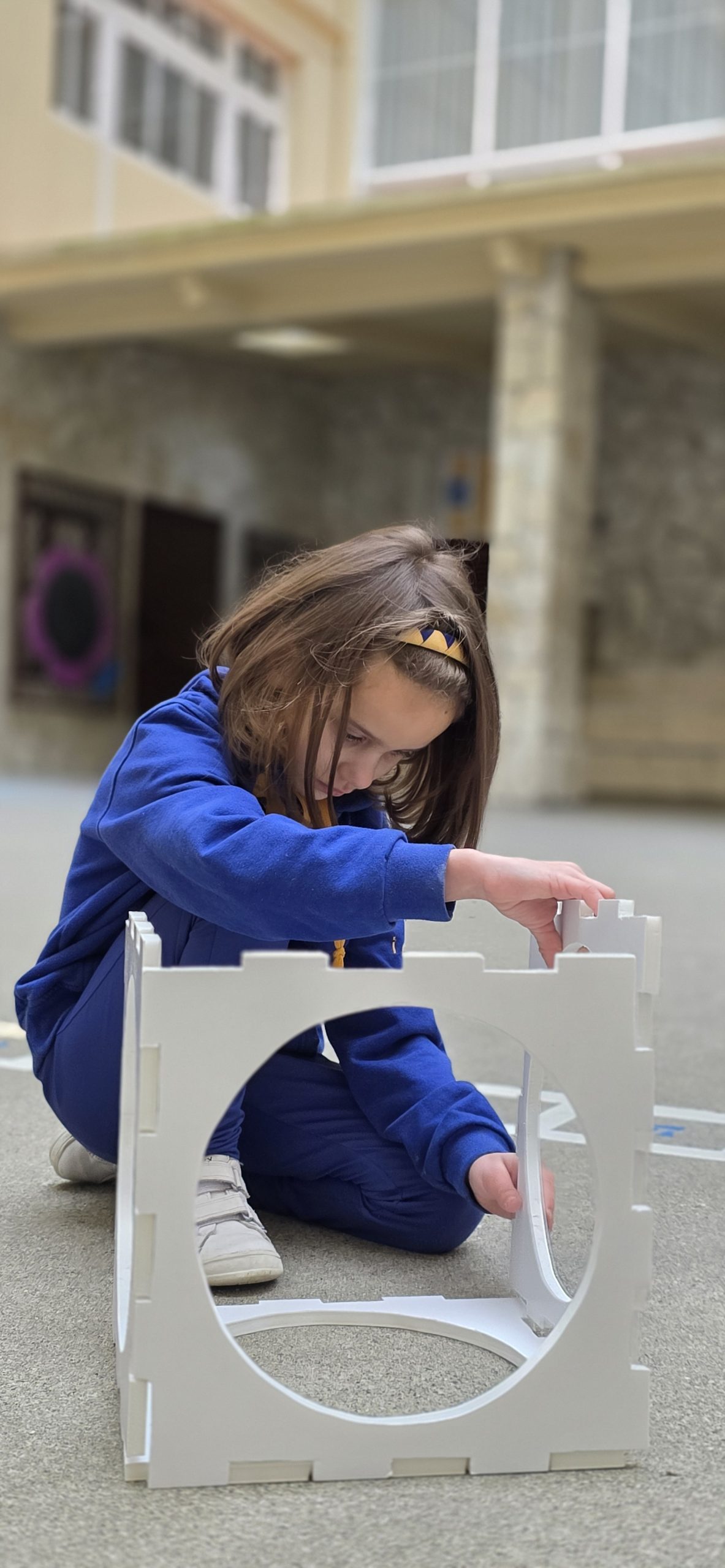
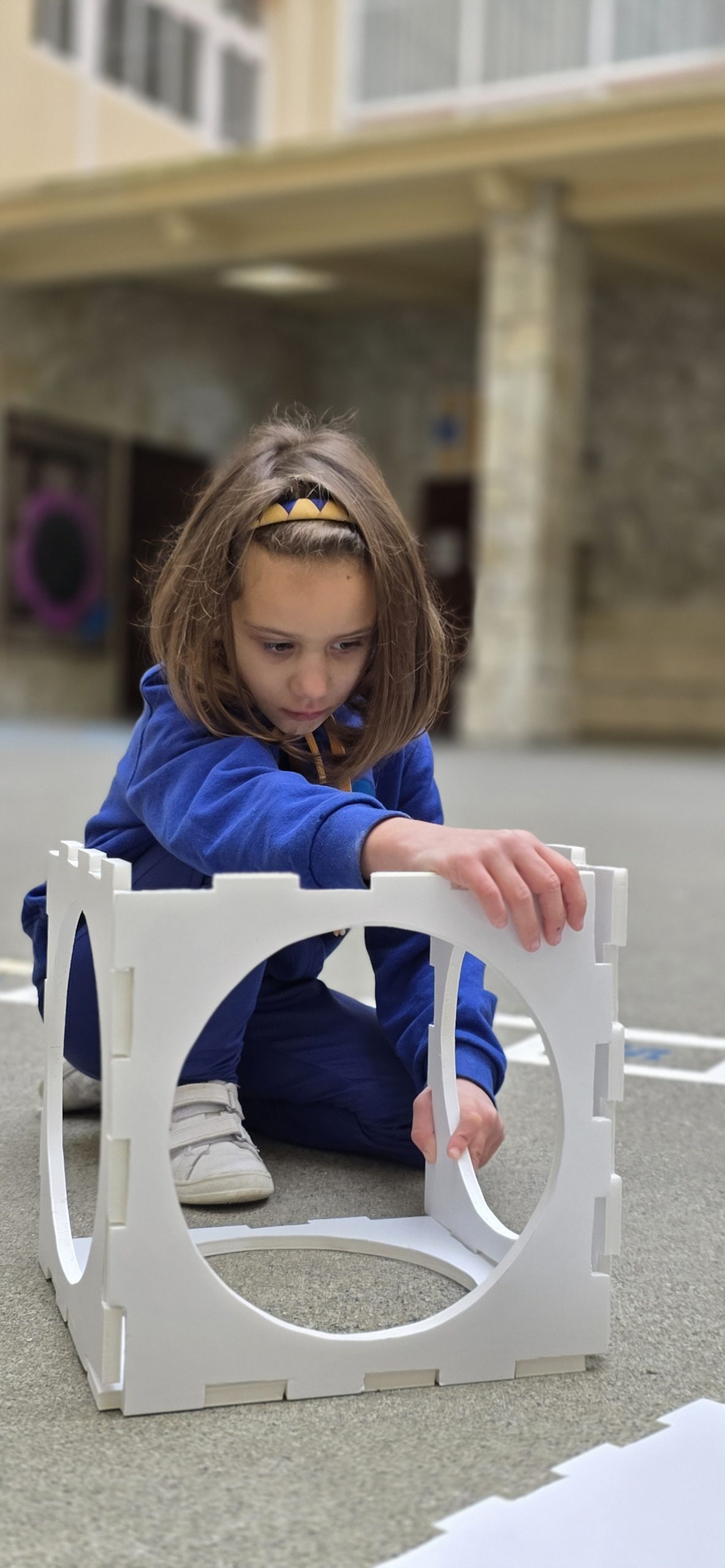
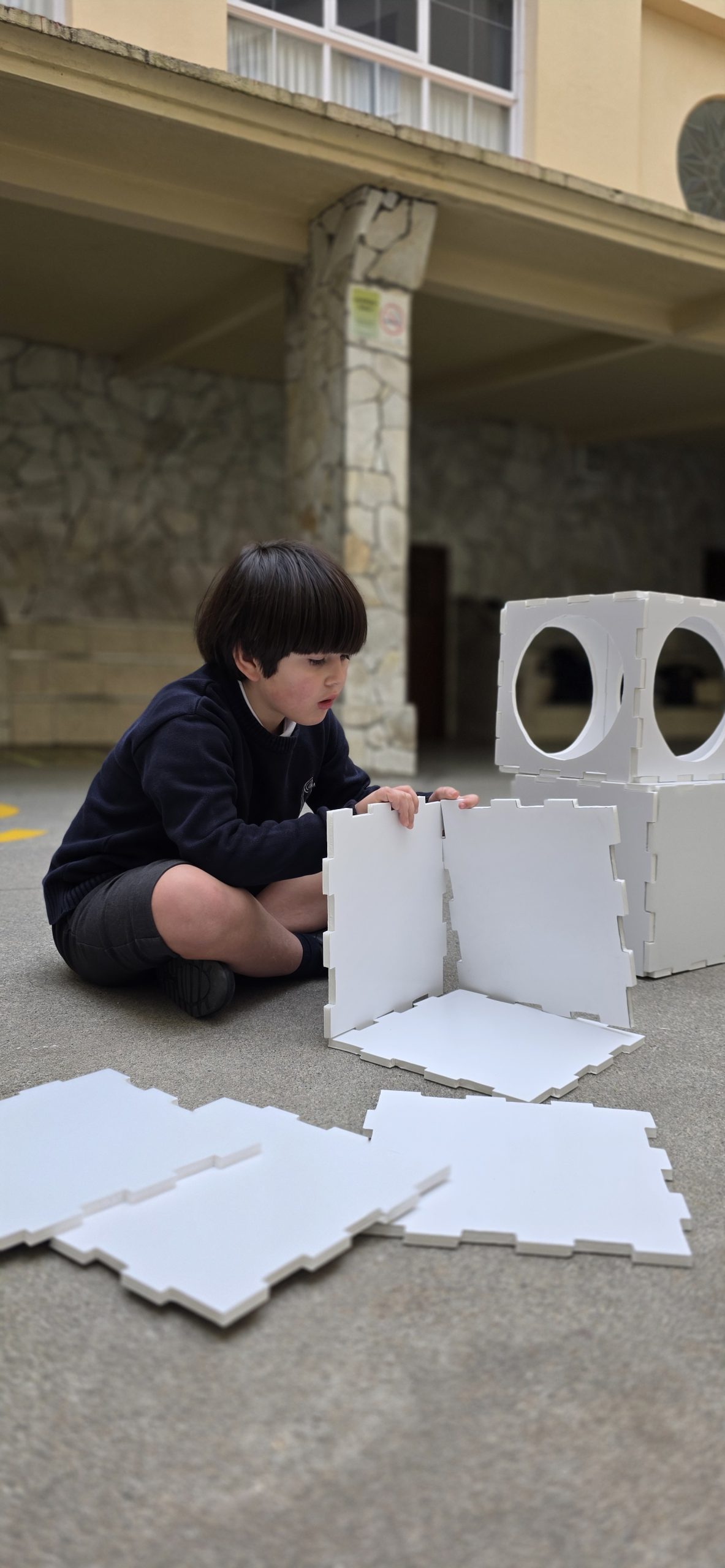
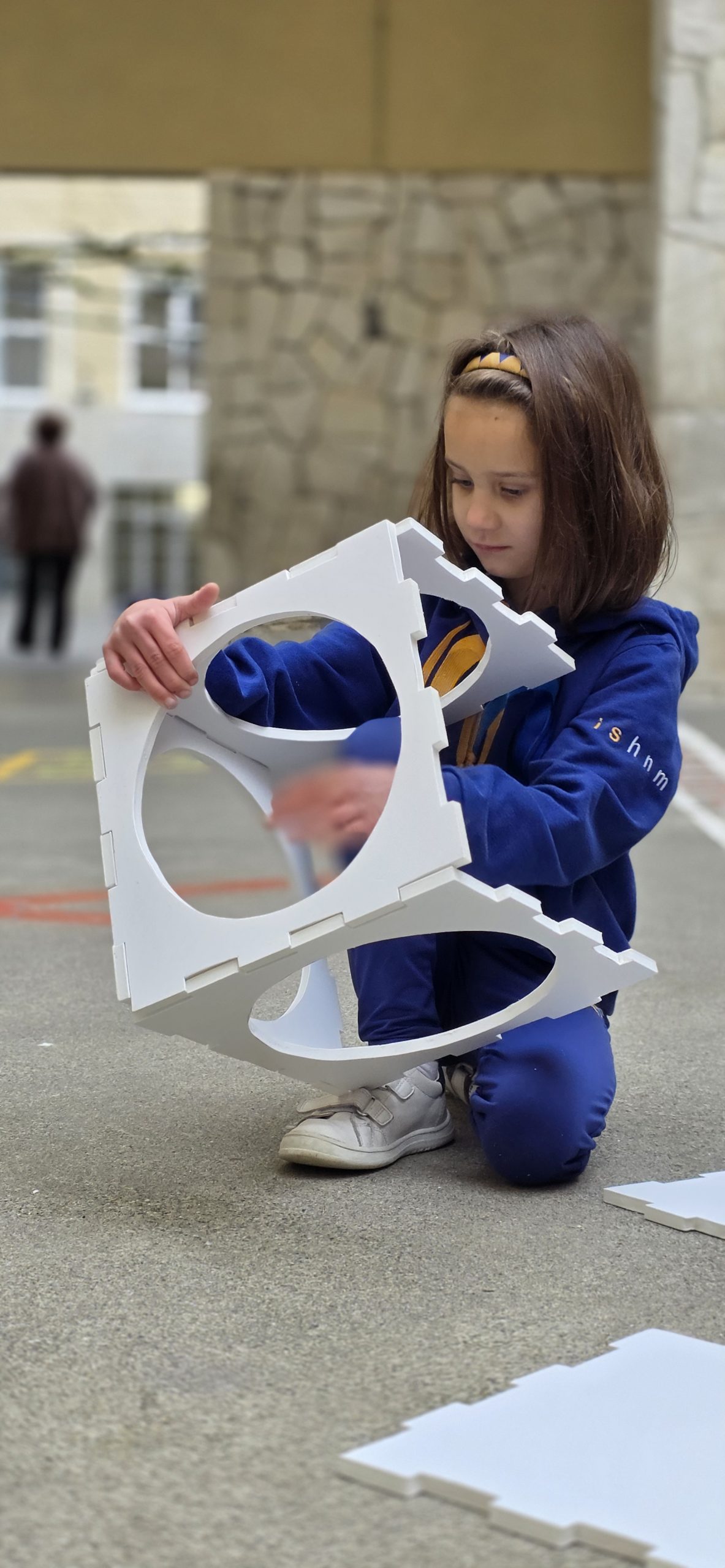
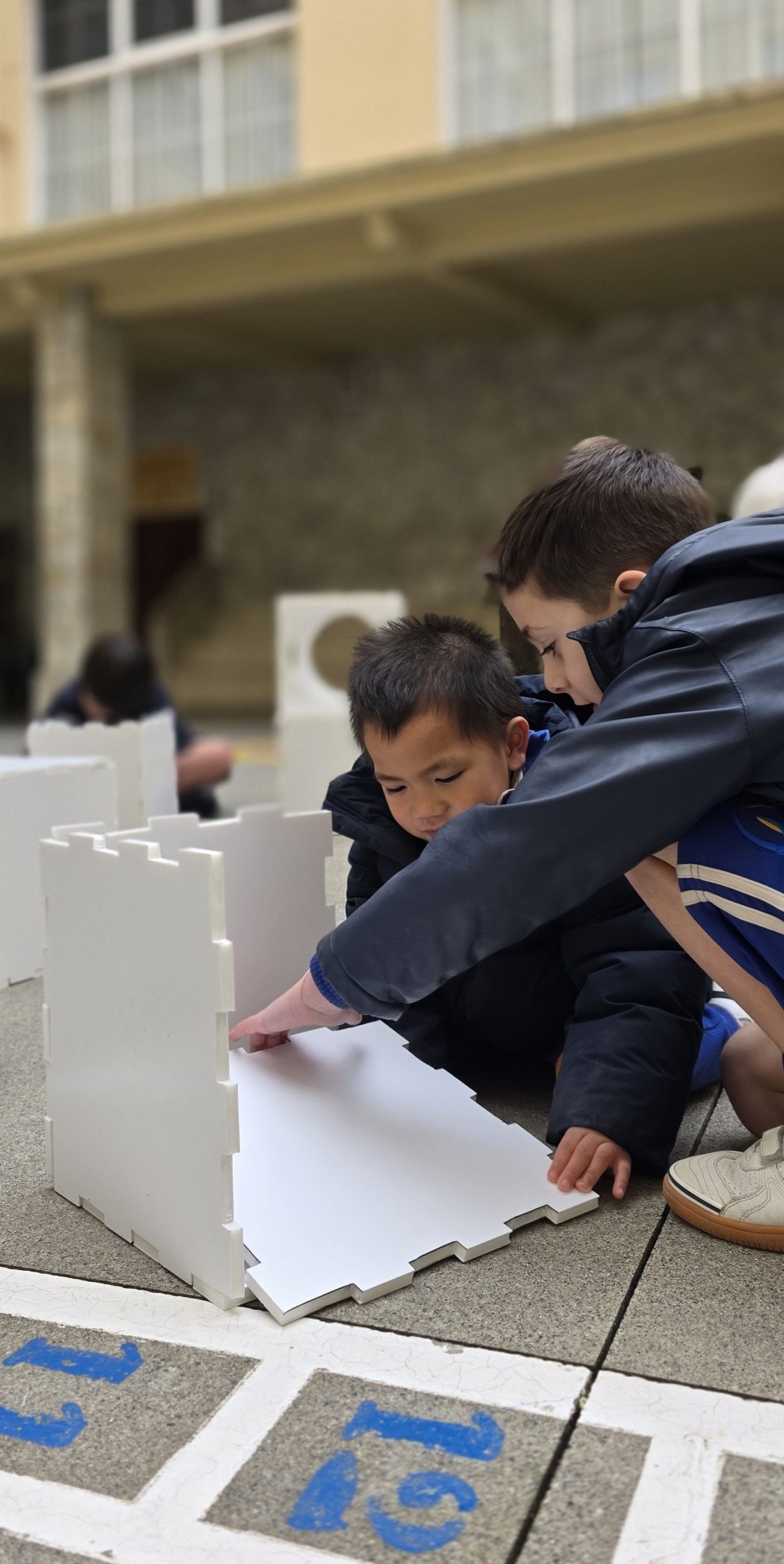
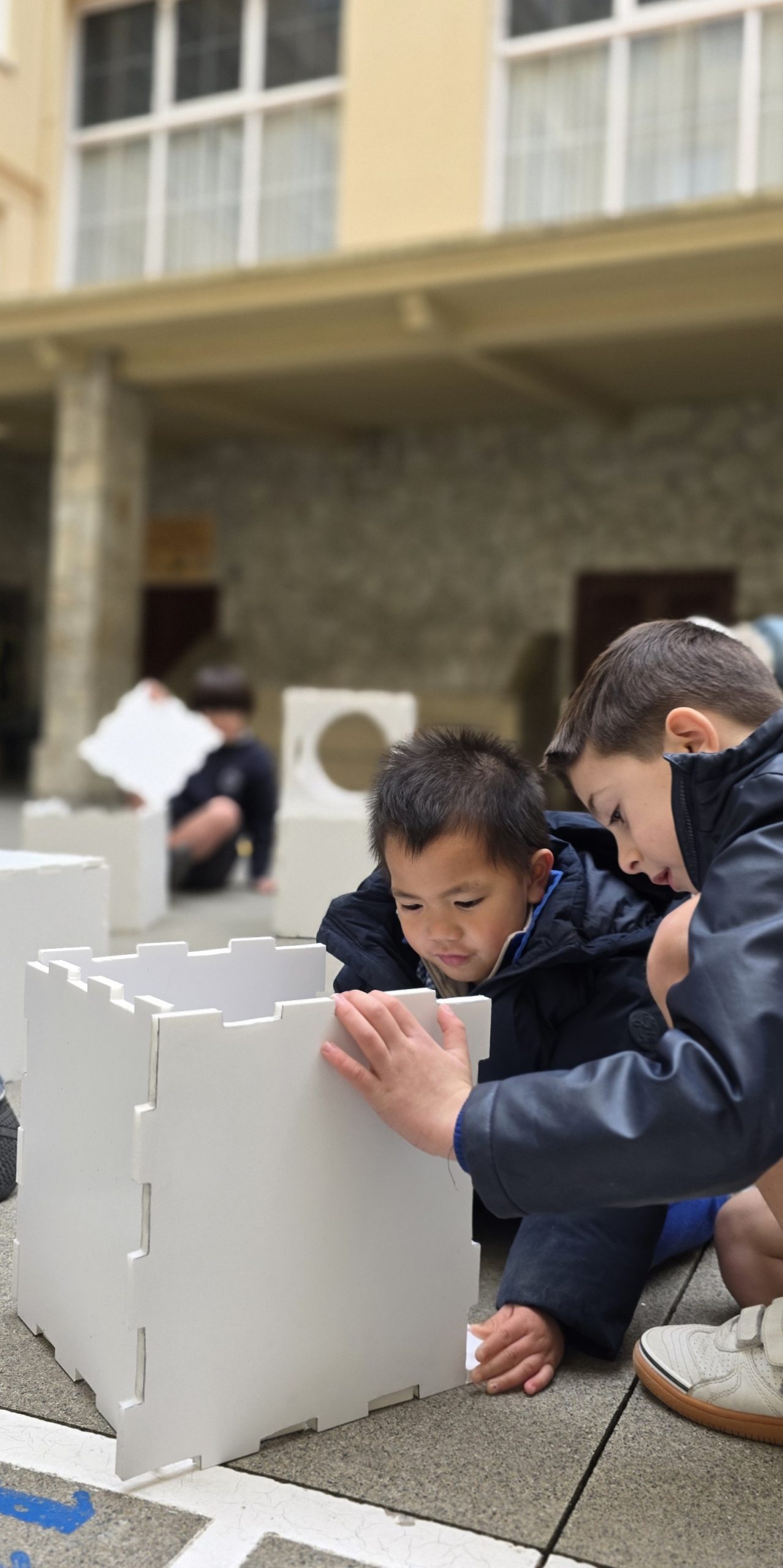
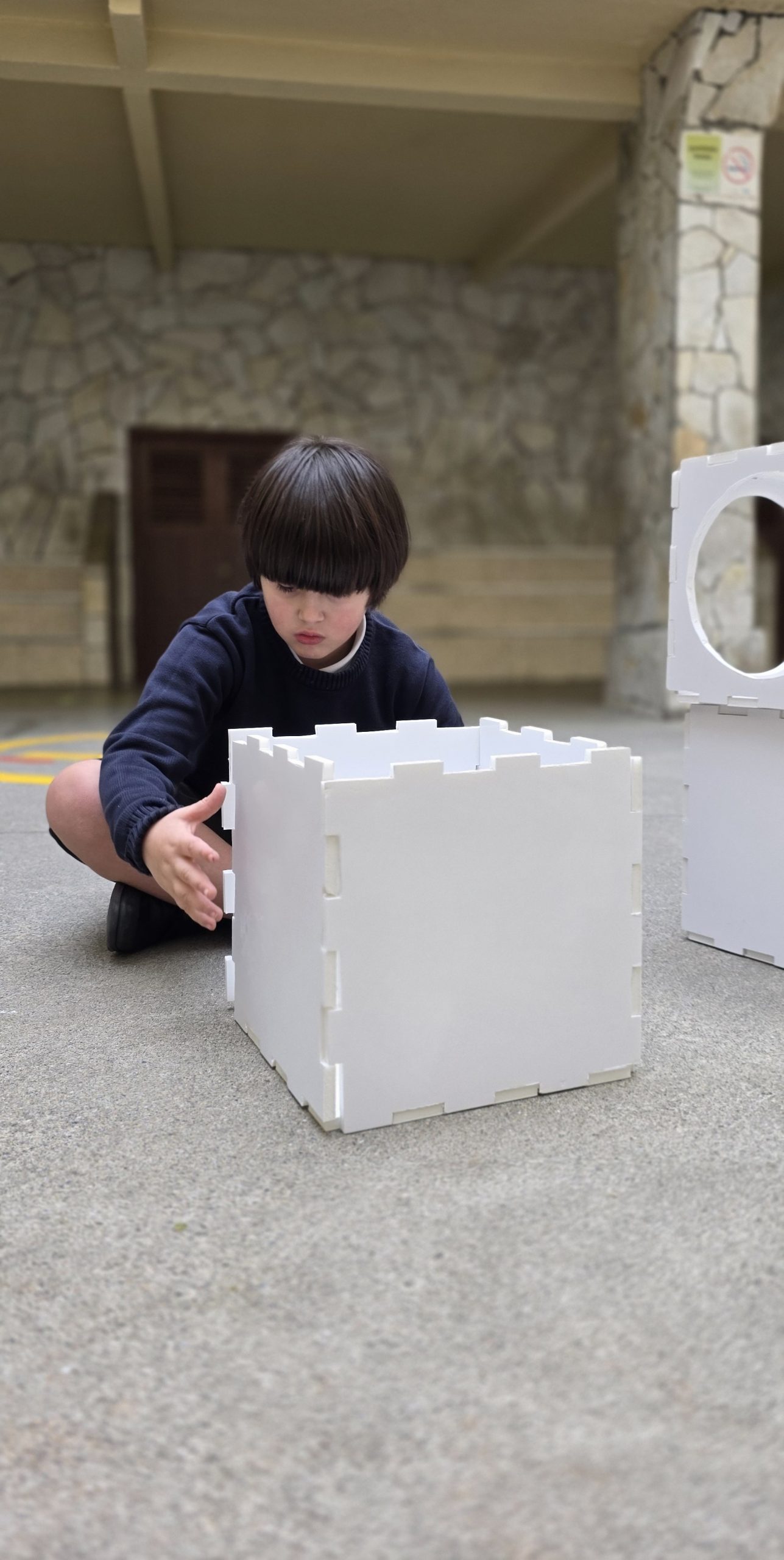
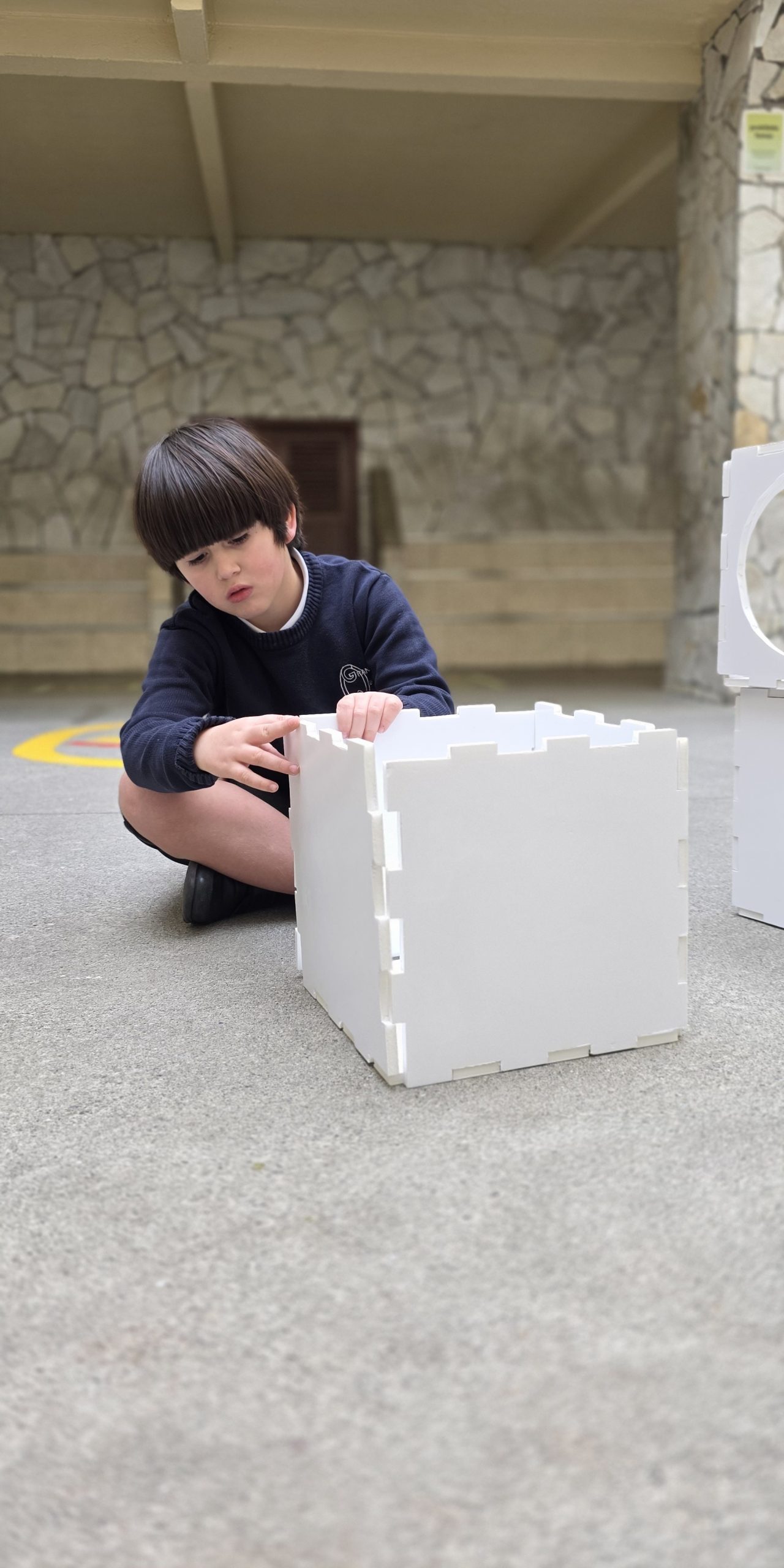
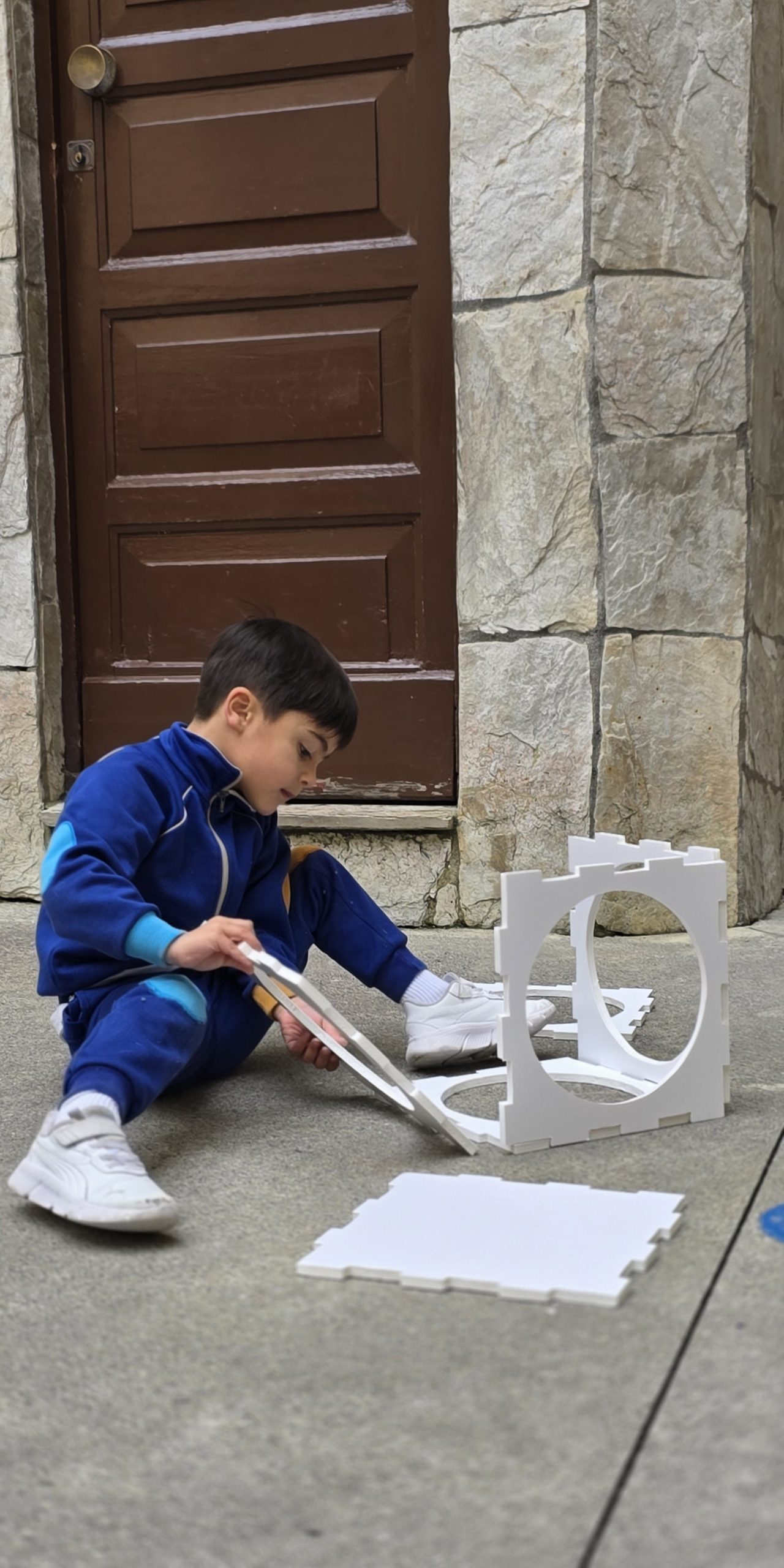
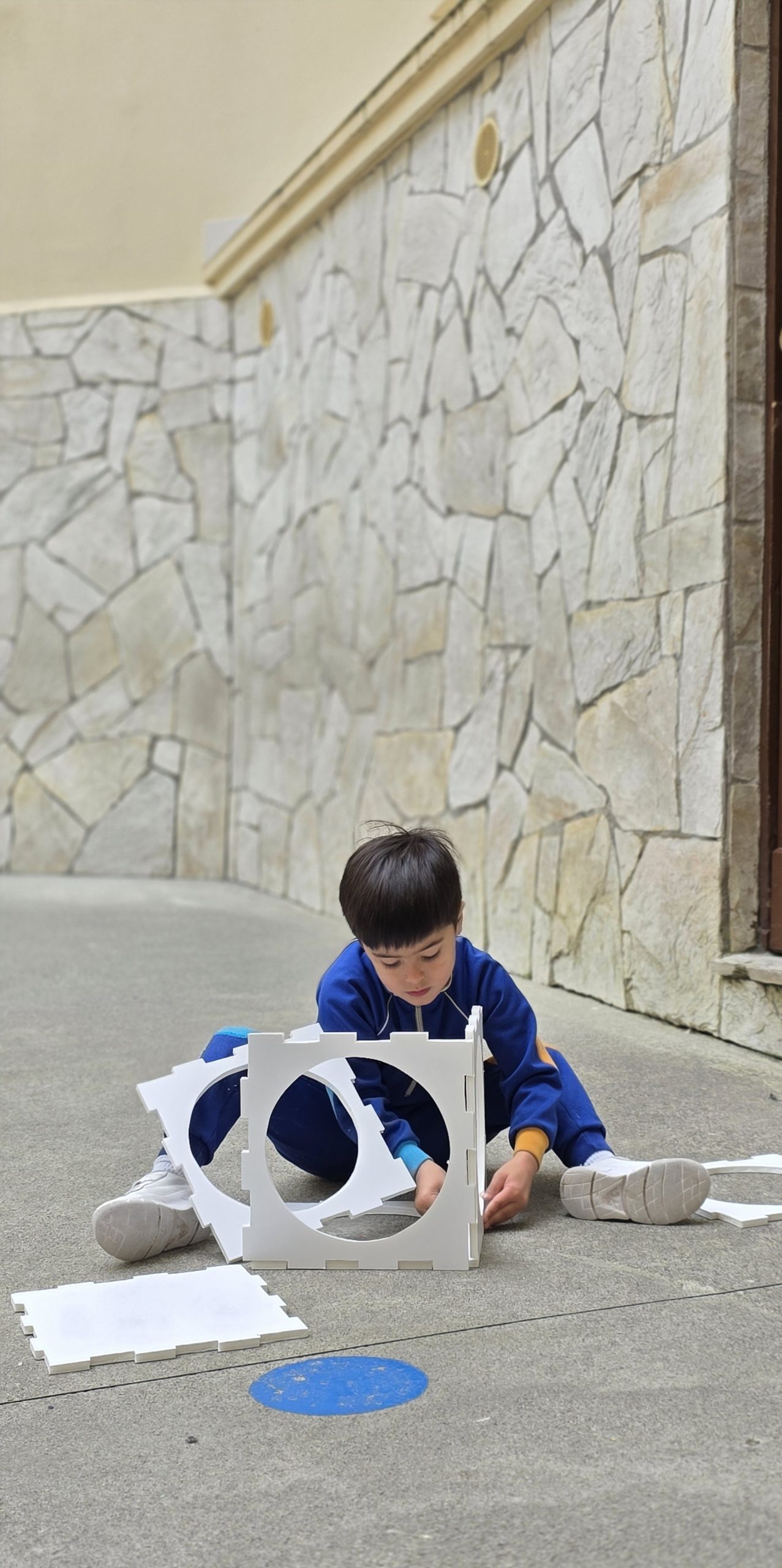
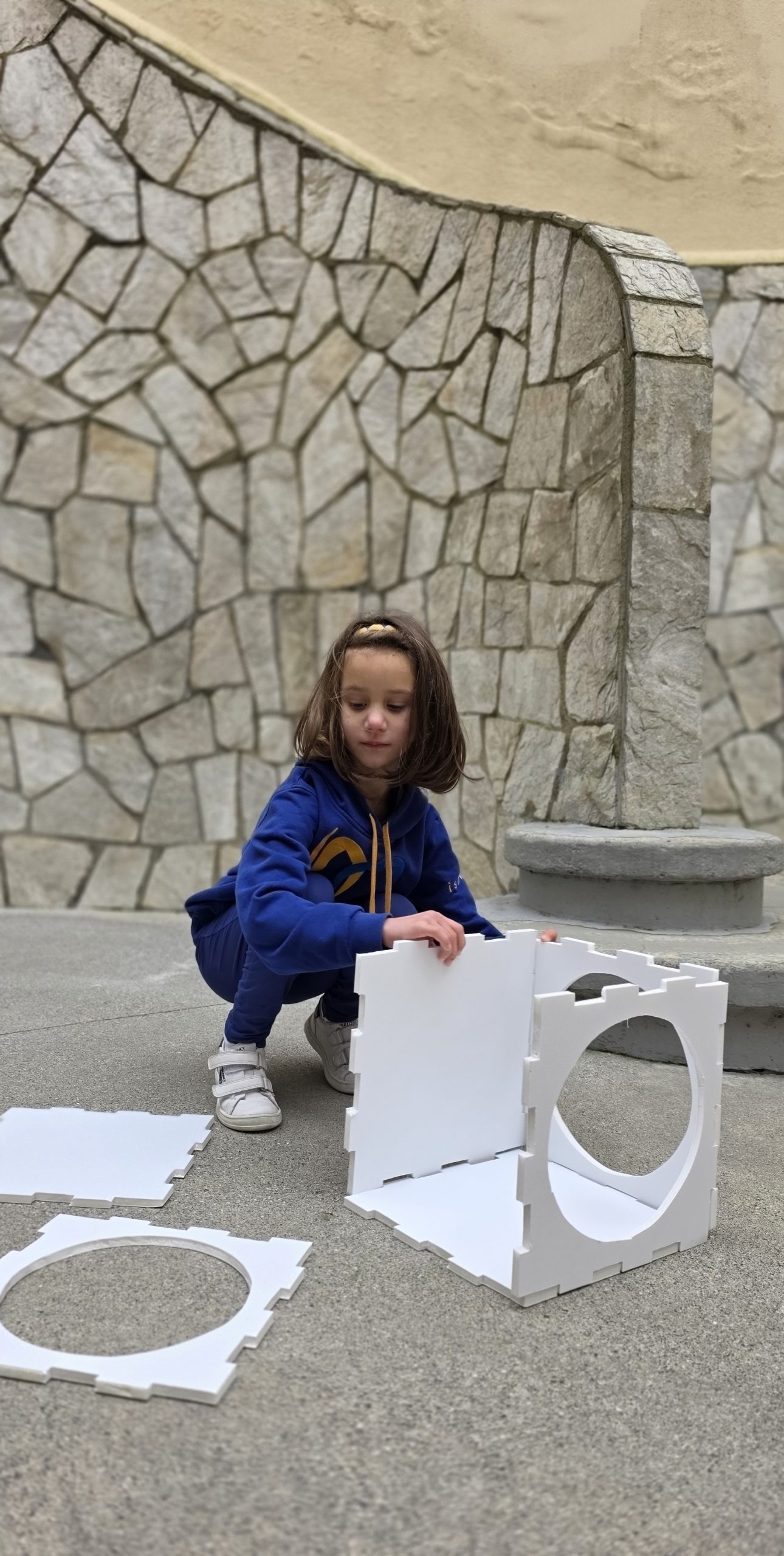
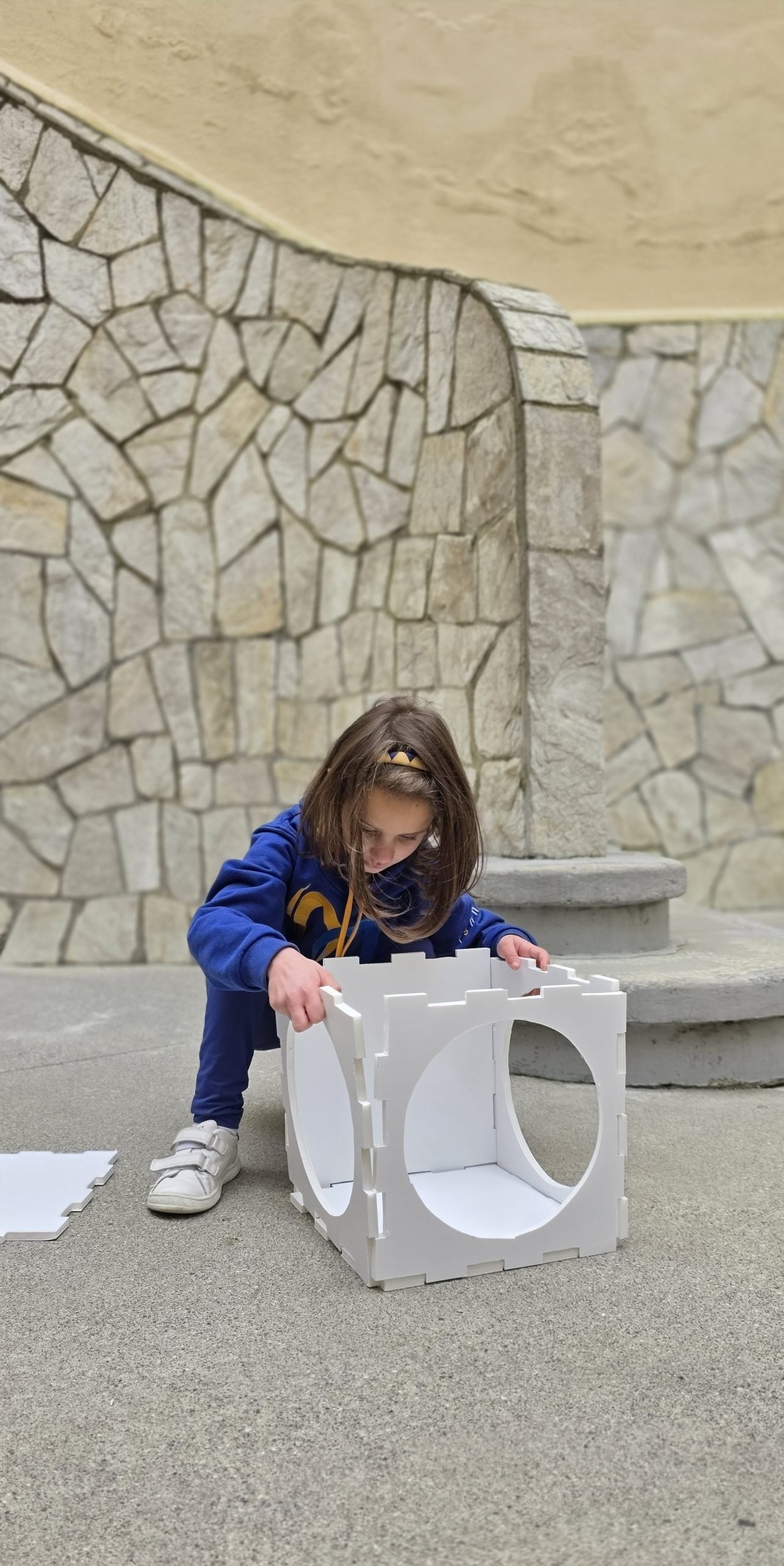
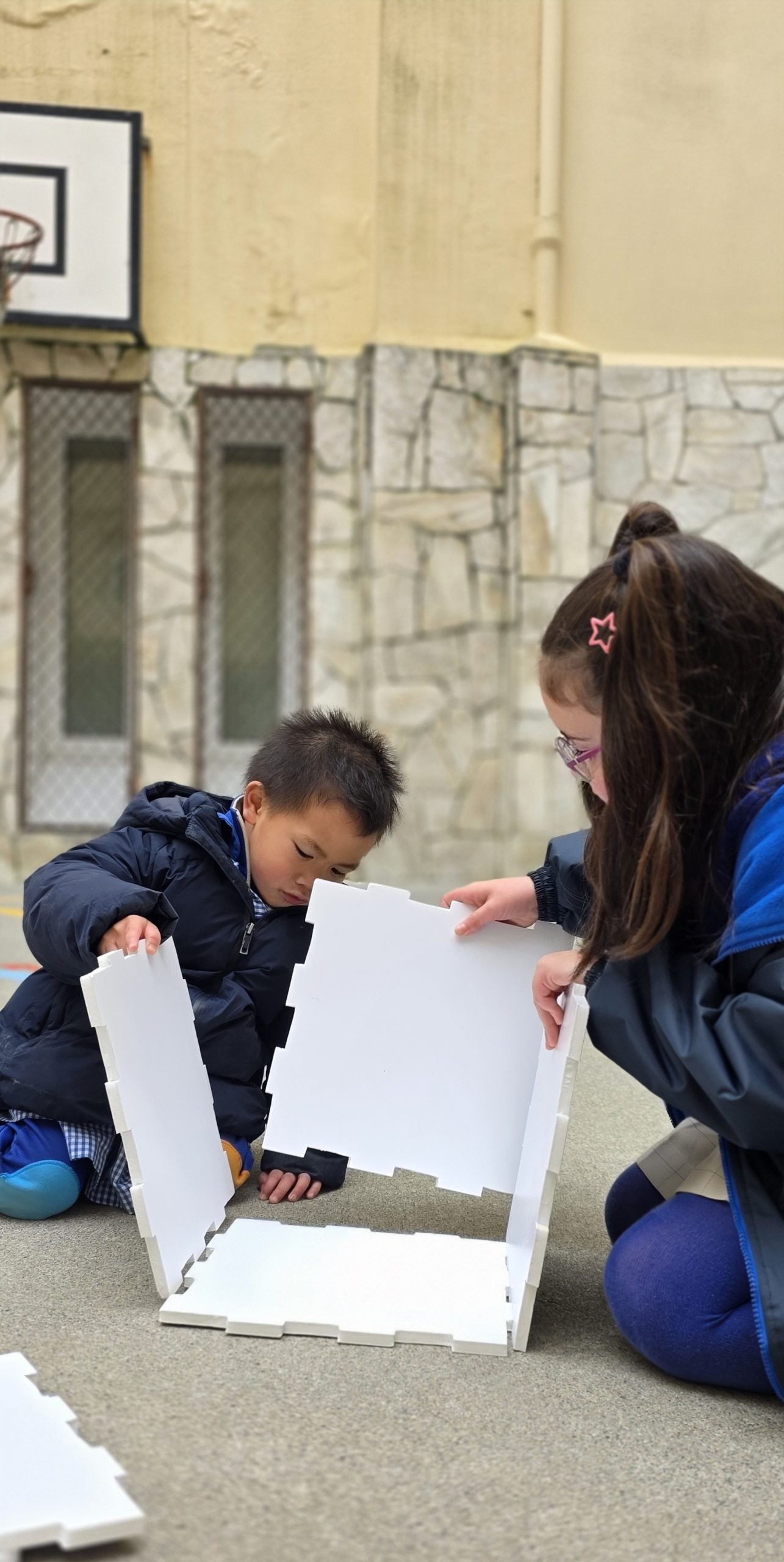
‘A Vila do Maña’ works with three-dimensional elements, based on Froebel’s “third gift”.
In architecture we have Froebel as a reference, through Frank Lloyd Wrigth who was educated with this method. It is a system based on the creativity and intuition of the child through direct experience, play and nature. It creates a pedagogical resource based on ‘gifts’ and ‘occupations’. The ‘gifts’ are pedagogical materials that do not change, but are transformed; the ‘occupations’ are activities in which children play by transforming the objects they manipulate. The ‘gifts’ are precursors of today’s building blocks.
The village or city in which we are working has been turned into a game board, a laboratory of experimentation where children and teenagers can act from a new point of view.
A Coruña
Transforming the Village Through Protagonist Participation
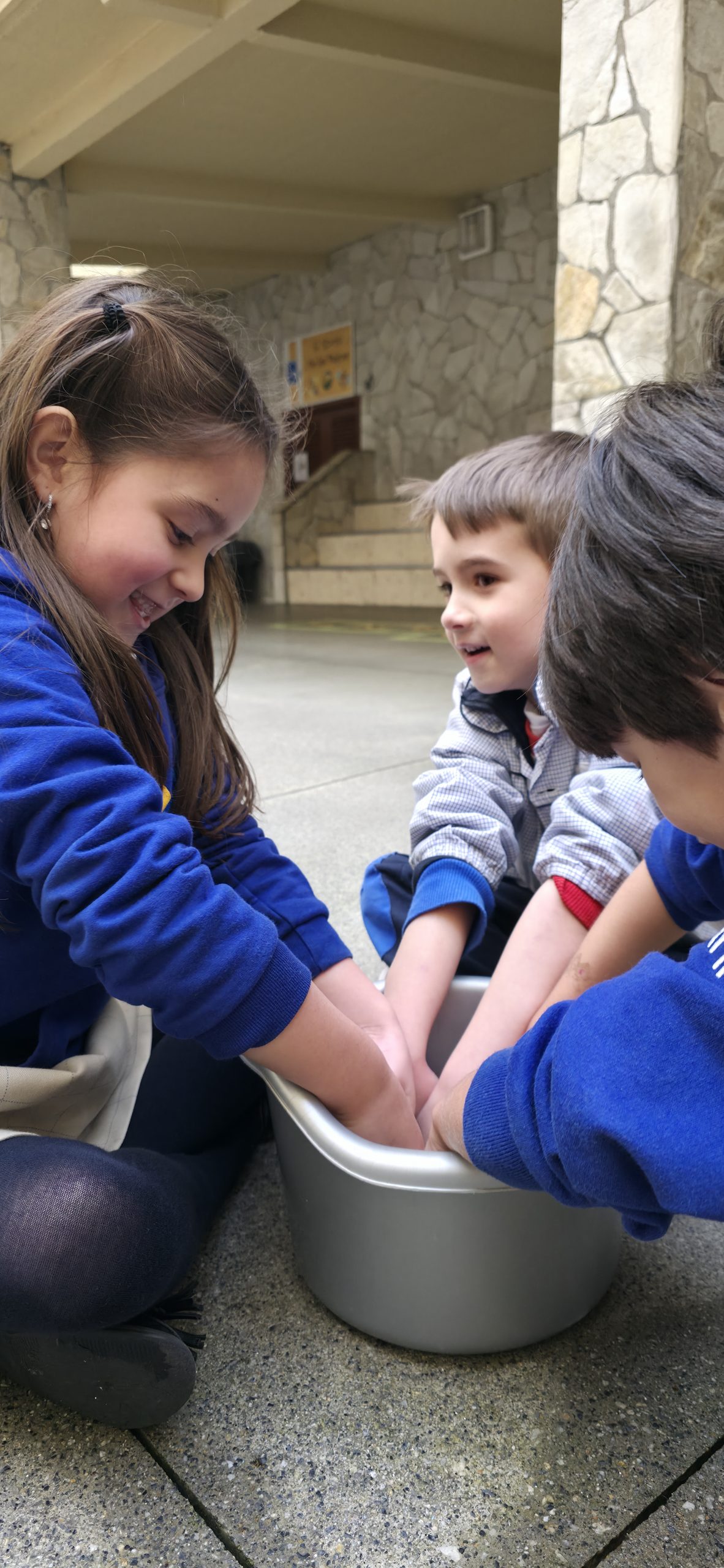
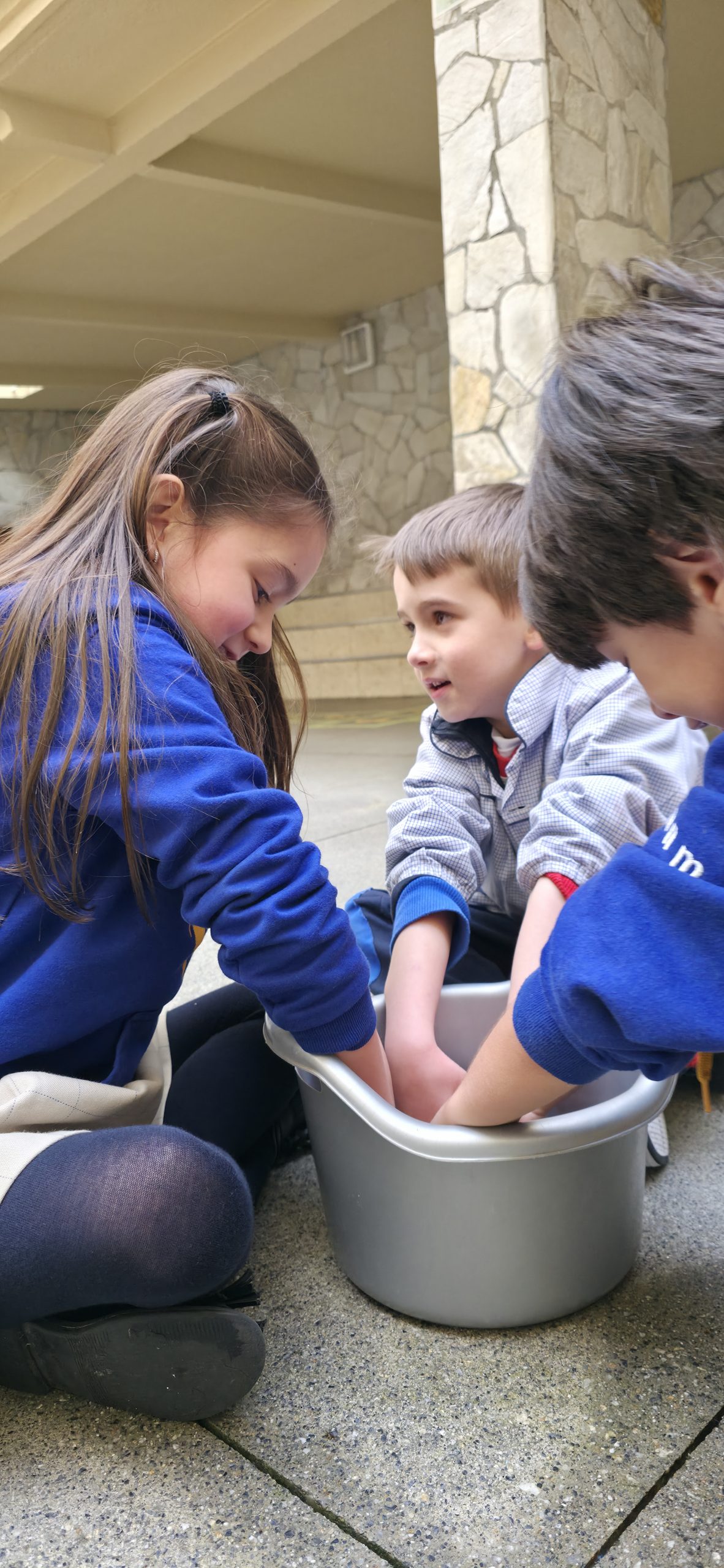
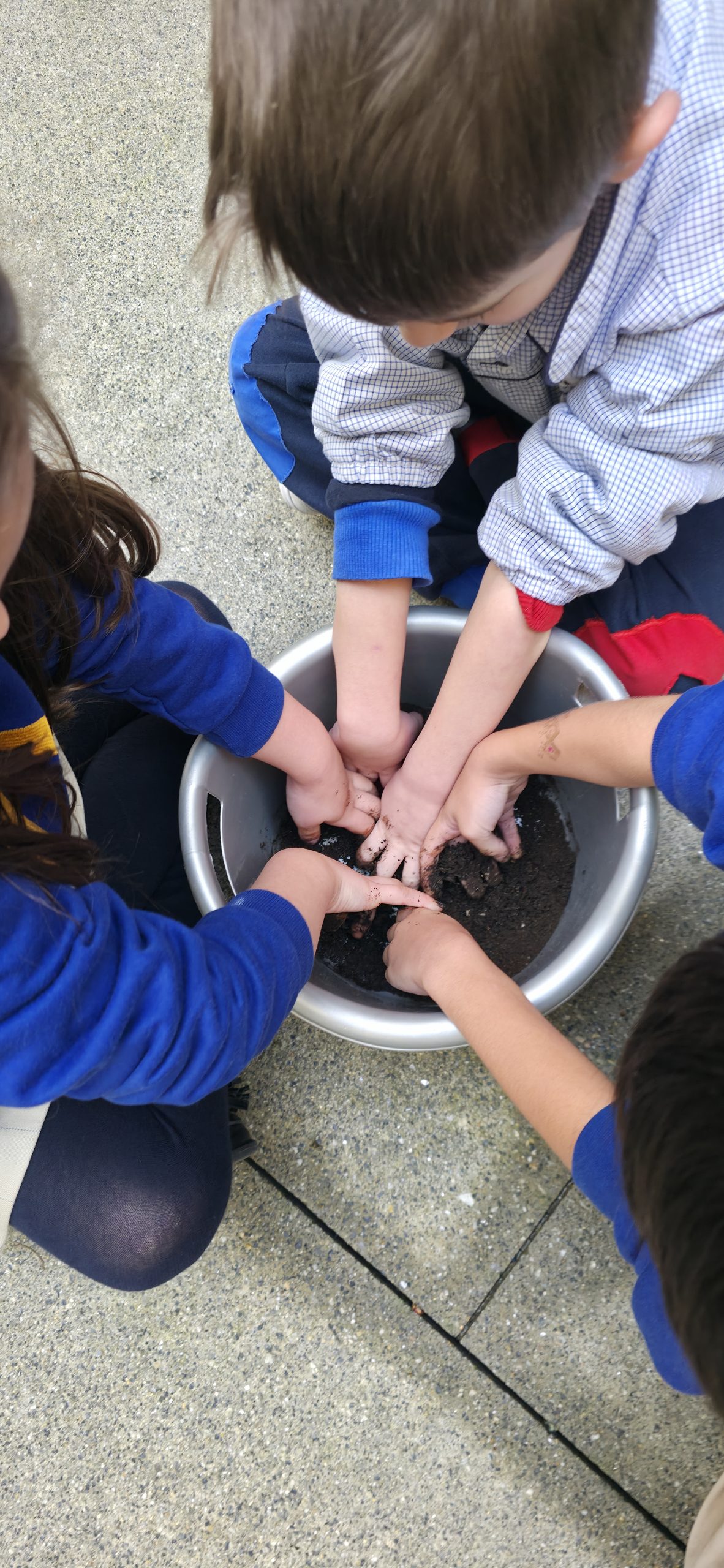
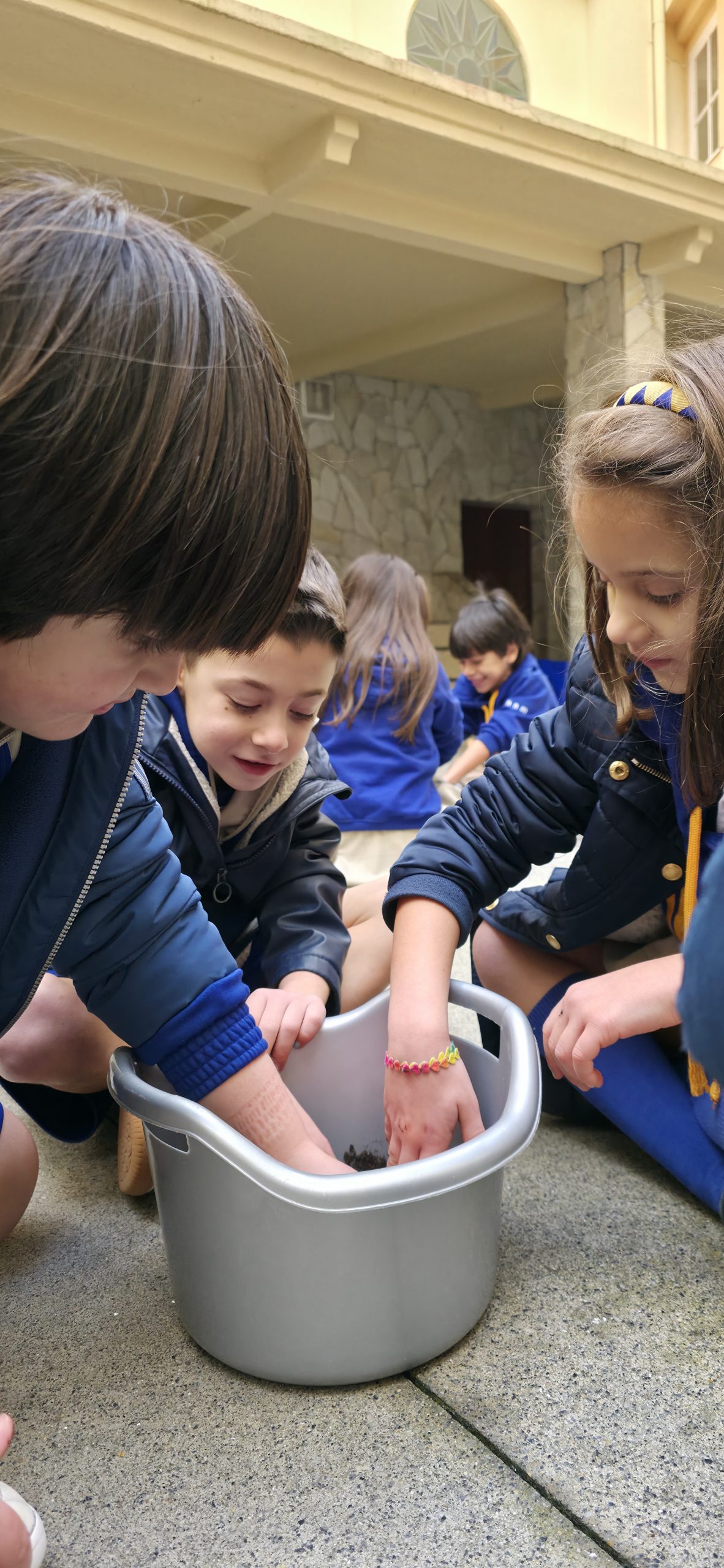
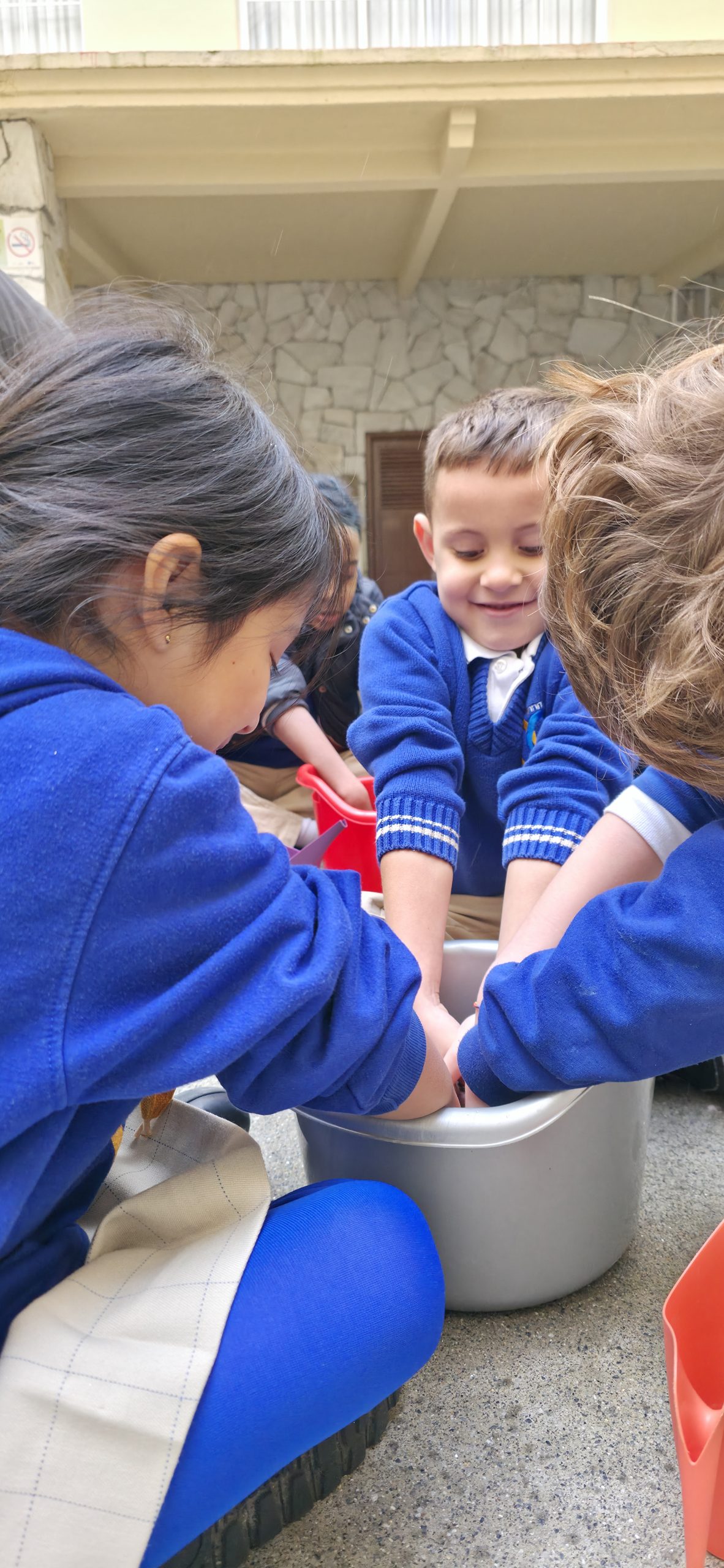
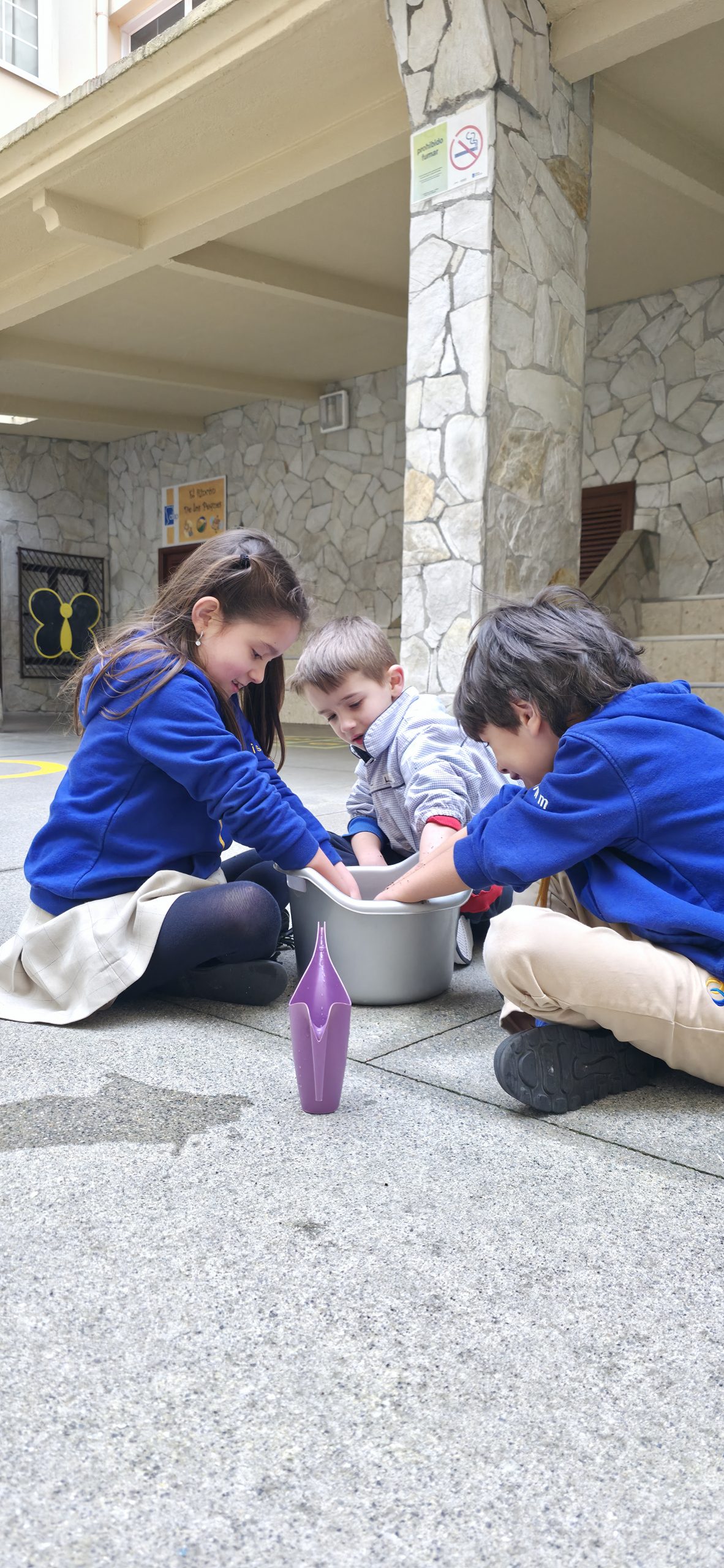
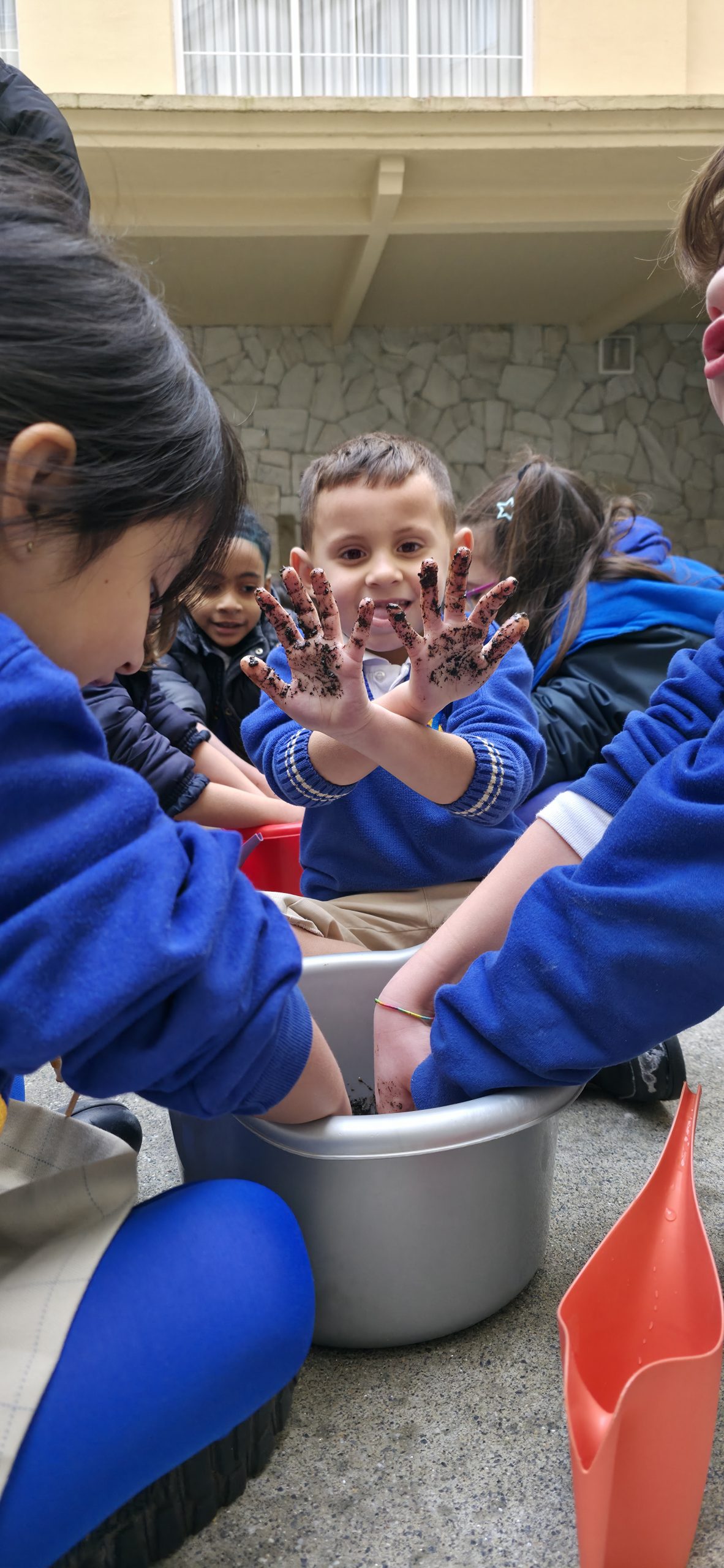
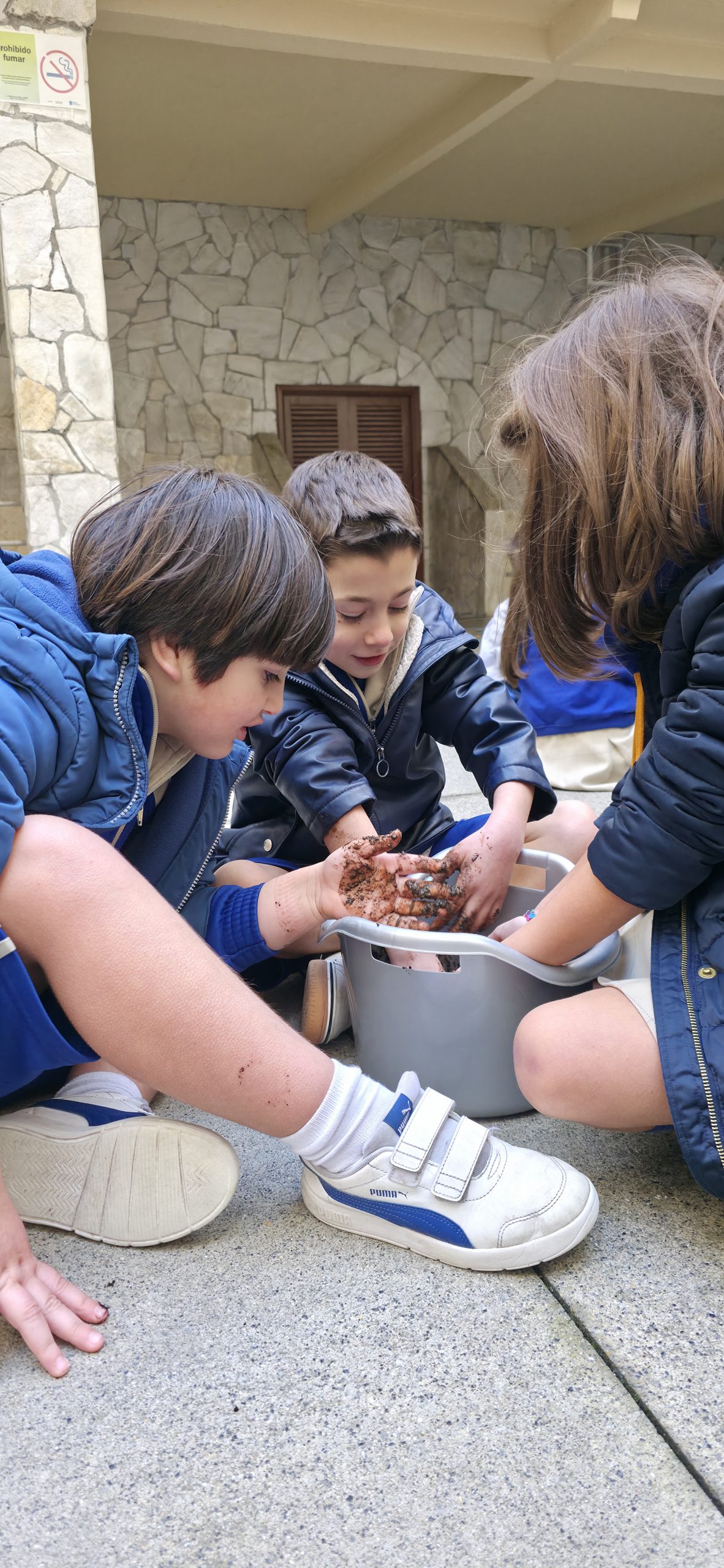
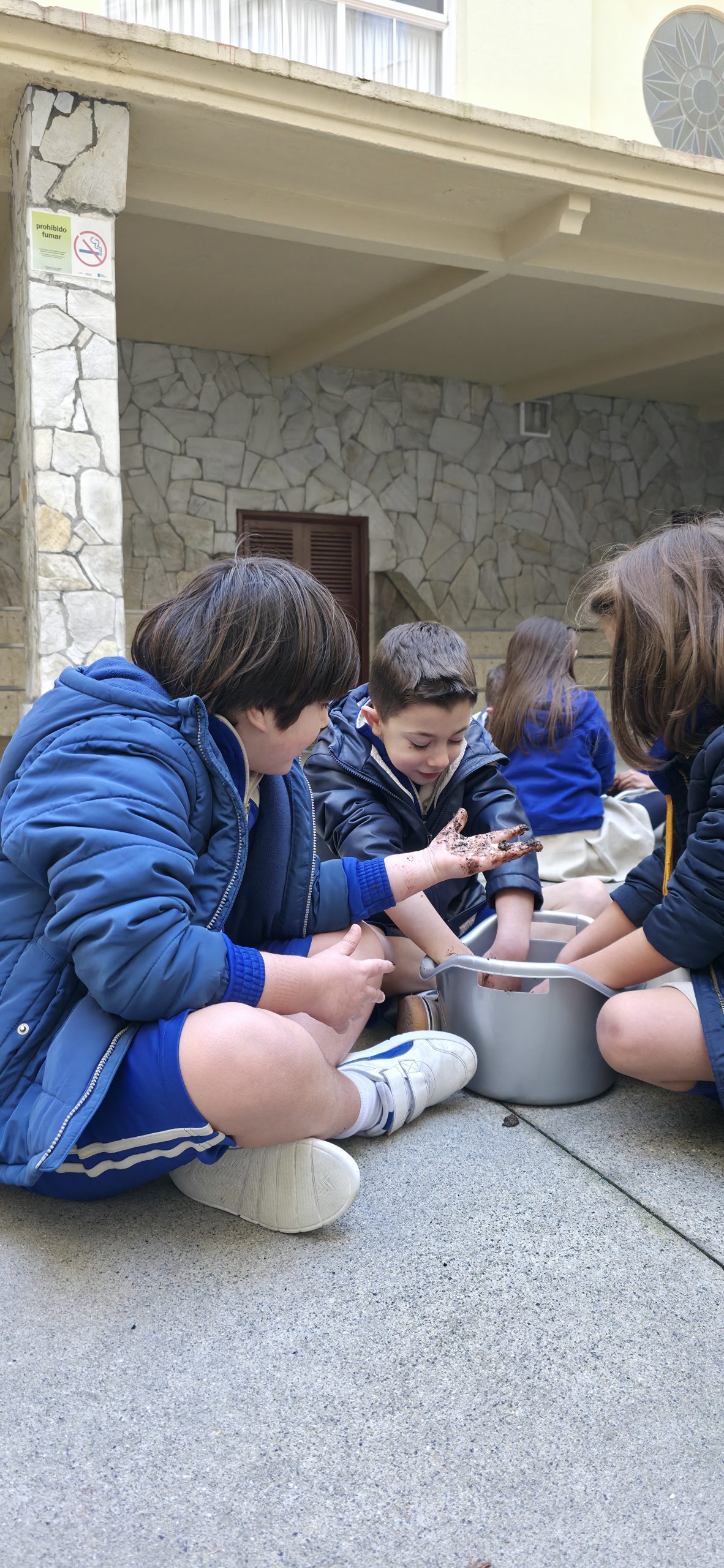
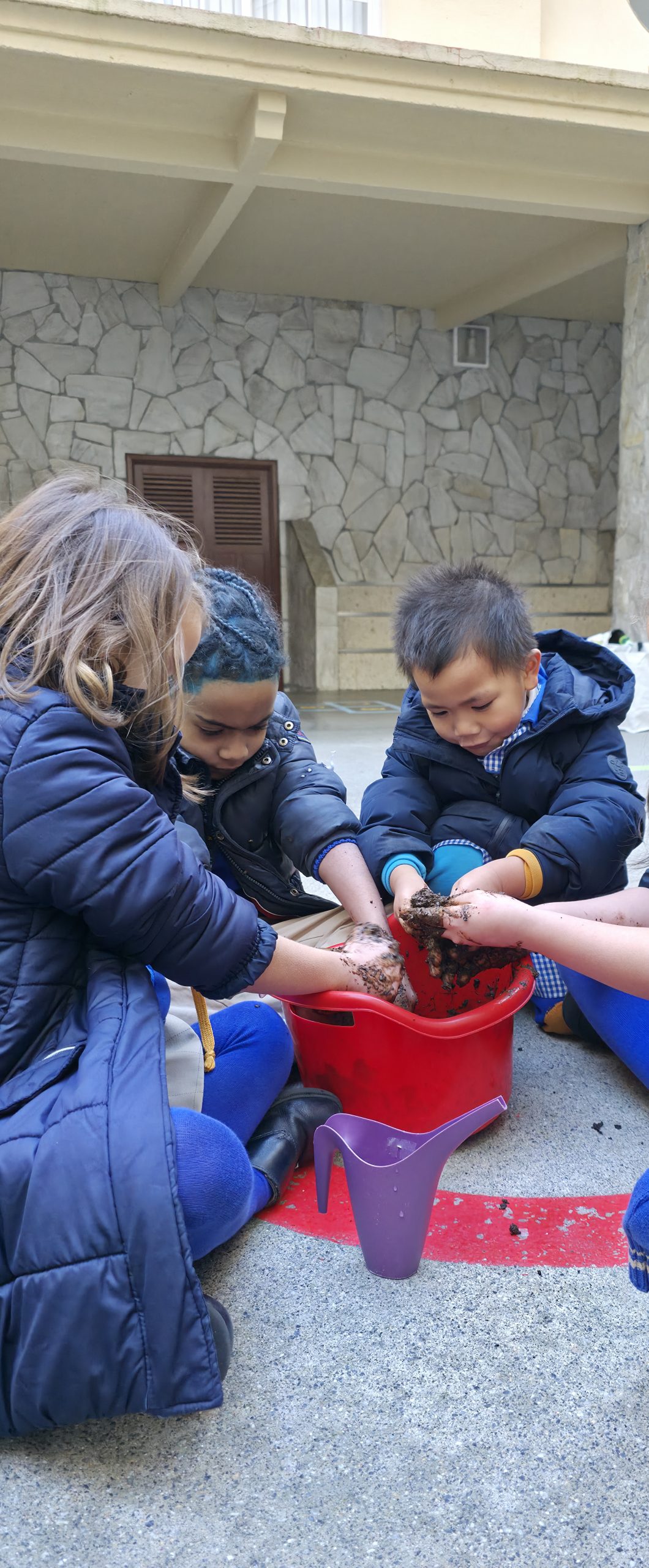
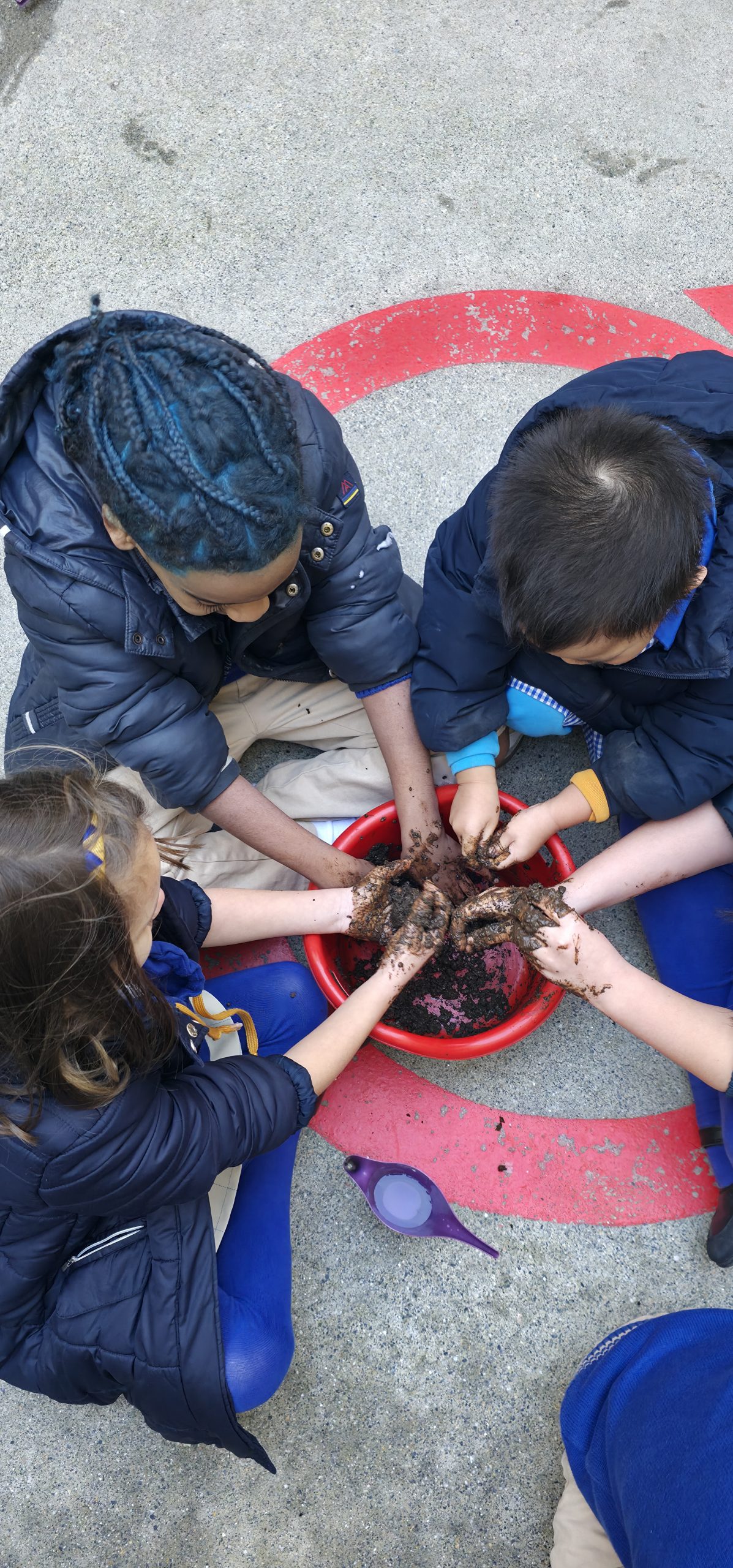
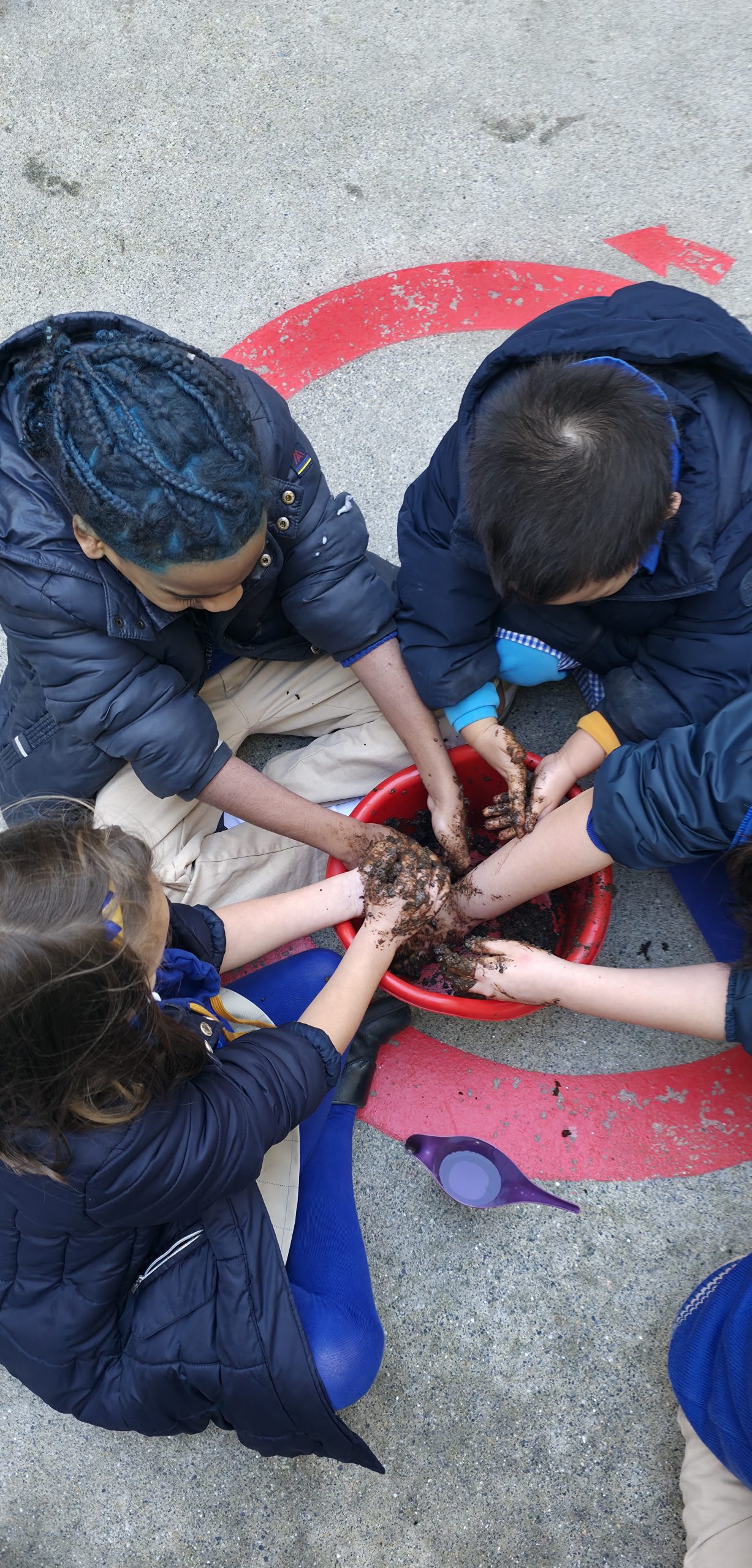
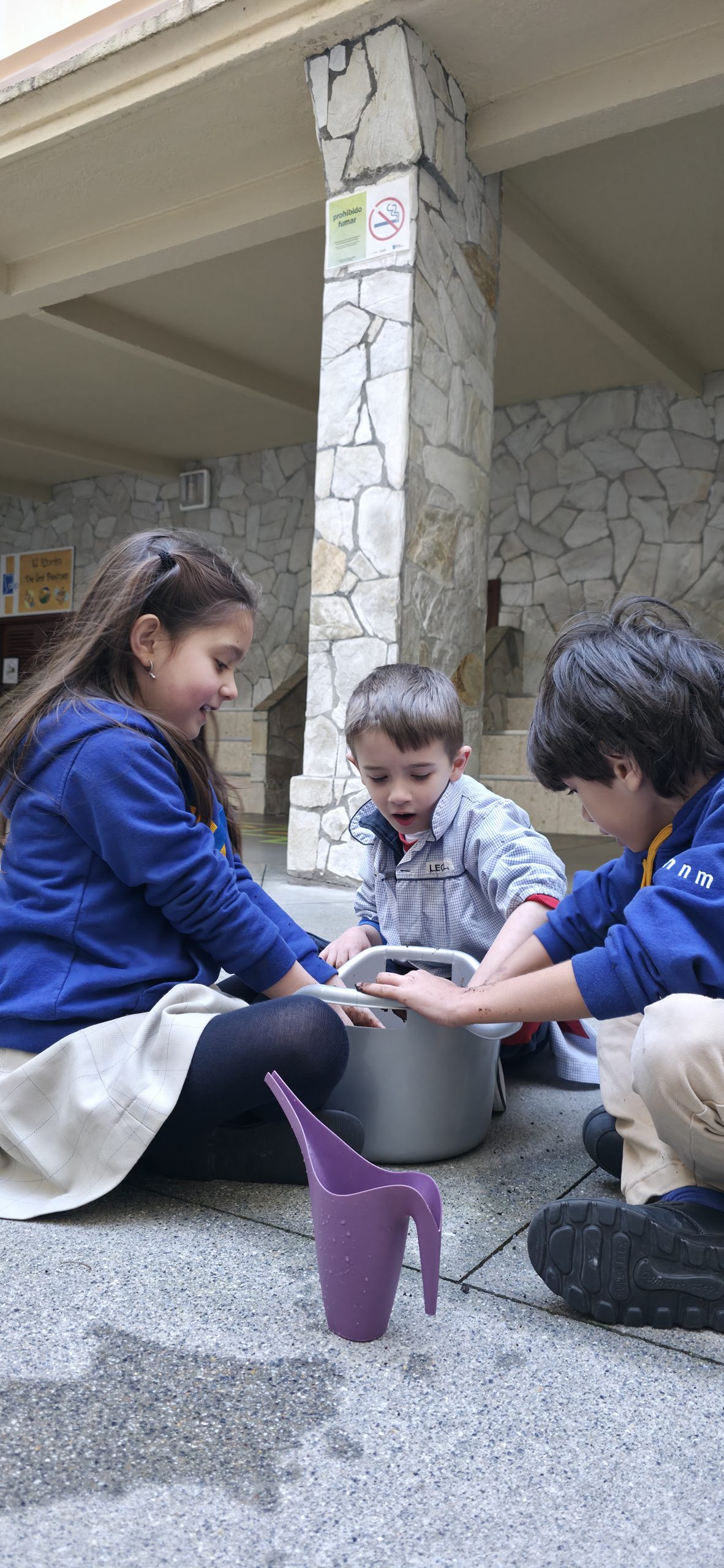
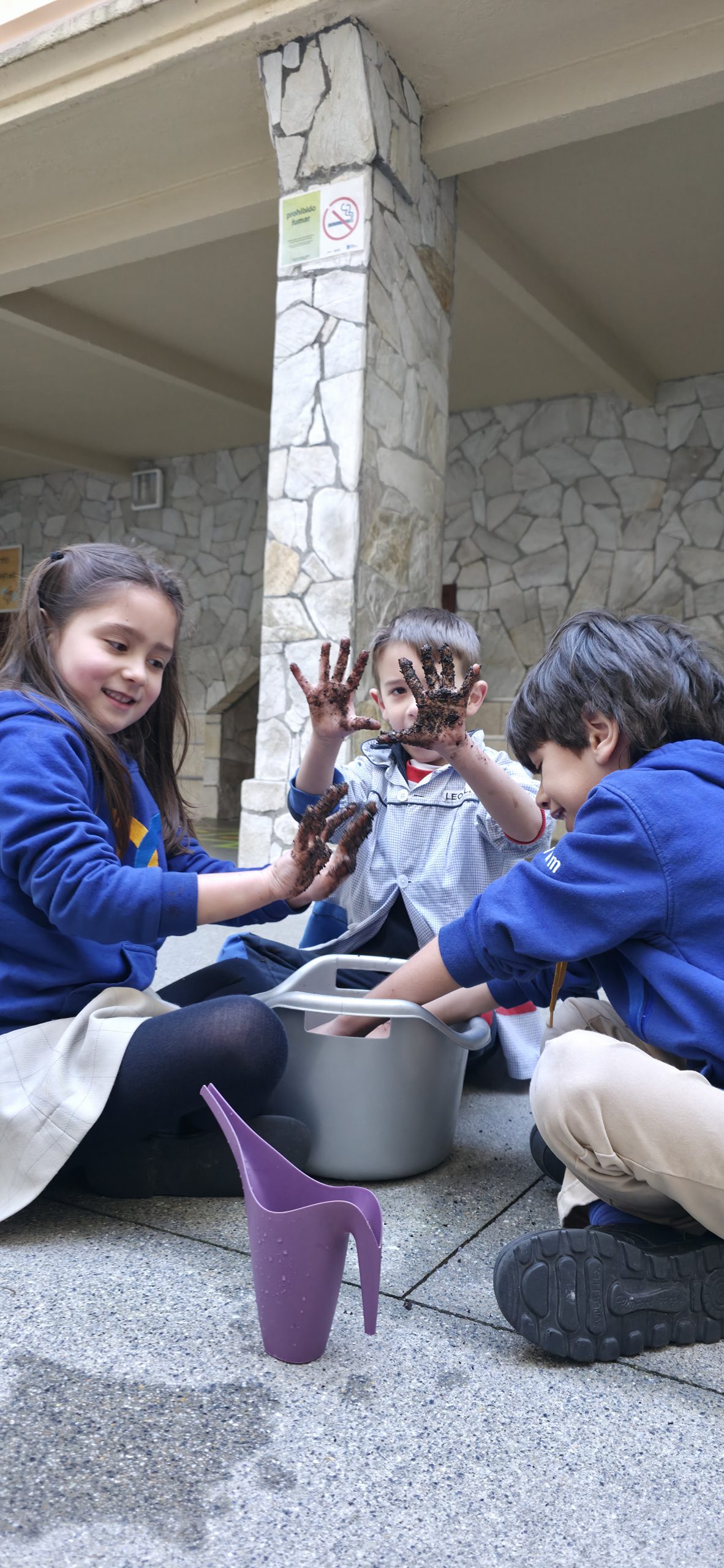
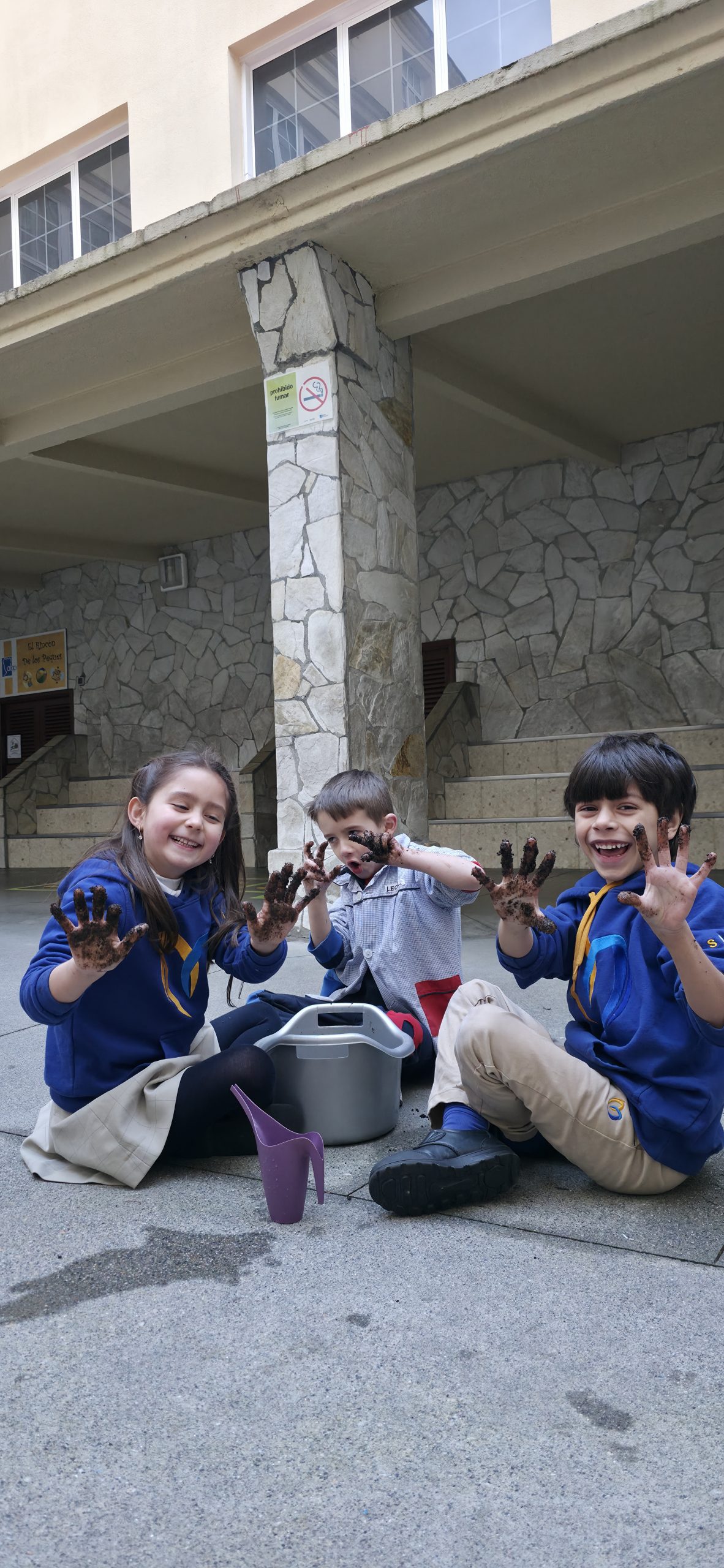
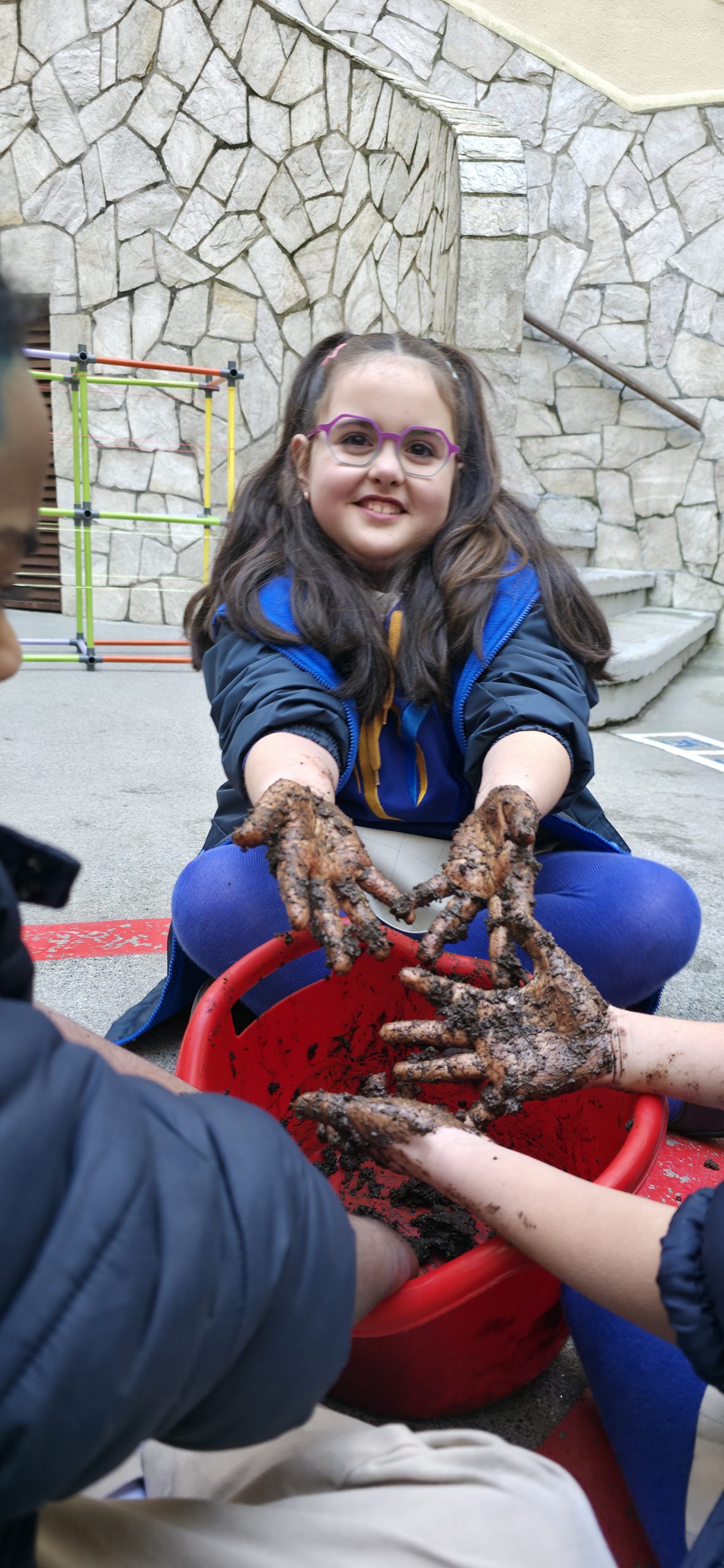
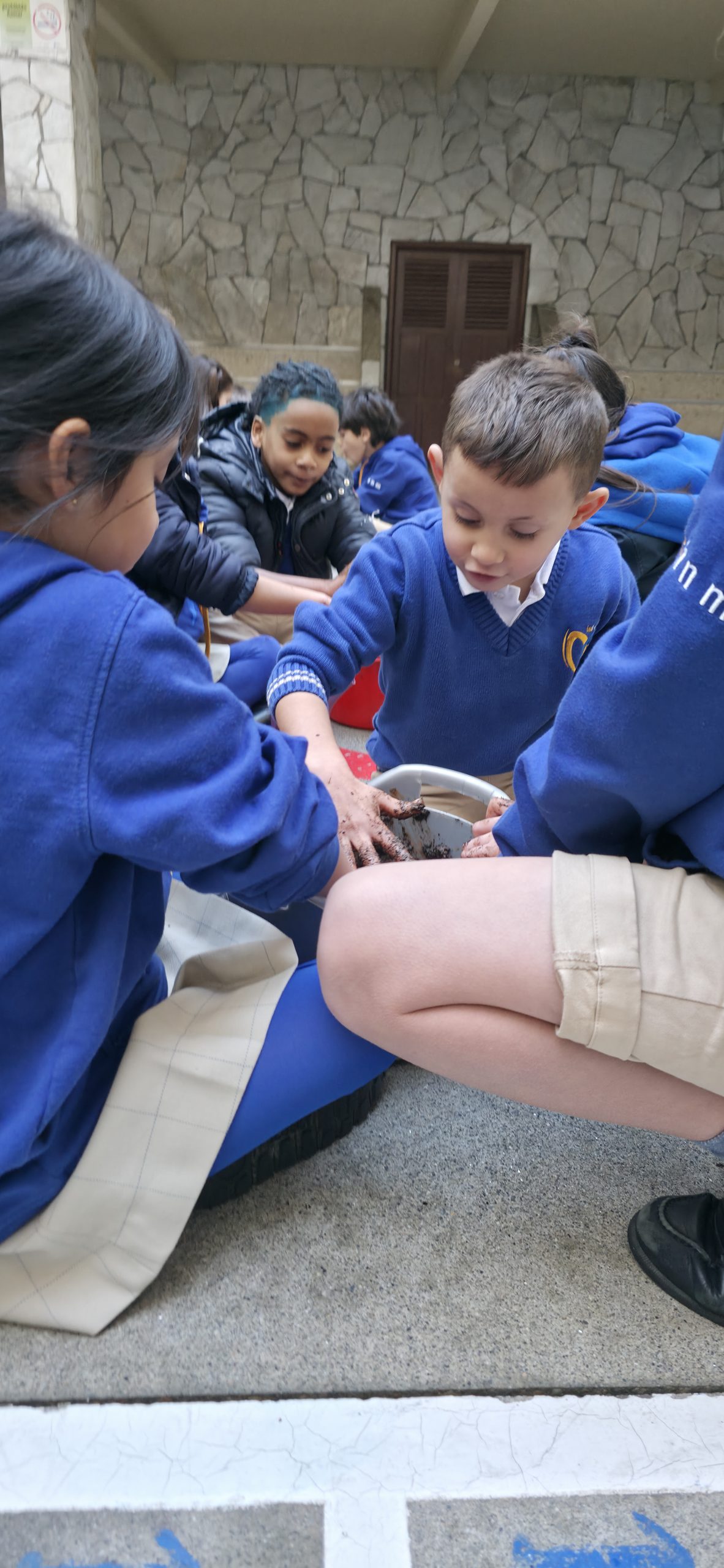
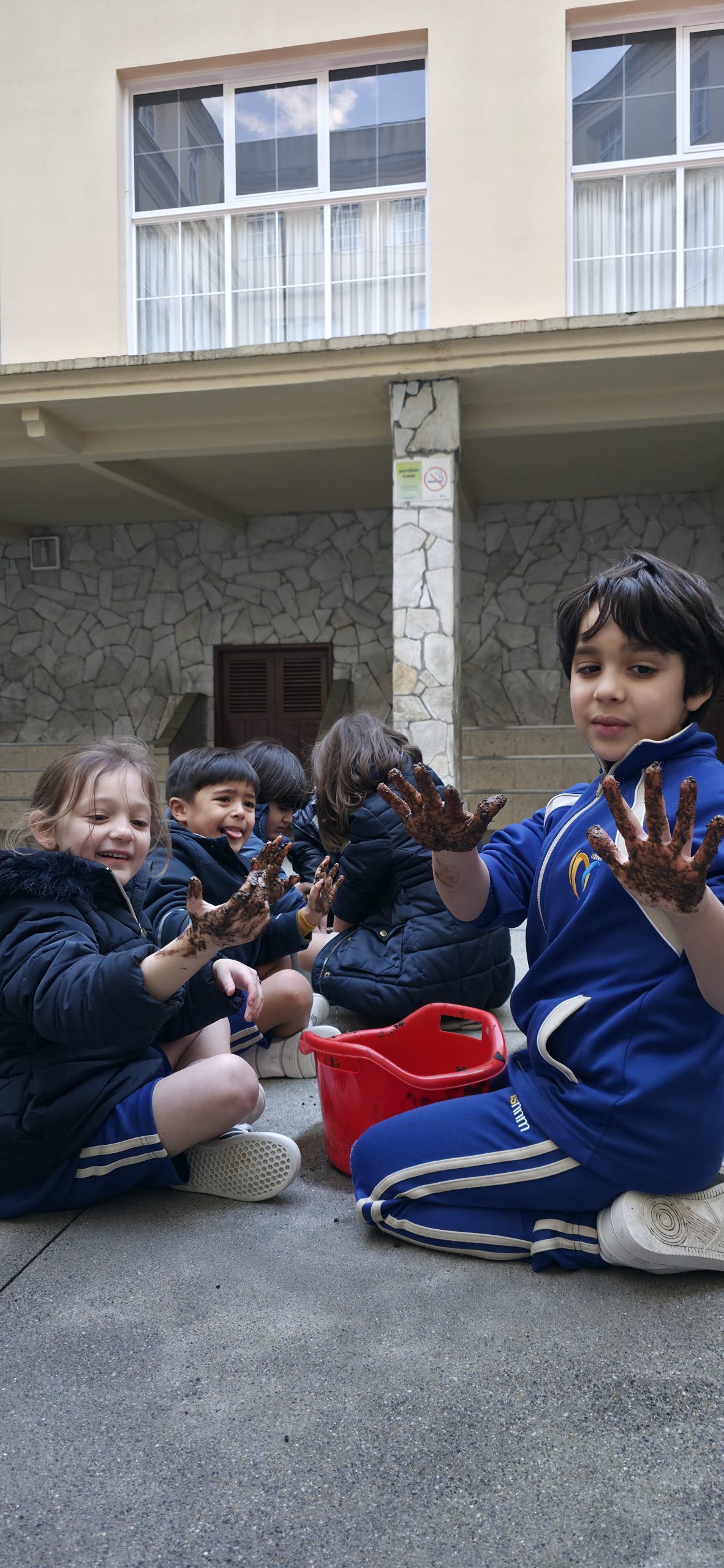
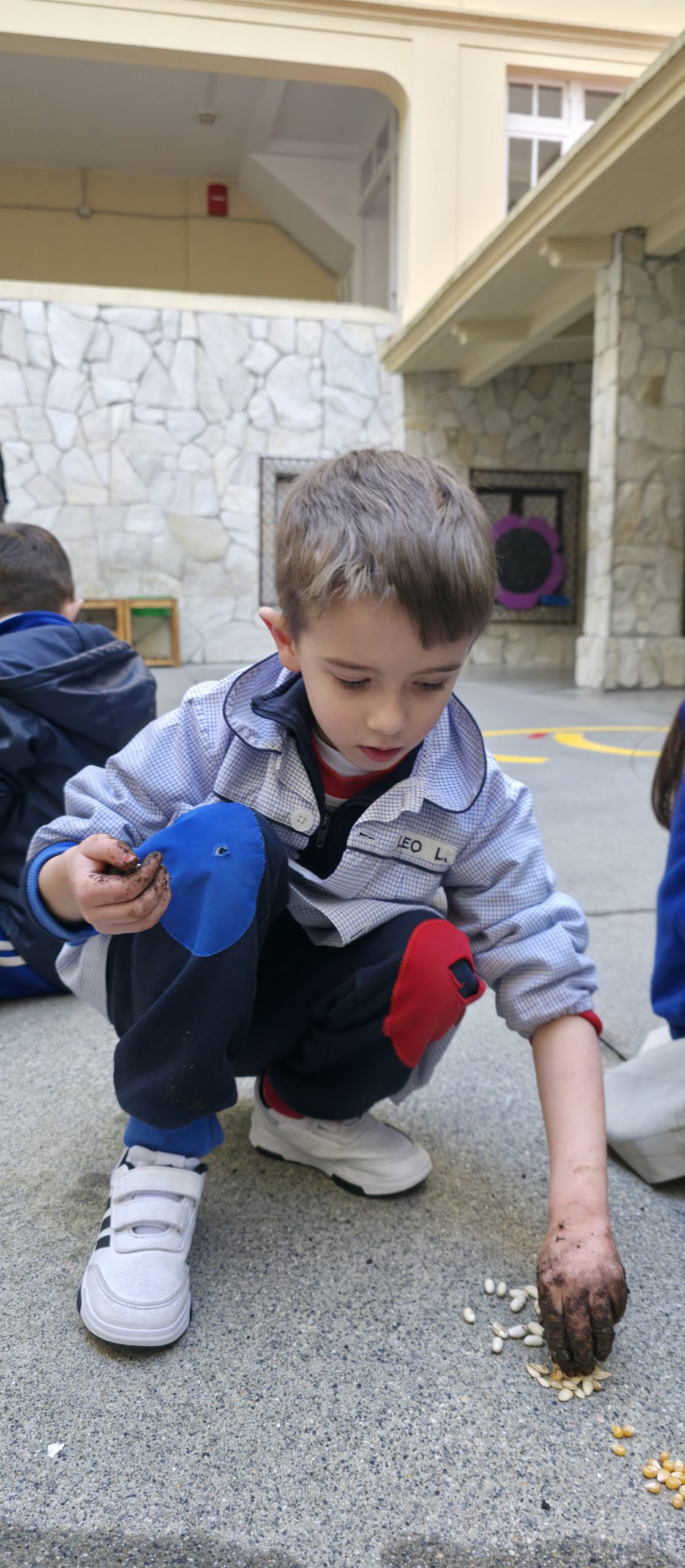
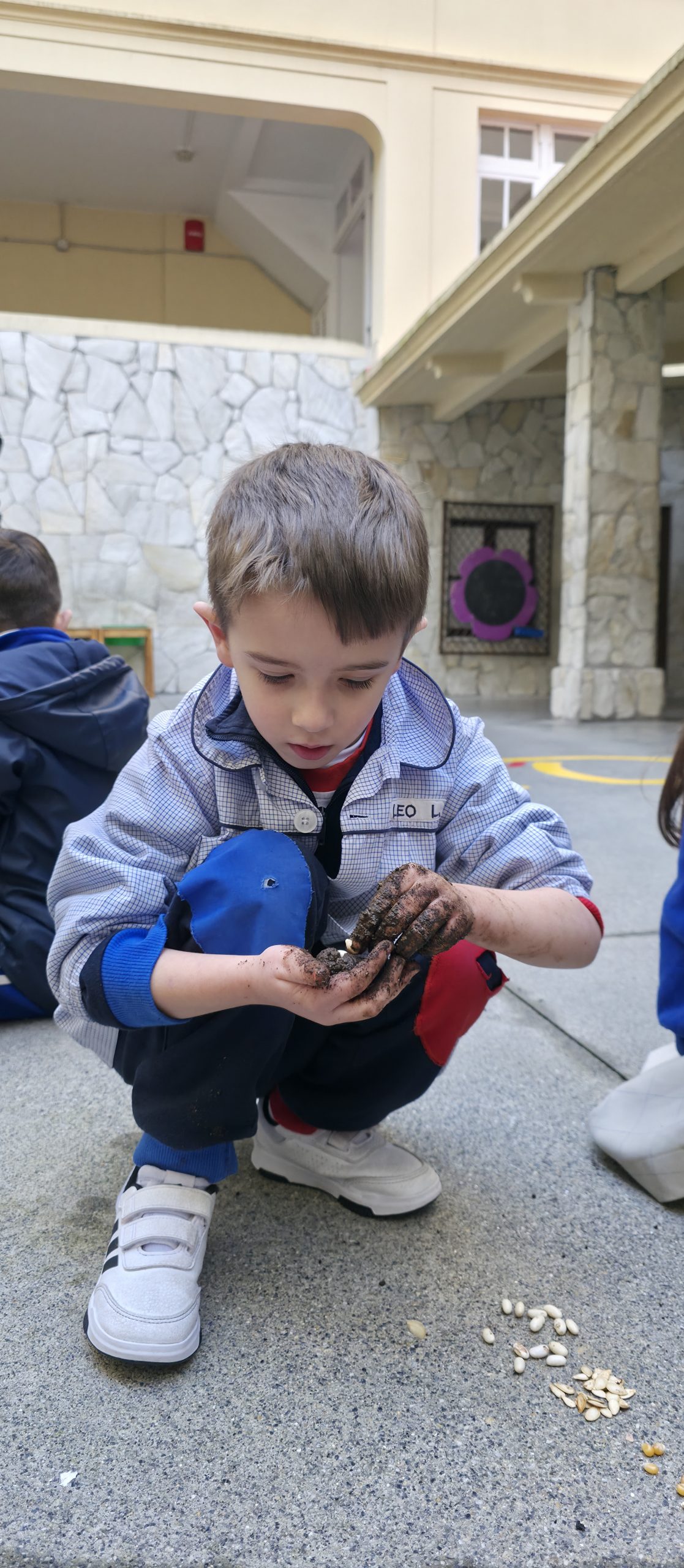
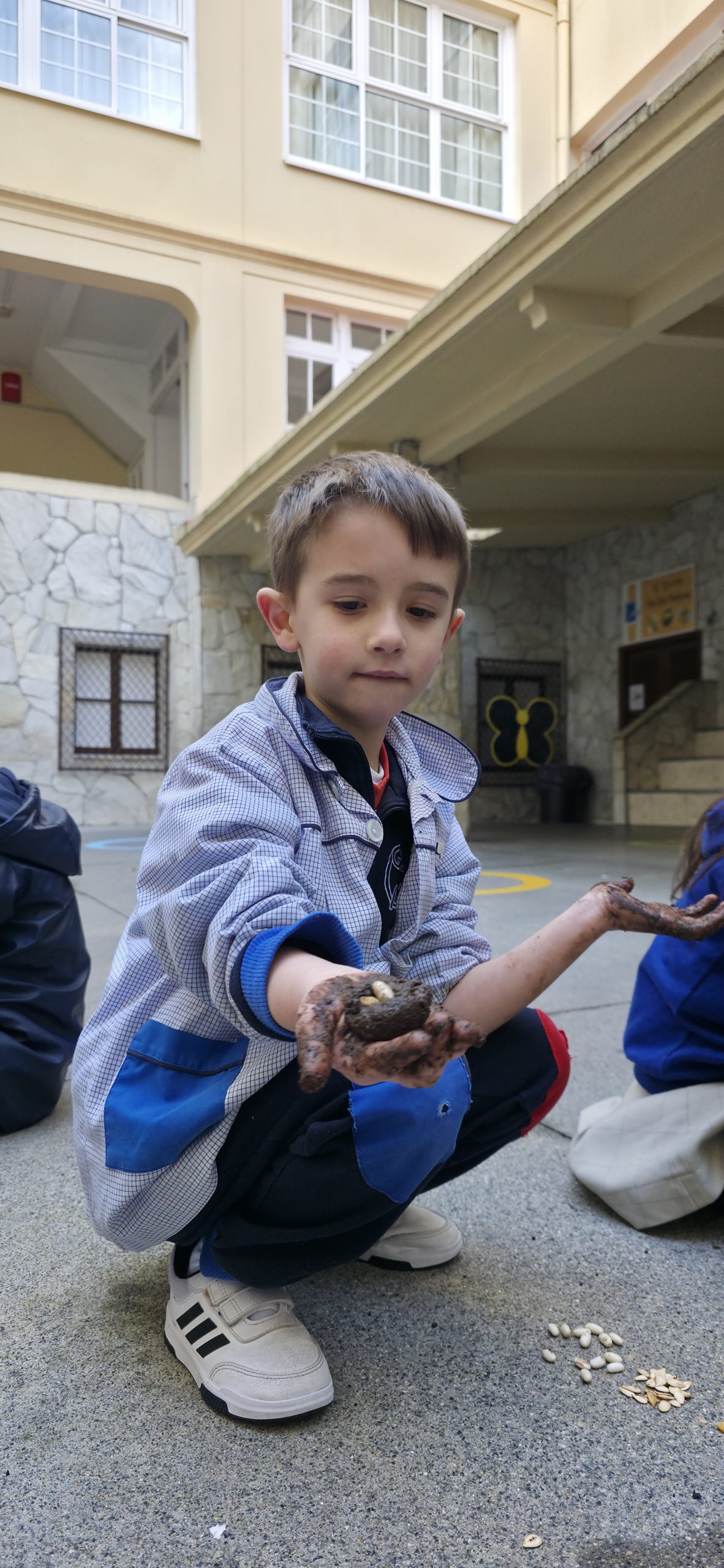
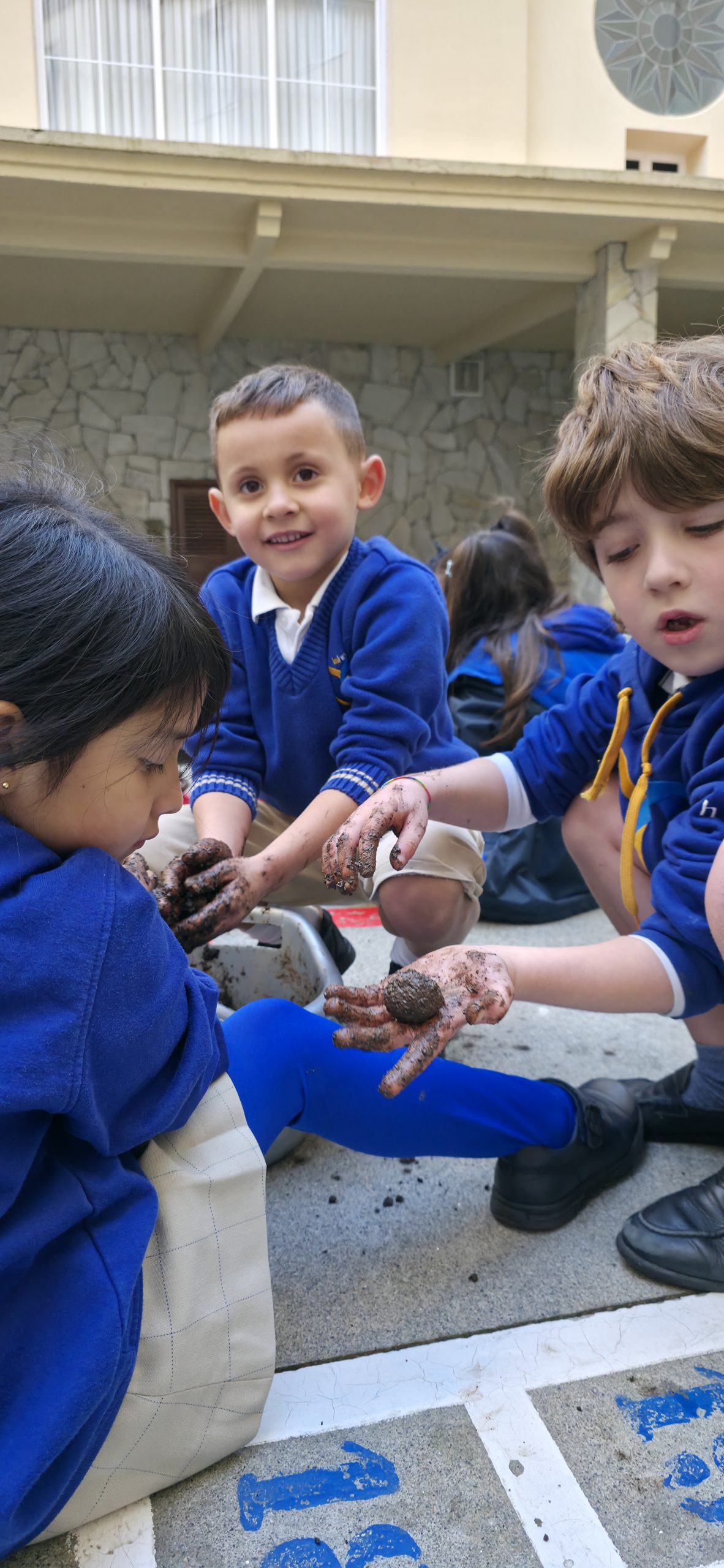
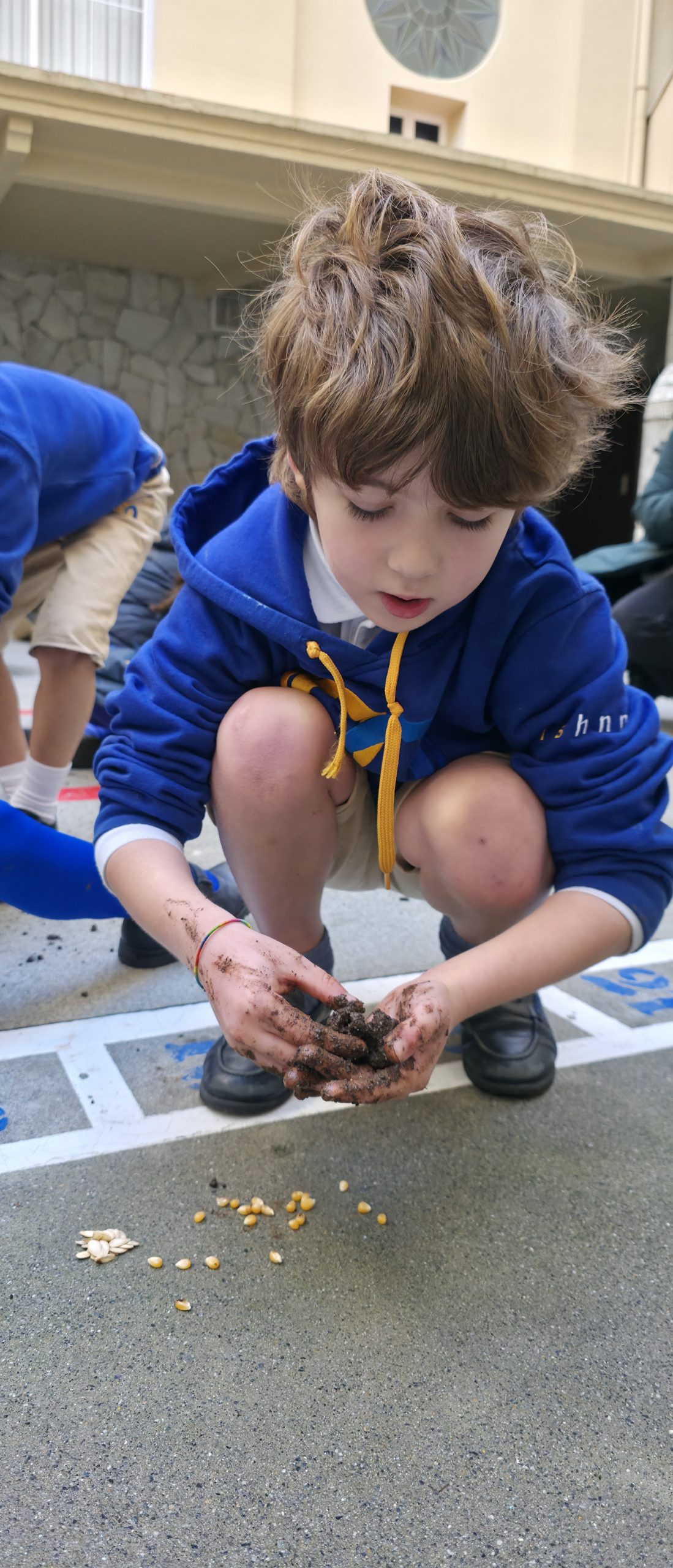
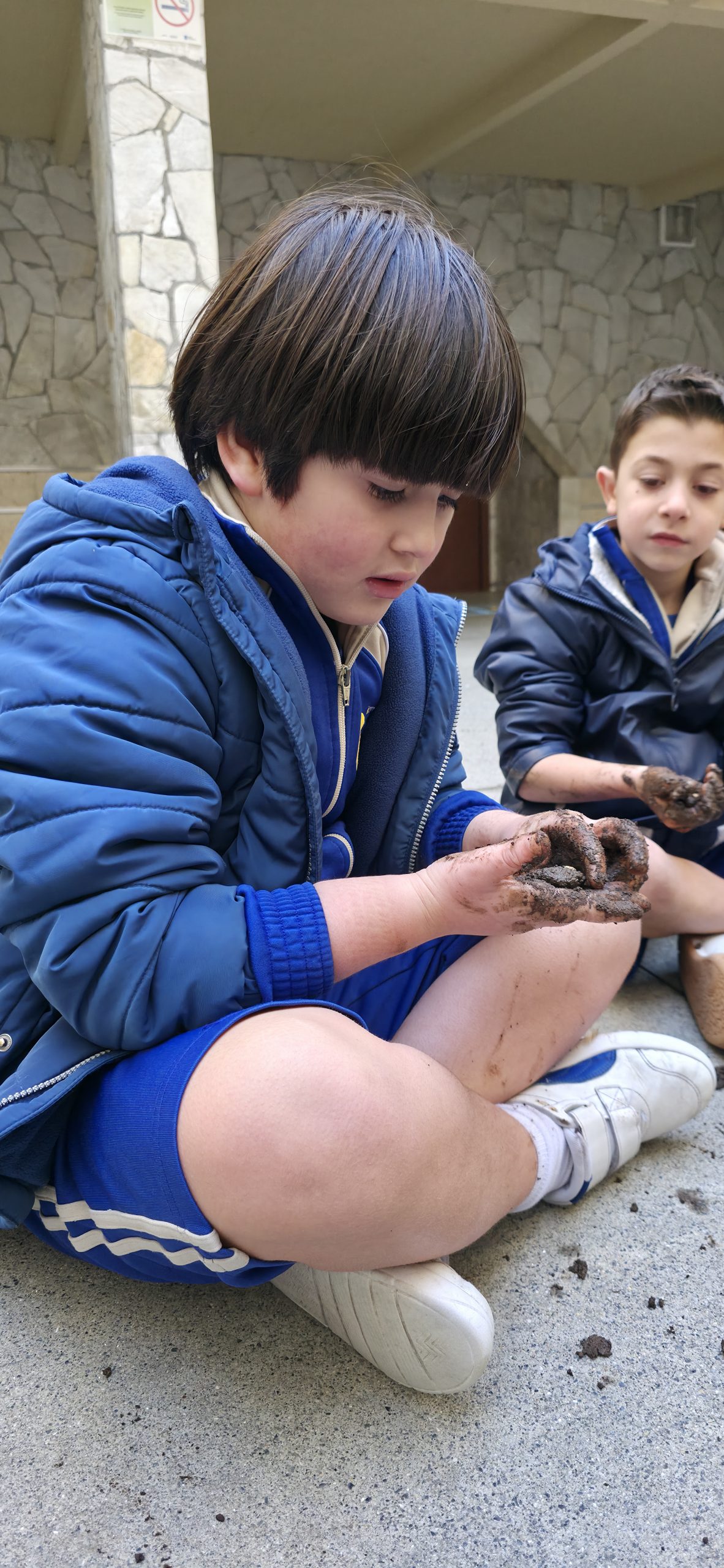
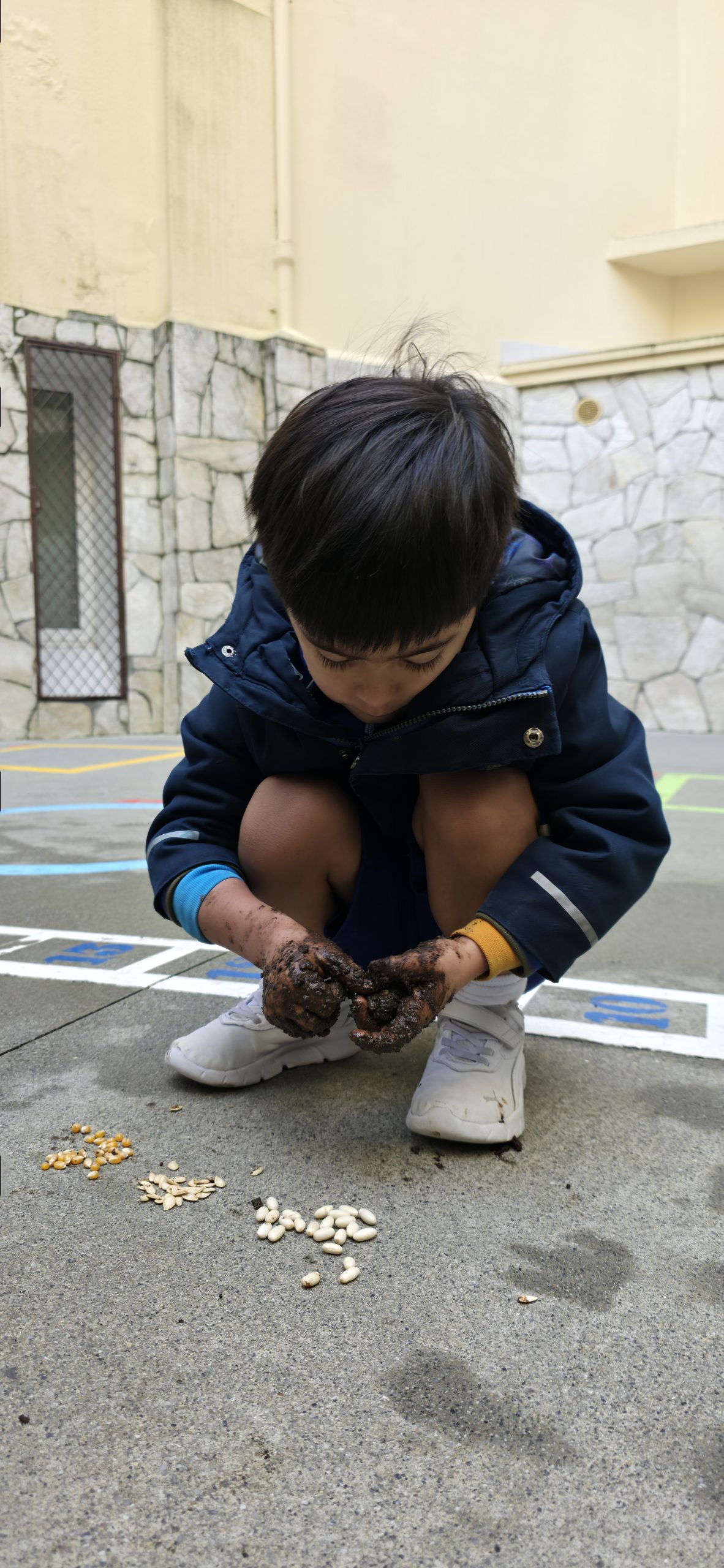
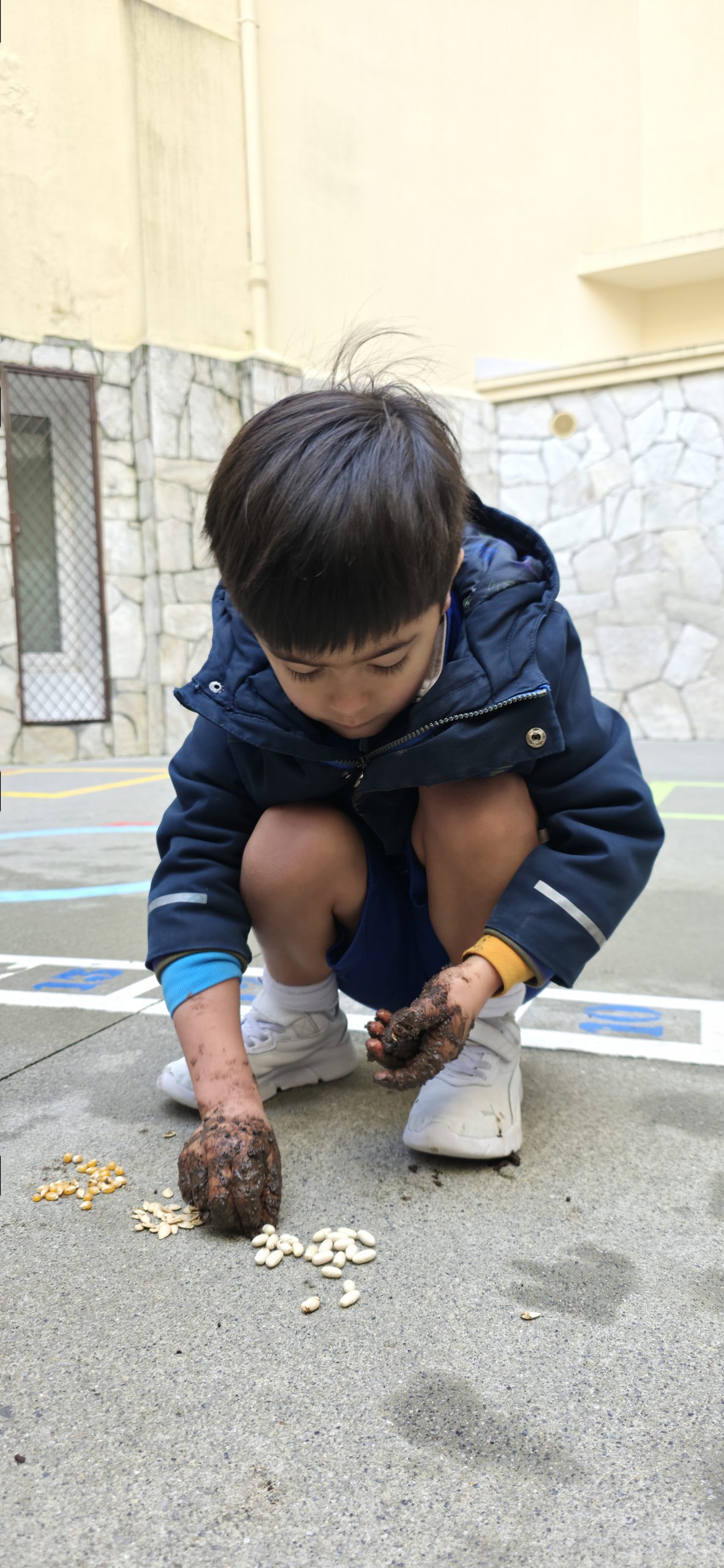
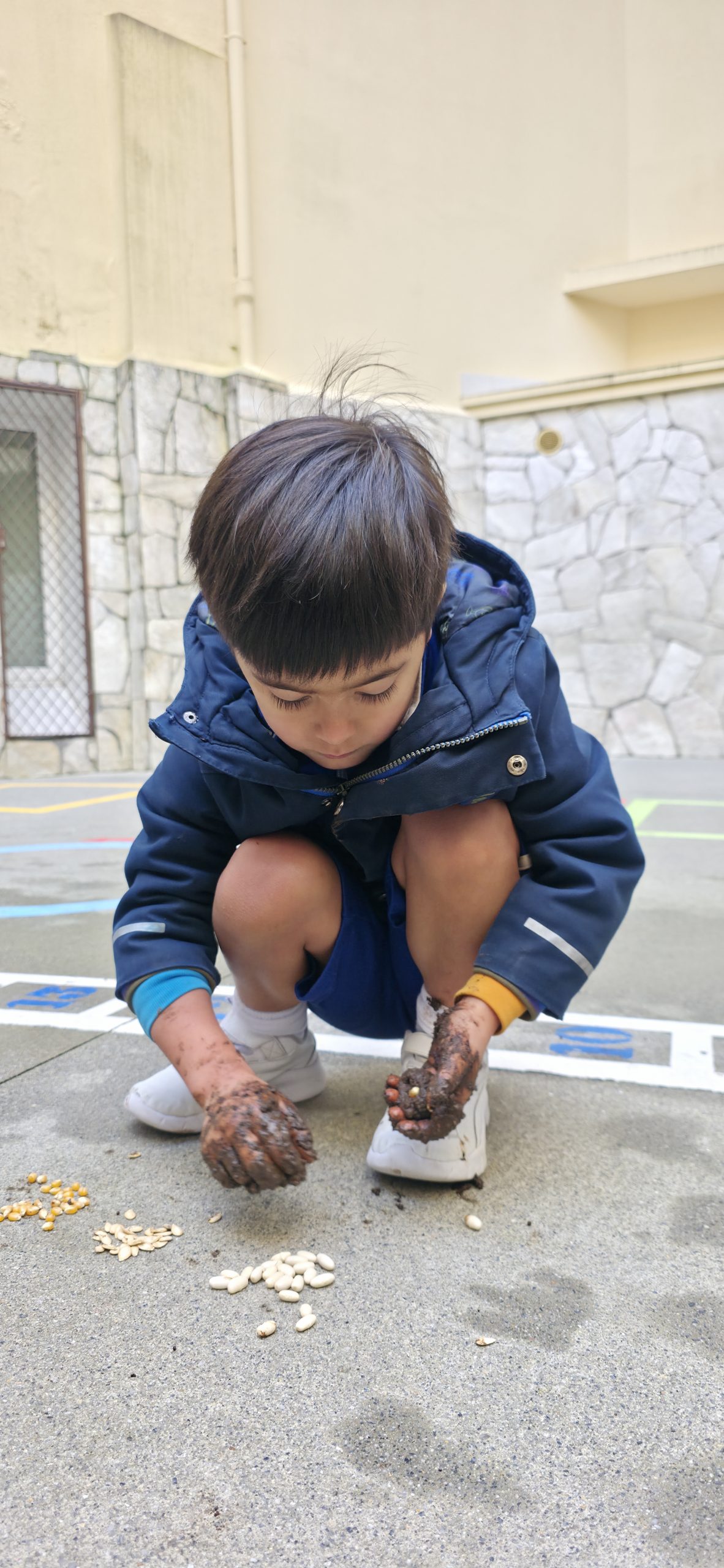
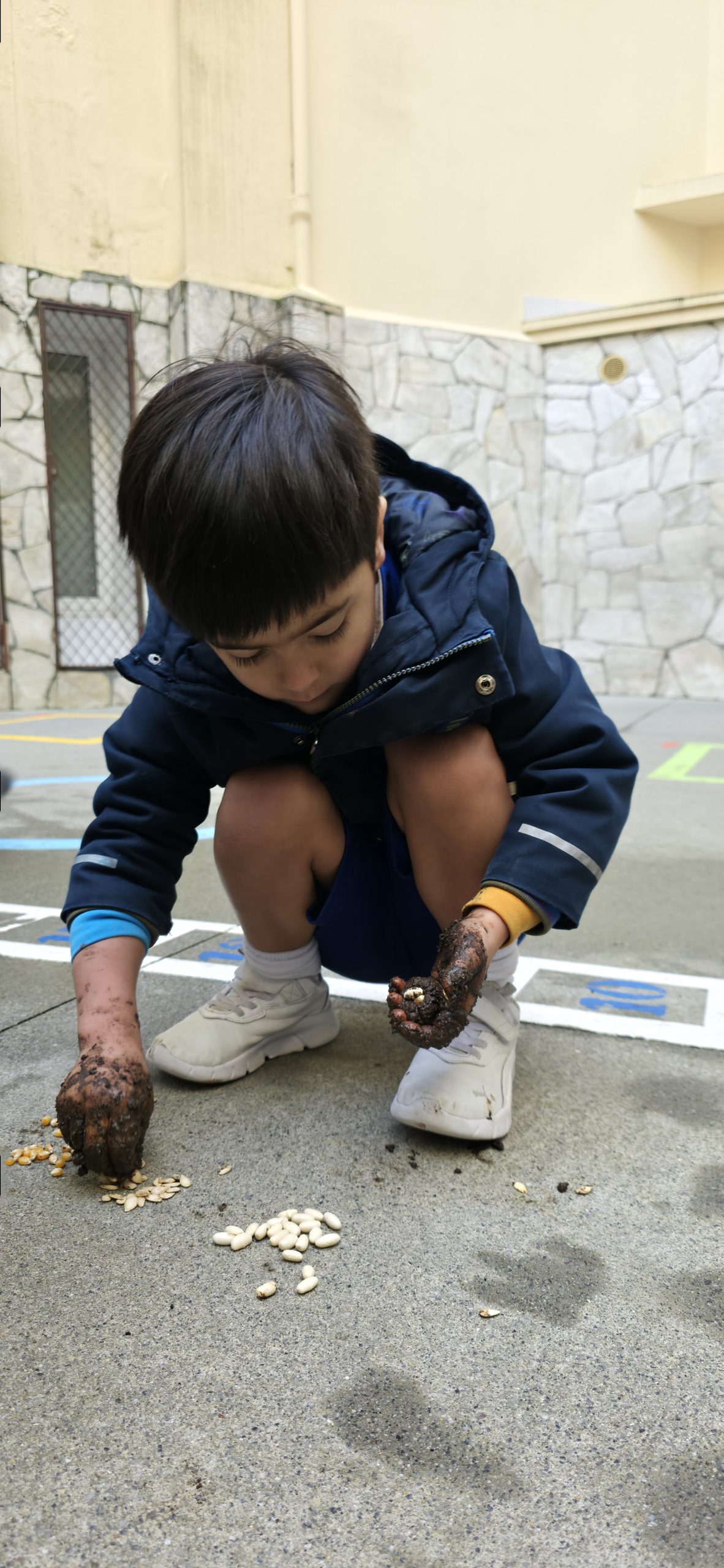
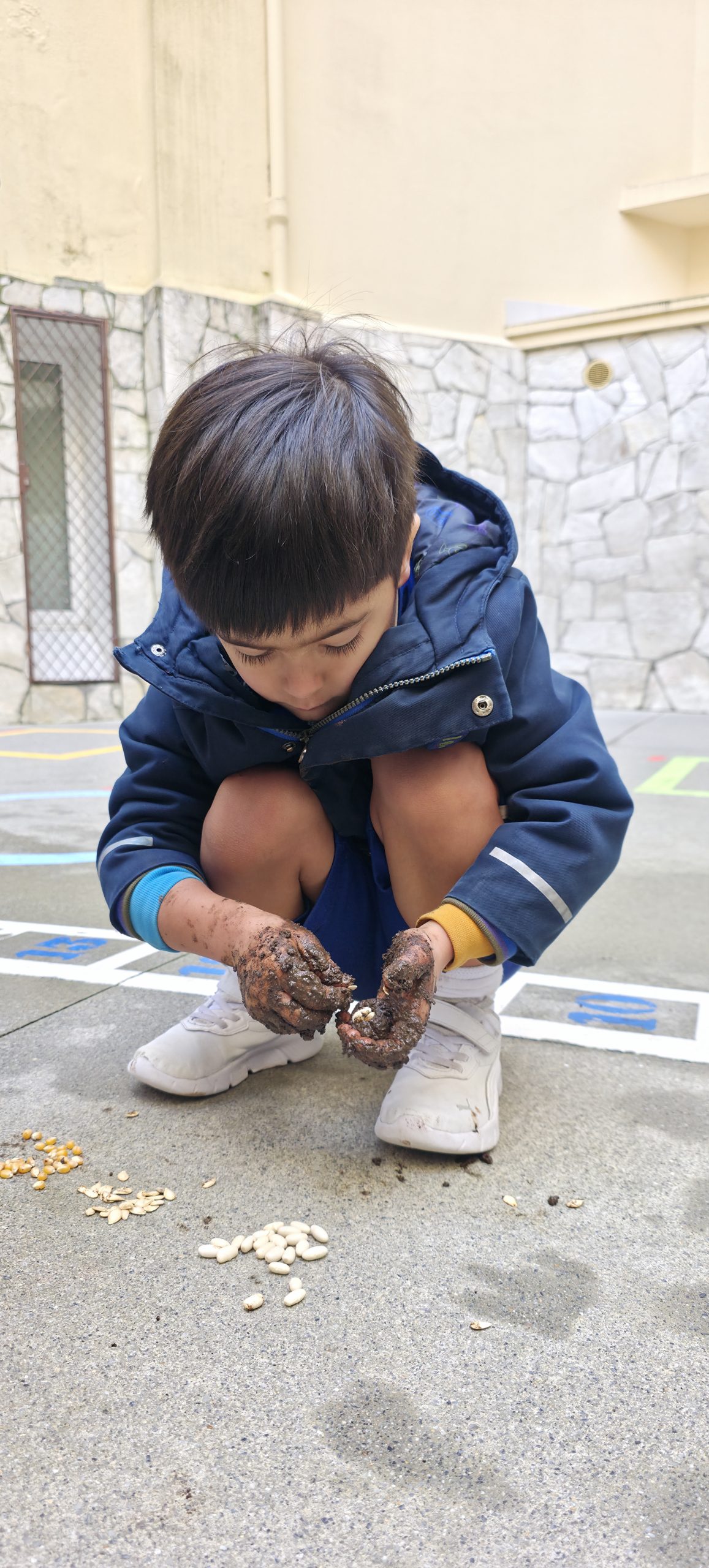
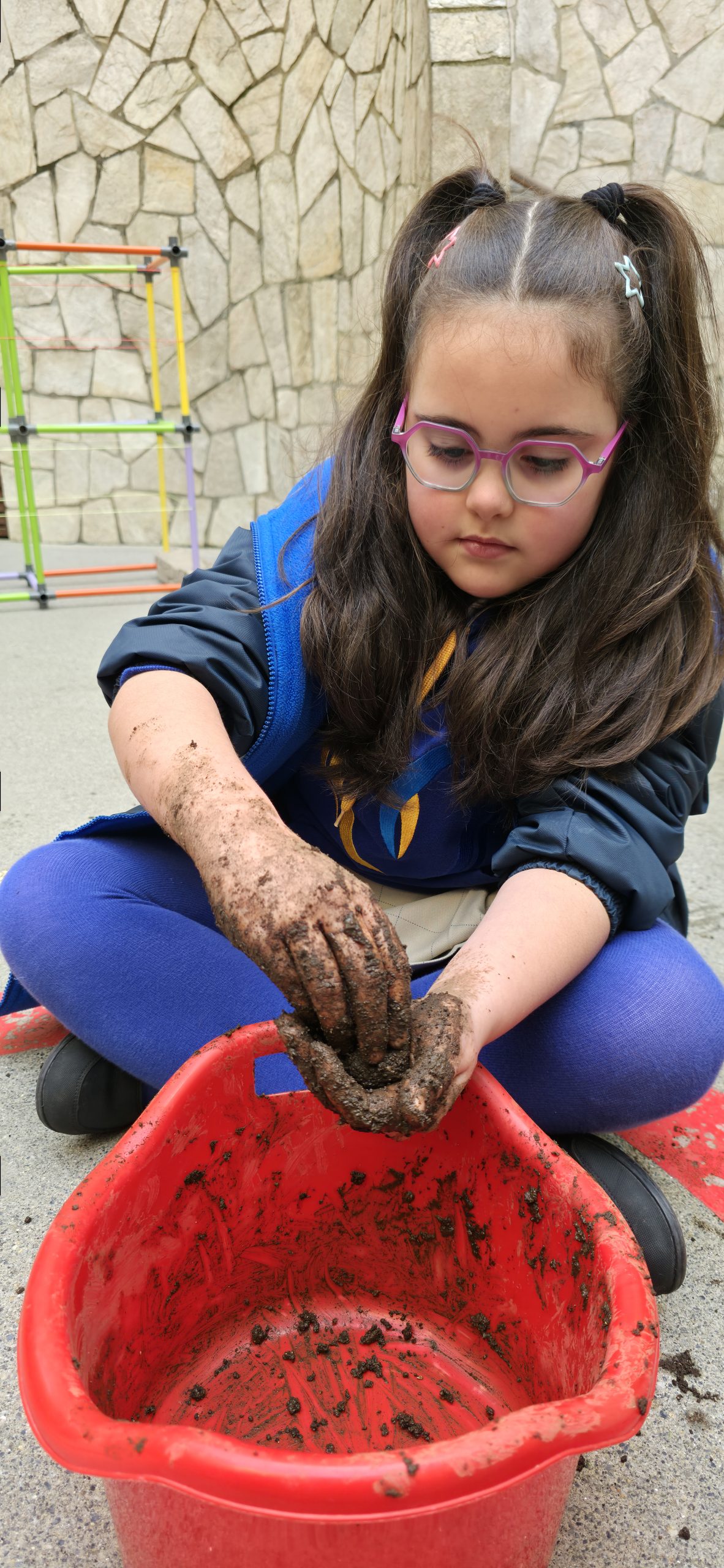
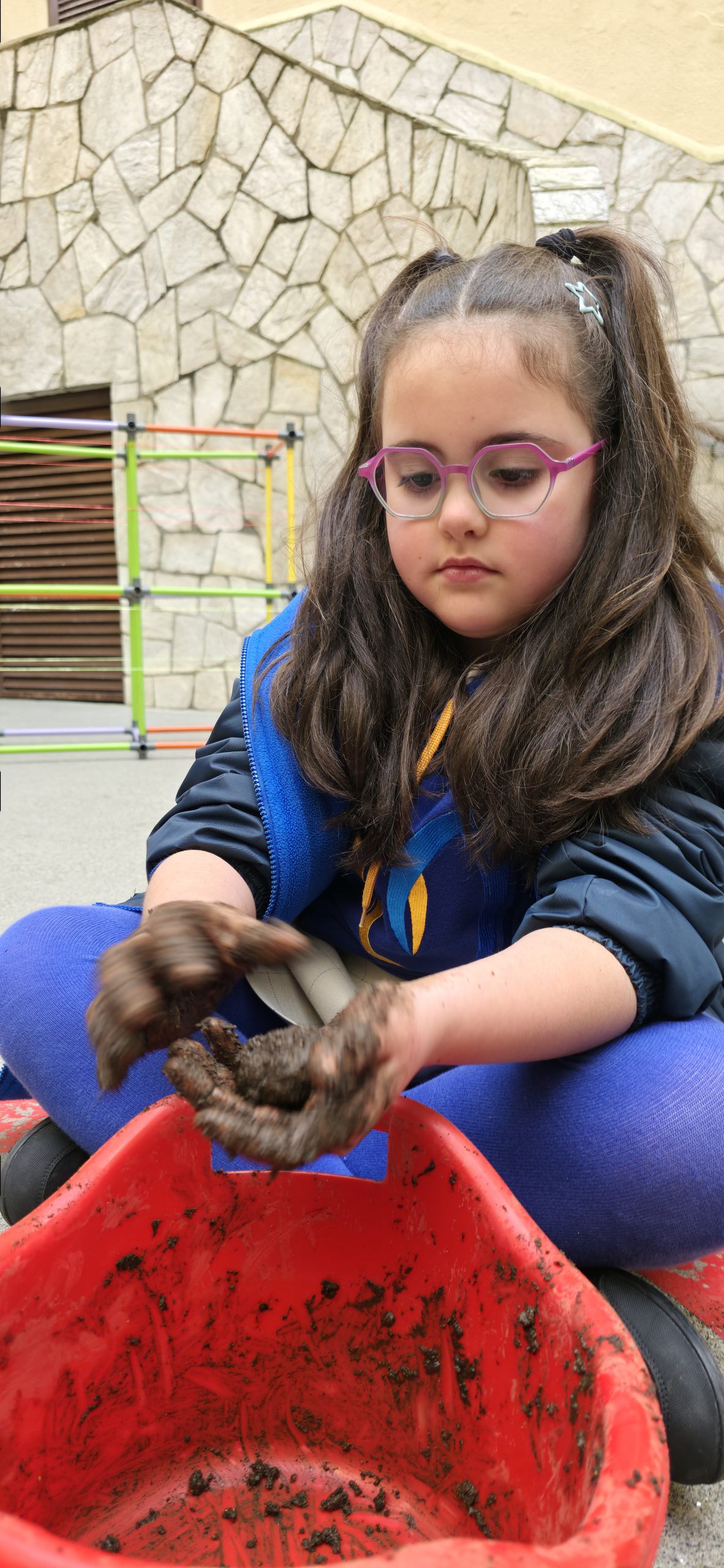
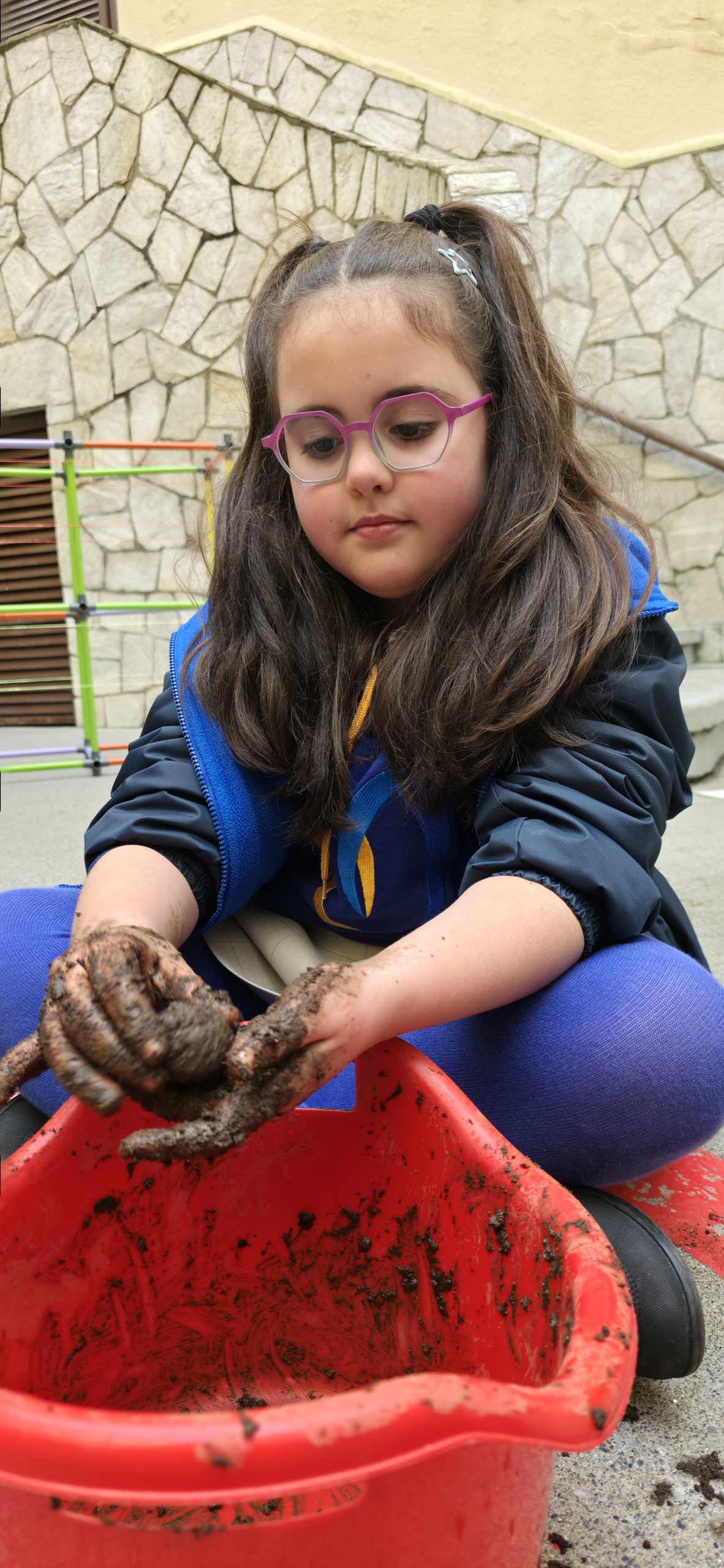
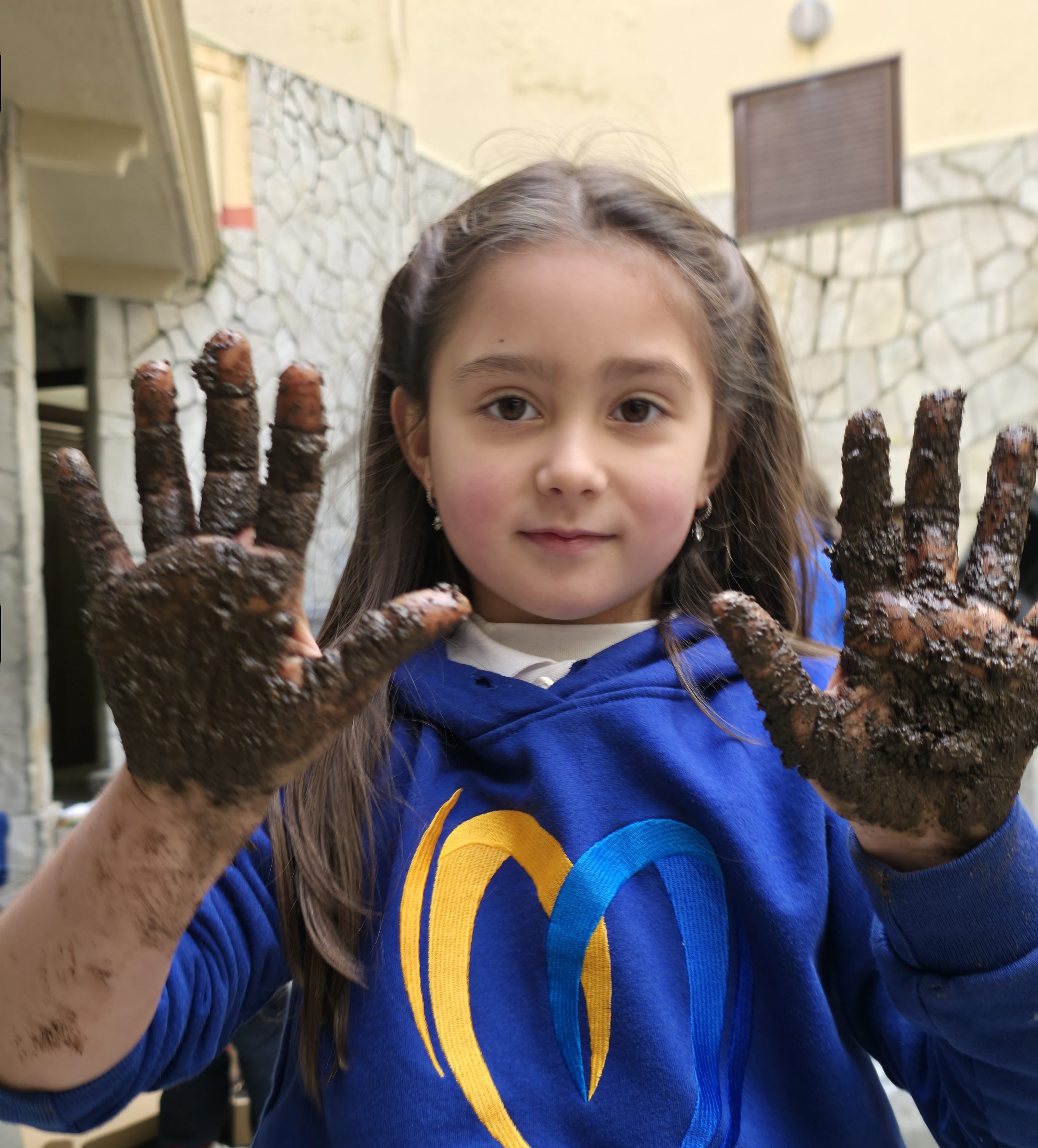
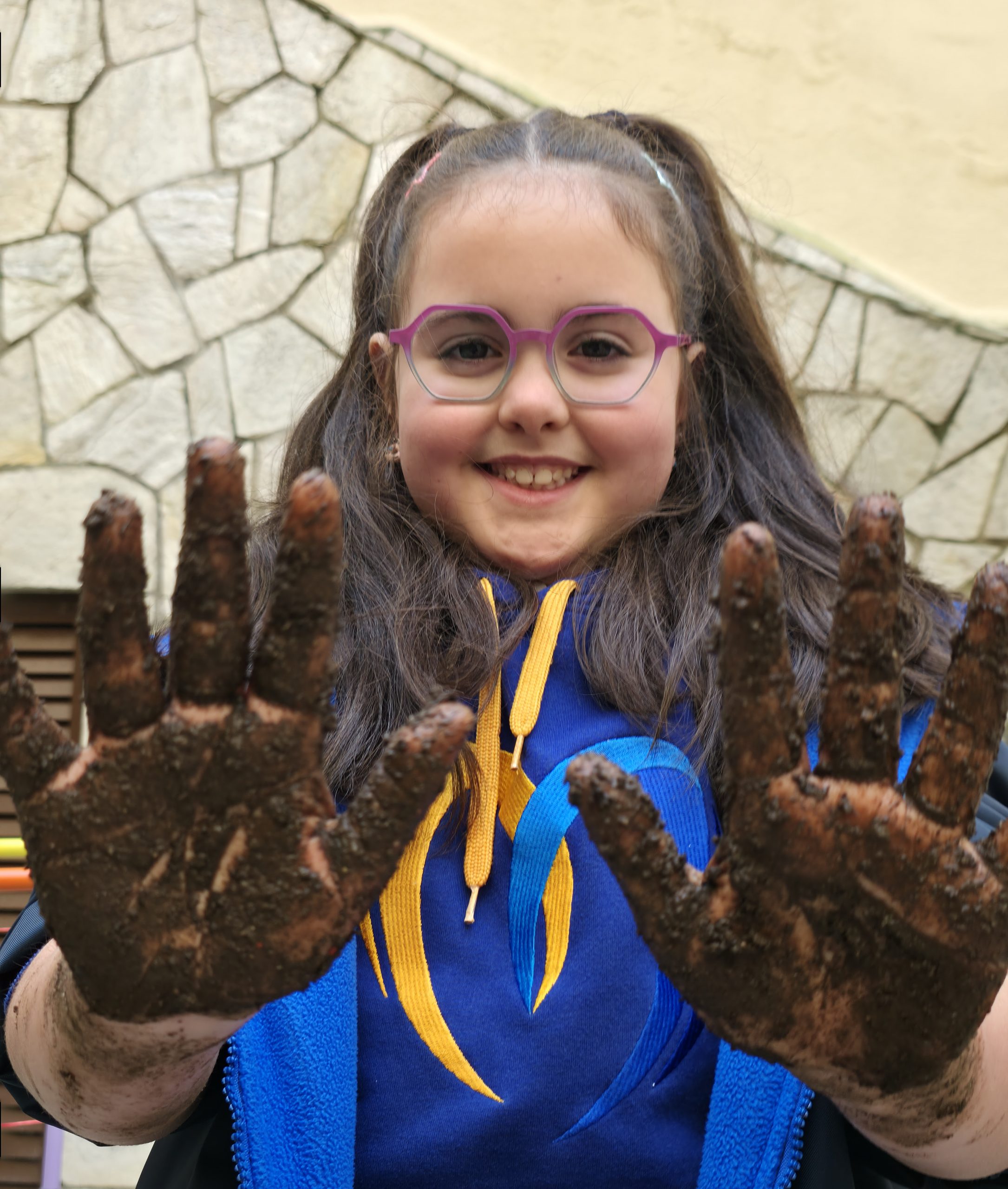
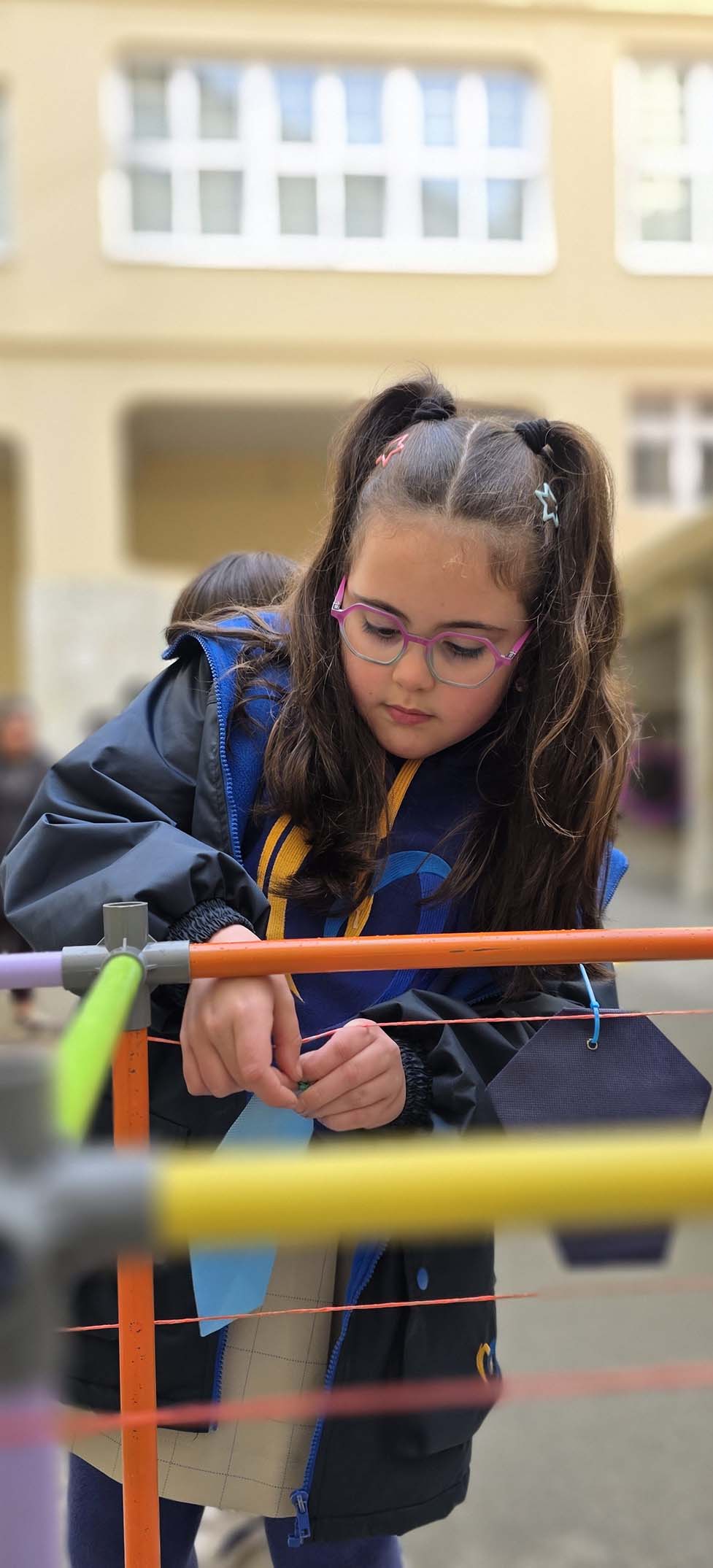
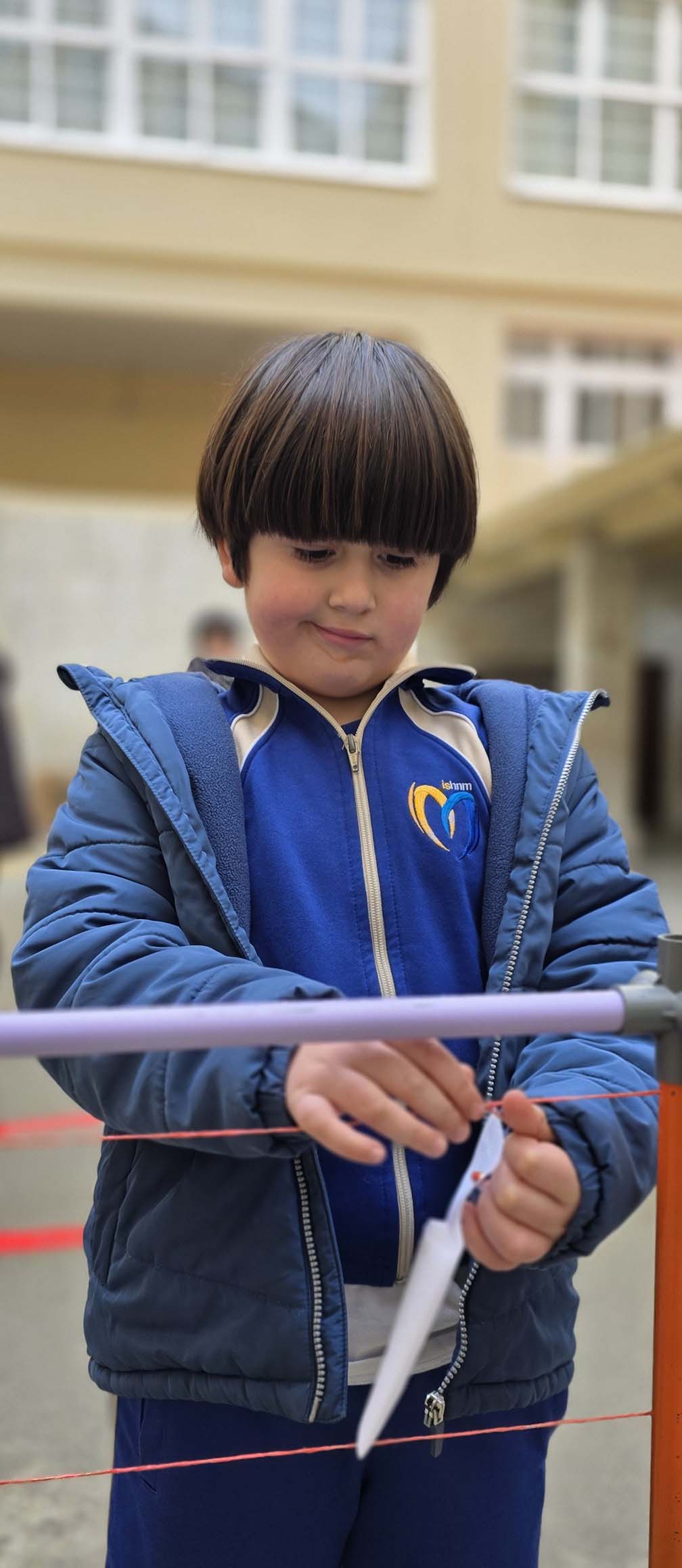
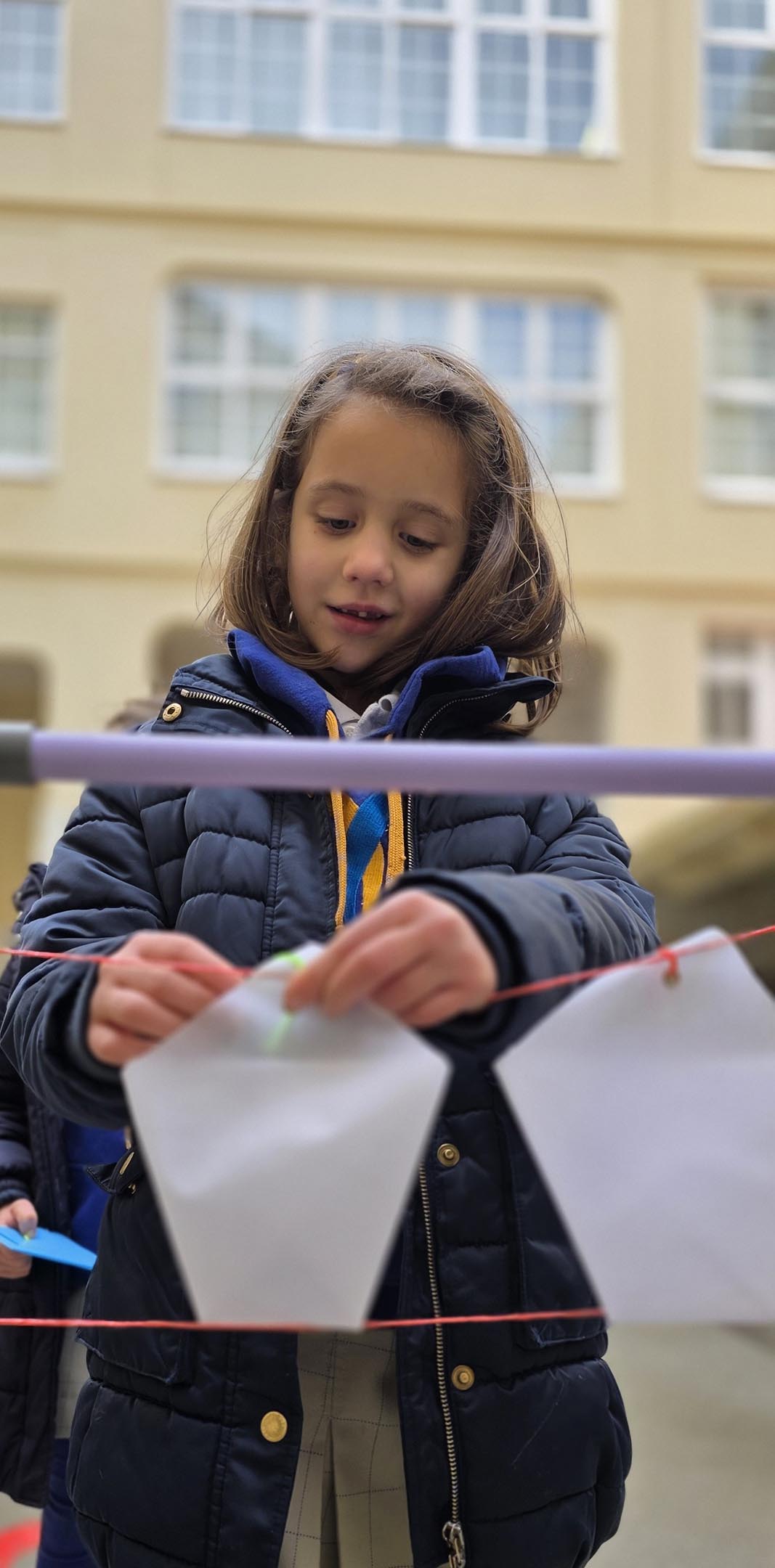
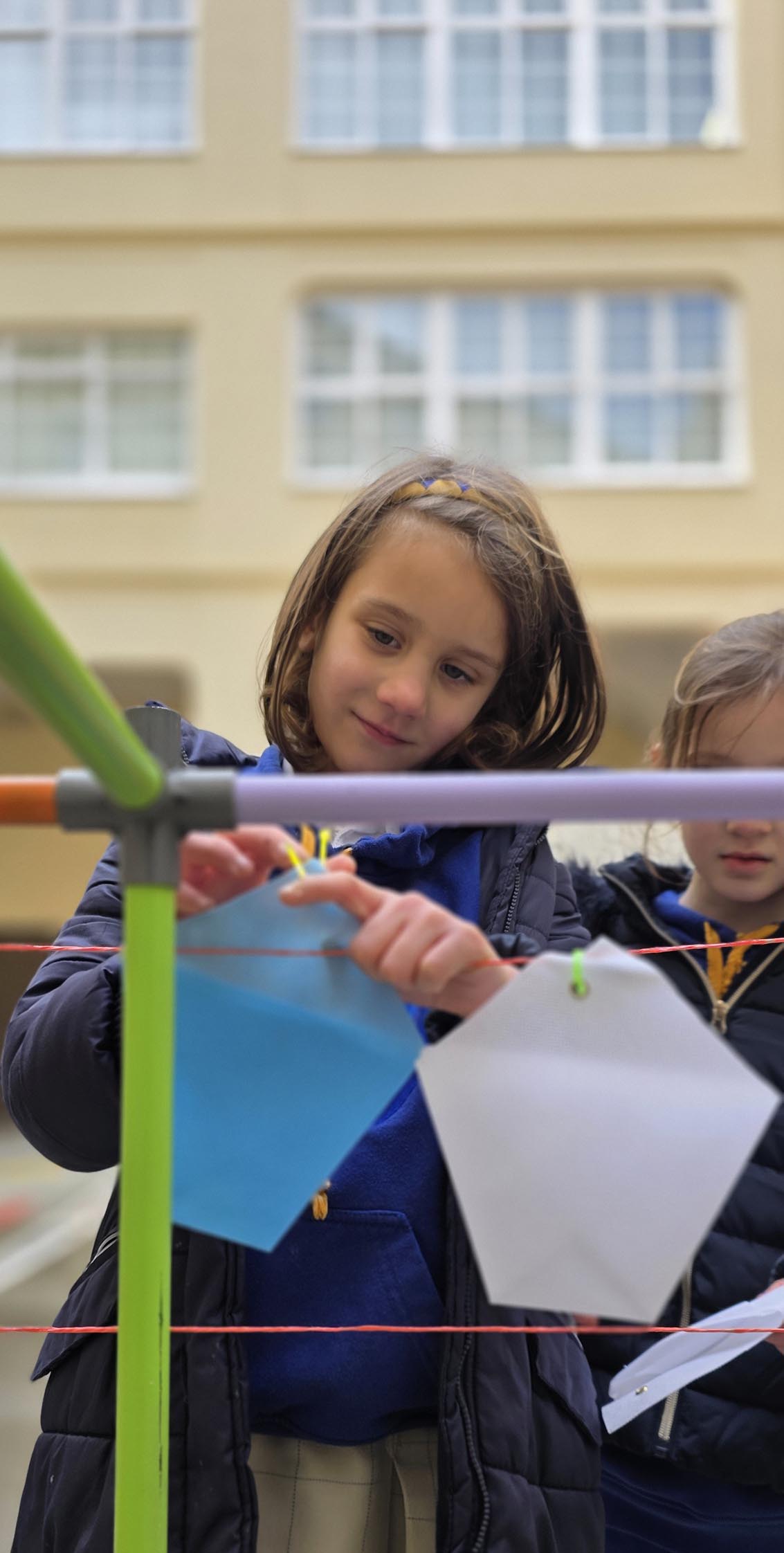
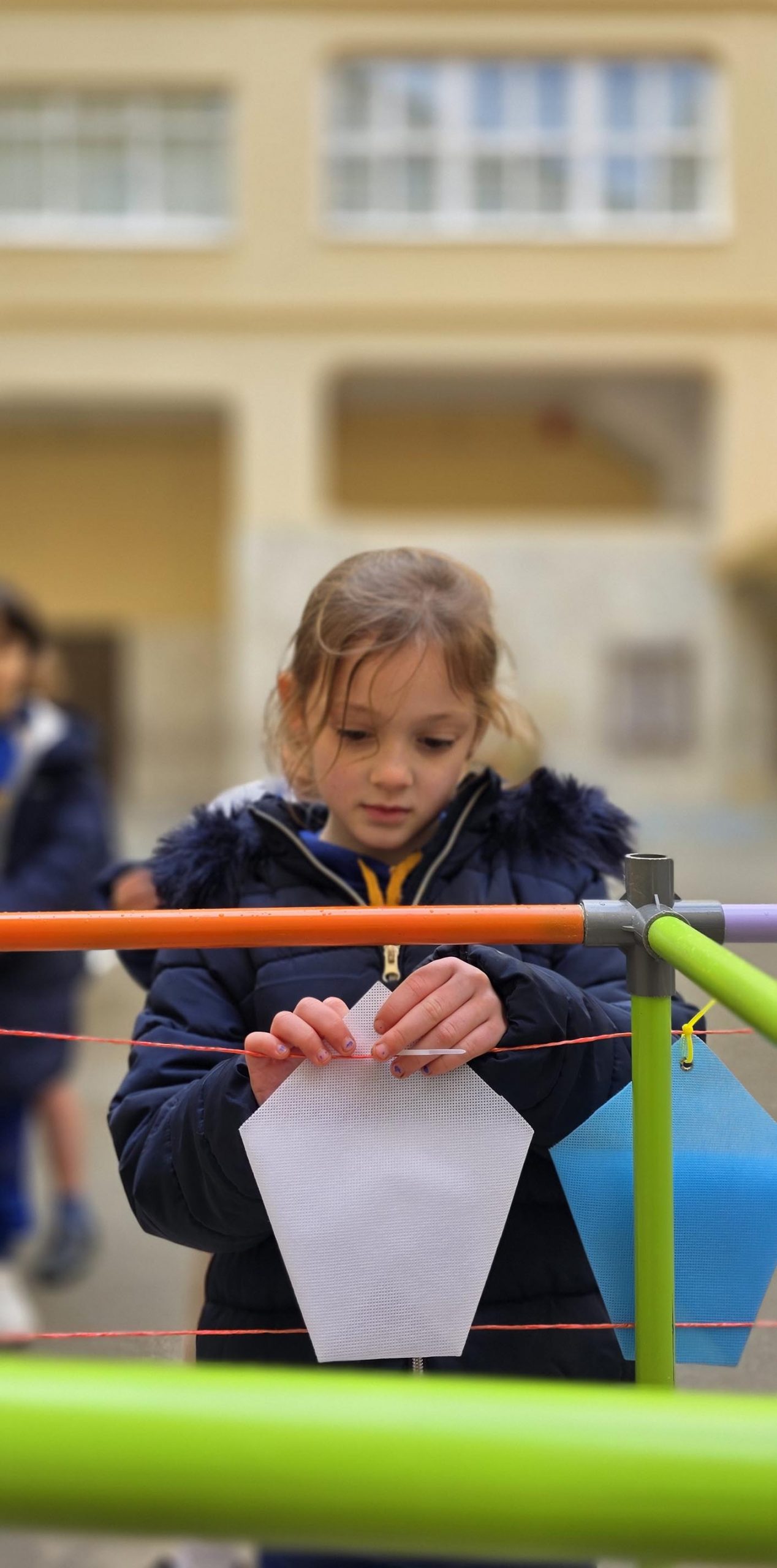
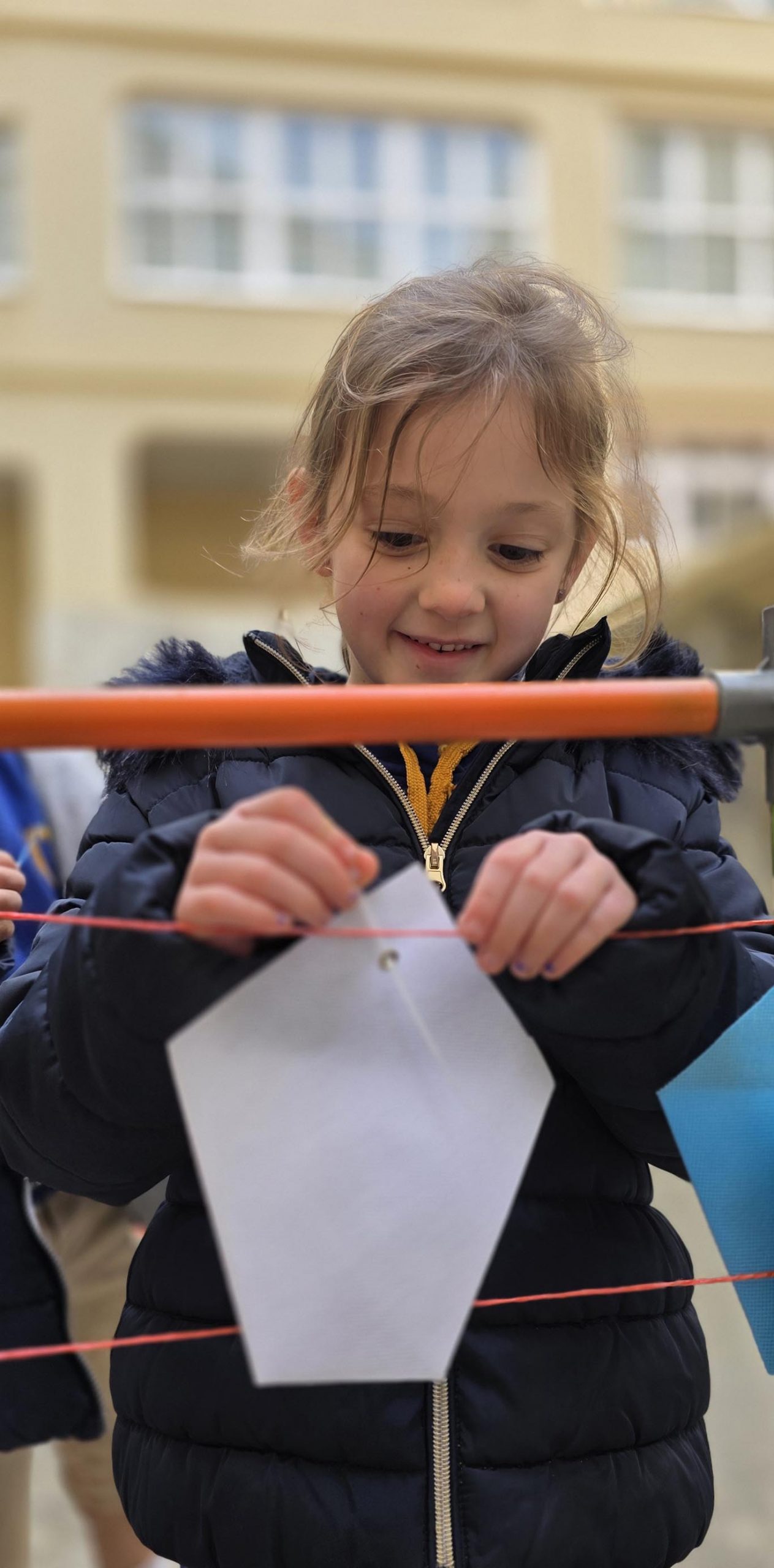
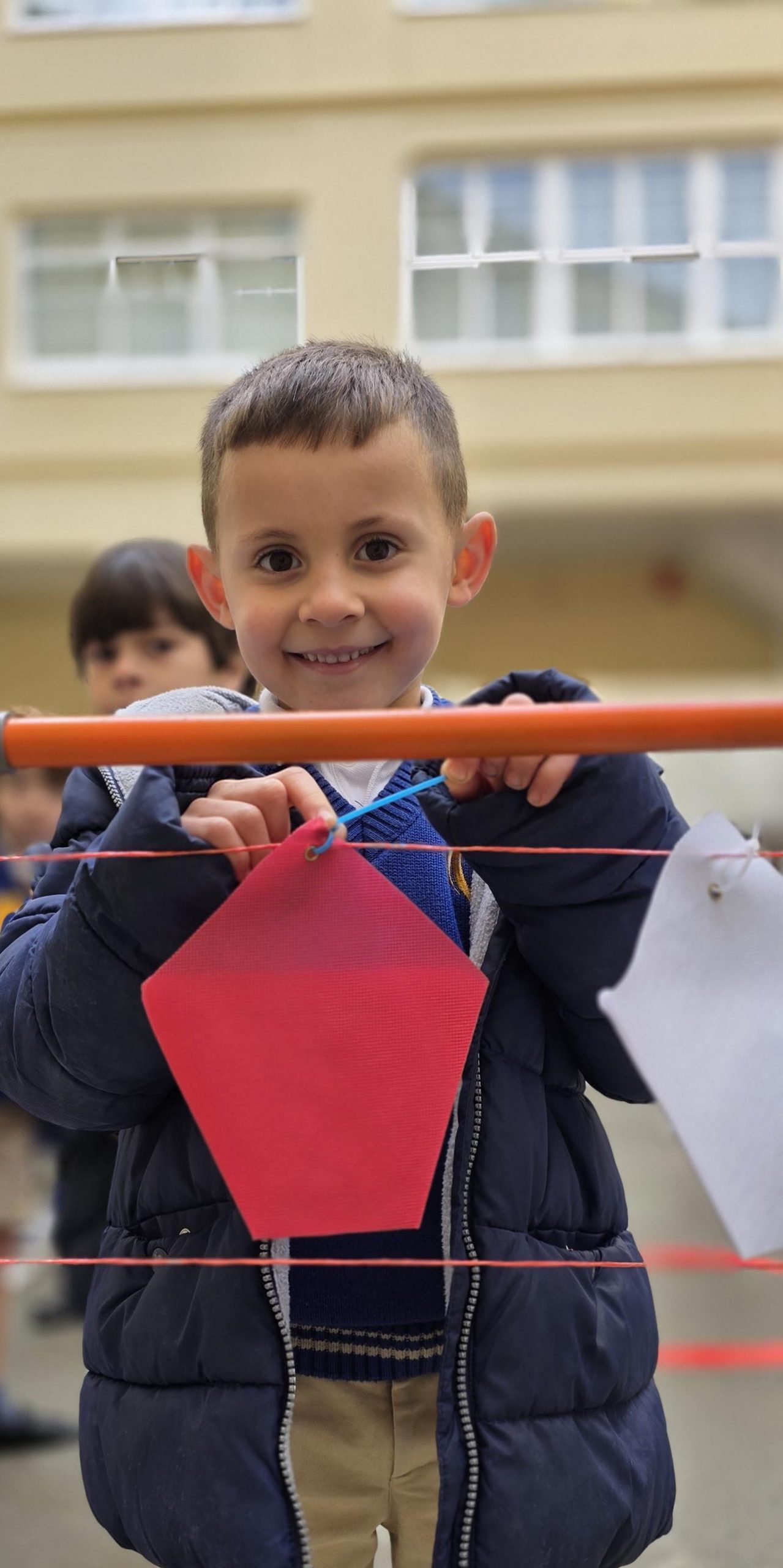
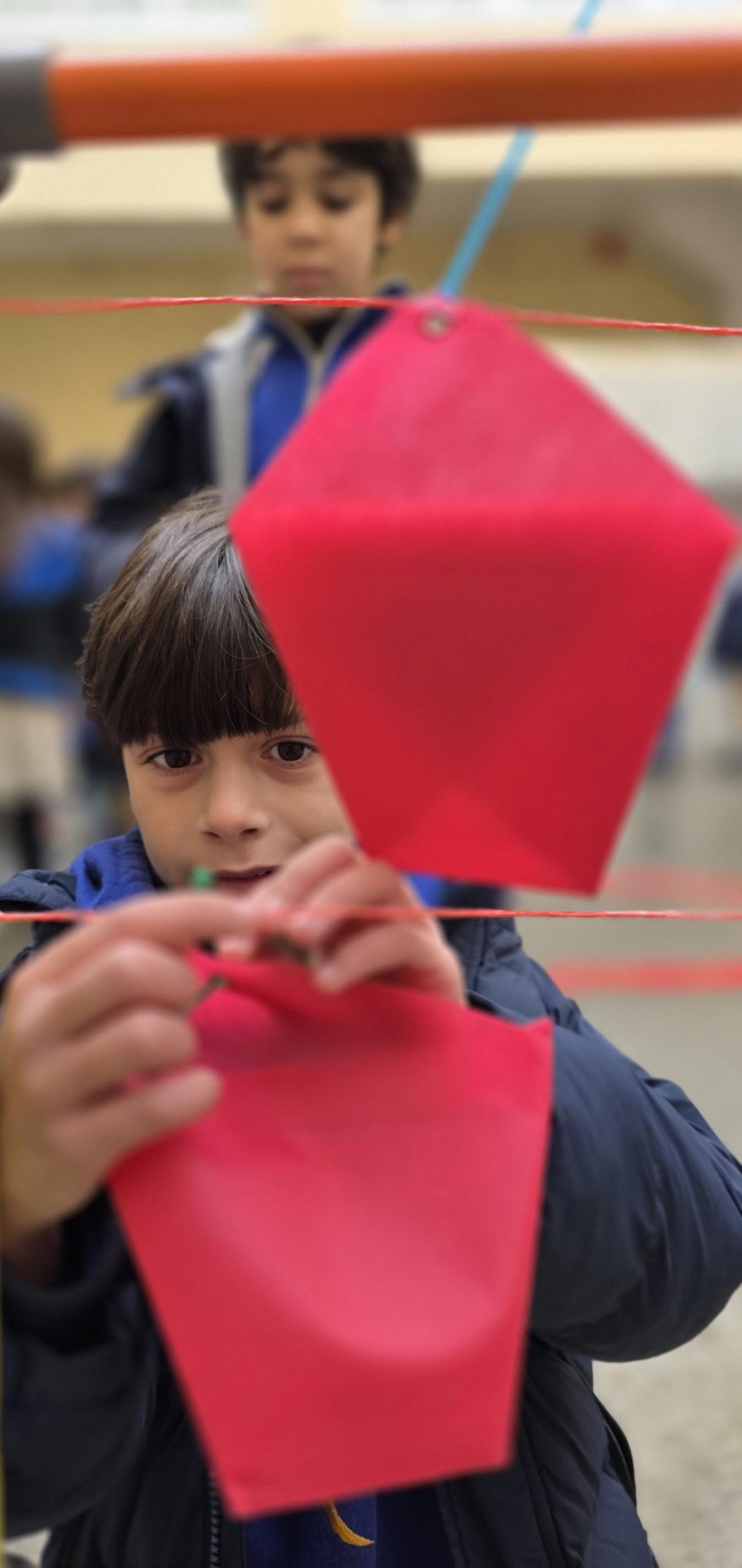
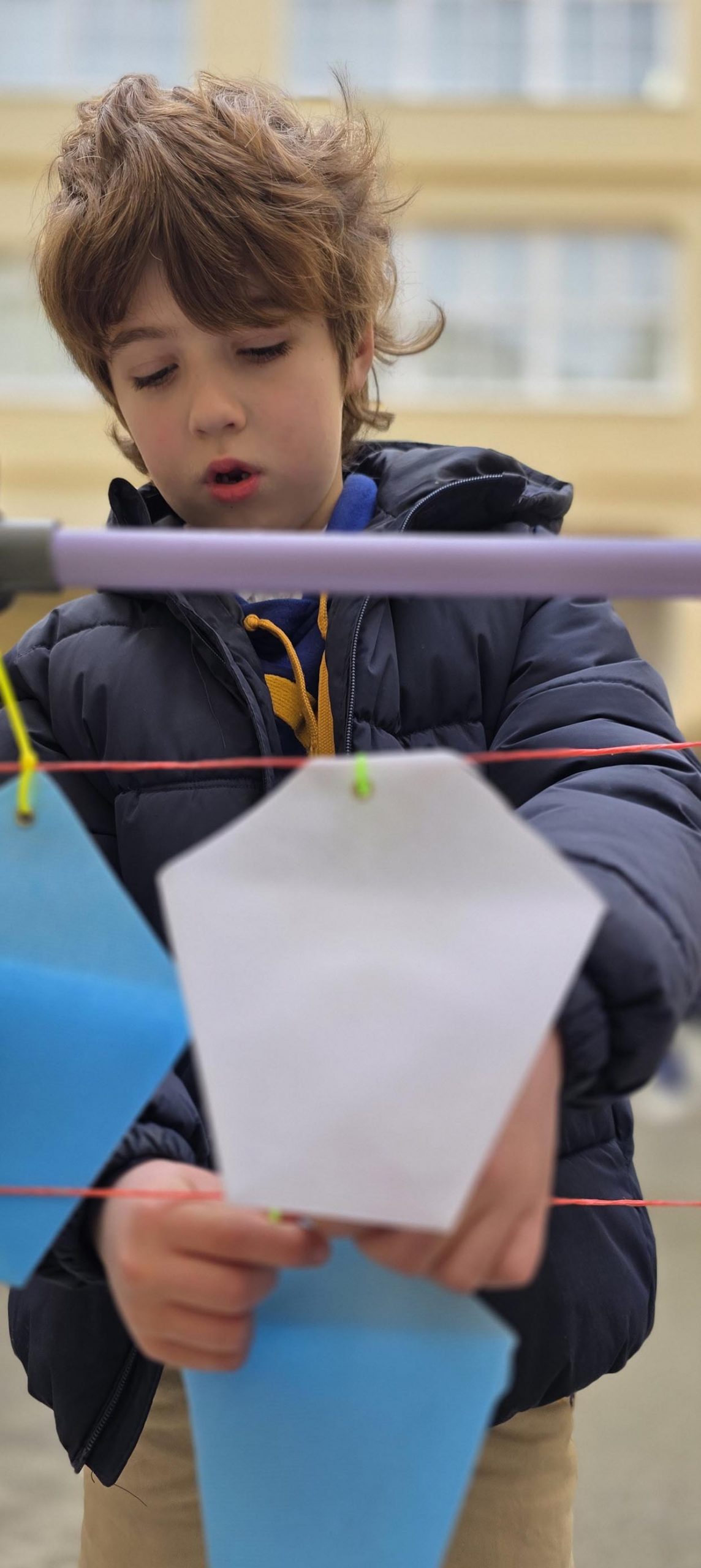
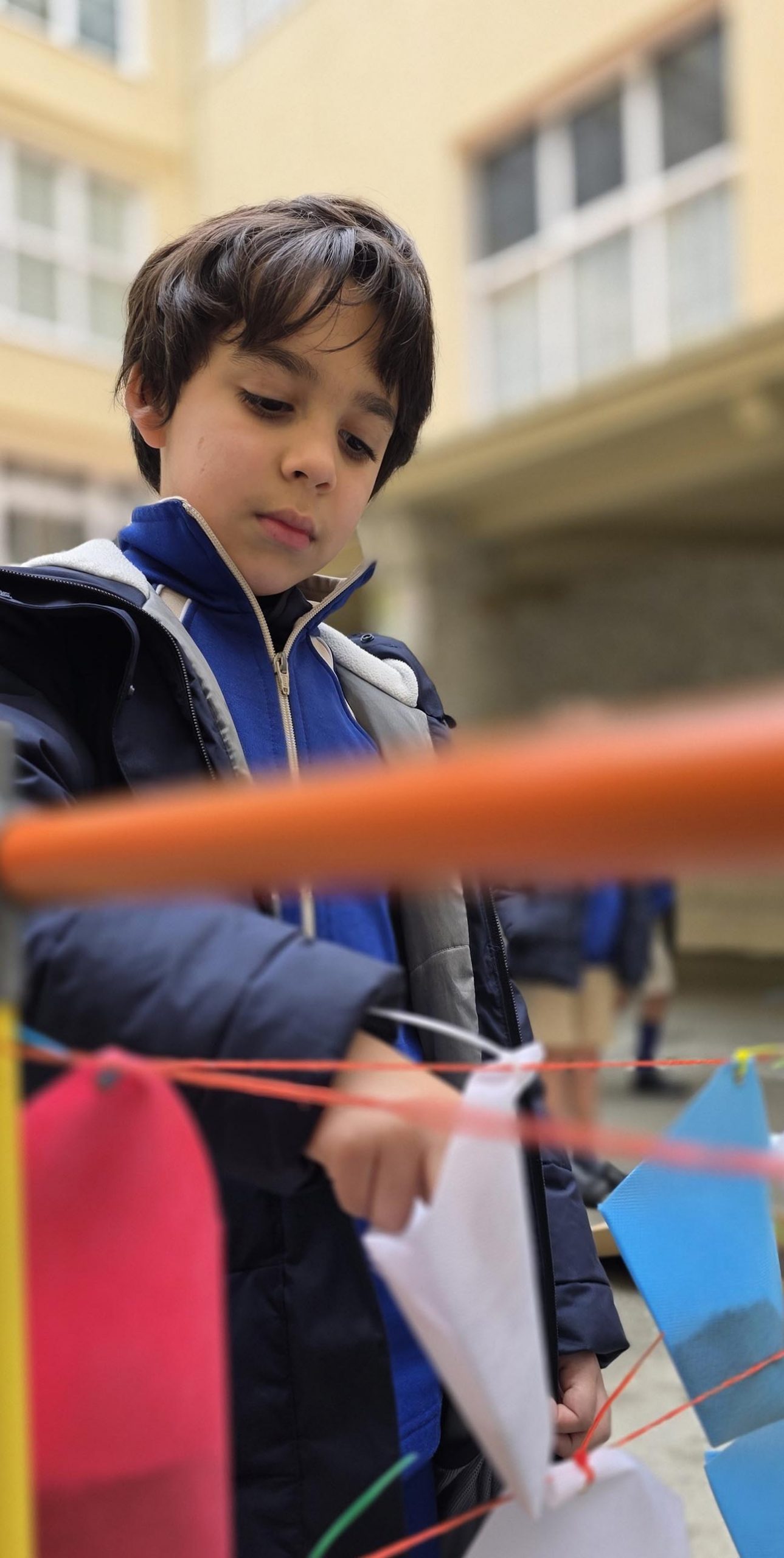
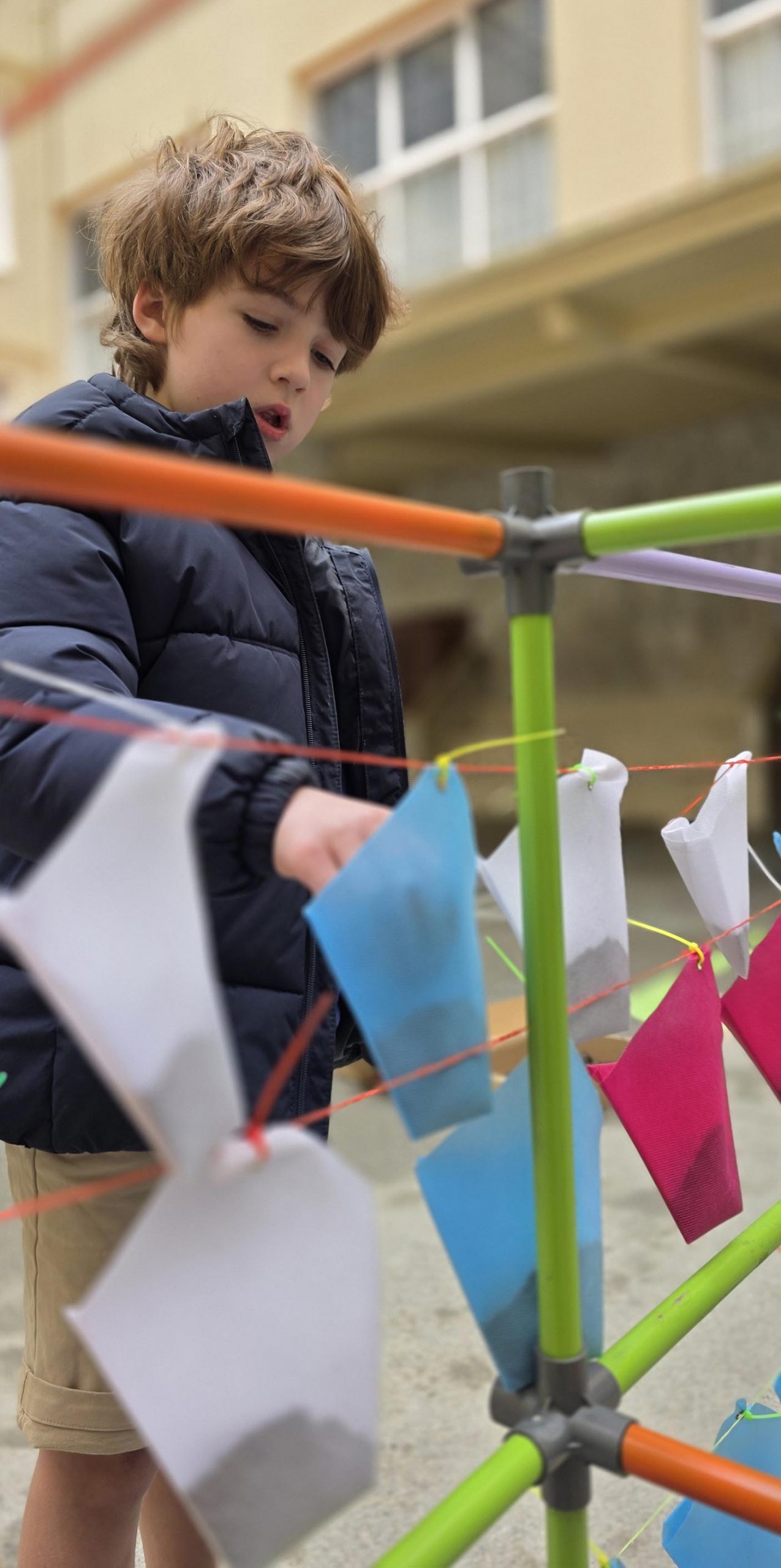
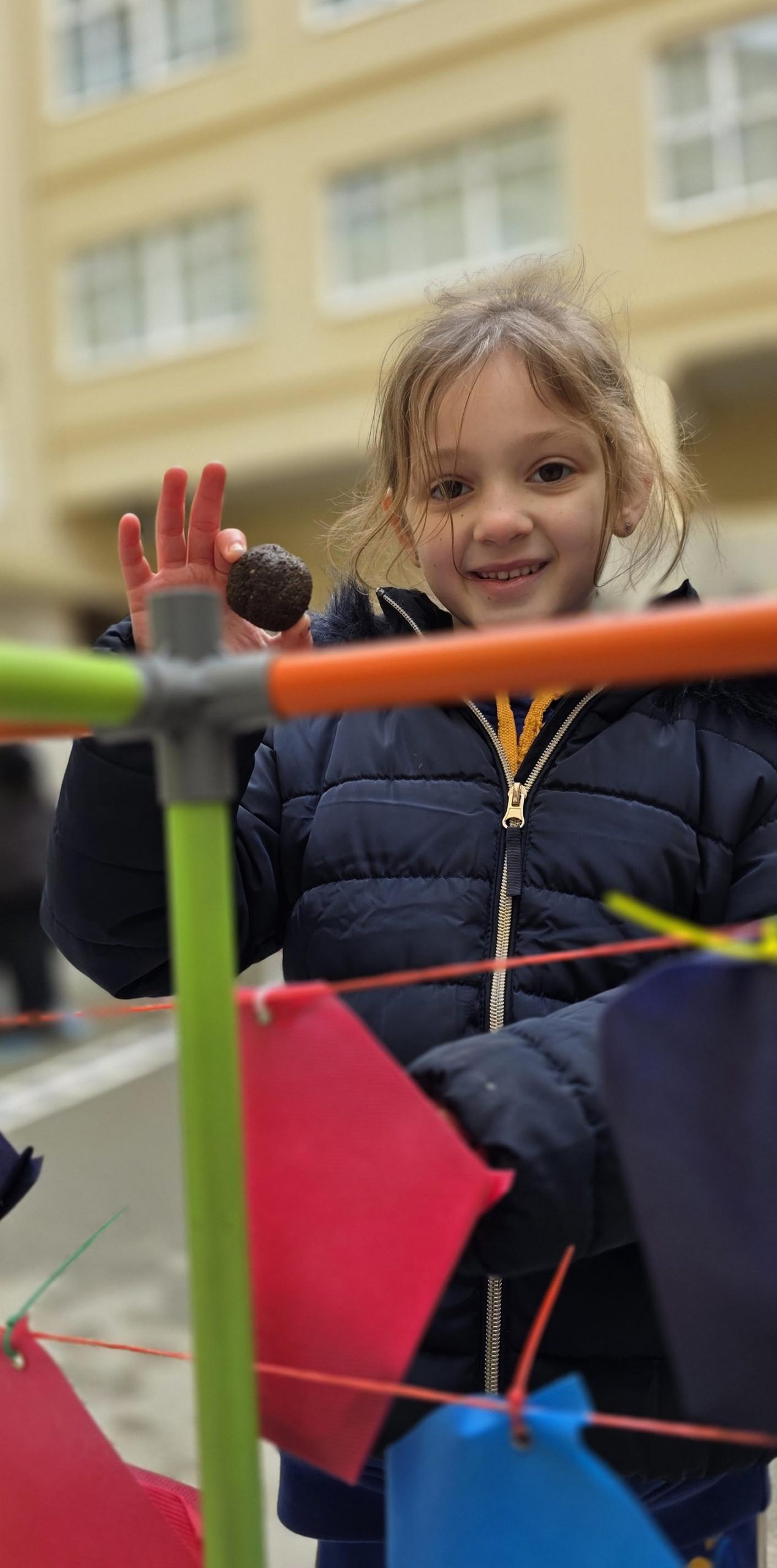
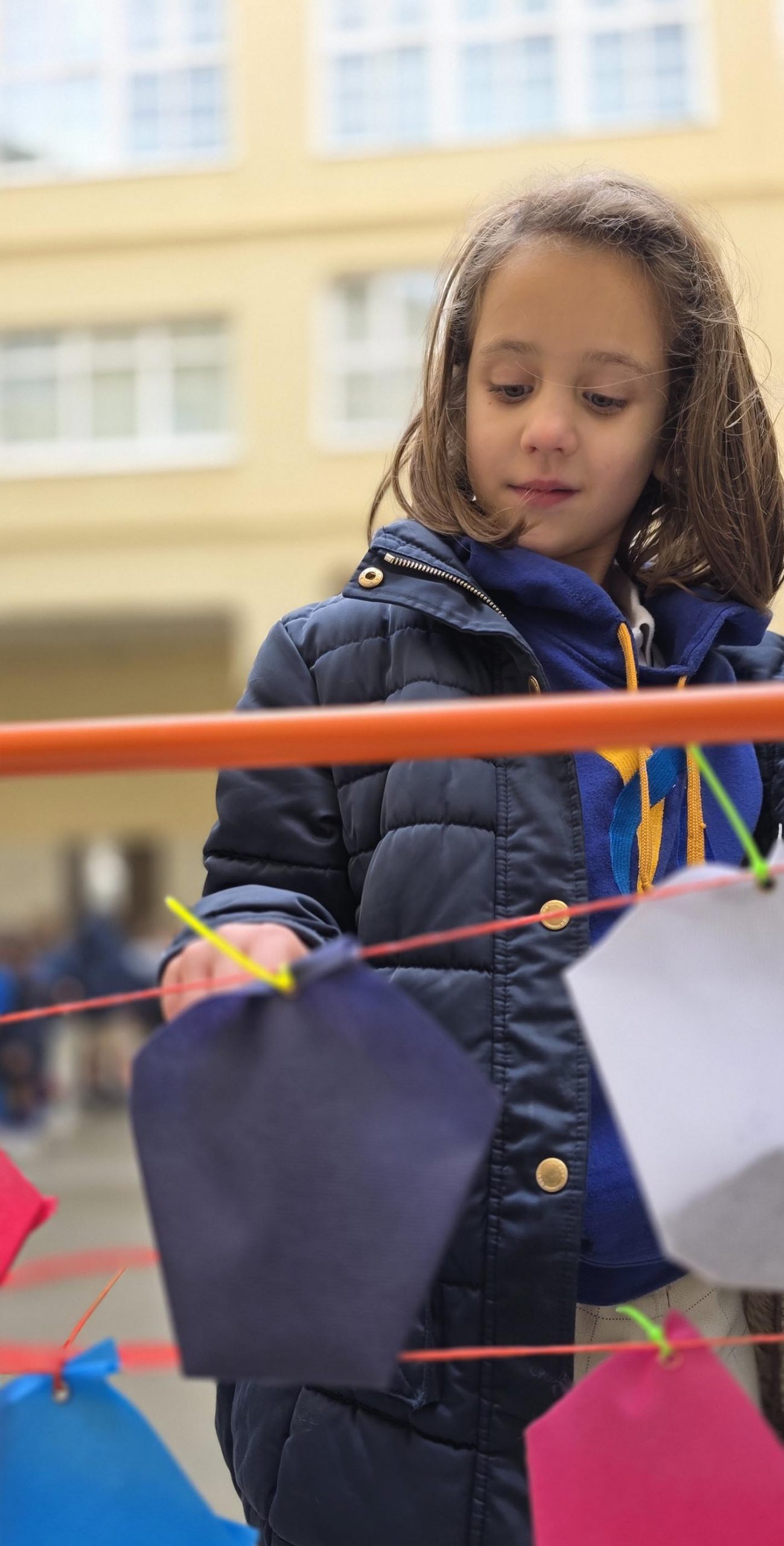
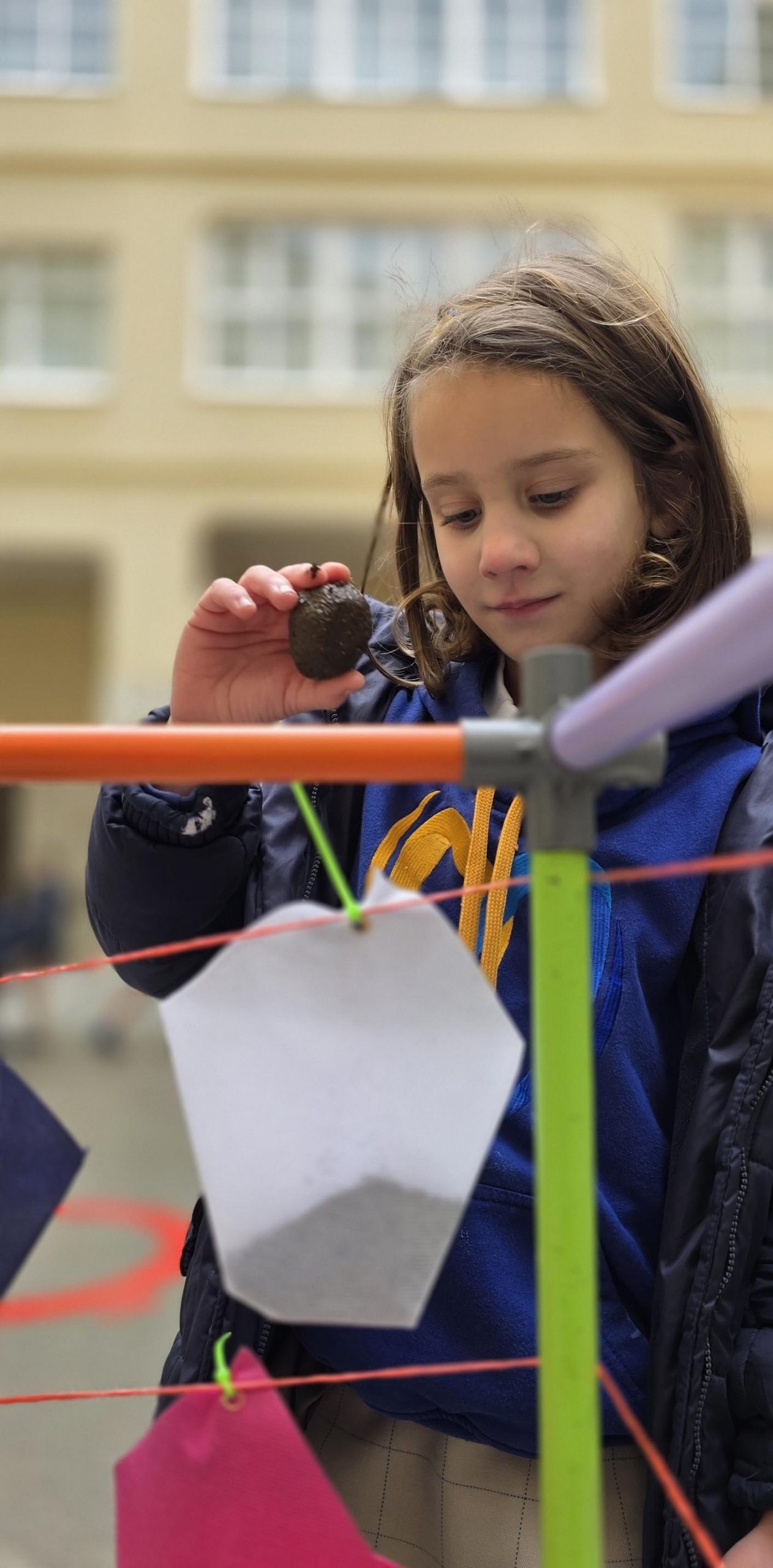
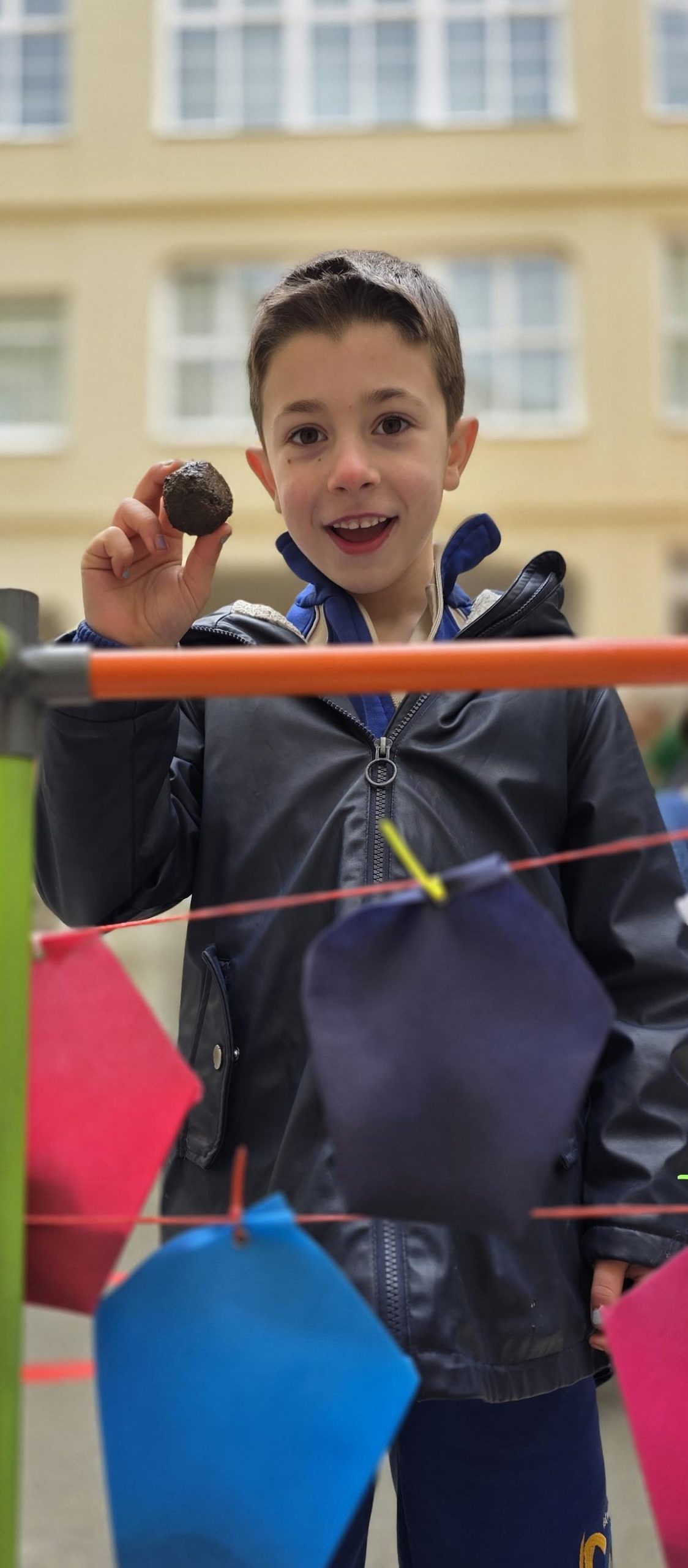
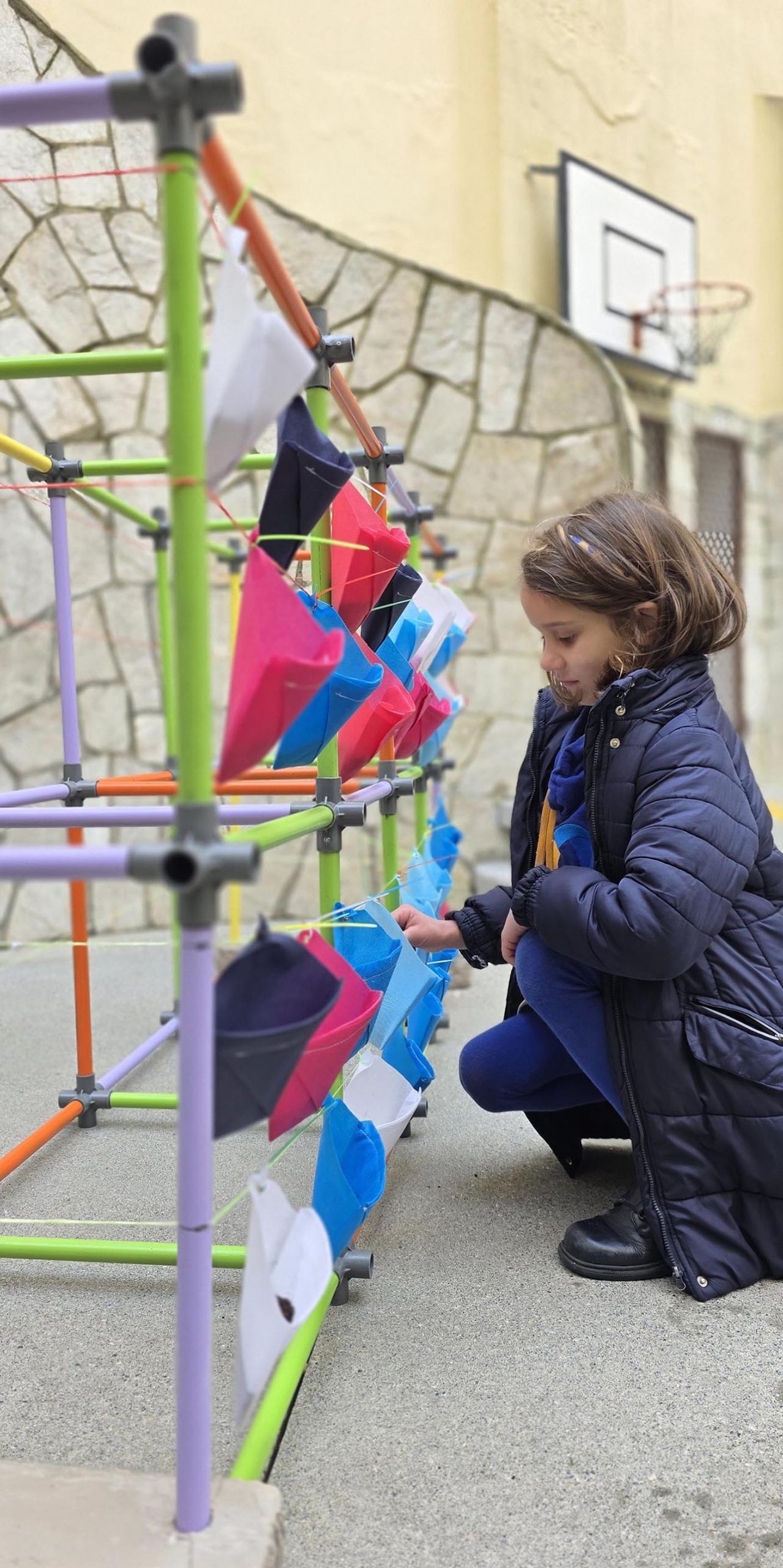
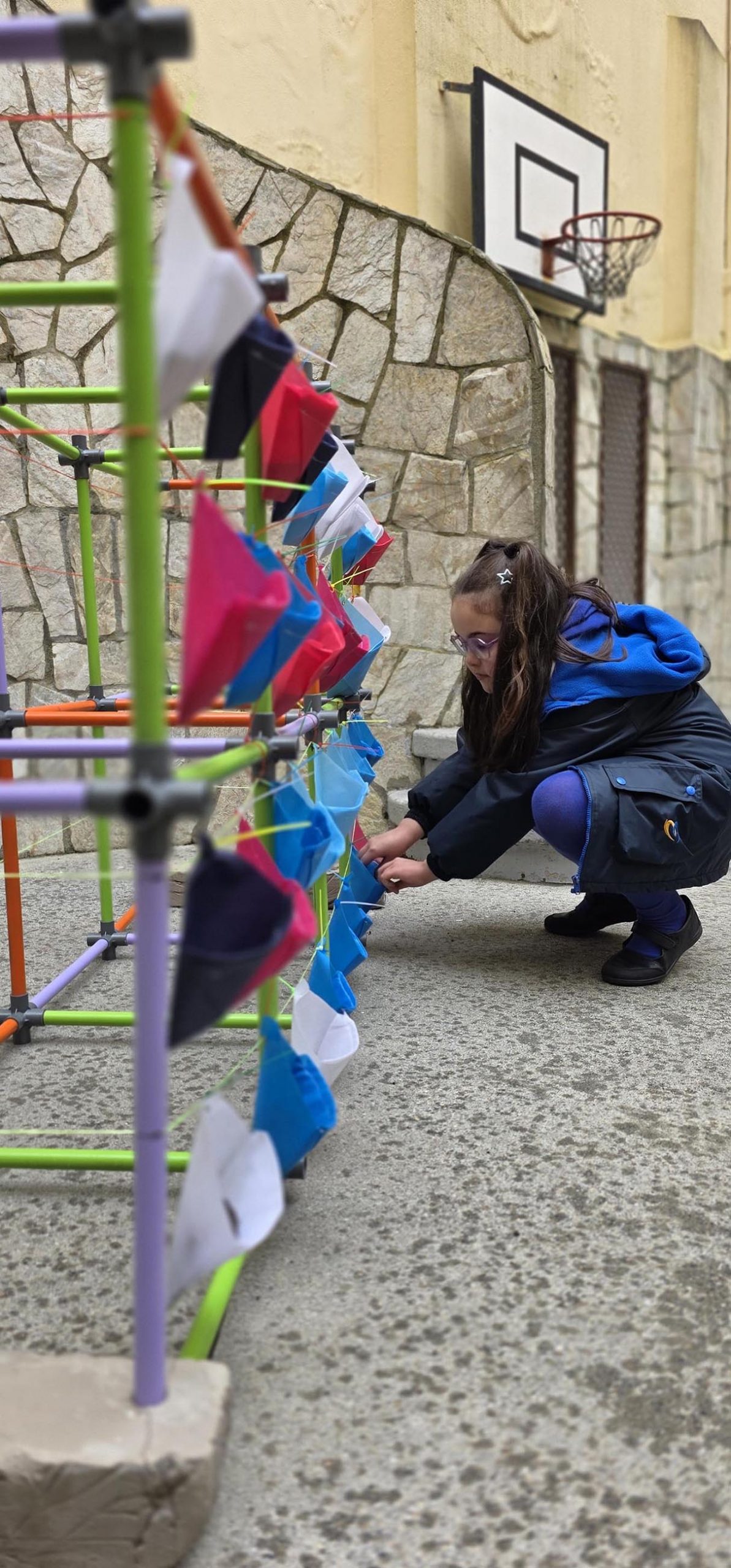
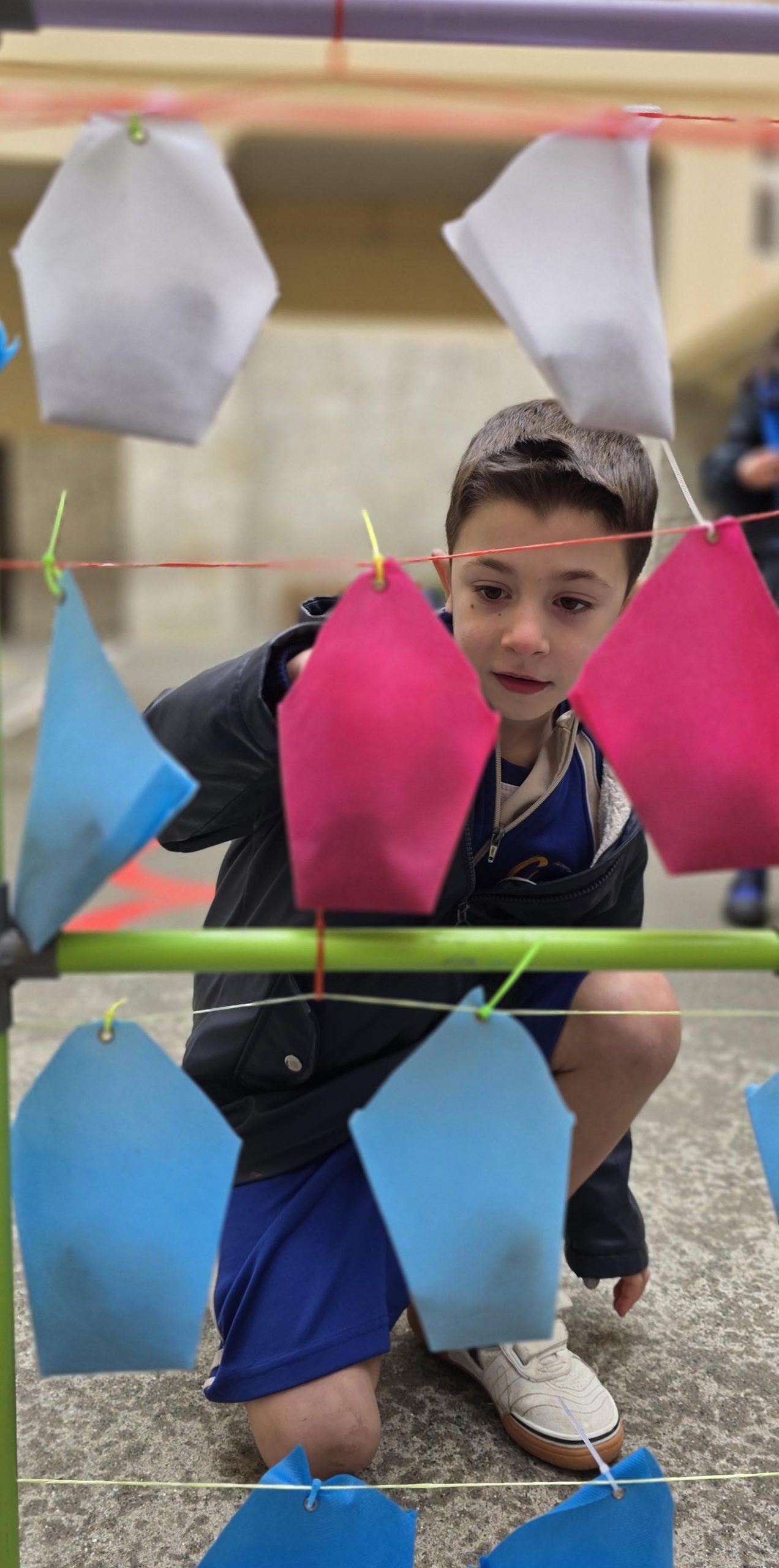
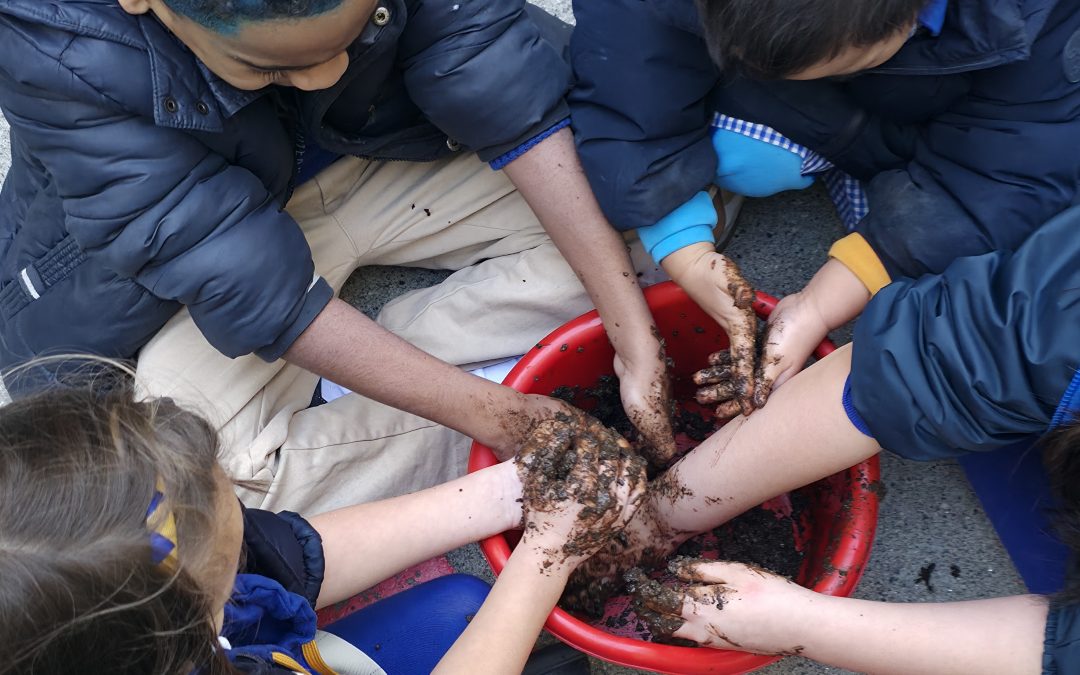
The aim of ‘A Vila da Mañá’ is to change the model of town or city, we believe that another one can be possible. This is achieved through the protagonist participation of local children and adolescents who, by working with fundamental concepts through tactical urban planning actions, become active citizens capable of transforming their spaces.
In this case we work with sustainability, reflecting on the way in which we relate to the planet and making girls, boys, and teenagers aware that what is sustainable consists of a balance between what allows us to develop our lives and what does not compromise the survival of future generations. And so, realizing that we only have one planet with limited resources that must be taken care of.
The village or city in which we are working, transformed into a game board, a laboratory of experimentation where children and teenagers can act from a new point of view.
A Coruña
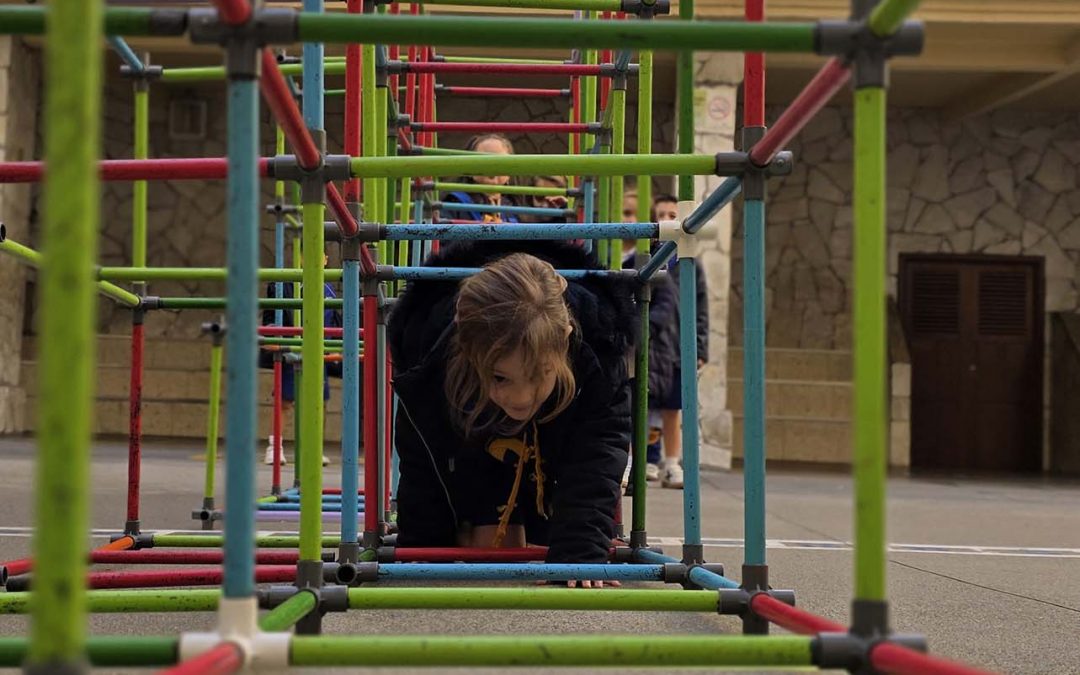
“The opportunity for the child to discover his or her own movement is part of the city itself; the city is also a play space. The child uses all the elements of the city, all the built objects, all the surfaces he or she can climb or climb on. Children know how to play with these things very well, even if they are not allowed to.”
Aldo van Eyck
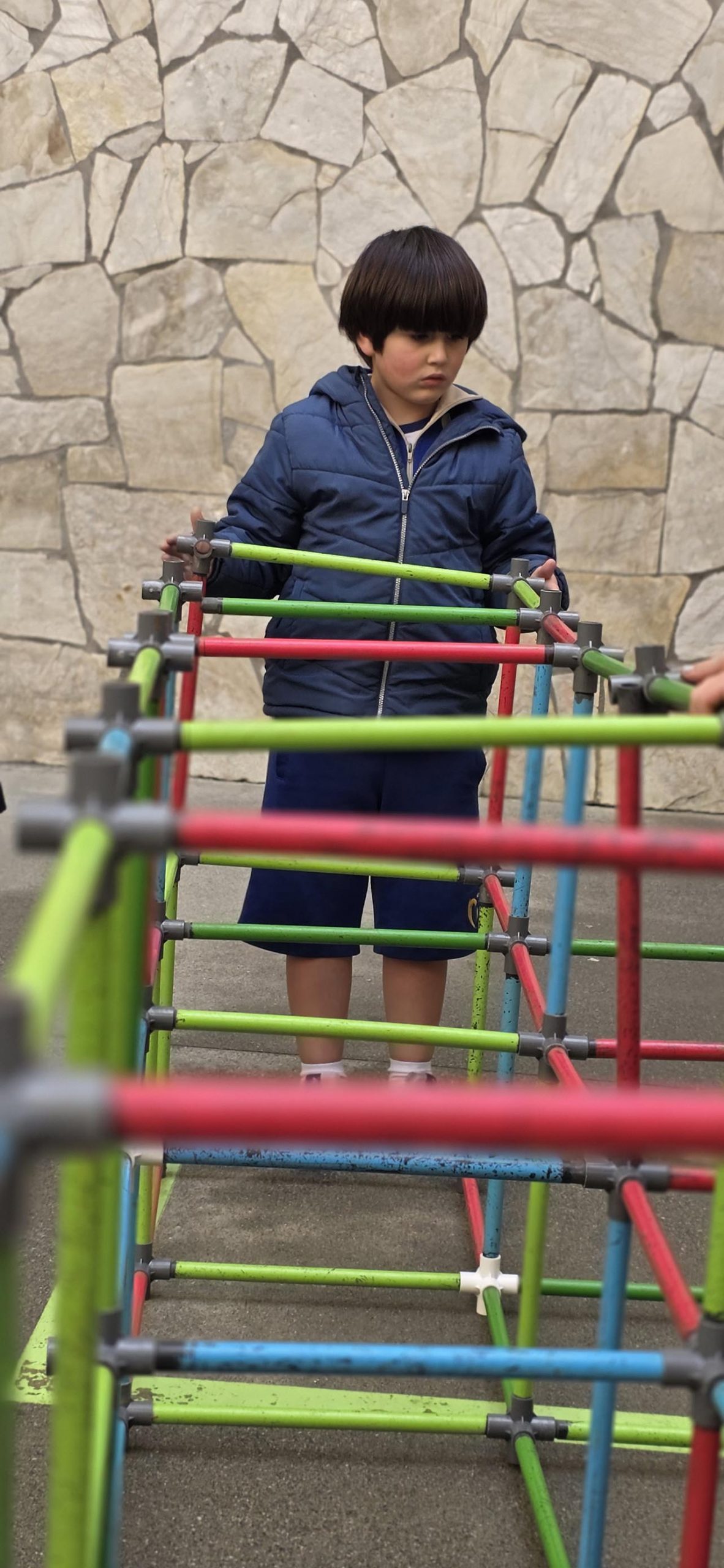
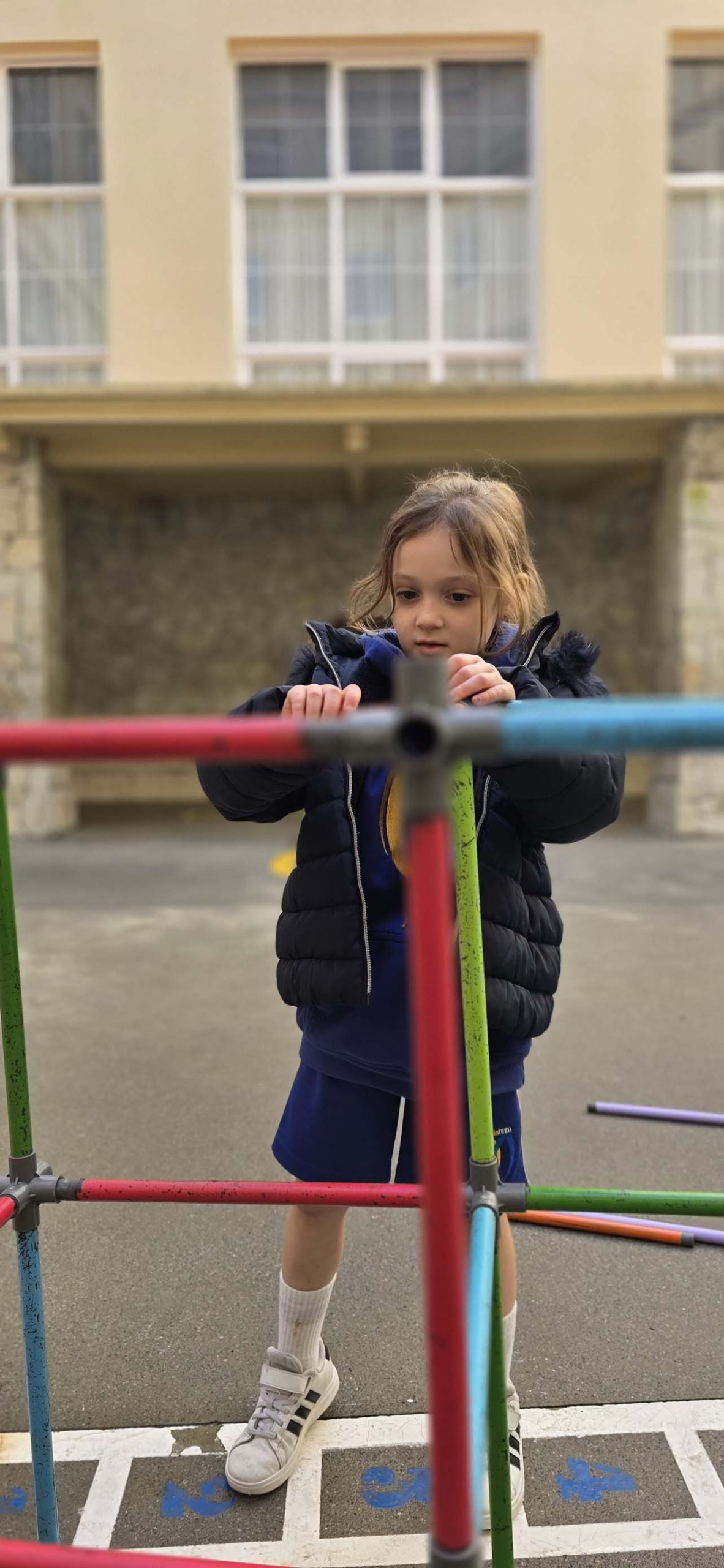
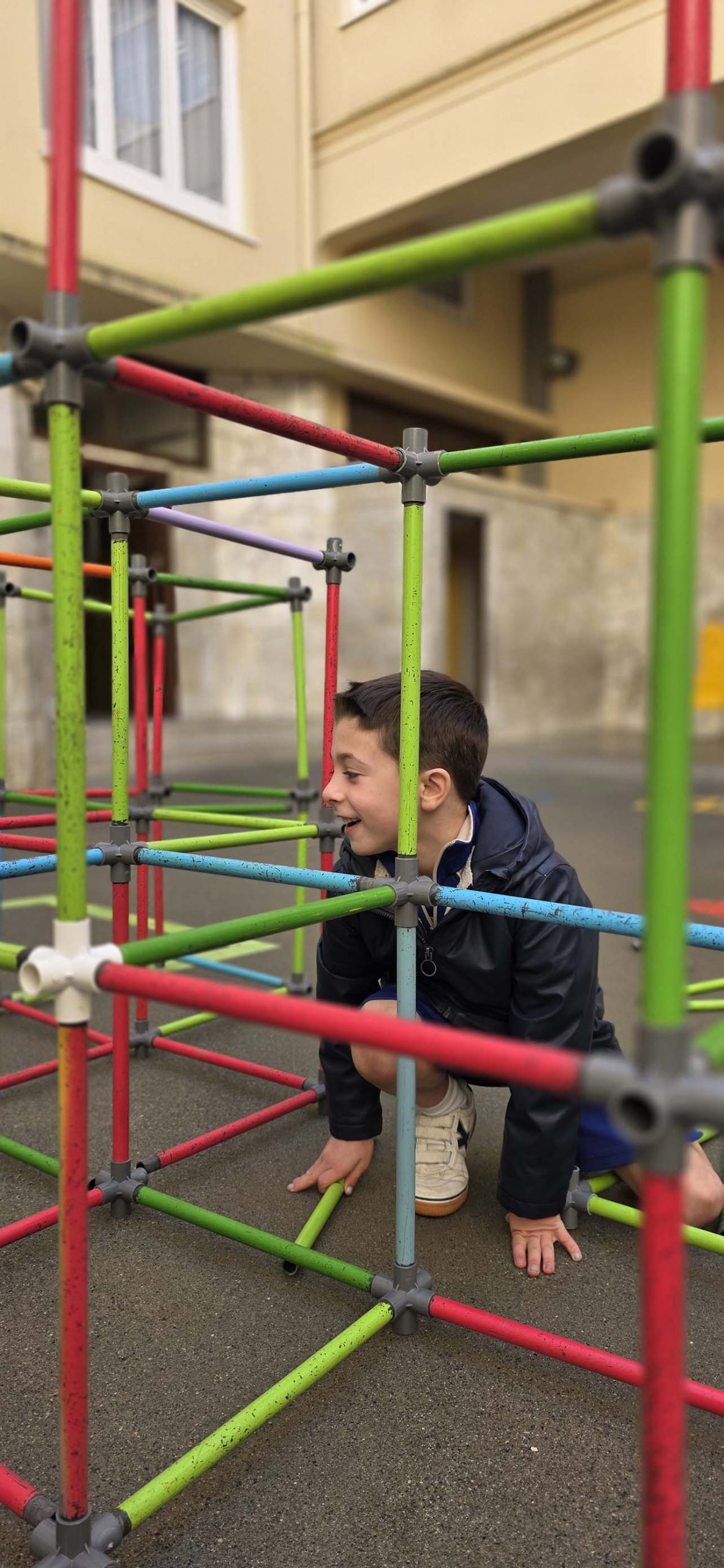
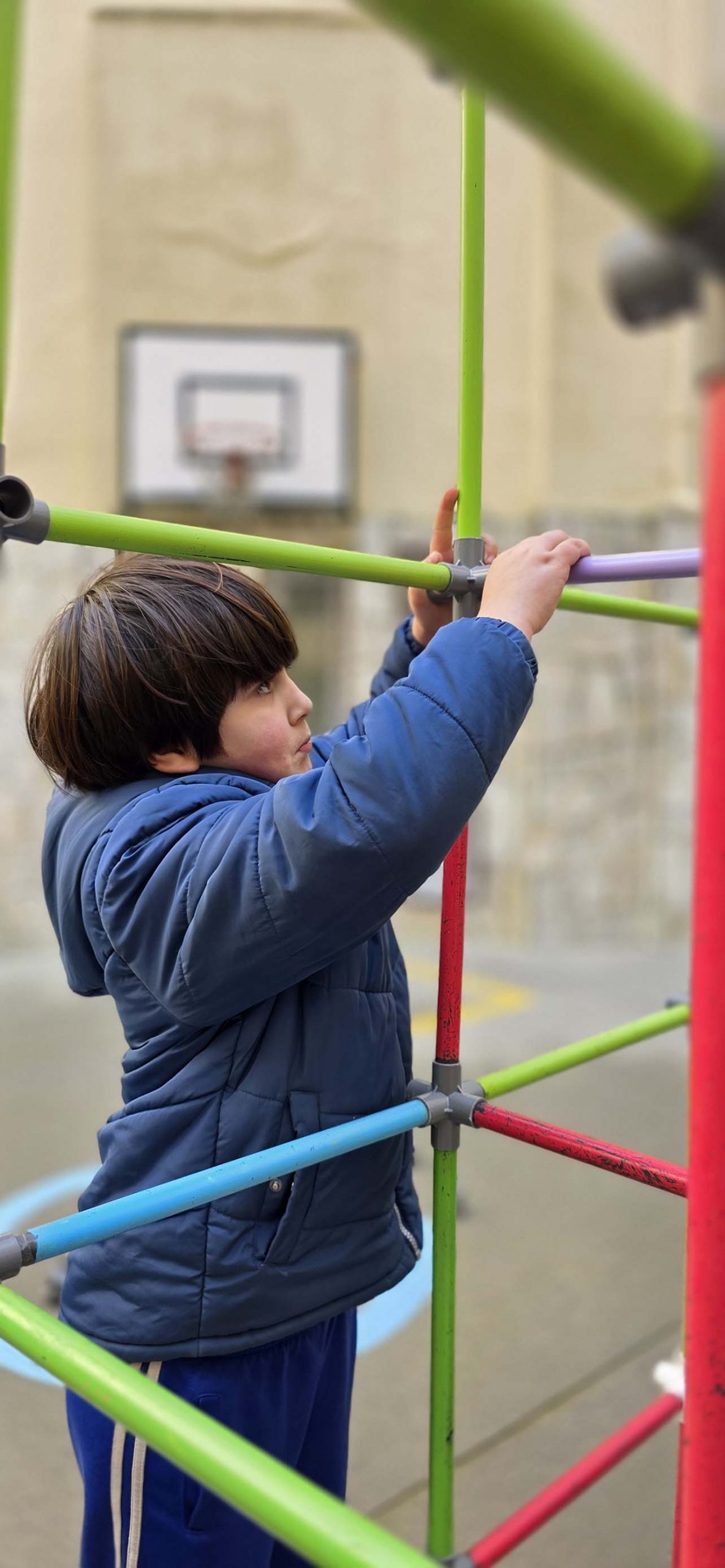
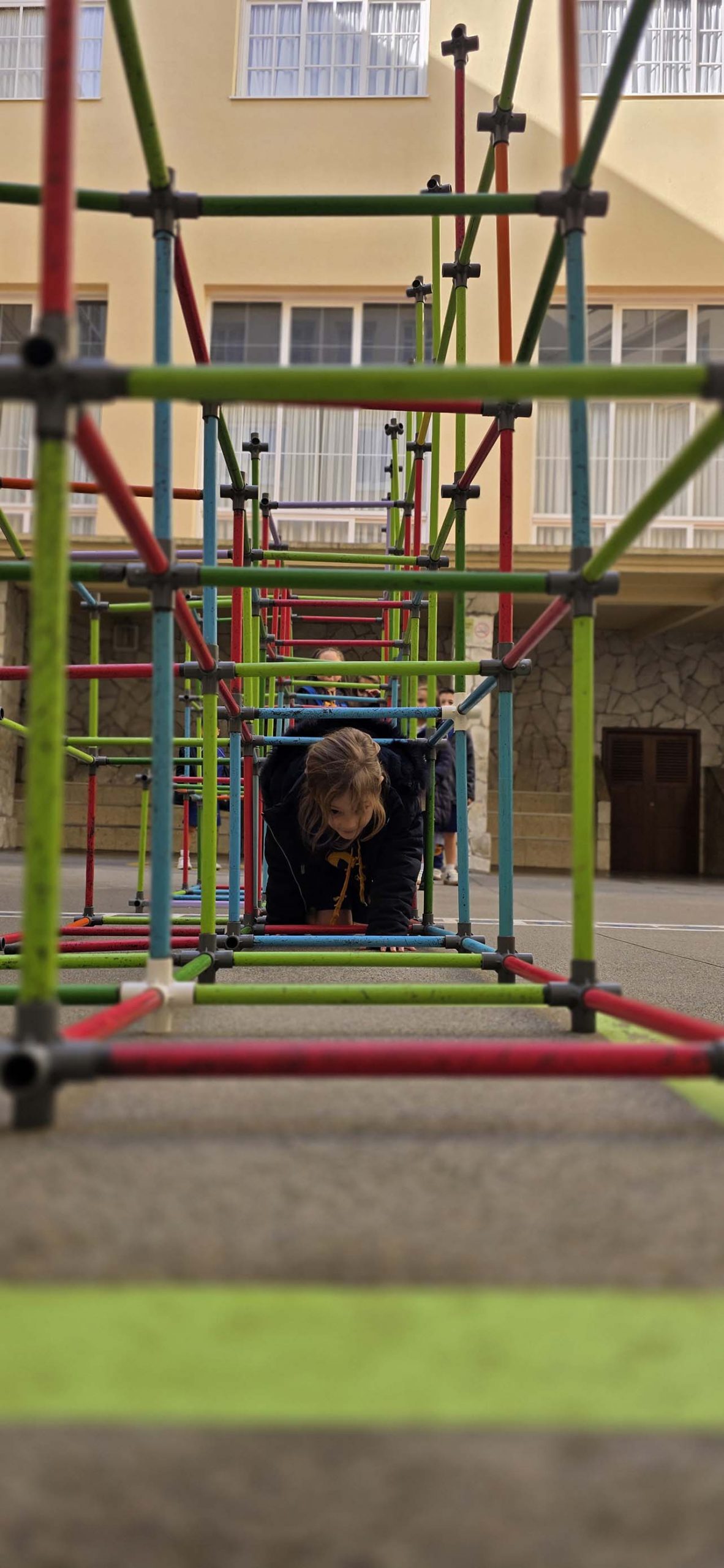
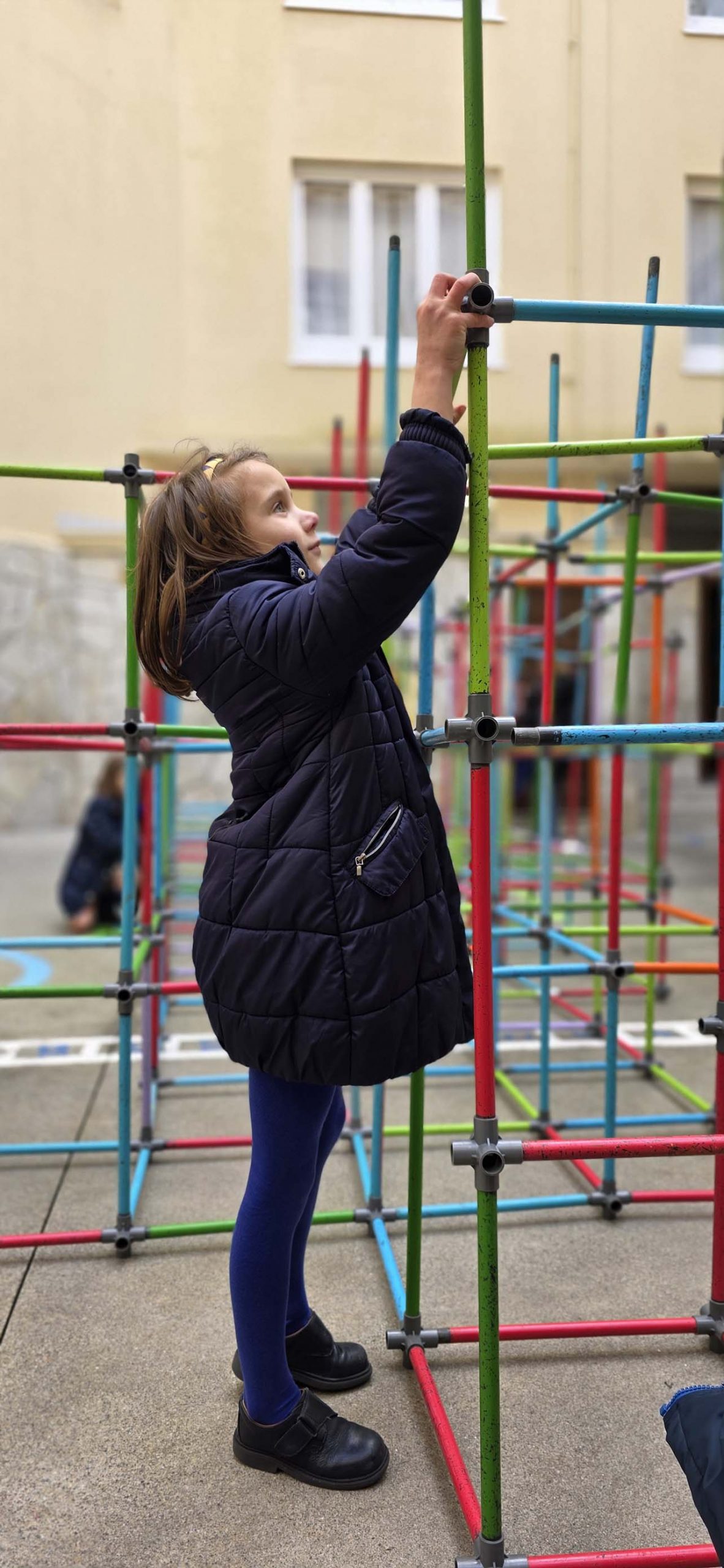
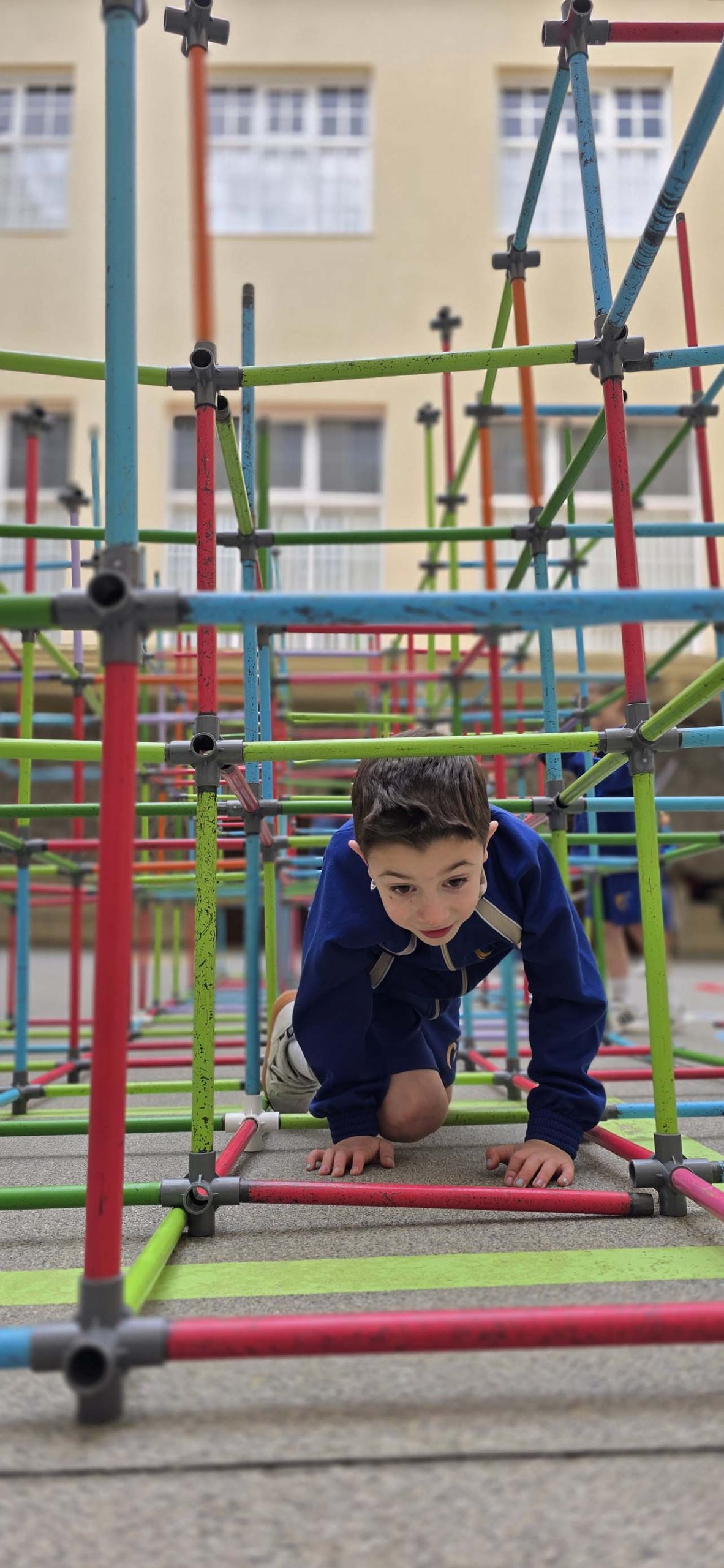
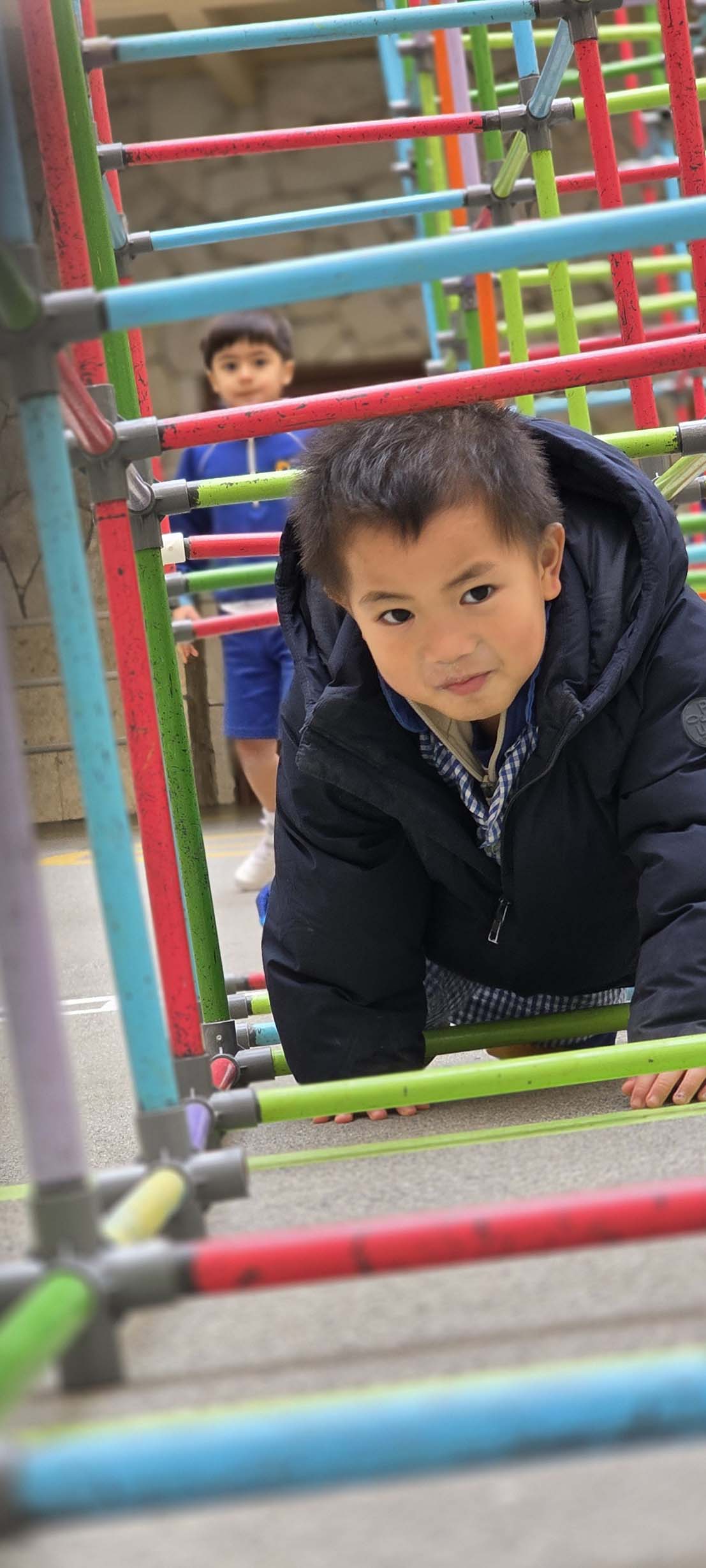
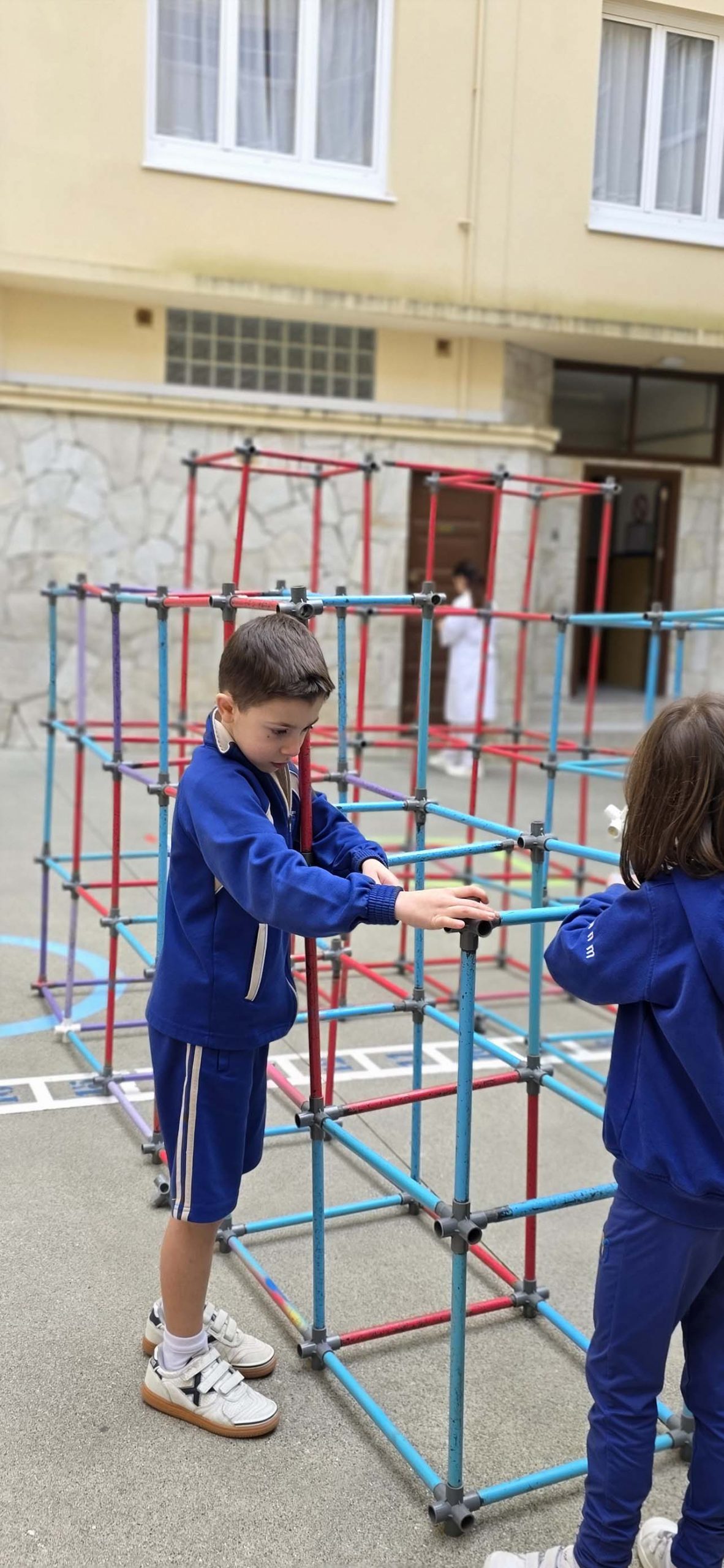
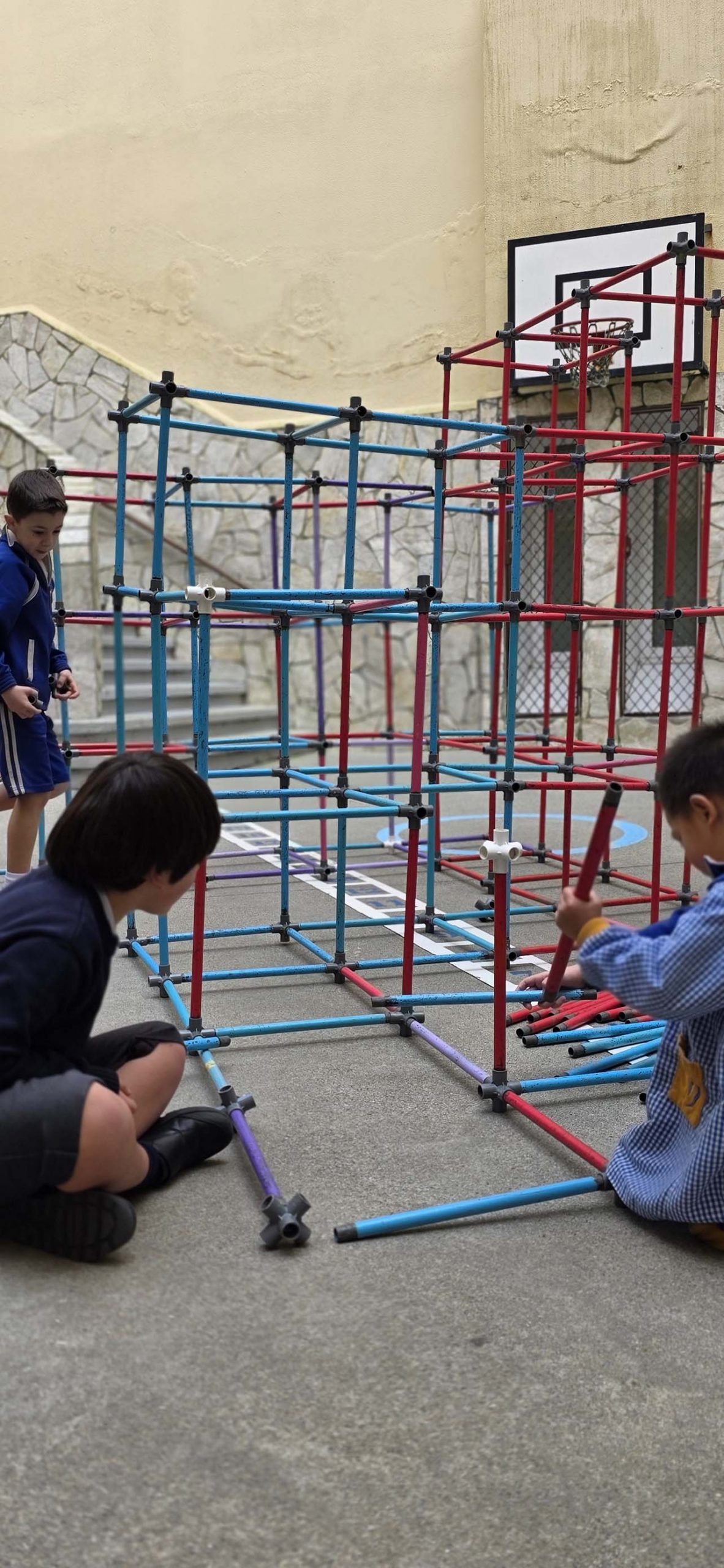
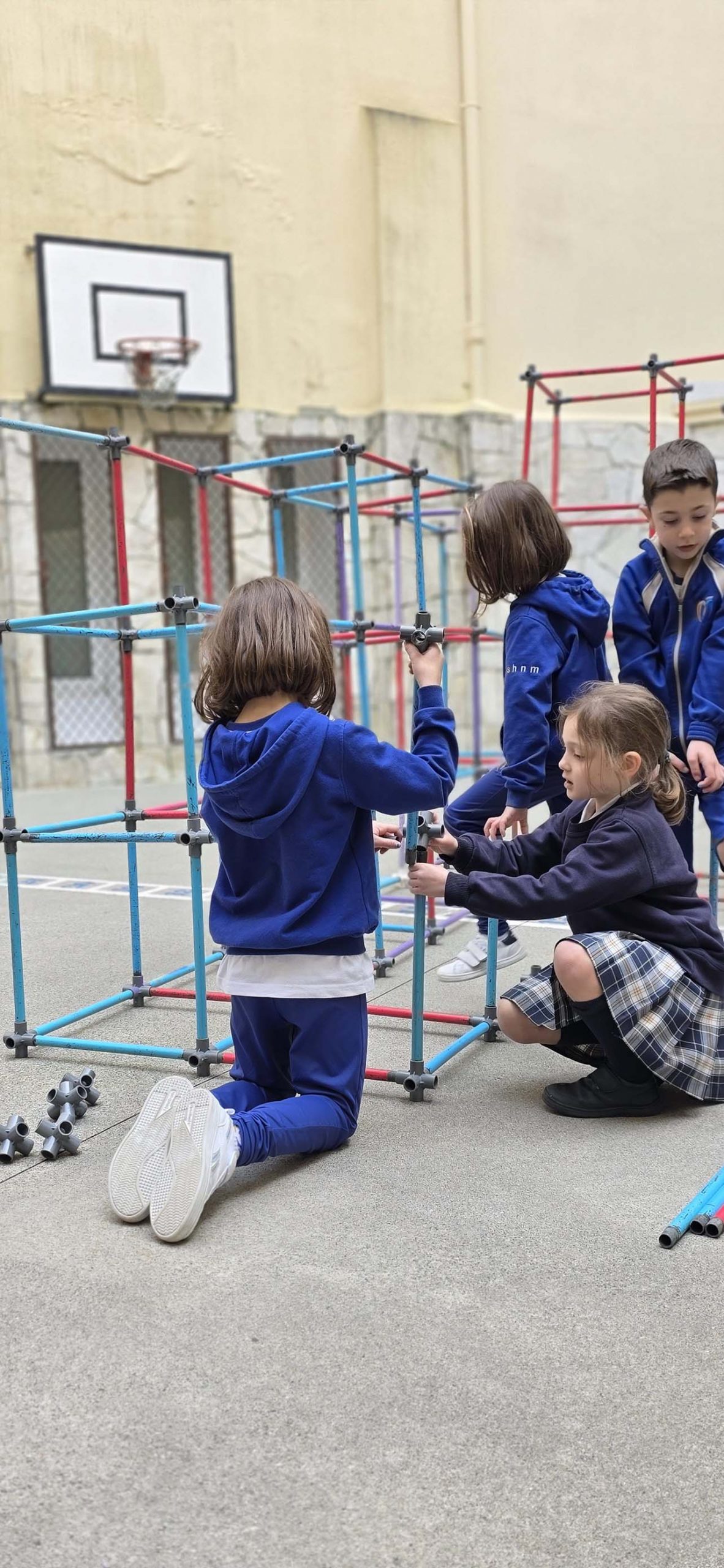
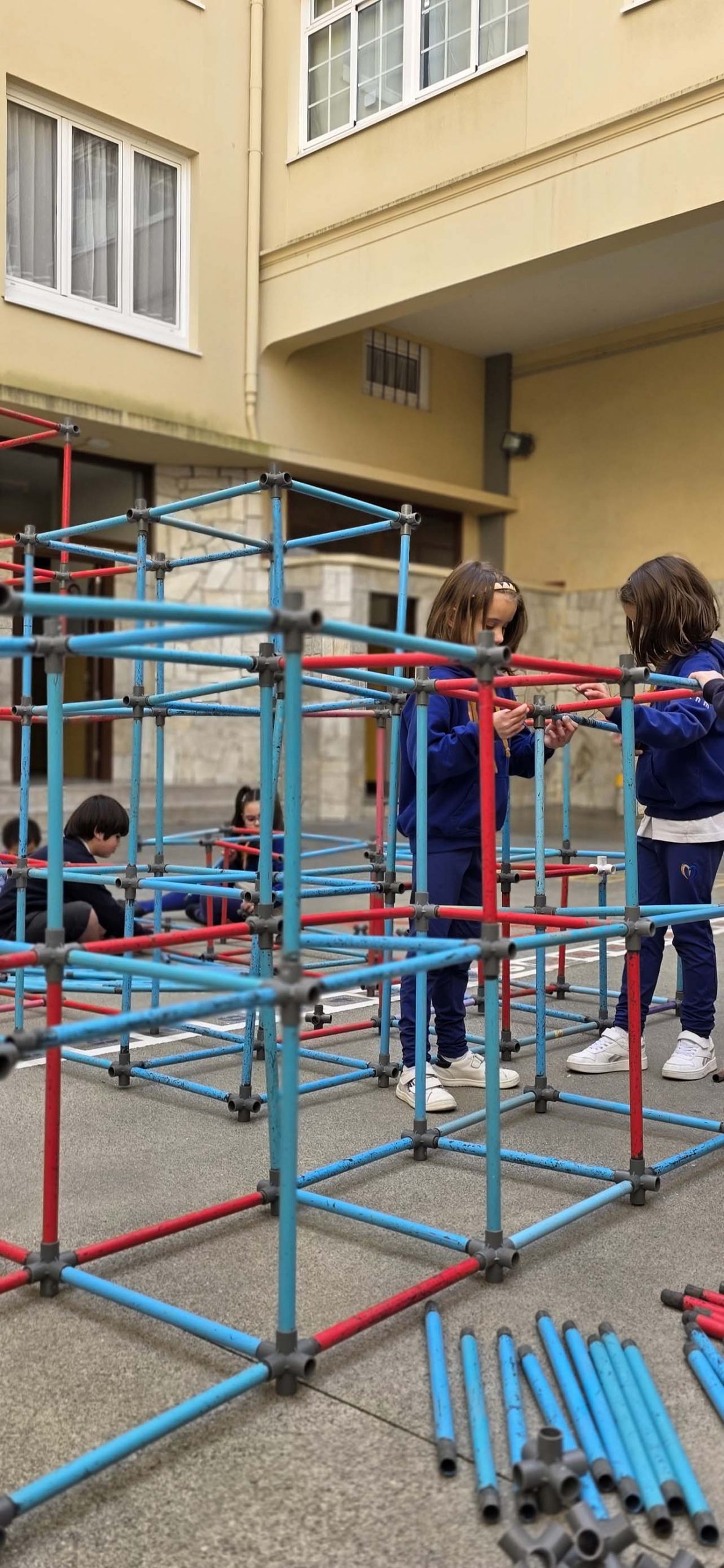
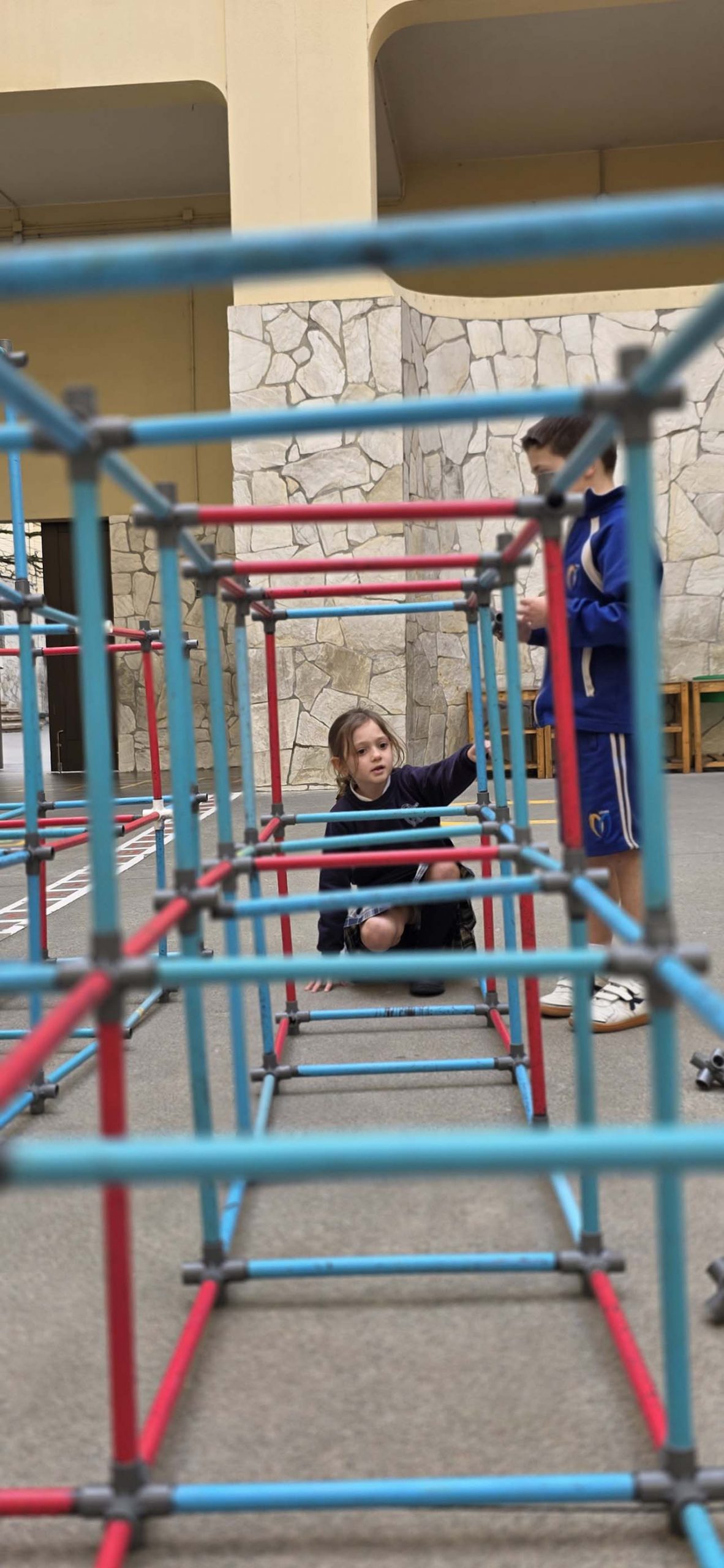
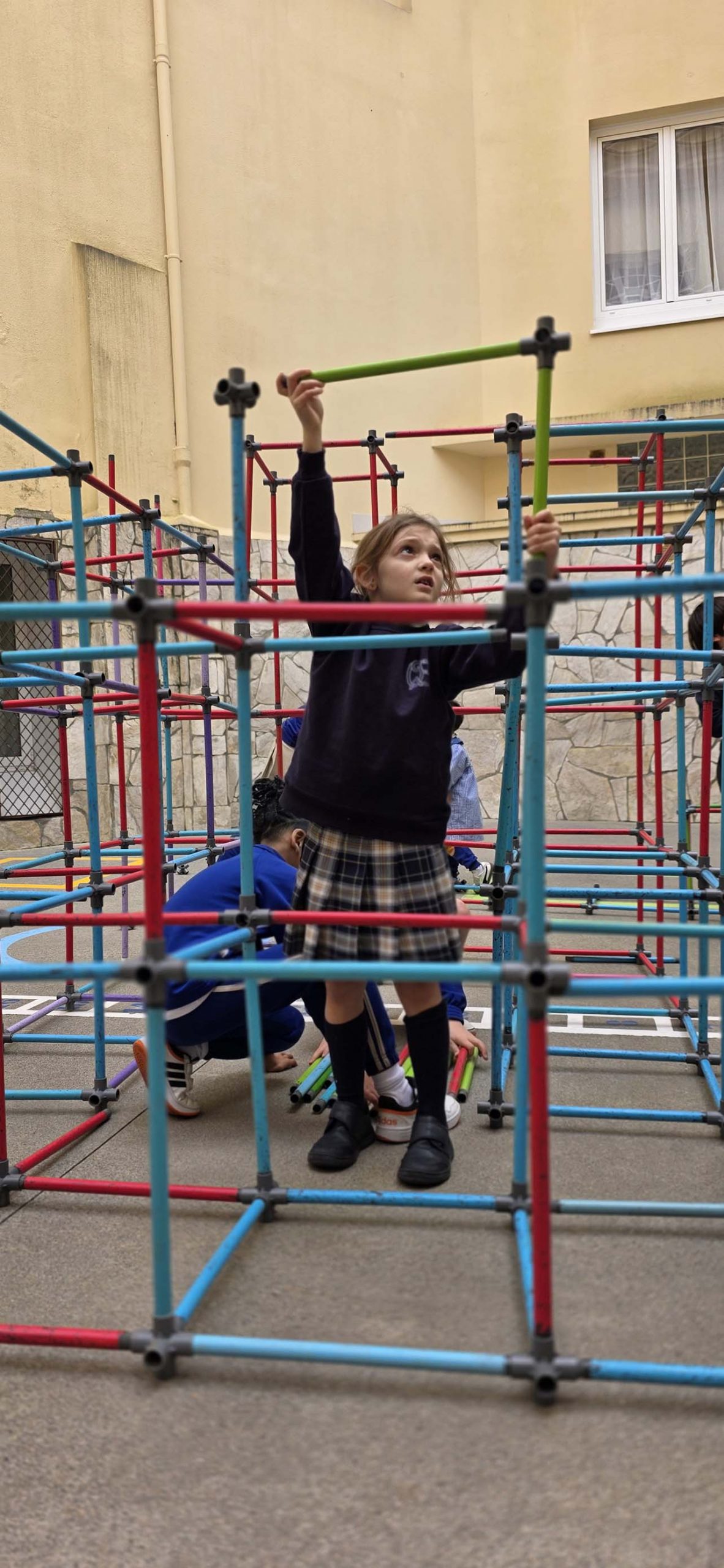
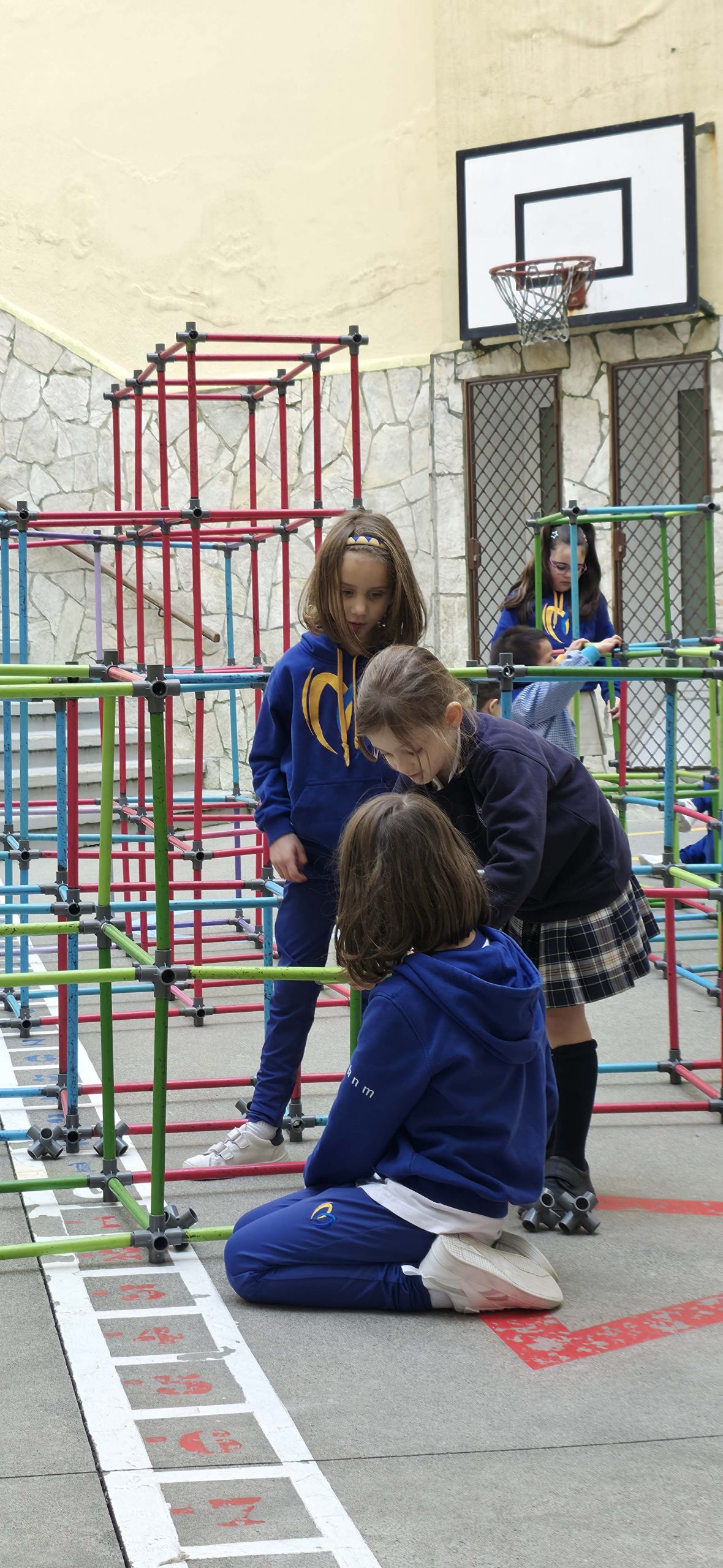
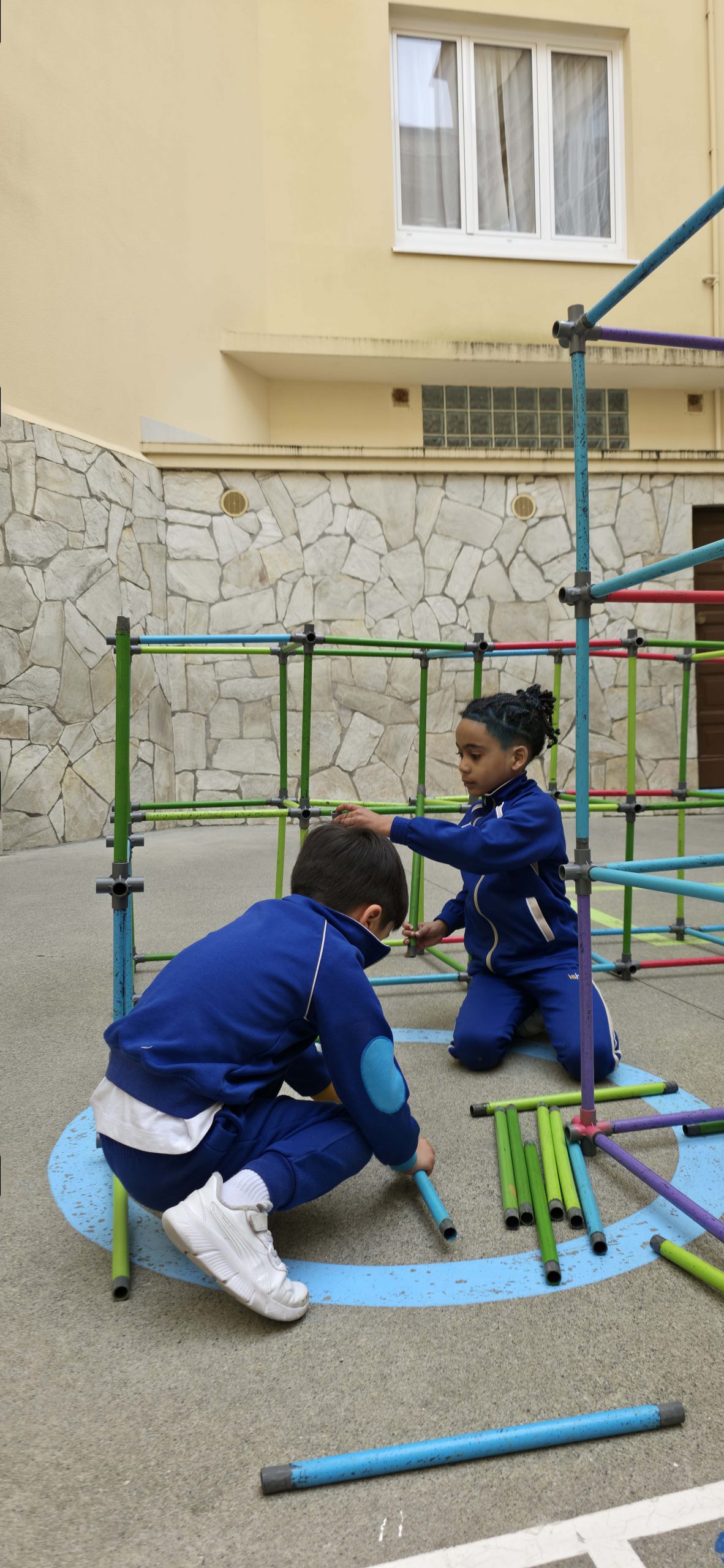
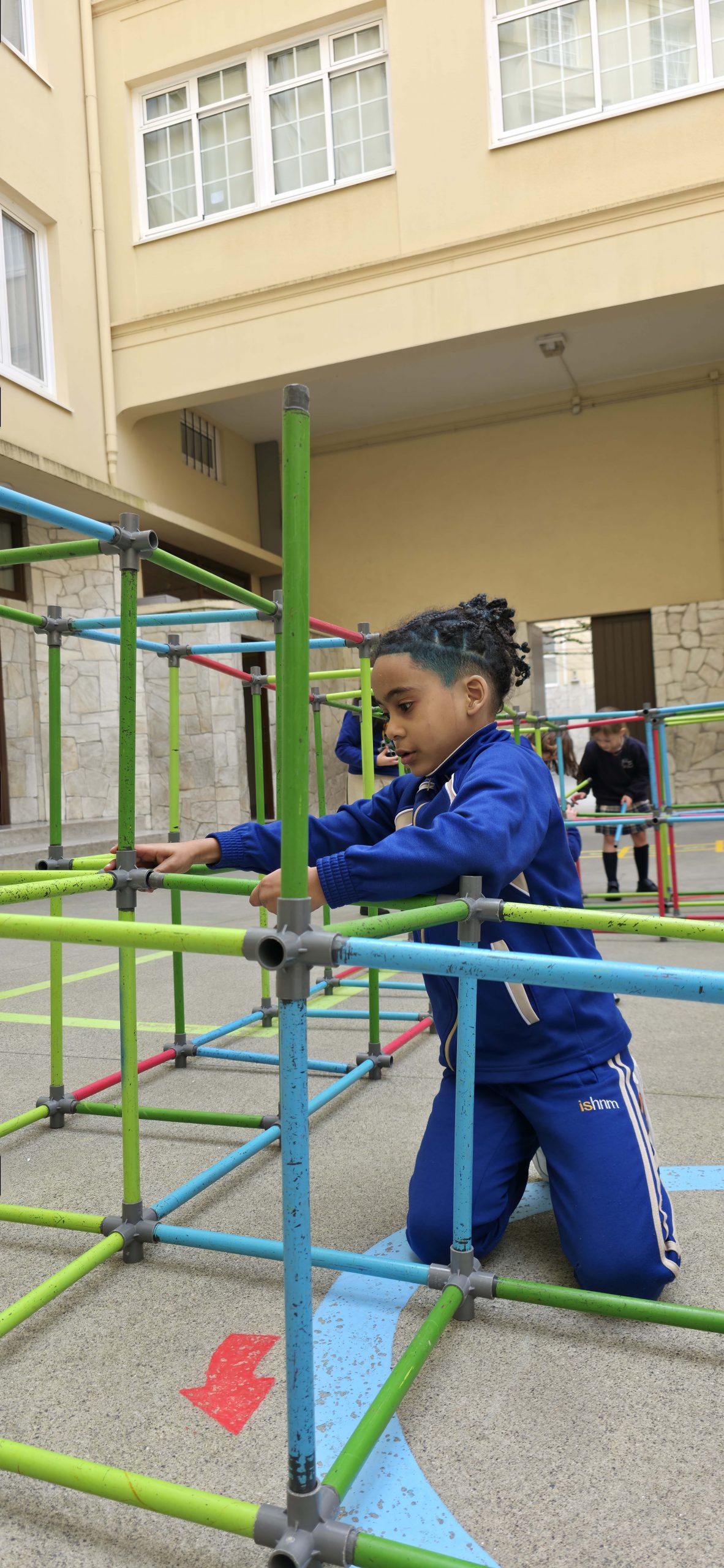
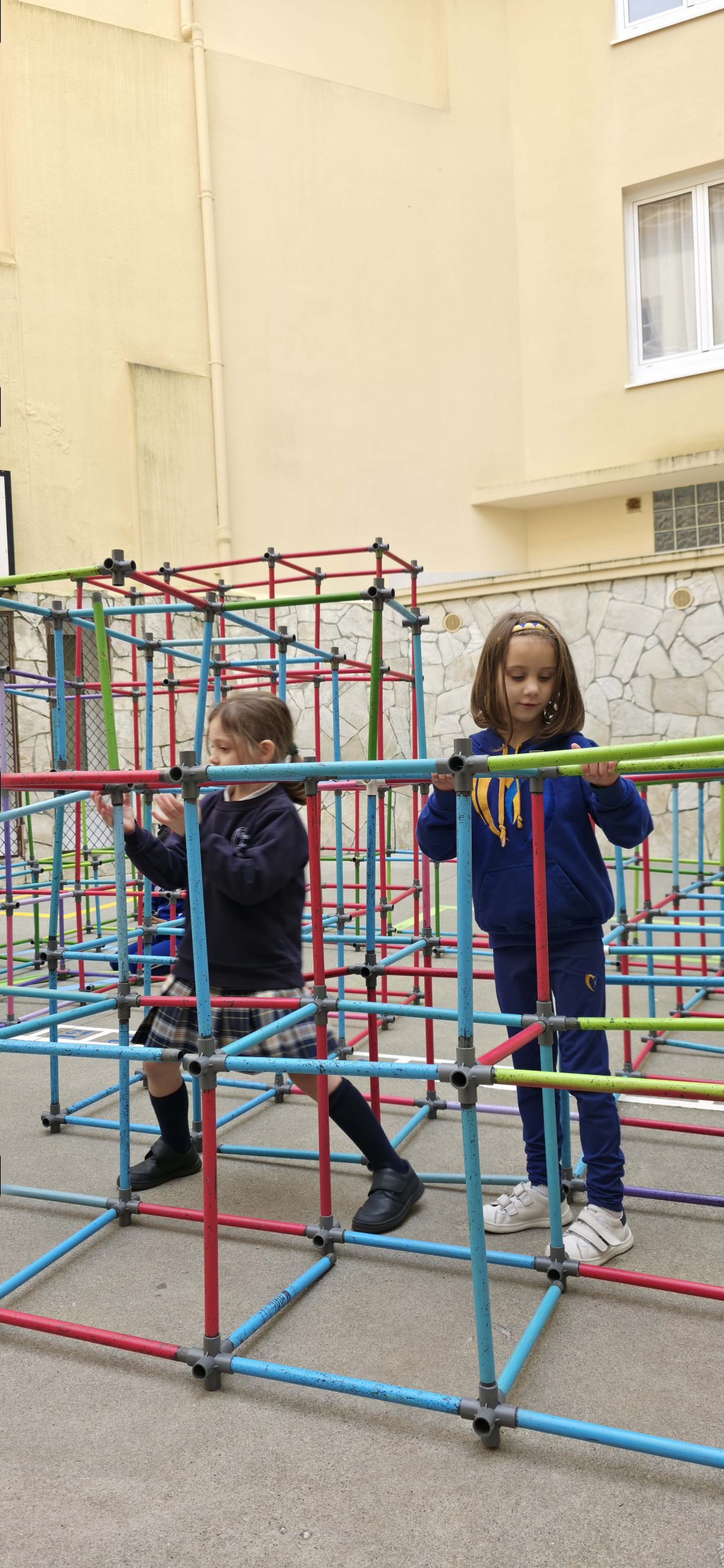
‘A Vila do Maña’ works with three-dimensional elements, based on Froebel’s “third gift”.
In architecture we have Froebel as a reference, through Frank Lloyd Wrigth who was educated with this method. It is a system based on the creativity and intuition of the child through direct experience, play and nature. It creates a pedagogical resource based on ‘gifts’ and ‘occupations’. The ‘gifts’ are pedagogical materials that do not change, but are transformed; the ‘occupations’ are activities in which children play by transforming the objects they manipulate. The ‘gifts’ are precursors of today’s building blocks.
The village or city in which we are working has been turned into a game board, a laboratory of experimentation where children and teenagers can act from a new point of view.

Proxecto financiado por: