Ribadeo
RIBADEO
RIBADEO
THE IMPORTANCE OF PLACE
O Porriño
O Porriño
O PORRIÑO
THE IMPORTANCE OF PLACE
Rianxo
Rianxo
RIANXO
THE IMPORTANCE OF PLACE
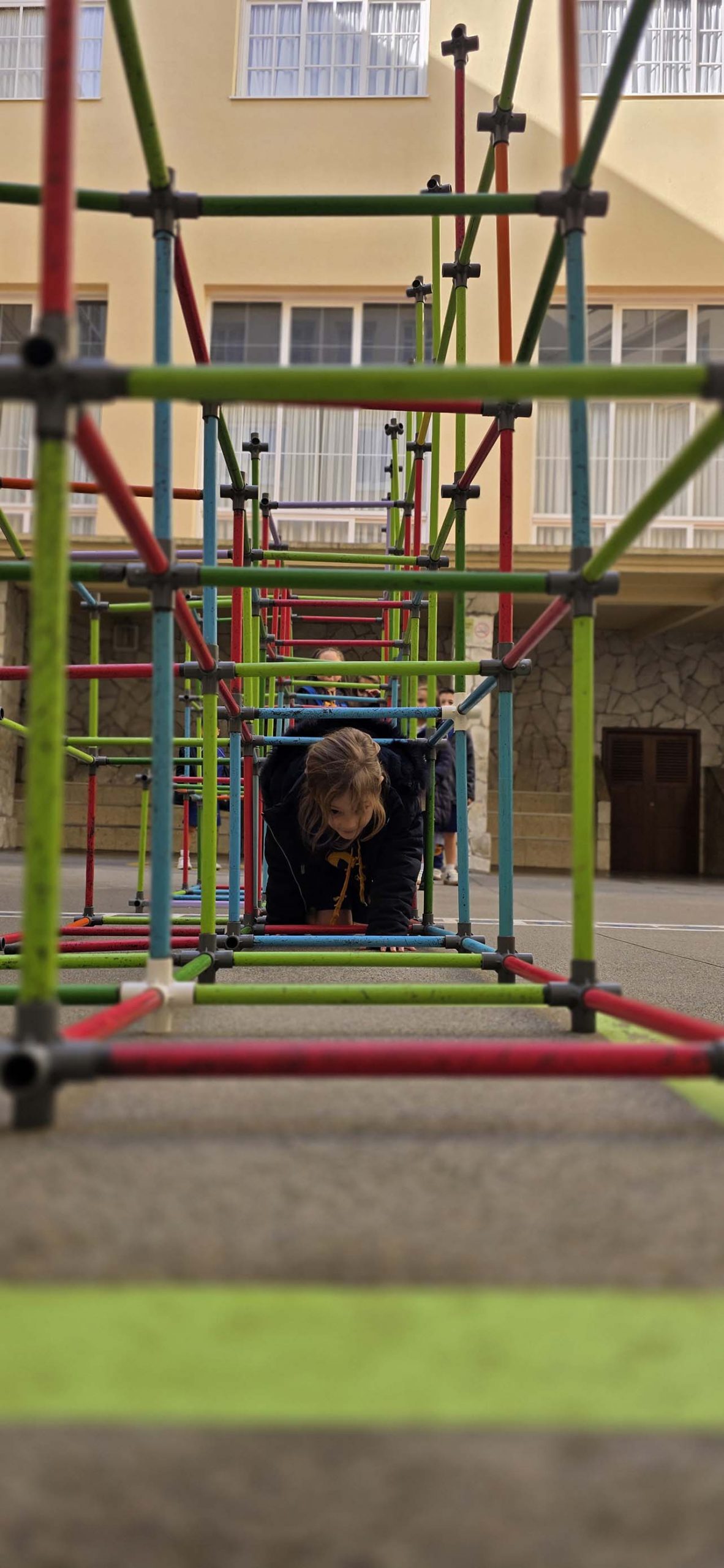
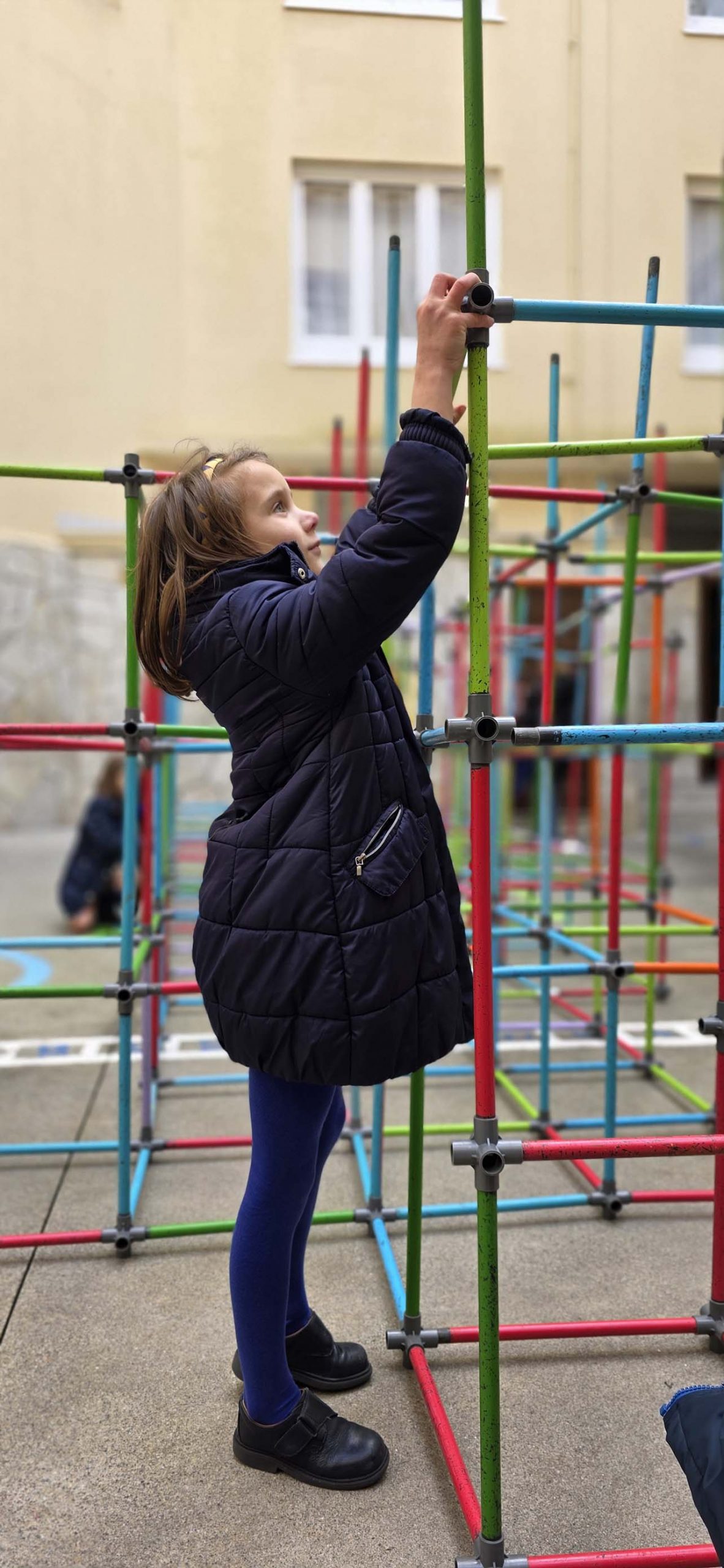
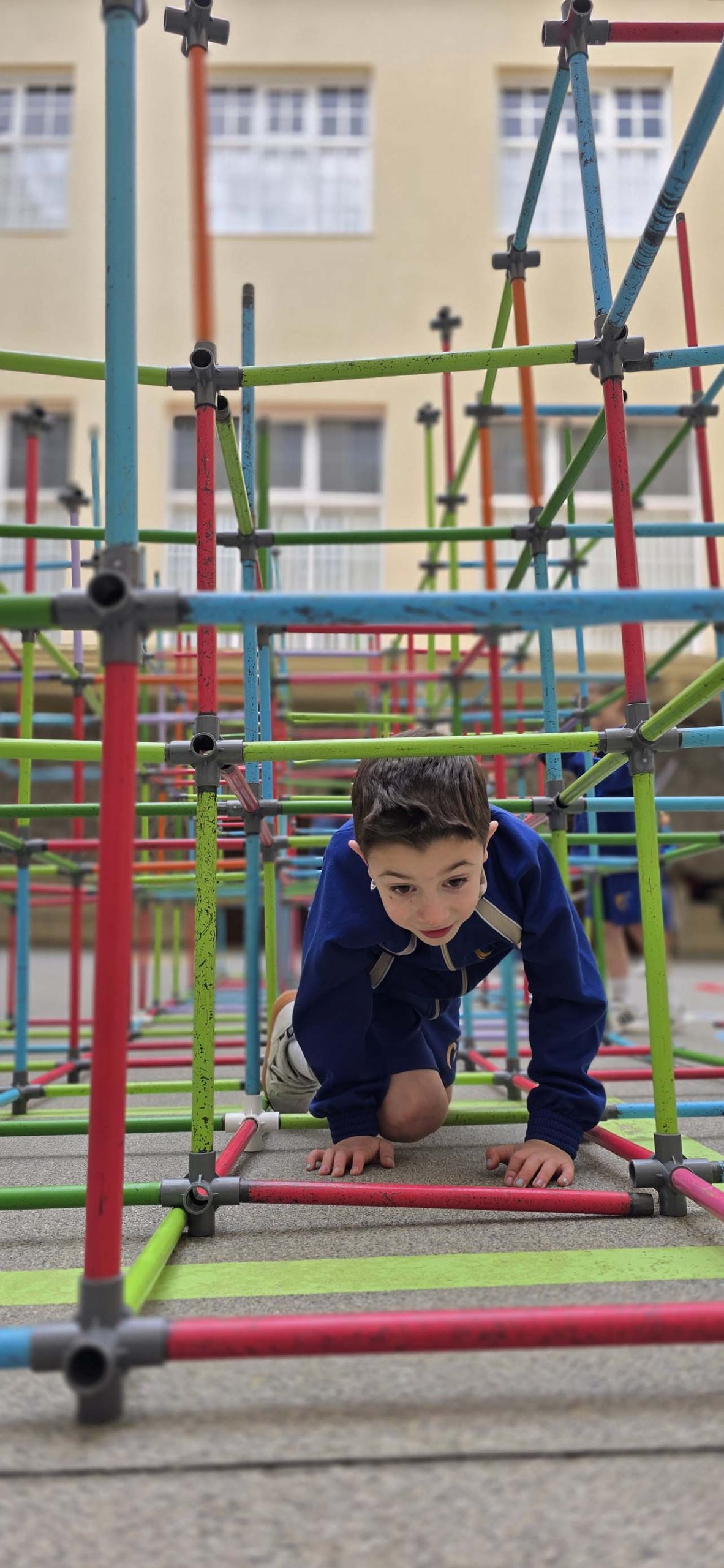
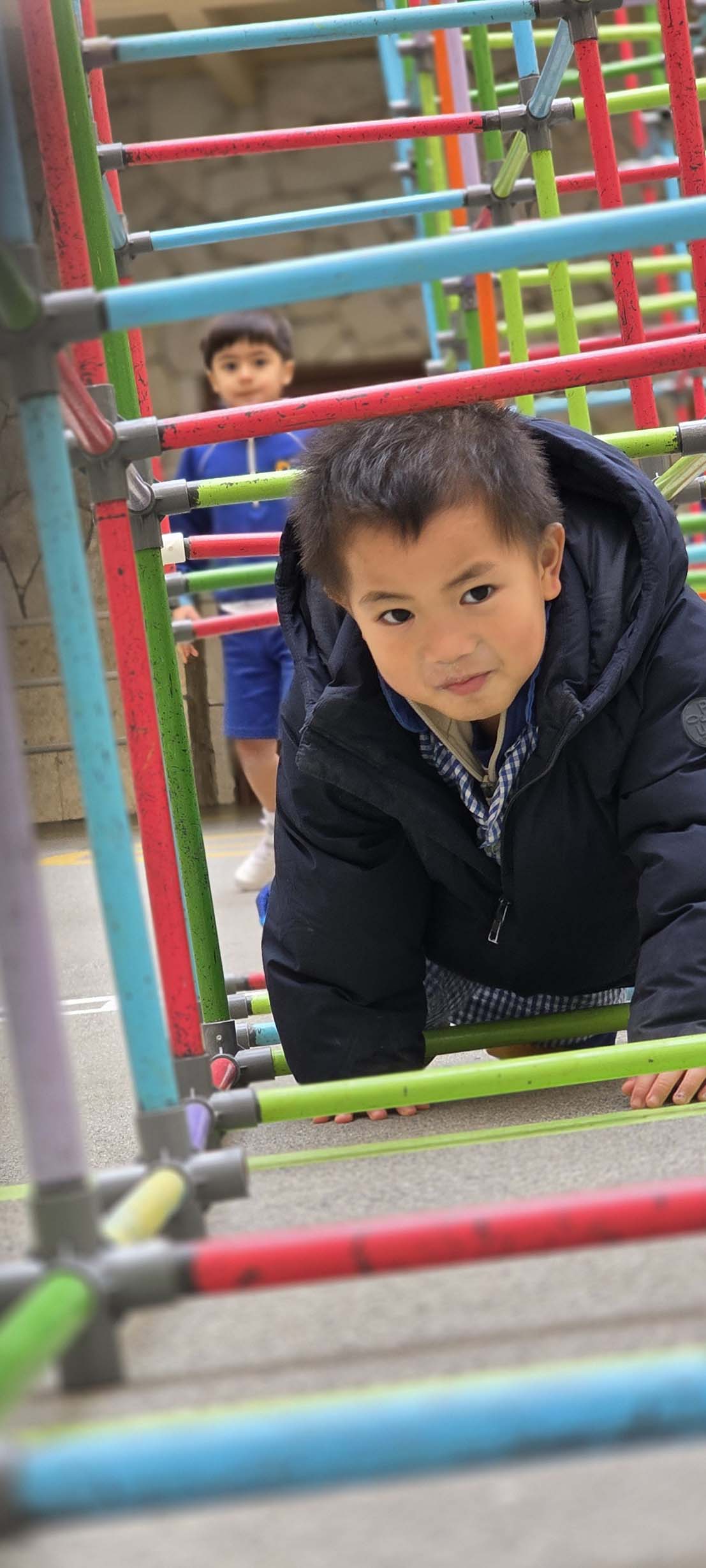
Transform the yard working whith THREE- DIMENSIONAL ELEMENTS
A Coruña
Changing the village through protagonist participation
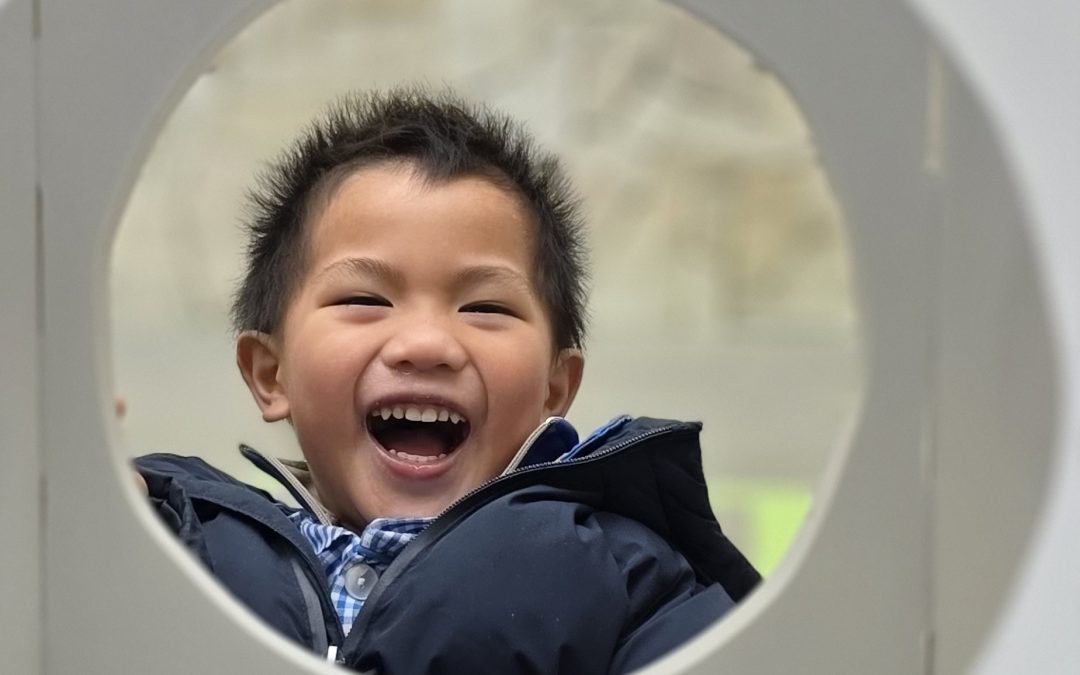
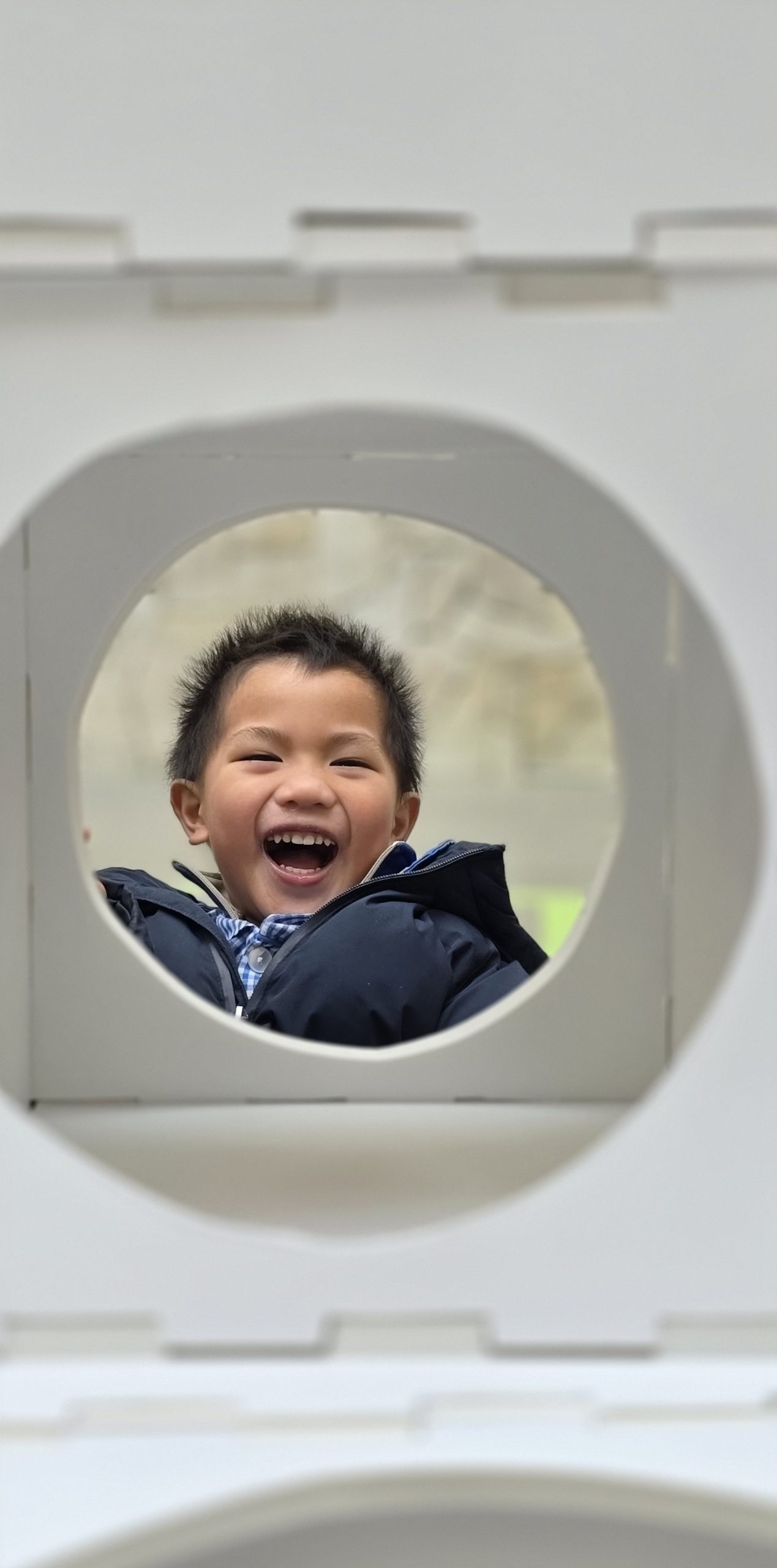
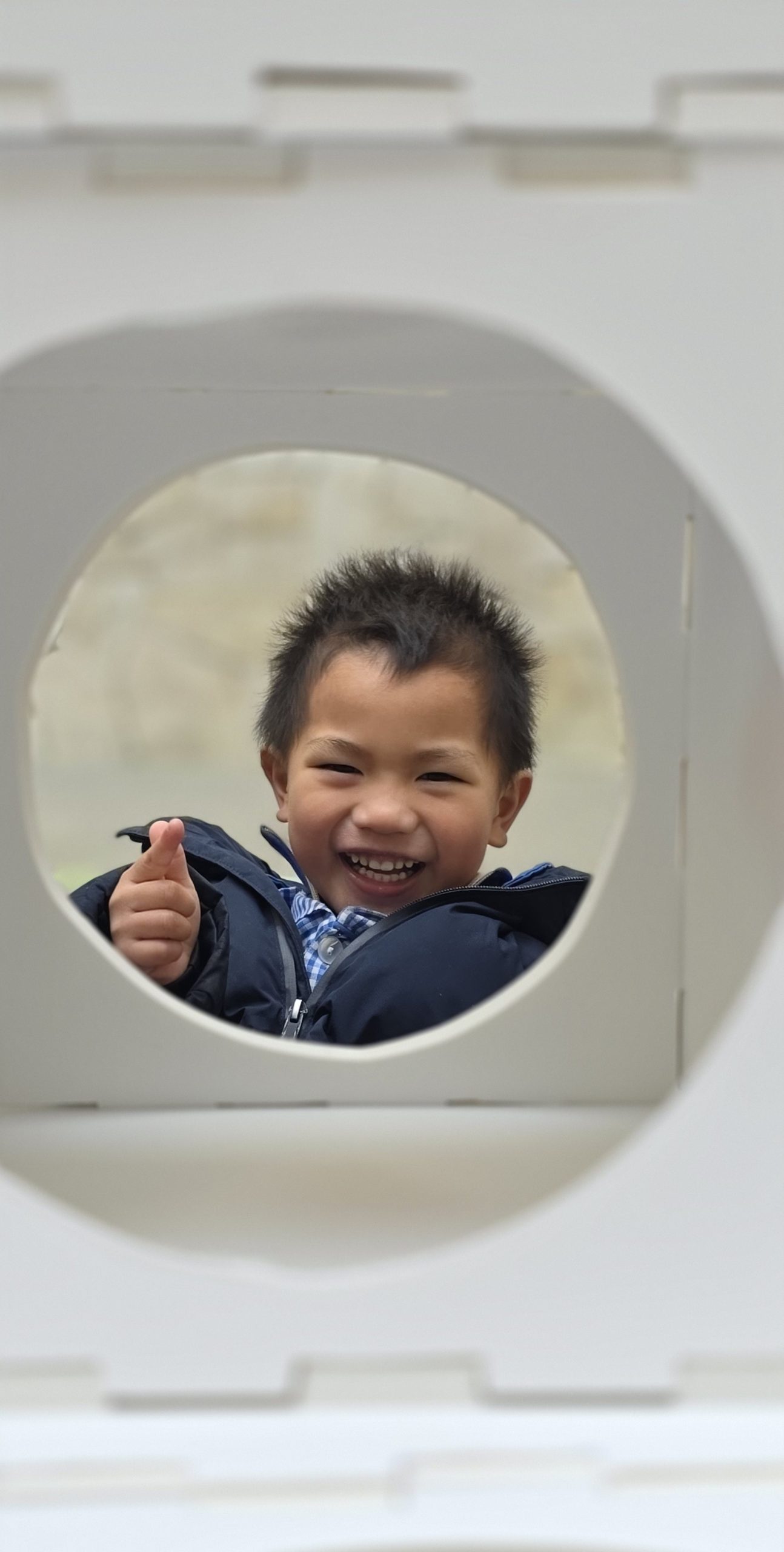
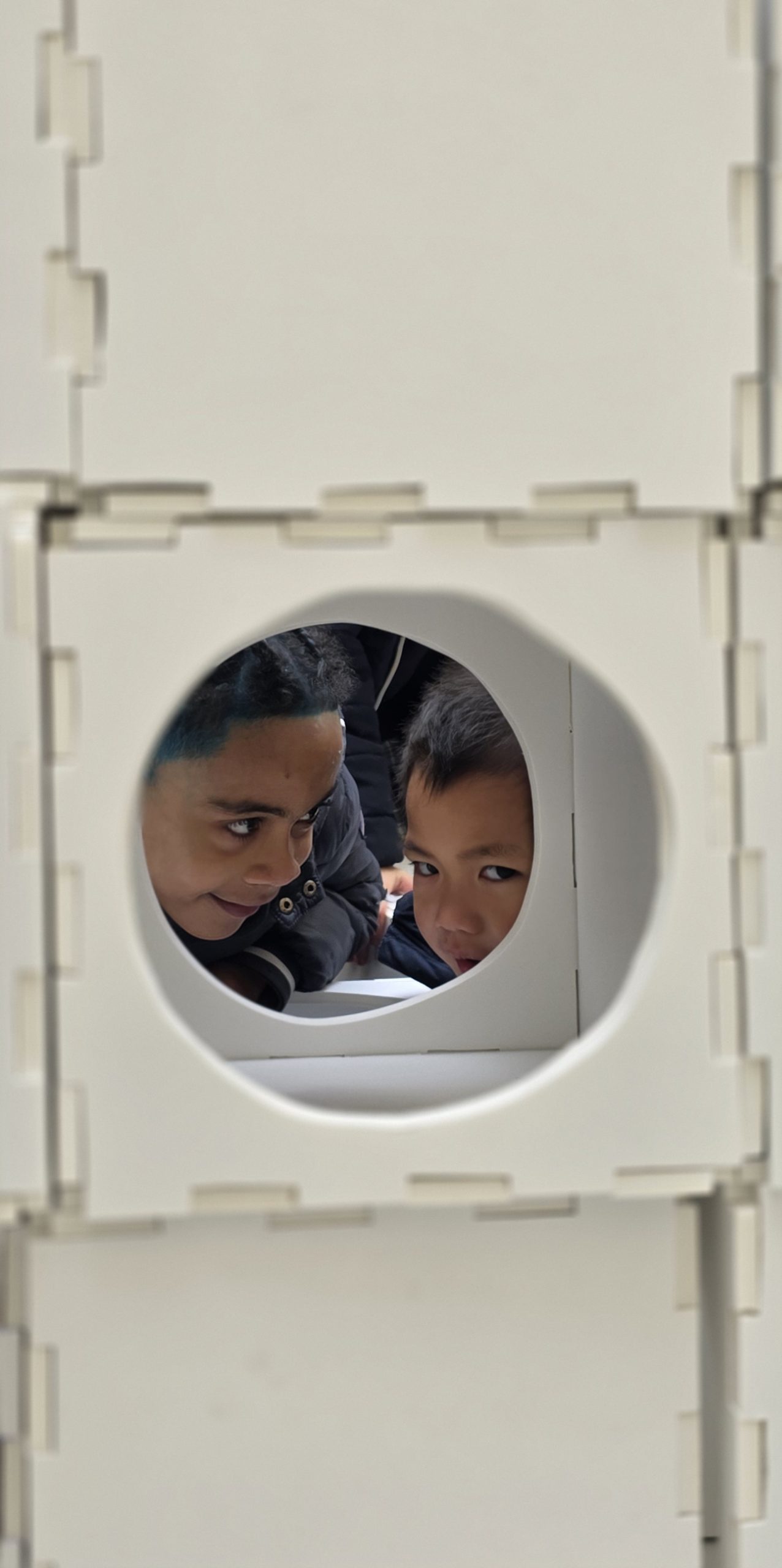
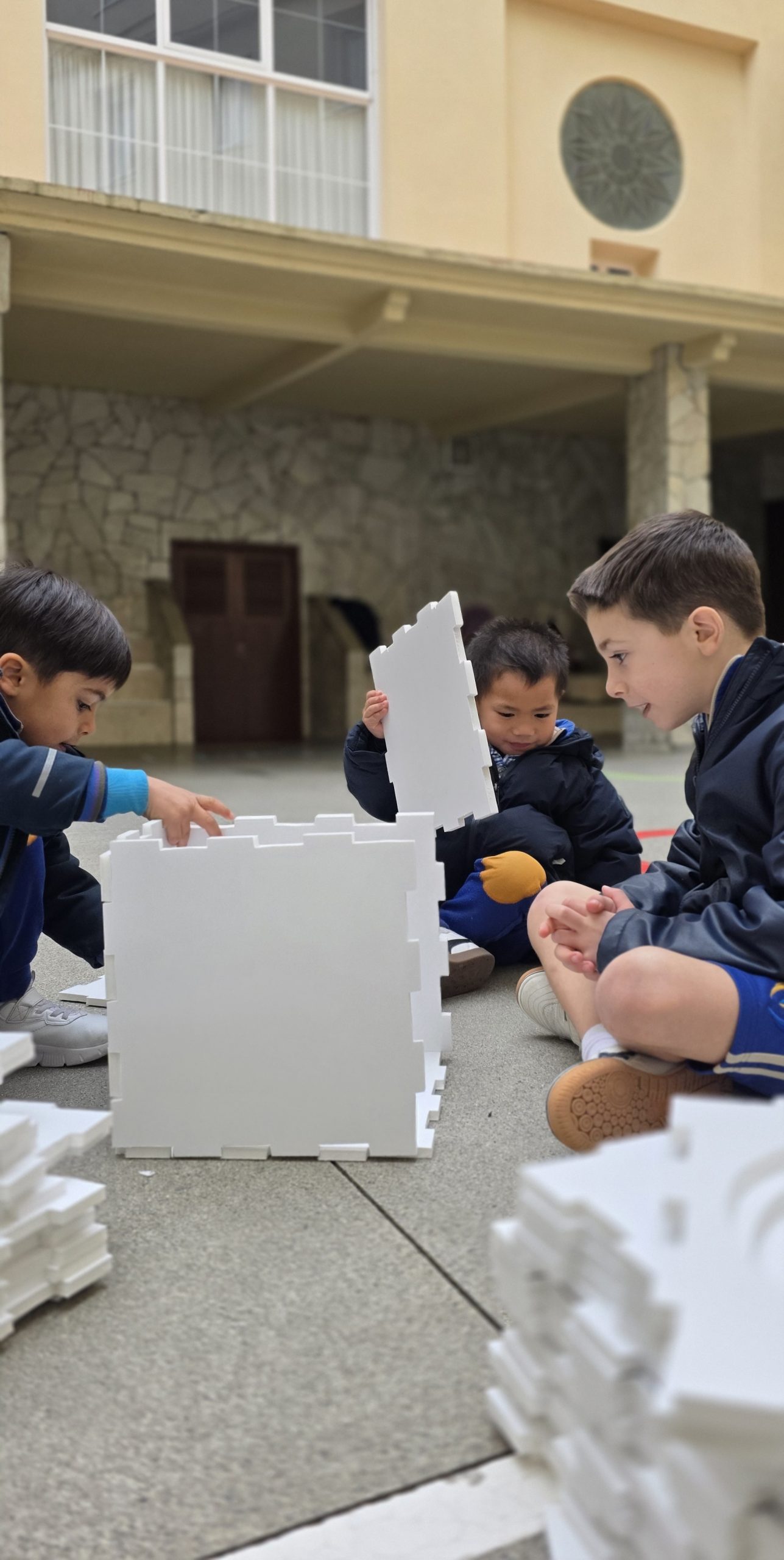
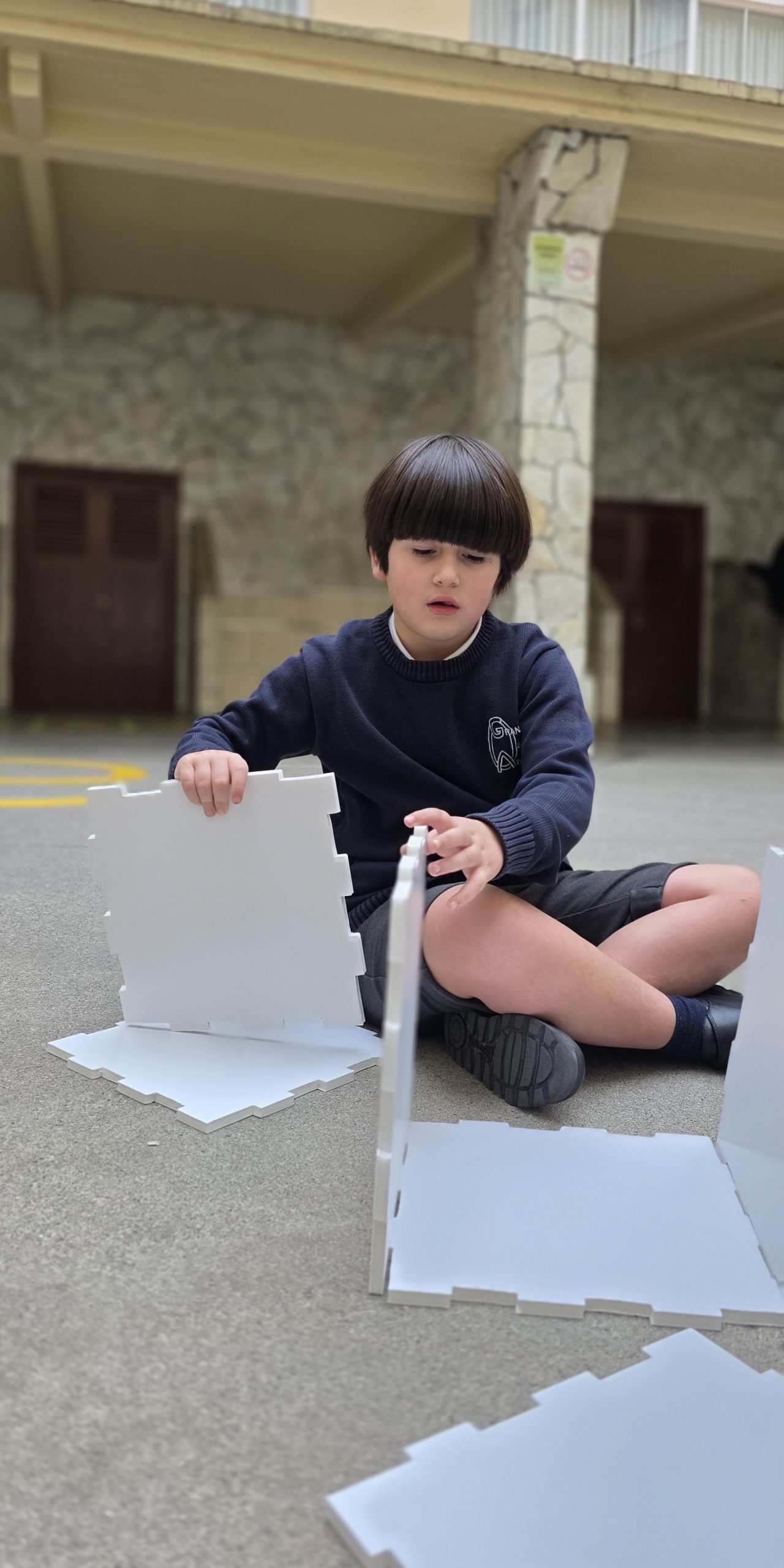
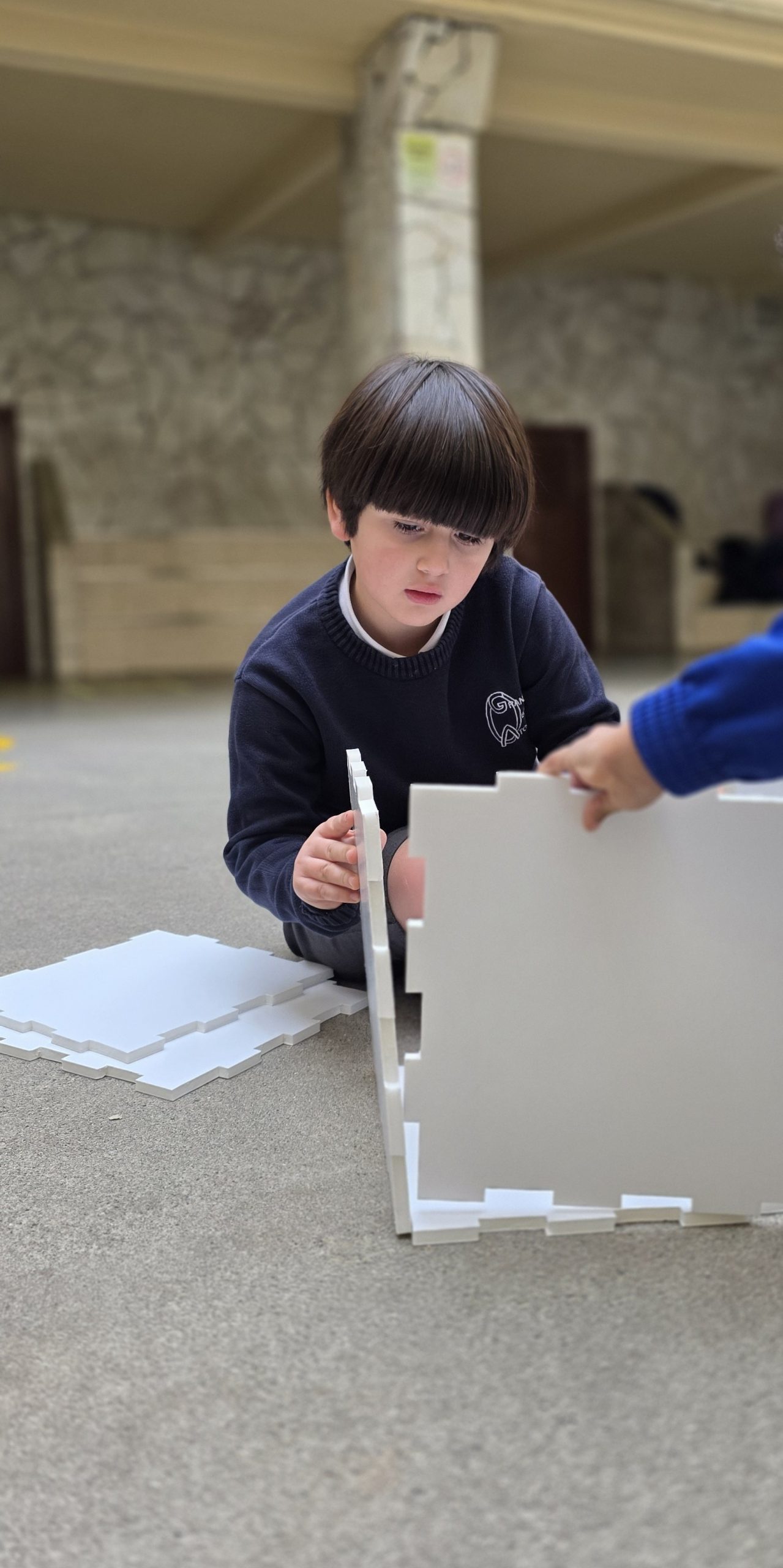
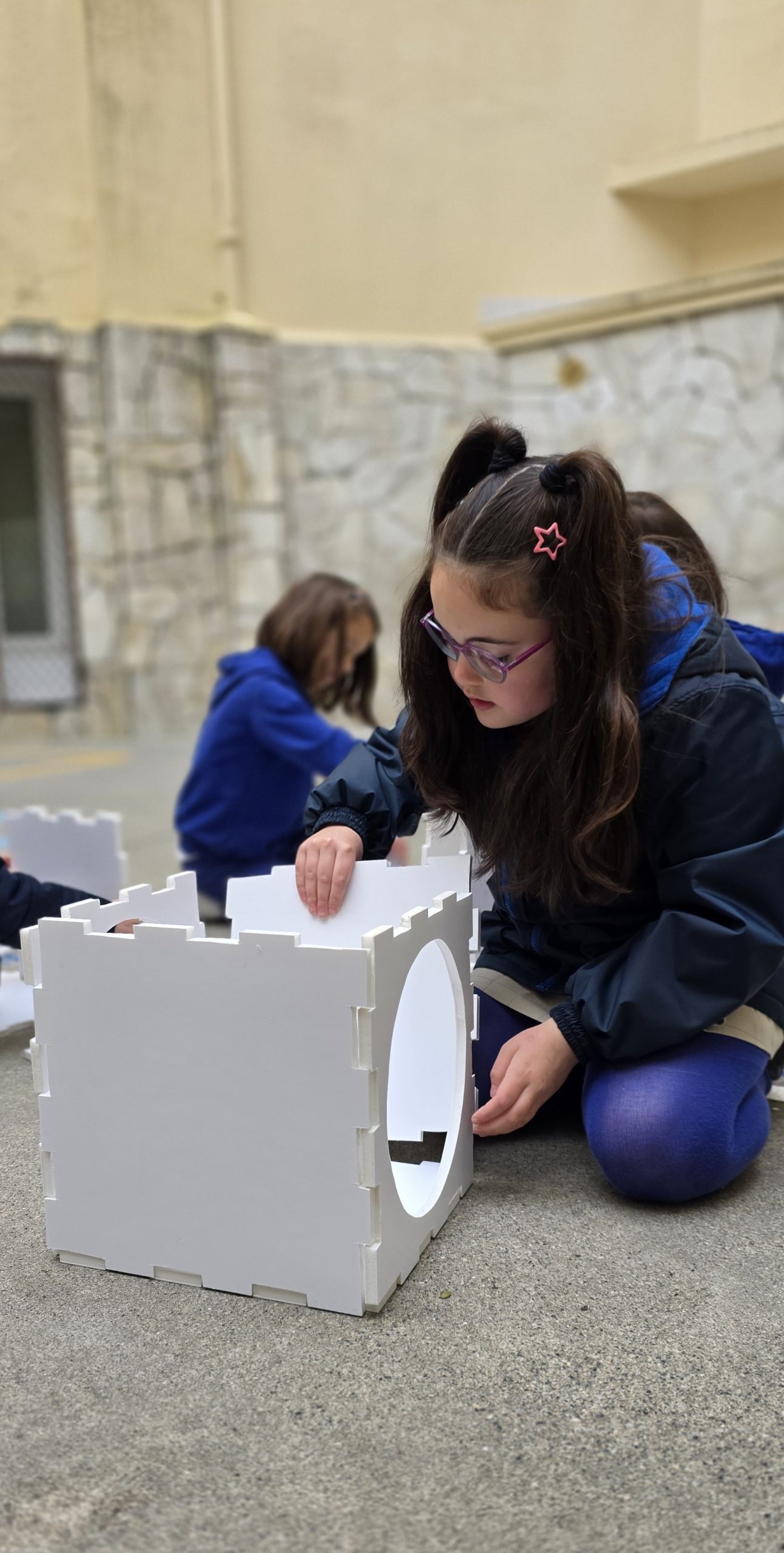
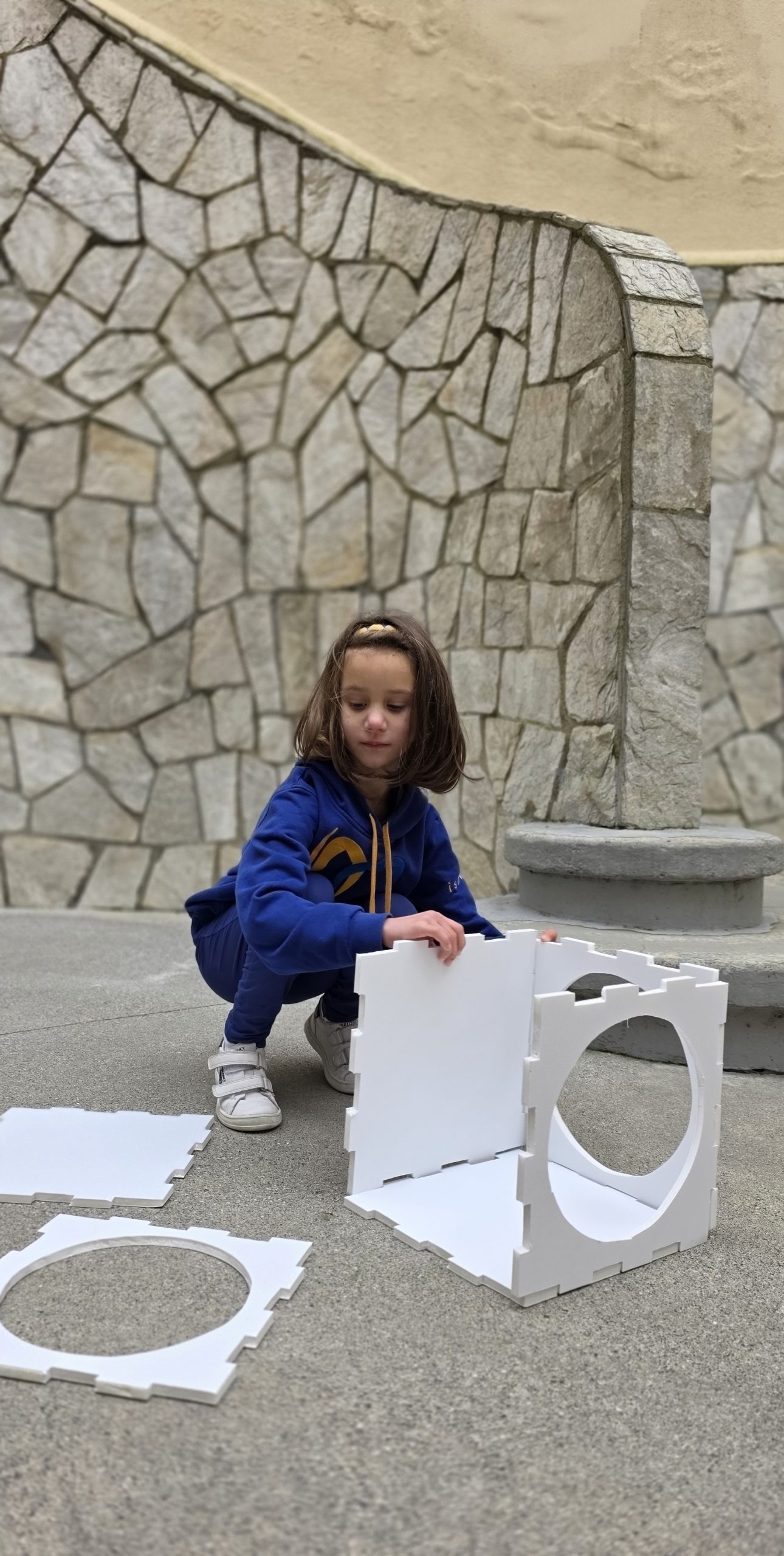
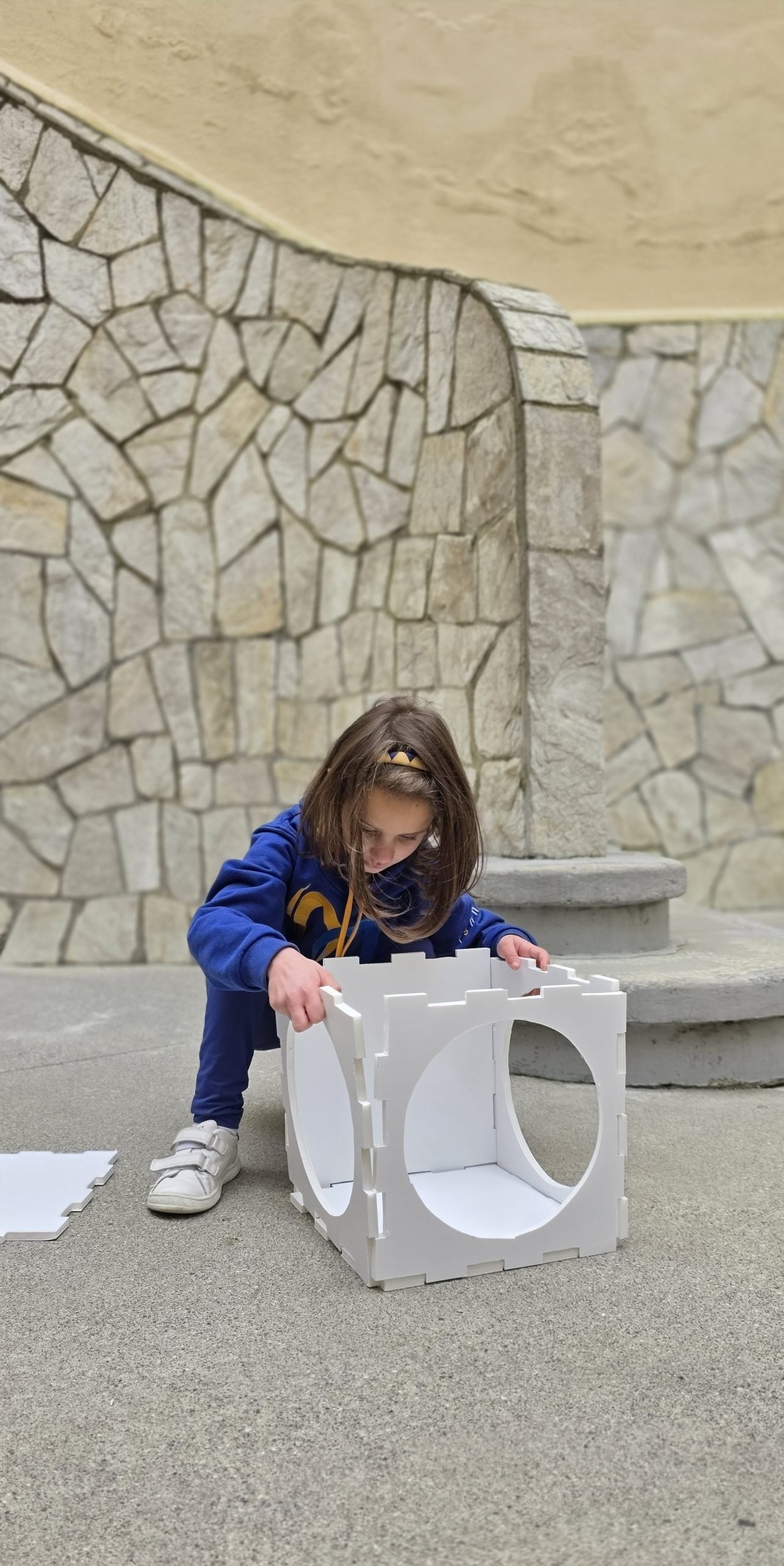
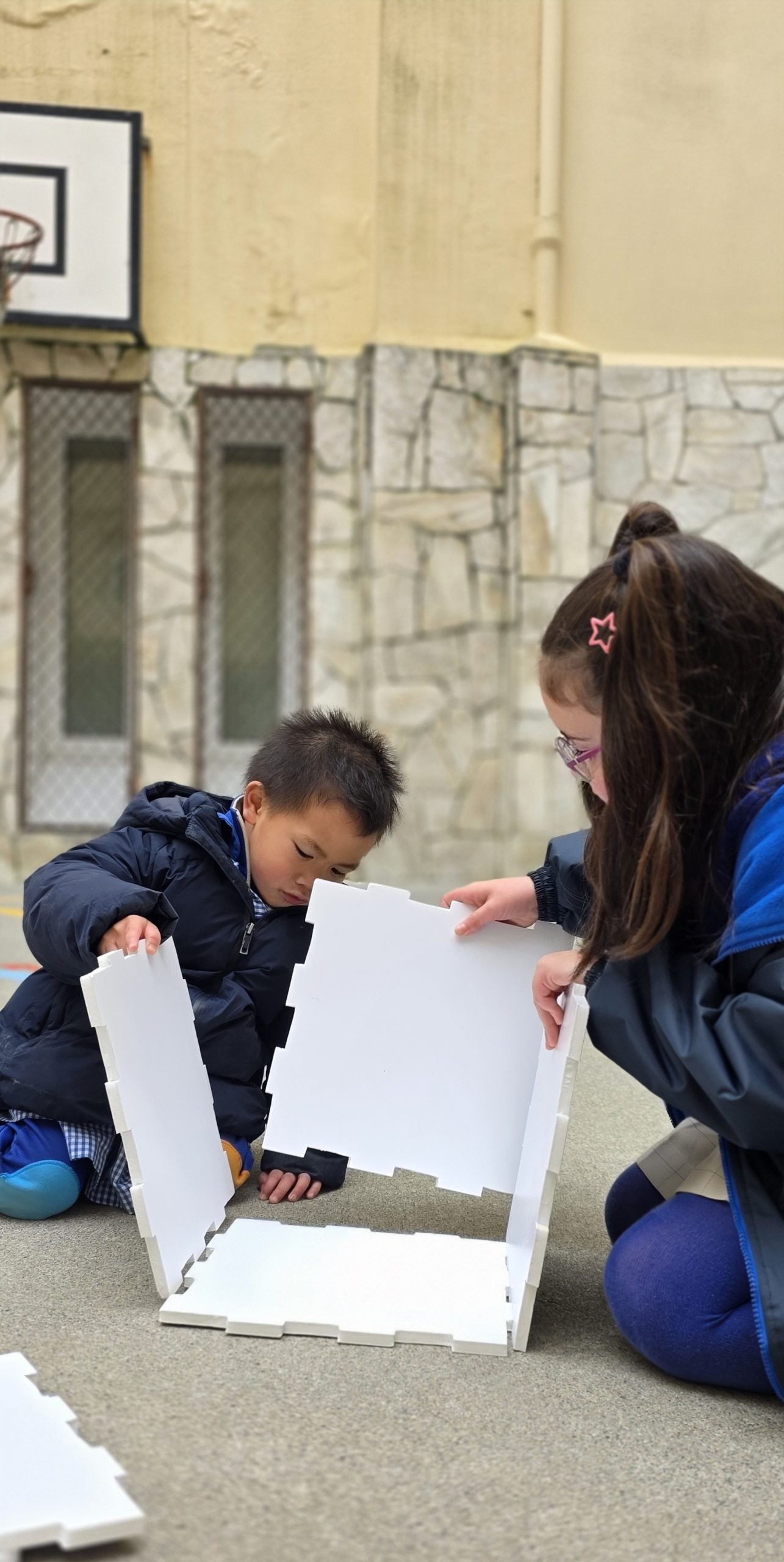
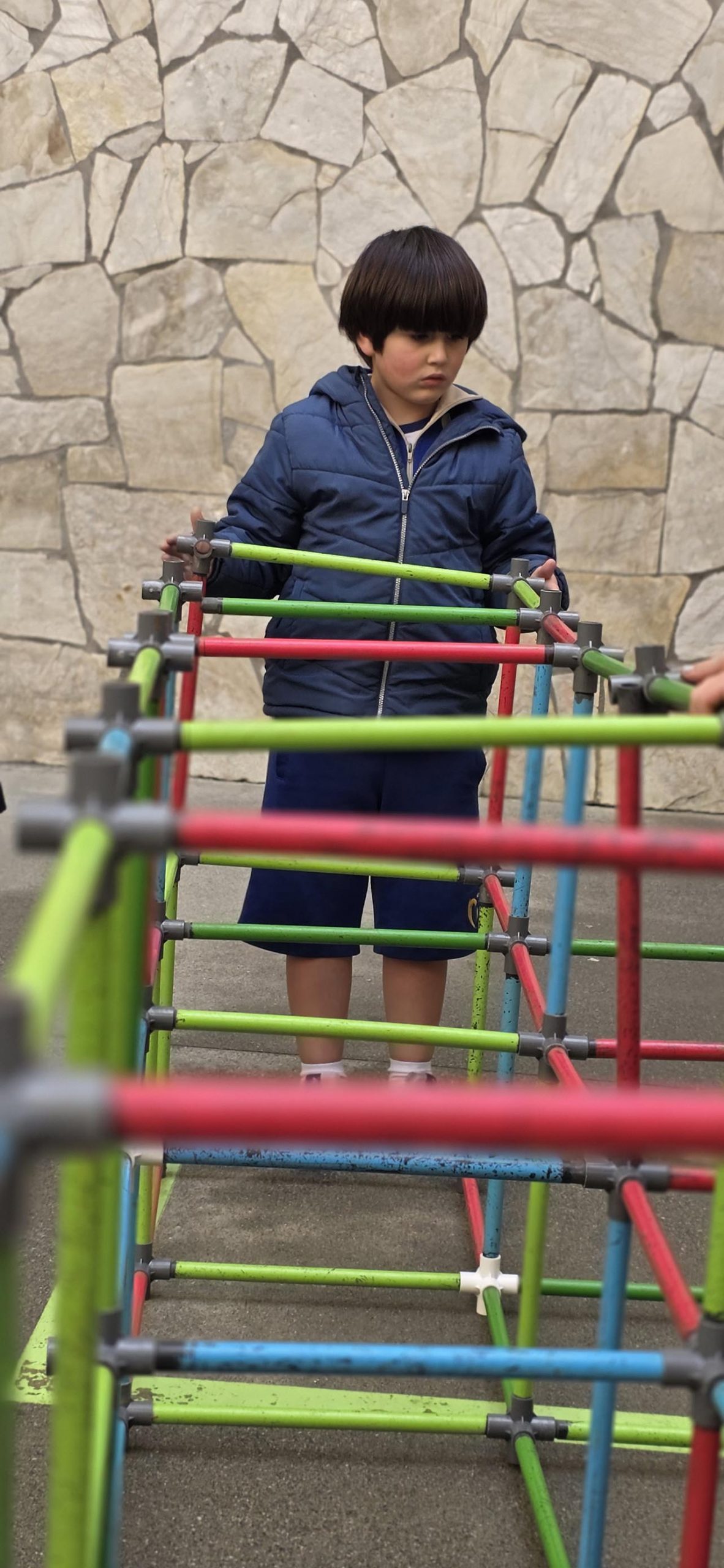
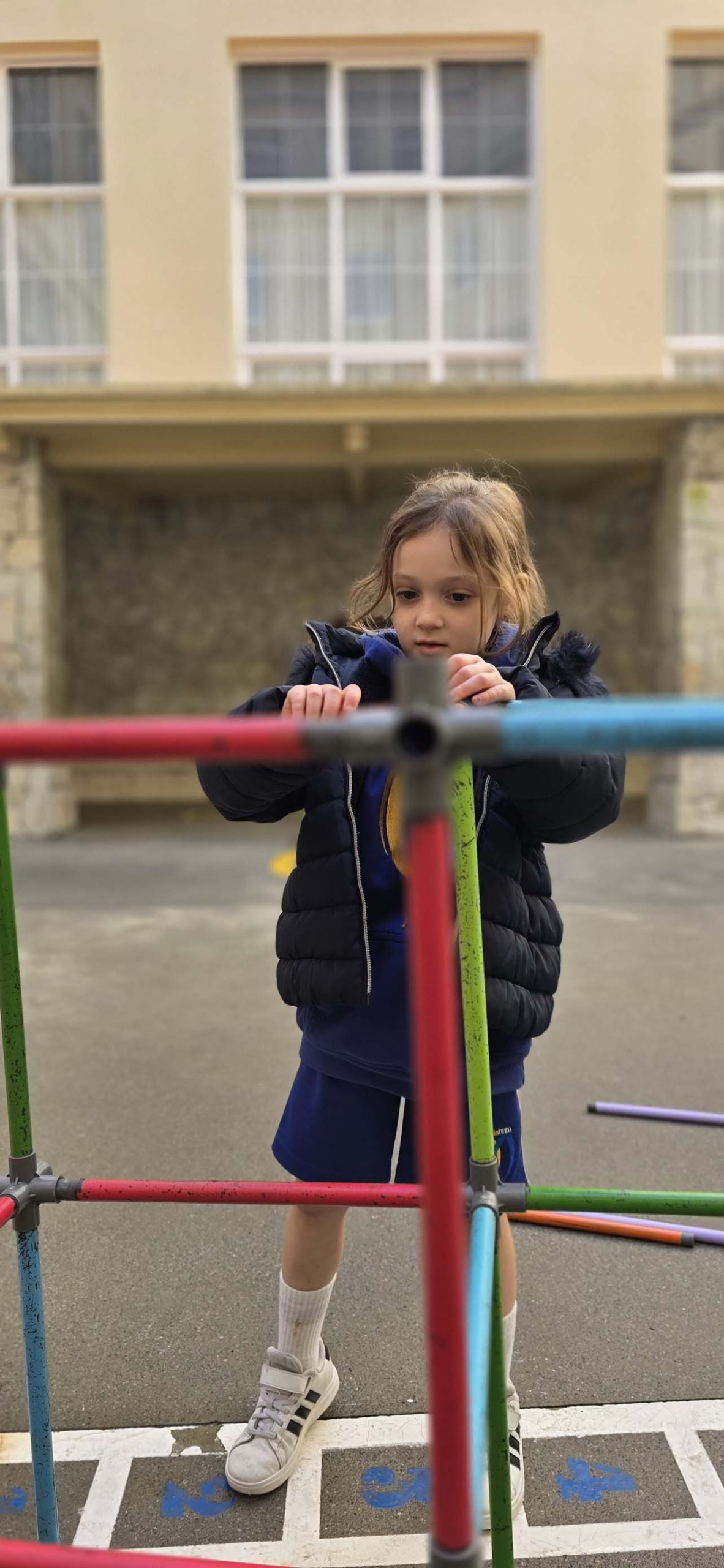
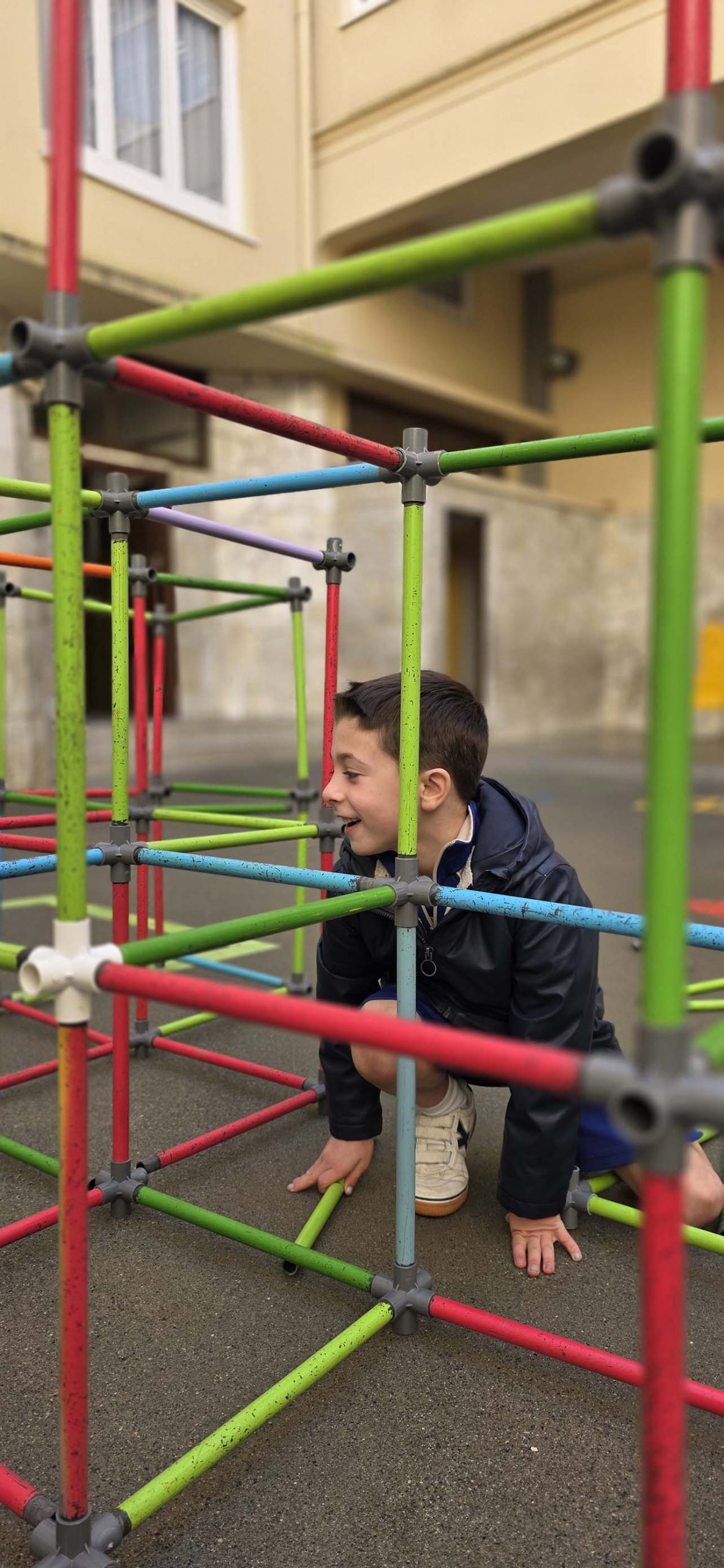
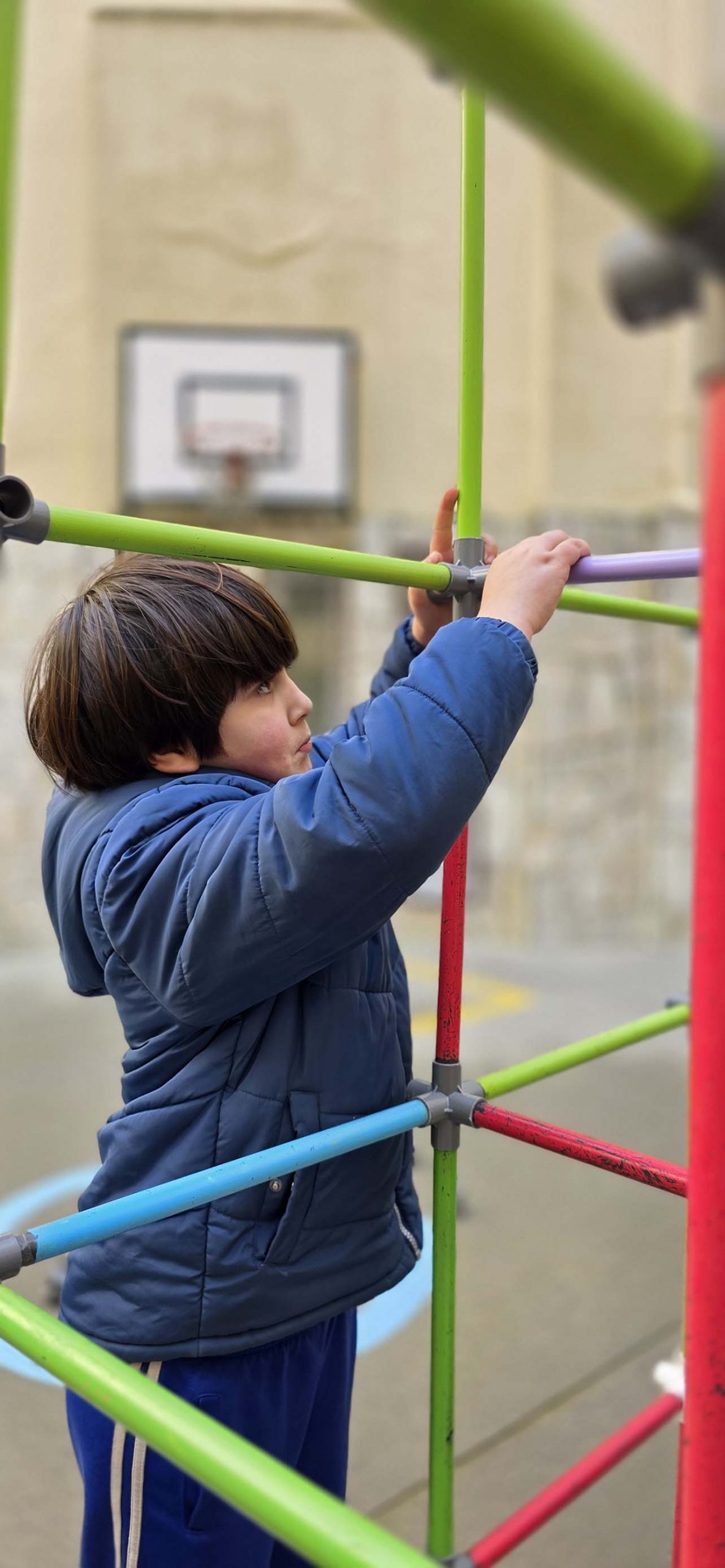
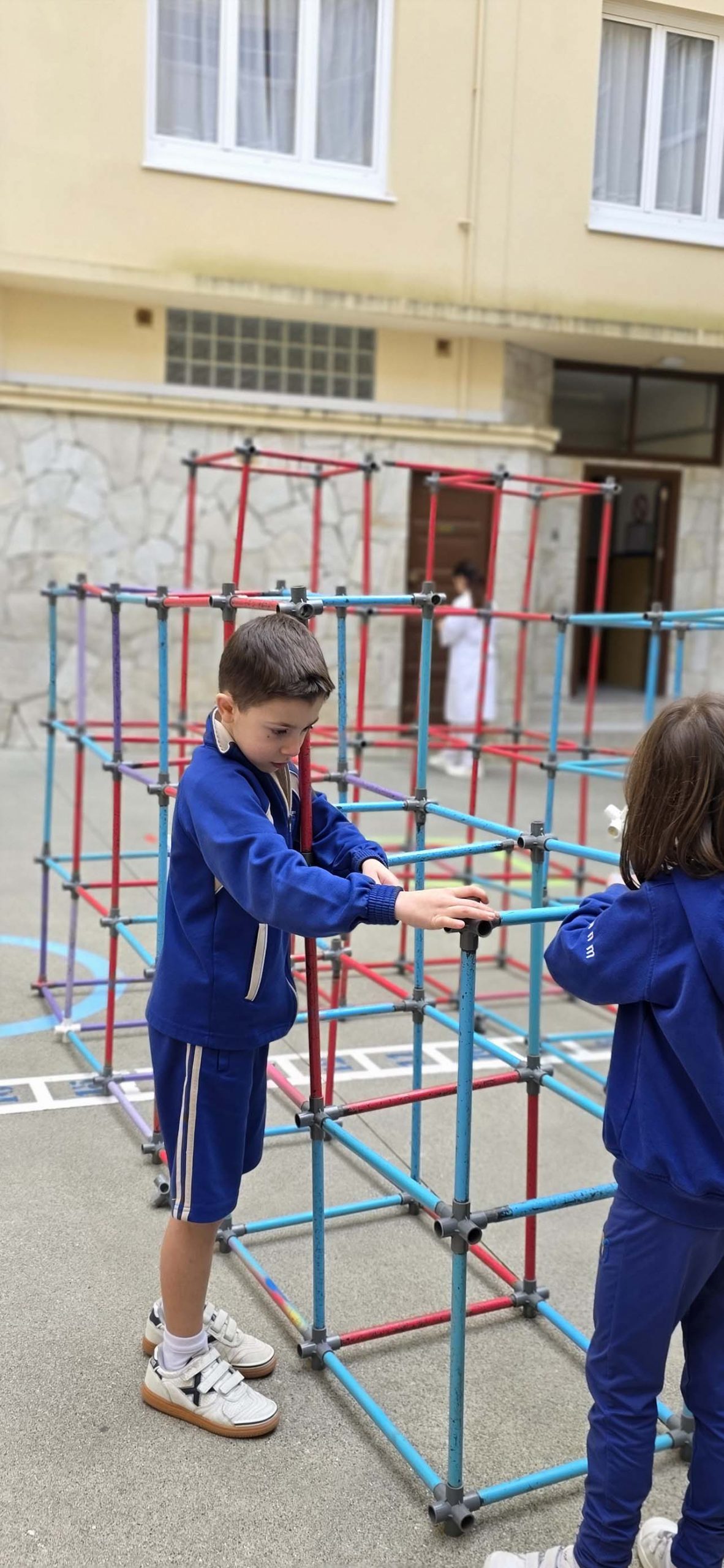
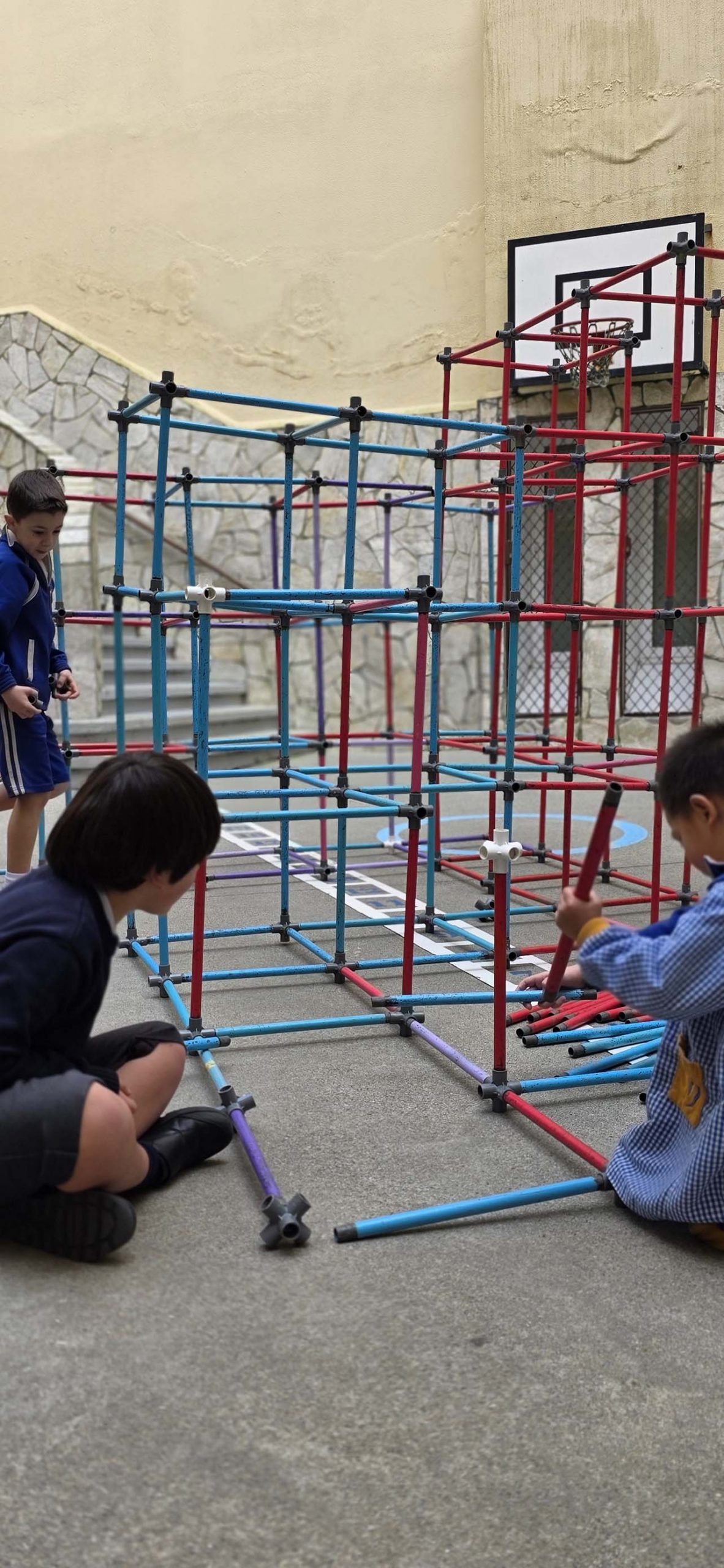
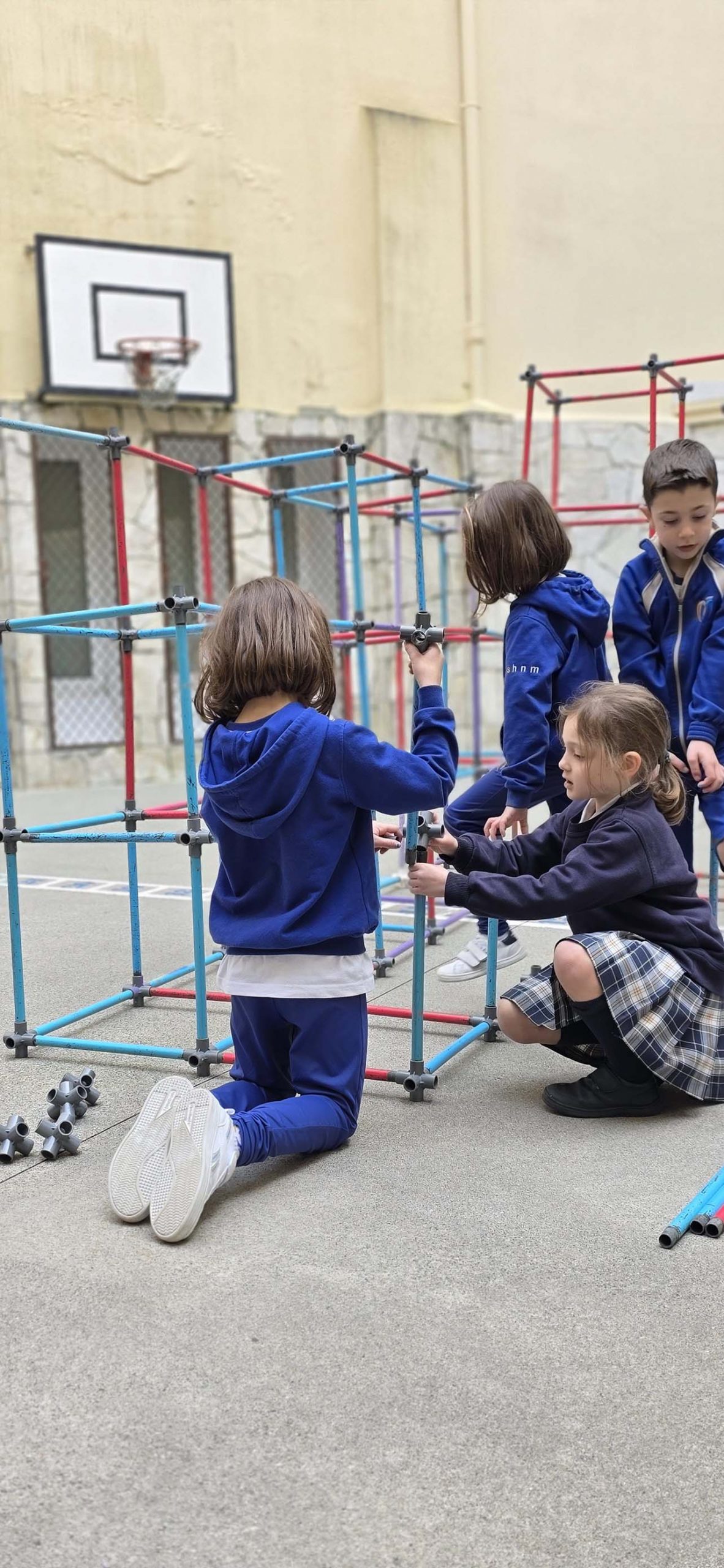
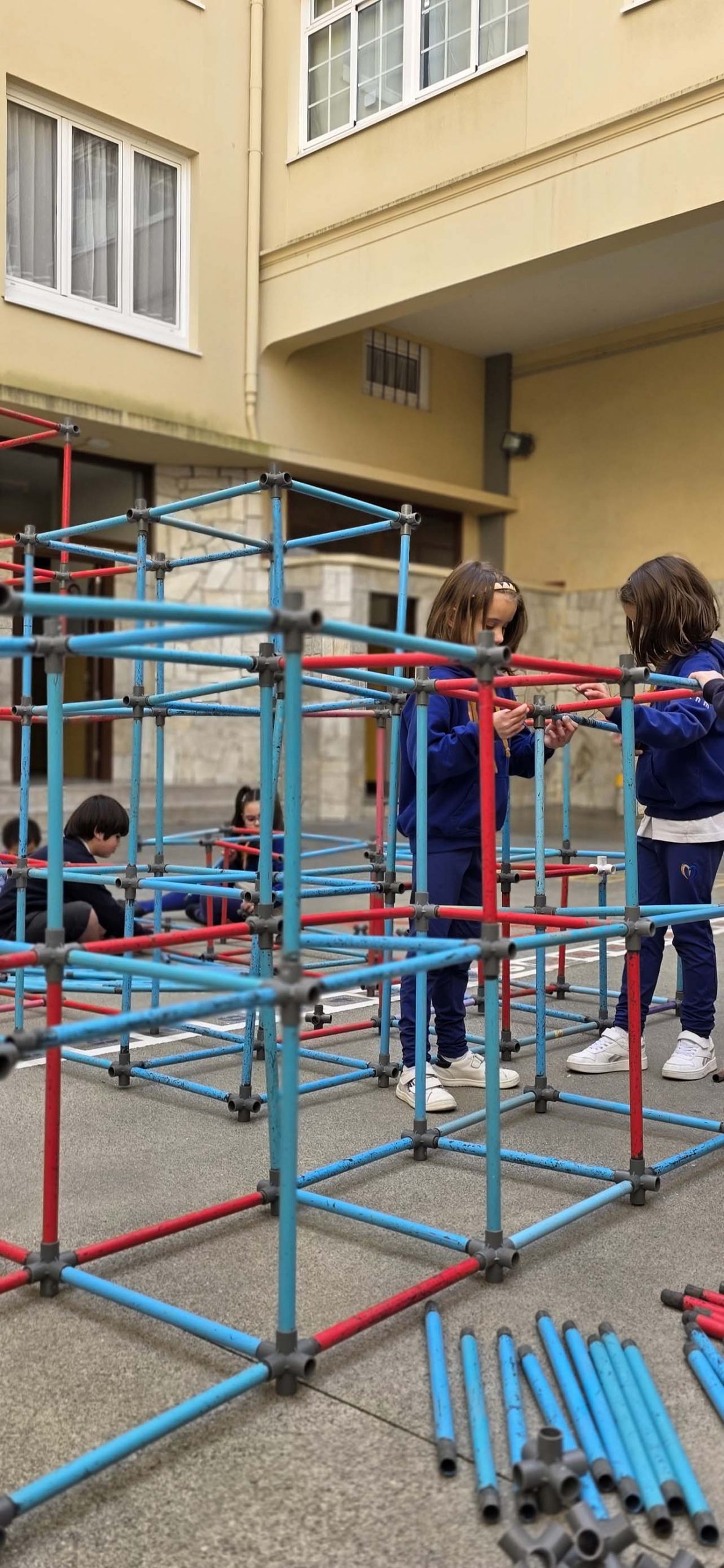
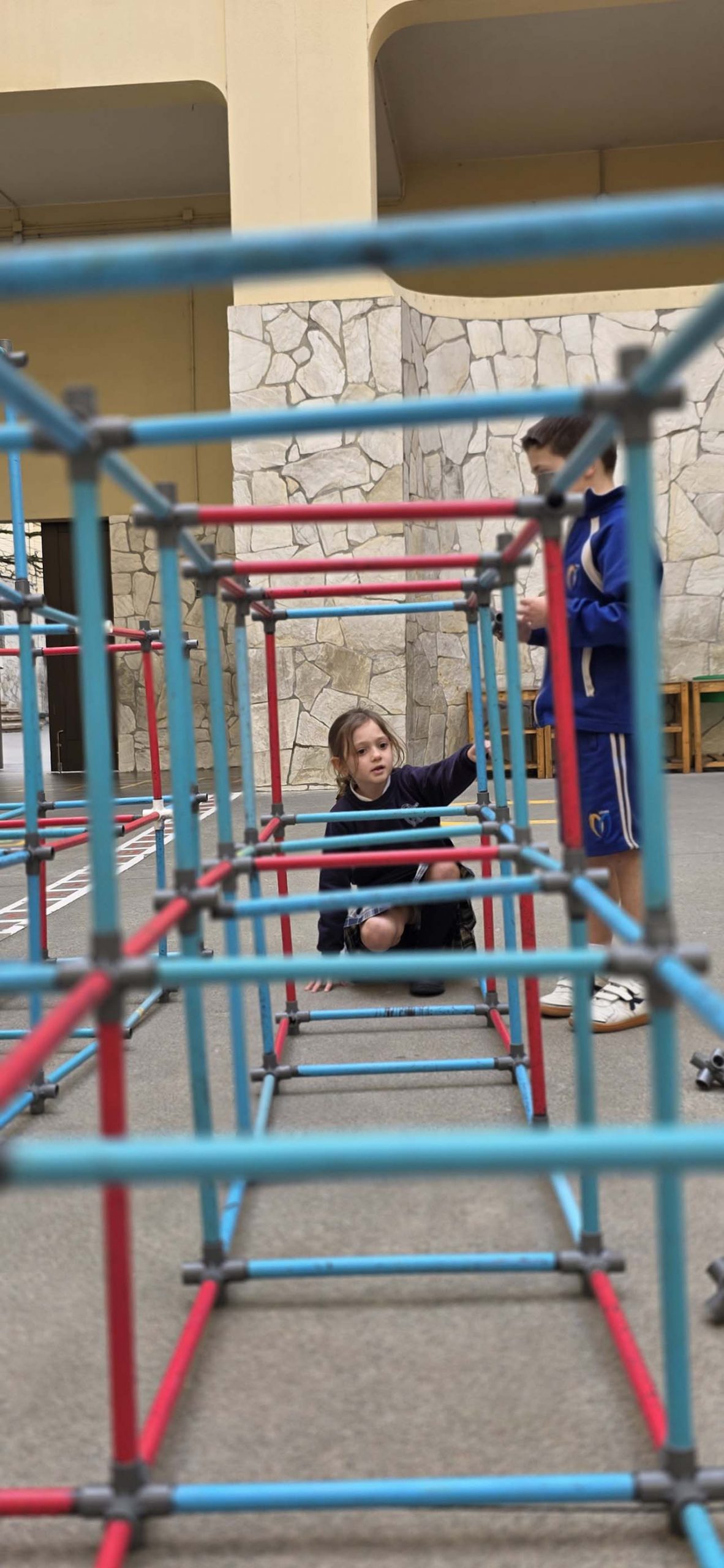
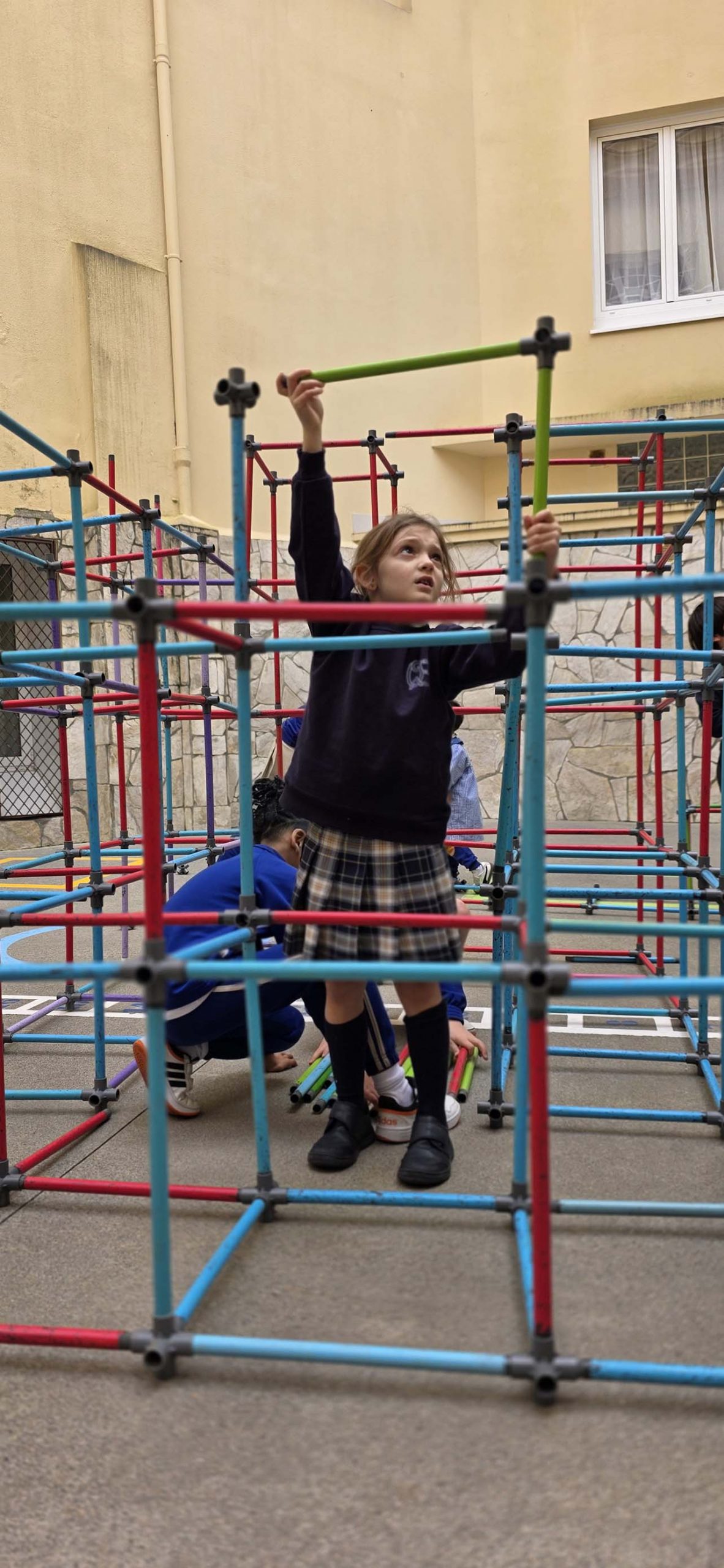
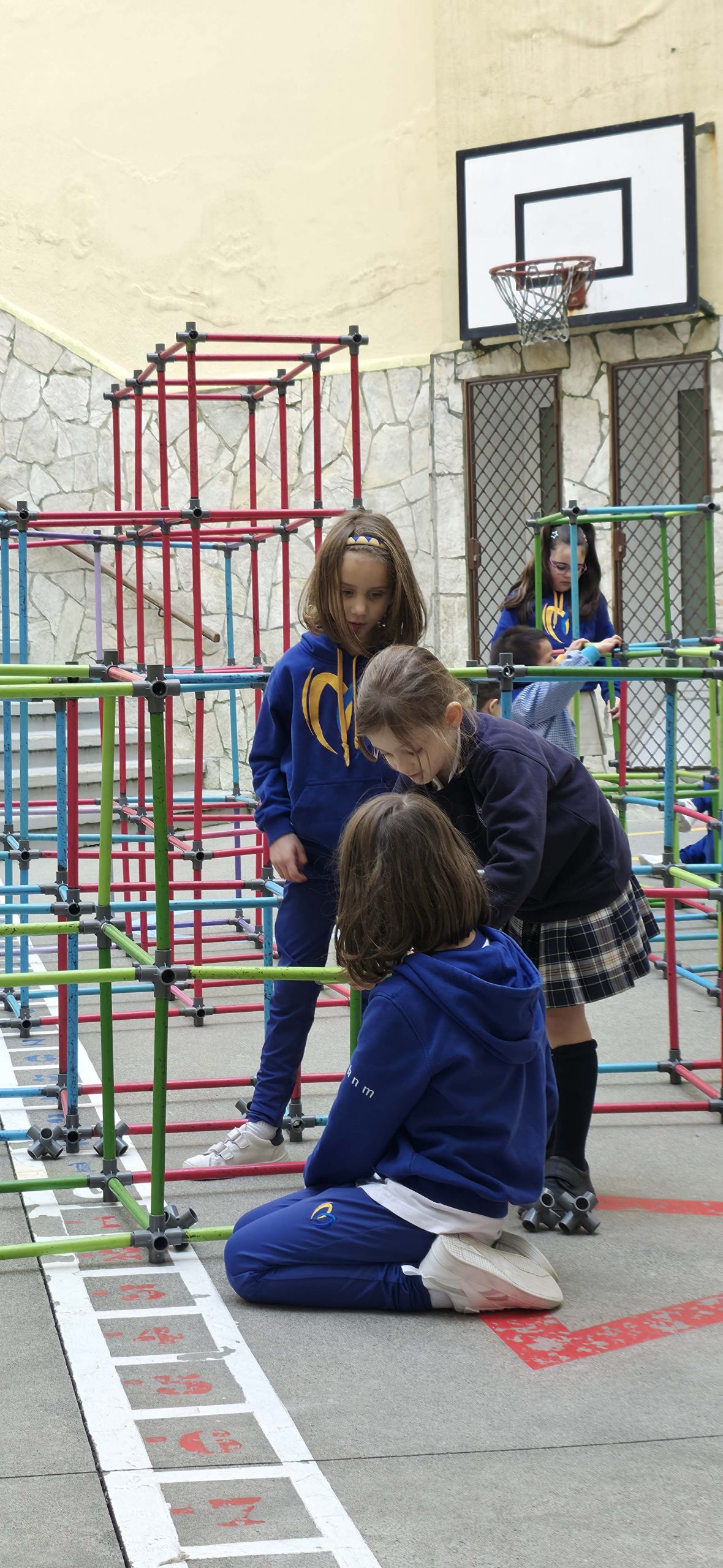
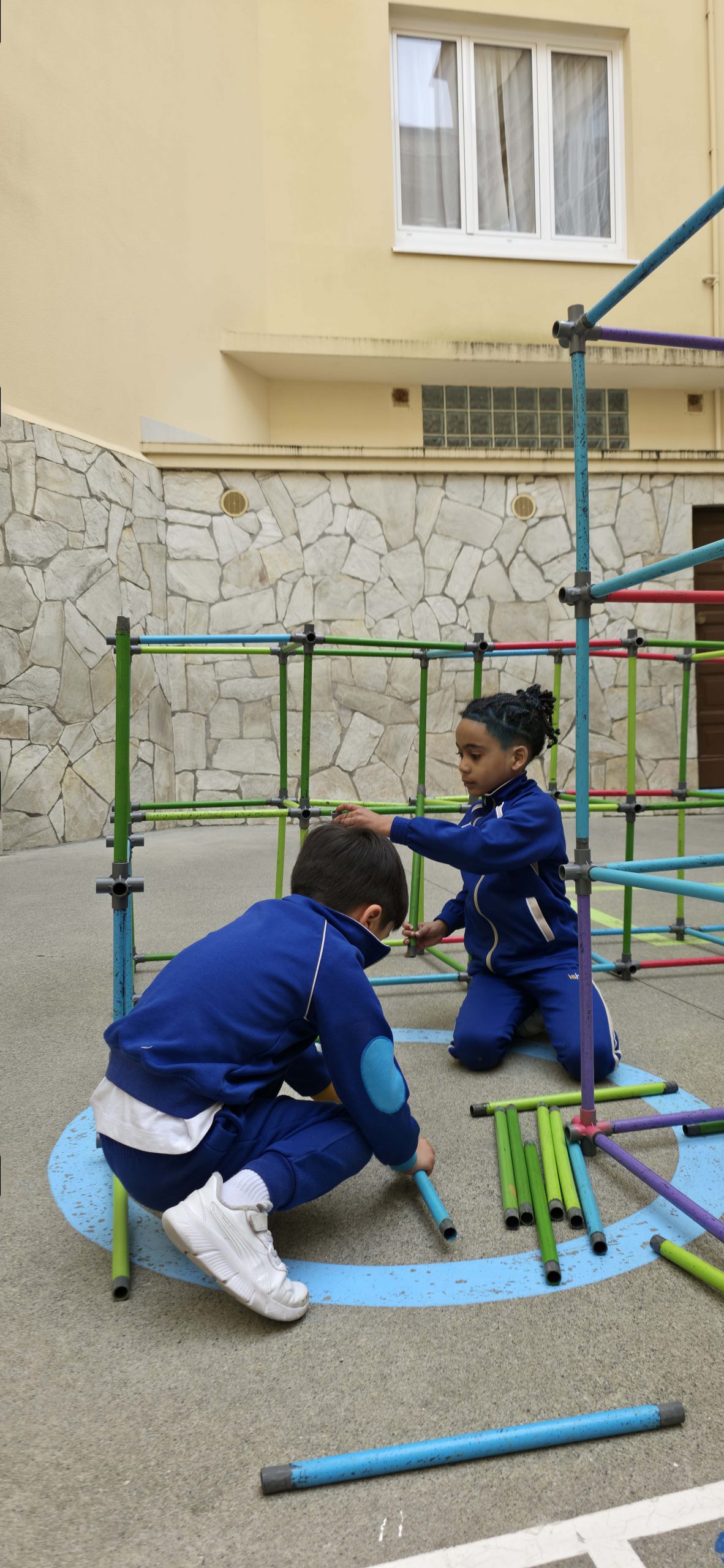
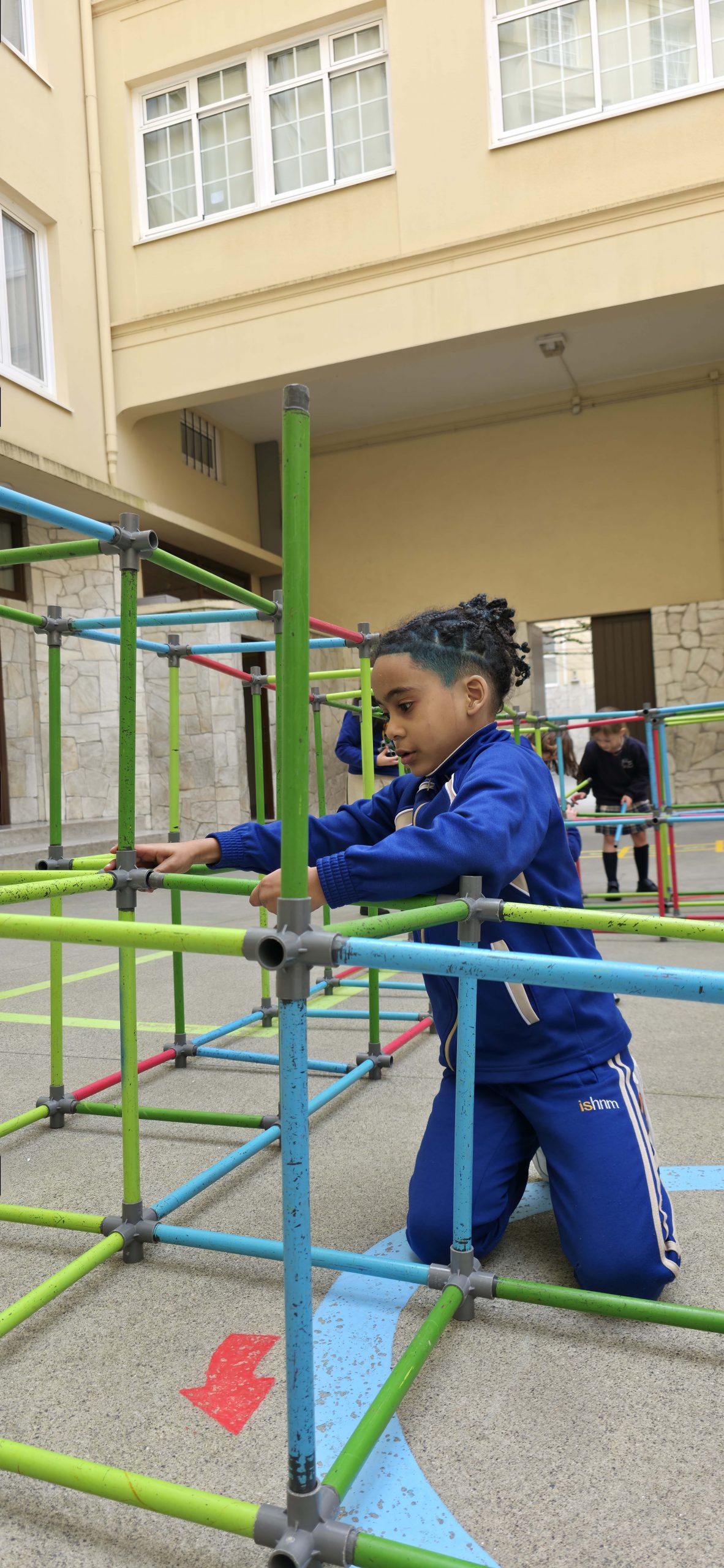
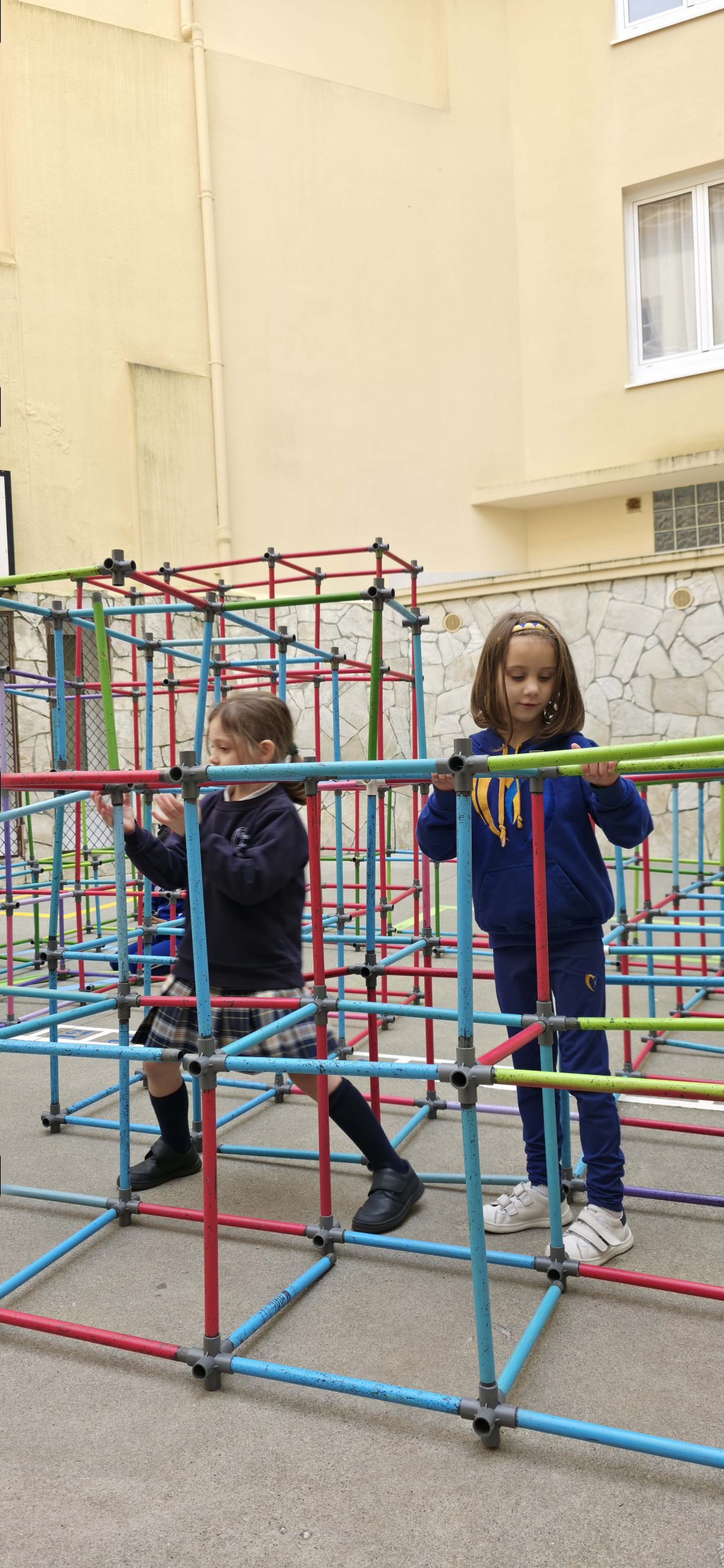
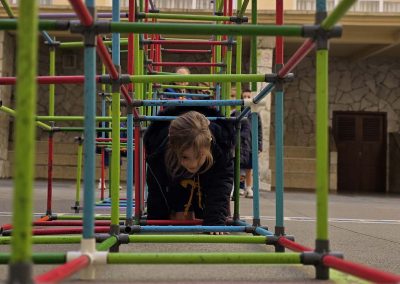
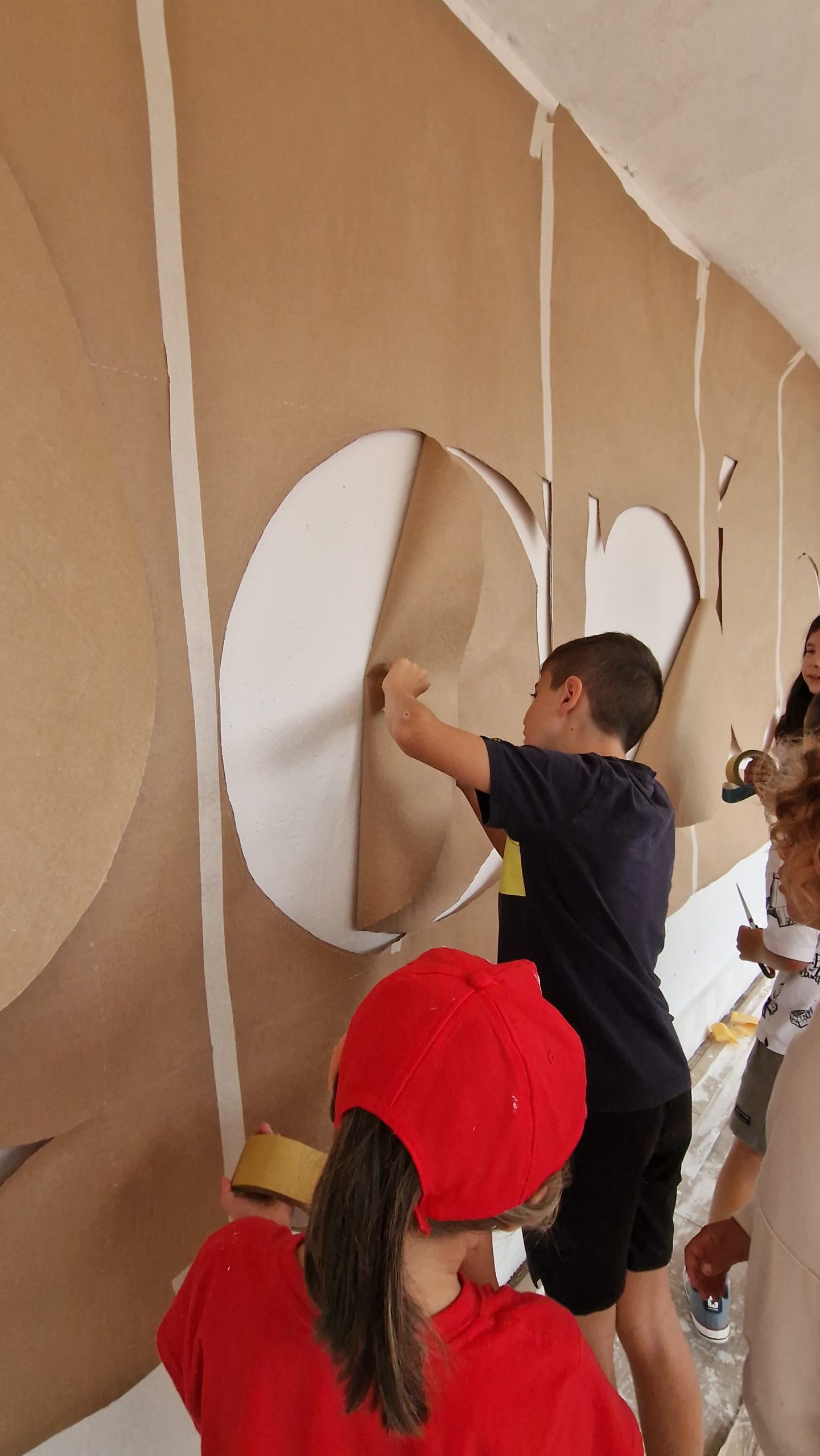
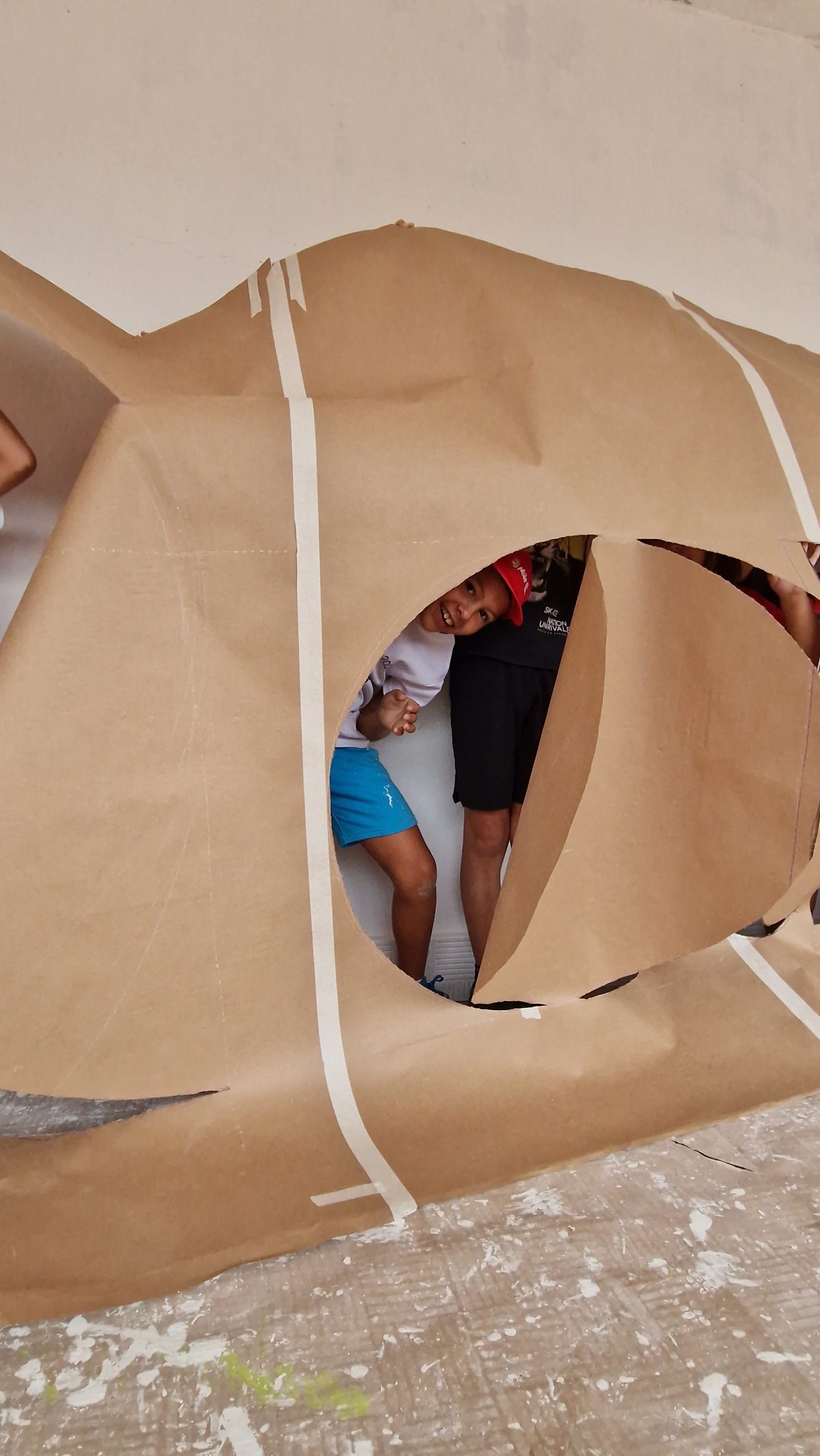
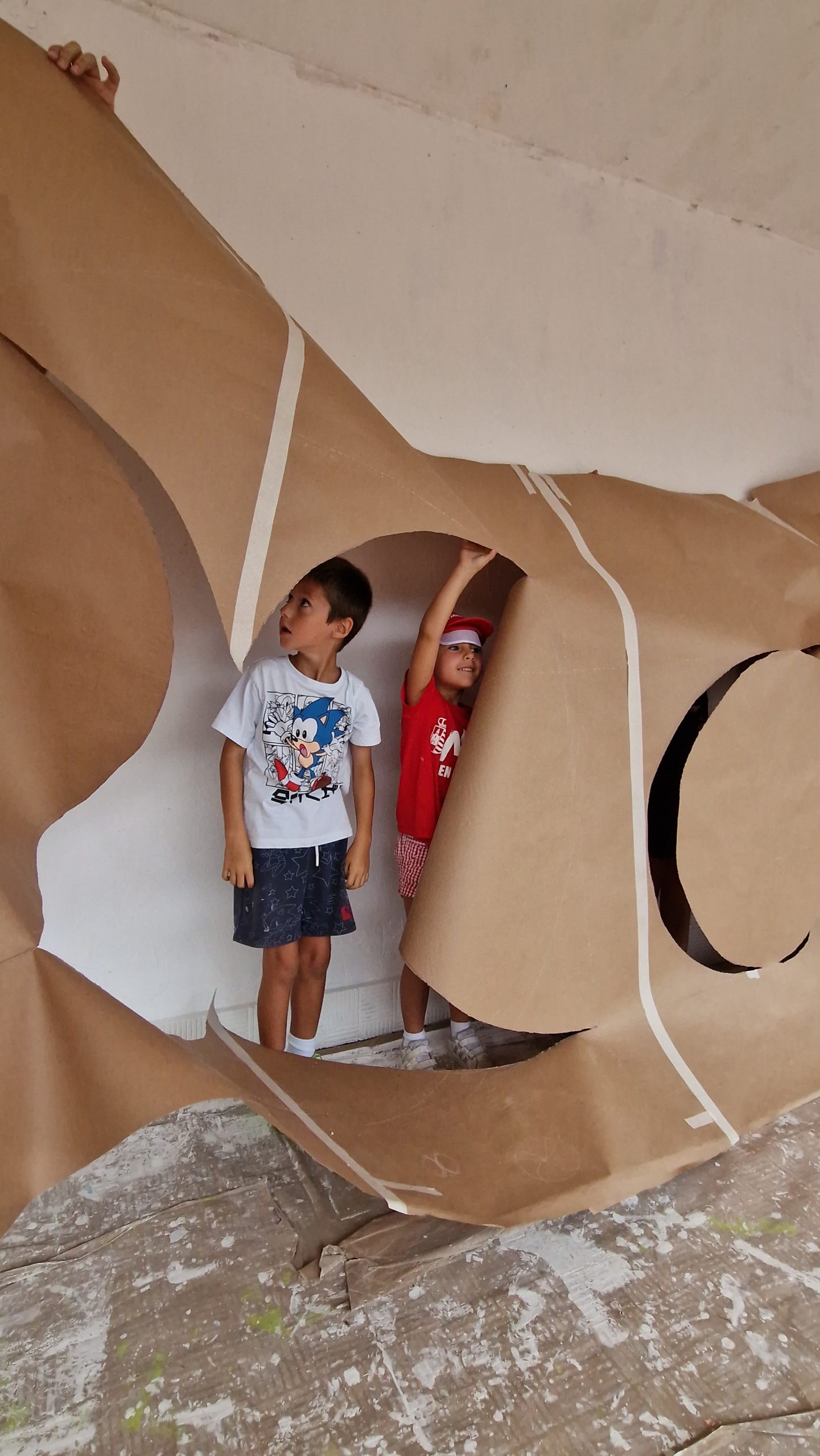
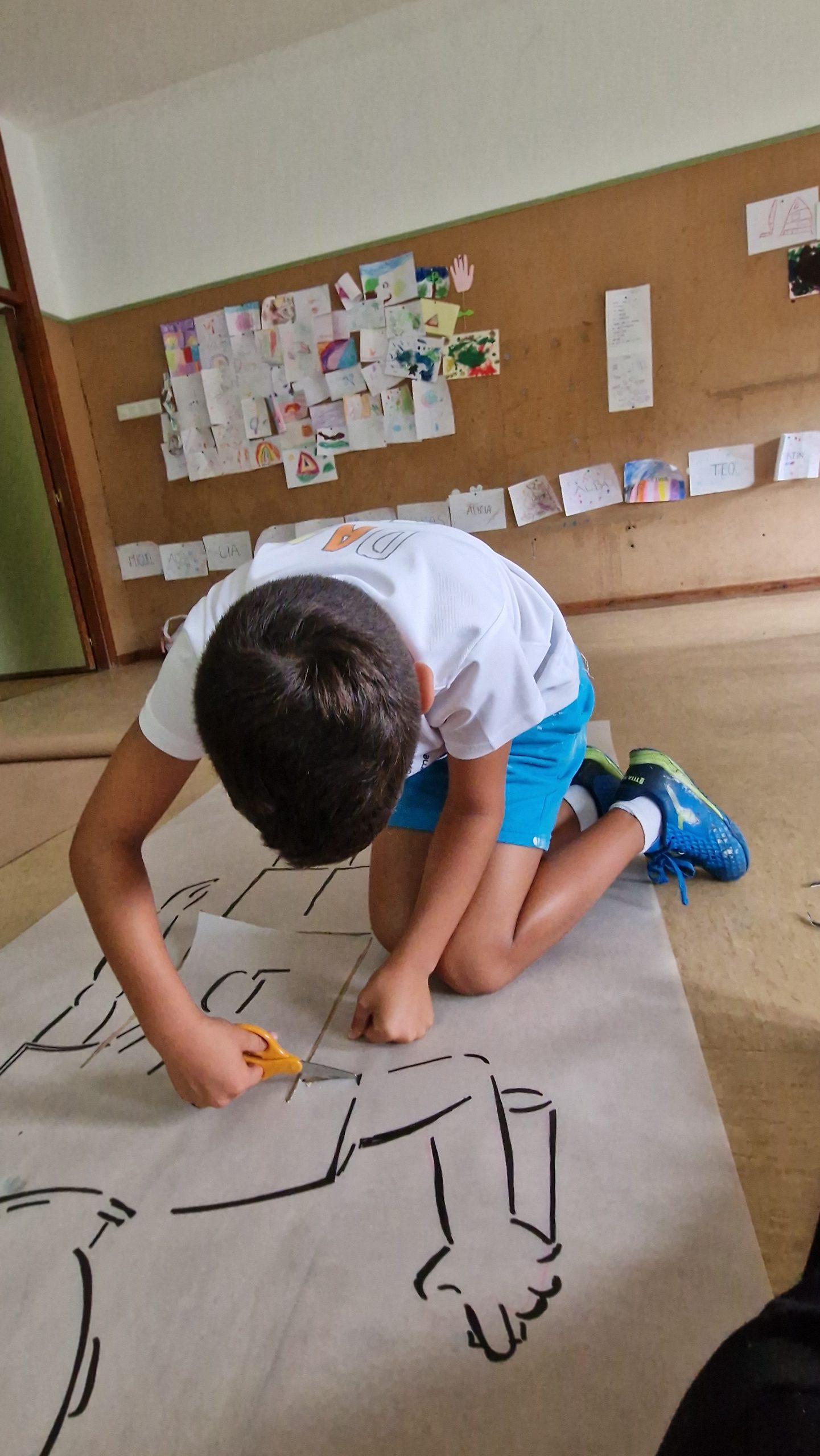
Working with three-dimension elements
“The opportunity for the child to discover his or her own movement is part of the city itself; the city is also a play space. The child uses all the elements of the city, all the built objects, all the surfaces he or she can climb or climb on. Children know how to play with these things very well, even if they are not allowed to.”
Aldo van Eyck
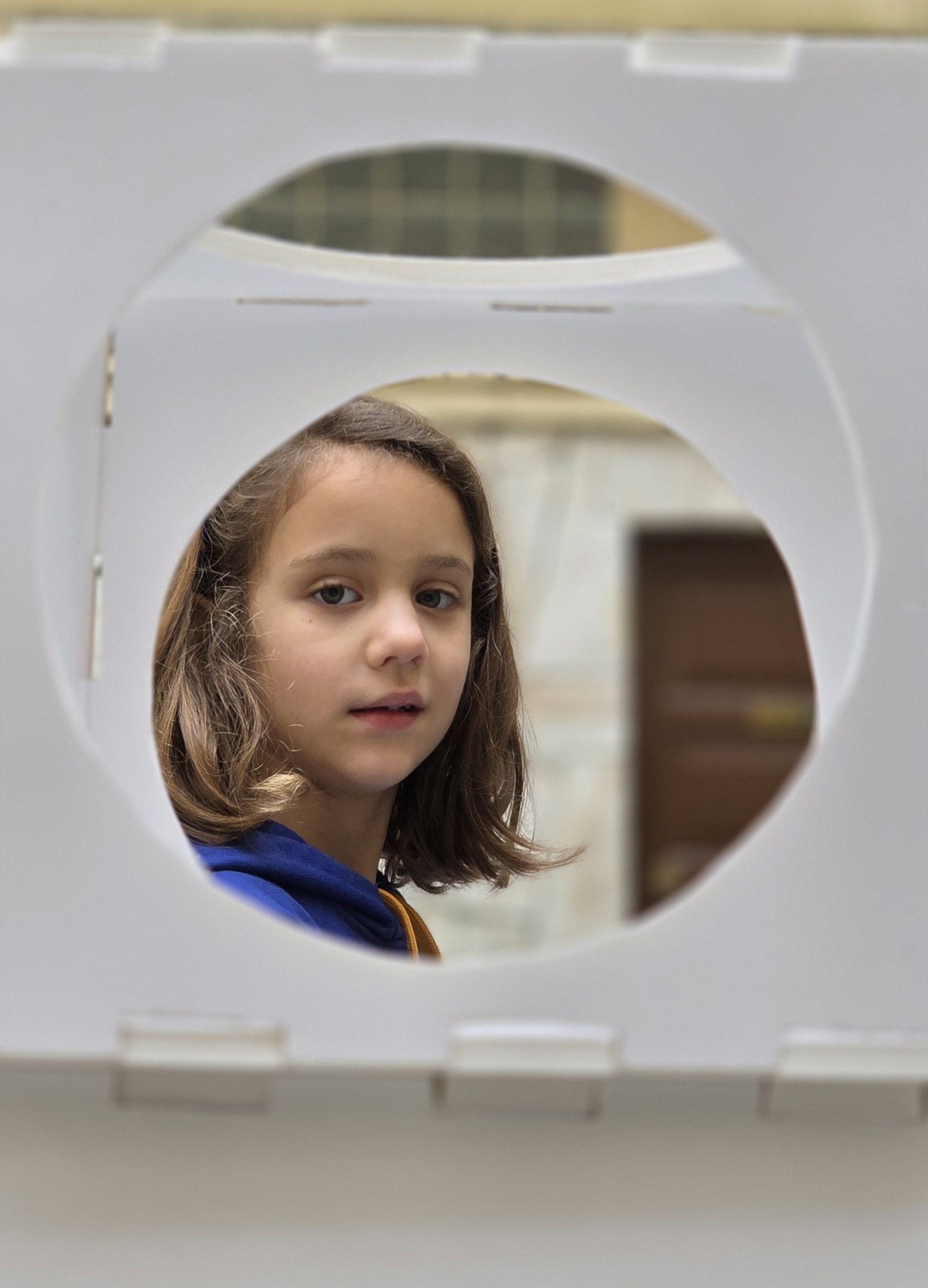
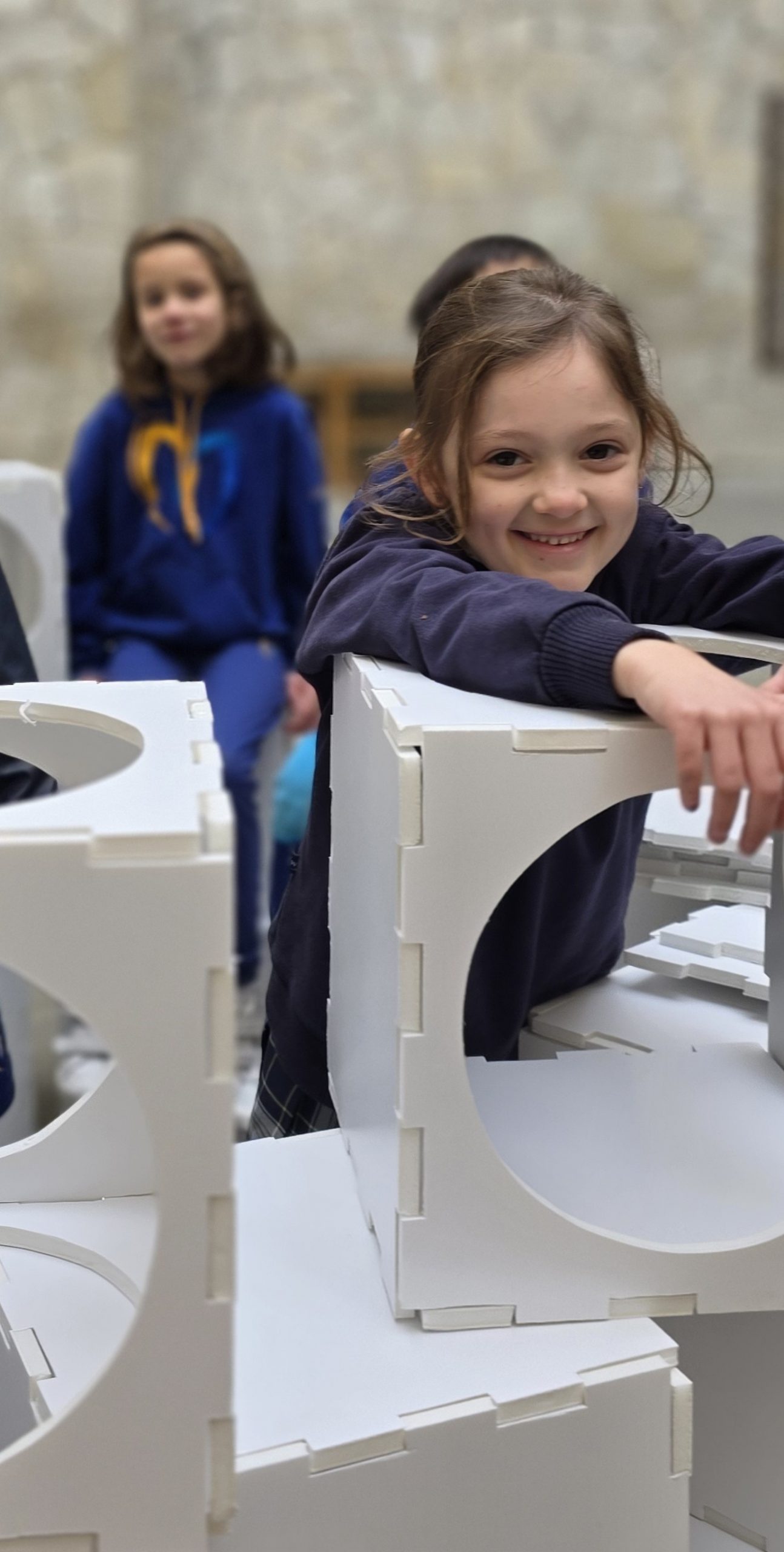
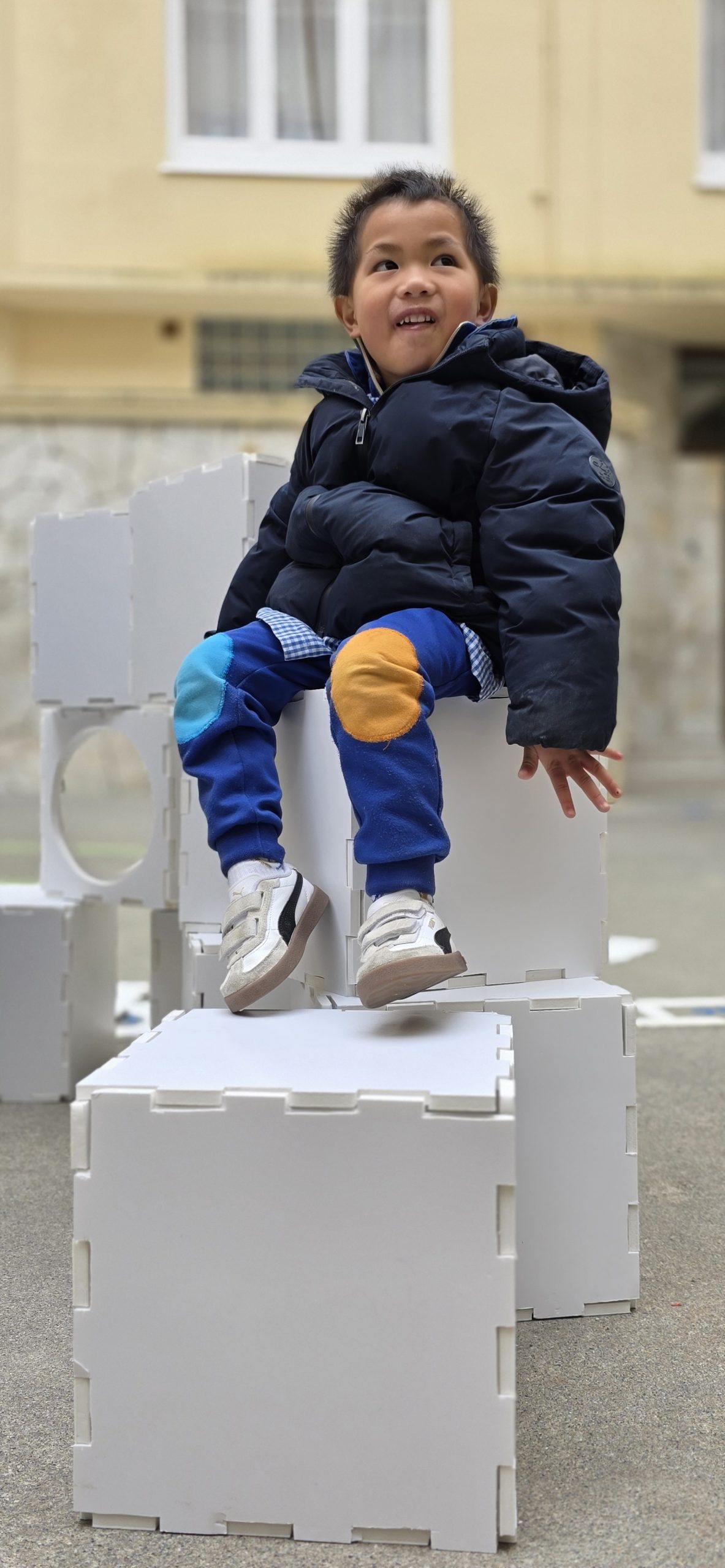
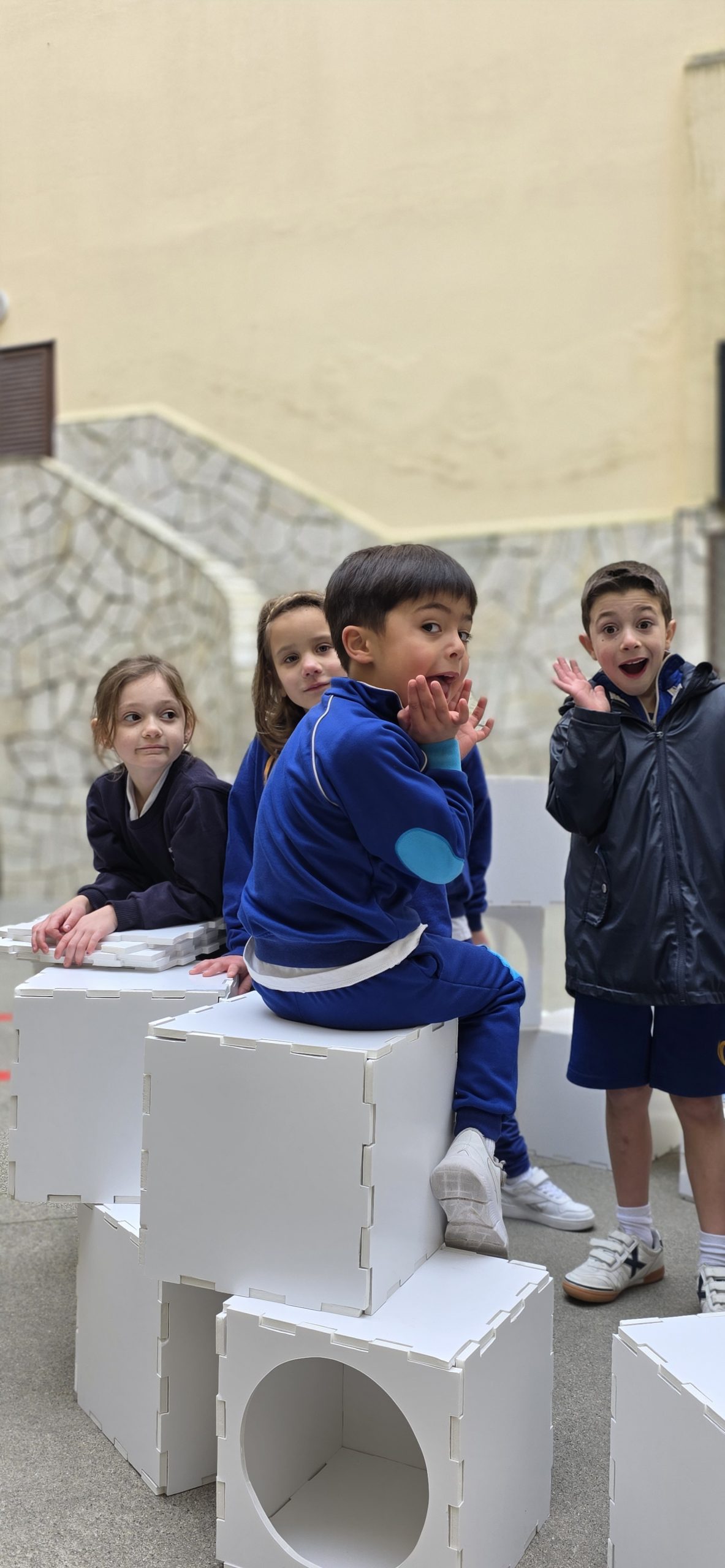
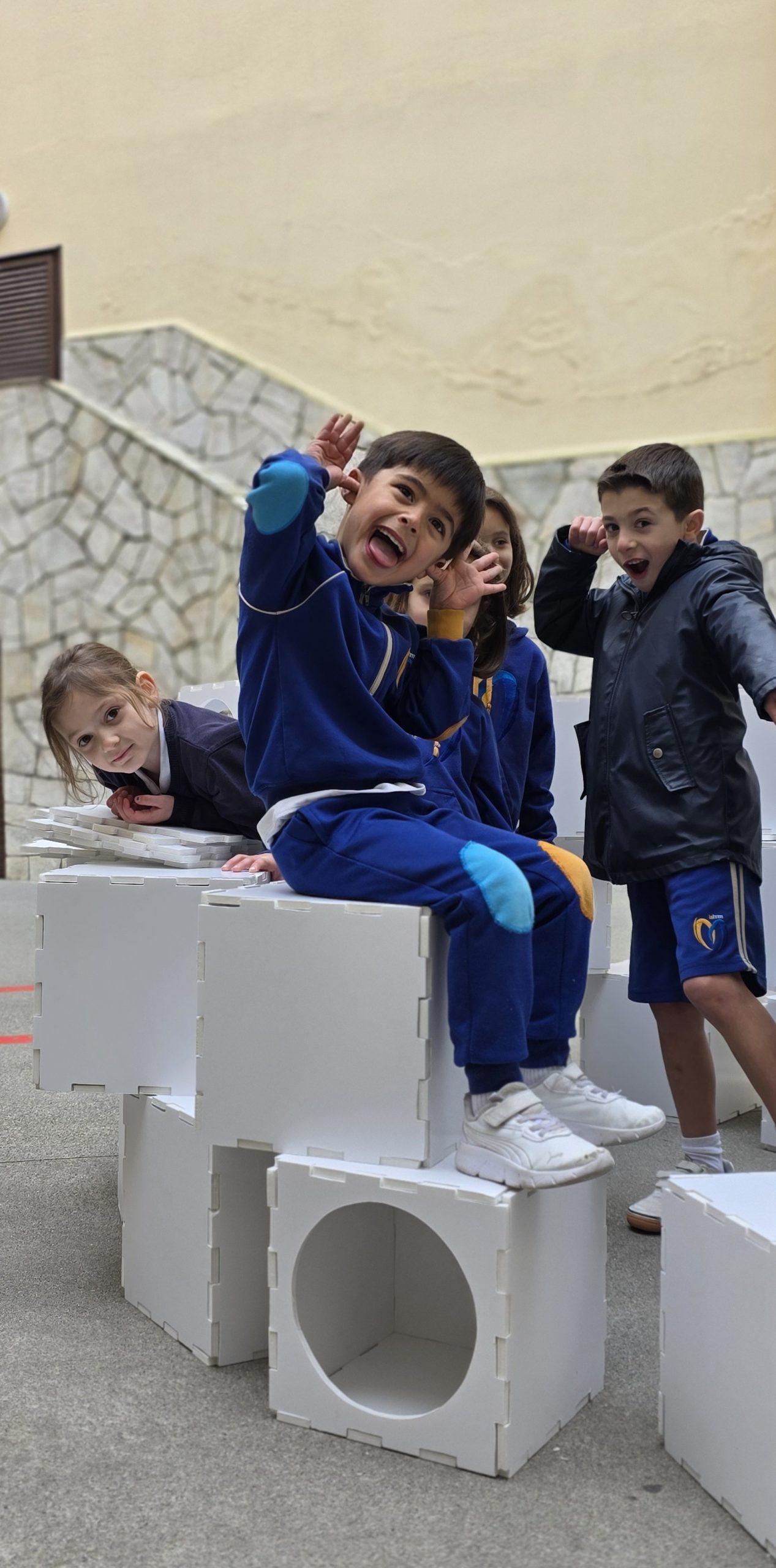
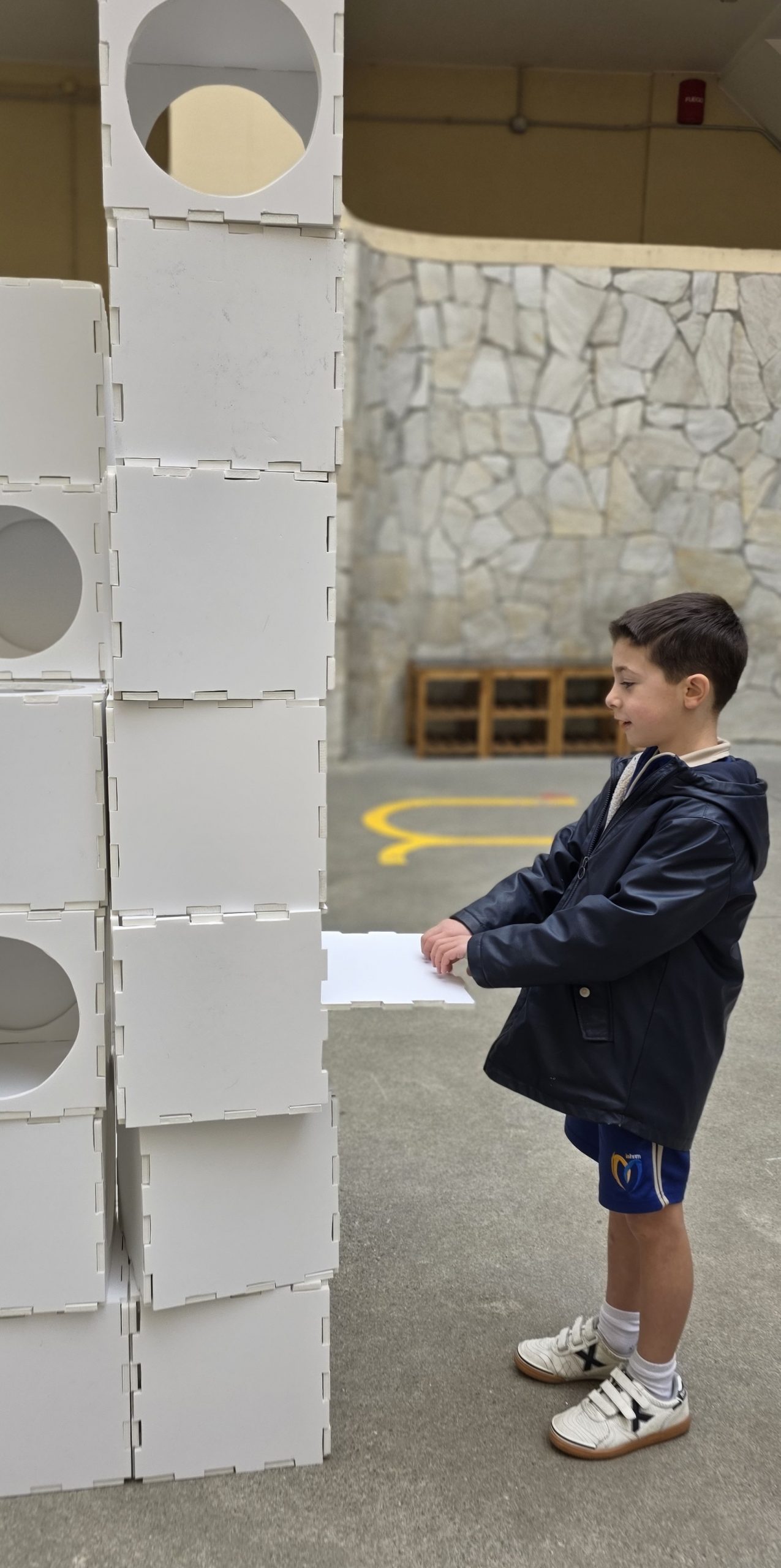
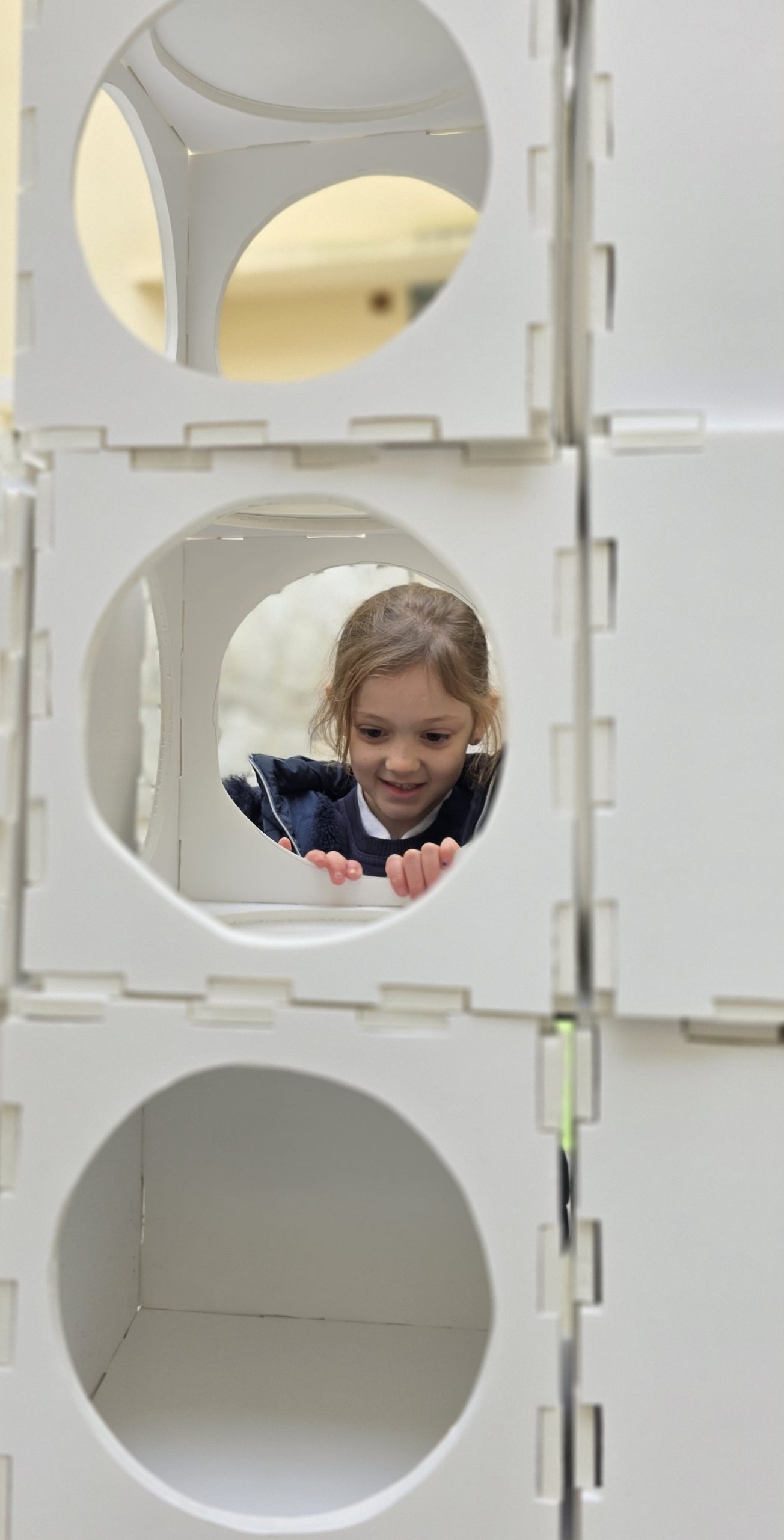
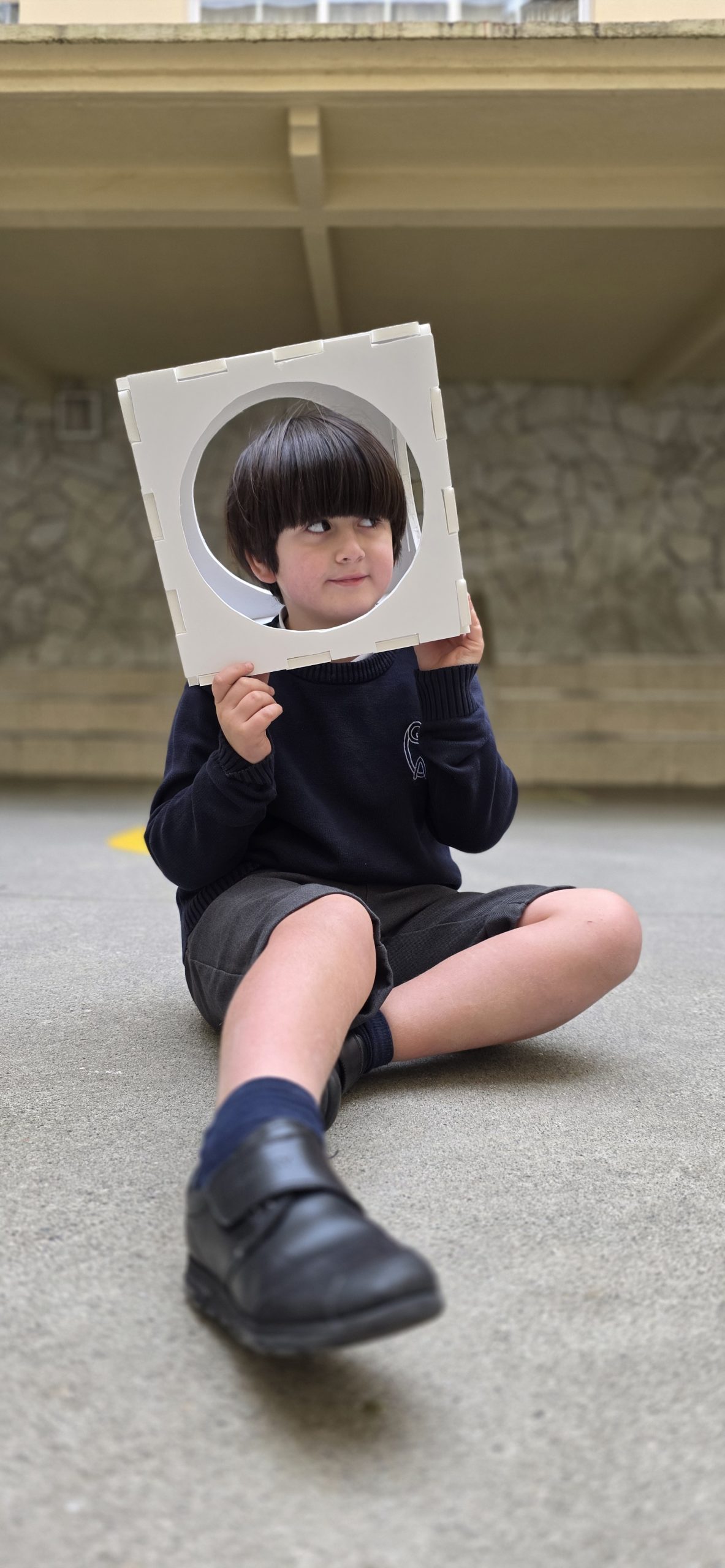
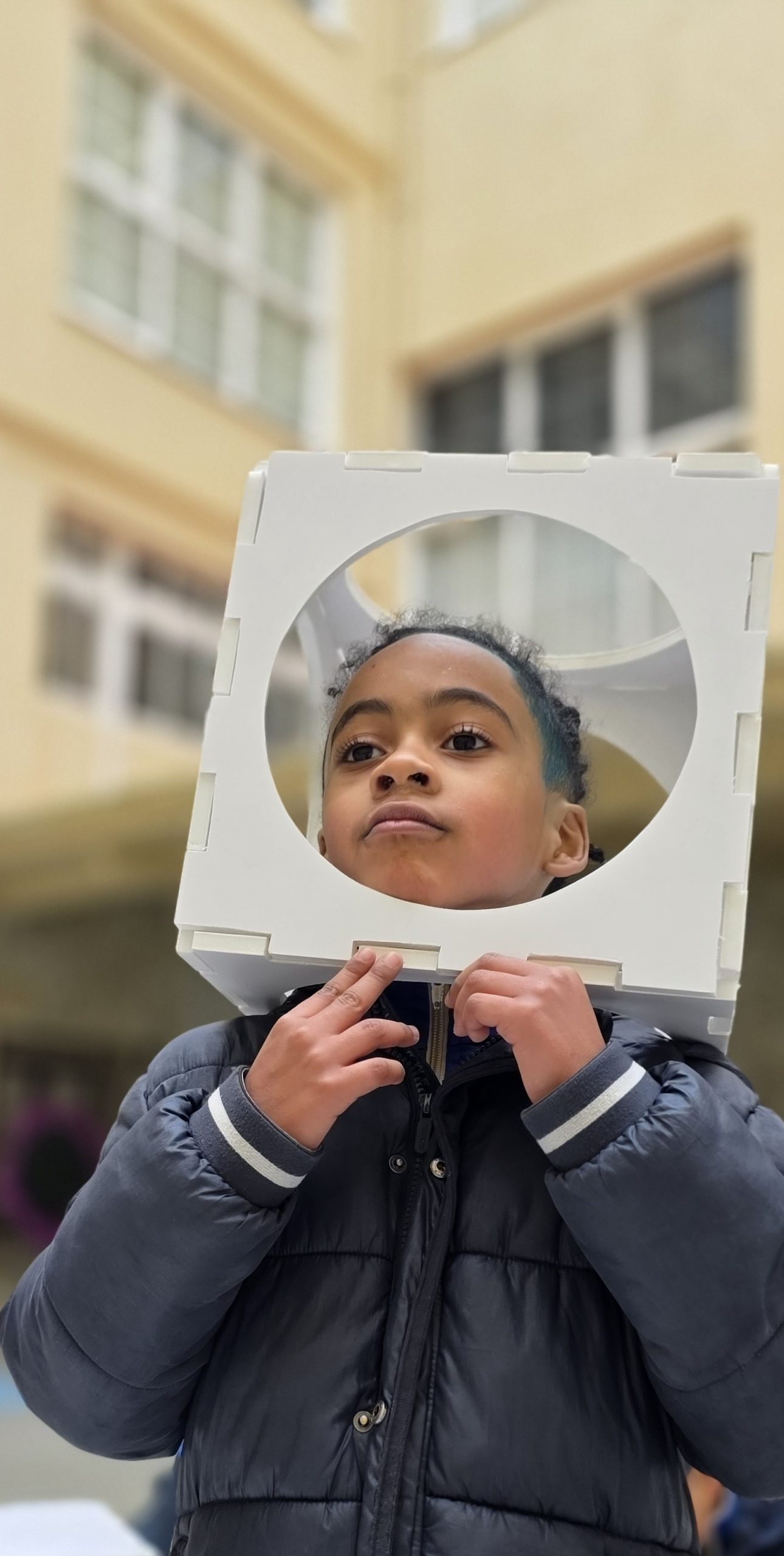
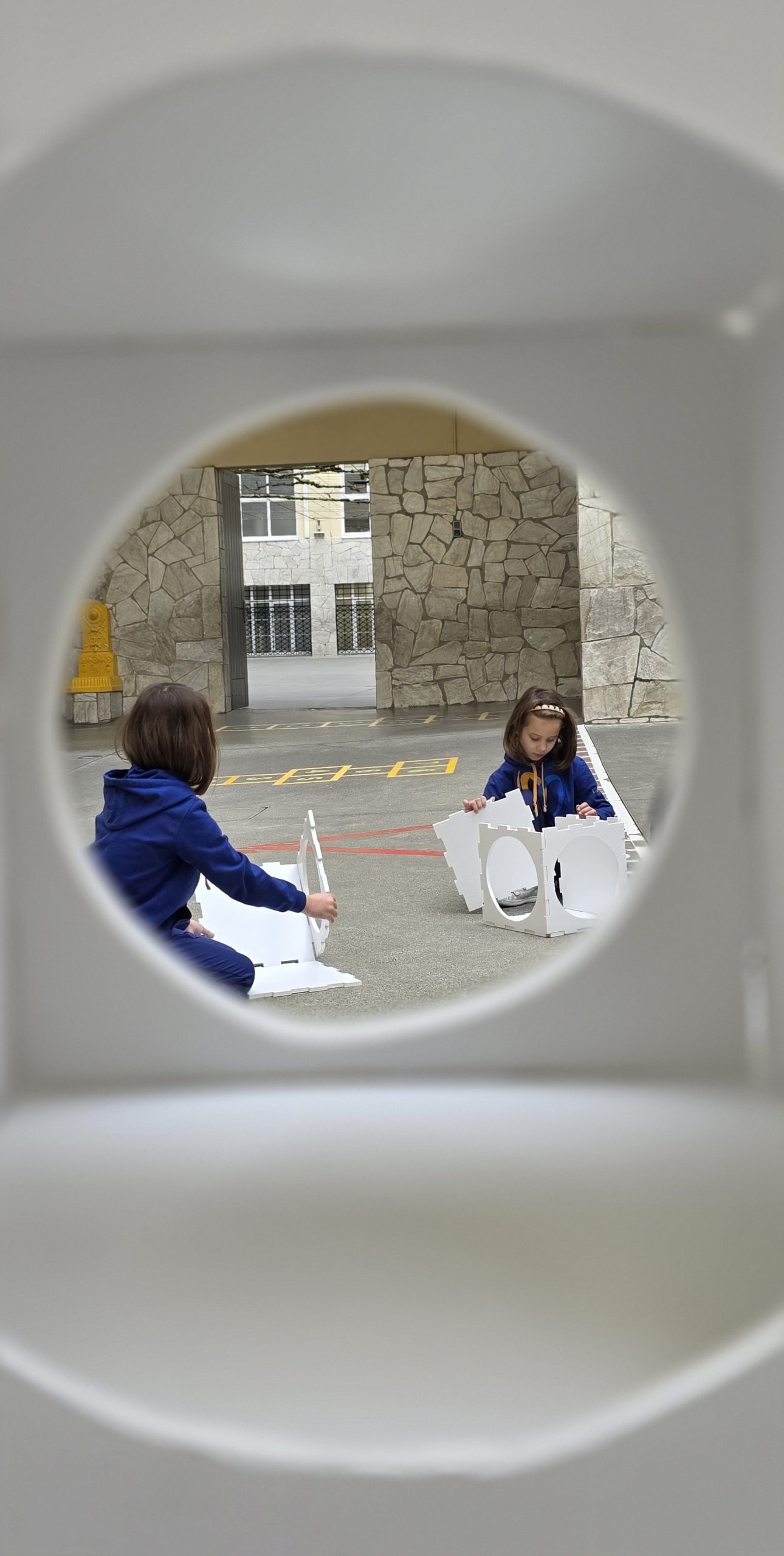
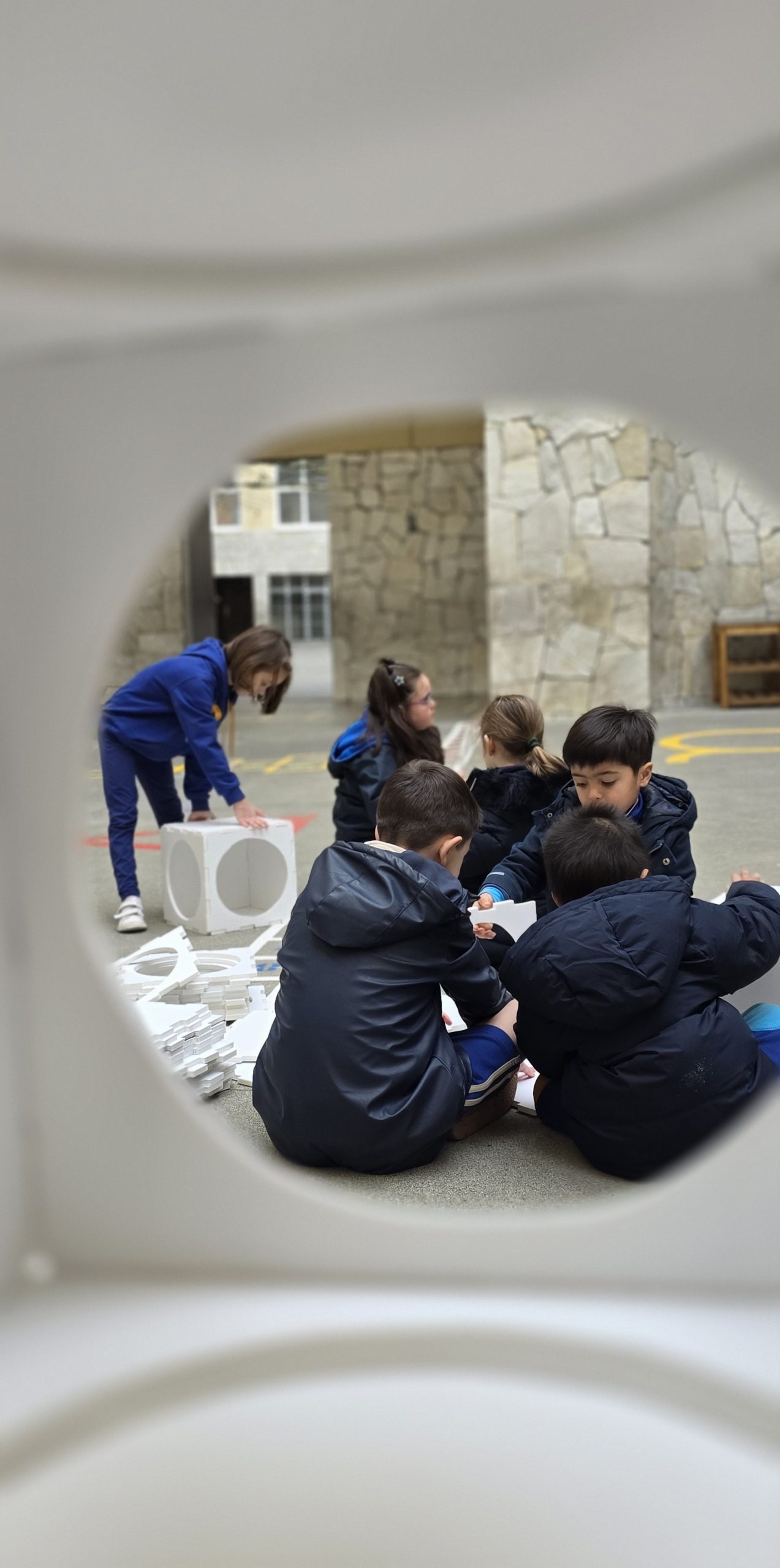
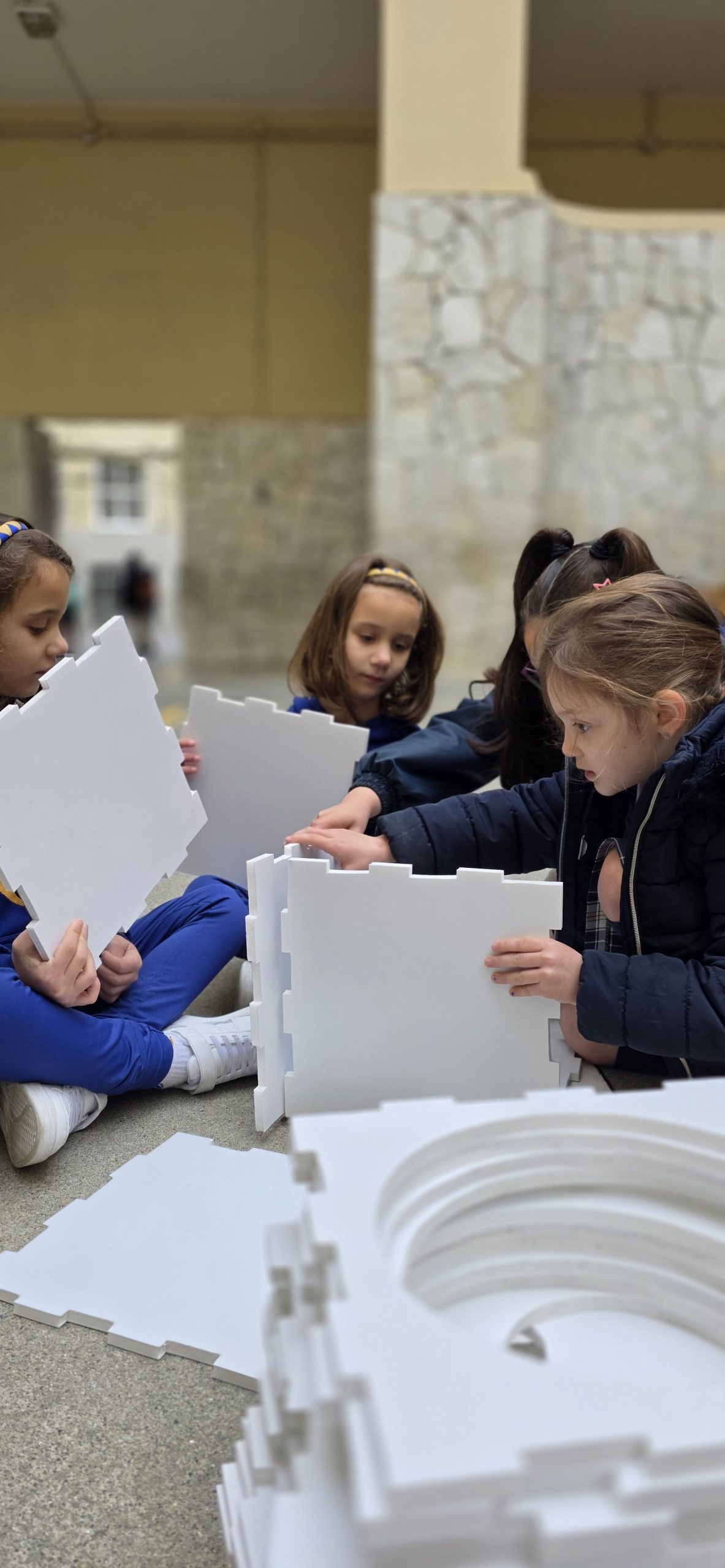
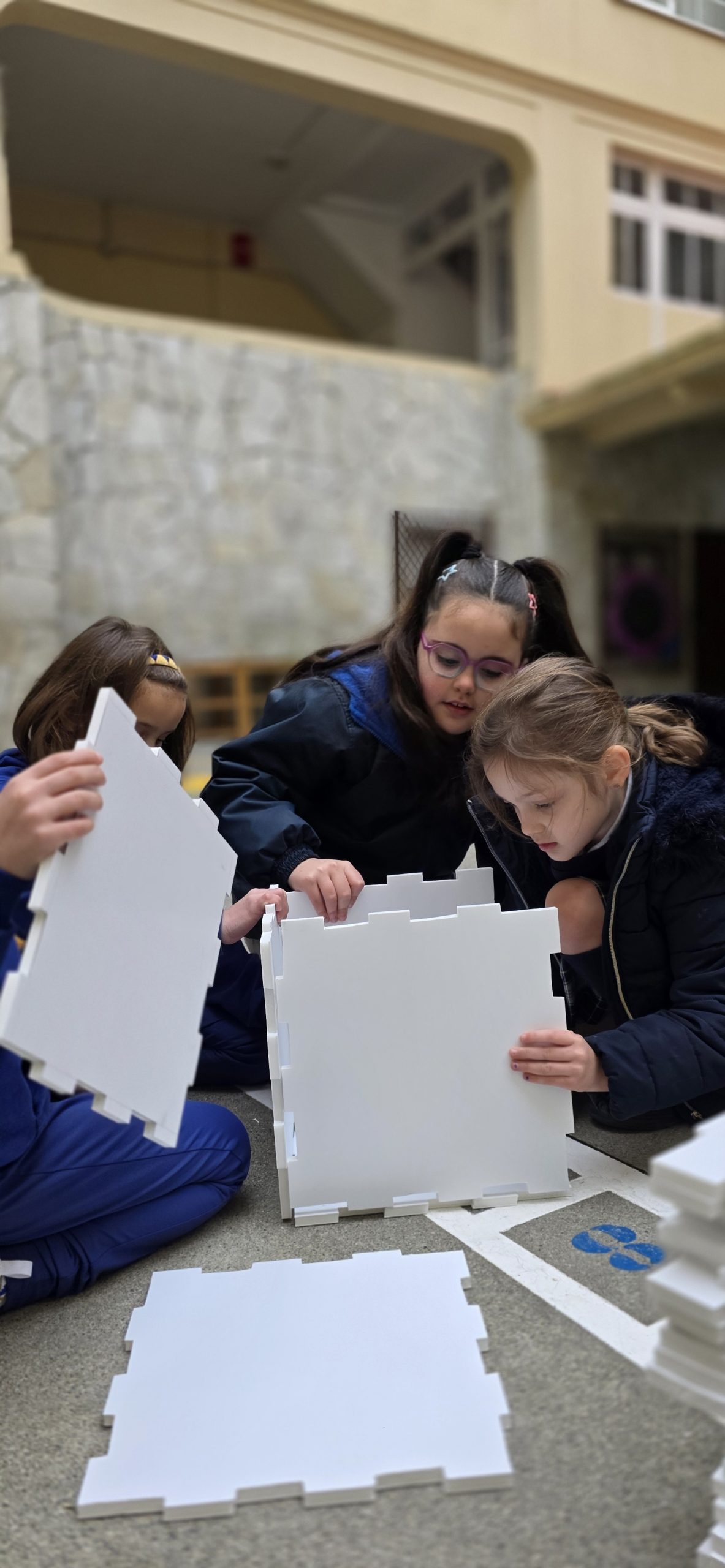
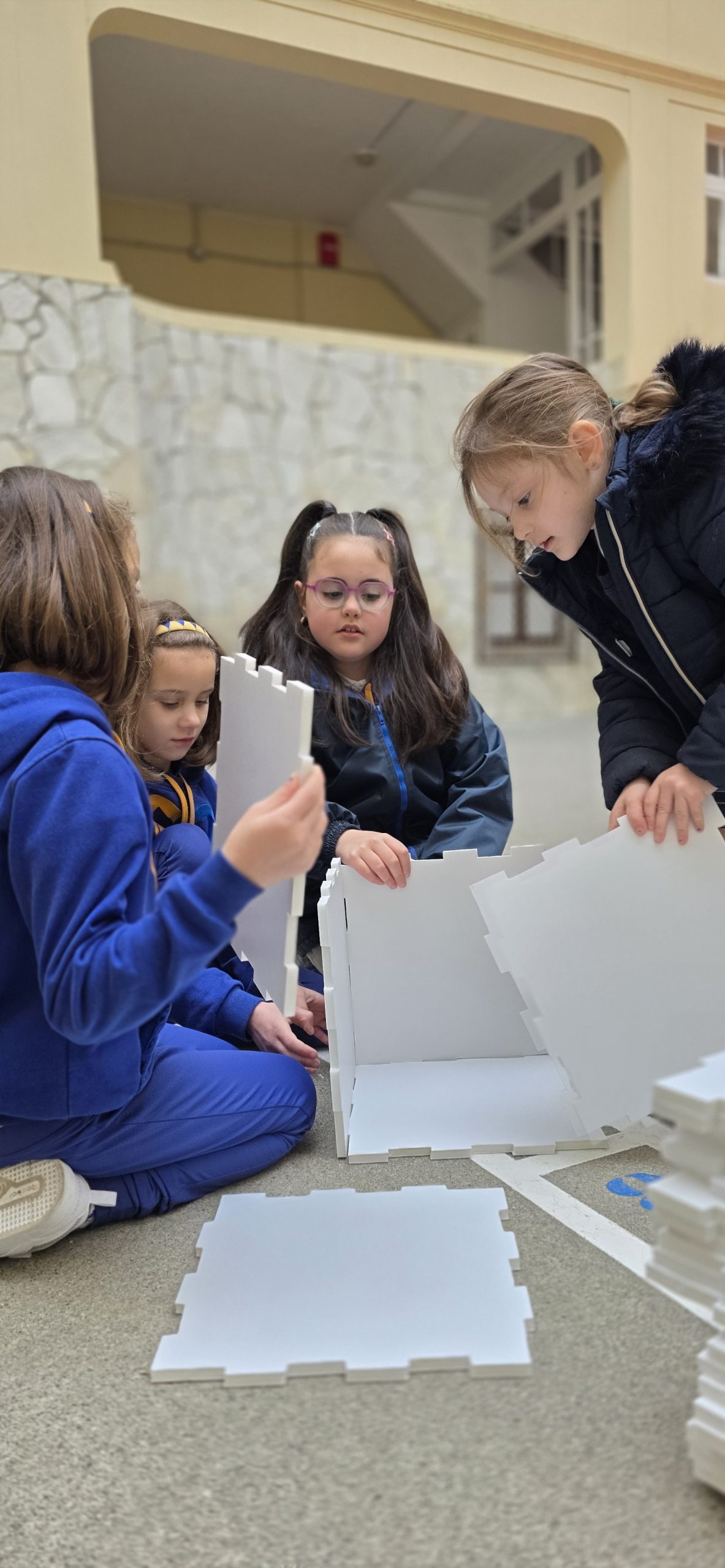
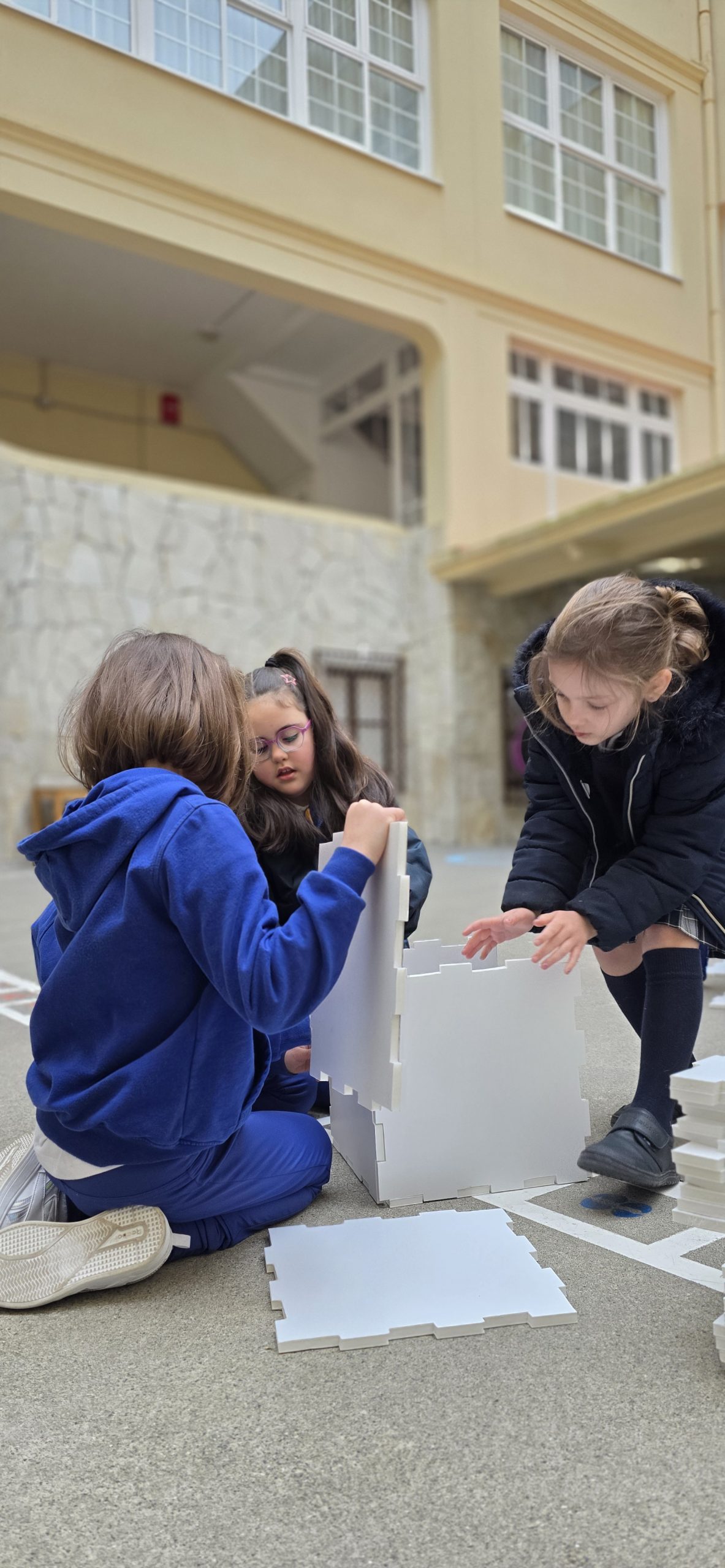
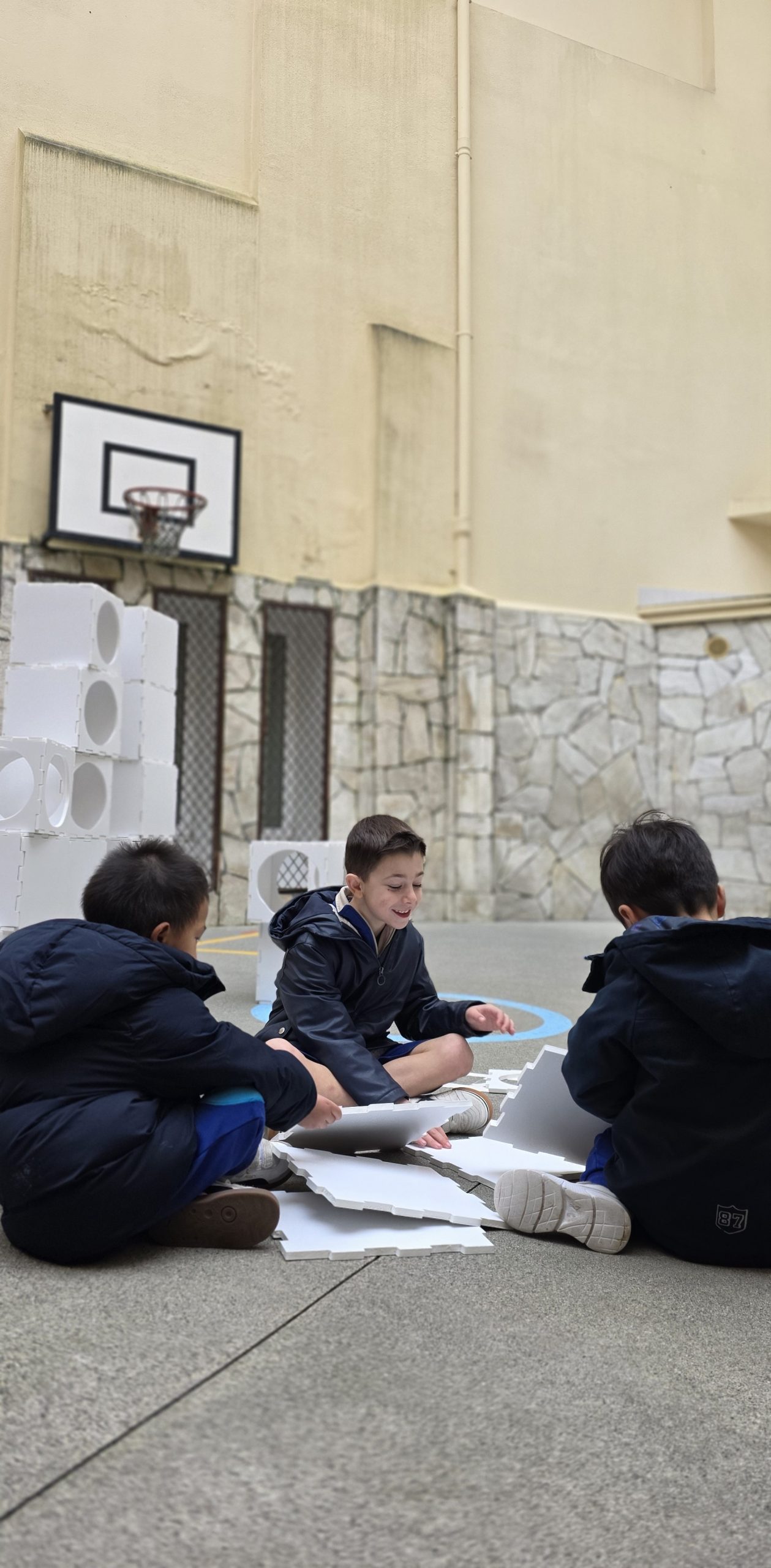
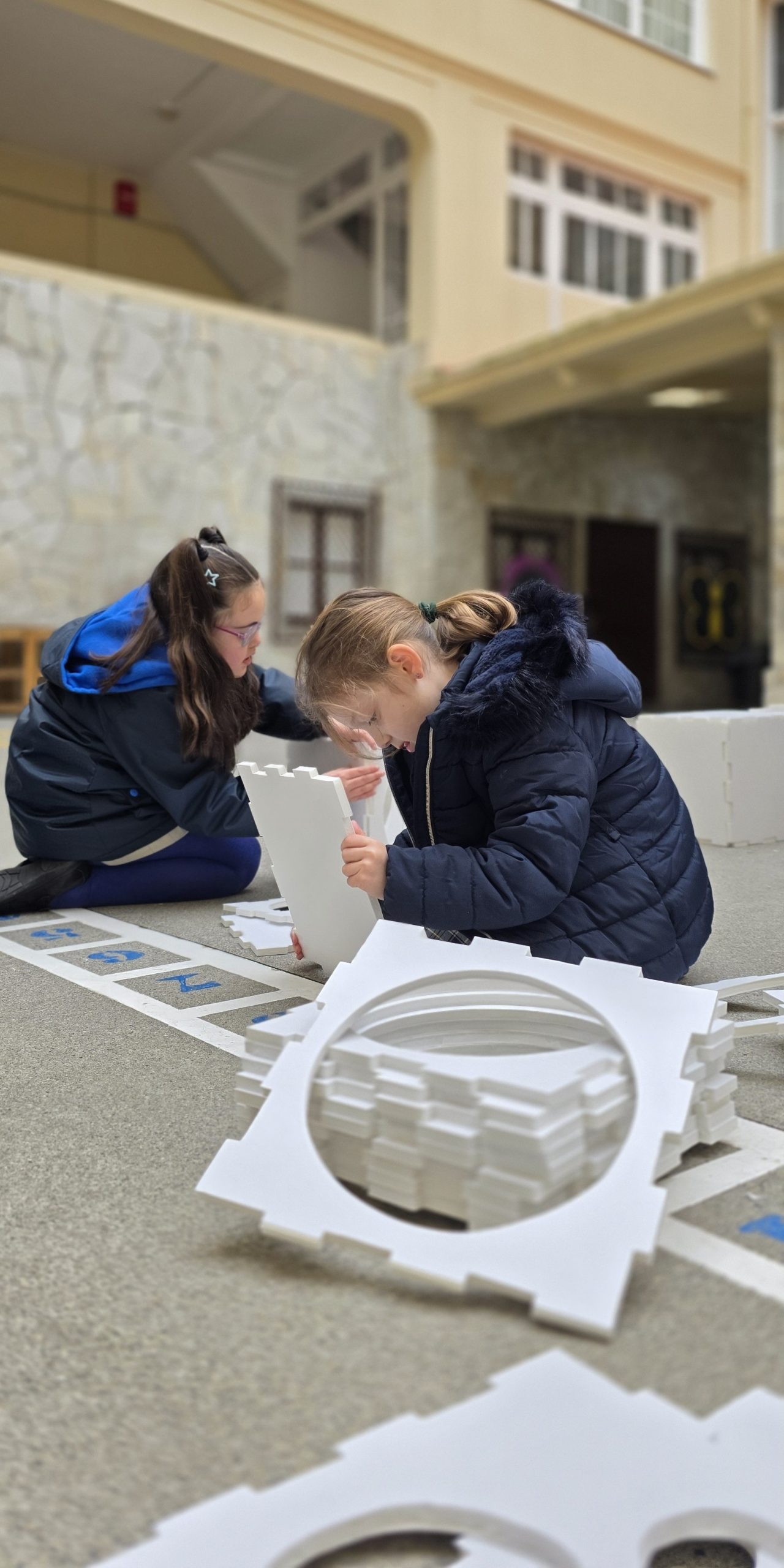
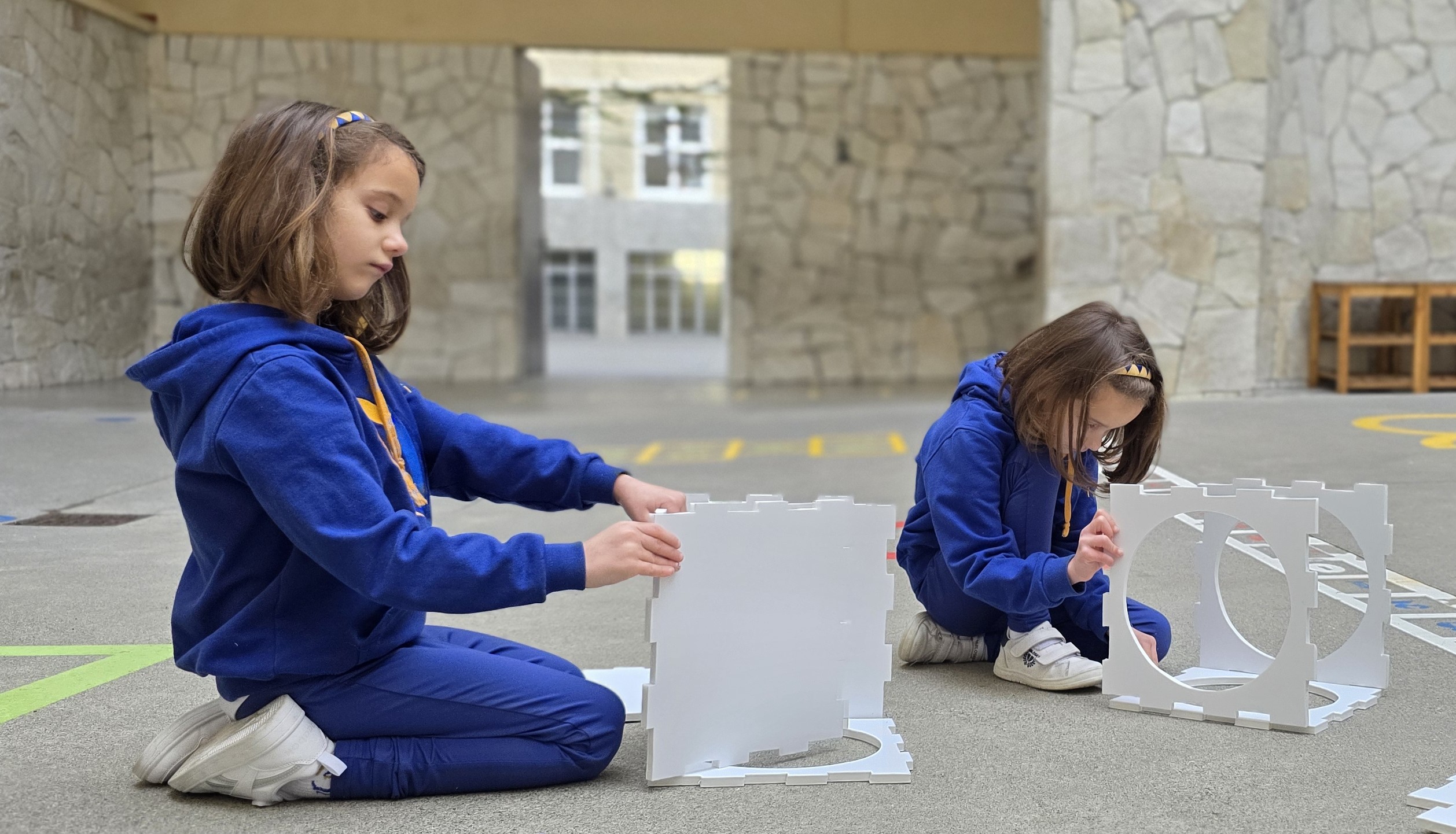
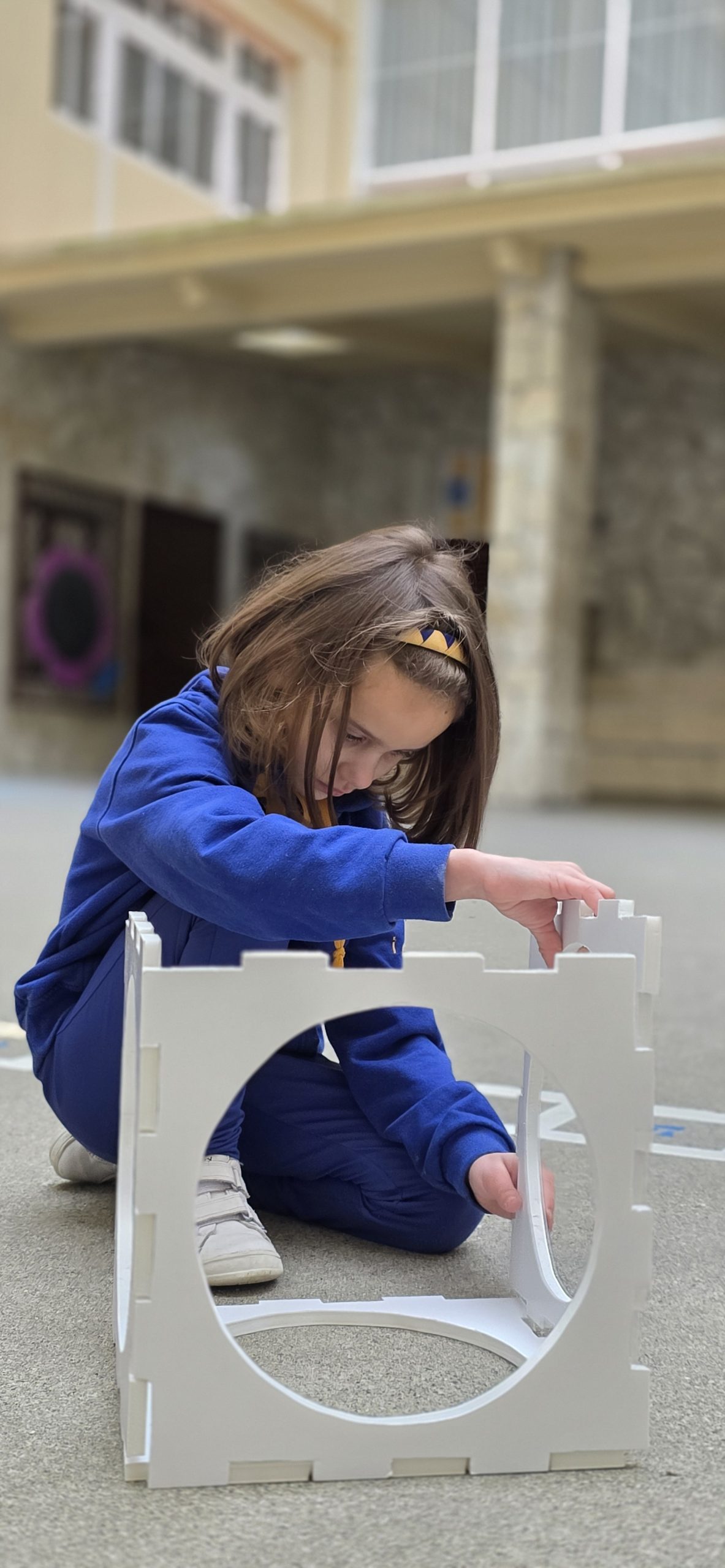
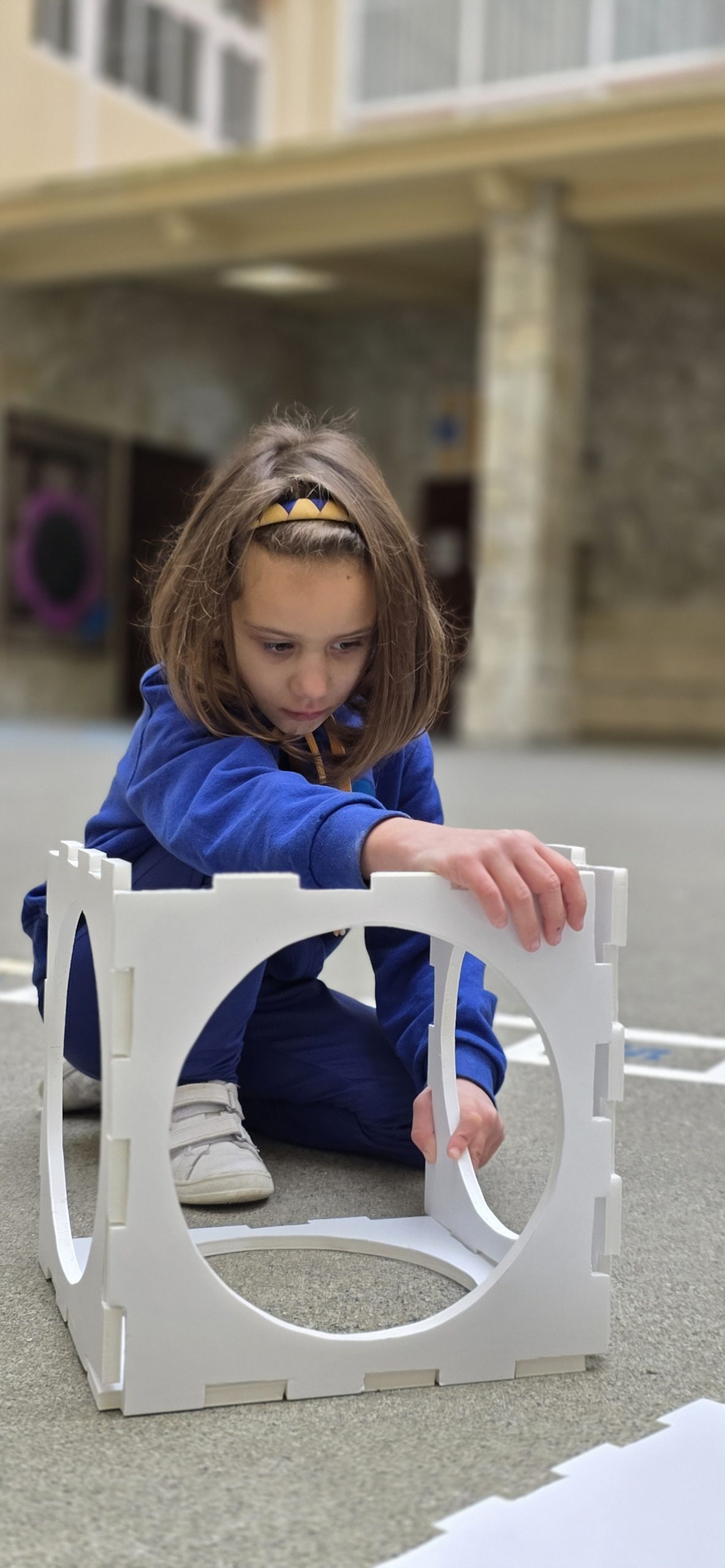
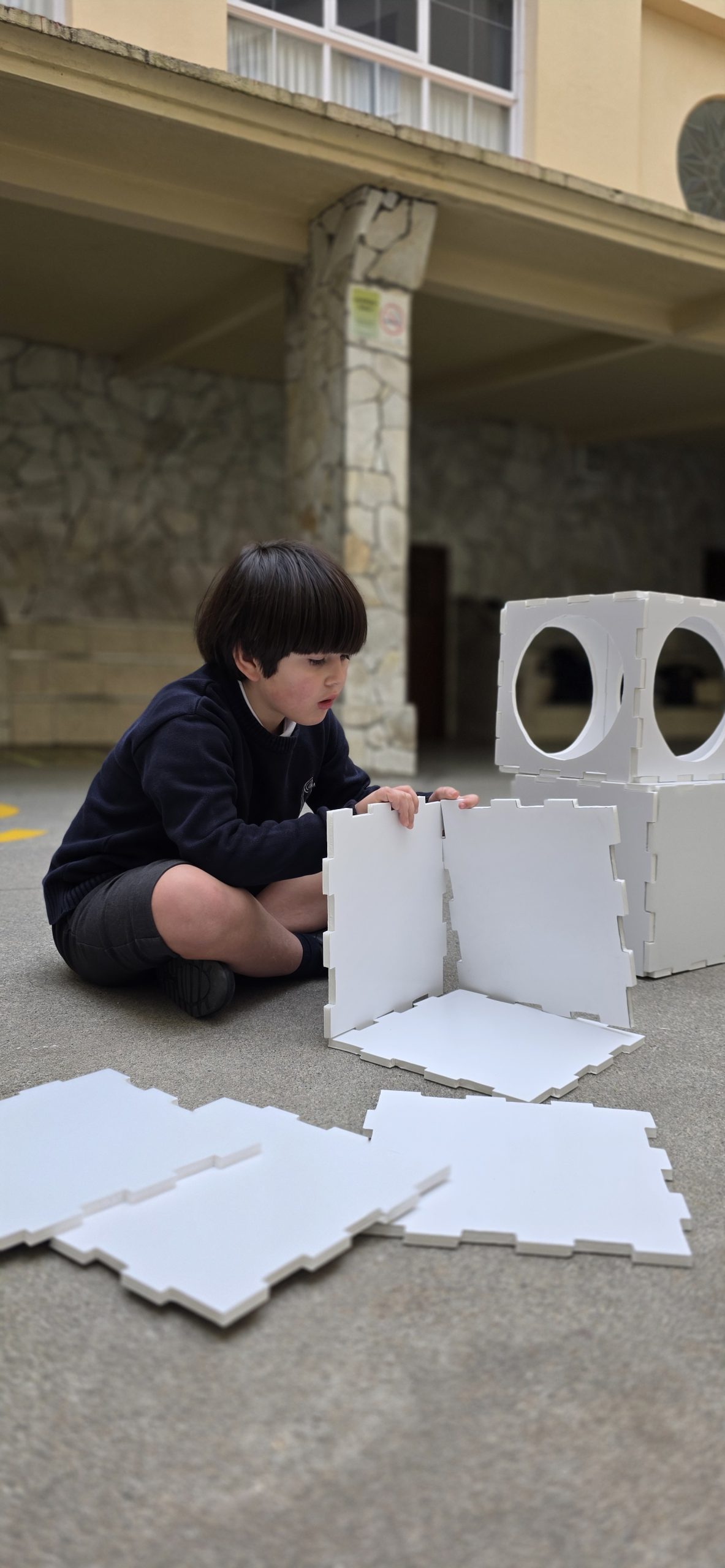
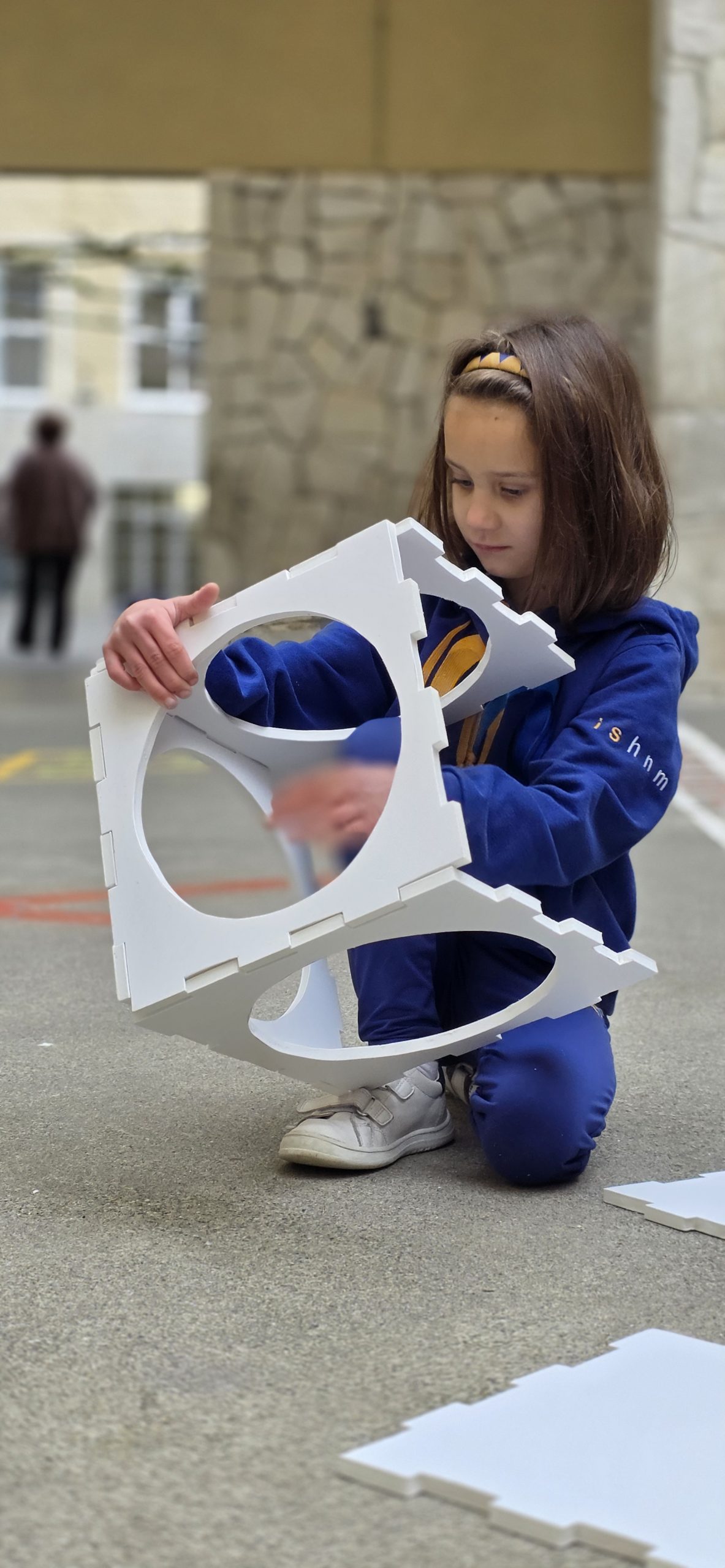
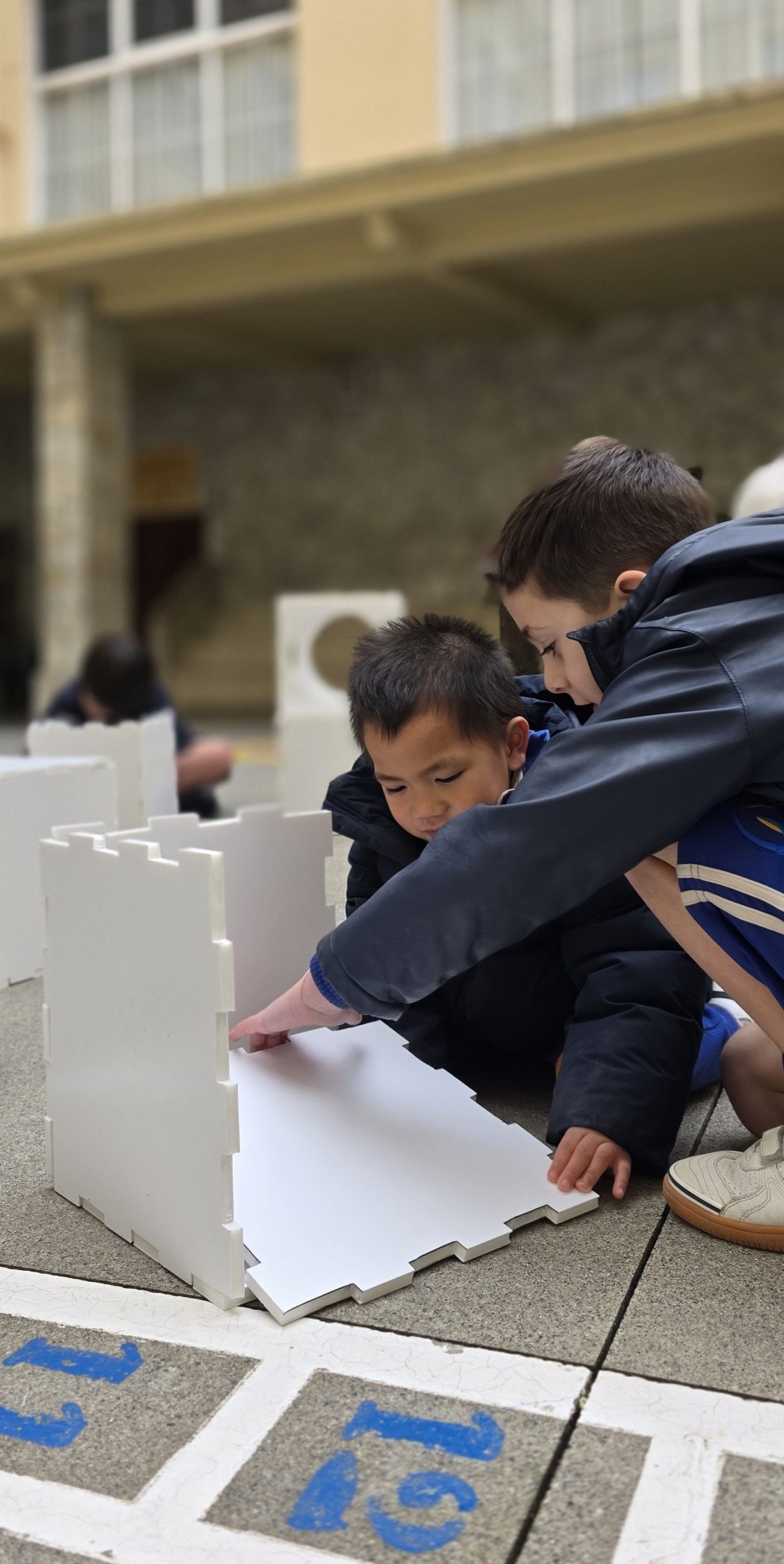
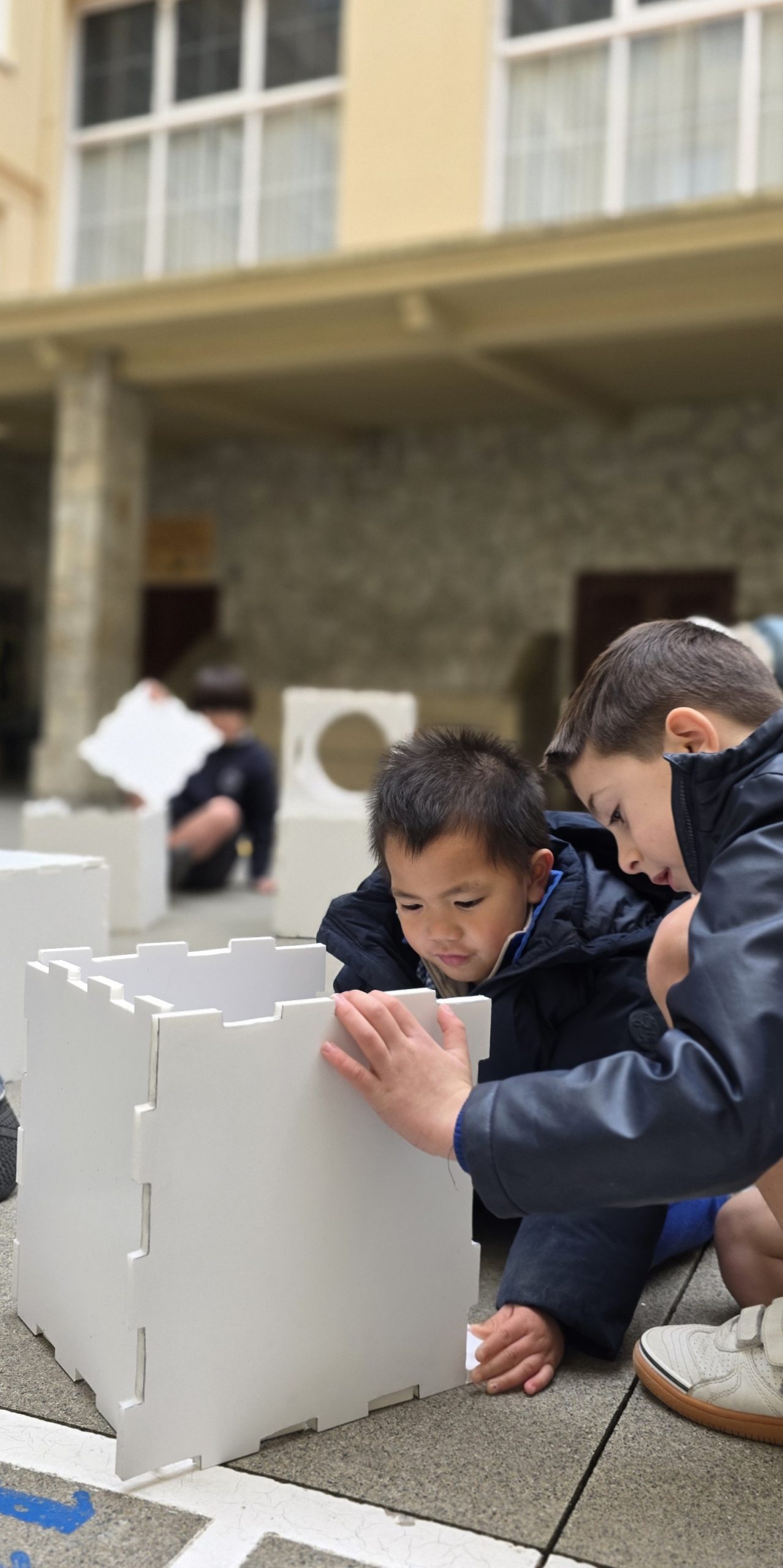
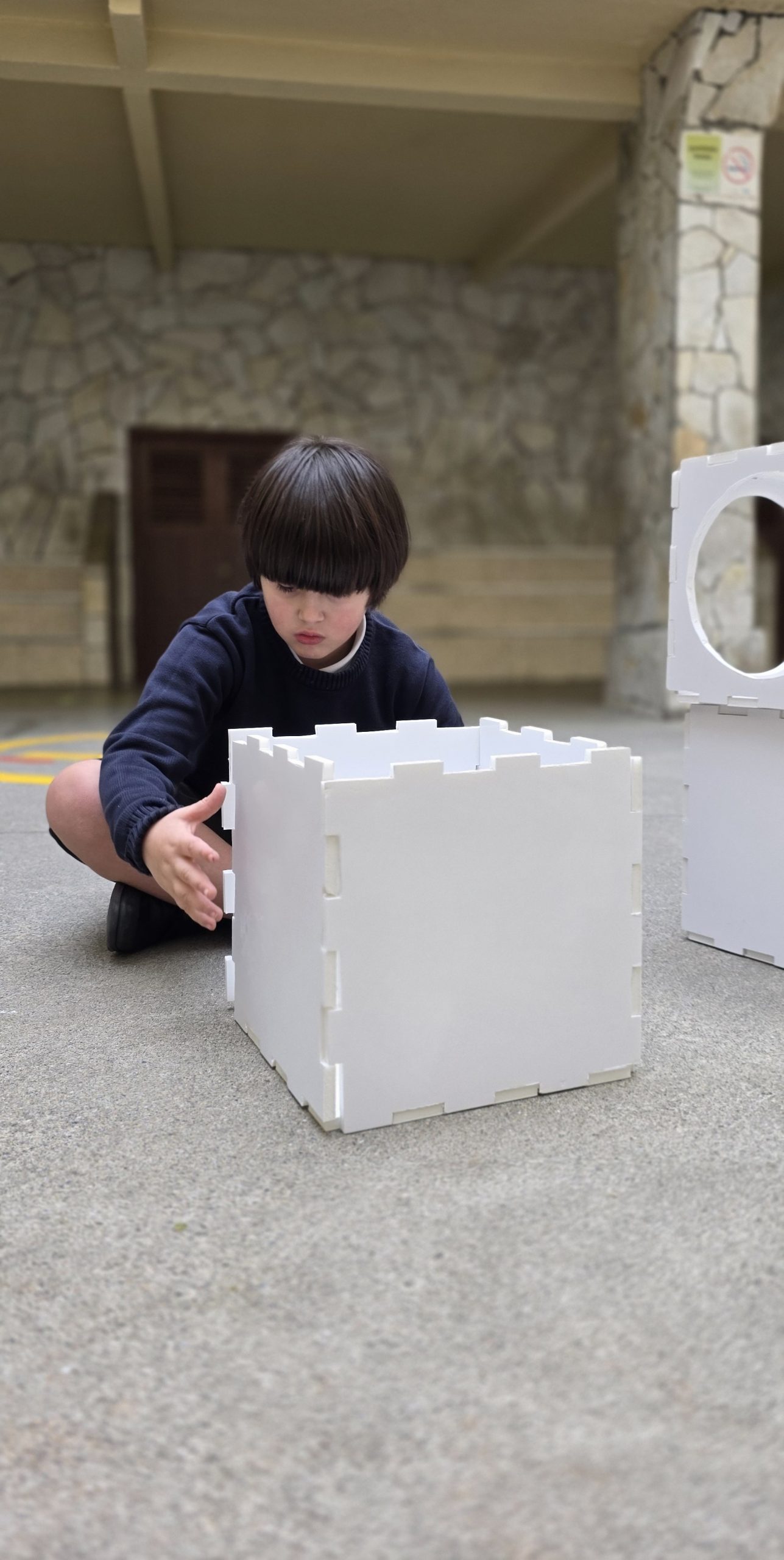
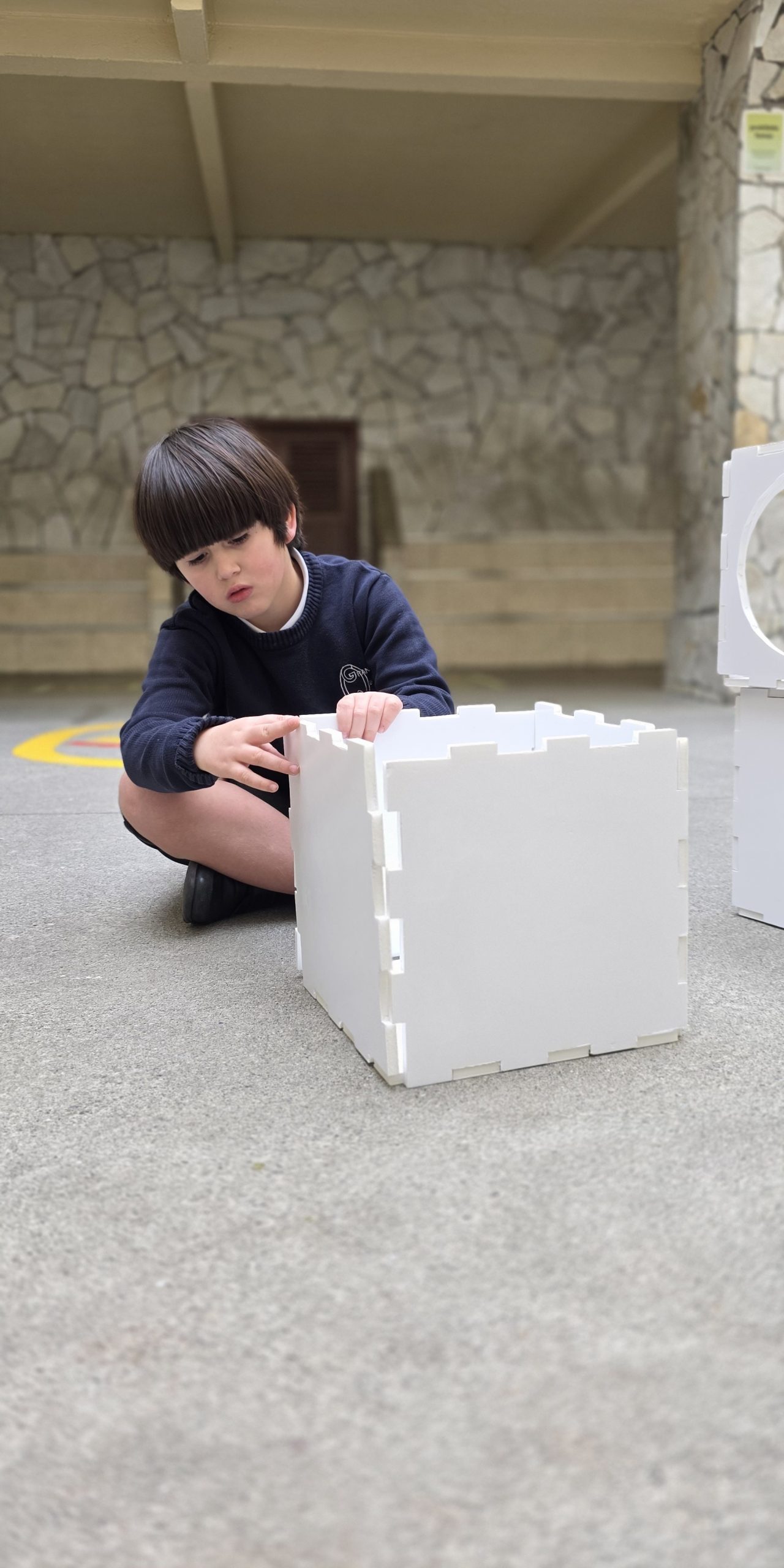
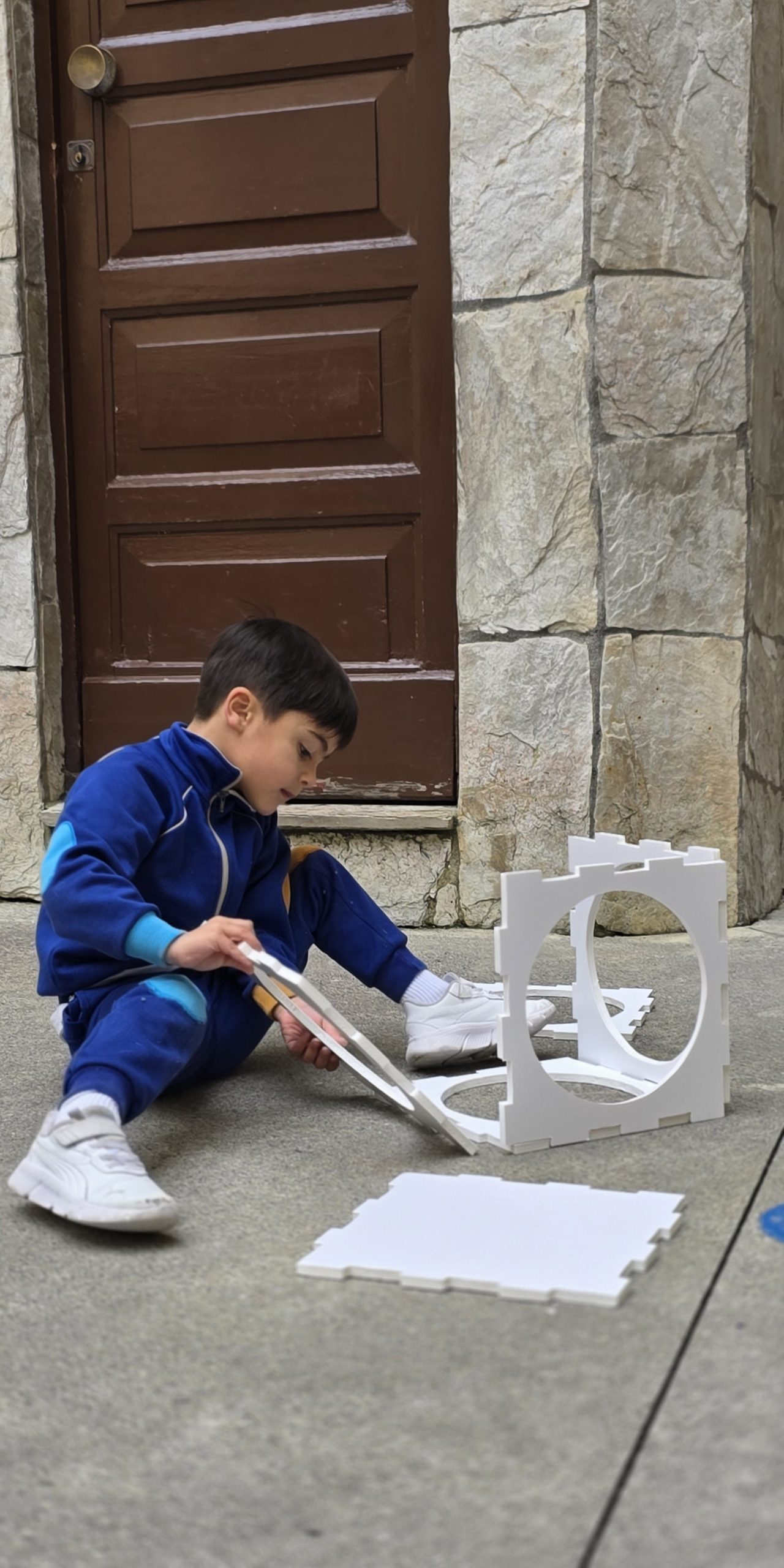
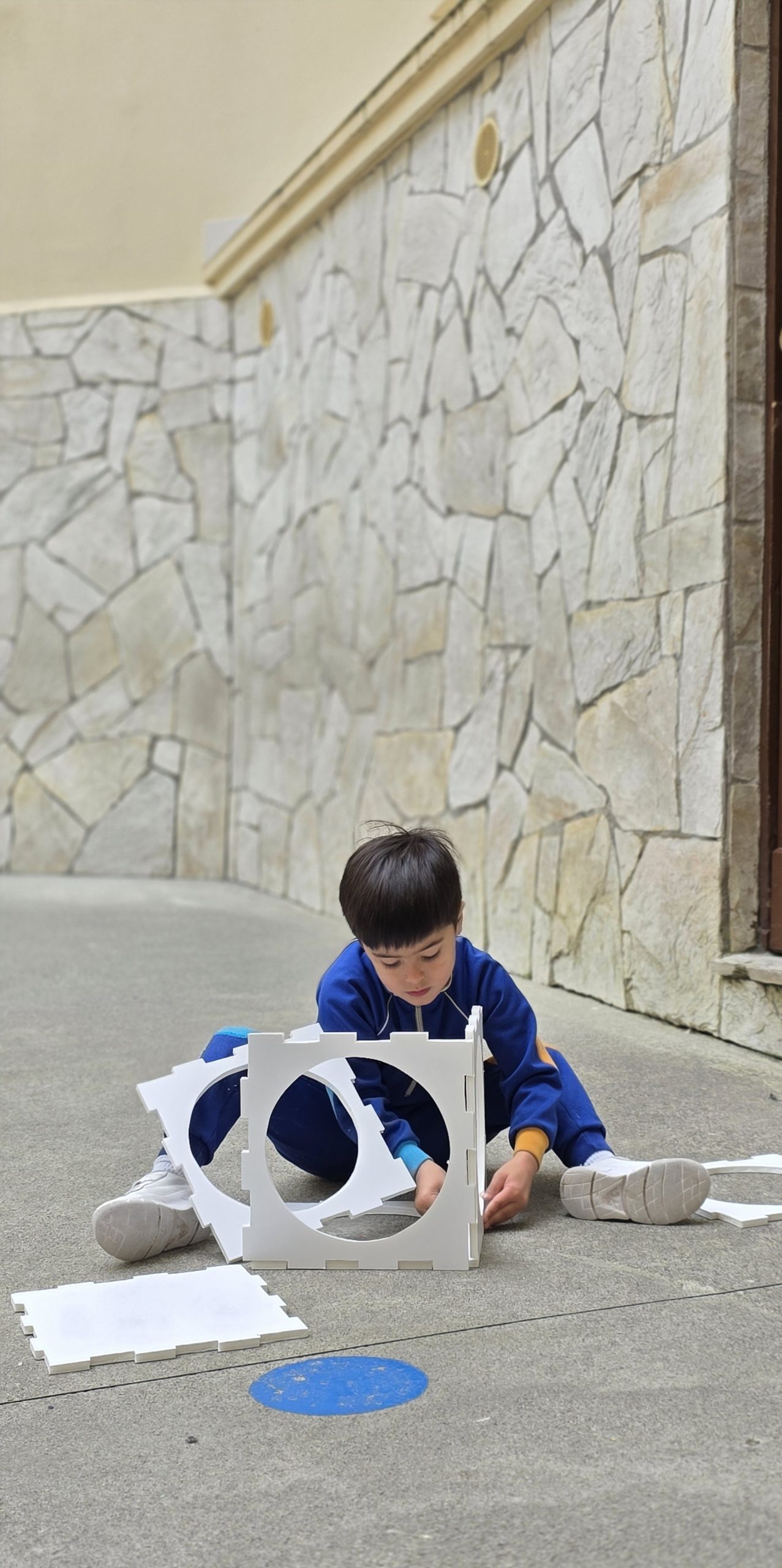
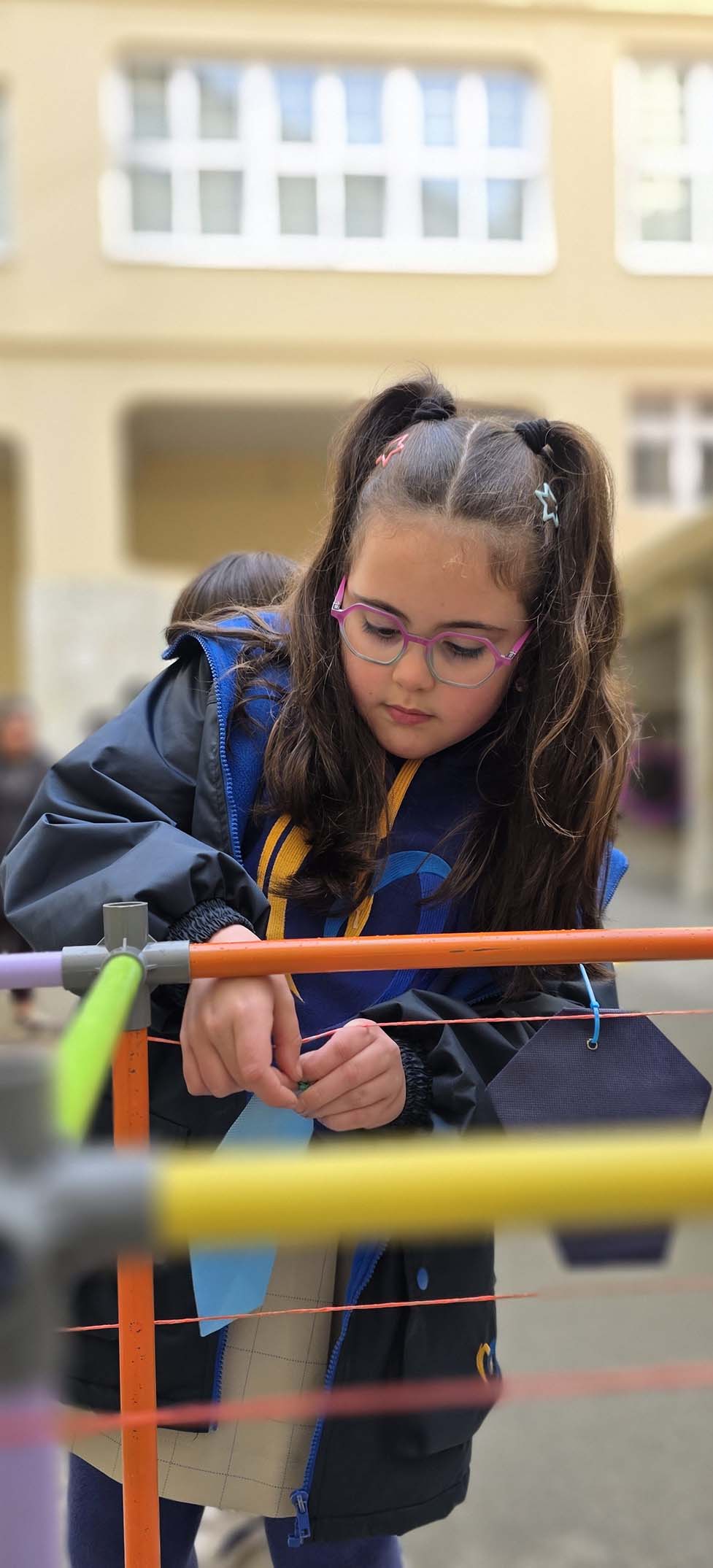
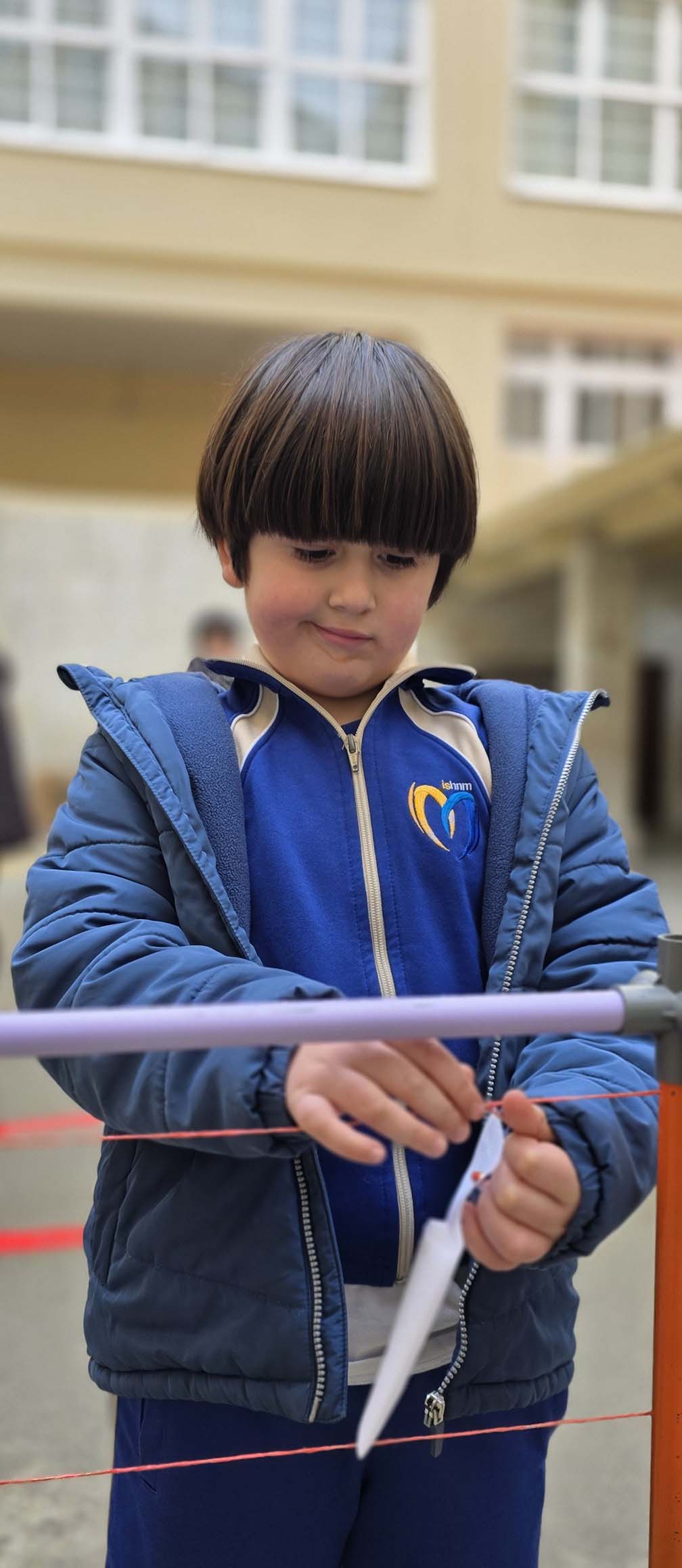
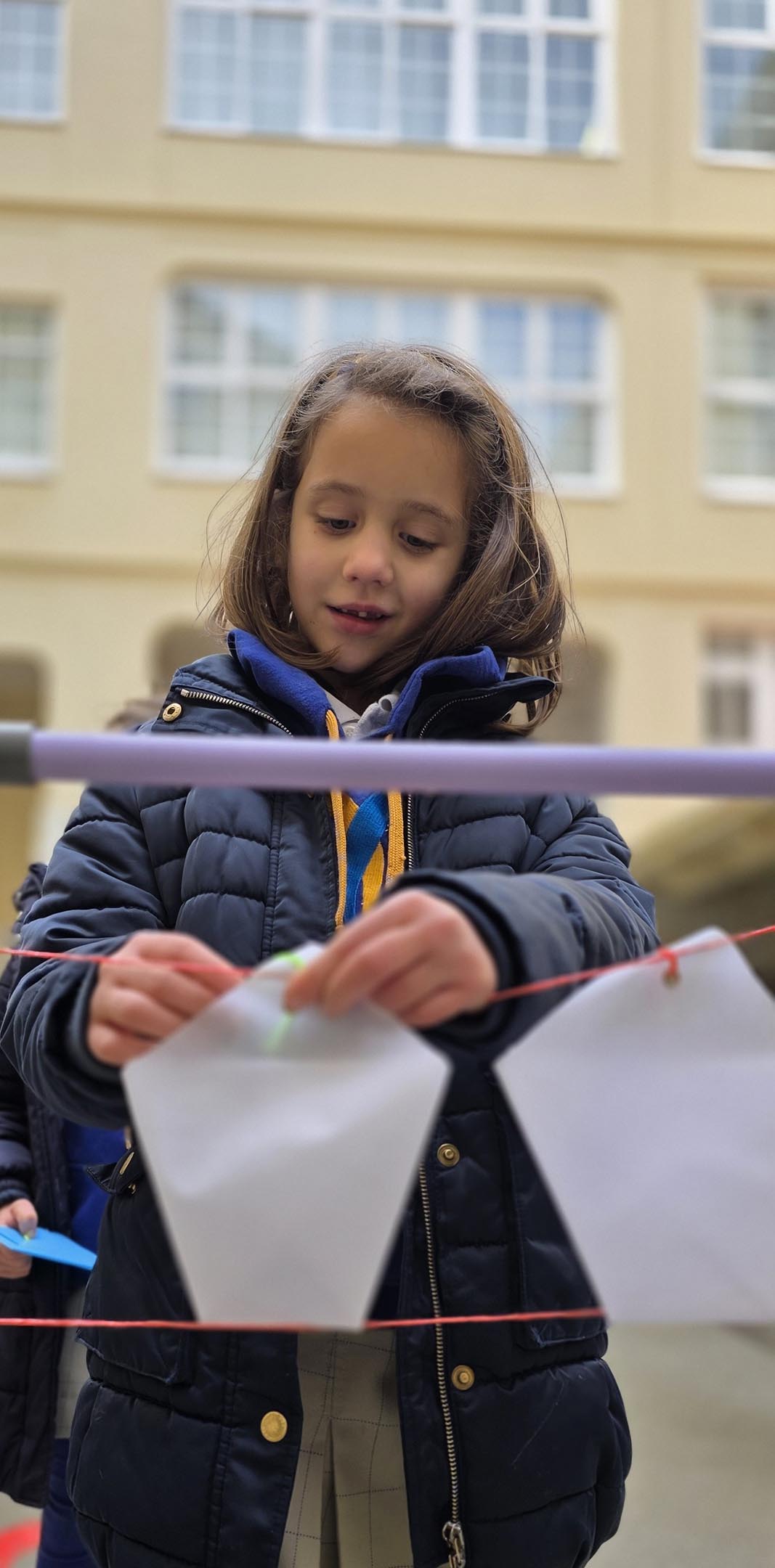
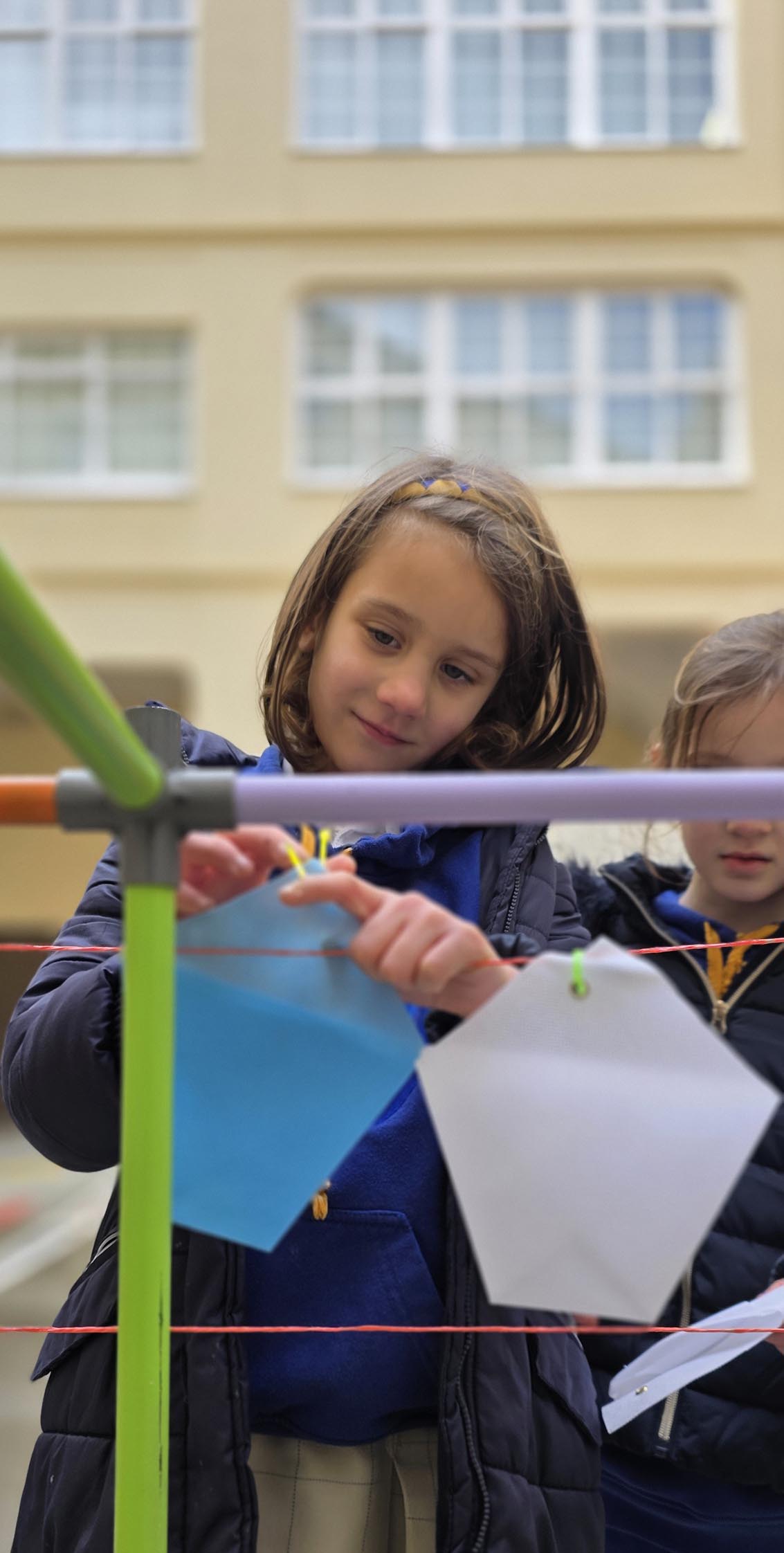
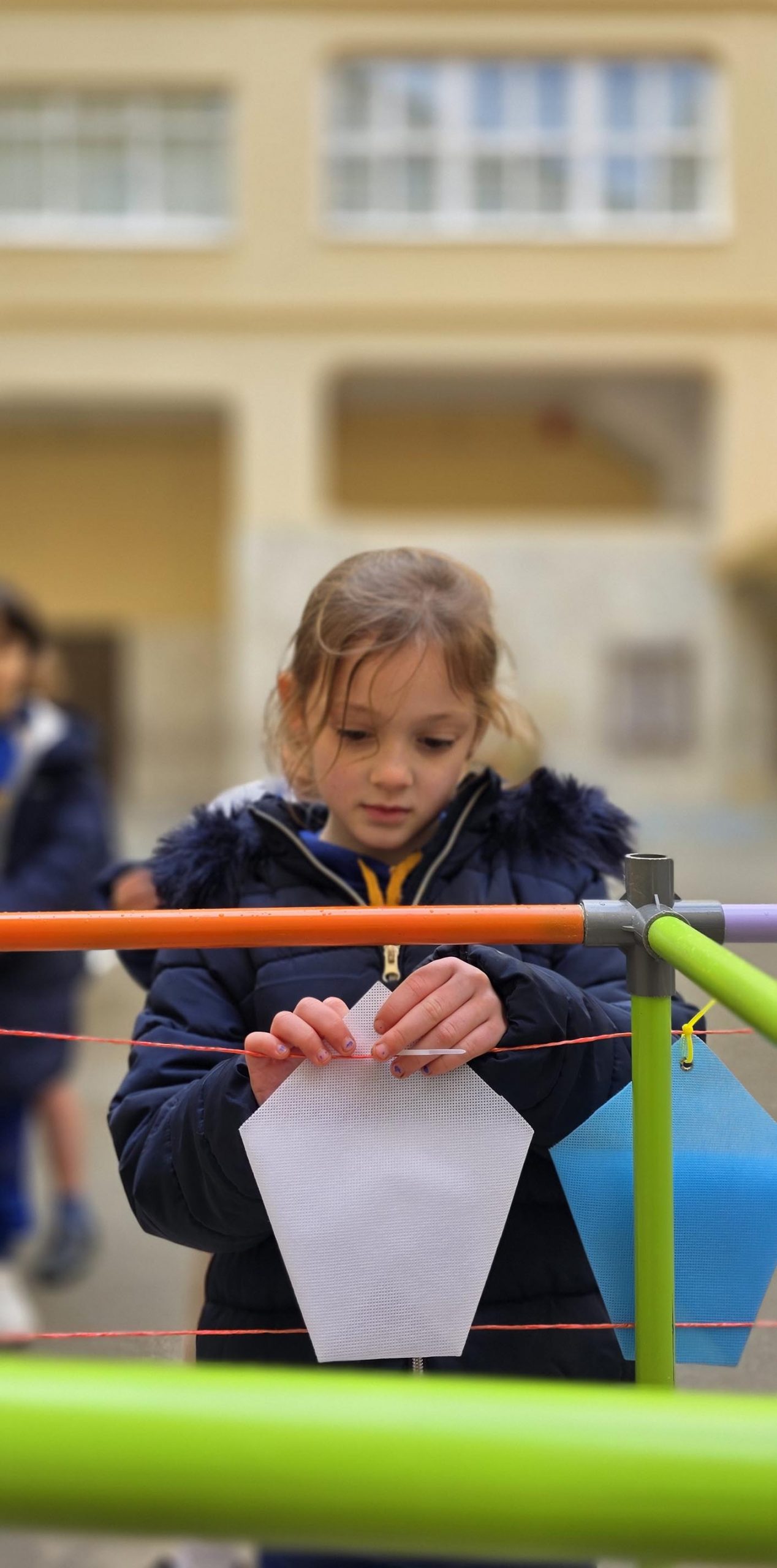
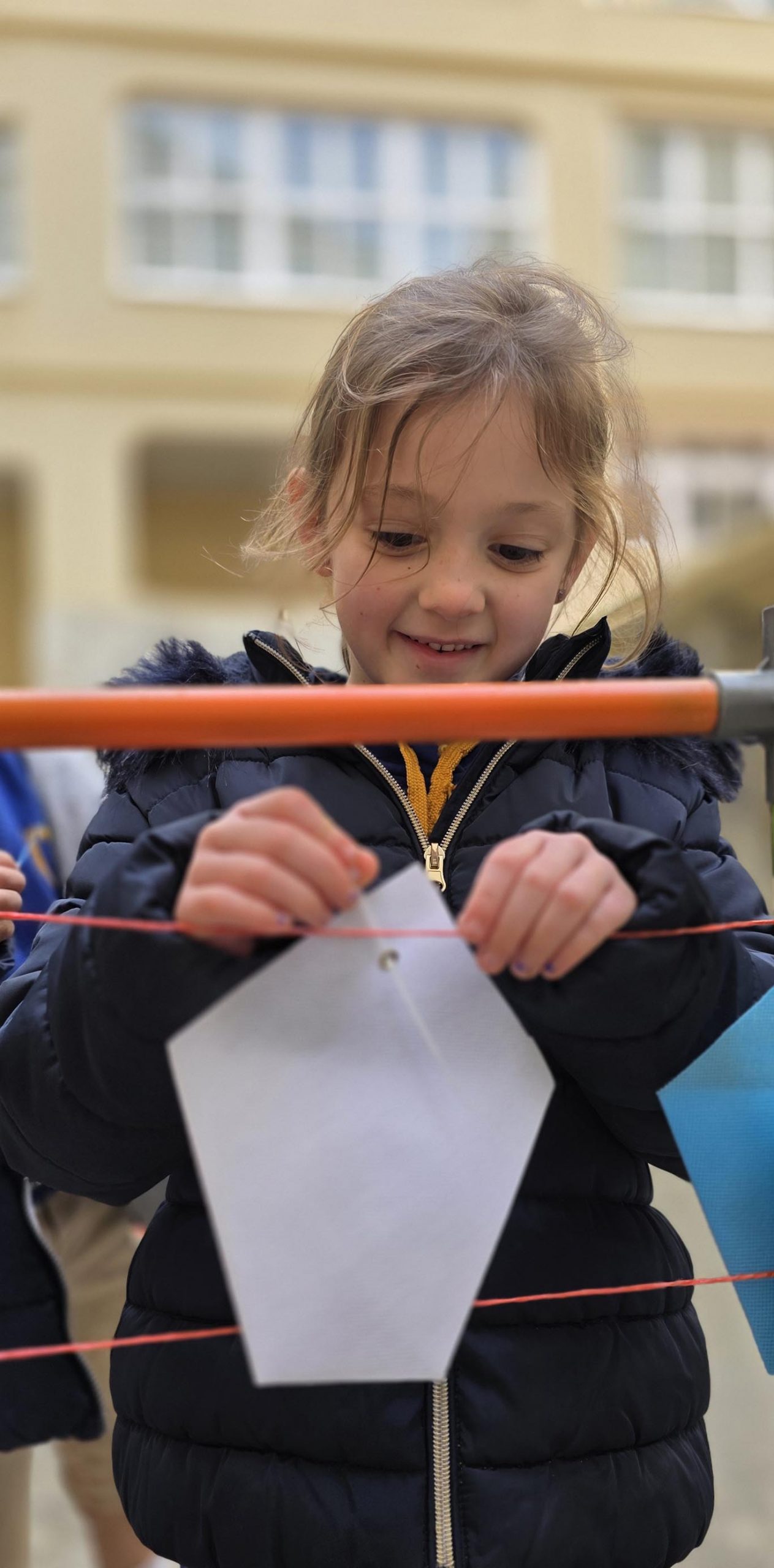
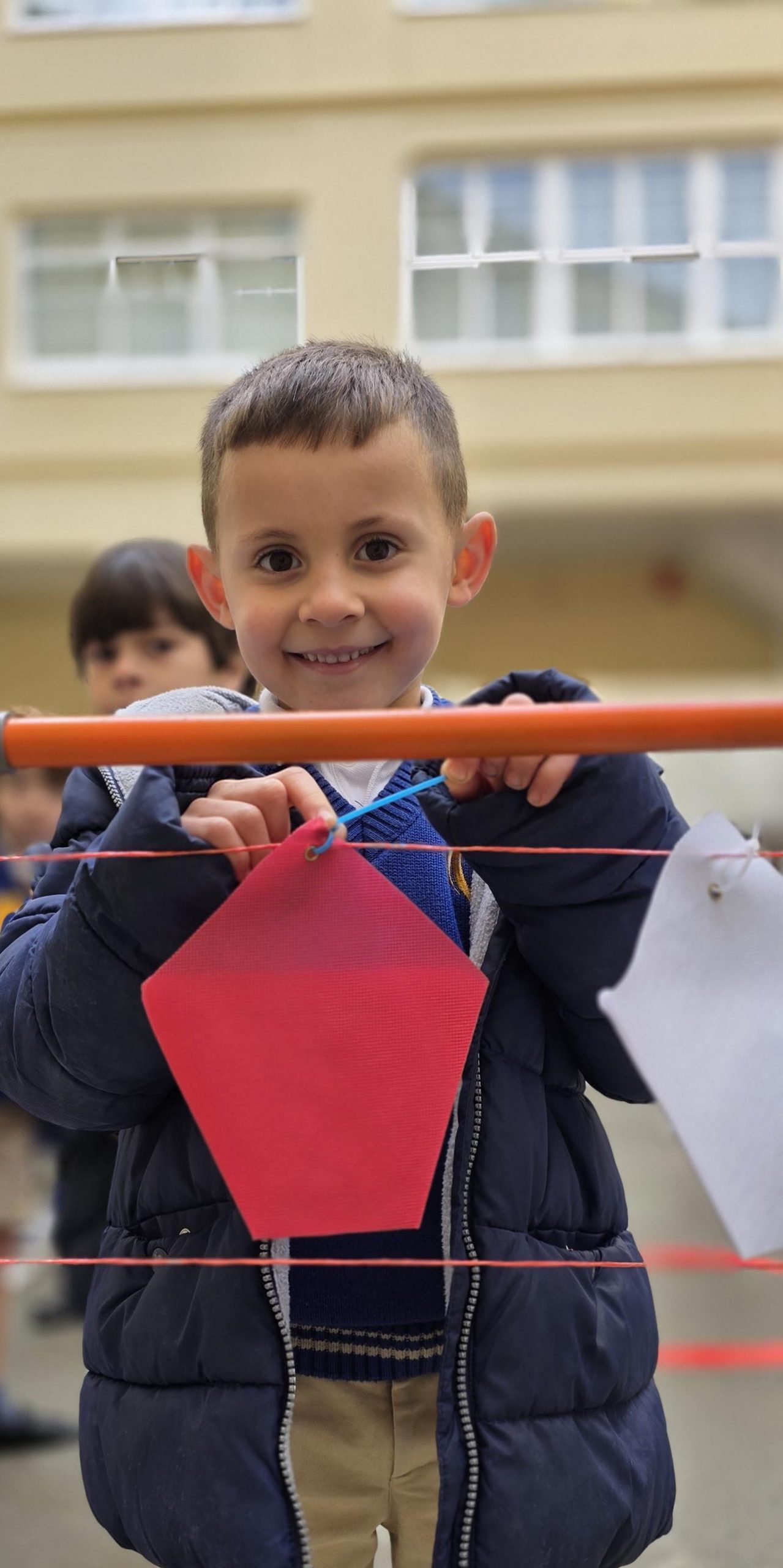
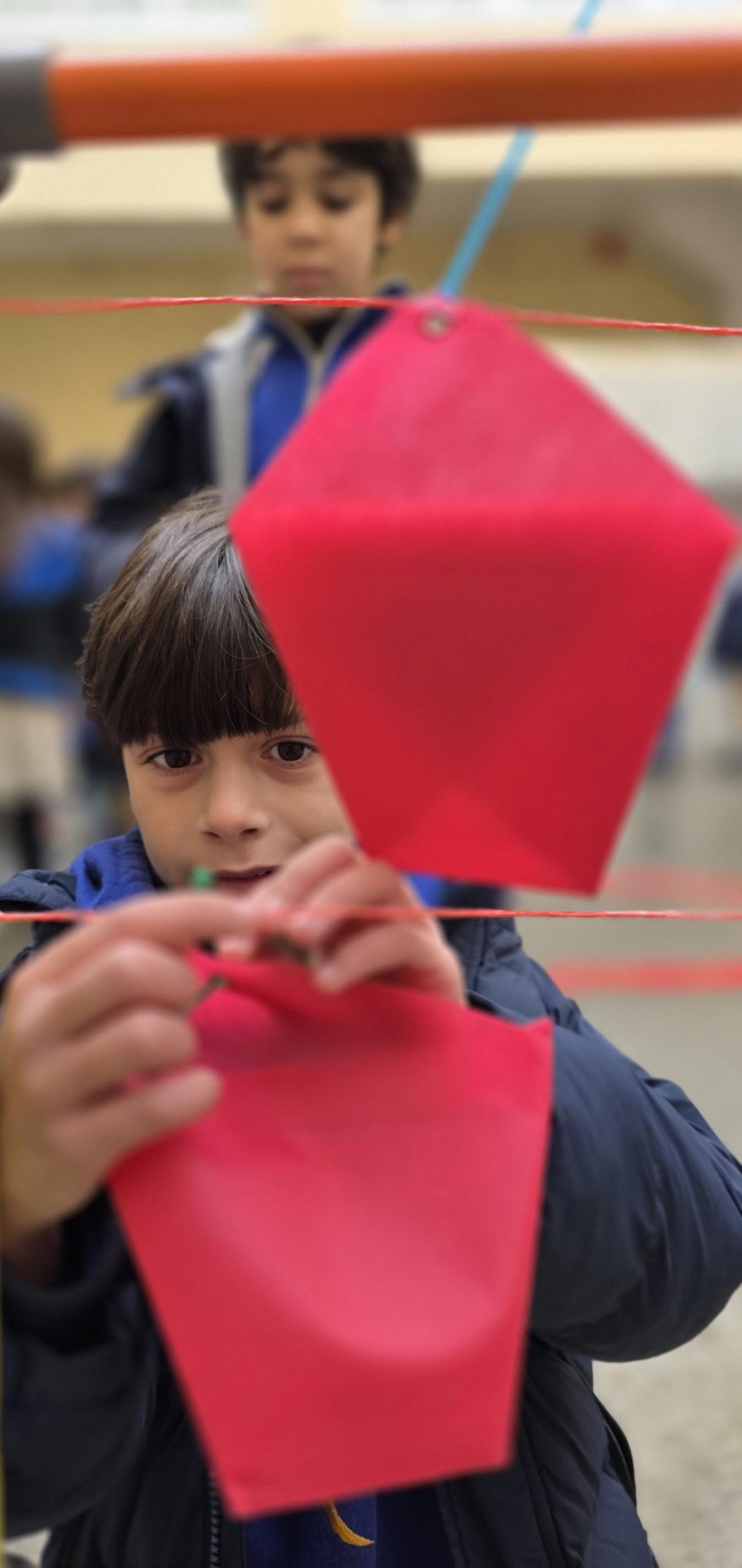
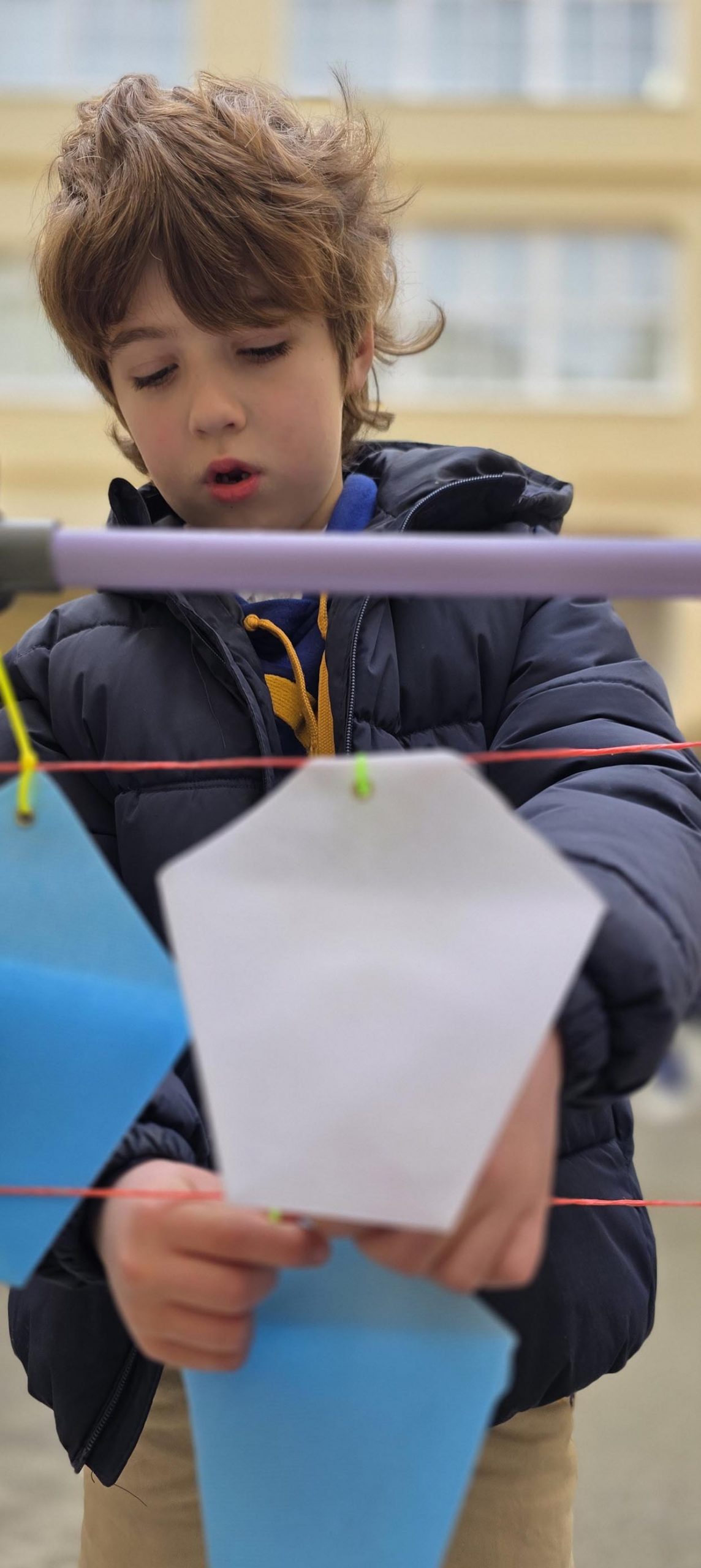
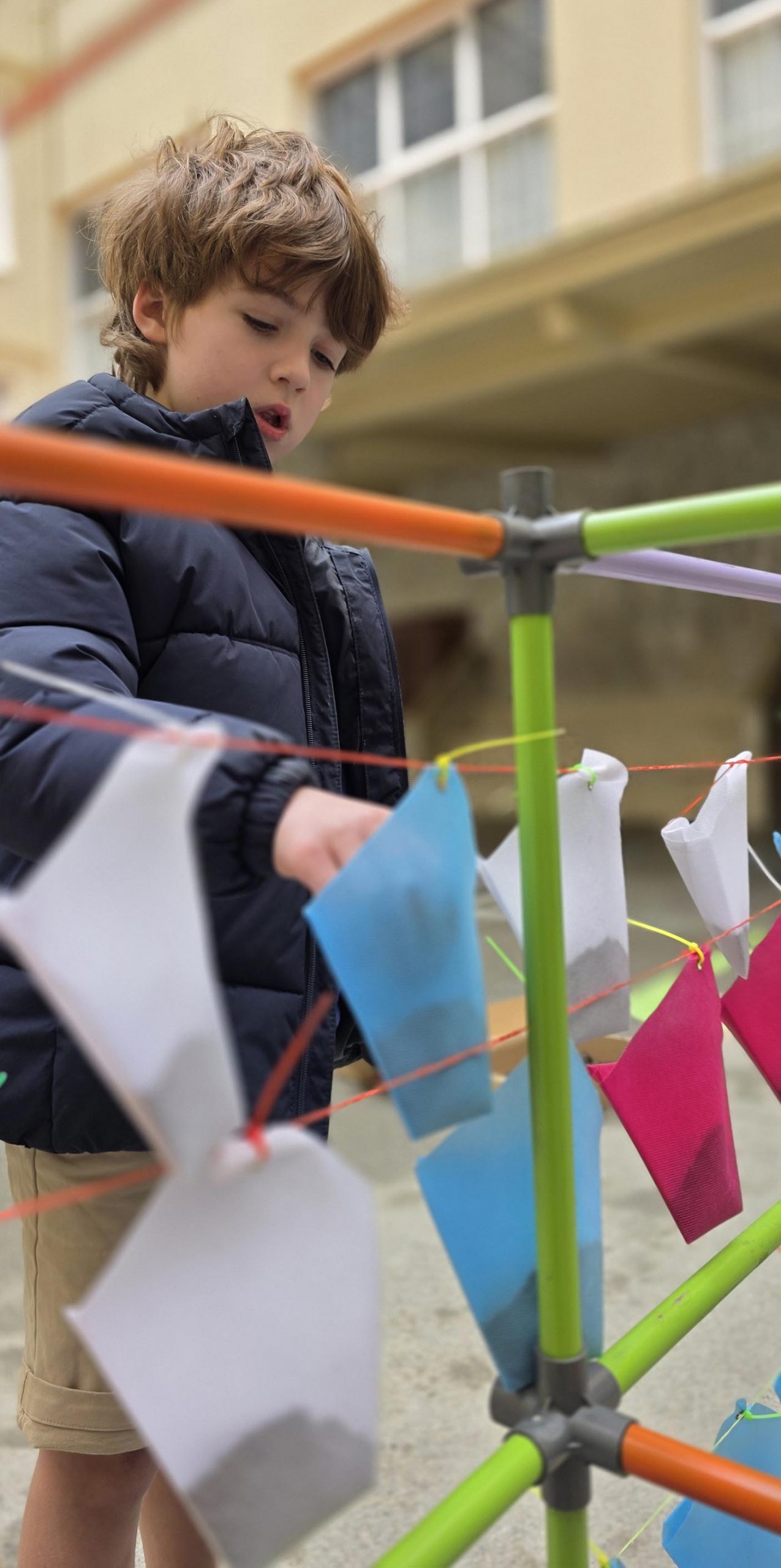
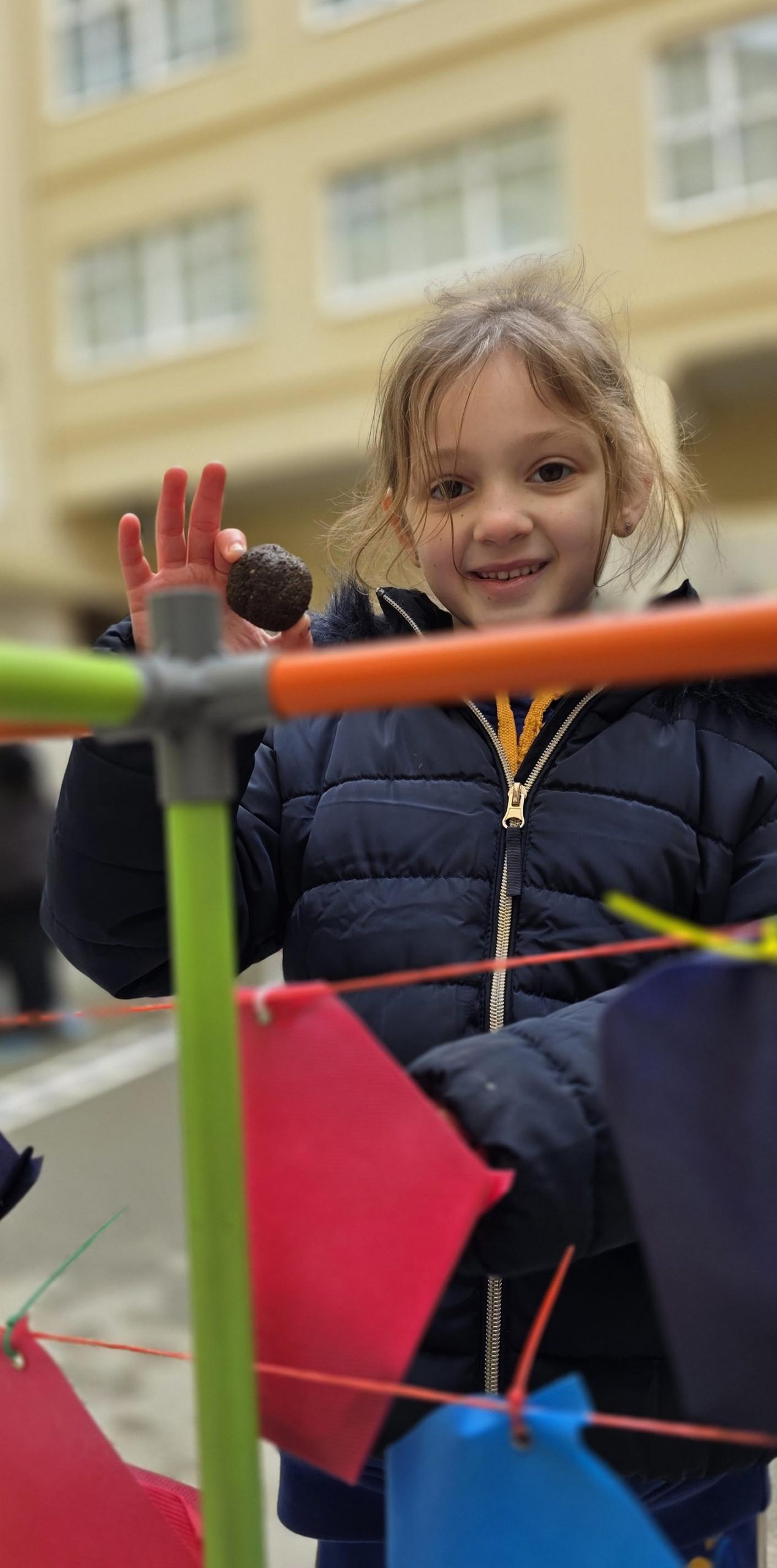
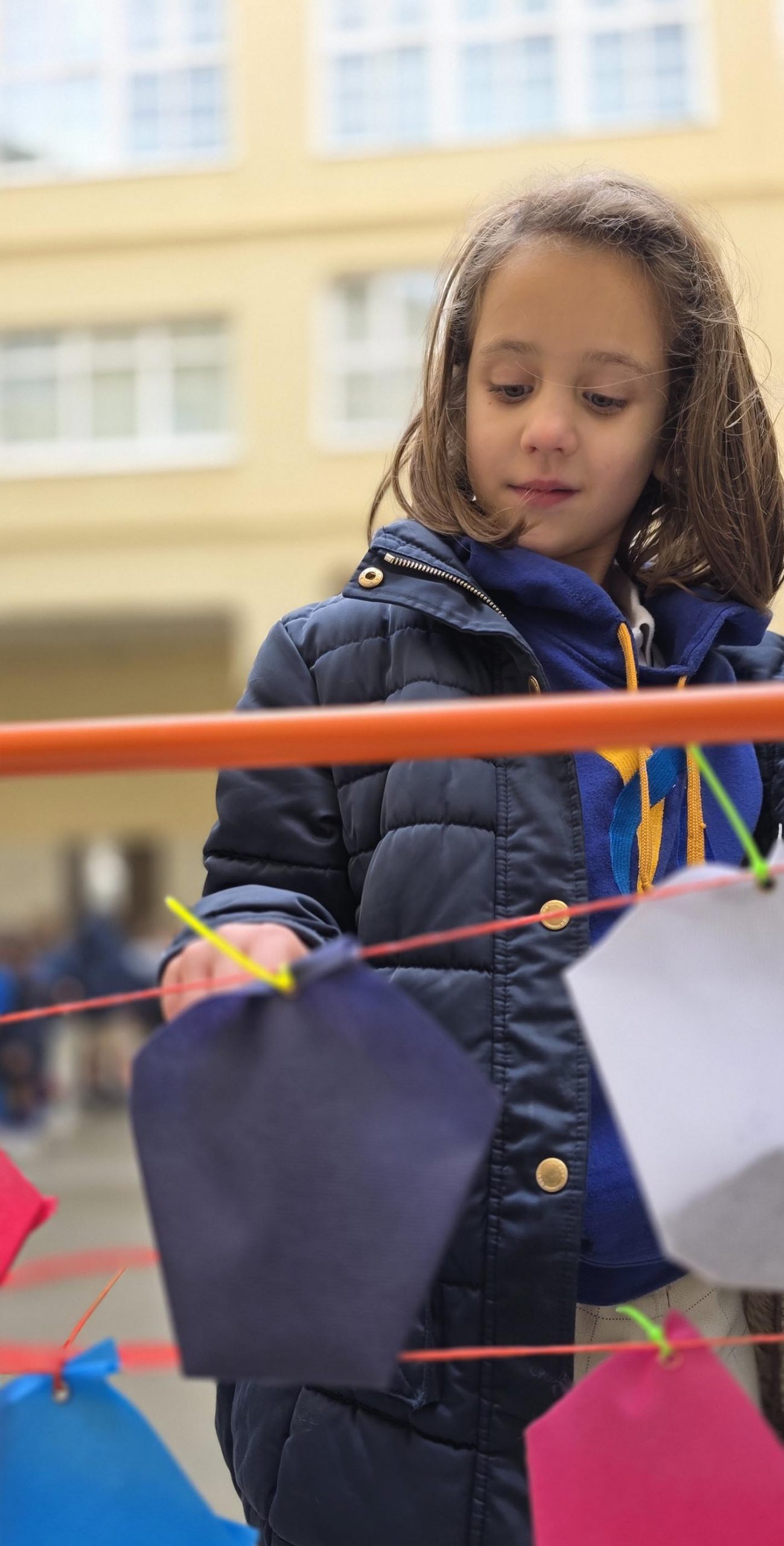
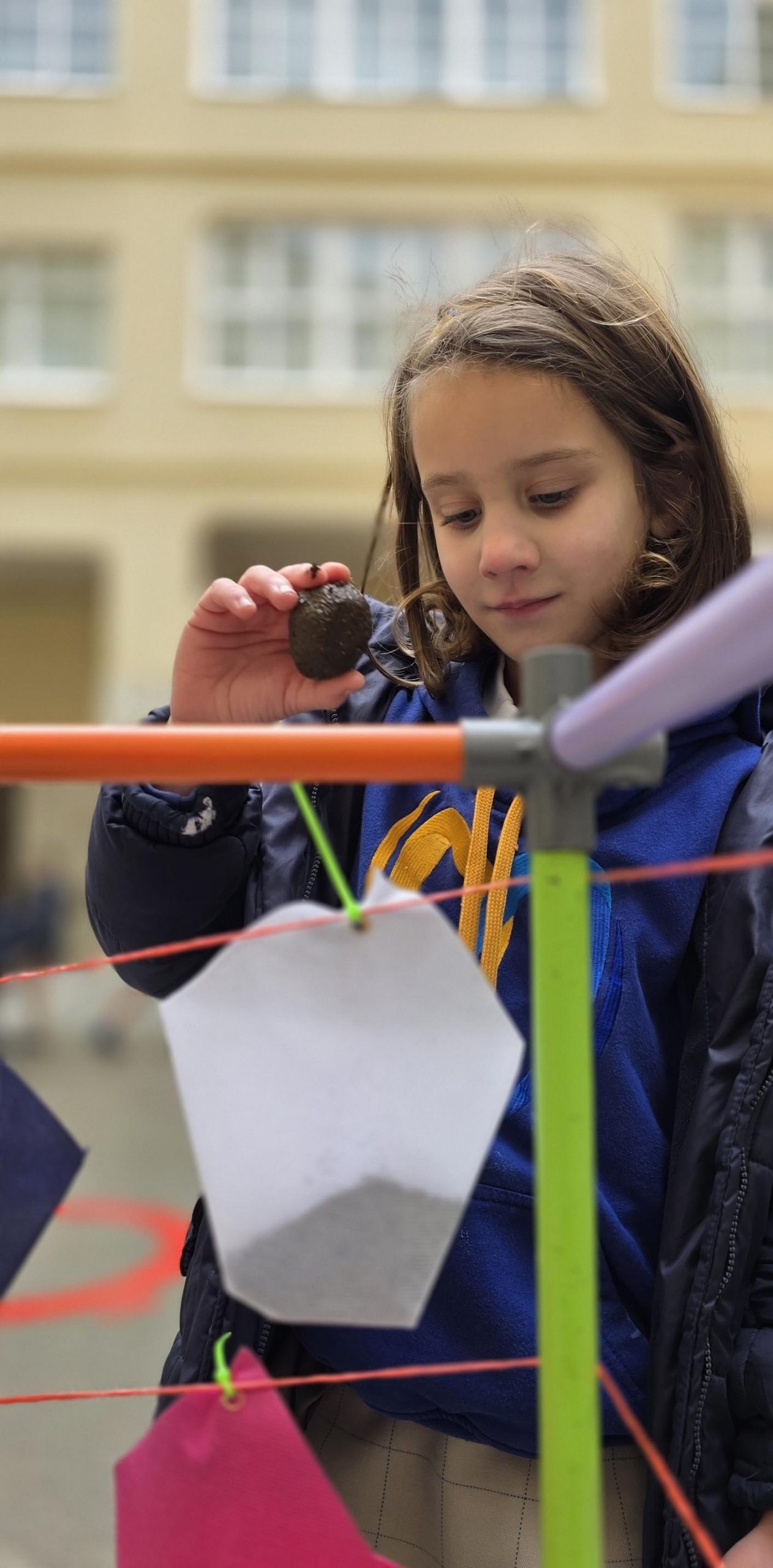
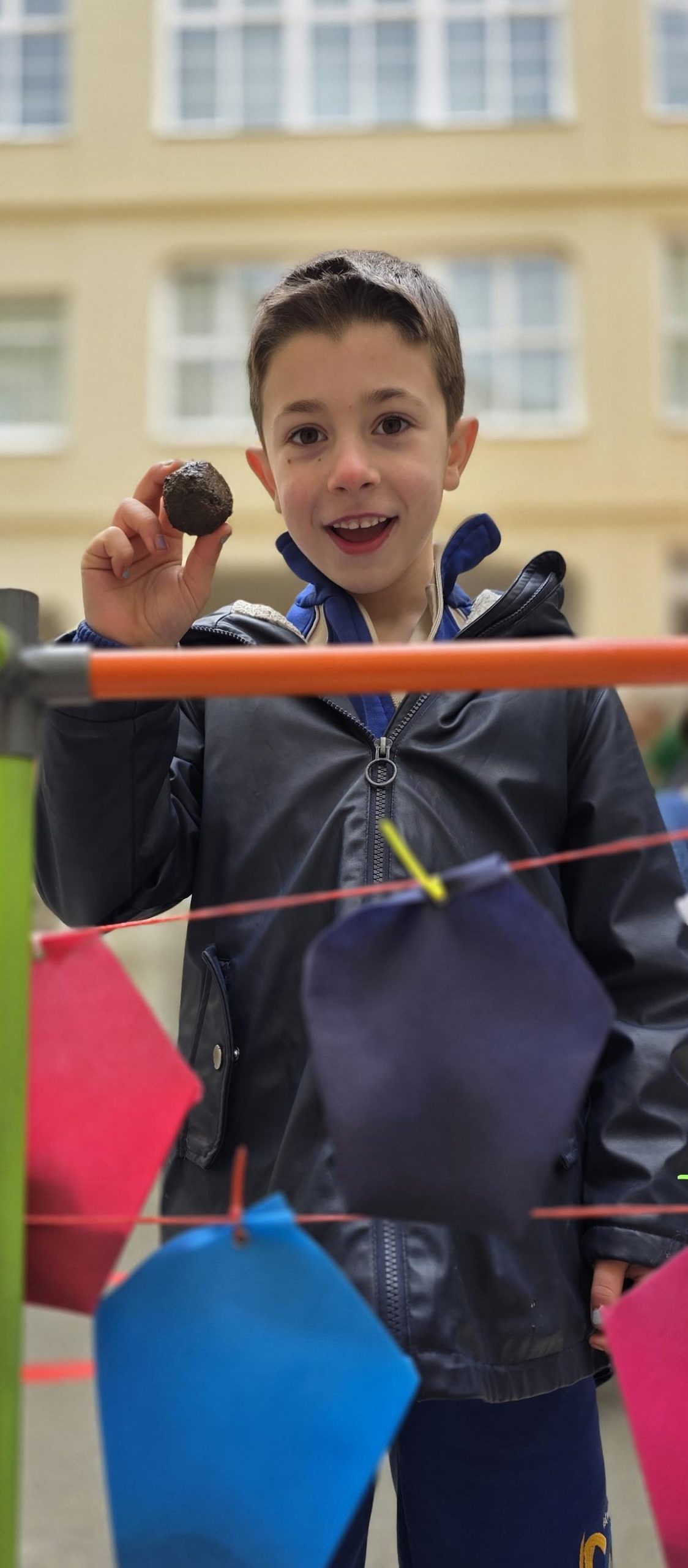
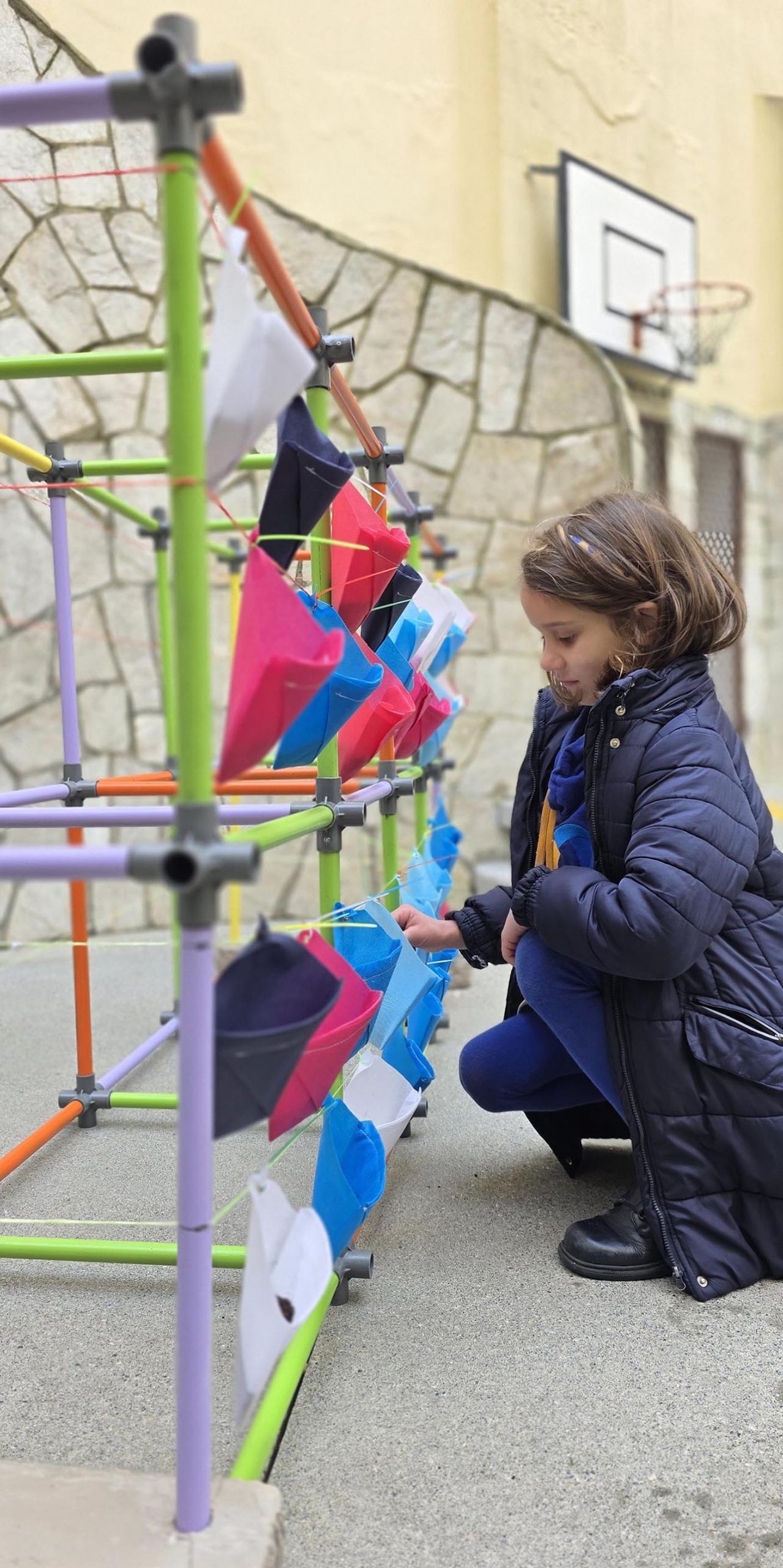
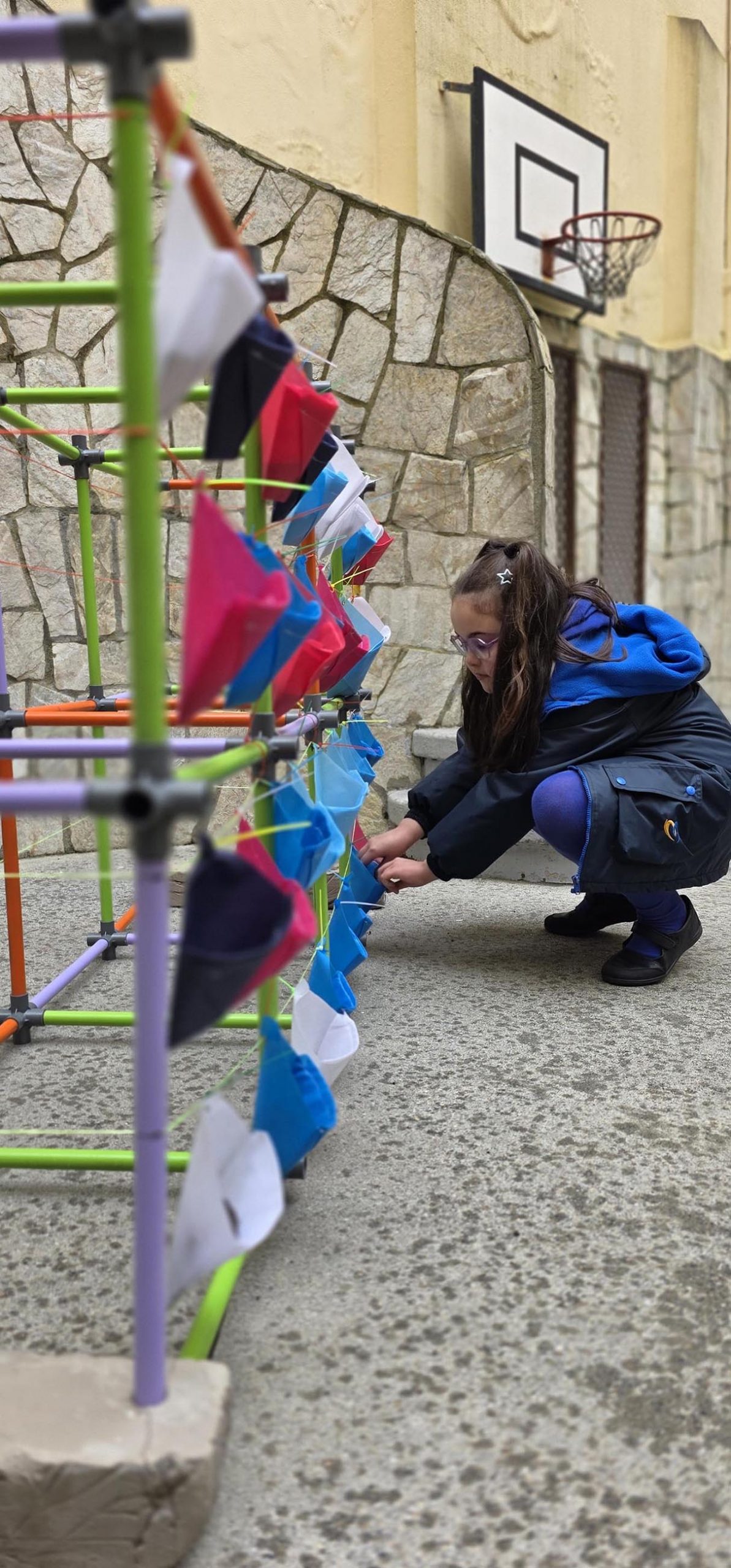
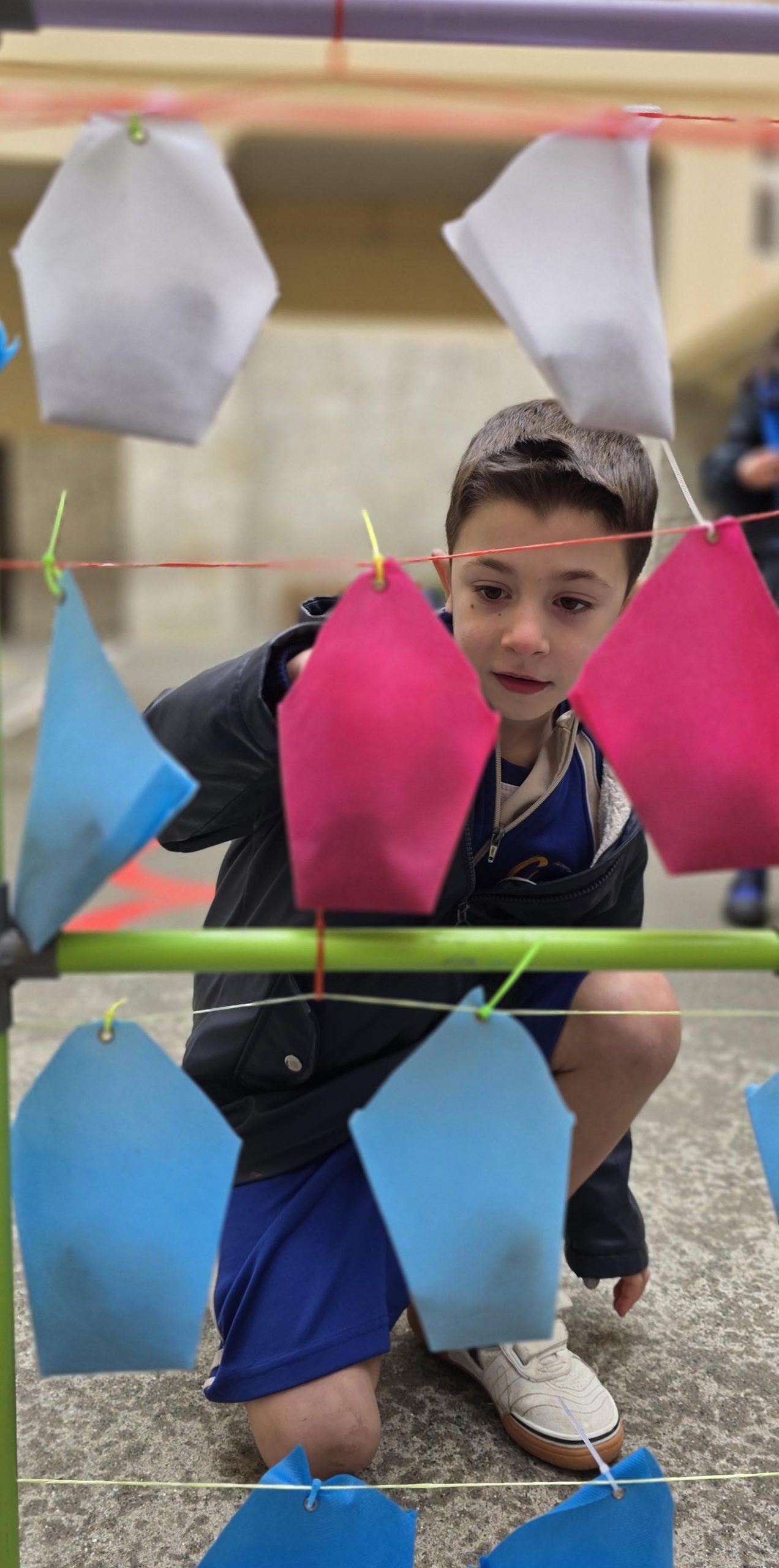
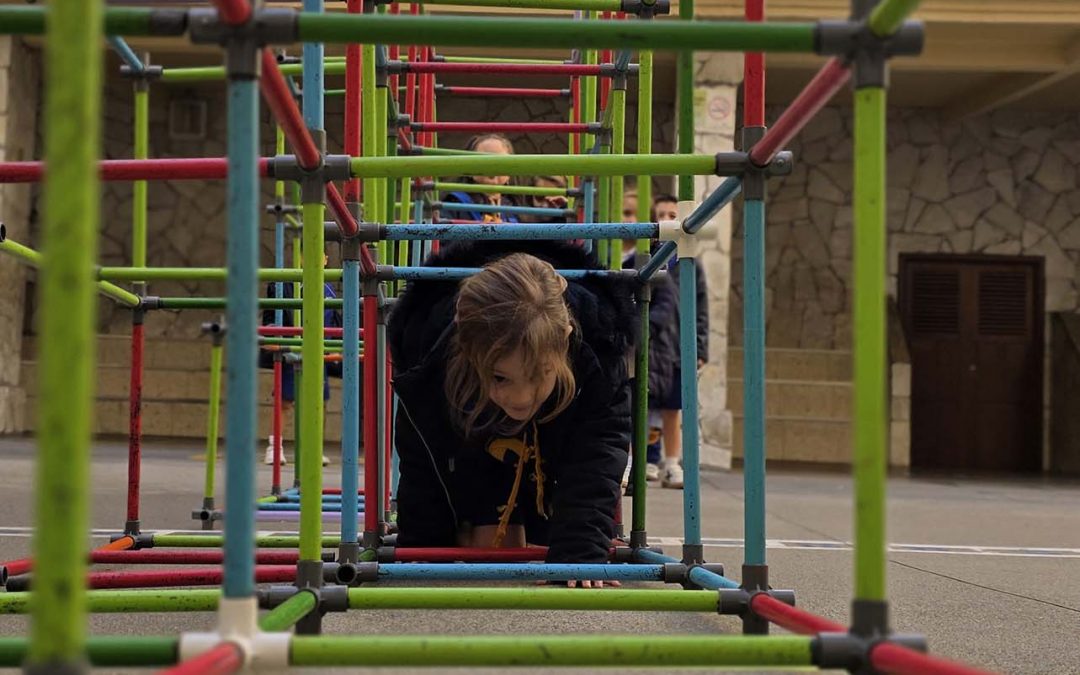
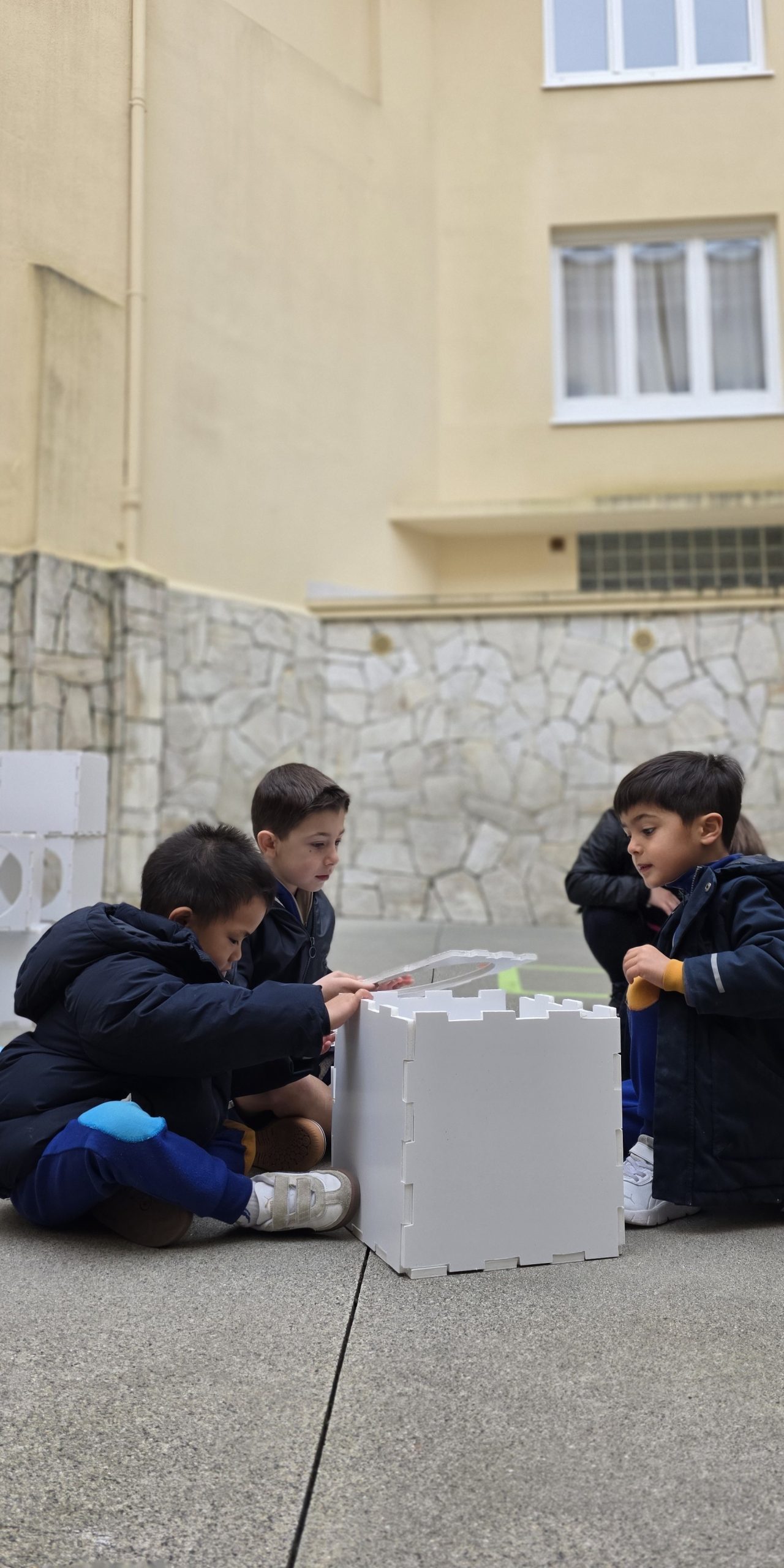
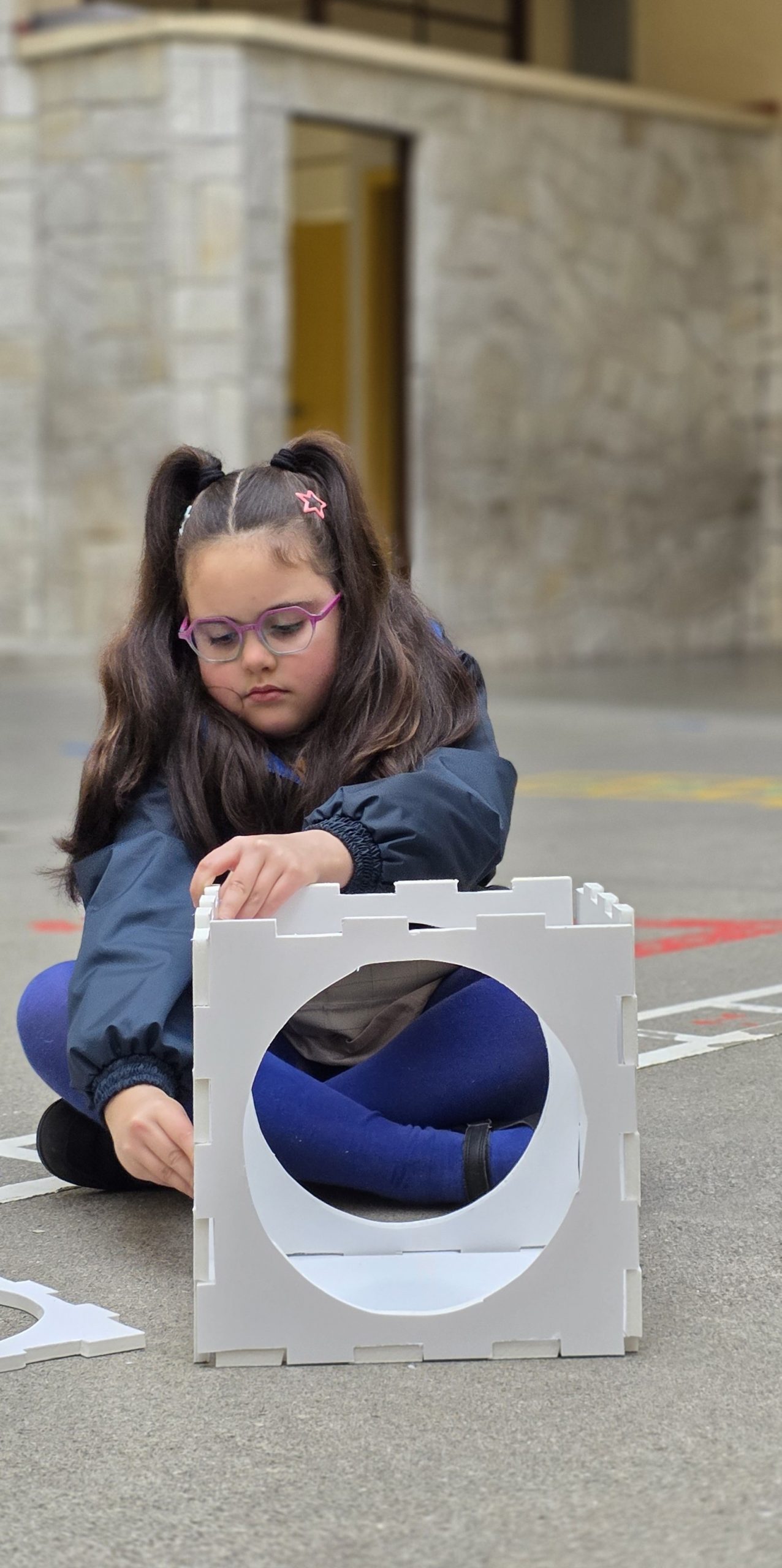
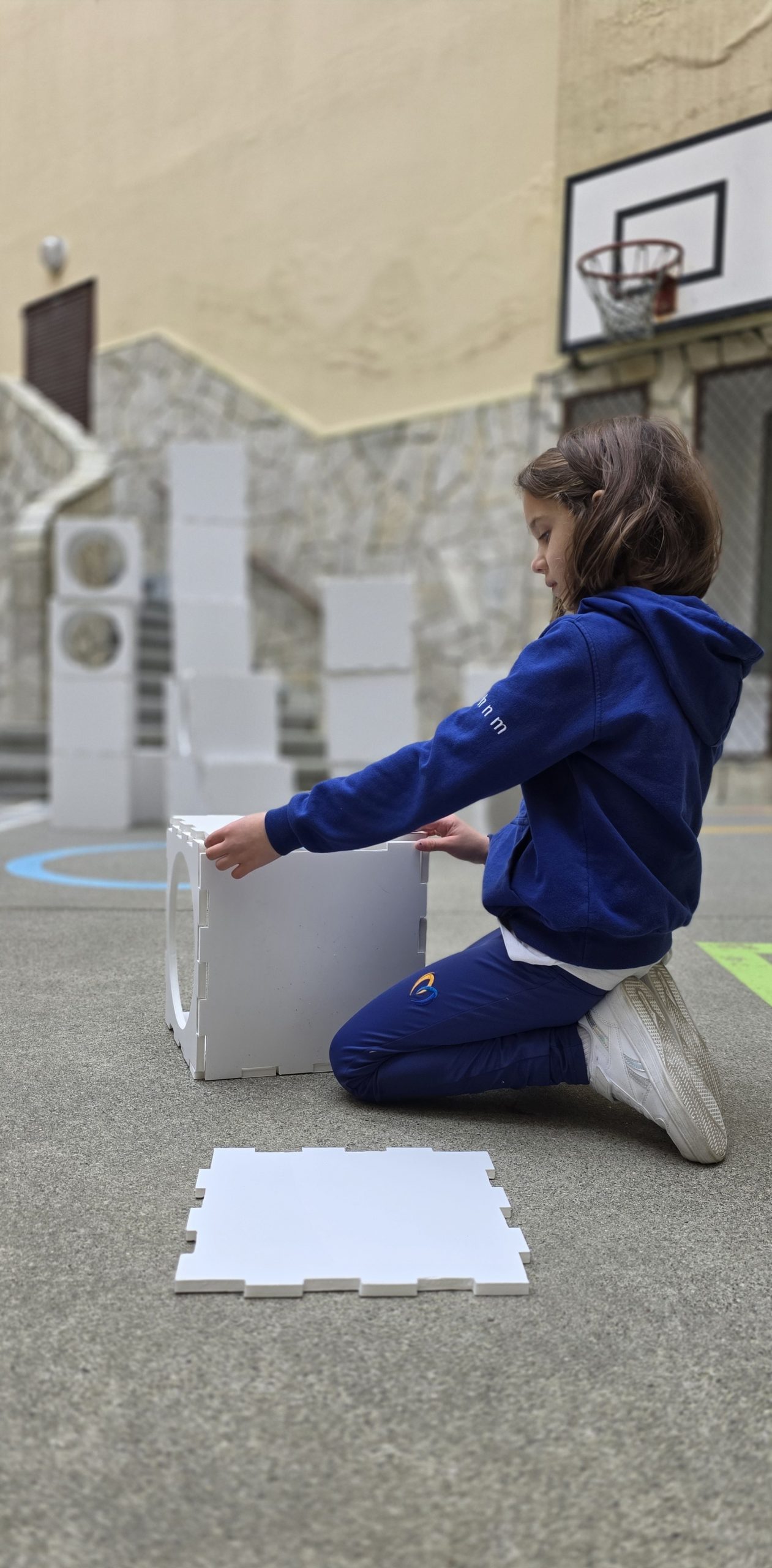
‘A Vila do Maña’ works with three-dimensional elements, based on Froebel’s “third gift”.
In architecture we have Froebel as a reference, through Frank Lloyd Wrigth who was educated with this method. It is a system based on the creativity and intuition of the child through direct experience, play and nature. It creates a pedagogical resource based on ‘gifts’ and ‘occupations’. The ‘gifts’ are pedagogical materials that do not change, but are transformed; the ‘occupations’ are activities in which children play by transforming the objects they manipulate. The ‘gifts’ are precursors of today’s building blocks.
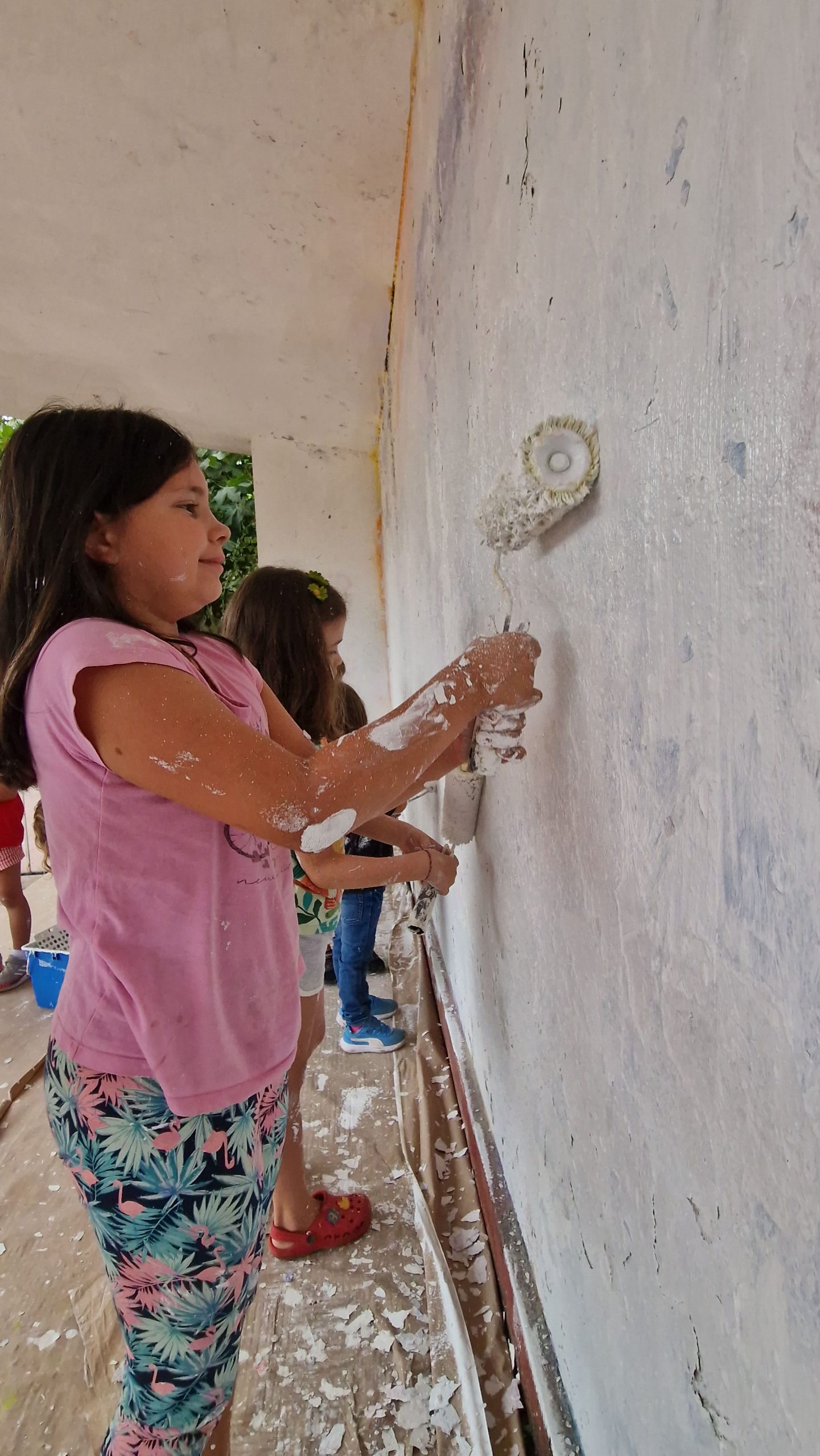
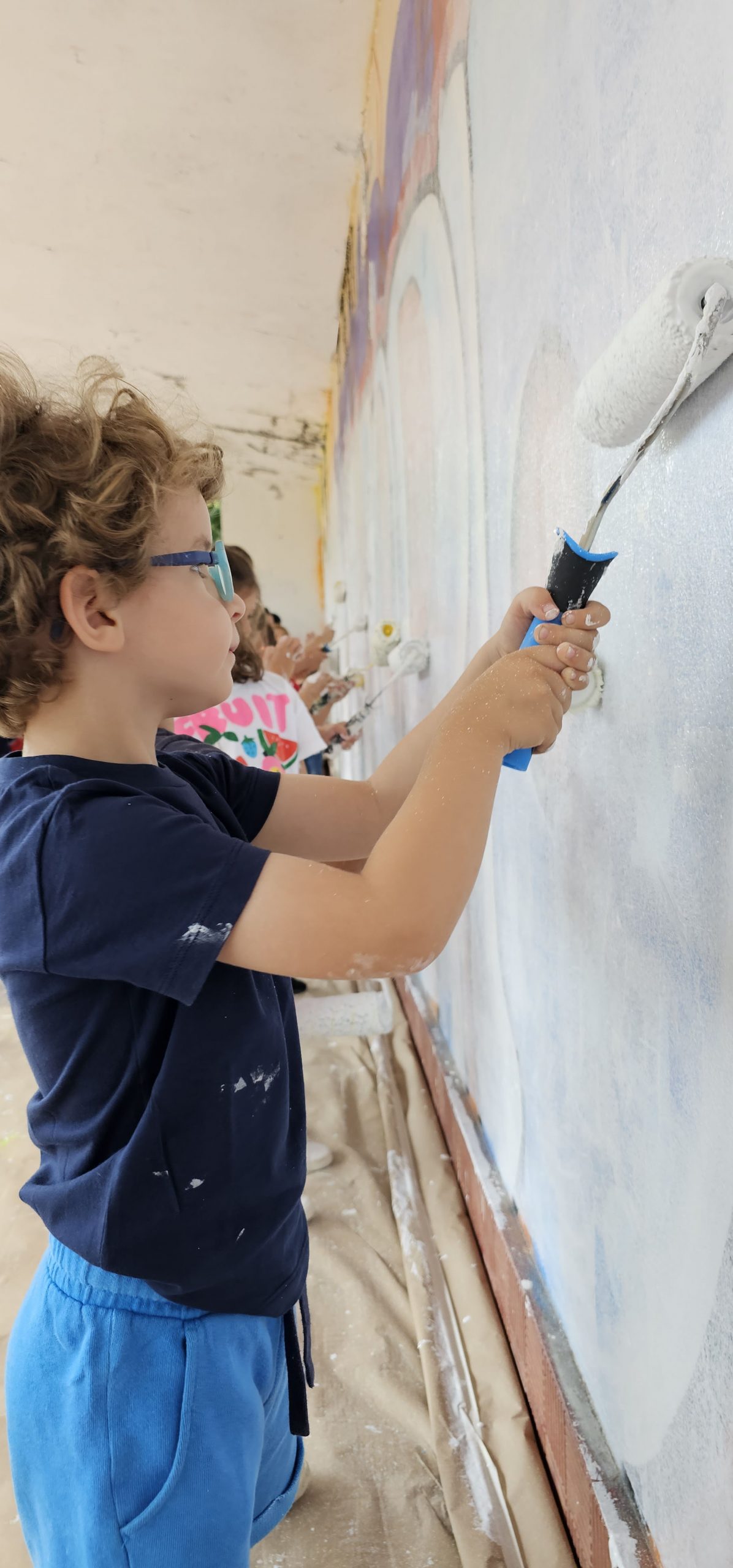
Colour your city
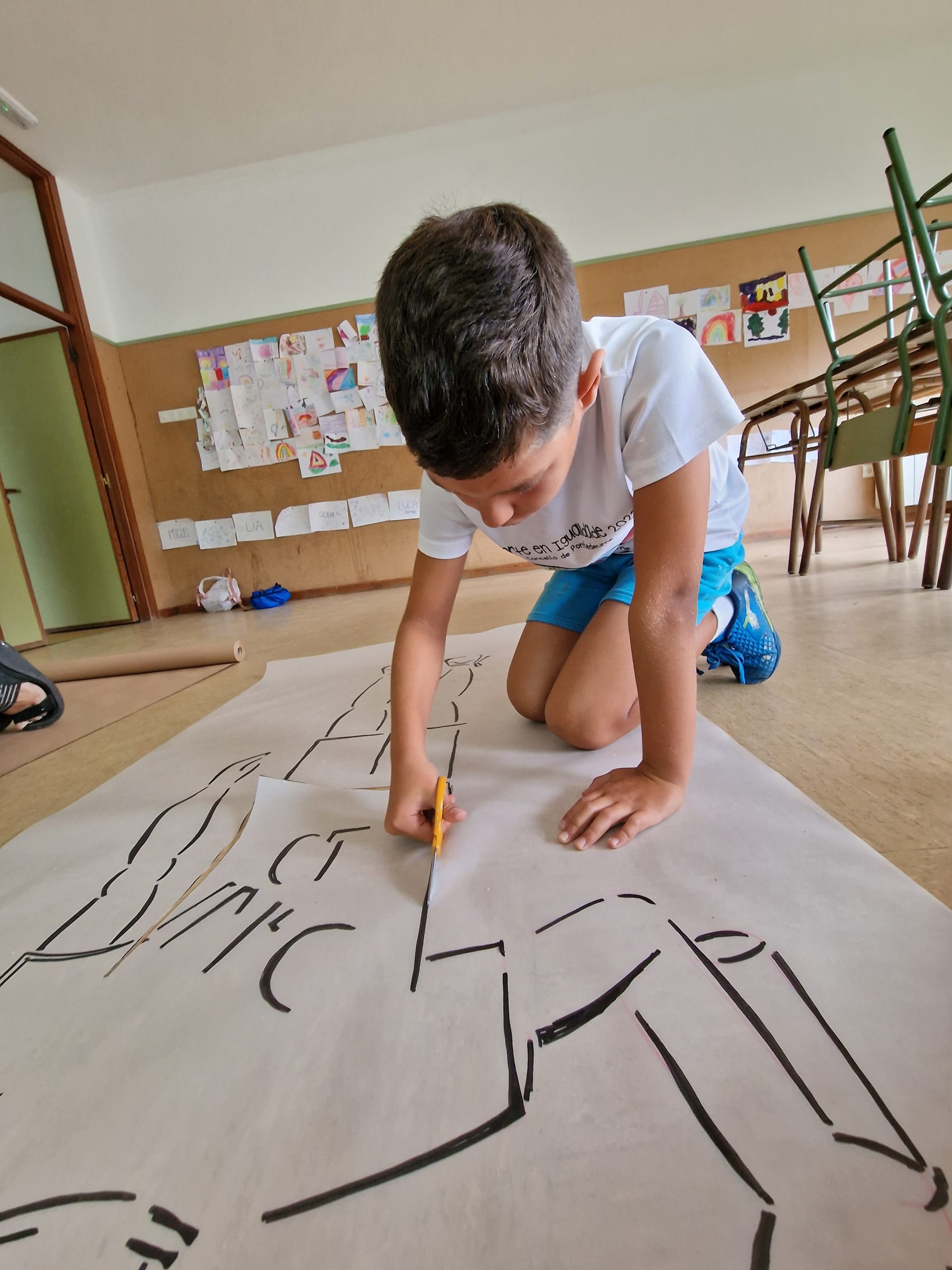
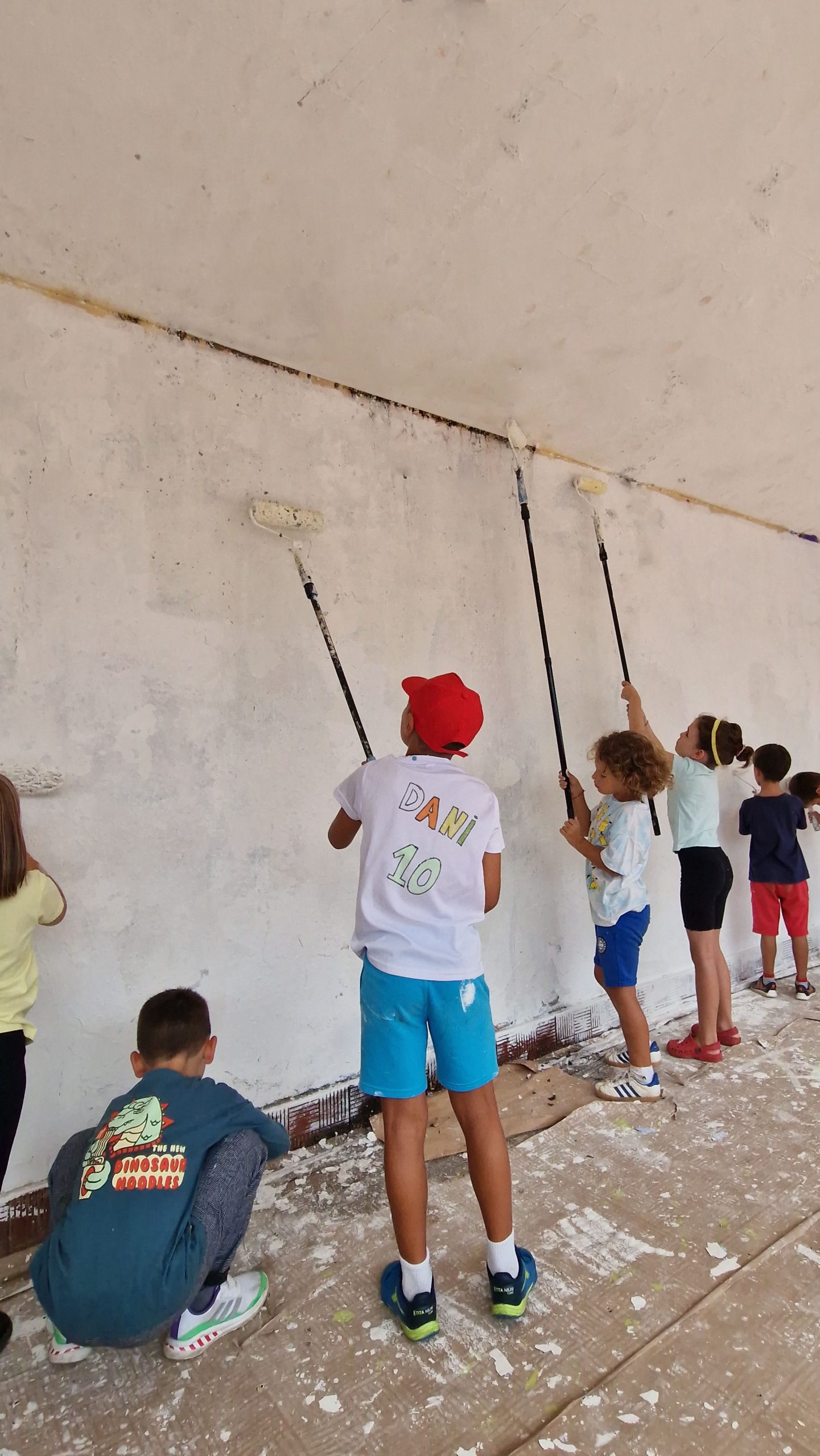
The village or city in which we are working has been turned into a game board, a laboratory of experimentation where children and teenagers can act from a new point of view.
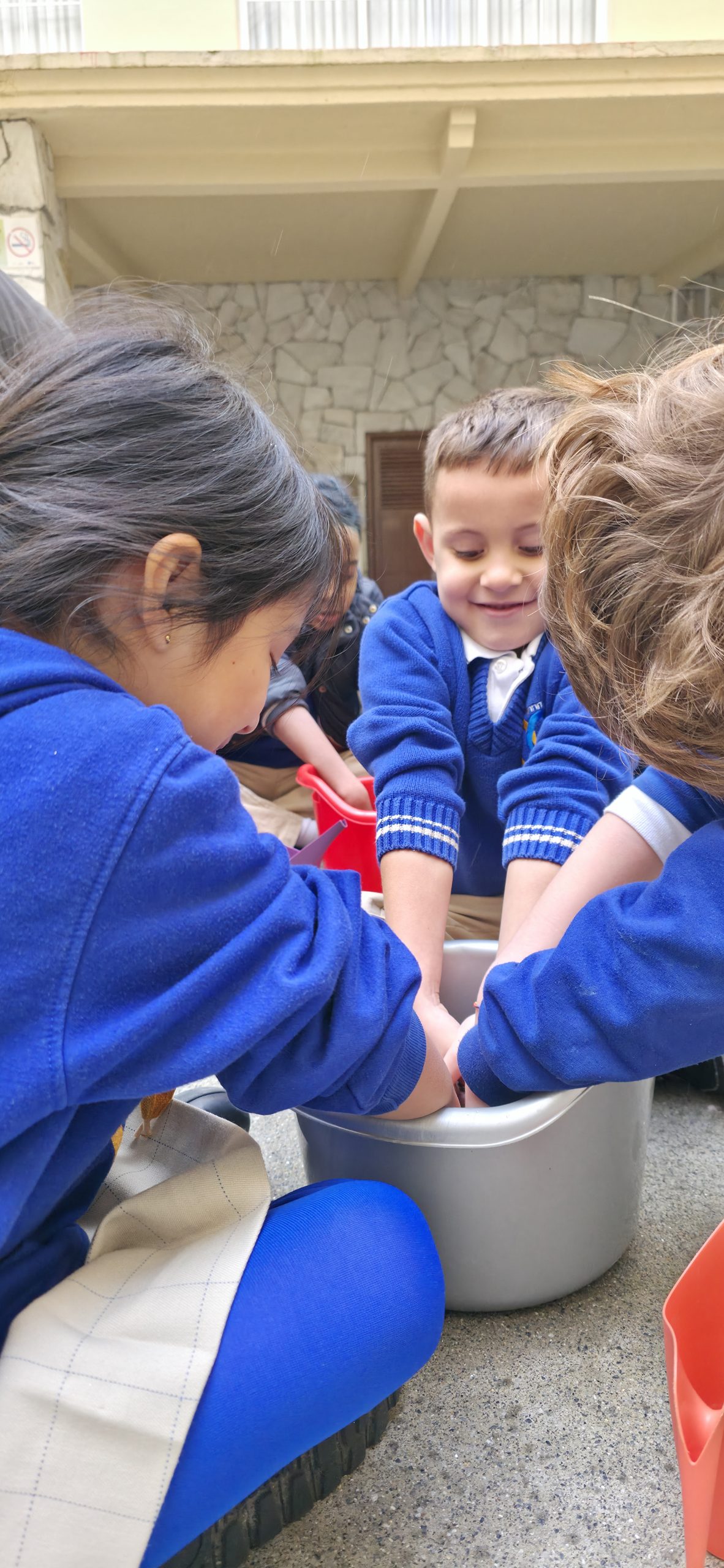
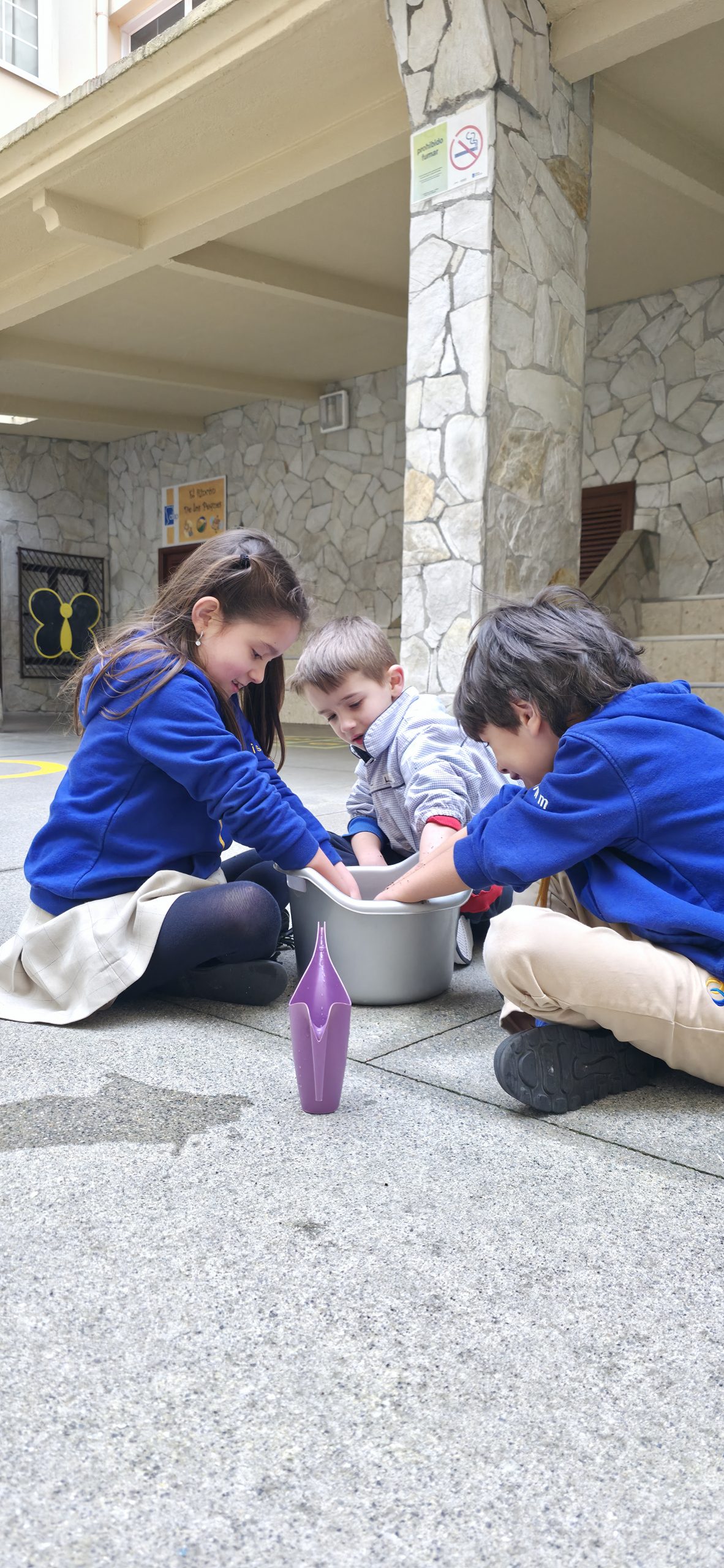
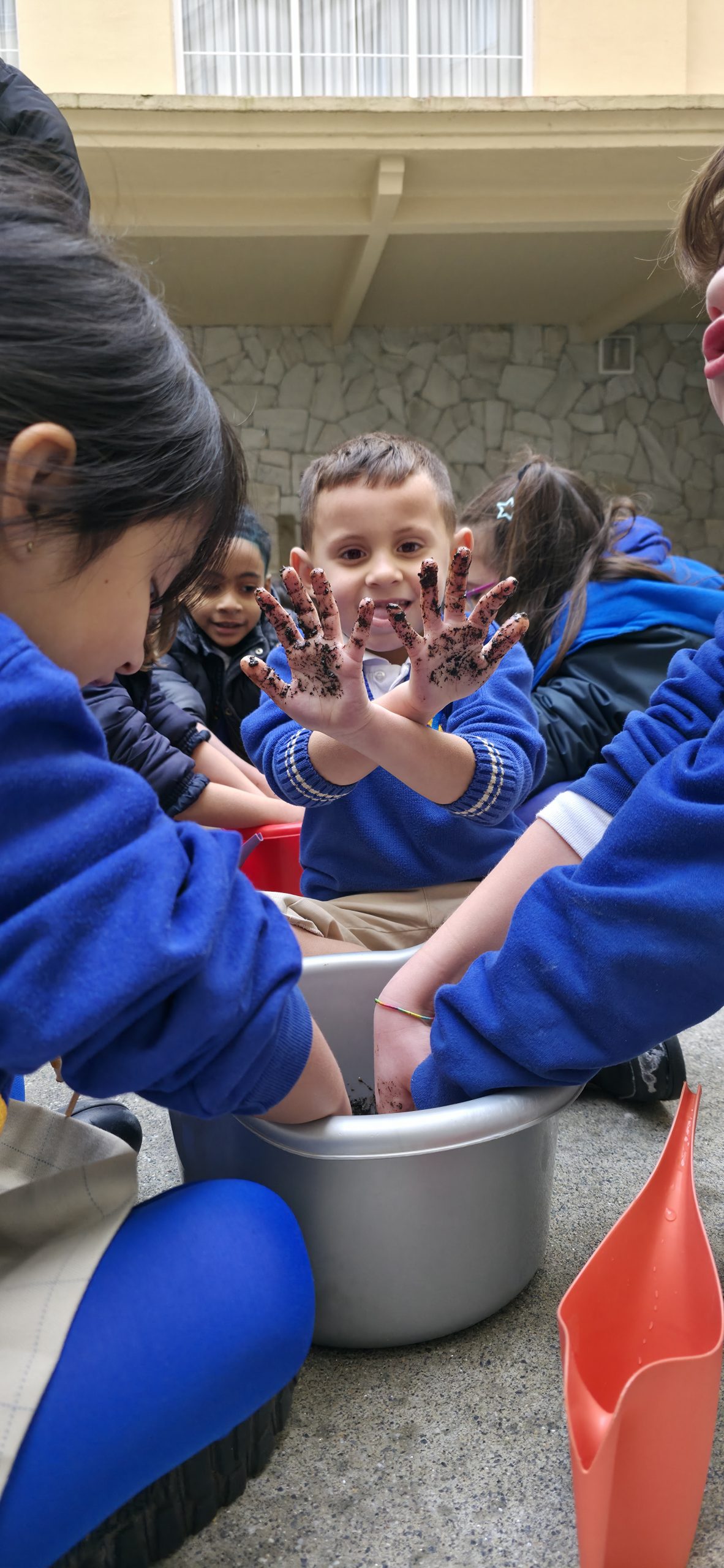
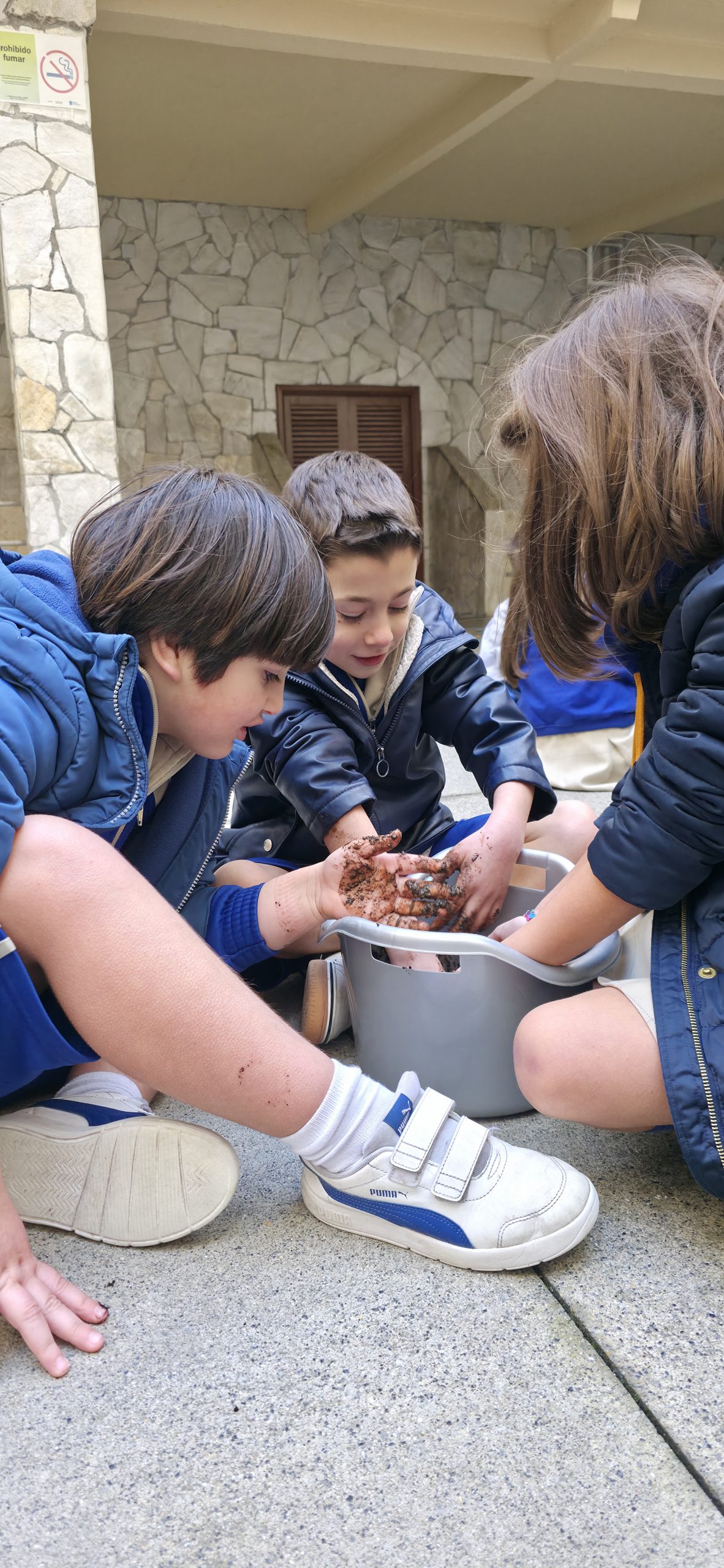
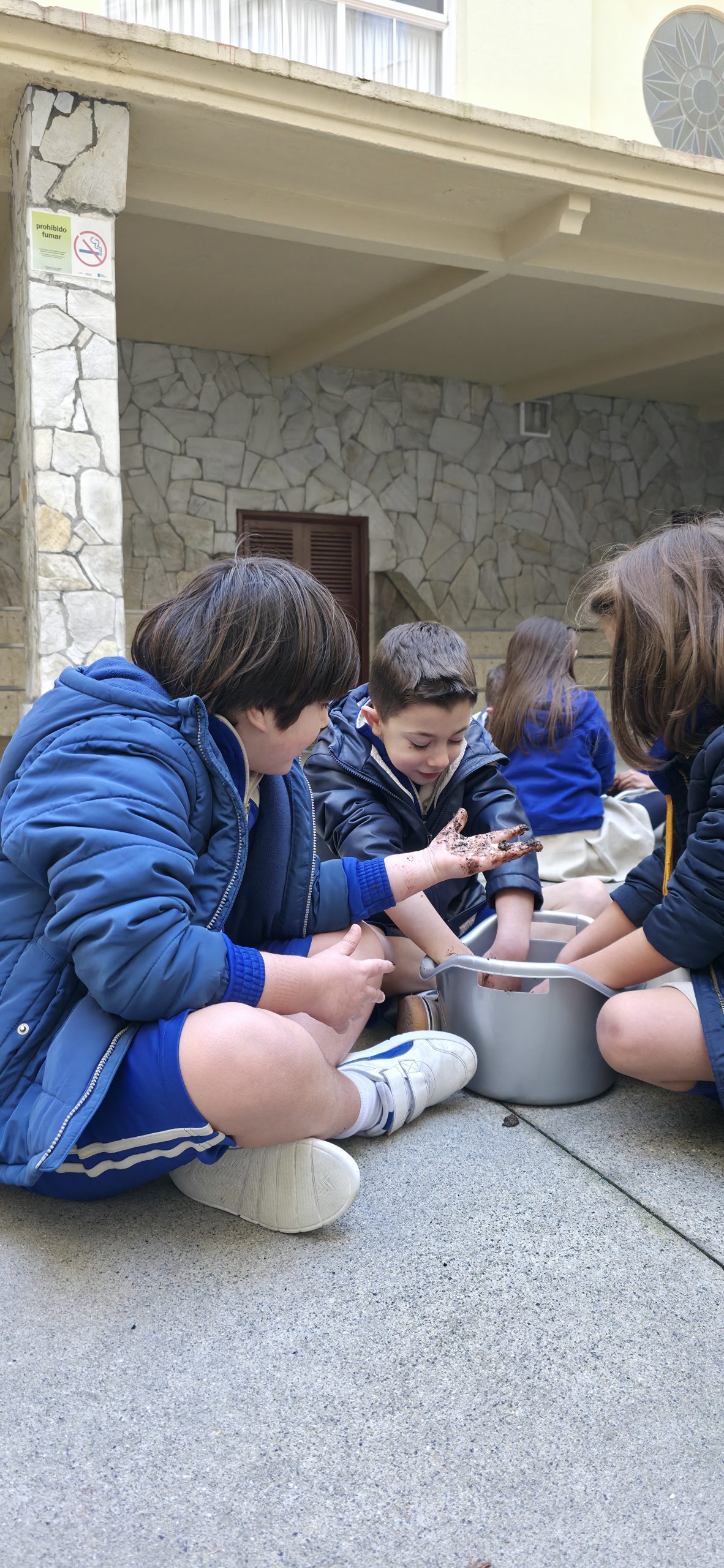
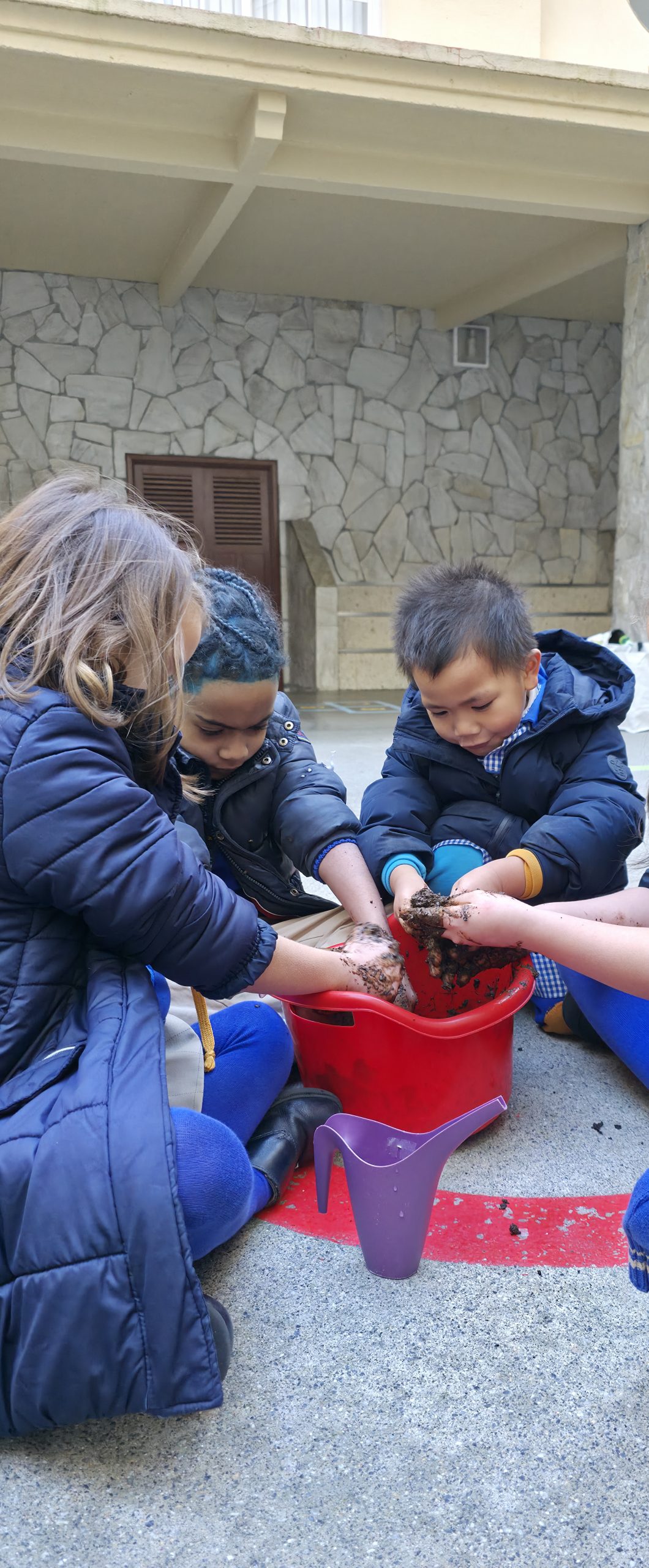
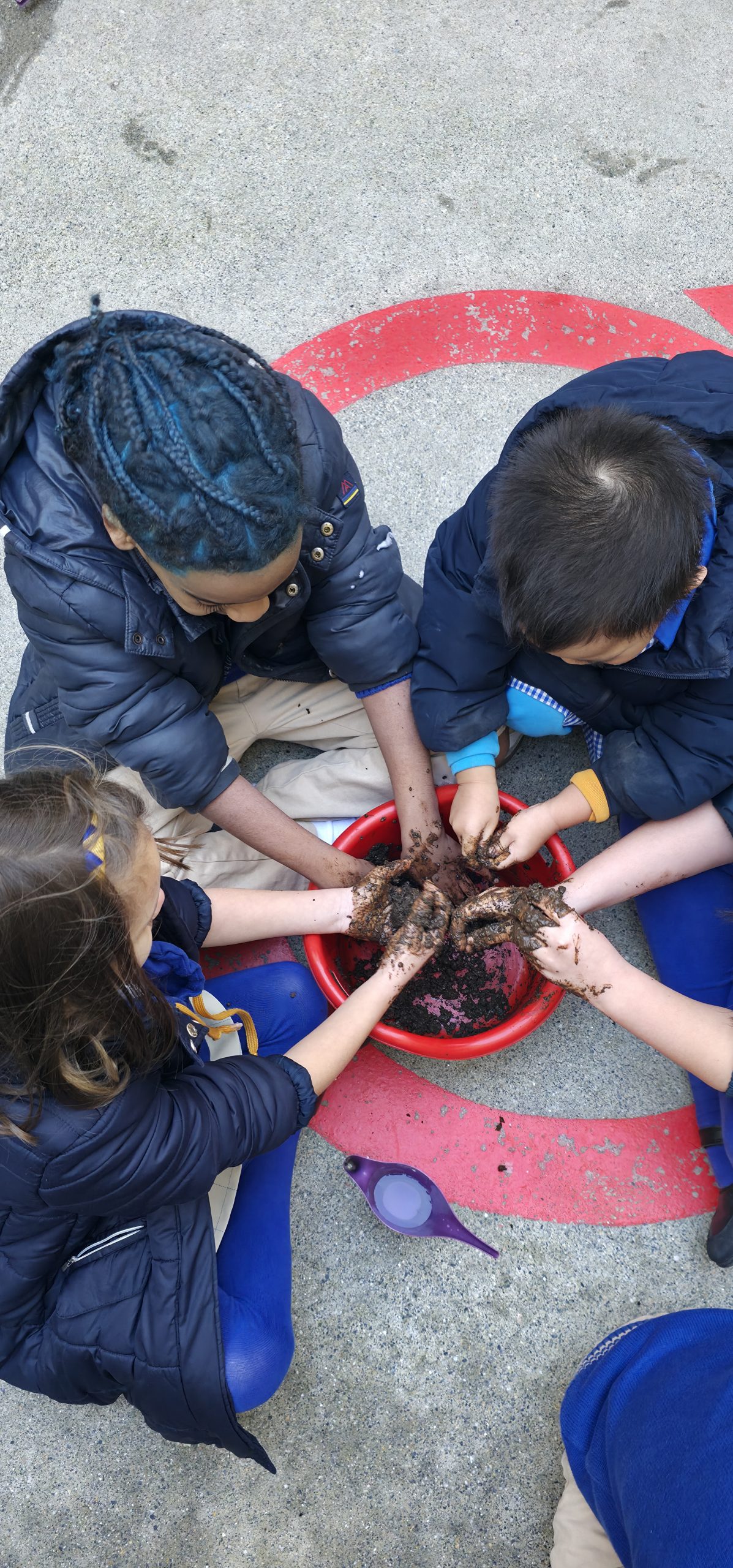
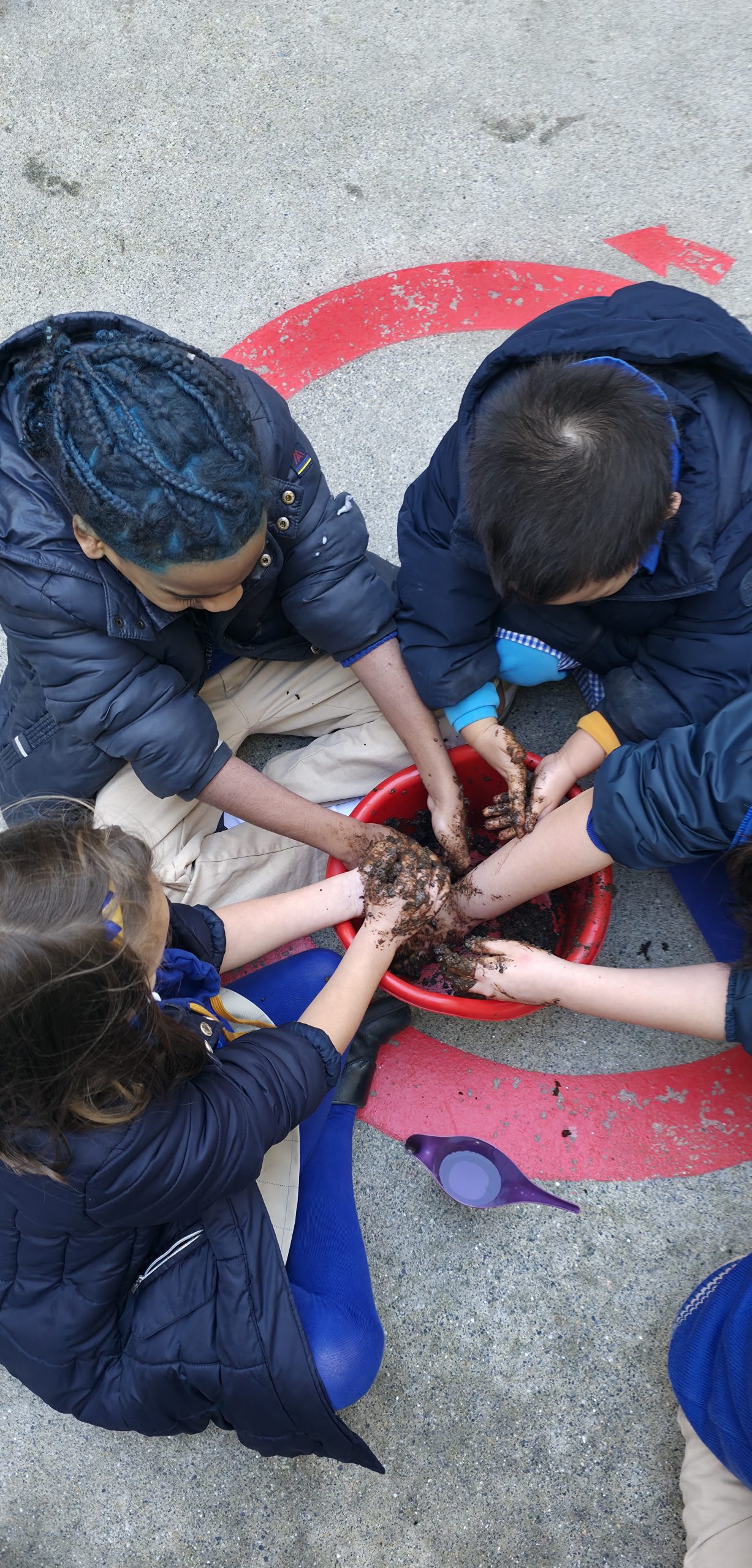
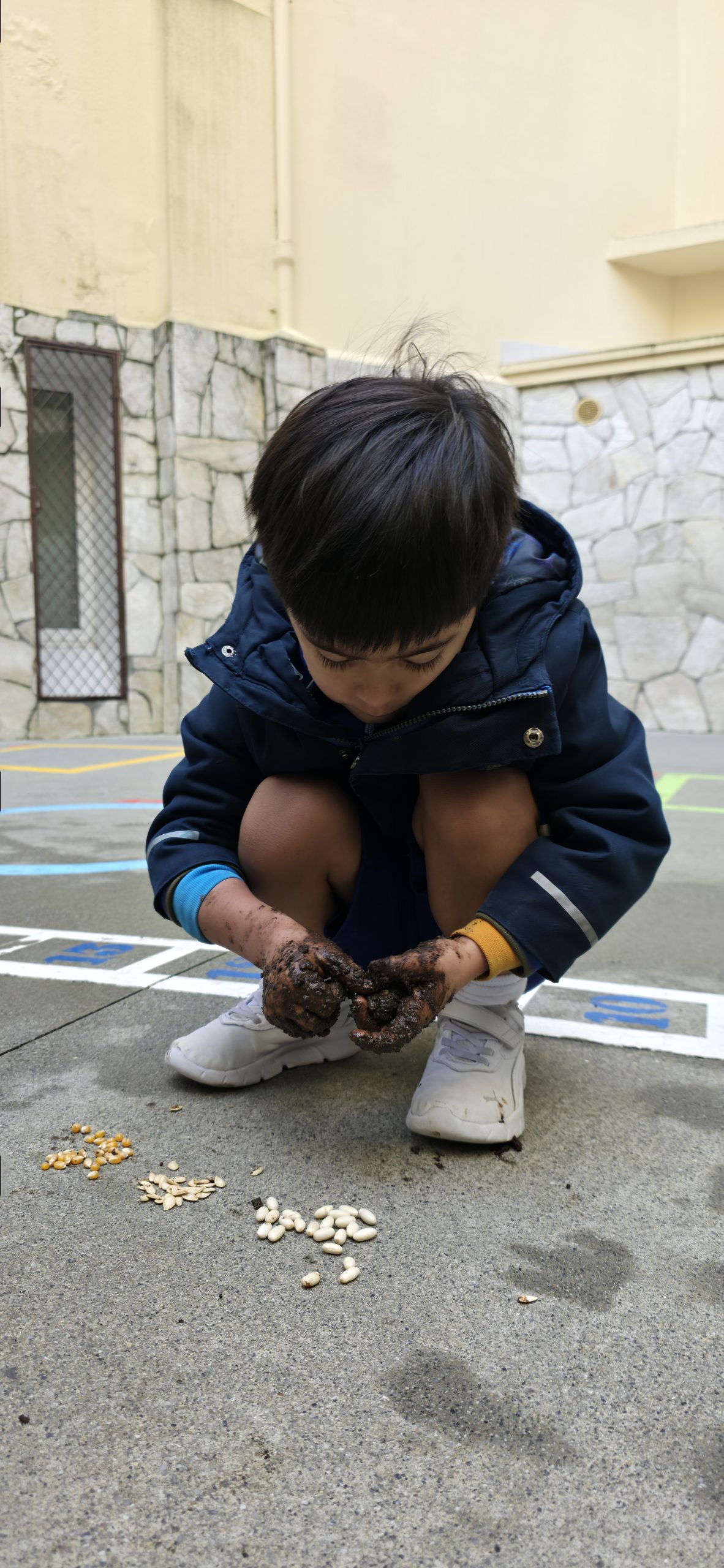
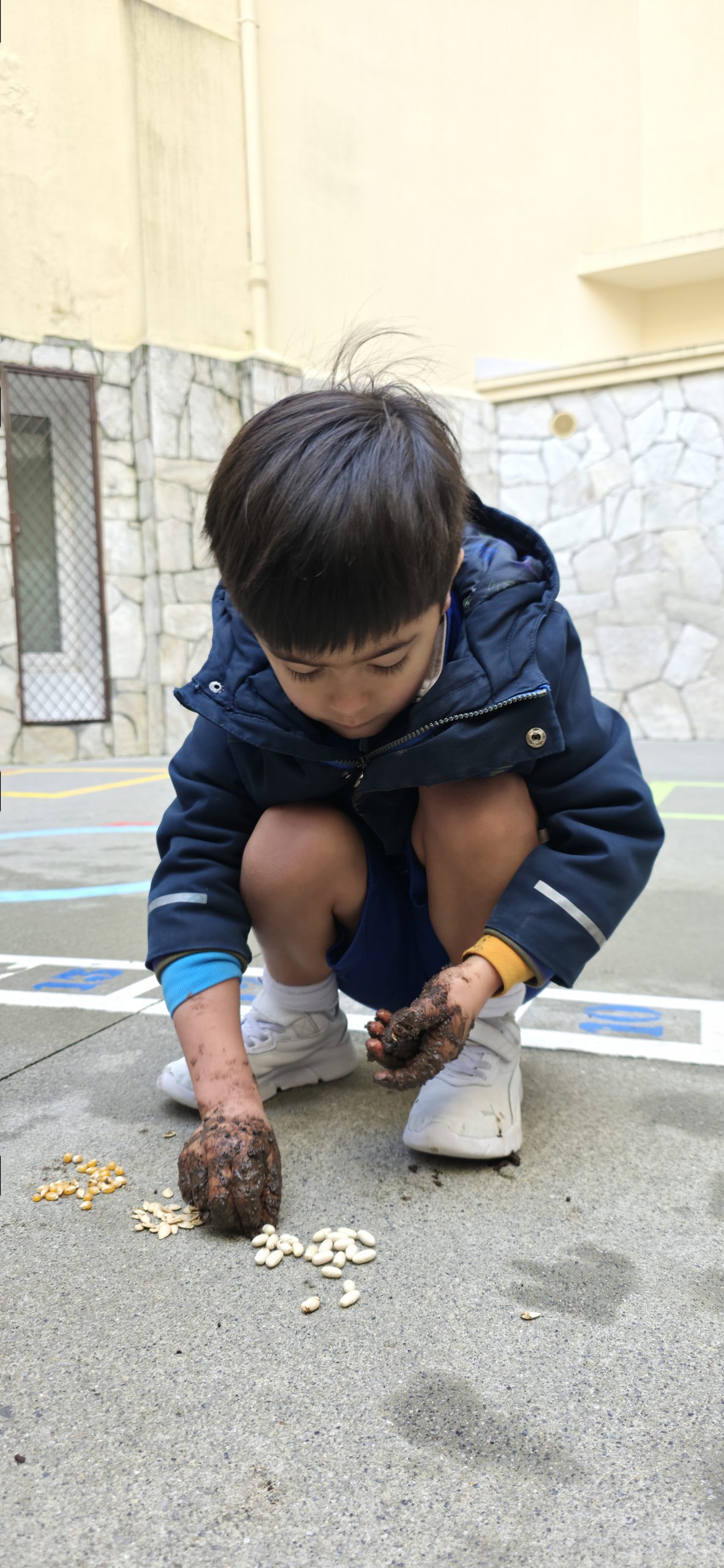
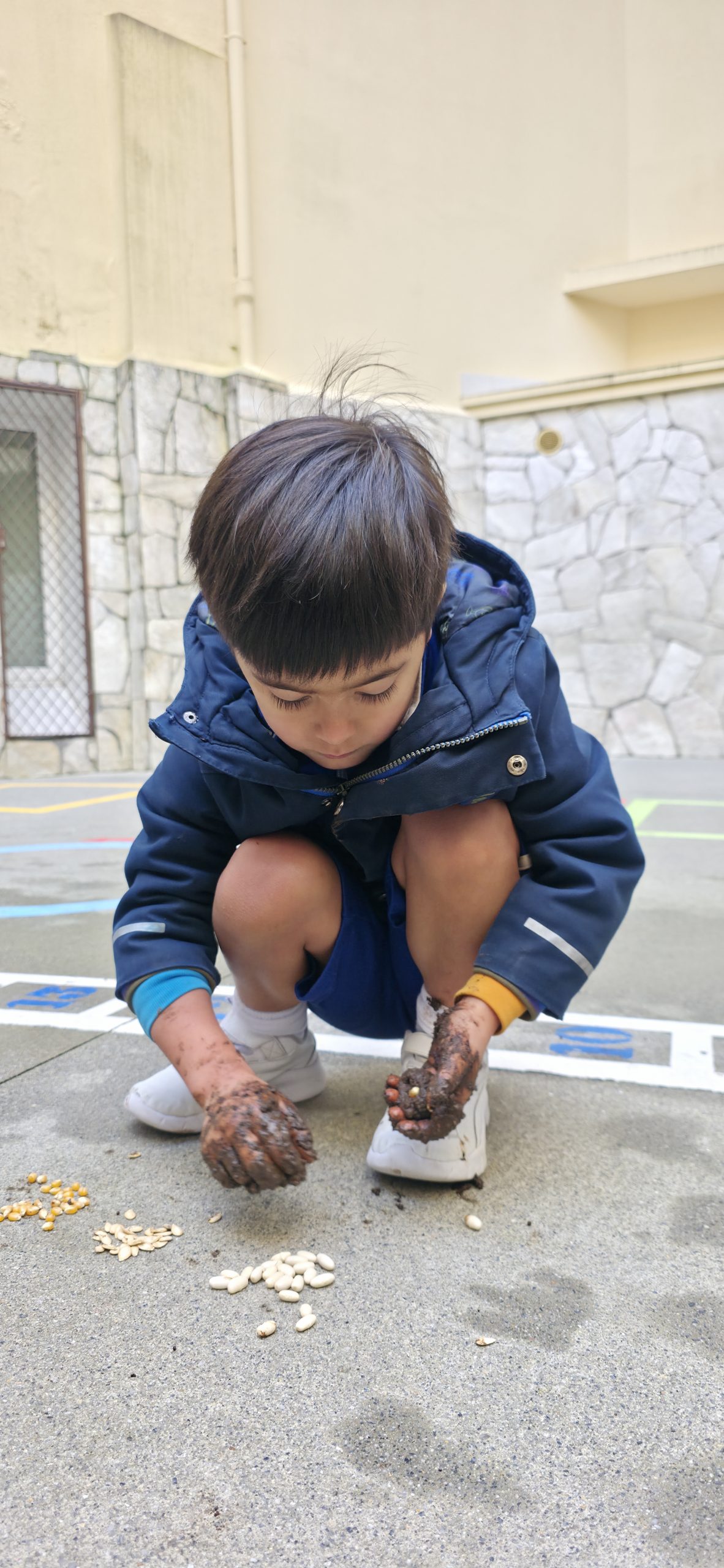
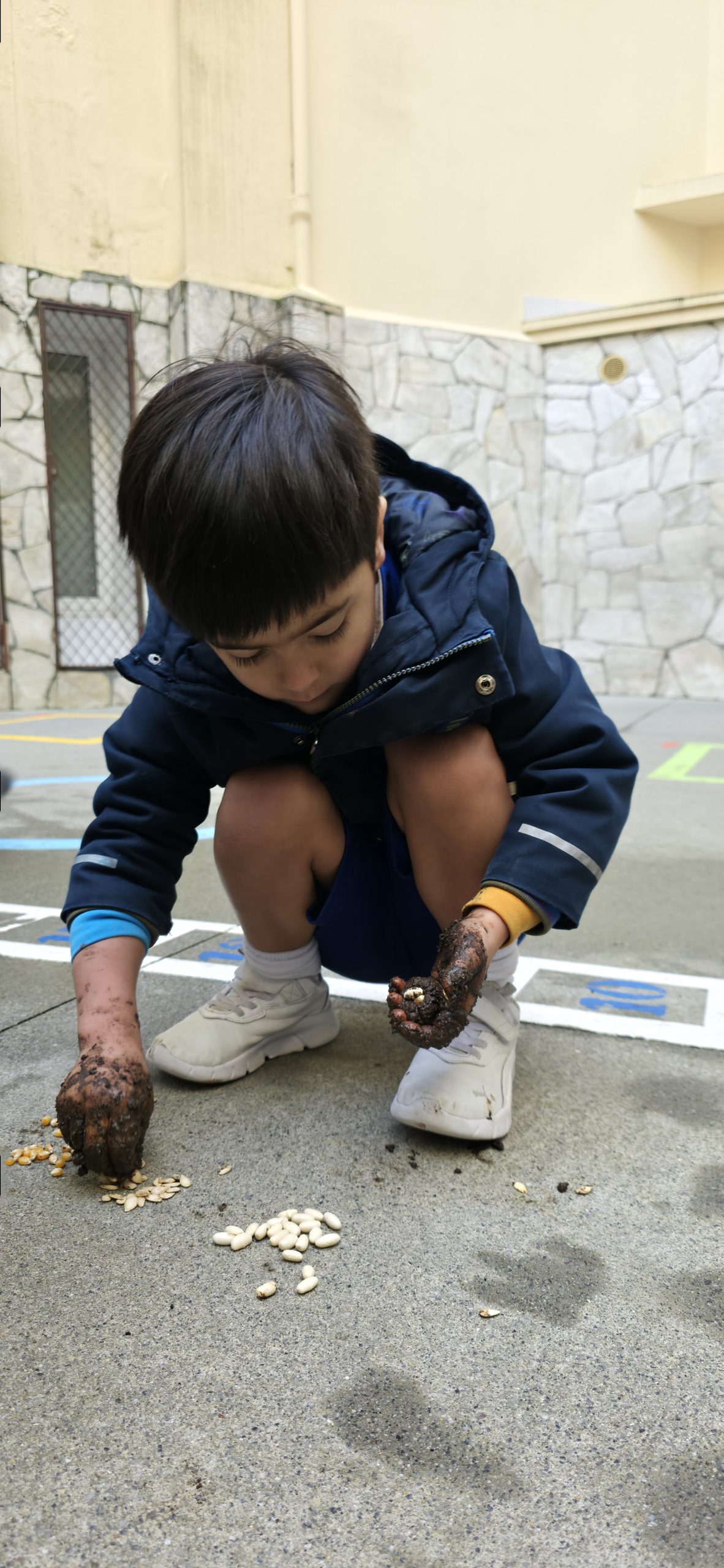
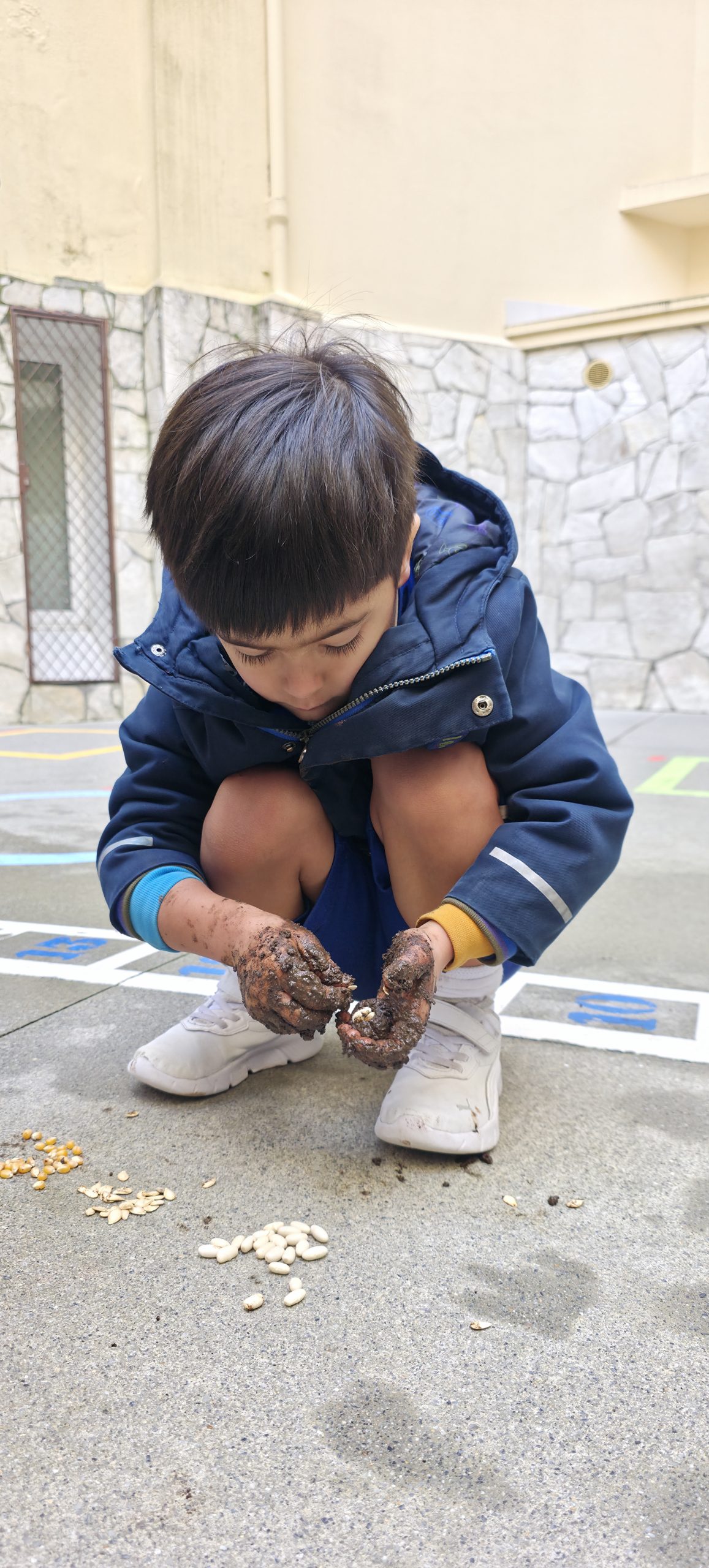
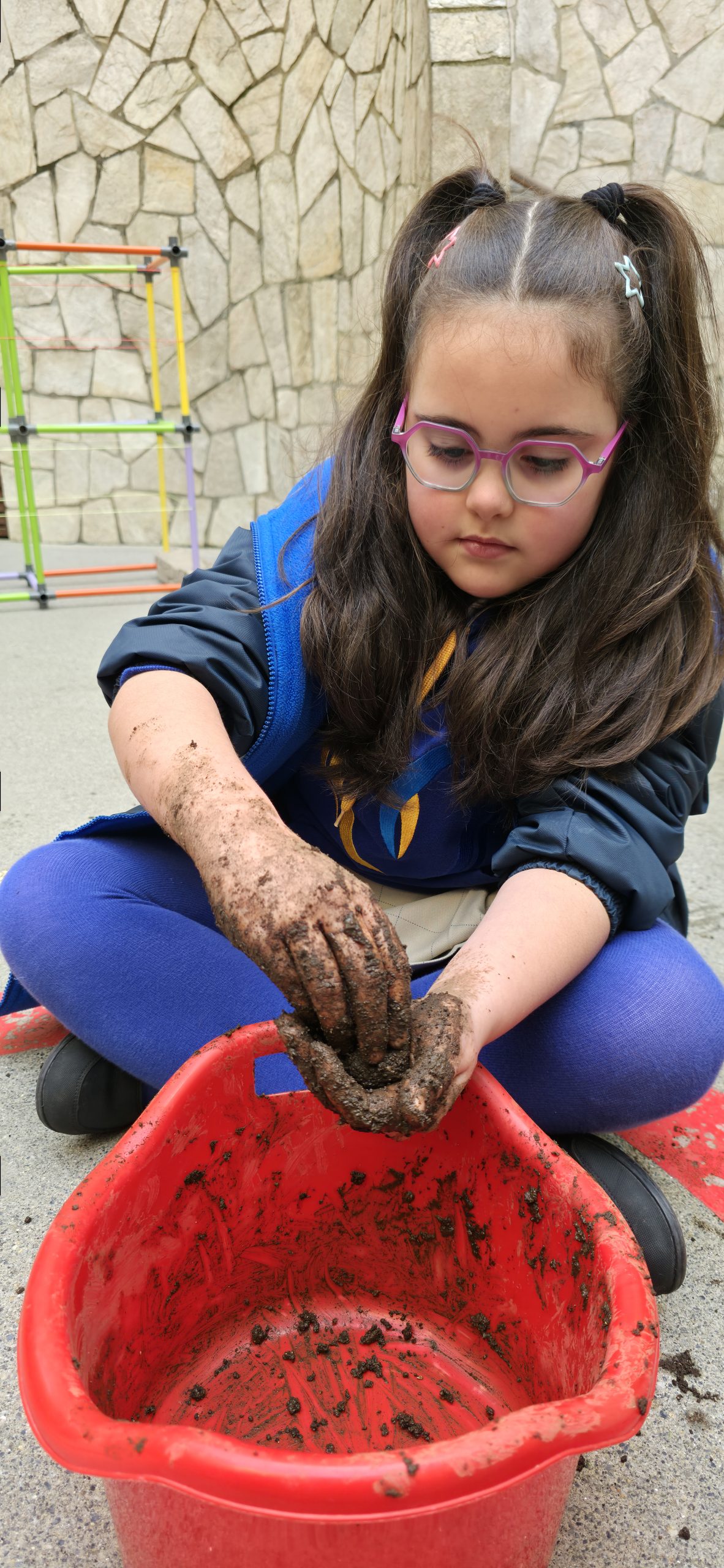
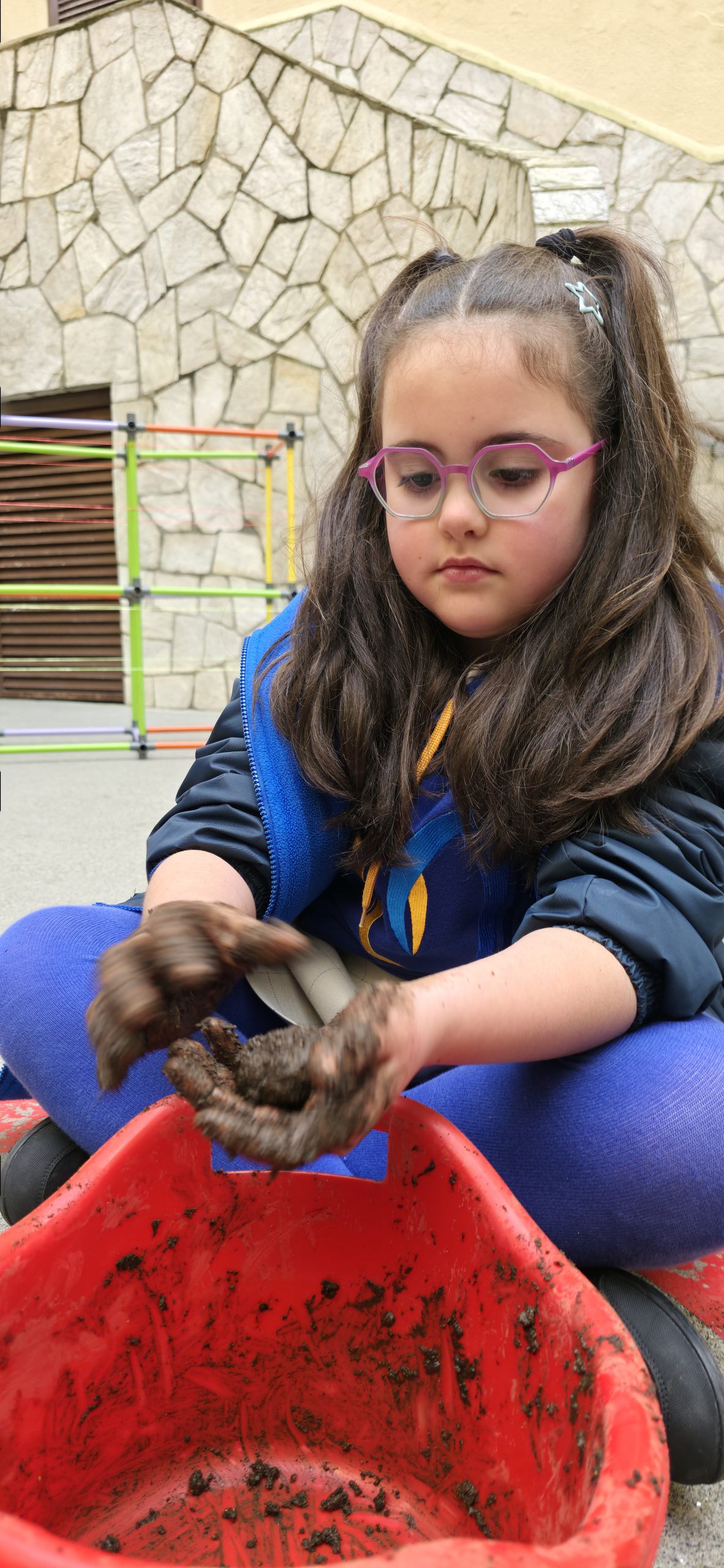
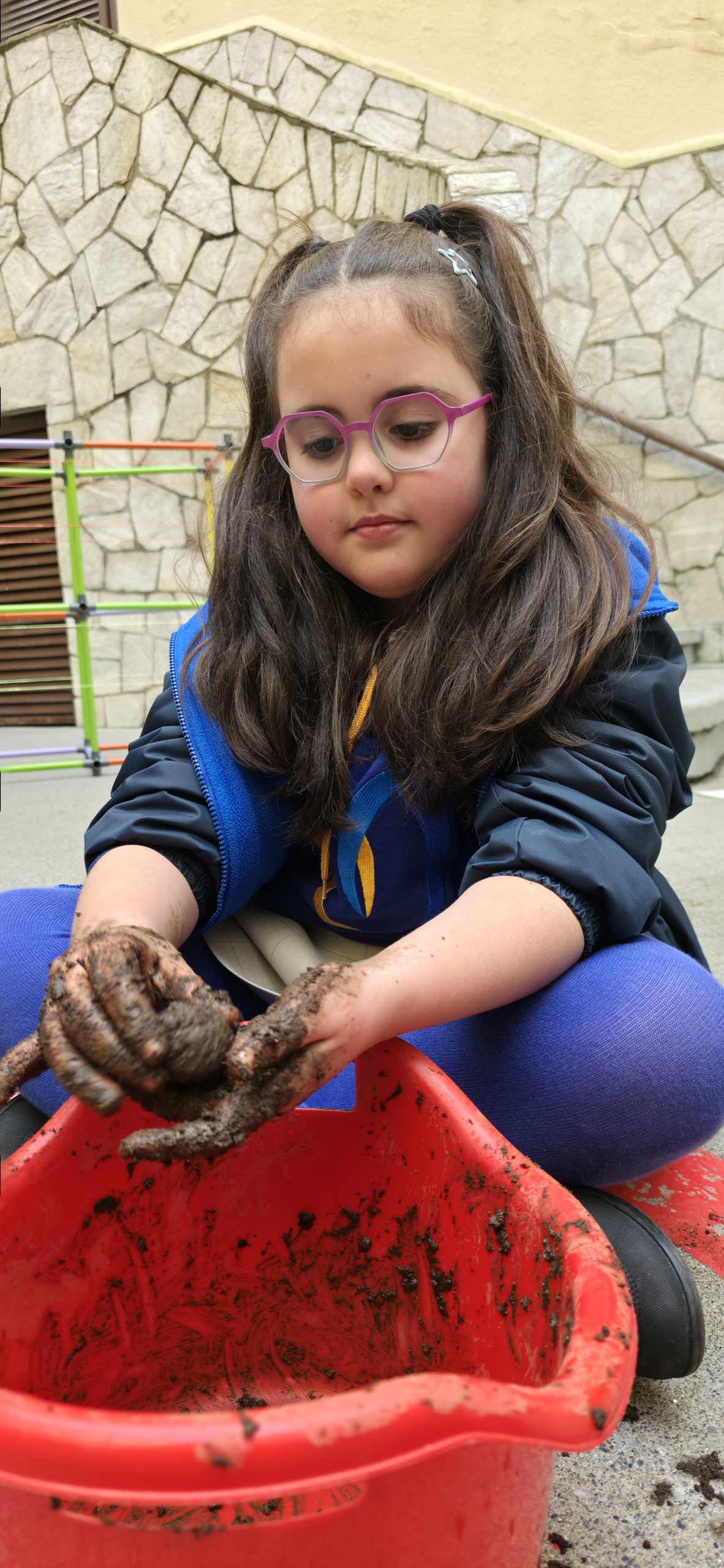
Transforming the yard working with natural elements
A Coruña
Transforming the Village Through Protagonist Participation
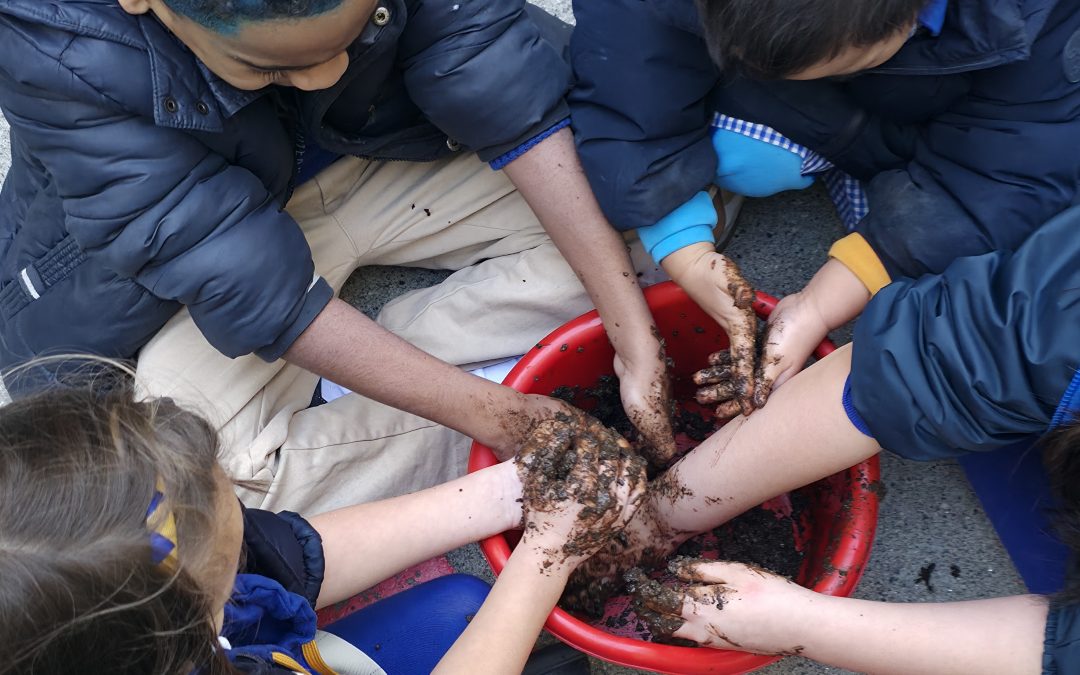
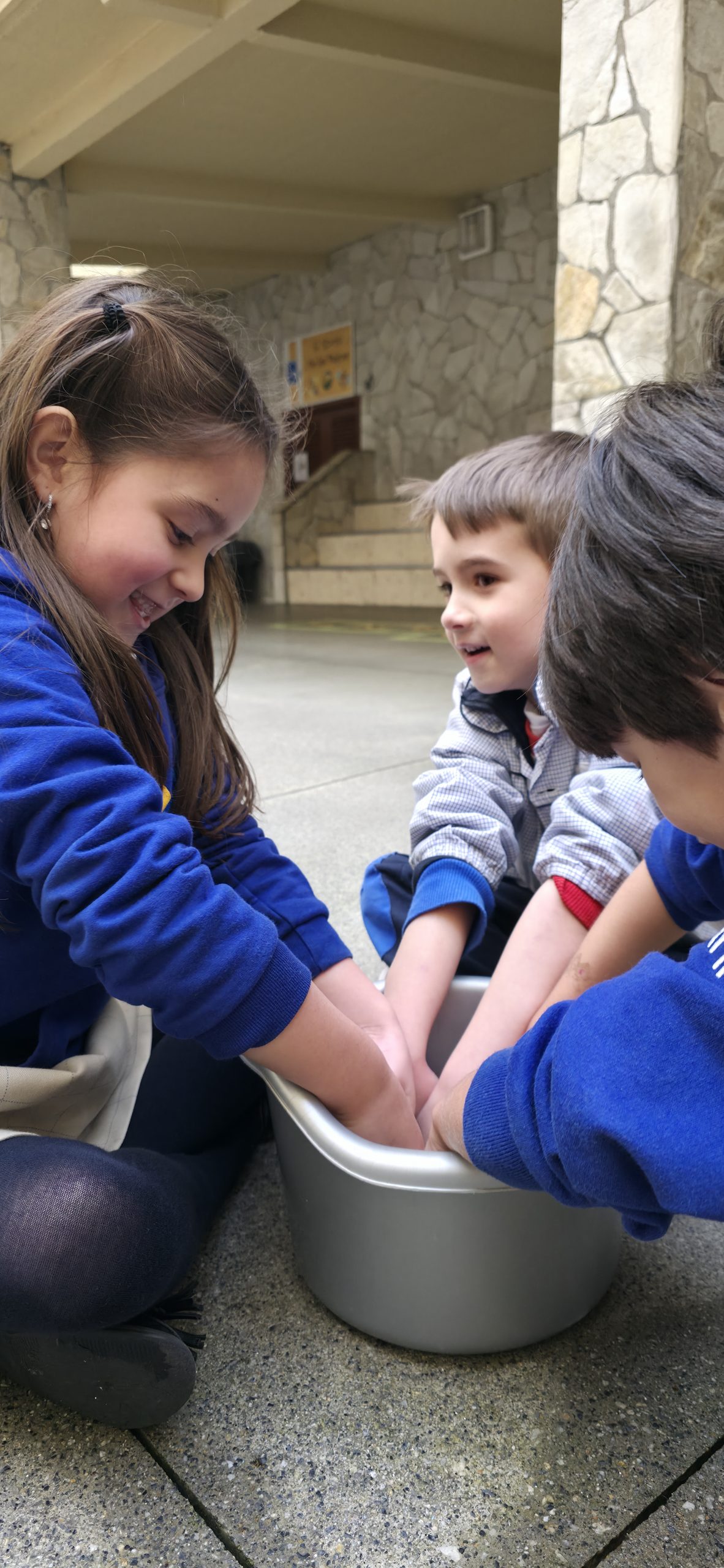
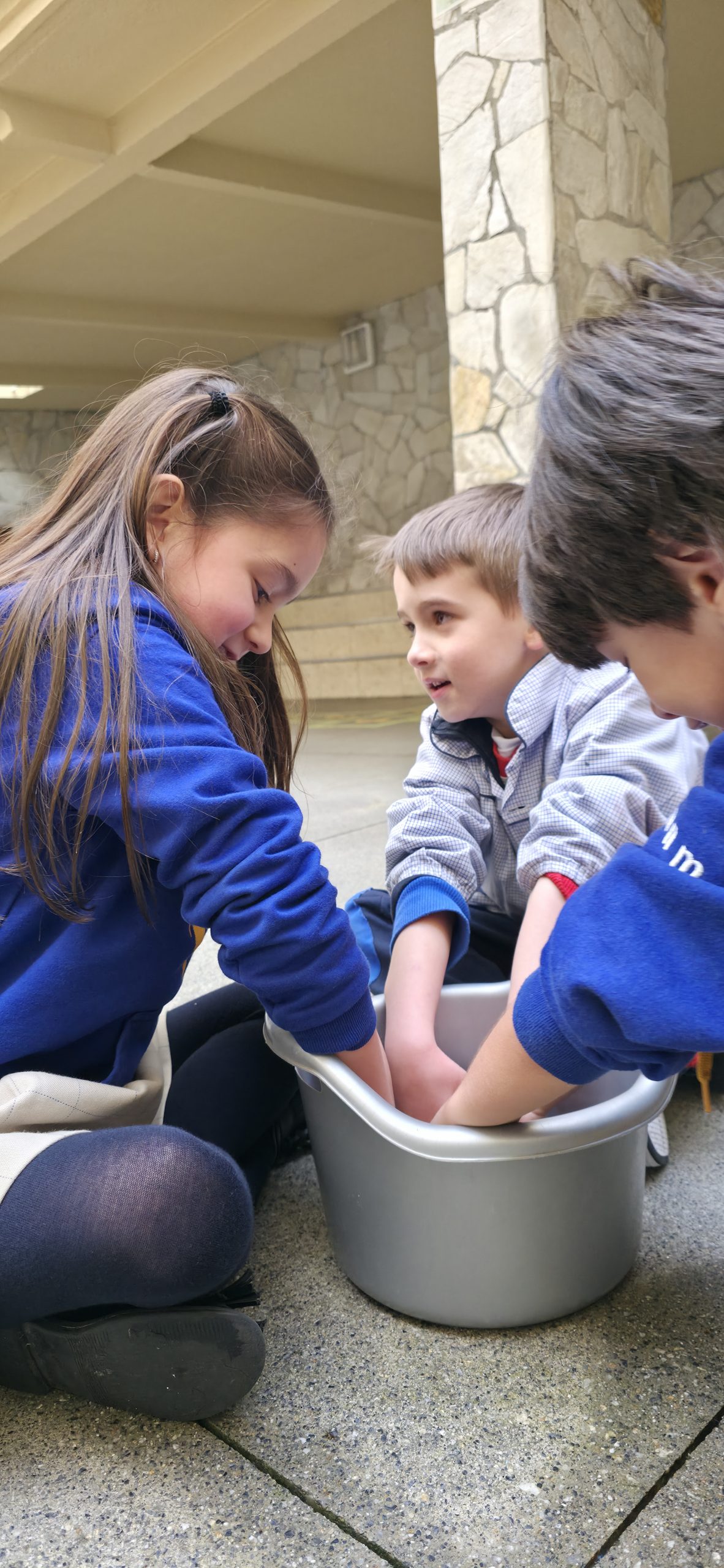
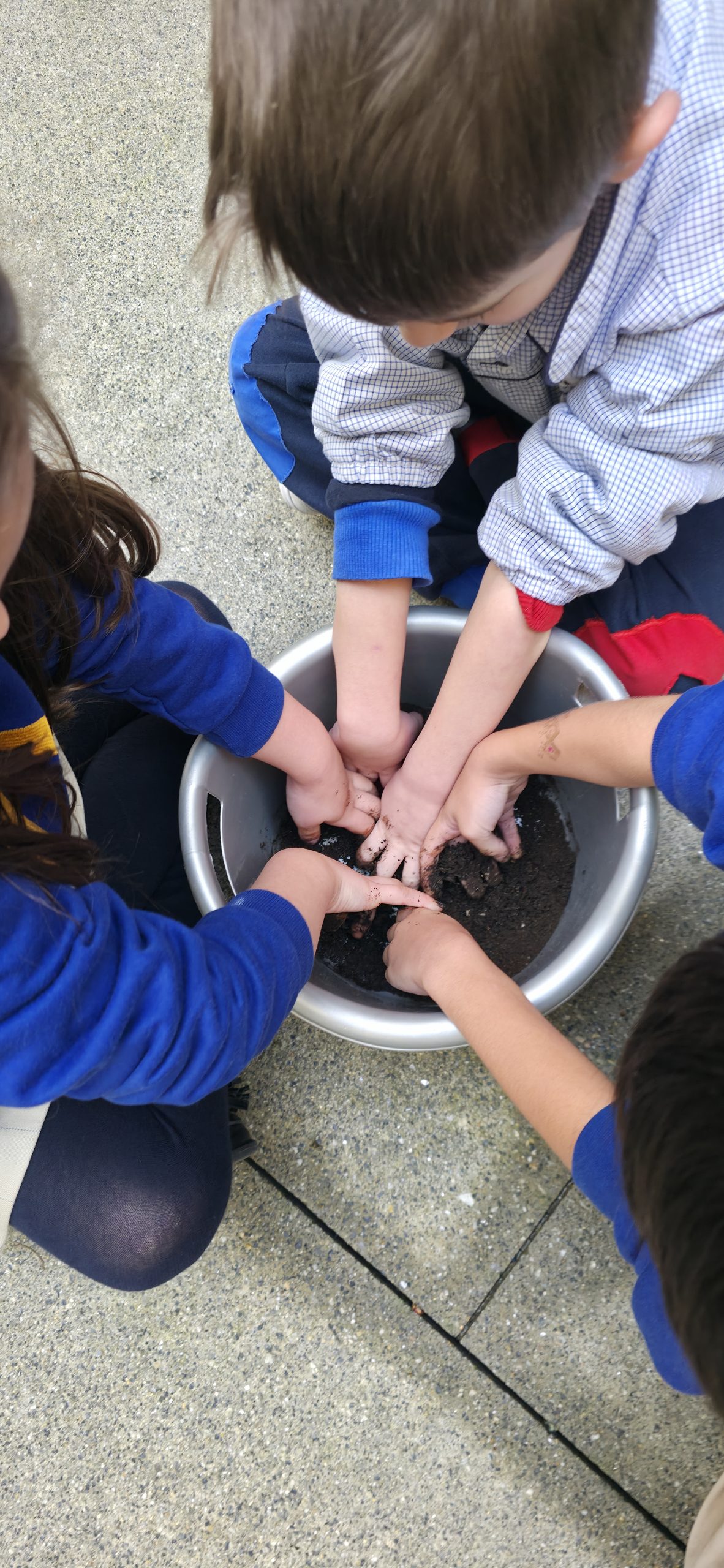
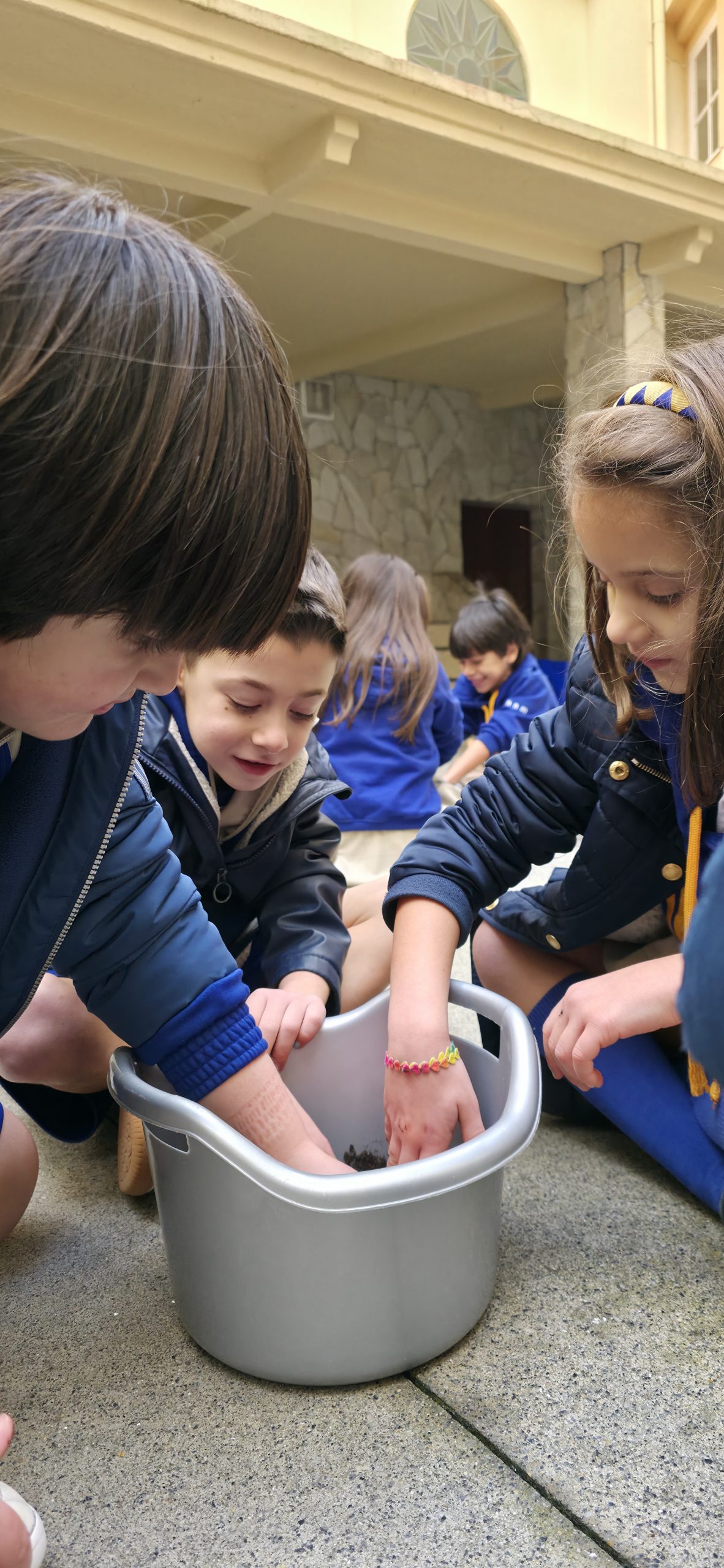
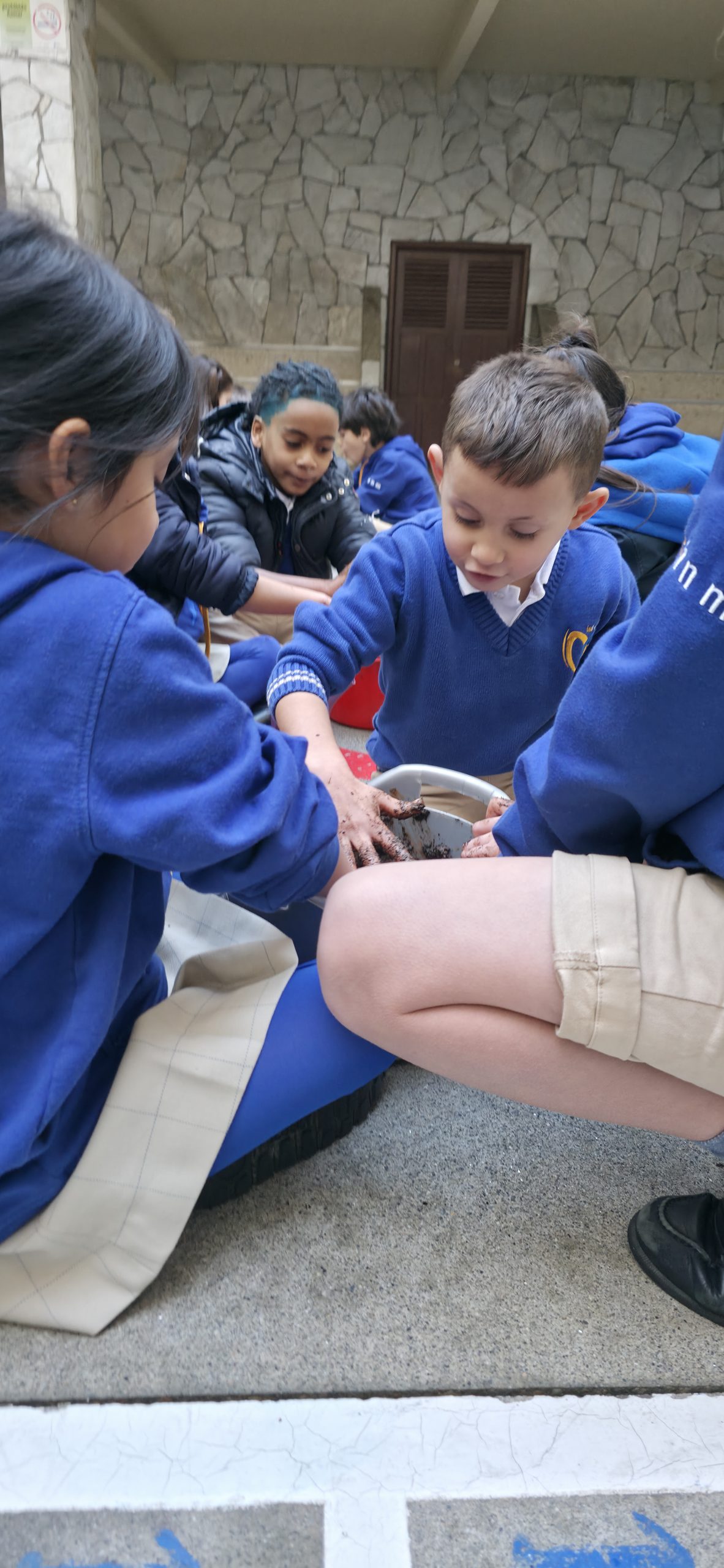
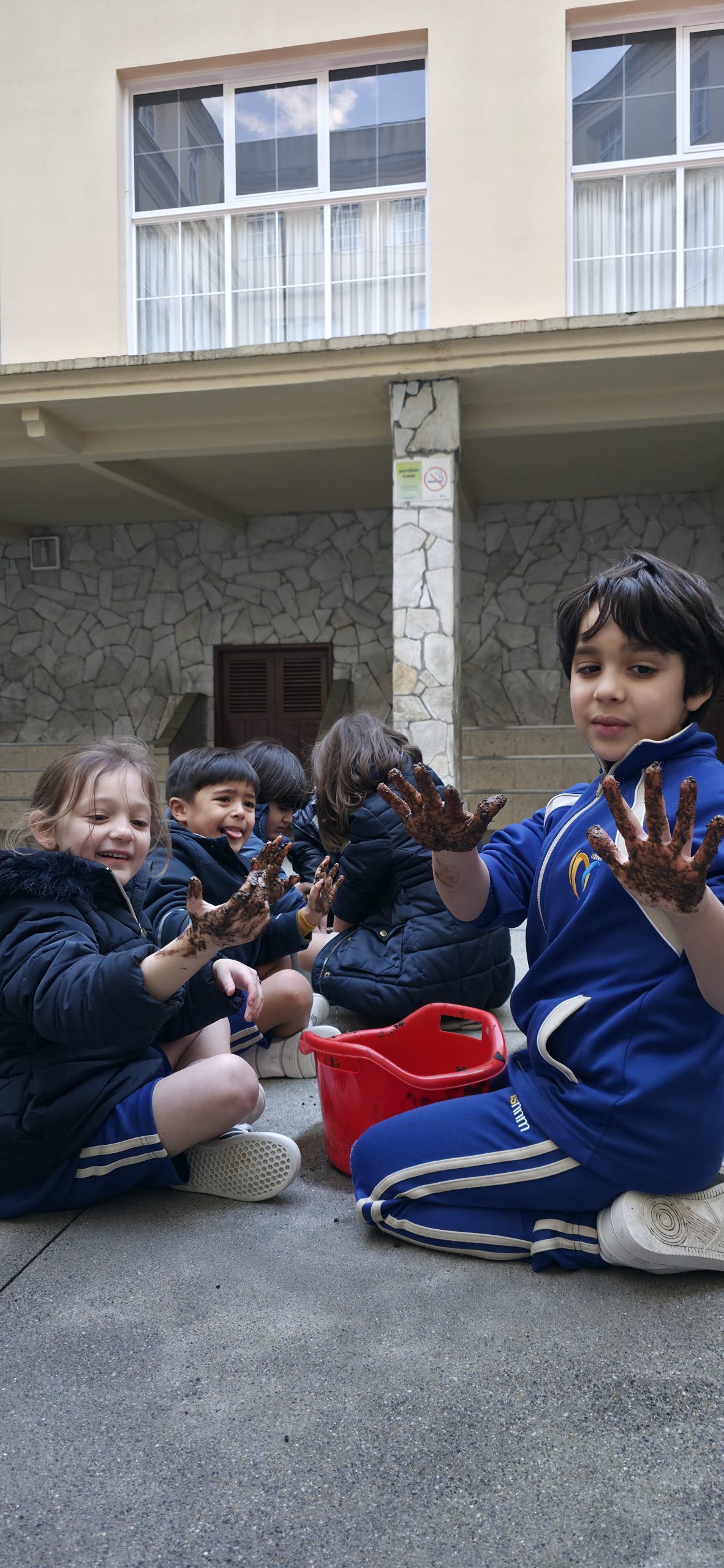
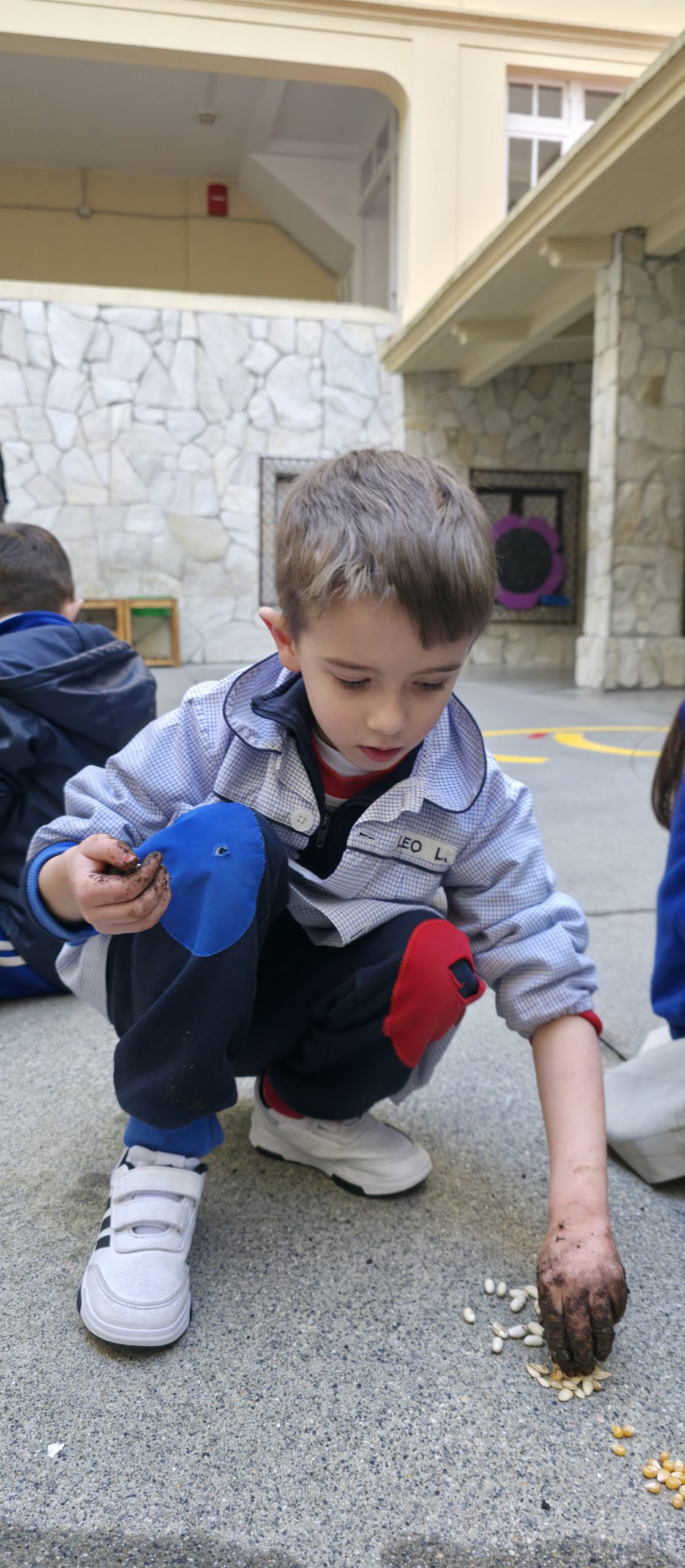
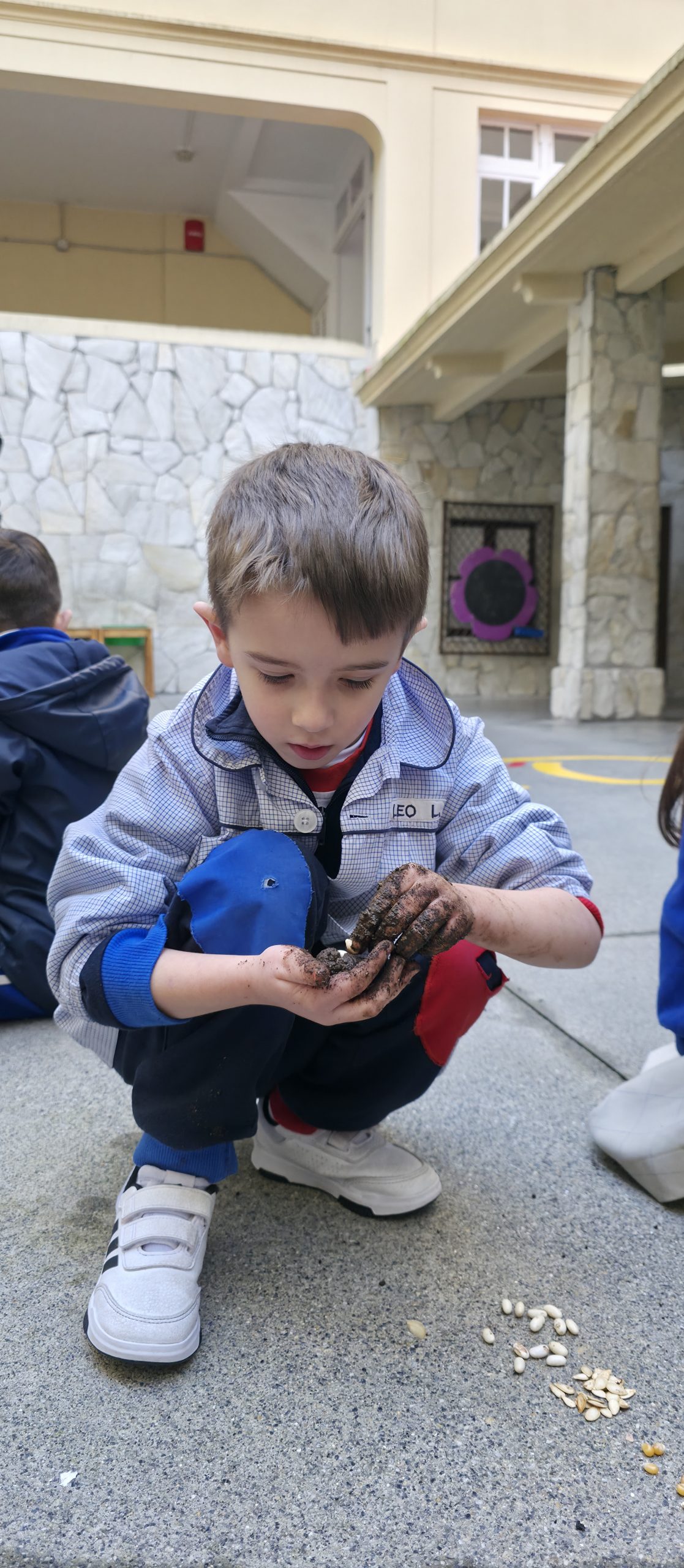
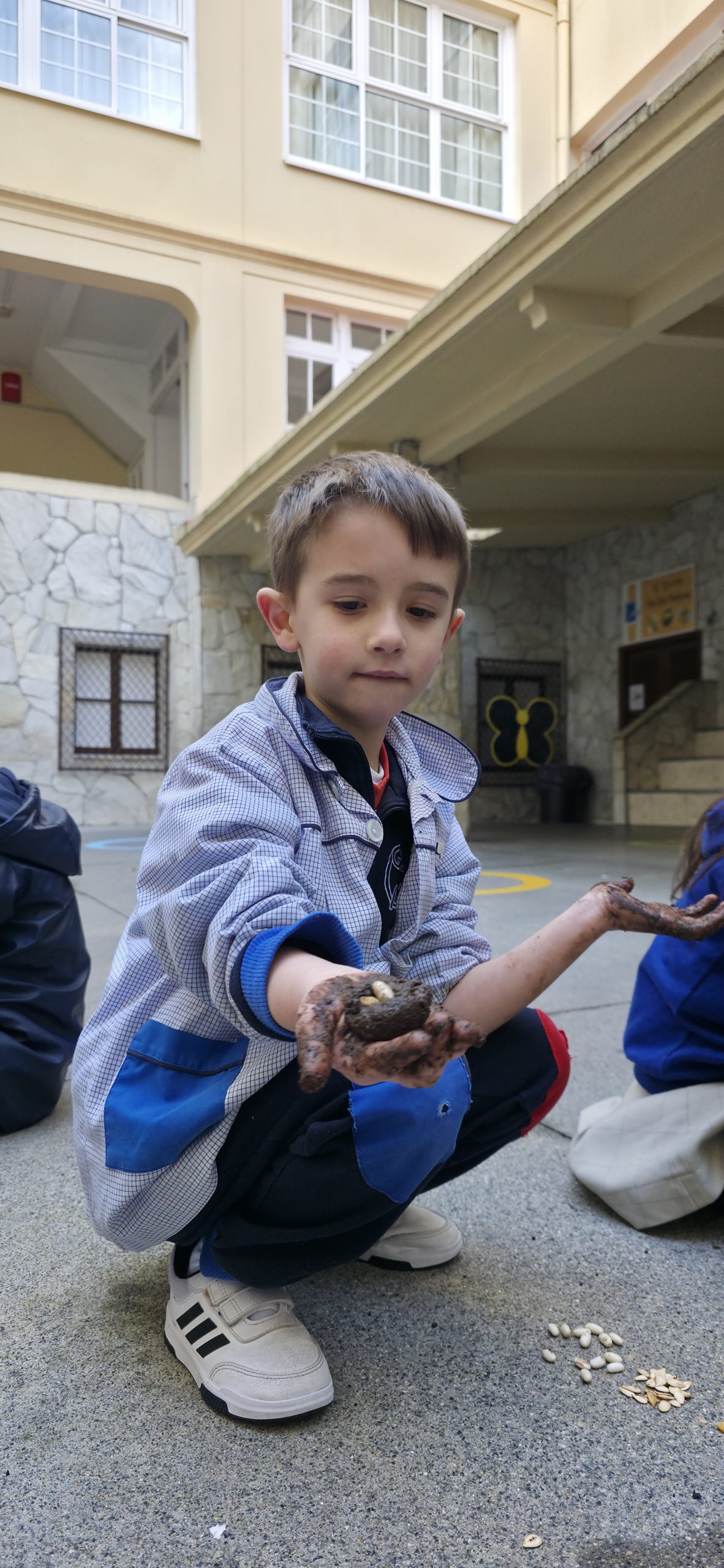
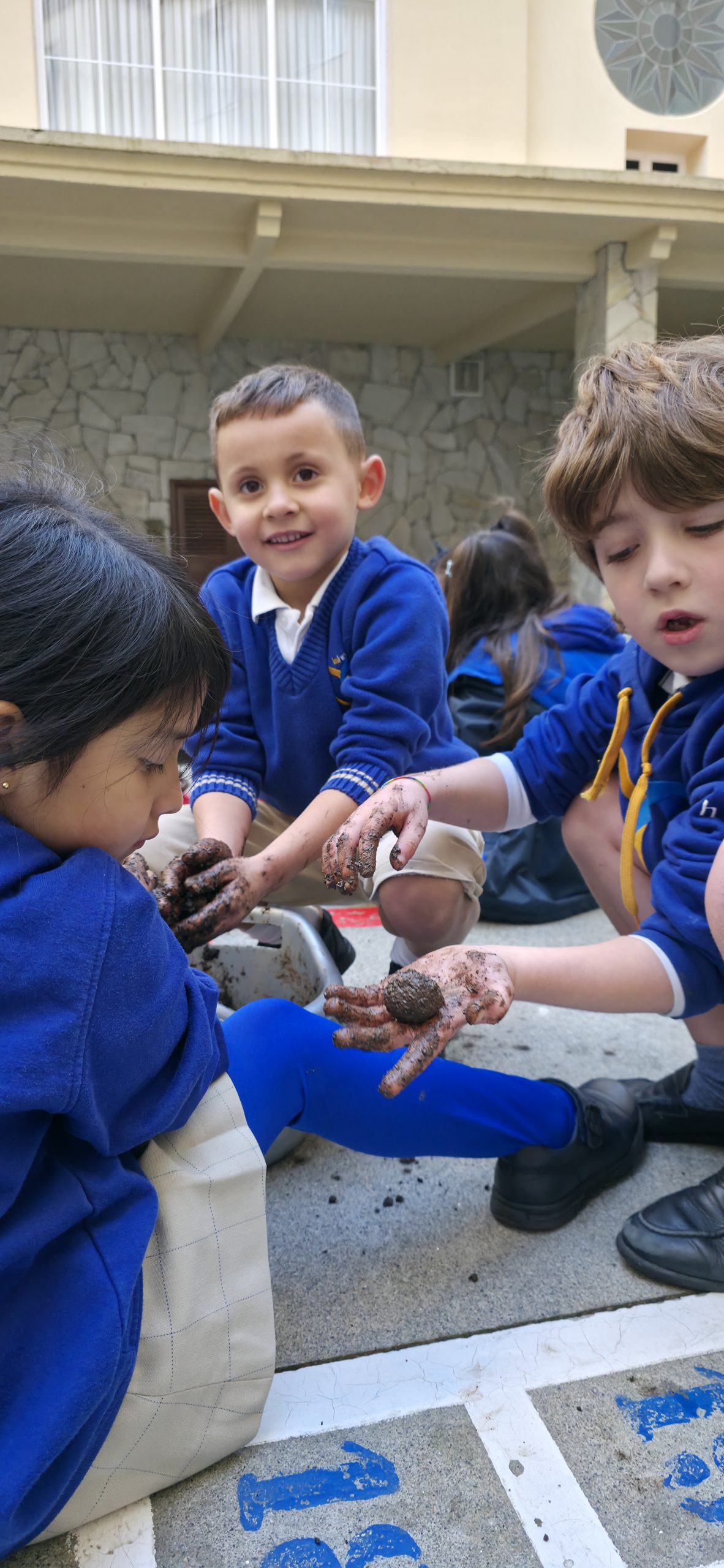
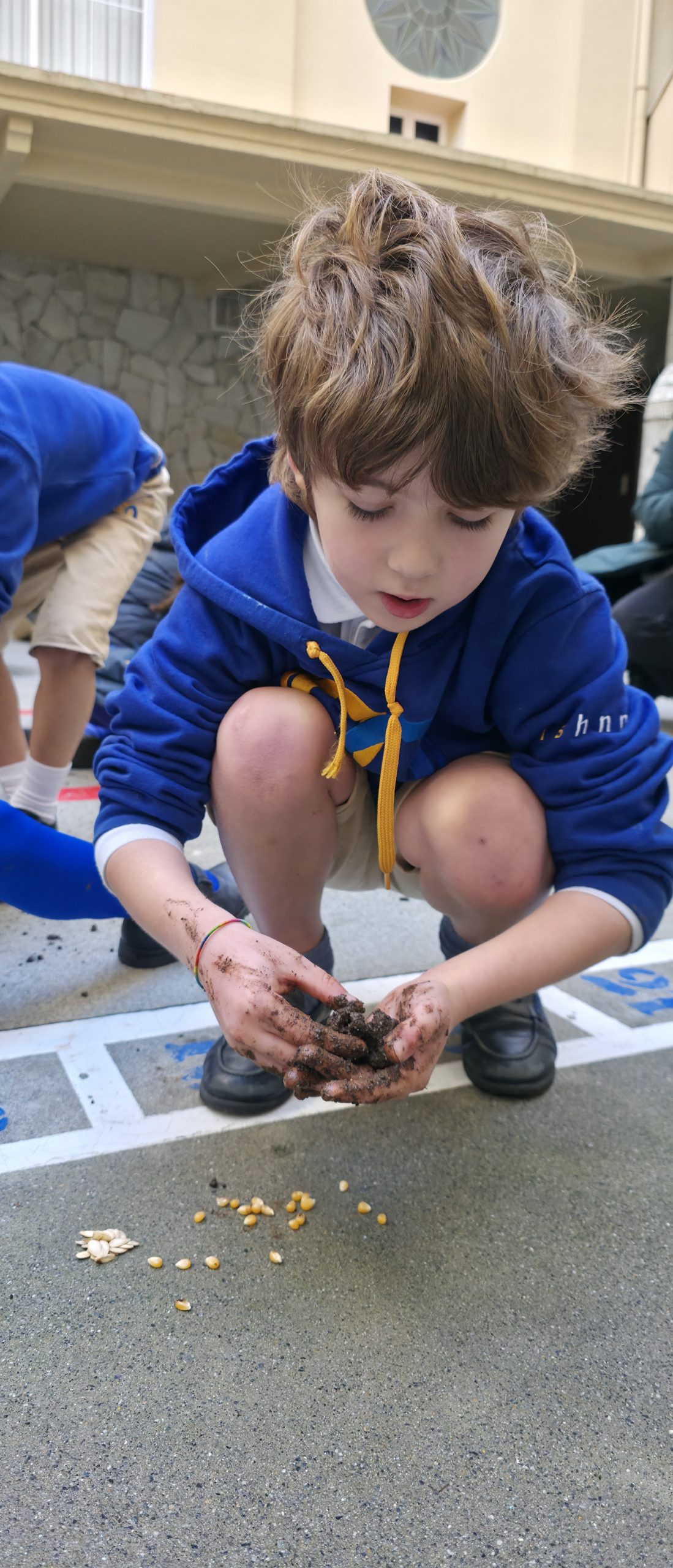
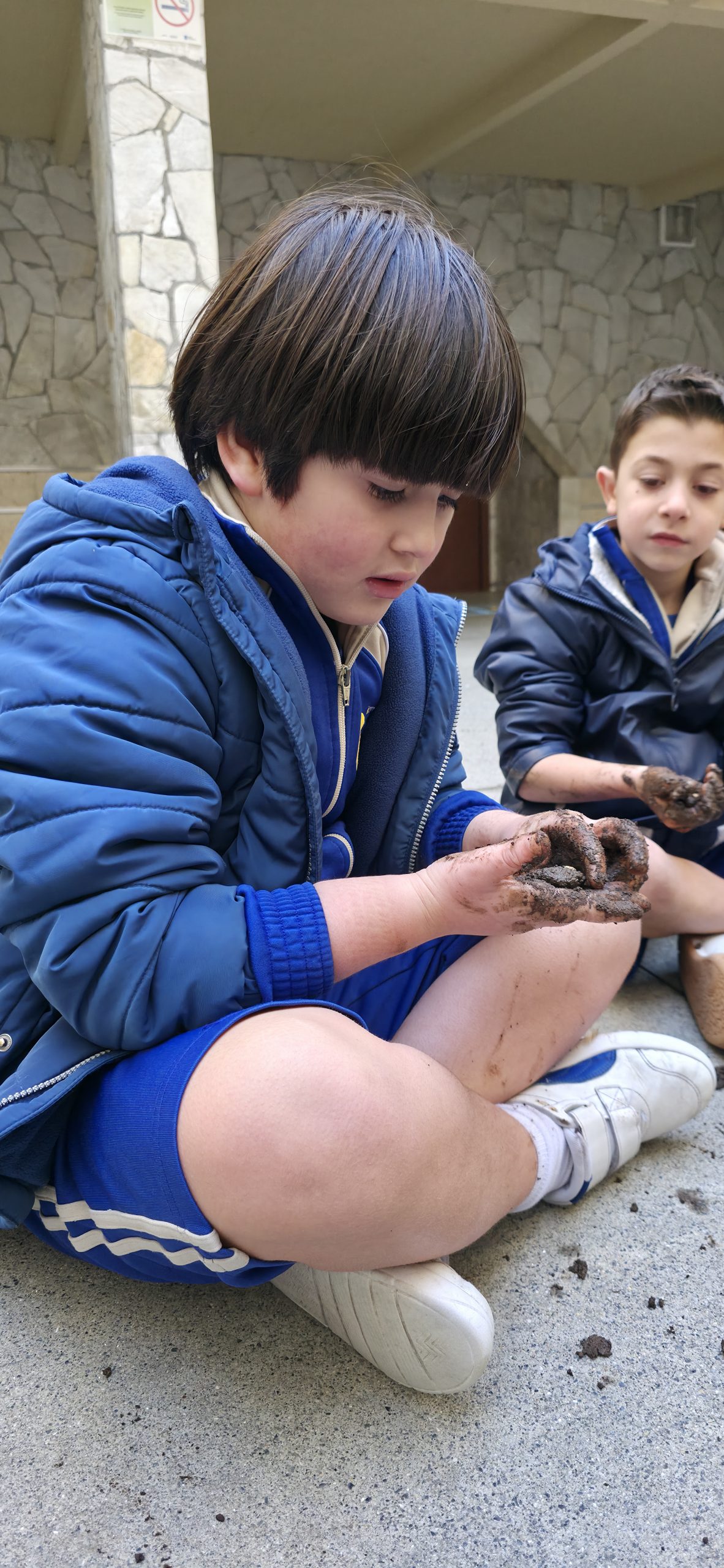
working with natural elements
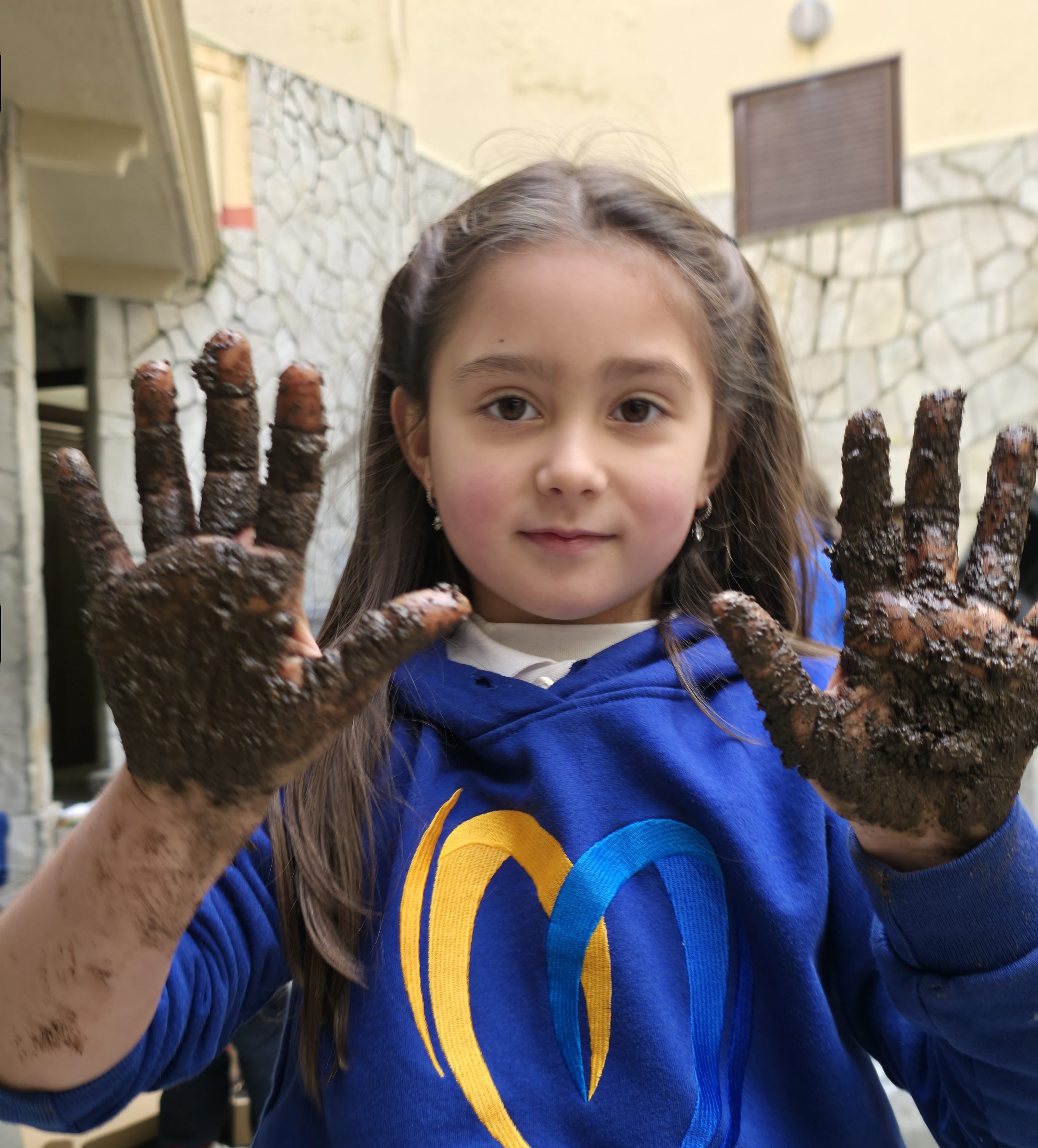
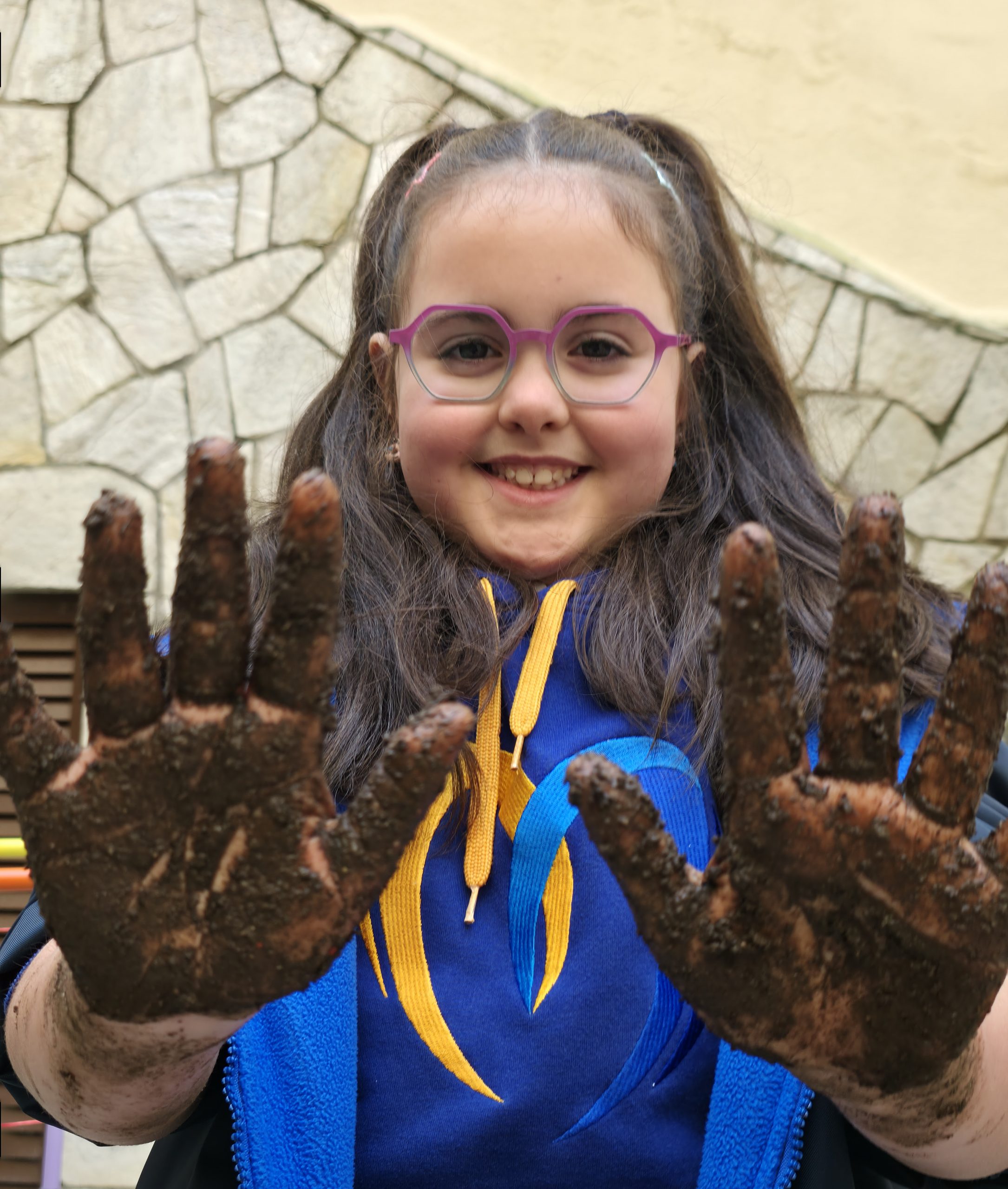
The aim of ‘A Vila da Mañá’ is to change the model of town or city, we believe that another one can be possible. This is achieved through the protagonist participation of local children and adolescents who, by working with fundamental concepts through tactical urban planning actions, become active citizens capable of transforming their spaces.
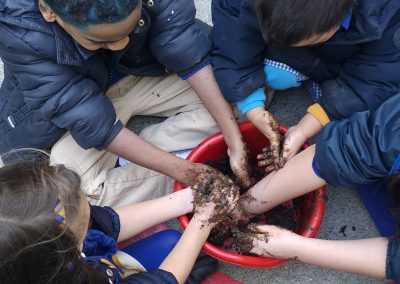
In this case we work with sustainability, reflecting on the way in which we relate to the planet and making girls, boys, and teenagers aware that what is sustainable consists of a balance between what allows us to develop our lives and what does not compromise the survival of future generations. And so, realizing that we only have one planet with limited resources that must be taken care of.
Color your city
The village or city in which we are working, transformed into a game board, a laboratory of experimentation where children and teenagers can act from a new point of view.
Working with three-dimensional elements
A Coruña
changing the village through protagonist participation
Working with three-dimensional elements
“The opportunity for the child to discover his or her own movement is part of the city itself; the city is also a play space. The child uses all the elements of the city, all the built objects, all the surfaces he or she can climb or climb on. Children know how to play with these things very well, even if they are not allowed to.”
Aldo van Eyck
‘A Vila do Maña’ works with three-dimensional elements, based on Froebel’s “third gift”.
In architecture we have Froebel as a reference, through Frank Lloyd Wrigth who was educated with this method. It is a system based on the creativity and intuition of the child through direct experience, play and nature. It creates a pedagogical resource based on ‘gifts’ and ‘occupations’. The ‘gifts’ are pedagogical materials that do not change, but are transformed; the ‘occupations’ are activities in which children play by transforming the objects they manipulate. The ‘gifts’ are precursors of today’s building blocks.
Colour your village
The village or city in which we are working has been turned into a game board, a laboratory of experimentation where children and teenagers can act from a new point of view.
A Coruña
A Coruña
We understand the village as a game board, as a meeting place and as a learning laboratory for children and teenagers, through the tools of childhood such as their own movement and play. They have to discover, live, know and value their habitat in order to be able to act in it as an active citizen, thus encouraging protagonist participation from childhood.
A CORUÑA
THE IMPORTANCE OF PLACE
Working with the SCALE
PONTEVEDRA
Changing the village through protagonist participation
Working with the scale
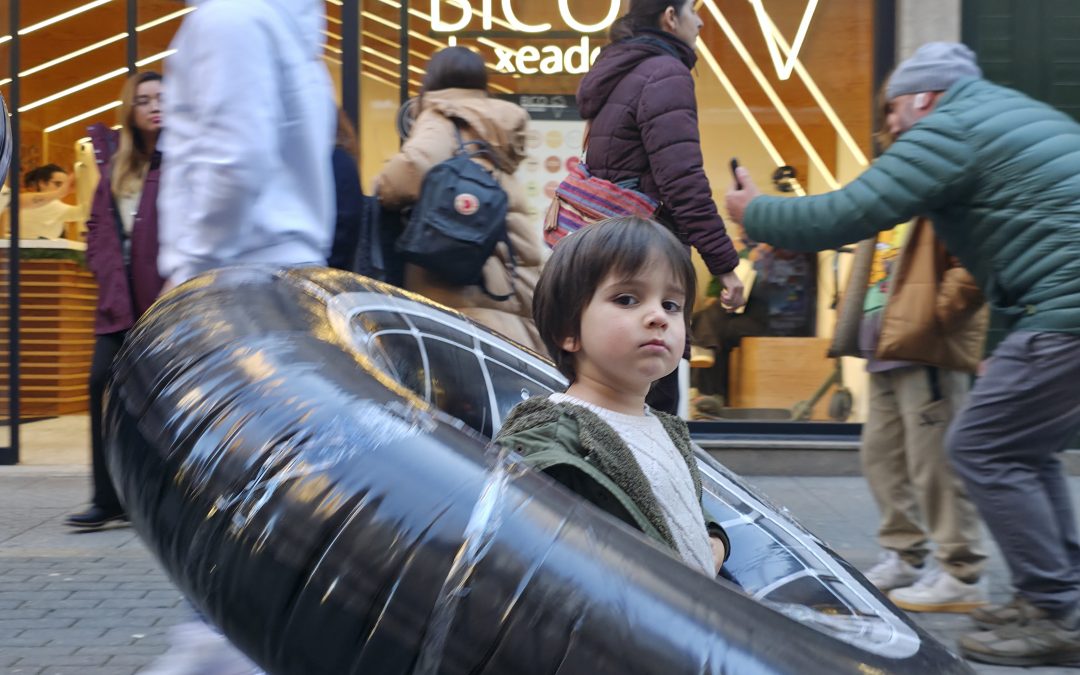
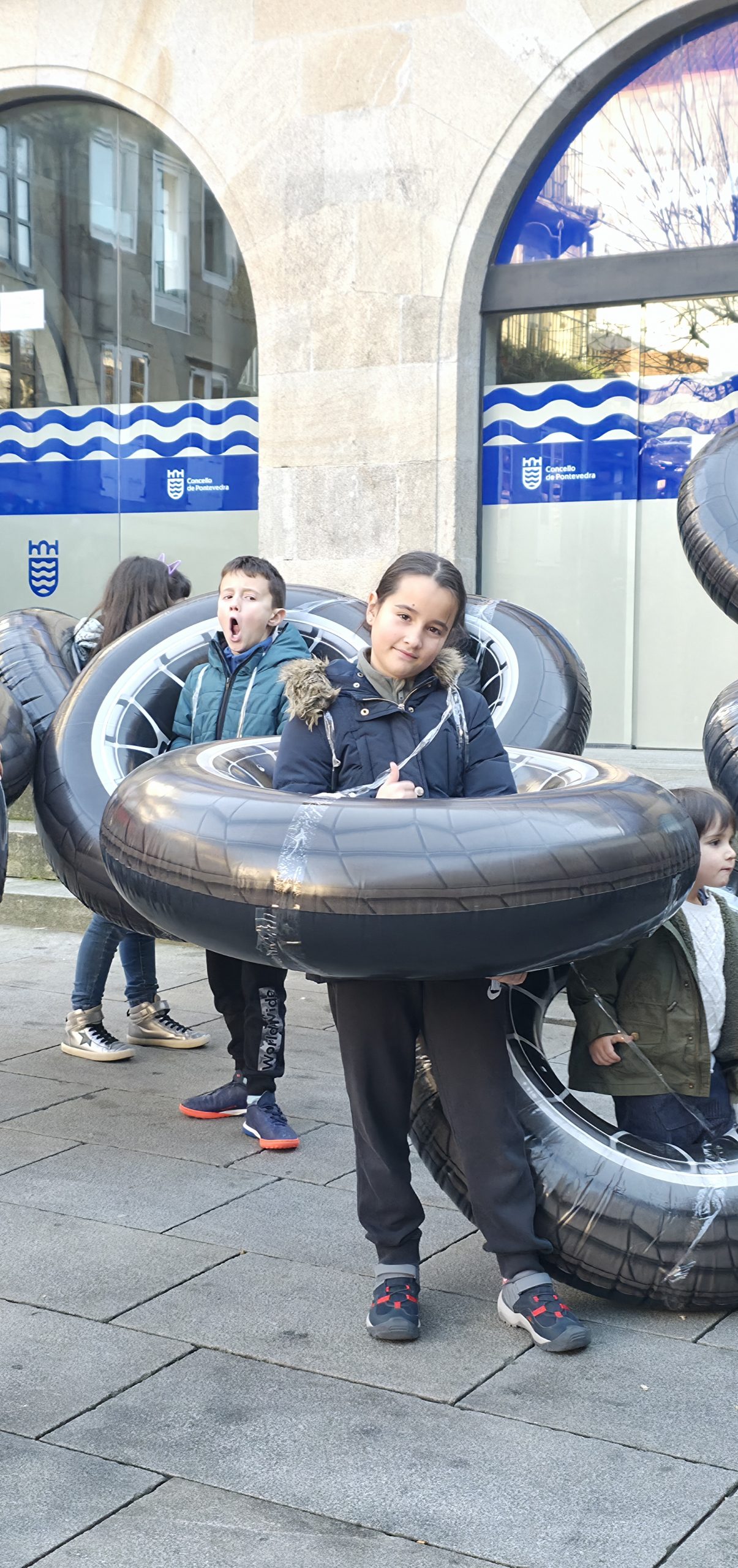
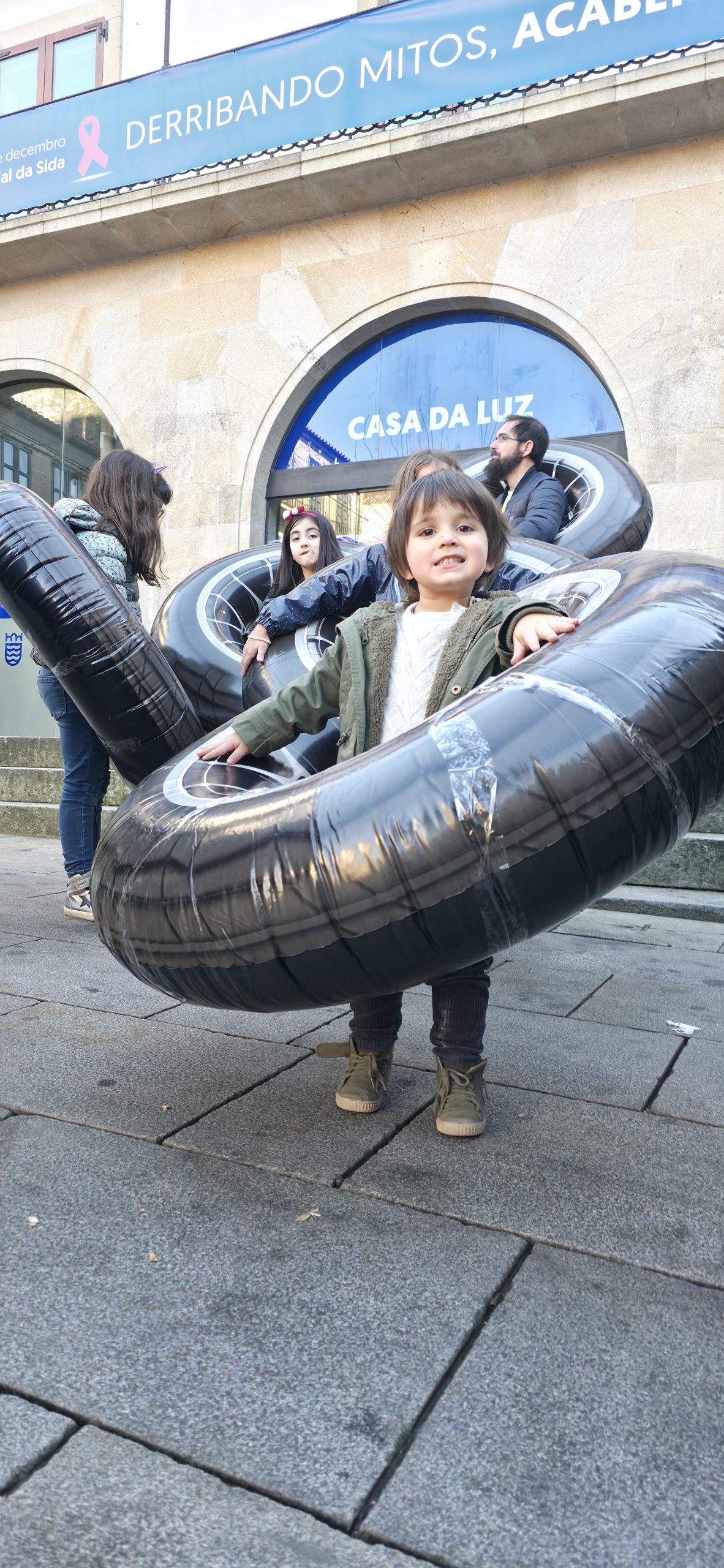
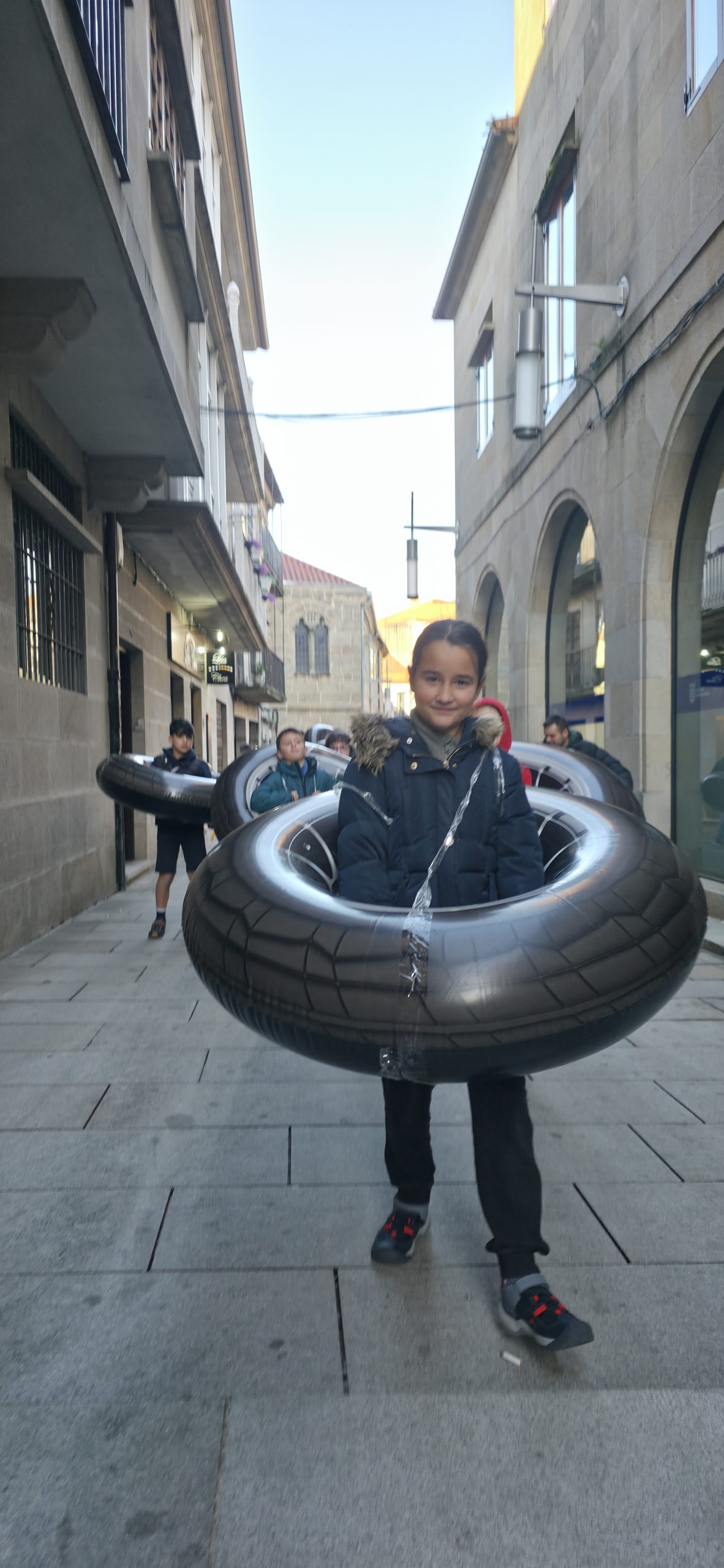
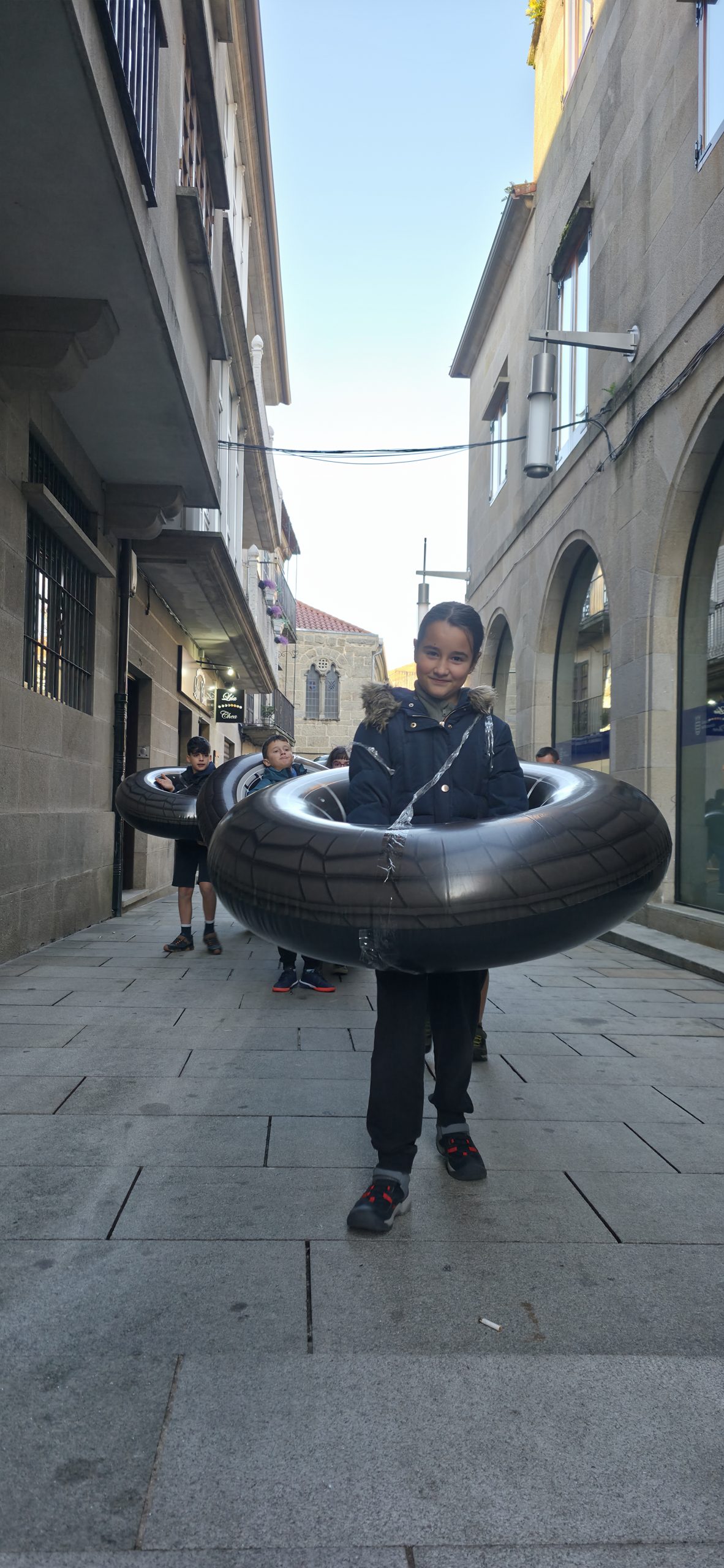
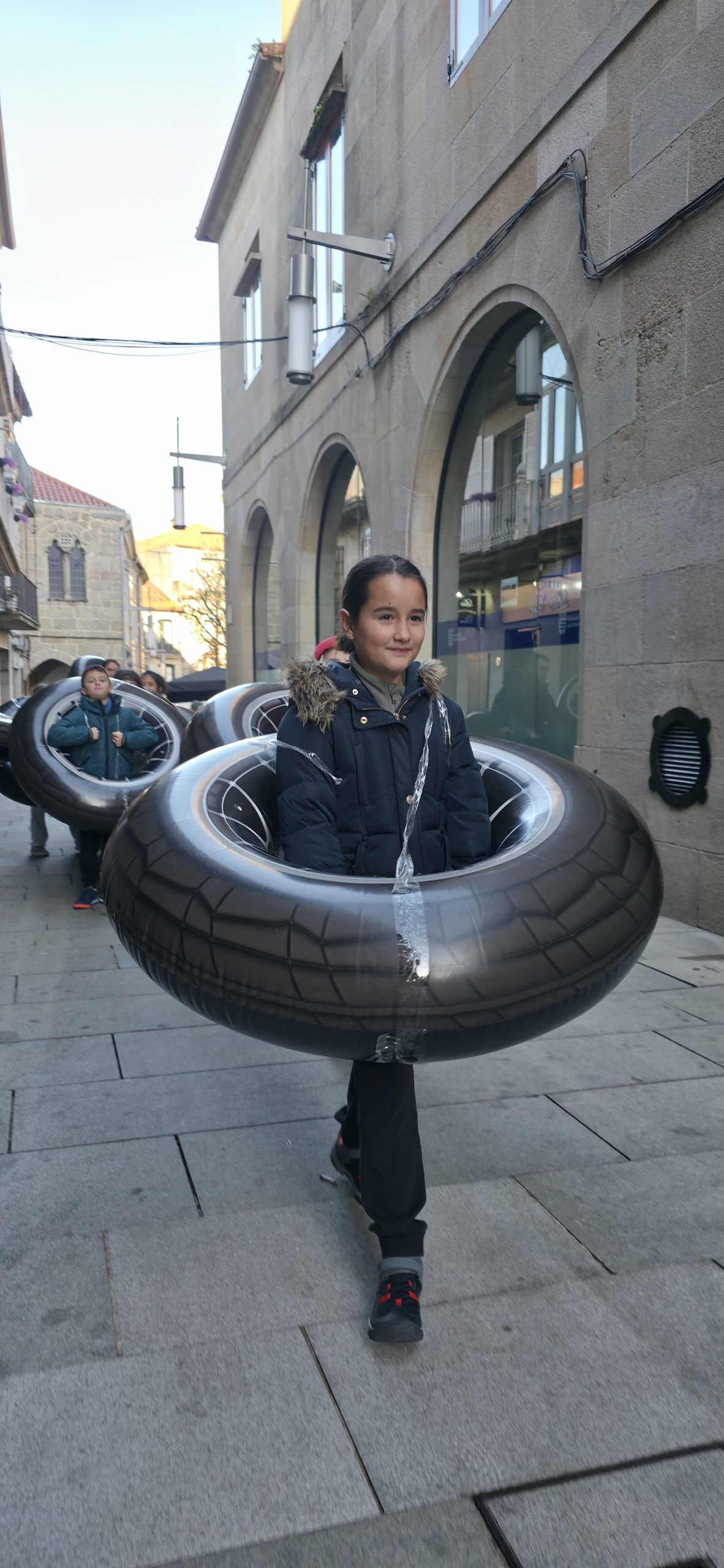
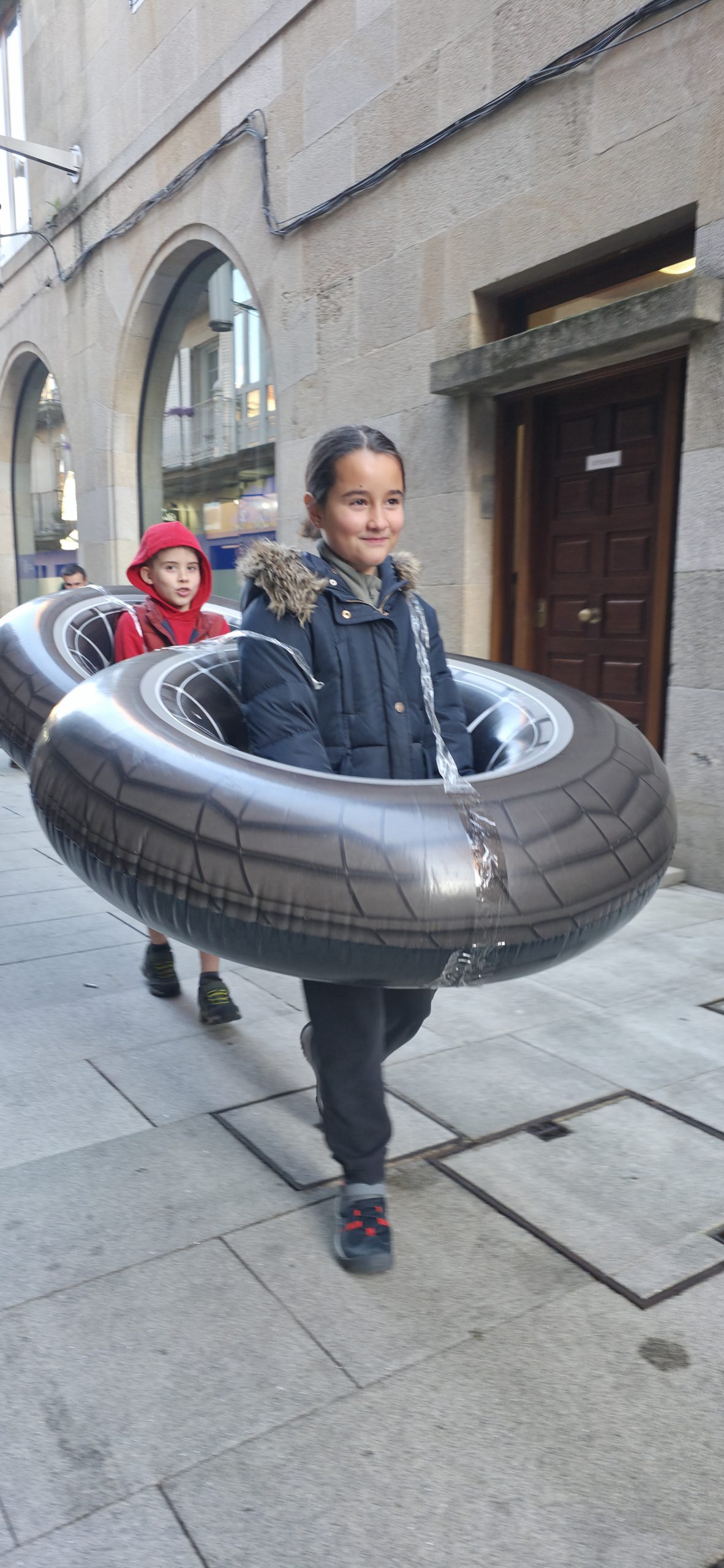
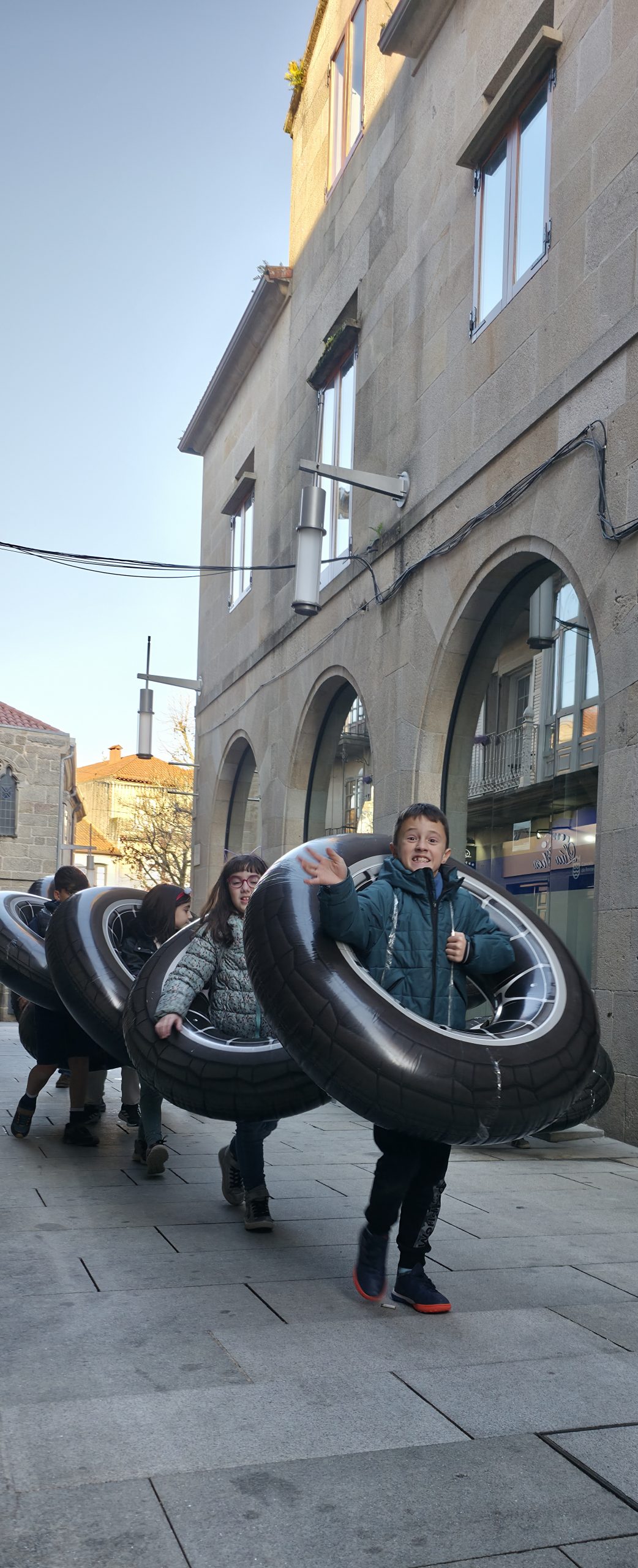
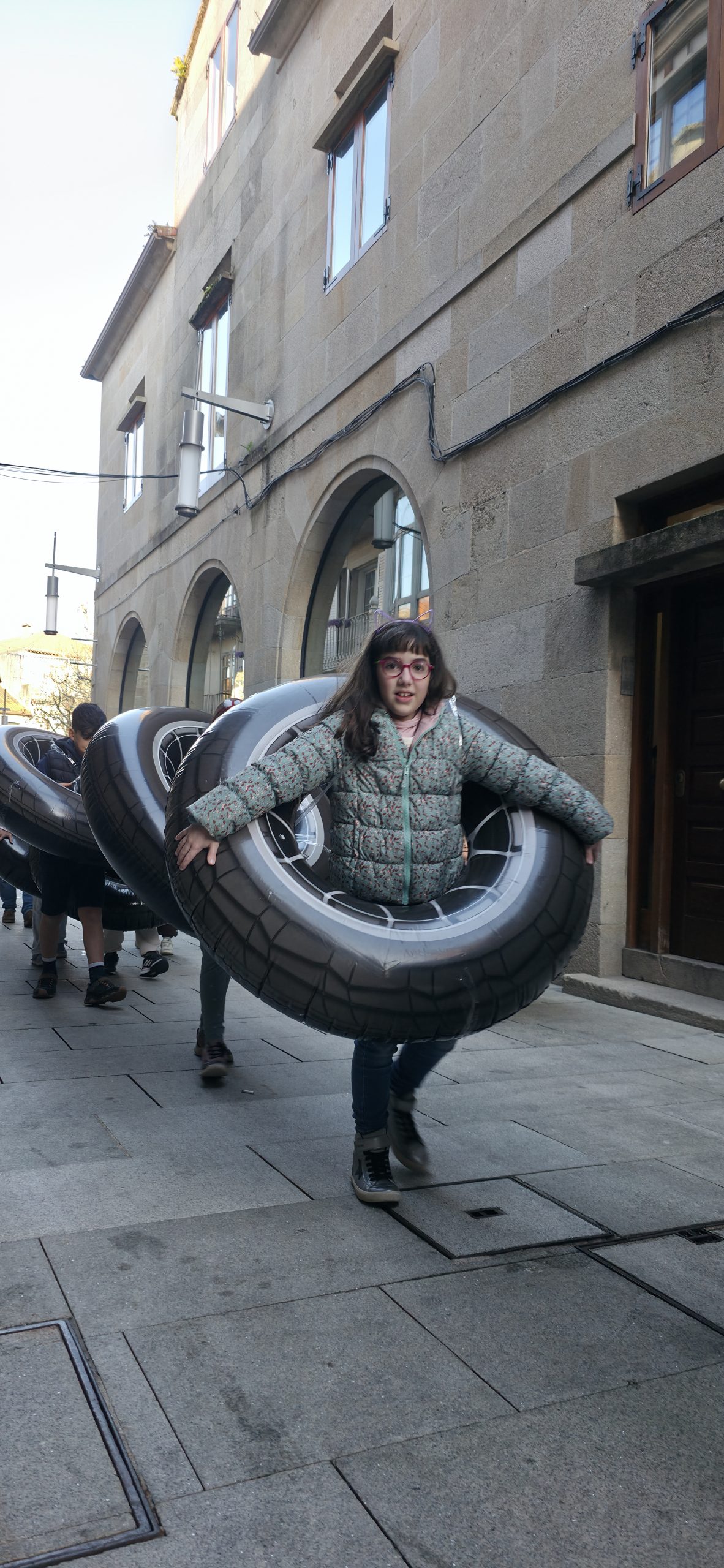
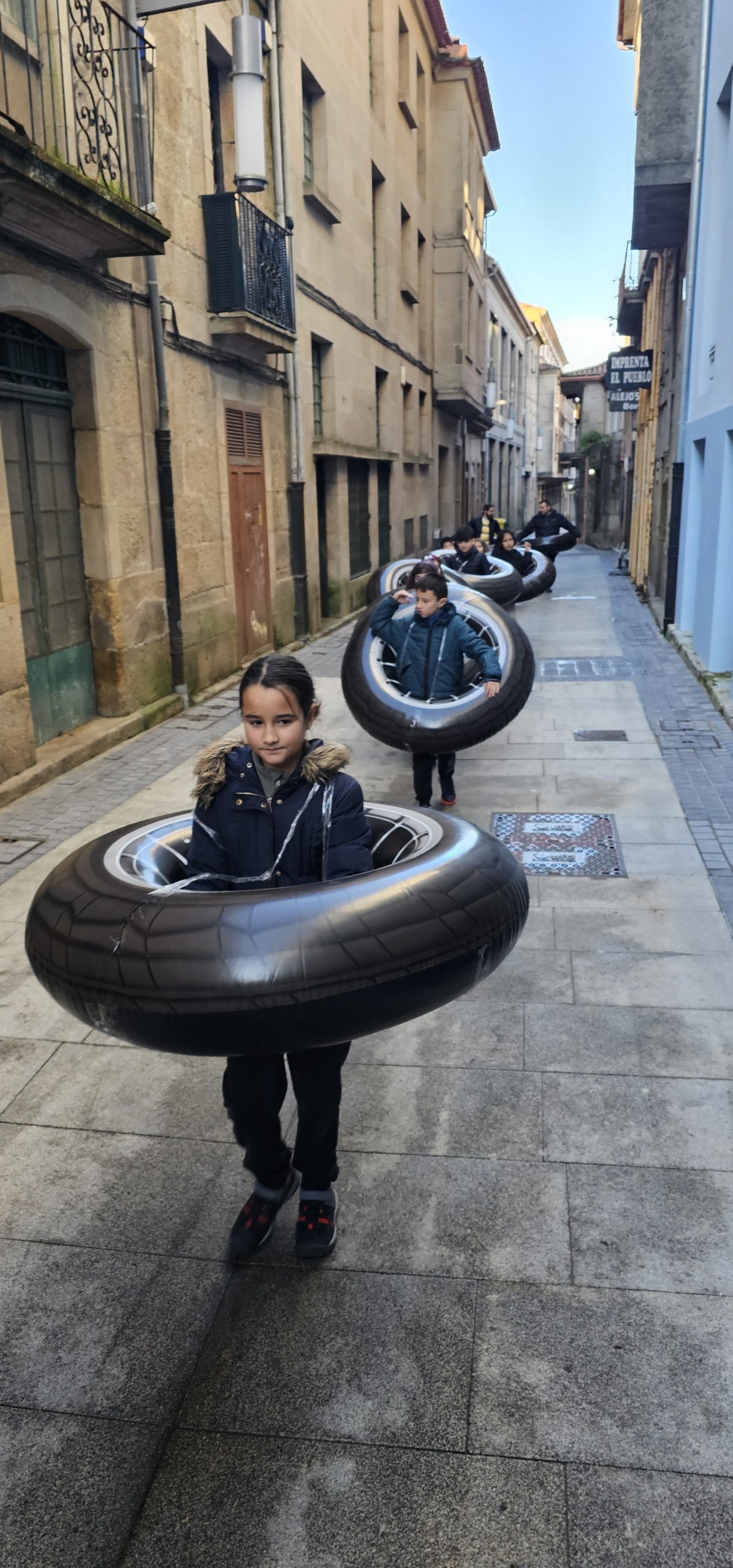
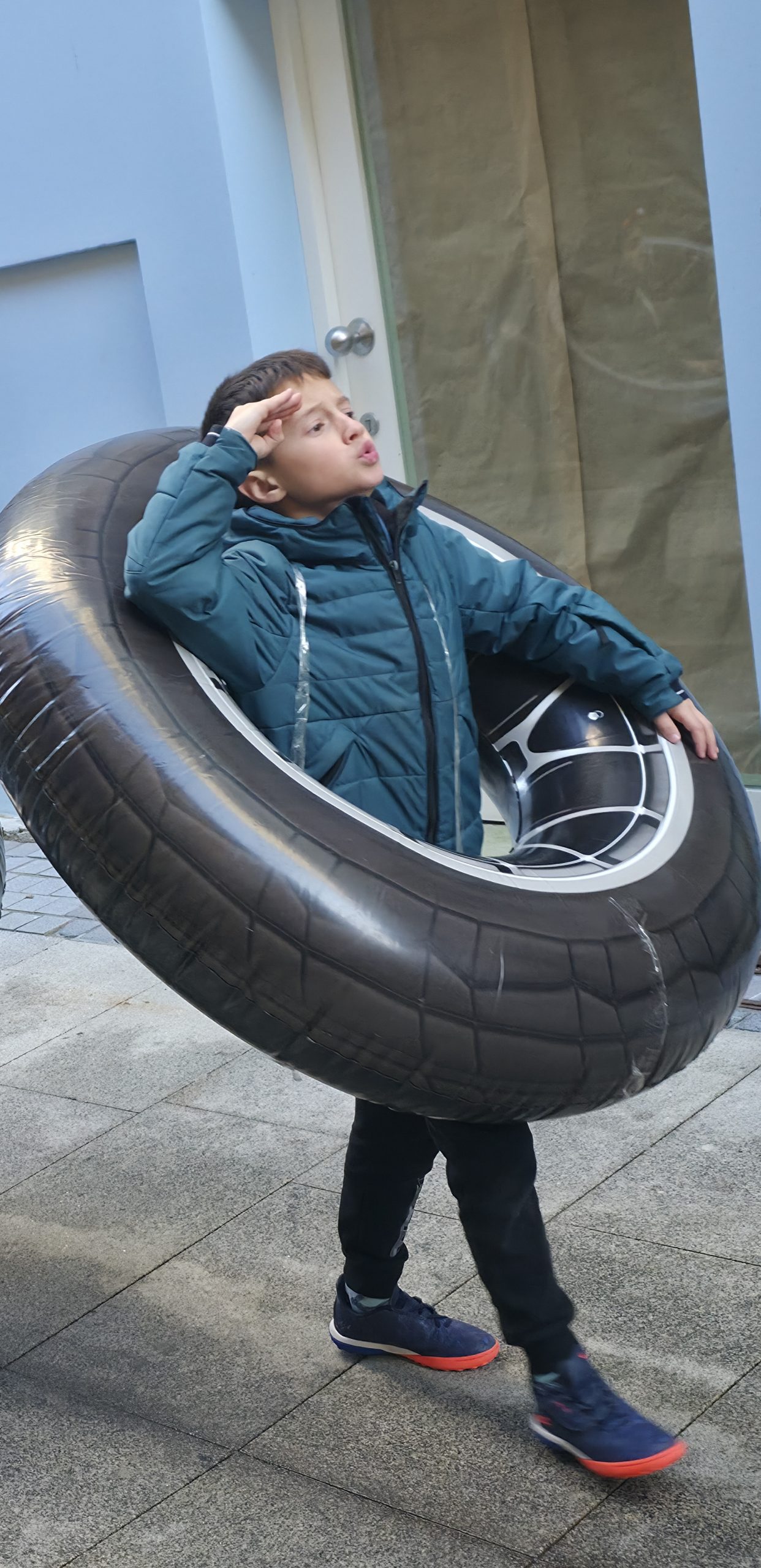
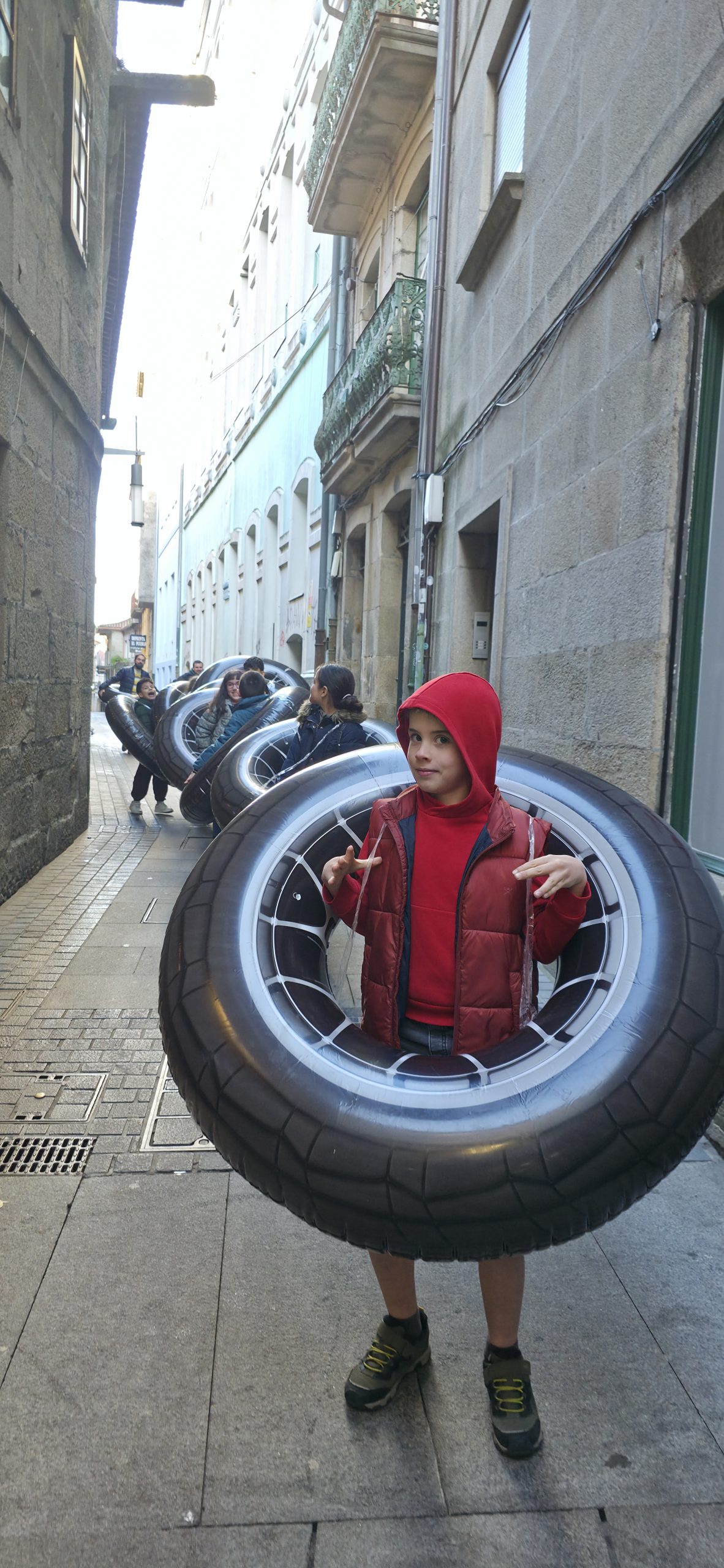
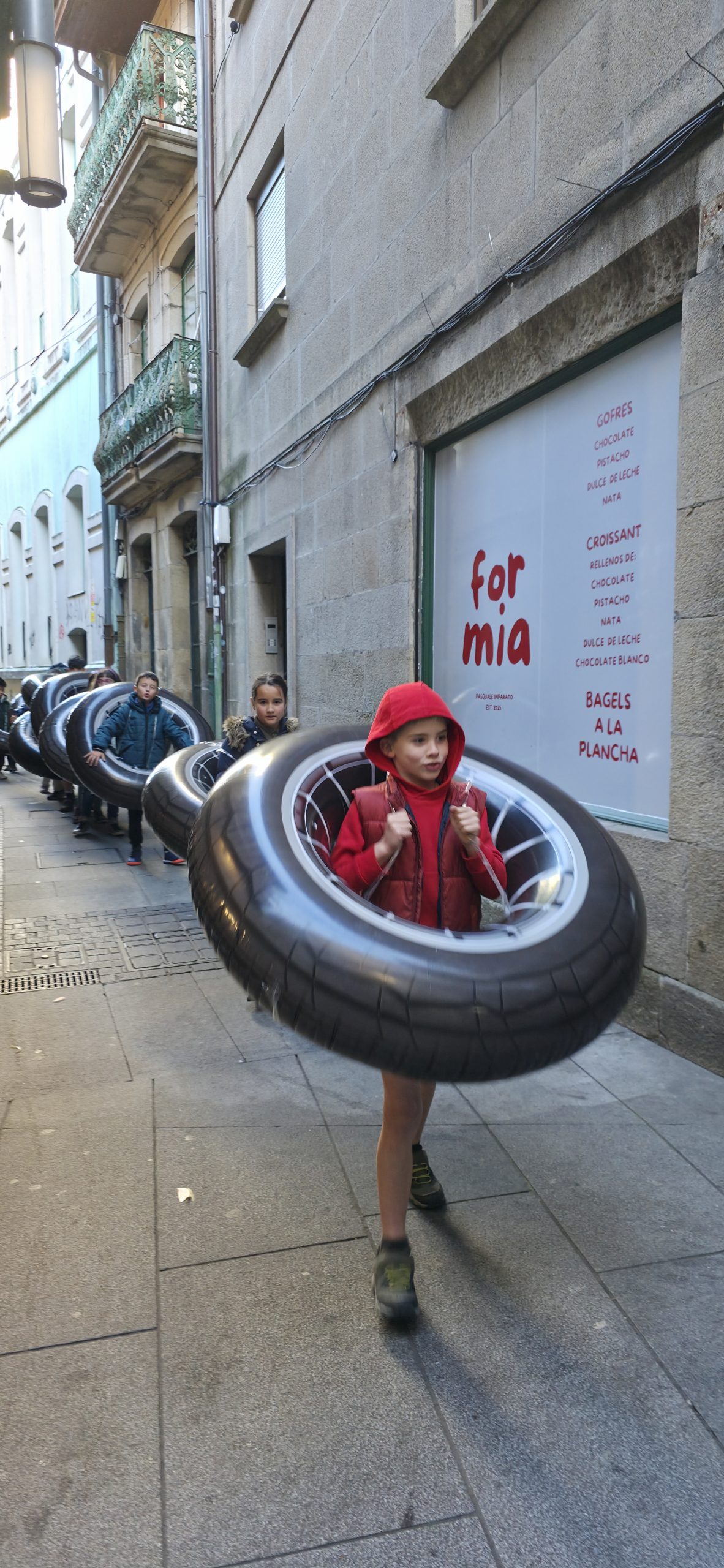
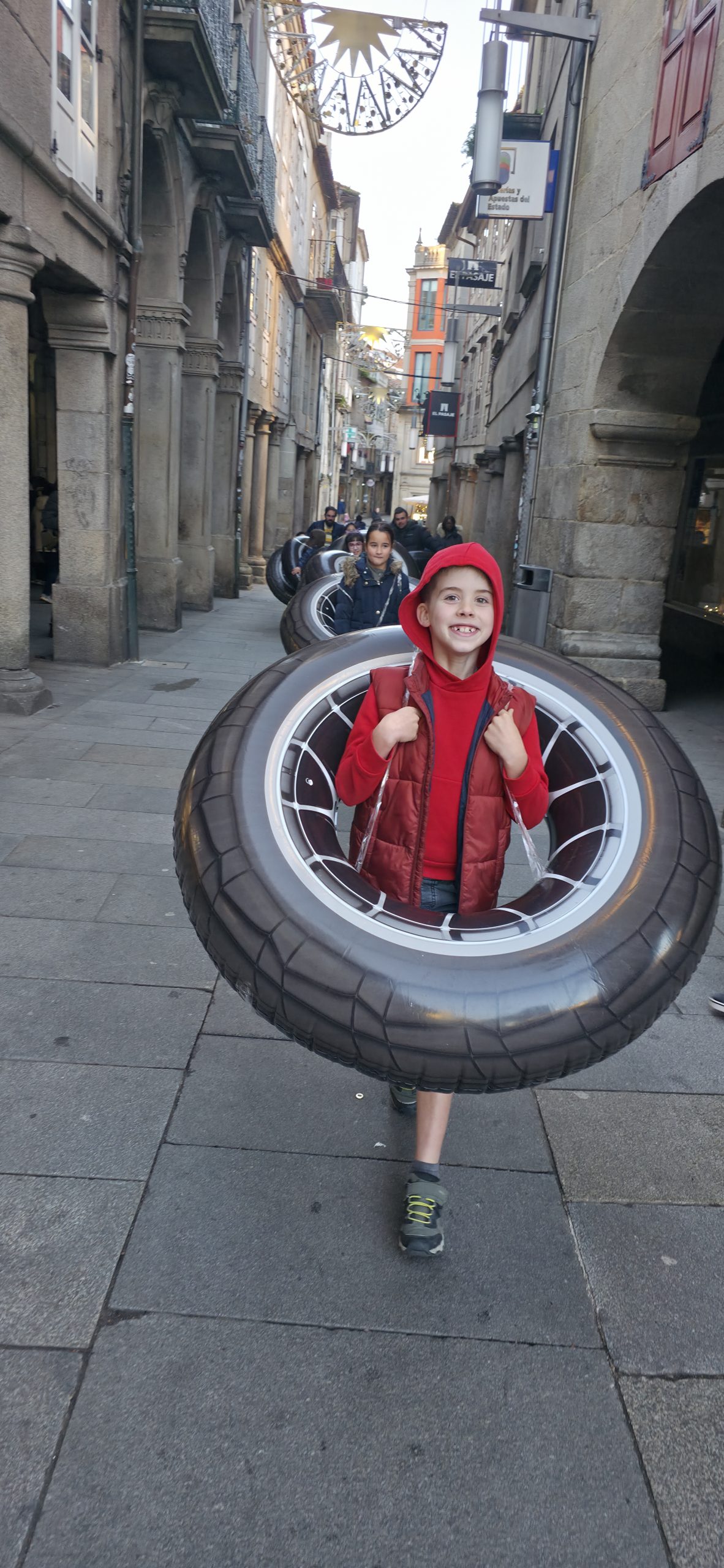
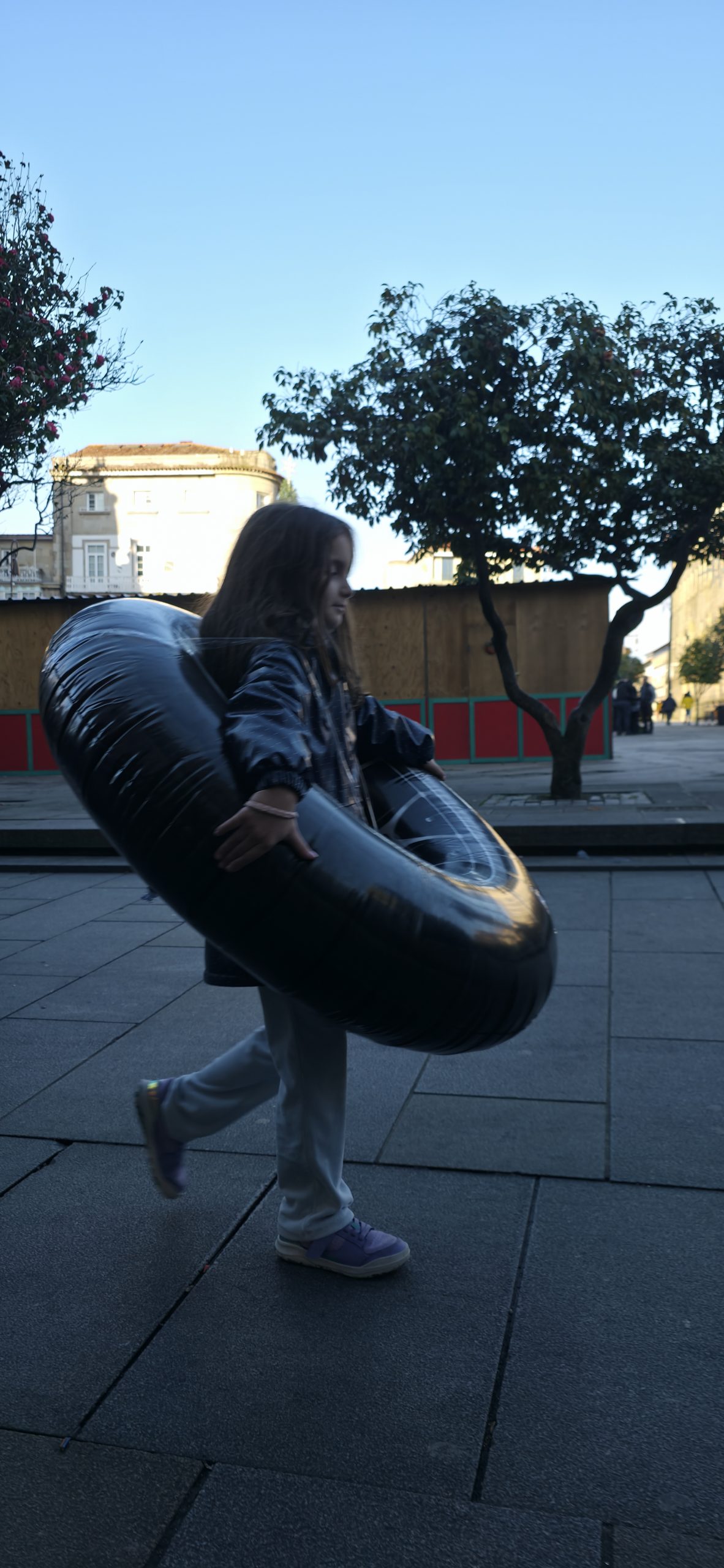
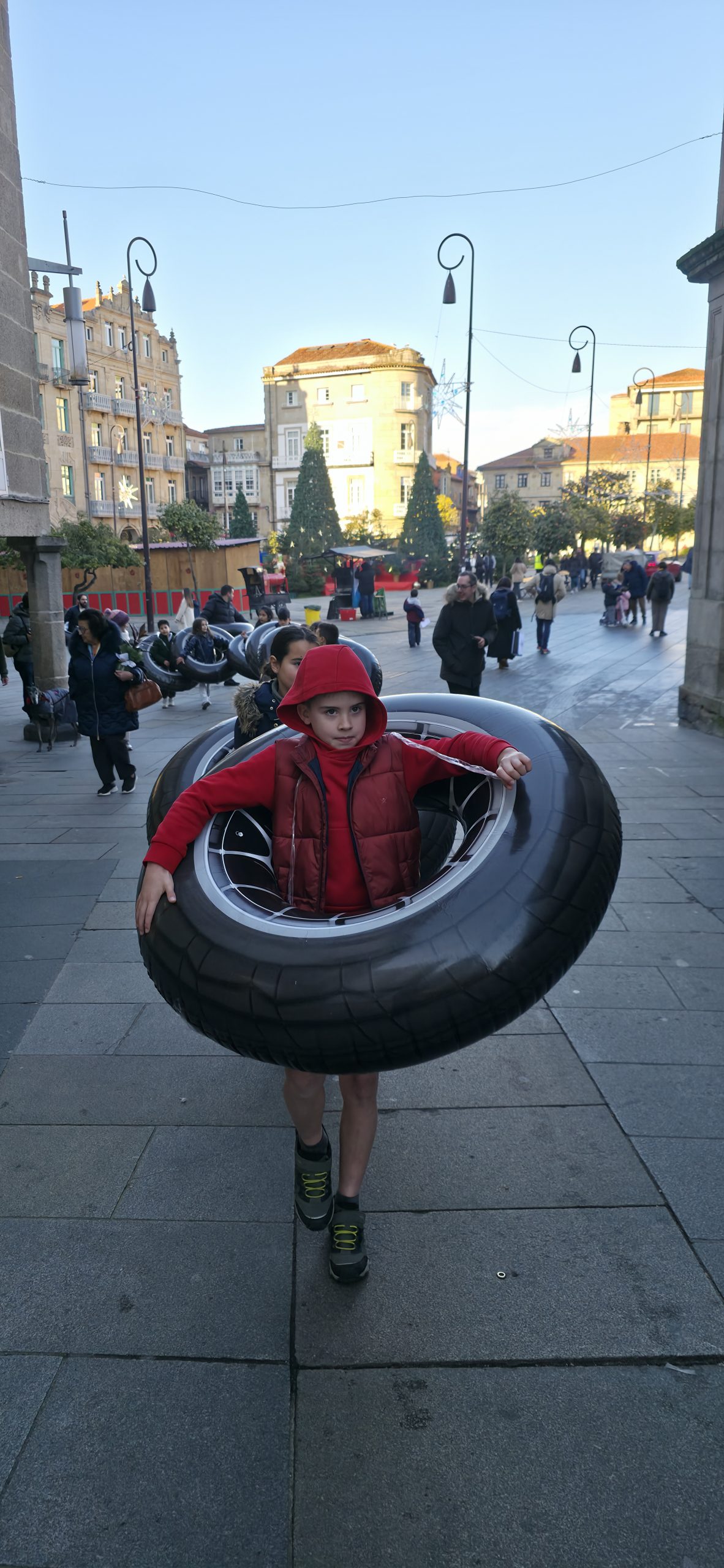
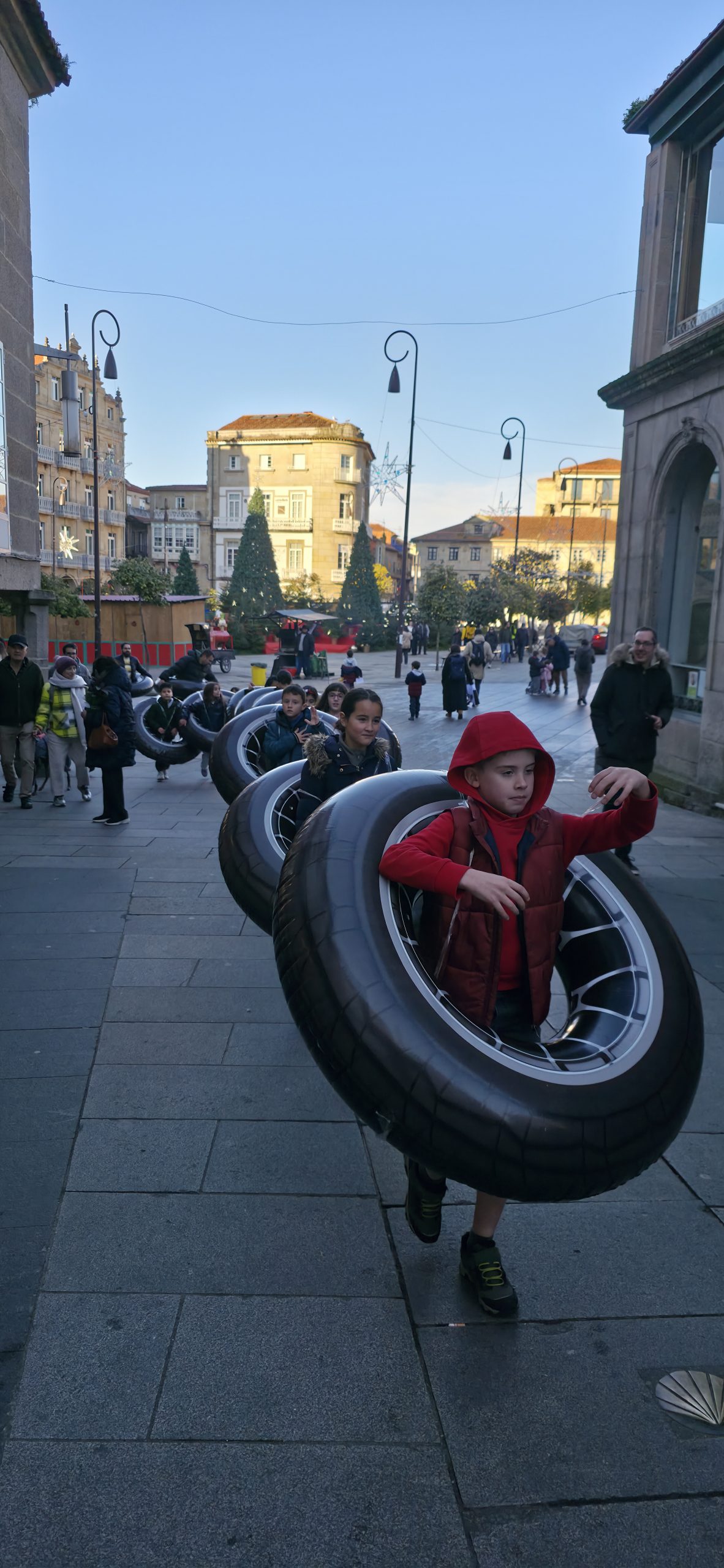
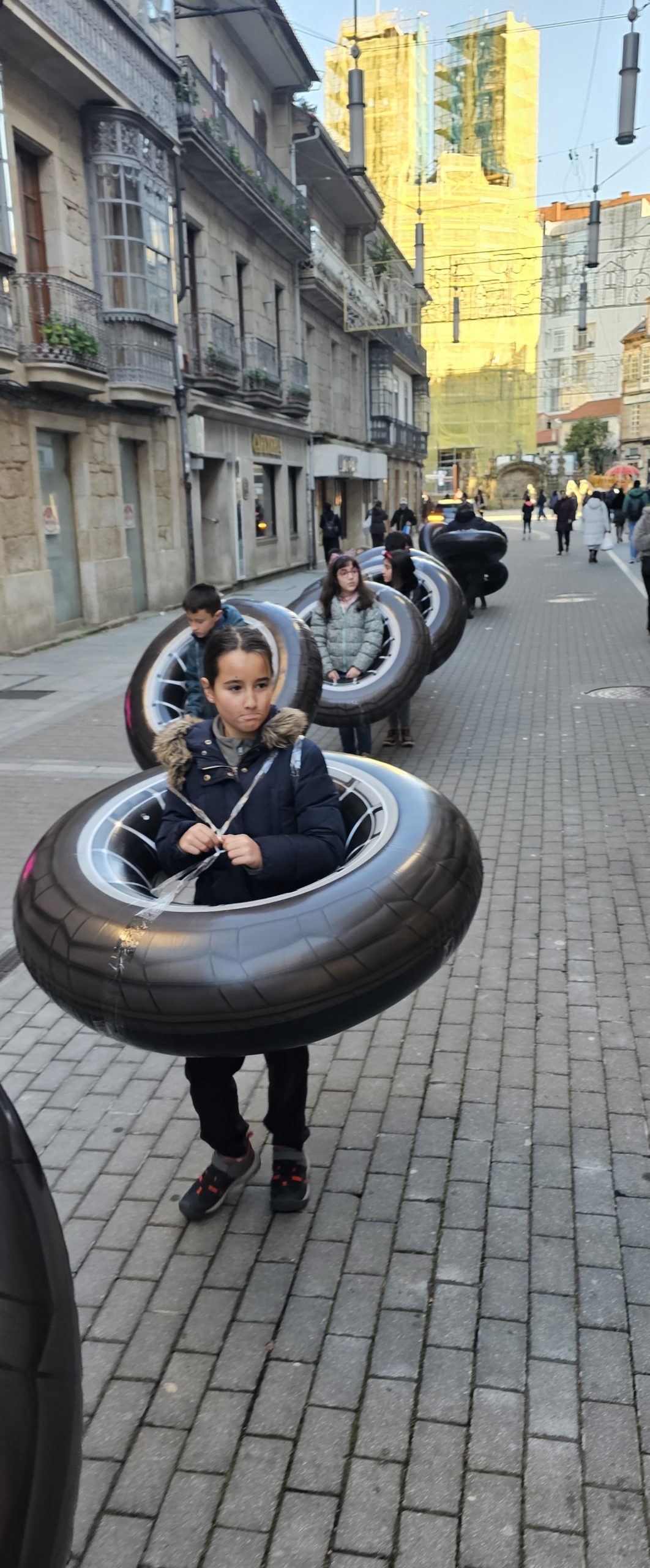
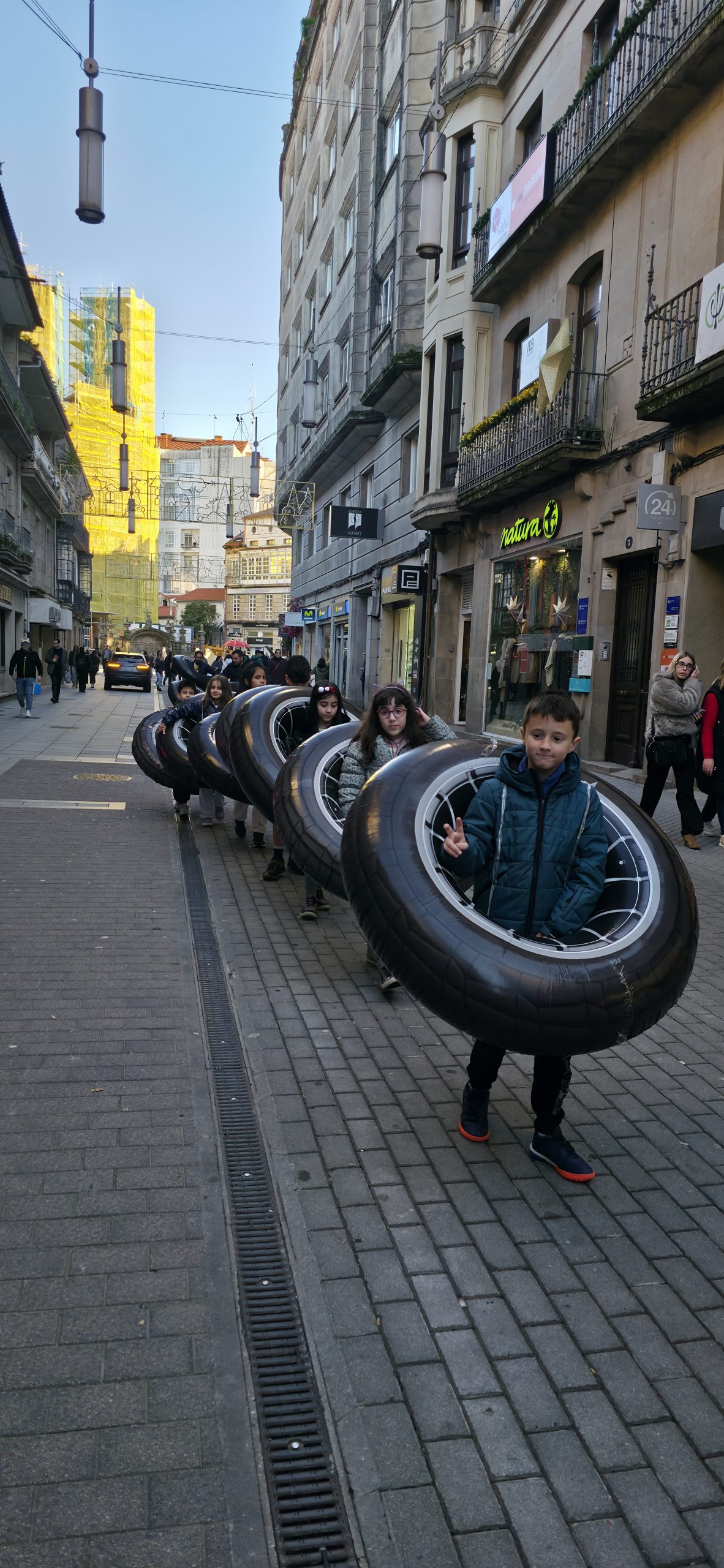
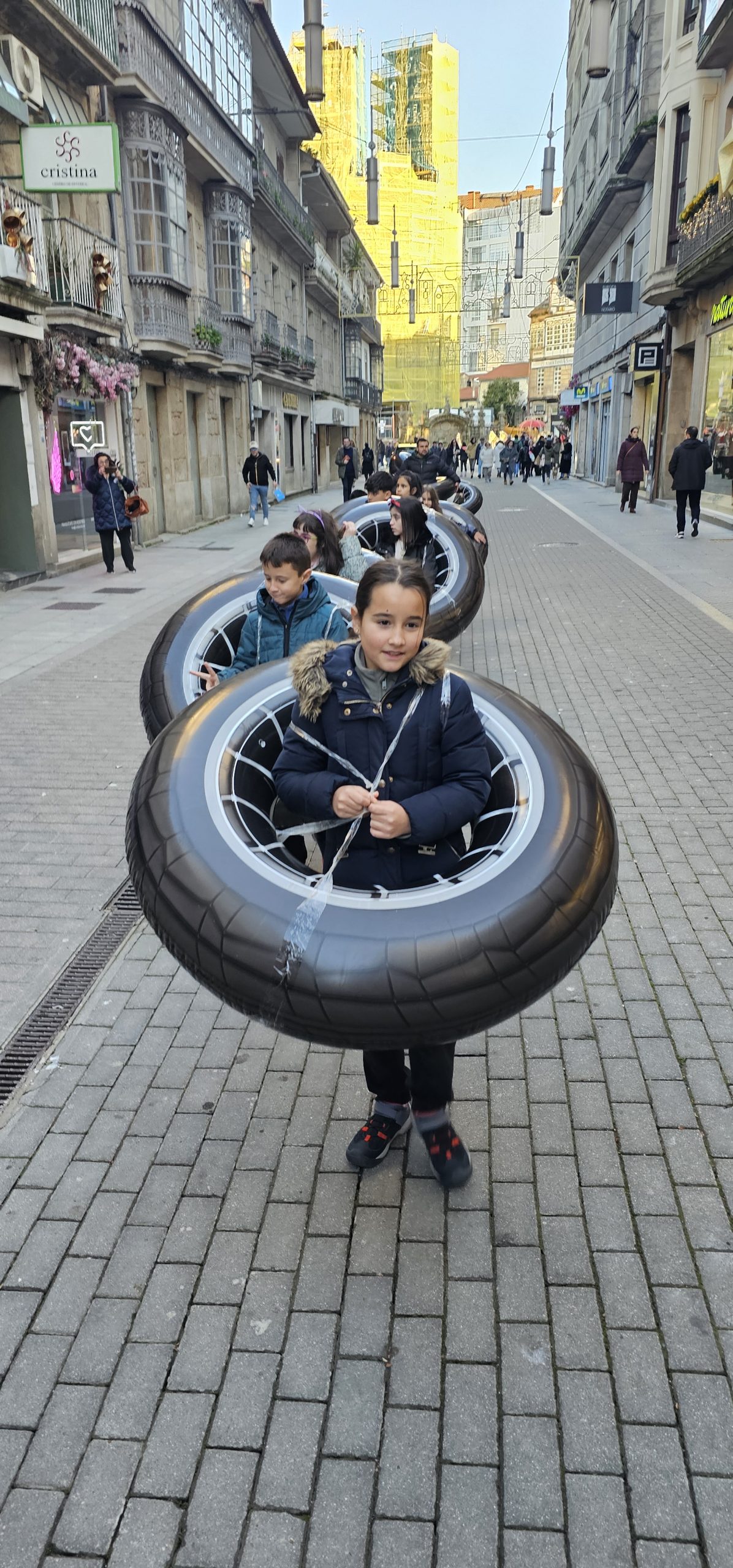
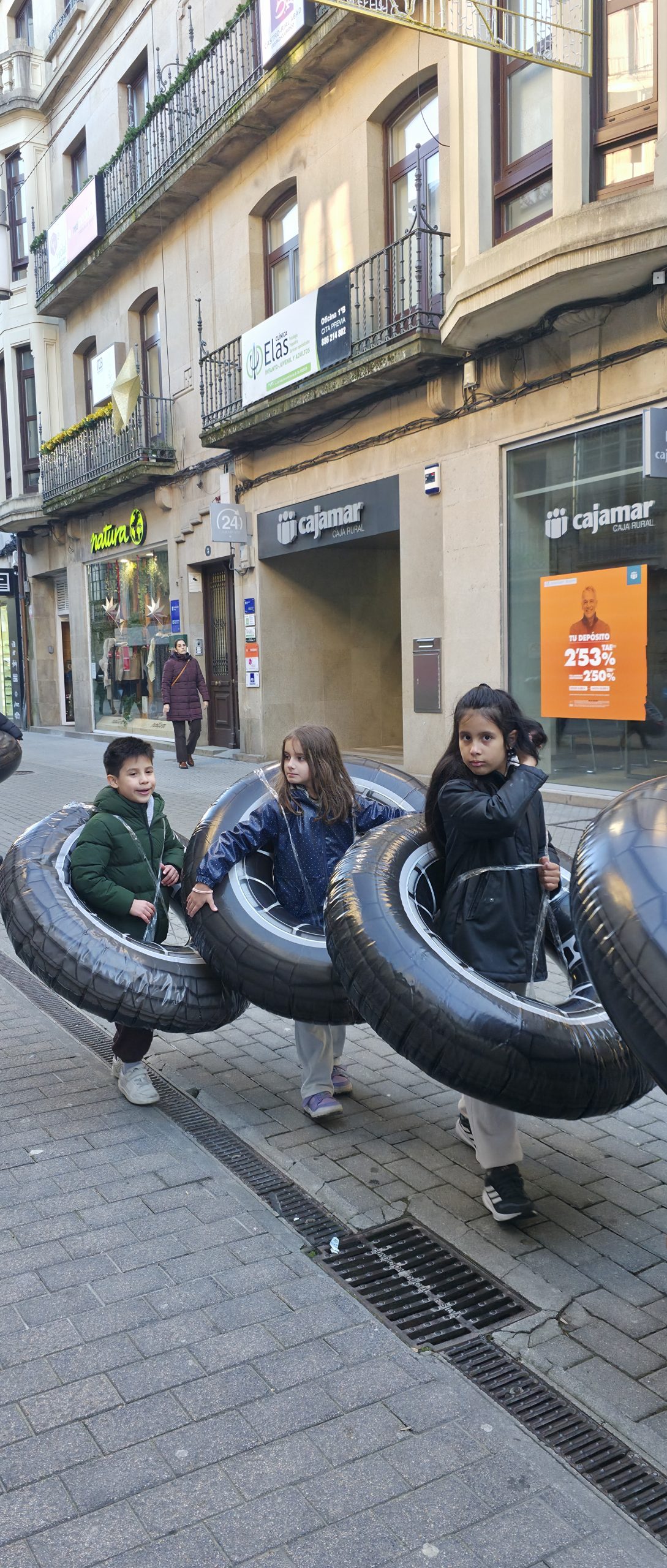
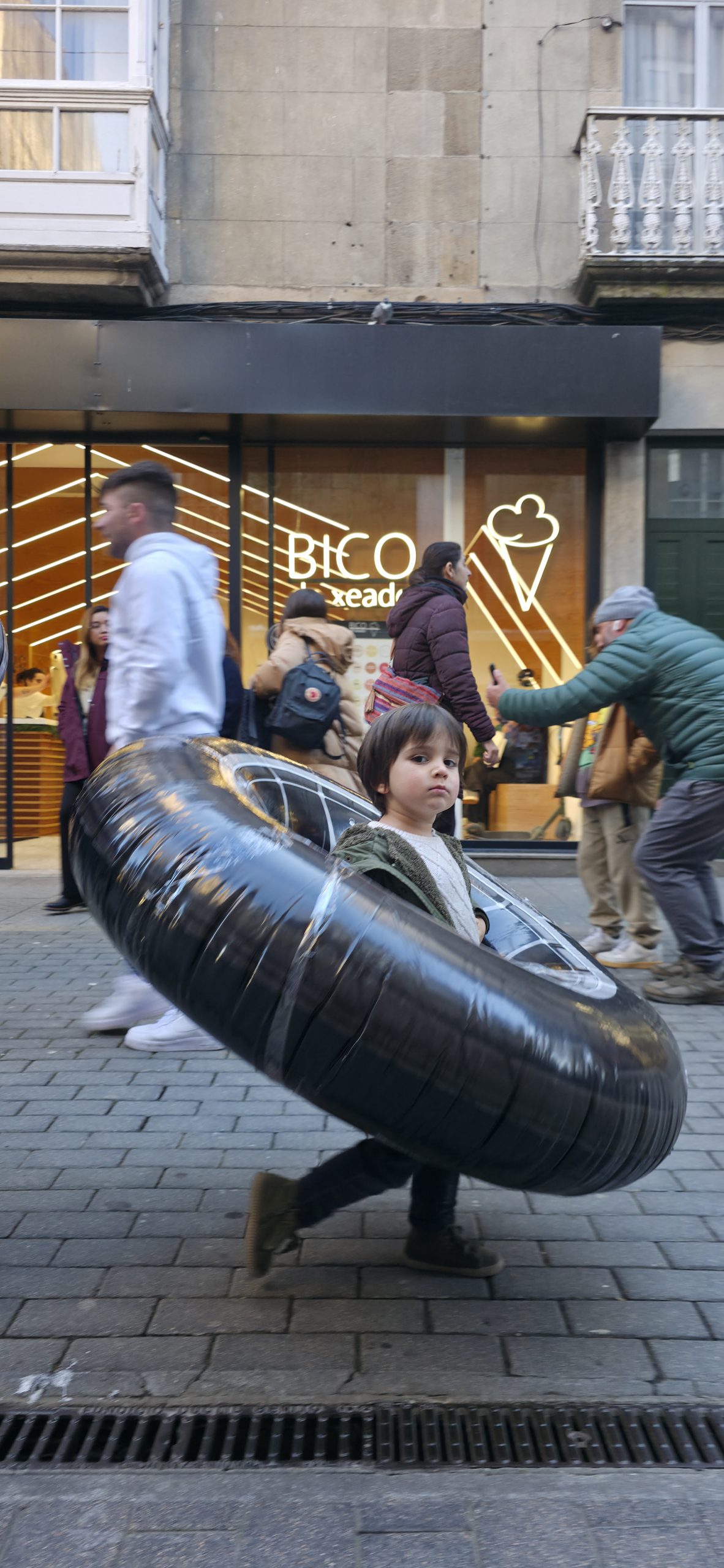
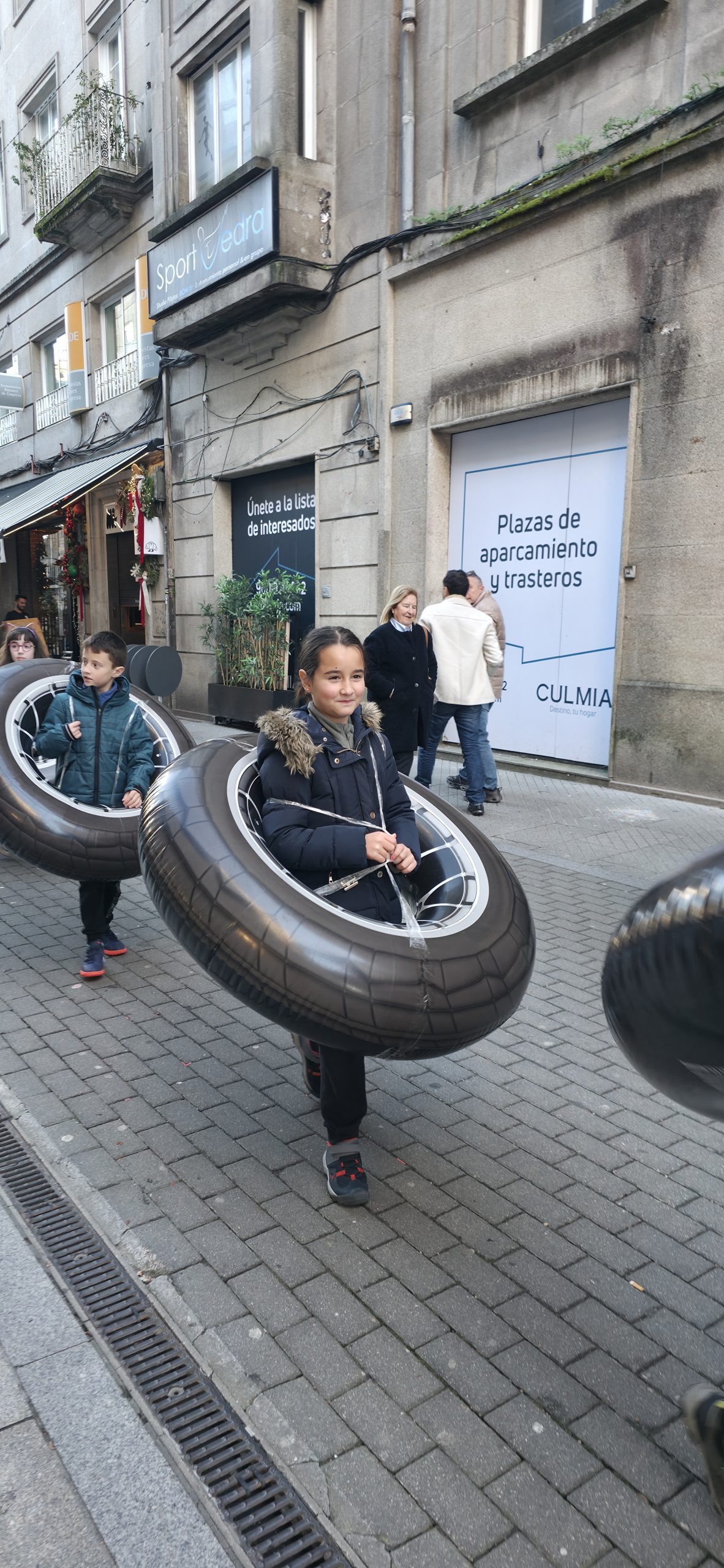
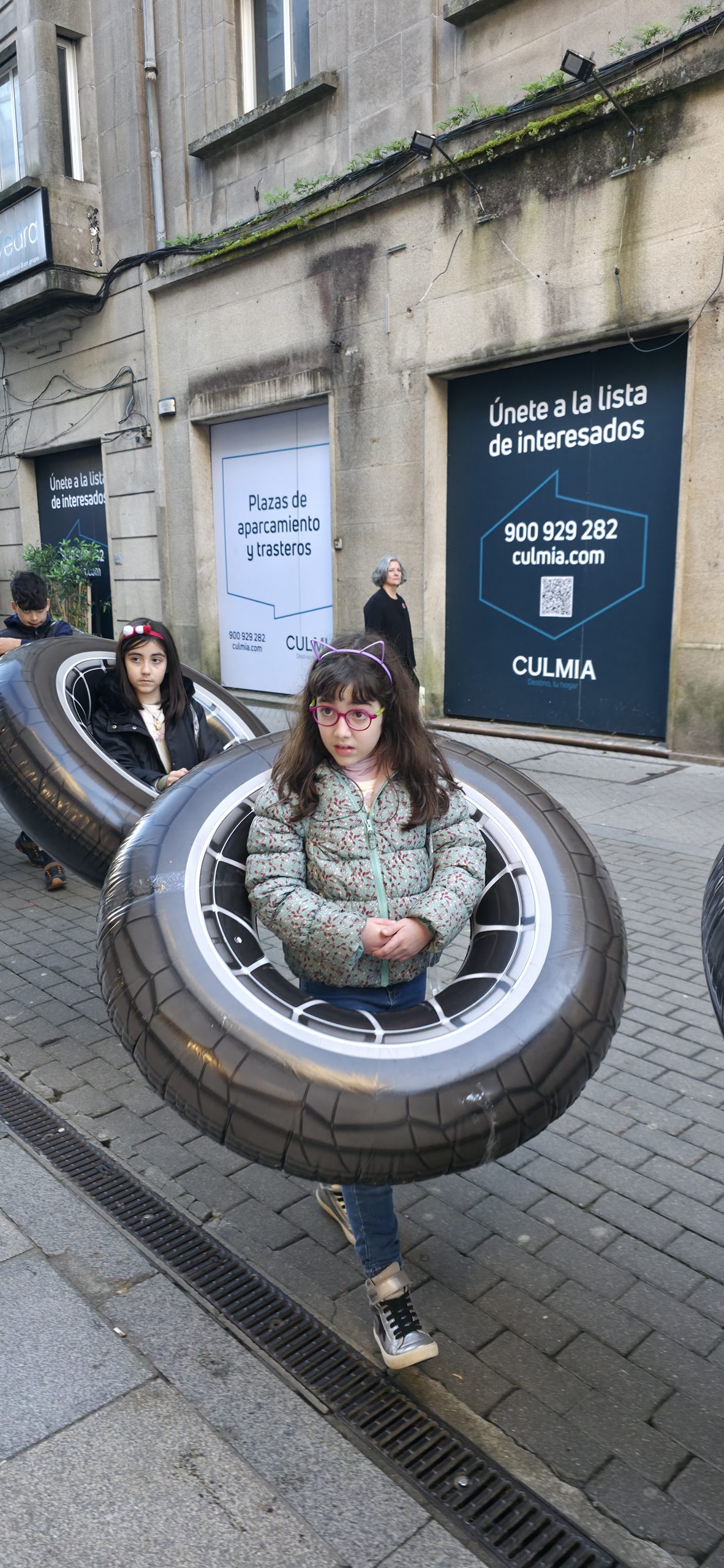
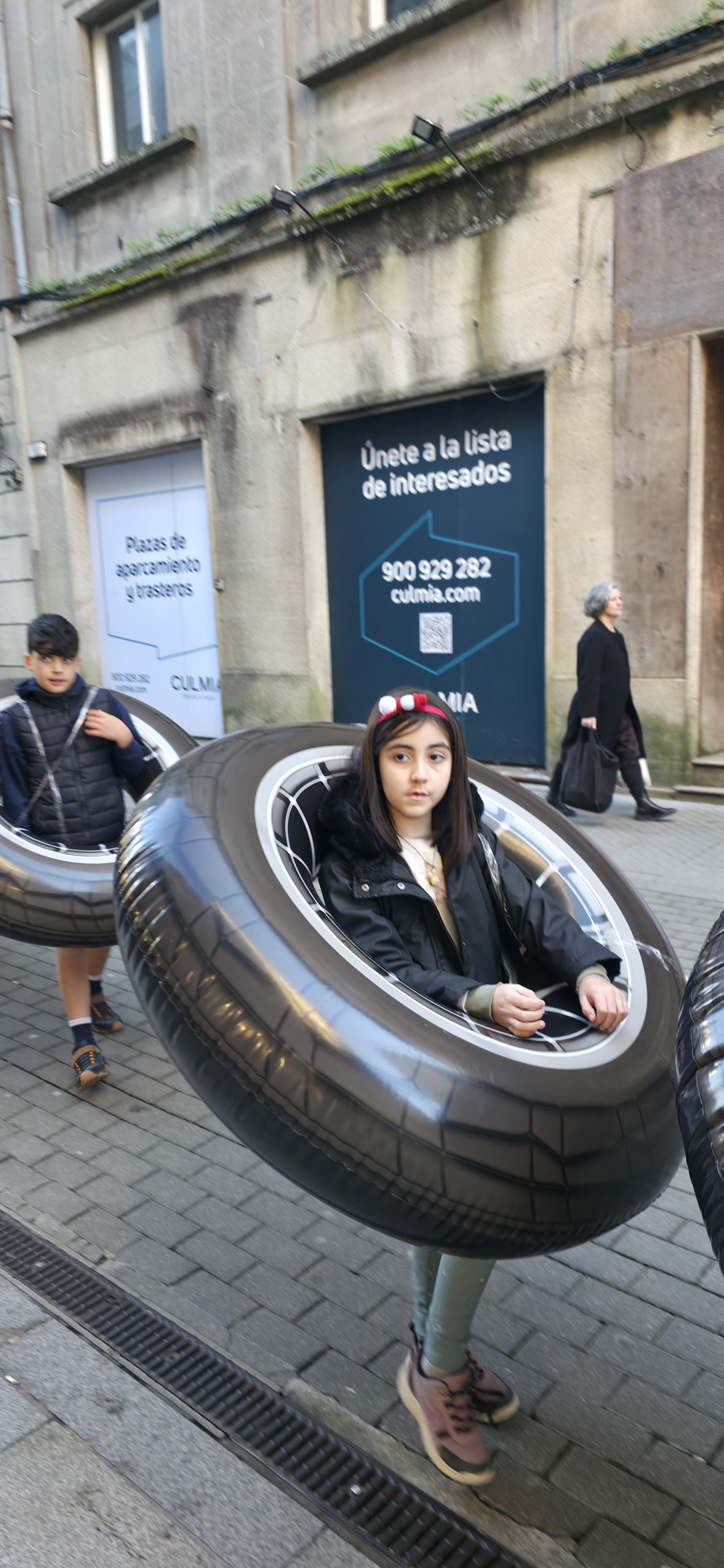
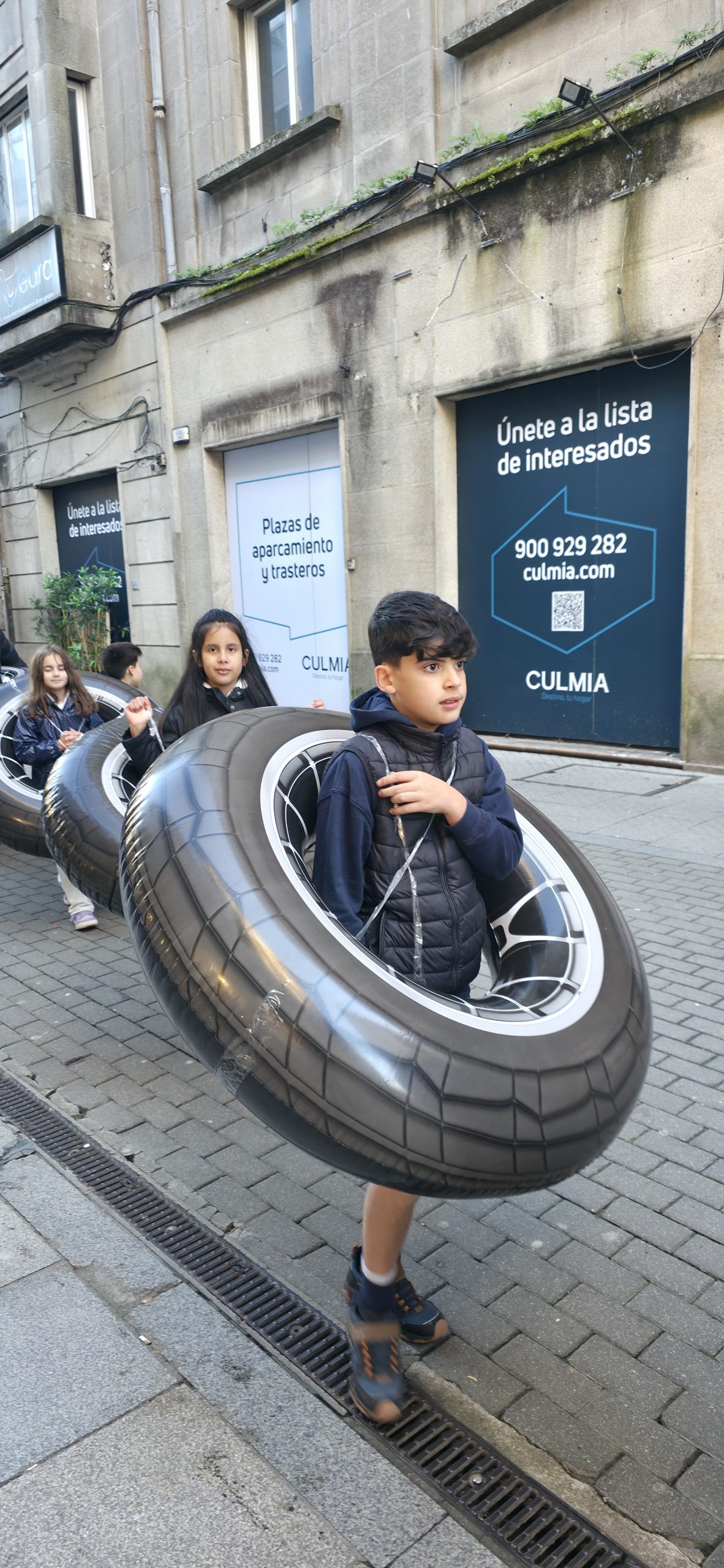
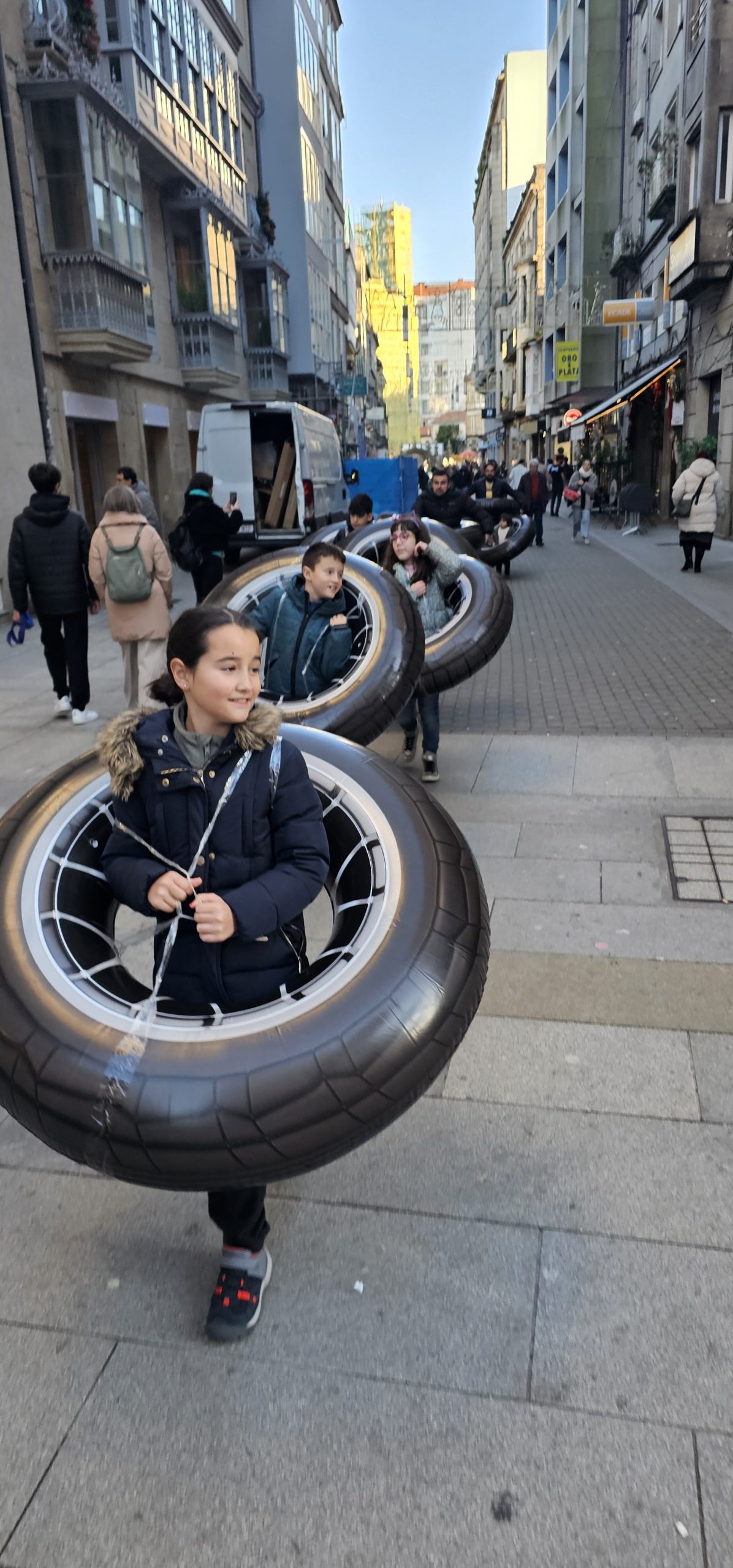
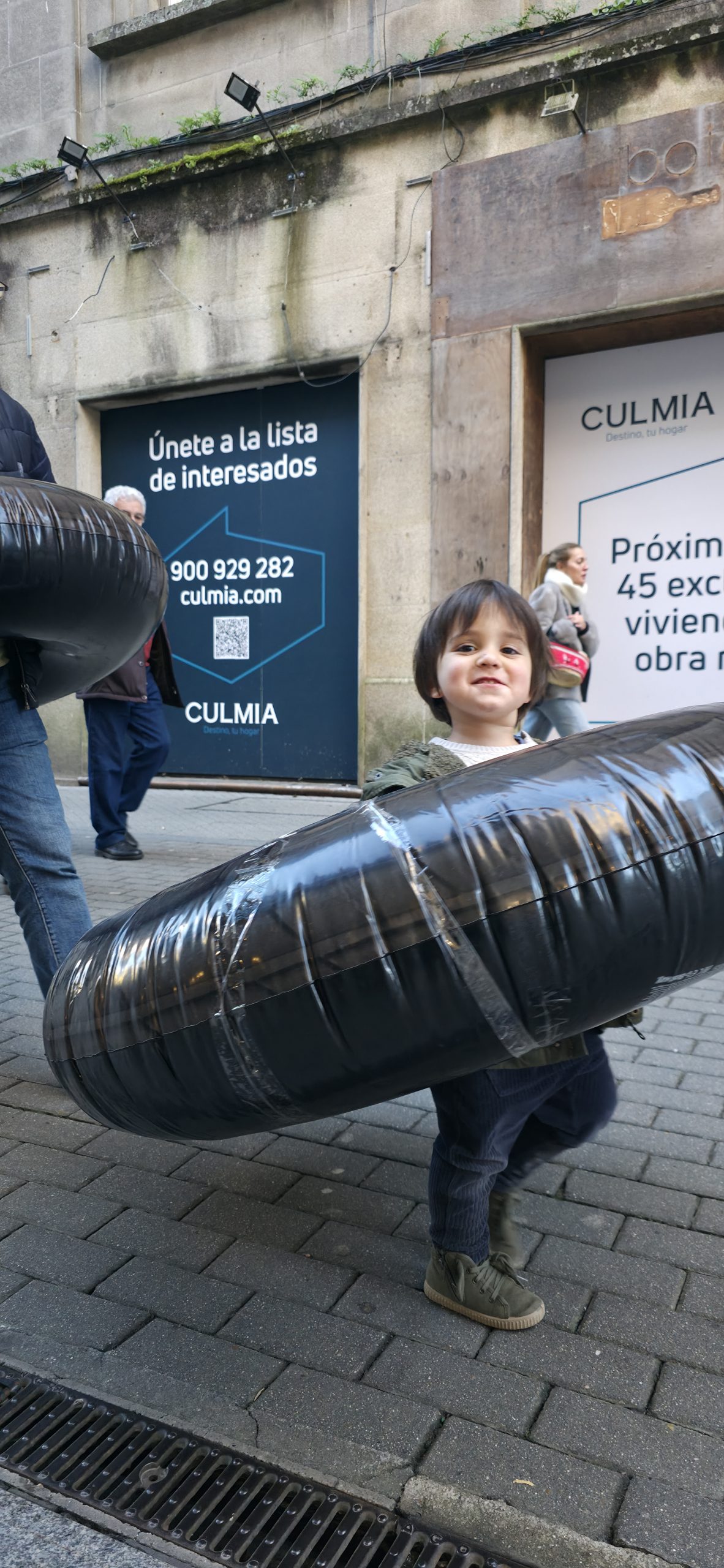
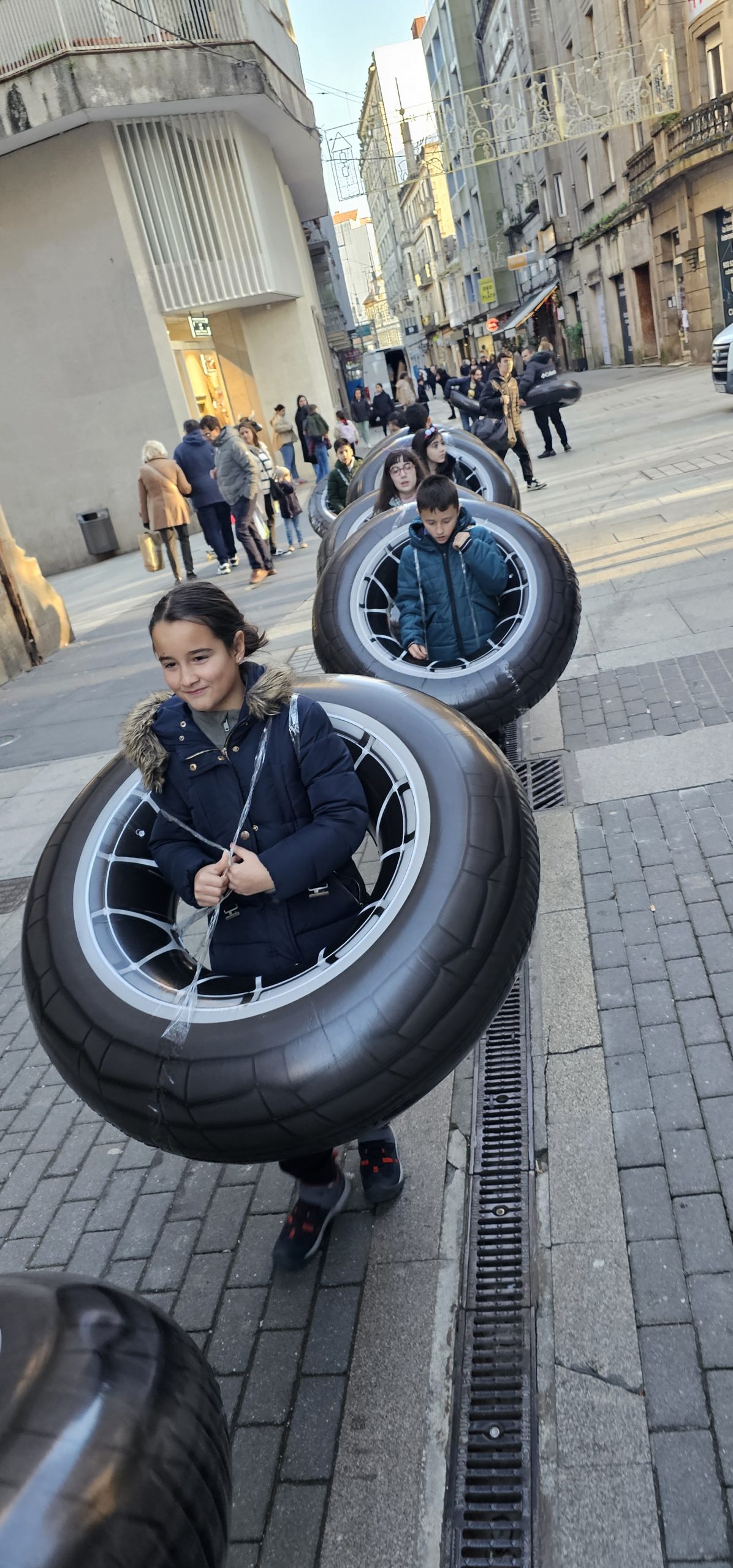
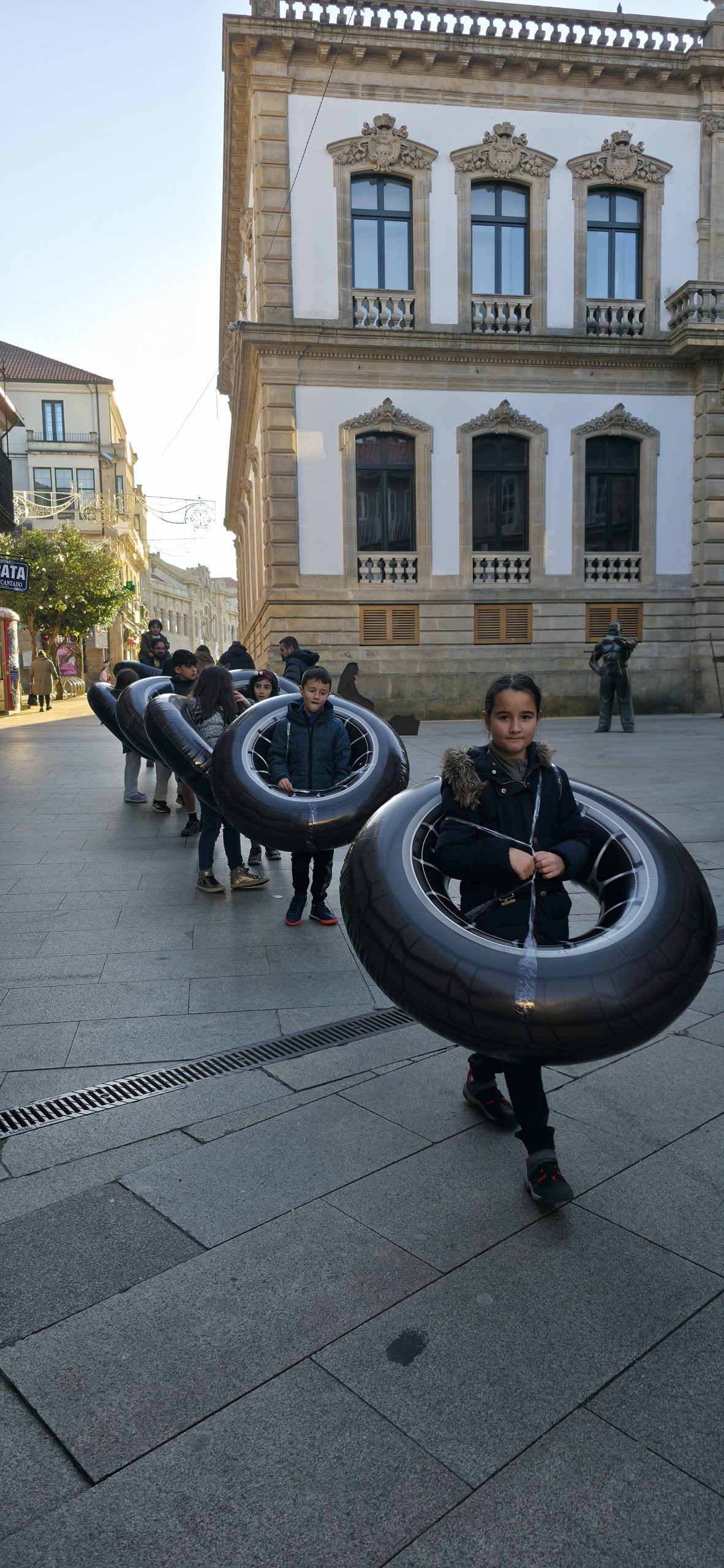
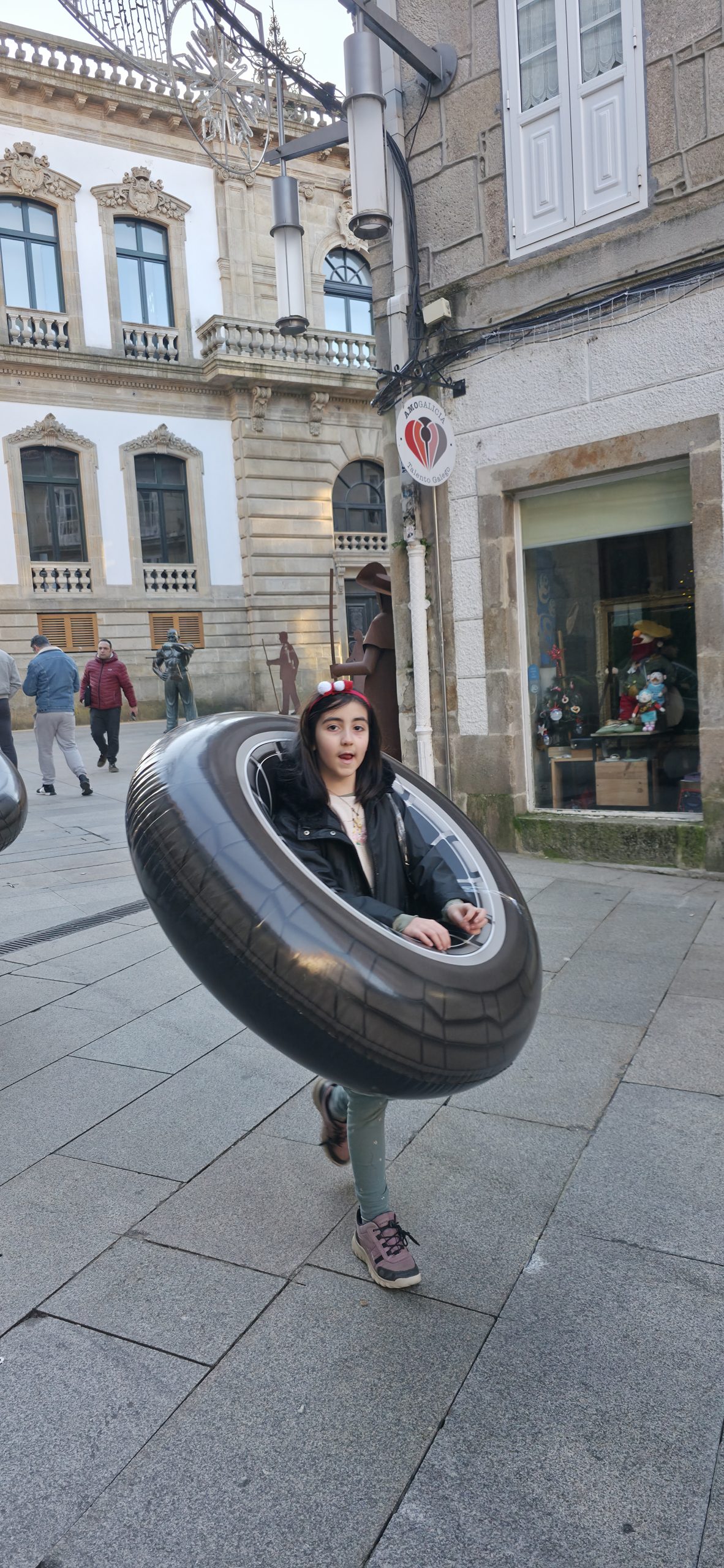
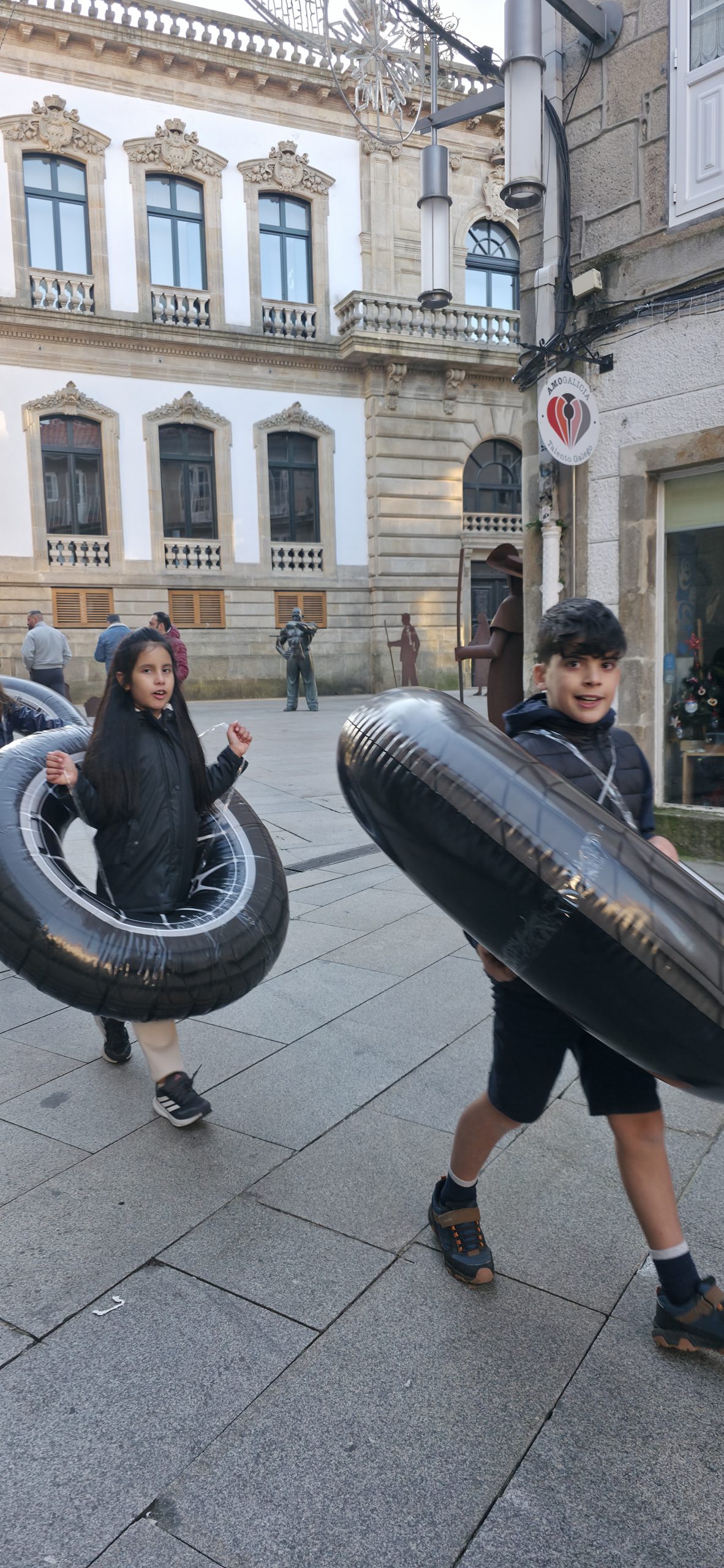
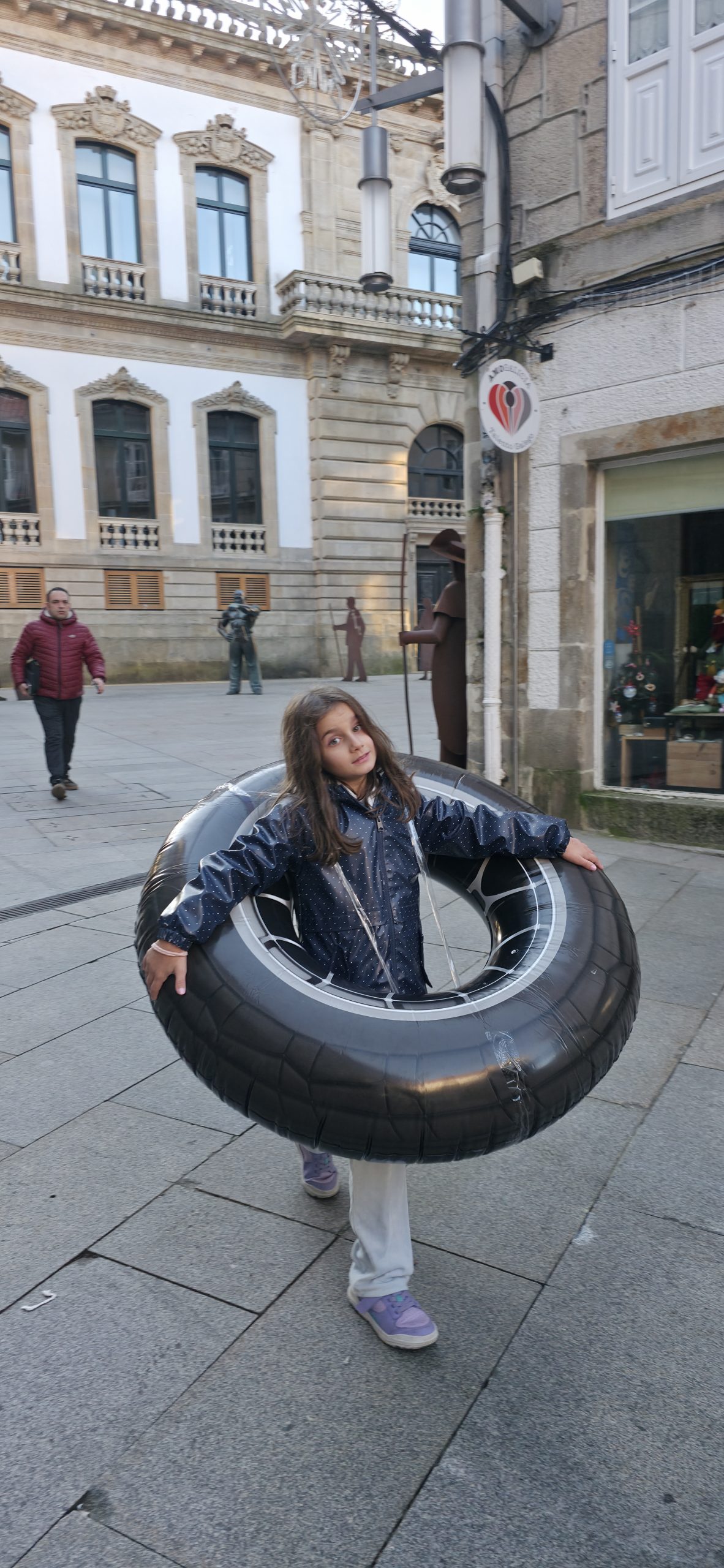
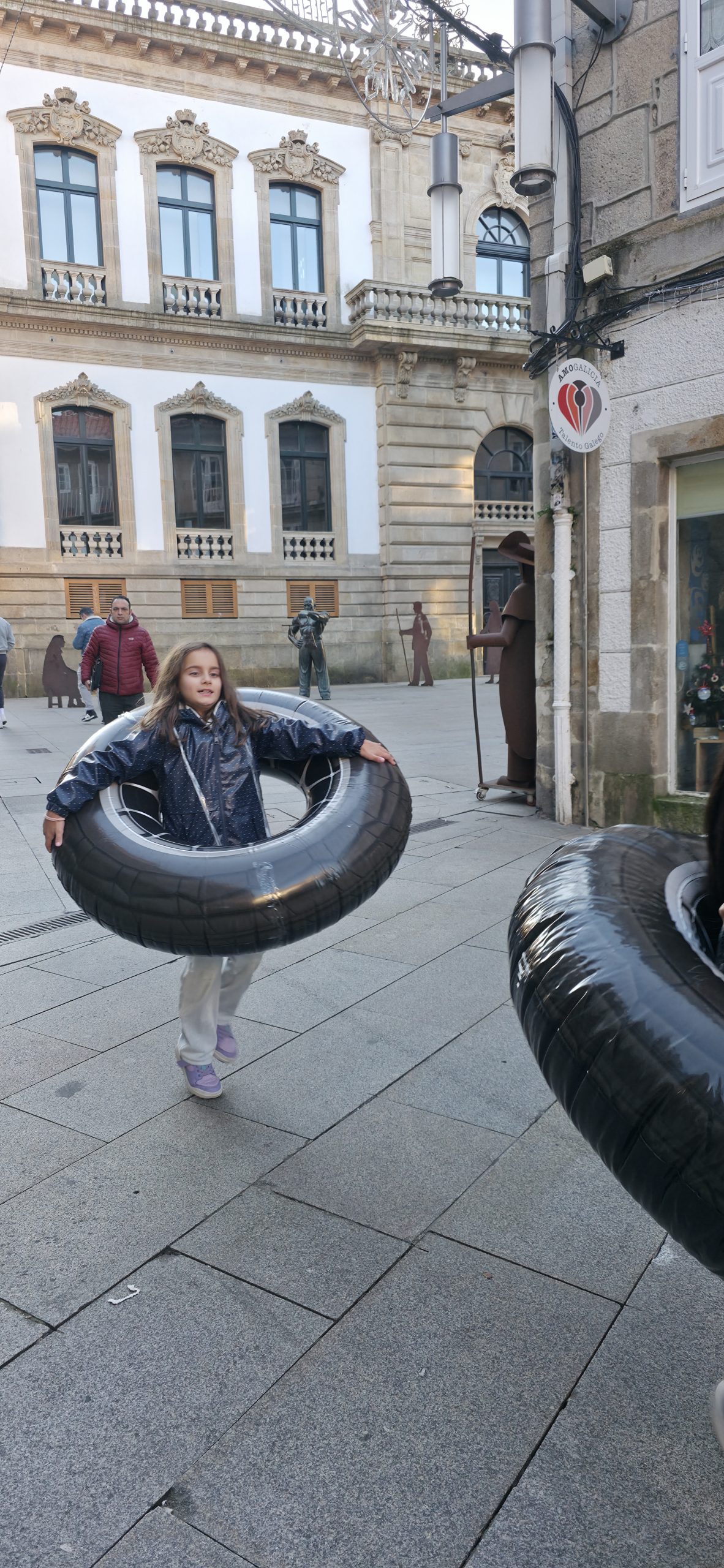
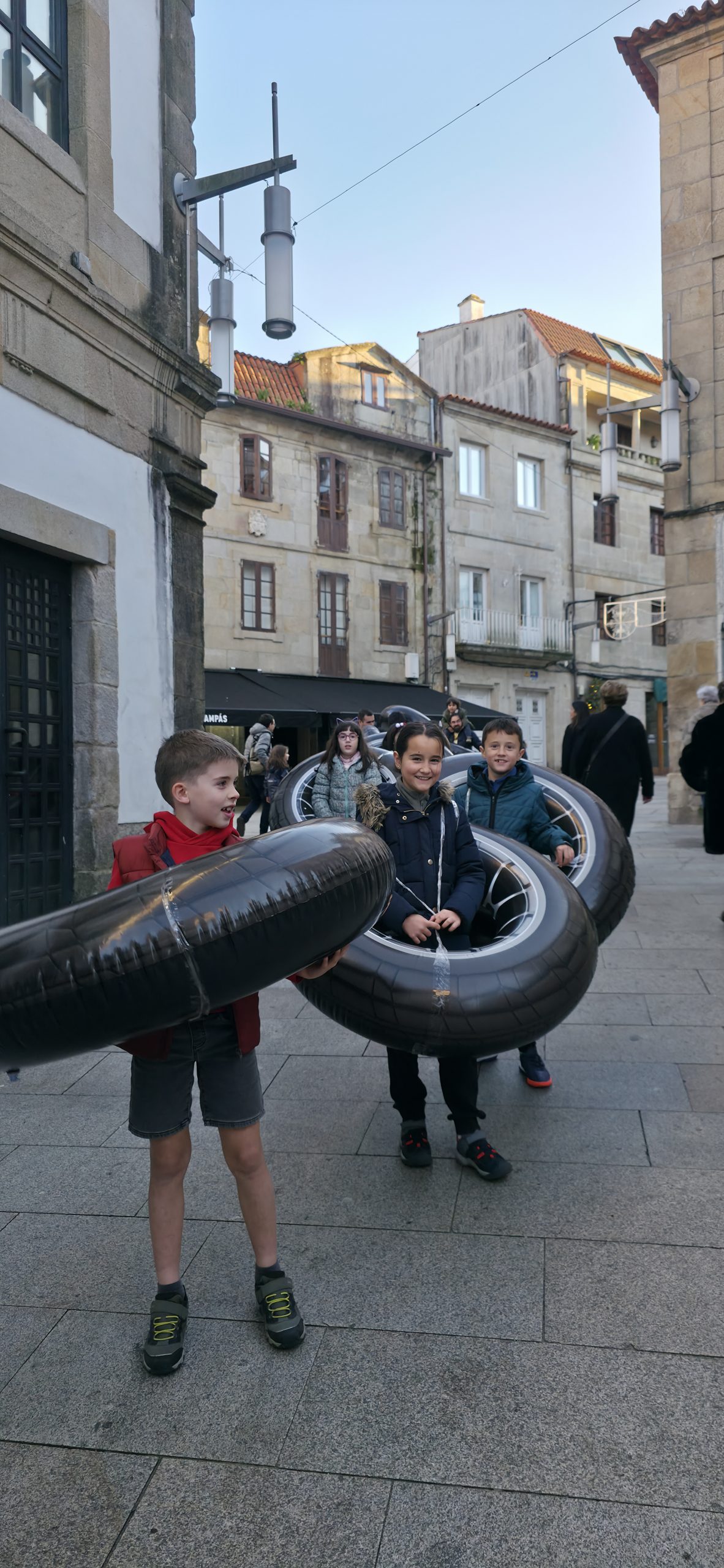
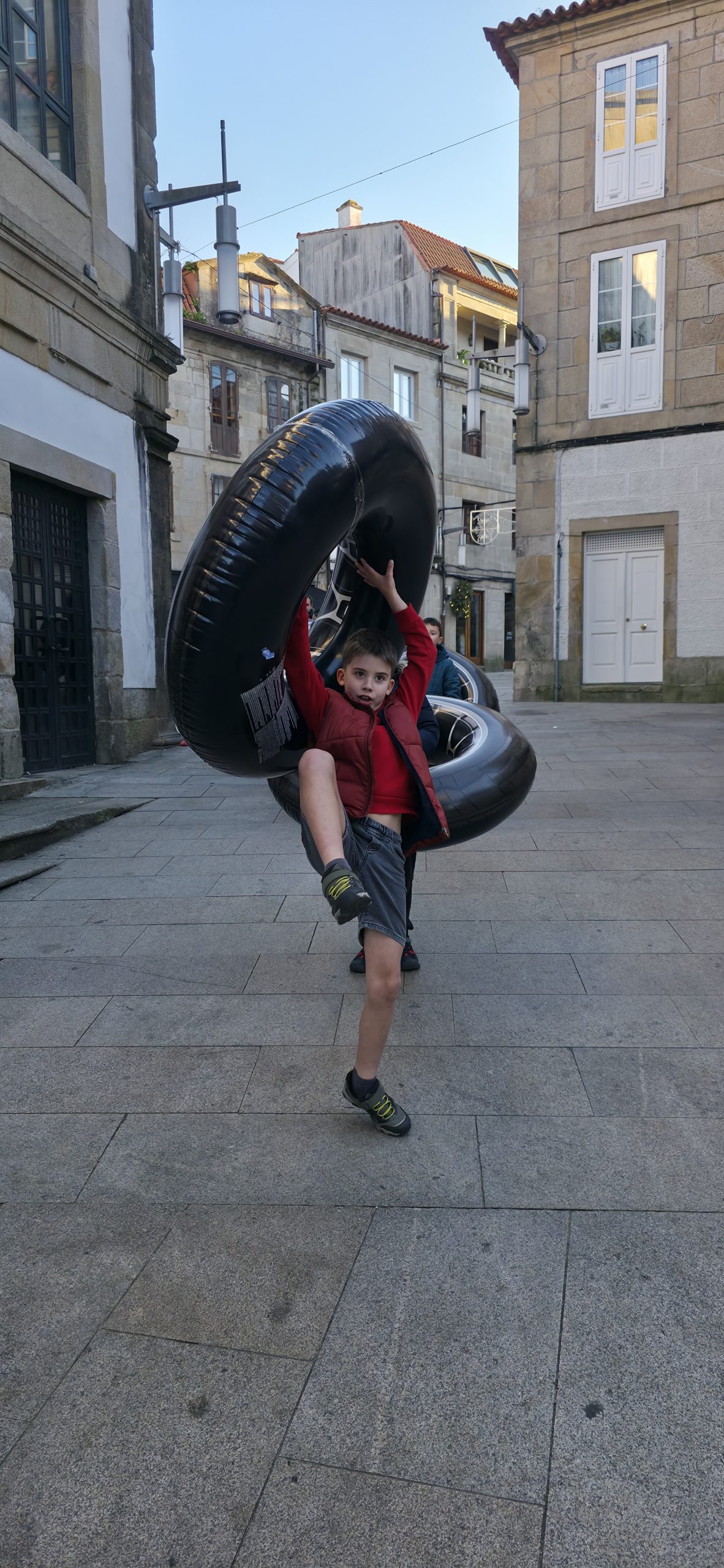
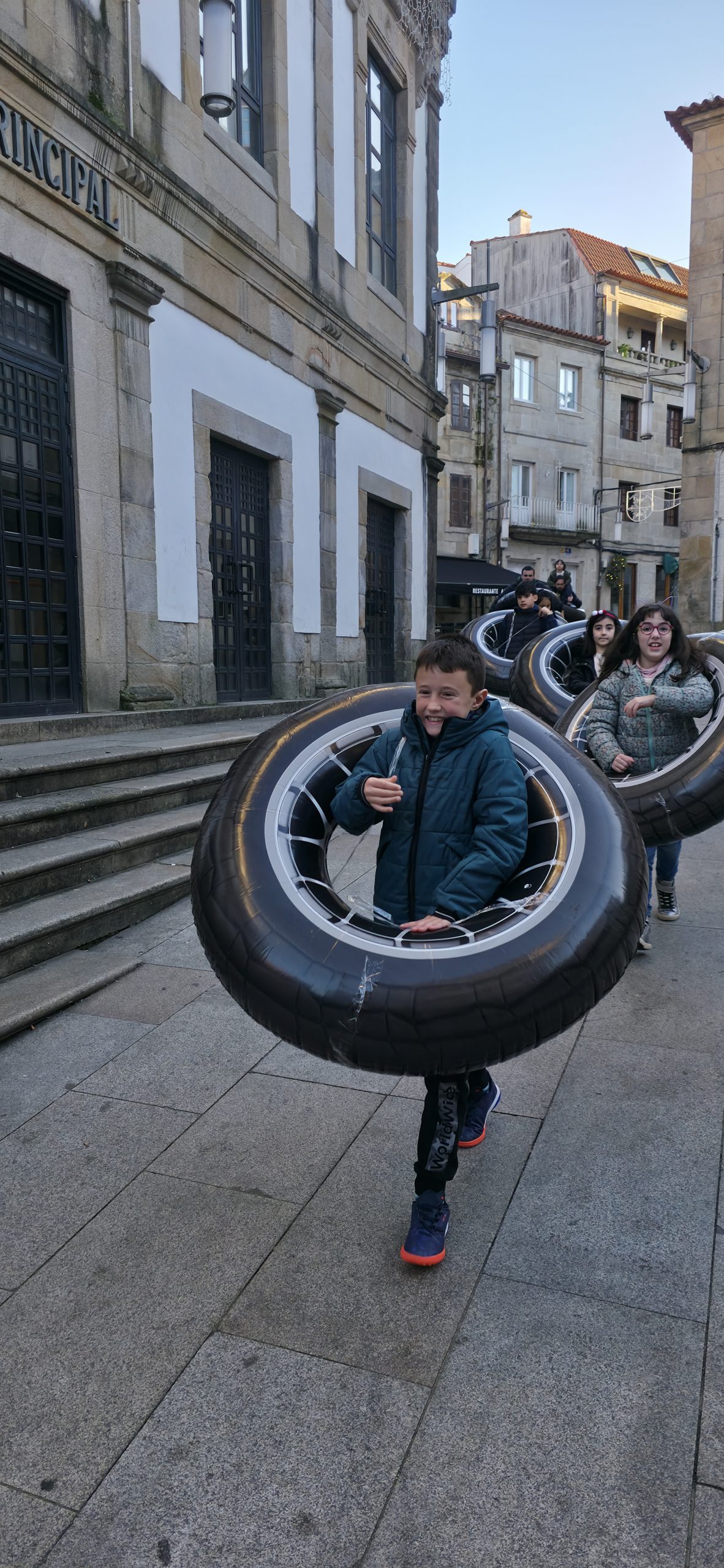
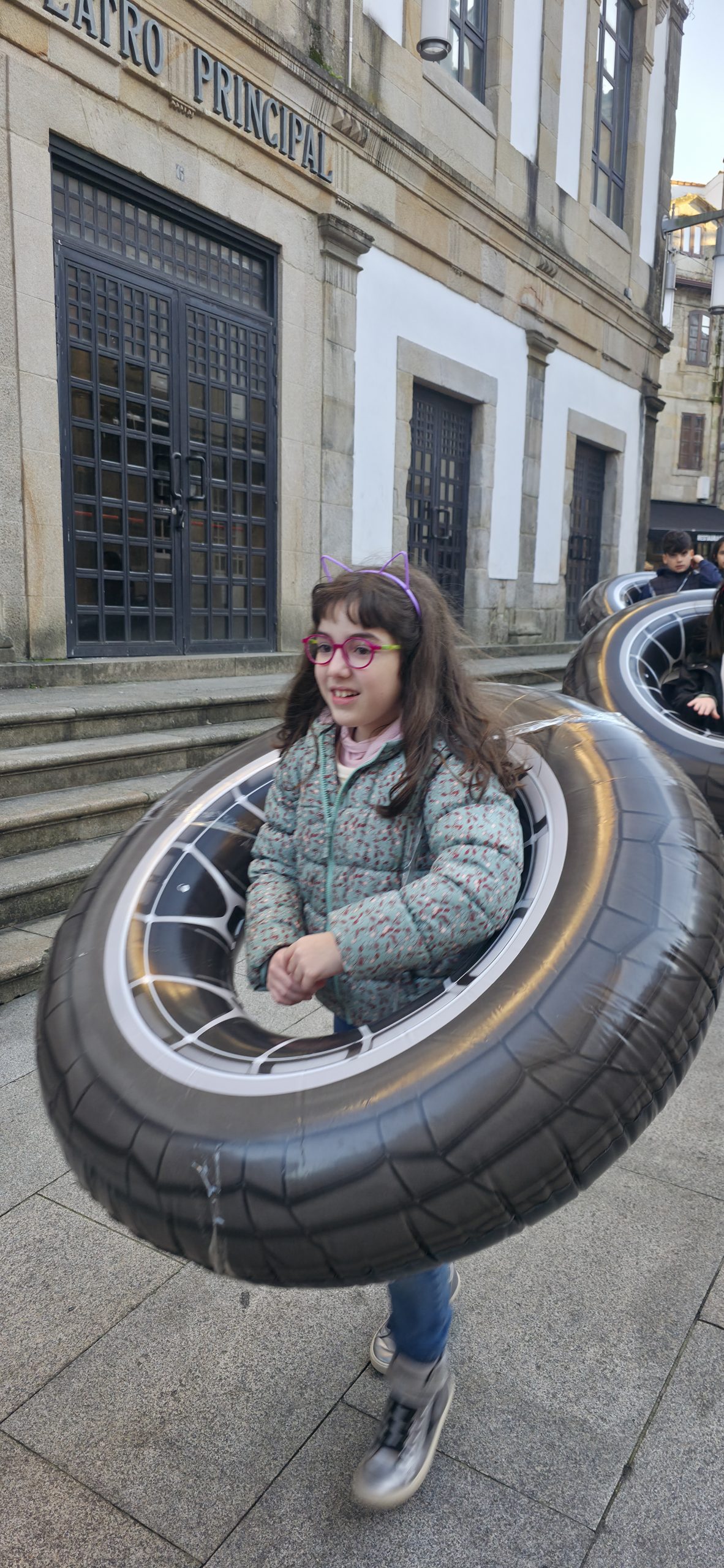
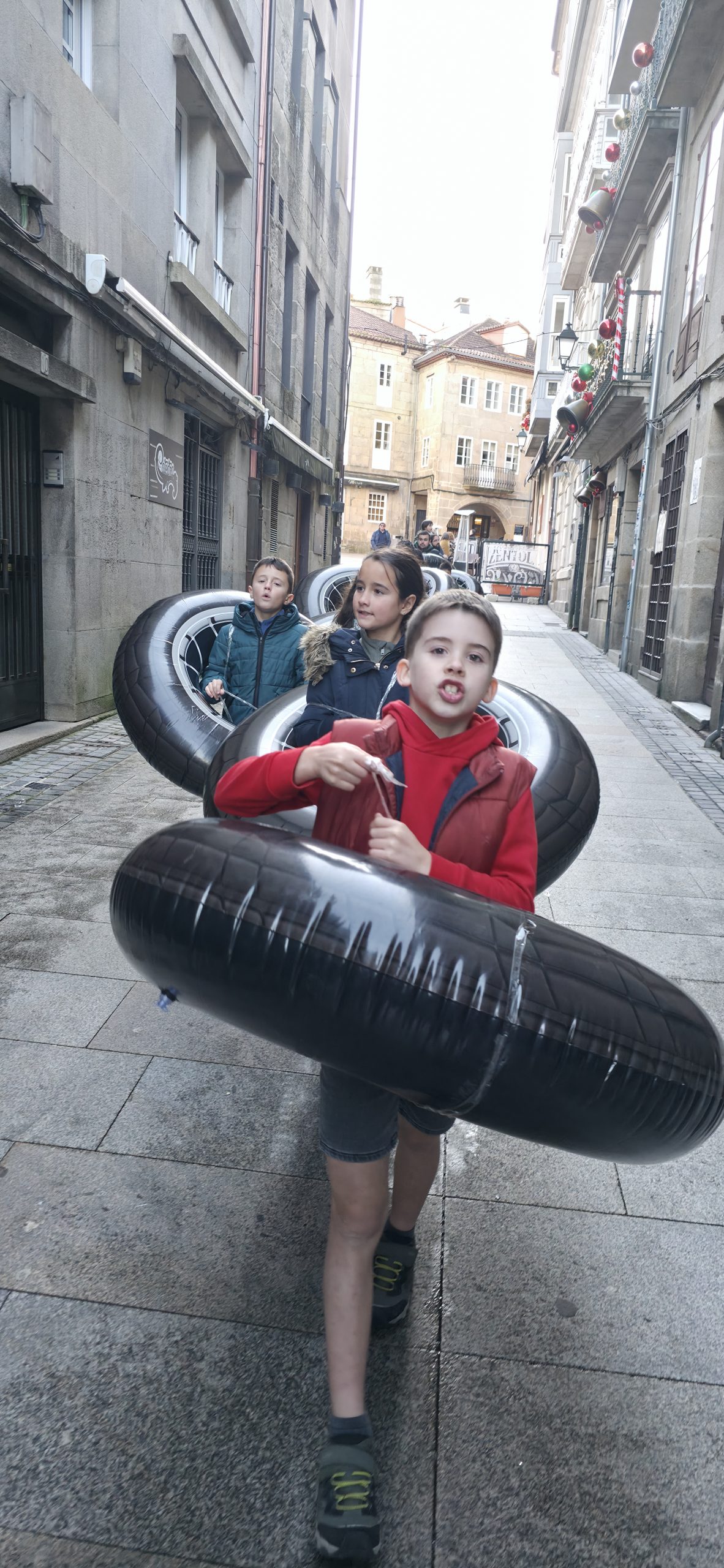
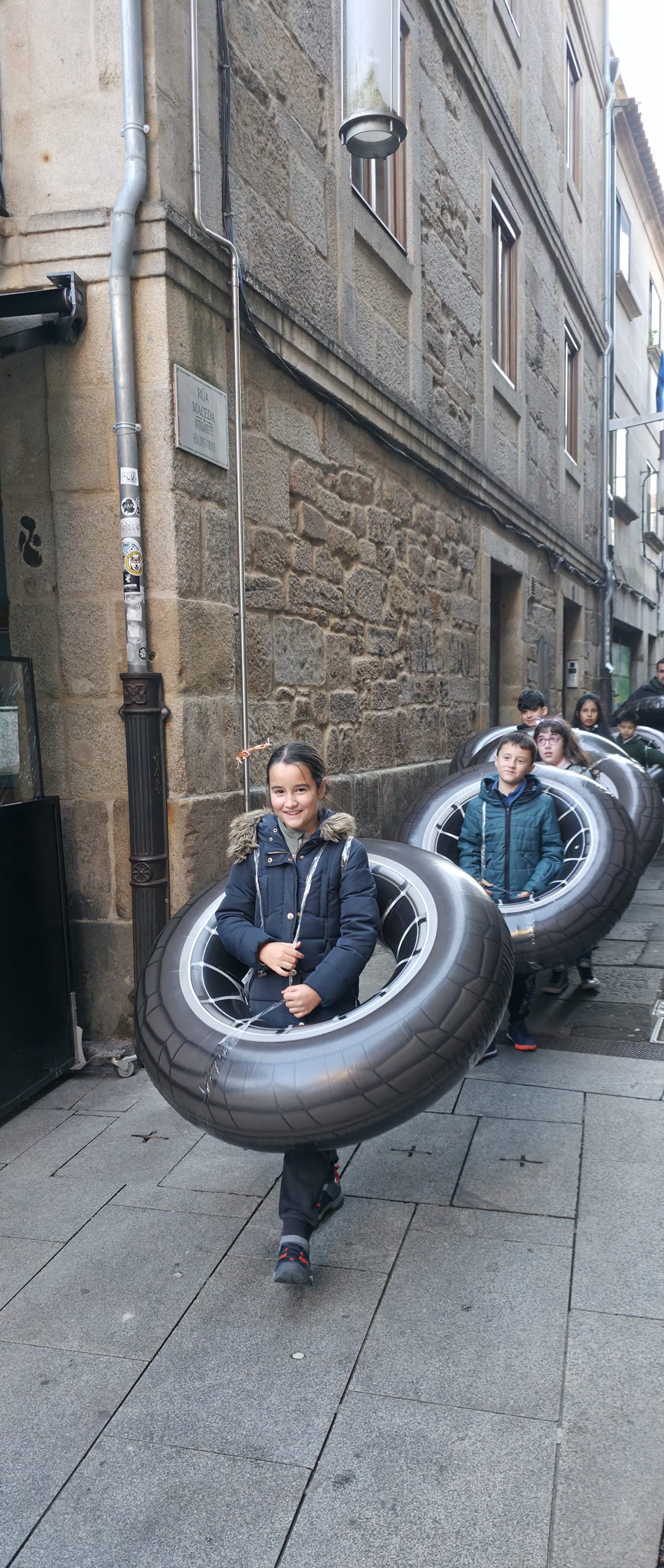
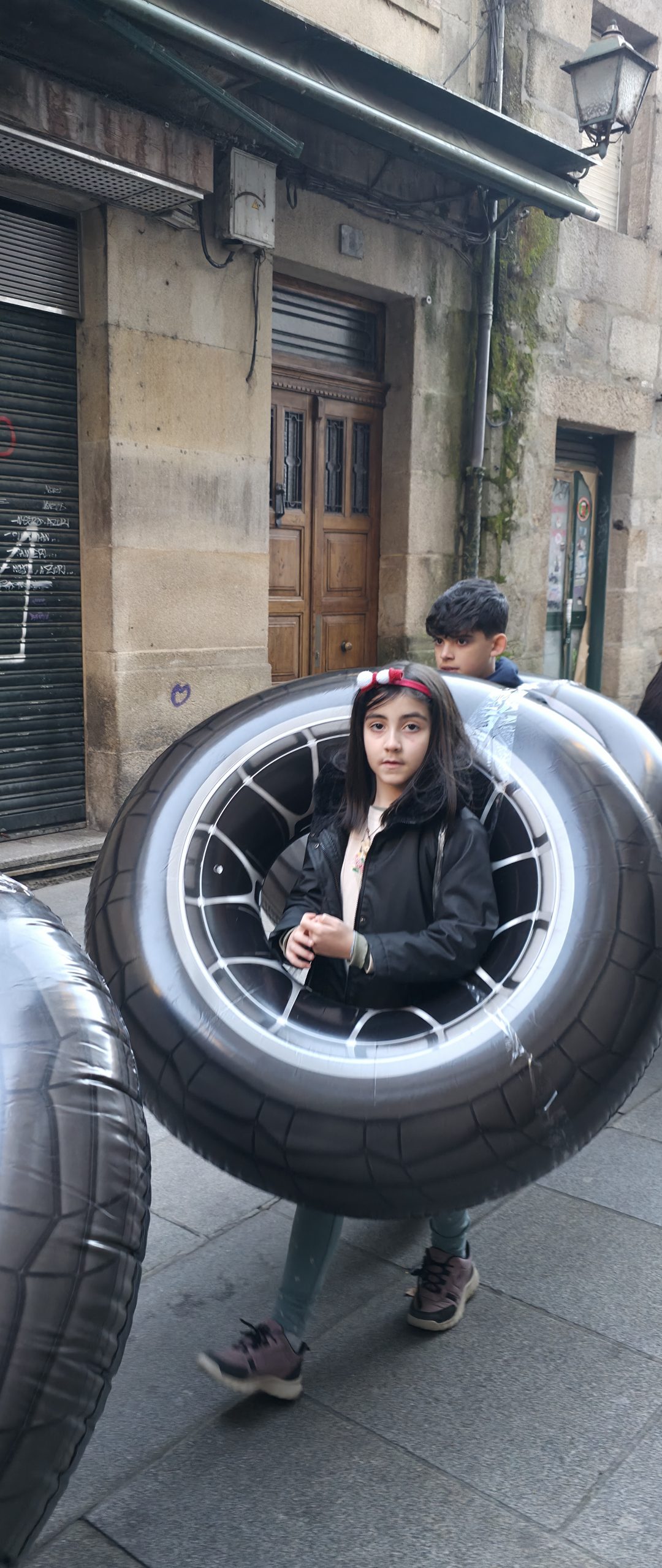
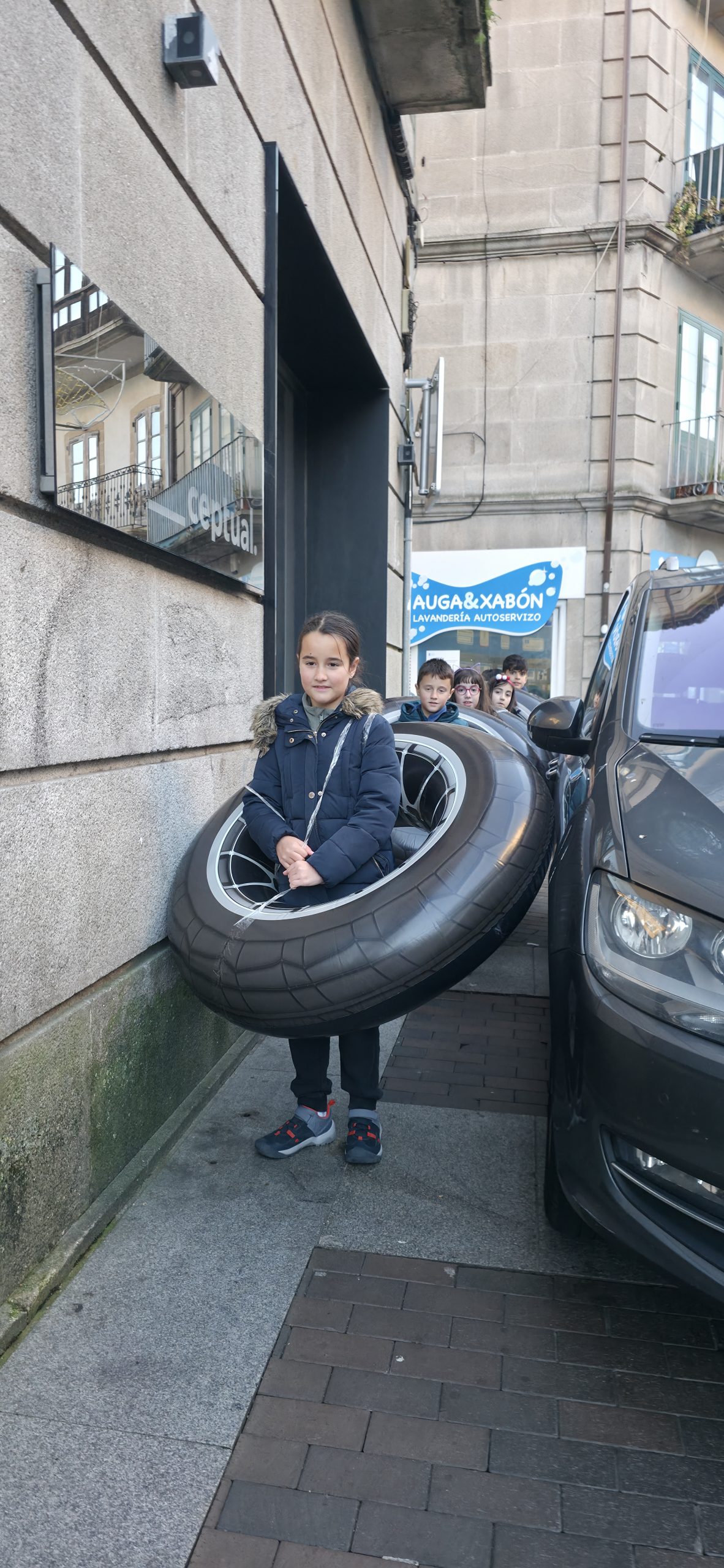
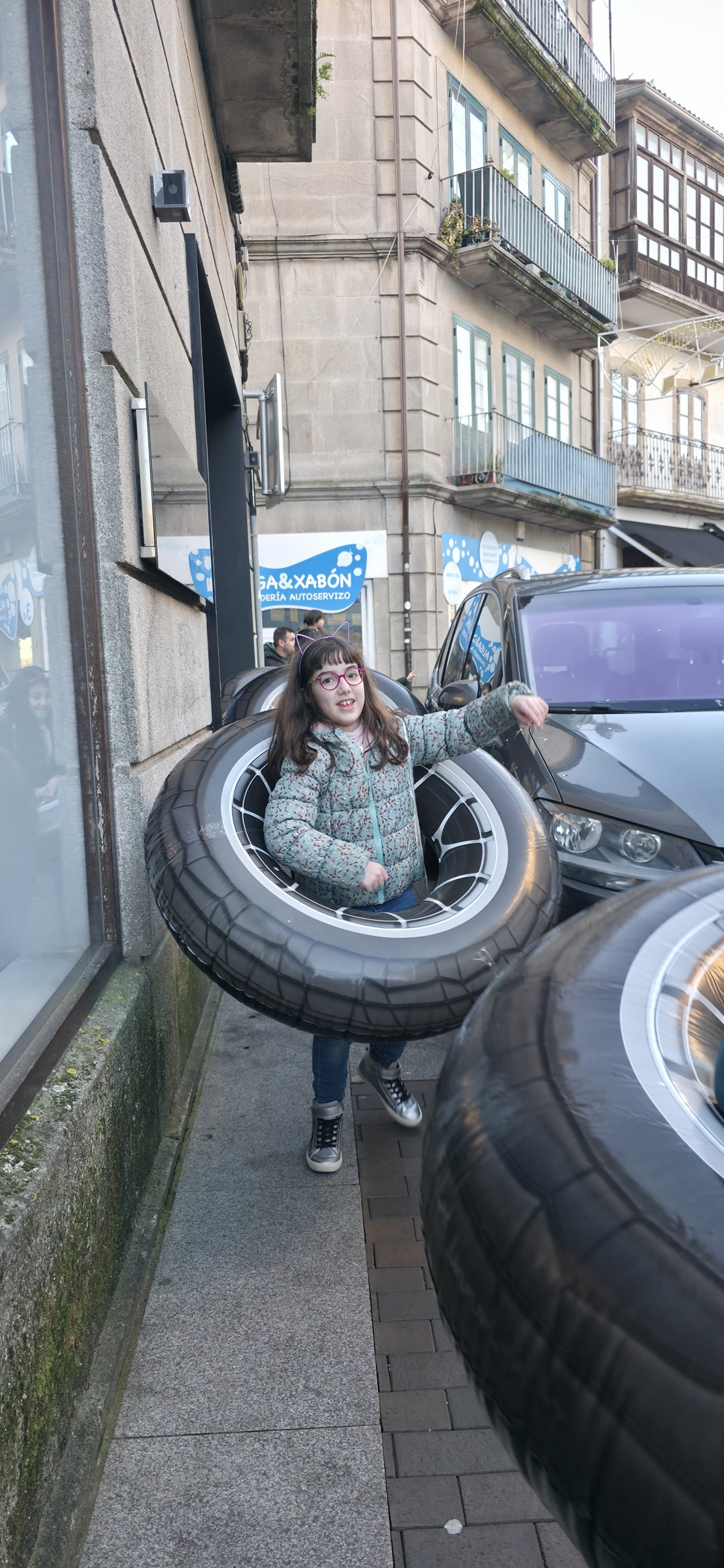
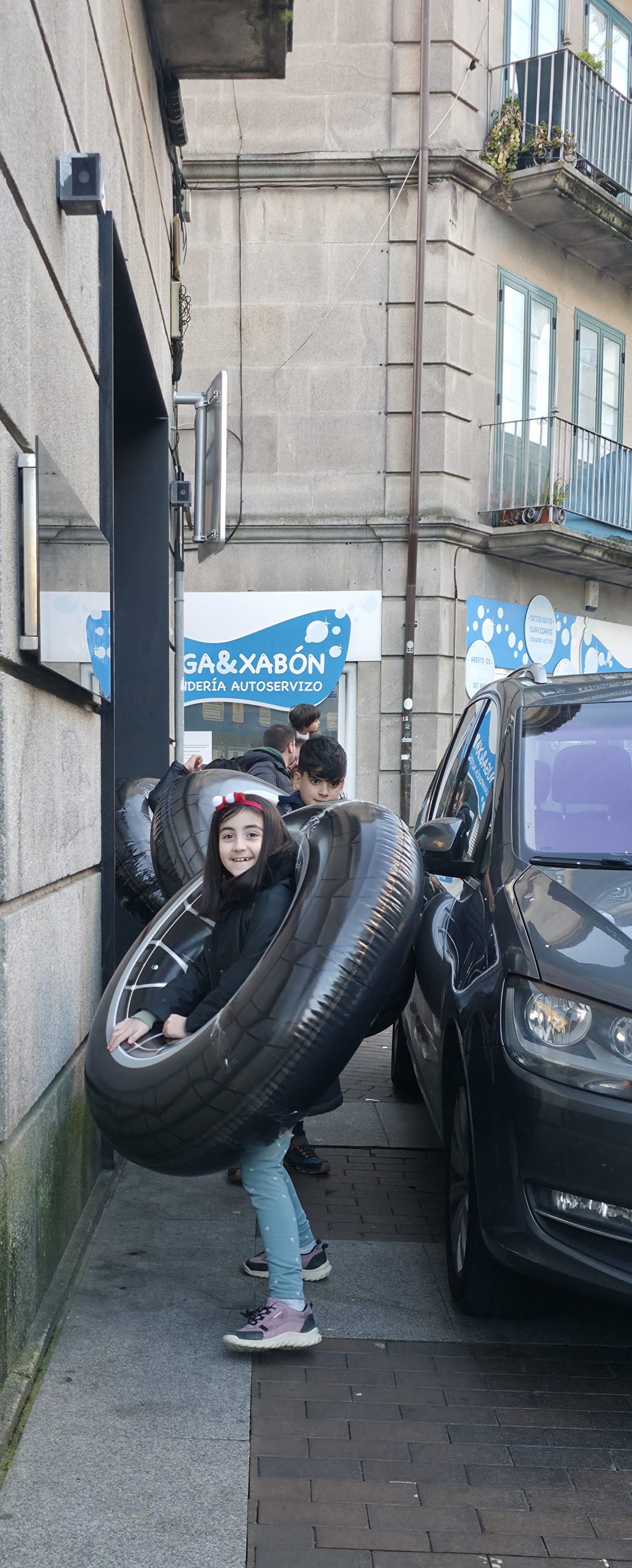
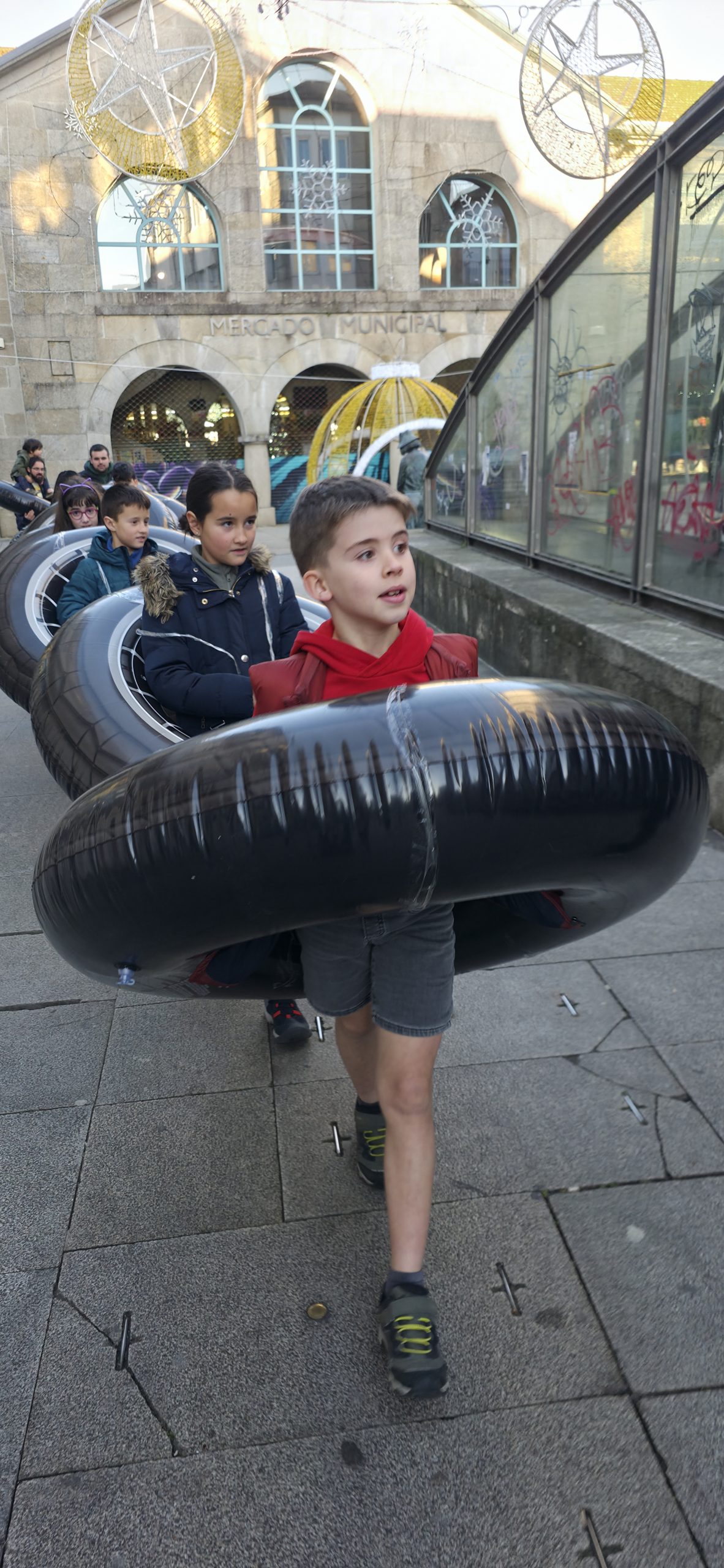
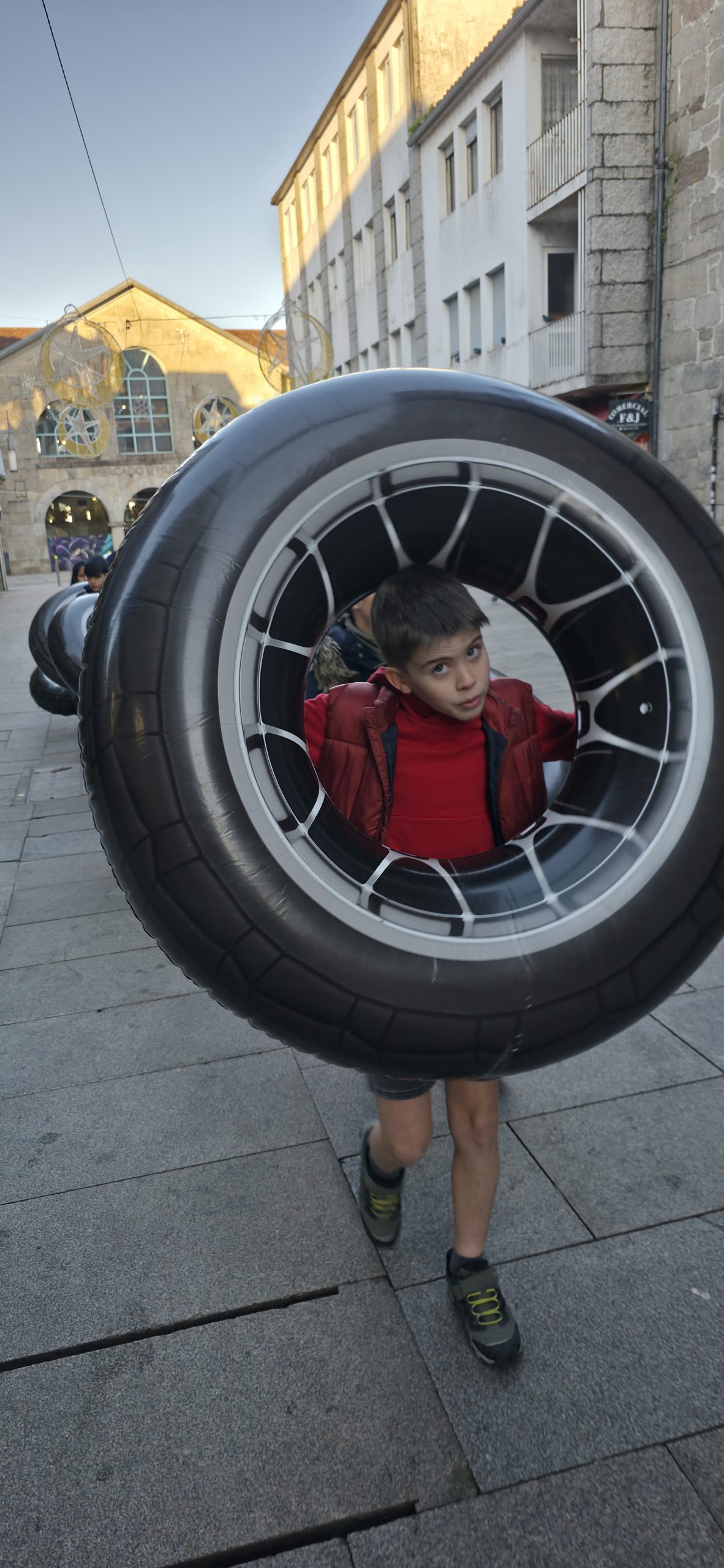
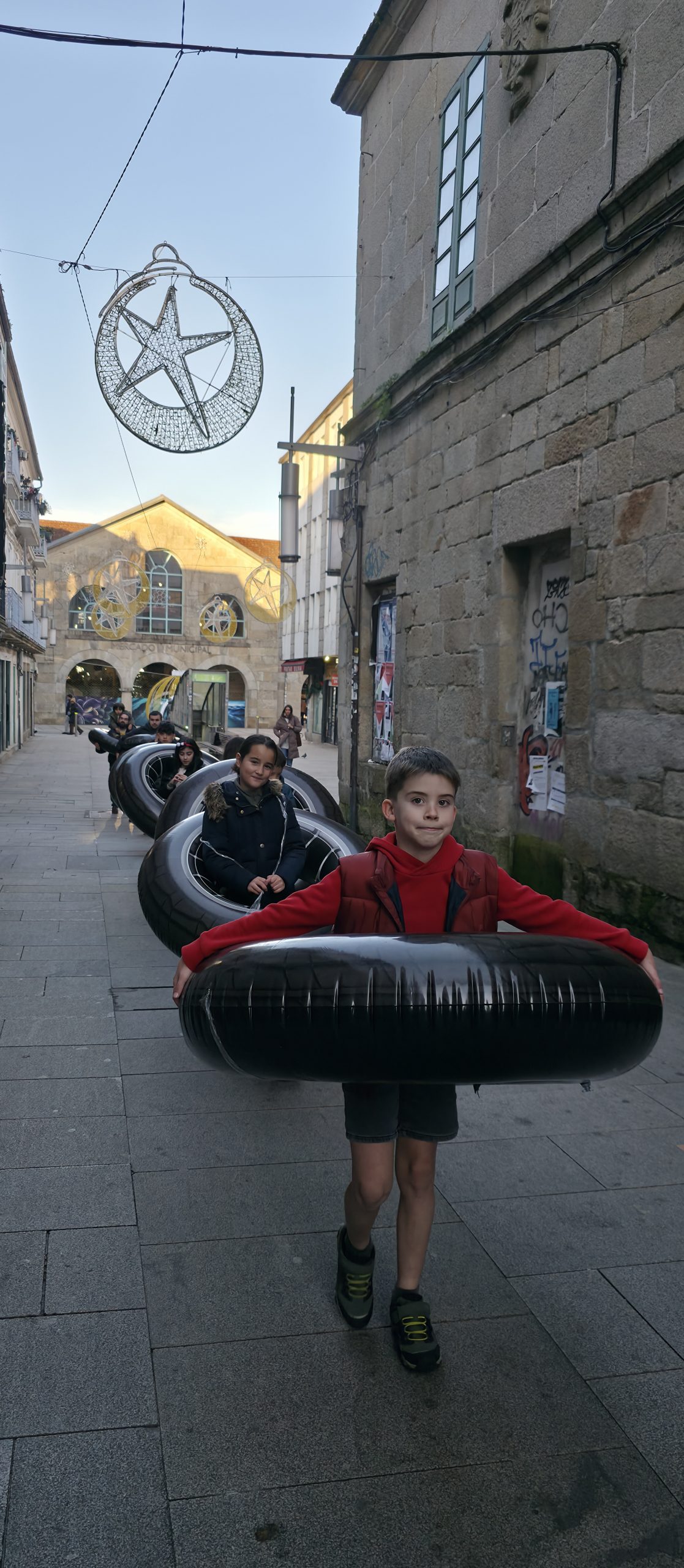
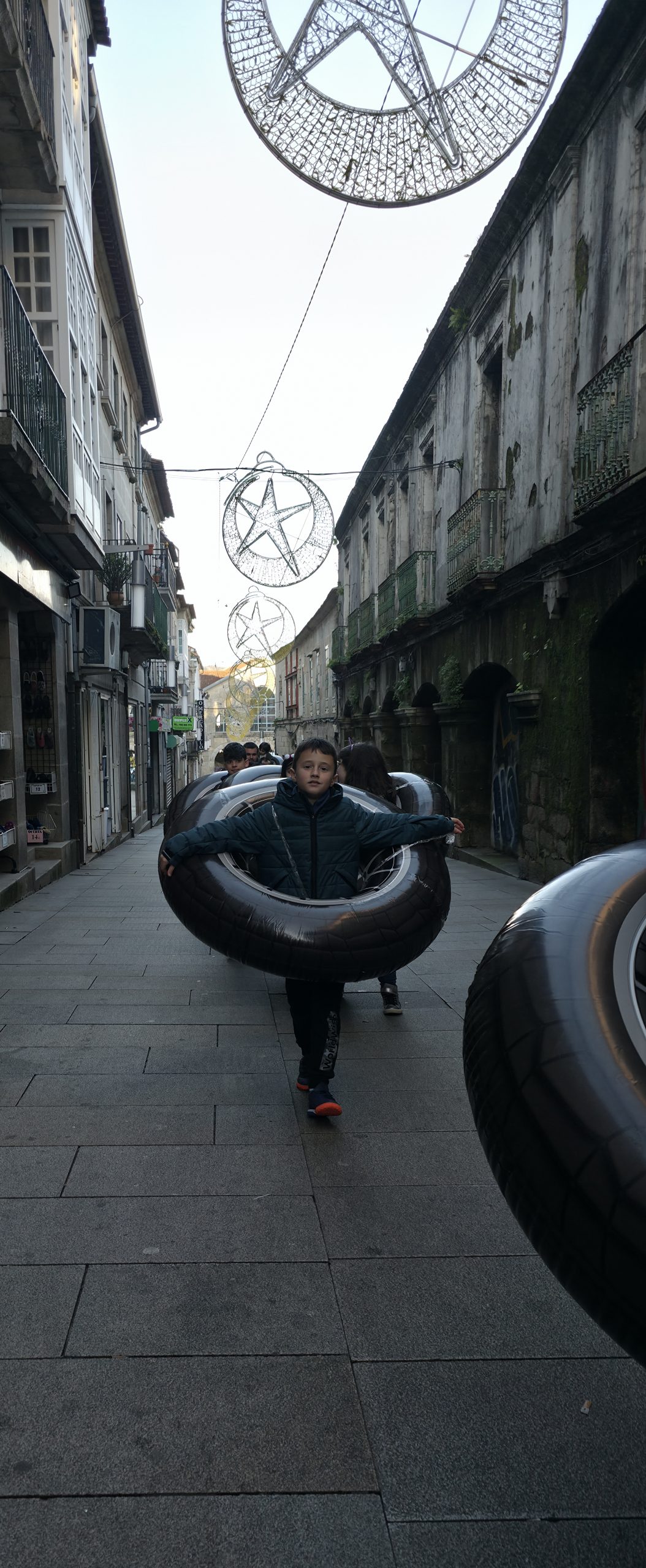
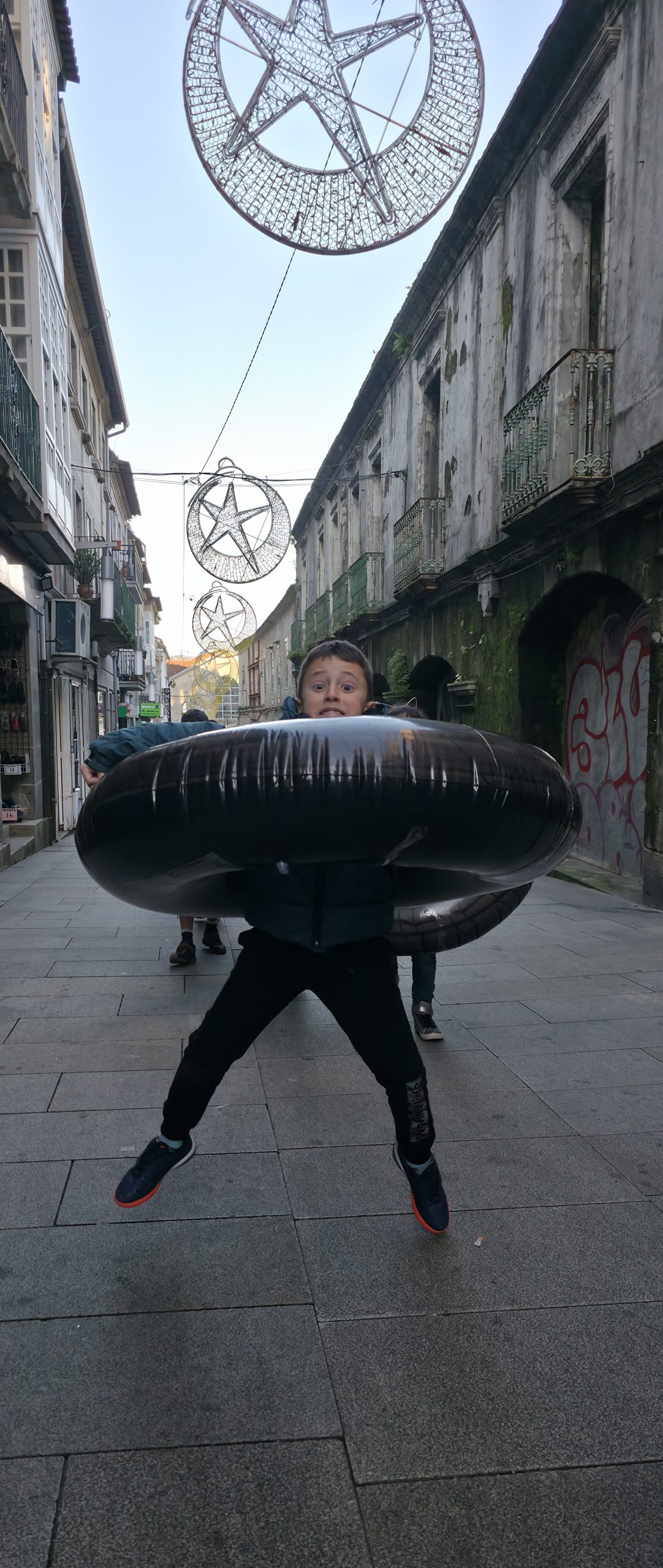
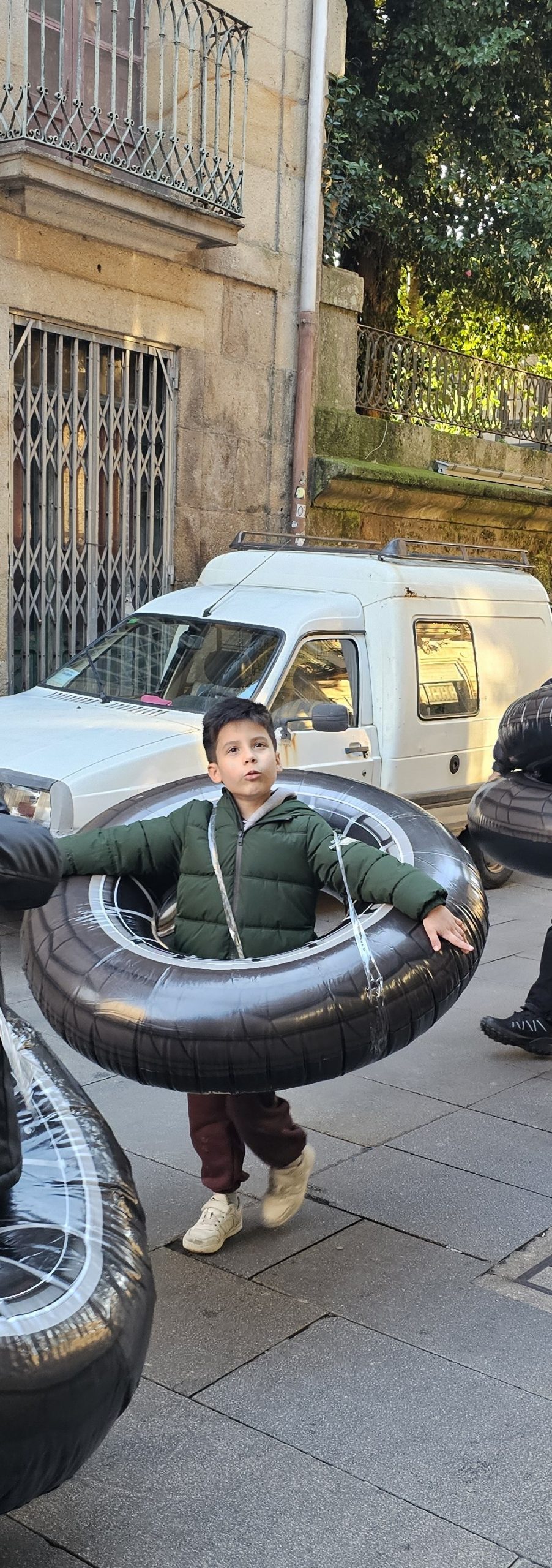
A few years ago, in a context where measuring distances between bodies became urgent, in A Vila do Mañá we took the floaters out to the street.
They helped us make visible the invisible space, the one we occupy when we notice, the one that separates or unites us.
Today we recover the floaters, but from a different perspective: not as a defense, but as a tool for perception, not to mark distances, but to measure presence, scale, and the right to public space.
How much space does a body in motion occupy?
How much space does a person need to walk, stop, play, or talk without having to step aside?
In Pontevedra, a city that has been standing by people’s side for years, we went out to check.
We want to make visible what is already working, and also what can still improve.
The floaters, with their playful shape and enveloping volume, help us to feel the space with our bodies, to experience the city from a human scale, and to ask ourselves collectively:
Is my city designed for me?
Color your city
The village or city in which we are working has been turned into a game board, a laboratory of experimentation where girls, boys and teenagers can act from a new point of view.
Working with SCALE
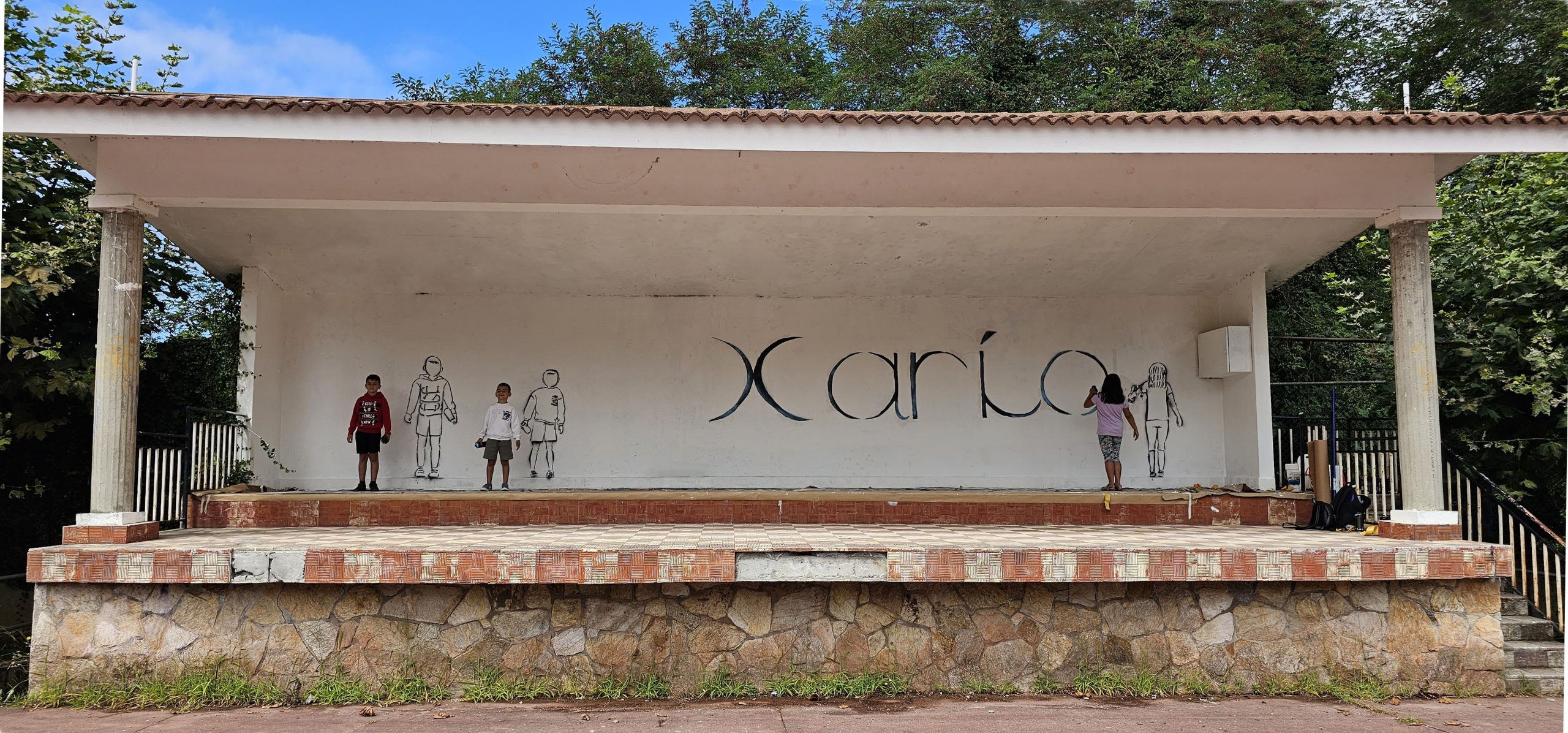
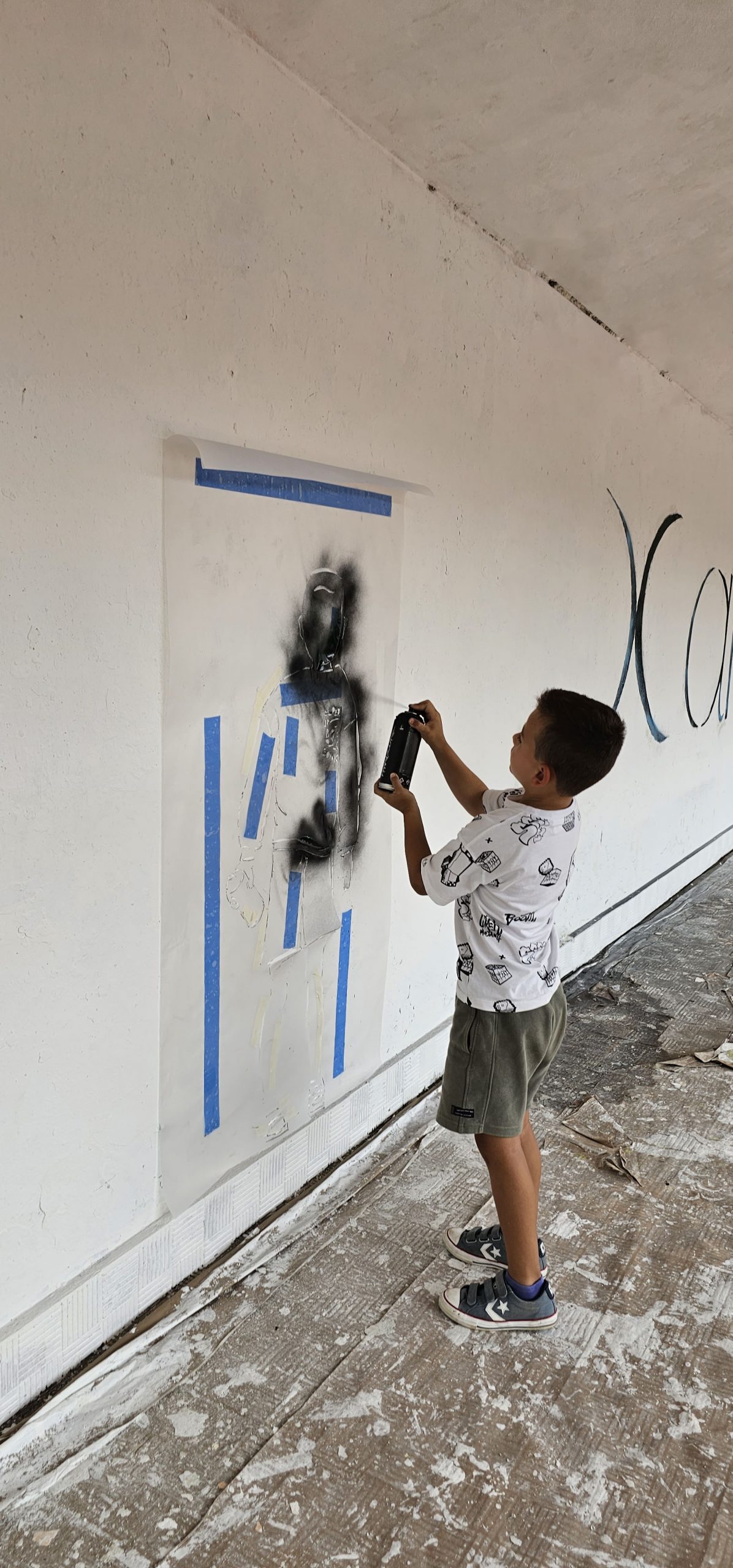
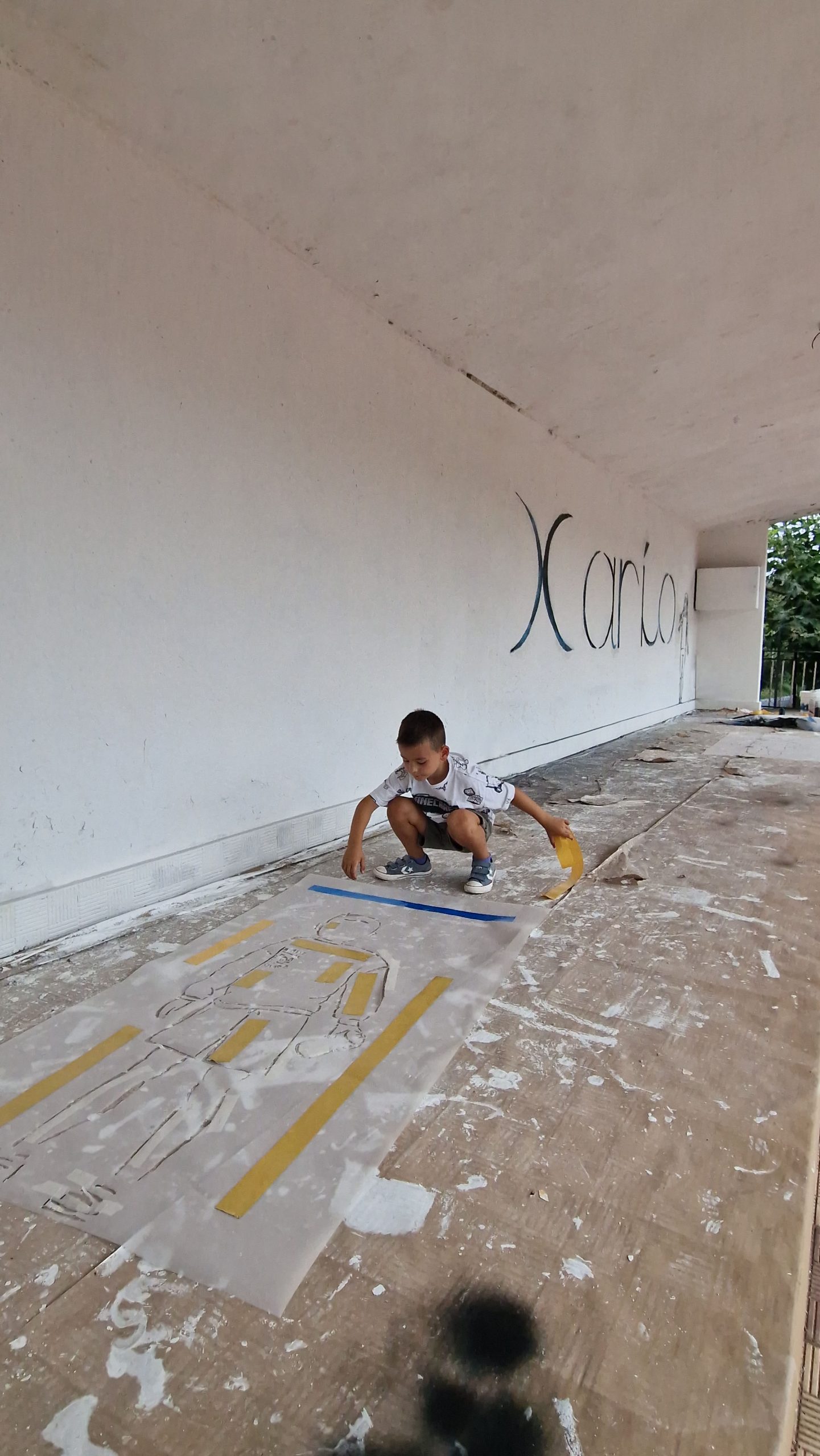
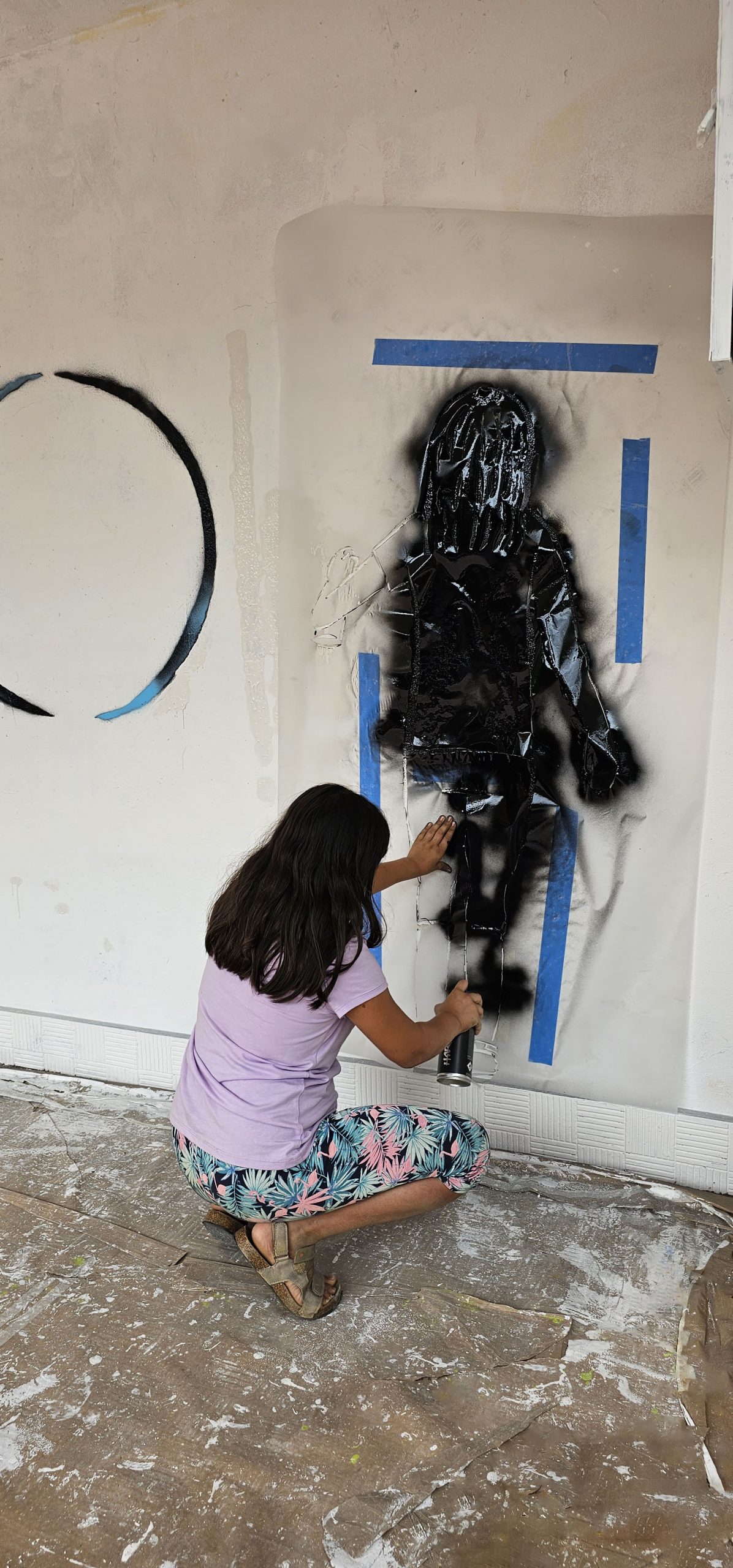
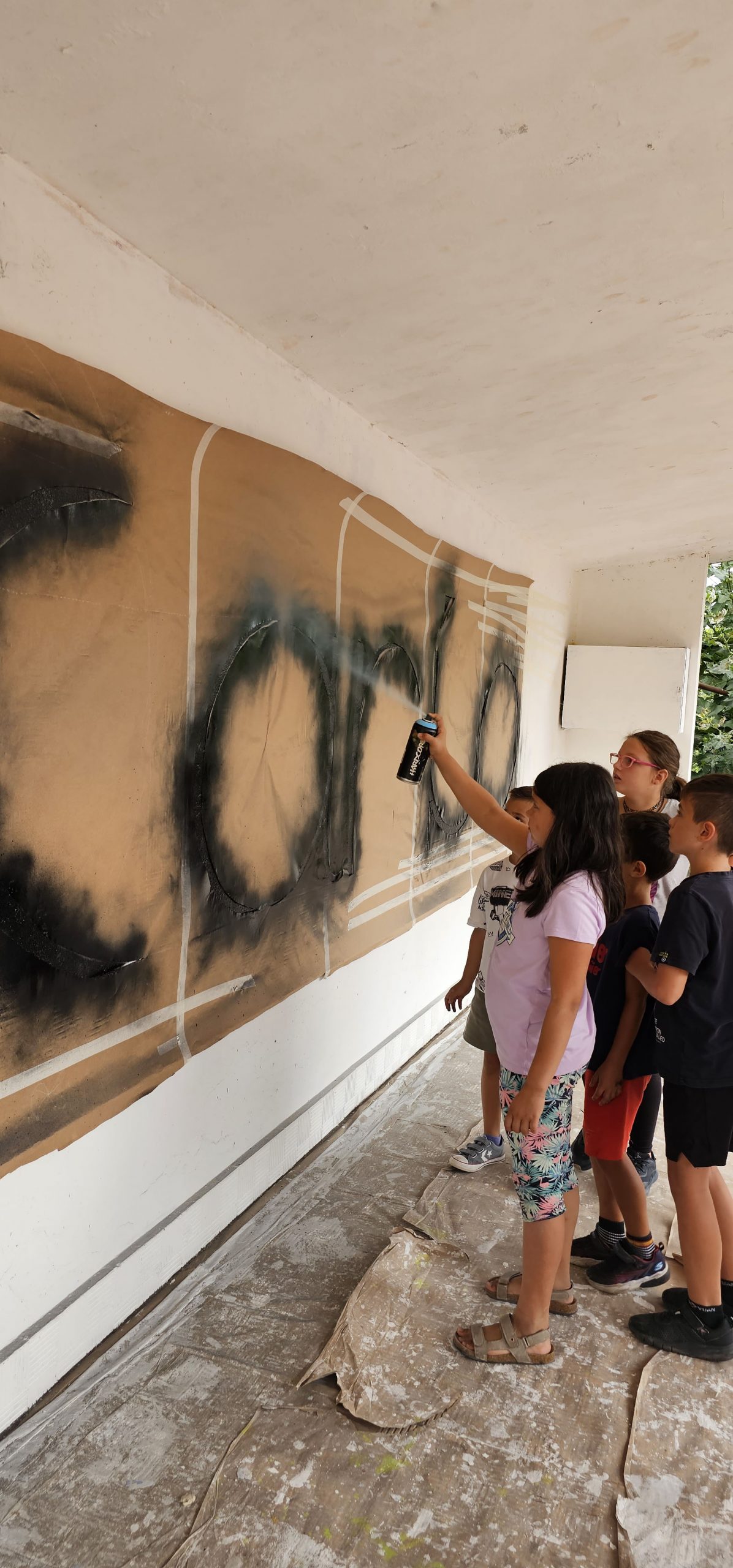
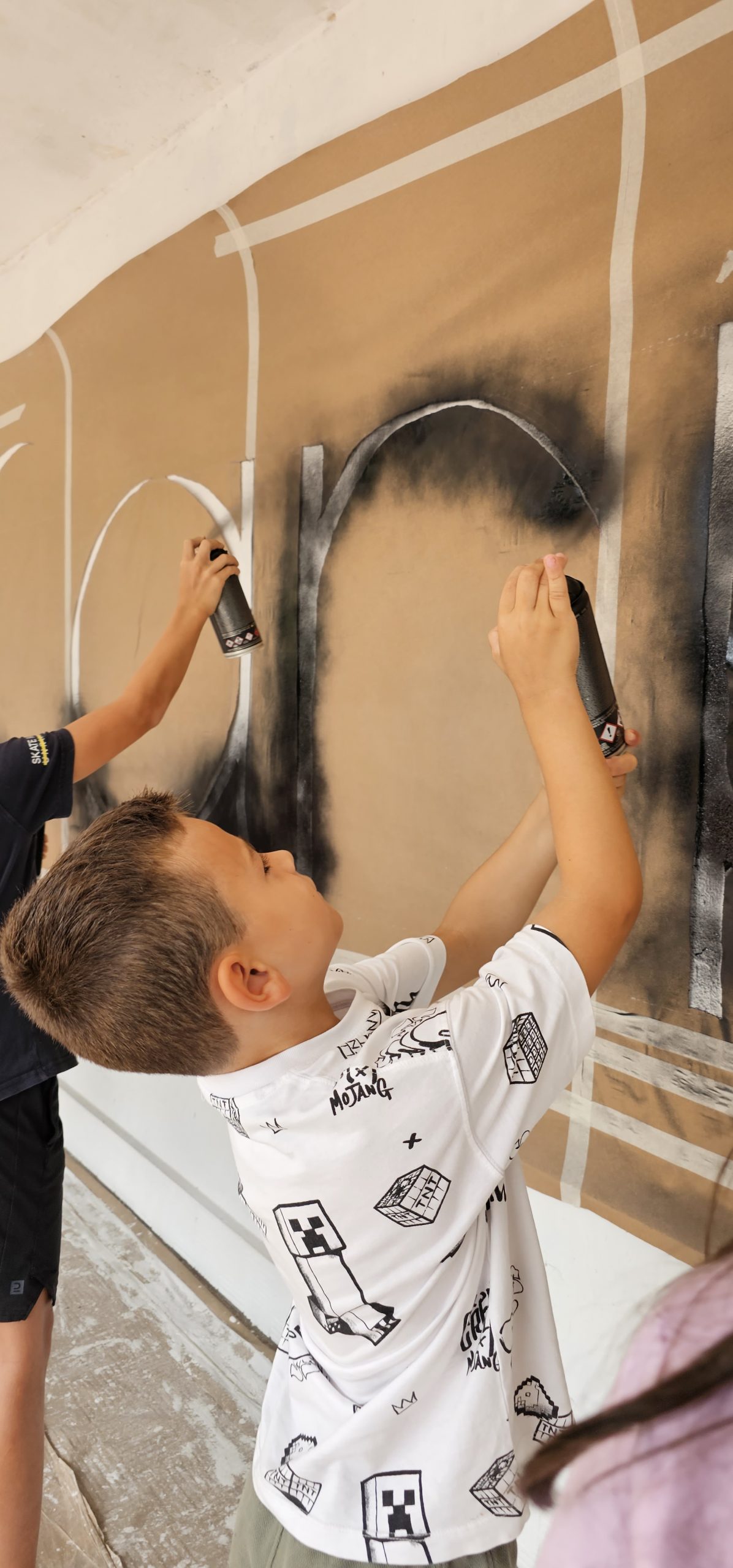
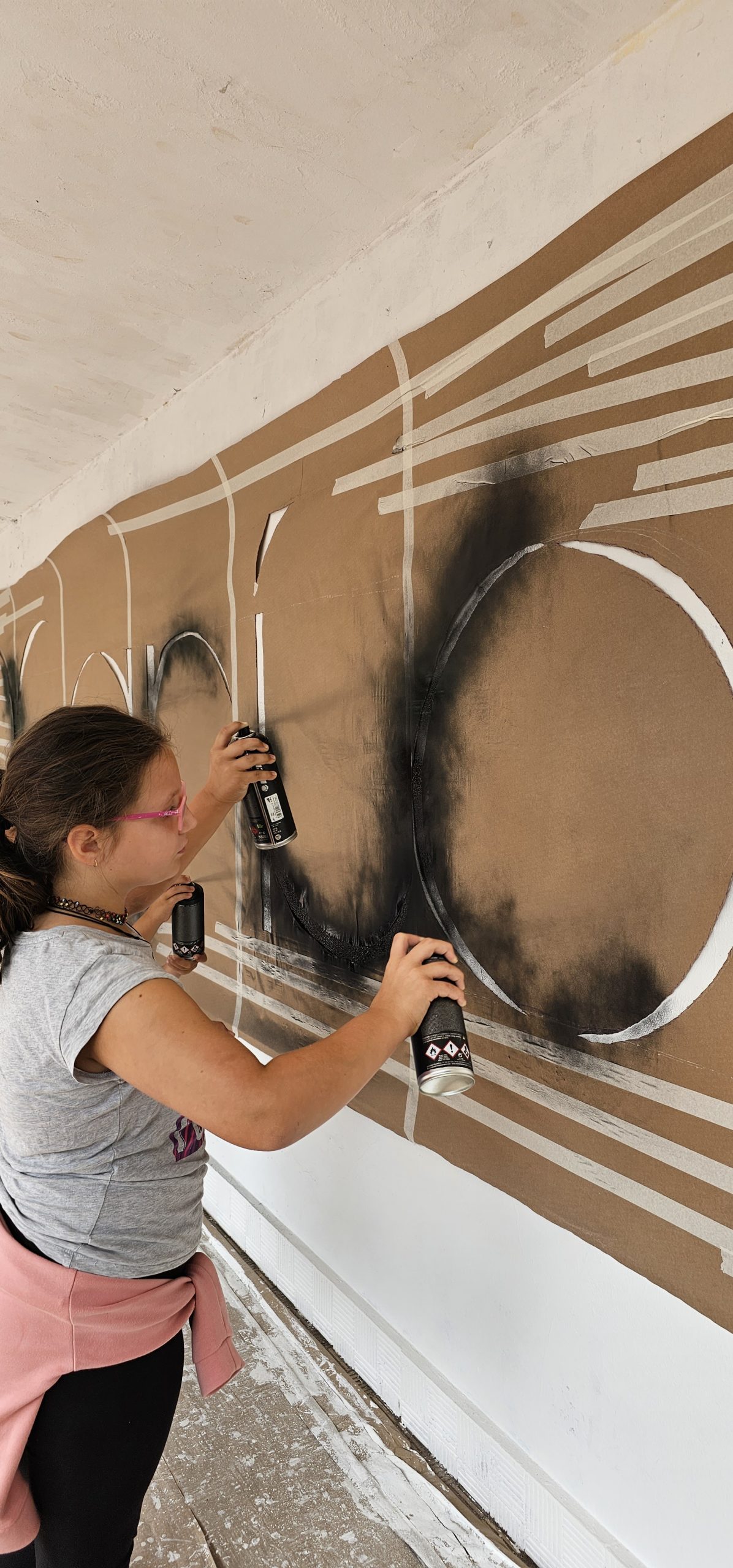
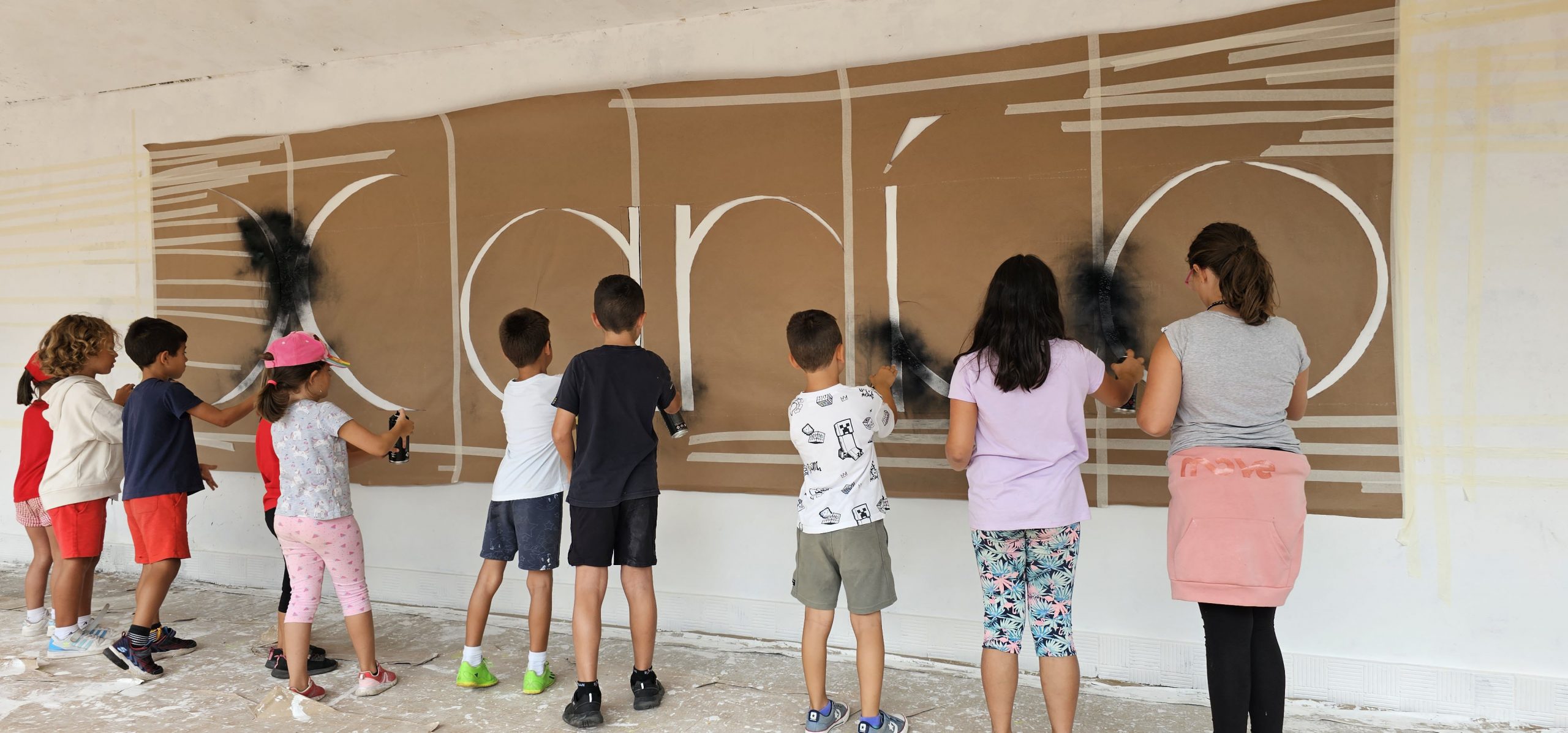
XARÍO
Changing the village through protagonist participation
working with scale
“I confront the city with my body; my legs measure the length of the arcades and the width of the square; my gaze unconsciously projects my body onto the cathedral facade, where it wanders along the mouldings and contours, feeling the size of the ins and outs; the weight of my body meets the mass of the cathedral door and my hand grips the door handle as I enter the dark empty space behind it. I feel myself in the city and the city exists through my embodied experience. The city and my body complement and define each other: I inhabit the city and the city inhabits me.”
Juhani Pallasmaa
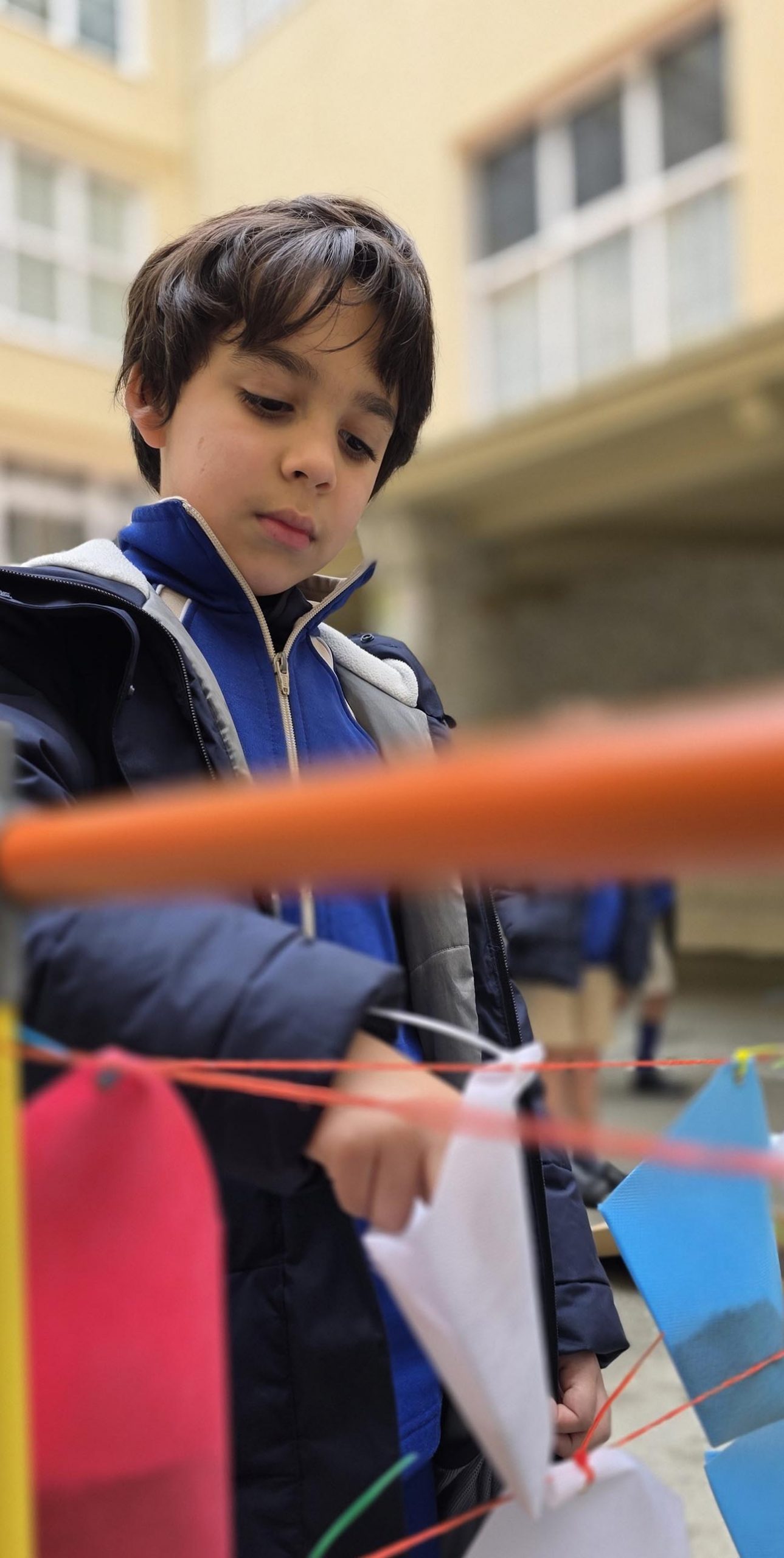
The right of children and adolescents to PARTICIPATE in the CONSTRUCTION of their TOWN or CITY by forming part of ACTIVE CITIZENSHIP, in such a way that they are participants and executors of the changes in their environment.
Article 11. Active citizenship. 1. The public authorities must promote the right of children and adolescents to actively participate in the construction of a fairer, more supportive and democratic society. 2. The public authorities must foster solidarity and social sensitivity in order to increase the social participation of children and adolescents and create new social spaces that stimulate the responsible participation of this sector of the population and favour coexistence and social integration at local and community level. (Law 14/2010, of 27 May, on the rights and opportunities for children and adolescents. Published: BOE no. 156, of 28/06/2010 )
Colour your village
The village or city in which we are working has been turned into a game board, a laboratory of experimentation where girls, boys and teenagers can act from a new point of view.