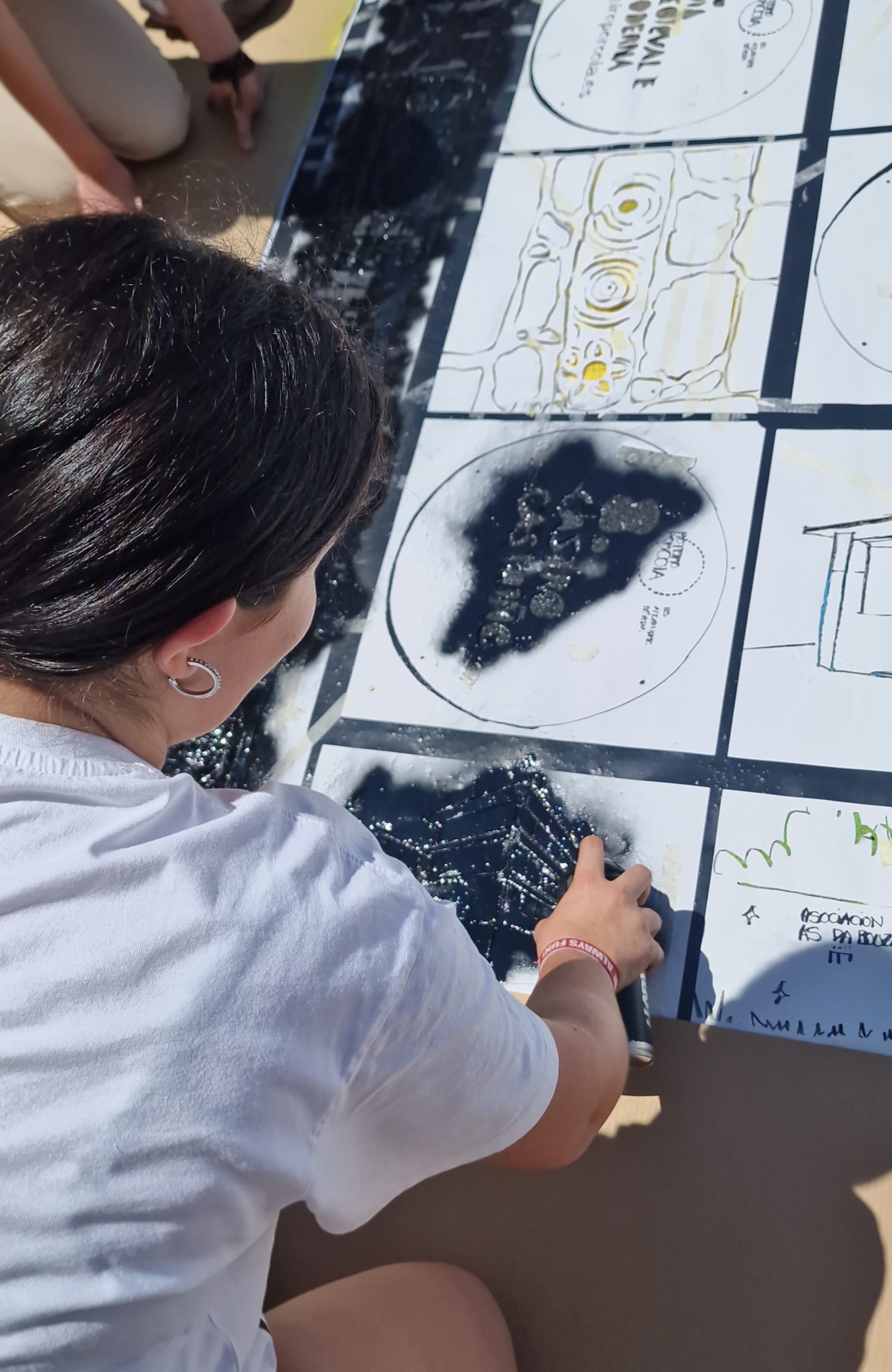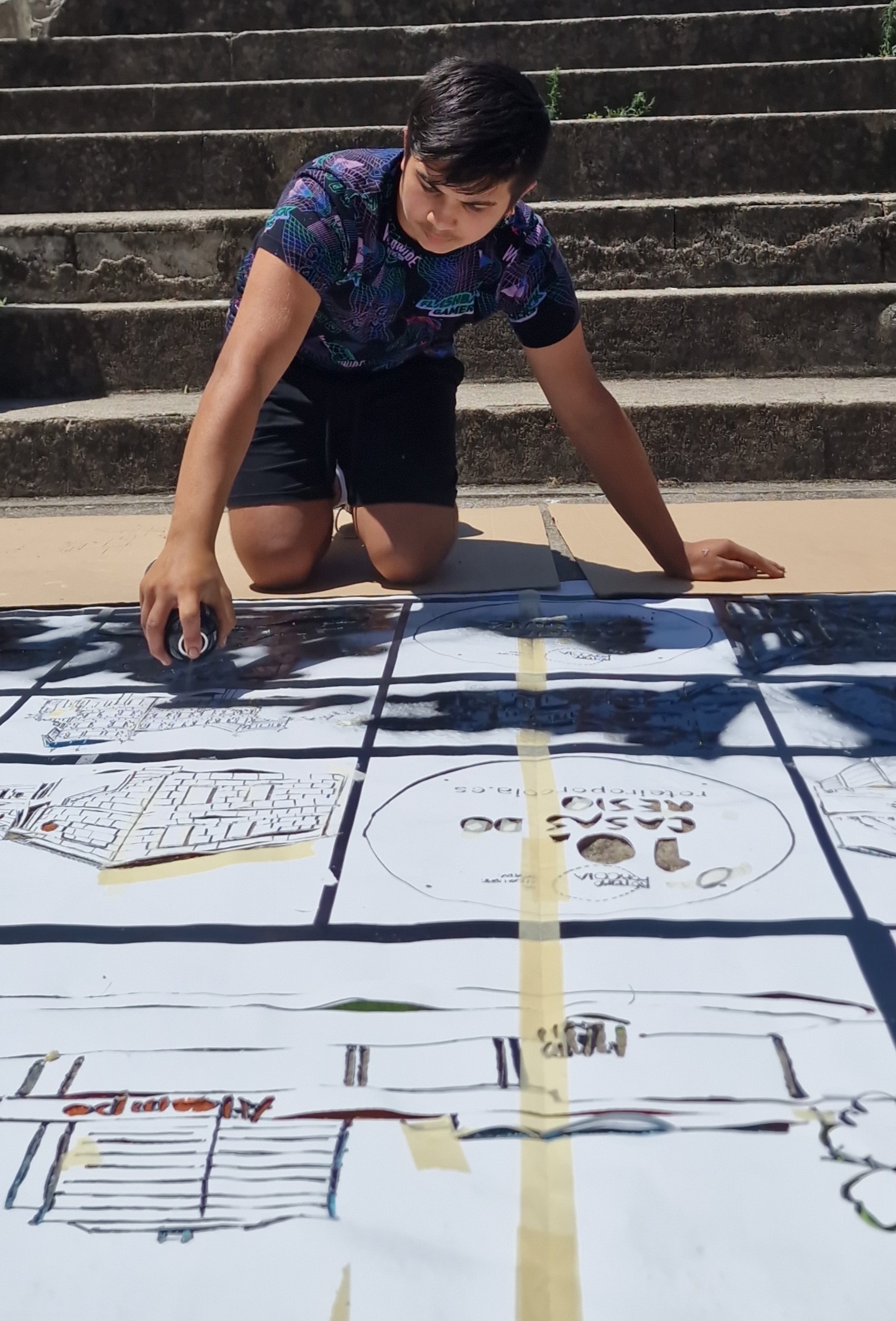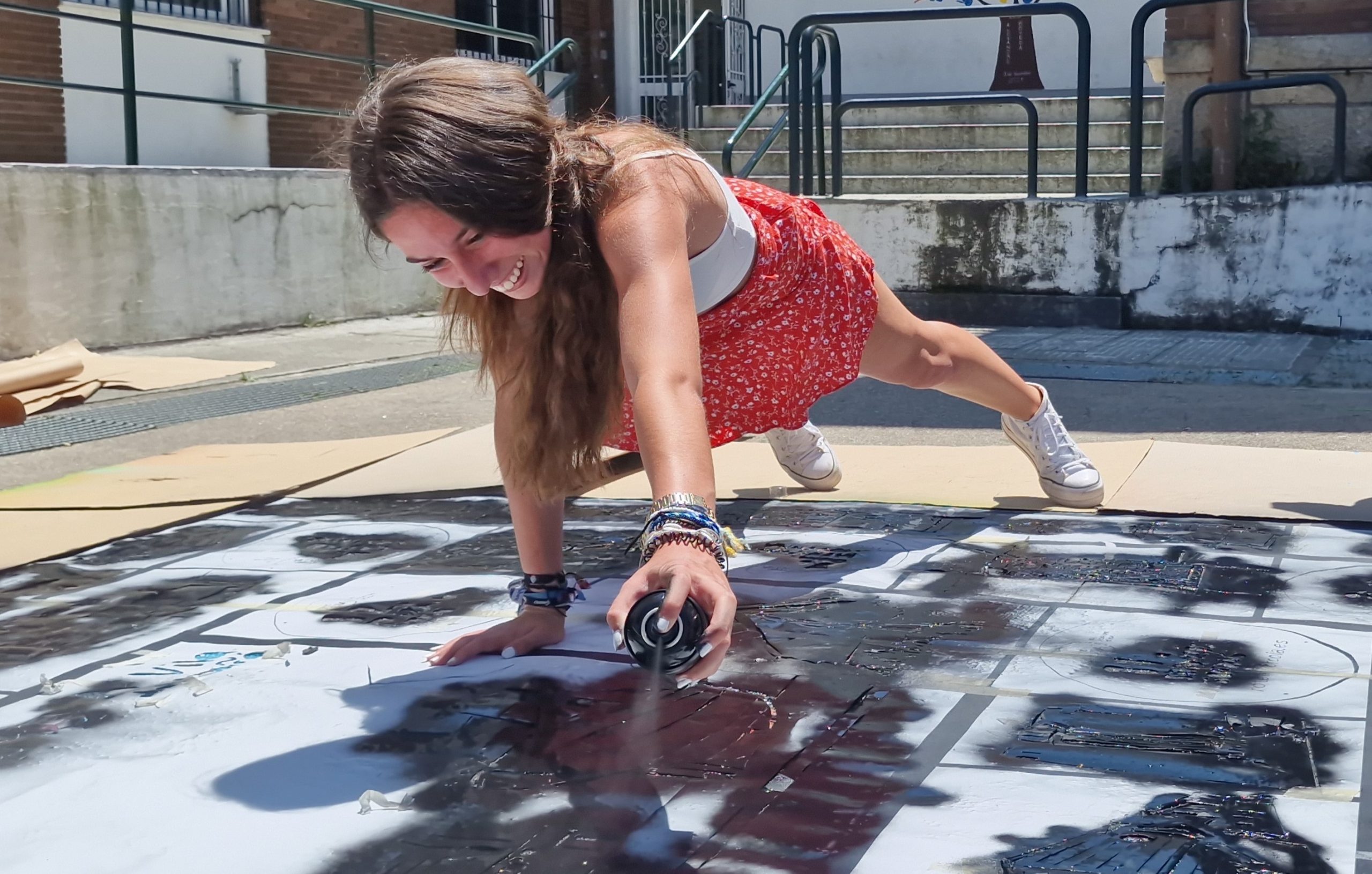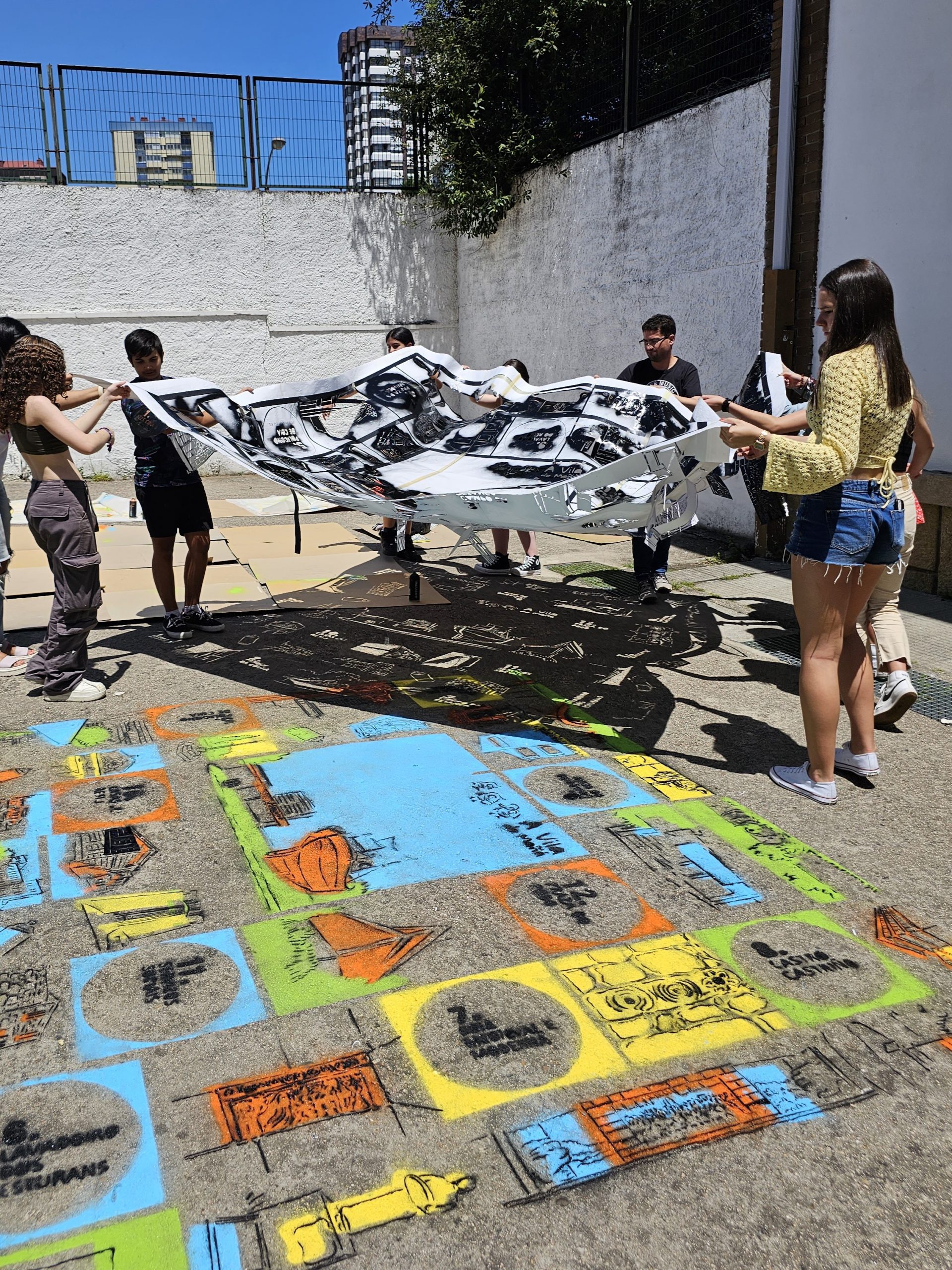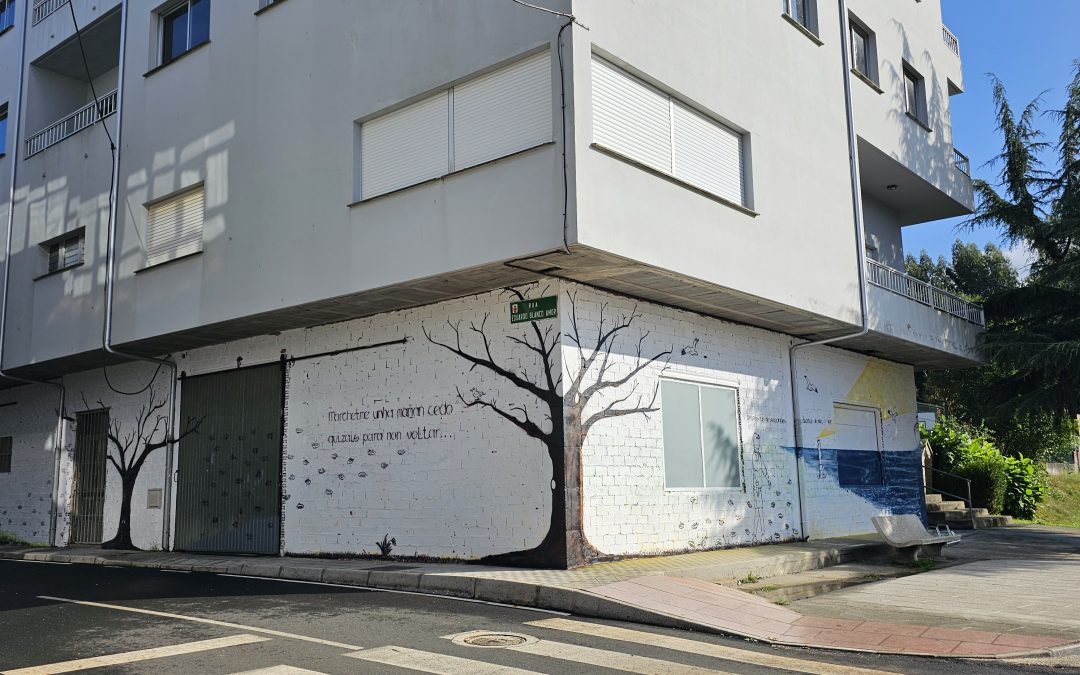
Working with Galician Literature, Eduardo Blanco Amor

Working with Galician Literature, Eduardo Blanco Amor

TOURO

CHANGING THE VILLAGE THROUGH PROTAGONIST PARTICIPATION

Working with Galician Literature, Eduardo Blanco Amor

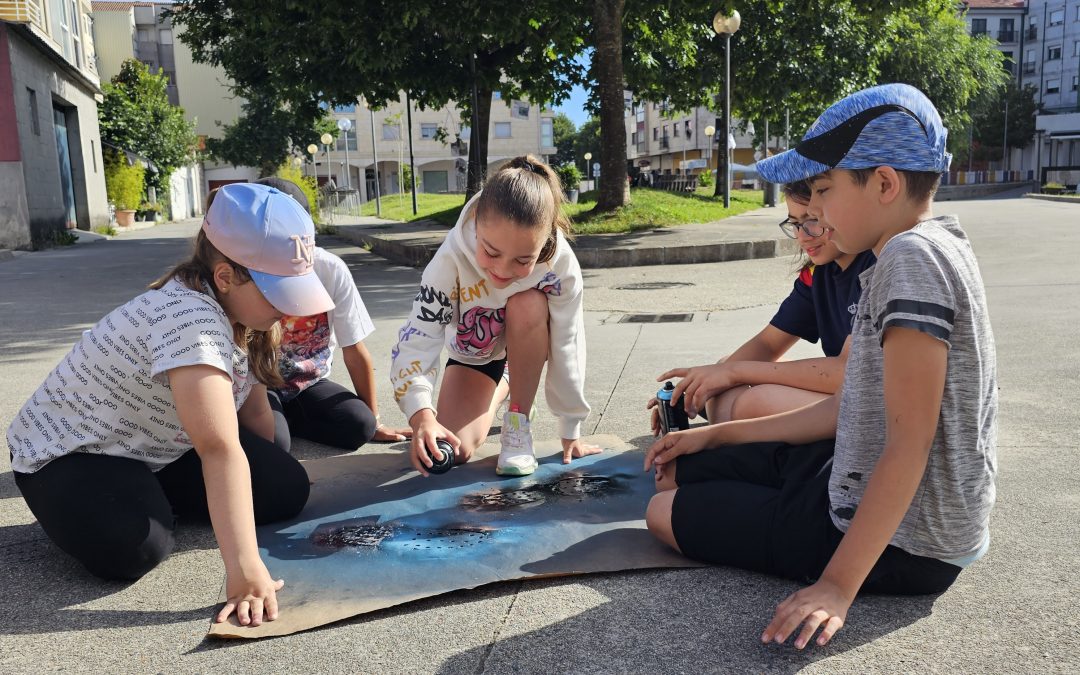
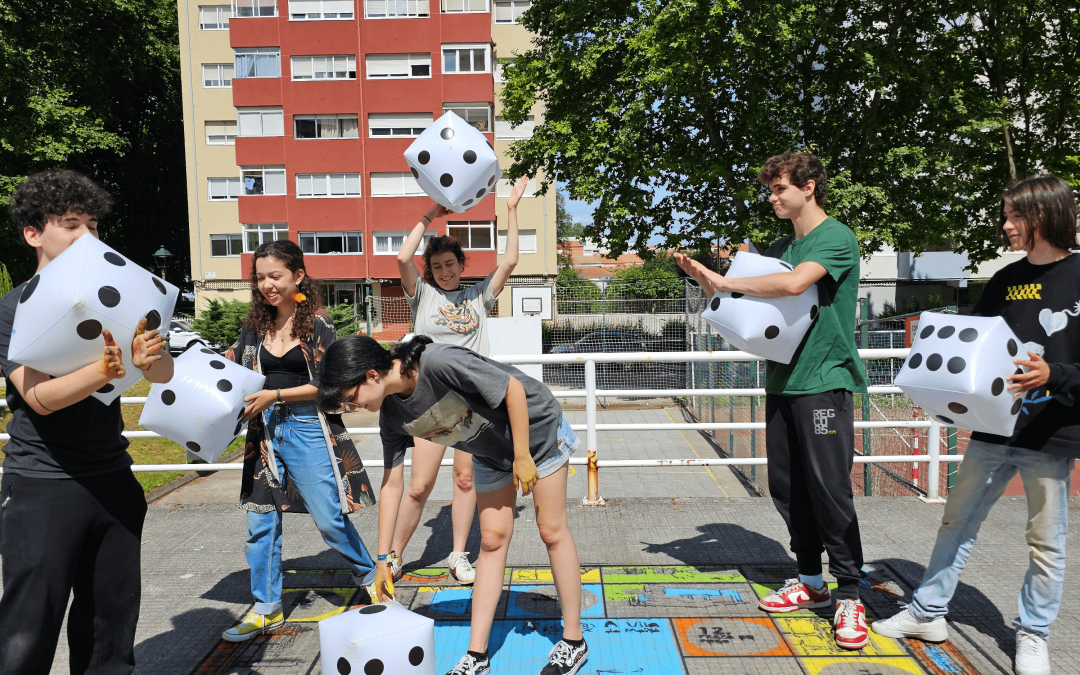
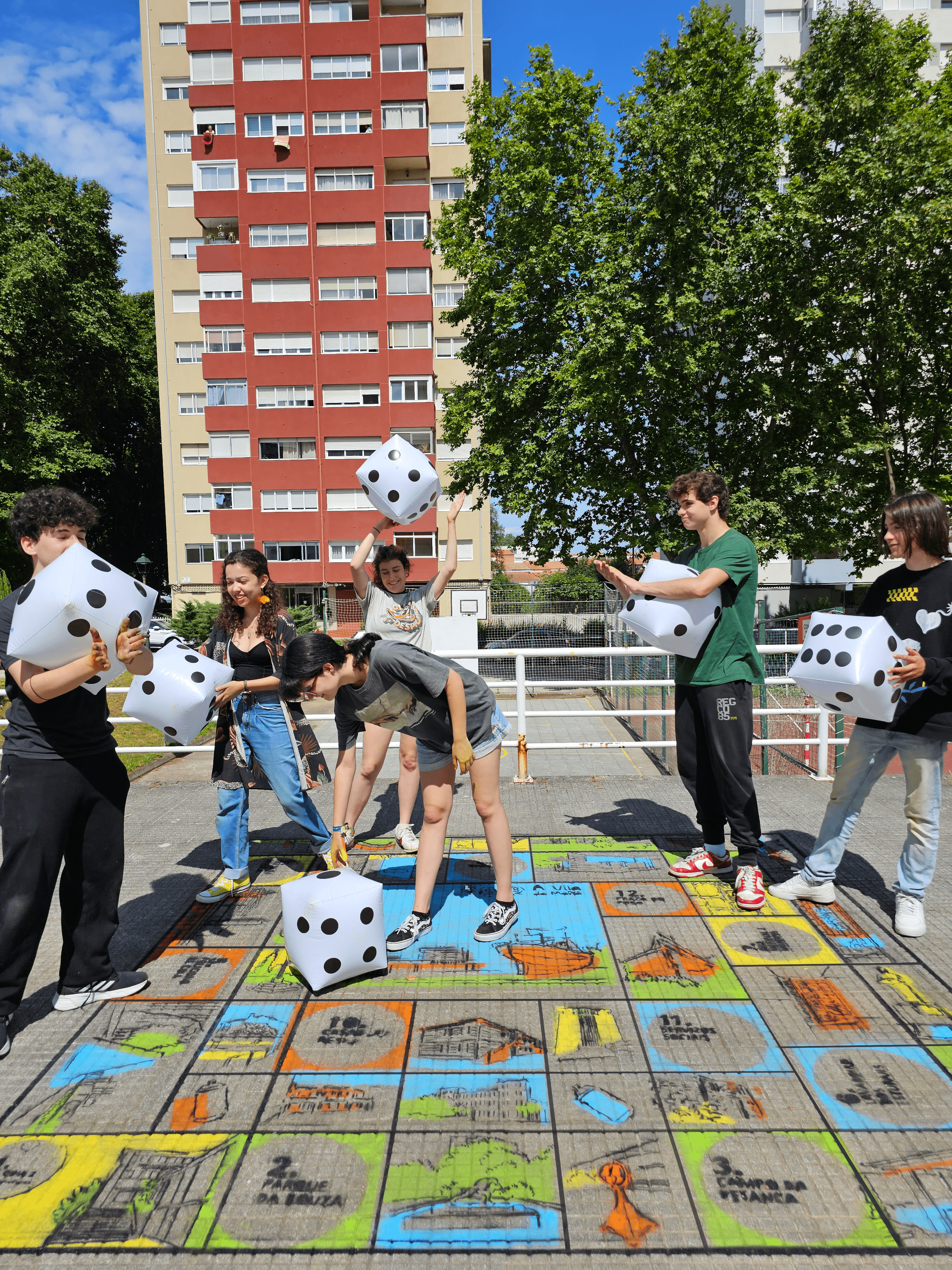
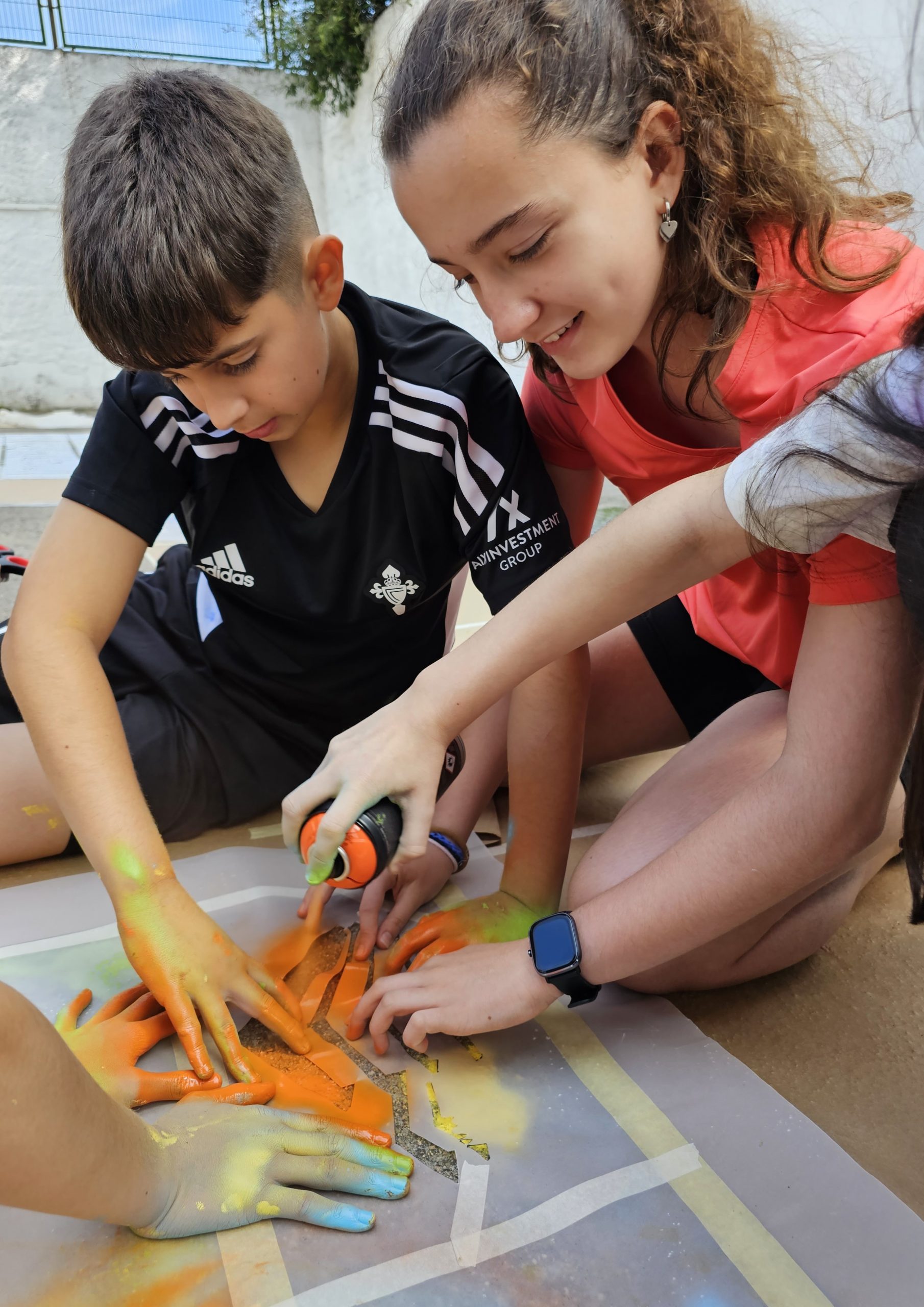
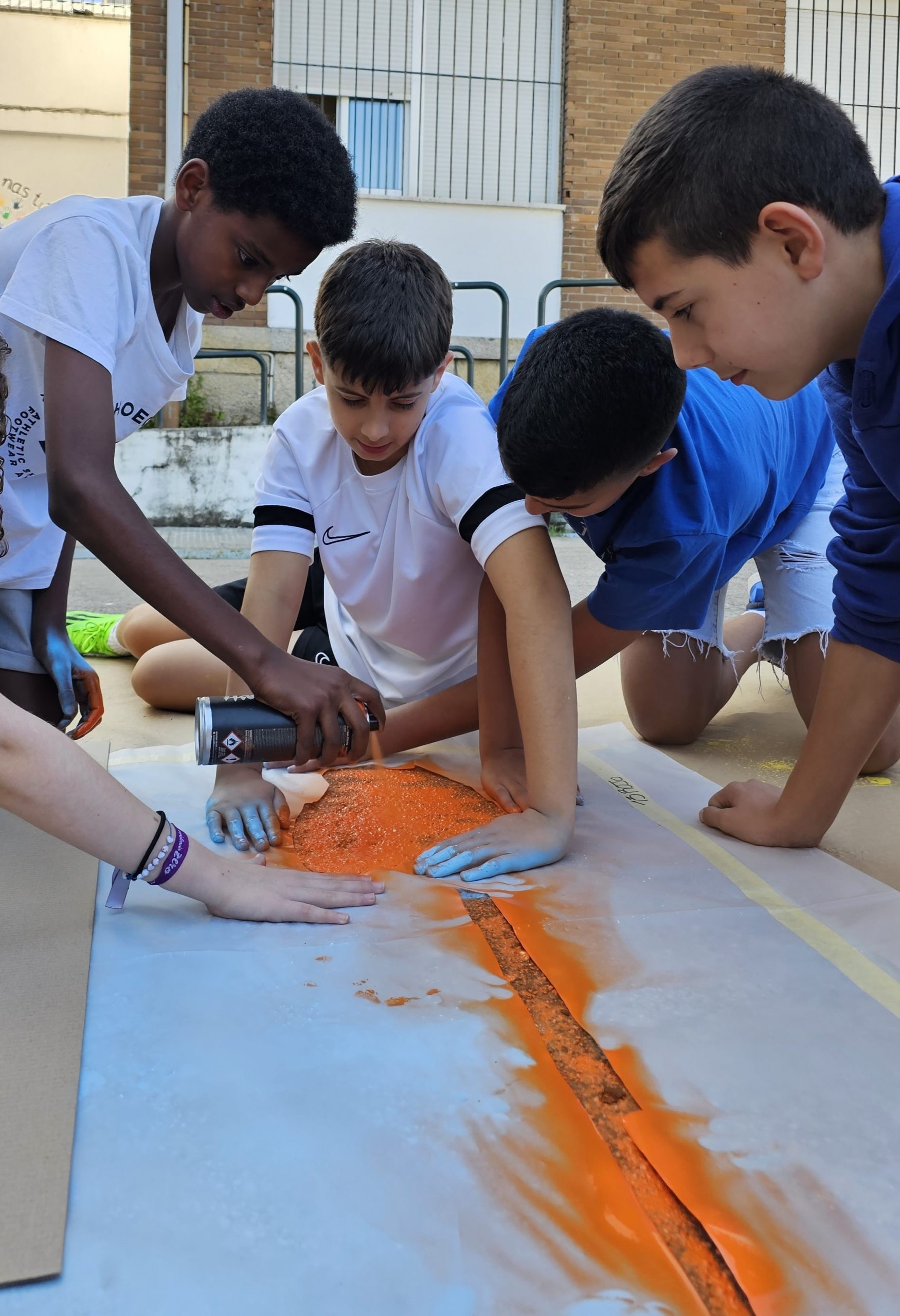
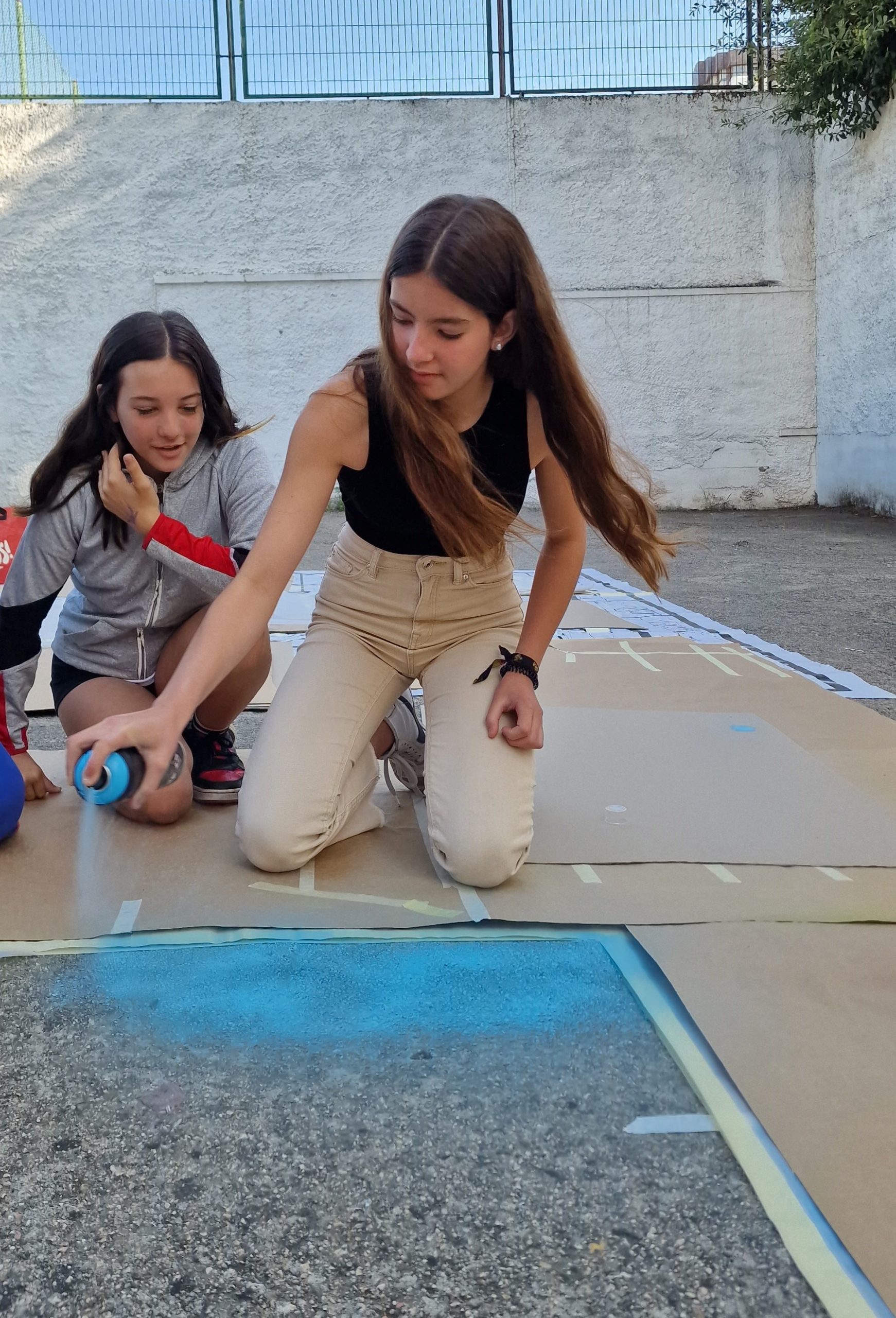
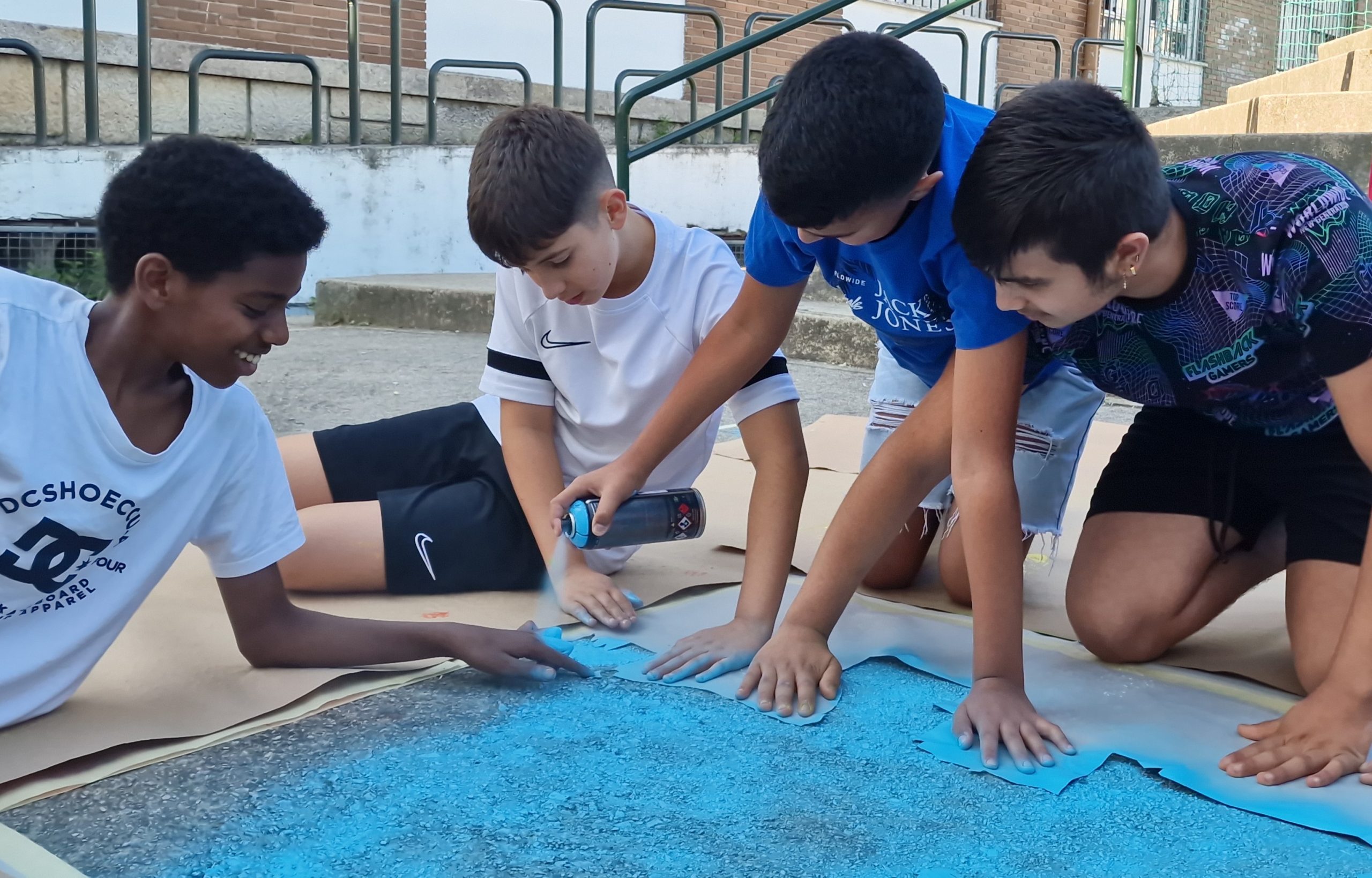
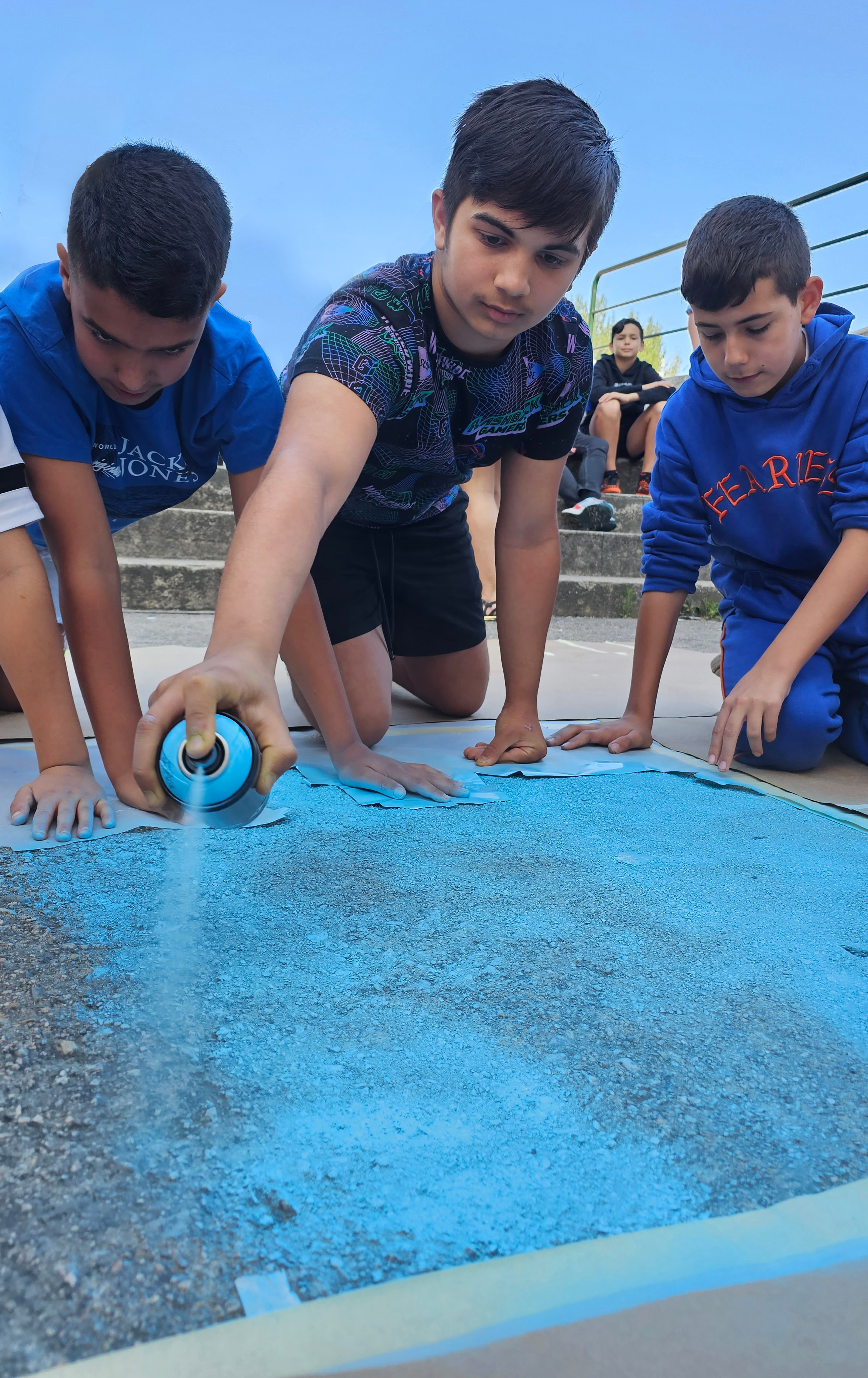
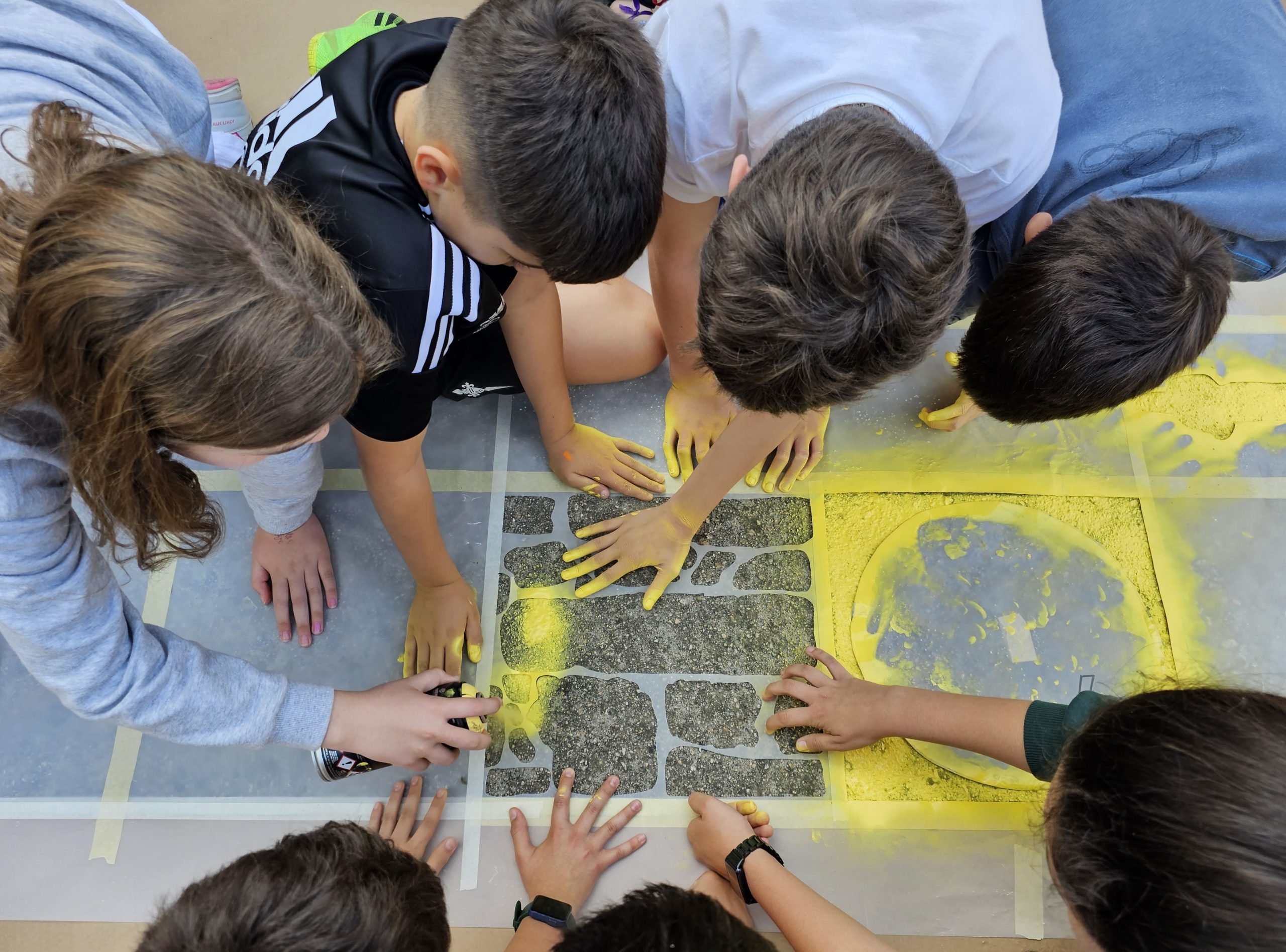
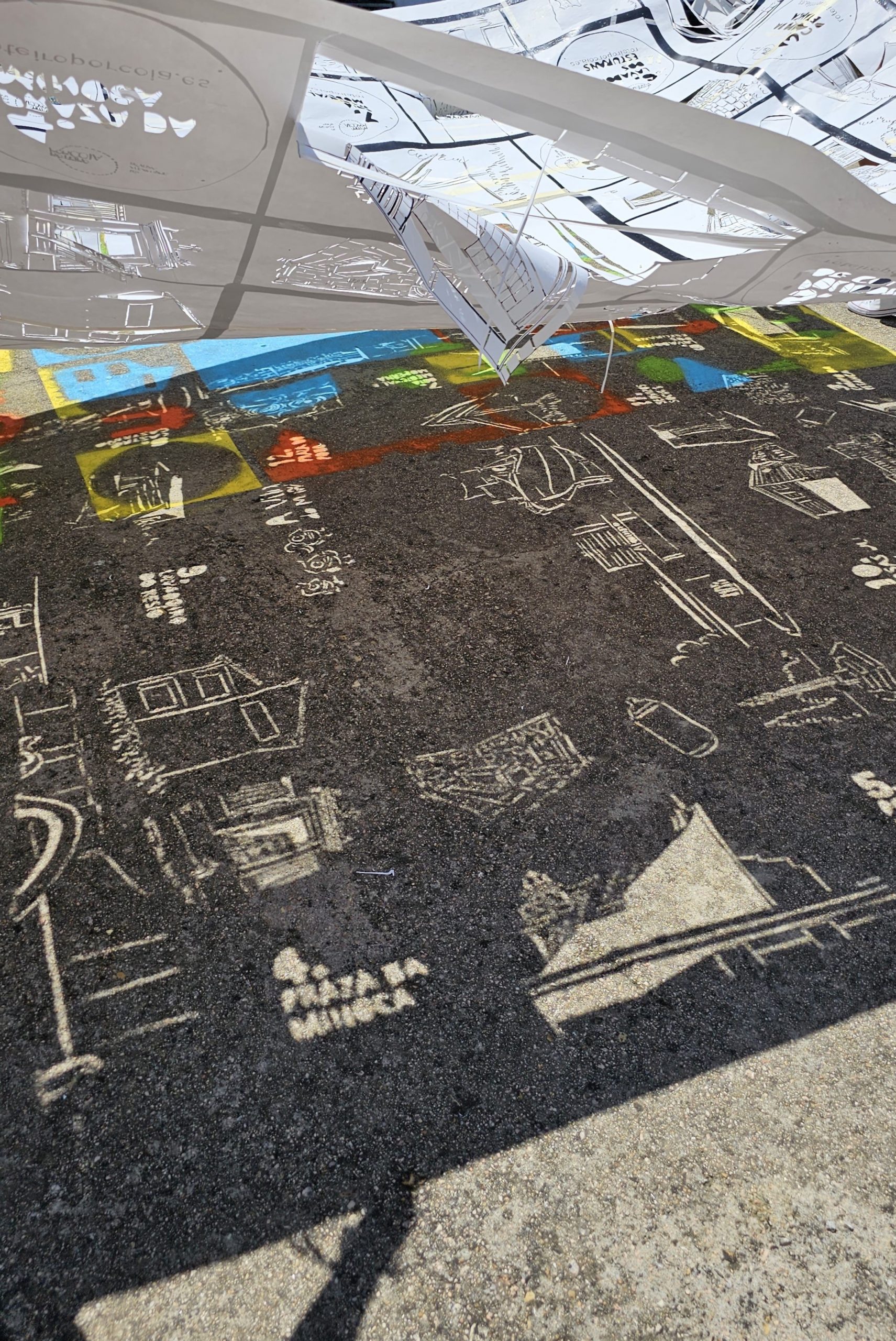
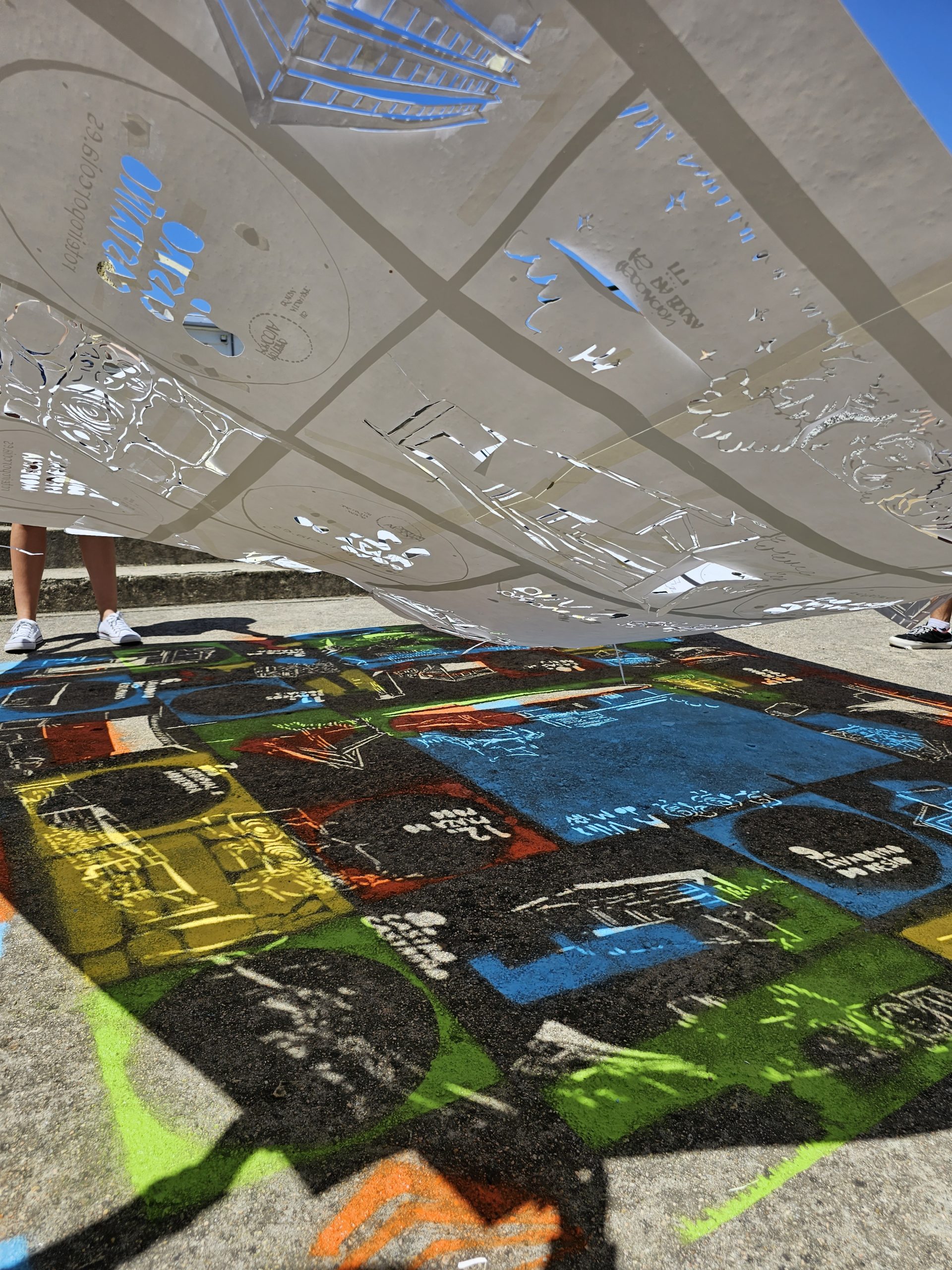
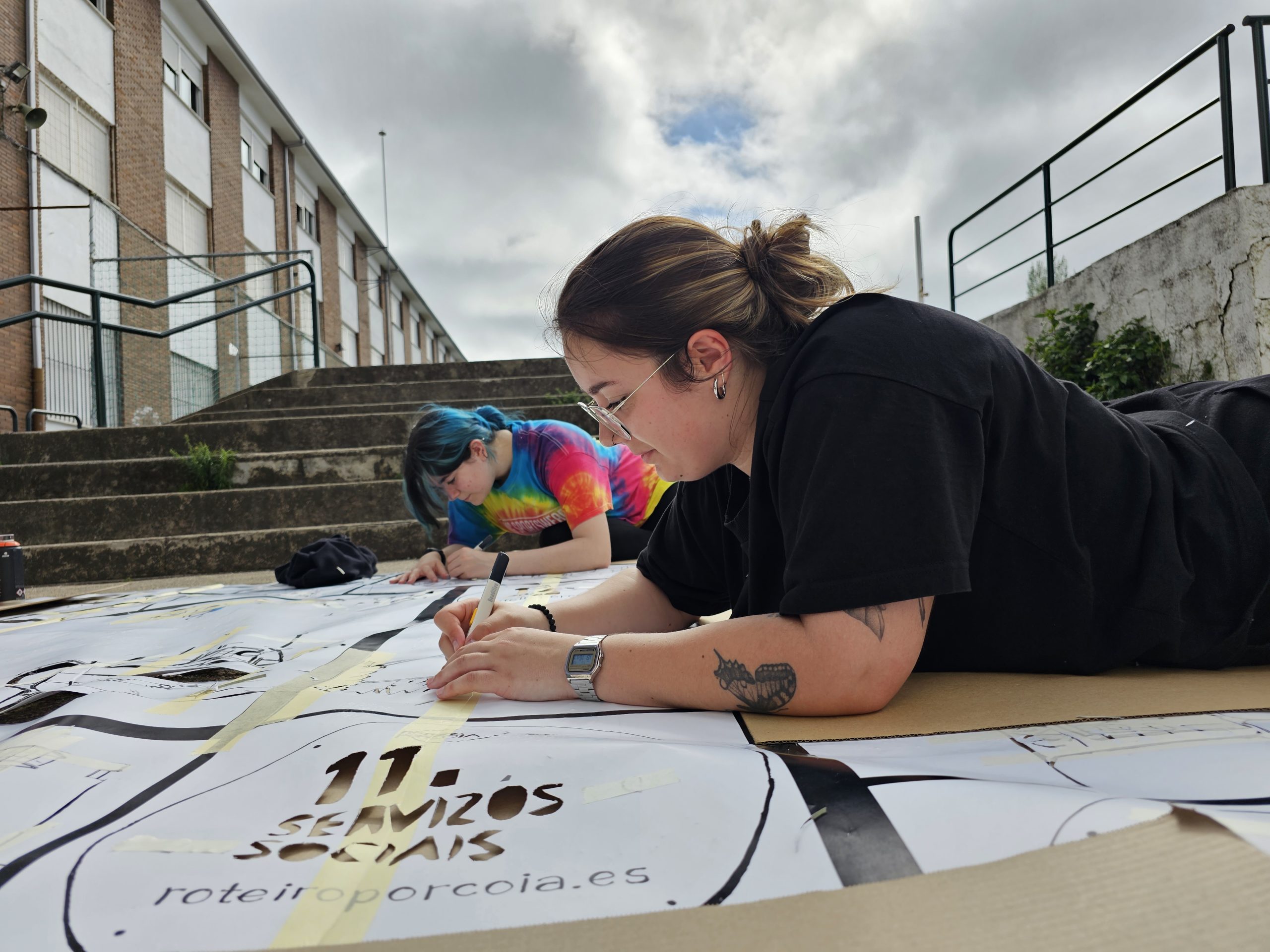
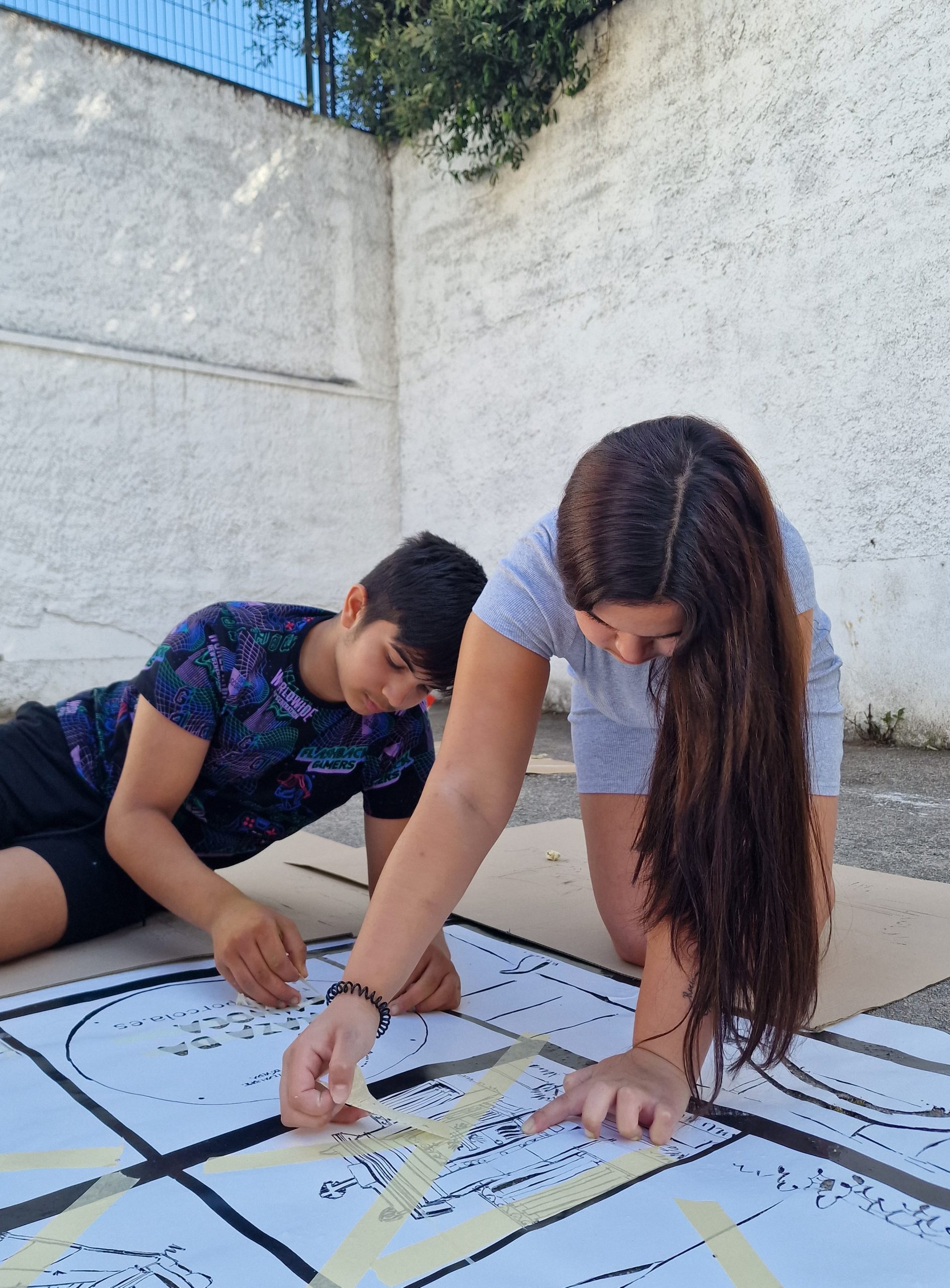
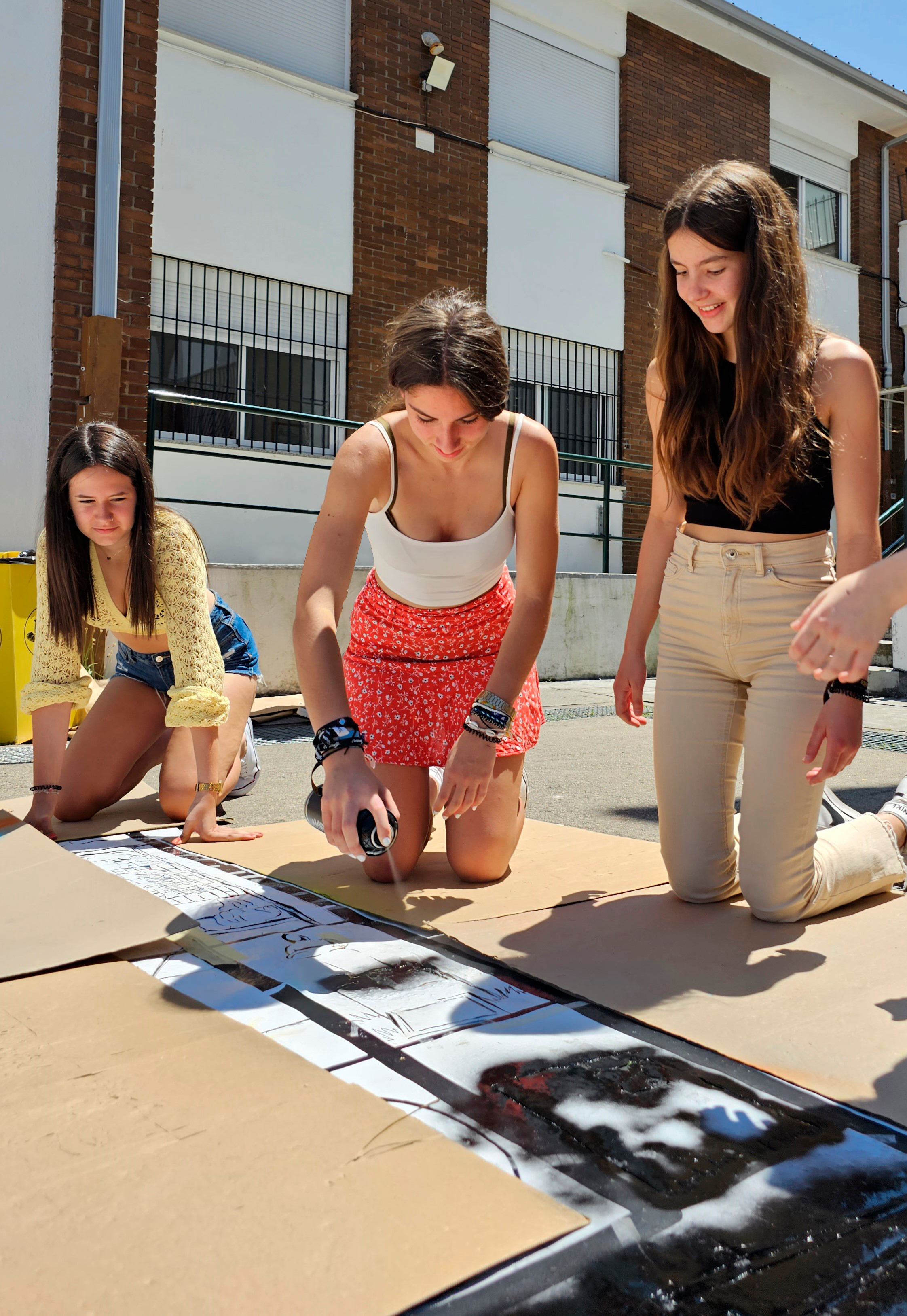
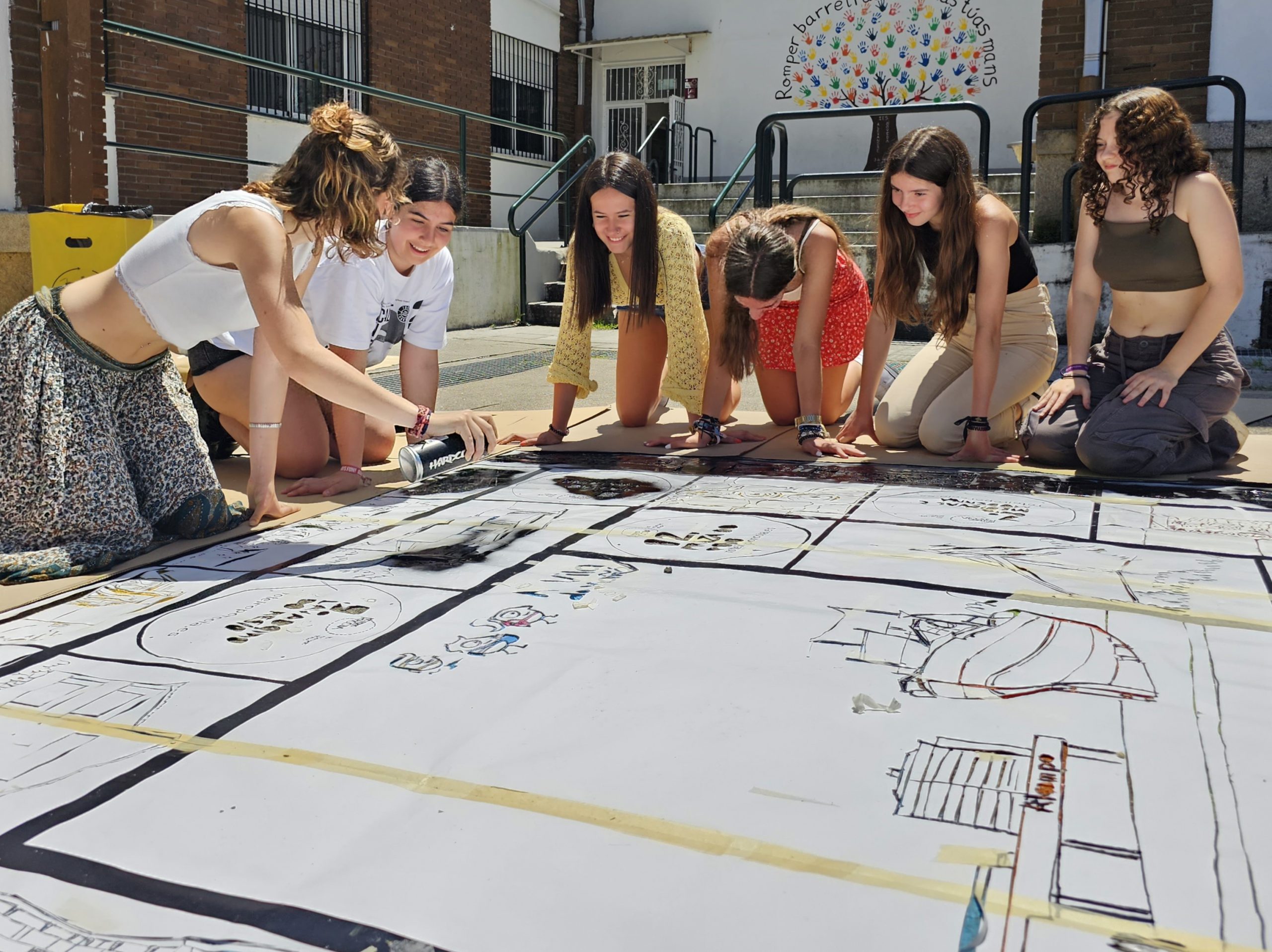
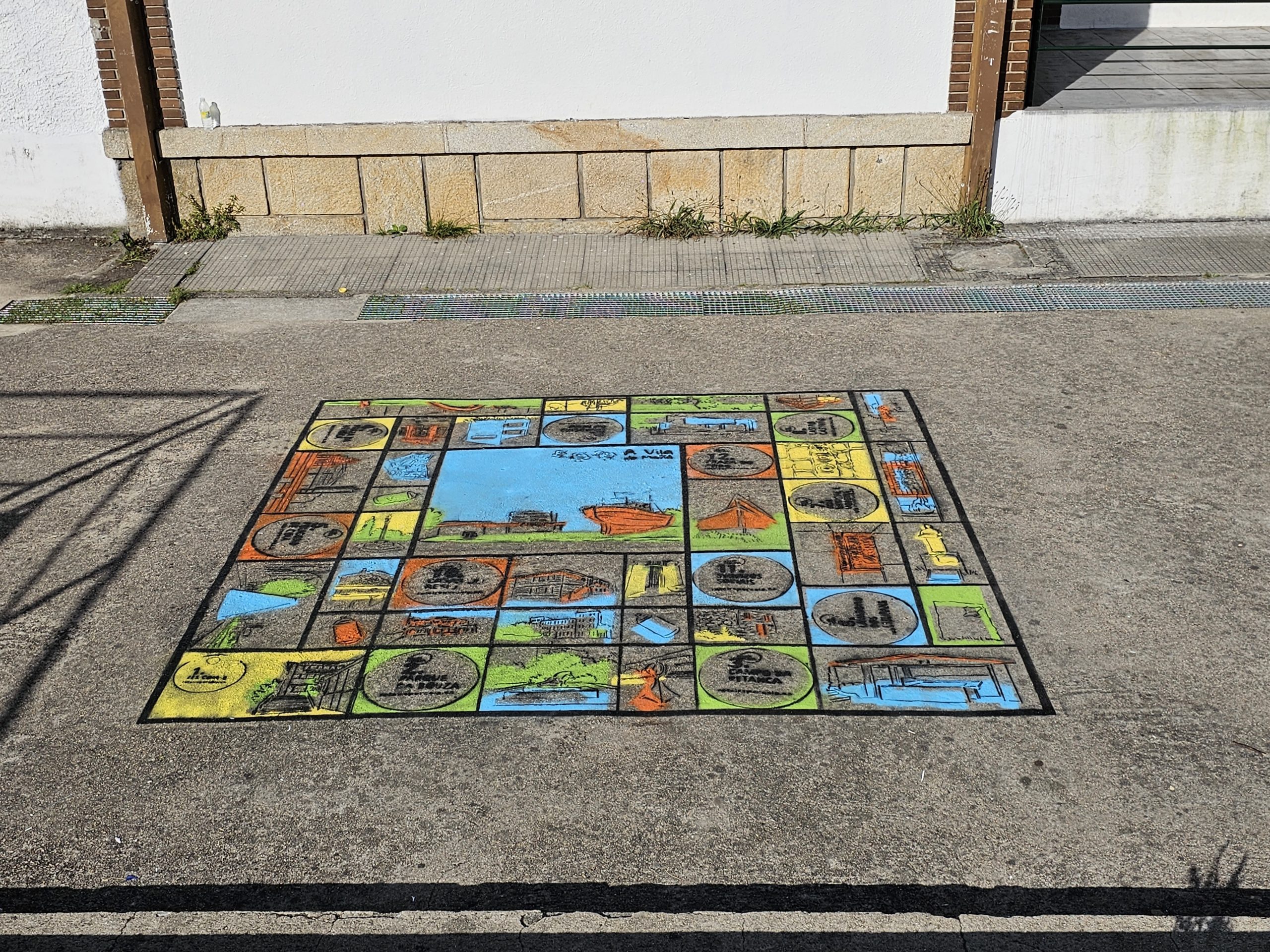
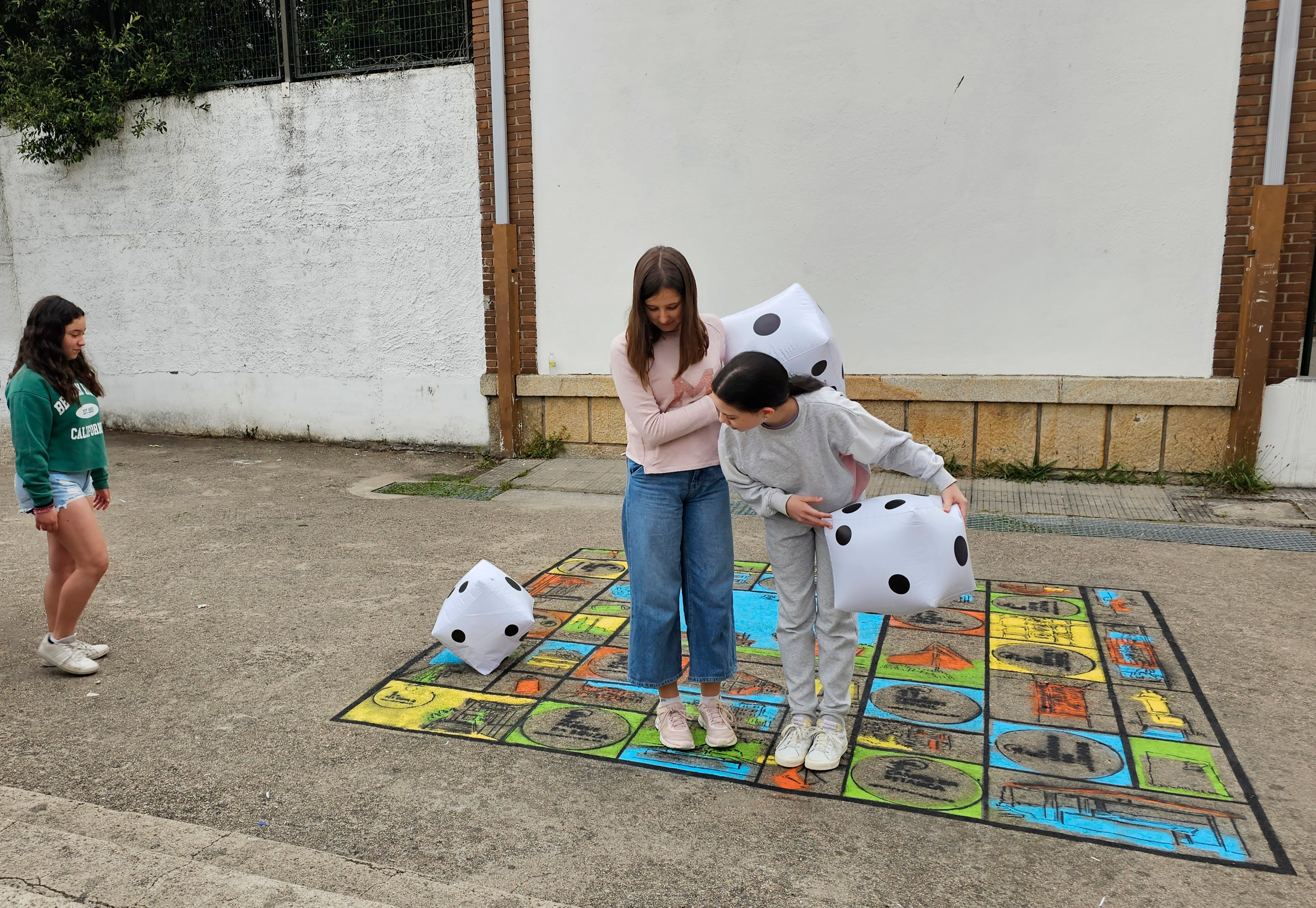
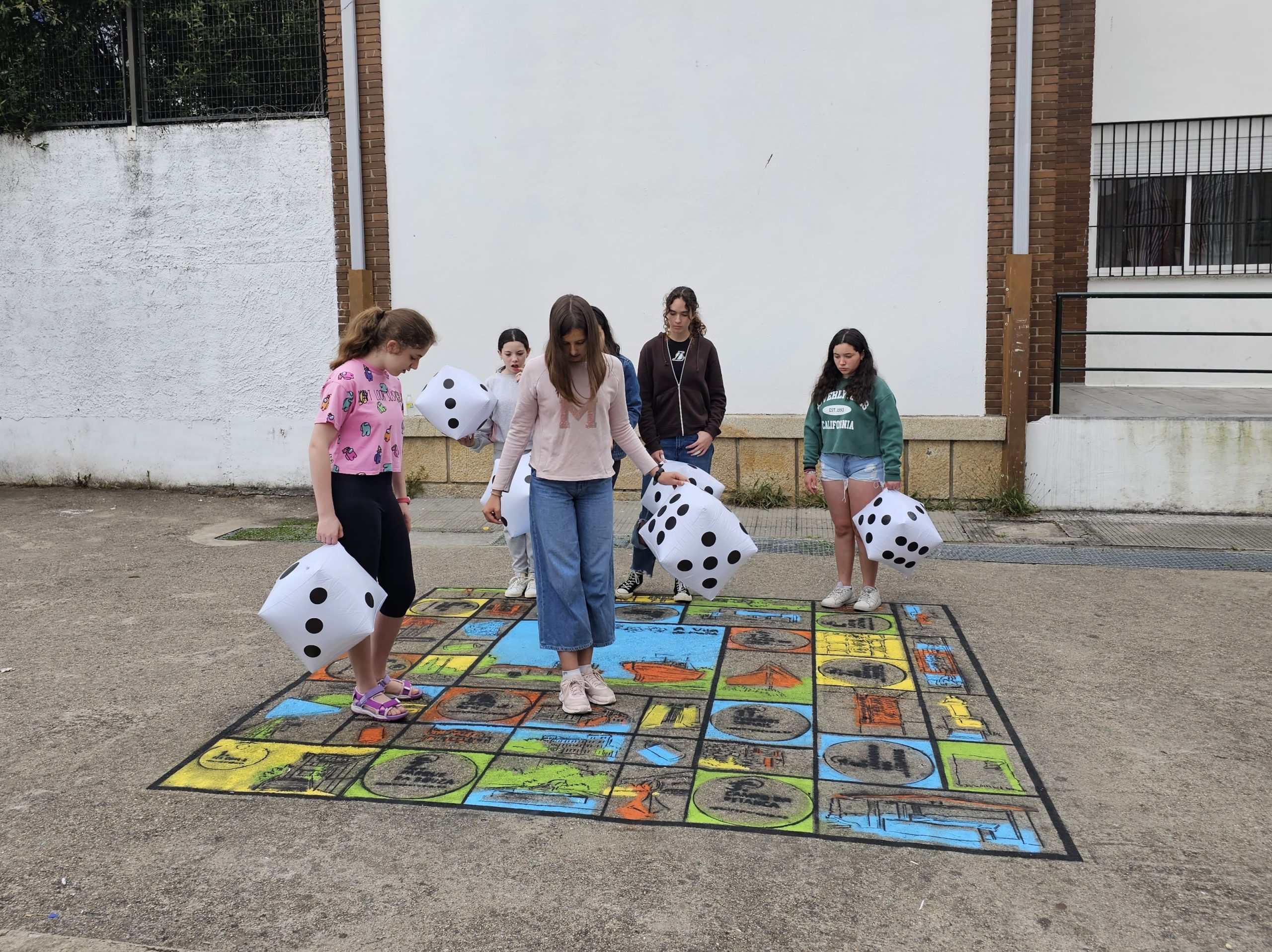
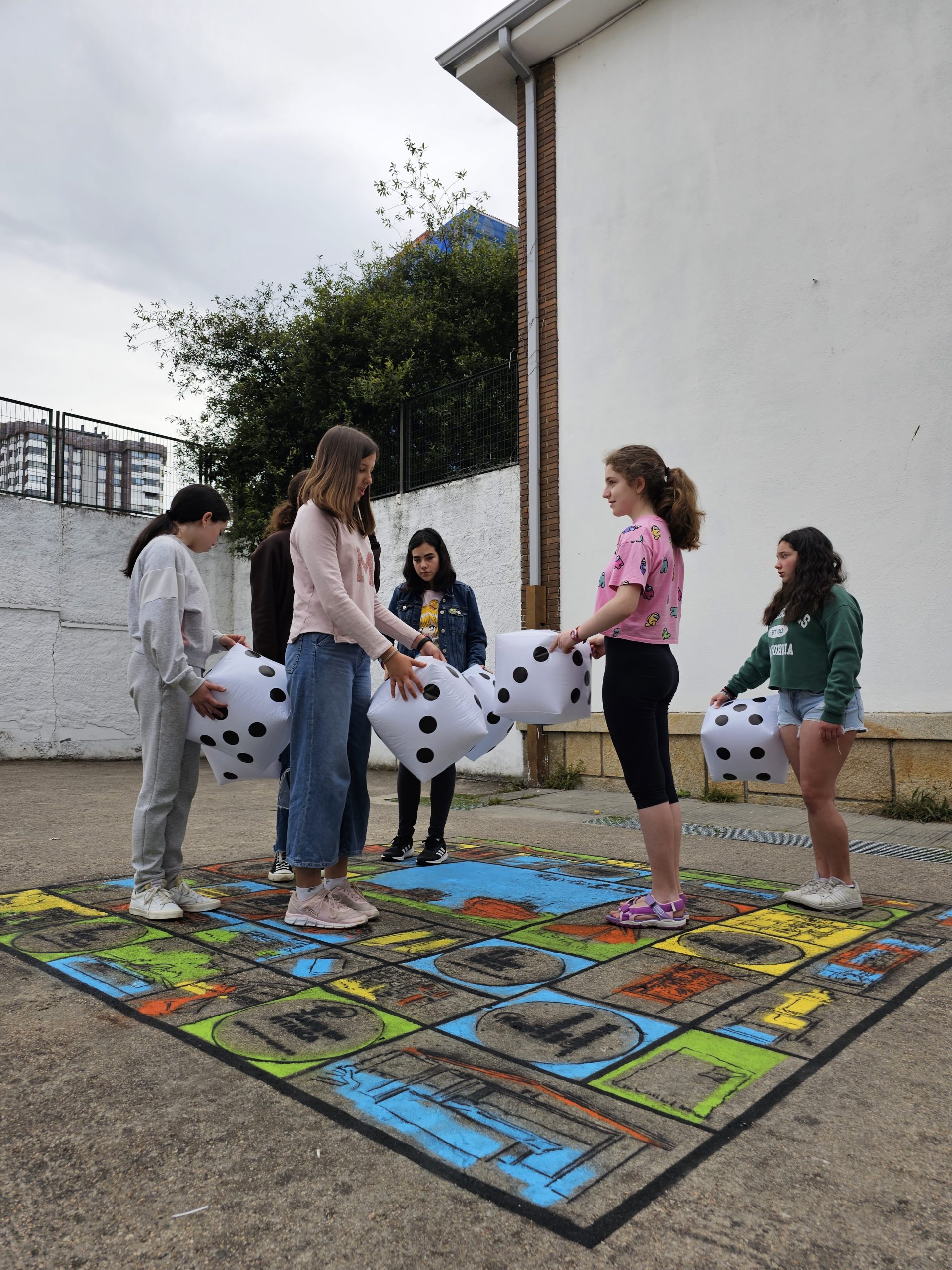
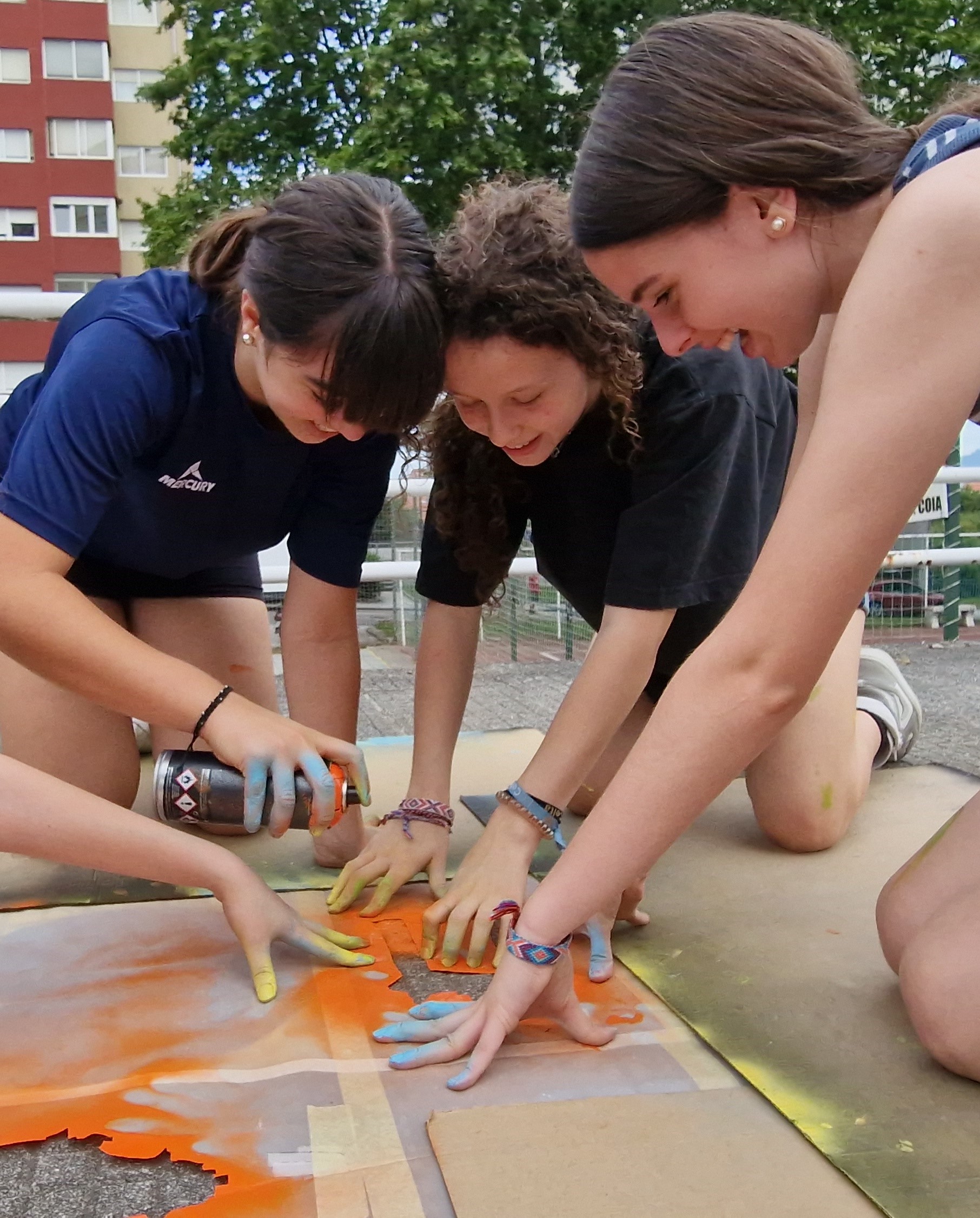
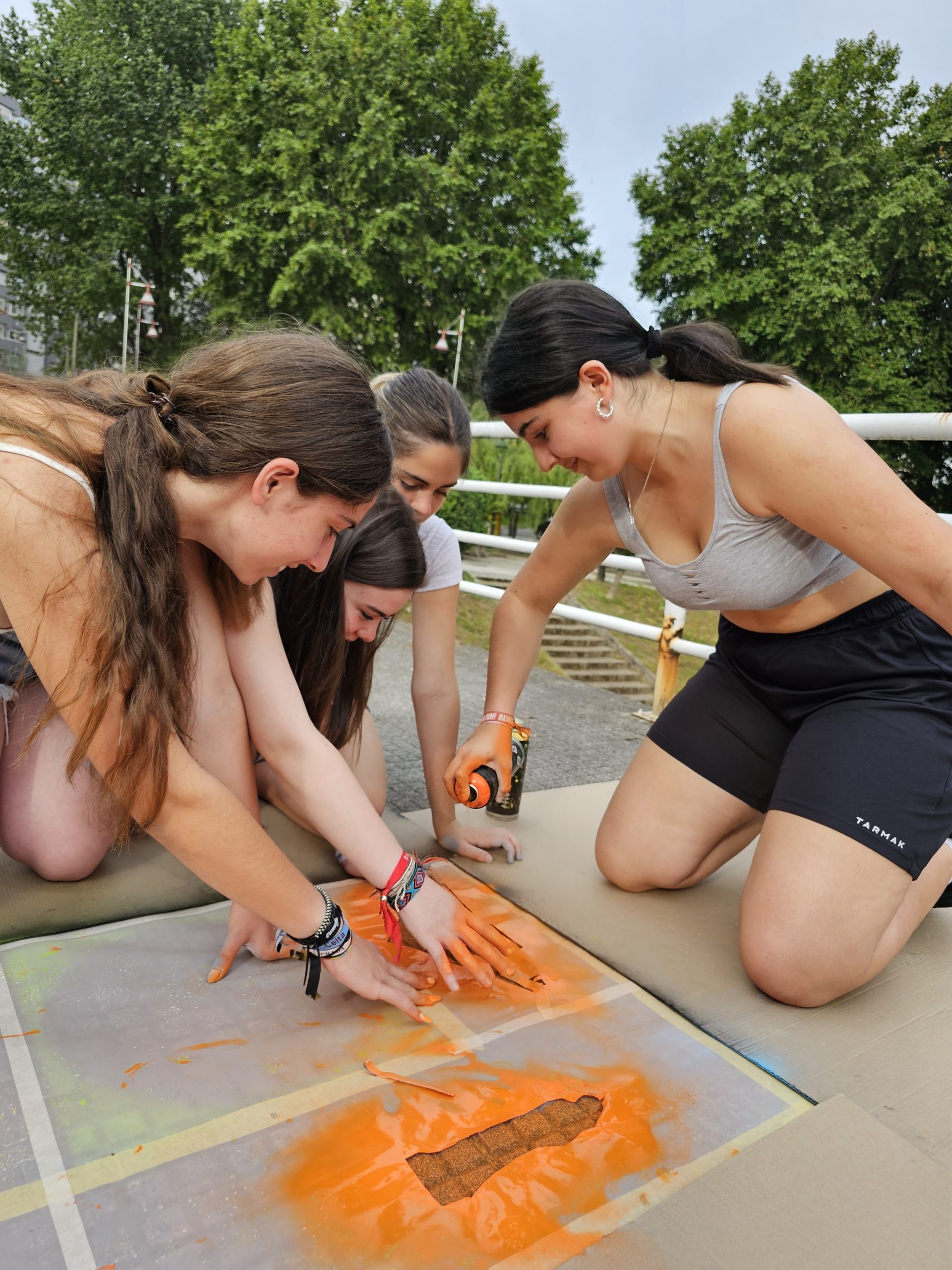
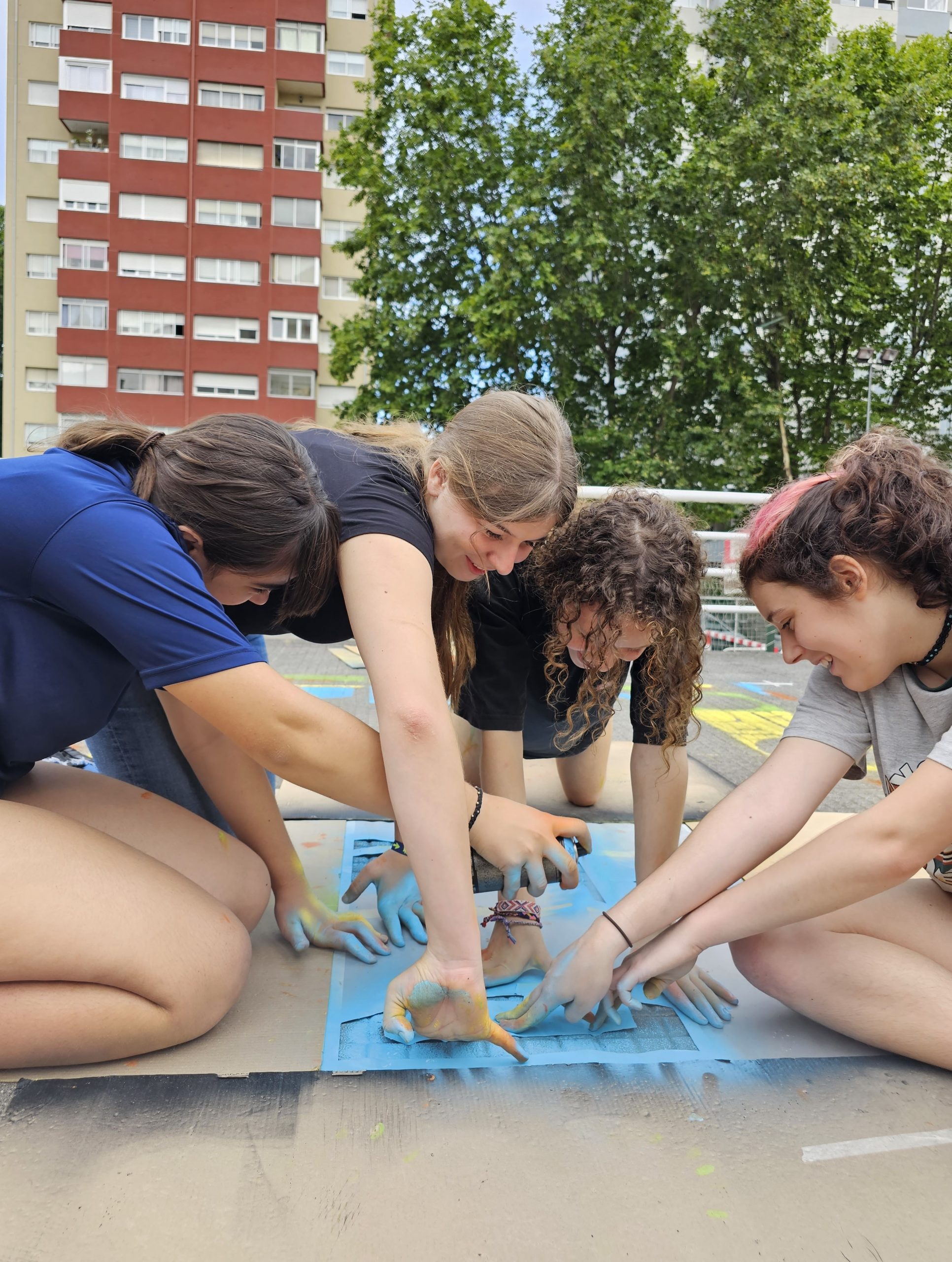
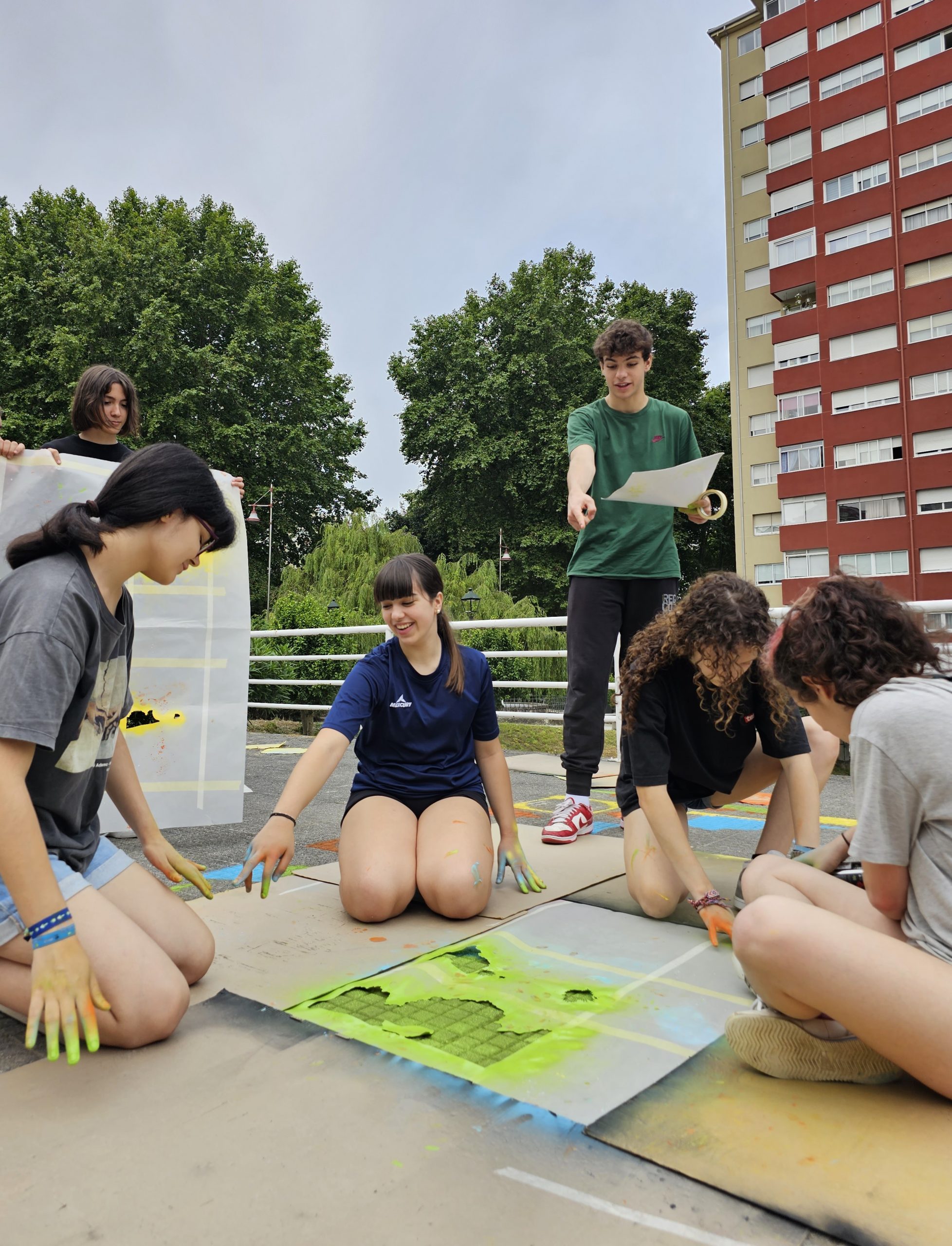
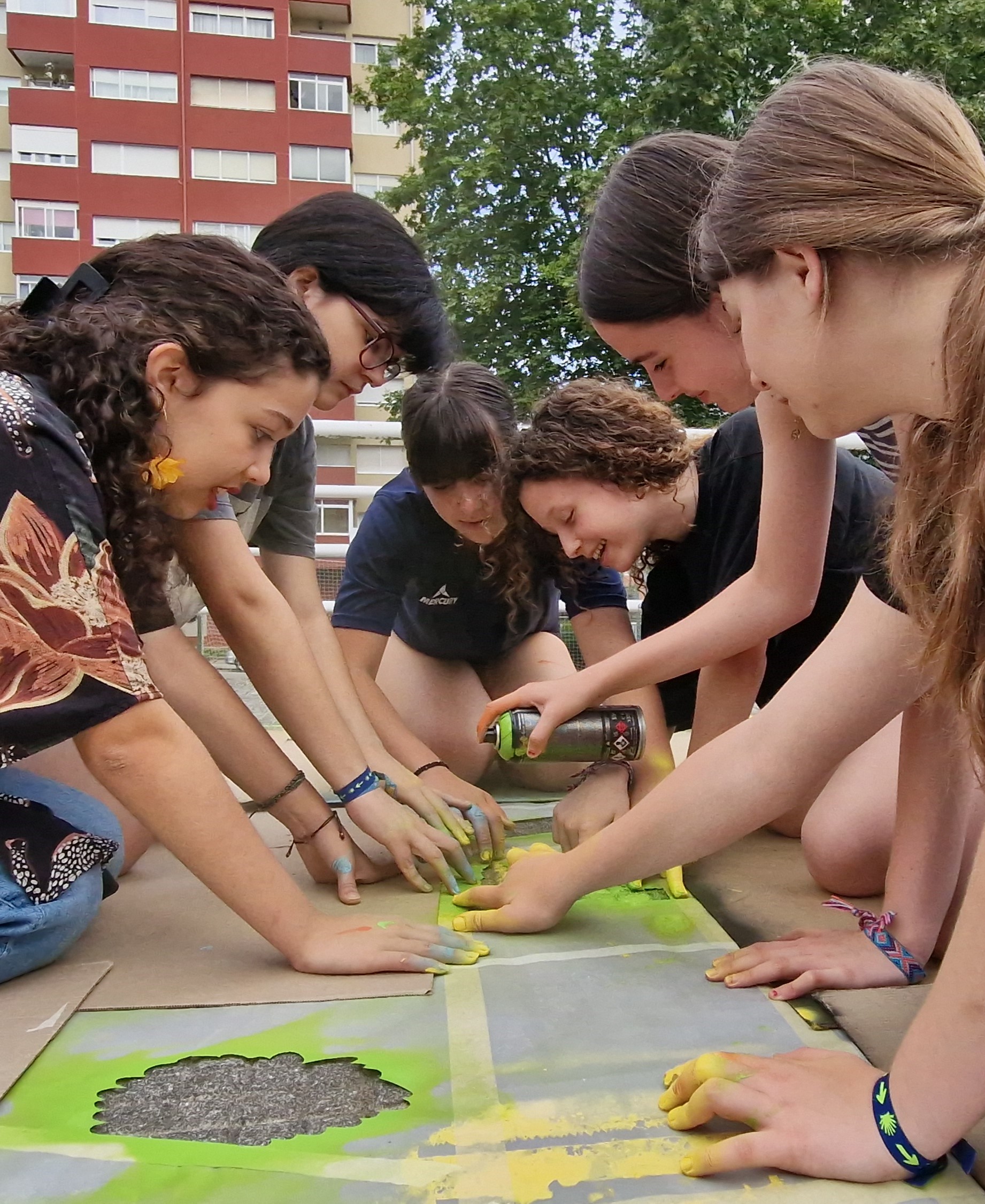
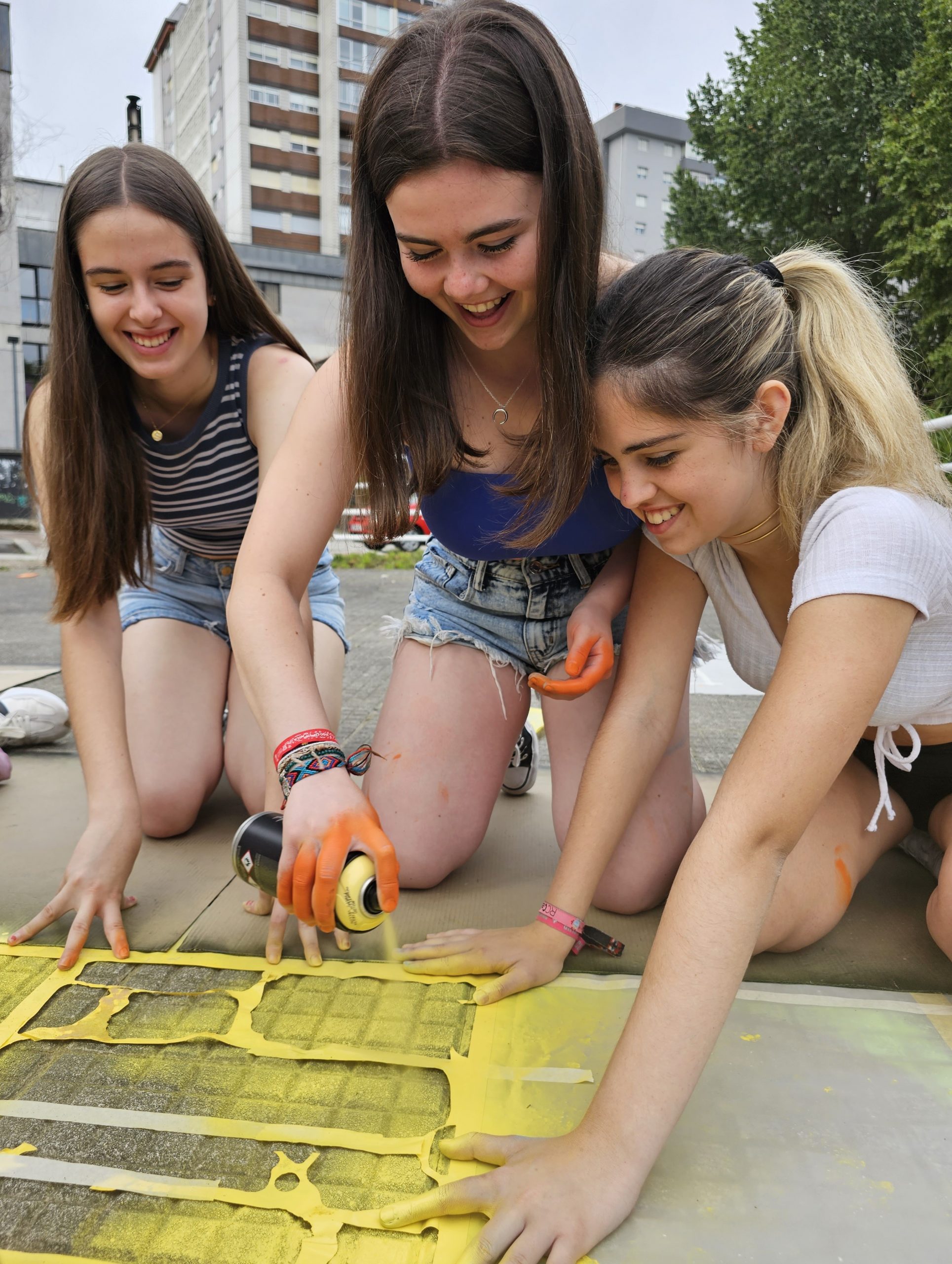
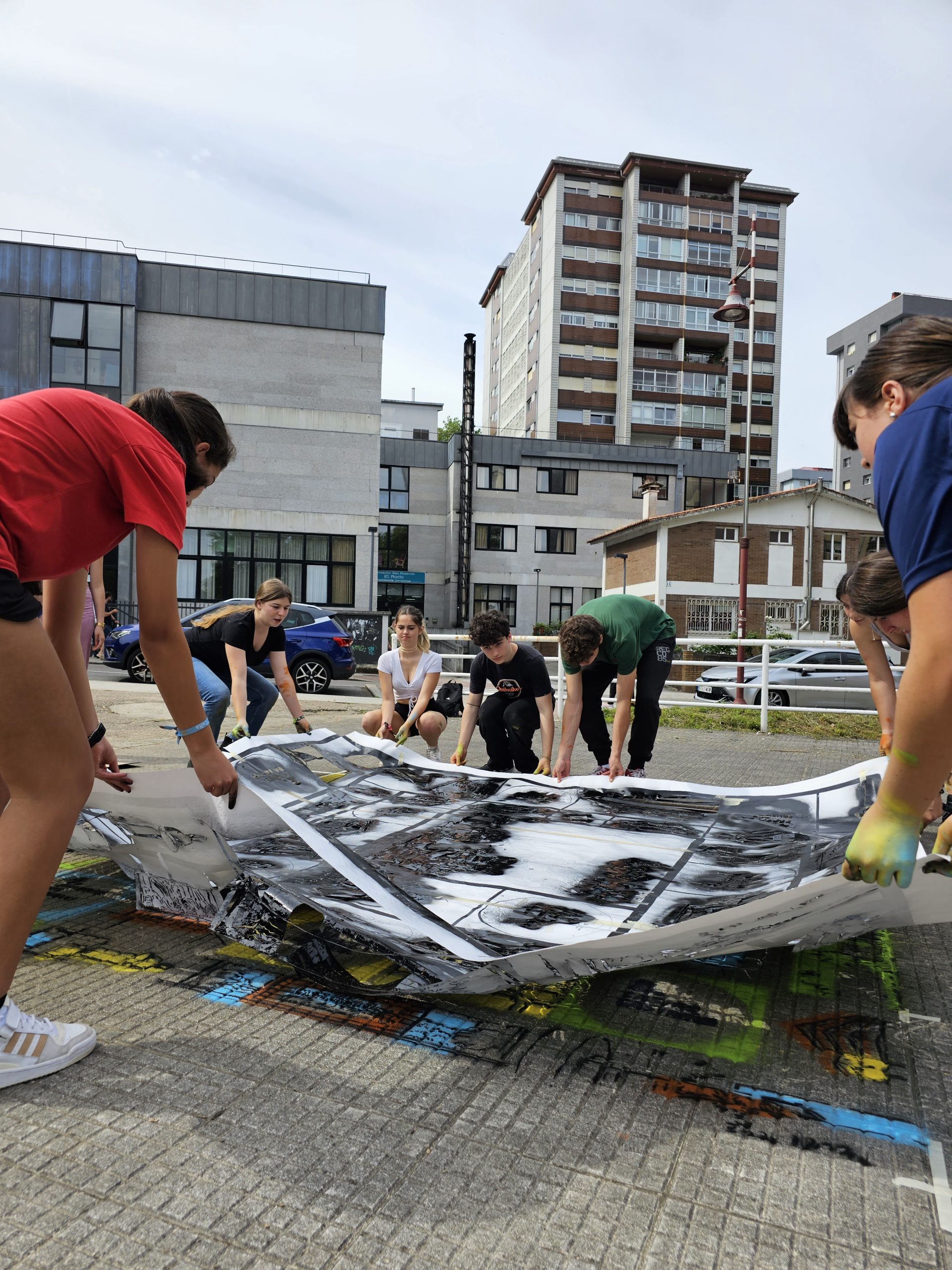
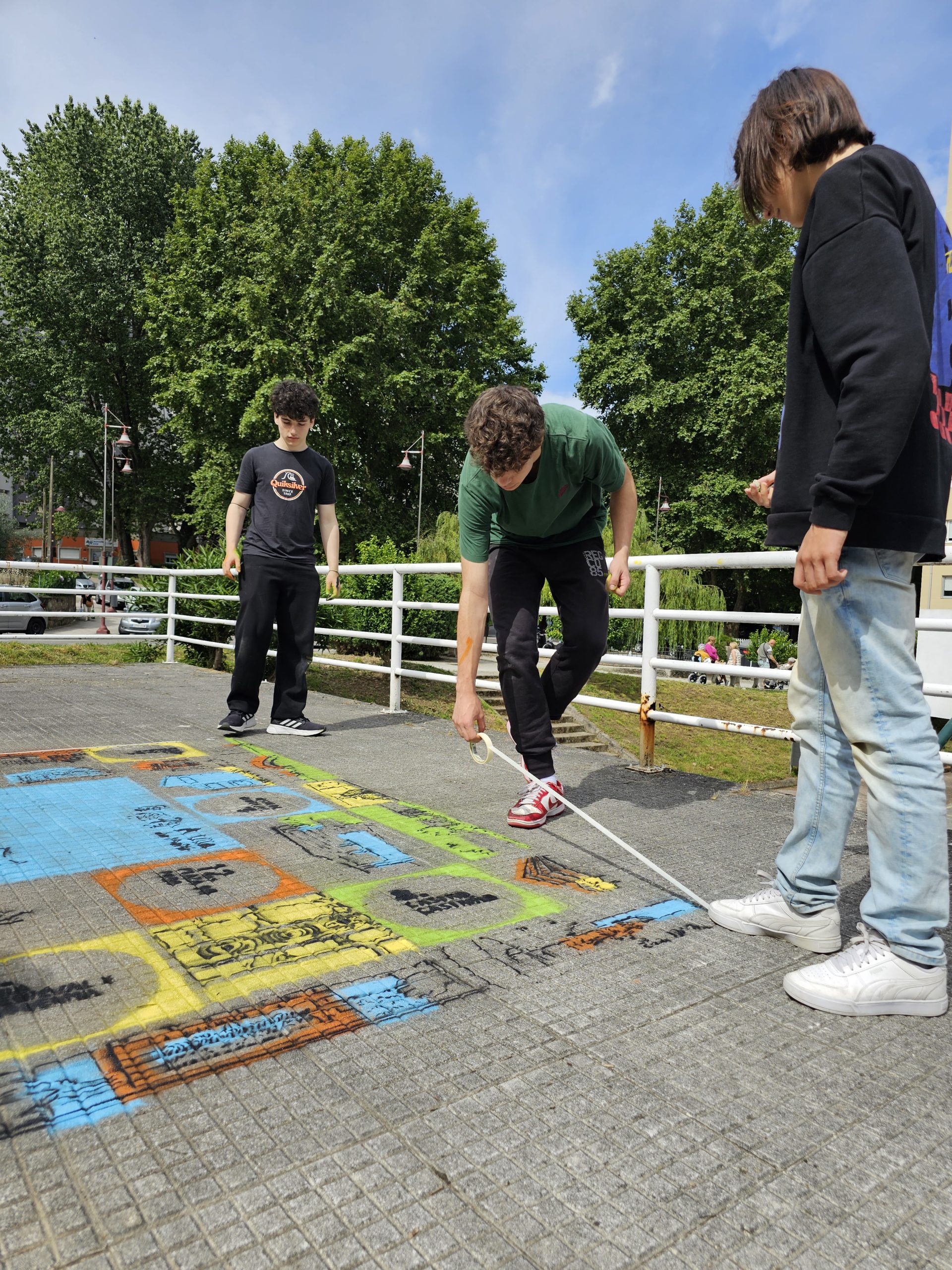
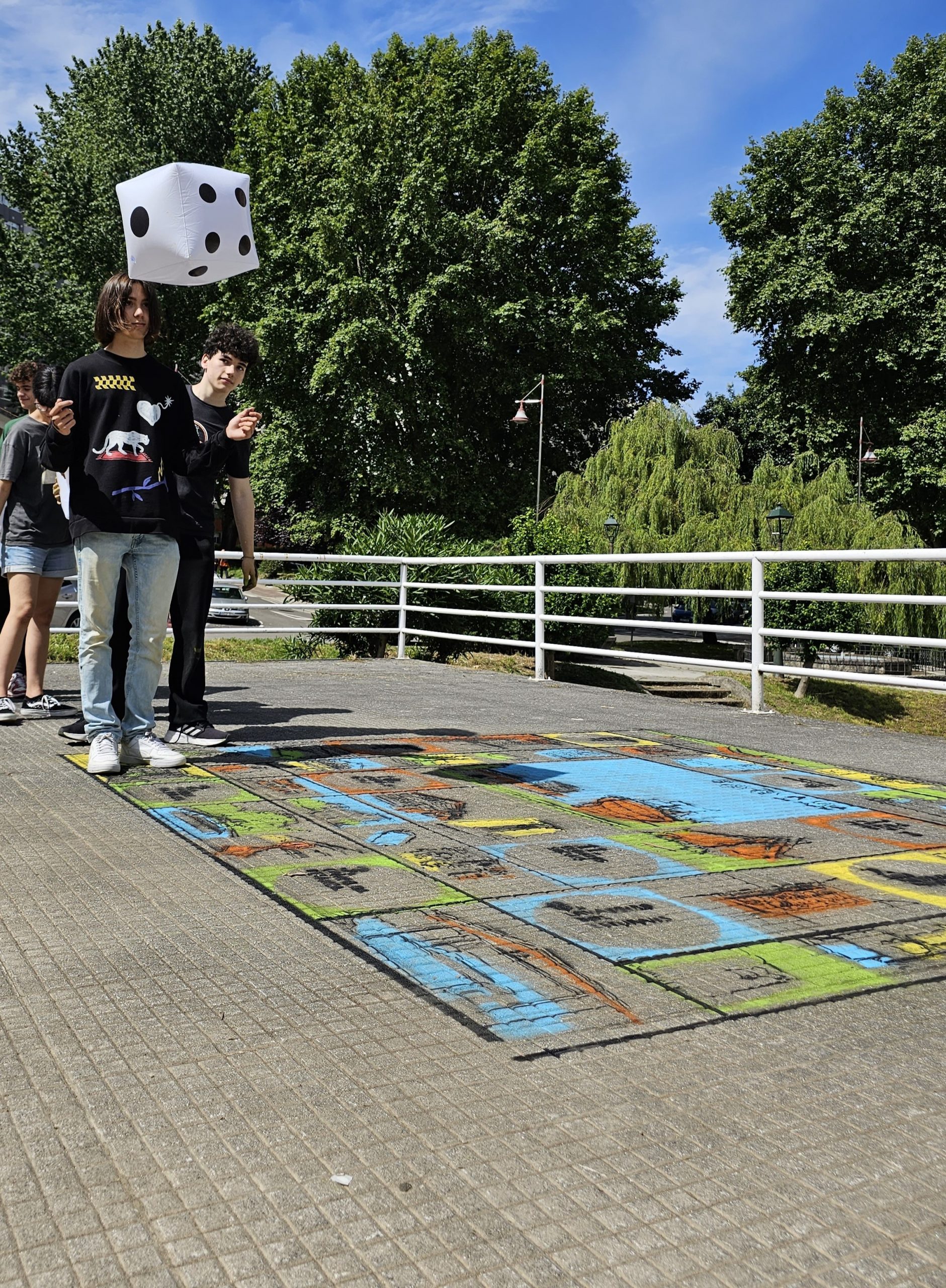
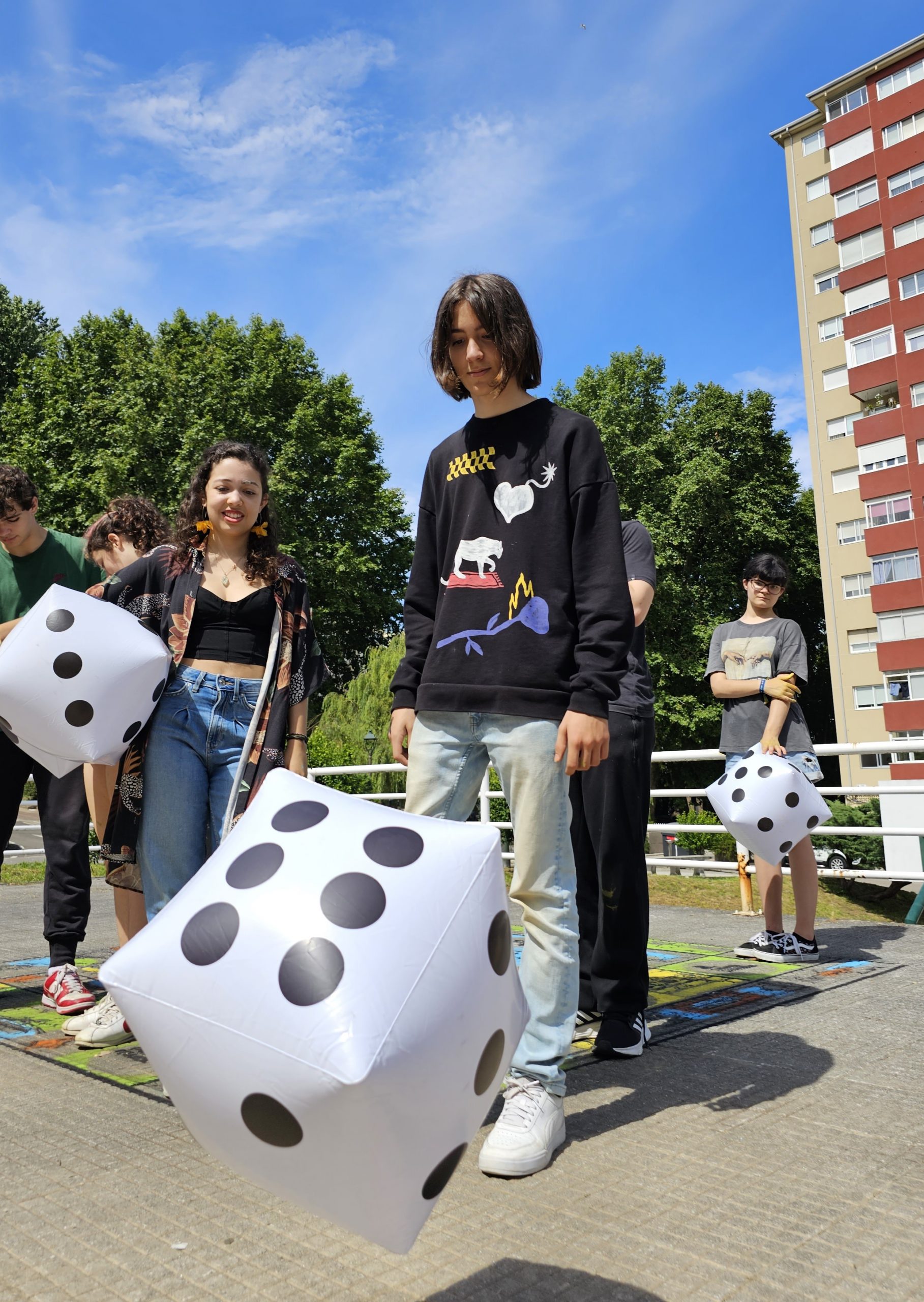
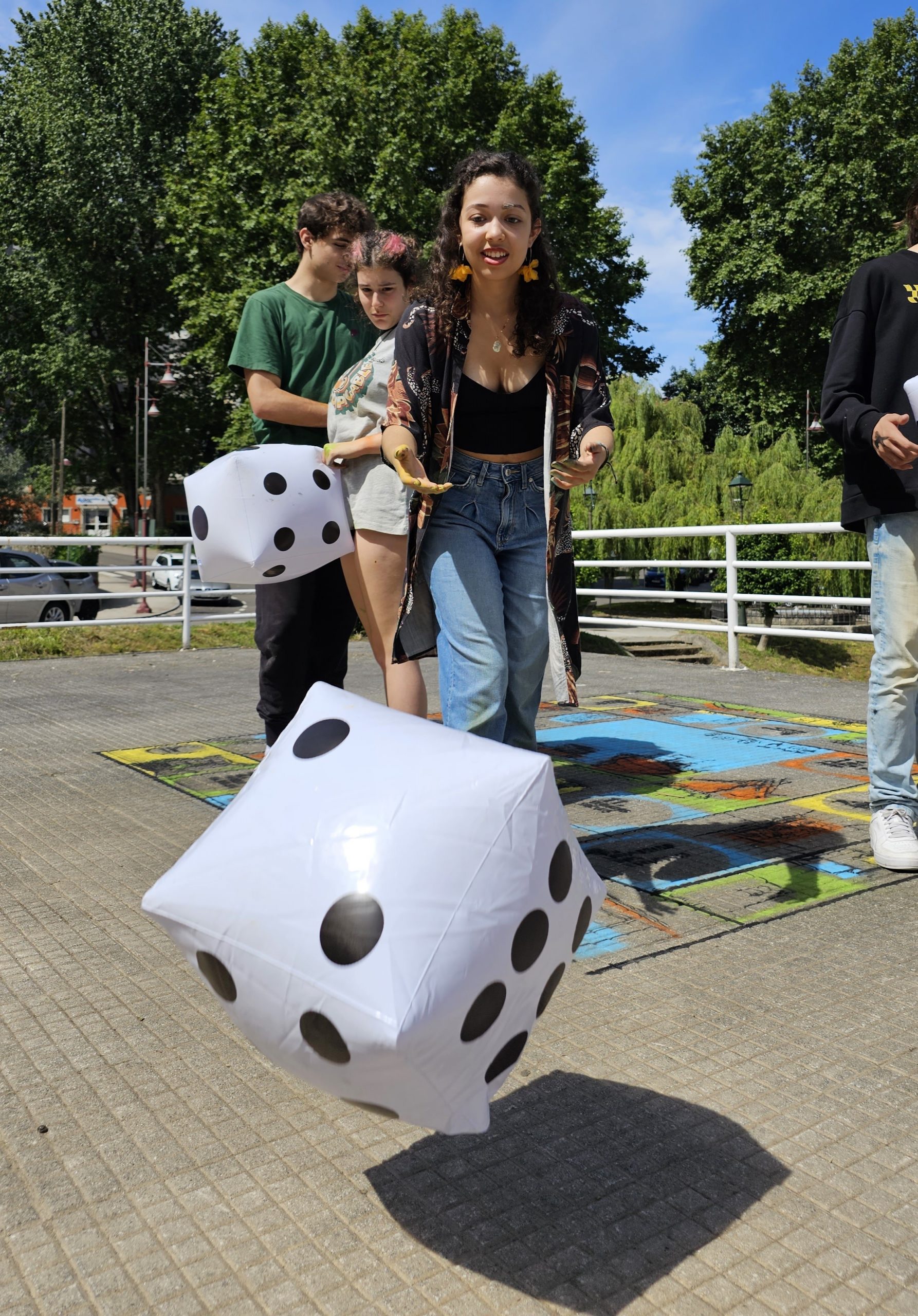
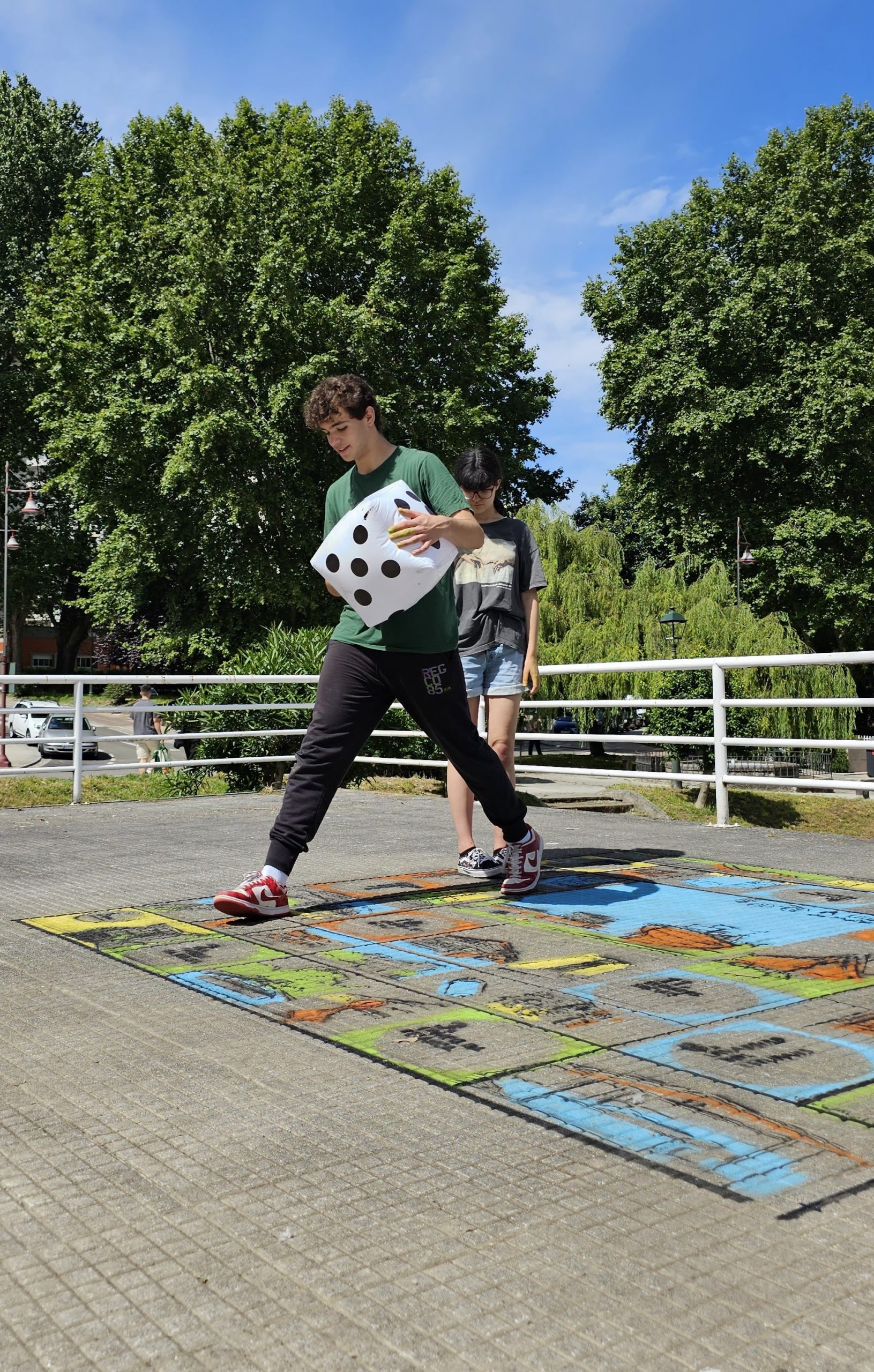
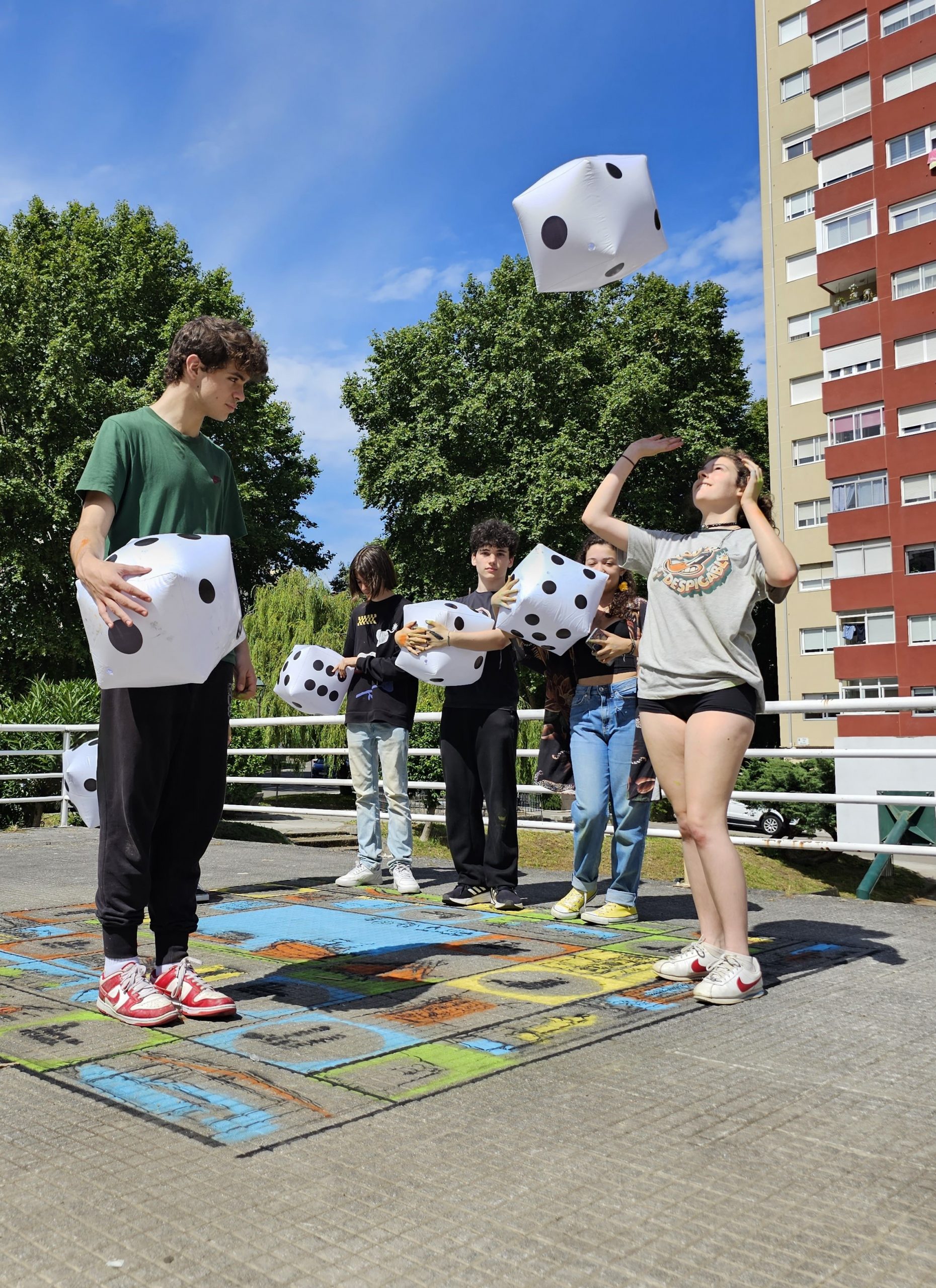
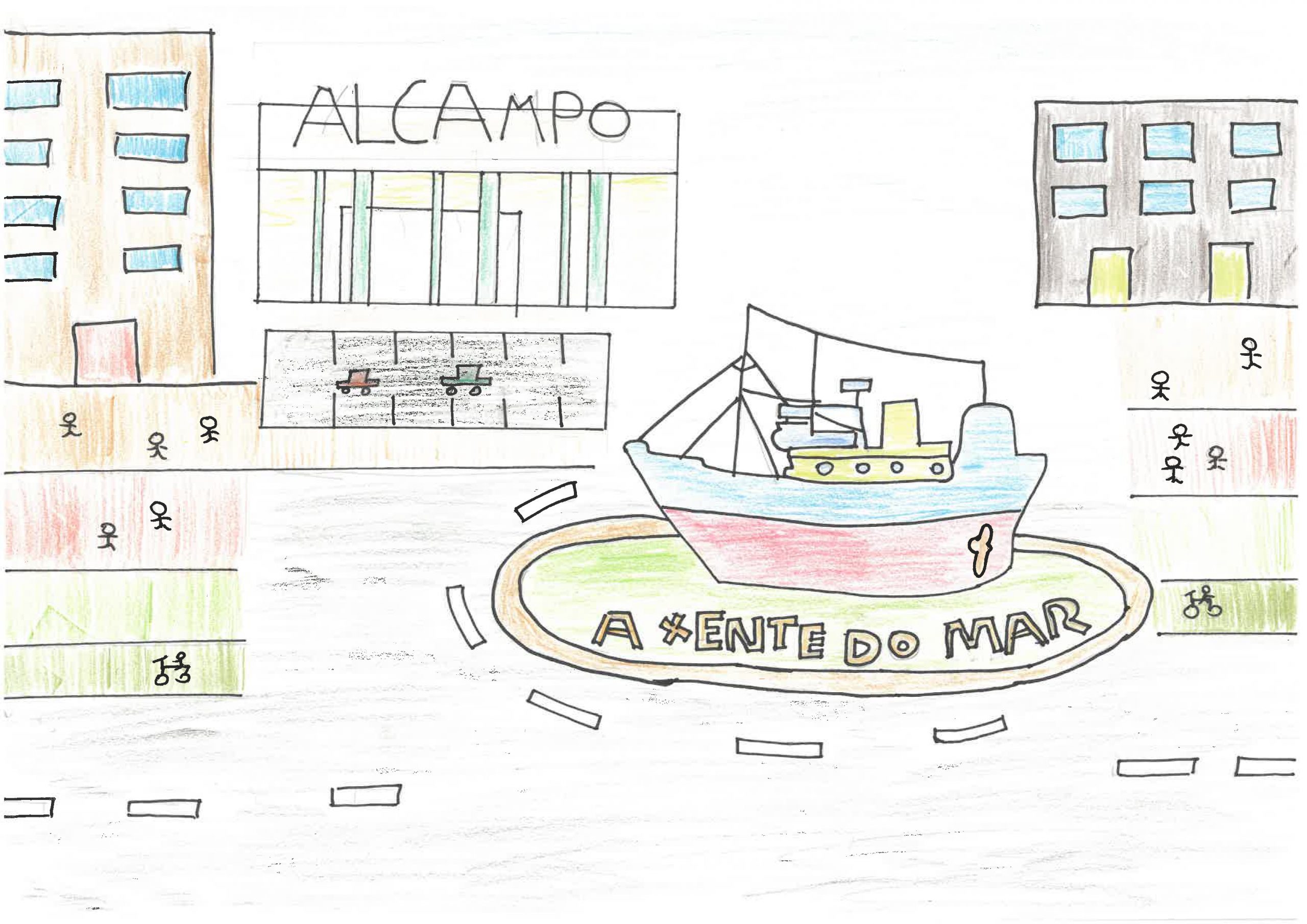
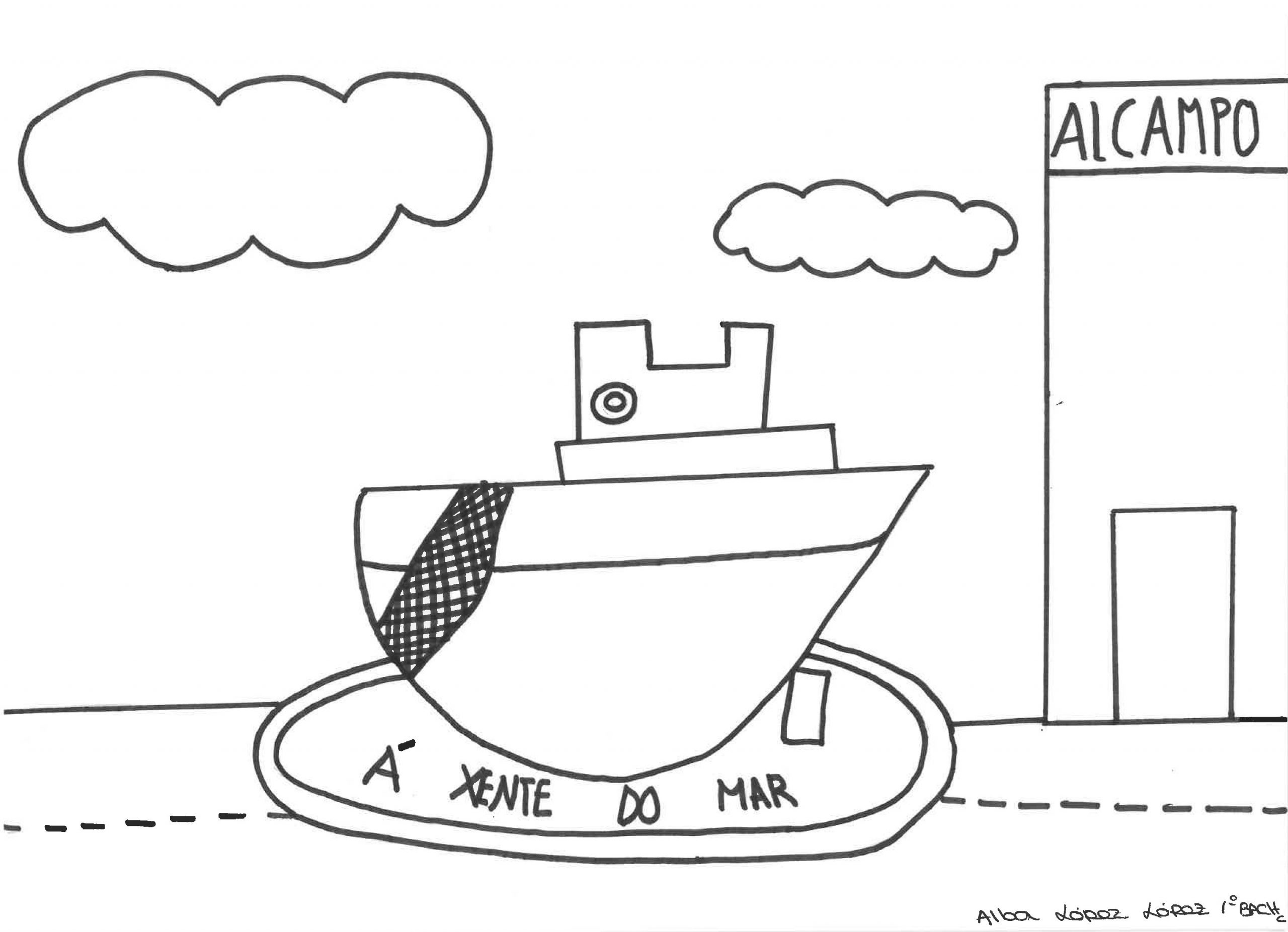
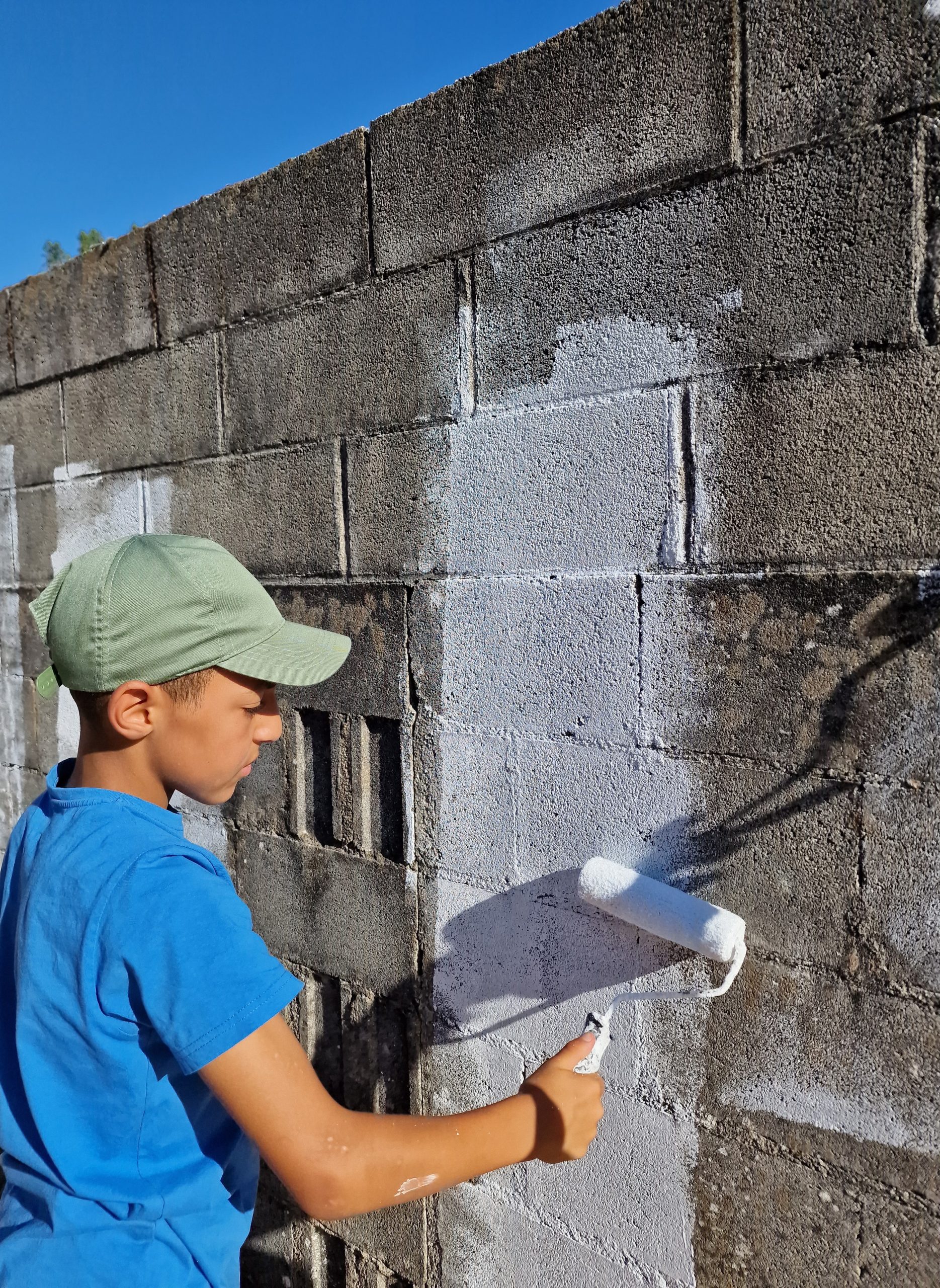
In a place lacking strong identity references (where the main element of collective memory was a disused nightclub), the project begins with a latent infrastructure: the town’s street map, whose names pay tribute to authors of Galician literature. Based on this cultural cartography, A Vila do Mañá turns words into infrastructure and literature into a tool for urban activation.

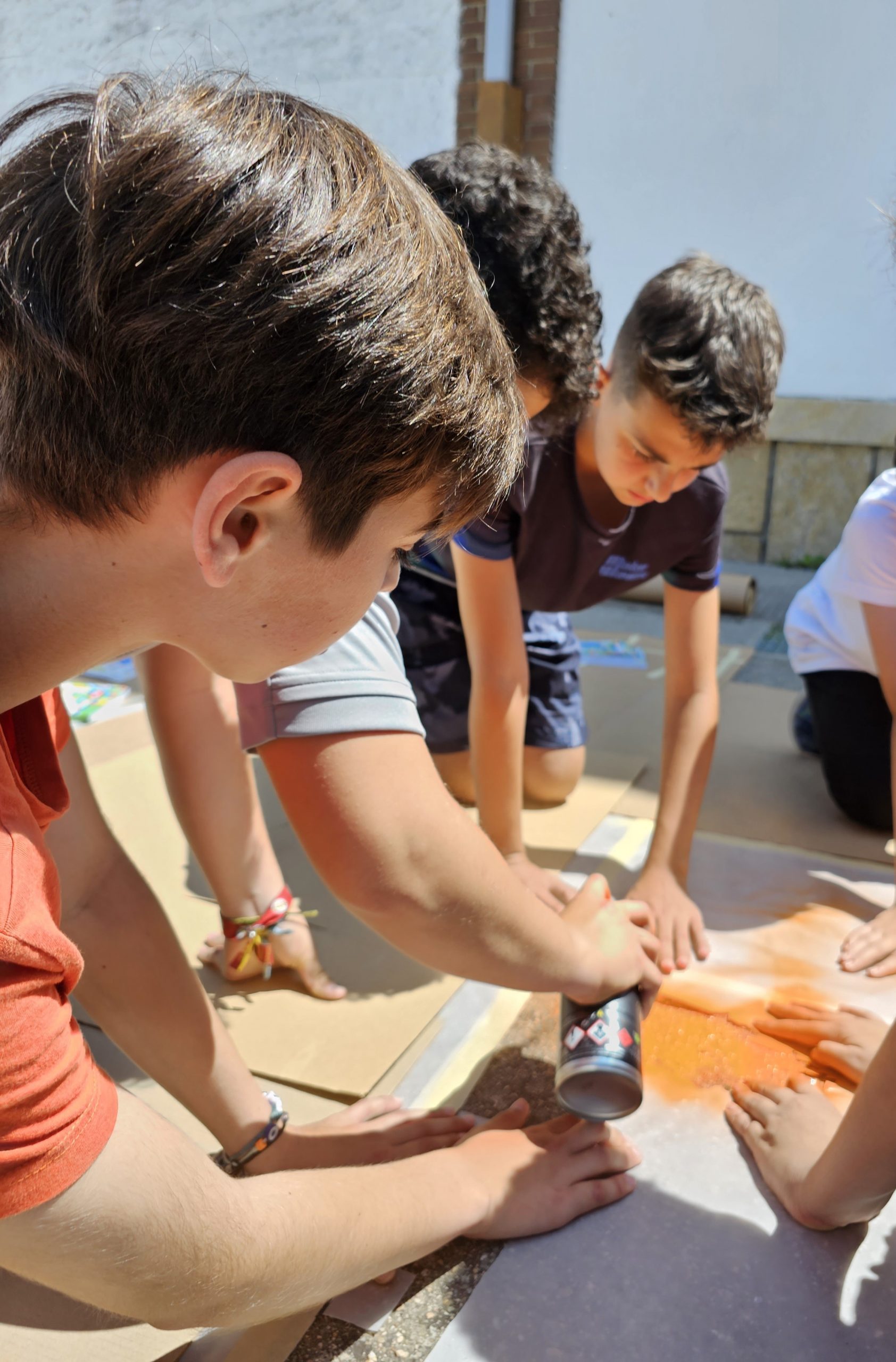
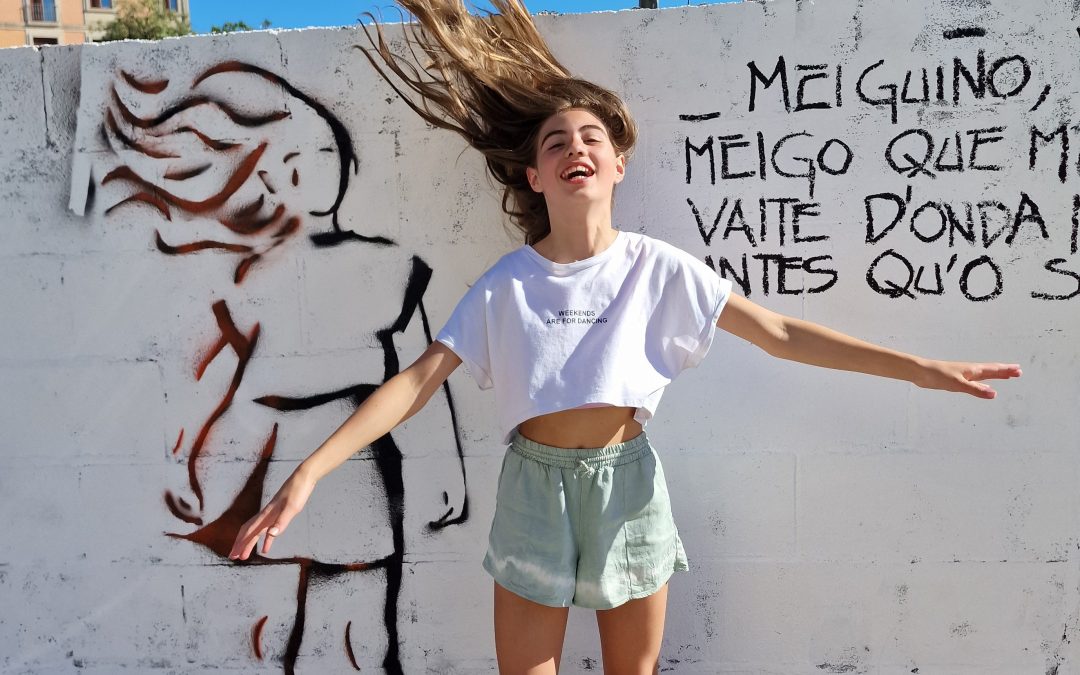
The figures of children and teenagers themselves (their silhouettes, bodies, and gestures) become the visual protagonists of the urban space. The aim is not to represent them, but to allow them to inscribe themselves into the landscape with their scale, their language, and their living presence. Their image occupies façades, walls, and partitions, intervening in the urban environment with their collective identity and symbolic power.

COLOUR YOUR VILLAGE

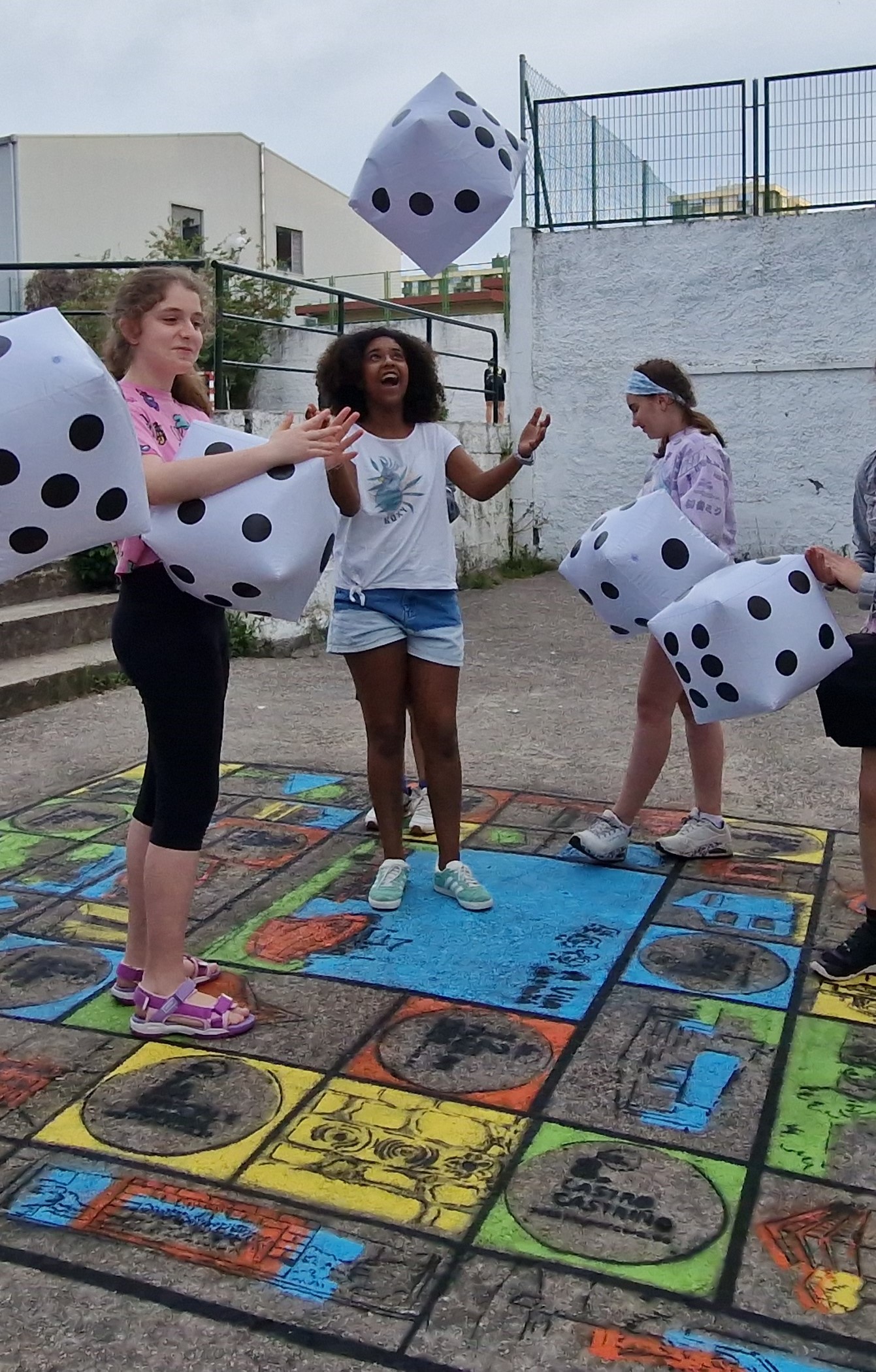
The village or city in which we are working, transformed into a game board, a laboratory of experimentation where children and teenagers can act from a new point of view.

Invading Silleda with the work “O SIÑOR AFRANIO” by Antón Alonso Ríos

Invading Silleda with the work “O SIÑOR AFRANIO” by Antón Alonso Ríos

SILLEDA

Changing the village through protagonist participation


Invading Silleda with the work “O SIÑOR AFRANIO”  by Antón Alonso Ríos

The right of children and adolescents to PARTICIPATE in the CONSTRUCTION of their VILLAGE or CITY as part of an ACTIVE CITIZENSHIP, so that they are participants and executors of the changes in their surroundings.

For this role to exist, CHILDHOOD and ADOLESCENCE must reflect on their surroundings (the space in which they unfold their lives), their context and propose solutions for change, that is to say, become aware of what it means to be a subject of law and the importance that it can have its participation as an engine of change for the rest of society.

– ¡Ya cogieron a Alonso Ríos! ¡Por fin cayó el gran zorro!

Istas esclamacións cheas de gozo vesánico e outras polo estilo, con variantes faunísticas peiorativas, escoitámolas en Tui durante meses, dende o 26 de xullo de 1936, día en que as tropas sublevadas entraron na cidade, logo de vencer a resistencia das forzas militares e civís leales á República.

Dormín na casa do Iglesias. A iso da meia noite petaron á porta. A dona do Iglesias atendéu. Era unha veciña que pedía entrar. Decía que foran avisar á súa casa pra que fuxira, aconsellándolle do xeito ila repetía:

Fuxe, fuxe, mais non borregues

A ista imprudencia sumóuse o seguinte feito, por certo ben cheo de riscos: dempóis que a Donata i a madriña do Guillermo se tiñan ido, eu fixen unha tentativa de impresionar ó Pepe de Vilachá. Díxenlle que me ía entregar ó cura de Vilameán de Tebra, xefe falanxista, aquil que nós metéramos na cadeia en Tui. O home espantóuse:

– ¡Non faga iso, que o matan!

Cando eu lle pedín a Pepe de Vilachán os meios pra facer a carta da miña suposta entrega, o Guillermo requiréu dil meia ducia de ovos cocidos, e acotóu:

– Veleiquí dúas resoluciós ben opostas: ti pides recursos pra entregáreste i eu pídoos pra fuxir.

Antes da noite cheguéi cerca da estrada de Tebra. Como escoitéi falar xente que andaba a traballar ó lado mesmo da estrada, pra non ser visto deitéime nunha chousa ante os fentos e sóio atraveséi prá outra banda xa ben entrada a noite. Ó pouco de camiñar sentínme canso. Busquéi un total axeitado pra deitarme e pasar o resto disa noite i o día seguinte.


Colour your Village

The village or city in which we are working has been turned into a game board, a laboratory of experimentation where girls, boys and teenagers can act from a new point of view.

Following in the footsteps of “O SIÑOR AFRANIO”

Following in the footsteps of “O SIÑOR AFRANIO”

SILLEDA

Changing the village through protagonist participation


Invading Silleda with the work “O SIÑOR AFRANIO”  by Antón Alonso Ríos

The right of children and adolescents to PARTICIPATE in the CONSTRUCTION of their VILLAGE or CITY as part of an ACTIVE CITIZENSHIP, so that they are participants and executors of the changes in their surroundings.

For this role to exist, CHILDHOOD and ADOLESCENCE must reflect on their surroundings (the space in which they unfold their lives), their context and propose solutions for change, that is to say, become aware of what it means to be a subject of law and the importance that it can have its participation as an engine of change for the rest of society.

Colour your Village

The village or city in which we are working has been turned into a game board, a laboratory of experimentation where girls, boys and teenagers can act from a new point of view.

THE NEIGHBORHOOD AS A GAMEBOARD

THE NEIGHBORHOOD AS A GAMEBOARD

VIGO

changing the neighborhood THROUGH PROTAGONIST PARTICIPATION

the neighborhood as a gameboard

“Every city has its own history, its own landmarks. I’m not only referring to those buildings officially recognised as important parts of the nation’s historical heritage. I mean, above all, the places that belong to the city’s memory — places that are fundamental to its identity, to the sense of belonging to a city. Whether it’s a factory, an old tram stop, or one of those grocery shops where everything was ingenuously displayed.”

Jaime Lerner

The right of children and adolescents to PARTICIPATE in the CONSTRUCTION of their TOWN or CITY as part of an ACTIVE CITIZENSHIP, in such a way that they are participants and executors of the changes in their surroundings.

For this protagonist to exist, CHILDREN and ADOLESCENTS must reflect on their surroundings (the space in which they develop their lives), their context and propose solutions for change become aware of what it means to be a legal entitlement and the importance that their participation can have as a driving force for change in the rest of society.

COLOUR YOUR CITY

The village or city in which we are working, transformed into a game board, a laboratory of experimentation where children and teenagers can act from a new point of view.

What is the most important element of Coia?

What is the most important element of Coia?

VIGO

The most important elements of Coia

PROTAGONIST PARTICIPATION

The right of children and adolescents to PARTICIPATE in the CONSTRUCTION of their VILLAGE or CITY as part of an ACTIVE CITIZENSHIP, so that they are participants and executors of the changes in their surroundings.

For that role to exist, CHILDHOOD and ADOLESCENCE must reflect on their surroundings (the space in which they unfold their lives), their context and propose solutions for change, that is to say, become aware of what it means to be a subject of law and the importance that their participation can have as an engine of change in the rest of society.

The new generations, the inhabitants of tomorrow, do not know their town or city in its entirety, they live in a “small box”, they move to another smaller “box” and arrive at a bigger “box” (it’s called a school, shopping centre, sports centre, .. or playground). This is your relationship with your environment.

Sandra González Álvarez

Colour your city

The town or city in which we are working has been turned into a game board, a laboratory of experimentation where girls, boys and teenagers can act from a new point of view.

Protagonist participation with Galician literature

Protagonist participation with Galician literature

curtis

CHANGING THE VILLAGE THROUGH PROTAGONIST PARTICIPATION

Protagonist participation with the work of Lupe Gómez

The right of children and adolescents to PARTICIPATE in the CONSTRUCTION of their TOWN or CITY as part of an ACTIVE CITIZENSHIP, in such a way that they are participants and executors of the changes in their surroundings.

For this protagonist to exist, CHILDREN and ADOLESCENTS must reflect on their surroundings (the space in which they develop their lives), their context and propose solutions for change become aware of what it means to be a legal entitlement and the importance that their participation can have as a driving force for change in the rest of society.

Letter to the playwright Francisco Pillado.

Colored pencils neighborhood:

   Dear flashlight to see well at night:

   Do you know who will win the election by absolute majority?

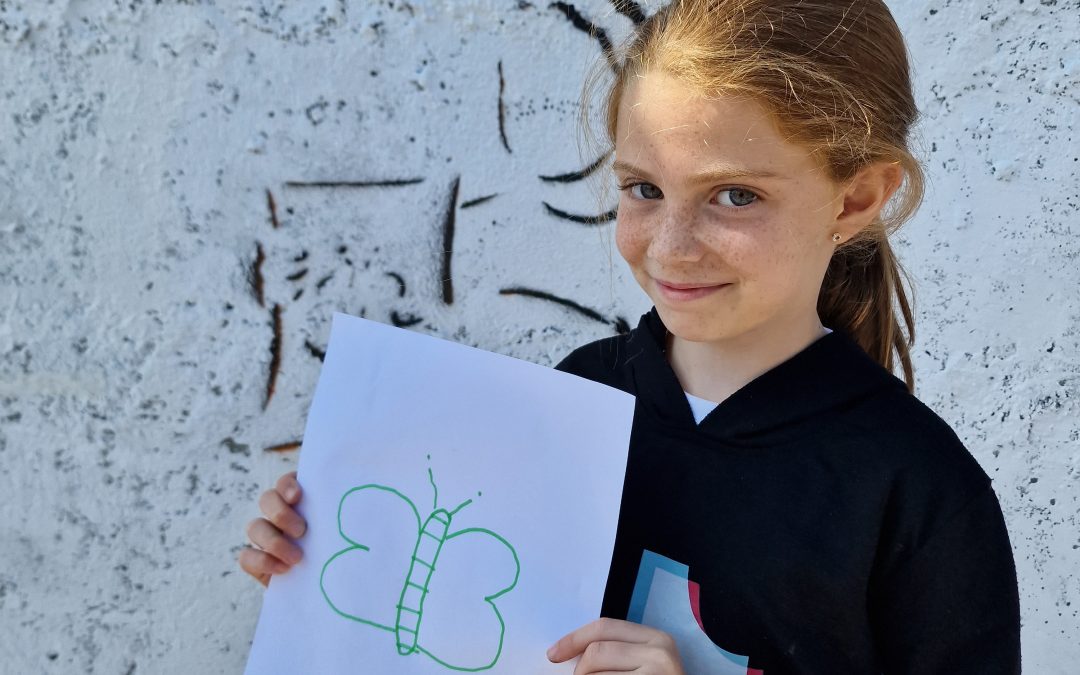
A girl I was playing with on Saturday afternoon is going to win. He is five or six years old. I gave her a painting by Fidel Vidal, and she was very happy. She showed me a drawing of a butterfly, made by herself. I told her, “I like butterflies a lot,” and she laughed. The girl is amused by adult things, because she has small, direct eyes. The subversive look of the clouds. The photographs of the dead when they go to vote. The girl plays with a broom, as if she were a witch, as if she were a very human politician and very close to the people. I have decided my vote. I’m going to vote for that girl, because her gestures really convince me and make me feel excited. I imagine that little girl sitting on the stairs of the photographer Xurxo Lobato and answering the predictable questions of the journalists. The girl plays, and is not fooled by the rhetoric and empty talk of the world. The girl laughs because she is a spy of the hidden feelings of the people, of the citizens. The “politician girl” reads that beautiful book by the Laiovento publishing house, in which the writer Julio López Válcarcel talks about Miguel González Garcés, the miner of light and brilliant forests. Cell phone companies decide when we have to talk. If the promotion is for us to speak – for free – on weekends, we will have to speak on Sundays even if we are not talkative, even if we have nothing to say. The girl plays. The little girl works. The captive does not speak. I am re-reading many books worn by the passage of time, and I feel renewed. I love political theater that runs away when there’s a party in the clouds.

Lupe Gómez.

COLOUR YOUR VILLAGE

The village or city in which we are working, transformed into a game board, a laboratory of experimentation where children and teenagers can act from a new point of view.

Protagonist participation in Galician literature

Protagonist participation in Galician literature

teixeiro

CHANGING THE VILLAGE THROUGH PROTAGONIST PARTICIPATION

Protagonist participation with the work of Ánxeles Penas

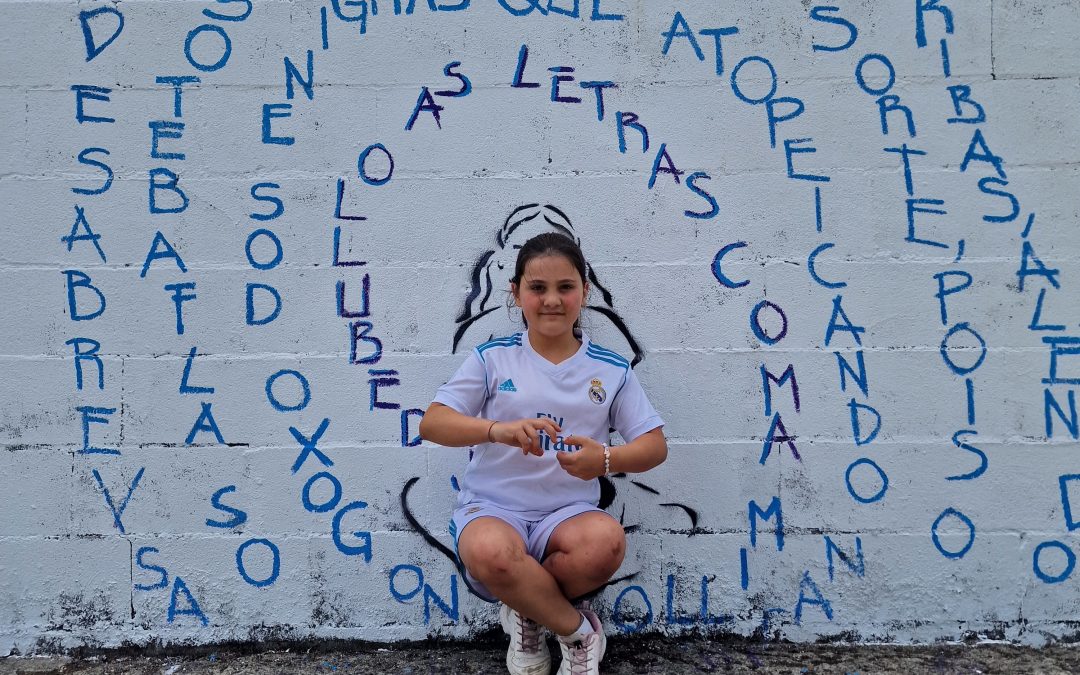
The figures of children and teenagers themselves (their silhouettes, bodies, and gestures) become the visual protagonists of the urban space. The aim is not to represent them, but to allow them to inscribe themselves into the landscape with their scale, their language, and their living presence. Their image occupies façades, walls, and partitions, intervening in the urban environment with their collective identity and symbolic power

And I tell you:

If I had the path to reach Prometeo

the shadow that gives nightmares to you little girls would basoiraria,

the night woven with the threads of fear

that at some time you have been argalas

-I don’t know when-,

gods of darkness,

shadow of the astonished mothers who stop if they know


Well, it’s time to take out the reapers of life

so that golden wheat is born,

corn that sparkles in the sun, burning vintage


Well, it’s time to empty the Moorish well,

to remove the mourning from the waters

It’s already time for the fight with the langran Leviathan

that fills the earth making it an anthill of terrors


It’s about time


And I ask poetry for meaning,

but poetry is like the beggar lying on the sidewalk:

a demand in desolation,

a hand reaching out into the cold afternoon

and that it remains, full of space, in the gray sunset


She is this white silence of the paper

with all the questions,

this clarity waiting,

this snowfall rests

that one wanted to sow creative words, verses lit like suns in season


to give birth, you don’t know which fields of meaning,

what rows of thoughts that sing of innocence


Thus, I thresh the letters like corn

in the joy of the riddles I found when I was born

And I shuffle the alphabets as one does with luck,

because the meaning is beyond the words

and the tired gesture of the scribes,

apart from my trade of rummaging


Ánxeles Penas

COLOUR YOUR VILLAGE

The village or city in which we are working, transformed into a game board, a laboratory of experimentation where children and teenagers can act from a new point of view.

Protagonist participation with the work of Rosalía de Castro.

Protagonist participation with the work of Rosalía de Castro.

SILLEDA

CHANGING THE VILLAGE THROUGH PROTAGONIST PARTICIPATION

Protagonist participation with the work of Rosalía de Castro.

The figures of children and teenagers themselves (their silhouettes, bodies, and gestures) become the visual protagonists of the urban space. The aim is not to represent them, but to allow them to inscribe themselves into the landscape with their scale, their language, and their living presence. Their image occupies façades, walls, and partitions, intervening in the urban environment with their collective identity and symbolic power

Cantan os galos pr’ó dia

Erguete, meu ben, e vaite.
 — Como m’ ei d’ ir queridiña,
 Como m’ ei d’ ir e deixarte.

 —D’ eses teus olliños negros
 Como doas relumbrantes,
 Hastr’ as nosas maus unidas
 As vagoas ardentes caen.
 ¿Como m’ ei d’ ir si te quero?
 Como m’ ei d’ ir e deixarte,
 Si cá lengua me desvotas
 E có coraçon me atraes?
 N’ un corruncho do teu leito
 Cariñosa m’ abrigaches
 Có teu manso caloriño
 Os frios pés me quentastes;
 E d’ aqui xuntos miramos
 Por antr’ ó verde ramaxe,
 Cal iba correndo á lua
 Por enriba dos pinares.
 ¿Como queres que te deixe
 Como que de ti m’ aparte,
 Si mais qu’ á mel eres dulce
 E mais qu’ as froles soave?

      —Meiguiño, meiguiño meigo,
 Meigo que me namoraste,
 Baite d’ onda min meiguiño
 Antes qu’ ó sol se levante.

      —Ainda dorme, queridiña,
 Antr’ as ondiñas do mare,
 Dorme por que m’ acariñes
 E por qu’ amante me chames,
 Que sol’ onda tí, meniña,
 Pódo contento folgare.

      —Xa cantan os paxariños,
 Erguete, meu ben, qu’ é tarde.

      —Deixa que canten, Marica,
 Marica deixa que canten…
 Si tí sintes que me vaya,
 Eu relouco por quedarme.

      —Conmigo, meu queridiño,
 Mitá dá noite pasaches.

      —Mais en tanto ti dormias
 Contenteime con mirarte,
 Qu’ asi sorind’ entre soños
 Coidaba qu’ eras un anxel,
 E non con tanta pureza
 O pé d’ un anxel velase.

      —Asi te quero, meu ben,
 Com’ un santo dos altares,
 Mais fuxe… qu’ ó sol dourado
 Por riba dos montes saye.

      —Irey, mais dame un biquiño
 Antes que de tí m’ aparte;
 Qu’ eses labiños de rosa
 Inda non sei como saben.

      —Con mil amores chó dera,
 Mais teño que confesarme,
 E moita vergonza fora
 Ter un pecado tan grande.

      —Pois confesate, Marica,
 Que cando casar nos casen,
 Non ch’ an de valer, meniña,
 Nin confesores nin frades.
 Adios, cariña de rosa!

Rosalía de Castro

COLOUR YOUR VILLAGE

The village or city in which we are working, transformed into a game board, a laboratory of experimentation where children and teenagers can act from a new point of view.

Working with Galician Literature, Rosalía de Castro

Working with Galician Literature, Rosalía de Castro

TOURO

CHANGING THE VILLAGE THROUGH PROTAGONIST PARTICIPATION

Working with Galician Literature, Rosalía de Castro

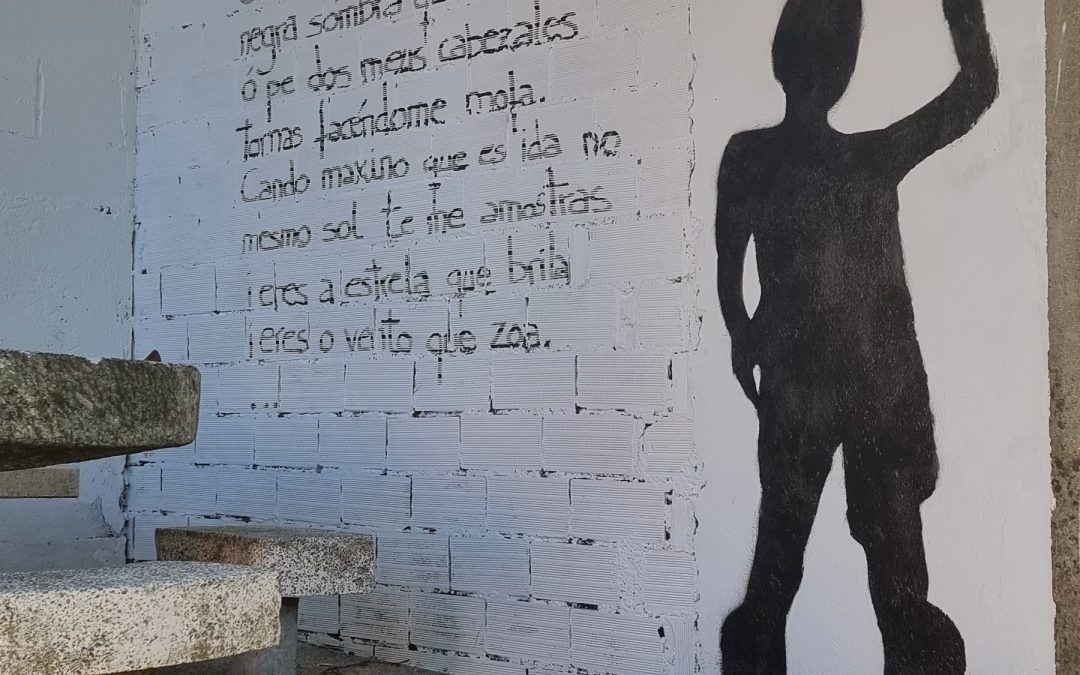
In a place lacking strong identity references (where the main element of collective memory was a disused nightclub), the project begins with a latent infrastructure: the town’s street map, whose names pay tribute to authors of Galician literature. Based on this cultural cartography, A Vila do Mañá turns words into infrastructure and literature into a tool for urban activation.

The figures of children and teenagers themselves (their silhouettes, bodies, and gestures) become the visual protagonists of the urban space. The aim is not to represent them, but to allow them to inscribe themselves into the landscape with their scale, their language, and their living presence. Their image occupies façades, walls, and partitions, intervening in the rural environment with their collective identity and symbolic power.

Cando penso que te fuches
negra sombra que me asombras,
ó pe dos meus cabezales
tornas facéndome mofa.

Cando maxino que es ida
no mesmo sol te me amostras
i eres a estrela que brila
i eres o vento que zoa.

Si cantan, es ti que cantas
si choran, es ti que choras
i es o marmurio do río
i es a noite, i es a aurora.

En todo estás e ti es todo
pra min i en min mesma moras,
nin me abandonarás nunca,
sombra que sempre me asombras.

Rosalía de Castro

COLOUR YOUR VILLAGE

The village or city in which we are working, transformed into a game board, a laboratory of experimentation where children and teenagers can act from a new point of view.

Working with Galician Literature, Ramón Cabanillas

Working with Galician Literature, Ramón Cabanillas

TOURO

CHANGING THE VILLAGE THROUGH PROTAGONIST PARTICIPATION

Working with Galician Literature, Ramón Cabanillas

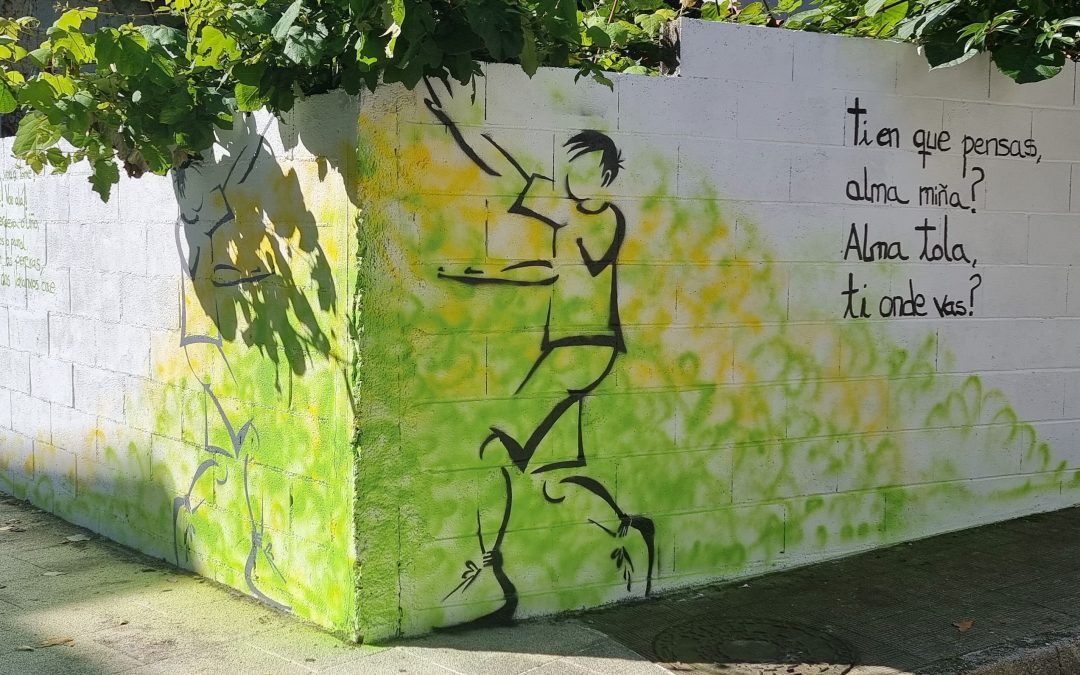
In a place lacking strong identity references (where the main element of collective memory was a disused nightclub), the project begins with a latent infrastructure: the town’s street map, whose names pay tribute to authors of Galician literature. Based on this cultural cartography, A Vila do Mañá turns words into infrastructure and literature into a tool for urban activation.

The figures of children and teenagers themselves (their silhouettes, bodies, and gestures) become the visual protagonists of the urban space. The aim is not to represent them, but to allow them to inscribe themselves into the landscape with their scale, their language, and their living presence. Their image occupies façades, walls, and partitions, intervening in the rural environment with their collective identity and symbolic power.

– ¿Tí en qué pensas, alma miña?
¿Alma tola, ti onde vas?

– ¡Meu corpiño, vou lonxe!
¡Onde sempre! ¡Vou alá!
Vou ver si verdexa o liño,
si ten gomos o parral,
si afollaron as pereiras,
si a fror dos laranxos cai.

Vou ver como creba o río
nas areas seus cristás,
si hai botóns roxos no trebo
e pendóns no milleiral
e si pintan as cereixas
e si callan as mazáns.

Vou ver si atopo receda
nos mallóns do salgueiral
e a cachear as silveiras,
anque me firan as mans,
buscando negras amorias
e niños de paspallás.

Quero ouír o barulleiro
ruxe-ruxe do pinal,
mollar os pés nos regueiros,
sentarme á veira do lar,
a estumballarme na erba
miuda do castañal
e andar a rolos entre ela
bicando o nativo chan.

Quero ouír cantar o cuco,
sentir o oubeo dos cans
e escoitar na lonxanía
aturuxos e alalás,
ó erguerse a lúa de prata
sobre a esmeralda do mar.

Quero rubir ós penedos,
canta que te cantarás,
cando o sol morno da tarde
doura os verdores do val,
e baixar, ó vir a noite,
camiño do meu fogar,
cando tocan as oracións
melancólicas campás…

¡Vou a ver os meus amores
que por min chamando están!
¡Vou a darlle un bico á lousa
onde dorme miña nai!
¡Vaite, almiña tola, vaite!
¡Ai, quén poidera voar!

Ramón Cabanillas

COLOUR YOUR VILLAGE

The village or city in which we are working, transformed into a game board, a laboratory of experimentation where children and teenagers can act from a new point of view.
Tags

Accessible Cities (69) Acoruñanarede (1) Ames (5) Anxel Casal (3) A Pobra do Caramiñal (2) ArchDaily (1) Architecture (159) Arquitectura (40) Arteixo (2) Art magazine - Logopress (2) Arzúa (34) As Pontes (2) Atlántico (1) A Vila do Mañá (256) barbadas.es (1) Barbadás (15) Barbanza Channel (3) Bergantiños Diary (1) Book (8) boys and adolescents (24) Brasil (11) Brazil (5) Bueu (16) Cambados (15) Carballo (40) Childhood (198) City (76) codesign (16) Coia (19) Compostela24horas.com (1) Conference (5) Coronavirus (68) Council of Carballo (1) Covid (69) crtvg (1) Cultural heritage (7) Culture city (1) Curtis (7) derecho a la ciudad (1) Diario de Arousa (4) Diario de Pontevedra (1) Diary of Arousa (29) Ecos da comarca (4) El Comarcal (1) El Correo Gallego (43) ElDiario.es (1) el ideal gallego (1) El progreso (1) enfoques (2) Environment (3) Faro de Vigo (43) Ferrol (19) Ferrol360.es (1) Ferrol Diary (5) Floats (8) Galicia (232) Galicia@PRESS (2) Galician literature (1) Game board (5) Game of goose (5) GDiario (1) Girls (18) Girls, boys and adolescents (133) Green flag (4) Hai Mulleres (2) Heritage (142) High School Alexandre Bóveda (5) Historic city (9) History of Galicia (1) Hoyesarte.com (1) Iberoamerican Biennial (4) Independence square (1) Infancia (14) Inmodiario (1) inquEDU (2) Instituto Alexandre Bóveda (1) International (3) Interview (2) Landscape (131) La Opinión (16) La Región (22) La Voz de Galicia (100) library (1) Lina Bo Bardi (6) Lindeiros (1) Lo Que Yo Te Digo (2) Ludantia (4) Madrid (2) Malpica (5) Master Houses (1) Mobility (2) Mobility Week (2) Mondoñedo (6) Nenas nenos e adolescentes (13) Nets (1) News (185) NH Diary (8) Nius Diary (1) Noticia (14) O Barbanza (2) Observador (1) O Correo de Bergantiños (2) O Porriño (4) Padrón (3) Pandemic (47) Park (2) Participación protagónica (41) Patrimonio cultural (1) Pazo do Martelo (1) PonteAreas (4) Pontevedra (4) PontevedraViva!com (2) Portugal (1) Protagonist participation (85) Protegim-nos (1) Que pasa na Costa (3) RadioValladares (1) Regiao news (1) Region (3) Revista AMSGO! (1) Rianxo (20) Ribadeo (2) Ribeira (8) Right to the city (88) Rías Baixas Channel (3) Rúa (14) Sandra Gonzalez Alvarez (19) Sandra González (131) San Francisco Vilagarcía de Arousa School (3) Santiago's road (46) Santiago de Compostela (12) Sesc Santo Amaro (1) Silleda (30) Social distance (68) Street (96) São Paulo (14) Tactical urbanism (88) Talleres (22) Teixeiro (2) Telecinco (1) Terrachá xá (1) Touro (8) treintayseis (1) TV (3) TV of Galicia (2) Urban garden (7) Urbanism (145) Urbanismo (40) Urbanismo de Guerrilla (142) Urbanismo táctico (42) Venice Biennale (2) Verín (5) Viena (2) Vila (23) Vilagarcía (24) Village (101) Vimianzo (7) Virtual (40) Vía Láctea Communication (1) Workshops (139) XUNTA DE GALICIA (3) zero code (1)

Logo A Vila do Mañá

Proxecto financiado por:

Proxecto financiado pola Deputación da Coruña

Grazas polo teu aporte