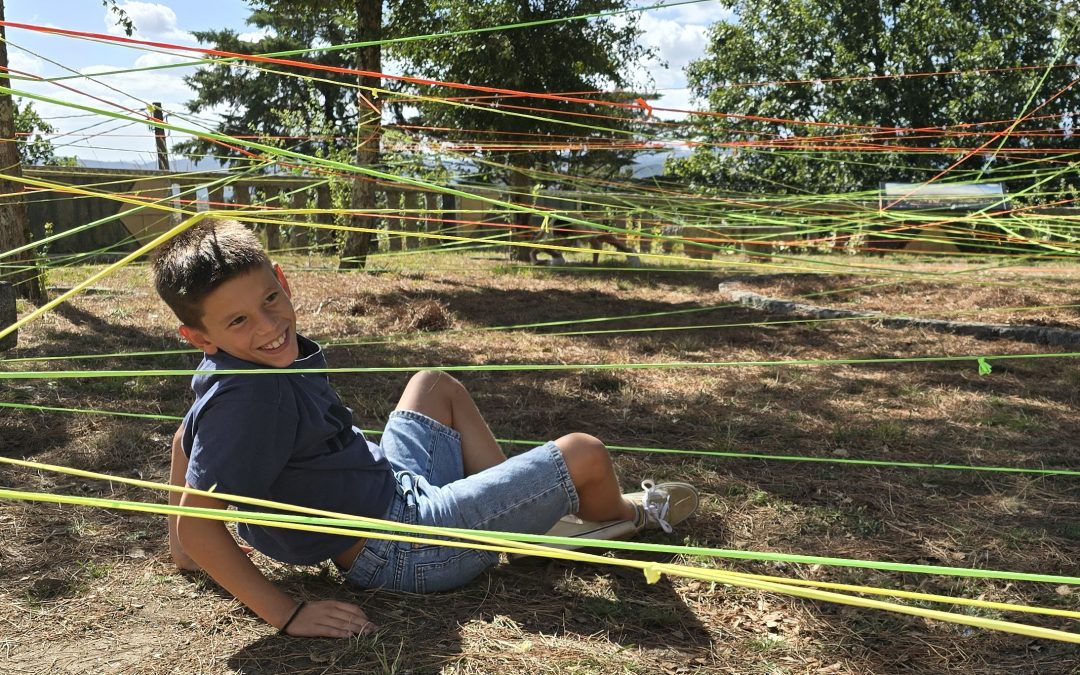
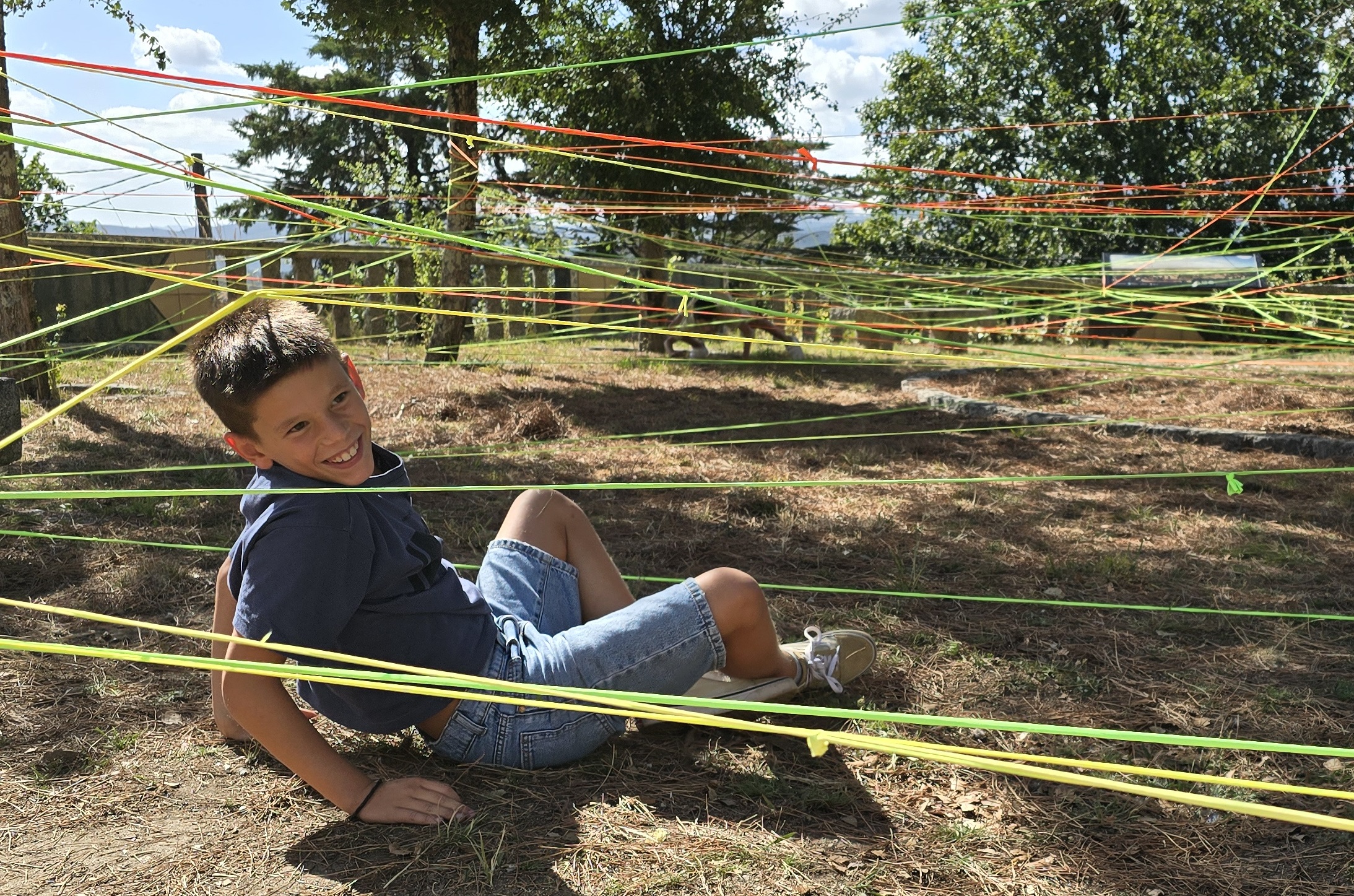
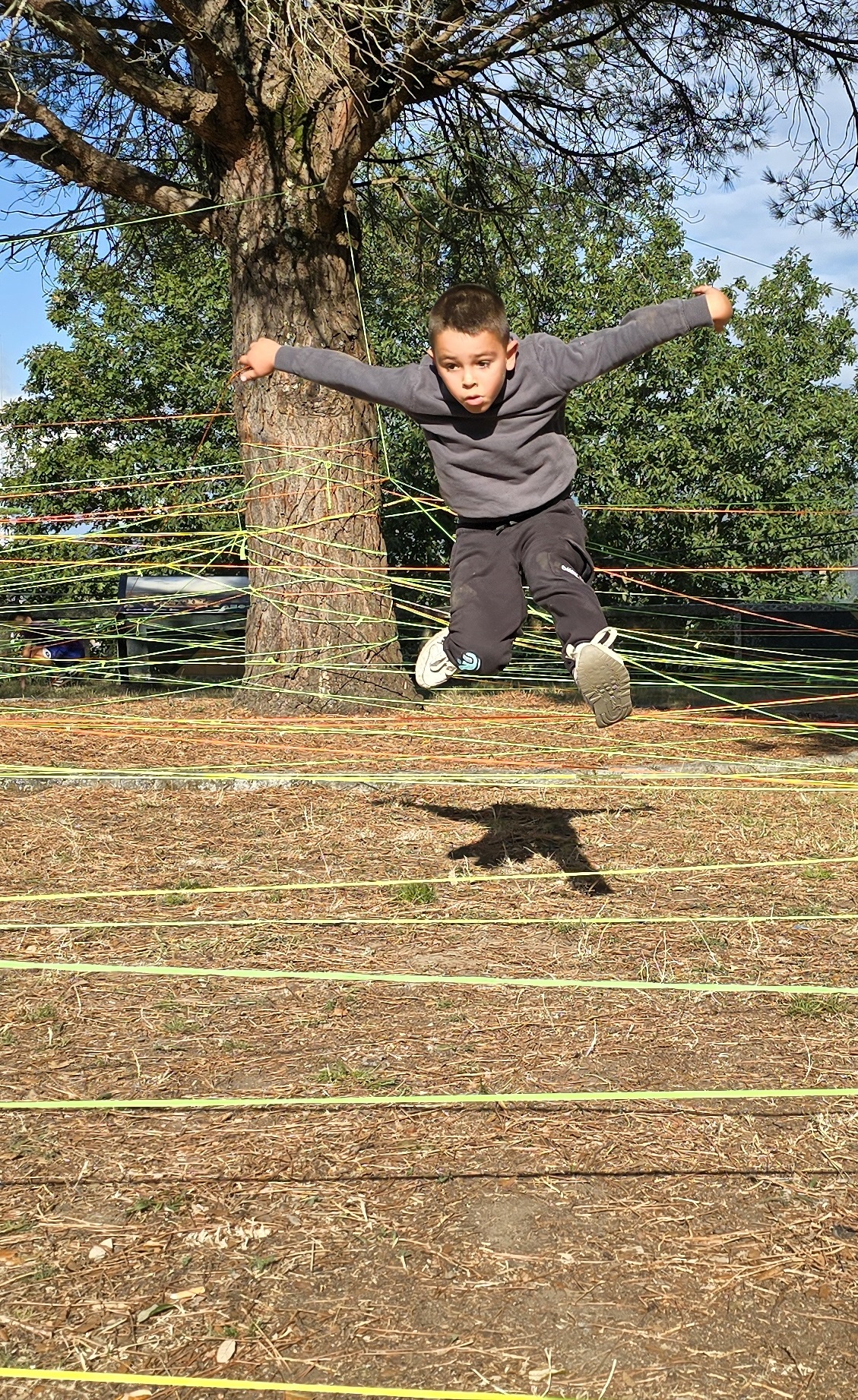
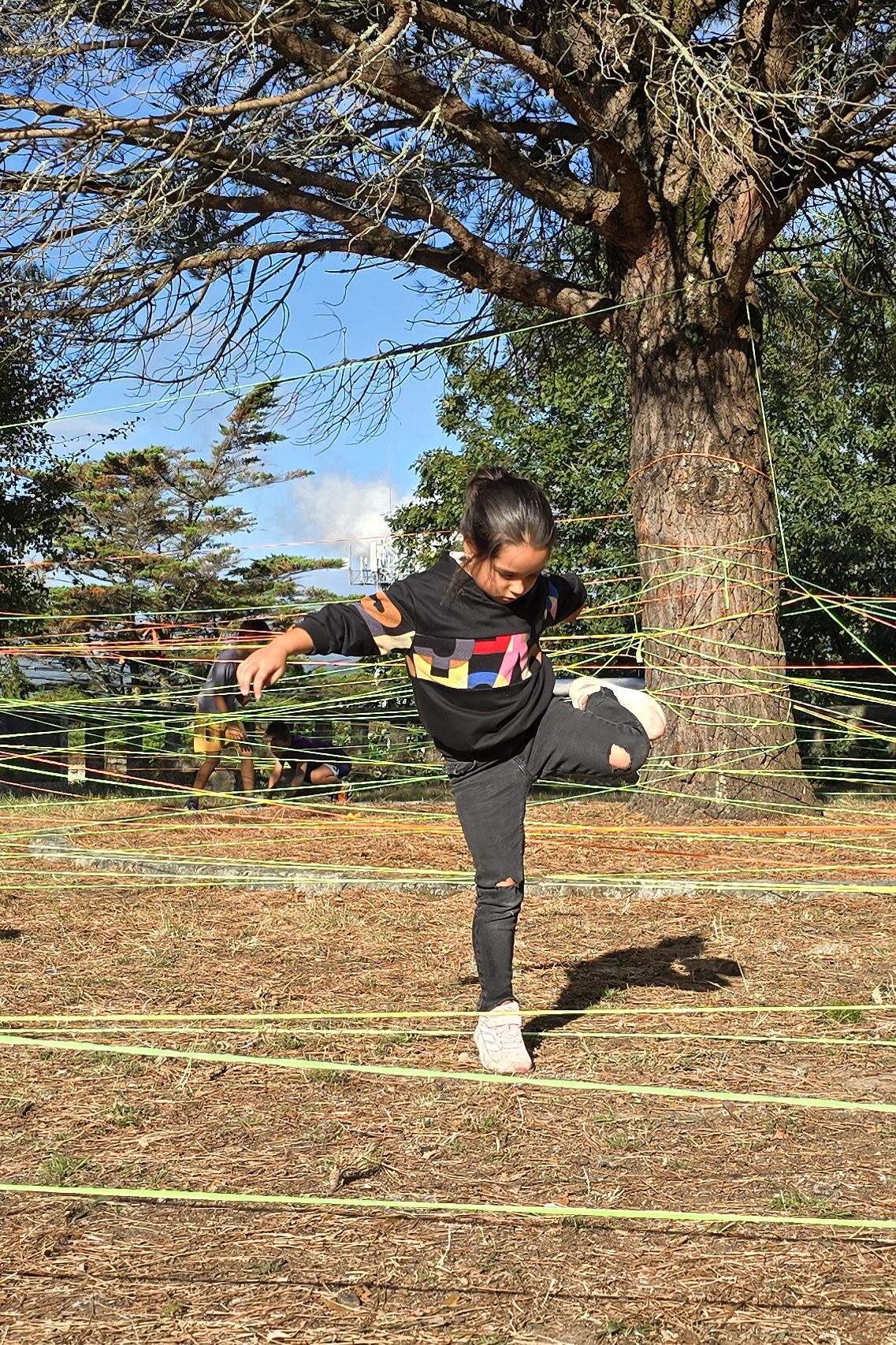
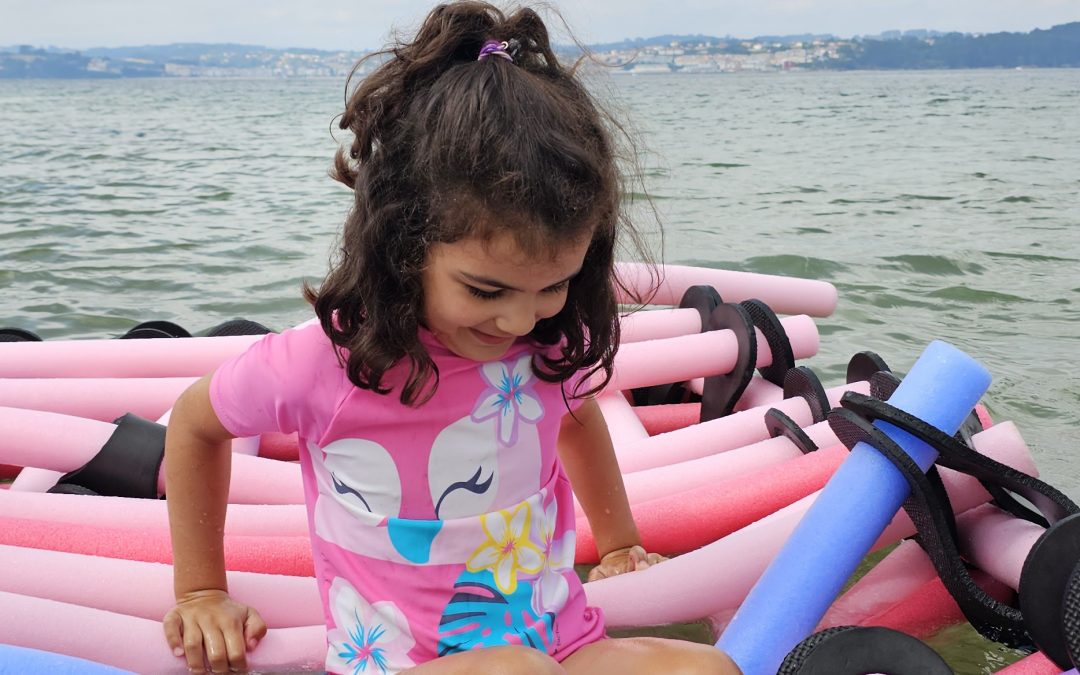
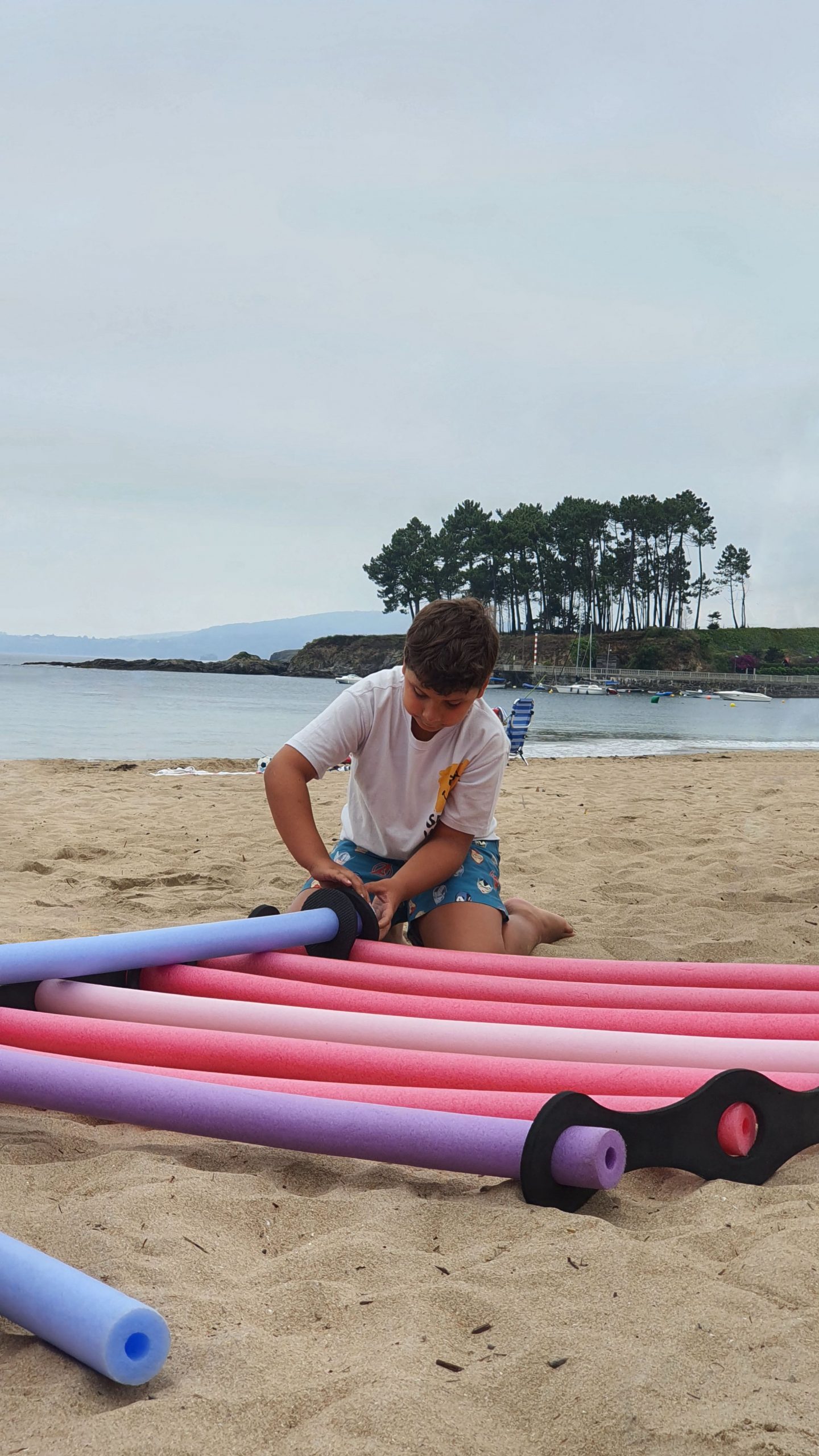
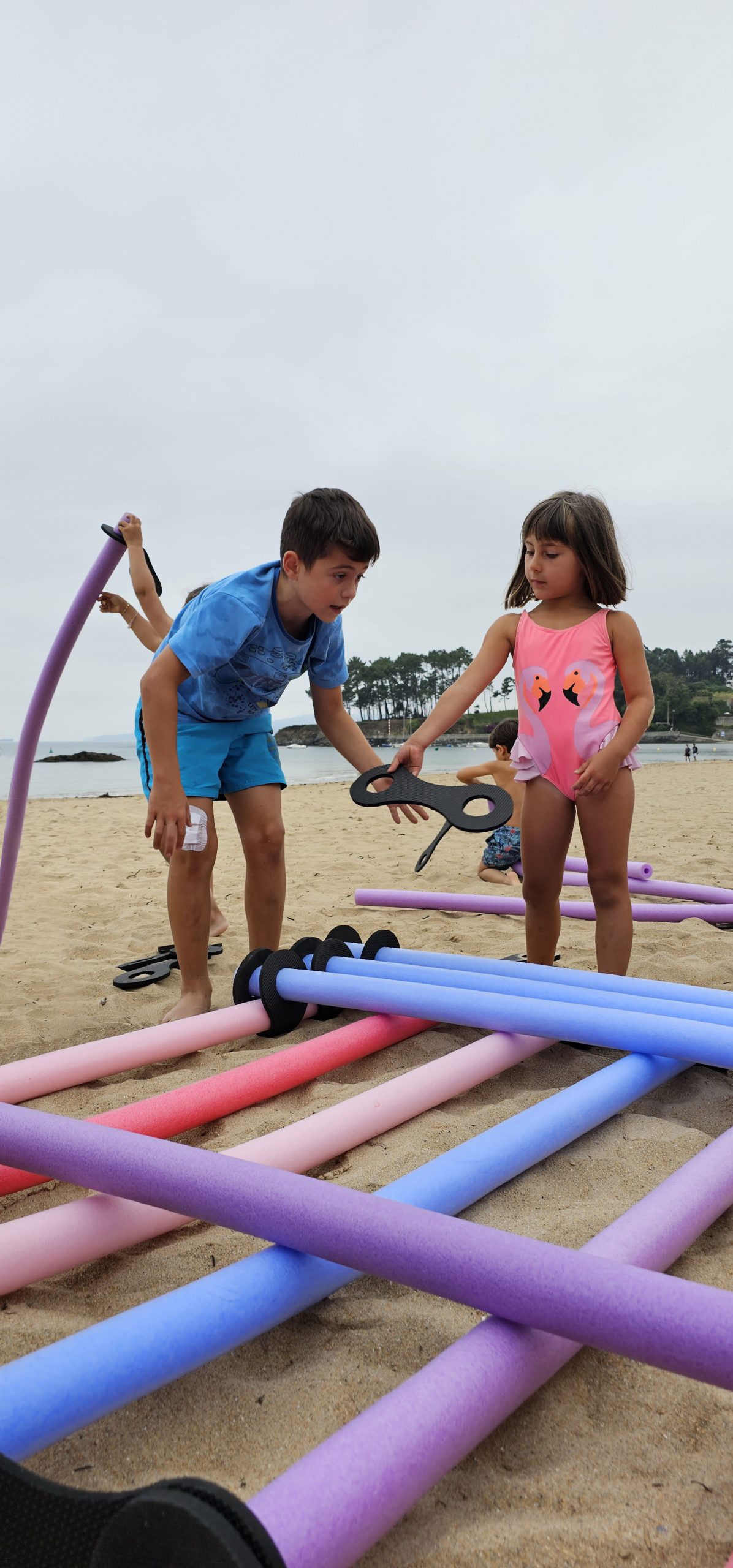
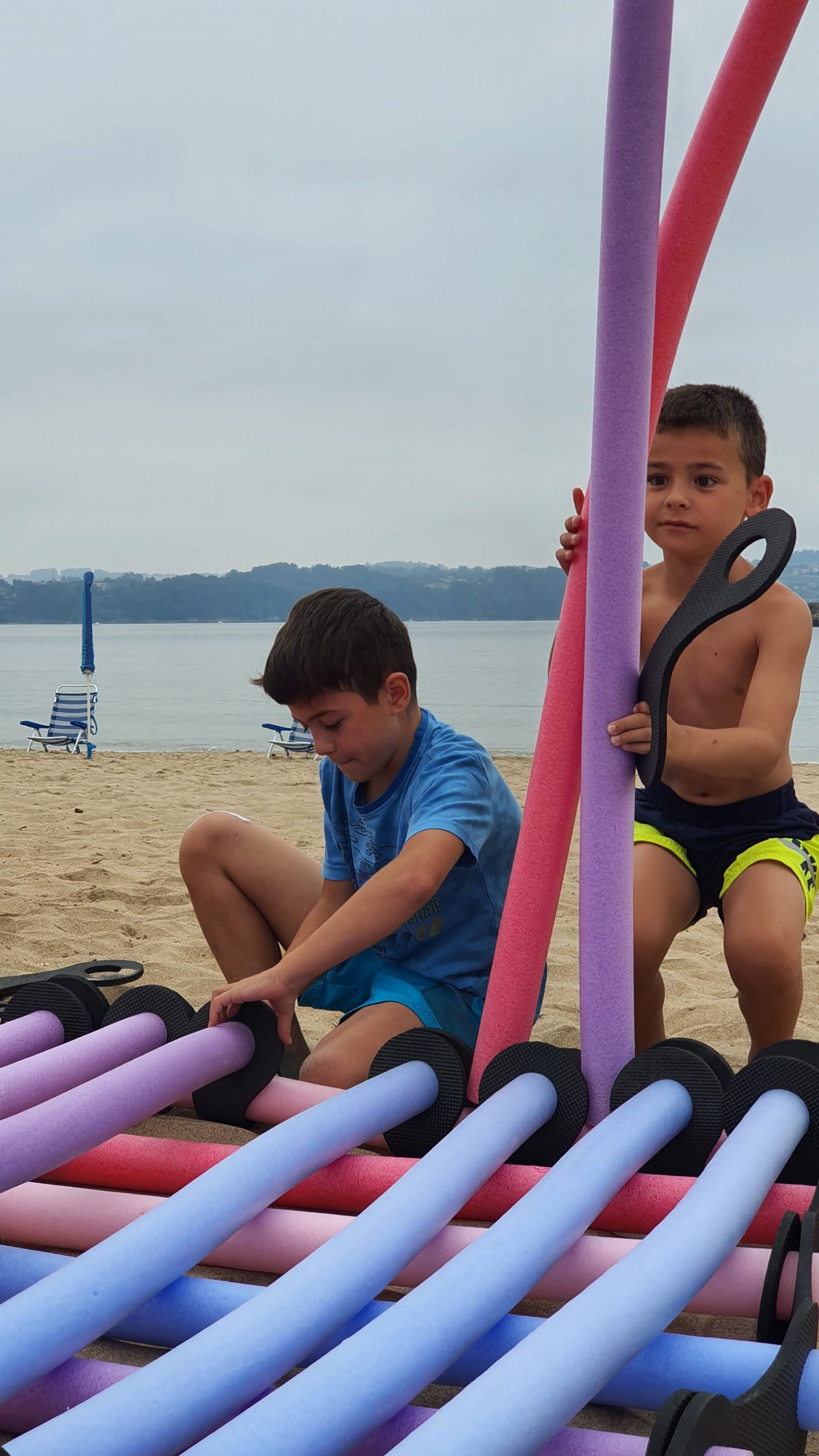
Padrón

Padrón

First edition

Padrón

IES Camilo Jose Cela

PADRÓN

THE IMPORTANCE OF THE PLACE

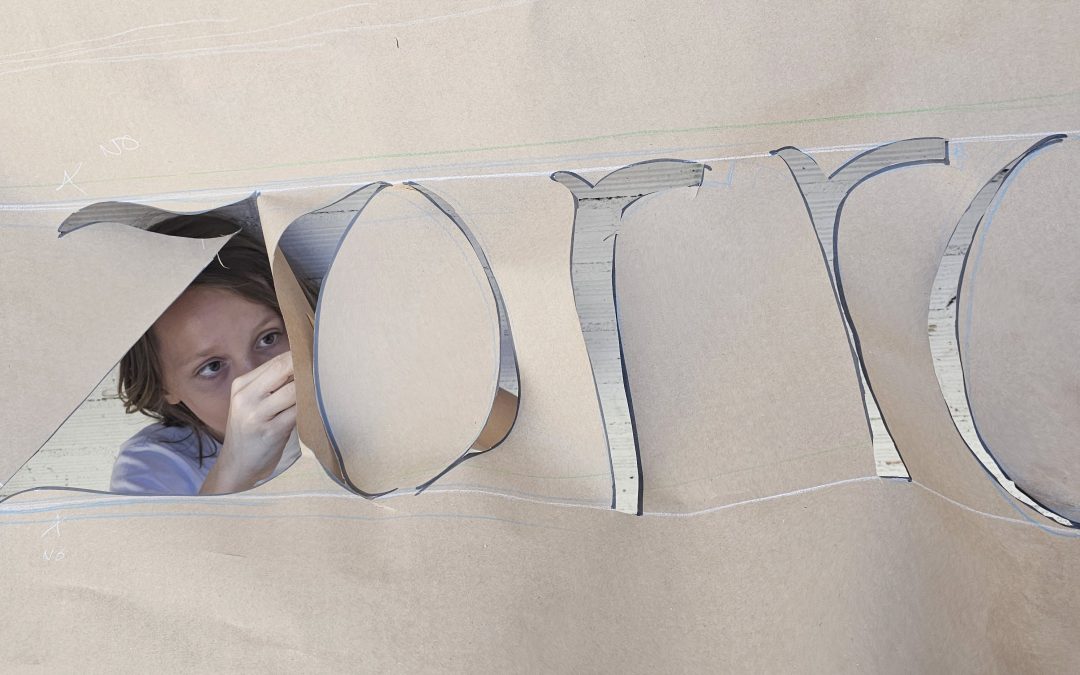
We want children and teenagers to learn to look at the place where they live, taking with them two powerful tools: ART and ARCHITECTURE. They are two elements that help us to understand the world and, most importantly, also to transform it.

Course 2022-2025

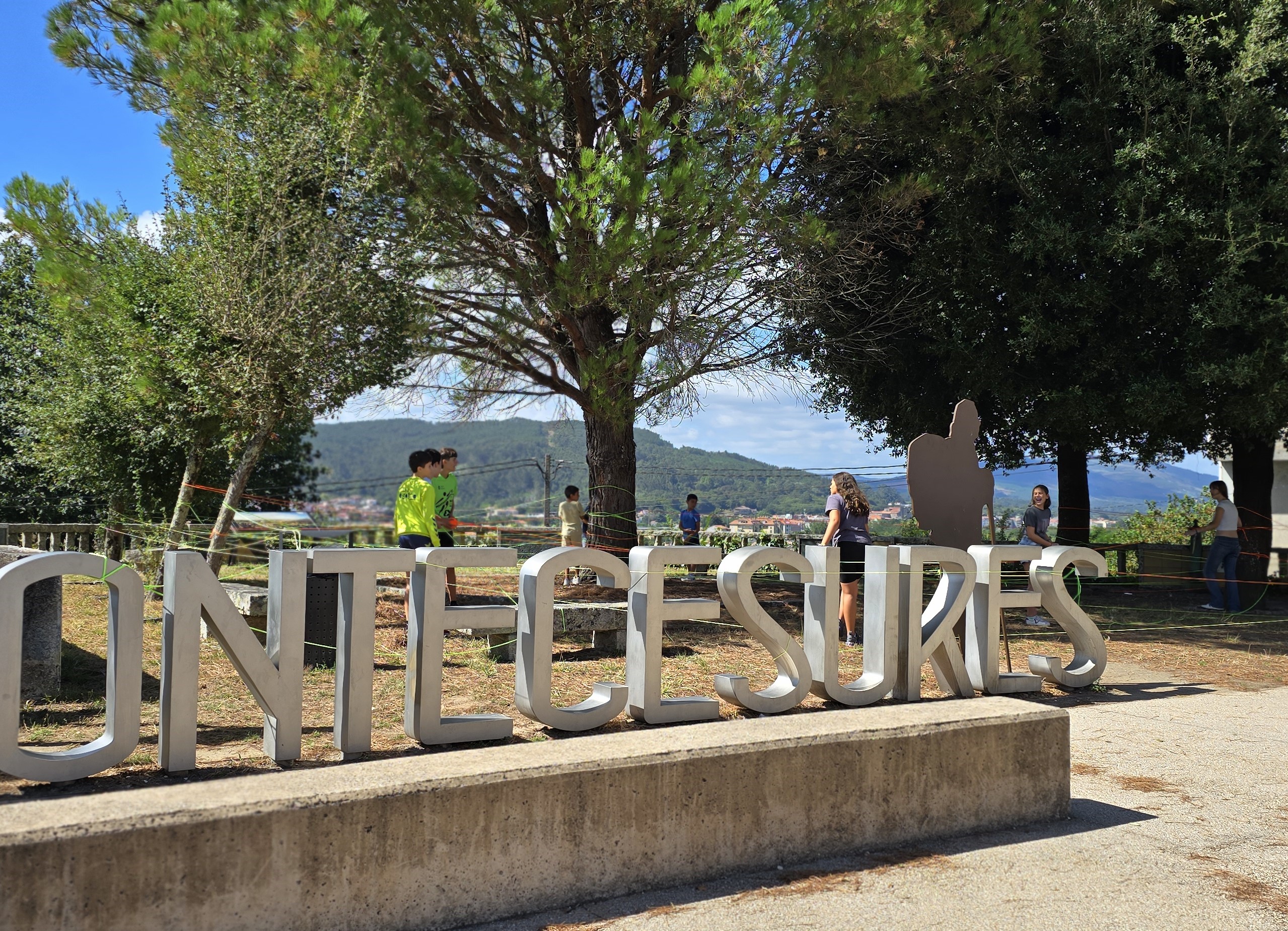
reCOGNIZING Pontecesures

reCOGNIZING Pontecesures

PONTECESURES

 changing the village through protagonist participation

reCOGNIZING Pontecesures

“A good urban acupuncture would be one that enables everyone to know their city. How many people, in reality, truly know their own city? It’s hard to respect what you don’t know. But how can you respect your city if you don’t understand it? Draw your city. […] But how can you improve your city if you don’t even know it well? What do you do for it, if you’re not even able to draw it? That’s the crux of the matter.”

Jaime Lerner

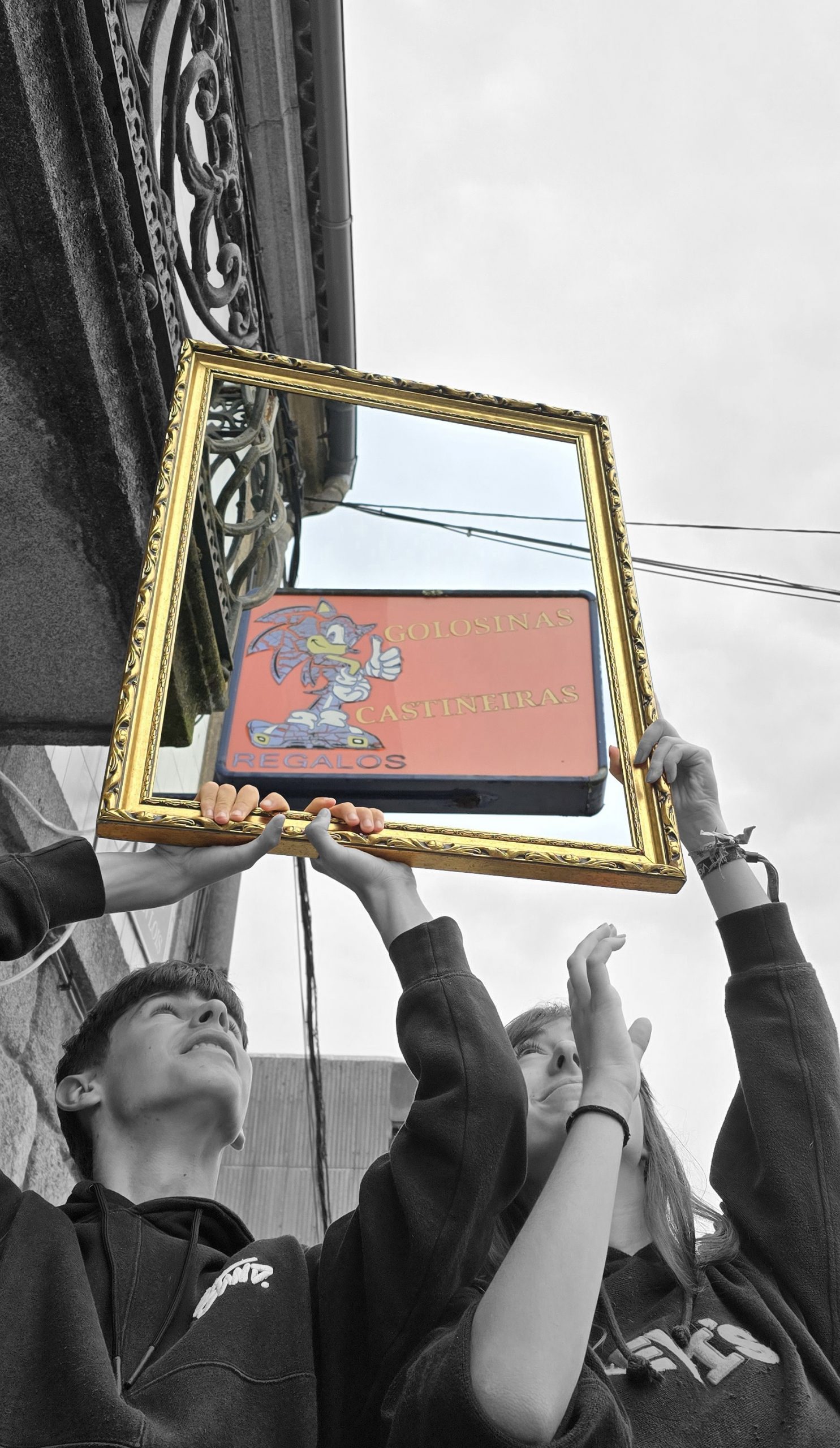
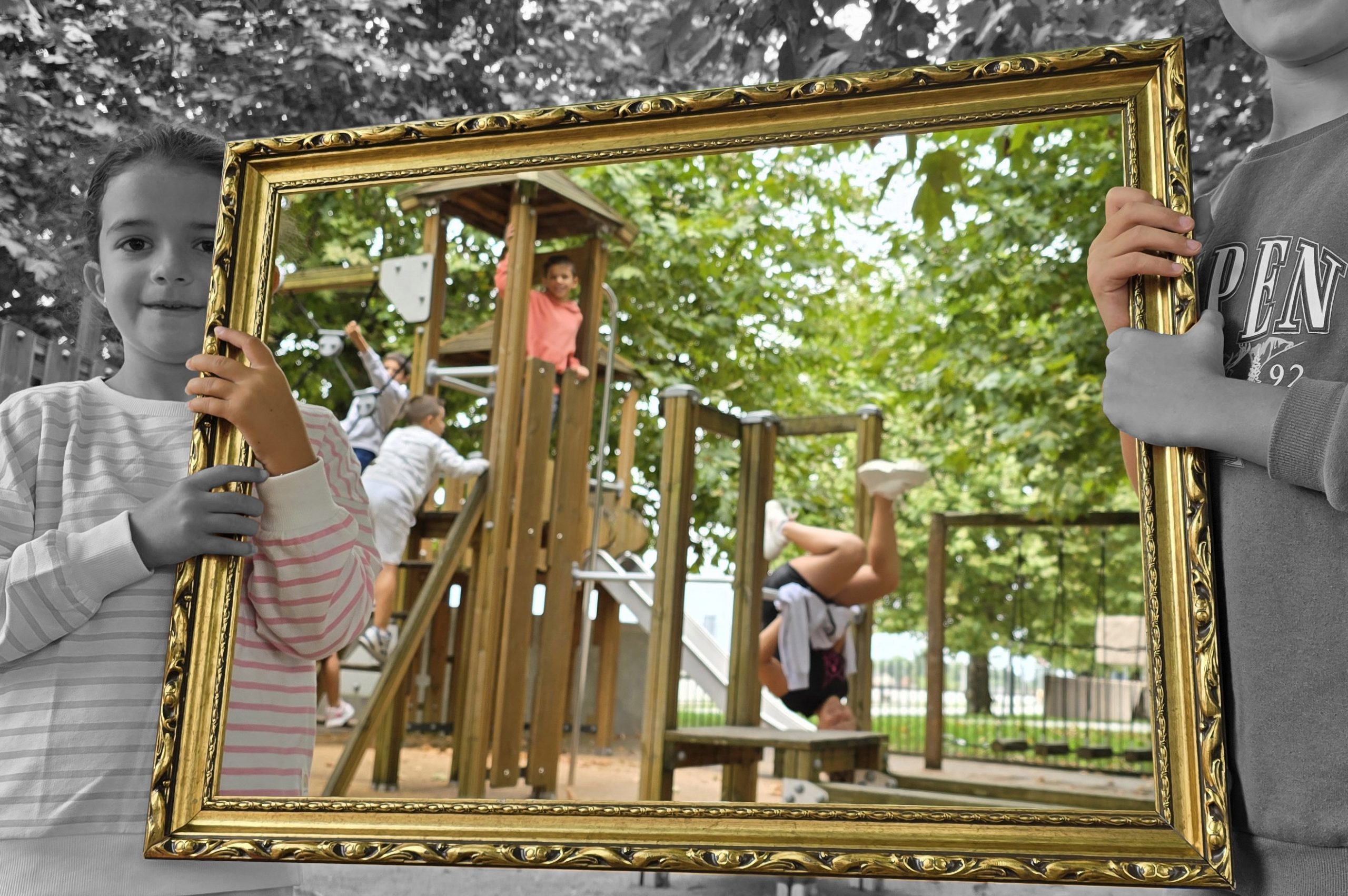
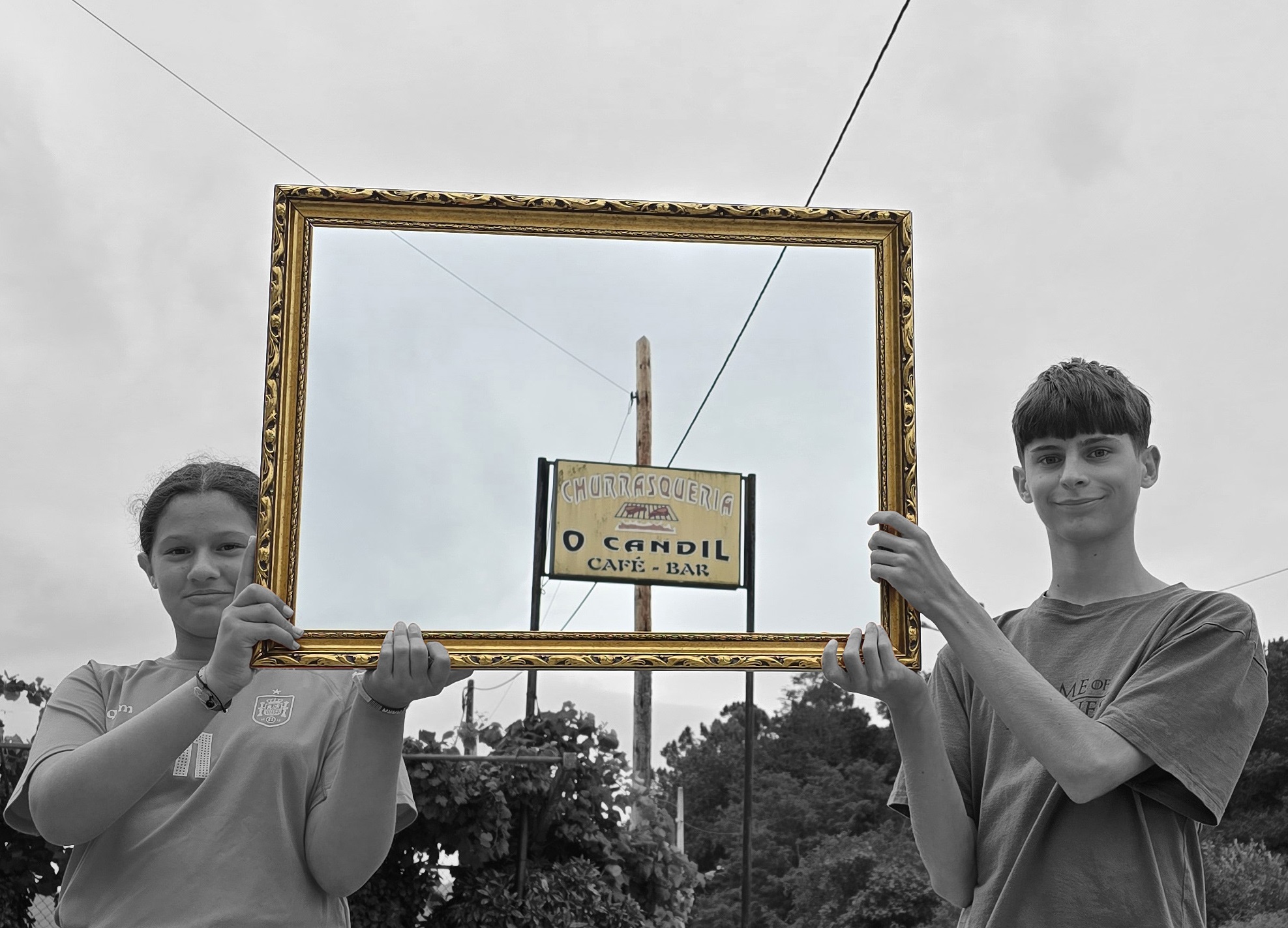
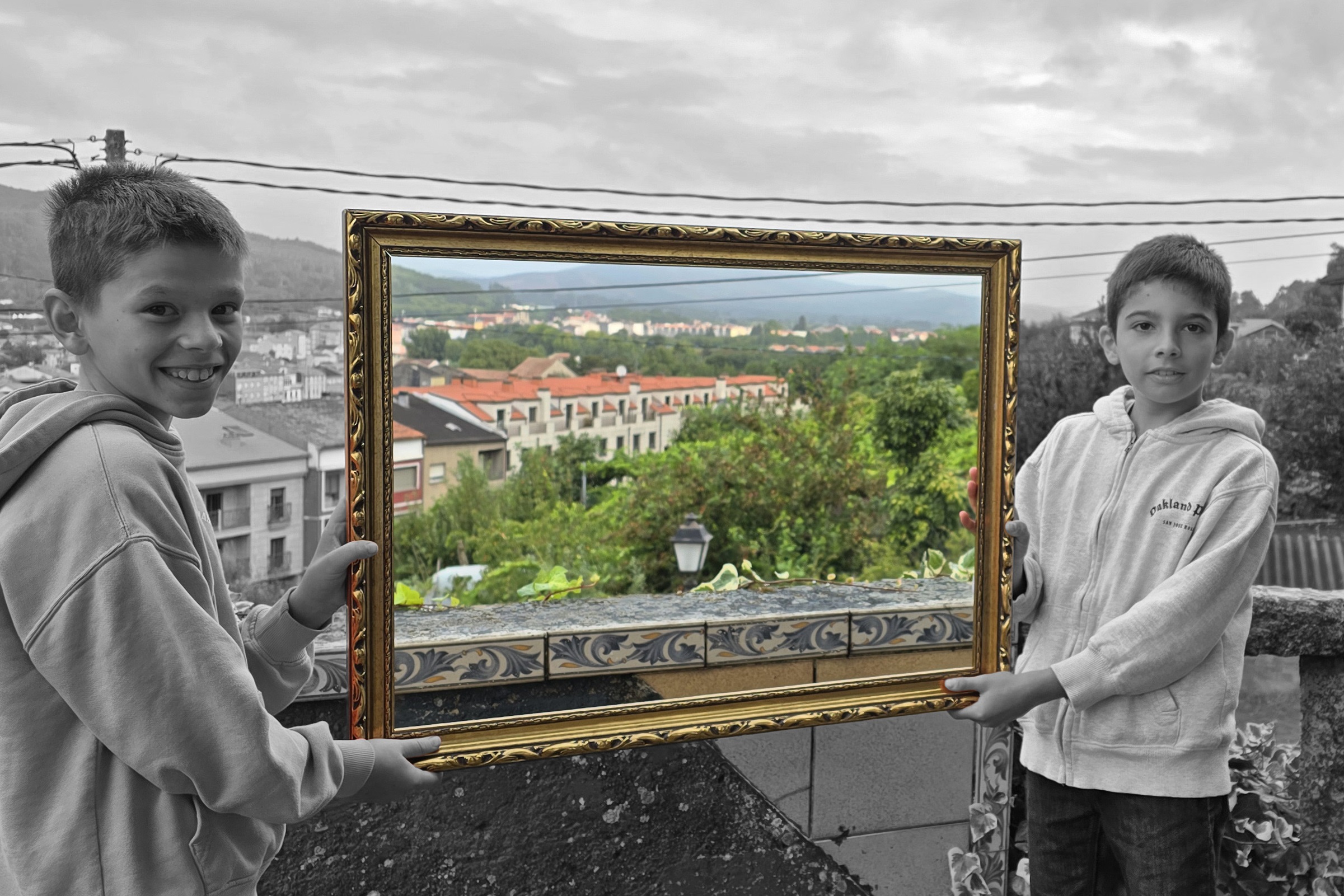
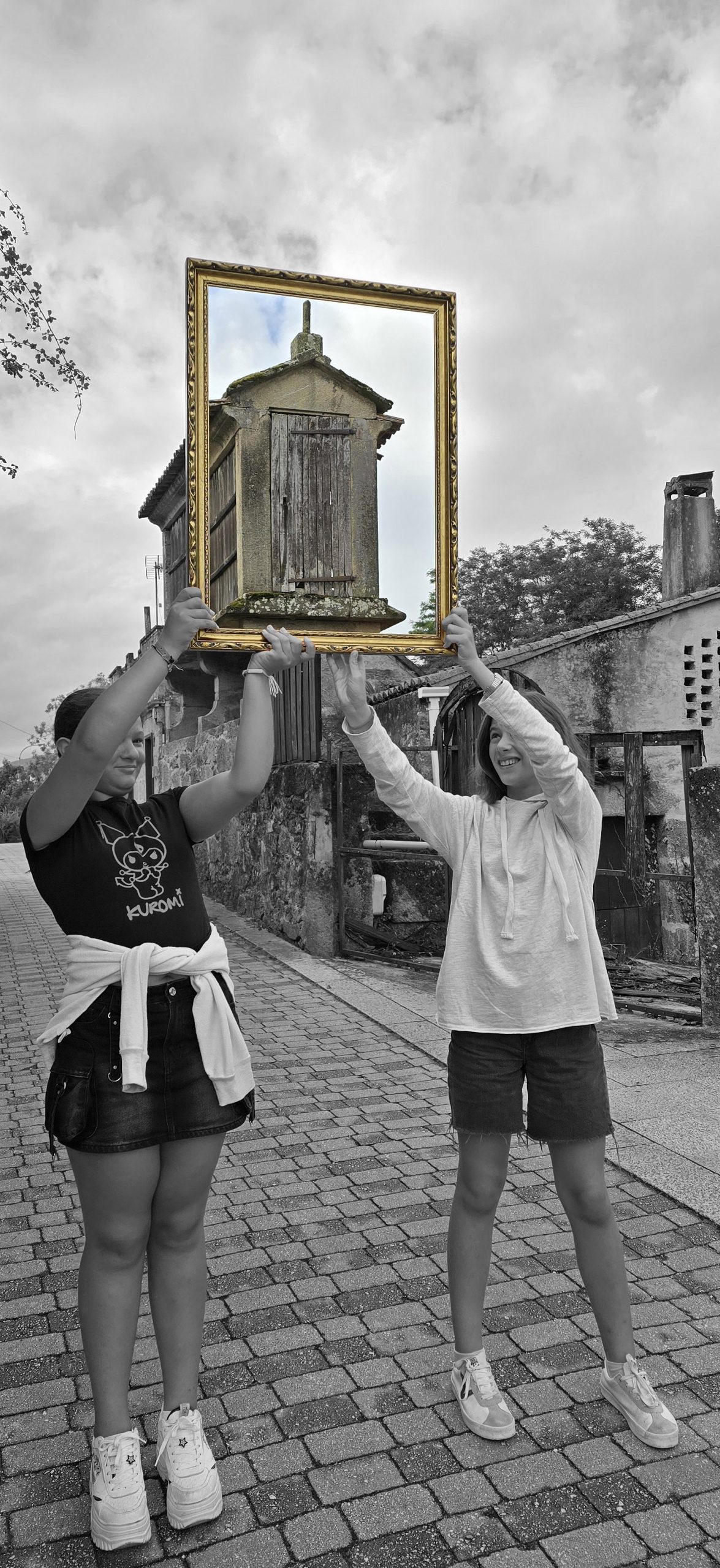
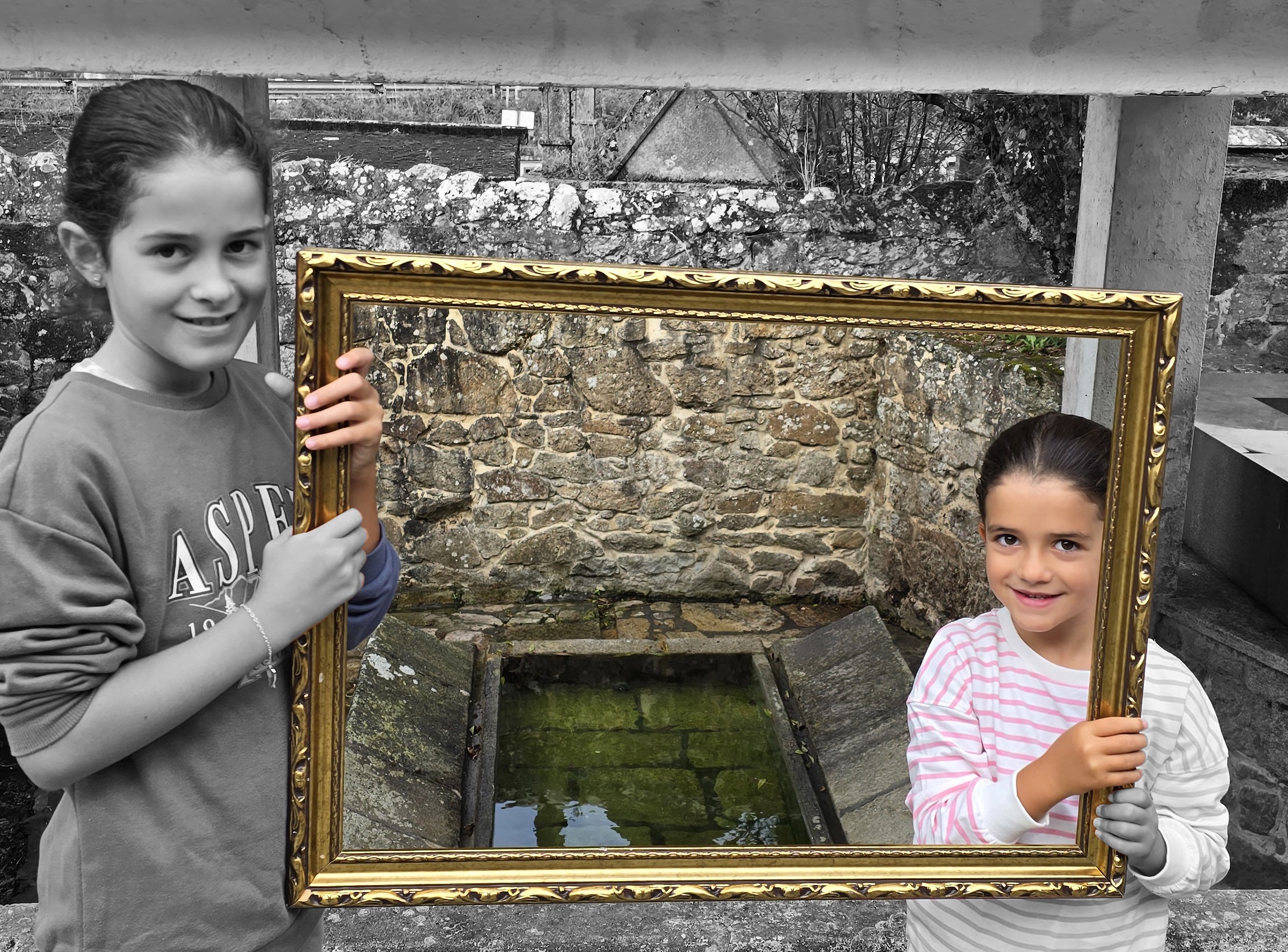
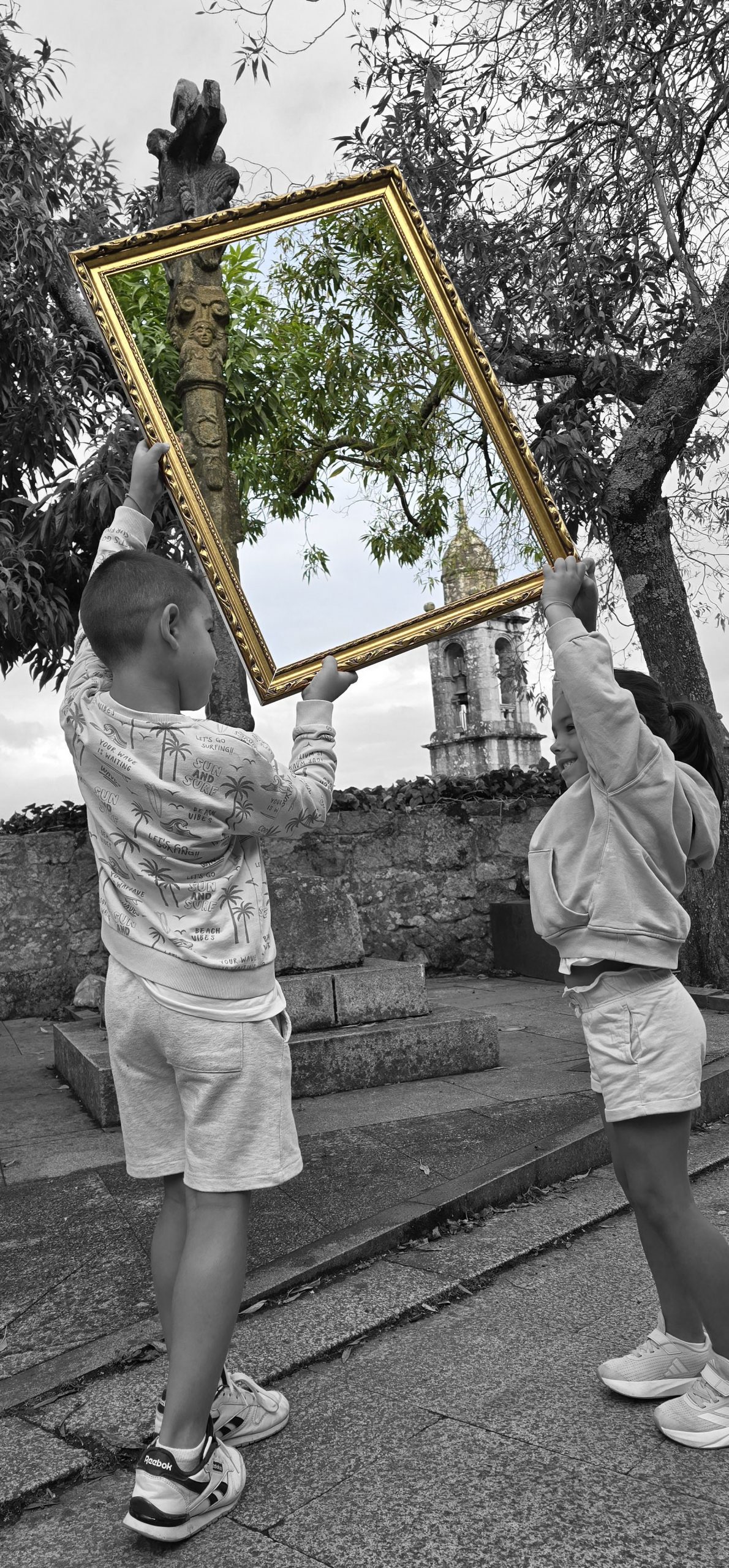
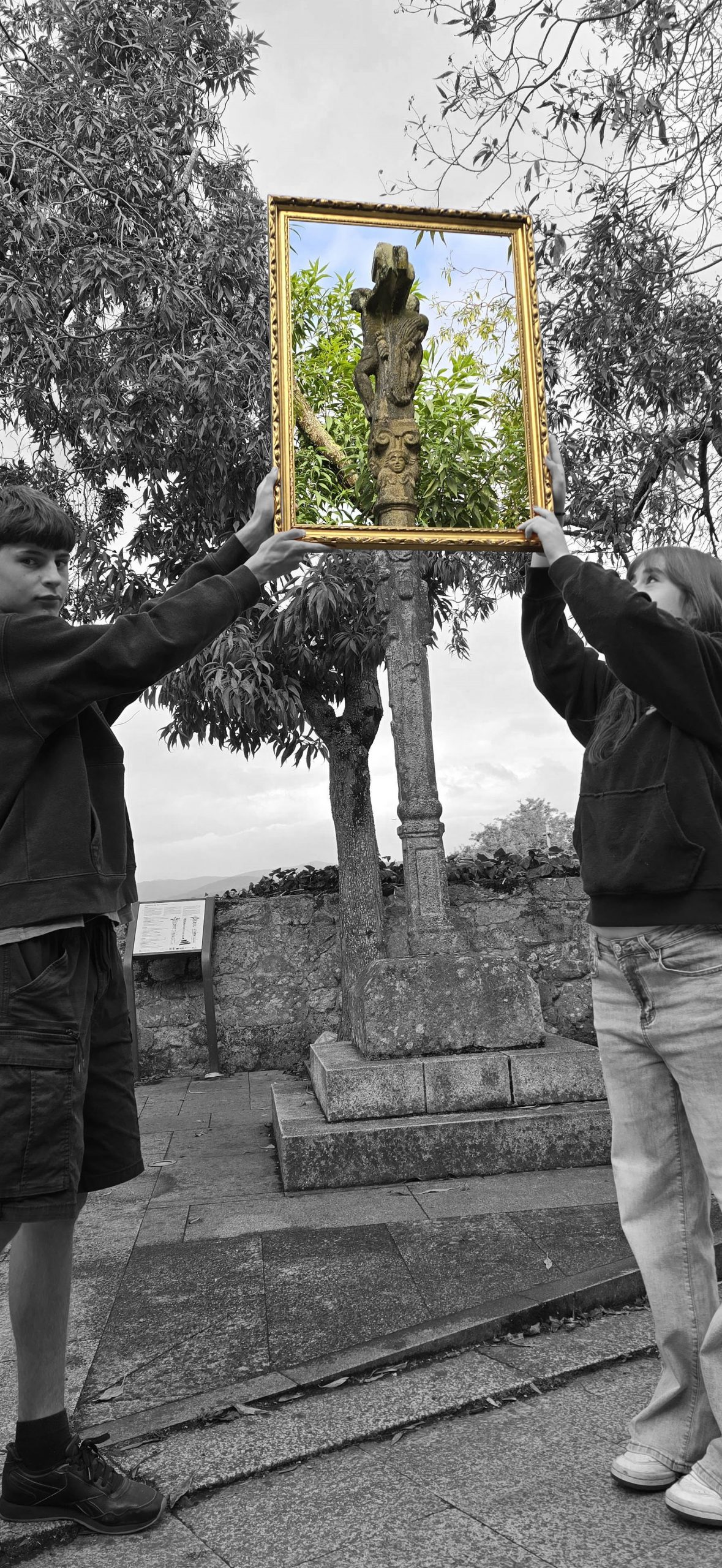
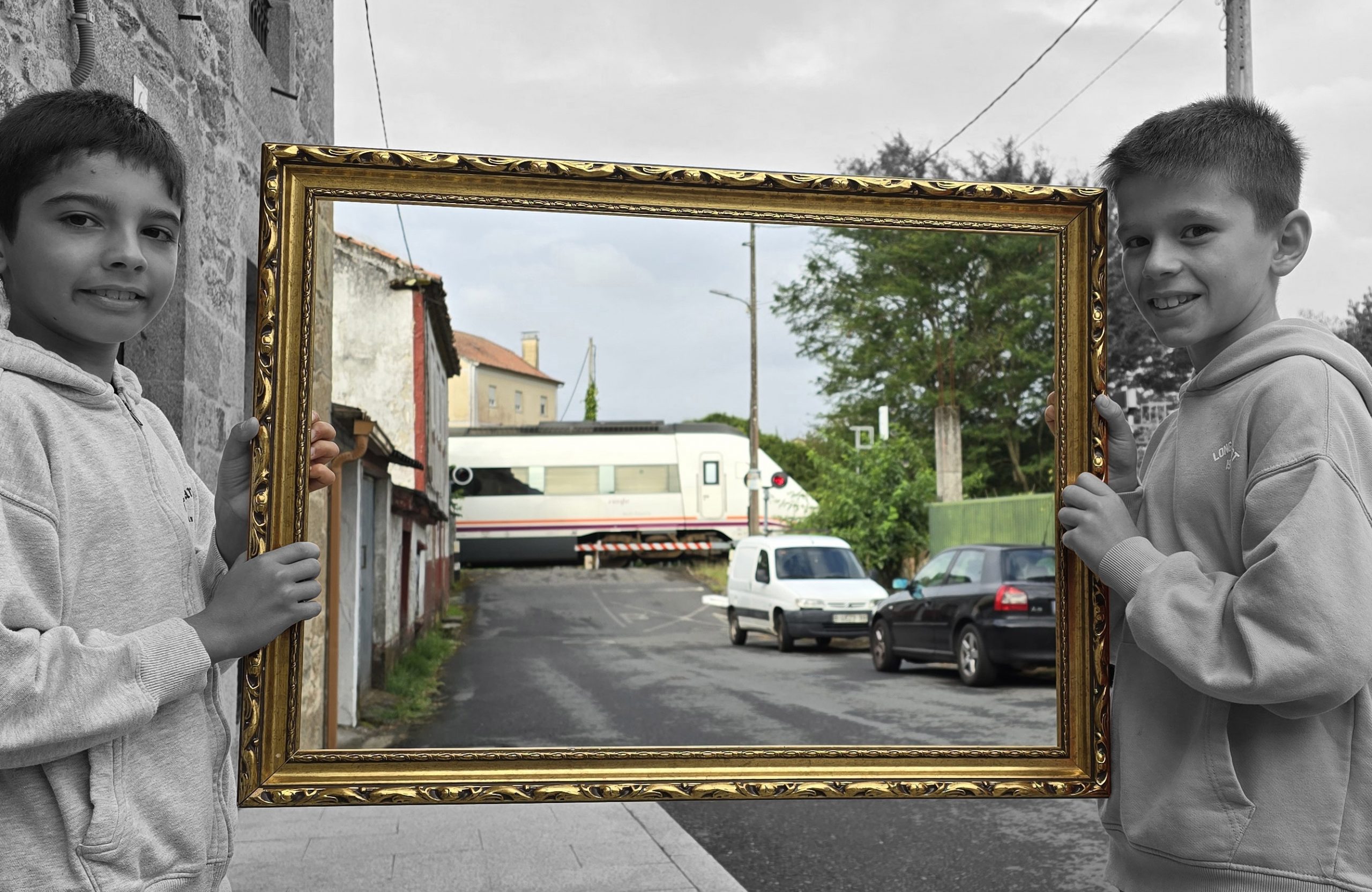
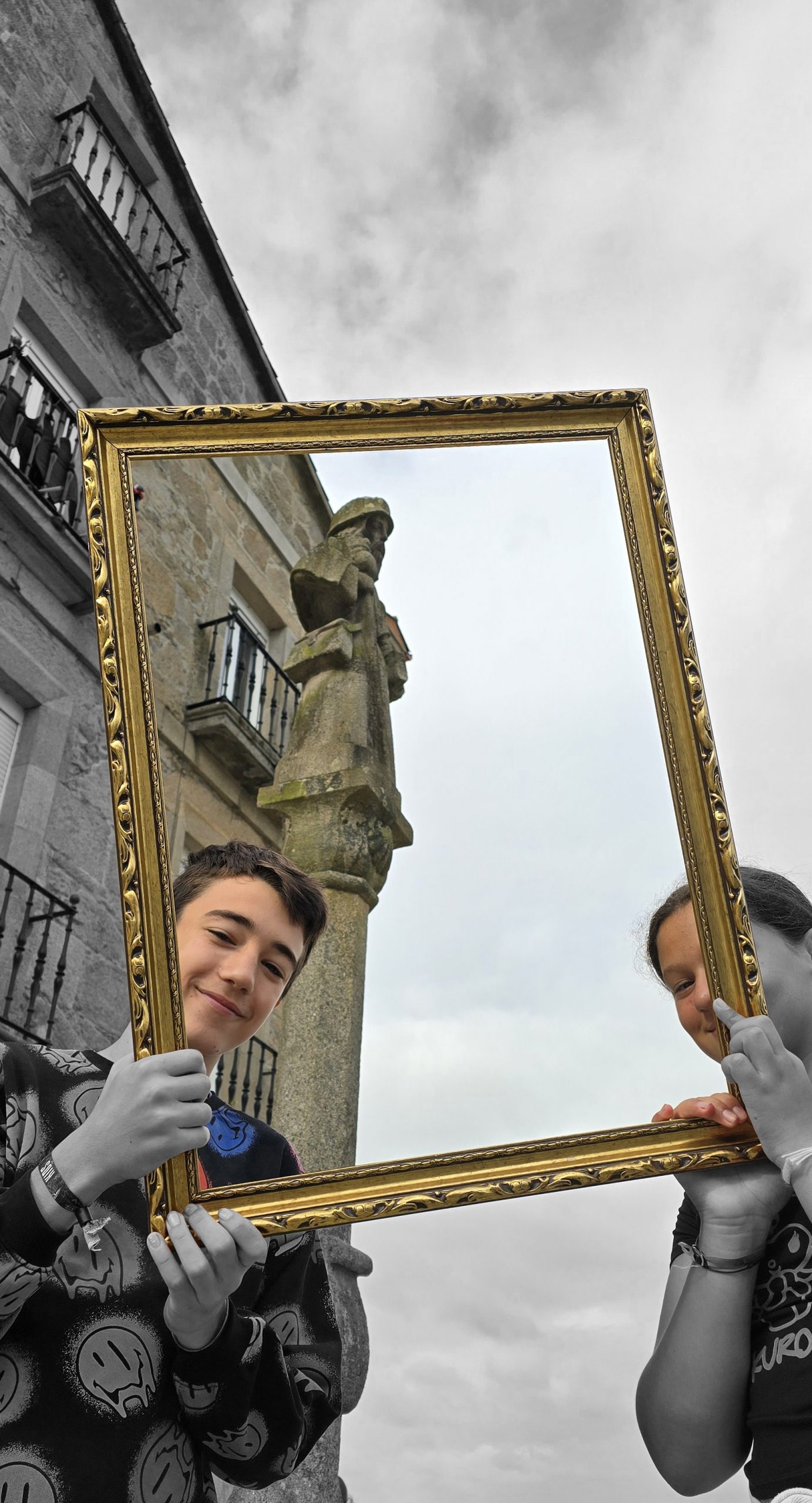
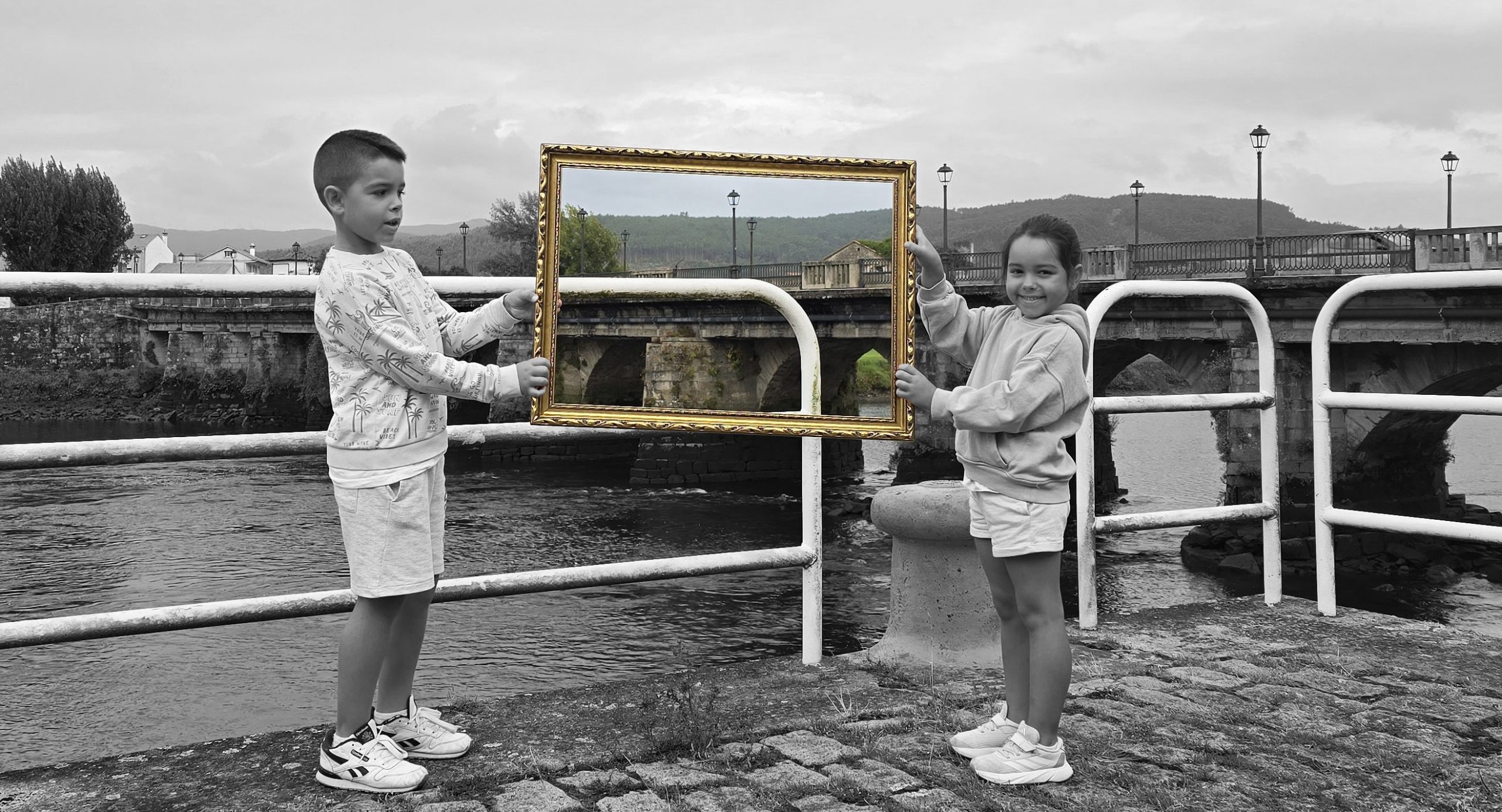
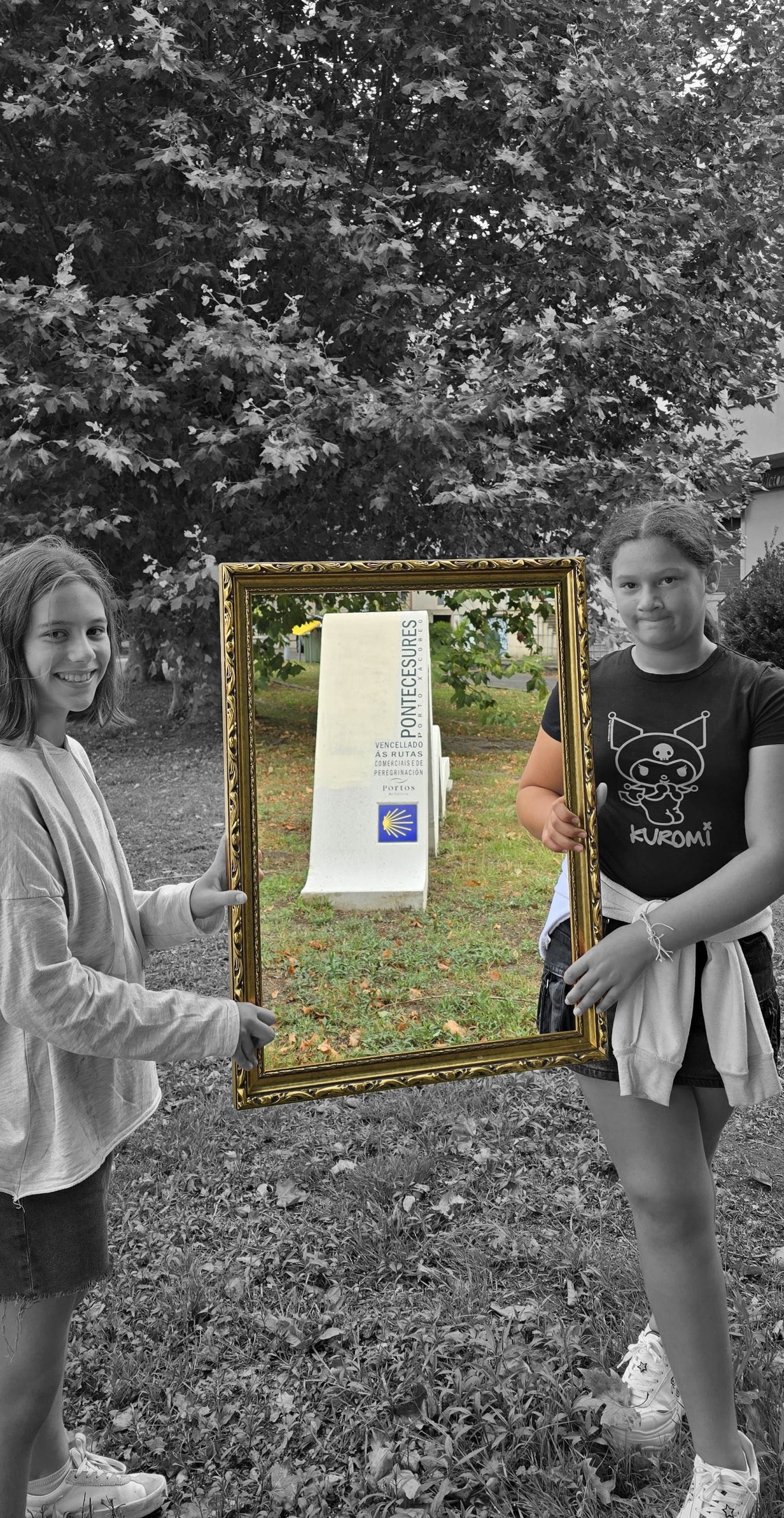
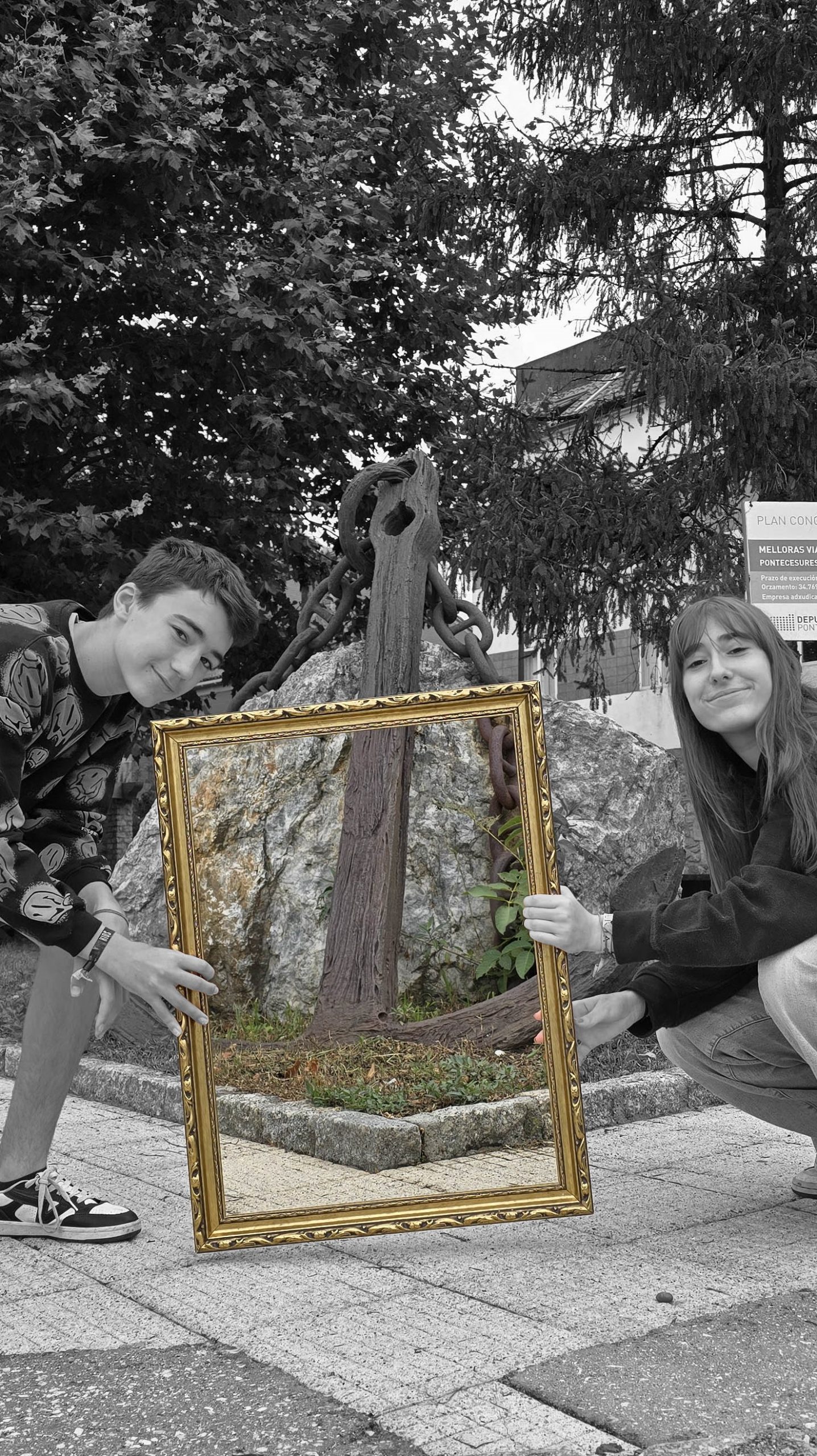
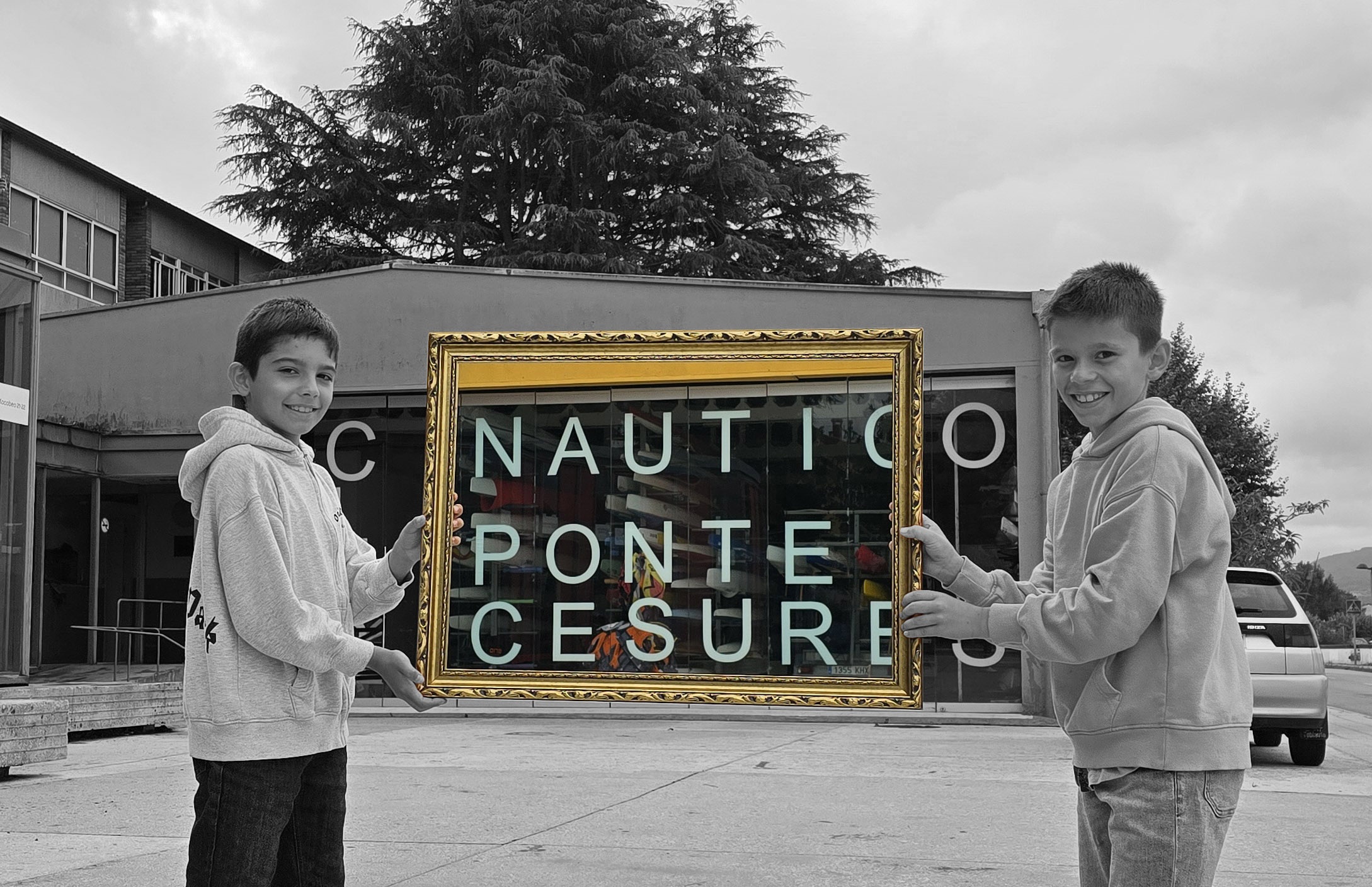
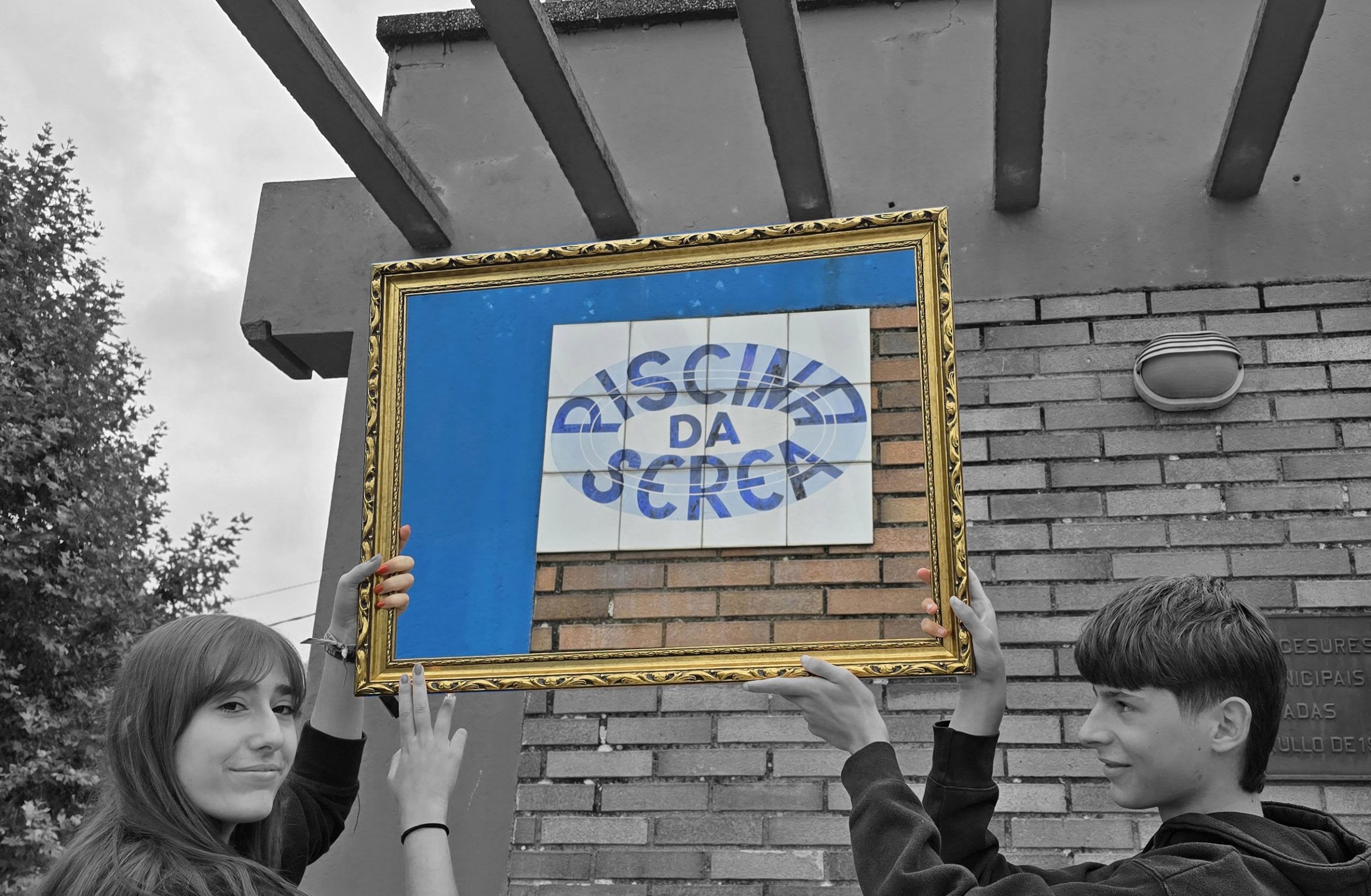
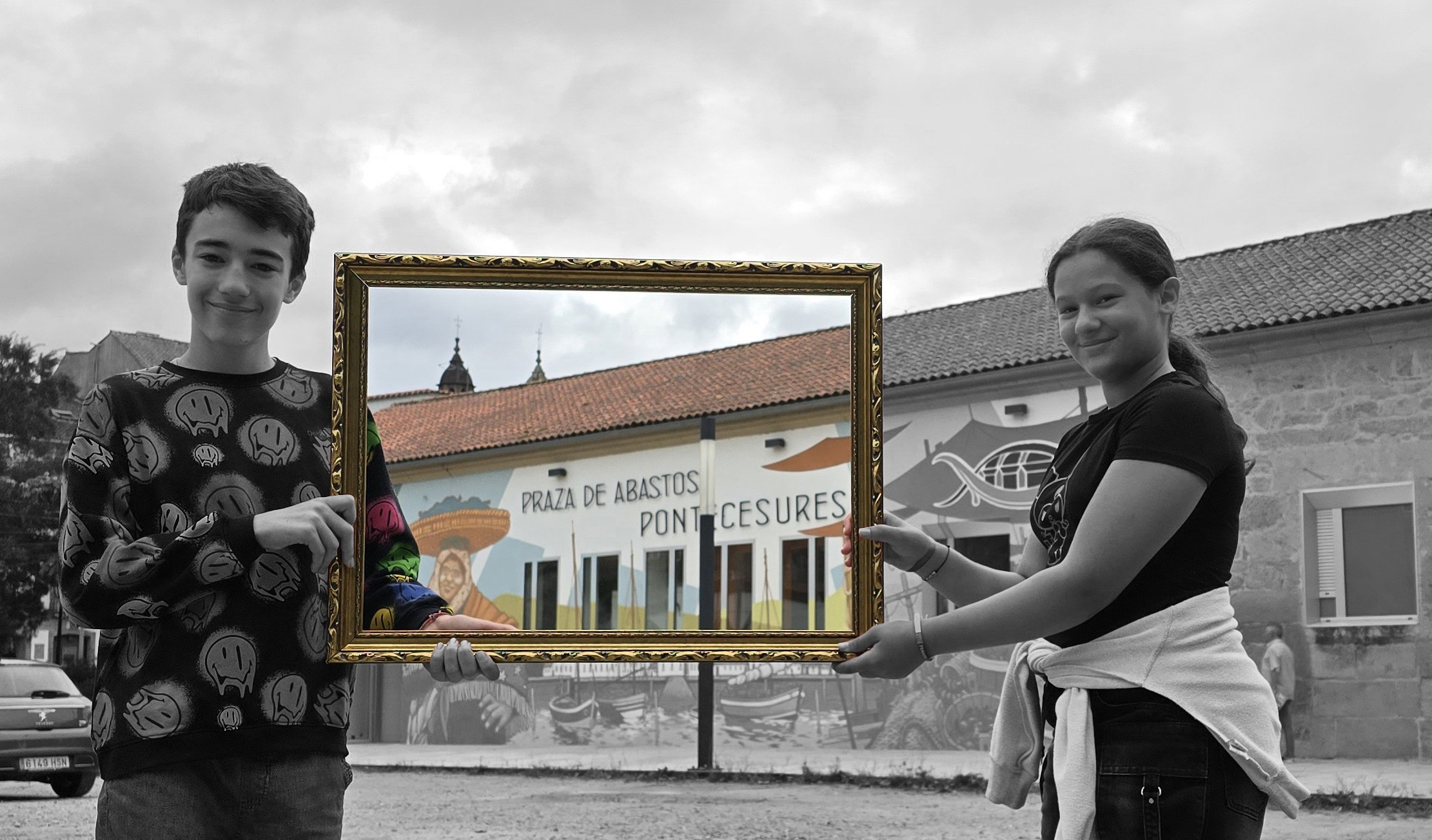
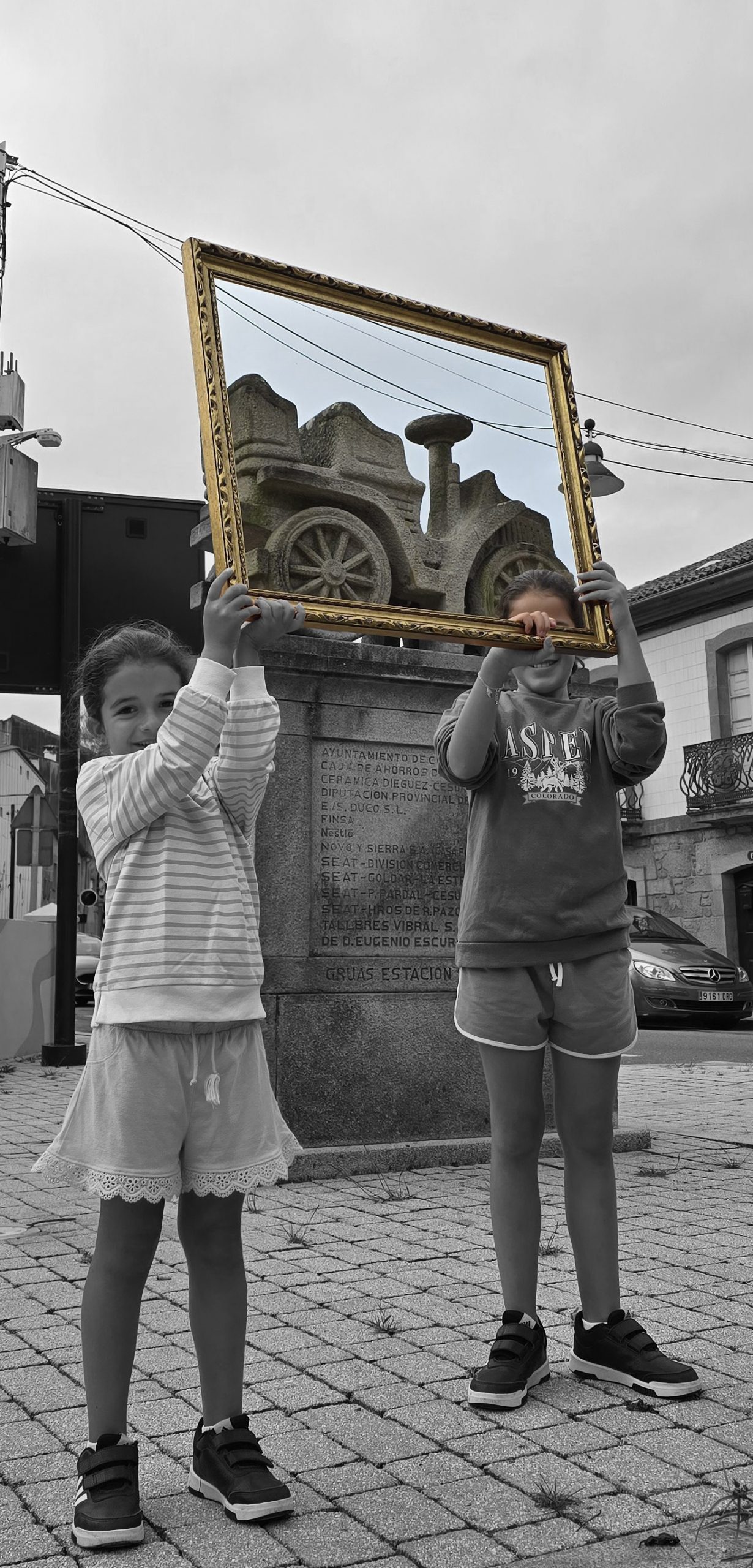
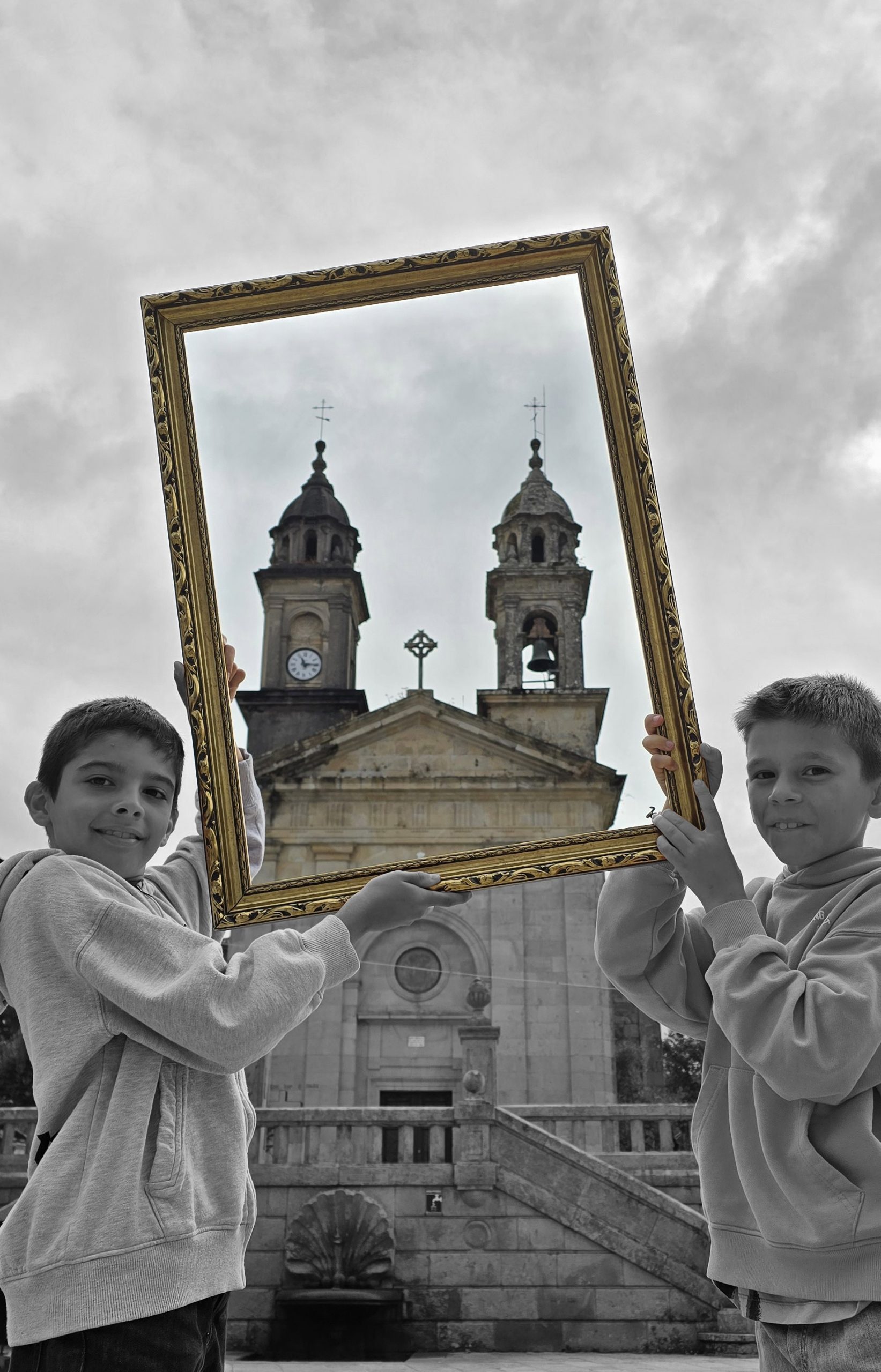
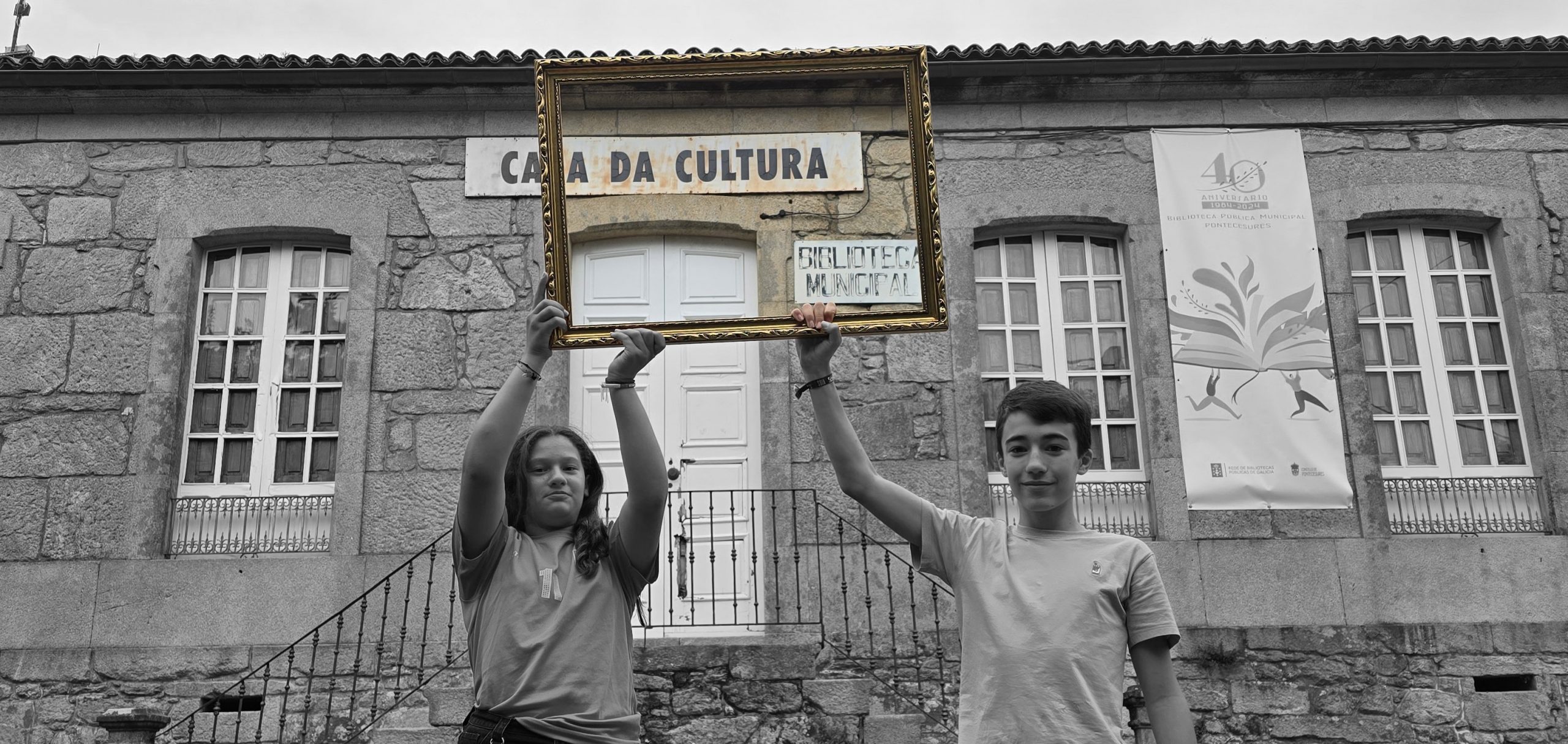
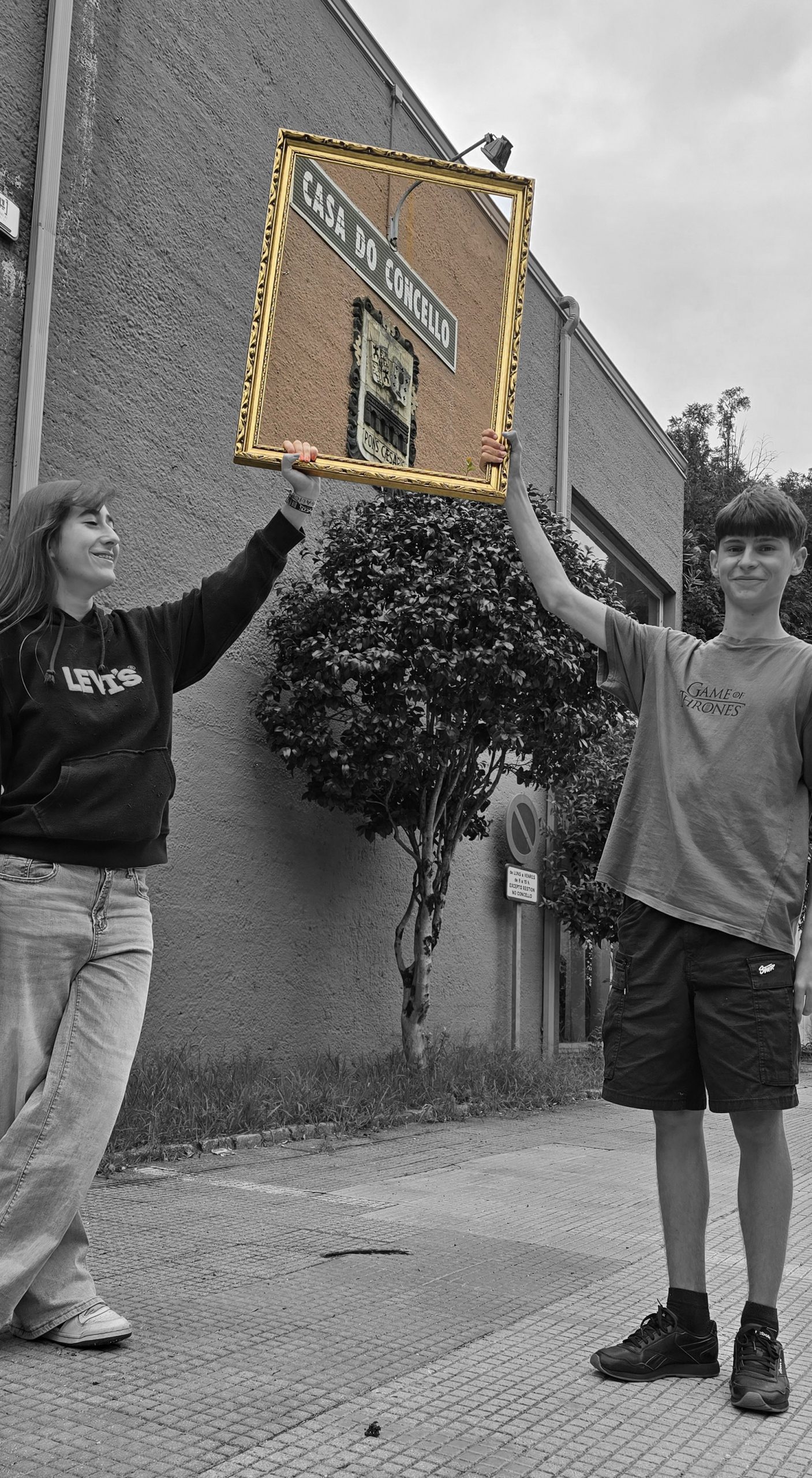
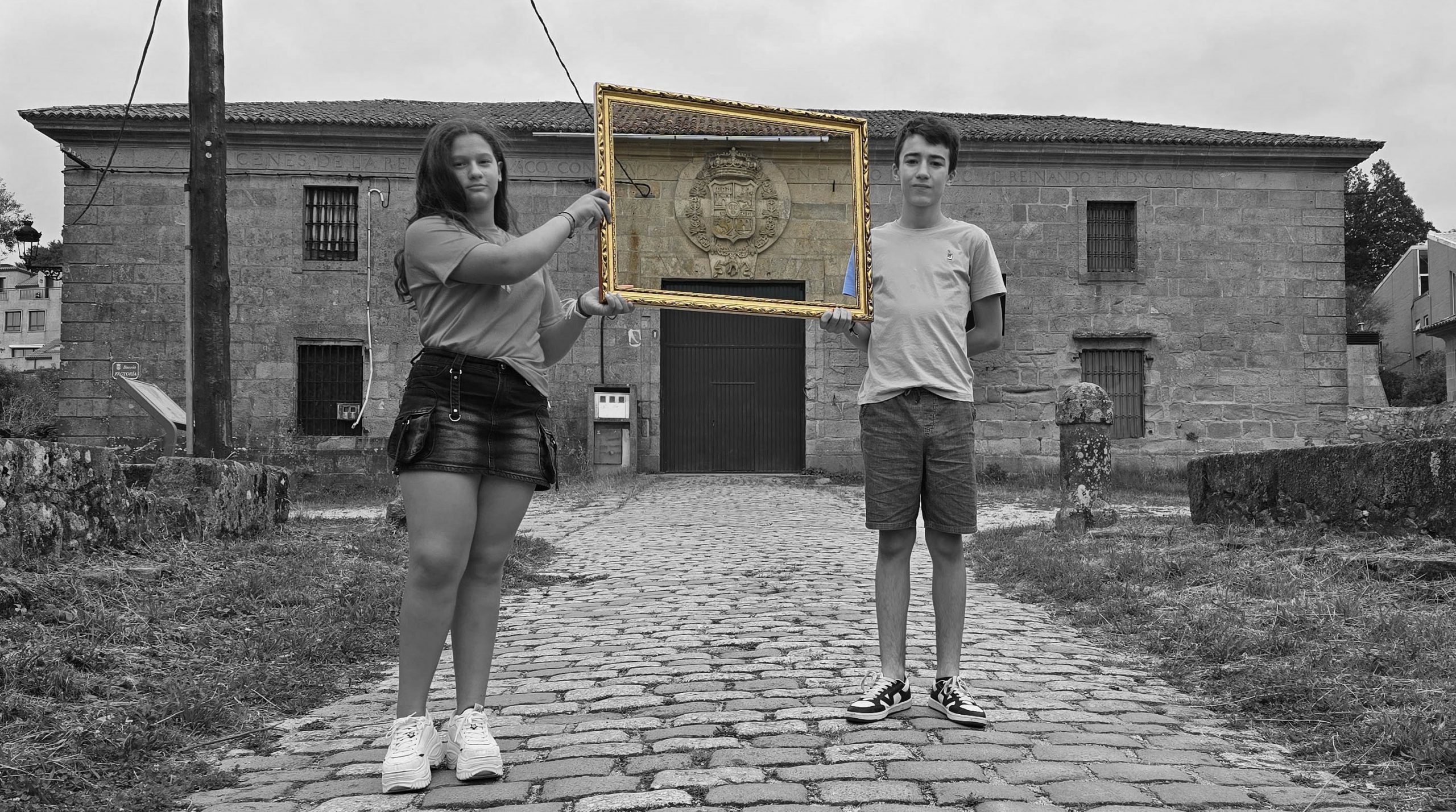
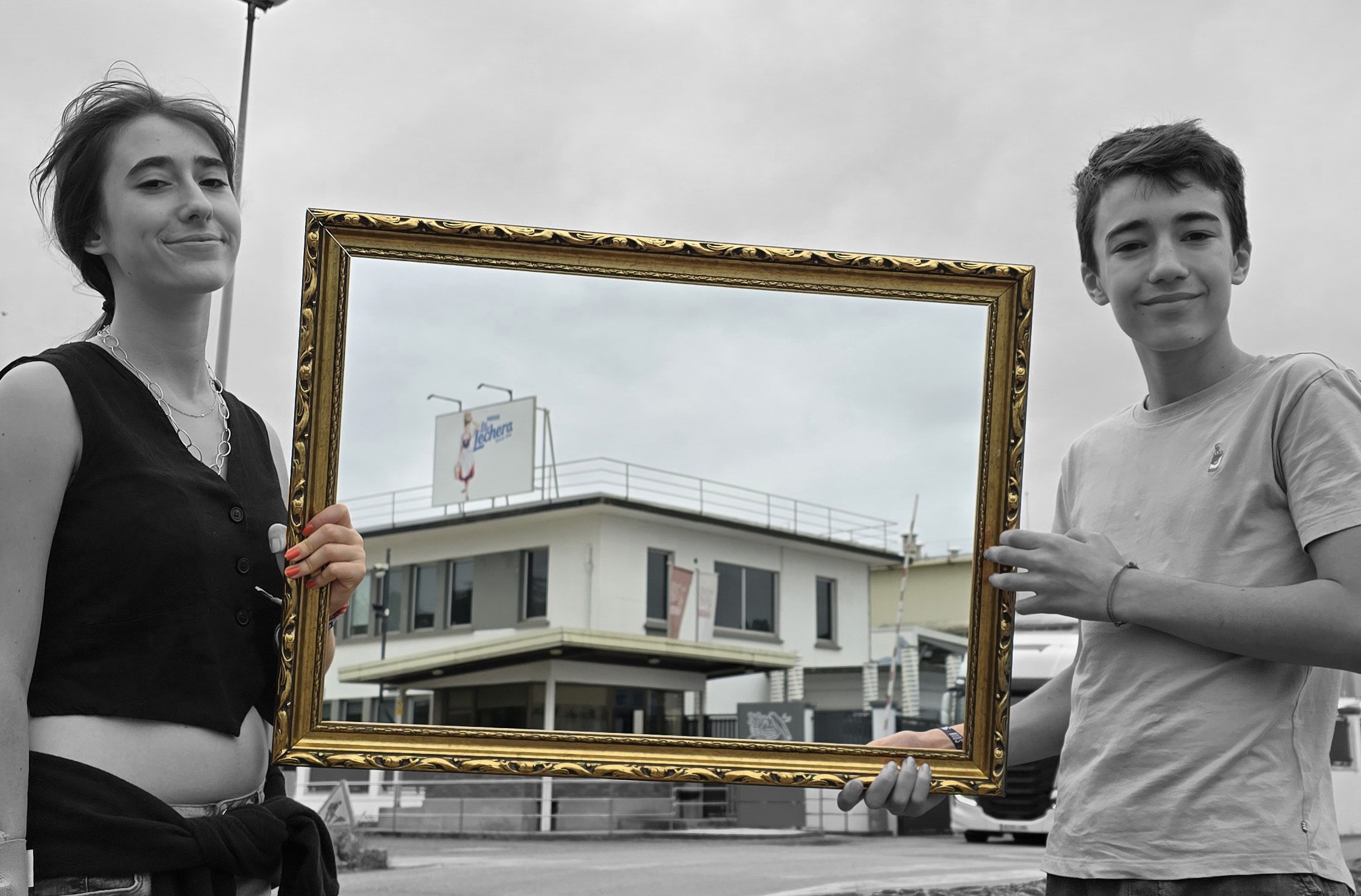
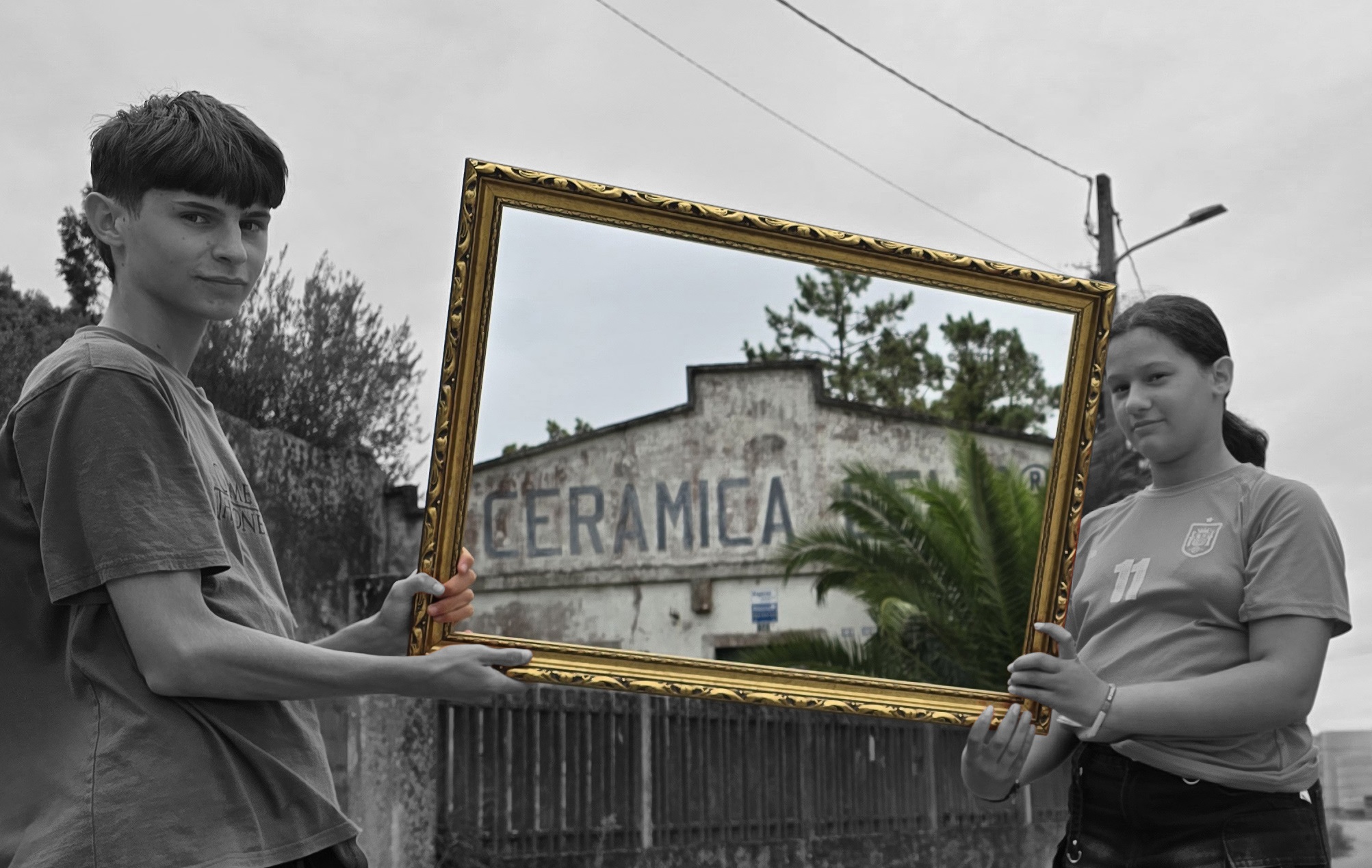
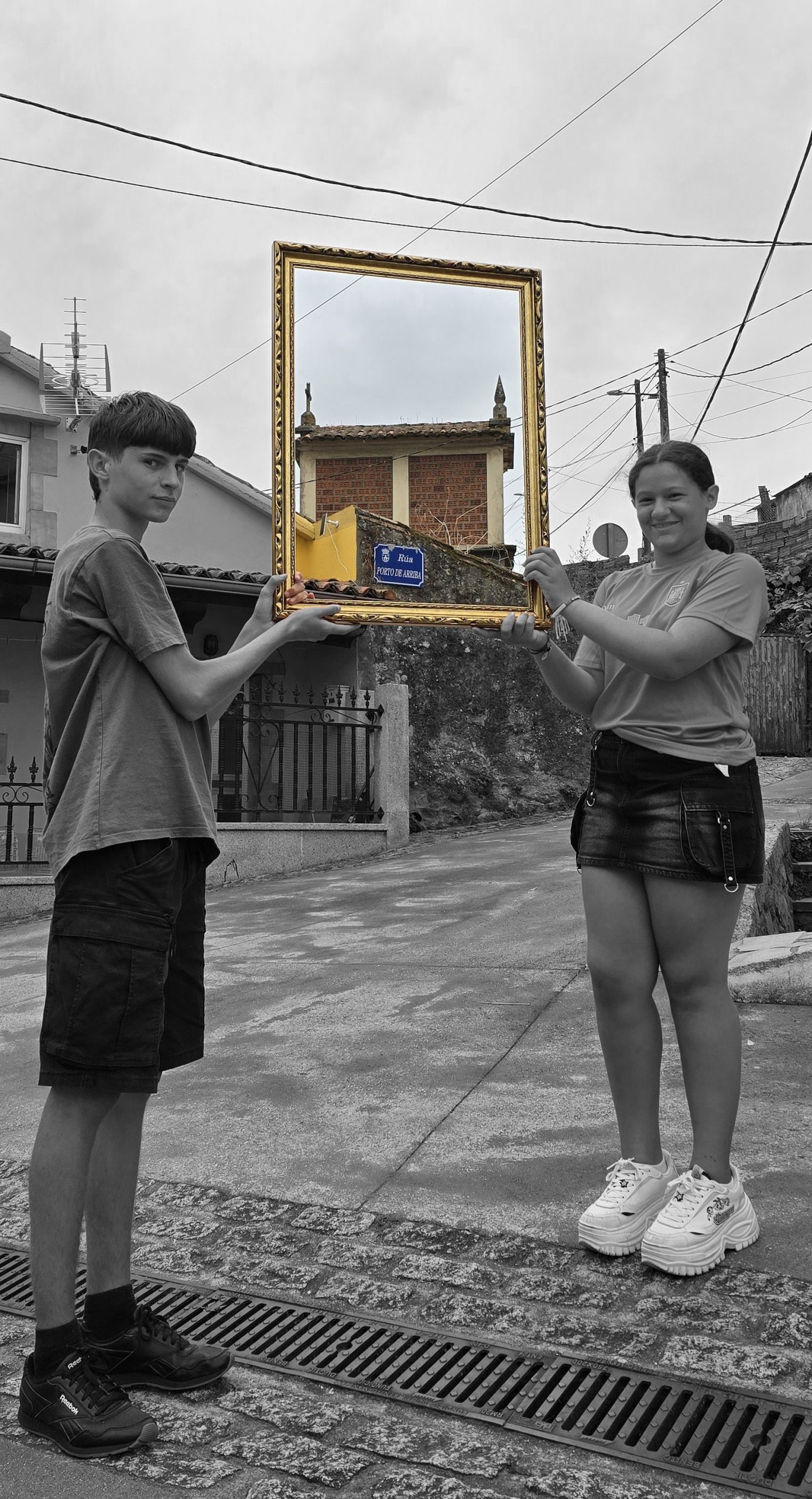
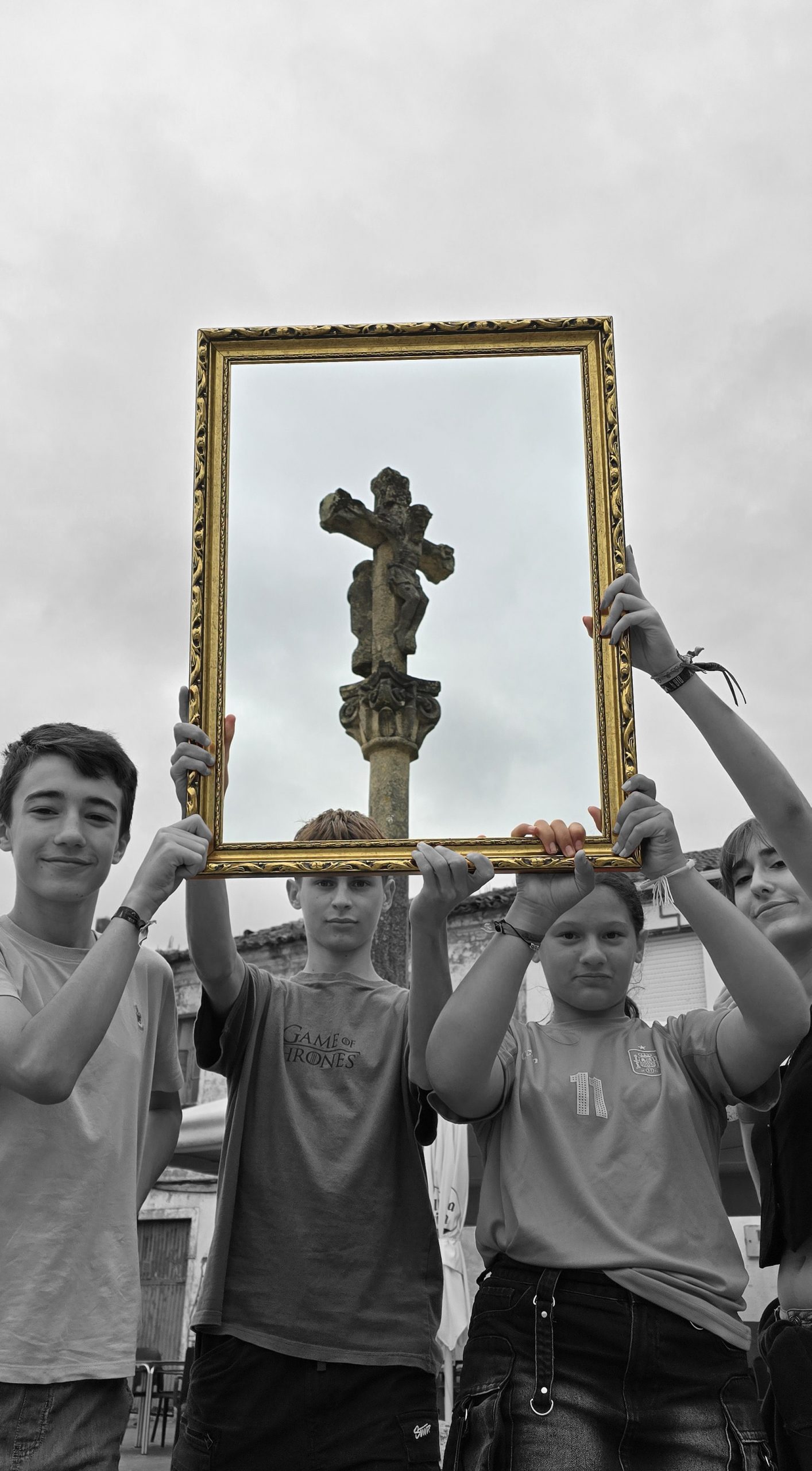
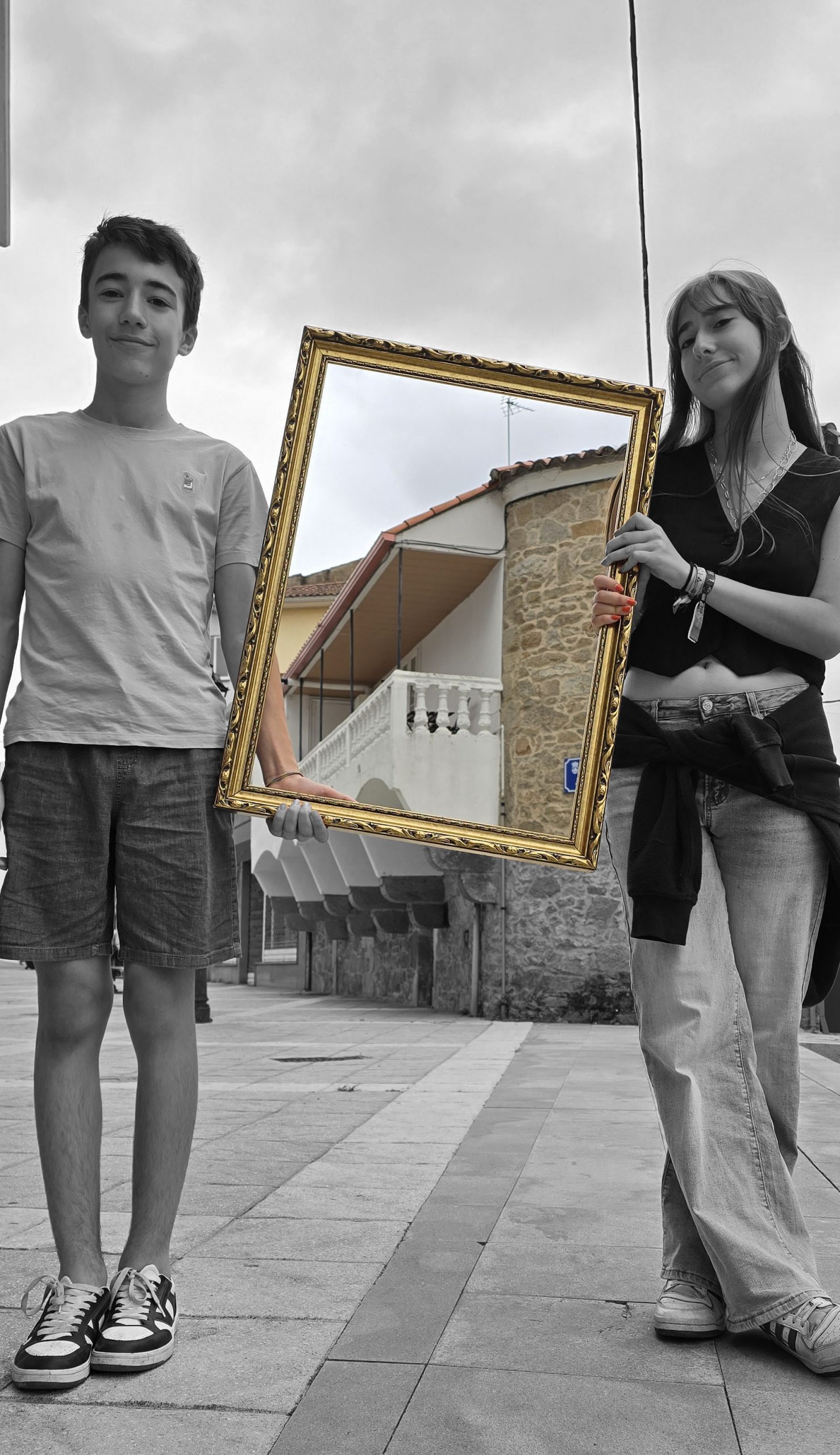
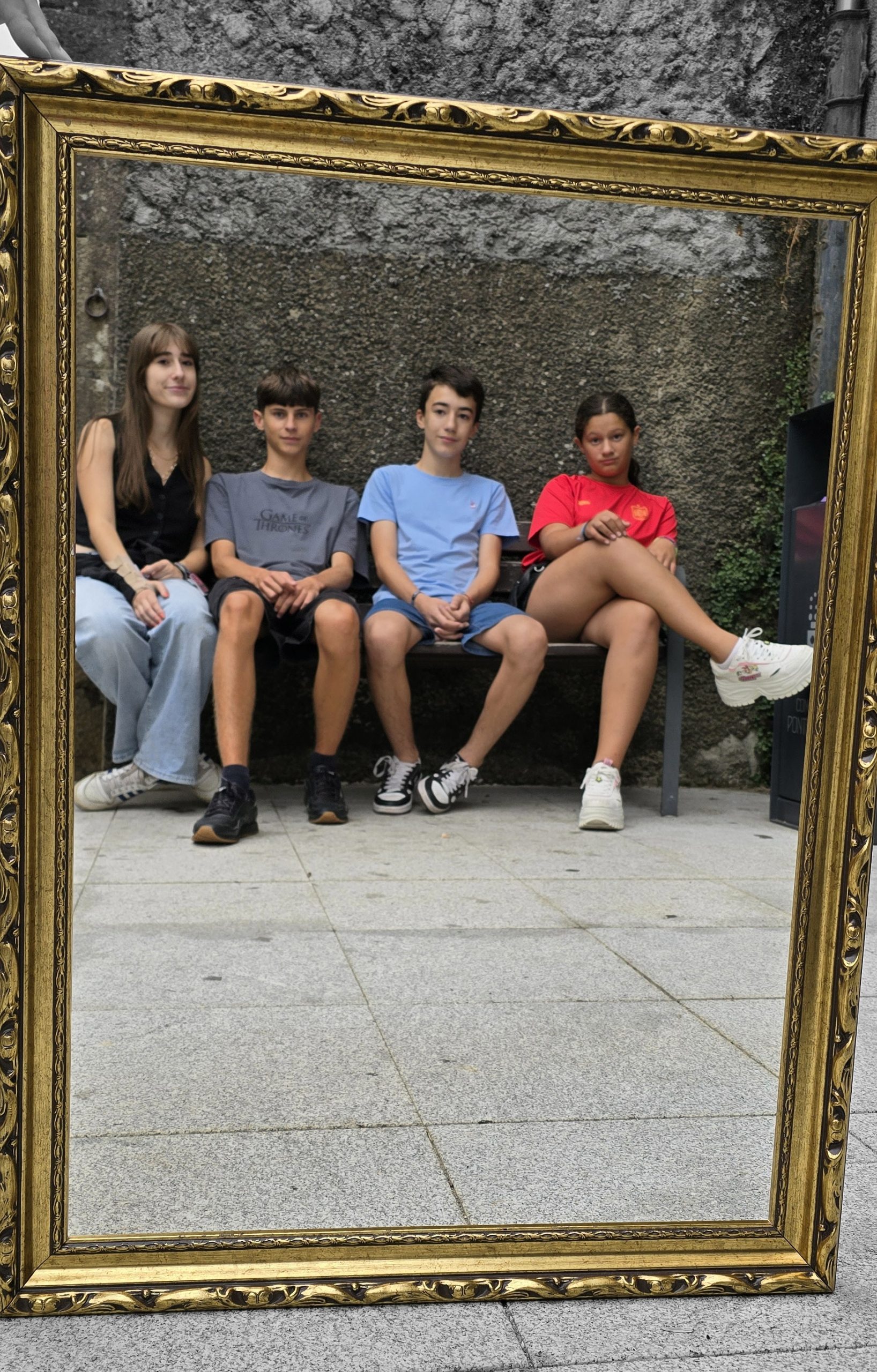
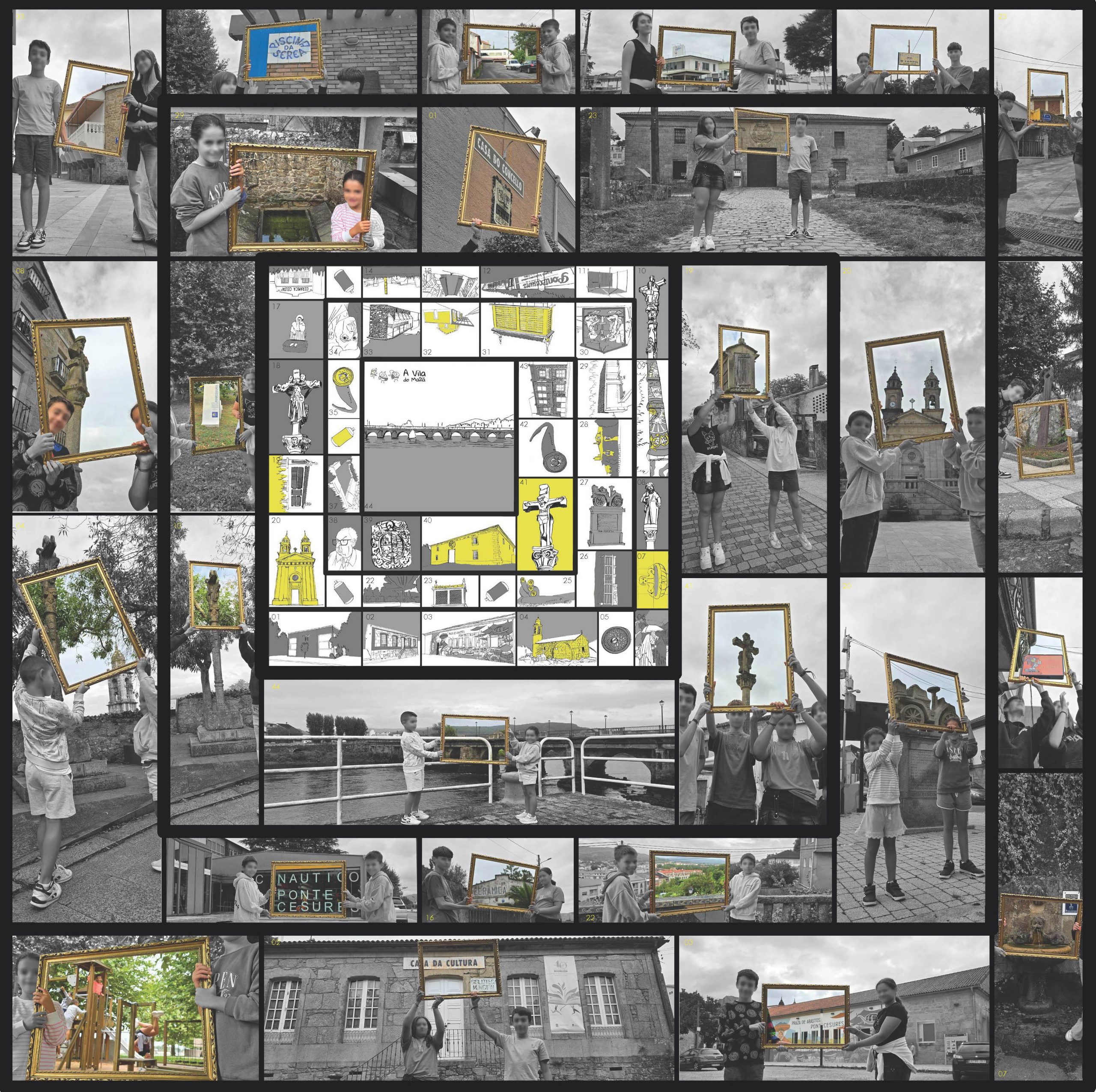
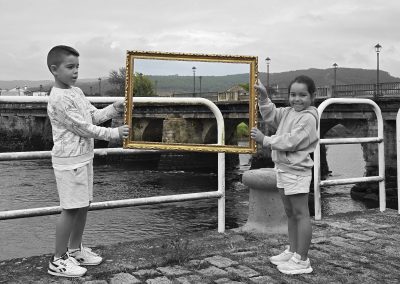
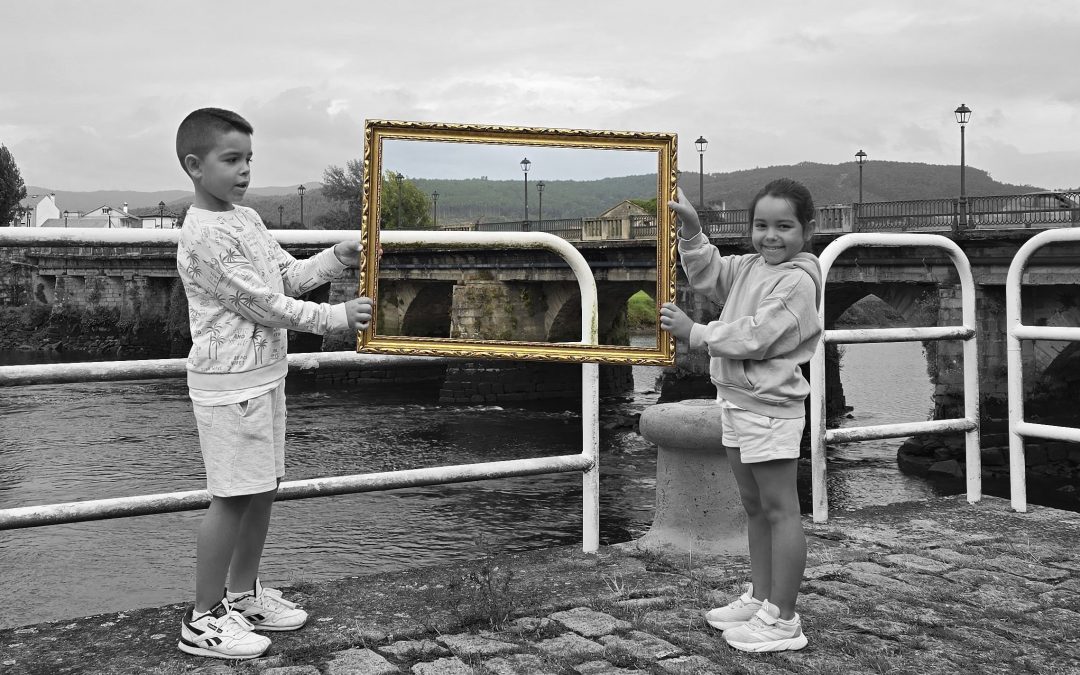
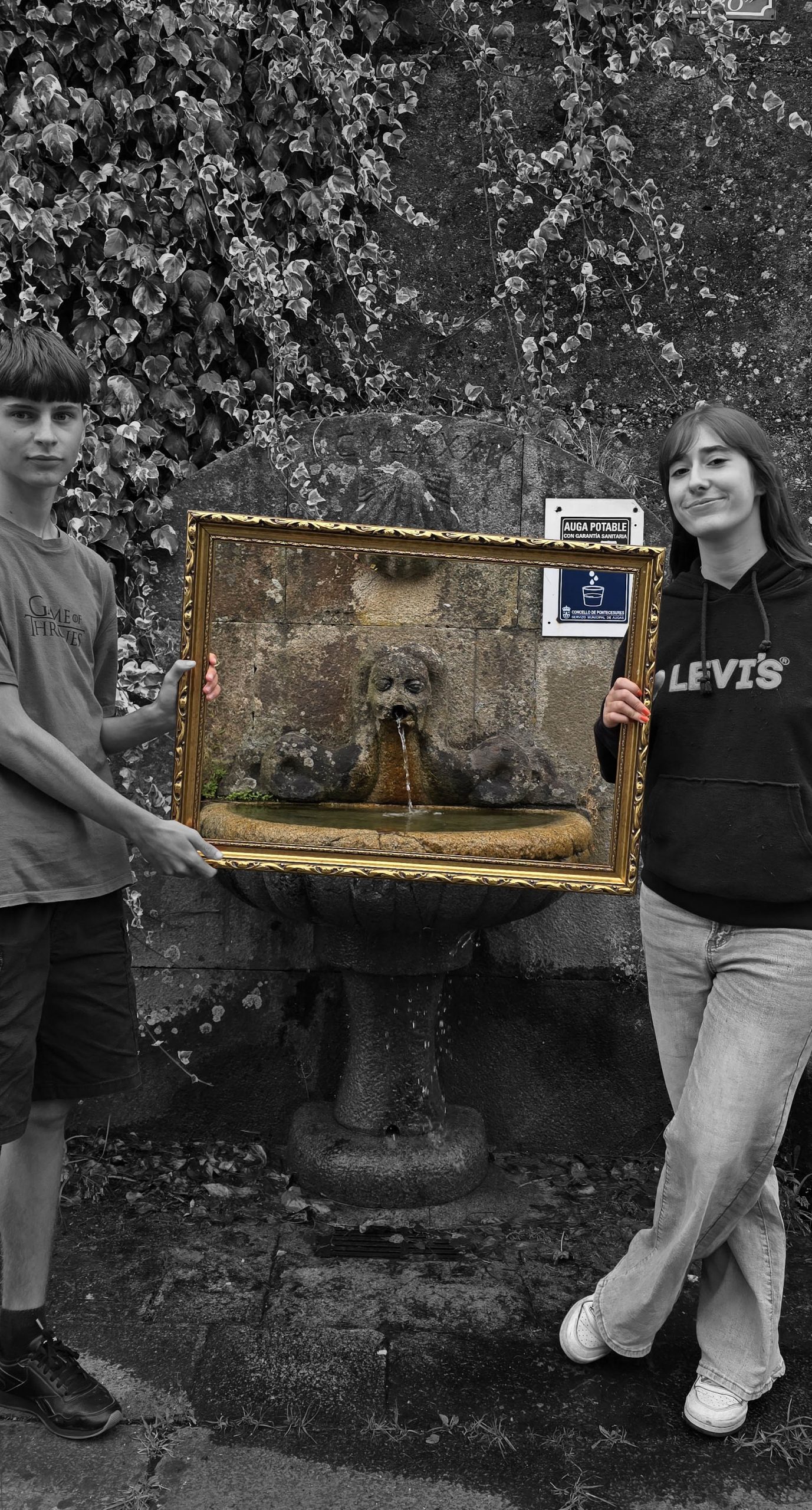
To understand how the inhabitants, both current and future, perceive their village, we will use the following strategy: we set off ‘adrift’ with a large golden frame, so that during our wandering, we frame those urban elements that are important to them (an experience based on the work of O’Grady). Who have been the protagonists of this ‘A Vila do Mañá’ experience? On this occasion, during their wandering, they have reDISCOVERED places in their village, perhaps forgotten ones.
With ‘A Vila do Mañá’, the village in which they live is not an abstract idea, nor a series of small partial images; it begins to be understood as a much more complex and expansive environment, bringing us closer to the notion of habitat: the space that transcends its physical location in a territory where we fulfil our needs, establishing relationships with others and with the environment, both natural and built; involving processes in which it transforms, but in which we are also transformed.

1 Town Hall. César Portela. 2 Library House of Culture. 3 Market Square. 4 Church of San Xulián do Requeixo. 5 Lamprey. 6 “Corrillo bajo el paraguas”. Carlos Maside. 7 Infesta Fountain. 8 Xacobeo Marker. 9 Street art “I Feira automóvil de Ocasión”. DocToy. 10 San Xulián Cross. 11 Lamprey House. MMASA. MUÑIZALFAYA and Carlos Besada. 12 Street art “Primeira liña ferroviaria”. DocToy. 13 “A Curuxa” Washhouse. 14 Magán Chimney. 16 Celtic Pottery. 17 Celtic Pottery Figure. 18 Carreiras Cross. 19 Porto Granary 1. 20 Parish Church of Pontecesures. 22 Pino Manso Viewpoint. 23 Porto Granary 2. 25 Lamprey. 26 Condide Granary. 27 Stone Car. 28 Lady’s House. 29 A Serva Fountain and Washhouse. 30 Street art “Escola da ponte”. Lidia Cao. 31 Cornide Granary. 32 Pontecesures Station. 33 House with Canzorros. 34 Self-Portrait. Carlos Maside. 35 Lamprey. 37 Grobas Fountain and Washhouse. 38 Personal Caricature by Raimundo García “Borobó”. 39 Pazo da Cova. 40 Alfolí (Tobacco Revenue Warehouse). 41 Porto Cross. 42 Lamprey. 43 House of Tiles. 44 Bridge over the Ulla River.

Colour your village

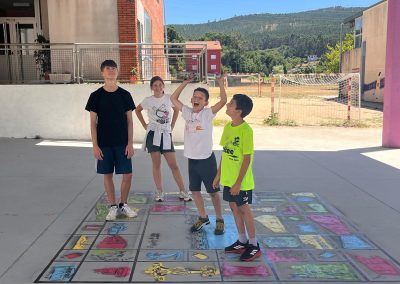
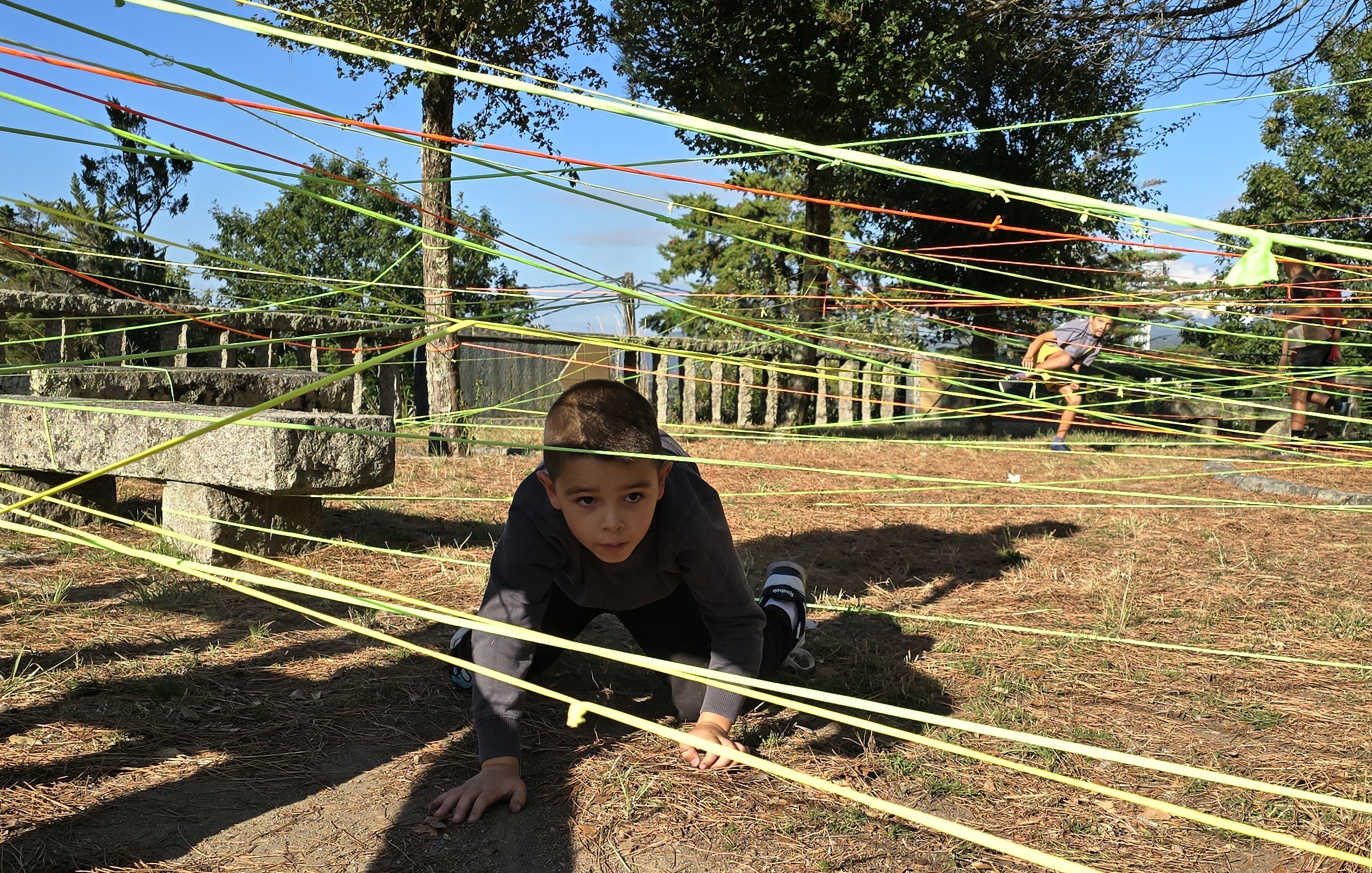
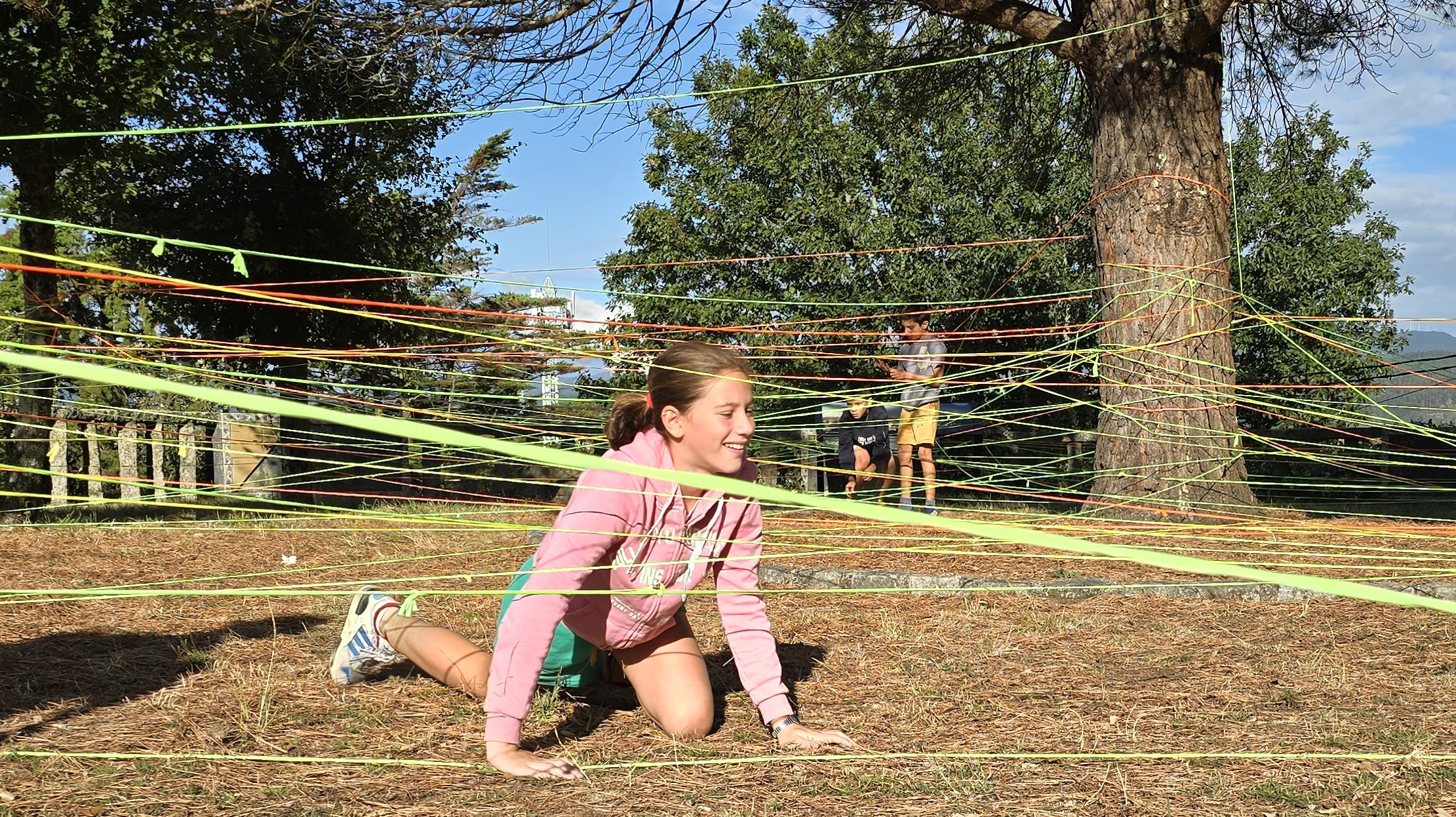
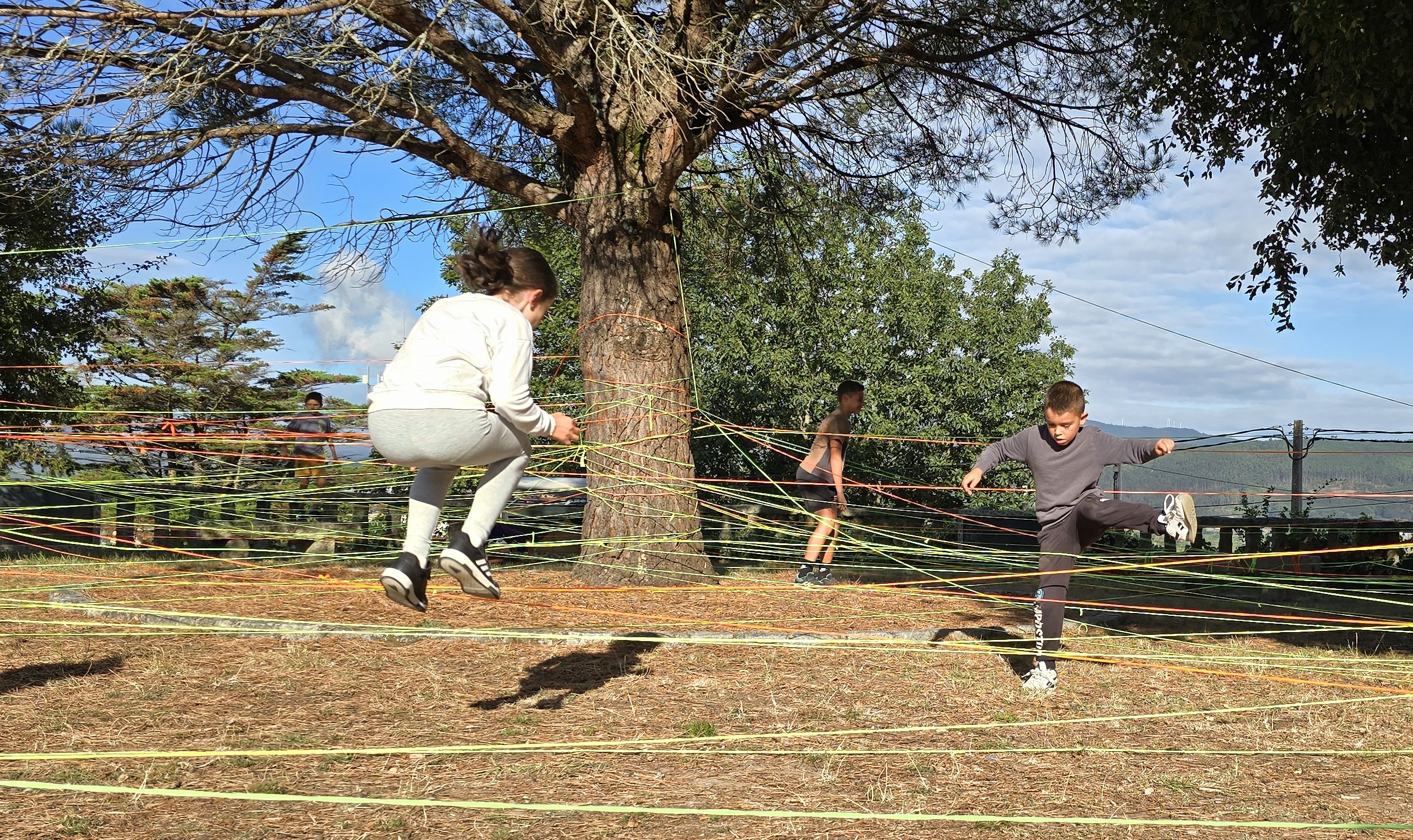
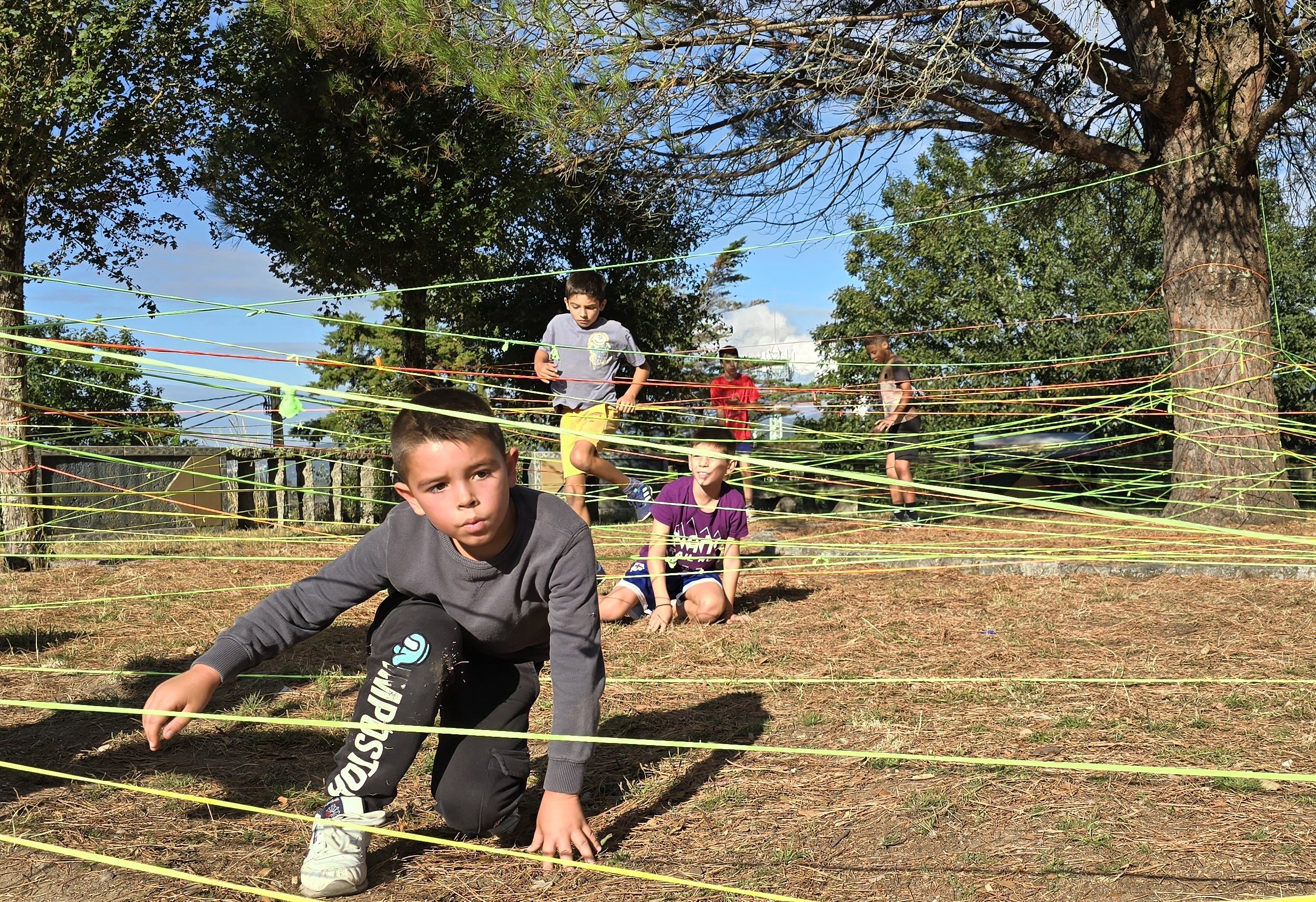
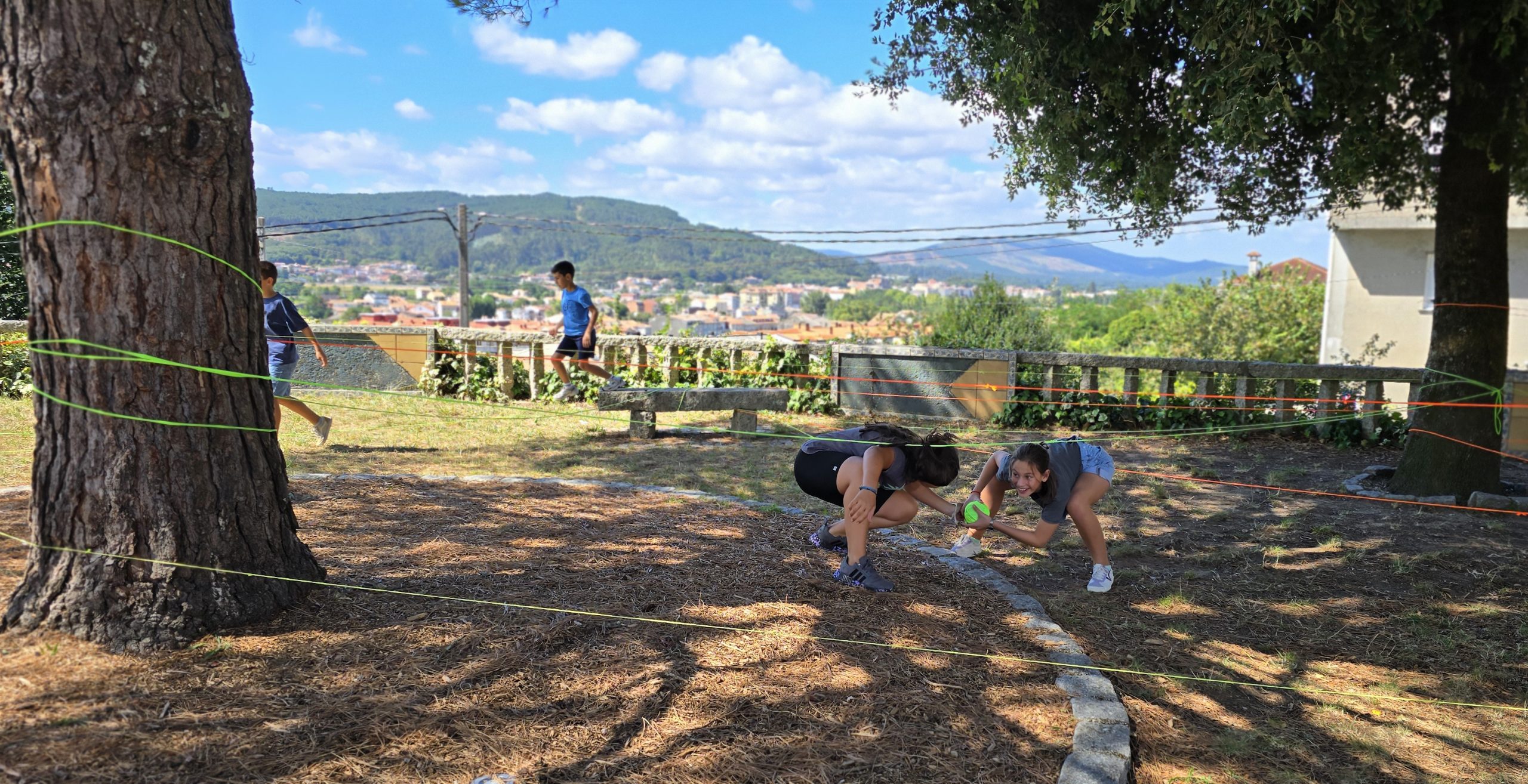
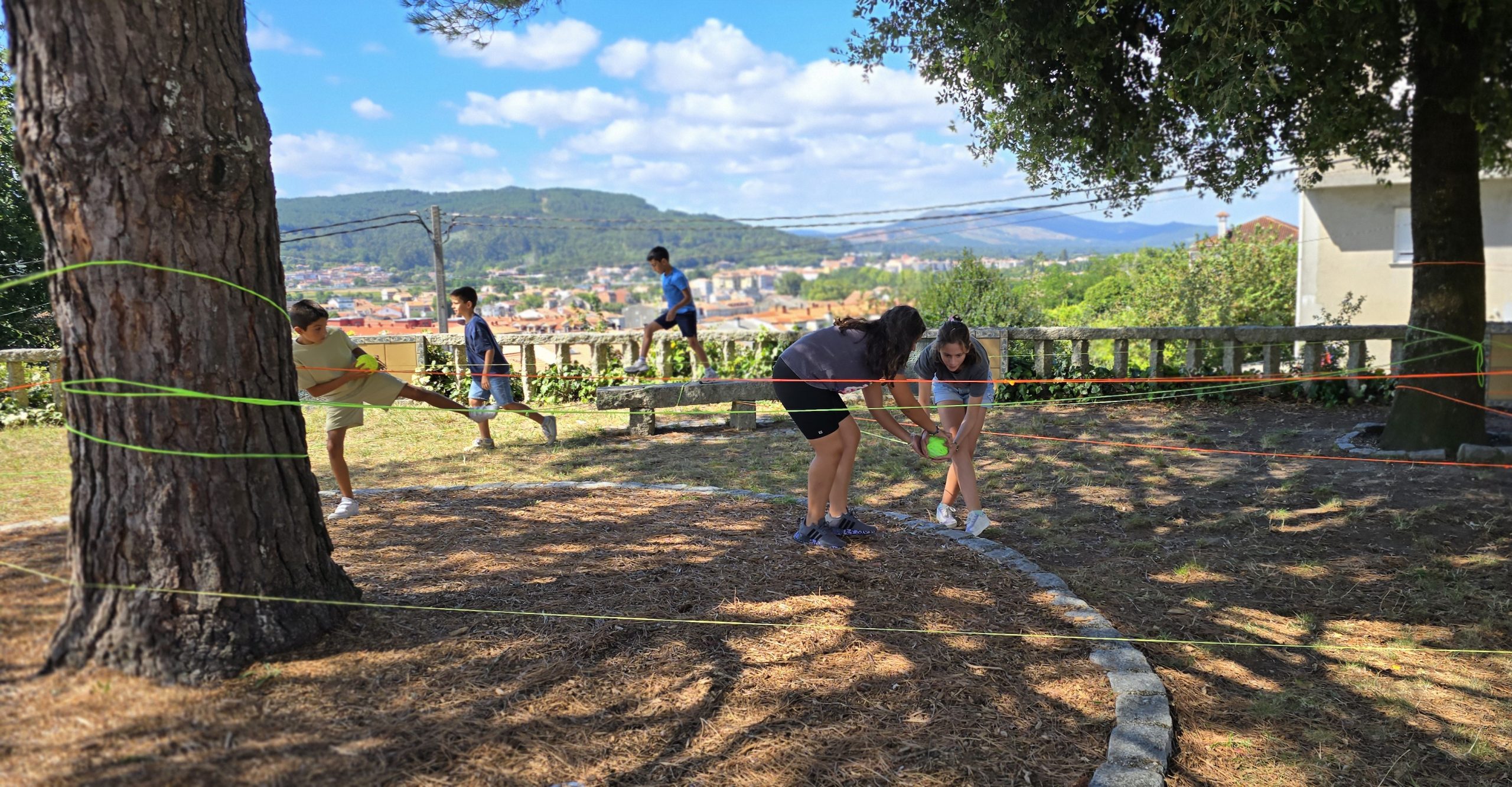
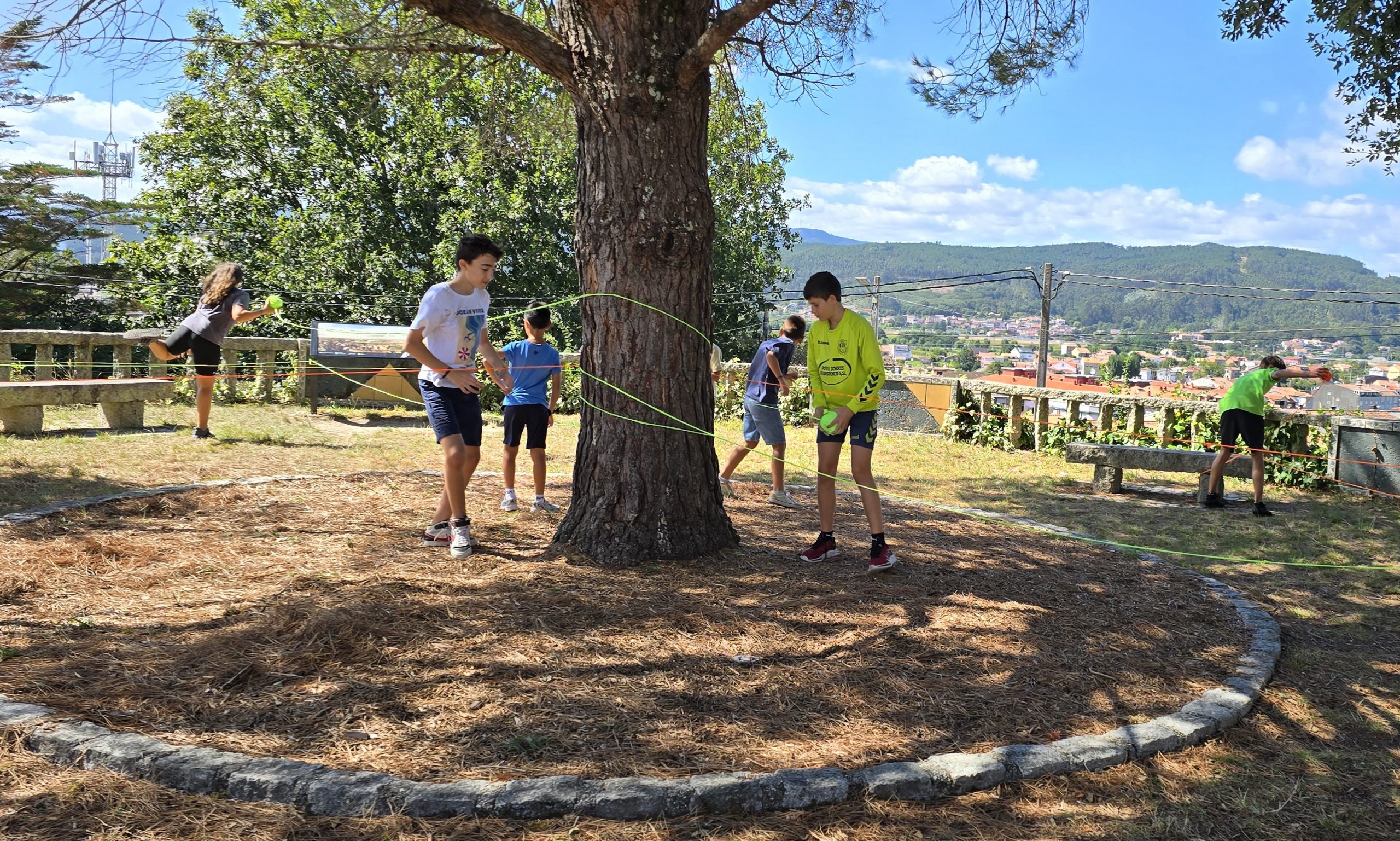
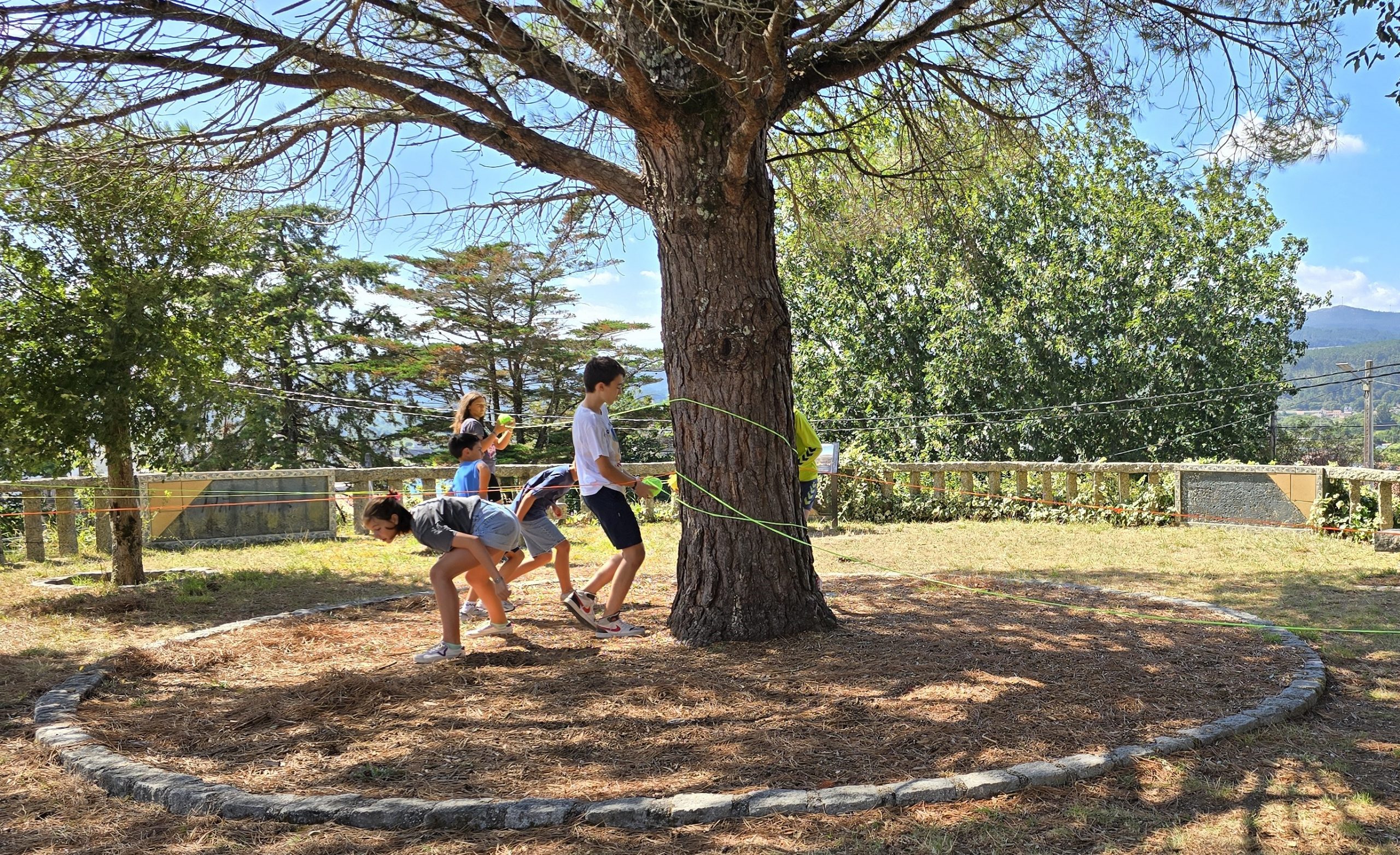
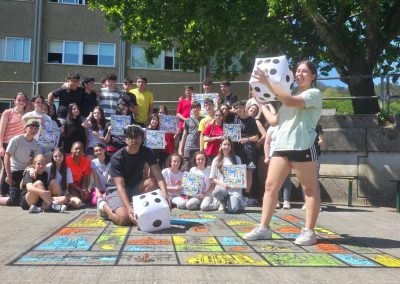
The village or city in which we are working, transformed into a game board, a laboratory of experimentation where children and teenagers can act from a new point of view.

Pontecesures

Pontecesures


Pontecesures

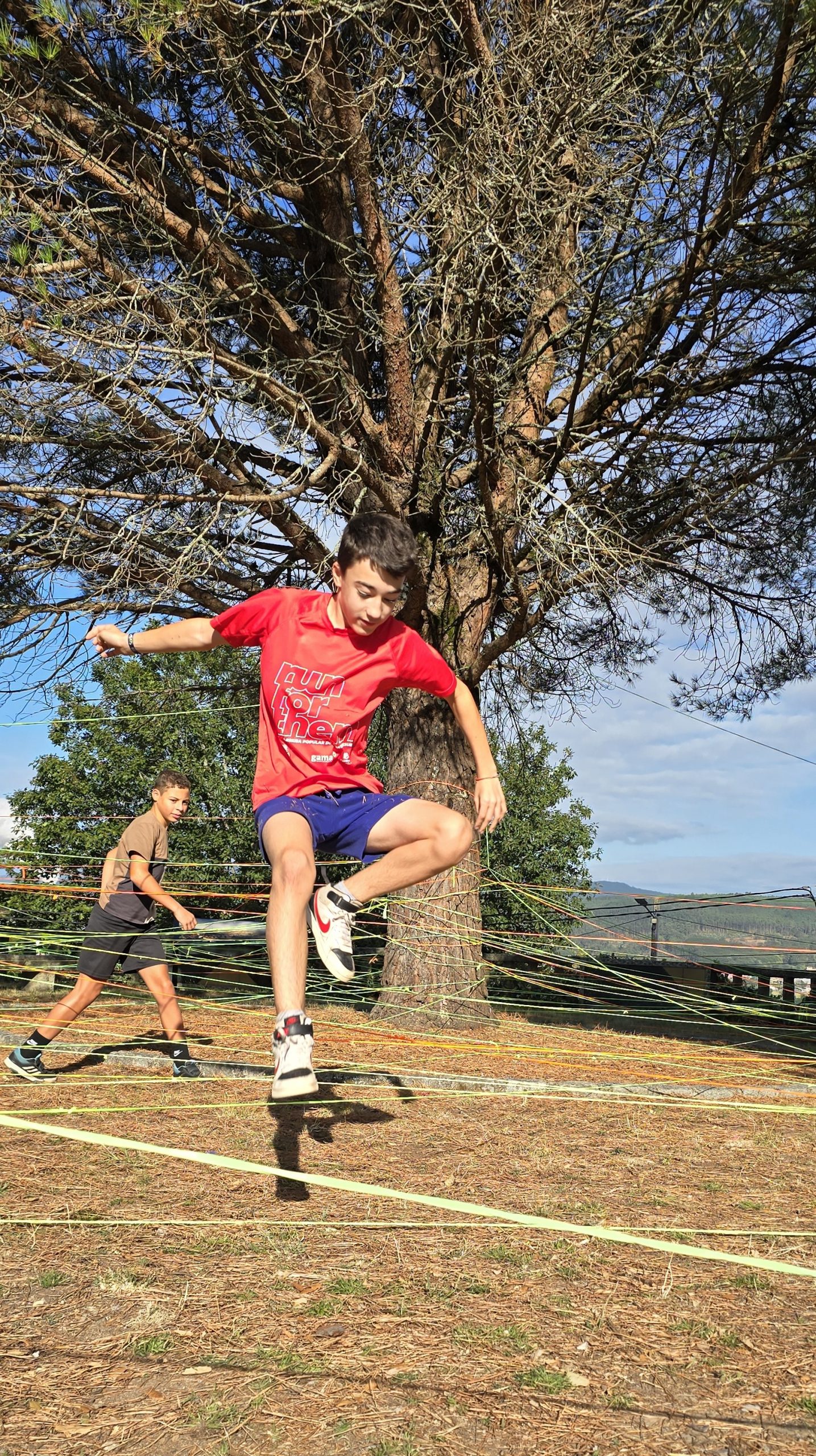
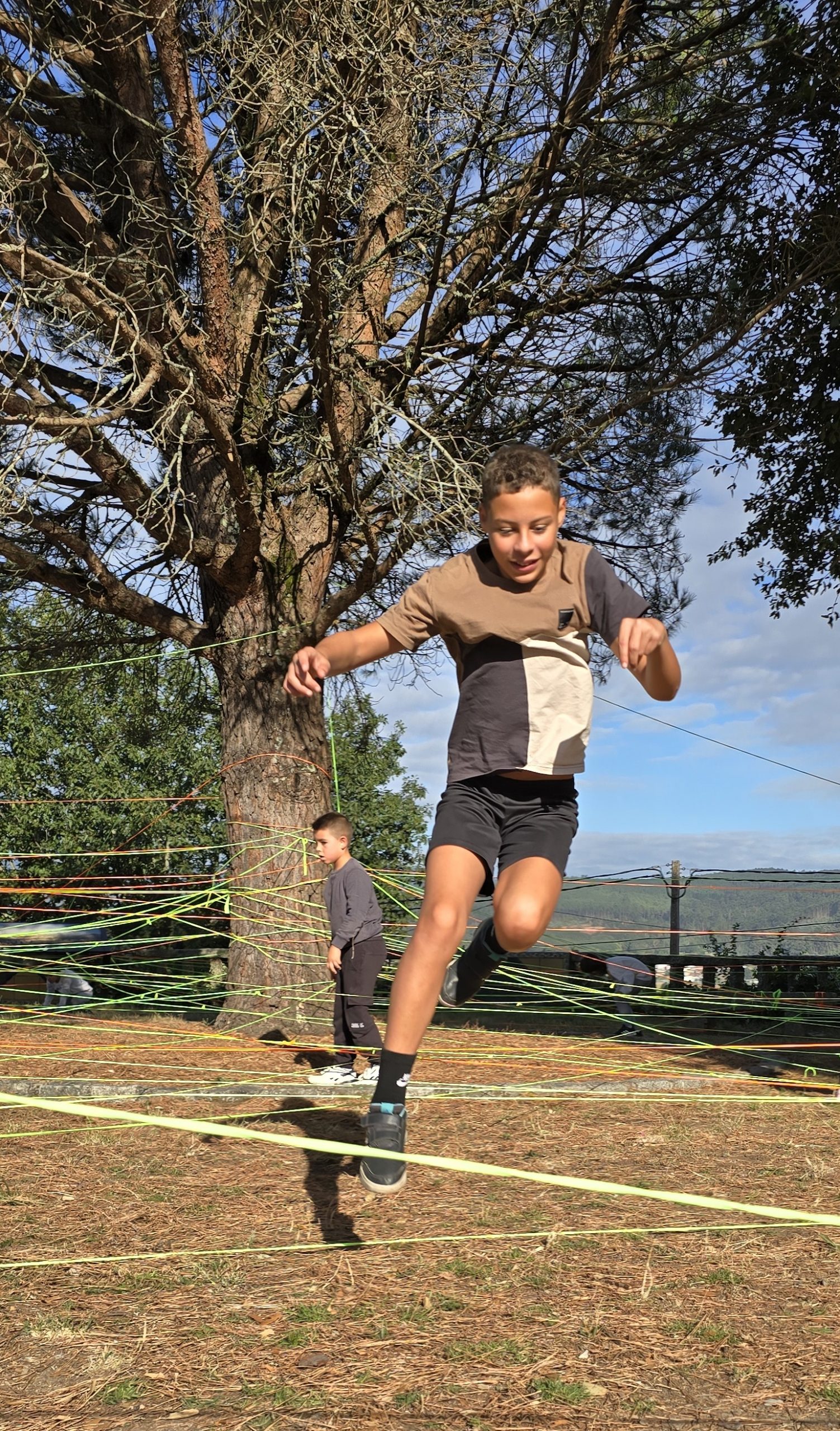
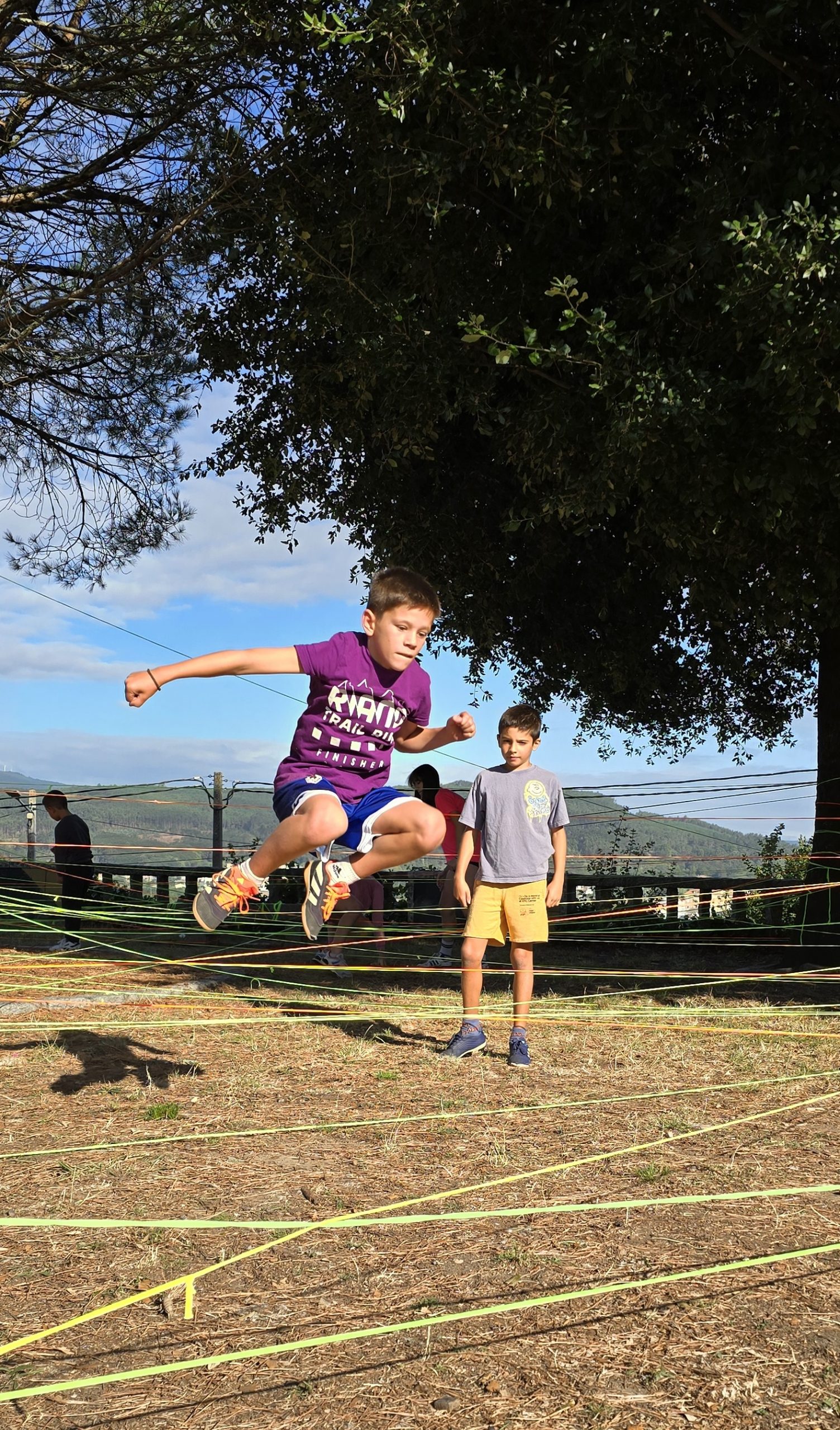
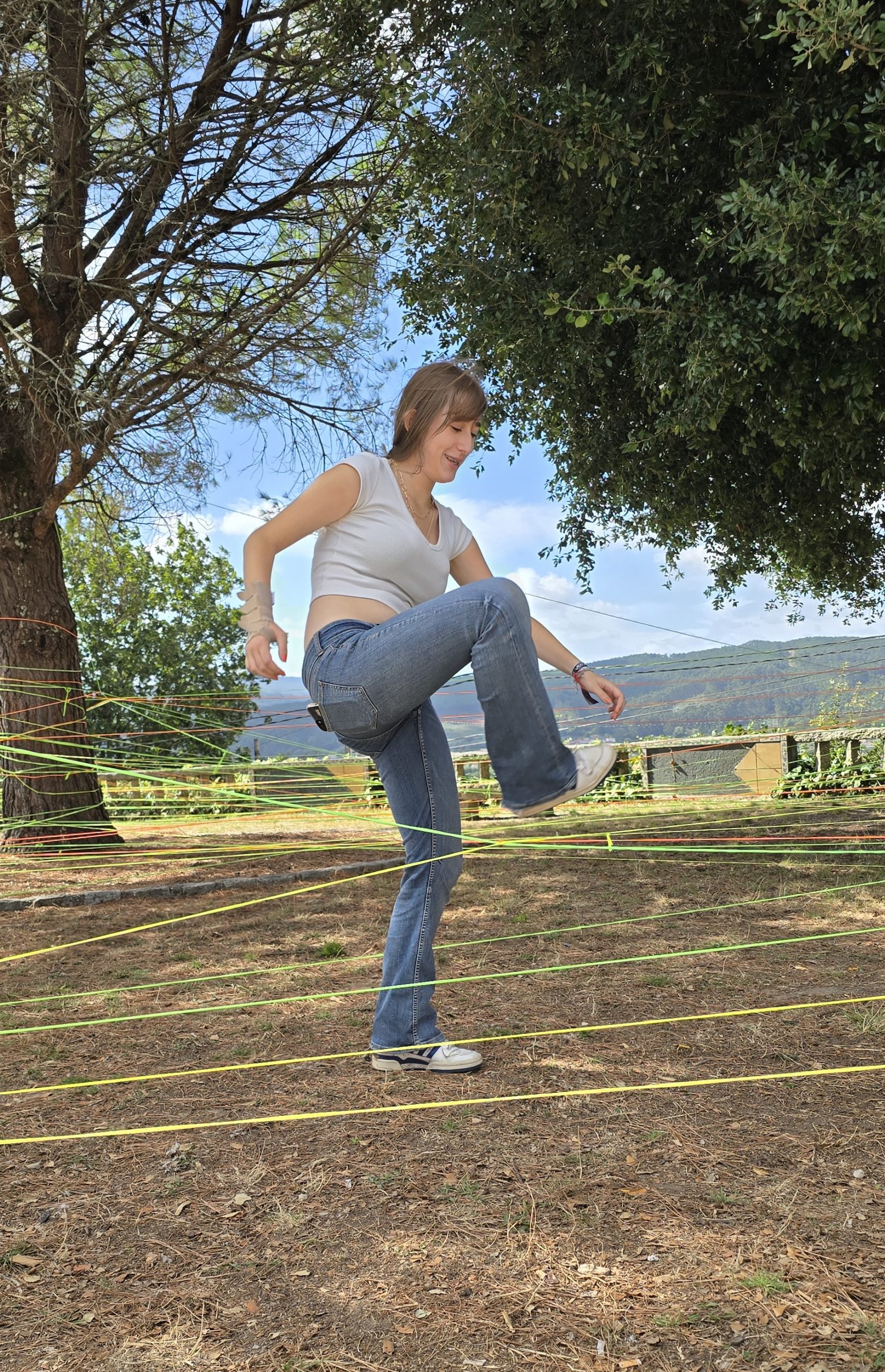
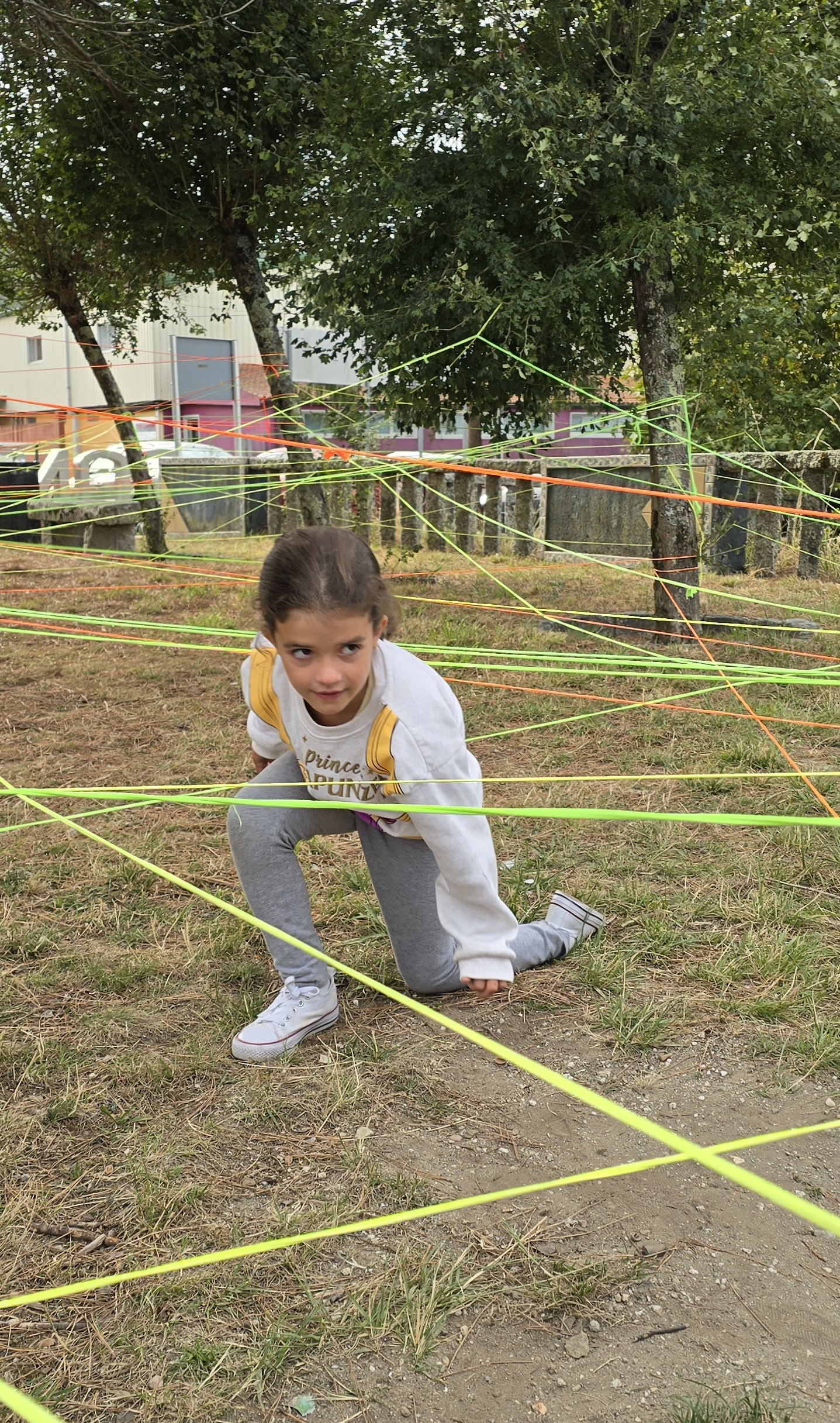
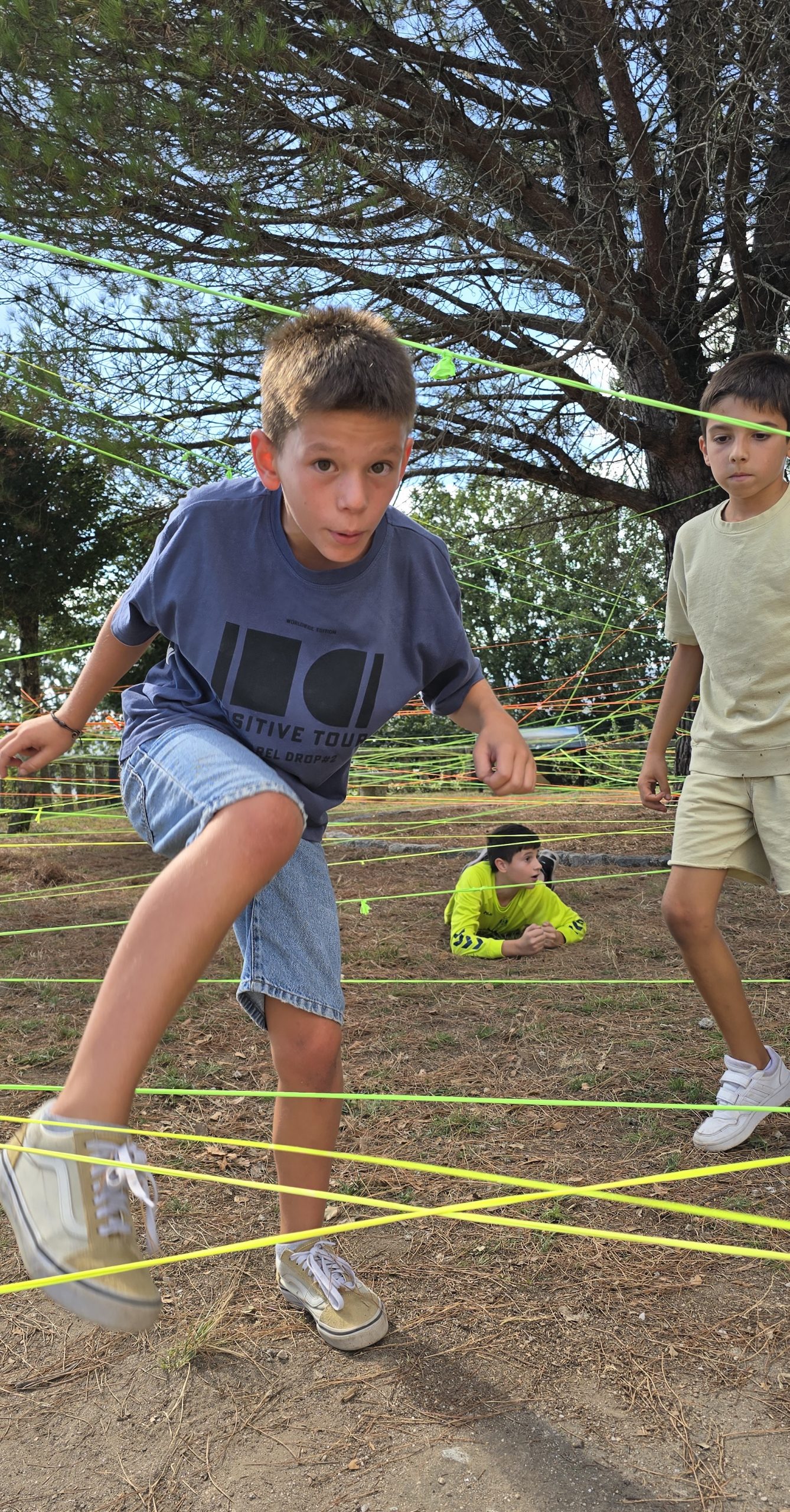
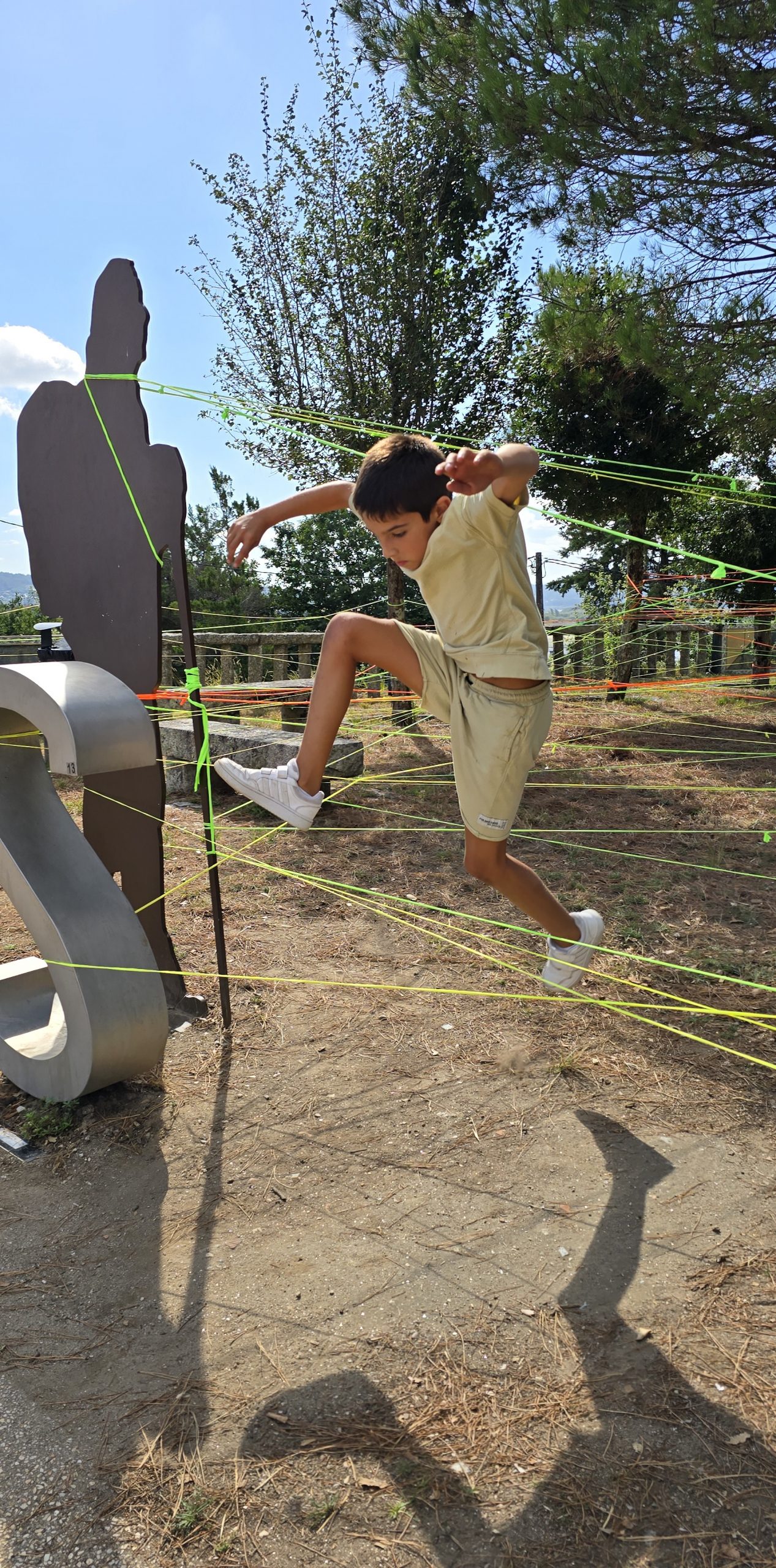
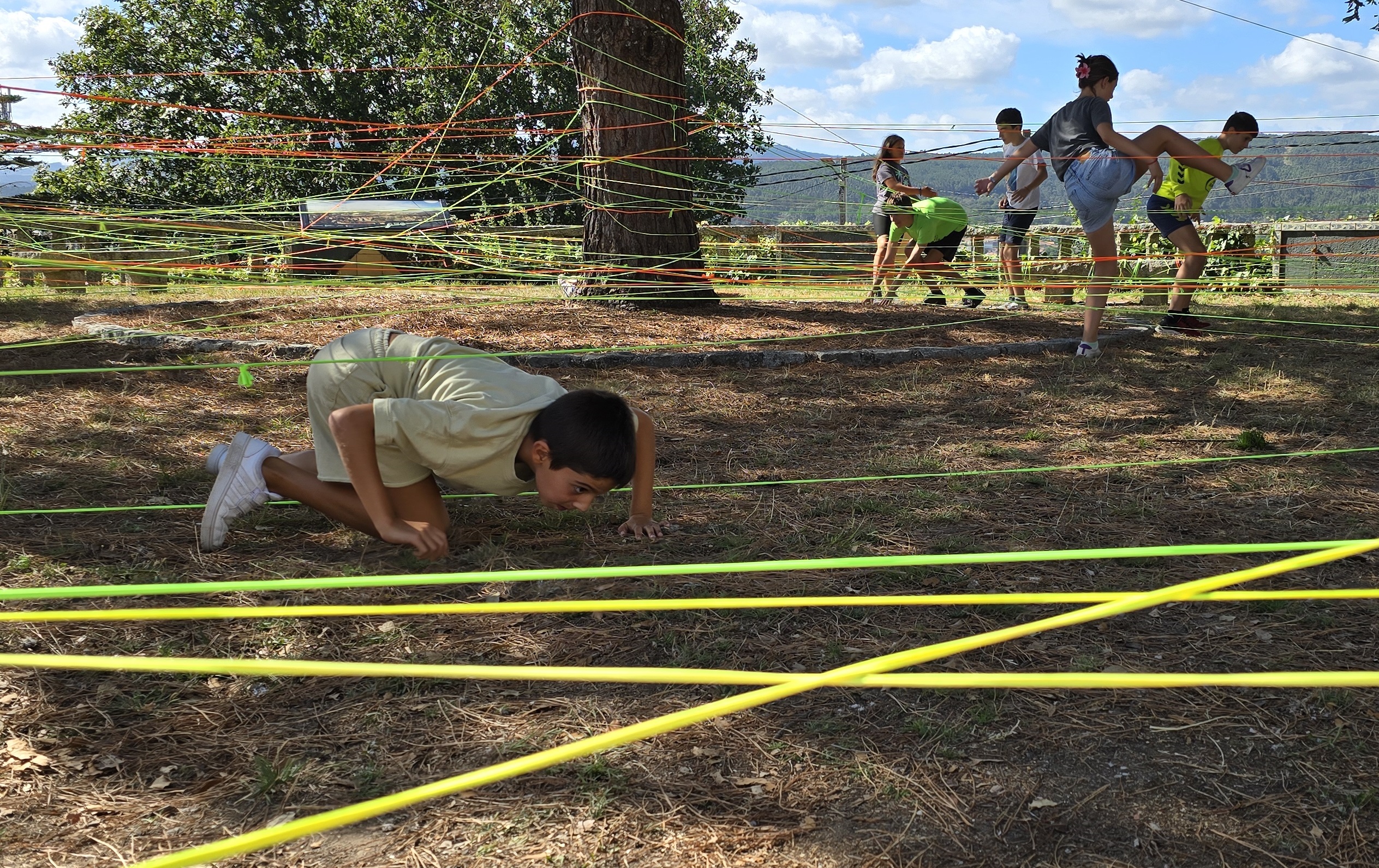
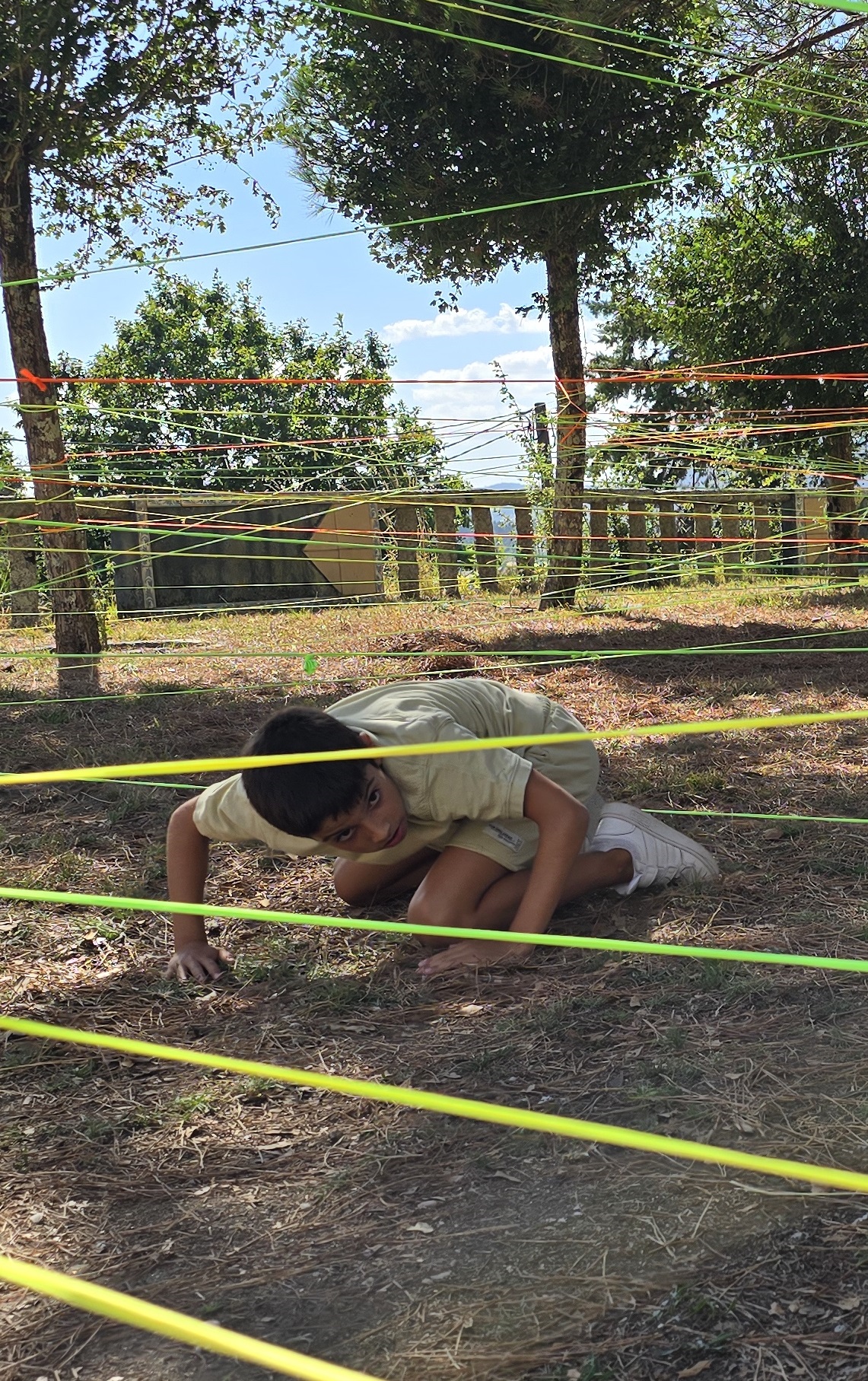
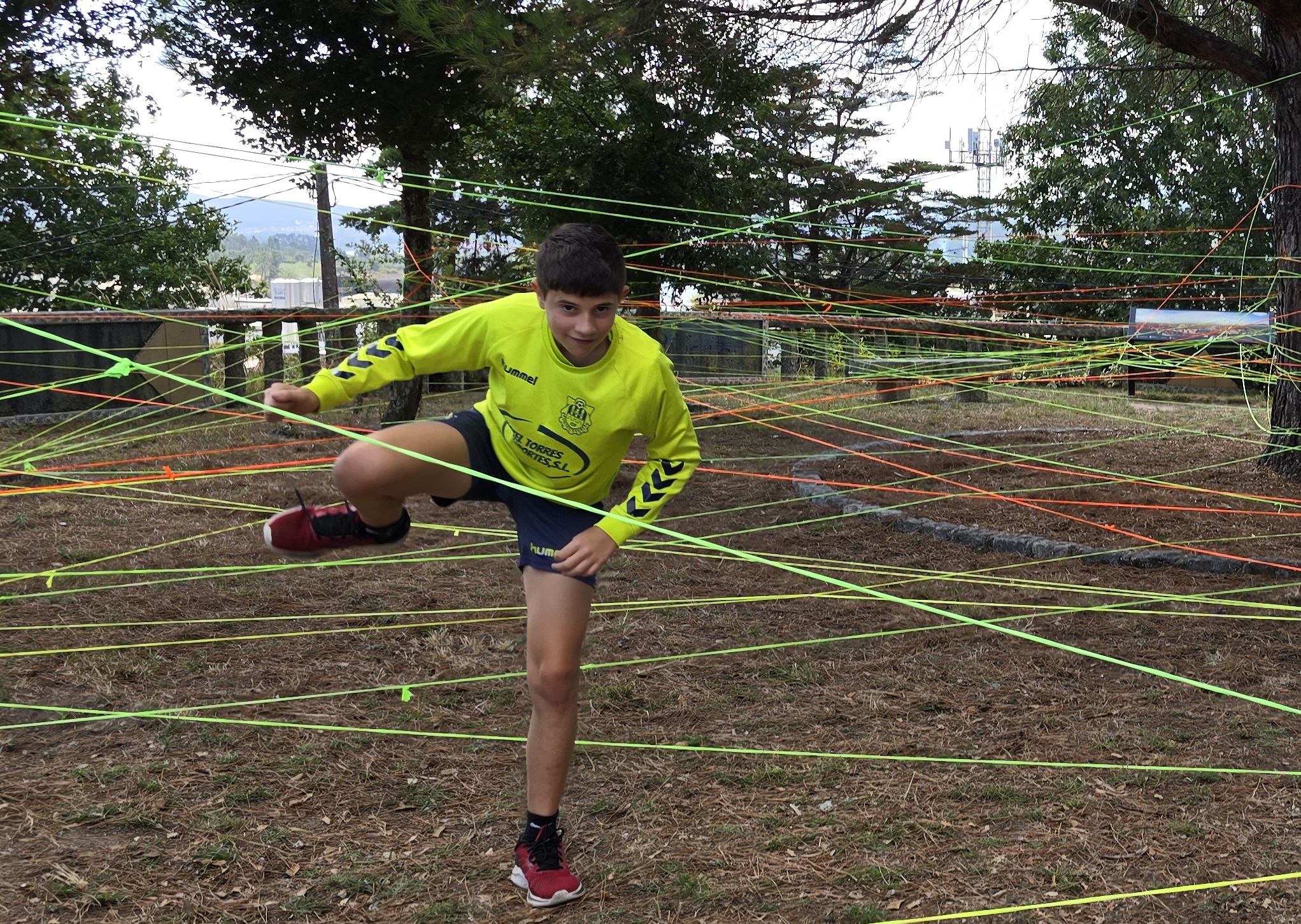
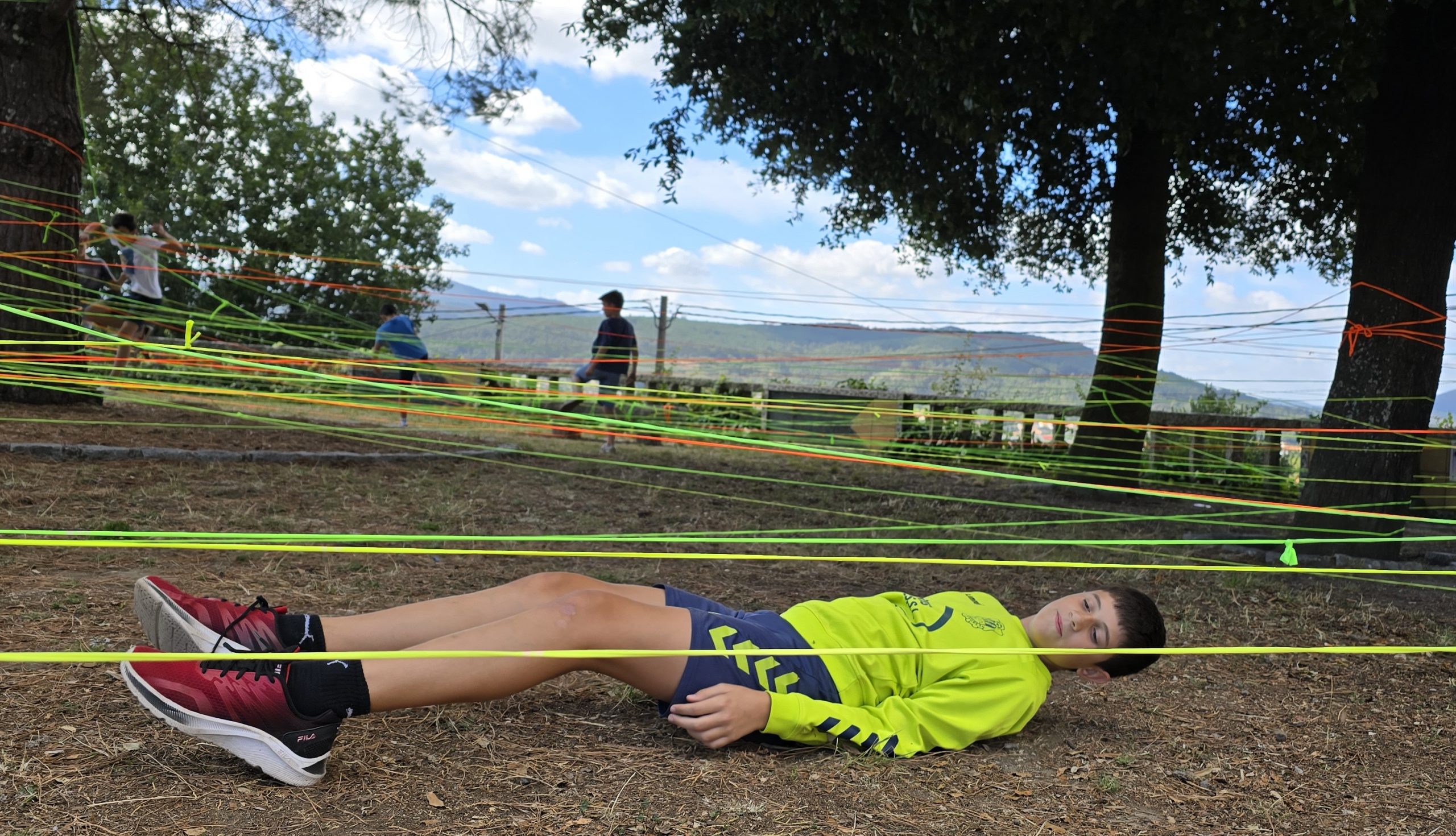
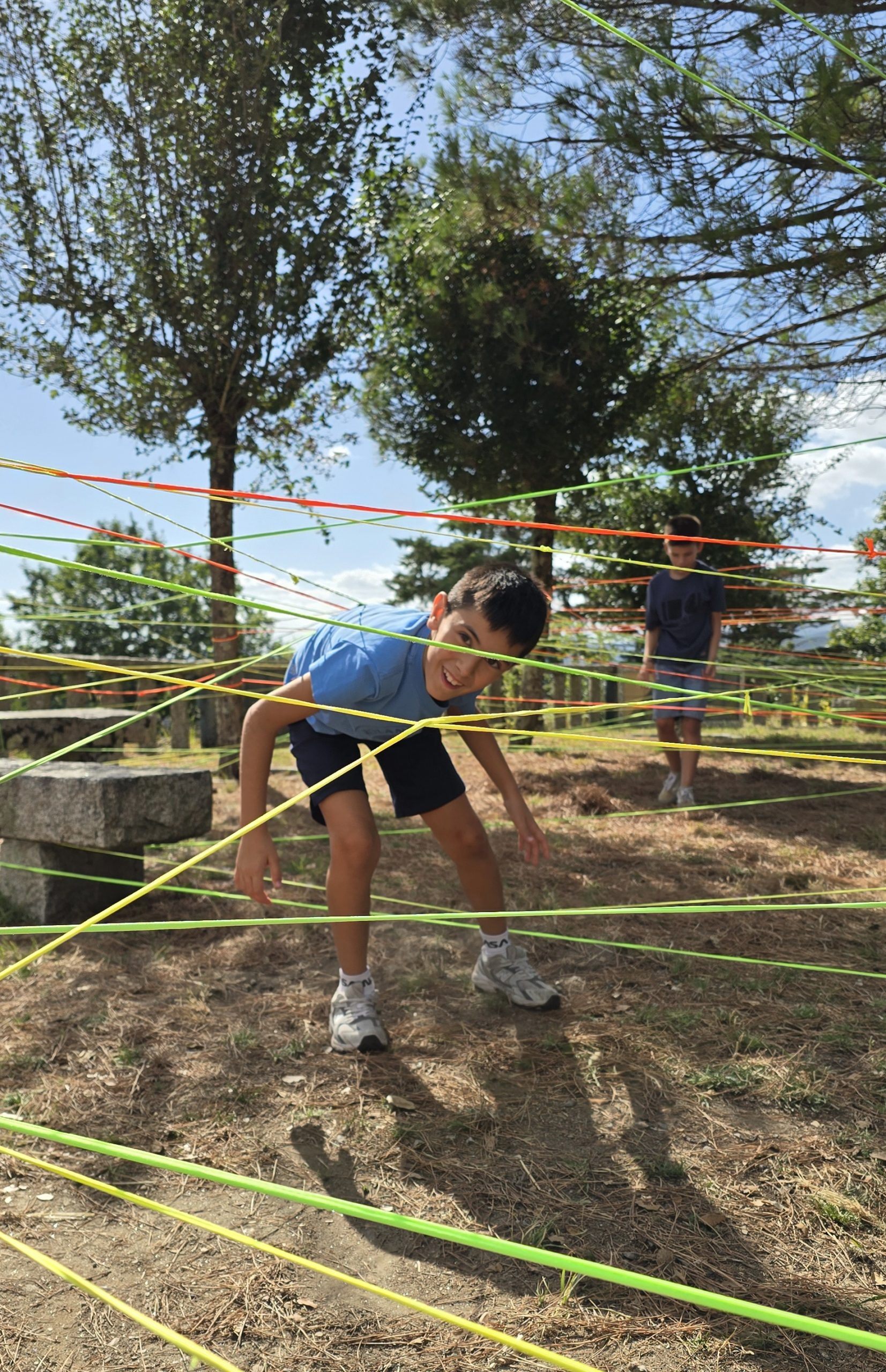
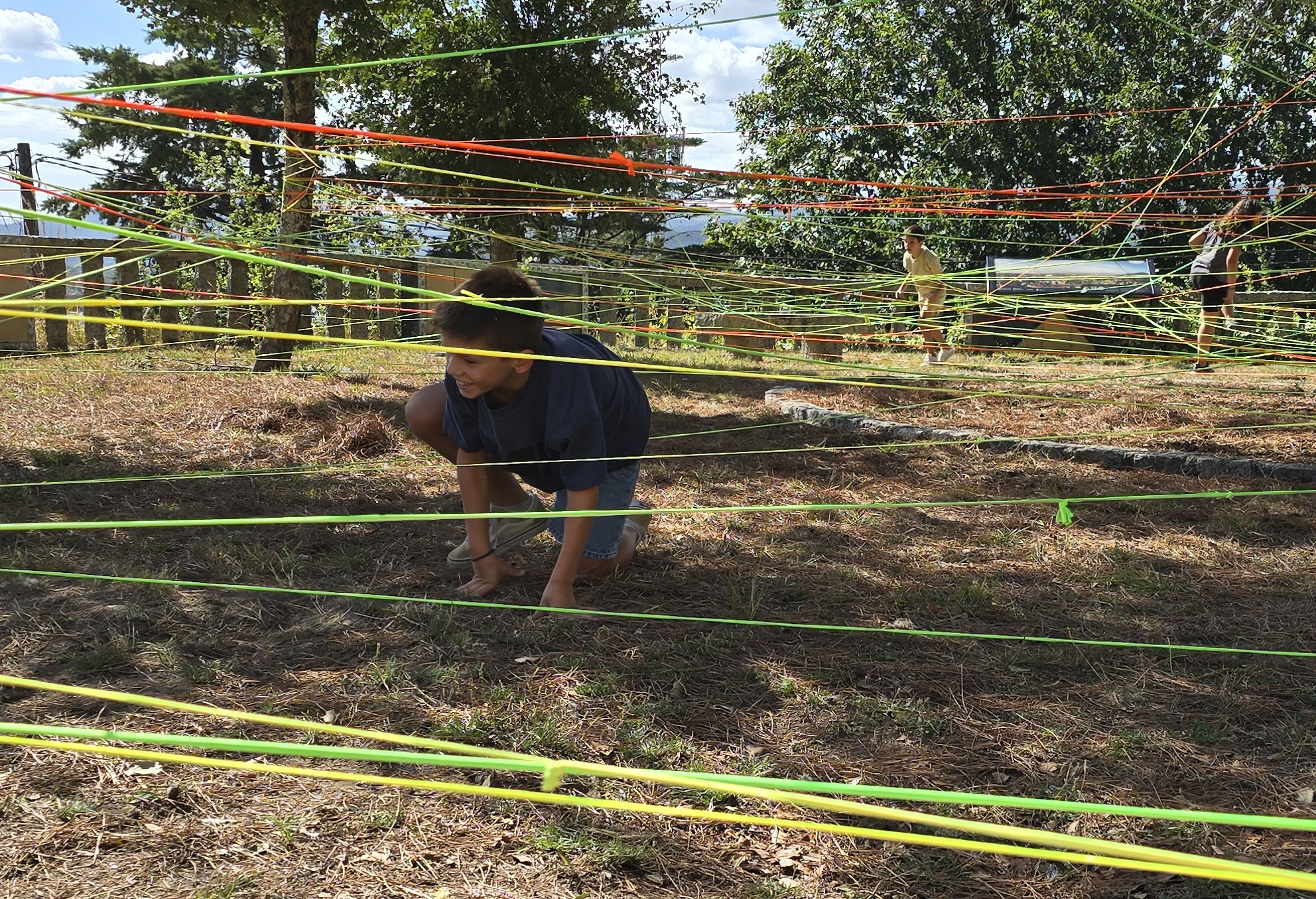
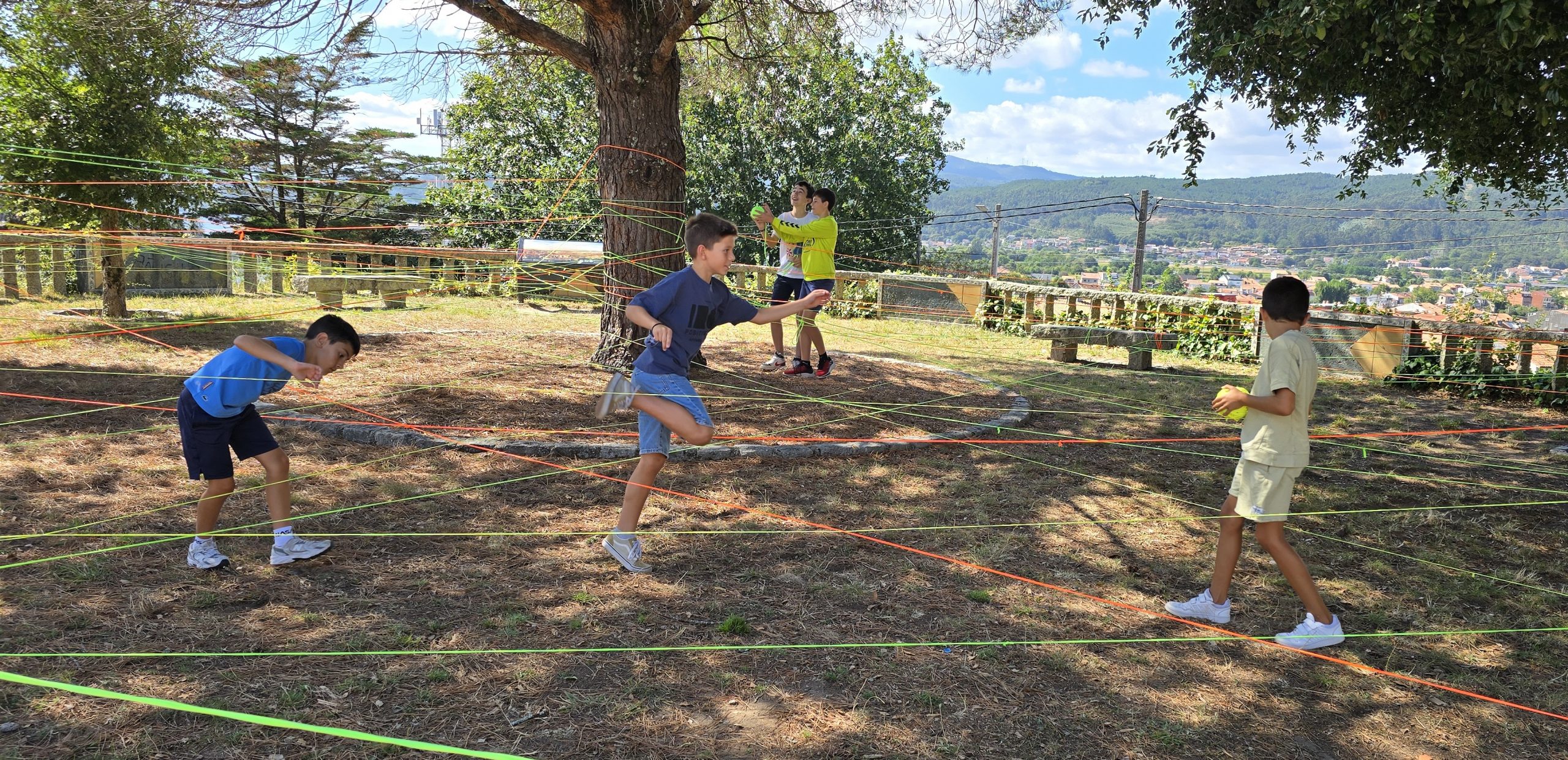
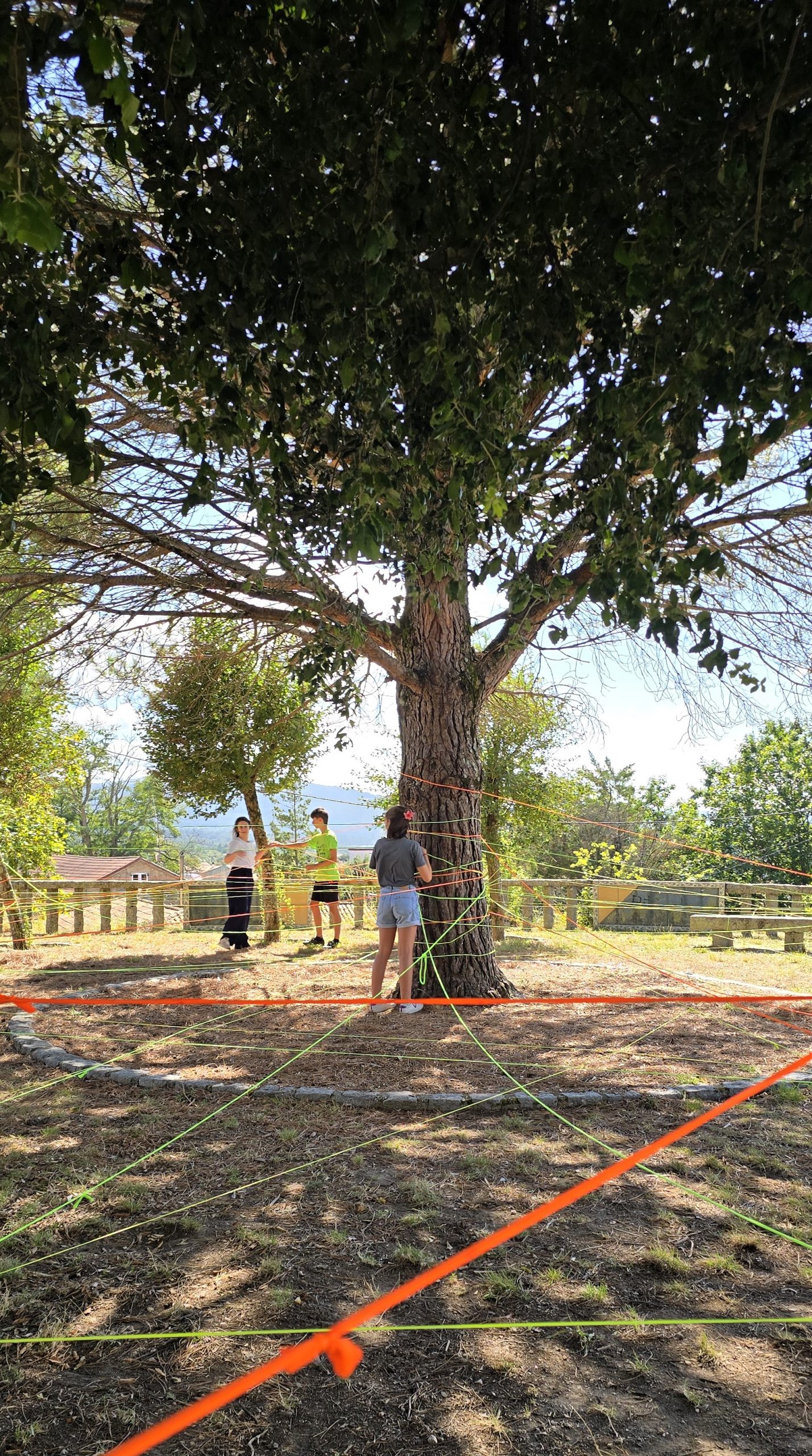
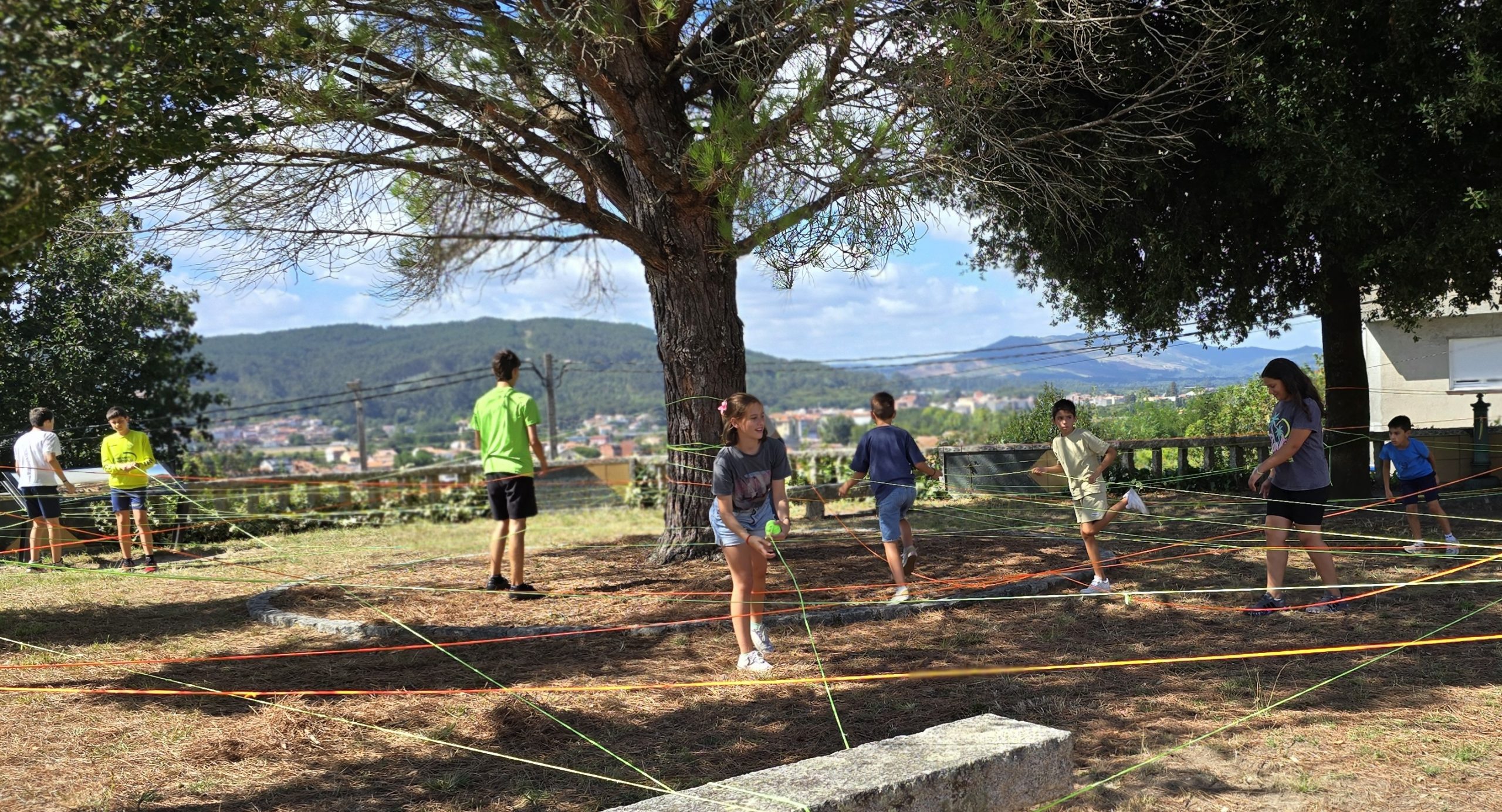
We understand the village as a game board, as a meeting place and as a learning laboratory for children and teenagers, through the tools of childhood such as their own movement and play. They have to discover, live, know and value their habitat in order to be able to act in it as an active citizen, thus encouraging protagonist participation from childhood.

PONTECESURES

THE IMPORTANCE OF PLACE

We want children and teenagers to learn to look at the place where they live, taking with them two powerful tools: ART and ARCHITECTURE. They are two elements that help us to understand the world and, most importantly, also to transform it.
Working with the LINE

Working with the LINE

PONTECESURES

 changing the village through protagonist participation

working with the line

“To inhabit, for the individual or for the group, is to appropriate something. To appropriate is not to own, but to make it one’s own work, to mould it, to shape it, to put one’s own stamp on it. To inhabit is to appropriate a space […] By this term [appropriation] we do not mean ownership; instead, it is something entirely different; it is the process by which an individual or group appropriates, transforms into their property, something external.”
Henri Lefebvre

‘A Vila do Mañá’ emerges from the right to the city, as defended by Henri Lefebvre, so that the people who live in it have the right to enjoy it, to transform it and to reflect their way of understanding life in the community. From this point of view, how can we not include the right of children and adolescents to their city? For this reason, public space is considered a common space for learning and collective construction in which children and adolescents must also have a place.

Colour your village

The village or city in which we are working has been turned into a game board, a laboratory of experimentation where girls, boys and teenagers can act from a new point of view.

Miño

Miño


Miño

We understand the village as a game board, as a meeting place and as a learning laboratory for children and teenagers, through the tools of childhood such as their own movement and play. They have to discover, live, know and value their habitat in order to be able to act in it as an active citizen, thus encouraging protagonist participation from childhood.

MIÑO

THE IMPORTANCE OF PLACE

We want children and teenagers to learn to look at the place where they live, taking with them two powerful tools: ART and ARCHITECTURE. They are two elements that help us to understand the world and, most importantly, also to transform it.
Working with Galician Literature, Eduardo Blanco Amor

Working with Galician Literature, Eduardo Blanco Amor

TOURO

CHANGING THE VILLAGE THROUGH PROTAGONIST PARTICIPATION

Working with Galician Literature, Eduardo Blanco Amor

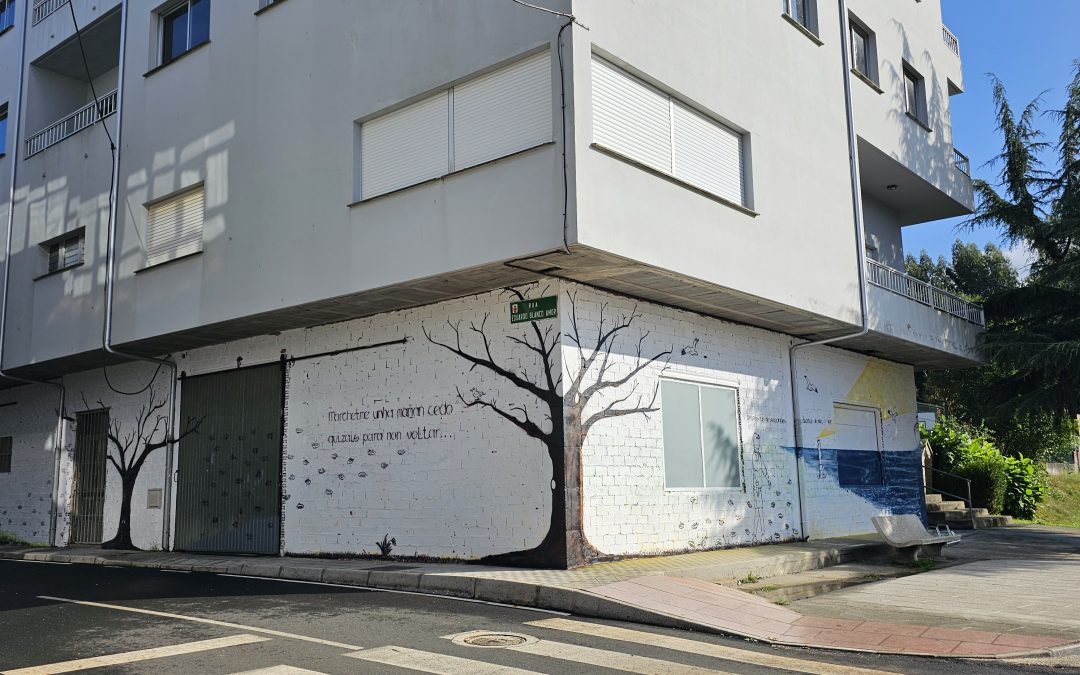
In a place lacking strong identity references (where the main element of collective memory was a disused nightclub), the project begins with a latent infrastructure: the town’s street map, whose names pay tribute to authors of Galician literature. Based on this cultural cartography, A Vila do Mañá turns words into infrastructure and literature into a tool for urban activation.

The figures of children and teenagers themselves (their silhouettes, bodies, and gestures) become the visual protagonists of the urban space. The aim is not to represent them, but to allow them to inscribe themselves into the landscape with their scale, their language, and their living presence. Their image occupies façades, walls, and partitions, intervening in the urban environment with their collective identity and symbolic power.

COLOUR YOUR VILLAGE

The village or city in which we are working, transformed into a game board, a laboratory of experimentation where children and teenagers can act from a new point of view.

Working with THREE-DIMENSIONAL ELEMENTS

Working with THREE-DIMENSIONAL ELEMENTS

XARÍO

changing the village through protagonist participation 

Working with three-dimensional elements

“The opportunity for the child to discover his or her own movement is part of the city itself; the city is also a play space. The child uses all the elements of the city, all the built objects, all the surfaces he or she can climb or climb on. Children know how to play with these things very well, even if they are not allowed to.”
Aldo van Eyck

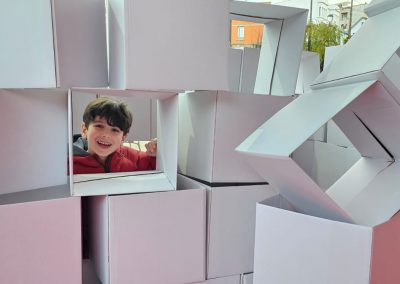
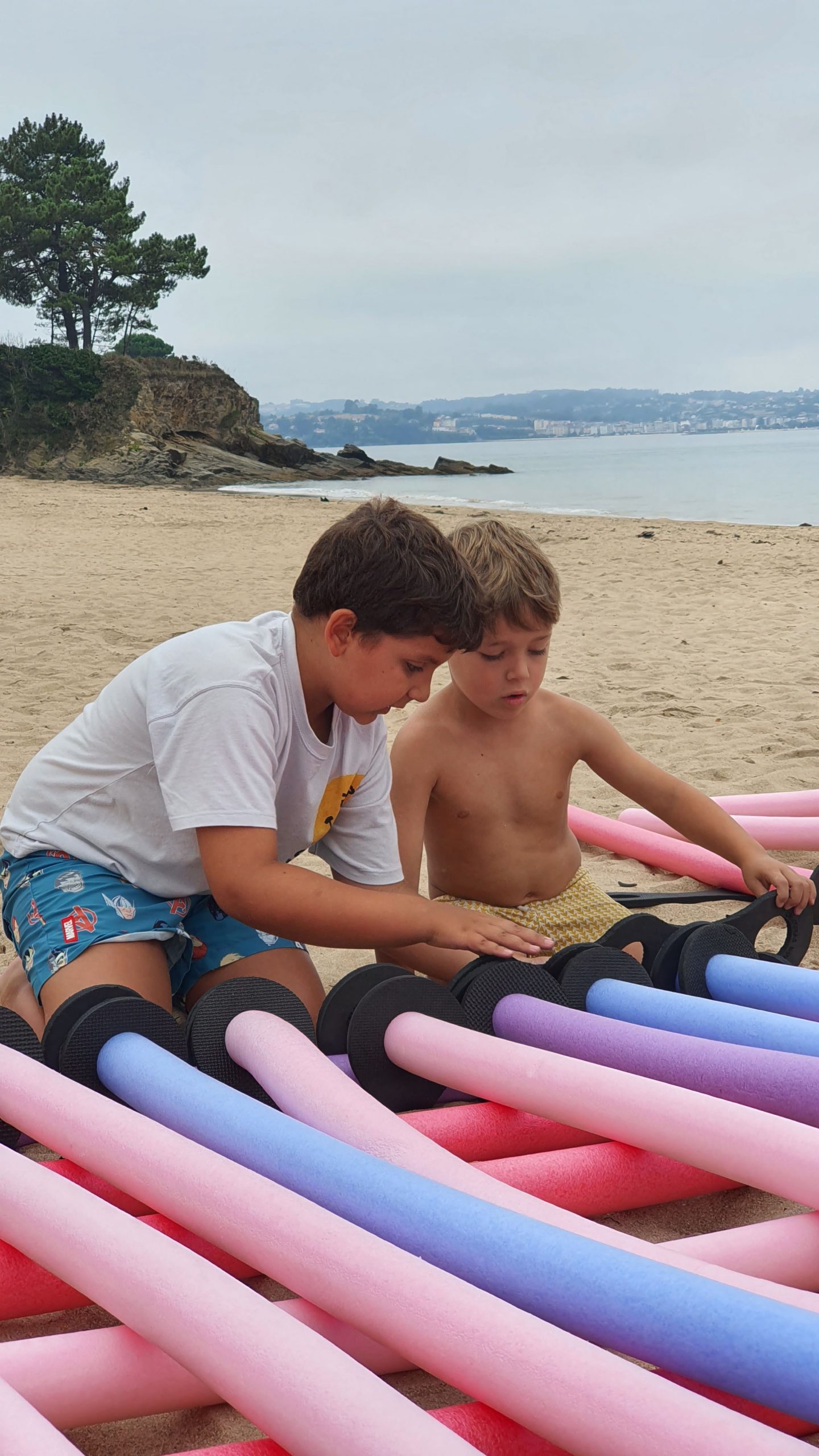
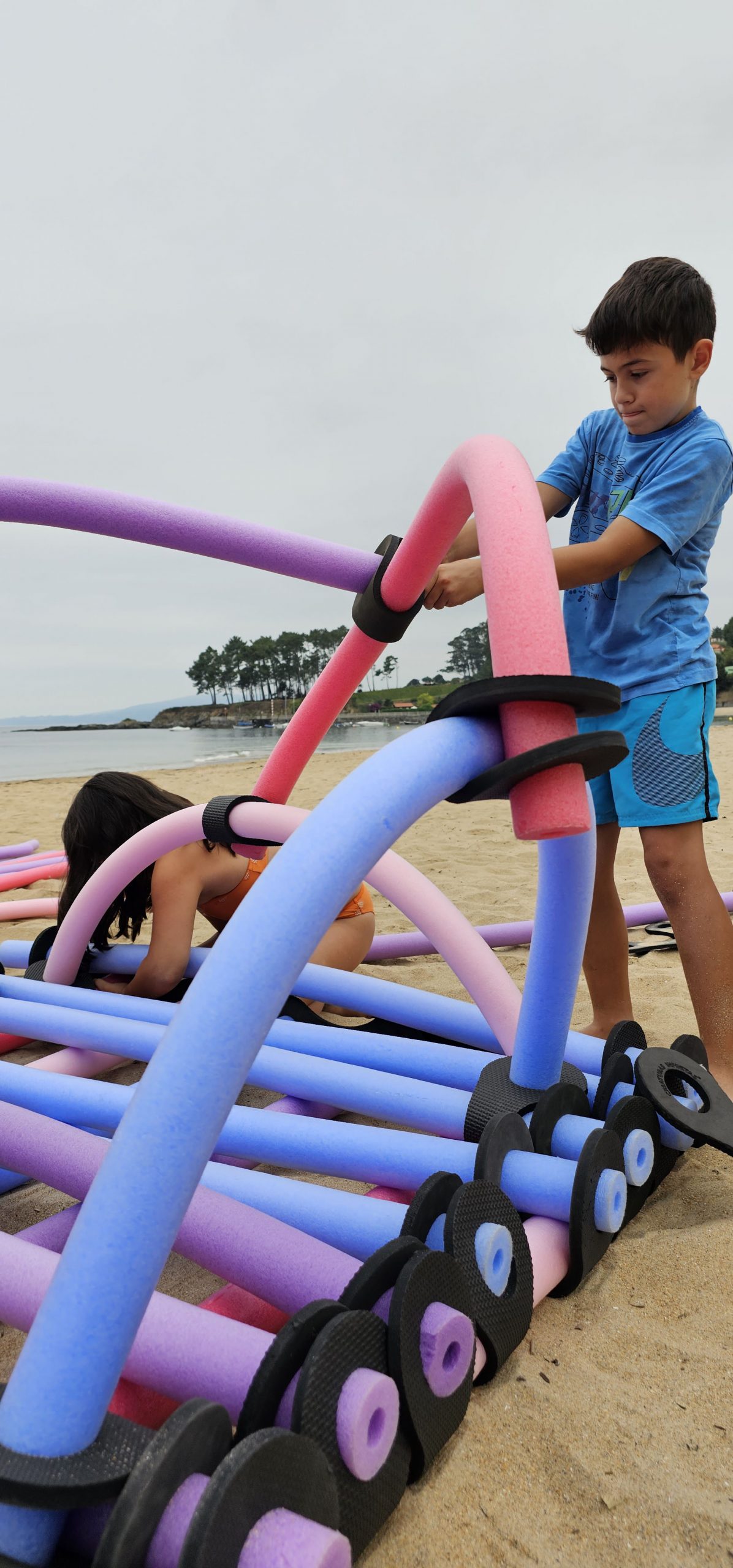
‘A Vila do Maña’ works with three-dimensional elements, based on Froebel’s “third gift”.
In architecture we have Froebel as a reference, through Frank Lloyd Wrigth who was educated with this method. It is a system based on the creativity and intuition of the child through direct experience, play and nature. It creates a pedagogical resource based on ‘gifts’ and ‘occupations’. The ‘gifts’ are pedagogical materials that do not change, but are transformed; the ‘occupations’ are activities in which children play by transforming the objects they manipulate. The ‘gifts’ are precursors of today’s building blocks.

COLOUR YOUR VILLAGE

The village or city in which we are working has been turned into a game board, a laboratory of experimentation where children and teenagers can act from a new point of view.

Transforming the urban landscape

Transforming the urban landscape

XARÍO

Changing the village through protagonist participation

WORKING WITH NATURAL ELEMENTS

The aim of ‘A Vila da Maña’ is to change the model of town or city, we believe that another may be possible. This is achieved through the leading participation of local girls, boys and teenagers who, working with the fundamental concepts through tactical urbanism actions, become active citizens capable of transforming their spaces.

In this case, the landscape is worked on, looking for the interaction between the built, the more natural and the intermediate territories. Understanding how people build and modify the landscape and how we inhabit it and it builds us and our identity.

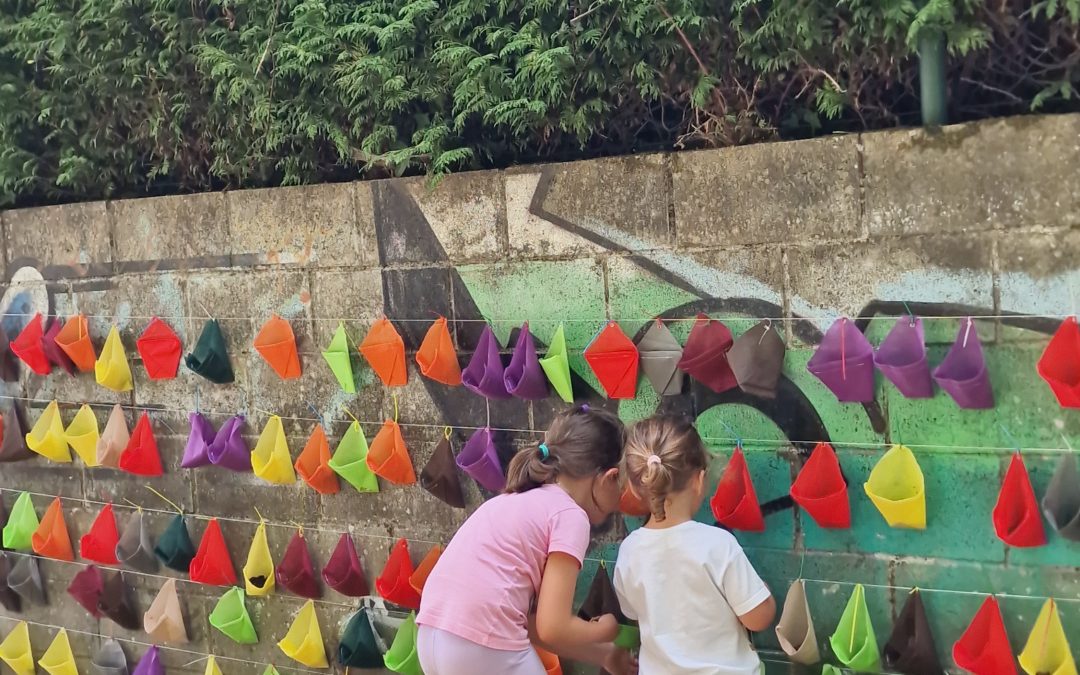
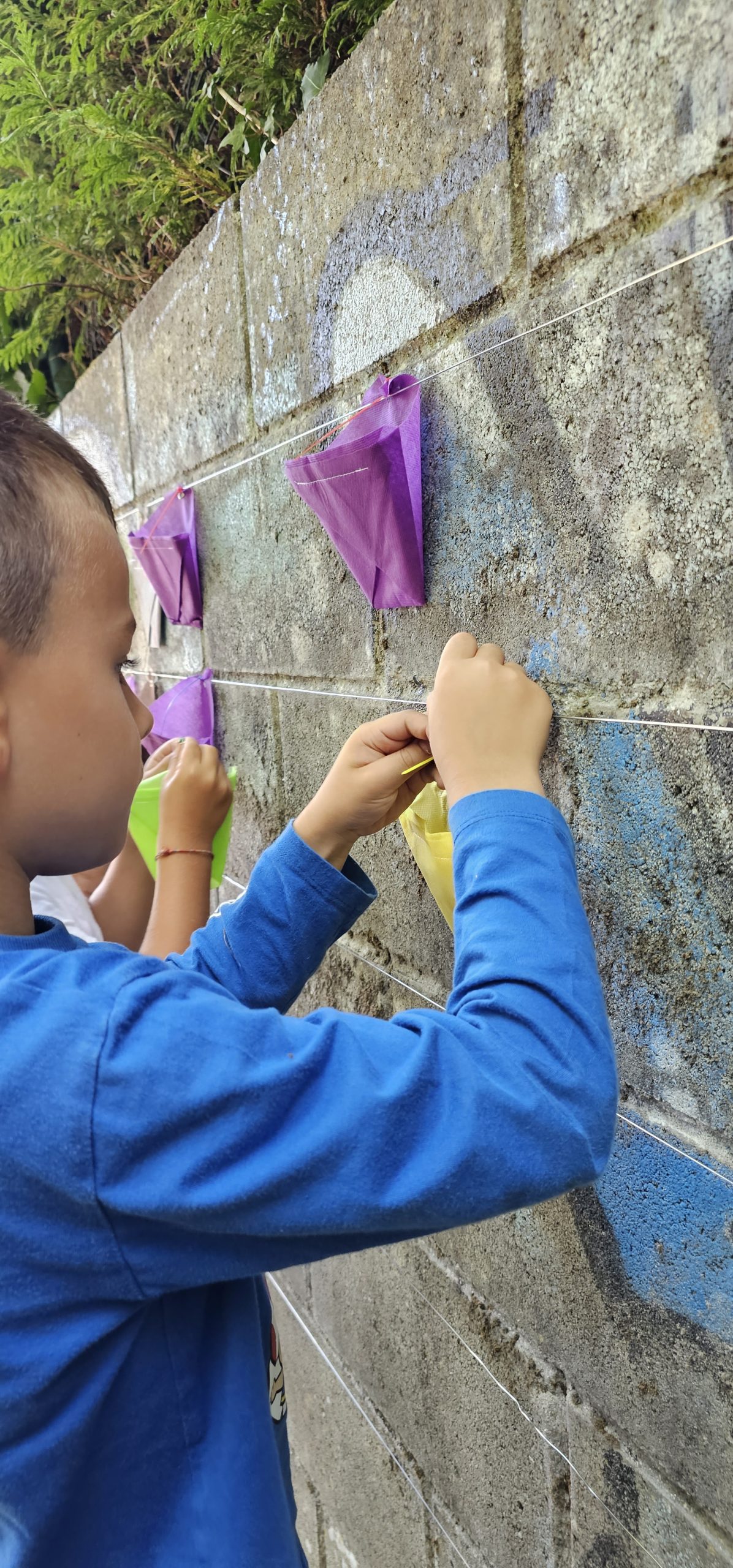
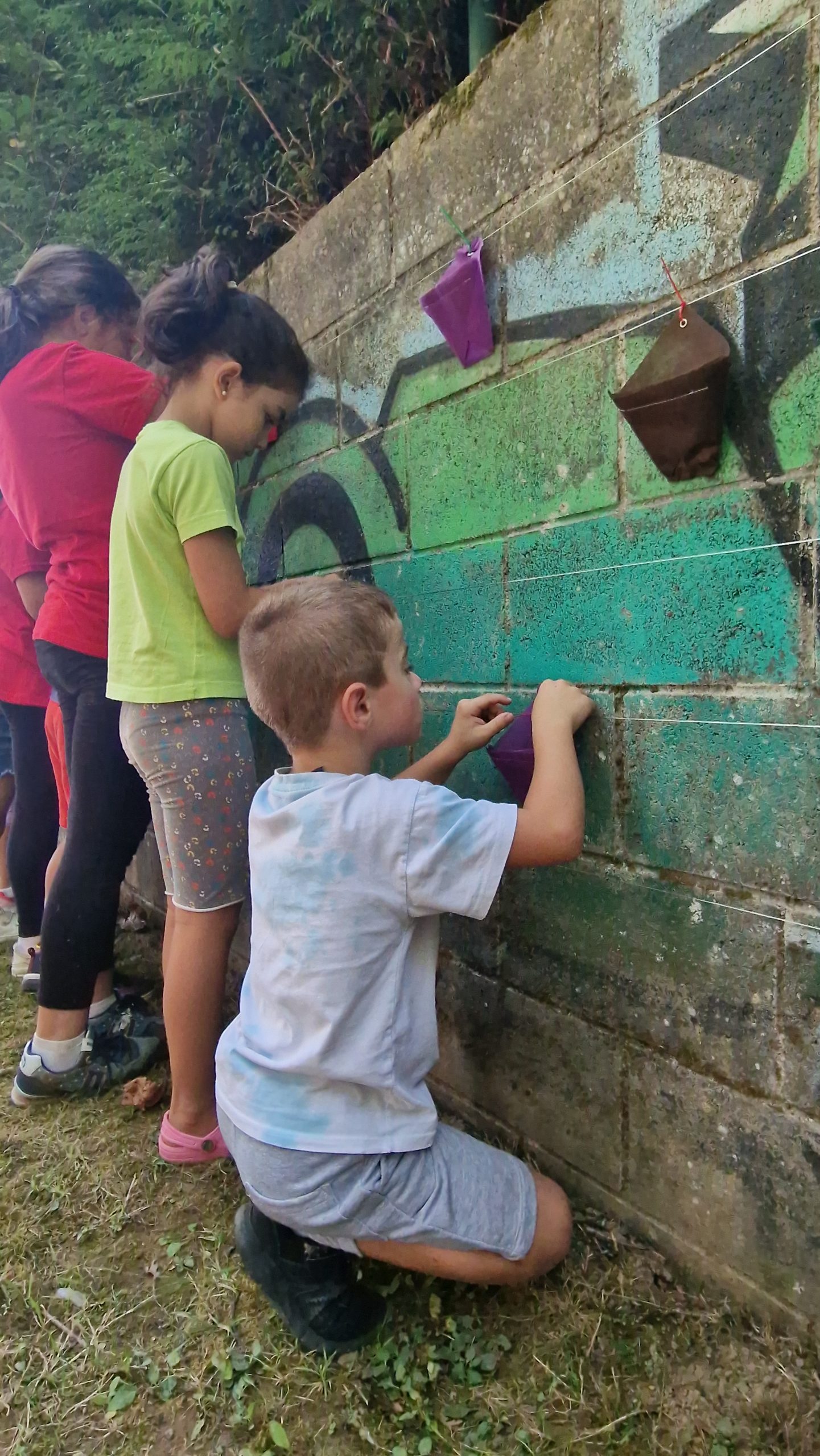
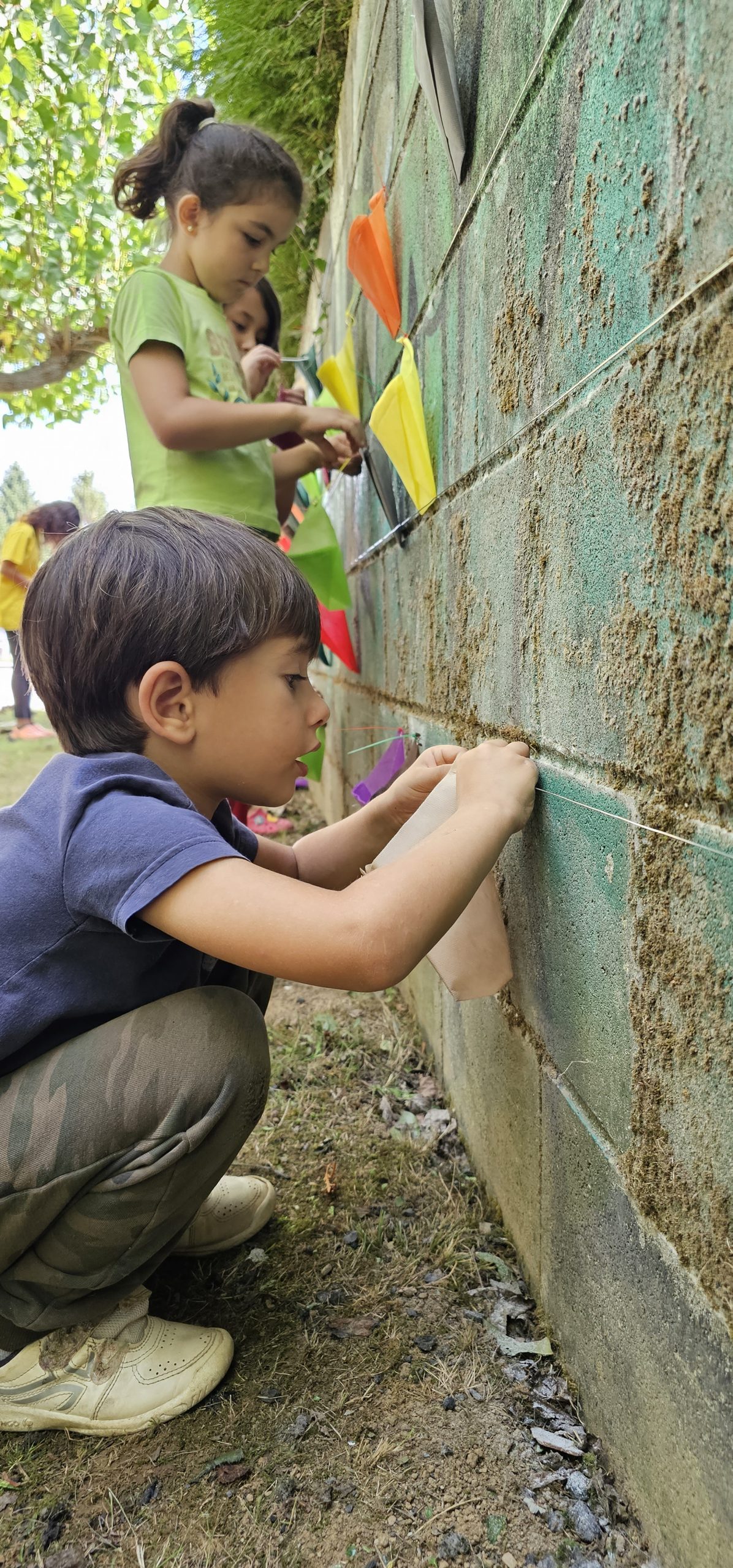
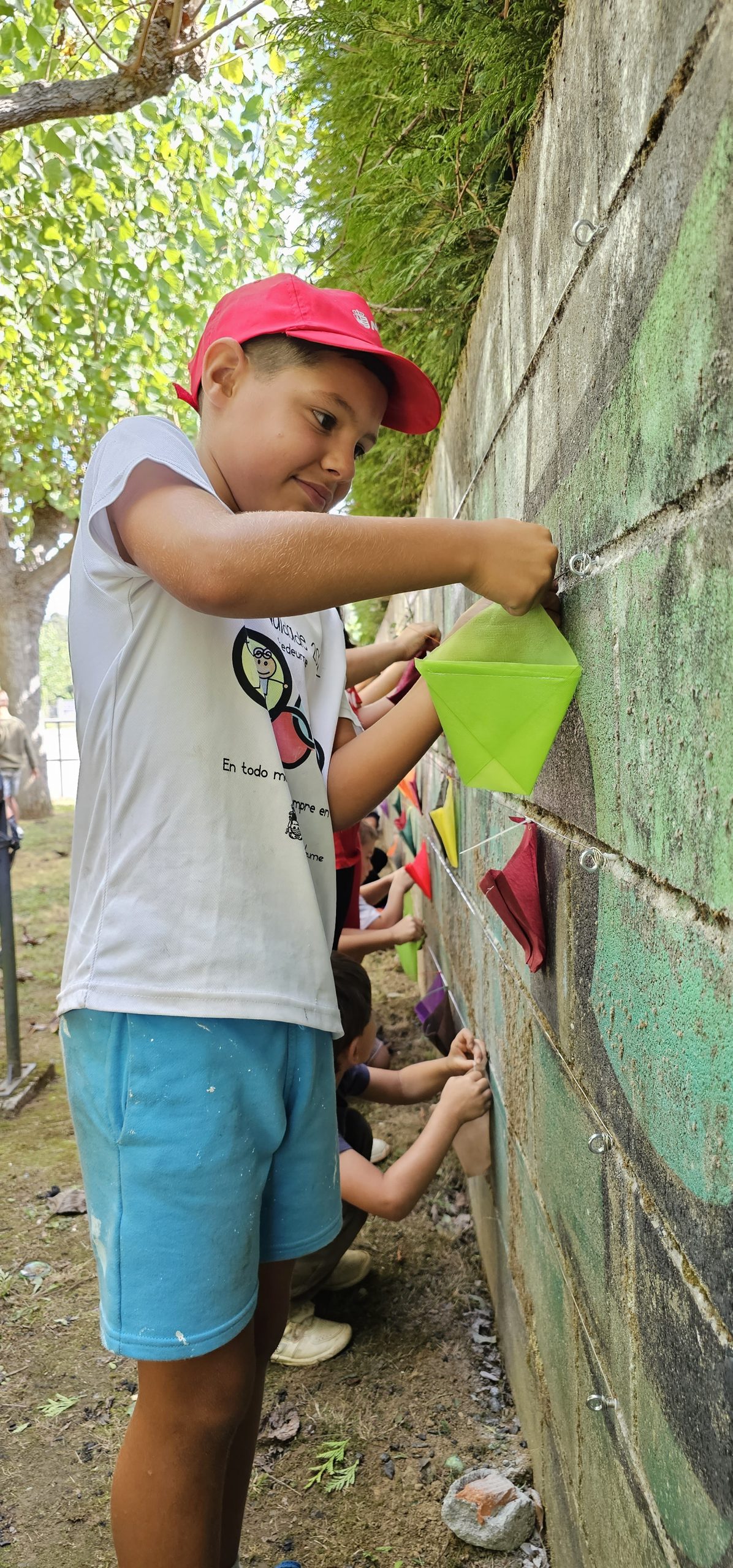
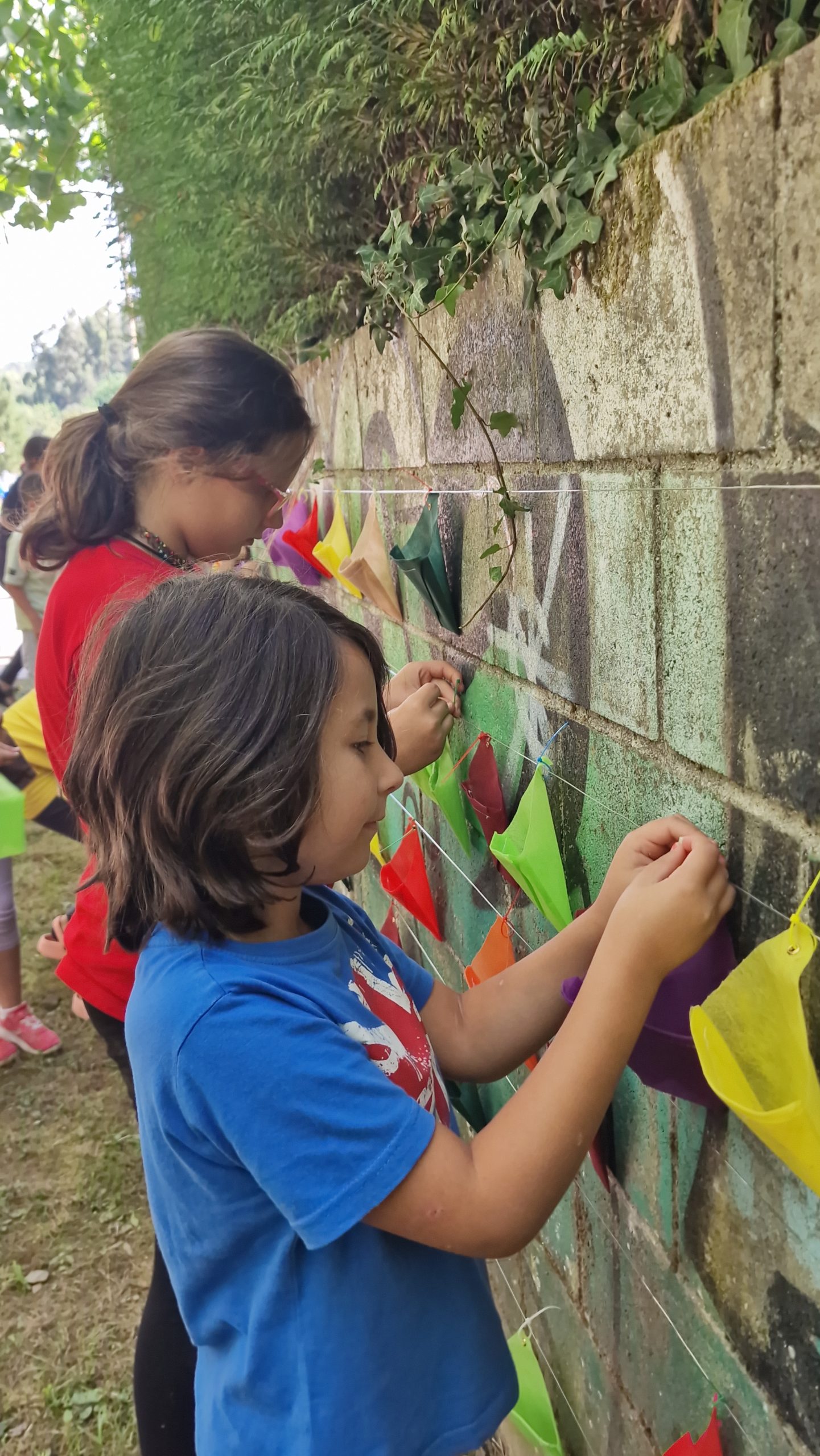
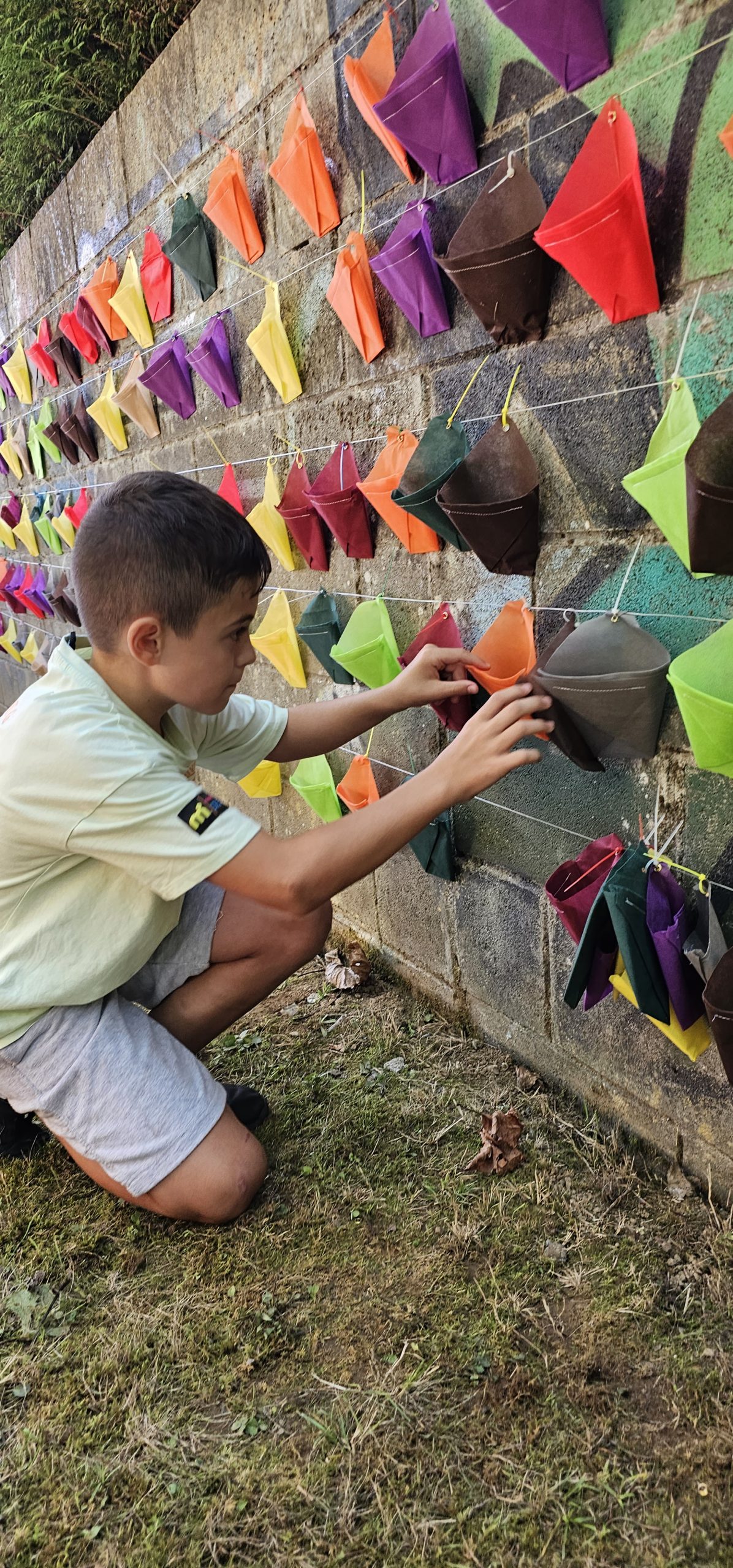
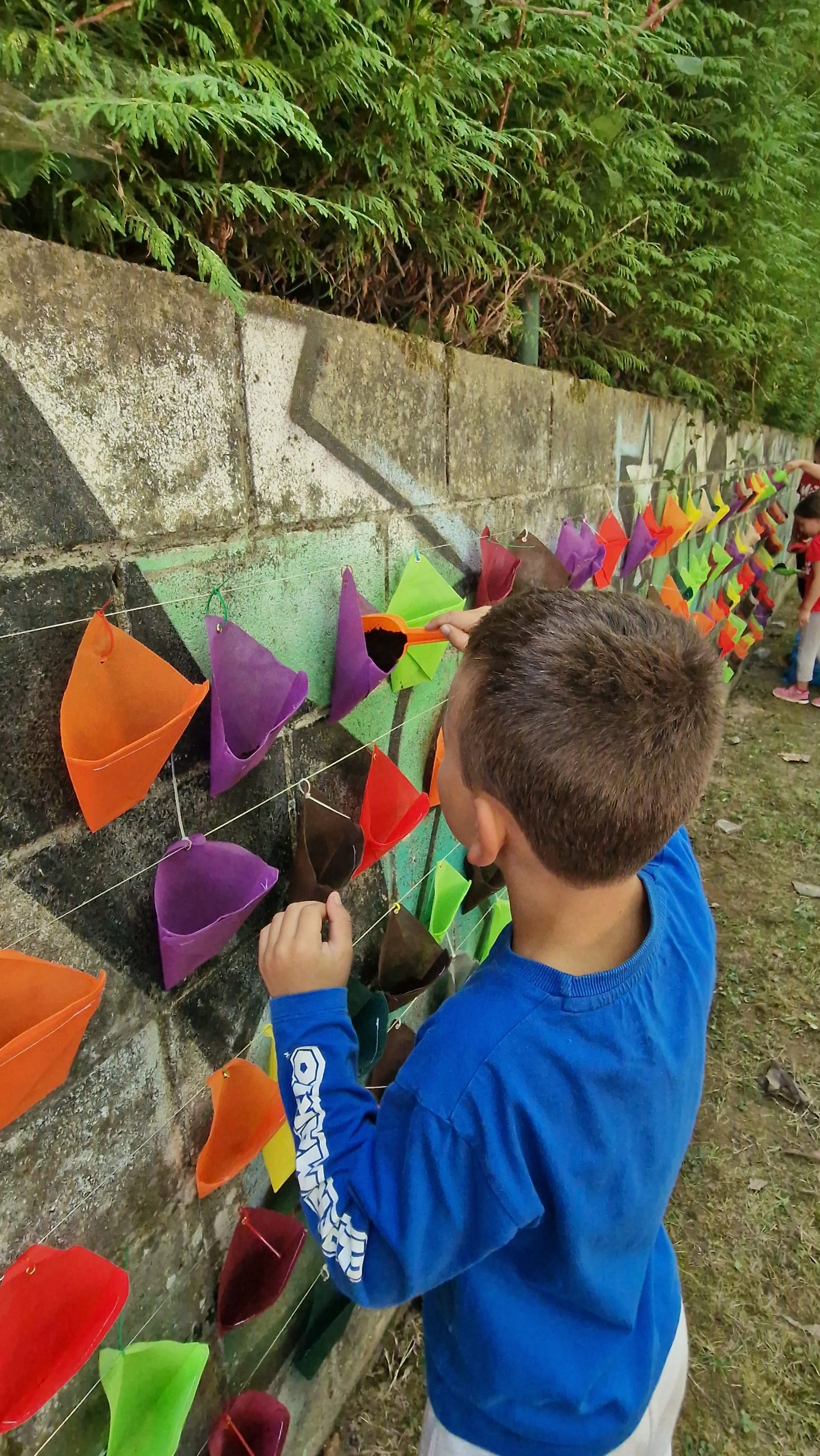
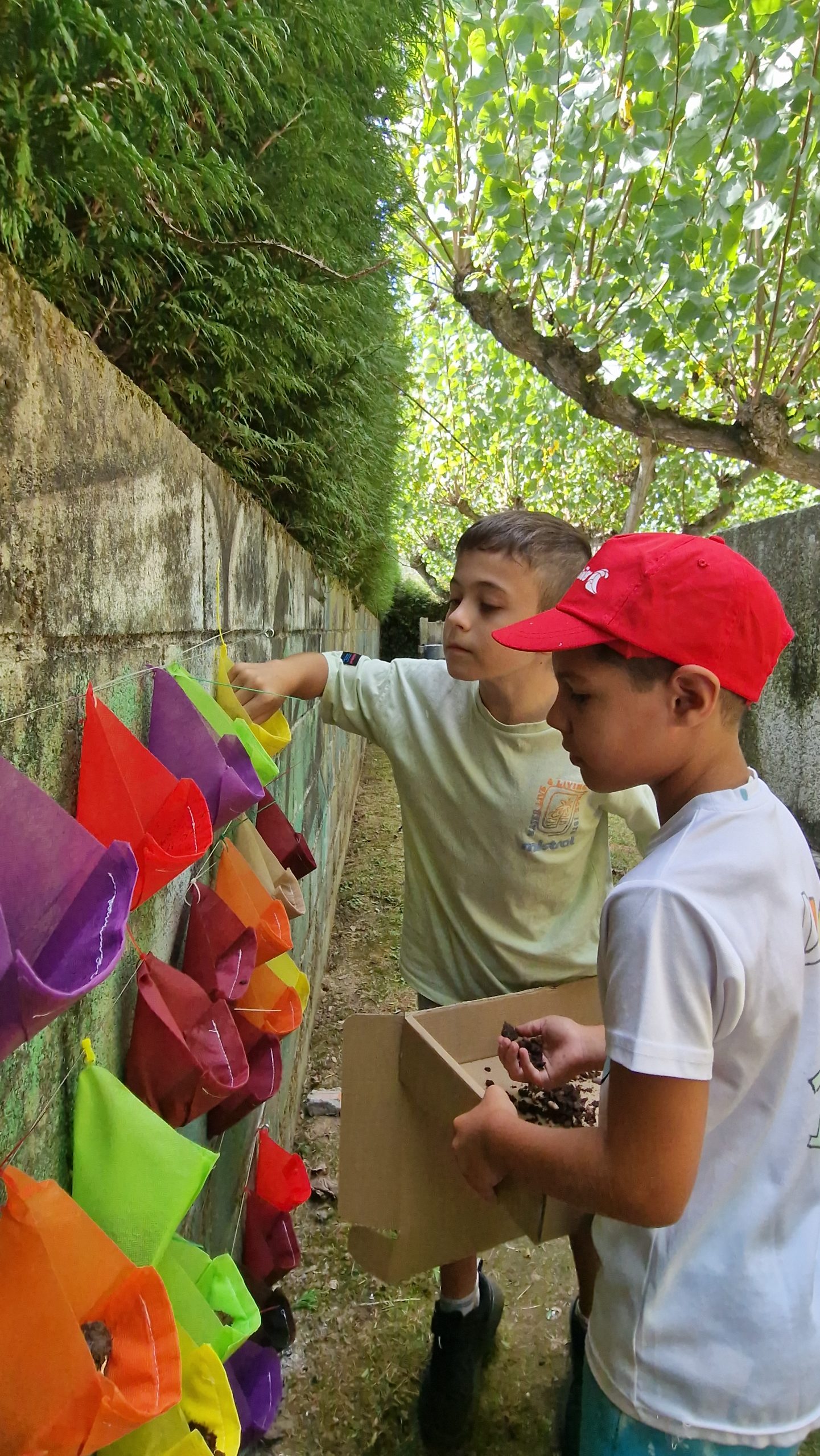
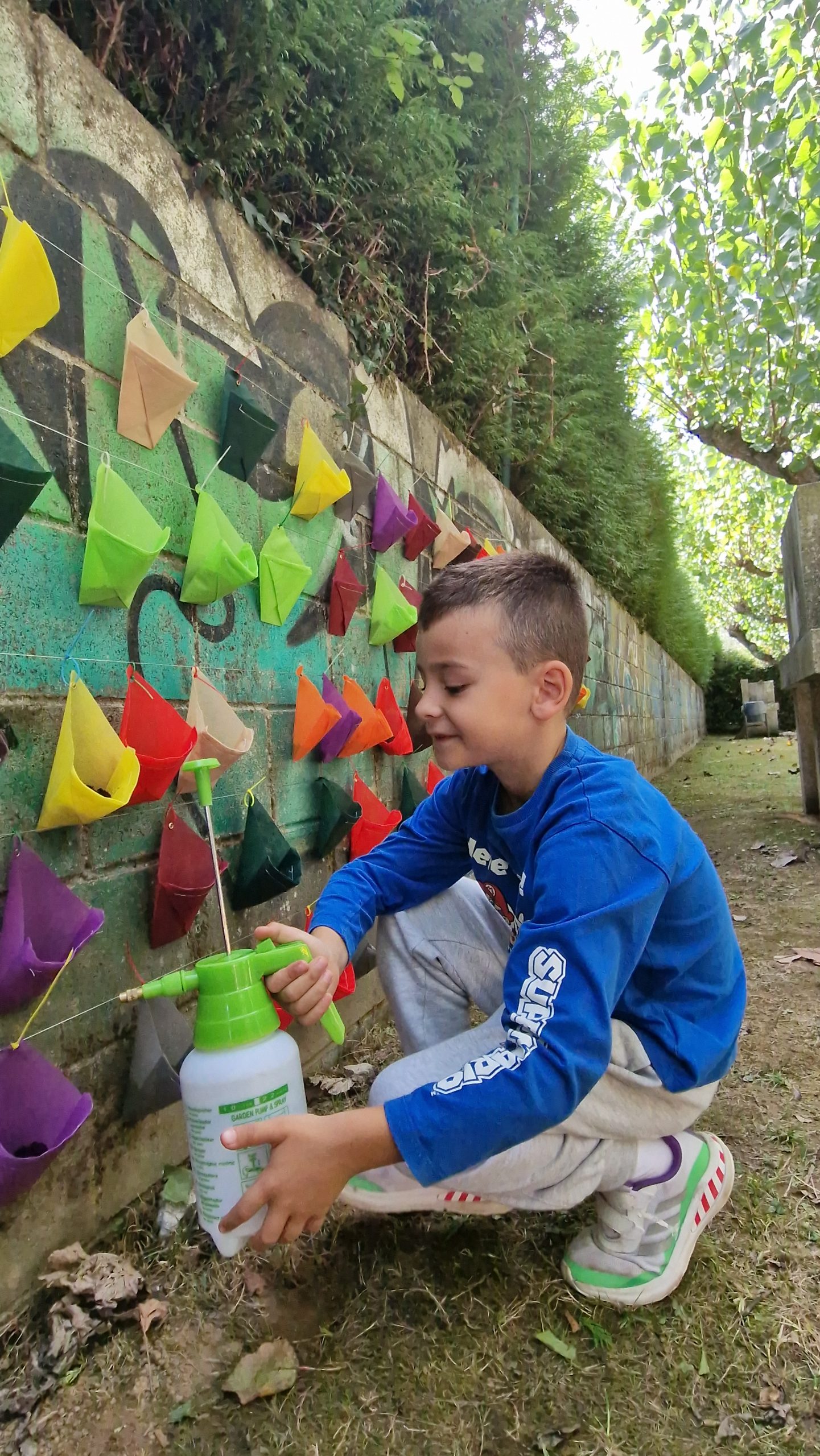
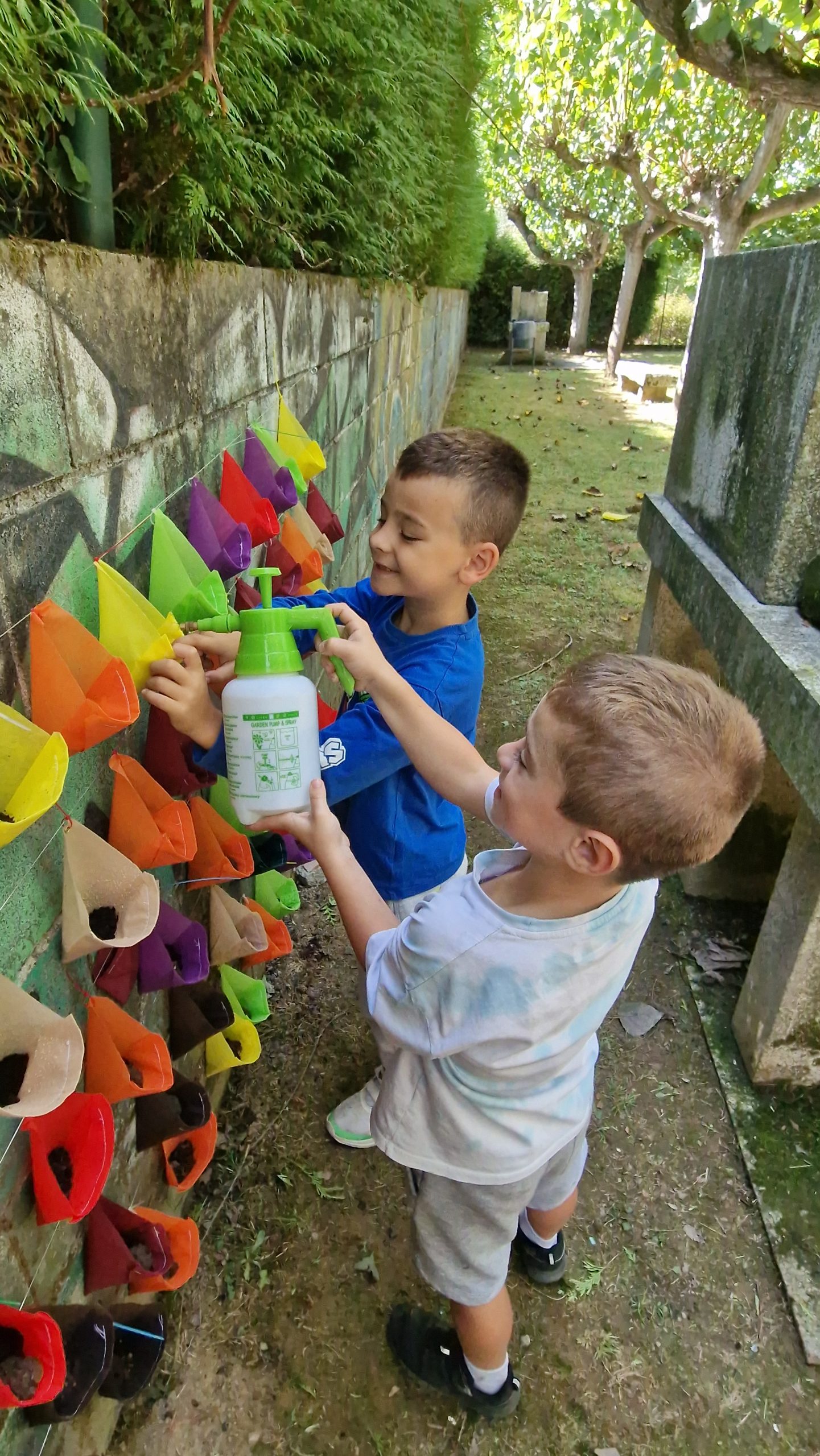
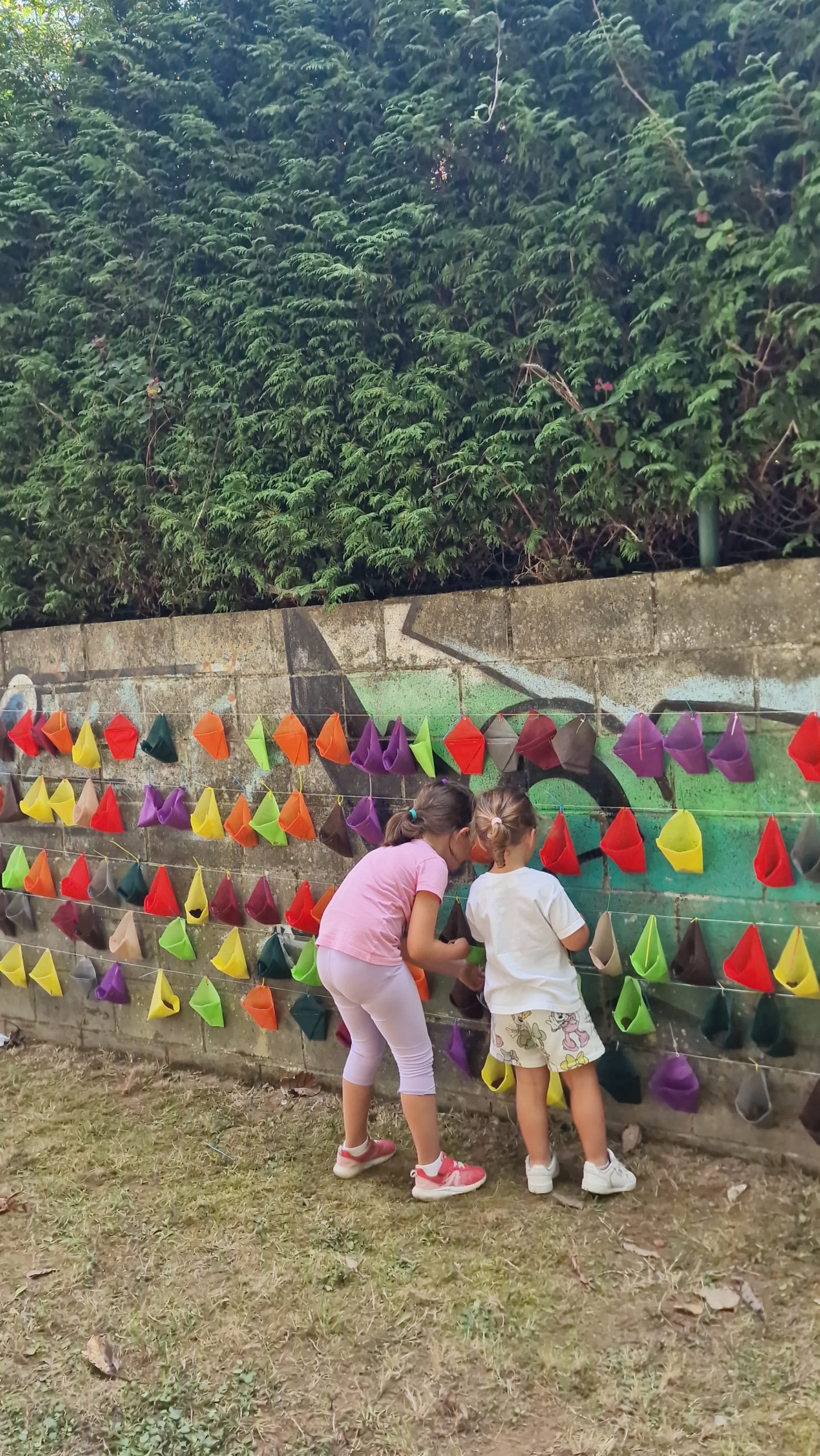
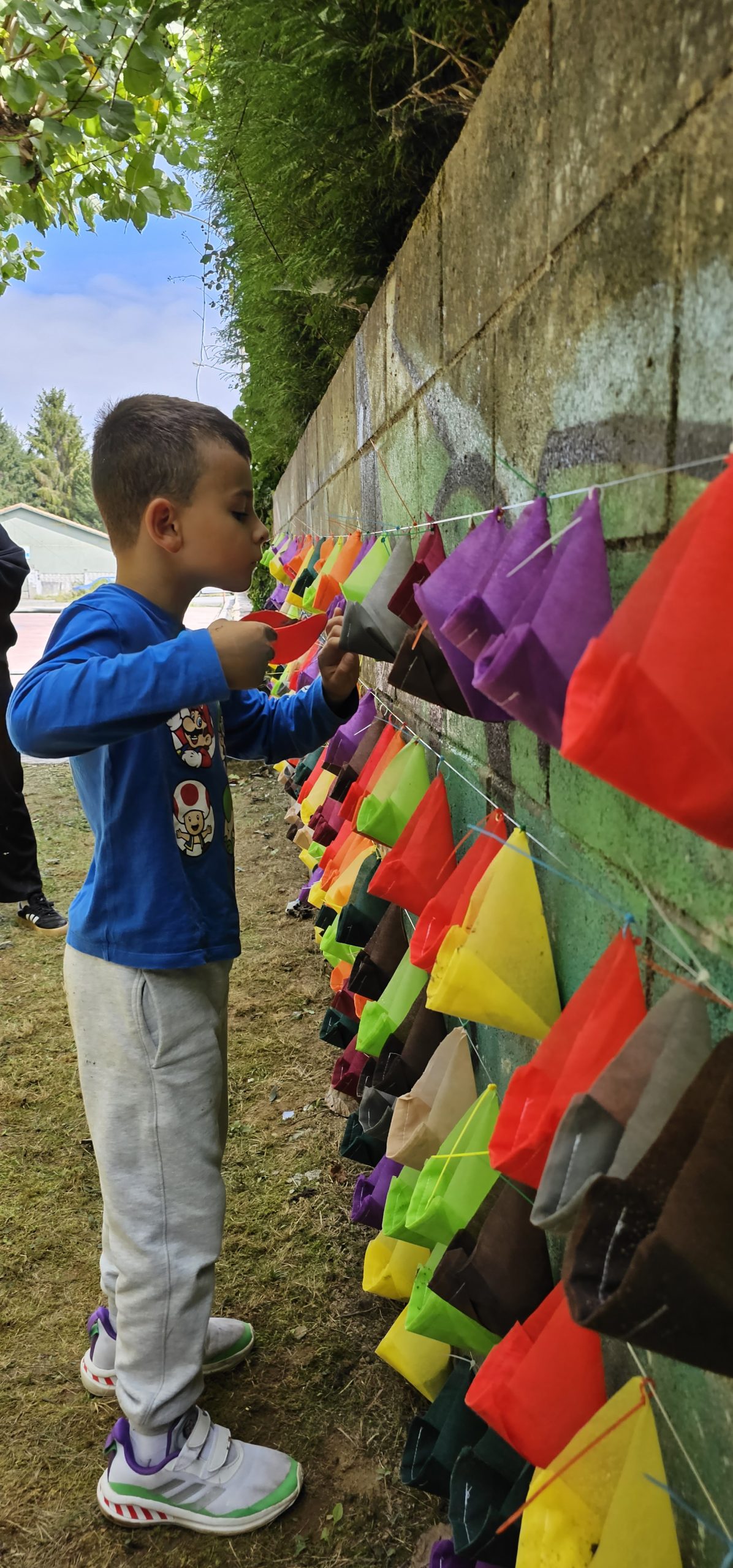
With all this, a colorful mural is created thanks to the colored geotextile envelopes, into which soil, water and the seed bombs are introduced and which will gradually be complemented by the green of the plants born, prepared by themselves.

COLOUR YOUR Village

The village or city in which we are working has been turned into a game board, a laboratory of experimentation where girls, boys and teenagers can act from a new point of view.

Touro

Touro


TOURO

On this occasion, it is the words that invade urban spaces, the ones that transform the environment of girls, boys and teenagers. In Touro, based on the toponymy that makes up its most important population core, it is about transforming the environment with the stories of our writers: Martín Códax, Rosalía de Castro, Castelao, Eduardo Pondal, Curros Enríquez, Ramón Cabanillas and Eduardo Blando Amor, encouraging participation protagonist, being the girls. children and adolescents the protagonists of the transformation.

TOURO

TRANSFORMING URBAN LANDSCAPE, WORKING WITH GALICIAN LITERATURE

 We want children and teenagers to learn to look at the place where they live, having with them THREE powerful tools: ART, LITERATURE and ARCHITECTURE. They are three elements that help us to understand the world and, most importantly, to transform it.
Invading Silleda with the work “O SIÑOR AFRANIO” by Antón Alonso Ríos

Invading Silleda with the work “O SIÑOR AFRANIO” by Antón Alonso Ríos

SILLEDA

Changing the village through protagonist participation


Invading Silleda with the work “O SIÑOR AFRANIO”  by Antón Alonso Ríos

The right of children and adolescents to PARTICIPATE in the CONSTRUCTION of their VILLAGE or CITY as part of an ACTIVE CITIZENSHIP, so that they are participants and executors of the changes in their surroundings.
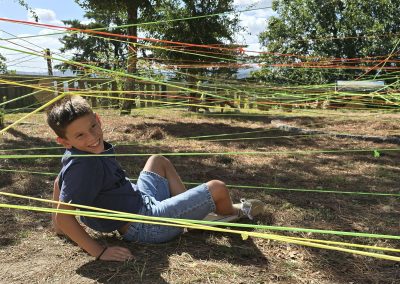
For this role to exist, CHILDHOOD and ADOLESCENCE must reflect on their surroundings (the space in which they unfold their lives), their context and propose solutions for change, that is to say, become aware of what it means to be a subject of law and the importance that it can have its participation as an engine of change for the rest of society.

– ¡Ya cogieron a Alonso Ríos! ¡Por fin cayó el gran zorro!

Istas esclamacións cheas de gozo vesánico e outras polo estilo, con variantes faunísticas peiorativas, escoitámolas en Tui durante meses, dende o 26 de xullo de 1936, día en que as tropas sublevadas entraron na cidade, logo de vencer a resistencia das forzas militares e civís leales á República.

Dormín na casa do Iglesias. A iso da meia noite petaron á porta. A dona do Iglesias atendéu. Era unha veciña que pedía entrar. Decía que foran avisar á súa casa pra que fuxira, aconsellándolle do xeito ila repetía:

Fuxe, fuxe, mais non borregues

A ista imprudencia sumóuse o seguinte feito, por certo ben cheo de riscos: dempóis que a Donata i a madriña do Guillermo se tiñan ido, eu fixen unha tentativa de impresionar ó Pepe de Vilachá. Díxenlle que me ía entregar ó cura de Vilameán de Tebra, xefe falanxista, aquil que nós metéramos na cadeia en Tui. O home espantóuse:

– ¡Non faga iso, que o matan!

Cando eu lle pedín a Pepe de Vilachán os meios pra facer a carta da miña suposta entrega, o Guillermo requiréu dil meia ducia de ovos cocidos, e acotóu:

– Veleiquí dúas resoluciós ben opostas: ti pides recursos pra entregáreste i eu pídoos pra fuxir.

Antes da noite cheguéi cerca da estrada de Tebra. Como escoitéi falar xente que andaba a traballar ó lado mesmo da estrada, pra non ser visto deitéime nunha chousa ante os fentos e sóio atraveséi prá outra banda xa ben entrada a noite. Ó pouco de camiñar sentínme canso. Busquéi un total axeitado pra deitarme e pasar o resto disa noite i o día seguinte.


Colour your Village

The village or city in which we are working has been turned into a game board, a laboratory of experimentation where girls, boys and teenagers can act from a new point of view.

Tags

Accessible Cities (69) Acoruñanarede (1) Ames (5) Anxel Casal (3) A Pobra do Caramiñal (2) ArchDaily (1) Architecture (159) Arquitectura (40) Arteixo (2) Art magazine - Logopress (2) Arzúa (34) As Pontes (2) Atlántico (1) A Vila do Mañá (256) barbadas.es (1) Barbadás (15) Barbanza Channel (3) Bergantiños Diary (1) Book (8) boys and adolescents (24) Brasil (11) Brazil (5) Bueu (16) Cambados (15) Carballo (40) Childhood (198) City (76) codesign (16) Coia (19) Compostela24horas.com (1) Conference (5) Coronavirus (68) Council of Carballo (1) Covid (69) crtvg (1) Cultural heritage (7) Culture city (1) Curtis (7) derecho a la ciudad (1) Diario de Arousa (4) Diario de Pontevedra (1) Diary of Arousa (29) Ecos da comarca (4) El Comarcal (1) El Correo Gallego (43) ElDiario.es (1) el ideal gallego (1) El progreso (1) enfoques (2) Environment (3) Faro de Vigo (43) Ferrol (19) Ferrol360.es (1) Ferrol Diary (5) Floats (8) Galicia (232) Galicia@PRESS (2) Galician literature (1) Game board (5) Game of goose (5) GDiario (1) Girls (18) Girls, boys and adolescents (133) Green flag (4) Hai Mulleres (2) Heritage (142) High School Alexandre Bóveda (5) Historic city (9) History of Galicia (1) Hoyesarte.com (1) Iberoamerican Biennial (4) Independence square (1) Infancia (14) Inmodiario (1) inquEDU (2) Instituto Alexandre Bóveda (1) International (3) Interview (2) Landscape (131) La Opinión (16) La Región (22) La Voz de Galicia (100) library (1) Lina Bo Bardi (6) Lindeiros (1) Lo Que Yo Te Digo (2) Ludantia (4) Madrid (2) Malpica (5) Master Houses (1) Mobility (2) Mobility Week (2) Mondoñedo (6) Nenas nenos e adolescentes (13) Nets (1) News (185) NH Diary (8) Nius Diary (1) Noticia (14) O Barbanza (2) Observador (1) O Correo de Bergantiños (2) O Porriño (4) Padrón (3) Pandemic (47) Park (2) Participación protagónica (41) Patrimonio cultural (1) Pazo do Martelo (1) PonteAreas (4) Pontevedra (4) PontevedraViva!com (2) Portugal (1) Protagonist participation (85) Protegim-nos (1) Que pasa na Costa (3) RadioValladares (1) Regiao news (1) Region (3) Revista AMSGO! (1) Rianxo (20) Ribadeo (2) Ribeira (8) Right to the city (88) Rías Baixas Channel (3) Rúa (14) Sandra Gonzalez Alvarez (19) Sandra González (131) San Francisco Vilagarcía de Arousa School (3) Santiago's road (46) Santiago de Compostela (12) Sesc Santo Amaro (1) Silleda (30) Social distance (68) Street (96) São Paulo (14) Tactical urbanism (88) Talleres (22) Teixeiro (2) Telecinco (1) Terrachá xá (1) Touro (8) treintayseis (1) TV (3) TV of Galicia (2) Urban garden (7) Urbanism (145) Urbanismo (40) Urbanismo de Guerrilla (142) Urbanismo táctico (42) Venice Biennale (2) Verín (5) Viena (2) Vila (23) Vilagarcía (24) Village (101) Vimianzo (7) Virtual (40) Vía Láctea Communication (1) Workshops (139) XUNTA DE GALICIA (3) zero code (1)

Logo A Vila do Mañá

Proxecto financiado por:

Proxecto financiado pola Deputación da Coruña

Grazas polo teu aporte